AW | 2022 07 16 12:12 | AIR INVESTIGATION / GOVERNMENT
Exhortan cooperación con Justicia atentado del MH17
El alto representante de la Unión Europea para Asuntos Exteriores, Josep Borrell, pidió este Sábado 16/07 al Gobierno de la Federación Rusia que «acepte su responsabilidad y coopere» en los juicios sobre el derribo del avión Boeing 777-200ER del vuelo MH17 de Malaysia Airlines, en el que murieron 298 personas, y del que se cumplirá un nuevo aniversarios, tras ocho años de mantenerse las investigaciones.
Josep Borrell aseguró que la guerra que ha desatado Rusia «es un doloroso recuerdo» de lo ocurrido el 17 de Julio de 2014, cuando el avión de Malaysia Airlines, que había despegado de Schiphol/Amsterdam hacia Kuala Lumpur, fue impactado por un misil mientras sobrevolaba el este de Ucrania, durante el conflicto bélico entre las facciones del ejército separatista pro-ruso para dominar la zona del Donetsk y Crimea.
En la víspera del aniversario, el Jefe de la diplomacia europea reiteró el pleno apoyo de la UE a los esfuerzos que se están llevando a cabo para establecer la verdad, conseguir justicia para las víctimas y sus familiares y lograr que rindan cuentas los responsables. Actualmente, un tribunal de Países Bajos está juzgando a cuatro sospechosos (tres rusos y un ucraniano), todos ellos en rebeldía por su supuesta responsabilidad en el derribo del avión y la sentencia se espera para finales de este año 2022. La Fiscalía neerlandesa les considera culpables y ha pedido cadena perpetua para los cuatro acusados.
EU asks Russia to accept responsibility MH-017
They call for cooperation with Justice MH17 attack
The high representative of the European Union for Foreign Affairs, Josep Borrell, asked this Saturday 07/16 the Government of the Russian Federation to «accept its responsibility and cooperate» in the trials regarding the shooting down of the Boeing 777-200ER aircraft on flight MH17 from Malaysia Airlines, in which 298 people died, and of which a new anniversary will be celebrated, after eight years of continuing the investigations.
Josep Borrell assured that the war that Russia has unleashed «is a painful memory» of what happened on July 17, 2014, when the Malaysia Airlines plane, which had taken off from Schiphol/Amsterdam to Kuala Lumpur, was hit by a missile while It was flying over eastern Ukraine, during the war between factions of the pro-Russian separatist army to dominate the area of Donetsk and Crimea.
On the eve of the anniversary, the Head of European Diplomacy reiterated the EU’s full support for ongoing efforts to establish the truth, achieve justice for victims and their families and hold those responsible to account. Currently, a court in the Netherlands is trying four suspects (three Russians and a Ukrainian), all of them in absentia for their alleged responsibility in the downing of the plane and the sentence is expected by the end of this year 2022. The Dutch Prosecutor’s Office considers them guilty and has asked for life sentences for the four defendants.
PUBLISHER: Airgways.com DBk: European-union.europa.eu / Airgways.com AW-POST: 202207161212AR OWNERSHIP: Airgways Inc. A\W A I R G W A Y S ®
AW | 2022 07 05 17:00 | AIR INVESTIGATION / AVIATION SAFETY
Realiza aterrizaje de emergencia en Karachi, Pakistán
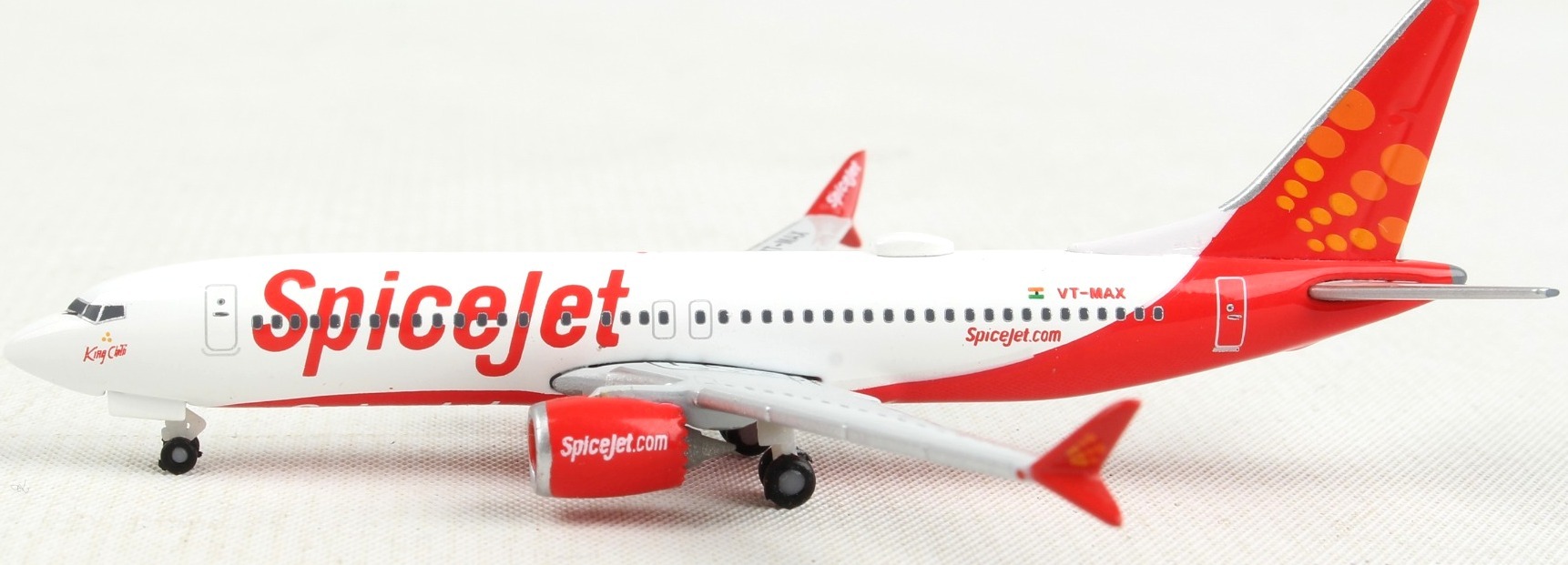
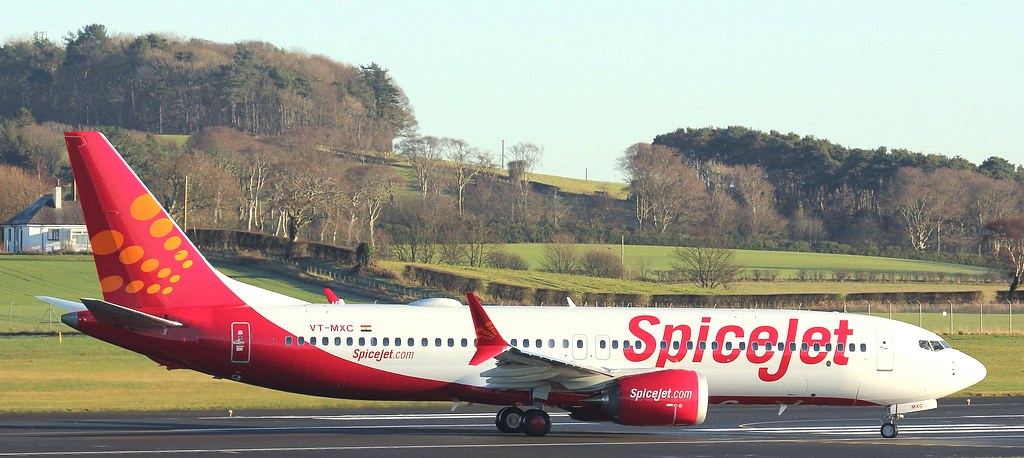
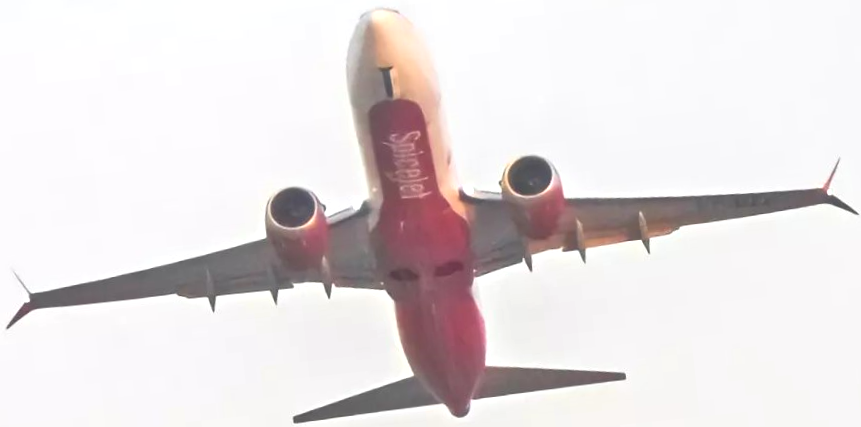
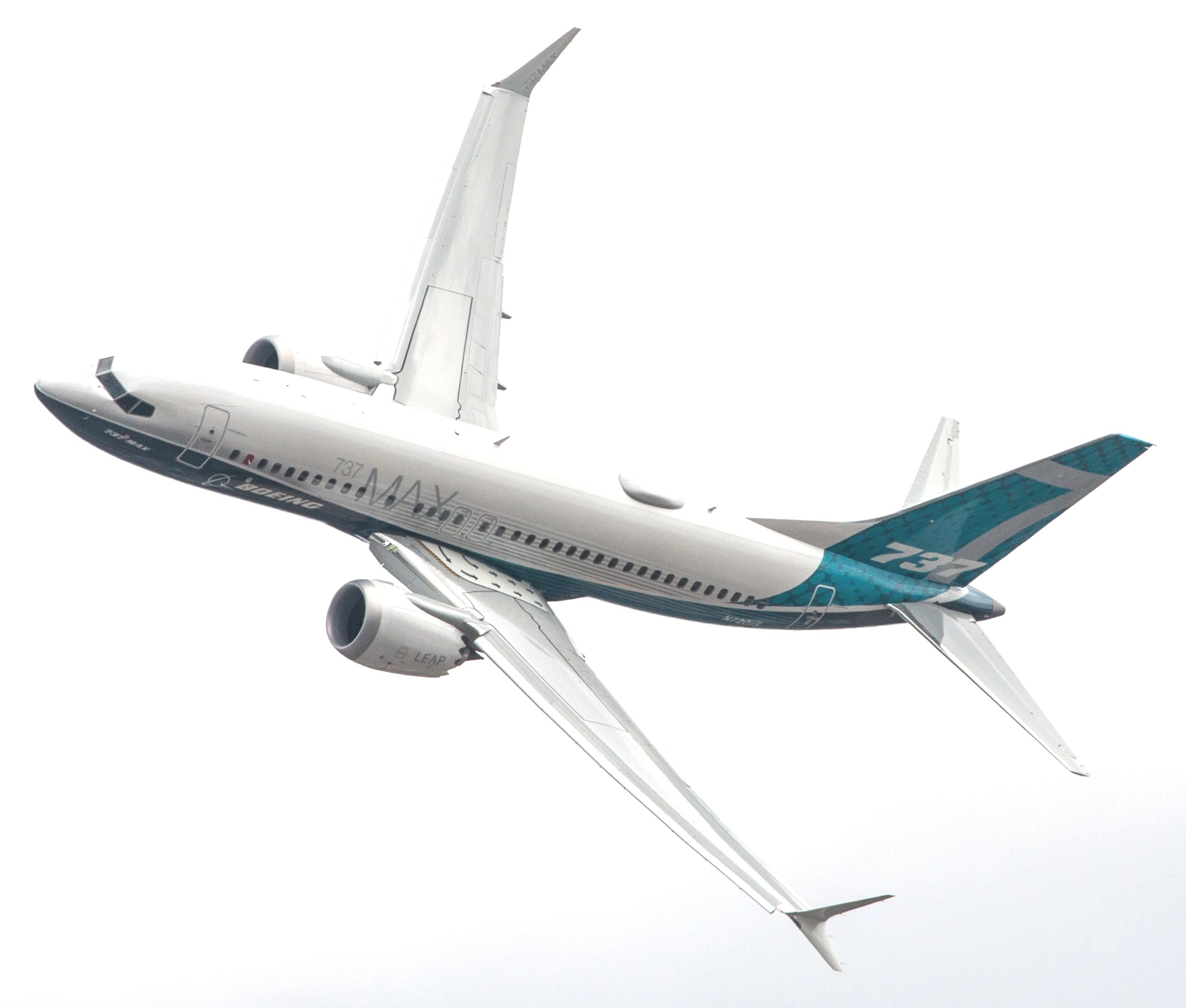
Un Boeing 737-8 MAX de la aerolínea india SpiceJet ha sufrido un incidente con el vuelo SG11 en la ruta el Martes 05/07. El vuelo de SpiceJet es un servicio diario programado entre Nueva Delhi/DEL y Dubai/DXB con una hora de salida de 07:40hs. La aeronave involucrada en el incidente está registrada como VT-MXG con MSN 64508, SN64508 LN:7237, ha sido entregado a la aerolínea el 14/12/2018 y tiene 3.6 años de antigüedad. Actualmente, SpiceJet posee una flota de trece Boeing 737-8 MAX (13).
El Boeing 737-8 MAX de la aerolínea despegó siguiendo la ruta programada dirigiéndose hacia el oeste para cruzar Pakistán e Irán, teniendo que interrumpir su viaje a Dubai, Emiratos Árabes Unidos en la mañana del 05/07 y aterrizar en Karachi, Pakistán, después de que los pilotos notaron problemas con el Sistema de Combustible del avión, para un aterrizaje seguro en la Pista 25R unos 20 minutos después. Se dice que el avión hizo un aterrizaje seguro, sin que se reportaran lesiones a los pasajeros. FlightRadar24.com muestra que después de aproximadamente 1 hora y 20 minutos en el vuelo y navegando a 36.000 pies, el 737 MAX giró hacia el sur y comenzó a acercarse a la ciudad portuaria paquistaní de Karachi. El avión se dirigía a Dubai desde Nueva Delhi y aterrizó de manera segura después de desviarse a la ciudad paquistaní, donde un avión de reemplazo se dirigía a recoger pasajeros y completar el viaje, dijo el Portavoz de la aerolínea SpiceJet.
La tripulación de mando desvió el 737-8 MAX al observar una reducción inusual de la cantidad de combustible de su tanque izquierdo. La tripulación llevó a cabo todos los Standard Operating Procedure (SOP) necesarios para tal situación, pero el combustible siguió disminuyendo. El piloto al mando decidió desviar el avión hacia Karachi. El avión se desvió en coordinación con ATC y aterrizó de forma segura en Aeropuerto Internacional Jinnah/KHI, en la Ciudad de Karachi. Durante la inspección posterior al vuelo, no se ha observado ninguna fuga visual desde el tanque principal izquierdo. La aeronave aterrizó de forma segura en Karachi a las 09:17 hora local, y todos los pasajeros fueron desembarcados de forma segura. Se está organizando un avión de reemplazo desde Mumbai, que transportará técnicos y equipos para reparar el 737 MAX en Karachi.
Reincidencias inseguridad
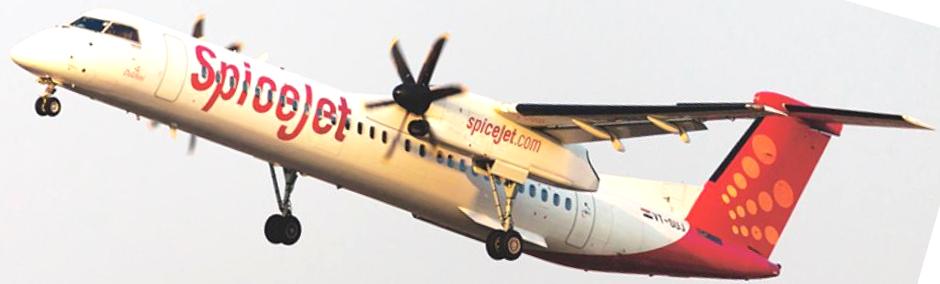
SpiceJet ha tenido un número inusual de incidentes de este tipo últimamente,, con una tassa de seis en los últimos diecisiete días, mientras se han abierto investigaciones por el regulador de la India, la Directorate General of Civil Aviation (DGCA). Recientemente, el Martes 05/07 un De Havilland Dash 8-400, matrícula VT-SUV realizando el vuelo SG-3324 de Kandla a Mumbai (India), se dirigía a FL230 a unos 100 nm al norte de Mumbai cuando el parabrisas derecho se agrietó. El avión continuó para un aterrizaje seguro en Mumbai. La aerolínea informó que el panel exterior P2 del parabrisas se agrietó a 23.000 pies, sin embargo, la presurización se mantuvo normal. La tripulación solicitó un aterrizaje prioritario en Mumbai.
SpiceJet 737 MAX Incident
Make emergency landing in Karachi, Pakistan
A Boeing 737-8 MAX of the Indian airline SpiceJet has suffered an incident with flight SG11 on the route on Tuesday 05/07. The SpiceJet flight is a daily scheduled service between New Delhi/DEL and Dubai/DXB with a departure time of 07:40. The aircraft involved in the incident is registered as VT-MXG with MSN 64508, SN64508 LN:7237, has been delivered to the airline on 12/14/2018 and is 3.6 years old. Currently, SpiceJet owns a fleet of thirteen Boeing 737-8 MAX (13).
The airline’s Boeing 737-8 MAX took off following the scheduled route heading west to cross Pakistan and Iran, having to interrupt its trip to Dubai, United Arab Emirates on the morning of 07/05 and land in Karachi, Pakistan, after that the pilots noted problems with the aircraft’s Fuel System, for a safe landing on Runway 25R about 20 minutes later. The plane is said to have made a safe landing, with no reported injuries to passengers. FlightRadar24.com shows that after about 1 hour and 20 minutes into the flight and cruising at 36,000 feet, the 737 MAX turned south and began approaching the Pakistani port city of Karachi. The plane was en route to Dubai from New Delhi and landed safely after diverting to the Pakistani city, where a replacement plane was on its way to pick up passengers and complete the journey, the SpiceJet airline spokesman said.
The flight crew diverted the 737-8 MAX after observing an unusual reduction in the amount of fuel in its left tank. The crew carried out all the Standard Operating Procedures (SOP) necessary for such a situation, but the fuel continued to decrease. The pilot in command decided to divert the plane to Karachi. The aircraft was diverted in coordination with ATC and landed safely at Jinnah/KHI International Airport in Karachi City. During the post-flight inspection, no visual leak has been observed from the left main tank. The aircraft landed safely in Karachi at 09:17 local time, and all passengers were safely disembarked. A replacement plane is being arranged from Mumbai, which will transport technicians and equipment to repair the 737 MAX in Karachi.
Insecurity recurrences
SpiceJet has had an unusual number of such incidents lately, with a rate of six in the last seventeen days, while investigations have been opened by India’s regulator, the Directorate General of Civil Aviation (DGCA). Recently, on Tuesday 07/05 a De Havilland Dash 8-400, registration VT-SUV on flight SG-3324 from Kandla to Mumbai (India), was heading to FL230 about 100 nm north of Mumbai when the right windshield cracked The aircraft continued for a safe landing in Mumbai. The airline reported that the P2 outer windshield panel cracked at 23,000 feet, however the pressurization remained normal. The crew requested a priority landing in Mumbai.
SOP: El término SOP es una abreviatura de Procedimiento Operativo Estándar. Los SOP son un marco de procedimientos comunes establecidos por una aerolínea que ayuda a los pilotos a operar una aeronave comercial de manera segura y consistente. Los SOP proporcionan instrucciones paso a paso sobre cómo llevar a cabo una tarea o un procedimiento.
SOP: The term SOP is an abbreviation for a Standard Operating Procedure. SOPs are a framework of common procedures set out by an airline which supports pilots in operating a commercial aircraft safely and consistently. SOPs provide step-by-step instructions for how to carry out a task or procedures.
PUBLISHER: Airgways.com DBk: Dgca.gov.in / Spicejet.com / FlightRadar24.com / Airgways.com AW-POST: 202207051700AR OWNERSHIP: Airgways Inc. A\W A I R G W A Y S ®
AW | 2022 06 26 22:53 | AIR INVESTIGATION / AVIATION SAFETY / AVIATION ORGANISMS
Emergencias en el aire del Boeing 737 MAX reveladas Agencia prepara para investigar problemas producción
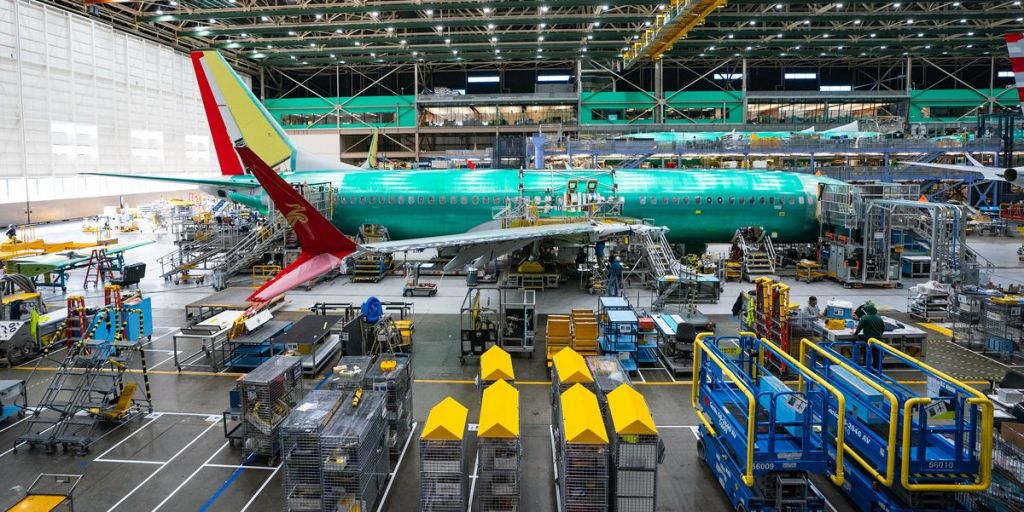
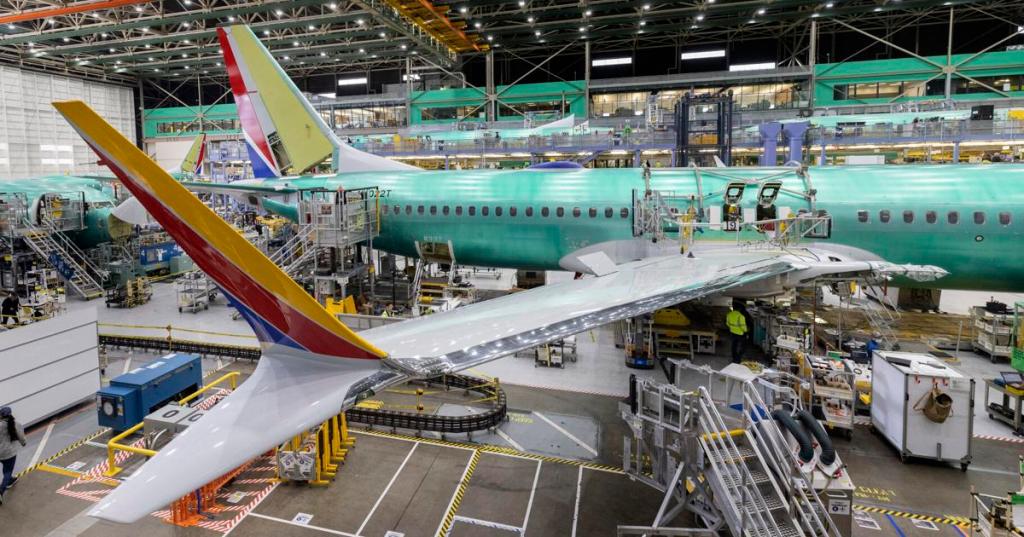
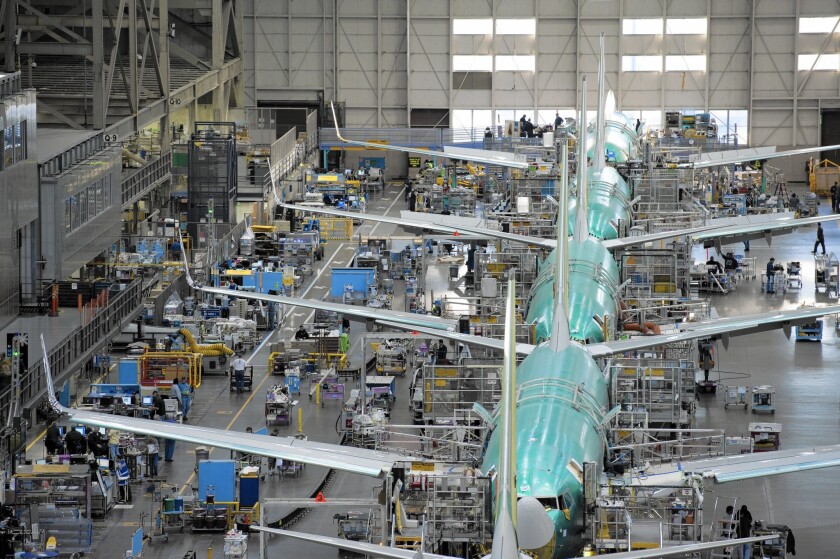
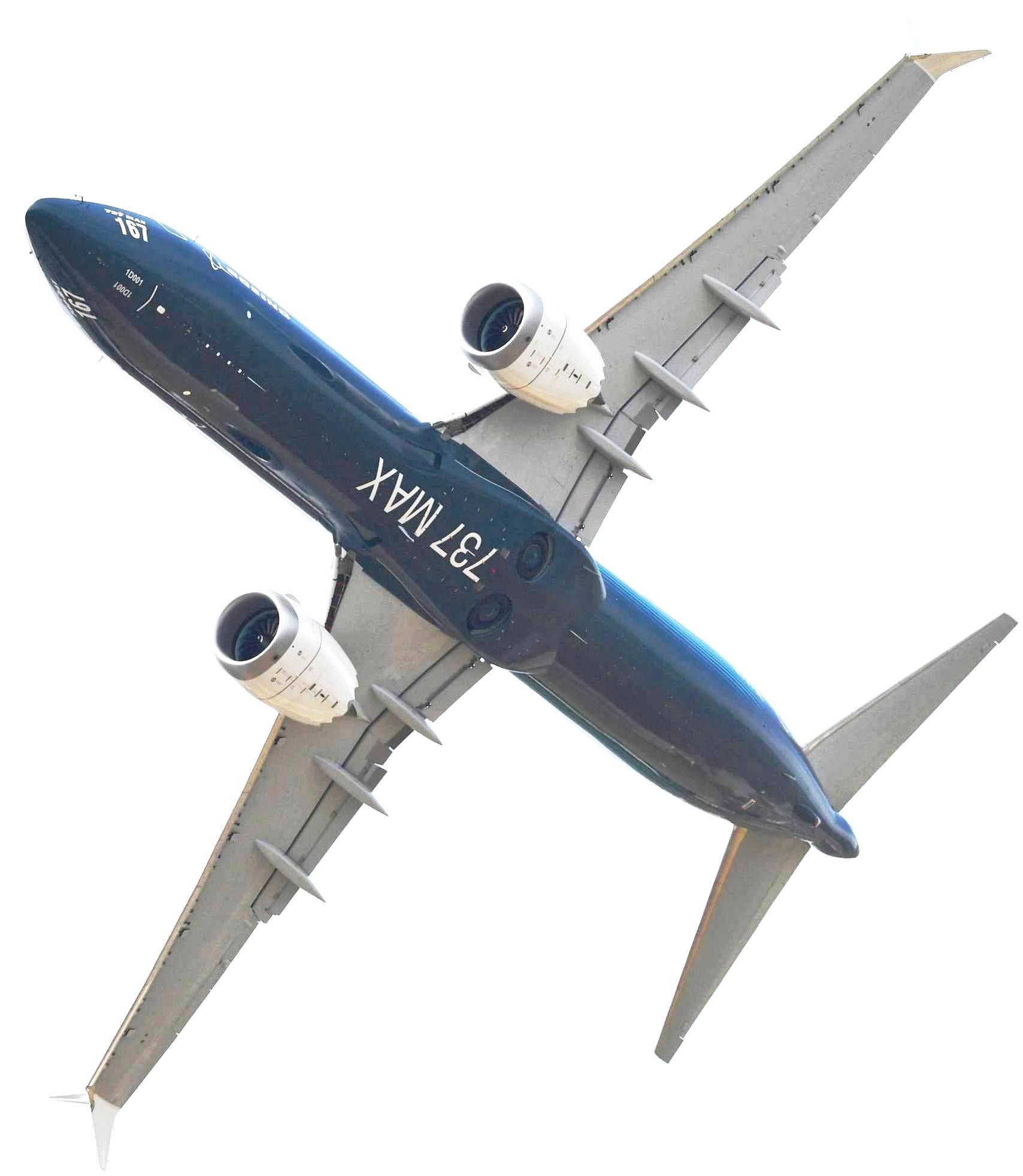
Los problemáticos aviones Boeing 737 MAX que se han sufrido dos accidentes aéreos matando a 346 personas, han experimentado al menos seis emergencias en el aire y docenas de aterrizajes en 2022 después de que una extensa investigación los autorizó a volar. Boeing ensambla los aviones 737 MAX en su fábrica en el suburbio de Renton en Seattle, Washington (WA), Estados Unidos.
Los incidentes, extraídos de las bases de datos de seguridad aérea del Gobierno de los Estados Unidos, se encuentran entre los más de sesenta problemas en pleno vuelo reportados por los pilotos en los doce meses posteriores a que la Administración Federal de Aviación de los Estados Unidos (FAA) recertificó la aeronavegabilidad del avión a fines de 2020. Los ex-empleados de The Boeing Company y la FAA caracterizaron los informes, que incluían paradas de motores y pilotos que perdían el control parcial del avión, como graves y con el potencial de terminar en tragedia.
El investigador de seguridad aérea de Estados Unidos, la Junta Nacional de Seguridad en el Transporte (NTSB), dijo que la oficina del Inspector General del Departamento de Transporte de Estados Unidos (DOT) llevaría a cabo lo que describió como un trabajo de vital importancia: «La oficina del Inspector General del DOT [ha] confirmado […] que el Congreso solicitó una auditoría de la supervisión de la producción de Boeing y que la revisión de la producción del 737 MAX será parte de esta auditoría», dijo en un correo electrónico de la NTSB.
MAX accidentados
Las aeronaves Boeing 737-8 MAX accidentadas tenían menos de cuatro meses de antigüedad, salidos de la factoría de Boeing en Seattle (WA). El primer accidente fue el vuelo JT-610 de Lion Air que se hundió en el Mar de Java en Indonesia el 29 de Octubre de 2018. El 10 de Marzo de 2019, otro avión 737-8 MAX operado por Ethiopian Airlines se estrelló seis minutos después de despegar de la capital, Addis Abeba. Los informes de los investigadores de ambos accidentes aéreos apuntaron a un mal funcionamiento causado por el sistema de software de control de vuelo conocido como Sistema de Aumento de Características de Maniobra (MCAS). Los empleados de Boeing fueron acusados por el Departamento de Justicia de los Estados Unidos y la compañía pagó US$ 3.500 millones de Dólares en multas e indemnizaciones después de que se descubrió que había engañado a las autoridades sobre las complejidades del sistema y eliminado las referencias al MCAS de su manual de entrenamiento de pilotos.
Todos los aviones 737 MAX en todo el mundo quedaron en tierra después del segundo accidente cuando se llevó a cabo una revisión de seguridad de veinte meses. Pero en Abril 2021, cinco meses después de que se les autorizara a volar de nuevo, cien aviones Boeing 737 MAX fueron retirados nuevamente del servicio después del descubrimiento de una falla eléctrica en la cabina que podría resultar en la pérdida de funciones críticas de vuelo. Boeing dijo que rastreó el problema hasta un cambio en los procesos de producción en su fábrica en el Estado de Utah (UT).
Reincidencias aéreas
Actualmente, una investigación del diario ABC de Australia ha desenterrado docenas de otros incidentes en pleno vuelo en aviones Boeing 737 MAX durante el primer año de regreso a la aeronave en servicio entre los años 2020-2021. Los datos del informe de seguridad se extrajeron del Sistema de Informes de Dificultad de Servicio de la FAA, así como de informes anónimos presentados al Sistema de Informes de Seguridad de la Aviación de la NASA.
Los pilotos de líneas aéreas reportaron declarar emergencias en el aire al menos seis veces en 2021, incluido un vuelo de United Airlines en ruta a Houston, Texas, en Octubre 2021, que no estaba en la base de datos. Otro incidente en Diciembre de 2021, un piloto de United Airlines declaró un mayday después de que el sistema que controlaba el cabeceo (MCAS) y la altitud del avión comenzara a funcionar mal. Una investigación puede revelar que el Gobierno de Estados Unidos anunciará una nueva auditoría que examinará la supervisión de la producción de Boeing de los aviones 737 MAX. Virgin Australia Airlines, que se negó a comentar sobre los nuevos datos, ha ordenado cuatro del mismo modelo MAX 8 (4) y veinticinco del modelo MAX 10 (25) más nuevo, que aún no ha sido certificado. Se espera que Virgin Australia reciba sus aviones en 2023.
El Sistema de Control de Vuelo del Boeing 737 MAX también falló en veintidós vuelos separados, un problema que se convirtió en el foco principal del esfuerzo de recertificación de veinte meses de la FAA después de los dos accidentes fatales. Más de cuarenta y dos incidentes involucraron fallas en el equipo, y en más de cuarenta ocasiones, las tripulaciones de vuelo optaron por dejar en tierra la aeronave afectada mientras se solucionaban los problemas.
En un incidente en un vuelo de American Airlines en Abril 2021, varios sistemas, incluidas ambas funciones de piloto automático, dejaron de funcionar poco después del despegue. Al aterrizar, la tripulación descubrió que la unidad de energía de respaldo, considerada vital para un vuelo seguro, había fallado y emitía un fuerte olor eléctrico. Otro informe del sistema de la NASA detalló cómo en Diciembre 2021 un avión tuvo múltiples fallas en el sistema y de repente perdió altitud cuando la nariz de la aeronave se inclinó hacia abajo y su velocidad cambió rápidamente. La tripulación no pudo dar una explicación. Algunos aviones también tuvieron una multitud de problemas. Un MAX 9 de Alaska Airlines fue puesto en tierra siete veces durante cinco meses debido a fallas en su equipo de navegación o comunicación.
Una portavoz de Boeing dijo a ABC que «ninguno de los informes indica una tendencia. De hecho, la confiabilidad en servicio del 737 MAX es consistente con otros modelos de aviones comerciales. Desde Noviembre de 2020, el 737 MAX ha volado más de 1,5 millones de horas de vuelo en más de 580.000 vuelos de ingresos. La abrumadora mayoría de estos vuelos se han realizado sin ningún incidente», dijo la portavoz de la compañía americana.
La Autoridad de Seguridad de la Aviación Civil de Australia (CASA) dijo a ABC en un comunicado que no podía responder a los incidentes reportados a la FAA porque caían dentro de la jurisdicción de la FAA, a menos que los incidentes involucraran a un avión o piloto australiano. «La FAA aborda las condiciones inseguras en los aviones diseñados por Estados Unidos mediante la emisión de Directivas de Aeronavegabilidad que son obligatorias para aquellas aeronaves que operan en Australia. Cualquier nuevo tipo y modelo de aeronave debe recibir un certificado de aceptación de tipo por parte de CASA antes de que pueda operar en Australia. Los titulares de certificados de tipo proporcionan documentación de aeronavegabilidad y seguridad como parte de este proceso», dijo CASA en su comunicado.
Entrañas de Boeing
El ex-Gerente Senior de Boeing, Ed Pierson, quien trabajó en la fábrica de la línea 737 MAX en Seattle entre 2015 y 2018, dijo que muchos de los incidentes en los 28 aviones identificados en el conjunto de datos fueron «graves en las circunstancias adecuadas y podrían conducir a una tragedia. Hay muchas similitudes entre lo que estamos viendo en algunos de los informes con lo que sucedió durante estos dos accidentes», dijo Ed Pierson. Testificó en 2019 ante el Congreso de los Estados Unidos sobre las presiones increíbles que enfrentan los trabajadores para cumplir con las demandas en la planta de Boeing y se ha presentado nuevamente porque teme que la historia se repita. Mientras trabajaba para la compañía aeroespacial, Ed Pierson instó a la compañía a cerrar la línea de producción del MAX.
El ex-Gerente de línea 737 MAX, Ed Pierson ha estado trabajando con las familias de las víctimas del accidente para pedir una investigación más exhaustiva sobre el problemático historial de producción de Boeing y sus prácticas engañosas sobre su cumplimiento de seguridad.
Ed Pierson, un capitán de la marina con treinta años de experiencia y oficial de vuelo retirado, dijo que muchos de los problemas probablemente estaban relacionados con problemas de calidad de producción que presenció en la fábrica. Primero planteó temores a la alta gerencia de que los aviones se estaban construyendo con defectos incrustados antes del primer accidente. Sus súplicas para cerrar la fábrica fueron ignoradas. «Estos son aviones nuevos, no se puede explicar más que los problemas de calidad de la producción. Cada una de nuestras métricas de salud de fábrica estaba alcanzando el peor récord […] y estaba tendiendo en la dirección equivocada», explica Ed Pierson.
El Diario Abc ha hablado con otros dos ex empleados de Boeing involucrados en la producción del avión 737 MAX. Plantearon preocupaciones significativas sobre la garantía de calidad de la aeronave, pero desearon permanecer en el anonimato, citando temores de represalias de Boeing. Un mecánico dijo que observaron una fabricación y pruebas deficientes de los aviones, lo que resultó en cables expuestos y escombros como basura, astillas de metal y arandelas que se alojan dentro de varias partes del avión, lo que podría provocar cortocircuitos eléctricos o incendios.
Informes independientes
El ABC buscó un análisis independiente de los informes de seguridad de ex pilotos e investigadores de accidentes. Advirtieron que los datos se referían solo a incidentes estadounidenses y que es posible que no indiquen problemas en toda la flota.
El Profesor asistente de aviación en la Universidad de Dakota del Norte y ex investigador de accidentes aéreos, Kwasi Adjekum, identificó siete de las emergencias en el aire como muy graves y dijo que Boeing había cortado esquinas con el diseño del MAX y sufrió problemas de fabricación persistentes. Pero dijo que el alto número de fallas eléctricas reportadas en los aviones MAX podría explicarse por la degradación del cableado y los componentes mientras la aeronave permaneció almacenada durante veinte meses. «Puede ser muy difícil concluir que hay fallas graves en el sistema en un tipo de aeronave que se remonta a un fabricante de equipos originales utilizando datos localizados o limitados como estos. También podría ser un problema con las prácticas/procedimientos de mantenimiento del operador», dijo Kwasi Adjekum.
Guido Carim Jr., Profesor titular de aviación en la Universidad de Griffith, dijo que algunos de los incidentes en el conjunto de datos no eran infrecuentes, como errores que involucran equipos de comunicación y válvulas antihielo, y los pilotos fueron entrenados para lidiar con ellos a medida que surgían. «Esos incidentes pueden convertirse en un problema, pero el mal funcionamiento de esos equipos no es una preocupación para mí porque todos tienen redundancias. Los incidentes relacionados con el control de vuelo y los ajustes estabilizadores, que ayudan a controlar la rotación del avión, eran muy, muy graves».
Dijo que algunos otros informes planteados por la ABC eran extraños, como un incidente que involucró a un vuelo de United Airlines en agosto pasado donde se encontró combustible filtrándose en un compartimiento superior de pasajeros. Las reservas de combustible se encuentran en las alas. «Nunca había visto eso antes», dijo el Dr. Carim Jr.
Familiares
La hija de Nadia Milleron y Michael Stumo, Samya Stumo (24) se dirigía a Uganda para trabajar en salud pública cuando murió en el accidente de Ethiopian Airlines. La pareja ha hecho campaña para dejar en tierra los aviones, creyendo que las autoridades no examinaron exhaustivamente todas las causas de los dos accidentes. «Ha habido numerosas emergencias en el aire que están documentadas en los Estados Unidos […] y ni siquiera sabemos los que están en el ámbito internacional. Es totalmente posible, según los informes de los pilotos, que podría ocurrir otro accidente y eso sería aún más devastador para nosotros», dijo Nadia Milleron.
Un ingeniero que trabajaba con el equipo de vuelo de prueba a expresado que la tripulación no tenía suficiente equipo para todas las aeronaves que estaba manejando y enfrentó presiones de programación para certificar la aeronavegabilidad de los aviones más rápido. La portavoz de Boeing dijo que alentó a los empleados a plantear problemas de seguridad y que tenía controles internos bien establecidos para eliminar los escombros en los tanques de combustibles de sus aviones antes de la entrega. En respuesta a las afirmaciones de un ingeniero sobre la presión del cronograma, la portavoz de Boeing dijo: «Recopilamos y analizamos todos los datos requeridos para cumplir con los requisitos antes de la certificación de un nuevo avión».
Avión de «grado D»
Joe Jacobsen, quien tiene 37 años de experiencia como Ingeniero Aeroespacial con la Administración Federal de Aviación y Boeing y que también ha trabajado en investigaciones de accidentes aéreos, encontró los incidentes desconcertantes. Estaba más preocupado por los incidentes reportados que involucran ajustes estabilizadores, que ayudan con la rotación direccional de un avión, incluso durante el despegue y el aterrizaje. «Es un avión de grado D. Un diseño deficiente combinado con defectos de fabricación es una receta para el desastre. Las fallas típicas en este avión son más preocupantes que las fallas típicas en algunos aviones de mayor grado [porque] es menos resistente a estas fallas de tipo típicas. Las anomalías de la velocidad aérea pueden causar accidentes, el mal funcionamiento del estabilizador horizontal puede causar accidentes, las alertas de la tripulación de vuelo que no notifican a los pilotos a tiempo causan accidentes», dijo Joe Jacobsen.
El Dr. Carim Jr. de la Universidad de Griffith revisó varios incidentes del año pasado que involucraron fallas en el ajuste estabilizador del MAX y dijo que las fallas que involucran el componente eran «bastante preocupantes. Este sistema es fundamental para mantener la aeronave volando. Las consecuencias podrían ser desastrosas si el componente falla».
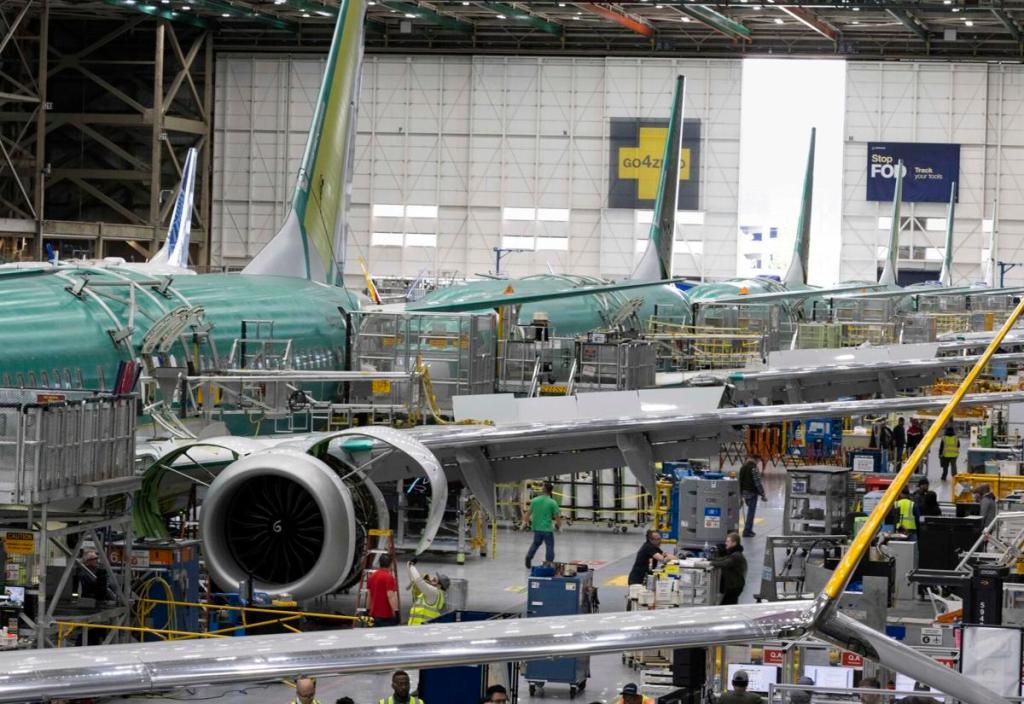
BOEING 737 MAX PRODUCTION ASSEMBLY LINE IN RENTON, WASHINGTON (WA), UNITED STATES
Mientras supervisaba la certificación de seguridad del avión MAX para la FAA hasta Abril de 2021, Joe Jacobsen cuestionó las garantías de Boeing sobre la aeronavegabilidad del avión. Estaba alarmado por la cantidad de fallas graves que aún experimentaban los aviones, particularmente dado el escrutinio que enfrentaban antes de que se les permitiera despegar nuevamente. En las últimas dos décadas, Joe Jacobsen observó cómo el regulador delegaba gradualmente grandes porciones de su supervisión independiente de la certificación de seguridad a fabricantes de aerolíneas como Boeing.
En 2018, según datos de la FAA, el 94 por ciento de las actividades de certificación para determinar el cumplimiento de cuatro fabricantes de aviones estadounidenses, siendo Boeing el más grande, fueron realizadas por divisiones internas dentro de las compañías en lugar de ser fiscalizadas por el regulador de seguridad de aviación. «Da miedo tener aviones con defectos volando, da miedo tener un diseño que no es lo que podría ser», expreso Joe Jacobsen.
La FAA dijo en un comunicado que cuando volvió a poner los aviones en servicio en Noviembre de 2020, informó que el avión experimentaría «problemas de rutina en vuelo». Ella describe la investigación de la NTSB como una «parodia» porque la agencia no incluyó problemas de producción en su investigación. «Lo que estamos viendo es que los burócratas marquen las casillas, se cubran el trasero y no hagan realmente su trabajo, que es proteger al público en el futuro. Este es otro momento en el que deberíamos agitar las manos y decir que no se debe permitir aumentar la producción. Seguiremos haciéndolo, si evita otro accidente«, dijo Nadia Milleron.
Fiscalización NTSB
Ed Pierson dijo que el investigador independiente de accidentes de Estados Unidos, la Junta Nacional de Seguridad en el Transporte (NTSB), debería haber examinado las prácticas de producción en la fábrica 737 de Boeing como parte de su papel en ayudar a las investigaciones internacionales de los accidentes de Lion Air y Ethiopian Airlines. En Mayo 2022, la agencia le confirmó que nunca lo hizo. «La NTSB violó completamente el principio más fundamental de la investigación y es seguir la evidencia», dijo Ed Pierson.
JT-610 Lion Air
Las investigaciones del accidente del vuelo JT-610 de Lion Air citaron un entrenamiento deficiente de los pilotos y fallas de diseño, pero encontraron que el factor clave fue un problema con el MCAS del MAX, que empujó la nariz del avión hacia abajo, dejando a los pilotos incapaces de recuperar el control. La sonda del vuelo fatídico descubrió que un sensor crucial se instaló incorrectamente el día antes del accidente y fue responsable de desencadenar el mal funcionamiento del MCAS. El sensor original del avión, que se instaló en la fábrica de Seattle, fue reemplazado porque estaba entregando lecturas defectuosas a las tripulaciones de vuelo. Las pruebas de la pieza ocho meses después del accidente mostraron que estaba defectuosa. Ed Pierson dijo que la NTSB nunca investigó por qué falló el sensor original del avión de Lion Air ni examinó si la pieza defectuosa era un problema de toda la flota.
Boeing dijo que los investigadores de los dos accidentes fatales no encontraron que las condiciones de producción en la fábrica de Seattle contribuyeran a las tragedias. «Los accidentes de Lion Air y Ethiopian Airlines han sido revisados por numerosas entidades gubernamentales y reguladoras, y ninguna de esas revisiones ha encontrado que las condiciones de producción en la fábrica contribuyeron a los accidentes», dijo una portavoz de Boeing. La portavoz dijo que después de los accidentes, la compañía había implementado «iniciativas integrales de calidad y productividad y estaba fortaleciendo la revisión de su cadena de suministro. La seguridad y la calidad son las máximas prioridades de Boeing. Realizamos auditorías periódicas internamente con los proveedores […] mantenemos a la FAA plenamente consciente de nuestros esfuerzos de manera proactiva y transparente».
ET-320 Ethiopian Airlines
Un informe provisional sobre el accidente de Etiopía el 10 de Marzo de 2019 encontró que el avión no tenía problemas técnicos conocidos antes del despegue, pero que el mismo sensor que funcionó mal en el primer accidente también falló, dejando a los pilotos incapaces de controlar el avión. Apenas unas semanas antes de la tragedia de Lion Air, la aerolínea estadounidense Southwest Airlines reemplazó dos de los mismos sensores porque estaban funcionando mal. «No creo que el accidente del vuelo ET-302 de Ethiopian Airlines hubiera ocurrido si la NTSB hubiera buscado la evidencia que estaba frente a ellos», dijo Ed Pierson.
Una portavoz de la NTSB dijo que si bien la agencia dio varias recomendaciones de seguridad sobre los aviones Boeing 737 MAX a la FAA, concluyó que el sensor defectuoso original no era material para los hechos del accidente de Lion Air. «La NTSB revisó a fondo la información de los denunciantes con respecto a la instalación de producción y determinó que el Inspector General del Departamento de Transporte [DOT] era la mejor oficina para revisar», dijo la agencia NTSB.
Perspectivas 737 MAX
Se han realizado cambios de diseño en el 737 MAX, se ha reforzado la capacitación de las tripulaciones de vuelo y Boeing se ha visto obligado a pagar miles de millones en daños. Nadia Milleron cree que su hija Samya todavía estaría viva si Boeing hubiera respondido después del primer accidente cinco meses antes. Una lección que el constructor americano continúa aprendiendo después que las prácticas de gerenciamiento afectan a toda su industria aeronáutica y la confianza perdida tras más de cien años de historia de aviación.
FAA will supervise the 737 MAX line
Boeing 737 MAX mid-air emergencies revealed Agency prepares to investigate production problems
Troubled Boeing 737 MAX planes, which have been in two plane crashes killing 346 people, have experienced at least six mid-air emergencies and dozens of landings in 2022 after an extensive investigation cleared them to fly. Boeing assembles 737 MAX aircraft at its factory in the Seattle, Washington (WA) suburb of Renton.
The incidents, drawn from US government aviation safety databases, are among more than sixty mid-flight problems reported by pilots in the twelve months after the US Federal Aviation Administration The FAA recertified the plane as airworthy in late 2020. Former employees of The Boeing Company and the FAA characterized the reports, which included engine stalls and pilots losing partial control of the plane, as serious and potentially fatal. end in tragedy.
The US aviation safety investigator, the National Transportation Safety Board (NTSB), said the US Department of Transportation’s (DOT) Inspector General’s office would carry out what it described as vitally important work: «The DOT Inspector General’s office [has] confirmed […] that Congress requested an audit of Boeing’s production oversight and that the 737 MAX production review will be part of this audit», he said in an email from the NTSB.
Crashed MAX
The injured Boeing 737-8 MAX aircraft were less than four months old, leaving the Boeing factory in Seattle (WA). The first accident was Lion Air flight JT-610 which plunged into the Java Sea in Indonesia on October 29, 2018. On March 10, 2019, another 737-8 MAX aircraft operated by Ethiopian Airlines crashed six minutes after taking off from the capital, Addis Ababa. Investigators’ reports from both plane crashes pointed to a malfunction caused by the flight control software system known as the Maneuvering Characteristics Augmentation System (MCAS). Boeing employees were indicted by the United States Department of Justice and the company paid US$ 3.5 billion in fines and damages after it was found to have misled authorities about the intricacies of the system and removed references to the system MCAS from your pilot training manual.
All 737 MAX aircraft worldwide were grounded after the second accident when a twenty-month safety review was carried out. But in April 2021, five months after they were cleared to fly again, 100 Boeing 737 MAX planes were again withdrawn from service after the discovery of a cabin electrical fault that could result in the loss of critical flight functions. Boeing said it traced the problem to a change in production processes at its factory in the State of Utah (UT).
Air recurrences
Currently, an investigation by Australia’s ABC newspaper has unearthed dozens of other mid-flight incidents on Boeing 737 MAX aircraft during the aircraft’s first year back in service between the years 2020-2021. Safety report data was pulled from the FAA Service Difficulty Reporting System, as well as anonymous reports submitted to NASA’s Aviation Safety Reporting System.
Airline pilots reported declaring emergencies in the air at least six times in 2021, including a United Airlines flight en route to Houston, Texas, in October 2021, which was not in the database. In another incident in December 2021, a United Airlines pilot declared a mayday after the aircraft’s pitch and altitude control system (MCAS) began to malfunction. An investigation may reveal that the US government will announce a new audit that will examine Boeing’s oversight of production of the 737 MAX aircraft. Virgin Australia Airlines, which declined to comment on the new data, has ordered four of the same MAX 8 model (4) and twenty-five of the newer MAX 10 model (25), which has not yet been certified. Virgin Australia is expected to take delivery of its planes in 2023.
FAA HAS CONFIRMED THAT IT HAS NOT INVESTIGATED ALLEGED PRODUCTION PROBLEMS AFTER THE 737 MAX ACCIDENTS
The Boeing 737 MAX’s Flight Control System also failed on twenty-two separate flights, a problem that became the main focus of the FAA’s twenty-month recertification effort after the two fatal accidents. More than forty-two incidents involved equipment failure, and on more than forty occasions, flight crews chose to ground the affected aircraft while problems were resolved.
In an incident on an American Airlines flight in April 2021, several systems, including both autopilot functions, stopped working shortly after takeoff. Upon landing, the crew discovered that the backup power unit, considered vital for safe flight, had failed and was emitting a strong electrical odor. Another NASA system report detailed how in December 2021 an aircraft had multiple system failures and suddenly lost altitude as the aircraft’s nose pitched down and its speed changed rapidly. The crew was unable to provide an explanation. Some planes also had a multitude of problems. An Alaska Airlines MAX 9 was grounded seven times over five months due to failures in its navigation or communication equipment.
A Boeing spokeswoman told ABC that «none of the reports indicate a trend. In fact, the 737 MAX’s in-service reliability is consistent with other commercial aircraft models. Since November 2020, the 737 MAX has flown more than 1, 5 million flight hours on more than 580,000 revenue flights. The overwhelming majority of these flights have been without incident», said the spokeswoman for the American company.
Australia’s Civil Aviation Safety Authority (CASA) told ABC in a statement that it could not respond to incidents reported to the FAA because they fell within FAA jurisdiction, unless the incidents involved an aircraft or Australian pilot. «The FAA addresses unsafe conditions on aircraft designed by the United States by issuing Airworthiness Directives that are mandatory for those aircraft operating in Australia. Any new type and model of aircraft must receive a type acceptance certificate from the CASA before it can operate in Australia. Type certificate holders provide airworthiness and safety documentation as part of this process» ,CASA said in its statement.
Entrails of Boeing
Former Boeing Senior Manager Ed Pierson, who worked at the 737 MAX line factory in Seattle between 2015 and 2018, said many of the incidents on the 28 planes identified in the data set were «serious under the circumstances and could lead to tragedy. There are a lot of similarities between what we’re seeing in some of the reports with what happened during these two accidents», said Ed Pierson. He testified in 2019 before the United States Congress about the incredible pressures workers face to meet demands at the Boeing plant and has come forward again because he fears history will repeat itself. While working for the aerospace company, Ed Pierson urged the company to shut down the MAX production line.
Former 737 MAX Line Manager Ed Pierson has been working with the families of crash victims to call for a more thorough investigation into Boeing’s troubled production history and misleading safety compliance practices.
Ed Pierson, a 30-year veteran Navy captain and retired flight officer, said many of the problems were likely related to production quality issues he witnessed at the factory. He first raised fears with senior management that planes were being built with embedded defects before the first accident. His pleas to close the factory were ignored. «These are new planes, you can’t explain more than production quality issues. Every one of our factory health metrics was hitting record lows […] and trending in the wrong direction», explains Ed Pierson.
El Diario Abc has spoken with two other former Boeing employees involved in the production of the 737 MAX aircraft. They raised significant concerns about the aircraft’s quality assurance but wished to remain anonymous, citing fears of retaliation from Boeing. A mechanic said they observed poor manufacturing and testing of the planes, resulting in exposed wires and debris such as trash, metal splinters and washers becoming lodged inside various parts of the plane, which could lead to electrical shorts or fires.
Independent reports
The ABC sought independent analysis of safety reports from former pilots and accident investigators. They cautioned that the data was for US incidents only and may not indicate fleet-wide problems.
Assistant Professor of Aviation at the University of North Dakota and former plane crash investigator Kwasi Adjekum identified seven of the airborne emergencies as very serious and said Boeing had cut corners with the MAX design and suffered from manufacturing problems. persistent. But he said the high number of reported electrical failures on MAX planes could be explained by the degradation of wiring and components while the plane was in storage for 20 months. «It can be very difficult to conclude that there are serious system failures in an aircraft type going back to an original equipment manufacturer using localized or limited data like this. It could also be an issue with the operator’s maintenance practices/procedures», Kwasi Adjekum said.
Guido Carim Jr., Senior Lecturer in Aviation at Griffith University, said some of the incidents in the dataset were not uncommon, such as errors involving communication equipment and anti-icing valves, and pilots were trained to deal with them. as they arose. «Those incidents can become a problem, but malfunctioning of those pieces of equipment is not a concern for me because they all have redundancies. The incidents related to flight control and stabilizer adjustments, which help control the rotation of the plane, they were very, very serious».
He said some other reports raised by ABC were bizarre, such as an incident involving a United Airlines flight last August where fuel was found leaking into an overhead passenger compartment. Fuel reserves are located in the wings. «I’ve never seen that before», said Dr. Carim Jr.
Relatives
Nadia Milleron and Michael Stumo’s daughter, Samya Stumo (24), was on her way to Uganda to work in public health when she died in the Ethiopian Airlines crash. The couple have campaigned to ground the planes, believing that authorities did not fully examine all the causes of the two crashes. «There have been numerous airborne emergencies that are documented in the United States […] and we don’t even know the ones that are in the international arena. It’s entirely possible, based on pilot reports, that another accident could happen and that it would be even more devastating for us», said Nadia Milleron.
An engineer working with the test flight team expressed that the crew did not have enough equipment for all the aircraft they were flying and faced scheduling pressures to certify aircraft airworthiness faster. The Boeing spokeswoman said she encouraged employees to raise safety issues and that she had well-established internal controls to remove debris from her planes’ fuel tanks before delivery. In response to an engineer’s claims about schedule pressure, a Boeing spokeswoman said: «We collect and analyze all data required to meet requirements prior to certification of a new aircraft».
«Grade D» aircraft
Joe Jacobsen, who has 37 years of experience as an Aerospace Engineer with the Federal Aviation Administration and Boeing and has also worked on plane crash investigations, found the incidents puzzling. He was more concerned about reported incidents involving stabilizer adjustments, which help with the directional rotation of an aircraft, including during takeoff and landing. «It’s a grade D aircraft. Deficient design combined with manufacturing defects is a recipe for disaster. Typical failures in this aircraft are more of a concern than typical failures in some higher-grade aircraft [because] it is less resistant to these typical type failures. Airspeed anomalies can cause accidents, horizontal stabilizer malfunctions can cause accidents, flight crew alerts not notifying pilots in time cause accidents», said Joe Jacobsen.
Dr. Carim Jr. of Griffith University reviewed several incidents from the past year involving MAX stabilizer adjustment failures and said failures involving the component were «quite concerning. This system is critical to keeping the aircraft flying.» The consequences could be disastrous if the component fails».
While overseeing the safety certification of the MAX aircraft for the FAA through April 2021, Joe Jacobsen questioned Boeing’s assurances about the aircraft’s airworthiness. He was alarmed at the number of serious failures the planes were still experiencing, particularly given the scrutiny they faced before they were allowed to take off again. Over the past two decades, Joe Jacobsen has watched the regulator gradually delegate large portions of its independent oversight of safety certification to airline manufacturers like Boeing.
In 2018, according to FAA data, 94 percent of certification activities to determine compliance by four US aircraft manufacturers, Boeing being the largest, were performed by internal divisions within the companies rather than being overseen by the aviation safety regulator. «It’s scary to have flawed planes flying, it’s scary to have a design that isn’t what it could be», Joe Jacobsen said.
The FAA said in a statement that when it returned the planes to service in November 2020, it said the plane would experience «routine in-flight problems». She describes the NTSB investigation as a «parody» because the agency did not include production issues in its investigation. «What we’re seeing is bureaucrats checking the boxes, covering their asses, and not really doing their job, which is to protect the public in the future. This is another time we should be waving our hands and saying no allow production to increase. We will continue to do so, if it prevents another accident», said Nadia Milleron.
NTSB oversight
Ed Pierson said the United States’ independent accident investigator, the National Transportation Safety Board (NTSB), should have examined production practices at Boeing’s 737 factory as part of its role in assisting international accident investigations. the Lion Air and Ethiopian Airlines accidents. In May 2022, the agency confirmed that he never did. «The NTSB completely violated the most fundamental principle of the investigation and that is to follow the evidence», said Ed Pierson.
JT-610 Lion Air
Investigations into the crash of Lion Air flight JT-610 cited poor pilot training and design flaws, but found the key factor was a problem with the MAX’s MCAS, which pushed the plane’s nose down, leaving pilots unable to regain control. The probe from the fateful flight discovered that a crucial sensor was improperly installed the day before the crash and was responsible for triggering the MCAS malfunction. The plane’s original sensor, which was installed at the Seattle factory, was replaced because it was giving faulty readings to flight crews. Tests on the part eight months after the accident showed that it was defective. Ed Pierson said the NTSB never investigated why the original sensor on the Lion Air plane failed or examined whether the failing part was a fleet-wide problem.
Boeing said investigators of the two fatal accidents did not find that production conditions at the Seattle factory contributed to the tragedies. «The Lion Air and Ethiopian Airlines accidents have been reviewed by numerous government and regulatory entities, and none of those reviews have found that production conditions at the factory contributed to the accidents», a Boeing spokeswoman said. The spokeswoman said that after the accidents, the company had implemented «comprehensive quality and productivity initiatives» and was strengthening its supply chain review. Safety and quality are Boeing’s top priorities. «We conduct regular audits internally with vendors […] we keep the FAA fully aware of our efforts in a proactive and transparent manner».
ET-320 Ethiopian Airlines
An interim report on the Ethiopian crash on March 10, 2019 found that the plane had no known technical problems before takeoff, but that the same sensor that malfunctioned in the first crash also failed, leaving pilots unable to control the aircraft. airplane. Just weeks before the Lion Air tragedy, US carrier Southwest Airlines replaced two of the same sensors because they were malfunctioning. «I don’t think the crash of Ethiopian Airlines Flight ET-302 would have happened if the NTSB had gone after the evidence that was in front of them», Ed Pierson said.
An NTSB spokeswoman said that while the agency made several safety recommendations about Boeing 737 MAX aircraft to the FAA, it concluded that the original faulty sensor was not material to the facts of the Lion Air accident. «The NTSB thoroughly reviewed the complainants’ information regarding the production facility and determined that the Department of Transportation [DOT] Inspector General was the best office to review», the NTSB agency said.
Perspectives 737 MAX
Design changes have been made to the 737 MAX, flight crew training has been beefed up, and Boeing has been forced to pay billions in damages. Nadia Milleron believes her daughter Samya would still be alive if Boeing had responded after the first accident five months earlier. A lesson that the American manufacturer continues to learn after management practices affect the entire aeronautical industry and the confidence lost after more than one hundred years of aviation history.
PUBLISHER: Airgways.com DBk: Faa.gov / Ntsb.gov / Transportation.gov / Casa.gov.au / Und.edu / Griffith.edu.au / Abc.net.au / Gettyimages.com / Airgways.com AW-POST: 202206262253AR OWNERSHIP: Airgways Inc. A\W A I R G W A Y S ®
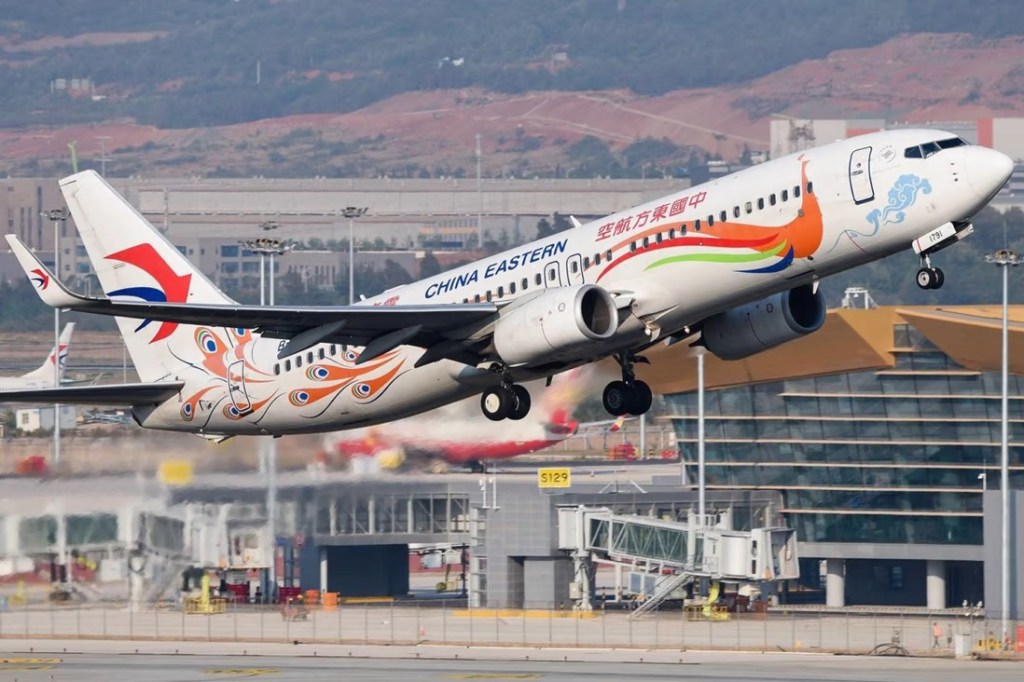
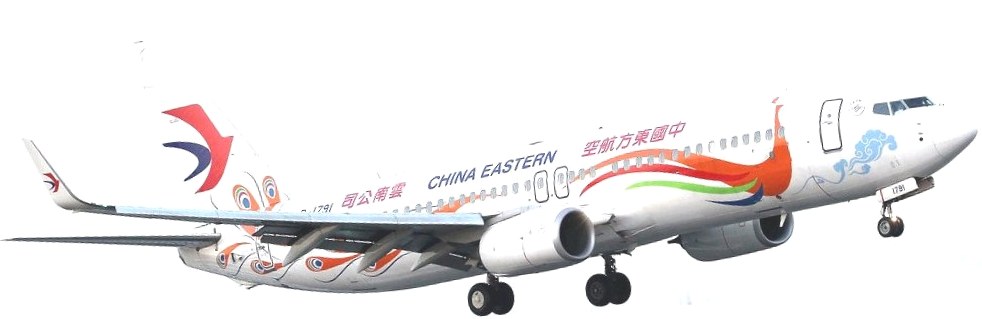
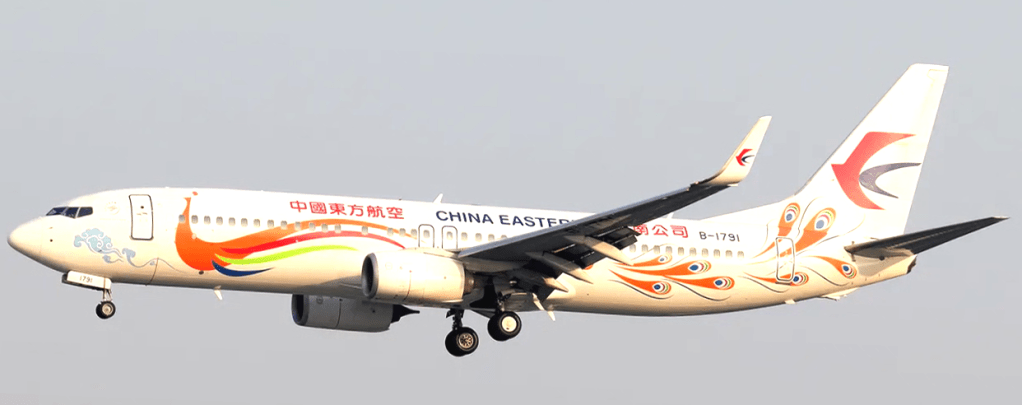
El accidente del vuelo MU5735 de China Eastern Airlines puede haber sido una caída intencional en picado, según muestran los datos de los registros de las cajas negras de la aeronave Boeing 737-800. Las indicaciones de que alguien en la cabina estrelló intencionalmente un avión de China Eastern Airlines en Marzo 2022 sugieren que la tragedia puede unirse a un raro grupo de desastres aéreos causados deliberadamente por un piloto o pasajero.
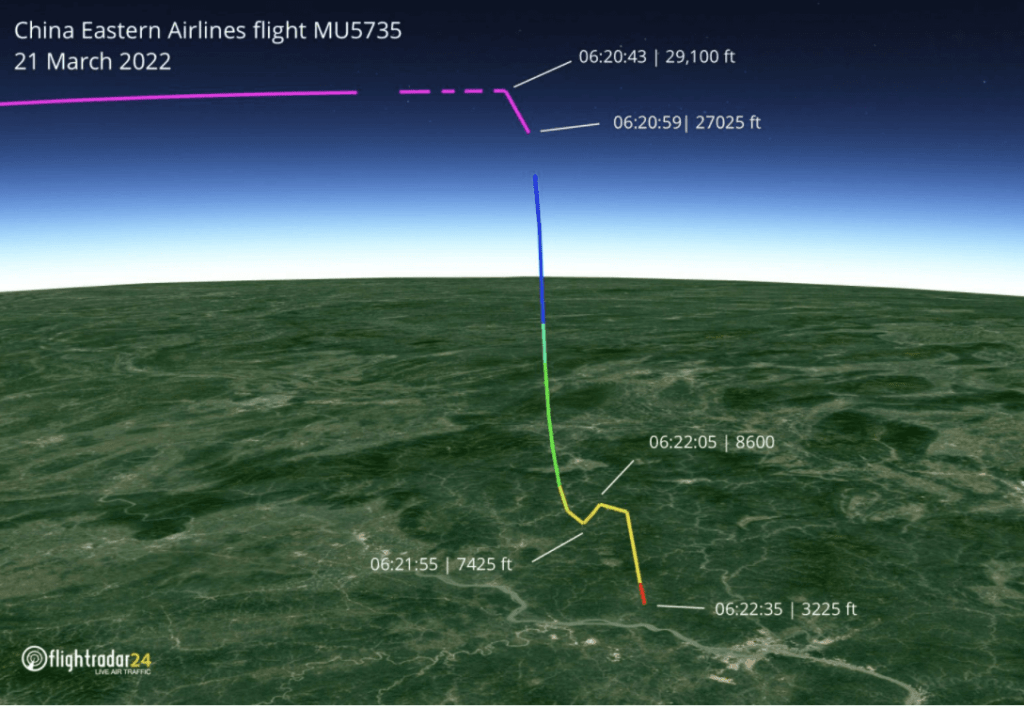
Los datos del Cockpit Voice Recorder (CVR) del Boeing 737-800 de China Eastern muestran a alguien a bordo de los controles de entrada que enviaron al avión a su inmersión fatal, citando a personas familiarizadas con la evaluación preliminar del incidente de los funcionarios estadounidenses de la agencia de investigación NTSB. El avión había estado navegando a unos 29.000 pies/8.840 metros antes de entrar repentinamente en una inmersión casi vertical que alcanzó cerca de la velocidad del sonido antes de estrellarse contra una ladera remota. Las dos grabadoras Flight Data Recorder (FDR) y Cockpit Voice Recorder (CVR) fueron enviadas a los Estados Unidos para recuperar los datos.
Si la causa del accidente del vuelo MU5735 ha sido intencionalmente por un piloto, el accidente de China Eastern Airlines sería el tercer gran desastre en menos de una década que se atribuye a supuesto suicidio del piloto, según la Red de Seguridad de la Aviación. Eso incluye el vuelo de Germanwings en 2015 que fue llevado a una montaña francesa por su copiloto, matándose a sí mismo y a 149 pasajeros y tripulantes. El copiloto, Andreas Lubitz, había sido diagnosticado con depresión psicótica y fue recomendado para tratamiento hospitalario psiquiátrico semanas antes del vuelo condenado. A raíz del desastre, los reguladores estadounidenses aumentaron la capacitación de los médicos que examinan a los pilotos de aerolíneas para que puedan detectar mejor los problemas de salud mental. En el incidente más mortífero, un vuelo de EgyptAir de Estados Unidos a El Cairo se hundió en el Océano Atlántico, matando a los 217 pasajeros y la tripulación. En ese caso, un copiloto de relevo estaba solo en la cabina cuando desconectó el piloto automático, movió los aceleradores al ralentí y señaló la nariz del avión hacia abajo, dijo la Junta Nacional de Seguridad del Transporte en un informe final. Esas conclusiones fueron impugnadas por la Autoridad de Aviación Civil de Egipto.
Desde 1950, ha habido veinticuatro incidentes/accidentes de este tipo de suicidio de pilotos o pasajeros, incluidos los ataques del 11 de Septiembre de 2001 en los Estados Unidos, aunque muchos involucraron aviones pequeños que mataron solo al piloto. Algunos choques condujeron a nuevos requisitos de seguridad, como tener más de un piloto en la cabina o hacer que las puertas sean más resistentes a la intrusión de la cabina. Un accidente de China Northern Airlines en 2002 que mató a 112 personas fue atribuido a un pasajero que compró un seguro de vida por valor de US$ 170.000 antes de abordar el vuelo. Luego tomó botellas de agua llenas de gasolina a bordo y las encendió en el avión, según la Red de Seguridad de la Aviación.
China Eastern Airlines endureció los protocolos de seguridad de la cabina después del accidente de marzo. La aerolínea introdujo un requisito para que las tripulaciones de vuelo estén compuestas por dos capitanes senior con un copiloto senior, o de dos instructores de vuelo con un Copiloto Senior.
El regulador de aviación Civil Aviation Administration of China (CAAC) dice que los funcionarios estadounidenses que participaron en la investigación del accidente del vuelo MU5735 les dijeron que no divulgaron ninguna información sobre la investigación a ninguna organización de medios.
The crash of China Eastern Airlines flight MU5735 may have been an intentional nose-dive, data from Boeing 737-800 black box records show. Indications that someone in the cockpit intentionally crashed a China Eastern Airlines plane in March 2022 suggest the tragedy may join a rare group of air disasters deliberately caused by a pilot or passenger.
Data from China Eastern’s Boeing 737-800 Cockpit Voice Recorder (CVR) shows someone on board the entry controls sending the plane into its fatal dive, citing people familiar with US officials’ preliminary assessment of the incident. from the NTSB investigative agency. The aircraft had been cruising at about 29,000 feet/8,840 meters before suddenly entering a near-vertical dive that reached near the speed of sound before crashing into a remote hillside. The two recorders Flight Data Recorder (FDR) and Cockpit Voice Recorder (CVR) were sent to the United States to retrieve the data.
If the cause of the crash of flight MU5735 was intentionally caused by a pilot, the China Eastern Airlines crash would be the third major disaster in less than a decade to be attributed to alleged pilot suicide, according to the Aviation Safety Network. That includes the Germanwings flight in 2015 that was taken into a French mountain by his co-pilot, killing himself and 149 passengers and crew. The co-pilot, Andreas Lubitz, had been diagnosed with psychotic depression and was recommended for psychiatric hospital treatment weeks before the doomed flight. In the aftermath of the disaster, US regulators increased training for doctors who examine airline pilots so they can better detect mental health problems. In the deadliest incident, an EgyptAir flight from the United States to Cairo plunged into the Atlantic Ocean, killing all 217 passengers and crew. In that case, a relief co-pilot was alone in the cockpit when he disengaged the autopilot, moved the throttles to idle and pointed the plane’s nose down, the National Transportation Safety Board said in a final report. Those conclusions were contested by the Egyptian Civil Aviation Authority.
Since 1950, there have been 24 incidents/accidents of this type of pilot or passenger suicide, including the September 11, 2001, attacks on the United States, although many involved small aircraft that killed only the pilot. Some crashes led to new safety requirements, such as having more than one pilot in the cockpit or making doors more resistant to cockpit intrusion. A China Northern Airlines crash in 2002 that killed 112 people was blamed on a passenger who bought $170,000 worth of life insurance before boarding the flight. He then took gasoline-filled water bottles on board and lit them on the plane, according to the Aviation Safety Network.
China Eastern Airlines tightened cabin safety protocols after the March crash. The airline introduced a requirement for flight crews to be composed of two senior captains with a senior co-pilot, or two flight instructors with a senior co-pilot.
Aviation regulator Civil Aviation Administration of China (CAAC) says they were told by US officials involved in the investigation of the crash of flight MU5735 that they did not disclose any information about the investigation to any media organization.
PUBLISHER: Airgways.com DBk: Caac.gov.cn / Ntsb.gov / Xinhua.net / Airgways.com AW-POST: 202205181251AR OWNERSHIP: Airgways Inc. A\W A I R G W A Y S ®
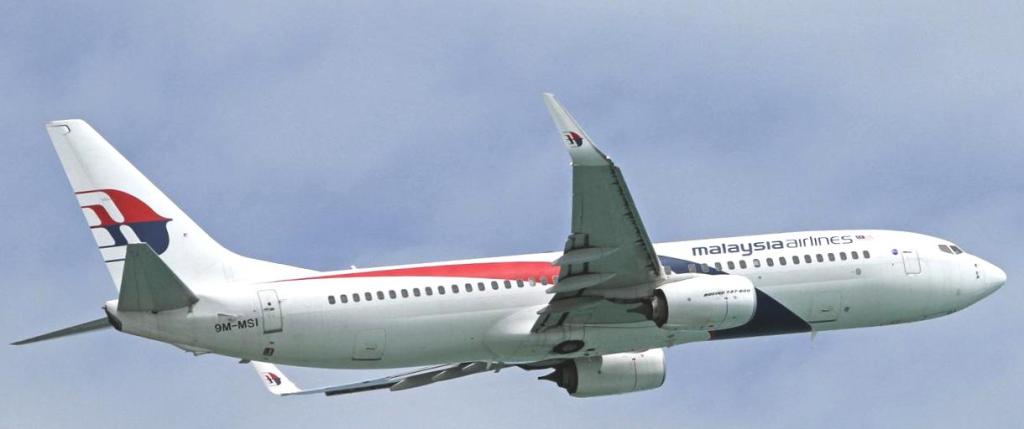
Boeing 737 desciende 7,000 pies en segundos Malaysia Airlines sufre incidente vuelo Lumpur—Tawau
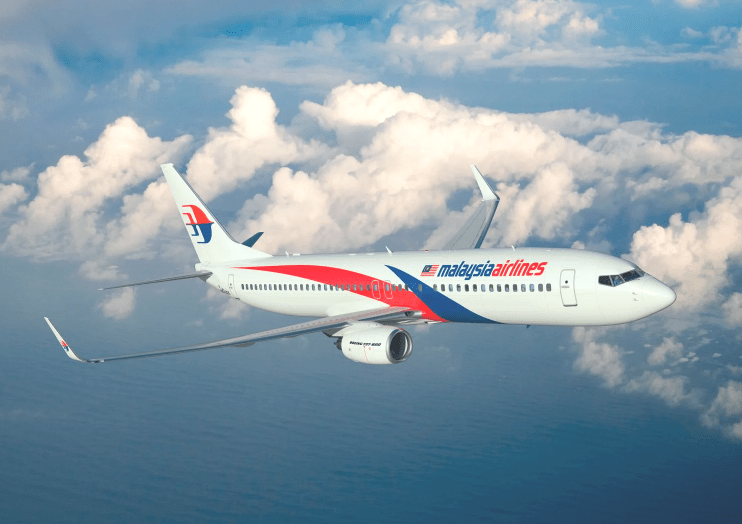
Los informes preliminares del vuelo MH2664 que volaba de Kuala Lumpur a Tawau el Domingo 03/04 de descendió abruptamente 7,000 pies en segundos, ha provocado un susto entre los pasajeros un retorno a Kuala Lumpur y la alarma internacional por el serio incidente en vuelo, después de la precipitación del vuelo MU5735 de China Eastern Airlines. El vuelo se desarrollaba en una aeronave Boeing 737-800 de la compañía aérea Malaysia Airlines. El avión es el mismo modelo que semanas anteriores se estrelló en China, con lo que se abre un abanico de incertidumbres respecto a qué está ocurriendo con la flota 737-800 Next Generation.
Según un informe en The New Straits Times, el vuelo MH2664 de Malaysia Airlines estaba a 30 minutos del vuelo cuando ocurrió el incidente. Un pasajero a bordo dijo más tarde en las redes sociales que el avión se hundió 7,000 pies en cuestión de segundos, lo que provocó que varios pasajeros flotaran fuera de los asientos debido a que no llevaban abrochados los cinturones de seguridad.
El vuelo MH2264 de un Boeing 737-800 matrícula 9M-MLS despegó el Domingo 03/04 a las 14:30 de Kuala Lumpur/KUL hacia Tawau/TWU en Sabah. La aeronave posee ocho años de antigüedad. El sitio web de seguimiento de vuelos RadarBox.com muestra el avión navegando sobre el Mar del Sur de China a unos 30,000 pies cuando ocurrió un descenso repentino. Muestra un descenso de unos 17.000 pies, tomando alrededor de 10 minutos. Esto se relaciona con los comentarios en línea del pasajero, quien dijo que el avión fue inestable durante unos diez minutos. Una segunda caída más pequeña siguió a la primera caída corta y brusca. RadarBox.com muestra el avión entre la isla de Tioman y Pulau Jemaja cuando se dio la vuelta. El avión dio varias vueltas al sur de la capital antes de aterrizar con seguridad. Malaysia Airlines dice que la aeronave experimentó problemas técnicos durante el mal tiempo. La aerolínea agregó que los pilotos decidieron regresar a Kuala Lumpur como medida de precaución.
Comunicado Malaysia
Malaysia Airlines atribuye el incidente a un problema técnico. «El vuelo MH2664 de Kuala Lumpur a Tawau el 3 de abril realizó un regreso aéreo debido a problemas técnicos con la aeronave, agravados por el mal tiempo en el camino. El avión aterrizó de forma segura en KLIA a las 5.03 pm. La seguridad de nuestra tripulación y pasajeros sigue siendo de suma importancia para Malaysia Airlines», dice un comunicado de Malaysia Airlines.
La investigación continúa, mientras que la Autoridad de Aviación Civil de Malasia dice que examinará el Sistema de Monitoreo de Datos de Vuelo interno del avión, pero indica que los pilotos parecen haber respondido correctamente.
MH2664, scare at 7,000 feet
Boeing 737 descends 7,000 feet in seconds Malaysia Airlines Suffers Lumpur-Tawau Flight Incident
Preliminary reports of flight MH2664, which was flying from Kuala Lumpur to Tawau on Sunday 04/03, abruptly descended 7,000 feet in seconds, has caused a scare among passengers, a return to Kuala Lumpur and international alarm due to the serious incident in flight, after of precipitation from China Eastern Airlines flight MU5735. The flight took place on a Malaysia Airlines Boeing 737-800 aircraft. The plane is the same model that crashed in China in previous weeks, which opens up a range of uncertainties regarding what is happening with the 737-800 Next Generation fleet.
According to a report in The New Straits Times, Malaysia Airlines flight MH2664 was 30 minutes into the flight when the incident occurred. A passenger on board later said on social media that the plane sank 7,000 feet in a matter of seconds, causing several passengers to float out of their seats due to not wearing seat belts.
Flight MH2264 of a Boeing 737-800 registration 9M-MLS took off on Sunday 04/03 at 14:30 from Kuala Lumpur/KUL to Tawau/TWU in Sabah. The aircraft is eight years old. Flight tracking website RadarBox.com shows the plane cruising over the South China Sea at about 30,000 feet when a sudden descent occurred. It shows a descent of about 17,000 feet, taking about 10 minutes. This relates to online comments from the passenger, who said the plane was unstable for around ten minutes. A second smaller drop followed the first short and sharp drop. RadarBox.com shows the plane between Tioman Island and Pulau Jemaja when it turned around. The plane circled south of the capital several times before landing safely. Malaysia Airlines says the aircraft experienced technical problems during bad weather. The airline added that the pilots decided to return to Kuala Lumpur as a precautionary measure.
Malaysian Statement
Malaysia Airlines attributes the incident to a technical problem. «Flight MH2664 from Kuala Lumpur to Tawau on April 3 made an air return due to technical problems with the aircraft, aggravated by bad weather en route. The aircraft landed safely at KLIA at 5.03pm. The security of our crew and passengers remain of utmost importance to Malaysia Airlines», said a statement from Malaysia Airlines.
The investigation continues, while the Malaysian Civil Aviation Authority says it will examine the plane’s internal Flight Data Monitoring System, but indicates the pilots appear to have responded correctly.
PUBLISHER: Airgways.com DBk: Malaysiaairlines.com / Caam.gov.my / Radarbox.com / Nst.com.my / Airgways.com AW-POST: 202204061350AR OWNERSHIP: Airgways Inc. A\W A I R G W A Y S ®
AW | 2022 04 01 12:50 | AIR INVESTIGATION / AVIATION SAFETY
Recogen más de 49.000 piezas avión accidentado
La agencia de aviación China, la Civil Aviation Administration of China (CAAC) ha comunicado que se han reportado 49.000 piezas del avión accidentado Boeing 737-800 del vuelo MU5735. A los investigadores estadounidenses de la Federal Aviation Administration (FAA) y la National Transport Safety Board (NTSB) se les ha concedido acceso como parte de las investigaciones de la tragedia de la aeronave de China Eastern Airlines.
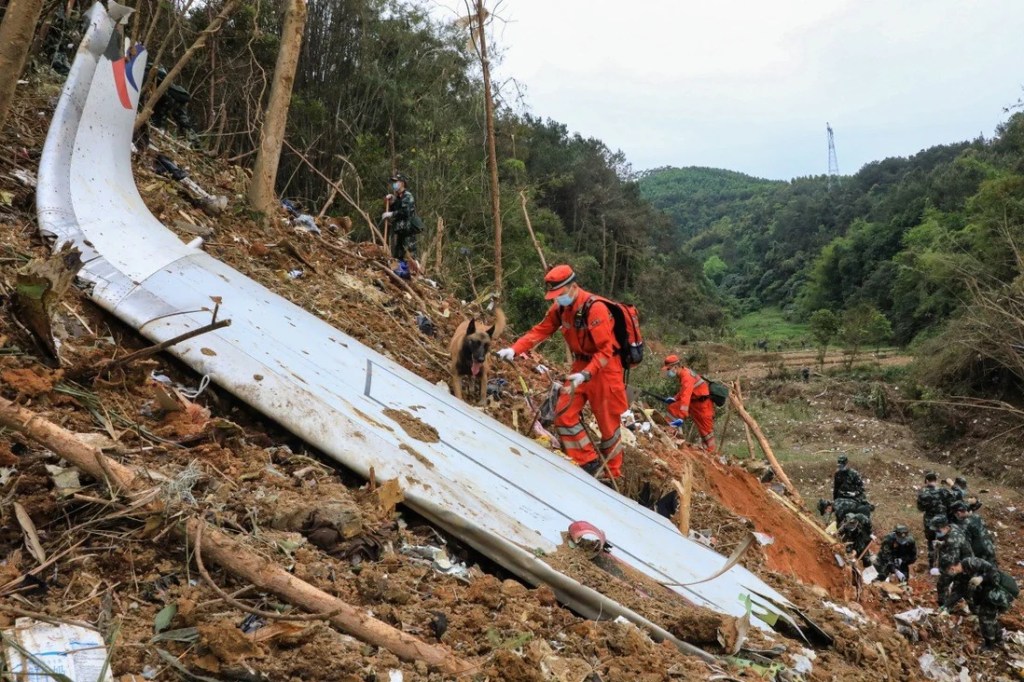
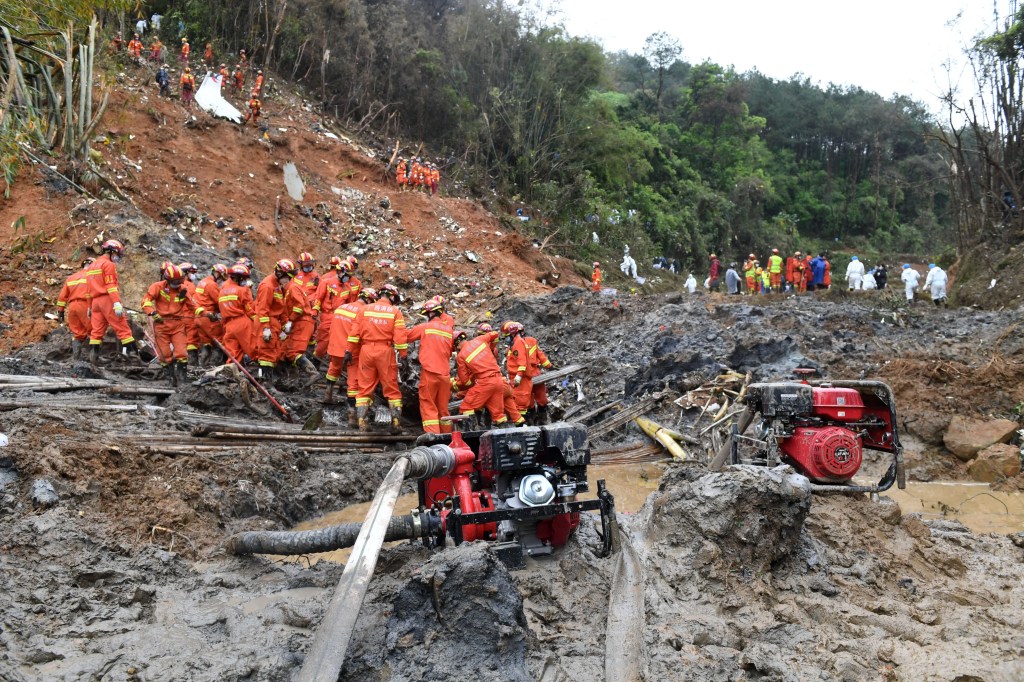
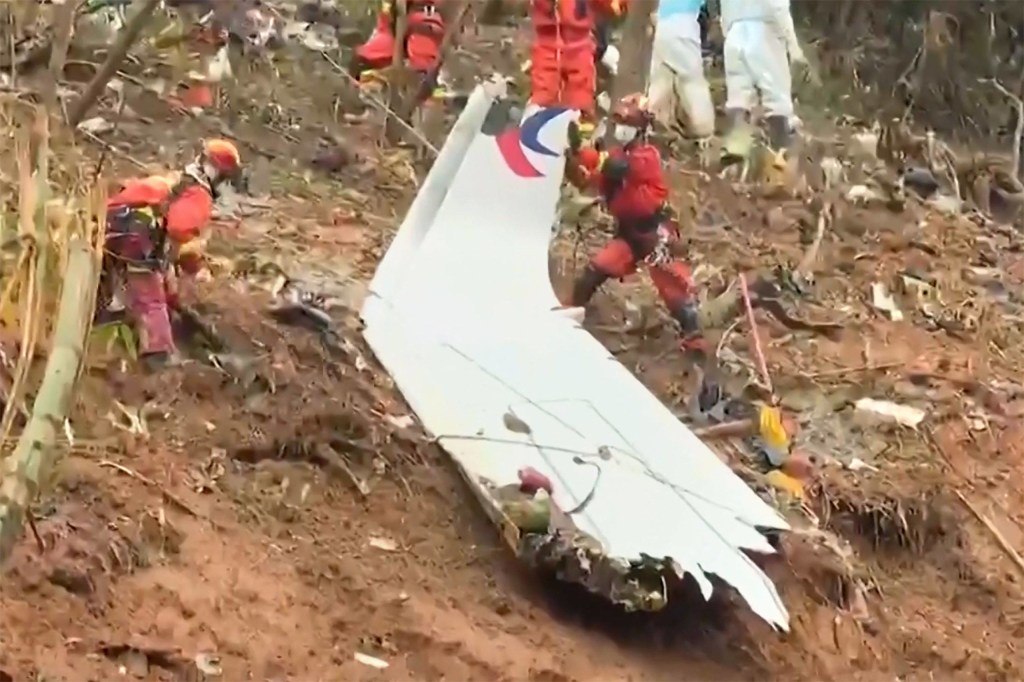
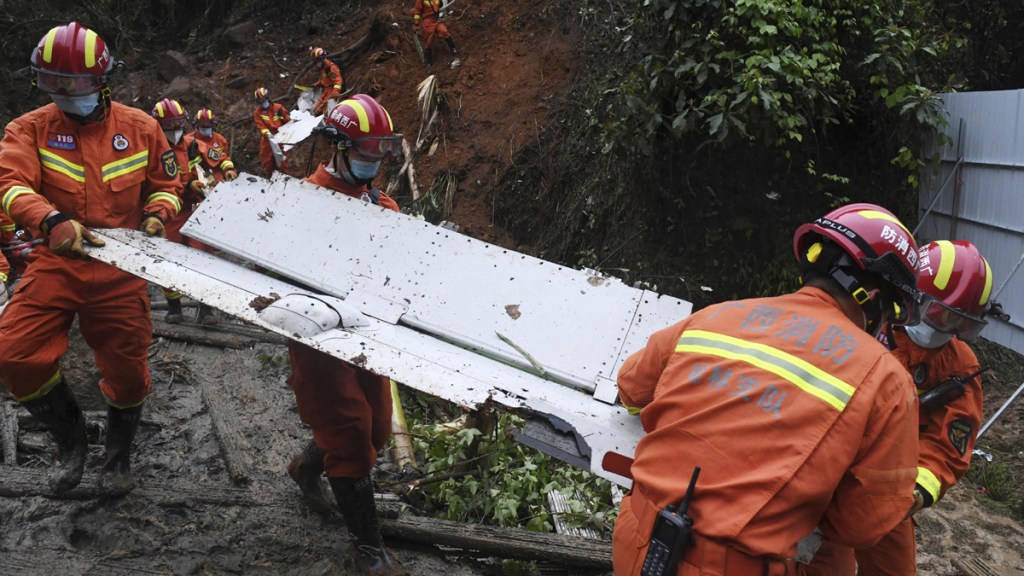
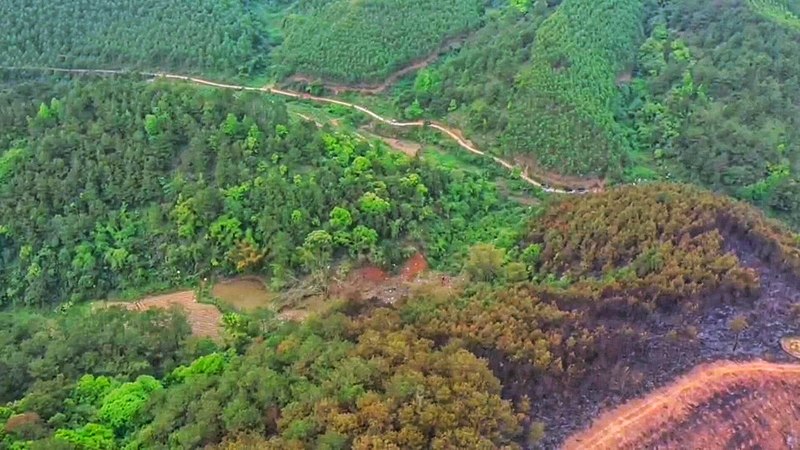
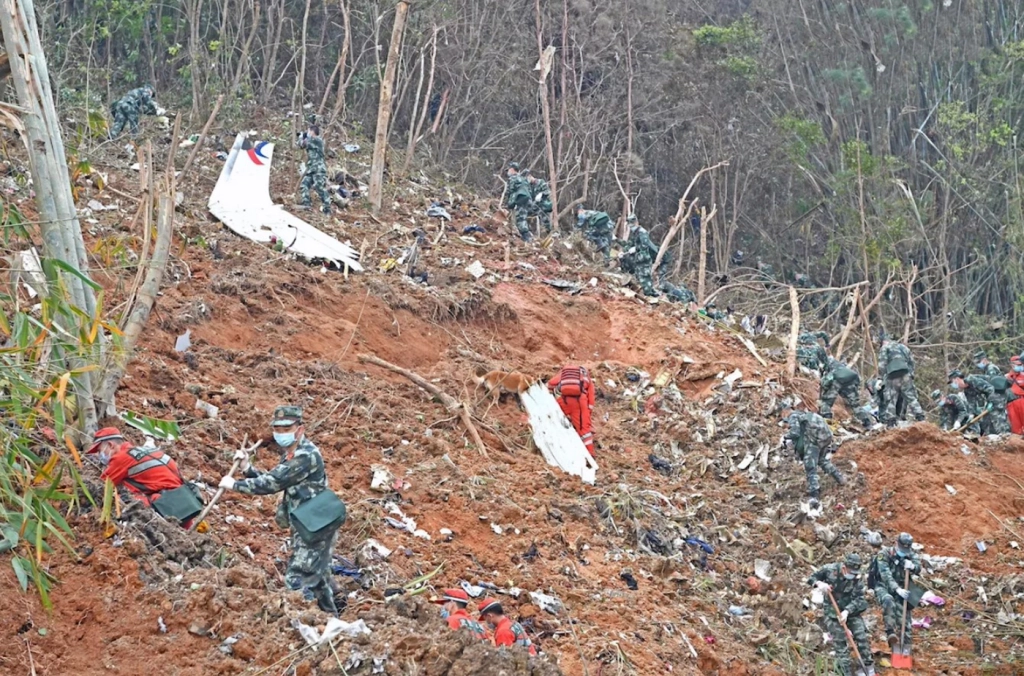
Funcionarios chinos dijeron el Jueves 31/03 que la búsqueda de los restos en el accidente de la semana pasada de un Boeing 737-800 de China Eastern está básicamente terminada y que se habían encontrado más de 49.000 piezas de escombros. El vuelo MU5735 se hundió desde 29,000 pies en la ladera de una montaña en la Región de Guangxi, en el sur de China, matando a las 132 personas a bordo. El impacto creó un cráter de 65 pies de profundidad, provocó un incendio en el bosque circundante y estrelló el avión en pequeñas partes dispersas en un área amplia, algunas de ellas enterradas bajo tierra.
Investigaciones MU5735
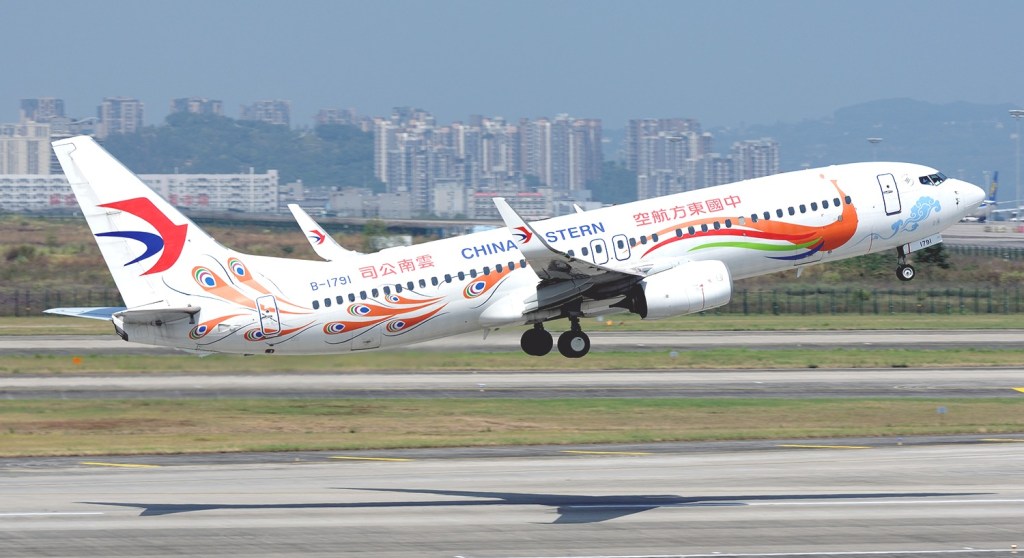
El vuelo MU5735 de China Eastern Airlines, del Boeing 737-800 con 123 pasajeros y nueve miembros de la tripulación, se dirigía desde la ciudad suroccidental de Kunming, la capital de la Provincia de Yunnan, a Guangzhou, una importante ciudad y centro de exportación cerca de Hong Kong en el sureste de China.
Zhu Tao, Director de Seguridad Aérea de la Administración de Aviación Civil de China, dijo en una conferencia de prensa en la cercana Ciudad de Wuzhou que partes importantes como el estabilizador horizontal, el motor y los restos de la punta derecha del conjunto alar habían sido recuperados después de casi diez días de búsqueda, según la agencia oficial de noticias Xinhua.
La investigación sobre la causa del accidente enfrenta varios desafíos, incluido que el avión se precipitó sin previo aviso, los controladores de tráfico aéreo no obtuvieron respuesta de los pilotos después de que comenzó a caer, mientras que los escombros son tan pequeños debido a la velocidad de impacto de la aeronave contra el terreno. Más de 800,000 pies cúbicos de tierra fueron excavados y se encontraron 49.117 piezas del avión, dijo Zhang Zhiwen, un funcionario del Gobierno de Guangxi. La búsqueda se hizo más difícil por la lluvia y las condiciones fangosas en el lugar remoto y empinado. Las dos cajas negras, la Grabadora de Datos de Vuelo (FDR) y la Grabadora de Voz de la Cabina (CVR), han sido encontradas y enviadas a Beijing para su examen y análisis. Zhu Tao dijo que un informe de investigación preliminar se completaría dentro de los treinta días posteriores al accidente del 21 de Marzo de 2021.
Un equipo de investigadores estadounidenses de la Junta Nacional de Seguridad en el Transporte y asesores de Boeing y la Administración Federal de Aviación han recibido visas para viajar a China para participar en la investigación, en virtud de acuerdos internacionales de larga data. El fabricante de motores CFM International apoyará la investigación, pero no enviará a nadie a China, dijo la NTSB, corrigiendo un anuncio anterior de que los representantes de la compañía formarían parte del equipo de análisis.
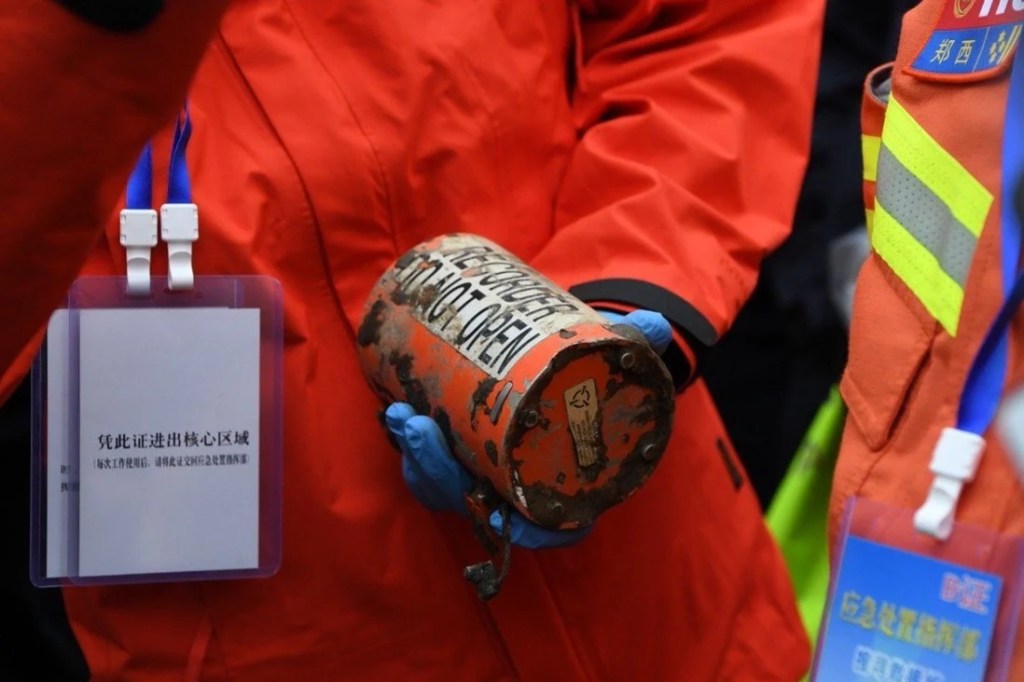
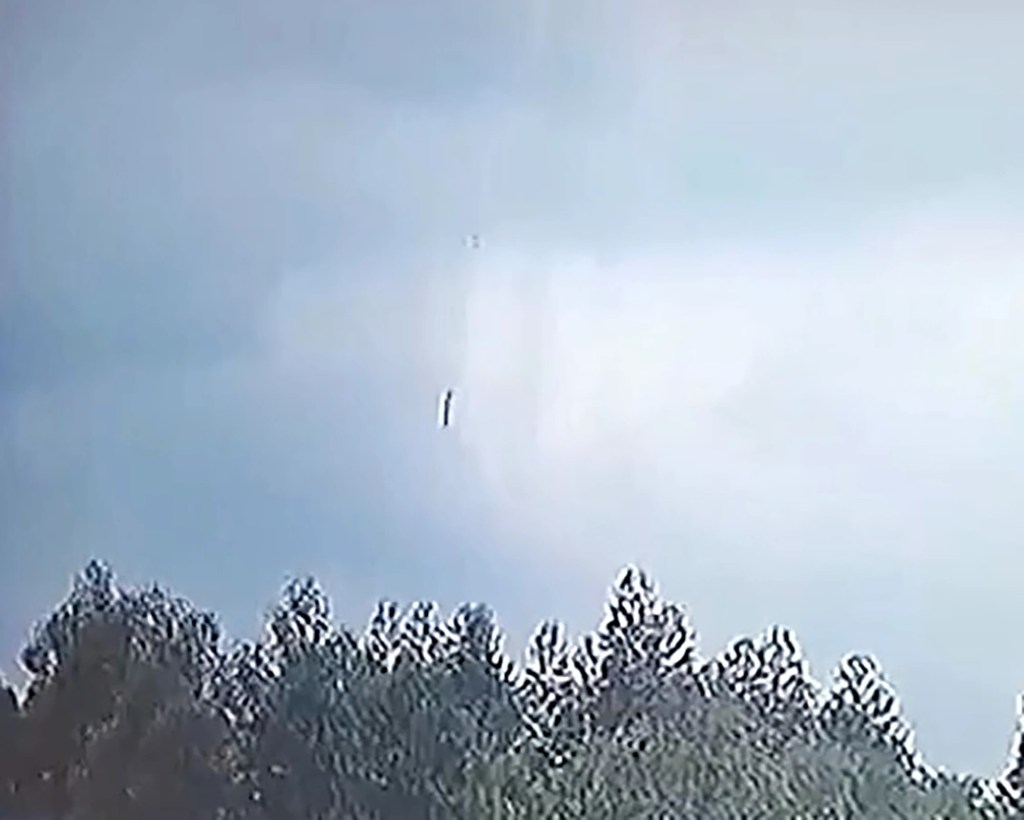
El 27 de Marzo de 2022, el CAAC informó que la segunda caja negra (FDR) ha sido encontrada y recuperada, se encontró a unos 1,5 metros por debajo de la superficie en el lado este del sitio principal del accidente en la empinada ladera entre los dos sitios del accidente. En una conferencia de prensa más tarde el domingo, el CAAC informó que necesitaban eliminar las raíces de los árboles en la empinada colina a unos 40 metros al este del sitio principal del impacto, luego se encontró un objeto metálico cilíndrico naranja con escritura en inglés, que resultó ser la unidad de almacenamiento del registrador de datos de vuelo. La unidad de almacenamiento parece relativamente intacta y ya ha sido enviada a Beijing para su descarga y decodificación. El CVR todavía se está procesando sin que se sepa aún cuándo esa unidad de almacenamiento podría estar lista para su descarga. A pesar del peligro de deslizamientos de tierra desde la colina bajo la lluvia la actividad de recuperación continúa, hasta el momento se han recuperado 33.777 objetos. Un nuevo hallazgo clave se ha hecho después de buscar y entrevistar a muchos testigos, la aeronave fue grabada en video a unos 8 km del lugar del accidente, el video se está procesando. Los 132 ocupantes de la aeronave han sido confirmados oficialmente muertos.
El 29 de Marzo de 2022, el CAAC informó que ambas cajas negras han sido severamente dañadas, los trabajos de reparación están en curso. La búsqueda en el sitio continúa recuperando partes de aeronaves de interés. Los 132 ocupantes han sido identificados a través de muestras de ADN. La CAAC reiteró en respuesta a varios informes de los medios de comunicación y los llamados expertos (uno de ellos fingiendo ser de la NTSB de los Estados Unidos), que no había habido ninguna llamada de emergencia ni información sobre ninguna situación de vuelo anormal antes de que la aeronave comenzara a descender rápidamente y durante el descenso.
Los datos de Modo S transmitidos por la aeronave sugieren que la aeronave estaba en ruta a 8900 metros/FL291 a unas 130 nm al Oeste de Guangzhou a las 14:20L/06:20Z cuando la aeronave comenzó un rápido descenso, la última posición del Transpondedor se recibió desde la posición N23.34 E111.15 a 3200 pies MSL a las 14:23L/06:23Z.
US access investigation MU5735
They collect more than 49,000 pieces of the crashed plane
The Chinese aviation agency Civil Aviation Administration of China (CAAC) has reported that 49,000 pieces of the crashed Boeing 737-800 plane from flight MU5735 have been reported. US investigators from the Federal Aviation Administration (FAA) and the National Transport Safety Board (NTSB) have been granted access as part of the investigations into the China Eastern Airlines plane tragedy.
Chinese officials said on Thursday 03/31 that the search for wreckage in last week’s crash of a China Eastern Boeing 737-800 is basically over and more than 49,000 pieces of debris had been found. Flight MU5735 plunged from 29,000 feet into a mountainside in southern China’s Guangxi Region, killing all 132 people on board. The impact created a 65-foot-deep crater, started a fire in the surrounding forest, and smashed the plane into small pieces scattered over a wide area, some of them buried underground.
MU5735 Investigations
China Eastern Airlines Flight MU5735, a Boeing 737-800 with 123 passengers and nine crew members, was en route from the southwestern city of Kunming, the capital of Yunnan Province, to Guangzhou, a major city and export hub. near Hong Kong in southeastern China.
Zhu Tao, Director of Aviation Safety at the Civil Aviation Administration of China, told a news conference in nearby Wuzhou City that important parts such as the horizontal stabilizer, engine and remnants of the right wingtip had been recovered after almost ten days of searching, according to the official Xinhua news agency.
The investigation into the cause of the crash faces several challenges, including that the plane went down without warning, air traffic controllers got no response from the pilots after it started falling, while the debris is so small due to the speed impact of the aircraft against the ground. More than 800,000 cubic feet of earth were excavated and 49,117 pieces of the plane were found, said Zhang Zhiwen, a Guangxi government official. The search was made more difficult by rain and muddy conditions in the remote and steep location. The two black boxes, the Flight Data Recorder (FDR) and the Cockpit Voice Recorder (CVR), have been found and sent to Beijing for examination and analysis. Zhu Tao said that a preliminary investigation report would be completed within thirty days after the accident on March 21, 2021.
A team of American investigators from the National Transportation Safety Board and advisers from Boeing and the Federal Aviation Administration have been granted visas to travel to China to participate in the investigation, under longstanding international agreements. Engine maker CFM International will support the investigation but will not send anyone to China, the NTSB said, correcting an earlier announcement that company representatives would be part of the analysis team.
On March 27, 2022, the CAAC reported that the second black box (FDR) has been found and recovered, it was found about 1.5 meters below the surface on the east side of the main accident site on the steep slope between the two crash sites. At a press conference later on Sunday, the CAAC reported that they needed to remove tree roots on the steep hill some 40 meters east of the main impact site, then an orange cylindrical metal object with English writing was found, which turned out to be the flight data recorder storage unit. The storage unit appears relatively intact and has already been shipped to Beijing for download and decryption. The CVR is still being processed with no word yet on when that storage unit might be ready for download. Despite the danger of landslides from the hill in the rain, recovery activity continues, so far 33,777 objects have been recovered. A new key finding has been made after searching and interviewing many witnesses, the aircraft was recorded on video about 8 km from the crash site, the video is being processed. All 132 occupants of the aircraft have been officially confirmed dead.
On March 29, 2022, the CAAC reported that both black boxes have been severely damaged, repair work is ongoing. The site search continues to retrieve aircraft parts of interest. The 132 occupants have been identified through DNA samples. The CAAC reiterated in response to various media reports and so-called experts (one of them pretending to be from the United States NTSB), that there had been no emergency calls or information about any abnormal flight conditions prior to the aircraft began to descend rapidly and during the descent.
Mode S data transmitted by the aircraft suggests that the aircraft was en route at 8900 meters/FL291 about 130nm west of Guangzhou at 14:20L/06:20Z when the aircraft began a rapid descent, the last position of the Transponder was received from position N23.34 E111.15 at 3200 ft MSL at 14:23L/06:23Z.
PUBLISHER: Airgways.com DBk: Caac.gov.cn / Boeing.com / Faa.gov / Ntsb.gov / Airgways.com AW-POST: 202204011250AR OWNERSHIP: Airgways Inc. A\W A I R G W A Y S ®
AW | 2022 03 27 11:07 | AIR INVESTIGATION / AVIATION ORGANISMS / AVIATION SAFETY
FAA defiende historial seguridad Boeing 737-800 Superando crisis avión cuarta generación 737 MAX
Tan importante como es para las empresas explicar las circunstancias o razones que llevaron a una crisis, es igual de importante que otros salgan en su defensa o proporcionen su perspectiva cuando sea apropiado hacerlo referente a la seguridad del vuelo. Las autoridades, expertos y observadores que hablan en nombre o defienden a una empresa que está teniendo una crisis pueden ayudar a combatir las preocupaciones o críticas sobre la organización o su manejo de la situación. Ese ciertamente parece ser el caso en el accidente mortal de esta semana del vuelo MU5735 de China Eastern Airlines de un avión de pasajeros Boeing 737-800 en el sur de China.
Expresar confianza
Mientras los equipos de búsqueda continuaban recolectando restos después del accidente aéreo del Lunes de un vuelo MU5735 de China Eastern Airlines, el Jefe saliente de la Administración Federal de Aviación (FAA) expresó confianza el Viernes 25/03 en el tipo de avión Boeing que se estrelló y en la capacidad de la comunidad de aviación internacional para determinar las causas del accidente. El Administrador de la FAA, Steve Dickson, un piloto de aerolínea retirado y designado por la administración Trump, renunciará la próxima semana, ha señalado el sólido historial de seguridad de la flota de aviones de pasajeros 737 Next Generation de Boeing en una entrevista televisiva. El 737-800 que se estrelló en la provincia sureña china de Guangxi es uno de los aviones más seguros jamás producidos en operaciones comerciales. «Es uno de los aviones más utilizados en todo el mundo. Según todos los indicios, este era un avión en condiciones de volar. Pero tendremos que ir a donde nos lleven los hechos», dijo Steve Dickson en Squawk Box de CNBC. Cuando se le preguntó sobre el escepticismo de que las autoridades chinas permitan una revisión transparente de lo que sucedió, Steve Dickson dijo: «Confío en que llegaremos a la causa raíz del accidente». La FAA no respondió de inmediato a una solicitud para comentar por qué Steve Dickson defendió el registro de seguridad del 737-800 durante la entrevista.
Declaraciones de Boeing
El Director Ejecutivo de The Boeing Company, David Calhoun, dijo: «Hemos estado en estrecha comunicación con nuestros clientes y las autoridades reguladoras desde el accidente, y hemos ofrecido el apoyo total de nuestros expertos técnicos a la investigación dirigida por la Administración de Aviación Civil de China. La compañía haría todo lo posible para apoyar a nuestro cliente y la investigación de accidentes durante este momento difícil, guiados por nuestro compromiso con la seguridad, la transparencia y la integridad en cada paso». En el sitio web de Boeing, la compañía dijo que «extendemos nuestras más profundas condolencias por la pérdida de las personas a bordo del vuelo MU 5735 de China Eastern Airlines. Nuestros pensamientos y oraciones están con los pasajeros y la tripulación, sus familias y todos los afectados por este accidente. Boeing continuará apoyando a nuestros clientes de aerolíneas durante este momento difícil. Además, un equipo técnico de Boeing está apoyando a la NTSB y a la Administración de Aviación Civil de China, que dirigirán la investigación».
Mejor prevenir que curar
China Eastern Airlines decidió rápidamente dejar en tierra cientos de los aviones que están en su flota. «China Eastern Alines y sus subsidiarias han dejado en tierra temporalmente 223 aviones Boeing 737-800», dijo el portavoz de la aerolínea Liu Xiaodong en una conferencia de prensa el Jueves 24/03. «Los aviones en tierra se están sometiendo a inspección y mantenimiento de seguridad para garantizar que sean seguros para volar», dijo Liu Xiaodong. La aerolínea lanzó una amplia revisión de seguridad después del accidente.
El avión es uno de los aviones más populares en el cielo y tiene un buen historial de seguridad. Su sucesor, el asediado 737 MAX de Boeing, solo recientemente se le ha permitido volver a entrar en servicio en China después de que estuvo en tierra allí durante tres años, y por los reguladores de todo el mundo durante más de un año, después de dos accidentes en Indonesia y Etiopía que mataron a 189 y 157 personas.
Sin respuestas rápidas o fáciles
Por su propia naturaleza, algunas crisis pueden tardar más en investigarse que otras. En términos generales, las investigaciones de accidentes aéreos tienden a tomar el tiempo considerable para determinar las causales del accidente, que pueden variar entre doce meses o más, según el sitio web de la Junta Nacional de Seguridad en el Transporte (NTSB), la agencia independiente que investiga los incidentes de aviación civil dentro de los Estados Unidos. «A la industria no le gusta ser una cabeza parlante y arriesgarse a llegar a conclusiones injustas en nombre de la aeronave o de la tripulación», según Mark Baier, CEO de Aviation Manuals, un proveedor líder de servicios manuales de desarrollo de aviación y software de sistemas de gestión de seguridad.
Aprendiendo de la historia
El accidente del Boeing 737-800 es la última crisis o controversia que ha golpeado a Boeing. Mark Baier expresó que «debemos aprender de la historia. Las reacciones iniciales a los accidentes del 737 MAX fueron decir que Indonesia tenía un pobre historial de seguridad y tratar de denigrar a los pilotos en Etiopía, antes de que todos nos diéramos cuenta de que en realidad era un problema de aeronaves y no un problema de pilotos».
En Octubre 2021, un gran jurado Federal de estados Unidos acusó a un ex ejecutivo clave de Boeing por fraude. Alegaron que engañó a la Administración Federal de Aviación mientras certificaba por primera vez el avión 737 MAX que tendría dos accidentes fatales causados por fallas de diseño. Los cargos no fueron contra un alto ejecutivo, terminaron en contra de Mark Forkner, de 49 años, quien fue el Jefe Piloto Técnico de la línea 737 MAX durante el proceso de certificación del avión y estaba acusado para de engañar a la FAA durante ese proceso en 2016 y 2017. Su juicio terminó rápidamente después de menos de cuatro días. Con solo un testigo de la defensa testificando, el jurado encontró a Mark Forkner no culpable el Miércoles 23/03 en Fort Worth, Texas.
El procesamiento por parte del Departamento de Justicia (DOT) de Mark Forkner, el único empleado de Boeing acusado de un delito después de los dos accidentes fatales del 737 MAX, se basó en gran medida en largos intercambios de mensajes instantáneos con un colega de Boeing. Sus comentarios documentados fueron a su vez profanos e insultantes, y profundamente impactantes cuando se hicieron públicos. El más condenatorio sugirió que sabía sobre un cambio de diseño que Boeing hizo al final del programa al nuevo sistema de control de vuelo del avión, un cambio crítico que fue acusado de ocultar. Sin embargo, su juicio terminó rápidamente después de menos de cuatro días. Con solo un testigo de la defensa testificando, el jurado encontró a Forkner no culpable menos de dos horas después de que las dos partes descansaron sus casos el miércoles en Fort Worth, Texas.
El testimonio para la fiscalía de un Ingeniero Senior de Boeing no logró convencer al jurado de que Mark Forkner realmente había conocido los detalles del cambio de Control de Vuelo. A pesar de que otros en Boeing sabían con certeza sobre el cambio y ninguno señaló su importancia para la Administración Federal de Aviación o las aerolíneas, el veredicto de Forkner probablemente marque el final de los cargos penales contra Boeing o sus empleados.
«Desafortunadamente, a veces los fiscales tratan de encontrar a alguien a quien culpar. Cuando hay una gran falla corporativa y regulatoria y están culpando a una persona de nivel medio, solo hay que preguntarse si realmente se está haciendo justicia», dijo David Gerger, uno de los abogados defensores de Forkner, en una entrevista el viernes.
A raíz de los dos accidentes mortales del MAX, los desagradables intercambios de texto nocturnos alimentados con vodka de Mark Forkner con su adjunto Patrik Gustavsson lo habían convertido en un villano en el ojo público. En esos intercambios privados, se burló e insultó a los reguladores federales, funcionarios de aerolíneas, proveedores y sus propios colegas como idiotas, payasos o monos. Despidió a los ingenieros de la FAA que escuchaban una presentación técnica como «perros viendo televisión». Lo más atroz es que relató cómo había presionado a los funcionarios de Lion Air en Indonesia para que abandonaran una solicitud de que todos sus pilotos recibieran entrenamiento completo en simuladores de vuelo para el 737 MAX, y los desestimó como idiotas por siquiera preguntar. Trágicamente, el primer accidente del 737 MAX fue un avión de Lion Air.
La fiscalía retiró comentarios que mostraban que sentía una intensa presión para reducir los costos para sus jefes en Boeing y sugirió que esto lo motivó a retener información. Sin embargo, los expertos dentro de la comunidad de la aviación han visto durante mucho tiempo a Mark Forkner como un tipo caído. Una pieza de evidencia que la defensa preparó pero no necesitó usar fue una presentación de Powerpoint hecha por un piloto de pruebas de la FAA que dijo que la acusación de Mark Forkner «no solo es incorrecta y equivocada, sino que está restando valor a las lecciones reales». El punto señalado en la presentación fue que los accidentes del 737 MAX fueron el resultado de una falla de ingeniería de la cual Mark Forkner no fue responsable.
La causa principal de los accidentes fue el mal diseño del nuevo software de Control de Vuelo del Boeing 737 MAX denominado Sistema de Aumento de Características de Maniobra (MCAS), que fue activado erróneamente por un solo sensor defectuoso.
Mark Forkner fue el Jefe Piloto Técnico de la línea 737 MAX durante su desarrollo. A pesar de cómo suena ese título, no voló el avión, solo simuladores. No era piloto de pruebas y no era ingeniero. Su primer trabajo fue asegurarse de que los simuladores se comportaran tal como lo hacía el avión. Además, fue responsable de recomendar a la FAA qué entrenamiento necesitarían los pilotos y qué información debería ir en los manuales de vuelo. El ex ingeniero de seguridad de la FAA Richard Reed, quien en el primer año del desarrollo del 737 MAX trabajó en la certificación de los sistemas electrónicos del avión, dijo que a pesar de la presión de Mark Forkner sobre las aerolíneas para reducir la capacitación de los pilotos, no se le debe culpar por los accidentes. «Mark Forkner ciertamente no es inocente. Pero, estoy de acuerdo con el jurado en que él no es culpable. Forkner era solo un pequeño diente en un pequeño engranaje en un gran subconjunto de una máquina Boeing más grande. Un chivo expiatorio», dijo Richard Reed el Viernes 25/03.
«¡Oh shocker alert!»
«Así que básicamente mentí a los reguladores (sin saberlo)». Después de que ese intercambio se hizo público, Boeing afirmó, al igual que la defensa de Mark Forkner, que esto era simplemente una falla en el simulador y no una indicación de cómo funcionaría realmente el MCAS. El único testigo de la defensa llamado en el juicio respaldó a Mark Forkner. Barry St. Germain, uno de los principales pilotos de pruebas e ingenieros de Boeing, testificó que Mark Forkner había presentado un informe de un mal funcionamiento del simulador en esa ocasión. Sin embargo, después, Mark Forkner no mencionó esto a la FAA. Stacey Klein, la contraparte de Mark Forkner en la FAA, testificó que nunca había divulgado esta información, pero declaró repetidamente que los pilotos nunca encontrarían la condición en la que se activaría el MCAS y que podría dejarse fuera de los manuales de vuelo de manera segura. «Mintió», testificó Stacey Klein.
La defensa de Mark Forkner fue que no sabía entonces sobre la expansión del MCAS y se enteró de ello solo después del accidente de Lion Air. Sus abogados sembraron dudas sobre el testimonio del Ingeniero Senior de Boeing David N. Loffing al señalar la falta de seguimiento de esta llamada telefónica. «No hay registro alguno de tal llamada. Sin correo electrónico, sin texto, sin memo. No enviar documentos de Mark Forkner. Nada», dijo el abogado defensor David Gerger. En contra de la afirmación de David Loffing, David Gerger dijo que pudo reunir documentación. «Lo que se demostró con hechos y documentos reales es que al Sr. Mark Forkner se le había enviado un documento de ingeniería que nunca se actualizó con la expansión del MCAS», dijo David Gerger. El Departamento de Ingeniería de Boeing continuó enviando a su grupo ese mismo documento con información antigua. Los documentos oficiales no mostraron ninguna expansión. Con esa duda sembrada sobre el fraude deliberado, la acusación de que Mark Forkner estaba motivado por la presión de la gerencia para reducir los costos de Boeing y las aerolíneas se volvió irrelevante.
El efecto potencial de esa directiva de gestión para el grupo de Mark Forkner para asegurarse de que la capacitación de los pilotos se minimizara nunca se exploró en la corte. La pregunta más importante de cómo se pasaron por alto las fallas de ingeniería de MCAS nunca fue parte del caso. Boeing se negó el Viernes 25/03 a comentar sobre el juicio y a poner a David Loffing a disposición para la entrevista. El Departamento de Justicia en un comunicado dijo: «Si bien estamos decepcionados con el resultado, respetamos el veredicto del jurado». La absolución de Mark Forkner parece marcar el final del riesgo legal para Boeing y sus empleados.
En Enero de 2021, el Departamento de Justicia acordó un Acuerdo de Enjuiciamiento Diferido con la compañía que exoneró explícitamente a la alta gerencia de The Boeing Company. La única consecuencia penal para Boeing es la multa impuesta en ese acuerdo que alcanzó el valor de US$ 244 millones de Dólares en penalizaciones.
Posibles problemas eléctricos
El pasado mes de Abril 2021, Boeing enfrentó otra crisis que involucró a su 737 MAX. El fabricante americano ha recomendado que se aborde un posible problema eléctrico en un grupo específico de aviones 737 MAX antes de que vuelvan a volar. Un mes después, Boeing dijo que esperaba reanudar las entregas de aviones 737 MAX dentro de la semana después de que funcionarios federales aprobaron una solución para un problema eléctrico mientras las aerolíneas estadounidenses están comenzando las reparaciones en docenas de aviones en tierra. La Administración Federal de Aviación (FAA) aprobó las reparaciones de la falla de fabricación, que dejó en tierra más de cien aviones en servicio el mes pasado.
Superar el estigma
En Noviembre de 2020 la decisión de la Administración Federal de Aviación de levantar su prohibición del Boeing 737 MAX marca el final de un capítulo de esta crisis para el fabricante de aviones y el comienzo de otro. La compañía ahora debe convencer a las aerolíneas de que es seguro devolver los aviones al servicio, comprar otros nuevos y superar el miedo que la gente tiene al volar en este tipo de aeronaves.
Según Boeing, a mediados de Marzo 2022, desde Diciembre de 2020, más de 185 de los 195 países han aprobado un retorno de servicio. Más de 35 aerolíneas en todo el mundo han operado de forma segura el 737 MAX para más de 400.000 vuelos de ingresos y más de un millón de horas, con una confiabilidad de horario superior al 99%.
Stigma called Boeing 737
FAA defends Boeing 737-800 safety record Overcoming crisis airplane fourth generation 737 MAX
As important as it is for companies to explain the circumstances or reasons that led to a crisis, it is just as important that others come to their defense or provide their perspective when it is appropriate to do so regarding flight safety. Authorities, experts, and observers who speak on behalf of or defend a company in crisis can help combat concerns or criticism about the organization or its handling of the situation. That certainly appears to be the case in this week’s deadly crash of China Eastern Airlines Flight MU5735 of a Boeing 737-800 airliner in southern China.
Express confidence
As search teams continued to collect wreckage after Monday’s plane crash of China Eastern Airlines flight MU5735, the outgoing Head of the Federal Aviation Administration (FAA) expressed confidence on Friday 03/25 in the type of Boeing aircraft being crashed and on the ability of the international aviation community to determine the causes of the accident. FAA Administrator Steve Dickson, a retired airline pilot and Trump administration appointee, is set to resign next week, pointing to the strong safety record of Boeing’s 737 Next Generation airliner fleet in a television interview. The 737-800 that crashed in the southern Chinese province of Guangxi is one of the safest planes ever produced in commercial operations. «It is one of the most used aircraft in the world. From all indications, this was a flyable aircraft. But we’ll have to go where the facts take us», Steve Dickson said on CNBC’s Squawk Box. Asked about skepticism that Chinese authorities will allow a transparent review of what happened, Steve Dickson said, «I trust that we’ll get to the root cause of the accident». The FAA did not immediately respond to a request for comment on why Steve Dickson defended the 737-800’s safety record during the interview.
Statements from Boeing
The Boeing Company CEO David Calhoun said, «We have been in close communication with our customers and regulatory authorities since the accident, and have offered the full support of our technical experts to the Civil Aviation Administration-led investigation. of China. The company would do everything possible to support our client and the accident investigation during this difficult time, guided by our commitment to safety, transparency and integrity at every step». On Boeing’s website, the company said «we extend our deepest condolences for the loss of the people aboard China Eastern Airlines Flight MU 5735. Our thoughts and prayers are with the passengers and crew, their families and all those affected by this accident. Boeing will continue to support our airline customers during this difficult time. In addition, a technical team from Boeing is supporting the NTSB and the Civil Aviation Administration of China, who will lead the investigation».
Prevention is better than cure
China Eastern Airlines quickly decided to ground hundreds of the planes in its fleet. «China Eastern Airlines and its subsidiaries have temporarily grounded 223 Boeing 737-800 aircraft», airline spokesman Liu Xiaodong said at a press conference on Thursday 03/24. «Planes on the ground are undergoing safety inspection and maintenance to ensure they are safe to fly», Liu Xiaodong said. The airline launched an extensive safety review after the accident.
The plane is one of the most popular planes in the sky and has a good safety record. Its successor, Boeing’s beleaguered 737 MAX, has only recently been allowed to re-enter service in China after being grounded. there for three years, and by regulators around the world for more than a year, after two accidents in Indonesia and Ethiopia that killed 189 and 157 people.
No quick or easy answers
By their very nature, some crises may take longer to investigate than others. Generally speaking, air accident investigations tend to take considerable time to determine the causes of the accident, which can vary from twelve months or more, according to the website of the National Transportation Safety Board (NTSB), the agency independent body that investigates civil aviation incidents within the United States. «The industry doesn’t like to be a talking head and risk drawing unfair conclusions on behalf of the aircraft or the crew», according to Mark Baier, CEO of Aviation Manuals, a leading provider of aviation software and development manual services. of security management systems.
Learning from history
The Boeing 737-800 accident is the latest crisis or controversy to hit Boeing. Mark Baier said that «we must learn from history. Initial reactions to the 737 MAX accidents were to say that Indonesia had a poor safety record and to try to denigrate the pilots in Ethiopia, before we all realized that in It was actually an aircraft problem and not a pilot problem.
In October 2021, a US Federal grand jury indicted a former key Boeing executive for fraud. They alleged that he misled the Federal Aviation Administration while first certifying the 737 MAX aircraft that it would have two fatal accidents caused by design flaws. The charges weren’t against a top executive, they ended up against Mark Forkner, 49, who was the Chief Technical Pilot for the 737 MAX line during the aircraft’s certification process and is accused of misleading the FAA during that process in 2016 and 2017. His trial ended quickly after less than four days. With only one defense witness testifying, the jury found Mark Forkner not guilty on Wednesday 03/23 in Fort Worth, Texas.
The Justice Department’s (DOT) prosecution of Mark Forkner, the only Boeing employee charged with a crime after the two fatal 737 MAX crashes, was largely based on lengthy instant message exchanges with a Boeing colleague. His documented comments were both profane and insulting, and deeply shocking when made public. The most damning suggested that he knew about a design change Boeing made late in the program to the plane’s new flight control system, a critical change he was accused of hiding. However, his trial ended quickly after less than four days. With only one defense witness testifying, the jury found Forkner not guilty less than two hours after the two sides rested their cases Wednesday in Fort Worth, Texas.
Testimony for the prosecution by a Senior Boeing Engineer failed to convince the jury that Mark Forkner had actually known the details of the Flight Control change. Although others at Boeing knew for sure about the change and none noted its importance to the Federal Aviation Administration or the airlines, the Forkner verdict likely marks the end of criminal charges against Boeing or its employees.
«Unfortunately, sometimes prosecutors try to find someone to blame. When there’s a big corporate and regulatory failure and they’re blaming a mid-level person, you just have to ask yourself if justice is really being served», said David Gerger, one of Forkner’s defense attorneys, in an interview Friday.
In the wake of the two deadly MAX accidents, Mark Forkner’s nasty vodka-fueled late-night text exchanges with his deputy Patrik Gustavsson had made him a villain in the public eye. In those private exchanges, he mocked and insulted federal regulators, airline officials, suppliers and his own colleagues as idiots, clowns or monkeys. He dismissed FAA engineers listening to a technical presentation as «dogs watching TV». Most egregiously, he recounted how he had pressured Lion Air officials in Indonesia to drop a request that all their pilots receive full flight simulator training for the 737 MAX, and dismissed them as idiots for even asking. Tragically, the first 737 MAX accident was a Lion Air plane.
The prosecution withdrew comments showing he felt intense pressure to cut costs for his bosses at Boeing and suggested this motivated him to withhold information. However, pundits within the aviation community have long viewed Mark Forkner as a fallen guy. One piece of evidence the defense prepared but did not need to use was a Powerpoint presentation made by an FAA test pilot who said that Mark Forkner’s accusation «is not only incorrect and misguided, it is detracting from the lessons real». The point made in the presentation was that the 737 MAX accidents were the result of an engineering flaw for which Mark Forkner was not responsible.
The main cause of the accidents was the poor design of the Boeing 737 MAX’s new Flight Control software called the Maneuvering Characteristics Augmentation System (MCAS), which was erroneously activated by a single faulty sensor.
Mark Forkner was the Chief Technical Pilot for the 737 MAX line during its development. Despite how that title sounds, he didn’t fly the plane, just simulators. He was not a test pilot and he was not an engineer. His first job was to make sure the simulators behaved just like the plane did. In addition, he was responsible for recommending to the FAA what training pilots would need and what information should go into flight manuals. Former FAA safety engineer Richard Reed, who in the first year of the 737 MAX’s development worked on certifying the plane’s electronic systems, said that despite pressure from Mark Forkner on airlines to reduce training for pilots, you should not be blamed for accidents. «Mark Forkner is certainly not innocent. But, I agree with the jury that he is not guilty. Forkner was just a small cog in a small gear in a large sub-assembly of a larger Boeing machine. A scapegoat», he said. Richard Reed on Friday 03/25.
«Oh shock alert!»
«So I basically lied to the regulators (without knowing it)». After that exchange became public, Boeing claimed, as did Mark Forkner’s defense, that this was merely a glitch in the simulator and not an indication of how MCAS would actually work. The only defense witness called at trial backed Mark Forkner. Barry St. Germain, one of Boeing’s top test pilots and engineers, testified that Mark Forkner had filed a report of a simulator malfunction on that occasion. However, later Mark Forkner did not mention this to the FAA. Stacey Klein, Mark Forkner’s counterpart at the FAA, testified that she had never released this information, but repeatedly stated that pilots would never encounter the condition in which MCAS would activate and that it could be left out of the flight manuals inadvertently. safe. «He lied», Stacey Klein testified.
Mark Forkner’s defense was that he did not know about the MCAS expansion at the time and only found out about it after the Lion Air accident. His attorneys cast doubt on Boeing Senior Engineer David N. Loffing’s testimony by noting the lack of follow-up to this phone call. «There is no record of any such call. No email, no text, no memo. No Mark Forkner documents sent. Nothing», defense attorney David Gerger said. Contrary to David Loffing’s claim, David Gerger said that he was able to gather documentation. «What was proven by actual facts and documents is that Mr. Mark Forkner had been sent an engineering document that was never updated with the expansion of MCAS», said David Gerger. The Boeing Engineering Department continued to send his group that same document with old information. Official documents did not show any expansion. With that doubt cast about deliberate fraud, the allegation that Mark Forkner was motivated by pressure from management to cut costs from Boeing and the airlines became moot.
The potential effect of that management directive for Mark Forkner’s group to ensure pilot training was minimized was never explored in court. The larger question of how MCAS engineering flaws were overlooked was never part of the case. Boeing declined on Friday 03/25 to comment on the trial and to make David Loffing available for interview. The Justice Department in a statement said: «While we are disappointed with the outcome, we respect the jury’s verdict». Mark Forkner’s acquittal appears to mark the end of legal risk for Boeing and its employees.
In January 2021, the Department of Justice agreed to a Deferred Prosecution Agreement with the company that explicitly exonerated senior management of The Boeing Company. The only criminal consequence for Boeing is the fine imposed in that agreement that reached the value of US$ 244 million dollars in penalties.
Possible electrical problems
Last April 2021, Boeing faced another crisis involving its 737 MAX. The American manufacturer has recommended that a possible electrical problem in a specific group of 737 MAX planes be addressed before they fly again. A month later, Boeing said it expected to resume deliveries of 737 MAX planes within a week after federal officials approved a fix for an electrical problem as US airlines begin repairs on dozens of planes on the ground. The Federal Aviation Administration (FAA) has approved repairs to the manufacturing flaw, which grounded more than 100 planes in service last month.
Overcome the stigma
In November 2020, the decision of the Federal Aviation Administration to lift its ban on the Boeing 737 MAX marks the end of one chapter of this crisis for the aircraft manufacturer and the beginning of another. The company must now convince airlines that it is safe to return the planes to service, buy new ones and overcome the fear people have of flying such aircraft.
According to Boeing, as of mid-March 2022, as of December 2020, more than 185 of the 195 countries have approved a return to service. More than 35 airlines worldwide have safely operated the 737 MAX for more than 400,000 revenue flights and more than one million hours, with greater than 99% schedule reliability.
PUBLISHER: Airgways.com DBk: Justice.gov / Faa.gov / Forbes.com / Boeing.com / Airgways.com AW-POST: 202203271107AR OWNERSHIP: Airgways Inc. A\W A I R G W A Y S ®
AW | 2022 03 27 09:19 | AIR INVESTIGATION / AVIATION SAFETY
China encuentra segunda caja negra vuelo China Eastern
Los equipos de recuperación encontraron el Domingo 27/03 la segunda caja negra de la aeronave accidentada del vuelo MU5735 de China Eastern Airlines. El segundo dispositivo es el Registrador de Datos de Vuelo (FDR), localizado entre los restos de un avión Boeing 737-800 que se estrelló en la ladera de una montaña en el sur de China. Los trabajadores de recuperación han encontrado la segunda caja negra del vuelo MU5735 de China Eastern Airlines, lo que podría ofrecer pistas vitales sobre el accidente en el que murieron 132 personas. «Era cilíndrico y estaba cubierto de tierra», dijo Chen Xiaohui, Subcomandante de la Brigada de Bomberos en la capital regional, Nanning, a la cadena noticiosa CCTV.
El vuelo MU5735, con 132 personas a bordo, se dirigía desde la ciudad suroccidental de Kunming a Guangzhou el Lunes 21/03 cuando se desplomó desde la altitud de crucero en aproximadamente el momento en que debería haber comenzado su descenso de aterrizaje. En una conferencia de prensa nocturna el Sábado 26/03, las autoridades anunciaron que todas las personas a bordo, incluidos nueve miembros de la tripulación, han sido confirmadas muertas. Había pocas esperanzas de encontrar sobrevivientes. El accidente fue el desastre aéreo más mortífero en China continental desde 1994, cuando un vuelo de China Northwest Airlines de Xian a Guangzhou se estrelló, matando a las 160 personas a bordo.
La causa del accidente de China Eastern sigue siendo desconocida. La otra caja negra, la Grabadora de Voz de la Cabina (VDR), fue encontrada el Miércoles 23/03 y ha sido enviada a Beijing para su examen por expertos. La segunda caja negra fue excavada en una pendiente en el lugar del accidente alrededor de las 09:20 a.m. hora local (0120 GMT) en condiciones fangosas después de la lluvia en los últimos días, informaron los medios estatales. El dispositivo, que se encuentra a 1,5 metros (5 pies) debajo de la superficie de la pendiente, será enviado a Beijing para su control el Domingo 27/03.
China está liderando la investigación del accidente. Los Estados Unidos también han sido invitados a participar, ya que el Boeing 737-800 fue diseñado y fabricado allí. La Junta Nacional de Seguridad en el Transporte de Estados Unidos (NTSB) dijo que estaba trabajando con las autoridades estadounidenses y chinas para resolver los problemas de visa y cuarentena por Covid antes de participar.
China finds FDR MU5735
China finds second black box on China Eastern flight
The recovery teams found on Sunday 03/27 the second black box of the crashed aircraft of China Eastern Airlines flight MU5735. The second device is the Flight Data Recorder (FDR), located in the wreckage of a Boeing 737-800 aircraft that crashed into a mountainside in southern China. Recovery workers have found the second black box from China Eastern Airlines flight MU5735, which could offer vital clues about the crash that killed 132 people. «It was cylindrical and covered with dirt», Chen Xiaohui, deputy commander of the fire brigade in the regional capital Nanning, told the CCTV news network.
Flight MU5735, with 132 people on board, was en route from the southwestern city of Kunming to Guangzhou on Monday 03/21 when it plummeted from cruising altitude at about the time it should have started its landing descent. At a late-night press conference on Saturday 03/26, authorities announced that all persons on board, including nine crew members, have been confirmed dead. There was little hope of finding survivors. The accident was the deadliest air disaster in mainland China since 1994, when a China Northwest Airlines flight from Xian to Guangzhou crashed, killing all 160 people on board.
The cause of the China Eastern crash remains unknown. The other black box, the Cockpit Voice Recorder (VDR), was found on Wednesday 03/23 and has been sent to Beijing for expert examination. The second black box was excavated on a slope at the crash site around 09:20 a.m. local time (0120 GMT) in muddy conditions after rain in recent days, state media reported. The device, which is 1.5 meters (5 feet) below the surface of the slope, will be sent to Beijing for inspection on Sunday 03/27.
China is leading the investigation of the accident. The United States has also been invited to participate, as the Boeing 737-800 was designed and manufactured there. The US National Transportation Safety Board (NTSB) said it was working with US and Chinese authorities to resolve Covid quarantine and visa issues before participating.
PUBLISHER: Airgways.com DBk: Caac.gov.cn / Cnbc.com / Cctv.com / Scmp.com / Afp.com/Noel Celis / Airgways.com AW-POST: 202203270919AR OWNERSHIP: Airgways Inc. A\W A I R G W A Y S ®
AW | 2022 03 27 09:01 | AIR INVESTIGATION / AVIATION SAFETY
VDR avión estrellado se dirige a Beijing para su análisis
El vuelo MU5735 de China Eastern Airlines de un Boeing 737-800 que transportaba a 132 personas que impactó en tierra el Lunes 21/03 por la tarde en una parte rural y montañosa de la región sureña de Guangxi, han permitido que los equipos de búsqueda y rescate encontraran una de las dos cajas negras, la Voice Data Recorder (VDR) encontrada el Miércoles 23/03 es la grabadora de voz de la cabina, dijo Zhu Tao, Director de la Oficina de Seguridad de la aviación de la Administración de Aviación Civil de China (CAAC), en una conferencia de prensa el Miércoles por la noche.
Las cajas negras de un avión son dos conjuntos de equipos técnicos: uno que captura datos de vuelo (FDR) y otro que registra las comunicaciones de la cabina con los controladores de tráfico aéreo (VDR). El análisis de esos datos podría revelar las razones del accidente.
La caja con los registros del VDR ha sido enviada a una agencia profesional de aviación civil en Beijing para el análisis de datos, dijo Zhu Tao, señalando que el proceso llevaría tiempo. La unidad de almacenamiento de la caja parece relativamente completa, aunque el exterior estaba severamente dañado. Honeywell es el fabricante de las dos cajas negras en el avión Boeing 737-800 estrellado.
Los equipos de rescate han enviado los restos humanos encontrados en el lugar del accidente a los investigadores, agregaron los medios estatales, citando el mismo evento de prensa. El último accidente grave de vuelo de pasajeros en China ocurrió en 2010.
Dado que el accidente de esta semana involucró a un avión Boeing de fabricación estadounidense, las agencias y compañías estadounidenses también participarán en la investigación. Si bien las autoridades chinas lideran la investigación, la Junta Nacional de Seguridad del Transporte de Estados Unidos (NTSB) dijo que ha nombrado a un investigador senior de seguridad aérea y que representantes de la Administración Federal de Aviación (FAA), The Boeing Company y CFM International servirán como asesores técnicos. CFM es una empresa conjunta entre General Electric con sede en Estados Unidos, y Safran con sede en Francia, que es el fabricante de los motores del avión estrellado, dijo la junta de seguridad.
MU5735 VDR recorder heads to Beijing
VDR crashed plane heads to Beijing for analysis
Flight MU5735 of China Eastern Airlines of a Boeing 737-800 carrying 132 people that landed on Monday 03/21 in the afternoon in a rural and mountainous part of the southern region of Guangxi, have allowed search teams and rescue found one of the two black boxes, the Voice Data Recorder (VDR) found on Wednesday 03/23 is the cockpit voice recorder, said Zhu Tao, Director of the Aviation Administration Aviation Safety Office China Civil (CAAC), at a press conference on Wednesday night.
An aircraft’s black boxes are two sets of technical equipment: one that captures flight data (FDR) and one that records cockpit communications with air traffic controllers (VDR). Analysis of that data could reveal the reasons for the accident.
The box with the VDR records has been sent to a professional civil aviation agency in Beijing for data analysis, Zhu Tao said, noting that the process would take time. The box storage unit appears relatively complete, although the exterior was severely damaged. Honeywell is the manufacturer of the two black boxes on the crashed Boeing 737-800 plane.
Rescue teams have sent human remains found at the crash site to investigators, state media added, citing the same press event. The last serious passenger flight accident in China occurred in 2010.
Since this week’s accident involved a US-made Boeing aircraft, US agencies and companies will also be involved in the investigation. While Chinese authorities are leading the investigation, the US National Transportation Safety Board (NTSB) said it has appointed a senior aviation safety investigator and representatives from the Federal Aviation Administration (FAA), The Boeing Company and CFM International will serve as technical advisors. CFM is a joint venture between US-based General Electric and France-based Safran, which is the manufacturer of the crashed plane’s engines, the safety board said.
PUBLISHER: Airgways.com DBk: Caac.org.cn / Ntsb.gov / Faa.gov / Cfmaeroengines.com / Airgways.com AW-POST: 202203270901AR OWNERSHIP: Airgways Inc. A\W A I R G W A Y S ®
AW | 2022 03 26 09:22 | AIR INVESTIGATION / AVIATION SAFETY
Condiciones fangosas dificultan recolección restos Boeing 737-800
Las condiciones fangosas en la zona del accidente dificultan la búsqueda de restos del accidente aéreo del vuelo MU5735 de China Eastern Airlines. Excavadoras de construcción continúan trabajando en el lugar de accidente el Sábado 26 de Marzo de 2022 en la recolección de restos de la aeronave Boeing 737-800, de pasajeros, y en la búsqueda de la segunda caja negra la Flight Data Record (FDR), que mide los parámetros de comportamiento de las aeronaves.
Trayectoria vuelo MU5735
El vuelo MU5735 de China Eastern Airlines fue un vuelo nacional de pasajeros de Kunming a Guangzhou. El 21 de Marzo de 2022, el avión Boeing 737-89P que operaba el servicio descendió abruptamente en pleno vuelo y golpeó el suelo a alta velocidad en el condado de Teng, Wuzhou, Región Autónoma Zhuang de Guangxi, matando a los 123 pasajeros y 9 tripulantes. El avión partió del Aeropuerto Internacional Kunming Changshui hacia el Aeropuerto Internacional de Guangzhou Baiyun a las 13:15 hora local 05:15 UTC) y estaba programado para aterrizar a las 15:05/07:05 UTC. El avión tenía programado viajar antes de Baoshan a Kunming, pero este segmento del viaje se suspendió temporalmente debido al bajo número de pasajeros como resultado de COVID-19.
Según la Administración de Aviación Civil de China (CAAC), el contacto con el avión se perdió sobre la ciudad de Wuzhou. A las 14:22/06:22 UTC, mientras se acercaba a su cima de descenso en Guangzhou, el avión entró en un repentino descenso empinado desde 29.100 pies/8.900 m. Se niveló brevemente y subió de 7,400 pies/2.300 m a 8,600 pies/2.600 m, pero se hundió nuevamente hacia abajo, alcanzando una altitud final registrada de 3,225 pies/983 m menos de dos minutos después del comienzo del descenso, con una tasa máxima de descenso de casi 31,000 pies/9.400 m por minuto. El avión se estrelló en las regiones montañosas del condado de Teng, donde posteriormente se descubrió un campo de escombros. Los medios chinos informaron que el avión se había desintegrado y causado un incendio que destruyó el bambú en el área.
El accidente fue filmado por la cámara de seguridad de una empresa minera local. Los residentes de las aldeas que rodean el lugar del accidente escucharon una fuerte explosión. Las imágenes del lugar del accidente tomadas después del incidente mostraron restos y un incendio. Muchos pedazos más pequeños de restos fueron esparcidos en el área circundante. Todos los ocupantes del avión murieron en el accidente.
El avión involucrado fue un Boeing 737-89P Next Generation con el registro B-1791 y número de serie S/N41474. El avión estaba propulsado por dos turboventiladores CFM56-7B26E. Voló por primera vez el 5 de Junio de 2015 y se entregó nuevo a China Eastern Airlines el 25 de Junio de 2015. Fue pintado con la librea Yunnan Peacock de la aerolínea. El 737-800 tiene un sólido historial de seguridad, con solo 11 accidentes fatales anteriores de más de 7,000 aviones entregados desde 1997. No está equipado con el Sistema de Aumento de Características de Maniobra (MCAS) utilizado en el 737 MAX más nuevo que provocó dos accidentes fatales en 2018 y 2019 y la puesta a tierra de la flota.
Respuesta de emergencia y recuperación
Las autoridades locales enviaron 450 bomberos a la escena del accidente. Los bomberos fueron enviados por el Departamento de Bomberos y Rescate de Wuzhou elLunes 21/03 a las 15:05 CST. A las 15:56, los bomberos de la cercana Tangbu llegaron y realizaron reconocimientos, y a las 16:40, los bomberos de fuera de Wuzhou fueron enviados desde Guilin, Beihai, Hezhou, Laibin y Hechi.
Búsqueda e investigaciones
Funcionarios chinos informan a la prensa sobre el progreso del trabajo de búsqueda y rescate MU5735. Las operaciones de búsqueda continúan cuatro días después de que el vuelo MU5735 de China Eastern se estrellara en la Región Autónoma Zhuang de Guangxi, en el sur de China. Los funcionarios comparten los últimos hallazgos.
El CAAC habilitó un grupo de trabajo de emergencia y envió un equipo al lugar del accidente. La Administración Federal de Aviación (FAA) de los Estados Unidos dijo que estaba al tanto del incidente y que estaba «lista para ayudar en los esfuerzos de investigación» si se le solicitaba. Boeing dijo que fue informado por los informes iniciales y que estaba reuniendo detalles. La Junta Nacional de Seguridad en el Transporte (NTSB) de los Estados Unidos dijo que un alto funcionario había sido nombrado como representante en la investigación del accidente. Representantes de CFM International, Boeing y la FAA también actuarán como asesores técnicos en la investigación. El Secretario de Transporte, Pete Buttigieg, dijo el 23 de Marzo de 2022 que las autoridades chinas habían invitado a la NTSB a participar en la investigación. Las regulaciones de cuarentena por COVID-19 pueden obstaculizar el acceso de los investigadores estadounidenses a China continental.
This screengrab taken on March 24, 2022 from video by state broadcaster China Central Television (CCTV) via AFPTV shows rescue teams with a piece of the fuselage as they continue their search at the site of where a China Eastern passenger jet crashed onto a mountainside near Wuzhou City in China’s southern Guangxi region. – The cause of the disaster which killed 132 people has mystified aviation authorities who have scoured rugged terrain for clues, finding no survivors from what is almost certain to be China’s deadliest plane crash in nearly 30 years. (Photo by various sources / AFP) / China OUT
Los equipos de rescate tuvieron dificultades para acceder al sitio porque el accidente causó un incendio forestal, que se extinguió a las 17:25 del día Lunes 21/03. Por la noche, 117 rescatistas de los 650 enviados habían llegado y se dirigieron al sitio desde tres direcciones. Se encontraron restos de aviones y pertenencias de los ocupantes, pero no había signos de cuerpos o restos humanos. Los trabajadores utilizaron equipos manuales, perros de detección y vehículos aéreos no tripulados para tratar de localizar los registradores de vuelo (VDR/FDR) y los restos humanos, que encontraron el 23 de Marzo de 2022. El lugar del accidente generalmente se concentró dentro de un radio de 30 metros/98 pies donde se encontró la mayor parte del naufragio. Los trabajadores de rescate también encontraron un fragmento de restos de 1,3 metros de largo (4 pies y 3 pulgadas), supuestamente parte de la aeronave, a 10 kilómetros (6,2 millas) del sitio principal.
El clima húmedo y la difícil accesibilidad del lugar del accidente obstaculizaron el proceso de recuperación. Las fuertes lluvias llenaron parcialmente el cráter de impacto con agua que tuvo que ser bombeada. Las actividades de recuperación se suspendieron en la mañana del 23 de Marzo de 2022 debido a la amenaza de deslizamientos de tierra.
Han encontrado un transmisor de ubicación de emergencia del avión que había estado cerca de donde se había instalado la segunda caja negra, el registrador de datos de vuelo, dijo Zhu Tao, Director de la Oficina de Seguridad de la Aviación de la Administración de Aviación Civil de China (CAAC), a los periodistas el Sábado 26/03.
El equipo también está buscando el módulo de datos del propio Flight Data Record (FDR). Pero las condiciones fangosas en la región lluviosa están obstaculizando la búsqueda. Se usaron bombas para drenar el agua y una excavadora dejó de funcionar después de atascarse parcialmente, dijo la emisora estatal CCTV. Los trabajadores que llevaban botas de goma hasta la rodilla usaron palas y otras herramientas manuales para tamizar las laderas de tierra en un pozo de 20 metros de profundidad dejado por el avión. Los escombros y otros artículos fueron recolectados en docenas de contenedores de plástico rectangulares y manchados de barro.
No se han encontrado sobrevivientes, y la causa del accidente sigue siendo un misterio. Un controlador de tráfico aéreo intentó contactar a los pilotos varias veces después de ver que la altitud del avión caía bruscamente, pero no obtuvo respuesta, dijeron las autoridades. Los investigadores encontraron la grabadora de voz de la cabina conocida como Voice Data Record (VDR) el Miércoles 23/03, pero aún no han encontrado la grabadora de datos de vuelo Flight Data Record (FDR). Las autoridades dijeron el Sábado 26/03 que expertos en investigación forense y criminal habían confirmado las identidades de 114 pasajeros y seis miembros de la tripulación, o 120 de las 132 personas en el vuelo.
China Eastern Airlines, una de las cuatro principales aerolíneas de China, y sus subsidiarias han dejado en tierra todos sus aviones 737-800, un total de 223 aviones. El transportista dijo que la puesta a tierra era una precaución, no una señal de que había algo malo.
Difficulties searching remains MU5735
Muddy conditions hamper Boeing 737-800 wreckage collection
Muddy conditions in the crash zone make it difficult to search for wreckage from the plane crash of China Eastern Airlines Flight MU5735. Construction excavators continue to work at the accident site on Saturday, March 26, 2022, collecting debris from the Boeing 737-800 passenger aircraft and searching for the second Flight Data Record (FDR) black box. which measures the performance parameters of aircraft.
Flight path MU5735
China Eastern Airlines Flight MU5735 was a domestic passenger flight from Kunming to Guangzhou. On March 21, 2022, the Boeing 737-89P aircraft operating the service abruptly descended mid-flight and hit the ground at high speed in Teng County, Wuzhou, Guangxi Zhuang Autonomous Region, killing all 123 passengers and 9 crew. The plane departed Kunming Changshui International Airport for Guangzhou Baiyun International Airport at 13:15 local time (05:15 UTC) and was scheduled to land at 15:05/07:05 UTC. The plane was scheduled to travel earlier from Baoshan to Kunming, but this segment of the trip was temporarily suspended due to low passenger numbers as a result of COVID-19.
According to the Civil Aviation Administration of China (CAAC), contact with the plane was lost over the city of Wuzhou. At 14:22/06:22 UTC, while approaching its descent peak in Guangzhou, the aircraft entered a sudden steep descent from 29,100ft/8,900m. It briefly leveled off and climbed from 7,400ft/2,300m to 8,600ft/2,600m, but plunged back down, reaching a final recorded altitude of 3,225ft/983m less than two minutes after descent began, with a maximum rate of descent of almost 31,000 feet/9,400 m per minute. The plane crashed in the mountainous regions of Teng County, where a debris field was later discovered. Chinese media reported that the plane had disintegrated and caused a fire that destroyed bamboo in the area.
The accident was filmed by the security camera of a local mining company. Residents of the villages surrounding the crash site heard a loud explosion. Pictures of the crash site taken after the incident showed wreckage and a fire. Many smaller pieces of wreckage were scattered in the surrounding area. All occupants of the plane died in the crash.
The aircraft involved was a Boeing 737-89P Next Generation with registration B-1791 and serial number S/N41474. The aircraft was powered by two CFM56-7B26E turbofans. It first flew on June 5, 2015 and was delivered new to China Eastern Airlines on June 25, 2015. It was painted in the airline’s Yunnan Peacock livery. The 737-800 has a strong safety record, with only 11 previous fatal accidents out of more than 7,000 aircraft delivered since 1997. It is not equipped with the Maneuvering Characteristics Augmentation System (MCAS) used on the newer 737 MAX that caused two fatal accidents in 2018 and 2019 and the grounding of the fleet.
Emergency response and recovery
Local authorities dispatched 450 firefighters to the scene of the accident. Firefighters were dispatched by the Wuzhou Fire and Rescue Department on Monday 03/21 at 15:05 CST. At 15:56, firefighters from nearby Tangbu arrived and conducted reconnaissance, and at 16:40, firefighters from outside Wuzhou were dispatched from Guilin, Beihai, Hezhou, Laibin and Hechi.
Search and investigations
Chinese officials brief the press on the progress of MU5735 search and rescue work. Search operations continue four days after China Eastern flight MU5735 crashed in south China’s Guangxi Zhuang Autonomous Region. Officials share the latest findings.
The CAAC set up an emergency task force and sent a team to the accident site. The US Federal Aviation Administration (FAA) said it was aware of the incident and was «ready to assist investigative efforts» if requested. Boeing said it was briefed by initial reports and was gathering details. The US National Transportation Safety Board (NTSB) said a senior official had been appointed as a representative in the accident investigation. Representatives from CFM International, Boeing and the FAA will also act as technical advisors in the investigation. Transportation Secretary Pete Buttigieg said on March 23, 2022 that Chinese authorities had invited the NTSB to participate in the investigation. COVID-19 quarantine regulations may hamper US researchers’ access to mainland China.
The rescue teams had difficulty accessing the site because the accident caused a forest fire, which was extinguished at 05:25 p.m. on Monday 03/21. By night, 117 rescuers out of 650 dispatched had arrived and headed to the site from three directions. Aircraft wreckage and belongings of the occupants were found, but there were no signs of bodies or human remains. Workers used manual equipment, detection dogs, and unmanned aerial vehicles to try to locate the flight recorders (VDR/FDR) and human remains, which they found on March 23, 2022. The crash site was generally concentrated within a 30 meter/98 foot radius where most of the wreck was found. Rescue workers also found a 4-foot-3-inch (1.3-meter-long) fragment of wreckage, believed to be part of the aircraft, 10 kilometers (6.2 miles) from the main site.
Wet weather and difficult accessibility to the crash site hampered the recovery process. Heavy rains partially filled the impact crater with water that had to be pumped out. Recovery activities were suspended on the morning of March 23, 2022 due to the threat of landslides.
They have found an emergency location transmitter from the plane that had been near where the second black box, the flight data recorder, had been installed, said Zhu Tao, Director of the Aviation Safety Bureau of the Civil Aviation Administration. of China (CAAC), to journalists on Saturday 03/26.
The team is also looking for the data module of the Flight Data Record (FDR) itself. But muddy conditions in the rainy region are hampering the search. Pumps were used to drain the water and a bulldozer stopped working after becoming partially stuck, state broadcaster CCTV said. Workers wearing knee-high rubber boots used shovels and other hand tools to sift through the slopes of earth in a 20-meter-deep pit left by the plane. Debris and other items were collected in dozens of rectangular, mud-stained plastic bins.
No survivors have been found, and the cause of the crash remains a mystery. An air traffic controller tried to contact the pilots several times after seeing the plane’s altitude drop sharply, but got no response, authorities said. Investigators found the cockpit voice recorder known as the Voice Data Record (VDR) on Wednesday 03/23, but have not yet found the Flight Data Record (FDR). Authorities said on Saturday 03/26 that forensic and criminal investigation experts had confirmed the identities of 114 passengers and six crew members, or 120 of the 132 people on the flight.
China Eastern Airlines, one of China’s four major carriers, and its subsidiaries have grounded all of their 737-800 planes, a total of 223 planes. The carrier said the grounding was a precaution, not a sign that something was wrong.
PUBLISHER: Airgways.com DBk: Caac.gov.cn / Faa.gov / Ntsb.gov / Afp.com / Flightradar24.com / Airgways.com AW-POST: 202203260922AR OWNERSHIP: Airgways Inc. A\W A I R G W A Y S ®