El regulador de la competencia de Australia, la Comisión Australiana de Competencia y Consumo (ACCC) dijo el Jueves 06/05 que bloquearía un acuerdo de precios, uso compartido de códigos y programación entre Qantas Airways y Japan Airlines porque probablemente significaría tarifas más altas para los pasajeros. Qantas había afirmado que el acuerdo quinquenal propuesto a finales de 2020, aceleraría la recuperación de la pandemia y serviría mejor a los clientes al mejorar las conexiones entre veintinueve ciudades más pequeñas de Australia, Japón y Nueva Zelanda. La Comisión Australiana de Competencia y Consumo dijo en realidad que la cooperación causaría «graves daños a la competencia eliminaría cualquier perspectiva de que Qantas y Japan Airlines compitan por los pasajeros». Antes de la pandemia de coronavirus, Qantas Airwaysy Japan Airlines habían dominado el mercado de vuelos entre Tokio y las dos ciudades más grandes de Australia, Sídney y Melbourne.
Las principales aerolíneas del mundo han visto caer sus ganancias desde que comenzó la pandemia, y muchas recibieron rescates de contribuyentes para sobrevivir. A medida que los viajes internacionales regresan lentamente y las aerolíneas han tratado de recuperar las ganancias, a veces chocando contra las reglas diseñadas para proteger a los pasajeros.
El regulador de Australia dijo que estaba abierto a conceder excepciones para ayudar a la recuperación de las aerolíneas, pero no a expensas de reducir la competencia a largo plazo. «La ACCC sólo puede autorizar estos acuerdos si los beneficios públicos de la coordinación superan el daño a la competencia. En esta etapa, no consideramos que la propuesta de Qantas y Japan Airlines pase esa prueba», dijo el Presidente de la ACCC, Rod Sims. Las aerolíneas tienen hasta el 27 de Mayo de 2021 para presentar su caso antes de que la ACCC tome su determinación definitiva.
Australia would block Qantas-Japan
Australian regulator to block Qantas-Japan deal
Australia’s competition regulator, the Australian Competition and Consumer Commission (ACCC) said on Thursday 06/05 that it would block a pricing, code-sharing and scheduling agreement between Qantas Airways and Japan Airlines because it would likely mean higher rates for the passengers. Qantas had claimed that the proposed five-year agreement in late 2020 would accelerate recovery from the pandemic and better serve customers by improving connections between 29 smaller cities in Australia, Japan and New Zealand. The Australian Competition and Consumer Commission actually said that the cooperation would cause «serious damage to competition and remove any prospect of Qantas and Japan Airlines competing for passengers». Before the coronavirus pandemic, Qantas Airways and Japan Airlines had dominated the market for flights between Tokyo and Australia’s two largest cities, Sydney and Melbourne.
The world’s major airlines have seen their profits plummet since the pandemic began, with many receiving taxpayer bailouts to survive. As international travel has slowly returned and airlines have tried to recoup profits, sometimes crashing against rules designed to protect passengers.
Australia’s regulator said it was open to granting exceptions to help airlines recover, but not at the expense of reducing competition in the long run. «The ACCC can only authorize these agreements if the public benefits of coordination outweigh the harm to competition. At this stage, we do not consider the Qantas and Japan Airlines proposal to pass that test», said ACCC President Rod Sims. Airlines have until May 27, 2021 to present their case before the ACCC makes its final determination.
Aerolíneas estadounidenses descartan exención de viaje flexible
A medida que los viajes repuntan en los Estados Unidos, las aerolíneas están empezando a eliminar la flexibilidad en las condiciones de los boletos que habían introducido durante el desarrollo crítico de la pandemia para proteger a sus clientes de perder su boleto como resultado de la cancelación de los servicios. Ahora que los viajes están regresando hacia la normalidad, por lo que los consumidores en los Estados Unidos deberán prestar atención a los términos y condiciones de su billete de avión tras la normalización de las condiciones en el transporte aéreo.
El 1 de Mayo de 2021, Alaska Airlines, Delta Air Lines y United Airlines dejaron que expiraran sus exenciones de viaje flexibles, restaurando muchas de las restricciones punitivas a las tarifas básicas en Economy. En el futuro, todos los billetes económicos básicos recién comprados en los transportistas volverán a ser no modificables y no reembolsables. Antes de la pandemia, una de las mayores restricciones con estos boletos con una tarifa de descuento profundo era el hecho de que efectivamente había que usarlo o perderlo. Si necesitara cambiar un boleto económico básico, se vería obligado a comprar uno nuevo, en lugar de aplicar el valor existente a un nuevo itinerario menos una tarifa de cambio. Tras el arribo de la pandemia las principales aerolíneas hicieron que todos los billetes eran totalmente flexibles, incluidos los de Basic Economy, aunque no se podía obtener un reembolso por vuelos cancelados voluntariamente, pero aún así podría realizar cambios según sea necesario.
Ahora, con el verano del norte, la proyección de los viajes en el horizonte emitirán a todas las principales aerolíneas estadounidenses poner un freno a la flexibilidad tarifaria. En Abril 2021 American Airlines se convirtió en la primera en retirar su exención de viaje global, mientras que las otras transportadoras estadounidenses también están virando hacia un cambio de esquema. Actualmente, JetBlue Airways es el único holdout, ya que su exención se extiende hasta el 31 de Mayo de 2021.
Los clientas que han comprado un billete económico básico durante el período de exención de viaje flexible, todavía podrán modificarlo sin cargos por cambio. La política actualizada solo se aplica a las compras de nuevos billetes a partir de la fecha del 01/05. Por regla general hay una gran excepción a la política básica de «sin cambios» de la tarifa Economy: si la aerolínea cambia significativamente su horario de vuelo, puede hacer un cambio u obtener un reembolso de forma gratuita.
Actualmente las restricciones son aplicables a la tarifa Basic Economy, mientras que las tasas de cambio no lo son. A finales del año pasado, United Airlines eliminó permanentemente la mayoría de las tarifas de cambio, uniéndose a Southwest Airlines como la única aerolínea importante en renunciar a esos molestos cargos de US$ 200 en promedio por modificar un boleto. En cuestión de horas, American Airlines, Delta Air Lines y otros coincidieron, pero hay una restricción importante: los boletos de Economy Basic están excluidos de la oferta sin cambios.
Ahora que las exenciones de viaje flexibles han terminado, el usuario tendrá que comprar hasta un boleto de clase Economy regular para disfrutar de una flexibilidad adicional. Si usted está preocupado por enfermarse o necesita posponer sus planes debido a otra ola de infecciones Covid-19, entonces es posible que desee pensar dos veces acerca de la reserva de tarifas de Economy Basic hacia el futuro, pues, cualquier modificación del itinerario requerirá la cancelación de su tickets y la emisión de uno nuevo, sin alternativa de cambio de fecha o, ni mucho menos, el reintegro del dinero.
Respecto a la tarifa estándar de clase Turista, podrá realizar cambios según sea necesario, sujeto a una posible diferencia de tarifa. También puede cancelar su billete y reutilizar el valor más tarde, pero no es elegible para un reembolso a menos que la aerolínea cambie o cancele significativamente su vuelo.
A pesar del repunte de los viajes nacionales, la recuperación de los viajes internacionales de larga distancia todavía está en su infancia. Para ofrecer un poco más de flexibilidad para los trotamundos, American Airlines está renunciando a las tarifas de cambio para todos los boletos internacionales recién comprados originarios de América del Norte o del Sur comprados hasta el 31 de Mayo de 2021, para todas las fechas de viaje.
Airlines eliminate travel flexibility
US airlines rule out flexible travel exemption
As travel picks up in the United States, airlines are beginning to eliminate flexibility in ticket conditions that they had introduced during the critical development of the pandemic to protect their customers from losing their ticket as a result of cancellation of tickets. services. Now that travel is returning to normal, consumers in the United States will need to pay attention to the terms and conditions of their airline ticket following the normalization of conditions in air travel.
On May 1, 2021, Alaska Airlines, Delta Air Lines, and United Airlines let their flexible travel waivers expire, restoring many of the punitive restrictions to basic fares in Economy. In the future, all newly purchased basic economy tickets from carriers will once again be non-modifiable and non-refundable. Before the pandemic, one of the biggest restrictions with these deeply discounted fare tickets was the fact that it effectively had to be used or lost. If you needed to change a basic economy ticket, you would be forced to buy a new one, rather than applying the existing value to a new itinerary minus a change fee. After the arrival of the pandemic, the main airlines made all tickets fully flexible, including Basic Economy, although you could not get a refund for voluntarily canceled flights, but you could still make changes as necessary.
Now, with the northern summer, the projection of travel on the horizon will allow all the major US airlines to put a brake on fare flexibility. In April 2021 American Airlines became the first to withdraw its global travel exemption, while the other US carriers are also veering toward a scheme change. Currently, JetBlue Airways is the only holdout, as its exemption runs until May 31, 2021.
Customers who have purchased a basic economy ticket during the flexible travel exemption period will still be able to modify it without change fees. The updated policy only applies to purchases of new tickets from the date of 05/01. As a general rule, there is one big exception to the basic «no change» policy of the Economy fare: if the airline significantly changes your flight schedule, you can make a change or get a refund for free.
Currently the restrictions are applicable to the Basic Economy fare, while the exchange rates are not. At the end of last year, United Airlines permanently eliminated most change fees, joining Southwest Airlines as the only major airline to waive those pesky $ 200 averaging fees for modifying a ticket. Within hours, American Airlines, Delta Air Lines and others agreed, but there is one important restriction: Economy Basic tickets are excluded from the offer without change.
Now that the flexible travel exemptions have ended, the user will have to purchase up to a regular Economy class ticket to enjoy additional flexibility. If you are worried about getting sick or need to postpone your plans due to another wave of Covid-19 infections, then you may want to think twice about booking Economy Basic fares in the future, as any modification to the itinerary will require the Cancellation of your tickets and the issuance of a new one, with no alternative to change the date or, far from it, the refund of the money.
Regarding the standard Economy class fare, you can make changes as necessary, subject to a possible fare difference. You can also cancel your ticket and reuse the value later, but you are not eligible for a refund unless the airline significantly changes or cancels your flight.
Despite the rebound in domestic travel, the recovery for long-distance international travel is still in its infancy. To offer a little more flexibility for globetrotters, American Airlines is waiving exchange fees for all newly purchased international tickets originating from North or South America purchased through May 31, 2021, for all travel dates.
Desembarca el Hot Sale los días 10 al 12 de Mayo de 2021
Se aproxima una nueva edición del Hot Sale, que tendrá lugar los próximos 10,11 y 12 de Mayo de 2021 con novedades desde las agencias de viajes, agencias de turismo y líneas aéreas se preparan para brindar buenas ofertas y beneficios a sus clientes. Ofertas y beneficios que se vienen en vuelos nacionales e internacionales. Existen veintisiete marcas que participarán en la categoría viajes que esperan que el sector logre un repunte en medio de la crisis de la pandemia.
Tras un año 2020 muy difícil, el 2021 iniciaba con un leve respiro en la temporada de verano, donde las ventas volvieron a caer desde mediados de Marzo en adelante con el comienzo de la temporada baja y las nuevas restricciones aplicadas por el Gobierno de Argentina. Sin embargo, los empresarios confían en que se repetirán los resultados positivos que mostraron las experiencias previas del Hot Sale. En 2020 teniendo presente la situación crítica que se estaba viviendo con ventas al 10% de lo que habían sido en 2019, el evento había logrado aumentar la facturación. «El Hot Sale del año pasado fue mejor de lo que esperaba la industria del turismo. En algunos años malos, este evento es un catalizador de ventas importantísimo en donde las agencias pueden vender servicios que sin el evento jamás tomarían impulso. Es una gran excusa además para otorgar más ventajas al consumidor y promover las compras online», comentó Joaquín Pérez Aguirre, Gerente de Retail de Avantrip. José María Casabal, CEO de Volala ha expresado: «son acciones que ayudan a la industria, básicamente, porque también convienen al consumidor».
Ofertas para viajar
A días de uno de los dos eventos más importantes del año, junto al CyberMonday, los empresarios del sector coinciden en que las ofertas con vuelos flexibles serán el centro de atención de este evento, tal como lo fue en el 2020. «Hubo consumidores que compraron vuelos a futuro y sin una perspectiva clara de cómo volarían, encontraron super ofertas y se jugaron a comprarlas», expresó el Gerente de Retail de Avantrip con respecto al Hot Sale del año anterior. Este año, la apuesta va por el mismo curso. «Las mejores ofertas, tanto en vuelos internacionales como domésticos, serán con cambios flex y súper flex», indicó Dolores Silva Font, de Almundo.
El otro gran protagonista serán las cuotas sin interés, que como explicó Joaquín Perez Aguirre de Avantrip, estarán disponibles en, aproximadamente, el 86 por ciento de las ventas totales de este nuevo Hot Sale. «En destinos nacionales hasta 18 cuotas sin interés, y en internacionales hasta 12 cuotas sin interés en productos y destinos seleccionados», expresó Magalí Álvarez Howlin Gerente de Marketing de Volala. Además, desde la empresa se animan a anticipar descuentos: «Vamos a ofrecerlos en varios productos. Hasta 25% off en experiencias nacionales, 2×1 en asistencia, hasta 30% off en hoteles, y hasta 20% en aéreos». Desde Almundo también esperan tarifas muy competitivas y además «cupones de descuento en aéreos y promociones con descuentos para servicios terrestres, lease alquiler de autos, traslado, seguro de viajero o la contratación de un tour», comentó el Gerente de Retail de Avantrip.
Destinos más buscados
Tal como sucede en cada evento, y en cada año en particular, hay destinos del mundo que por alguna razón se destacan y son más solicitados que otros. En este contexto particular, las restricciones toman un rol protagónico, haciendo de los destinos que se valen de una mejor situación sanitaria y aquellos que no ponen restricciones para entrar, salir, o cumplir cuarentena, sean los preferidos por los clientes. Como indicó Dolores Silva Font de Almundo, «Las aerolíneas seguramente ofrecerán más asientos en las mejores tarifas a los destinos más buscados». José María Casabal, CEO de Volala ha expresado: «Hoy, el destino internacional que se vende por excelencia es Estados Unidos, porque es al que se puede viajar sin restricciones». Los empresarios también ponen fichas en destinos de Europa, en los que la situación está mejorando gracias al avance de la vacuna. «Si de aquí al Hot Sale se percibe que Europa mejora, no tenemos duda de que habrá destinos en el top 5 que vuelen a ese continente. Sabemos que estos perfiles buscarán vuelos para fin de año o el verano 2022. Ya sucedió el año pasado. Aparecieron las ofertas y hubo compras bien lejos de la fecha del Hot Sale», expresa con un pronóstico alentador el CEO de Avantrip.
Por otra parte, el pasado Viernes 30/05, recientemente, el presidente de Aerolíneas Argentinas anunció a través de las redes sociales que se quedaban suspendidos los vuelos a Punta Cana, Cancún, Río de Janeiro y Santa Cruz de la Sierra hasta el próximo 30 de Junio de 2021. Esto podría afectar la venta en los pasajes a estos destinos, en los cuales los empresarios tenían muchas expectativas, los cuales fueron de los preferidos y de los que más se vendieron a lo largo de la pandemia.
En cuanto al turismo nacional, Gustavo Sambucetti Director Institucional de la CACE (Cámara Argentina de Comercio Electrónico) ha expresado que las marcas que participarán del Hot Sale van a poner foco en el turismo interno de la Argentina y sobre todo en paquetes que es dónde mayor descuento pueden ofrecerse. Según indicaron los agentes de viaje, destinos como Bariloche, Ushuaia, Iguazú, Salta y Mendoza, son algunos de los más buscados actualmente y esperan que también lo sean en el próximo evento exclusivo del comercio electrónico.
Sin embargo, Buenos Aires, pese a la crítica situación sanitaria que está transitando, sigue ocupando un lugar de privilegio. «El año pasado fue la única oportunidad desde que se creó Avantrip, más de veinte años atrás, que Buenos Aires cedió el liderazgo y en su lugar quedó Bariloche, más asociado con el turismo al aire libre y espacios abiertos. Sin embargo, los números indican que hoy Buenos Aires, con todo el riesgo que se percibe, sigue siendo el líder», aseguró Joaquín Perez Aguirre, de Avantrip.
Hot Sale in Argentina
The Hot Sale disembarks from May 10 to 12, 2021
A new edition of the Hot Sale is approaching, which will take place on May 10, 11 and 12, 2021 with news from travel agencies, tourism agencies and airlines preparing to provide good offers and benefits to their customers. Offers and benefits that come on national and international flights. There are twenty-seven brands that will participate in the travel category that expect the sector to achieve a rebound in the midst of the pandemic crisis.
After a very difficult year 2020, 2021 began with a slight respite in the summer season, where sales fell again from mid-March onwards with the beginning of the low season and the new restrictions applied by the Government of Argentina. However, entrepreneurs are confident that the positive results shown by previous Hot Sale experiences will be repeated. In 2020, bearing in mind the critical situation that was being experienced with sales at 10% of what they had been in 2019, the event had managed to increase turnover. «Last year’s Hot Sale was better than the tourism industry expected. In some bad years, this event is a very important sales catalyst where agencies can sell services that without the event they would never gain momentum. It’s a great excuse also to give more advantages to the consumer and promote online purchases», said Joaquín Perez Aguirre, Avantrip’s Retail Manager. José María Casabal, CEO of Volala has expressed: «These are actions that help the industry, basically, because they are also convenient for the consumer».
Travel offers
A few days before one of the two most important events of the year, along with CyberMonday, businessmen in the sector agree that offers with flexible flights will be the focus of this event, as it was in 2020. «There were consumers who they bought flights in the future and without a clear perspective of how they would fly, they found super offers and they played to buy them», expressed the Avantrip Retail Manager regarding the Hot Sale of the previous year. This year, the bet is on the same course. «The best offers, both in international and domestic flights, will be with flex and super flex gears», said Dolores Silva Font, from Almundo.
The other great protagonist will be the interest-free installments, which as Joaquín Perez Aguirre from Avantrip explained, will be available in approximately 86 percent of the total sales of this new Hot Sale. «In national destinations, up to 18 installments without interest, and in international destinations, up to 12 installments without interest in selected products and destinations», said Magalí Álvarez Howlin, Volala Marketing Manager. In addition, the company is encouraged to anticipate discounts: «We are going to offer them in various products. Up to 25% off in national experiences, 2×1 in assistance, up to 30% off in hotels, and up to 20% in air». From Almundo they also expect very competitive rates and also «discount coupons on airfare and promotions with discounts for ground services, lease car rental, transfer, travel insurance or hiring a tour», commented Avantrip’s Retail Manager.
Most searched destinations
As happens in each event, and in each year in particular, there are destinations in the world that for some reason stand out and are more in demand than others. In this particular context, restrictions take a leading role, making destinations that benefit from a better health situation and those that do not place restrictions to enter, exit, or quarantine, are preferred by customers. As Dolores Silva Font de Almundo indicated, «The airlines will surely offer more seats at the best rates to the most sought-after destinations». José María Casabal, CEO of Volala has expressed: «Today, the international destination that is sold par excellence is the United States, because it is where you can travel without restrictions». Employers also put chips in destinations in Europe, where the situation is improving thanks to the advance of the vaccine. «If from here to the Hot Sale it is perceived that Europe improves, we have no doubt that there will be destinations in the top 5 that fly to that continent. We know that these profiles will look for flights by the end of the year or summer 2022. It already happened last year The offers appeared and there were purchases well away from the Hot Sale date», says the CEO of eAvantrip with an encouraging forecast.
On the other hand, last Friday 05/30, recently, the president of Aerolineas Argentinas announced through social networks that flights to Punta Cana, Cancun, Rio de Janeiro and Santa Cruz de la Sierra were suspended until the next 30 June 2021. This could affect the sale of tickets to these destinations, in which businessmen had high expectations, which were the preferred ones and the ones that were sold the most throughout the pandemic.
Regarding national tourism, Gustavo Sambucetti Institutional Director of the CACE (Argentine Chamber of Electronic Commerce) has stated that the brands that will participate in the Hot Sale are going to focus on domestic tourism in Argentina and especially on packages, which is where Greater discounts can be offered According to travel agents, destinations such as Bariloche, Ushuaia, Iguazú, Salta and Mendoza, are some of the most sought after today and they hope that they will also be in the next exclusive e-commerce event.
However, Buenos Aires, despite the critical health situation it is experiencing, continues to occupy a privileged place. «Last year was the only opportunity since Avantrip was created, more than twenty years ago, that Buenos Aires gave up the leadership and in its place was Bariloche, more associated with tourism in the open air and open spaces. However, the numbers they indicate that today Buenos Aires, with all the perceived risk, continues to be the leader», said Joaquín Perez Aguirre, from Avantrip.
AW | 2021 05 04 11:25 | AIRLINES MARKET / GOVERNMENT
Aumenta el número de viajeros en Estados Unidos
Estados Unidos ha incrementado un nuevo récord en el número de tráfico aéreo desde que comenzó la pandemia de Coronavirus, con alrededor de 1,67 millones de usuarios pasaron por los puntos de control de los aeropuertos estadounidenses el Domingo 02/05, según la Administración de Seguridad del Transporte (TSA). Ese fue el número más alto desde el 12 de Marzo de 2020, cuando los viajes aéreos comenzaron a desplomarse. Aún, el número de pasajeros se mantiene muy por debajo de los niveles de 2019.
Con la llegada de la temporada estival en el hemisferio norte, las aerolíneas comenzaron a ver un aumento en las reservas a mediados de Febrero, y al menos a 1 millón de personas han pasado todos los días por los puntos de revisión en los aeropuertos desde el 11 de Marzo, lo que augura una temporada de verano positiva. Los destinos de vacaciones han sido los más populares, mientras que los viajes de negocios, que son más rentables para las aerolíneas, continúan sin levantar vuelo con una capacidad muy reducida.
Aunque las restricciones gubernamentales están limitando drásticamente los viajes internacionales, los destinos de ocio al Caribe y otros lugares continuarán siendo el estandarte de las aerolíneas para esta próxima temporada. La semana pasada, la TSA extendió el requisito para que los pasajeros de las aerolíneas usen cubrebocas. Esa regla iba expirar el 11/05, pero la agencia la extendió hasta mediados de Septiembre 2021.
En una carta el Lunes 03/05, casi cincuenta grupos del sector en Estados Unidos y Gran Bretaña instaron al Presidente Joe Biden y al Primer Ministro británico Boris Johnson a levantar las restricciones a los viajes entre los dos países. Los ejecutivos de las aerolíneas son cautelosamente optimistas sobre los viajes de verano a medida que más estadounidenses se vacunan contra el COVID-19. Las autoridades de salud de Estados Unidos han dicho que es seguro para las personas vacunadas viajar dentro del país aunque por el momento desaconsejan viajar al extranjero. Las aerolíneas también están estableciendo una política de asientos más permisiva, desatendiendo el requisito de bloqueo de asiento medio. El fin de semana, Delta Air Lines comenzó a utilizar los asientos del medio, permitiendo incorporar más capacidad en cada vuelo establecido por la compañía aérea.
Increase in US air traffic
Increase in the number of travelers in the United States
The United States has increased a new record in the number of air traffic since the Coronavirus pandemic began, with around 1.67 million users passing through US airport checkpoints on Sunday 05/02, according to the Administration of Transportation Security (TSA). That was the highest number since March 12, 2020, when air travel began to plummet. Still, passenger numbers remain well below 2019 levels.
With the arrival of the summer season in the northern hemisphere, airlines began to see an increase in bookings in mid-February, and at least 1 million people have passed through checkpoints at airports every day since the March 11, which heralds a positive summer season. Vacation destinations have been the most popular, while business travel, which is more profitable for airlines, continues to fly with very reduced capacity.
Although government restrictions are drastically limiting international travel, leisure destinations to the Caribbean and elsewhere will continue to be the flagship of airlines for this upcoming season. Last week, the TSA extended the requirement for airline passengers to wear face masks. That rule was set to expire on 05/11, but the agency extended it until mid-September 2021.
In a letter on Monday 05/03, nearly fifty industry groups in the United States and Britain urged President Joe Biden and British Prime Minister Boris Johnson to lift travel restrictions between the two countries. Airline executives are cautiously optimistic about summer travel as more Americans get vaccinated against COVID-19. Health authorities in the United States have said that it is safe for vaccinated people to travel within the country, although for the moment they advise against traveling abroad. Airlines are also establishing a more permissive seating policy, disregarding the middle seat lockout requirement. Over the weekend, Delta Air Lines began using the middle seats, allowing more capacity to be added to each flight established by the airline.
Perspectivas turbulentas para las aerolíneas europeas
La pandemia ha tenido un efecto devastador en la industria de las aerolíneas europeas y mundiales. Las perspectivas de una recuperación económica parecen más brillantes que el año pasado, muchas aerolíneas europeas tendrán dificultades para sobrevivir a largo plazo, pues rescatar a las aerolíneas en el contexto de la crisis Covid-19 es sin duda una medida de emergencia legítima.
Hacia órbita estatal
La Profesora de Gestión Internacional de la Universidad de Amberes, Sascha Albers, sostiene que este apoyo de emergencia «podría servir como pretexto para volver a los transportistas estatales que sirven a agendas políticas, al menos para algunos gobiernos». La ayuda estatal que se está vertiendo en las aerolíneas heredadas europeas no tiene precedentes en las últimas dos décadas, cuando las aerolíneas nacionales más prominentes operaron en un mercado relativamente libre después de haber sido privatizadas. British Airways fue privatizada en 1987, seguida por Lufthansa en 1997 y Air France en 1999. Todas estas grandes aerolíneas están ahora prácticamente bajo control estatal gracias a la ayuda de emergencia que solicitaron a sus gobiernos.
Todavía es demasiado pronto para predecir cómo afectará la era post-pandémica a la dinámica de la industria de las aerolíneas europeas. Los sindicatos fuertes en los antiguos transportistas estatales y la interferencia política en las operaciones comerciales probablemente serían demasiado tentadores para algunos gobiernos que sopesan los riesgos políticos de los recortes de empleos.
Actualmente, la Comisión Europea (CE) ha tenido que hacer frente a las solicitudes de ayuda estatal de las principales aerolíneas europeas Air France-KLM Group, Lufthansa German Airlines y Alitalia. La Comisión ya ha aprobado un rescate de € 4.000 millones de Euros para Air France-KLM, que hará que el Gobierno francés vuelva a emerger como su mayor accionista con una participación de hasta el 30%. La aerolínea franco-holandesa tuvo que renunciar a 18 franjas horarias (slots) de sus 1.000 plazas en los dos aeropuertos del área de París.
Consolidación sector aéreo
Las grandes aerolíneas europeas heredadas en apuros tienen una mejor influencia negociadora en las circunstancias actuales. La Comisión Europea se encuentra bajo una presión política significativa para brindar asistencia y salvar las economías de la región. Todo lo que puede hacer es inculcar cierta disciplina comercial a las aerolíneas con problemas para no distorsionar excesivamente las dinámicas de competencia. El modelo utilizado por la Comisión para aprobar ayudas estatales a varias compañías aéreas incluye obligarlas a renunciar a las franjas horarias aeroportuarias, restringir la compensación ejecutiva y prohibir las adquisiciones. Estas tácticas han sido cuestionadas no sólo por aerolíneas privadas de bajo coste como Ryanair, sino también por los equipos negociadores de las aerolíneas heredadas que esperan en la cola para obtener la aprobación de la Comisión para obtener ayudas estatales.
Los diferentes pesos y medidas utilizados por la UE con Air France-KLM y Lufthansa Airlines, por un lado, y Alitalia, por otro, son que las dos antiguas aerolíneas eran rentables antes de la pandemia, mientras que Alitalia no lo era. Alitalia es un ejemplo clásico de una empresa con problemas que ha estado en modo de reestructuración durante unas décadas. La Comisión se inclina por aprobar € 3 000 millones Euros de ayudas estatales sujetas a condiciones que el Gobierno italiano considera demasiado difíciles de aceptar. El Ministro de Industria italiano, Giancarlo Giorgetti, dijo que la UE quiere que Alitalia libere el mayor número posible de franjas horarias aeroportuarias, pero esto no interesa a Italia sea bajo la nueva estructura de Italia Trasporto Aereo (ITA) o con la continuidad de Alitalia.
Las aerolíneas más pequeñas se enfrentan a una perspectiva más sombría. En los últimos meses, unas trece aerolíneas que operaban en Europa se declararon en bancarrota o están bajo protección de los acreedores. La industria aérea europea sigue estando muy fragmentada, privándola de una rentabilidad y liquidez muy necesarias. Más del 55% de la capacidad europea fue controlada por los cinco grupos aéreos más grandes en 2019. La competencia en el sector europeo seguirá siendo feroz en los próximos años, incluso si la demanda aumenta más rápido de lo esperado. La agilidad de las aerolíneas sin lujos podría ser una ventaja, lo que les permitiría adaptarse al entorno en rápida evolución y la recolección de cerezas en los bolsillos de demanda de pasajeros.
Centrarse en el control de costos es una herramienta útil para las aerolíneas con dificultades, pero la reducción de los costes laborales es más difícil para las aerolíneas heredadas debido al poder de negociación de su personal típicamente sindicalizado al negociar despidos. La enorme sobrecapacidad de la industria aérea europea será el factor crítico que definirá el futuro de las aerolíneas y determinará quién sobrevivirá y quién seguirá en tierra.
La consolidación del sector de la aviación es inevitable, donde los operadores más pequeños encontrarán que ya no pueden competir con las aerolíneas más grandes con la estructura financiera para invertir en una industria más sostenible, respetuosa con el medio ambiente y eficiente.
Europe delays air recovery
Turbulent outlook for European airlines
The pandemic has had a devastating effect on the European and global airline industry. Prospects for an economic recovery look brighter than last year, many European airlines will struggle to survive in the long term, as rescuing airlines in the context of the Covid-19 crisis is undoubtedly a legitimate emergency measure.
Towards state orbit
Professor of International Management at the University of Antwerp, Sascha Albers, argues that this emergency support «could serve as a pretext to return to state carriers serving political agendas, at least for some governments». The state aid pouring into European legacy airlines is unprecedented in the past two decades, when the most prominent national airlines operated in a relatively free market after being privatized. British Airways was privatized in 1987, followed by Lufthansa in 1997 and Air France in 1999. All of these large airlines are now practically under state control thanks to the emergency assistance they requested from their governments.
It is still too early to predict how the post-pandemic era will affect the dynamics of the European airline industry. Strong unions in former state carriers and political interference in business operations would likely be too tempting for some governments weighing the political risks of job cuts.
Currently, the European Commission (EC) has had to deal with requests for state aid from the main European airlines Air France-KLM Group, Lufthansa German Airlines and Alitalia. The Commission has already approved a € 4 billion bailout for Air France-KLM, which will see the French government re-emerge as its largest shareholder with a stake of up to 30%. The French-Dutch airline had to give up 18 slots of its 1,000 seats at the two airports in the Paris area.
Air sector consolidation
The big struggling legacy European airlines have better bargaining influence under the current circumstances. The European Commission is under significant political pressure to provide assistance and save the economies of the region. All you can do is instill some commercial discipline in troubled airlines so as not to unduly distort the dynamics of competition. The model used by the Commission to approve state aid to various airlines includes forcing them to forego airport slots, restricting executive compensation and prohibiting acquisitions. These tactics have been challenged not only by private low-cost airlines such as Ryanair, but also by the negotiating teams of legacy airlines waiting in line to obtain Commission approval for state aid.
The different weights and measures used by the EU with Air France-KLM and Lufthansa Airlines, on the one hand, and Alitalia, on the other, are that the two old airlines were profitable before the pandemic, while Alitalia was not. Alitalia is a classic example of a troubled company that has been in restructuring mode for a few decades. The Commission is inclined to approve € 3 billion of state aid subject to conditions that the Italian Government considers too difficult to accept. Italian Industry Minister Giancarlo Giorgetti said that the EU wants Alitalia to release as many airport slots as possible, but this is not in Italy’s interest either under the new structure of Italia Trasporto Aereo (ITA) or with the continuity of Alitalia.
Smaller airlines face a bleaker outlook. In recent months, some thirteen airlines operating in Europe have declared bankruptcy or are under creditors’ protection. The European airline industry remains highly fragmented, depriving it of much-needed profitability and liquidity. More than 55% of European capacity was controlled by the five largest airline groups in 2019. Competition in the European sector will continue to be fierce in the coming years, even if demand increases faster than expected. The agility of no-frills airlines could be an advantage, allowing them to adapt to the rapidly evolving environment and cherry picking in pockets of passenger demand.
Focusing on cost control is a useful tool for struggling airlines, but reducing labor costs is more difficult for legacy airlines due to the bargaining power of their typically unionized staff when negotiating layoffs. The enormous overcapacity of the European airline industry will be the critical factor that will define the future of airlines and determine who will survive and who will remain on the ground.
Consolidation of the aviation sector is inevitable, where smaller operators will find that they can no longer compete with larger airlines with the financial structure to invest in a more sustainable, environmentally friendly and efficient industry.
Reactivación aérea india en medio de la crisis pandémica
La resolución de la reasignación de franjas horarias es un tema con una importancia necesaria para la reactivación de las asediadas aerolíneas y el futuro de otras aerolíneas. Mientras tanto, los efectos de la pandemia causan serias preocupaciones en el tráfico aéreo en la India. Un factor condiciona las nuevas aperturas de las franjas horarias (slots) en los principales aeropuertos indios, el impasse de la aerolínea Jet Airways que continúa con su proceso de reestructuración. En Marzo 2019, el Ministerio de Aviación Civil (MoCA) dijeron en una declaración jurada ante el Tribunal Nacional de Derecho de Sociedades que Jet Airways no podía reclamar una precedencia histórica sobre las franjas horarias aeroportuarias. En 2019 el MoCA de la India dijo que las franjas horarias vacantes de Jet Airways en los aeropuertos se asignarían a otras aerolíneas de forma temporal. «Se protegerán los derechos históricos de Jet Airways, de acuerdo con las directrices del Ministerio de Aviación para la asignación de franjas horarias», expresó el MoCA. Las franjas horarias se pondrían a disposición de Jet Airways a medida que restablecían las operaciones, según anunciaban en Abril de 2019.
Actualmente, el Tribunal Nacional de Derecho de Sociedades (NCLT) retomará el tema de la reasignación de franjas horarias para la aerolínea, pues, la resolución de este problema es fundamental para la reactivación de Jet Airways. Las operaciones de la aerolínea fueron suspendidas en abril de 2019 después de que los potenciales promotores no encontraran una solución tangible para pagar la deuda de US$ 1.200 millones de Dólares que había acumulado.
Jet Airways
Cuando Jet Airways suspendió sus operaciones tenía 750 franjas horarias, la mayoría de las cuales fueron cedidas a aerolíneas nacionales. SpiceJet fue el mayor beneficiario de esto, y embolsó el mayor número de franjas horarias en el aeropuerto más concurrido del país, Mumbai. Significativo es el hecho de que si bien el Ministerio de Aviación Civil y la DGCA han revertido su postura afirmando que ha transcurrido demasiado tiempo para que Jet recupere las ranuras y hacerlo podría llevar a las aerolíneas existentes por el camino de mayores pérdidas, varios analistas creen que los postores ganadores de Jet Airways tampoco pueden ser dejados para valerse por sí mismos. Este retraso desmesurado es muy preocupante y puede afectar negativamente los esfuerzos de reactivación de Jet Airways.
Después de un largo proceso de bancarrota, los prestamistas en Octubre de 2020 lograron aprobar la adquisición de la aerolínea por un consorcio compuesto por el empresario con sede en Dubai Murari Lal Jalan y la compañía de gestión de activos Kalrock Capital, con sede en Londres, que acordaron revivir la aerolínea a un costo de US$ 136 millones de Dólares. Hasta ahora, Jet Airways tiene 11 aviones en su flota: Airbus 330-200 (2), Boeing 737 (3) y Boeing 777-300ER (6).
Hay dos principios clave para aliviar las presiones acerca de los slots: Un factor es la historicidad, lo que significa que cuando una aerolínea opera ciertas franjas horarias, obtiene franjas horarias similares en el siguiente horario. En virtud de la segunda filosofía de úsalo o piérdelo, una aerolínea debe volar el 80% de las franjas horarias asignadas durante el período programado de seis meses o arriesgarse a perderlas.
Los potenciales promotores de Jet Airways han argumentado que el MoCA sólo había reasignado temporalmente estas franjas horarias e indicaron que el Código Concursal (IBC) prevé una moratoria. Pero el MoCA cree que las franjas horarias nunca fueron propiedad o activos de Jet Airways y, por lo tanto, no pueden estar sujetas a la moratoria o al procedimiento de quiebra. «En ambos casos ‘historicidad’ y ‘úsalo o piérdelo’ en Jet Airways no tiene nada que demostrar, porque no ha operado un solo vuelo en los 23 meses anteriores», dijo un portavoz de Sarin & Co, una firma legal líder que se ocupa de los litigios aéreos.
Perspectivas slots & Jet Airways
La importancia trascendental en la historia de la aviación india es que el gobierno y los prestamistas están haciendo esfuerzos para revivir una aerolínea. La resolución exitosa sobre la cuestión de las franjas horarias para Jet Airways enviaría un mensaje positivo al régimen de IBC de la India. El MoCA invocando el derecho de «úsalo o piérdelo», referente a los slots, el asunto se ha vuelto más complejo. Una vez que el NCLT da su aprobación puede tomar otros seis meses para que Jet Airways reinicie sus operaciones aéreas. Como esta es la primera aerolínea en someterse a una reestructuración bajo el nuevo tribunal concursal, no llegar a una solución que mantenga satisfechos a los licitadores ganadores y a otros operadores nacionales podría conducir a una situación en la que los potenciales propietarios de Jet Airways podrían simplemente abandonar sus esfuerzos para revivir la aerolínea.
Jet Airways vs slots
Indian aerial revival amid pandemic crisis
The resolution of the reassignment of slots is an issue with a necessary importance for the reactivation of the beleaguered airlines and the future of other airlines. Meanwhile, the effects of the pandemic cause serious concerns in air traffic in India. One factor determines the new slot openings in the main Indian airports, the impasse of the airline Jet Airways that continues with its restructuring process. In March 2019, the Ministry of Civil Aviation (MoCA) said in an affidavit before the National Court of Company Law that Jet Airways could not claim historical precedence over airport slots. In 2019 India’s MoCA said that the Jet Airways vacant slots at airports would be allocated to other airlines on a temporary basis. «The historical rights of Jet Airways will be protected, in accordance with the guidelines of the Ministry of Aviation for the allocation of slots», said the MoCA. The slots would be made available to Jet Airways as they re-established operations, as announced in April 2019.
Currently, the National Court of Company Law (NCLT) will take up the issue of the reassignment of slots for the airline, since the resolution of this problem is essential for the reactivation of Jet Airways. The airline’s operations were suspended in April 2019 after potential promoters did not find a tangible solution to pay the US$ 1.2 billion debt it had accumulated.
Jet Airways
When Jet Airways suspended its operations, it had 750 slots, most of which were transferred to national airlines. SpiceJet was the biggest beneficiary of this, pocketing the most slots at the country’s busiest airport, Mumbai. Significant is the fact that while the Civil Aviation Ministry and DGCA have reversed their stance stating that too much time has elapsed for Jet to regain the slots and doing so could put existing airlines down the path of greater losses, several analysts believe that the winning bidders from Jet Airways also cannot be left to fend for themselves. This inordinate delay is very worrying and may adversely affect Jet Airways’ reactivation efforts.
After a lengthy bankruptcy process, the lenders in October 2020 succeeded in approving the acquisition of the airline by a consortium made up of Dubai-based businessman Murari Lal Jalan and London-based asset management company Kalrock Capital, who agreed to revive the airline at a cost of US$ 136 million. So far, Jet Airways has 11 aircraft in its fleet: Airbus 330-200 (2), Boeing 737 (3) and Boeing 777-300ER (6).
There are two key principles to alleviating pressures on slots: One factor is historicity, which means that when an airline operates certain slots, it gets similar slots at the following times. Under the second use it or lose it philosophy, an airline must fly 80% of allotted slots during the scheduled six-month period or risk losing them.
The potential promoters of Jet Airways have argued that the MoCA had only temporarily reallocated these slots and indicated that the Bankruptcy Code (IBC) provides for a moratorium. But the MoCA believes that the slots were never owned or assets of Jet Airways and therefore cannot be subject to the moratorium or bankruptcy proceedings. «In both cases ‘historicity’ and ‘use it or lose it’ at Jet Airways has nothing to prove, because it has not operated a single flight in the previous 23 months», said a spokesman for Sarin & Co, a leading law firm that is deals with air litigation.
Perspectives slots & Jet Airways
The momentous importance in the history of Indian aviation is that the government and lenders are making efforts to revive an airline. Successful resolution on the issue of slots for Jet Airways would send a positive message to India’s IBC regime. The MoCA invoking the right to «use it or lose it» regarding slots, the matter has become more complex. Once the NCLT gives its approval, it can take another six months for Jet Airways to restart its air operations. As this is the first airline to undergo a restructuring under the new bankruptcy court, failing to come up with a solution that keeps the winning bidders and other national carriers satisfied could lead to a situation where potential Jet Airways owners could simply walk away. his efforts to revive the airline.
जेट एयरवेज बनाम स्लॉट
भारतीय विमान पुनरुद्धार एमिड महामारी संकट
स्लॉट्स के पुनर्मूल्यांकन का संकल्प एक मुद्दा है जो कि विचलित एयरलाइनों के पुनर्सक्रियन और अन्य एयरलाइंस के भविष्य के लिए आवश्यक महत्व रखता है। इस बीच, महामारी के प्रभाव से भारत में हवाई यातायात में गंभीर चिंता पैदा हुई है। एक कारक मुख्य भारतीय हवाई अड्डों में नए स्लॉट के उद्घाटन को निर्धारित करता है, एयरलाइन जेट एयरवेज का गतिरोध जो इसके पुनर्गठन की प्रक्रिया के साथ जारी है। मार्च 2019 में, नागरिक उड्डयन मंत्रालय (MoCA) ने नेशनल कोर्ट ऑफ़ कंपनी लॉ के समक्ष एक हलफनामे में कहा कि जेट एयरवेज हवाई अड्डे के स्लॉट पर ऐतिहासिक पूर्वता का दावा नहीं कर सकता है। 2019 में भारत के MoCA ने कहा कि जेट एयरवेज हवाई अड्डों पर खाली स्लॉट होंगे। अस्थायी आधार पर अन्य एयरलाइंस को आवंटित किया गया। «एएसी के आवंटन के लिए विमानन मंत्रालय के दिशानिर्देशों के अनुसार, जेट एयरवेज के ऐतिहासिक अधिकारों की रक्षा की जाएगी»। अप्रैल 2019 में घोषित किए गए संचालन के अनुसार, जेट एयरवेज को स्लॉट उपलब्ध कराए जाएंगे।
वर्तमान में, नैशनल कोर्ट ऑफ़ कंपनी लॉ (NCLT) एयरलाइन के लिए स्लॉट्स के पुनर्मूल्यांकन का मुद्दा उठाएगा, क्योंकि जेट एयरवेज के पुनर्सक्रियन के लिए इस समस्या का समाधान आवश्यक है। अप्रैल 2019 में एयरलाइन के संचालन को निलंबित कर दिया गया था, क्योंकि संभावित प्रमोटरों ने यूएस $ 1.2 बिलियन ऋण का भुगतान करने के लिए एक ठोस समाधान नहीं पाया था।
जेट एयरवेज
जब जेट एयरवेज ने अपने परिचालन को निलंबित कर दिया, तो इसमें 750 स्लॉट थे, जिनमें से अधिकांश को राष्ट्रीय एयरलाइंस में स्थानांतरित कर दिया गया था। स्पाइसजेट इसका सबसे बड़ा लाभार्थी था, जिसने देश के सबसे व्यस्त हवाई अड्डे, मुंबई में सबसे अधिक स्लॉट पॉकेट में डाले। महत्वपूर्ण तथ्य यह है कि जबकि नागरिक उड्डयन मंत्रालय और DGCA ने अपने रुख को पलटते हुए कहा है कि जेट को स्लॉट हासिल करने के लिए बहुत अधिक समय बीत चुका है और ऐसा करने से मौजूदा एयरलाइंस को अधिक नुकसान का रास्ता मिल सकता है, कई विश्लेषकों का मानना है कि विजेता बोली लगाने वाले जेट एयरवेज से भी खुद के लिए जाने के लिए नहीं छोड़ा जा सकता है। यह बड़ी देरी बहुत चिंताजनक है और जेट एयरवेज के पुनर्सक्रियन प्रयासों को प्रतिकूल रूप से प्रभावित कर सकती है।
एक लंबी दिवालियापन प्रक्रिया के बाद, अक्टूबर 2020 में उधारदाताओं ने दुबई स्थित व्यवसायी मुरारी लाल जालान और लंदन स्थित परिसंपत्ति प्रबंधन कंपनी कल्रोक कैपिटल, जिसमें लागत पर एयरलाइन को पुनर्जीवित करने पर सहमति व्यक्त की, द्वारा एयरलाइन के अधिग्रहण को मंजूरी देने में सफल रहे। यूएस $ 136 मिलियन की। अब तक, जेट एयरवेज के बेड़े में 11 विमान हैं: एयरबस 330-200 (2), बोइंग 737 (3) और बोइंग 777-300ER (6)।
स्लॉट्स पर दबाव को कम करने के लिए दो प्रमुख सिद्धांत हैं: एक कारक ऐतिहासिकता है, जिसका अर्थ है कि जब कोई एयरलाइन कुछ स्लॉट संचालित करती है, तो उसे निम्नलिखित समय में समान स्लॉट मिलते हैं। दूसरे उपयोग के तहत या इसे दर्शन खो देते हैं, एक एयरलाइन को निर्धारित छह महीने की अवधि के दौरान आवंटित स्लॉट का 80% उड़ना चाहिए या उन्हें खोने का जोखिम उठाना चाहिए।
जेट एयरवेज के संभावित प्रमोटरों ने तर्क दिया है कि MoCA ने केवल इन स्लॉट्स को अस्थायी रूप से पुनः प्राप्त किया था और संकेत दिया था कि दिवालियापन कोड (IBC) एक अधिस्थगन के लिए प्रदान करता है। लेकिन MoCA का मानना है कि स्लॉट कभी भी जेट एयरवेज के स्वामित्व या संपत्ति नहीं थे और इसलिए इसे स्थगन या दिवालियापन की कार्यवाही के अधीन नहीं किया जा सकता है। जेट एयरवेज के प्रवक्ता सरीन एंड कंपनी के एक प्रवक्ता ने कहा, «दोनों मामलों में ‘ऐतिहासिकता’ और ‘इसका इस्तेमाल करें या इसे खो दें’ का जेट एयरवेज के पास साबित करने के लिए कुछ भी नहीं है, क्योंकि पिछले 23 महीनों में इसने एक भी उड़ान नहीं चलाई है»। यह हवाई मुकदमेबाजी से संबंधित है।
स्लॉट और जेट एयरवेज संभावनाएँ
भारतीय विमानन के इतिहास में महत्वपूर्ण समय यह है कि सरकार और ऋणदाता एक एयरलाइन को पुनर्जीवित करने के प्रयास कर रहे हैं। जेट एयरवेज के लिए स्लॉट के मुद्दे पर सफल संकल्प भारत के आईबीसी शासन के लिए एक सकारात्मक संदेश भेजेगा। MoCA ने स्लॉट के संबंध में «इसका उपयोग करने या इसे खोने» के अधिकार का आह्वान करते हुए कहा, मामला अधिक जटिल हो गया है। एक बार एनसीएलटी अपनी स्वीकृति दे देता है, तो जेट एयरवेज को अपने हवाई परिचालन को फिर से शुरू करने में एक और छह महीने लग सकते हैं। चूंकि यह नई दिवालियापन अदालत के तहत एक पुनर्गठन से गुजरने वाली पहली एयरलाइन है, जो एक ऐसे समाधान के साथ आने में विफल रही है जो जीतने वाले बोलीदाताओं और अन्य राष्ट्रीय वाहकों को संतुष्ट रखता है, जिससे ऐसी स्थिति पैदा हो सकती है जहां संभावित जेट एयरवेज के मालिक बस छोड़ सकते हैं। एयरलाइन को पुनर्जीवित करने के लिए।
Tras crisis financiera busca una rápida reestructuración
Latam Airlines Group continúa buscando aprovechar la crisis actual para fortalecer su presencia especialmente en el mercado en Colombia, donde consideran una gran oportunidad de potenciar el turismo. La compañía deberá presentar el plan de reestructuración del grupo ante el Juez James L. Garrity del Tribunal de Quiebras el 30 de Junio de 2021 dentro del proceso que lleva en Estado Unidos bajo la Ley de Quiebras. Latam Airlines ha reducido sus costos casi un 40% finalizando 2020 con US$ 3.000 de liquidez. “Vamos con una compañía fuerte y ágil, capaz de adaptarse a los nuevos escenarios”, comunicó Roberto Alvo CEO de Latam Airlines a los accionistas de la compañía.
Desde Febrero 2021, la firma ligada a la familia Cueto que se encontraba en proceso de reorganización bajo el Capítulo 11 en Estados Unidos, desde Mayo del 2020 ha estado reportando un impacto mayor en sus operaciones por nuevas restricciones a los viajes en Chile y el mundo. El objetivo de su saneamiento que persigue la aerolínea es uno los principales enfoques de la compañía.
Mercado colombiano
La cuota de mercado en Colombia representa el segundo lugar en participación donde ha alcanzado los niveles de 2019. “Es una oportunidad muy importante. Esta crisis va a cambiar la posición industrial. La reestructuración nos da la posibilidad de tomar oportunidades”, dijo uno de los ejecutivos de la compañía.
Latam brasileño
En la República de Brasil, Latam Airlines ha perdido mercado, donde dos de sus rivales Azul Linhas Aéreas y GOL Linhas Aéreas han tomado la delantera. Según datos de la Agencia Nacional de Aviación Civil (ANAC) de este país, la demanda de viajes cayó un 32,5% en Marzo 2021, frente al mismo mes del año previo, aunque muestra una ligera mejora respecto de Febrero 2021, cuando retrocedió 38,5% interanual. El retroceso de la distribución del mercado doméstico en Brasil ha afectado a la aerolínea Latam Airlines Brasil perdiendo posición siendo desplazada al tercer lugar, después de haber liderado la tabla. Azul Linhas Aéreas ostenta actualmente un 40,7% de participación, muy por encima del 24,7% registrado en Marzo de 2020 y la única entre las tres más grandes en crecer en el mes. El mercado áereo interno de Brasil sigue reestructurándose, pero con un potencial de crecimiento asombroso a futuro con el ingreso de nuevos operadores como Itapemirim Transportes Aéreos, Nella Linhas Aéreas.
Perspectivas Latam
La aerolínea Latam Airlines prevé de todos modos meses difíciles sin poder proyectar la recuperación de la industria en lo que resta del año 2021 debido a los rebrotes de la pandemia que afectan la operación por las restricciones en los diferentes países. “Estamos todavía en un momento bastante incierto de la pandemia, complejo. Tenemos meses difíciles por delante y es difícil proyectar la recuperación de la industria. El 2021 tendrá altos y bajos, con recuperaciones y probablemente caídas, a la espera de que la vacunación sea lo suficientemente grande como para que la sociedad se sienta tranquila y recupere la confianza”, expresó el CEO de Latam Airlines Group.
Latam Airlines seeks to recover skies
After financial crisis seeks a rapid restructuring
Latam Airlines Group continues to seek to take advantage of the current crisis to strengthen its presence, especially in the market in Colombia, where they consider a great opportunity to promote tourism. The company must present the group’s restructuring plan to Judge James L. Garrity of the Bankruptcy Court on June 30, 2021 within the process that it takes in the United States under the Bankruptcy Law. Latam Airlines has reduced its costs by almost 40%, ending 2020 with US $ 3,000 of liquidity. «We are going with a strong and agile company, capable of adapting to new scenarios», said Roberto Alvo CEO of Latam Airlines to the company’s shareholders.
Since February 2021, the firm linked to the Cueto family that was in the process of reorganization under Chapter 11 in the United States, since May 2020 has been reporting a greater impact on its operations due to new restrictions on travel in Chile and the world. The objective of its sanitation that the airline pursues is one of the main focuses of the company.
Colombian market
The market share in Colombia represents the second place in participation where it has reached the levels of 2019. “It is a very important opportunity. This crisis will change the industrial position. The restructuring gives us the possibility to take opportunities”, said one of the company executives.
Brazilian Latam
In the Republic of Brazil, Latam Airlines has lost market, where two of its rivals Azul Linhas Aéreas and GOL Linhas Aéreas have taken the lead. According to data from the National Civil Aviation Agency (ANAC) of this country, the demand for travel fell by 32.5% in March 2021, compared to the same month of the previous year, although it shows a slight improvement compared to February 2021, when it fell 38.5% year-on-year. The decline in the distribution of the domestic market in Brazil has affected the airline Latam Airlines Brasil, losing position and being displaced to third place, after having led the table. Azul Linhas Aéreas currently holds a 40.7% stake, well above the 24.7% registered in March 2020 and the only one among the three largest to grow in the month. The domestic air market in Brazil continues to restructure, but with astonishing growth potential in the future with the entry of new operators such as Itapemirim Transportes Aéreos, Nella Linhas Aéreas.
Latam perspectives
The airline Latam Airlines foresees difficult months anyway without being able to project the recovery of the industry in the remainder of 2021 due to the outbreaks of the pandemic that affect the operation due to the restrictions in the different countries. “We are still in a very uncertain moment of the pandemic, complex. We have difficult months ahead and it is difficult to project the recovery of the industry. 2021 will have ups and downs, with recoveries and probably falls, waiting for the vaccination to be large enough for society to feel calm and regain confidence», said the CEO of Latam Airlines Group.
AW | 2021 05 01 16:11 | AIRLINES MARKET / GOVERNMENT
Alianza Northeastern agita mercado en Latinoamérica
American Airlines y JetBlue Airways continúan avanzando con la mentada Northeastern Alliance (NEA) como parte de las estrategias de complementación de mercado entre las dos aerolíneas en la región nororiental del país. Este movimiento de piezas en el mercado aéreo está agitado las alas en el mundo del mercado de bajo costo.
Batalla por Ecuador
La reacción de las low cost americanas como Spirit Airlines han manifestado su fuerte oposición a la alianza del NEA, destacando algunos cambios solicitados en las frecuencias hacia Ecuador tanto por American como por JetBlue. Eastern Airlines otra compañía de ocio americana se está involucrando en la batalla que quiere más frecuencias para los vuelos a Ecuador. El 27 de Abril de 2021, Eastern Airlines presentó una demanda ante el Departamento de Transporte de Estados Unidos (DOT) solicitando dos frecuencias semanales entre Estados Unidos y Ecuador para aumentar los vuelos de la aerolínea entre el Aeropuerto Internacional John F. Kennedy de Nueva York/JFK y el Aeropuerto Internacional José Joaquín de Olmedo/GYE en Guayaquil, Ecuador. A principios de Abril 2021, antes de solicitar más frecuencias, Eastern Airlines presentó ante el DOT pidiéndole que bloqueara la moción de JetBlue para agregar un segundo vuelo diario entre Nueva York/JFK y Guayaquil. Eastern Airlines alega en su reclamo un presunto monopolio de JetBlue sobre el mercado si operara dos frecuencias diarias. Actualmente, Eastern Airlines vuela entre Nueva York y Guayaquil con cuatro vuelos semanales con aeronaves Boeing 767 con una oferta de aproximadamente 920 asientos semanales, mientras que JetBlue Airways ofrecerá más de 2.800 asientos por semana en el mercado si llega a operar vuelos diarios dobles utilizando aviones Airbus A321NEO de 200 asientos. Eastern cree que esto inundaría completamente sus operaciones y daría a JetBlue y American una mayor participación en el mercado entre Estados Unidos y Ecuador, que es otra preocupación adicional de Spirit Airlines.
JetBlue contraataca respondiendo a las presentaciones de Eastern y Spirit. La aerolínea negó inequívocamente cualquier coordinación entre American y JetBlue fuera de los estrictos protocolos que el DOT ha ordenado. La mayor ventaja de la presentación de JetBlue es por qué quiere un segundo vuelo diario de Nueva York a Guayaquil. Antes de que la crisis golpeara, Latam Airlines solía volar la ruta con un Boeing 767-300ER, pero actualmente ha salido de ese mercado. Al modificar vuelos, incorporar nuevas frecuencias la mayoría de las aerolíneas no necesitan solicitar al DOT que apruebe cambios de horario, razón por la cual Estados Unidos y otros países tienen acuerdos de cielos abiertos, lo que permite a las compañías aéreas decidir el tiempo y la cantidad de frecuencias hacia las diferentes rutas.
Actualmente, Estados Unidos no tiene un acuerdo de cielos abiertos con Ecuador, razón por la cual American Airlines y JetBlue Airways deben presentar un expediente ante el DOT para confirmar los cambios de horario. El servicio máximo asignado actual para las aerolíneas estadounidenses hacia Ecuador representan 120 frecuencias prorrateadas entre las compañías aéreas, lo que es relativamente bajo el número de vuelos entre ambos países.
Para aerolíneas como Eastern Airlines que buscan hacerse en un mercado más amplio como el de Latinoamérica, la falta de un acuerdo de cielos abiertos le impide operar tantas frecuencias como cree que exige el mercado, dejando a Eastern un mercado más pequeño entre las grandes competidoras.
El DOT se encuentra en una disyuntiva por el mercado en Ecuador donde las aerolíneas como Eastern Airlines desean ampliar la demanda de nuevos vuelos a Ecuador, mientras que Spirit Airlines se encuentra preocupada por una cooperación más amplia entre American Airlines y JetBlue Airways. La batalla continúa sobre las frecuencias (slots) en la disputa ante el DOT para que pueda permitir a JetBlue volar cinco vuelos a la semana entre JFK y Guayaquil y dar al Eastern los otros dos slots, pero JetBlue probablemente deseará captar la totalidad del mercado en cuestión.
Aunque existen argumentos claros a favor de ambas partes, las preocupaciones de Spirit Airlines probablemente se separarán de las cuestiones del Ecuador a medida que se aproxima la temporada de verano boreal para captar mayo rmercado en Estados Unidos.
Low cost vs Northeastern Allinace
Northeastern Alliance shakes market in Latin America
American Airlines and JetBlue Airways continue to advance the aforementioned Northeastern Alliance (NEA) as part of the market co-implementation strategies between the two airlines in the northeastern region of the country. This movement of parts in the air market is stirring the wings in the world of the low cost market.
Battle for Ecuador
The reaction of American low cost airlines such as Spirit Airlines have expressed their strong opposition to the NEA alliance, highlighting some changes requested in the frequencies to Ecuador by both American and JetBlue. Eastern Airlines, another American leisure company, is getting involved in the battle that wants more frequencies for flights to Ecuador. On April 27, 2021, Eastern Airlines filed a lawsuit with the United States Department of Transportation (DOT) requesting two weekly frequencies between the United States and Ecuador to increase the airline’s flights between New York’s John F. Kennedy International Airport./JFK and the José Joaquín de Olmedo/GYE International Airport in Guayaquil, Ecuador. In early April 2021, before requesting more frequencies, Eastern Airlines filed with DOT asking it to block JetBlue’s motion to add a second daily flight between New York/JFK and Guayaquil. Eastern Airlines alleges in its claim an alleged monopoly of JetBlue on the market if it operated two daily frequencies. Currently, Eastern Airlines flies between New York and Guayaquil with four weekly flights with Boeing 767 aircraft with an offer of approximately 920 weekly seats, while JetBlue Airways will offer more than 2,800 seats per week in the market if it operates double daily flights using airplanes. 200-seat Airbus A321NEO. Eastern believes this would completely flood its operations and give JetBlue and American a greater share of the market between the United States and Ecuador, which is yet another concern for Spirit Airlines.
JetBlue fights back by responding to submissions from Eastern and Spirit. The airline unequivocally denied any coordination between American and JetBlue outside of the strict protocols that the DOT has mandated. The biggest advantage of the JetBlue presentation is why you want a second daily flight from New York to Guayaquil. Before the crisis hit, Latam Airlines used to fly the route with a Boeing 767-300ER, but it has now exited that market. When modifying flights, incorporating new frequencies, most airlines do not need to ask the DOT to approve schedule changes, which is why the United States and other countries have open skies agreements, which allows airlines to decide the time and the number of frequencies to the different routes.
Currently, the United States does not have an open skies agreement with Ecuador, which is why American Airlines and JetBlue Airways must file a file with DOT to confirm schedule changes. The current maximum assigned service for US airlines to Ecuador represents 120 frequencies prorated between airlines, which is a relatively low number of flights between the two countries.
For airlines like Eastern Airlines looking to reach a broader market like Latin America, the lack of an open skies agreement prevents it from operating as many frequencies as it thinks the market demands, leaving Eastern a smaller market among large competitors.
The DOT is at a market dilemma in Ecuador where airlines such as Eastern Airlines want to expand demand for new flights to Ecuador, while Spirit Airlines is concerned about broader cooperation between American Airlines and JetBlue Airways. The battle continues over the frequencies (slots) in the dispute before the DOT so that it can allow JetBlue to fly five flights a week between JFK and Guayaquil and give Eastern the other two slots, but JetBlue will probably want to capture the entire market in question.
Although there are clear arguments in favor of both sides, Spirit Airlines’ concerns will likely diverge from Ecuador’s issues as the summer season approaches to capture more of the United States market.
Retracción séptimo puesto en cuota de mercado aéreo
La aerolínea low cost irlandesa Ryanair ha liderado el mercado español desde 2011 hasta continuando el año 2020 cuando las aerolíneas sufrieron un gran desplome por la pandemia con la supresión de los vuelos conseguía manteniendo la primera posición por número de pasajeros transportados en España.
Ryanair, la aerolínea que ha liderado el sector aéreo en España durante una década, ha perdido su reinado en el primer trimestre de 2021, según las estadísticas de Aeropuertos Españoles y Navegación Aérea (Aena), la compañía irlandesa sólo ha transportado 590.000 pasajeros entre Enero y Marzo 2021, un 92% menos que un año antes, cuando registró siete millones de volumen de tráfico de pasajeros, con una retracción de mercado de ocupar el primer puesto del ranking con una cuota de mercado del 16,9% en el primer trimestre de 2019 al séptimo puesto con apenas un 7,2% del mercado, un descenso histórico para la aerolínea de presupuesto que hasta la llegada del Coronavirus acumulaba seis años de crecimientos ininterrumpidos.
En 2020 Ryanair había logrado mantener el primer puesto en número de pasajeros transportados por los aeropuertos de Aena, a pesar del estancamiento del tráfico de pasajeros en general por causa de la pandemia. La aerolínea irlandesa había transportado en 2020 unos 13,5 millones de pasajeros en vuelos domésticos, 36,4 millones menos que el año anterior 2019, perdiendo un 73% de disminución de vuelos en el país, aunque la caída ha sido generalizada en el sector de la aviación comercial.
Mientras tanto, el grupo Iberia, que engloba a las líneas aéreas Iberia Express y Air Nostrum ha recuperado el liderazgo del mercado, que perdió en 2011 tras ser desbancada por Ryanair. La aerolínea española también ha transportado un 62% menos de pasajeros que en el primer trimestre de 2019, pero la caída ha sido menos acentuada que la de Ryanair, entre otros motivos, por su importante presencia en las conexiones nacionales e insulares. Iberia ya había incrementado en algo más de tres puntos porcentuales su cuota de mercado en 2020, pasando de abarcar el 14,4% de los pasajeros en 2019 al 17,6% en el año marcado por la pandemia. Sin embargo, por un 0,2%, no logró superar a Ryanair, que se mantuvo en el primer puesto. De esta forma, International Airlines Group (IAG) al que pertenecen las aerolíneas Iberia, Vueling, British Airways, Aer Lingus y Level, posee actualmente cerca del 50% del mercado español, una cuota que podría superar el 60% cuando absorba a Air Europa en el segundo semestre de este año. En el primer trimestre, Vueling continúa como segunda aerolínea aerolíneas por número de pasajeros transportados en la red de Aena, el 12,3% del total, pese a que perdió 5,3 millones de viajeros (-83%). Sin embargo, las restricciones en Europa han provocado que el tráfico de pasajeros de la aerolínea irlandesa se haya desplomado más de un 90% en el primer trimestre respecto al año anterior.
No obstante, Ryanair ha lanzado su compaña de verano, que arrancará en mayo con la esperanza de recuperar al cliente nacional tras la caída del estado de alarma, y a parte del turista europeo con el fin de las restricciones en países claves como Reino Unido. «A medida que los programas de vacunación avancen, el tráfico aéreo se disparará este verano. Nuestra programación de verano 2021 actualizada para España cuenta con más de 2.500 vuelos semanales y 582 rutas en total, además de incluir 48 nuevas conexiones a/desde ciudades como Nápoles, Fuerteventura, Viena y Menorca», dijo Dara Brady, Marketing Director de Ryanair.
Ryanair loses position in Spain
Retraction seventh place in air market share
The Irish low cost airline Ryanair has led the Spanish market from 2011 to continuing into 2020 when the airlines suffered a great collapse due to the pandemic with the suppression of flights, it managed to maintain the first position by number of passengers transported in Spain.
Ryanair, the airline that has led the air sector in Spain for a decade, has lost its reign in the first quarter of 2021, according to statistics from Spanish Airports and Air Navigation (Aena), the Irish company has only transported 590,000 passengers between January and March 2021, 92% less than a year before, when it registered seven million passenger traffic volumes, with a well-deserved retraction from occupying the first position in the ranking with a market share of 16.9% in the first quarter from 2019 to seventh place with just 7.2% of the market, a historic decline for the budget airline that until the arrival of the Coronavirus accumulated six years of uninterrupted growth.
In 2020 Ryanair had managed to maintain the first place in the number of passengers transported by Aena airports, despite the stagnation of passenger traffic in general due to the pandemic. The Irish airline had transported some 13.5 million passengers in domestic flights in 2020, 36.4 million less than the previous year 2019, losing a 73% decrease in flights in the country, although the fall has been generalized in the sector of the commercial aviation.
Meanwhile, the Iberia group, which includes the airlines Iberia Express and Air Nostrum, has regained market leadership, which it lost in 2011 after being ousted by Ryanair. The Spanish airline has also transported 62% fewer passengers than in the first quarter of 2019, but the drop has been less marked than that of Ryanair, among other reasons, due to its significant presence in national and island connections. Iberia had already increased its market share by just over three percentage points in 2020, going from covering 14.4% of passengers in 2019 to 17.6% in the year marked by the pandemic. However, by 0.2%, it failed to overtake Ryanair, which remained in first place. In this way, International Airlines Group (IAG), to which the airlines Iberia, Vueling, British Airways, Aer Lingus and Level belong, currently owns about 50% of the Spanish market, a share that could exceed 60% when it absorbs Air Europa in the second half of this year. In the first quarter, Vueling continued as the second airline airlines by number of passengers transported in the Aena network, 12.3% of the total, despite losing 5.3 million passengers (-83%). However, restrictions in Europe have caused the Irish airline’s passenger traffic to plummet by more than 90% in the first quarter from a year earlier.
However, Ryanair has launched its summer campaign, which will start in May with the hope of recovering the national customer after the fall of the state of alarm, and part of the European tourist with the end of the restrictions in key countries such as the United Kingdom. «As vaccination programs advance, air traffic will skyrocket this summer. Our updated summer 2021 schedule for Spain features more than 2,500 weekly flights and 582 total routes, as well as including 48 new connections to/from cities such as Naples, Fuerteventura, Vienna and Menorca», said Dara Brady, Marketing Director of Ryanair.
AW | 2021 04 29 13:55 | AIRLINES MARKET / GOVERNMENT
Estudio detalla falta conectividad aérea Región Patagonia
Una investigación desarrollada por la Universidad Provincial de Ezeiza (UPE) detalla la escasa conectividad aérea en todas las provincias patagónicas tiene un gran efecto sobre el turismo en nuestra región y donde los costos de los pasajes se incrementan por falta de competitividad en el sur del país. El relevamiento del estudio ha establecido que la conectividad del vínculo con la población local de la Región Patagonia busca potenciar el turismo, mientras que los resultados concluidos meses anteriores por los Ministerios de Turismo de las provincias patagónicas revelaron la escasa conectividad aérea de la región a nivel nacional, internacional y, principalmente, intrarregional. “Se detecta una infraestructura aeroportuaria con interesante potencial en desuso o con un uso reducido”, subraya el informe de la Universidad Provincial de Ezeiza.
El estudio se concretó a partir de la firma de un convenio entre la Universidad Provincial de Ezeiza y el Ente Patagonia Argentina, organismo oficial de turismo que agrupa a las provincias de ese territorio. Los investigadores, recopilaron informes pertenecientes al período 2015-2019 sobre la oferta y demanda de vuelos desde los principales aeropuertos de la región en ese período. Entre los aspectos destacados del relevamiento, Eduardo Cimolai, docente y director del Observatorio detalló: “A mayor cantidad de vuelos, más cantidad de plazas hoteleras se abren, por lo tanto para lograr que acudan más turistas se necesita potenciar el transporte aéreo. Asimismo, hay otras variables que aún quedan por analizar como lo es el tema de las tarifas, ya que existen diferencias notables entre algunos destinos que está relacionado justamente a la falta de vuelos”. Se cita como ejemplo el destino Esquel, que es mucho más caro que Bariloche, aunque la distancia entre ambos puntos es corta. El informe indicó que el turista interno utiliza como principal medio de desplazamiento el transporte terrestre, de modo que se podría inferir que el emplazamiento geográfico, sumado a la limitada integración aérea nacional e internacional, condiciona la presencia de turistas internacionales y/o nacionales provenientes de otras zonas del país. El trabajo, estructurado en tres ejes territorio, sector aéreo y turismo arrojó como resultado la definición de una región de gran extensión tanto latitudinal como longitudinal, con núcleos urbanos, turísticos y productivos con importante dispersión geográfica.
La Región Patagonia presenta asentamientos humanos con escasa densidad poblacional. El transporte aéreo es vital para desarrollar el flujo en una región con múltiples atractivos para lo cual la Universidad de Ezeiza ha propuesto avanzar hacia un trabajo interdisciplinario con intervención de las carreras de Turismo, Gestión Aeroportuaria, Logística, Comercio Internacional y Desarrollo de Software que la universidad ofrece para continuar estableciendo las herramientas para desarrollar soluciones al aislamiento en la Región Patagonia en Argentina.
Argentina vs air connectivity
Study details lack of air connectivity Patagonia Region
An investigation developed by the Provincial University of Ezeiza (UPE) details the scarce air connectivity in all the Patagonian provinces has a great effect on tourism in our region and where ticket costs increase due to lack of competitiveness in the south of the country. The survey of the study has established that the connectivity of the link with the local population of the Patagonia Region seeks to promote tourism, while the results concluded in previous months by the Ministries of Tourism of the Patagonian provinces revealed the scarce air connectivity of the region at the level national, international and, mainly, intraregional. «An airport infrastructure with interesting potential in disuse or with a reduced use is detected», underlines the report of the Provincial University of Ezeiza.
The study was carried out from the signing of an agreement between the Provincial University of Ezeiza and the Ente Patagonia Argentina, an official tourism body that groups the provinces of that territory. The researchers compiled reports pertaining to the period 2015-2019 on the supply and demand of flights from the main airports in the region in that period. Among the highlights of the survey, Eduardo Cimolai, teacher and director of the Observatory detailed: “The more flights, the more hotel rooms are opened, therefore, in order to attract more tourists, it is necessary to promote air transport. Likewise, there are other variables that still need to be analyzed, such as the issue of fares, since there are notable differences between some destinations that are precisely related to the lack of flights”. The destination Esquel is cited as an example, which is much more expensive than Bariloche, although the distance between both points is short. The report indicated that the domestic tourist uses land transport as the main means of travel, so that it could be inferred that the geographical location, added to the limited national and international air integration, conditions the presence of international and/or national tourists from other areas of the country. The work, structured in three axes: territory, air sector and tourism, resulted in the definition of a region of great extension, both latitudinal and longitudinal, with urban, tourist and productive centers with significant geographical dispersion.
The Patagonia Region presents human settlements with low population density. Air transport is vital to develop the flow in a region with multiple attractions, for which the University of Ezeiza has proposed to advance towards an interdisciplinary work with the intervention of the Tourism, Airport Management, Logistics, International Trade and Software Development careers that the The university offers to continue establishing the tools to develop solutions to isolation in the Patagonia Region in Argentina.







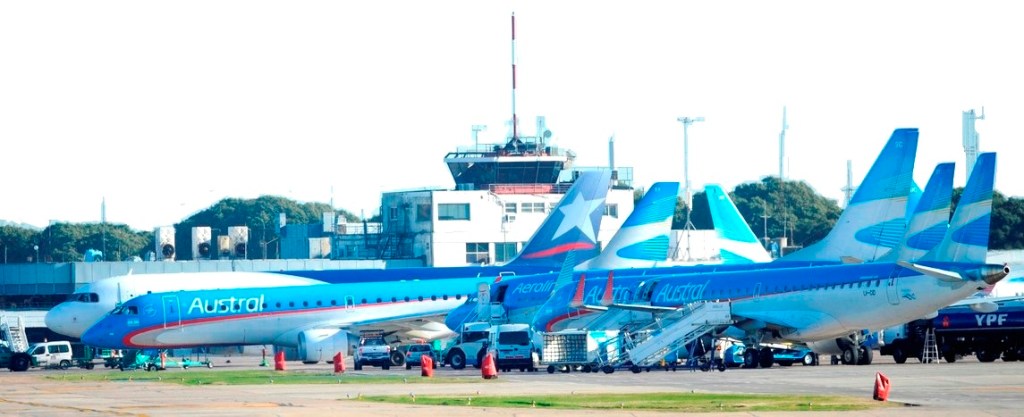



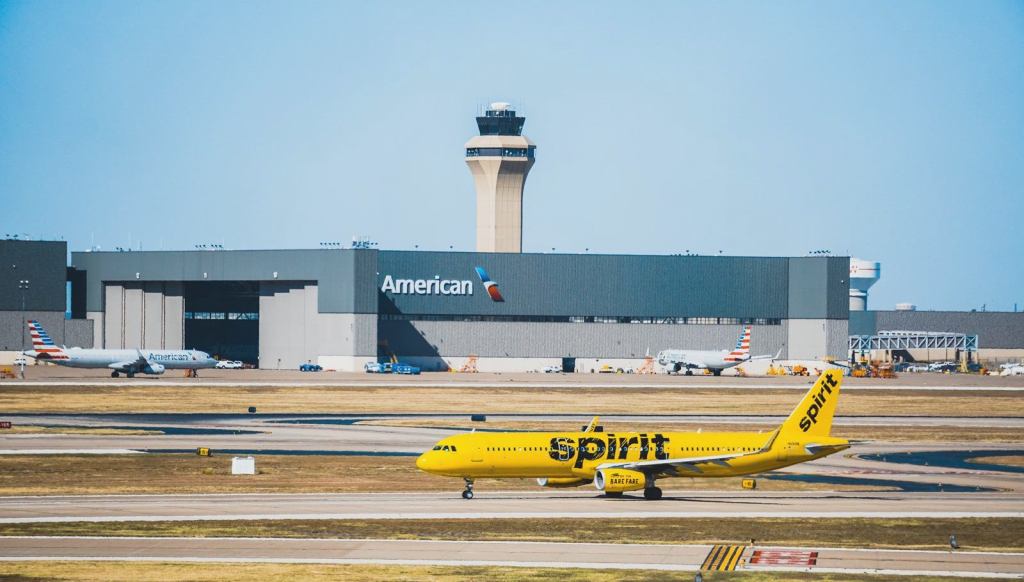

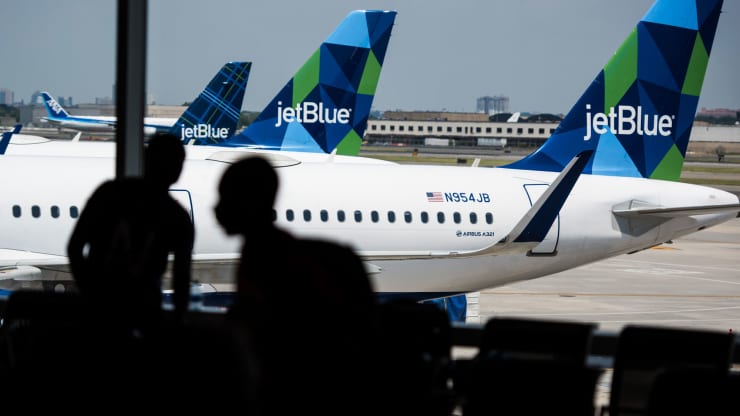
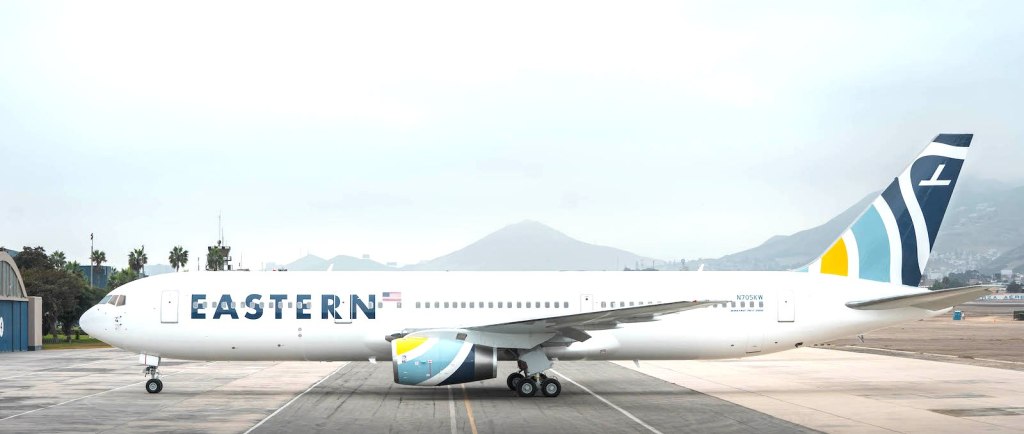
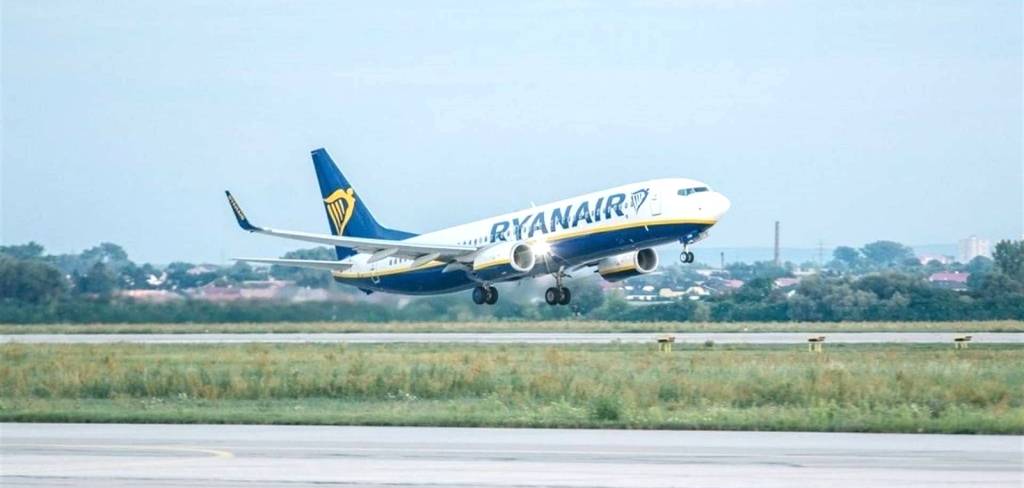
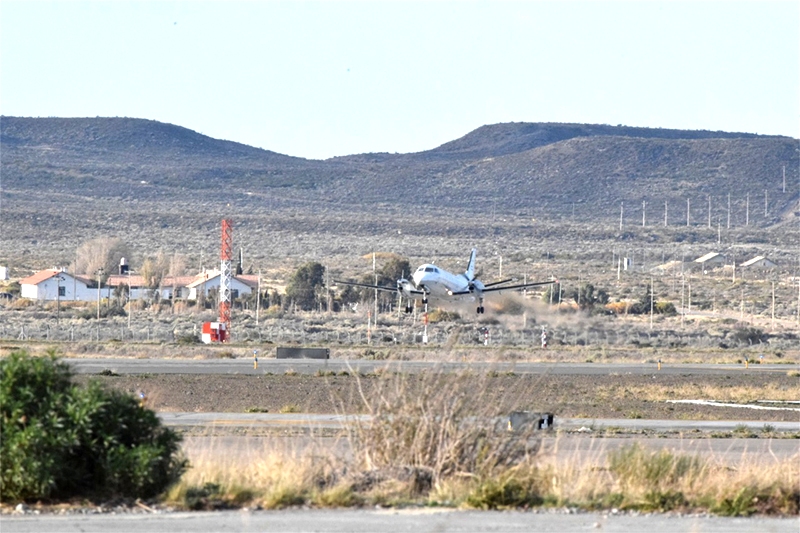


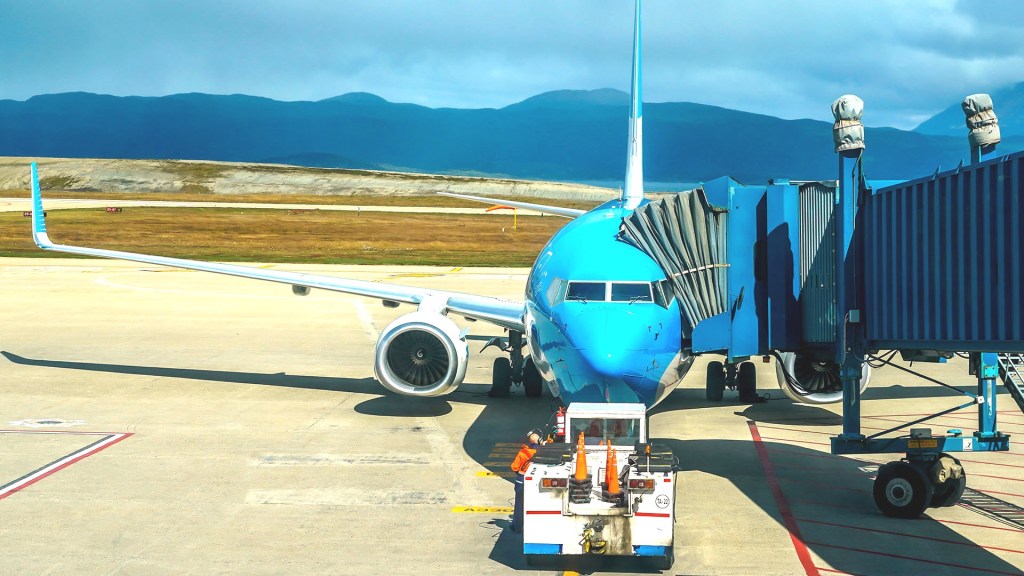


 airgways.com