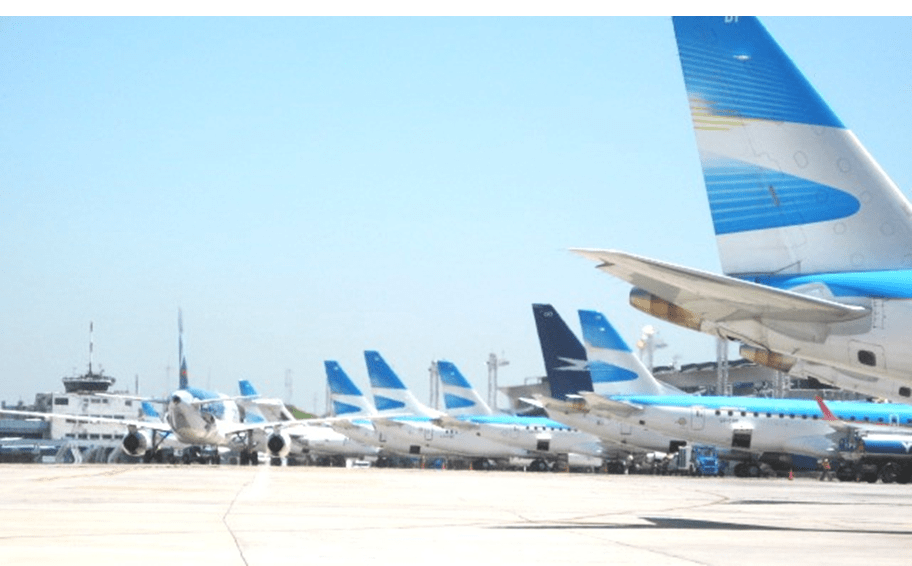
Argentina continuación modelo lowcost

Resultado de imagen para flybondi jetsmartAW | 2019 12 29 08:48 | AIRLINES MAKET

El Gobierno de Argentina continuará modelo de mercado abierto

El modelo de mercado abierto podría continuar bajo la nueva gestión del Gobierno de Argentina. Los ejecutivos estánn estimulando una eunión con la cartera de Transporte para conocer las políticas a continuar en la nueva gestión. Desde el Ministerio de Transporte, a cargo de Mario Meoni, aseguran que el esquema de las nuevas aerolíneas low cost continuarán asegurando que «no se va a destruir lo que se ha hecho hasta ahora», señalaron desde Transporte. Por otraparte expresaron que no tomarán parte de la situación del Aeropuerto El Palomar, pues es un tema que está a cargo de la Justicia.

Mercado abierto

AW-700Flybondi.jpgDesde la implementación del modelo low-cost en Argentina hace aproximadamente dos años, han incursionado en el mercado de doméstico captando alrededor de un 20% con más de dos millones de pasajeros transportados. En estas casi tres semanas del nuevo gobierno, no hubo modificaciones en esa política. «Los aviones tienen que volar, y lo están haciendo. norwegianairshuttle-001Luego, se verá si hay que revisar algo», dijeron las fuentes oficiales.

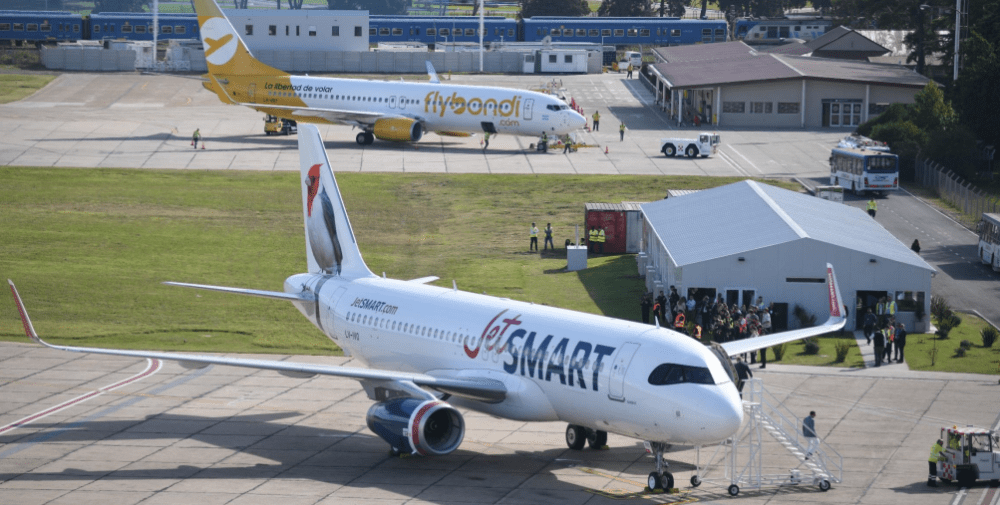
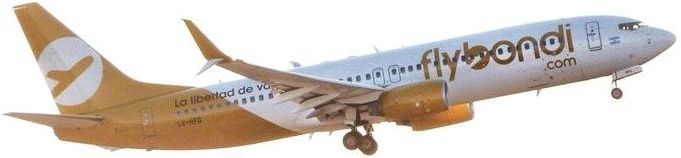
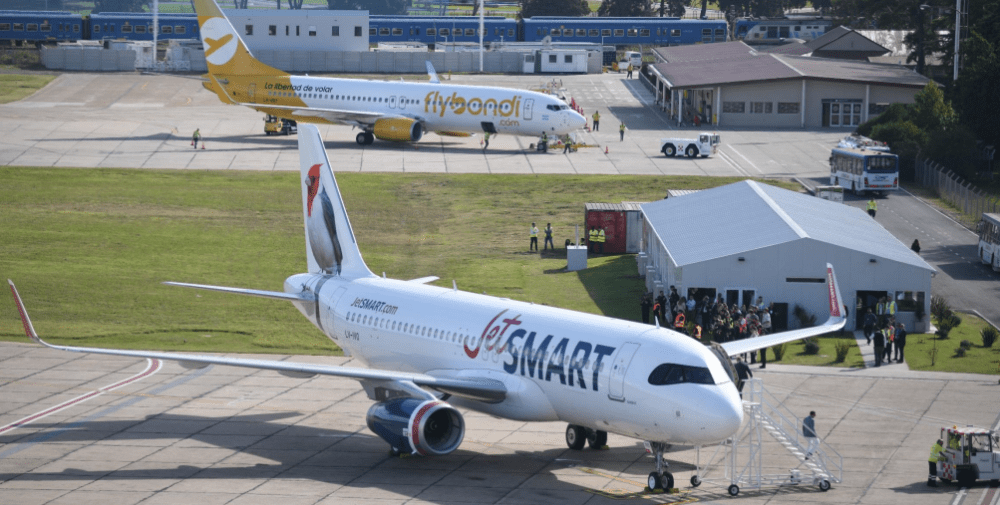
Las líneas aéreas que se autodenominan low cost como Flybondi Líneas Aéreras, Norwegian Air Argentina y JetSmart Airlines Argentina, continuarán en el mercado aéreo, observando una continuidad de las políticas de mercado abierto, permitiendo predecir proyectos hacia el futuro sin grandes AW-Jetsmart_Airlinescambios.

El mercado argentino continúa progresando estimulando la oferta de rutas y precios a pesar de la situación económica imperante. El fondo de inversión estadounidense Indigo Partners ha absorvido a la competidora Norwegian Air Argentina transformándose en el tercer operador aéreo del país, por detrás de Aerolíneas/Austral y Lan Argentina.

Gremios aeronáuticos

Los gremios que encabezan Pablo Biró (APLA), Ricardo Cirielli (APTA), Juan Pablo Brey (Aeronavegantes) y Edgardo Llano (APA), entre otros, no tienen afiliados entre los casi 1.000 empleados de las low cost. El nuevo titular de Transporte ya recibió hace una semana a la cúpula gremial del sector, agrupada en el colectivo Sindicatos Aeronáuticos Unidos, donde están prácticamente todos los gremios, excepto Aeronavegantes. Pero todavía no quiere mantener reuniones con las empresas del sector. «Vamos a esperar hasta que termine el año, no queremos avalar los resúmenes y balances de la gestión anterior, hay mucho por revisar», señalaron las fuentes.

Transporte también ha comunicado que no tendrá injerencia sobre Aerolíneas Argentinas y Austral Líneas Aéreas. El nuevo titular de Aerolíneas, el CEO Pablo Ceriani, responderá políticamente a Mariano Recalde, Senador por la Capital Federal y que puso gente de su máxima confianza en cargos clave de la compañía. AW-Icon AW001

Aeropuerto El Palomar.pngArgentina continuation low-cost model

The Government of Argentina will continue the open market model

The open market model could continue under the new management of the Government of Argentina. Executives are stimulating a meeting with the Transportation portfolio to learn about the policies to continue in the new management. From the Ministry of Transportation, in charge of Mario Meoni, they ensure that the scheme of the new low-cost airlines will continue to ensure that «what has been done so far will not be destroyed», they said from Transportation. On the other hand, they expressed that they will not take part in the situation of El Palomar Airport since it is an issue that is in charge of Justice.

Open market

Since the implementation of the low-cost model in Argentina approximately two years ago, they have entered the domestic market by capturing around 20% with more than two million passengers transported. In these almost three weeks of the new government, there were no modifications to that policy. «The planes have to fly, and they are doing it. Then, it will be seen if something needs to be checked», official sources said.

The airlines that call themselves low cost as Flybondi Líneas Aéreas, Norwegian Air Argentina and JetSmart Airlines Argentina, will continue in the air market, observing a continuity of open market policies, allowing to predict future projects without major changes.

AW-717348MAX.jpgThe Argentine market continues to progress stimulating the supply of routes and prices to the prevailing economic situation. The American investment fund Indigo Partners has absorbed the competitor Norwegian Air Argentina becoming the third largest airline operator in the country, behind Aerolíneas/Austral and Lan Argentina.

AW-70000194.jpgAeronautical Guilds

The guilds headed by Pablo Biró (APLA), Ricardo Cirielli (APTA), Juan Pablo Brey (Airnavigators) and Edgardo Llano (APA), among others, do not have affiliates among the almost 1,000 low-cost employees. The new holder of Transport already received a week ago to the union dome of the sector, grouped in the collective United Aeronautical Unions, where practically all the unions are, except Aeronavegantes. But he still does not want to hold meetings with the companies in the sector. «We will wait until the end of the year, we do not want to endorse the summaries and balances of the previous management, there is much to review», said the sources.

Transportation has also reported that it will not have interference in Aerolíneas Argentinas and Austral Líneas Aéreas. The new head of Airlines, CEO Pablo Ceriani, will respond politically to Mariano Recalde, Senator for the Federal Capital and who put people of his utmost confidence in key positions of the company. AW-Icon AW002


Ξ A I R G W A Y S Ξ
SOURCE: Airgways.com
DBk: Argentina.gob.ar/transporte / Airgways.com
AW-POST: 201912290848AR

A\W   A I R G W A Y S ®


Cielos abiertos en Azerbaiyán

AW-7000244.jpgAW | 2019 12 27 14:00 | GOVERNMENT / AIRLINES MARKET

Image result for azerbaijan globe mapEl Gobierno de Azerbaiyán abrirá los cielos a todas las aerolíneas

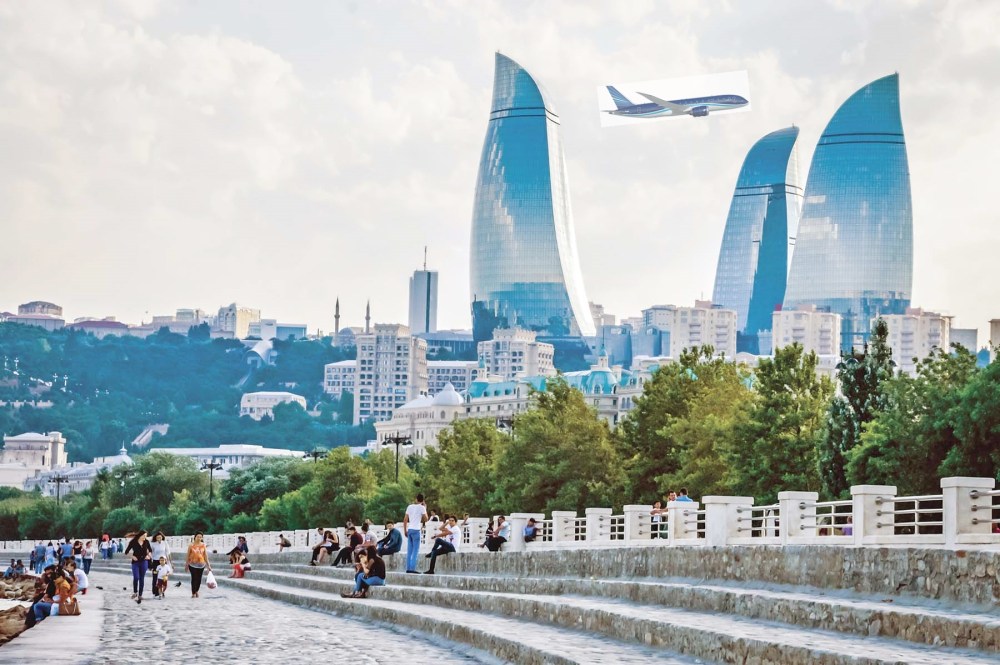
Por primera vez en la historia de la aviación civil de la República de Azerbaiyán, las llamadas libertades aéreas quinta y séptima comenzarán a operar en todos los aeropuertos internacionales del país. A partir del 1 Enero 2020, estos grados de libertad permitirán vuelos desde los aeropuertos de Azerbaiyán a 40 países de Europa, América del Norte, Australia y el sudeste asiático.

Las libertades del aire son un conjunto de derechos de aviación comercial que otorgan a las líneas aéreas de un país el privilegio de ingresar y aterrizar en el espacio aéreo de otro país. Cuanto mayor es el grado de libertad, más acciones se les permite a los aviones extranjeros realizar en el espacio aéreo de Azerbaiyán.

A partir del 1 Enero 2020, todas las aerolíneas que deseen volar a 40 países de Europa, América del Norte, Australia y el sudeste asiático tendrán esta ventaja. La notificación correspondiente se enviará a las autoridades de aviación de estos países. Las compañías aéreas podrán enviar pasajeros desde Bakú a Francia, Italia, Alemania, Austria, España, Grecia, República Checa, Bélgica, Países Bajos, Dinamarca, Noruega, Polonia, Portugal, Rumania, Serbia, Eslovaquia, Eslovenia, Finlandia, Suiza, Suecia, Estonia, Irlanda, Islandia, Letonia, Lituania, Luxemburgo, Macedonia, Malta, Bulgaria, Georgia, Estados Unidos, Japón, Vietnam, Indonesia, Camboya, Myanmar, Bangladesh, Corea del Sur, Malasia y Australia sin restricciones. En el futuro, la lista de estados puede ampliarse.

Libertades aéreas para Azerbaiyán

La quinta libertad aérea permite a las aerolíneas extranjeras realizar vuelos desde su aeropuerto a otras ciudades con escalas en Bakú (o cualquier otro aeropuerto en Azerbaiyán) para abordar/desembarcar pasajeros. Por ejemplo, bajo el quinto grado de libertad, las compañías aéreas europeas podrán operar un vuelo París-Tokio con una escala en Bakú (o en cualquier otro aeropuerto del país). O las aerolíneas japonesas pueden realizar vuelos a países de la UE con aterrizaje en uno de los aeropuertos internacionales de Azerbaiyán.

El séptimo grado de libertad permite a la compañía aérea volar entre Azerbaiyán y países extranjeros, evitando el aterrizaje intermedio en el aeropuerto de origen. Por ejemplo, una aerolínea europea puede volar a Azerbaiyán desde Dubai y luego volar a una de las ciudades de Estados Unidos sin aterrizar en su país de origen.

En ambos casos, las aerolíneas llevarán a cabo actividades comerciales gratuitas en todas las direcciones, incluido Azerbaiyán. Cabe señalar que los permisos previos para realizar tales vuelos en Azerbaiyán se otorgaron individualmente a las aerolíneas. Bajo las nuevas condiciones, todas las aerolíneas extranjeras que deseen operar vuelos a Azerbaiyán en el futuro tendrán los mismos derechos que la compañía aérea nacional.

Esto aumentará el interés de las aerolíneas extranjeras para realizar vuelos a Azerbaiyán, abrirles nuevos mercados y permitirles aumentar el tráfico de pasajeros y aumentar el atractivo para los turistas. La llegada de aerolíneas extranjeras también creará más oportunidades de viaje para los ciudadanos azerbaiyanos, ya que tendrán una amplia variedad de vuelos directos a lugares cercanos y lejanos en el extranjero. Además, cualquier nueva aerolínea que quiera comenzar a volar a Azerbaiyán recibirá un descuento del 100% en los servicios de los aeropuertos. En el segundo año de operación, el descuento será del 70%, en el tercero – 50%, en el cuarto – 30%. El período de implementación y la tasa de descuento se extenderán si la aerolínea aumenta el número de vuelos y el tráfico de pasajeros.

AW-70087878.pngEl Presidente Azerbaiyán Airlines (AZAL), Jahangir Asgarov ha expresado: “Es una decisión global para el país en su conjunto. Gracias al constante cuidado y atención del presidente de la República de Azerbaiyán, Ilham Aliyev, hacia la aviación civil de Azerbaiyán, se han creado todas las condiciones en los aeropuertos internacionales del país para prestar servicios a una gran cantidad de aerolíneas extranjeras. La introducción de las quintas libertades aéreas en todos los aeropuertos internacionales del país permitirá ampliar la geografía de los vuelos desde Azerbaiyán, aumentar la accesibilidad de transporte del país en el mercado extranjero, así como aprovechar el potencial turístico del país y ofrecer ofertas competitivas. para pasajeros Nuestros ciudadanos tendrán la oportunidad de expandir la geografía de sus viajes y reducir los costos de viaje a Europa, Asia, Australia y América del Norte», señaló

La decisión de implementar la quinta y séptima libertades aéreas en los aeropuertos internacionales de Azerbaiyán también dará un nuevo impulso al desarrollo del sector no petrolero y ayudará a abrir nuevos empleos en el país.

Actualmente, hay seis aeropuertos con estatus internacional en Azerbaiyán. Además del Aeropuerto Internacional Heydar Aliyev en Bakú, se han creado todas las condiciones para las compañías aéreas en los aeropuertos de Nakhchivan, Ganja, Gabala, Lankaran y Zagatala. Todos los aeropuertos internacionales de la República tienen categoría OACI hasta el tercero, se suministran con equipos modernos, aquí se han creado las condiciones necesarias para el servicio terrestre, el servicio de seguridad de la aviación, el control fronterizo y aduanero.

El Aeropuerto Internacional Heydar Aliyev es el aeropuerto más grande de Azerbaiyán y de la región en términos de tráfico de pasajeros y carga, operaciones de despegue y aterrizaje, el área de la terminal del aeropuerto y la capacidad del complejo de carga. El aeropuerto de Bakú recibió la calificación máxima de cinco estrellas según los premios Skytrax World Airport Awards y también fue nombrado el mejor aeropuerto entre los aeropuertos de los países de la CEI por el nivel de los servicios prestados durante los tres años consecutivos.

En Noviembre 2019, 30 aerolíneas de pasajeros operaron vuelos a más de 60 destinos diferentes desde el Aeropuerto Internacional Heydar Aliyev. Los aeropuertos de Azerbaiyán ocupan la posición de líder en la región en términos de tráfico de pasajeros. En los primeros 11 meses de 2019, los aeropuertos internacionales de Azerbaiyán atendieron a un total de 5,15 millones de pasajeros, de los cuales 4,39 millones fueron atendidos por el Aeropuerto Internacional Heydar Aliyev. Esto es un 6% más que la misma cifra del año pasado. AW-Icon AW001

AW-700002111.jpgOpen Skies in Azerbaijan

The Government of Azerbaijan will open the skies to all airlines

Image result for azerbaijan tourism logoFor the first time in the history of Azerbaijan Republic civil aviation, the so-called fifth and seventh air freedoms will begin operating at all international airports in the country. As of January 1, 2020, these degrees of freedom will allow flights from Azerbaijan airports to 40 countries in Europe, North America, Australia, and Southeast Asia.

Air freedoms are a set of commercial aviation rights that give the airlines of one country the privilege of entering and landing in the airspace of another country. The greater the degree of freedom, the more actions foreign airplanes are allowed to perform in Azerbaijan’s airspace.

As of January 1, 2020, all airlines wishing to fly to 40 countries in Europe, North America, Australia, and Southeast Asia will have this advantage. The corresponding notification will be sent to the aviation authorities of these countries. Airlines may send passengers from Baku to France, Italy, Germany, Austria, Spain, Greece, Czech Republic, Belgium, Netherlands, Denmark, Norway, Poland, Portugal, Romania, Serbia, Slovakia, Slovenia, Finland, Switzerland, Sweden, Estonia, Ireland, Iceland, Latvia, Lithuania, Luxembourg, Macedonia, Malta, Bulgaria, Georgia, United States, Japan, Vietnam, Indonesia, Cambodia, Myanmar, Bangladesh, South Korea, Malaysia, and Australia without restrictions. In the future, the list of states may be expanded.

Air freedoms for Azerbaijan

Fifth air freedom allows foreign airlines to fly from their airport to other cities with stops in Baku (or any other airport in Azerbaijan) to board/disembark passengers. For example, under the fifth degree of freedom, European airlines may operate a Paris-Tokyo flight with a stopover in Baku (or at any other airport in the country). Or Japanese airlines can make flights to EU countries with landing at one of Azerbaijan’s international airports.

The seventh degree of freedom allows the airline to fly between Azerbaijan and foreign countries, avoiding intermediate landing at the airport of origin. For example, a European airline can fly to Azerbaijan from Dubai and then fly to one of the United States cities without landing in their home country.

In both cases, the airlines will conduct free business activities in all directions, including Azerbaijan. It should be noted that prior permits for such flights in Azerbaijan were granted individually to the airlines. Under the new conditions, all foreign airlines wishing to operate flights to Azerbaijan in the future will have the same rights as the national airline.

This will increase the interest of foreign airlines to make flights to Azerbaijan, open new markets and allow them to increase passenger traffic and increase tourist attraction. The arrival of foreign airlines will also create more travel opportunities for Azerbaijani citizens, as they will have a wide variety of direct flights to near and far abroad. In addition, any new airline that wants to start flying to Azerbaijan will receive a 100% discount on airport services. In the second year of operation, the discount will be 70%, in the third – 50%, in the fourth – 30%. The implementation period and the discount rate will be extended if the airline increases the number of flights and passenger traffic.

President Azerbaijan Airlines (AZAL), Jahangir Asgarov has said: “It is a global decision for the country as a whole. Thanks to the constant care and attention of the President of the Republic of Azerbaijan, Ilham Aliyev, towards the civil aviation of Azerbaijan, all conditions have been created at the country’s international airports to serve a large number of foreign airlines. The introduction of the fifth air freedoms in all the international airports of the country will allow to expand the geography of the flights from Azerbaijan, increase the accessibility of transport of the country in the foreign market, as well as take advantage of the tourist potential of the country and offer competitive offers. for passengers Our citizens will have the opportunity to expand the geography of their trips and reduce travel costs to Europe, Asia, Australia, and North America», he said

The decision to implement the fifth and seventh air freedoms in Azerbaijan’s international airports will also give new impetus to the development of the non-oil sector and help open new jobs in the country.

Currently, there are six airports with international status in Azerbaijan. In addition to Heydar Aliyev International Airport in Baku, all conditions have been created for airlines at Nakhchivan, Ganja, Gabala, Lankaran and Zagatala airports. All the international airports of the Republic have ICAO category up to the third, they are supplied with modern equipment, here the necessary conditions for ground service, aviation security service, border, and customs control have been created.

Heydar Aliyev International Airport is the largest airport in Azerbaijan and the region in terms of passenger and cargo traffic, take-off and landing operations, the airport terminal area and the capacity of the cargo complex. Baku Airport received the maximum five-star rating according to the Skytrax World Airport Awards and was also named the best airport among the airports of the CIS countries for the level of services provided during the three consecutive years.

In November 2019, 30 passenger airlines operated flights to more than 60 different destinations from Heydar Aliyev International Airport. Azerbaijan airports occupy the position of leader in the region in terms of passenger traffic. In the first 11 months of 2019, Azerbaijan’s international airports served a total of 5.15 million passengers, of which 4.39 million were served by Heydar Aliyev International Airport. This is 6% more than the same figure last year. AW-Icon AW002

Image result for azerbaiyán airportAzərbaycanda Açıq Səma

Azərbaycan hökuməti səmanı bütün aviaşirkətlərə açacaqdırImage result for azerbaijan map png
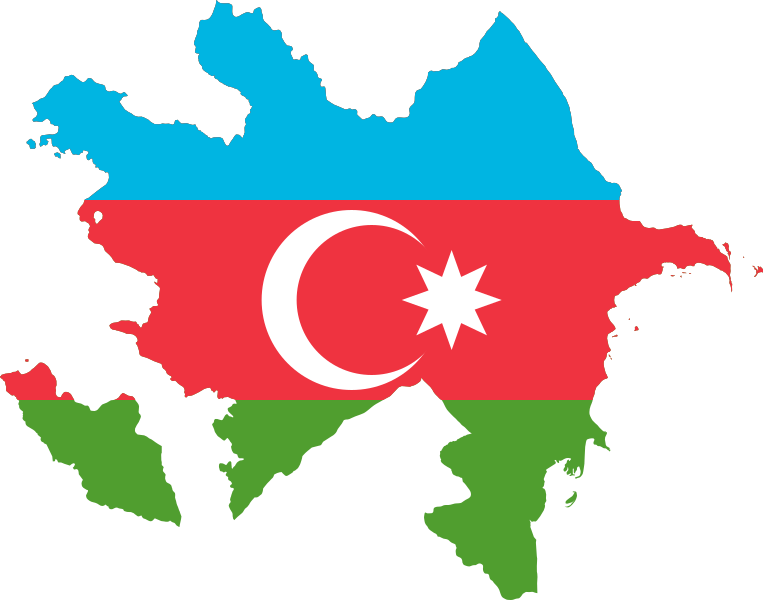
Azərbaycan Respublikası mülki aviasiya tarixində ilk dəfə olaraq, beşinci və yeddinci hava azadlıqları ölkənin bütün beynəlxalq hava limanlarında fəaliyyətə başlayacaq. 1 yanvar 2020-ci il tarixindən etibarən bu azadlıq dərəcələri Azərbaycan hava limanlarından Avropanın, Şimali Amerikanın, Avstraliyanın və Cənub-Şərqi Asiyanın 40 ölkəsinə uçuşlara imkan verəcəkdir.

Hava azadlıqları bir ölkənin hava yollarına başqa bir ölkənin hava məkanına daxil olmaq və eniş imtiyazını verən kommersiya aviasiya hüquqlarının məcmusudur. Azadlıq dərəcəsi nə qədər yüksəkdirsə, xarici hava gəmilərinin Azərbaycanın hava məkanında daha çox hərəkət etməsinə icazə verilir.

1 yanvar 2020-ci il tarixindən etibarən Avropa, Şimali Amerika, Avstraliya və Cənub-Şərqi Asiyanın 40 ölkəsinə uçmaq istəyən bütün aviaşirkətlər bu üstünlüyə sahib olacaqlar. Müvafiq bildiriş bu ölkələrin aviasiya orqanlarına göndəriləcəkdir. Aviaşirkətlər Bakıdan Fransa, İtaliya, Almaniya, Avstriya, İspaniya, Yunanıstan, Çexiya, Belçika, Hollandiya, Danimarka, Norveç, Polşa, Portuqaliya, Rumıniya, Serbiya, Slovakiya, Sloveniya, Finlandiya, İsveçrə, İsveçə sərnişin göndərə bilər. , Estoniya, İrlandiya, İslandiya, Latviya, Litva, Lüksemburq, Makedoniya, Malta, Bolqarıstan, Gürcüstan, Amerika Birləşmiş Ştatları, Yaponiya, Vyetnam, İndoneziya, Kamboca, Myanma, Banqladeş, Cənubi Koreya, Malayziya və Avstraliya. Gələcəkdə dövlətlərin siyahısı genişlənə bilər.

Azərbaycan üçün hava azadlığı

Beşinci hava sərbəstliyi xarici aviaşirkətlərə hava limanından Bakıdakı dayanacaqları olan digər şəhərlərə (və ya Azərbaycandakı hər hansı digər hava limanına) sərnişinləri buraxmaq / buraxmaq üçün imkan verir. Məsələn, sərbəstliyin beşinci dərəcəsi altında, Avropa aviaşirkətləri Bakıda (və ya ölkənin hər hansı digər hava limanında) dayanacaqla Paris-Tokio reysini həyata keçirə bilər. Və ya Yapon aviaşirkətləri Azərbaycanın beynəlxalq hava limanlarından birinə enərək AB ölkələrinə uçuşlar edə bilərlər.

Sərbəstliyin yeddinci dərəcəsi, hava limanına Azərbaycan və xarici ölkələr arasında uçuş imkanı verir, mənşəli hava limanına aralıq eniş etmədən. Məsələn, bir Avropa aviaşirkəti Dubaydan Azərbaycana uça bilər və sonra doğma ölkələrinə enmədən Amerika Birləşmiş Ştatlarının şəhərlərindən birinə uça bilər.

Hər iki halda aviaşirkətlər bütün istiqamətlərdə, o cümlədən Azərbaycanda pulsuz biznes fəaliyyəti həyata keçirəcəklər. Qeyd edək ki, Azərbaycanda bu cür uçuşlar üçün əvvəlcədən icazə aviaşirkətlərə fərdi olaraq verilib. Yeni şərtlərdə gələcəkdə Azərbaycana uçuşlar etmək istəyən bütün xarici aviaşirkətlər milli aviaşirkətlə eyni hüquqlara sahib olacaqlar.

Bu, xarici aviaşirkətlərin Azərbaycana uçuşlar etmək, yeni bazarlar açmaq və sərnişin daşımalarını artırmaq və turist cəlbediciliyini artırmaq marağını artıracaqdır. Xarici aviaşirkətlərin gəlişi də Azərbaycan vətəndaşları üçün daha çox səyahət imkanları yaradacaq, çünki yaxın və uzaq xarici ölkələrə geniş çeşiddə birbaşa uçuşlar olacaqdır. Bundan əlavə, Azərbaycana uçmağa başlamaq istəyən hər hansı bir yeni aviaşirkət hava limanında 100% endirim əldə edəcəkdir. Əməliyyatın ikinci ilində endirim 70%, üçüncüsündə 50%, dördüncü ildə 30% olacaq. Aviaşirkət uçuşların və sərnişin daşımalarının sayını artırdıqda tətbiq müddəti və endirim dərəcəsi uzadılacaqdır.

Azərbaycan Hava Yollarının (AZAL) prezidenti Cahangir Əsgərov demişdir: “Bu, bütövlükdə ölkə üçün qlobal bir qərardır. Azərbaycan Respublikasının Prezidenti İlham Əliyevin Azərbaycanın mülki aviasiyasına göstərdiyi daimi diqqət və qayğı sayəsində ölkənin beynəlxalq hava limanlarında çox sayda xarici aviaşirkətə xidmət göstərmək üçün hər cür şərait yaradılıb. Ölkənin bütün beynəlxalq hava limanlarında beşinci hava azadlıqlarının tətbiqi Azərbaycandan uçuşların coğrafiyasını genişləndirməyə, ölkənin nəqliyyat bazarının xarici bazarda əlçatanlığını artırmağa, habelə ölkənin turizm potensialından faydalanmağa və rəqabətli təkliflər verməyə imkan verəcəkdir. sərnişinlər üçün vətəndaşlarımız səfərlərinin coğrafiyasını genişləndirmək və Avropa, Asiya, Avstraliya və Şimali Amerikaya səyahət xərclərini azaltmaq imkanına sahib olacaqlar», dedi.

Azərbaycanın beynəlxalq hava limanlarında beşinci və yeddinci hava azadlıqlarının həyata keçirilməsinə dair qərar, həmçinin qeyri-neft sektorunun inkişafına yeni təkan verəcək və ölkədə yeni iş yerlərinin açılmasına kömək edəcəkdir.

Hazırda Azərbaycanda beynəlxalq statuslu altı hava limanı fəaliyyət göstərir. Bakıdakı Heydər Əliyev Beynəlxalq Aeroportu ilə yanaşı, Naxçıvan, Gəncə, Qəbələ, Lənkəran və Zaqatala hava limanlarında hava yolları üçün hər cür şərait yaradılıb. Respublikanın bütün beynəlxalq hava limanları üçüncü dərəcəyə qədər ICAO kateqoriyasına malikdir, müasir avadanlıqlarla təmin olunub, burada yerüstü xidmət, aviasiya təhlükəsizliyi xidməti, sərhəd və gömrük nəzarəti üçün lazımi şərait yaradılıb.

Heydər Əliyev Beynəlxalq Aeroportu sərnişin və yük daşınması, uçuş və enmə əməliyyatları, hava limanının terminal sahəsi və yük kompleksinin tutumu baxımından Azərbaycanda və bölgədəki ən böyük aeroportdur. Skytrax World Airport Awards mükafatlarına görə Bakı Hava Limanı ən yüksək beşulduzlu reytinq aldı və ardıcıl üç il ərzində göstərilən xidmət səviyyəsinə görə MDB ölkələrinin hava limanları arasında ən yaxşı hava limanı seçildi.

2019-cu ilin noyabr ayında 30 sərnişin aviaşirkəti Heydər Əliyev Beynəlxalq Hava Limanından 60-dan çox müxtəlif istiqamətlərə uçuşlar həyata keçirdi. Azərbaycan hava limanları sərnişin axını baxımından bölgədə lider mövqe tutur. 2019-cu ilin ilk 11 ayında Azərbaycanın beynəlxalq hava limanları ümumilikdə 5,15 milyon sərnişinə xidmət göstərib ki, bunun da 4,39 milyonu Heydər Əliyev Beynəlxalq Hava Limanında xidmət göstərib. Bu, ötən ilin analoji göstəricisindən 6% çoxdur. AW-Icon AW002


Ξ A I R G W A Y S Ξ
SOURCE: Airgways.com
DBk: Mincom.gov.az / Azal.az / Airgways.com
AW-POST: 201912271400AR

A\W   A I R G W A Y S ®

ASEAN avanza hacia mercado único

Related imageAW | 2019 12 26 16:20 | AVIATION ORGANISMS / AIRLINES MARKET

Image result for ASEANEl mercado único de la aviación beneficiará a los ciudadanos de la ASEAN, pero no está sucediendo lo suficientemente rápido

En Noviembre 2007, el Grupo de Trabajo de Transporte Aéreo de la ASEAN presentó un importante plan de política de aviación para la región. Conocido como ASEAN Single Aviation Market (ASAM) o Asean Open Sky Agreement, la política buscaba profundizar la integración entre las naciones de la ASEAN en todos los aspectos del sector de la aviación para 2015, incluidos los servicios aéreos, la seguridad de la aviación y la gestión del tráfico aéreo. La ASAM fue ratificada por los estados miembros de la ASEAN en Abril 2016, pero la implementación sigue siendo lenta. Año tras año, los ministros de transporte de los 10 países miembros se reúnen y firman más acuerdos, pero no logran un progreso significativo.

Mercado libre ASEAN

A través de una mayor competencia, un mercado único de aviación traería vuelos más baratos y mayores opciones de vuelo. Con un conjunto unificado de reglas y una mayor flexibilidad, también sería más fácil para las aerolíneas operar y expandirse dentro de la región de la ASEAN. La ASAM también traería beneficios económicos a las naciones de la ASEAN. El documento titulado Beneficios económicos de la ASEAN individual Aviatio n de mercado , que se estima el impacto de la política sobre el producto interno bruto (PIB) podría oscilar entre US$ 125 millones a US$ 4.32 mil millones para el año 2030.

AW-ASEAN-01.png

La 25ª Reunión de Ministros de Transporte (ATM) de la ASEAN en Noviembre de 2019 celebrado en Vietnam, ha marcado avances donde los ministros de la ASEAN firmaron dos protocolos que reconocen los servicios de simulación de vuelo de cada uno y respaldan los servicios auxiliares. La medida representa un progreso hacia una industria de aviación integrada, pero aún no llega a la inauguración de un mercado único de aviación.

Los protocolos firmados durante el 25º ATM es probable que tome un año o más para entrar en vigor. Un año antes, en el 24º cajero automático, los ministros firmaron el Protocolo 4, que se relaciona con los derechos co-terminales. El documento Asean Transport Instruments and Status of Ratification de julio de 2019 reveló que el protocolo todavía no estaba en vigor. Solo Singapur y Tailandia habían ratificado el protocolo. Existe una tendencia constante de ratificación más lenta en los estados miembros menos desarrollados. Una cadena es tan fuerte como su eslabón más débil. Hasta que el protocolo esté vigente en toda la región, los Estados miembros más rápidos tendrán que esperar.

El futuro de la aviación

ASEAN ha estado dando pequeños pasos para llevar a buen término ASAM. ASAM eliminó y reemplazó los acuerdos anteriores entre los estados miembros. También ha provisiones estandarizadas para crear un conjunto unificado de reglas de aviación en toda la región. El bloque ahora permite a los transportistas operar con mayor facilidad y flexibilidad. También hay acuerdos para hacer cumplir las regulaciones transfronterizas.

ASAM es un objetivo estratégico clave bajo el Plan Estratégico de Transporte de la ASEAN para 2016-2025. Con un mayor énfasis en ASAM y esfuerzos legislativos más rápidos, ASEAN podría reunir un mercado único de aviación. Los gobiernos deben mirar más allá de sus intereses nacionales, específicamente los intereses de sus operadores de bandera, y comenzar a trabajar juntos como una región. Para que la liberalización del espacio aéreo se convierta en una realidad, es necesario trabajar en áreas de apoyo como seguridad, tecnología, recursos humanos y más. La ASEAN tiene que prepararse para tropezar en este largo y arduo proceso. AW-Icon AW001

Image result for ASEANASEAN moves towards the single aviation market
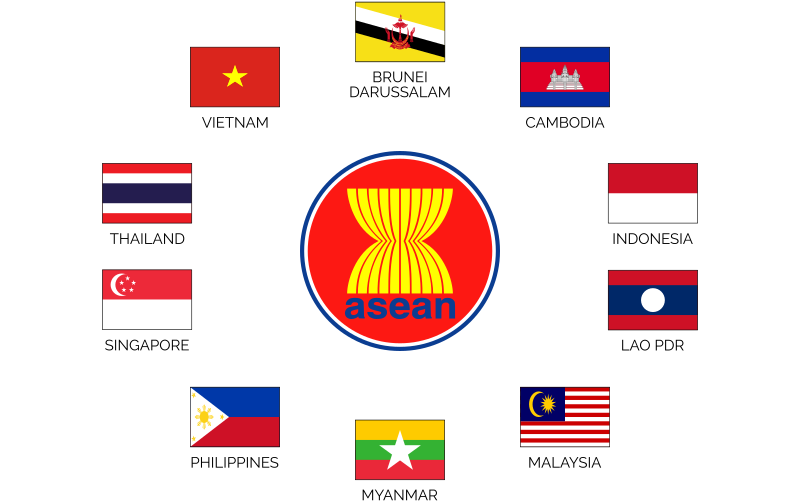
The single aviation market will benefit ASEAN citizens, but it is not happening fast enough

Image result for ASEAN

Image result for ASEANIn November 2007, the ASEAN Air Transport Working Group presented an important aviation policy plan for the region. Known as ASEAN Single Aviation Market (ASAM) or Asean Open Sky Agreement, the policy sought to deepen integration between ASEAN nations in all aspects of the aviation sector by 2015, including air services, aviation security, and Air traffic management. The ASAM was ratified by the ASEAN member states in April 2016, but implementation remains slow. Year after year, the transport ministers of the 10 member countries meet and sign more agreements, but do not make significant progress.
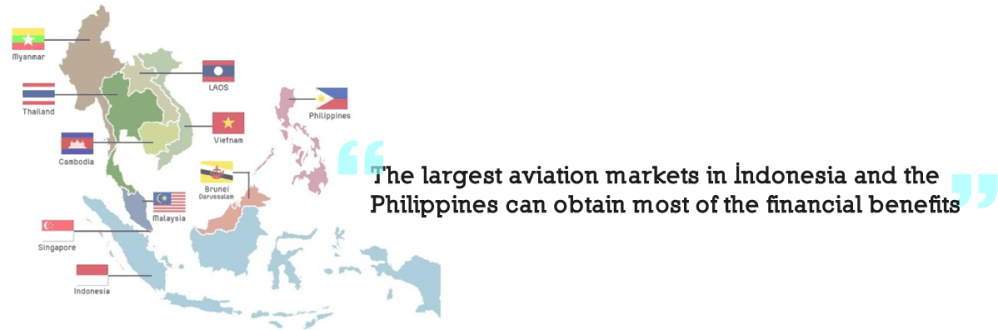
ASEAN free market

Through increased competition, a single aviation market would bring cheaper flights and greater flight options. With a unified set of rules and greater flexibility, it would also be easier for airlines to operate and expand within the ASEAN region. ASAM would also bring economic benefits to ASEAN nations. The document entitled Economic Benefits of ASEAN Individual Market Aviation, which estimates the impact of the policy on the gross domestic product (GDP) could range from US$ 125 million to US$ 4.32 billion by the year 2030.

AW-ASEAN.png

The 25th ASEAN Transport Ministers Meeting (ATM) in November 2019 held in Vietnam, has marked progress where ASEAN ministers signed two protocols that recognize each other’s flight simulation services and support auxiliary services. The measure represents progress towards an integrated aviation industry but has not yet reached the opening of a single aviation market.

The protocols signed during the 25th ATM are likely to take a year or more to take effect. A year earlier, at the 24th ATM, the ministers signed Protocol 4, which relates to co-terminal rights. The ASEAN Transport Instruments and Status of Ratification document of July 2019 revealed that the protocol was not yet in force. Only Singapore and Thailand had ratified the protocol. There is a constant trend of slower ratification in less developed member states. A chain is as strong as its weakest link. Until the protocol is in force throughout the region, the fastest Member States will have to wait.

The future of aviation

ASEAN has been taking small steps to bring ASAM to fruition. ASAM eliminated and replaced previous agreements between member states. It has also standardized provisions to create a unified set of aviation rules throughout the region. The block now allows carriers to operate more easily and flexibly. There are also agreements to enforce cross-border regulations.

ASAM is a key strategic objective under the ASEAN Strategic Transportation Plan for 2016-2025. With a greater emphasis on ASAM and faster legislative efforts, ASEAN could bring together a single aviation market. Governments must look beyond their national interests, specifically the interests of their flag operators, and start working together as a region. In order for airspace liberalization to become a reality, it is necessary to work in support areas such as security, technology, human resources and more. ASEAN has to prepare to stumble in this long and arduous process. AW-Icon AW002


Ξ A I R G W A Y S Ξ
SOURCE: Airgways.com
DBk: Asean.org / Airgways.com
AW-POST: 201912261620AR

A\W   A I R G W A Y S ®

Involución de los Aviones en Argentina

Aeropuerto El Palomar.pngAW | 2019 12 24 17:42 | AIRLINES MARKET

La crisis económica pronunciada en la Argentina a fracazado proyectos en la aviación comercial

Muchos anuncios trascendían al proyecto de la «Revolución de los Aviones» proclamada por el anterior gobierno argentino. Era un nuevo comienzo, o más bien, una nueva oportunidad que la República Argentina tenía delante del mercado aerocomercial.

La “Revolución de los Aviones” impulsada por el anterior gobierno argentino había iniciado la apertura de un mercado más abierto de las aerolíneas en los cielos de Argentina. El nuevo plan tenía como objetivo duplicar la cantidad de pasajeros transportados. Para ello, el objetivo del gobierno era realizar Audiencias Públicas para la conformación de rutas aéreas en el país, para ello, los procesos de creación de líneas aéreas se debían adecuar a las exigencias gubernamentales. Entre las compañías aéreas presentadas estaban Irelandia Aviation (Ryanair Holdings PLC), Avianca Argentina, Buenos Aires Internacional Airlines, LASA Líneas Aéreas, American Jet Líneas Aéreas, Flybondi Líneas Aéreas, Norwegian Air Argentina, JetSmart Airlines Argentina, Líneas Aéreas Mediterráneas, Alas del Sur Líneas Aéreas, Polar Líneas Aéreas, SAPSA Líneas Aéreas, Flyest Líneas Aéreas, Royal Class Líneas Aéreas.

AW-70007668.jpgEntre las líneas aéreas que iniciaron los procesos de conformación de capital y concesión de rutas aéreas que pudieron sobrevivir se encuentran Flybondi Líneas Aéreas, JetSmart Airlines Argentina, que son las que más protagonismo están desarrollando en el mercado argentino. American Jet Líneas Aéreas, Flyest Líneas Aéreas y SAPSA Líneas Aéreas poseen modestos planes de desarrollo regional. Royal Class es otra compañía que continúa desarrollando la aviación corporativa a saber que el anterior gobierno a última hora aprobó la asignación de rutas aéreas para vuelos regulares, pero hasta la fecha no se ha dado a conocer ningún plan de expansión, a pesar de que el signo político actual presenta serias dudas de iniciar esta aventura. Entre otras, están las compañías que han iniciado operaciones pero pronto fracazaron en el intento: Avianca Argentina y Norwegian Air Argentina. Entre las últimas se encuentran las que nunca pudieron concretar volar en Argentina: Irelandia Aviation (Ryanair Holdings PLC), Buenos Aires Internacional Airlines, Líneas Aéreas Mediterráneas, Polar Líneas Aéreas y finalmente Alas del Sur Líneas Aéreas, que fue comprada por Indigo Partners de Estados Unidos para formalizar JetSmart Airlines Argentina.

Caso Norwegian Air Argentina

La aerolínea noruega Norwegian Air Shuttle ha tenido que luchar con bajos rendimientos, costos crecientes y una carga de deuda abrumadora en los últimos meses y estuvo casi al borde de la quiebra. Actualmente ha arrojado números financieros más esperanzadores. Aunque los resultados están teniendo una leve mejora en el gupo noruego, la filial argentina Norwegian Air Argentina no ha podido levantar vuelo, obligando a vender la aerolínea a Indigo Partners representada por Jetsmart Airlines Argentina.

Debido a una fuerte depreciación entre el Peso Argentino y el Dólar estadounidense, según Norwegian Air, no fue posible operar de manera rentable en el país sudamericano. Por ejemplo, se dijo que el costo de operar en Argentina era en gran parte en dólares, mientras que los ingresos se generaron en pesos. Muchos expertos consideraron que Argentina es un entorno particularmente complejo, por lo que se expresó un gran escepticismo hacia el proyecto de la aerolínea noruega al comienzo de Norwegian Air Argentina en Octubre 2018. El CEO interino de Norwegian Air Shuttle, Geir Karlsen, dijo: «Norwegian Air Shuttle ha firmado un acuerdo para vender el 100 por ciento de su filial argentina Norwegian Air Argentina a Jetsmart Airlines es uno de los pasos necesarios para volver a ser rentable», explica Karlsen.

_MG_2424.jpg

JetSmart compra Norwegian

JetSmart Airlines ha comprado a principios de Diciembre 2019 la aerolínea low cost Norwegian Air Argentina, haciéndose cargo de las operaciones y de todos los empleados de la compañía con efecto inmediato. La aerolínea chilena planea reemplazar todos los Boeing 737 existentes con la flota Airbus A320 en el futuro. Los Boeing 737-800 reanudarán las operaciones en Norwegian Air Shuttle en Europa en el futuro.

JetSmart Airlines continúa expandiéndose en América del Sur y, a través de la compra de Norwegian Air Argentina obtendrá acceso al importante Aeropuerto Jorge Newbery, convirtiendo a JetSmart en la tercera aerolínea más grande de Argentina. Ahora el objetivo está puesto en los slots en el Aeropuerto Jorge Newbery.

Norwegian sin marcas

Tras la venta de Norwegian Air Argentina a Jetsmart Airlines Argentina, recientemente la línea aérea del grupo Indigo Partners ha retirado los títulos y logos en los fuselajes de los aviones Boeing 737-800, suprimiendo la marca Norwegian del mercado argentino. La flota de aeronaves Boeing 737-800 continuarán volando por un tiempo en la red de rutas de JetSmart Airlines, a la espera del reemplazo por unidades Airbus A320. AW-Icon AW001

Image result for norwegian air ArgentinaThe Involution of Aircraft in Argentina

The economic crisis pronounced in Argentina to failed projects in commercial aviation

AW-7000J500.jpgMany announcements transcended the «Aircraft Revolution» project proclaimed by the previous Argentine government. It was a new beginning, or rather, a new opportunity that the Argentine Republic had in front of the commercial air market.

The “Aircraft Revolution” promoted by the previous Argentine government had begun to open the most open market of airlines in the skies of Argentina. The new plan aimed to double the number of passengers transported. To this end, the objective of the government was to carry out Public Hearings for the conformation of air routes in the country, for this, the processes of creation of airlines had to be adapted to the governmental requirements. Among the airlines presented were Irelandia Aviation (Ryanair Holdings PLC), Avianca Argentina, Buenos Aires International Airlines, LASA Líneas Aéreas, American Jet Líneas Aéreas, Flybondi Líneas Aéreas, Norwegian Air Argentina, JetSmart Airlines Argentina, Líneas Aéreas Mediterráneas, Alas del Sur Líneas Aéreas, Polar Líneas Aéreas, SAPSA Líneas Aéreas, Flyest Líneas Aéreas, Royal Class Líneas Aéreas.

Image result for revolución de los aviones airgways.comAmong the airlines that initiated the processes of capital formation and concession of air routes that we’re able to survive are Flybondi Líneas Aéreas, JetSmart Airlines Argentina, which are the ones that are more prominent in the Argentine market. American Jet Líneas Aéreas, Flyest Líneas Aéreas, and SAPSA Líneas Aéreas have modest regional development plans. Royal Class is another company that continues to develop corporate aviation, namely that the previous government at the last minute approved the allocation of air routes for regular flights, but to date, no expansion plan has been announced, despite the fact that the Current political sign presents serious doubts about starting this adventure. Among others, there are companies that have started operations but soon failed in the attempt: Avianca Argentina and Norwegian Air Argentina. Among the latter are those that never could fly in Argentina: Irelandia Aviation (Ryanair Holdings PLC), Buenos Aires International Airlines, Líneas Aéreas Mediterránea, Polar Líneas Aéreas and finally Alas del Sur Líneas Aéreas, which was bought by Indigo Partners of States United to formalize JetSmart Airlines Argentina.

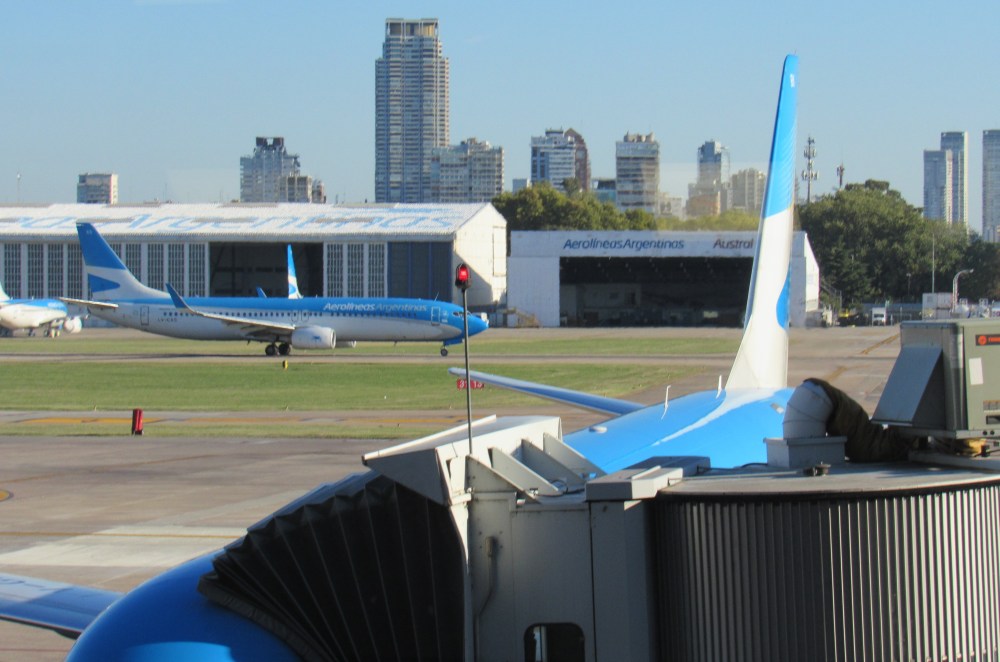
Norwegian Air Argentina Case

Norwegian airline Norwegian Air Shuttle has had to struggle with low returns, rising costs and an overwhelming debt burden in recent months and was almost on the verge of bankruptcy. He has currently thrown more promising financial numbers. Although the results are having a slight improvement in the Norwegian group, the Argentine subsidiary Norwegian Air Argentina has not been able to fly, forcing the airline to sell to Indigo Partners represented by Jetsmart Airlines Argentina.

Due to a strong depreciation between the Argentine Peso and the US Dollar, according to Norwegian Air, it was not possible to operate profitably in the South American country. For example, it was said that the cost of operating in Argentina was largely in dollars, while revenues were generated in pesos. Many experts considered that Argentina is a particularly complex environment, so there was great skepticism towards the Norwegian airline project at the beginning of Norwegian Air Argentina in October 2018. The interim CEO of Norwegian Air Shuttle, Geir Karlsen, said: «Norwegian Air Shuttle has signed an agreement to sell 100 percent of its Argentine subsidiary Norwegian Air Argentina to Jetsmart Airlines». It is one of the necessary steps to be profitable again, Karlsen explains.

JetSmart buys Norwegian

JetSmart Airlines has purchased the Norwegian Air Argentina low-cost airline at the beginning of December 2019, taking over the operations and all the company’s employees with immediate effect. The Chilean airline plans to replace all existing Boeing 737s with the Airbus A320 fleet in the future. The Boeing 737-800 will resume operations on Norwegian Air Shuttle in Europe in the future.

JetSmart Airlines continues to expand in South America and, through the purchase of Norwegian Air Argentina, you will gain access to the important Jorge Newbery Airport, making Jetsmart the third largest airline in Argentina. Now the objective is set in the slots at Jorge Newbery Airport.

Norwegian without brands

After the sale of Norwegian Air Argentina to JetSmart Airlines Argentina, recently the airline of the Indigo Partners group has removed the titles and logos on the fuselages of the Boeing 737-800 aircraft, suppressing the Norwegian brand of the Argentine market. The Boeing 737-800 aircraft fleet will continue to fly for a while on the JetSmart Airlines route network, pending replacement by Airbus A320 units. AW-Icon AW002


AW-Icon Wings-x.png

Ξ A I R G W A Y S Ξ
SOURCE: Airgways.com
DBk: Airgways.com
AW-POST: 201912241742AR

A\W   A I R G W A Y S ®


Ley Reactivación Productiva Argentina

AW-7001334.JPGAW | 2019 12 23 13:52 | AIRLINES MARKET

AW-717348MAX.jpgDerivaciones de la nueva Ley Productiva en Argentina
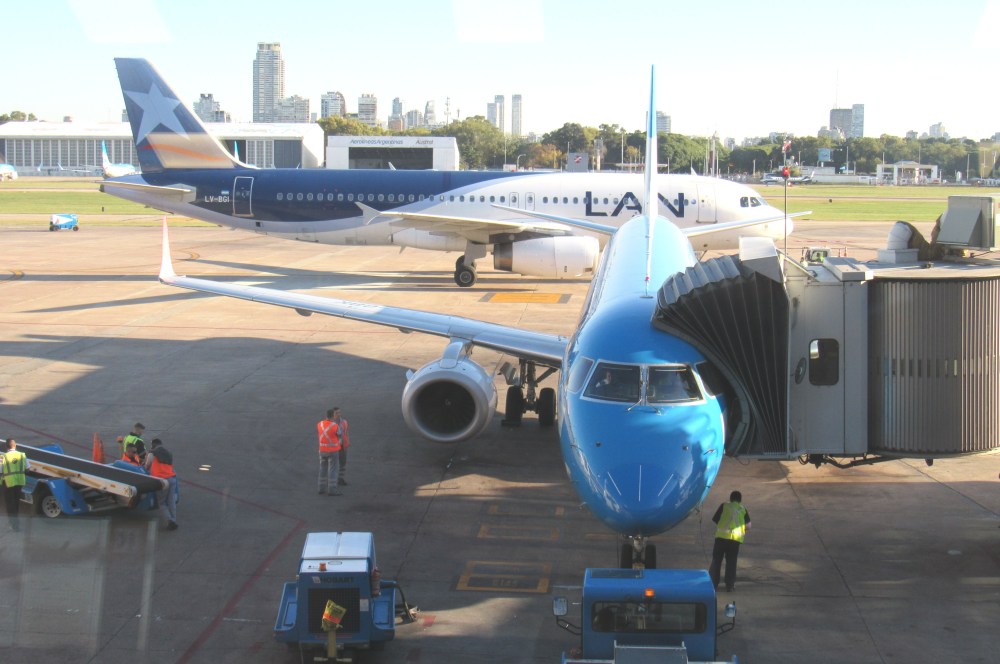
La Cámara de Senadores de Argentina convirtió este sábado en ley el proyecto de Solidaridad Social y Reactivación Productiva, llamada también de Emergencia Económica, la cual define el impuesto del 30% a las compras realizadas en el exterior, entre otras medidas. El Jefe de AW-70000194.jpgGabinete de Argentina, Santiago Cafiero, aseguró hoy 23/12 que la Ley de Solidaridad Social sale hoy publicada en el Boletín Oficial, ante la expectativa que hoy generó que no aparezca publicada esta mañana.

El Viernes 20/12, el Senado de Argentina dio sanción definitiva a la Ley de Solidaridad Social y Reactivación Productiva. La normativa, entre otras reglamentaciones, dispone de un recargo del 30% a todas las compras en dólares. Sin embargo, una modificación posterior exceptuó de este gravamen a los pasajes de avión internacionales de corta distancia que sean abonados en pesos. Esta medida permitirá que, en la práctica, la totalidad de los pasajes de Aerolíneas Argentinas/Austral Líneas Aéreas sean de menor precios que los de las empresas extranjeras que vayan a los mismos destinos, lo que equivale a una ventaja considerables para la empresa pública.

AW-70003.pngAlcance del impuesto

El impuesto del 30% se aplica a la compra de servicios en el exterior que se contraten a través de agencias de viajes y turismo del país. Se verían afectadas las agencias minoristas tradicionales y plataformas virtuales como Atrápalo, Despegar, Al Mundo y Viajo Bien. En cambio, quienes contraten servicios por Booking podrán pagar lo contratado en el lugar de destino y en efectivo, sin pagar el impuesto. El recargo también aplica a alquileres dentro del país con AirBnB.

Los pasajes terrestres, aéreos y por vía acuática al exterior pagarán el 30% adicional. Aerolíneas Argentinas y Lan Argentina serán las excepciones, porque cobran las tarifas en pesos y no tienen que girar sus dividendos al exterior. Los viajes cortos y a ciudades limítrofes, por ejemplo entre Posadas (Misiones) y Encarnación (Paraguay), quedan exceptuados, siempre que se paguen en pesos. Las compras de billetes, divisas y cheques de viajero en moneda extranjera tienen el recargo del 30%.

norwegian-airlines.jpgMercado aerocomercial

La excepción ha generado gran malestar en el sector aerocomercial, presumiendo que podría dar espacio a demandas judiciales contra el Estado argentino. “Esto va a generar una catarata de demandas de parte de las compañías aéreas internacionales porque hay un perjuicio para ellas. Se va a terminar modificando. Por ahora todo lo que se compre con Aerolíneas, según la ley, está exento del 30 por ciento, por cuanto no hay que utilizar dólares”, indicó el Presidente de la Cámara Argentina de Turismo, Aldo Elías. El dirigente también aseguró que la venta de pasajes se ha disparado ante el aumento de los tributos. “La venta de pasajes fue muy fuerte en los últimos dos días hábiles que hemos tenido. Hoy ya todo tiene un 30% más de costo. El sector se está preparando para ver cómo resolver un nuevo desafío para los argentinos”, expresó Aldo Elías. AW-Icon AW001

AW-Hiveminer_com.jpgProductive Reactivation Law in Argentina

Derivations of the new Productive Law in Argentina

The Chamber of Senators of Argentina on Saturday converted into law the project of Social Solidarity and Productive Reactivation, also called Economic Emergency, which defines the 30% tax on purchases made abroad, among other measures. The Chief of Staff of Argentina, Santiago Cafiero, assured today 23/12 that the Law of Social Solidarity is published today in the Official Gazette, given the expectation that today generated that it is not published this morning.

On Friday 20/12, the Argentine Senate gave final sanction to the Law of Social Solidarity and Productive Reactivation. The regulations, among other regulations, have a 30% surcharge on all purchases in dollars. However, a subsequent modification exempted international short-haul tickets that are paid in pesos from this tax. This measure will allow, in practice, all the passages of Aerolíneas Argentinas/Austral Líneas Aéreas to be of lower prices than those of foreign companies that go to the same destinations, which is equivalent to considerable advantage for the public company.

Tax scope

The 30% tax applies to the purchase of services abroad that are contracted through travel and tourism agencies in the country. Traditional retail agencies and virtual platforms such as Atrápalo, Despegar, Al Mundo and Viajo Bien would be affected. On the other hand, those who hire services by Booking will be able to pay the contracted in the place of destination and in cash, without paying the tax. The surcharge also applies to rentals within the country with AirBnB.

Land, air and water passages abroad will pay an additional 30%. Aerolineas Argentinas and Lan Argentina will be the exceptions because they charge fees in pesos and do not have to turn their dividends abroad. Short trips and to neighboring cities, for example between Posadas (Misiones) and Encarnación (Paraguay), are exempted, provided they are paid in pesos. Purchases of tickets, foreign currency and traveler’s checks in foreign currency have a 30% surcharge.

0002895677.jpgAerocommercial market

The exception has caused great discomfort in the commercial sector, presuming that it could give rise to lawsuits against the Argentine State. “This is going to generate a cataract of demands from international airlines because AW-Jetsmart_Airlines.jpgthere is damage to them. It will end up modifying. For now, everything that is purchased with Aerolíneas, according to the law, is exempt from 30 percent, because you don’t have to use dollars”, said the President of the Argentine Chamber of Tourism, Aldo Elías. The leader also said that the sale of tickets has skyrocketed before the increase in taxes. “Ticket sales were very strong in the last two business days we have had. Today everything already has 30% more cost. The sector is preparing to see how to solve a new challenge for Argentines”, said Aldo Elías. AW-Icon AW002


Ξ A I R G W A Y S Ξ
SOURCE: Airgways.com
DBk: Senado.gov.ar / Viapais.com.ar / Airgways.com / Hiverminer.com
AW-POST: 201912231352AR

A\W   A I R G W A Y S ®


Pasajes fronterizos sin impuesto PAIS

AW-7000056.JPGAW | 2019 12 21 08:32 | AIRLINES MARKET
Pasajes argentinos a destinos fronterizos quedaron excluidos del 30%

Los legisladores argentinos decidieron dejar sin efecto el 30% a gastos en el exterior para aquellos que viajen a los países fronterizos como Chile, Bolivia, Brasil, Paraguay y Uruguay. Tras la aprobación en general de la Ley de Emergencia Pública en Argentina, se introdujeron modificaciones al impuesto del 30% para operaciones de turismo y ahorro. La compra de pasajes de cualquier tipo que no requieran el uso de divisas, aunque sean al exterior, no pagarán el impuesto PAIS.

El Artículo 32 en el inciso E promulga la nueva dispocisión: “Adquisición de servicios de transporte terrestre, aéreo y por vía acuática de pasajeros con destino fuera del país en la medida en que para la cancelación de la operación deba accederse al Mercado Único y Libre de Cambios a los efectos de adquisición de las divisas correspondientes en los términos que fije la reglamentación». La excepción es extensiva a cualquier pasaje terrestre, acuático o aéreo siempre y cuando no tenga impacto cambiario (que no implique giro de divisas al extranjero), explicaron fuentes de la Cámara de Legisladores. AW-Icon AW001

AW-7000062.JPGBorder tickets without tax «PAIS»

Argentine tickets to border destinations were excluded from 30%

Argentine lawmakers decided to cancel 30% of expenses abroad for those traveling to border countries such as Chile, Bolivia, Brazil, Paraguay, and Uruguay. After the general approval of the Public Emergency Law in Argentina, modifications to the 30% tax for tourism and savings operations were introduced. The purchase of tickets of any kind that does not require the use of foreign currency, even if they are abroad, will not pay the PAIS tax.

Article 32 in subsection E promulgates the new provision: “Acquisition of land, air, and water transport services for passengers destined outside the country to the extent that for the cancellation of the operation, the Single and Free Market must be accessed of Changes for the purpose of acquiring the corresponding currencies in the terms established by the regulations». The exception is extended to any land, water or air ticket provided it has no exchange impact (which does not involve foreign currency transfer), sources from the House of Legislators explained. AW-Icon AW002


Ξ A I R G W A Y S Ξ
SOURCE: Airgways.com
DBk: Agentina.gog.ar/transporte / Hcdn.gob.ar /Airgways.com
AW-POST: 201912210832AR

A\W   A I R G W A Y S ®

Argentina aumenta tarifas cabotaje

AW-7000003.pngAW | 2019 12 18 09:22 | AIRLINES MARKET
Las nuevas tarifas domésticas alcanzan un aumento del 10% en Aerolíneas y Latam

A partir de hoy Miércoles, 18 Diciembre 2019 las tarifas aéreas de cabotaje aumentan entre un 7% a un 10%. La medida alcanza a las líneas aéreas Aerolíneas Argentinas/Austral Líneas Aéreas y Latam Airlines Argentina. El incremento de las tarifas para los vuelos domésticos en Argentina corresponden entre un 7-10% dependiendo del destino, del horario del vuelo y de la modalidad de compra. El aumento que desde hoy aplican ambas empresas es una primera medida para equilibrar ingresos con costos.

Medidas Económicas

Las repercusiones de las nuevas medidas económicas realizadas por la cartera del Ministerio de Hacienda impactarán en el área de vuelos al exterior y el turismo. Entre las nuevas medidas económicas anunciadas por el Ministro de Hacienda Martín Guzmán permite observar que las empresas turísticas y los usuarios aéreos serán alcanzados por estas nuevas medidas. El proyecto de ley presentado, que aplicará un impuesto del 30% a la compra de divisas también afectará la compra de pasajes.

Este Martes 17/12, el ministro de Hacienda, Martín Guzmán, presentó el proyecto de «Ley de solidaridad social y reactivación productiva en el marco de la emergencia pública», que ya fue enviado al Congreso para su tratamiento esta misma semana. El Impuesto Para una Argentina Inclusiva y Solidaria (PAIS), como denominó el Gobierno de Argentina a la medida, establece precisamente en su Artículo 32 las operaciones sobre las que se aplicará el gravámen. La medida, que estará vigente por los próximos 5 años, fija un tributo del 30% tanto para las personas que compren divisas para atesoramiento como para quienes usen tarjeta de crédito o débito para la cancelación de gastos o extracción de monedas o billetes extranjeros en el exterior. AW-Icon AW001

AW-7000056.JPGArgentina increases cabotage rates

The new domestic rates reach an increase of 10% in Aerolíneas and Latin America

As of today Wednesday, December 18, 2019, cabotage airfares increase from 7% to 10%. The measure reaches the airlines Aerolíneas Argentinas/Austral Líneasa Aéreas and Latam Airlines Argentina. The increase in fares for domestic flights in Argentina corresponds between 7-10% depending on the destination, the flight schedule and the method of purchase. The increase that both companies apply today is the first step to balance revenues with costs.

Economic measures

The repercussions of the new economic measures carried out by the Ministry of Finance’s portfolio will impact the area of ​​foreign flights and tourism. Among the new economic measures announced by the Minister of Finance Martín Guzmán, it is possible to observe that tourism companies and air users will be reached by these new measures. The bill presented, which will apply a 30% tax to the purchase of foreign exchange will also affect the purchase of tickets.

This Tuesday 17/12, the Minister of Finance, Martín Guzmán, presented the project «Law of social solidarity and productive revival in the context of public emergency», which was already sent to Congress for treatment this week. The Tax for an Inclusive and Solidarity Argentina (PAIS), as the Government of Argentina called the measure, precisely establishes in its Article 32 the operations on which the lien will be applied. The measure, which will be in force for the next 5 years, sets a tax of 30% both for people who buy currencies for treasury and for those who use credit or debit cards for cancellation of expenses or extraction of foreign currencies or bills in the Exterior. AW-Icon AW002


Ξ A I R G W A Y S Ξ
SOURCE: Airgways.com
DBk: Tn.com.ar / Airgways.com
AW-POST: 201912180922AR

A\W   A I R G W A Y S ®

Aerolíneas reducen vuelos a Beirut

Image result for Beirut AirportAW | 2019 12 17 11:51 | AIRLINES MARKET / TOURISM

Crisis Líbano impacta en aerolíneas y turismo

La crisis financiera y económica en el Líbano ha tenido un efecto en todos los sectores vitales, especialmente el turismo y las líneas aéreas. Las compañías de viajes y turismo han visto una fuerte disminución en las reservas para las vacaciones. Fuentes del Aeropuerto Internacional Rafic Hariri dijeron que varias aerolíneas han reducido el número de sus vuelos entrantes y salientes. Agregaron que esta reducción estaba vinculada a la cancelación de muchas reservas.

Las empresas de turismo que solían promocionar sus ofertas hace dos meses parecen casi ausentes de las redes sociales. No han podido pagar los salarios de sus empleados y cubrir los gastos de sus oficinas en el Líbano y en el extranjero. Christelle Majdalani, Gerente de Ventas en Nakhal para Viajes y Turismo (una de las compañías de viajes más grandes en el Líbano), dijo que la crisis financiera y económica ha tenido un impacto negativo en el sector turístico y en las reservas libanesas en el extranjero. La crisis también está afectando a hoteles y restaurantes. Una fuente del Hotel Owners Syndicate ha informado que las reservas este año estaban casi en sus niveles más bajos.

Turquía y Egipto siguen siendo el primer destino para los libaneses que desean viajar por placer, debido a los precios muy razonables y al bajo tipo de cambio frente al dólar estadounidense, en comparación con los países europeos. AW-Icon AW001

Image result for Beirut AirportAirlines reduce number of flights to Beirut
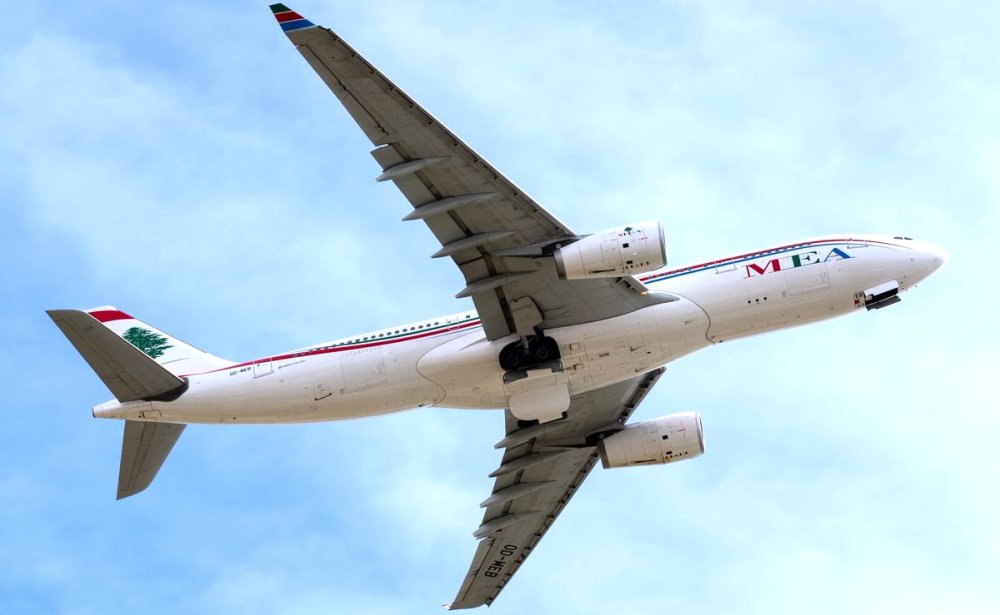
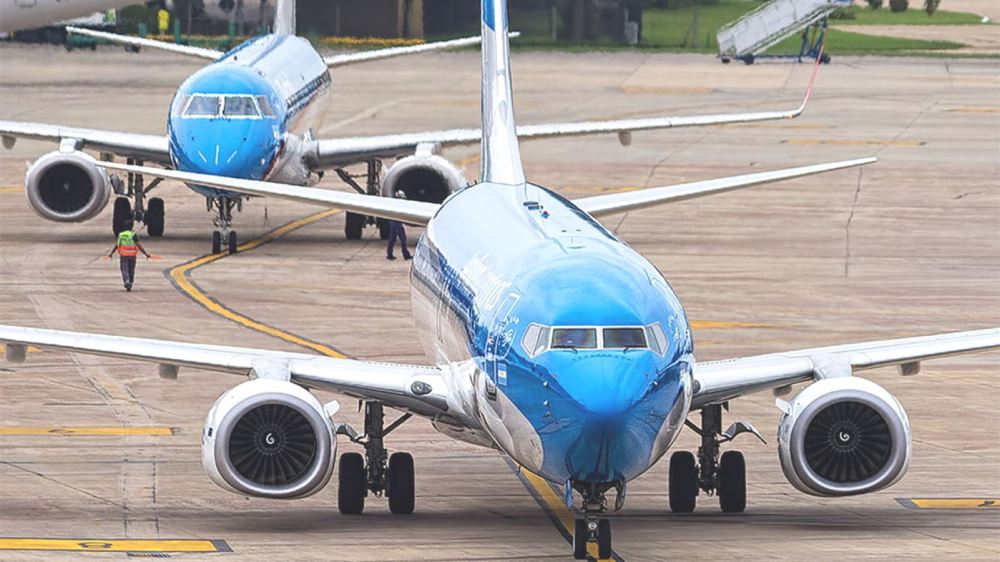
Lebanon crisis impacts airlines and tourism

The financial and economic crisis in Lebanon has had an effect on all vital sectors, especially tourism and airlines. Travel and tourism companies have seen a sharp decline in holiday reservations. Rafic Hariri International Airport sources said several airlines have reduced the number of their incoming and outgoing flights. They added that this reduction was linked to the cancellation of many reservations.

Tourism companies that used to promote their offers two months ago seem almost absent from social networks. They have not been able to pay their employees’ salaries and cover the expenses of their offices in Lebanon and abroad. Christelle Majdalani, Sales Manager at Nakhal for Travel and Tourism (one of the largest travel companies in Lebanon), said the financial and economic crisis has had a negative impact on the tourism sector and Lebanese overseas reservations. The crisis is also affecting hotels and restaurants. A source at the Hotel Owners Syndicate has reported that reservations this year were almost at their lowest levels.

Turkey and Egypt remain the first destination for Lebanese who wish to travel for pleasure, due to very reasonable prices and the low exchange rate against the US dollar, compared to European countries. AW-Icon AW002

AW-MEA_70003.jpg

الخطوط الجوية تقلل من عدد الرحلات إلى بيروت

أزمة لبنان تؤثر على شركات الطيران والسياحة

كان للأزمة المالية والاقتصادية في لبنان تأثير على جميع القطاعات الحيوية ، وخاصة السياحة وشركات الطيران. شهدت شركات السفر والسياحة انخفاضًا حادًا في حجوزات العطلات. ذكرت مصادر بمطار رفيق الحريري الدولي أن العديد من شركات الطيران قلصت عدد رحلاتها القادمة والصادرة. وأضافوا أن هذا التخفيض مرتبط بإلغاء العديد من التحفظات.

تبدو شركات السياحة التي اعتادت الترويج لعروضها قبل شهرين غائبة تقريبًا عن الشبكات الاجتماعية. لم يتمكنوا من دفع رواتب موظفيهم وتغطية نفقات مكاتبهم في لبنان والخارج. قالت كريستيل مجدلاني ، مديرة المبيعات في «نخل للسياحة والسفر» (واحدة من أكبر شركات السفر في لبنان) ، إن الأزمة المالية والاقتصادية كان لها تأثير سلبي على قطاع السياحة والتحفظات اللبنانية في الخارج . تؤثر الأزمة أيضًا على الفنادق والمطاعم. أفاد مصدر في نقابة أصحاب الفنادق أن الحجوزات هذا العام كانت عند أدنى مستوياتها تقريبًا.

تبقى تركيا ومصر الوجهة الأولى للبنانيين الذين يرغبون في السفر للمتعة ، وذلك بسبب الأسعار المعقولة للغاية وانخفاض سعر الصرف  AW-Icon AW002 مقابل الدولار الأمريكي ، مقارنة بالدول الأوروبية.


Ξ A I R G W A Y S Ξ
SOURCE: Airgways.com
DBk: Aawsat.com / Zawya.com
AW-POST: 201912171151AR

A\W   A I R G W A Y S ®

ANAC Normativa posición dominante

177-aerolineas-sumara-un-vuelo-directo-entre-ushuaia-y-cordobaAW | 2019 12 11 21:14 | AIRLINES MARKET

La ANAC Argentina ha reglamentado contra posicionamiento en mercado dominante

La ANAC Argentina bajo la Resolución Nº 886/2019 establece reglamentado unas nuevas políticas de mercado donde establece procedimientos para regular el mercado ante denuncias de conductas predatorias por parte de las líneas aéreas ante posición dominante.

La resolución apunta a consolidar el mercado aéreo de manera responsable, permitiendo de las compañías aéreas operen de manera libre reguladas por el Estado argentino, permitiendo monitorear las rutas asignadas de las aerolíneas para evitar una posición dominante en el sector donde se podrían establecer tarifas por debajo de los niveles permitidos desalentando la competitividad aerocomercial.

Aunque Aerolíneas Argentinas/Austral Líneas Aéreas poseen un 63% del mercado a Noviembre 2019, la nueva resolución apunta al conjunto de líneas aéreas clásicas como así las low cost/low fare. La medida anunciada por la ANAC Argentina había sido demandada por las compañias del sector aerocomercial especialmente desde que se había eliminado la banda tarifaria mínima. AW-Icon AW001

Aeropuerto El Palomar.pngANAC Regulations against the dominant market
ANAC Argentina has regulated against dominant market positioning

The ANAC Argentina under Resolution No. 886/2019 establishes regulated new market policies where it establishes procedures to regulate the market in the case of complaints of predatory behavior by the airlines before the dominant position.

The resolution aims to consolidate the air market in a responsible manner, allowing airlines to operate freely regulated by the Argentine State, allowing the monitoring of the assigned routes of the airlines to avoid a dominant position in the sector where tariffs could be established below of the permitted levels discouraging aero-commercial competitiveness.

Although Aerolineas Argentinas/Austral Líneas Aéreas has 63% of the market as of November 2019, the new resolution points to all classic airlines as well as low cost/low fare. The measure announced by the ANAC Argentina had been demanded by the companies of the commercial sector especially since the minimum tariff band had been eliminated. AW-Icon AW002


Ξ A I R G W A Y S Ξ
SOURCE: Airgways.com
DBk: Anac.gov.ar / Airgways.com
AW-POST: 201912112114AR

A\W   A I R G W A Y S ®

Perspectivas aéreas en Argentina

Aeropuerto El Palomar.pngAW | 2019 12 06 12:50 | AIRLINES MARKET
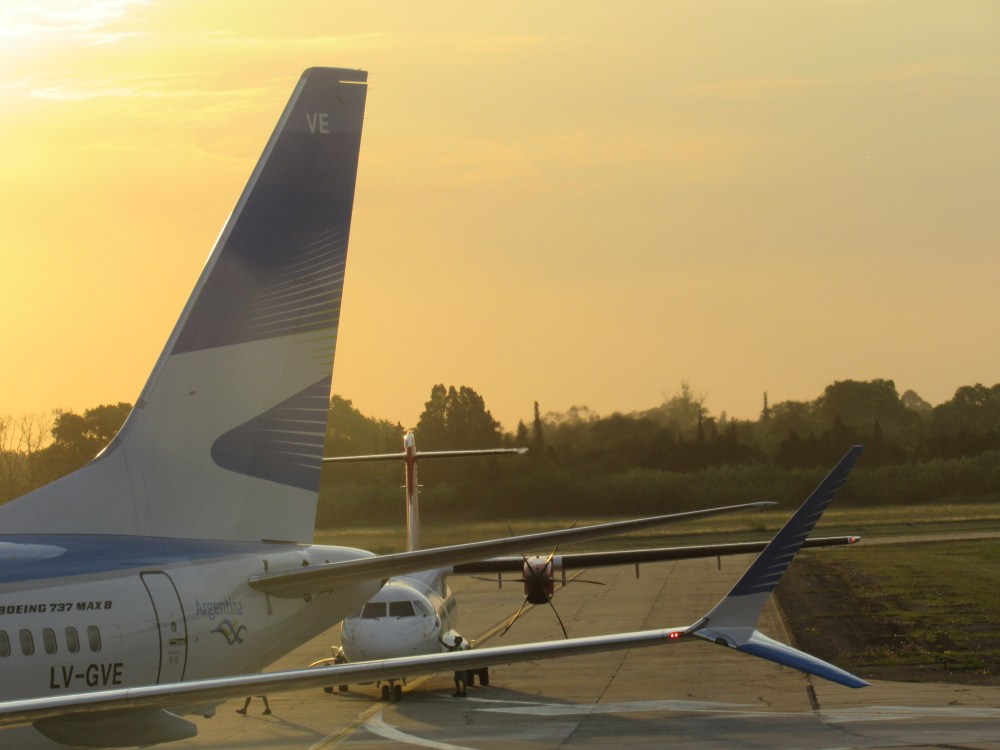
La conectividad aérea en Argentina puede traer cambios

Varios factores en la aviación comercial de Argentina como la venta de Norwegian Air Argentina a JetSmart Airlines Group; más la crisis económico-financiera de Argentina; y el cambio político están marcando un viraje en el escenario del mercado aéreo.

JetSmart Argentina mantendrá conectada a los difrentes destinos nacionales que Norwegian Air Argentina sirve hasta desaparecer del escenario aerocomeercial completamente a partir de Marzo 2020. Desde Norwegian Argentina garantizan la programación de todos los vuelos hasta el 28 Marzo 2020. Desde JetSmart informaron que, para no afectar a los pasajeros, la empresa seguirá operando los vuelos propios desde el Aeropuerto El Palomar, mientras continuará operando las rutas de Norwegian Air desde el Aeropuerto Jorge Newbery con las aeronaves Boeing 737-800.

Reestructuración rutas

Debido a la incorporación de Norwegian Air Argentina a la plataforma de operaciones de JetSmart Airlines Argentina, la low cost combinará las operaciones de ambas líneas aéreas desde Aeroparque y el El Palomar, por lo que resta saber cuál será la perspectiva de JetSmart Argentina y las variables políticas para determinar que tipo de rutas continuarán y cuáles serán suprimidas. JetSmart Argentina ha comunicado que «se está trabajando en el análisis de todas las rutas para lograr una buena eficiencia operativa a patir del 29 de Marzo de 2020». JetSmart contempla que el mercado argentino tiene un gran potencial hacia el futuro. La arolínea low cost lleva ocho meses de operaciones en el país con un total de más de 450.000 pasajeros transpotados.

Perspectiva aérea

Norwegian Air Argentina pronto desaparecerá del radar argentino; al igual que el cierre de las operaciones de la línea aérea regional de Neuquén, LASA Líneas Aéreas y Avianca Argentina; más las compañías que nunca llegaron a materializarse en la era de la «Revolución de los Aviones». Actualmente el mercado argentino está compuesta por Aerolíneas Argentinas, Austral Líneas Aéreas, Latam Airlines Agentina, JetSmart Airlines Argentina, Andes Líneas Aéreas, Flybondi Líneas Aéreas, Flyest Líneas Aéreas que continuarán dando batalla en el convulsionado mundo de la aviación comercial de Argentina. AW-Icon AW001

AW-7000136.JPGAerial perspectives in Argentina

Air connectivity in Argentina can bring changes

Several factors in commercial aviation in Argentina such as the sale of Norwegian Air Argentina to JetSmart Airlines Group; plus the economic-financial crisis of Argentina; and political change are marking a turn in the air market scenario.

JetSmart Argentina will keep connected to the different national destinations that Norwegian Air Argentina serves until it disappears from the air commercial scene completely from March 2020. From Norwegian Argentina, they guarantee the programming of all flights until March 28, 2020. From JetSmart they informed that, in order not to affect For passengers, the company will continue to operate its own flights from El Palomar Airport, while continuing to operate Norwegian Air routes from Jorge Newbery Airport with Boeing 737-800 aircraft.

Restructuring routes

Due to the incorporation of Norwegian Air Argentina to the JetSmart Airlines Argentina operations platform, the low cost will combine the operations of both airlines from Aeroparque and El Palomar, so it remains to know what the perspective of JetSmart Argentina and the variables will be policies to determine what type of routes will continue and which will be suppressed. JetSmart Argentina has announced that «work is being done on the analysis of all routes to achieve good operational efficiency from March 29, 2020». JetSmart contemplates that the Argentine market has great potential for the future. The low-cost airline has been operating for eight months in the country with a total of more than 450,000 transhipped passengers.

Aerial perspective

Norwegian Air Argentina will soon disappear from the Argentine radar; as well as the closing of the operations of the regional airline of Neuquén, LASA Líneas Aéreas, and Avianca Argentina; more companies that never materialized in the era of the «Aircraft Revolution». Currently, the Argentine market is made up of Aerolíneas Argentinas, Austral Líneas Aéreas, Latam Airlines Argentina, JetSmart Airlines Argentina, Andes Líneas Aéreas, Flybondi Líneas Aéreas, Flyest Líneas Aéreas that will continue to fight in the troubled world of commercial aviation in Argentina. AW-Icon AW002


Ξ A I R G W A Y S Ξ
SOURCE: Airgways.com
DBk: Airgways.com
AW-POST: 201912061250AR

A\W   A I R G W A Y S ®