Ryanair produce profit warning
Resultado de imagen para Ryanair Brexit

AW | 2019 01 18 16:31 | AIRLINES MARKET

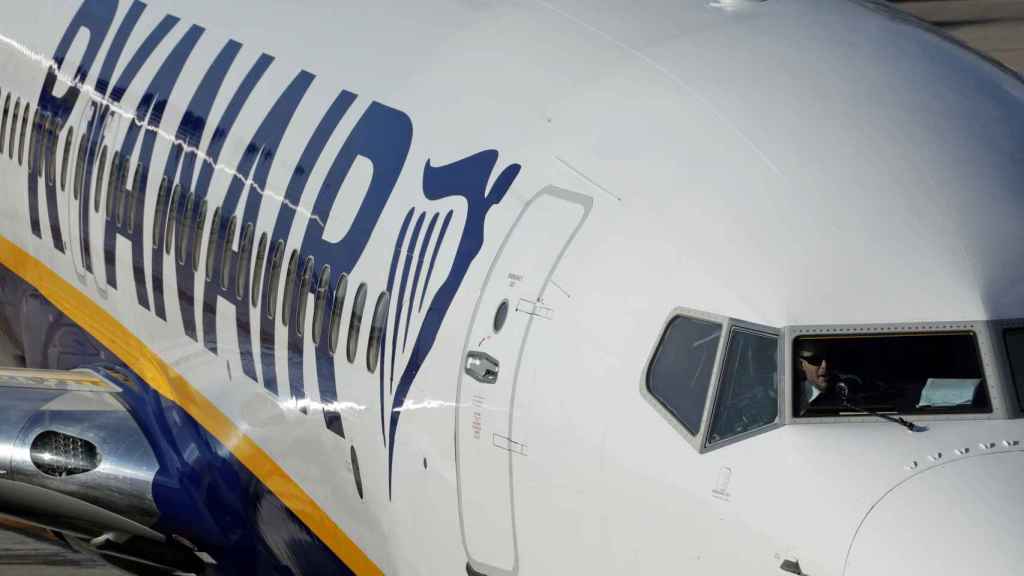
Ryanair eleva la presión sobre las aerolíneas con otro profit warning

El caos sobre el Brexit agita las cotizaciones de las aerolíneas con mayor presencia en el mercado británico, y el sector sufre la presión adicional derivada del segundo ‘profit warning’ de Ryanair en tres meses.

Las turbulencias persisten en la trayectoria bursátil de las aerolíneas europeas. En el Ibex, IAG comenzó 2019 como el valor más rezagado de todo el índice selectivo, en medio de toda la incertidumbre que genera el proceso del Brexit sobre su negocio. Las últimas novedades procedentes de Reino Unido habían activado la remontada bursátil del grupo resultante de la fusión inicial de Iberia y British Airways.

El histórico rechazo del Parlamento británico al acuerdo sobre el Brexit propuesto por Theresa May fue recibido con alivio en los mercados financieros. Los analistas alejaron el escenario más temido, el de un ‘Brexit caótico’, y dieron por hecho un retraso en los plazos previstos para materializar la salida de Reino Unido de la Unión Europea. La fecha límite del 29 Marzo 2019 dejaba de ser una amenaza, según recalcaban desde varias firmas de inversión, y esta circunstancia suponía todo un alivio, especialmente, para IAG. La aerolínea podría tener más tiempo para asegurarse el cumplimiento de las reglas europeas de propiedad y control en el ámbito aéreo.

Profit warning de Ryanair

El conjunto del sector acusa el segundo ‘profit warning’ de Ryanair en los tres últimos meses. La aerolínea irlandesa de bajo coste prevé ahora un beneficio en su ejercicio fiscal que finaliza el 31 Marzo 2019 que oscilará entre los 1.000 y los 1.1000 millones de euros. En su anterior estimación elevaba este rango a entre 1.100 y 1.200 millones de euros. Las cifras eran mucho más optimistas antes del anterior ‘profit warning’, lanzado el pasado mes de octubre. Hasta entonces pronosticaba un beneficio de entre 1.250 y 1.350 millones de euros. Ryanair ha acusado de lleno en sus cuentas el impacto de las cancelaciones de vuelos provocadas por las huelgas de sus pilotos. Pero a la hora de argumentar su último ‘profit warning’, destaca el delicado contexto que registra el conjunto del sector.

El mercado de vuelos de corta y media distancia en Europa está desbordado por un exceso de oferta, según Ryanair, que atribuye a esta circunstancia la continua rebaja en las tarifas aplicadas por la aerolíneas. Los sucesivos recortes en el precio de los billetes estrechan los márgenes, recalca Ryanair, y están detrás de los problemas sufridos por compañías europeas del sector como Flybe y Wow.

Las acciones de Ryanair reaccionan con caídas en Bolsa que han llegado a rondar el 5%, un castigo similar al que han registrado otras empresas del sector como EasyJet y Wizz Air. Norwegian Air Shuttle, después de anunciar un repliegue en su expansión comercial, resiste en mayor medida a las caídas.aw-icon-txt-01

Ryanair produces profit warning

Ryanair raises the pressure on airlines with another profit warning

The chaos over Brexit raises the prices of the airlines with the greatest presence in the British market, and the sector suffers the additional pressure derived from the second ‘profit warning’ of Ryanair in three months.

The turbulence persists in the stock market trajectory of European airlines. In the Ibex, IAG started 2019 as the most lagging value of the entire selective index, in the midst of all the uncertainty generated by the Brexit process on its business. The latest news from the United Kingdom had triggered the stock market rally resulting from the initial merger of Iberia and British Airways.

The British Parliament’s historic rejection of the Brexit agreement proposed by Theresa May was met with relief in the financial markets. The analysts moved away from the most feared scenario, that of a ‘chaotic Brexit’, and took for granted a delay in the foreseen terms to materialize the exit of the United Kingdom from the European Union. The deadline of March 29, 2019 was no longer a threat, as stressed by several investment firms, and this was a relief, especially for IAG. The airline could have more time to ensure compliance with European rules of ownership and control in the air.

Profit warning of Ryanair

The sector as a whole accuses the second ‘profit warning’ of Ryanair in the last three months. The Irish low-cost airline now sees a benefit in its fiscal year ending March 31, 2019 which will range between 1,000 and 1,1 billion euros. In his previous estimate he raised this range to between 1,100 and 1,200 million euros. The figures were much more optimistic before the previous ‘profit warning’, launched last October. Until then, it forecast a profit of between 1,250 and 1,350 million euros. Ryanair has fully accused in its accounts the impact of flight cancellations caused by the strikes of its pilots. But at the time of arguing his last ‘profit warning’, he emphasizes the delicate context that registers the whole of the sector.

The market for short and medium-haul flights in Europe is overwhelmed by an excess supply, according to Ryanair, which attributes to this circumstance the continuous reduction in the rates applied by the airlines. The successive cuts in the price of the tickets narrow the margins, stresses Ryanair, and are behind the problems suffered by European companies in the sector such as Flybe and Wow.

Ryanair shares react with falls on the stock market that have reached around 5%, a punishment similar to that registered by other companies in the sector such as EasyJet and Wizz Air. Norwegian Air Shuttle, after announcing a withdrawal in its commercial expansion, resists to a greater extent the falls. A \ W


Ξ A I R G W A Y S Ξ
SOURCE: Airgways.com
DBk: Expansion.com / Ryanair.com
AW-POST: 201901181631AR

A\W   A I R G W A Y S ®

Aerolíneas indonesias protección contra extranjeras

Resultado de imagen para airlines of indonesia

AW | 2019 01 16 05:16 | AIRLINES MARKET / GOVERNMENT

Las líneas aéreas de Indonesia buscan protección contra las compañías aéreas extranjeras

El Presidente de la Asociación Nacional de Transportistas Aéreos de Indonesia (INACA), Ari Askhara, ha pedido al gobierno que brinde protección a las compañías de aviación de Indonesia contra la afluencia de aerolíneas extranjeras, ya que muchas aerolíneas nacionales están en una condición crítica.

Ari, quien también es Presidente del Director de la aerolínea de bandera Garuda Indonesia, pidió al gobierno que no emita ningún permiso operacional para nuevas aerolíneas nacionales. «Las 11 aerolíneas están ahora ‘jadeando’. Así que no agregue nuevos jugadores. El gobierno tiene que proteger a las aerolíneas nacionales. No conceda fácilmente lugares a las aerolíneas extranjeras en nuestros aeropuertos o centros», dijo Ari Askara en Jakarta este Martes. También hizo un llamado a las partes interesadas pertinentes para ayudar a las aerolíneas nacionales a sobrevivir mediante la reducción de los costos aeroportuarios y la reducción de los precios de avtur (combustible de aviación) para aliviar su carga.

Hizo un llamado a los operadores de aeropuertos estatales y a PT Angka Pura (AP I y AP II), así como a la Institución de Servicios de Navegación de Vuelo de Indonesia (LPPNPI), AirNav Indonesia, para reducir los costos aeroportuarios en un 30%. Mientras tanto, hizo un llamado al productor estatal de petróleo y gas Pertamina para que reduzca el precio promedio en un 10%.aw-icon-txt-01

Resultado de imagen para airlines of indonesiaIndonesian airlines protection against foreign
Indonesian airlines seek protection against foreign airlines

The President of the National Association of Air Transport Companies of Indonesia (INACA), Ari Askhara, has asked the government to provide protection to the aviation companies of Indonesia against the influx of foreign airlines, as many domestic airlines are in a critical condition.

Ari, who is also Chairman of the Director of the flag carrier Garuda Indonesia, asked the government not to issue any operational permits for new national airlines. «The 11 airlines are now ‘panting’, so do not add new players, the government has to protect domestic airlines, do not easily grant places to foreign airlines at our airports or centers,» said Ari Askara in Jakarta on Tuesday. He also called on relevant stakeholders to help domestic airlines survive by reducing airport costs and reducing the prices of avtur (aviation fuel) to ease their burden.

He called on operators of state airports and PT Angka Pura (AP I and AP II), as well as the Indonesian Flight Navigation Services Institution (LPPNPI), AirNav Indonesia, to reduce airport costs by 30% . Meanwhile, he called on state oil and gas producer Pertamina to reduce the average price by 10%. A \ W


Ξ A I R G W A Y S Ξ
SOURCE: Airgways.com
DBk: Jakartapost.com / Nikkei.con / 680news.com
AW-POST: 201901160516AR

A\W   A I R G W A Y S ®

Brexit y la encrucijada de las aerolíneas

Resultado de imagen para Heathrow Airport

AW | 2019 01 15 08:38 | AIRLINES MARKET / GOVERNMENT

Resultado de imagen para brexit logoAerolíneas le pidieron que se preparara para no negociar antes del voto en el Plan de Mayo
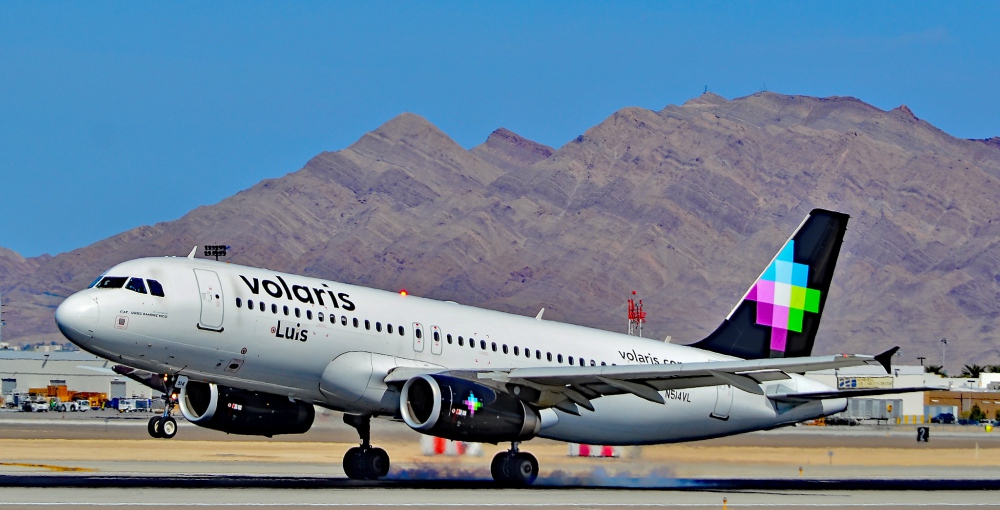
Bruselas ha advertido a los 27 países restantes de la Unión Europea que deben explicar con urgencia cómo sus licencias de aerolínea cumplen con las reglas de propiedad del bloque o enfrentar la pérdida de sus derechos para volar después del Brexit.

En una carta enviada la semana pasada, Violeta Bulc, la comisionada de la UE responsable del transporte, reveló que no todos los gobiernos nacionales habían establecido planes detallados sobre cómo las aerolíneas cumplirían los «requisitos de propiedad y control en todos los escenarios posibles» de Brexit. Los funcionarios de la UE recientemente han priorizado las advertencias a las aerolíneas como parte de un esfuerzo por evitar un colapso completo de la industria en un escenario Brexit sin acuerdo. British Airways y su aerolínea hermana Iberia, la aerolínea española que también es propiedad de IAG, se encuentran entre las empresas que aún no han explicado cómo cumplirán los estrictos criterios de propiedad de la UE después del Brexit. Según las normas de la UE, las aerolíneas deben ser controladas y ser propiedad de más del 50 por ciento de los inversionistas de la UE para mantener su capacidad de volar libremente en el bloque.

La Sra. Bulc solicitó a los ministros de transporte de EU27 que se movieran para explicar cómo las aerolíneas afectadas con licencia de cada país cumplirían con este criterio el 30 de marzo, el día después de Brexit. Ella les advirtió que este es un asunto urgente «dado el corto plazo restante que queda por delante».

Ryanair y EasyJet ya han revelado que eliminarán los derechos de voto de los accionistas que no pertenecen a la UE para cumplir con la regla de control de la UE. También han solicitado licencias de operaciones secundarias para permitir que continúen las peleas: EasyJet de Austria y Ryanair del Reino Unido.

La semana pasada, se reveló que la Comisión de la UE había advertido a IAG que su plan para continuar volando dentro y alrededor de Europa en caso de un Brexit sin acuerdo no era suficiente. La firma planeaba mantener los derechos de vuelo de la UE y el Reino Unido al afirmar que sus aerolíneas son de propiedad nacional de una serie de compañías, en lugar de ser vistas por el grupo más amplio, que está compuesto por la mayoría de los inversionistas que no pertenecen a la UE.

El Gobierno español dijo que estaba «convencido de que Iberia es una empresa española. También estamos convencidos de que, si es necesario, la compañía hará los ajustes necesarios para asegurarse de que cumple con las regulaciones europeas».

IAG, que es una empresa española pero tiene su sede en el Reino Unido, dijo: «Confiamos en que cumpliremos con las normas de propiedad y control de la UE y el Reino Unido después del Brexit».

La Comisión Europea está considerando darles a las aerolíneas británicas tiempo adicional para alcanzar una participación mayoritaria en la UE con el fin de mantener sus derechos de vuelo en el Continente.

Aer Lingus y Vueling, propiedad de IAG, así como Ryanair y Easyjet, se verían afectados por un Brexit sin acuerdo.

Sin embargo, un funcionario de la Comisión de la UE ha revelado que el bloque no puede realizar vuelos a tierra dentro de la UE de manera inmediata operados por las aerolíneas británicas para implementar «medidas correctivas o acciones» para cumplir con las normas de propiedad de la UE.

La fuente reveló que la Comisión de la UE tiene derecho a actuar en caso de que encuentre que una licencia de operación no cumple con los requisitos aplicables, incluida la propiedad y control mayoritario de la UE.

«En tal caso, puede establecer una fecha para la implementación de las medidas correctivas por parte de la autoridad competente para la concesión de licencias, en caso de que el transportista en cuestión ya no tenga derecho a ejercer sus derechos para operar servicios aéreos dentro de la Unión», dijo a la UE el sitio web de noticias Euractiv.

En diciembre, la Comisión de la UE reveló planes para mantener la conectividad de transporte «básica» entre la UE y el Reino Unido en el caso de un Brexit sin acuerdo, lo que permitiría a los vuelos británicos aterrizar y despegar en la UE.

Los derechos de vuelo temporales estarán vigentes hasta marzo de 2020 «para evitar una interrupción total del tráfico». Pero las restricciones significan que los operadores de vuelo no pueden volar a otros destinos de la UE o llevar a nuevos pasajeros a un destino fuera del Reino Unido.aw-icon-txt-01

Resultado de imagen para brexit airlinesBrexit and the crossroads of airlines

Airlines asked him to prepare not to negotiate before the vote in the May Plan

Brussels has warned the remaining 27 countries of the European Union that they must urgently explain how their airline licenses comply with the block ownership rules or face the loss of their rights to fly after Brexit.

In a letter sent last week, Violeta Bulc, the EU commissioner responsible for transport, revealed that not all national governments had established detailed plans on how airlines would meet the «ownership and control requirements in all possible scenarios» of Brexit EU officials have recently prioritized warnings to airlines as part of an effort to avoid a complete collapse of the industry in a Brexit scenario without agreement. British Airways and its sister airline Iberia, the Spanish airline that is also owned by IAG, are among the companies that have not yet explained how they will meet the strict EU ownership criteria after Brexit. According to EU regulations, airlines must be controlled and owned by more than 50 percent of EU investors to maintain their ability to fly freely in the block.

Ms. Bulc asked the EU27 transport ministers to move to explain how the affected airlines licensed by each country would meet this criterion on March 30, the day after Brexit. She warned them that this is an urgent matter «given the remaining short term that lies ahead».

Ryanair and EasyJet have already revealed that they will eliminate the voting rights of non-EU shareholders to comply with the EU control rule. They have also applied for secondary operations licenses to allow fights to continue: EasyJet from Austria and Ryanair from the UK.

Last week, it was revealed that the EU Commission had warned IAG that its plan to continue flying in and around Europe in the case of a Brexit without agreement was not enough. The company planned to maintain the flight rights of the EU and the United Kingdom by stating that its airlines are nationally owned by a number of companies, rather than being seen by the larger group, which is made up of the majority of investors. that do not belong to the EU.

The Spanish government said it was «convinced that Iberia is a Spanish company and we are also convinced that, if necessary, the company will make the necessary adjustments to ensure that it complies with European regulations».

IAG, which is a Spanish company but has its headquarters in the United Kingdom, said: «We are confident that we will comply with the rules of ownership and control of the EU and the United Kingdom after Brexit».

The European Commission is considering giving British airlines additional time to reach a majority stake in the EU in order to maintain their flight rights on the Continent.

Aer Lingus and Vueling, owned by IAG, as well as Ryanair and Easyjet, would be affected by a Brexit without agreement.

However, an official of the EU Commission has revealed that the block can not make ground flights within the EU immediately operated by British airlines to implement «corrective measures or actions» to comply with the rules of ownership of The EU.

The source revealed that the EU Commission has the right to act in case it finds that an operating license does not comply with the applicable requirements, including ownership and majority control of the EU.

«In this case, you can set a date for the implementation of corrective measures by the competent authority for the granting of licenses, in case the carrier in question no longer has the right to exercise its rights to operate air services within the Union». The Euractiv news website told the EU.

In December, the EU Commission revealed plans to maintain «basic» transport connectivity between the EU and the UK in the case of a Brexit without agreement, which would allow British flights to land and take off in the EU.

The temporary flight rights will be valid until March 2020 «to avoid a total traffic interruption». But the restrictions mean that flight operators can not fly to other EU destinations or take new passengers to a destination outside the United Kingdom. A \ W


Ξ A I R G W A Y S Ξ
SOURCE: Airgways.com
DBk: Ec.europa.eu/transport / Express.co.uk / Ft.com / Wsls.com
AW-POST: 20190115038AR

A\W   A I R G W A Y S ®

Volaris destrona a Aeroméxico

Resultado de imagen para volarisAW | 2019 01 12 15:21 | AIRLINES MARKET

Imagen relacionadaVolaris supera a Aeroméxico en tráfico doméstico
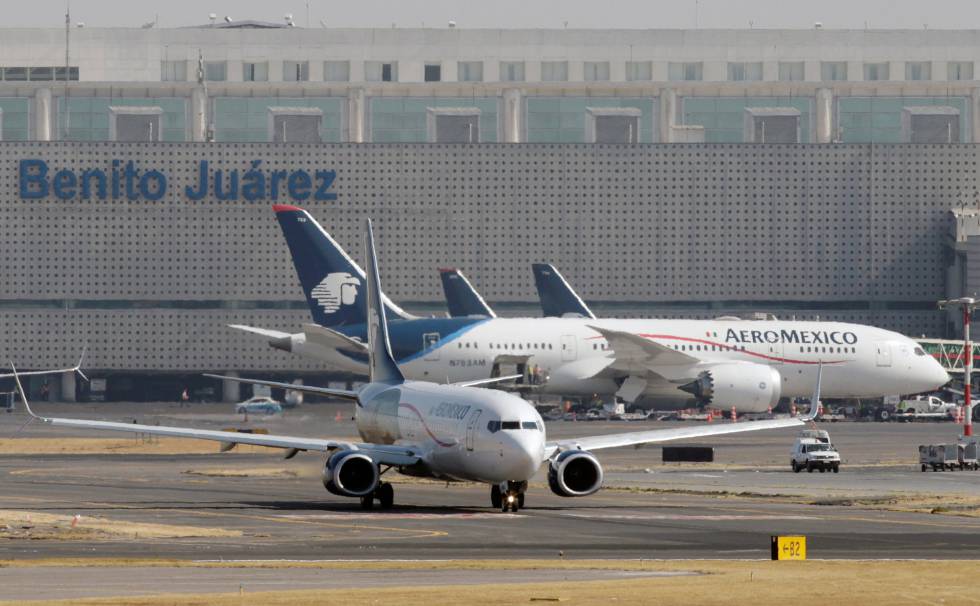
Después de ocho años de liderar el mercado doméstico mexicano, Aeroméxico ha sido desbancada por Volaris Airlines. Aeroméxico, la mayor línea aérea comercial de México sufrió un revés histórico al ser relegada al segundo lugar en el mercado interno por primera vez desde el cierre de Mexicana de Aviación, superada por la aerolínea de bajo costo, Volaris.

De acuerdo los con reportes de las aerolíneas nacionales correspondientes al cierre de operaciones en 2018. Volaris, que se ubicó en el primer lugar en el mercado doméstico con 14,82 millones de pasajeros, 13,6% más de los que transportó en 2017. La compañía aérea tuvo una recuperación importante tras una desaceleración registrada en el cierre de 2017. Al final del año pasado, la empresa de bajo costo tuvo un millón de pasajeros más que su competidor, esto en los vuelos al interior del país.

Aeroméxico concluyó el año transportando a 13,81 millones de pasajeros en vuelos domésticos, con un crecimiento de apenas 4,7% con respecto al año anterior. Fue la aerolínea con menor crecimiento porcentual durante 2018 en el mercado local, entre las tres empresas mexicanas más grandes del sector.

Interjet informó que durante 2018 movilizó a 10,14 millones de pasajeros a nivel nacional, es decir 5,7% más que el año anterior.

Volaris se expande

La apertura de nuevas rutas, de Volaris Airlines fueron clave en el crecimiento interno de Volaris. La aerolínea low cost le está apostando a un nicho de mercado migratorio reportando ventajas.

Con la apertura de nuevas rutas, Volaris abrió rutas clave que conectan distintas zonas del país, en beneficio de ciudades como Guadalajara, Tapachula o Culiacán. Tan sólo el año pasado, la empresa dirigida por Enrique Beltranena abrió 28 nuevas rutas nacionales, lo que lo posicionó en nuevos mercados dentro del país. En diciembre, Volaris anunció una nueva ruta doméstica que corre de Ciudad Juárez, Chihuahua, hasta Culiacán, en el estado de Sinaloa. Además, comenzó a operar dos nuevos segmentos desde Guadalajara: el primero de ellos tiene a Chiapas como destino, mientras que el segundo se trata de un vuelo internacional a Charlotte, Carolina del Norte, en Estados Unidos. En marzo de este año iniciarán las operaciones del vuelo Loreto-Tijuana.

Los precios fueron muy competitivos y atractivos entrando en competencia con el transporte terrestre porque ofrece mayor seguridad y menor tiempo de traslado que un autobús.aw-icon-txt-01

Resultado de imagen para volaris aeromexicoVolaris dethrones Aeromexico

Volaris overtakes Aeromexico in domestic trafficResultado de imagen para volaris png

After eight years of leading the Mexican domestic market, Aeroméxico has been ousted by Volaris Airlines. Aeromexico, the largest commercial airline in Mexico suffered a historic setback when it was relegated to second place in the domestic market for the first time since the closure of Mexicana de Aviación, surpassed by the low-cost airline, Volaris.

According to the reports of the national airlines corresponding to the closing of operations in 2018. Volaris, which ranked first in the domestic market with 14,82 million passengers, 13,6% more than those transported in 2017. The airline had a significant recovery after a slowdown recorded at the end of 2017. At the end of last year, the low-cost company had one million passengers more than its competitor, this in flights to the interior of the country.

Aeroméxico ended the year transporting 13,81 million passengers on domestic flights, with a growth of only 4,7% over the previous year. It was the airline with the lowest percentage growth during 2018 in the local market, among the three largest Mexican companies in the sector.

Interjet reported that during 2018 it mobilized 10,14 million passengers nationwide, that is 5,7% more than the previous year.

Volaris expands

The opening of new routes, of Volaris Airlines, were key in the internal growth of Volaris. The low cost airline is betting on a niche in the migratory market, reporting advantages.

With the opening of new routes, Volaris opened key routes that connect different areas of the country, benefiting cities such as Guadalajara, Tapachula or Culiacán. Only last year, the company directed by Enrique Beltranena opened 28 new national routes, which positioned it in new markets within the country. In December, Volaris announced a new domestic route that runs from Ciudad Juárez, Chihuahua, to Culiacán, in the state of Sinaloa. In addition, two new segments started operating from Guadalajara: the first one has Chiapas as its destination, while the second one is an international flight to Charlotte, North Carolina, in the United States. In March of this year, the operations of the Loreto-Tijuana flight will begin.

The prices were very competitive and attractive, competing with land transportation because it offers greater security and shorter transfer time than a bus. A \ W


Ξ A I R G W A Y S Ξ
SOURCE: Airgways.com
DBk: Volaris.com
AW-POST: 201901121521AR

A\W   A I R G W A Y S ®

El desafío de las aerolíneas por el Brexit

Resultado de imagen para UE brexitAW | 2019 01 11 11:36 | AIRLINES MARKET / GOVERNMENT

Aerolíneas europeas podrían tener efectos adversos por Brexit

Las medidas para permitir que los vuelos continúen entre la Unión Europea y Gran Bretaña en el caso de un Brexit desordenado es poco probable que sea suficiente para evitar algunos cimbronazos en la aviación comercial.

Se espera que Gran Bretaña abandone la UE el 29 Marzo 2019, pero, a menos de tres meses, la Primer Ministro del Reino Unido, Theresa May, no ha logrado obtener apoyo en su país para un acuerdo de salida, lo que aumenta las posibilidades de una ruptura sin acuerdo en las relaciones. «Estamos un poco preocupados porque se han emitido las primeras pautas y, creo, representan una restricción en el tráfico», dijo el Director General y CEO de la Asociación Internacional de Transporte Aéreo (IATA), Alexandre de Juniac. Las medidas se basaban en el tráfico entre la UE y Gran Bretaña en 2018, por lo que no tuvo en cuenta los aumentos planeados en los vuelos este año.

El caso de un Brexit sin acuerdo, los vuelos tendrían que comenzar a ajustarse o incluso cancelarse una vez que el tráfico haya alcanzado el techo de 2018 en el que se basaron las medidas.

España soportaría la mayor parte de las normas de la UE posteriores al Brexit. El Brexit amenaza a IAG, matriz de British Airways (BA). La mitad de los pasajeros nacionales de España y una cuarta parte del total podrían ser castigados si IAG no puede demostrar que sus armas Iberia y Vueling son propiedad de inversores de la UE.

Una de las condiciones de licencia para las operaciones de los operadores de la UE es que estén controlados por activos privados nacionales de los estados miembros, o los propios estados, algo que IAG, con sede en Londres, ha dicho que cumple a través de su propio registro español y la concesión de los derechos de voto de Iberia y Vueling. en sociedades de cartera locales.

La UE ha dicho que IAG debe verificar que la estructura cumpla con los requisitos antes de que Gran Bretaña abandone el bloque el 29 Marzo 2019 o corra el riesgo de que se cancele su derecho a operar algunos servicios. Con el propio grupo con sede en el Aeropuerto de Heathrow y el 21% de propiedad de Qatar Airways con amplias participaciones en el Reino Unido y los Estados Unidos, esto puede no ser sencillo. IAG reiteró el miércoles que sigue confiando en que «cumplirá con las normas de propiedad y control de la UE y el Reino Unido después de Brexit», luego de un amplio compromiso con todos los reguladores y gobiernos relevantes.

Vueling, Iberia e Iberia Express en conjunto tenían una participación del 47% de los pasajeros nacionales de España en marzo, según el último informe del Ministerio de Obras Públicas. Combinado con BA y la unidad irlandesa Aer Lingus, la cuota de mercado global fue de alrededor del 25%.

España confía en Iberia para establecer vínculos comerciales globales y el descuento de Vueling con sede en Barcelona es vital para la economía catalana. España también es más dependiente de la aviación que la mayoría de los países, ya que el turismo representa más del 10% del PIB y cerca del 13% del empleo.

La Agencia Española de Seguridad y Protección Aérea (AESA), que informa al gobierno, puede encontrarse en la posición poco envidiable de tener que decidir si los vuelos de Iberia y Vueling se deben a tierra, ya que la competencia para evaluar el cumplimiento recae en las autoridades nacionales, dijo la Comisión Europea. Incluso si AESA determina que Iberia y Vueling son lo suficientemente españoles para conservar sus licencias, competidores como Air France-KLM Group y Lufthansa podrían objetar y la comisión en sí podría intervenir. Se advirtió a la aerolínea que sus planes de continuar volando en Europa y alrededor de ella después de que Brexit no funcionará.aw-icon-txt-01

Resultado de imagen para UE brexit airlines

The challenge of the airlines for the Brexit

European airlines could have adverse effects for Brexit

The measures to allow flights to continue between the European Union and Great Britain in the case of a disorderly Brexit is unlikely to be enough to avoid some simbronazos in commercial aviation.

Britain is expected to leave the EU on March 29, 2019, but, less than three months, the UK Prime Minister, Theresa May, has failed to obtain support in her country for an exit agreement, which increases the chances of a break without agreement in relationships. «We are a little worried because the first guidelines have been issued and, I believe, represent a restriction in traffic», said Alexandre de Juniac, General Director and CEO of the International Air Transport Association (IATA). The measures were based on traffic between the EU and Great Britain in 2018, so it did not take into account the planned increases in flights this year.

In the case of a Brexit without agreement, flights would have to start to adjust or even cancel once traffic has reached the 2018 ceiling on which the measures were based.

Spain would support most of the EU rules after Brexit. Brexit threatens IAG, parent of British Airways (BA). Half of Spain’s national passengers and a quarter of the total could be punished if IAG can not prove that their Iberia and Vueling weapons are owned by EU investors.

One of the licensing conditions for the operations of EU operators is that they are controlled by private national assets of the member states, or the states themselves, something that IAG, based in London, has said it does through its own Spanish registry and the granting of the voting rights of Iberia and Vueling. in local holding companies.

The EU has said that IAG must verify that the structure meets the requirements before Britain leaves the block on 29 March 2019 or runs the risk of canceling its right to operate some services. With the group itself based at Heathrow Airport and 21% owned by Qatar Airways with extensive stakes in the United Kingdom and the United States, this may not be easy. IAG reiterated on Wednesday that it remains confident that it will «comply with the ownership and control rules of the EU and the United Kingdom after Brexit», after a broad commitment to all relevant regulators and governments.

Vueling, Iberia and Iberia Express together had a 47% share of Spanish national passengers in March, according to the latest report from the Ministry of Public Works. Combined with BA and the Irish unit Aer Lingus, the global market share was around 25%.

Spain relies on Iberia to establish global commercial links and the Vueling discount based in Barcelona is vital for the Catalan economy. Spain is also more dependent on aviation than most countries, since tourism accounts for more than 10% of GDP and close to 13% of employment.

The Spanish Agency for Safety and Air Protection (AESA), which informs the government, may find itself in the unenviable position of having to decide if Iberia and Vueling flights are due to land, since the competence to assess compliance rests with National authorities, said the European Commission. Even if AESA determines that Iberia and Vueling are Spanish enough to keep their licenses, competitors such as Air France-KLM Group and Lufthansa could object and the commission itself could intervene. The airline was warned that its plans to continue flying in Europe and around it after Brexit will not work. A \ W


Ξ A I R G W A Y S Ξ
SOURCE: Airgways.com
DBk: Ec.europa.eu / Airgways.com
AW-POST: 201901111136AR

A\W   A I R G W A Y S ®

Alertan por finanzas de Norwegian Air, Virgin Atlantic y Thomas Cook

Image result for Virgin Thomas CookAW | 2019 01 08 18:41 | AIRLINES MARKET

Alertan por debilidad financiera de Norwegian Air Shuttle, Virgin Airlines y Thomas Cook Airlines

Según un informe de la calificadora Moody’s las tres aerolíneas Thomas Cook, Norwegian Air y Virgin Atlantic tendrían problemas para soportar adversidades macroecómicas como el Brexit, con un alto índice de riesgo financiero. Son las peor situadas para soportar adversidades macroecómicas como el Brexit, asegura la calificadora.

Norwegian Air Shuttle incremento en 2018 un 13% interanual su pasaje aunque perdiendo dos puntos de ocupación, al bajar su ‘load factor’ al 85,8% el pasado ejercicio frente al 87,5% que alcanzó en 2017, como reconoció la propia aerolínea que es seguida por su elevado endeudamiento. Con un ambicioso plan de desembarco en la Argentina, tuvo que lanzar hace unos meses una ampliación de capital luego de que se disparase la desconfianza de los inversores tras anunciar que en el primer trimestre de este año sus pérdidas serían aún mayores de lo esperado.

Norwegian está sufriendo constantes desplomes bursátiles que parecen no tener fin luego de presentar recurrentes pérdidas en sus resultados anuales y trimestrales, unido todo ello a que baja la ocupación de sus aviones, y a que sus ratios de deuda están muy por encima del resto de sus competidores europeos.

La desconfianza de los inversores sobre Norwegian, junto a los citados motivos, se fundamenta también en el recelo sobre su estrategia, que es considerada como demasiado dispar: vuelos transatlántico de pasillo único, ofensiva por mercados inconexos, entrada en la Argentina, low cost de largo radio y poco sostenible para una aerolínea con aún escaso músculo. Junto a todo ello, Norwegian afronta también que su avión estrella, el Boeing 787 Dreamliner, está siendo llamado a revisiones por problemas en sus motores Rolls-Royce, a lo que se une el repunte del petróleo en los últimos tiempos, que ya ronda los 70 dólares por barril de Brent.

Karl Johan Molnes, jefe de Análisis de Norne Securities, un fondo noruego que gestiona activos valorados en 50.000 millones de dólares, asegura que “Norwegian es un pozo sin fondo”, y esperan que “lo que deben hacer es acabar con su apuesta por la larga distancia, ahora que la aerolínea va a invertir en Argentina, donde nadie gana dinero”.

El jefe de Análisis de Norne Securities, como recoge Business Insider, descarta los motivos por los que Norwegian justificó las abultadas pérdidas, y a su entender estas se debieron a que no obtuvo permiso para volar a Estados Unidos con tripulaciones asiáticas, y porque debe atraer a más pasajeros de negocios si quiere ganar dinero.

Todas las compañías británicas han tomado medidas de contención. Por su parte, Easyjet, British Airways y Ryanair mantienen un alto riesgo en caso de empeorar las condiciones macroeconómicas, pero las tres disfrutan de una liquidez excelente, según Moody’s. El resto de aerolíneas de IAG (Vueling, Iberia, AerLingus) y Wizzair, reducen el riesgo. En 2017, Easyjet creó una nueva compañía en Austria, EasyJet Europe, para poder obtener un certificado de operador aéreo europeo que le permita volar en caso de una salida abrupta.

De su lado, Ryanair, que opera con licencia irlandesa, ha obtenido esta misma semana un certificado de operador británico. Mientras, Iberia asegura que defenderá que más del 50% de sus derechos políticos están controlados por El Corte Inglés, pese a que Iberia forma parte de la británica IAG, para defender su condición de compañía española.aw-icon-txt-01

Image result for norwegian Virgin Thomas CookAlert for finances of Norwegian, Virgin and Thomas Cook

Alerted by financial weakness of Norwegian Air Shuttle, Virgin Airlines and Thomas Cook Airlines

According to a report by the rating agency Moody’s, the three Thomas Cook airlines, Norwegian and Virgin Atlantic, would have problems to cope with macroecomic adversities such as Brexit, with a high financial risk index. They are the worst placed to withstand macroecomic adversities such as Brexit, says the rating agency.

Norwegian Air Shuttle increased its passenger traffic by 13% year-on-year, although it lost two occupancy points, as its load factor went down to 85.8% last year, compared to 87.5% in 2017, as the airline itself acknowledged. which is followed by its high indebtedness. With an ambitious plan to disembark in Argentina, it had to launch a few months ago a capital increase after investors’ distrust soared after announcing that in the first quarter of this year their losses would be even greater than expected.

Norwegian is suffering constant stock market crashes that seem to have no end after presenting recurrent losses in its annual and quarterly results, all linked to the fact that the occupation of its aircraft drops, since its debt ratios are far above the rest of its competitors European

Investors’ distrust of Norwegian, along with the aforementioned reasons, is also based on distrust of their strategy, which is considered too disparate: transatlantic single-aisle flights, offensive by unconnected markets, entry into Argentina, low cost of long radio and not very sustainable for an airline with still little muscle. Along with all this, Norwegian also faces that its star plane, the Boeing 787 Dreamliner, is being called to revisions due to problems in its Rolls-Royce engines, to which the oil spike in recent times, which is already around $ 70 per barrel of Brent.

Karl Johan Molnes, Head of Analysis at Norne Securities, a Norwegian fund that manages assets valued at 50 billion dollars, says that «Norwegian is a bottomless pit», and they hope that «what they should do is end their commitment to the long distance, now that the airline is going to invest in Argentina, where nobody makes money».

The head of Analysis of Norne Securities, as it collects Business Insider, discards the reasons why Norwegian justified the bulky losses, and to his understanding these were due to that it did not obtain permission to fly to the United States with Asian crews, and because it must attract more business passengers if you want to earn money.

All British companies have taken containment measures. For its part, Easyjet, British Airways and Ryanair remain at high risk should macroeconomic conditions worsen, but all three enjoy excellent liquidity, according to Moody’s. The rest of the airlines of IAG (Vueling, Iberia, AerLingus) and Wizzair, reduce the risk. In 2017, Easyjet created a new company in Austria, EasyJet Europe, in order to obtain a European air operator certificate that allows it to fly in case of an abrupt departure.

For its part, Ryanair, which operates under an Irish license, has obtained a British operator certificate this week. Meanwhile, Iberia says it will defend that more than 50% of its political rights are controlled by El Corte Inglés, although Iberia is part of the British IAG, to defend its status as a Spanish company. A \ W


Ξ A I R G W A Y S Ξ
SOURCE: Airgways.com
DBk: Forum4airports.com / Airgways.com
AW-POST: 201901081841AR

A\W   A I R G W A Y S ®

Reactivando la Revolución de los Aviones

Resultado de imagen para Norwegian Air Argentina AeroparqueAW | 2019 01 04 16:56 | AIRLINES MARKET

La Revolución de los Aviones está tomando nuevos impulsos a pesar de la crisis en Argentina

La Revolución de los Aviones en Argentina comenzó el proceso activando la apertura de las aerolíneas Avianca Argentina y la low cost Flybondi Líneas Aéreas, augurando cambios profundos en la aviación comercial de este país.

En el año 2018 la apertura de mejoras en el transporte aéreo como así sobre las tarifas comenzaron a cambiar el mercado doméstico dominado casi exclusivamente por Aerolíneas Argentinas/Austral Líneas Aéreas. Con la apertura de más rutas aéreas promovidas por el Gobierno de Argentina ingresaron al mercado nuevas líneas aéreas como Flybondi Líneas Aéreas, Norwegian Air Argentina, JetSmart Airlines, como también han permitido ampliar sus operaciones Andes Líneas Aéreas, Latam Argentina Airlines, American Jet, Flyest Líneas Aéreas, pero otras, han quedado a mitad de cielo.

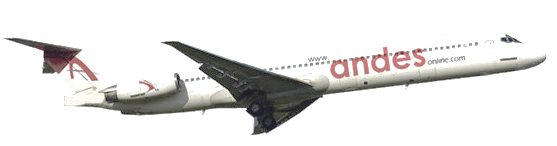
Andes Líneas Aéreas decidió reducir su flota al desprogramar la flota de cuatro aviones Boeing 737-800 que había adquirido para su unidad de vuelos chárter. Según señalan desde la firma, la demanda de estos vuelos al Caribe y el litoral brasileño cayó un 70%, por lo que han tenido que desprenderse de las aeronaves afectadas por la fuerte reducción de la demanda. Por ahora, Andes Líneas Aéreas continuará sus operaciones con la línea Boeing MD-80 para sus rutas domésticas en Argentina.

aw-70007668isologotype fb

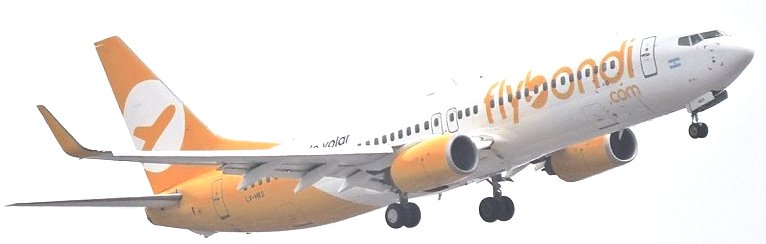
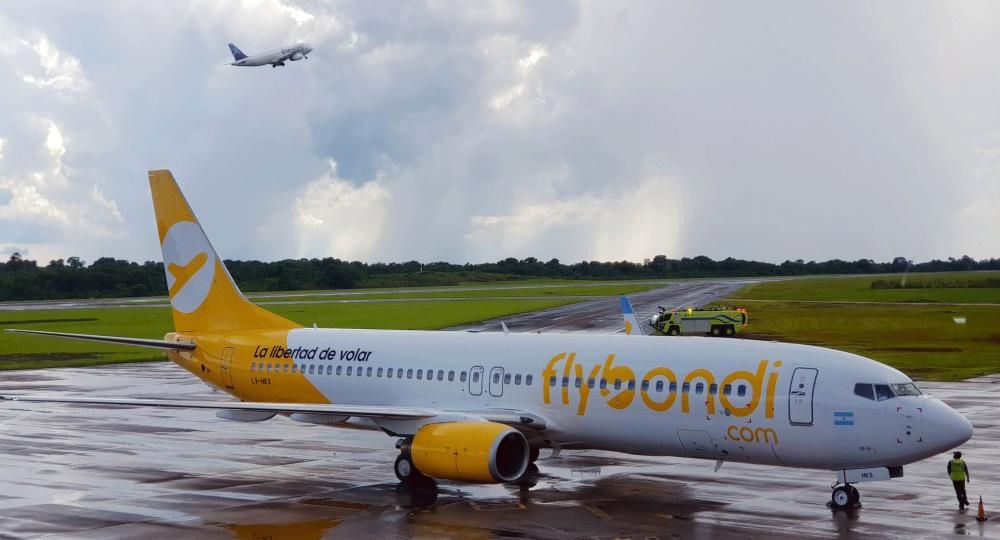
La aerolínea Flybondi Líneas Aéreas inició la revolución low cost en Argentina, que inició sus operaciones a fines de en Enero 2018 desde el Aeropuerto El Palomar, Provincia de Buenos Aires. Comenzó sus operaciones un tanto desprolija, llega al final del 2018 totalizando 18 destinos de cabotaje: Bahía Blanca, Bariloche, Buenos Aires, Córdoba, Corrientes, Jujuy, Mendoza, Neuquén, Posadas, Puerto Iguazú, Salta, Santiago del Estero y Tucumán.

Flybondi obtuvo la concesión de la explotación de 284 rutas por 15 años. Entre ellas hay 28 en Sudamérica y el resto en 39 ciudades de todo el país, incluyendo Puerto Argentino en las Islas Malvinas. En Diciembre 2018, la aerolínea low cost inauguró su primera ruta internacional con destino a la ciudad de Asunción, en República del Paraguay.

bui053h3 (1)Norwegian Air Argentina inició sus operaciones, arrastrada por inconvenientes de logística operativa, en Octubre 2018. El primer vuelo Buenos Aires–Córdoba inaugura la apertura esperada de la aerolínea de capitales noruego. El CEO Ole Christian Melhus, afirmó: “El gran día finalmente llegó. Es un verdadero honor ser parte de este magnífico proyecto de Norwegian en Argentina, que contribuirá a aumentar la conectividad, estimular el turismo y a crear miles de empleos en el país. Desde hoy veremos a los aviones de Norwegian con su trompa roja volando los hermosos cielos argentinos”. La aerolínea opera desde Buenos Aires hacia Bariloche, Córdoba, Iguazú, Mendoza, Neuquén y Salta.

Resultado de imagen para Jetsmart Argentina huemulLa aerolínea chilena Jetsmart Airlines ingresó al mercado local argentino adquiriendo la compañía Alas del Sur Líneas Aéreas, y recibió la autorización del ANAC Argentina para operar desde el Aeropuerto El Palomar. A finales de Diciembre 2018, la empresa recibió el Certificado de Explotación de Servicios Aerocomerciales (CESA) que permitió realizar operaciones aerocomerciales en Argentina. En la audiencia pública en Octubre 2018 realizó su primer pedido de rutas. Estuardo Ortiz, CEO de JetSmart, afirmó: “Continuamos dando pasos importantes para acercar a los argentinos la posibilidad de volar a distintos destinos a precios ultra bajos en la flota de aviones más nueva de América”.
El desarrollo de la aerolínea Flyest Líneas Aéreas continúa uniendo Buenos Aires con Santa Fe. American Jet Líneas Aéreas incorporará en breve la línea de aeronaves Embraer E-145 para continuar posicionarse en el mercado. Latam Argentina continúa su modesta presencia influenciada por el Grupo Latam. Avianca Argentina ha estrenado su primera ruta internacional a Punta del Este y próximamente a Sao Paulo. En tanto, Buenos Aires International Airlines ha iniciado la primera etapa para su conformación como línea aérea, mostrando una gran participación en el mercado argentino.AW-Icon-TXT-01

Resultado de imagen para Flybondi El PalomarReactivation of the «Aircraft Revolution»
The Aircraft Revolution is taking new impulses despite the crisis in Argentina

The Aircraft Revolution in Argentina began the process by activating the opening of the Avianca Argentina airlines and the low cost Flybondi Líneas Aéreas, predicting profound changes in the commercial aviation of this country.

In 2018 the opening of improvements in air transport as well as the tariffs began to change the domestic market dominated almost exclusively by Aerolíneas Argentinas / Austral Líneas Aéreas. With the opening of more air routes promoted by the Government of Argentina, new airlines such as Flybondi Líneas Aéreas, Norwegian Air Argentina, JetSmart Airlines, entered the market, as well as expanding their operations Andes Líneas Aéreas, Latam Argentina Airlines, American Jet, Flyest Airlines, but others, have been in the middle of the sky.

andes-fotoandes_lineas_aereasAndes Líneas Aéreas decided to reduce its fleet by depopulating the fleet of four Boeing 737-800 aircraft it had acquired for its charter flight unit. As indicated by the firm, the demand for these flights to the Caribbean and the Brazilian coast fell by 70%, so they had to divest themselves of the aircraft affected by the strong reduction in demand. For now, Andes Líneas Aéreas will continue its operations with the Boeing MD-80 line for domestic routes in Argentina.

The airline Flybondi Líneas Aéreas initiated the low cost revolution in Argentina, which began operations at the end of January 2018 from El Palomar Airport, Province of Buenos Aires. It began its operations somewhat untidy, it reaches the end of 2018 totaling 18 cabotage destinations: Bahía Blanca, Bariloche, Buenos Aires, Córdoba, Corrientes, Jujuy, Mendoza, Neuquén, Posadas, Puerto Iguazú, Salta, Santiago del Estero and Tucumán.

Flybondi obtained the concession for the exploitation of 284 routes for 15 years. Among them there are 28 in South America and the rest in 39 cities across the country, including Puerto Argentino in the Malvinas Islands. In December 2018, the low cost airline inaugurated its first international route to the city of Asunción, in the Republic of Paraguay.

Norwegian Air Argentina started its operations, dragged down by inconveniences of operational logistics, in October 2018. The first flight Buenos Aires-Córdoba inaugurates the expected opening of the Norwegian capital airline. CEO Ole Christian Melhus said: «The big day finally arrived. It is truly an honor to be part of this magnificent Norwegian project in Argentina, which will contribute to increasing connectivity, stimulating tourism and creating thousands of jobs in the country. From today we will see the Norwegian planes with their red nose flying the beautiful Argentine skies». The airline operates from Buenos Aires to Bariloche, Córdoba, Iguazú, Mendoza, Neuquén and Salta.

The Chilean airline Jetsmart Airlines entered the local Argentine market by acquiring the company Alas del Sur Líneas Aéreas, and received authorization from ANAC Argentina to operate from El Palomar Airport. At the end of December 2018, the company received the Certificate of Exploitation of Aero-commercial Services (CESA) that allowed to carry out air-commercial operations in Argentina. At the public hearing in October 2018 he made his first order of routes. Estuardo Ortiz, CEO of JetSmart, said: «We continue taking important steps to bring Argentines the possibility of flying to different destinations at ultra low prices in the newest aircraft fleet in the Americas».

Resultado de imagen para flyest lineas aéreas

The development of the airline Flyest Líneas Aéreas continues to unite Buenos Aires with Santa Fe. American Jet Líneas Aéreas will soon incorporate the Embraer E-145 aircraft line to continue positioning itself in the market. Latam Argentina continues its modest presence influenced by the Latam Group. Avianca Argentina has launched its first international route to Punta del Este and soon to Sao Paulo. In as much, Buenos Aires International Airlines has initiated the first stage for its conformation like airline, showing a great participation in the Argentine market. A \ W


Ξ A I R G W A Y S Ξ
SOURCE: Airgways.com
DBk: Argentina.gob.ar/Transporte / Airgways.com
AW-POST: 201901041656AR

A\W   A I R G W A Y S ®

Aumenta turismo extranjero Argentina

AW-78788Wk.jpgAW | 2018 12 25 20:20 | AIRLINES MARKET
Argentina incrementó flujo ingreso turismo internacional en Octubre 2018

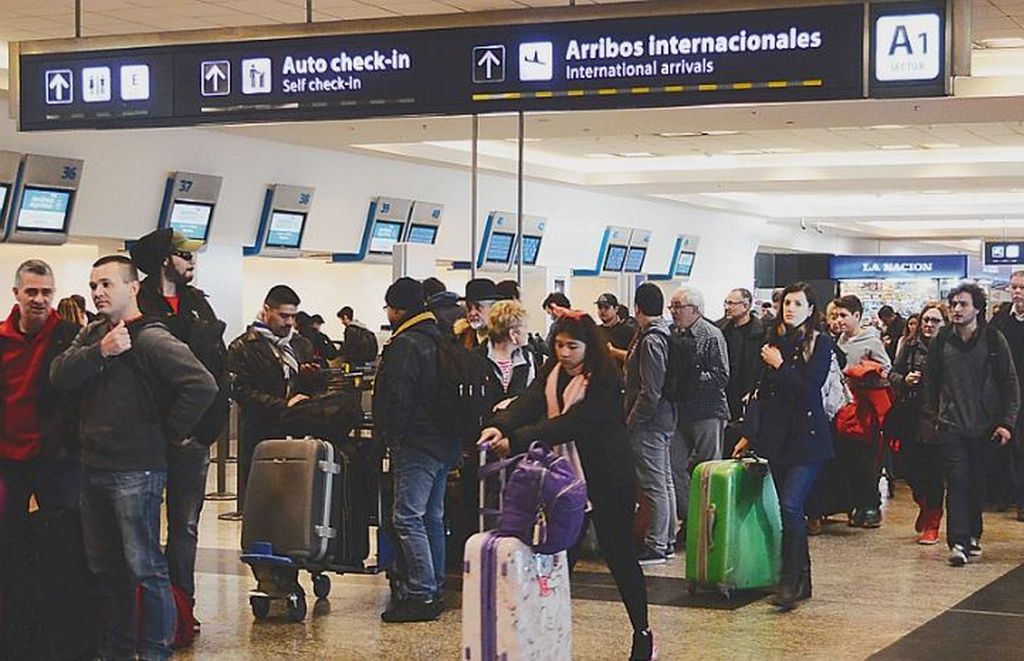
El 45% de los pasajeros en vuelos internacionales en Octubre 2018 fueron extranjeros. Según datos aportados por la Secretaria de Turismo y el Ministerio de Transporte de la Nación Argentina.

El informe indicó que durante ese mes volaron 245 mil turistas extranjeros, 11% más que los recibidos en Octubre 2017, con lo cual el acumulado del año alcanza los 2,2 millones, habiéndose sumado prácticamente 300 mil turistas internacionales en los últimos dos años; el alza se explica principalmente por el crecimiento de vuelos internacionales al interior del país. Según los datos estadísticos, durante octubre de 2018, último mes del que se tienen registros, viajaron 244.700 pasajeros extranjeros en vuelos comerciales hacia la Argentina, cifra que representa un 11% más respecto del mismo mes del año pasado, cuando volaron 220.000.

En el acumulado anual el crecimiento alcanza el 9% contra los primeros diez meses del 2017, con un total de 2,2 millones de pasajeros extranjeros en comparación contra los 2,04 millones del año pasado, e implicaron un incremento de 294 mil pasajeros respecto del mismo período de 2016, lo que totaliza un crecimiento del 15% en relación a ese año.

Procedencias

El tráfico de pasajeros ingresados por origen, el crecimiento se da desde las regiones de países europeos se incrementaron en un 23%, América Central y Norteamérica, un 20% en ambos casos y los de Oceanía un 24%. Por último, los provenientes de países de Sudamérica, lo hicieron en un 7%.

Mercado argentino

Ante la mayor conectividad de las ciudades del interior del país con el exterior, el incremento de turistas extranjeros se incrementó en un 22% respecto de Octubre 2017 y 131% contra el 2016. En contrapartida, los que ingresaron por Buenos Aires registraron una suba del 10%.

Los destinos preferidos fueron Mendoza y Tucumán que lideran la suba, con variaciones entre 45%-74% con respecto al 2017. La comparación del 2016, el incremento para Córdoba es del 80% (+31.000 turistas), Mendoza del 135% (+56.000), Rosario 164% (+17.000) y Salta 73% (+2.200), fueron la cantidad de turistas extranjeros que visitaron diferentes ciudades. Bariloche, por su parte, superó los 15.000 turistas extranjeros en lo que va de 2018, triplicando el número del 2017, con la particularidad de que la tasa de extranjeros en los vuelos que conectan con esta ciudad fue superior al 99% en la temporada invernal.

Participación de las aerolíneas

En el desglose de los datos por aerolínea, Aerolíneas Argentinas/Austral Líneas Aéreas trasladaron más de 469.000 turistas extranjeros en lo que va del año, cifra 8% superior a la registrada en los primeros diez meses del 2017. Además otras empresas relativamente nuevas en el mercado aéreo argentino hicieron un aporte significativo en este aspecto: el crecimiento del número de extranjeros que llegaron al país con Amaszonas en Octubre 2017 es del 333% respecto de igual mes del año pasado; con Azul Linhas Aéreas, del 57% y acumula un crecimiento del 160% respecto de Enero-Octubre 2017. Por su parte, Norwegian UK, transportó hacia Buenos Aires más de 12.000 turistas en lo que va del año y Ethiopian Airlines, que permitió volver a tener vuelos directos desde Argentina hacia todos los continentes, más de 14.000 en igual período.

Aquellas líneas aéreas con trayectoria en Argentina como United Airlines lideraba la suba respecto a Octubre 2017, con un 60% más de extranjeros que la han utilizado para venir al país; Air Europa, 42%; KLM, 39%; Alitalia, 31%; Avianca, 29% y Air New Zealand, 24% más de turistas de nacionalidad extranjera.AW-Icon-TXT-01

Foreign tourism income increases Argentina

Argentina increased international tourism revenue flow in October 2018

45% of passengers on international flights in October 2018 were foreigners. According to data provided by the Ministry of Tourism and the Ministry of Transportation of the Argentine Nation.

The report indicated that during that month 245 thousand foreign tourists flew, 11% more than those received in October 2017, with which the accumulated of the year reaches 2.2 million, having joined almost 300 thousand international tourists in the last two years; The increase is mainly explained by the growth of international flights to the interior of the country. According to statistical data, during October 2018, the last month in which there are records, 244,700 foreign passengers traveled on commercial flights to Argentina, a figure that represents 11% more than the same month last year, when 220,000 flew.

In the cumulative annual growth reaches 9% against the first ten months of 2017, with a total of 2.2 million foreign passengers compared to 2.04 million last year, and involved an increase of 294 thousand passengers compared of the same period of 2016, which totals a growth of 15% in relation to that year.

Origins

The traffic of passengers admitted by origin, the growth occurs from the regions of European countries increased by 23%, Central America and North America, 20% in both cases and those of Oceania by 24%. Finally, those from South American countries did so by 7%.

Argentine market

Given the greater connectivity of the cities of the interior of the country with the exterior, the increase of foreign tourists increased by 22% compared to October 2017 and 131% against 2016. In contrast, those who entered through Buenos Aires recorded a rise in 10%

The preferred destinations were Mendoza and Tucumán that lead the rise, with variations between 45% -74% with respect to 2017. The comparison of 2016, the increase for Córdoba is 80% (+31,000 tourists), Mendoza of 135% (+ 56,000), Rosario 164% (+17,000) and Salta 73% (+2,200), were the number of foreign tourists who visited different cities. Bariloche, meanwhile, exceeded 15,000 foreign tourists so far in 2018, tripling the number of 2017, with the peculiarity that the rate of foreigners on flights connecting with this city was more than 99% in the winter season .

Participation of airlines

In the breakdown of the data by airline, Aerolíneas Argentinas / Austral Líneas Aéreas transferred more than 469,000 foreign tourists so far this year, 8% higher than that registered in the first ten months of 2017. In addition, other relatively new companies in the Argentine air market made a significant contribution in this aspect: the growth of the number of foreigners who arrived in the country with Amaszonas in October 2017 is 333% compared to the same month of last year; with Azul Linhas Aéreas, of 57% and accumulates a growth of 160% with respect to January-October 2017. For its part, Norwegian UK, transported to Buenos Aires more than 12,000 tourists so far this year and Ethiopian Airlines, which allowed to return to have direct flights from Argentina to all continents, more than 14,000 in the same period.

Those airlines with a track record in Argentina such as United Airlines led the increase compared to October 2017, with 60% more foreigners who have used it to come to the country; Air Europa, 42%; KLM, 39%; Alitalia, 31%; Avianca, 29% and Air New Zealand, 24% more tourists of foreign nationality. A \ W


Ξ A I R G W A Y S Ξ
SOURCE: Airgways.com
DBk: Argentina.gob.ar/turismo / Argentina.gob.ar/transporte / Ellitoral.com
AW-POST: 201812252020AR

A\W   A I R G W A Y S ®

Rusia apoyo financiero aviación regional

Resultado de imagen para russian airlines regionalAW | 2018 12 25 15:14 | AIRLINES MARKET / GOVERNMENT

Diez aerolíneas han presentado solicitudes para la operación de vuelos con subsidios estatales

Las aerolíneas rusas tendrán acceso a ₽ 3.811 millones de rublos (US$ 58.6 millones) en subsidios estatales para operar vuelos domésticos elegibles durante 2019, según revela la autoridad de aviación del país, Rosaviatsiya. Esta suma es comparable a los 4,2 mil millones de rublos asignados en 2018, una cifra que incluye 400 millones adicionales inyectados en septiembre para atender la alta demanda.

De acuerdo con los requisitos existentes, el 75% del monto reservado para 2019 se destinará a los vuelos hacia y desde la región oriental de Rusia, otro 15% cubrirá los vuelos a Crimea y el 10% restante será para conexiones con Kaliningrado, enclave europeo del país. Unas diez aerolíneas ya han presentado solicitudes para operar tales vuelos. Son Aeroflot, Ural Airlines, Alrosa, S7 Airlines, Azimuth Airlines, Yakutiya, NordStar, Nordavia, Utair e IrAero, y el organismo de aviación Rosaviatsiya está finalizando los contratos.

Los boletos aéreos subsidiados por el estado están disponibles todo el año para la porción más grande de la población rusa, en un esquema que apoya la idea de que el volumen de financiamiento se debe aumentar cada año. En 2018, unos 552.000 pasajeros se beneficiaron de boletos parcialmente cubiertos por los subsidios. Hasta el momento, la cantidad reservada es inferior al total del año en curso, a pesar de que el número de rutas elegibles hacia el lejano oriente del país se ha duplicado. El rango máximo de vuelos también ha aumentado a 3.000 km en las regiones del extremo oriental y Siberia y a 1.500 km en otros lugares. La tarifa aérea para las regiones del Lejano Oriente y el Ártico se ha incrementado 1,25 veces.

En 2019, ocho aerolíneas operarán rutas a las zonas del extremo oriente de Rusia (un total de 90 son elegibles), cinco aerolíneas volarán a Simferopol desde 11 destinos en Rusia (de un total de 63 rutas elegibles) y seis han solicitado subsidios de vuelo para Todos disponibles siete rutas a Kaliningrado.AW-Icon-TXT-01

Resultado de imagen para AeroflotRussia continues financial support regional transport
Ten airlines have submitted applications for the operation of flights with state subsidies

Russian airlines will have access to ₽ 3,811 million rubles (US $ 58.6 million) in state subsidies to operate eligible domestic flights during 2019, according to the country’s aviation authority Rosaviatsiya. This sum is comparable to the 4.2 billion rubles allocated in 2018, a figure that includes an additional 400 million injected in September to meet the high demand.

According to the existing requirements, 75% of the amount reserved for 2019 will go to flights to and from the eastern region of Russia, another 15% will cover flights to Crimea and the remaining 10% will be for connections to Kaliningrad, a European enclave from the country. Some ten airlines have already submitted applications to operate such flights. They are Aeroflot, Ural Airlines, Alrosa, S7 Airlines, Azimuth Airlines, Yakutiya, NordStar, Nordavia, Utair and IrAero, and the aviation agency Rosaviatsiya is finalizing the contracts.

State-subsidized air tickets are available year-round for the largest portion of the Russian population, in a scheme that supports the idea that the volume of funding must be increased each year. In 2018, some 552,000 passengers benefited from tickets partially covered by the subsidies. So far, the amount reserved is less than the current year’s total, despite the fact that the number of eligible routes to the Far East of the country has doubled. The maximum range of flights has also increased to 3,000 km in the far eastern regions and Siberia and to 1,500 km elsewhere. The air fare for the Far East and Arctic regions has increased 1.25 times.

In 2019, eight airlines will operate routes to the Far Eastern areas of Russia (a total of 90 are eligible), five airlines will fly to Simferopol from 11 destinations in Russia (out of 63 eligible routes) and six have requested flight grants For all available seven routes to Kaliningrad. A \ W


Ξ A I R G W A Y S Ξ
SOURCE: Airgways.com
DBk: Rusaviainsider.com / Flickr.com
AW-POST: 201812251514AR

A\W   A I R G W A Y S ®

Expectativas aviación en Argentina

AW-7008567AW | 2018 12 02 17:20 | AIRLINES MARKET

Desarrollo y expectativas de las aerolíneas en la Argentina

Un año de crisis y oportunidades en las aerolíneas en Argentina. Después de la «Revolución de los Aviones», un floreciente escenario debía ocurrir con el despegue de aerolíneas que cubriesen más destinos a mejores precios. En la práctica es una pequeña parte del cumplido, mientras tanto dista mucho de una «revolución».

El escenario económico cercó las esperanzas de muchas aerolíneas que por el contexto financiero ahogaron las expectativas y los proyectos ambiciosos. La devaluación licuó los ingresos en el cabotaje, pero todas quieren tallar en un mercado de 15 millones de pasajeros. Este fue un año difícil para todas las líneas aéreas que operan en el país expresaron desde las líneas aéreas en Argentina.

Revolución vs Recesión

Un año atrás, había sólo el escenario del mercado aeronáutico estaba dominado por Aerolíneas Argentinas, Austral Líneas Aéreas, Latam Argentina Airlines y Andes Líneas Aéreas.

Desde el inicio de la «Revolución de los Aviones» ingresaron al mercado Avianca Argentina, Flybondi Líneas Aéreas y Norwegian Air Argentina, y próximamente Jetsmart Argentina Airlines para Enero 2019.

Con luces y sombras iniciaron operaciones al mejor estilo gauchesco argentino, en un mercado más agresivo y competitivo. De las nuevas aerolíneas, Flybondi es la que mejor se desarrolló captando un 6% del sector aéreo en Argentina, según datos de la Empresa Argentina de Navegación Aérea (EANA). Andes Líneas Aéreas había incorporado nuevos Boeing 737-800 y su participación había subido de 4% en 2017 a 7% en el 1Q2018. Pero tras la devaluación y la caída de los pasajes al exterior, retrocedió en sus expectativas y entregó dos Boeing 737-800 alquilados, más la desprogramación de las restantes unidades. Ahora la flota de la aerolínea del Norte Argentino opera solamente la línea Boeing MD-83. Andes Líneas Aéreas había ingresado al mercado aéreo especializándose en vuelos charter a Brasil y el Caribe, para luego ingresar más plenamente a los vuelos domésticos. Luego de la fuerte recesión ha vuelto a reducir su mercado aéreo.

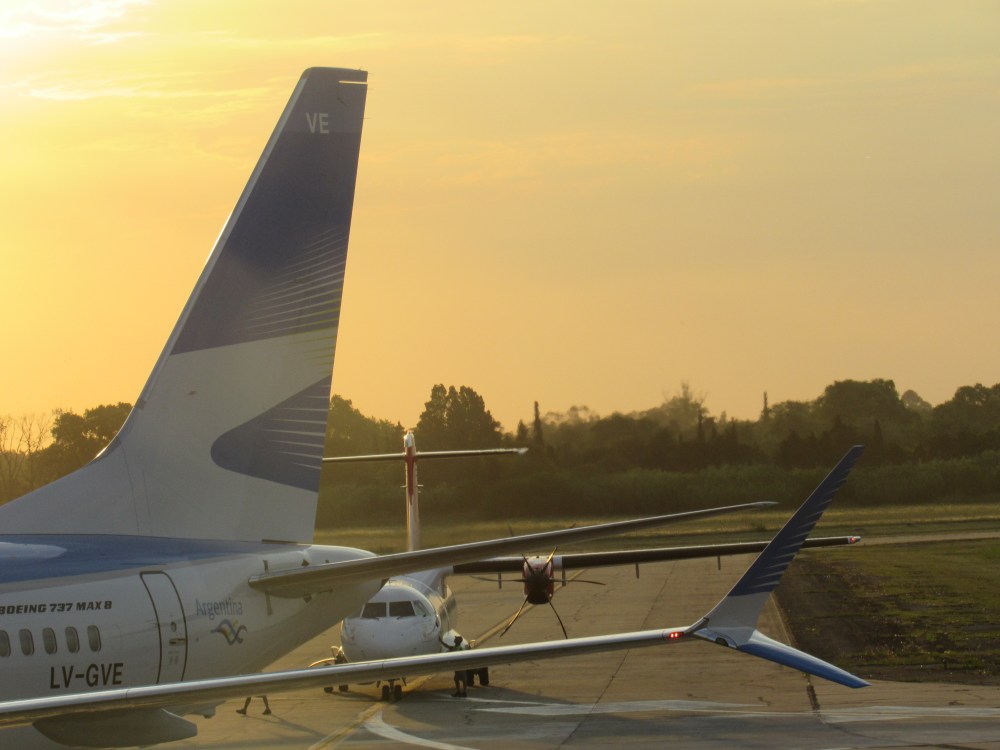
Avianca Argentina había ingresado muy cuestionada por la venta de MacAir Group y sus derechos aéreos a la aerolínea colombiana. Aunque tuvo un despegue cauto operando inicialmente con dos aviones turbohélice ATR 72-600 ha dominado el mercado con un 2%. Norwegian Air Argentina realizó el inicio de sus operaciones en Octubre 2018 con un Boeing 737-800, ahora posee una flota de tres aeronaves.

La participación de Aerolíneas/Austral, que tenía 74% del mercado en 2017, hoy capta el 69%. Latam Argentina Airlines ha disminuido de un 21% a un 17% de sus servicios en 3Q2018. Tanto Aerolíneas/Austral com Latam Argentina Airlines no han perdido pasajeros en la realidad, sino más bien que el mercado ha aumentado ingresando nuevos operadores y captando un segmento de clientes que estaban cautivos.

En diez meses de 2017 habían volado 10,3 millones de personas dentro de la Argentina. En lo que transcurre del 2018 volaron 11,7 millones, un incremento del 13%. Todo indica que, vacaciones de por medio, al 31 Diciembre 2018 el mercado de cabotaje rozará los 15 millones de pasajeros. Con los vuelos internacionales, las cifras de este año apuntan al récord de 28/29 millones de personas.

Costos operativos

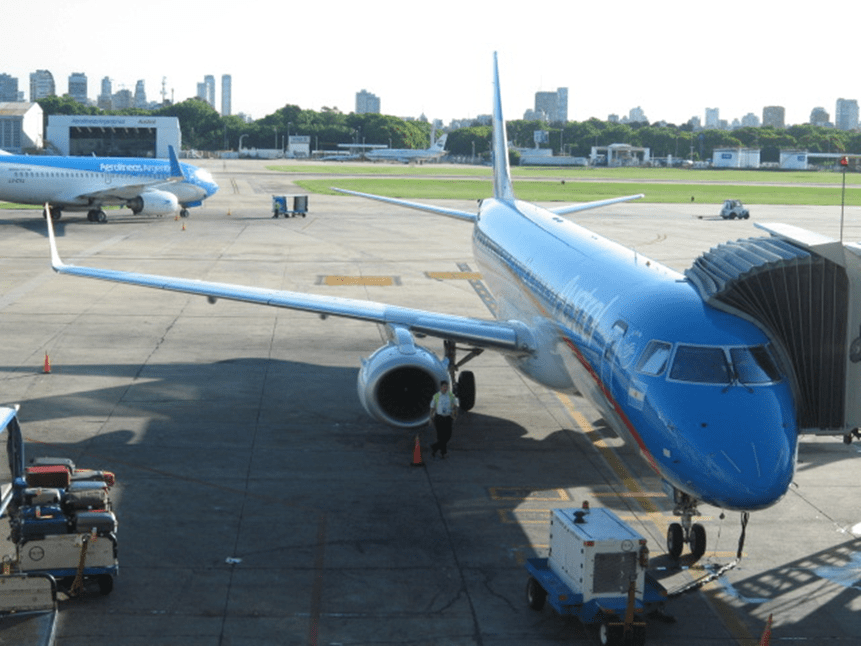
En Argentina, el aumento de los costos se ha trasladados a las áreas operativas de las compañías aéreas. “El 60% de nuestros costos es en dólares y no tenemos ingresos suficientes para cubrirlos”, dijo esta semana Luis Malvido, CEO de Aerolíneas Argentinas. Los vuelos internacionales salen con muchos menos pasajeros. Con este escenario planteado quieren enfocarse en estudiar un modelo de aeronave que cumpla con las expectativas de mercado al exterior. La renovación de la flota internacional podría plantearse para el 2020 en reemplazo de la flota de Airbus A330-200.

AW-SebastianFernandezAustral Líneas Aéreas, sigue siendo la segunda línea aérea del país, con 26 aviones Embraer E190-100AR (96 asientos). La aerolínea regional del Grupo Aerolíneas está analizando un estudio de Mercado para el reemplazo de aeronaves más amplias.

Latam Argentina Airlines habían hecho un ajuste importante justo antes de la devaluación, cuando la filial cerró dos de sus bases operativas en argentina, concentrándose todo en Buenos Aires

El despegue de la Revolución de los Aviones continúa cuestionándose en los papeles, por el momento, el desarrollo del mercado aéreo en Argentina continúa volando modestamente.AW-Icon-TXT-01


Resultado de imagen para aerolineas argentinas pngExpectations aviation in Argentina

Development and expectations of airlines in Argentina

A year of crisis and opportunities in the airlines in Argentina. After the «Aircraft Revolution», a flourishing scenario had to take place with the takeoff of airlines that would cover more destinations at better prices. In practice it is a small part of the compliment, while it is far from a «revolution».

The economic scenario closed the hopes of many airlines that by the financial context drowned the ambitious expectations and projects. The devaluation liquefied revenues in cabotage, but all want to carve out a market of 15 million passengers. This was a difficult year for all the airlines that operate in the country expressed from the airlines in Argentina.

0002895677.jpgRevolution vs. Recession

A year ago, there was only the aeronautical market scenario was dominated by Aerolineas Argentinas, Austral Líneas Aéreas, Latam Argentina Airlines and Andes Líneas Aéreas.

Since the beginning of the «Aircraft Revolution» entered the Avianca Argentina market, Flybondi Líneas Aéreas and Norwegian Air Argentina, and Jetsmart Argentina Airlines for January 2019.

norwegianairshuttle-001With lights and shadows they began operations in the best Argentine gaucho style, in a more aggressive and competitive market. Of the new airlines, Flybondi is the one that best developed capturing 6% of the air sector in Argentina, according to data from the Argentine Air Navigation Company (EANA). Andes Líneas Aéreas had incorporated new Boeing 737-800 and its share had risen from 4% in 2017 to 7% in 1Q2018. But after the devaluation and the fall of the passages abroad, he returned to his expectations and consigned two rented Boeing 737-800, plus the deprogramming of the remaining units. Now the fleet of the airline of the North of Argentina operates only the Boeing MD-83 line. Andes Líneas Aéreas had entered the air market, specializing in charter flights to Brazil and the Caribbean, to later enter more fully domestic flights. After the strong recession, it has again reduced its air market.

ATR-72.jpg

Avianca Argentina had entered very questioned by the sale of MacAir Group and its air rights to the Colombian airline. Although it had a cautious takeoff operating initially with two turboprop aircraft ATR 72-600 it has dominated the market with 2%. Norwegian Air Argentina made the start of its operations in October 2018 with a Boeing 737-800, now has a fleet of three aircraft.

AW-0 (136).JPG

The participation of Aerolíneas/Austral, which had 74% of the market in 2017, today captures 69%. Latam Argentina Airlines has decreased from 21% to 17% of its services in 3Q2018. Both Aerolíneas/Austral and Latam Argentina Airlines have not lost passengers in reality, but rather that the market has increased by capturing new operators and capturing a segment of customers who were captive.

In ten months of 2017, 10.3 million people had flown in Argentina. In what passes of the 2018 they flew 11.7 million, an increase of 13%. Everything indicates that, as of December 31, 2018, the cabotage market will reach around 15 million passengers. With international flights, this year’s figures point to the record of 28/29 million people.

Operating costs

In Argentina, the increase in costs has been transferred to the operational areas of the airlines. «60% of our costs are in dollars and we do not have enough income to cover them», Luis Malvido, CEO of Aerolíneas Argentinas, said this week. International flights leave with many fewer passengers. With this scenario, they want to focus on studying an aircraft model that satisfies market expectations abroad. The renewal of the international fleet could be considered for 2020 in replacement of the Airbus A330-200 fleet.

Austral Líneas Aéreas, is still the second airline in the country, with 26 Embraer E190-100AR aircraft (96 seats). The regional airline of the Aerolíneas Group is analyzing a market study for the replacement of larger aircraft.

Latam Argentina Airlines had made an important adjustment just before the devaluation, when the subsidiary closed two of its operating bases in Argentina, concentrating all in Buenos Aires

The takeoff of the Aircraft Revolution continues to be seized in the papers, for the moment, the development of the air market in Argentina continues to fly modestly. A \ W


Ξ A I R G W A Y S Ξ
SOURCE: Airgways.com
DBk: Clarin.com / Aena.com.ar / Airgways.com / Sebastián Fernández
AW-POST: 201812021720AR

A\W   A I R G W A Y S ®