Protestas y sobreventas en fin de semana largo en Argentina

AW-70086444

AW | 2018 03 29 10:35 | AIRLINES MARKET

Pilotos protestan en Aeroparque por la política aerocomercial. El factor de ventas llega al 90% la ocupación de vuelos por el feriado largo de Semana Santa, pero existen reclamos de sobreventas

Las ofertas de líneas aéreas con posibilidad de pagar en cuotas y la aparición de las “low cost” han hecho que la ocupación de vuelos por el próximo feriado largo de Semana Santa supere al 90%.

Superventas aéreas

A partir del miércoles, y sobre todo durante los días de Semana Santa y en el regreso del lunes y martes, los aeropuertos en todo el país tendrán un movimiento fuera de lo común. Todas las compañías tienen sus vuelos completos hacia y desde los centros turísticos de todo el país, con lo que el factor de ocupación supera el 90%. Comparado con el año pasado, los operadores que trabajan en el Aeroparque porteño, estiman que habrá un movimiento de “por lo menos un 40 por ciento más respecto del año pasado”.

Desde Aerolíneas Argentinas se informó que para esta Semana Santa la ocupación de los vuelos supera el 90%, con todos los lugares ya vendidos a Córdoba, Salta, Mendoza, Puerto Iguazú, San Carlos de Bariloche, Ushuaia y El Calafate.

En Latam Airlines también anunciaron que tienen los vuelos completos hacia los centros turísticos, creciendo también las reservas para los destinos regionales, en especial a Santiago de Chile. Fuentes de la compañía señalaron que, comparado con el año pasado, hay vuelos que tendrán una ocupación superior al 50%.

Andes Líneas Aéreas informaron que todos sus vuelos hacia los centros turísticos en el inicio de Semana Santa saldrán completos: “Estamos con una excelente ocupación, sobre todo en los destinos turísticos. Los vuelos salen completos y eso nos pone muy contentos porque demuestra que el pasajero está confiando en Andes”, sostuvo Bernardo Racedo Aragón, Gerente Comercial de laaerolínea.

Los vuelos hacia el exterior, salen completos. Según los operadores, los nuevos corredores como los de Córdoba, Mendoza y Rosario generan una mayor venta de pasajes. En cuanto a los viajes al exterior el lugar más elegido sigue siendo Brasil, algo que se ve favorecido por la oferta y por algunas novedades, como los vuelos de Azul, desde Córdoba y Rosario a Recife y los servicios a Florianópolis, San Pablo y Río de Janeiro desde Tucumán, Rosario y Córdoba.

Reclamos por sobreventas

Pero en el día de hoy existe en Aeroparque el reclamo de pasajeros que han contratado el servicio por medio de internet en las agencias de ventas de tickets aéreos y se han encontrado al concurrir al mostrador que existe una sobreoferta de pasajes aéreos, lo que se denomina en la jerga aeronáutica, el overbooking, generando reclamos en diferentes líneas aéreas.

Reclamos sindicales

Sumado a este incidente está la disconformidad por las políticas aerocomerciales en varios sectores de la aviación. Pilotos de las empresas Aerolíneas Argentinas y LAN realizan hoy una protesta en el aeroparque metropolitano Jorge Newbery en rechazo a la política aerocomercial del gobierno, por considerar que el cierre de rutas beneficia a empresas extranjeras.

«Los pilotos están entregando volantes explicativos de los motivos de la protesta en el hall del aeroparque Jorge Newbery», informó esta mañana el titular de la Asociación de Pilotos de Líneas Aéreas (APLA), Pablo Biró, al tiempo que aclaró que «la protesta no significa demoras ni paro, sino que es para denunciar la eliminación en el caso de Aerolíneas de la ruta a Barcelona, para beneficiar a empresas extranjeras».

El texto del volante denuncia que «mientras el gobierno nacional autoriza y celebra que empresas extranjeras como la low cost Level, del mismo grupo que Iberia y British Airways, y Norwegian aumente o inicien sus frecuencias a Barcelona, Aerolíneas Argentinas ha anunciado el cierre definitivo de dicho destino».

APLA denuncia que, «con esta dirección, están poniendo en peligro la estabilidad de cientos de fuentes laborales y la sustentabilidad de nuestra línea de bandera. La denominada revolución los aviones impulsada por el ministro de Transportes, Guillermo Dietrich, no es otra cosa que un plan directo para achicar nuestra línea de bandera, hacerla inviable y transferirle recursos a compañías extranjeras».  AIRWAYS® AW-Icon TXT

AW-70083712

Protests and oversold in long weekend in Argentina

Pilots protest in Aeroparque for the commercial airline policy. The sales factor reaches 90% the occupation of flights for the long holiday of Holy Week, but there are claims of oversold

The offers of airlines with the possibility of paying in installments and the appearance of «low cost» have made the occupation of flights for the next long holiday of Holy Week exceed 90%.

Best selling air

From Wednesday, and especially during the days of Easter and the return of Monday and Tuesday, airports across the country will have a movement out of the ordinary. All the companies have their complete flights to and from the tourist centers of the whole country, with which the occupation factor exceeds 90%. Compared to last year, operators working at the Aeroparque Porteño, estimate that there will be a movement of «at least 40 percent more than last year».

From Aerolíneas Argentinas it was reported that for this Holy Week the occupation of the flights exceeds 90%, with all the places already sold to Cordoba, Salta, Mendoza, Puerto Iguazu, San Carlos de Bariloche, Ushuaia and El Calafate.

In Latam Airlines they also announced that they have full flights to the tourist centers, also growing the reserves for regional destinations, especially to Santiago de Chile. Sources of the company indicated that, compared to last year, there are flights that will have an occupancy higher than 50%.

Andes Airlines reported that all their flights to the tourist centers at the start of Holy Week will be complete: «We have an excellent occupation, especially in tourist destinations. The flights are complete and that makes us very happy because it shows that the passenger is relying on Andes», said Bernardo Racedo Aragón, Commercial Manager of the airline.

Flights to the outside, complete. According to the operators, the new corridors such as Cordoba, Mendoza and Rosario generate a greater sale of tickets. Regarding travel abroad, the most chosen place is still Brazil, something that is favored by the offer and by some new features, such as Azul flights, from Cordoba and Rosario to Recife and services to Florianópolis, São Paulo and Rio of Janeiro from Tucumán, Rosario and Córdoba.

Claims for oversold

But today there is in Aeroparque the claim of passengers who have contracted the service through the Internet in the air ticket sales agencies and have been found at the counter that there is an oversupply of air tickets, which is called in the aeronautical jargon, the overbooking, generating complaints in different airlines.

Union claims

Added to this incident is the disagreement over commercial air policies in several aviation sectors. Pilots of the companies Aerolíneas Argentinas and Latam Airlines today make a protest at the Jorge Newbery metropolitan airport in rejection of the government’s commercial air traffic policy, considering that the closure of routes benefits foreign companies.

«The pilots are delivering explanatory leaflets of the motives of the protest in the hall of the Jorge Newbery airport», informed this morning the head of the Association of Airline Pilots (APLA), Pablo Biró, while clarifying that «the protest does not mean delays or unemployment, but it is to denounce the elimination in the case of Aerolíneas of the route to Barcelona, ​​to benefit foreign companies».

The text of the flyer denounces that «while the national government authorizes and celebrates that foreign companies such as the low cost Level, from the same group as Iberia and British Airways, and Norwegian increase or start their frequencies to Barcelona, ​​Aerolíneas Argentinas has announced the definitive closure of said destination».

APLA denounces that, «with this direction, they are endangering the stability of hundreds of labor sources and the sustainability of our flag line. The so-called aircraft revolution promoted by the transport minister, Guillermo Dietrich, is nothing more than a direct plan to reduce our flag line, make it unviable and transfer resources to foreign companies». A\W


Ξ A I R G W A Y S Ξ
SOURCE:  Airgways.com
DBk: Airgways.com
AW-POST: 201803291035AR

A\W   A I R G W A Y S ®

Tarifas ocultas vs transparencia en EEUU

Resultado de imagen para check-in american airlines

AW | 2018 03 23 17:06 | AIRLINES MARKET

Las aerolíneas piden a la Administración Trump que devuelva las tarifas ocultas en Estados Unidos

Las plataformas de reserva de terceros han hecho que comprar un boleto de avión sea más transparente que nunca. Pero las aerolíneas están luchando para mantener los datos fuera de sus manos.

El Departamento de Transporte de Estados Unidos (DOT) está evaluando actualmente una serie de solicitudes de aerolíneas enviadas en Diciembre 2017 que ocultarían las tarifas a los consumidores. Las aerolíneas le están pidiendo al DOT que derogue las reglas que exigen «publicidad de tarifa completa», y también les gustaría ocultar información sobre vuelos y cancelaciones a tiempo mientras los clientes compran boletos.

Las aplicaciones de reserva de terceros como Google, Kayak y Hipmunk dependen de los datos que las aerolíneas se ven obligados a mostrar para proporcionar herramientas de comparación de precios para los viajeros. Si el Departamento de Transporte (DOT) aprobara las solicitudes de las aerolíneas, podría ser más difícil hacer una comparación de precios para las ofertas de vuelos.

Airlines 4 America, un grupo que representa a muchas aerolíneas como JetBlue, United y American Airlines, explicó a Bloomberg que las reglas actuales «agregan desorden y complejidad a la pantalla de reserva» y son inconvenientes.

En diciembre, el DOT anunció que las aerolíneas ya no tendrían que revelar tarifas de equipaje oculto tan pronto como la gente comenzó el proceso de compra de boletos. Podría ser que las aerolíneas hayan discernido que el DOT de esta administración podría estar más a favor de retirar las viejas políticas de la era Obama. Fue la regla de la administración Obama la que requirió que las aerolíneas revelaran las tarifas para proporcionar una mayor transparencia a los consumidores.  AIRWAYS® AW-Icon TXT

Resultado de imagen para check-in american airlines

Hidden fees vs. transparency in US

Airlines ask the Trump Administration to return the hidden fees in United States

Third-party booking platforms have made buying an airline ticket more transparent than ever. But the airlines are struggling to keep the data out of their hands.

The Department of Transportation of the United States (DOT) is currently evaluating a series of airline requests sent in December 2017 that would hide the rates to consumers. The airlines are asking DOT to repeal the rules that require «full fare advertising,» and they would also like to hide information about flights and cancellations on time while customers buy tickets.

Third-party booking applications such as Google, Kayak and Hipmunk depend on the data that airlines are forced to display to provide price comparison tools for travelers. If the Department of Transportation (DOT) approves airline requests, it may be more difficult to make a price comparison for flight offers.

Airlines 4 America, a group that represents many airlines such as JetBlue, United and American Airlines, explained to Bloomberg that the current rules «add disorder and complexity to the reservation screen» and are inconvenient.

In December, the DOT announced that airlines would no longer have to reveal hidden baggage fees as soon as people started the ticket purchase process. It could be that the airlines have discerned that the DOT of this administration could be more in favor of removing the old policies of the Obama era. It was the rule of the Obama administration that required airlines to disclose rates to provide greater transparency to consumers. A\W


Ξ A I R G W A Y S Ξ
SOURCE:  Airgways.com
DBk: Travelandleisure.com
AW-POST: 201803231706AR

A\W   A I R G W A Y S ®

Aerolíneas vs Cláusula Alcance

Resultado de imagen para delta connection airlines

AW | 2018 03 21 21:08 | AIRLINES MARKET

Líneas aéreas regionales y la Ley de cláusula de alcance en una encrucijada

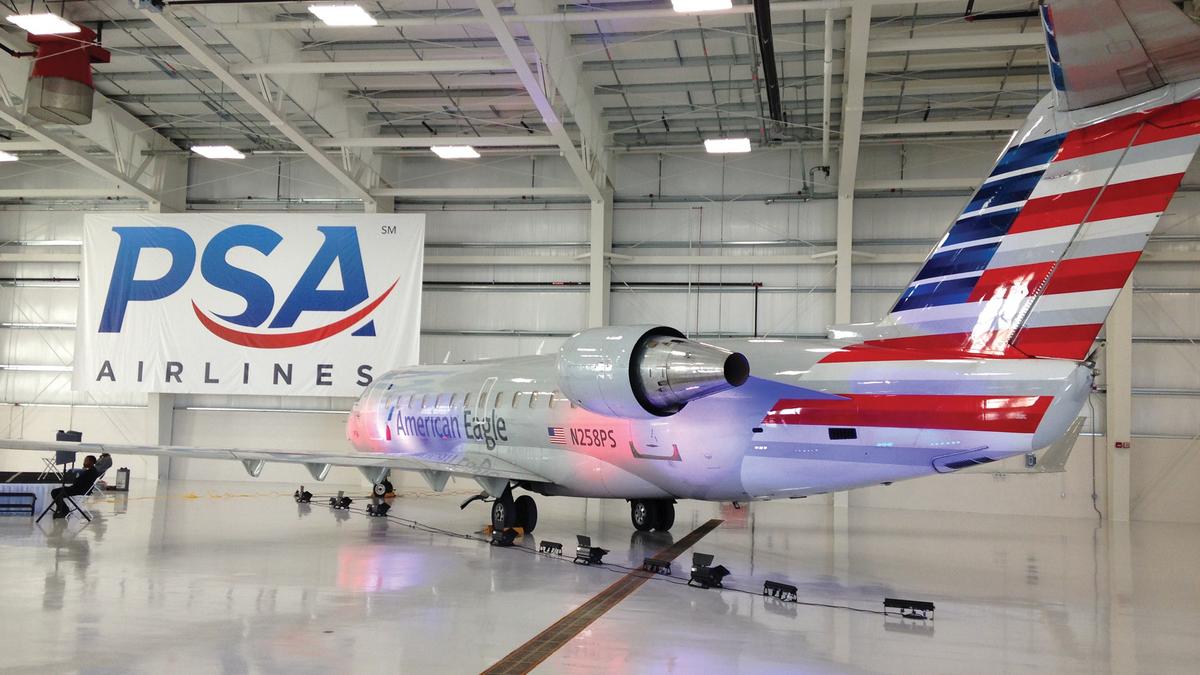
Las aerolíneas estadounidenses han tenido límites en el número y tamaño de aviones regionales en sus flotas de proveedores casi desde el día en que Comair presentó el Bombardier CRJ-100 en junio de 1993.

Las flotas de aviones regionales han evolucionado desde una preponderancia de modelos de 50 asientos, incluidos el CRJ100/200 y Embraer ERJ-145, en la década de 1990 y principios de 2000, a aviones más grandes de 70 y 76 asientos, incluidos Bombardier CRJ-900 y Embraer 175.

Las cláusulas de alcance de American Airlines, Delta Air Lines y United Airlines se centran en el avión más grande. Los tres tienen límites en el número de aviones regionales grandes permitidos en sus flotas de proveedores, así como límites en el número de asientos en 76 con algunas excepciones de derechos adquiridos y peso máximo de despegue (MTOW) en 39.01t (86,000 lb)

Estos límites se establecieron desde 2012, cuando los pilotos de Delta ratificaron un contrato para aumentar el número de aviones de 76 asientos a cambio de la incorporación del Boeing 717-200 de 110 asientos a su flota principal. American y United hicieron lo mismo con acuerdos similares con sus pilotos que, aunque no añadieron un pequeño avión de línea principal, permitieron aviones más grandes como Delta.

Concepto Cláusula Alcance

Una cláusula de alcance es parte de un contrato entre una línea aérea y un sindicato piloto. En general, estas cláusulas son utilizadas por la unión de una aerolínea importante para limitar el número y/o tamaño de la aeronave que la aerolínea puede contratar con una aerolínea regional. El objetivo es proteger los empleos sindicales en la aerolínea principal de ser tercerizados a aerolíneas regionales que operan aviones más grandes. En 2016, el límite fue de 76 asientos y un peso máximo de despegue de 86,000 lb (39 t) hasta 2019 en United Airlines, y 2020 en Delta Air Lines y American Airlines, lo que limita las ventas del nuevo Mitsubishi MRJ90 y Embraer 175-E2 para el MRJ70 más pequeño y el E175 actual.

Las líneas aéreas estadounidenses pueden estar en su próxima encrucijada de alcance. United y la Air Line Pilots Association (ALPA) podrían iniciar negociaciones a partir de mayo sobre un contrato para reemplazar el que será enmendado el 31 de enero de 2019. Las negociaciones serán vigiladas de cerca desde todos los rincones. Los contratos en American y Delta pueden modificarse el 1 de enero de 2020 y el 31 de diciembre de 2019, respectivamente, y es probable que se busquen los cambios logrados por United.

Los armadores de aeronaves están interesados ​​en cualquier cantidad de cambios, desde permitir aviones adicionales hasta cambios en el conteo de asientos y el peso. Ambas familias Embraer E-Jet-E2 y Mitsubishi MRJ superan los límites de 76 asientos y 39.01t MTOW según los contratos actuales, bloqueando de manera efectiva los aviones de próxima generación de las flotas regionales de EEUU. «Creemos que las limitaciones de MTOW podrían aliviarse en cierta medida, o las aerolíneas y los pasajeros no pueden disfrutar de la próxima generación de aviones», dijo Masao Yamagami, entonces presidente y CEO de Mitsubishi Aircraft America.

United Airlines

United quiere más jets regionales grandes, una antorcha pública que solo transporta, por ahora, entre los principales operadores. «Nuestro crecimiento realmente necesita más de 76 asientos», dijo Scott Kirby, presidente de la compañía con sede en Chicago, en una conferencia financiera el 14 de marzo. Kirby y el director financiero de United, Andrew Levy, dicen que la aerolínea necesita el aumento regional adicional para seguir siendo competitiva frente a American y Delta, y para cumplir con sus ambiciosos planes de crecimiento de capacidad del 4-6% por año hasta 2020. «Si estamos tratando de llevar un producto de 50 asientos a Rochester, Minnesota y nuestros competidores están volando un buen producto de 76 [asiento] de dos clases, vamos a perder esa batalla», dice Kirby.

Resultado de imagen para united express png

La cláusula de alcance de United lo limita a 255 jets regionales con asientos de 70 a 76 asientos, un monto alcanzado para fines de 2017. Puede agregar hasta 70 jets regionales más grandes si agrega un nuevo avión pequeño de línea principal, específicamente el Bombardier CSeries o Embraer E-Jet, en una proporción de un avión regional adicional por cada 1.25 aviones de línea principal. La aerolínea puede tener un número casi ilimitado de jets regionales pequeños, o aquellos con 50 asientos o menos, y un número ilimitado de turbopropulsores en su flota alimentadora. United tenía 256 jets regionales pequeños y 255 modelos grandes en su flota de alimentación a finales de 2017, como lo muestra su plan de flota. «[United] no necesita alivio de alcance y tiene la capacidad de lograr nuestra estrategia de crecimiento hoy», dijo Todd Insler, presidente de la ALPA United.

Los comentarios de Kirby y Levy, hasta ahora, solo han sugerido que desean aumentar el número de jets regionales grandes por encima de 255. No han hecho ningún comentario sobre la búsqueda de un mayor número de asientos o MTOW, cualquiera de los cuales es necesario. próxima generación de aviones regionales. jets, incluyendo el E175-E2 y MRJ90.

Delta Air Lines

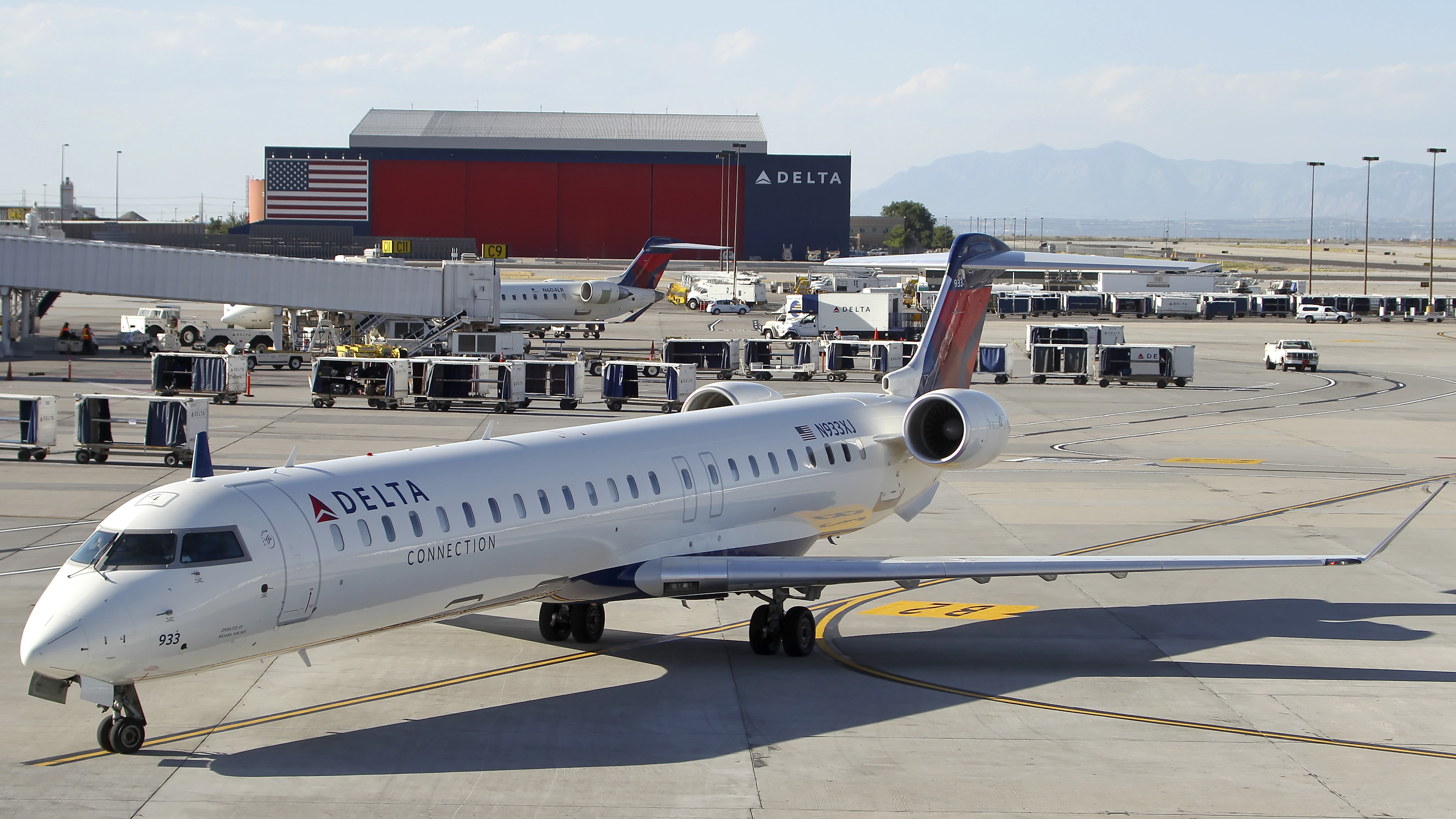
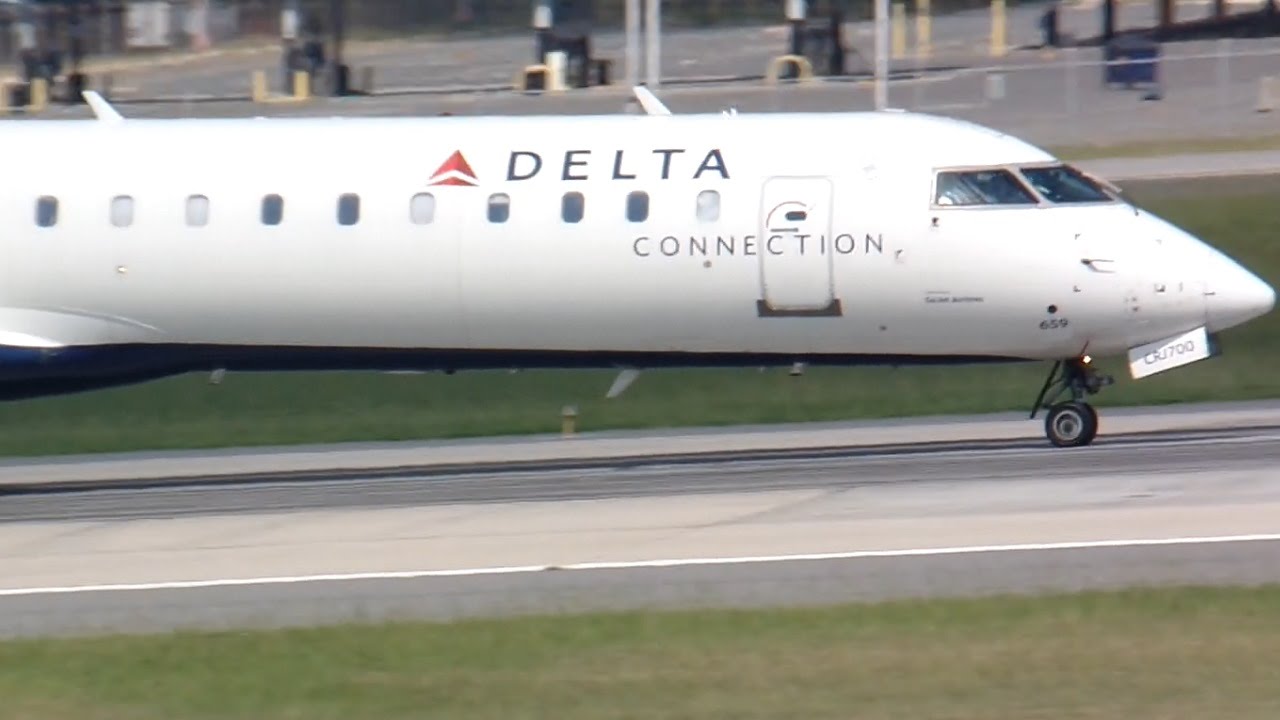
Delta seguirá a United en negociaciones contractuales en 2019. El alcance del operador con sede en Atlanta lo limita a hasta 450 jets regionales, incluidos 125 jets pequeños y 325 jets grandes, con este último dividido entre 102 aviones con 51-70 asientos y 223 aviones con 71-76 asientos.
Resultado de imagen para delta connection airlines

La aerolínea tenía 136 Bombardier CRJ200 y 324 jets regionales grandes en su flota de potencia a fines de 2017, como lo muestra su plan de flota. Los 10 50 escaños por encima del límite de 450 aviones están permitidos según las excepciones del contrato. Los ejecutivos de Delta no han hablado directamente sobre si planean buscar más jets de 76 asientos o cambiar los límites del rango para permitir aviones más grandes y pesados ​​en la próxima ronda de negociaciones. La aerolínea se niega a comentar.

Sin embargo, la estrategia presentada en el día de su inversor en diciembre de 2017 arroja algo de luz sobre sus planes. Planes para reducir en 2023 el número de salidas de asientos nacionales en jets regionales a aproximadamente 20% con 2% en jets regionales pequeños y 18% en jets regionales grandes  por debajo del 27% en 2017. Esto sugeriría una disminución en la dependencia de jets regionales, especialmente 50 asientos, durante los próximos cinco años.

Delta está solo entre los tres grandes EEUU. Después de agregar inicialmente 88 Boeing 717-200 a cambio de 70 jets regionales más grandes en 2012, ordenó 75 CS100 en 2016 y planea comenzar a recibir la entrega de aviones a finales de este año.

El transportista espera que las salidas de asientos nacionales en pequeñas aeronaves de línea principal aumenten a aproximadamente 20% en 2023 desde 14% el año pasado, como lo muestra la presentación del día de los inversores. «No intentaremos otorgar concesiones a [Delta] en ninguna sección de nuestro acuerdo de trabajo, incluido el alcance, y actualmente estamos en negociaciones prolongadas relacionadas con JV que implican mejorar las protecciones de alcance», dice el Capitán Bill Bartels, Presidente del Delta Master en consejo ejecutivo en ALPA.

American AirlinesResultado de imagen para american eagle airlines png

American tiene la cláusula de alcance más generosa que existe entre los principales operadores en los Estados Unidos. UU El número de jets regionales grandes con 66-76 asientos tiene un límite del 40% de su flota principal de fuselaje estrecho, permitiendo hasta 320 de los jets basados ​​en un recuento de cuerpos estrechos de 799 a fines de 2017.

Resultado de imagen para airlines regional US

La flota regional de la aerolínea con sede en Fort Worth tiene un límite del 75% de su flota principal de fuselaje estrecho, lo que le permite un total de 599 aviones regionales. La flota de aviones de American tenía un promedio de 290 jets regionales con hasta 65 asientos y 303 aviones con 66-76 asientos en la segunda mitad de 2017, según indica un recuento de la Allied Pilots Association (APA). La aerolínea tiene dos configuraciones en su 110 Bombardier CRJ700, una con hasta 65 asientos y otra con 70 asientos, lo que le permite permanecer en conformidad con el alcance.

La gerencia de American no ha comentado recientemente si planea o no buscar un alivio en el alcance o un cambio en la definición de un gran jet regional en la próxima ronda de negociaciones contractuales. La aerolínea se niega a comentar. El último cambio que Estados Unidos buscó fue un cambio en la definición durante su última ronda de negociaciones a fines de 2014. Quería redefinir un avión regional grande como uno con 71-76 asientos en lugar de 66-76 asientos, un cambio que habría permitido para agregar hasta 81 aviones más de 76 asientos que su acuerdo en el momento permitido. «Si Estados Unidos quiere volar con aviones regionales más grandes, estaremos felices de llevarlos a la línea principal», dice la APA, agregando que las concesiones de alcance no son un comienzo para el sindicato. AIRWAYS® AW-Icon TXT

Resultado de imagen para airlines regional US

Regional airlines and the Scope clause

Regional airlines and the Law of scope clause in an encrusijada

US airlines have had limits on the number and size of regional aircraft in their supplier fleets almost since the day Comair introduced the Bombardier CRJ-100 in June 1993.

Regional aircraft fleets have evolved from a preponderance of 50-seat models, including the CRJ100/200 and Embraer ERJ-145, in the 1990s and early 2000s, to larger 70 and 76 seat aircraft, including Bombardier CRJ -900 and Embraer 175.

The scope clauses of American Airlines, Delta Air Lines and United Airlines focus on the largest aircraft. All three have limits on the number of large regional aircraft allowed in their supplier fleets, as well as limits on the number of seats at 76 with some exceptions of acquired rights and maximum take-off weight (MTOW) at 39.01t (86,000 lb)

These limits were established since 2012, when Delta pilots ratified a contract to increase the number of 76-seat aircraft in exchange for the incorporation of the 110-seat Boeing 717-200 into its main fleet. American and United did the same with similar agreements with their pilots who, although they did not add a small mainline aircraft, allowed larger aircraft such as Delta.

Clause Scope Concept

A scope clause is part of a contract between an airline and a pilot union. In general, these clauses are used by the union of an important airline to limit the number and/or size of the aircraft that the airline can contract with a regional airline. The objective is to protect union jobs in the main airline from being outsourced to regional airlines that operate larger aircraft. In 2016, the limit was 76 seats and a maximum takeoff weight of 86,000 lb (39 t) until 2019 on United Airlines, and 2020 on Delta Air Lines and American Airlines, which limits sales of the new Mitsubishi MRJ90 and Embraer 175 -E2 for the smaller MRJ70 and the current E175.

American airlines may be at their next reach crossroads. United and the Air Line Pilots Association (ALPA) could begin negotiations starting in May on a contract to replace the one that will be amended on January 31, 2019. Negotiations will be closely monitored from all corners. The contracts in American and Delta can be modified on January 1, 2020 and December 31, 2019, respectively, and it is likely that the changes achieved by United will be sought.

Aircraft owners are interested in any number of changes, from allowing additional aircraft to changes in seat count and weight. Both Embraer E-Jet-E2 and Mitsubishi MRJ families exceed the limits of 76 seats and 39.01t MTOW under current contracts, effectively blocking next-generation aircraft from regional US fleets. «We believe that the limitations of MTOW could be alleviated to some extent, or airlines and passengers can not enjoy the next generation of aircraft,» said Masao Yamagami, then president and CEO of Mitsubishi Aircraft America.

United Airlines

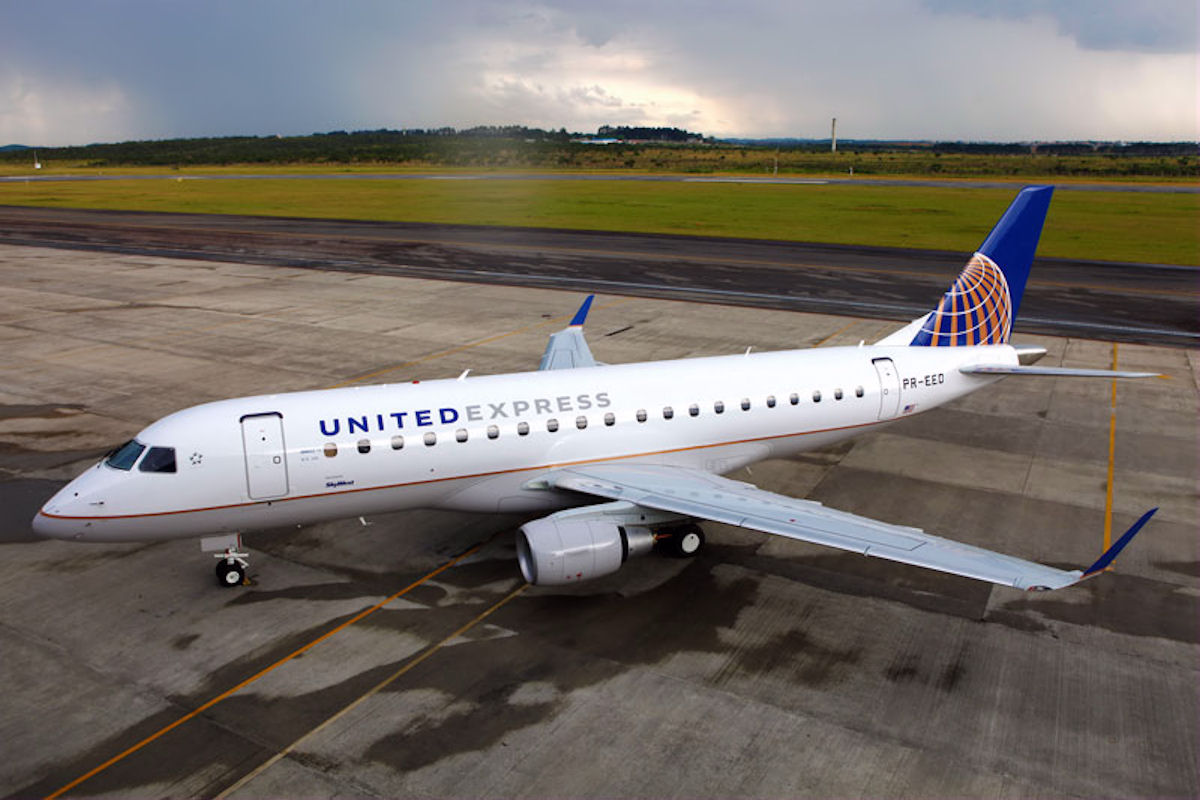
United wants more large regional jets, a public torch that only transports, for now, between the main operators. «Our growth really needs more than 76 seats», Scott Kirby, president of the Chicago-based company, said at a financial conference on March 14. Kirby and United’s chief financial officer, Andrew Levy, say the airline needs the additional regional increase to remain competitive against American and Delta, and to meet its ambitious plans for capacity growth of 4-6% per year through 2020. «If we’re trying to bring a 50-seat product to Rochester, Minnesota and our competitors are flying a good product of 76 [seat] of two classes, we’re going to lose that battle», says Kirby.
Resultado de imagen para airlines regional US

United’s scope clause limits it to 255 regional jets with seats of 70 to 76 seats, an amount reached by the end of 2017. You can add up to 70 larger regional jets if you add a new small mainline aircraft, specifically the Bombardier CSeries o Embraer E-Jet, in a proportion of one additional regional aircraft for every 1.25 mainline aircraft. The airline can have an almost unlimited number of small regional jets, or those with 50 seats or less, and an unlimited number of turboprops in its feeder fleet. United had 256 small regional jets and 255 large models in its power fleet by the end of 2017, as shown by its fleet plan. «[United] does not need scope relief and has the ability to achieve our growth strategy today», said Todd Insler, president of ALPA United.

The comments of Kirby and Levy, so far, have only suggested that they want to increase the number of large regional jets above 255. They have not made any comments about the search for a larger number of seats or MTOW, any of which is necessary. Next generation of regional aircraft. jets, including the E175-E2 and MRJ90.

Delta Air LinesResultado de imagen para delta connection airlines png

Delta will follow United in contract negotiations in 2019. The scope of the Atlanta-based operator limits it to up to 450 regional jets, including 125 small jets and 325 large jets, with the latter divided between 102 aircraft with 51-70 seats and 223 aircraft. with 71-76 seats.

The airline had 136 Bombardier CRJ200 and 324 large regional jets in its power fleet at the end of 2017, as shown by its fleet plan. The 10 50 seats above the limit of 450 aircraft are allowed under the exceptions of the contract. Delta executives have not spoken directly about whether they plan to look for more 76-seat jets or change the range limits to allow larger and heavier aircraft in the next round of negotiations. The airline refuses to comment.

However, the strategy presented on his investor’s day in December 2017 sheds some light on his plans. Plans to reduce by 2023 the number of departures of national seats in regional jets to approximately 20% with 2% in small regional jets and 18% in large regional jets below 27% in 2017. This would suggest a decrease in dependence of regional jets, especially 50 seats, over the next five years.

Delta is alone among the three big US. After initially adding 88 Boeing 717-200s in exchange for 70 larger regional jets in 2012, it ordered 75 CS100s in 2016 and plans to start receiving aircraft deliveries later this year.

The carrier expects domestic seat departures on small mainline aircraft to increase to approximately 20% in 2023 from 14% last year, as shown by the investors’ day presentation. «We will not attempt to grant concessions to [Delta] in any section of our work agreement, including scope, and we are currently in protracted JV-related negotiations that involve improving scope protections,» says Captain Bill Bartels, Delta Master’s President executive council in ALPA.

American Airlines

American has the most generous scope clause that exists among the major operators in the United States. UU The number of large regional jets with 66-76 seats has a limit of 40% of its main narrow-body fleet, allowing up to 320 of the jets based on a count of narrow bodies of 799 at the end of 2017.

Resultado de imagen para american eagle airlines png

The regional fleet of the Fort Worth-based airline has a limit of 75% of its main narrow-body fleet, which allows a total of 599 regional aircraft. American’s aircraft fleet averaged 290 regional jets with up to 65 seats and 303 aircraft with 66-76 seats in the second half of 2017, according to an Allied Pilots Association (APA) count. The airline has two configurations in its 110 Bombardier CRJ700, one with up to 65 seats and another with 70 seats, which allows it to remain in compliance with the range.

American management has not commented recently whether or not it plans to seek relief in scope or a change in the definition of a large regional jet in the next round of contract negotiations. The airline refuses to comment. The last change the United States sought was a change in definition during its last round of negotiations at the end of 2014. It wanted to redefine a large regional aircraft as one with 71-76 seats instead of 66-76 seats, a change that would have allowed to add up to 81 aircraft more than 76 seats that your agreement at the time allowed. «If the United States wants to fly with larger regional aircraft, we will be happy to take them to the main line», says the APA, adding that the scope concessions are not a start for the union. A \ W


Ξ A I R G W A Y S Ξ
SOURCE:  Airgways.com
DBk: Flightglobal.com / Bizjournals.com / Airlinegeeks.com / Leehamnews.com / Cnn.com
AW-POST: 201803212108AR

A\W   A I R G W A Y S ®

Reunión para garantizar servicios aéreos en la República de Venezuela

Resultado de imagen para aeropuerto caracas

AW | 2018 03 20 03:16 | AIRLINES MARKET

Ministro de Transporte se reunió con representantes de aerolíneas nacionales para continuidad de servicios aerocomerciales

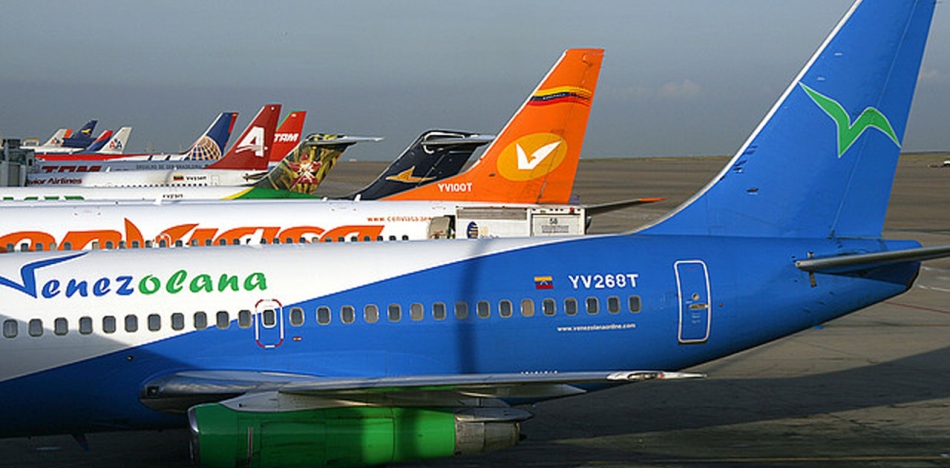
El Ministerio de Transporte de Venezuela sostuvo reunión este lunes con representantes de nueve aerolíneas nacionales para así garantizar un servicio óptimo y de calidad. A la reunión asistieron representantes de aerolíneas nacionales como Alianza Glancelot, Aserca Airlines, Avior Airlines, CONVIASA, Estelar Latinoamérica, LASER, Rutas Aéreas de Venezuela y Turpial Airlines, con el objetivo de recopilar propuestas para el mejoramiento de los servicios de transporte aéreo a nivel nacional.

El Ministerio de Transporte hizo un llamado al sector aéreo privado a trabajar en equipo para el mejoramiento del sistema aéreo, siguiendo mecanismos rentables en beneficio de los usuarios y aerolíneas. También remarcó la necesidad del sector aéreo privado en el mantenimiento y prestación de servicio de los grandes aeropuertos en el país, implementando líneas de taxis en los aeropuertos.  AIRWAYS® AW-Icon TXT

Venezuela meeting to guarantee air services

Minister of Transportation met with representatives of national airlines for continuity of commercial services

The Ministry of Transportation of Venezuela held a meeting on Monday with representatives of nine national airlines to ensure optimal service and quality. The meeting was attended by representatives of national airlines such as Alianza Glancelot, Aserca Airlines, Avior Airlines, CONVIASA, Estelar Latin America, LASER, Venezuelan Air Routes and Turpial Airlines, with the aim of collecting proposals for the improvement of air transport services at the national.

The Ministry of Transport called on the private aviation sector to work as a team to improve the air system, following profitable mechanisms for the benefit of users and airlines. He also stressed the need for the private aviation sector in the maintenance and service provision of the large airports in the country, implementing taxi lines at airports. A \ W


Ξ A I R G W A Y S Ξ
SOURCE:  Airgways.com
DBk: Elestimulo.com / Airgways.com / Aeropuerto-maiquetia.com.ve
AW-POST: 201803200316AR

A\W   A I R G W A Y S ®

Incremento mercado low cost en España

Resultado de imagen para low cost vueling wiki

AW | 2018 03 19 03:43 | AIRLINES MARKET

Las aerolíneas de bajo costo y tradicionales han proyectado un crecimiento de alrededor del 11%

Las aerolíneas de bajo costo están aumentando su participación en los aeropuertos españoles. El crecimiento del tráfico de pasajeros internacionales recibidos en febrero, en cinco millones, representa el 52,6% del mercado bajo la modalidad aérea low cost, manteniendo un crecimiento interanual del 11,5%, mientras que las aerolíneas tradicionales dominan el espacio aéreo con el 47,4% restante, que registran una variación del orden del 0,3%.

Según los datos recabados por la Subdirección General de Conocimiento y Estudios Turísticos, las aerolíneas low cost como Ryanair, EasyJet y Vueling acaparan entre las tres el 35,6% del total del flujo aéreo de pasajeros internacionales y el 67,6% de esta modalidad. Todas muestran notables avances respecto a Febrero de 2017. En el periodo acumulado, España alcanzan casi los diez millones de pasajeros, un 5,9% más que en los dos primeros meses de 2017. Las aerolíneas de bajo costo también dominan en este periodo, concentrando el 53,3% de las entradas y creciendo un 12,7% en relación al año anterior. Las convencionales, por su parte, sufren un retroceso del 0,6%. AIRWAYS® AW-Icon TXT

Imagen relacionada

Increase low cost market in Spain

Low-cost and traditional airlines have projected growth of around 11%

Low-cost airlines are increasing their participation in Spanish airports. The growth of international passenger traffic received in February, in five million, represents 52.6% of the market under the low cost air mode, maintaining a year-on-year growth of 11.5%, while traditional airlines dominate the airspace with the remaining 47.4%, which registered a variation of the order of 0.3%.

According to the data collected by the General Subdirectorate of Knowledge and Tourist Studies, low cost airlines such as Ryanair, EasyJet and Vueling account for 35.6% of the total international passenger air flow and 67.6% of this modality. . All show notable advances compared to February 2017. In the accumulated period, Spain reached almost ten million passengers, 5.9% more than in the first two months of 2017. Low-cost airlines also dominate in this period, concentrating 53.3% of the entries and growing by 12.7% in relation to the previous year. The conventional, on the other hand, suffer a decline of 0.6%. A \ W


Ξ A I R G W A Y S Ξ
SOURCE:  Airgways.com
DBk: Wikimedia.org
AW-POST: 201803190343AR

A\W   A I R G W A Y S ®

Los gremios aeronáuticos argentinos en estado de alerta

Resultado de imagen para mercado aereo argentino

AW | 2018 03 19 02:52 | AIRLINES MARKET

Gremios aeronáuticos se declararon en estado de alerta y movilización por graves perjuicios por la actual política aerocomercial

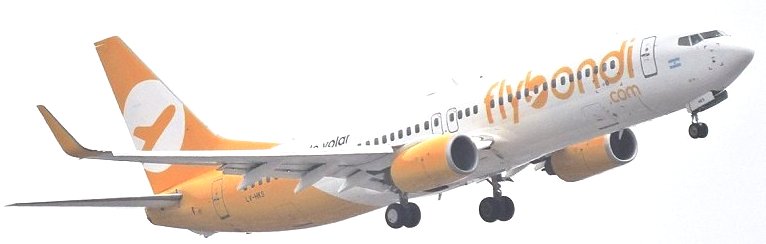
Los gremios aeronáuticos de Argentina APA, APTA, UPSA, APLA, ATCPEA y UALA, se han nucleados luego de una reunión, realizada en el día sábado, donde evaluaron el cuadro de situación de la política aerocomercial en nuestro país. Los gremios advierten al gobierno de Argentina que «está promoviendo el ingreso masivo de empresas aerocomerciales, entre ellas líneas aéreas low cost como Flybondi que están teniendo un servicio deficiente, que intentan flexibilizar el mercado laboral, quebrantando convenios laborales y devaluando normativas de seguridad, para potenciar la rentabilidad de quienes controlan ese negocio aerocomercial», indica el comunicado gremial. Para los gremialistas, «la política aerocomercial actual está sacrificando condiciones laborales, salarios, y seguridad operacional aérea, en pos de la codicia de un grupo de empresarios».

El caso de Aerolíneas Argentinas, los gremios advierten que se levantaron rutas históricas como Barcelona, y que todavía no existen definiciones sobre la nueva flota internacional que se incorporará. Además, critica que se hayan reducido los subsidios, cuando provincias y municipios se los otorgan a empresas extranjeras.

Los gremios critican además al Grupo Latam Airlines que «se empeña en aumentar sus ganancias a expensas de conquistas laborales acordadas hace muchos años».

Los gremios aeronáuticos sostienen que «se realizarán todas las medidas sindicales necesarias para solucionar los graves perjuicios que la actual política aerocomercial está creando a los intereses nacionales, los derechos de los trabajadores aeronáuticos y la seguridad operacional aérea Argentina», concluye el comunicado sindical.  AIRWAYS® AW-Icon TXT


0002895677

Aeronautical Guilds Argentina on alert

Aeronautical unions declared themselves in a state of alert and mobilization for serious damages due to the current commercial airline policy

The aeronautical guilds of Argentina APA, APTA, UPSA, APLA, ATCPEA and UALA, have come together after a meeting, held on Saturday, where they evaluated the situation chart of the commercial airline policy in our country. The unions warn the government of Argentina that «it is promoting the massive entry of commercial airlines, including low cost airlines such as Flybondi that are having a poor service, that try to make the labor market more flexible, breaking labor agreements and devaluing safety regulations. enhance the profitability of those who control this commercial business», says the union statement. For the trade unionists, «the current commercial air traffic policy is sacrificing working conditions, salaries, and air safety, in pursuit of the greed of a group of entrepreneurs».

In the case of Aerolíneas Argentinas, the unions warn that historic routes such as Barcelona were built, and that there are still no definitions about the new international fleet that will be incorporated. In addition, criticizes that subsidies have been reduced, when provinces and municipalities are granted to foreign companies.

The unions also criticize the Latam Airlines Group, which «is committed to increasing its profits at the expense of labor conquests agreed many years ago».

The aeronautical unions maintain that «all necessary trade union measures will be taken to solve the serious damages that the current commercial airline policy is creating to the national interests, the rights of aeronautical workers and the aerial safety of Argentina», the union statement concludes. A \ W


Ξ A I R G W A Y S Ξ
SOURCE:  Airgways.com
DBk: Airgways.com
AW-POST: 201803190252AR

A\W   A I R G W A Y S ®


Latam hacia modelo low-cost Argentina

Resultado de imagen para LATAM AIRLINES ARGENTINA wiki

AW | 2018 03 16 03:58 | AIRLINES MARKET

Resultado de imagen para LATAM AIRLINES logoLatam Airlines evalúa instalar modelo low cost en Argentina

La compañía aérea Latam Airlines está analizando instalar el modelo de bajo costo en Argentina siendo una alternativa que está siendo evaluada.

Resultado de imagen para LATAM AIRLINES pngArgentina hoy es uno de los pocos mercados en que tanto Latam como otras aerolíneas no ha podido implementar el modelo de bajo costo. Esto, por la actual regulación de ese país, que establece pisos para las tarifas aéreas, complicando la implementación y la sostenibilidad del modelo en el largo plazo. El gobierno de Argentina podría producir un cambio en estas políticas para promover el desarrollo del modelo.

Latam Airlines mantiene un mercado en Chile y Brasil. Dos años de recesión en las economías regionales y la recesión en Brasil, el nuevo enfoque para Latam Airlines es un panorama competitivo diferente, adaptándose a una industria de aerolíneas en evolución. En cuanto a sus operaciones en Chile, destacaron varios cambios que se produjeron dentro del mercado doméstico, entre ellos la salida de Latin American Wings (LAW).

Latam espera cerrar con American Airlines y el grupo IAG compuesto por British Airways e Iberia, un Joint Business Agreement los ejecutivos explicaron que están a la espera de que la autoridad chilena los apruebe. Estos acuerdos permitirán acceder a más de 420 destinos a más vuelos y mejores conexiones.  AIRWAYS® AW-Icon TXT

File:Airbus A320 LATAM Argentina, LV-BSJ (30063303952).jpg

Latam towards a low-cost model in Argentina

Latam Airlines evaluates installing low cost model in Argentina

The airline Latam Airlines is analyzing installing the low cost model in Argentina being an alternative that is being evaluated.

Argentina today is one of the few markets where Latam and other airlines have not been able to implement the low-cost model. This, due to the current regulation of that country, which establishes floors for air fares, complicating the implementation and sustainability of the model in the long term. The government of Argentina could produce a change in these policies to promote the development of the model.

Latam Airlines maintains a market in Chile and Brazil. Two years of recession in regional economies and the recession in Brazil, the new approach for Latam Airlines is a different competitive landscape, adapting to an evolving airline industry. Regarding its operations in Chile, several changes that occurred within the domestic market, among them the exit of Latin American Wings (LAW), stood out.

Latam expects to close with American Airlines and the IAG group composed of British Airways and Iberia, a Joint Business Agreement executives explained that they are waiting for the Chilean authority to approve them. These agreements will allow access to more than 420 destinations to more flights and better connections. A \ W


Ξ A I R G W A Y S Ξ
SOURCE:  Airgways.com
DBk: Latam.com / Wikimedia.org
AW-POST: 201803160358AR

A\W   A I R G W A Y S ®


Demoras en la Revolución de los Aviones

Resultado de imagen para airgways airlines market

AW | 2018 03 14 16:42 | AIRLINES MARKET

Las nuevas líneas aéreas preparan su llegada para iniciar operaciones en Argentina

Las nuevas start-ups están en proceso de inicio de operaciones, pese a los inconvenientes que ha ocasionado la puesta a punto de todo el sistema aeronáutico en la República Argentina.

La adaptación de los cambios de las líneas aéreas y los sistemas de aeropuertos han provocado inconvenientes en la primera experiencia low cost en Argentina, Flybondi. Las aerolíneas que se han beneficiado de las dos Audiencias Públicas deberán adecuarse al límite de tiempo esteblecido por el Gobierno de Argentina para la implementeción de las nuevas aerolíneas que recibieron rutas por parte del Ministerio de Transporte y los organismos reguladores y que tienen planes de comenzar a operar pronto en el país, tanto con rutas de cabotaje como con internacionales.

El próximo peso pesado en llegar, y con un modelo de tarifas bajas, será Norwegian Air Argentina, la filial local de la sexta aerolínea de bajo costo más grande del mundo. Autorizada para operar vuelos a 72 destinos locales y 80 del exterior, la compañía presentó ya su primer avión, un Boeing 737-800 que incluye en su cola un homenaje a Astor Piazzolla. Está ultimando los detalles de su lanzamiento, independientemente de la disponibilidad del aeropuerto base, sea El Palomar u otro.

Desde Norwegian Airgentina informan que están desarrollando un esquema de rutas elaborando opciones al Aeropuerto El Palomar. La compañía no estaría enfocada en operar exclusivamente en El Palomar. En cuanto al inicio de los procesos de ventas de tickets en Mayo 2018 para vuelos de cabotaje que comenzarán a despegar en Julio 2018, sostuvieron desde la aerolínea. Entre los destinos en una primera etapa están los de mayor demanda: Córdoba, Rosario, Mendoza, Iguazú, Salta y Ushuaia serían algunos de ellos.

Alas del Sur es otra arolínea que no ha presentado públicamente en sociedad las aeronaves a utilizar. Aún así, en su sitio de Internet está reclutando trabajadores para volar en el corto plazo, con base en Córdoba, hacia Buenos Aires (Aeroparque), Neuquén, Mendoza, Salta, Iguazú y Bariloche y entre los destinos internacionales a San Pablo, Río de Janeiro, Santiago de Chile, Miami e inclusive Shanghái, China.

Las demás aerolíneas que se encuentran en proceso de inicio de operaciones, todavía no han surgidos detalles relevantes. La Argentina está aceitándose lentamente los procesos de implementación de nuevos operadores aéreos. El desarrollo de más líneas aéreas permitirá desarrollar mejores condiciones de mercado. En 2017, según datos de Organización de Aviación Civil Internacional, las aerolíneas de bajo costo llevaron 1.200 millones de pasajeros, un 30% de los pasajeros de vuelos regulares a nivel global. Argentina espera una oportunidad no desea pasar volando; una demora que genera algunas inquietudes y sinsabores, pero que mantiene las esperanzas con un rumbo fijo, en la Revolución de los Aviones.  AIRWAYS® AW-Icon TXT

Resultado de imagen para airgways aeroparque

Delays in the Aircraft Revolution

The new airlines prepare their arrival to start operations in Argentina

The new start-ups are in the process of starting operations, despite the inconveniences caused by the development of the entire aeronautical system in the Argentine Republic.

The adaptation of the changes of the airlines and the airport systems have caused inconveniences in the first low cost experience in Argentina, Flybondi. The airlines that have benefited from the two Public Hearings must adapt to the time limit set by the Government of Argentina for the implementation of the new airlines that received routes from the Ministry of Transport and the regulatory bodies and that have plans to begin operate soon in the country, both with cabotage and international routes.

The next heavyweight to arrive, and with a low fare model, will be Norwegian Air Argentina, the local subsidiary of the sixth largest low cost airline in the world. Authorized to operate flights to 72 local destinations and 80 from abroad, the company already presented its first plane, a Boeing 737-800 that includes in its tail a tribute to Astor Piazzolla. You are finalizing the details of your launch, regardless of the availability of the base airport, be it El Palomar or another.

From Norwegian Airgentina they inform that they are developing a route scheme elaborating options to El Palomar Airport. The company would not be focused on operating exclusively at El Palomar Airport. As of the beginning of the process of ticket sales in May 2018 for domestic flights that will begin to take off in July 2018, they held from the airline. Among the destinations in the first stage are those in greatest demand: Cordoba, Rosario, Mendoza, Iguazu, Salta and Ushuaia would be some of them.

Alas del Sur is another airline that has not publicly presented in society the aircraft to be used. Even so, on its website it is recruiting workers to fly in the short term, based in Córdoba, to Buenos Aires (Aeroparque), Neuquén, Mendoza, Salta, Iguazú and Bariloche and between international destinations to San Pablo, Río de Janeiro, Santiago de Chile, Miami and even Shanghai, China.

The other airlines that are in the process of starting operations, have not yet emerged relevant details. Argentina is slowly oiling the implementation processes of new air operators. The development of more airlines will allow the development of better market conditions. In 2017, according to data from the International Civil Aviation Organization, low-cost airlines carried 1.2 billion passengers, 30% of passengers on scheduled flights globally. Argentina hopes an opportunity does not want to fly by; a delay that generates some worries and disappointments, but that maintains the hopes with a fixed direction,in the Revolution of the Planes. A \ W


Ξ A I R G W A Y S Ξ
SOURCE:  Airgways.com
DBk: Airgways.com
AW-POST: 201803141642AR

A\W   A I R G W A Y S ®

Reino Unido Open Skies vs Brexit

Vuelo de Union Jack

AW | 2018 03 06 21:04 | AIRLINES MARKET

AW-70999987.pngEstados Unidos ofrecerá derechos de acceso estándar a las aerolíneas del Reino Unido después del Brexit

El pacto de cielos abiertos permite a cualquier aerolínea de la UE y cualquier compañía estadounidense volar entre cualquier punto de la Unión Europea y cualquier punto de los EEUU. Washington ha comunicado que no establecería un statu quo con el Reino Unido. Los funcionarios de transporte del Reino Unido expresaron que las reuniones avanzando bien. Pero el problema surgió cuando los negociadores estadounidenses ofrecieron solo un acuerdo bilateral básico para cuando Gran Bretaña abandone la UE.

Un acuerdo bilateral intenta reemplazar el actual acuerdo «Open Skies» que rige el tráfico aéreo entre los estados miembros de la UE y los EEUU. Los tres transportistas transatlánticos más grandes del Reino Unido: British Airways, Virgin Atlantic y Norwegian UK les exigen tener la propiedad y control mayoritarios de su país de origen, en lugar de la propiedad mayoritaria de la UE, como lo hacen las normas actualmente.

Los acuerdos estándar generalmente requieren que las aerolíneas sean de propiedad mayoritaria y controladas por empresas de su país de origen. British Airways, matriz de International Airline Group y Virgin Atlantic tienen una mezcla de propiedad, lo que provocó temores de que los vuelos pudieran verse afectados.

Los negociadores confían en un eventual acuerdo para mantener abiertas las transitadas rutas entre el Reino Unido y los Estados Unidos, que representan más de un tercio del tráfico transatlántico actual. Pero existen obstáculos legales y políticos que podrían impedir que las dos partes lleguen a un acuerdo a tiempo para dar seguridad jurídica a las aerolíneas que reservan vuelos con un año de anticipación.

El tráfico entre el Reino Unido y los EEUU es un gran negocio que representa más de un tercio de todos los vuelos transatlánticos. Los negociadores continuarán intentando llegar a un acuerdo mejor antes de que el Reino Unido salga oficialmente de la UE en marzo de 2019, pero el tiempo es corto. Las aerolíneas necesitan claridad con suficiente anticipación para que puedan seguir publicando horarios y realizar reservas con hasta un año de anticipación.

IAG dijo: «Confiamos plenamente en que los EEUU y el Reino Unido firmen un acuerdo que beneficie a todos y que IAG cumpla con las regulaciones de propiedad y control de la UE y el Reino Unido después de Brexit».

Virgin Atlantic dijo que seguía «segura de que se alcanzará un nuevo acuerdo liberal, lo que nos permitirá seguir volando a todos nuestros destinos en América del Norte».

Un portavoz del Departamento de Transporte del Reino Unido dijo: «Nuestras conversaciones con los EEUU sobre un nuevo acuerdo de servicio aéreo entre el Reino Unido y los EEUU han sido positivas y hemos logrado un progreso significativo. Ambas partes quieren concluir estas discusiones pronto. Todas las partes tienen un interés compartido en garantizar que los derechos existentes continúen bajo los nuevos acuerdos bilaterales, permitiendo a las aerolíneas de ambos lados del Atlántico continuar operando los servicios existentes, así como buscar desarrollar otros nuevos».

El Departamento de Estado de EEUU Dijo: «Nuestro objetivo compartido con el Reino Unido es garantizar la transición más suave posible en el mercado transatlántico. La aviación comercial es clave para la relación económica dinámica entre los Estados Unidos y el Reino Unido. Las discusiones van bien y, aunque no se establecen fechas específicas, planeamos reunirnos nuevamente pronto».

La nueva actitud antiliberal de los EE. UU. Para el comercio , los negociadores británicos entran en conversaciones con Washington durante el peor momento para negociar en asuntos de cooperación internacional. AIRWAYS® AW-Icon TXT

Resultado de imagen para United Kingdom Brexit airlines

United Kingdom Open Skies vs Brexit

United States will offer standard access rights to UK carriers after Brexit

The pact of open skies allows any EU airline and any US company to fly between any point in the European Union and anywhere in the US. Washington has announced that it would not establish a status quo with the United Kingdom. The transport officials of the United Kingdom expressed that the meetings were going well. But the problem arose when American negotiators offered only a basic bilateral agreement for when Britain leaves the EU.

A bilateral agreement aims to replace the current «Open Skies» agreement that governs air traffic between the EU member states and the US. The three largest transatlantic carriers in the United Kingdom: British Airways, Virgin Atlantic and Norwegian UK require them to have majority ownership and control of their country of origin, instead of the majority ownership of the EU, as the rules currently do.

Standard agreements generally require that airlines be majority owned and controlled by companies in their country of origin. British Airways, parent of International Airline Group and Virgin Atlantic have a mix of ownership, which caused fears that flights could be affected.

The negotiators rely on an eventual agreement to keep open the busy routes between the United Kingdom and the United States, which represent more than a third of the current transatlantic traffic. But there are legal and political obstacles that could prevent the two parties from reaching an agreement in time to provide legal security to airlines that book flights a year in advance.

Traffic between the United Kingdom and the US is a big business that represents more than a third of all transatlantic flights. Negotiators will continue to try to reach a better agreement before the UK officially leaves the EU in March 2019, but the time is short. Airlines need clarity well in advance so they can continue publishing schedules and make reservations up to one year in advance.

IAG said: «We are fully confident that the US and the UK will sign an agreement that benefits everyone and that IAG complies with the ownership and control regulations of the EU and the UK after Brexit».

Virgin Atlantic said it remained «confident that a new liberal agreement will be reached, which will allow us to continue flying to all our destinations in North America».

A spokesman for the UK Department of Transportation said: «Our talks with the US on a new air service agreement between the United Kingdom and the United States have been positive and we have made significant progress, and both parties want to conclude these discussions soon. the parties have a shared interest in ensuring that existing rights continue under the new bilateral agreements, allowing airlines on both sides of the Atlantic to continue operating existing services, as well as seek to develop new ones».

The US Department of State said: «Our shared objective with the United Kingdom is to ensure the smoothest possible transition in the transatlantic market.Commercial aviation is key to the dynamic economic relationship between the United States and the United Kingdom. well and, although no specific dates are set, we plan to meet again soon».

The new anti-liberal attitude of the USA UU For the trade, the British negotiators enter into talks with Washington during the worst moment to negotiate on matters of international cooperation. A \ W


Ξ A I R G W A Y S Ξ
SOURCE:  Airgways.com
DBk: Reuters.com / Bcc.co.uk
AW-POST: 201803062104AR

A\W   A I R G W A Y S ®

Venezuela aero-petrolizada

AW-70221000.png

AW | 2018 03 02 16:32 | AIRLINES MARKET

Aerolíneas en Venezuela autorizadas venta tickets aéreos en Petro

Aerolíneas nacionales e internacionales en la República de Venezuela están autorizadas vender pasajes aéreos en criptomonedas, según lo aprovó el Gobierno Bolivariano.

La Superintendencia de los Criptoactivos y Actividades Conexas Venezolana (Supcacven), a cargo de Carlos Vargas, ha comunicado que las líneas aéreas emplearán el uso de criptomonedas para la comercialización de los tickets aéreos, la nueva modalidad de pagos para los pasajes aéreos nacionales e internacionales.

Se ha autorizado a las aerolíneas de Venezuela el cobro de los boletos nacionales e internacionales en Petros y otras criptomonedas. “Siguiendo instrucciones del presidente Nicolás Maduro, se autoriza a las Aerolíneas el cobro de los boletos nacionales e internacionales en Petro y otras Criptomonedas. Esta decisión del Ejecutivo Nacional, permite que se vea favorecido el Sistema Petro, para la consolidación de una economía productiva en pro del pueblo venezolano”, indicó el Superintendente de Supcacven. Asimismo, aseguró que esto será posible a través de un proceso de regularización de Supcacven. A juicio de Vargas, esto será parte de las pasarelas de pago y billeteras digitales que a su juicio combatirán la supuesta guerra económica.

Aunque la llamada criptomoneda venezolana, a juicio de los expertos, es otro fracaso para la economía de Venezuela, el Presidente de la República Bolivariana, Nicolás Maduro ha insistido en comenzar transacciones con dicha moneda virtual, la cual es respaldada con la producción del petróleo venezolano.

La imposición del Petro a algunos sectores del país, como el caso de las aerolíneas para la compra de combustible, la venta de gasolina en la frontera, los servicios consulares y otros usos que se irán añadiendo al primer criptoactivo emitido por un gobierno en el mundo. Especialistas señalan que en este elemento se evidencia que el Ejecutivo solo busca recolectar monedas fuertes para su beneficio. Desde las aerolíneas que operan en Venezuela, no han emitido comentarios al respecto sobre la implementación y aplicación del respaldo de las criptomonedas. AIRWAYS® AW-Icon TXT

El Petro-sistema

El Petro es una emisión de título de deuda, es un esquema de financiamiento para intentar darle oxígeno al flujo de caja de moneda extranjera que tiene Venezuela, que es completamente deficitario.

Existen elementos que cuestionan la efectividad de las criptomonedas que para el gobierno implican ventajas como lo es el obviar las regulaciones del sistema financiero internacional. Para la compra de Petros no se puede utilizar bolívares. Solamente se pueden adquirir Petros con dólares, euros y criptomonedas de trayectoria. Es decir que si usted quisiera utilizar este mecanismo para cambiar bolívares en dólares u otra moneda dura a fin de realizar transacciones virtuales no puede hacerlo. Esto constituye otro golpe contra el signo monetario nacional y pone en duda la intención del gobierno de hacer para recuperar la confianza en el Bolívar. A \ W

aerolineas-venezuela-iata

Venezuela aero-petrolizaded

Airlines in Venezuela authorized sale of air tickets in Petro

National and international airlines in the Republic of Venezuela are authorized to sell air tickets in cryptocurrencies, as approved by the Bolivarian Government.

The Superintendence of Cryptoactives and Related Venezuelan Activities (Supcacven), by Carlos Vargas, has announced that the airlines will use cryptocurrencies for the commercialization of air tickets, the new payment method for national and international air tickets. .

Venezuelan airlines have been authorized to collect national and international tickets in Petros and other cryptocurrencies. «Following instructions from President Nicolás Maduro, the Airlines are authorized to collect national and international tickets in Petro and other Cryptocurrencies. This decision of the National Executive allows the Petro System to be favored, for the consolidation of a productive economy for the benefit of the Venezuelan people, «said the Supcacven Superintendent. Likewise, he assured that this will be possible through a process of regularization of Supcacven. According to Vargas, this will be part of the payment gateways and digital wallets that in his opinion will fight the supposed economic war.

Although the so-called Venezuelan cryptocurrency, according to experts, is another failure for the economy of Venezuela, the President of the Bolivarian Republic, Nicolás Maduro has insisted on starting transactions with this virtual currency, which is backed with the production of Venezuelan oil.

The imposition of Petro on some sectors of the country, such as the case of airlines for the purchase of fuel, the sale of gasoline at the border, consular services and other uses that will be added to the first cryptoactive issued by a government in the world . Specialists point out that this element shows that the Executive only seeks to collect hard coins for their benefit. From the airlines that operate in Venezuela, they have not commented on the implementation and application of the cryptocurrency support. A \ W


The Petro-system

The Petro is a debt issuance, it is a financing scheme to try to give oxygen to the cash flow of foreign currency that Venezuela has, which is completely deficient.

There are elements that question the effectiveness of cryptocurrencies that for the government imply advantages such as avoiding the regulations of the international financial system. For the purchase of Petros you can not use bolivars. Only Petros can be acquired with dollars, euros and trajectory cryptocurrencies. In other words, if you want to use this mechanism to exchange bolivars in dollars or another hard currency in order to perform virtual transactions, you can not do it. This constitutes another blow against the national monetary sign and puts in doubt the intention of the government to do to recover the confidence in the Bolivar. A \ W


Ξ A I R G W A Y S Ξ
SOURCE:  Airgways.com
DBk: Airgways.com / Supcriptove.gob.ve
AW-POST: 201803021631AR

A\W   A I R G W A Y S ®