Flybe restablece servicios Birmingham

AW | 2021 11 17 12:37 | AIRLINES / AIRPORTS

Flybe anuncia Aeropuerto Birmingham como nueva sede

Flybe_purple.svg

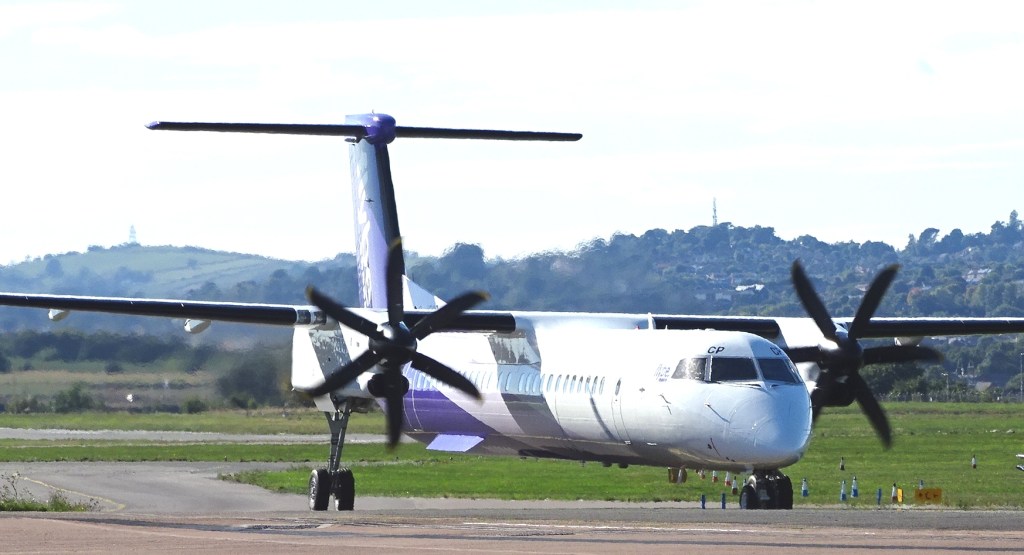
La aerolínea regional Flybe ha anunciado que su nueva sede tendrá su sede en el aeropuerto de Birmingham. La compañía fue comprada por Thyme Opco después de colapsar en Marzo de 2020 como resultado de la pandemia. Está previsto que comience los servicios nacionales y los vuelos a la UE desde su nueva base de West Midlands en la primavera del próximo año y planea crear 600 puestos de trabajo. La medida creará 600 puestos de trabajo en los próximos tres años.

El Presidente Ejecutivo de Flybe, Dave Pflieger, dijo que Birmingham era una opción ideal para la aerolínea. Los anuncios sobre nuevas rutas y destinos desde Birmingham se anunciarán en los próximos meses. El Aeropuerto de Birmingham dijo que la decisión era una noticia fantástica, que permitiría recuperar vuelos para pa región.

El Alcalde de West Midlands, Andy Street, dio la bienvenida a la noticia, que dijo que era una «muestra de fe en West Midlands». Dijo que significaba una mejor conectividad nacional e internacional para la región, así como la creación de empleos y oportunidades locales.

En Febrero 2021, la aerolínea regional británica recibió un préstamo de emergencia de £ 18.5 millones Libras Esterlinas del Ayuntamiento para ayudar a evitar la amenaza de insolvencia. Antes de su colapso, Flybe transportaba ocho millones de pasajeros al año y realizaba el 40% de los vuelos regionales del Reino Unido. La aerolínea prometió 200 empleos en los próximos tres años en Birmingham, así como otros 400 que se crearán en todo el país de manera más amplia.

Flybe restores Birmingham services

Flybe announces Birmingham Airport as new headquarters

aw-70087551

Regional airline Flybe has announced that its new headquarters will be based at Birmingham Airport. The company was bought by Thyme Opco after collapsing in March 2020 as a result of the pandemic. It is scheduled to start domestic services and flights to the EU from its new West Midlands base in the spring of next year and plans to create 600 jobs. The measure will create 600 jobs in the next three years.

Flybe CEO Dave Pflieger said Birmingham was an ideal choice for the airline. Announcements on new routes and destinations from Birmingham will be announced in the coming months. Birmingham Airport said the decision was fantastic news, which would allow flights to be recovered for the region.

West Midlands Mayor Andy Street welcomed the news, which he said was a «show of faith in the West Midlands». He said it meant better national and international connectivity for the region, as well as the creation of local jobs and opportunities.

In February 2021, the British regional airline received an emergency loan of £ 18.5 million from the City Council to help avoid the threat of insolvency. Before its collapse, Flybe carried eight million passengers a year and operated 40% of the UK’s regional flights. The airline promised 200 jobs over the next three years in Birmingham, as well as another 400 to be created across the country more broadly.

PUBLISHER: Airgways.com
DBk: Flybe.com / Birminghamairport.co.uk / Airgways.com
AW-POST: 202111171237AR

A\W   A I R G W A Y S ®
Aceleración controles biométricos

AW | 2021 11 17 09:23 | AIRPORTS / AVIATION TECHNOLOGY

Pandemia acelera aceptación controles biométricos en aeropuertos

La implantación de nuevas medidas de control en los aeropuertos unida a la fuerte recuperación del tráfico se está traduciendo en largas colas de los aeropuertos que están acabando con la paciencia de muchos pasajeros. Los pasajeros se muestran más receptivos a esta tecnología de reconocimiento con tal de acelerar las colas, según informa la International Air Transport Association (IATA). Tanto los grandes aeropuertos emisores como Berlín-Brandenburgo (Alemania) como receptores como Gran Canaria (Islas Canarias, España) han sufrido estos días un auténtico atasco.

Si antes un pasajero, en momentos pico, tardaba 1,5 horas en procesos de viaje, ahora invierte 3 horas. La situación está escalando en importancia, tanto es así que ha protagonizado, en gran medida, la Encuesta Global de Pasajeros (GPS) 2021, elaborada por la Asociación Internacional de Transporte Aéreo Internacional (IATA). Las dos grandes conclusiones que se extraen del estudio son que: Con tal de agilizar los procesos de viaje, los pasajeros desean utilizar identificación biométrica (reconocimiento de la persona a través de datos personales fisiológicos, físicos o conductuales). También reivindican que quieren pasar menos tiempo haciendo cola.

“Los pasajeros quieren que se use la tecnología de una forma más profunda con el fin de pasar menos tiempo ‘siendo procesados’ o haciendo colas. Y están dispuestos a utilizar datos biométricos con tal de obtener este resultado”, asevera Nick Carreen, vicepresidente senior de Operaciones y Seguridad de IATA. El directivo incide en que, en estos momentos tras la pandemia, existe una ventana de oportunidad para ofrecer mejoras de eficiencia para los pasajeros, las aerolíneas, los aeropuertos y los gobiernos.

Acceleration of biometric controls

Pandemic accelerates acceptance of biometric controls at airports

The introduction of new control measures at airports, together with the strong recovery in traffic, is leading to long queues at airports that are taking the patience of many passengers. Passengers are more receptive to this recognition technology in order to speed up the queues, according to the International Air Transport Association (IATA). Both the large sending airports such as Berlin-Brandenburg (Germany) and receivers such as Gran Canaria (Canary Islands, Spain) have suffered a real traffic jam these days.

If before a passenger, at peak times, took 1.5 hours in travel processes, now they invest 3 hours. The situation is escalating in importance, so much so that it has largely starred in the Global Passenger Survey (GPS) 2021, prepared by the International Association of International Air Transport (IATA). The two main conclusions drawn from the study are that: In order to streamline travel processes, passengers want to use biometric identification (recognition of the person through physiological, physical or behavioral personal data). They also claim that they want to spend less time queuing.

“Passengers want technology to be used in a deeper way in order to spend less time ‘being processed’ or queuing. And they are willing to use biometric data to achieve this”, says Nick Carreen, IATA’s Senior Vice President of Operations and Security. The manager emphasizes that, at this time after the pandemic, there is a window of opportunity to offer efficiency improvements for passengers, airlines, airports and governments.

PUBLISHER: Airgways.com
DBk: Iata.org / Airgways.com
AW-POST: 202111170923AR

A\W   A I R G W A Y S ®

Sydney cambiaría consorcio

AW | 2021 11 08 06:50 | AIRPORTS

Acuerda venta aeropuerto a Sydney Aviation Alliance

AW-Sydney Airport_Isologotype

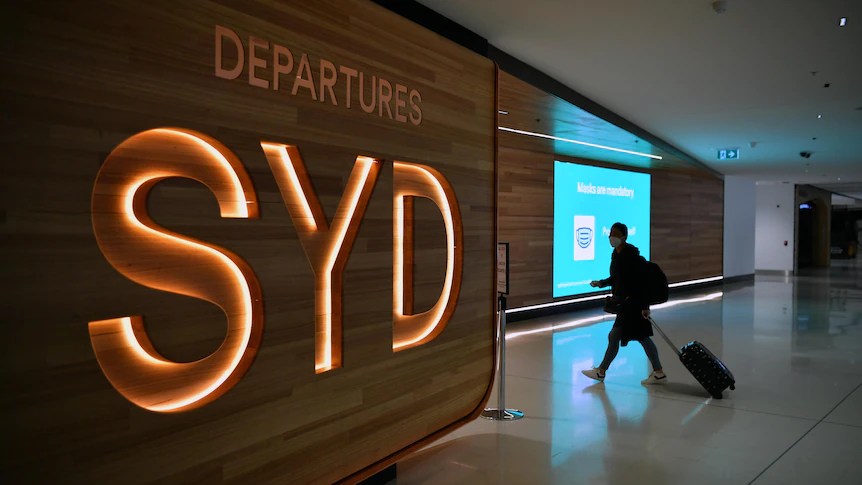
La Junta del Aeropuerto Sydney/SYD acuerda la venta de la aeroestación por un valor de US$ 23.600 millones de Dólares a un consorcio internacional. El anuncio se produce una semana después de que el aeropuerto se abriera para los viajes internacionales. El aeropuerto más grande y concurrido de Australia pronto podría cambiar de manos, bajo una oferta de adquisición anunciada a la Bolsa de Valores de Australia (ASX). La Junta del Aeropuerto de Sydney recomendó a los accionistas votar para aceptar la oferta. La oferta se produce después de que dos propuestas anteriores fueran rechazadas por US$ 8.25 y US$ 8.45 por acción. En un comunicado, Sydney Airport Limited reveló que había llegado a un acuerdo con un consorcio internacional, que adquiriría el 100 por ciento de la compañía que cotiza en bolsa. El consorcio, llamado Sydney Aviation Alliance, está compuesto por varios fondos de inversión e infraestructura australianos e internacionales. Según el plan, los accionistas del Aeropuerto de Sydney recibirían US$ 8.75 por acción.

Entre los miembros del consorcio que buscan hacerse cargo del Aeropuerto de Sydney se incluyen el Fondo Australiano de Infraestructura y el Fondo De Infraestructura Global de IFM, así como AustralianSuper, QSuper y Global Infrastructure Partners. Sin embargo, la oferta requerirá la aprobación regulatoria. El consorcio ha estado llevando a cabo la debida diligencia en el aeropuerto desde mediados de septiembre, revisando los libros y buscando la aprobación de los inversores.

Un portavoz de Sydney Aviation Alliance dijo que la finalización de la acción era un importante paso adelante y que el consorcio esperaba que los tenedores de seguridad votaran sobre el acuerdo propuesto. «Nuestra alianza representa a muchos millones de australianos, teníamos la intención de trabajar duro para traer más vuelos y pasajeros de regreso al aeropuerto a medida que la industria de la aviación emerge de COVID-19», dijeron desde el consorcio aeroportuario.

«El anuncio de hoy es la culminación de meses de compromiso entre todas las partes. Las Juntas del Aeropuerto de Sydney creen que el resultado refleja el valor apropiado a largo plazo para el aeropuerto, y recomiendan unánimemente la propuesta a los titulares de valores, sujeto a las condiciones habituales, como la aprobación de expertos independientes y ninguna propuesta superior», dijo el presidente del Aeropuerto de Sydney, David Gonski.

Sydney would switch consortium

Airport sale agreement to Sydney Aviation Alliance

The Sydney Airport/SYD Board agrees to sell the airstation for US$ 23.6 billion to an international consortium. The announcement comes a week after the airport opened for international travel. Australia’s largest and busiest airport could soon change hands, under a takeover offer announced to the Australian Stock Exchange (ASX). The Sydney Airport Board recommended that shareholders vote to accept the offer. The offer comes after two previous proposals were rejected for US$ 8.25 and US$ 8.45 per share. In a statement, Sydney Airport Limited revealed that it had reached an agreement with an international consortium, which would acquire 100 percent of the listed company. The consortium, called the Sydney Aviation Alliance, is made up of several Australian and international investment and infrastructure funds. Under the plan, Sydney Airport shareholders would receive US$ 8.75 per share.

Consortium members seeking to take over Sydney Airport include the Australian Infrastructure Fund and IFM’s Global Infrastructure Fund, as well as AustralianSuper, QSuper and Global Infrastructure Partners. However, the offer will require regulatory approval. The consortium has been conducting due diligence at the airport since mid-September, reviewing the books and seeking investor approval.

A spokesperson for the Sydney Aviation Alliance said that the completion of the action was an important step forward and that the consortium expected security holders to vote on the proposed deal. «Our alliance represents many millions of Australians, we intended to work hard to bring more flights and passengers back to the airport as the aviation industry emerges from COVID-19», they said from the airport consortium.

«Today’s announcement is the culmination of months of commitment between all parties. The Sydney Airport Boards believe the outcome reflects the appropriate long-term value for the airport, and they unanimously recommend the proposal to securities holders, subject to the usual conditions, such as independent expert approval and no superior proposal», said Sydney Airport President David Gonski.

PUBLISHER: Airgways.com
DBk: Sydneyairport.com.au / Accc.gov.au / Airgways.com
AW-POST: 202111080650AR

A\W   A I R G W A Y S ®

EGIS concesión Aeropuerto Papeete

AW | 2021 11 07 09:41 | AIRPORTS

EGIS Group adquiere Aeropuerto de Tahití

AW-Tahita Island_Globemap

AW-Egis Group_Isologotype

Egis Group de Francia es una organización del sector público que invierte y gestiona aeropuertos en el extranjero. La empresa multinacional francesa involucrada en las áreas de infraestructura y sistemas de transporte, planificación, agua y medio ambiente participa en el negocio de la creación de proyectos y operaciones para carreteras y aeropuertos. A diferencia de ellos, Egis no es tan conocido, posiblemente porque los aeropuertos con los que se involucra son a menudo pequeños y remotos, a pesar de que tiene un interés en aeropuertos brasileños considerables a través de una concesión de consorcio y ha colaborado para otros allí en Brasil y en otros países. Ahora ha asumido una larga concesión para el Aeropuerto Papeete Faa’a en Tahití, una que todavía está influenciada por los efectos de la pandemia y que pondrá a prueba sus capacidades de gestión al máximo. Un consorcio de Egis y su matriz, Caisse des Dépôts (CDC), se hará cargo del aeropuerto de Tahití durante 40 años.

Egis está bien establecida en partes de África y también tiene concesiones existentes en otros lugares. Tiene la experiencia para asumir proyectos de los que otros operadores podrían mantenerse alejados. Pero con pocas rutas de larga distancia, sin LCC, un lento aumento de la capacidad y otros problemas con los que lidiar, Egis tiene su trabajo cortado. El consorcio Egis/CDC gana la concesión del aeropuerto de Papeete, por 40 años, para invertir USD253 millones Egis Airport Operations de Francia, junto con Caisse des Dépôts et Consignations en un consorcio, ganó la concesión del aeropuerto Papeete Faa’a en Tahití, Polinesia Francesa, por un período de cuarenta años en Septiembre 2021. La oferta para la concesión se lanzó hace dos años, con la concesión cubriendo obras de pista y obras de drenaje de canales, así como remodelaciones de terminales y aparcamientos.

El Aeropuerto Internacional de Faa’a es el único aeropuerto con servicios internacionales en la Polinesia Francesa,con Papeete teniendo conexiones directas en tiempos normales a las principales ciudades del Pacífico Sur, Nueva Zelanda, Australia, Japón, América del Norte y América del Sur. El aeropuerto también tiene amplias conexiones con islas y ciudades de la Polinesia Francesa. Es el centro de operaciones de la aerolínea nacional Air Tahiti Nui y el operador regional Air Tahiti. En un aviso oficial, Egis Airport Operation dijo que era el consorcio elegido por el estado después de un procedimiento de adjudicación iniciado en 2019. El consorcio formado reúne a la Caisse des Dépôts et Consignations y Egis. Habrá un grado significativo de inversión. Más de XPF 26 mil millones Fancos franceses del Pacífico/US$ 253 millones serán invertidos por la empresa concesionaria durante los 40 años de la concesión. Se espera que los primeros proyectos comiencen a mediados de 2022.

La Alta Comisionada estudió el programa de inversiones, así como la calidad del servicio y los compromisos de desarrollo sostenible, para garantizar que cumplieran altos niveles de logro. El aeropuerto internacional de Tahití-Faa’a se considera un factor clave en el desarrollo del territorio, así como un punto de contacto esencial para conectar la Polinesia Francesa y el resto del mundo. La empresa concesionaria se incorporará el próximo año. Se está desarrollando con el país una presentación global que da al público en general el formato futuro del aeropuerto. Concentración de rutas locales, pero poco recorrido en la actualidad El mapa de ruta actual del aeropuerto muestra que hay una miríada de servicios dentro de la Polinesia Francesa, a más de 40 de las 100 islas en las que viven 280.000 personas en total. Pero no hay servicios a otras islas del Pacífico Sur, ni a Australasia. Actualmente, existe una ruta de media distancia (Honolulu) y tres rutas más largas a Los Ángeles, San Francisco y Vancouver, a través de las cuales se puede llegar a muchos lugares del mundo con un solo cambio. La ruta de Air France y Air Tahiti Nuia a Los Ángeles continúa a París. Latam Airlines Chile ha operado Santiago de Chile—Isla de Pascua—Papeete, pero actualmente sno se realiza por cuestiones sanitarias. Air Tahiti es la aerolínea regional que opera la extensa red de salto intersular con una flota de aviones regionales ATR, y ofrece servicios regulares y chárter. Entre Air Tahiti y Air Tahiti Nui representan casi el 92% de toda la capacidad de asientos en la actualidad. El crecimiento general del aeropuerto en veinte años es cero. El tráfico de pasajeros ascendió a 1.467.000 en 2019, que fue el sexto año consecutivo de aumento, pero ya en el año 2000 había 1.550.000. El Aeropuerto de Faa’a no ha crecido realmente en dos décadas, y los disturbios políticos ocasionales no pueden considerarse como una razón. No hay LCC, aerolíneas low cost, operando en Tahití; el mercado no está realmente construido para ello, con una falta de rutas de alto volumen. Pero también es el caso de que las alianzas de aerolíneas no están bien representadas, con solo el 6% de la capacidad en una alianza, a saber, Star Alliance.

Capacidad lenta para recuperarse

Con respecto a la pandemia de coronavirus, ha habido poca consistencia en la oferta de capacidad tanto en el segmento nacional como en el internacional. La capacidad doméstica colapsó en los primeros meses y luego se recuperó con bastante fuerza hasta 2021, pero últimamente ha caído por debajo de los niveles de 2020. La capacidad internacional no mostró consistencia alguna hasta 2020, pero se estabilizó en 2021, y a fines de septiembre de 2021 estaba en su nivel más alto desde marzo de 2020.

Turismo limitado

El turismo, que creció inteligentemente en 2018 y 2019, es una industria importante para toda la Polinesia Francesa. Como en tantos otros lugares, se redujo enormemente en 2020, y tampoco ha habido recuperación este año. En 2019, y nuevamente en 2020 durante la pandemia, la mayoría de los visitantes extranjeros fueron de Francia,de la cual la Polinesia Francesa cuenta como país (territorio) de ultramar, y de los Estados Unidos, donde hay vuelos desde Hawai y la Costa Oeste, como se detalló anteriormente.

Concesiones

Actualmente, Egis Group se ocupa de las concesiones de carreteras, servicios de peaje, puertos, tranvías, entre otros, pero durante unos quince años ha estado atento a las oportunidades de inversión en aeropuertos PPP, como el proyecto Hermes en Chipre (aeropuertos de Larnaca y Paphos), donde es accionista del 20% y donde cree que puede agregar valor. Egis tiene una filial, Egis Investment Partners, que cuenta con el apoyo de la Caisse des Dépôts. Gestionando un pequeño número de aeropuertos franceses, una serie de inversiones y operaciones aeroportuarias en África, aunque salió del Aeropuerto de Libreville en 2018 junto con su socio allí, el Aeropuerto de Marsella Provenza. Egis también tiene intereses en dos aeropuertos en Bélgica (Ostende-Brujas y Amberes), pero su enfoque principal en un momento fue Brasil, donde tomó una participación en la concesión del Aeropuerto Campinas/Viracopos (SP), uno que ha resultado difícil, y buscó participar en las concesiones del Aeropuerto Internacional Rio/Galeăo (RJ) y el Aeropuerto Internacional Belo Horizonte/Tancredo Neves (MG). También los aeropuertos de Fortaleza, Salvador, Florianópolis y Porto Alegre.

A lo largo de los años, también ha pujado por, o al menos ha expresado un gran interés en, los aeropuertos de Liubliana (que fueron a Fraport); Aeropuerto de Maastricht/Aquisgrán; SE Aeropuertos lituanos (por el corto tiempo en que se estaba considerando una concesión allí); Aeropuerto Internacional Kingston Norman Manley en Jamaica; Aeropuerto Internacional Bridgetown Grantley Adams en Barbados (suspendido); Aeropuerto Internacional de Atenas (se suspende la participación del 30%); y más recientemente la concesión del Aeropuerto Internacional Lombok Zainuddin Abdul Madjid en Indonesia. En Marzo de 2021, Egis dijo que estaba interesada en adquirir una participación en el aeropuerto Modlin de Varsovia, lo que sería un movimiento valiente mientras se finaliza el nuevo Aeropuerto Central de Polonia. Pero lo más importante fue la transacción de marzo de 2017 por la cual el Gobierno de Kiribati otorgó a una empresa conjunta de Egis Avia y Egis Airport Operation el contrato para administrar y operar el aeropuerto tarawa Bonriki durante 24 meses. El Aeropuerto Tarawa Bonriki es el principal aeropuerto internacional de Kiribati, y se sumó a la reputación de Egis en la región del Pacífico Sur.

Caisse des Dépôts & Groupe ADP

Caisse des Dépôts et Consignations (para darle su nombre completo y no confundir con el fondo de pensiones canadiense Caisse de dépôt et placement du Québec) es una organización financiera francesa creada en 1816, y parte de las instituciones gubernamentales bajo el control del parlamento francés. Es un inversor a largo plazo que sirve al interés general y al desarrollo económico del país y es el padre de Egis Projects.

CDC solo participa en la gestión del aeropuerto St Exupéry de Lyon(con VINCI)y el aeropuerto pau pirenao (a través de Egis), pero ha expresado su interés en adquirir una participación en Groupe ADP si el Gobierno de Franciaopta por desprenderse de su participación en la empresa (ese proceso está en suspenso). CDC ha pujado previamente por las concesiones del Aeropuerto de Niza y el Aeropuerto Toulouse Blagnac, sin éxito. CDC también participa en la financiación de la primera fase del proyecto CDG Express del Aeropuerto CDG de París,con un compromiso de € 400 millones de Euros. Egis ha declarado que confiará en su experiencia internacional, nacional y local para llevar a cabo este proyecto de Tahití y ciertamente tiene mucho de eso. Pero la mayor parte se produjo antes de la pandemia, que ha añadido otro obstáculo a la operación exitosa y rentable de un aeropuerto que está aislado en el Océano Pacífico,y que requiere un despliegue importante de los recursos de cualquier aerolínea para dar servicio completo.

Perspectivas Papeete

Uno de los primeros trabajos en desafiar a Egis y Caisse des Dépôts será mejorar la red de rutas hasta el punto en que la Polinesia Francesa y Tahití puedan considerarse destinos de vacaciones por derecho propio, en lugar de como breves puntos de escala en un viaje alrededor del mundo, que es principalmente lo que la red de rutas atiende ahora. Por lo tanto, hay numerosos problemas que enfrenta este consorcio: una lenta recuperación de la pandemia; turismo en declive; una red insuficiente incluso para los tiempos; tráfico que no ha aumentado en 20 años; y un proyecto de ley de infraestructura. Según la base de datos de construcción de aeropuertos de CAPA, actualmente no hay ninguna construcción de infraestructura activa, ya que las últimas obras se completaron hace cuatro años. Egis tiene las credenciales que demuestran su experiencia en mercados como estos, pero en países del Tercer Mundo y en lugares remotos.

EGIS Papeete Airport concession

EGIS Group acquires Tahiti Airport

Egis Group de France is a public sector organization that invests in and manages airports abroad. The French multinational company involved in the areas of infrastructure and transport systems, planning, water and environment participates in the business of creating projects and operations for roads and airports. Unlike them, Egis is not as well known, possibly because the airports it engages with are often small and remote, even though it has an interest in considerable Brazilian airports through a consortium concession and has collaborated for others. there in Brazil and in other countries. It has now taken on a lengthy concession for Papeete Faa’a Airport in Tahiti, one that is still influenced by the effects of the pandemic and that will test its management capabilities to the fullest. A consortium of Egis and its parent, Caisse des Dépôts (CDC), will take over the Tahiti airport for 40 years.

Egis is well established in parts of Africa and has existing concessions elsewhere as well. He has the experience to take on projects that other operators could stay away from. But with few long-haul routes, no LCC, a slow increase in capacity and other problems to deal with, Egis has his work cut out. The Egis/CDC consortium wins the Papeete airport concession, for 40 years, to invest USD253 million Egis Airport Operations of France, together with Caisse des Dépôts et Consignations in a consortium, won the Papeete Faa’a airport concession in Tahiti, French Polynesia, for a period of forty years in September 2021. The offer for the concession was launched two years ago, with the concession covering runway works and canal drainage works, as well as terminal and parking lot renovations.

Faa’a International Airport is the only airport with international services in French Polynesia, with Papeete having direct connections in normal times to major cities in the South Pacific, New Zealand, Australia, Japan, North America and South America. The airport also has extensive connections to islands and cities in French Polynesia. It is the hub of the national airline Air Tahiti Nui and the regional operator Air Tahiti. In an official notice, Egis Airport Operation said it was the consortium chosen by the state after an award procedure started in 2019. The consortium formed brings together the Caisse des Dépôts et Consignations and Egis. There will be a significant degree of investment. More than XPF 26 billion French Pacific Fancos / US $ 253 million will be invested by the concessionaire during the 40 years of the concession. The first projects are expected to start in mid-2022.

The High Commissioner studied the investment program, as well as the quality of service and sustainable development commitments, to ensure that they met high levels of achievement. The Tahiti-Faa’a International Airport is considered a key factor in the development of the territory, as well as an essential point of contact to connect French Polynesia and the rest of the world. The concessionaire company will be incorporated next year. A global presentation is being developed with the country that gives the general public the future format of the airport. Concentration of local routes, but little traveled at present The current route map of the airport shows that there are a myriad of services within French Polynesia, to more than 40 of the 100 islands where 280,000 people live in total. But there are no services to other islands in the South Pacific, nor to Australasia. Currently, there is one medium-haul route (Honolulu) and three longer routes to Los Angeles, San Francisco and Vancouver, through which many places in the world can be reached with a single change. The Air France and Air Tahiti Nuia route to Los Angeles continues to Paris. Latam Airlines Chile has operated Santiago de Chile — Easter Island — Papeete, but currently it is not operated for sanitary reasons. Air Tahiti is the regional airline operating the extensive intersular hopping network with a fleet of regional ATR aircraft, offering scheduled and charter services. Between Air Tahiti and Air Tahiti Nui they represent almost 92% of all seating capacity today. The overall growth of the airport in twenty years is zero. Passenger traffic amounted to 1,467,000 in 2019, which was the sixth consecutive year of increase, but already in 2000 there were 1,550,000. Faa’a Airport hasn’t really grown in two decades, and the occasional political unrest cannot be considered a reason. There are no LCC, low cost airlines, operating in Tahiti; the market isn’t really built for it, with a lack of high-volume routes. But it is also the case that airline alliances are not well represented, with only 6% of the capacity in one alliance, namely the Star Alliance.

Slow ability to recover

With regard to the coronavirus pandemic, there has been little consistency in the supply of capacity both in the national and international segments. Domestic capacity collapsed in the first months and then recovered quite strongly until 2021, but has recently fallen below 2020 levels. International capacity did not show any consistency until 2020, but stabilized in 2021, and at the end of September. 2021 was at its highest level since March 2020.

Limited tourism

Tourism, which grew smartly in 2018 and 2019, is an important industry for all of French Polynesia. As in so many other places, it fell dramatically in 2020, and there has been no recovery this year either. In 2019, and again in 2020 during the pandemic, the majority of foreign visitors were from France, of which French Polynesia counts as an overseas country (territory), and from the United States, where there are flights from Hawaii and the Coast. West, as detailed above.

Concessions

Currently, Egis Group deals with road concessions, toll services, ports, trams, among others, but for some fifteen years it has been attentive to investment opportunities in PPP airports, such as the Hermes project in Cyprus (Larnaca airports and Paphos), where it is a 20% shareholder and where it believes it can add value. Egis has a subsidiary, Egis Investment Partners, which is supported by the Caisse des Dépôts. Managing a small number of French airports, a number of investments and airport operations in Africa, although it left Libreville Airport in 2018 together with its partner there, Marseille Provence Airport. Egis also has interests in two airports in Belgium (Ostend-Bruges and Antwerp), but its main focus at one point was Brazil, where it took a stake in the Campinas / Viracopos Airport (SP) concession, one that has proven difficult, and sought to participate in the concessions for the Rio / Galeăo International Airport (RJ) and the Belo Horizonte / Tancredo Neves International Airport (MG). Also the airports of Fortaleza, Salvador, Florianópolis and Porto Alegre.

Over the years, he has also bid for, or at least expressed great interest in, Ljubljana airports (which went to Fraport); Maastricht/ Aachen Airport; SE Lithuanian Airports (for the short time a concession was being considered there); Kingston Norman Manley International Airport in Jamaica; Bridgetown Grantley Adams International Airport in Barbados (discontinued); Athens International Airport (30% stake suspended); and most recently the concession of the Lombok Zainuddin Abdul Madjid International Airport in Indonesia. In March 2021, Egis said that it was interested in acquiring a stake in Warsaw’s Modlin Airport, which would be a courageous move as the new Poland Central Airport is completed. But most important was the March 2017 transaction whereby the Government of Kiribati awarded a joint venture of Egis Avia and Egis Airport Operation the contract to manage and operate the Tarawa Bonriki Airport for 24 months. Tarawa Bonriki Airport is Kiribati’s main international airport, adding to Egis’s reputation in the South Pacific region.

Caisse des Dépôts & Groupe ADP

Caisse des Dépôts et Consignations (to give it its full name and not to be confused with the Canadian pension fund Caisse de dépôt et placement du Québec) is a French financial organization created in 1816, and part of government institutions under the control of the French Parliament. He is a long-term investor who serves the general interest and economic development of the country and is the father of Egis Projects.

CDC only participates in the management of Lyon’s St Exupéry airport (with VINCI) and Pau Pirenao airport (through Egis), but has expressed interest in acquiring a stake in Groupe ADP if the Government of France chooses to divest its stake in the company (this process is on hold). CDC has previously bid for the Nice Airport and Toulouse Blagnac Airport concessions, without success. CDC is also participating in the financing of the first phase of the CDG Express project at the CDG Paris Airport, with a commitment of € 400 million Euros. Egis has stated that he will rely on his international, national and local expertise to carry out this Tahitian project and he certainly has a lot of that.

But most of it occurred before the pandemic, which has added another obstacle to the successful and profitable operation of an airport that is isolated in the Pacific Ocean, and which requires a significant deployment of the resources of any airline to provide full service.

Perspectives Papeete

One of the first jobs to challenge Egis and Caisse des Dépôts will be to improve the route network to the point where French Polynesia and Tahiti can be considered holiday destinations in their own right, rather than as brief stopovers on a trip around of the world, which is mainly what the route network now serves. Therefore, there are numerous problems facing this consortium: a slow recovery from the pandemic; tourism in decline; an insufficient network even for the times; traffic that has not increased in 20 years; and an infrastructure bill. According to CAPA’s airport construction database, there is currently no active infrastructure construction, as the last works were completed four years ago. Egis has the credentials to prove its expertise in markets like these, but in Third World countries and in remote locations.

Concession de l’aéroport EGIS Papeete

EGIS Group acquiert l’aéroport de Tahiti

Egis Groupe de France est un organisme public qui investit et gère des aéroports à l’étranger. La multinationale française intervenant dans les domaines des infrastructures et systèmes de transport, de l’aménagement, de l’eau et de l’environnement participe à l’entreprise de création de projets et d’exploitations pour les routes et les aéroports. Contrairement à eux, Egis n’est pas aussi connu, peut-être parce que les aéroports avec lesquels il s’engage sont souvent petits et éloignés, même s’il a un intérêt dans de nombreux aéroports brésiliens via une concession de consortium et a collaboré pour d’autres là-bas au Brésil et dans d’autres pays. . Il a maintenant pris une longue concession pour l’Aéroport de Papeete Faa’a à Tahiti, qui est toujours influencé par les effets de la pandémie et qui testera au maximum ses capacités de gestion. Un consortium composé d’Egis et de sa maison mère, la Caisse des Dépôts (CDC), reprendra l’aéroport de Tahiti pour 40 ans.

Egis est bien implanté dans certaines régions d’Afrique et possède également des concessions existantes ailleurs. Il a l’expérience pour entreprendre des projets que d’autres opérateurs pourraient éviter. Mais avec peu de liaisons long-courriers, pas de LCC, une lente montée en puissance et d’autres problèmes à gérer, Egis a du pain sur la planche. Le consortium Egis/CDC remporte la concession de l’aéroport de Papeete, pour 40 ans, pour investir 253 millions de dollars Egis Airport Operations of France, avec la Caisse des Dépôts et Consignations en groupement, a remporté la concession de l’aéroport de Papeete Faa’a à Tahiti, Polynésie française, pour une durée de quarante ans en septembre 2021. L’offre de concession a été lancée il y a deux ans, la concession couvrant les travaux de piste et de drainage du canal, ainsi que la rénovation de terminaux et de parkings.

L’aéroport international de Faa’a est le seul aéroport avec des services internationaux en Polynésie française, Papeete ayant des liaisons directes en temps normal vers les grandes villes du Pacifique Sud, la Nouvelle-Zélande, l’Australie, le Japon, l’Amérique du Nord et l’Amérique du Sud. L’aéroport dispose également de nombreuses liaisons vers les îles et les villes de Polynésie française. C’est le hub de la compagnie aérienne nationale Air Tahiti Nui et de l’opérateur régional Air Tahiti. Dans un communiqué, Egis Airport Operation a indiqué être le groupement retenu par l’Etat à l’issue d’une procédure d’attribution entamée en 2019. Le groupement constitué regroupe la Caisse des Dépôts et Consignations et Egis. Il y aura un investissement important. Plus de 26 milliards de XPF French Pacific Fancos/US$ 253 millions de dollars US seront investis par le concessionnaire pendant les 40 ans de la concession. Les premiers projets devraient démarrer mi-2022.

Le Haut Commissaire a étudié le programme d’investissement, ainsi que les engagements de qualité de service et de développement durable, pour s’assurer qu’ils atteignaient des niveaux de réalisation élevés. L’aéroport international de Tahiti-Faa’a est considéré comme un facteur clé du développement du territoire, ainsi qu’un point de contact essentiel pour connecter la Polynésie française et le reste du monde. La société concessionnaire sera constituée l’année prochaine. Une présentation globale est en cours d’élaboration avec le pays qui donne au grand public le futur format de l’aéroport. Concentration des routes locales, mais peu fréquentées actuellement La carte actuelle des routes de l’aéroport montre qu’il existe une myriade de services au sein de la Polynésie française, vers plus de 40 des 100 îles où vivent 280.000 personnes au total. Mais il n’y a pas de services vers d’autres îles du Pacifique Sud, ni vers l’Australasie. Actuellement, il existe une route moyen-courrier (Honolulu) et trois routes plus longues vers Los Angeles, San Francisco et Vancouver, à travers lesquelles de nombreux endroits dans le monde peuvent être atteints avec un seul changement. La liaison Air France et Air Tahiti Nuia vers Los Angeles continue vers Paris. Latam Airlines Chile a opéré Santiago du Chili—Ile de Pâques—Papeete, mais actuellement elle n’est pas opérée pour des raisons sanitaires. Air Tahiti est la compagnie aérienne régionale exploitant le vaste réseau de sauts intersulaires avec une flotte d’avions ATR régionaux, offrant des services réguliers et charters. Entre Air Tahiti et Air Tahiti Nui, elles représentent aujourd’hui près de 92 % de l’ensemble des places assises. La croissance globale de l’aéroport en vingt ans est nulle. Le trafic passagers s’élevait à 1.467.000 en 2019, ce qui était la sixième année consécutive d’augmentation, mais déjà en 2000 il y en avait 1 550 000. L’aéroport de Faa’a n’a pas vraiment grandi depuis deux décennies, et les troubles politiques occasionnels ne peuvent pas être considérés comme une raison. Il n’y a pas de LCC, compagnies aériennes low cost, opérant à Tahiti; le marché n’est pas vraiment construit pour cela, faute de routes à fort débit. Mais il est également vrai que les alliances aériennes ne sont pas bien représentées, avec seulement 6 % de la capacité dans une alliance, à savoir Star Alliance.

Capacité lente à récupérer

En ce qui concerne la pandémie de coronavirus, il y a eu peu de cohérence dans l’offre de capacité tant sur le segment national qu’international. Les capacités domestiques se sont effondrées au cours des premiers mois, puis se sont redressées assez fortement jusqu’en 2021, mais sont récemment tombées en dessous des niveaux de 2020. Les capacités internationales n’ont montré aucune cohérence jusqu’en 2020, mais se sont stabilisées en 2021, et fin septembre. plus haut niveau depuis Mars 2020.

Tourisme limité

Le tourisme, qui a fortement progressé en 2018 et 2019, est une industrie importante pour toute la Polynésie française. Comme dans tant d’autres endroits, il a chuté de façon spectaculaire en 2020, et il n’y a pas eu de reprise cette année non plus. En 2019, et à nouveau en 2020 pendant la pandémie, la majorité des visiteurs étrangers venaient de France, dont la Polynésie française compte comme pays d’outre-mer (territoire), et des États-Unis, où il y a des vols en provenance d’Hawaï et de la côte ouest, comme détaillé ci-dessus.

Concessions

Actuellement, le groupe Egis s’occupe de concessions routières, péages, ports, tramways, entre autres, mais depuis une quinzaine d’années, il est attentif aux opportunités d’investissement dans les aéroports PPP, comme le projet Hermes à Chypre (aéroports de Larnaca et Paphos), où c’est un actionnaire à 20 % et où il pense pouvoir ajouter de la valeur. Egis dispose d’une filiale, Egis Investment Partners, qui est soutenue par la Caisse des Dépôts. Gérer un petit nombre d’aéroports français, un certain nombre d’investissements et d’opérations aéroportuaires en Afrique, bien qu’il ait quitté l’aéroport de Libreville en 2018 avec son partenaire là-bas, l’aéroport de Marseille Provence. Egis détient également des participations dans deux aéroports en Belgique (Ostende-Bruges et Anvers), mais s’est concentré à un moment donné sur le Brésil, où il a pris une participation dans la concession de l’aéroport de Campinas/Viracopos (SP), qui s’est avérée difficile, et a cherché à participer aux concessions de l’aéroport international de Rio/Galeăo (RJ) et de l’aéroport international de Belo Horizonte/Tancredo Neves (MG). Aussi les aéroports de Fortaleza, Salvador, Florianópolis et Porto Alegre.

Au fil des ans, il a également fait des offres, ou du moins exprimé un grand intérêt pour les aéroports de Ljubljana (qui sont allés à Fraport); Aéroport de Maastricht/Aix-la-Chapelle; SE les aéroports lituaniens (pour la courte période, une concession y était envisagée); l’Aéroport International de Kingston Norman Manley en Jamaïque; l’aéroport international de Bridgetown Grantley Adams à la Barbade (abandonné); Aéroport international d’Athènes (30% du capital suspendu); et plus récemment la concession de l’aéroport international Lombok Zainuddin Abdul Madjid en Indonésie. En mars 2021, Egis s’est dit intéressé par une prise de participation dans l’aéroport Modlin de Varsovie, ce qui serait une démarche courageuse pendant que le nouvel aéroport central de Pologne est achevé. Mais le plus important a été la transaction de Mars 2017 par laquelle le gouvernement de Kiribati a attribué à une coentreprise d’Egis Avia et d’Egis Airport Operation le contrat de gestion et d’exploitation de l’aéroport de Tarawa Bonriki pendant 24 mois. L’aéroport de Tarawa Bonriki est le principal aéroport international de Kiribati, renforçant la réputation d’Egis dans la région du Pacifique Sud.

Caisse des Dépôts & Groupe ADP

La Caisse des Dépôts et Consignations (pour lui donner son nom complet et à ne pas confondre avec le fonds de pension canadien Caisse de dépôt et placement du Québec) est une organisation financière française créée en 1816 et faisant partie des institutions gouvernementales sous le contrôle des Français. Parlement. C’est un investisseur de long terme au service de l’intérêt général et du développement économique du pays et le père d’Egis Projects.

La CDC ne participe qu’à la gestion de l’aéroport de Lyon St Exupéry (avec VINCI) et de l’aéroport de Pau Pirenao (via Egis), mais a manifesté son intérêt pour une prise de participation dans le Groupe ADP si le gouvernement français choisit de céder sa participation dans la société (ce processus est en attente). CDC a déjà soumissionné pour les concessions de l’aéroport de Nice et de l’aéroport de Toulouse Blagnac, sans succès. CDC participe également au financement de la première phase du projet CDG Express à l’aéroport CDG Paris, avec un engagement de 400 millions d’euros. Egis a déclaré qu’il s’appuierait sur son expertise internationale, nationale et locale pour mener à bien ce projet tahitien et il en a certainement beaucoup. Mais la plupart s’est produite avant la pandémie, ce qui a ajouté un autre obstacle au fonctionnement réussi et rentable d’un aéroport isolé dans l’océan Pacifique, et qui nécessite un déploiement important des ressources de toute compagnie aérienne pour fournir un service complet.

Perspectives Papeete

L’un des premiers chantiers pour challenger Egis et la Caisse des Dépôts sera d’améliorer le réseau de routes au point que la Polynésie française et Tahiti puissent être considérées comme des destinations de vacances à part entière, plutôt que comme de brèves escales lors d’un tour du monde, qui est principalement ce que le réseau de routes dessert maintenant. Par conséquent, de nombreux problèmes sont confrontés à ce consortium: une lente reprise après la pandémie; le tourisme en déclin; un réseau insuffisant même pour l’époque ; un trafic qui n’a pas augmenté depuis 20 ans ; et un projet de loi sur les infrastructures. Selon la base de données de la CAPA sur les constructions aéroportuaires, il n’y a actuellement aucune construction d’infrastructure active, les derniers travaux ayant été achevés il y a quatre ans. Egis a les références pour prouver son expertise sur des marchés comme ceux-ci, mais dans les pays du Tiers-Monde et dans des endroits reculés.

PUBLISHER: Airgways.com
DBk: Egis-group.com / Centreforaviation.com / Airgways.com
AW-POST: 202111070941AR

A\W   A I R G W A Y S ®

Victoria/YVJ vuelos internacionales

AW | 2021 11 06 10:40 | AIRPORTS

Aeropuerto Internacional Victoria autorizado viajes internacionales

El Presidente y Director Ejecutivo de la Autoridad Aeroportuaria del Aeropuerto Internacional Victoria/YYJ, Geoff Dickson, da la bienvenida a la reanudación del servicio internacional, buscando también moderar las expectativas. El Gobierno Federal de canadá anunció el 2 de Noviembre de 2021 que el Aeropuerto Internacional de Victoria, en Columbia Británica, uno de los ocho aeropuertos de Canadá, reabrirá para los viajes aéreos internacionales a partir del 30 de Noviembre de 2021. Geoff Dickson dijo que este anuncio significa la reanudación del servicio internacional, «algo que hemos estado anticipando durante mucho tiempo».

El servicio internacional en el aeropuerto se detuvo después de que el gobierno federal limitara los vuelos al extranjero hacia y desde cuatro aeropuertos Toronto, Montreal, Calgary y Vancouver el 18 de Marzo de 2020, debido a la pandemia de COVID-19. «Sabemos que tenemos que seguir las pautas de salud y seguridad que existen, y nos complace que el gobierno federal haya tomado la determinación de que las condiciones son tales que podemos dar la bienvenida a este tipo de servicio. Significa que el servicio comienza de nuevo con Alaska Airlines (volando) a Seattle y conectando a través de los Estados Unidos. Habrá el regreso de algunos vuelos de SunSpot para México e incluso podemos ver la introducción de un nuevo servicio en Las Vegas con Swoop Airlines, por nombrar solo algunos», dijo Greoff Dickson.

Dicho esto, puede pasar algún tiempo antes de que el viaje aéreo internacional desde y hacia el aeropuerto despegue. «Es muy difícil para las aerolíneas. Tendrán que tomar decisiones sobre las tripulaciones de vuelo y los aviones. Así que, con suerte, esto creará algunas nuevas oportunidades para ellos», expresó Greoff Dickson.

Si bien las condiciones para los viajes aéreos internacionales entrarán en vigencia el 30 de Noviembre de 2021, aún no está claro cuándo se reanudarán los vuelos internacionales dados los problemas regulatorios y logísticos. Greoff Dickson espera que Alaska Airlines comience el servicio a Victoria cerca de esa fecha del 30/11. La fecha del 19 de Noviembre de 2021 era una fecha de marcador de posición, ya que se habían estado preparando para el servicio. «No puedes simplemente anunciarlo y luego cargar un cronograma», dijo Greoff Dickson. Cuando se le preguntó sobre los vuelos a México y Las Vegas, Dickson dijo que persiste cierta incertidumbre, pero predijo, a partir de ahora, que esos vuelos se reanudarían en enero. Los viajes internacionales representaban alrededor del 15 por ciento del negocio del aeropuerto antes de la pandemia, dijo Greoff Dickson. Señaló que el aeropuerto había experimentado un crecimiento significativo desde 2018, cuando las aerolíneas United y Delta suspendieron las operaciones a Seattle y San Francisco. «Lo que esperamos es que la reapertura de la frontera comience a crear nuevas oportunidades», sostiene Greoff Dickson. Tiene la esperanza de que eso signifique más oportunidades para el servicio sin escalas en mercados como Arizona o el sur de California y para ver el servicio sin escalas restablecido a Hawai. «Ciertamente nos gusta ver que el servicio de San Francisco regrese y vamos a explorar potencialmente otros mercados centrales en los Estados Unidos, mercados como Denver», comenta Greoff Dickson. En general, el tráfico se dirige en la dirección correcta. «Nos sentimos alentados por los números que vimos en Agosto, Septiembre y Octubre, donde operamos a aproximadamente el 60 por ciento de los niveles pre-COVID. Siempre es un desafío tratar de pronosticar, pero creemos que vamos a ver eso al alcanzar niveles pre-COVID cerca de finales de 2023 y en 2024», concluye el Director Ejecutivo de la Autoridad Aeronáutica del Aeropuerto Internacional Victoria.

Victoria/YVJ international flights

Victoria International Airport authorized international travel

The President and CEO of the Victoria International Airport/YYJ Airport Authority, Geoff Dickson, welcomes the resumption of international service, also seeking to moderate expectations. The Federal Government of Canada announced on November 2, 2021 that Victoria International Airport, one of Canada’s eight airports, will reopen for international air travel as of November 30, 2021. Geoff Dickson said this announcement signifies the resumption of international service, «something we have been anticipating for a long time».

International service at the airport was halted after the federal government limited overseas flights to and from four Toronto, Montreal, Calgary and Vancouver airports on March 18, 2020, due to the COVID-19 pandemic. «We know that we have to follow the health and safety guidelines that exist, and we are pleased that the federal government has made the determination that the conditions are such that we can welcome this type of service. It means that service begins again. with Alaska Airlines (flying) to Seattle and connecting through the United States. There will be the return of some SunSpot flights to Mexico and we may even see the introduction of a new service in Las Vegas with Swoop Airlines, to name just a few», Greoff Dickson said.

That said, it may take some time before international air travel to and from the airport takes off. «It’s very difficult for airlines. They will have to make decisions about flight crews and planes. So hopefully this will create some new opportunities for them», Greoff Dickson said.

While the conditions for international air travel will take effect on November 30, 2021, it is not yet clear when international flights will resume given regulatory and logistical issues. Greoff Dickson expects Alaska Airlines to begin service to Victoria around that 11/30 date. The date of November 19, 2021 was a placeholder date, as they had been preparing for service. «You can’t just announce it and then upload a schedule», Greoff Dickson said. When asked about the flights to Mexico and Las Vegas, Dickson said some uncertainty remains, but he predicted, as of now, that those flights would resume in January. International travel accounted for about 15 percent of the airport’s business before the pandemic, Greoff Dickson said. He noted that the airport had seen significant growth since 2018, when United and Delta airlines suspended operations to Seattle and San Francisco. «What we hope is that the reopening of the border begins to create new opportunities», says Greoff Dickson. He is hopeful that that means more opportunities for nonstop service in markets like Arizona or Southern California and to see nonstop service re-established to Hawaii. «We certainly like to see service from San Francisco return and we are going to potentially explore other core markets in the United States, markets like Denver», says Greoff Dickson. In general, traffic is heading in the right direction. «We are encouraged by the numbers we saw in August, September and October where we are operating at roughly 60 percent of pre-COVID levels. It is always a challenge trying to forecast, but we think we are going to see that as we hit pre-levels-COVID near the end of 2023 and in 2024», concludes the Executive Director of the Aeronautical Authority of Victoria International Airport.

PUBLISHER: Airgways.com
DBk: Victoriaairport.com / Octavian Lacatusu / Airgways.com
AW-POST: 202111061040AR

A\W   A I R G W A Y S ®

JetSmart levanta destino Rosario

AW | 2021 10 29 07:00 | AIRLINES ROUTES / AIRPORTS

Low cost argentina cancela destino Rosario

AW-JetSmart Argentina_A3202004

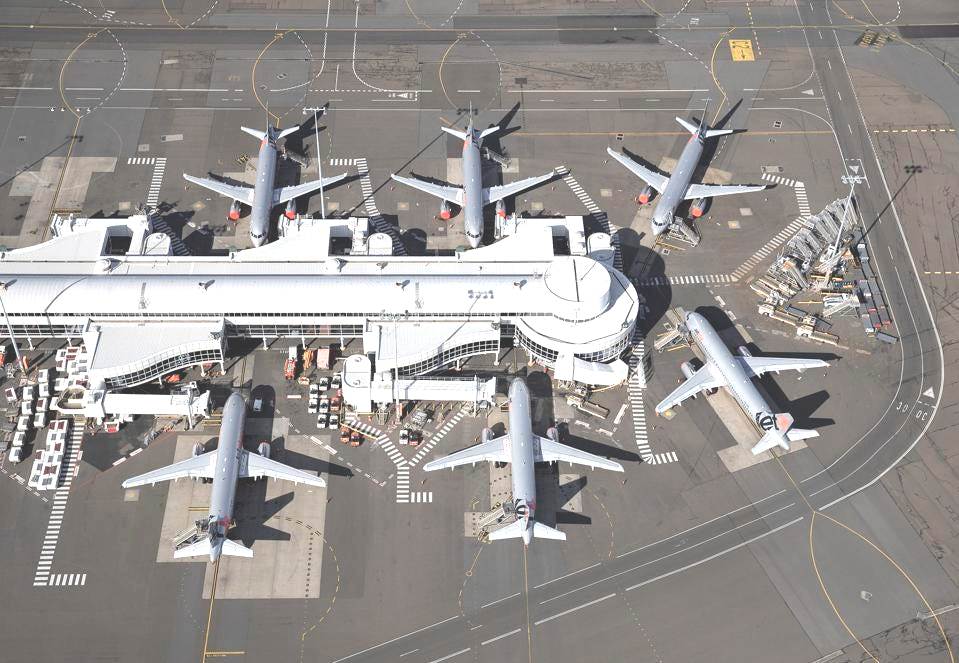
JetSmart Airlines Argentina ha finalizado sus freciencias al Aeropuerto Internacional Rosario después de anunciado su retiro debido a la baja demanda post-pandemia. La aerolínea low cost argentina volará este Viernes 29/10 por última vez desde el Aeropuerto Internacional Rosario/SAAR Islas Malvinas por razones de baja demanda y por el impacto de los efectos de la cuarentena.

JetSmart Airlines Argentina iniciaba sus operaciones aerocomerciales volando desde el Aeropuerto Internacional El Palomar/EPA con destino a Iguazú y Mendoza hacia Noviembre 2019 pero discontinuó esas operaciones antes de la pandemia. Mantuvo la conexión con Neuquén, un destino que impulsaron industriales de la región para mover personal por el boom de la cuenca petrolera de Vaca Muerta. La aerolínea mantenía una coexión con Neuquén, en la Región Patagonia, pero la crisis de lso viajes ha terminado con la conexión Neuquén—Rosario. “En Rosario la demanda de pasajeros no se recuperó de la crisis de la pandemia, pero no tengo dudas que vamos a restaurar la ruta a Neuquén cuando podamos traer otra aeronave”, señaló Estuardo Ortíz, CEO de JetSmart. Si bien la línea aérea no descarta retomar la operación, Rosario no forma parte del plan de la compañía para el 2022.

JetSmart tenía dos frecuencias semanales (2Frq/S) Neuquén—Rosario—Neuquén, finalizando las operaciones en la aeroestación con su último vuelo este Viernes 29/10 después de una baja demanda de pasajeros alcanzando menos de un 50% de ocupación. Aunque JetSmart viene retomando operaciones que mantenía suspendidas por la pandemia y acaba de sumar una quinta aeronave con expectativas de seguir la senda de crecimiento, la ruta a Rosario se levanta y no formará parte de sus itinerarios para el 2022. Actualmente, JetSmart Argentina opera en diecisiete rutas domésticas y una internacional.

Rosario, internacional

Unos dos años atrás, Rosario contaba con desarrollos de diez líneas aéreas operando en la terminal, mientras que el panorama post-pandemia ha modificado el mercado aéreo abruptamente y actualmente Aerolíneas Argentinas es la única operadora aérea. En 2019 operaban Latam Airlines Argentina, Flybondi Líneas Aéreas, JetSmart Airlines Argentina, Avianca, Copa y GOL Linhas Aéreas.Desde la Dirección Nacional de Migraciones a cargo de Florencia Carignano ha expresado que en las próximas horas tiene habilitados vuelos internacionales.

JetSmart lifts Rosario destination

Low cost Argentina cancels Rosario destination

JetSmart_Isologotype

JetSmart Airlines Argentina has ended its flights to Rosario International Airport after announcing its withdrawal due to low post-pandemic demand. The Argentine low cost airline will fly this Friday 10/29 for the last time from the Rosario International Airport/SAAR Islas Malvinas for reasons of low demand and due to the impact of the quarantine effects.

JetSmart Airlines Argentina began its commercial aviation operations flying from the El Palomar/EPA International Airport to Iguazú and Mendoza around November 2019 but discontinued these operations before the pandemic. He maintained the connection with Neuquén, a destination promoted by industrialists in the region to move personnel due to the boom in the Vaca Muerta oil basin. The airline maintained a coexistence with Neuquén, in the Patagonia Region, but the travel crisis has ended with the Neuquén-Rosario connection. «In Rosario, passenger demand did not recover from the pandemic crisis, but I have no doubts that we will restore the route to Neuquén when we can bring in another aircraft», said Estuardo Ortíz, CEO of JetSmart. Although the airline does not rule out restarting the operation, Rosario is not part of the company’s plan for 2022.

JetSmart had two weekly frequencies (2Frq/S) Neuquén-Rosario-Neuquén, ending operations at the air station with its last flight this Friday 10/29 after a low passenger demand reaching less than 50% occupancy. Although JetSmart has been resuming operations that it had suspended due to the pandemic and has just added a fifth aircraft with expectations of following the growth path, the route to Rosario is being lifted and will not be part of its itineraries for 2022. Currently, JetSmart Argentina operates in seventeen domestic routes and one international.

Rosario, international

About two years ago, Rosario had developments of ten airlines operating in the terminal, while the post-pandemic panorama has changed the air market abruptly and currently Aerolíneas Argentinas is the only airline operator. Latam Airlines Argentina, Flybondi Lineas Aereas, JetSmart Airlines Argentina, Avianca, Copa and GOL Linhas Aéreas operated in 2019. The National Migration Directorate in charge of Florencia Carignano has stated that in the next few hours it will have international flights enabled.

PUBLISHER: Airgways.com
DBk: Jetsmart.com / Airgways.com
AW-POST: 202110290700AR

A\W   A I R G W A Y S ®

AIFA incentiva a las aerolíneas

La imagen tiene un atributo ALT vacío; su nombre de archivo es aw-airbus.com_volaris-airlines-a320neo-1.jpg

AW | 2021 10 28 07:12 | AIRPORTS / AIRLINES

Volaris, primera aerolínea confirma AIFA
Esperan incentivos para atraer aerolíneas a Santa Lucía

El nuevo Aeropuerto Internacional Felipe Ángeles/AIFA, en Santa Lucía, está considerando atraer con incentivos a más aerolíneas para operar en la nueva aeroestación. Enrique Beltranena, Director General de Volaris Airlines, ha decidido desembarcar en AIFA donde observa un mercado potencial de 4.8 millones de pasajeros, de los cuales, espera movilizar a 250 mil en su primer año de operaciones. La estructura de costos del aeropuerto en Santa Lucía será sustancialmente más baja que la del actual Aeropuerto Internacional de la Ciudad de México (AICM). “De momento hemos hablado con el gobierno de una estructura de costos para nosotros que podría ser viable para poder llevar a rentabilidad estas rutas. Incluye todos los costos de operar en el aeropuerto, de aterrizajes, pistas, navegación aérea, utilización de puertas, luminarias, equipaje”, detalló Enrique Beltranena este Miércoles 27/10 después del anuncio de la aerolínea.

Volaris Airlines sha anunciado que es la primera aerolínea que confirma vuelos desde AIFA/Santa Lucía. El Gobierno Federal ha señalado en varias ocasiones que brindará incentivos y menores costos a las aerolíneas para que estas vean en el nuevo aeropuerto una opción para abrir nuevas rutas aéreas. Aunque las tarifas aeroportuarias no se han hecho públicas, Beltranena indicó que la estructura de costos para las aerolíneas es más viable en Santa Lucía que en el aeropuerto capitalino. A partir del 21 de Marzo de 2021, fecha prevista para la inauguración del AIFA, Volaris operará dos rutas desde ese aeropuerto, con lo que se convierte en la primera aerolínea en confirmar vuelos desde el nuevo puerto aéreo, que ha sido criticado por expertos nacionales e internacionales. No obstante, el director general de Volaris aseguró que la empresa verificó que las rutas de aproximación y despegue garantizaran la seguridad aérea de sus vuelos.

“Sentimos que la seguridad operacional está al nivel de poder tomar una decisión; hay cosas que todavía hay que trabajar: sabemos que vamos para allá. Hay que detonar este proceso, hay servicios que están instalados, la torre de control está montada, hemos visto las cosas funcionar, pero hay que hacer pruebas, trabajar bastante en los siguientes seis meses”, agregó Enrique Beltranena. Para el Director General de Volaris era importante establecer la fecha de arranque de los vuelos para comenzar a vender los boletos y cubrir la oferta que hasta ahora es de un par de vuelos diarios. El objetivo de la aerolínea es mantener las frecuencias desde el Aeropuerto Internacional Ciudad de México como así también adicionar más rutas para captar un mayor número de viajeros en el AIFA. La compañía aérea espera que otros costos para el viajero sean menores en comparación con las del AICM, como la Tarifa de Uso de Aeropuerto (TUA), que representa hasta el 60 por ciento del precio final de un boleto de avión, un costo que es entregado a la administración del aeropuerto.

El aeropuerto de Santa Lucía pretende iniciar operaciones el 21 de Marzo de 2022 con una capacidad en su primera fase de 19 millones de pasajeros al año, un estimado que se pretende pueda cubrirse en la primera década de su funcionamiento.

La Secretaría de la Defensa Nacional (SEDENA) es la concesionaria, a través de la empresa AIFA S.A. de C.V, del aeropuerto ubicado en la Base Aérea Militar 1. El nuevo aeropuerto incorporará los lineamientos de operación, costos, beneficios y subsidios para las empresas aéreas que decidan volar desde el nuevo puerto aéreo.

AIFA incentivizes airlines

La imagen tiene un atributo ALT vacío; su nombre de archivo es aw-volaris-airlines_a320neo-001-1.png

Volaris, first airline confirms AIFA
Incentives expected to attract airlines to Saint Lucia

The new Felipe Ángeles International Airport /AIFA in Santa Lucía is considering attracting more airlines with incentives to operate in the new airstation. Enrique Beltranena, General Director of Volaris Airlines, has decided to disembark at AIFA where he sees a potential market of 4.8 million passengers, of which he expects to mobilize 250,000 in its first year of operations. The cost structure of the airport in Santa Lucia will be substantially lower than that of the current Mexico City International Airport (AICM). “At the moment we have discussed with the government a cost structure for us that could be viable to make these routes profitable. It includes all the costs of operating at the airport, landing, runways, air navigation, use of doors, lights, luggage”, explained Enrique Beltranena this Wednesday 10/27 after the airline’s announcement.

Volaris Airlines has announced that it is the first airline to confirm flights from AIFA/Saint Lucia. The Federal Government has indicated on several occasions that it will provide incentives and lower costs to airlines so that they see in the new airport an option to open new air routes. Although the airport fees have not been made public, Beltranena indicated that the cost structure for the airlines is more viable in Santa Lucia than in the capital airport. As of March 21, 2021, the scheduled date for the inauguration of AIFA, Volaris will operate two routes from that airport, making it the first airline to confirm flights from the new air port, which has been criticized by national experts. and international. However, the General Director of Volaris assured that the company verified that the approach and take-off routes guaranteed the air safety of its flights.

“We feel that operational safety is at the level of being able to make a decision; There are things that still need to be worked on: we know that we are going there. This process has to be detonated, there are services that are installed, the control tower is assembled, we have seen things work, but we have to do tests, work a lot in the next six months», added Enrique Beltranena. For the Director General of Volaris it was important to establish the starting date of the flights to start selling the tickets and cover the offer that until now is a couple of daily flights. The objective of the airline is to maintain the frequencies from the Mexico City International Airport as well as to add more routes to attract a greater number of travelers in the AIFA. The airline expects other costs for the traveler to be lower compared to those of the AICM, such as the Airport Use Fee (TUA), which represents up to 60 percent of the final price of a plane ticket, a cost that is handed over to the airport administration.

The Santa Lucía airport intends to start operations on March 21, 2022 with a capacity in its first phase of 19 million passengers per year, an estimate that is intended to be covered in the first decade of its operation.

The Secretariat of National Defense (SEDENA) is the concessionaire, through the company AIFA S.A. de C.V, from the airport located at the Military Air Base 1. The new airport will incorporate the operating guidelines, costs, benefits and subsidies for airlines that decide to fly from the new air port.

PUBLISHER: Airgways.com
DBk: Aeropuertoaifa.mx / Volaris.com / Airgways.com
AW-POST: 202110280712AR

A\W   A I R G W A Y S ®

Aeropuerto Budapest gestión remota

AW | 2021 10 27 13:17 | AIRPORTS / AVIATION

Indra convertirá Budapest en mayor Europa en gestión remota operaciones

AW-Indra_Isologotype

El nuevo contrato de Indra Company con el proveedor de servicios húngaro de navegación aérea HungaroControl marca un hito en la modernización de la gestión del tráfico aéreo. Budapest es el primero de los aeropuertos de las capitales europeas en tener su tráfico aéreo controlado desde una instalación de alta tecnología fuera del recinto aeroportuario. La solución integrada de Indra proporcionará a los controladores aéreos una visión aún mejor que la que se obtiene desde una torre convencional. Además, dispondrán de toda la información necesaria, las funcionalidades de control del tráfico aéreo y las funciones de seguridad desde una única pantalla integrada, un concepto ya operativo en centros de control remoto. “HungaroControl se está preparando para el futuro de la gestión del tráfico aéreo. Con la solución de torre remota de Indra, damos un paso de gigante en la consecución de nuestros objetivos. La tecnología inteligente y la automatización son herramientas de apoyo a la toma de decisiones humanas. Al dotar a nuestros controladores aéreos de la tecnología más avanzada, mejoramos la eficacia operativa y el conocimiento de la situación. Esto nos beneficia a nosotros, al aeropuerto, a las aerolíneas y, en última instancia, a los pasajeros”, comenta Kornel Szepessy, Director Ejecutivo de HungaroControl.

Indra lleva casi dos décadas colaborando estrechamente con HungaroControl. En 2006, la empresa obtuvo el contrato para suministrar un sistema avanzado de guía y control de movimientos en superficie InNOVA (ASMGCS) para la vigilancia en tierra del aeropuerto de Budapest. Este sistema se ha actualizado posteriormente para incluir funciones de seguridad innovadoras y funcionalidades de enrutamiento y guiado automatizados, algunas de las cuales han sido desarrolladas por Indra y HungaroControl en colaboración con el programa de investigación del Cielo Único Europeo (SESAR) de la UE.

Desde 2015, HungaroControl utiliza el sistema InNOVA Tower en su centro de contingencia remoto. Este proyecto, llamado rTWR, ganó el Jane’s ATC Award en 2018. Mientras que los controladores aéreos normalmente deben supervisar varias pantallas diferentes para obtener una visión completa, el sistema de torre InNOVA destaca por integrar todas las funciones e información relevantes en una sola pantalla.

La reducción del número de pantallas mejora el conocimiento de la situación de los controladores, su eficacia y, en última instancia, la seguridad del vuelo. Como parte del nuevo proyecto, HungaroControl también obtendrá un sistema de plan de vuelo basado en etiquetas con listas de vuelo adicionales integradas en la pantalla de su torre. Esto contribuye a que los controladores dispongan de una plataforma de trabajo digital fluida. El sistema está preparado para realizar operaciones en múltiples aeropuertos.

Con IRTOS, la solución óptica de Indra para torres remotas, HungaroControl consigue la mayor calidad de imagen 4K. Disfrutarán de una vista panorámica perfecta del aeropuerto, con visión nocturna en color y superposiciones virtuales. Las cámaras se situarán en varios lugares del aeropuerto para mejorar la observación visual de este y de otras zonas de interés para los controladores. Gracias a la realidad aumentada, los controladores pueden ampliar, identificar y seguir automáticamente objetos en movimiento. La presentación visual también incluirá información adicional como el MET, las redes de seguridad, el resaltado de los accidentes geográficos, que son mejoras en comparación con la vista tradicional de la torre.

“Estamos muy orgullosos de que HungaroControl confíe en nosotros para colaborar con ellos en otro proyecto pionero. No solo colaboramos en la investigación de proyectos SESAR, sino que conseguimos llevar la teoría a la práctica e implementar la tecnología y soluciones integrales que definirán el futuro de la gestión del tráfico aéreo”, afirma Eldar Hauge, Director General de Indra en Noruega.

El sistema de torre InNOVA de Indra ya se utiliza para controlar a distancia varios aeropuertos noruegos en lo que se conoce como el mayor programa de torre remota del mundo, a cargo del proveedor noruego de servicios de navegación aérea Avinor. Indra entregará tres sistemas separados: uno para uso operativo, el segundo para su centro de contingencia y el tercero para su uso como sistema de prueba. El proyecto de aplicación comienza inmediatamente y se espera que funcione los próximos dos años.

Budapest airport remote management

Indra will turn Budapest into the largest Europe in remote operations management

AW-HungaroControl_Isologotype

Indra Company‘s new contract with the Hungarian air navigation service provider HungaroControl marks a milestone in the modernization of air traffic management. Budapest is the first of the airports in the European capitals to have its air traffic controlled from a high-tech facility outside the airport compound. Indra’s integrated solution will provide air traffic controllers with an even better view than that obtained from a conventional tower. In addition, they will have all the necessary information, air traffic control functionalities and security functions from a single integrated screen, a concept already operational in remote control centers. “HungaroControl is preparing for the future of air traffic management. With Indra’s remote tower solution, we are taking a giant step forward in achieving our goals. Smart technology and automation are tools to support human decision making. By equipping our air traffic controllers with the latest technology, we improve operational efficiency and situational awareness. This benefits us, the airport, the airlines and ultimately the passengers”, says Kornel Szepessy, CEO of HungaroControl.

Indra has been working closely with HungaroControl for almost two decades. In 2006, the company was awarded the contract to supply an InNOVA Advanced Surface Movement Guidance and Control System (ASMGCS) for ground surveillance at Budapest Airport. This system has subsequently been updated to include innovative security functions and automated routing and guidance functionalities, some of which have been developed by Indra and HungaroControl in collaboration with the EU’s Single European Sky (SESAR) research program.

Since 2015, HungaroControl has used the InNOVA Tower system in its remote contingency center. This project, called rTWR, won the Jane’s ATC Award in 2018. While air traffic controllers typically must monitor several different screens to get a complete view, the InNOVA tower system excels at integrating all relevant information and functions on a single screen.

Reducing the number of displays improves controllers’ situational awareness, efficiency, and ultimately flight safety. As part of the new project, HungaroControl will also get a tag-based flight plan system with additional flight lists built into its tower display. This helps controllers have a smooth digital work platform. The system is prepared to carry out operations in multiple airports.

With IRTOS, Indra’s optical solution for remote towers, HungaroControl achieves the highest 4K image quality. They will enjoy a perfect panoramic view of the airport, with color night vision and virtual overlays. The cameras will be located in various places around the airport to improve visual observation of the airport and other areas of interest to controllers. Thanks to augmented reality, controllers can automatically zoom, identify and track moving objects. The visual presentation will also include additional information such as the MET, safety nets, highlighting of landforms, which are improvements compared to the traditional view of the tower.

“We are very proud that HungaroControl trusts us to collaborate with them on another pioneering project. Not only do we collaborate in the research of SESAR projects, but we also manage to put theory into practice and implement technology and comprehensive solutions that will define the future of air traffic management”, says Eldar Hauge, General Director of Indra in Norway.

Indra’s InNOVA tower system is already used to remotely control several Norwegian airports in what is known as the world’s largest remote tower program, run by Norwegian air navigation service provider Avinor. Indra will deliver three separate systems: one for operational use, the second for its contingency center and the third for use as a test system. The application project begins immediately and is expected to run for the next two years.

PUBLISHER: Airgways.com
DBk: Indracompany.com / Hungarocontrol.hu / Airgways.com
AW-POST: 202110271317AR

A\W   A I R G W A Y S ®

Palmerola aproximación aerocomercial

AW | 2021 10 20 15:53 | AIRPORTS

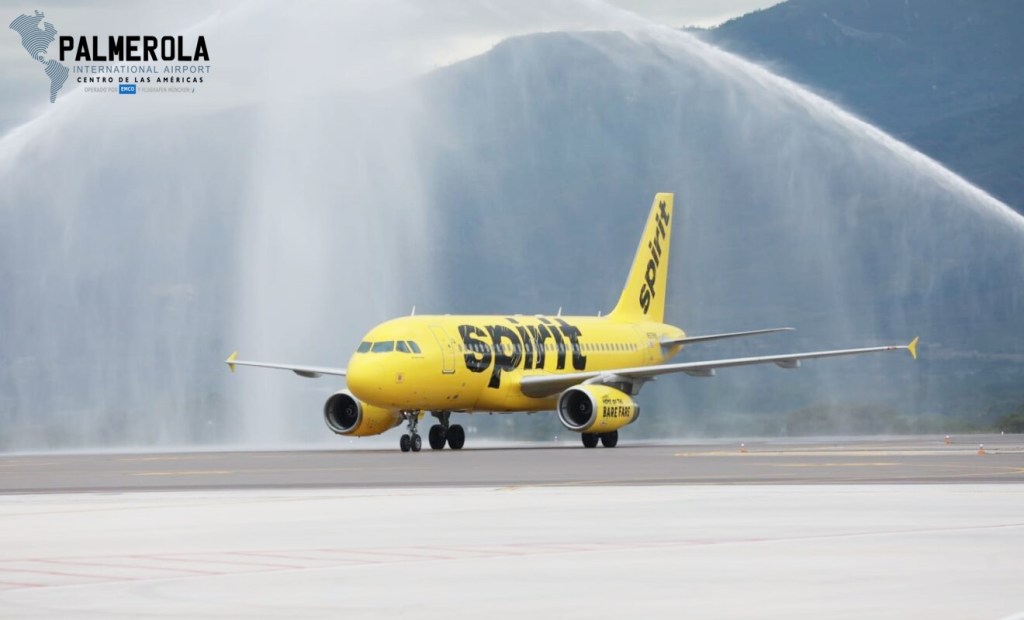
Palmerola acelera preparativos para iniciar vuelos comerciales

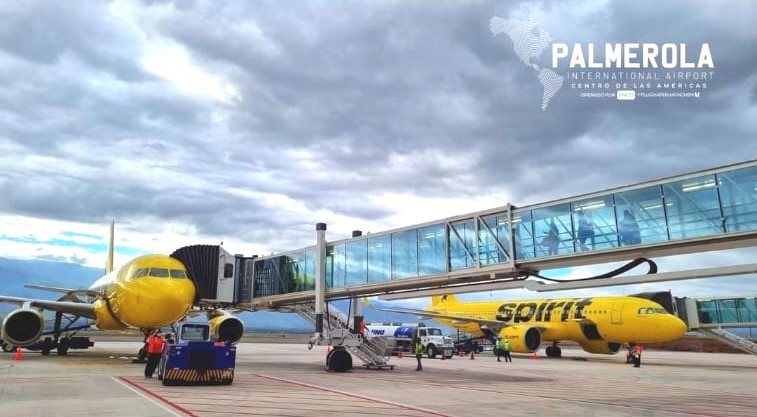
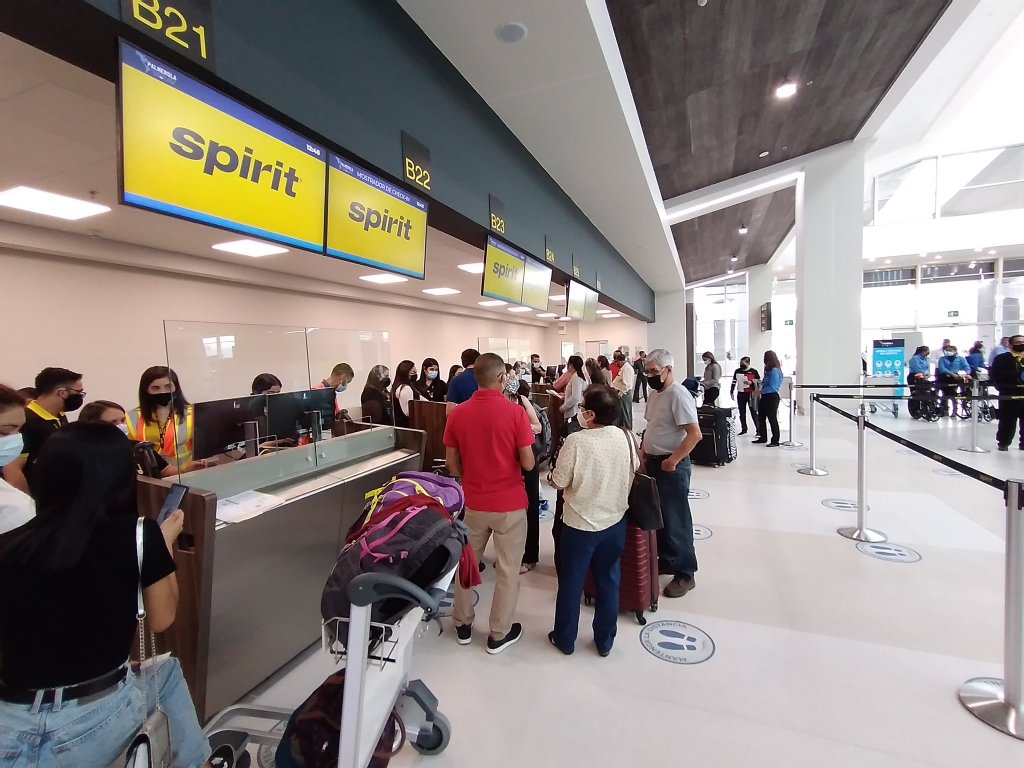
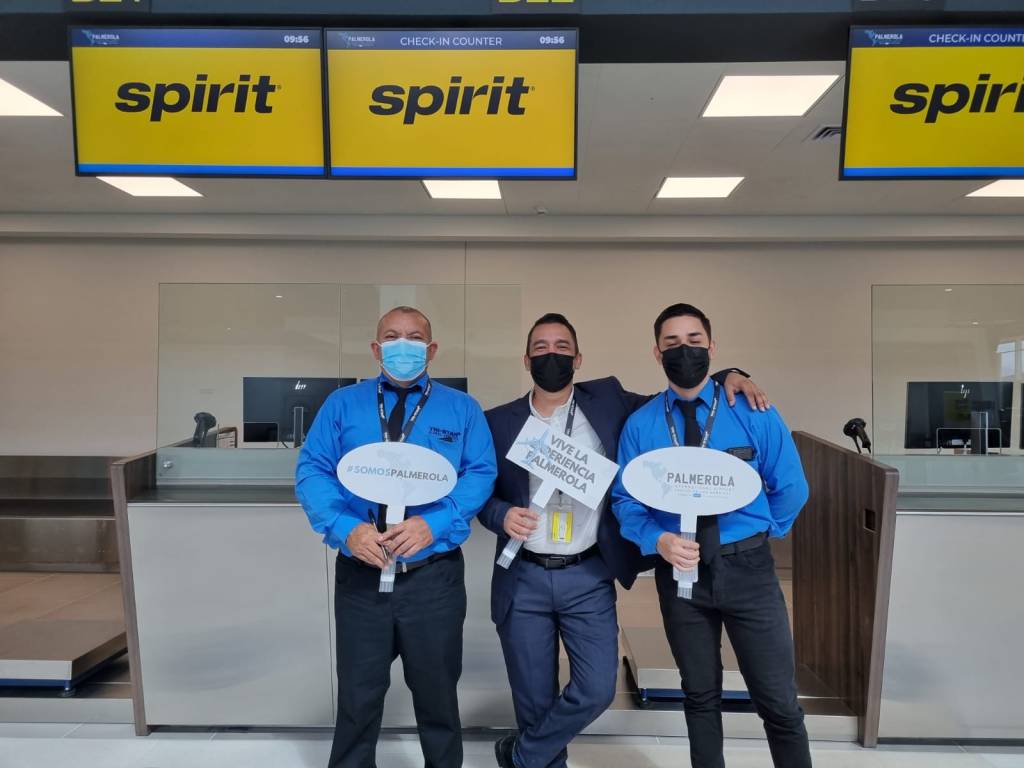
El Director del Aeropuerto Internacional de Palmerola/XPL, Peter Fleming, ha inaugurado la presentación oficial del aeropuerto, que se llevó a cabo el pasado Viernes 15 de Octubre de 2021, “estamos trabajando todo lo que tenemos que hacer para que el aeropuerto esté a tono. A nivel de terminales, estamos a un 95 por ciento y a nivel de campo aéreo estamos avanzando en más del 80 por ciento; están los viales construidos y algunos tienen que ser terminados. Ahora viene construir los edificios alternos, que son los más difíciles, pero que obviamente son necesarios para la implementación del aeropuerto. Estaremos en forma para el 15 de Noviembre, para el 16 de noviembre tenemos las líneas áreas anunciando sus primeros vuelos”.

El Director de Palmerola señaló que el beneficio que traerá el nuevo aeropuerto será evidente, puesto que el proyecto está diseñado para poder potenciar económica y socialmente el país. “El beneficio es más que evidente; la agroexportación, la generación de empleo, el desarrollo en nuevas inversiones, atraer inversión extranjera al país, todos esos son beneficios que todavía no podemos ni imaginar. Sabemos que ya tenemos buenas intenciones, tenemos una inversión hotelera, renta de vehículos, tengo entendido que ya hay intención de inversión en hospitales, centros de procesamiento y bodegas logísticas. Estamos comenzando apenas; en unos cinco años podremos ver el resultado un poco más tangible, pero estamos encaminados en generar más de 2.500 empleos directos y 4.000 indirectos una vez que abramos. La derrama económica va a ser enorme. Todas las áreas comerciales del aeropuerto están con mucha expectativa, esperando y sabiendo que de esta región de los departamentos de La Paz, Francisco Morazán, Comayagua y Valle vengan a visitar Palmerola y eso generará un plus al tráfico comercial”, expresó Peter Fleming.

Peter Fleming resaltó que para impulsar esta obra “se ha tenido buena disposición del presidente; él sabía que esa visión y ese ser visionario no cualquiera lo tiene, y el presidente Hernández lo tiene. Obviamente, gracias a él tenemos esta obra; por eso, durante la apertura pedí un aplauso hacia él a la concurrencia, porque tener esa visión no es cualquiera, saber que es algo para beneficio del país. Muy pocos lo pensaron. Pocas personas tienen la capacidad para generar obras para beneficio de los demás, siempre piensan en el beneficio propio, pero el presidente Hernández ha hecho un trabajo impresionante a nivel de infraestructura de país. Él mencionó que haría a Honduras el Centro Logístico de las Américas con los mejores aeropuertos, las mejores carreteras y los mejores puertos y lo está cumpliendo”, precisó Peter Flemming.

Palmerola commercial aviation approach

Palmerola accelerates preparations to start commercial flights

The Director of the Palmerola International Airport/XPL, Peter Fleming, has inaugurated the official presentation of the airport, which took place last Friday, October 15, 2021, “we are working on everything we have to do so that the airport is at tone. At the terminal level, we are at 95 percent and at the airfield level we are progressing by more than 80 percent; the roads are built and some have to be finished. Now comes the construction of alternate buildings, which are the most difficult, but are obviously necessary for the implementation of the airport. We will be in shape by November 15, by November 16 we have the airlines announcing their first flights”.

The Director of Palmerola pointed out that the benefit that the new airport will bring will be evident, since the project is designed to be able to promote the country economically and socially. “The benefit is more than evident; agro-exports, job creation, development of new investments, attracting foreign investment to the country, all of these are benefits that we cannot even imagine yet. We know that we already have good intentions, we have a hotel investment, vehicle rental, I understand that there is already an intention to invest in hospitals, processing centers and logistics warehouses. We are just beginning; In about five years we will be able to see the result a little more tangible, but we are on track to generate more than 2,500 direct jobs and 4,000 indirect jobs once we open. The economic spill is going to be enormous. All the commercial areas of the airport are with great expectations, waiting and knowing that from this region of the departments of La Paz, Francisco Morazán, Comayagua and Valle they will come to visit Palmerola and that will generate a plus for commercial traffic”, expressed Peter Fleming.

Peter Fleming emphasized that to promote this work “the president has had a good disposition; He knew that not just anyone has that vision and that visionary being, and President Hernández does. Obviously, thanks to him we have this work; For this reason, during the opening I asked the audience to applaud him, because having that vision is not just anyone, knowing that it is something for the benefit of the country. Very few thought about it. Few people have the capacity to generate works for the benefit of others, they always think of their own benefit, but President Hernández has done an impressive job at the country’s infrastructure level. He mentioned that he would make Honduras the Logistics Center of the Americas with the best airports, the best highways and the best ports and he is fulfilling it», said Peter Flemming.

PUBLISHER: Airgways.com
DBk: Emcoholding.com / Airgways.com
AW-POST: 202110201553AR

A\W   A I R G W A Y S ®

Bancarrota Aeropuerto Hunsrück/Hahn

AW | 2021 10 20 15:22 | AIRPORTS / GOVERNMENT

Quiebra Aeropuerto Hunsrück Hahn y consecuencias para Hesse

AW-Frankfurt-Hahn Airport_Isologotype

El Aeropuerto Frankfurt-Hahn/HHN en Hunsrück, Alemania, se ha declarado en insolvencia. Esto fue anunciado por el Tribunal de Justicia del Distrito competente en Bad Kreuznach en Renania-Palatinado el Martes 19/10. Alrededor de 300 personas trabajan actualmente allí. Además de Flughafen Frankfurt-Hahn GmbH, cuatro filiales que son importantes para la operación del aeropuerto también han declarado su insolvencia. El Aeropuerto Hahn es en gran parte propiedad del conglomerado chino HNA Group. Posee el 82,5 por ciento de las acciones y las compró al estado de Renania-Palatinado en 2017 por € 15 millones de Euros. HNA Group ha estado en bancarrota desde Febrero 2021. Pero el Estado de Hesse también tiene acciones en el Aeropuerto Hahn que posee el 17,5 por ciento restante. Ahora las cosas se están cociendo a fuego lento en el parlamento del Estado de Wiesbaden en vista de la cuestión de qué significa la insolvencia para Hesse.

El número de pasajeros se había desplomado hace mucho tiempo. El aeropuerto low cost Hunsrück/Hahn previo a la pandemia. Ahora se ha declarado en bancarrota. El Estado de Hesse también todavía tiene acciones en el Hahn, y ahora tiene que soportar preguntas críticas. El FDP en el parlamento estatal criticó que el país nunca haya vendido sus acciones a pesar de la crítica situación del aeropuerto: «Ya hemos exigido la venta de las acciones en 2014, 2015. Desafortunadamente, esta solicitud fue rechazada», dijo la Portavoz de Política Financiera, Marion Schardt-Sauer. En 2017, una venta planificada de las acciones de Hesse a Palatinate ADC GmbH colapsó a corto plazo. «Después de eso, el gobierno estatal ya no se encargó de eso», dijo Schardt-Sauer. El FDP solicita ahora una reunión especial del Comité de Presupuesto. «La pregunta clave es: ¿Se ha manejado con cuidado la parte que Hesse ha manejado? Debe aclararse si el gobierno estatal ha dormido demasiado la oportunidad de vender», según Schardt-Sauer.

El Partido de la Izquierda, por otro lado, subrayó que era bueno que el Estado de Hesse no hubiera vendido sus acciones como Renania-Palatinado y se hubiera librado de la responsabilidad. Más bien, el Presidente del grupo Parlamentario, Jan Schalauske, pidió al Gobierno estatal que ahora se involucre en los próximos procedimientos de insolvencia. Se necesita un plan social para los empleados. El Estado de Hesse es responsable como copropietario, según Jan Schalauske. Pero, no está claro si esto sucederá. El propio Gobierno estatal solo iba involucrarse este Martes 19/10 para una breve declaración. A petición de recursos humanos, se dijo desde el Ministerio de Finanzas de la Unión Demócrata Cristiana (CDU): «El estado de Hesse sigue teniendo el 17,5 por ciento y, por lo tanto, es un accionista minoritario de Flughafen Frankfurt-Hahn GmbH. Los efectos concretos de la presentación de la declaración de insolvencia están siendo revisados actualmente por el Estado», por lo que se presume que no habría obligaciones de apoyo financiero. El Miércoles 20/10, el ministerio agregó: «Está claro que el Estado de Hesse no tiene la obligación de proporcionar apoyo financiero a Flughafen Frankfurt Hahn GmbH incluso después de presentar la solicitud de insolvencia. Después del colapso del acuerdo en 2017, todavía estaba listo para desprenderse de sus acciones. Hasta ahora, sin embargo, ningún posible comprador se ha acercado al estado de Hesse», dijo el Ministerio de Finanzas.

El portavoz de política de aviación del grupo parlamentario de la CDU en el Parlamento estatal, Heiko Kasseckert, consideró que la noticia de la insolvencia era sorprendente. Recientemente, la compañía se había pensado a sí misma debido al aumento del negocio de carga todavía supuestamente en alza. Según Heiko Kasseckert, sin embargo, el gobierno estatal «trabajará por una solución rápida y buena del plan de sucesión en interés de los empleados».

Sin embargo, el hecho de que las cosas no funcionaban bien en el Aeropuerto Hunsrück/Hahn había sido evidente durante algún tiempo. Aunque recientemente registró crecimiento en el negocio con vuelos de carga, entre otras cosas porque el comercio en línea se disparó. En 2019, se manejaron más de 170,000 toneladas de carga allí. Pero en el negocio de los pasajeros, el aeropuerto tuvo que aceptar disminuciones una y otra vez, y eso incluso antes de las restricciones de viaje por la pandemia en 2020. En sus buenos tiempos, el aeropuerto regional contaba con hasta cuatro millones de pasajeros al año, pero ahora está lejos de eso. En 2019, incluso antes de la pandemia, el número se había reducido a 1,5 millones de pasajeros. El perro principal en el negocio de pasajeros, la aerolínea irlandesa de bajo coste Ryanair, también se retiró parcialmente de allí y desde 2018 ha trasladado rutas de vacaciones cada vez más populares desde el Hunsrück/Hahn al Aeropuerto Frankfurt/FRA.

Litigios HNA Group

El arresto de la alta gerencia del HNA Group, financieramente enfermo, había causado revuelo. El Aeropuerto de Hunsrück enfatizó en ese momento que esto no tenía ningún efecto colateral. El aeropuerto estaba en un buen curso. El Gerente de la planta de Hahn, Christoph Goetzmann, había enfatizado a principios de octubre que había dirigido al aeropuerto a través de la pandemia sin subsidios y sin trabajo a corto plazo. Según su informe, la dirección del aeropuerto esperaba, sin embargo, un déficit para 2020. Dependiendo del curso de la pandemia, está previsto que se pueda lograr un resultado anual consolidado positivo para 2024. De acuerdo con la legislación de la Unión Eeropea (UE), los aeropuertos generalmente ya no pueden recibir subvenciones estatales.

Una disputa legal sobre millones de Euros (€) del dinero de los contribuyentes para el Aeropuerto Frankfurt-Hunsrück/Hahn se decidió este verano septentrional: el Tribunal de Justicia de la Unión Europea (TJUE) desestimó una demanda de Lufthansa German Airlines, confirmando así un fallo anterior. El litigio se refería a las ayudas estatales al Aeropuerto de Hunsrück desde 1997 y a los contratos con Ryanair para su aplicación de tasas aeroportuarias.

Críticas a aeropuertos regionales

Sin embargo, Hunsrück/Hahn no es el único aeropuerto regional que causa controversia repetidamente: muchos aeropuertos pequeños en las regiones están en rojo. En Hesse, la discusión sobre su significado y propósito se enciende en el Aeropuerto de Kassel Calden. Mientras que los defensores esperan empleos en la región, los críticos critican el impacto ambiental y la falta de rentabilidad. Durante la pandemia, el deficitario Aeropuerto Kassel luchó con una disminución masiva en el número de pasajeros. Allí se contabilizaron 27.755 pasajeros en 2020. El año anterior, había habido 120.712. Jan Schalauske, el líder del grupo Parlamentario del Partido de la Izquierda, también criticó el concepto de aeropuertos regionales en general con vistas a la insolvencia en Hunsrück/Hahn: «eran ecológicamente no justificables y económicamente insostenibles en casi todos los casos», dijo Jan Schalauske, quien se dirigió a Kassel Calden expresándole que «Sabemos que este es un negocio de subvenciones decente. Millones entran allí cada año, y no puede seguir siendo así. Habría que encontrar nuevos conceptos de uso».

El Gobierno de Hesse intervino el Miércoles 20/10. No se ve un efecto de la insolvencia de Hunsrück/Hahn en la operación del Aeropuerto de Kassel. El Ministerio de Finanzas, anunció: «El Aeropuerto de Kassel está dentro de la planificación económica para el año 2021». El Aeropuerto Regional de Frankfurt-Hunsrück/Hahn fue construido en los años 90 en un antiguo aeródromo militar estadounidense. En Abril 1999, el primer avión de pasajeros aterrizó allí, un avión Boeing 737-800 de la aerolínea low cost irlandesa Ryanair. Con esta fecha histórica, se había anunciado una nueva era del tráfico aéreo para toda Alemania: la de las aerolíneas low cost/low fare, se decía en su momento en el lateral del aeropuerto. En el Aeropuerto de Hunsrück/Hahn esta era podría llegar a su fin.

Hunsrück/Hahn Airport bankruptcy

Hunsrück Hahn Airport bankruptcy and consequences for Hesse

The Frankfurt-Hahn/HHN Airport in Hunsrück, Germany, has been declared insolvent. This was announced by the competent District Court of Justice in Bad Kreuznach in Rhineland-Palatinate on Tuesday 19/10. Around 300 people currently work there. In addition to Flughafen Frankfurt-Hahn GmbH, four subsidiaries that are important to the operation of the airport have also declared insolvency. Hahn Airport is largely owned by the Chinese conglomerate HNA Group. It owns 82.5 per cent of the shares and bought them from the state of Rhineland-Palatinate in 2017 for € 15 million Euros. HNA Group has been bankrupt since February 2021. But the State of Hesse also has shares in Hahn Airport which it owns the remaining 17.5 percent. Now things are simmering in the Wiesbaden state parliament in light of the question of what insolvency means for Hesse.

The number of passengers had plummeted a long time ago. Low cost Hunsrück/Hahn airport prior to the pandemic. Now he has declared bankruptcy. The State of Hesse also still has shares in the Hahn, and now has to endure critical questions. The FDP in the state parliament criticized that the country has never sold its shares despite the critical situation at the airport: «We have already demanded the sale of the shares in 2014, 2015. Unfortunately, this request was rejected», said the spokeswoman for Financial Policy, Marion Schardt-Sauer. In 2017, a planned sale of Hesse’s shares to Palatinate ADC GmbH collapsed in the short term. «After that, the state government no longer took care of that», Schardt-Sauer said. The FDP is now requesting a special meeting of the Budget Committee. «The key question is: Has the part Hesse handled been handled carefully? It needs to be clarified if the state government has overslept the opportunity to sell», according to Schardt-Sauer.

The Left Party, on the other hand, stressed that it was a good thing that the State of Hesse had not sold its shares as Rhineland-Palatinate and had been relieved of responsibility. Rather, the Chairman of the Parliamentary group, Jan Schalauske, called on the state government to now get involved in the upcoming insolvency proceedings. You need a social plan for employees. The State of Hesse is liable as a co-owner, according to Jan Schalauske. But, it is not clear if this will happen. The state government itself was only going to get involved this Tuesday 10/19 for a brief statement. At the request of human resources, it was said from the Ministry of Finance of the Christian Democratic Union (CDU): «The state of Hesse still holds 17.5 percent and is therefore a minority shareholder of Flughafen Frankfurt-Hahn GmbH. The specific effects of the filing of the insolvency declaration are currently being reviewed by the State», so it is presumed that there would be no financial support obligations. On Wednesday 10/20, the ministry added: «It is clear that the State of Hesse has no obligation to provide financial support to Flughafen Frankfurt Hahn GmbH even after filing the insolvency application. After the collapse of the deal in 2017, he was still ready to divest his shares. So far, however, no potential buyer has approached the state of Hesse», the Finance Ministry said.

The aviation policy spokesperson for the CDU parliamentary group in the state parliament, Heiko Kasseckert, found the news of the insolvency surprising. Recently, the company had thought to itself due to the increase in the cargo business still supposedly on the rise. According to Heiko Kasseckert, however, the state government «will work for a quick and good solution of the succession plan in the interest of the employees».

However, the fact that things were not working well at Hunsrück/Hahn Airport had been apparent for some time. Although it recently registered growth in the business with cargo flights, not least because online commerce soared. In 2019, more than 170,000 tons of cargo were handled there. But in the passenger business, the airport had to accept declines time and again, and that even before the pandemic travel restrictions in 2020. In its hey days, the regional airport had as many as four million passengers per year. year, but now it is far from that. In 2019, even before the pandemic, the number had dropped to 1.5 million passengers. The main dog in the passenger business, Irish low-cost carrier Ryanair, also partially withdrew from there and since 2018 has moved increasingly popular holiday routes from the Hunsrück/Hahn to Frankfurt/FRA Airport.

HNA Group Litigation

The arrest of the financially ill senior management of the HNA Group had caused a stir. Hunsrück Airport emphasized at the time that this had no collateral effect. The airport was on a good course. Hahn’s Plant Manager Christoph Goetzmann had emphasized in early October that he had led the airport through the pandemic with no subsidies and no short-term job. According to its report, the airport management expected, however, a deficit by 2020. Depending on the course of the pandemic, a positive consolidated annual result is expected to be achieved by 2024. In accordance with the legislation of the European Union (EU), airports are generally no longer eligible for state subsidies.

A legal dispute over millions of Euros (€) of taxpayers’ money for Frankfurt-Hunsrück/Hahn Airport was decided this northern summer: the Court of Justice of the European Union (CJEU) dismissed a lawsuit from Lufthansa German Airlines, thus confirming a previous failure. The dispute concerned state aid to Hunsrück Airport since 1997 and contracts with Ryanair for its application of airport charges.

Criticisms of regional airports

However, Hunsrück/Hahn is not the only regional airport repeatedly causing controversy: many small airports in the regions are in the red. In Hesse, the discussion about its meaning and purpose ignites at the Kassel Calden Airport. While advocates hope for jobs in the region, critics criticize the environmental impact and lack of profitability. During the pandemic, the deficit Kassel Airport struggled with a massive decline in passenger numbers. There, 27,755 passengers were counted in 2020. The previous year, there had been 120,712. Jan Schalauske, the leader of the Parliamentary group of the Left Party, also criticized the concept of regional airports in general with a view to insolvency in Hunsrück/Hahn: «They were ecologically unjustifiable and economically unsustainable in almost all cases», Jan said. Schalauske, who approached Kassel Calden saying, «We know this is a decent grant business. Millions come in there every year, and it can’t continue to be that way. New usage concepts would have to be found».

The Government of Hesse intervened on Wednesday 10/20. No effect of the Hunsrück/Hahn insolvency is seen on the Kassel Airport operation. The Ministry of Finance announced: «Kassel Airport is within the economic planning for the year 2021». The Frankfurt-Hunsrück/Hahn Regional Airport was built in the 1990s on a former US military airfield. In April 1999, the first passenger plane landed there, a Boeing 737-800 plane from the Irish low cost airline Ryanair. With this historic date, a new era of air traffic had been announced for the whole of Germany: that of low cost/low fare airlines, it was said at the time on the side of the airport. At Hunsrück/Hahn Airport this era could come to an end.

Insolvenz des Flughafens Hunsrück/Hahn

Insolvenz des Flughafens Hunsrück-Hahn und Folgen für Hessen

Der Flughafen Frankfurt-Hahn/HHN im Hunsrück wurde für insolvent erklärt. Das teilte das zuständige Landgericht im rheinland-pfälzischen Bad Kreuznach am Dienstag, 19.10., mit. Derzeit arbeiten dort rund 300 Menschen. Neben der Flughafen Frankfurt-Hahn GmbH haben vier für den Flughafenbetrieb wichtige Tochtergesellschaften Insolvenz angemeldet. Der Flughafen Hahn befindet sich im Wesentlichen im Besitz des chinesischen Mischkonzerns HNA Group. Sie besitzt 82,5 Prozent der Anteile und hat sie 2017 für 15 Millionen Euro vom Land Rheinland-Pfalz gekauft. Die HNA-Gruppe ist seit Februar 2021 pleite. Aber auch das Land Hessen hält Anteile am Flughafen Hahn, von denen es die restlichen 17,5 Prozent besitzt. Jetzt brodelt es im Wiesbadener Landtag bei der Frage, was Insolvenz für Hessen bedeutet.

Die Zahl der Passagiere war längst eingebrochen. Low Cost Flughafen Hunsrück/Hahn vor der Pandemie. Jetzt hat er Insolvenz angemeldet. Auch das Land Hessen ist noch am Hahn beteiligt und muss sich nun kritischen Fragen stellen. Die FDP im Landtag kritisierte, dass das Land trotz der kritischen Situation am Flughafen seine Anteile nie verkauft habe: „Wir haben den Verkauf der Anteile bereits 2014, 2015 gefordert. Dieser Antrag wurde leider abgelehnt“, sagte die Sprecherin von Finanzpolitik, Marion Schardt-Sauer. Im Jahr 2017 scheiterte kurzfristig ein geplanter Verkauf der hessischen Anteile an die Pfalz ADC GmbH. ,,Danach hat sich die Landesregierung nicht mehr darum gekümmert», sagte Schardt-Sauer. Die FDP beantragt nun eine Sondersitzung des Haushaltsausschusses. „Die entscheidende Frage ist: Wurde mit dem Teil, mit dem Hessen umgegangen wurde, sorgsam umgegangen? Es muss geklärt werden, ob die Landesregierung die Verkaufsmöglichkeit verschlafen hat», so Schardt-Sauer.

Die Linkspartei hingegen betonte, dass es gut sei, dass das Land Hessen seine Anteile nicht als Rheinland-Pfalz verkauft und sich der Verantwortung entledigt habe. Vielmehr forderte der Fraktionsvorsitzende Jan Schalauske die Landesregierung auf, sich jetzt in das anstehende Insolvenzverfahren einzumischen. Sie brauchen einen Sozialplan für Mitarbeiter. Das Land Hessen haftet laut Jan Schalauske als Miteigentümer. Es ist jedoch nicht klar, ob dies geschieht. Die Landesregierung selbst wollte sich erst an diesem Dienstag, 19.10., für eine kurze Stellungnahme einmischen. Auf Anfrage der Personalabteilung hieß es aus dem Finanzministerium der Christlich Demokratischen Union (CDU): „Das Land Hessen hält weiterhin 17,5 Prozent und ist damit Minderheitsgesellschafter der Flughafen Frankfurt-Hahn GmbH. Die konkreten Auswirkungen“ der Einreichung der Insolvenzerklärung derzeit staatlich geprüft werden, so dass davon auszugehen ist, dass keine finanziellen Unterstützungspflichten bestehen. Am Mittwoch, 20.10., fügte das Ministerium hinzu: ,,Es ist klar, dass das Land Hessen auch nach Stellung des Insolvenzantrags keine Verpflichtung zur finanziellen Unterstützung der Flughafen Frankfurt Hahn GmbH hat.» Nach dem Scheitern des Deals im Jahr 2017 war er immer noch bereit, seine Anteile zu veräußern. Bisher hat sich jedoch kein potenzieller Käufer an das Land Hessen gewendet“, teilte das Finanzministerium mit.

Der luftfahrtpolitische Sprecher der CDU-Bundestagsfraktion, Heiko Kasseckert, fand die Nachricht von der Insolvenz überraschend. Zuletzt hatte sich das Unternehmen aufgrund der Zunahme des Frachtgeschäfts angeblich noch im Vormarsch gedacht. Die Landesregierung werde sich laut Heiko Kasseckert aber ,,im Interesse der Mitarbeiter für eine schnelle und gute Lösung der Nachfolgeregelung einsetzen».

Dass es am Flughafen Hunsrück/Hahn nicht gut lief, war allerdings schon länger erkennbar. Zwar verzeichnete sie zuletzt Zuwächse im Geschäft mit Frachtflügen, nicht zuletzt weil der Online-Handel stark anzog. 2019 wurden dort mehr als 170.000 Tonnen Fracht umgeschlagen. Doch im Passagiergeschäft musste der Flughafen immer wieder Rückgänge hinnehmen, und das noch vor Reisebeschränkungen aufgrund der Pandemie im Jahr 2020. In seiner Blütezeit hatte der Regionalflughafen sogar vier Millionen Passagiere pro Jahr es ist weit davon entfernt. 2019, noch vor der Pandemie, war die Zahl auf 1,5 Millionen Passagiere gesunken. Auch der Leithund im Passagiergeschäft, die irische Billigairline Ryanair, zog sich teilweise von dort zurück und verlegt seit 2018 immer beliebtere Urlaubsrouten vom Hunsrück/Hahn zum Flughafen Frankfurt/FRA.

HNA Group rechtsstreitigkeiten

Die Festnahme der finanziell angeschlagenen Geschäftsleitung der HNA-Gruppe hatte für Aufsehen gesorgt. Der Flughafen Hunsrück betonte damals, dass dies keine Nebenwirkung habe. Der Flughafen war auf einem guten Weg. Hahns Werksleiter Christoph Goetzmann hatte Anfang Oktober betont, den Flughafen ohne Subventionen und ohne Kurzarbeit durch die Pandemie geführt zu haben. Die Flughafenleitung rechnet laut ihrem Bericht jedoch bis 2020 mit einem Defizit. Je nach Verlauf der Pandemie soll bis 2024 ein positives Konzernjahresergebnis erzielt werden. Gemäß der Gesetzgebung der Europäischen Union (EU), sind Flughäfen grundsätzlich nicht mehr förderfähig.

Im Sommer dieses Jahres wurde ein Rechtsstreit um Steuergelder in Millionenhöhe für den Flughafen Frankfurt-Hunsrück / Hahn entschieden: Der Gerichtshof der Europäischen Union (EuGH) hat eine Klage von Lufthansa German Airlines abgewiesen und damit eine frühere Versagen. Der Rechtsstreit betraf staatliche Beihilfen für den Flughafen Hunsrück seit 1997 und Verträge mit Ryanair über die Erhebung von Flughafenentgelten.

Kritik an regionalflughäfen

Hunsrück/Hahn ist jedoch nicht der einzige Regionalflughafen, der immer wieder für Kontroversen sorgt: Viele kleine Flughäfen in den Regionen schreiben rote Zahlen. In Hessen entzündet sich am Flughafen Kassel Calden die Diskussion um Sinn und Zweck. Während Befürworter auf Arbeitsplätze in der Region hoffen, kritisieren Kritiker die Umweltbelastung und mangelnde Rentabilität. Während der Pandemie hatte der Flughafen Kassel mit massiven Passagierrückgängen zu kämpfen. Dort wurden im Jahr 2020 27.755 Passagiere gezählt. Im Vorjahr waren es 120.712 gewesen. Auch Jan Schalauske, Fraktionsvorsitzender der Linkspartei, kritisierte das Konzept der Regionalflughäfen allgemein mit Blick auf die Insolvenz in Hunsrück/Hahn: „Sie waren in fast allen Fällen ökologisch nicht vertretbar und ökonomisch nicht tragbar“, sagte Jan. Schalauske, der an Kassel Calden herantrat, sagte: ,,Wir wissen, dass das ein ordentliches Fördergeschäft ist. Da kommen jedes Jahr Millionen herein, und das kann nicht so bleiben. Es müssten neue Nutzungskonzepte gefunden werden».

Die Hessische Landesregierung intervenierte am Mittwoch, 20.10. Auswirkungen der Insolvenz Hunsrück/Hahn auf den Betrieb des Flughafens Kassel sind nicht erkennbar. Das Finanzministerium teilte mit: ,,Der Flughafen Kassel liegt innerhalb der Wirtschaftsplanung für das Jahr 2021″. Der Regionalflughafen Frankfurt-Hunsrück/Hahn wurde in den 1990er Jahren auf einem ehemaligen US-Militärflugplatz errichtet. Im April 1999 landete dort das erste Passagierflugzeug, eine Boeing 737-800 der irischen Billigfluggesellschaft Ryanair. Mit diesem historischen Datum sei für ganz Deutschland eine neue Ära des Luftverkehrs angesagt: die der Billigflieger, hieß es damals auf der Seite des Flughafens. Am Flughafen Hunsrück/Hahn könnte diese Ära zu Ende gehen.

PUBLISHER: Airgways.com
DBk: Hahn-airport.de / Afp.com, Reuters.com, Dpa.com, Hessenschau.de/Malena Menke/Andreas Meyer-Feist / Airgways.com
AW-POST: 202110201522AR

A\W   A I R G W A Y S ®