Aeropuerto Rupsi iniciará operaciones

Rupsi Airport in Dhubri District to Boost Development

AW | 2020 11 05 16:05 | AIRPORTS / GOVERNMENT

Aeropuerto Rupsi de Assam de india iniciará operaciones comerciales

La Autoridad Aeroportuaria del Aeropuerto Rupsi de la India iniciará operaciones aerocomerciales después de recibir una licencia de la Dirección General de Aviación Civil (DGCA). La adición más reciente en la ruta del Esquema de Conectividad Regional (RCS), se espera que este aeropuerto fortalezca la conectividad aérea en la región noreste de la India.

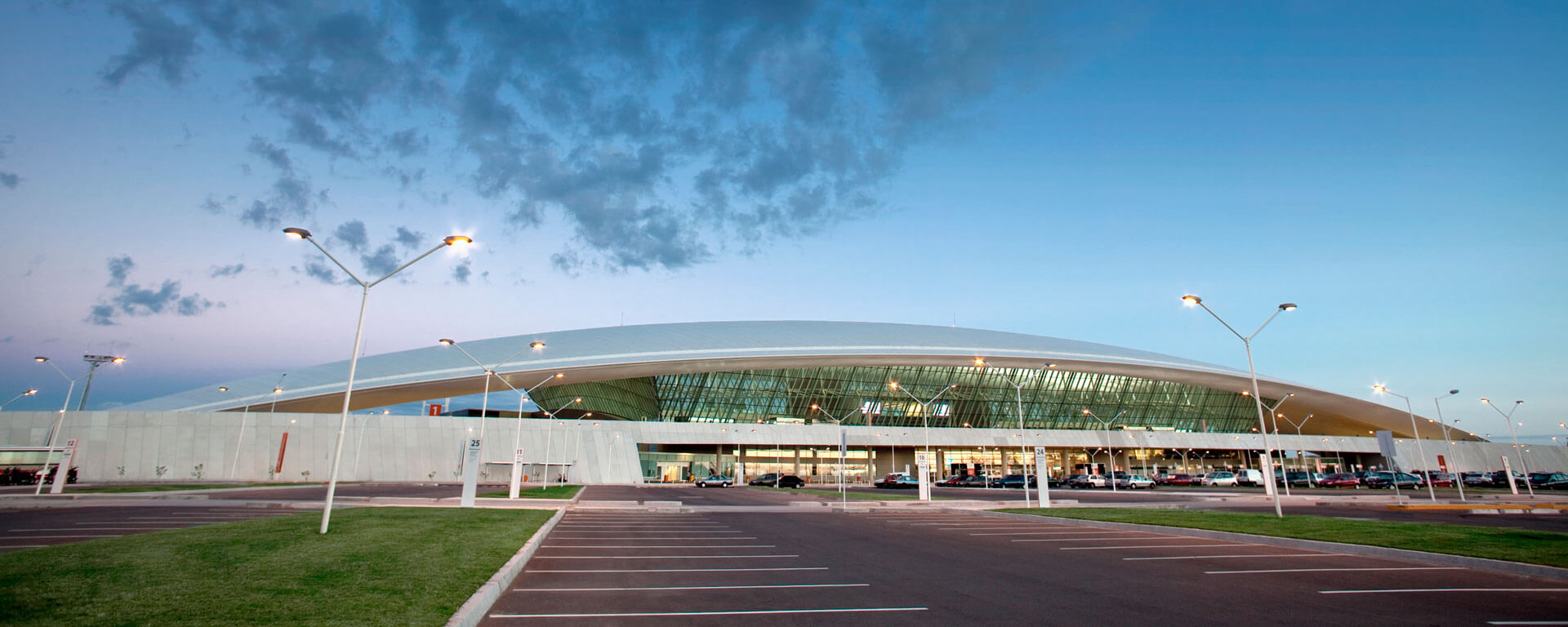
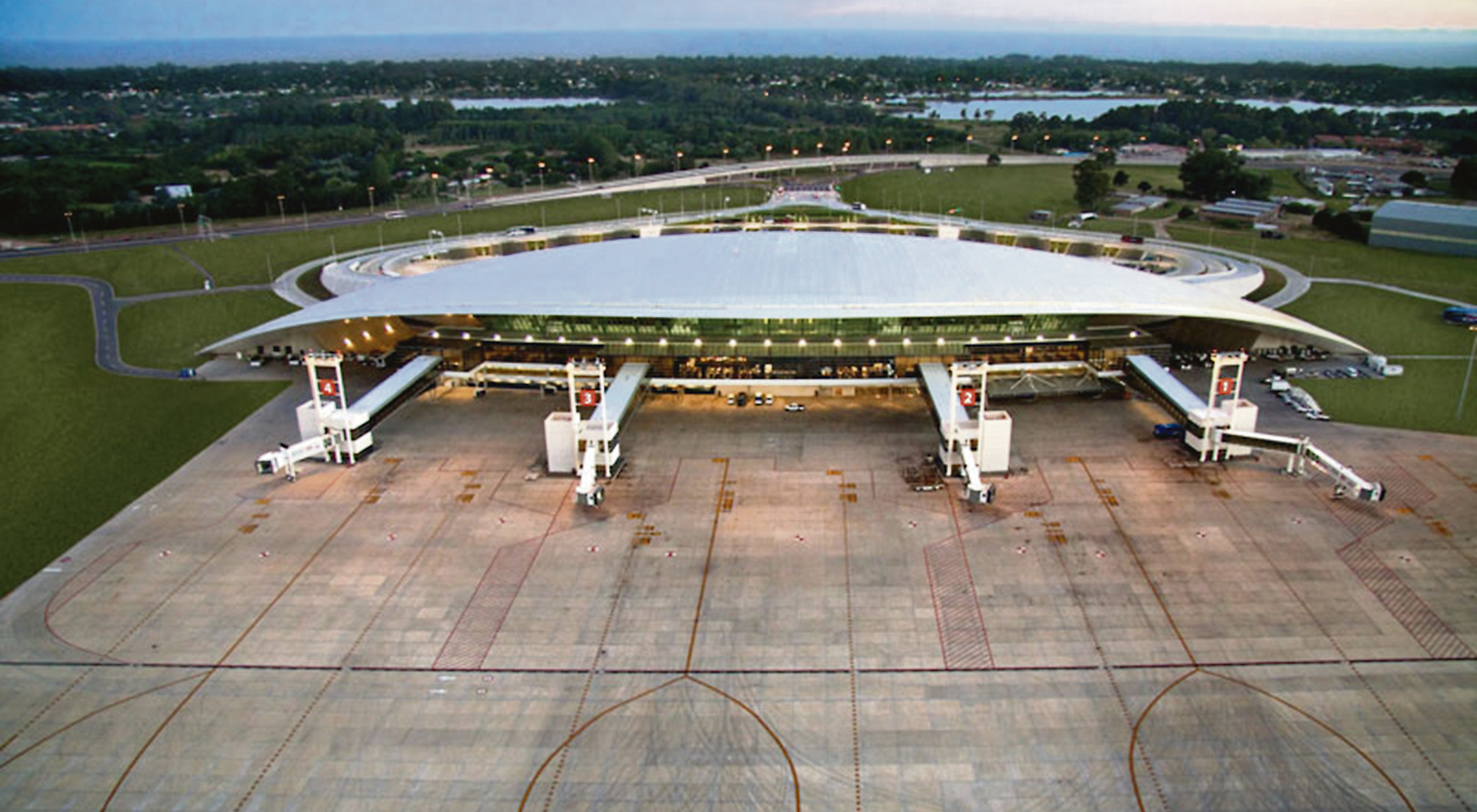
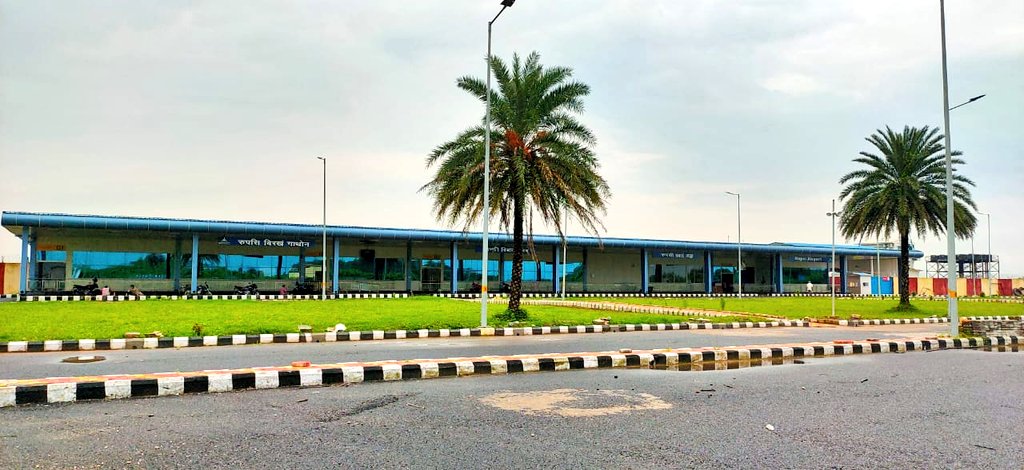
El Aeropuerto de Rupsi está conectado directamente con Guwahati y Calcuta. Ha sido reurbanizada a un costo de ₹ 69 Crores. Distribuido en 337 acres, el nuevo aeropuerto tiene un edificio terminal de 3.500 metros cuadrados. Hay diez mostradores de facturación y la terminal está equipada para gestionar unos 200 pasajeros durante las horas punta. El trabajo del proyecto incluye la construcción de una torre ATC, cabaña de seguridad e instalaciones aéreas como el fortalecimiento y la recarpetización de la pista, la pista de rodaje y el umbral. La pista de nueva construcción será adecuada para aterrizar aviones tipo turboprop ATR 72. El aeropuerto tiene una capacidad de aparcamiento de 100 automóviles. Se implementarán características sostenibles como la recolección de agua de lluvia y un sistema de gestión de residuos sólidos.

Rupsi Airport will start operations

Imagen

India’s Assam Rupsi airport to start commercial operations

India’s Rupsi Airport Airport Authority will start commercial air operations after receiving a license from the Directorate General of Civil Aviation (DGCA). The most recent addition to the Regional Connectivity Scheme (RCS) route, this airport is expected to strengthen air connectivity in the Northeast region of India.

Rupsi Airport is directly connected to Guwahati and Kolkata. It has been redeveloped at a cost of ₹ 69 Crores. Spread over 337 acres, the new airport has a 3,500-square-meter terminal building. There are ten check-in counters and the terminal is equipped to handle around 200 passengers during peak hours. Project work includes the construction of an ATC tower, safety hut, and aerial facilities such as strengthening and re-peting of the runway, taxiway, and apron. The newly built runway will be suitable for landing ATR 72 turboprop aircraft. The airport has a parking capacity of 100 cars. Sustainable features such as rainwater harvesting and a solid waste management system will be implemented.

रूपसी एयरपोर्ट परिचालन शुरू करेगा

Imagen

वाणिज्यिक परिचालन शुरू करने के लिए भारत का असम रूपसी हवाई अड्डा

भारत का रूपसी हवाई अड्डा हवाई अड्डा प्राधिकरण नागरिक उड्डयन महानिदेशालय (DGCA) से लाइसेंस प्राप्त करने के बाद वाणिज्यिक हवाई परिचालन शुरू करेगा। रीजनल कनेक्टिविटी स्कीम (आरसीएस) मार्ग के सबसे हाल के अलावा, इस हवाई अड्डे से भारत के पूर्वोत्तर क्षेत्र में हवाई संपर्क को मजबूत करने की उम्मीद है।

रूपसी हवाई अड्डा गुवाहाटी और कोलकाता से सीधे जुड़ा हुआ है। इसे। 69 करोड़ की लागत से पुनर्विकास किया गया है। 337 एकड़ में फैले इस नए हवाई अड्डे में 3,500 वर्ग मीटर का एक टर्मिनल भवन है। दस चेक-इन काउंटर हैं और पीक आवर्स के दौरान लगभग 200 यात्रियों को संभालने के लिए टर्मिनल सुसज्जित है। प्रोजेक्ट वर्क में एटीसी टॉवर, सेफ्टी हट, और रनवे, टैक्सीवे और एप्रन की मजबूती और री-पेटिंग जैसी हवाई सुविधाएं शामिल हैं। नव निर्मित रनवे एटीआर 72 टर्बोप्रॉप विमान के उतरने के लिए उपयुक्त होगा। एयरपोर्ट में 100 कारों की पार्किंग क्षमता है। वर्षा जल संचयन और एक ठोस अपशिष्ट प्रबंधन प्रणाली जैसी स्थायी सुविधाओं को लागू किया जाएगा।


PUBLISHER: Airgways.com
DBk: Aai.aero/en/airports/rups / Airgways.com
AW-POST: 202011051605AR

A\W   A I R G W A Y S ®

ACI publica nuevo manual ASRAH

AW | 2020 11 05 15:45 | AIRPORTS / AVIATION SAFETY

ACI World publica nuevo Manual Seguridad Aeroportuaria

Airports Council International (ACI World) ha publicado el nuevo Airport Security Risk Assessment Handbook (ASRAH), Manual de Evaluación de Riesgos de Seguridad Aeroportuaria. El nuevo manual promueve una mejor comprensión de cómo priorizar los riesgos de seguridad.

ACI World ha publicado este 05/11 el Airport Security Risk Assessment Handbook, que, según se dice, ayuda a los aeropuertos a comprender las amenazas, evaluar los riesgos asociados y asignar recursos donde más se necesitan. A pesar de que el mundo se centra en abordar el COVID-19,la seguridad sigue siendo una prioridad. Los aeropuertos deben permanecer vigilantes, cumplir con los estándares de seguridad y ser capaces de gestionar eficazmente la seguridad durante este tiempo de recursos limitados que podrían incluir financiación, niveles de personal y tiempo. ACI identificó que la evaluación de riesgos a menudo puede ser demasiado complicada, con suposiciones poco realistas sobre posibles vulnerabilidades. El manual proporciona un desglose paso a paso de un proceso de evaluación de riesgos y se ha desarrollado en respuesta a las solicitudes de orientación actualizadas de la industria.

El nuevo manual cubre:
1 · Orientación sobre las mejores prácticas y metodologías que se pueden aplicar a la evaluación de riesgos de seguridad para ayudar a los aeropuertos a priorizar y gestionar los riesgos
2 · Un estudio de caso sobre la amenaza de información privilegiada y ejemplos de los aeropuertos sobre cómo se llevan a cabo las evaluaciones de riesgos
3 · Mejores prácticas globales y experiencia en la vida real de los aeropuertos y expertos miembros de ACI en el campo.

«Nuestros miembros nos han dicho que la evaluación de riesgos es un área donde se necesita más orientación y capacitación. Este manual reúne las mejores prácticas y metodologías que se pueden aplicar a la evaluación de riesgos de seguridad que ayudan a los aeropuertos a identificar sus principales prioridades. A medida que la industria se enfrenta a los impactos y efectos de la pandemia, no han perdido de vista las prioridades primordiales de las operaciones seguras, incluida la seguridad. Este manual ayudará a los aeropuertos a garantizar operaciones seguras, incluso cuando tratan de reiniciar y sentar las bases para una recuperación a largo plazo para COVID-19», expresó el Director General de ACI, Luis Felipe de Oliveira.

El manual incluye orientación sobre el reconocimiento de escenarios de amenazas plausibles, para evaluar la probabilidad y el impacto de un ataque que se produce, considerar las medidas ya existentes para abordar el riesgo y las posibles soluciones para abordar la preocupación. El manual ayuda a los aeropuertos a adaptar su propia evaluación de riesgos, teniendo en cuenta su funcionamiento y su panorama nacional de amenazas y riesgos. «Al implementar un proceso claro y sistemático, la dirección aeroportuaria podrá identificar claramente sus prioridades y comunicarlas con todas las partes interesadas, incluido el personal, los reguladores y los clientes», agregó Luis Felipe de Oliveira. El manual incluye contribuciones del Comité Permanente de Seguridad Mundial de ACI y de los Socios Comerciales Mundiales de ACI.

ACI publishes new ASRAH manual

ACI World publishes Airport Security Risk Assessment Manual

Airports Council International (ACI World) has published the new Airport Security Risk Assessment Handbook (ASRAH), Airport Security Risk Assessment Manual. The new manual promotes a better understanding of how to prioritize security risks.

ACI World released the Airport Security Risk Assessment Handbook on 11/05, which is said to help airports understand threats, assess associated risks and allocate resources where they are most needed. Even as the world focuses on addressing COVID-19, safety remains a priority. Airports must remain vigilant, comply with security standards, and be able to effectively manage security during this time of limited resources that could include funding, staffing levels and time. ACI identified that risk assessment can often be overly complicated, with unrealistic assumptions about potential vulnerabilities. The manual provides a step-by-step breakdown of a risk assessment process and has been developed in response to updated requests for guidance from the industry.

The new manual covers:
1 · Guidance on best practices and methodologies that can be applied to security risk assessment to help airports prioritize and manage risks
2 · A case study on the insider trading threat and examples from airports of how risk assessments are carried out
3 · Global best practices and real life experience from airports and ACI member experts in the field.

«Our members have told us that risk assessment is an area where further guidance and training is needed. This manual brings together best practices and methodologies that can be applied to assessing security risks that help airports identify their main priorities. As the industry grapples with the impacts and effects of the pandemic, they have not lost sight of the overriding priorities of safe operations, including safety. This manual will help airports ensure safe operations, including when trying to restart and lay the foundations for a long-term recovery for COVID-19», said ACI Director General Luis Felipe de Oliveira.

The manual includes guidance on recognizing plausible threat scenarios, assessing the likelihood and impact of an attack occurring, considering measures already in place to address the risk, and possible solutions to address the concern. The manual helps airports to tailor their own risk assessment, taking into account their operation and their national threat and risk landscape. «By implementing a clear and systematic process, the airport management will be able to clearly identify its priorities and communicate them with all interested parties, including staff, regulators and customers», added Luis Felipe de Oliveira. The manual includes contributions from the ACI Global Security Standing Committee and ACI Global Business Partners.


PUBLISHER: Airgways.com
DBk: Internationalairportreview.com / Airgways.com
AW-POST: 202011051545AR

A\W   A I R G W A Y S ®
República Paraguay reinicia operaciones

AW | 2020 11 04 12:18 | AIRPORTS / GOVERNMENT

Aerolíneas reactivaron sus primeros vuelos comerciales

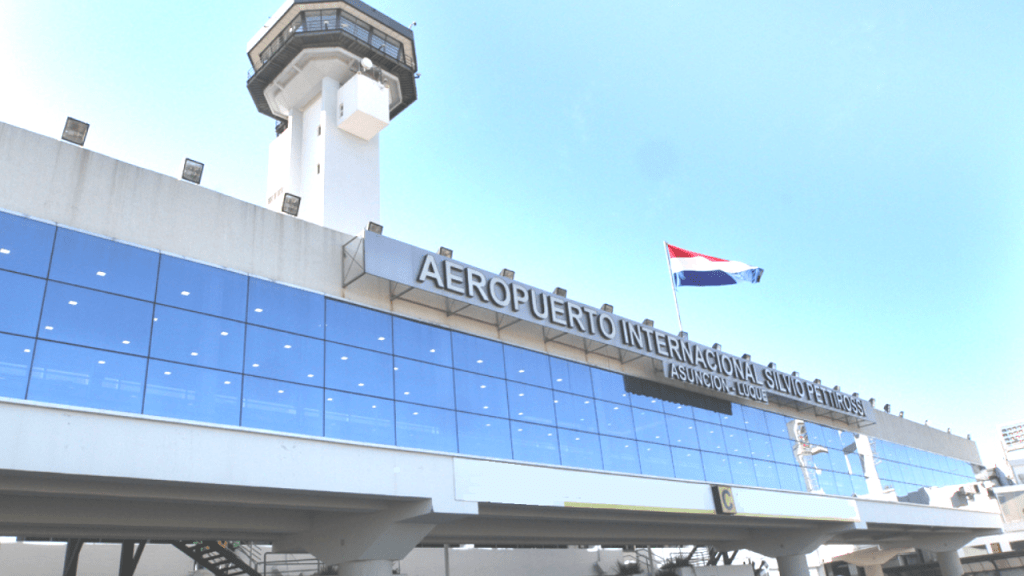
La República del Paraguay ha reiniciado sus operaciones aerocomerciales después de siete meses de parálisis del transporte aéreo. El Aeropuerto Internacional Asunción/Silvio Pettirossi ha permanecido en la inactividad, con la salvedad del transporte de carga de vuelos humanitarios. El pasado 21 de Octubre de 2020 comenzó el perfilamiento hacia la etapa operativa, aguardando el inicio de los vuelos comerciales. El 31/11 Paraguay reinicio la reapertura de vuelos regulares internacionales con el arribo de la compañía aérea Air Europa, con un vuelo procedente de España. A las 02:00 hs. del Martes 3 de Noviembre de 2020, un vuelo de la aerolíneas Copa Airlines, procedente de Ciudad de Panamá, aterrizó en el Silvio Pettirossi arribando cien pasajeros, siendo el primer vuelo comercial post-pandemia de la línea aérea panameña hacia Asunción. El vuelo de Copa Airlines fue recibido con el tradicional arco de agua que se realiza a los vuelos inaugurales. Alrededor del mediodía del 03/11, un vuelo de Amaszonas Uruguay, procedente de Santa Cruz de la Sierra, República de Bolivia, llegó con 61 pasajeros a la terminal aérea. Aerolíneas Argentinas, al igual que Latam Airlines Paraguay, han solicitado volver a operar la ruta Asunción-Buenos Aires, lo que en pocos días sería oficializado.

Tras la reapertura de las operaciones en el Aeropuerto Internacional Silvio Pettirossi, continua reafirmándose la posición de la aeroestación. Desde Argentina se menciona que a partir del 12/11 habrá tres frecuencias semanales: los Lunes, Jueves y Domingos. Paranair también es otra compañía que anunció que realizará dicha ruta desde este mes, pero aún sin confirmación.

Luis Galeano, titular de la Junta de Representantes de Líneas Aéreas Internacionales del Paraguay manifestó que están contentos con la reactivación de los vuelos comerciales, que inició este fin de semana. «Estamos empezando, después de que se habilitó el aeropuerto el 21 de octubre, los vuelos empezaron a programarse y a llegar», expresó. Ha expresado que la pérdida económica para las aerolíneas durante la pandemia fue bastante, por lo que aún no se puede hablar de una previsión de recuperación para el sector. «Tuvimos el 68% de la caída del mercado para Paraguay. La reactivación va a ser muy lenta», comentó. Asimismo señaló que la cuarentena debe ser levantada en el país, ya que eso es un inhibidor para los viajes y que una vez que eso se realice, se producirá un mayor dinamismo para el sector. Agregó que para la temporada alta se producirá una reactivación más fuerte ya que más vuelos podrían llegar e ir del país.

República Paraguay restarts operations

Airlines reactivated their first commercial flights

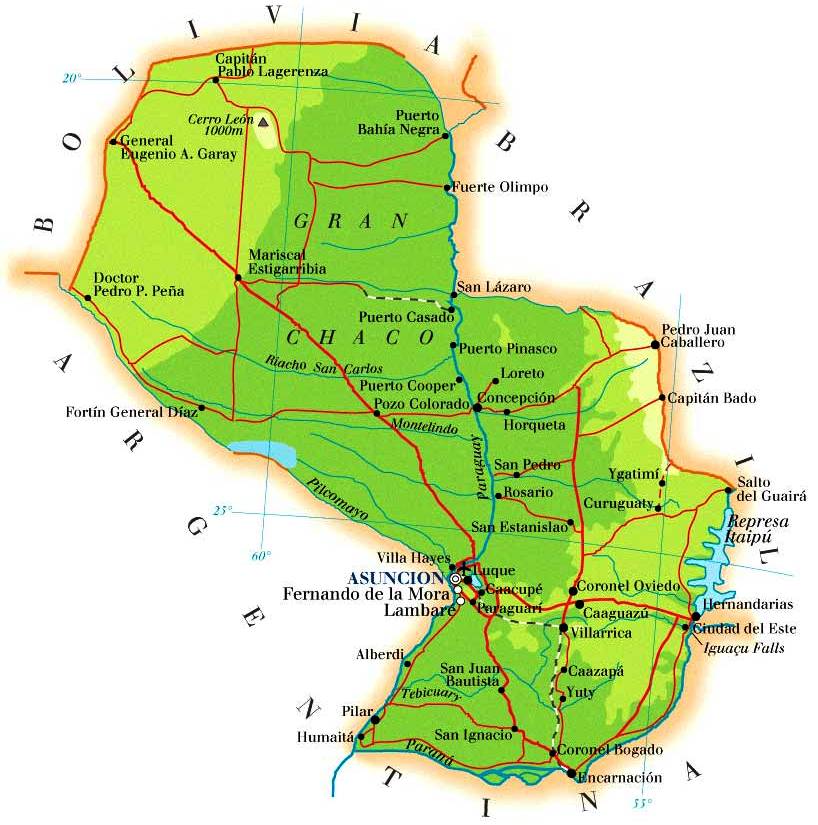
Paraguay-Map_Mapasblog

The Republic of Paraguay has restarted its commercial aviation operations after seven months of paralysis of air transport. The Asunción/Silvio Pettirossi International Airport has remained inactive, with the exception of the cargo transportation of humanitarian flights. On October 21, 2020, the profiling towards the operational stage began, awaiting the start of commercial flights. On 11/31, Paraguay restarted the reopening of regular international flights with the arrival of the airline Air Europa, with a flight from Spain. At 02:00 am. On Tuesday, November 3, 2020, a Copa Airlines flight from Panama City landed on the Silvio Pettirossi with one hundred passengers arriving, being the first post-pandemic commercial flight of the Panamanian airline to Asunción. The Copa Airlines flight was greeted with the traditional water arch that is used on inaugural flights. Around noon on 11/03, a flight from Amaszonas Uruguay, coming from Santa Cruz de la Sierra, Republic of Bolivia, arrived with 61 passengers at the air terminal. Aerolíneas Argentinas, like Latam Airlines Paraguay, have requested to operate the Asunción-Buenos Aires route again, which would be made official in a few days.

After the reopening of operations at Silvio Pettirossi International Airport, the position of the airstation continues to be reaffirmed. From Argentina it is mentioned that as of 11/12 there will be three weekly frequencies: Mondays, Thursdays and Sundays. Paranair is also another company that announced that it will carry out this route from this month, but still without confirmation.

Luis Galeano, head of the Board of Representatives of International Airlines of Paraguay, said that they are happy with the reactivation of commercial flights, which began this weekend. «We are starting, after the airport was enabled on October 21, the flights began to be scheduled and to arrive», he said. He has expressed that the economic loss for the airlines during the pandemic was enough, so it is still not possible to speak of a recovery forecast for the sector. «We had 68% of the market drop for Paraguay. The reactivation is going to be very slow», he commented. He also pointed out that the quarantine should be lifted in the country, since this is an inhibitor for travel and that once this is done, there will be greater dynamism for the sector. He added that for the high season there will be a stronger reactivation since more flights could arrive and go from the country.


PUBLISHER: Airgways.com
DBk: Dinatran.gov.py / Dinac.gov.py / Asuncion-airport.com / Airgways.com
AW-POST: 202011041218AR

A\W   A I R G W A Y S ®

La desidia del Aeropuerto El Palomar

AW | 2020 11 02 16:40 | AIRPORTS / AIRLINES / GOVERNMENT

Aeropuerto El Palomar atado al destino de la idiología política

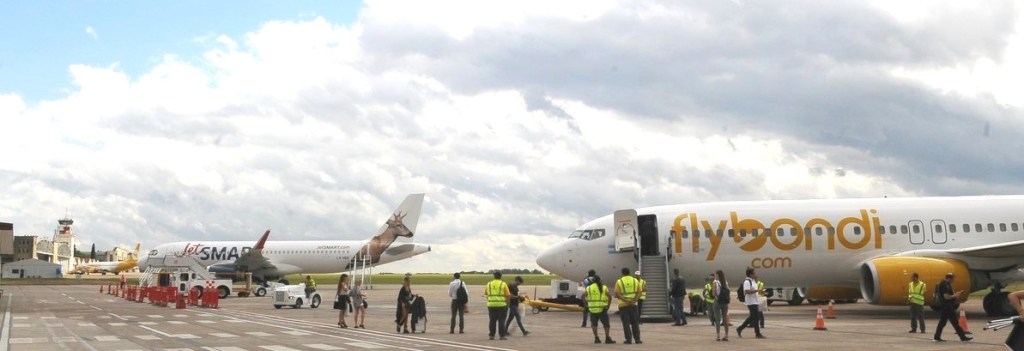
El Gobierno de Argentina, a través del Organismo Regulador del Sistema Nacional de Aeropuertos (ORSNA), estableció que el Aeropuerto de Ezeiza sea el único habilitado para operar, cancelando las habilitaciones del Aeropuerto El Palomar por considerarlas no seguras para la nueva modalidad biosanitaria. Lejos del rigor científico de esta postura irrazonable e irresponsable, el Intendente de Tres de Febrero, Diego Valenzuela, acusó que la reglamentación es por una cuestión ideológica y no por una razón económica. En un video publicado en sus red social Twitter, Diego Valenzuela apuntó contra “un sector político que busca mantener privilegios, y pone en riesgo miles de trabajos. El empleo, la conectividad, la competencia y federalismo todo eso es El Palomar”, sostuvo el mandatario, detallando los privilegios que trae a la región el aeropuerto low cost. Por último, Valenzuela solicitó que se haga lo posible para que El Palomar comience a operar: “Busquemos la forma para que vuelva a funcionar, no la excusa para cerrarlo, digámosle no al cierre”, indicó.

Manifestaciones en contra

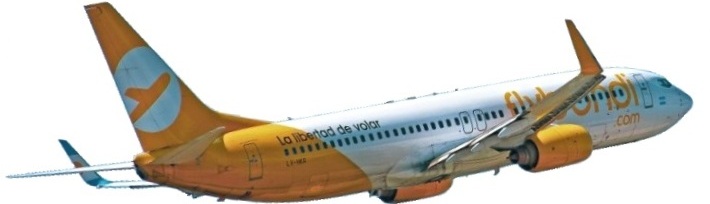
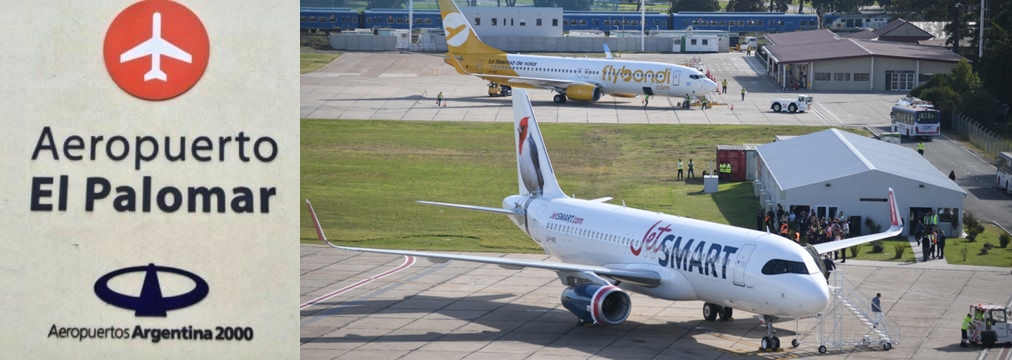
AW-Flybondi_704

Las manifestaciones en apoyo a la decisión de que no abra el Aeropuerto El Palomar han sido el reclamo de manifestantes bajo las consignas: “No a la extorsión de Flybondi” y “No al aeropuerto trucho e ilegal El Palomar”, ha sido el reclamo de vecinos de Morón, Tres de Febrero y Hurlingham que se movilizaron hasta la puerta de la terminal. En el marco de la polémica desatada en el último tiempo sobre el retorno o no de las actividades del Aeropuerto El Palomar, vecinos realizaron el pasado Domingo 01/11 un caravanazo en repudio a la lowcost Flybondi Líneas Aéreas, y a la vez apoyando la determinación del Gobierno nacional de que dicha terminal aún no pueda operar. Durante el recorrido de la protesta, hicieron escuchar su reclamo por el centro de Hurlingham, tras lo cual se dirigieron hacia el centro de Ciudad Jardín (Partido de Tres de Febrero) concluyendo en la puerta del Aeropuerto El Palomar.

Los manifestantes aseguraron que cuentan con el apoyo de los sindicatos aeronáuticos APA, APLA, APTA, UALA y UPSA y afirmaron que, pese al reclamo de los empleados de las lowcost, estos deberán seguir trabajando en el aeropuerto de Ezeiza, que es hasta el momento, el único habilitado por el Gobierno Nacional.

Posición empleados low cost

Por su parte, empleados de Flybondi Líneas Aéreas realizaron una denuncia contra el Vicepresidente del Organismo Regulador del Sistema Nacional de Aeropuertos (ORSNA), Fernando José Muriel.

El fin de semana se conoció que la Asociación Sindical de Trabajadores de Flybondi (ATFA) denunció penalmente al Vicepresidente del Organismo Regulador del Sistema Nacional de Aeropuertos (ORSNA), Fernando José Muriel, ante de la determinación de que el aeropuerto de Ezeiza sea el único en poder operar en el marco de la pandemia. Según la denuncia de ATFA, Muriel no ha dado fundamento razonable y suficiente para una decisión que, dicen, fue en abierta desobediencia a una sentencia judicial firme, en relación a un fallo de Martina Forns, Jueza Federal de San Martín, que en septiembre había rechazado un pedido de cierre total del aeropuerto. “La decisión arbitraria e ilegítima de Fernando Muriel incurre en los delitos de abuso de autoridad e incumplimiento de los deberes de funcionario público, reprimidos por el Código Penal de la Nación (Artículos 248 y 249). Recordamos que no existen razones sanitarias, ni operativas, ni de seguridad o técnicas para cerrar El Palomar”, remarcó ATFA.

Al respecto, Fernando Muriel, en declaraciones expresó: “Actualmente, los vuelos comerciales que Flybondi insiste en continuar desde El Palomar, son los correspondientes al único avión con que cuentan hoy en día. Es decir, que todos los actores del sistema aeronáutico implicados en este caso ANAC, ORSNA, Migraciones, EANA, Aduana, Sanidad de Fronteras, PSA y Aeropuertos Argentina 2000 deberían sostener con sus recursos la operación con un solo avión de Flybondi que, según las palabras del propio presidente, está con un nivel de ventas diarias de 30 o 40 tickets. ¿Alguien puede realmente sostener que el Estado debe realizar todo el despliegue necesario para que un aeropuerto pueda operar en condiciones de pandemia, para un solo avión o para que se trasladen entre 30 o 40 personas? Frente al contexto de esta crisis económica y sanitaria, resulta indispensable, por un lado, optimizar los recursos económicos de todo el sector y además garantizar los estándares de seguridad e higiene de la actividad aeroportuaria”, concluyó Fernando Muriel.

La razón del achicamiento de la flota de Flybondi Líneas Aéreas está relacionado con que la aerolínea ha iniciado un proceso de chequeos de flota en mantenimiento y reestableciendo negociaciones para alquilar en contrato de leasing aeronaves a mejores condiciones financieras, dado que actualmente existe un mercado con mayor oferta y mejores precios de alquileres, medidas que han sido tomadas para buscar reducir la aguda crisis económica que atraviesan las aerolíneas durante estos siete meses de pandemia y de incursión en tierra del transporte aéreo.

Desde los gremios aeronáuticos low cost y los empleados de las aerolíneas de presupuesto, sostienen que las políticas implementadas por el actual Gobierno no están a la altura de las definiciones que deben implementar para estimular el transporte aéreo federal, mientras que continúa en la desidia el destino del Aeropuerto Internacional El Palomar, un aeropuerto que promete una revolución económica en el transporte aéreo.

The laziness of El Palomar Airport

El Palomar Airport tied to the fate of political idiology

The Government of Argentina, through the Regulatory Body of the National Airport System (ORSNA), established that the Ezeiza Airport is the only one authorized to operate, canceling the El Palomar Airport authorizations as they are considered unsafe for the new biosanitary modality. Far from the scientific rigor of this unreasonable and irresponsible stance, the Mayor of Tres de Febrero, Diego Valenzuela, accused that the regulation is for an ideological issue and not for an economic reason. In a video posted on his social network Twitter, Velenzuela pointed out against “a political sector that seeks to maintain privileges, and puts thousands of jobs at risk. Employment, connectivity, competition and federalism are all El Palomar”, said the president, detailing the privileges that the low cost airport brings to the region. Finally, Valenzuela asked that everything possible be done so that El Palomar begins operating: «Let’s find a way to make it work again, not an excuse to close it, let’s say no to the closure», he said.

Through his social networks, the mayor of Tres de Febrero harshly criticized the national government for disabling El Palomar from operating again. «It is a political sector that seeks to maintain privileges», he accused.

Demonstrations against

The demonstrations in support of the decision not to open the El Palomar Airport have been the claim of protesters under the slogans: «No to extortion by Flybondi» and «No to the illegal and illegal El Palomar Airport», has been the claim of residents of Morón, Tres de Febrero and Hurlingham who mobilized to the door of the terminal. Within the framework of the controversy unleashed in recent times about the return or not of the activities of the El Palomar Airport, neighbors carried out a caravanning last Sunday 01/11 in repudiation of the low cost Flybondi Lineas Aereas, and at the same time supporting the determination of the National Government that said terminal can not yet operate. During the tour of the protest, they made their claim heard by the center of Hurlingham, after which they went to the center of Ciudad Jardín (Partido de Tres de Febrero) concluding at the door of El Palomar Airport.

The protesters assured that they have the support of the aeronautical unions APA, APLA, APTA, UALA and UPSA and affirmed that, despite the claim of the low-cost employees, they must continue working at the Ezeiza airport, which is until now, the only one authorized by the National Government.

Low cost employees position

For their part, employees of Flybondi Líneas Aéreas filed a complaint against the Vice President of the Regulatory Body of the National Airport System (ORSNA), Fernando José Muriel.

Over the weekend, it was learned that the Flybondi Workers’ Trade Union Association (ATFA) criminally denounced the Vice President of the Regulatory Body of the National Airport System (ORSNA), Fernando José Muriel, before the determination that the Ezeiza airport is the only one in being able to operate in the framework of the pandemic. According to the ATFA complaint, Muriel has not provided a reasonable and sufficient basis for a decision that, they say, was in open disobedience to a final judicial ruling, in relation to a ruling by Martina Forns, Federal Judge of San Martín, who in September had rejected a request for total closure of the airport. “The arbitrary and illegitimate decision of Fernando Muriel incurs the crimes of abuse of authority and non-compliance with the duties of a public official, repressed by the National Penal Code (Articles 248 and 249). We recall that there are no sanitary, operational, security or technical reasons to close El Palomar”, ATFA remarked.

In this regard, Fernando Muriel, in a statement stated: “Currently, the commercial flights that Flybondi insists on continuing from El Palomar are those corresponding to the only aircraft they have today. In other words, all the actors of the aeronautical system involved in this case ANAC, ORSNA, Migrations, EANA, Customs, Border Health, PSA and Airports Argentina 2000 should support with their resources the operation with a single Flybondi aircraft that, according to the words of the president himself, is with a daily sales level of 30 or 40 tickets. Can anyone really argue that the State must carry out all the necessary deployment so that an airport can operate in pandemic conditions, for a single plane or for 30 or 40 people to travel? Faced with the context of this economic and health crisis, it is essential, on the one hand, to optimize the economic resources of the entire sector and also guarantee the safety and hygiene standards of the airport activity”, concluded Fernando Muriel.

The reason for the reduction of the Flybondi Lineas Aereas fleet is related to the fact that the airline has started a process of maintenance checks of the fleet and reestablishing negotiations to rent aircraft in a leasing contract at better financial conditions, given that there is currently a market with greater supply and better rental prices, measures that have been taken to seek to reduce the acute economic crisis that airlines are going through during these seven months of pandemic and air transport incursion into the ground.

Low cost aeronautical unions and budget airline employees argue that the policies implemented by the current Government do not live up to the definitions they must implement to stimulate federal air transport, while the destination continues to be lazy from El Palomar International Airport, an airport that promises an economic revolution in air transport.


PUBLISHER: Airgways.com
DBk: Tresdefebrero.gov.ar / Airgways.com / Clarin.com / Flybondi.com
AW-POST: 202011021640AR

A\W   A I R G W A Y S ®

Aeropuerto Filadelfia servicio integrado

La imagen tiene un atributo ALT vacío; su nombre de archivo es aw-j.-david-buerk.jpg

AW | 2020 10 30 17:23 | AIRPORTS

Aeropuerto Filadelfia lanza primer servicio integrado catering

PHL Airport_Isologotype

El Aeropuerto Internacional Filadelfia/PHL es el primer aeropuerto en Estados Unidos y el mundo en lanzar un servicio integrado de entrega de comidas para pasajeros. PHL Food & Shops, el programa de concesiones en el Aeropuerto Internacional de Filadelfia, es el primer programa aeroportuario en los Estados Unidos en ofrecer una nueva colaboración de productos entre Grab y AtYourGate, dos servicios de alimentos sin contacto en el aeropuerto.

La aplicación Grab Airport con entrega impulsada por AtYourGate tiene como objetivo facilitar la experiencia de concesiones del aeropuerto para los viajeros al ofrecer capacidades de pedido y entrega de comidas sin contacto al alcance de su mano. Los pasajeros pueden descargar la aplicación en su dispositivo móvil o visitarla en orderatphl.com. Los viajeros y los empleados del aeropuerto también pueden escanear varios códigos QR Grab colocados en todo PHL para una manera aún más fácil de pedir comida y conseguir que se entregue sobre la marcha. Los comerciantes participantes se pueden buscar por tipo de comida y terminal, y los pedidos se pueden entregar directamente a su puerta, lo que mejora las medidas de distanciamiento social adecuadas que garantizan la salud y el bienestar de los viajeros y empleados. «La aplicación Grab Airport con entrega por AtYourGate, ofrece a nuestros viajeros una solución sin contacto para pedir su comida favorita directamente desde sus dispositivos móviles. La salud y el bienestar de nuestros pasajeros y empleados es nuestra máxima prioridad, y estamos encantados de ofrecer la entrega como una opción. Simplemente encuentre lo que desea, pida y relájese mientras espera su vuelo», dijo Mel Hannah, Vicepresidente y Gerente General de MarketPlace PHL.

La aplicación Grab Airport está disponible para su descarga en dispositivos iOS en Apple App Store y para dispositivos Android desde Google Play Store. Grab se ofrece en 60 aeropuertos en todo el mundo y en crecimiento, y tiene una asociación directa con American Airlines, ofreciendo la comodidad adicional de ordenar a través de la aplicación estadounidense. Grab aparecerá en la pantalla de inicio si los restaurantes y minoristas participantes están disponibles en función del itinerario del viajero.

Philadelphia Airport Integrated Service

Philadelphia Airport launches first integrated catering service

The Philadelphia International Airport/PHL is the first airport in the United States and the world to launch an integrated passenger meal delivery service. PHL Food & Shops, the concessions program at Philadelphia International Airport, is the first airport program in the United States to offer a new product collaboration between Grab and AtYourGate, two non-contact food services at the airport.

The Grab Airport app with delivery powered by AtYourGate aims to facilitate the airport concessions experience for travelers by offering contactless meal ordering and delivery capabilities right at their fingertips. Passengers can download the app on their mobile device or visit it at orderatphl.com. Travelers and airport employees can also scan various QR Grab codes posted throughout PHL for an even easier way to order food and get it delivered on the go. Participating merchants can be searched by food type and terminal, and orders can be delivered right to their doorstep, enhancing appropriate social distancing measures that ensure the health and well-being of travelers and employees. «The Grab Airport app with delivery by AtYourGate, offers our travelers a contactless solution to order their favorite food directly from their mobile devices. The health and well-being of our passengers and employees is our highest priority, and we are delighted to offer the delivery as an option. Just find what you want, order and relax while you wait for your flight», said Mel Hannah, Vice President and General Manager, MarketPlace PHL.

The Grab Airport app is available for download on iOS devices from the Apple App Store and for Android devices from the Google Play Store. Grab is offered at 60 growing and worldwide airports and has a direct partnership with American Airlines, offering the added convenience of ordering through the US app. Grab will appear on the home screen if participating restaurants and retailers are available based on the traveler’s itinerary.


PUBLISHER: Airgways.com
DBk: Phl.org / Aviationpros.com / Airgways.com / J. David Buerk / Marketplacedevelopment.com
AW-POST: 202010301723AR

A\W   A I R G W A Y S ®

Reabre Berlín-Brandenburgo Airport

AW | 2020 10 29 12:27 | AIRPORTS / GOVERNMENT

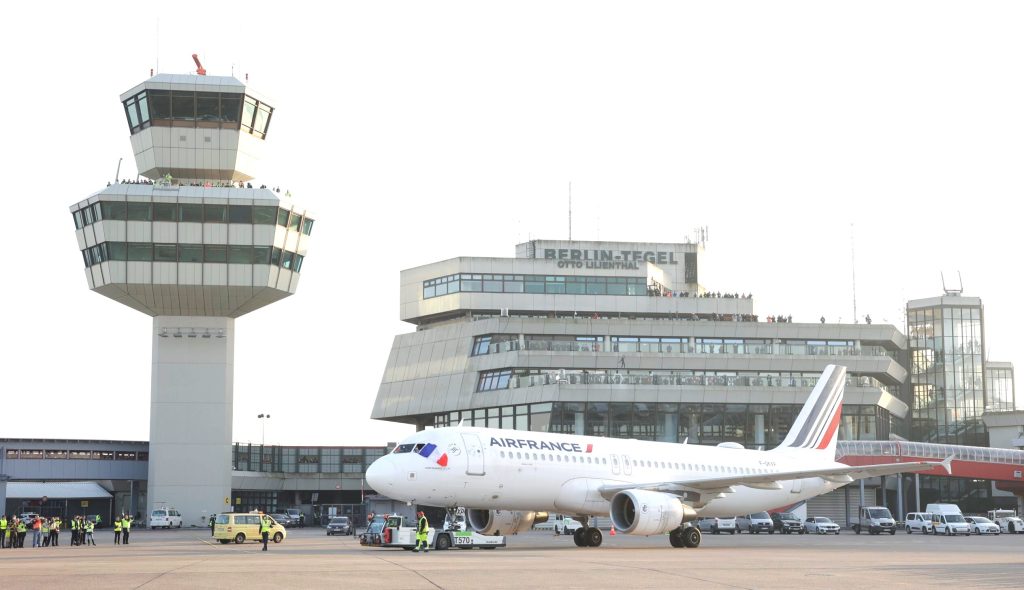
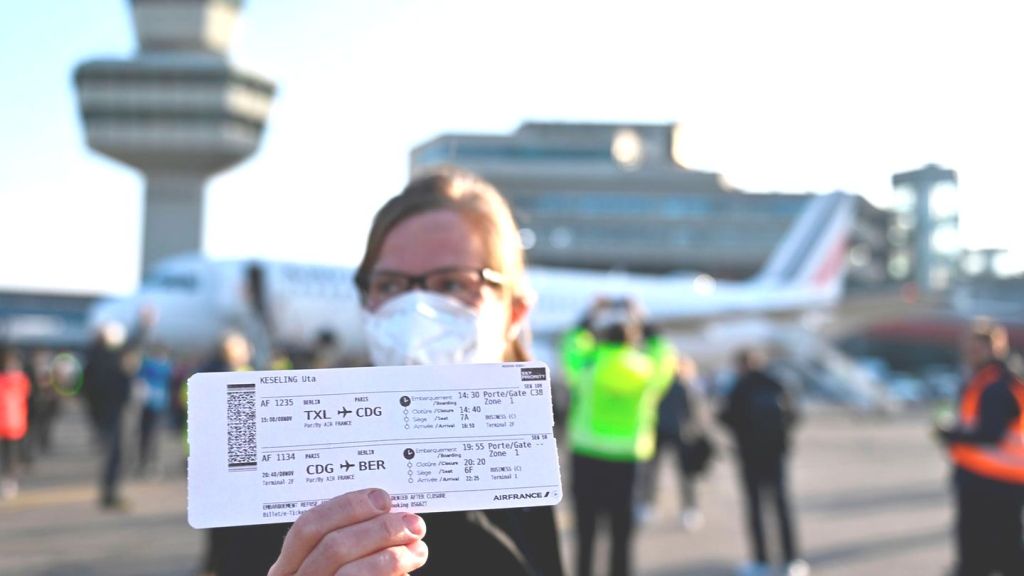
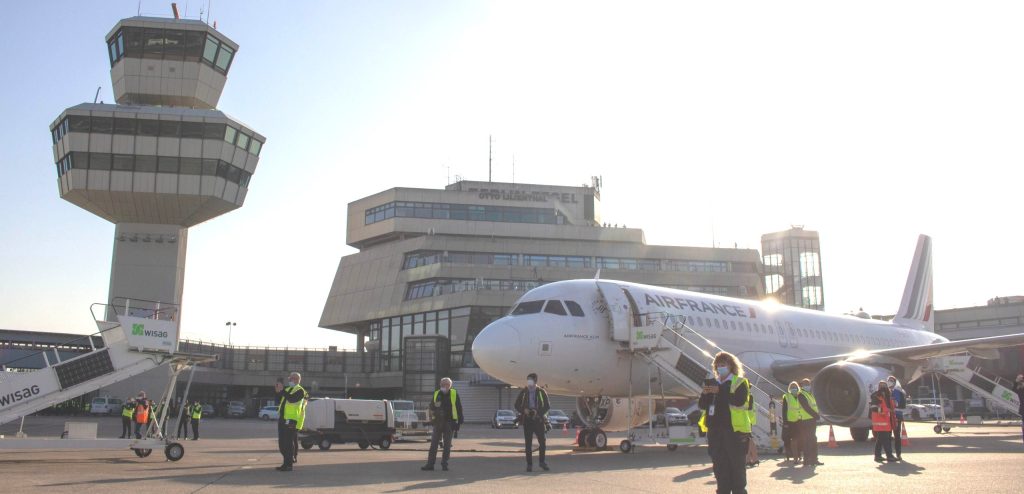
Tras 9 años demoras y millones sobre presupuesto reabre BER

Berlin-Brandenburg_Isologotype_en.svg

El remodelado Aeropuerto Berlín-Brandenburgo Willy Brandt (BER) en la República de Alemania ha anunciado la reapertura de su aeroestación luego de nueve años de postergaciones. El 31 de Octubre de 2020, el aeropuerto celebrará su primer día de operaciones con un evento de bienvenida tenue. Dos aviones aterrizarán simultáneamente, uno de la aerolínea Lufthansa y uno de EasyJet, inaugurando nuevamente hacia la capital alemana la apertura de un aeropuerto internacional.

Con la industria global de viajes inmersa en la peor crisis de décadas, sin duda es un momento poco auspicioso para abrir un nuevo y enorme aeropuerto internacional. Sin embargo, el nuevo aeropuerto de Berlín-Brandenburgo, que abre este fin de semana, ha luchado a través de casi una década de reveses para finalmente llegar al día de apertura. El Presidente del Consejo/CEO del Aeropuerto Berlin Brandenburg, Engelbert Lutke-Daldrup, quien heredó una situación desastrosa cuando asumió el cargo de Director Ejecutivo del operador Berlin-Brandenburger Flughafengesellschaft en 2017, dijo recientemente que el aeropuerto retrasado había hecho de Berlín y Alemania una risa, manteniendo una promesa cumplida.

«Ya fijamos la fecha de apertura hace tres años, y es con cierto orgullo después de lo que sucedió en el pasado, que podemos mantener esta fecha y demostrar la fiabilidad. Iniciar operaciones en la terminal principal ahora tenía sentido, sobre todo para que nuestros huéspedes tengan más espacio, porque el espacio es importante en condiciones de Coronavirus y cuanto más espacio podamos ofrecer, mejor», dijo Engelbert Lutke-Daldrup.

El querido Aeropuerto de Berlín/Tegel, en el oeste de la ciudad, cerrará ahora, mientras que el Aeropuerto Berlín/Schenefeld se convertirá en la Terminal 5 de BER. Pero existían dudas acerca de que el nuevo aeropuerto pudiera manejar los 36 millones de pasajeros aéreos que Berlín procesó el año pasado, pero el tráfico aéreo tardará mucho tiempo en recuperarse a los niveles de pre-Coronavirus, y el aeropuerto será capaz de manejar más de 40 millones una vez que las tres terminales, incluyendo Schenefeld, están en funcionamiento.

Berlín/Brandenburger

El Aeropuerto Berlín/Brandenburgo ha estado acosada por problemas desde el principio, desde las denuncias de corrupción hasta los cambios técnicos y de gestión, lo que significó que la apertura se pospuso alrededor de seis veces desde la fecha prevista original de 2011. En 2012, apenas unas semanas antes de la inauguración, con invitaciones enviadas y la Canciller Angela Merkel se incendió para bendecir el nuevo aeropuerto, tuvieron que poner fin a las dificultades técnicas, incluidos los sistemas defectuosos de seguridad contra incendios. Las fechas previstas de apertura en 2014, 2016 y 2017 pasaron volando y los costos pasaron de la estimación original de € 2.7 billones (bn) de Euros a más de € 6.000bn de Euros. El aeropuerto, que es propiedad conjunta de los estados de Brandeburgo y Berlín y el Gobierno Federal, sufrió una interminable letanía de problemas. Algunos eran serios: el techo era demasiado pesado para el edificio, las escaleras mecánicas eran demasiado cortas. Algunos eran ridículos: las luces dentro del terminal no se podían apagar, ya que nadie podía encontrar los interruptores.

Inauguración Berlín-Brandenburgo

El Martes 27/10, Engelbert Lutke-Daldrup describió sus emociones en el período previo a la inauguración del Sábado 24/10 como ambivalente. Por un lado, dijo que siente euforia y orgullo por todos los trabajadores que han puesto el aeropuerto en línea. Por otro lado, siente tristeza por los estragos que la pandemia ha destrozado en la rama de viaje. «Para nosotros, por supuesto, la pandemia corona es el mayor problema. No sólo para nosotros, para todo el sector del tráfico aéreo en Europa y en todo el mundo: en Europa en este momento, estamos en el 20% de los pasajeros normales de los aviones, el 30% de los vuelos normales y, por supuesto, nuestros clientes de aerolíneas no lo están haciendo bien», expresó el CEO del Aeropuerto BER. La pandemia ha puesto de rodillas a la industria aérea mundial este año. Las aerolíneas de todo el mundo están en soporte vital, incluyendo la aerolínea de bandera alemana Lufthansa, la franco-holandesa Air France-KLM entre otras que continúan recibiendo asistencia para estos tiempos turbulentos que afectan al mundo de la aviación comercial.

Berlin-Brandenburg Airport reopens

After 9 years, delays and millions on budget reopens BER

The remodeled Berlin-Brandenburg Willy Brandt Airport (BER) in the Republic of Germany has announced the reopening of its air station after nine years of delays. On October 31, 2020, the airport will celebrate its first day of operations with a subdued welcome event. Two planes will land simultaneously, one from Lufthansa airline and one from EasyJet, once again inaugurating the opening of an international airport in the German capital.

With the global travel industry in the worst crisis in decades, it is certainly an auspicious time to open a huge new international airport. However, the new Berlin-Brandenburg Willy Brandt Airport (BER), which opens this weekend, has struggled through nearly a decade of setbacks to finally make it to opening day. Berlin Brandenburg Airport Chairman/CEO Engelbert Lutke-Daldrup, who inherited a disastrous situation when he took over as Managing Director of the Berlin-Brandenburger Flughafengesellschaft operator in 2017, recently said that the delayed airport had made Berlin and Germany one laugh, keeping a promise kept.

«We already set the opening date three years ago, and it is with some pride after what happened in the past that we can keep this date and demonstrate reliability. Starting operations at the main terminal now made sense, especially for our guests have more space, because space is important in Coronavirus conditions and the more space we can offer the better», said Engelbert Lutke-Daldrup.

The beloved Berlin/Tegel Airport in the west of the city will now close, while the Berlin/Schenefeld Airport will become Terminal 5 of BER. But there were doubts that the new airport could handle the 36 million air passengers that Berlin processed last year, but air traffic will take a long time to recover to pre-Coronavirus levels, and the airport will be able to handle more than 40 million once all three terminals, including Schenefeld, are up and running.

Berlin/Brandenburger

Berlin/Brandenburg Airport has been beset with problems from the beginning, from allegations of corruption to technical and management changes, which meant that the opening was postponed around six times from the original scheduled date of 2011. In 2012, Just weeks before the opening, with invitations sent out and Chancellor Angela Merkel caught fire to bless the new airport, they had to put an end to technical difficulties, including faulty fire safety systems. The planned opening dates in 2014, 2016 and 2017 flew by and costs went from the original estimate of € 2.7 billion (bn) of Euros to more than € 6,000bn of Euros. The airport, which is jointly owned by the states of Brandenburg and Berlin and the Federal Government, suffered an endless litany of problems. Some were serious: the roof was too heavy for the building, the escalators were too short. Some were ridiculous the lights inside the terminal couldn’t be turned off, as no one could find the switches.

Inauguration Berlin-Brandenburg

On Tuesday 10/27, Engelbert Lutke-Daldrup described his emotions in the run-up to the opening on Saturday 10/24 as ambivalent. On the one hand, he said he feels euphoria and pride for all the workers who have brought the airport online. On the other hand, he is saddened by the ravages that the pandemic has destroyed in the travel branch. «For us, of course, the corona pandemic is the biggest problem. Not only for us, for the entire air traffic sector in Europe and around the world: in Europe at the moment, we are at 20% of normal passengers of airplanes, 30% of normal flights and, of course, our airline customers are not doing well», said the CEO of BER Airport. The pandemic has brought the global airline industry to its knees this year. Airlines around the world are on life support, including the German flag carrier Lufthansa, the French-Dutch Air France-KLM among others who continue to receive assistance during these turbulent times affecting the world of commercial aviation.

Flughafen Berlin-Brandenburg wird wiedereröffnet

Die Eröffnung des Flughafen BER - SZ.de

BER wird nach neunjähriger Verzögerung wiedereröffnet

Der umgebaute Flughafen Berlin-Brandenburg Willy Brandt (BER) in der Republik Deutschland hat nach neunjähriger Verspätung die Wiedereröffnung seiner Flugstation angekündigt. Am 31 Oktober 2020 feiert der Flughafen seinen ersten Betriebstag mit einer gedämpften Begrüßungsveranstaltung. Zwei Flugzeuge landen gleichzeitig, eines von der Fluggesellschaft Lufthansa und eines von EasyJet, und eröffnen erneut die Eröffnung eines internationalen Flughafens in der deutschen Hauptstadt.

Angesichts der schlimmsten Krise der globalen Reisebranche seit Jahrzehnten ist es sicherlich eine günstige Zeit, einen riesigen neuen internationalen Flughafen zu eröffnen. Der neue Berlin-Brandenburg Willy Brandt Airport (BER), der an diesem Wochenende eröffnet wird, hat jedoch fast ein Jahrzehnt mit Rückschlägen zu kämpfen, um endlich den Eröffnungstag zu erreichen. Engelbert Lutke-Daldrup, Chairman/CEO des Flughafens Berlin Brandenburg, der eine katastrophale Situation erbte, als er 2017 die Geschäftsführung des Betreibers der Berlin-Brandenburger Flughafengesellschaft übernahm, sagte kürzlich, der verspätete Flughafen habe Berlin und Deutschland zu einem solchen gemacht Lachen, ein Versprechen halten.

,,Wir haben den Eröffnungstermin bereits vor drei Jahren festgelegt, und mit einigem Stolz nach dem, was in der Vergangenheit passiert ist, können wir diesen Termin einhalten und Zuverlässigkeit demonstrieren. Die Inbetriebnahme am Hauptterminal war jetzt sinnvoll, insbesondere für unsere Gäste haben mehr Platz, weil Platz unter Coronavirus-Bedingungen wichtig ist und je mehr Platz wir anbieten können, desto besser», sagte Engelbert Lutke-Daldrup.

La imagen tiene un atributo ALT vacío; su nombre de archivo es aw-gunter-wicker_flughafen-berlin-brandenburg-gmbh.jpg

Der beliebte Flughafen Berlin/Tegel im Westen der Stadt wird nun geschlossen, während der Flughafen Berlin/Schenefeld zum Terminal 5 der BER wird. Es gab jedoch Zweifel, dass der neue Flughafen die 36 Millionen Fluggäste, die Berlin im vergangenen Jahr abgefertigt hat, abfertigen könnte, aber es wird lange dauern, bis sich der Flugverkehr wieder auf das Niveau vor Coronavirus erholt hat, und der Flughafen wird mehr als abfertigen können 40 Millionen, sobald alle drei Terminals, einschließlich Schenefeld, in Betrieb sind.

Berlin/Brandenburger

Der Flughafen Berlin/Brandenburg war von Anfang an mit Problemen behaftet, von Korruptionsvorwürfen bis hin zu technischen und Managementänderungen, was dazu führte, dass die Eröffnung etwa sechsmal gegenüber dem ursprünglich geplanten Datum von 2011 verschoben wurde. Nur wenige Wochen vor der Eröffnung mussten Kanzlerin Angela Merkel mit Einladungen und dem Brand des neuen Flughafens technische Schwierigkeiten, einschließlich fehlerhafter Brandschutzsysteme, beenden. Die geplanten Eröffnungstermine in den Jahren 2014, 2016 und 2017 vergingen und die Kosten stiegen von der ursprünglichen Schätzung von 2,7 Billionen Euro auf über 6.000 Milliarden Euro. Der Flughafen, der sich im gemeinsamen Besitz der Bundesländer Brandenburg und Berlin sowie der Bundesregierung befindet, litt unter einer endlosen Litanei von Problemen. Einige meinten es ernst: Das Dach war zu schwer für das Gebäude, die Rolltreppen waren zu kurz. Einige waren lächerlich die Lichter im Terminal konnten nicht ausgeschaltet werden, da niemand die Schalter finden konnte.

Einweihung von Berlin-Brandenburg

Am Dienstag, den 27/10, Beschrieb Engelbert Lutke-Daldrup seine Gefühle im Vorfeld der Eröffnung am Samstag, den 24/10. Als ambivalent. Einerseits sagte er, er fühle Euphorie und Stolz für alle Arbeiter, die den Flughafen online gebracht haben. Auf der anderen Seite ist er traurig über die Verwüstungen, die die Pandemie in der Reisebranche zerstört hat. ,,Für uns ist die Koronapandemie natürlich das größte Problem. Nicht nur für uns, für den gesamten Flugverkehrssektor in Europa und auf der ganzen Welt: In Europa sind wir derzeit bei 20% der normalen Passagiere Bei Flugzeugen geht es 30% der normalen Flüge und natürlich unseren Airline-Kunden nicht gut», sagte der CEO des Flughafens BER. Die Pandemie hat die globale Luftfahrtindustrie in diesem Jahr in die Knie gezwungen. Fluggesellschaften auf der ganzen Welt sind lebenserhaltend, darunter die deutsche Fluggesellschaft Lufthansa, die französisch-niederländische Air France-KLM und andere, die in diesen turbulenten Zeiten, die die Welt der kommerziellen Luftfahrt betreffen, weiterhin Unterstützung erhalten.


PUBLISHER: Airgways.com
DBk: Berlin-airport.de / Airgways.com / Welt.de / Dick Laubner / Günter Wicker / Wikipedia.org
AW-POST: 202010291227AR

A\W   A I R G W A Y S ®

Ampliaciones Aeropuerto Bandaranaike

AW | 2020 10 29 10:57 | AIRPORTS

Expansión T2 Aeropuerto Internacional Bandaranaike

AW-Sri Lanka_map

El Aeropuerto Internacional Bandaranaike en Katunayake, Sri Lanka, está experimentando una importante expansión para proporcionar una mejor experiencia de los pasajeros y aumentar la capacidad de manejo. La construcción del segundo edificio de la terminal de pasajeros (Terminal 2) es la pieza central del programa de ampliación del aeropuerto, cuyo objetivo es aumentar las oportunidades de negocio en el sector de la aviación de Sri Lanka. Las autoridades aeroportuarias celebraron una reunión inicial con el nuevo contratista de terminales y consultores de proyectos en septiembre de 2020 para presentar el plan de trabajo para la construcción de la terminal y otras obras relacionadas. El proyecto de expansión de US$ 550 millones comprende dos paquetes, el paquete A y el paquete B, y se espera que se complete en tres años.

El proyecto abordará cuestiones como la congestión y las molestias de los pasajeros en el aeropuerto. Se espera que la nueva terminal maneje nueve millones de pasajeros al año, llevando la capacidad de manejo de pasajeros del aeropuerto a 15 millones de pasajeros al año. En julio de 2020, el aeropuerto instaló las últimas máquinas de rayos X para mejorar la capacidad de detección de equipaje. El nuevo terminal ofrecerá acceso sin barreras con múltiples iniciativas respetuosas con el medio ambiente e incorporará tecnología avanzada japonesa. El proyecto contemplará la construcción de un nuevo edificio terminal de varios niveles con una superficie de aproximadamente 180.000m2, dos nuevos muelles y un curso de enlace que conecte con la terminal existente. Las zonas de llegada y salida se separarán verticalmente. El nuevo edificio de la terminal del Aeropuerto Internacional Bandaranaike incluirá 96 mostradores de facturación, ocho cinturones de reclamo de equipaje, siete carruseles de maquillaje de equipaje, puertas de embarque de contacto, puentes de embarque de pasajeros y puertas de autobús. El terminal incorporará medidas de sostenibilidad como el 40% de ahorro de agua, un 25% de ahorro de energía, la instalación de equipos de bajo consumo, el compromiso con el uso de refrigerantes de clorofluorocarbonos cero (CFC) e hidroclorofluorocarbonos (HCFC) y el estacionamiento preferido para vehículos de baja emisión y de bajo consumo de combustible.

Detalles de la construcción

El paquete A del proyecto de ampliación contempla la construcción de la segunda terminal, con una explanada de enlace, nuevo delantal de estacionamiento y pistas de rodaje, aparcamiento de cinco niveles y servicios públicos, y vías de acceso elevadas. Incluye edificios que están conectados a los edificios principales de la terminal, sistema de drenaje de aguas pluviales, electricidad, suministro de agua y sistema de eliminación de aguas residuales, maquinaria integrada y motores de combustión. Las obras de desarrollo del paquete B están a punto de finalizar, con el 82% de las obras terminadas en agosto de 2020. Las obras incluyen la adición de 23 nuevas bahías de estacionamiento de aeronaves y otras mejoras como maquinaria, estanque de retención y sistema de drenaje de aguas pluviales y carretera de acceso. Otros componentes de la mejora y ampliación del aeropuerto incluyen el aumento de la capacidad del incinerador, la planta de tratamiento de agua y la planta de tratamiento de aguas residuales.

Financiación

En Marzo de 2016, la Agencia Japonesa de Cooperación Internacional (JICA) firmó un acuerdo de préstamo por valor de US$ 403.75 millones con un período de reembolso de 40 años para apoyar la construcción de la nueva terminal y las obras asociadas. Anteriormente proporcionó un préstamo de US$ 257.44 millones para el diseño detallado del aeropuerto.

Contratistas involucrados

La constructora japonesa Taisei es el contratista para la construcción de la Terminal 2. Japan Airport Consultants y Nippon Koei están sirviendo como consultores de proyectos, mientras que la consultora de ingeniería Green Technologies fue contratada para proporcionar servicios de consultoría de Liderazgo en Energía y Diseño Ambiental (LEED) para el proyecto.

Bandaranaike Airport Expansions

Bandaranaike International Airport Terminal 2, Sri Lanka

Bandaranaike International Airport Terminal 2 Expansion

The Bandaranaike International Airport in Katunayake, Sri Lanka, is undergoing a major expansion to provide a better passenger experience and increase handling capacity. The construction of the second passenger terminal building (Terminal 2) is the centerpiece of the program. expansion of the airport, which aims to increase business opportunities in the Sri Lankan aviation sector. The airport authorities held an initial meeting with the new terminal contractor and project consultants in September 2020 to present the work plan for the construction of the terminal and other related works. The US$ 550 millon expansion project comprises two packages, Package A and Package B, and is expected to be completed in three years.

The project will address issues such as congestion and passenger annoyances at the airport. The new terminal is expected to handle nine million passengers a year, bringing the airport’s passenger handling capacity to 15 million passengers a year. In July 2020, the airport installed the latest X-ray machines to improve baggage screening capabilities. The new terminal will offer barrier-free access with multiple environmentally friendly initiatives and will incorporate advanced Japanese technology. The project will include the construction of a new multi-level terminal building with an area of ​​approximately 180,000m2, two new docks and a link course that connects with the existing terminal. The arrival and departure zones will be separated vertically. The new bandaranaike International Airport terminal building will include 96 check-in counters, eight baggage claim belts, seven baggage makeup carousels, contact gates, passenger boarding bridges and bus gates. The terminal will incorporate sustainability measures such as 40% water savings, 25% energy savings, the installation of low consumption equipment, a commitment to the use of zero chlorofluorocarbon (CFC) and hydrochlorofluorocarbon (HCFC) refrigerants and the preferred parking lot for fuel efficient and low emission vehicles.

Construction details

Package A of the expansion project includes the construction of the second terminal, with a connecting esplanade, a new parking apron and taxiways, a five-level car park and public services, and elevated access roads. It includes buildings that are connected to the main terminal buildings, storm water drainage system, electricity, water supply and wastewater disposal system, integrated machinery and combustion engines. Package B development works are nearing completion, with 82% of the works completed in August 2020. Works include the addition of 23 new aircraft parking bays and other improvements such as machinery, retention pond and system stormwater drainage and access road. Other components of the airport upgrade and expansion include increasing the capacity of the incinerator, the water treatment plant and the wastewater treatment plant.

Financing

In March 2016, the Japan International Cooperation Agency (JICA) signed a loan agreement for US$ 403.75 million with a repayment period of 40 years to support the construction of the new terminal and associated works. It previously provided a loan of US$ 257.44 million for the detailed design of the airport.

Contractors involved

Japanese construction company Taisei is the contractor for the construction of Terminal 2. Japan Airport Consultants and Nippon Koei are serving as project consultants, while engineering consultancy Green Technologies has been hired to provide Energy Leadership and Environmental Design consulting services. (LEED) for the project.

டி 2 பண்டாரநாயக்க நீட்டிப்புகள்

பண்டாரநாயக்க சர்வதேச விமான நிலையத்தின் நிலை இதுவா? வைரலாகும் காணொளி -  Tamilwin

பண்டாரநாயக்க விமான நிலைய விரிவாக்கங்கள்

இலங்கையின் கட்டூநாயக்கத்தில் உள்ள பண்டாரநாயக்க சர்வதேச விமான நிலையம் ஒரு சிறந்த பயணிகள் அனுபவத்தை வழங்குவதற்கும் கையாளுதல் திறனை அதிகரிப்பதற்கும் ஒரு பெரிய விரிவாக்கத்தை மேற்கொண்டு வருகிறது. இரண்டாவது பயணிகள் முனைய கட்டிடம் (டெர்மினல் 2) கட்டுமானமானது திட்டத்தின் மையப்பகுதியாகும். இலங்கை விமானத் துறையில் வணிக வாய்ப்புகளை அதிகரிப்பதை நோக்கமாகக் கொண்ட விமான நிலைய விரிவாக்கம். முனையம் மற்றும் பிற தொடர்புடைய பணிகளை நிர்மாணிப்பதற்கான பணித் திட்டத்தை முன்வைக்க விமான நிலைய அதிகாரிகள் 2020 செப்டம்பர் மாதம் புதிய முனைய ஒப்பந்தக்காரர் மற்றும் திட்ட ஆலோசகர்களுடன் ஆரம்பக் கூட்டத்தை நடத்தினர். 50 550 மீ விரிவாக்க திட்டம் இரண்டு தொகுப்புகளை உள்ளடக்கியது, தொகுப்பு ஏ மற்றும் தொகுப்பு பி, இது மூன்று ஆண்டுகளில் நிறைவடையும் என்று எதிர்பார்க்கப்படுகிறது.

இந்த திட்டம் விமான நிலையத்தில் நெரிசல் மற்றும் பயணிகள் தொந்தரவு போன்ற பிரச்சினைகளுக்கு தீர்வு காணும். புதிய முனையம் ஆண்டுக்கு ஒன்பது மில்லியன் பயணிகளைக் கையாளும் என்று எதிர்பார்க்கப்படுகிறது, இது விமான நிலையத்தின் பயணிகளைக் கையாளும் திறனை ஆண்டுக்கு 15 மில்லியன் பயணிகளுக்கு கொண்டு வரும். ஜூலை 2020 இல், விமான நிலையங்கள் பேக்கேஜ் ஸ்கிரீனிங் திறன்களை மேம்படுத்த சமீபத்திய எக்ஸ்ரே இயந்திரங்களை நிறுவின. புதிய முனையம் பல சுற்றுச்சூழல் நட்பு முயற்சிகளுடன் தடையில்லா அணுகலை வழங்கும் மற்றும் மேம்பட்ட ஜப்பானிய தொழில்நுட்பத்தை இணைக்கும். இந்த திட்டத்தில் சுமார் 180,000 மீ 2 பரப்பளவு கொண்ட புதிய மல்டி-லெவல் டெர்மினல் கட்டிடம், இரண்டு புதிய கப்பல்துறைகள் மற்றும் தற்போதுள்ள முனையத்துடன் இணைக்கும் இணைப்பு பாடநெறி ஆகியவை அடங்கும். வருகை மற்றும் புறப்படும் மண்டலங்கள் செங்குத்தாக பிரிக்கப்படும். புதிய பந்தரநாயக்க சர்வதேச விமான நிலைய முனைய கட்டிடத்தில் 96 செக்-இன் கவுண்டர்கள், எட்டு பேக்கேஜ் உரிமைகோரல் பெல்ட்கள், ஏழு பேக்கேஜ் மேக்கப் கொணர்வி, தொடர்பு வாயில்கள், பயணிகள் போர்டிங் பாலங்கள் மற்றும் பஸ் வாயில்கள் ஆகியவை அடங்கும். முனையத்தில் 40% நீர் சேமிப்பு, 25% எரிசக்தி சேமிப்பு, குறைந்த நுகர்வு கருவிகளை நிறுவுதல், பூஜ்ஜிய குளோரோஃப்ளூரோகார்பன் (சி.எஃப்.சி) மற்றும் ஹைட்ரோகுளோரோஃப்ளூரோகார்பன் (எச்.சி.எஃப்.சி) குளிர்பதனப் பொருட்கள் மற்றும் எரிபொருள் திறன் மற்றும் குறைந்த உமிழ்வு வாகனங்களுக்கு விருப்பமான வாகன நிறுத்துமிடம்.

கட்டுமான விவரங்கள்

விரிவாக்க திட்டத்தின் தொகுப்பு A இல் இரண்டாவது முனையத்தை நிர்மாணித்தல், ஒரு இணைக்கும் எஸ்ப்ளேனேட், ஒரு புதிய பார்க்கிங் ஏப்ரன் மற்றும் டாக்ஸிவேக்கள், ஐந்து நிலை கார் பார்க் மற்றும் பொது சேவைகள் மற்றும் உயர்த்தப்பட்ட அணுகல் சாலைகள் ஆகியவை அடங்கும். பிரதான முனைய கட்டிடங்களுடன் இணைக்கப்பட்ட கட்டிடங்கள், புயல் நீர் வடிகால் அமைப்பு, மின்சாரம், நீர் வழங்கல் மற்றும் கழிவுநீரை அகற்றும் அமைப்பு, ஒருங்கிணைந்த இயந்திரங்கள் மற்றும் எரிப்பு இயந்திரங்கள் ஆகியவை இதில் அடங்கும். ஆகஸ்ட் 2020 இல் 82% பணிகள் நிறைவடைந்துள்ள நிலையில், தொகுப்பு B மேம்பாட்டுப் பணிகள் நிறைவடைந்துள்ளன. 23 புதிய விமான நிறுத்துமிட விரிகுடாக்கள் மற்றும் இயந்திரங்கள், தக்கவைப்பு குளம் மற்றும் அமைப்பு போன்ற பிற மேம்பாடுகளும் இதில் அடங்கும். புயல் நீர் வடிகால் மற்றும் அணுகல் சாலை. விமான நிலைய மேம்படுத்தல் மற்றும் விரிவாக்கத்தின் பிற கூறுகள் எரியூட்டி, நீர் சுத்திகரிப்பு நிலையம் மற்றும் கழிவு நீர் சுத்திகரிப்பு நிலையத்தின் திறனை அதிகரிப்பது.

நிதி

புதிய முனையம் மற்றும் அதனுடன் தொடர்புடைய பணிகளை நிர்மாணிப்பதற்காக ஜப்பான் சர்வதேச ஒத்துழைப்பு நிறுவனம் (ஜிகா) 403.75 மில்லியன் அமெரிக்க டாலர்களுக்கான கடன் ஒப்பந்தத்தில் 40 ஆண்டுகள் திருப்பிச் செலுத்தும் காலத்துடன் கையெழுத்திட்டது. இது முன்னர் விமான நிலையத்தின் விரிவான வடிவமைப்பிற்காக 257.44 மில்லியன் அமெரிக்க டாலர் கடனை வழங்கியது.

சம்பந்தப்பட்ட ஒப்பந்தக்காரர்கள்

டெர்மினல் 2 ஐ நிர்மாணிப்பதற்கான ஒப்பந்தக்காரராக ஜப்பானிய கட்டுமான நிறுவனமான டெய்சே உள்ளார். ஜப்பான் விமான நிலைய ஆலோசகர்களும் நிப்பான் கோயியும் திட்ட ஆலோசகர்களாக பணியாற்றி வருகின்றனர், அதே நேரத்தில் எரிசக்தி தலைமை மற்றும் சுற்றுச்சூழல் வடிவமைப்பு ஆலோசனை சேவைகளை வழங்க பொறியியல் ஆலோசனை கிரீன் டெக்னாலஜிஸ் பணியமர்த்தப்பட்டுள்ளது. (LEED) திட்டத்திற்கான.


PUBLISHER: Airgways.com
DBk: Airport-technology.com / Airgways.com / Tamilwin.com / Athavannews.com
AW-POST: 202010291057AR

A\W   A I R G W A Y S ®

Aeropuerto El Palomar pandemonizado

AW | 2020 10 27 18:05 | AIRLINES / AIRPORTS / GOVERNMENT

El Aeropuerto El Palomar continúa en el foco de la política

La decisión del Gobierno de la República Argentina, a través del regulador de la actividad aerocomercial de la ANAC de no habilitar las operaciones en el Aeropuerto Internacional El Palomar continúa generando una fuerte polémica que involucran a las aerolíneas y la arena política. La decisión del Gobierno de bloquear el Aeropuerto El Palomar para la realización de vuelos de cabotaje divide aguas dentro del Poder Ejecutivo, los organismos reguladores y fiscalizadores aéreos, como así también entre las propias líneas aéreas afectadas y los referentes de la política de la oposición.

El ORSNA que es el organismo que regula la actividad de la navegación aérea ha comunicado este Lunes 26/10 que garantizarán a las aerolíneas low cost operaciones desde el Aeropuerto Ezeiza bajo la modalidad de compañías de bajo costo con una reducción de las tasas aeroportuarias acorde a lo que venían abonando en el Aeropuerto El Palomar, por lo que conservarían los costos por el traslado de estación aérea. Las tasas aeroportuarias las cobra el concesionario de la estación aérea, es decir Aeropuertos Argentina 2000, del Grupo Eurnekián, que también habría sido notificado por el ORSNA sobre esta decisión.

Aerolíneas low cost

La compañía Flybondi Líneas Aéreas había emitido un comunicado el Domingo 25/10 advirtiendo que frente a esa medida impuesta por el Gobierno podría dejar de volar y despedir a sus trabajadores. El fuerte comunicado que expresó Flybondi generó impacto entre los funcionarios de los organismos reguladores, sobre todo porque tácitamente reclamó que la opción para su modelo de negocio es El Palomar o el abandono de los vuelos en Argentina, poniendo en riesgo la continuidad de la aerolínea y la pérdida de las fuentes de trabajo de casi 600 empleados.

Las líneas aéreas low cost se venían manejando en base al anuncio que el Ministerio de Transporte, a cargo de Mario Meoni, y su par de Turismo, Matías Lammens, habían hecho a varios intendentes de la zona de que la operación del Aeropuerto El Palomar estaba garantizada. Pero desde sectores del Gobierno han dado marcha atrás con la postura desarrollada.

Otro cambio de frente ha sido manifestado por la aerolínea JetSmart Airlines Argentina que ha comunicado que está dispuesta a seguir el marco regulatorio del país, que ahora implica retomar las operaciones aéreas domésticas desde el Aeropuerto Internacional Ezeiza.

La aerolínea de presupuesto Flybondi Líneas Aéreas ha quedado sola en el reclamo por la continuidad de las operaciones en El Palomar, reconociendo que si no se persiguen el justo objetivo, será más difícil lograr posteriores reclamaciones una vez plantada las operaciones en el Aeropuerto Ezeiza.

Organismos

Los organismos ORSNA, ANAC y EANA expresaron que el planteo de Flybondi provocó malestar, pese a que se le concedió la rebaja de tasas aeroportuarias. Los funcionarios entienden que la operación de El Palomar es deficitaria desde antes de la pandemia. En rigor sostienen que siempre ha perdido dinero desde que en Febrero de 2018 comenzaron los vuelos low cost de la aerolínea Flybondi, como parte de la llamada “Revolución de los aviones” promovida por el Gobierno macrista. Aseguran que el Aeropuerto de El Palomar gastó AR$ 300 millones de Pesos en 2019 y es deficitaria su poperación. La ANAC ha habilitado las operaciones de Flybondi Líneas Aéreas y JetSmart Airlines Argentina bajo la modalidad low cost, pero desde el Aeropuerto Ezeiza.

Oposición política

El Intendente del Partido de Tres de Febrero (BA), Diego Valenzuela, ha expresado este Lunes 26/10 que la negación de la Administración Nacional de Aviación Civil (ANAC) a reabrir las operaciones de Flybondi y JetSmart desde el Aeropuerto Internacional El Palomar se basa en una interpretación técnica, pero advirtió que puede tratarse de “un artilugio técnico de un organismo manejado por el kirchnerismo para evitar que las low cost sigan funcionando. Si tenemos el mismo operador aeroportuario que en Ezeiza, ¿por qué Aeropuertos Argentina 2000 puede tener un protocolo correcto para Ezeiza y no para El Palomar?”, cuestionó Diego Valenzuela tras conocerse la decisión imperativa de la ANAC. “Acá hay una interpretación técnica, que espero que no sea premeditada, que no sea un artilugio técnico de un organismo manejado por el kirchnerismo, dentro de lo que es el Ministerio de Transporte, para evitar que El Palomar y las low cost sigan funcionando, porque esto sería muy malo, no solo para la zona en la que estamos si no para el país”, alertó el Intendente Diego Valenzuela en diálogo con TN.

El Intendente consideró que “desde todo punto de vista es viable poner en operaciones El Palomar en momentos en que estamos transitando el convivir con el virus. Si tenemos protocolo para todo, para la industria para el comercio, para el deporte, para el culto, deberíamos poder tenerlo también para El Palomar y que por eso se reunieron con el Ministro de Transporte, Mario Meoni para tratar el asunto». El intendente Diego Valenzuela también destacó que el aeropuerto genera “miles de empleos directos, varios miles de empleos indirectos en servicios, en transporte, en comercio. No está la Argentina, en este momento tan delicado en lo económico, para perder empleos y para perder conectividad, porque ya se ha ido una aerolíneas, que es Latam, y si se van estas dos estamos más desconectados entre las ciudades del país y con el mundo. El Aeropuerto El Palomar ya demostró el año pasado que tiene casi dos millones de pasajeros, mucho más que otros aeropuertos del país y que depende de cómo uno lo mire es el cuarto o el sexto aeropuerto del país. Cuando hablamos en el Ministerio de Transporte, fuimos con los intendentes de la zona que tenemos una mirada compartida a pesar de la diversidad, porque defendemos el laburo y sabemos que esto conecta al AMBA con el país y con el mundo. Nos comprometemos con el futuro de El Palomar, con los empleos, con la conectividad y con el federalismo”. El Aeropuerto El Palomar ha desarrollado en 2019 un tráfico de 1.760.000 pasajeros.

aw-flybondi_703b-1

Incongruencias del Estado

El 06/10, los intentendentes Lucas Ghi, de Municipalidad de Morón, Juan Zabaleta, de Municipalidad de Hurlingham, y Diego Valenzuela, de la Municipalidad de Tres de Febrero, fueron convocados por el Ministro de Transporte Mario Meoni a los fines de comunicarles su compromiso con la continuidad de los vuelos regulares en el Aeropuerto El Palomar, tomando como eje fundamental de valoración los miles de puestos de trabajo que la actividad del mismo genera y que serían puestos en riesgo si se avanzara con el cierre. El pasado 14/10, hace tan solo 10 días, el Ministro de Transporte de la Nación, Mario Meoni, junto al Ministro de Turismo y Deporte, Matías Lammens, y acompañados por la Administradora Nacional de la ANAC, Paola Tamburelli, confirmaron públicamente y en posteriores entrevistas en diversos medios de comunicación, que el Aeropuerto El Palomar continuaría operativo.

Tras el cambio de acciones por parte del Gobierno de Argentina, la agrupación La Cámpora, gobernada por el líder Máximo Kirchner de la actual conducción política ha torcido las decisiones planteadas por el actual Gobierno de coalición. Actualmente negocia la migración de los vuelos de la aérea low cost JetSmart Airlines Argentina de El Palomar hacia Ezeiza.

Reflexiones aéreas

El Aeropuerto Internacional El Palomar es el primer aeropuerto low cost de Argentina y único de América Latina. Genera empleo a más de 1.000 personas de manera directa, de los cuáles el 80% son personas que viven en la zona. Desde el inicio de su operación comercial en Febrero 2018, ha alcanzado un tráfico de más de 2.890.000 pasajeros, de los cuáles el 20% son personas que viajaron en avión por primera vez en su vida. En casi tres años, El Palomar se ha posicionado como el cuarto aeropuerto de Argentina con mayor cantidad de pasajeros de cabotaje y el sexto con pasajeros totales, convirtiendo en el aeropuerto de Argentina de mayor crecimiento entre 2019 y 2020.

Las compañías aéreas low cost han continuado reclamando sus justos derechos que involucran y afectan al desarrollo y conectividad del país. Pero el Gobierno de Argentina no ha estado dispuesto a lograr acuerdos con las aerolíneas low cost como se corroboran en los hechos y la práctica, sino que continúan con una tesitura arcaica y una postura déspota. A lo largo de todo este período de pandemia, el Gobierno ha tenido tiempo suficiente y prudencial para diagramar un retorno a la aviación, involucrando a los diferentes agentes de la aviación hacia una reapertura ordenada y democrática, pero las incongruencias y conflictos generados en reiteradas ocasiones, han ido desgastando sistemáticamente al propio Gobierno que deberá asumir y atender sus propios errores de gobernabilidad.

En el mundo de la aviación comercial, siempre ha sido imperiosa la necesidad de diagramar y planificar hacia el futuro. El entorno de las aerolíneas necesitan proyectar su actividad en base a la trazabilidad y el Estado continúa representando un rol de capital importancia, pero que en la práctica sus argumentos son íntegramente impugnables y maliciosos, poniendo al descubierto el desmanejo del marco regulatorio y la ausencia total de planificación y coordinación, generando claros damnificados los usuarios del transporte aéreo y los empleados que luchan por la democratización de los vuelos y la libertad de volar.

Pandemonized El Palomar Airport

El Palomar Airport continues to be the focus of politics

The decision of the Government of the Argentine Republic, through the ANAC regulator of commercial aviation activity, not to enable operations at the El Palomar International Airport continues to generate strong controversy involving airlines and the political arena. The government’s decision to block El Palomar Airport for cabotage flights divides waters within the Executive Branch, the regulatory agencies and air auditors, as well as between the affected airlines themselves and the leaders of the opposition’s policy.

The ORSNA, which is the body that regulates air navigation activity, has communicated this Monday 10/26 that they will guarantee low-cost airlines operations from Ezeiza Airport under the modality of low-cost companies with a reduction in airport charges according to what they had been paying at the El Palomar Airport, so they would conserve the costs for the transfer of the air station. Airport taxes are charged by the concessionaire of the air station, that is, Aeropuertos Argentina 2000, of the Eurnekián Group, which was also notified by the ORSNA of this decision.

Low cost airlines

The Flybondi Líneas Aéreas company issued a statement on Sunday 10/25 warning that in the face of this measure imposed by the Government it could stop flying and lay off its workers. The strong statement that Flybondi expressed generated an impact among the officials of the regulatory bodies, especially because it tacitly claimed that the option for its business model is El Palomar or the abandonment of flights in Argentina, putting the continuity of the airline at risk and the loss of jobs for nearly 600 employees.

The low cost airlines had been operating based on the announcement that the Ministry of Transport, led by Mario Meoni, and his partner from Tourism, Matías Lammens, had made several mayors in the area that the operation of the El Palomar Airport was guaranteed. But from sectors of the Government they have backed down with the position developed.

Another change of front has been manifested by the airline JetSmart Airlines Argentina, which has communicated that it is willing to follow the country’s regulatory framework, which now implies resuming domestic air operations from Ezeiza International Airport.

The budget airline Flybondi Líneas Aéreas has been left alone in the claim for the continuity of operations at El Palomar, recognizing that if the just objective is not pursued, it will be more difficult to achieve subsequent claims once operations are planted at Ezeiza Airport.

Organisms

The organizations ORSNA, ANAC and EANA expressed that Flybondi’s proposal caused discomfort, despite the fact that it was granted the reduction of airport charges. Officials understand that the El Palomar operation has been in deficit since before the pandemic. Strictly speaking, they maintain that it has always lost money since the low cost flights of the Flybondi airline began in February 2018, as part of the so-called «Revolution of the planes» promoted by the Macrista government. They assure that the El Palomar Airport spent AR$ 300 million pesos in 2019 and its operation is deficient. The ANAC has enabled the operations of Flybondi Líneas Aéreas and JetSmart Airlines Argentina under the low cost modality, but from Ezeiza Airport.

Political opposition

AW-Jetsmart_AR

AW-Flybondi_702

The Mayor of the Tres de Febrero Party (BA), Diego Valenzuela, has expressed this Monday 10/26 that the refusal of the National Civil Aviation Administration (ANAC) to reopen the operations of Flybondi and JetSmart from the El Palomar International Airport is based in a technical interpretation, but he warned that it could be “a technical contraption of an organization managed by Kirchnerism to prevent the low cost from continuing to function. If we have the same airport operator as in Ezeiza, why can Aeropuertos Argentina 2000 have a correct protocol for Ezeiza and not for El Palomar?”, Diego Valenzuela questioned after knowing the imperative decision of the ANAC. «There is a technical interpretation here, which I hope is not premeditated, that it is not a technical device of an organization managed by Kirchnerism, within the Ministry of Transportation, to prevent El Palomar and the low cost from continuing to operate,» because this would be very bad, not only for the area where we are, but for the country», warned Mayor Diego Valenzuela in dialogue with TN.

The Mayor considered that “from every point of view it is feasible to put El Palomar into operations at a time when we are living with the virus. If we have a protocol for everything, for industry, for commerce, for sports, for worship, we should also be able to have it for El Palomar and that is why they met with the Minister of Transport, Mario Meoni to discuss the matter», Diego Valenzuela also highlighted that the airport generates «thousands of direct jobs, several thousand indirect jobs in services, in transportation, in commerce. Argentina, at this very delicate moment economically, is not there to lose jobs and to lose connectivity. Because one airlines has already left, which is Latam, and if these two leave we are more disconnected between the cities of the country and with the world. El Palomar Airport already showed last year that it has almost two million passengers, much more than other airports in the country and that depends on how you look at it is the fourth or sixth airport in the country. When we spoke at the Ministry of Transport, we went to the mayors of the area that we have a look shared despite diversity, because we defend labor and we know that this connects the AMBA with the country and with the world. We are committed to the future of El Palomar, with jobs, with connectivity and with federalism”. El Palomar Airport has developed a traffic of 1,760,000 passengers in 2019.

State inconsistencies

On 10/06, the mayor Lucas Ghi, from the Municipality of Morón, Juan Zabaleta, from the Municipality of Hurlingham, and Diego Valenzuela, from the Municipality of Tres de Febrero, were summoned by the Minister of Transportation Mario Meoni in order to communicate their commitment with the continuity of regular flights at El Palomar Airport, taking as a fundamental axis of valuation the thousands of jobs that its activity generates and that would be put at risk if the closure proceeds. On 10/14, just 10 days ago, the Minister of Transportation of the Nation, Mario Meoni, together with the Minister of Tourism and Sports, Matías Lammens, and accompanied by the National Administrator of ANAC, Paola Tamburelli, publicly confirmed and in subsequent interviews in various media, that the El Palomar Airport would continue to operate.

After the change of actions by the Government of Argentina, the group La Cámpora, governed by the leader Máximo Kirchner of the current political leadership, has distorted the decisions made by the current coalition government. It is currently negotiating the migration of the flights of the low cost airline JetSmart Airlines Argentina from El Palomar to Ezeiza.

Aerial reflections

El Palomar International Airport is the first low cost airport in Argentina and the only one in Latin America. It generates employment for more than 1,000 people directly, of which 80% are people who live in the area. Since the beginning of its commercial operation in February 2018, it has reached a traffic of more than 2,890,000 passengers, of which 20% are people who traveled by plane for the first time in their lives. In almost three years, El Palomar has positioned itself as the fourth airport in Argentina with the highest number of cabotage passengers and the sixth with total passengers, making it the fastest growing airport in Argentina between 2019 and 2020.

Low cost airlines have continued to claim their just rights that involve and affect the development and connectivity of the country. But the Government of Argentina has not been willing to reach agreements with low cost airlines as corroborated by facts and practice, but rather they continue with an archaic technique and a despotic stance. Throughout this pandemic period, the Government has had sufficient and prudential time to chart a return to aviation, involving the different aviation agents towards an orderly and democratic reopening, but the inconsistencies and conflicts generated repeatedly They have been systematically wearing down the government itself, which must assume and address its own governance errors.

In the world of commercial aviation, the need to diagram and plan ahead has always been imperative. The airlines’ environment needs to project their activity based on traceability and the State continues to play a role of capital importance, but in practice its arguments are fully objectionable and malicious, exposing the mismanagement of the regulatory framework and the total absence planning and coordination, generating clear victims of air transport users and employees who fight for the democratization of flights and the freedom to fly.

Suscríbase a Airgways®!

Airgways es una editorial de noticias de aviación comercial, turismo y afines de alcance mundial. Donde quiera que usted se encuentre, puede suscribirse a Airgways.com de manera gratuita, accediendo en su bandeja de entrada de su e-mail con las mejores noticias, obteniendo beneficios y premios para nuestros aero-entusiastas. Estamos seguros que se deleitará junto a nuestro equipo con la pasión por volar todos los días, un día más. ¡Amamos volar, siempre! Vuela tan alto como tus sueños.

Subscribe to Airgways®!

Airgways is a global publisher of commercial aviation, tourism and related news. Wherever you are, you can subscribe to Airgways.com for free, accessing your e-mail inbox with the best news, obtaining benefits and prizes for our aero-enthusiasts. We are sure that you will delight with our team with the passion for flying every day, one more day. We love to fly, always! Fly as high as your dreams.


PUBLISHER: Airgways.com
DBk: Airgways.com / Argentina.gob.ar/transporte / Anac-gov.ar / Flybondi.com
AW-POST: 202010271805AR

A\W   A I R G W A Y S ®

Gobierno no habilita ops El Palomar

AW | 2020 10 25 00:18 | AIRPORTS / AIRLINES / GOVERNMENT

AW-ANAC_Argentina_IsologotypeGobierno Argentina bloquea ops en Aeropuerto El Palomar

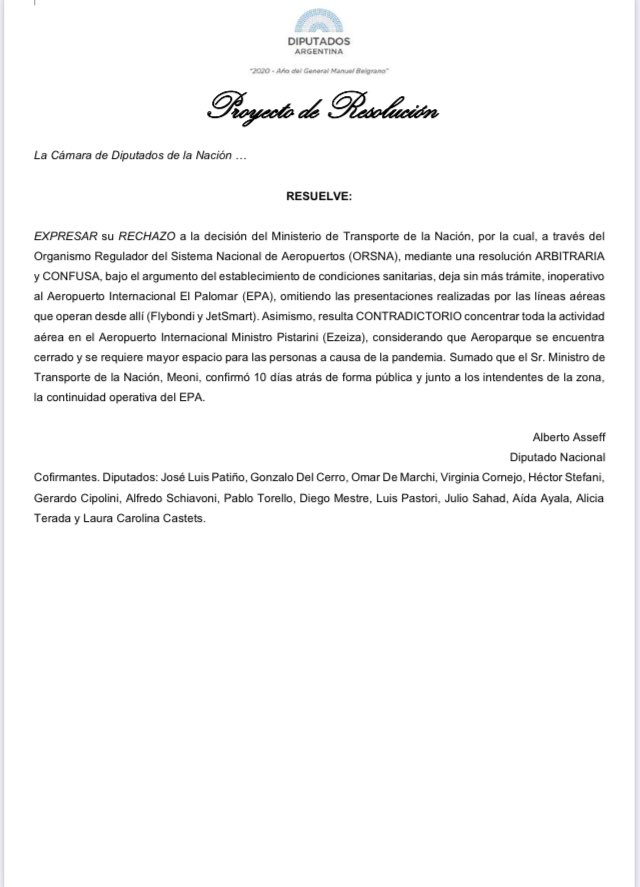
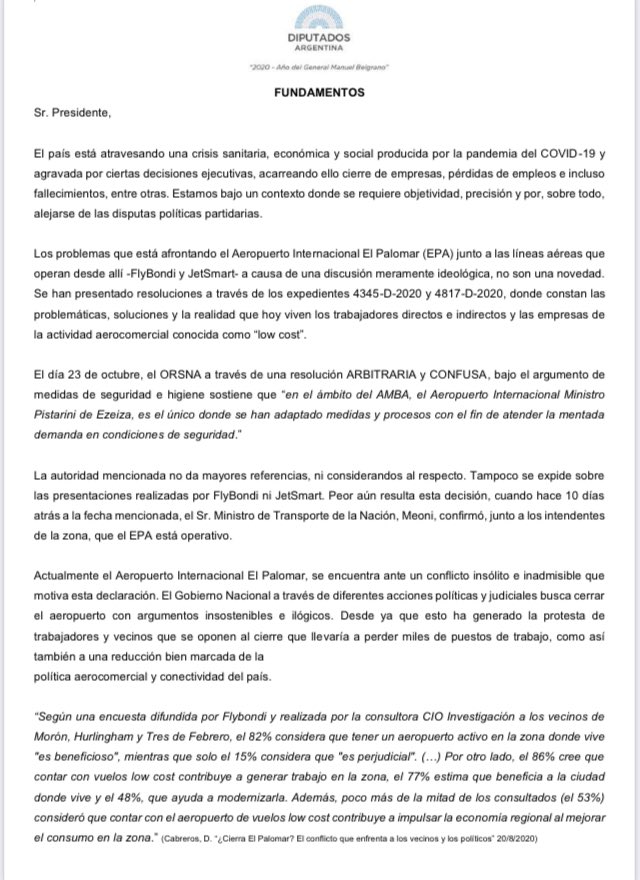
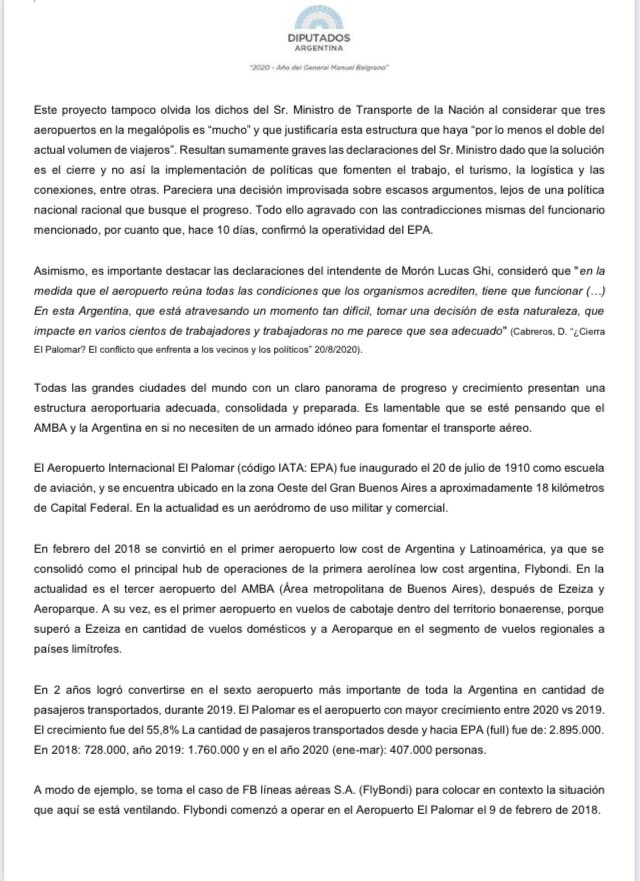
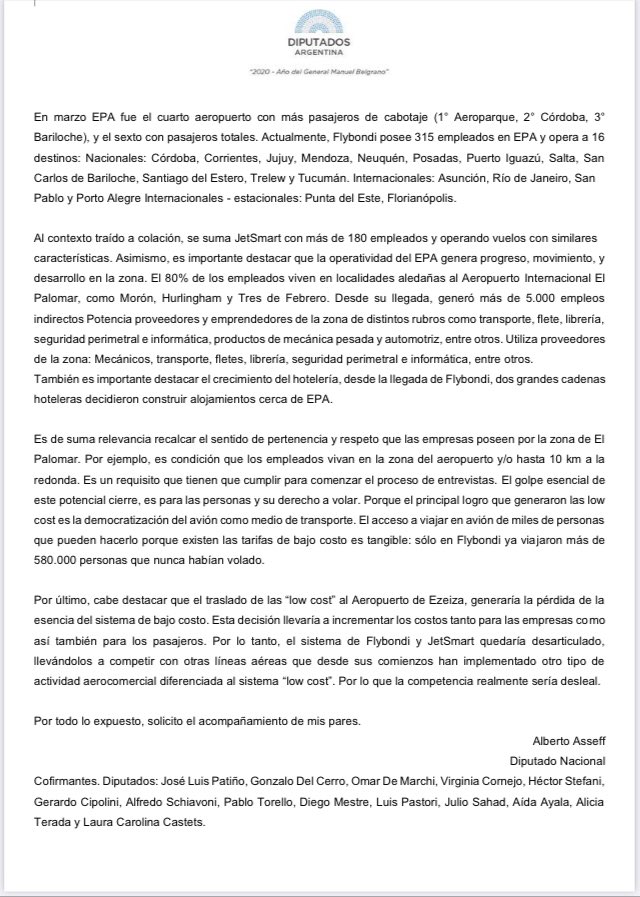
El Gobierno de la República Argentina ha rechazado la reapertura del Aeropuerto internacional El Palomar. Por medio del organismo de la Agencia Nacional de Aviación Civil (ANAC) ha determinado que la aeroestación no cumple con con las garantías del distanciamiento social y con las estrictas disposiciones sanitarias establecidas en los protocolos para evitar el contagio y propagación del coronavirus. De esta manera, las aéreas low cost JetSmart Airlines Argentina y Flybondi Líneas Aéreas no podrán retomar los vuelos de cabotaje desde su base natural de operaciones. Andes Líneas Aéreas no había confirmado fechas por el momento, a pesar de que los servicios fueran habilitados oportunamente por la ANAC.

El Organismo Regulador del Sistema Nacional de Aeropuertos (ORSNA) ha bloqueado las operaciones del Aeropuerto El Palomar para vuelos regulares domésticos, trayendo sorpresa e indignación por parte de las aerolíneas de presupuesto. El Gobierno nacional bloqueó las operaciones en el aeropuerto El Palomar y sólo habilitó al Aeropuerto Ezeiza para realizar los vuelos de cabotaje. De esta manera, las aerolíneas low cost deberán migrar sus operaciones hacia la aeroestación de Ezeiza.

Las compañías aéreas low cost han expresado su indignación por la manera imprudente de ordenar intempestuosamente el traslado de las operaciones aéreas de las compañías de bajo cost sin elaborar un protocolo de previsión que se requiere para reordenar la operatoria de las aerolíneas que involucran las operaciones desde El Palomar. El traslado de las operaciones a Ezeiza traerá como consecuencia el aumento de sus costos tanto en las operaciones como en las tarifas que la operadora AA2000 cobra en el Aeropuerto Ezeiza, aunque el Gobierno oportunamente había establecido un canon especial para operaciones low cost en el principal aeropuerto de ingreso en Argentina.

Aéreas low cost

Tras los anuncios sorpresivos, JetSmart Airlines Argentina tuvo que cancelar todos los vuelos domésticos previstos para Octubre 2020. El primer viaje había sido programado para el Viernes 30/10 hacia Mendoza. En tanto la aerolínea Flybondi tenía programado reiniciar operaciones hacia los primeros días de Noviembre 2020.

La determinación sobre El Palomar fue dada a conocer por el Organismo Regulador del Sistema Nacional de Aeropuertos (ORSNA), que estableció que el aeropuerto de Ezeiza es el único donde se han adaptado medidas y procesos para atender los nuevos protocolos sanitarios. Pero si el Gobierno estaba en conocimiento que solamente Ezieza cumplía con los lineamientos para reactivar las operaciones, por qué razón no han comunicado con anticipación a las compañías aéreas el posible traslado de las operaciones hacia el Aeropuerto Internacional Ezeiza. Las acciones del Gobierno dejan entrever las desprolijidades e irresponsabilidades de los organismos y funcionarios de turno.

El Gerente General de JetSmart Airlines Argentina, Gonzalo Pérez Corral, dijo que ellos presentaron el cronograma de vuelos para Octubre el pasado jueves. Por el momento serán un promedio de dos frecuencias semanales a destinos como Córdoba, Mendoza, Tucumán, Salta, Neuquén, Bariloche e Iguazú. Andes Líneas Aéreas realizará dos vuelos rotativos por semana, uno uniendo Buenos Aires desde Ezeiza, con Jujuy y Salta y otro partiendo también desde Ezeiza hacia Comodoro Rivadavia y Puerto Madryn, expresó el Gerente de la compañía, Horacio Preneste, aunque aún sin fechas confirmadas. Flybondi Líneas Aéreas establecerá su programación como teníaprevisto a partir de Noviembre 2020.

Perspectivas aéreas

La decisión de suspender las operaciones desde el Aeropuerto El Palomar se da en el marco del regreso de los vuelos de cabotaje regulares que comenzaron este Jueves 22/10. Así, Flybondi y Jetsmart comenzarán a volar desde Ezeiza en los próximos días, reanudando sus vuelos domésticos que estuvieron suspendidos desde el inicio de la crisis sanitaria por el Coronavirus. La ANAC ha autorizado a Jetsmart Airlines Argentina a retomar las operaciones de cabotaje a partir del próximo Lunes 26 de Octubre de 2020, cuando partirá desde Ezeiza un vuelo hacia Córdoba y otro a Mendoza. Flybondi Líneas Aéreas ha comunicado que ha adelantado la programación para reiniciar las operaciones aéreas a partir de la próxima semana desde el Aeropuerto Ezeiza.

Government does not authorize ops El Palomar

Argentine government blocks ops at El Palomar Airport

The Government of the Argentine Republic has rejected the reopening of the El Palomar International Airport. Through the agency of the National Civil Aviation Agency (ANAC) it has determined that the air station does not comply with the guarantees of social distancing and with the strict health provisions established in the protocols to avoid the contagion and spread of the coronavirus. In this way, the low cost airlines JetSmart Airlines Argentina and Flybondi Líneas Aéreas will not be able to resume domestic flights from their natural base of operations. Andes Líneas Aéreas had not confirmed dates at the moment, despite the fact that the services were duly authorized by the ANAC.

The Regulatory Body of the National Airport System (ORSNA) has blocked the operations of El Palomar Airport for regular domestic flights, bringing surprise and outrage on the part of budget airlines. The national government blocked operations at El Palomar airport and only enabled Ezeiza Airport to carry out domestic flights. In this way, low cost airlines will have to migrate their operations to the Ezeiza air station.

Low cost airlines have expressed their outrage at the reckless way of untimely ordering the transfer of the air operations of low cost companies without elaborating a forecast protocol that is required to reorder the operations of the airlines that involve operations from El Dovecote. The transfer of operations to Ezeiza will result in an increase in costs both in operations and in the rates that the operator AA2000 charges at the Ezeiza Airport, although the Government had established a special fee for low cost operations at the main airport. entry in Argentina.

Low cost airlines

After the surprise announcements, JetSmart Airlines Argentina had to cancel all domestic flights scheduled for October 2020. The first trip had been scheduled for Friday 10/30 to Mendoza. Meanwhile, the Flybondi airline was scheduled to restart operations towards the first days of November 2020.

The determination on El Palomar was released by the Regulatory Body of the National Airport System (ORSNA), which established that the Ezeiza airport is the only one where measures and processes have been adapted to meet the new sanitary protocols. But if the Government was aware that only Ezieza was complying with the guidelines to reactivate operations, why have they not communicated in advance to the airlines the possible transfer of operations to the Ezeiza International Airport. The actions of the Government reveal the carelessness and irresponsibility of the agencies and officials on duty.

The General Manager of JetSmart Airlines Argentina, Gonzalo Pérez Corral, said that they presented the flight schedule for October last Thursday. At the moment there will be an average of two weekly frequencies to destinations such as Córdoba, Mendoza, Tucumán, Salta, Neuquén, Bariloche and Iguazú. Andes Líneas Aéreas will carry out two rotary flights per week, one connecting Buenos Aires from Ezeiza, with Jujuy and Salta and another also departing from Ezeiza to Comodoro Rivadavia and Puerto Madryn, expressed the company’s Manager, Horacio Preneste, although there are still no confirmed dates. Flybondi Líneas Aéreas will establish its schedule as planned as of November 2020.

Aerial perspectives

The decision to suspend operations from the El Palomar Airport comes within the framework of the return of the regular domestic flights that began this Thursday 10/22. Thus, Flybondi and Jetsmart will begin flying from Ezeiza in the coming days, resuming their domestic flights that were suspended since the beginning of the health crisis due to the Coronavirus. The ANAC has authorized Jetsmart Airlines Argentina to resume cabotage operations as of next Monday, October 26, 2020, when a flight to Córdoba and another to Mendoza will depart from Ezeiza. Flybondi Líneas Aéreas has communicated that it has advanced the schedule to restart air operations starting next week from Ezeiza Airport.


PUBLISHER: Airgways.com
DBk: Argentina.gob.ar/transporte / Anac.gov.ar / Argentina.gob.ar/orsna / Airgways.com
AW-POST: 202010250018AR

A\W   A I R G W A Y S ®
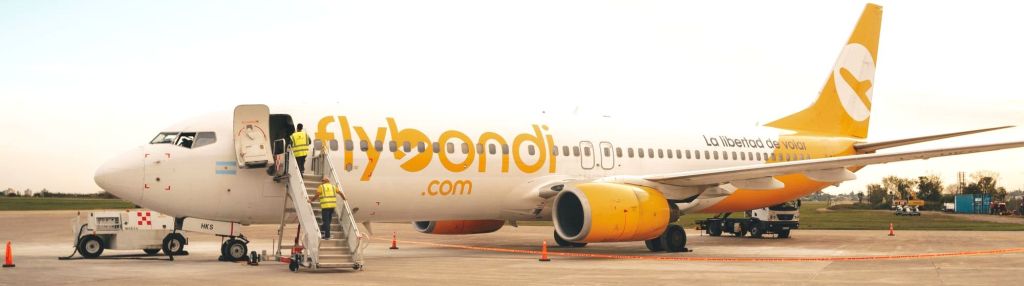
Dominica a aeropuerto internacional

AW | 2020 10 22 14:52 | AIRPORTS

Dominica planifica primer aeropuerto internacional

La República de Dominica, localizada geográficamente en el Mar Caribe, en la cadena de las Islas Barlovento, está haciendo progresos en los planes para construir un nuevo aeropuerto internacional, según el Primer Ministro, Roosevelt Skerrit. El Gobierno ha adquirido alrededor de 411 acres de tierra necesarias para el nuevo aeropuerto y que se encuentra avanzado los planes para la finalización de los diseños y estudios técnicos necesarios para que su desarrollo siga adelante.

El Gobierno de Dominica ha estado destinando US$ 5 millones de Dólares cada mes de su popular Programa de Ciudadanía por Inversión (ICC) durante los últimos años para financiar el proyecto. La nueva puerta de entrada será un cambio de juego para el Estado Libre Asociado de La Comunidad de Dominica, que actualmente sólo tiene dos aeropuertos regionales, lo que significa que todos los visitantes internacionales a la isla tienen que viajar a través de Puerto Rico o las otras islas caribeñas de Barbados, Guadalupe o Martinica.

La Administración de Roosevelt Skerrit está proponiendo la introducción de una empresa nacional para supervisar la construcción del aeropuerto. «La Compañía de Desarrollo Aeroportuario Internacional tendrá una vida útil durante la construcción del aeropuerto. Tendrá una junta compuesta por 16 miembros que cubrirían a un amplio sector de la sociedad para que tengamos una amplia participación e participación en el proceso», dice elPrimer Mandatario.

Dominica’s CBI Programme ha sido fundamental para financiar varios proyectos de desarrollo en la isla, desde la vivienda hasta la educación. El programa, establecido en 1993, permite a los inversionistas extranjeros y sus familias obtener la ciudadanía dominicana después de donar al fondo del Gobierno o comprar en opciones inmobiliarias seleccionadas.

Dominica to international airport

Dominica plans first international airport

The Republic of Dominica, geographically located in the Caribbean Sea, in the Windward Islands chain, is making progress on plans to build a new international airport, according to Prime Minister Roosevelt Skerrit. The Government has acquired around 411 acres of land necessary for the new airport and plans are in progress for the completion of the designs and technical studies necessary for its development to proceed.

The Government of Dominica has been committing US$ 5 million each month from its popular Citizenship by Investment Program (ICC) for the past few years to fund the project. The new gateway will be a game changer for the Commonwealth of the Commonwealth of Dominica, which currently has only two regional airports, meaning that all international visitors to the island have to travel through Puerto Rico or the other Caribbean islands of Barbados, Guadeloupe or Martinique.

The Roosevelt Skerrit Administration is proposing the introduction of a national company to oversee the construction of the airport. «The International Airport Development Company will have a useful life during the construction of the airport. It will have a board composed of 16 members that would cover a wide sector of society so that we have a broad participation and participation in the process», says the Prime Minister.

Dominica’s CBI Program has been instrumental in financing various development projects on the island, from housing to education. The program, established in 1993, allows foreign investors and their families to obtain Dominican citizenship after donating to the government fund or buying into select real estate options.


PUBLISHER: Airgways.com
DBk: Airport-world.com / Airgways.com / Wanderlustchloe.com
AW-POST: 202010221452AR

A\W   A I R G W A Y S ®