Con la reanudación de la epidemia de Covid-19 en toda Europa, el coronavirus vuelve a estar en el centro de las noticias. Nuevo giro en esta serie que parece interminable: la identificación de una variante hipermutada, B1.1.529 en Sudáfrica. La Organización Mundial de la Salud (OMS) se reunirá urgentemente el 26 de Noviembre de 2021 para discutir su caso.
El nuevo caso de la cepa provoca una reunión de emergencia de la OMS el 26 de Noviembre de 2021. Una nueva variante de la SARS-CoV-2 de particular preocupación para los científicos porque está hipermutado. Surgió en Sudáfrica, en la región de Johannesburgo alrededor del 10 de Noviembre de 2021. En el momento de redactar este informe, Se notifican casos confirmados en Sudáfrica (65), en Botswana (6) y en la Isla Hong Kong, China (4). Esto es menos de 100 casos para los cuales el genoma se secuencia e identifica.
Información científica
La OMS aún no se ha pronunciado sobre el perfil de esta variante: ¿es una variante de interés (VOI) o de preocupación (VOC)? Si se considera un VOC, podría llamarse Variante Nu para seguir la tradición de las letras griegas. Mientras tanto, se llama B.1.1.529, en referencia a su linaje filogenético. La información científica sobre B.1.1.529 es muy limitada y aún debe confirmarse. Pero tiene un número significativo de mutaciones, más de 30, en su proteína S, la misma que permite su fijación y entrada en las celdas. Algunas de estas mutaciones están presentes en las variantes Alfa y Delta y por analogía, los científicos temen que también le den a B.1.1.529 el poder de evadir el sistema inmune y reducir la eficacia de las vacunas. El impacto de las mutaciones en el comportamiento de esta nueva variante aún no se ha confirmado. Todavía hay poca información sobre el estado de salud de las personas infectadas con B.1.1.529, y por lo tanto es imposible concluir sobre la gravedad de los síntomas que causa.
Impacto aviación
Varios países, entre ellos Francia, ya han anunciado la suspensión de sus enlaces aéreos con Sudáfrica y sus vecinos para evitar la propagación de B.1.1.529. Los casos confirmados en la isla de Hong Kong eran viajeros del país. Si la emergencia de esta variante parece preocupar a la comunidad científica, los limitados datos disponibles llaman a la precaución. Solo podría ser una de las muchas variantes del SARS-CoV-2 que surgieron sin anular a las demás.
Se necesitan más estudios científicos para averiguar si también estamos ante una variante. contagioso que el Variante Delta. En Sudáfrica, La variante B1.1.529 parece propagarse más rápido que esta última. Las próximas semanas deberían decirnos más sobre B.1.1.529.
Variant COVID threatens the world
New South African variant B.1.1.529 alerts WHO
With the resumption of the Covid-19 epidemic across Europe, the coronavirus is back at the center of the news. New twist in this series that seems endless: the identification of a hypermuted variant, B1.1.529 in South Africa. The World Health Organization (WHO) will meet urgently on November 26, 2021 to discuss your case.
The new case of the strain triggers an emergency meeting of the WHO on November 26, 2021. A new variant of SARS-CoV-2 of particular concern to scientists because it is hypermuted. It emerged in South Africa, in the Johannesburg region around November 10, 2021. At the time of writing, confirmed cases are reported in South Africa (65), Botswana (6) and Hong Kong Island, China (4). This is less than 100 cases for which the genome is sequenced and identified.
Scientific information
The WHO has not yet ruled on the profile of this variant: is it a variant of interest (VOI) or of concern (VOC)? If it is considered a VOC, it could be called Variant Nu to follow the tradition of the Greek letters. Meanwhile, it is called B.1.1.529, in reference to its phylogenetic lineage. Scientific information on B.1.1.529 is very limited and has yet to be confirmed. But it has a significant number of mutations, more than 30, in its protein S, the same one that allows its attachment and entry into cells. Some of these mutations are present in the Alpha and Delta variants and by analogy, scientists fear that they also give B.1.1.529 the power to evade the immune system and reduce the effectiveness of vaccines. The impact of the mutations on the behavior of this new variant has not yet been confirmed. There is still little information on the health status of people infected with B.1.1.529, and therefore it is impossible to conclude on the severity of the symptoms it causes.
Aviation impact
Several countries, including France, have already announced the suspension of their air links with South Africa and its neighbors to prevent the spread of B.1.1.529. The confirmed cases on Hong Kong Island were travelers from the country. If the emergence of this variant appears to be of concern to the scientific community, the limited data available calls for caution. It could only be one of the many variants of SARS-CoV-2 that emerged without nullifying the others.
More scientific studies are needed to find out if we are also facing a variant. contagious than the Delta Variant. In South Africa, Variant B1.1.529 appears to spread faster than the latter. The next few weeks should tell us more about B.1.1.529.
La Comisión Europea (CE) consideró este Jueves 25/11 seguras todas las aerolíneas certificadas en Moldavia, eliminando de la lista de compañías aéreas sujetas a una prohibición o restricciones operativas en la Unión Europea (UE) por incumplir las normas internacionales de seguridad, pero incluyó en la misma a otro operador ruso.
La CE explicó en un comunicado que decidió eliminar de la lista negra a las compañías aéreas de Moldavia por las mejoras en la seguridad de la aviación en el país, mientras que en el caso de la rusa expresó su preocupación sobre su capacidad para cumplir con las normas internacionales. Air Moldova, la principal aerolínea del país se ha beneficiado de la actualización de las normativas de seguridad para su país. Para la comisaria europea de Transporte, Adina-Ioana Vălean, “Garantizar el más alto nivel de seguridad aérea para los europeos y todos los demás pasajeros que viajan hacia y dentro de la Unión Europea es un aspecto fundamental de la política de seguridad aérea de la Comisión. Mantener el más alto nivel de seguridad para todos los viajeros aéreos y el personal es una prioridad absoluta. La lista de seguridad aérea de la UE sigue siendo una de nuestras herramientas más eficaces para lograrlo, tras dos años de intenso trabajo, abriendo la puerta para que vuelvan a volar a la Unión Europea”.
Según la Comisión, la lista de seguridad aérea de la UE no solo ayuda a mantener altos niveles de seguridad dentro de la comunidad, sino que también ayuda a las aerolíneas y los países involucrados a mejorar los niveles de seguridad aérea. Además, que se ha convertido en una herramienta preventiva importante, permitiendo motivar a los países a tomar medidas tempranas antes de que sea necesaria una prohibición.
La actualización de la Lista de Seguridad Aérea Europea un total de 97 aerolíneas tiene prohibido el acceso a los cielos de la Unión Europea alcanzando a noventa aerolíneas certificadas en quince países debido a una supervisión de seguridad inadecuada por parte de las autoridades de aviación de esos estados. Otras siete aerolíneas han manifestado graves deficiencias de seguridad identificadas, entre ellas Avior Airlines (Venezuela), Blue Wing Airlines (Surinam), Iran Aseman Airlines (Irán), Iraqi Airways (Irak), Med-View Airlines (Nigeria), Skol Airline LLC (Rusia) y Air Zimbabue (Zimbabue). Igualmente, otras dos aerolíneas están sujetas a restricciones operativas y solo pueden volar a la UE con tipos de aeronaves específicos: Iran Air (Irán) y Air Koryo (Corea del Norte).
La CE señaló que esta actualización se basa en la opinión unánime de los expertos en seguridad de la aviación de los Estados miembros, que se reunieron del 9 al 11 de Noviembre de 2021 por videoconferencia en el Comité de Seguridad Aérea de la Unión Europea. Este comité está presidido por la Comisión Europea y tiene el apoyo de la Agencia de Seguridad Aérea comunitaria (EASA), mientras que la Comisión de Transportes del Parlamento Europeo, por su parte, respalda también la actualización de la lista. La evaluación se realiza en función de las normas internacionales de seguridad y, en particular, las normas promulgadas por la Organización de Aviación Civil Internacional (OACI).
CE considers Moldova airlines safe
European Commission certifies airline safety Moldova
The European Commission (EC) considered this Thursday 25/11 safe all airlines certified in Moldova, eliminating from the list of airlines subject to a ban or operating restrictions in the European Union (EU) for failing to comply with international safety standards, but it included another Russian operator.
The EC explained in a statement that it decided to remove Moldovan airlines from the blacklist due to improvements in aviation security in the country, while in the case of the Russian it expressed concern about its ability to comply with the international standards. Air Moldova, the country’s main airline, has benefited from the update of the safety regulations for its country. For the European Commissioner for Transport, Adina-Ioana Vălean, “Ensuring the highest level of aviation security for Europeans and all other passengers traveling to and within the European Union is a fundamental aspect of the Commission’s aviation security policy. Maintaining the highest level of security for all air travelers and staff is a top priority. The EU aviation safety list continues to be one of our most effective tools to achieve this, after two years of intense work, opening the door for them to fly to the European Union again”.
According to the Commission, the EU aviation safety list not only helps to maintain high levels of safety within the community, but also helps airlines and the countries involved to improve levels of aviation safety. In addition, it has become an important preventive tool, allowing countries to be motivated to take early action before a ban is necessary.
The update of the European Air Safety List a total of 97 airlines are prohibited from accessing the skies of the European Union, reaching ninety certified airlines in fifteen countries due to inadequate security supervision by the aviation authorities of those states. Seven other airlines have identified serious security deficiencies, including Avior Airlines (Venezuela), Blue Wing Airlines (Suriname), Iran Aseman Airlines (Iran), Iraqi Airways (Iraq), Med-View Airlines (Nigeria), Skol Airline LLC (Russia) and Air Zimbabwe (Zimbabwe). Similarly, two other airlines are subject to operational restrictions and can only fly to the EU with specific aircraft types: Iran Air (Iran) and Air Koryo (North Korea).
The EC noted that this update is based on the unanimous opinion of the aviation security experts of the Member States, who met from 9 to 11 November 2021 by videoconference in the Aviation Safety Committee of the European Union. This committee is chaired by the European Commission and has the support of the Community Aviation Safety Agency (EASA), while the Transport Committee of the European Parliament, for its part, also supports the updating of the list. The assessment is carried out based on international safety standards and, in particular, the standards promulgated by the International Civil Aviation Organization (ICAO).
AW | 2021 11 21 21:48 | AVIATION SAFETY / INDUSTRY
Estructuras compuestas contaminadas línea 787 Dreamliner
The Boeing Company le ha reportado a la Federal Aviation Administration (FAA) que algunas de las estructuras compuestas de sus aviones Boeing 787 han sido contaminadas con teflón y podrían no ser tan fuertes como se pretendía que fueran. La información está contenida en un memorando interno de la FAA y es el último de una larga lista de defectos de fabricación que están siendo investigados y revisados por la agencia. Aparentemente no hay un riesgo de seguridad inmediato para la flota en servicio, pero el problema compuesto posiblemente retrasará la reanudación de la producción de la aeronave. «Estamos viendo los aviones no entregados de punta a punta, y hemos encontrado áreas donde la fabricación no se ajusta a las especificaciones de ingeniería. Ninguno de estos problemas es un problema inmediato de seguridad de vuelo», dijo un portavoz de Boeing.
La contaminación ocurre durante el proceso de unión para el compuesto en muchos de los componentes grandes de la aeronave. Las bolsas de plástico se utilizan para crear un vacío que mantiene el material compuesto en posición en un molde. La pieza se forma bajo calor y presión en un autoclave gigante. Las bolsas y el material utilizado para permitir la liberación de las bolsas contenían teflón y dejaba un residuo en el compuesto. Ese residuo puede debilitar la unión cuando las piezas se unen entre sí con adhesivos. Inicialmente, las pruebas de Boeing mostraron que los bonos estaban dentro de las especificaciones, pero recientemente la compañía ha encontrado bonos que son más débiles de lo diseñado. La contaminación por teflón se ha encontrado en piezas fabricadas por al menos dos de los contratistas que fabrican grandes piezas de la aeronave como alas, fuselaje y cola.
El memorando contiene más información sobre el ajuste inadecuado de los espacios entre las partes causados por ondas en el material compuesto. El memorando dice que se han encontrado más huecos en las puertas de pasajeros y carga en el fuselaje de popa. Una vez más, no hay un problema de seguridad inmediato, pero las brechas podrían reducir la vida útil de los fuselajes porque pueden llevar a que los sujetadores que sostienen la piel se tiren. Esa condición podría afectar hasta a 1.000 aviones. Según los informes, el memorando también dice que los sujetadores de titanio defectuosos identificados anteriormente pueden estar en hasta 450 aviones y que existe un posible problema de seguridad allí si dos de los sujetadores sin especificaciones están uno al lado del otro. La amenaza más grave es con los accesorios que conectan la viga del piso con el marco del fuselaje donde se unen las alas. Dos aeronaves Boeing 787 perteneciente a All Nippon Airways almacenados en el desierto de California tenían ese defecto específico y Boeing los ha arreglado.
Boeing 787 composite contamination
787 Dreamliner line contaminated composite structures
The Boeing Company has reported to the Federal Aviation Administration (FAA) that some of the composite structures on its Boeing 787 aircraft have been contaminated with Teflon and may not be as strong as they were intended to be. The information is contained in an internal FAA memorandum and is the latest in a long list of manufacturing defects that are being investigated and reviewed by the agency. There is apparently no immediate safety risk to the in-service fleet, but the compound issue will possibly delay the resumption of production of the aircraft. «We are looking at undelivered aircraft from end to end, and we have found areas where manufacturing does not meet engineering specifications. None of these problems is an immediate flight safety issue», a Boeing spokesman said.
Contamination occurs during the bonding process for the compound on many of the large aircraft components. Plastic bags are used to create a vacuum that holds the composite material in position in a mold. The part is formed under heat and pressure in a giant autoclave. The bags and the material used to allow the bags to be released contained Teflon and left a residue on the compound. That residue can weaken the bond when parts are bonded together with adhesives. Initially, Boeing’s tests showed that the bonds were within specification, but recently the company has found bonds that are weaker than designed. Teflon contamination has been found in parts manufactured by at least two of the contractors that make large aircraft parts such as wings, fuselage and tail.
The memo contains more information on improper fit of the gaps between the parts caused by waves in the composite material. The memo says more gaps have been found in the passenger and cargo doors in the aft fuselage. Again, there is no immediate safety concern, but the gaps could reduce the life of the airframes because they can lead to the fasteners that support the skin being pulled. That condition could affect up to 1,000 aircraft. The memo also reportedly says that the defective titanium fasteners identified above may be on up to 450 aircraft and that there is a potential safety issue there if two of the unspecified fasteners are next to each other. The most serious threat is with the fixtures that connect the floor beam to the fuselage frame where the wings are attached. Two Boeing 787 aircraft belonging to All Nippon Airways stored in the California desert had that specific defect and Boeing has fixed them.
Corea del Sur levantará prohibición del Boeing 737 MAX
El Ministerio de Transporte de Corea del Sur ha indicado que se encuentra próximo hacia la recertificación de la línea Boeing 737 MAX el próximo Lunes 22/11, por parte de la Oficina de Aviación Civil de Corea (KOCA) tras una revisión exhaustiva de los cambios realizados en la aeronave y las operaciones de monitoreo tras el levantamiento de las prohibiciones en otros países. Intensificará los controles de seguridad para que ciertas aerolíneas proporcionen a los pilotos la capacitación necesaria para el tipo. Supervisará cómo los transportistas implementan los cambios cuando los aviones se entregan y se ponen en servicio, dijeron las autoridades en un comunicado oficial.
Actualmente, la única aerolínea en Corea del Sur que posee en su flota este tipo de aeronaves 737 MAX en este momento es la aerolínea de bajo costo Eastar Jet, una aerolínea que ha pasado a un proceso de reestructuración administrativa, con el Certificado de Operador Aéreo (AOC) inactivo desde Mayo de 2020. Mientras tanto, el Tribunal de Bancarrota de Seúl le ha dado a un promotor inmobiliario surcoreano la acción para adquirir una participación del 80% en la aerolínea por un valor de US$ 53 millones de Dólares. Eastar Jet espera recibir uan nueva AOC en Enero 2021 y reanude los servicios en Febrero 2021. La flota de la aerolínea es de dos Boeing 737-8 MAX (2) y dos Boeing 737-800 (2), mientras que espera su reestructuración administrativa continúe favorable, más aviones de la línea 737 MAX arribarán a la compañía.
Aprobaciones en Corea del Sur
Las aprobaciones de recertificación por parte de la agencia de aviación de la Oficina de Aviación Civil de Corea (KOCA) permitirán dar paso adelante al ingreso de más pedidos acumulados por parte de varias compañías surcoreanas. La aerolínea Korean Air tiene un pedido de treinta aviones Boeing 737-8 MAX (30), mientras que la aerolínea de bajo costo más grande del país, Jeju Air, espera un pedido superior a cuarenta unidades de la aeronave de cuarta generación Boeing 737 MAX (+40), alcanzando a duplicar la flota de Jla compañía de presupuesto surcoreana que actualmente posee Boeing 737-800 (41) unidades en su flota con una edad promedio de 12,5 años.
China, perspectivas 737 MAX
Tras las próximas aprobaciones de aviación en Corea del Sur del modelo Boeing 737 MAX, dejaría solo a la República Popular de China en espera por levantar la prohibición que sufre en materia de seguridad operativa. Mientras tanto, el regulador de aviación del país, el Civil Administration Aviation of China (CAAC), ha dicho a las aerolíneas que está satisfecho con los cambios introducidos por parte de The Boeing Company en el avión y que ha entrado en el período de consulta para obtener comentarios de la industria de aviación.
La línea de la última variante de cuarta generación Boeing 737 MAX ha aterrizado en todo el mundo en Marzo de 2019 después de graves accidentes aéreos relacionados por problemas de seguridad industrial en el diseño de las aeronaves y sus sistemas de vuelo. Desde entonces, Boeing ha realizado cambios en el Sistema de Aumento de Características de Maniobra (MCAS) que es un programa de estabilización de vuelo. El fabricante también ha alterado el software de visualización para alertar a los pilotos cuando los datos de los sensores entran en conflicto. Además, ha desviado el cableado interno y ha reescrito el manual de vuelo. El Boeing 737 MAX ha retornado a los cielos de los Estados Unidos después de casi un año de operaciones. Hacia finales de Noviembre 2021 habrá alcanzado más de 19.000 despegues y aterrizajes solo este mes, mientras que las salidas internacionales totalizan el 18% de los vuelos en el país.
The Boeing Company ha manifestado que continúa trabajando para las aprobaciones del Boeing 737 MAX para la recertificación por parte de la agencia CAAC que representa un gran bastión para la industria de la aviación comercial. Esto significa que China será el último país importante en mantener una prohibición del Boeing 737 MAX, mientras que la compañía aeroespacial americana continuará persiguiendo el objetivo de obtener las aprobaciones respectivas para retornar los vuelos de la línea 737 MAX y alcanzar importantes nuevos pedidos.
South Korea would approve Boeing 737 MAX
South Korea to lift Boeing 737 MAX ban
The South Korean Ministry of Transport has indicated that it is close to the recertification of the Boeing 737 MAX line next Monday, 11/22, by the Korean Civil Aviation Office (KOCA) after an exhaustive review of the changes. carried out on the aircraft and monitoring operations after the lifting of bans in other countries. It will intensify security controls so that certain airlines provide pilots with the necessary training for the type. It will oversee how carriers implement the changes when the planes are delivered and put into service, authorities said in an official statement.
Currently, the only airline in South Korea that has this type of 737 MAX aircraft in its fleet at this time is the low-cost airline Eastar Jet, an airline that has undergone an administrative restructuring process, with the Air Operator Certificate (AOC) inactive since May 2020. Meanwhile, the Seoul Bankruptcy Court has given a South Korean real estate developer the action to acquire an 80% stake in the airline for US$ 53 million. Eastar Jet expects to receive a new AOC in January 2021 and resume services in February 2021. The airline’s fleet consists of two Boeing 737-8 MAX (2) and two Boeing 737-800 (2), while it awaits its administrative restructuring. continue favorable, more aircraft of the 737 MAX line will arrive at the company.
Approvals in South Korea
Recertification approvals by the aviation agency of the Korea Civil Aviation Office (KOCA) will allow for more backlogged orders from various South Korean companies to move forward. The airline Korean Air has an order for thirty Boeing 737-8 MAX aircraft (30), while the country’s largest low-cost airline, Jeju Air, expects a peidod of more than forty units of the fourth generation Boeing 737 MAX aircraft. (+40), reaching to double the fleet of Jthe South Korean budget company that currently has Boeing 737-800 (41) units in its fleet with an average age of 12.5 years.
China, outlook 737 MAX
Following the upcoming aviation approvals in South Korea of the Boeing 737 MAX model, it would leave only the People’s Republic of China on hold to lift its ban on operational safety. Meanwhile, the country’s aviation regulator, the Civil Administration Aviation of China (CAAC), has told airlines that it is satisfied with the changes made by The Boeing Company to the plane and that it has entered the consultation period. for feedback from the aviation industry.
The line of the latest fourth generation Boeing 737 MAX variant has landed around the world in March 2019 after serious air accidents related to industrial safety problems in the design of aircraft and their flight systems. Since then, Boeing has made changes to the Maneuvering Characteristics Augmentation System (MCAS) which is a flight stabilization program. The manufacturer has also altered display software to alert pilots when sensor data is in conflict. Also, it has bypassed the internal wiring and rewritten the flight manual. The Boeing 737 MAX has returned to the skies of the United States after almost a year of operations. By the end of November 2021 it will have reached more than 19,000 takeoffs and landings this month alone, while international departures total 18% of flights in the country.
The Boeing Company has stated that it continues to work for the approvals of the Boeing 737 MAX for recertification by the CAAC agency which represents a great bastion for the commercial aviation industry. This means that China will be the last major country to maintain a ban on the Boeing 737 MAX, while the American aerospace company will continue to pursue the goal of obtaining the respective approvals to return flights on the 737 MAX line and achieve significant new orders.
한국, 보잉 737 MAX 승인
한국, 보잉 737 MAX 금지 해제
국토부는 보잉 737 MAX 기종 변경사항을 전면 검토한 끝에 오는 11월 22일(월요일) 한국항공청(KOCA)에서 재인증을 앞두고 있다고 밝혔다. 다른 국가에서 금지 해제 후 운영 모니터링. 특정 항공사가 조종사에게 해당 유형에 필요한 교육을 제공할 수 있도록 보안 통제를 강화할 것입니다. 당국은 공식 성명에서 항공기가 인도되어 서비스에 들어갈 때 항공사가 변경 사항을 어떻게 적용하는지 감독할 것이라고 밝혔습니다.
현재 국내에서 현재 이 737맥스 기종을 보유하고 있는 항공사는 저가항공사 이스타항공이 유일하다. 한편 서울파산법원은 한국 부동산 개발업체에 대한항공 지분 80%를 5300만 달러에 인수하는 소송을 제기했다. 이스타항공은 2021년 1월 새로운 AOC를 받고 2021년 2월 서비스를 재개할 예정이다. 이스타항공의 보유 항공기는 보잉 737-8 MAX 2대와 보잉 737-800 2대(2)로 구성돼 있으며 행정 구조조정을 기다리고 있다. 유리한, 737 MAX 라인의 더 많은 항공기가 회사에 도착할 것입니다.
한국에서의 승인
한국민간항공청(KOCA) 항공청의 재인증 승인을 통해 다양한 한국 기업의 수주잔고가 더 늘어날 전망이다. 대한항공은 보잉 737-8 MAX 30대(30대)를, 국내 최대 저가항공사 제주항공은 4세대 보잉 737 MAX 40대 이상을 예상하고 있다. 40) 평균연령 12.5년으로 현재 보잉 737-800(41) 기종을 보유하고 있는 J 한국 중견기업의 2배 수준이다.
중국, 전망 737 MAX
한국에서 다가오는 보잉 737 MAX 모델의 항공 승인에 따라 중화 인민 공화국 만 운영 안전 금지를 해제하기 위해 보류 상태로 남게됩니다. 한편, 중국 항공규제당국인 중국민정항공(CAAC)은 보잉사의 항공기 변경에 만족하며 협의 기간에 들어갔다고 항공사들에 밝혔다.
최신 4세대 Boeing 737 MAX 변형 라인은 항공기 및 비행 시스템 설계의 산업 안전 문제와 관련된 심각한 항공 사고 이후 2019년 3월 전 세계에 상륙했습니다. 그 이후로 보잉은 비행 안정화 프로그램인 MCAS (Maneuvering Characteristics Augmentation System)를 변경했습니다. 제조업체는 또한 센서 데이터가 충돌할 때 조종사에게 경고하도록 디스플레이 소프트웨어를 변경했습니다. 또한 내부 배선을 우회하고 비행 매뉴얼을 다시 작성했습니다. 보잉 737 MAX가 거의 1년여 만에 미국 상공으로 돌아왔습니다. 2021년 11월 말까지 이달에만 이착륙 횟수가 19,000회를 넘을 것이며 국제선 출발은 전체 항공편의 18%를 차지할 것입니다.
Boeing Company 는 상업용 항공 산업의 훌륭한 보루를 대표하는 CAAC 기관의 재인증을 위해 Boeing 737 MAX의 승인을 위해 계속 노력하고 있다고 밝혔습니다. 이는 중국이 보잉 737 MAX에 대한 금지를 유지하는 마지막 주요 국가가 되는 반면, 미국 항공우주 회사는 737 MAX 라인에서 항공편을 반환하고 상당한 신규 주문을 달성하기 위해 각각의 승인을 얻는 목표를 계속 추구할 것임을 의미합니다.
El ex-Presidente de la Junta Nacional de Seguridad en el Transporte (NTSB), Jim Hall, hace sonar la alarma sobre la seguridad de las aerolíneas en medio de la escasez de personal. Las aerolíneas se preparan para la accidentada temporada de viajes navideños en medio de la escasez de mano de obra.
Los casos de inseguridad en Southwest Airlines y American Airlines en las últimas semanas, que ha ocasionado cancelaciones de vuelos con miles de viajeros en tierra ha generado preocupaciones para la industria de las aerolíneas. Los pilotos de Southwest Airlines tuvieron 738 tirones de fatigas en Octubre 2021, en comparación con el promedio histórico de cien para ese mes de Noviembre 2021. Las demoras y cancelaciones han preocupado a los organismos de avaicón siendo un indicativo de un problema aún mayor con respecto a la seguridad.
El ex-Presidente de la NTSB, Jim Hall, está haciendo sonar la alarma. Dice que los permisos, los despidos y las jubilaciones anticipadas al comienzo de la pandemia han dejado a las aerolíneas con poco personal y sin algunos de sus pilotos, mecánicos y asistentes de vuelo más experimentados. Al mismo tiempo, la demanda de viajes aéreos está despegando. «Parece que algunas de las aerolíneas están tratando de satisfacer esta demanda, no de una manera muy estructurada, sino de una manera desordenada. Aumentar demasiado rápido podría tener consecuencias catastróficas comparables a la crisis del Boeing 737 MAX», dijo Jim Hall.
Sindicatos alerta
Mientras tanto, los sindicatos de pilotos y asistentes de vuelo se quejan de que se están extendiendo. La Asociación de Auxiliares de Vuelo dice que sus miembros están agotados. La Asociación de Pilotos de Southwest Airlines (SWAPA) dice que los pilotos se están retirando del horario de vuelo debido a la fatiga a un ritmo mucho más alto de lo normal, lo que se conoce como un «tirón de fatiga». Hubo 738 tirones de fatiga entre los pilotos de Southwest en Octubre 2021, en comparación con el promedio histórico de 100 para ese mes, según el sindicato. «La buena noticia es que nuestros pilotos están priorizando la seguridad sobre la compensación. La operación sigue siendo segura, pero hay mucho estrés en ella», dijo el Capitán Casey Murray, Presidente del sindicato SWAPA. La Asociación de Pilotos Aliados (APA), que representa a los pilotos de American Airlines, no compartió los números de fatiga, pero dijo que también fueron más altos este verano boreal en comparación con 2019. «Más llamadas de fatiga son buenas para reforzar su margen de seguridad, pero también nos dice que está ejecutando una operación a un ritmo que no es sostenible», dijo el capitán Dennis Tajer del Sindicato APA. Ambos sindicatos piloto culpan del estrés adicional en gran medida a la programación incierta de último minuto y a un inminente mandato de vacunación.
Aviation security pandemic effect
Ex-NTSB commercial aviation fatigue alarm
Ex-Chairman of the National Transportation Safety Board (NTSB) Jim Hall sounds the alarm about airline safety amid staff shortages. Airlines are bracing for the bumpy Christmas travel season amid a labor shortage.
Instances of insecurity at Southwest Airlines and American Airlines in recent weeks, which have caused flight cancellations with thousands of travelers on the ground, have raised concerns for the airline industry. Southwest Airlines pilots had 738 fatigue jerks in October 2021, compared to the historical average of one hundred for that month of November 2021. The delays and cancellations have concerned avaicon agencies and are indicative of an even bigger problem regarding to safety.
Former NTSB President Jim Hall is sounding the alarm. He says the leave, layoffs and early retirements at the start of the pandemic have left airlines understaffed and without some of their most experienced pilots, mechanics and flight attendants. At the same time, the demand for air travel is taking off. «It appears that some of the airlines are trying to meet this demand, not in a very structured way, but in a disorderly way. Rising too fast could have catastrophic consequences comparable to the Boeing 737 MAX crisis», said Jim Hall.
Unions alert
Meanwhile, the pilot and flight attendant unions complain that they are spreading. The Flight Attendants Association says its members are exhausted. The Southwest Airlines Pilots Association (SWAPA) says pilots are pulling out of the flight schedule due to fatigue at a much higher rate than normal, known as a «fatigue pull». There were 738 fatigue jerks among Southwest pilots in October 2021, compared to the all-time average of 100 for that month, according to the union. «The good news is that our pilots are prioritizing safety over compensation. The operation is still safe, but there is a lot of stress in it», said Captain Casey Murray, President of the SWAPA union. The Allied Pilots Association (APA), which represents American Airlines pilots, did not share the fatigue numbers, but said they were also higher this summer compared to 2019. «More fatigue calls are good to bolster your margin of safety, but it also tells us that it is running an operation at a pace that is not sustainable», said Captain Dennis Tajer of the APA Union. Both pilot unions blame the additional stress largely on uncertain last-minute scheduling and an impending vaccination mandate.
The Boeing Company ha nombrado ingenieros poco calificados para supervisar su programa de certificación de aviones, según la Administración Federal de Aviación (FAA) de Estados Unidos. En una carta a Boeing la semana pasada, la FAA ha presentado quejas de que en entrevistas con ingenieros de seguridad recientemente nombrados de la compañía este verano había encontrado que muchos no están cumpliendo con las expectativas de la FAA.
Los nombramientos se hicieron para llenar las vacantes dejadas en las filas de ingenieros de seguridad de la compañía después de que Boeing ofreciera la jubilación anticipada a algunos de sus miembros más altos autorizados por la FAA durante la pandemia de COVID-19. En un momento dado, más de veinte ingenieros de una sola especialidad de certificación dejaron Boeing en solo una semana, según uningeniero de seguridad de la FAA que permaneció en el anonimato porque no estaban autorizados por la agencia de aviación. La carta de la FAA señaló que de los doce nombramientos recientes encargados de lidiar con los problemas de seguridad, casi el 40 por ciento ha luchado por demostrar una comprensión de los procesos de certificación de la FAA.
The Boeing Company dijo el Miércoles 10/11 que planea mejorar el proceso de selección para las personas designadas para puestos de ingeniería, así como para sus estándares generales de certificación de aviones. Las nuevas reglas pronto requerirán que la FAA apruebe y entreviste a cada ingeniero que sea nombrado. La agencia también revisará a los miembros existentes como parte de la nueva ley en respuesta a los accidentes fatales de aviones Boeing 737 MAX que mataron a más de 300 personas. «Estamos comprometidos a garantizar los más altos niveles de seguridad y calidad en todo lo que hacemos, y eso incluye el importante trabajo de los empleados de Boeing que son designados como representantes autorizados. Respetamos el papel de supervisión de la FAA y esperamos fortalecer el proceso de selección de AOD y el programa en general», dijo Boeing.
La semana pasada, el Jefe de la FAA, Steve Dickson, dijo a un Comité del Senado de Estados Unidos que «Boeing no es lo mismo que hace dos años, pero tienen más que trabajar» con respecto a los aviones 737 MAX que se estrellaron en 2018 y 2019. El Departamento de Justicia ha multado a Boeing con US$ 2.500 millones de Dólares y presentó un cargo contra la compañía de conspiración para defraudar a Estados Unidos en Enero 2021.
FAA engineering concern Boeing
Concern about designation of engineers named aircraft certification
The Boeing Company has appointed low-skilled engineers to oversee its aircraft certification program, according to the US Federal Aviation Administration (FAA). In a letter to Boeing last week, the FAA has raised complaints that in interviews with the company’s recently appointed safety engineers this summer it had found that many are not meeting the FAA’s expectations.
The appointments were made to fill vacancies left in the company’s safety engineer ranks after Boeing offered early retirement to some of its highest FAA-authorized members during the COVID-19 pandemic. At one point, more than twenty engineers from a single certification specialty left Boeing in just one week, according to an FAA safety engineer who remained anonymous because they were not licensed by the aviation agency. The FAA letter noted that of the twelve recent appointments tasked with dealing with safety issues, nearly 40 percent have struggled to demonstrate an understanding of the FAA’s certification processes.
The Boeing Company said on Wednesday 10/11 that it plans to improve the selection process for individuals designated for engineering positions, as well as for its general aircraft certification standards. The new rules will soon require the FAA to approve and interview every engineer who is appointed. The agency will also review existing members as part of the new law in response to the fatal Boeing 737 MAX aircraft crashes that killed more than 300 people. «We are committed to ensuring the highest levels of safety and quality in everything we do, and that includes the important work of Boeing employees who are designated as authorized representatives. We respect the FAA’s oversight role and look forward to strengthening the process. selection of ODA and the program in general», said Boeing.
Last week, FAA Chief Steve Dickson told a US Senate Committee that «Boeing is not the same as it was two years ago, but they have more to work on» regarding the 737 MAX jets that crashed. in 2018 and 2019. The Department of Justice has fined Boeing US $ 2.5 billion and filed a charge against the company of conspiracy to defraud the United States in January 2021.
AW | 2021 11 10 20:17 | AIR INVESTIGATION / AVIATION SAFETY / GOVERNMENT
Boeing prepara acuerdo con familias accidente del 737 MAX etíope Aerospacial buscará evitar daños punitivos judiciales
The Boeing Company y los abogados de las familias de casi todas las 157 personas que murieron en el accidente del vuelo ET-302 de Ethiopian Airlines de un Boeing 737-8 MAX en Etiopía están a punto de anunciar un acuerdo que pondrá fin a casi todas las demandas civiles contra el fabricante de aviones. Para las familias repartidas por todo el mundo, el acuerdo proporcionará una compensación determinada en los Estados Unidos en lugar de dejar que las familias africanas se apresuren en sus países de origen por pagos probablemente mucho más bajos. Para Boeing, limitará el alcance de los daños y la cantidad de investigaciones adicionales sobre las causas del accidente.
Se espera que los abogados de ambas partes presenten una moción tan pronto como este Miércoles 10/11 o el Jueves 11/11 en la Corte Federal de Chicago, Illinois, Estados Unidos. Solo dos de las familias del vuelo ET 302 no han firmado el acuerdo propuesto en este momento, lo que espera una mayor responsabilidad para la compañía y sus ejecutivos. Sin embargo, es legalmente incierto cómo pueden perseguir a Boeing aún más. En el acuerdo propuesto, conocido como «Estipulación», Boeing admite «responsabilidad por los daños compensatorios causados por el accidente ET-302», en el que murieron 157 personas en Marzo de 2019. No se especifica un monto establecido de compensación.
Acuerdo Estipulación
El acuerdo permite a cada familia, incluidas muchas de Etiopía y Kenia, buscar daños compensatorios en Illinois. La indemnización económica en cada caso individual se decidiría a través de la mediación o, si es necesario, en un juicio con jurado. Sin embargo, la firma de la estipulación elimina explícitamente la opción de buscar daños punitivos contra Boeing. La estipulación cierra firmemente la puerta a los esfuerzos legales que buscan descubrir irregularidades más allá de las de los dos pilotos de Boeing que fueron identificados en el caso penal presentado por el Departamento de Justicia. «Ninguna evidencia o argumento sobre daños punitivos será propiamente objeto de descubrimiento o será admitido», dice la estipulación. Un juicio exitoso por daños punitivos generalmente resultaría en una adjudicación financiera mucho mayor y también implicaría un proceso de descubrimiento legal que podría exigir documentos internos de Boeing y declaraciones de ejecutivos y otros empleados para explorar el alcance total de la responsabilidad de la compañía.
El Estado de Illinois, donde Boeing tiene su sede, es una de las muchas jurisdicciones que no permiten daños punitivos en casos de muerte por negligencia. El Estado de Washington, donde se diseñó y construyó el 737 MAX, es otro caso idéntico. Entre los ejecutivos de Boeing nombrados en una lista para ser depuestos en los casos civiles del vuelo ET-302 se encuentran el CEO David Calhoun, el CEO en el momento de los accidentes, Dennis Muilenburg,y el ex jefe de la unidad de Aviones Comerciales, Kevin McAllister.
Ahora es poco probable que esas deposiciones sucedan. Según varias personas familiarizadas con los detalles, los abogados de Boeing esgrimieron la amenaza de que si su estipulación no era aceptada por la gran mayoría de los demandantes, buscarían trasladar cada caso al país o estado de domicilio de las víctimas individuales. Eso habría privado a la mayoría de las familias en el extranjero de los juicios con jurado y el descubrimiento legal y habría asegurado una compensación mucho menor que las familias estadounidenses.
Elizabeth Burch, Profesora de la Facultad de Derecho de la Universidad de Georgia y experta en casos de agravios masivos y litigios multidistritales, que ha hablado con uno de los demandantes en el caso, dijo que el inminente acuerdo con las familias de las víctimas del accidente etíope casi despejará las barajas legales para Boeing. «Cada vez que tienes un comportamiento realmente atroz que no quieres poner frente al jurado, vas a llegar a un acuerdo sobre alguna base. Ciertamente, resolver la mayor parte de los casos va a ser de gran ayuda para tranquilizar a los accionistas», expresó Elizabeth Burch.
Boeing concluye el litigio
Las demandas civiles CONSOLIDATED ET302 son el último gran lote de litigios pendientes de los dos accidentes del Boeing 737 MAX donde fallecieron un total de 346 personas. Todas, menos cuatro de las familias de los que murieron en el accidente anterior del vuelo JT-610 de Lion Air en Indonesia ya se han establecido, y dos de ellos están en mediación esta semana, según personas con conocimiento de esos casos. Una de las familias de Lion Air que aún no se ha asentado es la del capitán nacional indio Bhavye Suneja, de 31 años, quien comandó el vuelo JT-610. La semana pasada, la junta de Boeing resolvió por US$ 237,5 millones de Dólares una demanda presentada por fondos de pensiones que representan a los principales accionistas.
Boeing, multada
En Enero 2021, Boeing llegó a un acuerdo de enjuiciamiento diferido con el Departamento de Justicia en el caso penal, pagando una multa de US$ 244 millones. En ese acuerdo de enjuiciamiento diferido, Boeing admitió fraude en la forma en que el MAX fue certificado y presentado a las aerolíneas, por lo que la admisión de responsabilidad en la estipulación ET-302 no es una gran concesión. Alan Morrison, decano asociado de la Facultad de Derecho de la Universidad George Washington en Washington, D.C., otro experto en casos de agravios masivos, dijo que los demandados corporativos generalmente requieren que los demandantes renuncien a cualquier reclamo por daños punitivos como parte de un acuerdo. «Nos guste o no, es la realidad. No es inusual. Boeing está haciendo lo que cree que es en su propio interés económico, a largo y corto plazo. Quieren terminar con esto. Eso es perfectamente comprensible. Tener todos estos casos escuchados en Illinois ciertamente beneficia a los no estadounidenses. víctimas», dijo Morrison.
Aunque ninguna familia puede ser obligada a aceptar la estipulación, el requisito de Boeing de que entraría en vigor solo si la mayoría de los demandantes firmaban presionaba a las familias para que aceptaran. Los demandantes en las naciones occidentales desarrolladas se pusieron en la posición de tener que considerar el impacto en las familias en duelo en África si el acuerdo fracasaba y los africanos se veían obligados a buscar una compensación en sus países de origen.
Casi tres años después del accidente del ET-302, la mayoría estaba lista para poner fin al litigio. Elizabeth Burch dijo que es «relativamente rutinario, aunque preocupante, que el demandado pida a los abogados de los demandantes que se resuelvan a través de un acuerdo global. Su idea detrás de hacer esto es tratar de crear una enorme presión sobre el abogado de los demandantes, para tratar de torcer los brazos de los demandantes para que tomen un acuerdo que podrían preferir no tomar. Lo que es particularmente preocupante en una situación como esta es cuando tienes intereses tan diversos. Si los demandantes etíopes van a tener que regresar y litigar en su país de origen y obtener muy poco dinero allí, entonces esa es una diferencia bastante significativa entre alguien (en los Estados Unidos) que le gustaría llevar su caso a juicio y ver que se produzcan más descubrimientos. Ese es un problema perpetuo que surge en los litigios multidistritales».
Según personas con conocimiento de los casos, las dos familias que no han firmado la estipulación son las de Samya Rose Stumo de Massachusetts y de un matrimonio keniano, Jared Babu Mwazo y Mercy Ngami Ndivo, que dejaron un bebé. Las opciones legales abiertas a estas familias no están claras. Contactada por teléfono el Martes 09/11, Nadia Milleron, madre de Samya Rose Stumo, dijo que no podía comentar sobre el litigio. La familia keniana no pudo ser contactada. «Los daños punitivos nunca son un portazo. Y los resultados de los demandantes nunca son un portazo», expresó Elizabeth Burch. Las dos familias ciertamente pueden optar por continuar defendiendo sus casos ante el juez Jorge Luis Alonso en la corte federal de Chicago. Pero dado que Illinois no permite daños punitivos, eso puede no resultar en un resultado diferente. Los abogados de Boeing pueden luchar por motivos jurisdiccionales contra cualquier intento de trasladar esos casos a un tribunal en un estado diferente que permita daños punitivos. Las dos familias también tienen la opción de unirse al acuerdo de estipulación más adelante.
The Boeing Company ha hecho algunos pagos iniciales a las familias de las víctimas de los accidentes. En 2019, proporcionó US$ 50 millones, o US$ 144,500 a cada una de las 346 familias en duelo. Este año 2021, el Acuerdo de Enjuiciamiento Diferido del Departamento de Justicia de estados Unidos requirió que Boeing pagara otros US$ 500 millones, o US$ 1.45 millones por familia. Los Abogados Kenneth Feinberg y Camille Biros, quienes administraron los fondos de compensación para las familias de los que murieron en los ataques terroristas del 9/11, así como en el derrame de petróleo de Deepwater Horizon en 2010, están supervisando la distribución de cheques a las familias. Si bien algunas familias ya han recibido el último pago del fondo de US$ 500 millones, las complejidades de aquellos con múltiples dependientes y con fondos fiduciarios requeridos para ser establecidos para menores han ralentizado las distribuciones para otros. Cualquier concesión de compensación en Illinois otorgada como resultado del acuerdo de estipulación será superior a esos montos anteriores. Después de que los abogados de ambas partes presenten la estipulación en el Tribunal, el Juez Alonso tendrá que aprobarla. Puede optar por celebrar una audiencia o una teleconferencia para repasar los detalles.
Boeing prepares ET-302 agreement
Boeing prepares agreement with families accident Ethiopian 737 MAX Aerospacial will seek to avoid judicial punitive damages
The Boeing Company and attorneys for the families of nearly all of the 157 people who died in the crash of Ethiopian Airlines Flight ET-302 of a Boeing 737-8 MAX in Ethiopia are about to announce a settlement that will end nearly all civil lawsuits against the aircraft manufacturer. For families scattered around the world, the agreement will provide a set compensation in the United States rather than letting African families rush into their home countries for probably much lower payments. For Boeing, it will limit the extent of the damage and the amount of additional investigations into the causes of the accident.
Attorneys for both parties are expected to file a motion as soon as this Wednesday 11/10 or Thursday 11/11 in Federal Court in Chicago, Illinois, United States. Only two of the families on flight ET 302 have not signed the proposed agreement at this time, which awaits greater responsibility for the company and its executives. However, it is legally uncertain how they can go after Boeing further. In the proposed settlement, known as the «Stipulation,» Boeing admits «liability for compensatory damages caused by accident ET-302», in which 157 people died in March 2019. No set amount of compensation is specified.
Stipulation Agreement
The settlement allows every family, including many from Ethiopia and Kenya, to seek compensatory damages in Illinois. Financial compensation in each individual case would be decided through mediation or, if necessary, in a jury trial. However, signing the stipulation explicitly eliminates the option to seek punitive damages against Boeing. The provision firmly closes the door to legal efforts seeking to uncover wrongdoing beyond those of the two Boeing pilots who were identified in the criminal case brought by the Justice Department. «No evidence or argument about punitive damages will properly be discovered or admitted», the stipulation says. A successful judgment for punitive damages would generally result in a much larger financial award and would also involve a legal discovery process that could require internal Boeing documents and statements from executives and other employees to explore the full scope of the company’s liability.
The State of Illinois, where Boeing is headquartered, is one of many jurisdictions that do not allow punitive damages in wrongful death cases. Washington State, where the 737 MAX was designed and built, is another identical case. Among the Boeing executives named on a list to be deposed in the civil ET-302 cases are CEO David Calhoun, the CEO at the time of the accidents, Dennis Muilenburg, and the former head of the Commercial Aircraft unit, Kevin McAllister.
Now those bowel movements are unlikely to happen. According to several people familiar with the details, Boeing’s lawyers threatened that if their stipulation was not accepted by the vast majority of plaintiffs, they would seek to move each case to the country or state of domicile of the individual victims. That would have deprived most families abroad of jury trials and legal discovery and would have secured much less compensation than American families.
Elizabeth Burch, a professor at the University of Georgia School of Law and an expert in mass tort cases and multidistrict litigation, who has spoken with one of the plaintiffs in the case, said the impending settlement with the families of the accident victims Ethiopian will almost clear the legal deck for Boeing. «Every time you have really egregious behavior that you don’t want to put in front of the jury, you’re going to settle on some basis. Certainly solving most cases is going to go a long way toward reassuring shareholders», said Elizabeth Burch.
ETHIOPIAN AIRLINES CEO TEWOLDE GEBREMARIAM ANALYZES THE WRECKAGE OF THE PLANE THAT CRASHED SHORTLY AFTER TAKING OFF FROM ADDIS ABABA, ETHIOPIA, ON MARCH 10, 2019, KILLING EVERYONE ON BOARD.
Boeing concludes litigation
The CONSOLIDATED ET302 civil lawsuits are the latest large batch of pending litigation from the two Boeing 737 MAX accidents that killed a total of 346 people. All but four of the families of those killed in the earlier Lion Air flight JT-610 crash in Indonesia have now been established, and two of them are in mediation this week, according to people with knowledge of those cases. One of the Lion Air families that has yet to settle is that of 31-year-old Indian national captain Bhavye Suneja, who commanded flight JT-610. Last week, the Boeing board settled for US$ 237.5 million a lawsuit filed by pension funds representing major shareholders.
Boeing, fined
In January 2021, Boeing reached a deferred prosecution agreement with the Justice Department in the criminal case, paying a US$ 244 million fine. In that deferred prosecution agreement, Boeing admitted fraud in the way the MAX was certified and presented to airlines, so the admission of liability in the ET-302 stipulation is not a huge concession. Alan Morrison, associate dean at George Washington University School of Law in Washington, DC, another expert on mass tort cases, said corporate defendants generally require plaintiffs to waive any punitive damages claims as part of a settlement. «Whether we like it or not, it is reality. It is not unusual. Boeing is doing what it believes is in its own financial interest, long and short term. They want to end this. That is perfectly understandable. Having all these cases heard on Illinois certainly benefits non-American victims», Morrison said.
Although no family can be compelled to agree to the stipulation, Boeing’s requirement that it would take effect only if the majority of the plaintiffs signed put pressure on families to accept. Plaintiffs in developed Western nations put themselves in the position of having to consider the impact on grieving families in Africa if the deal failed and Africans were forced to seek compensation in their home countries.
Almost three years after the ET-302 accident, most were ready to end the litigation. Elizabeth Burch said it is «relatively routine, albeit troubling, for the defendant to ask the plaintiffs’ attorneys to settle through a blanket settlement. Their idea behind doing this is to try to create enormous pressure on the attorneys for the plaintiffs. plaintiffs, to try to twist the plaintiffs’ arms into making a settlement they might prefer not to take. What is particularly concerning in a situation like this is when you have such diverse interests. If the Ethiopian plaintiffs are going to have to go back and litigate in your home country and getting very little money there, so that’s a pretty significant difference between someone (in the United States) who would like to take their case to trial and see more discoveries take place. That’s a perpetual problem that comes up. in multidistrict litigation».
According to people with knowledge of the cases, the two families that have not signed the stipulation are those of Samya Rose Stumo from Massachusetts and a Kenyan couple, Jared Babu Mwazo and Mercy Ngami Ndivo, who left a baby. The legal options open to these families are unclear. Contacted by phone on Tuesday 11/09, Nadia Milleron, mother of Samya Rose Stumo, said she could not comment on the litigation. The Kenyan family could not be reached. «Punitive damages are never slammed. And plaintiffs’ results are never slammed», said Elizabeth Burch. The two families can certainly choose to continue defending their cases before Judge Jorge Luis Alonso in federal court in Chicago. But since Illinois does not allow punitive damages, that may not result in a different outcome. Boeing attorneys can fight on jurisdictional grounds against any attempt to transfer those cases to a court in a different state that allows punitive damages. The two families also have the option of joining the stipulation agreement later.
The Boeing Company has made some down payments to the families of accident victims. In 2019, it provided US$ 50 million, or US$ 144,500 to each of the 346 bereaved families. This year 2021, the U.S. Department of Justice Deferred Prosecution Agreement required Boeing to pay another US$ 500 million, or US$ 1.45 million per family. Attorneys Kenneth Feinberg and Camille Biros, who managed compensation funds for the families of those who died in the 9/11 terrorist attacks as well as the Deepwater Horizon oil spill in 2010, are overseeing the distribution of checks to the families. While some families have already received the last payment from the US$ 500 million fund, the complexities of those with multiple dependents and with trust funds required to be established for minors have slowed distributions for others. Any award of compensation in Illinois awarded as a result of the stipulation agreement will be in excess of those amounts above. After the attorneys for both parties present the stipulation in Court, Judge Alonso will have to approve it. He may choose to hold a hearing or conference call to go over the details.
AW | 2021 11 04 17:00 | AVIATION SAFETY / AVIATION ORGANISMS / INDUSTRY
FAA expresa que Boeing tiene más trabajo mejoramiento seguridad
El Jefe de la Administración Federal de Aviación (FAA) de Estados Unidos, Steve Dickson, dijo a un panel del Congreso de Estados Unidos que The Boeing Company tiene «más trabajo por hacer» mientras el fabricante de aviones continúa enfrentando escrutinio después de dos accidentes aéreos relacionados con los desperfectos de la línea Boeing 737 MAX. «Boeing no es lo mismo que hace dos años, pero tienen más que trabajar. Hemos restablecido la relación con Boeing en términos inequívocos», dijo Steve Dickson al Comité de Comercio del Senado el Miércoles 3 de Noviembre de 2021.
Boeing dijo este 03/11 que está «comprometido con la total transparencia y cooperación en todos los aspectos de nuestra relación con la FAA. El diálogo continuo facilita la mejora continua en el cumplimiento y la seguridad de la aviación para garantizar que la aviación comercial siga siendo la forma de transporte más segura del mundo». Los comentarios del Jefe de la FAA se produjeron ante el escrutinio del Congreso de los Estados Unidos. La senadora Maria Cantwell, Presidenta del Comité de Comercio reveló que planea publicar un informe sobre los denunciantes de aviación para fin de 2021. «Los ingenieros de línea tenían advertencias tempranas, ya sea el problema de la batería del Boeing 787, o si se trataba de este problema relacionado con las velocidades aéreas sintéticas o la complejidad de la automatización y la sobrecarga de los pilotos en el sistema. Esos ingenieros de línea no fueron escuchados», dijo Maria Cantwell.
Steve Dickson dijo que la FAA está delegando menos responsabilidades a Boeing para la certificación de aeronaves. Le dijo al Comité de Comercio que la FAA está exigiendo más transparencia de los fabricantes. La agencia reguladora de aviación está examinando actualmente una serie de problemas relacionados con los aviones comerciales de la línea Boeing.
Boeing more security to be completed
FAA says Boeing has more work to improve safety
US Federal Aviation Administration (FAA) Chief Steve Dickson told a US Congressional panel that The Boeing Company has «more work to do» as the aircraft manufacturer continues to face scrutiny after two crashes. related to the damage to the Boeing 737 MAX line. «Boeing is not the same as two years ago, but they have more to work on. We have reestablished the relationship with Boeing in no uncertain terms», Steve Dickson told the Senate Commerce Committee on Wednesday, November 3, 2021.
Boeing said this 03/11 that it is «committed to full transparency and cooperation in all aspects of our relationship with the FAA. Continuous dialogue facilitates continuous improvement in aviation safety and compliance to ensure that commercial aviation continues. being the safest form of transport in the world». The FAA Chief’s comments came under the scrutiny of the United States Congress. Sen. Maria Cantwell, Chair of the Commerce Committee revealed that she plans to publish a report on the aviation whistleblowers by the end of 2021. «The line engineers had early warnings, whether it was the Boeing 787 battery problem, or whether it was about of this problem related to synthetic airspeeds or the complexity of automation and the overload of the pilots in the system. Those line engineers were not listened to», said Maria Cantwell.
Steve Dickson said the FAA is delegating fewer responsibilities to Boeing for aircraft certification. He told the Trade Committee that the FAA is demanding more transparency from manufacturers. The aviation regulatory agency is currently examining a number of problems related to commercial aircraft on the Boeing line.
AW | 2021 10 28 20:15 | AIR INVESSTIGATION / AVIATION SAFETY
Primer accidente aéreo Boeing 737 MAX
Un 29 de Octubre de 2018 el vuelo JT-610 de la aerolínea indonesia Lion Air se estrella en el Mar de Java dejando un saldo de 189 personas a bordo fallecidas. El vuelo JT-610 era un vuelo doméstico de pasajeros que cubría la ruta Jakarta—Pangkal Pinang que perdió contacto el Lunes 29 de Octubre de 2018. El avión se estrelló en Tanjung, Karawang, frente a las costas del Mar de Java en la República de Indonesia. Los restos del avión fueron encontrados frente a la costa del Mar de Java. El 1 de Noviembre de 2018, el equipo SAR descubrió la Grabadora de Datos de Vuelo (FDR), mientras que la Grabadora de Voz de Cabina (CVR) se encontró en fecha 14 de Enero de 2019. El 25 de Octubre de 2019, cuatro días antes, al cumplirse un año de la tragedia del JT-610, la agencia de seguridad del transporte aéreo de Indonesia, el Komite Nasional Keselamatan Transportasi (KNKT) anunció los resultados de la causa del accidente y las suposiciones sobre la reacción de los pilotos realizadas al proceso de diseño y certificación de aviones Boeing 737-8 MAX.
Actualizaciones caso 737 MAX
La circular del Departamento de Justicia de los Estados Unidos en el boletín Justice News del Jueves 14 de Octubre de 2021, anunció que un ex-Piloto técnico Jefe de Línea del Boeing 737 MAX fue acusado de fraude. Este caso está estrechamente relacionado con los accidentes ocurridos por el avión Lion Air JT-610 en el trágico accidente del 29 de Octubre de 2018 y el vuelo ET-302 de Ethiopian Airlines el 10 de Marzo de 2019, cinco meses después. Ambos accidentes han cobrado la vida de 346 personas. El Capitán Mark A. Forkner, Piloto Técnico Jefe de Línea del Boeing 737 MAX está acusado de proporcionar información falsa o engañosa a la Federal Aviation Administration (FAA) en la División AEG (Grupo de Evaluación de Aeronaves) que representa el quipo de evaluación de aeronaves para la certificación de los modelos. Según documentos judiciales, Capt. Mark A. Forkner, es fuertemente sospechoso de haber engañado a la FAA/AEG durante la evaluación, particularmente en el proceso de certificación del avión Boeing 737 MAX. Mark A. Forkner proporcionó información falsa, inexacta e incompleta sobre una nueva pieza que incorpora la cuarta generación de la línea 737 del sistema de Control de Vuelo para el Boeing 737 MAX denominado Sistema de Aumento de Características de Maniobra (MCAS).
El presunto fraude, ha provocado que importantes documentos publicados por la FAA AEG no tengan referencia al MCAS. A su vez, esto dio lugar a que el Manual de aeronaves y los materiales de capacitación de pilotos para aerolíneas no hicieran referencia al MCAS. Del mismo modo, los clientes de las aerolíneas de Boeing se pierden información importante al tomar y ultimar decisiones sobre la operación de la aeronave B-737 MAX. Si la decisión del tribunal luego aprueba la acusación del fiscal, en el sentido de que la acusación es probada como cierta, tendrá un gran impacto en la fábrica de Boeing que produce el avión B-737 MAX. La decisión del tribunal proporcionará una justificación de que hubo un error fatal de la fábrica de Boeing que resultó en los accidentes aéreos de Lion Air y Ethiopian Airlines hace dos años. En un caso como este, según la explicación del difunto Prof. Dr. Priyatna Abdurrasyid hace varios años, la víctima puede demandar al fabricante de la aeronave con «responsabilidad ilimitada». Si el fallo de la corte de Estados Unidos en el caso del Boeing 737 MAX finalmente encuentra a The Boeing Company culpable del accidente, nuevamente tendrá implicaciones de gran alcance. Lion Air y la familia de la víctima pueden reclamar daños ilimitados. El caso continua con las implicaciones de alcances que podrían salpicar fuertemente a todo el staff, porque los resultados de la investigación de la NTSC sobre el accidente de Lion Air JT-610 será uno de los barómetros o medidas estándar para la acusación. Asimismo, definitivamente se pondrá a prueba el rol del Ministerio de Transporte (DOT) de Estados Unidos como regulador en términos del titular de la autoridad para la supervisión técnica de la aviación relacionada con la seguridad de la aviación. Todos ellos seguirán esperando el resultado final de la decisión del Tribunal estadounidense sobre este caso.
El desafío por delante es que Lion Air y la autoridad aeronáutica nacional de Indonesia deben tener un equipo legal sólido y dominar este tipo de casos si quieren hacer un reclamo de compensación. El problema es que la compañía de seguros pagará la indemnización. Por lo general, el mecanismo que utiliza la compañía de seguros es bastante complicado y detallado. En primer lugar, comprobarán si todos los procedimientos para utilizar la aeronave se ajustan a las disposiciones estándar aplicables. Con eso, se revelará en qué medida se llevan a cabo los procedimientos de supervisión si existe una fuerte sospecha de que se ha producido una negligencia. Asimismo, las calificaciones del personal que maneja las operaciones de vuelo en campo (Pilotos y Técnicos) así como del personal que las prepara en la Línea de Vuelo y en la oficina de Operación de Vuelo están de acuerdo con la normativa aplicable. En este punto, la credibilidad de la aerolínea Lion Air, así como la NTSB y la autoridad nacional de aviación en el aspecto de la implementación de la seguridad de vuelo, no se separará del foco de atención en el proceso de reclamo de compensación más adelante. En un proceso de investigación honesto y confiable, al final, siempre estará en juego la profesionalidad, la competencia y la credibilidad.
3rd anniversary Lion Air JT-610 accident
First Boeing 737 MAX plane crash
On October 29, 2018, flight JT-610 of the Indonesian airline Lion Air crashes in the Java Sea, leaving 189 people on board dead. Flight JT-610 was a domestic passenger flight covering the Jakarta-Pangkal Pinang route that lost contact on Monday, October 29, 2018. The plane crashed in Tanjung, Karawang, off the coast of the Java Sea in the Republic. from Indonesia. The wreckage of the plane was found off the coast of the Java Sea. On November 1, 2018, the SAR team discovered the Flight Data Recorder (FDR), while the Cabin Voice Recorder (CVR) was found on January 14, 2019. On October 25, 2019, four days before, one year after the JT-610 tragedy, the Indonesian air transport safety agency, the Komite Nasional Keselamatan Transportasi (KNKT) announced the results of the cause of the accident and the assumptions about the reaction of the pilots made to the design and certification process of Boeing 737-8 MAX aircraft.
Updates case 737 MAX
The circular of the United States Department of Justice in the Justice News bulletin of Thursday, October 14, 2021, announced that a former Boeing 737 MAX Chief Line Technical Pilot was charged with fraud. This case is closely related to the accidents that occurred by the Lion Air JT-610 plane in the tragic accident on October 29, 2018 and the Ethiopian Airlines flight ET-302 on March 10, 2019, five months later. Both accidents have claimed the lives of 346 people. Captain Mark A. Forkner, Boeing 737 MAX Line Chief Technical Pilot is charged with providing false or misleading information to the Federal Aviation Administration (FAA) in the Division AEG (Aircraft Assessment Group) representing the assessment team of aircraft for model certification. According to court documents, Capt. Mark A. Forkner, is strongly suspected of having misled the FAA/AEG during the evaluation, particularly in the certification process of the Boeing 737 MAX aircraft. Mark A. Forkner provided false, inaccurate and incomplete information about a new part incorporating the fourth generation of the 737 line of Flight Control system for the Boeing 737 MAX called the Maneuvering Characteristics Augmentation System (MCAS).
The alleged fraud has caused important documents published by the FAA AEG to have no reference to the MCAS. In turn, this resulted in the Aircraft Manual and pilot training materials for airlines not making reference to MCAS. Similarly, Boeing airline customers miss out on important information when making and finalizing decisions about the operation of the B-737 MAX aircraft. If the court’s decision later upholds the prosecutor’s accusation, in the sense that the accusation is proven true, it will have a major impact on the Boeing factory that produces the B-737 MAX aircraft. The court’s decision will provide justification that there was a fatal error by the Boeing factory that resulted in the Lion Air and Ethiopian Airlines plane crashes two years ago. In a case like this, as explained by the late Prof. Dr. Priyatna Abdurrasyid several years ago, the victim can sue the aircraft manufacturer with «unlimited liability». If the US court ruling in the Boeing 737 MAX case finally finds The Boeing Company guilty of the accident, it will again have far-reaching implications. Lion Air and the victim’s family can claim unlimited damages. The case continues with scope implications that could hit the entire staff heavily, because the results of the NTSC investigation into the Lion Air JT-610 crash will be one of the barometers or standard measures for the prosecution. Also, the role of the US Department of Transportation (DOT) as a regulator in terms of the holder of the authority for technical supervision of aviation related to aviation security will definitely be put to the test. All of them will continue to await the final result of the US Court’s decision on this case.
The challenge ahead is that Lion Air and the Indonesian national aviation authority must have a strong legal team and master these types of cases if they want to make a claim for compensation. The problem is that the insurance company will pay the compensation. In general, the mechanism that the insurance company uses is quite complicated and detailed. First, they will check whether all procedures for operating the aircraft conform to the applicable standard provisions. With that, it will be revealed to what extent the supervisory procedures are carried out if there is a strong suspicion that negligence has occurred. Likewise, the qualifications of the personnel who manage flight operations in the field (Pilots and Technicians) as well as the personnel who prepare them on the Flight Line and in the Flight Operation office are in accordance with the applicable regulations. At this point, the credibility of the airline Lion Air, as well as the NTSB and the national aviation authority in the aspect of the implementation of flight safety, will not be separated from the focus of attention in the compensation claim process later. In an honest and trustworthy investigation process, in the end, professionalism, competence and credibility will always be at stake.
DATA: La presente información se encuentra actualizada al huso horario GMT+7/Jakarta/Indonesia, correspondiendo la noticia a fecha 29/10/2021 según corresponda para la República de Indonesia. DATA: This information is updated to the GMT+7/Jakarta/Indonesia time zone, the news corresponding to 10/29/2021 as appropriate for the Republic of Indonesia.
FAA señala posible problema seguridad diseño controles 767/757
La Administración Federal de Aviación (FAA) emitió una alerta de seguridad a todos los operadores de aviones Boeing 767 y Boeing 757 señalando un posible problema que llevó al accidente de 2019 en Texas (TX), Estados Unidos, de un avión de carga de Amazon Air y la muerte de los tres pilotos a bordo. Aunque el primer oficial que volaba el avión fue culpado en la investigación del accidente, la alerta apunta a una posible falla en la forma en que los controles del piloto están dispuestos en la cubierta de vuelo que inició la cadena de eventos.
Los investigadores del accidente creen que el primer oficial golpeó inadvertidamente un interruptor que estaba demasiado cerca de un mango que sostenía, y luego reaccionó incorrectamente al cambio repentino del avión en el modo de vuelo. Apenas 32 segundos después de la activación inadvertida de ese interruptor, el avión se estrelló contra el suelo, matando al capitán, al primer oficial y a un tercer piloto en el asiento de tripulaciones.
El 23 de Febrero de 2019, el vuelo 5Y-3591 de Atlas Air, un vuelo de carga Boeing 767 operado para y en los colores de Amazon Air, se dirigía de Miami a Houston cuando se estrelló en un pantano poco profundo cerca de Trinity Bay, Texas. A bordo iban el capitán Ricky Blakely, de 60 años, de Indiana; el primer oficial Conrad Jules Aska, de 44 años, de Antigua; y el capitán de Mesa Airlines, Sean Archuleta, de 36 años, de Houston, quien viajaba a casa antes de comenzar el entrenamiento de pilotos recién contratados con United Airlines. El registrador de datos de vuelo mostró que a medida que el avión descendía de 6,000 pies hacia un nivel planificado de 3,000 pies en la aproximación al espacio aéreo de Houston, el piloto activó un interruptor que cambió el avión al modo «Go-Around». Este es el modo utilizado cuando un piloto cerca del suelo y disminuyendo la velocidad de aproximación decide abruptamente que no es seguro aterrizar. La señal de vuelta aumenta inmediatamente el empuje del motor para que el avión pueda alejarse de la pista. La altitud y la trayectoria del vuelo 5Y-3591 en ese momento era «inconsistente con cualquier escenario en el que un piloto seleccionara intencionalmente el modo de vuelta», concluyó la Junta Nacional de Seguridad en el Transporte (NTSB) después de la investigación. Ni el capitán ni el primer oficial anunciaron una vuelta, como lo habrían hecho si se trata de una activación intencional. Lo que sucedió después condenó al avión. La aceleración repentina del empuje del motor habría empujado el cuerpo del primer oficial de regreso a su asiento. Si hay señales visuales limitadas de lo contrario, esto puede hacer que un piloto piense que un avión se está lanzando, un fenómeno reconocido conocido como una ilusión somatográvida. De hecho, el avión ya estaba en una pendiente descendente. Los investigadores creen que bajo la influencia de esa ilusión, el primer oficial empujó los controles hacia adelante para apuntar la nariz más hacia abajo. Eso «obligó al avión a una inmersión empinada de la que la tripulación no se recuperó», según el informe de la agencia NTSB.
Los investigadores de accidentes que recrearon lo que sucedió en un simulador observaron que, cuando el primer oficial que volaba en el asiento derecho mantuvo su mano izquierda en la palanca del freno de velocidad durante el descenso, como es un procedimiento normal, su mano izquierda y muñeca podrían estar debajo de las palancas de empuje y cerca del interruptor de giro izquierdo. Llegaron a la conclusión de que esta era la causa probable de la activación involuntaria de la vuelta. «La NTSB demostró en un simulador de vuelo completo, que la turbulencia ligera podría causar razonablemente que un piloto que vuela que sostiene la palanca del freno de velocidad mueva su brazo lo suficiente como para golpear el interruptor de vuelta inadvertidamente», declaró la FAA.
La FAA emitió la alerta de seguridad para asegurarse de que los pilotos tanto del 767 como del 757, que tiene una cubierta de vuelo configurada de manera similar, sean conscientes de este peligro potencial. Los investigadores del accidente del vuelo 5Y3591 plantearon por separado preguntas sobre la competencia del primer oficial. Tenía una larga historia de dificultades de rendimiento en la capacitación y tendía a responder impulsiva e inapropiadamente cuando se enfrentaba a un evento inesperado durante los escenarios de capacitación en múltiples empleadores. Descubrieron que también había proporcionado repetidamente información inexacta sobre currículums y solicitudes de empleo que eran intentos deliberados de ocultar su historial de deficiencias de rendimiento. En respuesta a las solicitudes de datos de la NTSB de Boeing, Atlas, otra aerolínea estadounidense y el Sistema de Informes de Seguridad de la Aviación de la NASA, ninguno identificó ningún informe previo de activación inadvertida en 767 o 757. La base de datos de la NASA contenía once informes de tales eventos entre 1990 y 2017 que involucraban otros modelos de aviones, incluidas las series Boeing 737, 747 y 777 y el Airbus A320. Aunque estos datos indican que la activación inadvertida es rara, «la FAA recomienda que los pilotos, operadores y proveedores de capacitación sean conscientes de los hechos y circunstancias» en el accidente del vuelo 5Y3591.
FAA issues AD Boeing 757/767
FAA signals possible problem security design controls 767/757
The Federal Aviation Administration (FAA) issued a safety alert to all Boeing 767 and Boeing 757 aircraft operators pointing out a possible problem that led to the 2019 crash in Texas (TX), United States, of an Amazon cargo plane. Air and the death of the three pilots on board. Although the first officer flying the plane was blamed in the accident investigation, the alert points to a possible flaw in the way the pilot’s controls are arranged on the flight deck that started the chain of events.
Accident investigators believe that the first officer inadvertently struck a switch that was too close to a handle he was holding, and then reacted incorrectly to the aircraft’s sudden change in flight mode. Just 32 seconds after the inadvertent activation of that switch, the plane crashed to the ground, killing the captain, the first officer and a third pilot in the crew seat.
On February 23, 2019, Atlas Air Flight 5Y-3591, a Boeing 767 cargo flight operated for and in the colors of Amazon Air, was heading from Miami to Houston when it crashed into a shallow swamp near Trinity Bay, Texas. On board were Captain Ricky Blakely, 60, of Indiana; First Officer Conrad Jules Aska, 44, of Antigua; and Mesa Airlines captain Sean Archuleta, 36, of Houston, who was traveling home before beginning newly-hired pilot training with United Airlines. The flight data recorder showed that as the aircraft descended from 6,000 feet to a planned level of 3,000 feet on the approach to Houston airspace, the pilot activated a switch that switched the aircraft to «Go-Around» mode. This is the mode used when a pilot close to the ground and slowing down the approach speed abruptly decides that it is not safe to land. The turn signal immediately increases engine thrust so the aircraft can move away from the runway. The altitude and trajectory of Flight 5Y-3591 at the time was «inconsistent with any scenario in which a pilot intentionally selected the return mode», the National Transportation Safety Board (NTSB) concluded after the investigation. Neither the captain nor the first officer announced a return, as they would have if it was an intentional activation. What happened next doomed the plane. The sudden acceleration of the engine thrust would have pushed the first mate’s body back into his seat. If there are limited visual cues to the contrary, this can cause a pilot to think that an aircraft is being launched, a recognized phenomenon known as a somatogravid illusion. In fact, the plane was already on a downward slope. Investigators believe that under the influence of that illusion, the first officer pushed the controls forward to point the nose further down. That «forced the plane into a steep dive from which the crew did not recover», according to the NTSB agency report.
The accident investigators who recreated what happened in a simulator observed that, when the first officer flying in the right seat kept his left hand on the speed brake lever during the descent, as is normal procedure, his left hand and wrist could be under the thrust levers and near the left turn switch. They concluded that this was the probable cause of the inadvertent activation of the lap. «The NTSB demonstrated in a full flight simulator that light turbulence could reasonably cause a pilot flying holding the speed brake lever to move his arm enough to inadvertently hit the switch back», stated the FAA.
The FAA issued the safety alert to ensure that pilots of both the 767 and 757, which have a similarly configured flight deck, are aware of this potential danger. Investigators in the crash of Flight 3591 separately raised questions about the competence of the first officer. He had a long history of performance difficulties in training and tended to respond impulsively and inappropriately when faced with an unexpected event during multi-employer training scenarios. They found that she had also repeatedly provided inaccurate information on resumes and job applications that were deliberate attempts to hide her history of performance deficiencies. In response to requests for data from the NTSB from Boeing, Atlas, another US airline, and NASA’s Aviation Safety Reporting System, none identified any previous reports of inadvertent activation on 767 or 757. The database from NASA contained eleven reports of such events between 1990 and 2017 involving other aircraft models, including the Boeing 737, 747 and 777 series and the Airbus A320. Although these data indicate that inadvertent activation is rare, «the FAA recommends that pilots, operators and training providers be aware of the facts and circumstances» in the accident of Flight 5Y3591.
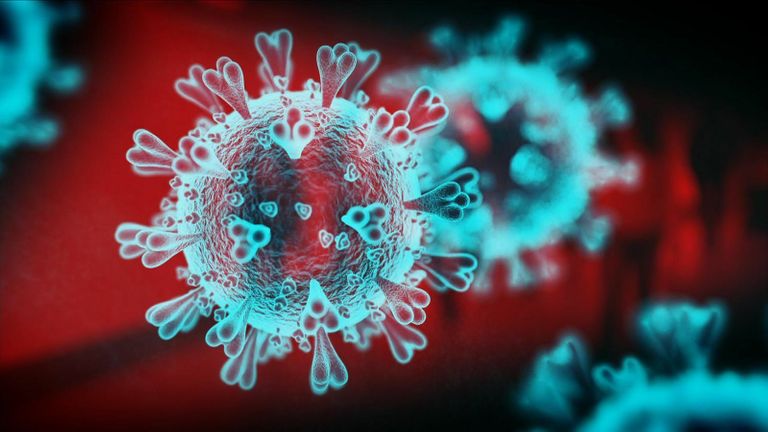


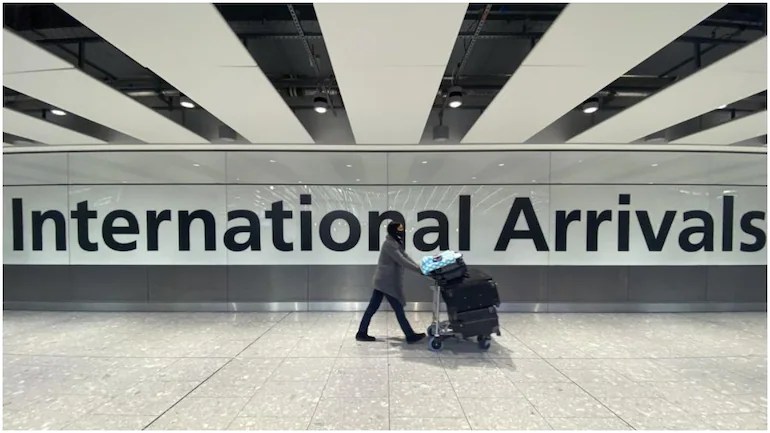


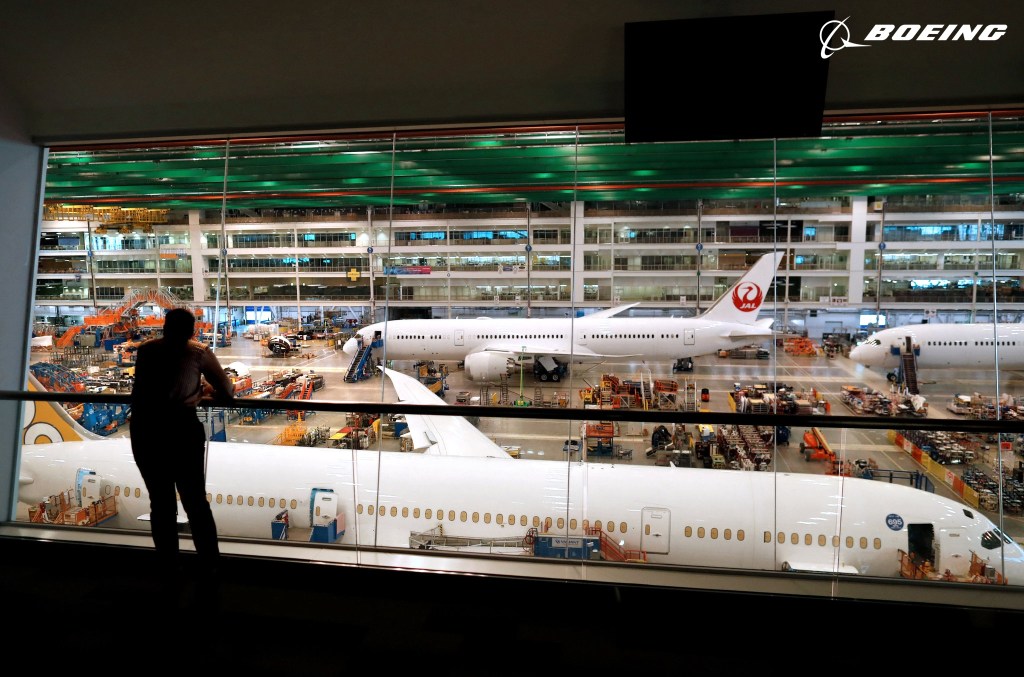


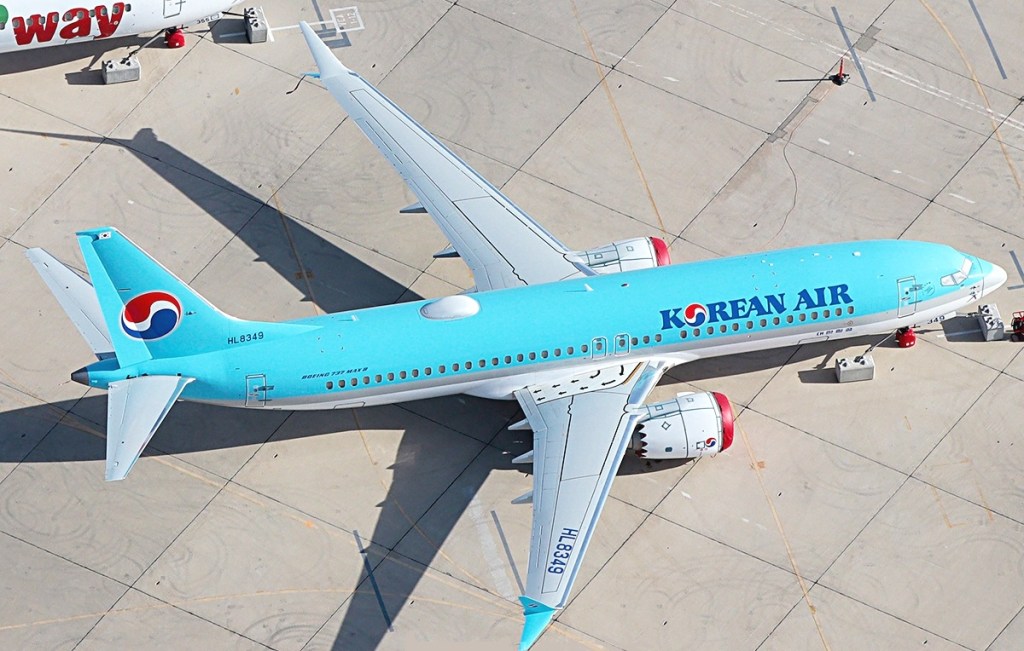

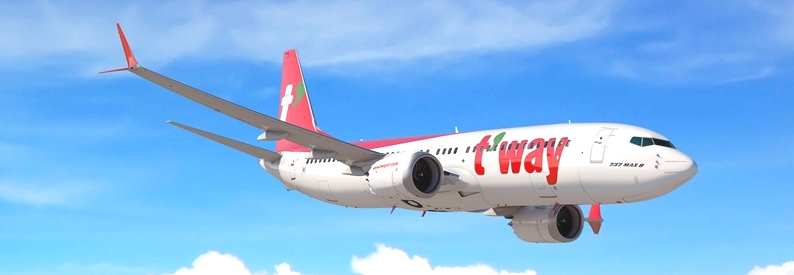
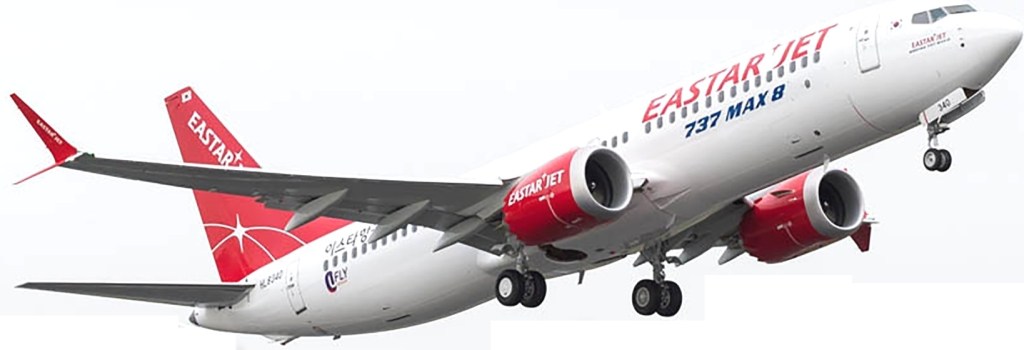
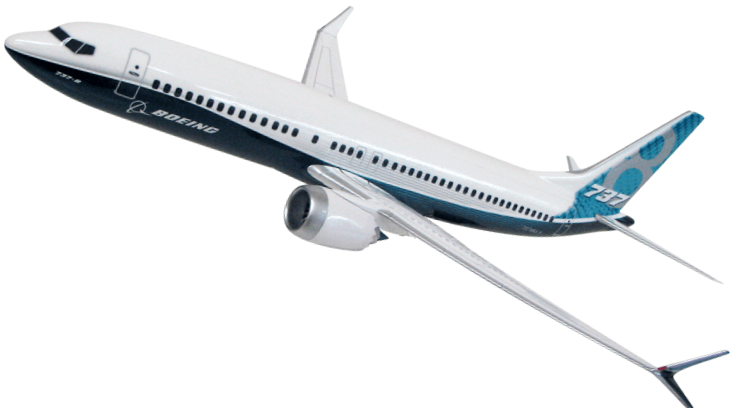
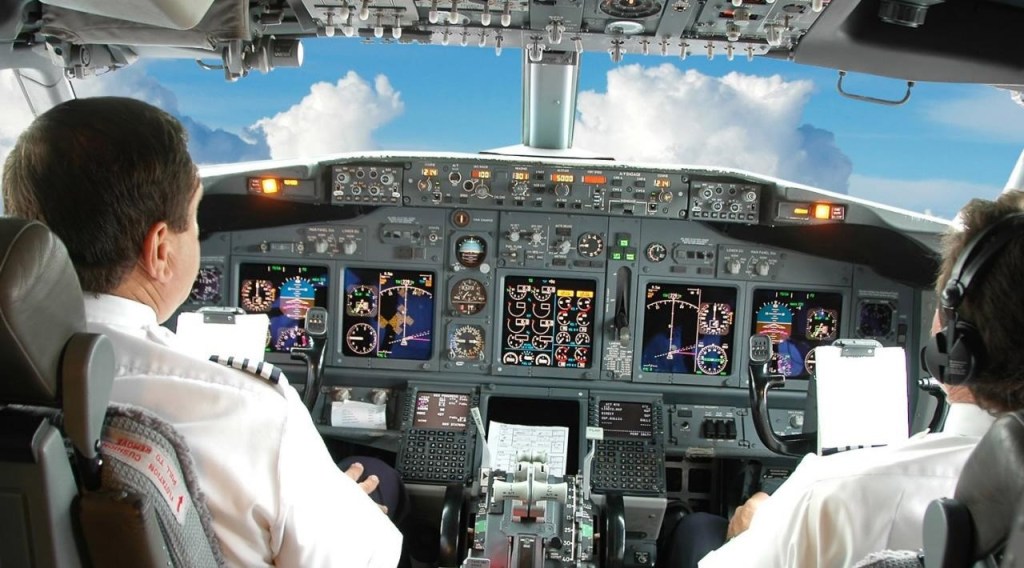

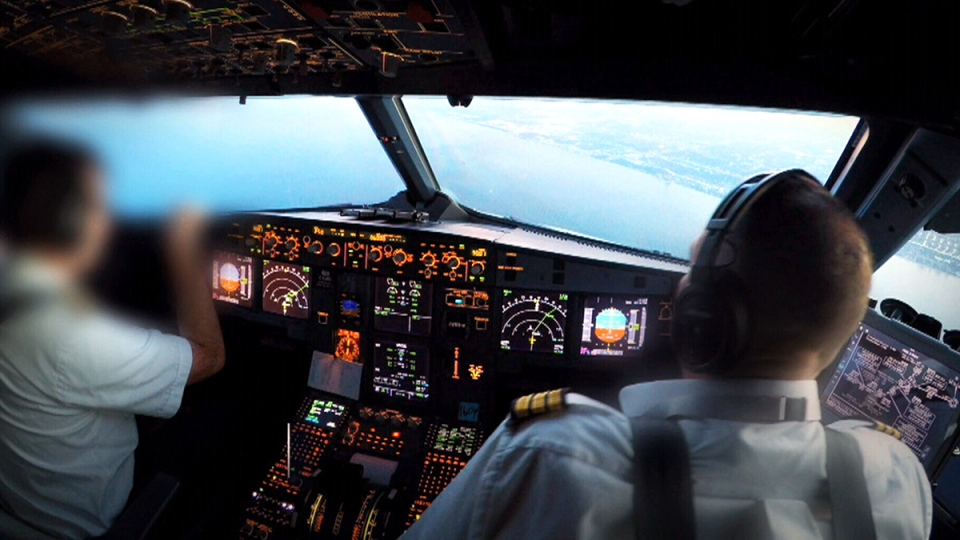


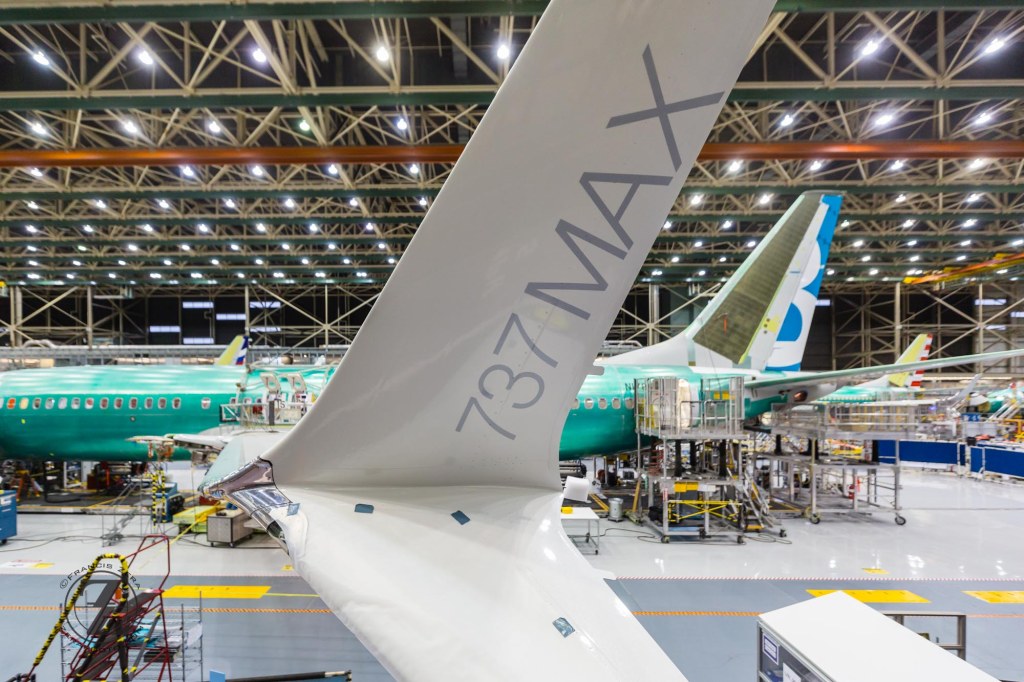
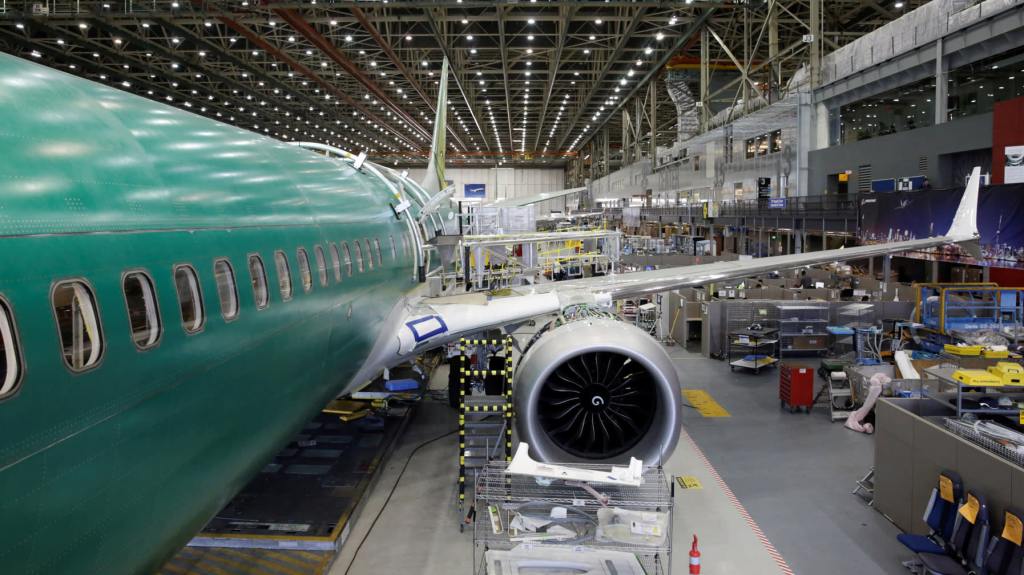
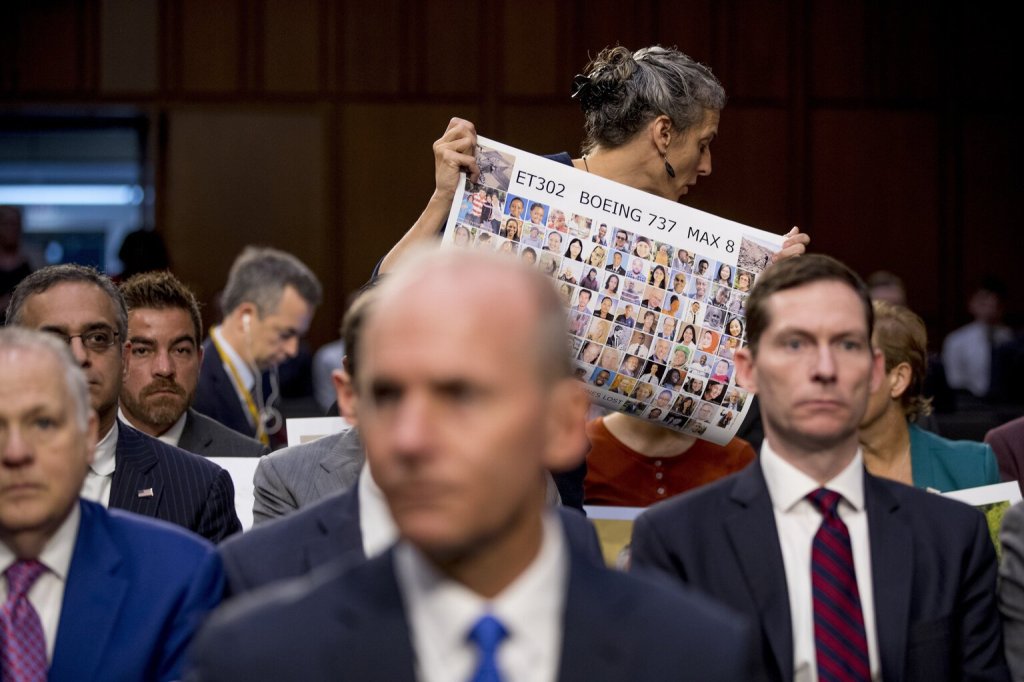

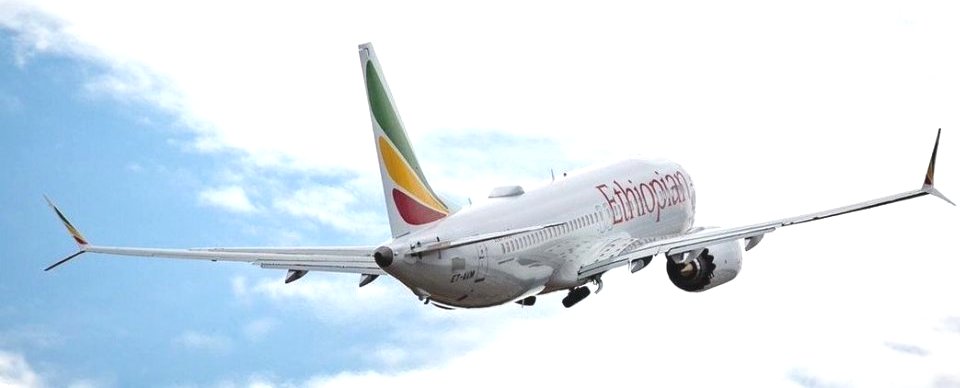
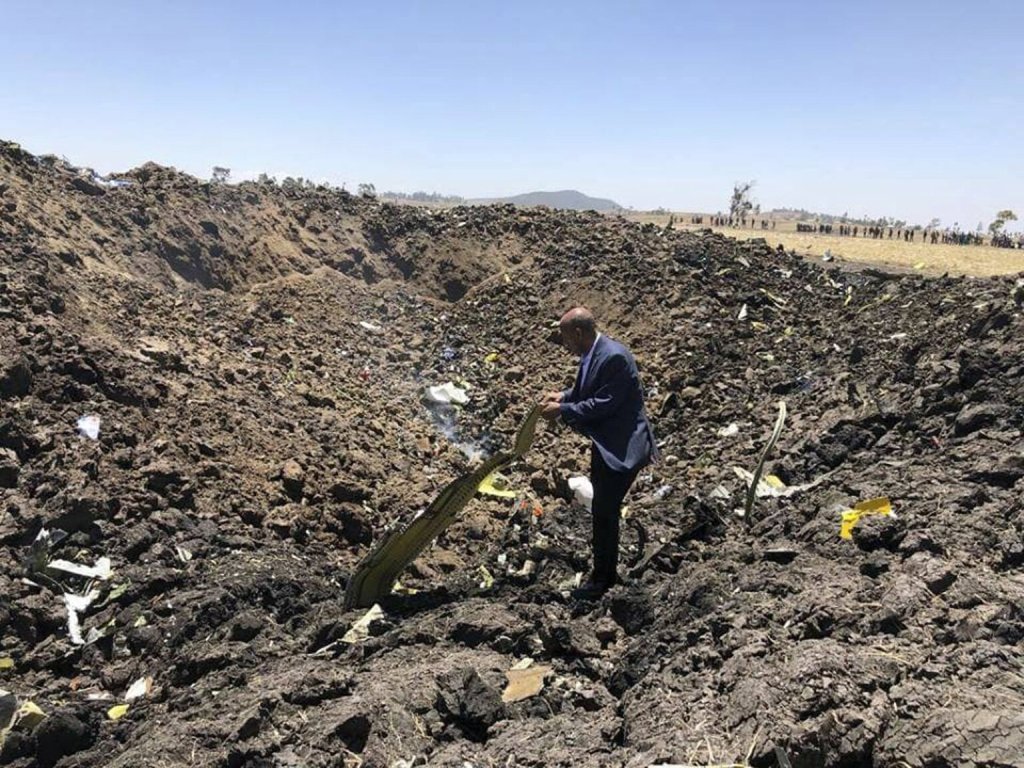






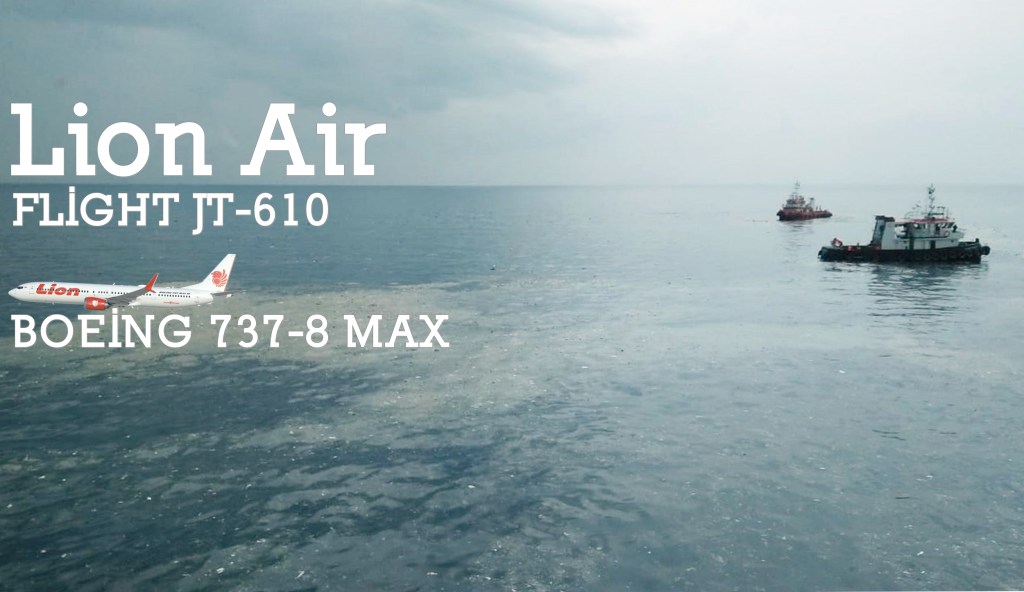

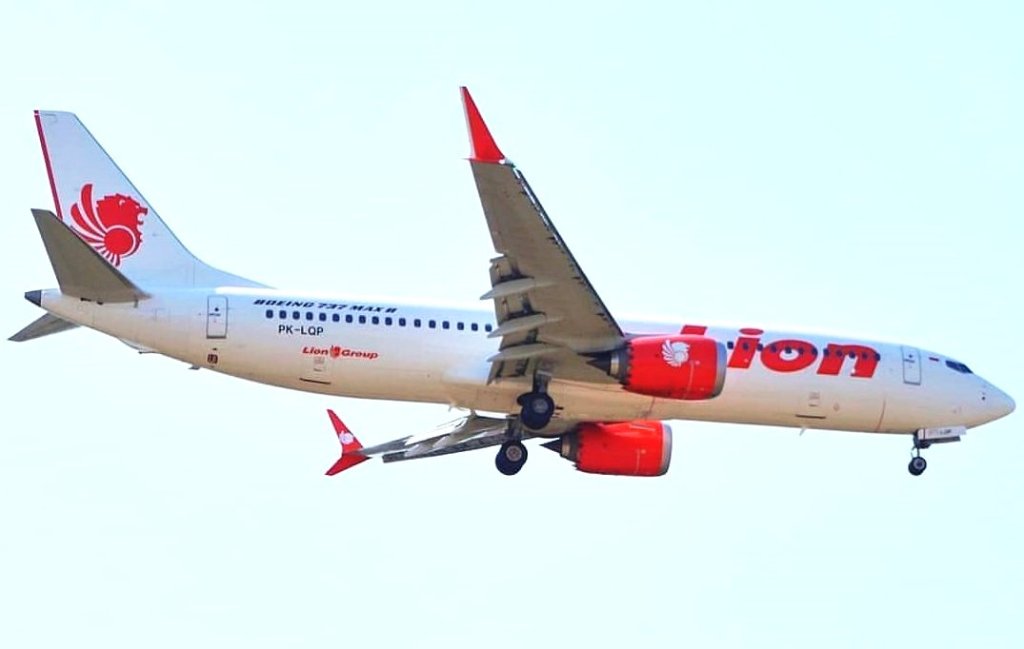



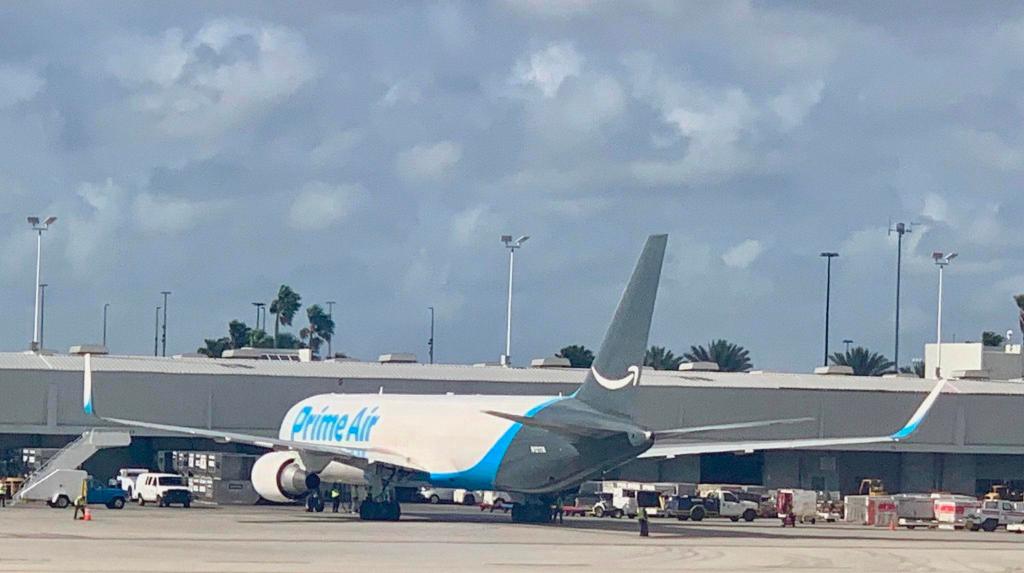
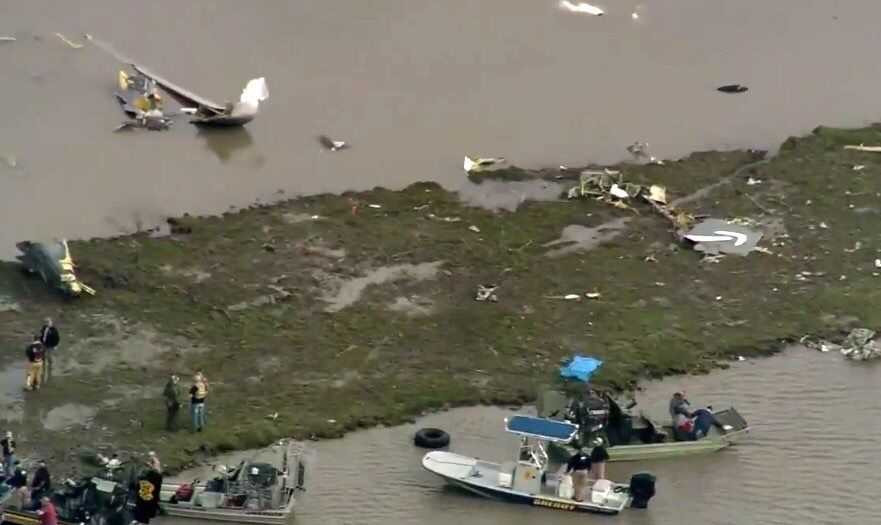

 airgways.com