Regulador europeo levantará cancelación en Enero 2021
La European Union Aviation Safety Agency (EASA) ha anunciado el estudio para leventar las prohibiciones de vuelo al Boeing 737 MAX hacia Enero 2021 después de que los reguladores estadounidenses terminaran la semana pasada una conexión a tierra de veinte meses después de los trágicos accidentes aéreos ocurridos en Indonesia y Etiopía.
El Jefe de la EASA ha comunicado en comentarios emitidos el Sábado 21/11 que el Boeing 737 MAX será seguro para volar después de cambios en el diseño del jet. «Queríamos llevar a cabo un análisis totalmente independiente de la seguridad de este avión, por lo que realizamos nuestros propios controles y pruebas de vuelo. Todos estos estudios nos dicen que el 737 MAX puede volver al servicio. Hemos empezado a poner en marcha todas las medidas. Es probable que en nuestro caso adoptemos las decisiones, lo que le permitirá volver al servicio, en algún momento de Enero», dijo el Director Ejecutivo Patrick Ky al Paris Air Forum 2020, una conferencia de aviación en línea organizada por el diario La Tribune de Francia.
Los funcionarios confirmaron que la próxima semana se publicará un Proyecto de Directiva de la EASA que propone poner fin a la puesta a tierra en Europa, seguido de un Período de Comentarios de 30 días. Después de los toques finales, eso llevaría a una decisión de aprobación hacia Enero 2021.
El tiempo que tardan los vuelos en reanudarse en Europa depende de la formación de pilotos y de la cantidad de tiempo que tardan las aerolíneas en actualizar el software y llevar a cabo otras acciones encomendadas por la EASA. En los Estados Unidos, los vuelos comerciales están programados para comenzar el 29 de Diciembre de 2020, poco menos de seis semanas después de que la orden de la FAA se publicara el 18 de Noviembre de 2020.
Lecciones FAA
Los accidentes aéreos en Indonesia y Etiopía desencadenaron una serie de investigaciones sobre fallos de mal diseño en la línea 737 MAX y la supervisión laza de la FAA. También pusieron bajo escrutinio las estrechas relaciones de la agencia de aviación americana con The Boeing Company. «Está claro que hubo una serie de disfunciones en las acciones (FAA) y sus relaciones con Boeing. No voy a entrar en detalles, ya que no depende de mí para hacer eso. La FAA está en proceso de poner en marcha medidas correctivas», expresó Patrick Ky. La EASA cambiaría algunos de sus propios métodos y tomaría un papel más detallado en el análisis de características críticas en aviones extranjeros. También sería más intransigente asegurar que se completen las revisiones clave de seguridad antes de pasar a los siguientes pasos. Hasta ahora, un regulador primario certifica un avión y otros siguen principalmente el ejemplo después de diferentes grados de controles independientes. «Cuál es el cambio en la forma en que validamos y certificamos los aviones Boeing está claro, ¿pero tendrá un impacto en los tiempos de certificación? No, no lo creo; haremos las cosas de manera diferente», expresó el Jefe de la EASA.
La EASA es ampliamente vista como un fortalecimiento emergente de la crisis de Boeing y algunos reguladores están esperando sus decisiones sobre el 737 MAX en lugar de seguir inmediatamente a la FAA como en el pasado. El Jefe de la FAA, Steve Dickson, redujo las diferencias la semana pasada, diciendo que había muy poca luz del día entre los reguladores y que la FAA trabajó estrechamente con Europa, Canadá y Brasil.
EASA representa a los 27 países de la Unión Europea más otras cuatro naciones, incluyendo Noruega, que tiene 92 de los aviones en orden. Hasta el 31 de Diciembre 2020, también representa al Reino Unido, que dejó el bloque de la Unión Europea en Enero 2019. La decisión de la agencia de seguridad de aviación EASA es vista como el hito más importante después de la aprobación de la FAA, pues como regulador responsable de Airbus, también tiene un peso significativo en la industria europea y mundial.
EASA 737 MAX Certification on 01/2021
European regulator will lift cancellation in January 2021
The European Union Aviation Safety Agency (EASA) has announced the study to lift the flight bans on the Boeing 737 MAX by January 2021 after US regulators last week ended a twenty-month ground connection after tragic plane crashes. in Indonesia and Ethiopia.
The EASA Chief has communicated in comments issued on Saturday 11/21 that the Boeing 737 MAX will be safe to fly after changes to the jet’s design. «We wanted to carry out a totally independent analysis of the safety of this aircraft, so we carried out our own controls and flight tests. All these studies tell us that the 737 MAX can be returned to service. We have started to commission all the It is likely that in our case we will make the decisions, which will allow him to return to service, sometime in January», Executive Director Patrick Ky told the Paris Air Forum 2020, an online aviation conference organized by the newspaper La Tribune of France.
Officials confirmed that an EASA Draft Directive proposing to end the grounding in Europe will be published next week, followed by a 30-day Comment Period. After the final touches, that would lead to an approval decision by January 2021.
The time it takes for flights to resume in Europe depends on pilot training and the amount of time it takes for airlines to update software and carry out other actions mandated by EASA. In the United States, commercial flights are scheduled to begin on December 29, 2020, just under six weeks after the FAA order was published on November 18, 2020.
FAA Lessons
Air crashes in Indonesia and Ethiopia triggered a series of investigations into poor design flaws on the 737 MAX line and FAA oversight. The close relations of the American aviation agency with The Boeing Company also came under scrutiny. «It is clear that there were a number of dysfunctions in the (FAA) actions and their relationships with Boeing. I will not go into details as it is not up to me to do that. The FAA is in the process of putting corrective measures in place», said Patrick Ky. EASA would change some of its own methods and take a more detailed role in the analysis of critical characteristics in foreign aircraft. It would also be more uncompromising to ensure key security reviews are completed before proceeding to the next steps. So far, one primary regulator certifies an aircraft and others mainly follow suit after varying degrees of independent checks. «What is the change in the way we validate and certify Boeing aircraft is clear, but will it have an impact on certification times? No, I don’t think so; we will do things differently», said the Head of EASA.
EASA is widely seen as an emerging strengthening of the Boeing crisis and some regulators are awaiting its decisions on the 737 MAX rather than immediately following the FAA as in the past. FAA Chief Steve Dickson narrowed the differences last week, saying there was very little daylight between regulators and that the FAA worked closely with Europe, Canada and Brazil.
EASA represents the 27 countries of the European Union plus four other nations, including Norway, which has 92 of the planes on order. Until December 31, 2020, it also represents the United Kingdom, which left the European Union bloc in January 2019. The decision of the aviation security agency EASA is seen as the most important milestone after FAA approval, As the responsible regulator of Airbus, it also has a significant weight in European and global industry.
Regulador CAAC China toma distancia para aprobaciones
El Gobierno de China por medio de la Administración de Aviación Civil de China (CAAC) ha comunicado que no hay un calendario establecido para la reanudación de los vuelos. El regulador de aviación de China ha expresado que tomará las medidas necesarias para establecer un programa de escrutinio efectivo para determinar las aprobaciones del Boeing 737 MAX para que retorne a los cielos en el mercado más grande de la compañía americana. La CAAC ha sido uno de los primeros países en poner el 737 MAX en tierra después de un segundo accidente aéreo que había involucrado la línea de aeronaves cuestionada. Debido a las persistentes preocupaciones de seguridad que objetaban los diferentes organismos reguladores y a razón de que Estados Unidos ha levantado la prohibición de los vuelos comerciales, la agencia CAAC establecerá el tempo necesario para determinar si es necesario revisar algunos cambios adicionales.
La Administración Federal de Aviación (FAA) de los Estados Unidos aprobó el Miércoles 18/11 las operaciones de Certificación de Aeronavegabilidad de vuelo comercial de la línea Boeing 737 MAX.
El avión más vendido de Boeing fue aterrizado en todo el mundo en Marzo de 2019 después de dos accidentes aéreos. Desde entonces se ha enfrentado a largos procesos de pruebas y aprobación con reguladores de aviación en todo el mundo. Pero la Administración de Aviación Civil de China (CAAC) dijo el Viernes 20/11 que no había un calendario establecido para la reanudación de los vuelos, asestando un golpe al gigante de la fabricación de aviones. El regulador chino ha añadido que los resultados de las investigaciones sobre los accidentes mortales en Indonesia y Etiopía deben quedar claros y que las mejoras en el diseño de las aeronaves deben ser eficaces y recibir aprobación. Feng Zhenglin, Director de la agencia CAAC, dijo en Octubre 2020 que el rápido aterrizaje de China de la aeronave se basó en la tolerancia cero hacia posibles riesgos para la seguridad.
Boeing dijo que la semana pasada espera que China compre más de 8.600 nuevos aviones por valor de US$ 1,4 billones de Dólares en las próximas dos décadas, aumentando su previsión a medida que los viajes nacionales en China se han recuperado a niveles previos a la pandemia de Coronavirus.
China no calendar for 737 MAX
Regulator CAAC China takes distance for approvals
The Government of China through the Civil Aviation Administration of China (CAAC) has communicated that there is no set timetable for the resumption of flights. China’s aviation regulator has expressed that it will take the necessary measures to establish an effective scrutiny program to determine the approvals of the Boeing 737 MAX to return to the skies in the largest market of the American company. The CAAC was one of the first countries to put the 737 MAX on the ground after a second plane crash that had involved the questioned line of aircraft. Due to the persistent security concerns obtained by the different regulatory bodies and because the United States has lifted the ban on commercial flights, the CAAC agency will establish the necessary time to determine if it is necessary to review any additional changes.
The Federal Aviation Administration (FAA) of the United States approved on Wednesday, 11/18, the operations of Airworthiness Certification of commercial flight of the Boeing 737 MAX line.
Boeing’s best-selling jet was landed around the world in March 2019 after two plane crashes. Since then it has faced lengthy testing and approval processes with aviation regulators around the world. But the Civil Aviation Administration of China (CAAC) said on Friday 11/20 that there was no set timetable for resuming flights, dealing a blow to the aircraft manufacturing giant. The Chinese regulator added that the results of the investigations into the fatal accidents in Indonesia and Ethiopia must be clear and that improvements in aircraft design must be effective and receive approval. Feng Zhenglin, Director of the CAAC agency, said in October 2020 that China’s rapid landing of the aircraft was based on zero tolerance for potential safety risks.
Boeing said last week it expects China to buy more than 8,600 new planes worth US$ 1.4 trillion in the next two decades, raising its forecast as domestic travel in China has recovered to levels prior to the Coronavirus pandemic.
Agencias aviación analizarán aprobaciones Boeing 737 MAX
El Boeing 737 MAX ha alcanzado el objetivo de introducir las aprobaciones de la Agencia de la Federal Aviation Administration (FAA) respectiva de los Estados Unidos para el regreso a los cielos estadounidense del avión de la compañía americana. Los próximos pasos estarán asignados a las demás agencias reguladoras de Europa, Reino unido, Canadá, Brasil, China, Australia, entre otras para determinar en sus países respectivos dar luz verde a los vuelos al determinar la cancelación de la puesta en tierra que ha demandado unos vente meses de incallación de la aeronave más representativa de el gigante estadounidense.
Las consecuencias derivadas a partir de Marzo 2019, cuando el segundo accidente de un Boeing 737-8 MAX en el lapso de cinco meses trajo rápidamente a puesta en tierra del modelo de la Boeing. China ha sido el primer país en poner en cuarentena la aeronave, lo que ha provocado un efecto dominó de prohibiciones de vuelo en todo el mundo. Los anuncios volaron de Este a Oeste del globo terráqueo, demostrando y poniendo de relieve la creciente influencia de China en los asuntos aeroespaciales y globales.
Tras los períodos de evaluaciones y pruebas que ha demandado unos veinte meses, el proceso de incallación podría prolongarse en un tiempo no especificado para las aprobaciones de los reguladores extranjeros para revisar las evaluaciones y reformas establecidas de la FAA e impongan sus propias condiciones para un regreso al servicio del Boeing 737 MAX. En el pasado, los reguladores siguieron rápidamente la orientación de la FAA, acreditada durante décadas por la seguridad de la aviación pionera. Pero muchos han puesto en dudas la confianza de la FAA después de que la agencia estadounidense fuera culpada por la supervisión laxa.
Naciones & 737 MAX
Se espera que Canadá y Brasil, dos naciones productoras de aeronaves con peso en la industria, respalde la decisión de la FAA en cuestión de semanas. Pero ambos dijeron el Miércoles 18/11 que aún no estaban listos para decidir. «Creo que está causando que los países sean un poco más críticos con el proceso de validación de certificados de tipo. Esperemos que sean un poco más críticos con lo que sus operadores aéreos están obligados a hacer con respecto a la capacitación», dijo Mike Daniel, un ex experto en certificación de la FAA e investigador de accidentes con sede en Singapur.
La capacidad de los reguladores para cooperar es crucial en un sector que abarca docenas de jurisdicciones. «Tener un regulador como la FAA, hacer el trabajo pesado para certificar un avión de Estados Unidos reduce los costos y el tiempo, porque las agencias en el extranjero pueden validar los resultados sin tener que duplicarlos. Lo que la FAA necesita son más recursos», dijo Richard Aboulafia, analista del Grupo Teal.
Emergente fortalecida de la crisis, muchos analistas dicen, es la Agencia de Seguridad Aérea de la Unión Europea (EASA), un par directo de la FAA que supervisa Airbus SE. Ha estado estrechamente involucrado en la investigación de los cambios MAX y se espera que tenga un mayor escrutinio de proyectos futuros como el 777X de Boeing, mientras que la FAA puede tener la misma reciprocidad con los aviones de fabricación europeo. La crisis ha aumentado la influencia de la EASA mientras algunas agencias esperan su decisión sobre el MAX en lugar de copiar la FAA.
«Hemos estado trabajando con EASA desde los primeros días en el tema y su posición será tenidela en cuenta», dijo un portavoz de la Autoridad de Seguridad de la Aviación Civil de Australia (CASA).
Fuentes de la industria dicen que EASA podría emitir su orden de incalladura tan pronto como la próxima semana, seguido de un período de comentarios de 30 días. Pero habrá algunas diferencias entre lo que la FAA aprobó y lo que Europa y Canadá requerirán para sus aerolíneas. Canadá, una de las últimas naciones importantes antes de estados Unidos en fundamentar el MAX, ha enfrentado críticas por hacer sombra a su aliado.
La FAA había trabajado brazo en brazo con Europa, Canadá y Brasil. «Por doloroso y tan arduo que haya sido el proceso, realmente ha fortalecido la cooperación entre estos reguladores y creo que nos puso en una posición mucho más fuerte a nivel mundial para la seguridad de la aviación en el futuro», dijo la FAA.
Eso todavía deja preguntas sin respuesta sobre los planes de China para aprobar el MAX. Como operador más importante, sus decisiones tienen un impacto inmediato en Boeing, y su prohibición más amplia del espacio aéreo podría obstaculizar el regreso al servicio de otras aerolíneas asiáticas. Pero como una potencia aeroespacial en ascenso con su propio programa de aviones comerciales y ambiciones de ser tomado en serio como regulador, China también tiene intereses más amplios, dicen los analistas. Algunos no excluyen a Beijing utilizando el 737 MAX como un chip de negociación política.
«Nos preocupa que pueda ser utilizado como una herramienta en las crecientes tensiones entre los gobiernos de Estados Unidos y China. Eso es lo que se observa, nos alienta el próximo cambio en el gobierno de los Estados Unidos y creemos que la nueva administración puede tener una política comercial menos combativa, que creemos que aumenta las posibilidades de la recertificación china», escribió Burkett Huey, Analista de Morningstar.
Global Regulators for 737 MAX
Aviation agencies will analyze Boeing 737 MAX approvals
The Boeing 737 MAX has reached the goal of introducing the approvals of the respective Federal Aviation Administration Agency (FAA) of the United States for the return to the American skies of the American company aircraft. The next steps will be assigned to the other regulatory agencies of Europe, the United Kingdom, Canada, Brazil, China, Australia, among others to determine in their respective countries to give the green light to the flights when determining the cancellation of the grounding that has demanded some twenty months of incallation of the most representative aircraft of the American giant.
The consequences derived from March 2019, when the second accident of a Boeing 737-8 MAX in the span of five months quickly brought the Boeing model to ground. China was the first country to quarantine the aircraft, which has led to a domino effect of flight bans around the world. The ads flew from East to West across the globe, demonstrating and highlighting China’s growing influence in aerospace and global affairs.
After the periods of evaluations and tests that it has demanded about twenty months, the incallation process could be extended in an unspecified time for the approvals of the foreign regulators to review the evaluations and reforms established of the FAA and impose their own conditions for a return. at the service of the Boeing 737 MAX. In the past, regulators were quick to follow the guidance of the FAA, credited for decades for pioneering aviation safety. But many have questioned the FAA’s trust after the US agency was blamed for lax oversight.
Nations & 737 MAX
Canada and Brazil, two major aircraft producing nations in the industry, are expected to back the FAA’s decision in a matter of weeks. But both said Wednesday they weren’t ready to decide yet. «I think it is causing countries to be a little more critical of the type certificate validation process. Hopefully they will be a little more critical of what their air operators are required to do with regards to training», said Mike Daniel, a former FAA certification expert and accident investigator based in Singapore.
The ability of regulators to cooperate is crucial in an industry that spans dozens of jurisdictions. «Having a regulator like the FAA do the heavy lifting to certify a United States aircraft reduces costs and time, because agencies abroad can validate the results without having to duplicate them. What the FAA needs are more resources», said Richard Aboulafia, an analyst at the Teal Group.
Emerging strengthened from the crisis, many analysts say, is the European Union Aviation Safety Agency (EASA), a direct peer of the FAA that oversees Airbus SE. He has been closely involved in researching the MAX changes and is expected to have greater scrutiny of future projects like Boeing’s 777X, while the FAA may have the same reciprocity with European-made jets. The crisis has increased EASA’s influence as some agencies await its decision on the MAX rather than copying the FAA.
«We have been working with EASA since the early days on the issue and their position will be taken into account», said a spokesman for the Australian Civil Aviation Safety Authority (CASA).
Industry sources say EASA could issue its overrun order as early as next week, followed by a 30-day comment period. But there will be some differences between what the FAA approved and what Europe and Canada will require for their airlines. Canada, one of the last major nations before the United States to found the MAX, has faced criticism for overshadowing its ally.
The FAA had worked arm in arm with Europe, Canada and Brazil. «As painful and arduous as the process has been, it has really strengthened cooperation between these regulators and I think it put us in a much stronger position globally for aviation security going forward», the FAA said.
That still leaves unanswered questions about China’s plans to pass the MAX. As the largest carrier, its decisions have an immediate impact on Boeing, and its broader airspace ban could hamper the return to service of other Asian airlines. But as a rising aerospace powerhouse with its own commercial jet program and ambitions to be taken seriously as a regulator, China also has broader interests, analysts say. Some don’t exclude Beijing using the 737 MAX as a political bargaining chip.
«We are concerned that it could be used as a tool in the growing tensions between the governments of the United States and China. That is what is observed, we are encouraged by the next change in the government of the United States and we believe that the new administration may have a less combative trade policy, which we believe increases the chances of Chinese recertification», wrote Morningstar Analyst Burkett Huey.
AW | 2020 11 19 17:04 | AVIATION SAFETY / AVIATION TECHNOLOGY / GOVERNMENT
Tecnológía 5G podría comprometer a la aviación comercial
Un choque sobre los usos del espectro radioeléctrico está enfrentando los intereses de la aviación contra las telecomunicaciones 5G, con una agencia reguladora Federal de estados unidos en el medio y Legisladores bajo presión para arbitrar el conflicto.
No se trata de la continua controversia sobre si el sistema de comunicaciones inalámbricas 5G Ligado Networks propuesto que opera en la Banda L bloqueará la recepción GPS que está galvanizando a la aviación a la acción. Según un informe técnico publicado recientemente, una medida de la Comisión Federal de Comunicaciones (FCC) de Estados Unidos para asignar cierto espectro de Banda C para 5G podría comprometer el funcionamiento de los altímetros de radar, los únicos sensores a bordo de aeronaves civiles que proporcionan una medición directa de la altura de la aeronave sobre el terreno u otros obstáculos en frecuencias adyacentes. En una carta del 17 de Noviembre de 2020 a los líderes bipartidistaes de los comités de la Cámara de Representantes y el Senado con jurisdicción sobre el transporte, AOPA y otras 13 organizaciones de aviación plantearon preocupaciones sobre la acción de la FCC para reasignar una parte del rango de frecuencias de 3.7 a 4.2-GHz para usos incluyendo aplicaciones 5G por la industria de las telecomunicaciones. «La industria de la aviación señaló en el proceso de elaboración de normas de la FCC que el despliegue de redes 5G en esta banda de frecuencias puede introducir interferencias dañinas de radiofrecuencia (RF) en los altímetros de radar que actualmente operan en la banda aeronáutica de 4,2 a 4,4 GHz asignada a nivel mundial. Los altímetros de radar se despliegan en decenas de miles de aeronaves civiles en los Estados Unidos y en todo el mundo para apoyar varias funciones críticas de aeronaves de seguridad de vida útil a lo largo de múltiples fases de vuelo. Los altímetros de radar son el único sensor a bordo de un avión civil que proporciona una medición directa de la altura de la aeronave sobre el terreno u otros obstáculos», dijo la carta.
La solicitud de los grupos de legisladores de aceptar la participación directa con las partes interesadas clave para proteger las bandas de frecuencia utilizadas por los altímetros de radar fue un informe del grupo de trabajo de la organización técnica RTCA que reveló un riesgo importante de interferencia perjudicial con los altímetros de radar de los sistemas de telecomunicaciones 5G en el ancho de banda de 3,7 a 3,98 GHz. Los impactos adversos incluyen «la posibilidad de fallas catastróficas que conducen a múltiples muertes, en ausencia de mitigaciones apropiadas», escribieron.
El 28 de Febrero de 2020, la FCC anunció una acción para liberar espectro de Banda C para servicios 5G, haciendo que una amplia franja de espectro de banda media esté disponible para 5G a través de una subasta pública. La acción haría que el espectro estuviera disponible rápidamente, al tiempo que generaría ingresos sustanciales para el Tesoro de los Estados Unidos. Al mismo tiempo, el artículo garantiza la entrega continua e ininterrumpida de servicios de programación de video y otros contenidos al pueblo estadounidense que actualmente es entregado por satélites utilizando la Banda C, había emitido el comunicado de prensa de la FCC.
RTCA, una asociación sin fines de lucro que desarrolla políticas de consenso para la modernización de la aviación, publicó un libro blanco sobre el tema de la interferencia en octubre, dirigiendo sus hallazgos a la FCC. «Una comprensión profunda de los riesgos asociados con esta interferencia y el impacto en la seguridad de la aviación será vital para reunir tanto a los reguladores de la aviación como al espectro para garantizar que los sistemas de aviación críticos para la seguridad continúen protegidos a los efectos de la seguridad pública», dijo Terry McVenes, Presidente y CEO de RTCA.
Perspectivas tecnológicas
El nuevo desafío a la asignación de espectro de la FCC para 5G se produce en un momento en que las organizaciones de aviación y muchas otras industrias que dependen del GPS han estado instando a la agencia reguladora a reconsiderar su aprobación en abril del plan de Ligado Networks para una red de comunicaciones inalámbricas que transmitiría en la Banda L. Los críticos de 5G Ligado Networks siguen preocupados de que la radiación de la red pueda bloquear o abrumar la recepción de señales GPS de baja potencia enviadas desde satélites en frecuencias adyacentes. Ligado ha respondido que ha abordado las preocupaciones como condición de su aprobación de la FCC y recientemente informó sobre los pasos que está tomando para poner en pie su red.
Aviation vs 5G technology
5G technology could compromise commercial aviation
A clash over the uses of the radio spectrum is pitting aviation interests against 5G telecommunications, with a US Federal regulatory agency in the middle and legislators under pressure to arbitrate the conflict.
It’s not about the ongoing controversy over whether the proposed Ligado Networks 5G wireless communications system operating in the L-Band will block GPS reception that is galvanizing aviation into action. According to a recently published technical report, a move by the United States Federal Communications Commission (FCC) to allocate certain C-Band spectrum for 5G could compromise the operation of radar altimeters, the only sensors on board civil aircraft that provide a direct measurement of the aircraft’s height above the ground or other obstacles on adjacent frequencies. In a November 17, 2020 letter to the bipartisan leaders of the House and Senate committees with jurisdiction over transportation, AOPA and 13 other aviation organizations raised concerns about the FCC’s action to reallocate a portion of the 3.7 to 4.2-GHz frequency range for uses including 5G applications by the telecommunications industry. «The aviation industry noted in the FCC rule-making process that the deployment of 5G networks in this frequency band can introduce harmful radio frequency (RF) interference to radar altimeters currently operating in the aeronautical band of 4.2 to 4.4 GHz mapped globally. Radar altimeters are deployed on tens of thousands of civil aircraft in the United States and around the world to support various critical life safety aircraft functions throughout multi-phase flight. Radar altimeters are the only sensor on board a civilian aircraft that provides a direct measurement of the aircraft’s height above the ground or other obstacles», the letter said.
The request by groups of legislators to accept direct engagement with key stakeholders to protect the frequency bands used by radar altimeters was a report from the technical organization RTCA working group that revealed a significant risk of harmful interference with radar altimeters in 5G telecommunications systems in the 3.7 to 3.98 GHz bandwidth. Adverse impacts include «the potential for catastrophic failures leading to multiple fatalities, in the absence of appropriate mitigations», they wrote.
On February 28, 2020, the FCC announced an action to release Band C spectrum for 5G services, making a wide swath of mid-band spectrum available for 5G through a public auction. The action would make spectrum available quickly, while also generating substantial revenue for the US Treasury. At the same time, the article guarantees the continuous and uninterrupted delivery of video programming services and other content to the American people that are currently delivered by satellites using Band C, the FCC press release had issued.
RTCA, a non-profit association that develops consensus policies for aviation modernization, published a white paper on the issue of interference in October, directing its findings to the FCC. «A thorough understanding of the risks associated with this interference and the impact on aviation security will be vital in bringing together both aviation and spectrum regulators to ensure that security-critical aviation systems continue to be protected for the purposes of of public safety», said Terry McVenes, President and CEO of RTCA.
Technological perspectives
The new challenge to the FCC’s spectrum allocation for 5G comes at a time when aviation organizations and many other industries that rely on GPS have been urging the regulatory agency to reconsider its April approval of Ligado Networks’ plan. for a wireless communications network that would transmit on the L-Band. Critics of 5G Ligado Networks remain concerned that radiation from the network could block or overwhelm the reception of low-power GPS signals sent from satellites on adjacent frequencies. Ligado has responded that it has addressed the concerns as a condition of its approval from the FCC and recently reported on the steps it is taking to get its network up and running.
AW | 2020 11 19 15:37 | AIR INVESTIGATION / AVIATION SAFETY
Investigaciones PK661 determina fallo un motor en vuelo
El 7 de Diciembre de 2016, el vuelo PK661/PIA661 de Pakistan International Airlines, un vuelo nacional de pasajeros de Chitral a Islamabad, Pakistán, operado por un turbohélice ATR 42-500, se estrelló cerca de Havelian. Las 47 personas a bordo murieron.
El ATR 42-500 matrícula AP-BHO había estado operando desde Chitral a Islamabad en la ruta 7 de Diciembre de 2016, su sexto vuelo del día, con 42 pasajeros y una tripulación de cinco personas. Los investigadores han determinado que el complejo fracaso de un motor izquierdo del avión turboprop ATR 42-500 de Pakistan International Airlines precedió a una pérdida de control que se convirtió en un estancamiento, pérdida de altitud y eventual colisión fatal con el terreno. En un punto de la secuencia de accidentes, el avión se invirtió mientras se sometía a un rollo completo de 360º hacia la derecha, continuando rodando otros 90º antes del giro a la izquierda hasta que fue a nivel de las alas, perdiendo unos 5.100 pies de altura en general.
La Junta de Investigación de Accidentes de Aeronaves de Pakistán (AAIB) informa que el avión probablemente despegó con una hoja de turbina de motor de etapa fracturada en su planta motriz izquierda Pratt & Whitney Canada PW127E. Cree que la hoja de hélice probablemente se fracturó o se desalojó durante el vuelo anterior, de Peshawar a Chitral.
Los investigadores creen que el avión ATR 42-500 partió con anomalías técnicas latentes. El motor había sido instalado tres semanas antes, habiendo sido tomado de otro de los ATR 42 de PIA registrado AP-BHP durante el mantenimiento no programado. Durante este trabajo se eliminó el conjunto de la turbina eléctrica. Pero mientras que las palas de la turbina habían pasado los criterios de 10.000h para el reemplazo, la investigación dice que no fueron reemplazadas. El motor funcionó durante otras 93 horas antes del inicio de la emergencia.
Durante los primeros 26 minutos del vuelo a Islamabad, con el ATR 42 navegando a 13.500 pies, había evidencia de que la velocidad de la hélice izquierda gobernaba la precisión se había degradado, pero esto no fue notado por la tripulación. El avión estaba navegando a 186kt en lugar de los esperados 230kt.
La investigación dice que una serie de averías técnicas ocurrieron entonces al motor y su sistema de control de hélices. La fractura de la hélice de la turbina desequilibraba la potencia de la turbina y la situación se complicó aún más por otro problema latente, un pasador roto en el regulador de exceso de velocidad del motor, así como la contaminación por aceite. El mal funcionamiento técnico resultante generó un aumento en el paso de la hélice y una disminución inusual en la velocidad de la hélice desde el nivel de crucero del 82% cayó al 62%. «Debido a esta anomalía técnica combinada, durante las siguientes partes del vuelo, las condiciones fueron excepcionalmente difíciles», dice la investigación, señalando que el avión sufrió una variación incontrolada en su velocidad de hélice y paso de la paleta. La velocidad de la hélice aumentó a 102%, antes de caer, mientras que el paso de la paleta alcanzó un punto posiblemente cerca de la posición de pluma. La velocidad de la hélice aumentó inesperadamente de nuevo, correspondiente a un porcentaje alcanzando 120-125%. El lado izquierdo del avión produjo valores de arrastre altos, mientras que la tripulación no había respondido con suficiente potencia, lo que resultó en la caída de la velocidad del aire y el avión volaba al borde del estancamiento, alrededor de 120kt, su activación de la palanca de agitación. El avance de la potencia en el motor de la derecha, dice, junto con el timón derecho excesivo para contrarrestar la condición asimétrica, coincidió con una caída abrupta en la velocidad de la hélice de la izquierda. La investigación explica que «una cantidad considerable de arrastre fue eliminada del lado izquierdo de la aeronave», y los esfuerzos de la tripulación para mantener el control direccional de repente se convirtieron en superávit a la necesidad, lo que resultó en una guiñada aguda a la derecha, el rollo invertido y el descenso rápido, el avión perdió 5.100 pies antes de recuperarse a 8.350 pies. «Esto tuvo un impacto psicológico inmenso en la tripulación de la cabina, y deterioró su capacidad para funcionar normalmente», dice la investigación.
Después de la recuperación, simulaciones complejas indican que las palas de la hélice de la aeronave podrían haberse asentado en un paso bajo mientras giraban a alrededor del 5%, generando fuerzas de arrastre estables en el lado izquierdo. Pero el comportamiento de la aeronave era diferente al que se habría esperado durante un apagado estándar en vuelo y una operación monomotor, con arrastre de hélice unas siete veces más de lo que normalmente produciría una vez emplumado. «En esta condición degradada no fue posible que la aeronave mantuviera un vuelo nivelado», dice la investigación. Sólo podía volar en un descenso gradual de 800-1,000 pies/min a alrededor de 150-160kt. El control direccional era posible con entradas sustanciales del timón derecho y del alerón derecho, pero los pilotos eran incapaces de juzgar la naturaleza y el alcance de la degradación en el rendimiento aerodinámico de la aeronave. Cuando la tripulación intentó reducir la velocidad de descenso, la velocidad del aire también comenzó a caer. A pesar de aumentar progresivamente las entradas de control a la derecha, el avión entró en un giro a la izquierda continuo, acercándose a terrenos altos y activando advertencias de proximidad al suelo. La velocidad del aire disminuyó y el avión se estancó a 4.280 pies, a solo 850 pies sobre el suelo, rodando 90º a la izquierda y lanzando 23º de la nariz hacia abajo antes de golpear una base montañosa a 42 minutos en su vuelo. Ninguno de los ocupantes sobrevivió al impacto, a unos 24 nm al norte del aeropuerto de Islamabad y a 3,5 nm al sur-sureste de Havelian, Pakistán.
La investigación de la AAIB del accidente del ATR 42 de Pakistán considera que las licencias de la tripulación eran válidas. Dos pilotos del Pakistan International Airlines ATR 42-500 que se estrelló cerca de Havelian hace cuatro años estaban entre la tripulación de la cabina inicialmente sospechosa de poseer licencias dudosas, pero los investigadores de accidentes han concluido que sus calificaciones eran válidas.
PIA ATR42 PK661 engine fault
Investigations PK661 determines failure of an engine in flight
On December 7, 2016, Pakistan International Airlines flight PK661/ PIA661, a domestic passenger flight from Chitral to Islamabad, Pakistan, operated by an ATR 42-500 turboprop, crashed near Havelian. All 47 people on board died.
The ATR 42-500 registration AP-BHO had been operating from Chitral to Islamabad on route December 7, 2016, its sixth flight of the day, with 42 passengers and a crew of five. Investigators have determined that the complex failure of a left engine on the Pakistan International Airlines ATR 42-500 turboprop aircraft preceded a loss of control that turned into stalling, loss of altitude and eventual fatal collision with the ground. At one point in the accident sequence, the plane reversed while undergoing a full 360º roll to the right, continuing to roll another 90º before the left turn until it was level with the wings, losing about 5,100 feet of overall height.
The Pakistan Aircraft Accident Investigation Board (AAIB) reports that the plane likely took off with a fractured stage engine turbine blade at its Pratt & Whitney Canada PW127E left power plant. He believes that the propeller blade was probably fractured or dislodged during the previous flight, from Peshawar to Chitral.
Investigators believe that the ATR 42-500 aircraft departed with latent technical anomalies. The engine had been installed three weeks earlier, having been taken from another of PIA’s AP-BHP registered ATR 42s during unscheduled maintenance. During this work the electric turbine assembly was eliminated. But while the turbine blades had passed the 10,000h criteria for replacement, the research says they were not replaced. The engine ran for another 93 hours before the emergency started.
During the first 26 minutes of the flight to Islamabad, with ATR 42 sailing at 13,500 feet, there was evidence that the left propeller speed governed accuracy had degraded, but this was not noticed by the crew. The plane was sailing at 186kt instead of the expected 230kt.
The investigation says that a series of technical breakdowns then occurred to the engine and its propeller control system. The turbine propeller fracture unbalanced turbine power and the situation was further complicated by another latent problem, a broken pin in the engine’s overspeed governor, as well as oil contamination. The resulting technical malfunction resulted in an increase in propeller pitch and an unusual decrease in propeller speed from the 82% cruising level dropped to 62%. «Due to this combined technical anomaly, during the following parts of the flight, conditions were exceptionally difficult», says the investigation, noting that the aircraft suffered an uncontrolled variation in its propeller speed and blade pitch. Propeller speed increased to 102%, before dropping, while blade pitch reached a point possibly near boom position. The propeller speed unexpectedly increased again, corresponding to a percentage reaching 120-125%. The left side of the plane produced high drag values, while the crew had not responded with enough power, which resulted in the drop in airspeed and the plane was flying to the brink of stagnation, around 120kt, its activation of the stirring lever. Advancing power into the right engine, he says, coupled with the excessive right rudder to counteract the asymmetrical condition, coincided with a sharp drop in propeller speed on the left. The investigation explains that «a considerable amount of drag was removed from the left side of the aircraft», and the crew’s efforts to maintain directional control suddenly became surplus to necessity, resulting in a sharp yaw to the Right, reverse roll and rapid descent, the plane lost 5,100 feet before recovering to 8,350 feet. «This had an immense psychological impact on the cabin crew, and impaired their ability to function normally», the investigation says.
After recovery, complex simulations indicate that the aircraft’s propeller blades could have settled into a low pitch while rotating at around 5%, generating stable drag forces on the left side. But the behavior of the aircraft was different from what would have been expected during a standard in-flight shutdown and single-engine operation, with propeller drag some seven times more than it would normally produce once feathered. «In this degraded condition it was not possible for the aircraft to maintain level flight», says the investigation. It could only fly in a gradual descent from 800-1,000 ft/min to around 150-160kt. Directional control was possible with substantial inputs from the right rudder and right aileron, but the pilots were unable to judge the nature and extent of the degradation in the aircraft’s aerodynamic performance. When the crew tried to reduce the descent speed, the airspeed also began to drop. Despite progressively increasing the control inputs to the right, the aircraft entered a continuous left turn, approaching high ground and activating ground proximity warnings. Airspeed decreased and the plane stalled at 4,280 feet, just 850 feet above the ground, rolling 90º to the left and launching 23º from the nose down before hitting a mountainous base 42 minutes into its flight. None of the occupants survived the impact, about 24 nm north of Islamabad airport and 3.5 nm south-southeast of Havelian, Pakistan.
The AAIB investigation of the Pakistan ATR 42 accident found the crew licenses to be valid. Two pilots of the Pakistan International Airlines ATR 42-500 that crashed near Havelian four years ago were among the cabin crew initially suspected of possessing questionable licenses, but accident investigators have concluded that their qualifications were valid.
AW | 2020 11 19 11:15 | INDUSTRY / AVIATION SAFETY
Boeing responde aprobación FAA para reanudar operaciones 737 MAX
La Administración Federal de Aviación (FAA) de los Estados Unidos ha rescindido este 18/11 la orden que detuvo las operaciones comerciales de Boeing 737-8 y 737-9. La medida permitirá a las aerolíneas que están bajo la jurisdicción de la FAA, incluidas las de los Estados Unidos, tomar las medidas necesarias para reanudar el servicio y Boeing comience a realizar entregas. «Nunca olvidaremos las vidas perdidas en los dos trágicos accidentes que llevaron a la decisión de suspender las operaciones. Estos eventos y las lecciones que hemos aprendido como resultado han remodelado nuestra empresa y centrado aún más nuestra atención en nuestros valores fundamentales de seguridad, calidad e integridad», dijo David Calhoun, Director Ejecutivo de The Boeing Company.
A lo largo de los últimos veinte meses, Boeing ha trabajado estrechamente con las aerolíneas, proporcionándoles recomendaciones detalladas sobre el almacenamiento a largo plazo y asegurando que su aporte fue parte del esfuerzo por devolver los aviones al servicio de forma segura.
Una Directiva de Aeronavegabilidad (AD) emitida por la FAA detalla los requisitos que deben cumplirse antes de que los transportistas estadounidenses puedan reanudar el servicio, incluyendo la instalación de mejoras de software, completar modificaciones de separación de cables, realizar entrenamiento de pilotos y llevar a cabo actividades exhaustivas de despreservación que garanticen que los aviones estén listos para el servicio. «La directiva de la FAA es un hito importante. Continuaremos trabajando con los reguladores de todo el mundo y nuestros clientes para devolver el avión al servicio en todo el mundo», dijo Stan Deal, Presidente y Director Ejecutivo de Boeing Commercial Airplanes.
Además de los cambios realizados en el entrenamiento de aviones y pilotos, Boeing ha tomado tres pasos importantes para reforzar su enfoque en la seguridad y la calidad:
1 · Alineación organizacional: Más de 50.000 ingenieros se han reunido en una sola organización que incluye una nueva unidad de seguridad de productos y servicios, unificando las responsabilidades de seguridad en toda la empresa. 2 · Enfoque cultural: Los ingenieros han sido más capacitados para mejorar la seguridad y la calidad. La empresa está identificando, diagnosticando y resolviendo problemas con un mayor nivel de transparencia e inmediatez. 3 · Mejoras en el proceso: Mediante la adopción de procesos de diseño de próxima generación, la empresa está permitiendo mayores niveles de calidad por primera vez.
La FAA ha levantado la orden que suspendió las operaciones de la línea 737 MAX para aerolíneas bajo su jurisdicción, incluidas las de los Estados Unidos. Seguimos trabajando con otros reguladores y aerolíneas globales mientras toman medidas para devolver el avión al servicio en sus jurisdicciones. Tras la aprobación de la FAA, otros reguladores mundiales están revisando a fondo la capacitación propuesta. Los reguladores establecerán los requisitos finales de capacitación. Colaboramos con pilotos, ingenieros y expertos en seguridad para crear una propuesta integral que pedía que los pilotos actuales 737-8 y 737-9 completaran formación adicional, revisaran exhaustivamente la documentación técnica y demostraran sus conocimientos en un simulador de vuelo de movimiento completo calificado por el regulador. Pilotos de más de 80 de las aerolíneas del mundo probaron las mejoras de primera mano en un simulador de vuelo en movimiento completo. También revisaron el material del curso y la documentación técnica. Cada aerolínea trabajará directamente con su regulador para determinar su enfoque de capacitación y recibir la aprobación para su curso de formación.
Regreso al servicio
Si un avión fue fabricado después de que el pedido fue emitido o ya está en la flota de un cliente, tiene que pasar por un riguroso proceso definido por la FAA antes de volver al servicio. Los aviones que han estado en almacenamiento deben someterse a un proceso de activación integral antes de que puedan considerarse listos para su devolución al servicio. Después de preparar cada avión, se inspeccionará minuciosamente con un sólido conjunto de criterios definidos por la FAA. Hemos estado trabajando codo con codo con nuestros clientes para garantizar un almacenamiento seguro y ahora estamos listos para apoyarlos a medida que devuelven sus aviones de forma segura al servicio comercial.
Aerolíneas & 737 MAX
American Airlines se encuentra preparada para ser el relanzamiento de la vuelta a la programación de vuelo del 737 MAX, confirmando este 18/11 que planea comenzar a operar el avión el próximo 29/12 en el servicio entre Miami y Nueva York. La compañía ha expresado la flexibilidad diciendo que los pasajeros no tendrán que viajar en el 737 MAX si no lo desean. «Si un cliente prefiere no volar en este avión, proporcionaremos flexibilidad para garantizar que puedan volver a acomodarse fácilmente», dijo American en un mensaje a los empleados. El CEO Gary Kelly de Southwest Airlines ha dicho a los empleados que confía en las correcciones realizadas en el Boeing 737 MAX, destacando también la necesidad de «miles de horas de trabajo, inspecciones y actualizaciones de software antes de que cualquiera de nuestros clientes aborde un Southwest 737 MAX». Southwest ha comunicado que no transportará pasajeros en el avión hasta el segundo trimestre del año entrante (2Q2021). Alaska Airlines dice que planea tomar la entrega de su primer 737 MAX en Enero 2021, cuando los pilotos comenzarán los entrenamiento de simulador y vuelo real antes de entrar en servicio en Marzo 2021.
Boeing 737 MAX approval statement
Boeing responds to FAA approval to resume 737 MAX operations
The Federal Aviation Administration (FAA) of the United States has rescinded this 18/11 the order that stopped the commercial operations of Boeing 737-8 and 737-9. The move will allow airlines under FAA jurisdiction, including those in the United States, to take the necessary steps to resume service and Boeing to begin making deliveries. «We will never forget the lives lost in the two tragic accidents that led to the decision to suspend operations. These events and the lessons we have learned as a result have reshaped our company and further focused our attention on our core values of safety, quality and safety. integrity», said David Calhoun, CEO of The Boeing Company.
Over the past twenty months, Boeing has worked closely with airlines, providing detailed recommendations on long-term storage and ensuring that their input was part of the effort to safely return aircraft to service.
An Airworthiness Directive (AD) issued by the FAA details the requirements that must be met before U.S. carriers can resume service, including installing software upgrades, completing cable spacing modifications, conducting pilot training, and carrying out carry out comprehensive preservation activities to ensure aircraft are ready for service. «The FAA leadership is an important milestone. We will continue to work with regulators around the world and our customers to return the aircraft to service around the world», said Stan Deal, President and CEO of Boeing Commercial Airplanes.
In addition to changes made to airplane and pilot training, Boeing has taken three important steps to reinforce its focus on safety and quality:
1 · Organizational alignment: More than 50,000 engineers have come together in a single organization that includes a new product and service security unit, unifying security responsibilities across the company. 2 · Cultural approach: Engineers have been more trained to improve safety and quality. The company is identifying, diagnosing and solving problems with a higher level of transparency and immediacy. 3 · Process improvements: By adopting next-generation design processes, the company is enabling higher levels of quality for the first time.
The FAA has lifted the order that suspended operations of the 737 MAX line for airlines under its jurisdiction, including those of the United States. We continue to work with other global airlines and regulators as they take steps to return the aircraft to service in their jurisdictions. Following FAA approval, other global regulators are thoroughly reviewing the proposed training. Regulators will establish final training requirements. We collaborated with pilots, engineers, and safety experts to create a comprehensive proposal that required current 737-8 and 737-9 pilots to complete additional training, comprehensively review technical documentation, and demonstrate their knowledge on a full-motion flight simulator rated by the regulator. Pilots from more than 80 of the world’s airlines tested the improvements first-hand in a full-motion flight simulator. They also reviewed the course material and technical documentation. Each airline will work directly with its regulator to determine its training approach and receive approval for its training course.
Return to service
If an aircraft was manufactured after the order was issued or is already in a customer’s fleet, it has to go through a rigorous process defined by the FAA before returning to service. Aircraft that have been in storage must undergo a comprehensive activation process before they can be considered ready for return to service. After each aircraft is prepared, it will be thoroughly inspected against a robust set of criteria defined by the FAA. We have been working closely with our customers to ensure safe storage and are now ready to support them as they safely return their aircraft to commercial service.
Airlines & 737 MAX
American Airlines is prepared to be the relaunch of the return to the flight schedule of the 737 MAX, confirming this 11/18 that it plans to start operating the aircraft on 12/29 in the service between Miami and New York. The company has expressed flexibility by saying that passengers won’t have to ride the 737 MAX if they don’t want to. «If a customer prefers not to fly on this aircraft, we will provide flexibility to ensure they can easily re-accommodate», American said in a message to employees. Southwest Airlines CEO Gary Kelly has told employees that he is confident in the fixes made on the Boeing 737 MAX, also highlighting the need for «thousands of man hours, inspections and software updates before any of our customers board a Southwest 737 MAX». Southwest has announced that it will not transport passengers on the plane until the second quarter of the following year (2Q2021). Alaska Airlines says it plans to take delivery of its first 737 MAX in January 2021, when pilots will begin simulator training and actual flight before entering service in March 2021.
Agencia FAA renueva certificación línea Boeing 737 MAX
La Federal Aviation Administration (FAA) ha anunciado este 18 de Noviembre de 2020 la aprobación de recertificación del modelo Boeing 737 MAX. El anuncio marca un hito en las habilitaciones y el comienzo para los operadores aéreos para poder retomar las operaciones con este tipo de aeronaves al autorizarse para volar nuevamente. La restauración del Certificado de Aeronavegabilidad del Boeing 737 MAX es el paso más significativo hasta ahora en el esfuerzo de la compañía Boeing por resucitar la aeronave que devastó su reputación y condujo a investigaciones del Congreso que revelaron deficiencias e incluso un engaño absoluto cuando surgieron problemas de seguridad durante el desarrollo del avión.
El regreso a los cielos del avión no será inmediato. Los aviones en tierra deberán reacondicionarse con las mejoras ordenadas por la FAA y los pilotos deberán ser reentrenados en los procedimientos que deberán realizar los cambios necesarios en el avión para que esté en condiciones de volar y reentrenar a las tripulaciones. El problema, sin embargo, era que los nuevos motores eran más grandes, lo que obligaba a un rediseño. Los motores tuvieron que reposicionarse hacia delante de las alas de una manera que les diera más espacio libre sobre la pista. Sin embargo, se descubrió que la nueva ubicación también cambia las características de vuelo del avión bajo ciertas circunstancias. Para compensar, Boeing agregó un software a la computadora de vuelo conocido como Maneuvering Characteristics Augmentation System (MCAS), que funcionaría en segundo plano para que los pilotos de la nueva variante Boeing 737 MAX se sintiera como versiones anteriores del avión. Luego vinieron las investigaciones. Boeing fue salpicado por una serie de revelaciones que pintaban una imagen oscura de errores graves en el desarrollo del 737 MAX que se había apresurado a competir con un avión similar desarrollado por su archirrival Airbus. La investigación descubrió fallas en MCAS y esfuerzos dentro de Boeing para engañar a los reguladores y sus clientes de aerolíneas sobre el avión. Muchas de las deficiencias se detallaron en un informe del Comité de Infraestructura y Transporte de la Cámara en septiembre. Afirmó que los pilotos de prueba de Boeing identificaron problemas de MCAS ya en 2012, incluido el hallazgo de que se necesitaron 10 segundos para lidiar con una activación no ordenada. Se consideró que el problema era potencialmente catastrófico, según el informe.
Activación línea ensamblaje
La línea 737 MAX es la última versión del avión de pasajeros que comprenden las variantes MAX 7, MAX 8, MAX 9, MAX 10. El primer prototipo había volado por primera vez a finales de la década de 1960 y se convirtió en uno de los aviones comerciales más exitosos de la historia. El 737 MAX, la cuarta generación de la afamada línea estaba destinado a aprovechar una nueva generación de motores a reacción que podrían ahorrar más combustible a las aerolíneas. La compañía Boeing ha anunciado que continuaría construyendo las aeronaves, pues todavía cuanta con una enorme cartera de pedidos sin completar para las 4.102 órdenes seleccionadas.
Regulador FAA
El Administrador de la Federal Aviation Administration (FAA) de Estados Unidos, Steve Dickson, ha firmado este 18 de Noviembre de 2020 una orden que allana el camino para que el Boeing 737 MAX vuelva al servicio comercial. La acción del Administrador Dickson siguió un proceso de revisión de seguridad integral y metódica que ha durado veinte meses en completarse. Durante ese tiempo, los empleados de la FAA trabajaron diligentemente para identificar y abordar los problemas de seguridad que jugaron un papel en la trágica pérdida de 346 vidas a bordo del vuelo JT-610 de Lion Air y el vuelo ET-302 de Ethiopian Airlines. A lo largo de nuestro proceso transparente, la FAA ha trabajado estrechamente con los organismos homólogos extranjeros en todos los aspectos de la vuelta al servicio. Además, el Administrador Steve Dickson ha tomado personalmente el entrenamiento recomendado de piloto en el test de vuelo del Boeing 737 MAX, para que pudiera experimentar el manejo de la aeronave de primera mano.
Además de rescindir el pedido que puso en tierra la aeronave, la FAA publicó este 18/11 una Directiva de Aeronavegabilidad (AD) en la que se especifican los cambios de diseño que deben realizarse antes de que la aeronave vuelva al servicio, emitió una Notificación de Aeronave Continua a la Comunidad Internacional (CANIC) y publicó los requisitos de capacitación del 737 MAX. Estas acciones no permiten que el MAX regrese inmediatamente a los cielos. La FAA debe aprobar 737 revisiones del programa de capacitación de pilotos MAX para cada aerolínea estadounidense que opere el MAX y conservará su autoridad para emitir certificados de aeronavegabilidad y certificados de exportación de aeronavegabilidad para todas las nuevas aeronaves 737 MAX fabricadas desde que la FAA emitió la orden de puesta a tierra. Además, las compañías aéreas que han estacionado sus aviones MAX deben tomar las medidas de mantenimiento necesarias para prepararlas para volar de nuevo.
El diseño y certificación de este avión incluyó un nivel sin precedentes de revisiones colaborativas e independientes por parte de las autoridades de aviación de todo el mundo. Esos reguladores han indicado que los cambios en el diseño de Boeing, junto con los cambios en los procedimientos de tripulación y las mejoras de capacitación, les darán la confianza de validar la aeronave como segura para volar en sus respectivos países y regiones. Después de la vuelta al servicio, la FAA continuará trabajando en estrecha colaboración con nuestros socios extranjeros de aviación civil para evaluar cualquier posible mejora adicional para la aeronave. La agencia también llevará a cabo la misma supervisión rigurosa y continua de la seguridad operacional del MAX que proporcionamos para toda la flota comercial de los Estados Unidos.
Perspectivas 737 MAX
La Administración Federal de Aviación ha anulado su orden de puesta a tierra para el avión 737 MAX, lo que permitirá el retorno a los cielos después de que se realicen ciertas modificaciones enlas aeronaves fabricadas. Alrededor de 400 aviones Boeing 737 MAX se encontraban en servicio comercial antes de la puesta a tierra mundial. Mientras que Boeing ha construido y almacenado alrededor de 450 más desde entonces. Todas las aeronaves deberán someterse a mantenimiento y obtener las próximas reconfiguraciones establecidas por el organismo regulador de la FAA. Los pilotos también deben someterse a un entrenamiento obligatorio de simulador.
«Nunca olvidaremos las vidas perdidas en los dos trágicos accidentes que llevaron a la decisión de suspender las operaciones. Estos eventos y las lecciones que hemos aprendido como resultado han remodelado nuestra empresa y centrado aún más nuestra atención en nuestros valores fundamentales de seguridad, calidad e integridad», dijo el CEO de The Boeing Company, David Calhoun, en un comunicado de Miércoles 18/11 ante la audiencia mundial.
Ξ FAA approves 737 MAX recertification Ξ
FAA agency renews Boeing 737 MAX line certification
The Federal Aviation Administration (FAA) has announced this November 18, 2020, the approval of the recertification of the Boeing 737 MAX model. The announcement marks a milestone in qualifications and the beginning for air operators to be able to resume operations with this type of aircraft when they are authorized to fly again. The restoration of the Certificate of Airworthiness for the Boeing 737 MAX is the most significant step yet in the Boeing company’s effort to resurrect the aircraft that devastated its reputation and led to Congressional investigations that revealed deficiencies and even outright hoax when problems arose. safety during aircraft development.
The return to the skies of the troublesome plane will not be immediate. Airplanes on the ground will have to be reconditioned with the improvements ordered by the FAA and pilots will have to be retrained in the procedures that will have to make the necessary changes in the airplane so that it is in condition to fly and retrain the crews. The problem, however, was that the new engines were larger, forcing a redesign. The engines had to be repositioned forward of the wings in a way that gave them more headroom on the runway. However, it was discovered that the new location also changes the flight characteristics of the aircraft under certain circumstances. To compensate, Boeing added software to the flight computer known as the Maneuvering Characteristics Augmentation System (MCAS), which would work in the background to make pilots of the new Boeing 737 MAX variant feel like previous versions of the plane. Then came the investigations. Boeing was peppered with a series of revelations that painted a dark picture of serious flaws in the development of the 737 MAX that had rushed to compete with a similar aircraft developed by archrival Airbus. The investigation uncovered flaws in MCAS and efforts within Boeing to mislead regulators and their airline customers about the plane. Many of the deficiencies were detailed in a report from the House Transportation and Infrastructure Committee in September. It stated that Boeing test pilots identified MCAS issues as early as 2012, including the finding that it took 10 seconds to deal with an unordered activation. The problem was deemed potentially catastrophic, according to the report.
Assembly line activation
The 737 MAX line is the latest version of the airliner comprising the MAX 7, MAX 8, MAX 9, MAX 10 variants. The first prototype had first flown in the late 1960s and became one of the most successful commercial aircraft in history. The 737 MAX, the fourth generation in the famed line, was intended to take advantage of a new generation of jet engines that could save airlines more fuel. The Boeing company has announced that it would continue to build the aircraft, as it still has a huge backlog of unfilled orders for the 4,102 selected orders.
FAA regulator
The Administrator of the Federal Aviation Administration (FAA) of the United States, Steve Dickson, has signed this November 18, 2020 an order that paves the way for the Boeing 737 MAX to return to commercial service. Administrator Dickson’s action followed a comprehensive and methodical security review process that has taken twenty months to complete. During that time, FAA employees worked diligently to identify and address the safety issues that played a role in the tragic loss of 346 lives aboard Lion Air Flight JT-610 and Ethiopian Airlines Flight ET-302. Throughout our transparent process, the FAA has worked closely with foreign counterparts on all aspects of the return to service. In addition, Administrator Steve Dickson has personally taken the recommended pilot training in the Boeing 737 MAX flight test so that he could experience handling the aircraft first-hand.
In addition to rescinding the order that grounded the aircraft, the FAA published on 11/18 an Airworthiness Directive (AD) specifying the design changes that must be made before the aircraft returns to service, issued a Notification of Continuous Aircraft to the International Community (CANIC) and published the 737 MAX training requirements. These actions do not allow the MAX to immediately return to the skies. The FAA must approve 737 reviews of the MAX pilot training program for each U.S. airline that operates the MAX and will retain its authority to issue certificates of airworthiness and export certificates of airworthiness for all new 737 MAX aircraft manufactured since the FAA issued the order of grounding. Additionally, airlines that have parked their MAX aircraft must take the necessary maintenance measures to prepare them to fly again.
The design and certification of this aircraft included an unprecedented level of collaborative and independent reviews by aviation authorities around the world. Those regulators have indicated that Boeing’s design changes, along with changes to crew procedures and training enhancements, will give them the confidence to validate the aircraft as safe to fly in their respective countries and regions. After the return to service, the FAA will continue to work closely with our foreign civil aviation partners to assess any possible further enhancements to the aircraft. The agency will also conduct the same rigorous and ongoing safety oversight of the MAX that we provide for the entire United States commercial fleet.
Perspective 737 MAX
The Federal Aviation Administration has rescinded its grounding order for the 737 MAX aircraft, which will allow a return to the skies after certain modifications are made to the manufactured aircraft. About 400 Boeing 737 MAX aircraft were in commercial service prior to global grounding. While Boeing has built and stored around 450 more since then. All aircraft must undergo maintenance and obtain the next reconfigurations established by the FAA regulatory body. Pilots must also undergo mandatory simulator training.
«We will never forget the lives lost in the two tragic accidents that led to the decision to suspend operations. These events and the lessons we have learned as a result have reshaped our company and further focused our attention on our core values of safety, quality and safety. integrity», said The Boeing Company CEO David Calhoun in a Wednesday 11/18 statement to a global audience.
AW | 2020 11 17 23:30 | AVIATION SAFETY / GOVERNMENT
A un año del surgimiento del virus que cambiaría a la humanidad
La posterior Gran Guerra de 1914 ha traído un peregrinaje de acontecimientos que han marcado a las sociedades a través del mundo. La Gripe de 1918 (1918-1920); la pandemia del SIDA/VIH en 1981, el Severe Acute Respiratory Syndrome (SARS) en 2002 en China; Gripe A H1N1 en 2009-2010; el Middle East Respiratory Syndrome (MERS) en 2012 en Arabia Saudita; Epidemia del Ébola 2013-2016 en Guinea, África; Epidemia del Zika 2015-2016, Brasil; y actualmente el Severe Acute Respiratory Syndrome Coronavirus 2 (SARS-CoV-2) más utilizado y conocido como Coronavirus (COVID-19) ha representado la pandemia más extensiva hasta el momento conocida que ha impactado el modo de vida del mundo entero.
Tras un año, un 17 de Noviembre de 2019 se conocía al mundo una nueva amenaza epidemiológica con epicentro en Wuhan, China, el mundo conocería el poderoso impacto del Coronavirus en las sociedades del planeta y los efectos en todo orbe institucional. La aviación ha conocido la cara más villana de las amenazas después de los atentados a objetivos de Estados Unidos (11-S), sus efectos perdurarán a través del tiempo.
Vacunas vs Logística
Las vacunas COVID-19 podrían estar listas hacia finales de 2020, pero la alta demanda y los grandes desafíos hacen suponer que para 8 mil millones de personas se necesitaría transportar el equivalente a 8.000 Boeing 747 cargueros: ¿Cómo puede la logística ayudar a cubrir el gran déficit sanitario? Paradójicamente, el virus se propagaba más rápidamente en avión, y será el medio aéreo el responsable de transportar lo más rápidamente las vacunas para la salvación de miles y para la prevención de la población mundial.
¿Qué tan grande es el desafío? Según la Asociación Internacional de Transporte Aéreo (IATA), expresó: «proporcionar una dosis única a 7.800 millones de personas llenaría 8.000 747 aviones de carga». Mientras tanto, múltiples laboratorios representarán una batalla contrarreloj para coordinar los procesos con las aerolíneas para llegar a cada rincón del planeta, pero varios laboratorios en otros países podrán acelerar los procesos de inmunización de la población al fabricar los antivirus para reducir los tiempos y procesos.
La industria de la carga aérea ya tiene una vasta experiencia en el transporte de productos farmacéuticos y de ciencias de la vida. Estos representan el 1,9 por ciento de todo el volumen de carga aérea y el 2,6 por ciento de los ingresos totales de carga de las aerolíneas, es decir, 2.500 millones de Dólares. Pero la próxima avalancha de vacunas COVID-19 no puede administrarse en todo el mundo sin un importante elevador de carga aérea. En World Air Cargo Forecast 2016-2017, Boeing estimó el total de aviones de carga en el mundo en 1.770, de los cuales 550 se definieron como cargueros pesados como el 747 capaz de transportar más de 80 toneladas de carga. En Agosto 2020, Air Cargo News dijo que 300 cargueros Boeing 747 estaban operando, y que se habían añadido 65 cargueros adicionales a la flota mundial. Alrededor de 4,5 millones de cancelación de vuelos de pasajeros en todo el mundo redujeron la carga del ventral (bodegas). La capacidad de carga del vientre disminuyó en un 70% en Abril-Julio 2020, ya que los aviones de cuerpo ancho utilizados para viajes internacionales estuvieron en tierra debido a la pandemia. Pero cuando Estados Unidos y Europa luchan por conseguir equipo de protección personal (PPE) como máscaras y guantes de fábricas chinas, una flota improvisada de cientos de aviones de pasajeros se convirtió en cargueros, llamados «preighters». Había mucho para elegir; a la altura de la pandemia se estacionaron 16.000 aviones.
¿Será esto suficiente para transportar las vacunas a medida que estén disponibles? Pfizer, por ejemplo, dice que espera producir hasta 1.300 millones de dosis en 2021. Pero no es sólo un simple juego de números. Complicando aún más la distribución de vacunas es la cadena de frío de la vacuna necesaria para prevenir el deterioro. Para el primer lote de 50 millones de vacunas que Pfizer espera producir en 2020, la compañía dijo que «no hay otros socios principales de la cadena de suministro logístico más allá que DHL, FedEx y UPS trabajando en planes de distribución en los Estados Unidos».
La profesora Anna Nagurney, Matemática y experta en Logística de la Universidad de Massachusetts, explica que transportar y almacenar las nuevas vacunas basadas en ARN como las de Pfizer y Moderna es como mover pescado fresco.
Para evitar que se rompa la cadena de frío, Anna Nagurney escribe que «UPS está agregando granjas congeladoras de 600 congeladores capaces de alcanzar menos 80 grados Celsius cerca de los centros aéreos de UPS en Louisville, Kentucky y los Países Bajos. Cada congelador podrá contener 48.000 viales de vacuna y podrá almacenar fácilmente la vacuna Pfizer o la vacuna Moderna a las bajas temperaturas necesarias».
Si bien las compañías de carga dedicadas pueden ser capaces de manejar el volumen limitado de vacunas que se pueden producir en 2020, el CEO de Pfizer, Albert Bourla, señaló: «A medida que avancemos en los primeros meses de 2021, entonces vamos a tener una distribución mucho más masiva de la vacuna en todo el mundo».
Las entregas formarán parte de una cadena compleja, dice Andrea Gruber, Jefe de Carga Especial de la IATA. Estos productos sensibles y de alto valor no sólo pueden requerir un entorno de gestión controlado por temperatura y la seguridad también deben seguir los requisitos normativos internacionales, como las Buenas Prácticas de Distribución de la UE, la Administración Federal de Medicamentos de los Estados Unidos y las normas de la OMS y la IATA para productos sensibles a la temperatura controlada. La industria de la aviación tiene una larga historia de cómo hacer frente a tales desafíos. Tim Clark, Presidente de Emirates Airlines, dijo: «Estamos trabajando en tratar de mover esta vacuna Pfizer en contenedores especialmente diseñados en nuestros aviones, en nuestras bodegas y en las cabinas, y manteniéndolos a ese nivel a través del punto de distribución». De hecho, la próxima crisis puede ser una doble bendición para la industria aérea. Obviamente, una vez que las vacunas se distribuyen y en uso, los viajes de los pasajeros volverán. Pero la crisis de distribución puede ofrecer primero una oportunidad a las aerolíneas de sacar aviones que fueron puestos en tierra por la pandemia, y poner a sus tripulaciones de nuevo a trabajar. En Emirates Airline, casi toda su flota de 115 aviones A380 siguen estacionadas. Y ninguno es un carguero dedicado. El A380F estaba tan plagado de retrasos que los clientes de lanzamiento UPS y FedEx abandonaron el proyecto y ordenaron a los cargueros Boeing 747 en su lugar. Aún así, un pasajero de Malaysia Airlines A380 recientemente transportó 26 toneladas de carga en un vuelo de carga total. HiFly retiró los asientos de su A380 y lo utilizó para misiones de carga COVID-19. Airbus ha ofrecido kits de conversión de carga para el A330 y el A350. Mientras tanto, otras aerolíneas se están preparando para la demanda que se avecina; Virgin Atlantic Airways anunció recientemente su propio servicio farmacéutico. Ciertamente, las compañías de carga dedicadas como FedEx, UPS y DHL serán los principales actores en el gran levantamiento de vacunas COVID-19 de 2021. Pero con la pandemia más el comercio electrónico normal, la capacidad de flete ya está bajo tensión. DHL, que dice que ha experimentado un aumento del 50% en el volumen de entrada, recientemente elevó los precios de las parcelas para los clientes en general.
A pesar de los desafíos, Tim Clark de Emirates Airline describe ser optimista: «Hay un imperativo global para lograrlo, no sólo en Occidente, sino en el mundo en desarrollo. Y las aerolíneas del mundo jugarán un papel importante». La misma arma con la que el virus se ha propagado, esa misma arma representará un papel preponderante y vital para la distribución masiva de la cura de la pandemia de Coronavirus en el mundo entero.
Anniversary of the Coronavirus pandemic
One year after the virus emerged that would change humanity
The subsequent Great War of 1914 has brought a pilgrimage of events that have marked societies throughout the world. The Flu of 1918 (1918-1920); the AIDS/HIV pandemic in 1981, the Severe Acute Respiratory Syndrome (SARS) in 2002 in China; Influenza A H1N1 in 2009-2010; the Middle East Respiratory Syndrome (MERS) in 2012 in Saudi Arabia; Ebola epidemic 2013-2016 in Guinea, Africa; Zika Epidemic 2015-2016, Brazil; and currently the most widely used Severe Acute Respiratory Syndrome Coronavirus 2 (SARS-CoV-2) and known as Coronavirus (COVID-19) has represented the most extensive pandemic known to date that has impacted the way of life around the world.
After a year, on November 17, 2019, a new epidemiological threat was known to the world with its epicenter in Wuhan, China, the world would know the powerful impact of the Coronavirus on the societies of the planet and the effects on the entire institutional sphere. Aviation has known the most villainous face of threats after the attacks on United States targets (9/11), its effects will last through time.
Vaccines vs Logistics
COVID-19 vaccines could be ready by the end of 2020, but high demand and great challenges suggest that 8 billion people would need to transport the equivalent of 8,000 Boeing 747 freighters: How can logistics help meet the great health deficit? Paradoxically, the virus spread faster by plane, and the air environment will be responsible for transporting the vaccines as quickly as possible for the salvation of thousands and for the prevention of the world’s population.
How big is the challenge? According to the International Air Transport Association (IATA), it said: «providing a single dose to 7.8 billion people would fill 8,000 747 cargo planes». Meanwhile, multiple laboratories will represent a battle against time to coordinate the processes with the airlines to reach every corner of the planet, but several laboratories in other countries will be able to accelerate the immunization processes of the population by manufacturing the antivirus to reduce the times and processes.
The air cargo industry already has vast experience in the transportation of pharmaceutical and life science products. These represent 1.9 percent of all air cargo volume and 2.6 percent of the airlines’ total cargo revenues, that is, 2.5 billion dollars. But the next flood of COVID-19 vaccines cannot be delivered around the world without a major air freight elevator. In World Air Cargo Forecast 2016-2017, Boeing estimated the total number of cargo aircraft in the world at 1,770, of which 550 were defined as heavy freighters such as the 747 capable of carrying more than 80 tons of cargo. In August 2020, Air Cargo News said that 300 Boeing 747 freighters were operating, and that 65 additional freighters had been added to the world fleet. Around 4.5 million passenger flight cancellations around the world reduced the load of the ventral (holds). Belly carrying capacity decreased by 70% in April-July 2020, as wide-body aircraft used for international travel were grounded due to the pandemic. But when the United States and Europe scrambled to source personal protective equipment (PPE) like masks and gloves from Chinese factories, a makeshift fleet of hundreds of airliners turned into freighters, called «preighters». There was a lot to choose from; at the height of the pandemic, 16,000 planes were parked.
Will this be enough to transport vaccines as they become available? Pfizer, for example, says it expects to produce up to 1.3 billion doses in 2021. But it’s not just a simple numbers game. Further complicating vaccine delivery is the cold chain of the vaccine needed to prevent spoilage. For the first batch of 50 million vaccines that Pfizer expects to produce in 2020, the company said «there are no other major logistics supply chain partners beyond DHL, FedEx and UPS working on distribution plans in the United States».
Professor Anna Nagurney, a Mathematician and Logistics expert from the University of Massachusetts, explains that transporting and storing new RNA-based vaccines like those from Pfizer and Moderna is like moving fresh fish.
To avoid breaking the cold chain, Anna Nagurney writes that «UPS is adding freezer farms of 600 freezers capable of reaching minus 80 degrees Celsius near UPS air hubs in Louisville, Kentucky and the Netherlands. Each freezer will contain 48,000 vaccine vials and you can easily store Pfizer vaccine or Moderna vaccine at the low temperatures you need».
While dedicated freight companies may be able to handle the limited volume of vaccines that can be produced in 2020, Pfizer CEO Albert Bourla noted: «As we move into the first few months of 2021, then we are going to have a much more massive distribution of the vaccine around the world».
Deliveries will be part of a complex chain, says Andrea Gruber, IATA’s Chief of Special Cargo. These sensitive and high-value products may not only require a temperature-controlled management environment and safety they must also follow international regulatory requirements, such as EU Good Distribution Practices, the US Federal Drug Administration and the WHO and IATA standards for temperature-controlled sensitive products. The aviation industry has a long history of dealing with such challenges. Tim Clark, President of Emirates Airlines, said: «We are working on trying to move this Pfizer vaccine in specially designed containers on our aircraft, in our warehouses and in the cabins, and keeping them at that level through the point of distribution». In fact, the next crisis may be a double blessing for the airline industry. Obviously, once the vaccines are distributed and in use, the passenger trips will return. But the distribution crisis may first offer an opportunity for airlines to take out planes that were grounded by the pandemic, and put their crews back to work. At Emirates Airline, nearly its entire fleet of 115 A380s remain parked. And neither is a dedicated freighter. The A380F was so plagued by delays that launch customers UPS and FedEx dropped the project and ordered Boeing 747 freighters instead. Still, a Malaysia Airlines A380 passenger recently carried 26 tons of cargo on a full-load flight. HiFly removed the seats from its A380 and used it for COVID-19 cargo missions. Airbus has offered cargo conversion kits for the A330 and A350. Meanwhile, other airlines are bracing for the demand to come; Virgin Atlantic Airways recently announced its own pharmacy service. Certainly, dedicated freight companies like FedEx, UPS and DHL will be the major players in the great COVID-19 vaccine lift of 2021. But with the pandemic plus normal e-commerce, freight capacity is already under strain. DHL, which says it has seen a 50% increase in incoming volume, recently raised prices for parcels for general customers.
Despite the challenges, Emirates Airline’s Tim Clark describes being optimistic: «There is a global imperative to achieve this, not just in the West, but in the developing world. And the world’s airlines will play an important role». The same weapon with which the virus has spread, that same weapon will play a preponderant and vital role for the massive distribution of the coronavirus pandemic cure throughout the world.
AW | 2020 11 17 11:17 | GOVERNMENT / AVIATION SAFETY
Cámara Representantes votará proyecto de ley reforma de la FAA
La Cámara de Representantes de los Estados Unidos votará el Martes 17 de Noviembre de 2020 sobre la legislación bipartidista para reformar el proceso de Certificación de Aeronaves de la Administración Federal de Aviación (FAA) después de las graves consecuencias incurridas por la industria estadounidense.
Tras los dos accidentes aéreos de aeronaves Boeing 737-8 MAX ha sido puesto en tierra desde Marzo 2019, que después de un largo proceso de veinte meses después de una larga revisión, nuevas salvaguardias de software y actualizaciones de entrenamiento, la FAA finalmente fijará este Miércoles 18/11 las aprobaciones de recertificación del modelo y el retorno del avión al servicio aerocomercial.
Cambio de cultura
El Proyecto de Ley H.R.8408 116th de la Cámara de Representantes del Senado de Estados Unidos requiere un panel de expertos para evaluar la cultura de seguridad de Boeing y recomendar mejoras, y exige que los fabricantes de aeronaves adopten sistemas de gestión de la seguridad y evaluaciones completas de la seguridad del sistema para cambios significativos en el diseño. También requiere que los cálculos de riesgo se basen en suposiciones realistas del tiempo de respuesta piloto y que las evaluaciones de riesgos se compartan con los reguladores. El Comité de Transporte e Infraestructura de la Cámara de Transporte aprobó la medida por unanimidad el 30 de Septiembre de 2020.
El Representante Peter DeFazio, un Demócrata, actual Presidente del Senado, dijo oportunamente que la FAA no pudo garantizar adecuadamente la seguridad del 737 MAX, y llamó a la certificación de aeronaves «un sistema roto que rompió la confianza del público». Un informe publicado por Peter DeFazio encontró que los accidentes del 737 MAX eran la horrible culminación de los fracasos de Boeing y la FAA y pidió reformas urgentes.
El Congresista Peter DeFazio expresó en un comunicado que la nueva medida es «un proyecto de ley sólido que cuenta con el apoyo de ambos lados del pasillo y aborda algo en lo que todos estamos de acuerdo: mantener a la gente a salvo. No hay razón para esperar hasta el próximo Congreso para hacer esto». El proyecto de ley de la Cámara de Representantes extendería las protecciones de los denunciantes de aerolíneas a los empleados manufactureros de los Estados Unidos, requeriría la aprobación de la FAA de nuevos trabajadores que están realizando tareas de certificación delegadas e impondría sanciones civiles a quienes interfieren con el desempeño de las tareas autorizadas por la FAA.
El principal Republicano del panel, el Representante Sam Graves, dijo que el proyecto de ley «ayudará a garantizar que Estados Unidos siga siendo el estándar de oro en seguridad aérea y a mantener nuestra competitividad en el sector aeroespacial porque pudimos dejar la política partidista en la puerta y adherirnos a las conclusiones de los expertos de que nuestro sistema debe mejorarse pero no desmantelarse».
Aproximación al 737 MAX
La Federal Aviation Administration (FAA) ha anunciado la próxima recertificación de la familia de aeronaves Boeing 737 MAX que contemplan las series MAX 7, MAX 8, MAX 8-200, MAX 9 y MAX 10 para este Miércoles 17/11, donde finalmente concluirá el cierre de la puesta en tierra del modelo más representativo de la compañía Boeing.
Avanzando en la obtención del nuevo certificado, las aerolíneas deberán comenzar a modificar los sistemas de software existentes en el Sistema de Control de Vuelo MCAS, entrenar a sus tripulaciones de vuelo para la adecuación a los nuevos requerimientos impuestos por las nuevas normativas vigentes sobre seguridad en aviación, establecer la confiabilidad en el nuevo producto teniendo presente el aspecto negativo que ha generado el rechazo a volar con estas aeronaves.
La compañía Boeing renovará sus esperanzas de devolver a los cielos del mundo a su buque insignia, aunque a un costo altísimo, donde la aeroespacial ha aprendido una lección acerca del cambio de cultura elemental que la ha marcado para siempre.
Senate FAA Certification Reform
House Representatives to vote on FAA reform proyect
The United States House of Representatives will vote on Tuesday, November 17, 2020 on bipartisan legislation to reform the Federal Aviation Administration (FAA) Aircraft Certification process after the serious consequences incurred by the American industry.
After the two air crashes the Boeing 737-8 MAX aircraft has been grounded since March 2019, which after a long process of twenty months after a long review, new software safeguards and training updates, the FAA will finally fix this Wednesday 11/18 approvals for the recertification of the model and the return of the aircraft to commercial air service.
Culture change
The US Senate House Proyect H.R.8408 116th requires a panel of experts to assess Boeing’s safety culture and recommend improvements, and requires aircraft manufacturers to adopt safety management systems and comprehensive safety assessments. system security for significant design changes. It also requires that risk calculations be based on realistic assumptions of pilot response time and that risk assessments be shared with regulators. The Transportation and Infrastructure Committee of the Chamber of Transportation approved the measure unanimously on September 30, 2020.
Representative Peter DeFazio, a Democrat, current President of the Senate, timely said that the FAA was unable to adequately ensure the safety of the 737 MAX, calling aircraft certification «a broken system that broke the public’s trust». A report published by Peter DeFazio found that the 737 MAX accidents were the horrible culmination of the failures of Boeing and the FAA and called for urgent reforms.
Congressman Peter DeFazio said in a statement that the new measure is «a robust bill that has support from both sides of the aisle and addresses something we all agree on: keeping people safe. There is no reason. to wait until the next Congress to do this». The House of Representatives bill would extend whistleblower protections to U.S. manufacturing employees, require FAA approval of new workers who are performing delegated certification duties, and impose civil penalties on those who interfere with performance of duties authorized by the FAA.
The main Republican on the panel, Representative Sam Graves, said the bill «will help ensure that the United States remains the gold standard in aviation safety and maintain our competitiveness in the aerospace sector because we were able to leave partisan politics at the door. and adhere to the experts’ conclusions that our system must be improved but not dismantled».
Approach to the 737 MAX
The Federal Aviation Administration (FAA) has announced the upcoming recertification of the Boeing 737 MAX family of aircraft that includes the MAX 7, MAX 8, MAX 8-200, MAX 9 and MAX 10 series for this Wednesday 11/17, where it will finally conclude the closing of the grounding of the most representative model of the Boeing company.
Moving forward in obtaining the new certificate, airlines must begin to modify the existing software systems in the MCAS Flight Control System, train their flight crews to adapt to the new requirements imposed by the new regulations in force on safety in aviation, establish the reliability of the new product bearing in mind the negative aspect generated by the rejection of flying with these aircraft.
The Boeing company will renew its hopes of returning its flagship to the skies of the world, albeit at a high cost, where aerospace has learned a lesson about the elemental culture change that has marked it forever.
Huracán Iota aterriza como tormenta de Categoría 4 en Centroamérica
El Huracán Iota ha tocado tierra en Nicaragua como huracán mayor de Categoría 4 después de golpear las islas colombianas de San Andrés y Providencia. La tormenta tocó tierra cerca de la ciudad de Haulover a las 10:40 p.m. EST con vientos sostenidos cerca de 155 mph, según un aviso del Centro Nacional de Huracanes. La ubicación del huracán Iota es aproximadamente 15 millas al sur de donde el Huracán Eta tocó tierra como huracán de categoría 4 el 3 de Noviembre 2020. Iota primero impactó las islas de San Andrés y Providencia, que han sido parte de Colombia durante siglos, pero están geográficamente más cerca de Centroamérica que del continente colombiano.
Se espera que la tormenta se mueva hacia el interior a través del norte de Nicaragua y el sur de Honduras el martes. Una advertencia de tormenta tropical está en vigor para Providencia, mientras que San Andrés está bajo una vigilancia de huracanes, dijo el Centro de Huracanes. Este Lunes 16/11 al menos una persona está muerta en Providencia y el 90% de la infraestructura de la isla se ha visto afectada por Iota. El aeropuerto local también es inutilizable debido a los escombros.
Se está aplicando una advertencia de huracanes para la costa de Nicaragua desde la frontera entre Honduras y Nicaragua hasta Sandy Bay Sirpi, y la costa noreste de Honduras desde Punta Patuca hasta la frontera con Nicaragua, según el centro de huracanes. Antes de debilitarse, Iota fue la primera tormenta de Categoría 5 de esta temporada de huracanes sin precedentes y está amenazando a muchas áreas de Centroamérica que todavía se están recuperando de los efectos devastadores del Huracán Eta.
Aerolíneas cancelan vuelos
Las compañías aéreas anuncian que estos itinerarios serán reprogramados en la Isla San Andrés, Colombia. Ante la decisión de la Aeronáutica Civil colombiana de cerrar las operaciones aéreas al Aeropuerto San Andrés/Gustavo Rojas Pinilla por la afectación del Huracán IOTA, las aerolíneas cancelaron sus vuelos programados para este Domingo 16/11.
Inicialmente la compañía Latam Airlines Colombia, confirmó la cancelación de sus vuelos y afirmó que los pasajeros afectados están siendo reprogramados a partir de este Martes 17/11. La aerolínea pidió a todos los viajeros desde y hacia la isla de San Andrés, revisar el estado de sus vuelos, directamente en la página web, o en la aplicación para dispositivos móviles, donde también podrán reprogramar su vuelo directamente. Por su parte, Avianca confirmó cambios en las operaciones desde y hacia San Andrés, debido a las condiciones climáticas por el Huracán. Como consecuencia de ello y, en virtud de preservar la seguridad de los pasajeros Avianca anunció que canceló los vuelos AV-9778 Bogotá-San Andrés y el AV-9779 San Andrés-Bogotá. La compañía informó que si las condiciones meteorológicas lo permiten, los pasajeros con esos itinerarios, serán reubicaros en los vuelos que la aerolínea operará este martes 17 de noviembre de 2020. Avianca pidió a los viajeros estar pendientes de las notificaciones sobre su nuevo vuelo. También pueden revisar el estado en Avianca.com o en la aplicación móvil. Por ahora no se conoce una decisión de aerolíneas como Viva Air y Wingo Air, que también tienen itinerarios a la isla. Respecto al tráfico de vuelos en Centroamérica, continúa el alerta en Nicaragua, Honduras, El Salvador, por el paso del Huracán Iota. El Aeropuerto Internacional Toncontín de la República de Honduras permanecerá cerrado por el avance del Huracán Iota. Los administradores del aeropuerto han comunicado la cancelación de salidas y llegadas de vuelos para este Martes 17/11 y hasta nuevo aviso, solicitando a los pasajeros consultar con las aerolíneas por reprogramaciones.
Perspectivas Iota
El Huracán Iota se debilitará rápidamente después de tocar tierra y se prevé que se disipe sobre Centroamérica para el Miércoles 18/11, dijo el asesor. Las advertencias de huracanes y tormentas tropicales también están en vigor para los alrededores. Se espera que las acumulaciones de lluvia en toda Centroamérica sean altas, con Honduras, el norte de Nicaragua, Guatemala y el sur de Belice viendo entre 8 y 16 pulgadas y acumulaciones aisladas de 20 a 30 pulgadas posibles en el noreste de Nicaragua y el norte de Honduras, según el aviso. Costa Rica y Panamá también deben ver alrededor de 4 a 8 pulgadas, con hasta 12 pulgadas posibles en algunas áreas. Estas altas cantidades de lluvia conducirán a inundaciones repentinas significativas y potencialmente mortales e inundaciones de ríos, junto con deslizamientos de lodo en áreas de terrenos más altos. La pronosticada marejada a lo largo de las costas de Nicaragua y Honduras irá acompañada de olas grandes y destructivas, junto con oleajes que causan olas potencialmente mortales y condiciones de corriente de rasgadura, según el asesor. Las olas se sentirán desde Centroamérica hasta la Península de Yucatán, tan al este como Jamaica y tan al sur como Colombia.
El Huracán Iota será el segundo gran huracán en golpear la zona en tantas semanas. El 03/11 el Huracán Eta tocó tierra como tormenta de Categoría 4, causando deslizamientos de tierra e inundaciones que desplazaron a miles de personas y dejaron a decenas de personas muertas o desaparecidas. Es el decimo3o huracán de la temporada de huracanes del Atlántico 2020,que ha dejado su huella como una temporada histórica que trae 30 tormentas nombradas, la más que nunca. Este es el último del año en que ha habido un huracán de Categoría 5 en la cuenca atlántica, según el centro de huracanes. Más de 3,6 millones de personas en toda Centroamérica se han visto afectadas por la tormenta en diversos grados, dijo la Cruz Roja a principios de esta semana. Si bien la extensión completa del daño de Eta no se conocerá por un tiempo, la poderosa tormenta, combinada con la pandemia de coronavirus, puede tener efectos que duren años.
Hurricane Iota hits Cat 4
Hurricane Iota lands as a Category 4 storm in Central America
Hurricane Iota has made landfall in Nicaragua as a major Category 4 hurricane after hitting the Colombian islands of San Andrés and Providencia. The storm made landfall near the city of Haulover at 10:40 p.m. EST with sustained winds near 155 mph, according to an advisory from the National Hurricane Center. The location of Hurricane Iota is approximately 15 miles south of where Hurricane Eta made landfall as a Category 4 hurricane on November 3, 2020. Iota first impacted the islands of San Andrés and Providencia, which have been part of Colombia for centuries, but they are geographically closer to Central America than to the Colombian continent.
The storm is expected to move inland through northern Nicaragua and southern Honduras on Tuesday. A tropical storm warning is in effect for Providencia, while San Andrés is under a hurricane watch, the Hurricane Center said. This Monday 11/16 at least one person is dead in Providencia and 90% of the island’s infrastructure has been affected by Iota. The local airport is also unusable due to debris.
A hurricane warning is being applied for the Nicaraguan coast from the Honduras-Nicaragua border to Sandy Bay Sirpi, and the northeast coast of Honduras from Punta Patuca to the Nicaraguan border, according to the hurricane center. Before weakening, Iota was the first Category 5 storm of this unprecedented hurricane season and is threatening many areas of Central America that are still recovering from the devastating effects of Hurricane Eta.
Airlines cancel flights
The airlines announce that these itineraries will be rescheduled on San Andrés Island, Colombia. Faced with the decision of the Colombian Civil Aeronautics to close air operations at the San Andrés / Gustavo Rojas Pinilla Airport due to the impact of Hurricane IOTA, the airlines canceled their flights scheduled for this Sunday 11/16.
Initially, the Latam Airlines Colombia company confirmed the cancellation of its flights and stated that the affected passengers are being rescheduled as of this Tuesday, 11/17. The airline asked all travelers to and from the island of San Andrés to check the status of their flights, directly on the website, or in the application for mobile devices, where they can also reschedule their flight directly. For its part, Avianca confirmed changes in operations to and from San Andrés, due to the weather conditions caused by the Hurricane. As a consequence, and in order to preserve the safety of passengers, Avianca announced that it canceled flights AV-9778 Bogotá-San Andrés and AV-9779 San Andrés-Bogotá. The company reported that if the weather conditions allow it, the passengers with these itineraries will be relocated on the flights that the airline will operate this Tuesday, November 17, 2020. Avianca asked travelers to be aware of notifications about their new flight. They can also check the status on Avianca.com or in the mobile app. For now there is no known decision by airlines such as Viva Air and Wingo, which also have itineraries to the island. Regarding flight traffic in Central America, the alert continues in Nicaragua, Honduras, El Salvador, due to the passage of Hurricane Iota. The Toncontín International Airport of the Republic of Honduras will remain closed due to the advance of Hurricane Iota. The airport administrators have announced the cancellation of flight departures and arrivals for this Tuesday, 11/17 and until further notice, asking passengers to consult with the airlines for rescheduling.
Iota perspective
Hurricane Iota will weaken rapidly after making landfall and is expected to dissipate over Central America by Wednesday 11/18, the adviser said. Hurricane and tropical storm warnings are also in effect for the surrounding area. Rain accumulations throughout Central America are expected to be high, with Honduras, northern Nicaragua, Guatemala, and southern Belize seeing 8 to 16 inches and isolated 20 to 30 inches possible in northeastern Nicaragua and the north. of Honduras, according to the notice. Costa Rica and Panama should also see around 4 to 8 inches, with up to 12 inches possible in some areas. These high amounts of rainfall will lead to significant and life-threatening flash floods and river flooding, along with mudslides in areas of higher ground. The predicted storm surge along the coasts of Nicaragua and Honduras will be accompanied by large and destructive waves, along with swells that cause life-threatening waves and rip current conditions, according to the adviser. The waves will be felt from Central America to the Yucatan Peninsula, as far east as Jamaica and as far south as Colombia.
Hurricane Iota will be the second major hurricane to hit the area in as many weeks. On 11/03 Hurricane Eta made landfall as a Category 4 storm, causing landslides and floods that displaced thousands of people and left dozens of people dead or missing. It is the 13th hurricane of the 2020 Atlantic hurricane season, which has left its mark as a historic season that brings 30 named storms, the most ever. This is the last of the year that there has been a Category 5 hurricane in the Atlantic basin, according to the hurricane center. More than 3.6 million people across Central America have been affected by the storm to varying degrees, the Red Cross said earlier this week. While the full extent of Eta’s damage will not be known for a while, the powerful storm, combined with the coronavirus pandemic, can have effects that last for years.
ng rainfall
accumulations through Thursday:

Honduras, northern Nicaragua, southeast and central Guatemala and
southern Belize: 10 to 20 inches (250 to 500 mm), with isolated
maximum totals of 30 inches (750 mm).

El Salvador and Panama: 4 to 8 inches (100 to 200 mm), with isolated
maximum totals of 12 inches (300 mm).

This rainfall will lead to significant, life-threatening flash
flooding and river flooding, along with mudslides in areas of higher
terrain.

Southern Nicaragua and Costa Rica: 3 to 5 inches (75 to 125 mm),
with isolated maximum totals of 10 inches (250 mm).

SURF:  Swells generated by Iota will affect much of the coast of
Central America and the Yucatan Peninsula during the next couple of
days. These swells are likely to cause life-threatening surf and rip
current conditions. Please consult products from your local weather
office.


NEXT ADVISORY
-------------
Next intermediate advisory at 700 AM EST.
Next complete advisory at 1000 AM EST.

$$
Forecaster Stewart

NNNN
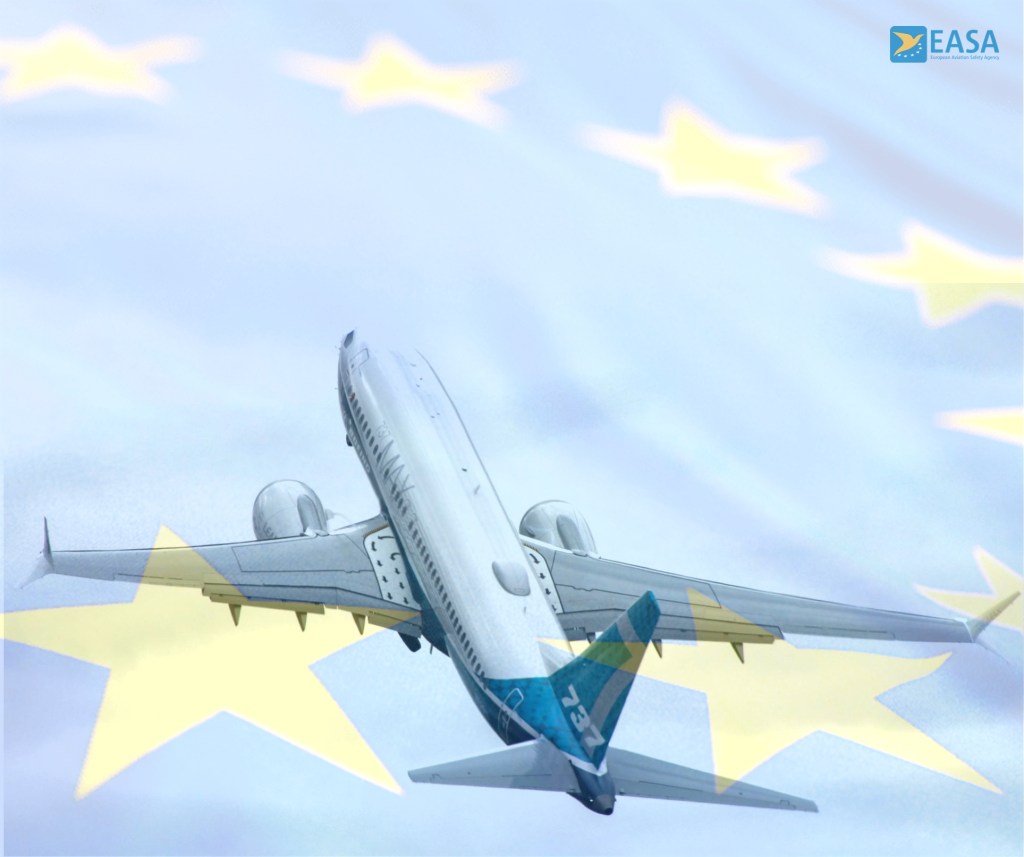



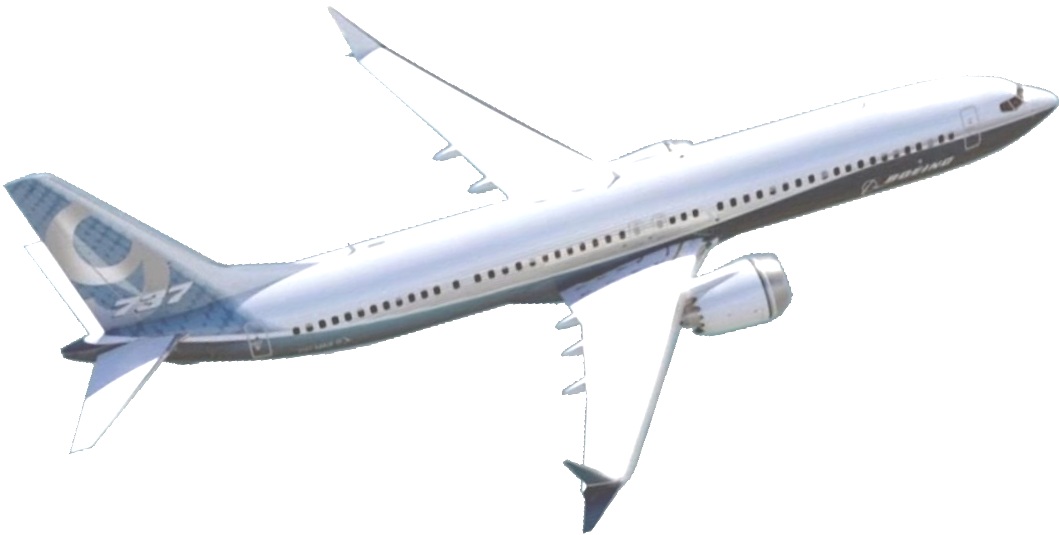


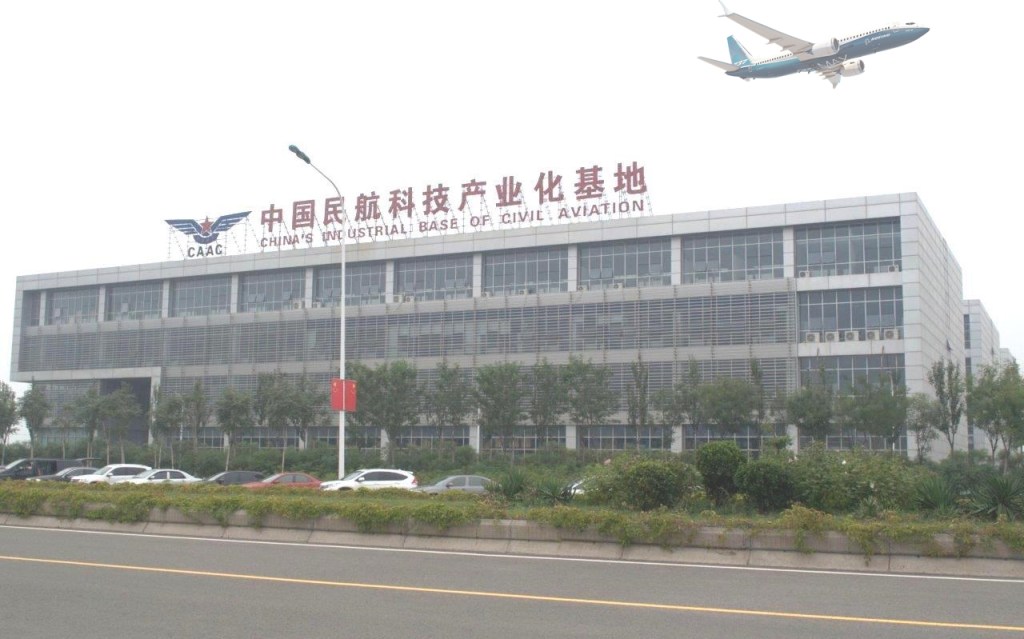
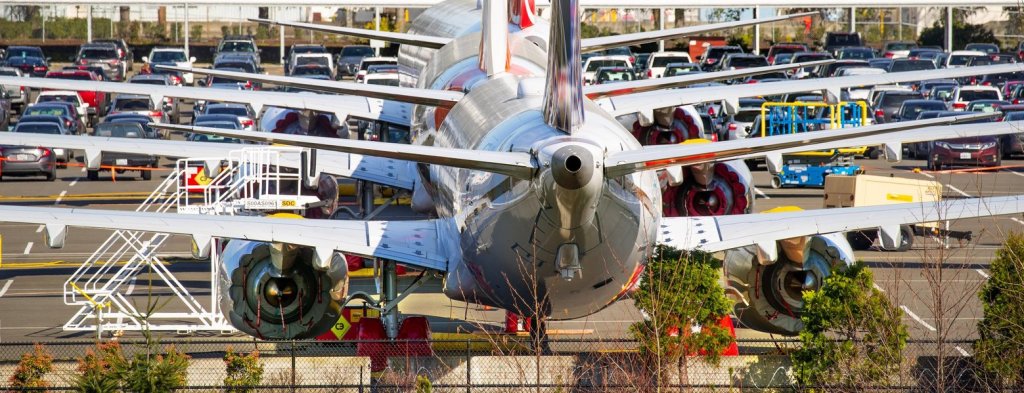



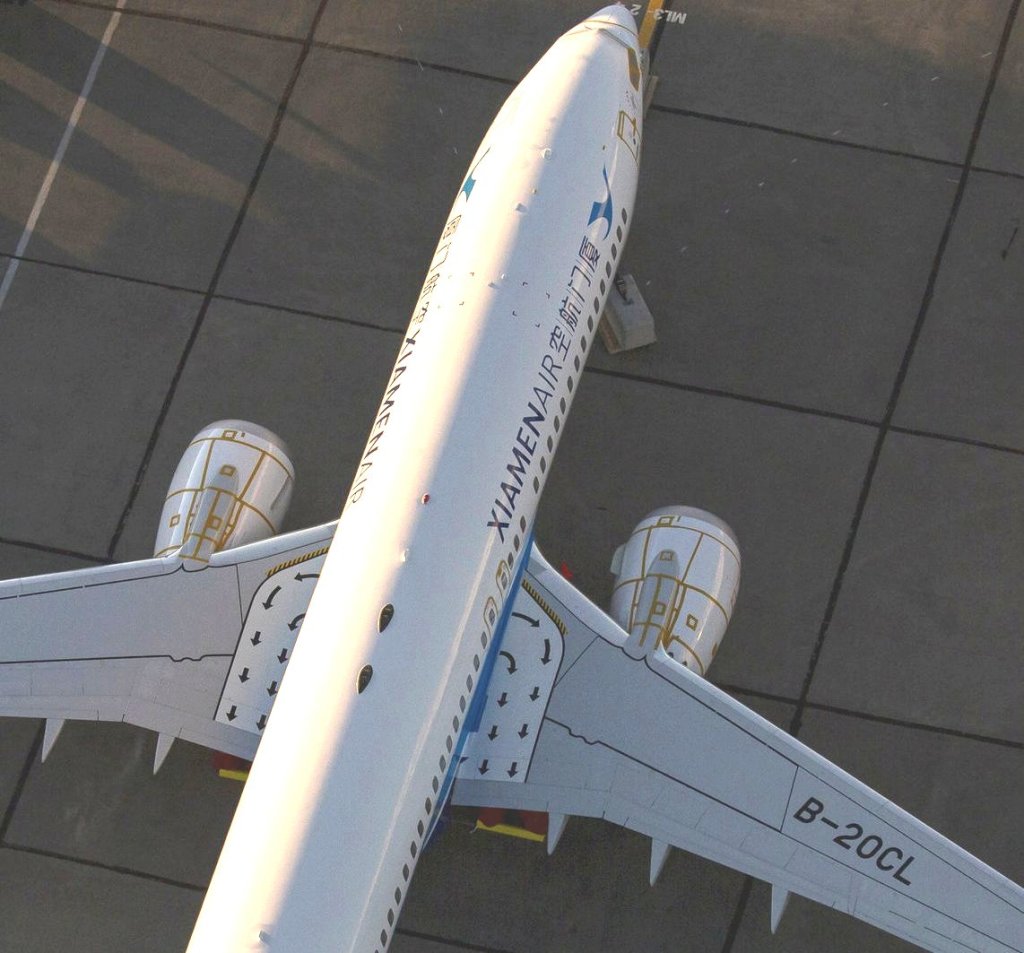
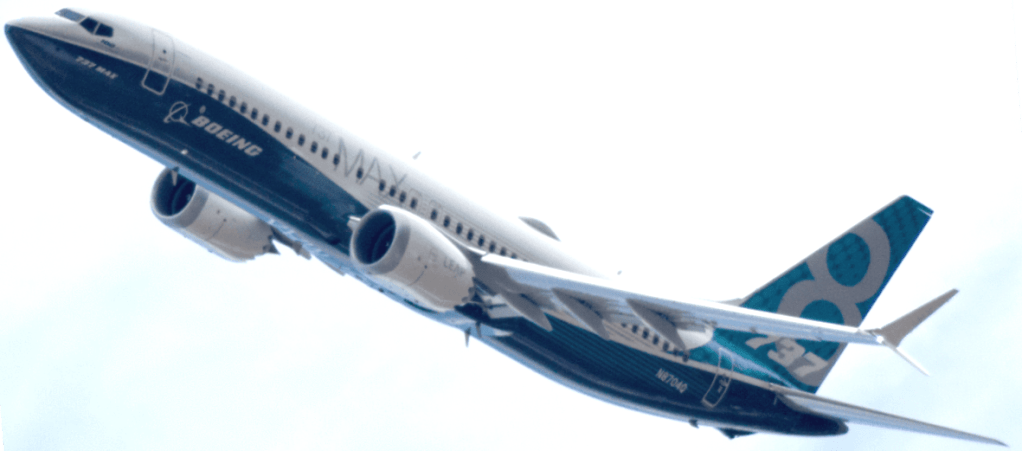


![aa-timeline-FUTURE-3[1] - copia (2)](https://airgways.com/wp-content/uploads/2020/11/aa-timeline-future-31-copia-2.png)
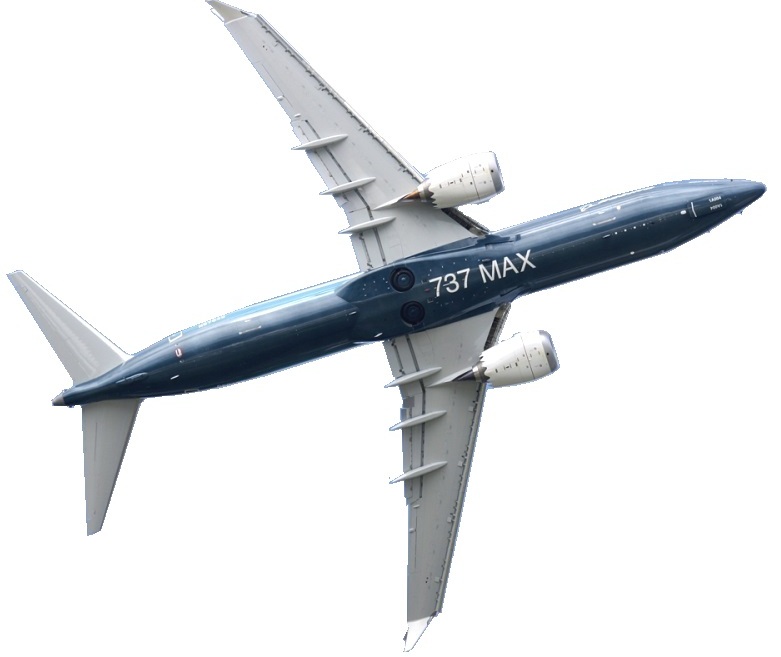


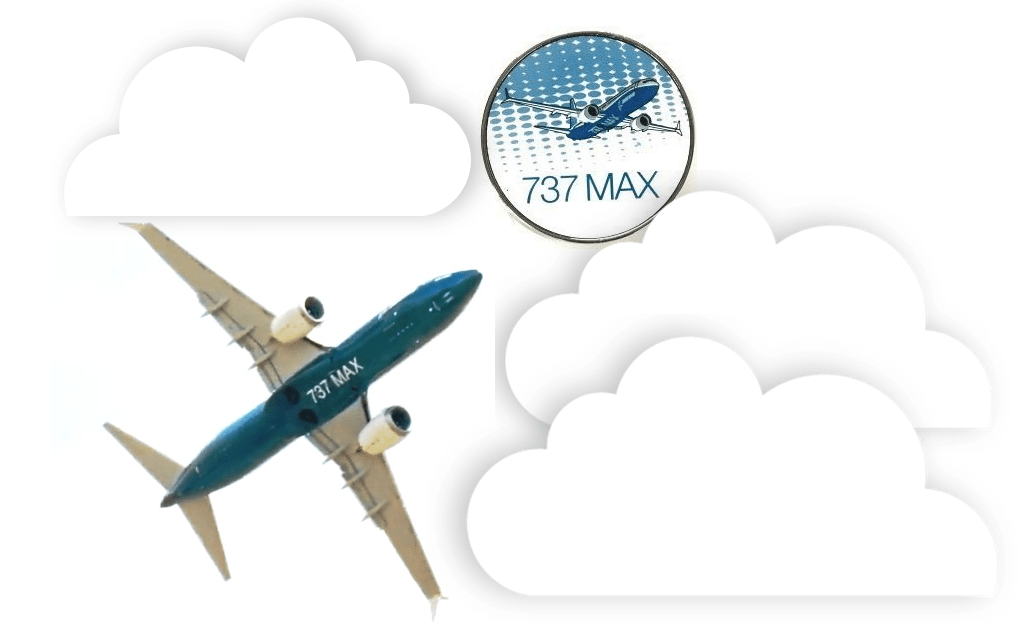



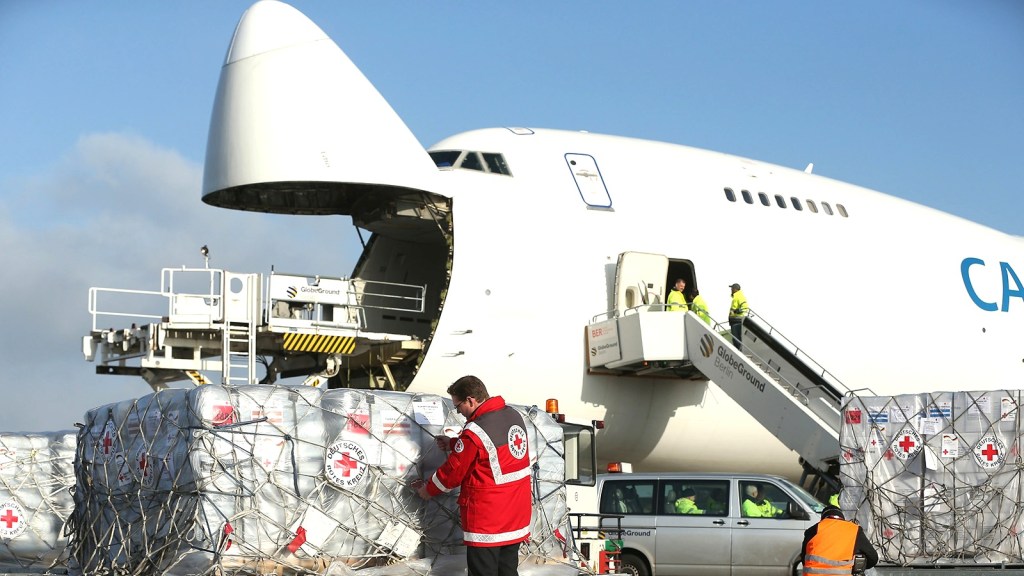







 ng rainfall
accumulations through Thursday:
Honduras, northern Nicaragua, southeast and central Guatemala and
southern Belize: 10 to 20 inches (250 to 500 mm), with isolated
maximum totals of 30 inches (750 mm).
El Salvador and Panama: 4 to 8 inches (100 to 200 mm), with isolated
maximum totals of 12 inches (300 mm).
This rainfall will lead to significant, life-threatening flash
flooding and river flooding, along with mudslides in areas of higher
terrain.
Southern Nicaragua and Costa Rica: 3 to 5 inches (75 to 125 mm),
with isolated maximum totals of 10 inches (250 mm).
SURF: Swells generated by Iota will affect much of the coast of
Central America and the Yucatan Peninsula during the next couple of
days. These swells are likely to cause life-threatening surf and rip
current conditions. Please consult products from your local weather
office.
NEXT ADVISORY
-------------
Next intermediate advisory at 700 AM EST.
Next complete advisory at 1000 AM EST.
$$
Forecaster Stewart
NNNN
ng rainfall
accumulations through Thursday:
Honduras, northern Nicaragua, southeast and central Guatemala and
southern Belize: 10 to 20 inches (250 to 500 mm), with isolated
maximum totals of 30 inches (750 mm).
El Salvador and Panama: 4 to 8 inches (100 to 200 mm), with isolated
maximum totals of 12 inches (300 mm).
This rainfall will lead to significant, life-threatening flash
flooding and river flooding, along with mudslides in areas of higher
terrain.
Southern Nicaragua and Costa Rica: 3 to 5 inches (75 to 125 mm),
with isolated maximum totals of 10 inches (250 mm).
SURF: Swells generated by Iota will affect much of the coast of
Central America and the Yucatan Peninsula during the next couple of
days. These swells are likely to cause life-threatening surf and rip
current conditions. Please consult products from your local weather
office.
NEXT ADVISORY
-------------
Next intermediate advisory at 700 AM EST.
Next complete advisory at 1000 AM EST.
$$
Forecaster Stewart
NNNN airgways.com