Ataque Aeropuerto Mitiga, Libia

AW | 2020 05 09 10:13 | AIRPORTS / AVIATION SAFETY

Las fuerzas de Haftar atacan Aeropuerto Mitiga de Trípoli

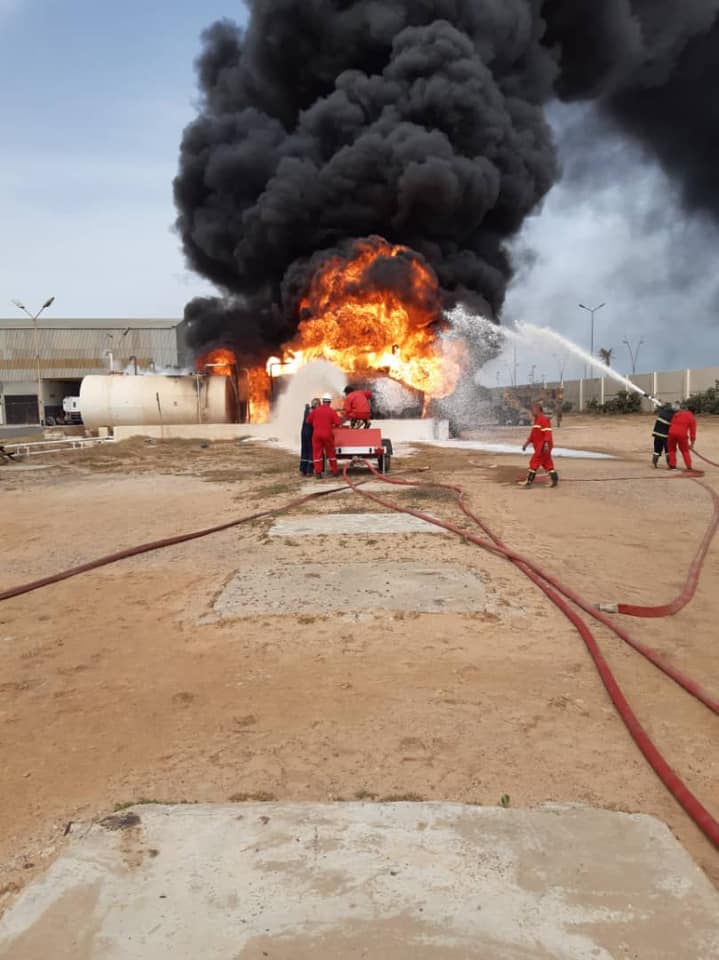
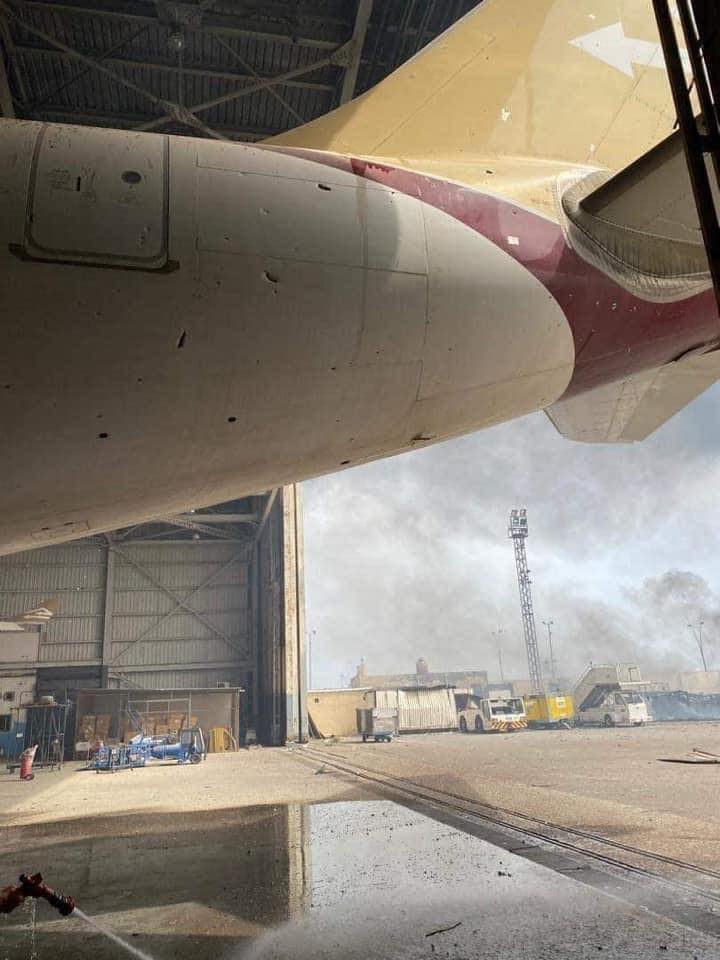
Las fuerzas de Khalifa Haftar llevaron a cabo bombardeos de artillería utilizando más de 80 cohetes el Sábado 09/05 por la mañana contra el Aeropuerto Mitiga en Trípoli y las áreas circundantes de Soqu Al-Jumua y Bab Benghashir. Según Volcano of Rage Operation, los ataques con cohetes de las fuerzas de Haftar en el Aeropuerto de Mitiga provocaron una escala de daños masiva, dejando dos aviones Airbus A320CEO dañados y fuera de servicio después de ser alcanzados por la metralla. Un avión se estaba preparando para despegar a España para evacuar a los libios varados allí debido a la pandemia de Coronavirus. El bombardeo de Haftar en el Aeropuerto de Mitiga también incendió los tanques de combustible de los aviones, destruyó los vehículos de los bomberos, dañó la pista y la sala de pasajeros, según la operación.

El Ministerio de Salud de Libia ha comunicado que dos personas murieron y varias más resultaron heridas en los bombardeos de las fuerzas de Haftar en el Aeropuerto Mitiga y los vecindarios circundantes. El ataque se produce dos días después del anuncio de la Operación Ababil Birds por las fuerzas de Haftar, prometiendo llover cohetes sobre Trípoli y destruir su infraestructura. Mientras tanto, el ataque al Aeropuerto Mitiga también se produjo después de un ataque con un cohete contra Zawiyet Al-Dahmani el Jueves 07/05 por la noche, cerca de la residencia del embajador italiano Giuseppe Buccino y la Embajada de Turquía en Shatt Road, una medida que fue condenada por la comunidad internacional, UNSMIL, Italia y Turquía.

Los ataques del Sábado 09/05 se produjeron horas después de que la Misión de Apoyo de la ONU en Libia (UNSMIL) condenó los ataques indiscriminados contra civiles en Trípoli, diciendo que los ataques pueden equivaler a crímenes de guerra.

El Gobierno de Libia ha sido atacado por las fuerzas de Haftar desde Abril 2019, con más de 1.000 muertos en la violencia. Lanzó la Operación Tormenta de Paz el 26 Marzo 2020 para contrarrestar los ataques a la capital. Haftar, el líder de las fuerzas armadas ilegales en el este de Libia, intensificó los ataques contra civiles desde principios de Mayo 2020 cuando el ejército del Gobierno de Libia recientemente ganó la ventaja e infligió graves pérdidas a sus militantes. Tras el derrocamiento del difunto gobernante Muammar Gaddafi en 2011, el Gobierno de Libia fue fundado en 2015 en virtud de un acuerdo político liderado por la ONU. AW-Icon Paragraph-01

Mitiga Airport Attack, Libya

Haftar forces attack Tripoli Mitiga Airport

Khalifa Haftar’s forces carried out artillery shelling using more than 80 rockets on Saturday 09/05 morning against Mitiga Airport in Tripoli and the surrounding areas of Soqu Al-Jumua and Bab Benghashir. According to Volcano of Rage Operation, the rocket attacks by Haftar forces at Mitiga Airport caused a massive scale of damage, leaving two damaged and out of service Airbus A320CEO aircraft after being hit by shrapnel. An airplane was preparing to take off to Spain to evacuate Libyans stranded there due to the Coronavirus pandemic. The Haftar bombardment at Mitiga Airport also set fire to the fuel tanks of the planes, destroyed the firefighters’ vehicles, It damaged the runway and passenger lounge, according to the operation.

The Libyan Ministry of Health has reported that two people died and several others were injured in the Haftar forces’ bombardment of Mitiga Airport and surrounding neighborhoods. The attack comes two days after the announcement of Operation Ababil Birds by Haftar’s forces, promising to rain rockets on Tripoli and destroy its infrastructure. Meanwhile, the attack on Mitiga Airport also came after a rocket attack on Zawiyet Al-Dahmani on Thursday evening 07/05, near the residence of Italian Ambassador Giuseppe Buccino and the Turkish Embassy on Shatt Road, a measure that was condemned by the international community, UNSMIL, Italy and Turkey.

The Saturday 9/05 attacks came hours after the UN Support Mission in Libya (UNSMIL) condemned the indiscriminate attacks on civilians in Tripoli, saying the attacks may amount to war crimes.

The Libyan government has been attacked by Haftar forces since April 2019, with more than 1,000 killed in the violence. He launched Operation Peace Storm on March 26, 2020, to counter attacks on the capital. Haftar, the leader of the illegal armed forces in eastern Libya, has intensified attacks on civilians since early May 2020 when the Libyan government army recently gained the upper hand and inflicted serious losses on its militants. Following the overthrow of the late ruler Muammar Gaddafi in 2011, the Government of Libya was founded in 2015 under a UN-led political agreement. AW-Icon Paragraph-02

هجوم مطار معيتيقة ، ليبيا

قوات حفتر تهاجم مطار طرابلس معيتيقة

نفذت قوات خليفة حفتر قصف مدفعي بأكثر من 80 صاروخاً صباح اليوم 09/05 صباحاً ضد مطار معيتيقة بطرابلس والمناطق المحيطة بسوق الجمعة وباب بن غشير. وفقا لبركان عملية الغضب ، تسببت الهجمات الصاروخية التي شنتها قوات حفتر في مطار ميتيغا في نطاق واسع من الأضرار ، مما أدى إلى تلف طائرتين من طراز إيرباص A320CEO خارج الخدمة بعد أن أصيبت بشظايا. «كانت طائرة تستعد للإقلاع إلى إسبانيا لإجلاء الليبيين الذين تقطعت بهم السبل بسبب جائحة الفيروس التاجي. كما أدى قصف حفتر في مطار ميتيغا إلى إشعال النار في خزانات وقود الطائرات وتدمير سيارات رجال الإطفاء ، حسب العملية ، دمرت المدرج وصالة الركاب.

أفادت وزارة الصحة الليبية أن شخصين لقيا مصرعهما وأصيب عدد آخر في قصف قوات حفتر لمطار معيتيقة والأحياء المجاورة. ويأتي الهجوم بعد يومين من إعلان قوات حفتر عملية أبابيل للطيور ، ووعدت بإطلاق الصواريخ على طرابلس وتدمير بنيتها التحتية. في غضون ذلك ، جاء الهجوم على مطار معيتيقة بعد هجوم صاروخي على زاوية الدهماني مساء يوم الخميس 07/05 ، بالقرب من مقر إقامة السفير الإيطالي جوزيبي بوتشينو والسفارة التركية على طريق شط ، وهو إجراء أدانه المجتمع الدولي وبعثة الأمم المتحدة للدعم في ليبيا وإيطاليا وتركيا.

جاءت هجمات السبت 9/05 بعد ساعات من إدانة بعثة الأمم المتحدة للدعم في ليبيا (UNSMIL) الهجمات العشوائية على المدنيين في طرابلس ، قائلة إن الهجمات قد ترقى إلى جرائم حرب.

تعرضت الحكومة الليبية لهجوم من قبل قوات حفتر منذ أبريل 2019 ، حيث قتل أكثر من 1000 في أعمال العنف. أطلق عملية عاصفة السلام في 26 مارس 2020 لمواجهة الهجمات على العاصمة. حفتر ، قائد القوات المسلحة غير الشرعية في شرق ليبيا ، كثف الهجمات على المدنيين منذ أوائل مايو 2020 عندما اكتسب جيش الحكومة الليبية مؤخراً اليد العليا وألحق خسائر فادحة بمسلحيه. بعد الإطاحة بالحاكم الراحل معمر القذافي في عام 2011 ، تأسست الحكومة الليبية في عام 2015 بموجب اتفاق سياسي بقيادة الأمم المتحدة. AW-Icon Paragraph-02


Ξ A I R G W A Y S Ξ
SOURCE: Airgways.com
DBk: Airgways.com / Libyaobserver.ly / Aa.com.tr
AW-POST: 202005091013AR

A\W   A I R G W A Y S ®

Inician test temperatura vuelos EEUU

AW-Bizjournals_FrontierAW | 2020 05 08 12:34 | AIRLINES / AVIATION SAFETY

frontier-airlines-logoFrontier Airlines se convierte en la primera aerolínea de EE.UU. controles temperatura a pasajerosdescarga (1)

El Jueves 07 Mayo 2020 Frontier Airlines ha anunciado el inicio de medidas sanitarias para el control de medición de temperatura a todos los pasajeros así como todos los miembros de la tripulación en todos sus vuelos. La nueva disposición de someterse a un control de temperatura sin contacto antes del embarque comenzará a regir a partir del 1 Junio 2020 convirtiéndose en la primer aerolínea en implementar de manera regular en todos sus vuelos. En cuanto a Air Canada se ha convertido en la primer aerolínea en América en implementar controles de test para exámenes de temperatura a los pasajeros.

El nuevo protocolo sanitario es solo uno de varios instituidos por parte de Frontier Airlines en respuesta a la actual crisis de salud del Coronavirus en los Estados Unidos. «La salud y seguridad de todos los que vuelan en Frontier es primordial y los controles de temperatura agregan una capa adicional de protección para todos a bordo. Este nuevo paso durante el proceso de embarque, junto con los recubrimientos faciales y los procedimientos de desinfección elevados, servirá para proporcionar a los clientes de Frontier la garantía de que su bienestar es nuestra principal prioridad y estamos tomando todas las medidas para ayudarlos a viajar de manera cómoda y segura», dijo el CEO de Frontier Airlines, Barry Biffle, en un comunicado de prensa.

Protocolo para vuelos

La aerolínea low cost asignará controles a los pasajeros antes de cada vuelos para determinar test cuyas temperaturas que no superen los 100.4ºF (37,5ºC) o superiores. Los exámenes se efectuarán en dos etapas: en el área ingreso al área de tráansito y luego se volverán a evaluar antes de abordar. Cualquier persona que no registre una temperatura por debajo de los 100.4ºF no se le permitirá volar ese día, y en cambio se le reservará para un vuelo futuro. Los empleados con temperaturas superiores a 100.4ºF no podrán realizar tareas laborales.

Al instituir la nueva política, Frontier Airlines se convierte en la primera aerolínea de EE.UU. en exigir controles de temperatura de los pasajeros. A principios de esta semana, Air Canada se convirtió en la primera aerolínea en las Américas en hacerlo, al anunciar una iniciativa de evaluación similar que comenzará el 15 de mayo.

Frontier Airlines también fue la primera aerolínea de los EE.UU. en exigir que todas las azafatas usen máscaras faciales en los aviones, por lo que es un requisito el 13 Abril 2020. Para el 30 Abril, la aerolínea, al igual que la mayoría de las principales aerolíneas estadounidenses, anunció que ampliaría este requisito para pasajeros en las próximas semanas. Se exigió a los pasajeros de la frontera que comenzaran a usar cubiertas faciales a partir del 8 Mayo 2020. El anuncio de Frontier con respecto a los controles de temperatura se produce solo un día después de que su CEO, Barry Biffle, rescindiera una oferta que requeriría que los pasajeros pagaran para mantener vacíos los asientos intermedios. La política fue criticada tanto en línea como por legisladores de la Cámara de Representantes por cobrar a los clientes por el privilegio de mantener la distancia social entre ellos. Barry Biffle dijo que la aerolínea ahora prohibirá por completo la reserva de asientos intermedios. AW-Icon Paragraph-01

Coronavirus May Spread Through Travel, But Can Airport Screenings ...US flights temperature test begins

Frontier Airlines becomes the first US airline. passenger temperature controls

On Thursday 07 May 2020 Frontier Airlines has announced the start of sanitary measures to control the temperature measurement of all passengers as well as all crew members on all its flights. The new provision to undergo contactless temperature control prior to boarding will take effect from June 1, 2020, becoming the first airline to deploy regularly on all its flights. As for Air Canada, it has become the first airline in America to implement test controls for temperature tests on passengers.

The new health protocol is just one of several instituted by Frontier Airlines in response to the current Coronavirus health crisis in the United States. «The health and safety of everyone who flies in Frontier are paramount and the temperature controls add an additional layer of protection for everyone on board. This new step during the boarding process, along with facial coatings and elevated disinfection procedures It will serve to provide Frontier customers with the assurance that their well-being is our top priority and we are taking all steps to help them travel comfortably and safely», Frontier Airlines CEO Barry Biffle said in a statement from the press.

Aw-700987Protocol for flights

The low-cost airline will assign controls to passengers before each flight to determine tests whose temperatures do not exceed 100.4ºF (37.5ºC) or higher. The exams will be carried out in two stages: in the entrance area to the transit area and then they will be re-evaluated before boarding. Anyone not registering a temperature below 100.4ºF will not be allowed to fly that day, and will instead be reserved for a future flight. Employees with temperatures above 100.4ºF will not be able to carry out work tasks.

By instituting the new policy, Frontier Airlines becomes the first US airline. in requiring temperature controls of passengers. Earlier this week, Air Canada became the first airline in the Americas to do so, announcing a similar evaluation initiative that will begin on May 15.

Frontier Airlines was also the first airline in the USA in requiring all stewardesses to wear face masks on airplanes, making it a requirement on April 13, 2020. By April 30, the airline, like most major US airlines, announced that it would expand this requirement for passengers. In the next weeks. Border passengers were required to start wearing face covers beginning on May 8, 2020. Frontier’s announcement regarding temperature controls comes just a day after its CEO, Barry Biffle, rescinded an offer that would require passengers to pay to keep the intermediate seats empty. The policy was criticized both online and by House of Representatives lawmakers for charging clients for the privilege of maintaining social distance from one another. Barry Biffle said the airline will now completely ban the reservation of intermediate seats. AW-Icon Paragraph-02


Ξ A I R G W A Y S Ξ
SOURCE: Airgways.com
DBk: Frontier.com / Npr.com / Bizjournals.com / Airgways.com
AW-POST: 202005081234AR

A\W   A I R G W A Y S ®

Aerolíneas A330 retorna por incidentes

AW-700331AW | 2020 05 06 12:38 | AIRLINES / AVIATION SAFETY

Vuelo especial de Aerolíneas Argentinas a Londres retorna por incidente en ruta

Un Airbus A330-200 de Aerolíneas Argentinas despegó del Aeropuerto Internacional de Ezeiza (SAEZ/EZE) en Buenos Aires, Argentina, el 5 Mayo 2020. El avión estaba realizando el vuelo AR-1130, en dirección a Londres/Heathrow (EGLL/LHR), Reino Unido, donde se esperaba que aterrizara a las 03:50 p.m. (hora local) el 6 Mayo 2020. El vuelo AR-1130 de Aerolíneas Argentinas dio un giro en U sobre el Océano Atlántico y ahora se dirige de regreso a Argentina. El Airbus A330-200 estaba programado para aterrizar en Londres, marcando la primera llegada de la aerolínea a la ciudad en años.

Aerolíneas Argentinas no ha volado a Londres/Heathrow desde la Copa Mundial de Rugby en 2015. La aerolínea dejó el servicio regular de pasajeros desde y hacia el destino aún más en el pasado, en 1990. Después del receso de cinco años, el A330 se dirigía a Londres para recoger argentinos varados. Anteriormente se esperaba que el vuelo de repatriación regresara a Argentina el 7 Mayo 2020. Sin embargo, aproximadamente 5 horas y 30 minutos en el vuelo de larga distancia, después de haber pasado Brasil y haber ingresado al espacio aéreo sobre el Océano Atlántico, el avión cambió de dirección y se dirigió hacia América Latina. Se desconocen aún la razón del cambio de rumbo o por el incidente en vuelo es desconocido hasta el momento. AW-Icon Paragraph-01


AW-7000045A330 Aerolíneas returns for incidents

Special flight of Aerolíneas Argentinas to London returns due to an incident on route

An Airbus A330-200 of Aerolíneas Argentinas took off from Ezeiza International Airport (SAEZ/EZE) in Buenos Aires, Argentina, on May 5, 2020. The aircraft was flying AR-1130, heading to London/Heathrow (EGLL/LHR ), UK, where it was expected to land at 03:50 pm (local time) on May 6, 2020. Aerolineas Argentinas flight AR-1130 made a U-turn over the Atlantic Ocean and is now heading back to Argentina. The Airbus A330-200 was slated to land in London, marking the airline’s first arrival in the city in years.

Aerolineas Argentinas has not flown to London / Heathrow since the Rugby World Cup in 2015. The airline stopped regular passenger service to and from the destination even more in the past, in 1990. After the five-year hiatus, the A330 was He was heading to London to pick up stranded Argentines. The repatriation flight was previously expected to return to Argentina on May 7, 2020. However, approximately 5 hours and 30 minutes on the long-haul flight, after having passed Brazil and entered airspace over the Atlantic Ocean, the aircraft changed direction and headed for Latin America. The reason for the change of course or the in-flight incident is still unknown as of yet. AW-Icon Paragraph-02


Ξ A I R G W A Y S Ξ
SOURCE: Airgways.com
DBk: Airgways.com / Aerolineas.com
AW-POST: 202005061238AR

A\W   A I R G W A Y S ®

EMB-120 derribado en Somalia

African Express Airways Embraer EMB-120 Brasilia is shot down in ...AW | 2020 05 05 21:37 | AVIATION SAFETY

African ExpressEmbraer EMB-120 derribado de East African Express en Somalia

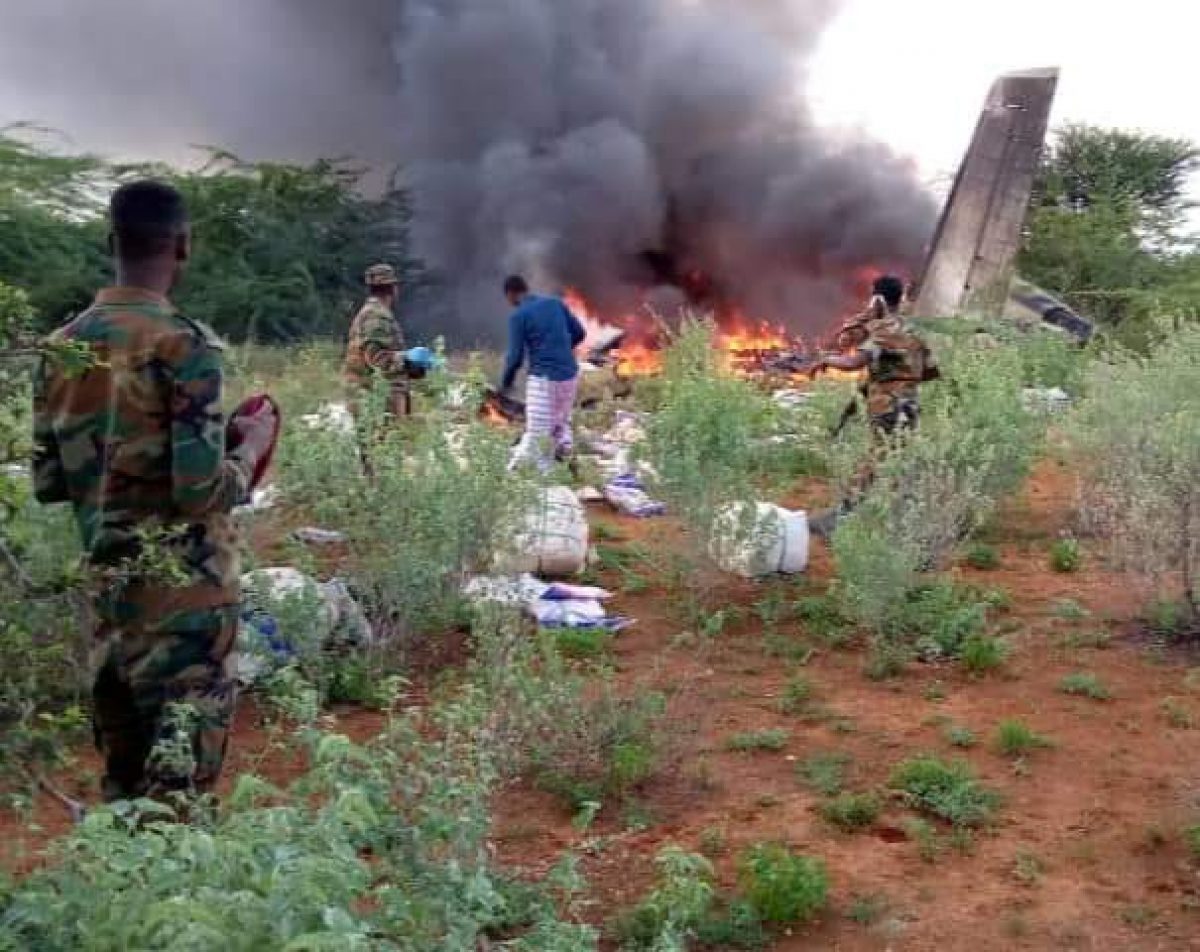
Un Embraer EMB-120 de la aerolínea East African Express Airways con registro 5Y-AXO que realizaba un vuelo chárter de carga desde Baidoa a Berdale, República de Somalia con 4 pasajeros, 2 tripulantes y una carga de suministros médicos, se acercaba a Berdale a aproximadamente 2.200 pies MSL sobre 3 minutos antes del aterrizaje y aproximadamente 3 nm antes del Aeropuerto de Berdale a aproximadamente 15:45L (12:45Z), cuando el avión fue golpeado por un objeto similar a una granada propulsada por cohete, perdió altura, golpeó el suelo y estalló en llamas. Todos los ocupantes perecieron, el avión ha quedado destruido.

El Ministro de Transporte de la Región Suroeste de Somalia informó que no había sobrevivientes. Las tropas etíopes que operan y vigilan el aeropuerto en el área afectada por la guerra civil aseguraron el lugar del accidente. Las Fuerzas de Seguridad de Kenia informaron que el avión fue derribado por una granada propulsada por cohete lanzada desde el área de Berdale. Las fuerzas rebeldes de Al Shabab no pueden descartarse. Un periodista etíope en el sitio afirma sin proporcionar evidencia, la granada propulsada por cohete fue lanzada por tropas etíopes.

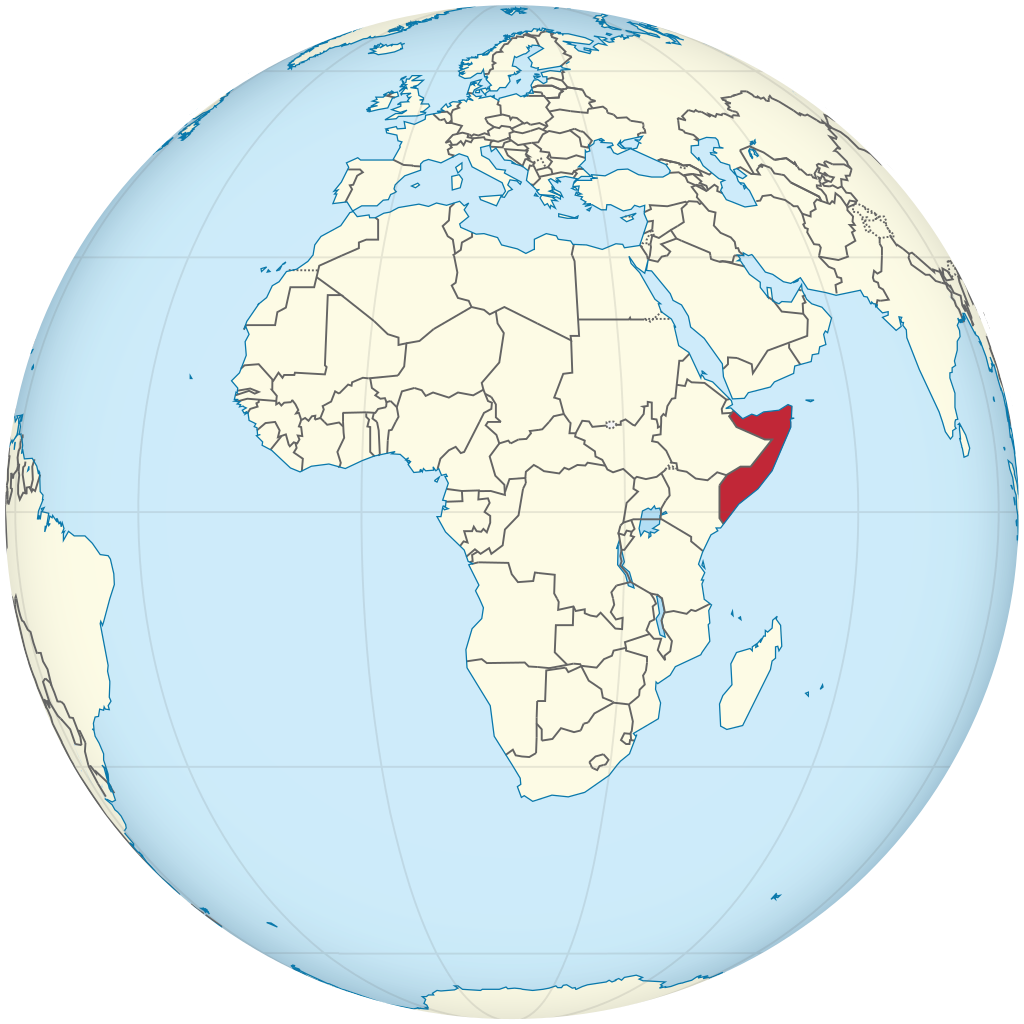
La aerolínea informó que el avión fue derribado a 5 km del aeropuerto de Bardale. El avión había volado desde Mogadiscio a través de una parada intermedia en Baidoa a Berdale (Baardale). Según las Naciones Unidas, el Aeródromo de Berdale se encuentra en las coordenadas N2.3303 E42.3118, a unos 93 nm al suroeste de Baidoa. AW-Icon Paragraph-01

El lugar del accidente (Foto: Harun Maruf)

African Express Airways Embraer E-120 shot down by rocket missile ...EMB-120 shot down in Somalia

File:Somalia on the globe (Africa centered).svg - Wikimedia CommonsEmbraer EMB-120 shot down from East African Express in Somalia

AeroVision compra lote de 10 EMB-120 |An Embraer EMB-120 from East African Express Airways with the registration 5Y-AXO that was carrying a charter cargo flight from Baidoa to Berdale, the Republic of Somalia with 4 passengers, 2 crew and a load of medical supplies, was approaching Berdale at approximately 2,200 feet MSL about 3 minutes before landing and approximately 3 nm before Berdale Airport at approximately 15:45 L (12:45 Z), when the plane was hit by a rocket-propelled grenade-like object, it lost altitude, hit the ground and burst into flames. All occupants perished, the plane has been destroyed.

The Minister of Transport for the Southwest Region of Somalia reported that there were no survivors. Ethiopian troops operating and monitoring the airport in the area affected by the civil war secured the crash site. The Kenyan Security Forces reported that the plane was shot down by a rocket-propelled grenade launcher from the Berdale area. Al Shabab’s rebel forces cannot be ruled out. An Ethiopian journalist at the site claims without providing evidence, the rocket-propelled grenade was launched by Ethiopian troops.

The airline reported that the plane was shot down 5 km from Bardale Airport. The plane had flown from Mogadishu through an intermediate stop at Baidoa to Berdale (Baardale). According to the United Nations, Berdale Aerodrome is located at coordinates N2.3303 E42.3118, about 93 nm southwest of Baidoa. AW-Icon Paragraph-02


Ξ A I R G W A Y S Ξ
SOURCE: Airgways.com
DBk: Avherald.net / Harun Maruf / Aviation24.be / Airgways.com
AW-POST: 202005052137AR

A\W   A I R G W A Y S ®

Nuevo video accidente SU-1492

AW-Aeroflot-SSJ100-RA-89032AW | 2020 04 23 12:14 | AVIATION SAFETY

images (2)Nuevo video accidente SU-1492 SSJ-100 de Aeroflot

Las cadenas noticiosas rusas han publicado un nuevo video del accidente aéreo del vuelo SU-1492 de un Sukhoi SSJ-100-95 de Aeroflot Russian Airlines ocurrido en el Aeropuerto Sheremetyevo de Moscú. Casi un año después del accidente fatal del vuelo SU-1492, un Domingo 5 Mayo 2019, en el Aeropuerto Sheremetyevo de Moscú, Rusia, el Comité de Investigación de la Federación Rusa publicó un video del accidente y la evacuación. La aeronave Sukhoi Super Jet SSJ-100-95B (RA-89098) partió del Aeropuerto de Moscú Sheremetyevo para el vuelo SU-1492 hacia Murmansk. Poco después del vuelo, los pilotos solicitaron regresar a Moscú para un aterrizaje de emergencia cuando el avión fue alcanzado por un rayo, perdiendo todos los dispositivos electrónicos a bordo. Treinta minutos después del despegue, durante el aterrizaje, el avión estalló en llamas, se desvió a la izquierda de la pista y se detuvo en la hierba adyacente a la pista, con daños totales de la aeronave con pasajeros fallecidos y lesionados.

Descripción del accidente SU-1492

El vuelo SU-1492 de Aeroflot, un Sukhoi Superjet 100-95B, regresó a tierra en el Aeropuerto Sheremetyevo de Moscú en Rusia y estalló en llamas durante un intento de aterrizaje de emergencia. De las 78 personas a bordo, 41 no sobrevivieron.

El avión despegó de la Pista 24C del aeropuerto de Sheremetyevo a las 18:03 horas hora local en un servicio programado a Murmansk, Rusia. La visibilidad estaba normal, pero había algunas nubes Cumulonimbus cerca del aeródromo a 6000 pies. La tripulación de vuelo activó el piloto automático cuando el avión subió a una altura de 700 pies (215 m). A las 18:08 horas, cuando el avión estaba subiendo a una altitud de aproximadamente 8.900 pies (2.700 m), se produjo una falla en el sistema eléctrico. En este punto, el avión estaba a 30 km al oeste-noroeste del aeropuerto en un área de actividad de tormentas eléctricas. El capitán asumió el control manual de la aeronave y la tripulación logró establecer contacto por radio usando UHF. El vuelo no pudo contactar al controlador de aproximación y posteriormente seleccionó el código de transpondedor de emergencia 7600 (pérdida de comunicación por radio). Alrededor de las 18:17 horas el avión sobrepasó la línea central de la pista después de girar hacia el rumbo de la pista. La altitud en ese momento era de unos 2.400 pies. El avión continuó el giro a la derecha, completó un círculo y procedió al acercamiento final a la Pista 24L. Los flaps se seleccionaron a 25°, que era la configuración recomendada para aterrizar por encima del peso máximo de aterrizaje.

A las 18:26 horas la tripulación de vuelo seleccionó el código de transpondedor de emergencia 7700 (emergencia). Al descender de 335 a 275 m (1.100-900 pies), el sistema de advertencia de cizalladura del viento sonó cinco veces. Desde una altura de 80 m (260 pies) sobre el nivel del suelo, el avión descendió por debajo de la trayectoria de planeo y a una altura de 55 m (180 pies) sonó la advertencia TAWS: «Pendiente de planeo». A partir de ese momento, la velocidad del aire aumentó a 170 nudos.

A las 18:30 horas el avión sobrevoló el umbral de la pista y aterrizó a una distancia de 900 m más allá del umbral a una velocidad de 158 nudos. La toma de contacto ocurrió con una Fuerza G de al menos 2.55 G con un rebote posterior a una altura de aproximadamente 2 m. Después de dos segundos, el avión aterrizó nuevamente en el tren de aterrizaje delantero con una carga vertical de 5.85 G y rebotó a una altura de 6 m. El tercer aterrizaje de la aeronave ocurrió a una velocidad de 140 nudos con una sobrecarga vertical de al menos 5 G. Esto causó una ruptura de la estructura del ala y las líneas de combustible. Las llamas estallaron y envolvieron la parte trasera del avión. El avión se detuvo en el césped entre la Pista 24L y dos calles de rodaje. Luego se realizó una evacuación de emergencia mientras las llamas envolvían rápidamente el fuselaje trasero.

La Junta de Investigaciones necesitará continuar recomendando a la tripulación que los pasajeros deberán evacuar la aeronave sin sus equipajes, lo que representa no solo pérdida de tiempo en cabina, sino además un obstáculo para la evacuación de los mismos. Además, se puede observar en el nuevo video, la posición errónea de las autobombas que al accionar los líquidos de extinción de incendio expanden las bocanadas de fuego hacia los pasajeros que continúan evacuando la aeronave. AW-Icon Paragraph-01

AW-700032332New video accident SU-1492

logo_sukhoiNew video accident SU-1492 SSJ-100 of Aeroflot

Russian news networks have released a new video of the plane crash of the SU-1492 flight of a Sukhoi SSJ-100-95 by Aeroflot Russian Airlines that occurred at Sheremetyevo Airport in Moscow. Almost a year after the fatal accident of flight SU-1492, on a Sunday, May 5, 2019, at the Sheremetyevo Airport in Moscow, Russia, the Investigation Committee of the Russian Federation published a video of the accident and the evacuation. Sukhoi SuperJet SSJ-100-95B (RA-89098) departed from Moscow Sheremetyevo Airport for flight SU-1492 towards Murmansk. Shortly after the flight, the pilots requested to return to Moscow for an emergency landing when the plane was struck by lightning, losing all electronic devices on board. Thirty minutes after takeoff, during landing, the plane burst into flames, veered to the left of the runway, and stopped in the grass adjacent to the runway, with total damage to the aircraft with deceased and injured passengers.

SU-1492 accident description

Aeroflot flight SU-1492, a Sukhoi Superjet 100-95B, returned to land at Moscow’s Sheremetyevo Airport in Russia and burst into flames during an emergency landing attempt. Of the 78 people on board, 41 did not survive.

5ccf481e4fb77.imageThe plane took off from Runway 24C at Sheremetyevo Airport at 18:03 local time on a scheduled service to Murmansk, Russia. Visibility was normal, but there were some Cumulonimbus clouds near the airfield at 6,000 feet. The flight crew activated the autopilot when the plane climbed to a height of 700 feet (215 m). At 6:08 p.m., when the plane was climbing to an altitude of approximately 8,900 feet (2,700 m), a failure occurred in the electrical system. At this point, the plane was 30 km west-northwest of the airport in an area of ​​thunderstorm activity. The captain assumed manual control of the aircraft and the crew managed to establish radio contact using UHF. The flight was unable to contact the approach controller and subsequently selected the emergency transponder code 7600 (loss of radio communication). At around 6:17 p.m. the aircraft passed the runway centerline after turning toward the runway heading. The altitude at that time was about 2,400 feet. The aircraft continued to turn right, completed a circle, and proceeded to the final approach to Runway 24L. The flaps were selected at 25°, which was the recommended setting for landing above the maximum landing weight.

At 6:26 p.m. the flight crew selected the emergency transponder code 7700 (emergency). Descending from 1,100-900 feet (335 to 275 m), the wind shear warning system sounded five times. From a height of 80 m (260 ft) above ground level, the aircraft descended below the glide path, and at a height of 55 m (180 ft) the TAWS warning sounded: «Glide Slope». Thereafter, airspeed increased to 170 knots.

At 6:30 p.m. the plane flew over the threshold of the runway and landed at a distance of 900 m beyond the threshold at a speed of 158 knots. The touchdown occurred with a G Force of at least 2.55 G with a subsequent rebound at a height of approximately 2m. After two seconds, the plane landed again on the front landing gear with a vertical load of 5.85 G and bounced off a height of 6m. The third landing of the aircraft occurred at a speed of 140 knots with a vertical overload of at least 5 G. This caused a rupture of the wing structure and fuel lines. Flames erupted and engulfed the rear of the plane. The plane stopped on the grass between Runway 24L and two taxiways. An emergency evacuation was then performed as flames quickly engulfed the rear fuselage.

The Board of Investigations will need to continue recommending to the crew that passengers should evacuate the aircraft without their luggage, which represents not only loss of time in the cabin, but also an obstacle to their evacuation. In addition, it can be seen in the new video, the wrong position of the pumps that when activating the fire extinguishing liquids expand the puffs of fire towards the passengers who continue to evacuate the aircraft. AW-Icon Paragraph-02

AW-SSJ-100Новое видео аварии СУ-1492

logo_suhoyНовое видео аварии SU-1492 SSJ-100 Аэрофлота

Российские новостные сети выпустили новое видео об авиакатастрофе самолета SU-1492 Сухого SSJ-100-95, совершенной авиакомпанией Аэрофлот Российские Авиалинии в аэропорту Шереметьево в Москве. Почти через год после гибели самолета SU-1492 в воскресенье, 5 мая 2019 года, в аэропорту Шереметьево в Москве, Россия, Следственный комитет Российской Федерации опубликовал видеозапись аварии и эвакуации. Sukhoi Super Jet SSJ-100-95B (RA-89098) вылетел из московского аэропорта Шереметьево на рейс SU-1492 в направлении Мурманска. Вскоре после полета пилоты попросили вернуться в Москву для аварийной посадки, когда самолет ударил молнией, потеряв все электронные устройства на борту. Через тридцать минут после взлета, во время посадки, самолет загорелся, повернул налево от взлетно-посадочной полосы и остановился на траве, прилегающей к взлетно-посадочной полосе, с полным повреждением самолета с погибшими и ранеными пассажирами.

Описание аварии Су-1492

Рейс Аэрофлота SU-1492, Sukhoi Superjet 100-95B, вернулся на посадку в московском аэропорту Шереметьево в России и загорелся во время попытки аварийной посадки. Из 78 человек на борту 41 не выжили.

Самолет вылетел с ВПП 24С в аэропорту Шереметьево в 18:03 по местному времени на регулярном рейсе в Мурманск, Россия. Видимость была нормальной, но на аэродроме на высоте 6000 футов было несколько кучево-дождевых облаков. Летный экипаж активировал автопилот, когда самолет поднялся на высоту 700 футов (215 м). В 6:08 вечера, когда самолет поднимался на высоту приблизительно 8 900 футов (2700 м), произошел сбой в электрической системе. В этот момент самолет находился в 30 км к западу-северо-западу от аэропорта в зоне грозовой активности. Капитан взял на себя ручное управление самолетом, а экипажу удалось установить радиосвязь с помощью УВЧ. Полет не смог связаться с диспетчером захода на посадку и впоследствии выбрал код аварийного приемоответчика 7600 (потеря радиосвязи). Около 6:17 вечера самолет перешел центральную линию ВПП после поворота в направлении ВПП. Высота в то время была около 2400 футов. Самолет продолжал поворачивать направо, завершил круг и приступил к окончательному заходу на ВПП 24L. Закрылки были выбраны при 25°, что было рекомендовано для посадки выше максимального веса посадки.

В 6:26 вечера летный экипаж выбрал код аварийного транспондера 7700 (аварийный). Спускаясь от 1100-900 футов (от 335 до 275 м), система предупреждения о сдвиге ветра прозвучала пять раз. С высоты 80 м (260 футов) над уровнем земли самолет опустился ниже глиссады, а на высоте 55 м (180 футов) прозвучало предупреждение TAWS: «Скользящий уклон». После этого скорость полета увеличилась до 170 узлов.

В 18:30 самолет пролетел над порогом ВПП и приземлился на расстоянии 900 м от порога со скоростью 158 узлов. Приземление произошло с силой G не менее 2,55 G с последующим отскоком на высоте около 2 м. Через две секунды самолет снова приземлился на переднее шасси с вертикальной нагрузкой 5,85 Гс и отскочил с высоты 6 метров. Третья посадка самолета произошла на скорости 140 узлов с вертикальной перегрузкой не менее 5 Гс. Это вызвало разрыв конструкции крыла и топливопроводов. Пламя вспыхнуло и поглотило заднюю часть самолета. Самолет остановился на траве между ВПП 24L и двумя РД. Затем была произведена аварийная эвакуация, поскольку пламя быстро охватило заднюю часть фюзеляжа.

Следственный совет должен будет продолжать рекомендовать экипажу, что пассажиры должны эвакуировать самолет без багажа, что представляет собой не только потерю времени в салоне, но и препятствие для их эвакуации. Кроме того, в новом видео можно увидеть неправильное положение насосов, которое при активации огнетушащих жидкостей расширяет потоки огня в направлении пассажиров, которые продолжают эвакуировать самолет. AW-Icon Paragraph-02


AW-Attention-sign-exclamationLAS SIGUIENTES IMÁGENES PUEDEN HERIR LA SUSCEPTIBILIDAD DEL PÚBLICO/USUARIO
THE FOLLOWING IMAGES MAY HURT THE SUSCEPTIBILITY OF THE PUBLIC / USER
СЛЕДУЮЩИЕ ИЗОБРАЖЕНИЯ МОГУТ ВРЕДИТЬ ЧУВСТВИТЕЛЬНОСТЬ ОБЩЕСТВЕННОСТИ / ПОЛЬЗОВАТЕЛЯ


Ξ A I R G W A Y S Ξ
SOURCE: Airgways.com
DBk: Aviation-safety.net / Airgways.com / Sledcom.ru
AW-POST: 202004231214AR

A\W   A I R G W A Y S ®

Activa Volcán Merapi en Indonesia

Indonesia's most active volcano Merapi erupts again, flight ...AW | 2020 04 10 12:48 | AVIATION SAFETY

AW-VONA.idEl Volcán Merapi entra en erupción en la República de IndonesiaAW-Volcano_001

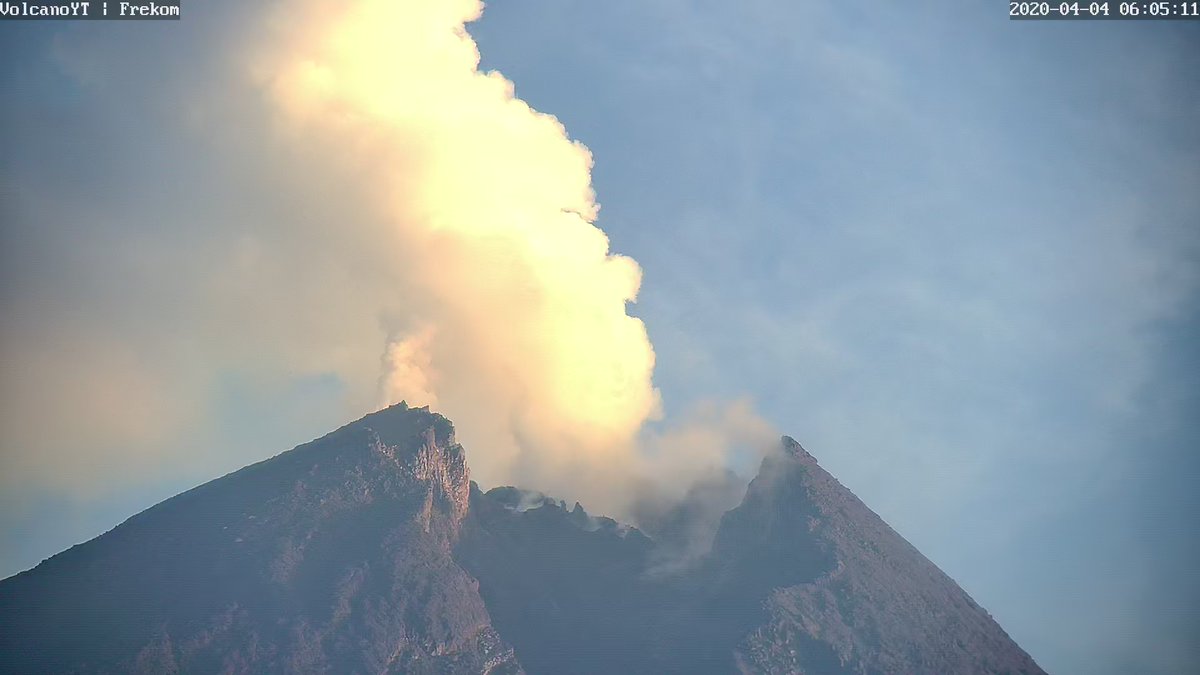
El Volcán Merapi es más activo de Indonesia, vuelve a entrar en erupción, se emite una advertencia de vuelo. El Monte Merapi, el volcán más activo de Indonesia, hizo erupción nuevamente el Viernes 10 Abril 2020, arrojando una columna de cenizas de hasta 3.000 metros de altura, dijo la Agencia de Vulcanología de Indonesia.

El volcán de 2.930 metros que se encuentra en la isla principal de Java en la República de Indonesia, ha arrojado cenizas 13 veces desde Septiembre 2019, lo que indica que la intrusión de nuevo magma ha estado ocurriendo, dijo la agencia. Se pidió a los residentes que viven alrededor de las laderas que tomen medidas de precaución ante posibles lluvias de cenizas, dijo la agencia en un comunicado. Una zona prohibida ha sido declarada en un radio de 3 km desde el cráter, dijo.

La agencia emitió un aviso de observación de volcanes para la aviación (VONA) con el nivel del segundo código naranja más alto, lo que significa que la erupción pone en peligro la aviación y se requieren aviones para evitar el espacio aéreo alrededor de las nubes calientes. El Volcán Merapi entró en erupción el 2 Abril 2020 con una columna de cenizas esparcidas por hasta 3 km hasta el cielo.

El Monte Merapi, uno de los 129 volcanes activos de Indonesia, ha entrado en erupción regularmente desde 1548. Durante sus erupciones de octubre a Noviembre 2010, un total de 353 personas fueron asesinadas y otras 350,000 fueron desplazadas. Indonesia, una gran nación archipelágica, es propensa a actividades volcánicas y terremotos, ya que se encuentra a lo largo del «Anillo de Fuego del Pacífico».

Merapi 20200410/0216Z

(1) AVISO DE OBSERVATORIO DE VOLCÁN PARA AVIACIÓN – VONA
(2) Emitido: 20200410/0216Z
(3) Volcán: Merapi (263250)
(4) Código de color de aviación actual: NARANJA
(5) Código de color de aviación anterior:naranja
(6) Fuente: Observatorio del Volcán Merapi
(7) Número de aviso: 2020MER12
(8) Volcán Ubicación: S 07 grados 32 min 31 segundos E 110 grados 26 minutos 31 segundos
(9) Zona: Región especial de Yogyakarta, Indonesia
(10) Elevación de cumbre: 9498 pies (2968 m)
(11) Resumen de actividad volcánica: Erupción con nube de cenizas volcánicas a las 0910Z (0210 LT).
(12) Altura de la nube volcánica: La mejor estimación de la cima de la nube de cenizas es de alrededor de 19098 FT (5968 M) sobre el nivel del mar, puede ser mayor de lo que se puede observar claramente. Fuente de datos de altura: observador en tierra.
(13) Otra información de la nube volcánica: Nube de cenizas moviéndose hacia el noroeste
(14) Observaciones: Erupción registrada en el sismograma con amplitud máxima de 75 mm y 103 segundos de duración. La erupción se ha detenido.
(15) Contactos: Centro de la Agencia Geológica del Ministerio de Energía y Recursos Minerales para la mitigación de riesgos geológicos y vulcanológicos (CVGHM)
Tel: + 62-22-727-2606
Facsímil: +62-22-720-2761
Correo electrónico: pvmbg@esdm.go.id
(16) Siguiente aviso: Se emitirá un nuevo VONA si las condiciones cambian significativamente o si se cambia el código de color.
La última información volcánica se publica en VONA
MAGMA Indonesia: https://magma.vsi.esdm.go.id/vona/ AW-Icon AW001

Volcanian (@_Volcanian_) | TwitterActivate Merapi Volcano in Indonesia

Archivo:Indonesia on the globe (Indonesia centered).svg ...Merapi Volcano erupts in the Republic of Indonesia

Indonesia’s most active volcano, Merapi, erupts again, a flight warning is issued. Mount Merapi, Indonesia’s most active volcano, erupted again on Friday April 10, 2020, spewing a column of ash up to 3,000 meters high, the Indonesian Volcanology Agency said.

The 2,930-meter volcano, located on the main island of Java in the Republic of Indonesia, has spewed ash 13 times since September 2019, indicating that the intrusion of new magma has been occurring, the agency said. Residents living around the slopes were asked to take precautionary measures against possible ashfalls, the agency said in a statement. A prohibited zone has been declared within a 3 km radius from the crater, he said.

The agency issued an Aviation Volcano Observation Notice (VONA) with the second-highest orange code level, meaning the eruption endangers aviation and aircraft are required to avoid airspace around hot clouds. The Merapi Volcano erupted on April 2 with a column of ash scattered for up to 3 km to the sky.

Mount Merapi, one of Indonesia’s 129 active volcanoes, has erupted regularly since 1548. During its eruptions from October to November 2010, a total of 353 people were killed and another 350,000 were displaced. Indonesia, a great archipelagic nation, is prone to volcanic activities and earthquakes as it is located along the «Pacific Ring of Fire».

Merapi 20200410 / 0216Z

(1) NOTICE OF VOLCANO OBSERVATORY FOR AVIATION – VONA
(2) Issued: 20200410 / 0216Z
(3) Volcano: Merapi (263250)
(4) Current aviation color code: ORANGE
(5) Previous aviation color code: orange
(6) Source: Merapi Volcano Observatory
(7) Notice number: 2020MER12
(8) Volcano Location: S 07 degrees 32 min 31 seconds E 110 degrees 26 minutes 31 seconds
(9) Zone: Yogyakarta Special Region, Indonesia
(10) Summit elevation: 9498 ft (2968 m)
(11) Summary of volcanic activity: Eruption with volcanic ash cloud at 0910Z (0210 LT).
(12) Volcanic Cloud Height: The best estimate of the top of the ash cloud is around 19098 FT (5968 M) above sea level, it may be higher than can be clearly seen. Height data source: ground observer.
(13) Other volcanic cloud information: Ash cloud moving northwest
(14) Observations: Eruption registered in the seismogram with a maximum amplitude of 75 mm and a duration of 103 seconds. The eruption has stopped.
(15) Contacts: Center of the Geological Agency of the Ministry of Energy and Mineral Resources for the mitigation of geological and volcanological risks (CVGHM)
Tel: + 62-22-727-2606
Facsimile: + 62-22-720-2761
Email: pvmbg@esdm.go.id
(16) Next notice: A new VONA will be issued if conditions change significantly or if the color code is changed.
The latest volcanic information is published in VONA
MAGMA Indonesia website: https://magma.vsi.esdm.go.id/vona/ AW-Icon AW002

2020MER12Aktifkan Gunung Merapi di Indonesia

Gunung Merapi meletus di Republik Indonesia

Gunung berapi paling aktif di Indonesia, Merapi, meletus lagi, peringatan penerbangan dikeluarkan. Gunung Merapi, gunung berapi paling aktif di Indonesia, meletus lagi pada Jumat 10 April 2020, memuntahkan satu kolom abu setinggi 3.000 meter, kata Badan Vulkanologi Indonesia.

Gunung berapi 2.930 meter, yang terletak di pulau utama Jawa di Republik Indonesia, telah memuntahkan abu 13 kali sejak September 2019, menunjukkan bahwa intrusi magma baru telah terjadi, kata badan tersebut. Warga yang tinggal di sekitar lereng diminta untuk mengambil tindakan pencegahan terhadap kemungkinan abu, kata badan itu dalam sebuah pernyataan. Zona terlarang telah dinyatakan dalam radius 3 km dari kawah, katanya.

Badan itu mengeluarkan Aviation Volcano Observation Notice (VONA) dengan tingkat kode oranye tertinggi kedua, yang berarti letusan itu membahayakan penerbangan dan pesawat diminta untuk menghindari wilayah udara di sekitar awan panas. Gunung Merapi meletus pada 2 April 2020 dengan kolom abu yang tersebar hingga 3 km ke langit.

Gunung Merapi, salah satu dari 129 gunung berapi aktif di Indonesia, telah meletus secara teratur sejak 1548. Selama letusannya dari Oktober hingga November 2010, total 353 orang tewas dan 350.000 lainnya mengungsi. Indonesia, negara kepulauan yang hebat, rentan terhadap aktivitas vulkanik dan gempa bumi karena terletak di sepanjang «Cincin Api Pasifik».

Merapi 20200410 / 0216Z

(1) PEMBERITAHUAN OBSERVATORIUM VOLCANO UNTUK PENERBANGAN – VONA
(2) Dikeluarkan: 20200410/0216Z
(3) Gunung berapi: Merapi (263250)
(4) Kode warna penerbangan saat ini: ORANGE
(5) Kode warna penerbangan sebelumnya: oranye
(6) Sumber: Observatorium Gunung Merapi
(7) Nomor pemberitahuan: 2020MER12
(8) Lokasi Gunung Berapi: S 07 derajat 32 menit 31 detik E 110 derajat 26 menit 31 detik
(9) Zona: Daerah Istimewa Yogyakarta, Indonesia
(10) Ketinggian puncak: 9498 kaki (2968 m)
(11) Ringkasan aktivitas vulkanik: Erupsi dengan awan abu vulkanik pada 0910Z (0210 LT).
(12) Tinggi Awan Vulkanik: Perkiraan terbaik dari puncak awan abu adalah sekitar 19098 FT (5968 M) di atas permukaan laut, mungkin lebih tinggi daripada yang dapat dilihat dengan jelas. Sumber data ketinggian: pengamat tanah.
(13) Informasi awan vulkanik lainnya: Awan abu bergerak ke barat laut
(14) Pengamatan: Letusan terdaftar dalam seismogram dengan amplitudo maksimum 75 mm dan durasi 103 detik. Letusan telah berhenti.
(15) Kontak: Pusat Badan Geologi Kementerian Energi dan Sumber Daya Mineral untuk mitigasi risiko geologis dan vulkanologis (CVGHM)
Tel: + 62-22-727-2606
Faksimili: + 62-22-720-2761
Email: pvmbg@esdm.go.id
(16) Pemberitahuan selanjutnya: VONA baru akan dikeluarkan jika kondisinya berubah secara signifikan atau jika kode warna diubah.
Informasi vulkanik terbaru dipublikasikan di VONA
MAGMA Indonesia: https://magma.vsi.esdm.go.id/vona/ AW-Icon AW002


Ξ A I R G W A Y S Ξ
SOURCE: Airgways.com
DBk: Magma.vsi.esdm.go.id/vona / Straitstimes.com / Airgways.com
AW-POST: 202004101248AR

A\W   A I R G W A Y S ®

Boeing persiguiendo volar 737 MAX

Adrien Daste / SafranAW | 2020 04 09 18:12 | INDUSTRY / AVIATION SAFETY

Boeing_IsologotypeLos peligros de solucionar un problema de hardware con softwareAW-Icon_Boeing 737 MAX

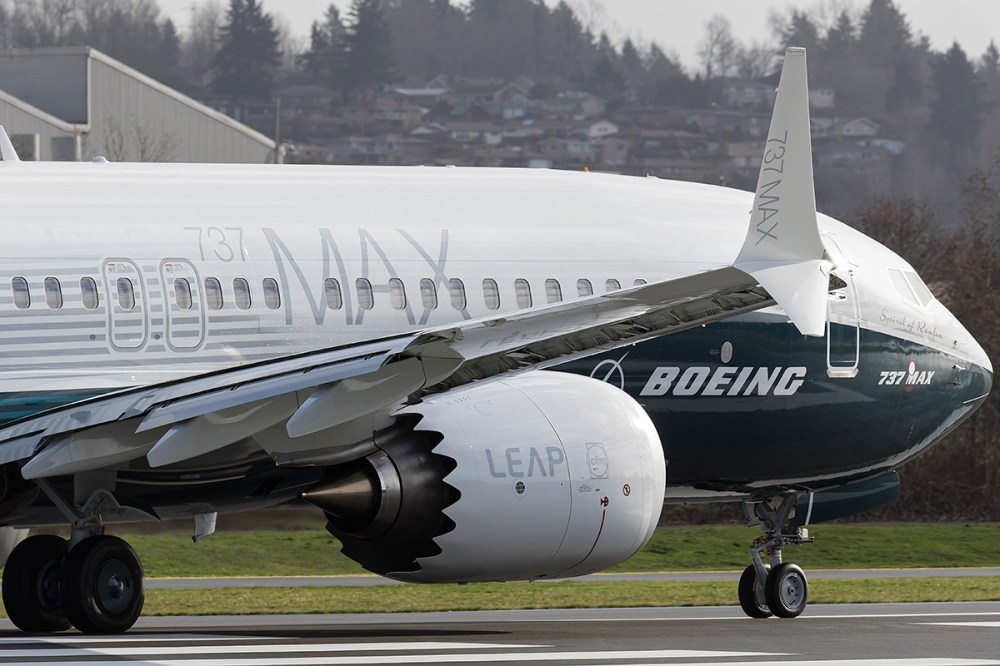
Un nuevo Boeing 737 MAX se construyó en sólo nueve días. En ese momento, un equipo de 12.000 personas convierte un conjunto suelto de piezas en un avión terminado de US$ 120 millones con una tecnología verdaderamente de vanguardia: alerones basados ​​en los diseñados por la NASA, motores que cuentan con el primer ventilador de álabes de fibra de carbono del mundo y computadoras con la misma potencia de procesamiento que el Super Nintendo.

El 737 MAX está conectado a tierra desde Marzo 2019, después de que un software mal programado ha causado dos bloqueos en dos aeronaves produciendo dos accidentes aéreos con un saldo de 346 personas fallecidas. En el transcurso de este tiempo, Boeing ha recibido mucho escrutinio desde la puesta en tierra de su aeronave best seller.

Cada Boeing 737 MAX tiene dos computadoras de control de vuelo. Esto quita parte de la carga de trabajo de los pilotos, ya sea a través de la automatización completa (como el piloto automático) o mediante ajustes de control precisos durante el vuelo manual. Estas computadoras pueden volar literalmente el avión, tienen autoridad sobre las principales superficies de control y estranguladores, lo que significa que cualquier mal funcionamiento podría volverse catastrófico rápidamente. Por lo tanto, es más importante que los fabricantes elijan hardware que sea seguro, en lugar de ejecutar una flota de aviones con tecnología de punta con errores que aún no se han resuelto.

Boeing tuvo incorporado en el 737 MAX el mantener los Sistemas Collins Aeroespacial serie FCC-730, que fue construido en 1996. Cada equipo cuenta con un par de un solo núcleo, los procesadores de 16 bits que se ejecutan de forma independiente el uno del otro, lo que reduce la potencia de cálculo pero también evita que un procesador defectuoso destruya todo el sistema. Incluso para los estándares de tecnología de consumo de finales de los 90, los FCC-730 estaban detrás de la curva. Cuando salieron al mercado, Nintendo ya había reemplazado su consola SNES de 16 bits con la Nintendo 64, e IBM había creado la primera consola dual de procesador de núcleo del mundo.

Por supuesto, lo antiguo y lo lento no siempre es peor: la serie 737 Next Generation es el avión de cuerpo estrecho más seguro jamás fabricado, en parte debido a estas computadoras confiables, aunque poco espectaculares. Para mantener bajos los costos, Boeing también quería reutilizarlos en la próxima versión del 737. El 737 MAX aún podría estar volando hoy si esas computadoras simplemente tuvieran que realizar las mismas tareas que tuvieron durante casi 30 años. Pero Boeing necesitaba que hicieran mucho más, pero se trataba de acelerar el trabajo urgente frente a la competitividad del mercado europeo. En 2010, el único rival de Boeing, Airbus, presentó el A320NEO, un competidor directo de la 737 Next Generation que podría volar más lejos con menos combustible y con menos emisiones que cualquier otro avión de cuerpo estrecho. Boeing fue tomado por sorpresa: mientras Airbus había desarrollado la tercer generación del A320 en secreto, los ingenieros de Boeing habían pasado cinco años debatiendo si diseñar una nueva aeronave de reemplazo del legendario 737 o simplemente actualizar el fuselaje. El A320NEO cambió eso en cuestión de meses.

AW-Boeing737max_737001

Pero para ofrecer su propio producto nuevo cuando salió el nuevo Airbus, Boeing tendría que sacar el avión por la puerta en solo cinco años, menos tiempo del que llevó desarrollar el 777 o el 787. El principal punto de venta del nuevo 737 era claro, presentar la variante MAX con nuevos motores que aumentarían la eficiencia de combustible y el alcance del avión. Pero para alcanzar esa ambiciosa fecha de lanzamiento, Boeing tendría que tomar atajos en casi todo lo demás. Los nuevos motores, que eran más grandes y pesados ​​que los de la próxima generación, hicieron que el 737 MAX fuera tan eficiente en combustible como su rival. Pero también interrumpieron el flujo de aire alrededor de las alas y las superficies de control del avión de una manera muy específica. Durante los ascensos en ángulos altos, esta interrupción causaría que las columnas de control en el avión se aflojen repentinamente, lo que podría causar que los pilotos pierdan el control del avión durante una maniobra peligrosa.

Boeing podría haber solucionado esta anomalía aerodinámica con un cambio de hardware de superficies adaptativas en la carcasa del motor, alas reestructuradas, o incluso simplemente agregando un Empujador de Palanca a los controles que presionarían mecánicamente la columna de control en el momento justo. Pero los cambios de hardware agregaron tiempo, costo y escrutinio regulatorio al proceso de desarrollo. La gestión de Boeing tenía un objetivo: evitar cambios, evitar reguladores, cumplir con el cronograma de período para su rollout.

AW-Boeing737max_737001-1

Entonces, el equipo de desarrollo atacó el problema de hardware con el software. Además del paquete de software estándar en las dos computadoras del 737 MAX, Boeing cargó otra rutina llamada Sistema de Aumento de las Características de Maniobra (MCAS). El sistema actuaría esperando que el avión entrara en una subida de alto ángulo, entonces actuaría, girando el estabilizador horizontal del avión para contrarrestar las fuerzas aerodinámicas cambiantes. Sobre el papel, parecía lo suficientemente elegante. También tenía un beneficio secundario: la Administración Federal de Aviación (FAA) no analiza el software tan duro como lo hace cualquier cambio físico en la célula. Entonces MCAS fue aprobado con una revisión mínima, computadoras obsoletas y todo.

Pero el acceso directo de software de Boeing tenía un problema grave. Bajo ciertas circunstancias, se activó erróneamente, enviando al avión a un bucle infinito de inmersiones de nariz. A menos que los pilotos puedan, en menos de cuatro segundos, diagnosticar correctamente el error, accionar un interruptor de emergencia específico y comenzar las maniobras de recuperación, perderán el control del avión y se estrellarán, que es exactamente lo que sucedió en el caso del vuelo JT-610 de Lion Air y el vuelo ET-302 de Ethiopian Airlines.

Con el segundo accidente el Boeing 737 MAX fue aterrizado en todo el mundo. Desde entonces, Boeing ha estado trabajando para solucionar el problema del software y lograr que el avión sea aprobado por los reguladores, pero las fiscalizaciones han sido lentas.

AW-Boeing737max_737001-2

En Junio 2019, Boeing presentó una solución de software a la FAA para su aprobación, pero las pruebas de estrés posteriores de las computadoras del 737 MAX revelaron más fallas. Son vulnerables a los errores de un solo bit que podrían deshabilitar sistemas de control completos o lanzar el avión a una inmersión no ordenada. No se inician correctamente, incluso pueden congelarse en el modo de piloto automático, incluso cuando el avión está en una parada, lo que podría dificultar los esfuerzos de recuperación en medio de una emergencia en vuelo. A pesar de todo esto, Boeing insiste en que puede arreglar todo con software. Boeing ha optado por no ir con una computadora nueva y más potente o agregar más de ellos a los dos que ya están allí, para distribuir mejor la carga de trabajo. A modo de comparación, el A320NEO de Airbus tiene computadoras de época similar, pero tiene siete de ellas. Boeing está «dedicando todos los recursos necesarios para garantizar que las mejoras al 737 MAX sean exhaustivas y se prueben a fondo. No anticipamos cambios en el hardware», dijo un portavoz.

Hasta ahora, la FAA está de acuerdo: completó su revisión del software a principios de este año, y parece estar de acuerdo con las correcciones de software propuestas. Pero devolver el 737 MAX al servicio no es tan simple como obtener la aprobación de la agencia para el software. Debido a que Boeing esencialmente intimidó a la FAA para que certifique al 737 MAX en primer lugar, la agencia está ansiosa por demostrar que sabe lo que está haciendo ahora. Sus inspectores están escudriñando el avión con menos presión para precipitarse, y han encontrado varios problemas nuevos con el avión: cableado defectuoso, escombros en los tanques de combustible y componentes del ala que no cumplen con los estándares de la FAA.
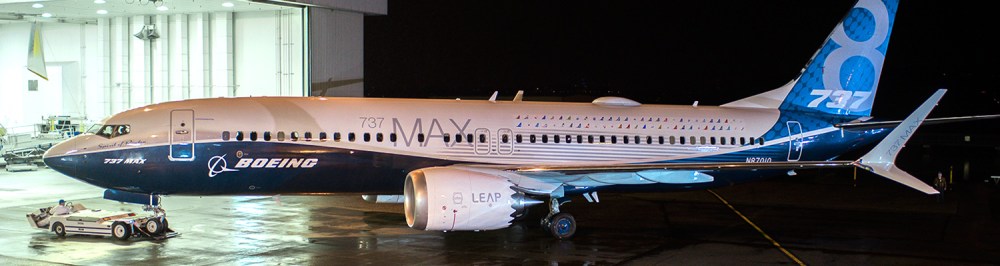
AW-Boeing_700877

Aun así, la reputación de la FAA ya está arruinada. Durante décadas, los reguladores de la aviación se han basado en acuerdos recíprocos para acelerar el proceso de certificación de aviones en otros países: si un avión es aprobado por un regulador, casi siempre lo aprueban todos. Ahora, sin embargo, Europa, China e India quieren certificar el avión de forma independiente, lo que agregará meses a la línea de tiempo.

Una vez que el Boeing 737 MAX obtenga la luz verde reglamentaria, aún pasarán varios meses antes de que pueda transportar pasajeros nuevamente. En Enero 2020, Boeing anunció que para obtener la certificación para volar el 737 MAX, los pilotos tendrán que pasar por un entrenamiento de simulador de movimiento completo actualizado. Este es un retiro completo de uno de los puntos originales del avión: que los pilotos solo necesitaban una lección de iPad de una hora para volar el nuevo modelo 737.

El problema es que simplemente no hay tantos simuladores para todos. Solo hay 34 en todo el mundo, con solo dos compañías aprobadas para hacer entrenamientos. Para poner esto en perspectiva, un ejemplo es el hogar de dos aerolíneas con base en Dallas-Fort Worth. Tanto Southwest Airlines y American Airlines tienen 13.000 pilotos formados en Boeing 737 y solo un simulador 737 MAX. Asumiendo cuatro horas de simulador por piloto y ejecutando los simuladores las 24 horas del día, los siete días de la semana, a ambas aerolíneas les tomaría unos seis años obtener la aprobación de todos para volar el 737 MAX. Aunque hay que realizar la salvedad de que no todos volarán al mismo tiempo las nuevas unidades incorporadas por ambas compañías. El mismo ejemplo se reproduce a nivel mundial donde unas cincuenta aerolíneas con aeronaves 737 MAX en sus flotas necesitarían entrenamiento.

AW-Boeing737max_737001-3

Los atajos que Boeing ha realizado para llevar al 737 MAX a la producción ahora lo mantienen en el suelo. Alguna vez fue el avión más vendido en la historia. Ahora, los pedidos de estas aeronaves se han detenido. La compañía recibió solo 18 pedidos nuevos, una disminución del 80% en comparación con 2019. Su competidor, Airbus, registró 296 nuevas órdenes.

Perspectivas del 737 MAX

A pesar de la disminución de la popularidad del Boeing 737 MAX, Boeing sigue siendo optimista sobre las perspectivas futuras de la variante más moderna de la línea 737. «Nuestra estimación para devolver la flota 737 MAX al servicio sigue siendo a mediados de 2020», dijo el portavoz de Boeing.

Parece que nada impulsará a la FAA a enviar este diseño en particular de nuevo a la mesa de los tableros de dibujo. En cambio, Boeing intentará nuevamente compensar una falla de hardware en el 737 MAX con un software ligeramente reescrito. Es la misma filosofía de diseño que creó esta catástrofe para Boeing en primer lugar, y es la misma filosofía que hasta ahora no ha logrado producir un avión seguro y confiable. AW-Icon AW001

300_6083Boeing chasing fly 737 MAX

Boeing_Isologo.svgThe dangers of solving a hardware problem with software

A new Boeing 737 MAX was built in just nine days. At the time, a team of 12,000 people turns a loose set of parts into a US$ 120 million finished aircraft with truly cutting-edge technology: spoilers based on those designed by NASA, engines that feature the world’s first fan. The world’s carbon fiber blades and computers with the same processing power as the Super Nintendo.

The 737 MAX has been grounded since March 2019, after poorly programmed software has caused two crashes on two aircraft resulting in two plane crashes with a balance of 346 people killed. Over the course of this time, Boeing has received a lot of scrutiny since the grounding of its best-selling aircraft.

Each Boeing 737 MAX has two flight control computers. This takes some of the pilots’ workload off, either through full automation (like the autopilot) or through fine-tuning control adjustments during manual flight. These computers can literally fly the plane, they have authority over major throttles and control surfaces, meaning that any malfunction could quickly become catastrophic. Therefore, it is more important for manufacturers to choose hardware that is secure, rather than running a fleet of high-tech aircraft with bugs that have yet to be resolved.

Boeing had built into the 737 MAX maintaining the Collins Aerospace Systems FCC-730 series, which was built in 1996. Each team has a pair of single-core, 16-bit processors that run independently of each other. This reduces computing power but also prevents a faulty processor from destroying the entire system. Even by the consumer technology standards of the late 1990s, the FCC-730s were behind the curve. When they were released, Nintendo had already replaced its 16-bit SNES console with the Nintendo 64, and IBM had created the world’s first dual-core processor console.
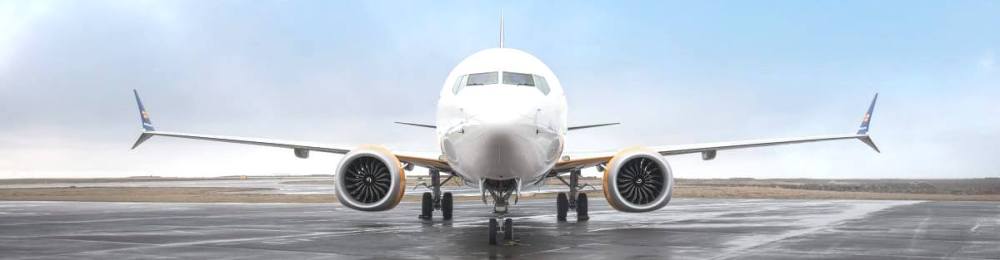
AW-7000432567

Of course, the old and the slow is not always worse: the 737 Next Generation series is the safest narrow-body aircraft ever made, in part because of these reliable, if unspectacular, computers. To keep costs down, Boeing also wanted to reuse them in the next version of the 737. The 737 MAX could still be flying today if those computers simply had to do the same tasks they had for nearly 30 years. But Boeing needed them to do much more, but it was about speeding up the urgent work against the competitiveness of the European market. In 2010, Boeing’s only rival, Airbus, introduced the A320NEO, a direct competitor to the 737 Next Generation that could fly further with less fuel and lower emissions than any other narrow-body aircraft. Boeing was caught off guard: While Airbus had secretly developed the third-generation A320, Boeing engineers had spent five years debating whether to design a new replacement aircraft for the legendary 737 or simply upgrade the fuselage. The A320NEO changed that in a matter of months.

AW-Boeing737max_737002

But to offer its own new product when the new Airbus came out, Boeing would have to get the plane out the door in just five years, less time than it took to develop the 777 or 787. The main selling point of the new 737 was clear, Introducing the MAX variant with new engines that would increase the fuel efficiency and range of the aircraft. But to reach that ambitious launch date, Boeing would have to take shortcuts on almost everything else. The new engines, which were bigger and heavier than the next generation, made the 737 MAX as fuel-efficient as its rival. But they also disrupted air-flow around the plane’s wings and control surfaces in a very specific way. During high angle ascents, this disruption would cause the control columns on the plane to suddenly loosen, which could cause pilots to lose control of the plane during a dangerous maneuver.

Boeing could have fixed this aerodynamic anomaly with a hardware change of adaptive surfaces on the engine case, restructured wings, or even simply adding a Lever Pusher to the controls that would mechanically press the control column at the right time. But the hardware changes added time, cost, and regulatory scrutiny to the development process. Boeing’s management had one goal: to avoid changes, to avoid regulators, to meet the timeline for its rollout.AW-Boeing737max_737002-1

So the development team attacked the hardware issue with the software. In addition to the standard software package on the two 737 MAX computers, Boeing loaded another routine called the Maneuvering Characteristics Enhancement System (MCAS). The system would act by waiting for the plane to enter a high-angle climb, then it would act, rotating the plane’s horizontal stabilizer to counter the changing aerodynamic forces. On paper, it looked elegant enough. It also had a side benefit: The Federal Aviation Administration (FAA) doesn’t scan software as hard as any physical change in the cell does. So MCAS was approved with minimal revision, outdated computers, and everything.

But Boeing’s software shortcut had a serious problem. Under certain circumstances, it was mistakenly activated, sending the plane into an endless loop of nose dives. Unless pilots can, in less than four seconds, correctly diagnose the error, flip a dedicated emergency switch, and begin recovery maneuvers, they will lose control of the plane and crash, which is exactly what happened in the case of the Lion Air flight JT-610 and Ethiopian Airlines flight ET-302.

With the second accident of the Boeing 737 MAX was landed worldwide. Since then, Boeing has been working to fix the software problem and get the plane approved by regulators, but audits have been slow.

AW-Boeing737max_737002-2

In June 2019, Boeing submitted a software solution to the FAA for approval, but subsequent stress tests of the 737 MAX computers revealed more flaws. They are vulnerable to single-bit errors that could disable complete control systems or launch the plane into an unstructured dive. They don’t start correctly, they can even freeze in autopilot mode, even when the plane is at a stop, which could hinder recovery efforts in the midst of an in-flight emergency. Despite all this, Boeing insists that it can fix everything with software. Boeing has chosen not to go with a new, more powerful computer, or add more of them to the two already there, to better distribute the workload. For comparison, the Airbus A320NEO has similar vintage computers, but it has seven of them. Boeing is «dedicating all necessary resources to ensure that the improvements to the 737 MAX are comprehensive and thoroughly tested. We do not anticipate changes in hardware», a spokesperson said.

AW-B737MAX-United_rotate19So far, the FAA agrees: It completed its review of the software earlier this year and appears to agree with the proposed software fixes. But returning the 737 MAX to service is not as simple as getting agency approval for the software. Because Boeing essentially bullied the FAA into certifying the 737 MAX in the first place, the agency is eager to demonstrate that it knows what it is doing now. Its inspectors are scrutinizing the plane with less pressure to rush, and have found several new problems with the plane: faulty wiring, debris in fuel tanks, and wing components that do not meet FAA standards.

Still, the FAA’s reputation is already ruined. For decades, aviation regulators have relied on reciprocal agreements to speed up the aircraft certification process in other countries: if an aircraft is approved by a regulator, it is almost always approved by all. Now, however, Europe, China, and India want to independently certify the plane, which will add months to the timeline.

Once the Boeing 737 MAX gets the regulatory green light, it will still be several months before it can transport passengers again. In January 2020, Boeing announced that to obtain certification to fly the 737 MAX, pilots will have to go through an updated full-motion simulator training. This is a complete recall of one of the plane’s original highlights: that the pilots only needed an hour-long iPad lesson to fly the new 737.

The problem is that there simply are not so many simulators for everyone. There are only 34 worldwide, with only two companies approved for training. To put this in perspective, one example is the home of two Dallas-Fort Worth-based airlines. Both Southwest Airlines and American Airlines have 13,000 pilots trained in Boeing 737 and only one 737 MAX simulator. Assuming four hours of simulator per pilot and running the simulators 24 hours a day, seven days a week, it would take both airlines about six years to get everyone’s approval to fly the 737 MAX. Although it is necessary to realize that not all will fly at the same time the new units incorporated by both companies. The same example is replicated globally where some fifty airlines with 737 MAX aircraft in their fleets would need training.

AW-Boeing737max_737002-3

The shortcuts Boeing has made to get the 737 MAX into production now keep it on the ground. It was once the best-selling aircraft in history. Now, orders for these aircraft have stopped. The company received only 18 new orders, a decrease of 80% compared to 2019. Its competitor, Airbus, registered 296 new orders.

737 MAX Insights

Despite the decline in popularity of the Boeing 737 MAX, Boeing remains optimistic about the future prospects for the more modern variant of the 737 line. «Our estimate for returning the 737 MAX fleet to service remains in mid-2020», Boeing spokesman said.

It looks like nothing will prompt the FAA to send this particular design back to the drawing board table. Instead, Boeing will again try to compensate for a hardware failure in the 737 MAX with slightly rewritten software. It is the same design philosophy that created this catastrophe for Boeing in the first place, and it is the same philosophy that has so far failed to produce a safe and reliable aircraft. AW-Icon AW002


Ξ A I R G W A Y S Ξ
SOURCE: Airgways.com
DBk: Boeing.com / Faa.gov / Theverge.com / Airgways.com
AW-POST: 202004091812AR

A\W   A I R G W A Y S ®
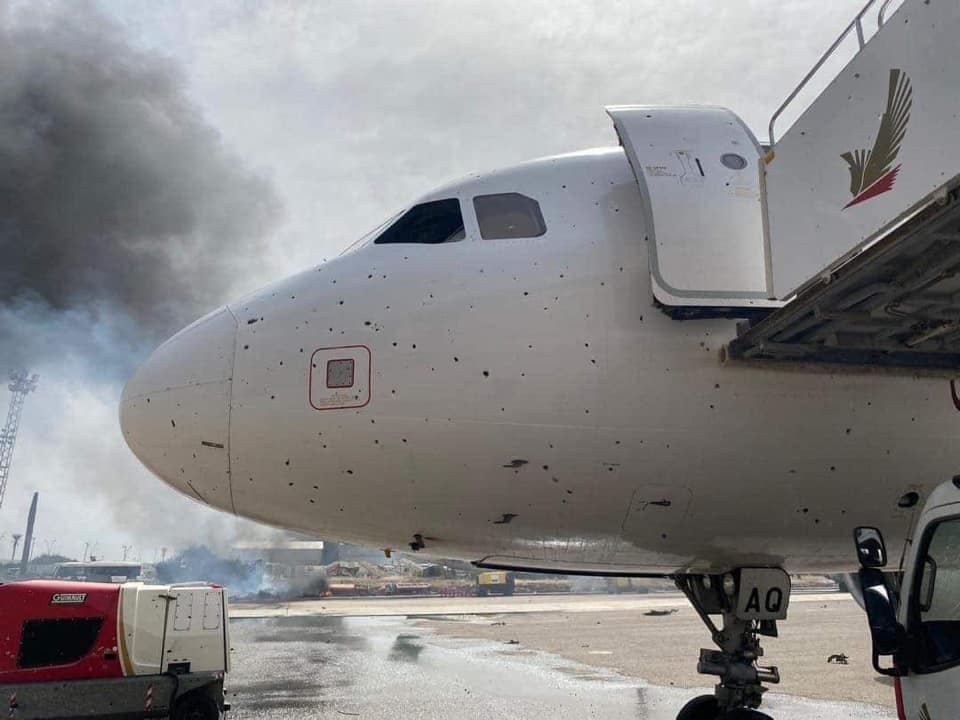
Seguridad en tiempos de pandemia

Airlines warn coronavirus could bankrupt them all - New York Daily ...AW | 2020 04 09 11:04 | AVIATION SAFETY

Las medidas de seguridad sanitaria de los vuelos frente a la pandemia

Los viajes aéreos se han desplomado a medida que el número de casos de Coronavirus continúa aumentando en todo Estados Unidos, con fotos de aviones medio vacíos circulando en las redes sociales y los funcionarios de las líneas aéreas recortando vuelos.

El número de viajeros el 7 Abril 2020 se redujo en casi dos millones respecto del mismo día del año pasado, informó la Administración de Seguridad del Transporte. Aún así, cerca de 100.000 personas volaron.

Servicio a bordo

Varias compañías aéreas se registra una disminución del servicio a bordo de las aeronaves en vuelos de cabotaje. Debido a los efectos de la pandemia del Coronavirus las aerolíneas están reduciendo el servicio de revista a bordo en los vuelos del país como una medida de reducción de costos. El servicio de catering ha sido optimizado y racionalizado teniendo en cuenta las medidas de seguridad vigentes en cada vuelo.

Seguridad a bordo

Además de buscar medidas de reducción de costos, las aerolíneas han promulgado precauciones de seguridad para ayudar a los viajeros a distancia social mientras vuelan.

La compañía aérea Delta Air Lines, por ejemplo, ha anunciado el Miércoles 08/04 que está bloqueando todos los asientos intermedios y reduciendo la cantidad de clientes permitidos en cualquier vuelo. «Los clientes que prefieren sentarse directamente al lado de sus compañeros de viaje y familiares o que necesitan asistencia adicional deben comunicarse con Reservas antes de viajar o hablar con un agente de Delta al llegar a la puerta de embarque», dijo la aerolínea. Según el anuncio, los servicios de alimentos y bebidas ya estaban optimizados. Los viajeros también abordan de diez a la vez y se les permite encontrar nuevos asientos una vez a bordo para cumplir con las medidas de distanciamiento social. Otras aerolíneas han instituido políticas similares.

En una actualización el 25/03, el Vicepresidente Senior de Experiencia al Cliente de American Airlines anunció que la compañía estaba instituyendo una nueva política de asientos relajados y reduciendo el servicio de alimentos y bebidas. La aerolínea también bloqueó el 50% de los asientos medios estándar.

United Airlines ha dedicado una página completa en su sitio web a la respuesta COVID-19, describiendo nuevas políticas para desinfectar aeronaves, acceso a desinfectantes de manos y nuevos protocolos para abordar y registrarse para limitar el contacto de persona a persona, incluido el tener pasajeros escanear su propia tarjeta de embarque. Los viajeros también pueden cambiar de asiento «cuando los vuelos lo permitan. Nuestros representantes de servicio al cliente volverán a colocar a los clientes de manera proactiva antes del cierre de la puerta cuando las cargas y el tiempo lo permitan», dijo United. AW-Icon AW001

Changes airlines have made in response to the coronavirus pandemic ...Safety in times of pandemic

Health security measures for flights in the face of the pandemic

Air travel has plummeted as the number of Coronavirus cases continues to rise across the United States, with photos of half-empty planes circulating on social media and airline officials cutting flights.

The number of travelers on April 7, 2020, fell by almost two million compared to the same day last year, the Transportation Security Administration reported. Still, nearly 100,000 people flew.

Service on board

Several airlines have recorded a decrease in service on-board aircraft on domestic flights. Due to the effects of the Coronavirus pandemic, airlines are reducing on-board magazine service on domestic flights as a cost-cutting measure. The catering service has been optimized and streamlined taking into account the security measures in force on each flight.

Safety on board

In addition to seeking cost-cutting measures, airlines have enacted safety precautions to assist travelers at a distance while on the fly.

The airline Delta Air Lines, for example, has announced on Wednesday 08/04 that it is blocking all intermediate seats and reducing the number of customers allowed on any flight. «Customers who prefer to sit directly next to their travel companions and family members or who need additional assistance should contact Reservations before traveling or speak to a Delta agent upon arrival at the departure gate», the airline said. According to the announcement, food and beverage services were already optimized. Travelers also board ten at a time and are allowed to find new seats once on board to meet social distancing measures. Other airlines have instituted similar policies.

In an update on 03/25, the Senior Vice President of Customer Experience for American Airlines announced that the company was instituting a new relaxed seating policy and reducing food and beverage service. The airline also blocked 50% of the standard middle seats.

United Airlines has dedicated a full page on its website to the COVID-19 response, outlining new policies for disinfecting aircraft, access to hand sanitizers, and new protocols for boarding and registering to limit person-to-person contact, including having passengers scan your own boarding pass. Travelers can also change seats «when flights allow. Our customer service representatives will proactively relocate customers before the door closes when loads and weather permit», United said. AW-Icon AW002


Ξ A I R G W A Y S Ξ
SOURCE: Airgways.com
DBk: Miamiherald.com / Airgways.com / Businessinsider.com / Nydailynews.com
AW-POST: 202004091104AR

A\W   A I R G W A Y S ®

Nuevas actualizaciones en 737 MAX

Flight Simulator Recreates Path of Doomed Boeing 737 Max 8 - YouTubeAW | 2020 04 08 16:27 | AVIATION SAFETY
Boeing_IsologotypeAW-Icon_Boeing 737 MAXBoeing tiene nuevos problemas con el software del 737 MAX

El gigante aeroespacial comercial The Boeing Company se encontró con un nuevo problema con el software para el Boeing 737 MAX, pero los últimos problemas no afectarán el plan de la compañía de devolver el avión a tierra al servicio comercial. Los problemas no son buenas noticias, pero los detalles sobre los desarrollos con respecto al 737 MAX han sido pocos y distantes entre sí últimamente, lo que hace que casi cualquier información sea una buena noticia.

Boeing ha comunicado el Martes 7 Abril 2020 por la noche que realizará dos nuevas actualizaciones de software en la computadora de control de vuelo del 737 MAX mientras trabaja para obtener la aprobación regulatoria para reanudar los vuelos después de que el avión aterrizó tras dos accidentes aéreos.

BOEING 737 MAXEl fabricante de aviones ha confirmado que un problema involucra fallas hipotéticas en el Microprocesador de la Computadora de Control de Vuelo, lo que podría conducir a una pérdida de control conocida como Estabilizador Desbocado, mientras que el otro problema podría conducir a la desconexión de la función de piloto automático durante la aproximación final. Boeing dijo que las actualizaciones de software abordarán ambos problemas.
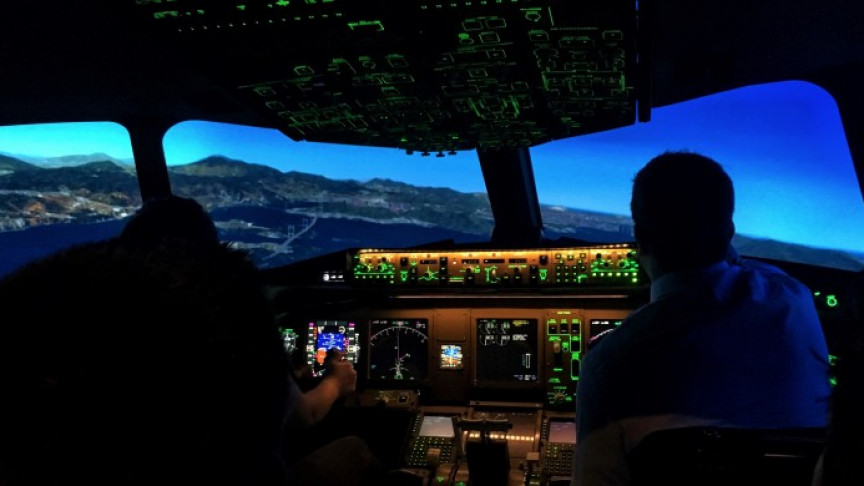
La Administración Federal de Aviación (FAA) ha expresado el Martes 07/04 que está en contacto con el fabricante americano Boeing, ya que «continúa su trabajo en el Sistema de Control de Vuelo automatizado en el 737 MAX. El fabricante debe demostrar el cumplimiento de todas las normas de certificación».

Trayectoria

El mayor fabricante de aviones de Estados Unidos ha continuado luchando con una serie de problemas de software relacionados con el avión que estuvo en tierra desde Marzo 2019. Boeing detuvo la producción en Enero 2020. Boeing dijo que no espera que los problemas afecten su pronóstico actual de un retorno de servicio a mediados de año para el avión. Boeing dijo que los nuevos problemas de software no están vinculados a un Sistema MCAS que falló en ambos accidentes fatales. Boeing está agregando nuevas salvaguardas a MCAS en una actualización de software.

En Enero 2020, Boeing descubrió otro problema de software relacionado con una función de monitoreo de encendido que verifica que algunos monitores del sistema estén funcionando correctamente. Boeing dijo en Febrero 2020 que necesitaría una nueva actualización de software para abordar un problema de luz indicadora. En Marzo 2020, Boeing ha decidido separar los paquetes de cableado del 737 MAX que la FAA había señalado por los reguladores como potencialmente peligrosos antes de que el avión regrese al servicio.

Perspectiva 737 MAX

Boeing dijo que ninguno de los nuevos problemas de software se ha observado en vuelo. Ha comunicado el piloto automático «las alertas y advertencias de la cabina de vuelo ya están en su lugar para alertar a la tripulación si lo hiciera». Boeing no dijo cuándo espera que se completen las actualizaciones.

Boeing había pronosticado las pruebas de vuelos conjuntas con la FAA en Febrero 2020, pero se han ido posponiendo para la certificación clave de la aeronave en cuestión con proyecciones para finales de Abril o incluso hasta finales de Mayo 2020. AW-Icon AW001

Boeing Finds New Software Bug In 737 MAX 8 Flight Computer, Delays ...Boeing new 737 MAX software updates

Boeing has new problems with 737 MAX software

Boeing Logomark WaterCommercial aerospace giant The Boeing Company ran into a new software problem for the Boeing 737 MAX, but the latest problems will not affect the company’s plan to return the plane to ground for commercial service. The problems are not good news, but the details of developments regarding the 737 MAX have been few and far between lately, making almost any information good news.
Boeing has announced Tuesday night April 7, 2020, that it will make two new software updates on the 737 MAX flight control computer as it works to obtain regulatory approval to resume flights after the plane landed after two plane crashes.

The aircraft manufacturer has confirmed that one problem involves hypothetical failures in the Flight Control Computer Microprocessor, which could lead to a loss of control known as Runaway Stabilizer, while the other problem could lead to disconnection of the function. autopilot during final approach. Boeing said the software updates will address both problems.

The Federal Aviation Administration (FAA) has stated on Tuesday 07/04 that it is in contact with the American manufacturer Boeing, since «it continues its work on the automated Flight Control System in the 737 MAX. The manufacturer must demonstrate compliance of all certification standards».

AW-70000033Trajectory

The largest US aircraft maker has continued to grapple with a host of software problems related to the plane that has been on the ground since March 2019. Boeing halted production in January 2020. Boeing said it does not expect the problems to affect its current forecast. of a mid-year return of service for the plane. Boeing said the new software problems are not tied to an MCAS System that failed in both fatal crashes. Boeing is adding new safeguards to MCAS in a software update.

In January 2020, Boeing discovered another software issue related to an ignition monitoring function that verifies that some monitors in the system are working properly. Boeing said in February 2020 that it would need a new software update to address an indicator light problem. In March 2020, Boeing has decided to separate the 737 MAX wiring packages that the FAA had flagged by regulators as potentially dangerous before the plane returns to service.

Perspective 737 MAX

Boeing said that none of the new software problems have been observed in flight. The autopilot has communicated «cockpit alerts and warnings are already in place to alert the crew if it does». Boeing did not say when it expects the updates to be completed.

Boeing had forecast joint flight tests with the FAA in February 2020, but they have been postponed for key certification of the aircraft in question with projections for the end of April or even until the end of May 2020. AW-Icon AW002


Ξ A I R G W A Y S Ξ
SOURCE: Airgways.com
DBk: Faa.gov / Boeing.com / Airgways.com
AW-POST: 202004081627AR

A\W   A I R G W A Y S ®

Países sin pandemia de COVID-19

17 Magnificent Facts about Micronesia | FactsAW | 2020 04 08 15:22 | AVIATION SAFETY

Países donde la pandemia del Coronavirus no ha impactado

La mayoría de los países en donde el Coronavirus aún no se propagó son islas con pocos habitantes, como Samoa, ubicada en Oceanía. Con más de 81.000 muertes, la pandemia del coronavirus tiene detenido casi al mundo entero. El aislamiento en muchísimos países es obligatorio y el avance de la enfermedad asusta y tiene en estado de alerta a todos. Y, aunque se propaga rápido, hay algunos rincones de la Tierra donde todavía no llegó.

De los 194 países que tiene el planeta, son tan solo 16 los que aún están libres de la enfermedad. La mayoría de ellos son islas pequeñas, de hecho, siete de ellos se cuentan entre los diez lugares menos visitados del mundo, según la ONU. Este no es un dato menor, si tenemos en cuenta el rol que el flujo de turistas desempeñó en la expansión de los contagios. Aún así, según los expertos, es probable que algunos de todos esos países tengan casos, pero que no los hayan reportado de forma oficial.

Igualmente, es muy significativo que gracias a las políticas externas, los países han podido controlar el ingreso del virus por medio de los aeropuerto, principal puerta de entrada de la pandemia.

Países exentos pandemia COVID-19

Islas Comores: Es un grupo de tres islas al sur de África, cerca de Madagascar. Viven menos de un millón de personas, la mayoría en la pobreza.
Corea del Norte: Ubicada en Asia, el país con más de 25 millones de habitantes está gobernado por una dictadura que impone un absoluto control de la información pública. El dato oficial puede ser sospechado, por falta de confiabilidad.
Estados Federados de Micronesia: 607 pequeñas islas cercana a las Marshall, en el Pacífico.
Islas Marshall: Son 24 islas pequeñas, en el Océano Pacífico, con menos de 100.000 habitantes.
Islas Salomón: Es un país formado por 990 islas en el Pacífico, con 642.000 personas.
Lesoto: Es un reino sin mar, enclavado en Sudáfrica. No registra casos detectados. Viven más de 2.000.000 de personas en el país.
Nauru: una isla Estado de Micronesia, con 13.649 habitantes en 2017.
Palaos: Otra isla Estado parte de Micronesia. Tenía 21.729 habitantes en 2017. Se observa libre de Coronavirus.
Samoa: Es un país formado por dos islas de la Polinesia, en el Océano Pacífico, con cerca de 200.000 habitantes.
Santo Tomé y Príncipe: Son islas en el Golfo de Guinea, del Océano Atlántico, en África. Tiene menos de 200.000 personas viviendo en esa región.
Tayikistán: Es un país que limita con China y que no tiene casos informados. Incluso, se juega al fútbol y tuvo un campeón.
Tonga: Es un reino de la Polinesia, de 177 islas, con poco más de 110.000 personas.
Turkmenistán: Es un país asiático que limita con Irán, uno de los más afectados. El gobierno asegura que no hay ningún contagio, pero está prohibido mencionar la palabra Coronavirus y quien use barbijo puede ser arrestado.
Tuvalu: País de nueve islas y menos de 12.000 habitantes, ubicado en la Polinesia.
Vanuatu: Es un país de varias islas ubicadas en el Pacífico Sur, con menos de 270.000 habitantes.
Yemen: Es un país árabe que limita con el golfo Pérsico. Tiene más de 25 millones de habitantes, pero la falta de libertades públicas genera sospechas del dato oficial. AW-Icon AW001

Speaking About the Hunger in Micronesia NowadaysCountries where COVID-19 has not impacted

Countries where the Coronavirus pandemic has not impacted

Most of the countries where the Coronavirus has not yet spread are islands with few inhabitants, such as Samoa, located in Oceania. With more than 81,000 deaths, the coronavirus pandemic has stopped almost the entire world. Isolation in many countries is compulsory and the progression of the disease is frightening and alert to everyone. And, although it spreads fast, there are some corners of the Earth where it has not yet reached.

Of the 194 countries on the planet, only 16 are still free of the disease. Most of them are small islands, in fact, seven of them are among the ten least visited places in the world, according to the UN. This is not a minor fact, if we consider the role that the flow of tourists played in the spread of infections. Still, according to experts, some of all those countries are likely to have cases, but have not reported them officially.

Likewise, it is very significant that thanks to external policies, countries have been able to control the entry of the virus through airports, the main gateway to the pandemic.

Countries exempt COVID-19 pandemic

Comoros Islands: It is a group of three islands in southern Africa, near Madagascar. Less than a million people live, the majority in poverty.
North Korea: Located in Asia, the country with more than 25 million inhabitants is governed by a dictatorship that imposes absolute control of public information. The official data may be suspected, due to lack of reliability.
Federated States of Micronesia: 607 small islands near the Marshall Islands, in the Pacific.
Marshall Islands: There are 24 small islands, in the Pacific Ocean, with less than 100,000 inhabitants.
Solomon Islands: It is a country formed by 990 islands in the Pacific, with 642,000 people.
Lesotho: It is a landlocked kingdom, nestled in South Africa. It does not record detected cases. More than 2,000,000 people live in the country.
Nauru: An island state of Micronesia, with 13,649 inhabitants in 2017.
Palau: Another island State part of Micronesia. It had 21,729 inhabitants in 2017. It is observed free of Coronavirus.
Samoa: It is a country formed by two Polynesian islands, in the Pacific Ocean, with about 200,000 inhabitants.
São Tomé and Príncipe: They are islands in the Gulf of Guinea, in the Atlantic Ocean, in Africa. It has less than 200,000 people living in that region.
Tajikistan: It is a country that borders China and has no reported cases. Even, soccer is played and it had a champion.
Tonga: It is a kingdom of Polynesia, of 177 islands, with little more than 110,000 people.
Turkmenistan: It is an Asian country that borders Iran, one of the most affected. The government assures that there is no contagion, but it is forbidden to mention the word Coronavirus and whoever uses a mask can be arrested.
Tuvalu: Country of nine islands and less than 12,000 inhabitants, located in Polynesia.
Vanuatu: It is a country of several islands located in the South Pacific, with less than 270,000 inhabitants.
Yemen: It is an Arab country that borders the Persian Gulf. It has more than 25 million inhabitants, but the lack of public liberties raises suspicions of the official data. AW-Icon AW002


Ξ A I R G W A Y S Ξ
SOURCE: Airgways.com
DBk: Airgways.com / Lanacion.com.ar / Borgenmagazine.com / Facts.uk
AW-POST: 202004081522AR

A\W   A I R G W A Y S ®