United selecciona proveedor AWS

AW | 2021 12 01 11:23 | AIRLINES / AVIATION TECHNOLOGY

AWS servirá como proveedor de nube para United Airlines

United Airlines ha implementado varias soluciones de Amazon Amazon Web Services (AWS) para mejorar la interacción de los clientes con la aerolínea. La compañía aérea estadounidense ha recurrido a la subsidiaria de Amazon Amazon Web Services para ayudar a impulsar la innovación digital como su proveedor preferido en la nube. La aerolínea recibirá aprendizaje automático, Internet de las Cosas (IoT), bases de datos, análisis, computación, almacenamiento y capacidades de seguridad de AWS.

La aerolínea ha introducido nuevas características en su aplicación y canales digitales para ayudar a los clientes a comprender las restricciones de viaje de Covid-19. Los pasajeros ahora pueden satisfacer sus necesidades de prueba o vacunación de acuerdo con los requisitos de su destino específico a través del Centro Travel-Ready de United Airlines. Pueden cargar fácilmente registros de pruebas y vacunación, programar una prueba de Covid-19 y completar formularios específicos de cada país en la aplicación y el sitio web de United.

Mediante el uso de Amazon Elastic Kubernetes Service (Amazon EKS) y la tecnología de aprendizaje automático de AWS, los pasajeros de United pueden revisar sus documentos de viaje en tiempo real antes de llegar al aeropuerto. La tecnología de AWS también ayudará a mejorar las operaciones aeroportuarias y apoyará a los trabajadores aeroportuarios a expandir sus operaciones.

United selects AWS provider

AWS will serve as a cloud provider for United Airlines

United Airlines has implemented various Amazon Amazon Web Services (AWS) solutions to improve customer interaction with the airline. The US airline has turned to the Amazon subsidiary Amazon Web Services to help drive digital innovation as its preferred cloud provider. The airline will receive machine learning, Internet of Things (IoT), databases, analytics, computing, storage, and security capabilities from AWS.

The airline has introduced new features to its app and digital channels to help customers understand Covid-19 travel restrictions. Passengers can now meet their testing or vaccination needs in accordance with their specific destination requirements through the United Airlines Travel-Ready Center. They can easily upload testing and vaccination records, schedule a Covid-19 test, and fill out country-specific forms on the United app and website.

Using Amazon Elastic Kubernetes Service (Amazon EKS) and AWS machine learning technology, United passengers can review their travel documents in real time before arriving at the airport. AWS technology will also help improve airport operations and support airport workers to expand their operations.

PUBLISHER: Airgways.com
DBk: United.com / Amazon.com / Airgways.com
AW-POST: 202112011123AR

A\W   A I R G W A Y S ®

Airbus primer estudio SAF

AW | 2021 11 30 08:49 | AVIATION TECHNOLOGY / INDUSTRY

Primer estudio emisiones 100% sostenibles avión pasajeros

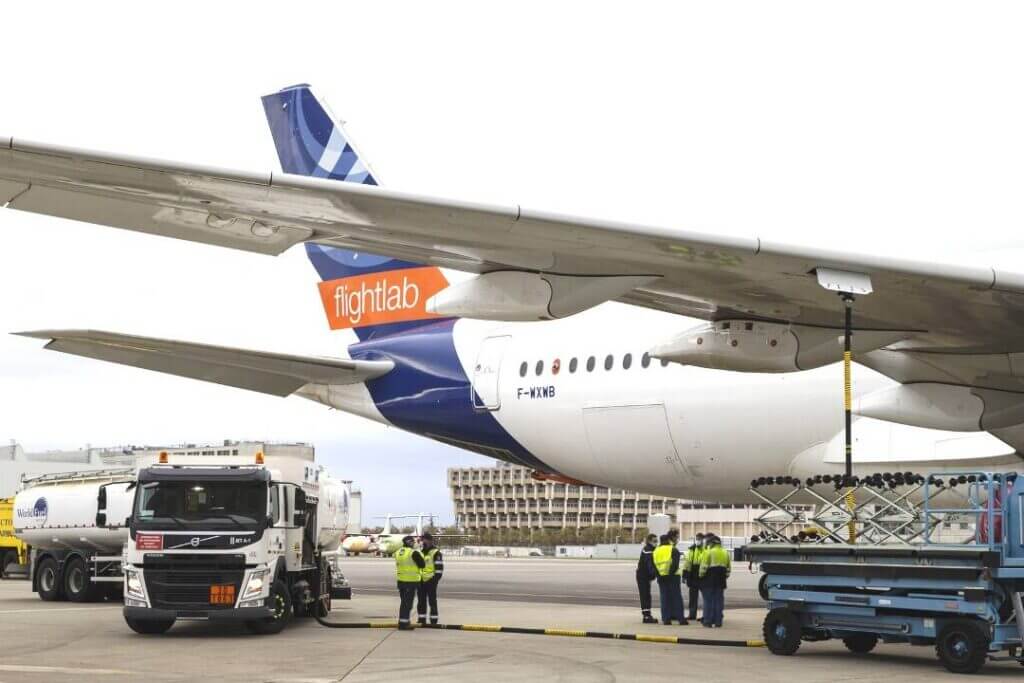
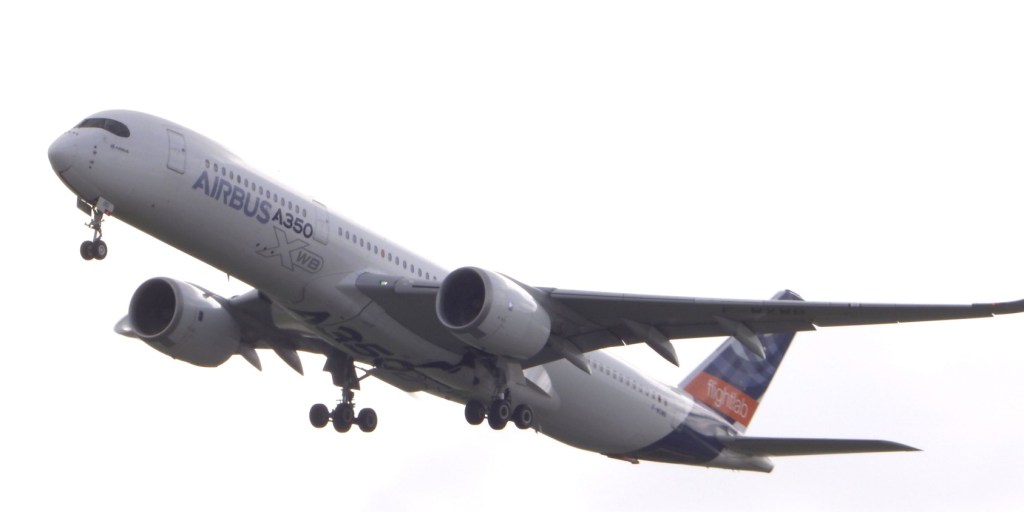
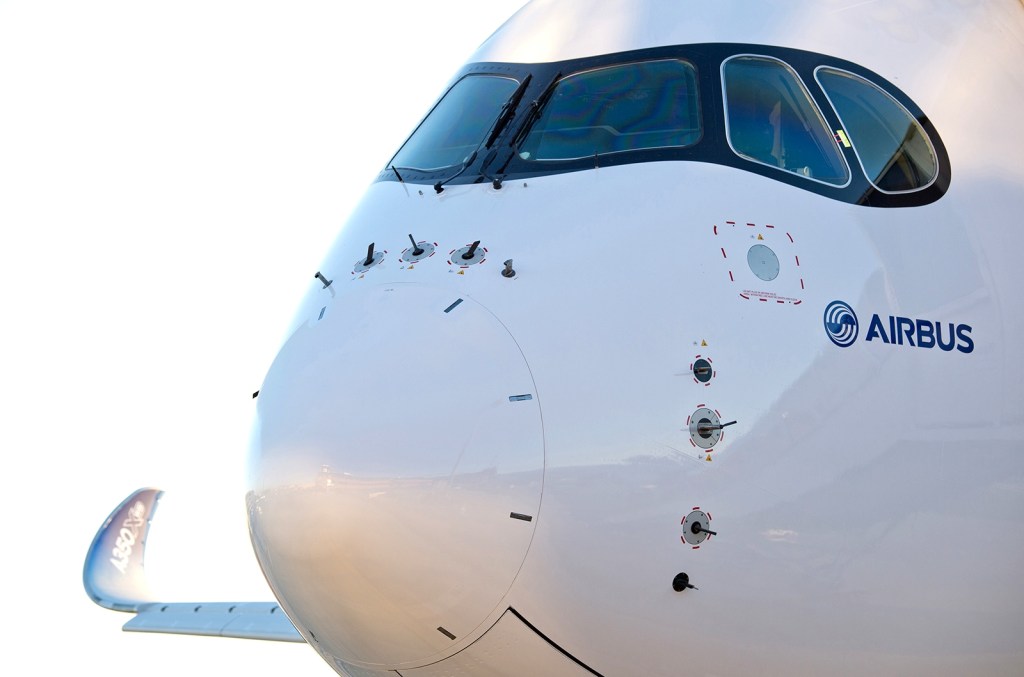
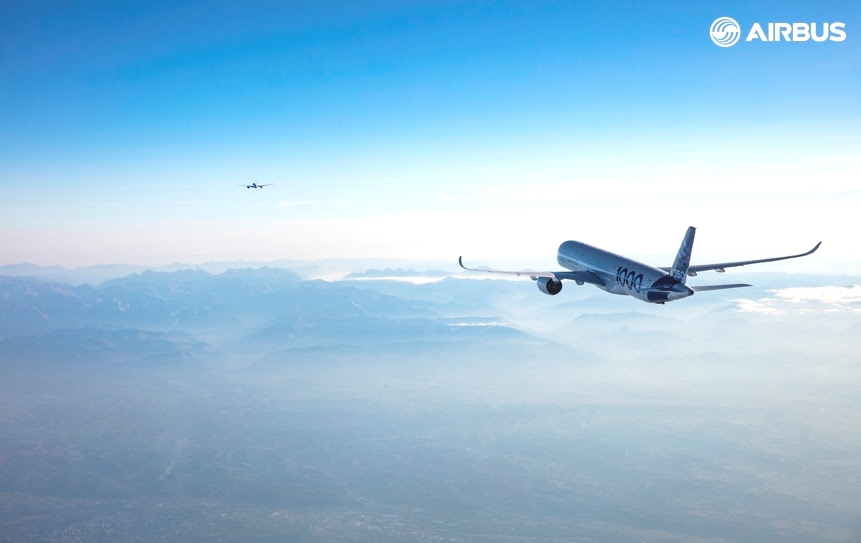
Los hallazgos iniciales de un primer estudio mundial sobre el impacto del Combustible de Aviación 100% Sostenible (SAF) en ambos motores de un avión comercial han proporcionado resultados iniciales prometedores. El estudio ECLIF3, que involucra a Airbus Group, Rolls-Royce, el centro de investigación alemán DLR y el productor de SAF Neste, marca la primera vez que se mide 100% SAF simultáneamente en ambos motores de un avión comercial de pasajeros: un avión Airbus A350 propulsado por Rolls-Royce Trent. Motores XWB.

Las pruebas de emisiones en vuelo y las pruebas en tierra asociadas en el programa ECLIF3 comenzaron a principios de este año y se han reanudado recientemente. El equipo interdisciplinario, que también incluye investigadores del Consejo Nacional de Investigación de Canadá y la Universidad de Manchester, planea publicar sus resultados en revistas académicas hacia fines del próximo año y 2023.

Los hallazgos del estudio respaldarán los esfuerzos actualmente en curso en Airbus y Rolls-Royce para garantizar que el sector de la aviación esté listo para el uso a gran escala de SAF como parte de una iniciativa más amplia para descarbonizar la industria. Actualmente, las aeronaves solo pueden operar con una mezcla del 50% de SAF y combustible de aviación convencional, pero ambas compañías apoyan el impulso para certificar el uso 100% de SAF.

En Abril 2021, el A350 voló tres vuelos sobre el mar Mediterráneo perseguidos por un avión cazador DLR Falcon para comparar las emisiones en vuelo de queroseno y del combustible sostenible de ésteres y ácidos grasos hidroprocesados ​​de Neste (HEFA). El equipo también llevó a cabo pruebas de cumplimiento utilizando 100% SAF y no se experimentaron problemas operativos.

Las pruebas de emisiones en vuelo utilizando 100% SAF y una mezcla de combustible HEFA / Jet A-1 se reanudaron este mes, mientras que también se realizaron pruebas de emisiones en tierra para cuantificar los beneficios de SAF en la calidad del aire local. El equipo de investigación descubrió que SAF libera menos partículas que el queroseno convencional en todas las condiciones de operación del motor probadas, lo que apunta a la posibilidad de reducir el impacto climático y mejorar la calidad del aire alrededor de los aeropuertos.

Además, el SAF tiene una densidad más baja pero un contenido de energía más alto por kilogramo de combustible en comparación con el queroseno convencional, lo que brinda algunas ventajas de eficiencia de combustible de los aviones debido a un menor consumo de combustible y una menor masa de combustible a bordo para lograr la misma misión. Se está realizando un análisis detallado por parte del equipo.

“Los motores y los sistemas de combustible se pueden probar en tierra, pero la única forma de recopilar el conjunto completo de datos de emisiones necesarios para que este programa tenga éxito es volar un avión en condiciones reales. Las pruebas en vuelo del A350 ofrecen la ventaja de caracterizar las emisiones directas e indirectas del motor, incluidas las partículas de detrás de un avión a gran altitud”, dijo Steven Le Moing, Gerente del Programa de Nueva Energía en Aerobús.

Simon Burr, Director de Desarrollo de Producto y Tecnología de Rolls-Royce, Civil Aerospace, dijo: “Esta investigación se suma a las pruebas que ya hemos realizado en nuestros motores, tanto en tierra como en el aire, que no han encontrado obstáculos de ingeniería para nuestros motores funcionan 100% SAF. Si queremos descarbonizar verdaderamente los viajes aéreos de larga distancia, entonces 100% SAF es un elemento crítico y estamos comprometidos a respaldar su certificación para el servicio».

El avión cazador DLR Falcon está equipado con múltiples sondas para medir las emisiones a nivel de crucero hasta una distancia de solo 100 metros del A350 y alimentarlas con instrumentación científica para su análisis.

“Se ha demostrado que SAF tiene una huella de carbono significativamente menor durante su ciclo de vida en comparación con el combustible para aviones convencional y ahora vemos que también es ventajoso para reducir los efectos no relacionados con el CO 2. Pruebas como estas continúan desarrollando nuestra comprensión del 100% SAF, su uso en vuelo y estamos viendo señales positivas de su potencial en la mitigación del clima. Esperamos estudiar los datos de la segunda serie de vuelos ECLIF3, que se reiniciaron con un primer vuelo de persecución sobre el Mediterráneo a principios de este mes”, dijo Markus Fischer, miembro de la Junta Divisional de Aeronáutica de DLR.

En 2015, DLR realizó la campaña ECLIF1, investigando combustibles alternativos con sus aviones de investigación Falcon y A320 ATRA. Estas investigaciones continuaron en 2018 con la campaña ECLIF2 en la que el A320 ATRA volaba con una mezcla de combustible para aviones estándar y hasta un 50% de HEFA. Esta investigación mostró el rendimiento de emisión ventajoso de mezclas de combustible hasta 50% SAF y allanó el camino para los vuelos de prueba 100% SAF para ECLIF3.

Airbus first SAF study

First study 100% sustainable passenger aircraft emissions

Initial findings from a first global study on the impact of 100% Sustainable Aviation Fuel (SAF) on both engines of a commercial aircraft have provided promising initial results. The ECLIF3 study, involving Airbus Group, Rolls-Royce, German research center DLR, and SAF producer Neste, marks the first time that 100% SAF has been measured simultaneously on both engines of a commercial passenger aircraft- an airplane. Airbus A350 powered by Rolls-Royce Trent. XWB engines.

In-flight emissions testing and associated ground testing in the ECLIF3 program began earlier this year and have recently resumed. The interdisciplinary team, which also includes researchers from the National Research Council of Canada and the University of Manchester, plans to publish their results in academic journals towards the end of next year and 2023.

The study findings will support efforts currently underway at Airbus and Rolls-Royce to ensure that the aviation sector is ready for large-scale use of SAF as part of a broader initiative to decarbonize the industry. Currently, aircraft can only operate on a 50% mix of SAF and conventional jet fuel, but both companies support the push to certify 100% SAF use.

In April 2021, the A350 flew three flights over the Mediterranean Sea pursued by a DLR Falcon chaser plane to compare the in-flight emissions of kerosene and Neste’s hydroprocessed fatty acid and esters (HEFA) sustainable fuel. The team also conducted compliance testing using 100% SAF and no operational issues were experienced.

In-flight emissions testing using 100% SAF and a HEFA/Jet A-1 fuel mixture resumed this month, while ground emissions tests were also conducted to quantify the benefits of SAF on local air quality. The research team found that SAF releases fewer particulates than conventional kerosene under all tested engine operating conditions, pointing to the possibility of reducing climate impact and improving air quality around airports.

Additionally, SAF has a lower density but higher energy content per kilogram of fuel compared to conventional kerosene, which brings some aircraft fuel efficiency advantages due to lower fuel consumption and lower mass. of fuel on board to accomplish the same mission. A detailed analysis is being carried out by the team.

“The engines and fuel systems can be tested on the ground, but the only way to collect the full set of emissions data necessary for this program to be successful is to fly an airplane under real-world conditions. Flight testing of the A350 offers the advantage of characterizing direct and indirect engine emissions, including particulate matter from behind a high-altitude aircraft”, said Steven Le Moing, New Energy Program Manager at Aerobús.

Simon Burr, Director of Product Development and Technology, Rolls-Royce, Civil Aerospace, said: “This research adds to the tests that we have already performed on our engines, both on the ground and in the air, which have encountered no obstacles from engineering for our engines work 100% SAF. If we are to truly decarbonize long-haul air travel, then 100% SAF is critical and we are committed to supporting your certification for the service».

The DLR Falcon hunter aircraft is equipped with multiple probes to measure emissions at cruise level up to a distance of just 100 meters from the A350 and feed them with scientific instrumentation for analysis.

“SAF has been shown to have a significantly lower carbon footprint over its life cycle compared to conventional jet fuel and we now see that it is also advantageous in reducing non-CO 2 related effects. Tests like these continue to develop our understanding of 100% SAF, its use in flight and we are seeing positive signs of its potential in climate mitigation. We look forward to studying data from the second series of ECLIF3 flights, which were restarted with a first pursuit flight over the Mediterranean earlier this month”, said Markus Fischer, member of DLR’s Aeronautical Divisional Board.

In 2015, DLR ran the ECLIF1 campaign, researching alternative fuels with its Falcon and A320 ATRA research aircraft. These investigations continued in 2018 with the ECLIF2 campaign in which the A320 ATRA flew on a mixture of standard jet fuel and up to 50% HEFA. This research showed the advantageous emission performance of fuel blends up to 50% SAF and paved the way for 100% SAF test flights for ECLIF3.

PUBLISHER: Airgways.com
DBk: Airbus.com / Airgways.com
AW-POST: 202111300849AR

A\W   A I R G W A Y S ®

Acuerdo Embraer-Viasat

AW | 2021 11 17 10:45 | AVIATION TECHNOLOGY

Conectividad en vuelo de Viasat en la aeronave Embraer E2

AW-70004335

AW-Viasat_Isologotype

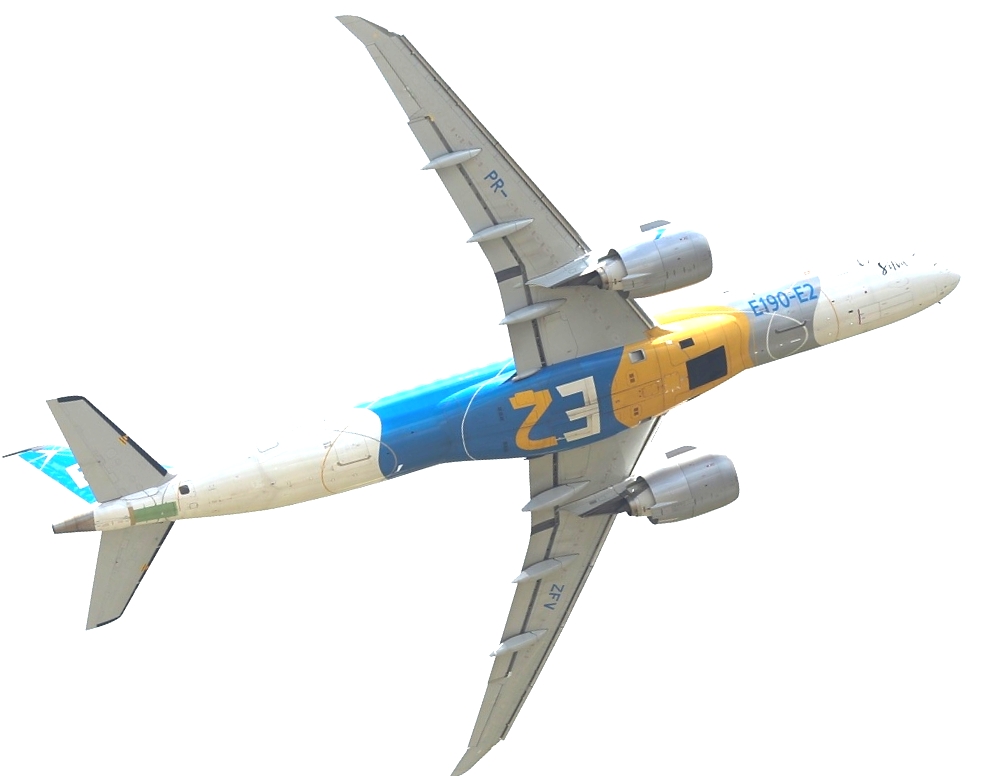
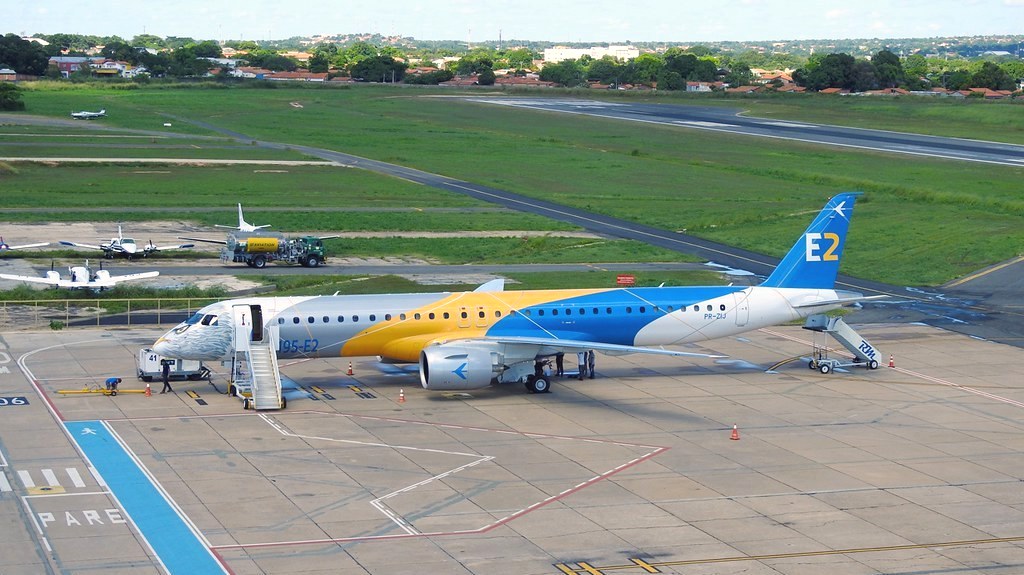
Viasat Inc. una empresa de comunicaciones global, y Embraer, una empresa aeroespacial global, anunciaron hoy que firmaron un acuerdo de Equipamiento Suministrado por el Comprador (BFE) para ofrecer Viasat Sistema avanzado de conectividad en vuelo (IFC) como una opción de ajuste de línea en la familia de aviones E2 de Embraer. Viasat es el primer proveedor de IFC de banda Ka en tener una solución IFC de ajuste de línea disponible en la familia Embraer E2.

Al seleccionar el sistema IFC de Viasat como una opción de fábrica en el avión Embraer E2 antes de la entrega, las aerolíneas podrán ofrecer, desde el primer día del servicio del avión, una experiencia IFC avanzada a cada pasajero y miembro de la tripulación de vuelo, evitando al mismo tiempo costosos tiempos de inactividad. asociado con la puesta fuera de servicio de aeronaves para modificaciones IFC de posproducción. Hoy en día, varias aerolíneas, incluida Azul Airlines, han seleccionado aviones Embraer E2 equipados con el sistema IFC de Viasat directamente desde la fábrica.

Rodrigo Silva e Souza, Vicepresidente de Marketing de Embraer Commercial Aviation, comentó: «En Embraer, nos enorgullecemos de construir las aeronaves más eficientes del mundo en su categoría, así como de perseguir continuamente avances en tecnologías que ayuden a mejorar la comodidad y la experiencia de los pasajeros. Con El sistema IFC de Viasat ahora disponible en línea, estamos permitiendo a nuestros clientes de aerolíneas ofrecer una experiencia de Wi-Fi en vuelo altamente optimizada que los mantendrá altamente competitivos y les permitirá deleitar a sus pasajeros».

Don Buchman, Vicepresidente y Gerente General de Aviación Comercial de Viasat, agregó: «Estamos entusiasmados de trabajar con nuestros socios en Embraer para hacer que nuestro kit IFC de banda Ka líder en la industria esté disponible directamente desde la fábrica en la familia de aviones E2 de la compañía. una de las series de jets más populares del mundo». Embraer entregó su certificado de tipo E195-E2 con ajuste de línea Viasat IFC a un cliente de una aerolínea en 2020.

Viasat es una empresa de comunicaciones global que cree que todos y todo en el mundo pueden estar conectados. Durante 35 años, Viasat ha ayudado a dar forma a la forma en que se comunican los consumidores, las empresas, los gobiernos y las fuerzas armadas de todo el mundo. En la actualidad, la compañía está desarrollando la red de comunicaciones global más avanzada para alimentar conexiones rápidas, seguras, asequibles y de alta calidad para impactar la vida de las personas en cualquier lugar donde se encuentren: en tierra, en el aire o en el mar.

Embraer-Viasat Agreement

Viasat in-flight connectivity on the Embraer E2 aircraft

Viasat Inc., a global communications company, and Embraer, a global aerospace company, announced today that they have entered into a Buyer Supplied Equipment (BFE) agreement to offer Viasat Advanced In-Flight Connectivity System (IFC) as a customization option. line in Embraer’s E2 family of aircraft. Viasat is the first Ka-band IFC provider to have an IFC line-wrap solution available in the Embraer E2 family.

By selecting the Viasat IFC system as a factory option on the Embraer E2 aircraft prior to delivery, airlines will be able to offer, from the first day of aircraft service, an advanced IFC experience to every passenger and flight crew member, while avoiding costly downtime. associated with decommissioning of aircraft for post-production IFC modifications. Today, several airlines, including Azul Airlines, have selected Embraer E2 aircraft equipped with the Viasat IFC system directly from the factory.

Rodrigo Silva e Souza, Vice President of Marketing for Embraer Commercial Aviation, commented: «At Embraer, we pride ourselves on building the world’s most efficient aircraft in its class, as well as continually pursuing advances in technologies that help improve comfort and experience. With Viasat’s IFC system now available online, we are enabling our airline customers to deliver a highly optimized in-flight Wi-Fi experience that will keep them highly competitive and allow them to delight their passengers».

Don Buchman, Vice President and General Manager, Commercial Aviation at Viasat, added: «We are excited to be working with our partners at Embraer to make our industry-leading Ka-band IFC kit available directly from the factory on the E2 family of aircraft. of the company. one of the most popular jet series in the world». Embraer delivered its E195-E2 type certificate with Viasat IFC line fit to an airline customer in 2020.

Viasat is a global communications company that believes that everyone and everything in the world can be connected. For 35 years, Viasat has helped shape the way consumers, businesses, governments and armed forces around the world communicate. Today, the company is developing the most advanced global communications network to power fast, secure, affordable and high-quality connections to impact people’s lives wherever they are on the ground, in the air or in the air. sea.

PUBLISHER: Airgways.com
DBk: Viasat.com / Embraer.com / Airgways.com
AW-POST: 20211171045AR

A\W   A I R G W A Y S ®

Aceleración controles biométricos

AW | 2021 11 17 09:23 | AIRPORTS / AVIATION TECHNOLOGY

Pandemia acelera aceptación controles biométricos en aeropuertos

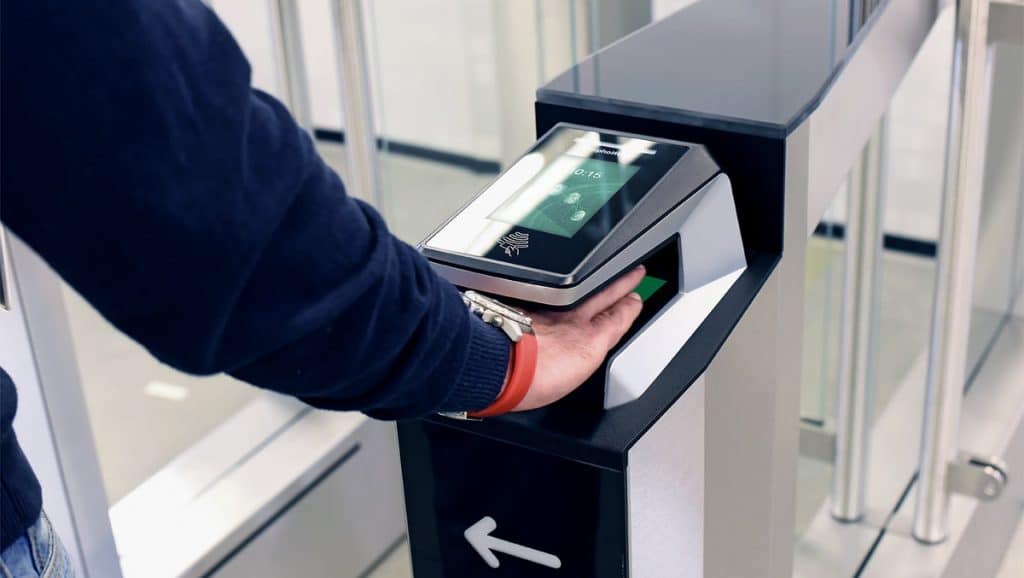
La implantación de nuevas medidas de control en los aeropuertos unida a la fuerte recuperación del tráfico se está traduciendo en largas colas de los aeropuertos que están acabando con la paciencia de muchos pasajeros. Los pasajeros se muestran más receptivos a esta tecnología de reconocimiento con tal de acelerar las colas, según informa la International Air Transport Association (IATA). Tanto los grandes aeropuertos emisores como Berlín-Brandenburgo (Alemania) como receptores como Gran Canaria (Islas Canarias, España) han sufrido estos días un auténtico atasco.

Si antes un pasajero, en momentos pico, tardaba 1,5 horas en procesos de viaje, ahora invierte 3 horas. La situación está escalando en importancia, tanto es así que ha protagonizado, en gran medida, la Encuesta Global de Pasajeros (GPS) 2021, elaborada por la Asociación Internacional de Transporte Aéreo Internacional (IATA). Las dos grandes conclusiones que se extraen del estudio son que: Con tal de agilizar los procesos de viaje, los pasajeros desean utilizar identificación biométrica (reconocimiento de la persona a través de datos personales fisiológicos, físicos o conductuales). También reivindican que quieren pasar menos tiempo haciendo cola.

“Los pasajeros quieren que se use la tecnología de una forma más profunda con el fin de pasar menos tiempo ‘siendo procesados’ o haciendo colas. Y están dispuestos a utilizar datos biométricos con tal de obtener este resultado”, asevera Nick Carreen, vicepresidente senior de Operaciones y Seguridad de IATA. El directivo incide en que, en estos momentos tras la pandemia, existe una ventana de oportunidad para ofrecer mejoras de eficiencia para los pasajeros, las aerolíneas, los aeropuertos y los gobiernos.

Acceleration of biometric controls

Pandemic accelerates acceptance of biometric controls at airports

The introduction of new control measures at airports, together with the strong recovery in traffic, is leading to long queues at airports that are taking the patience of many passengers. Passengers are more receptive to this recognition technology in order to speed up the queues, according to the International Air Transport Association (IATA). Both the large sending airports such as Berlin-Brandenburg (Germany) and receivers such as Gran Canaria (Canary Islands, Spain) have suffered a real traffic jam these days.

If before a passenger, at peak times, took 1.5 hours in travel processes, now they invest 3 hours. The situation is escalating in importance, so much so that it has largely starred in the Global Passenger Survey (GPS) 2021, prepared by the International Association of International Air Transport (IATA). The two main conclusions drawn from the study are that: In order to streamline travel processes, passengers want to use biometric identification (recognition of the person through physiological, physical or behavioral personal data). They also claim that they want to spend less time queuing.

“Passengers want technology to be used in a deeper way in order to spend less time ‘being processed’ or queuing. And they are willing to use biometric data to achieve this”, says Nick Carreen, IATA’s Senior Vice President of Operations and Security. The manager emphasizes that, at this time after the pandemic, there is a window of opportunity to offer efficiency improvements for passengers, airlines, airports and governments.

PUBLISHER: Airgways.com
DBk: Iata.org / Airgways.com
AW-POST: 202111170923AR

A\W   A I R G W A Y S ®

Aviación avanza emisiones sostenibles

AW | 2021 11 14 05:27 | AVIATION TECHNOLOGY

NASA prueba emisiones sostenibles combustible de aviación

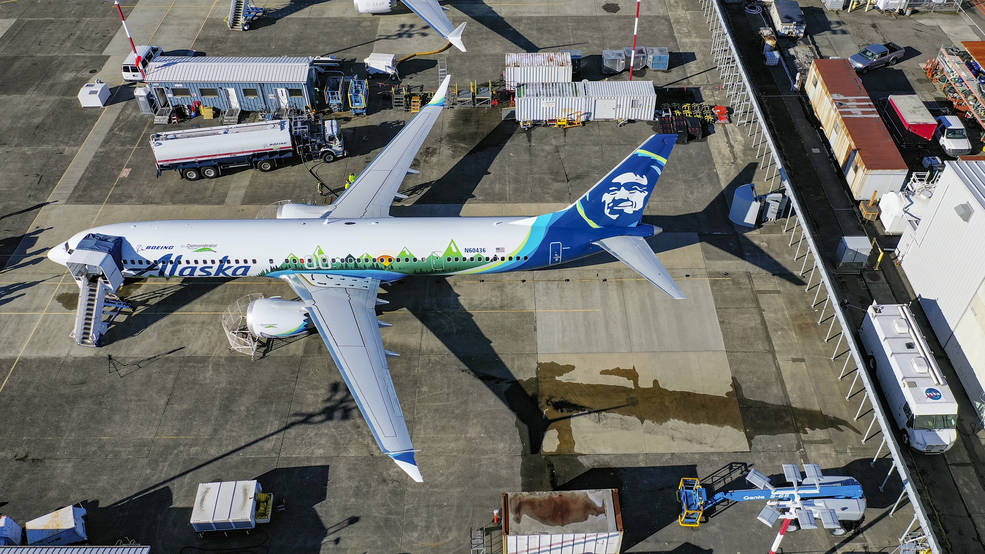
Un equipo de científicos de la NASA, The Boeing Company y Aerodyne Research se reunió recientemente en Boeing Field en Seattle, Washington (WA), para medir las emisiones del avión Boeing ecoDemonstrator 2021, un Boeing 737-9 MAX de Alaska Airlines con motores CFM International LEAP-1B de baja emisión. La NASA, Boeing y otros socios de ecoDemonstrator reconocieron rápidamente que, mientras el avión estaba en Seattle, había una oportunidad para probar las emisiones de los motores de bajas emisiones. El equipo de investigación llevó las cosas más allá al organizar también el uso de Combustible de Aviación 100% Sostenible (SAF) en uno de los motores LEAP-1B. Esta fue la primera vez que alguien capturaría datos sobre las partículas en las emisiones provenientes no solo de un motor LEAP-1B de bajas emisiones, sino también de uno que estaba quemando 100% SAF.

El Laboratorio Móvil del Centro de Investigación Langley de la NASA proporcionó a los investigadores con capacidades especializadas la capacidad de realizar estas pruebas en el campo en Seattle. El conjunto integral de instrumentación del laboratorio analizó no solo las emisiones gaseosas, sino también las partículas (hollín y otros aerosoles) mediante el uso de una sonda personalizada diseñada para interactuar con la cerca de explosión detrás del avión.

«Aprecio cómo nuestros socios en la industria de la aviación están pensando en el largo plazo, en ser transparentes sobre los impactos ambientales del sector. Y que estamos haciendo inversiones estratégicas para avanzar hacia un enfoque más sostenible», dijo Richard Moore, Científico Atmosférico del Centro de Investigación Langley de la NASA. Los investigadores realizaron múltiples pruebas para comparar las emisiones del combustible tradicional 100% Jet A, 100% SAF y mezclas del SAF más Jet A para cuantificar las reducciones de emisiones del motor y de los efectos del combustible solo. Los resultados preliminares parecen prometedores. Se pudo discernir en tiempo real que la combinación del 100% SAF con los motores LEAP-1B en el avión ecoDemonstrator redujo significativamente las emisiones de partículas de hollín en toda la gama de potencias del motor.

«Los resultados que estamos obteniendo de estas pruebas me hacen tener esperanzas para el futuro. Que posiblemente podamos innovar nosotros mismos fuera de la situación climática, eso se está volviendo demasiado claro», expresó Richard Moore. Los investigadores continuarán estudiando los resultados y alimentando los datos en la calidad del aire y los modelos de estelas en los próximos años.

Aviation advances sustainable emissions

NASA tests sustainable aviation fuel emissions

A team of scientists from NASA, The Boeing Company, and Aerodyne Research recently met at Boeing Field in Seattle, Washington (WA), to measure emissions from the 2021 Boeing ecoDemonstrator aircraft, an Alaska Airlines Boeing 737-9 MAX with CFM engines. International LEAP-1B low emission. NASA, Boeing, and other ecoDemonstrator partners quickly recognized that while the plane was in Seattle, there was an opportunity to test the emissions from the low-emission engines. The research team took things further by also organizing the use of 100% Sustainable Aviation Fuel (SAF) in one of the LEAP-1B engines. This was the first time anyone would capture data on particulate matter in emissions from not just a LEAP-1B low-emission engine, but also one that was burning 100% SAF.

NASA’s Langley Research Center Mobile Laboratory provided researchers with specialized capabilities with the ability to conduct these tests in the field in Seattle. The lab’s comprehensive instrumentation suite analyzed not only gaseous emissions, but also particulates (soot and other aerosols) using a custom probe designed to interact with the blast fence behind the aircraft.

«I appreciate how our partners in the aviation industry are thinking long-term, about being transparent about the sector’s environmental impacts. And that we are making strategic investments to move towards a more sustainable approach», said Richard Moore, Atmospheric Scientist at the NASA Langley Research Center. Researchers conducted multiple tests to compare emissions from traditional 100% Jet A, 100% SAF, and SAF plus Jet A blends to quantify reductions in engine emissions and the effects of fuel alone. Preliminary results look promising. It was discerned in real time that the combination of 100% SAF with LEAP-1B engines on the ecoDemonstrator aircraft significantly reduced soot particle emissions across the entire engine power range.

«The results that we are getting from these tests make me hopeful for the future. That we can possibly innovate ourselves outside of the climate situation, that is becoming too clear,» said Richard Moore. The researchers will continue to study the results and feed the data into air quality and wake models for years to come.

PUBLISHER: Airgways.com
DBk: Nasa.gov / Boeing.com / Aerodyne.com / Airgways.com
AW-POST: 202111140527AR

A\W   A I R G W A Y S ®

Airbus incorpora receptor Collins

AW | 2021 11 12 14:04 | AVIATION TECHNOLOGY

Receptor multimodo Collins Aerospace en aviones Airbus

AW-Collins Aerospace_Isologotype

El receptor multimodo (MMR) Collins Aerospace GLU-2100 ha recibido la aprobación de Airbus, por lo que está disponible como ajuste de línea y reacondicionamiento en aviones Airbus A320, A330 y A350. Este es un paso importante hacia Collins ofreciendo GNSS de próxima generación al mercado de la aviación comercial. Un MMR ayuda a los pilotos a posicionar, navegar y aterrizar una aeronave. Sobre la base de las capacidades GNSS de mmR anteriores, el GLU-2100 proporciona un sistema de aumento basado en satélites (SBAS) y un sistema de aumento basado en tierra (GBAS). Esto respalda la integridad de la posición de la aeronave, así como la precisión y disponibilidad de operaciones de aeronaves exigentes, como el aterrizaje en condiciones de baja visibilidad.

El GLU-2100 MMR garantiza que los aviones comerciales puedan cumplir con los mandatos globales de la zona de vuelo, al tiempo que prueba la tecnología al proporcionar una base sólida para el crecimiento futuro. Incluye la línea de base de hardware flexible necesaria para implementar futuras capacidades GNSS, como multifrecuencia y multisustación (MFMC) y GBAS Categoría II/III a través de la actualización solo de software.

En Agosto 2021, Collins Aerospace firmó un acuerdo definitivo para adquirir la empresa privada FlightAware, una compañía de aviación digital que proporciona soluciones globales de seguimiento de vuelos, tecnología predictiva, análisis y herramientas de toma de decisiones. El cierre de la adquisición está sujeto a la finalización de las condiciones habituales y las aprobaciones regulatorias. Tras el cierre, FlightAware se unirá a la cartera de Servicios de Gestión de la Información de Collins dentro de la unidad de negocios estratégica de Aviónica de la compañía. Los términos financieros del acuerdo no fueron revelados. Con sede en Houston, Texas, con aproximadamente 130 empleados, FlightAware fue fundada en 2005 y es un proveedor de información y conocimientos de vuelo históricos y en tiempo real para la comunidad mundial de la aviación. FlightAware sirve a todos los segmentos del mercado de la aviación a través de aplicaciones y servicios de datos que proporcionan información completa sobre el movimiento actual y previsto de las aeronaves. A través de la recopilación, interpretación y enriquecimiento de cientos de fuentes de datos, FlightAware transforma millones de elementos de datos de vuelo sin procesar y los ofrece como historias de vuelo coherentes y fáciles de consumir. La compañía tiene una red ADS-B terrestre patentada con decenas de miles de receptores que abarcan siete continentes en 200 países y territorios.

Airbus incorporates Collins receiver

La imagen tiene un atributo ALT vacío; su nombre de archivo es aw-airbus-a350-900-6.jpg

Collins Aerospace multimode receiver on Airbus aircraft

The Collins Aerospace GLU-2100 Multi-Mode Receiver (MMR) has received Airbus approval and is therefore available as a line-up and retrofit on Airbus A320, A330 and A350 aircraft. This is an important step towards Collins bringing next generation GNSS to the commercial aviation market. An MMR helps pilots position, navigate, and land an aircraft. Building on the GNSS capabilities of previous mmRs, the GLU-2100 provides a satellite-based augmentation system (SBAS) and a ground-based augmentation system (GBAS). This supports the integrity of the aircraft position, as well as the accuracy and availability of demanding aircraft operations, such as landing in low visibility conditions.

The GLU-2100 MMR ensures that commercial aircraft can meet global flight zone mandates, while testing technology by providing a solid foundation for future growth. It includes the flexible hardware baseline needed to implement future GNSS capabilities, such as Multi-Frequency and Multi-Scaling (MFMC) and GBAS Category II/III through software-only upgrade.

In August 2021, Collins Aerospace signed a definitive agreement to acquire the privately held FlightAware, a digital aviation company that provides global solutions for flight tracking, predictive technology, analytics and decision-making tools. The closing of the acquisition is subject to the completion of customary conditions and regulatory approvals. Upon closure, FlightAware will join Collins’ Information Management Services portfolio within the company’s Avionics strategic business unit. The finanacial terms of the contract were not disclosed. Headquartered in Houston, Texas, with approximately 130 employees, FlightAware was founded in 2005 and is a provider of real-time and historical flight knowledge and information to the global aviation community. FlightAware serves all segments of the aviation market through applications and data services that provide comprehensive information on the current and planned movement of aircraft. Through the collection, interpretation, and enrichment of hundreds of data sources, FlightAware transforms millions of raw flight data items and delivers them as consistent, easy-to-consume flight histories. The company has a proprietary terrestrial ADS-B network with tens of thousands of receivers spanning seven continents in 200 countries and territories.

PUBLISHER: Airgways.com
DBk: Airbus.com / Collinsaerospace.com / Airgways.com
AW-POST: 20211121404AR

A\W   A I R G W A Y S ®

Air Canada & SWA asocian greentechs

AW | 2021 11 11 15:58 | AIRLINES ALLIANCE / AVIATION TECHNOLOGY

Air Canada y Southwest Airlines se asocian con green-techs

southwest_airlines_logo_detail_blue

Southwest Airlines ha firmado un acuerdo de quince años con un productor de Combustible de Aviación Sostenible (SAF), y Air Canada está trabajando con una empresa de tecnología de descarbonización que también podría estimular una mayor producción de SAF, anunciaron las aerolíneas por separado el miércoles. En el acuerdo de Southwest con Velocys Renewables, el transportista recibirá 219 millones de galones de SAF, que puede mezclarse con combustible para aviones convencionales para producir hasta 575 millones de galones de combustible con cero emisiones netas de carbono, según el transportista. Durante el período del acuerdo, podría reducir potencialmente las emisiones de carbono en 6,5 millones de toneladas métricas.

El CEO de Velocys, Henrik Wareborn, afirmó que el combustible de la compañía es «el combustible de aviación sostenible de menor intensidad de carbono anunciado hasta la fecha. El SAF producido en la instalación de Bayou Fuels planea utilizar una materia prima sostenible, residuos forestales de bosques de plantaciones, y energía renovable de una instalación solar vecina, así como un contrato para la captura de carbono que secuestrará más de 500,000 toneladas de dióxido de carbono por año. También se espera que tenga una reducción superior al 99 por ciento en azufre en comparación con el combustible convencional para aviones, reduciendo las emisiones de este contaminante convencional», expresó Henrik Wareborrn.

Southwest Airlines planea comenzar a comprar el combustible de las instalaciones de Velocys en Natchez, Miss., en 2026 como muy pronto, y el acuerdo también incluye derechos para comprar volúmenes significativos del combustible de las futuras instalaciones de Velocys, según Southwest. La aerolínea tiene como objetivo reemplazar el 10 por ciento de su consumo de combustible para aviones con SAF para 2030, según el Director Senior de Gestión de la Cadena de Suministro de combustible de Southwest Airlines, Michael AuBuchon. Southwest anunció en las últimas semanas un programa de compra de combustible SAF con clientes corporativos, en el que las compañías pagan el costo de la prima del combustible a través de efectivo o fondos UATP para recibir créditos de carbono por sus emisiones, pero la cantidad de combustible actualmente disponible limita las oportunidades de participación. Deloitte, Siemens y Zurich North America son socios iniciales en el programa.

Air Canada_Isologotype

Air Canada, por su parte, anunció un memorando de entendimiento con la firma energética canadiense Carbon Engineering, que tiene como objetivo desplegar tecnología capaz de capturar carbono a gran escala, eliminando el dióxido de carbono de la atmósfera. La aerolínea trabajará con la firma «para avanzar en nuevas tecnologías transformadoras hacia la viabilidad comercial de los SAH y la eliminación de carbono», según el Vicepresidente Ejecutivo y Director Financiero de Air Canada, Amos Kazzaz. Además de almacenar permanentemente el dióxido de carbono capturado en las profundidades subterráneas, el carbono capturado podría usarse potencialmente para desarrollar combustibles de carbono ultra bajo, incluido SAF, cuando se combina con hidrógeno limpio, según Air Canada.

Carbon Engineering ha estado operando una planta piloto en Colombia Británica que captura dióxido de carbono desde 2015, y está trabajando para desplegar instalaciones a escala de megatones. Una de estas instalaciones a gran escala está en desarrollo en los Estados Unidos por 1PointFive, en la que united airlines, socio de Air Canada, anunció una inversión multimillonaria el año pasado, y apunta a 2024 para comenzar a operar.

Air Canada & SWA partner greentechs

Air Canada and Southwest Airlines partner with green-techs

Southwest Airlines has signed a fifteen-year agreement with a Sustainable Aviation Fuel (SAF) producer, and Air Canada is working with a decarbonization technology company that could also spur further SAF production, the airlines announced separately Wednesday. . In Southwest’s deal with Velocys Renewables, the carrier will receive 219 million gallons of SAF, which can be blended with conventional jet fuel to produce up to 575 million gallons of net zero carbon fuel, according to the carrier. During the period of the agreement, it could potentially reduce carbon emissions by 6.5 million metric tons.

Velocys CEO Henrik Wareborn said the company’s fuel is «the lowest carbon intensity sustainable aviation fuel announced to date. The SAF produced at the Bayou Fuels facility plans to use a sustainable raw material, forest residues from plantation forests, and renewable energy from a neighboring solar facility, as well as a contract for carbon capture that will sequester more than 500,000 tons of dioxide. of carbon per year. It is also expected to have a greater than 99 percent reduction in sulfur compared to conventional jet fuel, reducing emissions of this conventional pollutant», said Henrik Wareborrn.

Southwest Airlines plans to begin purchasing fuel from Velocys’ Natchez, Miss. Facility in 2026 at the earliest, and the agreement also includes rights to purchase significant volumes of fuel from future Velocys facilities, according to Southwest. The airline aims to replace 10 percent of its jet fuel consumption with SAF by 2030, according to Southwest Airlines Senior Director of Fuel Supply Chain Management Michael AuBuchon. Southwest announced in recent weeks a SAF fuel purchase program with corporate customers, in which companies pay the cost of the fuel premium through cash or UATP funds to receive carbon credits for their emissions, but the amount of Currently available fuel limits opportunities for participation. Deloitte, Siemens and Zurich North America are initial partners in the program.

Air Canada, for its part, announced a memorandum of understanding with the Canadian energy firm Carbon Engineering, which aims to deploy technology capable of capturing carbon on a large scale, removing carbon dioxide from the atmosphere. The airline will work with the firm «to advance new transformative technologies toward commercial viability of SAHs and carbon removal». according to Air Canada Executive Vice President and Chief Financial Officer Amos Kazzaz. In addition to permanently storing captured carbon dioxide deep underground, the captured carbon could potentially be used to develop ultra-low-carbon fuels, including SAF, when combined with clean hydrogen, according to Air Canada.

Carbon Engineering has been operating a pilot plant in British Columbia that captures carbon dioxide since 2015, and is working to deploy megaton-scale facilities. One such large-scale facility is under development in the United States by 1PointFive, in which United Airlines, a partner of Air Canada, announced a multi-million dollar investment last year, and is targeting 2024 to begin operating.

PUBLISHER: Airgways.com
DBk: Aircanada.com / Southwest.com / Airgways.com
AW-POST: 202111111558AR

A\W   A I R G W A Y S ®

Airbus avances descarbonización

AW | 2021 11 10 10:05 | INDUSTRY / AVIATION TECHNOLOGY

Fello’fly ahorro combustible y reducción emisiones CO2

Airbus Group ha realizado la primera demostración de vuelo en formación de larga distancia en el espacio aéreo transatlántico regulado por Tráfico Aéreo General (GAT) con dos aviones A350 que vuelan a tres kilómetros de distancia de Toulouse, Francia, a Montreal, Canadá. La aeronave fue recibida en el Aeropuerto Internacional de Montreal/Trudeau. Se ahorraron más de 6 toneladas de emisiones de CO2 en el viaje, lo que confirma el potencial de más de un 5% de ahorro de combustible en vuelos de larga distancia. El vuelo de prueba de «demostración final» tuvo lugar el 9 de Noviembre de 2021 con dos aviones de prueba A350 MSN1 y MSN59, el primero como avión líder y el segundo como seguidor. Esto fue posible gracias a los sistemas de control de vuelo desarrollados por Airbus que posicionan el avión seguidor de forma segura en la corriente ascendente del avión líder, lo que le permite reducir el empuje del motor y reducir el consumo de combustible. Se puede observar un principio similar con las aves migratorias grandes, como los gansos, que vuelan juntas en una formación distinta en forma de V.

Sabine Klauke, Directora Técnica de Airbus, declaró: “Este vuelo de demostración es un ejemplo concreto de nuestro compromiso de hacer realidad nuestra hoja de ruta de descarbonización. También habla de cómo la colaboración en toda la industria será clave para que esto suceda. Hemos recibido un fuerte nivel de apoyo para este proyecto de nuestras aerolíneas y socios de tráfico aéreo, además de los reguladores. La oportunidad de implementar esto para aviones de pasajeros a mediados de esta década es muy prometedora. ¡Imagínese el potencial que tendría Fello’fly en toda la industria!».

Los pilotos de las aerolíneas asociadas de Airbus, SAS Scandinavian Airlines y Frenchbee, presenciaron el vuelo transatlántico a bordo como observadores. El vuelo fue posible gracias a Airbus y sus socios de gestión del tráfico aéreo y proveedores de servicios de navegación (DSNA, NATS, NAV CANADA, Eurocontrol e IAA), con el apoyo de la DGAC, quienes juntos demostraron que la tecnología de vuelo de recuperación de energía de estela aprovechada en un fello’fly se puede lograr sin comprometer la seguridad. La demostración también muestra cómo las operaciones fello’fly podrían impulsar significativamente el desempeño ambiental de los aviones comerciales y contribuir a los objetivos de descarbonización de la industria de la aviación en el plazo inmediato.

El siguiente paso es conseguir el apoyo de las autoridades para que este nuevo concepto operativo pueda certificarse y, en última instancia, permitir a las aerolíneas reducir su consumo de combustible y sus emisiones de CO2.

El vuelo fello’fly pionero de Airbus fue recibido a su llegada a Montreal por el Presidente del Consejo y el Secretario General de la Agencia de Aviación de las Naciones Unidas, la OACI. El Presidente del Consejo, Salvatore Sciacchitano, dijo que la demostración representaba «un ejemplo inspirador del nivel de compromiso actual para reducir las emisiones de la aviación», mientras que el secretario general de la OACI, Juan Carlos Salazar, comentó cómo reflejaba «la increíble diversidad de innovaciones en el transporte aéreo que ahora se están realizando para cumplir con las objetivos del sector y garantizar que los vuelos sean cada vez más sostenibles».

Lanzado en 2019, fello’fly es un proyecto de demostración de vuelo alojado dentro de Airbus UpNext utilizando biomimetismo (el diseño y producción de materiales, estructuras y sistemas inspirados en la naturaleza). Airbus UpNext es una subsidiaria de propiedad total de Airbus y parte del ecosistema de innovación de Airbus, creada para dar a las tecnologías futuras un desarrollo rápido mediante la construcción de demostradores a velocidad y escala, con el fin de evaluar, madurar y validar posibles nuevos productos y servicios que abarcan avances tecnológicos radicales.

Airbus decarbonization progress

Fello’fly fuel savings and reduced CO2 emissions

Airbus Group has carried out the first long-haul formation flight demonstration in transatlantic airspace regulated by General Air Traffic (GAT) with two A350 aircraft flying three kilometers from Toulouse, France, to Montreal, Canada. The aircraft was received at the Montreal/Trudeau International Airport. More than 6 tons of CO2 emissions were saved on the trip, confirming the potential for more than 5% fuel savings on long-haul flights. The «final demonstration» test flight took place on November 9, 2021 with two A350 test aircraft MSN1 and MSN59, the former as the lead aircraft and the latter as the follower. This was made possible by Airbus-developed flight control systems that safely position the follower aircraft in the updraft of the lead aircraft, allowing it to reduce engine thrust and reduce fuel consumption. A similar principle can be observed with large migratory birds, such as geese, flying together in a distinct V-shaped formation.

Sabine Klauke, Airbus Technical Director, stated: “This demonstration flight is a concrete example of our commitment to make our decarbonisation roadmap a reality. She also talks about how collaboration across the industry will be key to making this happen. We have received a strong level of support for this project from our airlines and air traffic partners, in addition to regulators. The opportunity to implement this for passenger aircraft in the middle of this decade is very promising. Imagine the potential Fello’fly would have across the industry!«.

Pilots from Airbus’ partner airlines SAS Scandinavian Airlines and Frenchbee witnessed the transatlantic flight on board as observers. The flight was made possible by Airbus and its air traffic management partners and navigation service providers (DSNA, NATS, NAV CANADA, Eurocontrol and IAA), with the support of the DGAC, who together demonstrated that the flight technology of Recovery of wake energy harnessed in a fello’fly can be achieved without compromising safety. The demonstration also shows how fello’fly operations could significantly boost the environmental performance of commercial aircraft and contribute to the decarbonization goals of the aviation industry in the immediate term.

The next step is to enlist the support of the authorities so that this new operating concept can be certified and, ultimately, allow airlines to reduce their fuel consumption and CO2 emissions.

Airbus’ pioneering fello’fly flight was greeted upon arrival in Montreal by the President of the Council and the Secretary General of the United Nations Aviation Agency, ICAO. Council President Salvatore Sciacchitano said the demonstration represented «an inspiring example of the current level of commitment to reducing aviation emissions», while ICAO Secretary General Juan Carlos Salazar commented on how it reflected «the incredible diversity of innovations in air transport that are now being made to meet the objectives of the sector and ensure that flights are increasingly sustainable».

Launched in 2019, fello’fly is a flight demonstration project hosted within Airbus UpNext using biomimicry (the design and production of materials, structures and systems inspired by nature). Airbus UpNext is a wholly owned subsidiary of Airbus and part of the Airbus innovation ecosystem, created to give future technologies rapid development by building demonstrators at speed and scale, in order to evaluate, mature and validate potential new products and services encompassing radical technological advancements.

PUBLISHER: Airgways.com
DBk: Airbus.com / Airgways.com
AW-POST: 202111101005AR

A\W   A I R G W A Y S ®

Evolución de Airbus Scale

AW | 2021 11 03 10:07 | INDUSTRY / AVIATION TECHNOLOGY

Airbus evoluciona panorama innovación Airbus Scale

Airbus_Group_Logo_2014.svg - copia

Airbus Group ha lanzado este 3 de Noviembre de 2021 Airbus Scale, una nueva unidad de innovación que reúne la innovación corporativa, el compromiso con las empresas emergentes y las actividades de creación de empresas. Esto apoyará la recuperación y el crecimiento futuro de Airbus, contribuyendo al desarrollo de futuros programas y negocios como parte de la ambición de cero emisiones de la compañía. Esta nueva unidad refuerza el panorama general de innovación en Airbus y complementa otros centros de innovación de Airbus como Acubed en Silicon Valley, el Airbus China Innovation Center (ACIC) en Shenzhen y la entidad demostradora de tecnología Airbus UpNext.

“Ser pionero en la industria aeroespacial sostenible será un desafío colectivo y la innovación es su núcleo. Al configurar Airbus Scale, utilizaremos nuestro conocimiento interno y nuestro know-how para escalar nuevas empresas a partir de activos infrautilizados. También miraremos hacia afuera para buscar e inyectar en Airbus nuevas empresas que tengan tecnología relevante para nuestra futura ambición de cero emisiones. Esta palanca adicional en nuestro conjunto de herramientas de innovación ayudará a crear el ecosistema que necesitamos en nuestro camino hacia el cero neto”, dijo Sabine Klauke, Directora Técnica de Airbus.

La nueva unidad de innovación es una evolución de cómo Airbus enfoca sus actividades de innovación internas y externas. Sobre la base de la experiencia adquirida en los últimos siete años con BizLab, Airbus Scale convergerá y diversificará el espíritu emprendedor y las asociaciones de puesta en marcha para construir y hacer crecer negocios cofinanciados, rentables y plenamente desarrollados y ampliar aún más la ventaja competitiva de Airbus. En este enfoque, Airbus Scale promoverá e identificará oportunidades de innovación corporativa interna que se pueden desarrollar en soluciones para el mundo externo, llevándolas al mercado y atrayendo inversiones externas que podrían resultar en spin-offs, con el fin de generar valor para Airbus. En paralelo, Airbus Scale buscará y se asociará con startups externas en etapas posteriores para madurar y desarrollar innovaciones tecnológicas y productos, combinando conceptos internos e inteligencia de startups externa para colaboraciones mutuamente beneficiosas. En ambos casos, Airbus Scale facilita y permite un ecosistema de innovación más eficaz.

Evolution of Airbus Scale

Airbus evolves innovation landscape Airbus Scale

Airbus Group has launched this November 3, 2021 Airbus Scale, a new innovation unit that brings together corporate innovation, commitment to emerging companies and business creation activities. This will support Airbus’ recovery and future growth, contributing to the development of future programs and businesses as part of the company’s zero emissions ambition. This new unit reinforces the overall innovation landscape at Airbus and complements other Airbus innovation centers such as Acubed in Silicon Valley, the Airbus China Innovation Center (ACIC) in Shenzhen and technology demonstrator Airbus UpNext.

AW-Airbus BizLab_Isologotype

“Being a pioneer in the sustainable aerospace industry will be a collective challenge and innovation is at its core. When configuring Airbus Scale, we will use our internal knowledge and know-how to scale new companies from underutilized assets. We will also look outside to find and inject into Airbus new companies that have technology relevant to our future zero emissions ambition. This additional lever in our innovation toolkit will help create the ecosystem we need on our journey to net zero”, said Sabine Klauke, Airbus Technical Director.

The new innovation unit is an evolution of how Airbus approaches its internal and external innovation activities. Building on the experience gained over the past seven years with BizLab, Airbus Scale will converge and diversify entrepreneurship and start-up partnerships to build and grow fully developed, profitable, co-financed businesses and further expand the competitive advantage of Airbus. In this approach, Airbus Scale will promote and identify internal corporate innovation opportunities that can be developed into solutions for the external world, bringing them to market and attracting external investments that could result in spin-offs, in order to generate value for Airbus. In parallel, Airbus Scale will seek out and partner with external startups in later stages to mature and develop technology and product innovations, combining internal concepts and external startup intelligence for mutually beneficial collaborations. In both cases, Airbus Scale facilitates and enables a more effective innovation ecosystem.

PUBLISHER: Airgways.com
DBk: Airbus.com / Airgways.com
AW-POST: 202111031007AR

A\W   A I R G W A Y S ®

Air France-KLM iniciativa SBTi

AW | 2021 11 03 09:55 | AIRLINES / AVIATION TECHNOLOGY

Air France-KLM acelera su transición medioambiental

Air_France-KLM.svg

El Air France-KLM Group ha establecido acelerar su transición medioambiental con el compromiso a través de la iniciativa Science-Based Targets (SBTi), a establecer objetivos de conformidad con el Acuerdo de París, para limitar el calentamiento global. Air France-KLM Group y sus empresas continúan movilizándose para reducir su huella ambiental en un proceso de transparencia y responsabilidad frente a los desafíos del calentamiento global. Air France-KLM se comprometen a que sus objetivos de reducción de emisiones de CO2 sean validados por el organismo de referencia independiente SBTi, fundado por el CDP (Carbon Disclosure Project), el Pacto Mundial de las Naciones Unidas y el Fondo Mundial para la Naturaleza (WWF). SBTi evalúa y verifica los objetivos de reducción de CO2 de las empresas, basándose en un enfoque y criterios científicos, asegurando que los objetivos sean compatibles con el Acuerdo de París.

• Air France-KLM se compromete a establecer objetivos adicionales de reducción de CO2 para 2035, además de su ambición de lograr cero emisiones netas para 2050
• El Grupo presentará estos objetivos para su validación por SBTi en el primer semestre de 2022.
• El enfoque de objetivos basados en la ciencia tiene como objetivo limitar el calentamiento global a muy por debajo de 2°C, de acuerdo con el Acuerdo de París.

La carta de compromiso firmada hoy con SBTi pone al Grupo Air France-KLM y sus empresas en el camino marcado por este Acuerdo, que tiene como objetivo limitar el calentamiento global a muy por debajo de los 2° C. Air France-KLM es uno de los primeros grupos de aerolíneas europeas que ha decidido que SBTi valide su trayectoria de descarbonización. Este nuevo paso importante en la estrategia de descarbonización del Grupo complementa su objetivo de cero emisiones netas en 2050. “La emergencia climática es el mayor desafío al que se enfrenta nuestra industria en la actualidad. Todos los empleados del Grupo y sus empresas llevan muchos años tomando medidas para reducir su huella medioambiental, pero hoy necesitamos acelerar nuestra transición hacia un transporte aéreo más sostenible. El compromiso SBTi demuestra nuestra determinación por lograrlo, al marcar nuestra trayectoria de reducción de emisiones dentro de un marco científico indiscutible y exigente. Firmamos este compromiso porque confiamos en nuestra capacidad para llevar con éxito esta transición, con nuestros empleados, nuestros clientes y todos nuestros socios», declara Benjamin Smith, CEO del Grupo Air France-KLM.

La trayectoria de descarbonización del grupo Air France-KLM se basa principalmente en:
• Un ambicioso plan para renovar la flota del Grupo con aviones de nueva generación que emitan entre un 20 y un 25% menos de CO2. Entre 2019 y 2021, el Grupo invirtió 2.500 millones de euros para renovar la flota.
• El uso de combustibles de aviación sostenibles (SAF). Estos son de carácter no fósiles y se producen a partir de desechos industriales o domésticos en una economía circular y no compiten con la cadena alimentaria humana. Air France y KLM han sido pioneros en el uso de estas fuentes de energía, que jugarán un papel clave en la descarbonización del transporte aéreo, ya que reducen las emisiones de gases de efecto invernadero en una media del 80% durante todo el ciclo de vida. En la actualidad, el Grupo está trabajando para hacer que estos combustibles sean más accesibles en términos de cantidad y precio mediante la creación de una industria real de aviación sostenible en Europa.
• La búsqueda de una mayor eficiencia en sus operaciones, favoreciendo trayectos más directos y aplicando procedimientos que limiten el consumo de combustible (aligeramiento del peso de los aviones, rodaje con un motor, descenso continuo). Air France y KLM fijaron el objetivo de la neutralidad de carbono para las operaciones terrestres para 2030.

Además, Air France-KLM está movilizando a todo el sector y apuesta por la investigación y desarrollo de soluciones innovadoras, en el campo del diseño y mantenimiento aeronáutico, motores o combustibles sintéticos, que permitan lograr progresivamente una total ausencia de carbono en la aviación.

Air France-KLM environmental commitment

Air France-KLM accelerates its environmental transition

AW-AF-KLM

The Air France-KLM Group has established to accelerate its environmental transition with the commitment through the Science-Based Targets initiative (SBTi), to establish targets in accordance with the Paris Agreement, to limit global warming. Air France-KLM Group and its companies continue to mobilize to reduce their environmental footprint in a process of transparency and responsibility in the face of the challenges of global warming. Air France-KLM are committed to having their CO2 emission reduction targets validated by the independent reference body SBTi, founded by the CDP (Carbon Disclosure Project), the United Nations Global Compact and the World Wide Fund for Nature (WWF). SBTi assesses and verifies the CO2 reduction targets of companies, based on a scientific approach and criteria, ensuring that the targets are compatible with the Paris Agreement.

• Air France-KLM is committed to setting additional CO2 reduction targets by 2035, in addition to its ambition to achieve net zero emissions by 2050
• The Group will present these objectives for validation by SBTi in the first half of 2022.
• The science-based targeting approach aims to limit global warming to well below 2° C, in accordance with the Paris Agreement.

The commitment letter signed today with SBTi puts the Air France-KLM Group and its companies on the path set by this Agreement, which aims to limit global warming to well below 2 ° C. Air France-KLM is one one of the first European airline groups that has decided to have SBTi validate its decarbonisation track record. This important new step in the Group’s decarbonization strategy complements its goal of net zero emissions in 2050. “The climate emergency is the biggest challenge facing our industry today. All the Group’s employees and their companies have taken steps to reduce their environmental footprint for many years, but today we need to accelerate our transition to more sustainable air transport. The SBTi commitment demonstrates our determination to achieve this by setting our emissions reduction trajectory within an indisputable and demanding scientific framework. We sign this commitment because we are confident in our ability to successfully carry out this transition, with our employees, our customers and all of our partners», says Benjamin Smith, CEO of the Air France-KLM Group.

The decarbonisation trajectory of the Air France-KLM group is mainly based on:
• An ambitious plan to renew the Group’s fleet with new generation aircraft that emit between 20 and 25% less CO2. Between 2019 and 2021, the Group invested 2.5 billion euros to renew the fleet.
• The use of sustainable aviation fuels (SAF). These are non-fossil in nature and are produced from industrial or household waste in a circular economy and do not compete with the human food chain. Air France and KLM have been pioneers in the use of these energy sources, which will play a key role in the decarbonisation of air transport, as they reduce greenhouse gas emissions by an average of 80% over the entire life cycle. . Currently, the Group is working to make these fuels more accessible in terms of quantity and price by creating a real sustainable aviation industry in Europe.
• The search for greater efficiency in its operations, favoring more direct routes and applying procedures that limit fuel consumption (lightening the weight of aircraft, taxiing with one engine, continuous descent). Air France and KLM set the goal of carbon neutrality for ground operations by 2030.

In addition, Air France-KLM is mobilizing the entire sector and is committed to the research and development of innovative solutions, in the field of aeronautical design and maintenance, engines or synthetic fuels, that allow progressively to achieve a total absence of carbon in aviation.

PUBLISHER: Airgways.com
DBk: Airfrance-klm.com / Airgways.com
AW-POST: 202111030955AR

A\W   A I R G W A Y S ®