Airbus incorpora receptor Collins
AW | 2021 11 12 14:04 | AVIATION TECHNOLOGY

Receptor multimodo Collins Aerospace en aviones Airbus

AW-Collins Aerospace_Isologotype

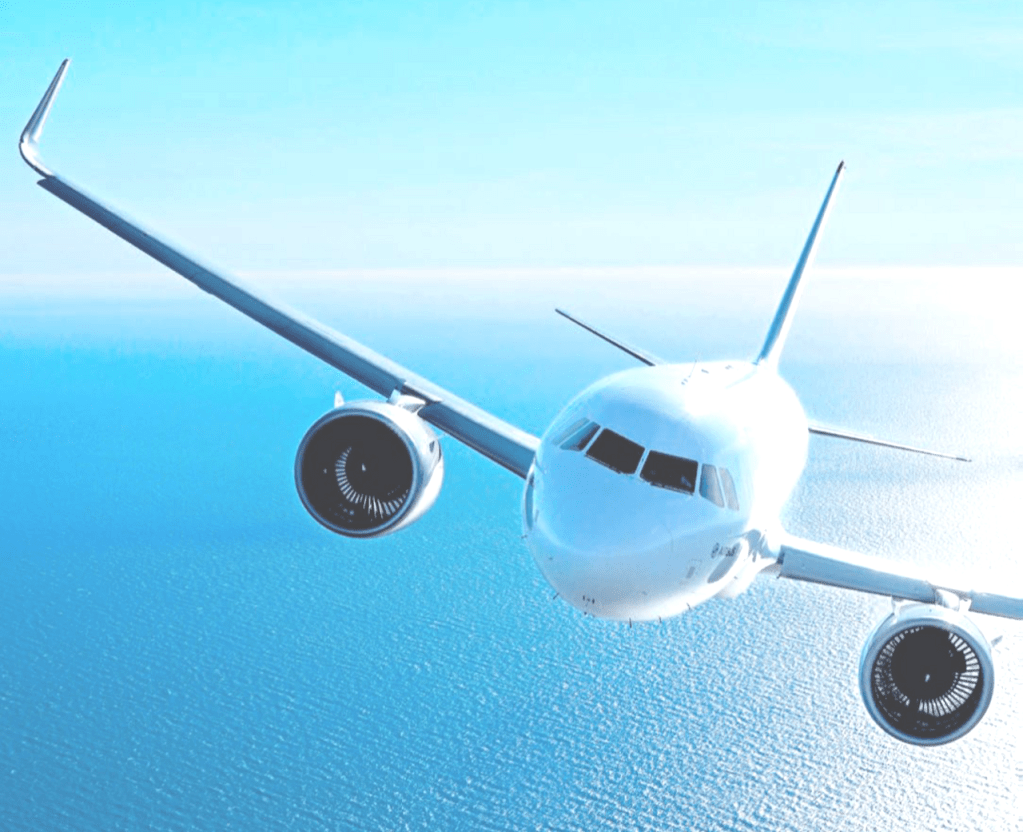
El receptor multimodo (MMR) Collins Aerospace GLU-2100 ha recibido la aprobación de Airbus, por lo que está disponible como ajuste de línea y reacondicionamiento en aviones Airbus A320, A330 y A350. Este es un paso importante hacia Collins ofreciendo GNSS de próxima generación al mercado de la aviación comercial. Un MMR ayuda a los pilotos a posicionar, navegar y aterrizar una aeronave. Sobre la base de las capacidades GNSS de mmR anteriores, el GLU-2100 proporciona un sistema de aumento basado en satélites (SBAS) y un sistema de aumento basado en tierra (GBAS). Esto respalda la integridad de la posición de la aeronave, así como la precisión y disponibilidad de operaciones de aeronaves exigentes, como el aterrizaje en condiciones de baja visibilidad.

El GLU-2100 MMR garantiza que los aviones comerciales puedan cumplir con los mandatos globales de la zona de vuelo, al tiempo que prueba la tecnología al proporcionar una base sólida para el crecimiento futuro. Incluye la línea de base de hardware flexible necesaria para implementar futuras capacidades GNSS, como multifrecuencia y multisustación (MFMC) y GBAS Categoría II/III a través de la actualización solo de software.

En Agosto 2021, Collins Aerospace firmó un acuerdo definitivo para adquirir la empresa privada FlightAware, una compañía de aviación digital que proporciona soluciones globales de seguimiento de vuelos, tecnología predictiva, análisis y herramientas de toma de decisiones. El cierre de la adquisición está sujeto a la finalización de las condiciones habituales y las aprobaciones regulatorias. Tras el cierre, FlightAware se unirá a la cartera de Servicios de Gestión de la Información de Collins dentro de la unidad de negocios estratégica de Aviónica de la compañía. Los términos financieros del acuerdo no fueron revelados. Con sede en Houston, Texas, con aproximadamente 130 empleados, FlightAware fue fundada en 2005 y es un proveedor de información y conocimientos de vuelo históricos y en tiempo real para la comunidad mundial de la aviación. FlightAware sirve a todos los segmentos del mercado de la aviación a través de aplicaciones y servicios de datos que proporcionan información completa sobre el movimiento actual y previsto de las aeronaves. A través de la recopilación, interpretación y enriquecimiento de cientos de fuentes de datos, FlightAware transforma millones de elementos de datos de vuelo sin procesar y los ofrece como historias de vuelo coherentes y fáciles de consumir. La compañía tiene una red ADS-B terrestre patentada con decenas de miles de receptores que abarcan siete continentes en 200 países y territorios.

Airbus incorporates Collins receiver
La imagen tiene un atributo ALT vacío; su nombre de archivo es aw-airbus-a350-900-6.jpg

Collins Aerospace multimode receiver on Airbus aircraft

The Collins Aerospace GLU-2100 Multi-Mode Receiver (MMR) has received Airbus approval and is therefore available as a line-up and retrofit on Airbus A320, A330 and A350 aircraft. This is an important step towards Collins bringing next generation GNSS to the commercial aviation market. An MMR helps pilots position, navigate, and land an aircraft. Building on the GNSS capabilities of previous mmRs, the GLU-2100 provides a satellite-based augmentation system (SBAS) and a ground-based augmentation system (GBAS). This supports the integrity of the aircraft position, as well as the accuracy and availability of demanding aircraft operations, such as landing in low visibility conditions.

The GLU-2100 MMR ensures that commercial aircraft can meet global flight zone mandates, while testing technology by providing a solid foundation for future growth. It includes the flexible hardware baseline needed to implement future GNSS capabilities, such as Multi-Frequency and Multi-Scaling (MFMC) and GBAS Category II/III through software-only upgrade.

In August 2021, Collins Aerospace signed a definitive agreement to acquire the privately held FlightAware, a digital aviation company that provides global solutions for flight tracking, predictive technology, analytics and decision-making tools. The closing of the acquisition is subject to the completion of customary conditions and regulatory approvals. Upon closure, FlightAware will join Collins’ Information Management Services portfolio within the company’s Avionics strategic business unit. The finanacial terms of the contract were not disclosed. Headquartered in Houston, Texas, with approximately 130 employees, FlightAware was founded in 2005 and is a provider of real-time and historical flight knowledge and information to the global aviation community. FlightAware serves all segments of the aviation market through applications and data services that provide comprehensive information on the current and planned movement of aircraft. Through the collection, interpretation, and enrichment of hundreds of data sources, FlightAware transforms millions of raw flight data items and delivers them as consistent, easy-to-consume flight histories. The company has a proprietary terrestrial ADS-B network with tens of thousands of receivers spanning seven continents in 200 countries and territories.

PUBLISHER: Airgways.com
DBk: Airbus.com / Collinsaerospace.com / Airgways.com
AW-POST: 20211121404AR

A\W   A I R G W A Y S ®
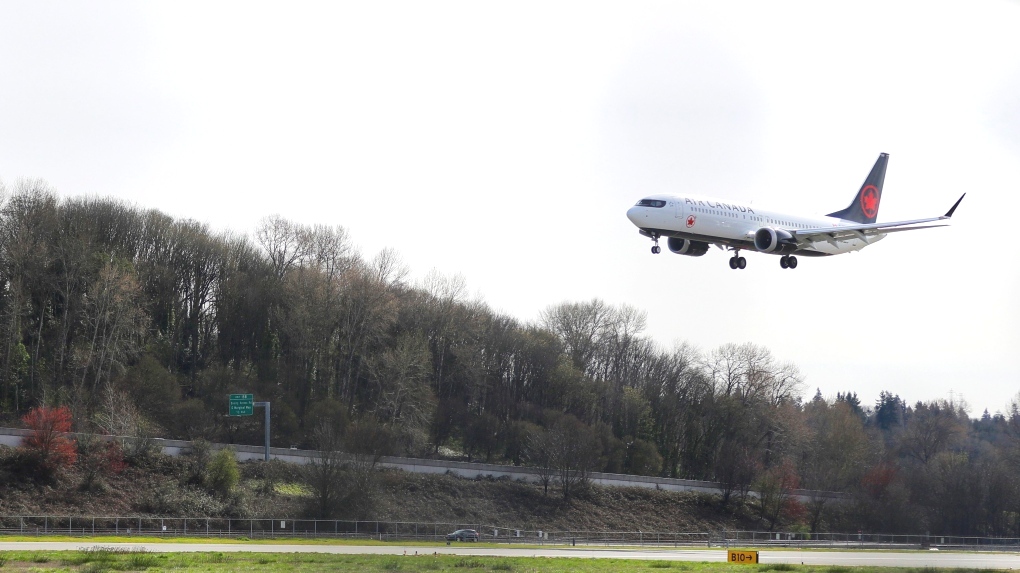
Air Canada & SWA asocian greentechs

AW | 2021 11 11 15:58 | AIRLINES ALLIANCE / AVIATION TECHNOLOGY

Air Canada y Southwest Airlines se asocian con green-techs

southwest_airlines_logo_detail_blue

Southwest Airlines ha firmado un acuerdo de quince años con un productor de Combustible de Aviación Sostenible (SAF), y Air Canada está trabajando con una empresa de tecnología de descarbonización que también podría estimular una mayor producción de SAF, anunciaron las aerolíneas por separado el miércoles. En el acuerdo de Southwest con Velocys Renewables, el transportista recibirá 219 millones de galones de SAF, que puede mezclarse con combustible para aviones convencionales para producir hasta 575 millones de galones de combustible con cero emisiones netas de carbono, según el transportista. Durante el período del acuerdo, podría reducir potencialmente las emisiones de carbono en 6,5 millones de toneladas métricas.

El CEO de Velocys, Henrik Wareborn, afirmó que el combustible de la compañía es «el combustible de aviación sostenible de menor intensidad de carbono anunciado hasta la fecha. El SAF producido en la instalación de Bayou Fuels planea utilizar una materia prima sostenible, residuos forestales de bosques de plantaciones, y energía renovable de una instalación solar vecina, así como un contrato para la captura de carbono que secuestrará más de 500,000 toneladas de dióxido de carbono por año. También se espera que tenga una reducción superior al 99 por ciento en azufre en comparación con el combustible convencional para aviones, reduciendo las emisiones de este contaminante convencional», expresó Henrik Wareborrn.

Southwest Airlines planea comenzar a comprar el combustible de las instalaciones de Velocys en Natchez, Miss., en 2026 como muy pronto, y el acuerdo también incluye derechos para comprar volúmenes significativos del combustible de las futuras instalaciones de Velocys, según Southwest. La aerolínea tiene como objetivo reemplazar el 10 por ciento de su consumo de combustible para aviones con SAF para 2030, según el Director Senior de Gestión de la Cadena de Suministro de combustible de Southwest Airlines, Michael AuBuchon. Southwest anunció en las últimas semanas un programa de compra de combustible SAF con clientes corporativos, en el que las compañías pagan el costo de la prima del combustible a través de efectivo o fondos UATP para recibir créditos de carbono por sus emisiones, pero la cantidad de combustible actualmente disponible limita las oportunidades de participación. Deloitte, Siemens y Zurich North America son socios iniciales en el programa.

Air Canada_Isologotype

Air Canada, por su parte, anunció un memorando de entendimiento con la firma energética canadiense Carbon Engineering, que tiene como objetivo desplegar tecnología capaz de capturar carbono a gran escala, eliminando el dióxido de carbono de la atmósfera. La aerolínea trabajará con la firma «para avanzar en nuevas tecnologías transformadoras hacia la viabilidad comercial de los SAH y la eliminación de carbono», según el Vicepresidente Ejecutivo y Director Financiero de Air Canada, Amos Kazzaz. Además de almacenar permanentemente el dióxido de carbono capturado en las profundidades subterráneas, el carbono capturado podría usarse potencialmente para desarrollar combustibles de carbono ultra bajo, incluido SAF, cuando se combina con hidrógeno limpio, según Air Canada.

Carbon Engineering ha estado operando una planta piloto en Colombia Británica que captura dióxido de carbono desde 2015, y está trabajando para desplegar instalaciones a escala de megatones. Una de estas instalaciones a gran escala está en desarrollo en los Estados Unidos por 1PointFive, en la que united airlines, socio de Air Canada, anunció una inversión multimillonaria el año pasado, y apunta a 2024 para comenzar a operar.

Air Canada & SWA partner greentechs

Air Canada and Southwest Airlines partner with green-techs

Southwest Airlines has signed a fifteen-year agreement with a Sustainable Aviation Fuel (SAF) producer, and Air Canada is working with a decarbonization technology company that could also spur further SAF production, the airlines announced separately Wednesday. . In Southwest’s deal with Velocys Renewables, the carrier will receive 219 million gallons of SAF, which can be blended with conventional jet fuel to produce up to 575 million gallons of net zero carbon fuel, according to the carrier. During the period of the agreement, it could potentially reduce carbon emissions by 6.5 million metric tons.

Velocys CEO Henrik Wareborn said the company’s fuel is «the lowest carbon intensity sustainable aviation fuel announced to date. The SAF produced at the Bayou Fuels facility plans to use a sustainable raw material, forest residues from plantation forests, and renewable energy from a neighboring solar facility, as well as a contract for carbon capture that will sequester more than 500,000 tons of dioxide. of carbon per year. It is also expected to have a greater than 99 percent reduction in sulfur compared to conventional jet fuel, reducing emissions of this conventional pollutant», said Henrik Wareborrn.

Southwest Airlines plans to begin purchasing fuel from Velocys’ Natchez, Miss. Facility in 2026 at the earliest, and the agreement also includes rights to purchase significant volumes of fuel from future Velocys facilities, according to Southwest. The airline aims to replace 10 percent of its jet fuel consumption with SAF by 2030, according to Southwest Airlines Senior Director of Fuel Supply Chain Management Michael AuBuchon. Southwest announced in recent weeks a SAF fuel purchase program with corporate customers, in which companies pay the cost of the fuel premium through cash or UATP funds to receive carbon credits for their emissions, but the amount of Currently available fuel limits opportunities for participation. Deloitte, Siemens and Zurich North America are initial partners in the program.

Air Canada, for its part, announced a memorandum of understanding with the Canadian energy firm Carbon Engineering, which aims to deploy technology capable of capturing carbon on a large scale, removing carbon dioxide from the atmosphere. The airline will work with the firm «to advance new transformative technologies toward commercial viability of SAHs and carbon removal». according to Air Canada Executive Vice President and Chief Financial Officer Amos Kazzaz. In addition to permanently storing captured carbon dioxide deep underground, the captured carbon could potentially be used to develop ultra-low-carbon fuels, including SAF, when combined with clean hydrogen, according to Air Canada.

Carbon Engineering has been operating a pilot plant in British Columbia that captures carbon dioxide since 2015, and is working to deploy megaton-scale facilities. One such large-scale facility is under development in the United States by 1PointFive, in which United Airlines, a partner of Air Canada, announced a multi-million dollar investment last year, and is targeting 2024 to begin operating.

PUBLISHER: Airgways.com
DBk: Aircanada.com / Southwest.com / Airgways.com
AW-POST: 202111111558AR

A\W   A I R G W A Y S ®
Airbus avances descarbonización

AW | 2021 11 10 10:05 | INDUSTRY / AVIATION TECHNOLOGY

Fello’fly ahorro combustible y reducción emisiones CO2

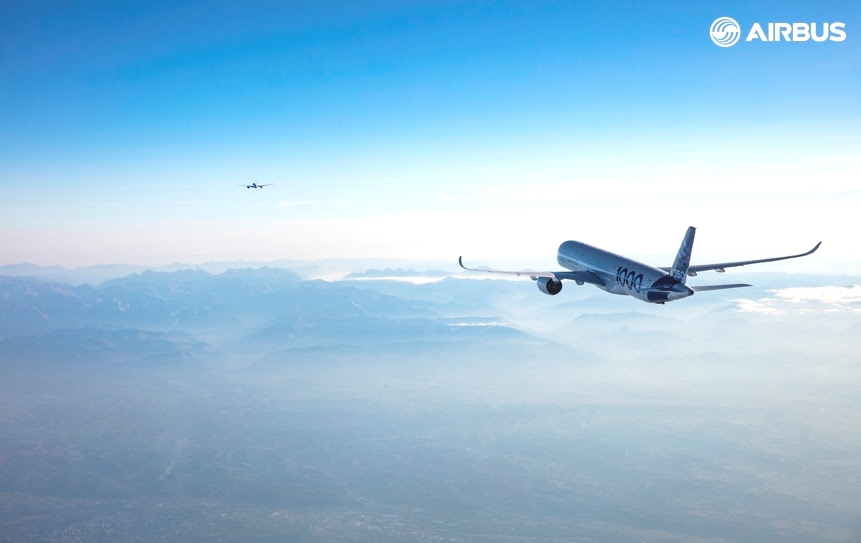
Airbus Group ha realizado la primera demostración de vuelo en formación de larga distancia en el espacio aéreo transatlántico regulado por Tráfico Aéreo General (GAT) con dos aviones A350 que vuelan a tres kilómetros de distancia de Toulouse, Francia, a Montreal, Canadá. La aeronave fue recibida en el Aeropuerto Internacional de Montreal/Trudeau. Se ahorraron más de 6 toneladas de emisiones de CO2 en el viaje, lo que confirma el potencial de más de un 5% de ahorro de combustible en vuelos de larga distancia. El vuelo de prueba de «demostración final» tuvo lugar el 9 de Noviembre de 2021 con dos aviones de prueba A350 MSN1 y MSN59, el primero como avión líder y el segundo como seguidor. Esto fue posible gracias a los sistemas de control de vuelo desarrollados por Airbus que posicionan el avión seguidor de forma segura en la corriente ascendente del avión líder, lo que le permite reducir el empuje del motor y reducir el consumo de combustible. Se puede observar un principio similar con las aves migratorias grandes, como los gansos, que vuelan juntas en una formación distinta en forma de V.

Sabine Klauke, Directora Técnica de Airbus, declaró: “Este vuelo de demostración es un ejemplo concreto de nuestro compromiso de hacer realidad nuestra hoja de ruta de descarbonización. También habla de cómo la colaboración en toda la industria será clave para que esto suceda. Hemos recibido un fuerte nivel de apoyo para este proyecto de nuestras aerolíneas y socios de tráfico aéreo, además de los reguladores. La oportunidad de implementar esto para aviones de pasajeros a mediados de esta década es muy prometedora. ¡Imagínese el potencial que tendría Fello’fly en toda la industria!».

Los pilotos de las aerolíneas asociadas de Airbus, SAS Scandinavian Airlines y Frenchbee, presenciaron el vuelo transatlántico a bordo como observadores. El vuelo fue posible gracias a Airbus y sus socios de gestión del tráfico aéreo y proveedores de servicios de navegación (DSNA, NATS, NAV CANADA, Eurocontrol e IAA), con el apoyo de la DGAC, quienes juntos demostraron que la tecnología de vuelo de recuperación de energía de estela aprovechada en un fello’fly se puede lograr sin comprometer la seguridad. La demostración también muestra cómo las operaciones fello’fly podrían impulsar significativamente el desempeño ambiental de los aviones comerciales y contribuir a los objetivos de descarbonización de la industria de la aviación en el plazo inmediato.

El siguiente paso es conseguir el apoyo de las autoridades para que este nuevo concepto operativo pueda certificarse y, en última instancia, permitir a las aerolíneas reducir su consumo de combustible y sus emisiones de CO2.

El vuelo fello’fly pionero de Airbus fue recibido a su llegada a Montreal por el Presidente del Consejo y el Secretario General de la Agencia de Aviación de las Naciones Unidas, la OACI. El Presidente del Consejo, Salvatore Sciacchitano, dijo que la demostración representaba «un ejemplo inspirador del nivel de compromiso actual para reducir las emisiones de la aviación», mientras que el secretario general de la OACI, Juan Carlos Salazar, comentó cómo reflejaba «la increíble diversidad de innovaciones en el transporte aéreo que ahora se están realizando para cumplir con las objetivos del sector y garantizar que los vuelos sean cada vez más sostenibles».

Lanzado en 2019, fello’fly es un proyecto de demostración de vuelo alojado dentro de Airbus UpNext utilizando biomimetismo (el diseño y producción de materiales, estructuras y sistemas inspirados en la naturaleza). Airbus UpNext es una subsidiaria de propiedad total de Airbus y parte del ecosistema de innovación de Airbus, creada para dar a las tecnologías futuras un desarrollo rápido mediante la construcción de demostradores a velocidad y escala, con el fin de evaluar, madurar y validar posibles nuevos productos y servicios que abarcan avances tecnológicos radicales.

Airbus decarbonization progress

Fello’fly fuel savings and reduced CO2 emissions

Airbus Group has carried out the first long-haul formation flight demonstration in transatlantic airspace regulated by General Air Traffic (GAT) with two A350 aircraft flying three kilometers from Toulouse, France, to Montreal, Canada. The aircraft was received at the Montreal/Trudeau International Airport. More than 6 tons of CO2 emissions were saved on the trip, confirming the potential for more than 5% fuel savings on long-haul flights. The «final demonstration» test flight took place on November 9, 2021 with two A350 test aircraft MSN1 and MSN59, the former as the lead aircraft and the latter as the follower. This was made possible by Airbus-developed flight control systems that safely position the follower aircraft in the updraft of the lead aircraft, allowing it to reduce engine thrust and reduce fuel consumption. A similar principle can be observed with large migratory birds, such as geese, flying together in a distinct V-shaped formation.

Sabine Klauke, Airbus Technical Director, stated: “This demonstration flight is a concrete example of our commitment to make our decarbonisation roadmap a reality. She also talks about how collaboration across the industry will be key to making this happen. We have received a strong level of support for this project from our airlines and air traffic partners, in addition to regulators. The opportunity to implement this for passenger aircraft in the middle of this decade is very promising. Imagine the potential Fello’fly would have across the industry!«.

Pilots from Airbus’ partner airlines SAS Scandinavian Airlines and Frenchbee witnessed the transatlantic flight on board as observers. The flight was made possible by Airbus and its air traffic management partners and navigation service providers (DSNA, NATS, NAV CANADA, Eurocontrol and IAA), with the support of the DGAC, who together demonstrated that the flight technology of Recovery of wake energy harnessed in a fello’fly can be achieved without compromising safety. The demonstration also shows how fello’fly operations could significantly boost the environmental performance of commercial aircraft and contribute to the decarbonization goals of the aviation industry in the immediate term.

The next step is to enlist the support of the authorities so that this new operating concept can be certified and, ultimately, allow airlines to reduce their fuel consumption and CO2 emissions.

Airbus’ pioneering fello’fly flight was greeted upon arrival in Montreal by the President of the Council and the Secretary General of the United Nations Aviation Agency, ICAO. Council President Salvatore Sciacchitano said the demonstration represented «an inspiring example of the current level of commitment to reducing aviation emissions», while ICAO Secretary General Juan Carlos Salazar commented on how it reflected «the incredible diversity of innovations in air transport that are now being made to meet the objectives of the sector and ensure that flights are increasingly sustainable».

Launched in 2019, fello’fly is a flight demonstration project hosted within Airbus UpNext using biomimicry (the design and production of materials, structures and systems inspired by nature). Airbus UpNext is a wholly owned subsidiary of Airbus and part of the Airbus innovation ecosystem, created to give future technologies rapid development by building demonstrators at speed and scale, in order to evaluate, mature and validate potential new products and services encompassing radical technological advancements.

PUBLISHER: Airgways.com
DBk: Airbus.com / Airgways.com
AW-POST: 202111101005AR

A\W   A I R G W A Y S ®

Evolución de Airbus Scale

AW | 2021 11 03 10:07 | INDUSTRY / AVIATION TECHNOLOGY

Airbus evoluciona panorama innovación Airbus Scale

Airbus_Group_Logo_2014.svg - copia

Airbus Group ha lanzado este 3 de Noviembre de 2021 Airbus Scale, una nueva unidad de innovación que reúne la innovación corporativa, el compromiso con las empresas emergentes y las actividades de creación de empresas. Esto apoyará la recuperación y el crecimiento futuro de Airbus, contribuyendo al desarrollo de futuros programas y negocios como parte de la ambición de cero emisiones de la compañía. Esta nueva unidad refuerza el panorama general de innovación en Airbus y complementa otros centros de innovación de Airbus como Acubed en Silicon Valley, el Airbus China Innovation Center (ACIC) en Shenzhen y la entidad demostradora de tecnología Airbus UpNext.

“Ser pionero en la industria aeroespacial sostenible será un desafío colectivo y la innovación es su núcleo. Al configurar Airbus Scale, utilizaremos nuestro conocimiento interno y nuestro know-how para escalar nuevas empresas a partir de activos infrautilizados. También miraremos hacia afuera para buscar e inyectar en Airbus nuevas empresas que tengan tecnología relevante para nuestra futura ambición de cero emisiones. Esta palanca adicional en nuestro conjunto de herramientas de innovación ayudará a crear el ecosistema que necesitamos en nuestro camino hacia el cero neto”, dijo Sabine Klauke, Directora Técnica de Airbus.

La nueva unidad de innovación es una evolución de cómo Airbus enfoca sus actividades de innovación internas y externas. Sobre la base de la experiencia adquirida en los últimos siete años con BizLab, Airbus Scale convergerá y diversificará el espíritu emprendedor y las asociaciones de puesta en marcha para construir y hacer crecer negocios cofinanciados, rentables y plenamente desarrollados y ampliar aún más la ventaja competitiva de Airbus. En este enfoque, Airbus Scale promoverá e identificará oportunidades de innovación corporativa interna que se pueden desarrollar en soluciones para el mundo externo, llevándolas al mercado y atrayendo inversiones externas que podrían resultar en spin-offs, con el fin de generar valor para Airbus. En paralelo, Airbus Scale buscará y se asociará con startups externas en etapas posteriores para madurar y desarrollar innovaciones tecnológicas y productos, combinando conceptos internos e inteligencia de startups externa para colaboraciones mutuamente beneficiosas. En ambos casos, Airbus Scale facilita y permite un ecosistema de innovación más eficaz.

Evolution of Airbus Scale

Airbus evolves innovation landscape Airbus Scale

Airbus Group has launched this November 3, 2021 Airbus Scale, a new innovation unit that brings together corporate innovation, commitment to emerging companies and business creation activities. This will support Airbus’ recovery and future growth, contributing to the development of future programs and businesses as part of the company’s zero emissions ambition. This new unit reinforces the overall innovation landscape at Airbus and complements other Airbus innovation centers such as Acubed in Silicon Valley, the Airbus China Innovation Center (ACIC) in Shenzhen and technology demonstrator Airbus UpNext.

AW-Airbus BizLab_Isologotype

“Being a pioneer in the sustainable aerospace industry will be a collective challenge and innovation is at its core. When configuring Airbus Scale, we will use our internal knowledge and know-how to scale new companies from underutilized assets. We will also look outside to find and inject into Airbus new companies that have technology relevant to our future zero emissions ambition. This additional lever in our innovation toolkit will help create the ecosystem we need on our journey to net zero”, said Sabine Klauke, Airbus Technical Director.

The new innovation unit is an evolution of how Airbus approaches its internal and external innovation activities. Building on the experience gained over the past seven years with BizLab, Airbus Scale will converge and diversify entrepreneurship and start-up partnerships to build and grow fully developed, profitable, co-financed businesses and further expand the competitive advantage of Airbus. In this approach, Airbus Scale will promote and identify internal corporate innovation opportunities that can be developed into solutions for the external world, bringing them to market and attracting external investments that could result in spin-offs, in order to generate value for Airbus. In parallel, Airbus Scale will seek out and partner with external startups in later stages to mature and develop technology and product innovations, combining internal concepts and external startup intelligence for mutually beneficial collaborations. In both cases, Airbus Scale facilitates and enables a more effective innovation ecosystem.

PUBLISHER: Airgways.com
DBk: Airbus.com / Airgways.com
AW-POST: 202111031007AR

A\W   A I R G W A Y S ®

Air France-KLM iniciativa SBTi

AW | 2021 11 03 09:55 | AIRLINES / AVIATION TECHNOLOGY

Air France-KLM acelera su transición medioambiental

Air_France-KLM.svg

El Air France-KLM Group ha establecido acelerar su transición medioambiental con el compromiso a través de la iniciativa Science-Based Targets (SBTi), a establecer objetivos de conformidad con el Acuerdo de París, para limitar el calentamiento global. Air France-KLM Group y sus empresas continúan movilizándose para reducir su huella ambiental en un proceso de transparencia y responsabilidad frente a los desafíos del calentamiento global. Air France-KLM se comprometen a que sus objetivos de reducción de emisiones de CO2 sean validados por el organismo de referencia independiente SBTi, fundado por el CDP (Carbon Disclosure Project), el Pacto Mundial de las Naciones Unidas y el Fondo Mundial para la Naturaleza (WWF). SBTi evalúa y verifica los objetivos de reducción de CO2 de las empresas, basándose en un enfoque y criterios científicos, asegurando que los objetivos sean compatibles con el Acuerdo de París.

• Air France-KLM se compromete a establecer objetivos adicionales de reducción de CO2 para 2035, además de su ambición de lograr cero emisiones netas para 2050
• El Grupo presentará estos objetivos para su validación por SBTi en el primer semestre de 2022.
• El enfoque de objetivos basados en la ciencia tiene como objetivo limitar el calentamiento global a muy por debajo de 2°C, de acuerdo con el Acuerdo de París.

La carta de compromiso firmada hoy con SBTi pone al Grupo Air France-KLM y sus empresas en el camino marcado por este Acuerdo, que tiene como objetivo limitar el calentamiento global a muy por debajo de los 2° C. Air France-KLM es uno de los primeros grupos de aerolíneas europeas que ha decidido que SBTi valide su trayectoria de descarbonización. Este nuevo paso importante en la estrategia de descarbonización del Grupo complementa su objetivo de cero emisiones netas en 2050. “La emergencia climática es el mayor desafío al que se enfrenta nuestra industria en la actualidad. Todos los empleados del Grupo y sus empresas llevan muchos años tomando medidas para reducir su huella medioambiental, pero hoy necesitamos acelerar nuestra transición hacia un transporte aéreo más sostenible. El compromiso SBTi demuestra nuestra determinación por lograrlo, al marcar nuestra trayectoria de reducción de emisiones dentro de un marco científico indiscutible y exigente. Firmamos este compromiso porque confiamos en nuestra capacidad para llevar con éxito esta transición, con nuestros empleados, nuestros clientes y todos nuestros socios», declara Benjamin Smith, CEO del Grupo Air France-KLM.

La trayectoria de descarbonización del grupo Air France-KLM se basa principalmente en:
• Un ambicioso plan para renovar la flota del Grupo con aviones de nueva generación que emitan entre un 20 y un 25% menos de CO2. Entre 2019 y 2021, el Grupo invirtió 2.500 millones de euros para renovar la flota.
• El uso de combustibles de aviación sostenibles (SAF). Estos son de carácter no fósiles y se producen a partir de desechos industriales o domésticos en una economía circular y no compiten con la cadena alimentaria humana. Air France y KLM han sido pioneros en el uso de estas fuentes de energía, que jugarán un papel clave en la descarbonización del transporte aéreo, ya que reducen las emisiones de gases de efecto invernadero en una media del 80% durante todo el ciclo de vida. En la actualidad, el Grupo está trabajando para hacer que estos combustibles sean más accesibles en términos de cantidad y precio mediante la creación de una industria real de aviación sostenible en Europa.
• La búsqueda de una mayor eficiencia en sus operaciones, favoreciendo trayectos más directos y aplicando procedimientos que limiten el consumo de combustible (aligeramiento del peso de los aviones, rodaje con un motor, descenso continuo). Air France y KLM fijaron el objetivo de la neutralidad de carbono para las operaciones terrestres para 2030.

Además, Air France-KLM está movilizando a todo el sector y apuesta por la investigación y desarrollo de soluciones innovadoras, en el campo del diseño y mantenimiento aeronáutico, motores o combustibles sintéticos, que permitan lograr progresivamente una total ausencia de carbono en la aviación.

Air France-KLM environmental commitment

Air France-KLM accelerates its environmental transition

AW-AF-KLM

The Air France-KLM Group has established to accelerate its environmental transition with the commitment through the Science-Based Targets initiative (SBTi), to establish targets in accordance with the Paris Agreement, to limit global warming. Air France-KLM Group and its companies continue to mobilize to reduce their environmental footprint in a process of transparency and responsibility in the face of the challenges of global warming. Air France-KLM are committed to having their CO2 emission reduction targets validated by the independent reference body SBTi, founded by the CDP (Carbon Disclosure Project), the United Nations Global Compact and the World Wide Fund for Nature (WWF). SBTi assesses and verifies the CO2 reduction targets of companies, based on a scientific approach and criteria, ensuring that the targets are compatible with the Paris Agreement.

• Air France-KLM is committed to setting additional CO2 reduction targets by 2035, in addition to its ambition to achieve net zero emissions by 2050
• The Group will present these objectives for validation by SBTi in the first half of 2022.
• The science-based targeting approach aims to limit global warming to well below 2° C, in accordance with the Paris Agreement.

The commitment letter signed today with SBTi puts the Air France-KLM Group and its companies on the path set by this Agreement, which aims to limit global warming to well below 2 ° C. Air France-KLM is one one of the first European airline groups that has decided to have SBTi validate its decarbonisation track record. This important new step in the Group’s decarbonization strategy complements its goal of net zero emissions in 2050. “The climate emergency is the biggest challenge facing our industry today. All the Group’s employees and their companies have taken steps to reduce their environmental footprint for many years, but today we need to accelerate our transition to more sustainable air transport. The SBTi commitment demonstrates our determination to achieve this by setting our emissions reduction trajectory within an indisputable and demanding scientific framework. We sign this commitment because we are confident in our ability to successfully carry out this transition, with our employees, our customers and all of our partners», says Benjamin Smith, CEO of the Air France-KLM Group.

The decarbonisation trajectory of the Air France-KLM group is mainly based on:
• An ambitious plan to renew the Group’s fleet with new generation aircraft that emit between 20 and 25% less CO2. Between 2019 and 2021, the Group invested 2.5 billion euros to renew the fleet.
• The use of sustainable aviation fuels (SAF). These are non-fossil in nature and are produced from industrial or household waste in a circular economy and do not compete with the human food chain. Air France and KLM have been pioneers in the use of these energy sources, which will play a key role in the decarbonisation of air transport, as they reduce greenhouse gas emissions by an average of 80% over the entire life cycle. . Currently, the Group is working to make these fuels more accessible in terms of quantity and price by creating a real sustainable aviation industry in Europe.
• The search for greater efficiency in its operations, favoring more direct routes and applying procedures that limit fuel consumption (lightening the weight of aircraft, taxiing with one engine, continuous descent). Air France and KLM set the goal of carbon neutrality for ground operations by 2030.

In addition, Air France-KLM is mobilizing the entire sector and is committed to the research and development of innovative solutions, in the field of aeronautical design and maintenance, engines or synthetic fuels, that allow progressively to achieve a total absence of carbon in aviation.

PUBLISHER: Airgways.com
DBk: Airfrance-klm.com / Airgways.com
AW-POST: 202111030955AR

A\W   A I R G W A Y S ®

Widerøe Zero vuelos cero emisiones

AW | 2021 10 27 19:43 | AIRLINES / AVIATION TECHNOLOGY

Widerøe lanza unidad vuelos libres de emisiones

AW-Wideroe_Isologotype

Widerøe, una aerolínea regional noruega ofrece rutas de corto recorrido en una región escasamente poblada con pocas líneas de transporte ferroviario y una geografía desafiante. La aerolínea posee cuarenta aviones turbohélice Bombardier Dash 8 (40) y tres jets Embraer E190-E2 (3). Widerøe planea tener su primer avión de cero emisiones volando en 2026 y pretende reemplazar su flota de Dash 8-100 y 200, que quedarán obsoletos entre 2030 y 2035, con aviones de cero emisiones, ya sean eléctricos o que utilicen hidrógeno como combustible.

Llamada Wideroe Zero y lanzada el Viernes 29/10, la nueva compañía ayudaría a Widerøe a lograr su objetivo de una flota de emisiones cero o casi cero, dijo el Presidente Ejecutivo Stein Nilsen. “Para tener la libertad de pensar fuera de la caja, decidimos establecer una nueva empresa con el objetivo principal de encontrar este camino para encontrar un (negocio) más sostenible”, dijo el ejecutivo. Widerøe Zero también intentaría encontrar nuevas oportunidades de mercado cuando la industria de las aerolíneas, que representa el 2.5% de las emisiones globales de CO2 en 2018, según Our World in Data, esté bajo presión para ser más sostenible.

Las nuevas tecnologías también están interrumpiendo la industria, dijo Stein Nilsen, citando la aparición de aviones eléctricos de despegue y aterrizaje verticales (eVTOL) como un ejemplo del rápido cambio que Wideroe quiere aprovechar. “Como aerolínea de corto recorrido, esto es muy interesante para nosotros. Necesitamos estar preparados para algo más disruptivo en el mercado para nuestro nicho», expresó Stein Nilsen. El cambio planeado coincide con la agitación en la industria de las aerolíneas nórdicas, con las principales aerolíneas Norwegian Air y SAS Airlines que reestructuran las operaciones, y el lanzamiento de aerolíneas recién llegadas como Flyr y Play después de la interrupción causada por la pandemia.

Widerøe Zero zero emission flights

Widerøe launches emission-free flight unit

Widerøe, a Norwegian regional airline, offers short-haul routes in a sparsely populated region with few rail lines and challenging geography. The airline owns forty Bombardier Dash 8 turboprop aircraft (40) and three Embraer E190-E2 jets (3). Widerøe plans to have its first zero-emission aircraft flying in 2026 and aims to replace its fleet of Dash 8-100 and 200, which will become obsolete between 2030 and 2035, with zero-emission aircraft, either electric or using hydrogen as fuel.

Called Wideroe Zero and launched on Friday 10/29, the new company would help Widerøe achieve its goal of a zero or near zero emissions fleet, said Chief Executive Stein Nilsen. «To have the freedom to think outside the box, we decided to establish a new company with the main objective of finding this way to find a more sustainable (business)», said the executive. Widerøe Zero would also try to find new market opportunities when the airline industry, which accounts for 2.5% of global CO2 emissions in 2018, according to Our World in Data, is under pressure to become more sustainable.

New technologies are also disrupting the industry, Stein Nilsen said, citing the emergence of electric vertical take-off and landing (eVTOL) aircraft as an example of the rapid change that Wideroe wants to harness. “As a short-haul airline, this is very interesting for us. We need to be prepared for something more disruptive in the market for our niche», said Stein Nilsen. The planned change coincides with the turmoil in the Nordic airline industry, with major airlines Norwegian Air and SAS Airlines restructuring operations, and the launch of newcomer airlines such as Flyr and Play after the outage caused by the pandemic.

Widerøe nullutslippsflyvninger

Widerøe lanserer utslippsfri flyenhet

AW-Wideroe_Volt e flugzeug electric aircraft_002

Widerøe, et norsk regionalt flyselskap, tilbyr kortreiste ruter i en tynt befolket region med få jernbanelinjer og utfordrende geografi. Flyselskapet eier førti Bombardier Dash 8 turbopropfly (40) og tre Embraer E190-E2-jetfly (3). Widerøe planlegger å ha sine første nullutslippsfly i 2026 og har som mål å erstatte sin flåte på Dash 8-100 og 200, som vil bli foreldet mellom 2030 og 2035, med nullutslippsfly, enten elektriske eller som bruker hydrogen som drivstoff.

Kalt Wideroe Zero og lansert fredag ​​29/10, vil det nye selskapet hjelpe Widerøe med å nå målet om en null eller nær null utslippsflåte, sa administrerende direktør Stein Nilsen. «For å ha friheten til å tenke utenfor boksen, bestemte vi oss for å etablere et nytt selskap med hovedmålet å finne denne måten å finne en mer bærekraftig (virksomhet)», sa lederen. Widerøe Zero ville også prøve å finne nye markedsmuligheter når flyindustrien, som står for 2,5 % av globale CO2-utslipp i 2018, ifølge Our World in Data, er under press for å bli mer bærekraftig.

Nye teknologier forstyrrer også industrien, sa Stein Nilsen, og nevnte fremveksten av elektriske vertikale start- og landingsfly (eVTOL) som et eksempel på den raske endringen som Wideroe ønsker å utnytte. Som et kortdistanseselskap er dette veldig interessant for oss. Vi må være forberedt på noe mer disruptivt i markedet for nisjen vår, sa Stein Nilsen. Den planlagte endringen sammenfaller med uroen i den nordiske flyindustrien, med store flyselskaper Norwegian Air og SAS Airlines omstruktureringer, og lanseringen av nykommer. flyselskaper som Flyr og Play etter strømbruddet forårsaket av pandemien.

PUBLISHER: Airgways.com
DBk: Wideroe.no / Airgways.com
AW-POST: 202110291943AR

A\W   A I R G W A Y S ®

Primer vuelo A319NEO con SAF

AW | 2021 10 29 15:17 | INDUSTRY / AVIATION TECHNOLOGY

Primer vuelo A319NEO con combustible aviación 100% sostenible

Airbus_Isologotype_svg

Airbus Group, Dassault Aviation, ONERA, el Ministerio de Transportes francés y Safran han lanzado el primer estudio en vuelo de un avión de pasillo único que funciona con Combustible de Aviación Sostenible (SAF). Durante la prueba de vuelo sobre la región de Toulouse el 28 de Octubre de 2021, un motor CFM LEAP-1A de un avión de prueba Airbus A319NEO operó 100% SAF. Los resultados iniciales de las pruebas en tierra y en vuelo se esperan para 2022.

El SAF sin mezclar es proporcionado por Total Energies. Está hecho de ésteres y ácidos grasos hidroprocesados ​​(HEFA), que se compone principalmente de aceite de cocina usado, así como otras grasas de desecho. HEFA está hecho de hidrocarburos parafínicos y no contiene aromáticos ni azufre. Se utilizarán aproximadamente 57 toneladas de SAF para toda la campaña de prueba. Se produce en Normandía cerca de Le Havre, Francia. El SAF 100% también se utilizará para estudios de compatibilidad y operabilidad del motor en el motor Safran Helicopters Arrano utilizado en los Airbus Helicopters H160, que se espera que comiencen en 2022.

Airbus, en colaboración con DLR, es responsable de caracterizar y analizar el impacto del 100% SAF en las emisiones terrestres y en vuelo. Safran se centra en los estudios de compatibilidad relacionados con el sistema de combustible y la adaptación del motor para aviones comerciales y helicópteros y su optimización para varios tipos de combustibles 100% SAF. Safran realizará pruebas en tierra del motor LEAP con 100% SAF en sus instalaciones de Villaroche a finales de este año para completar el análisis. ONERA está apoyando a Airbus y Safran en el análisis de la compatibilidad del combustible con los sistemas de la aeronave y se encargará de preparar, analizar e interpretar los resultados de las pruebas para determinar el impacto del 100% SAF en las emisiones y la formación de estelas de condensación. Dassault Aviation está contribuyendo a los estudios de compatibilidad de materiales y equipos y verificando la susceptibilidad de biocontaminación 100% SAF.

El estudio, conocido como VOLCAN (VOL avec Carburants Alternatifs Nouveaux), contribuye a los esfuerzos de descarbonización global que se están llevando a cabo actualmente en toda la industria aeronáutica y se beneficia de una financiación del plan de recuperación France Relance, la parte del mismo dedicada a la descarbonización de la aviación. que es implementado por la DGAC bajo la supervisión de Jean-Baptiste Djebbari, Ministro de Transportes de Francia. El objetivo final del estudio es promover el despliegue y uso a gran escala de SAF y la certificación de 100% SAF para su uso en aviones comerciales de pasillo único y la nueva generación de jets ejecutivos.

First A319NEO flight with SAF

First A319NEO flight with 100% sustainable aviation fuel

AW-A320NEO_004

Airbus Group, Dassault Aviation, ONERA, the French Ministry of Transport and Safran have launched the first in-flight study of a single-aisle aircraft powered by Sustainable Aviation Fuel (SAF). During the flight test over the Toulouse region on October 28, 2021, a CFM LEAP-1A engine of an Airbus A319NEO test aircraft operated 100% SAF. Initial results of ground and flight tests are expected in 2022.

Unmixed SAF is provided by Total Energies. It is made from hydroprocessed fatty acids and esters (HEFA), which is mainly made up of used cooking oil, as well as other waste fats. HEFA is made from paraffinic hydrocarbons and does not contain aromatics or sulfur. Approximately 57 tons of SAF will be used for the entire test campaign. It is produced in Normandy near Le Havre, France. The 100% SAF will also be used for engine compatibility and operability studies on the Safran Helicopters Arrano engine used in the Airbus Helicopters H160, which are expected to begin in 2022.

Airbus, in collaboration with DLR, is responsible for characterizing and analyzing the impact of 100% SAF on ground and in-flight emissions. Safran focuses on fuel system compatibility studies and engine tuning for commercial aircraft and helicopters and their optimization for various types of 100% SAF fuels. Safran will ground test the LEAP engine with 100% SAF at its Villaroche facility later this year to complete the analysis. ONERA is supporting Airbus and Safran in the analysis of the compatibility of the fuel with the aircraft systems and will be in charge of preparing, analyzing and interpreting the results of the tests to determine the impact of 100% SAF on emissions and the formation of contrails. Dassault Aviation is contributing to material and equipment compatibility studies and verifying 100% SAF biocontamination susceptibility.

The study, known as VOLCAN (VOL avec Carburants Alternatifs Nouveaux), contributes to the global decarbonisation efforts that are currently being carried out throughout the aeronautical industry and benefits from funding from the France Relance recovery plan, part of which dedicated to the decarbonization of aviation. which is implemented by the DGAC under the supervision of Jean-Baptiste Djebbari, Minister of Transport of France. The ultimate goal of the study is to promote the large-scale deployment and use of SAF and the certification of 100% SAF for use in single-aisle commercial aircraft and the new generation of executive jets.

PUBLISHER: Airgways.com
DBk: Airbus.com / Airgways.com
AW-POST: 202110291517AR

A\W   A I R G W A Y S ®

Frontier Airlines adopta Skywise

AW | 2021 10 21 16:52 | AIRLINES / AVIATION TECHNOLOGY

Flota A320NEO recibe Airbus Skywese Health Monitoring

AW-Frontier Airlines_Skywise

Frontier_Isologotype

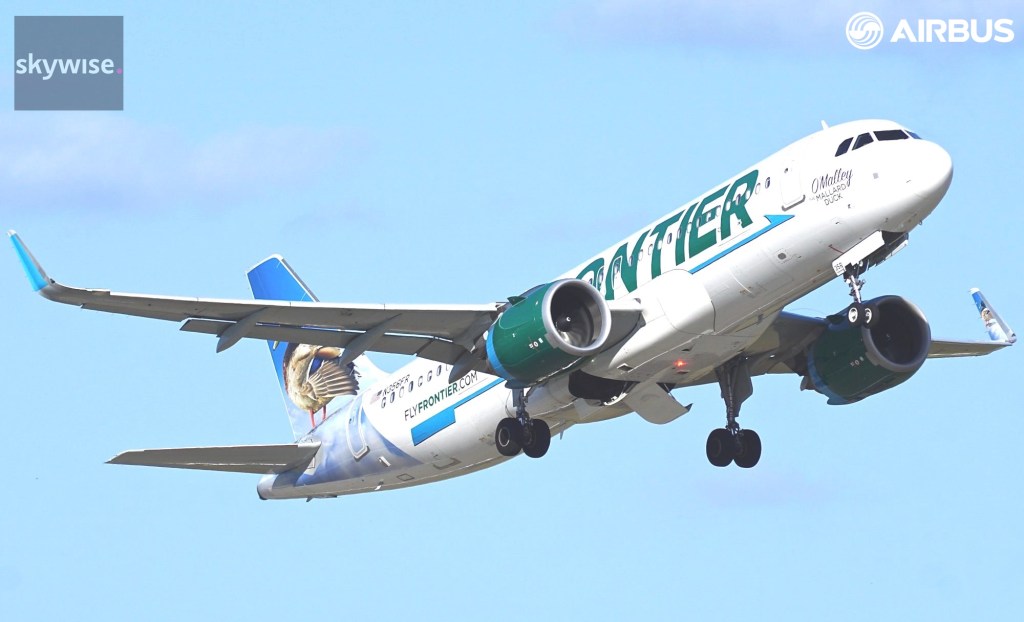
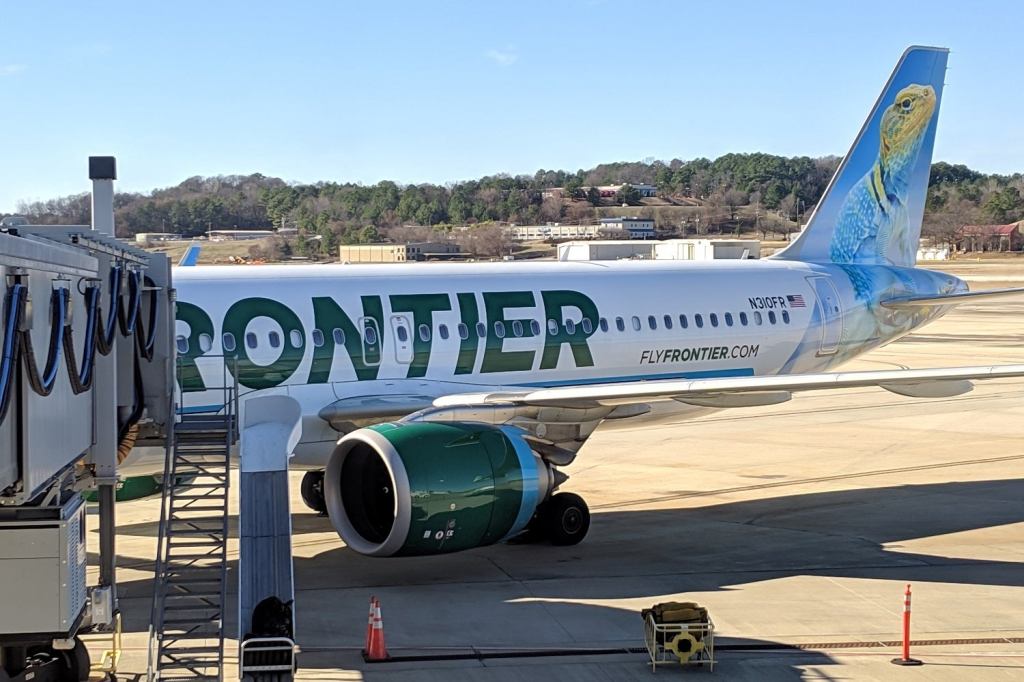
Frontier Airlines está adoptando la tecnología Skywise Health Monitoring (SHM) de Airbus Group en toda su flota de aviones A320NEO, según un comunicado de prensa del 14 de Octubre de 2021. SHM le dará a Frontier la capacidad de recopilar diagnósticos de salud de flotas en vivo utilizando el enlace Aircraft Communications Addressing and Reporting System (ACARS) del A320NEO y el Enrutador de Datos Flight Operations and Maintenance Exchanger (FOMAX) y transmitirlo directamente a su sistema de intercambio de información de aerolíneas. Según Airbus, Frontier ha firmado un contrato de cinco años para que SHM opere en un total de 111 aviones A320NEO.

Airbus señala que el enrutador de datos FOMAX es capaz de capturar más de 20,000 parámetros de aeronaves en tiempo real para permitir la gestión/corrección de eventos no programados de extremo a extremo, por ejemplo, anticipando la disponibilidad de herramientas y piezas más cercana a la aeronave. «Frontier utilizará la solución para su flota de la familia A320. SHM de Airbus apoyará a los equipos de mantenimiento e ingeniería de la aerolínea al permitir la gestión en tiempo real de los eventos de las aeronaves y la resolución de problemas», dijo Airbus en el comunicado.

Durante una llamada de prensa el 30de Junio de 2021, los líderes de Airbus, Delta Tech Ops y GE Digital explicaron cómo las tres entidades estaban formando una nueva alianza digital para expandir las herramientas de recopilación, almacenamiento y análisis de datos proporcionadas por Skywise. Según Lionel Rouby, Vicepresidente Senior de Soluciones Digitales de Innovación de Servicios al Cliente de Airbus Group, la infraestructura de computación en la nube para los servidores utilizados por Skywise contiene un total de 15 petabytes, o 15 millones de gigabytes totales de puntos de datos operativos de vuelo sobre piezas, sistemas y motores de aviones Airbus individuales en servicio. «El primer proyecto inicial en el que estamos trabajando con Delta y GE es sobre el mantenimiento predictivo, el monitoreo de la salud de la aeronave, el monitoreo de los mensajes generados por la aeronave y la recopilación de todos los datos generados para predecir fallas. El motor de esta solución es la recopilación de análisis, de conocimiento que predecirá y anticipará el modo de falla del equipo», dijo Lionel Rouby durante la llamada, explicando cómo la compañía está tratando de mejorar continuamente las capacidades de Skywise para aerolíneas como Frontier y otras que usan la plataforma.

La adopción de Skywise por parte de Frontier se produce en medio de una eliminación completa de sus A319 heredados, el último avión, el N949FR de cola, de esa flota se retiró el mes pasado, completando su vuelo final después de más de 15 años en servicio. La aerolínea opera la flota de A320NEO más grande de América del Norte, con una edad promedio de 4.1 años y aproximadamente 140 del mismo modelo de avión que permanecen en orden, según su sitio web.

Frontier Airlines embraces Skywise

Fleet A320NEO receives Airbus Skywese Health Monitoring

AW-Skywise_Isologotype_new

Airbus_Group_Logo_2014.svg - copia

Frontier Airlines is adopting Airbus Group‘s Skywise Health Monitoring (SHM) technology across its entire fleet of A320NEO aircraft, according to a press release dated October 14, 2021. SHM will give Frontier the ability to collect health diagnostics from fleets in live using the Aircraft Communications Addressing and Reporting System (ACARS) link from the A320NEO and the Flight Operations and Maintenance Exchanger (FOMAX) Data Router and transmit it directly to your airline information exchange system. According to Airbus, Frontier has signed a five-year contract for SHM to operate a total of 111 A320NEO aircraft.

AW-Frontier Airlines_A320N0001

Airbus notes that the FOMAX data router is capable of capturing more than 20,000 aircraft parameters in real time to enable end-to-end management/correction of unscheduled events, for example, anticipating the availability of tools and parts closer to the aircraft. «Frontier will utilize the solution for its A320 Family fleet. Airbus SHM will support the airline’s engineering and maintenance teams by enabling real-time management of aircraft events and troubleshooting», said Airbus at the notice.

During a press call on June 30, the leaders of Airbus, Delta Tech Ops and GE Digital explained how the three entities were forming a new digital alliance to expand the data collection, storage and analysis tools provided by Skywise. According to Lionel Rouby, Senior Vice President of Digital Customer Service Innovation Solutions at Airbus Group, the cloud computing infrastructure for the servers used by Skywise contains a total of 15 petabytes, or 15 million total gigabytes of operational data points. flight over individual Airbus aircraft parts, systems and engines in service. «The first initial project that we are working on with Delta and GE is on predictive maintenance, monitoring the health of the aircraft, monitoring the messages generated by the aircraft and collecting all the data generated to predict failures. The engine of this solution is the collection of analysis, of knowledge that will predict and anticipate the failure mode of the equipment», said Lionel Rouby during the call, explaining how the company is trying to continuously improve Skywise capabilities for airlines such as Frontier and others who use the platform.

Frontier’s adoption of Skywise comes amid a complete phase out of its legacy A319s, the latest aircraft, the tail N949FR, from that fleet was retired last month, completing its final flight after more than 15 years in service. The airline operates the largest fleet of A320NEOs in North America, with an average age of 4.1 years and about 140 of the same model aircraft remaining on order, according to its website.

PUBLISHER: Airgways.com
DBk: Flyfrontier.com / Airbus.com / Airgways.com
AW-POST: 202110211652AR

A\W   A I R G W A Y S ®

Embraer test sonorización E2

AW | 2021 10 01 21:30 | INDUSTRY / AVIATION TECHNOLOGY

Embraer continúa ensayos ruidos en E175-E2

Embraer_Isologotype_001

AW-Embraer E195-E2_1001

Embraer continúa evaluando la sonoridad de los nuevos E2-Jets persiguiendo bajar los decíbeles de ruido mejorando su condición como aeronave silenciosa. El tercer mayor fabricante de aviones del mundo, ha ganado muchos elogios de los clientes de los aviones E190-E2 y E195-E2 de segunda generación más modernos en los últimos años por la reducción de las emisiones de ruido, entre otros aspectos destacados.

Los países del mundo continúan marcando la presión sobre la aviación para reducir sus impactos en el medio ambiente, la huella de ruido que experimenta la población en las cercanías de los aeropuertos es uno de los aspectos incluidos en esta nueva realidad que el segmento tratará en los próximos años y décadas. El fabricante brasileño continúa avanzando en sus proyectos de reducción de ruido de la nueva familia de aviones más eficientes, buscando dar atención en el E175-E2, el miembro más pequeño de los tres modelos de la generación más actualizada.

Embraer ha presenta información visual sobre cómo se realizan los ensayos de las pruebas prácticas de vuelo del modelo para capturar los sonidos emitidos y estudiar cómo reducirlos aún más. El equipo montado en su Unidad de Gavião Peixoto, en el interior de São Paulo, del que participan ingenieros y pilotos, comentan los aspectos de la operación, como la disposición de los micrófonos y la precisión del lugar donde el avión necesita volar. «Nuestro equipo de treinta ingenieros y técnicos tardó varias semanas en instalar equipos sensibles hace unos meses en nuestras instalaciones de prueba en Gavião Peixoto. Los dispositivos midieron el ruido de despegue y aterrizaje de nuestro E-Jet más nuevo, el E175-E2, a medida que el avión pasaba a la certificación. El proceso está altamente coordinado entre las tripulaciones de tierra y los pilotos que deben volar el E2 en varios ángulos, velocidades y altitudes para construir un perfil de ruido para la aeronave a partir de casi 70,000 muestras de sonido generadas por segundo, capturadas en 96 micrófonos», dijo Embraer en su comunicado.

Embraer E2 sound system test

Embraer continues noise tests on E175-E2

AW-70004335

Embraer continues to evaluate the loudness of the new E2-Jets in pursuit of lowering the decibels of noise, improving their status as a silent aircraft. The third-largest aircraft manufacturer in the world, it has won much praise from customers for the most modern second-generation E190-E2 and E195-E2 aircraft in recent years for reduced noise emissions, among other highlights.

The countries of the world continue to put pressure on aviation to reduce its impact on the environment, the noise footprint experienced by the population in the vicinity of airports is one of the aspects included in this new reality that the segment will deal with in the years and decades to come. The Brazilian manufacturer continues to advance its noise reduction projects for the new family of more efficient aircraft, seeking to pay attention to the E175-E2, the smallest member of the three models of the most up-to-date generation.

Embraer has presented visual information on how the model’s practical flight tests are carried out to capture the emitted sounds and study how to reduce them further. The team assembled at its Gavião Peixoto Unit, in the interior of São Paulo, in which engineers and pilots participate, comment on the aspects of the operation, such as the arrangement of the microphones and the precision of the place where the plane needs to fly. «Our team of thirty engineers and technicians took several weeks to install sensitive equipment a few months ago at our test facility in Gavião Peixoto. The devices measured the takeoff and landing noise of our newest E-Jet, the E175-E2, to as the aircraft progressed to certification. The process is highly coordinated between ground crews and pilots who must fly the E2 at various angles, speeds and altitudes to build a noise profile for the aircraft from nearly 70,000 samples of sound generated per second, captured at 96 microphones», Embraer said in its statement.

Teste do sistema de som Embraer E2

Embraer continua testes de ruído no E175-E2

Embraer_Isotype

A Embraer continua avaliando o loudness dos novos jatos E2-Jets em busca de diminuir os decibéis de ruído, melhorando seu status de aeronave silenciosa. Terceira maior fabricante de aeronaves do mundo, ela ganhou muitos elogios dos clientes pelas mais modernas aeronaves de segunda geração E190-E2 e E195-E2 nos últimos anos por reduzir as emissões de ruído, entre outros destaques.

Os países do mundo continuam pressionando a aviação para reduzir o seu impacto no meio ambiente, a pegada sonora vivida pela população do entorno dos aeroportos é um dos aspectos incluídos nesta nova realidade que o segmento vai atender nos anos e nas próximas décadas. A fabricante brasileira continua avançando em seus projetos de redução de ruído para a nova família de aeronaves mais eficientes, buscando dar atenção ao E175-E2, o menor integrante dos três modelos da geração mais atual.

A Embraer apresentou informações visuais de como são realizados os testes práticos de voo do modelo para captar os sons emitidos e estudar como reduzi-los ainda mais. A equipe montada na Unidade Gavião Peixoto, no interior de São Paulo, da qual participam engenheiros e pilotos, comenta aspectos da operação, como a disposição dos microfones e a precisão do local por onde o avião deve voar. “Nossa equipe de trinta engenheiros e técnicos levou várias semanas para instalar equipamentos sensíveis há alguns meses em nossa instalação de testes em Gavião Peixoto. Os aparelhos mediram o ruído de decolagem e aterrissagem de nosso mais novo E-Jet, o E175-E2, conforme o aeronave progrediu para a certificação. O processo é altamente coordenado entre as equipes de solo e os pilotos que devem voar no E2 em vários ângulos, velocidades e altitudes para construir um perfil de ruído para a aeronave a partir de quase 70.000 amostras de som geradas por segundo, capturadas em 96 microfones“, a Embraer disse em seu comunicado.

PUBLISHER: Airgways.com
DBk: Embraer.com / Airgways.com
AW-POST: 202110012130AR

A\W   A I R G W A Y S ®

ATR tecnología hidrógeno

AW | 2021 09 27 20:57 | INDUSTRY / AVIATION TECHNOLOGY

ATR para tecnología combustible de hidrógeno

ATR_Isologotype

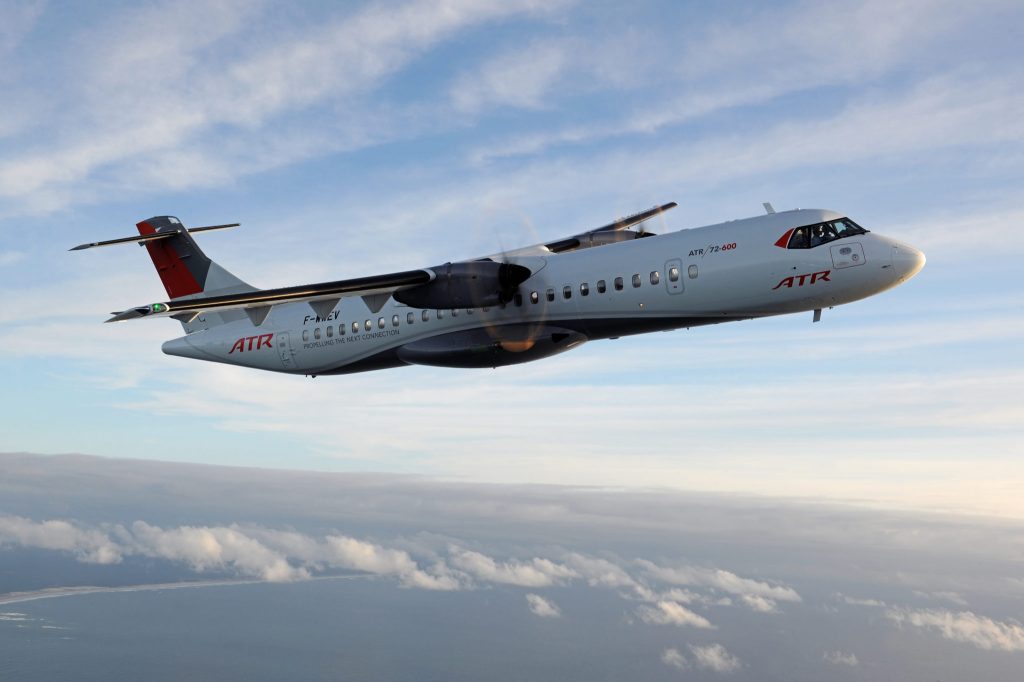
ATR Aircraft se encuentra estudiando la consideración del combustible de hidrógeno como parte de su impulso para mejorar el desempeño ambiental de sus aviones regionales, aunque dependerá de los accionistas del consorcio Airbus Group y Leonardo Company para investigar y desarrollar la tecnología.

«Somos muy pragmáticos. Somos una empresa con una plantilla de 1.200 personas; no tenemos 1.000 ingenieros para dedicarnos a I+D; no tenemos los grandes laboratorios ni los grandes bancos de pruebas», explicó. ATR considerará todas las tecnologías, incluida la híbrida-eléctrica, que reduce el CO2 lo emisiones e integrarlo en su plataforma, siempre y cuando resulte disponible y asequible, expresó el CEO de ATR Aircraft, Stefano Bortoli.

Bajo un proyecto denominado ZEROe, Airbus ha comenzado a desarrollar tres conceptos para un avión comercial de cero emisiones impulsado por hidrógeno que podría entrar en servicio en 2035. Uno de los diseños se centra en un doble turbohélice impulsado por combustión de hidrógeno en motores de turbina de gas modificados que podrían acomodar hasta 100 pasajeros y volar a un rango proyectado de hasta alrededor de 1.000 nm. La solución de hidrógeno debe ser evaluada, corroboró el Jefe de Ingeniería de ATR Aircraft, Daniel Cuchet, aunque advirtió que los colegas de Airbus aún no han determinado la mejor vía para el uso del hidrógeno. Además, el hidrógeno podría no funcionar para ATR. «No estamos construyendo un avión para ingenieros. Nuestros clientes quieren un avión robusto, asequible y versátil. No todos nuestros operadores estarían interesados en utilizar hidrógeno porque no es factible para ellos, por razones económicas o porque la infraestructura de hidrógeno pertinente no estará en su lugar. Muchos de nuestros aviones aterrizan en pistas sin pavimentar en islas remotas», dijo el ingeniero Daniel Cuchet.

Proceso maduración tecnológica

Hasta que la tecnología del hidrógeno esté madura, mezclar y eventualmente reemplazar el queroseno convencional a base de fósiles con Combustible de Aviación Sostenible (SAF) es una buena solución a corto plazo, afirmó Daniel Cuchet. Todos los aviones ATR han obtenido la certificación para volar con una mezcla 50/50, y la compañía tiene como objetivo obtener la certificación para el uso del 100 por ciento de SAF para 2025.

Cadena producción

Al igual que otros fabricantes de fuselajes, 2020 marcó un mal año para el fabricante de turbohélices franco-italiano. La situación está mejorando, y las entregas han comenzado a acelerarse después de un casi estancamiento en 2020. Actualmente, alrededor de veinticinco turbohélices ATR (25) entre ATR 42, ATR 72 y ATR 72F se encuentran en línea para el ensamblaje final. Eso se compara con un promedio de diez unidades pre-pandemia, según el Jefe de la línea de montaje final, Bertrand Villeneuve. ATR Aircraft tiene como objetivo entregar al menos el doble de aviones este año que en 2020, cuando entregó solo diez ejemplares a los clientes. Además, el número de pedidos debería superar el bajo nivel del año pasado de tres aviones netos. En lo que va de año, ATR ha firmado un acuerdo con la aerolínea griega Sky Express para seis nuevos ATR 72-600, pero espera anunciar más pedidos en el espectáculo aéreo de Dubai en noviembre.

Perspectiva mercado

ATR se centrará en el segmento de 30 a 50 asientos para volver a crecer. La división ATR 42/ATR 72 ahora es de 20/80 pasajeros, pero eso podría evolucionar a 40/60 siguiendo la nueva estrategia, dijo el Vicepresidente Comercial Senior Fabrice Vautier. La compañía franco-italiana estima que alrededor de 900 aviones envejecidos de 30 a 50 asientos necesitarán reemplazo en los próximos cinco a siete años. Estados Unidos, Australia, Canadá y Japón son los principales mercados objetivo. «Defenderemos vigorosamente el liderazgo que construimos en ese segmento, donde el segmento conlleva poca competencia», enfatizó Stefano Bertoli.

El pronóstico excluye a China, donde ATR ve mucho margen de crecimiento, principalmente para turbohélices de 30 asientos para servir al segmento de aviación general del país y turbohélices de 50 asientos para conectar aeropuertos regionales. Sin embargo, el acceso al mercado está resultando difícil. ATR continúa esperando que la Administración de Aviación Civil de China emita permisos para que el ATR 42 vuele en el país. El fabricante de fuselaje europeo esperaba la validación de la certificación de tipo ATR 42-600 en China en 3Q2020; ahora deposita sus esperanzas en mediados de 2022. Stefano Bertoli se abstuvo diplomáticamente de especular sobre las razones de la demora, diciendo solo que «todos los temas técnicos se resolvieron a su debido tiempo».

ATR hydrogen technology

ATR at Airbus for hydrogen fuel technology

ATR Aircraft is studying the consideration of hydrogen fuel as part of its drive to improve the environmental performance of its regional aircraft, although it will rely on shareholders from the Airbus Group and Leonardo Company consortium to research and develop the technology.

AW-ATR 72-600_001

«We are very pragmatic. We are a company with a staff of 1,200 people; we do not have 1,000 engineers to do R&D; we do not have the large laboratories or the large test benches», he explained. ATR will consider all technologies, including hybrid-electric, that reduce CO2 emissions and integrate it into its platform, as long as it is available and affordable, said ATR Aircraft CEO Stefano Bortoli.

Under a project called ZEROe, Airbus has begun developing three concepts for a hydrogen-powered zero-emission commercial aircraft that could enter service in 2035. One of the designs focuses on a hydrogen-combustion-powered twin-turboprop in turbine engines. modified gas engines that could accommodate up to 100 passengers and fly at a projected range of up to around 1,000 nm. The hydrogen solution needs to be evaluated, confirmed ATR Aircraft’s Chief of Engineering, Daniel Cuchet, although he cautioned that Airbus colleagues have not yet determined the best route to use hydrogen. Also, hydrogen might not work for ATR. «We are not building an aircraft for engineers. Our customers want a robust, affordable and versatile aircraft. Not all of our operators would be interested in using hydrogen because it is not feasible for them, for economic reasons or because the relevant hydrogen infrastructure will not be in their possession. Most of our planes land on unpaved runways on remote islands», said engineer Daniel Cuchet.

Technological maturation process

Until hydrogen technology is mature, mixing and eventually replacing conventional fossil-based kerosene with Sustainable Aviation Fuel (SAF) is a good short-term solution, Daniel Cuchet said. All ATR aircraft have been certified to fly a 50/50 mix, and the company aims to be certified for 100 percent SAF use by 2025.

Production chain

Like other airframe manufacturers, 2020 marked a bad year for the Franco-Italian turboprop maker. The situation is improving, and deliveries have started to pick up after a near stagnation in 2020. Currently, around twenty-five ATR turboprops (25) between ATR 42, ATR 72 and ATR 72F are on line for final assembly. That compares to an average of ten pre-pandemic units, according to the head of the final assembly line, Bertrand Villeneuve. ATR Aircraft aims to deliver at least twice as many aircraft this year as it did in 2020, when it delivered just ten copies to customers. In addition, the number of orders should exceed last year’s low level of three net aircraft. So far this year, ATR has signed an agreement with Greek airline Sky Express for six new ATR 72-600s, but expects to announce more orders at the Dubai air show in November.

Market outlook

ATR will focus on the 30-50 seat segment to grow again. The ATR 42/ATR 72 split is now 20/80 passengers, but that could evolve to 40/60 following the new strategy, said Senior Vice President Commercial Fabrice Vautier. The Franco-Italian company estimates that around 900 aging planes from 30 to 50 seats will need replacement in the next five to seven years. The United States, Australia, Canada and Japan are the main target markets. «We will vigorously defend the leadership we build in that segment, where the segment carries little competition», emphasized Stefano Bertoli.

The forecast excludes China, where ATR sees a lot of room for growth, mainly for 30-seat turboprops to serve the country’s general aviation segment and 50-seat turboprops to connect regional airports. However, market access is proving difficult. ATR continues to wait for the Civil Aviation Administration of China to issue permits for the ATR 42 to fly in the country. The European airframe manufacturer expected validation of the ATR 42-600 type certification in China in 3Q2020; now pinning his hopes on mid-2022. Stefano Bertoli diplomatically refrained from speculating on the reasons for the delay, saying only that «all technical issues were resolved in due time».

PUBLISHER: Airgways.com
DBk: Atraircraft.com / Airbus.com / Airgways.com
AW-POST: 202109272057AR

A\W   A I R G W A Y S ®