Primer A380 biocombustible

AW | 2022 03 28 22:22 | INDUSTRY / AVIATION TECHNOLOGY

Airbus prueba biocombustible en A380 por primera vez

Airbus_Isologotype_svg

El fabricante aeroespacial europeo Airbus Group dijo el Lunes 28/03 que ha realizado un primer vuelo de su avión A380 Superjumbo propulsado por Sombustible de Aviación Sostenible (SAF) enun 100%. El primer vuelo es parte de una serie de esfuerzos en curso para ayudar a las aerolíneas a llegar a emisiones neutras en carbono a mediados de siglo. Total Energies proporcionó 29 toneladas de SAF sin mezclar hecho principalmente de aceite de cocina usado, así como otras grasas de desecho. Un segundo vuelo con el mismo avión está programado para llevarse a cabo desde Toulouse al aeropuerto de Niza el martes para probar el uso de SAF durante el despegue y el aterrizaje.

El avión de prueba despegó del Aeropuerto de Blagnac en Toulouse, Francia, el Viernes 25/03 con uno de los cuatro motores Rolls-Royce Trent 900 al 100% SAF. El vuelo duró tres horas. Este es el tercer tipo de avión Airbus que vuela con el 100% de SAF en el último año. El primero fue un Airbus A350 en Marzo de 2021, seguido de un avión A319NEO de pasillo único en Octubre 2021.

La semana pasada, los 14 miembros de la Alianza Oneworld, que incluye American Airlines, Alaska Airlines y Finnair, anunciaron planes para comprar hasta 200 millones de galones de SAF por año al productor de combustibles renovables con sede en Colorado Gevo Inc. Es el segundo compromiso de compra conjunta de este tipo en cuatro meses. La entrega del combustible comenzará en 2027 bajo un acuerdo de cinco años. Gevo también firmó un acuerdo con Delta Air Lines para suministrar 75 millones de galones de SAF por año durante siete años a un precio futuro estimado de US$ 2.8 mil millones. El acuerdo reemplaza un acuerdo de 2019 con Delta para comprar 10 millones de galones por año a medida que Delta se esfuerza por incorporar más SAF en sus operaciones.

El combustible SAF de Gevo se produce utilizando productos de maíz no comestibles que se procesan para crear etanol que luego se convierte en SAF. Se espera que el combustible se produzca en tres instalaciones en desarrollo en el Medio Oeste.

DHL Express también anunció la semana pasada que BP y Neste se han comprometido a proporcionar más de 211 millones de galones de SAF en los próximos cinco años, ayudándole a ahorrar 2 millones de toneladas de CO2 y lograr el objetivo del 30% de uso de SAF para la aviación para 2030.

Perspectivas SAF

Aumentar el uso de SAF sigue siendo un camino clave para lograr la ambición de la industria de cero emisiones netas de carbono para 2050. El informe del plan para la aviación sostenible de la Asociación Internacional de Transporte Aéreo del año pasado indicó que SAF podría contribuir entre el 53% y el 71% de las reducciones de carbono requeridas. Los jets modernos están actualmente certificados para volar con hasta un 50% de mezcla de SAF mezclado con queroseno. Airbus tiene como objetivo lograr la certificación del 100% SAF para finales de esta década.

Los funcionarios de la industria dicen que SAF debe producirse en grandes cantidades para servir como un puente hacia la energía de hidrógeno de combustión limpia. La administración Biden ha establecido un objetivo para que Estados Unidos produzca 3 mil millones de galones de SAF para 2030.

Programa hidrógeno ZEROe

El avión A380 utilizado durante la prueba es el mismo avión revelado el mes pasado que el Demostrador ZEROe de Airbus, un banco de pruebas de vuelo para futuras tecnologías diseñadas para llevar el primer avión de cero emisiones del mundo al mercado para 2035. Airbus firmó un acuerdo de asociación con CFM International, una empresa conjunta entre GE y Safran Aircraft Engines, para colaborar en un importante programa de demostración de hidrógeno programado para comenzar las pruebas a mediados de la década. El objetivo del programa es realizar pruebas en tierra y vuelo con un motor de combustión directa alimentado por hidrógeno. El avión demostrador A380 estará equipado con tanques de hidrógeno líquido. Airbus fabricará los tanques en instalaciones en Francia y Alemania, definirá los requisitos del sistema de propulsión, supervisará las pruebas de vuelo y operará la aeronave. CFM modificará el combustor, el sistema de combustible y el sistema de control de un motor turbofan GE Passport para que funcione con hidrógeno. El motor, que se ensambla en los Estados Unidos, fue seleccionado debido a su tamaño físico, maquinaria turbo avanzada y capacidad de flujo de combustible. Se montará a lo largo del fuselaje trasero del banco de pruebas volador para permitir que las emisiones del motor, incluidas las estelas, se monitoreen por separado de las de los motores que impulsan la aeronave, según Airbus Group.

First biofuel A380

Airbus tests biofuel on A380 for the first time

The European aerospace manufacturer Airbus Group said on Monday 03/28 that it has made a first flight of its A380 Superjumbo aircraft powered by 100% Sustainable Aviation Fuel (SAF). The first flight is part of a series of ongoing efforts to help airlines become carbon neutral by mid-century. Total Energies provided 29 tons of unblended SAF made primarily from used cooking oil as well as other waste fats. A second flight with the same aircraft is scheduled to take place from Toulouse to Nice airport on Tuesday to test the use of SAF during takeoff and landing.

The test aircraft took off from Blagnac Airport in Toulouse, France, on Friday 03/25 with one of four Rolls-Royce Trent 900 engines at 100% SAF. The flight lasted three hours. This is the third type of Airbus aircraft to fly with 100% SAF in the last year. The first was an Airbus A350 in March 2021, followed by an A319NEO single-aisle aircraft in October 2021.

Last week, the 14 members of the Oneworld Alliance, which includes American Airlines, Alaska Airlines and Finnair, announced plans to buy up to 200 million gallons of SAF per year from Colorado-based renewable fuels producer Gevo Inc. It is the second joint purchase commitment of this type in four months. Delivery of the fuel will begin in 2027 under a five-year agreement. Gevo also signed an agreement with Delta Air Lines to supply 75 million gallons of SAF per year for seven years at an estimated future price of US$ 2.8 billion. The agreement replaces a 2019 agreement with Delta to purchase 10 million gallons per year as Delta works to incorporate more SAF into its operations.

Gevo’s SAF fuel is produced using non-edible corn products that are processed to create ethanol which is then converted to SAF. The fuel is expected to be produced at three development facilities in the Midwest.

DHL Express also announced last week that BP and Neste have committed to providing more than 211 million gallons of SAF over the next five years, helping it save 2 million tons of CO2 and achieve the 30% SAF usage target. for aviation by 2030.

SAF Perspectives

Increasing the use of SAF remains a key path to achieving the industry’s ambition of net-zero carbon emissions by 2050. Last year’s International Air Transport Association Plan for Sustainable Aviation report indicated that SAF could contribute among 53% and 71% of the required carbon reductions. Modern jets are currently certified to fly with up to 50% SAF mix mixed with kerosene. Airbus aims to achieve 100% SAF certification by the end of this decade.

Industry officials say SAF must be produced in large numbers to serve as a bridge to clean-burning hydrogen power. The Biden administration has set a goal for the United States to produce 3 billion gallons of SAF by 2030.

ZEROe hydrogen program

The A380 aircraft used during the test is the same aircraft revealed last month as Airbus’ ZEROe Demonstrator, a flight test bed for future technologies designed to bring the world’s first zero-emission aircraft to market by 2035. Airbus signed a partnership agreement with CFM International, a joint venture between GE and Safran Aircraft Engines, to collaborate on a major hydrogen demonstration program scheduled to begin testing in the middle of the decade. The objective of the program is to carry out ground and flight tests with a direct combustion engine fueled by hydrogen. The A380 demonstrator aircraft will be equipped with liquid hydrogen tanks. Airbus will manufacture the tanks at facilities in France and Germany, define propulsion system requirements, oversee flight tests and operate the aircraft. CFM will modify the combustor, fuel system and control system of a GE Passport turbofan engine to run on hydrogen. The engine, which is assembled in the United States, was selected due to its physical size, advanced turbo machinery, and fuel flow capabilities. It will be mounted along the rear fuselage of the flying test bed to allow engine emissions, including contrails, to be monitored separately from those of the engines powering the aircraft, according to Airbus Group.

PUBLISHER: Airgways.com
DBk: Airbus.com / Airgways.com
AW-POST: 202203282222AR
OWNERSHIP: Airgways Inc.
A\W A I R G W A Y S ®

Alaska test tecnología Silicon Valley

AW | 2022 03 23 14:07 | AIRLINES / AVIATION TECHNOLOGY

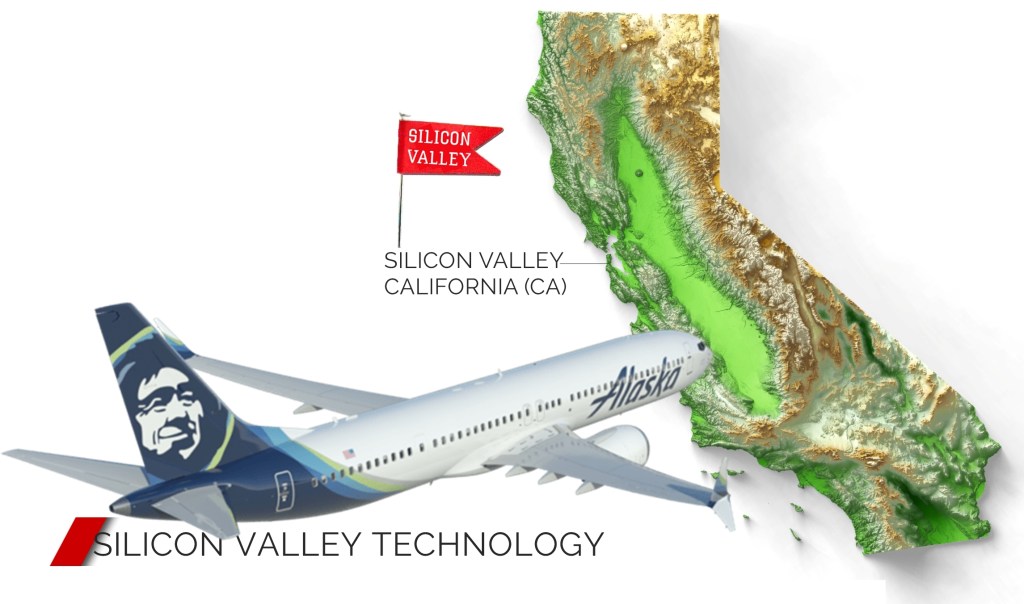
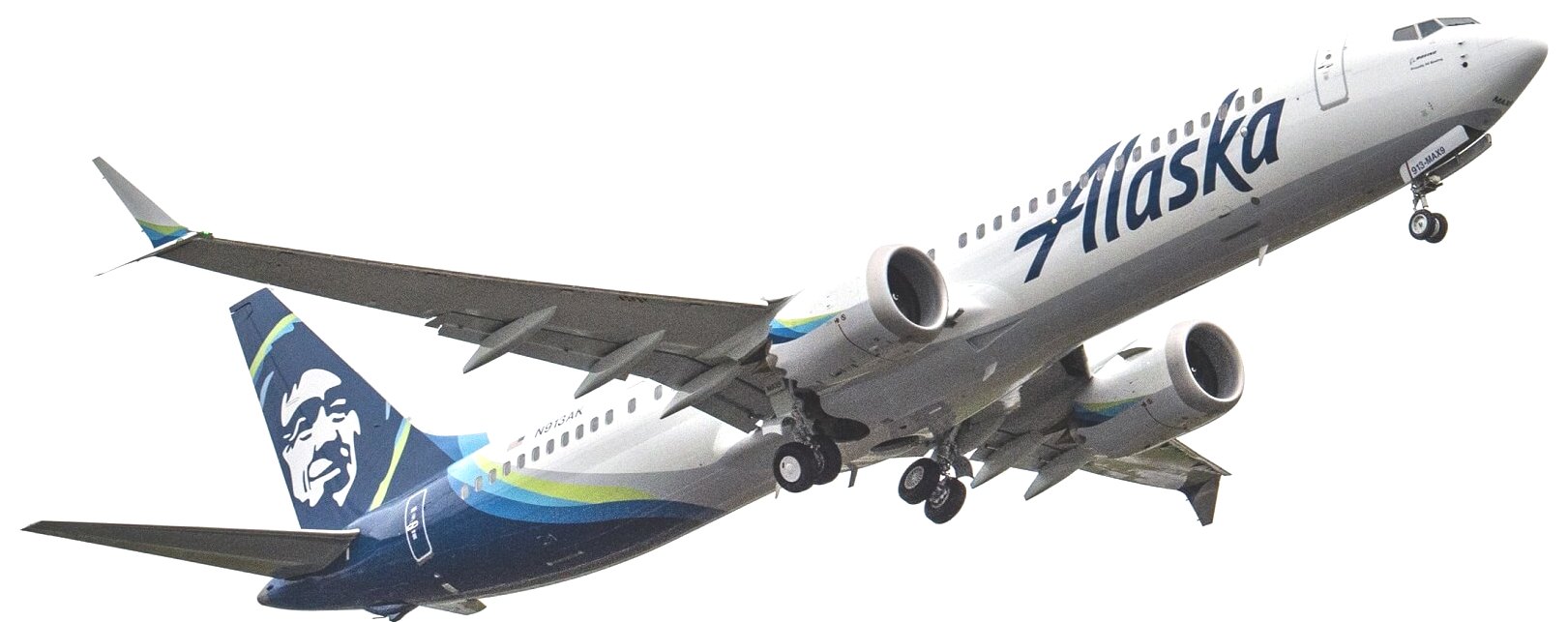
Alaska Airlines lanza tecnología en Silicon Valley
Tecnología para optimización experiencia pasajeros

AW-Alaska Airlines__Isologottype.wine

La aerolínea estadounidense Alaska Airlines está probando actualmente una nueva tecnología para optimizar la experiencia de los pasajeros en el Aeropuerto Internacional San José Mineta/SJC. Las nuevas tecnologías están enfocadas para avanzar en la forma en que las personas viajan. La aerolínea ha declarado que planea «modernizar los viajes desde reimaginar el vestíbulo hasta probar tecnología innovadora que agiliza la experiencia del aeropuerto hasta abordar su vuelo con biometría», expresó Alaska Airlines.

«A medida que hacemos crecer nuestra aerolínea y llevamos a más personas a más lugares, estamos buscando formas únicas de crear una experiencia de viaje perfecta para nuestros huéspedes. Estamos utilizando la tecnología para empoderar y equipar a nuestros empleados con las últimas herramientas para ofrecer el servicio más atento para nuestros huéspedes. California es el epicentro de la tecnología y el lugar perfecto para probar estas innovaciones», dijo Charu Jain, Vicepresidente Senior de Merchandising & Innovation.

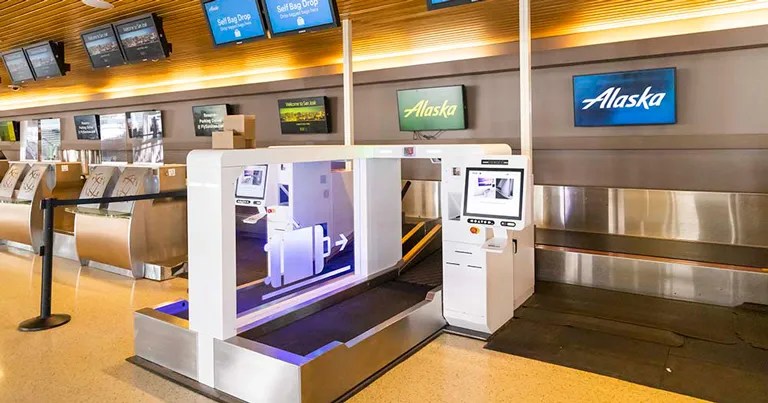
Alaska está introduciendo mesas equipadas con Apple iPad Pro que se pueden usar para escanear tarjetas de embarque, imprimir etiquetas de bolsas y bolsas de etiquetas. Como parte de la incubadora, la aerolínea está probando nueva tecnología en el Aeropuerto Internacional de San José Mineta (SJC), incluido un nuevo sistema de facturación y auto-entrega de equipaje que agilizará el proceso de facturación.

En el Aeropuerto San José Mineta/SJC, Alaska está introduciendo mesas equipadas con Apple iPad Pro que se pueden usar para escanear tarjetas de embarque, imprimir etiquetas de bolsas y bolsas de etiquetas. Para usar los iPads, los pasajeros deben escanear su tarjeta de embarque recibida al momento del check-in, luego imprimir su etiqueta de equipaje, y luego, una vez que su equipaje haya sido etiquetado, pueden dirigirse a la nueva estación de entrega de equipaje de Alaska para dejarlos. Se espera que la nueva mejora reduzca a la mitad el tiempo promedio de 8.5 minutos que pasan en el vestíbulo y brinde a los clientes más oportunidades para evitar áreas congestionadas.

Alaska también está permitiendo a los pasajeros registrarse para su vuelo utilizando la aplicación móvil o el sitio web de la aerolínea, donde también pueden pagar cualquier equipaje facturado y reservar comida para su vuelo. Los agentes de servicio al cliente también están equipados con iPad Mini para poder atender inmediatamente a los clientes en cualquier punto de contacto de Alaska. La aerolínea también ha presentado una nueva estación de entrega de equipaje en el Aeropuerto de San José. «Alaska fue la primera aerolínea en implementar quioscos de autoservicio en los aeropuertos en 2007, y esperamos ser los primeros en eliminarlos. Simplemente porque somos lo mejor posible cuando podemos conocer a los huéspedes donde están y poder cuidarlos en el momento en que ingresan a nuestro espacio», dijo Charu Jain.

La aerolínea utiliza actualmente tecnología biométrica para acelerar el proceso de embarque de vuelos internacionales desde SJC. «El embarque con tecnología biométrica utiliza el reconocimiento facial para verificar la identidad y acortar los procedimientos de seguridad para aquellos pasajeros que optan por los programas. Para los huéspedes que están preocupados por la seguridad, no retenemos ninguna imagen y ofrecemos a nuestros huéspedes la opción de optar por usar datos biométricos. Si bien nunca será obligatorio, creemos que es el futuro de los viajes», expresó Charu Jain. Sam Frost, Agente Principal de Servicio al Cliente de SJC, agregó: «Estoy emocionado de dar forma al futuro de la industria con nuestra nueva tecnología. En última instancia, hará que nuestros huéspedes se sientan más en control de su viaje y alineará nuestra experiencia de huésped con los espacios minoristas de líderes en la industria de la tecnología como Apple y Microsoft».

«El uso de tecnología emergente de Alaska Airlines para mejorar y agilizar la experiencia de los pasajeros en San José Mineta International proporcionará un tránsito más fluido de los pasajeros que llegan a SJC, y creará una puerta de entrada más acogedora a San José», dijo el Alcalde de San José, Sam Liccardo.

Alaska technology test Silicon Valley

Alaska Airlines launches technology in Silicon Valley
Technology to optimize passenger experience

AW-708801

US carrier Alaska Airlines is currently testing new technology to optimize the passenger experience at San José Mineta/SJC International Airport. New technologies are focused to advance the way people travel. The airline has stated that it plans to «modernize travel from reimagining the lobby to testing innovative technology that streamlines the airport experience to boarding your flight with biometrics», Alaska Airlines said.

«As we grow our airline and fly more people to more places, we’re looking for unique ways to create a seamless travel experience for our guests. We’re using technology to empower and equip our employees with the latest tools to deliver the more attentive service for our guests. California is the epicenter of technology and the perfect place to test these innovations», said Charu Jain, Senior Vice President of Merchandising & Innovation.

Alaska is introducing tables equipped with the Apple iPad Pro that can be used to scan boarding passes, print bag tags and tag bags. As part of the incubator, the airline is testing new technology at San José Mineta International Airport (SJC), including a new check-in and self-delivery baggage system that will streamline the check-in process.

ALASKA CURRENTLY TESTING NEW PASSENGER EXPERIENCE TECHNOLOGY AT SAN JOSÉ MINETA AIRPORT/SJC

At the San José Mineta/SJC Airport, Alaska is introducing tables equipped with Apple iPad Pro that can be used to scan boarding passes, print bag tags and label bags. To use the iPads, passengers must scan their boarding pass received at check-in, then print their bag tag, and then, once their bag has been tagged, they can proceed to the new bag drop station. from Alaska to drop them off. The new enhancement is expected to cut the 8.5-minute average time spent in the lobby in half and give customers more opportunities to avoid congested areas.

Alaska is also allowing passengers to check in for their flight using the airline’s mobile app or website, where they can also pay for any checked bags and reserve food for their flight. Customer service agents are also equipped with iPad Mini so they can immediately serve customers at any point of contact in Alaska. The airline has also unveiled a new bag drop station at San José Airport. «Alaska was the first airline to implement self-service airport kiosks in 2007, and we hope to be the first to eliminate them. Simply because we are at our best when we can meet guests where they are and take care of them the moment they walk into our space», said Charu Jain.

The airline is currently using biometric technology to expedite the boarding process for international flights from SJC. «Biometric boarding uses facial recognition to verify identity and shorten security procedures for those passengers who opt in to the programs. For guests who are concerned about security, we do not retain any images and offer our guests the option of choosing to use biometrics. While it will never be mandatory, we believe it is the future of travel», said Charu Jain. Sam Frost, Senior Customer Service Agent at SJC, added, «I’m excited to shape the future of the industry with our new technology. Ultimately, it will make our guests feel more in control of their trip and align our experience with the retail spaces of technology industry leaders such as Apple and Microsoft«.

«Alaska Airlines’ use of emerging technology to enhance and streamline the passenger experience at San Jose Mineta International will provide a more seamless flow of passengers arriving at SJC, and create a more welcoming gateway to San Jose», he said. San Jose Mayor Sam Liccardo.

PUBLISHER: Airgways.com
DBk: Alaskaair.com / Airgways.com
AW-POST: 202203231407AR
OWNERSHIP: Airgways Inc.
A\W A I R G W A Y S ®

Acuerdo aerolíneas y tecnología 5G

AW | 2022 01 29 11:33 | AVIATION TECHNOLOGY

Aerolíneas y operadoras logran acuerdo despliegue de 5G

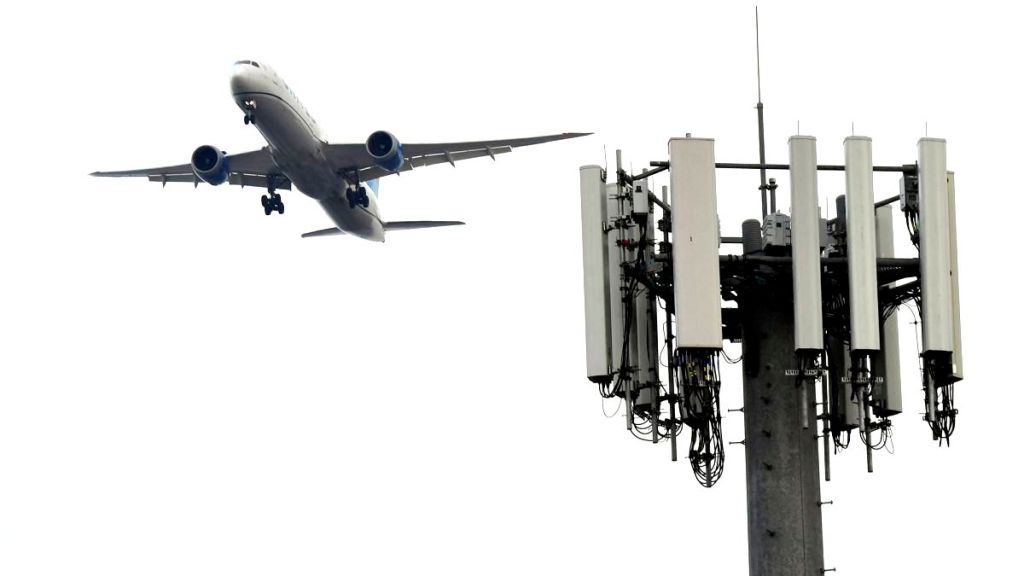
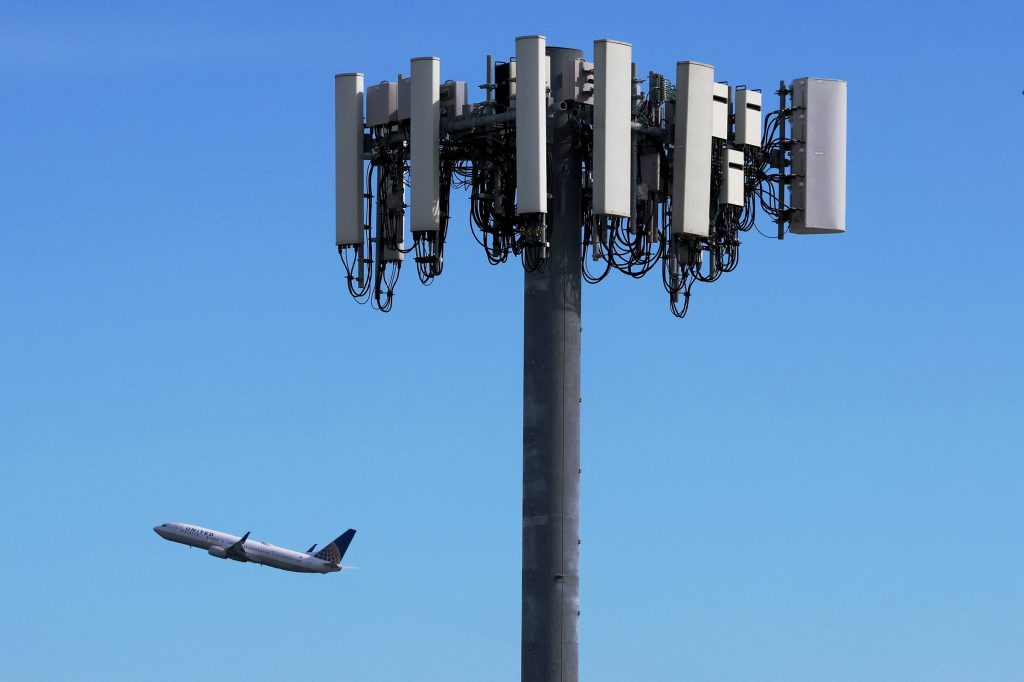
La Administración Federal de Aviación (FAA) de Estados Unidos ha anunciado un acuerdo con Verizon y AT&T para el despliegue de antenas de red celular 5G de manera que no interfieran con la operación aérea en aeropuertos en todo Estados Unidos. El despliegue de la Banda C 5G enfrentó a las operadoras de telefonía celular y a las aerolíneas de Estados Unidos, que argumentaron que la nueva red, que permite conexiones móviles sustancialmente más rápidas, ponía en riesgo la operación de instrumentos de vuelo como radio-altímetros, usados para determinar qué tan cerca o lejos está un avión del piso.

En medio de críticas de la industria aeronáutica, AT&T y Verizon lanzan la red 5G de Banda C. Las preocupaciones radican en la cercanía de la banda C 5G y la radio-frecunecia utilizada por los instrumentos de vuelo. Mientras la red 5G en la banda C opera entre los 3.7 y los 3.98 GHz, los instrumentos de vuelo funcionan entre los 4.2 y los 4.4 GHz, lo que provocó temores de posibles interferencias con efectos negativos. El acuerdo señala que las operadoras darán información más precisa a la FAA sobre la ubicación de las antenas 5G. Además, tendrán una mayor participación en el análisis de cómo la señal 5G puede interferir con instrumentos de aviación.

“La FAA usó estos datos para determinar que es posible mapear de manera segura y más precisa el tamaño y la forma de las áreas alrededor de los aeropuertos donde se mitigan las señales 5G, reduciendo las zonas donde los operadores inalámbricos posponen las activaciones de sus antenas. Esto permitirá a los proveedores inalámbricos encender más torres de manera segura a medida que implementan el nuevo servicio 5G en los principales mercados de los Estados Unidos», expresó la agencia de la FAA. Nick Ludlum, Director de Comunicación del grupo CTIA, que representa a empresas de telecomunicaciones, comentó que el acuerdo es una señal positiva: “Destaca el progreso notable de la industria de telecomunicaciones, la industria aérea, y de que la FAA y la FCC hacen todo lo posible para robustecer los servicios 5G y mantener seguros los vuelos”.

Agreement airlines and 5G technology

Airlines and operators reach 5G deployment agreement

The Federal Aviation Administration (FAA) of the United States has announced an agreement with Verizon and AT&T for the deployment of 5G cellular network antennas in a way that does not interfere with air operations at airports throughout the United States. The deployment of Band C 5G confronted cell phone operators and airlines in the United States, who argued that the new network, which allows substantially faster mobile connections, put at risk the operation of flight instruments such as radio altimeters, used to determine how close or far an aircraft is from the ground.

Amid criticism from the airline industry, AT&T and Verizon launch C-Band 5G network. Concerns lie in the closeness of C-Band 5G and the radio frequency used by flight instruments. While the 5G network in the C band operates between 3.7 and 3.98 GHz, the flight instruments operate between 4.2 and 4.4 GHz, which raised fears of possible interference with negative effects. The agreement indicates that the operators will give more precise information to the FAA about the location of the 5G antennas. In addition, they will have a greater participation in the analysis of how the 5G signal can interfere with aviation instruments.

“The FAA used this data to determine that it is possible to safely and more accurately map the size and shape of areas around airports where 5G signals are mitigated, reducing the areas where wireless carriers postpone activations of their antennas. This will allow wireless providers to safely power up more towers as they roll out new 5G service in major markets across the United States», said the FAA agency. Nick Ludlum, Director of Communications for the CTIA group, which represents telecommunications companies, commented that the agreement is a positive sign: “It highlights the remarkable progress of the telecommunications industry, the airline industry, and that the FAA and the FCC do everything possible to strengthen 5G services and keep flights safe”.

PUBLISHER: Airgways.com
DBk: Faa.gov / Verizon.com / Att.com / Airgways.com
AW-POST: 202201291133AR
OWNERSHIP: Airgways Inc.
A\W A I R G W A Y S ®

Estrena tecnología 5G en aviación

AW | 2022 01 20 07:10 | AVIATION TECHNOLOGY / AIRLINES

Varias aerolíneas cancelan vuelos estreno 5G en Estados Unidos

La nueva tecnología 5G (Quinta Generación) ha sido puesta al servicio de la aviación comercial en algunos sectores de los aeropuertos y aerolíneas de Estados Unidos en una fase a modo prueba. El inicio de la implementación ha generado decenas de vuelos que fueron cancelados o modificados este Miércoles 19/01 en todo el mundo para evitar posibles problemas con la nueva red móvil 5G que ha estrenado los gigantes estadounidenses de las telecomunicaciones AT&T y Verizon. A pesar de que las dos empresas accedieron el martes a última hora a retrasar el encendido de torres cercanas a algunos aeropuertos, el tráfico aéreo se vio penalizado por el temor de las aerolíneas a que ciertos instrumentos que usan para la navegación se vieran afectados por las nuevas frecuencias utilizadas por las operadoras.

Emirates Airline, Air India, Lufthansa Airlines, British Airways y Japan Airlines, entre otras, anunciaron cancelaciones o cambios de vuelos con destino a Estados Unidos por este motivo. Algunas de ellas habían decidido las modificaciones antes de que el Martes 18/01 Verizon y AT&T, presionadas por las autoridades estadounidenses, aceptaran posponer la entrada en servicio de algunas de sus torres. El acuerdo llegó después de que el sector aéreo advirtiera que la entrada en funcionamiento del 5G podría tener consecuencias catastróficas en sus operaciones. Según las compañías aéreas, las nuevas bandas de frecuencia de 3,7 a 3,8 Gigahercios (GHz), el llamado espectro de Banda C, que brindará a las redes un mayor alcance geográfico y señales más rápidas, pueden provocar que muchos sistemas de seguridad de los aviones se vuelvan inutilizables. En concreto, a las aerolíneas y los fabricantes de aviones como Airbus y Boeing les preocupa que las nuevas señales 5G puedan interferir en los radioaltímetros de los aviones, que miden la distancia entre la aeronave y el suelo, así como los sistemas de datos que ayudan a los aviones a aterrizar.

El Presidente de Emirates Airline, Tim Clark, calificó la situación como uno de los episodios más “negligentes y absolutamente irresponsables” que ha visto en su carrera en el mundo de la aviación. Aseguró que su compañía no tuvo conocimiento de algunos de los posibles problemas hasta este mismo Martes 18/01. “No sabíamos que la potencia de las antenas en Estados Unidos se había doblado en comparación con lo que hay en otros sitios. No sabíamos que las propias antenas se habían colocado en posición vertical en lugar de con una ligera inclinación”, dijo el ejecutivo, que apuntó que esa combinación compromete no sólo los radioaltímetros sino los sistemas de control de vuelo conocidos como fly-by-wire. Según explicó, teniendo en cuenta esas informaciones, Emirates Airline decidió a última hora del Martes 18/01 suspender servicios a los aeropuertos en cuestión hasta tener más claridad.

Tecnología clave

Aunque el despliegue de redes 5G parecidas se ha hecho ya en otros países sin ningún problema, en Estados Unidos la cuestión ha desencadenado un fuerte choque entre las aerolíneas y las compañías de telecomunicaciones, que habían recibido el visto bueno de las autoridades para proceder y que defienden que las nuevas frecuencias no interfieren con los aviones. “La Administración Federal de Aviación (FAA) y las aerolíneas de nuestro país no han sido capaces de resolver por completo cómo navegar el 5G alrededor de los aeropuertos, a pesar de que es seguro y plenamente operativo en más de 40 países”, señaló Verizon, el líder en telefonía celular de Estados Unidos. Tanto esta compañía como su rival AT&T han gastado miles de millones de Dólares para adquirir licencias y desplegar esta nueva tecnología, que ofrece velocidades de transferencia de datos mucho más rápidas que las usadas hasta ahora. “Los estadounidenses han estado clamando por el 5G y mañana vamos a cumplir”, dijo este Martes 18/01 Verizon en un comunicado confirmando la puesta en marcha del servicio. Verizon espera que 90 millones de personas tengan acceso a su red 5G este mes en grandes ciudades del país, mientras que AT&T prevé dar cobertura a hasta 75 millones de usuarios para final de año.

Launches 5G technology in aviation

Several airlines cancel flights premiere 5G in the United States

The new 5G (Fifth Generation) technology has been put at the service of commercial aviation in some sectors of airports and airlines in the United States in a test phase. The start of the implementation has generated dozens of flights that were canceled or modified this Wednesday 01/19 around the world to avoid possible problems with the new 5G mobile network that the American telecommunications giants AT&T and Verizon have launched. Despite the fact that the two companies agreed at the last minute to delay the lighting of towers near some airports, air traffic was penalized by the fear of the airlines that certain instruments they use for navigation would be affected by the new frequencies used by operators.

Emirates Airline, Air India, Lufthansa Airlines, British Airways and Japan Airlines, among others, announced cancellations or changes of flights to the United States for this reason. Some of them had decided on the modifications before on Tuesday 01/18 Verizon and AT&T, pressured by the US authorities, agreed to postpone the entry into service of some of their towers. The agreement came after the airline sector warned that the entry into operation of 5G could have catastrophic consequences for its operations. According to airlines, the new frequency bands of 3.7 to 3.8 Gigahertz (GHz), the so-called C-Band spectrum, which will give networks greater geographical reach and faster signals, may cause many aircraft safety become unusable. In particular, airlines and aircraft manufacturers such as Airbus and Boeing are concerned that the new 5G signals could interfere with aircraft radio altimeters, which measure the distance between the aircraft and the ground, as well as the data systems that help the planes to land.

Emirates Airline Chairman Tim Clark called the situation one of the most «negligent and utterly irresponsible» episodes he has seen in his aviation career. He assured that his company was not aware of some of the possible problems until this very Tuesday, 01/18. “We did not know that the power of the antennas in the United States had doubled compared to what is in other places. We did not know that the antennas themselves had been placed in a vertical position instead of with a slight inclination”, said the executive, who pointed out that this combination compromises not only the radio altimeters but also the flight control systems known as fly-by-wire. As he explained, taking into account this information, Emirates Airline decided at the last minute of Tuesday 01/18 to suspend services to the airports in question until it had more clarity.

Key technology

Although the deployment of similar 5G networks has already been done in other countries without any problem, in the United States the issue has triggered a strong clash between airlines and telecommunications companies, which had received the approval of the authorities to proceed and that they defend that the new frequencies do not interfere with the airplanes. «The Federal Aviation Administration (FAA) and our nation’s airlines have not been able to fully figure out how to navigate 5G around airports, even though it is secure and fully operational in more than 40 countries», Verizon said, the leader in mobile telephony in the United States. Both this company and its rival AT&T have spent billions of dollars to acquire licenses and deploy this new technology, which offers data transfer speeds much faster than those used until now. «Americans have been clamoring for 5G and tomorrow we will comply», Verizon said this Tuesday, 01/18, in a statement confirming the launch of the service. Verizon expects 90 million people to have access to its 5G network this month in large cities across the country, while AT&T plans to cover up to 75 million users by the end of the year.

PUBLISHER: Airgways.com
DBk: Att.com / Verizon.com / Faa.gov / Emirates.com / Airgways.com
AW-POST: 202201200710AR
OWNERSHIP: Airgways Inc.
A\W A I R G W A Y S ®

FAA aprueba test tecnología 5G

AW | 2022 01 09 17:37 | AVIATION ORGANISMS / AVIATION SAFETY / AVIATION TECHNOLOGY

FAA empleará zonas amortiguamiento en 50 aeropuertos

FAA-Isologotype

La Administración Federal de Aviación (FAA) de Estados Unidos ha anunciado que empleará la nueva tecnología 5G en unos cincuenta aeropuertos estadounidenses en zonas denominadas de amortiguamiento. El organismo regulador de aviación estadounidense ha expresado este Viernes 07/01 la publicación de una lista de cincuenta aeropuertos de Estados Unidos que tendrán zonas de amortiguamiento, o áreas donde las compañías de tecnología AT&T y Verizon acordaron limitar las señales 5G durante seis meses como lapso de pruebas.

AW-7033446

La Administración Federal de Aviación dijo que trabajó con la comunidad de aviación para identificar zonas de amortiguamiento que reducirían los riesgos de interrupción, teniendo en cuenta factores como el volumen de tráfico, la cantidad de días de baja visibilidad y la ubicación geográfica. La agencia dijo que muchos aeropuertos actualmente no se ven afectados por el despliegue de AT&T y el próximo 5G de Verizon, un servicio que los operadores inalámbricos activarán el 19 de enero después de varios retrasos. Las zonas de amortiguamiento están destinadas a reducir la posible interferencia de las antenas 5G con los instrumentos de altímetros de las aeronaves.

Los aeropuertos que se incluyeron en la lista corresponden a Dallas/Love Field (TX), que es un importante centro de pasajeros de Southwest Airlines, y Chicago/O’Hare (IL), que es un importante centro de distribución de United Airlines y American Airlines. Instalaciones que actúan como centros de Carga y jets privados, como los aeropuertos de Indianápolis/IND, el norte de Nueva Jersey y el Aeropuerto Nueva York/JKF, también fueron parte de los seleccionados. Además, la lista incluye aeropuertos en Austin/AUS, Nashville/BNA, Houston/IAH, Los Angeles/LAX, Miami/MIA, Seattle/SEA, San Francisco/SFO, entre otros.

El anuncio de la FAA se produce en medio de un alto el fuego temporal entre los reguladores de transporte y los grupos de aviación, a quienes les preocupa que las antenas 5G cerca de algunos aeropuertos puedan afectar la precisión de las lecturas de los altímetros, y los reguladores de telecomunicaciones y las empresas inalámbricas, que sostienen que la tecnología 5G no planteará problemas con seguridad.

AT&T y Verizon acordaron una pausa para implementar la tecnología 5G por dos semanas adicionales a pedido de las agencia federal de aviación. Este movimiento fue un cambio rápido por parte de las compañías inalámbricas. AT&T y Verizon compraron casi todo el espectro inalámbrico de banda C subastado por la FCC en 2021, gastando un total combinado de caso US$ 70 mil millones de Dólares para mejorar sus redes tecnológicas 5G.

Sobre el los próximos seis meses, durante ese tiempo, AT&T y Verizon acordaron mantener las barreras alrededor en cincuenta aeropuertos, la FAA trabajará con los fabricantes de aerolíneas y las aerolíneas para confirmar si los aviones pueden operar de manera segura después de que se active el servicio 5G para los operadores inalámbricos.

FAA approves 5G technology test

FAA to use buffer zones at 50 airports

AW-5G-Mobil Technology

The Federal Aviation Administration (FAA) of the United States has announced that it will use the new 5G technology in about fifty American airports in so-called buffer zones. The US aviation regulatory body has expressed this Friday 01/07 the publication of a list of fifty airports in the United States that will have buffer zones, or areas where technology companies AT&T and Verizon agreed to limit 5G signals for a period of six months. of tests.

The Federal Aviation Administration said it worked with the aviation community to identify buffer zones that would reduce disruption risks, taking into account factors such as traffic volume, number of days of low visibility and geographic location. The agency said many airports are currently unaffected by the rollout of AT&T and Verizon’s upcoming 5G, a service that wireless carriers will activate on January 19 after several delays. Buffer zones are intended to reduce possible interference from 5G antennas with aircraft altimeter instruments.

The airports included in the list are Dallas/Love Field (TX), which is a major passenger hub for Southwest Airlines, and Chicago/O’Hare (IL), which is a major distribution hub for United Airlines and American Airlines. Facilities that act as Freight hubs and private jets, such as the Indianapolis/IND, Northern New Jersey, and New York/JKF Airport were also among those selected. Additionally, the list includes airports in Austin/AUS, Nashville/BNA, Houston/IAH, Los Angeles/LAX, Miami/MIA, Seattle/SEA, San Francisco/SFO, among others.

The FAA’s announcement comes amid a temporary ceasefire between transportation regulators and aviation groups, who are concerned that 5G antennas near some airports could affect the accuracy of altimeter readings, and telecom regulators and wireless companies, who argue that 5G technology will pose no problems for sure.

AT&T and Verizon agreed to a pause to implement 5G technology for an additional two weeks at the request of the federal aviation agencies. This move was a quick change on the part of the wireless companies. AT&T and Verizon bought nearly all of the C-band wireless spectrum auctioned by the FCC in 2021, spending a combined US$ 70 billion case to upgrade their 5G technology networks.

Over the next six months, during that time, AT&T and Verizon agreed to keep barriers around fifty airports, the FAA will work with airline manufacturers and airlines to confirm whether the planes can operate safely after the 5G service for wireless carriers.

PUBLISHER: Airgways.com
DBk: Faa.gov / Att.com / Verizon.com / Airgways.com
AW-POST: 202201091737AR
OWNERSHIP: Airgways Inc.
A\W A I R G W A Y S ®

EANA digitalización Córdoba

AW | 2021 12 31 08:58 | AIRPORTS / AVIATION TECHNOLOGY

Digitalización Aeropuerto Córboba/FIR Córdoba

EANA_Isologotype

La Empresa Argentina de Navegación Aérea S.E., EANA, completó en Córdoba, Argentina, la instalación y puesta en servicio del nuevo Sistema de Conmutación de Voz de la torre de control del Aeropuerto Internacional Ingeniero Aeronáutico Ambrosio Taravella y del Centro de Control de Área Córdoba. La empresa del Ministerio de Transporte da un paso más en el avance hacia la modernización y digitalización total de sus sistemas de comunicaciones aeronáuticas en todo el país.

El Voice Communications System (VCS), la instalación del nuevo sistema forma parte del Plan Estratégico de EANA 2020-2024 con el que se avanza en la digitalización plena de los sistemas en todo el país. El VCS es el elemento central de la infraestructura de comunicaciones tanto de la torre de control como del centro de control de área. Los enlaces terrestres de comunicaciones (MPLS) dispondrán ahora de respaldo satelital VSAT, provisto por ARSAT, lográndose así la necesaria redundancia total del sistema. Asimismo, EANA implementó un sistema de comunicación de respaldo por IP, que brinda al control de tránsito aéreo una alternativa de comunicación ante un eventual inconveniente en la operación del VCS. El nuevo sistema es de última generación y fue adquirido a la empresa austríaca Frequentis.

Con esta implementación, enmarcada en el Plan de Modernización del Transporte impulsado por el Ministerio de Transporte de la Nación, se logra la redundancia plena que garantiza una mayor disponibilidad del sistema aún ante la salida de servicio de alguno de sus componentes. Debido a la importancia central del VCS en la operación de los servicios de navegación aérea, el reemplazo del sistema antiguo por el nuevo se llevó a cabo sin afectar el normal funcionamiento del control de tránsito aéreo.

A través del nuevo VCS, el personal del control de tránsito aéreo puede acceder y utilizar los equipos de VHF tanto locales como remotos, a la vez que podrá integrar hasta 63 líneas telefónicas, esenciales para la coordinación operativa entre distintas dependencias de la región y el país, tanto en la red de telecomunicaciones aeronáuticas (ATN) como en la red pública (PSTN).

El nuevo equipamiento cuenta con 42 puestos de operación totalmente equipados de acuerdo a estándares internacionales y gestiona hasta 78 equipos de radio. La capacidad de almacenamiento de registros de audio, provenientes ahora de hasta 236 canales, es de un total de 60 días.

Las comunicaciones de voz para el Control de Tránsito Aéreo en ruta se establecen mediante enlaces de VHF-AM. Debido a su alcance limitado, de algunos cientos de km, y con el objetivo de garantizar la cobertura de las comunicaciones en todas las Flight Information Regions (FIR) del espacio aéreo argentino, EANA cuenta con la denominada Red de Avanzada de Estaciones de VHF Aeronáuticas (REAVA). La REAVA consta de estaciones remotas distribuidas dentro del vasto territorio que abarca una FIR, y sus respectivas estaciones principales. En cada FIR, las estaciones remotas se encuentran interconectadas con la estación principal mediante enlaces terrestres y satelitales. Esto permite establecer comunicaciones entre el personal que opera desde la estación principal de una FIR y las aeronaves ubicadas en las inmediaciones de cualquier estación remota, de forma transparente.

EANA digitization Córdoba

Digitization of Córboba Airport/Córdoba FIR

EANA_Isologotype

The Argentine Air Navigation Company S.E., EANA, completed in Córdoba, Argentina, the installation and commissioning of the new Voice Switching System of the control tower of the Ambrosio Taravella Aeronautical Engineer International Airport and the Córdoba Area Control Center. The company of the Ministry of Transport takes another step in the advance towards the modernization and total digitization of its aeronautical communications systems throughout the country.

The Voice Communications System (VCS), the installation of the new system is part of the EANA 2020-2024 Strategic Plan with which progress is being made in the full digitization of systems throughout the country. The VCS is the central element of the communications infrastructure of both the control tower and the area control center. The terrestrial communications links (MPLS) will now have VSAT satellite backup, provided by ARSAT, thus achieving the necessary total redundancy of the system. Likewise, EANA implemented a backup communication system over IP, which provides air traffic control with a communication alternative in the event of a possible inconvenience in the operation of the VCS. The new system is state-of-the-art and was purchased from the Austrian company Frequentis.

With this implementation, framed in the Transportation Modernization Plan promoted by the Ministry of Transportation of the Nation, full redundancy is achieved that guarantees greater availability of the system even when some of its components go out of service. Due to the central importance of the VCS in the operation of air navigation services, the replacement of the old system by the new one was carried out without affecting the normal operation of air traffic control.

Through the new VCS, air traffic control personnel can access and use both local and remote VHF equipment, while also being able to integrate up to 63 telephone lines, essential for operational coordination between different dependencies in the region and the country, both in the aeronautical telecommunications network (ATN) and in the public network (PSTN).

The new equipment has 42 fully equipped operating stations in accordance with international standards and manages up to 78 radio sets. The storage capacity for audio records, now coming from up to 236 channels, is a total of 60 days.

Voice communications for Air Traffic Control en route are established through VHF-AM links. Due to its limited range, of a few hundred km, and in order to guarantee communication coverage in all Flight Information Regions (FIR) of the Argentine airspace, EANA has the so-called Advanced Network of Aeronautical VHF Stations (REAVA). The REAVA consists of remote stations distributed within the vast territory covered by a FIR, and their respective main stations. In each FIR, the remote stations are interconnected with the main station through terrestrial and satellite links. This allows establishing communications between the personnel operating from the main station of an FIR and the aircraft located in the vicinity of any remote station, in a transparent way.

PUBLISHER: Airgways.com
DBk: Eana.com.ar / Airgways.com
AW-POST: 202112310858AR

A\W   A I R G W A Y S ®
EANA digitalización Comodoro Rivadavia

AW | 2021 12 30 09:48 | AIRPORTS / AVIATION TECHNOLOGY

Aeropuerto Comodoro Rivadavia incorpora digitalización

La Empresa Argentina de Navegación Aérea S.E. (EANA), del Ministerio de Transporte de Argentina, completó e inauguró la digitalización plena del Sistema de Conmutación de Voz (Voice Switching System/VCS), del Aeropuerto Internacional Comodoro Rivadavia/Gral. Enrique Mosconi. El denominado VCS, representa el centro neurálgico del equipamiento de comunicaciones de la torre de control y del centro de control de área. Esta implementación representa una importante mejora tecnológica y de servicio. Previo a su instalación se disponía únicamente de una sola frecuencia de comunicación, con tecnología y enlaces analógicos, los cuales estaban próximos al límite de su vida útil. Ahora los enlaces terrestres MPLS dispondrán además de una alternativa satelital VSAT, provista por ARSAT, por lo que el sistema ofrecerá una redundancia total. La actualización del VCS, incluida en el Plan Estratégico de EANA 2020-2024, permitió a la empresa habilitar una segunda frecuencia IP en todas las estaciones remotas de comunicación (EAVAS) de la región de información de vuelo (FIR). A partir de ahora, todas sus comunicaciones serán del tipo voz sobre IP (VOIP).

Debido a su importancia central en la operación de los servicios de navegación aérea, la renovación del VCS, en un trabajo coordinado por el personal técnico de EANA, se llevó a cabo sin alteración del servicio del control de tránsito aéreo. El nuevo VCS de Comodoro Rivadavia permite, al centralizar las comunicaciones aeronáuticas, manejar hasta 50 equipos de radio, que el personal de control de tránsito aéreo opere los equipos de radio VHF locales y remotos, y que pueda efectuar llamadas telefónicas tanto en la red de comunicaciones aeronáuticas (ATN) como en la red pública (PSTN).

Al finalizar estos trabajos de modernización y migración tecnológica, incluidos en el Plan de Modernización del Transporte Aéreo que lleva adelante el Ministerio de Transporte de la Nación, Comodoro Rivadavia cuenta ahora con 17 puestos de operador, totalmente equipados de acuerdo a estándares internacionales. El sistema permite integrar hasta 28 líneas telefónicas y 30 radios analógicos/IP, grabar hasta 100 canales de audio de manera digital, y almacenar hasta 60 días de grabaciones. Además, el VCS digitalizado cuenta con acceso remoto para su mantenimiento desde las instalaciones de los fabricantes del sistema (Frequentis). Asimismo, EANA implementó un sistema de comunicación de respaldo (backup) por IP. Ante una eventual falla o problema en el VCS, el control de tránsito aéreo dispondrá de una alternativa de comunicación que garantiza la continuidad de las operaciones.

Las comunicaciones de voz para el Control de Tránsito Aéreo en ruta se establecen mediante enlaces de VHF-AM. Debido a su alcance limitado, de algunos cientos de km, y con el objetivo de garantizar la cobertura de las comunicaciones en todas las Regiones de Información de Vuelo (FIR) del espacio aéreo argentino, EANA cuenta con la denominada Red de Avanzada de Estaciones de VHF Aeronáuticas (REAVA). Una REAVA consta de estaciones remotas distribuidas dentro del vasto territorio que abarca una FIR, y sus respectivas estaciones principales. En cada FIR, las estaciones remotas se encuentran interconectadas con la estación principal mediante enlaces terrestres y satelitales. Esto permite establecer comunicaciones entre el personal que opera desde la estación principal de una FIR y las aeronaves ubicadas en las inmediaciones de cualquier estación remota, de forma transparente.

EANA digitization Comodoro Rivadavia

Comodoro Rivadavia Airport incorporates digitization

The Argentine Air Navigation Company S.E. (EANA), of the Argentine Ministry of Transportation, completed and inaugurated the full digitization of the Voice Switching System (VCS) of the Comodoro Rivadavia / Gral. Enrique Mosconi. The so-called VCS represents the nerve center of the communications equipment of the control tower and the area control center. This implementation represents a significant technological and service improvement. Prior to its installation, there was only a single communication frequency, with technology and analog links, which were close to the limit of their useful life. Now the MPLS terrestrial links will also have a VSAT satellite alternative, provided by ARSAT, so the system will offer total redundancy. The VCS update, included in the EANA Strategic Plan 2020-2024, allowed the company to enable a second IP frequency in all remote communication stations (EAVAS) in the flight information region (FIR). From now on, all your communications will be voice over IP (VOIP).

Due to its central importance in the operation of air navigation services, the renovation of the VCS, in a work coordinated by EANA technical staff, was carried out without alteration of the air traffic control service. The new VCS of Comodoro Rivadavia allows, by centralizing aeronautical communications, to manage up to 50 radio equipment, for air traffic control personnel to operate local and remote VHF radio equipment, and to be able to make telephone calls both in the network of aeronautical communications (ATN) and the public network (PSTN).

At the end of these modernization and technological migration works, included in the Air Transport Modernization Plan carried out by the Ministry of Transportation of the Nation, Comodoro Rivadavia now has 17 operator positions, fully equipped according to international standards. The system allows integrating up to 28 telephone lines and 30 analog/IP radios, recording up to 100 audio channels digitally, and storing up to 60 days of recordings. In addition, the digitized VCS has remote access for maintenance from the system manufacturers’ facilities (Frequentis). Likewise, EANA implemented a backup communication system over IP. In the event of a possible failure or problem in the VCS, air traffic control will have a communication alternative that guarantees the continuity of operations.

Voice communications for Air Traffic Control en route are established through VHF-AM links. Due to its limited range, of a few hundred km, and in order to guarantee communication coverage in all Flight Information Regions (FIR) of the Argentine airspace, EANA has the so-called Advanced Network of Flight Stations. VHF Aeronáuticas (REAVA). A REAVA consists of remote stations distributed within the vast territory encompassed by a FIR, and their respective main stations. In each FIR, the remote stations are interconnected with the main station through terrestrial and satellite links. This allows establishing communications between the personnel operating from the main station of an FIR and the aircraft located in the vicinity of any remote station, in a transparent way.

PUBLISHER: Airgways.com
DBk: Eana.com.ar / Airgways.com
AW-POST: 202112300948AR

A\W   A I R G W A Y S ®

S7 primer vuelo ecológico

AW | 2021 12 23 08:40 | AIRLINES / AVIATION TECHNOLOGY

Primera aerolínea rusa vuelo combustible ecológico

AW-SAF__Sustainable Aviation Fuel

S7 Airlines_new_Isologotype.svg

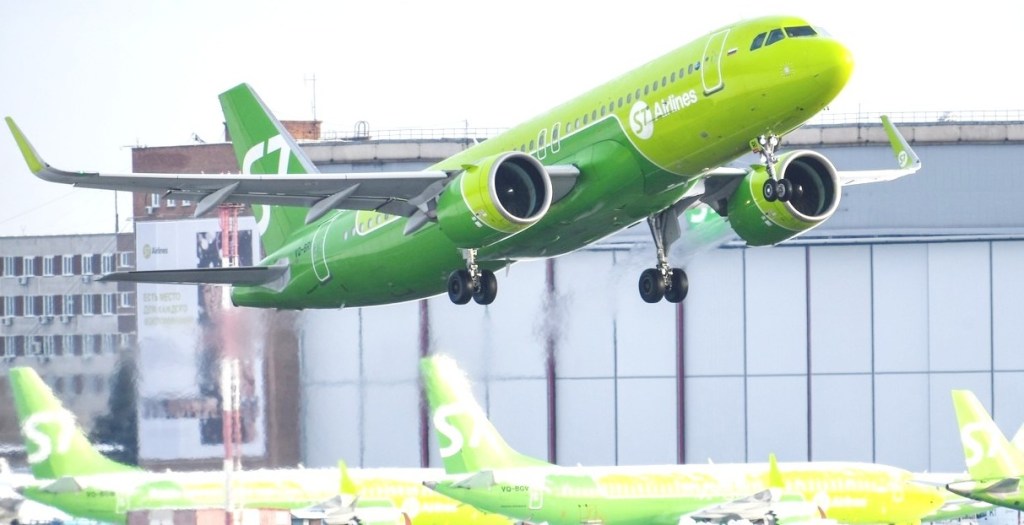
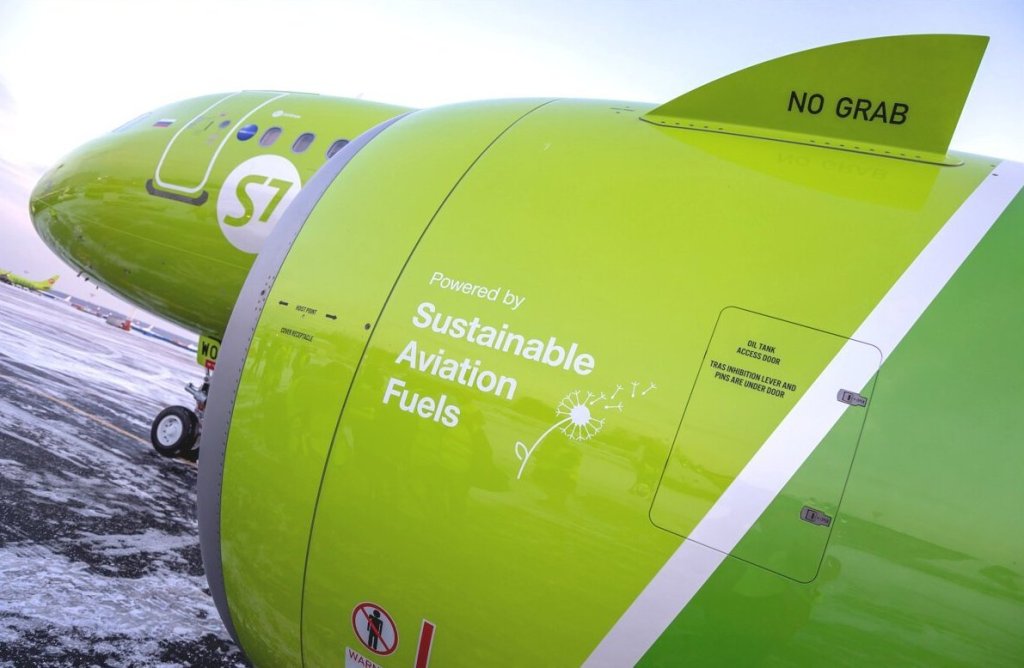
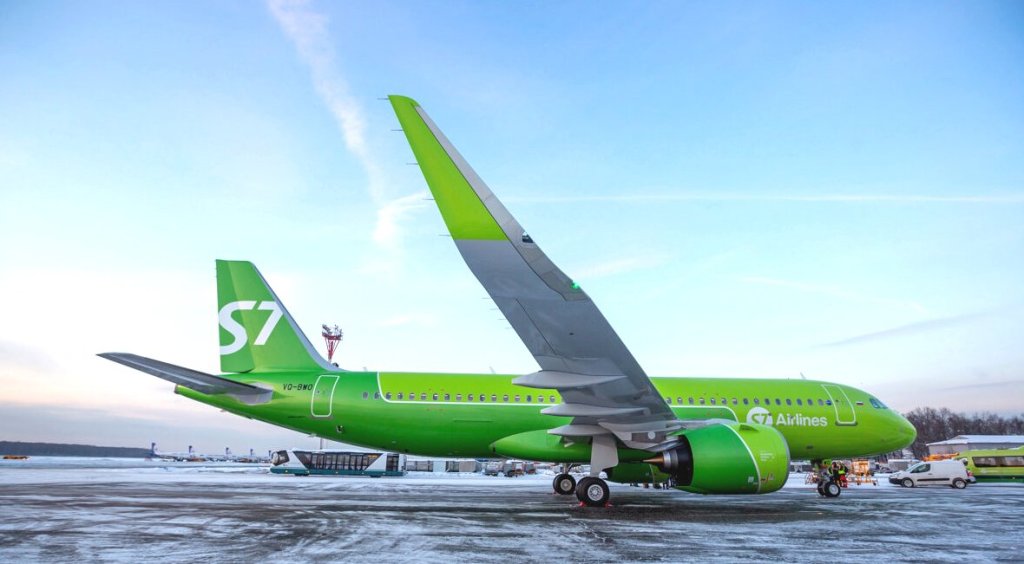
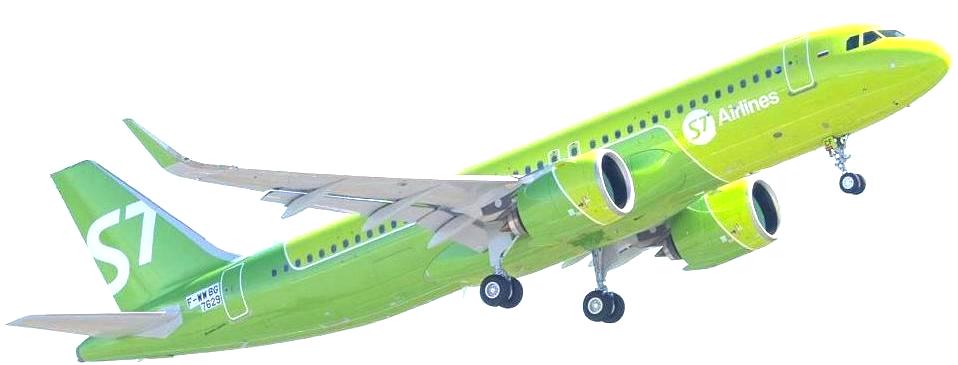
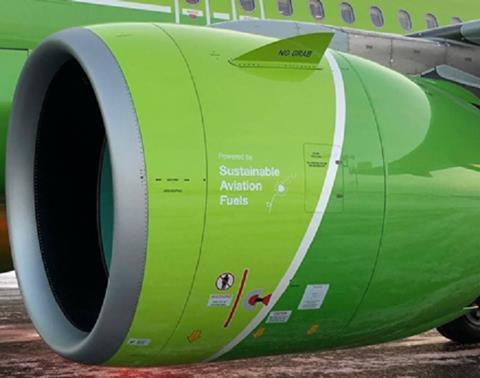
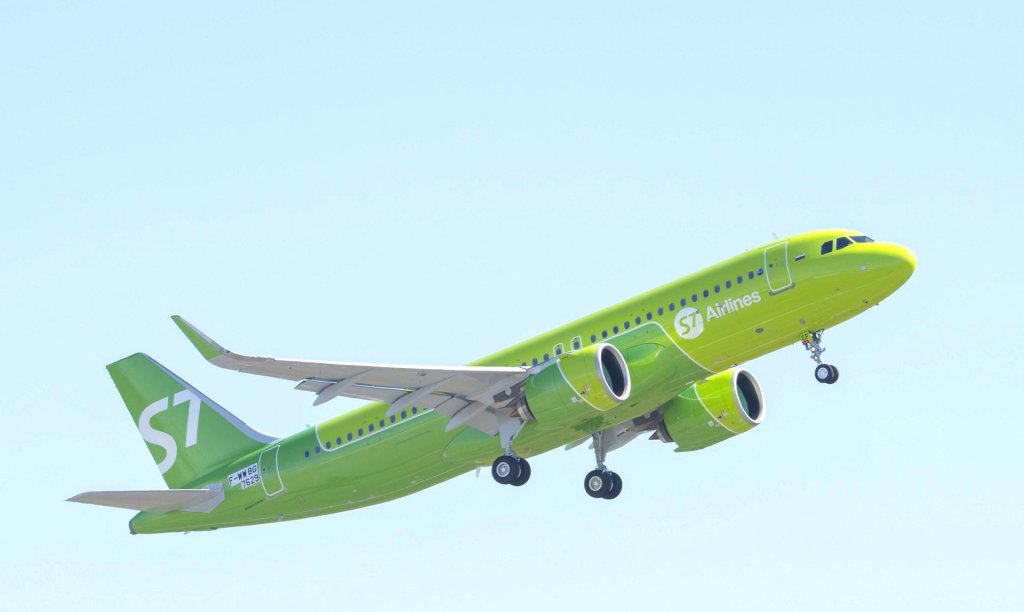
La aerolínea rusa S7 Airlines se convierte en la primera aerolínea en el país en realizar un vuelo con Combustible Sustentable para Aviación (SAF), según reveló la empresa en un comunicado. El vuelo fue realizado por un nuevo avión de la familia A320NEO, que despegó este 22 de Diciembre de 2021 de la fábrica en Toulouse (Francia) con una mezcla de biocombustible y combustible tradicional y aterrizó en el Aeropuerto Moscú/Domodedovo a las 15:30 (hora local). «Es el primer vuelo de una aerolínea rusa realizado con biocombustible en la historia. Para nosotros es una oportunidad para demostrar que los vuelos de ese tipo son posibles y representan el futuro de la aviación ecológica», dijo Tatiana Filiova, Directora General de S7 Airlines.

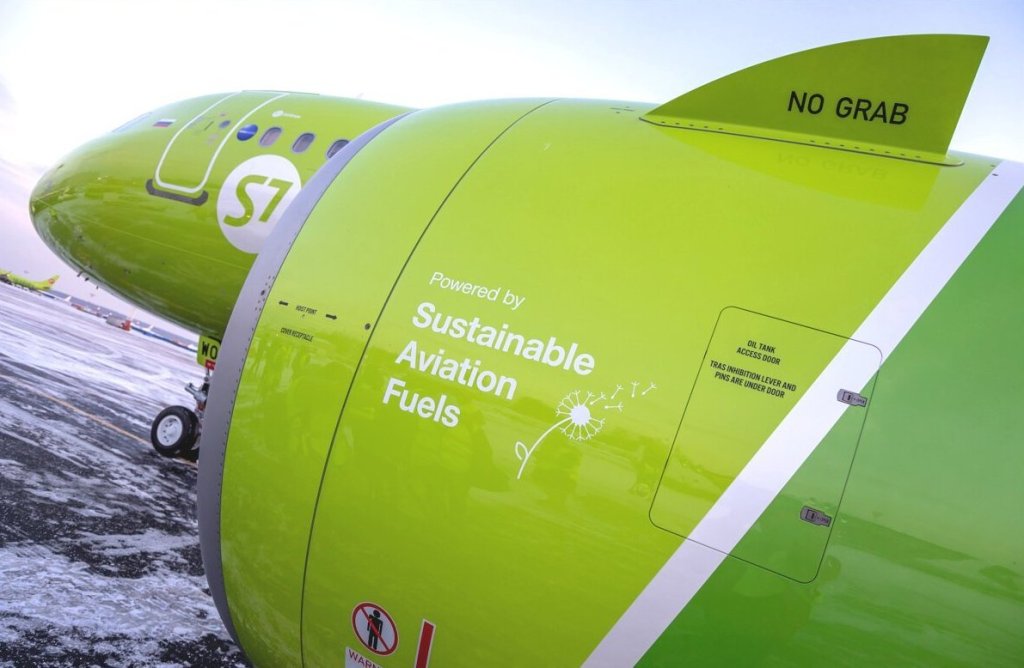
La aerolínea rusa ha comunicado que la proporción de biocombustible en la mezcla fue de 10%, el porcentaje máximo determinado por la empresa de combustible en Toulouse. Aunque limitada, esa cantidad permitió reducir las emisiones de dióxido de carbono en 7%, lo equivalente a 1,7 toneladas.

En Septiembre 2021, junto con la alianza Oneworld, S7 Airlines hizo público su objetivo de lograr la neutralidad de carbono para 2050. La semana pasada, S7 Group firmó una declaración que prevé la creación de una alianza eurasiática de SAF y estipula el inicio de vuelos con biocombustible en Rusia para 2024. La empresa subrayó la importancia de crear una base legislativa que permita obtener en Rusia una licencia para SAF y utilizarla en vuelos de pasajeros.

Actualmente, cuarenta y cinco aerolíneas han realizado vuelos con SAF en el mundo, lo que representa un porcentaje total de uso del 0,03%, lo que permite avanzar en la tendencia hacia un hidrocarburo más respetuoso con el medio ambiente, permitiendo en el sector de la aviación comercial dar adelanto en el cuidado ecológico del planeta.

S7 first green flight

First Russian airline flight green fuel

The Russian airline S7 Airlines becomes the first airline in the country to fly with Sustainable Aviation Fuel (SAF), the company revealed in a statement. The flight was carried out by a new aircraft of the A320NEO family, which took off this December 22, 2021 from the factory in Toulouse (France) with a mixture of biofuel and traditional fuel and landed at Moscow/Domodedovo Airport at 15:30. (local time). «It is the first flight of a Russian airline made with biofuel in history. For us it is an opportunity to show that flights of this type are possible and represent the future of green aviation», said Tatiana Filiova, CEO of S7 Airlines .

The Russian airline has reported that the proportion of biofuel in the mixture was 10%, the maximum percentage determined by the fuel company in Toulouse. Although limited, this amount allowed reducing carbon dioxide emissions by 7%, the equivalent of 1.7 tons.

In September 2021, together with the Oneworld alliance, S7 Airlines made public its goal of achieving carbon neutrality by 2050. Last week, S7 Group signed a declaration providing for the creation of a Eurasian SAF alliance and stipulating the start of flights. with biofuel in Russia by 2024. The company underlined the importance of creating a legislative basis for obtaining a license for SAF in Russia and using it on passenger flights.

Currently, forty-five airlines have made flights with SAF in the world, which represents a total percentage of use of 0.03%, which allows advancing in the trend towards a more environmentally friendly hydrocarbon, allowing in the sector of commercial aviction to advance the ecological care of the planet.

Первый зеленый рейс S7

Первый рейс российской авиакомпании с экологически чистым топливом

AW-S7 Airlines__Airbus A3202004N

Российская авиакомпания S7 Airlines становится первой авиакомпанией в стране, летающей на экологически чистом авиационном топливе (SAF), говорится в сообщении компании. Рейс выполнялся на новом самолете семейства A320NEO, который 22 декабря 2021 года вылетел с завода в Тулузе (Франция) на смеси биотоплива и традиционного топлива и приземлился в аэропорту Москва/Домодедово в 15:30. (местное время). «Это первый в истории рейс российской авиакомпании на биотопливе. Для нас это возможность показать, что полеты такого типа возможны и представляют будущее зеленой авиации», сказала Татьяна Филиова, генеральный директор S7 Airlines.

Российская авиакомпания сообщила, что доля биотоплива в смеси составляет 10%, максимальный процент установлен топливной компанией в Тулузе. Этот объем, хотя и ограниченный, позволил снизить выбросы углекислого газа на 7%, что эквивалентно 1,7 тонны.

В сентябре 2021 года S7 Airlines совместно с альянсом Oneworld обнародовала свою цель по достижению углеродной нейтральности к 2050 году. На прошлой неделе S7 Group подписала декларацию, предусматривающую создание евразийского альянса SAF и предусматривающую начало полетов с биотопливом в России. Россия к 2024 году. Компания подчеркнула важность создания законодательной базы для получения лицензии на SAF в России и ее использования на пассажирских рейсах.

В настоящее время сорок пять авиакомпаний в мире совершили полеты с SAF, что представляет собой общий процент использования 0,03%, что позволяет продвигаться в направлении более экологически чистых углеводородов, позволяя в секторе коммерческой авиации продвигать экологические забота о планете.

S7 Airlines, más ecológica medio ambiente

En los últimos seis años, la aerolínea rusa S7 Airlines ha adquirido veinticuatro nuevos Airbus A320NEO (24) con un mejor desempeño ambiental, que le permitirá proyectarse en unos niveles eficientes en consumo de combustibles y el cuidado del medio ambiente.

Estrategia de eficiencia de combustible
Perseguimos una estrategia de eficiencia de combustible que ayuda a ahorrar combustible durante el vuelo y en todas las etapas de preparación: durante la planificación del vuelo, durante el rodaje, el despegue, la marcación del escalón, el vuelo de crucero, el descenso del escalón, durante la aproximación al aterrizaje y el aterrizaje en sí.

Optimización de la red de rutas
Optimizamos regularmente nuestra red de rutas para reducir el consumo de combustible por pasajero. Para ello, construimos rutas para que la aeronave vuele con una alta carga de vuelo. Todo ello reduce las emisiones y la huella de carbono. La aerolínea realiza un 45% de sus vuelos operados en flota Airbus A320NEO ecológicos.

S7 Airlines, greener with the environment

In the last six years, the Russian airline S7 Airlines has acquired twenty-four new Airbus A320NEOs (24) with better environmental performance, which will allow it to project itself at efficient levels in fuel consumption and caring for the environment.

Fuel efficiency strategy
We pursue a fuel efficiency strategy that helps to save fuel during flight and at all stages of preparation: during flight planning, during taxi, take off, step marking, cruise flight, step descent , during the landing approach and the landing itself.

Route network optimization
We regularly optimize our route network to reduce fuel consumption per passenger. To do this, we build routes for the aircraft to fly with a high flight load. All this reduces emissions and the carbon footprint. The airline operates 45% of its flights operated in the green Airbus A320NEO fleet.

S7 Airlines экологичнее

За последние шесть лет российская авиакомпания S7 Airlines приобрела двадцать четыре новых самолета Airbus A320NEO (24) с лучшими экологическими характеристиками, что позволит ей достичь эффективных уровней потребления топлива и заботы об окружающей среде.

Стратегия топливной эффективности
Мы придерживаемся стратегии экономии топлива, которая помогает экономить топливо во время полета и на всех этапах подготовки: во время планирования полета, во время руления, взлета, разметки ступеней, крейсерского полета, ступенчатого снижения, во время захода на посадку и самой посадки.

Оптимизация маршрутной сети
Мы регулярно оптимизируем нашу маршрутную сеть, чтобы снизить расход топлива на пассажира. Для этого мы строим маршруты полета самолета с большой полетной нагрузкой. Все это снижает выбросы и углеродный след. 45% рейсов авиакомпании выполняются в зеленом парке Airbus A320NEO.

PUBLISHER: Airgways.com
DBk: S7airlines.ru / Airgways.com
AW-POST: 202112230840AR

A\W   A I R G W A Y S ®

Avelo inaugura PreCheck

AW | 2021 12 21 10:51 | AIRLINES / AVIATION TECHNOLOGY

Avelo Airlines implementa TSA PreCheck

Avelo_Airlines_Isologotype

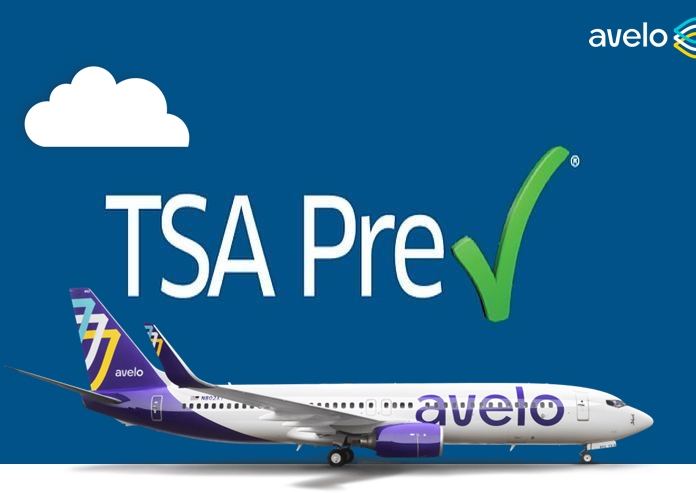
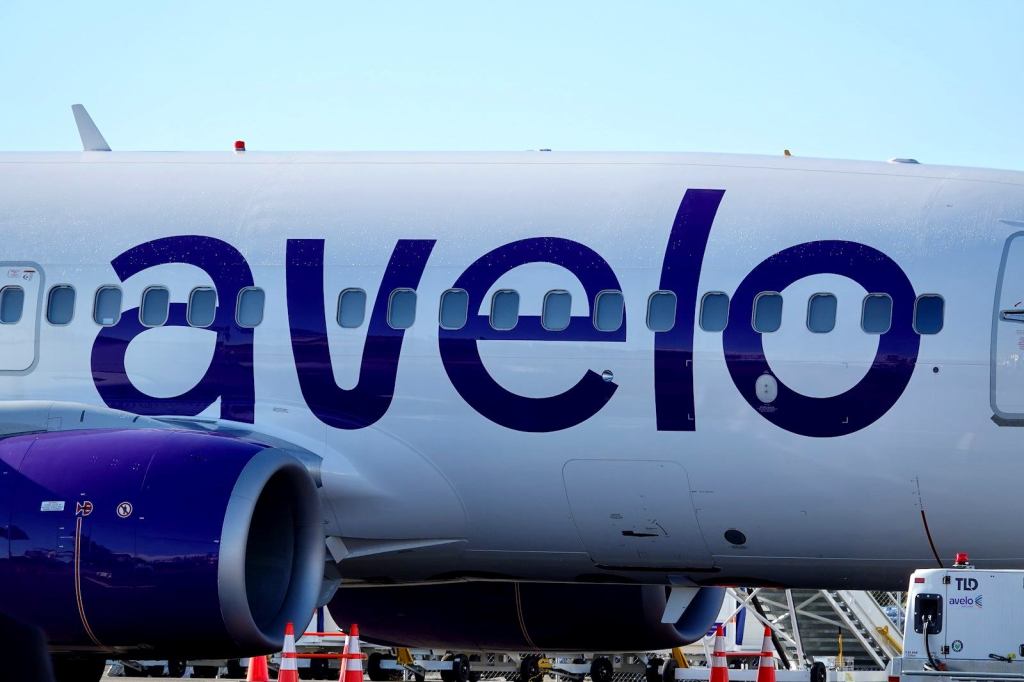
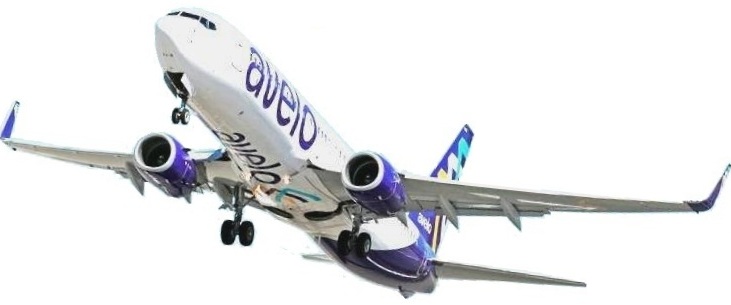
Avelo Airlines ha inaugurado el sistema de embarque PreCheck de la TSA de Estados Unidos. Los usuarios de la compañía aérea ahora tienen una manera más fácil de pasar por el control de seguridad. El PreCheck se encuentra disponible en Avelo en los diecinueve destinos entre ellos New Haven (HVN), Connecticut, Orlando (MCO).

El TSA PreCheck permite a los viajeros pre-autorizados y de bajo riesgo usar carriles de detección acelerados, mantener líquidos y productos electrónicos en su bolso y mantener los zapatos puestos.
«Proporcionar a los clientes de Avelo una experiencia aeroportuaria más rápida, fluida y relajante es una gran parte del tipo diferente y mejor de aerolínea que estamos construyendo. La disponibilidad de TSA PreCheck es una mejora importante en el viaje conveniente y sin problemas que nuestros clientes aprecian cuando vuelan en Avelo», dijo el CEO de Avelo, Andrew Levy, en un comunicado de prensa.

Avelo Airlines, con sede en Houston, Texas, lanzó sus primeros vuelos desde Hollywood/Burbank/BUR en Abril 2020 y ha continuado su expansión con una nueva base de la costa Este de Estados Unidos en New Haven/HVN en Noviembre 2021. A diferencia de Breeze Airways, que lanzó vuelos un mes después con PreCheck, Avelo Airlines comienza sus operaciones sin ser parte del programa de viajeros de confianza. PreCheck cuesta US$ 85 por cinco años. También viene con Global Entry, un programa de viajero de confianza para aduanas e inmigración, que cuesta US$ 100 por cinco años. Varias tarjetas de crédito premium y de nivel medio ofrecen un crédito de tarifa para TSA PreCheck. Con Avelo Airlines ahora parte de TSA PreCheck, los viajeros que participan en el programa ahora tienen un viaje mucho más fácil a través de la seguridad para esperar.

Avelo opens PreCheck

Avelo Airlines implements TSA PreCheck

Avelo Airlines has launched the US TSA PreCheck boarding system. Airline users now have an easier way to go through security. PreCheck is available from Avelo in all nineteen destinations including New Haven (HVN), Connecticut, Orlando (MCO).

Avelo Airlines_000007A

The TSA PreCheck allows pre-authorized and low-risk travelers to use expedited detection lanes, keep liquids and electronics in their bag, and keep shoes on. «Providing Avelo customers with a faster, smoother and more relaxing airport experience is a big part of the different and better kind of airline we are building. The availability of TSA PreCheck is a major enhancement to the convenient and hassle free travel our customers have. they appreciate when they fly Avelo», Avelo CEO Andrew Levy said in a press release.

Avelo Airlines, based in Houston, Texas, launched its first flights from Hollywood/Burbank/BUR in April 2020 and has continued its expansion with a new US East Coast base at New Haven/HVN in November 2021. Unlike from Breeze Airways, which launched flights a month later with PreCheck, Avelo Airlines begins operations without being part of the trusted traveler program. PreCheck costs US$ 85 for five years. It also comes with Global Entry, a trusted traveler program for customs and immigration, which costs US$ 100 for five years. Several premium and mid-tier credit cards offer a TSA PreCheck rate credit. With Avelo Airlines now part of TSA PreCheck, travelers participating in the program now have a much easier journey through security to wait.

AW-Avelo Airlines_7378003332

PUBLISHER: Airgways.com
DBk: Aveloair.com / Tsa.gov / Airgways.com
AW-POST: 202112211051AR

A\W   A I R G W A Y S ®
Boeing perspectiva diseño digital

AW | 2021 12 17 23:03 | INDUSTRY / AVIATION TECHNOLOGY

Boeing metaverso para su próxima revolución digital

Boeing_Isologotype

The Boeing Company anunció el Viernes 17/12 que quiere construir su próximo avión en el mundo virtual. El constructor americano continúa con una nueva y ambiciosa estrategia para unificar las operaciones de diseño, producción y servicios aéreos en expansión bajo un solo ecosistema digital, en tan solo dos años. Los críticos dicen que Boeing ha hecho repetidamente promesas audaces similares sobre una revolución digital, con resultados mixtos. Pero los expertos dicen que los objetivos generales de mejorar la calidad y la seguridad han adquirido una mayor urgencia e importancia a medida que la compañía aborda múltiples amenazas.

AW-Boeing 737 MAX_png (43)

El fabricante de aviones está entrando en 2022 luchando por reafirmar su dominio de la ingeniería después de la crisis del Boeing 737 MAX mientras sienta las bases para un futuro programa de aviones durante la próxima década, una apuesta de US$ 15 mil millones. También tiene como objetivo prevenir futuros problemas de fabricación, como los defectos estructurales que han afectado a su línea Boeing 787 Dreamliner durante el año pasado y en el presente. «Se trata de fortalecer la ingeniería Estamos hablando de cambiar la forma en que trabajamos en toda la empresa», dijo el Ingeniero Jefe de Boeing, Greg Hyslop, en su primera entrevista en casi dos años.

Después de años de salvaje competencia en el mercado de la aviación, la necesidad de cumplir con las abultadas carteras de pedidos ha abierto un nuevo frente en la guerra desde las fábricas de Boeing en Estados Unidos y con Airbus en Europa. Una enorme cartera backlog de aeronaves han agrandado los tiempos de espera para las entregas a los clientes en todo el mundo.

El Presidente Ejecutivo de Airbus, Guillaume Faury se ha comprometido a inventar nuevos sistemas de producción y aprovechar el poder de los datos para optimizar su sistema industrial. El enfoque de Boeing hasta ahora ha estado marcado por avances incrementales dentro de programas o herramientas específicas de aviones, en lugar de la revisión sistémica que caracteriza el impulso de Greg Hyslop en la actualidad. El impulso simultáneo de ambos gigantes del avión es emblemático de una revolución digital que está ocurriendo a nivel mundial, mientras que los fabricantes de automóviles como Ford Motor Company y las compañías de redes sociales como Meta Platforms Inc., matriz de Facebook, cambian el trabajo y juegan en un mundo virtual inmersivo a veces llamado el metaverso. Entonces, ¿cómo funciona el metaverso? Es un espacio digital compartido que a menudo utiliza realidad virtual o realidad aumentada y accesible a través de Internet, en la aviación. Al igual que Airbus, Boeing buscará para su próximo nuevo avión construir y vincular réplicas virtuales 3D de gemelos digitales del avión y el sistema de producción capaz de ejecutar simulaciones. Las maquetas digitales están respaldadas por un hilo digital que une cada pieza de información sobre la aeronave desde su infancia, desde los requisitos de las aerolíneas hasta millones de piezas y miles de páginas de documentos de certificación, que se extiende profundamente en la cadena de suministro.

La revisión de las prácticas anticuadas basadas en papel podría traer un cambio poderoso. Más del 70% de los problemas de calidad en Boeing se remontan a algún tipo de problema de diseño, dijo Greg Hyslop. Boeing cree que tales herramientas serán fundamentales para llevar un nuevo avión desde su inicio al mercado en tan solo cuatro o cinco años. «Obtendrá velocidad, obtendrá una mejor calidad, una mejor comunicación y una mejor capacidad de respuesta cuando ocurran problemas. Cuando la calidad de la base de suministro es mejor, cuando la construcción del avión se combina de manera más fluida cuando se minimiza el retrabajo, el rendimiento financiero se derivará de eso», expresó Greg Hyslop

Enorme desafío

Los escépticos apuntan a problemas técnicos en el mini-jumbo 777X de Boeing y el avión de entrenamiento militar T-7A RedHawk, que se desarrollaron utilizando herramientas digitales. Boeing también ha puesto demasiado énfasis en los rendimientos de los accionistas a expensas del dominio de la ingeniería, y continúa recortando el gasto en investigación y desarrollo (I+D), dijo el analista de Teal Group Richard Aboulafia. «¿Vale la pena perseguirlo? Por supuesto. ¿Resolverá todos sus problemas? No», expresó Richard Aboulafia.

Gigantes como el fabricante de piezas de aviones Spirit AeroSystems han invertido en tecnología digital. Los principales fabricantes de aviones tienen asociaciones con el fabricante francés de software Dassault Systemes, pero cientos de proveedores más pequeños repartidos por todo el mundo carecen del capital o los recursos humanos para dar grandes saltos. Muchos se han visto debilitados por las crisis del Boeing 737 MAX y la pandemia, que siguieron a una década de presión sobre los precios de Boeing o Airbus. «No solo nos dicen qué hardware podemos comprar, sino que ahora van a especificar toda esta basura digital de lujo que va encima de ella», dijo un ejecutivo de la cadena de suministro.

Boeing se ha dado cuenta de que la tecnología digital por sí sola no es una panacea. Debe venir con cambios organizacionales y culturales en toda la empresa, dicen fuentes de la industria. El constructor americano recientemente contrató a la veterana ingeniera Linda Hapgood para supervisar la «transformación digital», que una fuente de la industria dijo que estaba respaldada por más de cien ingenieros. Linda Hapgood es mejor conocida por convertir dibujos en papel en blanco y negro de los paquetes de cableado del avión cisterna Boeing 767 en imágenes 3D y luego equipar a los mecánicos con tabletas y auriculares de realidad aumentada HoloLens. La calidad mejoró en un 90%, dijo un informante. En su nuevo cargo, Linda Hapgood contrató ingenieros que trabajaron en un gemelo digital para un avión de mercado medio ahora desguazado conocido como NMA. También se basa en las lecciones aprendidas del avión no tripulado de reabastecimiento aéreo MQ-25 y el T-7A Red Hawk. Boeing construyó los primeros aviones T-7A en simulación, siguiendo un diseño basado en modelos. El T-7A fue lanzado al mercado en solo 36 meses. Aun así, el programa está lidiando con la escasez de piezas, retrasos en el diseño y requisitos de prueba adicionales.

Boeing tiene un comienzo en funcionamiento con su fábrica de alas del Boeing 777X en el Estado de Washington, donde el diseño y la optimización del robot se realizaron por primera vez digitalmente. Pero el programa más amplio tiene años de retraso y está sumido en desafíos de certificación. «Este es un juego largo. Cada uno de estos esfuerzos estaba abordando parte del problema. Pero ahora lo que queremos hacer es hacerlo de punta a punta», concluye Greg Hyslop.

Boeing perspective digital design

Boeing metaverse for its next digital revolution

The Boeing Company announced on Friday 12/17 that it wants to build its next airplane in the virtual world. The American builder continues with an ambitious new strategy to unify expanding design, production and air service operations under a single digital ecosystem, in just two years. Critics say Boeing has repeatedly made similar bold promises about a digital revolution, with mixed results. But experts say the overarching goals of improving quality and safety have grown in urgency and importance as the company tackles multiple threats.

AW-Boeing 787_0001

The aircraft maker is entering 2022 struggling to reassert its engineering dominance after the Boeing 737 MAX crisis while laying the groundwork for a future aircraft program over the next decade, a US$ 15 billion gamble. It also aims to prevent future manufacturing problems, such as the structural defects that have plagued its Boeing 787 Dreamliner line over the past year and present. «It’s about strengthening engineering. We’re talking about changing the way we work across the company», Boeing Chief Engineer Greg Hyslop said in his first interview in nearly two years.

After years of fierce competition in the aviation market, the need to fulfill bulging order books has opened a new front in the war from Boeing’s factories in the United States and with Airbus in Europe. A huge aircraft backlog portfolio has increased lead times for deliveries to customers around the world.

Airbus Chief Executive Officer Guillaume Faury is committed to inventing new production systems and harnessing the power of data to optimize his industrial system. Boeing’s approach thus far has been marked by incremental advancements within aircraft-specific programs or tools, rather than the systemic overhaul that characterizes Greg Hyslop’s drive today. The simultaneous push by both aircraft giants is emblematic of a digital revolution happening globally, as automakers like Ford Motor Company and social media companies like Facebook parent Meta Platforms Inc. change the job. and they play in an immersive virtual world sometimes called the metaverse. So how does the metaverse work? It is a shared digital space that often uses virtual reality or augmented reality and accessible through the Internet, in aviation. Like Airbus, Boeing will be looking for its next new aircraft to build and link virtual 3D replicas of the aircraft’s digital twins and the production system capable of running simulations. The digital mockups are backed by a digital thread that ties together every piece of information about the aircraft from its infancy, from airline requirements to millions of pieces and thousands of pages of certification documents, extending deep into the supply chain.

The revision of outdated paper-based practices could bring powerful change. More than 70% of quality problems at Boeing can be traced back to some kind of design problem, Greg Hyslop said. Boeing believes that such tools will be critical in getting a new aircraft to market from inception in just four to five years. «You get speed, you get better quality, better communication, and better responsiveness when problems occur. When the supply base quality is better, when the aircraft construction blends more seamlessly, when rework is minimized, financial performance will come from that, «said Greg Hyslop

Huge challenge

Skeptics point to technical problems in Boeing’s 777X mini-jumbo and the T-7A RedHawk military training aircraft, which were developed using digital tools. Boeing has also put too much emphasis on shareholder returns at the expense of engineering dominance, and continues to cut spending on research and development (R&D), said Teal Group analyst Richard Aboulafia. «Is it worth pursuing? Of course. Will it solve all your problems? No», said Richard Aboulafia.

Giants like aircraft parts maker Spirit AeroSystems have invested in digital technology. Major aircraft manufacturers have partnerships with French software maker Dassault Systemes, but hundreds of smaller vendors around the world lack the capital or human resources to make big leaps. Many have been weakened by the Boeing 737 MAX crises and the pandemic, which followed a decade of price pressure from Boeing or Airbus. «They’re not just telling us what hardware we can buy, but now they’re going to specify all this fancy digital junk that goes on top of it», said one supply chain executive.

Boeing has realized that digital technology alone is not a panacea. It must come with organizational and cultural changes throughout the company, say industry sources. The American builder recently hired veteran engineer Linda Hapgood to oversee the «digital transformation,» which an industry source said was backed by more than 100 engineers. Linda Hapgood is best known for turning black and white paper drawings of Boeing 767 tanker wiring packages into 3D images and then outfitting mechanics with HoloLens augmented reality tablets and headsets. Quality improved by 90%, said one informant. In her new role, Linda Hapgood hired engineers who worked on a digital twin for a now scrapped mid-market aircraft known as the NMA. She also draws on lessons learned from the MQ-25 aerial refueling drone and the T-7A Red Hawk. Boeing built the first T-7A aircraft in simulation, following a model-based design. The T-7A was launched on the market in just 36 months. Still, the program is dealing with parts shortages, design delays, and additional testing requirements.

Boeing has a running start with its Boeing 777X wing factory in Washington State, where the design and optimization of the robot was first done digitally. But the broader program is years behind and mired in certification challenges. «This is a long game. Each of these efforts was addressing part of the problem. But now what we want to do is do it end-to-end», concludes Greg Hyslop.

PUBLISHER: Airgways.com
DBk: Boeing.com / Airbus.com / Airgways.com
AW-POST: 202112172303AR

A\W   A I R G W A Y S ®