Widerøe Zero vuelos cero emisiones

AW | 2021 10 27 19:43 | AIRLINES / AVIATION TECHNOLOGY

Widerøe lanza unidad vuelos libres de emisiones

AW-Wideroe_Isologotype

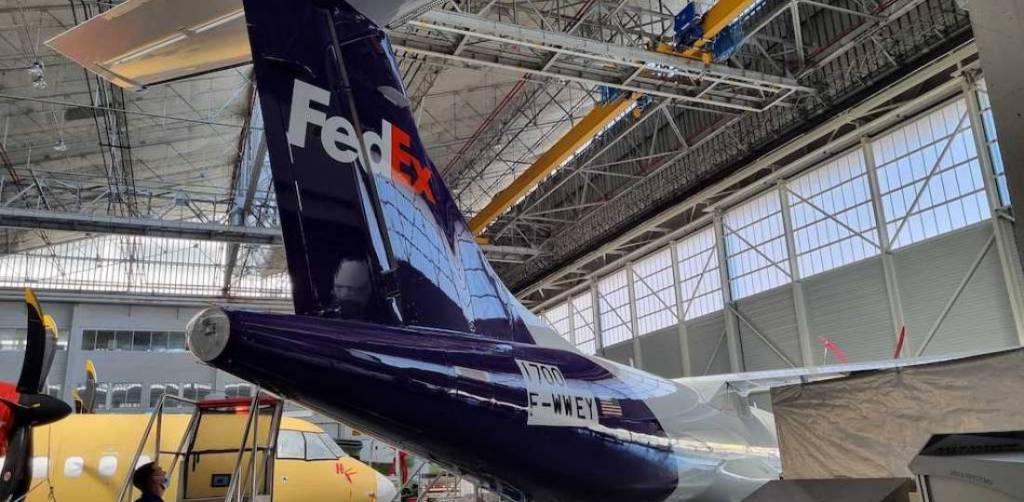
Widerøe, una aerolínea regional noruega ofrece rutas de corto recorrido en una región escasamente poblada con pocas líneas de transporte ferroviario y una geografía desafiante. La aerolínea posee cuarenta aviones turbohélice Bombardier Dash 8 (40) y tres jets Embraer E190-E2 (3). Widerøe planea tener su primer avión de cero emisiones volando en 2026 y pretende reemplazar su flota de Dash 8-100 y 200, que quedarán obsoletos entre 2030 y 2035, con aviones de cero emisiones, ya sean eléctricos o que utilicen hidrógeno como combustible.

Llamada Wideroe Zero y lanzada el Viernes 29/10, la nueva compañía ayudaría a Widerøe a lograr su objetivo de una flota de emisiones cero o casi cero, dijo el Presidente Ejecutivo Stein Nilsen. “Para tener la libertad de pensar fuera de la caja, decidimos establecer una nueva empresa con el objetivo principal de encontrar este camino para encontrar un (negocio) más sostenible”, dijo el ejecutivo. Widerøe Zero también intentaría encontrar nuevas oportunidades de mercado cuando la industria de las aerolíneas, que representa el 2.5% de las emisiones globales de CO2 en 2018, según Our World in Data, esté bajo presión para ser más sostenible.

Las nuevas tecnologías también están interrumpiendo la industria, dijo Stein Nilsen, citando la aparición de aviones eléctricos de despegue y aterrizaje verticales (eVTOL) como un ejemplo del rápido cambio que Wideroe quiere aprovechar. “Como aerolínea de corto recorrido, esto es muy interesante para nosotros. Necesitamos estar preparados para algo más disruptivo en el mercado para nuestro nicho», expresó Stein Nilsen. El cambio planeado coincide con la agitación en la industria de las aerolíneas nórdicas, con las principales aerolíneas Norwegian Air y SAS Airlines que reestructuran las operaciones, y el lanzamiento de aerolíneas recién llegadas como Flyr y Play después de la interrupción causada por la pandemia.

Widerøe Zero zero emission flights

Widerøe launches emission-free flight unit

Widerøe, a Norwegian regional airline, offers short-haul routes in a sparsely populated region with few rail lines and challenging geography. The airline owns forty Bombardier Dash 8 turboprop aircraft (40) and three Embraer E190-E2 jets (3). Widerøe plans to have its first zero-emission aircraft flying in 2026 and aims to replace its fleet of Dash 8-100 and 200, which will become obsolete between 2030 and 2035, with zero-emission aircraft, either electric or using hydrogen as fuel.

Called Wideroe Zero and launched on Friday 10/29, the new company would help Widerøe achieve its goal of a zero or near zero emissions fleet, said Chief Executive Stein Nilsen. «To have the freedom to think outside the box, we decided to establish a new company with the main objective of finding this way to find a more sustainable (business)», said the executive. Widerøe Zero would also try to find new market opportunities when the airline industry, which accounts for 2.5% of global CO2 emissions in 2018, according to Our World in Data, is under pressure to become more sustainable.

New technologies are also disrupting the industry, Stein Nilsen said, citing the emergence of electric vertical take-off and landing (eVTOL) aircraft as an example of the rapid change that Wideroe wants to harness. “As a short-haul airline, this is very interesting for us. We need to be prepared for something more disruptive in the market for our niche», said Stein Nilsen. The planned change coincides with the turmoil in the Nordic airline industry, with major airlines Norwegian Air and SAS Airlines restructuring operations, and the launch of newcomer airlines such as Flyr and Play after the outage caused by the pandemic.

Widerøe nullutslippsflyvninger

Widerøe lanserer utslippsfri flyenhet

AW-Wideroe_Volt e flugzeug electric aircraft_002

Widerøe, et norsk regionalt flyselskap, tilbyr kortreiste ruter i en tynt befolket region med få jernbanelinjer og utfordrende geografi. Flyselskapet eier førti Bombardier Dash 8 turbopropfly (40) og tre Embraer E190-E2-jetfly (3). Widerøe planlegger å ha sine første nullutslippsfly i 2026 og har som mål å erstatte sin flåte på Dash 8-100 og 200, som vil bli foreldet mellom 2030 og 2035, med nullutslippsfly, enten elektriske eller som bruker hydrogen som drivstoff.

Kalt Wideroe Zero og lansert fredag ​​29/10, vil det nye selskapet hjelpe Widerøe med å nå målet om en null eller nær null utslippsflåte, sa administrerende direktør Stein Nilsen. «For å ha friheten til å tenke utenfor boksen, bestemte vi oss for å etablere et nytt selskap med hovedmålet å finne denne måten å finne en mer bærekraftig (virksomhet)», sa lederen. Widerøe Zero ville også prøve å finne nye markedsmuligheter når flyindustrien, som står for 2,5 % av globale CO2-utslipp i 2018, ifølge Our World in Data, er under press for å bli mer bærekraftig.

Nye teknologier forstyrrer også industrien, sa Stein Nilsen, og nevnte fremveksten av elektriske vertikale start- og landingsfly (eVTOL) som et eksempel på den raske endringen som Wideroe ønsker å utnytte. Som et kortdistanseselskap er dette veldig interessant for oss. Vi må være forberedt på noe mer disruptivt i markedet for nisjen vår, sa Stein Nilsen. Den planlagte endringen sammenfaller med uroen i den nordiske flyindustrien, med store flyselskaper Norwegian Air og SAS Airlines omstruktureringer, og lanseringen av nykommer. flyselskaper som Flyr og Play etter strømbruddet forårsaket av pandemien.

PUBLISHER: Airgways.com
DBk: Wideroe.no / Airgways.com
AW-POST: 202110291943AR

A\W   A I R G W A Y S ®

Primer vuelo A319NEO con SAF

AW | 2021 10 29 15:17 | INDUSTRY / AVIATION TECHNOLOGY

Primer vuelo A319NEO con combustible aviación 100% sostenible

Airbus_Isologotype_svg

Airbus Group, Dassault Aviation, ONERA, el Ministerio de Transportes francés y Safran han lanzado el primer estudio en vuelo de un avión de pasillo único que funciona con Combustible de Aviación Sostenible (SAF). Durante la prueba de vuelo sobre la región de Toulouse el 28 de Octubre de 2021, un motor CFM LEAP-1A de un avión de prueba Airbus A319NEO operó 100% SAF. Los resultados iniciales de las pruebas en tierra y en vuelo se esperan para 2022.

El SAF sin mezclar es proporcionado por Total Energies. Está hecho de ésteres y ácidos grasos hidroprocesados ​​(HEFA), que se compone principalmente de aceite de cocina usado, así como otras grasas de desecho. HEFA está hecho de hidrocarburos parafínicos y no contiene aromáticos ni azufre. Se utilizarán aproximadamente 57 toneladas de SAF para toda la campaña de prueba. Se produce en Normandía cerca de Le Havre, Francia. El SAF 100% también se utilizará para estudios de compatibilidad y operabilidad del motor en el motor Safran Helicopters Arrano utilizado en los Airbus Helicopters H160, que se espera que comiencen en 2022.

Airbus, en colaboración con DLR, es responsable de caracterizar y analizar el impacto del 100% SAF en las emisiones terrestres y en vuelo. Safran se centra en los estudios de compatibilidad relacionados con el sistema de combustible y la adaptación del motor para aviones comerciales y helicópteros y su optimización para varios tipos de combustibles 100% SAF. Safran realizará pruebas en tierra del motor LEAP con 100% SAF en sus instalaciones de Villaroche a finales de este año para completar el análisis. ONERA está apoyando a Airbus y Safran en el análisis de la compatibilidad del combustible con los sistemas de la aeronave y se encargará de preparar, analizar e interpretar los resultados de las pruebas para determinar el impacto del 100% SAF en las emisiones y la formación de estelas de condensación. Dassault Aviation está contribuyendo a los estudios de compatibilidad de materiales y equipos y verificando la susceptibilidad de biocontaminación 100% SAF.

El estudio, conocido como VOLCAN (VOL avec Carburants Alternatifs Nouveaux), contribuye a los esfuerzos de descarbonización global que se están llevando a cabo actualmente en toda la industria aeronáutica y se beneficia de una financiación del plan de recuperación France Relance, la parte del mismo dedicada a la descarbonización de la aviación. que es implementado por la DGAC bajo la supervisión de Jean-Baptiste Djebbari, Ministro de Transportes de Francia. El objetivo final del estudio es promover el despliegue y uso a gran escala de SAF y la certificación de 100% SAF para su uso en aviones comerciales de pasillo único y la nueva generación de jets ejecutivos.

First A319NEO flight with SAF

First A319NEO flight with 100% sustainable aviation fuel

AW-A320NEO_004

Airbus Group, Dassault Aviation, ONERA, the French Ministry of Transport and Safran have launched the first in-flight study of a single-aisle aircraft powered by Sustainable Aviation Fuel (SAF). During the flight test over the Toulouse region on October 28, 2021, a CFM LEAP-1A engine of an Airbus A319NEO test aircraft operated 100% SAF. Initial results of ground and flight tests are expected in 2022.

Unmixed SAF is provided by Total Energies. It is made from hydroprocessed fatty acids and esters (HEFA), which is mainly made up of used cooking oil, as well as other waste fats. HEFA is made from paraffinic hydrocarbons and does not contain aromatics or sulfur. Approximately 57 tons of SAF will be used for the entire test campaign. It is produced in Normandy near Le Havre, France. The 100% SAF will also be used for engine compatibility and operability studies on the Safran Helicopters Arrano engine used in the Airbus Helicopters H160, which are expected to begin in 2022.

Airbus, in collaboration with DLR, is responsible for characterizing and analyzing the impact of 100% SAF on ground and in-flight emissions. Safran focuses on fuel system compatibility studies and engine tuning for commercial aircraft and helicopters and their optimization for various types of 100% SAF fuels. Safran will ground test the LEAP engine with 100% SAF at its Villaroche facility later this year to complete the analysis. ONERA is supporting Airbus and Safran in the analysis of the compatibility of the fuel with the aircraft systems and will be in charge of preparing, analyzing and interpreting the results of the tests to determine the impact of 100% SAF on emissions and the formation of contrails. Dassault Aviation is contributing to material and equipment compatibility studies and verifying 100% SAF biocontamination susceptibility.

The study, known as VOLCAN (VOL avec Carburants Alternatifs Nouveaux), contributes to the global decarbonisation efforts that are currently being carried out throughout the aeronautical industry and benefits from funding from the France Relance recovery plan, part of which dedicated to the decarbonization of aviation. which is implemented by the DGAC under the supervision of Jean-Baptiste Djebbari, Minister of Transport of France. The ultimate goal of the study is to promote the large-scale deployment and use of SAF and the certification of 100% SAF for use in single-aisle commercial aircraft and the new generation of executive jets.

PUBLISHER: Airgways.com
DBk: Airbus.com / Airgways.com
AW-POST: 202110291517AR

A\W   A I R G W A Y S ®
Frontier Airlines adopta Skywise

AW | 2021 10 21 16:52 | AIRLINES / AVIATION TECHNOLOGY

Flota A320NEO recibe Airbus Skywese Health Monitoring

AW-Frontier Airlines_Skywise

Frontier_Isologotype

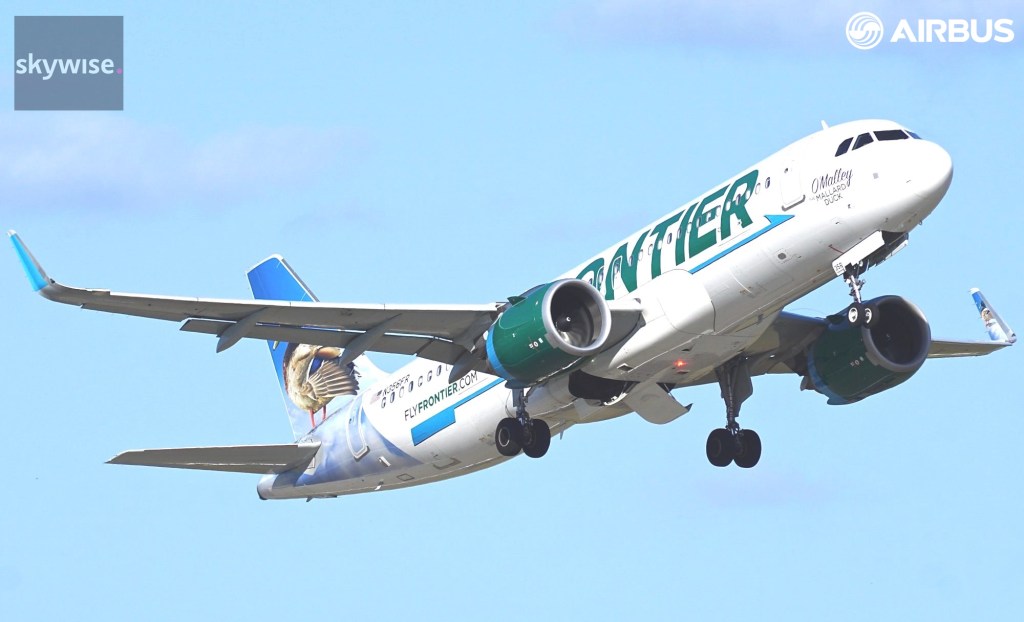
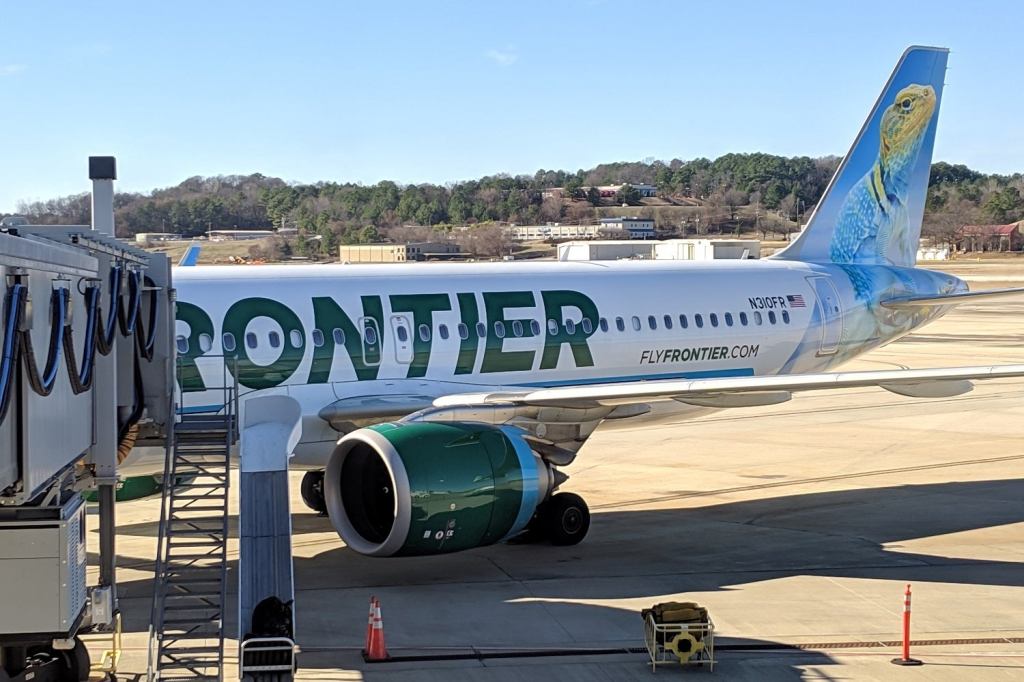
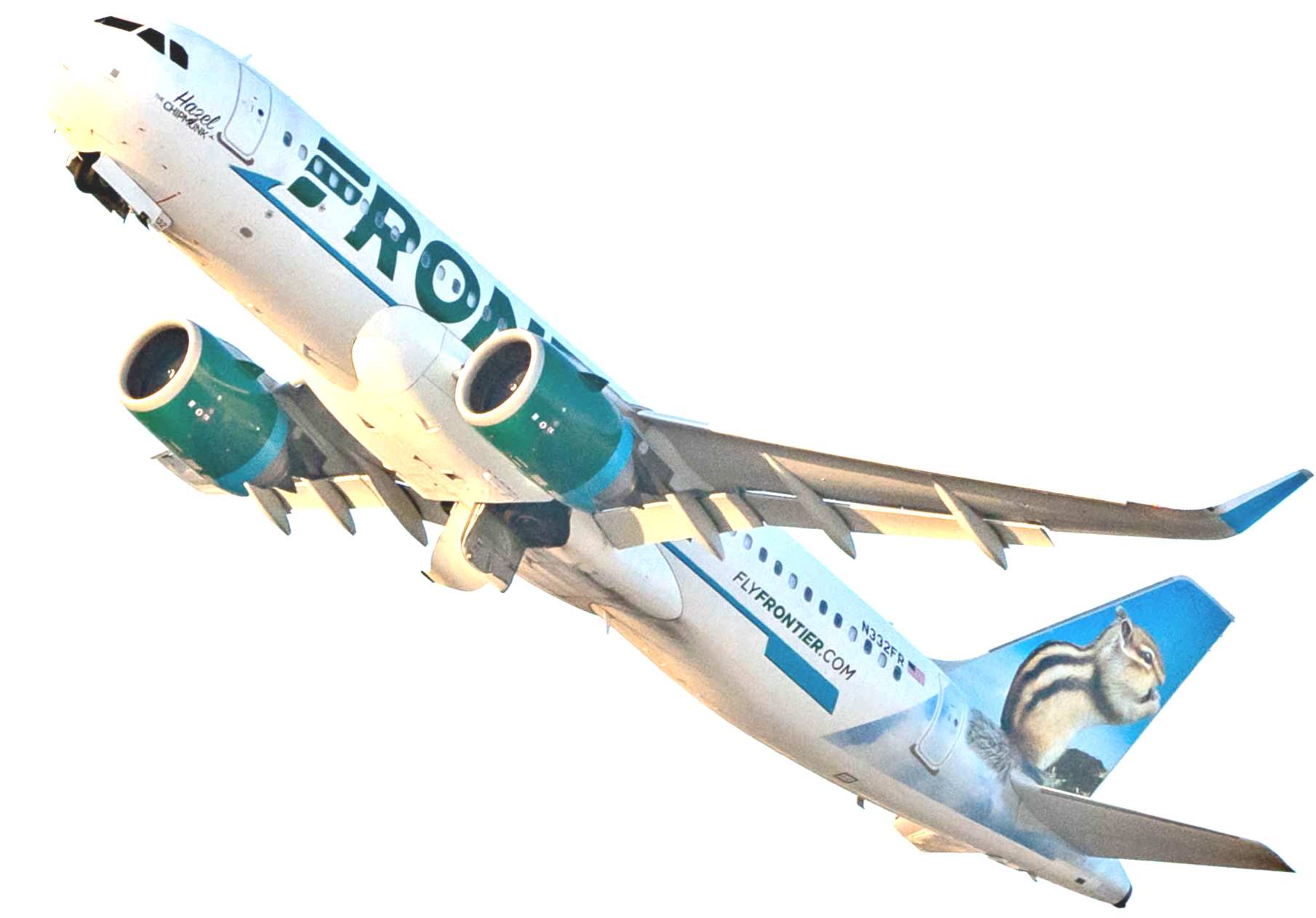
Frontier Airlines está adoptando la tecnología Skywise Health Monitoring (SHM) de Airbus Group en toda su flota de aviones A320NEO, según un comunicado de prensa del 14 de Octubre de 2021. SHM le dará a Frontier la capacidad de recopilar diagnósticos de salud de flotas en vivo utilizando el enlace Aircraft Communications Addressing and Reporting System (ACARS) del A320NEO y el Enrutador de Datos Flight Operations and Maintenance Exchanger (FOMAX) y transmitirlo directamente a su sistema de intercambio de información de aerolíneas. Según Airbus, Frontier ha firmado un contrato de cinco años para que SHM opere en un total de 111 aviones A320NEO.

Airbus señala que el enrutador de datos FOMAX es capaz de capturar más de 20,000 parámetros de aeronaves en tiempo real para permitir la gestión/corrección de eventos no programados de extremo a extremo, por ejemplo, anticipando la disponibilidad de herramientas y piezas más cercana a la aeronave. «Frontier utilizará la solución para su flota de la familia A320. SHM de Airbus apoyará a los equipos de mantenimiento e ingeniería de la aerolínea al permitir la gestión en tiempo real de los eventos de las aeronaves y la resolución de problemas», dijo Airbus en el comunicado.

Durante una llamada de prensa el 30de Junio de 2021, los líderes de Airbus, Delta Tech Ops y GE Digital explicaron cómo las tres entidades estaban formando una nueva alianza digital para expandir las herramientas de recopilación, almacenamiento y análisis de datos proporcionadas por Skywise. Según Lionel Rouby, Vicepresidente Senior de Soluciones Digitales de Innovación de Servicios al Cliente de Airbus Group, la infraestructura de computación en la nube para los servidores utilizados por Skywise contiene un total de 15 petabytes, o 15 millones de gigabytes totales de puntos de datos operativos de vuelo sobre piezas, sistemas y motores de aviones Airbus individuales en servicio. «El primer proyecto inicial en el que estamos trabajando con Delta y GE es sobre el mantenimiento predictivo, el monitoreo de la salud de la aeronave, el monitoreo de los mensajes generados por la aeronave y la recopilación de todos los datos generados para predecir fallas. El motor de esta solución es la recopilación de análisis, de conocimiento que predecirá y anticipará el modo de falla del equipo», dijo Lionel Rouby durante la llamada, explicando cómo la compañía está tratando de mejorar continuamente las capacidades de Skywise para aerolíneas como Frontier y otras que usan la plataforma.

La adopción de Skywise por parte de Frontier se produce en medio de una eliminación completa de sus A319 heredados, el último avión, el N949FR de cola, de esa flota se retiró el mes pasado, completando su vuelo final después de más de 15 años en servicio. La aerolínea opera la flota de A320NEO más grande de América del Norte, con una edad promedio de 4.1 años y aproximadamente 140 del mismo modelo de avión que permanecen en orden, según su sitio web.

Frontier Airlines embraces Skywise

Fleet A320NEO receives Airbus Skywese Health Monitoring

AW-Skywise_Isologotype_new

Airbus_Group_Logo_2014.svg - copia

Frontier Airlines is adopting Airbus Group‘s Skywise Health Monitoring (SHM) technology across its entire fleet of A320NEO aircraft, according to a press release dated October 14, 2021. SHM will give Frontier the ability to collect health diagnostics from fleets in live using the Aircraft Communications Addressing and Reporting System (ACARS) link from the A320NEO and the Flight Operations and Maintenance Exchanger (FOMAX) Data Router and transmit it directly to your airline information exchange system. According to Airbus, Frontier has signed a five-year contract for SHM to operate a total of 111 A320NEO aircraft.

AW-Frontier Airlines_A320N0001

Airbus notes that the FOMAX data router is capable of capturing more than 20,000 aircraft parameters in real time to enable end-to-end management/correction of unscheduled events, for example, anticipating the availability of tools and parts closer to the aircraft. «Frontier will utilize the solution for its A320 Family fleet. Airbus SHM will support the airline’s engineering and maintenance teams by enabling real-time management of aircraft events and troubleshooting», said Airbus at the notice.

During a press call on June 30, the leaders of Airbus, Delta Tech Ops and GE Digital explained how the three entities were forming a new digital alliance to expand the data collection, storage and analysis tools provided by Skywise. According to Lionel Rouby, Senior Vice President of Digital Customer Service Innovation Solutions at Airbus Group, the cloud computing infrastructure for the servers used by Skywise contains a total of 15 petabytes, or 15 million total gigabytes of operational data points. flight over individual Airbus aircraft parts, systems and engines in service. «The first initial project that we are working on with Delta and GE is on predictive maintenance, monitoring the health of the aircraft, monitoring the messages generated by the aircraft and collecting all the data generated to predict failures. The engine of this solution is the collection of analysis, of knowledge that will predict and anticipate the failure mode of the equipment», said Lionel Rouby during the call, explaining how the company is trying to continuously improve Skywise capabilities for airlines such as Frontier and others who use the platform.

Frontier’s adoption of Skywise comes amid a complete phase out of its legacy A319s, the latest aircraft, the tail N949FR, from that fleet was retired last month, completing its final flight after more than 15 years in service. The airline operates the largest fleet of A320NEOs in North America, with an average age of 4.1 years and about 140 of the same model aircraft remaining on order, according to its website.

PUBLISHER: Airgways.com
DBk: Flyfrontier.com / Airbus.com / Airgways.com
AW-POST: 202110211652AR

A\W   A I R G W A Y S ®

Embraer test sonorización E2

AW | 2021 10 01 21:30 | INDUSTRY / AVIATION TECHNOLOGY

Embraer continúa ensayos ruidos en E175-E2

Embraer_Isologotype_001

AW-Embraer E195-E2_1001

Embraer continúa evaluando la sonoridad de los nuevos E2-Jets persiguiendo bajar los decíbeles de ruido mejorando su condición como aeronave silenciosa. El tercer mayor fabricante de aviones del mundo, ha ganado muchos elogios de los clientes de los aviones E190-E2 y E195-E2 de segunda generación más modernos en los últimos años por la reducción de las emisiones de ruido, entre otros aspectos destacados.

Los países del mundo continúan marcando la presión sobre la aviación para reducir sus impactos en el medio ambiente, la huella de ruido que experimenta la población en las cercanías de los aeropuertos es uno de los aspectos incluidos en esta nueva realidad que el segmento tratará en los próximos años y décadas. El fabricante brasileño continúa avanzando en sus proyectos de reducción de ruido de la nueva familia de aviones más eficientes, buscando dar atención en el E175-E2, el miembro más pequeño de los tres modelos de la generación más actualizada.

Embraer ha presenta información visual sobre cómo se realizan los ensayos de las pruebas prácticas de vuelo del modelo para capturar los sonidos emitidos y estudiar cómo reducirlos aún más. El equipo montado en su Unidad de Gavião Peixoto, en el interior de São Paulo, del que participan ingenieros y pilotos, comentan los aspectos de la operación, como la disposición de los micrófonos y la precisión del lugar donde el avión necesita volar. «Nuestro equipo de treinta ingenieros y técnicos tardó varias semanas en instalar equipos sensibles hace unos meses en nuestras instalaciones de prueba en Gavião Peixoto. Los dispositivos midieron el ruido de despegue y aterrizaje de nuestro E-Jet más nuevo, el E175-E2, a medida que el avión pasaba a la certificación. El proceso está altamente coordinado entre las tripulaciones de tierra y los pilotos que deben volar el E2 en varios ángulos, velocidades y altitudes para construir un perfil de ruido para la aeronave a partir de casi 70,000 muestras de sonido generadas por segundo, capturadas en 96 micrófonos», dijo Embraer en su comunicado.

Embraer E2 sound system test

Embraer continues noise tests on E175-E2

AW-70004335

Embraer continues to evaluate the loudness of the new E2-Jets in pursuit of lowering the decibels of noise, improving their status as a silent aircraft. The third-largest aircraft manufacturer in the world, it has won much praise from customers for the most modern second-generation E190-E2 and E195-E2 aircraft in recent years for reduced noise emissions, among other highlights.

The countries of the world continue to put pressure on aviation to reduce its impact on the environment, the noise footprint experienced by the population in the vicinity of airports is one of the aspects included in this new reality that the segment will deal with in the years and decades to come. The Brazilian manufacturer continues to advance its noise reduction projects for the new family of more efficient aircraft, seeking to pay attention to the E175-E2, the smallest member of the three models of the most up-to-date generation.

Embraer has presented visual information on how the model’s practical flight tests are carried out to capture the emitted sounds and study how to reduce them further. The team assembled at its Gavião Peixoto Unit, in the interior of São Paulo, in which engineers and pilots participate, comment on the aspects of the operation, such as the arrangement of the microphones and the precision of the place where the plane needs to fly. «Our team of thirty engineers and technicians took several weeks to install sensitive equipment a few months ago at our test facility in Gavião Peixoto. The devices measured the takeoff and landing noise of our newest E-Jet, the E175-E2, to as the aircraft progressed to certification. The process is highly coordinated between ground crews and pilots who must fly the E2 at various angles, speeds and altitudes to build a noise profile for the aircraft from nearly 70,000 samples of sound generated per second, captured at 96 microphones», Embraer said in its statement.

Teste do sistema de som Embraer E2

Embraer continua testes de ruído no E175-E2

Embraer_Isotype

A Embraer continua avaliando o loudness dos novos jatos E2-Jets em busca de diminuir os decibéis de ruído, melhorando seu status de aeronave silenciosa. Terceira maior fabricante de aeronaves do mundo, ela ganhou muitos elogios dos clientes pelas mais modernas aeronaves de segunda geração E190-E2 e E195-E2 nos últimos anos por reduzir as emissões de ruído, entre outros destaques.

Os países do mundo continuam pressionando a aviação para reduzir o seu impacto no meio ambiente, a pegada sonora vivida pela população do entorno dos aeroportos é um dos aspectos incluídos nesta nova realidade que o segmento vai atender nos anos e nas próximas décadas. A fabricante brasileira continua avançando em seus projetos de redução de ruído para a nova família de aeronaves mais eficientes, buscando dar atenção ao E175-E2, o menor integrante dos três modelos da geração mais atual.

A Embraer apresentou informações visuais de como são realizados os testes práticos de voo do modelo para captar os sons emitidos e estudar como reduzi-los ainda mais. A equipe montada na Unidade Gavião Peixoto, no interior de São Paulo, da qual participam engenheiros e pilotos, comenta aspectos da operação, como a disposição dos microfones e a precisão do local por onde o avião deve voar. “Nossa equipe de trinta engenheiros e técnicos levou várias semanas para instalar equipamentos sensíveis há alguns meses em nossa instalação de testes em Gavião Peixoto. Os aparelhos mediram o ruído de decolagem e aterrissagem de nosso mais novo E-Jet, o E175-E2, conforme o aeronave progrediu para a certificação. O processo é altamente coordenado entre as equipes de solo e os pilotos que devem voar no E2 em vários ângulos, velocidades e altitudes para construir um perfil de ruído para a aeronave a partir de quase 70.000 amostras de som geradas por segundo, capturadas em 96 microfones“, a Embraer disse em seu comunicado.

PUBLISHER: Airgways.com
DBk: Embraer.com / Airgways.com
AW-POST: 202110012130AR

A\W   A I R G W A Y S ®

ATR tecnología hidrógeno

AW | 2021 09 27 20:57 | INDUSTRY / AVIATION TECHNOLOGY

ATR para tecnología combustible de hidrógeno

ATR_Isologotype

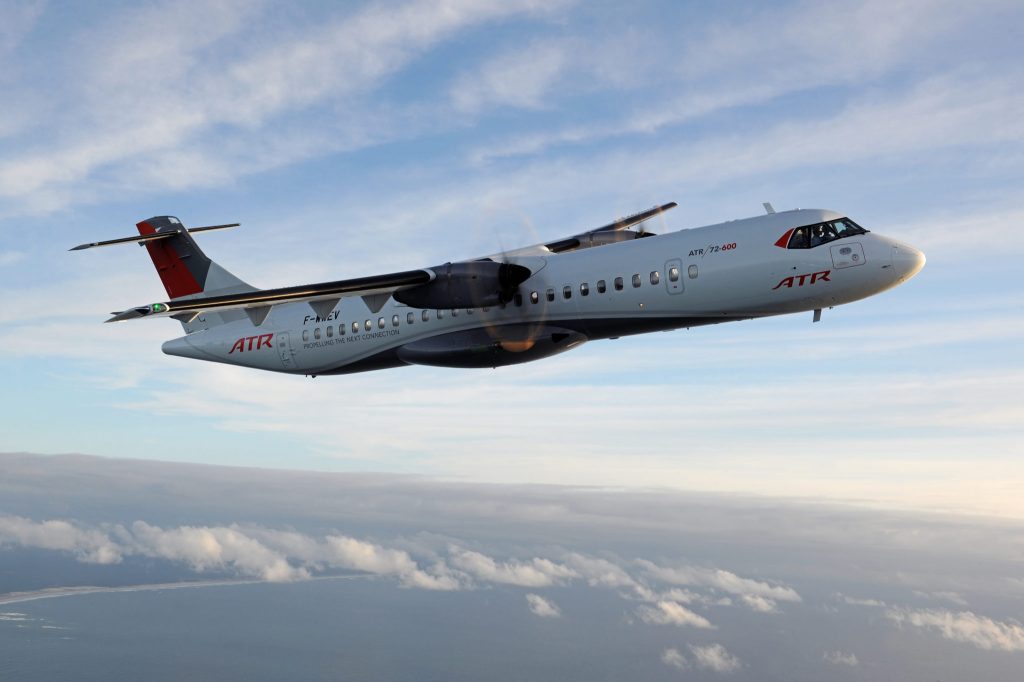
ATR Aircraft se encuentra estudiando la consideración del combustible de hidrógeno como parte de su impulso para mejorar el desempeño ambiental de sus aviones regionales, aunque dependerá de los accionistas del consorcio Airbus Group y Leonardo Company para investigar y desarrollar la tecnología.

«Somos muy pragmáticos. Somos una empresa con una plantilla de 1.200 personas; no tenemos 1.000 ingenieros para dedicarnos a I+D; no tenemos los grandes laboratorios ni los grandes bancos de pruebas», explicó. ATR considerará todas las tecnologías, incluida la híbrida-eléctrica, que reduce el CO2 lo emisiones e integrarlo en su plataforma, siempre y cuando resulte disponible y asequible, expresó el CEO de ATR Aircraft, Stefano Bortoli.

Bajo un proyecto denominado ZEROe, Airbus ha comenzado a desarrollar tres conceptos para un avión comercial de cero emisiones impulsado por hidrógeno que podría entrar en servicio en 2035. Uno de los diseños se centra en un doble turbohélice impulsado por combustión de hidrógeno en motores de turbina de gas modificados que podrían acomodar hasta 100 pasajeros y volar a un rango proyectado de hasta alrededor de 1.000 nm. La solución de hidrógeno debe ser evaluada, corroboró el Jefe de Ingeniería de ATR Aircraft, Daniel Cuchet, aunque advirtió que los colegas de Airbus aún no han determinado la mejor vía para el uso del hidrógeno. Además, el hidrógeno podría no funcionar para ATR. «No estamos construyendo un avión para ingenieros. Nuestros clientes quieren un avión robusto, asequible y versátil. No todos nuestros operadores estarían interesados en utilizar hidrógeno porque no es factible para ellos, por razones económicas o porque la infraestructura de hidrógeno pertinente no estará en su lugar. Muchos de nuestros aviones aterrizan en pistas sin pavimentar en islas remotas», dijo el ingeniero Daniel Cuchet.

Proceso maduración tecnológica

Hasta que la tecnología del hidrógeno esté madura, mezclar y eventualmente reemplazar el queroseno convencional a base de fósiles con Combustible de Aviación Sostenible (SAF) es una buena solución a corto plazo, afirmó Daniel Cuchet. Todos los aviones ATR han obtenido la certificación para volar con una mezcla 50/50, y la compañía tiene como objetivo obtener la certificación para el uso del 100 por ciento de SAF para 2025.

Cadena producción

Al igual que otros fabricantes de fuselajes, 2020 marcó un mal año para el fabricante de turbohélices franco-italiano. La situación está mejorando, y las entregas han comenzado a acelerarse después de un casi estancamiento en 2020. Actualmente, alrededor de veinticinco turbohélices ATR (25) entre ATR 42, ATR 72 y ATR 72F se encuentran en línea para el ensamblaje final. Eso se compara con un promedio de diez unidades pre-pandemia, según el Jefe de la línea de montaje final, Bertrand Villeneuve. ATR Aircraft tiene como objetivo entregar al menos el doble de aviones este año que en 2020, cuando entregó solo diez ejemplares a los clientes. Además, el número de pedidos debería superar el bajo nivel del año pasado de tres aviones netos. En lo que va de año, ATR ha firmado un acuerdo con la aerolínea griega Sky Express para seis nuevos ATR 72-600, pero espera anunciar más pedidos en el espectáculo aéreo de Dubai en noviembre.

Perspectiva mercado

ATR se centrará en el segmento de 30 a 50 asientos para volver a crecer. La división ATR 42/ATR 72 ahora es de 20/80 pasajeros, pero eso podría evolucionar a 40/60 siguiendo la nueva estrategia, dijo el Vicepresidente Comercial Senior Fabrice Vautier. La compañía franco-italiana estima que alrededor de 900 aviones envejecidos de 30 a 50 asientos necesitarán reemplazo en los próximos cinco a siete años. Estados Unidos, Australia, Canadá y Japón son los principales mercados objetivo. «Defenderemos vigorosamente el liderazgo que construimos en ese segmento, donde el segmento conlleva poca competencia», enfatizó Stefano Bertoli.

El pronóstico excluye a China, donde ATR ve mucho margen de crecimiento, principalmente para turbohélices de 30 asientos para servir al segmento de aviación general del país y turbohélices de 50 asientos para conectar aeropuertos regionales. Sin embargo, el acceso al mercado está resultando difícil. ATR continúa esperando que la Administración de Aviación Civil de China emita permisos para que el ATR 42 vuele en el país. El fabricante de fuselaje europeo esperaba la validación de la certificación de tipo ATR 42-600 en China en 3Q2020; ahora deposita sus esperanzas en mediados de 2022. Stefano Bertoli se abstuvo diplomáticamente de especular sobre las razones de la demora, diciendo solo que «todos los temas técnicos se resolvieron a su debido tiempo».

ATR hydrogen technology

ATR at Airbus for hydrogen fuel technology

ATR Aircraft is studying the consideration of hydrogen fuel as part of its drive to improve the environmental performance of its regional aircraft, although it will rely on shareholders from the Airbus Group and Leonardo Company consortium to research and develop the technology.

AW-ATR 72-600_001

«We are very pragmatic. We are a company with a staff of 1,200 people; we do not have 1,000 engineers to do R&D; we do not have the large laboratories or the large test benches», he explained. ATR will consider all technologies, including hybrid-electric, that reduce CO2 emissions and integrate it into its platform, as long as it is available and affordable, said ATR Aircraft CEO Stefano Bortoli.

Under a project called ZEROe, Airbus has begun developing three concepts for a hydrogen-powered zero-emission commercial aircraft that could enter service in 2035. One of the designs focuses on a hydrogen-combustion-powered twin-turboprop in turbine engines. modified gas engines that could accommodate up to 100 passengers and fly at a projected range of up to around 1,000 nm. The hydrogen solution needs to be evaluated, confirmed ATR Aircraft’s Chief of Engineering, Daniel Cuchet, although he cautioned that Airbus colleagues have not yet determined the best route to use hydrogen. Also, hydrogen might not work for ATR. «We are not building an aircraft for engineers. Our customers want a robust, affordable and versatile aircraft. Not all of our operators would be interested in using hydrogen because it is not feasible for them, for economic reasons or because the relevant hydrogen infrastructure will not be in their possession. Most of our planes land on unpaved runways on remote islands», said engineer Daniel Cuchet.

Technological maturation process

Until hydrogen technology is mature, mixing and eventually replacing conventional fossil-based kerosene with Sustainable Aviation Fuel (SAF) is a good short-term solution, Daniel Cuchet said. All ATR aircraft have been certified to fly a 50/50 mix, and the company aims to be certified for 100 percent SAF use by 2025.

Production chain

Like other airframe manufacturers, 2020 marked a bad year for the Franco-Italian turboprop maker. The situation is improving, and deliveries have started to pick up after a near stagnation in 2020. Currently, around twenty-five ATR turboprops (25) between ATR 42, ATR 72 and ATR 72F are on line for final assembly. That compares to an average of ten pre-pandemic units, according to the head of the final assembly line, Bertrand Villeneuve. ATR Aircraft aims to deliver at least twice as many aircraft this year as it did in 2020, when it delivered just ten copies to customers. In addition, the number of orders should exceed last year’s low level of three net aircraft. So far this year, ATR has signed an agreement with Greek airline Sky Express for six new ATR 72-600s, but expects to announce more orders at the Dubai air show in November.

Market outlook

ATR will focus on the 30-50 seat segment to grow again. The ATR 42/ATR 72 split is now 20/80 passengers, but that could evolve to 40/60 following the new strategy, said Senior Vice President Commercial Fabrice Vautier. The Franco-Italian company estimates that around 900 aging planes from 30 to 50 seats will need replacement in the next five to seven years. The United States, Australia, Canada and Japan are the main target markets. «We will vigorously defend the leadership we build in that segment, where the segment carries little competition», emphasized Stefano Bertoli.

The forecast excludes China, where ATR sees a lot of room for growth, mainly for 30-seat turboprops to serve the country’s general aviation segment and 50-seat turboprops to connect regional airports. However, market access is proving difficult. ATR continues to wait for the Civil Aviation Administration of China to issue permits for the ATR 42 to fly in the country. The European airframe manufacturer expected validation of the ATR 42-600 type certification in China in 3Q2020; now pinning his hopes on mid-2022. Stefano Bertoli diplomatically refrained from speculating on the reasons for the delay, saying only that «all technical issues were resolved in due time».

PUBLISHER: Airgways.com
DBk: Atraircraft.com / Airbus.com / Airgways.com
AW-POST: 202109272057AR

A\W   A I R G W A Y S ®
Airbus US entregará aviones con SAF

AW | 2021 09 22 16:16 | INDUSTRY / AVIATION TECHNOLOGY

Proceso entregas aeronaves con suministro combustible sustentable

Airbus_Isologotype_svg

Airbus Americas comenzará a entregar todos los aviones desde su planta de fabricación en Mobile, Alabama, Estados Unidos con Combustible de Aviación Sostenible (SAF) a bordo a finales de este año 2021. La iniciativa es un paso más hacia el cumplimiento del compromiso de Airbus Group con un crecimiento neutro en carbono en el sector de la aviación. Airbus ha llegado a un acuerdo con Signature Flight Support para suministrar SAF a su instalación de su FAL en Mobile. Hacia Noviembre 2021 todos los aviones entregados a los clientes serán propulsados ​​por una mezcla de combustible para aviones convencional y SAF. Signature Flight Support está trabajando en asociación con World Energy para proporcionar el SAF de origen estadounidense a Airbus.

«La entrega de nuestros aviones producidos en dispositivos móviles con SAF es un paso importante e iterativo hacia la solución del desafío del carbono. SAF es un contribuyente positivo para mejorar la sostenibilidad en la aviación, ya que permite a una reducción del 80% de CO 2 a lo largo del ciclo de vida del combustible. Estamos comprometidos a hacer de los combustibles sostenibles una realidad cotidiana con un uso a una escala cada vez mayor, y este anuncio es una prueba más de ello», dijo Jeff Knittel, Presidente y Director Ejecutivo de Airbus Americas, Inc.

Desde su planta de fabricación de Estados Unidos en Mobile, Estado de Alabama, Airbus entrega aviones de la línea de la familia A220 y A320 a clientes de Estados Unido. Desde 2016, la compañía ha entregado más de 260 aviones Airbus desde Mobile, 54 de los cuales han sido entregados a aerolíneas solo en 2021.

Airbus US to deliver aircraft with SAF

Aircraft delivery process with sustainable fuel supply

Airbus Americas will begin delivering all aircraft from its manufacturing facility in Mobile, Alabama, United States with Sustainable Aviation Fuel (SAF) on board by the end of this year 2021. The initiative is a further step towards fulfilling Airbus’ commitment. Group with carbon neutral growth in the aviation sector. Airbus has entered into an agreement with Signature Flight Support to supply SAF to its Mobile FAL facility. By November 2021 all aircraft delivered to customers will be powered by a mixture of conventional jet fuel and SAF. Signature Flight Support is working in partnership with World Energy to provide the US-sourced SAF to Airbus.

«Delivering our aircraft produced on mobile devices with SAF is an important and iterative step towards solving the carbon challenge. SAF is a positive contributor to improving sustainability in aviation as it enables an 80% reduction in CO 2 throughout the fuel lifecycle. We are committed to making sustainable fuels an everyday reality with ever-increasing use, and this announcement is further proof of that», said Jeff Knittel, President and CEO. Executive of Airbus Americas, Inc.

From its US manufacturing facility in Mobile, Alabama, Airbus delivers A220 and A320 family aircraft to customers in the United States. Since 2016, the company has delivered more than 260 Airbus aircraft from Mobile, 54 of which have been delivered to airlines in 2021 alone.

PUBLISHER: Airgways.com
DBk: Airbus.com / Airgways.com
AW-POST: 202109221616AR

A\W   A I R G W A Y S ®

Airbus montaje prototipo ala ecológica

AW | 2021 09 22 16:07 | INDUSTRY / AVIATION TECHNOLOGY

Inicio montaje primer ala ecológica programa Wings of Tomorrow

Airbus_Isologotype_svg

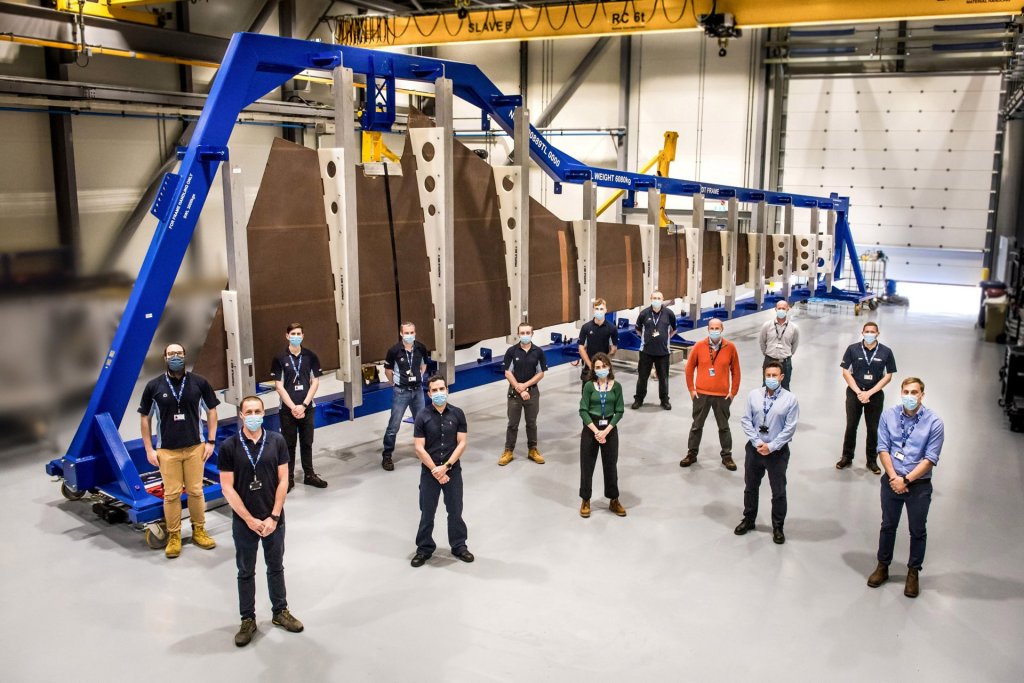
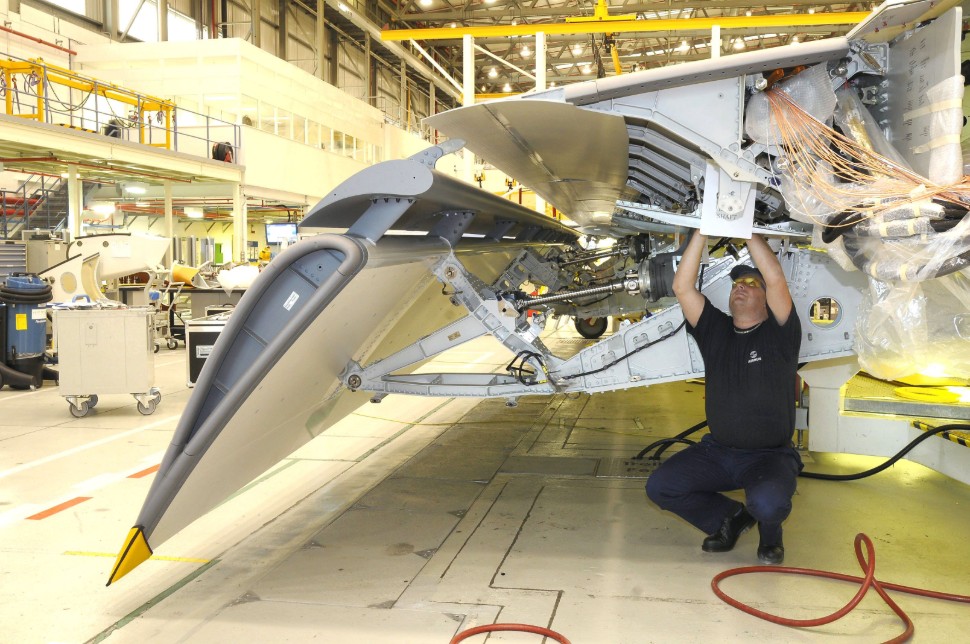
Airbus Group comienza el montaje del primer futuro prototipo de ‘ala ecológica’. El programa mejorará la comprensión de la fabricación e industrialización de alas. «Wing of Tomorrow», un importante programa de investigación y tecnología de Airbus, ha alcanzado un hito clave con el montaje de su primer prototipo de ala de tamaño completo. El programa Wing of Tomorrow no solo probará los últimos materiales compuestos y nuevas tecnologías en aerodinámica y arquitectura de alas, sino que, lo que es más importante, explorará cómo se puede mejorar la fabricación e industrialización de alas para satisfacer la demanda futura a medida que el sector emerge de la pandemia. Se fabricarán en total tres alas prototipo de tamaño completo: una se utilizará para comprender la integración de sistemas; un segundo se probará estructuralmente para compararlo con el modelado por computadora, mientras que un tercero se ensamblará para probar la ampliación de la producción y compararlo con el modelado industrial.

Sabine Klauke, directora técnica de Airbus, dijo: “Wing of Tomorrow, una parte crucial de la cartera de I+T de Airbus, nos ayudará a evaluar la viabilidad industrial de la producción futura de alas. La tecnología de ala de alto rendimiento es una de varias soluciones, junto con los combustibles de aviación sostenibles y el hidrógeno, que podemos implementar para contribuir a la ambición de descarbonización de la aviación. Wing of Tomorrow es también un ejemplo de cómo la colaboración de la industria a gran escala será fundamental para lograr la agenda de nuestro sector para un futuro más sostenible».

Wing of Tomorrow, financiado en parte por el Instituto de Tecnología Aeroespacial del Reino Unido, es un programa de Airbus totalmente transnacional en el que participan socios y equipos globales en los sitios europeos de Airbus, incluida Bremen en Alemania, donde tiene su sede el equipo ‘Wing Moveables’. Los demostradores de tres alas reunirán más de 100 nuevas tecnologías para explorar nuevas técnicas de fabricación y ensamblaje con el objetivo de hacer que la aviación sea más sostenible. El submontaje de la cubierta del ala compleja se llevó a cabo en las instalaciones de Airbus en Filton, Inglaterra, y se fabricó en el National Composite Centre de Bristol. La cubierta del ala y un componente importante de GKN Aerospace, el Fixed Trailing Edge, se entregaron al Centro de Investigación de Fabricación Avanzada, Gales, en la planta de producción de alas de Airbus en Broughton, Flintshire, para que comenzara el ensamblaje.

Airbus assembling ecological wing prototype

Start assembly first ecological Wings of Tomorrow program

Airbus Group begins assembly of the first future ‘green wing’ prototype. The program will enhance understanding of wing manufacturing and industrialization. «Wing of Tomorrow», a major Airbus research and technology program, has reached a key milestone with the assembly of its first full-size wing prototype. The Wing of Tomorrow program will not only test the latest composites and new technologies in aerodynamics and wing architecture, but more importantly, explore how wing manufacturing and industrialization can be improved to meet future demand as the sector emerges from the pandemic. A total of three full-size prototype wings will be built: one will be used to understand systems integration; a second will be structurally tested to compare with computer modeling, while a third will be assembled to test production scaling and compare to industrial modeling.

Sabine Klauke, Airbus Chief Technical Officer, said: “Wing of Tomorrow, a crucial part of Airbus’ R&T portfolio, will help us assess the industrial feasibility of future wing production. High-performance wing technology is one of several solutions, along with sustainable aviation fuels and hydrogen, that we can implement to contribute to the decarbonization of aviation ambition. Wing of Tomorrow is also an example of how large-scale industry collaboration will be critical to achieving our industry’s agenda for a more sustainable future».

Wing of Tomorrow, funded in part by the UK Institute of Aerospace Technology, is a fully transnational Airbus program involving global partners and teams at Airbus’ European sites, including Bremen in Germany, where the team is based. ‘Wing Moveables’. The three-wing demonstrators will bring together more than 100 new technologies to explore new manufacturing and assembly techniques with the goal of making aviation more sustainable. The subassembly of the complex wing cover was carried out at the Airbus facility in Filton, England, and manufactured at the National Composite Center in Bristol. The wing cover and a major GKN Aerospace component, the Fixed Trailing Edge, were delivered to the Advanced Manufacturing Research Center, Wales, at Airbus’ wing production facility in Broughton, Flintshire, for assembly to begin.

PUBLISHER: Airgways.com
DBk: Airbus.com / Airgways.com
AW-POST: 202109221607AR

A\W   A I R G W A Y S ®

Airbus lanza demostrador de alas

AW | 2021 09 22 15:57 | INDUSTRY / AVIATION TECHNOLOGY

Desarrolla alto rendimiento para fortalecer descarbonización

Airbus_Isologotype_svg

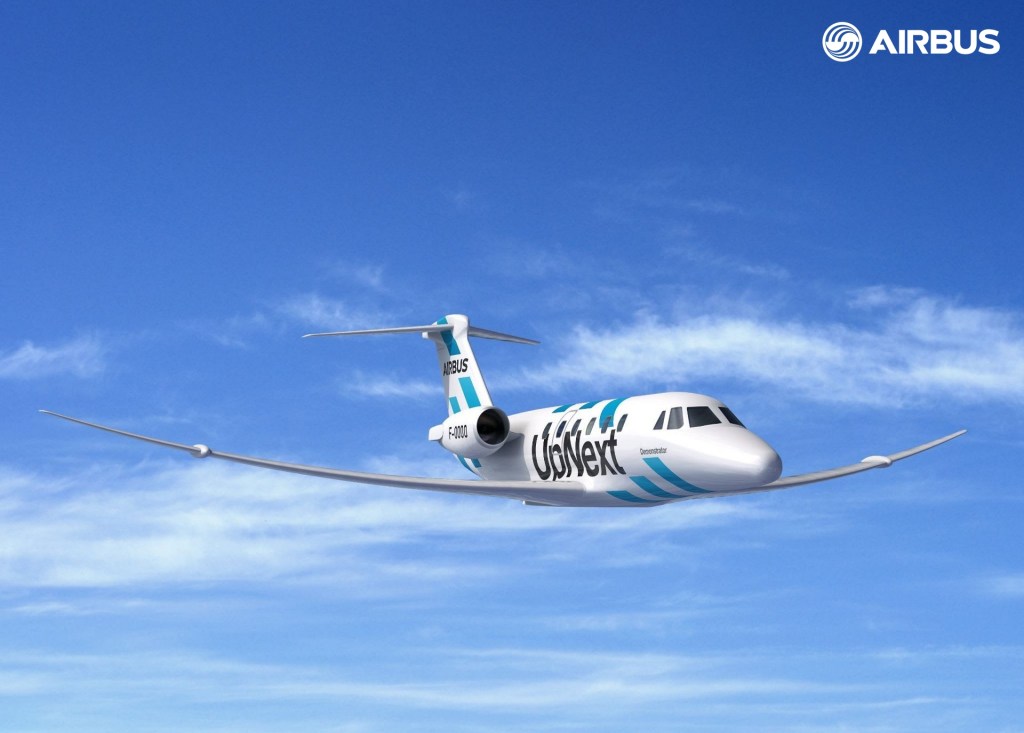
Airbus Group ha lanzado un proyecto de demostración de alas de rendimiento adicional centrado en acelerar y validar tecnologías que mejorarán y optimizarán la aerodinámica y el rendimiento de las alas para cualquier avión futuro. Este demostrador escalado integrará y volará tecnologías de ala de vanguardia en una plataforma de jet de negocios Cessna Citation VII en condiciones de vuelo representativas. Las aplicaciones del ala de rendimiento adicional serían compatibles con cualquier solución de propulsión y configuración de aeronave y reducirían las emisiones de CO₂ , contribuyendo en gran medida a la hoja de ruta de descarbonización de Airbus.

“El demostrador de alas de rendimiento extra de Airbus es otro ejemplo de las nuevas soluciones tecnológicas de Airbus para descarbonizar el sector de la aviación. Airbus investiga continuamente soluciones paralelas y complementarias como la infraestructura, las operaciones de vuelo y la estructura de la aeronave. Con este demostrador, lograremos avances significativos en la tecnología de control activo a través de la investigación y las pruebas aplicadas de diversas tecnologías inspiradas en la biomimetismo”, afirma Sabine Klauke, Directora Técnica de Airbus.

De manera similar a cómo vuela un águila, adaptando la forma, la envergadura y la superficie de sus alas y plumas, este demostrador permite una mayor eficiencia de vuelo. Se investigarán varios ladrillos tecnológicos para permitir el control activo del ala, que incluyen: sensores de ráfaga, spoilers o placas emergentes que se desvían rápidamente perpendicularmente al flujo de aire, bordes de salida multifuncionales que cambian dinámicamente la superficie del ala en vuelo y una bisagra semiaeroelástica. El demostrador está alojado en Airbus UpNext, una subsidiaria de propiedad total de Airbus creada para dar a las tecnologías futuras un desarrollo rápido mediante la construcción de demostradores a velocidad y escala, con el fin de evaluar, madurar y validar posibles nuevos productos y servicios que abarcan avances tecnológicos radicales.

Airbus launches wing demonstrator

Develops high performance to strengthen decarbonization

Airbus Group has launched an additional performance wing demonstration project focused on accelerating and validating technologies that will improve and optimize aerodynamics and wing performance for any future aircraft. This scaled demonstrator will integrate and fly cutting edge wing technologies on a Cessna Citation VII business jet platform under representative flight conditions. Additional performance wing applications would be compatible with any aircraft configuration and propulsion solution and reduce CO₂ emissions, contributing greatly to Airbus’ decarbonization roadmap.

“The Airbus Extra Performance Wing Demonstrator is another example of Airbus’ new technology solutions to decarbonize the aviation industry. Airbus continually investigates parallel and complementary solutions such as infrastructure, flight operations and aircraft structure. With this demonstrator, we will achieve significant advances in active control technology through research and applied testing of various biomimicry-inspired technologies”, says Sabine Klauke, Airbus Technical Director.

Similar to how an eagle flies, by adapting the shape, wingspan, and surface area of ​​its wings and feathers, this demonstrator enables greater flight efficiency. Various technology building blocks will be investigated to enable active wing control, including: burst sensors, spoilers, or pop-up plates that rapidly deflect perpendicular to the airflow, multi-functional trailing edges that dynamically change the wing surface in flight, and a hinge. semiaeroelastic. The demonstrator is hosted by Airbus UpNext, a wholly-owned subsidiary of Airbus created to give future technologies rapid development by building demonstrators at speed and scale, in order to evaluate, mature and validate potential new products and services that they encompass radical technological advances.

PUBLISHER: Airgways.com
DBk: Airbus.com / Airgways.com
AW-POST: 202109221557AR

A\W   A I R G W A Y S ®
Actualización flota Latam Group

AW | 2021 09 22 15:44 | INDUSTRY / AVIATION TECHNOLOGY

Latam Airlines actualizará +200 aviones familia A320

Airbus_Isologotype_svg

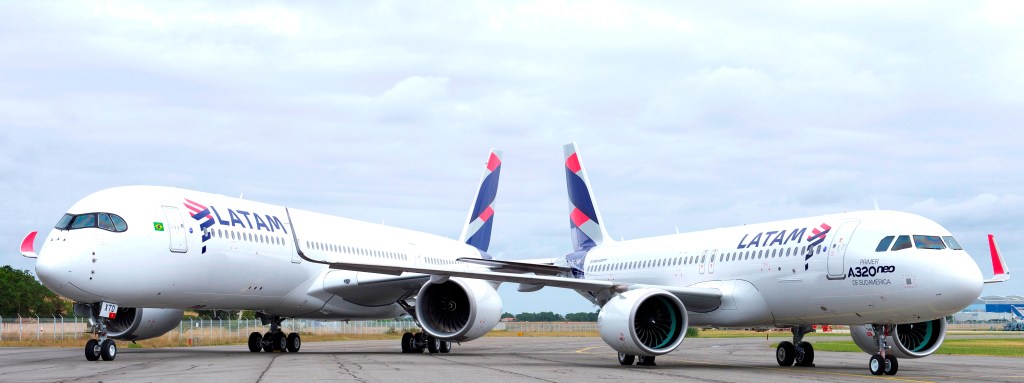
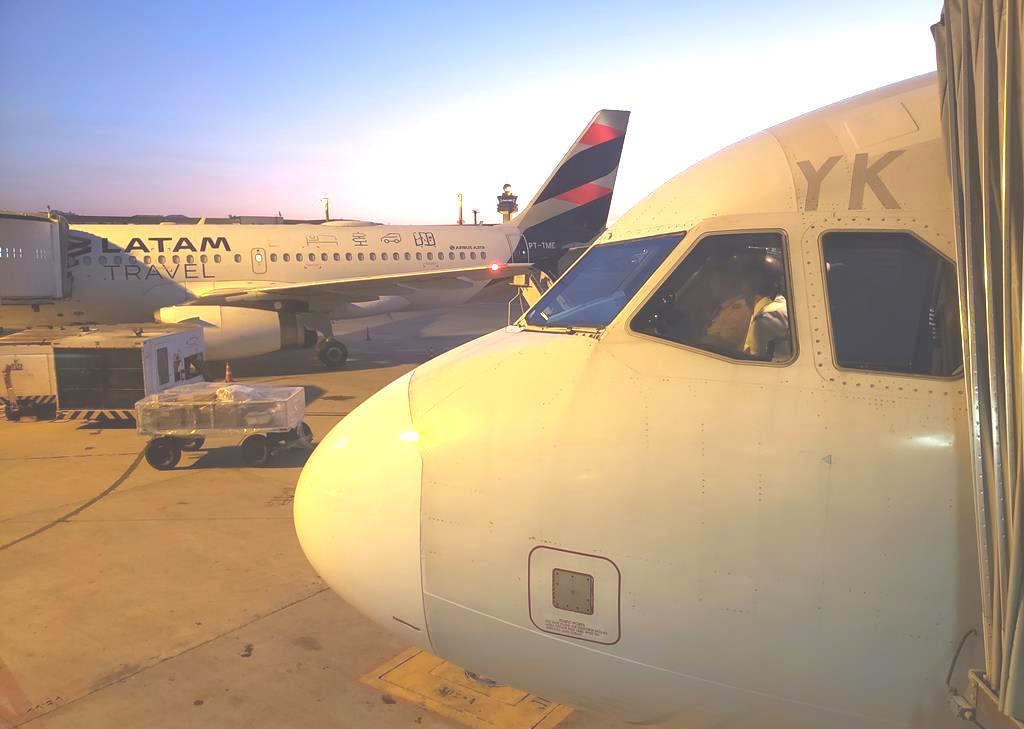
Latam Airlines ha anunciado que actualizará su flota de más de 200 aviones de la familia Airbus A320 con la función de optimización del perfil de descenso de Airbus para ahorrar combustible. Latam Airlines actualizará su flota de aeronaves de la familia A320 con la función Descent Profile Optimization (DPO) de Airbus, una mejora de ahorro de combustible en la base de datos de rendimiento del Sistema de Gestión de Vuelo (FMS) a bordo de la aeronave. Esta actualización se llevará a cabo en más de 200 aeronaves de su flota de la familia A320, convirtiéndose en la mayor flota de Airbus equipada con esta poderosa solución de ahorro de combustible.

La función DPO permite que la aeronave descienda desde la altitud de crucero utilizando solo el empuje del motor en ralentí, lo que reduce el consumo de combustible y genera reducciones proporcionales de CO 2 (dióxido de carbono) y NOx (emisiones de óxido de nitrógeno). Para mejorar aún más la reducción de combustible, el DPO maximiza el tiempo dedicado a un nivel de crucero eficiente, al no comenzar el descenso demasiado temprano, y posteriormente minimiza la cantidad de tiempo dedicado a una etapa de ‘nivelación’ ineficiente en la parte inferior del descenso, cuando el Los motores de la aeronave generan empuje para mantener un vuelo nivelado en aire denso antes de la aproximación final al aterrizaje. La optimización de la trayectoria de vuelo de la aeronave es uno de los factores clave para mejorar aún más la eficiencia en cooperación con Air Traffic Control. Optimizando las trayectorias de descenso de su aeronave y reduciendo el flujo de combustible a los motores procedente del menor empuje inactivo durante la fase de descenso gracias a la función DPO, Latam Airlines generará más de 100 toneladas de ahorro de combustible al año por aeronave. en toda su red, incluidos aeropuertos restringidos como Lima, Santiago y São Paulo. Esto reducirá las emisiones de dióxido de carbono en más de 300 toneladas por año por aeronave, lo que representa una contribución significativa a operaciones de vuelo más sostenibles con 60.000 toneladas de CO2 cada año para toda la flota de la familia A320 de Latam Airlines.

DPO es una de las varias soluciones de optimización de operaciones de vuelo que ofrece Airbus y su filial de servicios de operaciones de vuelo Navblue. Junto con una gestión mejorada del tráfico aéreo, estas soluciones de ahorro de combustible permiten a los operadores comenzar la descarbonización de la aviación ahora. Todos los kits de equipos necesarios para la instalación del software de rendimiento de DPO en la flota de la familia A320 de Latam Airlines comenzarán a entregarse desde finales de 2021 hasta principios de 2022.

Latam Group fleet update

Latam Airlines will upgrade +200 A320 family aircraft

Latam Airlines_Isologotype

Latam Airlines has announced that it will upgrade its fleet of more than 200 Airbus A320 family aircraft with Airbus’ descent profile optimization feature to save fuel. Latam Airlines will update its fleet of A320 family aircraft with Airbus’ Descent Profile Optimization (DPO) feature, a fuel economy enhancement in the Flight Management System (FMS) performance database on board the aircraft. . This upgrade will be carried out on more than 200 aircraft in its A320 family fleet, making it the largest Airbus fleet equipped with this powerful fuel-saving solution.

AW-SAF Fuel

The DPO function allows the aircraft to descend from cruising altitude using only engine thrust at idle, reducing fuel consumption and generating proportional reductions in CO2 (carbon dioxide) and NOx (nitrogen oxide emissions). To further improve fuel reduction, the DPO maximizes the time spent at an efficient level of cruising, by not starting the descent too early, and subsequently minimizes the amount of time spent at an inefficient ‘leveling’ stage at the bottom. of descent, when the aircraft engines generate thrust to maintain level flight in dense air prior to final approach to landing. Optimizing the flight path of the aircraft is one of the key factors to further improve efficiency in cooperation with Air Traffic Control. By optimizing your aircraft’s descent paths and reducing the flow of fuel to the engines from less idle thrust during the descent phase thanks to the DPO function, Latam Airlines will generate more than 100 tons of fuel savings per year per aircraft. throughout its network, including restricted airports such as Lima, Santiago and São Paulo. This will reduce carbon dioxide emissions by more than 300 tons per year per aircraft, making a significant contribution to more sustainable flight operations with 60,000 tons of CO2 each year for the entire fleet of Latam Airlines A320 family.

DPO is one of several flight operations optimization solutions offered by Airbus and its flight operations services subsidiary Navblue. Along with improved air traffic management, these fuel-saving solutions allow operators to begin decarbonizing aviation now. All equipment kits required for the installation of DPO performance software in the Latam Airlines A320 Family fleet will begin delivery from late 2021 to early 2022.

PUBLISHER: Airgways.com
DBk: Airbus.com / Airgways.com
AW-POST: 202109221544AR

A\W   A I R G W A Y S ®

Inmarsat lanza OneFi

AW | 2021 09 21 19:13 | AVIATION TECHNOLOGY

Nueva plataforma experiencia al cliente

AW-Inmarsat_Isologotype_Tx

Inmarsat ha lanzado una nueva plataforma de experiencia al cliente con el concepto de cambiar la experiencia para que las aerolíneas moneticen la conectividad a bordo. La nueva solución innovadora reúne una gran cantidad de servicios a bordo dentro de una única interfaz de portal, lo que brinda una oportunidad comercial para que las aerolíneas atraigan ingresos auxiliares

Inmarsat, el líder mundial en comunicaciones móviles globales por satélite, anunció este 21 de Septiembre de 2021 el lanzamiento de su nueva e innovadora plataforma de experiencia del cliente OneFi (CXP) para aerolíneas. La primera solución de su tipo servirá como catalizador para monetizar la conectividad a bordo al reunir una gran cantidad de servicios a bordo dentro de una única interfaz de portal, a la que los pasajeros pueden acceder fácilmente utilizando sus propios dispositivos personales.

OneFi ofrece una rica plataforma digital de marca de aerolínea para mejorar la experiencia de los pasajeros a bordo de los vuelos. Permite a los pasajeros pedir alimentos y bebidas, comprar mejoras de asiento, recibir la información más reciente sobre vuelos y destinos, y registrarse en los programas de viajero frecuente de la aerolínea, todo en tiempo real desde la comodidad de su asiento. Además, los pasajeros pueden navegar por Internet, transmitir videos y audio, comprar en línea y disfrutar de otras ofertas de comercio electrónico, utilizando banda ancha a bordo de alta velocidad que las aerolíneas podrían elegir ofrecer de forma gratuita, financiada a través de las funciones de patrocinio y publicidad de OneFi.

El lanzamiento de OneFi llega en un momento crítico para las aerolíneas, ya que la pandemia mundial ha acelerado la demanda de pasajeros de experiencias digitales a bordo. El reciente Rastreador de Confianza del Pasajero 2021de Inmarsat, la encuesta global más grande y completa de su tipo desde que comenzó la pandemia, encontró que las soluciones digitales que mantienen a los pasajeros conectados y minimizan su contacto con la tripulación de cabina y otros pasajeros pueden ser de gran ayuda para aumentar la confianza. Además, de los 10.000 encuestados en todo el mundo, el 41% creía que el Wi-Fi a bordo había aumentado en importancia después de la pandemia.

Inmarsat launches OneFi

New customer experience platform

Inmarsat has launched a new customer experience platform with the concept of changing the experience for airlines to monetize inflight connectivity. The new innovative solution brings together a large number of inflight services within a single portal interface, providing a business opportunity for airlines to attract ancillary revenue.

Inmarsat, the world leader in global mobile satellite communications, announced on September 21, 2021 the launch of its new and innovative OneFi customer experience platform (CXP) for airlines. The first-of-its-kind solution will serve as a catalyst to monetize on-board connectivity by bringing together a large number of on-board services within a single portal interface, which passengers can easily access using their own personal devices.

OneFi offers a rich airline-branded digital platform to enhance the passenger experience on board flights. It allows passengers to order food and beverages, purchase seat upgrades, receive the latest information on flights and destinations, and register for the airline’s frequent flyer programs, all in real time from the comfort of their seat. Additionally, passengers can surf the internet, stream video and audio, shop online, and enjoy other e-commerce offers, using high-speed onboard broadband that airlines could choose to offer for free, funded through features. sponsorship and advertising of OneFi.

The launch of OneFi comes at a critical time for airlines as the global pandemic has accelerated passenger demand for onboard digital experiences. Inmarsat’s recent 2021 Passenger Confidence Tracker, the largest and most comprehensive global survey of its kind since the pandemic began, found that digital solutions that keep passengers connected and minimize their contact with cabin crew and other passengers can be of great help to increase confidence. In addition, of the 10,000 respondents worldwide, 41% believed that onboard Wi-Fi had increased in importance after the pandemic.

PUBLISHER: Airgways.com
DBk: Inmarsat.com / Airgways.com
AW-POST: 202109211913AR

A\W   A I R G W A Y S ®