Gobierno apela ante Justicia EEUU para revertir fallo expropiación
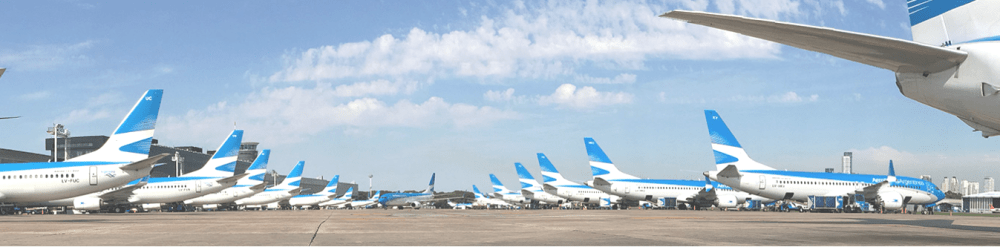
El Gobierno de Argentina iniciará una estrategia legal en Washington para revertir la sentencia que favorece a Titan Consortium, el fondo que posee los derechos del litigio contra la expropiación de Aerolíneas Argentinas en el Gobierno de Cristina Kirchner en 2008 contra el grupo español Marsans. Buscan evitar un embargo por US$ 390 millones de Dólares.
Argentina comenzará el Jueves 13/02 su apelación en el caso por la expropiación de Aerolíneas Argentinas, luego de que se perdiera el juicio en el Centro Internacional de Arreglo de Diferencias relativas a Inversiones (CIADI). El país busca que una Corte del Distrito de Columbia, en Estados Unidos, revierta el fallo que obliga a abonar US$ 390 millones de Dólares. Esto se deriva de la nacionalización de la aerolínea de bandera en 2008, que en ese momento estaba en manos de empresas pertenecientes al grupo español Marsans. Así lo informó Sebastián Maril, CEO de Latam Advirsors, quien señaló que todo indica que el alegato del Gobierno será que, el que tiene los derechos del juicio, Titan Consortium, se presentó en el tribunal norteamericano para que se reconozca el fallo adverso del CIADI y se embargaran activos de la aerolínea, luego de prescripto el caso a los seis años. Otro argumento que podría poner sobre la mesa Argentina, según el especialista, es que dicho fondo no es el legítimo beneficiario. Sucede que el grupo Marsans acudió en un principio al CIADI y en 2019 se decidió que el país debía pagar US$ 320 millones por esa operación forzosa, pero luego este vendió los derechos de litigio a Burford Capital, el bufete inglés que lleva adelante el juicio por la expropiación de YPF en 2012, quien a su vez se los traspasó a Titan Consortium, dos años después.
“De conformidad con las Reglas 3 y 4 de las Reglas Federales de Procedimiento de Apelación, por la presente se notifica este 8 de Enero de 2025 que el Demandado, la República de Argentina, apela ante el Tribunal de Apelaciones de los Estados Unidos para el Circuito del Distrito de Columbia la orden y sentencia final del Tribunal de Distrito, dictada el 10 de Diciembre de 2024, a favor del Demandante, Titan Consortium, LLC, y en contra del Demandado, así como cualquier otra orden dictada por el Tribunal de Distrito, incluyendo, entre otras, la orden del Tribunal de Distrito dictada el 19 de Agosto de 2024, que negó la moción del Demandado para desestimar”, dictó semanas atrás un comunicado oficial de la corte.
Vaciamiento Aerolíneas El grupo Marsans, cuyos directivos enfrentaron condenas en su país, vendió activos valiosos de la aerolínea. Es importante destacar que, según expresa Sebastián Maril, previo a la estatización “Marsans vació la empresa, utilizó los aviones y los pasó a Iberia. Iberia le daba a Aerolíneas Argentinas los aviones más antiguos y más usados. Es decir, estaba mal manejada”. Además, el grupo español, cuyos directivos enfrentaron condenas en su país, vendió activos valiosos de la aerolínea, como oficinas en ciudades clave (Roma, París, Nueva York, Miami, Madrid, Bogotá, Lima y Caracas), simuladores de vuelo esenciales para la capacitación del personal y rutas internacionales estratégicas hacia Europa. Estas acciones redujeron la capacidad operativa y la competitividad de la línea aérea.
Marsans dejó de gestionar Aerolíneas Argentinas y Austral Líneas Aéreas, acumulando una deuda cercana a US$ 890 millones, tras haber adquirido ambas compañías en 2001 por un precio simbólico de un Dólar a un organismo estatal español. En ese momento, el tesoro español tuvo que hacer aportes de capital por US$ 750 millones de Dólares para garantizar su funcionamiento. De todos modos, Sebastián Maril aseguró que la expropiación no siguió los pasos correspondientes para hacerlo correctamente ni para evitar este tipo de juicios.
PUBLISHER: Airgways.com DBk: Argentina.gob.ar / Airgways.com AW-POST: 202502131547AR OWNERSHIP: Airgways Inc. A\W A I R G W A Y S ®
La aerolínea privada brasileña Voepass Linhas Aéreas presentó una solicitud de ayuda preparatoria en Brasil para hacer frente a sus obligaciones financieras a corto plazo después de que uno de sus vuelos se estrellara en las afueras de São Paulo en Agosto 2024. Tras el revés producido por el accidente aéreo en el Estado de Sao Paulo, la aerolínea ha estado buscando ayudas para afrontar las dificultades financiares.
Voepass Linhas Aéreas anunció en la semana pasada una presentación para una solicitud de alivio preparatorio de acuerdo con la legislación vigente, con el objetivo de reestructurar sus obligaciones financieras de corto plazo y fortalecer su estructura de capital para lograr la sostenibilidad a largo plazo. La solicitud, que incluye el reperfilamiento del estado de la deuda, tiene como objetivo organizar los pasivos y el flujo de caja. La medida no incluye los procesos de indemnización vinculados al accidente ocurrido en Agosto de 2024, pues estos se están realizando a través de la compañía aseguradora. La empresa mantiene su compromiso de negociar con las familias para garantizar que el proceso se complete lo más rápido y satisfactoriamente posible.
El funcionamiento de sus rutas actuales continúa con normalidad, al igual que la venta y reserva de billetes, además de en los canales de venta de las empresas asociadas, anunció la aerolínea regional brasileña. La empresa enfatiza que continuará priorizando los salarios y beneficios de los empleados de manera normal durante todo este proceso y que las actividades se mantendrán; así como cumplir con los pagos de los servicios prestados y productos entregados a partir de la fecha de este proceso.
PUBLISHER: Airgways.com DBk: Voepass-com.br / Airgways.com AW-POST: 202502111733AR OWNERSHIP: Airgways Inc. A\W A I R G W A Y S ®
El Gobierno de Argentina acelera la privatización de Aerolíneas Argentinas en medio de las disputas de intereses por su continuidad en la órbita estatal. La Administración de Javier Milei ha sido expresamente claro respecto al futuro de la mayor aerolínea de Argentina, que busca privatizar la línea aérea.
En un mensaje expreso el Secretario de Transporte de la Nación ha dicho: «Si Aerolíneas no se privatiza en 2025 debería ser cerrada en 2026. Aerolíneas es una empresa sumamente interesante y hay privados en carrera. La decisión es que el Estado ya no la administre. Existe un decreto del presidente de la Nación que declara a Aerolíneas sujeta a privatización y ahora falta que el Congreso avale esa decisión. Si el parlamento no lo hiciera, la compañía se cerrará. Quiero ser contundente: Aerolíneas Argentinas no va a tener más el fondeo que tiene el Estado. Durante los años del kirchnerismo le ha costado 8 mil millones de dólares al pais”, dijo Franco Moguetta.
Interesados por Aerolíneas En la lista de interesados por Aerolíneas Argentinas se destacan Avianca Airlines del Abra Group, LATAM Airlines Group y Azul Líneas Aéreas entre los posibles oferentes con negociaciones más avanzadas, mientras se desarrolla el proceso de aprobación por parte del Poder Legislativo de Argentina.
En un claro mensaje de acercamiento de partes, LATAM Airlines ha firmado recientemente un acuerdo de código compartido con la aerolínea de Argentina como una señal para alcanzar el acuerdo de compra. Otras aerolíneas como Delta Air Lines habrían mostrado interés por sumarse a la adquisición de Aerolíneas Argentinas.
En medio del efecto privatizador, el Estado argentino ha estado adaptando y reestructurando la línea aérea para acondicionarla para una privatización eficaz. Alrededor de 1.500 trabajadores abandonaron Aerolíneas Argentinas tras la implementación de dos programas de retiros voluntarios y acuerdos pre-jubilatorios, alcanzando en 2024 una nómina de empleados cercana a los 10.000 empleados. Actualmente, el Gobierno no ha aprobado para el periodo 2025 partidas presupuestarias para la empresa estatal durante este año, sin dudas una presión impresionante para forzar la privatización de Aerolíneas Argentinas.
PUBLISHER: Airgways.com DBk: Argentina.gob.ar / Aerolineas.com / Airgways.com AW-POST: 202502061519AR OWNERSHIP: Airgways Inc. A\W A I R G W A Y S ®
Gobierno Buenos Aires multa Flybondi por AR$300 millones Aerolínea argumenta aplicación falta jurisdicción
El Gobierno de la Provincia de Buenos Aires ha multado a la compañía aérea Flybondi Líneas Aéreas por las reiteradas cancelaciones de vuelos, acusada por infracciones a la Ley de Defensa del Consumidor, pero Flybondi rechaza la medida argumentando falta de jurisdicción provincial.
El Gobierno de la Provincia de Buenos Aires sancionó a Flybondi con una multa de más de AR$ 300 millones de Pesos tras confirmar múltiples infracciones a la Ley N° 24.240 de Defensa del Consumidor. La decisión se tomó luego de recibir 2.400 reclamos de usuarios que no obtuvieron respuestas satisfactorias por parte de la aerolínea low cost argentina.
El Ministerio de Producción, Ciencia e Innovación Tecnológica de la Provincia, a través de la Subsecretaría de Desarrollo Comercial y Promoción de Inversiones, detectó una serie de irregularidades que motivaron la sanción: Suspensiones y reprogramaciones frecuentes de vuelos sin la debida respuesta a los pasajeros. Falta de canales de comunicación eficaces para gestionar reclamos. Imposibilidad de optar por reprogramaciones o reintegros por cancelaciones. Pérdidas económicas asociadas a cancelaciones, como transporte al aeropuerto, reservas de hoteles y paquetes turísticos. Ausencia de publicación en su web de las condiciones generales y particulares de contratación. El gobierno bonaerense destacó que la sanción busca garantizar los derechos de los consumidores y aseguró que seguirá interviniendo en casos similares.
Flybondi rechaza sanción Flybondi rechazó la multa y anunció que presentará un recurso administrativo para impugnar la sanción. La aerolínea argumenta que la Provincia de Buenos Aires no tiene jurisdicción sobre temas aeronáuticos y que la autoridad competente en la materia es la Administración Nacional de Aviación Civil (ANAC). El organismo aeronáutico es el encargado de aplicar el Código Aeronáutico y sus reglamentaciones. Además, Flybondi aseguró que responde a los reclamos de sus pasajeros a través de sus canales de comunicación habilitados y que cumple con la normativa vigente en la materia.
El conflicto entre la aerolínea y el Gobierno bonaerense abre un nuevo debate sobre la regulación del sector y la defensa de los derechos de los pasajeros aéreos en Argentina.
PUBLISHER: Airgways.com DBk: Flybondi.com / Gba.gob.ar / Airgways.com AW-POST: 202502031033AR OWNERSHIP: Airgways Inc. A\W A I R G W A Y S ®
AW | 2025 01 25 10:07 | AIRLINES ROUTES / GOVERNMENT
Argentina-Turquía firman acuerdo mayor conectividad aérea
Argentina y Turquía firmaron un acuerdo bilateral que marca un hito en la conectividad aérea entre ambos países, abriendo las puertas a frecuencias ilimitadas y rutas más flexibles. Este entendimiento, celebrado mediante una videoconferencia en el Palacio San Martín, elimina restricciones previas que limitaban las operaciones a solo siete frecuencias semanales combinadas, permitiendo a las aerolíneas operar vuelos combinados de pasajeros y carga, exclusivos de carga y no regulares sin limitaciones. La medida también busca atraer inversiones y potenciar el comercio exterior de ambos países.
La firma del acuerdo estuvo a cargo del Secretario de Transporte del Ministerio de Economía de Argentina, Franco Mogetta, y del Director General de Aviación Civil de Turquía, Kemal Yüksek, quien participó desde su país. También estuvieron presentes el Embajador de Turquía en Argentina, Süleyman Ömür Budak, y otras autoridades de ambos gobiernos, además de representantes del sector aeronáutico internacional. Este memorándum no solo abre nuevas oportunidades para las aerolíneas de ambos países, sino que también habilita la posibilidad de establecer acuerdos de código compartido con líneas aéreas de terceros países, ampliando significativamente la conectividad para pasajeros y carga.
Impulso comercial El acuerdo con Turquía promovida por la política de cielos abiertos impulsada por el gobierno argentino permitirá aumentar las relaciones comerciales a un nivel superior. La implementación de frecuencias de vuelos ilimitadas entre ambos países tiene implicaciones directas para la logística y el comercio exterior. Turquía, reconocida como un nodo clave en el transporte aéreo mundial, movilizó en 2024 alrededor de 230 millones de pasajeros y cerca de 5 millones de toneladas de carga. Este acuerdo permite a Argentina acceder a este mercado estratégico, con rutas más eficientes hacia Europa, Asia y Medio Oriente.
Para los exportadores argentinos, la posibilidad de operar vuelos exclusivos de carga bajo este esquema es un cambio significativo. Productos perecederos como frutas y carnes, mercancías de alto valor como productos tecnológicos, y bienes industriales voluminosos podrán ser transportados de manera más eficiente y a menor costo, optimizando así las operaciones logísticas. Este avance es particularmente relevante para las pequeñas y medianas empresas que buscan expandirse a mercados internacionales, pero que enfrentan barreras logísticas debido a la falta de opciones de transporte flexibles. En los últimos meses, catorce países, incluidos Brasil, Canadá, Chile y Qatar, han firmado acuerdos similares, consolidando una red internacional que busca fortalecer la posición de Argentina en el mercado aerocomercial.
En el área de turismo, el aumento de rutas y frecuencias promete incrementar significativamente el flujo de visitantes internacionales, especialmente desde mercados emergentes como Turquía y sus alrededores. Esto no solo favorecerá a destinos tradicionales como Buenos Aires, sino también a localidades menos exploradas, contribuyendo al desarrollo regional y al ingreso de divisas.
Adicionalmente, la ampliación de la conectividad fomenta la llegada de inversiones en infraestructura aeroportuaria. Aeropuertos clave en Argentina, como Ezeiza y otros del interior, podrían beneficiarse de mejoras para manejar mayores volúmenes de pasajeros y carga, lo que fortalecería la competitividad del país en el escenario global.
Seguridad y cooperación internacional Además de los beneficios operativos, el acuerdo contempla un compromiso mutuo para mejorar la seguridad operacional. Argentina y Turquía trabajarán en conjunto para garantizar que los estándares de aviación cumplan con las normativas internacionales, lo que refuerza la confianza de pasajeros y operadores. Este enfoque en la seguridad es crucial en un contexto de creciente tráfico aéreo y nuevas rutas internacionales.
La habilitación de códigos compartidos con aerolíneas de terceros países es otro de los puntos destacados del memorándum. Esta práctica permite que las aerolíneas colaboren en la comercialización de destinos, ampliando la oferta para los pasajeros y mejorando la eficiencia en el transporte de carga. Para Argentina, esto representa una oportunidad única de integrar su red aérea en rutas globales clave, aumentando la competitividad de sus exportaciones.
Con Turquía sumándose a la lista de países con esta clase de acuerdos bilaterales, el Gobierno busca consolidar una estrategia de integración que beneficie tanto al sector logístico como al comercial. El memorándum promete ampliar las posibilidades para pasajeros y exportadores. A medida que se implemente este nuevo marco operativo, las oportunidades para optimizar el comercio exterior y atraer nuevos actores al mercado aerocomercial podrían sentar las bases para un crecimiento sostenido en el sector.
PUBLISHER: Airgways.com DBk: Argentina.gob.ar / Airgways.com AW-POST: 202501251007AR OWNERSHIP: Airgways Inc. A\W A I R G W A Y S ®
AW | 2025 01 24 11:24 | AIRLINES ROUTES / GOVERNMENT
Unión Europea evalúa aliviar sanciones a Siria
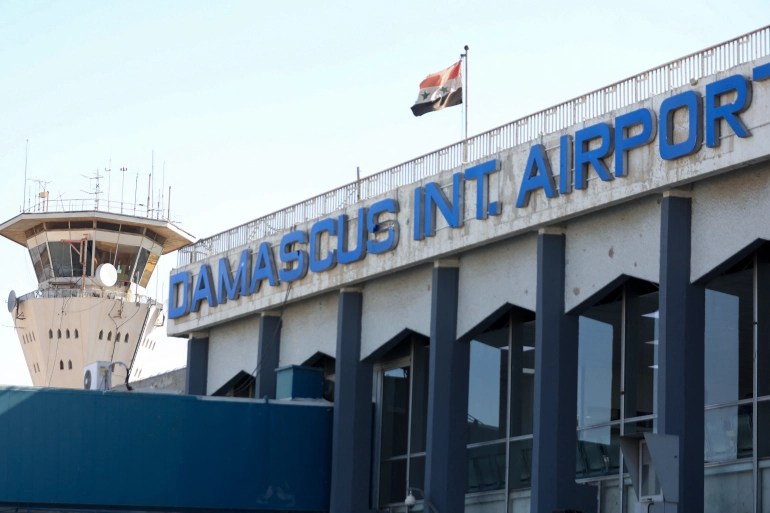
Los vuelos comerciales internacionales se han reanudado en el Aeropuerto Internacional de Damasco (DAM) a principios de en Enero 2025 por primera vez desde el derrocamiento de Bashar al-Assad, los viajes comerciales han comenzado nuevamente tras la interrupción de las operaciones en Diciembre 2024 debido al derrocamiento del antiguo régimen.
La agencia estatal de noticias SANA confirmó previamente la reanudación de los vuelos internacionales, citando a Ashhad al-Salibi, Jefe de la Autoridad General de Aviación Civil y Transporte Aéreo, quien declaró que el principal aeropuerto del país en Damasco estaba listo para reiniciar sus operaciones.
Antes del estallido de la guerra civil siria en 2012, Damasco contaba con más de una docena de grandes aerolíneas. Aunque los vuelos internacionales se suspendieron por razones de seguridad después de que las fuerzas pro-Assad abandonaran el aeropuerto el 8 de Diciembre de 2024, las operaciones nacionales se reanudaron el 18 de Diciembre de 2024 con un vuelo de Damasco a Alepo. Se trata del primer viaje interno desde que las fuerzas de oposición tomaron el control de la capital tras una rápida ofensiva que comenzó el 27 de Noviembre de 2024.
Con el antiguo grupo insurgente Hayat Tahrir al-Sham (HTS) ahora al frente de la administración de facto de Siria, las naciones árabes y occidentales están restableciendo relaciones diplomáticas con las nuevas autoridades. Aviones de ayuda internacional y delegaciones diplomáticas también han comenzado a aterrizar en Siria, lo que significa la reintegración del país a las redes mundiales de transporte aéreo. La renovada conectividad de Siria es indicativa de cambios geopolíticos y económicos más amplios a medida que el país reconstruye su infraestructura y fortalece las relaciones internacionales.
Reinicio ops aerolíneas A principios de Enero 2025, un vuelo de prueba de Royal Jordanian Airlines aterrizó en Damasco, marcando la primera llegada comercial internacional después de Assad. La aerolínea reanudará oficialmente los vuelos regulares el 31/01, operando cuatro veces por semana y conectando Damasco con más de 45 destinos en Europa, América, Oriente Medio y el Golfo.
Qatar Airways fue la primera aerolínea internacional en anunciar la reanudación de los vuelos a Damasco, comenzando sus operaciones el 7 de Enero de 2025. Qatar, que había suspendido los vuelos trece años antes debido a su oposición al régimen de Assad, ahora ha restablecido esta ruta. Un vuelo de Syrian Airlines a Sharjah, en los Emiratos Árabes Unidos, el mismo día se convirtió en el primer vuelo comercial internacional desde Damasco desde el derrocamiento de Assad el 8 de Diciembre de 2024.
Los vuelos comerciales entre Turquía y Siria se reanudaron el Jueves 23/01 después de una pausa de trece años. Un vuelo de Turkish Airlines de Estambul a Damasco transportaba a 345 pasajeros, entre ellos el Director Ejecutivo de Turkish Airlines, Bilal Eksi, y funcionarios turcos. «El primer avión de pasajeros de Turkish Airlines aterrizó en el Aeropuerto Internacional de Damasco después de una pausa de unos trece años, con pasajeros sirios a bordo. Espero que los vuelos que hemos reiniciado contribuyan a las relaciones entre nuestros países», informó SANA. Turkish Airlines planea operar tres vuelos semanales a Damasco.
Para Abril de 2025, Royal Jordanian planea aumentar la frecuencia de los vuelos diarios. Además, Wizz Air Abu Dhabi está siguiendo de cerca los acontecimientos en Siria. La aerolínea de ultra bajo costo le dijo al medio de noticias emiratí The National que está evaluando la demanda potencial de vuelos al país.
Europa evalúa aliviar sanciones a Siria Por primera vez desde la caída del régimen de Bashar Assad en Siria, la Unión Euroopea (UE) está considerando levantar las sanciones en una variedad de sectores. Pero el bloque quiere mantener su influencia sobre el grupo islamista que ahora está en el poder. Hadja Lahbib recibió una bienvenida de alfombra roja la semana pasada cuando se convirtió en la primera Comisaria Europea en visitar Damasco, la capital de Siria, y reunirse con los nuevos líderes del país tras el derrocamiento de Bashar Assad el mes pasado.
«Estamos esperando algún desarrollo y, con cautela, estamos aquí también para alentar a las nuevas autoridades a construir una Siria inclusiva, que abarque a todos sus ciudadanos, a toda su diversidad. Necesitamos que se respete el estado de derecho, los derechos humanos, los derechos de las mujeres», dijo Hadja Lahbib el 17/01 cuando fue presionado por los periodistas.
Con el reloj corriendo, Bruselas está llevando a cabo otro complicado acto de equilibrio: apoyar una transición democrática sin apoyar el extremismo, esperar que los refugiados regresen sin forzar deportaciones y esperar a ver qué sucede a continuación sin perder la carrera por la influencia geopolítica con rivales como Rusia.
El Lunes, los ministros de Asuntos Exteriores de la UE evaluarán qué hacer a continuación.
A lo largo de la sangrienta guerra civil siria, la UE y otras potencias occidentales restringieron drásticamente las exportaciones a Siria, cortando los lazos diplomáticos y financieros con el antiguo régimen por sus abusos.
Pero en un documento de la UE han dicho que es hora de un replanteamiento. Han sugerido una serie de sanciones que deberían ser suspendidas rápidamente y sin requisitos previos para que sirvan como un primer gesto hacia el pueblo sirio. Las primeras medidas están relacionadas con los viajes para simplificar los desplazamientos entre la UE y Siria. Otras ideas incluyen poner fin a las prohibiciones de exportación de combustible para aviones y restricciones a las aerolíneas sirias para facilitar los vuelos civiles. El bloque también considerará levantar las restricciones sobre algunos bienes de alto valor, como los vehículos, para permitir que los sirios que deseen trasladar sus negocios a Siria y otros inversores potenciales establezcan rutas de importación y exportación.
A continuación, un grupo de Estados, que incluye a Francia, los Países Bajos y España, ha argumentado que los embargos de la UE sobre la tecnología de petróleo y gas deben aliviarse, junto con las prohibiciones de financiar proyectos de infraestructura energética. Por último, hay un impulso para reabrir algunas relaciones bancarias para facilitar la inversión. «Los sirios necesitan tener acceso a sus finanzas personales. Para garantizar esto, es necesario reabrir los canales financieros esenciales entre la UE y Siria», se lee en el documento diplomático, distribuido a mediados de Enero 2025. La UE estudia las relaciones con los nuevos líderes de Siria.
PUBLISHER: Airgways.com DBk: European-union.europa.eu / Sana.sy / Dw.com / Airgways.com AW-POST: 202501241124AR OWNERSHIP: Airgways Inc. A\W A I R G W A Y S ®
AW | 2025 01 14 12:51 | AIRLINES ROUTES / AIRPORTS / GOVERNMENT
Gobierno santafesino lanza fuerte incentivo atraer aerolíneas
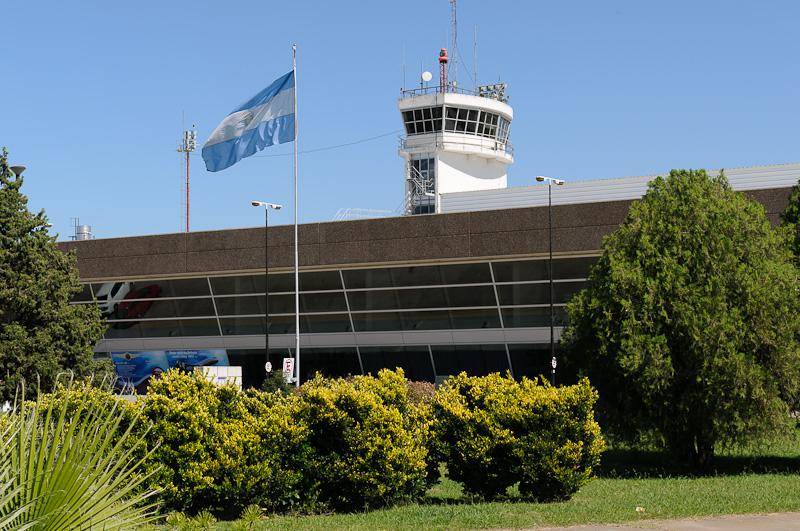
El Gobierno de Santa Fe ha anunciado fuertes incentivos para subsidiar a las aerolíneas que operen en Rosario (ROS) y Santa Fe/Sauce Viejo (SVO), disponiendo otorgar subsidios económicos, a través de la provisión de combustible a las compañías aéreas que generen nuevas rutas o incrementen la frecuencia de sus vuelos desde los aeropuertos de Rosario y Sauce Viejo, permitiendo alentar incentivos a compañías que actualmente operan desde ambas terminales aéreas con vuelos de baja rentabilidad. A través del proyecto, los directorios de ambos aeropuertos tendrán la facultad de suscribir e impulsar las acciones necesarias para alcanzar este objetivo.
Programa de incentivo El Gobernador santafesino, Maximiliano Pullaro, dispuso por medio del Decreto N°5, publicado el pasado 8 de Enero de 2025, crear el «Programa Provincial de Fomento e Incentivos de la Conectividad Aérea». Dentro de la resolución se sostiene que la iniciativa pretende promover la actividad aerocomercial con el objetivo de mejorar la conectividad aérea del territorio, dentro del país y hacia el exterior a partir de la generación de nuevas rutas y del aumento en los vuelos o sus frecuencias en aeropuertos provinciales. El decreto del Poder Ejecutivo de Santa Fe señala que, a modo de estímulo, y en virtud de que el costo de combustible es uno de los principales factores que impactan en el precio de un vuelo, se prevé la provisión de combustible a las aerolíneas participantes que cumplan con los requisitos impuestos y que adhieran al Programa.
El incentivo principal consiste en una retribución financiera basada en el combustible consumido por pasajero embarcado en los aeropuertos de Rosario y Santa Fe. Estas medidas serán financiadas con recursos propios y asignaciones presupuestarias de los entes aeroportuarios. La retribución se liquidará de forma escalonada por períodos de seis meses durante un plazo de dos años, a partir del primer vuelo operado por las aerolíneas que adhieran al programa.
Por su parte, dicho programa también permite subsidiar a rutas que aunque no cumplan con los criterios de rutas sin escalas a destinos no operados en los últimos 18 meses, sean consideradas de interés prioritario para la conectividad de la región.
Un gran paso de la gestión provincial ha sido la concreción de la internacionalización del Aeropuerto Sauce Viejo, lo que impulsó otra puerta de conexión global para la provincia.
PUBLISHER: Airgways.com DBk: Santafe.gob.ar / Airgways.com AW-POST: 202501141251AR OWNERSHIP: Airgways Inc. A\W A I R G W A Y S ®
Comienza a ser obligatorio el nuevo requisito para ingresar al Reino Unido. En pocos días, el control migratorio británico exigirá la presentación de la Autorización Electrónica de Viaje (ETA). Reino Unido comenzó este 2025 con un cambio que podrá ser clave para los turistas y profesionales que quieran visitar el destino. Ahora, los pasajeros que ingresen a Inglaterra, Escocia, Gales e Irlanda del Norte, deberán presentar la Autorización Electrónica de Viaje (ETA). Hay que recordar que este nuevo método dentro del control migratorio tiene un costo.
¿Qué es la ETA del Reino Unido? En 2021, la ex-Ministra británica del Interior, Priti Patel, anunció un sistema digital de autorización de viaje similar al sistema de exención de visado ESTA utilizado por Estados Unidos desde 2009 y al cual denominaron UK ETA, o Autorización Electrónica de Viaje.
Canadá también tiene su propio sistema de Autorización Electrónica de Viaje (ETA) y la Unión Europea tiene previsto poner en marcha un proyecto similar llamado ETIAS (Sistema Europeo de Información y Autorización de Viajes) en 2025.
Si bien el proceso de solicitud fue puesto en marcha en Noviembre 2024, comienza a ser obligatorio y la implementación se realizará en múltiples fases. En la primera fase de este proceso comenzará el 8 de Enero de 2025 cuando el certificado sea exigido a ciudadanos que provienen de países incluidos en el listado que dieron a conocer desde el Gobierno británico, entre los que se encuentra Argentina. El trámite tiene un costo de € 12 Euros, y tendrá injerencia a turistas con más de 90 países. Con esto, aquellos que quieren ingresar a cualquiera de estos cuatro países sin visado ni estatuto de inmigrante deberán presentar esta nueva autorización, con la excepción de los irlandeses, ya que su aprobación seguirá dependiendo del Ministerio del Interior.
A raíz de esto, el gobierno británico aseguró que la implementación de la ETA hará que el sistema de inmigración sea más seguro y ágil para los millones de personas que ingresan al Reino Unido cada año. Hasta ahora, desde Reino Unido aseguraban que no había medios eficaces para contabilizar con precisión el número de personas que entraban y salían del país. Con esto, la situación será diferente.
Con respecto al resto de los países, explicaron que a partir del 5 de Marzo de 2025, los europeos podrán solicitar una ETA para viajar desde el 2 de Abril de 2025, fecha en que entrará en vigor. En ese momento, todos los visitantes que viajen sin visado al Reino Unido necesitarán una autorización electrónica de viaje (ETA).
De acuerdo con la información que brindaron, la confirmación podría esperar un lapso de días, por lo que se recomienda que se realice con un mínimo de 72 horas de antelación. Con esto, el objetivo es agilizar el proceso para aquellos que residan de manera temporaria o indefinidamente en esos países.
¿Cómo es la situación en la Unión Europea? Al mismo tiempo, la UE también presentó su nuevo Sistema Europeo de Información y Autorización de Viajes. Se trata de una autorización similar a la ETA con un límite de 90 días en un lapso de 180 días. A diferencia de lo que presentó Reino Unido, este sistema tendrá validez por tres años, mientras que la ETA durará dos años.
PUBLISHER: Airgways.com DBk: Etauk.co.uk / Airgways.com AW-POST: 202501081018AR OWNERSHIP: Airgways Inc. A\W A I R G W A Y S ®
Aerolíneas Argentinas reduce personal, rutas y SAC
La aerolínea estatal argentina Aerolíneas Argentinas está reduciendo su personal para una posible venta, recortando el 13% de su personal, rutas domésticas deficitarias e incluso eliminando snacks que antes estaban disponibles para los pasajeros. Los recortes, muchos de cuyos detalles no se habían divulgado previamente, forman parte de un intento encubierto de reducir la carga que la aerolínea debe asumir para el Estado y atraer inversiones privadas.
La aerolínea ha reducido sus opciones de refrigerios a bordo, lo que le ha permitido ahorrar más de US$ 500.000 dólares al año, dijo la fuente principal de la aerolínea, ya que la compañía siguió el ejemplo de American Airlines, que famosamente eliminó una aceituna de cada ensalada servida en primera clase en los años 1980 para reducir costos. Aerolíneas ahora ofrece sólo un postre en clase ejecutiva y ha cortado una barra de cereal para los pasajeros de clase económica, agregó la alta fuente de la compañía.
La iniciativa está avanzando, a pesar de que los planes del Presidente libertario Javier Milei de privatizar la empresa han generado resistencia. Las reformas del Estado incluyen la venta de Aerolíneas Argentinas, mientras el Gobierno de la segunda economía más grande de Sudamérica continúa en una dirección muy diferente después de años de un gobierno dominante. Han mejorado las finanzas del estado, pero han atrofiado el crecimiento económico y han aumentado la pobreza.
La iniciativa generó resultados operativos extraordinarios para Aerolíneas en 2024, dijo una fuente de alto rango de la compañía antes de la publicación de los resultados anuales de la aerolínea la próxima semana, reflejando la reducción de dos dígitos en el personal prevista. En Julio 2024, Aerolíneas obtuvo ganancias por primera vez en siete años.
«Nuestro trabajo es poner a Aerolíneas en orden. De esa manera, cuando llegue el momento y el Gobierno habilite su venta, la empresa es más atractiva”, expresó un alto dirigente de la aerolínea.
La administración de Javier Milei, un economista atrevido, asumió el cargo a fines de 2023, prometiendo sacudir la economía argentina, fuertemente subsidiada, con fuertes recortes en la administración pública. El Congreso ha rechazado privatizar Aerolíneas, pero está decidido a sacar adelante sus planes. Su gobierno ha amenazado con cerrar la aerolínea si no se puede privatizar. La administración afirma que la aerolínea ha vaciado las arcas del gobierno en US$ 8.000 millones de Dólares desde 2008, cuando fue devuelta a manos del Estado después de una privatización previa a principios de los años 1990 bajo el entonces Presidente Carlos Menem.
El proceso para racionalizar la compañía incluye la eliminación de rutas deficitarias, la congelación de salarios, la oferta de programas de indemnización y el despido de trabajadores contratados, dijeron a Reuters seis empleados de la aerolínea. Incluso una modesta oferta de comida para los pasajeros se vio afectada.
Los sindicatos y los opositores políticos de Milei han contraatacado, y en los últimos meses se han producido protestas en los principales aeropuertos que han causado estragos en los viajes aéreos, cancelaciones y demoras de vuelos. En diciembre, el gobernador opositor de la provincia de Buenos Aires dijo que se opondría a cualquier intento de privatización.
«Nuestro trabajo es la única arma que tenemos. No nos gusta hacerlo, pero vamos a causar demoras y cancelaciones», dijo el veterano piloto de Aerolíneas Juan Pablo Mazzieri, que luce un tatuaje del logo de la aerolínea, un cóndor andino, en su hombro.
Javier Milei sostiene que la aerolínea necesita ser más competitiva. Su administración buscó desregular el sector, permitiendo que las aerolíneas de bajo costo aumenten sus operaciones e impulsen una política de cielos abiertos para permitir que competidores extranjeros ingresen al mercado.
Interés por Aerolíneas El único contendiente que ha declarado públicamente su interés es el holding Abra Group, que controla la colombiana Avianca y la brasileña GOL. Abra aún está realizando la diligencia debida y aún no está claro cómo sería una adquisición de Aerolíneas, dijo el director comercial de Abra, Joe Mohan, en una conferencia de la industria en Dallas en noviembre.
Los analistas advirtieron que Aerolíneas podría ser una venta difícil. «Sería más fácil que alguien se uniera con un porcentaje de participación», dijo la fuente de alto rango de Aerolíneas Argentinas, citando los planes de la aerolínea alemana Lufthansa para adquirir una participación del 41% en la aerolínea estatal italiana ITA.
Aún así, Aerolíneas aún tiene que incorporar bancos y asesores, según la fuente, porque necesita más claridad sobre el plan del Gobierno de Argentina. El «Plan B» de la Administración podría ser vender la aerolínea a sus empleados, lo que le libraría tanto del dolor de cabeza financiero de la empresa como de sus trabajadores, a los que considera combativos. Aerolíneas afirma que las disputas laborales le han costado millones de Dólares. La empresa ha cancelado beneficios para los empleados, como el pago por el tiempo de viaje, vuelos gratuitos, bonos en dólares y vacaciones adicionales, que se otorgaban «a costa de los argentinos pobres», según el Gobierno.
Sin embargo, varios dirigentes sindicales afirman que la idea de que los trabajadores tomaran el control de la empresa no era una opción. Los sindicatos sostienen que Aerolíneas cumple una función social que va más allá de su balance, en un país que tiene cinco veces el tamaño de Francia y que se extiende desde la Antártida hasta la selva tropical del norte. Sus ciudades están muy dispersas y las conexiones de transporte son limitadas.
Desde el inicio de los recortes, que incluyeron un subsidio gubernamental a los boletos de avión, los viajes internos en Argentina han caído un 9%, según muestran los datos. «Estamos viendo casi la mitad de vuelos que hace un año. Es una diferencia enorme», dijo Marcelo Austi, un agente de Aerolíneas en el aeropuerto local Aeroparque de Buenos Aires.
PUBLISHER: Airgways.com DBk: Aerolineas.com / Airgways.com AW-POST: 202501080931AR OWNERSHIP: Airgways Inc. A\W A I R G W A Y S ®
AW | 2024 12 30 10:43 | AIR INVESTIGATION / AVIATION SAFETY / GOVERNMENT
Presidente Azerbaiján acusa Gobierno Rusia derribo vuelo J2-8243
Las investigaciones del vuelo J2-8243 de Azerbaijan Airlines señalaba que el derribo de su vuelo había sido por un motivo externo enfocando las miradas hacia la Federación Rusia. El Presidente de la República de Azerbaiján, Ilham Aliyev, acusa de la tragedia del avión Embraer E190 al Gobierno de Vladimir Putin.
«La Federación Rusia derribó al avión de Azerbaijan Airlines de forma accidental, mientras que el Gobierno ruso trató de encubrir su responsabilidad en la muerte de 38 personas y lo que provocó que la tragedia sucediera. Podemos decir con total claridad que el avión fue derribado por Rusia, no estamos diciendo que se hizo intencionalmente, pero se hizo», señala el Ejecutivo Nacional de Azerbaiján.
En su mensaje en cadena nacional, el Presidente también expresó su molestia por el silencio con el que se han manejado las autoridades rusas y las versiones que han dado para explicar lo que sucedió. El Presidente de Azerbaiján refuerza la versión que Ucrania ha difundido desde hace días sobre el accidente del avión de Azerbaiján Airlines, que éste fue alcanzado por un sistema de defensa aéreo de Rusia.
Según las autoridades rusas expresaron inicialmente que el avión de Azerbaiján Airlines cayó tras chocar con pájaros. Luego, corrigió y señaló que la aeronave trató de aterrizar en una región, mientras ésta estaba siendo atacada por drones ucraniano, el gobierno de Rusia le dio un par de opciones para un aterrizaje, pero el piloto acabó decidiendo aterrizar en el Aeropuerto de Aktau (SCO).
Ilham Aliyev señaló que le hubiera bastado con que Rusia admitiera que derribó el avión por accidente y diera una disculpa pública. Eso hacen los países amigos, que es lo que considera que son Azerbaiján y Rusia. “Desafortunadamente, durante los primeros tres días, no escuchamos nada de Rusia excepto algunas teorías absurdas”, lamentó el Presidente de Azerbaiján quien en dos ocasiones entabló comunicación con Vladimir Putin. En la primera llamada, hecha el Sábado 28 de Diciembre de 2024, el Presidente ruso lamentó los hechos y aseguró que la defensa aérea de Rusia estaba activa. El Domingo 29/12, hubo otra comunicación, pero no se sabe sobre qué hablaron los mandatarios, señala CNN con información del medio ruso TASS.
Antecedentes ataques Los antecedentes de ataques a aeronaves civiles por parte del ejército de la Federación Rusia no son nuevos. El país euroasiático enfrenta graves denuncias por el derribo del vuelo MH-017 en territorio ucraniano, cuando la aeronave Boeing 777-200ER de la aerolínea Malaysia Airlines fue alcanzado por un misil ruso derribando el avión el 17 de Julio de 2014, mientras sobrevolaba el Este de Ucrania. No hubo sobrevivientes de los 283 pasajeros y 15 tripulantes. El derribo se produjo durante la guerra en Donbás por territorio controlado por las fuerzas separatistas rusas.
El otro accidente que envuelve en un mante de misterio es el ocurrido el Miércoles, 23 de Agosto de 2023, cuando el mercenario más poderoso de Rusia, Yevgeny Prigozhin, estaba a bordo de un avión ejecutivo que se estrelló el Miércoles por la noche al norte de Moscú sin sobrevivientes, dijeron las autoridades rusas, dos meses después de que encabezó un motín fallido contra los altos mandos del Ejército. No hubo comentarios oficiales del Kremlin o del Ministerio de Defensa sobre el destino de Yevgeny Prigozhin, Jefe del grupo mercenario Wagner y enemigo declarado de la cúpula del ejército por lo que argumentó como su incompetente enjuiciamiento de la guerra de Rusia en Ucrania.
Declaraciones Gobierno ruso El Presidente de Rusia, Vladimir Putin, finalmente ha anunciado el 28/12 disculpas a su par de Azerbaiyán, Ilham Aliyev, por la caída de un avión comercial en espacio aéreo ruso ocurrida el Miércoles 25/12, en el que murieron 38 personas y otras 29 sobrevivieron.
El mandatario, sin embargo, no aceptó que la Federación Rusia haya tenido responsabilidad directa en lo ocurrido. En sus primeros comentarios sobre el accidente, Putin dijo que el trágico incidente ocurrió cuando los sistemas de defensa aérea rusos estaban activamente repeliendo drones ucranianos. Vladimir Putin detalló que a medida que el avión se acercaba a su destino previsto de Grozny, en el sur de Rusia, las defensas aéreas de ese país habían comenzado a repeler un ataque de aviones no tripulados ucranianos en esa zona, según la declaración emitida por el Kremlin.
Russia shot down Azerbaijan E190 plane
Azerbaijan accuses Russian government downing flight J2-8243
Investigations into Azerbaijan Airlines flight J2-8243 indicated that the downing of the flight had been due to an external motive, focusing attention on the Russian Federation. The President of the Republic of Azerbaijan, Ilham Aliyev, blames the government of Vladimir Putin for the tragedy of the Embraer E190 plane.
«The Russian Federation shot down the Azerbaijan Airlines plane accidentally, while the Russian government tried to cover up its responsibility for the death of 38 people and what caused the tragedy to happen. We can say with absolute clarity that the plane was shot down by Russia, we are not saying that it was done intentionally, but it was done», says the National Executive of Azerbaijan.
In his message on national television, the President also expressed his annoyance at the silence with which the Russian authorities have handled themselves and the versions they have given to explain what happened. The President of Azerbaijan reinforces the version that Ukraine has spread for days about the crash of the Azerbaijan Airlines plane, that it was hit by a Russian air defense system.
According to the Russian authorities, they initially said that the Azerbaijan Airlines plane fell after colliding with birds. Later, they corrected themselves and pointed out that the aircraft tried to land in a region, while it was being attacked by Ukrainian drones, the Russian government gave him a couple of options for landing, but the pilot ended up deciding to land at Aktau Airport (SCO).
Ilham Aliyev said that it would have been enough for him if Russia had admitted that it shot down the plane by accident and issued a public apology. That is what friendly countries do, which is what he considers Azerbaijan and Russia to be. “Unfortunately, during the first three days, we heard nothing from Russia except some absurd theories”, lamented the President of Azerbaijan who on two occasions established communication with Vladimir Putin. In the first call, made on Saturday, December 28, 2024, the Russian President regretted the events and assured that Russia’s air defense was active. On Sunday, December 29, there was another communication, but it is not known what the leaders talked about, CNN points out with information from the Russian media TASS.
Background attacks The history of attacks on civilian aircraft by the Russian Federation’s military is not new. The Eurasian country faces serious accusations for the downing of flight MH-017 in Ukrainian territory, when the Boeing 777-200ER of Malaysia Airlines was hit by a Russian missile, bringing down the plane on July 17, 2014, while flying over Eastern Ukraine. There were no survivors of the 283 passengers and 15 crew members. The downing occurred during the war in Donbas over territory controlled by Russian separatist forces.
The other accident shrouded in mystery is the one that occurred on Wednesday, August 23, 2023, when Russia’s most powerful mercenary, Yevgeny Prigozhin, was on board an executive plane that crashed on Wednesday night north of Moscow with no survivors, Russian authorities said, two months after he led a failed mutiny against the Army’s top brass. There were no official comments from the Kremlin or the Ministry of Defense on the fate of Yevgeny Prigozhin, head of the Wagner mercenary group and a declared enemy of the military leadership for what he argued was his incompetent prosecution of Russia’s war in Ukraine.
Statements by the Russian government Russian President Vladimir Putin has finally announced on 28/12 an apology to his Azerbaijani counterpart, Ilham Aliyev, for the crash of a commercial airliner in Russian airspace on Wednesday 25/12, in which 38 people died and 29 others survived.
The president, however, did not accept that the Russian Federation had direct responsibility for what happened. In his first comments on the accident, Putin said that the tragic incident occurred when Russian air defense systems were actively repelling Ukrainian drones. Vladimir Putin said that as the plane approached its intended destination of Grozny in southern Russia, Russian air defenses had begun repelling an attack by Ukrainian drones in that area, according to the statement issued by the Kremlin.
PUBLISHER: Airgways.com DBk: President.az / Government.ru / Airgways.com AW-POST: 202412301043AR OWNERSHIP: Airgways Inc. A\W A I R G W A Y S ®












 airgways.com