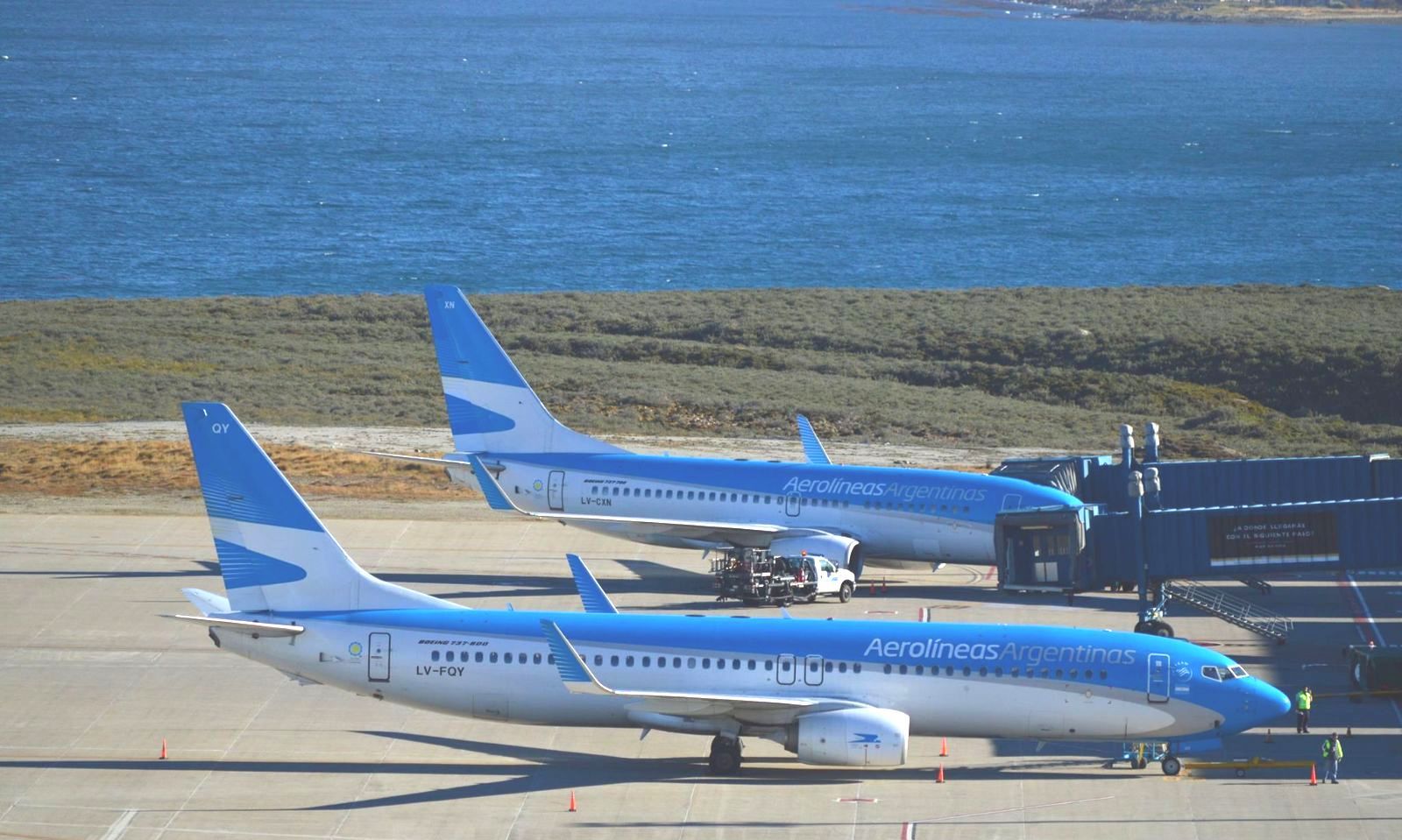
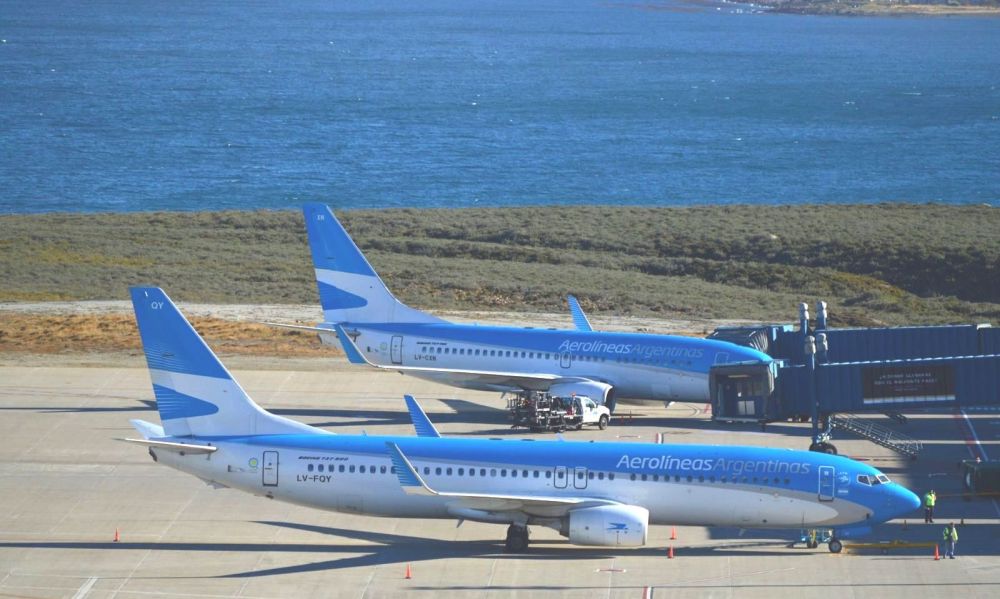
En el primer año de gestión de la Administración de Javier Milei, los subsidios a Aerolíneas Argentinas cayeron al nivel más bajo desde su estatización en 2008. Durante 2024, el Gobierno destinó US$ 64,2 millones de Dólares a la aerolínea, lo que representa una reducción del 50% en comparación con los US$ 136 millones en 2023, bajo la Administración de Alberto Fernández. Esta cifra contrasta aún más con los años del kirchnerismo, cuando, en 2012, Aerolíneas alcanzó un pico de US$ 904 millones de Dólares en subsidios.
En 2012, la aerolínea recibió 904 millones de dólares, mientras que en 2013 fueron US$ 704 millones y en 2014, US$ 619 millones. En 2015, último año de esa gestión, se destinaron US$ 553 millones de Dólares. Con el gobierno de Mauricio Macri, el gasto se redujo drásticamente, bajando a US$ 304 millones en 2016 y a US$ 181 millones en 2017. Sin embargo, los subsidios volvieron a subir en 2018 y 2019, alcanzando US$ 284 y US$ 490 millones de Dólares, respectivamente. Durante la administración de Fernández, el gasto se mantuvo alto, especialmente durante la pandemia. En 2020 se destinaron US$ 638 millones de Dólares, y en 2021, US$ 669 millones. A partir de 2022, el presupuesto comenzó a reducirse nuevamente, llegando a US$ 486 millones ese año y cayendo a US$ 136 millones en 2023.
Desde 2012 hasta 2023, el Estado destinó US$ 6.000 millones de Dólares en Aerolíneas Argentinas bajo la órbita de La Cámpora. Actualmente, recibe casi quince veces menos fondos que en la época de Cristina Kirchner.
La política de ajuste también impactó en el plantel de la compañía, que disminuyó en 1.341 puestos durante el último año, dejando a la aerolínea con 10.602 empleados. Según cifras de la Secretaría de Hacienda, el déficit operativo de Aerolíneas se redujo significativamente, pasando de US$ 513 millones de Dólares en 2023 a US$ 319 millones en 2024. Sin embargo, la compañía sostiene que su pérdida real, ajustada por inflación, es de US$ 83,2 millones de Dólares.
Los fondos transferidos a Aerolíneas se limitaron a un único desembolso en el primer semestre del año, con el objetivo de que la compañía operara durante todo el ejercicio fiscal con recursos propios provenientes de la venta de pasajes. Según relevamientos, el apoyo a la privatización ha crecido significativamente del 10% al 80% tras los conflictos gremiales.
Aerolíneas receive US$ 64 million in subsidies in 2024
Airline received half the contributions it received in 2023
In the first year of Javier Milei’s administration, subsidies to Aerolíneas Argentinas fell to the lowest level since its nationalization in 2008. During 2024, the Government allocated US$ 64.2 million to the airline, which represents a 50% reduction compared to US$ 136 million in 2023, under the Alberto Fernández administration. This figure contrasts even more with the years of Kirchnerism, when, in 2012, Aerolíneas reached a peak of US$ 904 million in subsidies.
In 2012, the airline received US$ 904 million, while in 2013 it was US$ 704 million, and in 2014, US$ 619 million. In 2015, the last year of that administration, US$ 553 million Dollars were allocated. Under Mauricio Macri’s government, spending was drastically reduced, falling to US$ 304 million in 2016 and US$ 181 million in 2017. However, subsidies rose again in 2018 and 2019, reaching US$ 284 and US$ 490 million Dollars, respectively. During the Fernández administration, spending remained high, especially during the pandemic. In 2020, US$ 638 million Dollars were allocated, and in 2021, US$ 669 million. Starting in 2022, the budget began to shrink again, reaching US$ 486 million that year and falling to US$136 million in 2023.
From 2012 to 2023, the State allocated US$ 6 billion to Aerolíneas Argentinas under the orbit of La Cámpora. Currently, it receives almost fifteen times less funds than during the time of Cristina Kirchner.
The adjustment policy also impacted the company’s staff, which decreased by 1,341 positions during the last year, leaving the airline with 10,602 employees. According to figures from the Ministry of Finance, Aerolíneas’ operating deficit was significantly reduced, from US$ 513 million in 2023 to US$ 319 million in 2024. However, the company maintains that its real loss, adjusted for inflation, is US$ 83.2 million.
The funds transferred to Aerolíneas were limited to a single disbursement in the first half of the year, with the aim of the company operating throughout the fiscal year with its own resources from ticket sales. According to surveys, support for privatization has grown significantly from 10% to 80% following the union conflicts.
PUBLISHER: Airgways.com DBk: Argentina.gob.ar / Aerolineas.com / Airgways.com AW-POST: 202412262048AR OWNERSHIP: Airgways Inc. A\W A I R G W A Y S ®
Gobierno rearma estrategias de privatización Aerolíneas Argentinas
De acuerdo a un decreto publicado en el Boletín Oficial, el Gobierno de Javier Milei volvió a postergar su plan de privatizaciones, pero no por haber reconsiderado la estrategia de fondo de desprenderse de numerosas empresas estatales sino porque no se llegaron a cumplimentar los procedimientos legales y administrativos requeridos. El esquema oficial prevé que las empresas estatales, antes de ser privatizadas, se transformen en Sociedades Anónimas, proceso para el que ampliaron los plazos en otros dos meses.
En el plan original del Gobierno de La Libertad Avanza se preveía que en los primeros seis meses de gestión iban a estar cumplidos estos requerimientos legales y técnicos para avanzar con el plan de privatizaciones, pero a fines del primer semestre el plazo se extendió hasta fin de año 2024, volviéndose a ampliar dos meses en esta semana.
«La gravedad de la situación exige su prórroga por el término de sesenta (60) días con el fin de contar con el tiempo suficiente para concretar lo establecido en el Inciso 2) del Artículo 77, en el Inciso 1) apartado b) del artículo 83 y en el artículo 88 de la Ley General de Sociedades Nº 19.550 (T.O. 1984) y sus modificatorias», expresa el Decreto Nº1120/2024.
Luego de avanzar con la conversión de las empresas estatales en sociedades anónimas, el Poder Ejecutivo podrá directamente ponerlas en venta por medio de un proceso licitatorio, para lo que necesita la aprobación del Congreso, lanzar una oferta pública inicial para sacar al mercado de capitales las acciones de las compañías en cuestión, ceder parte de las empresas a sus trabajadores, como se había planteado para el caso de Aerolíneas Argentinas, o directamente cerrarlas y poner a la venta sus terrenos por medio de la Agencia de Administración de Bienes del Estado (AABE).
Argentina sale strategies Aerolíneas
Government re-establishes Aerolíneas privatization strategies
According to a decree published in the Official Gazette, the Government of Javier Milei again postponed its privatization plan, but not because it had reconsidered the underlying strategy of divesting itself of numerous state-owned companies, but because the required legal and administrative procedures were not completed. The official scheme provides that state-owned companies, before being privatized, be transformed into Public Limited Companies, a process for which the deadlines were extended by another two months.
In the original plan of the Government of La Libertad Avanza it was foreseen that in the first six months of management these legal and technical requirements would be fulfilled to advance with the privatization plan, but at the end of the first semester the deadline was extended until the end of the year 2024, being extended again by two months this week.
«The seriousness of the situation requires its extension for a period of sixty (60) days in order to have sufficient time to implement what is established in Section 2) of Article 77, in Section 1) paragraph b) of Article 83, and in Article 88 of the General Law of Companies No. 19,550 (T.O. 1984) and its amendments», states Decree No. 1120/2024.
After moving forward with the conversion of state-owned companies into corporations, the Executive Branch may directly put them up for sale through a bidding process, for which it needs the approval of Congress, launch an initial public offering to take the shares of the companies in question to the capital market, transfer part of the companies to their workers, as had been proposed for the case of Aerolíneas Argentinas, or directly close them and put their land up for sale through the State Property Administration Agency (AABE).
PUBLISHER: Airgways.com DBk: Aerolineas.com / Argentina.gob.ar / Airgways.com AW-POST: 202412262033AR OWNERSHIP: Airgways Inc. A\W A I R G W A Y S ®
Denuncia penal por graves irregularidades anterior gestión Aerolíneas
Un Diputado Provincial de Republicanos Unidos ha presentado una denuncia al ex-Presidente de Aerolíneas Argentinas, Pablo Ceriani y al referente sindical, Ricardo Cirielli, extitular de la Asociación del Personal Técnico Aeronáutico (APTA) por los presuntos delitos de encubrimiento e intimidación pública. La presentación judicial, firmada por el Diputado bonaerense, Sebastián Pascual; y el dirigente Sebastián Pedrozo, destaca que Pablo Ceriani y Ricardo Cirielli estarían involucrados en prácticas que habrían buscado silenciar denuncias sobre irregularidades graves en el mantenimiento de aeronaves de Aerolíneas Argentinas.
El texto expone que, en el año 2020, un grupo de técnicos aeronáuticos advirtió a las autoridades sobre problemas en el mantenimiento de las aeronaves, vinculando estos hechos a incidentes que, según la denuncia, podrían haber derivado en tragedias. Los denunciantes habrían “sufrido represalias que incluyeron despidos, amenazas y persecución laboral”, señalando que su desvinculación fue utilizada como mensaje coercitivo para desalentar futuras denuncias en la empresa.
Según el texto, las acciones denunciadas involucran además al sindicato APTA, encabezado por Cirielli, quien habría colaborado en la difusión de los despidos con el fin de “infundir temor entre los trabajadores”. Asimismo, se señala que APTA habría realizado maniobras para invalidar los fueros gremiales de uno de los trabajadores, permitiendo así su despido.
Entre los hechos recientes mencionados en la denuncia se encuentra el aterrizaje de emergencia de un vuelo de Aerolíneas Argentinas en Febrero de 2024, un suceso que, según los denunciantes, “guarda relación con las deficiencias en el mantenimiento de aeronaves previamente advertidas”.
Este y otros incidentes recientes habrían motivado la denuncia por encubrimiento contra Pablo Ceriani y Ricardo Cirielli, según la Fundación Apolo, ambos habrían actuado para “impedir la investigación de irregularidades y silenciar a quienes las denunciaron”.
El Diputado Sebartián Pascual resumió que “en un contexto de creciente preocupación pública por la seguridad aérea, exige una investigación exhaustiva que esclarezca los hechos denunciados y determine responsabilidades en esta cadena de decisiones y acciones que, presuntamente, buscaban ocultar graves fallos operativos en Aerolíneas Argentinas”.
Aerolíneas Argentinas irregularities reported
Criminal complaint for irregularities in previous management Aerolíneas
A Provincial Deputy of Republicanos Unidos has filed a complaint against the former President of Aerolíneas Argentinas, Pablo Ceriani, and the union representative, Ricardo Cirielli, former head of the Association of Aeronautical Technical Personnel (APTA) for the alleged crimes of concealment and public intimidation. The judicial presentation, signed by the Buenos Aires Deputy, Sebastián Pascual; and the leader Sebastián Pedrozo, highlights that Pablo Ceriani and Ricardo Cirielli would be involved in practices that would have sought to silence complaints about serious irregularities in the maintenance of Aerolíneas Argentinas aircraft.
The text states that, in 2020, a group of aeronautical technicians warned the authorities about problems in the maintenance of the aircraft, linking these events to incidents that, according to the complaint, could have led to tragedies. The complainants allegedly “suffered reprisals that included dismissals, threats, and workplace harassment”, noting that their dismissal was used as a coercive message to discourage future complaints to the company.
According to the text, the reported actions also involve the APTA union, headed by Cirielli, who allegedly collaborated in the dissemination of the dismissals in order to “instill fear among workers”, It also states that APTA allegedly carried out maneuvers to invalidate the union privileges of one of the workers, thus allowing his dismissal.
Among the recent events mentioned in the complaint is the emergency landing of an Aerolíneas Argentinas flight in February 2024, an event that, according to the complainants, “is related to the deficiencies in aircraft maintenance previously noted”.
This and other recent incidents would have motivated the complaint for concealment against Pablo Ceriani and Ricardo Cirielli, according to the Apolo Foundation, both would have acted to «prevent the investigation of irregularities and silence those who reported them».
Deputy Sebartián Pascual summarized that «in a context of growing public concern for air safety, an exhaustive investigation is required to clarify the reported events and determine responsibilities in this chain of decisions and actions that, allegedly, sought to hide serious operational failures in Aerolíneas Argentinas».
PUBLISHER: Airgways.com DBk: Diputados.gov.ar / Airgways.com AW-POST: 202412181500AR OWNERSHIP: Airgways Inc. A\W A I R G W A Y S ®
La Justicia de Estados Unidos dejó en firme el fallo contra el Argentina por la manera en que se renacionalizó la compañía Aerolíneas Argentinas, intimando al país a abonar casi US$ 400 millones. Es la primera negociación del Gobierno de Javier Milei con un fondo buitre propietario de un fallo a su favor. La Corte del Distrito de Columbia ordenó a Argentina a pagar US$ 390,9 millones por la expropiación de Aerolíneas Argentinas. El beneficiario del fallo es el fondo Titan Consortium, titular del juicio por expropiación de la línea aérea y que en Octubre 2024 había solicitado que se ordene al país a abonar el fallo emitido por el CIADI, el Tribunal de Arbitrajes del Banco Mundial que permanece impago.
Titan le adquirió el caso a Burford Capital el 15 de Marzo de 2018, al redefinir su estrategia contra Argentina y concentrarse en la causa por la renacionalización de YPF en 2012. Burford, a su vez, le había adquirido la causa al tribunal español donde se cursaba la causa por la quiebra del grupo español Marsans en unos US$ 17 millones en 2015, y en consecuencia las acciones que detentaba de la demanda contra Argentina por la renacionalización del 2008, con lo que obtuvo una ganancia de casi 740%. El fondo Titan Consortium, original en las demandas contra la Argentina, obtuvo dividendos por más de 2.270%.
«Más específicamente, Titan dice que los países que se adhieren a la convención están obligados por el tratado a pagar todas las indemnizaciones dictadas en su contra. Pero Argentina no ha pagado lo ordenado por el CIADI. El fallo de CIADI no es apelable y la orden de la Corte es final», explicó el especialista Sebastián Maril, Director de Latam Advisors.
A mediados de Noviembre 2024, los abogados de Argentina y los demandantes habían llegado a un acuerdo sobre los términos y condiciones de la sentencia en el caso de expropiación de Aerolíneas. El acuerdo permitía que la Justicia de Estados Unidos se expida, en lo que se denomina sentencia final, sin pasar por un juicio y que, ante incumplimiento del condenado, «activa de manera directa el inicio de procesos de embargos hasta cubrir el total de la sentencia», explicó Sebastián Maril. La Argentina había rechazado en una primera instancia los argumentos que había presentado Titan Consortium en la causa, pero esa presentación no tuvo efecto positivo y un tribunal estadounidense determinó que la sentencia debía ser ejecutada. Lo que sí debe ocurrir ahora es que, tal como se comprometió, que la Argentina pague lo que está estipulado, aunque para que los tiempos comiencen a correr primero se debe expedir el juez que entiende en la causa, quien debe dar la sentencia final.
Según la interpretación de Sebastián Maril, el fallo muestra que «Argentina continúa pagando caro la incorrecta interpretación de las leyes internacionales y el incumplimiento de contratos firmados con empresas que apostaron por invertir en el país mediante concesiones de servicios públicos y similares. Los contribuyentes han abonado US$ 17.000 millones en fallos adversos y en compensación por la expropiación de empresas. Y aún falta».
Reestatización del grupo Aerolíneas La reestatización de Aerolíneas Argentinas fue reglamentada por el Gobierno de Cristina Kirchner el 17 de Diciembre de 2008, luego que la Cámara de Diputados convirtiera en ley el pedido de la ahora ex-Presidenta de Estado de avanzar en esta operación bajo la figura de tratarse de empresas de interés público nacional. Abarcaba Aerolíneas Argentinas, Austral Líneas Aéreas, Jet Pack, Optar y Aerohanding. El 9 de Enero de 2009 la entonces Primer Mandataria habilitó al Ministerio de Planificación Federal, conducido por Julio de Vido, a que inicie la toma de la compañía, en ese entonces en manos del Grupo Marsans. El 5 de Febrero de 2009 el Gobierno de entonces nombró a Julio Alak como Presidente del Directorio, dando forma a la renacionalización.
El 9 de Enero de 2009 Cristina Kirchner habilitó al Ministerio de Planificación Federal, de Julio de Vido, a que inicie la toma de la compañía, en ese entonces en manos del Grupo Marsans.
En paralelo, el Grupo Marsans, que había iniciado desde 2008 una notable desinversión en Aerolíneas Argentinas, comenzaba a mostrar en Diciembre de 2009 evidentes problemas de continuidad en España. El 22 de diciembre se le retiraba el permiso para operar a Air Comet, la compañía bajo la cual operaba Aerolíneas, y el 20 de abril de 2010 la Asociación Internacional del Transporte Aéreo (IATA) les retiró la licencia para vender billetes de avión por impagos. El Grupo Marsans presentó en Junio de 2010 su solicitud de concurso de acreedores voluntario para todas sus sociedades y el 25 de Junio de 2010 la Justicia española le habilitó el proceso de quiebra. El 2 de Julio de 2010 la Justicia española comenzó un proceso contra el Presidente del grupo, Gerardo Díaz Ferrán, por vaciamiento y lavado de activos, en una investigación que incluía la liquidación de los últimos ejercicios de Aerolíneas Argentinas. La causa comenzó a progresar, y el 3 de Diciembre de 2012 Díaz Ferrán fue detenido, acusado de blanqueo de dinero, declarándose culpable el 2 de Julio de 2015 por la causa Marsans. El fallo incluyó cinco años de prisión efectiva, que se cumplirían en 2020. Al estar procesado, no podía comenzar la causa por la manera en que se reestatizó Aerolíneas Argentinas por parte del Gobierno de Cristina Kirchner, operación por la que no se le abonó. La situación fue detectada por los abogados de Burford, quienes contactaron a Díaz Ferrán en prisión y le compraron los derechos para avanzar con el juicio ante el CIADI.
Pero a solo tres días de haber ganado el juicio ante el CIADI, Burford Capital anunció a la Bolsa de Comercio de Londres que vendía el juicio a inversores privados en unos US$ 107 millones de Dólares, y que se concentraría en la causa por la renacionalización de YPF. Burford explicaba en la comunicación que, habiendo ganado suficiente dinero, y ante la necesidad de derivar capitales a esa otra causa que sería más rentable, elegía desprenderse del caso Aerolíneas Argentinas al no tener la certeza sobre los tiempos en que el tribunal del Banco Mundial resolvería la negativa de Argentina a reconocer la derrota judicial. Esto finalmente ocurrió este Martes 10/12, por lo que Burford perdió dinero al no especular con una solución rápida. Sí fue un mega-negocio para los que le compraron el juicio y confiaron en que el CIADI no tardaría tanto en dejar firme el caso.
Aerolíneas, sued for US$ 390.9 million
Argentina continues lawsuit for US$ 390.9 million
The United States Justice confirmed the ruling against Argentina for the way in which the company Aerolíneas Argentinas was renationalized, ordering the country to pay almost US$ 400 million. It is the first negotiation of the Government of Javier Milei with a vulture fund that owns a ruling in its favor. The Court of the District of Columbia ordered Argentina to pay US$ 390.9 million for the expropriation of Aerolíneas Argentinas. The beneficiary of the ruling is the Titan Consortium fund, holder of the lawsuit for the expropriation of the airline and which in October 2024 had requested that the country be ordered to pay the ruling issued by the ICSID, the Arbitration Court of the World Bank that remains unpaid.
Titan acquired the case from Burford Capital on March 15, 2018, as it redefined its strategy against Argentina and focused on the YPF renationalization case in 2012. Burford, in turn, had acquired the case from the Spanish court where the case for the bankruptcy of the Spanish group Marsans was being heard for about US$ 17 million in 2015, and consequently the shares it held in the 2008 renationalization suit against Argentina, making a profit of almost 740%. The Titan Consortium fund, original in the lawsuits against Argentina, earned dividends of more than 2,270%.
«More specifically, Titan says that countries that adhere to the convention are obliged by the treaty to pay all compensation awarded against them. But Argentina has not paid what was ordered by ICSID. The ICSID ruling is not appealable and the Court’s order is final», explained specialist Sebastián Maril, Director of Latam Advisors.
In mid-November 2024, lawyers for Argentina and the plaintiffs had reached an agreement on the terms and conditions of the judgment in the Aerolíneas expropriation case. The agreement allowed the United States Justice to issue a ruling, in what is called a final judgment, without going through a trial and that, in the event of non-compliance by the convicted party, «directly triggers the initiation of seizure proceedings until the total amount of the judgment is covered», explained Sebastián Maril. Argentina had initially rejected the arguments that Titan Consortium had presented in the case, but that presentation had no positive effect and a US court determined that the judgment should be executed. What must happen now is that, as promised, Argentina must pay what is stipulated, although for the time to start running, the judge who is hearing the case must first issue a ruling, who must give the final sentence.
According to Sebastián Maril, the ruling shows that «Argentina continues to pay dearly for the incorrect interpretation of international laws and the non-compliance with contracts signed with companies that decided to invest in the country through public service concessions and similar. Taxpayers have paid US$ 17 billion in adverse rulings and compensation for the expropriation of companies. And there is still more to come».
Renationalization of the Aerolíneas Group The renationalization of Aerolíneas Argentinas was regulated by the Government of Cristina Kirchner on December 17, 2008, after the Chamber of Deputies converted into law the request of the now ex-President of the State to advance in this operation under the figure of dealing with companies of national public interest. It included Aerolíneas Argentinas, Austral Líneas Aéreas, Jet Pack, Optar and Aerohanding. On January 9, 2009, the then President authorized the Ministry of Federal Planning, led by Julio de Vido, to begin the takeover of the company, then in the hands of the Marsans Group. On February 5, 2009, the Government of the time appointed Julio Alak as President of the Board of Directors, giving shape to the renationalization.
On January 9, 2009, Cristina Kirchner authorized the Ministry of Federal Planning, led by Julio de Vido, to begin the takeover of the company, which was then in the hands of the Marsans Group.
In parallel, the Marsans Group, which had begun a significant divestment in Aerolíneas Argentinas in 2008, began to show evident continuity problems in Spain in December 2009. On December 22, Air Comet, the company under which Aerolíneas operated, had its operating license withdrawn, and on April 20, 2010, the International Air Transport Association (IATA) withdrew its license to sell airline tickets due to non-payment. In June 2010, the Marsans Group filed for voluntary bankruptcy for all its companies, and on June 25, 2010, the Spanish courts authorized the bankruptcy process. On July 2, 2010, the Spanish courts began proceedings against the group’s president, Gerardo Díaz Ferrán, for embezzlement and money laundering, in an investigation that included the liquidation of the last fiscal years of Aerolíneas Argentinas. The case began to progress, and on December 3, 2012, Díaz Ferrán was arrested, accused of money laundering, pleading guilty on July 2, 2015 in the Marsans case. The verdict included five years of effective prison, which would be completed in 2020. As he was under investigation, the case could not begin due to the way in which Aerolíneas Argentinas was renationalized by the Government of Cristina Kirchner, an operation for which he was not paid. The situation was detected by Burford’s lawyers, who contacted Díaz Ferrán in prison and bought the rights to move forward with the trial before the ICSID.
But just three days after winning the ICSID case, Burford Capital announced to the London Stock Exchange that it was selling the case to private investors for around US$ 107 million, and that it would concentrate on the case for the renationalization of YPF. Burford explained in the communication that, having earned enough money, and faced with the need to divert capital to this other case that would be more profitable, it chose to get rid of the Aerolíneas Argentinas case as it was not certain about the time in which the World Bank tribunal would resolve Argentina’s refusal to recognize the judicial defeat. This finally occurred on Tuesday 10/12, so Burford lost money by not speculating on a quick solution. It was indeed a mega-deal for those who bought the case and trusted that the ICSID would not take so long to confirm the case.
PUBLISHER: Airgways.com DBk: Dcd.uscourts.gov / Aerolineas.com / Airgways.com AW-POST: 202412ººº422AR OWNERSHIP: Airgways Inc. A\W A I R G W A Y S ®
Gobierno bonaerense busca compra acciones Aerolíneas Argentinas
El Gobierno de la Provincia de Buenos Aires ha informado que analiza explorar todos los mecanismos para dar una respuesta ante una posible venta de Aerolíneas Argentinas a una empresa extranjera. El Gobernador Axel Kicillof estudia compra de acciones por parte del Gobierno provincial.
La principal provincia de argentina analiza con la presencia de sectores sindicales en la Casa de Gobierno de La Plata que trabajará junto a los gremios y gobernadores de otras provincias para ofrecer una solución que no implique la venta de Aerolíneas Argentinas a una empresa extranjera, como ocurrió durante la década del 90.
«Como país no estamos en condiciones de que destruyan Aerolíneas Argentinas, otra vez. Con la extensión que tenemos, sin un sistema de ferrocarriles, que por otra decisión privatizadora terminó con el cierre de ramales, estaciones y pueblos; no podemos pasar otra vez por un vaciamiento como el que sufrió Aerolíneas», expresó Axel Kicillof.
El anuncio lo realizó en la clásica conferencia de los Lunes 09/12 y sirvió como una advertencia ante los renovados rumores sobre la posibilidad de que la Casa Rosada impulse el debate del proyecto de privatización de la aerolínea de bandera durante la sesiones extraordinarias. El Gobernador bonaerense marcó las constantes versiones de venta como bomba de humo como parafernalia política, debido a que el Ejecutivo nacional intentó avanzar sobre la empresa aeronáutica a través del DNU 70, la Ley Bases y ahora con un proyecto legislativo, a partir de la alianza con el PRO y la UCR, a pesar de la resistencia de los gobernadores.
«No saben qué hacer, lo usan como caballito de batalla en el plano político. Estamos a la espera de que se decidan a gestionar a Aerolíneas Argentinas para el pueblo o impedir el desastre que quieren hacer. La modalidad la veremos, según lo que resuelva el Gobierno Nacional, la Provincia tienen distintos caminos», marcó Axel Kicillof.
Buenos Aires explores Aerolíneas shares
Buenos Aires government seeks to buy Aerolíneas Argentinas shares
The Government of the Province of Buenos Aires has reported that it is considering exploring all mechanisms to respond to a possible sale of Aerolíneas Argentinas to a foreign company. Governor Axel Kicillof is studying the purchase of shares by the provincial government.
The main province of Argentina is considering, with the presence of union sectors in the Government House of La Plata, that it will work together with unions and governors of other provinces to offer a solution that does not imply the sale of Aerolíneas Argentinas to a foreign company, as occurred during the 90s.
«As a country, we are not in a position to have Aerolíneas Argentinas destroyed again. With the extension that we have, without a railway system, which due to another privatization decision ended with the closure of branches, stations and towns; we cannot go through a drain like the one suffered by Aerolíneas again», ,said Axel Kicillof.
The announcement was made at the classic Monday 09/12 conference and served as a warning in the face of renewed rumors about the possibility that the Casa Rosada will promote the debate on the privatization project of the flag carrier during the extraordinary sessions. The Governor of Buenos Aires marked the constant versions of sales as a smoke bomb as political paraphernalia, due to the fact that the national Executive tried to advance on the aeronautical company through DNU 70, the Ley Bases and now with a legislative project, based on the alliance with the PRO and the UCR, despite the resistance of the governors.
«They don’t know what to do, they use it as a workhorse in the political arena. We are waiting for them to decide to manage Aerolíenas Argentinas for the people or prevent the disaster they want to make. We will see the modality, depending on what the National Government decides, the Province has different paths», said Axel Kicillof.
PUBLISHER: Airgways.com DBk: Gba.gob.ar / Airgways.com AW-POST: 202412091818AR OWNERSHIP: Airgways Inc. A\W A I R G W A Y S ®
Gobierno avanzará con privatización de Aerolíneas Argentinas
El Jefe de Gabinete de argentina, Guillermo Francos, aseguró que se avanzará en la privatización de Aerolíneas Argentinas, pues el Gobierno no quiere financiar con el dinero de los argentinos una empresa con un déficit operativo cercanos a los US$ 400 millones de Dólares. De esta manera, al brindar su informe de gestión ante el Senado Nacional, el funcionario reiteró la vocación del Poder Ejecutivo de vender la empresa estatal, aunque para ello se deberá aprobar una ley en el Congreso Nacional.
La privatización de Aerolíneas Argentinas fue eliminada de la Ley Bases y ahora hay un dictamen para poder tratarlo en sesiones extraordinarias o en el próximo período ordinario que se iniciará en marzo.
El mandatario aseguró: “Avanzaremos hacia la privatización de Aerolíneas. No estamos dispuestos a financiar con el dinero de todos los argentinos una empresa con un déficit operativo cercano a los 400 millones de dólares, cuyos servicios utiliza una ínfima parte de la población”.
En su informe, Francos defendió “la desregulación del sistema aéreo y la implementación de una política de cielos abiertos generaron grandes beneficios para el sector. Se expandieron las rutas aerocomerciales, se ampliaron las operaciones en Aeroparque y se mejoró el contrato aéreo de pasajeros, equipaje y carga”.
También se refirió al conflicto planteado con Intercargo y, en ese sentido, señaló que no permitirán la extorsión en esa empresa que se ocupa de los servicios aeroportuarios en tierra, embarque y desembarque de pasajeros, la carga y descarga de equipaje, la limpieza y el remolque de aeronaves.
“Para terminar con este monopolio, desregulamos el servicio de rampas en aeropuertos y abrimos el juego a nuevas empresas que quieran brindar este servicio”, destacó.
Dijo que se registro un estado desastroso en el sistema aerocomercial argentino al asumir el Gobierno y añadió: “Esto quedó evidenciado en el riesgo de perder la Categoría 1, otorgada a nuestro país por la Administración Federal de Aviación (FAA), la autoridad aeronáutica de Estados Unidos, basada en los estándares de seguridad operacional establecidos por la Organización de Aviación Civil Internacional (OACI) de las Naciones Unidas”.
Progress on privatization of Aerolíneas Argentinas
Government will move forward with privatization of Aerolíneas
The Chief of Cabinet of Argentina, Guillermo Francos, assured that progress will be made on the privatization of Aerolíneas Argentinas, since the Government does not want to finance with the money of the Argentines a company with an operating deficit close to US$ 400 million Dollars. In this way, when giving his management report before the National Senate, the official reiterated the vocation of the Executive Branch to sell the state company, although for this a law must be approved in the National Congress.
The privatization of Aerolíneas Argentinas was eliminated from the Ley Bases and now there is a ruling to be able to deal with it in extraordinary sessions or in the next ordinary period that will begin in March.
The president assured: «We will move towards the privatization of Aerolíneas. We are not willing to use the money of all Argentines to finance a company with an operating deficit of close to 400 million dollars, whose services are used by a tiny part of the population”.
In his report, Francos defended “the deregulation of the air system and the implementation of an open skies policy that generated great benefits for the sector. The commercial air routes were expanded, the operations at Aeroparque were expanded and the air contract for passengers, baggage, and cargo was improved”.
He also referred to the conflict with Intercargo and, in that sense, he pointed out that they will not allow “extortion” in that company that deals with airport services on the ground, boarding, and disembarking of passengers, loading and unloading of baggage, cleaning and towing of aircraft.
“To end this monopoly, we deregulated the ramp service at airports and opened the game to new companies that want to provide this service”, he stressed.
He said that the Argentine air transport system was in a disastrous state when the government took office and added: “This was evidenced by the risk of losing Category 1, granted to our country by the Federal Aviation Administration (FAA), the United States aeronautical authority, based on operational safety standards established by the United Nations International Civil Aviation Organization (ICAO)».
PUBLISHER: Airgways.com DBk: Argentina.gob.ar / Aerolineas.com / Daniel Vides / Airgways.com AW-POST: 202411281020AR OWNERSHIP: Airgways Inc. A\W A I R G W A Y S ®
Senado celebrará audiencia sobre aumento tarifas a grandes aerolíneas
El aumento de las tarifas aéreas por asignación de asientos y equipaje ha llevado al panel del Subcomité Permanente de Investigaciones del Senado de Estados Unidos a celebrar una audiencia con ejecutivos de las principales aerolíneas estadounidenses para explicar por qué están aumentando las tarifas. El Subcomité, presidido por el Senador Richard Blumenthal, llevará a cabo la audiencia, titulada “El cielo es el límite: nuevas revelaciones sobre las tarifas de las aerolíneas”, para que los ejecutivos de las aerolíneas testifiquen el 4 de Diciembre de 2024. Testificarán ejecutivos de American Airlines, United Airlines, Delta Air Lines, Spirit Airlines y Frontier.
El Subcomité, que opera bajo el Comité de Seguridad Nacional y Asuntos Gubernamentales, ha estadoinvestigando el asunto durante el último año y descubrió que, entre 2018 y 2023, las cinco aerolíneas en cuestión obtuvieron un total de US$ 12.400 millones de Dólares solo en ingresos por tarifas de asientos. Por primera vez en la historia, United Airlines ganó US$ 1.300 millones de Dólares por tarifas de asientos en 2023. Según el informe, algunos transportistas podrían estar impidiendo el pago de impuestos especiales federales sobre el transporte al llamar a ciertos cargos tarifas no imponibles.
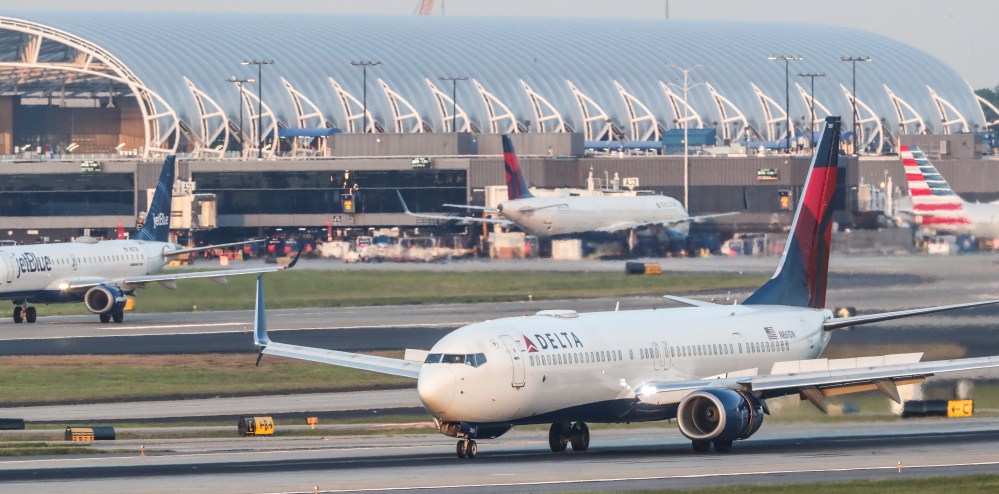
Richard Blumenthal cree que las aerolíneas deberían estar obligadas por ley a divulgar tarifas más detalladas y dice que el Departamento de Transporte de Estados Unidos debería investigar posibles abusos en los sistemas de tarifas actuales. Las tarifas para las aerolíneas han aumentado este año 2024, sobre todo para la facturación de equipaje: las principales aerolíneas, incluidas Delta Air Lines, United Airlines, Alaska Airlines, JetBlue Airways y American Airlines, han aumentado los precios para la facturación de equipaje.
US Senate Hearings on Fees
US Senate to hold hearing on fee increases for major airlines
Rising airfares for seat assignments and baggage have prompted the US Senate Permanent Subcommittee on Investigations panel to hold a hearing with executives from major US airlines to explain why they are raising fares. The Subcommittee, chaired by Senator Richard Blumenthal, will hold the hearing, titled “The Sky’s the Limit: New Revelations on Airline Fees», for airline executives to testify on December 4, 2024. Executives from American Airlines, United Airlines, Delta Air Lines, Spirit Airlines, and Frontier will testify.
The subcommittee, which operates under the Committee on Homeland Security and Governmental Affairs, has been investigating the matter for the past year and found that between 2018 and 2023, the five airlines in question earned a total of US$ 12.4 billion in revenue from seat fees alone. For the first time in history, United Airlines earned US$ 1.3 billion from seat fees in 2023. According to the report, some carriers could be avoiding paying federal excise taxes on transportation by calling certain charges non-taxable fees.
Richard Blumenthal believes airlines should be required by law to disclose more detailed fees and says the U.S. Department of Transportation should investigate potential abuses in current fee systems. Fees for airlines have increased this year 2024, most notably for checked bags: Major airlines including Delta Air Lines, United Airlines, Alaska Airlines, JetBlue Airways, and American Airlines have all raised prices for checked bags.
PUBLISHER: Airgways.com DBk: Senate.gov / John.Spink/Ajc.com / Airgways.com AW-POST: 202411261826AR OWNERSHIP: Airgways Inc. A\W A I R G W A Y S ®
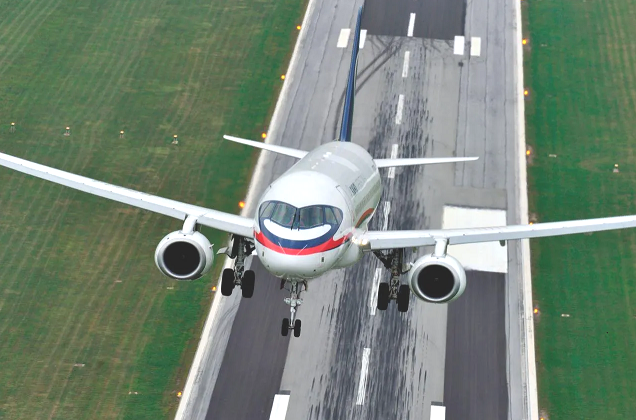
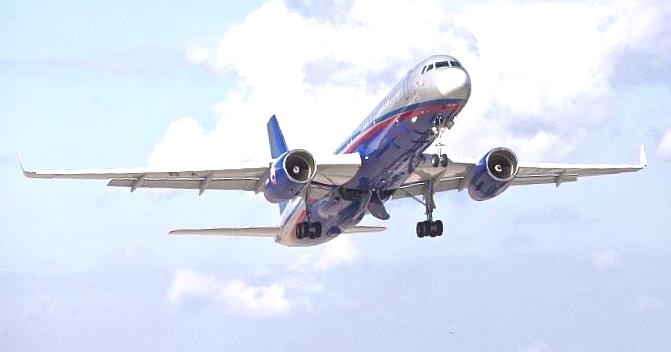
El sector de la aviación en Rusia enfrenta una turbulencia sin precedentes, con la decisión de la United Aeronautical Corporation (UAC) que ha anunciado la destitución de los CEOs de dos de sus principales subsidiarias, A.S. Yakovlev Design Bureau y Public Joint Stock Company Tupolev. Este cambio se produce tras retrasos en la producción, sanciones occidentales y un reciente incidente que involucró a uno de los aviones insignia de Rusia, el SJ-100, que se incendió después de aterrizar en Turquía.
En medio de escándalo incendiario de ambas compañías y el caos en la línea de producción, el Kremlim ha movido la cúpula de más alto nivel en las dos compañías aeronáuticas constructoras de aeronaves, ante la falta de resultados esperados y en medio de una guerra ruso-ucraninana que condiciona el progreso en el sector de la aviación comercial. Los crecientes desafíos dentro del programa de producción de aeronaves domésticas de Rusia, enfrenta el desafío de reemplazar la envejecida de las aerolíneas rusas.
La reestructuración de liderazgo se encuentra bajo presión creciente. La UAC anunció el Lunes 25/11 el despido de Andrei Boginsky, CEO de Yakovlev, y Konstantin Timofeev, Director General de Tupolev. Ambas empresas fueron recientemente integradas en la UAC bajo las órdenes del Presidente Vladimir Putin para optimizar las operaciones.
La UAC asumirá ahora el control directo de Yakovlev y Tupolev, enfatizando la urgencia de acelerar la certificación y la producción en serie de aeronaves nacionales. “Consolidar la gestión a nivel de la empresa matriz nos permite enfocar recursos en cumplir con plazos de producción críticos”, declaró la compañía aeronáutica UAC.
El cambio de liderazgo se produce solo unos días después de que un jet regional SJ-100, una piedra angular de las ambiciones de Rusia en su flota doméstica, se incendiara al aterrizar en Turquía. Aunque todos los pasajeros fueron evacuados de manera segura, el incidente ha generado más dudas sobre la fiabilidad de la industria de la aviación rusa.
El SJ-100, anteriormente conocido como Sukhoi Superjet 100, es central en los esfuerzos de Rusia para contrarrestar las sanciones que limitan el acceso a piezas de Airbus y Boeing. Sin embargo, el programa ha enfrentado importantes contratiempos, incluyendo retrasos en la certificación y producción.
Críticas a la industria Los informes sugieren que el Primer Ministro Mikhail Mishustin ordenó personalmente el despido de Andrei Boginsky, citando un colapso del programa de aviación civil de Rusia. Sin embargo, han surgido relatos contradictorios, con algunos expertos de la industria disputando esta afirmación.
El momento de estos despidos subraya la creciente frustración con la incapacidad de la Federación Rusia para cumplir con sus ambiciosos objetivos. El Gobierno ha prometido más de US$ 2.7 mil millones de Dólares para desarrollar aeronaves nacionales, pero programas como el MC-21, destinado a rivalizar con los modelos Boeing 737 y Airbus A320, han experimentado repetidos retrasos, con la entrada en servicio ahora esperada para 2025.
Sanciones occidentales La industria de la aviación de Rusia ha enfrentado dificultades desde que la invasión del país a Ucrania en 2022 provocó sanciones severas. Estas restricciones han cortado el acceso a componentes críticos para aviones de fabricación occidental, dejando a casi la mitad de la flota de Airbus A320neo de Rusia en tierra debido a problemas con los motores.
Para contrarrestar estos desafíos, Moscú tiene como objetivo producir 600 nuevos aviones para 2030. Sin embargo, persisten preguntas sobre si la industria tiene la capacidad para cumplir con este ambicioso objetivo en medio de interrupciones en la cadena de suministro y obstáculos técnicos.
La crisis dentro del sector de la aviación refleja dificultades más amplias en la base industrial de Rusia bajo sanciones. Los retrasos y la mala gestión en la producción de aviones nacionales han puesto de manifiesto los problemas sistémicos dentro de la planificación y ejecución económica del país.
Perspectivas rusas Los despidos de alto perfil de los ejecutivos de Yakovlev y Tupolev marcan un punto crítico para las ambiciones de aviación de Rusia. Con el tiempo corriendo en sus planes para renovar su flota envejecida, la UAC enfrenta una inmensa presión para entregar resultados. Sin embargo, aún está por verse, si estos cambios de liderazgo serán suficientes para superar los contratiempos en la producción, las sanciones y los desafíos técnicos.
A medida que Moscú se esfuerza por reconstruir su industria de la aviación, las apuestas son altas no solo para UAC, sino también para la posición económica y geopolítica de Rusia en el escenario global.
Tupolev and Yakovlev dismissed
Top aviation bosses are dismissed
The aviation sector in Russia is facing unprecedented turbulence, with the decision of the United Aeronautical Corporation (UAC) to dismiss the CEOs of two of its main subsidiaries, A.S. Yakovlev Design Bureau and Public Joint Stock Company Tupolev. This change comes after production delays, Western sanctions and a recent incident involving one of Russia’s flagship aircraft, the SJ-100, which caught fire after landing in Turkiye.
Amid the arson scandal of both companies and chaos on the production line, the Kremlin has moved the top management of the two aircraft-building companies, in the absence of expected results and in the midst of a Russian-Ukrainian war that conditions progress in the commercial aviation sector. Mounting challenges within Russia’s domestic aircraft production program, the company faces the challenge of replacing Russia’s aging airlines.
Leadership restructuring is under increasing pressure. UAC announced Monday 25/11 the dismissal of Andrei Boginsky, CEO of Yakovlev, and Konstantin Timofeev, General Director of Tupolev. Both companies were recently integrated into UAC under orders from President Vladimir Putin to streamline operations.
UAC will now assume direct control of Yakovlev and Tupolev, emphasizing the urgency of accelerating certification and serial production of domestic aircraft. “Consolidating management at the parent company level allows us to focus resources on meeting critical production deadlines”, UAC aircraft company stated.
The leadership change comes just days after an SJ-100 regional jet, a cornerstone of Russia’s domestic fleet ambitions, caught fire upon landing in Turkey. Although all passengers were safely evacuated, the incident has raised further questions about the reliability of the Russian aviation industry.
The SJ-100, formerly known as the Sukhoi Superjet 100, is central to Russia’s efforts to counter sanctions limiting access to Airbus and Boeing parts. However, the program has faced significant setbacks, including delays in certification and production.
Criticism of the industry Reports suggest that Prime Minister Mikhail Mishustin personally ordered the dismissal of Andrei Boginsky, citing a collapse of Russia’s civil aviation program. However, conflicting accounts have emerged, with some industry experts disputing this claim.
The timing of these dismissals underscores growing frustration with the Russian Federation’s failure to meet its ambitious targets. The government has pledged more than US$ 2.7 billion to develop domestic aircraft, but programs such as the MC-21, intended to rival the Boeing 737 and Airbus A320 models, have seen repeated delays, with entry into service now expected by 2025.
Western sanctions Russia’s aviation industry has faced difficulties since the country’s invasion of Ukraine in 2022 triggered severe sanctions. These restrictions have cut off access to critical components for Western-made aircraft, leaving nearly half of Russia’s Airbus A320neo fleet grounded due to engine issues.
To counter these challenges, Moscow aims to produce 600 new aircraft by 2030. However, questions remain over whether the industry has the capacity to meet this ambitious target amid supply chain disruptions and technical hurdles.
The crisis within the aviation sector reflects broader difficulties in Russia’s industrial base under sanctions. Delays and mismanagement in domestic aircraft production have highlighted systemic problems within the country’s economic planning and execution.
Russian outlook The high-profile dismissals of Yakovlev and Tupolev executives mark a critical point for Russia’s aviation ambitions. With time running out on its plans to revamp its aging fleet, UAC faces immense pressure to deliver results. Whether these leadership changes will be enough to overcome production setbacks, sanctions and technical challenges remains to be seen, however.
As Moscow strives to rebuild its aviation industry, the stakes are high not only for UAC, but also for Russia’s economic and geopolitical position on the global stage.
PUBLISHER: Airgways.com DBk: Gov.ru / Tupolev.ru / Yakovlev.ru / Airgways.com AW-POST: 202411251618AR OWNERSHIP: Airgways Inc. A\W A I R G W A Y S ®
AW | 2024 11 22 12:22 | AIRLINES / AVIATION ORGANISMS / GOVERNMENT
Cinco aerolíneas reciben sanciones por prácticas abusivas
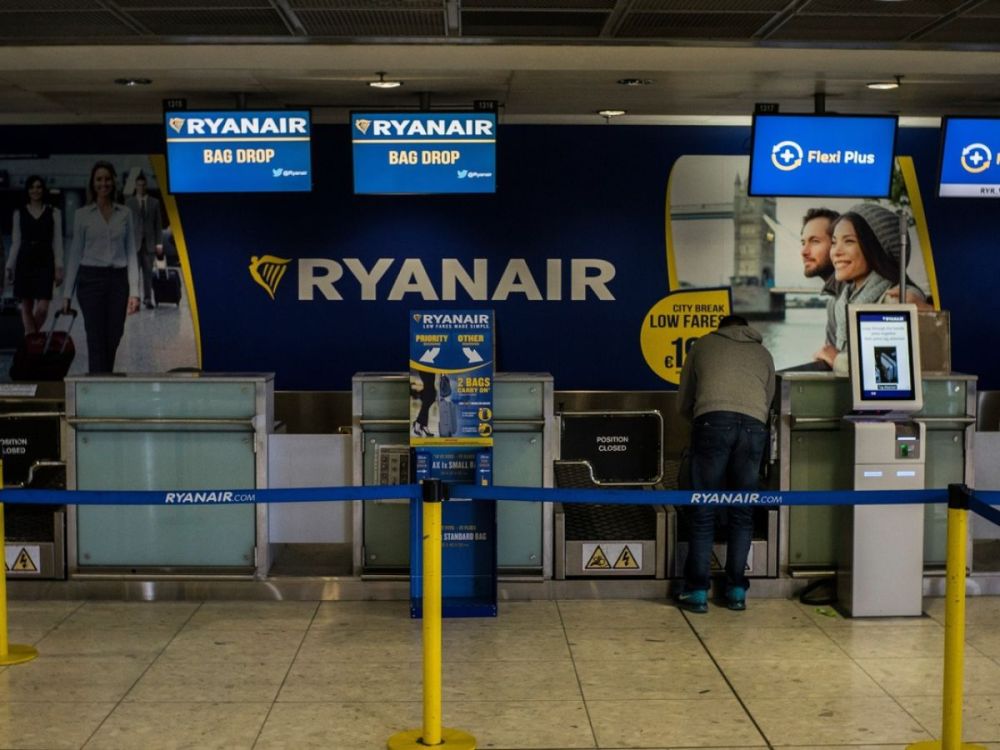
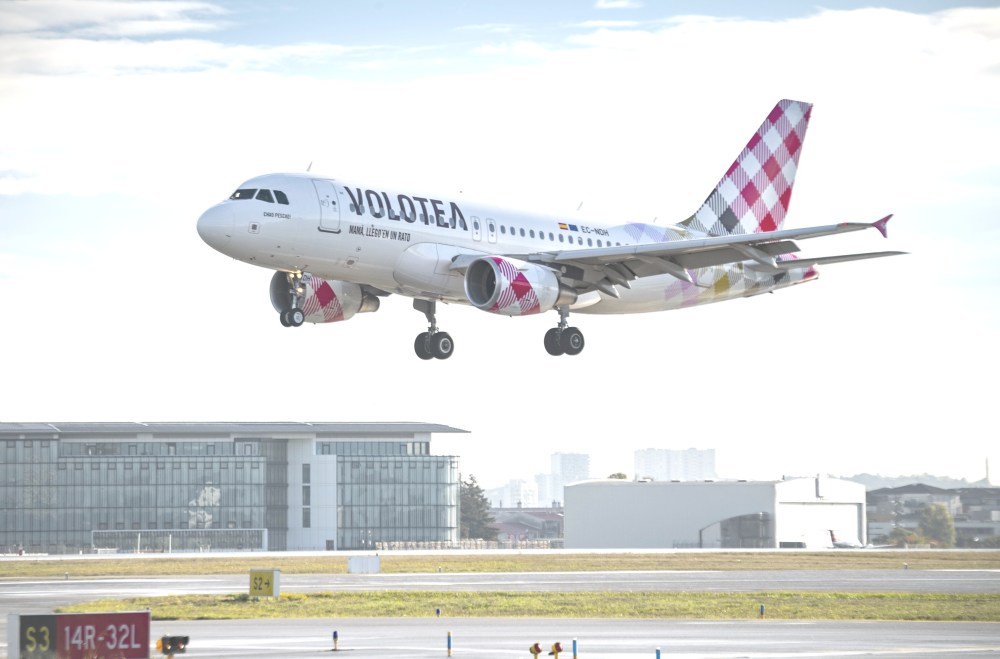
El Gobierno de España anunció el Viernes 22/11 una multa de € 179 millones de Euros/US$ 186 millones de Dólares a las aerolíneas de bajo coste Ryanair, Vueling, EasyJet, Volotea y Norwegian, por prácticas abusivas. Esta sanción confirma y amplía una información ofrecida el 31 de Mayo de 2024 por la asociación de consumidores FACUA (Federación de Asociaciones de Consumidores y Usuarios de Andalucía), que en ese momento dijo haber presentado una denuncia contra prácticas consideradas abusivas y haber conseguido una multa de más de € 150 millones de Euros contra cuatro compañías aéreas.
El Ministerio de Consumo español ha desestimado los recursos que las aerolíneas interpusieron» y sancionó a cinco empresas por un importe total cercano a los € 179 millones de Euros por prácticas abusivas, señaló un comunicado. Las cinco aerolíneas que incurrieron en irregularidades deberán afrontar cargos monetarios. Ryanair tendrá que pagar la multa más elevada, € 107,7 millones de Euros, Vueling € 39,3 millones, Easyjet € 29,1 millones, Norwegian € 1,6 millones y Volotea € 1,2 millones.
Las cinco compañías fueron sancionadas por cobrar suplementos por el equipaje de mano de los pasajeros o por elegir el asiento para poder volar junto a personas dependientes, como discapacitados o niños. También fueron reconvenidas por prohibir el pago de pasajes en efectivo e imponer una tarifa desproporcionada y abusiva por la impresión de tarjetas de embarque en los aeropuertos. La medida incluye «la prohibición a estas empresas de seguir realizando las prácticas sancionadas», precisó el Ministerio de Consumo.
La asociación de consumidores español FACUA celebró en un comunicado la decisión, que definió como las sanciones «más altas que ha aplicado en la historia una autoridad de protección de los consumidores. Los usuarios tienen derecho a reclamar la devolución de estos cargos extra», subrayó el organismo. La medida podrá ser objeto de recurso, pero ante los tribunales, detalló el ministerio.
«Estas multas ilegales e infundadas, inventadas por el Ministerio de Consumo español por motivos políticos, violan claramente la legislación de la Unión Europea», reaccionó en un comunicado el CEO de Ryanair, Michael O’Leary, quien anunció que la empresa recurrirá a apelar el recurso. Las sanciones «serán revocadas por los tribunales de la UE, que han defendido repetidamente el derecho de todas las aerolíneas de la Unión Europea a fijar precios y políticas, libres de interferencia gubernamental», agregó Michael O’Leary.
Spain fines low-cost airlines
Five airlines receive sanctions for abusive practices
On Friday 22/11, the Spanish Government announced a fine of € 179 million Euros/US$ 186 million Dollars to the low-cost airlines Ryanair, Vueling, EasyJet, Volotea, and Norwegian, for abusive practices. This sanction confirms and expands information offered on May 31, 2024 by the consumer association FACUA (Federation of Consumer and User Associations of Andalusia), which at that time said it had filed a complaint against practices considered abusive and had obtained a fine of more than € 150 million Euros against four airlines.
The Spanish Ministry of Consumption has rejected the appeals filed by the airlines and fined five companies a total of nearly € 179 million for abusive practices, a statement said. The five airlines that committed irregularities will have to face monetary charges. Ryanair will have to pay the highest fine, € 107.7 million, Vueling € 39.3 million, Easyjet € 29.1 million, Norwegian € 1.6 million and Volotea € 1.2 million.
The five companies were fined for charging extra for passengers’ hand luggage or for choosing seats to be able to fly with dependent persons, such as the disabled or children. They were also reprimanded for prohibiting the payment of tickets in cash and imposing a disproportionate and abusive fee for printing boarding passes at airports. The measure includes «the prohibition of these companies from continuing to carry out the sanctioned practices», the Ministry of Consumption said.
The Spanish consumer association FACUA welcomed the decision in a statement, which it defined as the «highest sanctions ever applied by a consumer protection authority. Users have the right to claim the refund of these extra charges», the organization stressed. The measure can be appealed, but in court, the ministry said.
«These illegal and unfounded fines, invented by the Spanish Ministry of Consumption for political reasons, clearly violate European Union legislation», reacted Ryanair CEO Michael O’Leary in a statement, who announced that the company will appeal the appeal. The sanctions «will be revoked by the EU courts, which have repeatedly defended the right of all European Union airlines to set prices and policies, free of government interference», Michael O’Leary added.
PUBLISHER: Airgways.com DBk: Dsca.gob.es / Facua.com / Ryanair.com / Airgways.com AW-POST: 202411221222AR OWNERSHIP: Airgways Inc. A\W A I R G W A Y S ®
AW | 2024 11 18 17:18 | AIRLINES / AVIATION ORGANISMS / GOVERNMENT
Aerolíneas Argentinas cierra el conflicto con los gremios aéreos
La compañía estatal Aerolíneas Argentinas informó que cerró el conflicto con sus gremios gracias a importantes avances en materia de productividad de la empresa y negociaciones con los gremios aeronáuticos. Según informó la aerolínea, representantes de los gremios APLA (Pilotos), AAA (Tripulantes) y APA (Rampa y Check-in) convalidaron modificaciones en convenios y formas de trabajo por una oferta salarial de un 16%. Mientras que, con APTA (Mecánicos), que habían aceptado la oferta salarial propuesta, se firmaron nuevas condiciones que permitirán cambios en plataforma y hangares que aumentarán significativamente la productividad.
Adaptaciones En cuanto a nuevos acuerdos, el gremio APLA como todo el personal jerárquico y los pilotos jubilados de la empresa perderán los pasajes vacacionales confirmados en clase ejecutiva para ellos y sus familiares directos. Por otro lado, tanto pilotos como tripulantes aceptaron reemplazar el traslado en vehículos pagados por la aerolínea por un esquema de viáticos que se implementará una vez finalizada la temporada alta de verano. Así mismo, los horarios de trabajo iniciarán una vez que los trabajadores arriben a las terminales aéreas y no durante su traslado, como era hasta ahora.
Uno de los avances más significativos, fue la opción de poder reubicar a los mecánicos y el personal de rampa entre hangares y líneas de trabajo de acuerdo a la necesidad de personal, un punto que históricamente había sido de los más conflictivos.
En cuanto a limitaciones a la programación, el gremio de Pilotos levantó una serie de restricciones que afectaban fuertemente la planificación de vuelos. Esto, sumado a diferentes medidas en este ámbito, aumentarán entre el 3% y 5% la eficiencia en las horas mensuales voladas por la compañía.
Este histórico avance con las agremiaciones permitirá a Aerolíneas Argentinas avanzar hacia esquemas productivos más cercanos a los de la industria aerocomercial, mientras reduce costos.
ATC El Gobierno Argentino mantiene negociaciones en otros frentes como con la Empresa Argentina de Navegación Aérea (EANA) que depende de la Secretaría de Transporte del Ministerio de Economía de la Nación, y quienes habían anunciado una nueva medida que iba a afectar a todos los aeropuertos de Argentina durante este fin de semana. Sin embargo, esta fue suspendida mientras se avanza en las negociaciones. «Este avance en las negociaciones refleja el compromiso para garantizar la continuidad del servicio esencial de navegación aérea», mencionaron al respecto desde la compañía aérea. “A su vez, informamos que las negociaciones siguen abiertas con el objetivo de llegar a un acuerdo definitivo sobre las medidas de fuerza establecidas por el gremio que engloba a los Controladores de Tránsito Aéreo», mencionó en un comunicado EANA.
Agreement between Aerolíneas and unions
Aerolíneas Argentinas closes the conflict with the airline unions
The state-owned company Aerolíneas Argentinas reported that it closed the conflict with its unions thanks to important advances in terms of productivity of the company and negotiations with the aeronautical unions. According to the airline, representatives of the unions APLA (Pilots), AAA (Crew), and APA (Ramp and Check-in) approved modifications in agreements and ways of working for a salary offer of 16%. Meanwhile, with APTA (Mechanics), who had accepted the proposed salary offer, new conditions were signed that will allow changes in the platform and hangars that will significantly increase productivity.
Adaptations As for new agreements, the APLA union, like all the hierarchical staff and retired pilots of the company, will lose the confirmed vacation tickets in business class for them and their immediate family members. On the other hand, both pilots and crew agreed to replace the transfer in vehicles paid for by the airline with a travel allowance scheme that will be implemented once the high summer season is over. Likewise, work schedules will begin once the workers arrive at the air terminals and not during their transfer, as was the case until now.
One of the most significant advances was the option of being able to relocate mechanics and ramp personnel between hangars and work lines according to the need for personnel, a point that had historically been one of the most controversial.
Regarding scheduling limitations, the Pilots’ union lifted a series of restrictions that strongly affected flight planning. This, added to different measures in this area, will increase the efficiency of the monthly hours flown by the company by between 3% and 5%.
This historic advance with the unions will allow Aerolíneas Argentinas to move towards production schemes closer to those of the commercial aviation industry, while reducing costs.
ATC The Argentine Government is in talks on other fronts, such as with the Argentine Air Navigation Company (EANA), which is part of the Transportation Secretariat of the Ministry of Economy of the Nation, and who had announced a new measure that would affect all airports in Argentina during this weekend. However, this measure was suspended while the negotiations progress. «This progress in the negotiations reflects the commitment to guarantee the continuity of the essential air navigation service,» the airline mentioned in this regard. «In turn, we inform that the negotiations remain open with the objective of reaching a definitive agreement on the measures of force established by the union that includes the Air Traffic Controllers», EANA mentioned in a statement.
PUBLISHER: Airgways.com DBk: Aerolineas.com Apla.org.ar / Aeronauticosapa.org.ar / Aeronavegantes.com.ar / Eana.com.ar / Airgways.com AW-POST: 202411181718AR OWNERSHIP: Airgways Inc. A\W A I R G W A Y S ®















 airgways.com