Aerolíneas continuará órbita estatal

AW | 2024 06 13 10:27 | AIRLINES / GOVERNMENT

Tras negociaciones por la Ley Bases en Argentina

El Gobierno de Argentina ha estado negociando el paquete de medidas para la aprobación de la Ley Bases que incluyeron conservar bajo la óbita estatal a tres empresas Aerolíneas Argentinas, Correo y Radio y Televisión Argentina qhe han quedado fuera de la Ley Bases en la negociación del Poder Ejecutivo con la oposición para conseguir la aprobación de la Ley Bases en el Senado de la Nación.

Las 11 empresas sujetas a privatización o concesión que figuraban en el texto con media sanción de la Cámara Baja del Senado, solo quedaron ocho: AYSA, Energía Argentina (ex ENARSA), Intercargo, Corredores Viales, Belgrano Cargas, Trenes Argentinos, Yacimientos Carboníferos Río Turbio y Nucleoeléctrica. Estas dos últimas, si bien pueden incorporar capital privado, deben conservar una mayoría accionaria del Estado, según el texto en debate. Las tres empresas que quedaron afuera del proyecto que se votó en el recinto tuvieron un déficit operativo, antes de la asistencia del Tesoro Nacional, de casi AR$ 147.000 millones de Pesos en el primer trimestre del año 2024. Esta cifra se explica, principalmente, por el déficit de Aerolíneas Argentinas, que fue de que arrastra una deuda de AR$ 115.308 millones en ese período.

La política de La Libertad Avanza tenía la intención deprivatizar Aerolíneas Argentinas. El Gobierno estaba acondicionando la línea aérea para la posterior venta. La compañía posee 11.810 empleados, y cinco gremios aeronáuticos. Pese a su déficit operativo, Aerolíneas Argentinas no recibió transferencias corrientes del Tesoro en los tres primeros meses del año, según los datos publicados por la Subsecretaría de Presupuesto de la Oficina Nacional de Presupuesto, dependiente del Ministerio de Economía.

Tras la aprobación de la Ley Bases y la cancelación de la privatización de Aerolíneas Argentinas, el Gobierno deberá desarrollar una nueva estrategia para reestructurar y sanear la aerolínea de los argentinos.

Aerolíneas will continue state orbit

After negotiation of the Bases Law in Argentina

The Government of Argentina has been negotiating the package of measures for the approval of the Bases Law that included keeping three companies under state death. Aerolíneas Argentinas, Correo Argentino, and Radio and Television have been left out of the Bases Law in the negotiation of the Executive Branch with the opposition to obtain approval of the Bases Law in the Senate of the Nation.

The 11 companies subject to privatization or concession that appeared in the text with half a sanction from the Lower House of the Senate, only eight remained: AYSA, Energía Argentina (former ENARSA), Intercargo, Corredores Viales, Belgrano Cargas, Trenes Argentinos, Yacimientos Carboníferos Río Turbio, and Nucleoeléctrica. These last two, although they can incorporate private capital, must retain a majority shareholding of the State, according to the text under debate. The three companies that were left out of the project that was voted on had an operating deficit, before assistance from the National Treasury, of almost AR$ 147,000 million Pesos in the first quarter of 2024. This figure is mainly explained by due to the deficit of Aerolíneas Argentinas, which carried a debt of AR$ 115,308 million in that period.

La Libertad Avanza’s policy was intended to deprivatize Aerolíneas Argentinas. The Government was preparing the airline for subsequent sale. The company has 11,810 employees, and five aeronautical unions. Despite its operating deficit, Aerolíneas Argentinas did not receive current transfers from the Treasury in the first three months of the year, according to data published by the Undersecretary of Budget of the National Budget Office, dependent on the Ministry of Economy.

After the approval of the Bases Law and the cancellation of the privatization of Aerolíneas Argentinas, the Government must develop a new strategy to restructure and clean up the Argentine airline.

PUBLISHER: Airgways.com
DBk: Senado.gob.ar / Airgways.com
AW-POST: 202406131026AR
OWNERSHIP: Airgways Inc.
A\W A I R G W A Y S ®

Aeropuerto Rosario reparación pista

AW | 2024 06 11 10:11 | AIRPORTS / GOVERNMENT

Gobierno provincial fondos para mantenimiento pista

Aeropueerto Rosario_Isologotype

El Gobierno de la Provincia de Santa Fe ha expresado que tomará la decisión de reparar lapista del Aeropuerto Rosario (ROS), después que el Gobierno Nacional no aceptara incurrir en los gastos a pesar del convenio firmado que se resiste cumplir. Ahora, el Gobierno provincial ha decidido pagarla con fondos propios.

La pista de la estación aérea rosarina necesita una repavimentación, aunque estructuralmente está sólida con una obra de mejora y ampliación hace una década, su superficie se comenzó a deteriorar hace unos meses, lo que requiere una operación con restricciones. La demora de meses por la falta de rapidez al actuar de la gestión anterior y el freno en la obra pública dispuesto por el gobierno nacional empeoraron la situación.

La terminal aérea rosarina es una de las pocas del país que no están concesionadas a Aeropuerto Argentina 2000 ni a London Supply, los dos gigantes de la operación aeroportuaria argentina, sino que depende del Estado provincial, al igual que el Aeropuerto Santa Fe/Sauce Viejo (SFN). Es un ente autárquico manejado por un directorio compuesto por un presidente y dos directores.

Cuando las nuevas autoridades asumieron, se encontraron con la superficie de la pista ya deteriorada y con un convenio que el directorio anterior, presidido por el massista Eduardo Romagnoli, había firmado con el Organismo Regulador del Sistema Nacional de Aeropuertos (ORSNA) para su arreglo. En ese acuerdo, a cambio de desembolsar el dinero necesario para la obra, el ORSNA le pedía al directorio que se encargara de renovar la torre de control y cambiar el sistema de balizamiento y el juego de luces de aproximación para baja visibilidad. El Aeropuerto cumplió su parte, pero el gobierno nacional que encabezaba Alberto Fernández no hizo lo propio. Cuando Javier Milei pasó a ocupar la Presidencia, el proyecto se detuvo; mientras faltaban nombrar las nuevas autoridades del ORSNA que debían regular las obras. Tras el nombramiento en el ORSNA de Pedro Hadida en Abril 2024, continúan la falta de respuesta.

La decisión de Santa Fe
Como la obra es cada vez más urgente, el Ministerio de Desarrollo Productivo de la Provincia de Santa Fe que conduce Gustavo Puccini decidió avanzar con la obra y que Santa Fe se hiciese cargo de aportar los recursos, al menos en una primera etapa. En Septiembre 2024 se lanzará la licitación para el primer tramo de la obra, que precisa de un desembolso de AR$ 8.000 millones Pesos asegurado por el Tesoro Provincial. La decisión política será continuar buscando inversores para completar las obras de la aeroestación.

El Gobierno provincial y el ORSNA firmaron un convenio que se encuentra vigente. Santa Fe, a través del Aeropuerto Rosario ha cumplido con sus obligaciones y es acreedor en ese entendimiento. Pero, ante la falta de respuesta por parte de la Nación, la Provincia de Santa Fe analizará los medios adecuados para que le restablezcan los fondos invertidos en las obras. El convenio está firmado por US$ 38 millones de Dólares, una cifra bastante mayor de lo que se proyecta como necesario gastar para realizar las obras de reparación del Aeropuerto Rosario.

Rosario Airport runway repair

Provincial government funds for track maintenance

The Government of the Province of Santa Fe has expressed that it will make the decision to repair the runway at the Rosario Airport (ROS) after the National Government did not agree to incur the costs despite the signed agreement that it refuses to comply with. Now, the provincial government has decided to pay for it with its own funds.

The Rosario air station runway needs resurfacing, although it is structurally sound with an improvement and expansion work a decade ago, its surface began to deteriorate a few months ago, which requires operation with restrictions. The delay of months due to the lack of speed in acting by the previous administration and the brake on public works ordered by the national government worsened the situation.

The Rosario air terminal is one of the few in the country that is not concessioned to Aeropuerto Argentina 2000 or London Supply, the two giants of Argentine airport operations, but depends on the provincial State, like the Santa Fe/Sauce Viejo Airport. (SFN). It is an autonomous entity managed by a board of directors made up of a president and two directors.

When the new authorities took office, they found the runway surface already deteriorated and an agreement that the previous board, chaired by Massista Eduardo Romagnoli, had signed with the Regulatory Body of the National Airport System (ORSNA) for its repair. In that agreement, in exchange for disbursing the money necessary for the work, ORSNA asked the board to be in charge of renovating the control tower and changing the beacon system and the set of approach lights for low visibility. The Airport did its part, but the national government headed by Alberto Fernández did not do the same. When Javier Milei became President, the project was stopped; while the new ORSNA authorities who were to regulate the works remained to be named. After the appointment of Pedro Hadida to ORSNA in April 2024, the lack of response continues.

The decision of Santa Fe
As the work is increasingly urgent, the Ministry of Productive Development of the Province of Santa Fe led by Gustavo Puccini decided to move forward with the work and for Santa Fe to take charge of providing the resources, at least in the first stage. In September 2024, the tender for the first section of the work will be launched, which requires a disbursement of AR$ 8,000 million Pesos insured by the Provincial Treasury. The political decision will be to continue looking for investors to complete the works on the air station.

The provincial Government and ORSNA signed an agreement that is in force. Santa Fe, through the Rosario Airport, has fulfilled its obligations and is a creditor in that understanding. But, given the lack of response from the Nation, the Province of Santa Fe will analyze the appropriate means to restore the funds invested in the works. The agreement is signed for US$ 38 million Dollars, a figure considerably higher than what is projected to be necessary to spend to carry out the repair works at the Rosario Airport.

PUBLISHER: Airgways.com
DBk: Santafe.gob.ar / Aeropuertorosario.com / Airgways.com
AW-POST: 202400111011AR
OWNERSHIP: Airgways Inc.
A\W A I R G W A Y S ®

Resignarían privatizar Aerolíneas

AW | 2024 06 10 11:13 | AIRLINES / GOVERNMENT

Gobierno Argentina resignaría privatizar Aerolíneas Argentinas

Aerolíneas Argentinas_Isologotype 2010_Tx

En medio de las negociaciones por la aprobación de la Ley Bases, y observando no alcanzar los votos en el Senado de la Nación, el Gobierno resignaría la privatización de Aerolíneas Argentinas como arma para las negociaciones y aprobación de la mencionada ley. La modificación recién se resolverá durante la sesión de la Cámara Alta del Senado, convocada para el Miércoles 12/06 que buscaría ceder la cancelación de la venta de la línea aérea para preservar a las otras empresas que quiere enajenar.

El Gobierno aceptaría excluir a Aerolíneas Argentinas de la lista de bienes públicos a privatizar con el objetivo de salvar el Artículo 7 del proyecto de Ley Bases, que habilita al Poder Ejecutivo a enajenar o concesionar una serie siete empresas públicas, entre las que se encuentra el Correo Argentino y Aguas y Saneamientos Argentinos (AySA).

La confirmación es provista por tres fuentes legislativas, dos de la oposición dialoguista y una del oficialismo libertario, que coincidieron también en señalar que la exclusión de la línea aérea de bandera de la ofensiva privatizadora del Presidente Javier Milei recién se concretaría, en caso de ser necesario, en el recinto del Senado, durante la sesión que la Vicepresidenta Victoria Villarruel convocó para el Miércoles 12/06 a las 10:00 horas y en la que también se debatirá la reforma fiscal que impulsa el Gobierno de Argentina.

Todo indica que la Administración Milei tendrá que resignarse a que no podrá disponer de la privatización de Aerolíneas Argentinas, pues el ítem de la línea aérea es uno de los artículos de la Ley Bases que no tiene los votos para superar el debate en particular y, por lo tanto, podrían sufrir modificaciones cuando se abra el debate en particular del articulado de cada proyecto. Con el kirchnerismo en contra, que promete alinear el voto de sus 33 Senadores, ambas iniciativas llegan al recinto de Cámara Alta a tiro de piedra de la mayoría absoluta de 37 votos. Hasta el momento, el oficialismo en el Senado parece haber alejado el fantasma del rechazo y tendría garantizadas 38 voluntades, aportadas por la UCR, Pro, provinciales y peronistas dialoguistas, para aprobar en general los dos textos. En la vereda de enfrenten quedarían Unión por la Patria y el porteño Martín Lousteau (UCR-Capital) que, como ocurrió con el rechazo al DNU 70/23, votará a contramano del resto del bloque del partido que preside a nivel nacional.

El Gobierno resistió el embate y consiguió que los proyectos tuvieran dictamen sin que se tocaran capítulos importantes. Pero eso no significa que se hayan acallado los intentos de modificar el proyecto. Los números que manejan cerca de la Vicepresidenta y en la Casa Rosada muestran que el artículo de privatizaciones, a tan sólo tres días de la sesión, no tiene los votos para superar el debate en particular. Por eso, la solución sería resignar la línea área de bandera para poder sostener el resto de las empresas a privatizar.

Government resign to privatize Aerolíneas

Government would resign to privatize Aerolíneas Argentinas

In the midst of the negotiations for the approval of the Bases Law, and observing that it did not reach the votes in the Senate of the Nation, the Government would resign the privatization of Aerolíneas Argentinas as a weapon for the negotiations and approval of the aforementioned law. The modification will only be resolved during the session of the Upper House of the Senate, convened for Wednesday 06/12, which would seek to grant the cancellation of the sale of the airline to preserve the other companies that it wants to sell.

The Government would agree to exclude Aerolíneas Argentinas from the list of public assets to be privatized with the objective of saving Article 7 of the draft Base Law, which enables the Executive Branch to sell or concession a series of seven public companies, among which is the Correo Argentino and Aguas y Saneamientos Argentinos (AySA).

The confirmation is provided by three legislative sources, two from the dialogue opposition and one from the libertarian ruling party, who also agreed in pointing out that the exclusion of the flag airline from President Javier Milei’s privatization offensive would only recently take place, if it were to be necessary, in the Senate chamber, during the session that Vice President Victoria Villarruel called for Wednesday 12/06 at 10:00 a.m. and in which the tax reform promoted by the Government of Argentina will also be debated.

Everything indicates that the Milei Administration will have to resign itself to the fact that it will not be able to have the privatization of Aerolíneas Argentinas, since the airline item is one of the articles of the Base Law that does not have the votes to overcome the debate in particular and, Therefore, they could undergo modifications when the debate on the articles of each project is opened. With Kirchnerism against it, which promises to align the vote of its 33 Senators, both initiatives reach the Upper House chamber a stone’s throw from the absolute majority of 37 votes. So far, the ruling party in the Senate seems to have removed the specter of rejection and would have guaranteed 38 wills, contributed by the UCR, Pro, provincials, and dialoguist Peronists, to generally approve the two texts. On the opposite side would be Unión por la Patria and the porteño Martín Lousteau (UCR-Capital) who, as happened with the rejection of DNU 70/23, will vote against the rest of the bloc of the party that he presides at the national level.

The Government resisted the attack and managed to get the projects approved without touching important chapters. But that does not mean that attempts to modify the project have been silenced. The numbers they manage near the Vice President and in the Casa Rosada show that the privatization article, just three days before the session, does not have the votes to overcome the debate in particular. Therefore, the solution would be to resign the flag line in order to support the rest of the companies to be privatized.

AW-Aerolíneas__737-800079MAX-LV-HKW

PUBLISHER: Airgways.com
DBk: Senado.gob.ar / Airgways.com
AW-POST: 202406101113AR
OWNERSHIP: Airgways Inc.
A\W A I R G W A Y S ®

Iberia-Air Europa, oferta mejorada

AW | 2024 06 10 10:51 | AIRLINES ALLIANCE / GOVERNMENT

Negocia con CE ceder más rutas para alcanzar compra de Air Europa

AW-Iberia-Air Europa_Isologotype

Iberia Líneas Aéreas ha presentado a la Comisión Europea (CE) un nuevo paquete de ofertas negociables «Remedies» en el que incluye la cesión de más rutas a otras aerolíneas de la competencia con el objetivo de lograr el visto bueno de las autoridades de competencia a la adquisición de Air Europa. Fuentes de la compañía del IAG Group explican que estos ajustes planteados surgen del diálogo constructivo con Bruselas para que la operación se realice con garantías para los consumidores.

La presentación de esta oferta mejorada supone una ampliación automática de 15 días laborables del plazo límite para la decisión final sobre la operación. Además, el grupo IAG ha acordado con la Comisión Europea una extensión de plazo de otros 10 días laborables para dar más tiempo al estudio de los remedies.

Ambiente de pasajeros en la T-1 del Aeropuerto Josep Tarradellas/El Prat en la que los trabajadores de handling, que dan el servicio de carga y descarga de maletas de las compañías aéreas de Iberia y Vueling están realizando su último día de huelga.

La aerolínea tenía el Lunes 10 de Junio de 2024 para plantear su última oferta de cesión de rutas. Ahora la Comisión Europea, cuya fecha límite para pronunciarse era el 15 de Julio de 2024, dispone de un periodo de tiempo adicional. La posibilidad de la extensión está contemplada en el proceso y se usa de manera habitual cuando se examinan operaciones complejas, como es la fusión de dos aerolíneas. La suma de ambas ampliaciones hará que la decisión de la Comisión Europea se retrase unas semanas, hasta bien entrado en verano, para decidir si autoriza la adquisición de Air Europa.

La Comisión Europea tenía límite el 15 de Julio de 2024 para pronunciarse; mientras que el plazo se amplía ahora. IAG Group ha reconocido su disposición a ceder rutas que actualmente operan Iberia y Air Europa a compañías como Avianca, Binter, Iberojet, Ryanair, Volotea y World to Fly. La Comisión Europea, por su parte, había considerado que la fusión de ambas compañías españolas podía suponer efectos adversos para la competencia en varias rutas, tanto internas en España, como hacia Europa y Latinoamérica, y que el viajero podría sufrir un aumento de los precios en sus billetes.

Iberia-Air Europa, improved offer

Negotiates with CE to give up more routes to purchase Air Europa

Iberia Líneas Aéreas has presented to the European Commission (EC) a new package of negotiable offers «Remedies» which includes the transfer of more routes to other competing airlines with the aim of achieving approval from the competition authorities. the acquisition of Air Europa. Sources from the IAG Group company explain that these proposed adjustments arise from constructive dialogue with Brussels so that the operation is carried out with guarantees for consumers.

The presentation of this improved offer implies an automatic extension of 15 working days of the deadline for the final decision on the operation. In addition, the IAG group has agreed with the European Commission to a deadline extension of another 10 working days to give more time to study the remedies.

Passenger environment in T-1 of the Josep Tarradellas/El Prat Airport in which the handling workers, who provide the luggage loading and unloading service for the Iberia and Vueling airlines, are carrying out their last day of strike.

The airline had Monday, June 10, 2024, to present its last offer to transfer routes. Now the European Commission, whose deadline to rule was July 15, 2024, has an additional period of time. The possibility of extension is contemplated in the process and is commonly used when complex operations are examined, such as the merger of two airlines. The sum of both extensions will cause the European Commission’s decision to be delayed a few weeks, until well into the summer, to decide whether to authorize the acquisition of Air Europa.

The European Commission had a deadline of July 15, 2024, to rule; while the deadline is now extended. IAG Group has recognized its willingness to transfer routes currently operated by Iberia and Air Europa to companies such as Avianca, Binter, Iberojet, Ryanair, Volotea, and World to Fly. The European Commission, for its part, had considered that the merger of both Spanish companies could have adverse effects on competition on several routes, both internal to Spain and to Europe and Latin America and that the traveler could suffer an increase in prices. on your tickets.

PUBLISHER: Airgways.com
DBk: Iberia.com / Europa.commission.eu / Airgways.com
AW-POST: 202406101051AR
OWNERSHIP: Airgways Inc.
A\W A I R G W A Y S ®

Airbus A340-8000 para Arabia Saudita

AW | 2024 06 03 11:33 | INDUSTRY / GOVERNMENT

Constructor reacondiciona variante específica para Arabia Saudita

Airbus Group ha presentado una variante de la familia del tetrareactor A340 como un desarrollo específico para el Gobierno de Arabia Saudita. El Airbus A340-8000 es una variante derivada del A340, con la denominación de variante 8000 refiriéndose al alcance de 8.000 millas náuticas. Fue adquirida por el Gobierno del Reino de Arabia Saudita.

El Airbus A340-8000, un avión único construido para un propósito muy específico, y para un cliente especial. El variante 8000 fue diseñado como una versión derivada del Airbus A340, y fue construido para el Sultán de Brunei como un desarrollo VIP. Justo después de ser entregado en 1998, el avión pasó varios meses estacionado en el Aeródromo de Schenefeld de Berlín. Se tardó más de un año en completar el interior.

El interior del A340-8000 era enorme, con más de 20 cabinas VIP, una sala de conciertos y una configuración de tres pisos con un ascensor. Desde el punto de vista técnico, seguía propulsado por el mismo sistema de quadjets, pero estaba equipado con depósitos de combustible auxiliares para convertirlo en un avión de largo recorrido, con una capacidad de combustible de 8.000 millas náutica/14.800 km. En 2007, después de pasar diez años aparcado en Alemania, casi sin volar, fue adquirido por el Gobierno de Arabia Saudí.

Arabia Saudita tiene una impresionante flota de aviones de pasajeros que esencialmente se utilizan como jets privados. En casi 25 años, el avión apenas se ha movido; mientras que ahora reflotan la idea de volver a volarlo.

Airbus A340-8000 for Saudi Arabia

Builder reconditions specific variant for Saudi Arabia

Airbus Group has unveiled a variant of the A340 quad jet family as a specific development for the Government of Saudi Arabia. The Airbus A340-8000 is a variant derived from the A340, with the name 8000 variant referring to the range of 8,000 nautical miles. It was acquired by the Government of the Kingdom of Saudi Arabia.

The Airbus A340-8000 is a unique aircraft built for a very specific purpose and for a special customer. The 8000 variant was designed as a derivative version of the Airbus A340 and was built for the Sultan of Brunei as a VIP development. Just after being delivered in 1998, the aircraft spent several months parked at Berlin’s Schenefeld Airfield. It took more than a year to complete the interior.

The interior of the A340-8000 was huge, with more than 20 VIP cabins, a concert hall, and a three-story configuration with an elevator. From a technical point of view, it was still powered by the same quadjet system but was equipped with auxiliary fuel tanks to make it a long-haul aircraft, with a fuel capacity of 8,000 nautical miles/14,800 km. In 2007, after spending ten years parked in Germany, almost without flying, it was acquired by the Government of Saudi Arabia.

Saudi Arabia has an impressive fleet of passenger planes that are essentially used as private jets. In almost 25 years, the plane has barely moved; while now they are reviving the idea of ​​flying it again.

PUBLISHER: Airgways.com
DBk: Airbus.com / My.gov.sa / Airgways.com
AW-POST: 2024061133AR
OWNERSHIP: Airgways Inc.
A\W A I R G W A Y S ®

Dominicana reanuda vuelos Venezuela

AW | 2024 05 23 12:08 | AIRLINES / AVIATION ORGANISMS / GOVERNMENT

Dominicana marcha atrás prohibición vuelos con Venezuela

El Presidente de la Junta de Aviación Civil (JAC), José Ernesto Marte Piantini, comunicó que queda sin efecto la medida dispuesta a los operadores aéreos de la República Bolivariana de Venezuela, de revocar todas las operaciones aéreas de pasajeros y carga, regulares y no regulares, programada a partir del lunes 27 de Mayo de 2024.

La medida se toma tras conversar vía telefónica con el Ministro de Transporte de Venezuela, Ramón Velásquez, y acordar la creación de una mesa de trabajo y la revisión del acuerdo bilateral de transporte aéreo entre los dos países, especialmente lo que respecta a las asignaciones de rutas y frecuencias para modernizarlo en beneficio de las aerolíneas de ambas naciones, según un comunicado de la JAC. Marte Piantini reiteró que las operaciones aéreas entre ambos países se mantienen en su normalidad.

Previo a sostener la conversación con el Ministro de Transporte de Venezuela, el Presidente de la Junta de Aviación Civil, sostuvo una reunión con los ejecutivos de las empresas aéreas venezolanas que operan en el país en la que les comunicó que, como parte de la política de cielos abiertos de la República Dominicana, fundamentada en la múltiple designación de aerolínea y en facilitar el acceso a los mercados fomentando la sana competencia entre los operadores nacionales y extranjeros, reitera su compromiso de continuar abogando por el desarrollo del transporte aéreo, en un marco de igualdad de condiciones.

“Estamos conscientes de la importancia que reviste el diálogo bilateral en beneficio de los intereses de nuestros países. Creemos firmemente que la creación de la mesa de trabajo para revisar el marco bilateral de transporte aéreo entre las partes, sobre todo las asignaciones de rutas y frecuencias, y modernizarlo, repercutirá de manera favorable en beneficio de las aerolíneas de ambos Estados”, afirmó José Ernesto Marte Piantini.

Durante la reunión las aerolíneas venezolanas manifestaron tener confianza en la Junta de Aviación Civil y felicitaron a José Ernesto Marte Piantini, por proteger los derechos de las aerolíneas dominicanas. República Dominicana había previsto no dejar volar a las aerolíneas venezolanas a partir del 27 de Mayo de 2024. La Junta de Aviación Civil informó a las aerolíneas venezolanas de esta decisión.

Dominican Republic restores Venezuela flights

Dominican reverses ban on flights with Venezuela

The President of the Civil Aviation Board (JAC), José Ernesto Marte Piantini, announced that the measure provided to air operators of the Bolivarian Republic of Venezuela, to revoke all passenger and cargo air operations, regular and non-regular, is void. regular, scheduled starting Monday, May 27, 2024.

The measure is taken after speaking by telephone with the Minister of Transportation of Venezuela, Ramón Velásquez, and agreeing to the creation of a working group and the review of the bilateral air transport agreement between the two countries, especially with regard to the allocations of routes and frequencies to modernize it for the benefit of the airlines of both nations, according to a JAC statement. Marte Piantini reiterated that air operations between both countries remain normal.

Prior to holding the conversation with the Minister of Transportation of Venezuela, the President of the Civil Aviation Board, held a meeting with the executives of the Venezuelan airline companies that operate in the country in which he informed them that, as part of the policy of open skies of the Dominican Republic, based on the multiple designation of airline and on facilitating access to markets by promoting healthy competition between national and foreign operators, reiterates its commitment to continue advocating for the development of air transport, within a framework of equal conditions.

“We are aware of the importance of bilateral dialogue to benefit the interests of our countries. “We firmly believe that the creation of the working group to review the bilateral air transport framework between the parties, especially route and frequency assignments, and modernize it, will have a favorable impact on the benefit of the airlines of both States”, stated José Ernesto Marte Piantini.

During the meeting, the Venezuelan airlines expressed their confidence in the Civil Aviation Board and congratulated José Ernesto Marte Piantini for protecting the rights of Dominican airlines. The Dominican Republic had planned to not let Venezuelan airlines fly as of May 27, 2024. The Civil Aviation Board informed the Venezuelan airlines of this decision.

PUBLISHER: Airgways.com
DBk: Jac.gob.do / Airgways.com
AW-POST: 202405231208AR
OWNERSHIP: Airgways Inc.
A\W A I R G W A Y S ®

Saudi Gulf mira al E2-JET

AW | 2024 05 22 11:01 | AIRLINES / GOVERNMENT / INDUSTRY

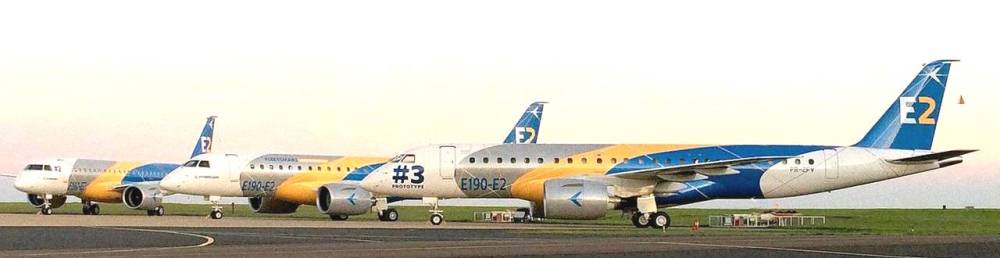
Embraer E2 podrían formar flota aviones nueva aerolínea saudí

Embraer SA firmó un acuerdo con el Grupo AHQ, que planea lanzar Saudi Gulf Airlines desde hace varios años. La compañía aeroespacial brasileña ha acordado con el Reino de Arabia Saudita al firmar un Memorando de Entendimiento (MoU) con el NIDC, el Centro Nacional para el Desarrollo Industrial del país, y el Grupo AHQ, que opera en varios segmentos.

El acuerdo, firmado en el Foro de Aviación del Futuro en Riad, establece el desarrollo de una estrategia conjunta para implementar un ecosistema aeroespacial saudí.

El esfuerzo de la empresa brasileña se produce en medio del plan estratégico del gobierno del país llamado Visión 2030, que tiene como objetivo diversificar la economía de Arabia Saudita, actualmente centrada en la exploración petrolera. El principal objetivo de Embraer ha sido facilitar la venta del carguero militar C-390 Millennium a la Real Fuerza Aérea de Arabia Saudita, incluso ofreciendo una línea de ensamblaje para el avión en el país. El plan también incluye el establecimiento de un centro de soporte y mantenimiento para la región, precisamente lo que más busca el gobierno saudí para desarrollar el segmento aeroespacial en el país.

El memorándum, sin embargo, también abre la oportunidad para que Embraer suministre aviones comerciales E2 a una nueva aerolínea saudí que está planeando el Grupo AHQ.

La compañía había anunciado planes para lanzar Saudi Gulf Airlines en 2016, cuando planeaba operar con aviones Airbus A320, pero la aerolínea no ha despegado hasta el presente. Según Embraer, las dos compañías analizarán el enorme potencial de la familia E2-Jet para ser el avión elegido para un nuevo proyecto de aerolínea en la región.

Saudi Gulf eyes E2-JET

Embraer E2 could form fleet of new Saudi airline aircraft

Embraer SA signed an agreement with the AHQ Group, which has been planning to launch Saudi Gulf Airlines for several years. The Brazilian aerospace company has agreed with the Kingdom of Saudi Arabia by signing a Memorandum of Understanding (MoU) with the NIDC, the country’s National Center for Industrial Development, and the AHQ Group, which operates in several segments.

The agreement, signed at the Future Aviation Forum in Riyadh, establishes the development of a joint strategy to implement a Saudi aerospace ecosystem.

The Brazilian company’s effort comes amid the country’s government’s strategic plan called Vision 2030, which aims to diversify Saudi Arabia’s economy, currently focused on oil exploration. Embraer’s main objective has been to facilitate the sale of the C-390 Millennium military freighter to the Royal Saudi Air Force, including by offering an assembly line for the aircraft in the country. The plan also includes the establishment of a support and maintenance center for the region, precisely what the Saudi government is most looking for to develop the aerospace segment in the country.

The memorandum, however, also opens the opportunity for Embraer to supply E2 commercial aircraft to a new Saudi airline being planned by the AHQ Group.

The company had announced plans to launch Saudi Gulf Airlines in 2016 when it planned to operate with Airbus A320 aircraft, but the airline has not taken off until now. According to Embraer, the two companies will analyze the enormous potential of the E2-Jet family to be the aircraft chosen for a new airline project in the region.

PUBLISHER: Airgways.com
DBk: Embraer.com / Ahqsons.com / Airgways.com
AW-POST: 202405221101AR
OWNERSHIP: Airgways Inc.
A\W A I R G W A Y S ®

Dominicana revoca vuelos venezolanos

AW | 2024 05 22 11:00 | AVIATION ORGANISMS / GOVERNMENT

Junta Aviación cancela operaciones aéreas regulares y no regulares

La reciente comunicación de la Junta de Aviación Civil de la República Dominicana (JAC) ha generado incertidumbre entre las aerolíneas y pasajeros que utilizan el hub de Santo Domingo como principal punto de conexión hacia los Estados Unidos. Incertidumbre en aerolíneas y pasajeros por vuelos entre Venezuela y República Dominicana

Esta declaración oficial, que entrará en vigencia el próximo 27 de Mayo de 2024, revoca las operaciones aéreas regulares y no regulares de pasajeros y carga para las aerolíneas venezolanas que operan hacia la República Dominicana. La medida, basada en el principio de reciprocidad, busca reevaluar las operaciones de las aerolíneas venezolanas que han proliferado en la ruta hacia la República Dominicana. Sin embargo, las aerolíneas afectadas, como Laser Airlines, Sky Airline, Avior Airlines, y Rutaca Airlines, han asegurado a los pasajeros y agencias de viajes que no suspenderán los vuelos programados.

El cese de operaciones entre Venezuela y la República Dominicana tendría un impacto significativo en los viajeros venezolanos, quienes utilizan esta ruta como la vía más directa hacia los Estados Unidos. Además, el principio de reciprocidad también afectaría el equilibrio comercial entre ambos países, donde actualmente hay más aerolíneas venezolanas operando en la República Dominicana que viceversa. Aunque las autoridades dominicanas han señalado que no suspenderán los vuelos actuialmente programados, mientras se tramitan las licencias, la incertidumbre persiste entre los pasajeros y las aerolíneas afectadas.

Dominican Republic revokes Venezuelan flights

Aviation Board cancels regular and non-scheduled air operations

The recent communication from the Civil Aviation Board of the Dominican Republic (JAC) has generated uncertainty among airlines and passengers who use the Santo Domingo hub as the main connection point to the United States. Uncertainty in airlines and passengers for flights between Venezuela and the Dominican Republic

This official declaration, which will come into effect on May 27, 2024, revokes regular and non-scheduled passenger and cargo air operations for Venezuelan airlines that operate to the Dominican Republic. The measure, based on the principle of reciprocity, seeks to reevaluate the operations of Venezuelan airlines that have proliferated on the route to the Dominican Republic. However, affected airlines, such as Laser Airlines, Sky Airline, Avior Airlines, and Rutaca Airlines, have assured passengers and travel agencies that they will not suspend scheduled flights.

The cessation of operations between Venezuela and the Dominican Republic would have a significant impact on Venezuelan travelers, who use this route as the most direct route to the United States. In addition, the principle of reciprocity would also affect the trade balance between both countries, where there are currently more Venezuelan airlines operating in the Dominican Republic than vice versa. Although the Dominican authorities have indicated that they will not suspend currently scheduled flights while licenses are processed, uncertainty persists among passengers and the affected airlines.

PUBLISHER: Airgways.com
DBk: Jac.gob.do / Airgways.com
AW-POST: 202405221100AR
OWNERSHIP: Airgways Inc.
A\W A I R G W A Y S ®
Buscan crear Saudi Uruguay Airlines

AW | 2024 05 21 11:28 | AIRLINES / GOVERNMENT

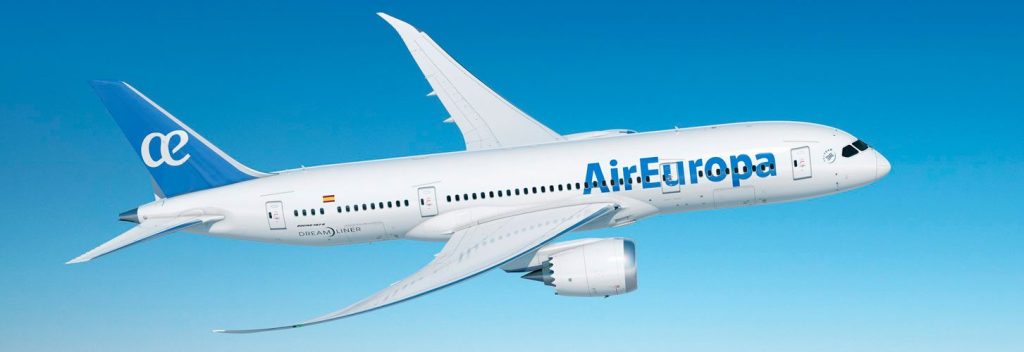
Arabia Saudita negocia con Gobierno Uruguay nueva aerolínea

En los medios de comunicación del Reino de Arabia Saudita informaron que Uruguay presentó una propuesta a la Autoridad General de Aviación Civil (GACA) para el desarrollo de una aerolínea regional en Uruguay, en colaboración con las aerolíneas nacionales del reino saudita. Según el portal informativo Al Arabiya Business, el Estado uruguayo ha presentado una solicitud a la Autoridad General Saudita de Aviación Civil para el desarrollo conjunto entre el Gobierno uruguayo y el sector privado de aviación saudí.

La propuesta incluye el establecimiento de una aerolínea denominada Saudi Uruguay Airlines con sede en Montevideo, Uruguay, para formar parte del grupo Saudi Airlines. La propuesta presentada por Uruguay incluye información sobre la estructura jurídica de la empresa, su plan operativo y la flota de aviones. La estructura de la nueva startup estaría conformada por el Gobierno de Uruguay con el 40% de participación accionaria y el 60% de la inversión privada saudita.

Anteriormente, meses atrás al Goberno uruguayo había presentado una propuesta de crear una nueva aerolínea uruguaya, una iniciativa bajo la denominación de Sociedad Uruguaya de Aviación (SUA).

They seek to create Saudi Uruguay Airlines

Saudi Arabia negotiates new airline with the Uruguayan Government

The media of the Kingdom of Saudi Arabia reported that Uruguay presented a proposal to the General Authority of Civil Aviation (GACA) for the development of a regional airline in Uruguay, in collaboration with the national airlines of the Saudi Kingdom. According to the Al Arabiya Business information portal, the Uruguayan State has submitted a request to the Saudi General Authority of Civil Aviation for joint development between the Uruguayan Government and the private Saudi aviation sector.

The proposal includes the establishment of an airline called Saudi Uruguay Airlines based in Montevideo, Uruguay, to be part of the Saudi Airlines group. The proposal presented by Uruguay includes information on the company’s legal structure, its operational plan, and the aircraft fleet. The structure of the new startup would be made up of the Government of Uruguay with 40% shareholding and 60% Saudi private investment.

Previously, months ago, the Uruguayan Government had presented a proposal to create a new Uruguayan airline, an initiative under the name of Sociedad Uruguaya de Aviación (SUA).

PUBLISHER: Airgways.com
DBk: Airgways.com
AW-POST: 202405211128AR
OWNERSHIP: Airgways Inc.
A\W A I R G W A Y S ®

Aéreas EEUU oponen norma tarifas

AW | 2024 05 14 09:50 | AIRLINES / AVIATION ORGANISMS / GOVERNMENT

Aerolíneas EEUU oponen norma impuesta para transparencia precios

Un grupo de aerolíneas presentó una demanda contra el Gobierno de Joe Biden por una norma que les exige más transparencia sobre las tarifas que le cobran a los pasajeros. American Airlines, Delta Air Lines, United Airlines y otras tres aerolíneas demandaron al Departamento de Transporte (DOT) de Estados Unidos, porque la agencia excede su autoridad al “regular operaciones de negocios privados”.

Las empresas afirman que la regulación confundirá a los consumidores al darles demasiada información al momento de comprar sus boletos; sin embargo, en los últimos años las aerolíneas se han aprovechado de la escalada de precios de los combustibles y de la inflación para aumentar sus cobros y en especial para esconderlos sin que los clientes perciban que les introducen recargos innecesarios. El Departamento de Transporte advirtió que defenderá enérgicamente la norma en contra de “tarifas innecesarias ocultas”.

Las aerolíneas, junto con la asociación que las agrupa, demandaron al Departamento de Transporte el Viernes 10/05 en un Tribunal Federal de Apelaciones, afirmando que la agencia está excediendo su autoridad al tratar de “regular operaciones de negocios privados en un mercado pujante”.

Las aerolíneas afirman que el gobierno no ha demostrado que los consumidores no puedan actualmente conseguir esa información. “Las aerolíneas hacen enormes esfuerzos para que los clientes estén enterados de esas tarifas. La norma sobre tarifas auxiliares elaborada por el Departamento de Transporte confundirá enormemente a los consumidores, quienes se verán inundados con información que sólo servirá para complicar el proceso de compra”, subrayó el lunes la asociación, Airlines for America (A4A).

El Departamento de Transporte anunció la nueva norma el 24 de Abril de 2024, según la cual las aerolíneas y los agentes de viaje estarán obligados a divulgar temprano cualquier tarifa que cobrarán por equipaje, o por cancelar o modificar una reservación. Las aerolíneas tendrán que publicar las tarifas en la primera página web donde aparezca el precio de un boleto. La agencia estima que la norma le ahorrará a los consumidores más de US$ 500 millones de Dólares al año.

“Defenderemos enérgicamente nuestra norma, que protege a la gente de tarifas innecesarias ocultas y que le permite enterarse del precio completo de un boleto antes de comprarlo. Muchos viajeros se sentirán decepcionados al enterarse de que el lobby de las aerolíneas está demandando para frenar estas protecciones de sentido común”, indicó el Lunes 13/05 el Departamento de Transporte.

Entre las seis aerolíneas más grandes del país, sólo Southwest Airlines no se unió a la impugnación legal, que fue presentada ante la Corte Federal de Apelaciones del Quinto Circuito en Nueva Orleans. Southwest indicó que la norma tendrá poco o ningún efecto dado que la aerolínea con sede en Dallas permite a los pasajeros registrar dos maletas de forma gratuita y nunca ha cobrado tarifas adicionales por cambiar o cancelar reservaciones. “En general, apoyamos el derecho de todas las aerolíneas a fijar el precio de sus productos, pero creemos que las tarifas deben divulgarse de manera clara y consistente, para que los consumidores puedan tomar decisiones de compra informadas”, dijo Southwest.

US airlines oppose tariff transparency

US airlines oppose imposed price transparency rule

A group of airlines filed a lawsuit against Joe Biden’s government over a rule that requires them to be more transparent about the fares they charge passengers. American Airlines, Delta Air Lines, United Airlines, and three other airlines sued the United States Department of Transportation (DOT) because the agency exceeded its authority by “regulating private business operations”.

The companies say the regulation will confuse consumers by giving them too much information when purchasing their tickets; However, in recent years airlines have taken advantage of the escalation in fuel prices and inflation to increase their charges and especially to hide them without customers realizing that they are introducing unnecessary surcharges. The Department of Transportation warned that it will vigorously defend the rule against “unnecessary hidden fees”.

The airlines, along with their umbrella association, sued the Department of Transportation on Friday 5/10 in a Federal Appeals Court, claiming that the agency is exceeding its authority by trying to “regulate private business operations in a thriving market”.

The airlines say the government has not shown that consumers cannot currently obtain that information. “Airlines make enormous efforts to make customers aware of these fees. The ancillary fare rule developed by the Department of Transportation will greatly confuse consumers, who will be inundated with information that will only serve to complicate the purchasing process”, the association, Airlines for America (A4A), stressed on Monday.

The Department of Transportation announced the new rule on April 24, 2024, under which airlines and travel agents will be required to disclose early any fees they will charge for baggage, or for canceling or modifying a reservation. Airlines will have to publish fares on the first web page where the price of a ticket appears. The agency estimates that the rule will save consumers more than US$ 500 million a year.

“We will vigorously defend our rule, which protects people from unnecessary hidden fees and allows them to find out the full price of a ticket before purchasing it. Many travelers will be disappointed to learn that the airline lobby is suing to stop these common-sense protections”, the Department of Transportation said on Monday, 05/13.

Among the nation’s six largest airlines, only Southwest Airlines did not join the legal challenge, which was filed before the Fifth U.S. Circuit Court of Appeals in New Orleans. Southwest said the rule will have little to no effect since the Dallas-based airline allows passengers to check two bags for free and has never charged additional fees for changing or canceling reservations. “In general, we support the right of all airlines to set the price of their products, but we believe that fares should be disclosed clearly and consistently so consumers can make informed purchasing decisions”, Southwest said.

PUBLISHER: Airgways.com
DBk: Transportation.gov / Airlines.org / Delta.com / Aa.com / United.com / Southwest.com / Ca5.uscourts.gov / Airgways.com
AW-POST: 202405140950AR
OWNERSHIP: Airgways Inc.
A\W A I R G W A Y S ®