AW | 2021 12 25 12:07 | GOVERNMENT / AIRLINES MARKET
Gobierno impone tarifas mínimas/máximas venta pasajes aéreos
El Gobierno de Argentina lanzó un decreto a pedido de la agrupación política de La Campora, al mando de Aerolíneas Argentinas, que pone en jaque a las low cost, se restablecerán las tarifas máximas y mínimas para los vuelos de cabotaje. A partir del Decreto Nº 879 el Gobierno de Argentina encomienda al Ministerio de Transporte para que “en un plazo no mayor a 180 días proceda a la determinación de tarifas máximas y la conformación de un sistema de bandas tarifarias”. Se trata de una medida que estuvo vigente durante el Gobierno de Cristina Kirchner, pero que fue derogada por su sucesor, Mauricio Macri, para facilitar el ingreso de las compañías low cost, que ofrecen promociones competitivas con precios de pasajes muy bajos.
La justificación del Gobierno de Argentina a la reimplementación de las bandas tarifarias es que el Estado “debe velar por la adecuada prestación de los servicios públicos, preservar la sostenibilidad no solo del transporte aéreo, sino también del sistema general de transporte y evitar prácticas ruinosas que tras una efímera ventaja económica para el consumidor o la consumidora se revelan, a la larga, contrarias al interés general”, expresa el decreto. Otra de las razones figura en los considerandos del decreto al respecto, señala que realizó “un análisis de los balances presentados por las empresas transportistas que operan servicios regulares con venta libre de pasajes y se concluyó que el resultado económico de todas las empresas es negativo. Los ingresos de la actividad aeronáutica no alcanzan a cubrir los costos directos e indirectos de la misma, desde hace varios años, como resultado de la fijación de tarifas predatorias, que llevaron al colapso del sistema”.
La medida afecta directamente a las low cost JetSmart Airlines Argentina y Flybondi Líneas Aéreas que hasta ahora eran las únicas compañías que competían en el mercado doméstico con la estatal Aerolíneas Argentinas.
El mismo Decreto Nº 879 también le devuelve el monopolio del servicio de rampas a la empresa estatal Intercargo, también bajo control del movimiento político que responde a Máximo Kirchner.
El Gobierno de la República Argentina decidió cumplir el sueño de dejar prácticamente monopólica a la línea aérea de bandera con regulaciones que hacen cada vez más difícil la competencia aérea. El Gobierno ha desarrollado la reactivación de Aerolíneas Argentinas e instaurar el premeditado mercado monopólico que se vislumbraba en la post-pandemia. La norma que se ha conocido por decreto que modifica el Código Aeronáutico es a llave perfecta para lograr el viejo sueño monopólico. Mientras tanto, los usuarios del transporte aéreo han padecido abusos de precios en la venta de los tickets aéreos en el tiempo de las repatriaciones, estos abusos realizados principalmente por la transportadora de bandera Aerolíneas Argentinas fueron denunciados por el elevado precio de los pasajes aéreos de vuelos de retorno en tiempo de restricciones y por los viajes de vacunación a Estados Unidos.
Argentina imposing air fares
Government imposes minimum/maximum rates sale of air tickets
The Government of Argentina launched a decree at the request of the La Campora political group, under the command of Aerolíneas Argentinas, which puts the low cost in check, the maximum and minimum rates for domestic flights will be restored. As of Decree No. 879, the Government of Argentina entrusts the Ministry of Transportation to «within a period of no more than 180 days proceed to determine maximum rates and the creation of a system of rate bands». This is a measure that was in force during the government of Cristina Kirchner, but was repealed by her successor, Mauricio Macri, to facilitate the entry of low cost companies, which offer competitive promotions with very low ticket prices.
The Argentine Government’s justification for the re-implementation of the tariff bands is that the State “must ensure the adequate provision of public services, preserve the sustainability not only of air transport, but also of the general transport system, and avoid ruinous practices that after a short-lived economic advantage for the consumer, they are revealed, in the long run, contrary to the general interest”, states the decree. Another reason is contained in the recitals of the decree in this regard, it indicates that it carried out “an analysis of the balance sheets presented by the transport companies that operate regular services with free sale of tickets and it was concluded that the economic result of all the companies is negative. The income from aeronautical activity has not been enough to cover its direct and indirect costs, for several years, as a result of the setting of predatory rates, which led to the collapse of the system”.
The measure directly affects the low cost JetSmart Airlines Argentina and Flybondi Líneas Aéreas, which until now were the only companies that competed in the domestic market with the state-owned Aerolíneas Argentinas.
The same Decree No. 879 also returns the monopoly of the ramp service to the state company Intercargo, also under the control of the political movement that responds to Máximo Kirchner.
The Government of the Argentine Republic decided to fulfill the dream of leaving the flag carrier practically monopolistic with regulations that make airline competition more and more difficult. The Government has developed the reactivation of Aerolineas Argentinas and established the premeditated monopoly market that was envisioned in the post-pandemic. The rule that has been known by decree that modifies the Aeronautical Code is the perfect key to achieve the old monopoly dream. Meanwhile, air transport users have suffered price abuses in the sale of air tickets at the time of repatriations, these abuses carried out mainly by the flag carrier Aerolíneas Argentinas were denounced due to the high price of air tickets for flights return in time of restrictions and for vaccination trips to the United States.
AW | 2021 12 24 10:08 | AIR INVESTIGATION / GOVERNMENT
Justicia absolvió a los acusados tragedia aérea Austral
El Tribunal Oral Federal (TOF) Nº 5 de la República Argentina ha dado a conocer el veredicto del fallo judicial de la tragedia aérea del vuelo AU2553 de Austral Líneas Aéreas; mientras que los fundamentos se conocerán el 25 de Marzo de 2022. Después de veinticuatro años de tramitación de la causa, el Tribunal Oral Federal 5 absolvió este Jueves 23/12 a todos los imputados por la caída del avión McDonnell Douglas DC-9-32 matrícula LV-WEG de la aerolínea Austral Líneas Aéreas que se precipitó a tierra el 10 de Octubre de 1997 en Nuevo Berlín, cerca de la ciudad uruguaya de Fray Bentos.
Los jueces Daniel Obligado, Adriana Pallioti y José Martínez Sobrino dieron a conocer en el mediodía del día Jueves 23 de Diciembre de 2021 el veredicto, después de dos años de tramitación del juicio. Los fundamentos se conocerán el 25 de Marzo de 2022. El fallo absolvió a 34 imputados, en rigor, 33, porque uno falleció durante la sustanciación del debate y, en su caso, se extinguió la acción penal por el deceso. El tribunal dispuso todas las absoluciones argumentando que no se había acreditado la participación de cada uno de ellos en la tragedia y porque la fiscalía, a cargo del Juan Patricio García Elorrio, no formuló acusaciones en contra de los imputados.
La causa se inició como consecuencia de la caída de la aeronave y por el delito de «Estrago Doloso» del vuelo AU2553 de Austral Líneas Aéreas, que causó la muerte de 74 personas a bordo. El vuelo se dirigía desde Posadas/PSS a Buenos Aires/AEP y se precipitó a tierra en la Estancia Magallanes, localizada en el pueblo de Nuevo Berlín. La aeronave McDonnell Douglas DC-9-32, registro LV-WEG impactó en la zona rural cercana a la ciudad uruguaya de Fray Bentos.
Austral Líneas Aéreas había estado en manos de la española Iberia hasta 1995 y, al momento del siniestro, pertenecía al Instituto Nacional de Industria (INI) de España. La Comisión Investigadora de Accidentes Aéreos (CIADA) de Uruguay concluyó que la caída de la aeronave se produjo como consecuencia directa de una errónea decisión del copiloto que produjo la pérdida de control de la nave. Ese error fue inducido por el congelamiento de los tubos de Pitot (sensor de velocidad) y la inexistencia en el avión de la alarma recomendada para alertar sobre esa situación, no homologadas por la Fuerza Aérea Argentina, así como la falta de entrenamiento adecuado de los pilotos.
Vuelo AU2553
La tripulación del vuelo estaba integrada por Jorge Cécere (Comandante), Horacio Núñez (Copiloto), Susana Trotta (Comisaria de a bordo), Bibiana Rumachella (Primera Auxiliar) y Fernando Álvarez (Segundo Auxiliar). El Capitán era Jorge Cécere, de 40 años, quien había estado con la aerolínea desde 1989 y registró 9.238 horas, incluidas 223 horas en el DC-9. El Primer Oficial fue Horacio Núñez, quien también tenía 40 años. Había estado con la aerolínea desde 1993 y tenía 2.910 horas de vuelo. Tenía más experiencia en el DC-9 que el Comandante Jorge Cécere, con 1.384 horas en ese avión.
La aeronave involucrada en el accidente fue un McDonnell Douglas DC-9-32, matrícula LV-WEG. Tuvo su vuelo inaugural en 1969, y tenía veintiocho años en el momento del accidente. Anteriormente había operado para Iberia con matrícula EC-BQT, y fue transferida a la aerolínea en 1993 tras la compra de la compañía por parte de la aerolínea española.
La aeronave, que partió de Posadas y debía aterrizar en el Aeropuerto Buenos Aires Jorge Newbery/AEP se vio obligada a desviarse hacia Fray Bentos para evitar una tormenta. El examen del Registrador de Datos de Vuelo (FDR) de la aeronave reveló que poco después de que ocurriera la desviación, el indicador de velocidad aérea de la aeronave comenzó a caer a una velocidad aérea indicada alarmantemente baja. Desconocido para los pilotos, esto no fue causado directamente, por una pérdida de potencia, sino por el hielo formado dentro del Tubo Pitot, que lee la velocidad del aire para el indicador midiendo la presión del aire de entrada. El hielo que obstruía el Tubo de Pitot reducía el flujo de aire, dando así una velocidad de aire erróneamente baja indicada.
En respuesta a lo que interpretaron como una pérdida de potencia del motor, los pilotos aumentaron gradualmente la potencia de los motores para mantener la velocidad del aire; al no ver ninguna mejora, se pusieron en contacto con la torre de control del aeropuerto de Ezeiza y solicitaron autorización para descender a una altitud más baja. Después de no recibir respuesta, el Capitán decidió descender a una altitud más baja para aumentar la velocidad incluso sin autorización recibida del Control de Tráfico Aéreo. Mientras descendía de su altitud asignada de 35,000 pies y alcanzaba los 31,700 pies, el Capitán identificó la indicación de velocidad aérea defectuosa y ordenó al Primer Oficial que dejara de descender y redujera la velocidad, porque las lecturas no eran confiables. Sin embargo, el Primer Oficial hizo caso omiso de las órdenes del Capitán y desplegó los listones de las alas para mantener su altitud y reducir la velocidad de parada del avión. En consecuencia, en este punto el avión en realidad estaba volando a una velocidad más alta de lo normal; estaba descendiendo, lo que aumentaba aún más la velocidad del aire a un punto peligrosamente cercano a VNE, el «nunca exceder la velocidad», por encima del cual podría ocurrir un daño estructural a la aeronave. Con los slats extendidos a una velocidad más allá de sus límites operativos, una de ellas fue arrancada de la aeronave, causando una asimetría catastrófica en el flujo de aire sobre las alas. El avión se volvió inmediatamente incontrolable y se estrelló.
Según una investigación de las Fuerzas Aéreas Argentina (FAA) y la Fuerza Aérea Uruguaya (FAU), el Tubo Pitot, el principal instrumento para medir las velocidades aéreas de las aeronaves, se congeló cuando la aeronave pasó a través de una nube cumulonimbus de 15.000 metros (49.000 pies) de altura, bloqueando el instrumento y haciendo que diera una lectura falsa. Agravando este problema estaba la ausencia de la alarma diseñada para reportar el mal funcionamiento, lo que plantea serias dudas sobre las irregularidades de inspección por parte de la Fuerza Aérea Argentina en ese tiempo.
Durante el descenso, el FDR registró un aumento en la velocidad del aire de 300 km/h (160 kn) a 800 km/h (430 kn) en tres segundos, lo que solo podía significar el descongelamiento repentino del Tubo de Pitot. Los especialistas estimaron que el avión se estrelló casi perpendicularmente al suelo, en un ángulo de casi 90° con respecto a la superficie, a una velocidad de 1.200 km/h (650 kn). Dependiendo de la fuente, el cráter dejado por el accidente tenía seis metros (20 pies) de profundidad y 30 metros (98 pies) de ancho, 25 pies (7,6 m) de profundidad y 30 pies (9,1 m) de ancho, o 25 pies (7,6 m) de profundidad y 80 pies (24 m) de ancho.
Cronología judicial
En 2003 los imputados habían sido sobreseídos, pero mediante apelaciones, tres años más tarde, resultaron procesados por el cargo de Estrago Doloso, y en sucesivas etapas (2013, 2017 y 2018) la causa llegó a la etapa de juicio. El debate comenzó el 26 de Marzo 2018 y un año y medio después las querellas pidieron que los imputados fueran condenados a 25 años de prisión, pero la fiscalía no formuló acusación y reclamó la absolución de todos los imputados por el «beneficio de la duda».
La fiscalía había pedido, no obstante, penas para el ex Director de Certificación Aeronáutica, Danilo Wenk, pero tampoco la causa prosperará en su caso ya que murió el 15 de Diciembre de 2021, antes de que se conociera el veredicto. Entonces, la acción penal en su contra se extinguió.
El fallo exculpó a Manuel Morán, ex-Presidente de Austral Líneas Aéreas, Director de Iberia y titular de Aerolíneas Argentinas y su controlante Interinvest S.A.; Mario Víctor Sruber, Vicepresidente de Austral; Gabriel Mario Pérez Junqueira, Gerente de Asesoría de Aerolíneas Argentinas y Director de Austral, al igual que Walter Hayas, Mario Daniel Cardoni, Fernando José Francisco Mayorga, Francisco Javier Monzón y Ángel Rafael Sanchis Herrero. También benefició a Javier Losa de la Cruz, Gerente Técnico de Austral; Jorge Belarmino Fernández, Gerente de Mantenimiento; Ricardo Embon, Gerente de Planeamiento e Ingeniería; Andrés Alberto Arribillaga, Instructor de Vuelo; Juan Manuel Baigorria, Director Nacional de Aeronavegabilidad; Carlos Horacio González, Director de Habilitación y Fomento del Comando de Regiones Aéreas; Hugo Alberto Adib, Director de Certificación Córdoba; Carlos Carmenini, Jefe de Transporte Aéreo Regular; Norberto Alfredo Sotelo Ossa, Director Aviación de Transporte; Eduardo Sánchez Ara, Director de Certificación Córdoba; Guillermo Destefanis y Juan Fortuny, integrantes de la Comisión Asesora de Licencias de Funciones Aeronáuticas Civiles.
El fallo también abarca a Enrique Ventura de Anchorena, Gerente de Operaciones de Austral Líneas Aéreas; Pablo Alfredo Chini, Gerente de Aseguramiento de Calidad; Norberto Hugo Nieves, Auditor de Aseguramiento de Calidad; Miguel Arturo Salvioli, Subgerente de Ingeniería; Norberto Alejandro Verne, Subgerente de Planeamiento; Claudio Marcelo Gorla, Inspector de la Dirección Nacional de Aeronavegabilidad, al igual que Héctor Alejandro Pérez, Juan Casimiro Astrada Ladrón de Guevara, este último quien intervino en el proceso de habilitación y certificación de la aeronave siniestrada. La resolución del Tribunal alcanza también a Eduardo Carlos Ford, Gerente de Operaciones de Vuelo; Alberto Muñoz, Gerente de Logística de Austral; y Rodolfo Gerardo Giromini, Instructor de vuelo al igual que Roberto Luis Pignato, y Ángel Norberto Esnagola, quienes instruyeron a los pilotos que protagonizaron el siniestro.
Court ruling tragedy AU2553
Justice acquitted the accused Austral air tragedy
The Federal Oral Court (TOF) No. 5 of the Argentine Republic has released the verdict of the court ruling on the plane tragedy of Austral Líneas Aéreas flight AU2553; While the grounds will be known on March 25, 2022. After twenty-four years of processing the case, the Federal Oral Court 5 acquitted this Thursday 12/23 all those accused of the crash of the McDonnell Douglas DC-9-32 plane. Registration LV-WEG of the Austral Lineas Aereas airline that crashed to the ground on October 10, 1997 in Nuevo Berlin, near the Uruguayan city of Fray Bentos.
Judges Daniel Obligado, Adriana Pallioti and José Martínez Sobrino announced the verdict at noon on Thursday, December 23, 2021, after two years of processing the trial. The grounds will be known on March 25, 2022. The ruling acquitted 34 defendants, strictly speaking, 33, because one died during the debate and, where appropriate, the criminal action for the death was terminated. The court ordered all the acquittals arguing that the participation of each of them in the tragedy had not been proven and because the prosecution, in charge of Juan Patricio García Elorrio, did not formulate accusations against the accused.
The case was initiated as a result of the crash of the aircraft and the crime of «Painful Havoc» of Austral Lineas Aereas flight AU2553, which caused the death of 74 people on board. The flight was heading from Posadas/PSS to Buenos Aires/AEP and landed at the Estancia Magallanes, located in the town of Nuevo Berlin. The McDonnell Douglas DC-9-32 aircraft, registration LV-WEG, hit the rural area near the Uruguayan city of Fray Bentos.
Austral Lineas Aereas had been in the hands of Spain’s Iberia until 1995 and, at the time of the incident, it belonged to the National Institute of Industry (INI) of Spain. The Uruguayan Air Accident Investigative Commission (CIADA) concluded that the crash of the aircraft occurred as a direct consequence of an erroneous decision by the co-pilot that caused the loss of control of the aircraft. This error was induced by the freezing of the Pitot tubes (speed sensor) and the non-existence in the aircraft of the recommended alarm to alert about this situation, not approved by the Argentine Air Force, as well as the lack of adequate training of the pilots.
Flight AU2553
The flight crew was made up of Jorge Cécere (Commander), Horacio Núñez (Copilot), Susana Trotta (Flight Commissary), Bibiana Rumachella (First Assistant) and Fernando Álvarez (Second Assistant). The Captain was Jorge Cécere, 40, who had been with the airline since 1989 and logged 9,238 hours, including 223 hours on the DC-9. The First Officer was Horacio Núñez, who was also 40 years old. He had been with the airline since 1993 and had 2,910 flight hours. He had more DC-9 experience than Captain Jorge Cécere, with 1,384 hours on that plane.
THE ACCIDENTED AIRCRAFT McDONNELL DOUGLAS DC-9-32 AUSTRAL LÍNEAS AÉREAS LV-WEG REGISTRY
The aircraft involved in the accident was a McDonnell Douglas DC-9-32, registration LV-WEG. He had his maiden flight in 1969, and he was twenty-eight years old at the time of the accident. It had previously operated for Iberia with registration EC-BQT, and was transferred to the airline in 1993 after the purchase of the company by the Spanish airline.
The aircraft, which left Posadas and was supposed to land at the Buenos Aires Jorge Newbery/AEP Airport, was forced to divert to Fray Bentos to avoid a storm. Examination of the aircraft’s Flight Data Recorder (FDR) revealed that shortly after the deviation occurred, the aircraft’s airspeed indicator began to drop to an alarmingly low indicated airspeed. Unknown to pilots, this was not caused directly, by a loss of power, but by ice formed inside the pitot tube, which reads the air speed for the gauge by measuring the intake air pressure. Ice obstructing the pitot tube reduced airflow, thus giving an erroneously low indicated air velocity.
In response to what they interpreted as a loss of engine power, the pilots gradually increased engine power to maintain airspeed; Seeing no improvement, they contacted the Ezeiza airport control tower and requested authorization to descend to a lower altitude. After receiving no response, the Captain decided to descend to a lower altitude to increase speed even without authorization received from Air Traffic Control. While descending from his assigned altitude of 35,000 feet and reaching 31,700 feet, the Captain identified the faulty airspeed indication and ordered the First Officer to stop descending and slow down, because the readings were unreliable. However, the First Officer ignored the Captain’s orders and deployed the wing slats to maintain his altitude and reduce the aircraft’s stopping speed. Consequently, at this point the plane was actually flying at a higher speed than normal; it was descending, further increasing airspeed to a point dangerously close to VNE, the «never overspeed» point, above which structural damage to the aircraft could occur. With the slats extended at a speed beyond their operational limits, one of them was ripped away from the aircraft, causing catastrophic asymmetry in the airflow over the wings. The plane immediately became uncontrollable and crashed.
According to an investigation by the Argentine Air Force (FAA) and the Uruguayan Air Force (FAU), the Pitot Tube, the main instrument for measuring aircraft air speeds, froze when the aircraft passed through a cumulonimbus cloud of 15,000 meters (49,000 feet) high, blocking the instrument and causing it to give a false reading. Compounding this problem was the absence of the alarm designed to report the malfunction, which raises serious doubts about the inspection irregularities by the Argentine Air Force at that time.
During the descent, the FDR recorded an increase in air speed from 300 km/h (160 kn) to 800 km/h (430 kn) in three seconds, which could only mean the sudden thawing of the Pitot Tube. Specialists estimated that the plane crashed almost perpendicular to the ground, at an angle of almost 90° to the surface, at a speed of 1,200 km/h (650 kn). Depending on the source, the crater left by the accident was six meters (20 feet) deep and 30 meters (98 feet) wide, 25 feet (7.6 m) deep and 30 feet (9.1 m) wide. wide, or 25 feet (7.6 m) deep and 80 feet (24 m) wide.
Judicial chronology
In 2003 the defendants had been dismissed, but through appeals, three years later, they were prosecuted for the charge of Painful Havoc, and in successive stages (2013, 2017 and 2018) the case reached the trial stage. The debate began on March 26, 2018 and a year and a half later the complaints asked that the accused be sentenced to 25 years in prison, but the prosecution did not file an accusation and demanded the acquittal of all the accused for the «benefit of the doubt».
The prosecution had, however, requested penalties for the former Director of Aeronautical Certification, Danilo Wenk, but the case will not prosper in his case either since he died on December 15, 2021, before the verdict was known. Then, the criminal action against him was extinguished.
The ruling exonerated Manuel Morán, former President of Austral Líneas Aéreas, Director of Iberia and head of Aerolineas Argentinas and its controlling company Interinvest S.A.; Mario Víctor Sruber, Vice President of Austral; Gabriel Mario Pérez Junqueira, Advisory Manager of Aerolineas Argentinas and Director of Austral, as well as Walter Hayas, Mario Daniel Cardoni, Fernando José Francisco Mayorga, Francisco Javier Monzón and Ángel Rafael Sanchis Herrero. It also benefited Javier Losa de la Cruz, Austral’s Technical Manager; Jorge Belarmino Fernández, Maintenance Manager; Ricardo Embon, Planning and Engineering Manager; Andrés Alberto Arribillaga, Flight Instructor; Juan Manuel Baigorria, National Director of Airworthiness; Carlos Horacio González, Director of Qualification and Promotion of the Air Regions Command; Hugo Alberto Adib, Director of Córdoba Certification; Carlos Carmenini, Head of Regular Air Transport; Norberto Alfredo Sotelo Ossa, Director of Transport Aviation; Eduardo Sánchez Ara, Director of Córdoba Certification; Guillermo Destefanis and Juan Fortuny, members of the Civil Aeronautical Functions Licensing Advisory Commission.
The ruling also covers Enrique Ventura de Anchorena, Austral Lineas Aereas Operations Manager; Pablo Alfredo Chini, Quality Assurance Manager; Norberto Hugo Nieves, Quality Assurance Auditor; Miguel Arturo Salvioli, Deputy Manager of Engineering; Norberto Alejandro Verne, Deputy Manager of Planning; Claudio Marcelo Gorla, Inspector of the National Airworthiness Directorate, as well as Héctor Alejandro Pérez, Juan Casimiro Astrada Ladrón de Guevara, the latter who intervened in the qualification and certification process of the wrecked aircraft. The Court’s resolution also reaches Eduardo Carlos Ford, Flight Operations Manager; Alberto Muñoz, Austral Logistics Manager; and Rodolfo Gerardo Giromini, Flight Instructor like Roberto Luis Pignato, and Ángel Norberto Esnagola, who instructed the pilots who were involved in the accident.
El vuelo MH-017 de Malaysia Airlines, que realizaba la ruta Amsterdam—Kuala Lumpur despegó del Aeropuerto Amsterdam/Schiphol en Julio de 2014, y los fiscales lanzaron esta semana los argumentos finales en el juicio. Los cuatro sospechosos en juicio son los ciudadanos rusos Igor Girkin, Sergei Dubinsky y Oleg Pulatov, y el ciudadano ucraniano Leonid Kharchenko, acusado de lanzar el misil BUK que causó el derribo del avión Boeing 777-200ER sobre el Este de Ucrania devastado por la guerra.
Los fiscales holandeses pidieron el Miércoles 22/12 cadena perpetua para cuatro sospechosos en juicio en ausencia, acusados de derribar el vuelo MH-017 de Malaysia Airlines sobre Ucrania con un misil tierra-aire, matando a 298 personas a bordo. Los cuatro se han negado a comparecer ante el tribunal en los Países Bajos y están siendo juzgados en ausencia. «Estamos pidiendo que los sospechosos Girkin, Dubinsky, Pulatov y Kharchenko, cada uno por su responsabilidad de estrellar un avión que provocó la muerte y el asesinato de 298 personas, sean condenados a cadena perpetua», dijo el Fiscal Manon Ridderbeks al tribunal el Miércoles 22/12.
Los fiscales han argumentado esta semana que los cuatro sospechosos desempeñaron un papel fundamental en la seguridad del sistema BUK, que probablemente tenía la intención de atacar un avión de combate ucraniano. Los investigadores internacionales dicen que el misil fue traído originalmente de una base militar rusa, aparentemente para ser utilizado en la lucha contra las fuerzas ucranianas. «Nuestra evidencia es convincente y abundante. Tenemos muchas fuentes de donde provienen las pruebas y se apoyan mutuamente», dijo la Fiscal Jefe Digna van Boetzelaer.
Los fiscales dijeron que el despliegue del misil fue planeado y organizado, y que no importaba si los sospechosos cometieron un error al apuntar a un avión de pasajeros. «Si consideramos cuánto tiempo dedicaron los acusados a planificar y organizar el despliegue del BUK, es aún más conmovedor la poca atención que parecen haber prestado al riesgo de derribar inadvertidamente un avión de pasajeros. En términos legales, los acusados eran civiles y, por lo tanto, no se les permitió disparar contra ningún avión, ya sea civil o militar», argumentaron los fiscales, según los documentos del juicio el Miércoles 22/12.
Anton Kotte, quien perdió a su hijo, nuera y nieto en el accidente, dio la bienvenida a los procedimientos del Miércoles 22/12. Piet Ploeg, quien perdió a tres familiares en el accidente, dijo que la solicitud de sentencia era solicitada. «Solo hay una sentencia que es apropiada para este crimen, y esa es la cadena perpetua».
Las audiencias se producen cuando se disparan nuevas tensiones sobre Ucrania, con Occidente acusando a Moscú de planear una invasión. Kiev ha estado luchando contra una insurgencia pro-Moscú en dos regiones separatistas fronterizas con Rusia desde 2014, cuando el Kremlin anexó la península ucraniana de Crimea. La Federación Rusia ha reunido recientemente tropas cerca de las fronteras de Ucrania y Occidente lo ha acusado durante semanas de planear una invasión, advirtiendo a Moscú de sanciones masivas en caso de que lance un ataque. Moscú niega las afirmaciones, y el presidente Vladimir Putin busca conversaciones con su homólogo estadounidense Joe Biden y garantías de seguridad para retirar sus tropas. El Ministro de Relaciones Exteriores de Rusia, Sergei Lavrov, acusó a Estados Unidos de doble rasero poco antes de que comenzara el juicio. Dijo que Washington instruyó a las aerolíneas estadounidenses a no volar sobre territorio ruso cerca de la frontera con Ucrania en la primavera de 2014, pero nadie cerró el espacio aéreo después de que estalló la guerra más tarde ese año.
El más conocido de los sospechosos, Igor Girkin, de 49 años, apodado «artillero», fue uno de los principales comandantes separatistas al comienzo del conflicto con el ejército ucraniano. Dijo el Miércoles 22/12 que no estaba sorprendido por la solicitud de los fiscales, y negó que los rebeldes derribaran el avión. «Si hubieran podido condenarme a muerte, lo habrían hecho, sin duda», dijo la agencia de noticias rusa Interfax. Se dice que Sergei Dubinsky, de 57 años, está vinculado a la inteligencia militar rusa, mientras que Oleg Pulatov, de 53 años, es un ex miembro de las fuerzas especiales rusas y el adjunto de Dubinsky. Se cree que Leonid Kharchenko, de 48 años, dirigió una unidad separatista en el este de Ucrania.
Las naciones occidentales impusieron duras sanciones a la Federación Rusia en medio de la indignación internacional por el derribo del vuelo MH17. El veredicto final del juicio al derribo del vuelos MH-017 de Malaysia Airlines no se espera hasta finales de 2022 como muy pronto.
Fiscalía Países Bajos
La Fiscalía de los Países Bajos quiere que se impongan cadenas perpetuas a los cuatro hombres sospechosos de derribar el vuelo MH-017 en el este de Ucrania. Según los fiscales, se ha demostrado que los acusados Igor Girkin, Sergei Dubinskiy, Oleg Pulatov y Leonid Kharchenko son culpables de causar el accidente de un avión, lo que resultó en muertes, y de los asesinatos de las 298 personas a bordo. En vista de su papel esencial en el derribo del MH-017, el Ministerio Público considera que los cuatro hombres son los principales perpetradores, a pesar de que en realidad no presionaron el botón para lanzar el misil antiaéreo que derribó el avión. En la sala del tribunal del Complejo Judicial de Schiphol, los fiscales dijeron el miércoles que solo se aplica un castigo a estos delitos:
«El derribo fue el resultado de una operación planificada y organizada por los demandados. Juntos, los acusados tomaron la decisión consciente de desplegar un arma extremadamente destructiva con el objetivo de derribar un avión. Cada uno de los acusados puede ser considerado igualmente responsable de este despliegue conjunto del Buk TELAR. El derribo del MH17 con un misil Buk acabó brutalmente con la vida de las 298 personas a bordo. Se ha causado un sufrimiento increíblemente profundo e irreversible a los parientes más cercanos. (…) Los delitos son, por su propia naturaleza, tan graves y sus consecuencias tan grandes que, desde el punto de vista de la retribución, sólo la pena máxima de prisión es apropiada en vista de la injusticia causada por los acusados».
El 17 de Julio de 2014, el vuelo MH-017 de Malaysia Airlines de Ámsterdam a Kuala Lumpur se estrelló en el este de Ucrania, donde se está librando un conflicto armado. Las 298 personas a bordo, de dieciseis países, mueren. La investigación del Equipo Conjunto de Investigación ha demostrado que el avión fue derribado por un misil Buk proporcionado por una unidad del ejército ruso: la 53ª Brigada de Misiles Antiaéreos de Kursk. En Marzo de 2020, la Fiscalía holandesa inicia un proceso contra cuatro sospechosos: tres rusos y un ucraniano.
Evidencia abundante y convincente
Esta semana, los fiscales resumieron el extenso expediente del caso, que incluye material forense de los restos del MH17 y los cuerpos de las víctimas, investigaciones de forenses y otros expertos, cientos de conversaciones telefónicas grabadas y otros datos de telecomunicaciones, y declaraciones de testigos. También hay mucha información de fuentes abiertas: fotos y videos del Buk TELAR y publicaciones en las redes sociales, incluidos los mensajes publicados por los acusados. Utilizando las diversas fuentes de evidencia, se puede hacer una reconstrucción de lo que realmente sucedió antes, durante y poco después del derribo del MH17: «Cuando se ven colectivamente y en relación entre sí, todas estas diferentes fuentes de evidencia se apoyan y refuerzan mutuamente. Por lo tanto, en opinión del Ministerio Fiscal, las pruebas del curso de los hechos del 17 de julio de 2014 expuestas en la acusación son abundantes y convincentes».
LA JEFA DE PRENSA DIGNA VAN BOETZELAER HABLA CON LA PRENSA
La aviación civil se encuentra dentro del alcance mortal
Desde Abril de 2014 en adelante, los cuatro acusados son miembros de un grupo armado que lucha contra las fuerzas armadas ucranianas, por su propia cuenta como voluntarios. Como los cazas están sufriendo grandes pérdidas y no pueden golpear a los aviones enemigos que vuelan a gran altitud, solicitan un sistema de defensa aérea más pesado de Rusia. Bajo el liderazgo de los acusados, el Buk TELAR que reciben es llevado a un lugar estratégico de lanzamiento, directamente debajo de una ruta de vuelo de aviación civil. Según los fiscales, la probabilidad de que los acusados apuntaran a un avión de combate ucraniano no resta valor a su culpabilidad: «En los combates, decidieron desplegar un arma más pesada con un alcance aún mayor y un poder aún más destructivo que las que ya tenían a su disposición: un Buk TELAR. Al hacerlo, trajeron aviones civiles dentro de su rango mortal. El riesgo para la aviación civil también era específicamente previsible para los acusados. Después de todo, era ampliamente conocido dentro de su grupo armado que el espacio aéreo no había sido cerrado y que los aviones de pasajeros sobrevolaban la zona de conflicto».
Indiferencia
El hecho de que derribaran la aeronave en el curso de un conflicto armado no puede tenerse en cuenta a favor de los acusados. Los acusados no eran militares regulares y, lo que es más, no demostraron ningún respeto por el derecho internacional humanitario. Los fiscales sostienen en contra de los acusados que se han mostrado indiferentes al riesgo de víctimas civiles. El Ministerio Público también los culpa de no explicarse. Después de que el MH17 fue derribado, escondieron el Buk TELAR, lo expulsaron al amparo de la oscuridad y desde entonces hasta el día de hoy han tratado de ocultar sus roles. Sólo el acusado Pulatov ha contratado abogados; los otros tres acusados no participan en el procedimiento y están siendo juzgados en rebeldía.
Parientes más cercanos
El juicio MH-017 está siendo seguido por los amigos y familiares de las víctimas, tanto en los Países Bajos como en otros lugares. Más de un centenar de familiares hicieron uso de su derecho a dirigirse a la corte este otoño. Y más de 300 familiares han presentado reclamaciones de indemnización. Los fiscales han dicho que, en su opinión, los acusados, si son condenados, deben pagar esta compensación. El Ministerio Público ha hecho hincapié en que sólo está haciendo una recomendación de sentencia. Corresponde al tribunal dictar sentencia. El juicio continuará el próximo año, con la declaración de la defensa del caso. No se espera un veredicto antes del otoño de 2022.
Flight MH-017 trial
Dutch prosecutors ask for life in prison for plane shoot down
Malaysia Airlines flight MH-017, flying the Amsterdam-Kuala Lumpur route, took off from Amsterdam/Schiphol Airport in July 2014, and prosecutors released their final arguments at trial this week. The four suspects on trial are Russian nationals Igor Girkin, Sergei Dubinsky and Oleg Pulatov, and Ukrainian national Leonid Kharchenko, accused of launching the BUK missile that caused the downing of the Boeing 777-200ER aircraft over war-torn eastern Ukraine.
Dutch prosecutors on Wednesday 12/22 requested life imprisonment for four suspects in absentia trial, accused of shooting down Malaysia Airlines flight MH-017 over Ukraine with a surface-to-air missile, killing 298 people on board. All four have refused to appear in court in the Netherlands and are being tried in absentia. «We are asking that the suspects Girkin, Dubinsky, Pulatov and Kharchenko, each for their responsibility for crashing a plane that caused the death and murder of 298 people, be sentenced to life imprisonment», Prosecutor Manon Ridderbeks told the court on Wednesday. 12/22.
Prosecutors have argued this week that the four suspects played a critical role in the security of the BUK system, which was likely intended to attack a Ukrainian fighter jet. International investigators say the missile was originally brought in from a Russian military base, apparently to be used in the fight against Ukrainian forces. «Our evidence is compelling and abundant. We have many sources where the evidence comes from and they are mutually supportive», said Chief Prosecutor Digna van Boetzelaer.
Prosecutors said the missile’s deployment was planned and organized, and that it didn’t matter if the suspects made a mistake by targeting an airliner. «When you consider how much time the defendants spent planning and organizing the deployment of the BUK, it is even more poignant how little attention they seem to have paid to the risk of inadvertently shooting down an airliner. Legally, the defendants were civilians and therefore Therefore, they were not allowed to shoot at any aircraft, whether civilian or military», argued prosecutors, according to trial documents on Wednesday 12/22.
Anton Kotte, who lost his son, daughter-in-law and grandson in the accident, welcomed the proceedings on Wednesday 12/22. Piet Ploeg, who lost three family members in the accident, said the request for sentencing was requested. «There is only one sentence that is appropriate for this crime, and that is life imprisonment».
The hearings come as new tensions erupt over Ukraine, with the West accusing Moscow of planning an invasion. Kiev has been fighting a pro-Moscow insurgency in two separatist regions bordering Russia since 2014, when the Kremlin annexed Ukraine’s Crimean peninsula. The Russian Federation has recently mustered troops near Ukraine’s borders and the West has accused it for weeks of planning an invasion, warning Moscow of massive sanctions should it launch an attack. Moscow denies the claims, and President Vladimir Putin is seeking talks with his US counterpart Joe Biden and security guarantees to withdraw troops from him. Russian Foreign Minister Sergei Lavrov accused the United States of double standards shortly before the trial began. He said Washington instructed US airlines not to fly over Russian territory near the Ukrainian border in the spring of 2014, but no one closed the airspace after the war broke out later that year.
The best known of the suspects, Igor Girkin, 49, nicknamed «gunner», was one of the main separatist commanders at the beginning of the conflict with the Ukrainian army. He said on Wednesday 12/22 that he was not surprised by prosecutors’ request, and denied that the rebels shot down the plane. «If they could have sentenced me to death, they certainly would have», said the Russian news agency Interfax. Sergei Dubinsky, 57, is said to be linked to Russian military intelligence, while Oleg Pulatov, 53, is a former member of the Russian special forces and Dubinsky’s deputy. Leonid Kharchenko, 48, is believed to have led a separatist unit in eastern Ukraine.
Western nations imposed tough sanctions on the Russian Federation amid international outrage over the downing of flight MH17. The final verdict of the trial on the downing of Malaysia Airlines flight MH-017 is not expected until the end of 2022 at the earliest.
Netherlands Prosecutor’s Office
The Netherlands Prosecutor’s Office wants life sentences imposed on the four men suspected of shooting down flight MH-017 in eastern Ukraine. According to prosecutors, defendants Igor Girkin, Sergei Dubinskiy, Oleg Pulatov and Leonid Kharchenko have been shown to be guilty of causing a plane crash, resulting in deaths, and the murders of all 298 people on board. In view of their essential role in the downing of MH-017, the Public Ministry considers the four men to be the main perpetrators, despite the fact that they did not actually press the button to launch the anti-aircraft missile that shot down the plane. In the courtroom of the Schiphol Judicial Complex, prosecutors said Wednesday that only one punishment applies to these crimes:
«The shootdown was the result of an operation planned and organized by the defendants. Together, the defendants made a conscious decision to deploy an extremely destructive weapon with the aim of shooting down an aircraft. Each of the defendants can be held equally responsible for this. Joint deployment of the Buk TELAR. The downing of the MH17 with a Buk missile brutally killed all 298 people on board. Incredibly deep and irreversible suffering has been caused to the closest relatives. The crimes are, by their very nature, so serious and their consequences so great that, from the point of view of retribution, only the maximum sentence of imprisonment is appropriate in view of the injustice caused by the accused».
On July 17, 2014, Malaysia Airlines flight MH-017 from Amsterdam to Kuala Lumpur crashed in eastern Ukraine, where an armed conflict is raging. All 298 people on board, from sixteen countries, die. The investigation of the Joint Investigation Team has shown that the aircraft was shot down by a Buk missile provided by a unit of the Russian army: the 53rd Kursk Anti-Aircraft Missile Brigade. In March 2020, the Dutch Public Prosecutor’s Office starts a process against four suspects: three Russians and one Ukrainian.
Abundant and compelling evidence
This week, prosecutors summarized the lengthy case file, which includes forensic material from the remains of MH17 and the bodies of the victims, investigations by forensics and other experts, hundreds of recorded telephone conversations and other telecommunications data, and witness statements. There is also a lot of information from open sources: photos and videos of the Buk TELAR and posts on social media, including messages posted by the defendants. Using the various sources of evidence, a reconstruction can be made of what actually happened before, during and shortly after the downing of MH17: «When viewed collectively and in relation to each other, all these different sources of evidence mutually support and reinforce each other. Therefore, in the opinion of the Public Prosecutor, the evidence of the course of the events of July 17, 2014 exposed in the indictment is abundant and compelling».
Civil aviation is in deadly range
From April 2014 onwards, the four defendants are members of an armed group fighting against the Ukrainian armed forces, on their own account as volunteers. As the fighters are taking heavy losses and unable to hit enemy planes flying at high altitude, they request a heavier air defense system from Russia. Under the leadership of the defendants, the Buk TELAR they receive is brought to a strategic launch site, directly below a civil aviation flight path. According to prosecutors, the likelihood that the defendants targeted a Ukrainian fighter jet does not detract from their guilt: «In the fighting, they decided to deploy a heavier weapon with an even greater range and even more destructive power than what they already had at their disposal: a TELAR Buk. In doing so, they brought civilian aircraft within their deadly range. The risk to civil aviation was also specifically predictable for the defendants. After all, it was widely known within their armed group that the airspace had not been closed and that passenger planes were flying over the conflict zone».
Indifference
The fact that the aircraft was shot down in the course of an armed conflict cannot be factored in favor of the accused. The defendants were not regular military personnel and, what is more, they did not show any respect for international humanitarian law. Prosecutors argue against the defendants that they have been indifferent to the risk of civilian casualties. The Public Ministry also blames them for not explaining themselves. After MH17 was shot down, they hid the Buk TELAR, expelled it under cover of darkness and from then until today they have tried to hide their roles. Only the defendant Pulatov has hired lawyers; the other three defendants are not participating in the proceedings and are being tried in absentia.
Closest relatives
The MH-017 trial is being followed by the friends and relatives of the victims, both in the Netherlands and elsewhere. More than a hundred family members made use of their right to address the court this fall. And more than 300 family members have filed compensation claims. Prosecutors have said that, in their view, the defendants, if convicted, should pay this compensation. The Public Ministry has emphasized that it is only making a sentencing recommendation. It is up to the court to pass judgment. The trial will continue next year, with the declaration of the defense of the case. A verdict is not expected before fall 2022.
Para el texto completo del discurso de clausura del Ministerio Público en su intervención ante el tribunal: www.prosecutionservice.nl/mh17/
For the full text of the closing speech of the Public Ministry in its intervention before the court: www.prosecutionservice.nl/mh17/
El Tribunal Municipal de Praga inició este Martes 21/12 un juicio de insolvencia contra la compañía aérea low cost Smartwings de la República Chequia. Cinco pilotos extranjeros piden la declaración de quiebra de la empresa argumentando que esta les debe dinero por su despido. La noticia fue dada a conocer por el servidor Zdopravy.cz en base a informaciones aparecidas en el registro de insolvencia. Los pilotos reclaman cantidades que van desde los € 66.000 hasta los € 157.000 Euros por diferentes períodos, especialmente durante el año pasado tras el comienzo de la epidemia de Coronavirus. Los pilotos volaban desde las bases de la empresa checa en Varsovia y Budapest. En la actualidad Smartwings atraviesa problemas económicos derivados de la epidemia y adquirió un préstamo por valores de unos € 79 millones de Euros.
Las reclamaciones de los pilotos son de procedencia extranjeras a la compañía: Dos pilotos son de Dinamarca, uno de Italia, Hungría y Bulgaria, que vuelan desde bases en Varsovia y Budapest. Así se desprende de la información publicada en el registro concursal, que fue destacada por el portal Zdopravy.cz. En el texto de la propuesta, los pilotos señalaron que trabajaron para Smartwings en un contrato de derecho civil que no está sujeto a contribuciones obligatorias de actividades dependientes. «Sin embargo, la naturaleza de las actividades de los acreedores como pilotos y su posición bajo estos contratos era claramente de naturaleza laboral», dice el texto de la propuesta. En insolvencia, la compensación de pasajeros es secundaria, dice experto.
Según los pilotos de Smartwings, dejaron de cumplir unilateralmente los contratos. «De un día para otro, los privó de cualquier ingreso y los sumió en un estado de necesidad material, que posteriormente utilizó para presionar a los acreedores a renunciar a sus derechos y reclamaciones contra el deudor bajo la promesa de continuar la cooperación», dice la moción conjunta.
Los pilotos afirman que Smartwings ha garantizado contractualmente que en caso de rescisión del contrato por parte de la aerolínea, los pilotos recibirán una indemnización por despido de seis meses de remuneración. «Cuando ocurrió la pandemia, los pilotos no obtuvieron nada. Por lo tanto, están exigiendo una indemnización por despido», escribe el portal.
Según la Portavoz de Smartwings, Vlaďka Dufková, Smartwings se ha convertido en objeto de una petición de insolvencia vejatoria y no reconoce los créditos. Smartwings, a.s. negoció repetidamente con el grupo de pilotos y propuso una solución extrajudicial amistosa, que, sin embargo, este grupo de cinco pilotos rechazó y en su lugar decidió chantajear a la compañía a través de una propuesta para abrir un procedimiento de insolvencia. «La compañía tiene la intención de defenderse por todos los medios legales disponibles y ya ha presentado una denuncia penal al respecto», dijo Vlaďka Dufková.
Smartwings se ha encontrado en problemas económicos debido a la crisis del coronavirus y las cancelaciones de vuelos. La compañía obtiene un préstamo de cuatro bancos por dos mil millones de coronas. Agregó que la empresa tiene la intención de defenderse por todos los medios legales disponibles y ya ha presentado una denuncia penal al respecto.
En general, la financiación del transportista superará los siete mil millones de coronas, los accionistas checos deben proporcionar dinero adicional, el apoyo a las empresas de arrendamiento financiero y la reestructuración. Por otro lado, la filial de Czech Airlines, Smartwings, ha estado en bancarrota desde Marzo 2021. Smartwings tiene ahora la tarea de elaborar su plan de reorganización.
Smartwings faces insolvency proceedings
Court of Justice starts Smartwings insolvency trial
On Tuesday 12/21 the Prague Municipal Court started an insolvency lawsuit against the low cost airline Smartwings of the Czech Republic. Five foreign pilots request the declaration of bankruptcy of the company arguing that it owes them money for their dismissal. The news was released by the Zdopravy.cz server based on information appearing in the insolvency registry. The pilots claim amounts ranging from € 66,000 to € 157,000 Euros for different periods, especially during the past year after the start of the Coronavirus epidemic. The pilots flew from the Czech company bases in Warsaw and Budapest. Smartwings is currently experiencing financial problems derived from the epidemic and acquired a loan for values of about € 79 million.
The claims of the pilots are of foreign origin to the company: Two pilots are from Denmark, one from Italy, Hungary and Bulgaria, who fly from bases in Warsaw and Budapest. This is clear from the information published in the bankruptcy registry, which was highlighted by the Zdopravy.cz portal. In the text of the proposal, the pilots noted that they worked for Smartwings on a civil law contract that is not subject to mandatory contributions from dependent activities. «However, the nature of the creditors’ activities as pilots and their position under these contracts was clearly labor in nature», says the text of the proposal. In insolvency, passenger compensation is secondary, says expert.
According to the Smartwings pilots, they unilaterally stopped fulfilling the contracts. «Overnight, he deprived them of any income and plunged them into a state of material need, which he subsequently used to pressure creditors to relinquish their rights and claims against the debtor under the promise of continued cooperation», he says the joint motion.
The pilots claim that Smartwings has contractually guaranteed that in the event of termination of the contract by the airline, the pilots will receive severance pay of six months’ pay. «When the pandemic occurred, the pilots did not get anything. Therefore, they are demanding severance pay», the portal writes.
According to Smartwings Spokesperson Vlaďka Dufková, Smartwings has become the subject of a vexatious insolvency petition and does not recognize the claims. Smartwings, a.s. repeatedly negotiated with the group of pilots and proposed an amicable out-of-court settlement, which, however, this group of five pilots rejected and instead decided to blackmail the company through a proposal to open insolvency proceedings. «The company intends to defend itself by all available legal means and has already filed a criminal complaint in this regard», said Vlaďka Dufková.
Smartwings has found itself in financial trouble due to the coronavirus crisis and flight cancellations. The company obtains a loan from four banks for two billion crowns. She added that the company intends to defend itself by all available legal means and has already filed a criminal complaint in this regard.
In general, the financing of the carrier will exceed seven billion crowns, Czech shareholders must provide additional money, support for financial leasing companies and restructuring. On the other hand, Czech Airlines subsidiary Smartwings has been bankrupt since March 2021. Smartwings is now tasked with drawing up its reorganization plan.
Smartwings čelí insolvenčnímu řízení
Soudní dvůr zahájil insolvenční řízení společnosti Smartwings
Městský soud v Praze zahájil toto úterý 21. 12. insolvenční žalobu na nízkonákladovou leteckou společnost Smartwings České republiky. Pět zahraničních pilotů žádá o prohlášení bankrotu společnosti s argumentem, že jim dluží peníze za jejich propuštění. Zprávu zveřejnil server Zdopravy.cz na základě informací z insolvenčního rejstříku. Piloti požadují částky v rozmezí od 66 000 do 157 000 EUR za různá období, zejména během posledního roku po vypuknutí epidemie koronaviru. Piloti létali z českých firemních základen ve Varšavě a Budapešti. Společnost Smartwings má v současné době finanční problémy způsobené epidemií a získala půjčku v hodnotě asi 79 milionů eur.
Nároky pilotů jsou vůči společnosti zahraničního původu: Dva piloti jsou z Dánska, jeden z Itálie, Maďarska a Bulharska, kteří létají ze základen ve Varšavě a Budapešti. Vyplývá to z informací zveřejněných v konkurzním rejstříku, na které upozornil portál Zdopravy.cz. V textu návrhu piloti poznamenali, že pro Smartwings pracovali na občanskoprávní smlouvu, která nepodléhá povinným odvodům ze závislé činnosti. „Povaha činnosti věřitelů jako pilotů a jejich postavení podle těchto smluv však byly jednoznačně pracovní povahy“, uvádí text návrhu. V insolvenci je kompenzace cestujících druhořadá, říká expert.
Piloti Smartwings podle svých slov jednostranně přestali plnit smlouvy. «Ze dne na den je připravil o jakýkoli příjem a uvrhl je do stavu hmotné nouze, čehož následně využíval k nátlaku na věřitele, aby se pod příslibem další součinnosti vzdali svých práv a nároků vůči dlužníkovi“, uvádí společný návrh.
Piloti tvrdí, že Smartwings má smluvně garantováno, že v případě vypovězení smlouvy ze strany aerolinky dostanou piloti odstupné ve výši šestiměsíčního platu. «Když k pandemii došlo, piloti nedostali nic. Požadují proto odstupné», píše portál.
Podle mluvčí Smartwings Vlaďky Dufkové se Smartwings stal předmětem štvavého insolvenčního návrhu a pohledávky neuznává. Společnost Smartwings, a.s. opakovaně jednala se skupinou pilotů a navrhla smírné mimosoudní vyrovnání, které však tato skupina pěti pilotů odmítla a rozhodla se společnost vydírat návrhem na zahájení insolvenčního řízení. «Společnost se hodlá bránit všemi dostupnými právními prostředky a již v této souvislosti podala trestní oznámení“, uvedla Vlaďka Dufková.
Smartwings se kvůli koronavirové krizi a rušení letů ocitla ve finančních problémech. Firma získá úvěr od čtyř bank za dvě miliardy korun. Dodal, že firma se hodlá bránit všemi dostupnými právními prostředky a už v této souvislosti podala trestní oznámení.
Obecně financování dopravce přesáhne sedm miliard korun, čeští akcionáři musí zajistit další peníze, podporu pro finanční leasingové společnosti a restrukturalizaci. Na druhou stranu, dceřiná společnost Českých aerolinií Smartwings je od března 2021 v úpadku. Smartwings má nyní za úkol vypracovat svůj reorganizační plán.
AW | 2021 12 22 11:27 | AIRLINES / INDUSTRY / GOVERNMENT
Qatar presenta demanda contra Airbus por pintura aeronaves
Qatar Airways considera que Airbus Group debe llevar a cabo una investigación completa que explique el inconveniente acerca del proceso de pintura en sus aeronaves, reclamando abordar el problema de raíz, más compensaciones por daños involucrados.
Qatar Airways acaba de iniciar los procedimientos legales para exigir una compensación económica a Airbus por los problemas con la pintura en los aviones Airbus A350 que mantiene en tierra. La compañía aérea acudió a la división de Tecnología y Construcción de la Corte Suprema de Londres. Aduce que “desgraciadamente no hemos conseguido resolver este problema directamente con el fabricante del avión y hemos acudido a los jueces”.
En estos momentos Qatar Airways mantiene en tierra veintiun (21) aviones de este modelo debido a una acelerada degradación de la pintura de estos aparatos. La transportadora de los Emiratos quaratí considera que Airbus Group debe llevar a cabo una investigación completa que explique qué ha ocurrido con este asunto para abordar el problema de raíz. Si no se entiende qué ha llevado a la degradación de la pintura, dice la aerolínea, no podemos encontrar una solución que resuelva definitivamente el problema. La compañía aérea dice que su prioridad es la seguridad de los pasajeros y tripulantes del avión.
Los jueces de Londres han remitido una citación a Airbus que ha indicado a la prensa que está estudiando el texto para defender su postura. Antes de esta citación, Airbus ya se había puesto en manos de expertos legales para defenderse de una “engañosa descripción de un problema no estructural que afecta a la flota de A350”. Más aerolíneas han descubierto este problema pero ninguna ha acudido a los tribunales ni ha dejado los aviones en tierra después de haber obtenido respuesta de Airbus sobre qué está ocurriendo.
Qatar Airways sues Airbus Group
Qatar files lawsuit against Airbus over aircraft painting
Qatar Airways believes that Airbus Group should carry out a full investigation to explain the inconvenience about the painting process on its aircraft, claiming to address the root problem, plus compensation for damages involved.
Qatar Airways has just started legal proceedings to demand financial compensation from Airbus for the paint problems on the Airbus A350 planes it keeps on the ground. The airline went to the Technology and Construction division of the London Supreme Court. It argues that «unfortunately we have not been able to resolve this problem directly with the aircraft manufacturer and we have gone to the judges».
Twenty-one (21) aircraft of this model are currently grounded by Qatar Airways due to accelerated degradation of the paint on these aircraft. The Emirati Quarati carrier believes that Airbus Group should carry out a full investigation explaining what happened to this matter to address the root problem. If it is not understood what has led to the degradation of the paint, says the airline, we cannot find a solution that definitively solves the problem. The airline says its priority is the safety of the plane’s passengers and crew.
The London judges have sent a subpoena to Airbus which has indicated to the press that it is studying the text to defend its position. Prior to this subpoena, Airbus had already turned to legal experts to defend itself against a “misleading description of a non-structural problem affecting the A350 fleet”. More airlines have discovered this problem but none have gone to court or left the planes on the ground after getting a response from Airbus about what is happening.
الخطوط الجوية القطرية تقاضي مجموعة إيرباص
قطر ترفع دعوى قضائية ضد إيرباص بسبب طلاء طائرات
تعتقد الخطوط الجوية القطرية أن مجموعة إيرباص يجب أن تجري تحقيقًا كاملاً لتوضيح الإزعاج بشأن عملية الطلاء على طائراتها ، بدعوى معالجة المشكلة الجذرية ، بالإضافة إلى التعويض عن الأضرار المتضمنة.
بدأت الخطوط الجوية القطرية للتو إجراءات قانونية للمطالبة بتعويض مالي من شركة إيرباص عن مشاكل الطلاء على طائرات إيرباص A350 التي تحتفظ بها على الأرض. ذهبت شركة الطيران إلى قسم التكنولوجيا والبناء في محكمة لندن العليا. وتقول إنه «للأسف لم نتمكن من حل هذه المشكلة مباشرة مع الشركة المصنعة للطائرة وقد ذهبنا إلى القضاة».
في هذا الوقت ، تحتفظ الخطوط الجوية القطرية بإحدى وعشرين (21) طائرة من هذا الطراز على الأرض بسبب التدهور المتسارع لطلاء هذه الطائرات. تعتقد شركة النقل الإماراتية Quarati أن على مجموعة Airbus إجراء تحقيق كامل لشرح ما حدث لهذا الأمر لمعالجة المشكلة الجذرية. إذا لم يتم فهم سبب تدهور الطلاء ، كما تقول شركة الطيران ، فلا يمكننا إيجاد حل يحل المشكلة بشكل نهائي. وتقول شركة الطيران إن أولويتها هي سلامة ركاب الطائرة وطاقمها.
أرسل قضاة لندن مذكرة إحضار إلى شركة إيرباص أشارت إلى أنها تدرس النص للدفاع عن موقفها. قبل هذا الاستدعاء ، لجأت شركة إيرباص بالفعل إلى خبراء قانونيين للدفاع عن نفسها ضد «وصف مضلل لمشكلة غير هيكلية تؤثر على أسطول A350». اكتشفت المزيد من شركات الطيران هذه المشكلة ، لكن أيا منها لم يلجأ إلى المحكمة أو غادر الطائرات على الأرض بعد تلقي رد من شركة إيرباص حول ما يحدث.
Comisión Europea aprueba reestructuración TAP Portugal TAP separaría operaciones de Portugália Airlines
La Unión Europea (UE) autoriza ayudas para la reestructuración para la aerolínea portuguesa TAP Air Portugal. La Comisión Europea aprobó € 2.550 millones de Euros/US$ 2.900 millones de Dólares de ayuda a la reestructuración de la aerolínea lusa. La Comisión de la UE también aprobó € 107,1 millones de Euros para compensar a la aerolínea con sede en Lisboa por los daños sufridos como resultado de la pandemia de Coronavirus, dijo en un declaración en su sitio web el Martes 21/12.
Ante la perspectiva de que TAP colapsara, el Gobierno de Portugal comenzó a proporcionar ayuda a TAP Air Portugal el año pasado después de que la aerolínea tuviera que detener la mayoría de sus operaciones debido al brote de coronavirus. También aumentó su participación en TAP SGPS, el holding que controla a la aerolínea TAP Air Portugal, al 72,5% desde el 50% después de comprar la participación del empresario de aerolíneas David Neeleman en la compañía.
«El plan de reestructuración aprobado para TAP garantizará el camino de la aerolínea hacia la viabilidad a largo plazo», dijo la comisaria europea de Competencia, Margrethe Vestager, en el comunicado. Según el plan, TAP Air Portugal deberá adoptar las siguientes acciones: Dividir sus negocios en aerolíneas separadas TAP Air Portugal y Portugália Airlines. Desprenderse de ciertos activos no básicos en el curso de la reestructuración, incluidas las filiales en el negocio de mantenimiento en Brasil, catering y asistencia en tierra. Implementar medidas para aumentar la competencia en el aeropuerto de Lisboa, donde tiene una gran presencia. Poner a disposición de una compañía competidora hasta 18 franjas horarias al día en el Aeropuerto de Lisboa. Además, TAP SGPS y TAP Air Portugal no podrán realizar adquisiciones y reducirán su flota hasta el final del plan de reestructuración, dijo la comisión.
EU authorizes aid to TAP Air Portugal
European Commission approves TAP Portugal restructuring TAP would separate operations from Portugália Airlines
The European Union (EU) authorizes restructuring aid for the Portuguese airline TAP Air Portugal. The European Commission approved € 2,550 million Euros/US$ 2,900 million Dollars to aid in the restructuring of the Portuguese airline. The EU Commission also approved € 107.1 million Euros to compensate the Lisbon-based airline for damages suffered as a result of the Coronavirus pandemic, it said in a statement on its website on Tuesday 12/21.
Faced with the prospect of TAP collapsing, the Government of Portugal began providing aid to TAP Air Portugal last year after the airline had to halt most of its operations due to the coronavirus outbreak. It also increased its stake in TAP SGPS, the holding company that controls airline TAP Air Portugal, to 72.5% from 50% after buying airline businessman David Neeleman’s stake in the company.
«The restructuring plan approved for TAP will guarantee the airline’s path to long-term viability», European Competition Commissioner Margrethe Vestager said in the statement. According to the plan, TAP Air Portugal must take the following actions: Divide its business into separate airlines TAP Air Portugal and Portugália Airlines. Dispose of certain non-core assets in the course of restructuring, including subsidiaries in the maintenance business in Brazil, catering and ground handling. Implement measures to increase competition at Lisbon airport, where it has a large presence. Make available to a competing company up to 18 time slots per day at Lisbon Airport. In addition, TAP SGPS and TAP Air Portugal will not be able to make acquisitions and will reduce their fleet until the end of the restructuring plan, the commission said.
UE autoriza ajuda à TAP Air Portugal
Comissão Europeia aprova reestruturação da TAP Portugal TAP iria separar operações da Portugália Airlines
A União Europeia (UE) autoriza um auxílio à reestruturação da companhia aérea portuguesa TAP Air Portugal. A Comissão Europeia aprovou € 2.550 milhões de Euros/US$ 2.900 milhões de Dólares para ajudar na reestruturação da companhia aérea portuguesa. A Comissão da UE também aprovou € 107,1 milhões para compensar a companhia aérea com sede em Lisboa pelos danos sofridos como resultado da pandemia do Coronavirus, disse ela em um comunicado em seu site na Terça-feira, 21/12.
Perante a perspectiva de colapso da TAP, o Governo de Portugal começou a prestar ajuda à TAP Air Portugal no ano passado, depois de a companhia aérea ter de suspender a maior parte das suas operações devido ao surto de coronavírus. Também aumentou a sua participação na TAP SGPS, holding que controla a companhia aérea TAP Air Portugal, de 50% para 72,5%, após a compra da participação do empresário da companhia aérea David Neeleman na empresa.
«O plano de reestruturação aprovado para a TAP vai garantir o caminho da companhia aérea para a viabilidade a longo prazo», disse a comissária europeia para a concorrência, Margrethe Vestager, em comunicado. De acordo com o plano, a TAP Air Portugal deve realizar as seguintes ações: Dividir a sua atividade em companhias aéreas distintas TAP Air Portugal e Portugália Airlines. Desfazer-se de certos ativos não essenciais no curso da reestruturação, incluindo subsidiárias no negócio de manutenção no Brasil, catering e assistência em terra. Implementar medidas de aumento da concorrência no aeroporto de Lisboa, onde tem uma grande presença. Disponibilizar até 18 slots por dia no Aeroporto de Lisboa a uma empresa concorrente. Adicionalmente, a TAP SGPS e a TAP Air Portugal não poderão fazer aquisições e irão reduzir a sua frota até ao final do plano de reestruturação, disse a comissão.
AW | 2021 12 22 09:33 | AIRLINES / AVIATION ORGANISMS / GOVERNMENT
ITA Transportes Aéreos suspende sus operaciones Repercusiones en el mercado brasileño
La Autoridad Brasileña de Aviación Civil (ANAC) suspendió el Certificado de Operador Aéreo (AOC) de ITA Transportes Aéreos después de que la aerolínea detuviera abruptamente las operaciones de vuelo el Viernes 17 de Diciembre de 2021. Mientras tanto, el Ministerio de Justicia de Brasil exige que Itapemirim Transportes Aéreos desarrolle plan de reparación para consumidores.
El Grupo Itapemirim suspendió «temporalmente» las operaciones de su aerolínea, ITA Transportes Aéreos, a primera hora de la tarde del Viernes 17/12, para una reestructuración interna. Según la compañía, la «decisión se tomó debido a la necesidad de ajustes operativos», en medio de los problemas financieros enfrentados, que implican salarios retrasados y beneficios para los empleados, así como la cancelación de vuelos. «ITA lamenta las molestias causadas y afirma que continuará brindando toda la asistencia a los pasajeros afectados, según lo dispuesto en la resolución 400 de la ANAC. La compañía guía a los pasajeros con viajes programados para los próximos días para contactarlos por correo electrónico falecomaita@voeita.com.br. La aerolínea dedicará todos los esfuerzos para reanudar sus vuelos pronto», dijo ITA en un comunicado la aerolínea.
ITA lamenta las molestias causadas y afirma que continuará brindando toda la asistencia a los pasajeros afectados, según lo dispuesto en la Resolución 400 de la ANAC (Agencia Nacional de Aviación Civil) Brasil. La compañía declaró que la ANAC ha sido informada de la decisión. El Grupo Itapemirim también informa que esta decisión no afecta la prestación de servicios de transporte por carretera, a través de Viação Itapemirim, cuyas operaciones siguen normalmente.
La compañía comenzó a operar el 29 de Junio de 2021 y las ventas un poco antes, el 21 de Junio de 2021. En su debut, ya estuvo presente en ocho ciudades brasileñas: Belo Horizonte/Confins (MG), Brasilia (DF), Curitiba (PR), Porto Alegre (RS), Porto Seguro (BA), Río de Janeiro/Galeão (RJ), Salvador (BA) y São Paulo/Guarulhos (SP). Actualmente, ITA posee una flota de ocho (8) aeronaves.
Asistencia PAX
Más de la mitad de los 45.000 pasajeros afectados ya han sido atendidos. Itapemirim Transportes Aéreos informa que desde la noche del pasado Viernes 17/12 hasta el 31/12, un total de 45.887 pasajeros se vieron afectados por la suspensión temporal de sus operaciones. ITA afirma que ha trabajado arduamente para promover la readaptación o el reembolso de las cantidades pagadas. Para la mañana del Lunes 20/12, 24.995 pasajeros, equivalentes al 54% del total, han sido atendidos. Para dar agilidad al proceso, ITA ha desarrollado una nueva solución en su página web para facilitar las solicitudes de reembolso. Simplemente haga clic en la pestaña Reembolso, ubicada en el menú superior, y complete el formulario y envíelo. Todos los pedidos se manejarán individualmente con una fecha límite de pago dentro de los treinta días. Además, el servicio se puede realizar por teléfono 0800 723 2121 y por el chat presente en la página web de la empresa. El horario de oficina es de 06:00 a.m. a 09:00 p.m. «ITA advierte que debido a la alta demanda, puede haber un retraso por encima de lo esperado para el servicio. La aerolínea aconseja a los pasajeros que no intentan registrarse en línea y no asisten a los aeropuertos antes de ponerse en contacto con la aerolínea», dijo la compañía.
El Grupo Itapemirim también está utilizando su empresa de transporte por carretera, Viação Itapemirim, como parte del plan de contingencia para el realojamiento de pasajeros por tierra. «Reforzamos que el Grupo Itapemirim aconseja que solo los clientes que se encuentren fuera de su domicilio, y que hayan viajado previamente con ITA, se comuniquen con los canales de atención de la empresa, exclusivamente para reacomodar regresen a sus destinos de origen», dijo la transportadora aérea. Los clientes que se encuentren todavía en su ciudad de residencia, con vuelos programados a partir de este lunes, serán atendidos exclusivamente con la devolución íntegra de las cantidades abonadas.
Agencias
ABAV y Aviesp publican una guía para los agentes después de la suspensión de ITA Transportes Aéreos. El Asesor Legal de Abav Nacional, Marcelo Oliveira, y el Vicepresidente de Asuntos Interiores de ABAV-SP y Aviesp, Marcos Lucas, compartieron orientación básica y de emergencia a los asociados con respecto a la suspensión de operaciones de ITA Air Transport, el pasado Viernes 17/12.
Acreedores
Acreedores intentan destituir al jefe del Grupo Itapemirim de Brasil. La Autoridad Brasileña de Aviación Civil (ANAC) suspendió el Certificado de Operador Aéreo (AOC) de ITA Transportes Aéreos después de que la aerolínea detuviera abruptamente las operaciones de vuelo el Viernes 17 de Diciembre de 2021. El especialista brasileño en transporte terrestre Grupo Itapemirim, propietario de ITA, dijo en un comunicado que está trabajando estrechamente con ANAC para mitigar la suspensión repentina que, dijo, fue provocada por la necesidad de una reestructuración interna urgente. No dio ninguna indicación sobre cuándo podría reanudar el servicio la nueva aerolínea brasileña.
ITA Transportes Aéreos sirve actualmente a quince ciudades en todo Brasil utilizando una flota de cinco Airbus A320-200 (5) bajo régimen de arriendo. Sin embargo, desde su lanzamiento en Junio 2021, ha tenido dificultades para ganar tracción financiera con varios informes que surgieron de pagos tardíos y retrasados a acreedores y personal a finales del 4Q2021. Antes de la puesta a tierra, el CEO de la aerolínea, Adalberto Bogsan, dijo que había estado esperando R$ 200 millones de Reales/US$ 35,1 millones de un banco brasileño no especificado. El Grupo Itapemirim ha tenido que defenderse de los desafíos legales.
ANAC suspends AOC Itapemirim
ITA Transportes Aéreos suspends its operations Impact on the Brazilian market
The Brazilian Civil Aviation Authority (ANAC) suspended the Air Operator Certificate (AOC) of ITA Transportes Aéreos after the airline abruptly stopped flight operations on Friday, December 17, 2021. Meanwhile, the Brazilian Ministry of Justice demands that Itapemirim Transportes Aéreos develop a repair plan for consumers.
The Itapemirim Group «temporarily» suspended the operations of its airline, ITA Transportes Aéreos, in the early afternoon of Friday 12/17, for an internal restructuring. According to the company, the «decision was made due to the need for operational adjustments» amid the financial problems faced, which involve delayed wages and employee benefits, as well as the cancellation of flights. «ITA regrets the inconvenience caused and affirms that it will continue to provide all assistance to affected passengers, as provided in resolution 400 of the Anac. The company guides passengers with scheduled trips for the next few days to contact them by email falecomaita@voeita.com.br. The airline will dedicate all efforts to resume its flights soon», said ITA in a statement.
ITA regrets the inconvenience caused and affirms that it will continue to provide all assistance to the affected passengers, in accordance with the provisions of Resolution 400 of the ANAC (National Civil Aviation Agency) Brazil. The company stated that ANAC has been informed of the decision. The Itapemirim Group also informs that this decision does not affect the provision of road transport services, through Viação Itapemirim, whose operations continue normally.
The company began operating on June 29, 2021 and sales a little earlier, on June 21, 2021. In its debut, it was already present in eight Brazilian cities: Belo Horizonte/Confins (MG), Brasilia (DF), Curitiba (PR), Porto Alegre (RS), Porto Seguro (BA), Rio de Janeiro/Galeão (RJ), Salvador (BA) and São Paulo/Guarulhos (SP). Currently, ITA has a fleet of eight (8) aircraft.
PAX assistance
More than half of the 45,000 affected passengers have already been served. Itapemirim Transportes Aéreos reports that from last Friday night, 12/17 to 12/31, a total of 45,887 passengers were affected by the temporary suspension of their operations. ITA claims that it has worked hard to promote retraining or repayment of amounts paid. By the morning of Monday 20/12, 24,995 passengers, equivalent to 54% of the total, have been attended. To streamline the process, ITA has developed a new solution on its website to facilitate reimbursement requests. Just click on the Refund tab, located in the top menu, and fill out the form and submit it. All orders will be handled individually with a payment deadline within thirty days. In addition, the service can be carried out by phone 0800 723 2121 and through the chat on the company’s website. Office hours are 06:00 a.m. at 09:00 p.m. «ITA cautions that due to high demand, there may be an above-expected delay for service. The airline advises passengers not to attempt to check in online and not attend airports before contacting the airline», the company said.
The Itapemirim Group is also using its road transport company, Viação Itapemirim, as part of the contingency plan for the relocation of passengers by land. «We reinforce that the Itapemirim Group advises that only clients who are outside their home, and who have previously traveled with ITA, contact the company’s service channels, exclusively to rearrange them to return to their destinations of origin», he said. the air carrier. Customers who are still in their city of residence, with flights scheduled as of this Monday, will be served exclusively with the full refund of the amounts paid.
Agencies
ABAV and Aviesp publish a guide for agents after the suspension of ITA Transportes Aéreos. The Legal Advisor of Abav Nacional, Marcelo Oliveira, and the Vice President of Internal Affairs of ABAV-SP and Aviesp, Marcos Lucas, shared basic and emergency guidance to the associates regarding the suspension of operations of ITA Air Transport, last Friday 12/17.
Creditors
Creditors try to remove the head of Brazil’s Itapemirim Group. The Brazilian Civil Aviation Authority (ANAC) suspended the Air Operator Certificate (AOC) of ITA Transportes Aéreos after the airline abruptly stopped flight operations on Friday, December 17, 2021. The Brazilian specialist in ground transportation Grupo Itapemirim, ITA’s owner said in a statement that it is working closely with ANAC to mitigate the sudden suspension that it said was triggered by the need for urgent internal restructuring. He did not give any indication on when the new Brazilian airline might resume service.
ITA Transportes Aéreos currently serves fifteen cities throughout Brazil using a fleet of five Airbus A320-200s (5) under lease. However, since its launch in June 2021, it has struggled to gain financial traction with various reports arising from late and late payments to creditors and staff in late 4Q2021. Before the grounding, the CEO of the airline, Adalberto Bogsan, said that he had been waiting for R$ 200 million Reais/US$ 35.1 million from an unspecified Brazilian bank. The Itapemirim Group has had to defend itself against legal challenges.
ANAC suspende AOC Itapemirim
ITA Transportes Aéreos suspende suas operações Impacto no mercado brasileiro
A Autoridade de Aviação Civil Brasileira (ANAC) suspendeu o Certificado de Operador Aéreo (AOC) da ITA Transportes Aéreos depois que a companhia aérea interrompeu abruptamente as operações de vôo na sexta-feira, 17 de Dezembro de 2021. Enquanto isso, o Ministério da Justiça brasileiro exige que a Itapemirim Transportes Aéreos desenvolva um reparo plano para os consumidores.
O Grupo Itapemirim suspendeu «temporariamente» as operações de sua companhia aérea, ITA Transportes Aéreos, no início da tarde desta Sexta-feira, 17/12, para uma reestruturação interna. Segundo a empresa, a «decisão foi tomada em função da necessidade de ajustes operacionais», em meio aos problemas financeiros enfrentados, que envolvem atrasos salariais e benefícios aos funcionários, além do cancelamento de voos. “O ITA lamenta o transtorno causado e afirma que continuará prestando toda a assistência aos passageiros afetados, conforme previsto na resolução 400 da ANAC. A empresa orienta os passageiros com viagens programadas para os próximos dias para contatá-los pelo e-mail falecomaita@voeita.com.br. A companhia aérea dedicará todos os esforços para retomar os vôos em breve», afirmou o ITA em nota.
O ITA lamenta o transtorno causado e afirma que continuará prestando todo o atendimento aos passageiros afetados, de acordo com o que dispõe a Resolução 400 da ANAC (Agência Nacional de Aviação Civil) Brasil. A empresa afirmou que a ANAC foi informada da decisão. O Grupo Itapemirim informa ainda que esta decisão não prejudica a prestação do serviço de transporte rodoviário, através da Viação Itapemirim, cuja operação prossegue normalmente.
A empresa começou a operar em 29 de Junho de 2021 e as vendas um pouco antes, em 21 de Junho de 2021. Em sua estreia, já estava presente em oito cidades brasileiras: Belo Horizonte/Confins (MG), Brasília (DF), Curitiba (PR) ), Porto Alegre (RS), Porto Seguro (BA), Rio de Janeiro/Galeão (RJ), Salvador (BA) e São Paulo/Guarulhos (SP). Atualmente, o ITA possui uma frota de oito (8) aeronaves.
Assistência PAX
Mais da metade dos 45 mil passageiros afetados já foram atendidos. A Itapemirim Transportes Aéreos informa que da noite da última Sexta-feira, 17/12 a 31/12, um total de 45.887 passageiros foram afetados pela suspensão temporária de suas operações. O ITA afirma que tem trabalhado muito para promover a reciclagem ou o reembolso dos valores pagos. Até a manhã desta Segunda-feira, 20/12, foram atendidos 24.995 passageiros, o equivalente a 54% do total. Para agilizar o processo, o ITA desenvolveu uma nova solução em seu site para facilitar os pedidos de reembolso. Basta clicar na guia Reembolsar, localizada no menu superior, preencher o formulário e enviá-lo. Todas as encomendas serão tratadas individualmente com um prazo de pagamento de trinta dias. Além disso, o atendimento pode ser realizado pelo telefone 0800 723 2121 e por meio de chat no site da empresa. O horário de expediente é 06:00 da manhã às 09:00. “A ITA alerta que devido à alta demanda, pode haver um atraso acima do esperado para o serviço. A companhia aérea aconselha os passageiros a não tentarem fazer o check-in online e não comparecer aos aeroportos antes de contatar a companhia aérea”, disse a empresa.
O Grupo Itapemirim também está utilizando sua empresa de transporte rodoviário, a Viação Itapemirim, como parte do plano de contingência para realocação de passageiros por via terrestre. “Reforçamos que o Grupo Itapemirim aconselha que apenas os clientes que estão fora de casa, e que já tenham viajado anteriormente com o ITA, procurem os canais de atendimento da empresa, exclusivamente para reorganizá-los de volta aos seus destinos de origem”, afirmou. Os clientes que ainda estiverem na cidade de residência, com vôos programados a partir desta Segunda-feira, serão atendidos exclusivamente com reembolso integral dos valores pagos.
Agências
ABAV e Aviesp publicam guia para agentes após suspensão do ITA Transportes Aéreos. O Assessor Jurídico da ABAV Nacional, Marcelo Oliveira, e o Vice-presidente de Assuntos Internos da ABAV-SP e da Aviesp, Marcos Lucas, compartilharam orientações básicas e emergenciais aos associados quanto à suspensão das operações do ITA Transporte Aéreo, na última Sexta-feira, 17/12.
Credores
Credores tentam destituir o chefe do Grupo Itapemirim, do Brasil. A Autoridade de Aviação Civil Brasileira (ANAC) suspendeu o Certificado de Operador Aéreo (AOC) da ITA Transportes Aéreos depois que a companhia aérea interrompeu abruptamente as operações de vôo na Sexta-feira, 17 de Dezembro de 2021. O especialista brasileiro em transporte terrestre Grupo Itapemirim, proprietário do ITA disse em comunicado que está trabalhando em estreita colaboração com a ANAC para mitigar a suspensão repentina que disse ter sido desencadeada pela necessidade de reestruturação interna urgente. Ele não deu nenhuma indicação de quando a nova companhia aérea brasileira poderá retomar o serviço.
A ITA Transportes Aéreos atualmente atende quinze cidades em todo o Brasil usando uma frota de cinco Airbus A320-200s (5) alugados. No entanto, desde o seu lançamento em Junho de 2021, tem lutado para obter tração financeira com vários relatórios decorrentes de atrasos e atrasos nos pagamentos a credores e funcionários no final do 4T2021. Antes do castigo, o CEO da companhia aérea, Adalberto Bogsan, disse que estava esperando R$ 200 milhões de Reais/US$ 35,1 milhões de um banco brasileiro não especificado. O Grupo Itapemirim teve que se defender de contestações judiciais.
UE prorroga normas alivio franjas horarias hasta 10/2022
La Comisión Europea (CE) adoptó recientemente una extensión de las reglas de alivio de franjas horarias aeroportuarias de la temporada de programación que se extiende desde el 28 de Marzo 2021 hasta el 29 de Octubre de 2022. En consecuencia, las aerolíneas que operan desde aeropuertos congestionados de la UE deberán utilizar efectivamente el 64 por ciento de sus franjas horarias asignadas para mantenerlas, por encima del umbral del 50 por ciento aplicado actualmente, pero en lugar del requisito normal de usar al menos el 80 por ciento. La aplicación continua de las disposiciones de fuerza mayor proporcionará a las compañías aéreas total flexibilidad y protección contra el requisito de uso en caso de nuevas restricciones de viaje perturbadoras.
Según la Comisaria de Transportes de la Comunidad Europea, Adina Vălean, el progreso en las campañas de vacunación y el Certificado Digital COVID de la UE han ayudado a restaurar la confianza de los viajeros y la conectividad aérea en la UE, colocando a la industria en una posición más fuerte para hacer frente a las perturbaciones a corto plazo. «Incluso si aún no estamos allí, podemos dar un paso más hacia el regreso a la gestión normal de las franjas horarias en los aeropuertos el próximo verano. La decisión que adoptamos hoy es una señal de eso, a medida que aumentamos los requisitos para el uso de tragamonedas», dijo Adina Vălean.
El aumento progresivo del umbral mínimo de utilización de franjas horarias está respaldado por datos tanto de Eurocontrol como de aeropuertos de toda Europa, lo que apunta a un buen nivel de recuperación en la temporada de verano. El pronóstico de tráfico más probable de Eurocontrol estima que el tráfico aéreo anual en 2022 será del 89 por ciento de los niveles de 2019. La Comisión dijo que la nueva tasa de uso de franjas horarias garantizará el uso eficiente de la capacidad aeroportuaria al tiempo que beneficiará a los consumidores. Además, también se ampliará la excepción de «no uso justificado de franjas horarias», que protege los derechos históricos de las aerolíneas a las franjas horarias cuando las medidas impuestas por el Estado relacionadas con el Covid-19impiden gravemente la capacidad de los pasajeros para viajar.
La asociación ACI Europe, que representa a más de 500 aeropuertos en 55 países, acogió con satisfacción la decisión de la Comisión de establecer un umbral mínimo del 64 por ciento de uso de franjas horarias en los aeropuertos para la temporada de verano de 2022. Olivier Jankovec, Director General de ACI EUROPE, se refirió a un «paso plenamente justificado» en la restauración progresiva de las reglas normales de uso de slots, que debería restablecerse por completo para el invierno boreal de 2022. «La decisión de la Comisión refleja la nueva realidad del mercado de la aviación, donde algunas aerolíneas han reducido su tamaño estructural, mientras que otras están buscando expandirse. No hay duda de que esto facilitará la restauración continua de la conectividad aérea y, al mismo tiempo, permitirá un uso más efectivo de la capacidad del aeropuerto», dijo Olivier Jankovec.
Por su parte, la Asociación Internacional de Transporte Aéreo (IATA) agradeció a la Comisión la confirmación de las normas sobre franjas horarias para el próximo verano septentrional. «El alivio de las franjas horarias extendidas proporciona certeza de las reglas cuando el entorno de demanda sigue siendo impredecible, lo que permite a las aerolíneas construir horarios sostenibles que respondan a la demanda. Hasta que el crecimiento de la demanda se estabilice, es esencial que las reglas de franjas horarias se restablezcan gradualmente y continúen manteniendo las disposiciones para excepciones razonables cuando cambien las condiciones, como una rápida represión de los viajes con la aparición de una nueva variante como Omicron. Solo con reglas de viaje globales sostenibles y predecibles la conectividad puede recuperarse y eliminar la necesidad de alivio de las franjas horarias», dijo el Director General de la IATA, Wille Walsh.
EU extends slot flexibility
EU extends slot relief rules until 10/2022
The European Commission (EC) recently adopted an extension of the airport slot relief rules for the scheduling season that runs from March 28, 2021 to October 29, 2022. Consequently, airlines operating from airports EU congested parties will have to actually use 64 per cent of their allocated slots to maintain them, above the 50 per cent threshold currently applied, but instead of the normal requirement to use at least 80 per cent. Continued application of force majeure provisions will provide airlines with full flexibility and protection against the use requirement in the event of new disruptive travel restrictions.
According to the European Community Transport Commissioner Adina Vălean, progress in vaccination campaigns and the EU’s COVID Digital Certificate have helped restore traveler confidence and air connectivity in the EU, placing the industry in a stronger position to deal with short-term shocks. «Even if we are not there yet, we can take another step towards returning to normal slot management at airports next summer. The decision we made today is a sign of that, as we increase the requirements for the use of slot machines», said Adina Vălean.
The progressive increase in the minimum threshold for the use of slots is supported by data from both Eurocontrol and airports across Europe, which points to a good level of recovery in the summer season. Eurocontrol’s most likely traffic forecast estimates that annual air traffic in 2022 will be 89 percent of 2019 levels. The Commission said the new slot use rate will ensure efficient use of airport capacity while it will benefit consumers. In addition, the exception of «justified non-use of slots» will also be expanded, which protects the historical rights of airlines to slots when the measures imposed by the State related to Covid-19 seriously impede the ability of passengers to travel.
The ACI Europe association, which represents more than 500 airports in 55 countries, welcomed the Commission’s decision to set a minimum threshold of 64 per cent of slot use at airports for the 2022 summer season. Olivier Jankovec, Director General of ACI EUROPE, referred to a «fully justified step» in the progressive restoration of the normal rules of use of slots, which should be fully restored by winter 2022. «The Commission’s decision reflects the new reality in the aviation market, where some airlines have reduced their structural size, while others are looking to expand. There is no doubt that this will facilitate the continuous restoration of air connectivity while, at the same time, allow a more effective use of the capacity of the airport», said Olivier Jankovec.
For its part, the International Air Transport Association (IATA) thanked the Commission for confirming the slot rules for next northern summer. «Relief from extended slots provides rule certainty when the demand environment remains unpredictable, allowing airlines to build sustainable schedules that respond to demand. Until demand growth stabilizes, it is essential that slot rules are gradually re-established and continue to maintain provisions for reasonable exceptions when conditions change, such as a rapid crackdown on travel with the emergence of a new variant like Omicron. Only with sustainable and predictable global travel rules can connectivity recover and eliminate the need for slot relief», said IATA Director General Wille Walsh.
AW | 2021 12 21 11:03 | AIR INVESTIGATION / GOVERNMENT
Sentencias Tribunal Justicia holandés contra milicianos
Las personas que derribaron el vuelo MH-017 de Malaysia Airlines sobre Ucrania en 2014 probablemente esperaban golpear un avión militar ucraniano, según una audiencia de un Tribunal de Justicia holandés el Lunes 20/12 cuando la fiscalía comenzó a leer los cargos contra los procesados. Tres rusos y un ucraniano están acusados de derribar el Boeing de Malaysia Airlines en Julio de 2014 con un misil antiaéreo Buk de fabricación rusa, matando a las 298 personas a bordo. Los acusados están siendo juzgados en ausencia, ya que Rusia se ha negado a extraditarlos. La fiscalía tiene la intención de concluir su presentación de pruebas el miércoles. No se espera un veredicto hasta el próximo año.
El Fiscal Thijs Berger dijo que el juicio se trataba de sacar la verdad a la luz: «Después de todo, un mundo que no hace ningún esfuerzo por determinar la verdad y castigar a los culpables cuando cientos de civiles inocentes son asesinados está dejando a sus civiles como un juego limpio», dijo el fiscal, según un informe difundido. La fiscalía presentó pruebas como fotos, conversaciones telefónicas interceptadas, videos y declaraciones de testigos. Según la fiscalía, las pruebas muestran claramente que el acusado adquirió el misil Buk y lo disparó. Sin embargo, agregaron, probablemente fue un error y en realidad tenía la intención de golpear un avión militar ucraniano.
En Julio de 2014, el ejército ucraniano y los separatistas pro-rrusos se enzarzaron en feroces combates por el control del este de Ucrania. El avión de Malaysia Airlines se dirigía de Ámsterdam a Kuala Lumpur. Como la mayoría de las víctimas eran holandesas, el juicio se está llevando a cabo en los Países Bajos.
Court of Justice MH017
Dutch Court judgments against militiamen
The people who shot down Malaysia Airlines flight MH-017 over Ukraine in 2014 were likely hoping to hit a Ukrainian military plane, according to a Dutch court hearing on Monday 12/20 when the prosecution began to read the charges against the defendants. Three Russians and a Ukrainian are accused of shooting down the Malaysia Airlines Boeing in July 2014 with a Russian-made Buk anti-aircraft missile, killing all 298 people on board. The defendants are being tried in absentia, as Russia has refused to extradite them. The prosecution intends to conclude its presentation of evidence on Wednesday. A verdict is not expected until next year.
Prosecutor Thijs Berger said the trial was about bringing the truth to light: «After all, a world that makes no effort to determine the truth and punish the guilty when hundreds of innocent civilians are killed is leaving its civilians as fair play», said the prosecutor, according to a released report. The prosecution presented evidence such as photos, intercepted telephone conversations, videos and witness statements. According to the prosecution, the evidence clearly shows that the defendant acquired the Buk missile and fired it. However, they added, it was probably a mistake and was actually intended to hit a Ukrainian military plane.
In July 2014, the Ukrainian army and pro-Russian separatists engaged in fierce fighting for control of eastern Ukraine. The Malaysia Airlines plane was heading from Amsterdam to Kuala Lumpur. As most of the victims were Dutch, the trial is taking place in the Netherlands.
El Ministerio de la Administración Interna de Portugal (MAI) dijo que entre el 1 y el 19 de Diciembre de 2021 las autoridades inspeccionaron a 652.833 pasajeros y 6.249 vuelos, lo que resultó en 1.434 infracciones. Más de 1.400 pasajeros y 38 aerolíneas fueron multados en aeropuertos portugueses en diecinueve días por no cumplir con las medidas de COVID-19 que el Ministerio del Interior dijo el Lunes 20/12. De los 1.434 avisos de infracción, 845 fueron emitidos por el PSP, que controla a los pasajeros de los vuelos con origen en el Espacio Schengen, y 589 por el SEF, que supervisa a los viajeros de países fuera del Espacio Schengen.
Desde el 1 de Diciembre de 2021, todos los pasajeros que lleguen a Portugal por vía aérea están obligados a presentar un certificado de prueba negativo o de recuperación al desembarcar. Quedan exentos del requisito de pruebas, PCR o rápidas, los pasajeros de vuelos nacionales, los menores de doce años, y la tripulación.
El MAI también indica que los 1.434 delitos incluyen a ocho extranjeros a los que se les negó la entrada al país por no obtener un resultado de la prueba antes de la llegada, ya que la prueba solo está permitida en el aeropuerto para ciudadanos de nacionalidad portuguesa, extranjeros residentes en Portugal y personal diplomático.
Según MAI, 38 aerolíneas han sido multadas por transportar pasajeros sin una prueba negativa o certificado de recuperación, y la mayoría de estas aerolíneas transportan personas de Europa. Las compañías aéreas que transportan pasajeros sin prueba negativa incurren en una multa de entre € 20.000 y € 40.000 Euros por pasajero, y los viajeros deben pagar entre € 300 y € 800 Euros por no presentar una prueba a su llegada. Los datos del MAI también muestran que se realizaron 1.446 pruebas diagnósticas en los aeropuertos a los pasajeros que ingresaron al país sin este documento.
En las fronteras terrestres, también desde el 1 de Diciembre de 2021, los ciudadanos de países no pertenecientes a la UE y países de la UE considerados en riesgo de color rojo o rojo oscuro necesitan una prueba negativa o un certificado de recuperación. Los ciudadanos de países de la UE considerados de riesgo bajo o moderado deben llevar un certificado de vacunación, resultado de la prueba o recuperación para ingresar a Portugal. La GNR y el Servicio de Extranjería y Fronteras llevaron a cabo hasta el 19 de Diciembre de 2021, 4.635 operaciones de vigilancia aleatoria en las fronteras terrestres para garantizar los resultados de las pruebas de acuerdo con el AMI. Portugal continental se encuentra en una situación de calamidad desde el 01/12 debido al aumento del número de casos y estas normas en las fronteras están en vigor hasta el 9 de Enero de 2022.
Portugal fines 38 airlines
Portugal fines 38 airlines without PCR tests
The Portuguese Ministry of Internal Administration (MAI) said that between December 1 and 19, 2021, authorities inspected 652,833 passengers and 6,249 flights, resulting in 1,434 violations. More than 1,400 passengers and 38 airlines were fined at Portuguese airports in nineteen days for not complying with the COVID-19 measures that the Interior Ministry said on Monday 12/20 of the 1,434 infringement notices, 845 were issued by the PSP, which controls passengers on flights originating in the Schengen Area, and 589 by the SEF, which monitors travelers from countries outside the Schengen Area.
From December 1, 2021, all passengers arriving in Portugal by air are required to present a negative test or recovery certificate upon disembarking. Passengers on domestic flights, those under the age of twelve, and the crew are exempt from the requirement of tests, PCR or rapid.
The MAI also indicates that the 1,434 crimes include eight foreigners who were denied entry to the country for failing to obtain a test result before arrival, as the test is only allowed at the airport for citizens of Portuguese nationality, foreigners residing in Portugal and diplomatic personnel.
According to MAI, 38 airlines have been fined for carrying passengers without a negative test or recovery certificate, and most of these airlines carry people from Europe. Airlines that carry passengers without negative proof incur a fine of between € 20,000 and € 40,000 Euros per passenger, and travelers must pay between € 300 and € 800 Euros for not presenting proof upon arrival. MAI data also show that 1,446 diagnostic tests were performed at airports on passengers who entered the country without this document.
At land borders, also since December 1, 2021, citizens of non-EU countries and EU countries considered at risk of red or dark red need a negative test or a certificate of recovery. Citizens of EU countries considered low or moderate risk must carry a certificate of vaccination, test result or recovery to enter Portugal. The GNR and the Aliens and Borders Service carried out until December 19, 2021, 4,635 random surveillance operations at the land borders to guarantee the results of the tests in accordance with the AMI. Mainland Portugal has been in a situation of calamity since 12/01 due to the increase in the number of cases and these border regulations are in force until January 9, 2022.
Portugal multa 38 companhias aéreas
Portugal multa 38 companhias aéreas sem testes PCR
O Ministério da Administração Interna (MAI) de Portugal informou que, entre 1 e 19 de Dezembro de 2021, as autoridades inspecionaram 652.833 passageiros e 6.249 vôos, resultando em 1.434 violações. Mais de 1.400 passageiros e 38 companhias aéreas foram multados nos aeroportos portugueses em dezenove dias por não cumprirem as medidas do COVID-19 que o Ministério do Interior anunciou esta Segunda-feira dia 20/12. Dos 1.434 autos de infração, 845 foram expedidos pela PSP, que controla passageiros em vôos com origem no Espaço Schengen, e 589 pelo SEF, que monitora viajantes de países fora do Espaço Schengen.
A partir de 1 de Dezembro de 2021, todos os passageiros que cheguem a Portugal por via aérea têm de apresentar um teste negativo ou certificado de recuperação no momento do desembarque. Os passageiros dos vôos domésticos, os menores de 12 anos e a tripulação estão isentos da obrigatoriedade de realização de testes, PCR ou rápidos.
O MAI indica ainda que dos 1.434 crimes incluem-se oito estrangeiros a quem foi negada a entrada no país por não terem obtido o resultado do teste antes da chegada, visto que o teste só é permitido no aeroporto a cidadãos de nacionalidade portuguesa, Estrangeiros residentes em Portugal e diplomáticos. pessoal.
De acordo com o MAI, 38 companhias aéreas foram multadas por transportar passageiros sem um teste negativo ou certificado de recuperação, e a maioria dessas companhias aéreas transportam passageiros da Europa. As companhias aéreas que transportam passageiros sem prova negativa incorrem numa multa de € 20.000 a € 40.000 Euros por passageiro, e os viajantes devem pagar entre € 300 e € 800 Euros pela não apresentação do comprovativo à chegada. Dados do MAI mostram ainda que 1.446 exames diagnósticos foram realizados em aeroportos em passageiros que entraram no país sem este documento.
Nas fronteiras terrestres, também desde 1 de Dezembro de 2021, os cidadãos de países terceiros e países da UE considerados em risco de vermelho ou vermelho escuro precisam de um teste negativo ou um certificado de recuperação. Cidadãos de países da UE considerados de risco baixo ou moderado devem portar certificado de vacinação, resultado de teste ou recuperação para entrar em Portugal. A GNR e o Serviço de Estrangeiros e Fronteiras realizaram, até 19 de Dezembro de 2021, 4.635 operações de vigilância aleatória nas fronteiras terrestres para garantir os resultados dos testes de acordo com o AMI. Portugal Continental encontra-se em situação de calamidade desde 12/01 devido ao aumento do número de processos e esta regulamentação fronteiriça está em vigor até 9 de Janeiro de 2022.
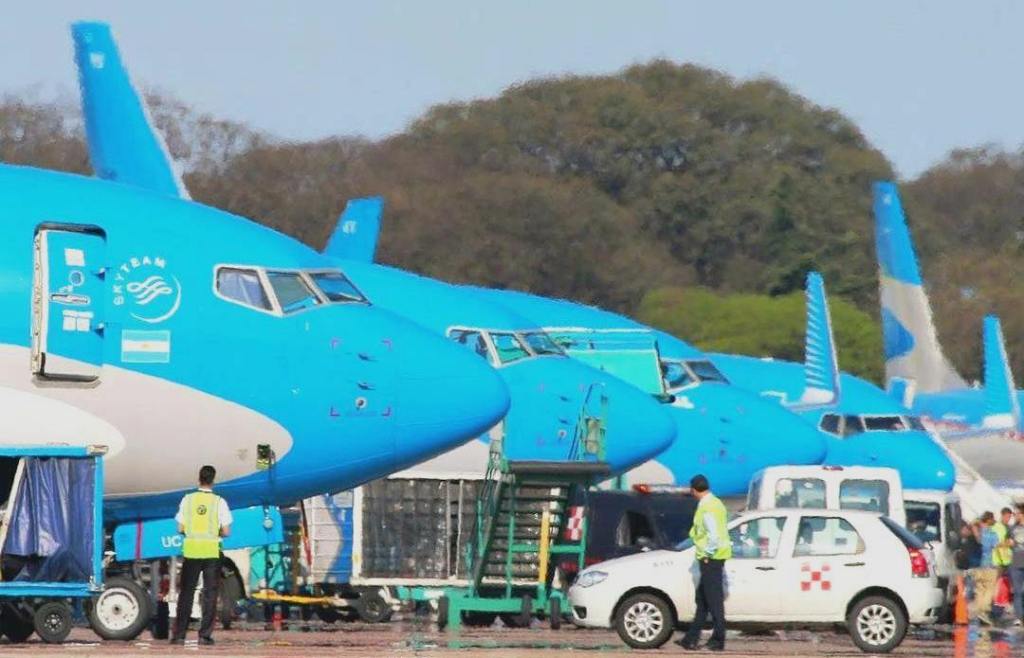
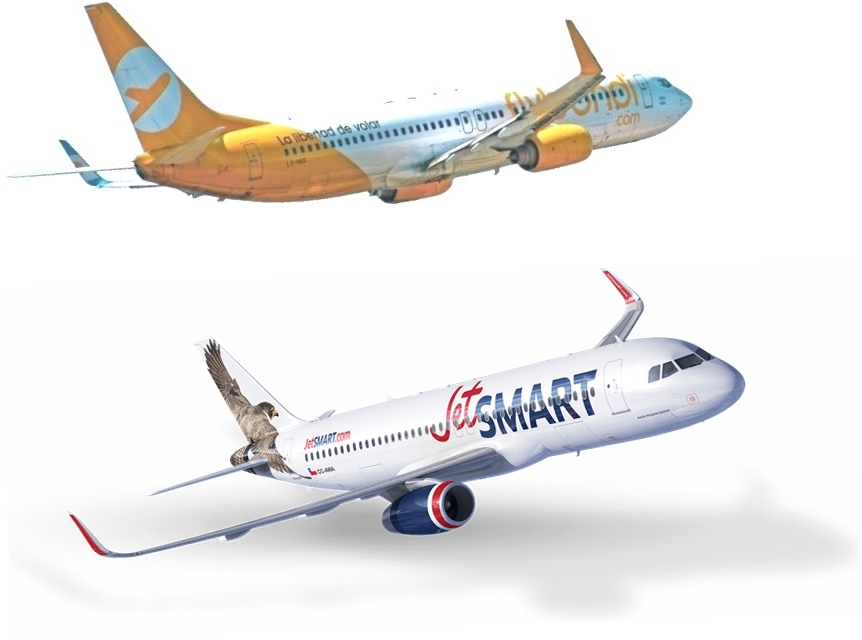



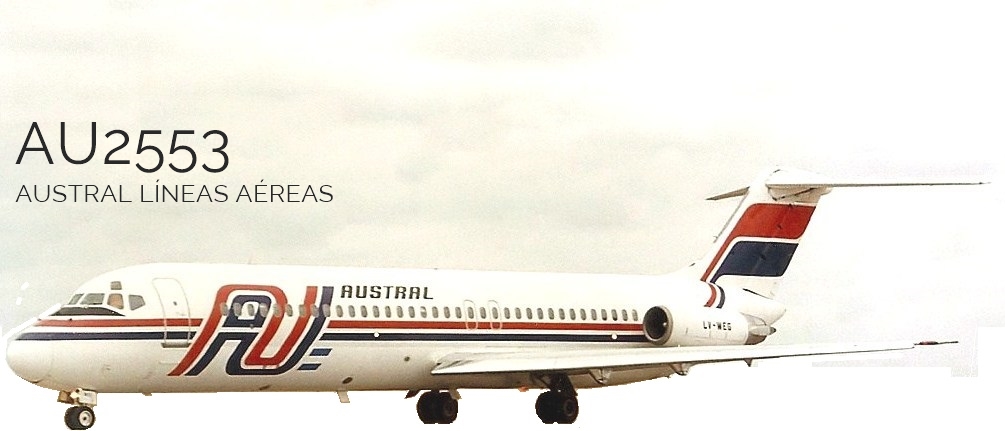


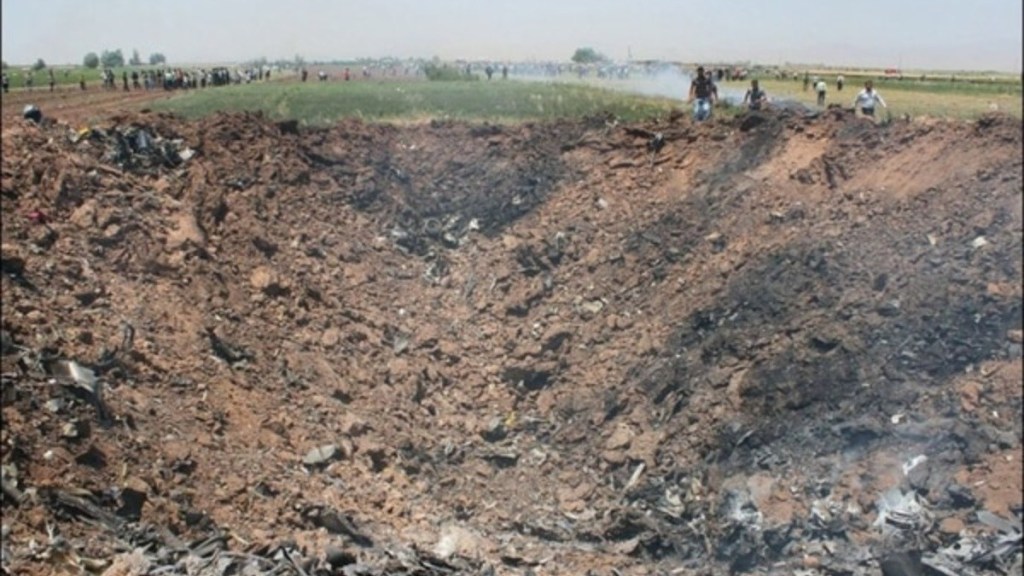
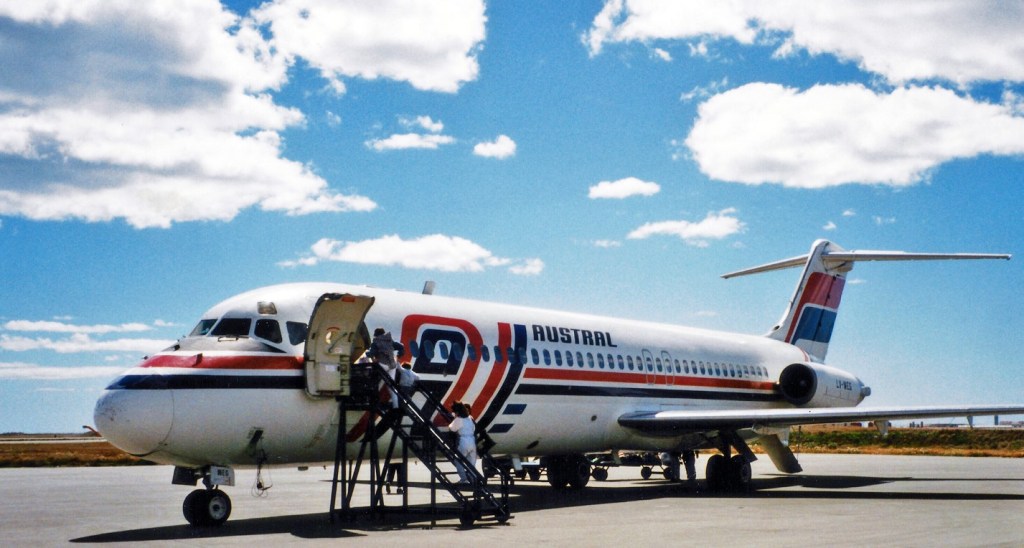

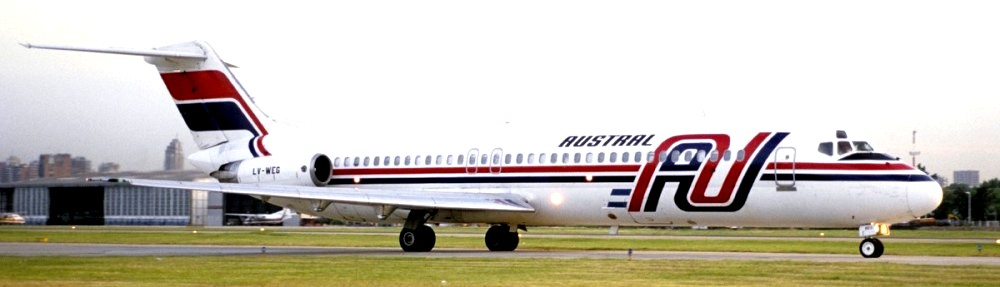


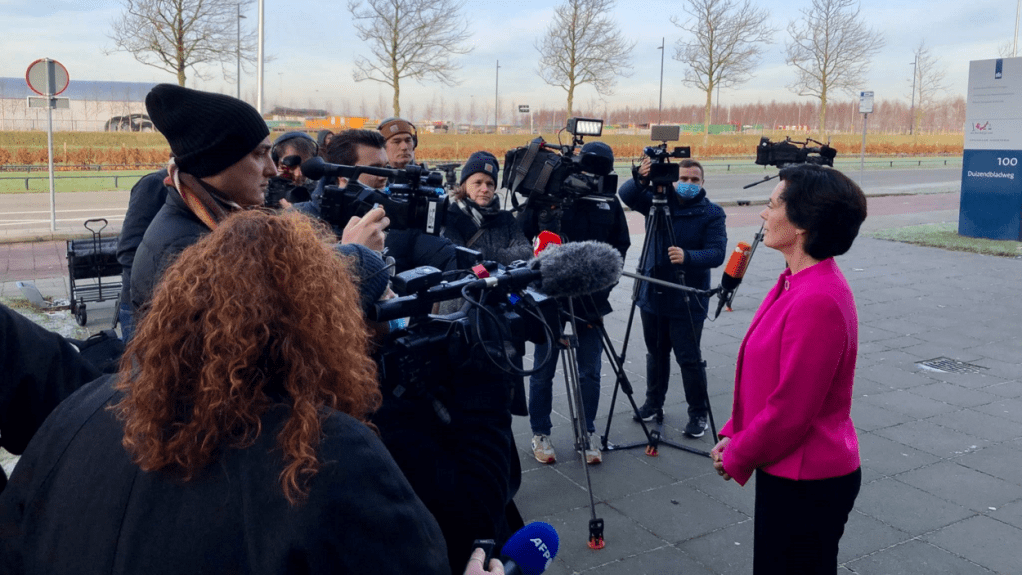
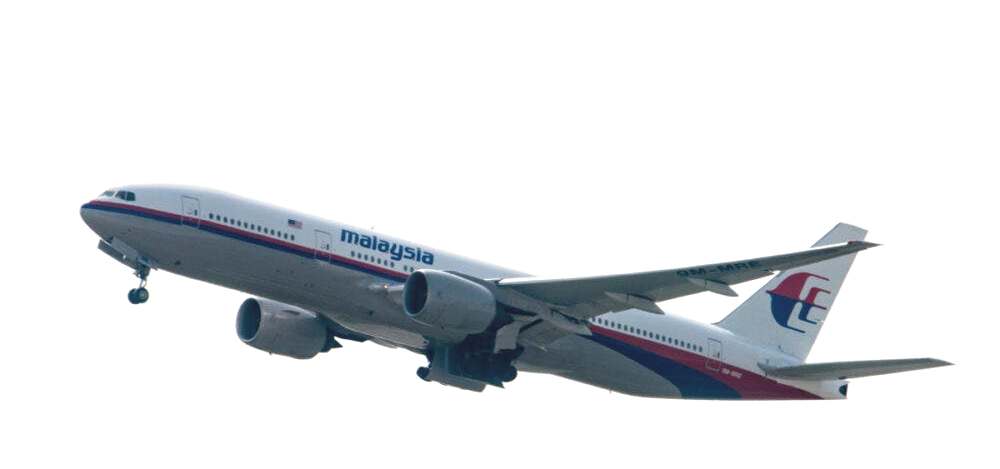
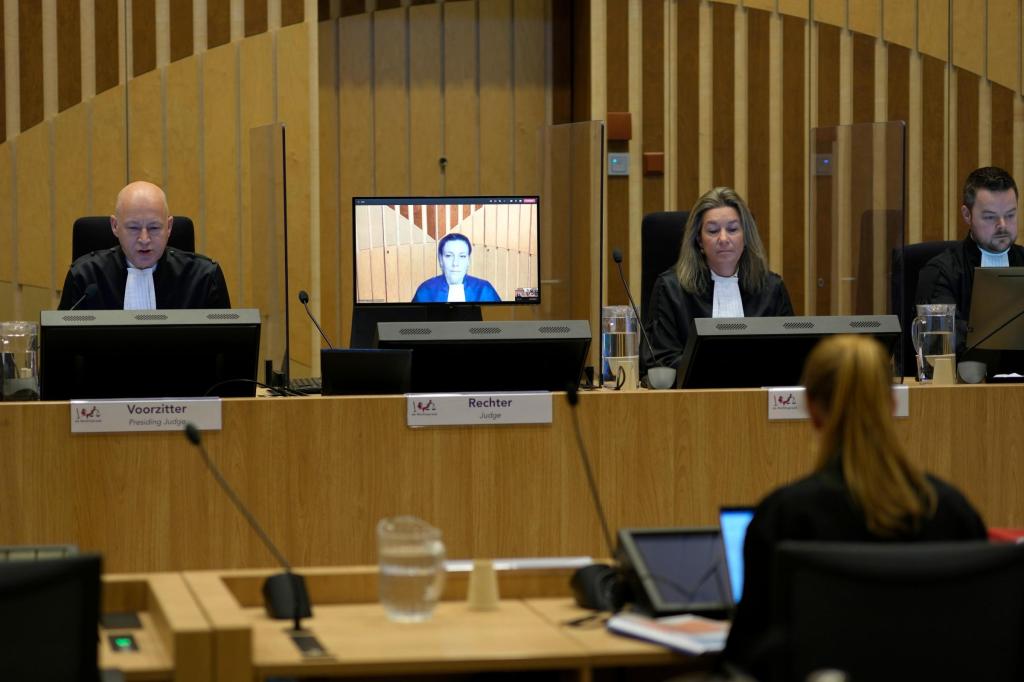


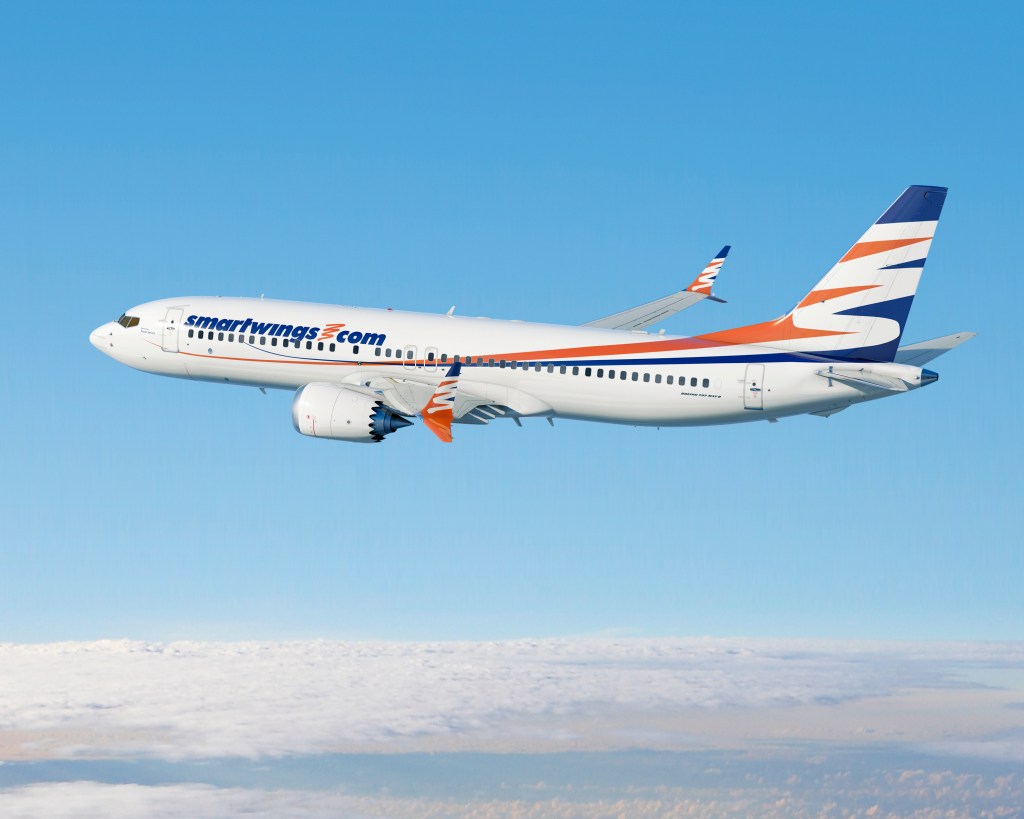
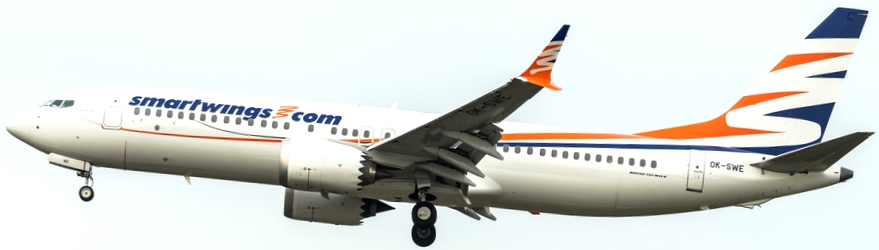


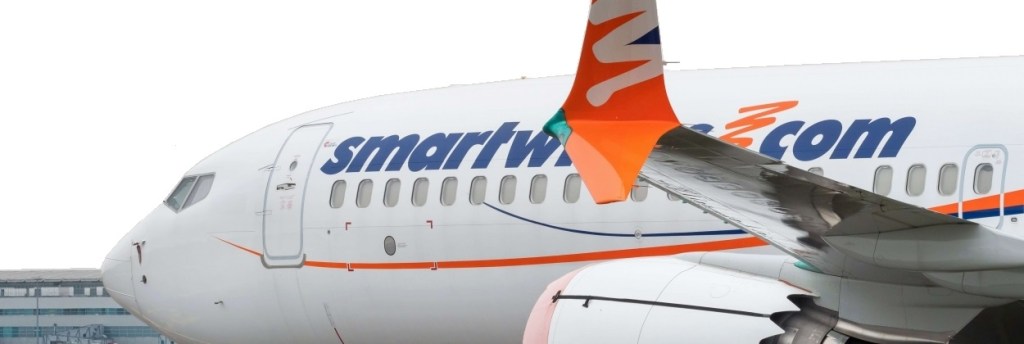

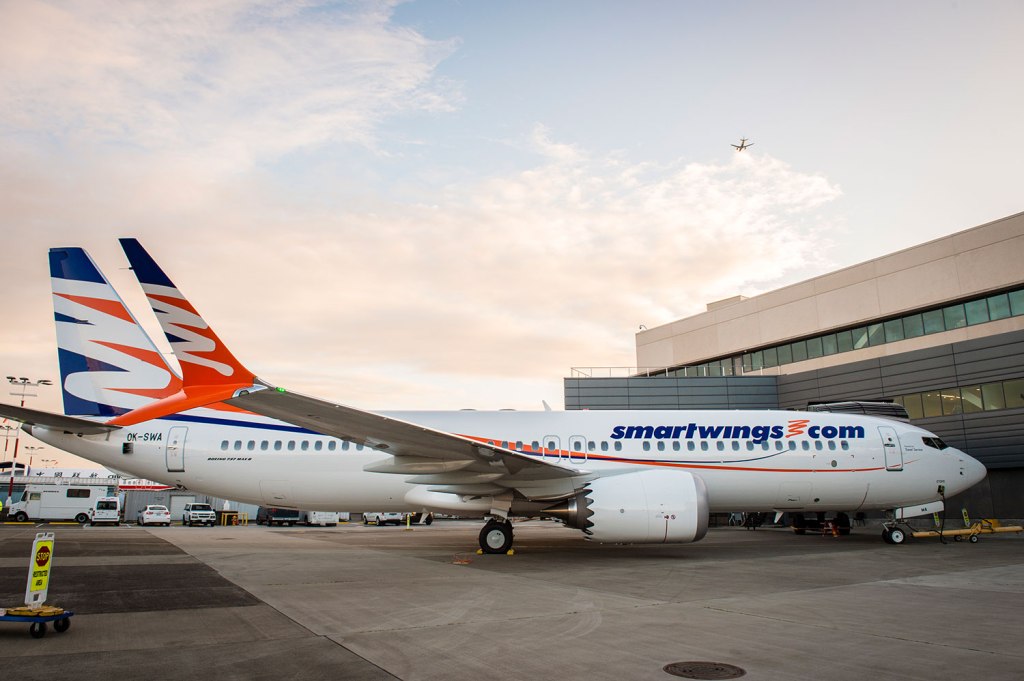

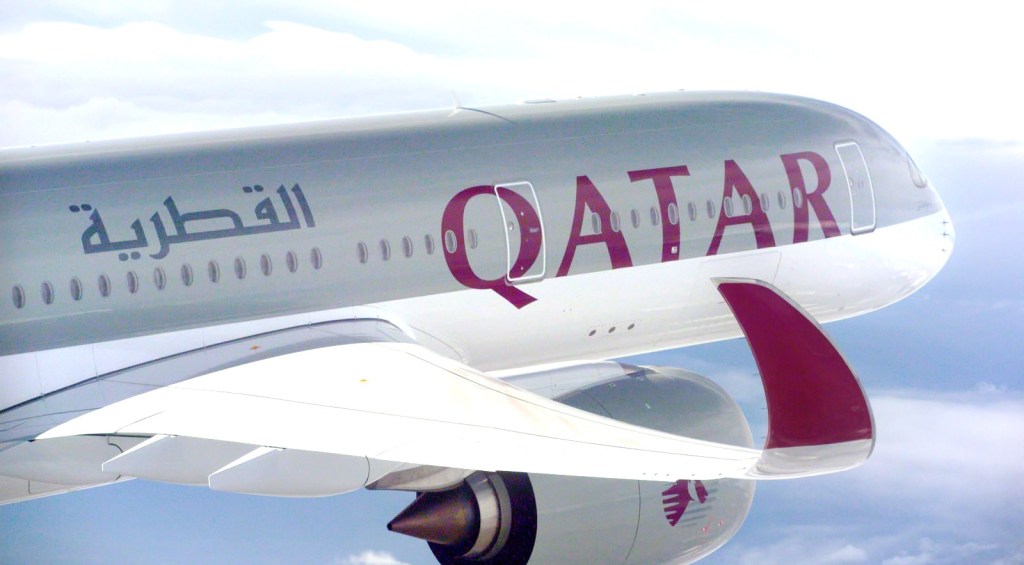

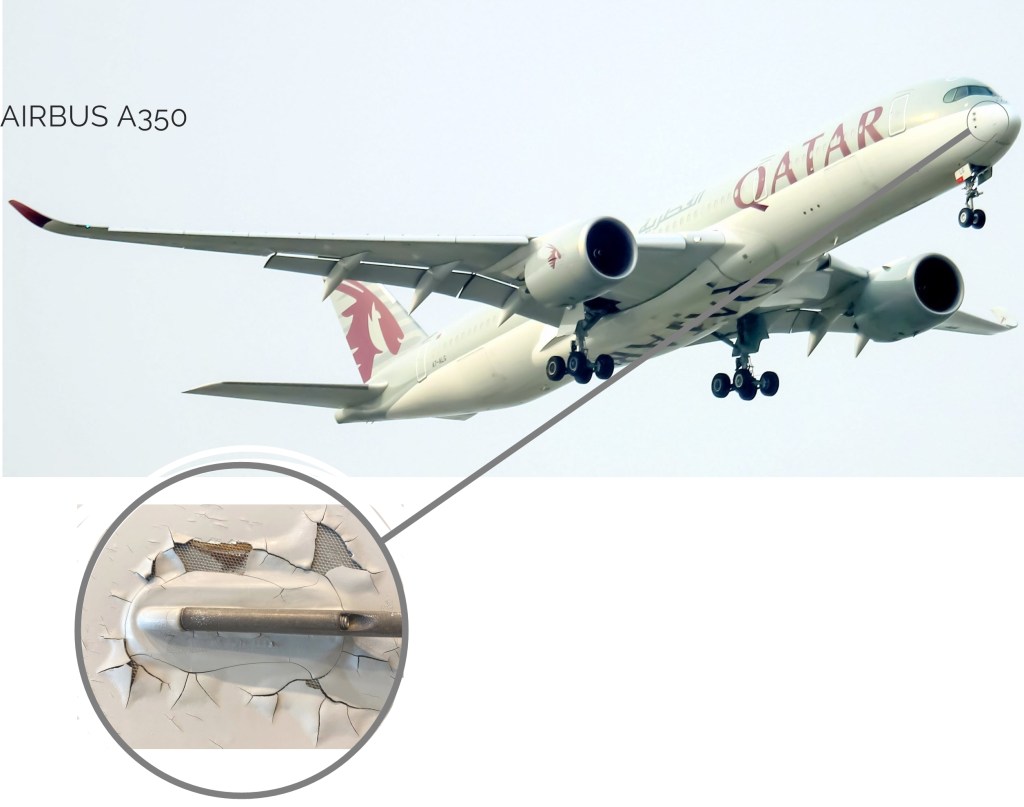
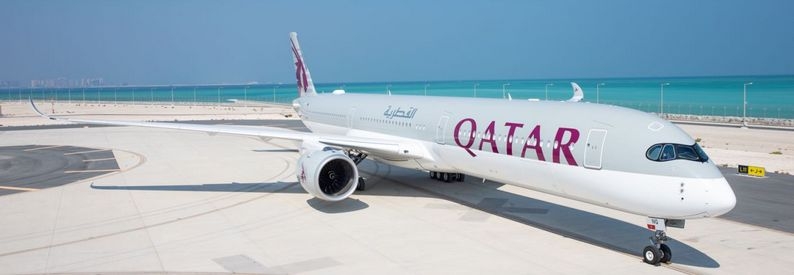

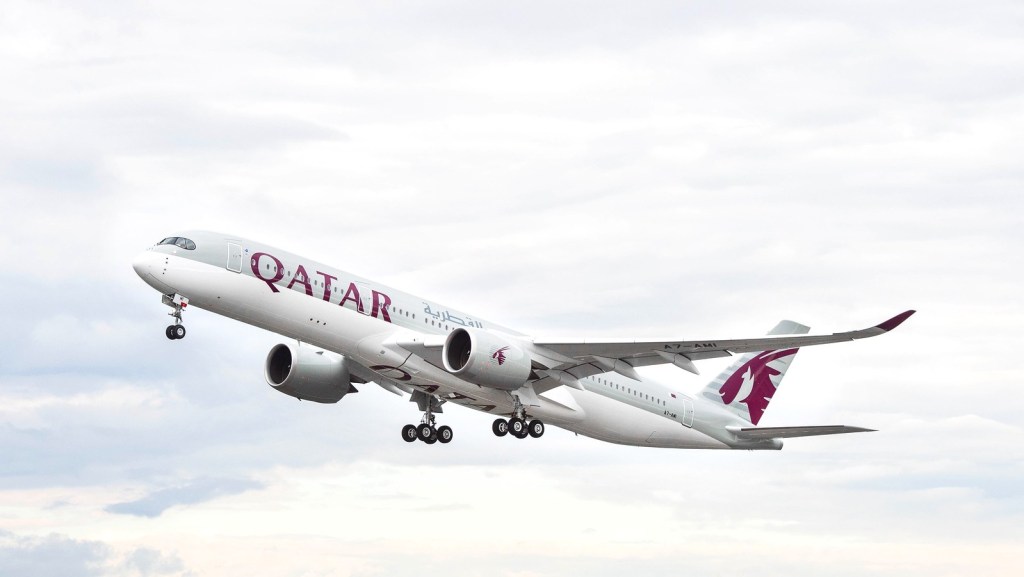
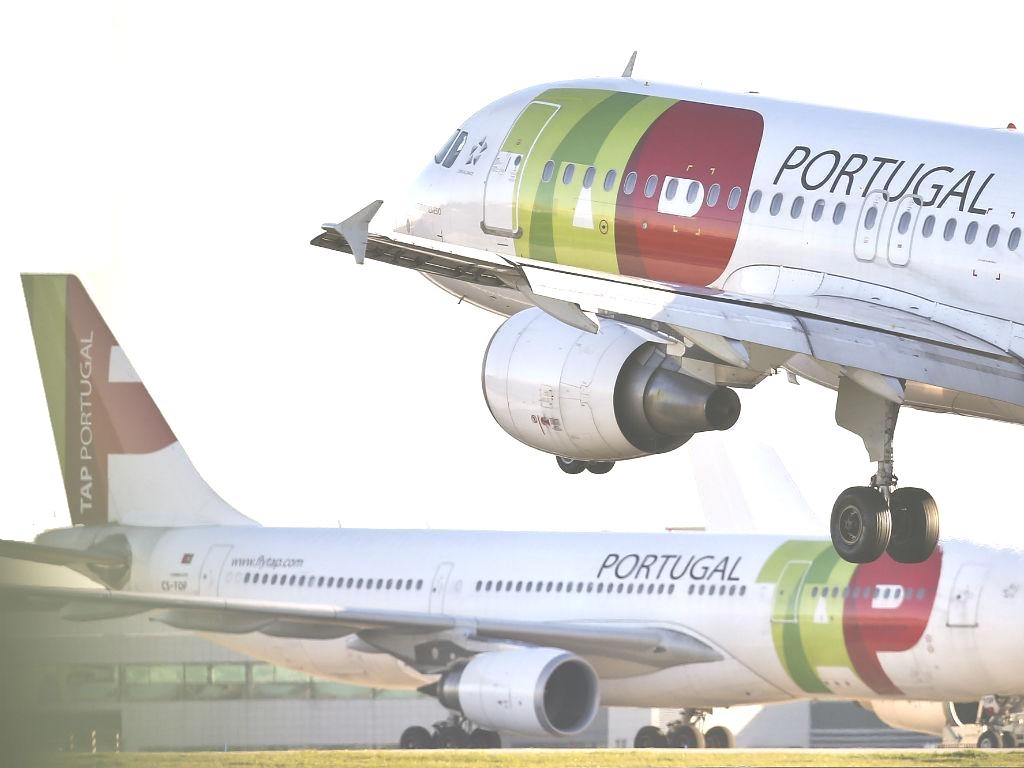

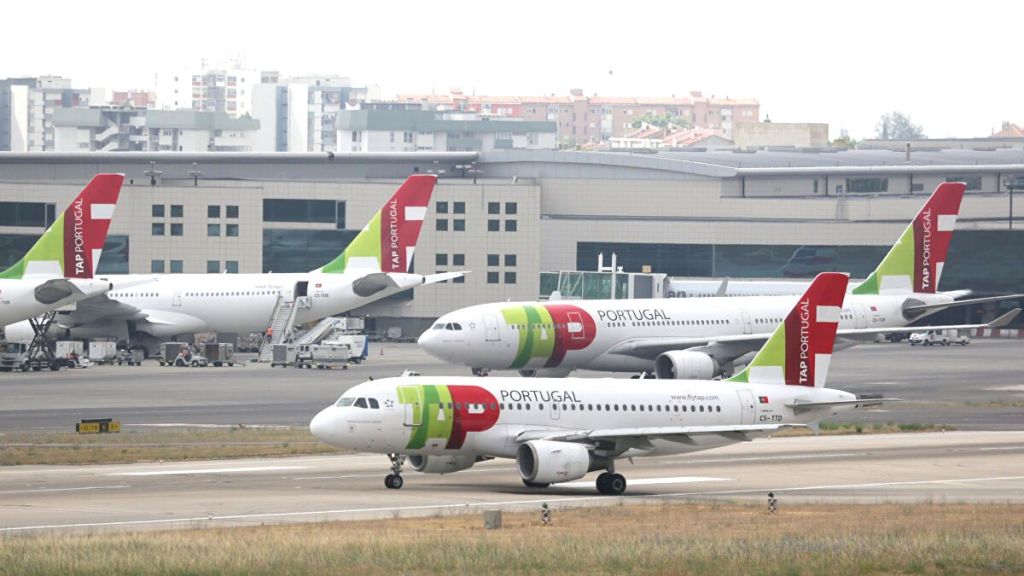
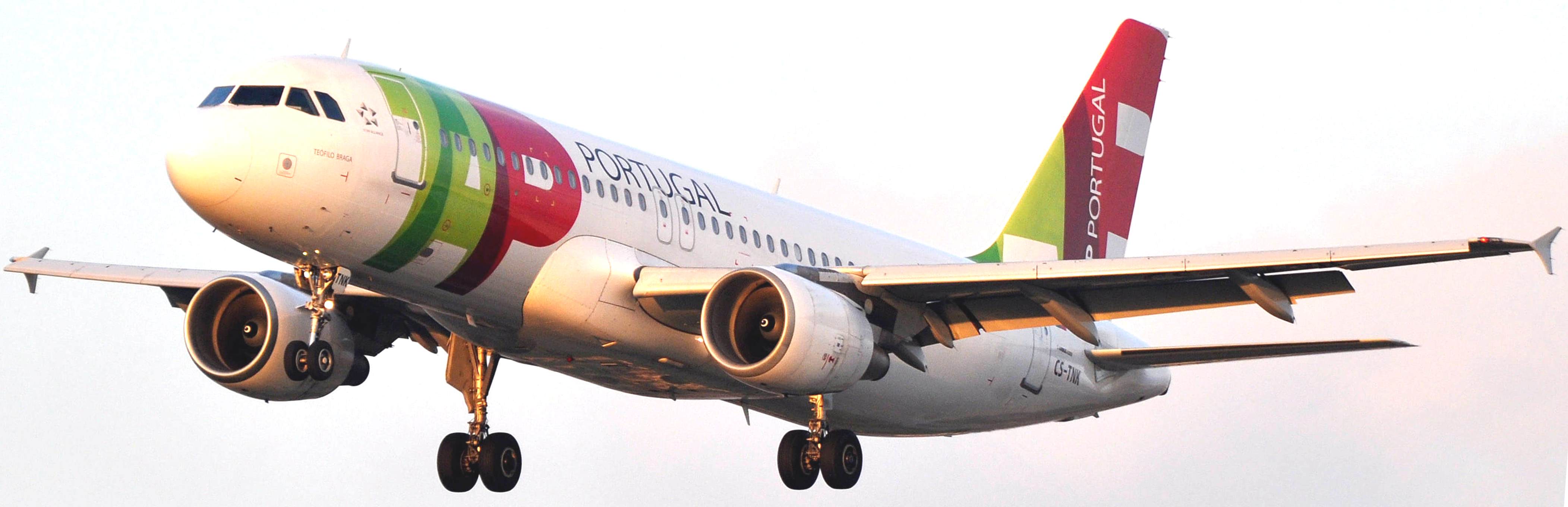
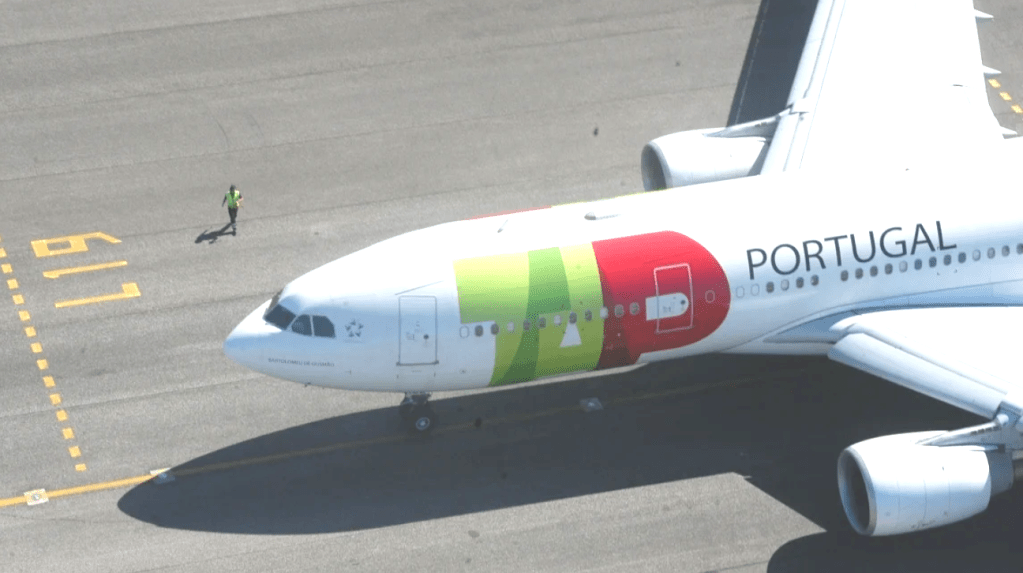

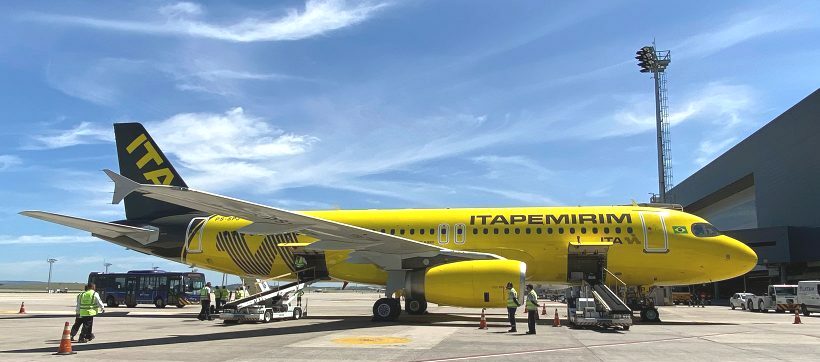


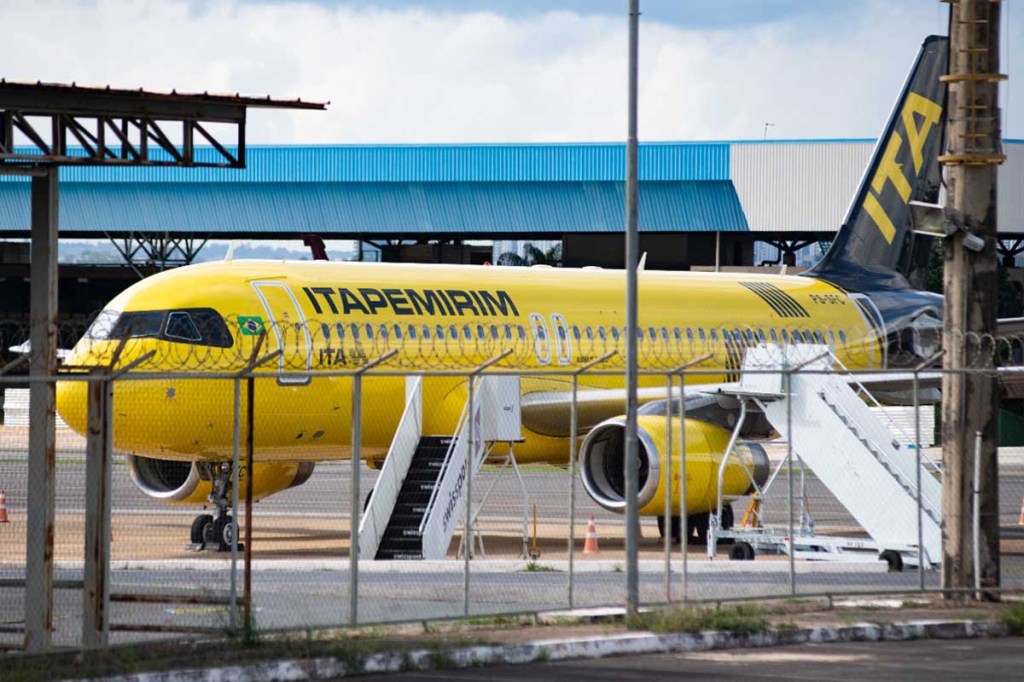

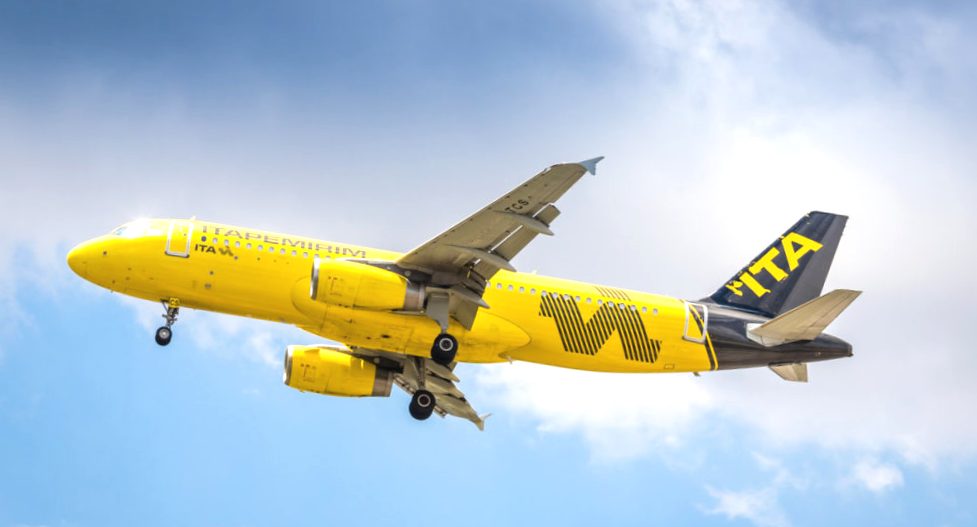

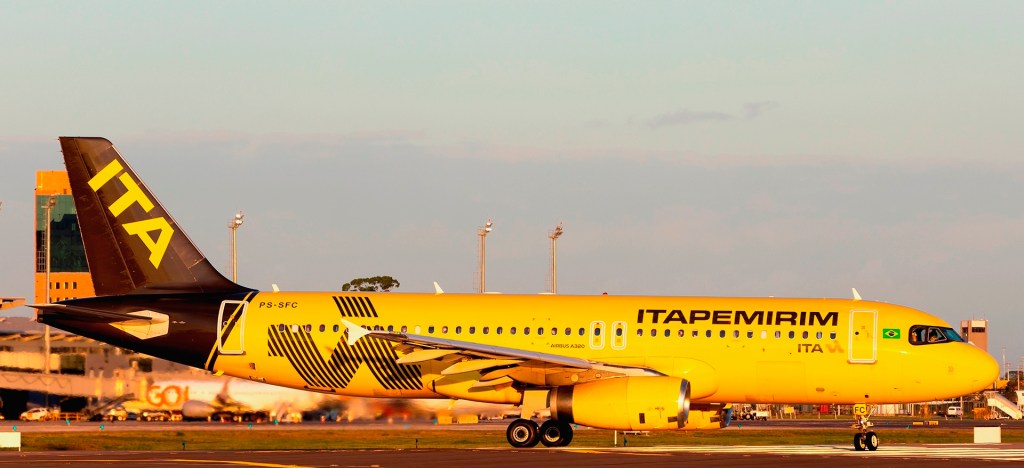


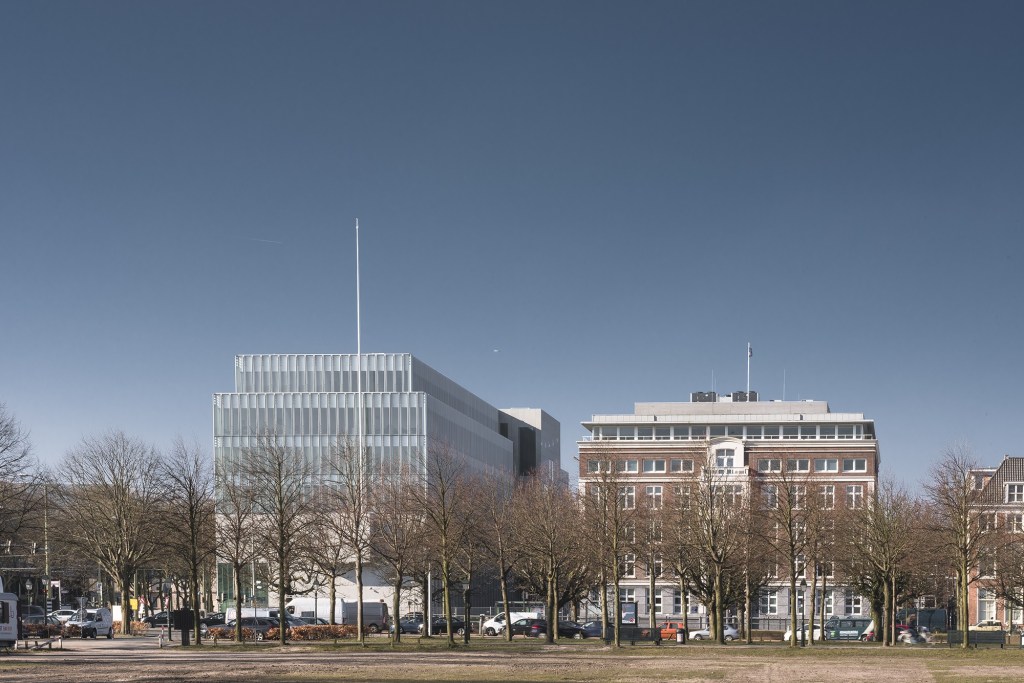

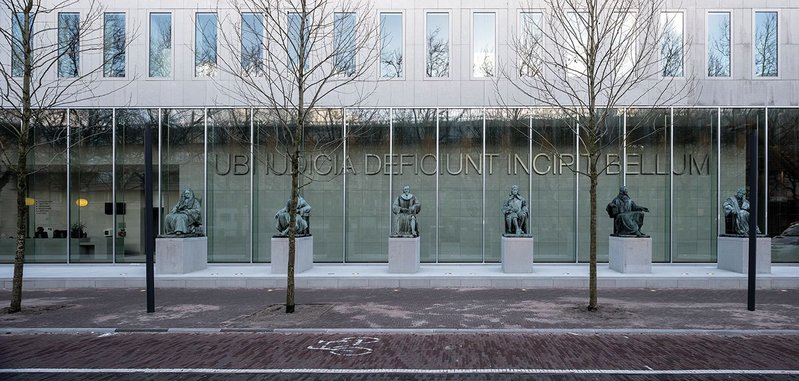
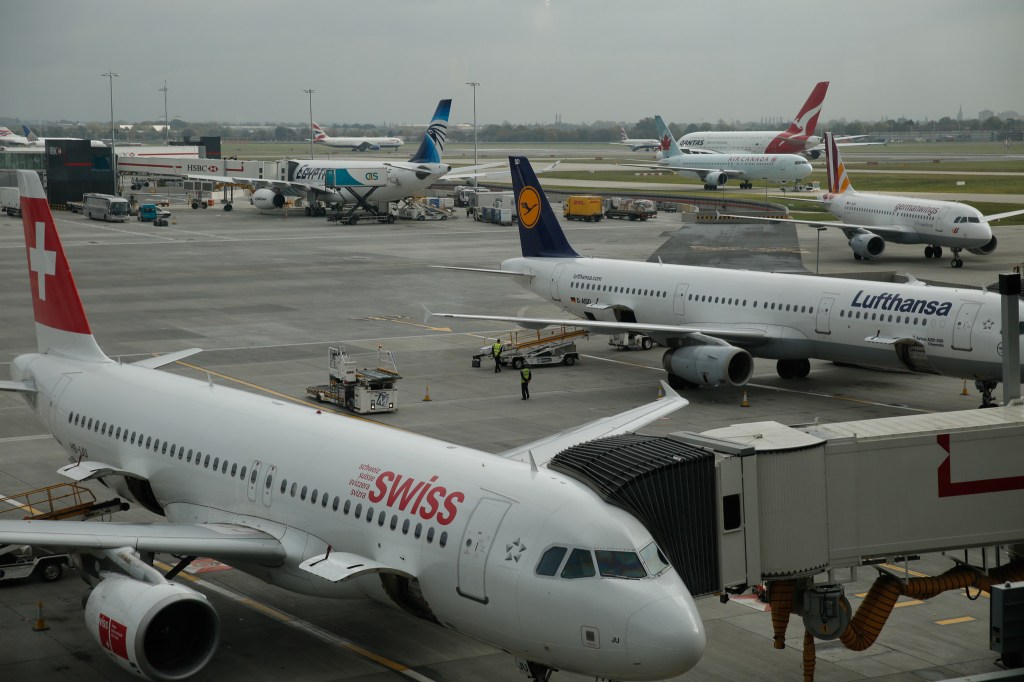

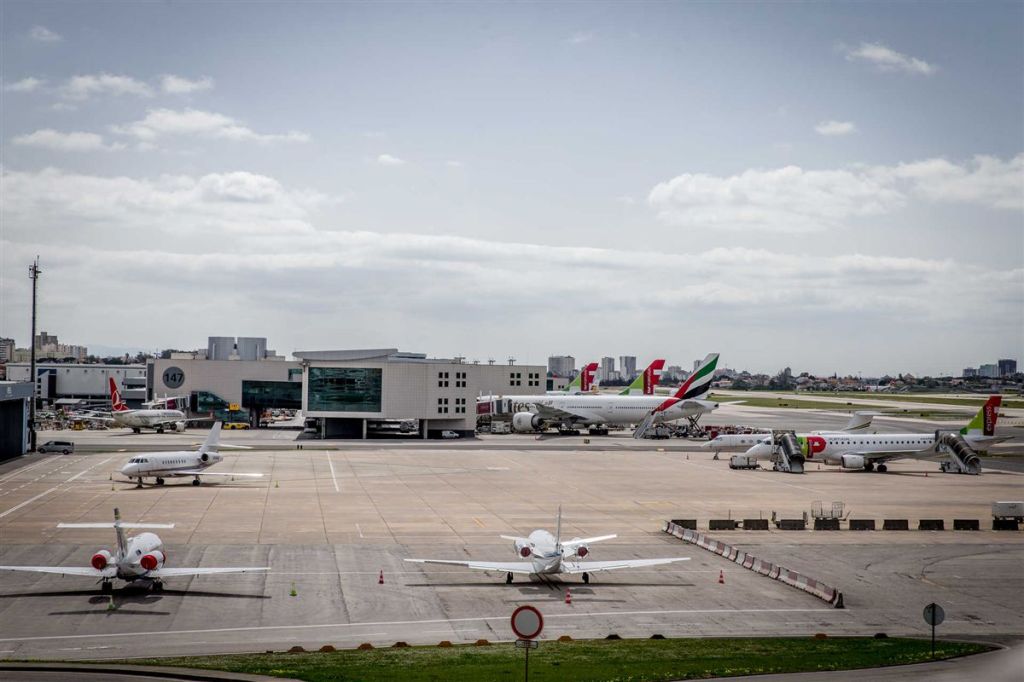

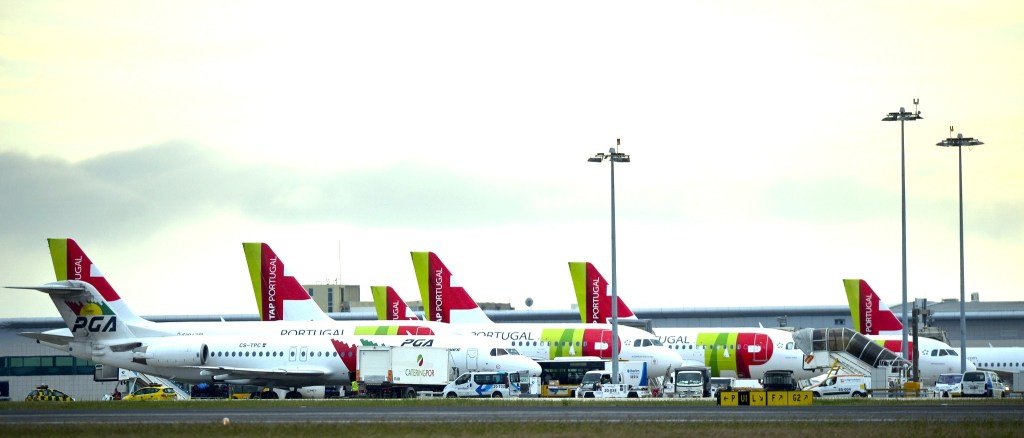

 airgways.com