Spirit repatriación desde Latinoamérica

AW-Spirit_706660AW | 2020 04 28 14:14 | AIRLINES

234751-15247655763914406_originSpirit Airlines organiza vuelos para traer estadounidenses del Caribe, América Latina

Spirit Airlines ha anunciado que agregará más vuelos humanitarios para ampliar los esfuerzos para llevar estadounidenses a los Estados Unidos desde Colombia, Panamá, Haití, Aruba, República Dominicana y Honduras, dijo la compañía. En los últimos trece días, la aerolínea ha organizado vuelos a los seis países para recoger ciudadanos estadounidenses, residentes y familiares que han estado en el limbo desde que las restricciones de vuelos entraron en vigencia a mediados de Marzo 2020.

71FflCdv5EL._SX679_El anuncio se produce después de semanas de cuidadosa coordinación con las embajadas de los Estados Unidos y los gobiernos locales para obtener una exención a esas restricciones en los vuelos internacionales. Los esfuerzos de repatriación de Spirit han sido posibles gracias a las embajadas de Estados Unidos en Colombia, Panamá, Haití, Aruba, República Dominicana y Honduras. Los huéspedes que necesiten regresar a casa desde un destino internacional deben comunicarse con la embajada de su país en ese lugar.

Spirit Airlines ofrece opciones de viaje personalizables que comienzan con una tarifa desagregada, lo que permite a los huéspedes pagar solo por las opciones que elijan. Spirit opera más de 650 vuelos diarios a 77 destinos en los Estados Unidos, América Latina y el Caribe. AW-Icon Paragraph-01

AW-Spirit-A320NEOSpirit repatriation from Latin America

Spirit Airlines organizes flights to bring Americans from the Caribbean, Latin America

Spirit Airlines has announced that it will add more humanitarian flights to expand efforts to bring Americans to the United States from Colombia, Panama, Haiti, Aruba, the AW-700856Dominican Republic and Honduras, the company said. In the past thirteen days, the airline has organized flights to all six countries to pick up U.S. citizens, residents, and family members who have been in limbo since the flight restrictions took effect in mid-March 2020.

The announcement comes after weeks of careful coordination with United States embassies and local governments to obtain an exemption from those restrictions on international flights. Spirit’s repatriation efforts have been made possible by the United States embassies in Colombia, Panama, Haiti, Aruba, the Dominican Republic, and Honduras. Guests needing to return home from an international destination should contact their country’s embassy there.

Spirit Airlines offers customizable travel options that start at a disaggregated fare, allowing guests to pay only for the options they choose. Spirit operates more than 650 daily flights to 77 destinations in the United States, Latin America and the Caribbean. AW-Icon Paragraph-02


Ξ A I R G W A Y S Ξ
SOURCE: Airgways.com
DBk: Spirit.com / Airgways.com
AW-POST: 202004281414AR

A\W   A I R G W A Y S ®

Boeing reabrirá North Charleston

AW-North_Charleston_001AW | 2020 04 28 13:00 | INDUSTRY

AW-Boeing787_001Boeing_IsologotypeBoeing reabrirá su fábrica Dreamliner de Carolina del Sur en medio de discusiones sobre reducciones de la fuerza laboral en la compañía

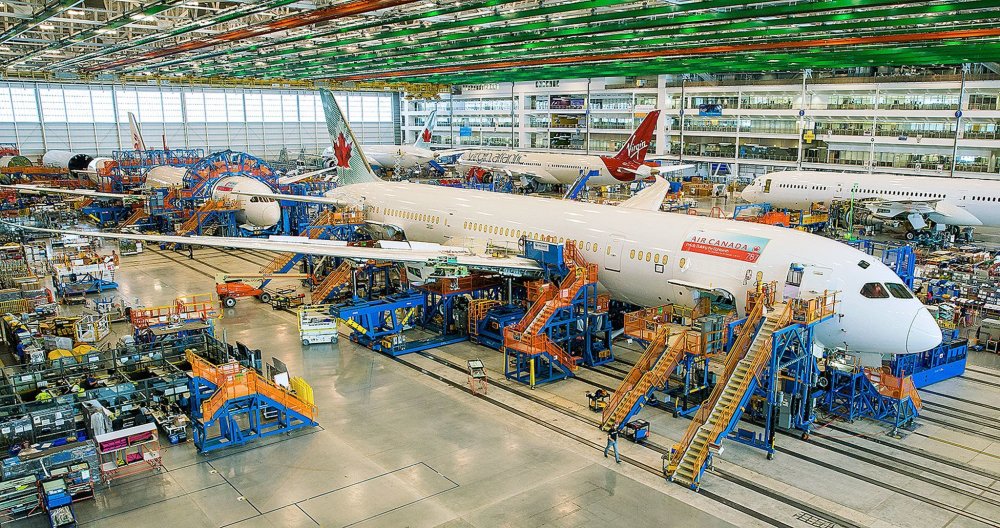
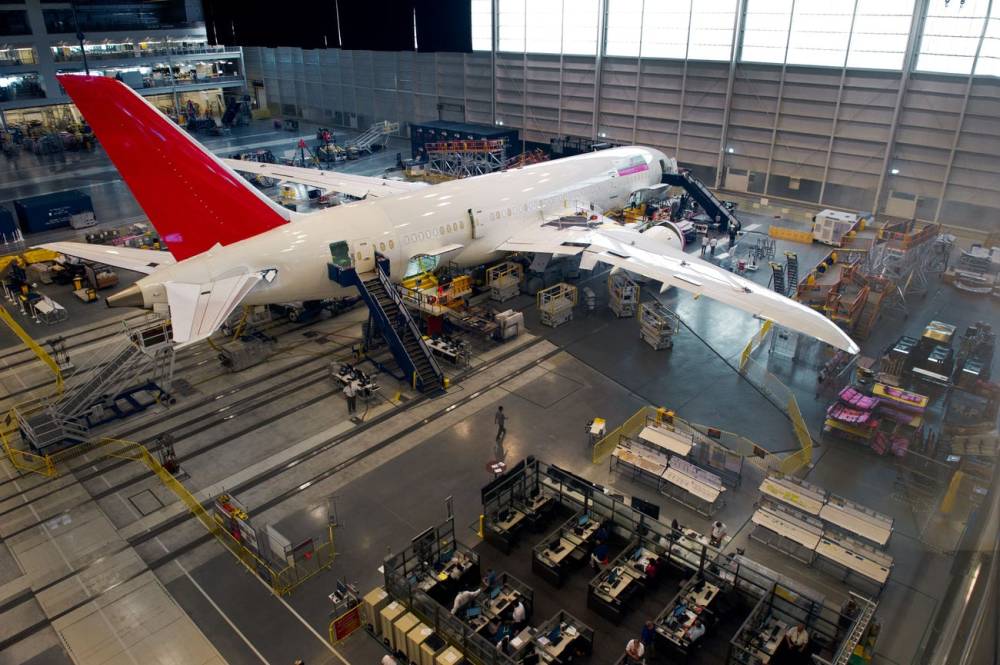
The Boeing Company dijo el Lunes 27/04 que reabriría su instalación la da línea 787 Dreamliner en North Charleston, Estado de Carolina del Sur, la próxima semana, apenas un mes después de que la planta ha sido cerrada debido a la pandemia de Coronavirus.

Boeing reanudó las operaciones en sus fábricas de Puget Sound, en la región de Washington la semana pasada, luego de cerrarlas de manera similar debido al virus. Numerosos trabajadores de Boeing en los EE.UU. han dado positivo por COVID-19, y al menos uno ha muerto: un trabajador de la planta 787 en Washington. La compañía implementó nuevas políticas de seguridad en Washington después de la reapertura, incluido el uso de máscaras faciales y horarios de inicio de turno escalonados, así como la adición de estaciones de lavado de manos, ha comunicado Boeing. La iniciativa se aplicará también con medidas similares en Carolina del Sur. «La salud y la seguridad de nuestros compañeros de equipo, sus familias y nuestra comunidad es nuestra prioridad compartida. Nuestro enfoque para la reanudación de las operaciones garantiza que respetemos esa prioridad al garantizar que el equipo de protección personal esté fácilmente disponible y que se implementen todas las medidas de seguridad necesarias para reanudar el trabajo esencial para nuestros clientes y priorizar la salud y seguridad de nuestro equipo», ha expresado en un comunicado de prensa Brad Zaback, Vicepresidente y Gerente General del Programa 787 de Boeing en Carolina del Sur.

La mayoría de los empleados regresarán a partir del 3 y 4 Mayo 2020, y los líderes y gerentes principales regresarán en los días previos a la reapertura del sitio. El anuncio de reapertura se produjo durante una semana ocupada para Boeing, en la que la compañía se reunió con los accionistas y se preparó para informar los resultados del primer trimestre a inversores y analistas. También se espera que Boeing anuncie si solicitará ayuda federal bajo la Ley CARES con fecha límite el viernes 1 Mayo 2020 y posibles recortes de producción.

La reapertura también se produce cuando los informes continúan circulando de que Boeing está tratando de reducir la fuerza laboral en su unidad de avión comercial en un 10%. La compañía ha ofrecido un programa de despido voluntario y se espera que logre algunos recortes mediante una combinación de esos, compras e incentivos de jubilación anticipada. No se han anunciado permisos o despidos involuntarios, pero siguen siendo una posibilidad.

Los fabricantes de aviones, incluidos Boeing y Airbus, su principal competidor, han visto una menor demanda de las aerolíneas y los clientes de arrendamiento de aviones a medida que la demanda de viajes se desploma debido a la pandemia. AW-Icon Paragraph-01

AW-FPaul J. Richards-Gettyimages.com_700Boeing to reopen North Charleston

dreamliner_logoBoeing to reopen its South Carolina Dreamliner factory amid discussions about workforce reductions at the company

The Boeing Company said Monday 27/04 that it would reopen its 787 Dreamliner line facility in North Charleston, South Carolina state, next week, just a month after the plant has been closed due to the Coronavirus pandemic.

Boeing resumed operations at its factories in Puget Sound, in the Washington region last week, after similarly shutting them down due to the virus. Numerous Boeing workers in the US have tested positive for COVID-19, and at least one has died: a worker at the 787 plant in Washington. The company implemented new safety policies in Washington after the reopening, including the use of face masks and staggered shift start times, as well as the addition of handwashing stations, Boeing said. The initiative will also be implemented with similar measures in South Carolina. «The health and safety of our teammates, their families, and our community is our shared priority. Our approach to resuming operations ensures that we respect that priority by ensuring that personal protective equipment is readily available and that it is deployed. all the security measures necessary to resume essential work for our customers and prioritize the health and safety of our team», said Brad Zaback, Vice President and General Manager of Boeing’s 787 Program in South Carolina, in a press release.

Most employees will return starting May 3-4, 2020, and the top leaders and managers will return in the days leading up to the site’s reopening. The reopening announcement came during a busy week for Boeing, in which the company met with shareholders and prepared to report the first quarter results to investors and analysts. Boeing is also expected to announce whether it will apply for federal aid under the CARES Act with a deadline of Friday, May 1, 2020 and possible production cuts.

The reopening also comes as reports continue to circulate that Boeing is trying to reduce the workforce at its commercial aircraft unit by 10%. The company has offered a voluntary layoff program and is expected to make some cuts through a combination of those, purchases, and early retirement incentives. No involuntary dismissals or permits have been announced, but they remain a possibility.

Aircraft manufacturers, including Boeing and its main competitor Airbus, have seen lower demand from airlines and aircraft leasing customers as travel demand plummets due to the pandemic. AW-Icon Paragraph-02


Ξ A I R G W A Y S Ξ
SOURCE: Airgways.com
DBk: Boeing.com / Businessinsider.com / Airgways.com / Gettyimages.com
AW-POST: 202004281300AR

A\W   A I R G W A Y S ®

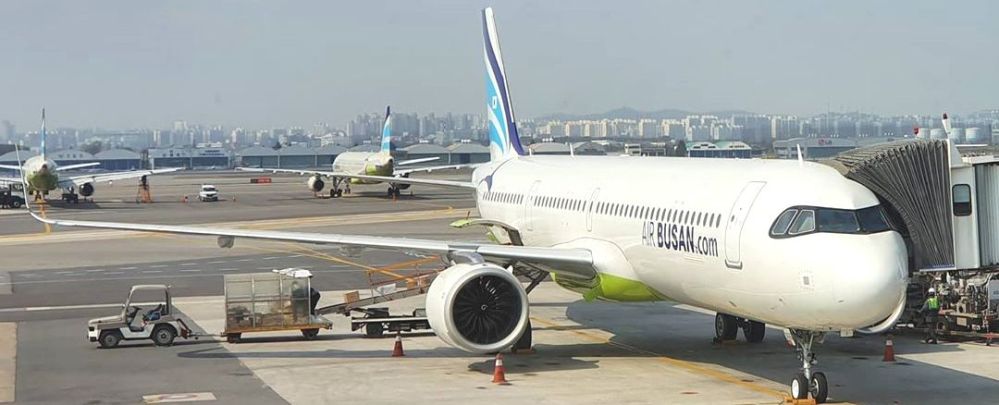
Air Busan entra servicio 1er A321LR

AW-703333AW | 2020 04 28 12:08 | AIRLINES / INDUSTRY

부산/경남]10월 취항 '에어부산' 로고 확정 : 뉴스 : 동아닷컴El primer Airbus A321LR en el este de Asia entra en servicio con Air Busan en Corea del SurAW-70099433

El primer Airbus A321NEO LR, matrícula HL8366, ha entrado en servicio con Air Busan. La aerolínea planea incorporar una aeronave adicional más del tipo. El nuevo aparato ha sido entregado en Marzo 2020 e inició servicio comercial en Abril 2020. La inauguración de los vuelos con el primer A321NEO LR de Air Busan se efectúan en rutas de cabotaje, uniendo Seúl-Busan, a 40 minutos de distancia. La compañía ha desplegado la primer aeronave en la región aún en medio de la crisis sanitaria. Corea del Sur, ha estado administrando la pandemia de manera eficiente, lo que le ha permitido poder liberar vuelos domésticos.

El interior de la cabina A321NEO LR de Air Busan encuentra el equilibrio entre los orígenes de bajo costo de Air Busan y la comodidad necesaria en vuelos largos. Si bien no hay entretenimiento durante el vuelo, los pasajeros pueden mantener sus propios dispositivos cargados durante el vuelo. Cada tres asientos comparten dos enchufes, cada uno de los cuales tiene alimentación de CA y USB. El A321NEO LR puede acomodar hasta 244, pero la configuración de Air Busan tiene 220 asientos económicos. Los A321CEO de Air Busan tienen 191-220 asientos. Los asientos estándar tienen una inclinación de 30 y no son los más delgados que se ven en algunos vuelos de corta distancia. Pero no hay reposacabezas ajustable.

Los aviones de cuerpo estrecho de alcance extendido son atractivos para las aerolíneas asiáticas de bajo costo como Air Busan. El alcance les permite servir ciudades a las que no podrían volar con aviones más antiguos. Eso abre nuevos mercados y quita presión a la concentración del mercado de corto alcance. El primer Airbus A321NEO LR en la Región del Este de Asia entra en servicio con Air Busan de Corea del Sur, que finalmente planea usar el avión para abrir nuevos vuelos largos como un servicio de 6.5 horas a Bali Denpasar o hasta Delhi, la India, con una proyección de vuelo de nueve horas.

El vibrante sector de low cost de Corea descubrió en los últimos años que las limitaciones de alcance y las restricciones de los derechos de tráfico restringían el crecimiento sostenible. Si bien los aviones de fuselaje ancho permiten vuelos a destinos más alejados, conllevan un alto riesgo al introducir un nuevo tipo de avión y tener más capacidad que debe llenarse durante todo el año. El compañero low cost Eastar Jet de Corea del Sur posee Boeing 737-900ER pero no ha utilizado completamente el rango adicional sobre la familia 737 NG/A320CEO. Jeju Air posee aviones Boeing 737-8 MAX, pero el alcance no es tan largo como en el A321NEO LR. Jin Air es el único LCC de Corea del Sur que tiene cuerpos anchos. Sus Boeing 777-200 volaron en varios momentos a destinos como Cairns, Honolulu y Phuket.

Jetstar Japan y Peach Aviation también planean operar el A321NEO LR. Otras compañías como AirAsia, Cebu Pacific Airways y VietJet Airlines volarán el A321NEO XLR de mayor alcance, lanzado en el Salón Aeronáutico de París 2019. El A321XLR tiene compromisos globales, incluidos de aerolíneas importantes como American Airlines, Iberia Líneas Aéreas, JetBlue Airways, Middle East Airlines (MEA) y United Airlines.

Air Busan es propiedad de Asiana Airlines. Si bien Air Busan es el primer operador de A321NEO LR en Asia oriental, el primer A321NEO LR en toda Asia fue a Air Astana de la República de Kazajstán, en Asia occidental. AW-Icon Paragraph-01

Air Busan_Airbus-A321NEOAir Busan enters service 1st A321LR

The first Airbus A321LR in East Asia enters service with Air Busan in South Korea

AW-Airbus_700022The first Airbus A321NEO LR, registration HL8366, has entered service with Air Busan. The airline plans to incorporate one more additional aircraft of the type. The new device was delivered in March 2020 and began commercial service in April 2020. The opening of the flights with the first Air Busan A321NEO LR is carried out on domestic AW-A321neo_logoroutes, linking Seoul-Busan, 40 minutes away. The company has deployed the first aircraft in the region even in the midst of the health crisis. South Korea has been managing the pandemic efficiently, allowing it to release domestic flights.

The interior of the Air Busan A321NEO LR cabin strikes the balance between Air Busan’s low-cost origins and the comfort required on long flights. While there is no in-flight entertainment, passengers can keep their own devices charged during the flight. Every three seats share two sockets, each of which has AC and USB power. The A321NEO LR can accommodate up to 244, but the Air Busan configuration has 220 economy seats. The Air Busan A321CEOs have 191-220 seats. The standard seats have a 30 «tilt and are not the thinnest seats seen on some short-haul flights. But there is no adjustable headrest.

Narrow-body extended-range aircraft are attractive to low-cost Asian airlines like Air Busan. The range allows them to serve cities they could not fly with older planes. This opens up new markets and takes the pressure off short-term market concentration. The first Airbus A321NEO LR in the East Asia Region enters service with Air Busan of South Korea, which ultimately plans to use the aircraft to open new long flights as a 6.5-hour service to Bali Denpasar or to Delhi, India, with a nine-hour flight projection.

Korea’s vibrant low-cost sector has discovered in recent years that scope limitations and restrictions on traffic rights constrained sustainable growth. While wide-body aircraft allow flights to more distant destinations, they do carry a high risk by introducing a new type of aircraft and having more capacity that must be filled throughout the year. South Korea’s low-cost companion Eastar Jet owns the Boeing 737-900ER but has not fully utilized the additional range over the 737 NG / A320CEO family. Jeju Air owns Boeing 737-8 MAX aircraft, but the range is not as long as in the A321NEO LR. Jin Air is the only LCC in South Korea that has widebodies. Their Boeing 777-200s flew at various times to destinations such as Cairns, Honolulu, and Phuket.

Jetstar Japan and Peach Aviation also plan to operate the A321NEO LR. Other companies such as AirAsia, Cebu Pacific Airways, and VietJet Airlines will fly the longest-range A321NEO XLR, launched at the 2019 Paris Air Show. The A321XLR has global commitments, including major airlines such as American Airlines, Iberia Airlines, JetBlue Airways, Middle East Airlines (MEA), and United Airlines.

Air Busan is owned by Asiana Airlines. While Air Busan is the first A321NEO LR operator in East Asia, the first A321NEO LR in all of Asia went to Air Astana of the Republic of Kazakhstan in West Asia. AW-Icon Paragraph-02

AW-708887에어 부산, A321LR 1 호기 서비스 개시

1280px-Air_Busan.svg동아시아 최초 Airbus A321LR, 한국 Air Busan과 서비스 개시

최초의 Airbus A321NEO LR (등록 HL8366)이 에어 부산 과 서비스를 시작했습니다. 항공사는이 유형의 추가 항공기를 하나 더 추가 할 계획입니다. 새로운 장치는 2020 년 3 월에 공급되어 2020 년 4 월에 상용 서비스를 시작했습니다. 최초의 에어 부산 A321NEO LR 항공편의 개통은 40 분 거리에 서울-부산을 연결하는 국내 노선에서 수행됩니다. 이 회사는 건강 위기 속에서도이 지역에 최초의 항공기를 배치했습니다. 한국은 대유행을 효율적으로 관리해 국내선을 출시했습니다.

에어 부산 A321NEO LR 캐빈 내부는 에어 부산의 저렴한 출발지와 장거리 비행에 필요한 편안함 사이의 균형을 유지합니다. 기내 엔터테인먼트는 없지만 승객은 비행 중에 자신의 기기를 충전 상태로 유지할 수 있습니다. 3 개의 좌석마다 2 개의 소켓이 있으며 각 소켓에는 AC 및 USB 전원이 있습니다. A321NEO LR은 최대 244 명을 수용 할 수 있지만 에어 부산 구성에는 220 석의 이코노미 좌석이 있습니다. 에어 부산 A321CEO는 191-220 석입니다. 표준 시트는 30 인치 틸트를 가지고 있으며 일부 단거리 항공편에서 볼 수있는 가장 얇은 시트는 아닙니다. 그러나 머리 받침대는 조절할 수 없습니다.

AW-Airbus_700021대한민국 에어 부산 최초의 에어 버스 A321NEO LR

좁은 몸체의 확장 항공기는 에어 부산과 같은 저가 아시아 항공사에 매력적입니다. 이 범위는 그들이 구형 비행기로는 비행 할 수 없었던 도시에 서비스를 제공합니다. 이것은 새로운 시장을 열고 단기 시장 집중을 압박합니다. 동아시아 지역 최초의 Airbus A321NEO LR은 한국의 에어 부산 과 서비스를 시작합니다.이 항공기는 발리 덴파사 르 (Bali Denpasar) 또는 인도 델리 (Delhi)에 6.5 시간의 서비스로 항공기를 사용하여 새로운 장거리 비행을 개시 할 계획입니다. 9 시간 비행 계획으로

한국의 활발한 저비용 부문은 최근 몇 년 동안 교통 권리에 대한 범위 제한이 지속 가능한 성장을 제한한다는 것을 발견했습니다. 와이드 바디 항공기는 더 먼 목적지로가는 항공편을 허용하지만 새로운 유형의 항공기를 도입하고 연중 내내 채워 져야하는 더 많은 용량을 가짐으로써 위험이 높습니다. 한국의 저비용 동반자 Eastar Jet는 Boeing 737-900ER을 소유하고 있지만 737 NG/A320CEO 제품군의 추가 범위를 완전히 활용하지는 못했습니다. 제주 항공은 보잉 737-8 MAX 항공기를 보유하고 있지만 A321NEO LR만큼 길지 않습니다. 진 에어는 한국에서 몸이 넓은 유일한 LCC입니다. 보잉 777-200 년대는 케언즈, 호놀룰루, 푸켓과 같은 목적지로 여러 차례 날았습니다.

Jetstar Japan과 Peach Aviation도 A321NEO LR을 운영 할 계획입니다. AirAsia, Cebu Pacific Airways 및 VietJet Airlines와 같은 다른 회사는 2019 파리 에어쇼에서 시작된 가장 긴 범위의 A321NEO XLR을 비행 할 예정입니다. East Airlines (MEA) 및 유나이티드 항공.

에어 부산은 아시아나 항공이 소유하고 있습니다. 에어 부산은 동아시아 최초의 A321NEO LR 운영자 인 반면, 아시아 전역의 최초의 A321NEO LR은 서아시아 카자흐스탄 공화국의 에어 아스타나로 ​​갔다. AW-Icon Paragraph-02


Ξ A I R G W A Y S Ξ
SOURCE: Airgways.com
DBk: Airbus.com / Airbusan.com / Airgways.com / Forbes.com
AW-POST: 202004281208AR

A\W   A I R G W A Y S ®

Frenan iniciativa cerrar El Palomar

Coronavirus: Flybondi extendió la suspensión de sus operaciones ...AW | 2020 04 27 23:23 | AIRPORTS / GOVERNMENT

El Gobierno de Argentina detiene iniciativa de clausurar el Aeropuerto El Palomar

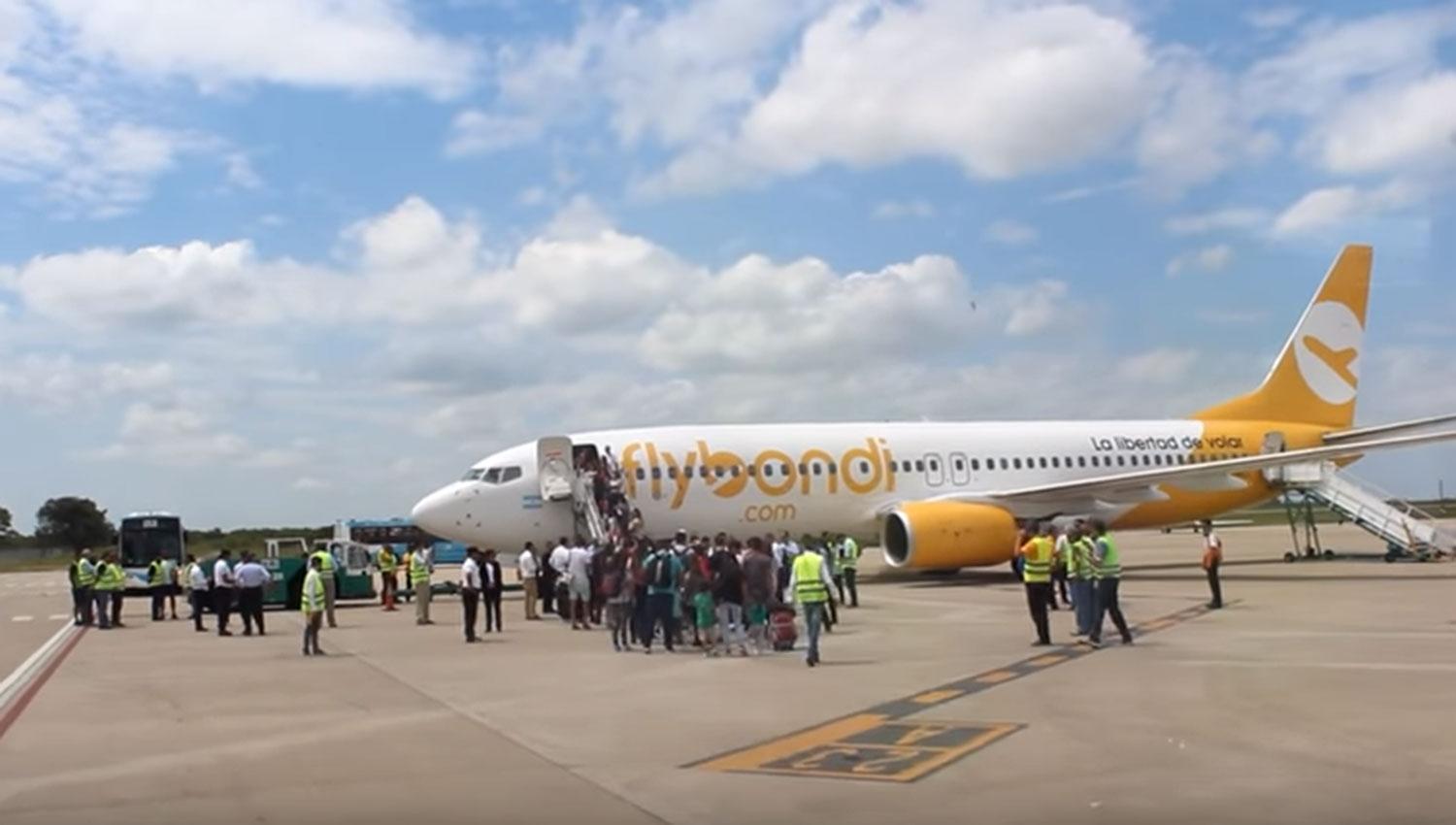
AW-Flybondi_701El Jueves 23/04 se había anunciado un posible cierre del Aeropuerto Internacional El Palomar, sea provisoriamente o definitivo. Luego del impacto que provocó la noticia confirmada, desde los organismos del gobierno vinculados al área aerocomercial salieron a poner paños fríos sobre la posibilidad de un cierre al menos a corto plazo del Aeropuerto Internacional El Palomar, donde operan Flybondi Líneas Aéreas y JetSmart Airlines Argentina.

El concesionario del aeropuerto, administrado por AA2000, que pertenece al Grupo Eurnekian, ha expresado la inviabilidad del negocio aeroportuario debido a la crisis económica que afectó al sector aerocomercial en los últimos dos años, a lo que se sumó ahora la cuarentena por la pandemia.

Desde la esfera pública, el Organismo Regulador del Sistema Nacional de Aeropuertos (ORSNA), había dejado trascender inicialmente que ya estaba aceptada la solicitud que había presentado el 14 de este mes la empresa Aeropuertos Argentina 2000 para que se procediera al cierre definitivo de la estación aérea. El concesionario propuso al ORSNA que se cerrara ese aeropuerto y que todas las operaciones se concentraran en Ezeiza. Esto generó el rechazo inmediato de Flybondi Líneas Aéreas, que también elevó una nota al organismo regulador en medio de una polémica que creció a través de los medios de comunicación y las redes sociales. La línea aérea low cost defendió las políticas de inclusión de sectores de menores recursos que utilizan estos servicios y que permitieron aumentar las cifras de pasajeros a niveles récord. El ORSNA ha expresado que pondrá la propuesta en consideración de todos los sectores involucrados, mientras que AA2000 ha revisado su pedido aclarando que el cierre debería ser transitorio. AW-Icon Paragraph-01

Ampliación Aeropuerto El Palomar |Initiative is halted to close El Palomar

The Government of Argentina stops initiative to close El Palomar Airport

avionOn Thursday 23/04 a possible closure of El Palomar International Airport had been announced, either provisionally or permanently. After the impact caused by the confirmed news, from government agencies linked to the aero-commercial area, they went out to put cold cloths on the possibility of closure at least in the short term of El Palomar International Airport, where Flybondi Líneas Aéreas and JetSmart Airlines Argentina operate.

The airport concessionaire, managed by AA2000, which belongs to the Eurnekian Group, has expressed the infeasibility of the airport business due to the economic crisis that affected the aero-commercial sector in the last two years, to which the quarantine due to the pandemic has now been added.

From the public sphere, the Regulatory Body of the National Airport System (ORSNA), had initially made it clear that the request that the company Airports Argentina 2000 had submitted on the 14th of this month for the final closure of the station was already accepted. aerial. The concessionaire proposed to ORSNA that the airport is closed and that all operations be concentrated in Ezeiza. This generated the immediate rejection of Flybondi Líneas Aéreas, which also raised a note to the regulatory body amid a controversy that grew through the media and social networks. The low-cost airline defended the inclusion policies of lower-income sectors that use these services and that allowed passenger numbers to rise to record levels. ORSNA has expressed that it will put the proposal into consideration of all the sectors involved, while AA2000 has reviewed its request clarifying that the closure should be transitory. AW-Icon Paragraph-02


Ξ A I R G W A Y S Ξ
SOURCE: Airgways.com
DBk: Aa2000.com.ar / Argentina.gob.ar/orsna / Clarin.com / Airgways.com
AW-POST: 202004272323AR

A\W   A I R G W A Y S ®

Embraer inicia arbitraje contra Boeing

AW-Airwaysmag_700032AW | 2020 04 27 15:23 | INDUSTRY

embraer logoEmbraer SA inicia procedimiento de arbitraje después de que Boeing cancela acuerdoEmbraer-E195-E2-2 (1)

En un comunicado el Lunes 27/04 por la mañana, la compañía brasileña de aviación Embraer SA ha comunicado que había comenzado los procedimientos de arbitraje tras el anuncio del fin de semana donde The Boeing Company había rescindido su Acuerdo Maestro de Transacción (MTA).

La aeroespacial Boeing ha indicado en su comunicado de prensa que había ejercido sus derechos de rescisión después de que Embraer no cumpliera con las condiciones necesarias. El comunicado de prensa también ha expresado que el 24 Abril 2020 era la fecha de terminación inicial y que estaba sujeto a extensión por cualquiera de las partes si se cumplían ciertas condiciones.

La asociación planificada Boeing Brasil Commercial ya había recibido la aprobación regulatoria incondicional de los organismos reguladores necesarios, a excepción de la Comisión Europea (CE) que debía expedirse para mediados de 2020. El acuerdo inicial Boeing-Embraer en Julio 2018 habría creado una empresa conjunta que estaría compuesta por el negocio del ala de la aviación comercial de Embraer y una segunda empresa conjunta para desarrollar nuevos mercados para el avión logístico C-390 Millennium.

Marc Allen, presidente de Embraer Partnership & Group Operations ha expresado que «Boeing ha trabajado diligentemente durante más de dos años para finalizar su transacción con Embraer. En los últimos meses, tuvimos negociaciones productivas pero finalmente infructuosas sobre condiciones de MTA insatisfechas. Todos buscamos resolverlos antes de la fecha de finalización inicial, pero no sucedió. Es profundamente decepcionante. Pero hemos llegado a un punto en el que la negociación contínua en el marco del MTA no resolverá los problemas pendientes».

En su respuesta inicial a la terminación del acuerdo, Embraer señaló: «Embraer cree firmemente que Boeing ha rescindido por error la MTA, que ha fabricado reclamos falsos como pretexto para tratar de evitar sus compromisos de cerrar la transacción y pagar a Embraer el precio de compra de US$ 4.200 millones de dólares. Creemos que Boeing se ha involucrado en un patrón sistemático de demora y violaciones reiteradas de la MTA, debido a su falta de voluntad para completar la transacción a la luz de su propia situación financiera y 737 MAX y otros problemas comerciales y de reputación».

Durante la reunión anual de accionistas de Boeing del Lunes 27 Abril 2020, el CEO David Calhoun dijo que era inútil continuar las negociaciones para la empresa conjunta, aunque no especificó qué condiciones no había cumplido Embraer. David Calhoun dijo que Boeing no pagará dividendos durante al menos tres a cinco años, ya que trabaja para restaurar su balance.

Scott Hamilton, de Leeham News and Analysis, dijo que se especuló que si Boeing recibiera fondos federales para ayudar a la compañía a superar la recesión económica causada por la pandemia de Coronavirus, la compañía podría tener prohibido realizar inversiones extranjeras. AW-Icon Paragraph-01

E-jet-na-pista-foto-EmbraerEmbraer initiates arbitration to Boeing

1280px-Embraer_logo.svgEmbraer SA begins arbitration proceedings after Boeing cancels dealAW-Emb_195E2

In a statement on Monday morning 04/27, Brazilian aviation company Embraer SA has reported that it had begun arbitration proceedings following the announcement over the weekend where The Boeing Company had terminated its Master Transaction Agreement (MTA).

Boeing Aerospace has indicated in its press release that it had exercised its termination rights after Embraer failed to meet the necessary conditions. The press release has also stated that April 24, 2020 was the initial termination date and that it was subject to extension by either party if certain conditions were met.

The planned association Boeing Brasil Commercial had already received unconditional regulatory approval from the necessary regulatory bodies, with the exception of the European Commission (EC) that was due to be issued by mid-2020. The initial Boeing-Embraer agreement in July 2018 would have created a joint venture It would be comprised of the business of the Embraer commercial aviation wing and a second joint venture to develop new markets for the C-390 Millennium logistics aircraft.

Marc Allen, President of Embraer Partnership & Group Operations has stated that «Boeing has worked diligently for more than two years to finalize its transaction with Embraer. In the past few months, we had productive but ultimately unsuccessful negotiations on unsatisfied MTA conditions. We all seek to resolve them. before the initial completion date, but it did not happen. It is deeply disappointing. But we have reached a point where continued negotiation under the MTA will not solve the outstanding problems».

In his initial response to the termination of the agreement, Embraer noted: «Embraer firmly believes that Boeing has mistakenly terminated the MTA, which has fabricated false claims as a pretext to try to avoid its commitments to close the transaction and pay Embraer the price of US$ 4.2 billion purchase. We believe that Boeing has engaged in a systematic pattern of delay and repeated violations of the MTA, due to its unwillingness to complete the transaction in light of its own financial situation and 737 MAX and other business and reputation issues».

During Boeing’s annual shareholder meeting on Monday April 27, 2020, CEO David Calhoun said it was useless to continue negotiations for the joint venture, although he did not specify what conditions Embraer had not met. David Calhoun said Boeing will not pay dividends for at least three to five years as it works to restore its balance sheet.

Scott Hamilton of Leeham News and Analysis said it was speculated that if Boeing received federal funds to help the company overcome the economic recession caused by the Coronavirus pandemic, the company could be banned from making foreign investments. AW-Icon Paragraph-02

embraer-880x460Embraer inicia arbitragem para a Boeing

Embraer SA inicia processo de arbitragem depois que Boeing cancela acordo

embraer logo (1)Em comunicado divulgado na segunda-feira de manhã 27/04, a empresa brasileira de aviação Embraer SA informou que havia iniciado um processo de arbitragem após o anúncio no fim de semana em que a The Boeing Company havia rescindido seu Contrato Principal de Transação (MTA).ae-3007-rmbraer-erj-145

Aeroespacial A Boeing indicou em seu comunicado à imprensa que havia exercido seus direitos de rescisão após a Embraer não cumprir as condições necessárias. O comunicado à imprensa também afirmou que 24 de abril de 2020 era a data de término inicial e que estava sujeita a prorrogação por qualquer das partes se determinadas condições fossem atendidas.

A associação planejada Boeing Brasil Commercial já havia recebido aprovação regulatória incondicional dos órgãos reguladores necessários, com exceção da Comissão Européia (CE) que deveria ser emitida em meados de 2020. O acordo inicial da Boeing-Embraer em julho de 2018 criaria uma joint venture Seria composto pelos negócios da asa de aviação comercial da Embraer e uma segunda joint venture para desenvolver novos mercados para as aeronaves de logística C-390 Millennium.

Marc Allen, presidente da Embraer Partnership & Group Operations afirmou que «a Boeing trabalhou diligentemente por mais de dois anos para finalizar sua transação com a Embraer. Nos últimos meses, tivemos negociações produtivas, mas sem sucesso, sobre condições insatisfatórias do MTA. Todos procuramos resolvê-los. antes da data de conclusão inicial, mas isso não aconteceu. É profundamente decepcionante. Mas chegamos a um ponto em que a negociação continuada sob o MTA não resolverá os problemas pendentes».

Em sua resposta inicial ao término do contrato, a Embraer observou: «A Embraer acredita firmemente que a Boeing encerrou por engano o MTA, que fabricou alegações falsas como pretexto para tentar evitar seus compromissos de fechar a transação e pagar à Embraer o preço da Compra de US$ 4,2 bilhões. Acreditamos que a Boeing se envolveu em um padrão sistemático de atraso e violações repetidas do MTA, devido à sua falta de vontade de concluir a transação à luz da sua própria situação financeira e do 737 MAX e outros problemas de negócios e reputação».

Durante a reunião anual de acionistas da Boeing na segunda-feira, 27 de abril de 2020, o CEO David Calhoun disse que era inútil continuar as negociações para a joint venture, embora ele não tenha especificado quais condições a Embraer não havia cumprido. David Calhoun disse que a Boeing não pagará dividendos por pelo menos três a cinco anos, enquanto trabalha para restaurar seu balanço.

Scott Hamilton, da Leeham News and Analysis, disse que especula-se que, se a Boeing receber fundos federais para ajudar a empresa a superar a recessão econômica causada pela pandemia de Coronavírus, a empresa poderá ser proibida de fazer investimentos estrangeiros. AW-Icon Paragraph-02


Ξ A I R G W A Y S Ξ
SOURCE: Airgways.com
DBk: Embraer.com / Airgways.com / Airwaysmag.com
AW-POST: 202004271523AR

A\W   A I R G W A Y S ®

Airbus suspende 6.000 empleados

Airbus-shift-to-smaller-jets-includes-those-with-composite-fuselageAW | 2020 04 27 14:52 | INDUSTRY

Airbus_Group_Logo_2014.svg - copiaEl grupo aeronáutico Airbus licencia a empleados ante supervivencia

Airbus Group SE ha colocado a más de 6.000 trabajadores en el Reino Unido y Francia en programas de licencia financiados por el gobierno solo unos días después de que supuestamente advirtió a los empleados que estaba quemando efectivo a una tasa que podría amenazar la supervivencia de la compañía.

El fabricante de aviones europeo dijo en un comunicado el Lunes 27/04 que acordó con los sindicatos suspender a 3.200 trabajadores de producción en su planta de fabricación en Broughton, Gales. El Gobierno del Reino Unido pagará el 80% de sus salarios, hasta un máximo de £ 2,500 (US$ 3,100) por mes, bajo su programa de retención de empleos. Un paso similar se ha dado en Francia, donde se suspendieron unas 3.000 publicaciones, dijo Airbus. Según los informes, el CEO Guillaume Faury dijo a los empleados en una carta interna el viernes que Airbus estaba «desangrando efectivo a una tasa sin precedentes, lo que puede amenazar la existencia de nuestra empresa. Ahora debemos actuar con urgencia para reducir nuestro retiro de efectivo, restaurar nuestro equilibrio financiero y, en última instancia, recuperar el control de nuestro destino», escribió Faury.

Airbus redujo la producción en un tercio a principios de Abril 2020, ya que las aerolíneas redujeron los pedidos de nuevos aviones debido a la pandemia de Coronavirus. Las prohibiciones de vuelo y los bloqueos a nivel nacional amenazan con llevar a la quiebra a las aerolíneas de todo el mundo, y algunos ya están cediendo bajo el tensión financiera. AW-Icon Paragraph-01

Airbus-Final-Assembly-Line ToulouseAirbus suspends 6,000 European employees

The aeronautical group Airbus licenses employees for survival

Airbus_Isologotype_EuropeAirbus Group SE has placed more than 6,000 workers in the UK and France on government-funded leave programs just days after it allegedly warned employees that it was burning cash at a rate that could threaten the company’s survival.

The European aircraft maker said in a statement on Monday 27/04 that it agreed with unions to suspend 3,200 production workers at its manufacturing plant in Broughton, Wales. The UK Government will pay 80% of your wages, up to a maximum of £ 2,500 (US$ 3,100) per month, under its job retention program. A similar step has been taken in France, where some 3,000 publications have been suspended, Airbus said. CEO Guillaume Faury reportedly told employees in an internal letter on Friday that Airbus was «bleeding blood to an unprecedented rate, which may threaten the existence of our company. We must now act urgently to reduce our withdrawal from effective, restore our financial balance and ultimately regain control of our destiny», wrote Faury.

Airbus cut production by a third in early April 2020, as airlines cut orders for new planes due to the Coronavirus pandemic. Flight bans and blockades nationwide threaten to bankrupt airlines worldwide, and some are already giving in under financial stress. AW-Icon Paragraph-02


Ξ A I R G W A Y S Ξ
SOURCE: Airgways.com
DBk: Airbus.com / Airgways.com
AW-POST: 202004271452AR

A\W   A I R G W A Y S ®

Boeing transporta máscaras faciales

Boeing Dreamlifter transports 1.5 million face masks for COVID-19 ...AW | 2020 04 27 12:11 | AVIATION

Boeing_Isologo.svgBoeing transporta máscaras médicas en asociación con Prisma Health, Atlas Air y el fundador de Discommon Neil Ferrier

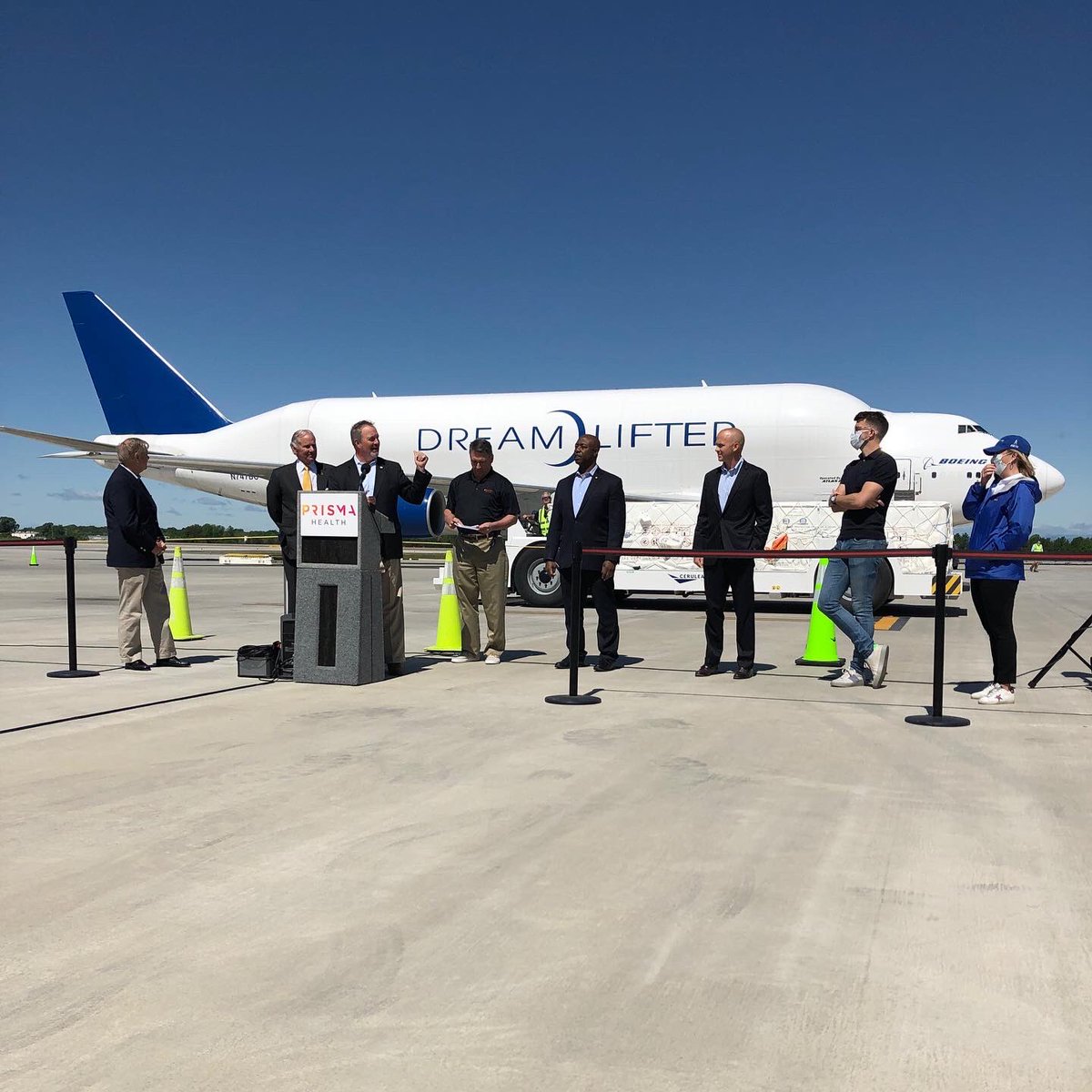
The Boeing Company completó el 26/04 otra misión de transporte sanitario utilizando un Boeing Dreamlifter para llevar equipos de protección personal (EPP) desde Hong Kong a los Estados Unidos. Trabajando en asociación con Prisma Health, Atlas Air Worldwide y el fundador de Discommon Neil Ferrier, la compañía transportó 1,5 millones de máscaras faciales de grado médico destinadas a profesionales de la salud en Prisma Health en Carolina del Sur.

Discommon, el importador registrado para la entrega, aseguró la producción del EPP de fabricantes confiables en China y recurrió a Boeing para facilitar su transporte a Prisma Health, el sistema de salud más grande de Carolina del Sur. Boeing donó el costo del transporte de la misión, con Atlas Air operando los vuelos en nombre de Boeing.

El Dreamlifter, un Boeing 747-400 Large Cargo Freighter convertido, voló desde Hong Kong a Greenville, Carolina del Sur, con las máscaras faciales en su lóbulo inferior. Después de la entrega, Dreamlifter regresará a su base de operaciones en North Charleston, Carolina del Sur, y entregará 787 piezas de Dreamliner en apoyo de la cadena de suministro aeroespacial mundial.

Boeing continúa apoyando a las comunidades locales y a los heroicos profesionales de la salud que trabajan incansablemente para detener la propagación de COVID-19. En el futuro se planean misiones de transporte aéreo adicionales con Boeing Dreamlifter y ecoDemonstrator. Boeing está coordinando estrechamente con los funcionarios del gobierno de EE.UU. sobre la mejor manera de ayudar a las áreas con mayor necesidad.

Boeing DreamlifterApoyo de liderazgo

«Hace diez años, Boeing llegó a Carolina del Sur, invirtiendo una cantidad significativa de recursos en nuestra economía y creando empleos para nuestra gente. Hoy, Boeing está haciendo otra inversión significativa en nuestro estado al asociarse con otras empresas de Carolina del Sur para ayudar a combatir esta letal muerte virus. Los carolinianos del sur son únicos en su compasión y cuidado mutuo. Los negocios que han colaborado para hacer posible esta entrega son una encarnación de esas cualidades, y tenemos una deuda de gratitud con cada uno de ellos», expresó el Gobernador de Carolina del Sur Henry McMaster.

«Le debemos a nuestros hombres y mujeres en la línea del frente de nuestro sistema de salud tener los recursos necesarios para combatir el virus COVID-19. Quiero agradecer a Prisma Health, Discommon, Atlas Air y Boeing por su apoyo para facilitar esta importante tarea. envío de máscaras médicas a Carolina del Sur», ha comentado el Senador Lindsey Graham.

«Combatir COVID-19 ha requerido una respuesta sin precedentes de todos los niveles de gobierno, el sector privado y las familias estadounidenses. Uno de los desafíos más importantes que enfrentan las comunidades en todo el país es garantizar que nuestros trabajadores de atención médica de primera línea tengan suficiente equipo de protección personal para que puedan puede tratar a los pacientes y mantenerse saludables. Esta asociación público-privada entre la Casa Blanca, Boeing, Discommon y Atlas Air ha superado los problemas de suministro y la burocracia para llevar 1,5 millones de máscaras de grado médico a Carolina del Sur y será muy útil. hacia la seguridad de nuestros profesionales médicos. Ofrezco mi más sincero agradecimiento a todos los involucrados», expresó el Senador Tim Scott.

«La entrega de máscaras médicas para Prisma Health hoy es una noticia tremenda! Todo el Estado de Palmetto agradece a Boeing, Atlas Air y Discommon Concepts por hacer realidad este envío para equipar a nuestro personal médico durante estos tiempos sin precedentes. Son asociaciones como estas liderado por compañías en Carolina del Sur que asegurarán que estamos completamente preparados para derrotar a COVID-19», expresó el representante Republicano Jeff Duncan.

«Hoy, orgullosamente damos la bienvenida a Boeing y Atlas Air a Greenville. Cuando Discommon me contactó por primera vez en Greenville, sabía que estas máscaras marcarían una gran diferencia para nuestros trabajadores de la salud en Prisma Health, quienes están en la línea del frente luchando contra COVID- 19 pandemia. Inmediatamente nos pusimos a trabajar para que esto suceda. La entrega de hoy muestra el bien que se puede hacer cuando las empresas, las organizaciones sin fines de lucro y el gobierno se unen. Este PPE será de gran ayuda para la gente aquí en el norte del estado y en todo el país. la región central», Rep. William Timmons.

«Es un beneficio mutuo para los proveedores de atención médica de Carolina del Sur y un ejemplo perfecto de compañías privadas que trabajan con funcionarios electos para ayudar a los trabajadores de la salud y las personas a las que sirven. Apreciamos mucho el apoyo de Boeing durante estos tiempos difíciles de asegurar los suministros necesarios, todos nos fortalecemos. En reconocimiento de la entrega de nuestros suministros por parte de Boeing, estamos donando 100,000 de estas máscaras a nuestros colegas de la Universidad Médica de Carolina del Sur, que se encuentra cerca de la planta de fabricación de Boeing», comenta Mark O’Halla, Presidente y CEO, Prisma Health.

«Estoy increíblemente agradecido de ser parte de este proyecto: el camino salvaje para llegar aquí es digno de una película. Si bien cada paso de este proceso logístico ha sido increíblemente desalentador, Boeing y Atlas Air han sido asombrosos, con ambas compañías 100% comprometidas para hacer posible la misión de transporte de hoy. Es increíble que Carolina del Sur cuente con el respaldo de compañías que pueden prestar su vital apoyo logístico de transporte para este desafío tan complejo. Aunque este proyecto no se encuentra en nuestra típica caseta del diseño y fabricación industrial, el objetivo final de diseño es resolver problemas maravillosamente, y todos nos hemos unido para hacer precisamente eso», dijo Neil Ferrier, Fundador, Discommon.

«Atlas Air se enorgullece de ser parte de esta misión vital. Agradecemos a los respondedores de primera línea que continúan satisfaciendo las necesidades abrumadoras de los habitantes de Carolina del Sur. Los profesionales de la salud en el Sistema de Salud Prisma han sido implacables y resistentes, y transportaron el equipo crítico. lo que necesitan es una pequeña forma de agradecerles», ha dicho John W. Dietrich, Presidente y CEO, Atlas Air Worldwide.

«Boeing se enorgullece de ser parte de este histórico vuelo para brindar EPP vital a los trabajadores de la salud en todo Carolina del Sur. Quiero agradecer personalmente al equipo de Boeing y a nuestros socios de Atlas Air por lo que han hecho para apoyar esta misión esencial y garantizar que nuestros trabajadores de atención médica de primera línea tengan el equipo que necesitan de manera crítica», expresa su complacencia Dave Calhoun, presidente y CEO de The Boeing Company. AW-Icon Paragraph-01

Rep. Jeff Duncan on Twitter: "Great to be at @GSPAirport to ...Boeing carries 1.5M face masks

Boeing carries medical masks in association with Prisma Health, Atlas Air and Discommon founder Neil Ferrier

Dreamlifter_IsologotypeThe Boeing Company completed another medical transport mission on 04/26 using a Boeing Dreamlifter to bring personal protective equipment (PPE) from Hong Kong to the United States. Working in partnership with Prisma Health, Atlas Air Worldwide, and Discommon founder Neil Ferrier, the company transported 1.5 million medical-grade face masks for healthcare professionals at Prisma Health in South Carolina.

Discommon, the importer of record for delivery, secured the production of EPP from trusted manufacturers in China and turned to Boeing to facilitate its transportation to Prisma Health, South Carolina’s largest health system. Boeing donated the cost of transporting the mission, with Atlas Air operating the flights on Boeing’s behalf.

The Dreamlifter, a converted Boeing 747-400 Large Cargo Freighter, flew from Hong Kong to Greenville, South Carolina, with the face masks on its lower lobe. After delivery, Dreamlifter will return to its base of operations in North Charleston, South Carolina, and will deliver 787 pieces of Dreamliner in support of the global aerospace supply chain.

Boeing continues to support local communities and heroic healthcare professionals who work tirelessly to stop the spread of COVID-19. Additional air transport missions are planned in the future with Boeing Dreamlifter and ecoDemonstrator. Boeing is closely coordinating with US government officials. on the best way to help areas in greatest need.

Leadership support

AW-Boeing 747-dreamlift«Ten years ago, Boeing came to South Carolina, investing a significant amount of resources in our economy and creating jobs for our people. Today, Boeing is making another significant investment in our state by partnering with other South Carolina companies to help to combat this lethal death virus. Southern Carolinians are unique in their compassion and care for each other. The businesses that have collaborated to make this delivery possible are an embodiment of those qualities, and we owe gratitude to each of them», said South Carolina Governor Henry McMaster.

«We owe it to our men and women on the front lines of our healthcare system to have the resources necessary to combat the COVID-19 virus. I want to thank Prisma Health, Discommon, Atlas Air, and Boeing for their support in facilitating this important task. shipping medical masks to South Carolina», said Senator Lindsey Graham.

Boeing Dreamlifter delivers 1.5 million masks to healthcare ...BOEING DREAMLIFTER

«Combating COVID-19 has required an unprecedented response from all levels of government, the private sector, and American families. One of the most important challenges facing communities across the country is ensuring that our premier healthcare workers line has enough personal protective equipment so they can treat patients and stay healthy. This public-private partnership between the White House, Boeing, Discommon, and Atlas Air has overcome supply problems and red tape to carry 1.5 million from medical grade masks to South Carolina and will be very helpful towards the safety of our medical professionals. I offer my sincere thanks to everyone involved», said Senator Tim Scott.

«The delivery of medical masks for Prisma Health today is tremendous news! The entire State of Palmetto thanks Boeing, Atlas Air, and Discommon Concepts for making this shipment a reality to equip our medical staff during these unprecedented times. They are partnerships like You are led by companies in South Carolina that will ensure that we are fully prepared to defeat COVID-19», said Republican Rep. Jeff Duncan.

«Today, we proudly welcome Boeing and Atlas Air to Greenville. When Discommon first contacted me in Greenville, I knew that these masks would make a big difference to our healthcare workers at Prisma Health, who are on the front line. fighting COVID-19 pandemic. We immediately set to work to make this happen. Today’s installment shows the good that can be done when companies, non-profit organizations, and the government come together. This PPE will be a great help for people here in the north of the state and throughout the country. the central region», Rep. William Timmons.

«It is a mutual benefit to South Carolina healthcare providers and a perfect example of private companies working with elected officials to help healthcare workers and the people they serve. We greatly appreciate Boeing’s support during these difficult times of securing needed supplies, we all grow stronger. In recognition of Boeing’s delivery of our supplies, we are donating 100,000 of these masks to our colleagues at the Medical University of South Carolina, which is located near the Boeing manufacturing plant», says Mark O’Halla, President and CEO, Prisma Health.

«I am incredibly grateful to be a part of this project: The wild road to getting here is worth a movie. While every step of this logistics process has been incredibly daunting, Boeing and Atlas Air have been amazing, with both companies 100% committed. to make today’s transportation mission possible. It is incredible that South Carolina is supported by companies that can provide vital logistical transportation support for this complex challenge. Although this project is not in our typical design booth and industrial manufacturing, the ultimate goal of design is to solve problems beautifully, and we’ve all come together to do just that», said Neil Ferrier, Founder, Discommon.

«Atlas Air prides itself on being part of this vital mission. We are grateful to the front-line responders who continue to meet the overwhelming needs of the people of South Carolina. Health professionals at Prisma Health System have been relentless and resilient, and they transported the critical equipment, that they need is a small way to thank them», said John W. Dietrich, President, and CEO, Atlas Air Worldwide.

«Boeing is proud to be part of this historic flight to provide vital PPE to healthcare workers throughout South Carolina. I want to personally thank the Boeing team and our partners at Atlas Air for what they have done to support this essential mission. and ensuring that our front-line healthcare workers have the equipment they need critically», says Dave Calhoun, President, and CEO of The Boeing Company. AW-Icon Paragraph-02


Ξ A I R G W A Y S Ξ
SOURCE: Airgways.com
DBk: Boeing.com / Airgways.com
AW-POST: 202004271211AR

A\W   A I R G W A Y S ®

Argentina prohibe venta hasta 09/2020

AW-Cronista_7008AW | 2020 04 27 11:43 | AIRLINES MARKET / GOVERNMENT

La IATA reclamó al Gobierno de Argentina por prohibición de venta de pasajes aéreos

La Asociación de Transporte Aéreo Internacional (IATA) envió una carta al Jefe de Gabinete y a varios ministros para expresar su preocupación frente a las medidas adoptadas por el Poder Ejecutivo Nacional. El organismo de aviación de la IATA ha expresado al Gobierno de Argentina su preocupación frente a las medidas que limitan la comercialización y operación de vuelos hasta el 1 Septiembre 2020 a las aerolíneas que operan desde, hacia y dentro de la Argentina. “Consideramos sustancial que no se restrinjan las operaciones aéreas hasta Septiembre, lo cual pone en peligro la viabilidad de la industria aérea en Argentina y retrasaría la recuperación económica del país”, expresó Peter Cerdá, Vicepresidente Regional de Las Américas de IATA en una carta que fue dirigida al Jefe de Gabinete, Santiago Cafiero; y a los ministros Mario Meoni, de Transporte; Matías Lammens, de Turismo y Deportes; y Felipe Solá, de Relaciones Exteriores.

La asociación de aerolíneas IATA que agrupa a 290 líneas aéreas alrededor del mundo, ha manifestado su preocupación frente a las medidas adoptadas por la Administración Nacional de Aviación Civil (ANAC) de Argentina mediante dos resoluciones publicadas este Lunes 27/04 en el Boletín Oficial pero cuyo contenido había trascendido durante el fin de semana que limitan la comercialización y operación de vuelos hasta el 1 Septiembre 2020. “Entendemos el objetivo de ANAC de proteger a los usuarios del transporte aéreo tanto desde sus intereses como consumidores como en su seguridad sanitaria al momento de dar reinicio a las operaciones. No obstante, existen múltiples razones para afirmar que estas resoluciones son inconvenientes, además de tener efectos económicos y legales considerables”, alertó el organismo de aviación internacional.

Entre las razones, se mencionaron los graves efectos económicos, ya que aerolíneas no generarán ningún ingreso en más de cuatro meses y se pondrán en riesgo más de 329.000 empleos sustentados por el sector en el país, según detalló la carta de IATA, y la continuidad del servicio de transporte aéreo en el país, el aporte económico de la aviación y la conectividad necesaria con el resto del mundo.

“La industria aeronáutica, en coordinación con la OACI y la Organización Mundial de la Salud (OMS) han realizado esfuerzos para desarrollar un plan global de reactivación de las operaciones aéreas siguiendo las mejores prácticas de salud y seguridad para los pasajeros y tripulaciones y coordinando acciones entre Estados, industria y otras partes interesadas”, señalaron las autoridades del organismo. La Argentina había manifestado su intención de alinearse a las recomendaciones globales. La organización recomendó que las restricciones de vuelo sigan los tiempos de cuarentena establecidos por el Gobierno, como lo están realizando los otros países de la región. “No existe una razón médica comprobada para determinar que la industria aeronáutica no pueda retomar sus actividades, de manera segura y bajo estrictos protocolos de salud, en la fecha en la que dichas medidas sean levantadas”, dijeron. En el caso de la Argentina, hasta el momento, esa fecha es el 11 Mayo 2020, condicionada a una posible prórroga.

Durante el fin de semana, la titular de la ANAC, Paola Tamburelli explicó que los vuelos ya están suspendidos por el DNU donde se establecieron las medidas de aislamiento social preventivo y obligatorio. “Lo que se prohíbe es la venta de pasajes de vuelos hasta el 1 Septiembre para proteger a varados que son contactados por empresas que ofrecen repatriarlos sabiendo que no pueden operar. A la vez, entendemos que las empresas necesitan ingresos. Por eso se les permite la venta de vuelos posteriores a la fecha del 31 Agosto, cuando esperamos que ya todos estén de regreso. El objeto es el equilibrio entre la protección de usuarios vulnerables, algunos que compraron más de cuatro pasajes con la esperanza de volver, sin afectar la sostenibilidad del sistema”, expresó a través de su cuenta de Twitter. Según la funcionaria, la suspensión de vuelos se debe a razones sanitarias que exceden el análisis aerocomercial y están derivados del análisis de la evolución de la pandemia.

La medida de la resolución del Gobierno de Argentina aclara que “la reprogramación de operaciones y las autorizaciones estarán supeditadas al efectivo levantamiento de las restricciones impuestas al transporte aerocomercial y a las modalidades de operación que oportunamente se pudieren establecer en función de la salida ordenada de la emergencia generada por el nuevo Coronavirus COVID-19”. La ANAC establecía la prohibición para las líneas aéreas a comercializar pasajes para vuelos que no hayan sido autorizados por el organismo, en virtud de algunas situaciones que se habían detectado de pasajeros que habían adquirido hasta cuatro pasajes en distintas compañías para servicios que finalmente no se realizaron por no contar con la autorización respectiva.

Trazabilidad de la crisis

Las expectativas de la industria aérea a nivel mundial se han vuelto cada vez más pesimistas, si bien sí se espera que la reactivación de la demanda se empiece a notar a partir del tercer trimestre de este 2020. Según las últimas previsiones de la Asociación Internacional del Transporte Aéreo (IATA), se iniciará entonces una lenta recuperación de los viajes aéreos después de más de tres meses de bloqueo a nivel mundial.

El escenario que proyecta la IATA para el tercer trimestre (3Q2020) es una apertura limitada de los mercados internacionales y un crecimiento algo más intenso de la demanda doméstica. La recuperación continuará en el cuarto trimestre (4Q2020), para el que IATA confía en que los ingresos por pasajero, tras el declive de la primera mitad del año, estén al 50% de lo que venía siendo habitual para esta época del año.

Muchos países en situaciones más graves que Argentina comienzan a liberar la red de sistemas de vuelos a nivel doméstico como es el caso de Estados Unidos, que está tomando medidas de bloqueos de asientos intermedios en sus aeronaves como salvaguarda para la realización de vuelos seguros, inclusive en mejores condiciones sanitarias de los vuelos de repatriación en configuración full. Aunque también entendemos que los costos de los pasajes aéreos se incrementarían por la menor demanda por aeronave, a pesar de ello, les permitirá oxigenar las arcas a las aerolíneas.

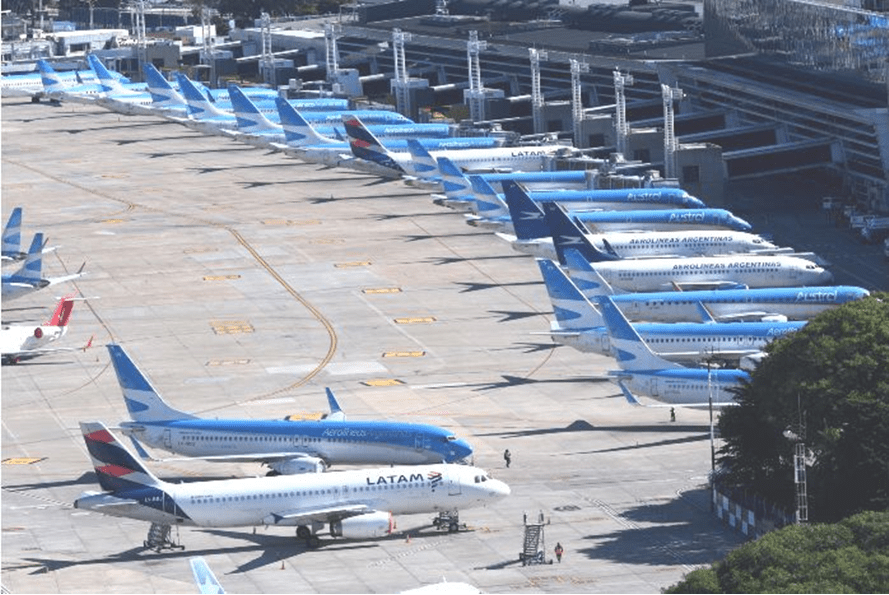
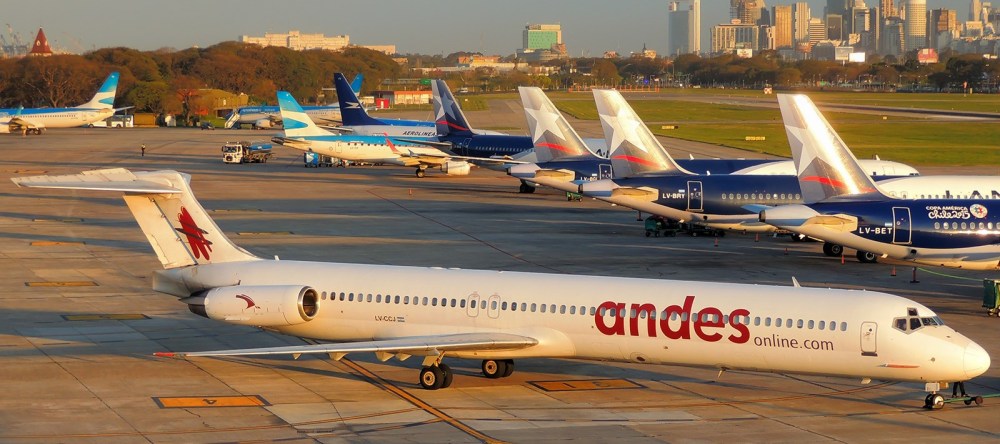
La seguridad que pregona el Gobierno de Argentina con respecto a la seguridad de los repatriados y la sostenibilidad del sistema por razones sanitarias es comprensible; pero al mismo tiempo es importante establecer criterios serios para evaluar la liberalización de la malla aérea en el corto plazo para ir dándole oxigeno a la economía de las aerolíneas. La sostenibilidad de la industria aérea no podrá sobrevivir en estas condiciones derrumbando las esperanzas de muchas líneas aéreas en el mercado local. La situación de Andes Líneas Aéreas está en una situación vegetativa, Latam Airlines Argentina ha insinuado levantar operaciones en el país, las low cost establecen autonomía económica hasta promedio mitad de año.

El impacto económico podría agravarse peor que aquellos países donde la situación sanitaria está en peores condiciones que en Argentina. Aunque es necesario velar por la seguridad sanitaria, al mismo tiempo es muy importante coordinarla con los mecanismos de recuperación económica donde la curva de impacto social a medida que se proyecta el tiempo pudieran ser más trágicas.

En Argentina, los vuelos desde y hacia cualquier destino del país, están cancelados desde el inicio de la cuarentena decretada el 20 Marzo 2020. Solo se coordinaron algunos servicios de repatriación con una autorización especial del Gobierno nacional.

La postergación de la comercialización de vuelos hasta Septiembre 2020 es una mala noticia para el sector de la industria de la aviación y el turismo que esperaba retomar parte de la actividad en las vacaciones de invierno y pedía una medida nacional para evitar devoluciones ante compras anticipadas.

A medida que las proyecciones del Gobierno de Argentina para paliar la crisis sanitaria de la pandemia del Coronavirus continúan siendo una prioritarias y un tanto acertadas; por otro lado será necesario abrir el paraguas a lo largo del tiempo para generar mecanismos para descontracturar la economía para no fracasar en el buen objetivo sanitario logrado. AW-Icon Paragraph-01

Aeropuerto El PalomarArgentina prohibits ticket sales until 09/2020

IATA called on the Government of Argentina to prohibit the sale of tickets

The International Air Transport Association (IATA) sent a letter to the Chief of Staff and several ministers to express their concern about the measures adopted by the National Executive Power. The IATA aviation body has expressed its concern to the Government of Argentina regarding measures that limit the marketing and operation of flights until September 1, 2020, to airlines that operate from, to and within Argentina. «We consider it substantial that air operations are not restricted until September, which endangers the viability of the air industry in Argentina and would delay the economic recovery of the country», said Peter Cerdá, Regional Vice President of Las Americas of IATA in a letter that It was addressed to the Chief of Staff, Santiago Cafiero; and to the ministers Mario Meoni, of Transport; Matías Lammens, from Tourism and Sports; and Felipe Solá, from Foreign Relations.

The IATA airline association, which groups 290 airlines around the world, has expressed its concern regarding the measures adopted by the National Civil Aviation Administration (ANAC) of Argentina through two resolutions published this Monday 27/04 in the Official Gazette but whose content had transpired during the weekend that limits the commercialization and operation of flights until September 1, 2020. «We understand ANAC’s objective of protecting air transport users both from their interests as consumers and in their health security at the time to restart operations. However, there are multiple reasons to affirm that these resolutions are inconvenient, in addition to having considerable economic and legal effects”, warned the international aviation body.

Among the reasons, the serious economic effects were mentioned, since airlines will not generate any income in more than four months and more than 329,000 jobs supported by the sector in the country will be put at risk, according to the IATA letter, and the continuity of the air transport service in the country, the economic contribution of aviation and the necessary connectivity with the rest of the world.

“The aeronautical industry, in coordination with ICAO and the World Health Organization (WHO) has made efforts to develop a global plan for the reactivation of air operations following the best health and safety practices for passengers and crews and coordinating actions between States, industry and other interested parties”, indicated the authorities of the organization. Argentina had expressed its intention to align itself with the global recommendations. The organization recommended that the flight restrictions follow the quarantine times established by the Government, as is being done by other countries in the region. «There is no proven medical reason to determine that the aviation industry cannot resume its activities, safely and under strict health protocols, on the date, such measures are lifted», they said. In the case of Argentina, so far, that date is May 11, 2020, conditioned on a possible extension.

During the weekend, the head of the ANAC, Paola Tamburelli explained that the flights are already suspended by the DNU where preventive and mandatory social isolation measures were established. «What is prohibited is the sale of flight tickets until September 1 to protect stranded who are contacted by companies that offer to repatriate them knowing that they cannot operate. At the same time, we understand that companies need income. That is why they are allowed to sell flights after the date of August 31, when we hope that everyone is back. The object is the balance between the protection of vulnerable users, some who bought more than four tickets in the hope of returning, without affecting the sustainability of the system”, he expressed through his Twitter account. According to the official, the suspension of flights is due to sanitary reasons that exceed the commercial analysis and are derived from the analysis of the evolution of the pandemic.

The measure of the resolution of the Government of Argentina clarifies that «the rescheduling of operations and authorizations will be subject to the effective lifting of the restrictions imposed on commercial air transport and the modalities of operation that may be established in due course of the orderly exit of the emergency generated by the new Coronavirus COVID-19”. ANAC established the prohibition for airlines to market tickets for flights that have not been authorized by the agency, due to some situations that had been detected for passengers who had purchased up to four tickets in different companies for services that were not finally carried out. for not having the respective authorization.

Traceability of the crisis

The expectations of the airline industry worldwide have become increasingly pessimistic, although it is expected that the revival of demand will begin to be noticed from the third quarter of this 2020. According to the latest forecasts from the International Association of Air Transport (IATA) will then start a slow recovery of air travel after more than three months of the global blockade.

The scenario projected by IATA for the third quarter (3Q2020) is a limited opening of international markets and a somewhat more intense growth in domestic demand. The recovery will continue in the fourth quarter (4Q2020), for which IATA is confident that the revenue per passenger, after the decline in the first half of the year, is 50% of what was usual for this time of year.

Many countries in more serious situations than Argentina begin to release the network of domestic flight systems, as is the case of the United States, which is taking measures to block intermediate seats in their aircraft as a safeguard for safe flights, including in better sanitary conditions for repatriation flights in full configuration. Although we also understand that the costs of air tickets would increase due to the lower demand for aircraft, despite this, it will allow them to oxygenate the coffers to the airlines.

AW-70005455The security proclaimed by the Government of Argentina regarding the security of returnees and the sustainability of the system for health reasons is understandable; But at the same time, it is important to establish serious criteria to evaluate the liberalization of the air mesh in the short term to give oxygen to the airline economy. The sustainability of the airline industry cannot survive in these conditions, shattering the hopes of many airlines in the local market. The situation of Andes Líneas Aéreas is in a vegetative situation, Latam Airlines Argentina has insinuated to launch operations in the country, low cost establishes economic autonomy until average half of the year.

The economic impact could be worsened than in countries where the health situation is in worse condition than in Argentina. Although it is necessary to ensure health security, at the same time it is very important to coordinate it with economic recovery mechanisms where the curve of social impact as time goes on could be more tragic.

In Argentina, flights to and from any destination in the country have been canceled since the beginning of the quarantine decreed on March 20, 2020. Only some repatriation services were coordinated with special authorization from the national government.

The postponement of the commercialization of flights until September 2020 is bad news for the aviation and tourism industry sector, which hoped to resume part of the activity in the winter holidays and called for a national measure to avoid returns due to early purchases.

As the projections of the Government of Argentina to alleviate the health crisis of the Coronavirus pandemic continue to be a priority and somewhat correct; On the other hand, it will be necessary to open the umbrella over time to generate mechanisms to decontract the economy so as not to fail in the good health objective achieved. AW-Icon Paragraph-02


Ξ A I R G W A Y S Ξ
SOURCE: Airgways.com
DBk: Airgways.com / Anac.gov.ar / Argentina.gob.ar
AW-POST: 202004271143AR

A\W   A I R G W A Y S ®

Derivaciones Boeing-Embraer

AW-Boeing-EmbraerAW | 2020 04 26 11:13 | INDUSTRY

embraer logoEmbraer acusa a Boeing de incumplimiento de contratoAW-B737-8MAX

La brasileña Embraer SA ha comunicado que el constructor aeroespacial The Boeing Company ha terminado por error el acuerdo valorado en US$ 4 mil millones de Dólares para la conformación de Boeing Boeing_IsologotypeBrasil Commercial. «Embraer cree firmemente que Boeing ha rescindido injustamente el acuerdo, buscando por todos los remedios contra Boeing por los daños incurridos», dijo el fabricante de aviones brasileño en un comunicado. Boeing «fabricó afirmaciones falsas como pretexto para tratar de evitar sus compromisos de cerrar la transacción y pagarle a Embraer el precio de compra de US$ 4.2 billones de Dólares. Creemos que Boeing se ha involucrado en un patrón sistemático de demora y violaciones repetidas de la MTA, debido a su renuencia a completar la transacción a la luz de su propia situación financiera y 737 MAX y otros problemas comerciales y de reputación». Boeing también debe pagar US$ 100 millones de Dólares si las aprobaciones antimonopolio para el acuerdo no están aseguradas, según una presentación de la compañía; pero una portavoz de Boeing dijo que la compañía no cree que la tarifa de terminación se aplique en este caso.

Los fabricantes de aviones Embraer y Boeing iniciaron fuego cruzado el Sábado 25 Abril 2020, luego de que la compañía estadounidense anunciara el término de las negociaciones para comprar la división de aviación comercial brasileña. Las compañías habían anunciado en Julio 2018 el acuerdo de US$ 4.2 mil millones, que fue respaldado por el Gobierno de Brasil siete meses después.

El anuncio de Boeing se produjo en medio de la mayor crisis de su historia, que involucra dos accidentes con su avión estrella, el 737 MAX, y el cierre del sector de las aerolíneas debido a la pandemia del Covid-19. La compañía culpó a Embraer por no concluir el acuerdo. En una declaración, declaró que «ejerció su derecho a rescindir el contrato después de que Embraer no cumpliera con las condiciones necesarias», pero no especificó cuáles eran las condiciones. Embraer respondió a las declaraciones tres horas después, también en una nota, en la que acusaba a la compañía estadounidense de haber rescindido el contrato de manera indebida. «Boeing hizo afirmaciones falsas como pretexto para tratar de evitar sus compromisos de cerrar el trato y pagar a Embraer el precio de compra de US$ 4.2 mil millones». La compañía cree que Boeing había estado adoptando «un patrón sistemático de demora y violaciones repetidas del acuerdo del MTA, debido a la falta de voluntad para completar la transacción, debido a su condición financiera, debido a los problemas con el 737 MAX y otros asuntos comerciales y de reputación». Según el periódico O Estado de S. Paulo, la brasileña tiene la intención de intentar reanudar las negociaciones y, si no puede llegar a un acuerdo, debe acudir a los tribunales para ser indemnizada. En el documento emitido ayer, Embraer afirma que «buscará todas las medidas apropiadas contra Boeing por los daños sufridos como resultado de la cancelación indebida».

El incumplimiento del acuerdo fue visto dentro del Gobierno brasileño como un resultado esperado, dada la crisis que enfrenta la compañía estadounidense y el golpe que la nueva pandemia de coronavirus causó en la industria de las aerolíneas. En el ala militar, el acuerdo no fue unánime y, por este motivo, no se lamentó el desmantelamiento del asentamiento, por el contrario, incluso se celebró.

El área económica, que ha apostado por privatizaciones y concesiones para apalancar el crecimiento de la economía después de la crisis, considera que el retiro no estuvo relacionado con una percepción de riesgo en relación con Brasil. Según un miembro del equipo, si se tratara de un negocio que involucrara a aerolíneas estadounidenses y europeas, el resultado sería el mismo. Los partidarios del Plan Pro-Brasil para inversiones públicas en infraestructura, a su vez, ya utilizan la ruptura del acuerdo como municiones para la estrategia de defensa del programa.

Boeing_Output_AgreementMercado aviación

En las últimas semanas, el mercado ha estado sugiriendo la posibilidad de que la transacción no se complete. El Domingo 19/04, el Estado mostró que, entre los obstáculos, estaba la capacidad de Boeing de pagar el monto adeudado a Embraer. Además de los dos accidentes con los aviones 737 MAX, que mataron a 346 personas y causaron que el modelo dejara de funcionar, la crisis de la pandemia del Coronavirus ha estado dañando la posición de efectivo de la compañía.

Boeing incluso ha indicado que la industria aeroespacial estadounidense necesitará US$ 60 mil millones del Gobierno de Estados Unidos para sobrevivir. La compañía sería el principal beneficiario si se libera esta cantidad. En los Estados Unidos, sin embargo, la posibilidad de que parte de este dinero se use para comprar una empresa brasileña está sujeta a críticas.

Otro problema que apareció recientemente en las negociaciones fue el valor del contrato. El 4 Julio 2018, el día anterior al anuncio del acuerdo, Embraer valía R$ 19.8 mil millones en el mercado. Hoy, ese número es de R$ 6,1 mil millones, una disminución del 69%, lo que aumentaría la cantidad que ahora paga Boeing. Aunque siempre se dio por sentado, el acuerdo entre las compañías había estado luchando, desde el año pasado, para obtener la aprobación de las autoridades reguladoras de la Unión Europea, lo que retrasó la conclusión del acuerdo. El pronóstico inicial era que la compañía estadounidense tomaría más del 80% de la división de aviones comerciales brasileños a fines del año pasado.

Además de la venta del brazo de aviación comercial de Embraer, el acuerdo preveía la creación de una empresa conjunta para la comercialización del carguero militar C-390 Millenium, el avión más grande jamás desarrollado en Brasil y cuyo proyecto acaba de completarse. Existía la posibilidad de que esta nueva compañía, de la cual Embraer sería accionista mayoritario, instalara una línea de producción del modelo en los EE.UU., con el fin de expandir su potencial de ventas al Gobierno estadounidense y otros países socios de Washington. Con la terminación del contrato, también se canceló la creación de la empresa conjunta. Sin embargo, las dos compañías mantendrán un acuerdo para que Boeing venda y mantenga el C-390 en sociedad con Embraer.

El final de las negociaciones entre Boeing y Embraer llega en el peor momento para el brasileño, que ya no estaba en su apogeo. Después de invertir R$ 485.5 millones en 2019 en el proceso de separación del brazo de aviación comercial, que iría a Boeing, Embraer enfrenta un escenario de demanda débil para su nueva familia de aviones comerciales E2, y aún tendrá que enfrentar la crisis causada por la pandemia del Coronavirus, que hundió la industria de las aerolíneas.

Fuentes del mercado dicen que posiblemente Embraer necesitará un rescate del Gobierno de Brasil o tendrá que buscar otro acuerdo de venta. La mayor oportunidad sería con China, que quiere crecer en la aviación con China Commercial Aircraft (Comac) de propiedad estatal. Sin embargo, en un video enviado ayer a los empleados, el Presidente de Embraer, Francisco Gomes Neto, dice que la compañía tiene «suficiente liquidez y acceso a fuentes de financiamiento para apalancar su negocio».

La empresa conjunta en aviación comercial con Boeing, en la que Embraer tendría una participación del 20%, fue prácticamente una apuesta de supervivencia para Embraer. Esto se debe a que el mercado se hizo más intenso cuando, en Octubre 2017, Airbus compró el programa de los aviones canadienses Bombardier CSeries. La CSeries era una familia de aviones que competían directamente con Embraer.

Con la terminación del contrato con Boeing, Embraer ahora luchará solo contra los gigantes. Todo se vuelve más serio porque Embraer acaba de invertir US$ 1.75 mil millones de Dólares para desarrollar tres nuevos modelos de aviones basados en el Programa E2, que, a pesar de ser considerado el mejor en la categoría, tiene poca demanda debido a la débil demanda. El proceso de separación de la división comercial de Embraer también se completó prácticamente y había requerido millones de dólares. Solo en la nueva sede de la compañía, se habían aportado US$ 30 millones (casi R$ 170 millones al precio actual).

Además del escenario ya complejo, se agrega la crisis sanitaria mundial. Con la retirada social y el cierre de fronteras, la mayor parte de la flota aérea mundial está en tierra. Las aerolíneas enfrentan una crisis profunda y se espera que reduzcan sus pedidos de aviones. Según un estudio de la consultora Bain & Company, la demanda de aviones más pequeños, como los producidos por Embraer, debería volver a los niveles anteriores a la crisis solo en el último trimestre de 2021.

“Es profundamente decepcionante. Pero hemos llegado a un punto donde la negociación continua dentro del marco del [acuerdo de transacción de fusión] no va a resolver los problemas pendientes”, dijo Marc Allen, presidente de Embraer Partnership and Group Operations, en un comunicado de prensa de Boeing el sábado por la mañana.

Tribunal Superior

Es probable que el Tribunal decida el destino del acuerdo Boeing-Embraer. Se espera que Boeing brinde más detalles sobre el acuerdo y nuevos planes para reducir costos cuando informe los resultados del primer trimestre antes de que el mercado abra el Miércoles 29/04. AW-Icon Paragraph-01

AW-Embraer_70043Boeing-Embraer shunts

Boeing_Isologo.svgEmbraer accuses Boeing of breach of contracte195-e2-lebourget-990x660
The Brazilian Embraer SA has reported that the aerospace constructor The Boeing Company has mistakenly terminated the agreement valued at US$ 4 billion dollars for the formation of Boeing Brasil Commercial. «Embraer firmly believes that Embraer_Isologotype.svgBoeing has unfairly terminated the agreement, seeking all remedies against Boeing for the damage incurred», the Brazilian aircraft maker said in a statement. Boeing «fabricated false claims as a pretext to avoid its commitments to close the transaction and pay Embraer the purchase price of US$ 4.2 trillion. We believe that Boeing has engaged in a systematic pattern of delay and repeated violations of the MTA, due to their reluctance to complete the transaction in light of their own financial situation and 737 MAX and other business and reputation issues». Boeing must also pay US$ 100 million dollars if antitrust approvals for the deal are not secured, according to a company filing; But a Boeing spokeswoman said the company does not believe the termination fee applies in this case.

Aircraft manufacturers Embraer and Boeing started crossfire on Saturday, April 25, 2020, after the US company announced the end of negotiations to buy the Brazilian commercial aviation division. The companies had announced in July 2018 the US$ 4.2 billion agreement, which was backed by the Brazilian government seven months later.

Boeing’s announcement came amid the biggest crisis in its history, involving two accidents with its flagship 737 MAX plane and the closure of the airline sector due to the Covid-19 pandemic. The company blamed Embraer for not concluding the deal. In a statement, he stated that «he exercised his right to terminate the contract after Embraer did not meet the necessary conditions», but did not specify what the conditions were. Embraer responded to the statements three hours later, also in a note, in the that he accused the American company of having unduly terminated the contract. «Boeing made false claims as a pretext to try to avoid its commitments to close the deal and pay Embraer the purchase price of US$ 4.2 billion». The company believes Boeing had been adopting «a systematic pattern of delay and repeated violations of the MTA agreement, due to an unwillingness to complete the transaction, due to its financial condition, due to problems with the 737 MAX and other issues. commercial and reputation». According to the newspaper O Estado de S. Paulo, the Brazilian intends to try to resume negotiations and, if she cannot reach an agreement, she must go to court to be compensated. In the document released yesterday, Embraer states that it «will seek all appropriate measures against Boeing for damages suffered as a result of improper cancellation».

AW-Boeingbraer_CADEFailure to comply with the agreement was seen within the Brazilian government as an expected result, given the crisis facing the US company and the blow that the new coronavirus pandemic caused in the airline industry. In the military wing, the agreement was not unanimous and, for this reason, the dismantling of the settlement was not regretted, on the contrary, it was even concluded.

The economic area, which has opted for privatizations and concessions to leverage the growth of the economy after the crisis, considers that the withdrawal was not related to a perception of risk in relation to Brazil. According to a team member, if it were a business involving American and European airlines, the result would be the same. Supporters of the Pro-Brazil Plan for public investments in infrastructure, in turn, already use the breakdown of the agreement as ammunition for the program’s defense strategy.

Aviation market

In recent weeks, the market has been suggesting the possibility of the transaction not being completed. On Sunday 04/19, the State showed that among the obstacles was Boeing’s ability to pay the amount owed to Embraer. In addition to the two accidents with the 737 MAX aircraft, which killed 346 people and caused the model to stop working, the crisis of the Coronavirus pandemic has been damaging the company’s cash position.

Boeing has even indicated that the American aerospace industry will need US$ 60 billion from the United States Government to survive. The company would be the main beneficiary if this amount is released. In the United States, however, the possibility that some of this money will be used to buy a Brazilian company is subject to criticism.

Another problem that recently appeared in the negotiations was the value of the contract. On July 4, 2018, the day before the agreement was announced, Embraer was worth R$ 19.8 billion in the market. Today, that number is R$ 6.1 billion, a decrease of 69%, which would increase the amount Boeing now pays. Although always taken for granted, the agreement between the companies had been fighting, since last year, to obtain approval from the European Union regulatory authorities, delaying the conclusion of the agreement. The initial forecast was that the US company would take over 80% of the Brazilian commercial aircraft division at the end of last year.

In addition to the sale of Embraer’s commercial aviation arm, the agreement provided for the creation of a joint venture to market the C-390 Millenium military freighter, the largest aircraft ever developed in Brazil and whose project has just been completed. There was a possibility that this new company, of which Embraer would be a majority shareholder, installed a production line of the model in the US, in order to expand its sales potential to the US Government and other Washington partner countries. With the termination of the contract, the creation of the joint venture was also canceled. However, the two companies will maintain an agreement for Boeing to sell and maintain the C-390 in partnership with Embraer.

The end of the negotiations between Boeing and Embraer comes at the worst time for the Brazilian, who was no longer at his peak. After investing R$ 485.5 million in 2019 in the process of separating the commercial aviation arm, which would go to Boeing, Embraer faces a weak demand scenario for its new family of E2 commercial aircraft, and will still have to face the crisis caused by the Coronavirus pandemic, which sank the airline industry.

AW-7370078Market sources say Embraer may need a bailout from the Brazilian government or have to find another sale deal. The biggest opportunity would be with China, which wants to grow in aviation with state-owned China Commercial Aircraft (COMAC). However, in a video sent yesterday to employees, Embraer’s President Francisco Gomes Neto says that the company has «enough liquidity and access to financing sources to leverage its business».
Air to Air_023The commercial aviation joint venture with Boeing, in which Embraer would have a 20% stake, was practically a survival bet for Embraer. This is because the market became more intense when, in October 2017, Airbus bought the Canadian Bombardier CSeries aircraft program. The CSeries was a family of aircraft that directly competed with Embraer.

With the termination of the contract with Boeing, Embraer will now fight only against the giants. Everything becomes more serious because Embraer has just invested US$ 1.75 billion to develop three new aircraft models based on the E2 Program, which, despite being considered the best in the category, is in low demand due to the weak demand. The separation process for Embraer’s business division was also virtually completed and had required millions of dollars. In the new headquarters of the company alone, US$ 30 million had been contributed (almost R$ 170 million at the current price).

In addition to the already complex scenario, the global health crisis is added. With social withdrawal and border closures, most of the world’s air fleet is on the ground. Airlines face a deep crisis and are expected to reduce their aircraft orders. According to a study by consulting firm Bain & Company, demand for smaller aircraft, such as those produced by Embraer, should return to pre-crisis levels only in the last quarter of 2021.

«It is deeply disappointing. But we have reached a point where continued negotiation within the framework of the [merger transaction agreement] is not going to solve the outstanding problems”, said Marc Allen, president of Embraer Partnership and Group Operations, in a Boeing press release on Saturday morning.

High Court

The Court of Justice is likely to decide the fate of the Boeing-Embraer agreement. Boeing is expected to provide further details on the deal and new plans to cut costs when it reports first-quarter results before the market opens on Wednesday 29/04. AW-Icon Paragraph-02


Ξ A I R G W A Y S Ξ
SOURCE: Airgways.com
DBk: Embraer.com / Boeing.com / Airgways.com / Em.com.br
AW-POST: 202004261113AR

A\W   A I R G W A Y S ®
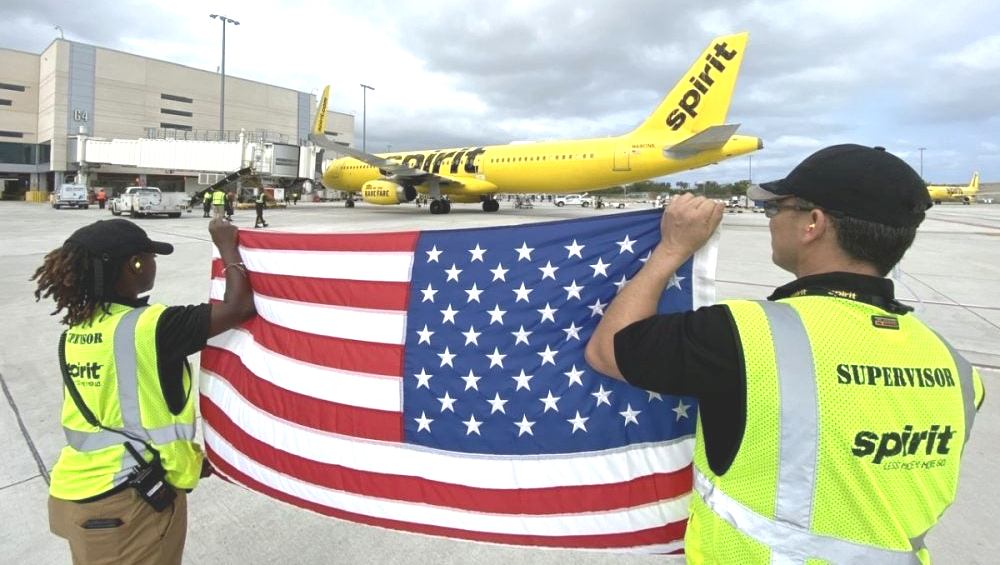
Argentina suspende ventas al exterior

628018AW | 2020 04 25 22:44 | AIRLINES / GOVERNMENT

El Gobierno de Argentina ha dispuesto a las aerolíneas la suspensión de la venta de pasajes al exterior

La Resolución 143/20 de Administración Nacional de Aviación Civil (ANAC) Argentina, que será publicada en la próxima edición del Boletín Oficial, pero que ya fue notificada por el Servicio de Trámites A Distancia (TAD) del Gobierno a las líneas aéreas, las AW-70007668empresas “solo podrán comercializar servicios de transporte aéreo de pasajeros desde, hacia o dentro del territorio nacional”. Esto siempre que se encuentren formalmente autorizadas por el Gobierno de acuerdo a los procedimientos establecidos en el marco de la pandemia. Asimismo, dispone que la medida entrará en vigencia inmediatamente. En el marco del cierre de fronteras provocado por la pandemia del Coronavirus y de la incertidumbre respecto de cuándo se normalizará la situación, la ANAC dispuso que las líneas aéreas no podrán promocionar ni vender pasajes al exterior y estableció sanciones para aquellas empresas que incumplan.
La argumentación del texto, que está firmado por la titular de la agencia aeronáutica, Paola Tamburelli, señala que “no existe a la fecha una certeza respecto de las medidas sanitarias que deberán adoptarse para el reinicio de las operaciones aerocomerciales de transporte de pasajeros luego de la crisis provocada por el COVID-19 y que se ha detectado que algunas líneas aéreas se encuentran promocionando por sí o por terceros, la venta de pasajes para vuelos regulares, sin haber obtenido la respectiva autorización por parte de esta Administración Nacional”.

La decisión de ANAC Argentina apunta a “proteger los derechos de los usuarios y consumidores de los servicios de transporte aerocomercial” de modo que no compren pasajes sin saber si será posible utilizarlos o reclamarlos debidamente. Las compras futuras de pasajes les permiten a las aerolíneas hacer algo de caja en un momento de actividad virtualmente paralizada y les otorgan, además, una herramienta para renegociar los pasajes no utilizados, ofreciendo la posibilidad de reprogramarlos. AW-Icon Paragraph-01

AW-Cronista_7008Argentina suspends sale of flights abroad

The Government of Argentina has ordered the airlines to suspend the sale of tickets abroad

Resolution 143/20 of the National Administration of Civil Aviation (ANAC) Argentina, which will be published in the next edition of the Official Gazette, but which has already been notified by the Government’s Remote Procedures Service (TAD) to airlines, companies «may only commercialize passenger air transport services from, to or within the national territory». This provided that they are formally authorized by the Government according to the procedures established in the framework of the pandemic. AW-Jetsmart_AirlinesLikewise, it provides that the measure shall take effect immediately. In the context of the closure of borders caused by the Coronavirus pandemic and the uncertainty regarding when the situation will normalize, ANAC ruled that airlines will not be able to promote or sell tickets abroad and established sanctions for companies that fail to comply.

The argument of the text, which is signed by the head of the aeronautical agency, Paola Tamburelli, points out that “to date, there is no certainty regarding the sanitary measures that must be adopted to restart the commercial air transport operations of passengers after the crisis caused by COVID-19 and that it has been detected that some airlines are promoting by themselves or by third parties, the sale of tickets for regular flights, without having obtained the respective authorization from this National Administration”.

The ANAC Argentina decision aims to «protect the rights of users and consumers of commercial air transport services» so that they do not buy tickets without knowing if it will be possible to use or claim them properly. Future purchase of tickets allows airlines to make some cash at a time of virtually paralyzed activity and also give them a tool to renegotiate unused tickets, offering the possibility to reprogram them. AW-Icon Paragraph-02


Ξ A I R G W A Y S Ξ
SOURCE: Airgways.com
DBk: Anac.gov.ar / Argenina.gob.ar/transporte / Cronista.com / Airgways.com
AW-POST: 202004252244AR

A\W   A I R G W A Y S ®