JetBlue Airways inicia ops New York/JFK a Georgetown, Guyana
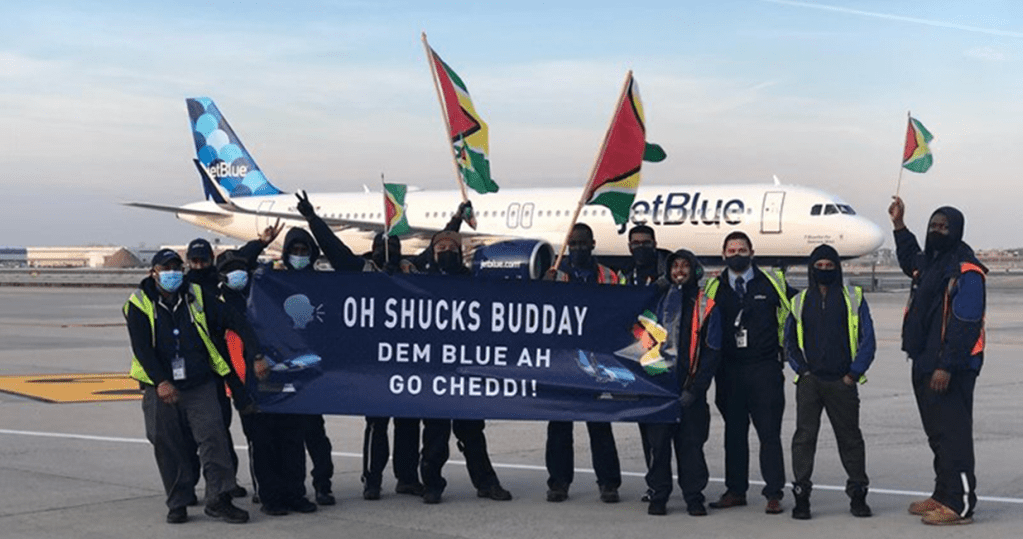
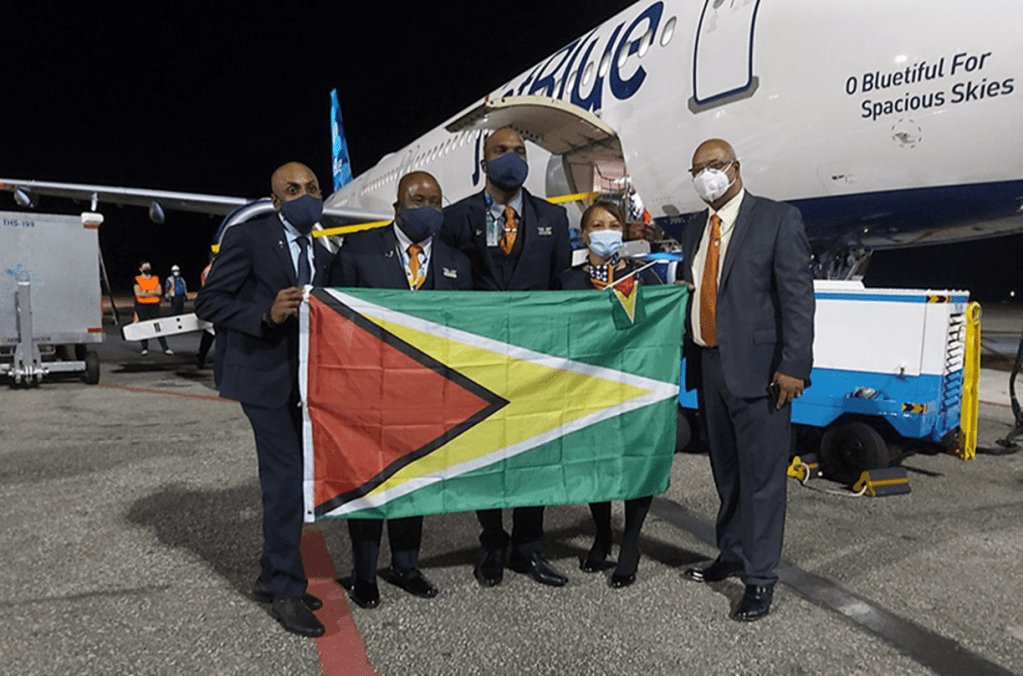
JetBlue Airways ha iniciado este 11 de Diciembre de 2020 el vuelo inaugural entre New York/JFK y Georgetown, Guyana como parte de las estrategias de ampliación de red de servicios en Sudamérica. La compañía low cost con sede en New York/JFK es ahora el tercer operador en esta ruta, uniéndose a Caribbean Airlines con tres servicios semanales, próximamente incrementando un cuarto vuelo semanal, y el servicio tres veces por semana operado por Eastern Airlines.
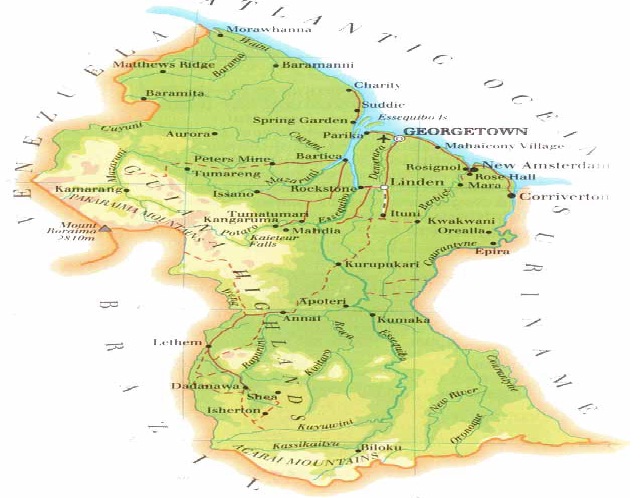
La ruta cubre una distancia de 4.086 kilómetros hacia el noreste de América del Sur operando inicialmente cuatro vuelos semanales (4Frq/S) utilizando aeronaves Airbus A321NEO con capacidades para 200 asientos. El servicio JFK de JetBlue se complementará con el destino San Juan, aunque este servicio operará solo del 15 de Enero al 8 de Febrero de 2021. Los datos de reserva de OAG Traffic Analyser revelan que apenas 199.000 volaron entre JFK y Georgetown en 2019, con más de 122.000 tráfico de pax en vuelos directos por Caribbean Airlines. En el tráfico indirecto, casi 50.000 volaron vía Puerto España con la misma aerolínea.
JetBlue connects Georgetown/Guyana
JetBlue Airways launches ops New York/JFK to Georgetown, Guyana
JetBlue Airways has started this December 11, 2020 the inaugural flight between New York/JFK and Georgetown, Guyana as part of the service network expansion strategies in South America. The low cost company based in New York/JFK is now the third operator on this route, joining Caribbean Airlines with three weekly services, soon increasing a fourth weekly flight, and the service three times a week operated by Eastern Airlines.
The route covers a distance of 4,086 kilometers to the northeast of South America initially operating four weekly flights (4Frq/S) using Airbus A321NEO aircraft with capacities for 200 seats. JetBlue’s JFK service will be complemented with the San Juan destination, although this service will operate only from January 15 to February 8, 2021. Booking data from OAG Traffic Analyzer reveals that just 199,000 flew between JFK and Georgetown in 2019, with more than 122,000 pax traffic on direct flights by Caribbean Airlines. In indirect traffic, almost 50,000 flew via Port of Spain with the same airline.
Gobierno fiscaliza proceso de ofertas por Air India
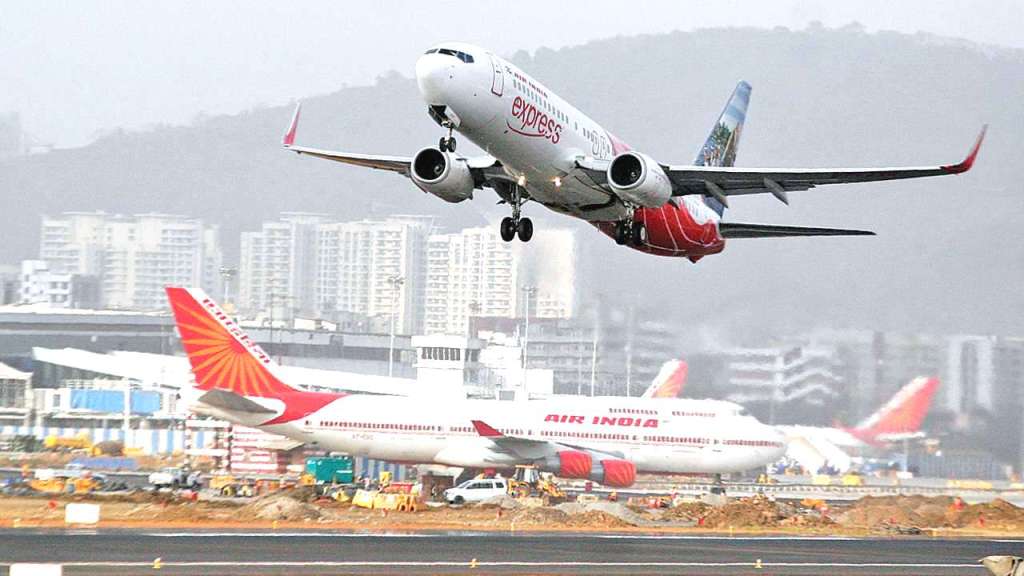
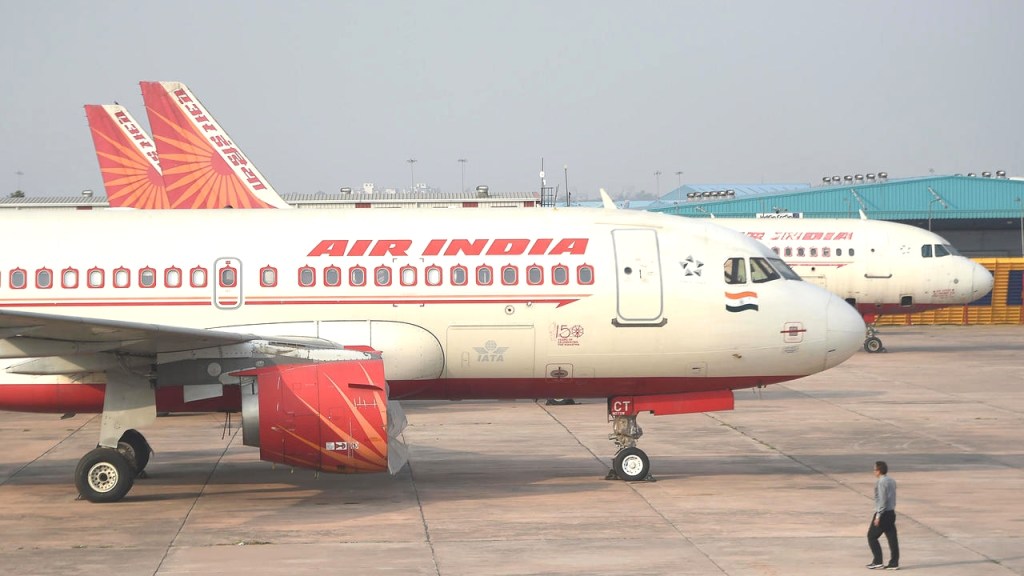
Las Expresiones de Interés (EoI) de las compañías Tata Group, Interups Inc., con sede en Nueva York, y un grupo de empleados han avanzado en las ofertas para Air India, han mostrado interés en comprar la compañía nacional que reportó por última vez un beneficio en 2007. Las Expresiones de Interés (EoIs) darán a los interesados acceso a todos los registros de la aerolínea. La oferta del mayor conglomerado de la India, si tiene éxito, marcará el regreso de Air India, fundada por el industrial J.R.D. Tata como transportista de correo en 1932. El Gobierno ha tomado el control de Air India en 1953 después de que Tata propusiera que tomara el 49% de la aerolínea.
Tata Group es quizás el único conglomerado indio que puede invertir, sostener y revivir Air India en las circunstancias actuales, dijo Mark Martin, Director Ejecutivo de la consultora de aviación Martin Consulting LLC: «El grupo Tata tiene la experiencia técnica adecuada para que la aerolínea tenga éxito. También tiene un buen legado, ya que comenzó Air India antes de que fuera nacionalizado por el gobierno. Creo que los empleados se alegrarán si el grupo Tata termina tomando el control de la aerolínea debido al legado del grupo en el sector de las aerolíneas», expresó Mark Martin.
El Departamento de Inversión y Gestión de Activos Públicos (DIPAM), el brazo del Ministerio de Finanzas de la India que supervisa las ventas de activos, dijo que obtuvo múltiples intereses al final del plazo el Lunes 14/12, sin dar detalles. «La transacción pasará ahora a la segunda etapa», dijo el Secretario de DIPAM, Tuhin Kanta Pandey, en un post en Twitter. El Gobierno de la India evaluará ahora los EoIs y seleccionará los que califiquen el 5 de Enero de 2021, de acuerdo con la propuesta del Departamento para privatizar la compañía nacional.
En la propuesta presentada por el consorcio, un grupo de 219 empleados de Air India poseerá una participación del 51%, e Interups tendrá el 49%, dijo el Presidente de la compañía con sede en Nueva York, Laxmi Prasad, en una entrevista. Interups administra el corpus de jubilación de 27.635 cuentas propiedad de indios con sede en Estados Unidos. «Se ofrecerá a los empleados dispuestos y continuos el 51% en el consorcio que adquiere la aerolínea. No se requiere ninguna inversión de capital [de ellos]», dijo Laxmi Prasad, añadiendo que si su adquisición planeada de Air India tuviera éxito, su compañía establecería un fideicomiso de inversión en infraestructura de aviación para monetizar los activos de la aerolínea. «Estamos abogando activamente por las rutas aéreas, el manejo en tierra, la capacitación y otras instalaciones en la colocación de infraestructuras. Esto deja a la compañía actual para permanecer magra y operativa», agregó.
El Tata Group está tratando de persuadir a Singapore Airlines, con quien opera una empresa conjunta de aerolíneas (Joint Venture), Vistara Airlines, de que renuncie a una cláusula de no competencia en el acuerdo para permitirle pujar por compañías rivales y asociarse con la compañía en su oferta por Air India.
El gobierno ha estado buscando un comprador para la aerolínea estatal desde 2017, pero ha dibujado un espacio en blanco hasta el punto de que los inversores se han visto disuadidos por la enorme carga de deuda de la aerolínea que pierde dinero. Desde entonces, el Gobierno ha endulzado el trato para hacer el activo más atractivo. Esta vez, el gobierno indio planea vender el 100% de Air India, incluyendo la unidad Air India Express Ltd y el 50% en Air India SATS Airport Services Pvt. Ltd, después de no venderlo hace dos años, cuando buscó vender el 76% en la aerolínea. El Gobierno de la India también permitió a los oferentes decidir cuánto de la deuda de la aerolínea quieren absorber como parte de la venta. Air India tenía pasivos y provisiones corrientes, incluidos préstamos a corto plazo y pagos comerciales, de ₹ 70,686,6 Crores y deuda neta de ₹ 58,255 Crores a finales de Marzo de 2019. Sin embargo, desde entonces el Gobierno ha transferido ₹ 29,464 Crores de esta deuda de Air India a un vehículo de propósito especial propiedad del Gobierno, Air India Assets Holding Company.
Processes interest in Air India
Government oversees bidding process for Air India
The Expressions of Interest (EoI) of the companies Tata Group, Interups Inc., based in New York, and a group of employees have advanced in the offers for Air India, have shown interest in buying the national company that reported for the last time a profit in 2007. Expressions of Interest (EoIs) will give interested parties access to all airline records. The bid from India’s largest conglomerate, if successful, will mark the return of Air India, founded by industrialist J.R.D. Tata as a mail carrier in 1932. The Government took control of Air India in 1953 after Tata proposed that it take 49% of the airline.
Tata Group is perhaps the only Indian conglomerate that can invest, sustain and revive Air India under the current circumstances, said Mark Martin, CEO of aviation consulting firm Martin Consulting LLC: «The Tata group has the appropriate technical expertise for the airline to be successful. It also has a good legacy, having started Air India before it was nationalized by the government. I think employees will be happy if the Tata group ends up taking over the airline because of the group’s legacy in the airline industry. airlines», said Mark Martin.
The Department of Investment and Public Asset Management (DIPAM), the arm of the Indian Ministry of Finance that oversees asset sales, said it earned multiple interests by the end of the term on Monday 12/14, without giving details. «The transaction will now move to the second stage», said DIPAM Secretary Tuhin Kanta Pandey in a post on Twitter. The Government of India will now evaluate the EoIs and select the qualifying ones on January 5, 2021, in accordance with the Department’s proposal to privatize the national company.
In the proposal presented by the consortium, a group of 219 Air India employees will own a 51% stake, and Interups will have 49%, said the President of the New York-based company, Laxmi Prasad, in an interview. Interups manages the retirement corpus of 27,635 accounts owned by Indians based in the United States. «Willing and continuing employees will be offered 51% in the consortium that the airline acquires. No capital investment is required [from them]», Laxmi Prasad said, adding that if their planned acquisition of Air India were successful, their The company would establish an aviation infrastructure investment trust to monetize the airline’s assets. «We are actively advocating for air routes, ground handling, training and other facilities in the placement of infrastructure. This leaves the current company to remain lean and operational», he added.
The Tata Group is trying to persuade Singapore Airlines, with whom it operates an airline joint venture (Joint Venture), Vistara Airlines, to waive a non-compete clause in the deal to allow it to bid on rival carriers and partner with the company. in your bid for Air India.
The government has been looking for a buyer for the state carrier since 2017, but has drawn a blank to the point where investors have been put off by the huge debt burden of the money-losing carrier. Since then, the government has sweetened the deal to make the asset more attractive. This time, the Indian government plans to sell 100% of Air India, including the Air India Express Ltd unit and 50% in Air India SATS Airport Services Pvt. Ltd, after not selling it two years ago, when it sought to sell 76%. at the airline. The Government of India also allowed bidders to decide how much of the airline’s debt they want to absorb as part of the sale. Air India had current liabilities and provisions, including short-term loans and commercial payments, of ₹ 70,686.6 Crores and net debt of ₹ 58,255 Crores at the end of March 2019. However, since then the Government has transferred ₹ 29,464 Crores from this Air India debt to a government-owned special purpose vehicle, Air India Assets Holding Company.
एयर इंडिया में रुचि रखते हैं
सरकार एयर इंडिया के लिए बोली प्रक्रिया की देखरेख करती है
न्यूयॉर्क में स्थित Tata Group, Interups Inc., और कर्मचारियों के एक समूह, जो एयर इंडिया के प्रस्तावों में आगे बढ़े हैं, एक्सप्रेस ऑफ़ इंट्रेस्ट (EoI) ने आखिरी बार रिपोर्ट की गई राष्ट्रीय कंपनी को खरीदने में रुचि दिखाई है। 2007 में एक लाभ। एक्सप्रेशन ऑफ इंटरेस्ट (ईओआई) सभी एयरलाइन रिकॉर्ड के लिए इच्छुक पार्टियों को पहुंच प्रदान करेगा। भारत के सबसे बड़े समूह से बोली, यदि सफल होती है, तो एयर इंडिया की वापसी को चिह्नित करेगी, जिसकी स्थापना उद्योगपति जे.आर.डी. 1932 में एक मेल वाहक के रूप में टाटा। सरकार ने 1953 में एयर इंडिया का नियंत्रण टाटा के प्रस्ताव के बाद लिया कि वह एयरलाइन का 49% हिस्सा लेती है।
टाटा समूह शायद एकमात्र भारतीय समूह है जो मौजूदा परिस्थितियों में एयर इंडिया का निवेश, रखरखाव और पुनरुद्धार कर सकता है, विमानन सलाहकार मार्टिन कंसल्टिंग एलएलसी के सीईओ मार्क मार्टिन ने कहा: «टाटा समूह के पास एयरलाइन के लिए उपयुक्त तकनीकी विशेषज्ञता है। सफल रहें। इसकी एक अच्छी विरासत भी है क्योंकि इसने सरकार द्वारा राष्ट्रीयकरण करने से पहले एयर इंडिया की शुरुआत की थी। मुझे लगता है कि अगर टाटा समूह एयरलाइन उद्योग में समूह की विरासत की वजह से एयरलाइन का कार्यभार संभाल लेती है तो कर्मचारी खुश होंगे। एयरलाइंस», मार्क मार्टिन ने कहा।
निवेश और सार्वजनिक संपत्ति प्रबंधन विभाग (डीआईपीएएम), भारतीय वित्त मंत्रालय का हाथ है जो परिसंपत्ति की बिक्री की देखरेख करता है, उसने कहा कि उसने विवरण दिए बिना सोमवार 12/14 की अवधि के अंत तक कई ब्याज अर्जित किए। डीआईपीएएम के सचिव तुहिन कांता पांडे ने ट्विटर पर एक पोस्ट में कहा, «लेनदेन अब दूसरे चरण में जाएगा।» भारत सरकार अब EoI का मूल्यांकन करेगी और राष्ट्रीय कंपनी के निजीकरण के विभाग के प्रस्ताव के अनुसार 5 जनवरी 2021 को योग्य लोगों का चयन करेगी।
219 एयर इंडिया के कर्मचारियों के एक समूह के पास 51% हिस्सेदारी होगी, और कंसोर्टियम द्वारा प्रस्तुत प्रस्ताव में, एक साक्षात्कार में, न्यूयॉर्क स्थित कंपनी के अध्यक्ष लक्ष्मी प्रसाद ने कहा। Interups संयुक्त राज्य अमेरिका में भारतीयों के स्वामित्व वाले 27,635 खातों की सेवानिवृत्ति कोष का प्रबंधन करते हैं। लक्ष्मी प्रसाद ने एयर इंडिया के नियोजित अधिग्रहण को सफल बनाने पर जोर देते हुए कहा, «एयरलाइन में काम करने वाले कर्मचारियों को तैयार करने और जारी रखने के लिए 51% की पेशकश की जाएगी। कंपनी एयरलाइन की संपत्ति के मुद्रीकरण के लिए एक विमानन बुनियादी ढांचा निवेश ट्रस्ट स्थापित करेगी। उन्होंने कहा, «हम बुनियादी ढांचे के निर्माण में हवाई मार्गों, जमीनी संचालन, प्रशिक्षण और अन्य सुविधाओं के लिए सक्रिय रूप से वकालत कर रहे हैं। इससे मौजूदा कंपनी दुबली और परिचालन बनी रहती है», उन्होंने कहा।
टाटा समूह सिंगापुर एयरलाइंस को राजी करने की कोशिश कर रहा है, जिसके साथ वह एयरलाइन संयुक्त उद्यम (संयुक्त उद्यम), विस्तारा एयरलाइंस का संचालन करती है, जो सौदे में एक गैर-प्रतिस्पर्धा वाले खंड को माफ करने के लिए उसे प्रतिद्वंद्वी वाहक और कंपनी के साथ साझेदारी करने की अनुमति देती है। एयर इंडिया के लिए आपकी बोली में।
सरकार 2017 के बाद से राज्य वाहक के लिए एक खरीदार की तलाश कर रही है, लेकिन उस बिंदु पर एक खाली स्थान ले लिया है जहां निवेशकों को पैसे खोने वाले वाहक के भारी ऋण बोझ से दूर रखा गया है। तब से, सरकार ने संपत्ति को और अधिक आकर्षक बनाने के लिए सौदे को मीठा कर दिया है। इस बार, भारत सरकार ने एयर इंडिया एक्सप्रेस लिमिटेड यूनिट सहित एयर इंडिया के 100% और एयर इंडिया SATS एयरपोर्ट सर्विसेज प्राइवेट लिमिटेड में 50% बेचने की योजना बनाई है, दो साल पहले इसे बेचने के बाद, जब उसने 76% बेचने की मांग की थी। एयरलाइन में। भारत सरकार ने बोलीदाताओं को यह तय करने की भी अनुमति दी कि वे एयरलाइन के कितने ऋण को बिक्री के हिस्से के रूप में अवशोषित करना चाहते हैं। मार्च 2019 के अंत में एयर इंडिया के पास वर्तमान देनदारियाँ और प्रावधान थे, जिनमें अल्पकालिक ऋण और वाणिज्यिक भुगतान, current 70,686.6 करोड़ और ₹ 58,255 करोड़ का शुद्ध ऋण था। हालाँकि, तब से सरकार ने ,4 29,464 करोड़ रुपये हस्तांतरित किए हैं यह एयर इंडिया सरकार के स्वामित्व वाले विशेष प्रयोजन वाहन, एयर इंडिया एसेट्स होल्डिंग कंपनी को कर्ज देता है।
AW | 2020 12 15 11:05 | GOVERNMENT / AVIATION SAFETY / AIRLINES
Gobierno exigirá información pasajeros en vuelos domésticos
El Gobierno de Argentina a anunciado a través de la Disposición Nº 1406/2020, publicada este martes en el Boletín Oficial una nuevas medidas con la finalidad de prevenir delitos complejos tales como el narcotráfico, el terrorismo y la trata de personas, en el marco de la crisis sanitaria actual.
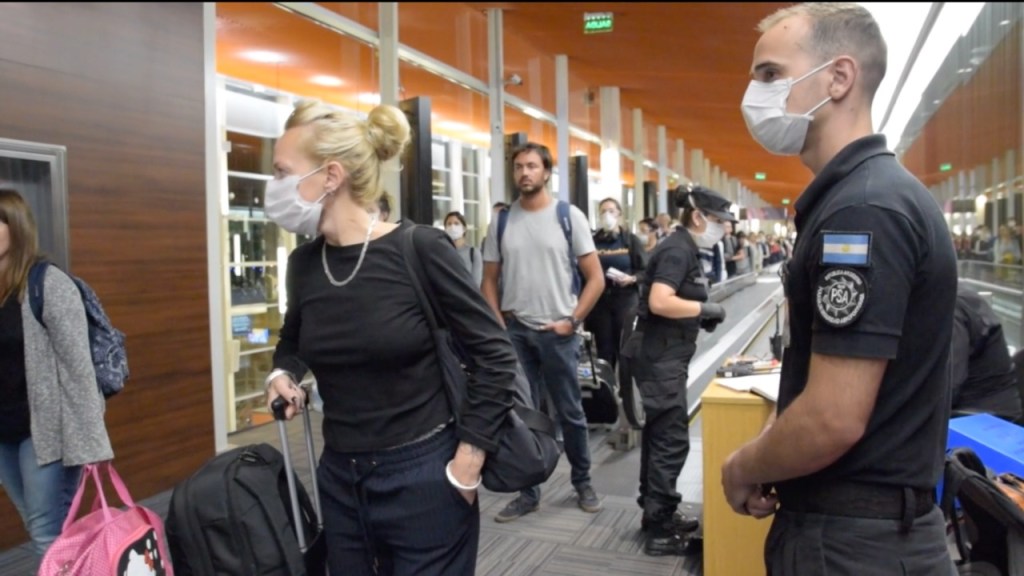
Las líneas aéreas que realizan vuelos regulares o charters de cabotaje en la República Argentina deberán informar a la Policía de Seguridad Aeroportuaria (PSA) datos específicos de los pasajeros antes de despegar, algo que hasta el momento solamente se requería cuando se trataba de vuelos internacionales. Así se anunció a través de la Disposición Nº 1406/2020, publicada este Martes 15/12 en el Boletín Oficial. El Director de la PSA, José Alejandro Glinski, ha cargo de esta nueva modalidad ha anunciado que esta medida comenzará a regir dentro de 120 días corridos a partir de este Martes 15/12 con el objetivo de prevenir delitos complejos tales como el narcotráfico, el terrorismo y la trata de personas.
Puntualmente, las compañías aéreas tendrán que compartir con las autoridades policiales los datos correspondientes a la Información Anticipada de Pasajeros (API) y al Registro de Nombres de Pasajeros (PNR), tratándose de vuelos internos con más de 19 pasajeros a bordo. Además de la documentación a la Dirección Nacional de Migraciones, la Administración Nacional de Aviación Civil (ANAC), y la Administración Federal de Ingresos Públicos (AFIP). Este requisito actualmente continúa en vigencia desde el 8 de Septiembre de 2014 para los viajes hacia y provenientes del exterior.
Las compañías aéreas deberán adjuntar información para la operación que deberá hacerse de manera electrónica y con 24 horas de anticipación al despegue. Luego, se realizarán dos transmisiones adicionales para comunicar las novedades pertinentes, una cuando falten 6 horas para la partida y la última, una vez que todos los sujetos hayan abordado y la aeronave esté lista para salir. Respecto a los datos del avión, las aerolíneas tendrán que informar el código identificativo de la compañía que envía los datos; número de vuelo; fecha y hora previstas de salida y de llegada; origen y destino, y número total de personas transportadas. En tanto, sobre las personas a bordo, incluida la tripulación, se solicitará el tipo y número de documento con el que se identificó cada una de ellas; nacionalidad de las mismas; nombre y apellido completo, y fecha de nacimiento que aparece en el documento de identificación presentado. Por último, las compañías le aportarán a la PSA la siguiente información de los pasajeros: localizador del expediente; fecha de reserva del vuelo; itinerario completo del viaje; nombre y apellido informado; modalidades de pago; orden y dirección de facturación; teléfonos de contacto, y datos sobre programas de fidelización (referida únicamente a millas recorridas y direcciones). También se requerirá la agencia y el agente de viajes que intervino en la operación de compra, si correspondiera; comunicar si tiene PNR escindido/dividido; fecha y número de emisión del billete; historial de incomparecencia del pasajero (no show); si es pasajero de último momento sin reserva (go show); listas de espera; números de etiqueta del equipaje y de asiento; especificaciones sobre el asiento, y la cantidad de equipaje que transporta.
Además, las líneas aéreas tienen «la obligación de presentar ante las autoridades que así lo requieran la documentación que sustente la información remitida y no cumplir con este punto o hacerlo fuera de término” o de manera incompleta, “determinará el inicio de las actuaciones administrativas y/o judiciales correspondientes”. En los considerandos, la Policía Aeroportuaria señaló que “si bien estos sistemas de transmisión de datos son recomendados y requeridos para el tránsito aéreo internacional, han sido reconocidos por la comunidad internacional como una fuente de información beneficiosa para los sistemas de seguridad locales”. En este sentido, el organismo remarcó que “aprovechando los avances tecnológicos en materia de sistemas informáticos y comunicaciones, resulta necesario avanzar hacia un procedimiento que permita efectuar el análisis de riesgo de los vuelos y evaluar la existencia de eventuales amenazas y/o conflictos”.
Este mecanismo facilitará, “ante una emergencia, implementar medidas especiales con la suficiente anticipación para prevenir delitos complejos tales como el narcotráfico, el terrorismo y la trata de personas”. Las autoridades confían en que eso se puede lograr al “contar con información unívoca y actualizada en tiempo real que simplificará procedimientos operativos de seguridad aeroportuaria”.
Argentina cabotage flight controls
Government will require passenger information on domestic flights
The Government of Argentina has announced through Provision No. 1406/2020, published this Tuesday in the Official Gazette, new measures in order to prevent complex crimes such as drug trafficking, terrorism and human trafficking, within the framework of the current health crisis.
The airlines that carry out regular flights or cabotage charters in the Argentine Republic must inform the Airport Security Police (PSA) specific data of the passengers before taking off, something that until now was only required when it came to international flights. This was announced through Provision No. 1406/2020, published this Tuesday 12/15 in the Official Gazette. The Director of the PSA, José Alejandro Glinski, has been in charge of this new modality and has announced that this measure will take effect within 120 calendar days from this Tuesday 15/12 with the aim of preventing complex crimes such as drug trafficking, terrorism and human trafficking.
From time to time, the airlines will have to share with the police authorities the data corresponding to the Advance Passenger Information (API) and the Passenger Name Register (PNR), in the case of internal flights with more than 19 passengers on board. In addition to the documentation to the National Directorate of Migration, the National Civil Aviation Administration (ANAC), and the Federal Administration of Public Revenues (AFIP). This requirement currently remains in effect as of September 8, 2014 for travel to and from abroad.
The airlines must attach information for the operation that must be done electronically and 24 hours before takeoff. Then, two additional transmissions will be made to communicate the pertinent news, one when there are 6 hours until departure and the last, once all subjects have boarded and the aircraft is ready to depart. Regarding the plane data, the airlines will have to provide the identification code of the company that sends the data; flight number; expected date and time of departure and arrival; origin and destination, and total number of people transported. Meanwhile, about the people on board, including the crew, the type and number of document with which each one of them was identified will be requested; nationality of the same; Full name and surname, and date of birth that appears on the identification document presented. Finally, the companies will provide the PSA with the following passenger information: file locator; flight reservation date; complete itinerary of the trip; given name and surname; payment methods; order and billing address; contact telephone numbers, and data on loyalty programs (referring only to miles traveled and addresses). The agency and the travel agent involved in the purchase operation will also be required, if applicable; report if you have split off/divided PNR; date and number of ticket issuance; passenger’s no-show history (no show); if you are a last minute passenger without a reservation (go show); waiting lists; luggage tag and seat numbers; specifications about the seat, and the amount of luggage it carries.
In addition, the airlines have «the obligation to present to the authorities that require it the documentation that supports the information sent and not comply with this point or do it after the deadline» or incompletely, «will determine the start of administrative actions and/or corresponding judicial proceedings”. In the considerations, the Airport Police stated that “although these data transmission systems are recommended and required for international air traffic, they have been recognized by the international community as a source of beneficial information for the local security systems”. In this sense, the agency remarked that “taking advantage of technological advances in computer systems and communications, it is necessary to move towards a procedure that allows the risk analysis of flights to be carried out and the evaluation of the existence of possible threats and/or conflicts”.
This mechanism will facilitate, «in an emergency, implement special measures with sufficient anticipation to prevent» complex crimes such as drug trafficking, terrorism and human trafficking. The authorities trust that this can be achieved by «having unambiguous and updated information in real time that will simplify airport security operating procedures».
Aerolínea de Azores debe devolver € 73 millones en ayudas
La Comisión Europea (CE), pese a la gravedad de la crisis sanitaria actual y los efectos sobre la aviación, no contemplaría situación imperante, obligando a SATA Air Açores, la aerolínea de las Islas Azores, a devolver € 73 millones de Euros a la región, según dijo en un comunicado este Domingo 13/12 el Secretario de Finanzas del Gobierno, Bastos e Silva. Las ayudas establecidas a la aerolínea portuguesa SATA Air Açores no está motivada por razones de la crisis de Coronavirus, sino más bien, que ha sido emitida deuda anterior a la pre-pandemia. Bruselas, la capital de la sede de la Unión Europea, ha analizado tres ayudas públicas de las cuales han sido consideradas ilegales y ahora hay que devolverlas, por la razón de que no obtuvieron autorización previa de la Comisión Europea. “La decisión se ha transmitido de forma muy clara, de forma que permita encontrar una solución que no arrastre a la empresa a la quiebra”, expresó el mandatario, añadiendo que continúan las negociaciones con la Comisión Europa.
La decisión de la Comisión Económica Europea fue comunicada al ejecutivo el 4 de Diciembre de 2020, pero la noticia ha trascendido ahora. El Secretario Regional argumentó que “habría sido democráticamente imprescindible conocer la decisión de Bruselas antes de las elecciones del 25 de Octubre [en el archipiélago, para que] los actos políticos y de gestión erróneos llevados a cabo en el pasado hubieran sido juzgados democráticamente. Es, sin embargo, una expresión en este Parlamento de la vehemente censura a la forma en que se ha dirigido la empresa en los últimos años, con incompetencia, imprudencia, en una palabra, irresponsabilidad”, expresó el comisionado.
A mediados de Agosto 2020, la Comisión Europea dio aprobación a la ayuda estatal portuguesa de € 133 millones de Euros a la aerolínea azoriana SATA, pero abrió una investigación para evaluar el cumplimiento de las normas de la Unión Europea en tres apoyos públicos previos a la empresa. Las dificultades financieras de SATA han persistido desde al menos 2014, cuando la aerolínea de propiedad total del Gobierno regional de las Islas Azores comenzó a tener pérdidas económicas, que se vieron agravadas por la pandemia Covid-19. Fue por estas dificultades que la Región Autónoma de las Azores había aprobado tres ampliaciones de capital en la aerolínea desde 2017, con el fin de suplir la falta de liquidez. Es este apoyo público lo que Bruselas ha investigado y calificado como ilegal, dijo el Secretario regional del responsable del área de Finanzas del Estado portugués.
CE would oblige SATA to pay debt
Azores airline must return € 73 million in aid
The European Commission (EC), despite the seriousness of the current health crisis and the effects on aviation, would not consider the prevailing situation, forcing SATA Air Açores, the airline of the Azores Islands, to return € 73 million Euros to the region, according to the Government’s Finance Secretary, Bastos e Silva, in a statement this Sunday 12/13. The aid established to the Portuguese airline SATA Air Açores is not motivated by reasons of the Coronavirus crisis, but rather, that debt has been issued prior to the pre-pandemic. Brussels, the capital of the headquarters of the European Union, has analyzed three public aids of which have been considered illegal and now they must be returned, for the reason that they did not obtain prior authorization from the European Commission. «The decision has been transmitted very clearly, so as to find a solution that does not drag the company into bankruptcy», said the president, adding that negotiations continue with the European Commission.
The decision of the European Economic Commission was communicated to the executive on December 4, 2020, but the news has now transpired. The Regional Secretary argued that “it would have been democratically essential to know the Brussels decision before the October 25 elections [in the archipelago, so that] erroneous political and management acts carried out in the past would have been democratically judged. It is, however, an expression in this Parliament of vehement censorship of the way the company has run in recent years, with incompetence, recklessness, in a word, irresponsibility», said the commissioner.
In mid-August 2020, the European Commission approved the Portuguese state aid of € 133 million Euros to the Azorean airline SATA, but opened an investigation to assess compliance with European Union standards in three public supports prior to the company. SATA’s financial difficulties have persisted since at least 2014, when the airline wholly owned by the regional government of the Azores Islands began to suffer economic losses, which were compounded by the Covid-19 pandemic. It was due to these difficulties that the Autonomous Region of the Azores had approved three capital increases in the airline since 2017, in order to make up for the lack of liquidity. It is this public support that Brussels has investigated and described as illegal, said the regional Secretary of the head of the Portuguese State Finance area.
CE obrigaria SATA a pagar dívidas
Companhia aérea dos Açores deve devolver € 73 milhões de ajuda
A Comissão Europeia (CE), apesar da gravidade da actual crise sanitária e dos efeitos na aviação, não considerou a situação existente, obrigando a SATA Air Açores, a companhia aérea dos Açores, a devolver € 73 milhões de euros à região, de acordo com o Secretário da Fazenda do Governo, Bastos e Silva, em nota neste Domingo, 13/12. O auxílio concedido à companhia aérea portuguesa SATA Air Açores não é motivado por motivos da crise do Coronavirus, mas sim por essa dívida ter sido emitida antes da pré-pandemia. Bruxelas, capital da sede da União Europeia, analisou três ajudas públicas, das quais foram consideradas ilegais e agora devem ser devolvidas, pelo facto de não terem obtido autorização prévia da Comissão Europeia. “A decisão foi transmitida de forma muito clara, de forma a encontrar uma solução que não leve a empresa à falência”, disse o presidente, acrescentando que as negociações continuam com a Comissão Europeia.
A decisão da Comissão Econômica Europeia foi comunicada ao executivo em 4 de Dezembro de 2020, mas a notícia já correu. O Secretário Regional defendeu que “teria sido democraticamente essencial conhecer a decisão de Bruxelas antes das eleições de 25 de Outubro [no arquipélago, para que] atos políticos e de gestão errados cometidos no passado tivessem sido julgados democraticamente. É, no entanto, uma expressão neste Parlamento de censura veemente à forma como a empresa tem funcionado nos últimos anos, com incompetência, imprudência, numa palavra, irresponsabilidade”, afirmou o comissário.
Em meados de Agosto de 2020, a Comissão Europeia aprovou o auxílio estatal português de € 133 milhões de Euros à companhia aérea açoriana SATA, mas abriu uma investigação para avaliar o cumprimento das normas da União Europeia em três apoios públicos antes do companhia. As dificuldades financeiras da SATA persistem pelo menos desde 2014, altura em que a companhia aérea detida a 100% pelo governo regional dos Açores começou a sofrer perdas económicas, a que se agravou a pandemia Covid-19. Foi devido a estas dificuldades que a Região Autónoma dos Açores aprovou três aumentos de capital na companhia aérea desde 2017, de forma a compensar a falta de liquidez. É este apoio público que Bruxelas investigou e qualificou de ilegal, afirmou o Secretário regional da chefia da área das Finanças do Estado português.
PUBLISHER: Airgways.com DBk: Ec.europa.eu / Azoresairlines.pt / Wikipedia.org / Francisco Nogueira / Nelson Carvalheiro.com / Airgways.com AW-POST: 202012141238AR
Incremento modelo aéreo low cost en América Latina
La Región de América Latina ha estado inmersa en profundas transformaciones en el mercado aéreo que los gobiernos de diferentes países han estado introduciendo políticas definidas para estimular la conectividad territorial, los presiones de los billetes y aumentar el flujo de tráfico en la región. La introducción de los movimientos de las líneas aéreas de bajo costo (LCC) y de ultra bajo costo (ULCC), también denominadas low cost/low fare (bajo costo/bajo precio) se encuentran en pleno apogeo.
El mercado de las low cost han sido estimulados por las variables de crisis económicas y el ingrediente mundial de la pandemia del Coronavirus que ha rediseñado las perspectivas de poder volar. Continuando con los procesos de maximizar la rentabilidad de las aerolíneas, implementan políticas más austeras de precios de pasajes aéreos, encontrando cada vez más a clientes cautivos por las mega-ofertas.
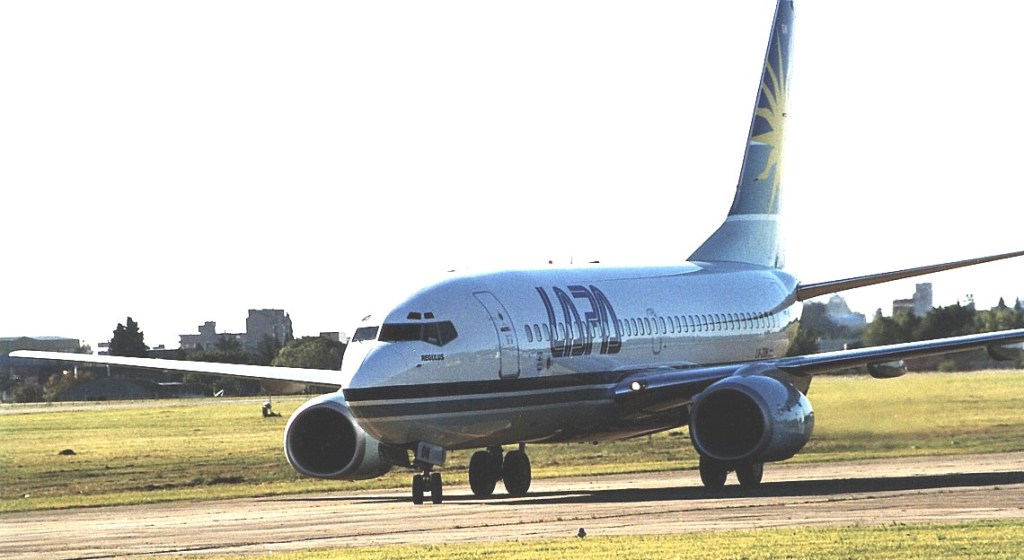
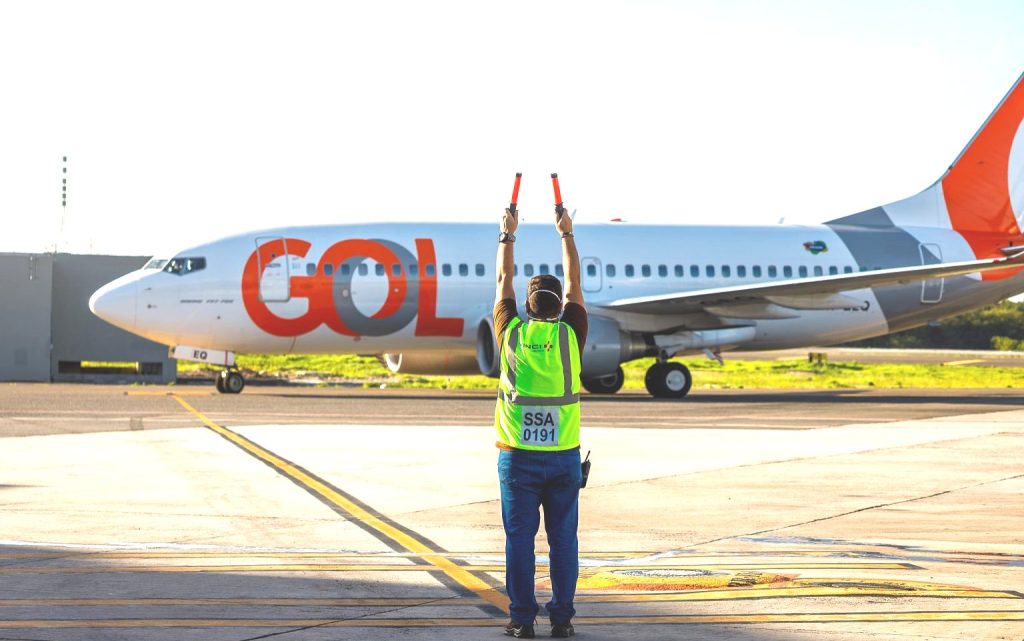
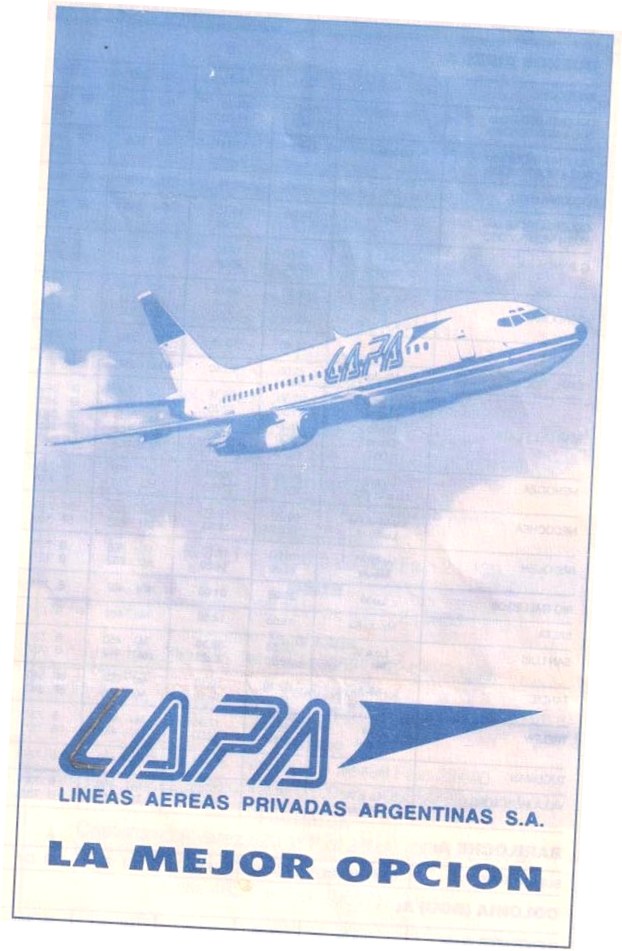
Actualmente, las compañías de bajo costo en la región parecen estar despegando más rápido que las aerolíneas clásicas, producto de una estructura de trabajo más sencilla, ágil y dinámica. Las primeras impresiones de la introducción del concepto low cost se dieron en Argentina con la transformación de la aerolínea LAPA (Líneas Aéreas Privadas Argentinas), fundada en 1977 como una compañía de vuelos domésticos empleando aeronaves turbohélice de porte pequeño. El salto significativo de la aerolínea fue impulsado por una economía emergente en el país introduciendo el concepto low cost en Latinoamérica, comenzando en 1995 un proceso de adquisición de aeronaves Boeing 737-200, Boeing 757-200, y posteriormente, se convertiría en el primer transportador latinoamericano en entrar en operaciones el Boeing 737 Next Generation, iniciando vuelos con aeronaves Boeing 737-700. Muy seguido de cerca, en Brasil nacía GOL Linhas Aéreas, que revolucionaría el inmenso mercado aéreo del país. Con el paso de las décadas, la historia de las low cost se multiplican en muchos países latinoamericanos, con aciertos y fracasos, pero con un modelo que se ha afianzado fuertemente en la industria del transporte aerocomercial.
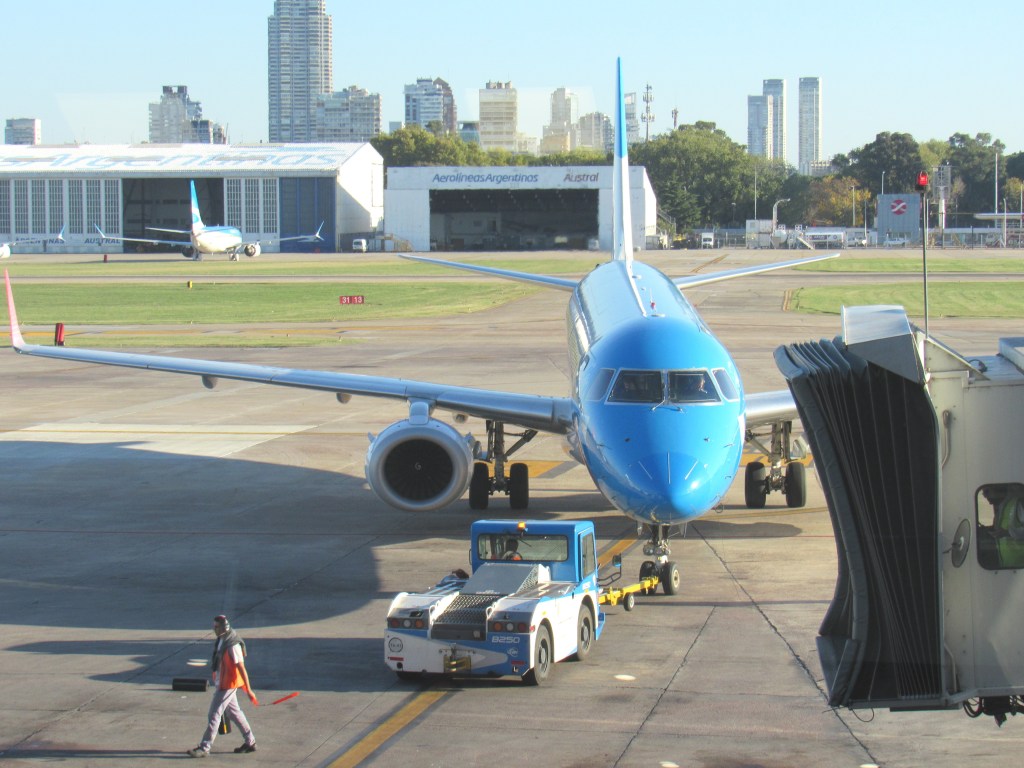
La tendencia del afianzamiento de las aerolíneas de presupuesto en la región está dejando a las líneas aéreas tradicionales al borde del abismo. La estructura de las compañías clásicas han estado soportando vaivenes económicos, de seguridad, sanitarios, entre muchos otros que las han dejado expuestas financieramente muy débiles, con muchas de ellas enfrentando la quiebra, mientras que otras como Aeroméxico, Latam Airlines y Avianca Airlines se han acogido a la Protección de Quiebra.
La lección del 11-S en 2001, ha enseñado a las compañías aéreas en general lo sencible que representaba para las economías el poder volver a retornar a volar en medio del miedo establecido, por sobre todo en el mercado occidental. Compañías como American Airlines entraron en bancarrota, adhiriéndose al Capítulo 11 de la Ley de Quiebras estadounidense. El valor de la compañía en aquel momento era similar a precio de dos aeronaves Boeing 757. Un panorama muy desolador principalmente para las aerolíneas de Estados Unidos.
Con el advenimiento de la pandemia de Coronavirus y sus letales consecuencias para el transporte aéreo mundial ha marcado un cambio de rumbo en las políticas de las compañías clásicas para continuar sobreviviendo, deberán cambiar sus servicios históricos a uno más adecuado para el nuevo escenario mundial.
Acelerando modelo low cost
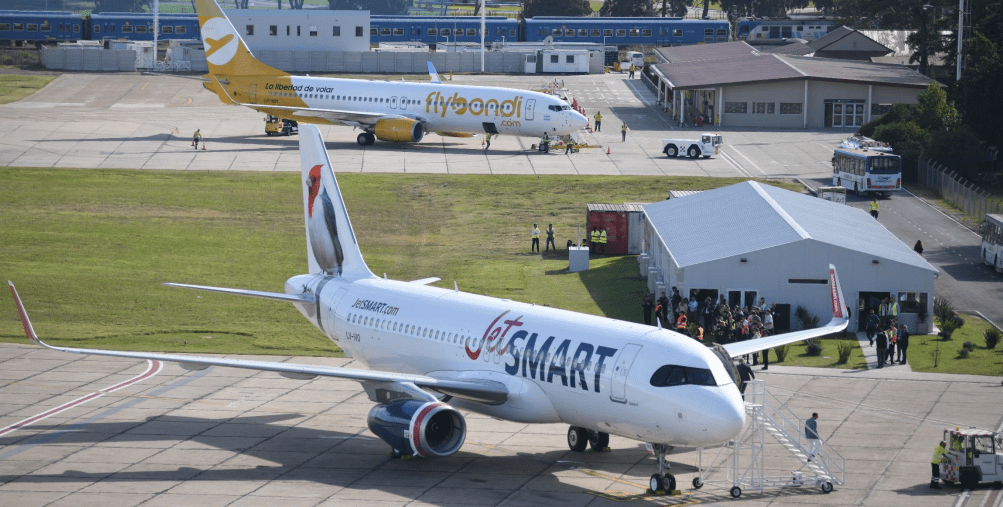
El modelo de bajo costo ha cobrado más impulso hacia el período post-11-S cuando se afianzó más extensivamente en América Latina ingresando a los mercados de México, Chile, Colombia, Perú. Compañías como Volaris, Viva Aerobus, Interjet, Sky Airline, JetSmart Airlines, Wingo, Flybondi Líneas Aéreas, entre muchas otras, continúan incrementando su posición en el mercado latinoamericano, concentrando un modelo dinámico trans-estados. Todas estas aerolíneas continúan acentuando el modelo low cost/low fare en la región, estimulando las tarifas aéreas e imprimiendo presión sobre las cuotas de mercado sobre los transportistas históricos, que han tenido que adaptarse con nuevas estrategias. Ejemplos prácticos se desprenden de compañías como Aeroméxico que ha solicitado el cambio de sus reglas de equipaje, estableciendo tarifas básicas y clásicas.
El CEO Felix Antelo de Viva Air, ha definido el nuevo escenario del mercado actual en América Latina: «Los transportistas heredados (en América Latina) y otros como Azul y GOL en Brasil y algunos transportistas en Argentina están transformando sus modelos para los mercados nacionales y regionales de corta distancia. Los modelos LCC y ULCC son un ganador aquí. Estoy absolutamente convencido de eso». Actualmente, las aerolíneas de América Latina están adoptando el modelo LCC hasta cierto punto, pero parte de este modelo también se está aplicando en compañías clásicas para continuar sobreviviendo a un nuevo escenario mundial marcado por el incremento del modelo low cost en la región.
Low cost perspectives Latin America
Low cost air model increase in Latin America
The Latin American Region has been immersed in profound transformations in the air market as the governments of different countries have been introducing defined policies to stimulate territorial connectivity, ticket prices and increase the flow of traffic in the region. The introduction of low cost (LCC) and ultra low cost (ULCC) airline movements, also called low cost/low fare (low cost/low price) are in full swing.
The low cost market has been stimulated by the variables of economic crises and the global ingredient of the Coronavirus pandemic that has redesigned the prospects of being able to fly. Continuing with the processes of maximizing the profitability of the airlines, they implement more austere airfare pricing policies, increasingly finding customers captive by mega-deals.
Currently, low-cost companies in the region seem to be taking off faster than traditional airlines, as a result of a simpler, more agile and dynamic work structure. The first impressions of the introduction of the low cost concept occurred in Argentina with the transformation of the airline LAPA (Líneas Aéreas Privadas Argentinas), founded in 1977 as a domestic flight company using small turboprop aircraft. The significant jump of the airline was driven by an emerging economy in the country introducing the low cost concept in Latin America, beginning in 1995 a process of acquisition of Boeing 737-200 and Boeing 757-200 aircraft, and later, it would become the first Latin American carrier to start operations with the Boeing 737 Next Generation, starting flights with Boeing 737-700 aircraft. Very closely followed, in Brazil GOL Linhas Aéreas was born, which would revolutionize the country’s immense air market. Over the decades, the history of low cost has multiplied in many Latin American countries, with successes and failures, but with a model that has been strongly established in the commercial air transport industry.
The trend towards the establishment of budget airlines in the region is leaving traditional airlines on the brink. The structure of the classic companies have been enduring economic, security and health swings, among many others that have left them financially very weak, with many of them facing bankruptcy, while others such as Aeroméxico, Latam Airlines and Avianca Airlines have been covered by the Bankruptcy Protection.
The lesson of 9/11 in 2001, has taught airlines in general how sensible it was for economies to be able to return to flying in the midst of established fear, especially in the western market. Companies like American Airlines entered bankruptcy, adhering to Chapter 11 of the US Bankruptcy Law. The value of the company at that time was similar to the price of two Boeing 757 aircraft. A very bleak outlook, especially for US airlines.
With the advent of the Coronavirus pandemic and its lethal consequences for world air transport, it has marked a change of course in the policies of classic companies to continue surviving, they must change their historical services to one more suitable for the new world scenario.
Accelerating low cost model
The low-cost model has gained more momentum towards the post-9/11 period when it took hold more extensively in Latin America, entering the markets of Mexico, Chile, Colombia, Peru. Companies such as Volaris, Viva Aerobus, Interjet, Sky Airline, JetSmart Airlines, Wingo, Flybondi Líneas Aéreas, among many others, continue to increase their position in the Latin American market, concentrating a dynamic trans-state model. All these airlines continue to accentuate the low cost/low fare model in the region, stimulating air fares and putting pressure on the market shares on historical carriers, which have had to add new strategies. Practical examples emerge from companies such as Aeromexico that have requested the change of their baggage rules, establishing basic and classic rates.
The CEO Felix Antelo of Viva Air, has defined the new scenario of the current market in Latin America: «Legacy carriers (in Latin America) and others like Azul and GOL in Brazil and some carriers in Argentina are transforming their models for national markets and short haul regionals. The LCC and ULCC models are a winner here. I’m absolutely convinced of that». Currently, Latin American airlines are adopting the LCC model to a certain extent, but part of this model is also being applied in classic companies to continue surviving a new world scenario marked by the growth of the low cost model in the region.
Personal técnico de Austral se incorpora a Aerolíneas Argentinas
El Grupo Aerolíneas había conformado la sinergia de Aerolíneas Argentinas y Austral Líneas Aéreas tras lograr los acuerdos con los sindicatos de Pilotos de ambas compañías que nuclean a UALA por parte de Austral en APLA correspondientes a Aerolíneas [*]. Todavía faltaba rubricar el acuerdo entre el gremio Asociación Personal Técnico Aeronáutico (APTA) y la dirigencia de la compañía. El gremio APTA a cargo de Ricardo Cirielli ha notificado esta semana un comunicado anunciando que luego de extensas tratativas con las autoridades de Aerolíneas Argentinas respecto a la migración del personal Técnico Aeronáutico de Austral Líneas Aéreas, abordaron un acuerdo sobre el mantenimiento de la plantilla de puestos de trabajo de los afiliados existentes a la fecha, como también mantener los mismos salarios y condiciones laborales actuales, y todos los puntos convencionales existentes a la fecha de efectivizarse la fusión Aerolíneas/Austral.
Tras la fusión por absorción de Austral Líneas Aéreas la semana pasada, los Técnicos del área de Austral se incorporaron a sus lugares de trabajo encontrándose que el personal de Aerolíneas Argentinas impedía acceder a los Embraer 190-100AR, argumentando era que los aviones no pertenecían a Austral sino de Aerolíneas Argentinas. El Sindicato APTA ha reconocido la posición de los Técnicos que no se encontraban habilitados en los papeles para operar los Embraer E190 que ahora pertenecen a Aerolíneas Argentinas, lo mismo ocurría con los Técnicos de Aerolíneas que tampoco se encuentran habilitados para trabajar sobre los E190, por lo que irónicamente las aeronaves regionales no contaba con personal para atender las 26 unidades de la flota producto de la fusión, las paradojas de las idas y vueltas de la mentada sinergia Aerolíneas/Austral que se encontraban divididos desde 1985, tras 35 años, sellan una unidad histórica sindical, pero que continuará dejando marcas indelebles en el colectivo del personal y los argentinos.
The Aerolíneas Group had formed the synergy of Aerolíneas Argentinas and Austral Líneas Aéreas after reaching agreements with the Pilots’ unions of both companies that unite UALA by Austral in APLA corresponding to Aerolíneas [*]. The agreement between the Asociación Personal Técnico Aeronáutico (APTA) and the company’s leadership had yet to be signed. The APTA union in charge of Ricardo Cirielli has notified this week a statement announcing that after extensive discussions with the authorities of Aerolineas Argentinas regarding the migration of the Aeronautical Technical personnel of Austral Líneas Aéreas, they addressed an agreement on the maintenance of the post workforce of work of the existing affiliates to date, as well as maintaining the same current wages and working conditions, and all the existing conventional points at the date of the Aerolíneas/Austral merger.
After the merger by absorption of Austral Líneas Aéreas last week, the Austral area technicians joined their workplaces, finding that Aerolíneas Argentinas personnel prevented access to the Embraer 190-100AR, arguing that the aircraft did not belong to Austral but from Aerolíneas Argentinas. The APTA Union has recognized the position of the Technicians who were not authorized in the papers to operate the Embraer E190 that now belong to Aerolíneas Argentinas, the same happened with the Technicians of the Airlines who are not authorized to work on the E190, for What ironically the regional aircraft did not have personnel to attend the 26 units of the fleet as a result of the merger, the paradoxes of the comings and goings of the so-called Aerolíneas/Austral synergy that had been divided since 1985, after 35 years, seal a historical union unity, but which will continue to leave indelible marks on the collective of staff and Argentines.
[*] NOTA AL LECTOR: En algunos casos el lector encontrará la cita “Aerolíneas” en nuestras publicaciones de Airgways.com haciendo referencia particular a Aerolíneas Argentinas, debido a que es una palabra o expresión de localismo en Argentina; pero en cuyos casos no son preferenciales.
NOTE TO READERS: In some cases the reader will find the appointment “Aerolíneas” in our publications Airgways.com with particular reference to Aerolíneas Argentinas, because it is a word or expression of localism in Argentina; but in whose cases are not preferred.
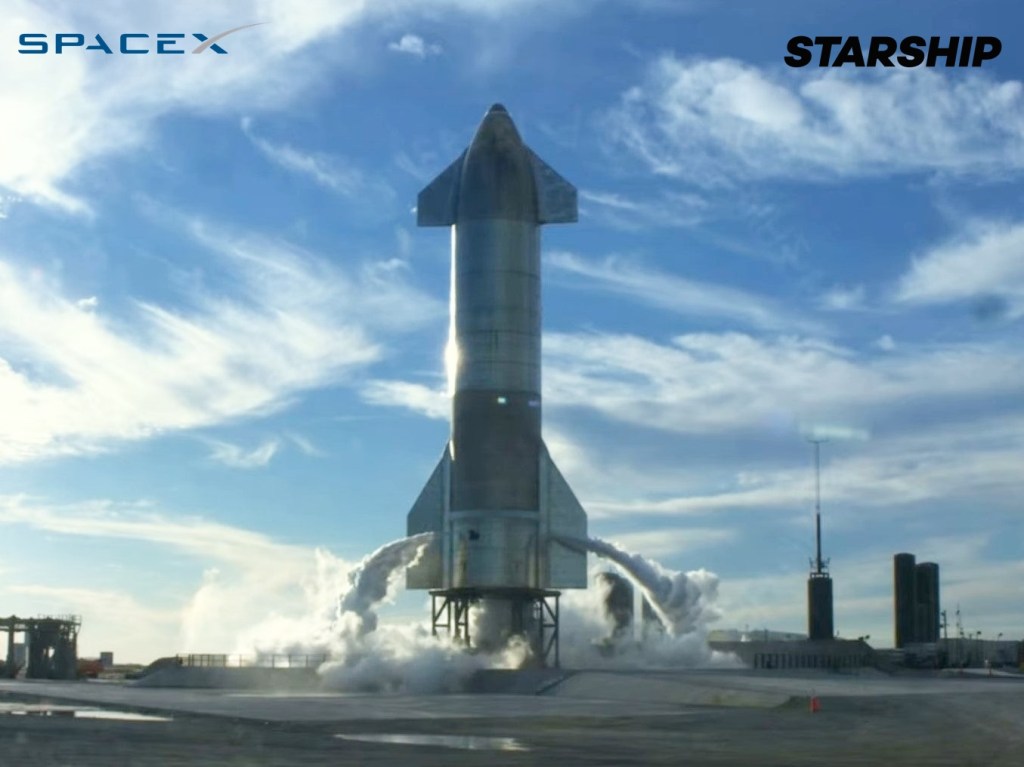
SpaceX tenía programado para este Martes 08/12 por la tarde, el lanzamiento del proyecto de prueba del Starship pero ha sido abortado a 1.3 segundos antes del despegue, cuando los motores Raptor iniciaron un aborto y el prototipo de la nave estelar detuvo su programación de vuelo. La compañía proporcionará actualizaciones sobre su próxima oportunidad de lanzamiento en su cuenta de Twitter.
La compañía planea lanzar el cohete a una altura de casi 8 millas, o 12,5 kilómetros, por encima de las instalaciones de SpaceX en Boca Chica, Estado de Texas (TX), antes de aterrizar el vehículo de nuevo en el suelo. La prueba está destinada a demostrar la capacidad de la nave estelar de lanzar y aterrizar erguido, algo que se espera que la nave espacial haga tanto en la Tierra como en otros mundos. SpaceX tiene como objetivo utilizar Starship para enviar carga y personas a destinos del espacio profundo como la Luna y Marte. Una prueba como esta ayudará a demostrar la capacidad de la nave estelar para realizar un vuelo controlado y ver si el hardware del cohete, en particular los tres motores principales raptor, funciona según lo esperado.
SpaceX afirma que el prototipo de Starship realmente realizaría «una maniobra de volteo de aterrizaje, que sería la primera para un vehículo de este tamaño». No hay muchos detalles sobre la maniobra disponible públicamente, pero es una prueba arriesgada que fácilmente podría fracasar, expresó el CEO de SpaceX, Elon Musk, dando una probabilidad de éxito de una un tres. SpaceX también está desfasando la posibilidad de que la prueba haga un lanzamiento y aterrizaje perfectos. «Con una prueba como esta, el éxito no se mide por la finalización de objetivos específicos, sino más bien por lo mucho que podemos aprender, lo que informará y mejorará la probabilidad de éxito en el futuro a medida que SpaceX avance rápidamente en el desarrollo de Starship», escribió SpaceX sobre el vuelo en su sitio web. Pero si el programa continúa con éxito, el vuelo pondrá a la compañía en camino para intentar pruebas aún más ambiciosas en el futuro, culminando finalmente en el primer lanzamiento de La nave estelar en órbita. Para esta prueba, SpaceX planea proporcionar una transmisión en vivo del vuelo, que se pondrá en marcha justo antes del despegue. Sin embargo, es difícil dar un tiempo sólido para cuando eso sucederá. La Administración Federal de Aviación lanzó restricciones de vuelo para el espacio aéreo alrededor de Boca Chica de 09:00 a.m. a 06:00 p.m. ET, y también hay restricciones de vuelo para el miércoles y jueves de esta semana. «La programación es dinámica y es probable que cambie, como es el caso de todas las pruebas de desarrollo», escribe SpaceX. La compañía proporcionará actualizaciones a través de Twitter,así que asegúrese de seguir a SpaceX durante todo el día para echar un vistazo al vuelo de este cohete.
SpaceX aborts Starship test flight
SpaceX aborts Starship test launch
SpaceX had scheduled for this Tuesday 12/08 in the afternoon, the launch of the Starship test project but it was aborted at 1.3 seconds before takeoff, when the Raptor engines started an abort and the prototype of the starship stopped its programming of flight. The company will provide updates on its next pitching opportunity on its Twitter account.
The company plans to launch the rocket almost 8 miles, or 12.5 kilometers, above the SpaceX facility in Boca Chica, Texas (TX), before landing the vehicle back on the ground. The test is intended to demonstrate the starship’s ability to launch and land upright, something the spacecraft is expected to do both on Earth and on other worlds. SpaceX aims to use Starship to send cargo and people to deep space destinations like the Moon and Mars. A test like this will help demonstrate the starship’s ability to perform controlled flight and see if the rocket’s hardware, particularly the three main raptor engines, is working as expected.
SpaceX claims that the Starship prototype would actually perform «a landing flip maneuver, which would be the first for a vehicle of this size». There are not many details about the maneuver publicly available, but it is a risky test that could easily fail, SpaceX CEO Elon Musk said, giving a one in three chance of success. SpaceX is also out-of-phase for the test to make a perfect launch and landing. «With a test like this, success is not measured by the completion of specific goals, but rather by how much we can learn, which will inform and improve the likelihood of success going forward as SpaceX rapidly progresses development. of Starship», SpaceX wrote about the flight on its website. But if the program continues successfully, the flight will put the company on track to attempt even more ambitious tests in the future, eventually culminating in the first launch of the starship in orbit. For this test, SpaceX plans to provide a live broadcast of the flight, which will go live just before takeoff. However, it is difficult to give a solid time for when that will happen. The Federal Aviation Administration released flight restrictions for the airspace around Boca Chica from 09:00 a.m. to 06:00 p.m. ET, and there are also flight restrictions for Wednesday and Thursday of this week. «Scheduling is dynamic and likely to change, as is the case with all development tests», writes SpaceX. The company will provide updates via Twitter, so be sure to follow SpaceX throughout the day to catch a glimpse of this rocket’s flight.
Boeing 737-800 en MRO Mexicana retornaría mediados 12/2020
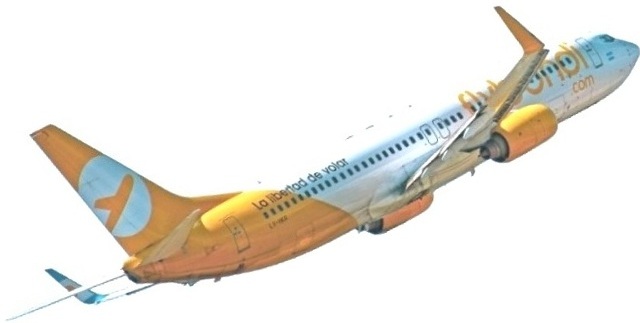
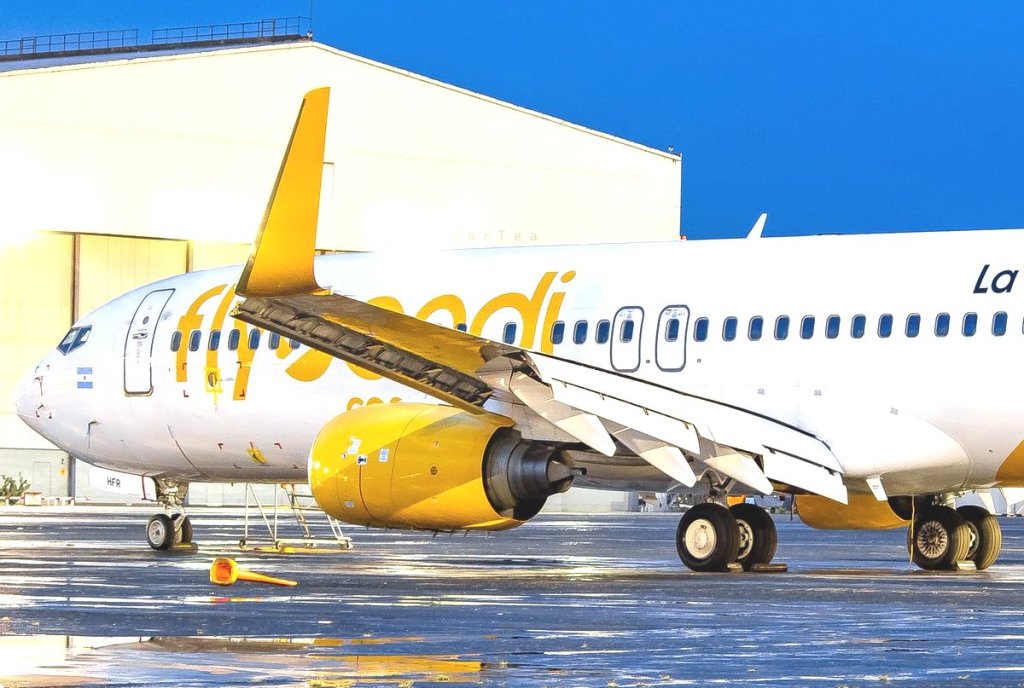
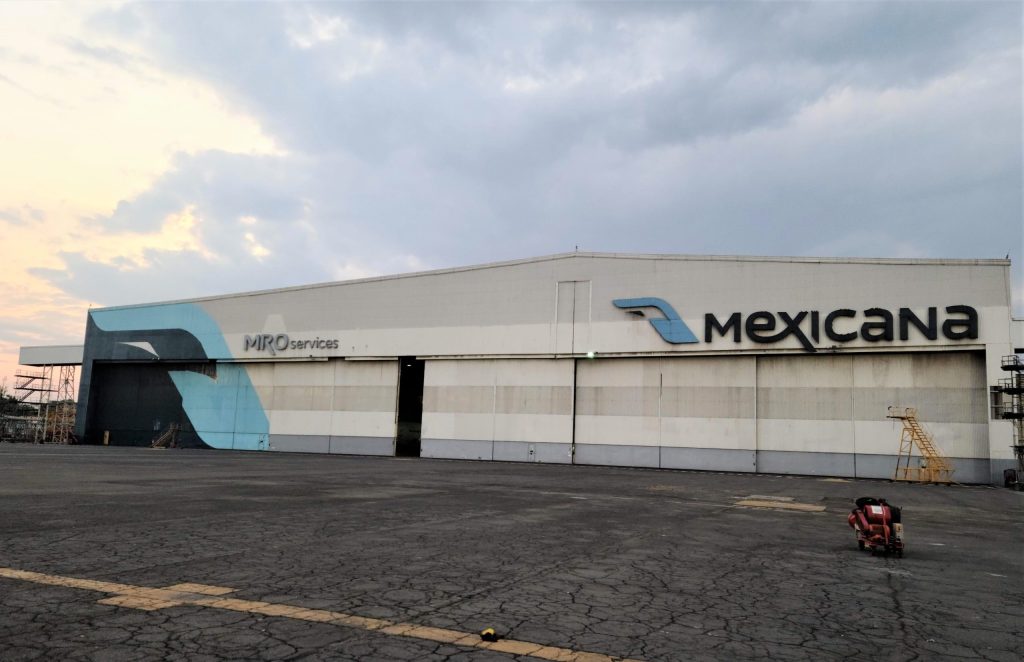
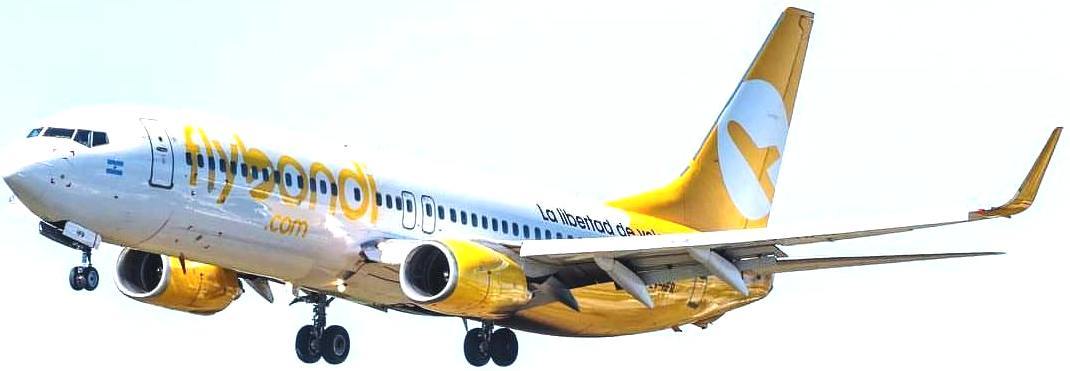
La salida del Boeing 737-800, matrícula LV-HFR, de la aerolínea Flybondi Líneas Aéreas para el mantenimiento programado de la aeronave ha dejado a la compañía sin unidades en su flota. El LV-HFR está concluyendo los trabajos C-Check en el centro de mantenimiento de MRO Mexicana Services en el Aeropuerto Internacional Benito Juárez/Ciudad de México.
La revisión general de C-Check son controles exhaustivos y completos en las aeronaves de los sistemas de las aeronaves, verificación de corrosión en los metales y sulfatación, como así también la revisión de filtraciones en tanques de combustibles, sistema hidráulico, sistema eléctrico, entre otros numerosos ítems, con un plazo de trabajos que abarca aproximadamente alrededor de treinta días horas/hombre, con un valor aproximado de entre US$ 700.000 a 900.000 Dólares dependiendo de los arreglos que se deban realizar en cada aeronave.
Activando al LV-HKN
Sin embargo, mientras el LV-HFR está concluyendo los chequeos correspondientes, Flybondi está activará su plan de recuperación de flotas para retornar el Boeing 737-800, matrícula LV-HKN, que se incorporará a la flota pronto. Los planes de la aerolínea low cost es reiniciar sus operaciones a mediados de Diciembre 2020, dando prioridad a la reactivación de su red doméstica, dependiendo de la demanda junto con la reapertura progresiva del turismo.
Perspectivas aéreas
Flybondi evaluará la incorporación de otras aeronaves Boeing 737-800 prevista para mediados de 2021 y 2022. La reanudación de los vuelos internacionales a la República de Brasil, debería realizarse gradualmente a partir de Julio de 2021 como ha expresado oportunamente la compañía aérea. La aerolínea operaba con vuelos regulares a Porto Alegre/POA, Florianópolis/FLN, Sao Paulo/GRU y Río de Janeiro/GIG.
Flybondi 737 approaches Argentina return
Boeing 737-800 in Mexican MRO would return mid 12/2020
The departure of the Boeing 737-800, registration LV-HFR, from the airline Flybondi Líneas Aéreas for scheduled maintenance of the aircraft has left the company without units in its fleet. The LV-HFR is completing the C-Check works at the MRO Mexicana maintenance center at the Benito Juárez International Airport/Mexico City.
The general revision of C-Check are exhaustive and complete controls in the aircraft of the aircraft systems, verification of corrosion in metals and sulphation, as well as the revision of leaks in fuel tanks, hydraulic system, electrical system, among others. numerous items, with a work period that covers approximately thirty days / man hours, with an approximate value of between US$ 700,000 to 900,000 Dollars depending on the arrangements that must be made in each aircraft.
Activating the LV-HKN
However, while LV-HFR is completing the corresponding checks, Flybondi is activating its fleet recovery plan to return the Boeing 737-800, registration LV-HKN, which will join the fleet soon. The plans of the low cost airline is to restart its operations in mid-December 2020, giving priority to the reactivation of its domestic network, depending on demand together with the progressive reopening of tourism.
Aerial perspectives
Flybondi will evaluate the incorporation of other Boeing 737-800 aircraft scheduled for mid-2021 and 2022. The resumption of international flights to the Republic of Brazil should be carried out gradually as of July 2021, as the airline has duly expressed. The airline operated with regular flights to Porto Alegre/POA, Florianópolis/FLN, Sao Paulo/GRU and Rio de Janeiro/GIG.
Completan test paracaídas de la cápsula espacial de Boeing
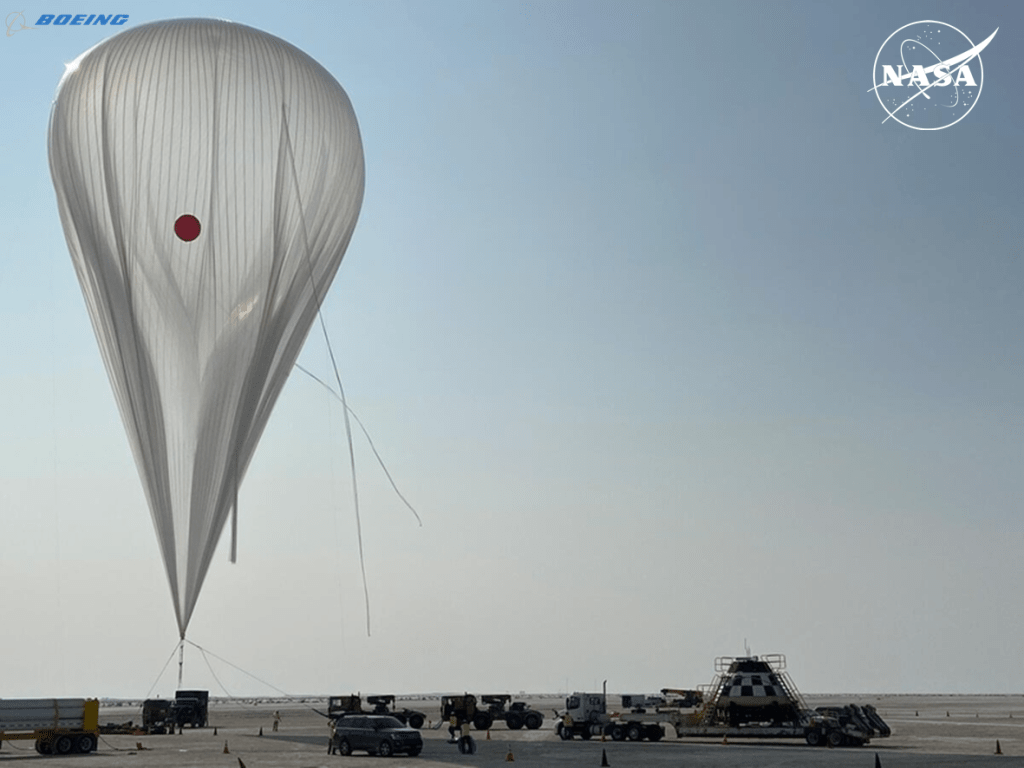
La NASA y Boeing han completado la última prueba de caída de globos en paracaídas de la nave espacial Crew Space Transportation CST-100 Starliner poniendo fin a una campaña de confiabilidad que ayudará a fortalecer el sistema de aterrizaje de la nave espacial antes de los vuelos tripulados hacia y desde la Estación Espacial Internacional (ISS). Starliner es la primera cápsula de tripulación orbital de producción estadounidense que aterriza en tierra firme. La nave espacial utiliza una serie de paracaídas y airbags que se despliegan a altitudes específicas permitiendo a Starliner tocar suavemente en el desierto del oeste de los Estados Unidos. La NASA también utilizará los datos recopilados de las pruebas de paracaídas para modelar el rendimiento del paracaídas Starliner en diferentes escenarios de misión.
La campaña, desarrollada por Boeing y la NASA, utilizó seis pruebas de caída de globos de un artículo de prueba de Starliner para recopilar datos de rendimiento suplementarios en los paracaídas y el sistema de aterrizaje de la nave espacial. Cada prueba de caída se centró en un conjunto diferente de condiciones adversas y utilizó paracaídas pre-volados para evaluar los márgenes de reutilización para futuras misiones. Durante los aterrizajes nominales, Starliner utiliza dos pequeños paracaídas para llevar el escudo térmico delantero de la nave espacial y exponer el hardware crítico necesario para el resto de la secuencia del sistema de aterrizaje. Starliner luego despliega dos paracaídas drogue para ralentizar y estabilizar la cápsula antes de que tres pequeños paracaídas piloto saquen las tres redes eléctricas de la nave espacial. Los tres paracaídas principales continúan ralentizando el descenso de Starliner para un touchdown seguro y suave apoyado por los airbags de aterrizaje del vehículo. «Nuestra filosofía siempre ha sido probar el hardware del sistema juntos para ver cómo interactúan todos los elementos. Nuestro vehículo no cabe en un avión, así que la única manera de levantar un artículo de prueba lo suficientemente alto como para simular una secuencia completa del sistema de aterrizaje es con un globo muy grande», dijo El líder del Sistema de Aterrizaje Starliner en Boeing Mike McCarley.
Para la prueba final, un globo a gran altitud proporcionado por Near Space Corporation levantó el artículo de prueba de Starliner 35,000 pies por encima del desierto de Nuevo México. Equipado con paracaídas reutilizados, el sistema de aterrizaje de Starliner ejecutó con éxito un escenario de reingreso poco probable simulando dos fallas separadas. Los equipos de prueba primero impidieron que uno de los paracaídas del escudo térmico delantero del vehículo se desplegara, pero como estaba previsto, el escudo térmico se separó con éxito sin afectar al resto de los eventos de la secuencia de aterrizaje. El equipo de prueba evitó entonces que uno de los paracaídas drogue de Starliner se desplegara requiriendo que el artículo de prueba de Starliner montara aproximadamente 10.000 pies bajo un solo paracaídas drogue que ya había sido volado dos veces. Los tres paracaídas principales de Starliner se realizaron dentro de los límites necesarios en función del escenario, a pesar de las cargas más altas y de haber volado cuatro veces anteriores. Estos puntos de datos adicionales se utilizarán para validar aún más los modelos de rendimiento de los paracaídas. «Los sistemas de paracaídas son inherentemente complejos. Estos son eventos caóticos por naturaleza. Usted podría hacer la misma prueba una y otra vez y ver resultados ligeramente diferentes. Es por eso que la coherencia en la recopilación de datos es tan importante», dijo Mike McCarley.
Boeing mejorará aún más sus márgenes de paracaídas principales reforzando y aumentando la fuerza de ciertas líneas de suspensión dentro de cada dosel. Estas líneas se mantienen tensas durante las primeras etapas de despliegue y realizan una función de arrecife que permite a la red de Starliner inflarse por etapas para gestionar la carga en la nave espacial y los paracaídas. «Al aumentar la resistencia de sus puntos de material y de fijación, estamos mejorando la fiabilidad del sistema con solo ajustes menores. A medida que nuestro sistema de aterrizaje continúa ejecutándose con éxito, Boeing se compromete a desarrollar la cápsula de tripulación orbital más segura posible y esta prueba suplementaria nos está ayudando a lograr ese objetivo», dijo Dan Niedermaier, Gerente de Pruebas de Vuelo de Starliner.
Boeing y la NASA continuarán recopilando datos sobre los paracaídas de Starliner a través de la segunda prueba de vuelo orbital de la nave espacial antes de los vuelos tripulados a partir de 2021, pero la fase de prueba que utiliza globos a gran altitud ya está completa. «Esta última gota de globo es agridulce para muchos de nosotros. Marca el final de una valiosa serie de pruebas que tomó cientos de personas trabajando muy duro para ejecutar. No podríamos estar más satisfechos con los resultados y agradecidos a nuestro cliente de la NASA por asociarnos con nosotros en esta campaña», dijo Dan Niedermaier.
El Programa de Tripulación Comercial de la NASA está trabajando con la industria aeroespacial estadounidense a medida que las empresas desarrollan y operan una nueva generación de naves espaciales y sistemas de lanzamiento capaces de transportar tripulaciones a órbita terrestre baja y a la estación espacial. El transporte comercial hacia y desde la estación proporcionará una utilidad ampliada, tiempo de investigación adicional y oportunidades más amplias para el descubrimiento en el puesto de avanzada orbital.
NASA/Boeing complete parachute tests
Parachute test of Boeing space capsule completed
NASA and The Boeing Company have completed the latest parachute balloon drop test of the Crew Space Transportation CST-100 Starliner spacecraft ending a reliability campaign that will help strengthen the spacecraft’s landing system prior to manned flights. to and from the International Space Station (ISS). Starliner is the first American-made orbital crew capsule to land on land. The spacecraft uses a series of parachutes and airbags that deploy at specific altitudes allowing Starliner to touch softly in the desert of the western United States. NASA will also use the data collected from the parachute tests to model the performance of the Starliner parachute in different mission scenarios.
The campaign, developed by Boeing and NASA, used six balloon drop tests from a Starliner test article to collect supplemental performance data on the spacecraft’s parachutes and landing system. Each drop test focused on a different set of adverse conditions and used pre-flown parachutes to assess reuse margins for future missions. During nominal landings, Starliner uses two small parachutes to carry the spacecraft’s forward heat shield and expose the critical hardware needed for the remainder of the landing system sequence. Starliner then deploys two drogue parachutes to slow and stabilize the capsule before three small pilot parachutes pull out the spacecraft’s three electrical grids. The three main parachutes continue to slow Starliner’s descent for a safe and smooth touchdown supported by the vehicle’s landing airbags. «Our philosophy has always been to test the system hardware together to see how all the elements interact. Our vehicle does not fit on an airplane, so the only way to lift a test item high enough to simulate a complete system sequence landing is with a very large balloon», said Boeing Starliner Landing System leader Mike McCarley.
For the final test, a high-altitude balloon provided by Near Space Corporation lifted Starliner’s test article 35,000 feet above the New Mexico desert. Equipped with repurposed parachutes, the Starliner landing system successfully executed an unlikely re-entry scenario simulating two separate failures. The test teams first prevented one of the vehicle’s forward heat shield parachutes from deploying, but as planned, the heat shield successfully detached without affecting the rest of the events in the landing sequence. The test team then prevented one of Starliner’s drogue parachutes from deploying by requiring the Starliner test article to ride approximately 10,000 feet under a single drogue parachute that had already been flown twice. Starliner’s three main parachutes performed within the necessary limits depending on the scenario, despite the higher loads and having flown four previous times. These additional data points will be used to further validate the parachute performance models. «Parachute systems are inherently complex. These are chaotic events in nature. You could run the same test over and over again and see slightly different results. This is why consistency in data collection is so important», said Mike. McCarley.
Boeing will further improve its main parachute margins by reinforcing and increasing the strength of certain suspension lines within each canopy. These lines are kept taut during the early stages of deployment and perform a reef function that allows the Starliner network to inflate in stages to handle the cargo on the spacecraft and parachutes. «By increasing the strength of its material and attachment points, we are improving system reliability with only minor adjustments. As our landing system continues to perform successfully, Boeing is committed to developing the safest orbital crew capsule possible. and this supplemental testing is helping us achieve that goal», said Dan Niedermaier, Starliner Flight Test Manager.
Boeing and NASA will continue to collect data on the Starliner parachutes through the spacecraft’s second orbital flight test before manned flights starting in 2021, but the test phase using high-altitude balloons is now complete. «This last blob is bittersweet for many of us. It marks the end of a valuable series of tests that took hundreds of hard-working people to execute. We couldn’t be more satisfied with the results and grateful to our NASA client for partner with us on this campaign», said Dan Niedermaier.
NASA’s Commercial Crew Program is working with the US aerospace industry as companies develop and operate a new generation of spacecraft and launch systems capable of transporting crews to low Earth orbit and to the space station. Commercial transportation to and from the station will provide expanded utility, additional research time, and broader opportunities for discovery at the orbital outpost.
GKN, SAMC y AVIC firman acuerdo para aeroestructuras avanzadas
La filial de COMAC Corp. SAMC (Shanghai Aircraft Manufacturing Company), AVIC Supply y GKN Aerospace han firmado un acuerdo de Joint Venture (JV) para la fabricación de Aeroestructuras Compuestas y Metálicas en Jingjiang, Provincia de Jiangsu, China.
La instalación de última generación, 80.000m2 en Jingjiang será la primera empresa de aerestructuras de GKN Aerospace en China. Ofrecerá a los clientes COMAC, AVIC y Western la oportunidad de acceder a un importante suministro local de aeroestructuras avanzadas en el país. La JV se basa en la probada trayectoria de COMAC, AVIC y GKN Aerospace en la industria mundial de la aviación comercial. Está previsto que la producción comience en el cuarto trimestre de 2021 y, a mediados de la década de 2020, se espera que la fuerza de trabajo crezca a 1.000 personas. Además de las instalaciones de JV, GKN Aerospace está en los preparativos finales para abrir (abril de 2021) un sitio separado de 20.000 m2 en Jingjiang, centrándose en la fabricación de transparencias para el mercado comercial. Ambos esfuerzos ayudarán a cumplir la estrategia industrial nacional de China de «hecho en China 2025».
John Pritchard, Presidente Civil Aerospace de GKN Aerospace, dijo: «El establecimiento de las primeras aeroestructuras JV y la próxima apertura de la instalación de transparencias en Jingjiang, provincia de Jiangsu, China, son hitos interesantes. Estamos orgullosos de extender nuestra presencia en China trabajando junto con nuestros socios comprometidos COMAC, SAMC y AVIC Supply. La colaboración con las autoridades locales y el apoyo del gobierno regional ha sido vital. Estoy seguro de que la combinación de nuestros equipos dedicados, el liderazgo tecnológico y la amplia experiencia aeroespacial conducirán a emocionantes oportunidades de crecimiento. Estamos muy contentos de ser parte del crecimiento de la industria aeroespacial comercial en China».
GKN Aerospace tiene una fuerte presencia de tres continentes, apoyando a clientes en las Américas, Europa y Asia. En los últimos años, el crecimiento en Asia ha incluido la apertura de una nueva planta de sistemas de cableado en Pune, India, en el cuarto trimestre de 2019, además de presentar una nueva planta de reparación e investigación de motores aerodinámicos en Johor, Malasia, en octubre de 2018. Con dos nuevos emplazamientos en China, GKN Aerospace ofrecerá aeroestructuras, sistemas de cableado y transparencias para el mercado aeroespacial comercial de siete sitios en China, India, Malasia y Turquía.
GKN/SAMC/AVIC Joint Venture Agreement
GKN, SAMC and AVIC sign agreement for advanced aerostructures
COMAC Corp. subsidiary SAMC (Shanghai Aircraft Manufacturing Company), AVIC Supply and GKN Aerospace have signed a Joint Venture (JV) agreement for the manufacture of Composite and Metallic Aerostructures in Jingjiang, Jiangsu Province, China.
The 80,000m2 state-of-the-art facility in Jingjiang will be GKN Aerospace’s first aerestructure company to China. It will offer COMAC, AVIC and Western clients the opportunity to access an important local supply of advanced aerostructures in the country. The JV builds on the proven track record of COMAC, AVIC and GKN Aerospace in the global commercial aviation industry. Production is slated to begin in the fourth quarter of 2021, and by the mid-2020s, the workforce is expected to grow to 1,000 people. In addition to the JV facility, GKN Aerospace is in final preparations to open (April 2021) a separate 20,000 m2 site in Jingjiang, focusing on manufacturing transparencies for the market commercial. Both efforts will help meet China’s national industrial strategy of «made in China 2025».
John Pritchard, President Civil Aerospace of GKN Aerospace, said: «The establishment of the first JV aerostructures and the upcoming opening of the transparency facility in Jingjiang, Jiangsu province, China, are exciting milestones. We are proud to expand our presence in China. working together with our committed partners COMAC, SAMC and AVIC Supply. Collaboration with local authorities and regional government support has been vital. I am confident that the combination of our dedicated teams, technological leadership and extensive aerospace experience will lead to exciting growth opportunities. We are excited to be a part of the growth of the commercial aerospace industry in China».
GKN Aerospace has a strong presence on three continents, supporting clients in the Americas, Europe and Asia. In recent years, growth in Asia has included the opening of a new wiring systems plant in Pune, India in Q4 2019, as well as introducing a new aerodynamic engine research and repair plant in Johor, Malaysia. , in October 2018. With two new sites in China, GKN Aerospace will offer aerostructures, cabling systems and transparencies for the commercial aerospace market from seven sites in China, India, Malaysia and Turkey.


































 airgways.com