Boeing reprograma Starliner a 2022

AW | 2021 09 22 20:14 | AEROSPACE

Lanzamiento Starliner para NASA podría deslizarse hasta 2022

AW-Boeing_Starliner

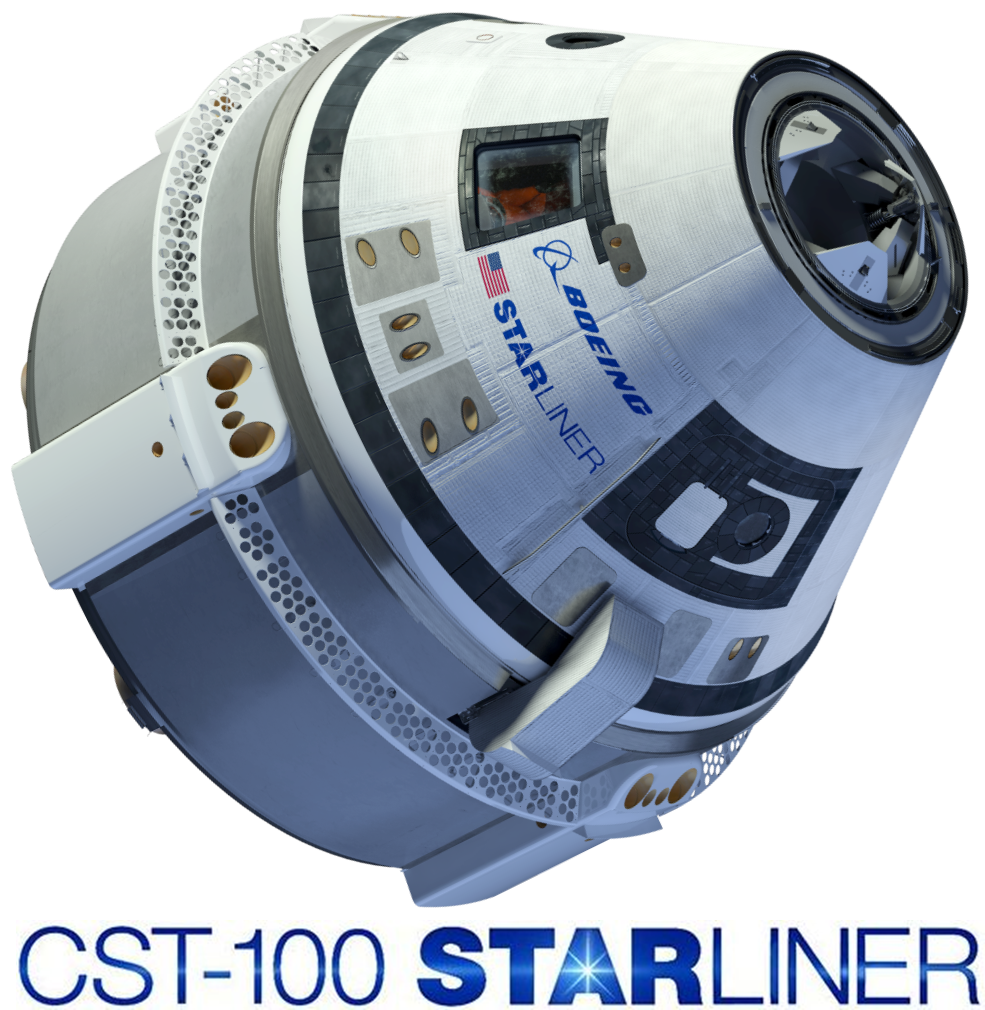
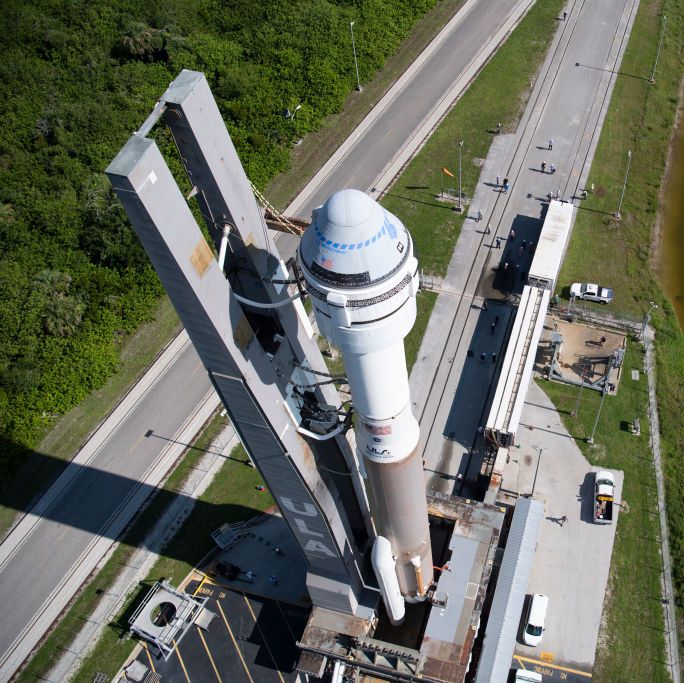
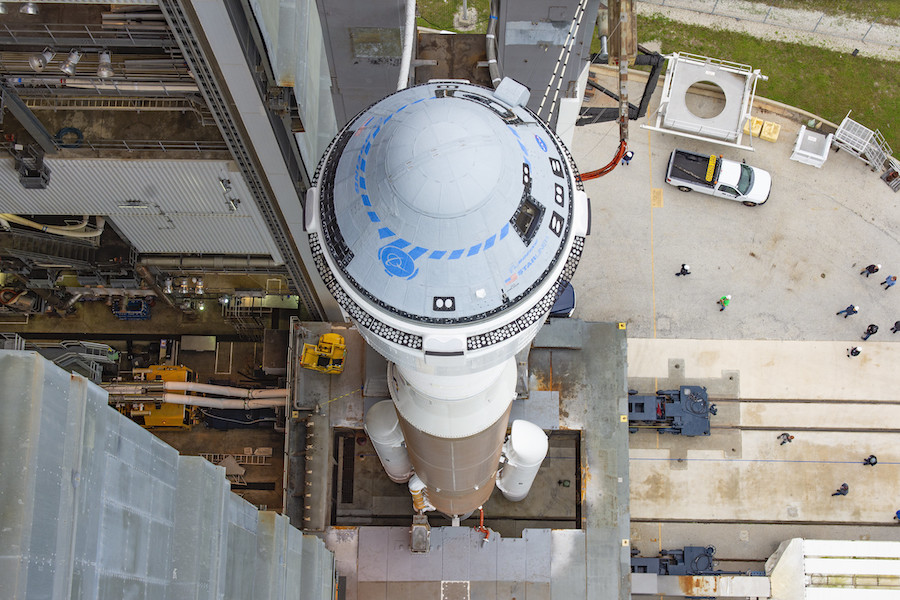
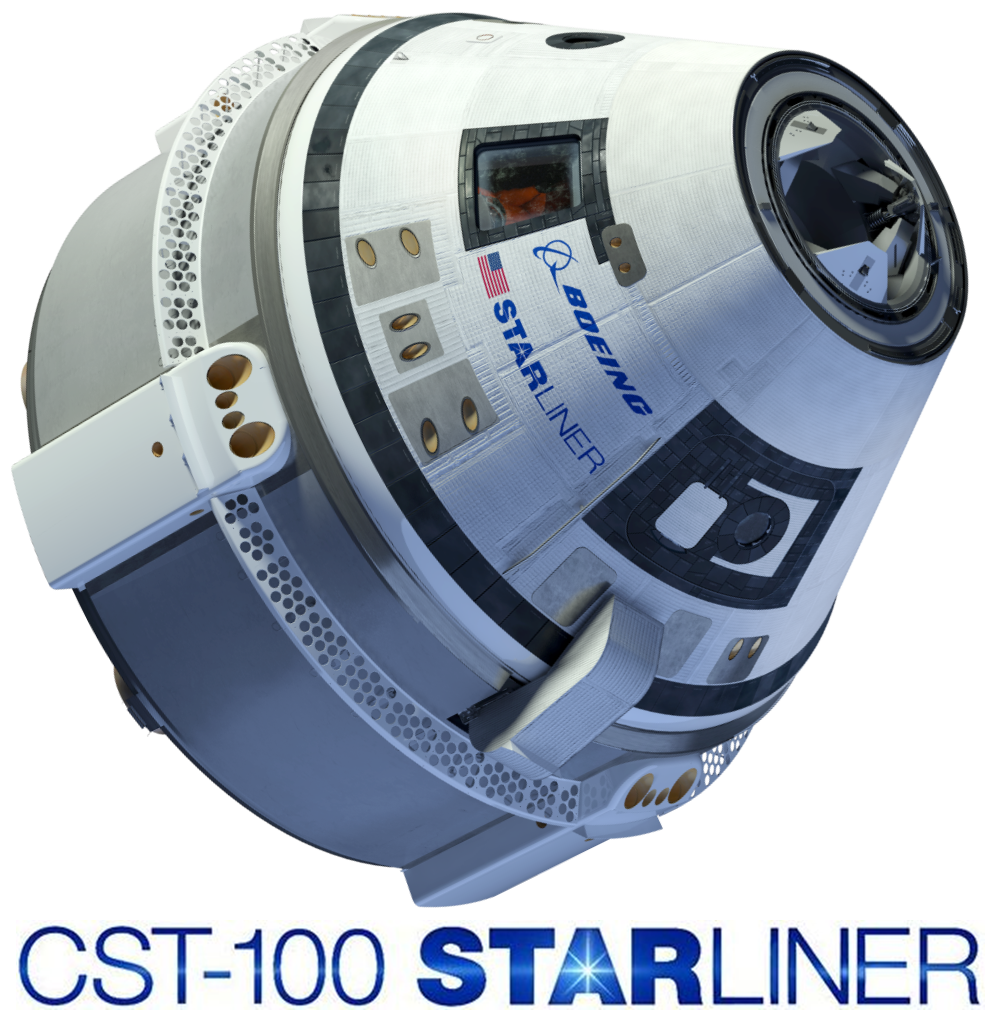
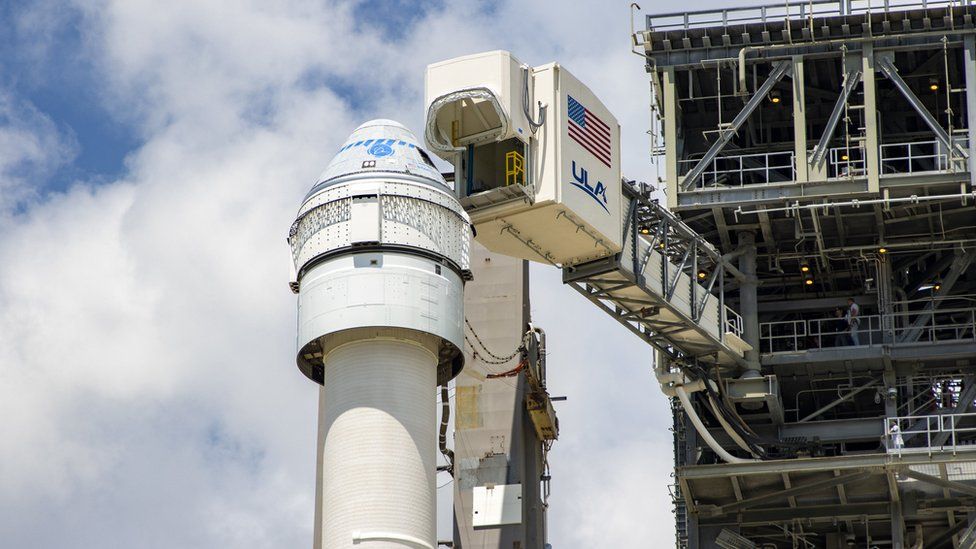
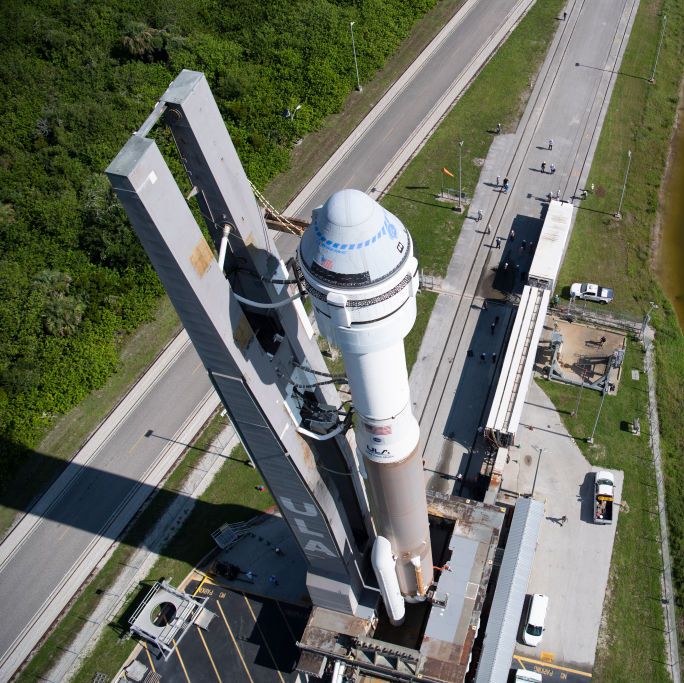
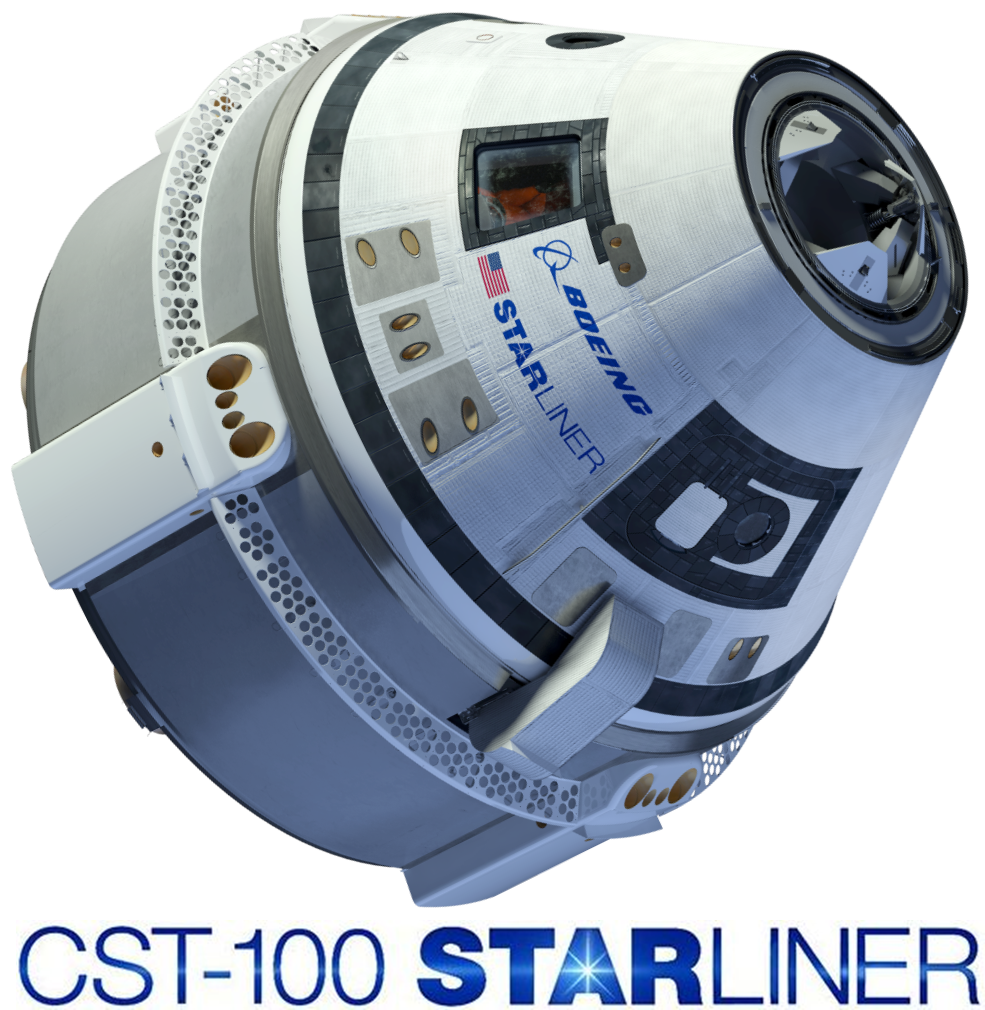
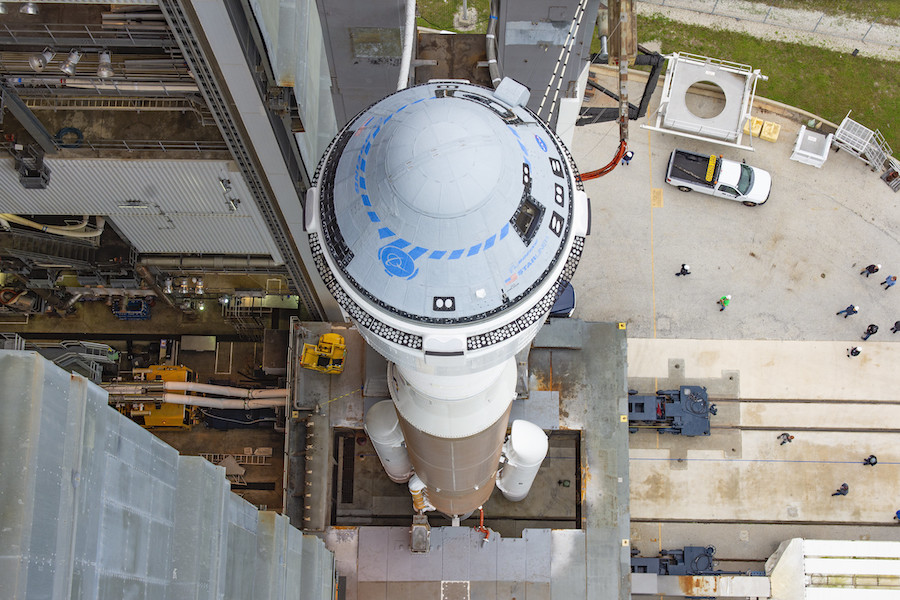
The Boeing Company y la NASA originalmente tenían como objetivo lanzar el Vuelo de Prueba Orbital 2 (OFT-2) de Starliner, una misión de prueba crucial sin tripulación a la Estación Espacial Internacional (ISS), desde la Estación de la Fuerza Espacial de Cabo Cañaveral de Florida el 30 de Julio de 2021. Pero las verificaciones previas al vuelo revelaron trece (13) válvulas atascadas en el módulo de servicio de Starliner, anulando ese plan de despegue. Los ingenieros todavía están solucionando el problema de la válvula Starliner. Ese hecho, combinado con un apretado calendario de lanzamiento en las próximas semanas y meses, bien podría empujar a OFT-2 a 2022, dijeron funcionarios de la NASA. «Creo que en este momento, la línea de tiempo y el manifiesto hasta el final del año es bastante ajustado. Entonces, mi intuición es que probablemente sería más probable que sea el próximo año. Pero todavía estamos trabajando en esa línea de tiempo», dijo Kathy Lueders, Jefa de la Dirección de Misiones de Exploración y Operaciones Humanas (HEOMD) de la NASA, durante una llamada con periodistas el Martes 21 de Septiembre de 2021.

Los equipos de Boeing y la NASA están evaluando actualmente si poner un módulo de servicio diferente en Starliner para la misión OFT-2 o continuar con el intento de arreglar el actual. Una decisión al respecto podría llegar en las próximas semanas.

Boeing ha estado desarrollando Starliner con la ayuda de fondos del Programa de Tripulación Comercial de la NASA, que seleccionó al gigante aeroespacial y a SpaceX para llevar astronautas de la agencia hacia y desde el laboratorio en órbita. SpaceX ya ha lanzado dos misiones tripuladas operativas a la ISS con su cápsula Crew Dragon y se está preparando para lanzar otra el próximo mes. Pero Starliner todavía necesita un viaje sin tripulación a la estación antes de que pueda transportar astronautas. Como su nombre indica, OFT-2 será el segundo intento de la cápsula boeing en esta importante misión de prueba. Durante su primer intento, en Diciembre de 2019, Starliner sufrió varios fallos graves de software, quedó varado en una órbita demasiado baja para una reunión de la ISS y aterrizó de nuevo en la Tierra después de orbitar solo durante dos días. Starliner y OFT-2 fueron focos laterales en la teleconferencia del martes, que la NASA organizó para ayudar a explicar su decisión recientemente anunciada de dividir HEOMD en dos nuevas direcciones. Kathy Lueders dirigirá una de esas nuevas ramas, la Dirección de Misiones de Operaciones Espaciales. La otra, la Dirección de Misiones de Desarrollo de Sistemas de Exploración, estará dirigida por Jim Free.

Boeing reschedules Starliner launch

Starliner launch for NASA could slide until 2022

The Boeing Company and NASA originally aimed to launch Starliner‘s Orbital Test Flight 2 (OFT-2), a crucial unmanned test mission to the International Space Station (ISS), from the Cabo Space Force Station. Cañaveral of Florida on July 30, 2021. But pre-flight checks revealed thirteen (13) valves stuck in the Starliner service module, nullifying that takeoff plan. Engineers are still troubleshooting the Starliner valve. That fact, combined with a tight launch schedule in the coming weeks and months, could well push OFT-2 to 2022, NASA officials said. «I think at the moment the timeline and the manifesto to the end of the year is pretty tight. So my intuition is that it would probably be more likely next year. But we’re still working on that timeline», said Kathy Lueders, Chief of NASA’s Human Operations and Exploration Missions Directorate (HEOMD), during a call with reporters on Tuesday, September 21, 2021.

Teams at Boeing and NASA are currently evaluating whether to put a different service module on Starliner for the OFT-2 mission or to continue with the attempt to fix the current one. A decision on this could come in the next few weeks.

Boeing has been developing Starliner with the help of funds from NASA’s Commercial Crew Program, which selected the aerospace giant and SpaceX to carry the agency’s astronauts to and from the orbiting laboratory. SpaceX has already launched two operational manned missions to the ISS with its Crew Dragon capsule and is preparing to launch another next month. But Starliner still needs an unmanned trip to the station before it can transport astronauts. As the name suggests, OFT-2 will be the boeing capsule’s second attempt on this important test mission. During its first attempt, in December 2019, Starliner suffered several serious software glitches, was stranded in too low an orbit for an ISS reunion, and landed back on Earth after orbiting for only two days. Starliner and OFT-2 were sidelights on Tuesday’s teleconference, which NASA hosted to help explain its recently announced decision to split HEOMD in two new directions. Lueders will head one of those new branches, the Space Operations Mission Directorate. The other, the Exploration Systems Development Missions Directorate, will be led by Jim Free.

PUBLISHER: Airgways.com
DBk: Boeing.com / Nasa.gov / Space.com
AW-POST: 202109222014AR

A\W   A I R G W A Y S ®

Aproximación aterrizaje SpaceX

AW-SpaceX-Inspiration-4

AW | 2021 09 18 06:36 | AEROSPACE

Cobertura aterrizaje de SpaceX Inspiration4 Sábado 18/09

AW-Space Inspiration4_Isologotype

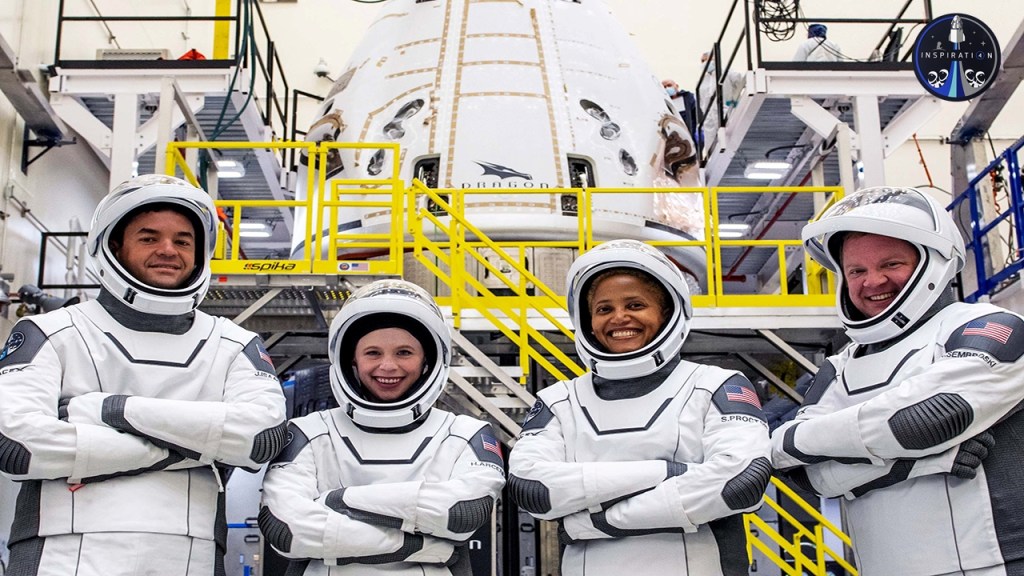
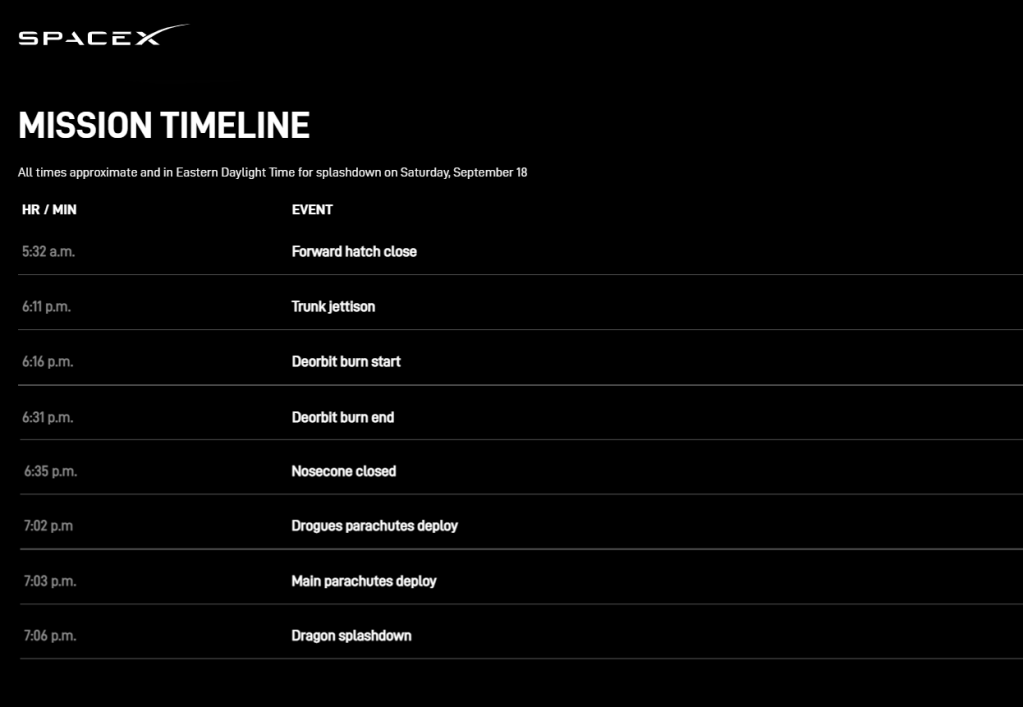
El SpaceX Inspiration4 realizará el retorna a la Tierra este Sábado 18/09 por la noche para recibir a cuatro no astronautas que hicieran historia al lanzarse al espacio, la tripulación del Inspiration4 está lista para amerizar en las proximidades en el Océano Atlántico frente a las costas del Estado de Florida. La tripulación incluye al multimillonario tecnológico Jared Isaacman, quien se desempeñó como comandante de la misión, Hayley Arceneaux, trabajadora de la salud y sobreviviente de cáncer, la Dra. Sian Proctor, la cuarta mujer astronauta negra, y Chris Sembroski, un ingeniero de datos que ganó su asiento a bordo de la cápsula SpaceX Crew Dragon encima de un cohete Falcon 9. Se lanzaron a las 08:02 p.m. el 15 de Septiembre de 2021 desde el Centro Espacial Kennedy. El viaje espacial del grupo está programado tentativamente para terminar con un amerizaje a las 07:06 p.m. EST en el Océano Atlántico frente a Florida, aunque SpaceX no dijo exactamente dónde estaría el amerizaje frente a la costa.

Después de tres días en órbita, Dragon y la tripulación Inspiration4, la primera misión totalmente civil del mundo en órbita, regresarán a la Tierra el 18 de Septiembre de 2021, aproximando su amerizaje a las 07:06 p.m. EST en el Océano Atlántico frente a la costa de Florida.

Transmisión de amerizaje

SpaceX también transmitirá la transmisión en vivo del aterrizaje en Twitter, a partir de las 07:00 p.m. EST el Sábado 18/09. Pude visitar twitter.com/spacex. Airgways.com permitirá brindar la transmisión en vivo. ¿Cómo ver el aterrizaje de SpaceX? Podrá ser posible ser transmitido desde tu teléfono móvil o cualquier dispositivo. La cobertura completa del aterrizaje, incluido un webcast en vivo con tweets en vivo y actualizaciones, comienza alrededor de las 06:00 p.m. del Sábado 18/09 en floridatoday.com/space y contará con una cobertura en profundidad. A las 07:00 p.m. EST del 18/09, el sitio web de SpaceX transmitirá la transmisión en vivo de YouTube, spacex.com/launches/index.html. Cómo ver el aterrizaje de SpaceX desde Roku, Amazon Fire. Para los espectadores que tienen una caja Roku o Amazon Fire TV Stick, seleccione la aplicación YouTube, busque el canal SpaceX y haga clic en el video de bienvenida de Inspiration4. La transmisión en vivo comienza a las 07:00 p.m. EST el Sábado 18/09. SpaceX no tiene una página oficial de Facebook. Aunque hay una página de Facebook para Inspiration4, la misión no se transmitió en vivo en la plataforma de redes sociales. La página, que tenía más de 14.000 seguidores hasta el viernes por la noche, volvió a publicar enlaces a la cobertura del lanzamiento, el chat de St. Jude y la actualización de la órbita a través de YouTube.

SpaceX landing approach

SpaceX Inspiration4 landing coverage Saturday 09/18

The SpaceX Inspiration4 will return to Earth this Saturday 09/18 at night to receive four non-astronauts who made history by launching into space, the Inspiration4 crew is ready to land in the vicinity in the Atlantic Ocean off the coast of the State of Florida. The crew includes tech billionaire Jared Isaacman, who served as mission commander, Hayley Arceneaux, healthcare worker and cancer survivor, Dr. Sian Proctor, the fourth black female astronaut, and Chris Sembroski, a data engineer. who won his seat aboard the SpaceX Crew Dragon capsule atop a Falcon 9 rocket. They launched at 08:02 pm on September 15, 2021 from the Kennedy Space Center. The group’s space travel is tentatively scheduled to end with a water landing at 07:06 p.m. EST in the Atlantic Ocean off Florida, although SpaceX did not say exactly where the splashdown would be off the coast.

After three days in orbit, Dragon and the Inspiration4 crew, the world’s first fully civilian mission in orbit, will return to Earth on September 18, 2021, approaching their landing at 07:06 p.m. EST in the Atlantic Ocean off the coast of Florida.

Splash Transmission

SpaceX will also broadcast the landing livestream on Twitter, starting at 07:00 p.m. EST on Saturday 09/18. I was able to visit twitter.com/spacex. Airgways.com will allow you to provide the live broadcast. How to see the landing of SpaceX? It may be possible to be transmitted from your mobile phone or any device. Full coverage of the landing, including a live webcast with live tweets and updates, begins around 06:00 PM. Saturday 09/18 at floridatoday.com/space and will feature in-depth coverage. At 07:00 p.m. EST on 09/18, SpaceX website will stream YouTube live stream, spacex.com/launches/index.html. How to see the SpaceX landing from Roku, Amazon Fire. For viewers who have a Roku box or Amazon Fire TV Stick, select the YouTube app, find the SpaceX channel, and click on the Inspiration4 welcome video. Live broadcast begins at 07:00 p.m. EST on Saturday 09/18. SpaceX does not have an official Facebook page. Although there is a Facebook page for Inspiration4, the mission was not streamed live on the social media platform. The page, which had more than 14,000 followers as of Friday night, republished links to coverage of the launch, the St. Jude chat and the orbit update via YouTube.

PUBLISHER: Airgways.com
DBk: Spacex.com / Airgways.com
AW-POST: 202109180636AR

A\W   A I R G W A Y S ®

Lanzamiento del Pléiades Neo

AW | 2021 08 18 07:05 | AEROSPACE

Arianspace lanza al satélita Pléiades Neo 4

Airbus_Isologotype_svg

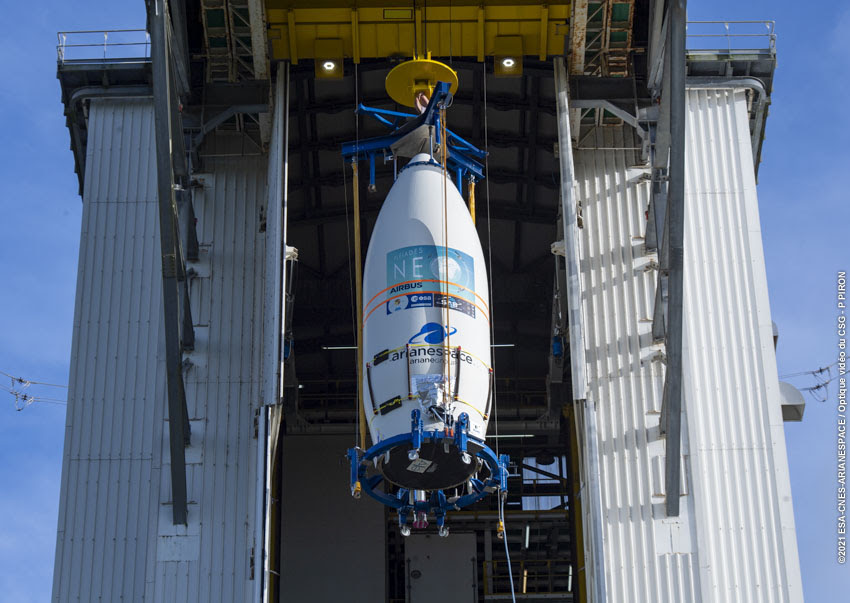
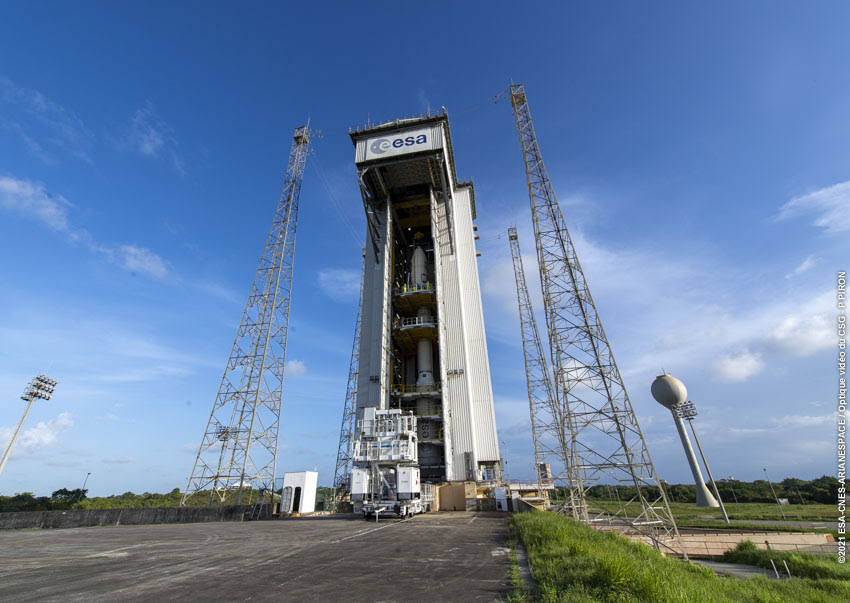
El segundo satélite de la constelación de observación de la Tierra Pléiades Neo 4, fue lanzado con éxito por el lanzador europeo Vega de Arianespace desde la Guayana Francesa el Martes 17/08 por la tarde. Pléiades Neo 4 fue lanzado desde el vehículo de lanzamiento, muy cerca de su órbita polar síncrona solar final de 620 km, que alcanzará en los próximos días. El satélite se sincronizará 180° con Pléiades Neo 3 en la misma órbita para comenzar a formar una constelación. Esto permitirá obtener imágenes diarias de cualquier lugar de la Tierra con una resolución nativa de 30 cm, y entre dos y cuatro veces al día cuando la constelación de cuatro satélites esté completa. “Pléiades Neo ofrecerá la mejor capacidad de su clase a nuestros clientes y mejorará considerablemente nuestra posición en el mercado de muy alta resolución. Las primeras imágenes de Pléiades Neo 3 son excepcionales y confirman que tomamos la decisión correcta en términos de diseño y rendimiento para abordar los requisitos cada vez más exigentes del sector geoespacial”, dijo François Lombard, Jefe de Inteligencia de Airbus Defence and Space.

Arianespace_Isologotype

Compuesto por cuatro satélites idénticos, la constelación Pléiades Neo fabricada, poseída y operada al 100% por Airbus ofrece una resolución nativa de 30 cm con una franja de imágenes de 14 km, la más amplia de su categoría. Gracias a su agilidad incomparable, la constelación podrá cubrir toda la masa terrestre de la Tierra cinco veces al año. Los nuevos satélites funcionarán de la mano con los satélites Pléiades existentes y el resto de la flota de satélites de observación de la Tierra de una docena de efectivos de Airbus.

El diseño altamente innovador de la nave espacial Pléiades Neo está equipado con el instrumento óptico de carburo de silicio de próxima generación, basado en la tecnología en la que Airbus fue pionera a principios de la década de 2000. La constelación Pléiades Neo también se beneficiará de enlaces láser ópticos y de banda Ka con los satélites geoestacionarios Airbus SpaceDataHighway (EDRS) para permitir adquisiciones urgentes menos de 40 minutos después de la tarea, para responder rápidamente a las situaciones más críticas.

Launch of the Pléiades Neo

Arianspace launches Pléiades Neo 4 satellite

The second satellite of the Earth observation constellation Pléiades Neo 4 was successfully launched by Arianespace’s European launcher Vega from French Guiana on Tuesday afternoon 08/17. Pléiades Neo 4 was launched from the launch vehicle, very close to its final solar synchronous polar orbit of 620 km, which it will reach in the next few days. The satellite will synchronize 180° with Pléiades Neo 3 in the same orbit to begin to form a constellation. This will allow to obtain daily images of any place on Earth with a native resolution of 30 cm, and between two and four times a day when the constellation of four satellites is complete. “Pléiades Neo will offer best-in-class capability to our customers and significantly improve our position in the very high resolution market. The first images of Pléiades Neo 3 are exceptional and confirm that we made the right decision in terms of design and performance to address the increasingly demanding requirements of the geospatial sector”, said François Lombard, Head of Intelligence at Airbus Defense and Space.

Comprised of four identical satellites, the Pléiades Neo constellation, built, owned and operated 100% by Airbus, offers a native resolution of 30 cm with a 14 km image strip, the widest in its category. Thanks to its unmatched agility, the constellation will be able to cover the entire land mass of the Earth five times a year. The new satellites will work hand-in-hand with the existing Pléiades satellites and the rest of Airbus’ dozen-strong Earth observation satellite fleet.

The highly innovative design of the Pléiades Neo spacecraft is equipped with the next generation silicon carbide optical instrument, based on technology pioneered by Airbus in the early 2000s. The Pléiades Neo constellation will also benefit from Ka-band and optical laser links with Airbus SpaceDataHighway geostationary satellites (EDRS) to enable urgent acquisitions less than 40 minutes post-task, to respond quickly to the most critical situations.

PUBLISHER: Airgways.com
DBk: Airbus.com / Arianespace.org / Esa.int / Airgways.com
AW-POST: 202108180705AR

A\W   A I R G W A Y S ®

Perspectivas Starliner

AW | 2021 08 12 20:00 | AEROSPACE

NASA explica problemas con nave espacial Starliner

NASA_Isologotype

La NASA explica los problemas con la nave espacial de The Boeing Company Starliner Orbital Flight Test-2 (OFT-2), cuyo lanzamiento fue cancelado durante la cuenta regresiva para el lanzamiento programado el día 03/08. La nave espacial no tripulada CST-100 Starliner de Boeing, cuyo lanzamiento a la Estación Espacial Internacional (ISS) fue pospuesta, aún está siendo inspeccionada.

La agencia espacial y la compañía de producción están trabajando para «restaurar la funcionalidad de varias válvulas en el sistema de propulsión del Starliner que no se abrieron como se esperaba durante la cuenta regresiva», dijeron en el comunicado. Hasta el momento, se han abierto siete de las 13 válvulas que se cerraron. «Los equipos de prueba aplican técnicas mecánicas, eléctricas y térmicas para abrir las válvulas», explica la NASA. Establece que antes de que la nave espacial sea devuelta a la plataforma de lanzamiento, será necesario demostrar el rendimiento repetible del sistema y verificar la causa raíz del problema. Si no se hace este descubrimiento, Boeing tendrá que modificar el horario de vuelo del Starliner.

En cuanto a las posibles fechas de lanzamiento futuras, la fecha más temprana disponible es mediados de Agosto 2021. En cualquier caso, se dará prioridad durante la ventana planetaria –el período óptimo para los lanzamientos de cohetes– a la misión Lucy de la NASA, la primera en apuntar a asteroides troyanos.

«¿Cómo es que esta nave espacial, que se supone que debe llevar a los humanos al espacio, llegó a la plataforma de lanzamiento sin válvulas de propulsión completamente operativas? Me pregunto», dijo Keith Cowing, un ex-empleado de la agencia espacial estadounidense y editor en Jefe de NASA Watch.

La nave espacial iba a ser lanzada por el cohete Atlas V construido por la United Launch Alliance desde la Estación Espacial de Cabo Cañaveral en el estado estadounidense de Florida. Starliner debía llevar más de 180 kilogramos de carga y suministros para la tripulación a la ISS, donde debía pasar de cinco a diez días y regresar con más de 245 kilogramos de carga. El intento anterior de ejecutar el lanzamiento tuvo lugar en diciembre de 2019 y fracasó porque la cápsula Starliner tenía problemas de software, no se acopló a la ISS y regresó a la Tierra prematuramente. La agencia espacial estadounidense determinó entonces 80 medidas correctivas que debe tomar Boeing.

Perspectivas Starliner

Una segunda demostración allanará el camino para el primer vuelo tripulado del Starliner, apodado «Crew Flight Test». Los astronautas de la NASA Barry Wilmore, Michael Fincke y Nicole Mann están listos para realizar el vuelo de prueba, un viaje de meses a la ISS, a finales de este año o principios del próximo. A finales de este mes de Agosto 2021, la NASA planea enviar una misión de suministro a la ISS utilizando la Cápsula CRS-23 Cargo Dragon de SpaceX. Debido al número limitado de puertos de atraque disponibles en la ISS, Boeing, la NASA y United Launch Alliance (ULA) tendrán que trabajar doblemente duro para garantizar los lanzamientos de Starliner a tiempo para llevar a cabo su misión antes de que llegue el CRS-23. Además, la misión LUCY de la NASA, que está programada para lanzarse a finales de este otoño también encima de un cohete Atlas V, podría plantear un problema de programación para ULA si OFT-2 no despega en Agosto 2021. Si Boeing no es capaz de solucionar los problemas con Starliner pronto, el vuelo podría retrasarse indefinidamente.

Starliner perspectives

NASA explains problems with Starliner spacecraft

AW-Boeing_Starliner

NASA explains the problems with The Boeing Company’s Starliner Orbital Flight Test-2 (OFT-2) spacecraft, whose launch was canceled during the countdown to the launch scheduled for 08/03. Boeing’s CST-100 Starliner unmanned spacecraft, whose launch to the International Space Station (ISS) was postponed, is still being inspected.

The space agency and the production company are working to «restore the functionality of several valves in the Starliner propulsion system that did not open as expected during the countdown», they said in the statement. So far, seven of the 13 valves that were closed have been opened. «The test teams apply mechanical, electrical and thermal techniques to open the valves», explains NASA. It states that before the spacecraft is returned to the launch pad, it will be necessary to demonstrate repeatable system performance and verify the root cause of the problem. If this discovery is not made, Boeing will have to modify the Starliner’s flight schedule.

As for possible future launch dates, the earliest available date is mid-August 2021. In any case, priority will be given during the planetary window, the optimal period for rocket launches, to NASA’s Lucy mission, the first to target Trojan asteroids.

«How did this spacecraft, which is supposed to take humans into space, got to the launch pad without fully operational throttle valves? I wonder», said Keith Cowing, a former space agency employee. American and editor-in-chief of NASA Watch.

The spacecraft was to be launched by the Atlas V rocket built by the United Launch Alliance from the Cape Canaveral Space Station in the US state of Florida. Starliner was supposed to carry more than 180 kilograms of cargo and crew supplies to the ISS, where he had to spend five to ten days and return with more than 245 kilograms of cargo. The previous attempt to execute the launch took place in December 2019 and failed because the Starliner capsule had software problems, did not dock with the ISS, and returned to Earth prematurely. The US space agency then determined 80 corrective measures to be taken by Boeing.

Starliner perspectives

A second demonstration will pave the way for the Starliner’s first manned flight, dubbed the «Crew Flight Test». NASA astronauts Barry Wilmore, Michael Fincke and Nicole Mann are set to take the test flight, a months-long trip to the ISS, later this year or early next year.

At the end of this month of August 2021, NASA plans to send a supply mission to the ISS using SpaceX’s CRS-23 Cargo Dragon Capsule. Due to the limited number of docking ports available on the ISS, Boeing, NASA and the United Launch Alliance (ULA) will have to work doubly hard to secure Starliner launches in time to carry out their mission before the CRS-23 arrives. Additionally, NASA’s LUCY mission, which is scheduled to launch later this fall also atop an Atlas V rocket, could pose a scheduling problem for ULA if OFT-2 does not lift off in August 2021. If Boeing is unable to fix the problems with Starliner soon, the flight could be delayed indefinitely.

PUBLISHER: Airgways.com
DBk: Boeing.com / Nasa.gov / Airgways.com
AW-POST: 202108122000AR

A\W   A I R G W A Y S ®

Ensamblaje final del JUICE

AW | 2021 08 12 06:43 | AEROSPACE

Transbordador JUICE se alista en Toulouse, Francia

Airbus_Isologotype_svg

La nave espacial JUICE (misión JUpiter ICy moons Explorer) construida por Airbus Group, desarrollada para la Agencia Espacial Europea (ESA) ha llegado a Toulouse, Francia, donde permanecerá para su ensamblaje final y campaña de prueba en la integración de satélites de Airbus, antes de ser enviado a Kourou en la Guayana Francesa para su lanzamiento en Ariane 5.

ESA_Isologotype_001 (1)

Después de tres meses de intensas actividades para las pruebas de vacío térmico en la cámara del Large Space Simulator (LSS) en el centro de pruebas de la ESA en ESTEC en Noordwijk, Países Bajos, JUICE regresa a Airbus, el contratista principal. Inusualmente, fue transportado por aire a Toulouse, para ahorrar tiempo y así permanecer en el buen camino para cumplir con el apretado horario interplanetario para llegar al sistema joviano. Cyril Cavel, Director del Proyecto JUICE de Airbus, dijo a su llegada: “Es la primera vez que veo llegar un satélite a Toulouse en avión, lo que demuestra la importancia de esta misión para la ESA y la comunidad científica. Ahora, en Airbus tenemos que basarnos en el gran trabajo de todos nuestros socios industriales y científicos. No puedo esperar a que se lance esta ambiciosa misión y a ver el tremendo progreso que traerá el conocimiento humano, ¡aunque tendremos que esperar casi 10 años antes de que llegue a Júpiter”.

La apertura del recipiente protector presurizado y la transferencia a la sala limpia ya se han completado. Airbus finalizará ahora el ensamblaje de configuración de vuelo, incluida la integración de las últimas unidades de instrumentos y los paneles solares satelitales más grandes que jamás hayan volado para la exploración planetaria. Por último, pero no menos importante, las pruebas ambientales, que incluyen compatibilidad electromagnética (EMC), mecánica, despliegue y propulsión, continuarán hasta el próximo año en el período previo al lanzamiento.

La nave espacial JUICE de 6.2 toneladas partirá en 2022 en su viaje de casi 600 millones de kilómetros a Júpiter. La nave espacial llevará 10 instrumentos científicos de última generación, que incluyen cámaras, espectrómetros, un radar de penetración de hielo, un altímetro, un experimento de radiociencia y sensores para monitorear los campos eléctricos y magnéticos y el entorno de plasma en el Joviano. sistema. JUICE completará un recorrido único por el sistema de Júpiter que incluirá estudios en profundidad de tres lunas potencialmente oceánicas: Ganímedes, Europa y Calisto.

Durante su misión de cuatro años, JUICE recopilará datos para comprender las condiciones para la formación de planetas gigantes gaseosos y la aparición de hábitats de vida profunda. Pasará nueve meses orbitando la luna helada Ganímedes analizando su naturaleza y evolución, caracterizando su océano subterráneo e investigando su habitabilidad potencial. Como contratista principal de la ESA, Airbus lidera un consorcio industrial de más de 80 empresas en toda Europa.

Final assembly of the JUICE

JUICE shuttle gets ready in Toulouse

The JUICE (JUpiter ICy moons Explorer mission) spacecraft built by Airbus Group, developed for the European Space Agency (ESA) has arrived in Toulouse, France, where it will remain for its final assembly and test campaign in the Airbus satellite integration, before being shipped to Kourou in French Guiana for launch on Ariane 5.

After three months of intense activities for thermal vacuum testing in the Large Space Simulator (LSS) chamber at ESA’s test center at ESTEC in Noordwijk, the Netherlands, JUICE returns to Airbus, the main contractor. Unusually, it was airlifted to Toulouse, to save time and thus stay on track to meet the tight interplanetary schedule to reach the Jovian system. Cyril Cavel, Director of the Airbus JUICE Project, said on his arrival: “This is the first time I have seen a satellite arrive in Toulouse by plane, which shows the importance of this mission for ESA and the scientific community. Now at Airbus we have to build on the great work of all our industrial and scientific partners. I can’t wait for this ambitious mission to be launched and to see the tremendous progress that human knowledge will bring, although we will have to wait almost 10 years before it reaches Jupiter«.

The opening of the pressurized protective container and the transfer to the clean room are now complete. Airbus will now finalize the flight configuration assembly, including the integration of the latest instrument units and the largest satellite solar panels ever flown for planetary exploration. Last but not least, environmental testing, including electromagnetic compatibility (EMC), mechanical, deployment and propulsion, will continue until next year in the lead-up to launch.

The 6.2-ton JUICE spacecraft will depart in 2022 on its nearly 600 million kilometer journey to Jupiter. The spacecraft will carry 10 state-of-the-art science instruments, including cameras, spectrometers, an ice-penetrating radar, an altimeter, a radioscience experiment, and sensors to monitor electric and magnetic fields and the plasma environment on the Jovian. system. JUICE will complete a unique tour of the Jupiter system that will include in-depth studies of three potentially oceanic moons: Ganymede, Europa, and Callisto.

During its four-year mission, JUICE will collect data to understand the conditions for the formation of gas giant planets and the emergence of deep-life habitats. It will spend nine months orbiting the icy moon Ganymede, analyzing its nature and evolution, characterizing its subterranean ocean, and investigating its potential habitability. As ESA’s prime contractor, Airbus leads an industrial consortium of more than 80 companies across Europe.

PUBLISHER: Airgways.com
DBk: Airbus.com / Esa.int / Airgways.com
AW-POST: 202108120643AR

A\W   A I R G W A Y S ®

Alianza Boeing-AeroEquity

AW | 2021 08 06 11:39 | AEROSPACE / INDUSTRY

Boeing y AeroEquity expanden capital de riesgo aeroespacial

Boeing_Isologo.svg

The Boeing Company y AeroEquity Industrial Partners (AEI) anunciaron este 5 de Agosto de 2021 una asociación estratégica para expandir el capital de riesgo de Boeing invirtiendo en movilidad, espacio y conectividad, tecnología industrial y soluciones digitales empresariales, con un enfoque más amplio. énfasis en la sostenibilidad.

AW-AeroEquity AEI_Isologotype

Asociación para crear un fondo de riesgo aeroespacial dedicado que se basa en la plataforma de Boeing HorizonX y expande las inversiones en innovación de puesta en marcha

Inversiones para centrarse en movilidad, espacio y conectividad, tecnología industrial y soluciones digitales empresariales, con un mayor énfasis en la sostenibilidad

La asociación reúne la innovación tecnológica y aeroespacial de Boeing y su plataforma HorizonX Ventures con la experiencia operativa y de inversión de capital privado de AEI para establecer un grupo de capital de riesgo expandido e independiente, AEI HorizonX. «Estamos emocionados de lanzar esta innovación empresarial transformadora y primera en su tipo con AEI que ampliará el horizonte de HorizonX y redoblará nuestro compromiso con la innovación tecnológica en las etapas iniciales. La asociación con AEI y futuros socios amplía nuestra base de inversores, permite a HorizonX invertir a un ritmo rápido y le da a Boeing acceso a más innovación externa que nunca a través de esta colaboración de inversión», dijo Marc Allen, Director de Estrategia y Senior Vicepresidente de Estrategia y Desarrollo Corporativo de Boeing.

Boeing lanzó HorizonX en 2017 para invertir y conectarse con empresas en etapa inicial que se especializan en tecnologías aeroespaciales transformadoras. El equipo ha desarrollado una cartera de 40 empresas emergentes de todo el mundo a través de inversiones minoritarias y uniendo a las empresas con los recursos de ingeniería de Boeing.

AEI es un proveedor líder de capital para la industria aeroespacial con más de US$ 3.5 mil millones en activos bajo administración, un sólido historial de desempeño financiero y la capacidad de recaudar fondos y expandir su misión de apoyar a empresarios, inventores y disruptores de clase mundial. “Como firma de inversión especializada con un enfoque en los mercados aeroespacial e industrial, AEI monitorea constantemente las innovaciones tecnológicas que impulsarán el cambio transformacional y reinventarán el futuro de nuestra industria. La plataforma AEI HorizonX nos proporcionará una base para construir un nuevo pilar de inversión centrado en empresas y tecnologías transformadoras críticas para la evolución de nuestros mercados objetivo y su impacto en el medio ambiente. Estamos entusiasmados de asociarnos con Boeing para invertir en un futuro más sostenible”, dijo David Rowe, Socio Gerente de AEI.

El equipo actual de HorizonX Ventures, dirigido por Brian Schettler, y su cartera actual se trasladarán a AEI HorizonX para construir esta plataforma de empresas de próxima generación. Schettler liderará la nueva plataforma y se convertirá en socio de AEI. Boeing seguirá siendo un inversor estratégico a largo plazo en AEI HorizonX y seguirá siendo el inversor ancla para el fondo actual y el primer fondo independiente de AEI HorizonX previsto para 2022. El fondo actual seguirá proporcionando capital de seguimiento a su cartera existente, como así como realizar nuevas inversiones seleccionadas a medida que el fondo sigue madurando.

Boeing se asociará con AEI HorizonX a través de su Oficina de Tecnología Empresarial y su equipo de Innovación Aplicada. Los dos mantendrán una cartera de tecnología con las empresas de la cartera y continuarán trabajando con las nuevas empresas de forma regular para conectar las empresas de la cartera con las capacidades técnicas de Boeing y ayudar a conectar las nuevas innovaciones en la empresa. Los programas de aceleración global de Boeing permanecerán dentro de Boeing, y la compañía continuará asociándose con la industria aeroespacial y las partes interesadas del gobierno para identificar y apoyar a las empresas en etapa inicial más prometedoras. Estos compromisos incluirán la participación de AEI HorizonX.

Boeing-AeroEquity Alliance

Boeing and AeroEquity expand aerospace venture capital

The Boeing Company and AeroEquity Industrial Partners (AEI) announced on August 5, 2021, a strategic partnership to expand Boeing’s venture capital by investing in mobility, space and connectivity, industrial technology and business digital solutions, with a broader focus. emphasis on sustainability.

  • Partnership to create a dedicated aerospace venture fund that builds on the Boeing HorizonX platform and expands investments in start-up innovation
  • Investments to focus on mobility, space and connectivity, industrial technology and business digital solutions, with a greater emphasis on sustainability.

The partnership brings together Boeing’s aerospace and technological innovation and its HorizonX Ventures platform with AEI’s private equity investment and operating expertise to establish an expanded and independent venture capital group, AEI HorizonX. «We are excited to launch this first-of-its-kind and transformative business innovation with AEI that will broaden HorizonX’s horizon and redouble our commitment to early-stage technological innovation. Partnering with AEI and future partners broadens our investor base, enables HorizonX invests at a rapid pace and gives Boeing access to more external innovation than ever before through this investment collaboration», said Marc Allen, Chief Strategy Officer and Senior Vice President, Strategy and Corporate Development, Boeing.

Boeing launched HorizonX in 2017 to invest in and connect with early-stage companies that specialize in transformative aerospace technologies. The team has developed a portfolio of 40 startups from around the world through minority investments and by linking the companies with Boeing’s engineering resources.

AEI is a leading provider of capital to the aerospace industry with more than US$ 3.5 billion in assets under management, a strong track record of financial performance, and the ability to fundraise and expand its mission to support entrepreneurs, inventors, and class disruptors. world. “As a specialized investment firm with a focus on the aerospace and industrial markets, AEI constantly monitors technological innovations that will drive transformational change and reinvent the future of our industry. The AEI HorizonX platform will provide us with a foundation to build a new investment pillar focused on transformative companies and technologies critical to the evolution of our target markets and their impact on the environment. We are excited to partner with Boeing to invest in a more sustainable future”, said David Rowe, AEI Managing Partner.

The current HorizonX Ventures team, led by Brian Schettler, and their current portfolio will move to AEI HorizonX to build this next-generation enterprise platform. Schettler will lead the new platform and become an AEI partner. Boeing will remain a long-term strategic investor in AEI HorizonX and will continue to be the anchor investor for the current fund and the first independent AEI HorizonX fund planned for 2022. The current fund will continue to provide follow-up capital to its existing portfolio, as well as make selected new investments as the fund continues to mature.

Boeing will partner with AEI HorizonX through its Business Technology Office and its Applied Innovation team. The two will maintain a technology portfolio with portfolio companies and will continue to work with startups on a regular basis to connect portfolio companies with Boeing’s technical capabilities and help connect new innovations across the company. Boeing’s global acceleration programs will remain within Boeing, and the company will continue to partner with the aerospace industry and government stakeholders to identify and support the most promising early-stage companies. These commitments will include the participation of AEI HorizonX.

PUBLISHER: Airgways.com
DBk: Boeing.com / Airgways.com
AW-POST: 202108061139AR

A\W   A I R G W A Y S ®
Lanzamiento Starliner pospuesto

AW | 2021 08 03 18:33 | AEROSPACE

Lanzamiento Boeing Starliner se retrasó una vez más

Los ingenieros encontraron un problema inesperado con el Sistema de Propulsión de Starliner CST-100. The Boeing Company anunció que su misión Starliner Orbital Flight Test-2 (OFT-2), que se había programado para este Martes 3 de Agosto de 2021 se pospondría debido a problemas inesperados con el Sistema de Propulsión de la cápsula espacial, reveló la compañía en un comunicado. La próxima oportunidad de lanzamiento disponible para Starliner es mañana 04/08, pero el equipo aún no ha confirmado que buscará esa ventana para el próximo lanzamiento. «Durante los preparativos previos al lanzamiento para el vuelo de prueba desenroscado de la nave espacial CST-100 Starliner, los ingenieros de Boeing que monitoreaban la salud y el estado del vehículo detectaron indicaciones inesperadas de posición de la válvula en el sistema de propulsión. El problema se detectó inicialmente durante las salidas después de las tormentas eléctricas de ayer en la región del Centro Espacial Kennedy. En consecuencia, se pospondrá el lanzamiento de la nave espacial Starliner a la Estación Espacial Internacional sobre un cohete Atlas V de la United Launch Alliance. El lanzamiento estaba programado para la 01:20 p.m. ET el Martes 3 de agosto. Los equipos de Boeing y la NASA están evaluando la situación. El equipo proporcionará actualizaciones con respecto a un intento de lanzamiento el miércoles 4 de Agosto», escribieron funcionarios de Boeing en el comunicado.

«Estamos confirmando que el lanzamiento de la Prueba de Vuelo Orbital-2 de #Starliner de hoy está fregado. Más detalles pronto», tuiteó The Boeing Company esta mañana.

«Estamos decepcionados con el resultado de hoy y la necesidad de reprogramar nuestro lanzamiento de Starliner. Los vuelos espaciales humanos son un esfuerzo complejo, preciso e implacable, y los equipos de Boeing y la NASA se tomarán el tiempo que necesitan para garantizar la seguridad e integridad de la nave espacial y el logro de los objetivos de nuestra misión», dijo en el comunicado John Vollmer, Vicepresidente y Gerente de Programas del Programa de Tripulación Comercial de Boeing.

La NASA confirmó el retraso del lanzamiento: «La NASA, Boeing y United Launch Alliance (ULA) han fregado el intento de lanzamiento el 3 de Agosto de la Prueba de Vuelo Orbital-2 de la agencia a la Estación Espacial Internacional debido a indicaciones inesperadas de posición de válvulas en el sistema de propulsión Starliner. ULA comenzará a retirar el propulsor del cohete Atlas V», dijo la agencia en un comunicado y agregó que dependiendo de la resolución de este problema, estarían disponibles para lanzarse mañana próximo.

Esta noticia llega después de otro breve retraso, desde la fecha de lanzamiento anterior del vehículo el pasado Jueves 29 de Julio, causado por problemas relacionados con el percance con el módulo Nauka de Rusia después de acoplarse a la Estación Espacial Internacional (ISS).

Antes de que se anunciara formalmente el exfoliante, el Administrador de la NASA, Bill Nelson, aludió a este retraso durante su discurso de apertura de la Conferencia Internacional de Investigación y Desarrollo de la Estación Espacial en la mañana del 03/08. «Más tarde hoy, la NASA y la nave espacial Starliner de Boeing, estaba programado para lanzarse. Se lanzará cuando sea correcto. Este es otro paso en la certificación de Starliner para transportar a la tripulación a la ISS. El transporte seguro y confiable a la ISS es exactamente la visión que la NASA tenía cuando la agencia se embarcó en el Programa de Tripulación Comercial hace diez años. Con las misiones rotativas de Boeing y Spacex, cada una llevando a cabo cuatro astronautas [a la ISS], ya hemos ampliado el número de miembros de la tripulación en la ISS, duplicando efectivamente la cantidad de tiempo semanal de la tripulación que se puede dedicar a la investigación. Cuantos más miembros de la tripulación, más tiempo podrán dedicar a la investigación científica. Y cuantas más investigaciones, más resultados», expresaron en el comunicado previo al lanzamiento.

OFT-2 es el segundo intento de Boeing en un vuelo de prueba desenroscado de su vehículo Starliner a la estación espacial. El vuelo verá la nave lanzarse sobre un cohete Atlas V de United Launch Alliance, enviándola a la estación donde atracará, descargará carga importante y después de algún tiempo regresará a casa a la Tierra. Con el éxito de esta misión, Boeing pretende comenzar a lanzar misiones tripuladas, como ha hecho SpaceX con su cápsula Crew Dragon, hacia y desde el laboratorio en órbita.

Atlas V/Starliner launch postponed

Boeing Starliner launch delayed yet again

Engineers found an unexpected problem with the Starliner CST-100 Propulsion System. The Boeing Company announced that its Starliner Orbital Flight Test-2 (OFT-2) mission, which had been scheduled for this Tuesday, August 3, 2021, would be postponed due to unexpected problems with the Propulsion System of the space capsule, the company revealed. it’s a statement. The next available launch opportunity for Starliner is tomorrow 08/04, but the team has not yet confirmed that it will be looking for that window for the next launch. “During pre-launch preparations for the unscrewed test flight of the CST-100 Starliner spacecraft, Boeing engineers monitoring the health and condition of the vehicle detected unexpected indications of valve position in the propulsion system. The problem was initially detected during departures after yesterday’s thunderstorms in the Kennedy Space Center region, as a result, the launch of the Starliner spacecraft to the International Space Station on a United Launch Alliance Atlas V rocket will be postponed. The launch was scheduled for 01:20 pm ET on Tuesday, August 3. Boeing and NASA teams are assessing the situation. The team will provide updates regarding a launch attempt on Wednesday, August 4″, wrote officials from Boeing in the statement.

«We are confirming that today’s #Starliner Orbital Flight Test-2 launch is screwed up. More details soon», The Boeing Company tweeted this morning.

«We are disappointed with today’s outcome and the need to reschedule our Starliner launch. Human spaceflight is a complex, precise, and relentless endeavor, and teams at Boeing and NASA will take the time they need to ensure the safety and integrity of the spacecraft and the achievement of our mission objectives», John Vollmer, Vice-president and Program Manager of Boeing’s Commercial Crew Program, said in the statement.

NASA confirmed the launch delay: «NASA, Boeing and United Launch Alliance (ULA) have scrambled the Aug. 3 launch attempt of the agency’s Orbital Flight Test-2 to the International Space Station due to unexpected prompts. valve position in the Starliner propulsion system. ULA will begin to withdraw the propellant from the Atlas V rocket», the agency said in a statement, adding that depending on the resolution of this problem, they would be available to launch next tomorrow.

This news comes after another brief delay, from the vehicle’s previous launch date on Thursday July 29, caused by problems related to the mishap with Russia’s Nauka module after docking with the International Space Station (ISS).

Before the scrub was formally announced, NASA Administrator Bill Nelson alluded to this delay during his keynote address at the International Space Station Research and Development Conference on the morning of 08/03. «Later today, NASA and Boeing’s Starliner spacecraft, was scheduled to launch. It will launch when it’s right. This is another step in Starliner certification to transport the crew to the ISS. Safe and reliable transportation to and from The ISS is exactly the vision NASA had when the agency embarked on the Commercial Crew Program ten years ago. With Boeing and Spacex rotating missions each carrying four astronauts [to the ISS], we have already expanded the number of crew members on the ISS, effectively doubling the amount of weekly crew time that can be devoted to research. The more crew members, the more time they can devote to scientific research. And the more research, more results», they said in the pre-launch statement.

OFT-2 is Boeing’s second attempt at an unscrewed test flight from its Starliner vehicle to the space station. The flight will see the ship launch onto a United Launch Alliance Atlas V rocket, sending it to the station where it will dock, unload important cargo, and after some time return home to Earth. With the success of this mission, Boeing intends to begin launching manned missions, as SpaceX has done with its Crew Dragon capsule, to and from the orbiting laboratory.

PUBLISHER: Airgways.com
DBk: Nasa.gov / Boeing.com / Space.com / Airgways.com
AW-POST: 202108031833AR

A\W   A I R G W A Y S ®

LANZAMIENTO ESPACIAL ATLAS V

AW | 2021 08 03 10:20 | AEROSPACE

La cobertura de la misión Boeing OFT-2 de la NASA

PROGRAMA LANZAMIENTO ATLAS V/STARLINER POSPUESTO
ATLAS V/STARLINER LAUNCH PROGRAM POSTPONED

HORARIO DE LANZAMIENTO DE ATLAS V / STARLINER

Martes 3 de agosto de 2021
Todos los horarios del este de EE. UU.
12 p.m. > Prueba de vuelo orbital-2: Tripulación y sesión informativa científica
12:30 pm. > Conferencia Internacional de Investigación y Desarrollo de la Estación Espacial: Aplicaciones de producción en el espacio en la economía de la órbita terrestre baja con Alex MacDonald y Ryan Prouty de la NASA
01:00 p.m. > Conferencia Internacional de Investigación y Desarrollo de la Estación Espacial: Aplicaciones de producción en el espacio en la economía de la órbita terrestre baja con Alex MacDonald y Ryan Prouty de la NASA
01:30 p.m. > Incendios forestales
02:00 p.m. > Cuenta regresiva a cero
02:30 p.m. > NASA EDGE
03:00 p.m. > Exploradores de la NASA
03:30 p.m. > StationLife

ATLAS V/STARLINER LAUNCH SCHEDULE

Tuesday 3 August, 2021
All Times Eastern U.S. Times
12 p.m. > Orbital Flight Test-2: Crew and Science Briefing
12:30 p.m. > International Space Station Research and Development Conference: In-Space Production Applications in the Low Earth Orbit Economy with NASA’s Alex MacDonald and Ryan Prouty
01:00 p.m. > International Space Station Research and Development Conference: In-Space Production Applications in the Low Earth Orbit Economy with NASA’s Alex MacDonald and Ryan Prouty
01:30 p.m. > Wildfires
02:00 p.m. > Countdown to Zero
02:30 p.m. > NASA EDGE
03:00 p.m. > NASA Explorers
03:30 p.m. > StationLife

AW-NASA-TV

https://www.nasa.gov/multimedia/nasatv/index.html#public

Lanzamiento espacial Atlas V/Starliner

Lanzamiento Atlas para Programa OFT-2

NASA_Isologotype

AW-Starliner CST-100

Los astronautas están ansiosos por ver el lanzamiento de la nave espacial Starliner CST-100 de The Boeing Company al espacio este Martes 3 de Agosto de 2021. Después de un retraso de su lanzamiento programado inicialmente el Viernes 30 de Julio de 2021, este 03/08 a la 1:20 p.m. EDT (17:20 GMT), el vehículo Starliner CST-100 de Boeing se lanzará sobre un cohete Atlas V de United Launch Alliance a la Estación Espacial Internacional (ISS) desde el Complejo de Lanzamiento Espacial 41 en la Estación de la Fuerza Espacial de Cabo Cañaveral en Florida (FL), dando inicio al vuelo de prueba desenroscado OFT-2 de la compañía. Antes de este emocionante lanzamiento, que Boeing espera que sea el paso final antes de que pueda comenzar a usar el Starliner para transportar astronautas hacia y desde la estación espacial, los astronautas están compartiendo su emoción. «Este es realmente nuestro ensayo completo para poner a la gente a bordo. Estoy muy entusiasmado con lo que está sucediendo en el espacio y la exploración espacial, abriendo la exploración espacial a todo el mundo», dijo el astronauta de la NASA Doug Wheelock.

El Orbital Flight Test 2 (OFT-2 ) sigue a la misión OFT de Diciembre de 2019 de la compañía, que sufrió anomalías derivadas de problemas que se han resuelto. Durante la OFT original, Starliner no pudo llegar a la estación espacial e hizo un aterrizaje más temprano de lo previsto. «Como saben, hace un año y medio, en Diciembre de 2019, cumplimos muchos objetivos, pero no cumplimos con el objetivo de reunirnos y acoplarnos a la Estación Espacial Internacional», dijo durante la conferencia el Administrador asociado de la NASA Bob Cabana, un ex astronauta. Desde la OFT original, después de una revisión posterior al vuelo, Boeing ha completado todos los requisitos de la NASA antes de este vuelo de seguimiento. Los astronautas parecen confiados y entusiasmados con oft-2 y futuros vuelos tripulados con Starliner. «La revisión de la preparación para el vuelo, fue suave como el vidrio. Y creo que indica el trabajo duro, el rigor, la preparación que se hizo para que este vuelo fuera exitoso», dijo el administrador de la NASA Bill Nelson, quien voló al espacio en 1986 como parte del programa del transbordador espacial de la NASA, durante una rueda de prensa el 29 de Julio de 2021. Bill Nelson agregó que la única preocupación que tenía por el vuelo era el posible mal tiempo, ya que las tormentas eléctricas se han estado cerniendo durante toda la semana.

«Estamos aprendiendo todos los días sobre nuestros sistemas y la robustez de nuestros sistemas y tal vez mejores diseños que podamos pensar y cosas por el estilo. La gente que va a estar atada a este vehículo probablemente va a estar observando esto más de cerca que probablemente nadie», dijo Doug Wheelock.

El programa de tripulación comercial de la NASA, incluido el Starliner de Boeing, son los peldaños para ir más allá, enfocados hacia los planes futuros específicos que la NASA y sus socios comerciales tienen de construir aterrizadores lunares y otros subsistemas en la órbita lunar, como el Programa Gateway y el Programa Sistema de Lanzamiento Espacial (SLS).

Atlas V/Starliner space launch

Atlas Launch for OFT-2 Program

AW-Boeing_Starlliner_Icon

AW-ULA_Isologotype

Astronauts are eager to see the launch of The Boeing Company‘s Starliner CST-100 spacecraft into space this Tuesday, August 3, 2021. After a delay of its launch initially scheduled on Friday, July 30, 2021, this 03/08 at 01:20 pm EDT (17:20 GMT), Boeing’s Starliner CST-100 vehicle will launch on a United Launch Alliance Atlas V rocket to the International Space Station (ISS) from Space Launch Complex 41 on the Space Force Station of Cape Canaveral in Florida (FL), kicking off the company’s OFT-2 unscrewed test flight. Ahead of this exciting launch, which Boeing hopes will be the final step before it can begin using the Starliner to transport astronauts to and from the space station, the astronauts are sharing their excitement. «This is really our full rehearsal to get people on board. I am very excited about what is happening in space and space exploration, opening up space exploration to the whole world», said NASA astronaut Doug Wheelock.

The Orbital Flight Test 2 (OFT-2) follows the company’s December 2019 OFT mission, which suffered anomalies stemming from issues that have been resolved. During the original OFT, Starliner was unable to reach the space station and made an earlier landing than anticipated. «As you know, a year and a half ago, in December 2019, we met many goals, but we did not meet the goal of reuniting and docking with the International Space Station», said NASA Associate Administrator Bob Cabana, a former astronaut. Since the original OFT, after a post-flight review, Boeing has completed all NASA requirements prior to this follow-up flight. Astronauts seem confident and excited about oft-2 and future Starliner manned flights. «The flight readiness review was smooth as glass. And I think it indicates the hard work, the rigor, the preparation that went into making this flight successful», said NASA Administrator Bill Nelson, who flew into space in 1986 as part of NASA’s space shuttle program, during a press conference on July 29, 2021. Bill Nelson added that the only concern he had about the flight was possible bad weather, as storms power plants have been hovering all week.

«We are learning every day about our systems and the robustness of our systems and maybe better designs we can think of and things like that. The people that are going to be tethered to this vehicle are probably going to be watching this more closely than they probably are. nobody», said Doug Wheelock.

NASA’s commercial crew program, including Boeing’s Starliner, are the stepping stones to go further, targeting specific future plans that NASA and its business partners have to build lunar landers and other subsystems in lunar orbit, such as the Gateway Program and the Space Launch System (SLS) Program.

PUBLISHER: Airgways.com
DBk: Nasa.gov / Boeing.com / Airgways.com
AW-POST: 202108031020AR

A\W   A I R G W A Y S ®


Airbus inaugura instalación Stevenage

AW | 2021 08 02 17:55 | AEROSPACE

Primer Ministro británico inaugura nueva instalación de Airbus

Airbus_Isologotype_svg

El Primer Ministro Boris Johnson Boris Johnson junto a Airbus Group inauguran oficialmente el nuevo cuartel general de espacio y defensa de Airbus en el Reino Unido, de un valor de ₤ 35 millones de Libras Esterlinas.

El nuevo edificio albergará a 500 ingenieros espaciales y expertos como parte de la inversión continua de la compañía en la capacidad espacial británica. El Primer Ministro dijo: «Me ha impresionado lo que he visto aquí en Airbus en Stevenage. Creo que mucha gente se da cuenta de que Airbus en Gales produce la mitad de las alas de todos los aviones de pasajeros del mundo, algo sorprendente de la economía del Reino Unido. No creo que la gente se dé cuenta de que producimos, en este sitio, una cuarta parte de todos los satélites de telecomunicaciones y hay un gran futuro para el Reino Unido en satélites y tecnología satelital».

Airbus opens facility in Stevenage

British Prime Minister inaugurates new Airbus facility

Prime Minister Boris Johnson Boris Johnson and Airbus Group officially inaugurate the new Airbus Defense and Space Headquarters in the UK, worth ₤ 35 million GBP.

The new building will house 500 space engineers and experts as part of the company’s ongoing investment in British space capability. The Prime Minister said: «I have been impressed by what I have seen here at Airbus in Stevenage. I think a lot of people realize that Airbus in Wales produces half the wings of all the world’s passenger planes, something surprising from the UK economy. I don’t think people realize that we produce a quarter of all telecom satellites on this site and there is a great future for the UK in satellites and satellite technology».

PUBLISHER: Airgways.com
DBk: Airbus.com / Airgways.com
AW-POST: 202108021755AR

A\W   A I R G W A Y S ®

Airbus completa 3er Sentinel-2

La imagen tiene un atributo ALT vacío; su nombre de archivo es aw-airbus_copernicus_sentinel-2c_0001.jpg

AW | 2021 07 30 10:22 | AEROSPACE

Airbus completa integración 3er Copernicus Sentinel-2

Airbus_Logotype Globe

Airbus Group ha finalizado la integración del satélite Copernicus Sentinel-2C. Es el tercero de su tipo y ahora se enviará a Munich para someterse a extensas pruebas ambientales para demostrar que está listo para el espacio. La campaña de prueba durará hasta Marzo de 2022.

Los datos recopilados por los satélites Sentinel-2 se utilizan para monitorear el uso y los cambios de la tierra, el sellado del suelo, la gestión de la tierra, la agricultura, la silvicultura, los desastres naturales (inundaciones, incendios forestales, deslizamientos de tierra y erosión) y para ayudar a las misiones de ayuda humanitaria. Asimismo, la observación ambiental en las zonas costeras forma parte de estas actividades, así como el monitoreo de glaciares, hielos y nieves. Al ofrecer visión de color para el programa Copernicus, Sentinel-2C, al igual que sus satélites precursores Sentinel-2A y -2B, entregará imágenes ópticas desde el rango infrarrojo visible a de onda corta del espectro electromagnético. Desde una altitud de 786 kilómetros, el satélite “C” de 1,1 toneladas permitirá la continuación de las imágenes en 13 bandas espectrales con una resolución de 10, 20 o 60 metros y un ancho de franja excepcionalmente grande de 290 km.

La estructura del telescopio y los espejos están hechos de carburo de silicio, pionera en Airbus para proporcionar una estabilidad óptica muy alta y minimizar la deformación termoelástica, lo que da como resultado una excelente calidad de imagen geométrica. Esto no tiene precedentes en esta categoría de generadores de imágenes ópticas. Cada satélite Sentinel-2 recopila 1,5 terabytes por día, después de la compresión a bordo. Los datos se formatean a alta velocidad y se almacenan temporalmente a bordo en la unidad de memoria masiva y formateo de mayor capacidad que vuela actualmente en el espacio. La grabación de datos y el enlace descendente habilitado por láser se pueden realizar simultáneamente a alta velocidad a través de EDRS SpaceDataHighway, además del enlace directo de banda X a las estaciones terrestres.

La misión Sentinel-2 se basa en una constelación de dos satélites idénticos, Sentinel-2A (lanzado en 2015) y Sentinel-2B (lanzado en 2017), que vuelan en la misma órbita pero con una separación de 180° para una cobertura y un tiempo de visita óptimos. Los satélites orbitan la Tierra cada 100 minutos cubriendo todas las superficies terrestres de la Tierra, islas grandes, aguas interiores y costeras cada cinco días.

Los satélites Sentinel-2 están detectando sistemáticamente todas las áreas terrestres y acuáticas, produciendo excelentes resultados. El año pasado, la misión Sentinel-2 siguió siendo la principal misión europea en términos de publicaciones científicas revisadas por pares (1.200 durante 2020) y volumen de datos distribuidos a los usuarios.

La misión Sentinel-2 ha sido posible gracias a la estrecha colaboración entre la ESA, la Comisión Europea, la industria, los proveedores de servicios y los usuarios de datos. En su desarrollo han participado alrededor de 60 empresas, lideradas por Airbus Defence and Space en Alemania para los satélites y Airbus Defence and Space en Francia para los instrumentos multiespectrales, mientras que Airbus Defence and Space en España es responsable de la estructura mecánica del satélite.

El Programa Copernicus de seguimiento medioambiental de Europa, está dirigido por la Comisión Europea (CE) en asociación con la Agencia Espacial Europea (ESA). Los Copernicus Sentinels suministran datos de teledetección de la Tierra, entregando servicios operativos clave relacionados con el medio ambiente y la seguridad.

Airbus completes 3rd Copernicus Sentinel-2

La imagen tiene un atributo ALT vacío; su nombre de archivo es aw-airbus_sentinel-2c_0002.jpg

Airbus completes 3rd Copernicus Sentinel-2 integration

AW-Airbus Defence & Aerospace_Isologotype

Airbus Group has completed the integration of the Copernicus Sentinel-2C satellite. It is the third of its kind and will now be sent to Munich to undergo extensive environmental testing to show that it is ready for space. The test campaign will last until March 2022.

Data collected by Sentinel-2 satellites is used to monitor land use and changes, soil sealing, land management, agriculture, forestry, natural disasters (floods, wildfires, landslides, soil and erosion) and to assist humanitarian aid missions. Likewise, environmental observation in coastal areas is part of these activities, as well as glaciers, ice and snow monitoring. Offering color vision for the Copernicus program, Sentinel-2C, like its predecessor satellites Sentinel-2A and -2B, will deliver optical images from the visible infrared to short-wave range of the electromagnetic spectrum. From an altitude of 786 kilometers, the 1.1 ton «C» satellite will allow image continuation in 13 spectral bands with a resolution of 10, 20 or 60 meters and an exceptionally large swath width of 290 km.

The telescope frame and mirrors are made from silicon carbide, pioneered by Airbus to provide very high optical stability and minimize thermoelastic deformation, resulting in excellent geometric image quality. This is unprecedented in this category of optical imagers. Each Sentinel-2 satellite collects 1.5 terabytes per day, after onboard compression. Data is formatted at high speed and temporarily stored onboard in the largest mass memory and formatting drive currently flying in space. Data recording and laser-enabled downlink can be performed simultaneously at high speed via EDRS SpaceDataHighway, in addition to X-band direct link to ground stations.

The Sentinel-2 mission is based on a constellation of two identical satellites, Sentinel-2A (launched in 2015) and Sentinel-2B (launched in 2017), which fly in the same orbit but 180° apart for coverage and optimal visiting time. Satellites orbit the Earth every 100 minutes covering all of Earth’s land surfaces, large islands, inland and coastal waters every five days.

Sentinel-2 satellites are systematically detecting all land and water areas, producing excellent results. Last year, the Sentinel-2 mission remained the top European mission in terms of peer-reviewed scientific publications (1,200 during 2020) and volume of data distributed to users.

The Sentinel-2 mission has been made possible thanks to close collaboration between ESA, the European Commission, industry, service providers and data users. Around 60 companies have participated in its development, led by Airbus Defense and Space in Germany for satellites and Airbus Defense and Space in France for multispectral instruments, while Airbus Defense and Space in Spain is responsible for the mechanical structure of the satellite.

Europe’s Copernicus Environmental Monitoring Program is led by the European Commission (EC) in association with the European Space Agency (ESA). The Copernicus Sentinels provide remote sensing data for the Earth, delivering key operational services related to the environment and security.

PUBLISHER: Airgways.com
DBk: Airbus.com / Esa.int / Ec.europa.eu / Airgways.com
AW-POST: 202107301022AR

A\W   A I R G W A Y S ®