Fuerte reclamo low cost en Argentina
AW | 2020 08 21 11:44 | AIRLINES MARKET / GOVERNMENT

Fuerte reclamo de empleados de aéreas low cost en Argentina

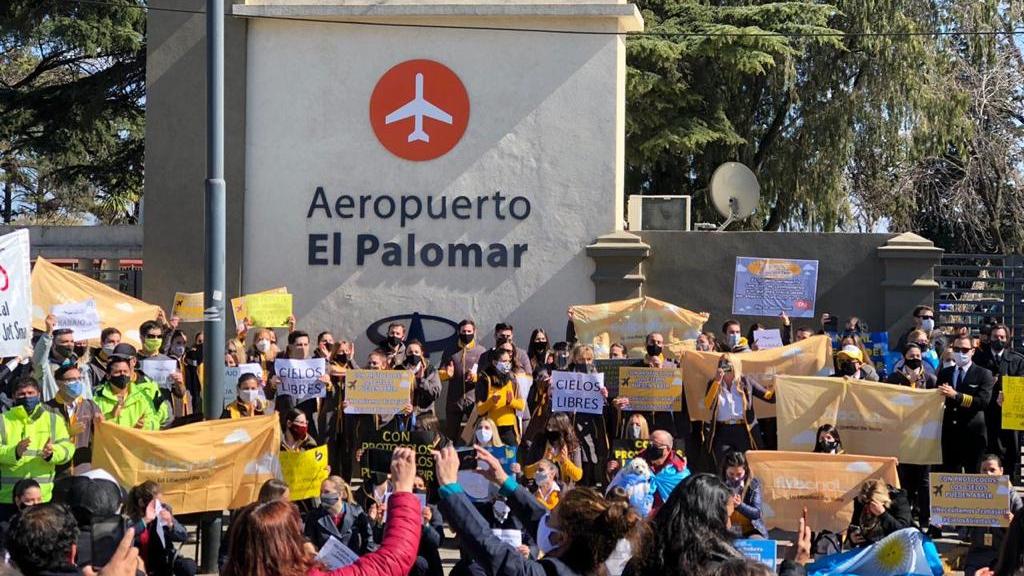
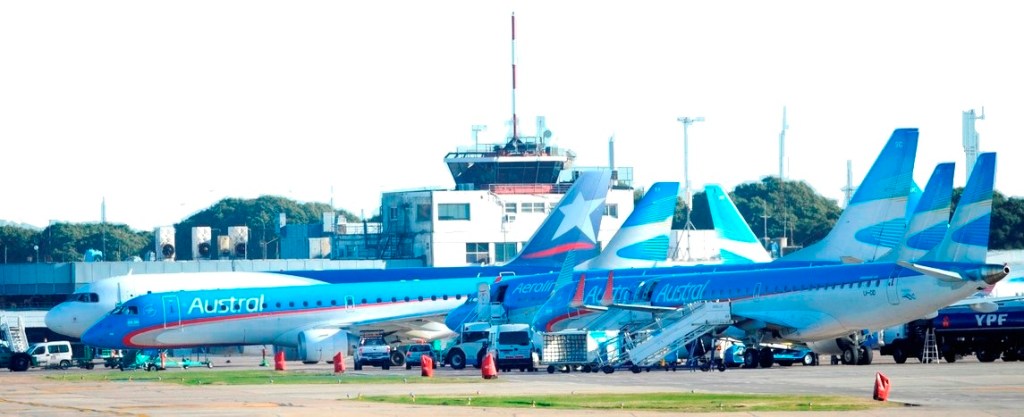
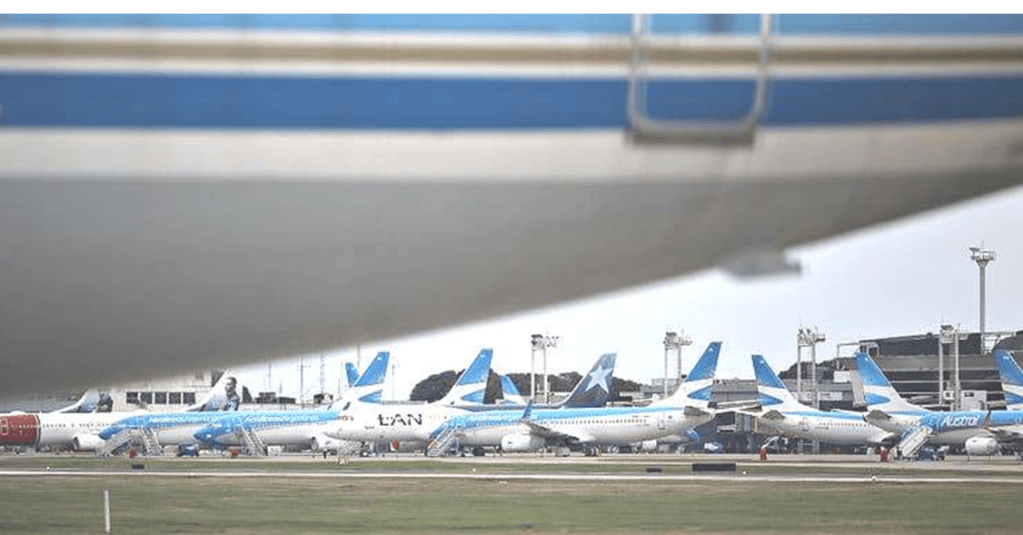
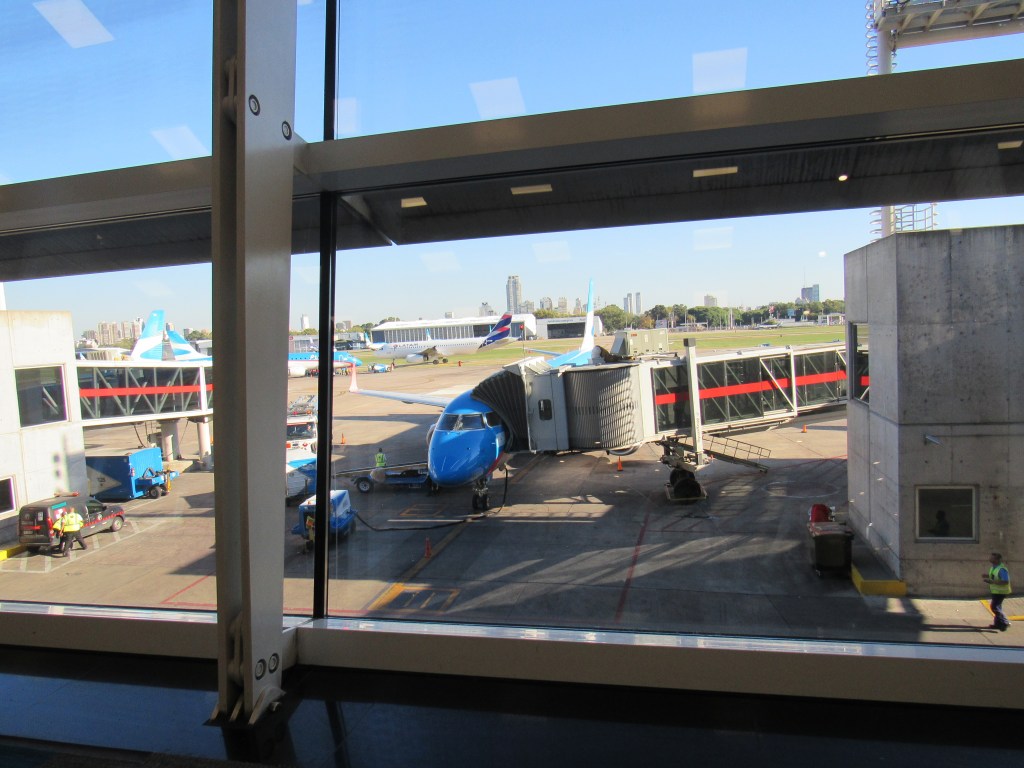
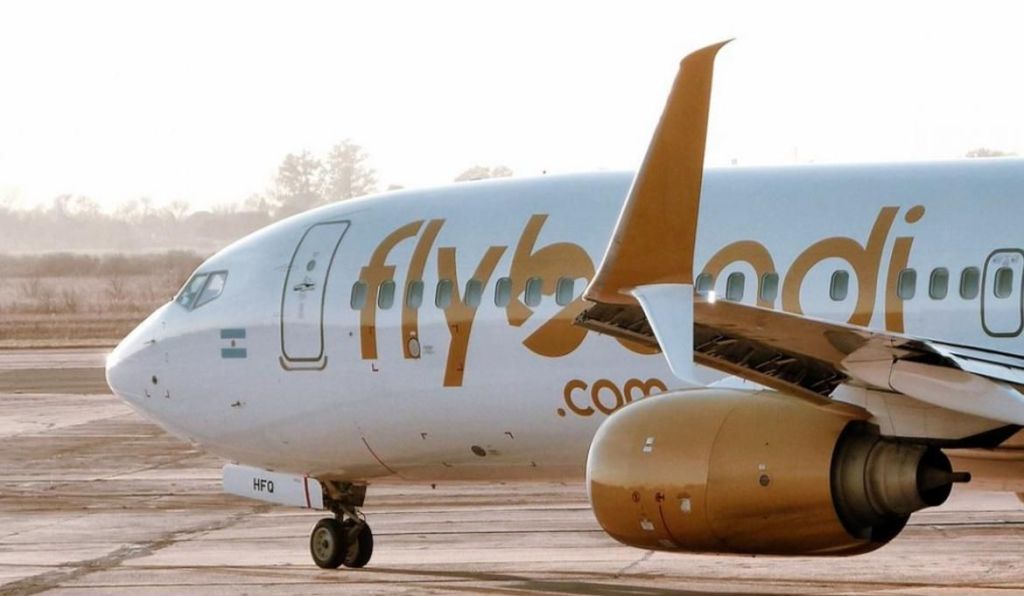
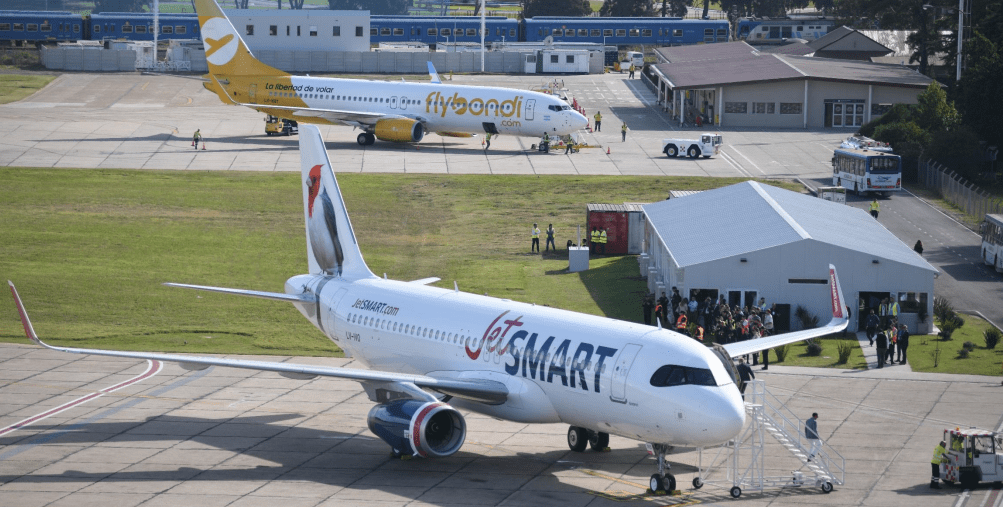
Empleados de las aerolíneas low cost Flybondi Líneas Aéreas y JetSmart Airlines Argentina se han manifestado el 20/08 en varios puntos del país por la reapertura de los vuelos, mejores condiciones de trabajo en condiciones igualitarias frente al cierre del Aeropuerto Internacional El Palomar.

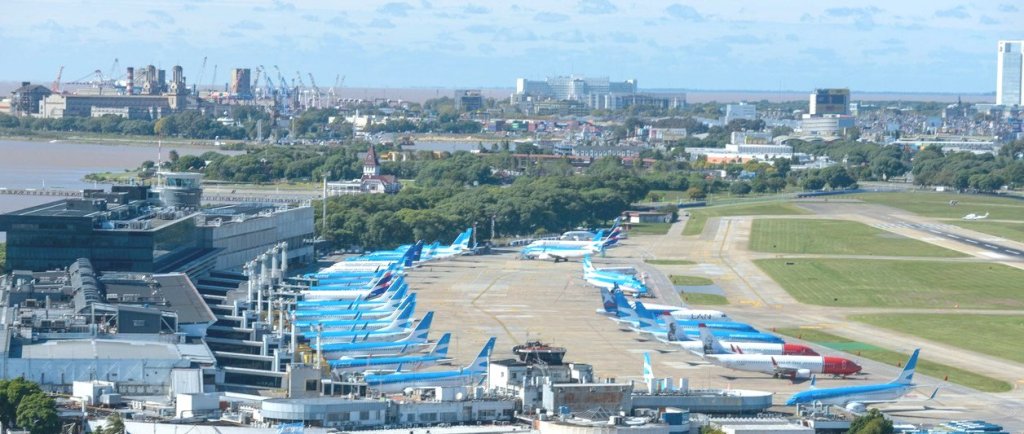
Trabajadores de Flybondi y Jetsmart se manifestaron por el regreso de los vuelos y contra el cierre del Aeropuerto El Palomar, movilizándose en catorce puntos del país para pedir al Ministerio de Transporte que rehabilite el tráfico aéreo, tras cinco meses de cuarentena y ante un eventual colapso. Una de las manifestaciones fue sobre el Aeropuerto de El Palomar, que lleva su propia batalla enfrentados con un sector de la Justicia y el Gobierno.

En algunas ciudades, los empleados se manifestaron en aeropuertos, en otras como el caso de Bariloche, en sectores emblemáticos de turismo. “Queremos volver a trabajar. Que se mantengan los 10.000 puestos de trabajo a nivel nacional de manera directa e indirecta que hoy están en peligro”, indicó Manuel Trim, referente del Sindicato de Flybondi en Bariloche. En esa sucursal la empresa tiene 18 empleados y Jetsmart, 8 trabajadores.
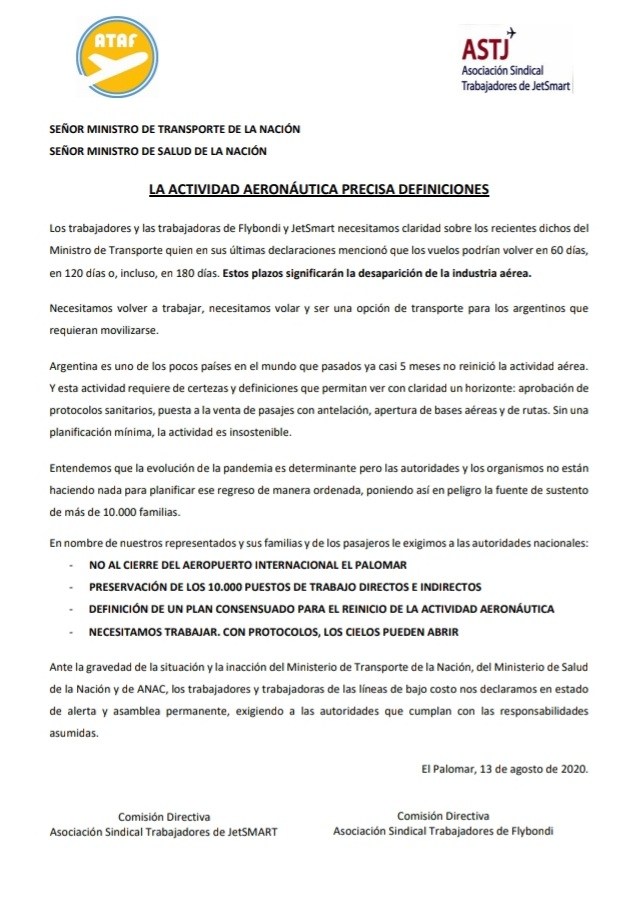
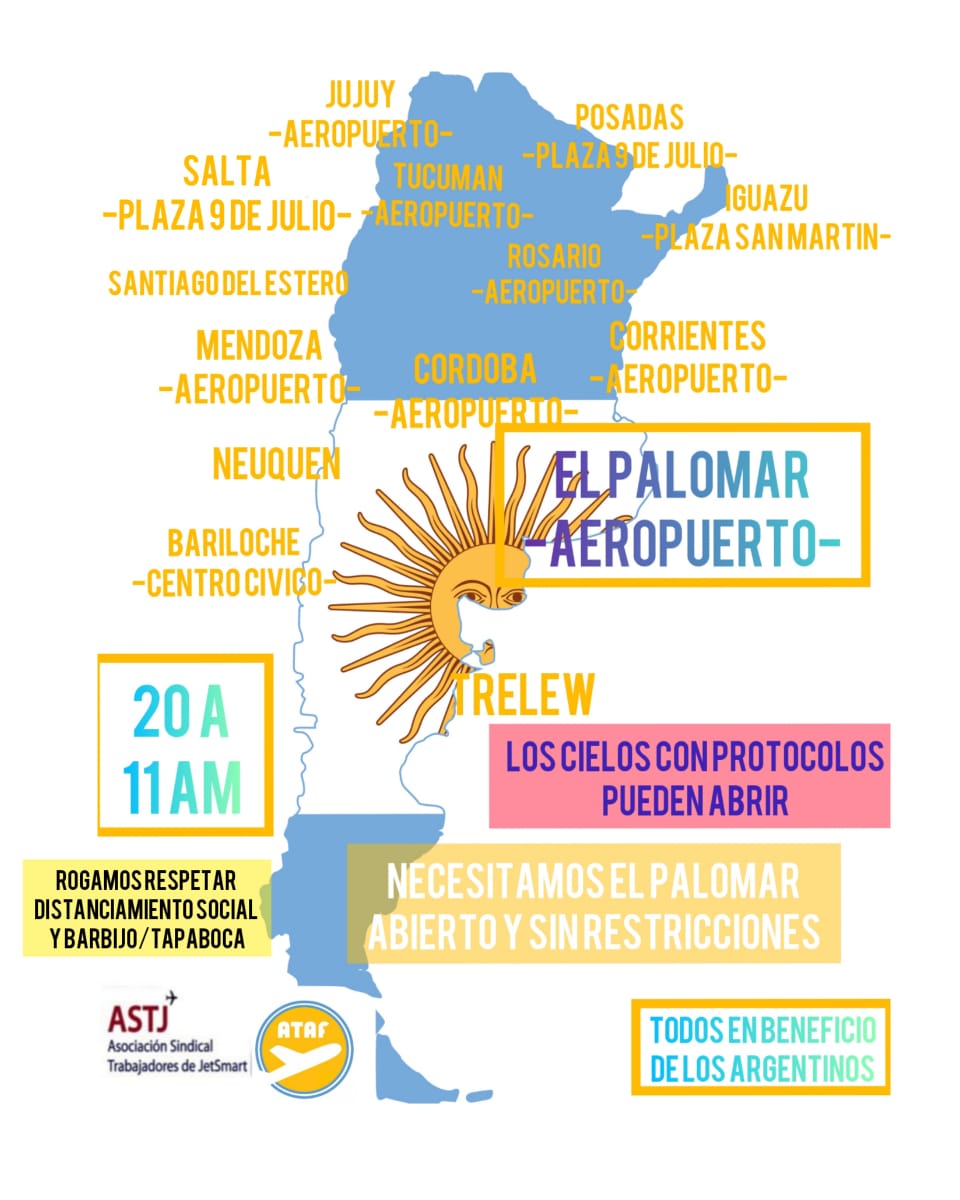
RECLAMO DE LAS AÉREAS LOW COST FLYBONDI Y JETSMART AIRLINES AL GOBIERNO DE ARGENTINA
Las manifestaciones fueron en 13 ciudades argentinas, en simultáneo,
MANIFESTACIONES FUERON REALIZADAS EN 13 CIUDADES DE LA REPÚBLICA ARGENTINA EN FAVOR DE LA REAPERTURA AÉREA

Reclamos en todo el país

Los gremios aeronáuticos han expresado que tienen listos los protocolos sanitarios de la ANAC que permiten volver a volar en condiciones sanitarias seguras. “Es muy seguro a diferencia del transporte terrestre. Acá se toma la temperatura, los aviones tienen filtros que renuevan el aire y ya no se puede llevar equipaje de mano en la cabina, solo se puede despachar. Reclamamos una fecha concreta para el reinicio de la actividad aerocomercial. Dicen que en 60, 80 días se vuelve. Una empresa privada no es sustentable en el tiempo sin facturación”, expresó el sindicalista de Flybondi, Manuel Trim. El sindicato de trabajadores recalcó que “la actividad aerocomercial es planificada. Hay que vender tickets con anticipación, hay que solicitar rutas. Les pedimos al Ministerio de Transporte, de Salud, a ANAC que nos den una respuesta”.

Además del reclamo de reapertura del espacio aéreo nacional, también han exigido por la continuidad operativa del Aeropuerto Internacional El Palomar. Esta semana la Justicia Federal a cargo del Jueza Federal Martina Forns podría dictar su cierre por una denuncia de impacto ambiental. Sorprendieron las declaraciones desde el Ministerio de Transporte, a cargo de Mario Meoni, en contra de la terminal, al alegar que tiene mucho costo mantener una tercera plaza en el Área Metropolitana de Buenos Aires (AMBA), una verdadera desprolijidad manejar los asuntos con tanta despreocupación e irresponsabilidad en medio de una crisis económica sin precedentes. “Para una empresa low cost es viable volar desde ahí y para los pasajeros, también. Hay transporte público y es más conveniente transportarse hasta El Palomar que a Ezeiza. A veces, ir hasta ahí es más caro que el ticket aéreo”, dijo Manuel Trim.
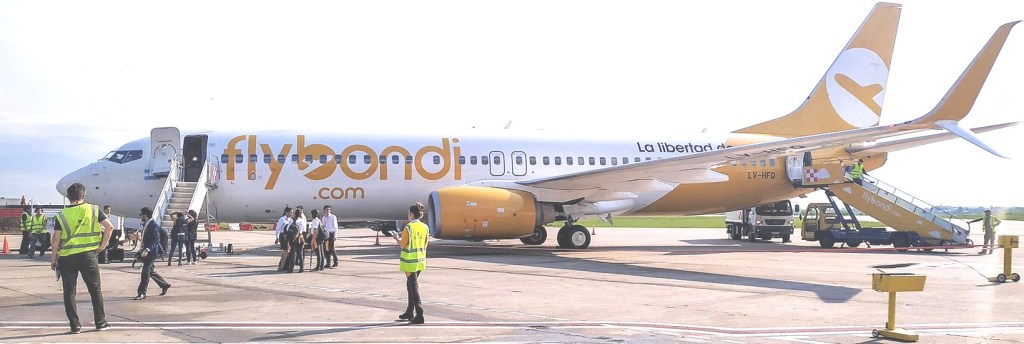
En la marcha del 20/08 estuvo presente el ex-Intendente de Morón Ramiro Tagliaferro, defensor del proyecto, realizado bajo su gestión y del concepto de El Palomar como ciudad aeronáutica. Un sector del la política del kirchnerismo, la agrupación La Cámpora, que está más vinculado a Aerolíneas Argentinas y a los gremios APLA y APA, todavía presionan para el cierre definitivo de la aeroestación. Pero también el Martes 18/08 salió el actual Jefe Comunal, Lucas Ghi, con una defensa del Aeropuerto y sus puestos de trabajo: «En la medida que el aeropuerto reúna todas las condiciones que los organismos acrediten, tiene que funcionar. En esta Argentina, que está atravesando un momento tan difícil, tomar una decisión de esta naturaleza, que impacte en varios cientos de trabajadores y trabajadoras no me parece que sea adecuado», dijo Lucas Ghi.

Desde Septiembre 2019 el Aeropuerto El Palomar tiene una inhibición para vuelos entre las 10 p.m. y 7 a.m., dispuesta por el Juez Martina Forns. La misma jueza ha sido la que ha habilitado al uso del espacio aéreo cuando se intentaba bloquear la iniciativa, tras obligar a una audiencia pública.


ElPalomarNoSeVa hashtag on Twitter
EN EL PAÍS YA SE HABLA DEL SÍNDROME «FLYBONDI»

Posición ciudadana

Vecinos y trabajadores se manifestaron también en reclamo justo de las fuentes laborales y por el aeropuerto low cost. Según una encuesta difundida por Flybondi, realizada por la consultora CIO entre vecinos de Morón, Hurlingham y Tres de Febrero, el 82% cree que tener un aeropuerto activo en la zona donde vive es beneficioso, mientras que solo el 15% considera que es perjudicial.

El 86% cree que contar con vuelos low cost contribuye a generar trabajo en la zona, el 77% que beneficia a la ciudad donde vive y el 48% que ayuda a modernizarla. Además, poco más de la mitad de los consultados del 53%, consideró que contar con el aeropuerto de vuelos de bajo costo contribuye a impulsar la economía regional al mejorar el consumo en la zona.

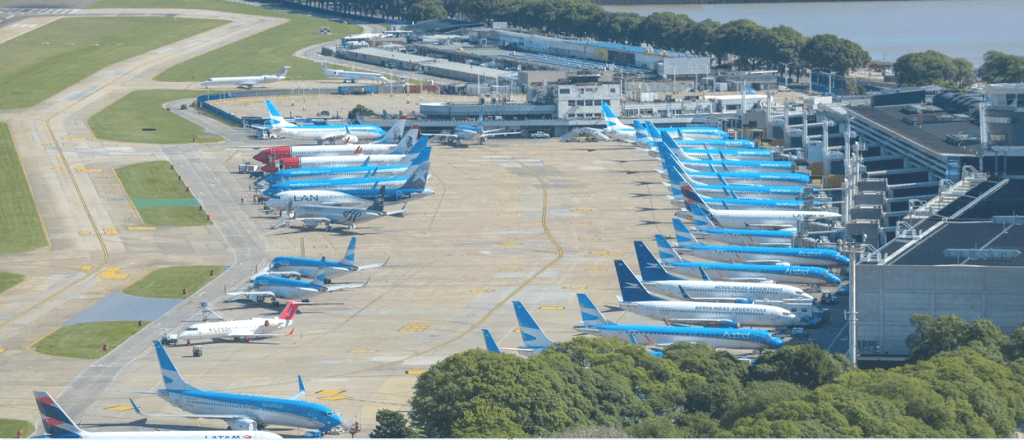
En el otro extremo se encuentran los vecinos agremiados bajo el nombre de Stop Flybondi. Este grupo, encabezado por el abogado Lucas Marisi, inició el 17 Diciembre 2019 una acción en la Justicia para solicitar el cese total de operaciones de la terminal aérea con el argumento de que genera una contaminación sonora que excede los límites de lo saludable; el mismo reclamo podría aplicarse en el Aeropuerto Jorge Newbery donde se encuentra localizado en plena urbe de la Ciudad de Buenos Aires.

Perspectivas aéreas

Centenares de trabajadores de diferentes partes del país como Córdoba, Bariloche, Iguazú, Morón, entre otros puntos se han sumado a la jornada para reclamar sus justos derechos para conservar sus fuentes laborales y permitir la reactivación de la aeroestación de El Palomar para trabajar en iguales condiciones laborales que Aerolíneas Argentinas.

Las incongruencias de la actual política de Estado manejadas por la elite de La Cámpora, no ha hecho otra cosa que cumplir su viejo anhelo de tener a Aerolíneas Argentinas como heredera del mercado aeronáutico, inclusive plasmando sus viejos sueños de eliminar a la propia Austral Líneas Aéreas por la lucha gremial entre UALA-APA y la eterna lucha con Latam Airlines Argentina por el dominio de las rutas y el politizado hangar de Aeroparque.

El Gobierno de Argentina debe atender urgentemente los reclamos planteados, pues el horizonte de la aviación comercial realmente se encuentra amenazado, virando hacia un mercado altamente concentrado con Aerolíneas Argentinas como único operador dominante en el país. El Poder Ejecutivo deberá garantizar igualdad en un mercado aéreo muy desgastado por los efectos económicos actuales y brindar herramientas a todas las líneas aéreas de Argentina poder trabajar en las mismas condiciones y oportunidades, de lo contrario las perspectivas aéreas serán perjudiciales para todos los argentinos, inclusive de aquellos que volamos por la aerolínea de bandera nacional.

Strong low cost claim in Argentina

Strong claim from employees of low cost airlines in Argentina

Employees of the low cost airlines Flybondi Líneas Aéreas and JetSmart Airlines Argentina demonstrated on 08/20 in various parts of the country for the reopening of flights, better working conditions under equal conditions compared to the closure of the El Palomar International Airport.

Flybondi and Jetsmart workers demonstrated for the return of the flights and against the closure of the El Palomar Airport, mobilizing in fourteen points of the country to ask the Ministry of Transport to rehabilitate air traffic, after five months of quarantine and in the face of an eventual collapse. One of the demonstrations was at the El Palomar Airport, which is facing its own battle against a sector of the Justice and the Government.

In some cities, employees demonstrated in airports, in others, such as Bariloche, in emblematic tourism sectors. “We want to go back to work. That the 10,000 jobs at the national level be maintained directly and indirectly that are in danger today”, said Manuel Trim, a reference for the Flybondi Union in Bariloche. In that branch the company has 18 employees and Jetsmart, 8 workers.

Claims throughout the country

The aeronautical unions have expressed that they have ready the ANAC sanitary protocols that allow flying again in safe sanitary conditions. “It is very safe unlike ground transportation. Here the temperature is taken, the planes have filters that renew the air and you can no longer carry hand luggage in the cabin, it can only be dispatched. We demand a specific date for the restart of commercial aviation activity. They say that in 60, 80 days it comes back. A private company is not sustainable over time without billing”, said Flybondi union member Manuel Trim. The workers union stressed that “the commercial air activity is planned. You have to sell tickets in advance, you have to request routes. We ask the Ministry of Transport, Health, ANAC to give us an answer”.
In addition to the demand for the reopening of the national airspace, they have also demanded for the operational continuity of the El Palomar International Airport. This week the Federal Justice in charge of Federal Judge Martina Forns could dictate its closure due to an environmental impact complaint. The statements from the Ministry of Transport, in charge of Mario Meoni, against the terminal were surprised, claiming that it has a lot of cost to maintain a third place in the Metropolitan Area of ​​Buenos Aires (AMBA), a real mess to handle matters with so much carefree and irresponsible in the midst of an unprecedented economic crisis. “For a low cost company it is feasible to fly from there and for passengers, too. There is public transport and it is more convenient to travel to El Palomar than to Ezeiza. Sometimes going there is more expensive than the air ticket”, said Manuel Trim.

The ex-Mayor of Morón Ramiro Tagliaferro, defender of the project, carried out under his management and of the concept of El Palomar as an aeronautical city, was present at the 08/20 march. A sector of Kirchnerism politics, the La Cámpora group, which is more closely linked to Aerolíneas Argentinas and the APLA and APA unions, still press for the definitive closure of the air station. But also on Tuesday 18/08, the current Community Chief, Lucas Ghi, came out with a defense of the Airport and his jobs: «As long as the airport meets all the conditions that the agencies accredit, it has to work. In this Argentina , who is going through such a difficult time, making a decision of this nature, which impacts several hundred workers, does not seem to me to be appropriate», said Lucas Ghi.

Since September 2019, El Palomar Airport has an inhibition for flights between 10 p.m. and 7 a.m., ordered by Judge Martina Forns. The same judge has been the one who has enabled the use of airspace when trying to block the initiative, after forcing a public hearing.

Citizen position

Neighbors and workers also demonstrated in fair demand from the labor sources and for the low cost airport. According to a survey released by Flybondi, conducted by the CIO consultancy among residents of Morón, Hurlingham and Tres de Febrero, 82% believe that having an active airport in the area where they live is beneficial, while only 15% consider that it is harmful.

86% believe that having low cost flights contributes to generating work in the area, 77% that it benefits the city where they live and 48% that it helps to modernize it. In addition, just over half of those consulted, 53%, considered that having the airport for low-cost flights contributes to boosting the regional economy by improving consumption in the area.

At the other extreme are the neighbors unionized under the name of Stop Flybondi. This group, headed by the lawyer Lucas Marisi, initiated on December 17, 2019 an action in the Justice to request the total cessation of operations of the air terminal on the grounds that it generates noise pollution that exceeds the limits of what is healthy; the same claim could be applied at the Jorge Newbery Airport where it is located in the heart of the City of Buenos Aires.

Aerial perspectives

Hundreds of workers from different parts of the country such as Córdoba, Bariloche, Iguazú, Morón, among other points, have joined the day to demand their just rights to keep their sources of employment and allow the reactivation of the El Palomar air station to work as equals working conditions that Aerolíneas Argentinas.

The incongruities of the current State policy managed by the elite of La Cámpora, has done nothing but fulfill its old desire to have Aerolíneas Argentinas as heir to the aeronautical market, even embodying its old dreams of eliminating Austral Líneas Aéreas itself. for the union struggle between UALA-APA and the eternal struggle with Latam Airlines Argentina for control of the routes and the politicized Aeroparque hangar.

The Government of Argentina must urgently address the claims raised, since the commercial aviation horizon is really threatened, turning towards a highly concentrated market with Aerolíneas Argentinas as the only dominant operator in the country. The Executive Power must guarantee equality in an air market very worn out by the current economic effects and provide tools to all Argentine airlines to be able to work under the same conditions and opportunities, otherwise the air prospects will be detrimental to all Argentines, inclusive of those who fly by the national flag airline.

Ξ A I R G W A Y S Ξ
PUBLISHER: Airgways.com
DBk: Airgways.com / ASTJ / ATAF / Unmedioenmoron.com.ar / Fm899.com.ar / Flybondi.com / Cronista.com / Elterritorio.com.ar / Mendozapost.com / Rionegro.com.ar
AW-POST: 202008211144AR

A\W   A I R G W A Y S ®

EEUU-China acuerdan duplicar vuelos

AW | 2020 08 20 13:13 | AIRLINES MARKET / GOVERNMENT

China y Estados Unidos aprueban duplicar vuelos de reprocidad

La República Popular de China y Estados Unidos de América permitirán a las compañías aéreas duplicar las frecuencias de vuelos entre ambos países, elevando el número total de vuelos de ocho a 16; después de las restricciones impuestas por el país americano. El Departamento de Transporte de Estados Unidos (DOT) emitió el Martes 18/08 una orden que permite a las cuatro aerolíneas chinas que actualmente realizan servicios de pasajeros programados a EE.UU. aumentar a ocho vuelos semanales de ida y vuelta, totalizando 16 frecuencias entre países. Este nivel agregado de servicio es equivalente al número total de vuelos permitidos actualmente por las autoridades de aviación chinas para las aerolíneas estadounidenses, según el Departamento de Transporte de Estados Unidos.
El DOT anunció los vuelos adicionales el 18 Agosto 2020, que la Autoridad de Aviación de China (CAAC) ha permitido vuelos expandidos operados por United Airlines y Delta Air Lines, compañías ahora elegibles para duplicar sus vuelos a China de dos a cuatro veces por semana, según el DOT. De la misma manera, Air China, China Eastern Airlines, China Southern Airlines y Xiamen Airlines ahora podrán realizar ocho vuelos semanales de ida y vuelta, un aumento de cuatro por semana. El Departamento de Transporte ha señalado que este era «un paso en la dirección correcta», sin embargo, dijo que espera que China acepte restaurar completamente los derechos de las aerolíneas estadounidenses para servir a China.

Según el regulador de aviación de China, la Administración de Aviación Civil de China (CAAC), 19 aerolíneas chinas y 74 extranjeras operaban 210 frecuencias de regreso semanales en 187 rutas internacionales regulares de pasajeros hacia y desde China, al 12 Agosto 2020. China tiene servicios regulares de pasajeros con 50 países. China ha reanudado los servicios regulares de pasajeros con 20 países que fueron suspendidos debido a la pandemia de Coronavirus.

US-China agree to double flights

China and the United States approve doubling reprocity flights

The People’s Republic of China and the United States of America will allow airlines to double the frequencies of flights between the two countries, raising the total number of flights from eight to 16; after the restrictions imposed by the American country. The United States Department of Transportation (DOT) issued an order on Tuesday 18/08 that allows the four Chinese airlines that currently provide scheduled passenger services to the United States to increase to eight weekly roundtrip flights, totaling 16 frequencies. between countries. This aggregate level of service is equivalent to the total number of flights currently allowed by Chinese aviation authorities for US airlines, according to the US Department of Transportation.

The DOT announced the additional flights on August 18, 2020, that the China Aviation Authority (CAAC) has allowed expanded flights operated by United Airlines and Delta Air Lines, companies now eligible to double their flights to China from two to four times per week, according to DOT. Likewise, Air China, China Eastern Airlines, China Southern Airlines and Xiamen Airlines will now be able to fly eight round-trip flights per week, an increase of four per week. The Transportation Department has signaled that this was «a step in the right direction», however, it said it hopes China will agree to fully restore the rights of US airlines to serve China.

According to China’s aviation regulator, the Civil Aviation Administration of China (CAAC), 19 Chinese and 74 foreign airlines operated 210 weekly return frequencies on 187 scheduled international passenger routes to and from China, as of August 12, 2020. China has regular passenger services with 50 countries. China has resumed regular passenger services with 20 countries that were suspended due to the Coronavirus pandemic.

美中同意加倍航班

中美批准雙倍往返飛行

中華人民共和國和美利堅合眾國將允許航空公司將兩國之間的航班​​頻率加倍,使航班總數從八架增加到十六架;在美國國家施加限制之後。美國運輸部(DOT)在08/18星期二發布命令,允許目前向美國提供定期客運服務的四家中國航空公司,增加到每周八班往返航班,共16個班次。國家之間。據美國運輸部稱,這一服務總水平相當於中國航空當局目前允許美國航空公司乘坐的航班總數。

美國交通部(DOT)於2020年8月18日宣布增加航班,中國航空管理局(CAAC)允許由聯合航空和達美航空運營的擴大航班,現在有資格將飛往中國的航班增加一倍,每週兩次至四次,根據DOT。同樣,國航,中國東方航空,中國南方航空和廈門航空現在將能夠每週飛行八趟往返航班,每週增加四趟。美國運輸部已經表示這是“朝正確方向邁出的一步”,但是它希望中國將同意完全恢復美國航空公司為中國服務的權利。

根據中國航空管制局的資料,截至2020年8月12日,中國民航總局(CAAC)的19家中國航空公司和74家外國航空公司在187條定期往返中國的國際客運航線上,每週運營210次返航頻率。在50個國家/地區提供定期客運服務。中國已經恢復了與20個因冠狀病毒大流行而暫停的國家的定期客運服務。

Ξ A I R G W A Y S Ξ
PUBLISHER: Airgways.com
DBk: Transportation.gov / Caac.gov.cn / Ft.com / Scpm.com / Airgways.com
AW-POST: 202008201313AR

A\W   A I R G W A Y S ®

Solicitud vuelos especiales Argentina

Ministro Pistarini (Ezeiza) Airport Guide

AW | 2020 08 20 12:41 | AIRLINES MARKET / GOVERNMENT

Programación vuelos especiales ante demora reapertura aérea

Las aerolíneas de la República Argentina han asumido que los vuelos no se reanudarán el 1 Septiembre 2020 como el sector aéreo estipulaba, en vista que el Gobierno ha postergado el reinicio de las operaciones regulares en el país. Por este motivo, las aerolíneas comenzaron a solicitar permisos al Gobierno para realizar vuelos especiales hacia el mes entrante con la autorización excepcional de la autoridad aeronáutica de la ANAC Argentina.

Aerolíneas Argentinas preveía más vuelos, pero ha disminuido su programación a la ANAC. Según explican, este achicamiento tiene que ver sobre todo con la baja demanda registrada en algunos vuelos a la venta. Habían programado vuelos que había anticipado para Septiembre 2020 a Bogotá, Santa Cruz de la Sierra, Montevideo, Punta del Este, Río de Janeiro, Lima y Punta Cana, aunque quedan en stand-by, mantendría el resto de los destinos anunciados, aunque con menos frecuencias. La compañía efectivamente volará el mes que viene a los siguientes destinos: Asunción del Paraguay, Santiago de Chile, San Pablo, Nueva York, Madrid, Miami y Cancún. Los pedidos todavía están pendientes de ser autorizados por la agencia de la ANAC Argentina.

Las aerolíneas Air France, KLM e Iberia comenzaron a ofrecer en Julio 2020 vuelos semanales a París, Amsterdam y Madrid, respectivamente. También Aerolíneas Argentinas, que en Agosto 2020 ha solicitado volar todas las semanas a Miami y Madrid. En vista del nuevo panorama, algunas de las aerolíneas que ya operaban estos vuelos pidieron aumentar frecuencias y se sumaron a la lista otras compañías como American Airlines, que quiere volar semanalmente entre Miami y Ezeiza, y Air Europa, que solicitó autorización para volar de Madrid a Ezeiza. El grupo aéreo Air France-KLM había solicitado aumentar sus frecuencias desde y hacia el país a partir del 09/2020. El plan era realizar tres vuelos semanales de Air France a París y cinco de KLM a Amsterdam, desde donde podrían conectar a otras ciudades europeas. Sin embargo, han reducido sus pretensiones a partir de la decisión del Gobierno de no reanudar los vuelos regulares. Los vuelos programados especiales sólo pueden abordar quienes tengan ciudadanía o residencia europea o dispongan de algún permiso especial solicitado previamente en la embajada del país. Estados Unidos no tiene restricciones para el ingreso de argentinos.

Argentina special flights schedule

Scheduling special flights due to delayed air reopening

The airlines of the Argentine Republic have assumed that flights will not resume on September 1, 2020 as the air sector stipulated, given that the Government has postponed the restart of regular operations in the country. For this reason, the airlines began to request permits from the Government to carry out special flights towards the next month with the exceptional authorization of the aeronautical authority of ANAC Argentina.

Aerolineas Argentinas planned more flights, but it has reduced its programming to ANAC. As they explain, this reduction has to do above all with the low demand registered in some flights for sale. They had scheduled flights that he had anticipated for September 2020 to Bogotá, Santa Cruz de la Sierra, Montevideo, Punta del Este, Rio de Janeiro, Lima and Punta Cana, although they remain on stand-by, it would keep the rest of the announced destinations, although with less frequencies. The company will effectively fly next month to the following destinations: Asunción del Paraguay, Santiago de Chile, São Paulo, New York, Madrid, Miami and Cancun. The orders are still pending to be authorized by the ANAC Argentina agency.

Ministro Pistarini International Airport – Travel guide at Wikivoyage

The airlines Air France, KLM and Iberia began offering weekly flights to Paris, Amsterdam and Madrid, respectively, in July 2020. Also Aerolineas Argentinas, which in August 2020 has requested to fly every week to Miami and Madrid. In view of the new panorama, some of the airlines that already operated these flights asked to increase frequencies and other companies such as American Airlines, which wants to fly weekly between Miami and Ezeiza, and Air Europa, which requested authorization to fly from Madrid, joined the list. to Ezeiza. The Air France-KLM airline group had requested to increase its frequencies to and from the country as of 09/2020. The plan was to carry out three weekly Air France flights to Paris and five from KLM to Amsterdam, from where they could connect to other European cities. However, they have reduced their claims after the government’s decision not to resume regular flights. Special scheduled flights can only board those who have European citizenship or residence or have a special permit previously requested at the country’s embassy. The United States has no restrictions on the entry of Argentines.

Ξ A I R G W A Y S Ξ
PUBLISHER: Airgways.com
DBk: Airgways.com / Anac.gov.ar / Airport-worldwide.com / Trover.com
AW-POST: 202008201241AR

A\W   A I R G W A Y S ®

Efecto aviación EEUU post-30/09

AW | 2020 08 19 22:00 | AIRLINES MARKET / GOVERNMENT

Disyuntiva entre ayudas adicionales o desbanque de aerolíneas

En los primeros días de la crisis ddel sistema sanitario producto por la pandemia de Coronavirus, las aerolíneas podrían ver una caída en la demanda de viajes. Primero, pareció que las áreas afectadas quedarían aisladas de Asia. Incluso el Dr. Anthony Fauci declaró a mediados de febrero que el riesgo de que el virus llegara a Estados Unidos era minúsculo. Nadie vio venir la tormenta hasta que fue demasiado tarde, y la industria que se vio más golpeada fue la industria de viajes global, que incluye a las más de 800 aerolíneas comerciales del mundo.

A partir de 2018, la industria de viajes representó US$ 8,3 billones del PIB mundial y la asombrosa cantidad de 313 millones de empleos, lo que representa uno de cada diez trabajadores en el planeta en ese momento. La industria de los viajes es un componente importante de la economía nacional y mundial. Cuando la industria experimentó una caída sin precedentes de más del 90 por ciento, el impacto económico adverso fue la fuerza impulsora para preparar un paquete de estímulo para ayudar a las aerolíneas estadounidenses como nunca antes.

Ley CARES

La Ley de Ayuda, Alivio y Seguridad Económica por Coronavirus (CARES) proporcionó US$ 25 mil millones en apoyo de nómina. Pero llegó con la estipulación de que las aerolíneas que aceptan el dinero se abstengan de despedir a sus empleados hasta después de la fecha límite del 30 Septiembre 2020. Inicialmente, muchos ejecutivos de aerolíneas dudaban en aceptar el dinero debido a las condiciones impuestas. Con una apariencia de vacilación, las aerolíneas tomaron el efectivo necesario.

Ayudas vs Post-30/09

A medida que nos acercamos a la fecha límite del 1 Octubre 2020, los ejecutivos de las aerolíneas predicen una ola sin precedentes de licencias para empleados y el número colectivo de empleados de la aerolínea afectados podría superar los 100.000. Los sindicatos que representan a los empleados de las aerolíneas están pidiendo una segunda ronda de ayuda para ayudar a retrasar estos despidos por otros tres a seis meses. Para algunos, hacerlo sería una pérdida de dinero de los contribuyentes. Incluso según el cálculo más optimista, la demanda de viajes aéreos podría tardar hasta dos o tres años en recuperarse, entonces, ¿qué lograría realmente un paquete de extensión de nómina de unos pocos meses? Tras un examen detenido, nada más que mantener a las aerolíneas con exceso de personal durante unos meses más. Es por esta razón que no debería concederse una segunda ronda de dinero de nómina a las aerolíneas, sostienen algunos.

La idea de una segunda ronda de ayuda federal a las aerolíneas requeriría más rondas de ayudas, aunque por otro lado, sostener el las ayudas bajo el paraguas de la Ley CARES podría garantizar estirar las esperanzas para recuperarse más rapidamente y evitar un desbanque del sistema de aviavión en los Estados Unidos.

Delta operations returning to normal after systems outage | Delta ...

Post-30/09 US aviation effect

Dilemma between additional aid or the removal of airlines

In the early days of the health system crisis caused by the Coronavirus pandemic, airlines could see a drop in travel demand. First, it appeared that the affected areas would be cut off from Asia. Even Dr. Anthony Fauci declared in mid-February that the risk of the virus reaching the United States was miniscule. No one saw the storm coming until it was too late, and the industry that was hit the hardest was the global travel industry, which includes the world’s more than 800 commercial airlines.

As of 2018, the travel industry accounted for US$ 8.3 trillion of global GDP and a staggering 313 million jobs, accounting for one in ten workers on the planet at the time. The travel industry is an important component of the national and global economy. When the industry experienced an unprecedented drop of more than 90 percent, the adverse economic shock was the driving force to prepare a stimulus package to help US airlines like never before.

CARES Law

The Coronavirus Relief, Relief and Economic Security Act (CARES) provided US$ 25 billion in payroll support. But it came with the stipulation that airlines that accept the money refrain from laying off their employees until after the September 30, 2020 deadline. Initially, many airline executives were hesitant to accept the money due to the conditions imposed. With an appearance of hesitation, the airlines took the necessary cash.

Aid vs Post-30/09

As we approach the October 1, 2020 deadline, airline executives predict an unprecedented wave of employee licensing and the collective number of affected airline employees could exceed 100,000. Unions representing airline employees are calling for a second round of help to help delay these layoffs for another three to six months. For some, doing so would be a waste of taxpayer money. Even by the most optimistic estimate, it could take up to two to three years for air travel demand to recover, so what would a payroll extension package of a few months actually accomplish? On close scrutiny, nothing more than keeping over-staffed airlines for a few more months. It is for this reason that a second round of payroll money should not be awarded to airlines, some argue.

The idea of ​​a second round of federal aid to the airlines would require more rounds of aid, although on the other hand, sustaining the aid under the umbrella of the CARES Law could guarantee to stretch hopes for a faster recovery and avoid an unseating of the airline system. aircraft in the United States.

Ξ A I R G W A Y S Ξ
PUBLISHER: Airgways.com
DBk: Airgways.com / Transportation.gov / Gettyimages.com
AW-POST: 202008192200AR

A\W   A I R G W A Y S ®

Aerolíneas vs almacenamiento aviones

AW | 2020 08 19 19:33 | AIRLINES MARKET

Pandemia y el efecto grounding aviation

Las perspectivas de las líneas aéreas del mundo a principios de 2020 auguraba un aumento de la participación de mercado y la mejora de los rendimientos para los accionistas. Tras el asomo de la pandemia de Coronovirus el giro rápido de los acontecomientos cambió el horizonte abruptamente. Las fronteras se cerraron, los viajes aéreos y el turismo en todo el mundo se detuvieron. De repente, las aerolíneas del mundo tenían miles de aviones y, literalmente, ningún lugar adonde ir, un panorama algo similar a los acontecomientos del 11-S.

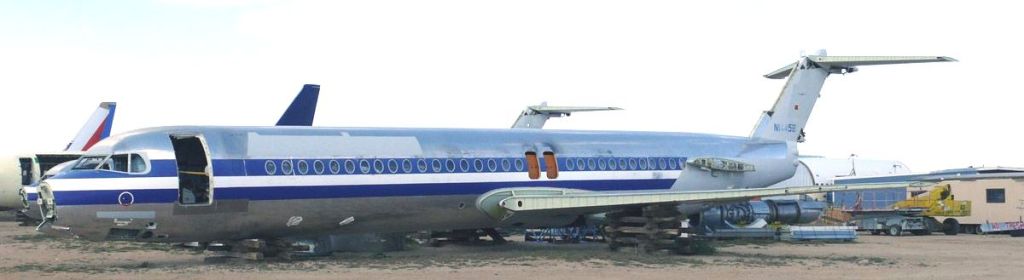
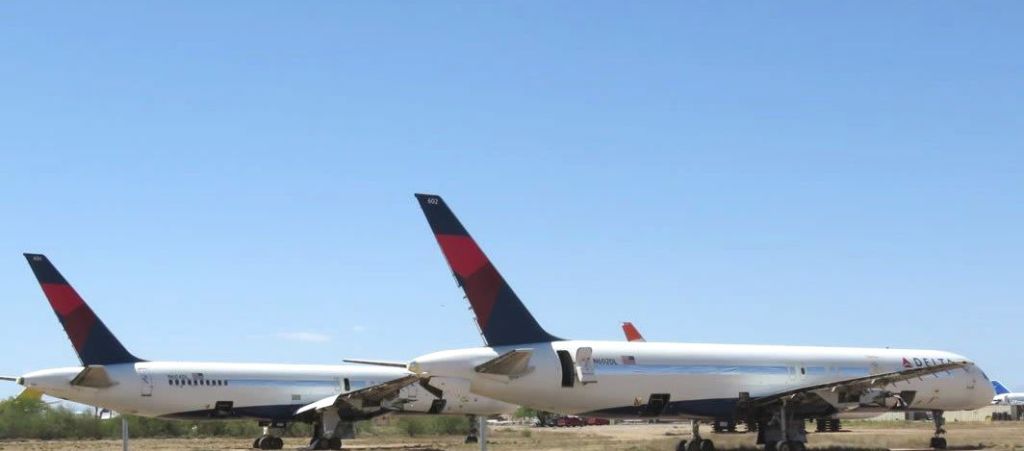
Con el impactoo de la pandemia de Coronavirus presente, las líneas aéreas han tenido que requerir espacio para estacionar una o varias aeronaves. Los aeropuertos tienen espacio limitado para almacenar aviones, ya que están diseñados principalmente para vuelos constantes de entrada y salida en lugar de estadías prolongadas. En su lugar, se utilizan instalaciones dedicadas para almacenar aviones denominados cementerios de aviones. Éstos están localizado preferentemente en lugares con climas frescos y secos, donde las condiciones ambientales afectan mínimamente a los materiales y sistemas de la aeronave; que por el contrario, la alta humedad puede acelerar la corrosión de las piezas y también ayudar al crecimiento de hongos y microbios en el interior de los aviones y los tanques de combustible, pero por otro lado, las altas temperaturas también hacen que las piezas de goma se deterioren más rápido y la luz ultravioleta puede dañar los interiores si no se maneja correctamente, para lo que generalmente utilizan envolturas de aluminio para su preservación.

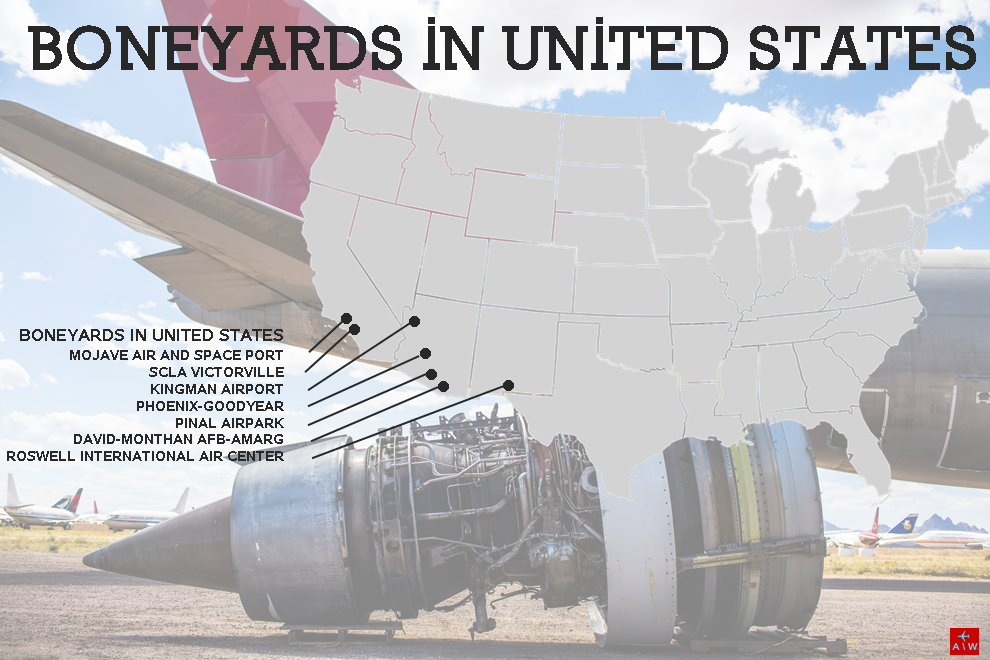
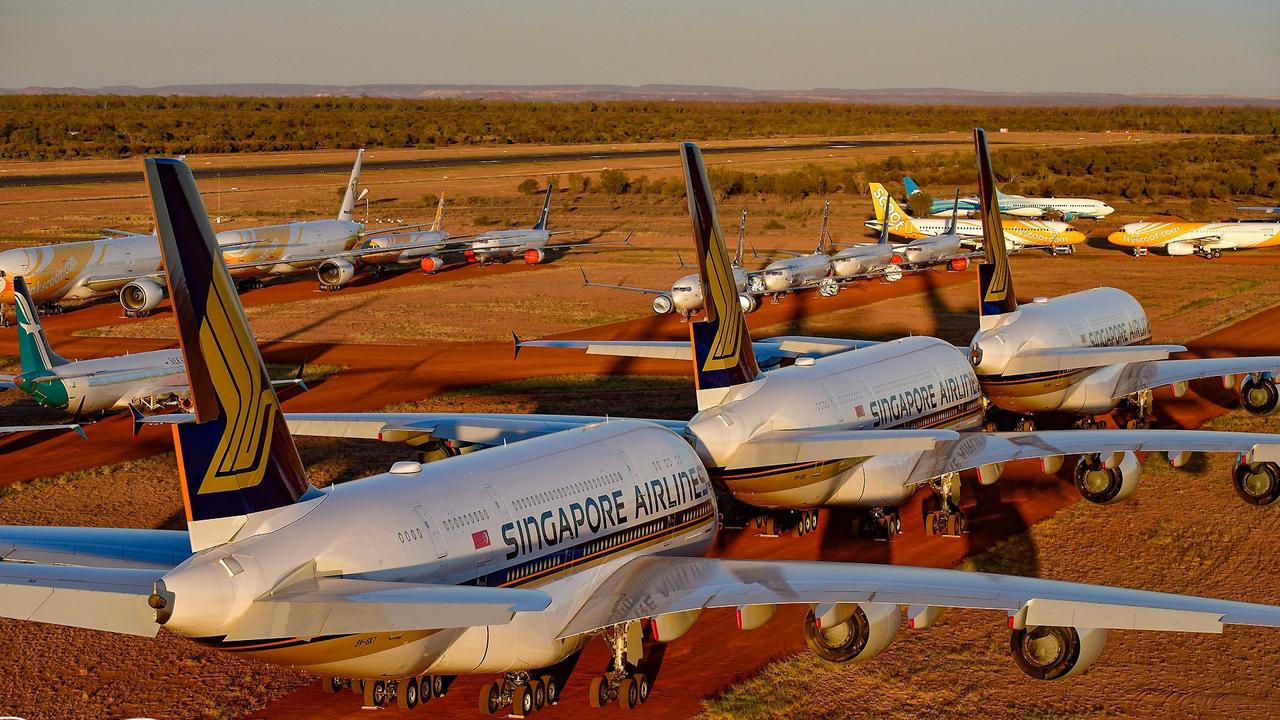
Las ubicaciones populares en los Estados Unidos incluyen Victorville Airport, Mojave Airport en el Estado de California e instalaciones en en el Estado de Arizona como Kingman Airport, Phoenix-Goodyear Airport, Pinal Airpark, Davis-Monthan AFB-Amarg y en el Estado de Nuevo México, Roswell International Air Center, donde las condiciones son más favorables. Instalaciones similares funcionan en el extranjero, con aerolíneas europeas que miran hacia España en el Aeropuerto Teruel y aerolíneas australianas que almacenan algunos aviones en el clima seco de Alice Springs Airport. Tan importante como la ubicación, es la presencia de personal de mantenimiento capacitado para realizar el trabajo. Muchas aerolíneas prefieren almacenar sus aviones en ubicaciones donde pueden confiar en sus propios equipos de ingenieros para cuidar sus valiosos activos.

Aparcamiento vs almacenamiento

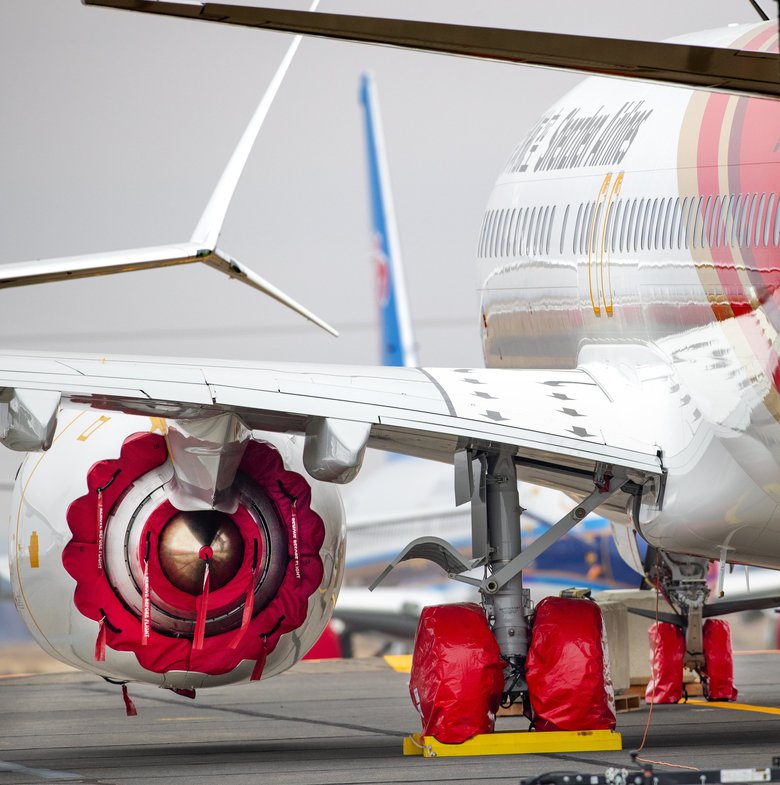
Cuando una aerolínea decide que un avión no volará en rutas comerciales por un tiempo, se debe tomar una decisión sobre cuánto tiempo estará fuera de servicio. Las prácticas exactas varían, pero la mayoría distingue entre estacionamiento activo y almacenamiento a largo plazo. El estacionamiento activo se refiere a aviones que se mantienen en una configuración lista para volar o casi lista para volar. Estos aviones generalmente se almacenan en aeropuertos o instalaciones relativamente cerca de sus rutas operativas típicas. Los aviones en el estacionamiento activo deben estar listos para volver a unirse a la línea de vuelo dentro de las 24 a 48 horas cuando sea necesario. En este régimen, partes como los trenes de aterrizaje estarán especialmente lubricadas y se instalarán cubiertas de motor para evitar la entrada de insectos y aves, así como de la corrosión. Otros accesorios como los orificios para tubos pitot y conductos de ventilación, se sellarán de manera similar. El avión también se moverá ligeramente cada pocas semanas para evitar pinchar los neumáticos. Los motores, los sistemas hidráulicos y la electrónica se encenderán a intervalos regulares cada pocas semanas para garantizar que el avión permanezca en un estado funcional. Esto evita efectos negativos como el fallo de los condensadores por falta de uso o la rotura de los cojinetes por largos períodos de tiempo sentado.

El almacenamiento a largo plazo es para aviones que están destinados a estar fuera de servicio durante muchos meses antes de que sean llamados nuevamente. En el clima actual, esto es particularmente relevante para los aviones de fuselaje ancho de gran capacidad, ya que la baja demanda hará que los aviones bimotores más pequeños presten servicio en la mayoría de las rutas en el futuro previsible. En estos casos, se trabaja más para preparar la aeronave para su almacenamiento. Los motores pueden ser decapados, donde sus lubricantes normales se reemplazan con agentes anticorrosivos especiales diseñados para minimizar los efectos del tiempo. Para un almacenamiento a largo plazo, los motores se pueden quitar por completo y enviar de vuelta al fabricante.

Se puede poner más esfuerzo en métodos de conservación más laboriosos, diseñados para reducir el esfuerzo continuo requerido para mantener el avión almacenado. Se evitan los arranques regulares del motor, las comprobaciones del tren de aterrizaje y las pruebas hidráulicas, a expensas de que la aeronave deba pasar por un proceso más largo para volver a unirse a la línea de vuelo al final del almacenamiento. En algunos casos, compañías como Airbus exigen que cualquier avión almacenado debe volver al estado listo para volar después de dos años, antes de un período de almacenamiento adicional. Con tales restricciones sobre la mesa, muchas aerolíneas optarán por retirar o reciclar un avión en este punto en lugar de seguir pagando los altos costos de almacenamiento. Muchos aviones más grandes, como el 747, se enfrentan a una jubilación anticipada por esta misma razón.

Perspectivas

Con la pandemia en pleno apogeo y sin un final a la vista, los viajes aéreos parecen estar estancados en los próximos años. Las estimaciones actuales esperan que la industria regrese a los niveles previos a la pandemia para 2024 como muy pronto. Esto ha llevado a problemas de flujo, y los aviones existentes ya no son el único problema. Boeing alcanzó niveles récord de producción del 787 Dreamliner precisamente en el momento equivocado, y ahora está atascado con un exceso de aviones sin entregar. Esto se deriva de los problemas que ya enfrentó la compañía, tratando de encontrar suficiente estacionamiento en tierra para aviones Boeing 737 MAX.

Afortunadamente, la industria aeroespacial altamente diligente y centrada en listas de verificación se preparó con procedimientos para manejar tal situación. El verdadero obstáculo es simplemente superar la magnitud del problema, tanto en el espacio como en el tiempo. En los próximos años, podemos observar una gran rotación en las flotas a medida que las aerolíneas recurran a aviones recién entregados para reemplazar las aeronaves más antiguas que han pasado demasiado tiempo en el desierto que continuarán en su letargo para poder esperar, por si acaso una nueva oportunidad, o esperar el revelo para dormir definitivamente en su descanso eterno en algunos de los cementerios de aeronaves en el mundo.

Airlines vs aircraft storage

Pandemic and the grounding aviation effect

The outlook for the world’s airlines in early 2020 predicted an increase in market share and improved returns for shareholders. After the outbreak of the Coronovirus pandemic, the rapid turn of events abruptly changed the horizon. Borders were closed, air travel and tourism around the world stopped. Suddenly, the world’s airlines had thousands of planes and literally nowhere to go, a scene somewhat similar to the events of 9/11.

With the impact of the Coronavirus pandemic present, airlines have had to require space to park one or more aircraft. Airports have limited space to store airplanes as they are designed primarily for constant inbound and outbound flights rather than extended stays. Instead, dedicated aircraft storage facilities called aircraft graveyards are used. These are preferably located in places with cool and dry climates, where environmental conditions minimally affect the materials and systems of the aircraft; that on the contrary, high humidity can accelerate the corrosion of parts and also help the growth of fungi and microbes inside aircraft and fuel tanks, but on the other hand, high temperatures also make parts of Rubber deteriorates faster and ultraviolet light can damage interiors if not handled correctly, for which they generally use aluminum wraps for their preservation.

El lugar a donde mueren los aviones |

Popular locations in the United States include Victorville Airport, Mojave Airport in the State of California, and facilities in the State of Arizona such as Kingman Airport, Phoenix-Goodyear Airport, Pinal Airpark, Davis-Monthan AFB-Amarg and in the State of New Mexico, Roswell International Air Center, where conditions are more favorable. Similar facilities operate overseas, with European airlines looking to Spain at Teruel Airport and Australian airlines storing some planes in the dry climate of Alice Springs Airport. Just as important as location is the presence of trained maintenance personnel to do the job. Many airlines prefer to store their aircraft in locations where they can rely on their own engineering teams to take care of their valuable assets.

Parking vs storage

When an airline decides that an aircraft will not fly commercial routes for a while, a decision must be made about how long it will be out of service. The exact practices vary, but most distinguish between active parking and long-term storage. Active parking refers to aircraft that are kept in a ready-to-fly or near-ready-to-fly configuration. These aircraft are generally stored at airports or facilities relatively close to their typical operational routes. Aircraft in active parking must be ready to rejoin the flight line within 24 to 48 hours when needed. In this regime, parts such as the landing gears will be specially lubricated and engine covers will be installed to prevent the entry of insects and birds, as well as corrosion. Other accessories such as holes for pitot tubes and vents will be sealed in a similar manner. The plane will also move slightly every few weeks to avoid puncturing the tires. Engines, hydraulics and electronics will be turned on at regular intervals every few weeks to ensure that the aircraft remains in a functional state. This avoids negative effects such as capacitor failure due to lack of use or bearing breakage due to long periods of sitting time.

Singapore Airlines A380s arrive at plane 'graveyard' near Alice ...
ALICE SPRINGS AIRPORT / AUSTRALIA

Long-term storage is for aircraft that are destined to be out of service for many months before they are called back. In the current climate, this is particularly relevant for high-capacity wide-body aircraft, as low demand will see smaller twin-engine aircraft serving most routes for the foreseeable future. In these cases, more work is done to prepare the aircraft for storage. Engines can be stripped, where their normal lubricants are replaced with special anti-corrosion agents designed to minimize the effects of time. For long-term storage, the motors can be completely removed and sent back to the manufacturer.

More effort can be put into more labor-intensive preservation methods designed to reduce the ongoing effort required to keep the aircraft in storage. Regular engine starts, landing gear checks and hydraulic tests are avoided, at the expense of the aircraft having to go through a longer process to rejoin the flight line at the end of storage. In some cases, companies like Airbus require that any aircraft in storage must return to ready-to-fly status after two years, prior to an additional storage period. With such restrictions on the table, many airlines will choose to recall or recycle an aircraft at this point rather than continue to pay high storage costs. Many larger jets, like the 747, face early retirement for this very reason.

Perspectives

With the pandemic in full swing and with no end in sight, air travel appears to be stalled for years to come. Current estimates expect the industry to return to pre-pandemic levels by 2024 at the earliest. This has led to flow problems, and existing aircraft are no longer the only problem. Boeing hit record levels of 787 Dreamliner production at precisely the wrong time, and now it’s stuck with a glut of undelivered jets. This stems from problems the company has already faced, trying to find enough ground parking for Boeing 737 MAX jets.

Fortunately, the highly diligent and checklist-focused aerospace industry was prepared with procedures to handle such a situation. The real hurdle is simply overcoming the magnitude of the problem, both in space and time. In the coming years, we can see a large turnover in fleets as airlines turn to newly delivered aircraft to replace older aircraft that have spent too much time in the desert that will continue to be dormant to wait, just in case a new opportunity, or wait for the revelation to finally sleep in its eternal rest in some of the aircraft cemeteries in the world.

Ξ A I R G W A Y S Ξ
PUBLISHER: Airgways.com
DBk: Airgways.com / Hackaday.com / Pinterest.com
AW-POST: 202008191933AR

A\W   A I R G W A Y S ®

Aéreas lanzan corredor transatlántico

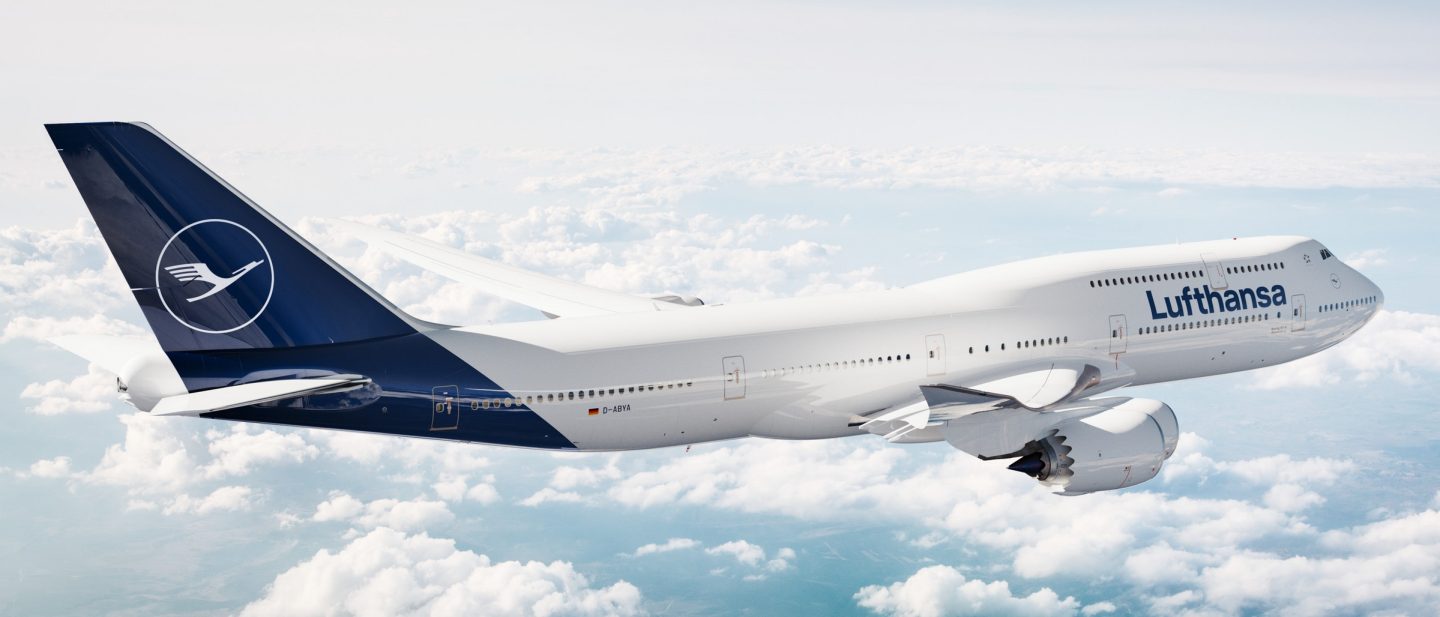
Lufthansa fleet

AW | 2020 08 19 10:29 | AIRLINES MARKET

Aerolíneas alemanas crearían corredores aéreos transatlánticos

El principal grupo de la industria de la aviación de Alemania propuso la creación de corredores de viajes aéreos limitados entre los principales centros de Estados Unidos y Europa, en un intento por abrir el mercado casi cerrado para los vuelos transatlánticos. El proyecto piloto conectaría los aeropuertos estadounidenses de Chicago, Boston, Los Ángeles y New York/Newark con Frankfurt y Munich en Alemania, junto con otros importantes centros intercontinentales europeos, expresó este Miércoles 19/08 la BDL que representa a los aeropuertos y aerolíneas de Alemania.

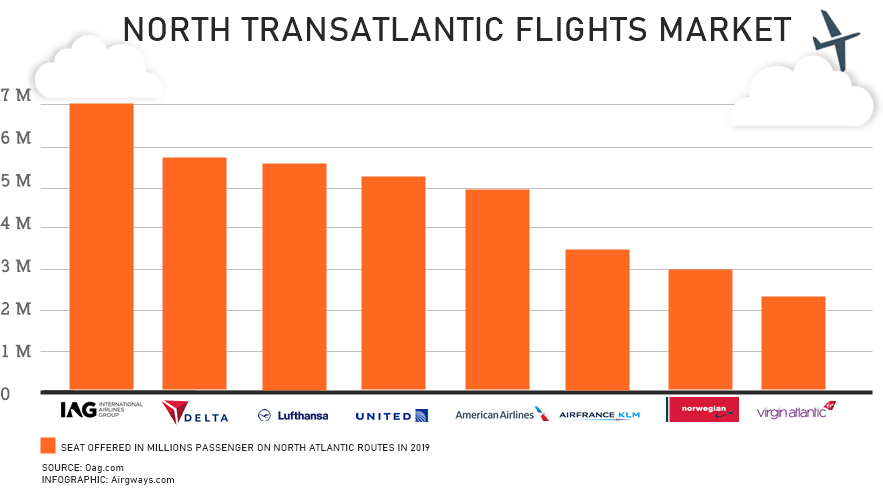
Estos corredores seguros se basarían en las pruebas Covid-19, ya implementadas en Boston y en los aeropuertos alemanes, que podrían instalarse rápidamente en otros lugares, según los ejecutivos de BDL, Matthias von Randow y Peter Gerber. Los pasajeros que deseen viajar tendrían que presentar una prueba negativa para Covid-19 que no tenga más de 48 horas. Un conjunto coordinado de medidas para reabrir los vuelos transatlánticos beneficiaría a las principales aerolíneas de la red como Lufthansa AG, Air France-KLM y British Airways, así como para sus contrapartes estadounidenses, Delta Air Lines, American Airlines y United Airlines. Todas las aerolíneas dependen de lucrativas rutas del Atlántico Norte.

La Asociación Internacional de Transporte Aéreo (IATA) advirtió que los vuelos de larga distancia tardarán años en volver a los niveles de 2019 y ha instado a los países a unificar las reglas de viaje para acelerar el regreso. Las restricciones en constante cambio han frenado la recuperación de la aviación en Europa, mientras que los brotes estado por estado han limitado los viajes nacionales en Estados Unidos.

El aeropuerto más concurrido de Europa, London/Heathrow, está trabajando en un mecanismo de prueba y los ejecutivos de la industria están presionando al gobierno británico para que reemplace las cuarentenas con pruebas de virus como un medio para detectar a los viajeros que llegan de países de alto riesgo. No estaba claro si Heathrow o los otros aeropuertos estaban involucrados en el plan alemán. El centro de Londres no hizo comentarios de inmediato. Los ejecutivos de la Asociación Alemana de Aviación (BDL) dijeron que su plan había sido propuesto a las autoridades de aviación en Europa y Estados Unidos, y que estaban esperando comentarios. El tráfico entre los aeropuertos de París y América del Norte se redujo un 94% en Julio 2020.

Los viajes aéreos alrededor del mundo se han visto devastados por las consecuencias de la pandemia, que generó preocupaciones de salud sobre los vuelos por parte de los consumidores y las autoridades. La combinación de advertencias de viaje, restricciones de entrada y regulaciones de cuarentena paralizó los vuelos después de que el virus se globalizó. que hacen que la planificación confiable del viaje sea casi imposible.

Airlines launch transatlantic corridor

German airlines would create transatlantic air corridors

Germany’s leading aviation industry group proposed creating limited air travel corridors between major hubs in the United States and Europe, in an attempt to open up the nearly closed market for transatlantic flights. The pilot project would connect the US airports of Chicago, Boston, Los Angeles and New York/Newark with Frankfurt and Munich in Germany, along with other major European intercontinental hubs, said on Wednesday 08/19 the BDL representing the airports and airlines of Germany.

These safe corridors would be based on Covid-19 tests, already implemented in Boston and at German airports, which could quickly be installed elsewhere, according to BDL executives Matthias von Randow and Peter Gerber. Passengers wishing to travel would have to submit a negative test for Covid-19 that is no more than 48 hours old. A coordinated set of measures to reopen transatlantic flights would benefit the network’s main airlines such as Lufthansa AG, Air France-KLM and British Airways, as well as their US counterparts, Delta Air Lines, American Airlines and United Airlines. All airlines rely on lucrative North Atlantic routes.

The International Air Transport Association (IATA) has warned that long-haul flights will take years to return to 2019 levels and has urged countries to unify travel rules to speed up the return. Ever-changing restrictions have slowed the recovery of aviation in Europe, while state-by-state outbreaks have limited domestic travel in the United States.

Europe’s busiest airport, London/Heathrow, is working on a testing mechanism and industry executives are lobbying the British government to replace quarantines with virus testing as a means of detecting travelers arriving from countries. high-risk. It was unclear whether Heathrow or the other airports were involved in the German scheme. Central London did not immediately comment. Executives from the German Aviation Association (BDL) said their plan had been proposed to aviation authorities in Europe and the United States, and they were awaiting comment. Traffic between the airports of Paris and North America was reduced by 94% in July 2020.

Air travel around the world has been devastated by the consequences of the pandemic, which raised health concerns about flights from consumers and authorities. The combination of travel advisories, entry restrictions and quarantine regulations brought flights to a standstill after the virus went global. that make reliable trip planning almost impossible.

Are no-frills transatlantic flights here to stay? | National ...

Fluggesellschaften starten transatlantischen korridor

Deutsche Fluggesellschaften würden transatlantische Luftkorridore schaffen

Deutschlands führender Luftfahrtkonzern schlug vor, begrenzte Flugreisekorridore zwischen den wichtigsten Drehkreuzen in den USA und in Europa zu schaffen, um den nahezu geschlossenen Markt für Transatlantikflüge zu öffnen. Das Pilotprojekt würde die US-Flughäfen Chicago, Boston, Los Angeles und New York/Newark mit Frankfurt und München in Deutschland verbinden, zusammen mit anderen wichtigen europäischen interkontinentalen Drehkreuzen, sagte der BDL am Mittwoch, den 19. August, der die Flughäfen und Fluggesellschaften von vertritt Deutschland.

Diese sicheren Korridore würden auf Covid-19-Tests basieren, die bereits in Boston und auf deutschen Flughäfen durchgeführt wurden und laut den BDL-Führungskräften Matthias von Randow und Peter Gerber schnell an anderer Stelle installiert werden könnten. Passagiere, die reisen möchten, müssten einen negativen Test für Covid-19 einreichen, der nicht älter als 48 Stunden ist. Eine koordinierte Reihe von Maßnahmen zur Wiedereröffnung von Transatlantikflügen würde den wichtigsten Fluggesellschaften des Netzwerks wie der Lufthansa AG, Air France-KLM und British Airways sowie ihren US-amerikanischen Kollegen Delta Air Lines, American Airlines und United Airlines zugute kommen. Alle Fluggesellschaften setzen auf lukrative Nordatlantikrouten.

Die International Air Transport Association (IATA) hat gewarnt, dass Langstreckenflüge Jahre brauchen werden, um auf das Niveau von 2019 zurückzukehren, und die Länder aufgefordert, die Reiseregeln zu vereinheitlichen, um die Rückkehr zu beschleunigen. Die sich ständig ändernden Beschränkungen haben die Erholung der Luftfahrt in Europa verlangsamt, während Ausbrüche von Staat zu Staat die Inlandsreisen in den Vereinigten Staaten eingeschränkt haben.

Der verkehrsreichste Flughafen Europas, London/Heathrow, arbeitet an einem Testmechanismus, und Führungskräfte der Branche setzen sich bei der britischen Regierung dafür ein, Quarantänen durch Virentests zu ersetzen, um Reisende aus Ländern zu erkennen. hohes Risiko. Es war unklar, ob Heathrow oder die anderen Flughäfen an dem deutschen System beteiligt waren. Central London äußerte sich nicht sofort. Führungskräfte des Deutschen Luftfahrtverbandes (BDL) sagten, ihr Plan sei den Luftfahrtbehörden in Europa und den USA vorgeschlagen worden, und sie warteten auf eine Stellungnahme. Der Verkehr zwischen den Flughäfen von Paris und Nordamerika wurde im Juli 2020 um 94% reduziert.

Der Flugverkehr um die Welt wurde durch die Folgen der Pandemie zerstört, die gesundheitliche Bedenken hinsichtlich der Flüge von Verbrauchern und Behörden aufwirft. Die Kombination aus Reisehinweisen, Einreisebeschränkungen und Quarantänevorschriften brachte die Flüge zum Erliegen, nachdem das Virus global geworden war. das macht eine zuverlässige Reiseplanung fast unmöglich.

Ξ A I R G W A Y S Ξ
PUBLISHER: Airgways.com
DBk: Bdl.aero / Iata.org / Bloomberg.com / Oag.com / Airgways.com / Lufthansa.com / Gettyimages.com
AW-POST: 202008191029AR

A\W   A I R G W A Y S ®

EEUU espera en Hawaii la recuperación

Hawaiian lanza Maui-Las Vegas |

AW | 2020 08 16 11:19 | AIRLINES MARKET

Aerolíneas esperan que Hawaii sea despegue hacia recuperación

Los transportistas aéreos estadounidenses apuestan a que los ciudadanos cansados ​​del bloqueo del Coronavirus buscarán vacaciones en lugares turísticos. En el verano boreal, las aerolíneas de Estados Unidos incorporaron más asientos en los aviones con destino a Hawaii que a cualquier otro estado, apostando a que los estadounidenses agotados de aislamiento necesitarán unas vacaciones. La capacidad de las aerolíneas regulares a las islas del Pacífico creció un 185% entre Junio y Septiembre 2020. Las aerolíneas planean tener 1,4 millones de asientos, ocupados, esperan, que lleguen al estado el próximo mes, según datos de la consultora de aviación OAG.

Aumento de demanda

El aumento de la capacidad hacia el destino tropical de las Islas de Hawaii es parte de una tendencia más amplia de recuperación de los viajes de placer, aunque todavía a una fracción más baja de los niveles de 2019, mientras que los viajes de negocios siguen estancados.

Los datos de la OAG muestran que los estados con grandes poblaciones, como Texas, registraron la mayor cantidad de capacidad programada durante el período de cuatro meses, y algunos de los mayores aumentos se produjeron en estados como Alabama, donde la capacidad programada aumentó en un 72% pero desde una base baja de apenas 35.000 asientos en Junio 2020. Pero varios estados que dependen de los dólares del turismo para el 5 por ciento o más del producto interno bruto experimentaron aumentos sustanciales entre Junio y Septiembre 2020.

El número de asientos en los aviones a Hawaii aumentó cada mes en anticipación a la reapertura del estado para los visitantes. Las islas, que derivan el 10 por ciento de su PIB del turismo, originalmente dijeron que recibirían a los viajeros con una prueba negativa de Covid-19 a partir del 1 Agosto 2020, y luego lo llevaron al 1 Septiembre 2020. A medida que aumentan los casos, el gobernador del estado ha planteado la posibilidad de retrasar la fecha nuevamente. En el Estado de Montana, conocida por el esquí y las impresionantes vistas del Parque Nacional Glacier, registró el tercer aumento más alto de asientos, con un 112%. El Estado de Colorado subió un 53 por ciento a 2,3 millones de asientos programados en septiembre. En Nevada, hogar de los casinos de Las Vegas, experimentó un aumento del 45 por ciento a 1,4 millones de capacidad.

Southwest Airlines iniciará ops a Hawaii |

Aerolíneas

Las aerolíneas programaron 4,2 millones de asientos para volar a Florida en Julio, pero recortaron a 3,3 millones en septiembre, para un aumento general del 10 por ciento. El estado vio un aumento de los nuevos casos de Covid-19 a mediados de julio antes de volver a caer.

United Airlines ha comunicado el Miércoles 12/08 que agregaría 28 vuelos sin escalas a Florida este invierno debido a la demanda de los clientes, mientras que Southwest Airlines intenta atraer a los esquiadores con más vuelos a Steamboat Springs, Colorado. United planea agregar vuelos desde siete ciudades del noreste y medio oeste de Estados Unidos a partir de noviembre. Ankit Gupta, Vicepresidente de Planificación de Redes Domésticas de la aerolínea, dijo que la medida representa “la mayor expansión de United de vuelos de punto a punto, sin hub, y refleja nuestro enfoque basado en datos para agregar capacidad donde los clientes nos dicen que quieren ir”.

A medida que continúe la recuperación, los gobernadores estadounidenses de los estados que dependen del turismo relajarán más rápidamente las restricciones para controlar el virus, lo que les permitirá ver una recuperación más rápida en la demanda de viajes aéreos, dijo en una nota la Analista de Cowen, Helane Becker.

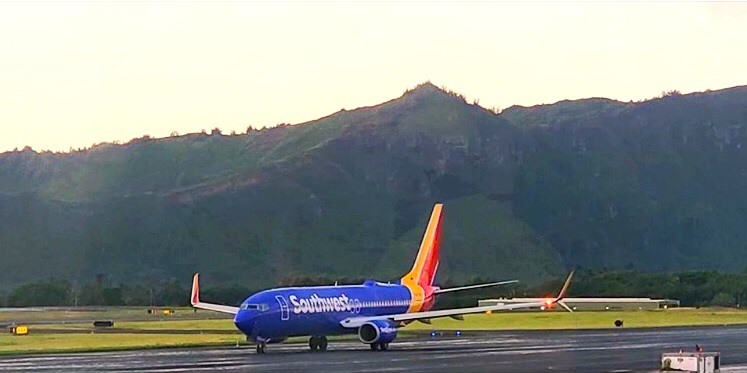
Southwest Airlines LIH Kauai Hawái

The US awaits recovery in Hawaii

US airlines hope Hawaii is the liftoff to recovery

US air carriers are betting that citizens tired of the Coronavirus lockdown will seek vacations in tourist spots. In the summer, U.S. airlines added more seats on planes bound for Hawaii than any other state, betting that Americans exhausted from isolation will need a vacation. The capacity of regular airlines to the Pacific islands grew 185% between June and September 2020. The airlines plan to have 1.4 million seats, occupied, they expect, to arrive in the state next month, according to data from the consulting firm of aviation OAG.

Increase in demand

Increased capacity to the tropical Hawaiian Islands is part of a broader trend of recovery in leisure travel, albeit still at a lower fraction of 2019 levels, while business travel remains stagnant.

OAG data shows that states with large populations, such as Texas, saw the most scheduled capacity during the four-month period, with some of the largest increases occurring in states like Alabama, where scheduled capacity increased by a 72% but from a low base of just 35,000 seats in June 2020. But several states that depend on tourism dollars for 5 percent or more of gross domestic product experienced substantial increases between June and September 2020.

The number of seats on planes to Hawaii increased each month in anticipation of the state reopening for visitors. The islands, which derive 10 percent of their GDP from tourism, originally said they would welcome travelers with a negative Covid-19 test starting August 1, 2020, and then brought it to September 1, 2020. As they increase cases, the state governor has raised the possibility of delaying the date again. In the State of Montana, known for skiing and breathtaking views of Glacier National Park, it posted the third highest seat increase, at 112%. The State of Colorado was up 53 percent to 2.3 million scheduled seats in September. In Nevada, home to Las Vegas casinos, it saw a 45 percent increase to 1.4 million capacity.

Airlines

Airlines scheduled 4.2 million seats to fly to Florida in July, but slashed to 3.3 million in September, for an overall increase of 10 percent. The state saw a spike in new Covid-19 cases in mid-July before falling again.

United Airlines announced Wednesday 08/12 that it would add 28 nonstop flights to Florida this winter due to customer demand, while Southwest Airlines is trying to attract skiers with more flights to Steamboat Springs, Colorado. United plans to add flights from seven cities in the northeastern and midwestern United States starting in November. Ankit Gupta, the airline’s Vice President of Home Network Planning, said the move represents “United’s largest expansion of point-to-point, hubless flights, and reflects our data-driven approach to adding capacity where customers tell us They want to go».

As the recovery continues, U.S. governors of states that rely on tourism will more quickly ease restrictions to control the virus, allowing them to see a faster recovery in demand for air travel, the U.S. Analyst said in a note. Cowen, Helane Becker.

Ξ A I R G W A Y S Ξ
PUBLISHER: Airgways.com
DBk: Airgways.com / Bloomberg.com / United.com / Southwest.com / Oag.com
AW-POST: 202008161119AR

A\W   A I R G W A Y S ®

Reprogramando aviación en Argentina

AW | 2020 08 14 14:40 | AIRLINES MARKET / GOVERNMENT

Pandemia, cuando el derecho confronta con las necesidades

El transporte en la República Argentina es uno los sectores que muestra más cambios que ha sufrido y menos planes de salida están desarrollado. Actualmente el Gobierno continúa anunciando más prórrogas a la salida de la pandemia actual, mientras que el transporte aéreo continúa siendo asfixiado llegando a los seis meses de inactividad programada.

El Ministerio de Transporte a cargo de Mario Meoni ha expresado este 14/08 en entrevista por Tn.com.ar que la necesidad del Gobierno Nacional será ir descomprimiendo la prórroga a la prohibición de volar con medidas de reapertura programadas.

Panorama aeronáutico

La asistencia por parte de los gobiernos mundiales a las líneas aéreas continúa brindando cierta capacidad de oxígeno, pero en Argentina muchas aéreas no están en condiciones de soportar la inactividad que le genera más deudas contraídas sin asistencia económica.

Tras la reunión del Seminario de la IATA esta semana, el Vicepresidenste para Las Américas, Peter Cerdá, ha expresado la situación en América Latina y Argentina. Estaban invitados ejecutivos de Aerolíneas Argentinas, Aeropuertos Argentina 2000, Airbus Group, la asociación de aerolíneas ALTA, la Administración Nacional de Aviación Civil (ANAC) de Argentina, como así también del CEO de Aerolíneas Argentinas. Sobre la hora, el evento virtual perdió a los dos referentes que más expectativas generaban ,la participación de Paola Tamburelli de la ANAC Argentina y el Presidente de Aerolíneas Argentinas, Pablo Ceriani, se excusaron de participar. Dicen que, casualmente, sonaron algunos teléfonos con llamados del Senador Mariano Recalde, ex-Presidente de Aerolíneas, y del titular del Gremio de Pilotos APLA, Pablo Biró, verdaderos líderes de la política aerocomercial argentina.

Dilema low cost

Tras un panorama complicado por la crisis sanitaria, el Gobierno de Argentina suma a la inquietud de postergación de reapertura, políticas poco definidas respecto al manejo de las acciones hacia el futuro mercado aéreo para el Aeropuerto Jorge Newbery y Aeropuerto El Palomar. La aérea low cost JetSmart Airlines Argentina ha sido intimada a no ejercer sus derechos en Aeroparque, mientras que Flybondi Líneas Aéreas y JetSmart Argentina tienen trabas para continuar operando en el Aeropuerto Internacional El Palomar. En cuanto a Latam Airlines Argentina está desarmando su filial y el Gobierno continúa esperando definiciones de lo que decidirá la compañía aérea en medio de una situación de desamparo de los 1.715 trabajadores.

Aerolíneas/Austral

Desde la empresa Aerolíneas Argentinas/Austral Líneas Aéreas continuarán esperando definiciones por parte del Gobierno respecto a la reapertura aerocomercial. El Grupo Aerolíneas continúa con el proceso de fusión de Austral Líneas Aéreas activando el proceso de eliminación de la librea de Austral del fuselaje de los Embraer E190-100AR de la firma que será absorbida por su hermana mayor, poniendo fin a una aerolínea emblemática de la República Argentina.

No pasa desapercibido el gesto político que genera la fusión Aerolíneas/Austral, donde existen vencedores y vencidos, poniendo fin a una larga lucha por la supervivencia de Austral Líneas Aéreas y la lucha intergremial. La actual pandemia de Coronavirus se lleva puesta como excusa otra maravillosa aerolínea que ha estado a la altura de las grandes líneas aéreas domésticas del mundo.

Andes Líneas Aéreas

Horacio Preneste, Gerente General de Andes Líneas Aéreas ha mencionado que a mediados de Octubre 2020 podría haber novedades, pero declinó poner a la venta pasajes, al menos hasta que no haya una resolución definitiva por parte del Ministerio de Transporte y Salud de Argentina. «Hay una interpretación en la resolución respecto a los vuelos. Mario Meoni por lo menos habló de 60 días, al menos. Hasta mediados de Octubre, con suerte. Nos preparamos para esa fecha», destacó el CEO de Andes.

Aeropuertos candentes

Detrás de los efectos de la pandemia, la situación de los aeropuertos El Palomar y Aeroparque continúan generando crisis en el sector aeronáutico sin definiciones por parte del Gobierno.

El Aeropuerto Jorge Newbery ha entrado en el período de obras que podrían haberse aprovechado mejor en el inicio de la pandemia, pero esa demora resulta un tanto extraña para las compañías aéreas domésticas y una estrategia para los intereses de Aerolíneas Argentinas que busca el monopolio de las operaciones en Aeroparque. Esa demora por reabrir el principal aeropuerto de cabotaje hacia Diciembre 2020 obliga a las aéreas a reprogramar sus vuelos en otros aeropuertos.

Sin los permisos para operar de JetSmart Airlines Argentina por los slots cedidos de Norwegian Air Argentina, cabe preguntarse qué líneas aéreas operarán en el Aeropuerto Jorge Newbery, a parte de Aerolíneas Argentinas. Tras la reapertura de Aeroparque el mercado aéreo presentará otro panorama muy distinto con una tendencia hacia el monopolio de la aviación comercial y el dominio de más del 95% de las franjas horarias de Aeroparque en manos de Aerolíneas Argentinas. Detrás de la post-pandemia quedarán las compañías Austral Líneas Aéreas, JetSmart Airlines Argentina y Flybondi Líneas Aéreas de poder operar en Aeroparque. Soló se reducirá a unas pocas operaciones de Andes Líneas Aéreas, que no representa una verdadera competitividad para la oferta que necesita el mercado aéreo y donde el precio de los pasajes estará regido por la exclusividad de Aerolíneas Argentinas.

Perspectivas post-pandemia

Tras los anuncios realizados este 14/08 por Presidencia de Argentina y del Ministerio de Transporte, con el Aeroparque cerrado por reformas hasta el 30 Noviembre 2020, solo resta conocer cuándo las líneas aéreas podrán estar habilitadas para iniciar operaciones aerocomerciales desde el Aeropuerto Internacional Ezeiza y bajo qué condiciones operativas.

Mientras nos proyectamos hacia el futuro próximo, el Gobierno de Argentina tendrá que consensuar políticas definidas más claras de mercado para favorecer una aviación más democrática y federal, pero para ello debemos continuamos exigiendo al Gobierno los derechos de los ciudadanos por el libre mercado, o tal vez esperar la desidia tras la reapertura de Aeroparque donde el Estado atenderá la oferta y la demanda.

Reprogramming aviation in Argentina

Pandemic, when the law confronts the needs

Transport in the Argentine Republic is one of the sectors that shows the most changes that it has undergone and fewer exit plans are developed. Currently, the Government continues to announce more extensions after the current pandemic, while air transport continues to be asphyxiated, reaching six months of scheduled inactivity.

The Ministry of Transport in charge of Mario Meoni has expressed this 14/08 in an interview by Tn.com.ar that the need of the National Government will be to decompress the extension of the ban on flying with scheduled reopening measures.

Aeronautical panorama

Assistance from world governments to airlines continues to provide some oxygen capacity, but in Argentina many airlines are not in a position to withstand the inactivity that generates more debts incurred without financial assistance.

Following the IATA Seminar meeting this week, the Vice President for the Americas, Peter Cerdá, expressed the situation in Latin America and Argentina. Executive guests from Aerolineas Argentinas, Airports Argentina 2000, Airbus Group, the ALTA airline association, the National Civil Aviation Administration (ANAC) of Argentina, as well as the CEO of Aerolineas Argentinas were invited. On the hour, the virtual event lost the two referents that generated the most expectations, the participation of Paola Tamburelli from ANAC Argentina and the President of Aerolineas Argentinas, Pablo Ceriani, excused themselves from participating. They say that, by chance, some telephones rang with calls from Senator Mariano Recalde, former President of Aerolineas, and the head of the APLA Pilots’ Union, Pablo Biró, true leaders of Argentine commercial air policy.

Low cost dilemma

After a complicated panorama due to the health crisis, the Government of Argentina adds to the concern of postponement of reopening, poorly defined policies regarding the management of actions towards the future air market for the Jorge Newbery Airport and El Palomar Airport. The low cost airline JetSmart Airlines Argentina has been intimidated not to exercise its rights at Aeroparque, while Flybondi Líneas Aéreas and JetSmart Argentina have obstacles to continue operating at the El Palomar International Airport. As for Latam Airlines, Argentina is disarming its subsidiary and the Government continues to wait for definitions of what the airline will decide in the midst of a situation of helplessness of the 1,715 workers.

Aerolíneas/Austral

The Aerolíneas Argentinas/Austral Líneas Aéreas company will continue to await definitions from the Government regarding the reopening of commercial aviation. The Aerolíneas Group continues with the merger process of Austral Líneas Aéreas activating the process of eliminating Austral’s livery from the fuselage of the Embraer E190-100AR of the firm that will be absorbed by its older sister, putting an end to an emblematic airline of the Argentinian republic.

The political gesture generated by the Aerolíneas/Austral merger does not go unnoticed, where there are winners and losers, putting an end to a long struggle for the survival of Austral Líneas Aéreas and the inter-union struggle. The current Coronavirus pandemic is being used as an excuse by another wonderful airline that has been at the height of the great domestic airlines of the world.

Andes Líneas Aéreas

Horacio Preneste, General Manager of Andes Líneas Aéreas has mentioned that in mid-October 2020 there could be news, but he declined to put tickets on sale, at least until there is a final resolution by the Ministry of Transportation and Health of Argentina. «There is an interpretation in the resolution regarding the flights. Mario Meoni at least spoke of 60 days, at least. Until mid-October, hopefully. We are preparing for that date», said the CEO of Andes.

Sizzling airports

Behind the effects of the pandemic, the situation at the El Palomar and Aeroparque airports continue to generate crises in the aeronautical sector without definitions by the Government.

Jorge Newbery Airport has entered the period of works that could have been better used at the beginning of the pandemic, but this delay is somewhat strange for domestic airlines and a strategy for the interests of Aerolineas Argentinas that seeks the monopoly of the operations in Aeroparque. This delay in reopening the main domestic airport by December 2020 forces airlines to reschedule their flights at other airports.

Without the permits to operate from JetSmart Airlines Argentina through the slots transferred from Norwegian Air Argentina, it is worth wondering which airlines will operate in Jorge Newbery Airport, apart from Aerolíneas Argentinas. After the reopening of Aeroparque, the air market will present a very different panorama with a trend towards the monopoly of commercial aviation and the dominance of more than 95% of Aeroparque’s time slots in the hands of Aerolíneas Argentinas. Behind the post-pandemic will be the companies Austral Líneas Aéreas, JetSmart Airlines Argentina and Flybondi Lineas Aereas to be able to operate in Aeroparque. It will only be reduced to a few operations of Andes Líneas Aéreas, which does not represent a true competitiveness for the offer that the air market needs and where the price of the tickets will be governed by the exclusivity of Aerolíneas Argentinas.

Post-pandemic perspective

After the announcements made this 08/14 by the Argentine Presidency and the Ministry of Transportation, with the Airport closed for renovations until November 30, 2020, it only remains to know when the airlines may be enabled to start commercial air operations from the Ezeiza International Airport and under what operating conditions.

As we project into the near future, the Government of Argentina will have to agree on clearer market policies to favor a more democratic and federal aviation, but for this we must continue to demand from the Government the rights of citizens for the free market, or such time to wait for laziness after the reopening of Aeroparque where the State will attend to supply and demand.

Ξ A I R G W A Y S Ξ
PUBLISHER: Airgways.com
DBk: Airgways.com / Lanacion.com.ar/Santiago Filipuzzi / Iata.org / Clarin.com
AW-POST: 202008141440AR

A\W   A I R G W A Y S ®

Gobiernos rescatan las aerolíneas

AW | 2020 08 14 11:10 | AIRLINES MARKET / GOVERNMENT

Estados del mundo salen rescate de aerolíneas ante su peor crisis

El confinamiento y la restricción de los vuelos en prácticamente todo el mundo para combatir las secuelas de la pandemia de Coronavirus ha impactado al sector aéreo a su peor crisis en décadas y ha empujado a los países a salir al rescate de las aerolíneas. Las últimas previsiones de la Asociación Internacional del Transporte Aéreo (IATA) actualizó sus pronósticos hace unas semanas expresando que recuperará los niveles de actividad previos a la pandemia hasta 2024 y durante el próximo año, el tráfico aéreo se mantendrá un 30% por debajo de los niveles registrados en 2019.

El próximo panorama aerocomercial estará signado por la supervivencia a corto y medio plazo de las aerolíneas del mundo entero ante un diagnóstico poco alentador para el desarrollo de las economías globales. En la mayoría de los países el tráfico aéreo estuvo paralizado durante el confinamiento, la actividad fue casi inexistente. Los efectos de la puesta en tierra de las líneas aéreas en ha aumentado las pérdidas del sector, y los gobiernos necesitann responder ante las medidas adoptadas en la pandemia global.

Impacto aéreo

Por ejemplo, el grupo aéreo europeo IAG ha presentado a finales de Julio 2020 unas pérdidas de € 3.806 millones de Euros en los primeros seis meses de 2020. Otra de las compañías líderes del sector, la alemana Lufthansa, cedió € 3.617 millones en el mismo periodo, mientras que Air France-KLM presentó números rojos de € 4.413 millones en la primera mitad del año. En Estados Unidos las pérdidas en el sector también han sido la norma general. Delta Air Lines continúa liderando las pérdidas del mercado estadounidense con US$ 6.251 millones de Dólares. American Ailines ha tenido pérdidas por valor de US$ 4.308 millones de dólares y United Airlines cerró el semestre con pérdidas de US$ 3.331 millones de Dólares.

Ayudas al sector

Los resultados económicos generales de las aerolíneas habría que sumarles los efectos debastadores de pérdidas de empleos en el sector que continúan aumentando en todo el mundo. Con miles de puestos de trabajo en juego, los Estados han tenido que salir al rescate. Alemania acordó inyectar € 9.000 millones de Euros a Lufthansa, mientras que Francia ayudó con € 7.000 millones a Air France y los Países Bajos hizo lo propio aportando € 3.400 millones a KLM Airlines. En España, el Gobierno ha creado a través de la Sociedad Estatal de Participaciones Industriales (SEPI) un fondo de rescate de € 10.000 millones de Euros para empresas estratégicas al que podrían acogerse las aerolíneas. El grupo IAG ha avanzado que no planea acogerse a esta ayuda, pero llevará a cabo una ampliación de capital de € 2.750 millones de Euros en Septiembre 2020, una operación en la que Qatar Airways, su principal accionista, ya ha confirmado su presencia. Air Europa mantiene conversaciones con IAG Group para una posible compra que espera cerrar antes de que finalice 2020, no se ha pronunciado aún sobre sus planes de acudir o no al fondo de rescate.

La imagen tiene un atributo ALT vacío; su nombre de archivo es aw-70088888.jpg
GOBIERNO ARGENTINA NO HA BRINDADO AYUDAS ECONÓMICAS/POLÍTICAS A AÉREAS A PESAR DE EXTENDER CUARENTENA

El Gobierno de Italia tras no encontrar inversores privados en la compañía Alitalia, ha anunciado la intención de recuperar el control de la compañía e inyectar € 3.000 millones de Euros para paliar los efectos del Coronavirus. La portuguesa TAP iba por el mismo camino, pero finalmente el Gobierno portugués y el resto de accionistas de la compañía llegaron a un acuerdo por el que el país aportará 1.200 millones a la aerolínea a la vez que aumenta su participación del 50 % al 72,5%. Algunas compañías que no han sido previamente «aerolíneas de bandera», como Ryanair, han tachado de competencia desleal este tipo de inyecciones de capital y ayudas estatales.

En Estados Unidos, el Departamento del Tesoro puso en marcha un fondo adicional de US$ 25.000 millones de Dólares a partir de 10/2020 para evitar quiebras y despidos en el sector de la aviación comercial. A esas ayudas se han acogido, entre otras, las tres grandes aerolíneas del país: American Airlines, Delta Air Lines y United Airlines.

El caso de Argentina ha traído a la opinión pública mundial por el buen desempeño del manejo de la pandemia, pero también en este país están solicitando al Gobierno las ayudas necesarias económicas como políticas para salir de la crisis sanitaria que impacta fuertemente a las economías de la región como actual epicentro de contagios.

La situación extraordinaria actual justifica el apoyo económico-financiero por parte de los Estados ante una situación de emergencia mundial. Las aerolíneas tienen un panorama muy complicado para poder sobrevivir, pues en la jerga aeronáutica continuamos diciendo «ajústense los cinturones, pues vamos a despegar».

Government rescue air from pandemic times

The states of the world come to the rescue of airlines in the face of their worst crisis

The confinement and restriction of flights in practically the entire world to combat the aftermath of the Coronavirus pandemic has hit the airline industry at its worst crisis in decades and has pushed countries to come to the rescue of the airlines. The latest forecasts from the International Air Transport Association (IATA) updated its forecasts a few weeks ago stating that it will recover the levels of activity prior to the pandemic until 2024 and during the next year, air traffic will remain 30% below the levels recorded in 2019.

The next commercial aviation panorama will be marked by the survival in the short and medium term of the world’s airlines in the face of a not very encouraging diagnosis for the development of global economies. In most countries, air traffic was paralyzed during confinement, activity was almost non-existent. The effects of airline grounding in has increased losses in the sector, and governments need to respond to the measures taken in the global pandemic.

Air impact

For example, the European airline group IAG reported losses of € 3,806 million at the end of July 2020 in the first six months of 2020. Another of the leading companies in the sector, the German Lufthansa, gave € 3,617 million in the same period, while Air France-KLM presented red numbers of € 4,413 million in the first half of the year. In the United States, losses in the sector have also been the general norm. Delta Air Lines continues to lead the losses in the US market with US$ 6,251 million. American Ailines has had losses of US$ 4,308 million and United Airlines closed the semester with losses of US$ 3,331 million.

Aid to the sector

The general economic results of the airlines should be added to them the devastating effects of job losses in the sector that continue to increase throughout the world. With thousands of jobs at stake, states have had to come to the rescue. Germany agreed to inject € 9 billion into Lufthansa, while France helped Air France with € 7 billion and the Netherlands did the same by contributing € 3.4 billion to KLM Airlines. In Spain, the Government has created through the Sociedad Estatal de Participaciones Industriales (SEPI) a rescue fund of € 10,000 million Euros for strategic companies to which the airlines could benefit. The IAG group has advanced that it does not plan to benefit from this aid, but will carry out a capital increase of € 2.75 billion in September 2020, an operation in which Qatar Airways, its main shareholder, has already confirmed its presence. Air Europa is in talks with IAG Group for a possible purchase that it hopes to close before the end of 2020, it has not yet ruled on its plans to go to the rescue fund or not.

The Italian Government, after not finding private investors in the Alitalia company, has announced the intention to regain control of the company and inject € 3 billion euros to alleviate the effects of the Coronavirus. The Portuguese TAP was going the same way, but finally the Portuguese government and the rest of the company’s shareholders reached an agreement whereby the country will contribute 1,200 million to the airline while increasing its participation from 50% to 72, 5%. Some companies that have not previously been «flag carriers», such as Ryanair, have dismissed this type of capital injection and state aid as unfair competition.

In the United States, the Treasury Department launched an additional fund of US$ 25,000 million as of 10/2020 to prevent bankruptcies and layoffs in the commercial aviation sector. These aids have benefited, among others, the three major airlines in the country: American Airlines, Delta Air Lines and United Airlines.

The case of Argentina has brought world public opinion due to the good performance of managing the pandemic, but also in this country they are requesting the Government the necessary economic and political aid to get out of the health crisis that strongly impacts the economies of the region as the current epicenter of infections.

The current extraordinary situation justifies the economic and financial support from the States in a world emergency situation. The airlines have a very difficult outlook to survive, because in aeronautical jargon we continue to say «fasten your seat belts, because we are going to take off».

Ξ A I R G W A Y S Ξ
PUBLISHER: Airgways.com
DBk: Airgways.com / Dallasnews.com / Nytimes.com / Wikimedia.org
AW-POST: 202008141110AR

A\W   A I R G W A Y S ®

Postergan reapertura aérea Argentina

AW | 2020 08 12 14:57 | AIRLINES MARKET / GOVERNMENT

Gobierno Argentina postergaría reapertura aviación comercial

El Ministerio de Transporte de Argentina está cerrando definitivamente la posibilidad de que se autoricen las operaciones de vuelos domésticos a partir del 1 Septiembre 2020. La República Argentina es uno de los pocos países que mantienen prohibidos la mayoría de los vuelos aerocomerciales. Hace una semana la titular de la Administración Nacional de Aviación Civil (ANAC), Paola Tamburelli, cuando aseguró que no se manejaban fechas determinadas para la vuelta de los vuelos comerciales. “Para nosotros septiembre, agosto, noviembre o diciembre es lo mismo y todo depende de cuando la situación sanitaria permita disminuir las restricciones y de que el Presidente modifique el decreto que estableció la suspensión de vuelos”.

La Circular Nº144/2020 de la ANAC prohibió hasta el 1 Septiembre 2020 la posibilidad de vender pasajes aéreos a las aerolíneas. La disposición condicionó a las aéreas, pero tras la proximidad de la fecha habían empezado a prepararse para el regreso de la actividad.

El propio Ministro de Transporte, Mario Meoni, puso en stand by la promesa: “Hasta tanto las autoridades sanitarias no tengan un panorama más claro respecto a la situación en general, los vuelos van a seguir estando restringidos. Esperamos que el transporte aéreo vuelva en los próximos 60 días. Los vuelos de cabotaje van a seguir estando restringidos, lamentablemente”, manifestó el Lunes 11/08, durante una videoconferencia.

Repercusiones ámbito aéreo

Las declaraciones generaron desconcierto y disgusto en el sector aerocomercial. «Se ve que no hay interés en salvar puestos de trabajo en la industria, la cual no recibe ayuda. Las empresas van a reprogramar vuelos que no fuesen de los aprobados como especiales regulares. En vistas de la falta de respuestas solo contamos con estos vuelos como factibles”, explicó una fuente de la industria.

Los vuelos comerciales de pasajeros por la pandemia se suspendieron en Marzo 2020, en el marco del decreto que estableció las medidas de Aislamiento Social, Preventivo y Obligatorio, y desde entonces no hubo una fecha oficial para la reactivación. Sin embargo, a fines de Abril 2020, una resolución de la ANAC autorizó a reprogramar y comercializar pasajes a partir del 1 Septiembre 2020. Para las aerolíneas, esa fecha apareció como un punto de partida bastante lejano entonces porque faltaban aún cuatro meses para volver a la actividad. Programaron cronogramas de vuelos regulares y vendieron pasajes a partir de Septiembre 2020, tal como las autorizaba el decreto de la ANAC. Ahora, con la fecha no confirmada, las compañías aéreas tendrán que reprogramar los vuelos, inicialmente los de Septiembre 2020.

Aerolíneas Argentinas

“Hay muy pocos tickets vendidos para septiembre. Si la situación se mantiene como hasta ahora, esos tickets se reprograman como se hizo con todos los que fueron cancelados en el marco de la pandemia”, indicaron desde Aerolíneas Argentinas, y aclararon que algunas operaciones ya se fueron cancelando por la baja demanda.

JetSmart Airlines Argentina

“Hemos leído las declaraciones del ministro de Transporte y estaremos atentos a las resoluciones que emitan las autoridades nacionales. Hasta el momento no existe ninguna normativa que impida a todo el sector vender y operar cabotaje desde el 1 Septiembre en adelante. El sector necesita contar con plazos mínimos de trabajo y que hacen también a la planificación de los pasajeros. Les hemos ofrecido comprar sus boletos con la posibilidad de total flexibilidad sin costos para hacer cambios hasta el 31 Diciembre 2021, atendiendo a la dinámica producida por la pandemia y a las indicaciones que marquen las autoridades sanitarias”, explicaron fuentes de la empresa JetSmart Argentina.

Flybondi Líneas Aéreas

Flybondi Líneas Aéreas ha comunicado que mantiene su cronograma a la espera de que haya una confirmación oficial sobre los cambios. Un 30% de los vuelos que tienen vendidos son para volar entre Septiembre y Octubre 2020. Esos tickets cuentan con flexibilidad para el cambio de fecha.

La compañía de presupuesto ha fleteado un vuelo para realizar el recambio de personal de una compañía minera el 11/08 a la ciudad de Puerto San Julián, Provincia de Santa Cruz como así también un vuelo a la Provincia de San Juan.

Andes Líneas Aéreas

Andes Líneas Aéreas anunció que volvería a operar en Chubut en Octubre 2020. Así lo ha anunciado la empresa a través de sus redes sociales oficiales. Aclararon que es un fecha tentativa en función de cómo avance la pandemia. A través de sus redes sociales oficiales, la empresa Andes Líneas Aéreas anunció que regresarán los vuelos a cuatro destinos: Puerto Madryn, Comodoro Rivadavia, Salta y Jujuy; sin embargo aclaró que esto depende de cómo vaya evolucionando la pandemia de coronavirus en el país.

“Apoyamos a nuestro país y a nuestros destinos por eso decidimos esperar para la reapertura de nuestros vuelos. Los esperamos a bordo a partir del 5 de octubre cuando las condiciones estén dadas para poder ingresar a cada provincia y el Ministerio de Salud apoye plenamente a la circulación”, informó la empresa en su cuenta en Twitter.

Aéreas internacionales

Muchas de las líneas aéreas internacionales ya tienen definidos cronogramas de vuelos comerciales a partir de septiembre. Sin embargo, algunas otras comenzaron a postergar la vuelta de los vuelos desde y hacia Buenos Aires, por la falta de definiciones sobre las fechas y por la caída en la demanda. Es el caso de Emirates Airline, que suspendió el reinicio de sus vuelos regulares entre Dubai y Buenos Aires, con escala en Río de Janeiro, que originalmente estaba programado para Septiembre 2020. Mientras que la aerolínea estadounidense American Airlines presentó un cronograma donde retomará sus vuelos desde Ezeiza a Nueva York y a Dallas recién a fines de octubre y suspenderá la ruta entre Buenos Aires y Los Ángeles.

Aclaraciones de ANAC

La ANAC ha comunicado que su resolución Nº144/2020 solo hacía referencia a la venta de tickets y que fue publicada para evitar que las compañías comercializaran pasajes para fechas que no estaban autorizadas y que pudieran provocar postergaciones para los pasajeros. “Las operaciones y autorizaciones estarán supeditadas al efectivo levantamiento de las restricciones impuestas al transporte aerocomercial y a las modalidades de operación que oportunamente se pudieren establecer en función de la salida ordenada de la emergencia generada por el coronavirus”, señalaron en un comunicado. El organismo se encuentra a la espera de las medidas que implementen las autoridades sanitarias y el comité de expertos designados por el Poder Ejecutivo.

Pero la Reglamentación Nº144/2020 en el Artículo Nº 1 es clara con respecto al inicio de las operaciones aerocomerciales: ARTÍCULO 1°: «Establécese que las Líneas Aéreas que operan servicios de transporte aéreo de pasajeros desde, hacia o dentro del territorio nacional podrán reprogramar sus operaciones regulares o solicitar autorizaciones para operaciones no regulares a partir del 1° de septiembre de 2020». Aunque el artículo número tres aclara que la reapertura de los vuelos está supeditada a las variables de la crisis sanitaria. ARTÍCULO 3°: «Aclárase que la reprogramación de operaciones y las autorizaciones referidas en el Artículo 1° estarán supeditadas al efectivo levantamiento de las restricciones impuestas al transporte aerocomercial y a las modalidades de operación que oportunamente se pudieren establecer en función de la salida ordenada de la emergencia generada por el nuevo Coronavirus COVID 19».

Desde el Ministerio de Transporte, reiteraron que Septiembre 2020 nunca fue una fecha operacional y que solo se dispuso para la venta de pasajes. La vuelta de los vuelos comerciales depende, cada vez más, de la situación sanitaria y reconocieron que actualmente no están dadas esas condiciones para la reapertura.

Fuentes oficiales reconocen que la situación sanitaria no está dada para que haya un cronograma de vuelos comerciales. Y la opción de programar vuelos entre ciudades del interior, sin pasar por Buenos Aires, ha sido descartada debido al rechazo de la postura de varios gobernadores que no estuvieron de acuerdo con avanzar con la reactivación de las rutas aéreas en el interior del país.

La semana pasada, el Secretario de Calidad en Salud del Ministerio de Salud de la Nación, Arnaldo Medina, señaló que es prematuro hablar del regreso de los vuelos comerciales. “La hipótesis que teníamos nosotros era empezar a habilitar algún vuelo local entre ciudades que no estén tan afectadas, por ejemplo Córdoba o Santa Fe, antes de comenzar por Buenos Aires. Ahora se complicó en todos lados». El funcionario aseguró que solo se volverán a habilitar los vuelos cuando no haya un riesgo epidemiológico.

Perspectivas aéreas

El Gobierno de Argentina ha reconocido que es poco probable la reapertura para el 01/09 de las operaciones aéreas como estaba previsto. Sin embargo, los países de Latinoamérica y el resto del mundo adoptaron otra estrategia y han reactivado la aviación y sus aeropuertos. Las medidas adoptadas por muchos países tiene por objetivo reducir el impacto económico del transporte aéreo, pero al mismo tiempo continúan teniendo problemas por los rebrotes que produce esta pandemia que hacen interminable la espera.

Desde los organismos sanitarios internacionales aseguran que la cabina de los aviones es altamente segura tomando los recaudos necesarios junto con el propio recambio de oxígeno de la cabina permite una atmósfera más estéril que en otras condiciones totalmente encerradas.

Los gobiernos necesitan consensuar políticas claras para poder diagramar una salida ordenada a la economía, pues la actual pandemia de Coronavirus ha decidido quedarse por más tiempo con rebrotes epidemiológicos tanto en el hemisferio norte como sur del planeta, donde el horizonte más probable es la respuesta a la cura de la enfermedad, pero otra pandemia ha comenzado a impactar, la económica sin un horizonte definido para salir de ella.

Argentina postponed air reopening

Argentine government would delay commercial aviation reopening

The Argentine Ministry of Transportation is definitively closing the possibility of authorizing domestic flight operations as of September 1, 2020. The Argentine Republic is one of the few countries that keeps most commercial air flights prohibited. A week ago, the head of the National Civil Aviation Administration (ANAC), Paola Tamburelli, assured that there were no specific dates for the return of commercial flights. «For us September, August, November or December is the same and it all depends on when the health situation allows the restrictions to be lowered and on whether the President modifies the decree that established the suspension of flights».

The ANAC Circular No. 144/2020 prohibited until September 1, 2020 the possibility of selling air tickets to airlines. The disposition conditioned the areas, but after the proximity of the date they had begun to prepare for the return of the activity.

The Minister of Transport himself, Mario Meoni, put the promise on stand by: “Until the health authorities have a clearer picture of the situation in general, flights will continue to be restricted. We expect air transport to return in the next 60 days. Cabotage flights will continue to be restricted, unfortunately”, he said on Monday, 08/11, during a videoconference.

Aerial repercussions

The statements generated confusion and disgust in the commercial aviation sector. «It is seen that there is no interest in saving jobs in the industry, which does not receive help. The companies will reschedule flights that were not approved as regular specials. In view of the lack of responses, we only count these flights as feasible”, explained an industry source.

Commercial passenger flights due to the pandemic were suspended in March 2020, within the framework of the decree that established the measures of Social, Preventive and Mandatory Isolation, and since then there has been no official date for reactivation. However, at the end of April 2020, an ANAC resolution authorized the rescheduling and commercialization of tickets as of September 1, 2020. For the airlines, that date appeared as a rather distant starting point then because there were still four months left to return to activity. They scheduled regular flight schedules and sold tickets starting in September 2020, as authorized by the ANAC decree. Now, with the date not confirmed, the airlines will have to reschedule the flights, initially those of September 2020.

Aerolíneas Argentinas

“There are very few tickets sold for September. If the situation continues as it has been until now, these tickets are reprogrammed as was done with all those that were canceled in the framework of the pandemic”, they indicated from Aerolineas Argentinas, and they clarified that some operations were already being canceled due to low demand.

JetSmart Airlines Argentina

“We have read the statements of the Minister of Transport and we will be attentive to the resolutions issued by the national authorities. So far there are no regulations that prevent the entire sector from selling and operating cabotage from September 1 onwards. The sector needs to have minimum working deadlines and that also do the planning of passengers. We have offered them to buy their tickets with the possibility of total flexibility without costs to make changes until December 31, 2021, taking into account the dynamics produced by the pandemic and the indications set by the health authorities”, explained sources from the company JetSmart Argentina.

Flybondi Líneas Aéreas

Flybondi Líneas Aéreas has communicated that it maintains its schedule pending official confirmation of the changes. 30% of the flights they have sold are to fly between September and October 2020. These tickets have flexibility to change the date.

The budget company has chartered a flight to perform the personnel change of a mining company on 08/11 to the city of Puerto San Julián, Province of Santa Cruz as well as a flight to the Province of San Juan.

Andes Líneas Aéreas

Andes Líneas Aéreas announced that it would operate again in Chubut in October 2020. This has been announced by the company through its official social networks. They clarified that it is a tentative date depending on how the pandemic progresses. Through its official social networks, the company Andes Líneas Aéreas announced that the flights will return to four destinations: Puerto Madryn, Comodoro Rivadavia, Salta and Jujuy; However, he clarified that this depends on how the coronavirus pandemic evolves in the country.

“We support our country and our destinations that is why we decided to wait for the reopening of our flights. We are waiting for you on board from October 5 when the conditions are in place to enter each province and the Ministry of Health fully supports the circulation», the company reported on its Twitter account.

International airlines

Many of the international airlines already have defined commercial flight schedules starting in September. However, some others began to postpone the return of flights to and from Buenos Aires, due to the lack of definitions on the dates and due to the drop in demand. This is the case of Emirates Airline, which suspended the restart of its regular flights between Dubai and Buenos Aires, with a stopover in Rio de Janeiro, which was originally scheduled for September 2020. While the American airline American Airlines presented a schedule where it will resume its flights from Ezeiza to New York and Dallas only at the end of October and the route between Buenos Aires and Los Angeles will be suspended.

ANAC clarifications

The ANAC has communicated that its resolution No. 144/2020 only referred to the sale of tickets and that it was published to prevent companies from marketing tickets for dates that were not authorized and that could cause postponements for passengers. «The operations and authorizations will be subject to the effective lifting of the restrictions imposed on commercial air transport and the operating modalities that may be established in a timely manner based on the orderly exit from the emergency generated by the coronavirus», they said in a statement. The agency is awaiting the measures implemented by the health authorities and the committee of experts appointed by the Executive Power.

But Regulation No. 144/2020 in Article No. 1 is clear regarding the start of commercial air operations: ARTICLE 1: «Establish that the Airlines that operate passenger air transport services from, to or within the national territory may reschedule their regular operations or request authorizations for non-regular operations as of September 1, 2020». Although article number three clarifies that the reopening of flights is subject to the variables of the health crisis. ARTICLE 3: «Clarify that the reprogramming of operations and the authorizations referred to in Article 1 shall be subject to the effective lifting of the restrictions imposed on commercial air transport and the operational modalities that may be established in a timely manner based on the orderly exit of the emergency generated by the new Coronavirus COVID 19».

From the Ministry of Transport, they reiterated that September 2020 was never an operational date and that it was only available for the sale of tickets. The return of commercial flights depends, more and more, on the health situation and they acknowledged that these conditions for reopening are not currently in place.

Official sources acknowledge that the health situation is not given so that there is a schedule of commercial flights. And the option of scheduling flights between cities in the interior, without going through Buenos Aires, has been ruled out due to the rejection of the position of several governors who did not agree to move forward with the reactivation of air routes within the country.

Last week, the Secretary of Quality in Health of the Ministry of Health of the Nation, Arnaldo Medina, pointed out that it is premature to talk about the return of commercial flights. “The hypothesis that we had was to start to enable a local flight between cities that are not so affected, for example Córdoba or Santa Fe, before starting with Buenos Aires. Now it is complicated everywhere». The official assured that flights will only be re-enabled when there is no epidemiological risk.

Aerial perspectives

The Government of Argentina has acknowledged that it is unlikely that air operations will reopen on 09/01 as planned. However, the countries of Latin America and the rest of the world adopted another strategy and have reactivated aviation and its airports. The measures adopted by many countries are aimed at reducing the economic impact of air transport, but at the same time they continue to have problems due to the outbreaks produced by this pandemic that make the wait endless.

International health organizations assure that the aircraft cabin is highly safe, taking the necessary precautions together with the cabin’s own oxygen replacement allows a more sterile atmosphere than in other totally enclosed conditions.

Governments need to agree on clear policies to be able to diagram an orderly exit to the economy, since the current Coronavirus pandemic has decided to stay longer with epidemiological outbreaks in both the northern and southern hemispheres of the planet, where the most likely horizon is the response to the cure of the disease, but another pandemic has begun to impact, the economic one without a defined horizon to get out of it.

Ξ A I R G W A Y S Ξ
PUBLISHER: Airgways.com
DBk: Argentina.gob.ar/transporte / Anac.gov.ar / Infobae.com / Airgways.com / Hiveminer.com
AW-POST: 202008121457AR

A\W   A I R G W A Y S ®