Mercado aéreo en México

Image result for volaris airportAW | 2020 02 06 14:14 | AIRLINES MARKET

Crecimiento de las aerolíneas de bajo costo en México en 2019

Las aerolíneas de bajo costo en México están conquistando el mercado mexicano. Los consumidores han continuado modificando durante los últimos años la manera de volar inclinando la balanza hacia la diversidad de rutas y los costos accesibles sobre un mercado dominado por Aeroméxico e Interjet. Las líneas aéreas low cost resultaron faavorecidas en 2019 transportando a 101 millones de personas por los cielos del país y se espera que este mercado continúe su expansión, beneficiando ampliamente a Volaris y Viva Aerobus.

Volaris

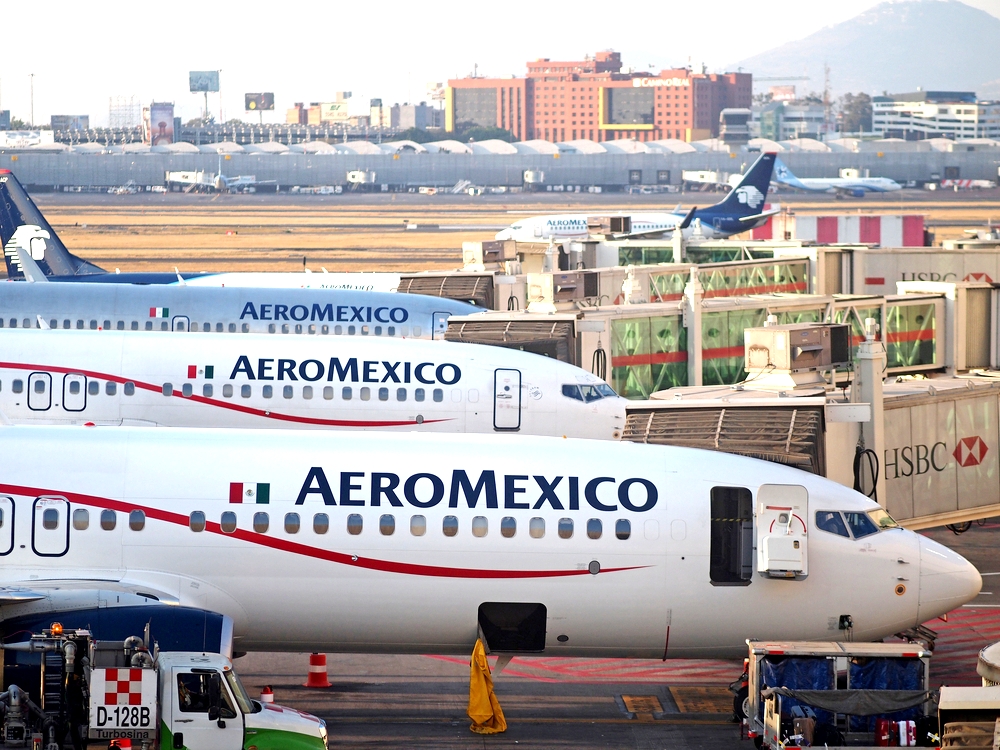
Volaris ha transportado unos 22 millones de personas, un 19.5% de incremento con respecto a 2018, superando a Aeroméxico que ha tenido un flujo de 20.6 millones de pasajeros el año pasado, una disminución del 5.4% interanual. “Esto convierte a Volaris en la aerolínea mexicana más grande por volumen de pasajeros transportados, y me complace señalar que ninguna otra aerolínea mexicana ha transportado tantos pasajeros en un año. A pesar de las incertidumbres económicas, nuestra estructura de aerolínea de ultra bajo costo continúa generando un mayor volumen de pasajeros, a través de tarifas bajas y rutas de punto a punto”, declaró el Presidente Ejecutivo y Director General de la aerolínea de bajo costo, Enrique Beltranena. El crecimiento de Volaris obedece a los costos bajos y su rápido crecimiento, factores que se privilegiaron cuando Aeroméxico bajó su rendimiento después de que en 2019 fueron suspendidos seis Boeing 737 MAX.

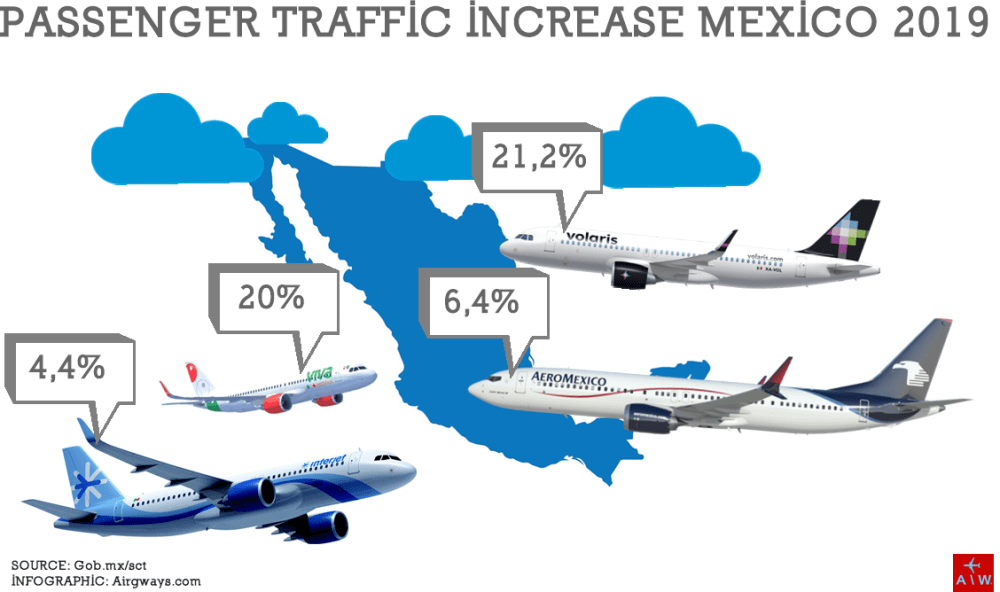
AW-AgenciaFederal Aviación Civil MéxicoLa estrategia del crecimiento de Volaris según datos de la Agencia Federal de Aviación Civil de México, de Enero a Agosto 2019 tres de cada diez personas usaron esta línea aérea para viajar en territorio mexicano, lo que representa 11.076.341 pasajeros. También sobrepasó a otros competidores como Viva Aerobus e Interjet. La aerolínea que ahora domina el sector, Volaris, presentó un crecimiento de 21,2%, Viva Aerobus 20%, Interjet 4,4% y Aeroméxico cayó 6,4%. Analistas dijeron a El Financiero que el éxito de Volaris es una combinación entre una nueva estrategia de negocio lanzada al mercado y el aprovechamiento de las dificultades que han tenido sus pares en los últimos meses. La empresa produjo una estrategia de expansión en la que el primer semestre del año (1Q2019) con el lanzamiento de 43 destinos. El decrecimiento de Aeroméxico ha beneficido a Volaris. La compañía ha incorporado tres nuevas aeronaves que incrementaron su oferta de asientos.

Image result for mexico airportAeroméxico

Para hacer frente a la expansión de Volaris, desde Aeroméxico señalaron: “Una vez que regresen a volar los equipos MAX, se tendrá un aumento de capacidad muy importante. Además, la compañía seguirá invirtiendo en tecnología, procesos y servicios”, señaló Christian Pastrana Director de Comunicación y Asuntos Públicos de Aeroméxico, quien dio algunas esperanzas de nuevas operaciones.

Viva Aerobus

Viva Aerobus ha transcurrido el 2019 con excelentes rendimientos alcanzando un incremento del 20% del flujo de pasajeros que se ha posicionado como la de mayor tráfico durante el año pasado. «Volaris y Viva Aerobus seguirán registrando un crecimiento, ya que los pasajeros de las aerolíneas tradicionales seguirán migrando a las de bajo costo”, dijo Alejandro González, Analista de Intercam.

Interjet

En el caso de Interjet, ha sufrido cancelación de vuelos debido a falta de personal para operar las rutas. La empresa de la familia Alemán ha sufrido pérdidas económicas desde el año pasado. Miguel Alemán Magnani, su Presidente Ejecutivo, dijo en 2018 que capitalizaría la compañía a través de una parte de la firma. AW-Icon AW001


AW-Market-Mexico2019

Mexico air market

Growth of low-cost airlines in Mexico in 2019

The low-cost airlines in Mexico are conquering the Mexican market. Consumers have continued to modify in recent years the way of flying by tilting the balance towards the diversity of routes and the accessible costs on a market dominated by Aeromexico and Interjet. Low-cost airlines were favored in 2019 transporting 101 million people through the skies of the country and this market is expected to continue its expansion, benefiting Volaris and Viva Aerobus widely.

Volaris

Volaris has transported about 22 million people, an increase of 19.5% compared to 2018, surpassing Aeromexico that has had a flow of 20.6 million passengers last year, a decrease of 5.4% year-on-year. “This makes Volaris the largest Mexican airline by volume of passengers transported, and I am pleased to note that no other Mexican airline has transported so many passengers in a year. Despite the economic uncertainties, our ultra-low-cost airline structure continues to generate a greater volume of passengers, through low fares and point-to-point routes”, said the Executive President and General Director of the low-cost airline, Enrique Beltranena. Volaris growth is due to low costs and rapid growth, factors that were privileged when Aeromexico lowered its performance after six Boeing 737 MAX were suspended in 2019.

Volaris’s growth strategy according to data from the Federal Civil Aviation Agency of Mexico, from January to August 2019, three out of ten people used this airline to travel in Mexican territory, representing 11,076,341 passengers. It also surpassed other competitors such as Viva Aerobus and Interjet. The airline that now dominates the sector, Volaris, presented a growth of 21.2%, Viva Aerobus 20%, Interjet 4.4% and Aeromexico fell 6.4%. Analysts told El Financiero that the success of Volaris is a combination of a new business strategy launched to the market and taking advantage of the difficulties that their peers have had in recent months. The company produced an expansion strategy in which the first half of the year (1Q2019) with the launch of 43 destinations. The decrease in Aeromexico has benefited Volaris. The company has incorporated three new aircraft that increased its offer of seats.

AW-Shutterstock_788427061Aeromexico

To deal with the expansion of Volaris, from Aeromexico they pointed out: “Once the MAX equipment returns to fly, there will be a very important capacity increase. In addition, the company will continue to invest in technology, processes, and services”, said Christian Pastrana Director of Communication and Public Affairs of Aeromexico, who gave some hope for new operations.

Viva Aerobus

Viva Aerobus has spent 2019 with excellent performance reaching a 20% increase in the flow of passengers that has positioned itself as the highest traffic during the past year. «Volaris and Viva Aerobus will continue to register growth, as traditional airline passengers will continue to migrate to low-cost ones,» said Alejandro González, Intercam Analyst.

Interjet

In the case of Interjet, it has suffered the cancellation of flights due to a lack of personnel to operate the routes. The German family company has suffered economic losses since last year. Miguel Alemán Magnani, its Executive President, said in 2018 that it would capitalize on the company through a part of the firm. AW-Icon AW002


Ξ A I R G W A Y S Ξ
SOURCE: Airgways.com
DBk: Gob.mx/sct / Airgways.com / Airbus.com
AW-POST: 202002061414AR

A\W   A I R G W A Y S ®

Argentina disminución tickets exterior

0029531711AW | 2020 02 04 12:20 | AIRLINES MARKET

Fuerte caída de la demanda de viajes en Argentina al exterior

La demanda de pasajes aéreos al exterior decrecido drásticamente desde que entró en vigencia el impuesto Para una Argentina Inclusiva y Solidaria (PAIS) a fines de Diciembre 2019. La demanda de aéreos y otros servicios turísticos al extranjero se contrajo desde la implementación del recargo del 30%, el impuesto PAIS existiendo fuerte preocupación en la industria turística. El inicio del 2020 ha comenzado con una baja interanual de aproximadamente el 50% en la demanda de pasajes al extranjero.

Efecto PAIS

El mercado de las aerolíneas ha hecho producir una baja en los precios de los vuelos internacionales. «La actividad se frenó bastante y las compañías aéreas comienzan a estudiar la eliminación de las rutas que se vuelven poco rentables», opinan desde la Federación Argentina de Asociaciones de Empresas de Viajes y Turismo (Faevyt).

«Hasta el 23 de diciembre, día en que empezó a regir el tributo, se vendió bastante. Ahora, estamos preocupados por la conectividad, dado que muchos vuelos llegan llenos a Buenos Aires, pero después salen con un nivel de ocupación menor. Se encuentran tarifas baratas para volar», señaló Aldo Elías, Presidente de la Cámara Argentina de Turismo (CAT).

Según datos de la Administración Nacional de Aviación Civil (ANAC), en 2019, hubo un 7% menos de pasajeros internacionales y se restringió la cantidad de vuelos al extranjero. Latam Airlines Argentina realizó un 30% menos de vuelos al exterior en comparación a 2018, Avianca, un 27%, Gol Linhas Aéreas un 6% y Copa Airlines un 5%.

«En enero, el 60% de las ventas fueron en vuelos de cabotaje. El 40% restante fue para el exterior, pero sobre todo a países cercanos, con predominio de ciudades brasileñas como Río de Janeiro, San Pablo y Florianópolis», analizaron desde Avantrip, y reconocieron que tuvieron un 35% menos de compras respecto en enero de 2019.

Martín Romano, Country Manager de Atrapalo, afirmó que en las primeras semanas del año, las ventas se derrumbaron un 50% en relación al mismo período de 2019. «Fue uno de los peores eneros desde que trabajo en la industria. Un cúmulo de factores generaron esta situación: la anticipación de las compras en diciembre, la confusión sobre cómo se iba a implementar el recargo del 30%, la situación económica del país y las nuevas medidas del Gobierno. Estos interrogantes condujeron a que los clientes adoptaran una actitud más conservadora», explica Martín Romano.

«En el último mes de 2019, hubo un adelantamiento de las compras, por ende, un mayor consumo del habitual. Pasó lo mismo en Marzo y Agosto [2019] después de las PASO, con las dos devaluaciones fuertes. En Enero [2020], bajaron mucho las consultas de usuarios interesados en vacacionar en el exterior», sostuvo Matías Mute, co-fundador de Promos Aéreas.

En este contexto, algunas aerolíneas y agencias de turismo con operaciones en la Argentina ya empezaron a emitir sus pasajes en dólares como una estrategia para mitigar el impacto del derrumbe de las ventas a destinos internacionales, ofreciéndoles a los usuarios la posibilidad de adquirir estos servicios sin el recargo del 30%.

Hasta el momento, al menos 20 empresas iniciaron el trámite para obtener el permiso de la Asociación Internacional de Transporte Aéreo (IATA), el organismo encargado de su aprobación, y habilitar esta opción. Si bien IATA prefirió no dar precisiones al respecto, en el sector, aseguran que a las compañías que ya empezaron las gestiones se les sumarán otras próximamente.

Perspectivas mercado

Los operadores turísticos y aéreos temen que el panorama se agrave en los próximos meses, en el caso de que la tendencia persista. Las aerolíneas consideran cerrar varias rutas al exterior por la escacez de demanda. El impuesto PAIS, lejos de favorecer a la economía la estaría sumiendo en un verdadero estancamiento. Quizás sea tiempo de poner las barbas en remojo e impulsar reformas tributarias serias que permitan aceitar a la atribulada economía argentina y al mismo tiempo reactivar la economía con verdadera responsabilidad, un acto patriótico que por estas tierras escasean. AW-Icon AW001

AW-700666550Decrease in foreign tickets in Argentina

Sharp fall in demand for travel in Argentina abroad

The demand for air tickets abroad decreased drastically since the tax for an Inclusive and Solidarity Argentina (PAIS) came into force at the end of December 2019. The demand for air and other tourist services abroad was contracted since the implementation of the surcharge of 30 %, the PAIS tax existing strong concern in the tourism industry. The beginning of 2020 has begun with a year-on-year decrease of approximately 50% in the demand for foreign tickets.

PAIS effect

The airline market has caused a decrease in the prices of international flights. «The activity stopped a lot and the airlines begin to study the elimination of routes that become unprofitable», say from the Argentine Federation of Travel and Tourism Business Associations (Faevyt).

«Until December 23, the day the tax began to govern, it sold a lot. Now, we are worried about connectivity, since many flights arrive full to Buenos Aires, but then leave with a lower occupancy level. cheap fares to fly», said Aldo Elías, President of the Argentine Chamber of Tourism (CAT).

According to data from the National Civil Aviation Administration (ANAC), in 2019, there were 7% fewer international passengers and the number of flights abroad was restricted. Latam Airlines Argentina made 30% fewer flights abroad compared to 2018, Avianca, 27%, Gol Linhas Aéreas 6% and Copa Airlines 5%.

«In January, 60% of sales were on domestic flights. The remaining 40% went abroad, but especially to nearby countries, with a predominance of Brazilian cities such as Rio de Janeiro, San Pablo, and Florianopolis», analyzed from Avantrip, and acknowledged that they had 35% less purchases compared to January 2019.

Martín Romano, Country Manager of Atrapalo, said that in the first weeks of the year, sales collapsed 50% compared to the same period of 2019. «It was one of the worst Janros since I worked in the industry. A cluster of factors. they generated this situation: the anticipation of purchases in December, the confusion about how the 30% surcharge was going to be implemented, the economic situation of the country and the new government measures. These questions led to customers adopting a more conservative attitude», explains Martín Romano.

«In the last month of 2019, there was an advance in purchases, therefore, a higher consumption than usual. The same happened in March and August [2019] after the STEP, with the two strong devaluations. In January [2020], the queries of users interested in vacation abroad dropped a lot», said Matías Mute, co-founder of Promos Aéreas.

In this context, some airlines and tourism agencies with operations in Argentina have already begun to issue their dollar tickets as a strategy to mitigate the impact of the collapse of sales to international destinations, offering users the possibility of acquiring these services without 30% surcharge.

So far, at least 20 companies started the process to obtain permission from the International Air Transport Association (IATA), the body responsible for its approval, and enable this option. Although IATA preferred not to give details in this regard, in the sector, they assure that the companies that have already started the negotiations will add others soon.

Market prospects

Tourists and air operators fear that the picture will get worse in the coming months, in case the trend persists. The airlines consider closing several routes abroad due to the lack of demand. The PAIS tax, far from favoring the economy, would be plunging it into a real stalemate. Perhaps it is time to put the beards in soak and promote serious tax reforms that allow oil the troubled Argentine economy and at the same time revive the economy with real responsibility, a patriotic act that these lands are scarce. AW-Icon AW002


Ξ A I R G W A Y S Ξ
SOURCE: Airgways.com
DBk: Anac.gov.ar / Argentina.gob.ar/transporte / Airgways.com
AW-POST: 202002041220AR

A\W   A I R G W A Y S ®

Gran Bretaña abandona Unión Europea

Resultado de imagen para brexit"AW | 2020 01 31 21:25 | AVIATION MARKET / GOVERMENT

Resultado de imagen para brexit airgways.com"Gran Bretaña abandona oficialmente la Unión Europea después de 47 años en el bloque

El Reino Unido de Gran Bretaña e Irlanda del Norte abandona oficialmente la Unión Europea después de tres años y medio después del referéndum del Brexit de 2016, Gran Bretaña finalmente se convierte en el primer país en abandonar la Unión Europea a las 11:01 pm GMT del Viernes 31 Enero 2020.

El Reino Unido entrará en el período de transición acordado entre el gobierno británico y la UE. Los términos de ese acuerdo significan que durante los próximos 11 meses, el Reino Unido seguirá siendo un estado miembro de la UE en todo menos en el nombre. El Reino Unido abandona formalmente la UE. El Primer Ministro Boris Johnson se dirigirá a la nación en lo que se presume que es un mensaje optimista.

Brexit & Aviación

Los parlamentos del Reino Unido y de la UE finalmente han ratificado el acuerdo de retirada renegociado alcanzado en Octubre 2019. En consecuencia, el Reino Unido permanece en el mercado único y la unión aduanera de la UE y está obligado por sus normas hasta el 31 Diciembre 2020, mientras deja de ser un estado miembro. Este período de transición dará tiempo para negociar nuevos acuerdos comerciales que abarquen todos los sectores de la economía.

AW-Brexit_31012020Los aspectos de la aviación comercial y la industria aeronáutica continuarán sin cambios trascendentales. El Reino Unido permanecerá en el Área de Aviación Común Europea durante el resto de 2020, permitiendo el acceso mutuo a las aerolíneas de ambos lados a rutas entre (y dentro) el Reino Unido y el resto del mercado europeo de aviación única. También mantiene al Reino Unido en la Agencia de Seguridad Aérea de la Unión Europea, asegurando que no se interrumpan las normas de seguridad existentes. El período de transición evita la perspectiva inmediata de un Brexit duro, pero solo puede retrasarlo hasta 2021 si no se alcanzan nuevos acuerdos. Para la aviación, los vuelos podrían estar potencialmente en tierra. Sin embargo, es más probable que se trate de un acuerdo básico sobre los derechos de tráfico y la regulación de seguridad.

La UE también propuso regulaciones para extender por nueve meses después de un acuerdo sin Brexit la validez de los certificados de seguridad de aviación emitidos por EASA a las empresas del Reino Unido para ciertos productos, piezas y aparatos aeronáuticos por 9 meses. También permitiría más extensiones si fuera necesario.

Por su parte, la Autoridad de Aviación Civil del Reino Unido dijo que los certificados, aprobaciones y licencias de EASA serían reconocidos para su uso en el Reino Unido y en aviones del Reino Unido por hasta dos años después de la fecha del Brexit. Además, las regulaciones de la UE aplicables en el punto de Brexit se mantendrían en la legislación nacional del Reino Unido. El Reino Unido deberá acordar nuevos acuerdos bilaterales con varios países no pertenecientes a la UE. Los miembros de la UE, que cubren tanto el acceso al mercado como la seguridad, también se seguirán aplicando al Reino Unido durante el período de transición.

La Unión Europea ha pedido a terceros países con los que tiene acuerdos comerciales de todo tipo, incluidos los relacionados con la aviación, que sigan tratando al Reino Unido como si fuera un estado miembro de la UE hasta finales de 2020 y no hay una razón obvia para ellos no hacerlo, a menos que quieran restringir la competencia de las aerolíneas del Reino Unido. Más allá del período de transición, además de acordar nuevas reglas de acceso al mercado con la UE , el Reino Unido también debe negociar nuevos acuerdos bilaterales con 17 países no pertenecientes a la UE donde los derechos se otorgan actualmente en virtud de los acuerdos de la UE. También se necesitarán nuevos bilaterales de seguridad. El más importante de estos acuerdos extracomunitarios será un nuevo acuerdo entre el Reino Unido y los Estados Unidos, necesario una vez que el Reino Unido se salga del acuerdo de cielos abiertos entre la UE y los Estados Unidos.

Se ha negociado un borrador de acuerdo entre el Reino Unido y los Estados Unidos , siguiendo el enfoque familiar, liberal y de cielos abiertos, y está listo para entrar en vigencia cuando finalice el período de transición. Sin embargo, es poco probable que conserve los derechos existentes de las aerolíneas de la UE para prestar servicios a los EE. UU. Desde el Reino Unido, o de las aerolíneas del Reino Unido para prestar servicios a los EE.UU. desde la UE.

Cambios post-Brexit

El Reino Unido podría estar saliendo de la UE, pero a partir de las 11:01 pm, seguirá obedeciendo todas las leyes de la UE y los tribunales europeos. En los próximos meses, continuará pagando el presupuesto de la UE y cumplirá con cualquier cambio en la legislación de la UE. Eso significa que las únicas cosas que cambiarán son en gran medida simbólicas. El Reino Unido dejará de tener una representación significativa en las instituciones de la UE y ya no asistirá a ninguna reunión de líderes de la UE. Por lo tanto, obedecerá las reglas de la UE sin tener voz en la política de la UE. Las empresas podrán operar normalmente, lo que significa que usted como cliente no se verá afectado. Las personas que viajan a Europa no se verán afectadas durante el período de transición, y los ciudadanos de la UE aún podrán moverse libremente por el bloque. Los cambios en los medios de transportes irán tomando otras dimensiones, mientras tanto los gobiernos necesitarán realizar negociaciones con las aerolíneas y la industria de la aviación.

Perspectivas Reino Unido

El período de transición del Brexit finalizará el 31 Diciembre 2020. Eso significa que el Reino Unido tiene que negociar su futura relación con Europa en solo 11 meses. No llegar a un acuerdo significaría el Brexit más difícil posible, causando daños económicos para ambas partes y posiblemente para el resto del mundo. Este es un escenario que ambas partes están ansiosas por evitar. El Primer Ministro del Reino Unido, Boris Johnson, quiere un acuerdo comercial al estilo de Canadá con Bruselas, con aranceles cero para la región. Las negociaciones formales comenzarán el 3 Marzo 2020. Mientras tanto, ambas partes delinearán sus prioridades. AW-Icon AW001

Resultado de imagen para brexit"Great Britain leaves the European Union

Britain officially leaves the European Union after 47 years in the block

The United Kingdom of Great Britain and Northern Ireland officially leaves the European Union after three and a half years after the 2016 Brexit referendum, Britain finally becomes the first country to leave the European Union at 11:01 pm GMT from Friday, January 31, 2020.

The United Kingdom will enter the transition period agreed between the British government and the EU. The terms of that agreement mean that for the next 11 months, the United Kingdom will remain an EU member state in all but name. The United Kingdom formally leaves the EU. Prime Minister Boris Johnson will address the nation in what is presumed to be an optimistic message.

Brexit & Aviation

The parliaments of the United Kingdom and the EU have finally ratified the renegotiated withdrawal agreement reached in October 2019. Consequently, the United Kingdom remains in the single market and the EU customs union and is bound by its rules until December 31, 2020, while ceasing to be a member state. This transition period will allow time to negotiate new trade agreements that cover all sectors of the economy.

The aspects of commercial aviation and the aviation industry will continue without major changes. The United Kingdom will remain in the European Common Aviation Area for the rest of 2020, allowing mutual access to airlines on both sides to routes between (and within) the United Kingdom and the rest of the European single aviation market. It also maintains the United Kingdom in the European Union Air Safety Agency, ensuring that existing safety standards are not interrupted. The transition period avoids the immediate prospect of a hard Brexit, but can only delay it until 2021 if new agreements are not reached. For aviation, flights could potentially be on the ground. However, it is more likely to be a basic agreement on traffic rights and safety regulations.

Resultado de imagen para brexit airgways.com"

The EU also proposed regulations to extend for nine months after an agreement without Brexit the validity of aviation security certificates issued by EASA to UK companies for certain products, parts, and aircraft equipment for 9 months. It would also allow more extensions if necessary.

For its part, the Civil Aviation Authority of the United Kingdom said that EASA certificates, approvals, and licenses would be recognized for use in the United Kingdom and in United Kingdom airplanes for up to two years after the Brexit date. In addition, the EU regulations applicable at the Brexit point would be maintained in the national legislation of the United Kingdom. The United Kingdom must agree on new bilateral agreements with several non-EU countries. EU members, which cover both market access and security, will also continue to apply to the United Kingdom during the transition period.

The European Union has asked third countries with which it has trade agreements of all kinds, including those related to aviation, to continue treating the United Kingdom as if it were an EU member state until the end of 2020 and there is no obvious reason for them not to do so unless they want to restrict competition from UK airlines. Beyond the transition period, in addition to agreeing on new market access rules with the EU, the United Kingdom must also negotiate new bilateral agreements with 17 non-EU countries where rights are currently granted under the agreements of the EU. EU. New bilateral security will also be needed. The most important of these non-EU agreements will be a new agreement between the United Kingdom and the United States, necessary once the United Kingdom leaves the open skies agreement between the EU and the United States.

A draft agreement has been negotiated between the United Kingdom and the United States, following the family, liberal and open skies approach, and is ready to take effect when the transition period ends. However, it is unlikely that it retains the existing rights of EU airlines to provide services to the US. UU. From the United Kingdom, or from United Kingdom airlines to provide services to the US from the EU.

Post-Brexit changes

The UK could be leaving the EU, but starting at 11:01 pm, it will continue to obey all EU laws and European courts. In the coming months, it will continue to pay the EU budget and will comply with any changes in EU legislation. That means that the only things that will change are largely symbolic. The United Kingdom will cease to have significant representation in the EU institutions and will no longer attend any meeting of EU leaders. Therefore, it will obey the EU rules without having a voice in EU policy. Companies can operate normally, which means that you as a customer will not be affected. People traveling to Europe will not be affected during the transition period, and EU citizens can still move freely through the block. Changes in the means of transport will take other dimensions, while governments will need to negotiate with the airlines and the aviation industry.

Perspective the UK

The Brexit transition period will end on December 31, 2020. That means that the United Kingdom has to negotiate its future relationship with Europe in just 11 months. Failure to reach an agreement would mean the most difficult Brexit possible, causing economic damage for both parties and possibly for the rest of the world. This is a scenario that both parties are eager to avoid. The Prime Minister of the United Kingdom, Boris Johnson, wants a Canadian-style trade agreement with Brussels, with zero tariffs for the region. Formal negotiations will begin on March 3, 2020. Meanwhile, both parties will outline their priorities. AW-Icon AW002


Ξ A I R G W A Y S Ξ
SOURCE: Airgways.com
DBk: Europa.eu / Cnn.com / Uk.gov / Airgways.com / France24.com
AW-POST: 202001312125AR

A\W   A I R G W A Y S ®

Sindicatos Argentina presionan retorno de la Banda Tarifaria Mínima

Aeropuerto El PalomarAW | 2020 01 31 14:49 | AIRLINES MARKET / AVIATION ORGANISMS

Sindicatos aéreos de Argentina presionan por la vuelta de la tarifa mínima

Los sindicatos aéreos de Argentina están reclamando al Gobierno de Argentina el retorno de la Banda Tarifaria Mínima para otorgar oxígeno al mercado aéreo que en estos últimos años han arrojado resultados económicos negativos. Aunque la apertura de la Revolución de los Aviones ha permitido la expansión de nuevas rutas, el modelo del anterior gobierno ha quedado sin recursos para subsistir en un ámbito inflacionario considerable. Tras los resultados negativos de muchas líneas aéreas y la salida del mercado de Avianca Argentina, Norwegian Air Argentina y LASA Líneas Aéreas que continúa buscando retornar a los cielos después del cierre y las dificultades de Andes Líneas Aéreas. Desde los sindicatos denuncian dumping en el mercado aéreo actual generando desigualdades competitivas que continúan sus operaciones en déficit, aún aquellas con beneficios promovidos por los Estados de las provincias.

Nuevas políticas aviación

El piso en los valores de los tickets fue derogado por el Gobierno anterior en Agosto 2018 en respuesta al pedido de las compañías que ingresaron a la Argentina bajo el modelo low cost. Con el cambio actual de Gobierno en argentina, los sindicatos aeronáuticos comenzaron una aproximación con el Ministerio de Transporte para acercar los reclamos correspondientes. Los gremios desean inyectar oxígeno a la economía inflacionaria, para establecer el reclamo de retornar las Tarifas Mínimas para establecer un techo a la banda de pasajes aéreas. Esto implicaría erradicar las ofertas que caracterizaron a loas aerolíneas low cost, lo que permitiría desarticular el escenario de dumping que se cobró la vida comercial de más de una aerolínea y ha dejado al borde del quebranto a varias de las aerolíneas en la era de la Revolución de los Aviones.

El regreso de la banda tarifaria representa el camino para aliviar la estructura de costos de las aerolíneas, que en la pelea por captar pasajeros a partir de tickets baratos en todos los casos volaron a pérdida. Pero otros analistas observan que el recurso de laBanda Tarifaria Mínima sería un retroceso al mercado, por lo que encarecería los pasajes aéreos.

Gobierno involucrado

Los gremios aeronáuticos han avanzado para reunirse con la cartera de Transporte, permitiendo al Ministro Mario Meoni reconocer el momento crítico que atraviesa la actividad aerocomercial, manifestando el compromiso de definir criterios para incentivar la aviación comercial argentina. «El Ministro entendió que hay que trabajar al respecto, aunque dejando en claro que llevará su tiempo. Meoni comparte que la industria no puede seguir operando por debajo de sus costos. Hay que asumir que el dumping promovido en estos años dejó al sector de rodillas. Si bien para definir una banda de precios mínimos hay que hacer un estudio con el cálculo de los costos operativos actuales, en Transporte tienen claro que flexibilizar como se hizo terminó destruyendo al sector. Ahora hay que saber aprovechar el muy buen mercado interno que generó la devaluación», dijo el Gremio Aeronáutico UPSA, que nuclea al personal jerárquico. AW-Icon AW001

AW-Skies_ArgentinaArgentina unions press tariff floor

Argentina air unions press for the return of the minimum rate

Argentina’s air unions are demanding from the Government of Argentina the return of the Minimum Tariff Band to grant oxygen to the air market that in recent years have yielded negative economic results. Although the opening of the Aircraft Revolution has allowed the expansion of new routes, the previous government’s model has run out of resources to subsist in a considerable inflationary environment. After the negative results of many airlines and the exit of the market of Avianca Argentina, Norwegian Air Argentina and LASA Líneas Aéreas continue looking for a return to the skies after the closing and the difficulties of Andes Líneas Aéreas. The unions denounce dumping in the current air market generating competitive inequalities that continue their operations in deficit, even those with benefits promoted by the States of the provinces.

New aviation policies

The floor in the values ​​of the tickets was repealed by the previous Government in August 2018 in response to the request of the companies that entered Argentina under the low-cost model. With the current change of government in Argentina, the aeronautical unions began an approach with the Ministry of Transportation to bring the corresponding claims. The unions want to inject oxygen into the inflationary economy, to establish the claim to return the Minimum Rates to establish a ceiling to the airfare band. This would imply eradicating the offers that characterized low-cost airlines, which would allow the dumping scenario that took over the commercial life of more than one airline to be broken and has left several of the airlines in the era of revolution in the era of the Aircraft Revolution.

The return of the tariff band represents the way to alleviate the cost structure of the airlines, which in the fight to capture passengers from cheap tickets in all cases flew at a loss. But other analysts observe that the resource of the Minimum Rate Band would be a setback to the market, so it would make air tickets more expensive.

Government involved

The aeronautical guilds have advanced to meet with the Transportation portfolio, allowing Minister Mario Meoni to recognize the critical moment that the commercial activity is going through, expressing the commitment to define criteria to encourage Argentine commercial aviation. «The Minister understood that we must work on this, although making it clear that it will take time. Meoni shares that the industry cannot continue to operate below its costs. It must be assumed that the dumping promoted in these years left the sector on its knees Although to define a minimum price band, a study must be done with the calculation of the current operating costs, in Transportation, they are clear that making it more flexible, it ended up destroying the sector, now it is necessary to know how to take advantage of the very good internal market that generated devaluation», said the UPSA Aeronautical Guild, which brings together hierarchical personnel. AW-Icon AW002


Ξ A I R G W A Y S Ξ
SOURCE: Airgways.com
DBk: Argentina/transporte.gob.ar / Upsa-ospea.com.ar / Airgways.com
AW-POST: 202001311449AR

A\W   A I R G W A Y S ®

Cielo Único por cambio climático

AW-70001_CO2AW | 2020 01 26 18:27 | AIRLINES MARKET / AEROSPACE SCIENCE

Image result for eurocontrolPlan aerolíneas vuelos directos contra el cambio climático

Los sindicatos aéreos reclaman aplicar el Cielo Único Europeo para evitar los vuelos en zig-zag a los que ahora les obliga la gestión fragmentada del control aéreo. El movimiento se ha iniciado hace algo más de una década, pero es en la actualidad cuando se está tomando una visibilidad cierta al calor de figuras públicas como la activista ambiental Greta Thunberg.

“Flygskam”

«Vergüenza de volar», es el movimiento ecologista convertido en un fenómeno que ha nacido en Europa y ha traspasado las fronteras de los que renunciantomar un avión por el impacto ambiental de sus emisiones de efecto invernadero y optan por el tren o directamente por renunciar a grandes trayectos.

La industria aérea ha volcado sus esfuerzos del sector para ser más sostenible en su eficiencia donde toda la aviación mundial es responsable del 2,4% del total de emisiones globales. “No hay que sentir vergüenza de volar. El enemigo no es la aviación, el enemigo es el CO2. El sector aéreo lleva más de una década impulsando su lucha contra el cambijo climático. Teníamos como objetivo mejorar un 1,5% anual las emisiones de los combustibles y estamos mejorándola un 2,3% cada año”, proclamaba esta semana Rafael Schvartzman, Vicepresidente para Europa de la Asociación Internacional de Transporte Aéreo (IATA), una organización que agrupa a 290 aerolíneas de todo el mundo.

La patronal global se ha marcado como objetivo reducir a la mitad las emisiones de CO2 de todo el sector en 2050 en relación a los niveles de 2005, se ha comprometido a que todo el crecimiento de la industria aérea (sólo la operación adicional) sea neutro en emisiones desde este mismo año y asegura que las compañías aéreas tienen proyectos para compensar sus emisiones con inversiones por 40.000 millones de dólares (singularmente planes de reforestación).

Pese a los esfuerzos, el avión sigue produciendo muchas más emisiones que otros medios de transporte. En Suecia, la cuna del fenómeno de la “vergüenza de volar” (flygskam), se está popularizando de manera paralela el “orgullo de ir en tren” (tagskryt). Según cálculos de la Agencia Ambiental Europa, las emisiones por cada pasajero en un viaje en tren son de 14 gramos de dióxido de carbono por kilómetro, frente a los 285 gramos de cada pasajeros de un avión mediano (88 plazas). Otros estudios de la London School of Economics rebajan esas emisiones del avión hasta los 170 gramos por kilómetro para aeronaves de mayor tamaño.

Aerolíneas temen las nuevas tasas

Francia, Países Bajos y Bélgica tienen planes para aplicar una tasa a las aerolíneas por sus emisiones. Lideran una campaña para conseguir que la Unión Europea establezca tasas especiales a la aviación para gravar sus emisiones de CO2. Sea un impuesto específico a los billetes de avión, tasas en cada vuelo o impuesto especial sobre el queroseno, el debate utilizar la vía fiscal para frenar las emisiones aéreas está abierto. Pero desde las patronales del sector, desde IATA y también desde las diferentes asociaciones aéreas nacionales, se rechaza esta opción y se apuesta por otras medidas para reducir las emisiones vinculadas a la crisis climática sin penalizar el crecimiento y algunas que podrían tener efectos de manera acelerada. Las compañías reclaman una reorganización del control aéreo y del diseño de las rutas para conseguir hacer vuelos más directos entre destinos, casi en línea recta frente a los rodeos que se dan actualmente, como una fórmula para recortar rápidamente el tiempo de vuelo, las distancias recorridas, el combustible consumido y, con ello, de las emisiones del sector. “En Europa hemos creado un espacio común sin fronteras, pero el espacio aéreo tiene fronteras nacionales que no tienen ningún sentido. El espacio aéreo europeo está fragmentado, es poco eficiente, obliga a volar distancias excesivamente largas y con alturas poco eficientes. Los pasajeros pierden tiempo por los vuelos demasiado largo y por las pérdidas de vuelos de conexión. Y para las aerolíneas supone más costes y más emisiones”, resumía el vicepresidente de IATA esta semana en Madrid ante un aforo lleno de empresarios turísticos en una jornada organizada por el lobby sectorial Exceltur.

Las compañías aéreas exigen poner fin al enorme retraso de unos 15 años que acumula la puesta en marcha del Cielo Único Europeo y se agarran a las propias estimaciones de la Comisión Europea sobre los beneficios ambientales de racionalizar el control aéreo continental y romper la fragmentación por países: su aplicación ahorraría más de 8 millones de toneladas de CO2 al año y permitiría un recorte del 10% de las emisiones.

Las patronales aéreas se quejan de que la fragmentación en organismos de control aéreo estatales, con diferentes organizaciones y con diferentes criterios, prácticamente les hace “volar en zig-zag” en lugar de establecer conexiones más directas. Desde la Asociación de Líneas Aéreas (ALA) española se cuantifica en 42 kilómetros de media por vuelo la distancia innecesaria que se recorre por no existir la posibilidad de vuelos más directos y sin rodeos. “Esta ineficiencia del espacio aéreo en Europa se pone de relieve si se compara con el de Estados Unidos. El norteamericano gestiona con un único proveedor de servicios de navegación aérea y 20 centros de control un 47% más de vuelos que el europeo, que cuenta con 37 proveedores de servicios de navegación aérea y triplica el número de centros control (62)”, apuntan desde la patronal española.

Eurocontrol

El objtivo es rar más poder a Eurocontrol, que las autoridades nacionales cedan parte de su soberanía, repartir el actual espacio aéreo fragmentado casi por cada uno de los países del continente y agruparlo por bloques de varios países, y un rediseño de al menos algunas de las autopistas aéreas para conseguir que los vuelos sean más directos. Ésas son las reclamaciones del sector aéreo. “Se necesita liderazgo por parte de la UE para implementar el Cielo Único Europeo. Con ese proyecto se conseguirían rutas más direc5tas, más cortas y sin esperas, lo que reduciría las emisiones de la aviación en un 10%”, apuntan desde las patronales.

Image result for eurocontrol flygskamMejores aviones, mejores combustibles

“En los últimos 50 años, el impacto de la contaminación de gases que producen daño al clima del sector aéreo se ha reducido en un 80% medido por pasajero y kilómetro recorrido. Y en los últimos diez años la reducción ha sido casi del 30%. La aviación lleva el incentivo puesto para reducir emisiones, porque su mayor elemento de coste es el combustible”, subrayaba esta semana Carlos Bertomeu, presidente de la aerolínea de vuelos regionales Air Nostrum. Es que los avances tecnológicos de los nuevos modelos de avión (menos pesados, con motores más eficientes) y un uso generalizado de combustibles sostenibles son las principales palancas a las que se agarra el sector aéreo para su transformación verde. Dos bazas, no obstante, para las que reclaman la implicación de los fabricantes aeronáuticos y de las grandes petroleras. “Las aerolíneas no somos fabricantes ni de aeronaves ni de combustible. Sólo los usamos”, subraya el máximo responsable de IATA para Europa.

El sindicato mundial de las aerolíneas destaca que utilizar biocombustibles de manera generalizada en todo el sector a escala global permitiría un desplome potencial del 80% de las emisiones de CO2 actuales. Pero actualmente apenas un 0,1% de todo el combustible consumido por la aviación mundial es bajo en emisiones. Y aunque hay claros avances para conseguir aviones eléctricos, pero se está muy lejos de que sea una tecnología extendida en la aviación comercial.

El primer vuelo de un avión que utilizaba biocombustible se realizó hace una década. Desde entonces se han operado más de 215.000 vuelos comerciales con este tipo de carburante. Pueden parecer muchos, pero es el equivalente a todos los vuelos que de media despegan cada dos días en todo el mundo. El año pasado se batió el récord del mayor número de vuelos en una sola jornada, y fueron 230.000. IATA aspira a que en el plazo de cinco años un 2% de todos los vuelos comerciales se realicen con biocombustibles alcanzando una masa crítica razonable para crear un mercado atractivo. “Las grandes petroleras no están liderando la transición energética en el sector aéreo. Y deberían, porque es una gran oportunidad para ellas”, se queja Schvartzman. AW-Icon AW001

Related image Unique Sky European for climate change

Airlines direct flights plan against climate change

Air unions claim to apply the Single European Sky to avoid zig-zag flights that are now forced by fragmented air traffic control management. The movement has started a little over a decade ago, but it is currently when certain visibility is being taken in the heat of public figures such as environmental activist Greta Thunberg.

«Flygskam»

«Embarrassment of flying» is the environmental movement that has become a phenomenon that was born in Europe and has crossed the borders of those who renounce an airplane because of the environmental impact of its greenhouse emissions and opt for the train or directly to give up great journeys

The airline industry has turned its efforts in the sector to be more sustainable in its efficiency where all world aviation is responsible for 2.4% of total global emissions. “There is no shame in flying. The enemy is not aviation, the enemy is CO2. The air sector has been promoting its fight against climate change for more than a decade. We aimed to improve fuel emissions by 1.5% annually and we are improving it by 2.3% every year”, proclaimed this week Rafael Schvartzman, Vice President for Europe of the International Air Transport Association (IATA), an organization that brings together 290 airlines from around the world.

The global employer has set an objective to reduce CO2 emissions by half of the entire sector in 2050 in relation to 2005 levels, it has committed itself to making all the growth of the airline industry (only the additional operation) neutral in emissions since this year and ensures that the airlines have projects to offset their emissions with investments of 40,000 million dollars (singularly reforestation plans).

Despite the efforts, the plane continues to produce many more emissions than other means of transport. In Sweden, the cradle of the phenomenon of «shame on flying» (flygskam), the «pride of going by train» (tagskryt) is popularizing in parallel. According to calculations by the European Environmental Agency, the emissions for each passenger on a train trip are 14 grams of carbon dioxide per kilometer, compared to 285 grams of each passenger of a medium-sized aircraft (88 seats). Other studies by the London School of Economics reduce these aircraft emissions to 170 grams per kilometer for larger aircraft.

Airlines fear the new rates

France, the Netherlands, and Belgium have plans to apply a fee to airlines for their emissions. They lead a campaign to get the European Union to set special aviation fees to tax its CO2 emissions. Be it a specific tax on air tickets, fees on each flight or special tax on kerosene, the debate using the tax route to stop air emissions is open. But from the employers of the sector, from IATA and also from the different national air associations, this option is rejected and other measures are taken to reduce emissions linked to the climate crisis without penalizing growth and some that could have an accelerated effect. The companies demand a reorganization of the air control and the design of the routes to be able to make more direct flights between destinations, almost in a straight line in front of the detours that are currently taking place, as a formula to quickly cut the flight time, the distances traveled, the fuel consumed and, with it, the sector’s emissions. “In Europe, we have created a common space without borders, but airspace has national borders that make no sense. The European airspace is fragmented, it is not very efficient, it forces to fly excessively long distances and with little efficient heights. Passengers waste time for flights that are too long and for losses of connecting flights. And for airlines,it means more costs and more emissions”, summed up the IATA vice president this week in Madrid before a full capacity of tourist entrepreneurs in a day organized by the Exceltur sector lobby.

The airlines demand an end to the enormous delay of about 15 years that the start-up of the Single European Sky accumulates and they stick to the European Commission’s own estimates on the environmental benefits of streamlining continental air control and breaking up fragmentation by countries: its application would save more than 8 million tons of CO2 per year and allow a 10% cut in emissions.

The air employers complain that the fragmentation in-state air control agencies, with different organizations and with different criteria, practically makes them «fly in zig-zag» instead of establishing more direct connections. From the Spanish Airline Association (ALA), the unnecessary distance traveled is quantified by 42 kilometers on average per flight because there is no possibility of more direct and blunt flights. “This inefficiency of airspace in Europe is highlighted when compared to that of the United States. The North American manages with a single provider of air navigation services and 20 control centers 47% more flights than the European, which has 37 air navigation service providers and triples the number of control centers (62)”, they point out from the Spanish employers.

Eurocontrol

The objective is to grant more power to Eurocontrol, that the national authorities cede part of their sovereignty, distribute the current airspace fragmented almost by each of the countries of the continent and group it into blocks of several countries, and a redesign of at least some of Airways to make flights more direct. Those are the claims of the air sector. “Leadership by the EU is needed to implement the Single European Sky. With this project, more direct, shorter, and no longer expected routes would be achieved, which would reduce aviation emissions by 10%”, said the employers.

Better airplanes, better fuels

“In the last 50 years, the impact of the pollution of gases that produce damage to the climate of the air sector has been reduced by 80% measured by passenger and kilometer traveled. And in the last ten years, the reduction has been almost 30%. Aviation has the incentive to reduce emissions because its biggest cost element is fuel”, said Carlos Bertomeu, president of the regional airline Air Nostrum this week. It is that the technological advances of the new airplane models (less heavy, with more efficient engines) and generalized use of sustainable fuels are the main levers to which the air sector is seized for its green transformation. Two tricks, however, for those who claim the involvement of aeronautical manufacturers and large oil companies. “The airlines are not manufacturers or aircraft or fuel. We only use them”, said the head of IATA for Europe.

The global airline union emphasizes that using biofuels in a general way throughout the sector on a global scale would allow a potential collapse of 80% of current CO2 emissions. But currently, only 0.1% of all fuel consumed by world aviation is low in emissions. And although there are clear advances to get electric airplanes, it is far from being an extended technology in commercial aviation.

The first flight of a plane that used biofuel was made a decade ago. Since then, more than 215,000 commercial flights have been operated with this type of fuel. They may seem many, but it is the equivalent of all flights that take off every two days worldwide. Last year the record for the largest number of flights was broken in a single day, and there were 230,000. IATA hopes that within five years 2% of all commercial flights will be carried out with biofuels reaching a reasonable critical mass to create an attractive market. “The big oil companies are not leading the energy transition in the air sector. And they should, because it’s a great opportunity for them”, complains Schvartzman. AW-Icon AW002


Ξ A I R G W A Y S Ξ
SOURCE: Airgways.com
DBk: Eurocontrol.int / Elindependiente.com / Airgways.com
AW-POST: 202001261827AR

A\W   A I R G W A Y S ®

Disminución 41% ventas en Argentina

Aeroparque_Jorge_Newbery_TorreAW | 2020 01 25 08:40 | AIRLINES MARKET

La venta de pasajes se desploma 41% en Enero 2020 y golpea al sector de la aviación comercial

Por el cepo y el impuesto PAIS, los vuelos internacionales cayeron 60%. El impacto en turismo local ha disminuido. Las políticas del cepo cambiario implementado por el actual gobierno con el impuesto PAIS están impactando fuertemente en el ámbito aeronáutico y turístico. El impuesto del 30% y la recesión se conjugaron este mes para darle a la aviación su peor mes en ventas de los últimos años. La venta de pasajes se desplomó en los primeros 23 días un 41% interanual.

AW-700337Aerolíneas Argentinas representa más del 50% del mercado aerocomercial, que desde el sector estiman que esta fuerte caída en su resultado operativo impactará en el último balance de la aerolínea que cuenta con una pérdida neta de AR$ 24.077 millones entre el 1 Enero al 30 Octubre 2019.
La venta de pasajes internacionales fue la que más sufrió disminuyendo un 58% en los primeros 23 días de 2020. La devaluación y el cepo son dos grandes disuasivos a la hora del turismo extranjero, a los que se suma el impuesto país del 30%.

PAIS impacta en Argentina

Estos disuasivos impuestos para viajar al extranjero, no se tradujeron en un incentivo para los vuelos de cabotaje. La venta de pasajes en el territorio nacional cayó 16%. De acuerdo a datos del Agencia Nacvional de Aviación Civil (ANAC), desde el período Junio 2019, mes a mes se registra un empeoramiento gradual de la cantidad de vuelos, desde una pérdida del 5% interanual en Agosto 2019, las cifras se fueron agravando hasta el 9% de retroceso en Diciembre 2019. La tendencia muestra un empeoramiento acentuado en los vuelos internacionales, que empezaron 2019 con una pérdida interanual del 3,7% y terminaron el año con un retroceso del 13,5% interanual en diciembre. Mientras que en los vuelos de cabotaje, el deterioro comenzó algo su impacto en Agosto 2019 epotando un retroceso del 1,9% y para Diciembre 2019 la cantidad de pasajeros en el territorio nacional se deterioraba al 7,2% interanual.

El impuesto PAIS implementado por el Gobierno de Argentina para reducir las especulaciones de la moneda cambiaria del dólar, no ha hecho otra cosa que empeorar la situación en la aviación comercial. Las políticas establecidas no están estimulando el tráfico aéreo e impactarán en la situación financiera de las aerolíneas, el sector turístico y en el país en general. AW-Icon AW001

AW-77004-Clarin41% decrease in sales tickets in Argentina

Ticket sales plummets 41% in January 2020 and hits the commercial aviation sector

Due to the stocks and the PAIS tax, international flights fell 60%. The impact on local tourism has diminished. The exchange rate policies implemented by the current government with the PAIS tax are having a strong impact on the aeronautical and tourism sector. The 30% tax and the recession combined this month to give aviation its worst month in sales in recent years. The sale of tickets collapsed in the first 23 days by 41% year-on-year.

Aerolíneas Argentinas represents more than 50% of the commercial air market, which from the sector estimates that this sharp fall in its operating result will impact the last balance of the airline that has a net loss of AR$ 24,077 million between January 1 and October 30, 2019.

The sale of international tickets suffered the most, decreasing 58% in the first 23 days of 2020. The devaluation and the stocks are two major deterrents when it comes to foreign tourism, to which the 30% country tax is added.

PAIS impacts in Argentina

AW-Jetsmart_AirlinesThese dissuasive taxes to travel abroad did not translate into an incentive for domestic flights. The sale of tickets in the national territory fell 16%. According to data from the National Civil Aviation Agency (ANAC), from the period June 2019, month by month there is a gradual 0002895677worsening of the number of flights, from a loss of 5% year-on-year in August 2019, the figures were getting worse up to 9% decline in December 2019. The trend shows a marked worsening in international flights, which began 2019 with a year-on-year loss of 3.7% and ended the a319year with a year-on-year 13.5% decline in December. While in domestic flights, the deterioration began its impact somewhat in August 2019, showing a 1.9% decline and by December 2019 the number of passengers in the national territory deteriorated to 7.2% year-on-year.


The PAIS tax implemented by the Government of Argentina to reduce speculation of the dollar’s currency has done nothing but worsen the situation in commercial aviation. The established policies are not stimulating air traffic and will impact the financial situation of the airlines, the tourism sector and the country in general. AW-Icon AW002


Ξ A I R G W A Y S Ξ
SOURCE: Airgways.com
DBk: Anac.gob.ar / Lapoliticaonline.com / Airgways.com
AW-POST: 202001250840AR

A\W   A I R G W A Y S ®

Aerolíneas EEUU se consolidan pese a la crisis del Boeing 737 MAX

Resultado de imagen para Southwest airlines american airlines dallas airport"AW | 2020 01 24 08:33 | AIRLINES MARKET / INDUSTRY
Aerolíneas estadounidenses pilotean la crisis industrial de Boeing

AW-7003344Gracias a la bonanza económica de Estados Unidos y a la sólida demanda de pasajes, las aerolíneas capean la crisis del constructor aeronáutico americano, acosadas por la crisis de los aviones Boeing 737 MAX.
American Airlines informó la reunión de la llamada a ganancias el Jueves 23/01 que la elevada cantidad de viajeros le generó ingresos récord en el cuarto trimestre (4Q2019), pero ejecutivos de la compañía advirtieron que necesitarán volver a aplazar la posible utilización de los 737 MAX de su flota. A la luz de los anuncios de Boeing, el Jefe Ejecutivo de American Airlines, Doug Parker, estimó que la utilización de los MAX sería posible a fines del verano o a comienzos del otoño boreal (3Q2020), significando que las aeronaves no estarán disponibles para el período de vacaciones estivales. Las ganancias del último trimestre del año pasado subieron 27.4%, a 414 millones de dólares. El volumen de negocios subió 3.4%, a 11,300 millones de dólares. Previamente, la aerolínea estadounidense había estimado que la crisis de los MAX le costaría US$ 540 millones de dólares de las ganancias brutas del 2019 debido a los miles de vuelos que debió cancelar.

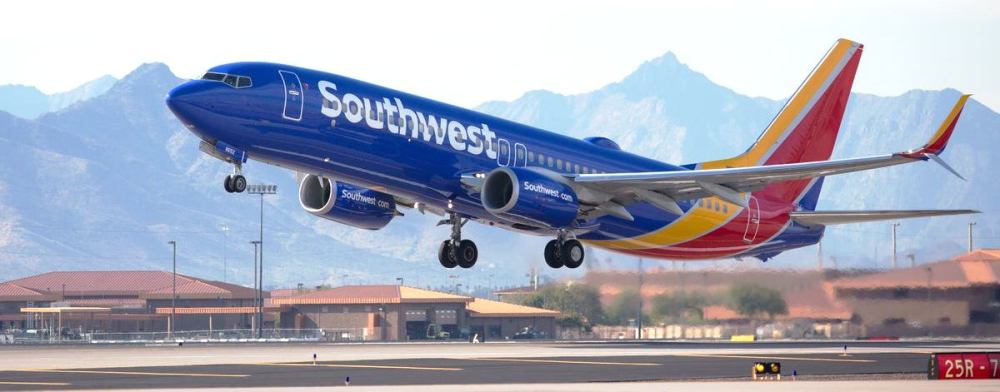
Southwest Airlines, el mayor cliente de la línea 737 MAX, reportó una caída de ganancias en el cuarto trimestre (4Q2019) pese a ingresos levemente mayores. En tanto, reportó que sus ganancias trimestrales cayeron 21.4%, a 514 millones de dólares, mientras que los ingresos subieron ligeramente 0.5%, a 5,700 millones de dólares.

Calificación negativa a Boeing

S&P Global Ratings colocó este jueves la calificación crediticia “A-” de Boeing en “vigilancia crediticia” con implicaciones negativas, citando un aumento en los costos y las salidas de efectivo del fabricante de aviones estadounidense debido a un nuevo retraso en la recertificación del 737 MAX a tierra. La agencia de calificación indicó que espera que los fondos de operaciones de Boeing a la razón de deuda caigan por debajo de 30% en el 2020, luego del anuncio del fabricante del avión a principios de esta semana de que el 737 MAX no obtendrá la aprobación para un servicio de devolución hasta mediados de este año.

El Miércoles 22/01, Fitch Ratings también redujo la perspectiva de Boeing a Negativa desde Estable, y afirmó la calificación crediticia de la compañía en “A-”, citando el riesgo regulatorio con respecto al momento del regreso al servicio del Boeing 737 MAX. AW-Icon AW001


AW-87800_Fool_comAirlines consolidate despite Boeing crisis

US airlines pilot the Boeing industrial crisis

Thanks to the economic boom of the United States and the strong demand for tickets, the airlines weather the crisis of the American aircraft manufacturer, beset by the crisis of the Boeing 737 MAX aircraft.

American Airlines informed the earnings call meeting on Thursday 23/01 that the high number of travelers generated record revenues in the fourth quarter (4Q2019), but company executives warned that they will need to postpone the possible use of the 737 again MAX of your fleet. In light of the Boeing announcements, the Chief Executive of American Airlines, Doug Parker, estimated that the use of the MAX would be possible in late summer or early fall (3Q2020), meaning that the aircraft will not be available for the Summer vacation period. Earnings in the last quarter of last year rose 27.4% to $ 414 million. Turnover increased by 3.4%, to US$ 11.3 billion. Previously, the US airline had estimated that the MAX crisis would cost US$ 540 million of gross earnings in 2019 due to the thousands of flights it had to cancel.

Southwest Airlines, the largest client of the 737 MAX line, reported a fall in earnings in the fourth quarter (4Q2019) despite slightly higher revenues. Meanwhile, it reported that its quarterly earnings fell from 21.4%, to US$ 514 million, while revenues rose slightly 0.5%, to US$ 5.7 billion.

Negative Boeing rating

S&P Global Ratings on Thursday placed Boeing’s «A-» credit rating on «credit surveillance» with negative implications, citing an increase in costs and cash outflows of the US aircraft manufacturer due to a new delay in the recertification of 737 MAX to ground. The rating agency said it expects Boeing’s operating funds to the debt ratio to fall below 30% in 2020, following the announcement of the aircraft manufacturer earlier this week that the 737 MAX will not get approval for a return service until the middle of this year.

On Wednesday 22/01, Fitch Ratings also reduced Boeing’s outlook to Negative from Stable, and affirmed the company’s credit rating at “A-,” citing regulatory risk with respect to the time of return to service of the Boeing 737 MAX. AW-Icon AW002


Ξ A I R G W A Y S Ξ
SOURCE: Airgways.com
DBk: Spglobal.com / Aa.com / Southwest.com / Boeing.com / Airgways.com / Dallasnews.com
AW-POST: 202001240833AR

A\W   A I R G W A Y S ®

Desafíos del mercado canadiense

Resultado de imagen para swoop canada"AW | 2020 01 24 08:08 | AIRLINES MARKET

Las aerolíneas low cost de Canadá buscan estacionalidad en mercado

El mercado canadiense sigue demostrando ser un desafío para las aerolíneas de bajo costo intentan establecerse en el mercado doméstico de Canadá.

La extensión geográfica y la escasez del país con 35 millones de personas Canadá plantea un desafío para las aerolíneas. Los vuelos más largos significan una menor productividad paa una aerolínea. Además de los desafíos de programación, los canadienses a veces dudan en considerar aerolíneas como Swoop porque hay muy pocas aerolíneas de costo ultra bajo (ULCC) en Canadá, junto con Flair Airlines, una aerolínea con sede en Kelowna, British Columbia, es la única otra ULCC en Canadá.

Nunca he visto estacionalidad como en Canadá. En verano es un país hermoso, a todos les encanta pasear por Canadá y en invierno todos se ponen plumas y se dirigen hacia el sol hacia el sur. Tratamos de buscar algo perenne que podamos operar durante todo el año. Si no haces eso, es casi como tu casa de vacaciones: es un poco caro, lo encierras seis meses al año y no se usa”, dijo Steven Greenway, CEO de Swoop, en un evento mediático el Jueves 23/01 en Toronto. AW-Icon AW001

Resultado de imagen para flair airlines"Canadian Market Challenges

Canada’s low-cost searches seek seasonality in the market

The Canadian market continues to prove to be a challenge for low-cost variations trying to establish themselves in the domestic Canadian market.

The geographical extent and shortage of the country with 35 million people Canada poses a challenge for borders. Longer flights mean lower productivity for an airline. In addition to programming challenges, Canadians sometimes hesitate to consider controlled as Swoop because there are very few ultra-low-cost limitations (ULCC) in Canada, along with Flair Airlines, an airline based in Kelowna, British Columbia, is the only one another ULCC in Canada.

“He has never seen seasonality like in Canada. In summer it is a beautiful country, everyone loves to walk in Canada and in winter they all wear feathers and head towards the sun to the south. We try to find something perennial that will seek to operate throughout the year. If you don’t do that, it’s almost like your vacation home: it’s a bit expensive, you lock it up six months a year and it’s not used”, said Steven Greenway, CEO of Swoop, at a media event on Thursday 23/01 in Toronto. AW-Icon AW002

Resultado de imagen para westjt"Défis du marché canadien

Les compagnies aériennes à bas prix du Canada recherchent la saisonnalité sur le marché

Resultado de imagen para swoop canada"Le marché canadien continue de se révéler un défi pour les compagnies aériennes à bas prix qui tentent de s’établir sur le marché intérieur canadien.

L’étendue géographique et la pénurie du pays avec 35 millions d’habitants Le Canada représente un défi pour les compagnies aériennes. Des vols plus longs signifient une productivité moindre pour une compagnie aérienne. En plus des défis liés à la programmation, les Canadiens hésitent parfois à envisager des compagnies aériennes comme Swoop parce qu’il y a très peu de compagnies aériennes à très bas prix (ULCC) au Canada, avec Flair Airlines, une compagnie aérienne basée à Kelowna, en Colombie-Britannique, est la seule un autre ULCC au Canada.

«Je n’ai jamais vu de saisonnalité comme au Canada. En été, c’est un beau pays, tout le monde aime se promener au Canada et en hiver, ils portent tous des plumes et se dirigent vers le soleil au sud. Nous essayons de trouver quelque chose de vivace que nous pouvons exploiter tout au long de l’année. Si vous ne le faites pas, c’est presque comme votre maison de vacances: elle est un peu chère, vous la fermez six mois par an et elle n’est pas utilisée», a déclaré Steven Greenway, PDG de Swoop, lors d’un événement médiatique le jeudi 23/01 à Toronto. AW-Icon AW002


Ξ A I R G W A Y S Ξ
SOURCE: Airgways.com
DBk: Summerlandreview.com / Flyswoop.com / Airgways.com / Aeronauticsonline.com
AW-POST: 202001240808AR

A\W   A I R G W A Y S ®

Fortalecimiento aviación en Colombia

Resultado de imagen para avianca aeropuerto el doraqdo"AW | 2020 01 17 12:27 | AIRLINES MARKET

Aumentan las perspectivas de tráfico colombiano

Las aerolíneas en Colombia continuán fortaleciéndose debido al impulso turístico del país sudamericano. Las perspectivas para este año 2020 será aumentar las frecuencias y nuevas rutas domésticas e internacionales; pero deberán batallar el mercado contra el precio del dólar.

Las líneas aéreas en Colombia están teniendo algunos signos de mejoras tanto en las rutas como en los resultados de las compañías aéreas, buscando mejores servicios y conexiones. Estos factores han hecho que algunas empresas aéreas tengan apuestas ambiciosas para fortalecerse en el mercado local y para que compañías extranjeras inicien nuevasa rutas hacia Colombia.

Avianca ha comunicado que enb el mercado domésticos han superado los 41 millones de pasajeros transportados en 2019. Además, incrementará su operación internacional desde Bogotá hacia los mrcados de Brasil y Estados Unidos con nuevas frecuencias semanales. La aerolínea anunciará la apertura de rutas a nuevos destinos en Norteamérica y Suramérica durante el primer semestre. Anko van der Werff, CEO de la aerolínea, indicó que la tasa de cambio y el precio del petróleo son las dos variables externas que más pesan en la operación.

Latam Airlines ha anuncviado que la apuesta para 2020 es consolidar las rutas que ya operan, expresó Santiago Álvarez, Director de la aerolínea. La devaluación de la moneda colombiana es una de las variables que más afecta sus costos, ha tenido un impacto porque genera contracciones de la demanda, los pasajeros tienden a volar menos a destinos internacionales.

Viva Air anunció su regreso a Cali luego de tres años y espera anunciar nuevas frecuencias. Además está estudiando el ingreso de vuelos hacia otros países de la región, donde Brasil, Ecuador o algún país de Centroamérica se encuentran en el radar. Con respecto a cómo les afectó el dólar, Félix Antelo, Presidente de la aerolínea indicó que cerca de 70% de sus costos están en dólares, por lo que la variación en el precio de la divisa afecta la operación.

Spirit Airlines anunció a principio de Enero 2020 que tendrá dos nuevas rutas directas de Estados Unidos hacia Colombia. Barranquilla y Bucaramanga ahora tendrán tres vuelos semanales al Aeropuerto de Fort Lauderdale, en Florida, que empezarán desde Abril 2020.

JetSmart y EZ Air han ingresado al mercado de Colombia. JetSmart Airlines ingresó a Colombia en 2019 y cuenta con un vuelo directo entre Cali y Santiago de Chile. La semana pasada lanzó la ruta Bogotá y Santiago de Chile. Actualmente, la compañía se encuentra en un plan de expansión con el que espera llegar a 100 aviones y 100 millones de pasajeros transportados para 2026. EZ Air abrió ruta desde Barranquilla a Curaçao con dos frecuencias a la semana (2Frq/S).

Wingo Aircontinúa la expansión de su red de rutas con la incorporación de cuatro nuevos destinos internacionales desde Bogotá hacia Curazao, Santo Domingo, Guayaquil, San José de Costa Rica. Recibió su primer Boeing 737-800. AW-Icon AW001

Resultado de imagen para wingo air"Aviation strengthening in Colombia

Colombian traffic prospects increase

Airlines in Colombia continue to strengthen due to the tourist boost of the South American country. The outlook for this year 2020 will be to increase frequencies and new domestic and international routes, but they must battle the market against the price of the dollar.

The airlines in Colombia are having some signs of improvements both in the routes and in the results of the airlines, looking for better services and connections. These factors have caused some airlines to have ambitious bets to strengthen themselves in the local market and for foreign companies to start new routes to Colombia.

Avianca has reported that in the domestic market has exceeded 41 million passengers transported in 2019. In addition, it will increase its international operation from Bogotá to the markets of Brazil and the United States with new weekly frequencies. The airline will announce the opening of routes to new destinations in North and South America during the first half. Anko van der Werff, CEO of the airline, said the exchange rate and the price of oil are the two external variables that weigh the most in the operation.

Resultado de imagen para latam colombia"Latam Airlines has announced that the bet for 2020 is to consolidate the routes that already operate, said Santiago Álvarez, Director of the airline. The devaluation of the Colombian currency is one of the variables that most affect its costs, it has had an impact because it generates contractions in demand, passengers tend to fly less to international destinations.

Viva Air announced its return to Cali after three years and hopes to announce new frequencies. It is also studying the entry of flights to other countries in the region, where Brazil, Ecuador or some country in Central America are on the radar. Regarding how the dollar affected them, Félix Antelo, President of the airline said that about 70% of its costs are in dollars, so the variation in the price of the currency affects the operation.

Spirit Airlines announced at the beginning of January 2020 that it will have two new direct routes from the United States to Colombia. Barranquilla and Bucaramanga will now have three weekly flights to the Fort Lauderdale Airport in Florida, which will start from April 2020.

JetSmart and EZ Air have entered the Colombian market. JetSmart Airlines entered Colombia in 2019 and has a direct flight between Cali and Santiago de Chile. Last week he launched the Bogotá and Santiago de Chile route. The company is currently in an expansion plan with which it expects to reach 100 airplanes and 100 million passengers transported by 2026. EZ Air opened the route from Barranquilla to Curaçao with two frequencies per week (2Frq/S).

Wingo Air continues the expansion of its route network with the incorporation of four new international destinations from Bogotá to Curaçao, Santo Domingo, Guayaquil, San José de Costa Rica. He received his first Boeing 737-800. AW-Icon AW002


Ξ A I R G W A Y S Ξ
SOURCE: Airgways.com
DBk: Mintransporte.gov.co / Airgways.com / Dgcinternational.com / Wikipedia.com
AW-POST: 202001171227AR

A\W   A I R G W A Y S ®

Precios predatorios en la India

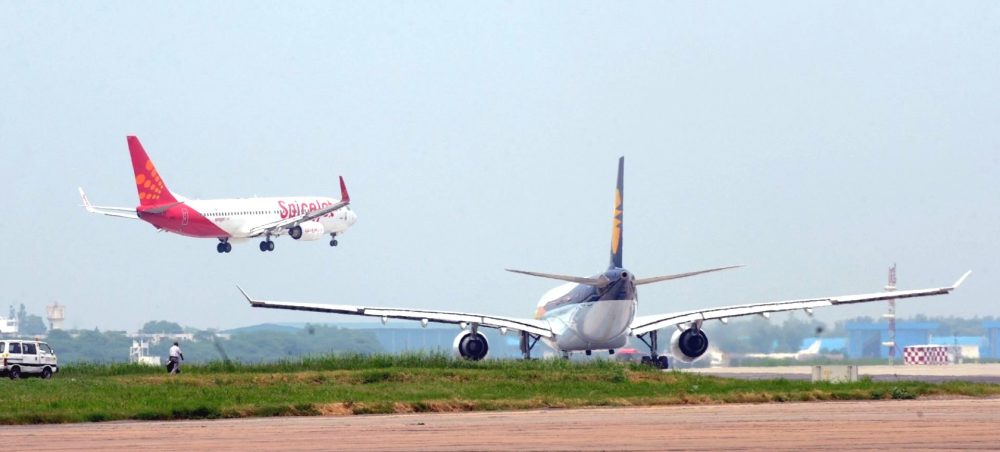
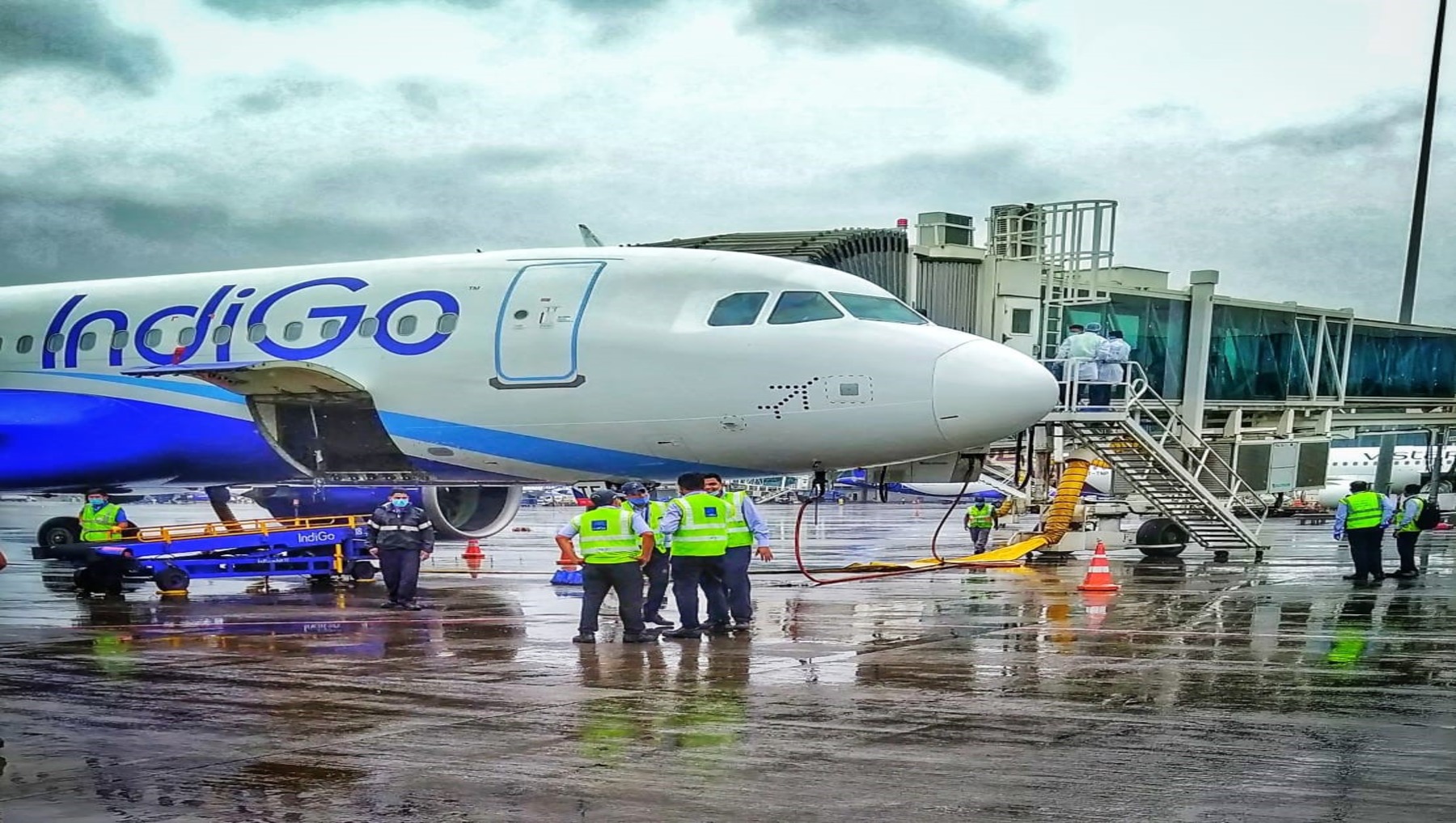
Resultado de imagen para indiGo SpicejetAW | 2020 01 01 12:28 | GOVERNMENT / AIRLINES MARKET

El Gobierno de la India responsabiliza aerolíneas por mercado Image result for civil aviation india logopredatorio

Los precios depredadores de las tarifas aéreas continúan afianzándose en el mercado de la India. Esta situación de una depreciación del valor de los pasajes aéreos por debajo de la banda aceptable está generando incremento de pérdidas para las líneas aéreas en un mercado muy competitivo, donde las compañías están avarientaas por captar más mercado luego de que Jet Airways a sucumbido.

En el contexto de las compañías aéreas indias que informaron grandes pérdidas en el segundo trimestre de 2019, Ministro de Aviación Hardeep Singh Puri, ha infomado el Martes 31 Diciembre 2019 que «se están aplicando algunos precios depredadores en las tarifas aéreas y al gobierno le preocupa que si esto continúa, se cerrarán más aerolíneas». Sin embargo, descartó cualquier plan del gobierno para regular las tarifas. «Lo interesante que hemos observado es que en Delhi-Mumbaihace 20 años, la tarifa promedio era de 5.100 rupias. Hoy, la tarifa promedio es de 4.600 rupias. Se están aplicando algunos precios depredadores. Significa que las personas están vendiendo boletos por debajo de su cost. Una de nuestras preocupaciones es que si hay precios predatorios, las aerolíneas dejarán de funcionar».

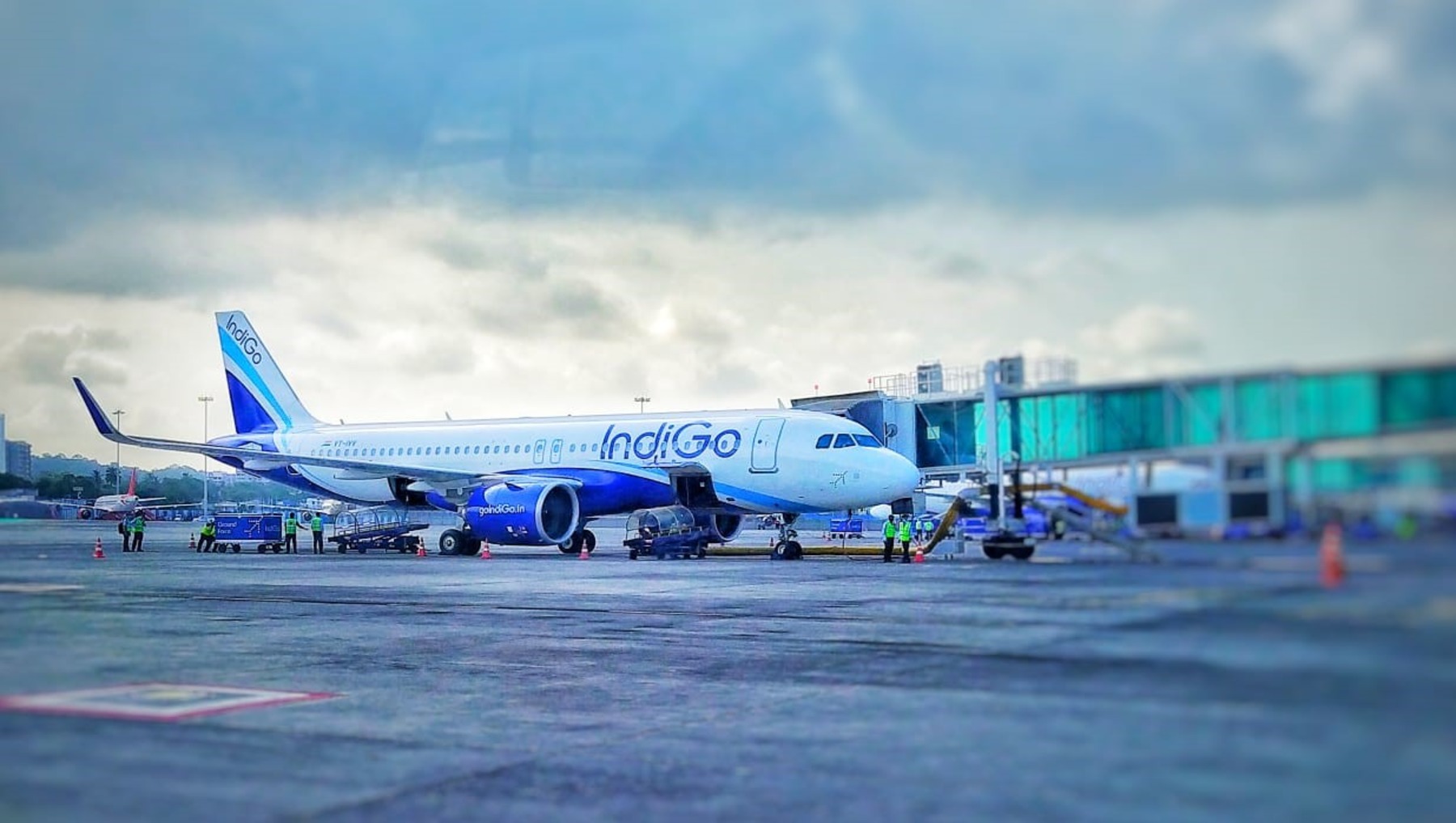
Jet Airways, Kingsfisher Airlines fueron líneas aéreras afectadas por un vaiado problema de mercado en la India. IndiGo y SpiceJet, las dos aerolíneas más grandes de la India, informaron pérdidas de Rs 1.062 millones de rupias y Rs 463 millones de rupias respectivamente en el segundo trimestre de 2019. Otras aerolíneas también han reportado pérdidas en el segundo trimestre de este año financiero. El Ministro de Aviación cree que el precio predatorio es una de las razones de la mala salud de las aerolíneas.

Desde el Ministerio de Aviación sostienen que la tendencia de los precios depredadores ha disminuido después de una discusión regular con las aerolíneas: «Es una batalla constante. Una situación ideal desde el punto de vista de una aerolínea es que crecen y también pueden cobrar más tarifas. Lo que cobran es su negocio. Nuestro consejo para ellos es cobrar tarifas realistas. No debería ser demasiado alto. Y no es de su interés comercial si está imponiendo tarifas depredadoras», sostuvo.

India, tarifas no reguladas

El Gobierno de la India no planea regular las tarifas aéreas. El Ministro ha expresado la postura: «No hay regulación. Tiene que hacerse dentro del sistema de desregulación. Si se impone un límite a la tarifa, la aerolínea comenzará a cobrar ese límite solo ese límite se convertirá en la tarifa normal. Entonces, dentro de una estructura desregulada, tenemos que lograr un equilibrio. El gobierno, periódicamente, a mi nivel o al de secretario, nos sentamos con los principales operadores de aeronaves y les decimos que es de su interés no permitir tales prácticas que socavan el sector de la aviación civil», concluyó el responsable de la cartera de Aviación. AW-Icon AW001

AW-Cntraveller.in_7088.jpgPredatory prices in India

The Government of India holds airlines responsible for predatory market

Predatory prices for airfares continue to take hold in the Indian market. This situation of a depreciation of the value of the air tickets below the acceptable band is generating an increase of losses for the airlines in a very competitive market, where the companies are greedy for capturing more market after Jet Airways has succumbed.

In the context of Indian airlines that reported large losses in the second quarter of 2019, Minister of Aviation Hardeep Singh Puri, reported on Tuesday, December 31, 2019, that «some predatory prices are being applied to airfares and the government is concerned that if this continues, more airlines will be closed». However, he ruled out any government plan to regulate rates. «The interesting thing we have observed is that in Delhi-Mumbai 20 years ago, the average fare was Rs 5,100. Today, the average fare is Rs 4,600. Some predatory prices are being applied. It means that people are selling tickets below its cost One of our concerns is that if there are predatory prices, the airlines will stop working».

Jet Airways, Kingsfisher Airlines were airlines affected by a large market problem in India. IndiGo and SpiceJet, the two largest airlines in India, reported losses of Rs 1,062 million rupees and Rs 463 million rupees respectively in the second quarter of 2019. Other airlines have also reported losses in the second quarter of this financial year. The Minister of Aviation believes that the predatory price is one of the reasons for the poor health of the airlines.

From the Ministry of Aviation, they maintain that the trend of predatory prices has diminished after a regular discussion with the airlines: «It is a constant battle. An ideal situation from the point of view of an airline is that they grow and can also charge more fees. What they charge is their business. Our advice to them is to charge realistic fees. It should not be too high. And it is not in their commercial interest if they are imposing predatory fees», he said.

India, unregulated rates

The Government of India does not plan to regulate air fares. The Minister has expressed the position: «There is no regulation. It has to be done within the deregulation system. If a limit is imposed on the fare, the airline will begin charging that limit only that limit will become the normal fare. Then, within of a deregulated structure, we have to strike a balance. The government, periodically, at my level or that of the secretary, we sit down with the main aircraft operators and tell them that it is in their interest not to allow such practices that undermine the sector of the civil aviation», concluded the head of the Aviation portfolio. AW-Icon AW002

Resultado de imagen para indiGo Spicejetभारत में शिकारी भाव

भारत सरकार के पास शिकारी बाजार के लिए जिम्मेदार एयरलाइंस है

भारतीय बाजार में हवाई किराए के लिए शिकारी कीमतों में वृद्धि जारी है। स्वीकार्य बैंड के नीचे हवाई टिकटों के मूल्य में गिरावट की यह स्थिति एक बहुत ही प्रतिस्पर्धी बाजार में एयरलाइनों के लिए नुकसान की वृद्धि पैदा कर रही है, जहां जेट एयरवेज के आगे बढ़ने के बाद कंपनियां अधिक बाजार पर कब्जा करने के लिए लालची हैं।

2019 की दूसरी तिमाही में बड़े नुकसान की सूचना देने वाली भारतीय एयरलाइनों के संदर्भ में, उड्डयन मंत्री हरदीप सिंह पुरी ने मंगलवार, 31 दिसंबर, 2019 को सूचित किया कि «हवाई किराए के लिए कुछ शिकारी कीमतों को लागू किया जा रहा है और सरकार चिंतित है अगर ऐसा जारी रहा तो और एयरलाइंस बंद हो जाएंगी”। हालांकि, उन्होंने दरों को विनियमित करने के लिए किसी भी सरकारी योजना को खारिज कर दिया। «हमने जो दिलचस्प बात देखी है, वह यह है कि 20 साल पहले दिल्ली-मुंबई में औसत किराया 5,100 रुपये था। आज औसत किराया 4,600 रुपये है। कुछ शिकारी कीमतें लागू की जा रही हैं। इसका मतलब है कि लोग नीचे टिकट बेच रहे हैं। इसकी लागत हमारी चिंताओं में से एक है कि अगर शिकारी कीमतें हैं, तो एयरलाइंस काम करना बंद कर देंगी»

जेट एयरवेज, किंगफिशर एयरलाइंस भारत की एक बड़ी बाजार समस्या से प्रभावित एयरलाइंस थीं। भारत की दो सबसे बड़ी एयरलाइंस इंडिगो और स्पाइसजेट ने 2019 की दूसरी तिमाही में क्रमशः 1,062 मिलियन रुपये और 463 मिलियन रुपये के नुकसान की सूचना दी। अन्य एयरलाइनों ने भी इस वित्त वर्ष की दूसरी तिमाही में नुकसान की सूचना दी है। उड्डयन मंत्री का मानना ​​है कि एयरलाइनों के खराब स्वास्थ्य का एक कारण शिकारी कीमत है।

विमानन मंत्रालय से वे कहते हैं कि एयरलाइनों के साथ नियमित चर्चा के बाद शिकारी कीमतों का चलन कम हो गया है: «यह एक निरंतर लड़ाई है। एयरलाइन के दृष्टिकोण से एक आदर्श स्थिति यह है कि वे बढ़ते हैं और अधिक शुल्क भी ले सकते हैं। उन्होंने कहा, वे जो शुल्क लेते हैं, वह उनका व्यवसाय है। हमारी सलाह है कि वे यथार्थवादी फीस लें। यह बहुत अधिक नहीं होना चाहिए। और यह आपके व्यावसायिक हित में नहीं है यदि आप शिकारी शुल्क लगा रहे हैं», उन्होंने कहा।

भारत, अनियमित दरें

हवाई किराए को विनियमित करने के लिए भारत सरकार की योजना नहीं है। मंत्री ने स्थिति व्यक्त की है: «कोई नियमन नहीं है। इसे डीरेग्यूलेशन सिस्टम के भीतर किया जाना है। यदि किराया पर एक सीमा लागू की जाती है, तो एयरलाइन उस सीमा को चार्ज करना शुरू कर देगी, जो सीमा सामान्य किराया हो जाएगी। एक निष्क्रिय संरचना के कारण, हमें एक संतुलन बनाना पड़ता है। सरकार, समय-समय पर, मेरे स्तर पर या सचिव के, हम मुख्य विमान ऑपरेटरों के साथ बैठते हैं और उन्हें बताते हैं कि यह इस तरह की प्रथाओं को अनुमति देने के लिए नहीं है कि इस क्षेत्र को कमज़ोर किया जाए। नागरिक उड्डयन, «एविएशन पोर्टफोलियो के प्रमुख का निष्कर्ष निकाला। AW-Icon AW002


Ξ A I R G W A Y S Ξ
SOURCE: Airgways.com
DBk: Civilaviation.gov.in / Cntravelleer.in / Airgways.com
AW-POST: 202001011228AR

A\W   A I R G W A Y S ®