/cdn.vox-cdn.com/uploads/chorus_image/image/66447951/GettyImages_1209672549.0.jpg) AW | 2020 04 02 13:25 | AIRLINES MARKET / GOVERNMENT
AW | 2020 04 02 13:25 | AIRLINES MARKET / GOVERNMENT
La pandemia del Coronavirus y el nuevo escenario de las aerolíneas estadounidenses
La ayuda Federal de socorro a las aerolíneas viene con condiciones. El Gobierno de Estados Unidos ha informado qué deben hacer las aerolíneas para obtener una parte de US$ 50 mil millones en ayudas financieras, lo cual incluye mantener un servicio mínimo a donde vuelan en su red de servicios, y no consolidar vuelos entre transportistas. Aún en medio de la crisis epidemiológica mundial y el nuevo escenario de regulaciones de aviación, la consigna de todas las aerolíneas es sobrevivir en un mercado devastado, tomando medidas paliativas con fuertes restructuraciones en sintonía con las políticas del Gobierno.
Restructuración servicio nacional
Las aerolíneas sienten presiones para mantener el nivel mínimo de servicios domésticos. Los recortes a las operaciones internacionales han sido aún más drásticos. La rápida propagación del Coronavirus en los Estados Unidos está generando dudas entre los cargadores sobre si las aerolíneas nacionales prácticamente dejarán de volar o si el Gobierno de los Estados Unidos cerrará el sistema de aviación. Cualquiera de los dos movimientos es extremadamente improbable, pero el tráfico aéreo ya está tan agotado que las compañías con carga para moverse tienen pocas opciones para el transporte aéreo acelerado. A pesar de que las aerolíneas están gastando dinero en efectivo y buscando todas las formas de eliminar costos, todavía tienen algunos incentivos para mantener parte de su flota en el aire.
Solo había 154.000 viajeros nacionales en los aeropuertos de EE.UU. el Lunes 30/03, una disminución del 93% de los niveles normales, según la Administración de Seguridad del Transporte. Los niveles de evaluación probablemente incluyen tripulaciones de aerolíneas. Las aerolíneas dicen que los vuelos están llenos solo un 10% y muchos están casi vacíos.
La semana pasada, el Gobernador de Hawaii impuso una cuarentena de catorce días a todos los viajeros al estado, lo que llevó a Hawaiian Airlines y otros a suspender la mayoría de los vuelos a Honolulu. Southwest Airlines publicó el Martes 31/03 un nuevo horario del 5 Mayo al 5 Junio 2020 que reduce la actividad de los vuelos en más de un 40% a aproximadamente 2.000 vuelos por día. American Airlines está reduciendo la capacidad doméstica hasta un 70% en mayo y hasta un 80% en Mayo 2020. Alaska Air anunció una reducción del 70% en los asientos disponibles para los próximos dos meses y United Airlines eliminará el 52% de sus vuelos nacionales. Delta Air Lines ha reducido agresivamente su horario de vuelo y Spirit Airlines está reduciendo la capacidad en un 45% en Abril desde su plan anterior y un 75% en Mayo.
Las aerolíneas se consideran esenciales para la economía, razón por la cual fueron la única industria que recibió ayuda dedicada como parte del paquete de ayuda de emergencia de US$ 2 billones promulgado la semana pasada. De hecho, las aerolíneas ahora deben reflexionar sobre nuevas reducciones de capacidad para cumplir con los términos de las subvenciones de US$ 29 mil millones para mantener las nóminas. Según la ley, las aerolíneas que aceptan ayuda deben preservar el servicio aéreo en su nivel del 1 Marzo 2020.
El Gobierno de Estados Unidos se ha mostrado reacia a implementar estrictas restricciones de salud que perjudican la actividad económica, y el Presidente Donald Trump ha comentado que los vuelos nacionales transportan una enorme cantidad de carga. Mantener cierta capacidad de vuelo programada será importante para mover suministros médicos esenciales y componentes vitales de la fábrica durante el día en lugar de esperar los servicios de mensajería durante la noche, dicen los profesionales de logística. Hay otras razones por las que las aerolíneas mantendrán una parte de sus flotas en servicio activo. Deborah Birx, la Coordinadora de Respuesta al Coronavirus de la Casa Blanca, en «Meet the Press» el Domingo 29/03 ha comunicado: «Tenemos que poder trasladar a los médicos y enfermeras por los Estados Unidos para aumentar la capacidad», especialmente cuando los profesionales médicos retirados y otros se presentan como voluntarios.
Los pilotos también deben mantener un cierto número de horas de vuelo cada mes para mantener su certificación, por lo que si las líneas aéreas cierran requeriría más tiempo para reiniciar las operaciones cuando pase la pandemia y las personas estén más libres para comenzar a viajar nuevamente.
Controladores Tráfico Aéreo (ATC)
Ante la crisis de la pandemia, la Administración Federal de Aviación (FAA) podría verse obligada a cerrar aeropuertos si los controladores de tránsito aéreo contraen el virus y no pueden funcionar, y las Torres de Control deben desinfectarse. Eso ya sucedió durante breves períodos en el Aeropuerto Midway en Chicago y en otros lugares. En tales circunstancias, el Gobierno debería considerar la consolidación de centros de tráfico aéreo al traer vuelos a uno de los aeropuertos donde existen varios en las regiones, como en Washington, donde Reagan National, Washington Dulles y el Aeropuerto Internacional de Baltimore se encuentran dentro de un radio de 50 millas, dijo Brandon Fried, Director Ejecutivo de la Asociación de Airforwarders. También recomendó torres de control de personal con controladores aéreos militares.
Mercado aéreo
Otro escenario se presenta en las preocupaciones de las aerolíneas para afrontar el nuevo escenario del mercado aéreo en Estados Unidos. Los asistentes de vuelo dicen que las participaciones del Gobierno estadounidense en las aerolíneas a cambio de subvenciones podrían costar empleos. Los sindicatos de asistentes de vuelo advirtieron el miércoles que las participaciones del gobierno en las aerolíneas a cambio de protecciones de nómina podrían hacer que la ayuda del Coronavirus no sea atractiva y cueste miles de empleos.
La semana pasada, el Congreso aprobó subvenciones de US$ 32 mil millones para aerolíneas y contratistas estadounidenses como empresas de catering para mantener sus nóminas hasta el 30 de septiembre, mientras que el virus envía la demanda a la tasa más rápida registrada. Las aerolíneas estadounidenses de pasajeros también ganaron US$ 25 mil millones en préstamos. A cambio de las subvenciones, el gobierno de los Estados Unidos está autorizado a obtener warrants, opciones sobre acciones, acciones preferentes u otros valores, de acuerdo con las pautas de solicitud que el Departamento del Tesoro publicó esta semana. Los ejecutivos de las aerolíneas advirtieron que tendrían que suspender a los empleados si no recibían las subvenciones. Pero los sindicatos que representan a unos 94,000 auxiliares de vuelo, incluidos los de American Airlines, United Airlines, Spirit Airlines y Southwest Airlines, le dijeron al Secretario del Tesoro Steven Mnuchin en una carta que la participación en el capital podría costarles sus empleos. La preocupación es que sería menos probable que las aerolíneas acepten las subvenciones, privando a los trabajadores de la protección de la nómina. “Esto efectivamente hace que la nómina otorgue una píldora venenosa que nos costará nuestros trabajos y nos empujará a un seguro de desempleo financiado por los contribuyentes, lo contrario de lo que pretendía este acuerdo bipartidista”, dijeron los sindicatos.
Las aerolíneas están revisando los términos de las subvenciones de nómina, que las aerolíneas y muchos de sus empleados instaron a los legisladores a aprobar.
Reembolsos aerolíneas
La resistencia de las aerolíneas a dar reembolsos a los viajeros durante la pandemia de Coronavirus representa un mal negocio. En lugar de hacer lo obvio y moralmente correcto al dejar en claro y simple cómo los viajeros cuyos planes se han torcido por la pandemia global, pueden obtener reembolsos en efectivo rápidamente, los transportistas en los Estados Unidos y en mayor medida en otras partes del mundo, han erigido barreras sobre las cuales los consumidores estresados, deben reclamar para recuperar su dinero. Es por eso que los consumidores de viajes necesitan conocer las reglas que rigen quién recibe y no recibe un reembolso por los servicios de viaje adquiridos por adelantado. Necesitan conocer estas reglas antes de levantar el teléfono o sentarse al teclado para solicitar la devolución de su dinero.
La mayoría de las aerolíneas han renunciado a todas las tarifas de cancelación y cambio, si alguna se aplica a dichas compras. ¿Cómo los usuarios deben reclamar a las aerolíneas, turismo, entre otras empresas el reembolso? Los consumidores primero deben conectarse a Internet para leer las reglas normales del proveedor de servicios que rigen los reembolsos, y luego buscar actualizaciones recientes o políticas temporales y exenciones anunciadas para tratar el problema mientras continúa la pandemia de COVID-19. Es importante que los consumidores sepan que, en particular para las aerolíneas, importa mucho quién da el primer paso. Si la aerolínea cancela un vuelo, las reglas del Departamento de Transporte de los Estados Unidos requieren que la aerolínea otorgue a los pasajeros afectados un reembolso en efectivo a pedido. Si el consumidor no lo solicita, el transportista emitirá un cupón para viajes futuros (que pueden o no estar de acuerdo con el consumidor). Sin embargo, si el consumidor acepta el cupón, generalmente no puede optar más tarde para convertirlo en efectivo.
Las reglas para los huéspedes del hotel, los pasajeros de cruceros y los compradores de tours difieren. Y la capacidad del consumidor para obtener un reembolso en efectivo puede, en algunos casos, depender de cuán buenos sean para exigir satisfacción por teléfono o por correo electrónico. Pero la mayoría de las compañías de viajes de renombre y sus agentes reconocerán en algún momento que una persona simplemente no aceptará un cupón y otorgará un reembolso. Pero tenga cuidado, algunos correrán el riesgo de que el consumidor contrate a un abogado costoso para presentar una demanda y obtener un reembolso de unos pocos cientos de dólares. Obviamente, estos operadores se preocupan más por retener el efectivo de los consumidores que por retener la buena voluntad a largo plazo de los consumidores y los negocios repetidos. De hecho, es por eso que las compañías de viajes, incluso las más grandes y sensibles al sentimiento público, harán lo que puedan para evitar tener que devolver dinero en efectivo. Lo que comenzó como una caída muy seria en los viajes internacionales de alto dólar se ha transformado muy rápidamente en las últimas semanas en un colapso casi total de la demanda de viajes nacionales que amenaza la industria. El efectivo prácticamente ha dejado de entrar por la puerta de esas compañías. Nadie está planeando sus vacaciones de verano ahora porque no saben si se les permitirá salir de casa, y mucho menos ir a algún destino turístico lleno de gente. Muy pocas personas de negocios viajan, ya sea por razones de miedo bien fundadas, porque sus compañías han ordenado a su gente que no vaya a ninguna parte, o porque el estancamiento económico causado por la pandemia hace que los viajes de negocios no tengan sentido en este momento.
Mientras tanto, las facturas de las compañías de viajes aún deben pagarse. Es posible que las aerolíneas no estén comprando mucho combustible, pero todavía están pagando a su gente (pronto con la ayuda de los fondos federales de rescate, que se agotarán una vez que termine el verano) y los arrendamientos de sus aviones. Los hoteles no albergan a muchos, ni a ningún huésped (a menos que estén contratando enfermeras y médicos para ayudarlos en los puntos críticos), pero tienen que pagar los préstamos que construyeron sus edificios y sus facturas de electricidad. Los cruceros han cancelado sus viajes por ahora, pero sus barcos de mil millones de dólares aún deben pagarse.
En particular, las aerolíneas son compañías basadas principalmente en el flujo de caja. Cuando un consumidor compra boletos en marzo para que una familia de cuatro personas visite Disney World en julio, es muy probable que esos boletos tengan descuentos y, por lo tanto, sean no reembolsables. Por lo tanto, en efecto, ese dinero pertenece a la aerolínea de inmediato, ya que no hay posibilidad de que tenga que pagarle al cliente. Excepto ahora, la aerolínea debe reembolsar al cliente conforme a las regulaciones federales con respecto a las cancelaciones causadas por una aerolínea, incluso cancelaciones masivas. La aerolínea podría querer culpar a COVID-19, la incapacidad del gobierno federal para evitar que la pandemia llegue a nuestras costas, o un «Acto de Dios», como las compañías de seguros llaman grandes eventos imprevisibles. Pero todavía está en peligro para todos los boletos comprados por adelantado. Teniendo presente que un porcentaje muy grande de boletos aéreos se vendió con bastante anticipación sobre una base no reembolsable o parcialmente, las demandas generalizadas de reembolsos en circunstancias como la actual constituyen una amenaza legítima para el efectivo de una aerolínea. Cada US$ 1 en ese montón puede ser necesario para una aerolínea que quiera sobrevivir al cierre total, o incluso potencial, del viaje aéreo durante semanas o incluso meses por delante. Lo mismo es cierto, en diversos grados, para otros proveedores de servicios de viaje. Necesitan desesperadamente, o al menos predicen que necesitarán, el efectivo ya gastado de los consumidores para sobrevivir a esta crisis. Por lo tanto, están alentando a sus agentes de ventas a que hagan todo lo posible para evitar dar reembolsos y hagan todo lo posible para convencer, o incluso engañar, a los consumidores para que acepten algo menos que un reembolso.
Las líneas aéreas, por ejemplo, han expresado mucho sobre sus tarifas y multas asociadas con el cambio de un boleto. Algunas compañías de hoteles están haciendo lo mismo con sus habitaciones pagadas por adelantado, al igual que las líneas de cruceros. Esto se debe a que saben que una vez que el consumidor realiza o inicia un cambio en su compra original, esto generalmente elimina la posibilidad de que el consumidor obtenga un reembolso.
Sin embargo, al rechazar un cambio sin cargo ofrecido o sugerido a un vuelo, a una estadía en un hotel, a un crucero o un recorrido, el consumidor probablemente mantiene viva la posibilidad/probabilidad de obtener un reembolso completo si la compañía se ve obligada a cancelar el acuerdo.
Aún así, si bien es comprensible por qué las compañías de viajes con dinero están ansiosas por retener la mayor cantidad de efectivo posible, eso no hace que sus esfuerzos por engañar o manipular a los clientes para anular sus posibilidades de obtener un reembolso noble. No hay nada inmoral en ofrecer vales u otras vías para satisfacer al consumidor. Diablos, algunas compañías de viajes están ofreciendo bonos, como un aumento del 25% en el valor de un cupón sobre lo que el cliente pagó anteriormente, o un cupón de bonificación para un acompañante o quizás un segundo viaje en el futuro.
Pero al instruir a los agentes a rechazar todas las solicitudes iniciales de reembolso y buscar la aprobación del supervisor de tales solicitudes solo como último recurso, ordenándoles que trabajen duro para convencer a los consumidores de que acepten cupones u otras alternativas no monetarias o, como en algunos casos supuestamente ha sucedido , diciéndoles a los agentes que mientan de plano a los consumidores diciéndoles que los reembolsos en efectivo no están disponibles bajo ninguna circunstancia, algunas compañías de viajes se están comportando no solo de manera inestable sino inmoral.
Es de destacar que el 7 Marzo, United Airlines emitió en silencio un cambio en su política con respecto a cuánto tiempo tenía para jugar al reprogramar a un pasajero de un vuelo cancelado. Anteriormente le debía un reembolso al viajero, incluso en un boleto no reembolsable, si no podía llevarlo a su destino dentro de las 2 horas posteriores al aterrizaje programado de su vuelo original. El cambio del 7 de marzo, que la aerolínea no publicitó, le dio a United un plazo de 25 horas para trabajar antes de que tuviera que ofrecer un reembolso. Por supuesto, la situación se deterioró tan rápido, y United tuvo que cancelar tantos vuelos que incluso 25 horas no fueron tiempo suficiente para reprogramar con éxito a sus viajeros interrumpidos. Al mismo tiempo, cuando se corrió la voz del cambio furtivo, el operador comenzó a recibir tantas críticas de los consumidores y los medios que tuvo que rescindir ese cambio. Sin duda, este comportamiento ha sido más común con las compañías de viajes cuyos servicios no tocan los Estados Unidos (lo que significa que no están claramente sujetos a la ley de consumo de los Estados Unidos). Aún así, las anécdotas de tal comportamiento que involucran a las compañías de viajes de EE.UU., y a las aerolíneas en particular, continúan acumulando. Si alguna de esas historias es cierta, los líderes de las líneas aéreas u otras compañías de viajes involucradas deberían avergonzarse. Incluso si son simplemente el resultado de agentes demasiado agresivos que buscan complacer a sus jefes o el resultado de agentes presionados por jefes poco éticos, en lugar de ser el resultado de una empresa que no está capacitando (deliberadamente o de otra manera) a sus agentes para explicar todas las opciones para los consumidores, los líderes de una empresa de este tipo son culpables y merecen el desdén del público, si no el ridículo.
Tratar a los consumidores de esta manera puede o no ser ilegal según las definiciones más estrictas. Pero ciertamente es irritante si lo hace una compañía que planea buscar incluso un centavo del dinero de rescate aprobado por el Congreso. Es más que estúpido si lo hace una compañía que, una vez que todo esto termine, espera que los consumidores olviden cómo trataron, individual o colectivamente, cuando todos enfrentaban el desafío más grande y aterrador para su salud y riqueza en sus vidas.
Aumento tarifas post-COVID-19
La industria de las aerolíneas estadounidenses está a punto de reducirse. Esas son malas noticias para los empleados de las aerolíneas y para los pasajeros de las aerolíneas. El tráfico aéreo se ha desplomado y probablemente no se recuperará pronto. El rescate de aviación de US$ 50 mil millones aprobado la semana pasada mantendrá a las aerolíneas en el negocio y a los empleados en el trabajo durante los próximos seis meses. Aún así, los ejecutivos de las aerolíneas sugirieron que esperan menos vuelos y una caída en la demanda de viajes aéreos durante bastante tiempo. «Si la recuperación es tan lenta como tememos, significa que nuestra aerolínea y nuestra fuerza laboral tendrán que ser más pequeños de lo que son hoy», dijeron el viernes el presidente ejecutivo de United, Oscar Muñoz, y el Presidente Scott Kirby en un mensaje a sus empleados.
Una industria de líneas aéreas más ágil significa que algunos de los 750.000 empleos que la industria tenía a principios de 2020 no volverán. Cientos de aviones seguramente permanecerán en tierra, lo que significará menos capacidad y tarifas más altas. Muchos de los asientos de bajo costo que los pasajeros han disfrutado reservando desaparecerán. Los viajeros tendrán menos opciones: de aerolíneas, de horarios de vuelos y de rutas y mercados disponibles. Todo eso significa que los pasajeros pagarán más cuando regresen al aire. «Menos asientos volando significa menos asientos baratos en el margen», Philip Baggaley, Analista de Crédito Jefe de aerolíneas de S&P Global.
Recuperar tráfico
Esta no es la primera vez que la industria de las aerolíneas necesita contratar en respuesta a un choque repentino. Antes de que ocurriera el ataque terrorista del 11 Septiembre 2001 (11-S), había nueve aerolíneas estadounidenses importantes. Hoy en día, la mayoría de esas nueve aerolíneas, aerolíneas icónicas como Continental Airlines, Northwest Airlines y US Airways, se han fusionado en cuatro aerolíneas principales restantes: American Airlines, United Airlines, Delta Air Lines y Southwest Airlines. Esas cuatro compañías mayores controlaron el 80% de las millas recorridas por pasajeros en aerolíneas estadounidenses el año pasado. El resto del mercado está ocupado por transportistas más pequeños que ofrecen tarifas más económicas, como Spirit Airlines, JetBlue Airways y Allegiant Airlines. La presencia de esos operadores ayuda a mantener algunos de los asientos en los principales operadores disponibles a precios más bajos.
Las limitaciones de vuelos se ha reducido drásticamente, donde casi nadie vuela en la actualidad. El número de pasajeros que ingresaron a los puntos de revisión de la TSA cayó un 93% recientemente. Aunque muchos pronostican que el tráfico de pasajeros tardará mucho en recuperarse, incluso después de que el Coronavirus esté bajo control y las personas puedan volar nuevamente, no ocurriría necesariamente como en el post-11-S, donde el tráfico finalmente se recuperó en 2004. La Gran Recesión de 2008, no fue sino hasta 2013 que el tráfico de pasajeros alcanzó lo que era en 2007, el último año antes de la Gran Recesión. Esas caídas en el tráfico fueron una mera fracción de la disminución que ocurrió en las últimas cuatro semanas. Pero en el caso del Cononavirus, la situación puede observarse un tanto diferente a las cuestiones de seguridad del 11-S y las económicas del 2008. En muchas regiones como la actual China, podrían retomar los vuelos progresivamente extremando las medidas sanitarias pertinentes, aunque el mercado se contraiga, no necesariamente las aerolíneas tendrían dificultadas para levantar vuelo.
Pero si esta crisis es mucho más severa que las recesiones pasadas en la industria que existe una buena posibilidad de que haya una nueva ronda de fusiones y fallas en las aerolíneas que la industria haya pasado en el pasado. «En el corto plazo, veremos una sacudida. Los jugadores más débiles pueden no sobrevivir a esto. La mayoría de los líderes de la industria esperan una recuperación larga y dolorosa», dijo Joe Schwieterman, experto en transporte y profesor de la Universidad DePaul en Chicago. Incluso si todas las aerolíneas estadounidenses actuales logran sobrevivir, las aerolíneas grandes y pequeñas se retirarán de los mercados y rutas que se han vuelto no rentables en el nuevo entorno. Incluso en las rutas que mantienen, reducirán la frecuencia de los vuelos para llenar un mayor porcentaje de asientos. Eso conducirá a tarifas más altas que antes de la crisis. «Habrá menos aviones. Eso significa menos vuelos. Así que habrá menos opciones y pagarás más. No hay forma de evitar eso», dijo el consultor de la industria Mike Boyd. 
 Airline market during pandemic
The Coronavirus pandemic and the new scenario for US airlines
Federal airline relief aid comes with conditions. The United States Government has informed what airlines must do to obtain a share of US$ 50 billion in financial aid, which includes maintaining a minimum service to where they fly in its service network, and not consolidating flights between carriers. Even in the midst of the global epidemiological crisis and the new scenario of aviation regulations, the slogan of all airlines is to survive in a devastated market, taking palliative measures with strong restructuring in line with government policies.
National service restructuring
Airlines are under pressure to maintain the minimum level of domestic services. Cuts to international operations have been even more drastic. The rapid spread of the Coronavirus in the United States is raising questions among shippers as to whether domestic airlines will practically stop flying or whether the United States Government will shut down the aviation system. Either move is extremely unlikely, but air traffic is already so exhausted that companies with cargo to move have few options for expedited air travel. Even though airlines are spending cash and looking for all the ways to cut costs, they still have some incentive to keep part of their fleet in the air.
There were only 154,000 domestic travelers at US airports. on Monday 03/30, a 93% decrease from normal levels, according to the Transportation Security Administration. Assessment levels likely include airline crews. Airlines say flights are only 10% full and many are almost empty.
Last week, the Hawaii Governor imposed a fourteen-day quarantine on all travelers to the state, prompting Hawaiian Airlines and others to suspend most flights to Honolulu. Southwest Airlines released on Tuesday 3/31 a new schedule from May 5 to June 5, 2020, that reduces flight activity by more than 40% to approximately 2,000 flights per day. American Airlines is reducing domestic capacity by up to 70% in May and up to 80% in May 2020. Alaska Air announced a 70% reduction in available seats for the next two months and United Airlines will eliminate 52% of its domestic flights. Delta Air Lines has aggressively reduced its flight schedule and Spirit Airlines is reducing capacity by 45% in April from its previous plan and 75% in May.
Airlines are considered essential to the economy, which is why they were the only industry that received dedicated aid as part of the US$ 2 trillion emergency aid package enacted last week. In fact, airlines must now reflect on further capacity reductions to meet the terms of the US$ 29 billion grant to maintain payrolls. Under the law, airlines that accept aid must preserve air service at its March 1, 2020 level.
The United States Government has been reluctant to implement strict health restrictions that harm economic activity, and President Donald Trump has commented that domestic flights carry an enormous amount of cargo. Maintaining some scheduled flight capacity will be important in moving essential medical supplies and vital components from the factory during the day rather than waiting for couriers at night, logistics professionals say. There are other reasons why airlines will keep a portion of their fleets on active duty. Deborah Birx, the White House Coronavirus Response Coordinator, in «Meet the Press» on Sunday 29/03 reported: «We need to be able to move doctors and nurses across the United States to increase capacity», especially when retired medical professionals and others volunteer.
Pilots must also maintain a certain number of flight hours each month to maintain their certification, so if the airlines shut down it would require more time to restart operations when the pandemic passes and people are freer to start traveling again.
Air Traffic Controllers (ATC)
In the face of the pandemic crisis, the Federal Aviation Administration (FAA) could be forced to close airports if air traffic controllers contract the virus and cannot function, and the Control Towers must be disinfected. That has already happened for brief periods at Chicago Midway Airport and elsewhere. In such circumstances, the Government should consider consolidating air traffic centers by bringing flights to one of the airports where there are several in the regions, such as Washington, where Reagan National, Washington Dulles and the Baltimore International Airport are within a 50-mile radius, said Brandon Fried, Executive Director of the Airforwarders Association. It also recommended personnel control towers with military air traffic controllers.
Air market
Another scenario arises in the concerns of airlines to face the new scenario of the air market in the United States. Flight attendants say the US government’s holdings of the airlines in exchange for subsidies could cost jobs. Flight attendant unions warned on Wednesday that government stakes in airlines in exchange for payroll protections could make Coronavirus aid unattractive and cost thousands of jobs.
Last week, Congress approved grants of US$ 32 billion for US airlines and contractors like caterers to keep their payrolls through Sept. 30, as the virus sends demand at the fastest rate on record. US passenger airlines also earned US$ 25 billion in loans. In exchange for the grants, the United States government is authorized to obtain warrants, stock options, preferred stock or other securities, according to the application guidelines that the Treasury Department published this week. Airline executives warned that they would have to suspend employees if they did not receive the subsidies. But unions representing about 94,000 flight attendants, including those of American Airlines, United Airlines, Spirit Airlines, and Southwest Airlines, told Treasury Secretary Steven Mnuchin in a letter that the equity stake could cost them their jobs. The concern is that airlines would be less likely to accept the subsidies, depriving workers of payroll protection. «This effectively causes payroll to provide a poisonous pill that will cost us our jobs and push us into taxpayer-funded unemployment insurance, the opposite of what this bipartisan agreement was intended to do», unions said.
Airlines are reviewing the terms of the payroll subsidies, which airlines and many of their employees urged lawmakers to approve.
Airline refunds
Airlines’ resistance to reimbursing travelers during the Coronavirus pandemic represents bad business. Rather than doing the obvious and morally right by making it clear and simple how travelers whose plans have been twisted by the global pandemic, they can quickly get cash refunds, carriers in the United States, and to a greater extent in other parts of the world. They have erected barriers that stressed consumers must claim to get their money back. That is why travel consumers need to know the rules that govern who receives and does not receive a refund for travel services purchased in advance. They need to know these rules before picking up the phone or sitting at the keyboard to request a refund.

Most airlines have waived all cancellation and exchange fees if any apply to such purchases. How should users claim reimbursement from airlines, tourism, among other companies? Consumers must first connect to the Internet to read the normal service provider rules governing rebates, and then look for recent updates or temporary policies and announced waivers to address the issue as the COVID-19 pandemic continues. It is important for consumers to know that in particular for airlines, it matters a lot who takes the first step. If the airline cancels a flight, the rules of the United States Department of Transportation require the airline to grant affected passengers a cash refund upon request. If the consumer does not request it, the carrier will issue a coupon for future trips (which may or may not be in agreement with the consumer). However, if the consumer accepts the coupon, they generally cannot later choose to convert it to cash.
The rules for hotel guests, cruise passengers, and tour buyers differ. And the consumer’s ability to get a cash refund may, in some cases, depend on how good they are at demanding satisfaction over the phone or by email. But most reputable travel companies and their agents will recognize at some point that a person simply will not accept a coupon and issue a refund. But be careful, some will run the risk of the consumer hiring an expensive attorney to file a lawsuit and get a refund of a few hundred dollars. Obviously, these operators are more concerned with retaining consumer cash than with retaining long-term consumer goodwill and repeat business. In fact, that’s why travel companies, even the largest and most responsive to public sentiment, will do what they can to avoid having to return the cash. What started as a very serious drop in high-dollar international travel has transformed very quickly in recent weeks into an almost total collapse in domestic travel demand threatening the industry. Cash has practically stopped coming through the door of those companies. No one is planning their summer vacation now because they don’t know if they will be allowed to leave home, much less go to some crowded tourist destination. Very few business people travel, either for well-founded reasons of fear, because their companies have ordered their people to go nowhere, or because the economic stagnation caused by the pandemic makes business travel meaningless. this moment.
Meanwhile, travel companies’ bills have yet to be paid. The airlines may not be buying a lot of fuel, but they are still paying their people (soon with the help of federal bailout funds, which will run out once the summer is over) and the leases on their planes. Hotels do not house many, or any guests (unless they are hiring nurses and doctors to assist them at critical points), but they have to pay off the loans that built their buildings and their electricity bills. Cruises have canceled their trips for now, but their billion-dollar ships have yet to be paid.
In particular, airlines are companies based primarily on cash flow. When a consumer purchases tickets in March for a family of four to visit Disney World in July, those tickets will most likely be discounted and therefore non-refundable. So, in effect, that money belongs to the airline right away, as there is no chance that you will have to pay the customer. Except now, the airline must reimburse the customer in accordance with federal regulations regarding cancellations caused by an airline, including mass cancellations. The airline may want to blame COVID-19, the federal government’s inability to prevent the pandemic from reaching our shores, or an Act of God, as insurance companies call large, unpredictable events. But it is still in jeopardy for all tickets purchased in advance. Bearing in mind that a very large percentage of airline tickets were sold well in advance on a non-refundable or partially basis, widespread demands for refunds in circumstances such as the present constitute a legitimate threat to an airline’s cash. And every US$ 1 in that pile may be necessary for an airline that wants to survive the full, or even potential, closure of air travel for weeks or even months ahead. The same is true, to varying degrees, for other travel service providers. They desperately need or at least predict that they will need, consumer cash already spent to survive this crisis. Therefore, they are encouraging their sales agents to do everything possible to avoid giving refunds and to do everything possible to convince, or even cheat, consumers to accept something less than a refund.
Airlines, for example, have said a lot about their fees and fines associated with changing a ticket. Some hotel companies are doing the same with their prepaid rooms, as are the cruise lines. This is because they know that once the consumer makes or initiates a change to their original purchase, this generally eliminates the possibility of the consumer getting a refund.
However, by declining a suggested or suggested free change to a flight, hotel stay, cruise, or tour, the consumer is likely to keep alive the possibility/likelihood of obtaining a full refund if the company is forced to cancel the agreement.
Still, while it’s understandable why money travel companies are eager to retain as much cash as possible, that doesn’t make their efforts to cheat or manipulate customers to nullify their chances of getting a noble refund. There is nothing immoral about offering vouchers or other avenues to satisfy the consumer. Heck, some travel companies are offering bonuses, like a 25% increase in the value of a coupon on what the customer previously paid, or a bonus coupon for a companion or perhaps a second trip in the future.
But by instructing agents to reject all initial refund requests and seek supervisor approval of such requests only as a last resort, directing them to work hard to convince consumers to accept coupons or other non-monetary alternatives or, as in Some cases have allegedly happened, by telling agents to lie flat out to consumers by telling them that cash refunds are not available under any circumstances, some travel companies are behaving not only unstably but immorally.
Notably, on March 7, United Airlines quietly issued a change to its policy regarding how much time it had to play by rescheduling a passenger from a canceled flight. You previously owned the traveler a refund, even on a non-refundable ticket, if you couldn’t get it to your destination within 2 hours of your original flight’s scheduled landing. The March 7 change, which the airline did not advertise, gave United 25 hours to work before it had to offer a refund. Of course, the situation deteriorated so quickly, and United had to cancel so many flights that even 25 hours was not enough time to successfully reschedule its interrupted travelers. At the same time, when word of the sneaky change spread, the operator began to receive so much criticism from consumers and the media that it had to rescind that change. This behavior has undoubtedly been more common with travel companies whose services do not touch the United States (meaning they are not clearly subject to United States consumer law). Still, anecdotes of such behavior involving US travel companies, and airlines, in particular, continue to accumulate. And if any of those stories are true, the leaders of the airlines or other travel companies involved should be ashamed. Even if they are simply the result of overly aggressive agents seeking to please their bosses or the result of agents pressured by unethical bosses, rather than the result of a company that is not (deliberately or otherwise) training its agents to explain all options for consumers, the leaders of such a company are guilty and deserve public disdain, if not ridicule.
Treating consumers in this way may or may not be illegal under the strictest definitions. But it’s certainly annoying if it does a company that plans to even fetch a penny of Congress-approved bailout money. And it’s more than stupid if it is done by a company that, once all this is over, expects consumers to forget how they dealt, individually or collectively, when everyone faced the greatest and scariest challenge to their health and wealth in their lives.
Post-COVID-19 rate increase
The American airline industry is about to shrink. That is bad news for airline employees and airline passengers. Air traffic has plummeted and will likely not recover soon. The $ 50 billion aviation bailout approved last week will keep airlines in business and employees on the job for the next six months. Still, airline executives suggested they expect fewer flights and a drop in demand for air travel for quite some time. «If recovery is as slow as we fear, it means that our airline and our workforce will have to be smaller than they are today», United Chief Executive Oscar Muñoz and President Scott Kirby said in a message on Friday. To him employees.
A leaner airline industry means that some of the 750,000 jobs the industry had in early 2020 will not return. Hundreds of planes will surely remain on the ground, which means less capacity and higher fares. Many of the inexpensive seat passengers have enjoyed booking will disappear. Travelers will have fewer options: airlines, flight schedules, and available routes and markets. All of this means that passengers will pay more when they return to the air. «Fewer seats flying means fewer cheap seats on the sidelines», Philip Baggaley, Chief Airline Credit Analyst at S&P Global.
Retrieve traffic
This is not the first time that the airline industry needs to hire in response to a sudden crash. Before September 11, 2001 (9/11) terrorist attack occurred, there were nine major US airlines. Today, most of those nine airlines, iconic airlines such as Continental Airlines, Northwest Airlines, and US Airways, have merged into four remaining major airlines: American Airlines, United Airlines, Delta Air Lines, and Southwest Airlines. Those four largest companies controlled 80% of the miles traveled by passengers on US airlines last year. The rest of the market is occupied by smaller carriers that offer cheaper fares, such as Spirit Airlines, JetBlue Airways, and Allegiant Airlines. The presence of these operators helps to keep some of the seats in the main operators available at lower prices.
Flight limitations have been drastically reduced, where almost no one currently flies. The number of passengers entering TSA checkpoints recently dropped 93%. Although many predict that passenger traffic will take a long time to recover, even after the Coronavirus is under control and people are able to fly again, it would not necessarily occur as in post-9/11, where traffic finally recovered in 2004. The Great Recession of 2008, it was not until 2013 that passenger traffic reached what it was in 2007, the last year before the Great Recession. Those drops in traffic were a mere fraction of the decline that occurred in the past four weeks. But in the case of the Coronavirus, the situation can be seen somewhat differently from the security questions of 9/11 and the economic ones of 2008. In many regions such as present-day China, they could resume flights progressively, taking the necessary sanitary measures, although the market to contract, not necessarily the airlines would have difficulties to take flight.
But if this crisis is much more severe than past recessions in the industry, there is a good chance that there will be a new round of airline mergers and failures that the industry has gone through in the past. «In the short term, we will see a shock. Weaker players may not survive this. Most industry leaders expect a long and painful recovery,» said Joe Schwieterman, a transportation expert, and professor at DePaul University in Chicago. Even if all of today’s American airlines manage to survive, large and small airlines will withdraw from markets and routes that have become unprofitable in the new environment. Even on the routes they maintain, they will reduce the frequency of flights to fill a higher percentage of seats. That will lead to higher rates than before the crisis. «There will be fewer planes. That means fewer flights. So there will be fewer options and you will pay more. There is no way to avoid that», said industry consultant Mike Boyd. 
Ξ A I R G W A Y S Ξ
SOURCE: Airgways.com
DBk: Airgways.com / Cnbc.com / Yahoo.com / Forbes.com / Cnn.com / Washingtonpost.com / Marketwatch.com / Vox.com
AW-POST: 202004021325AR
A\W A I R G W A Y S ®
 AW | 2020 04 04 15:13 | AIRLINES MARKET / INDUSTRY
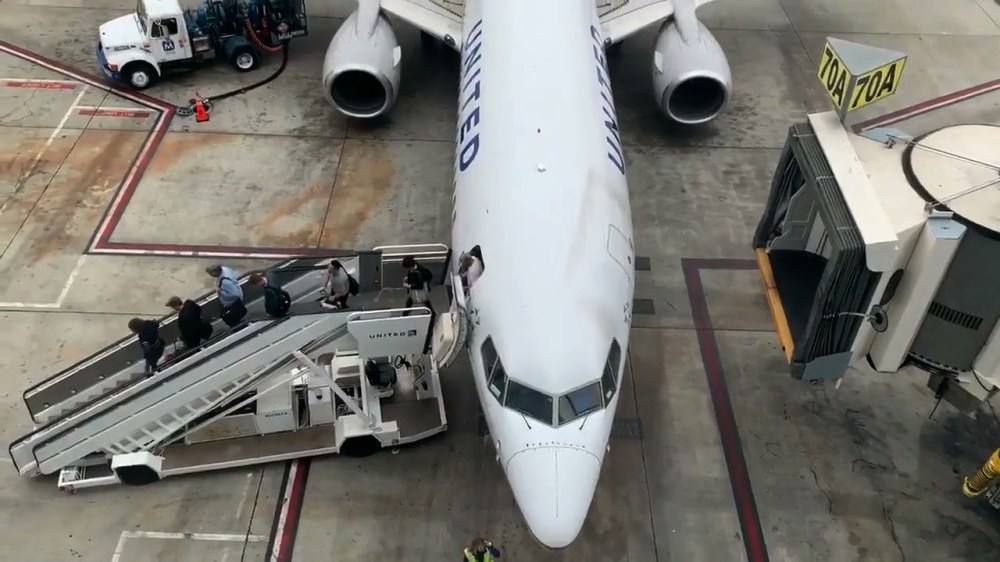 Las aeronaves
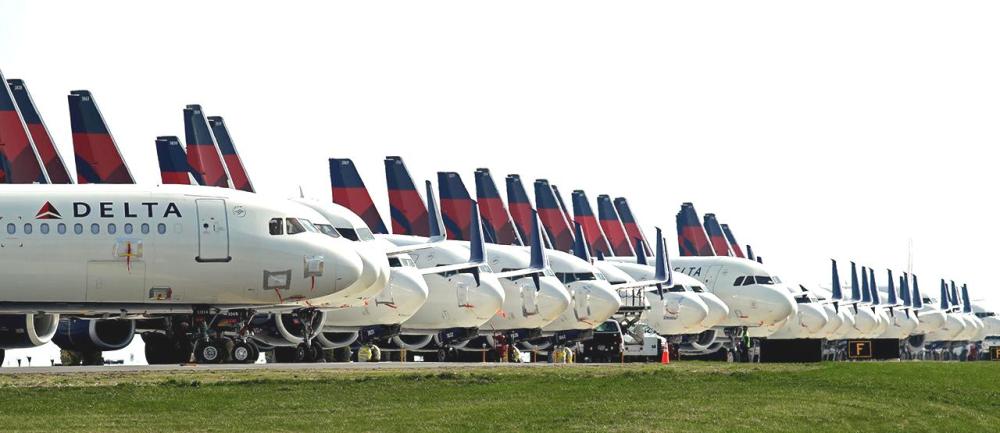 Post-COVID-19 aviation victims
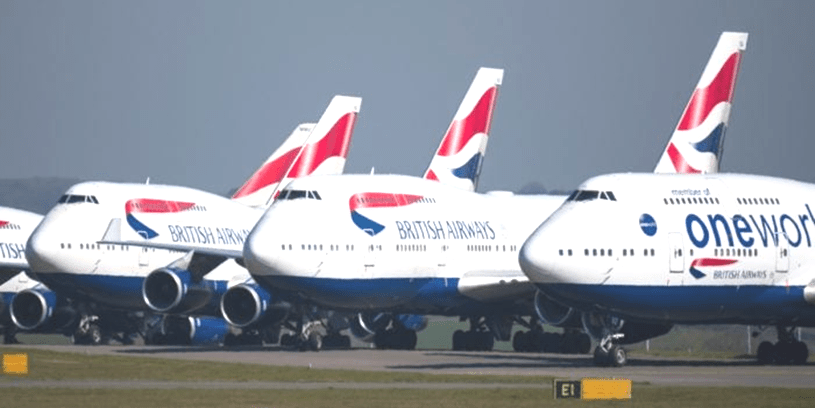 Aircraft
 AW | 2020 04 03 10:38 | AIRLINES MARKET / GOVERNMENT
 Allegiant Air dice que si bien tiene la intención de mantener un horario robusto, la aerolínea «debe conservar el derecho de cancelar, con aviso razonable a los clientes, vuelos que tengan reservas insuficientes incluso para cubrir el costo variable de las operaciones, específicamente, esos costos por encima y más allá de la nómina, que en teoría está cubierta por una subvención de la Ley CARES para los próximos dos meses».
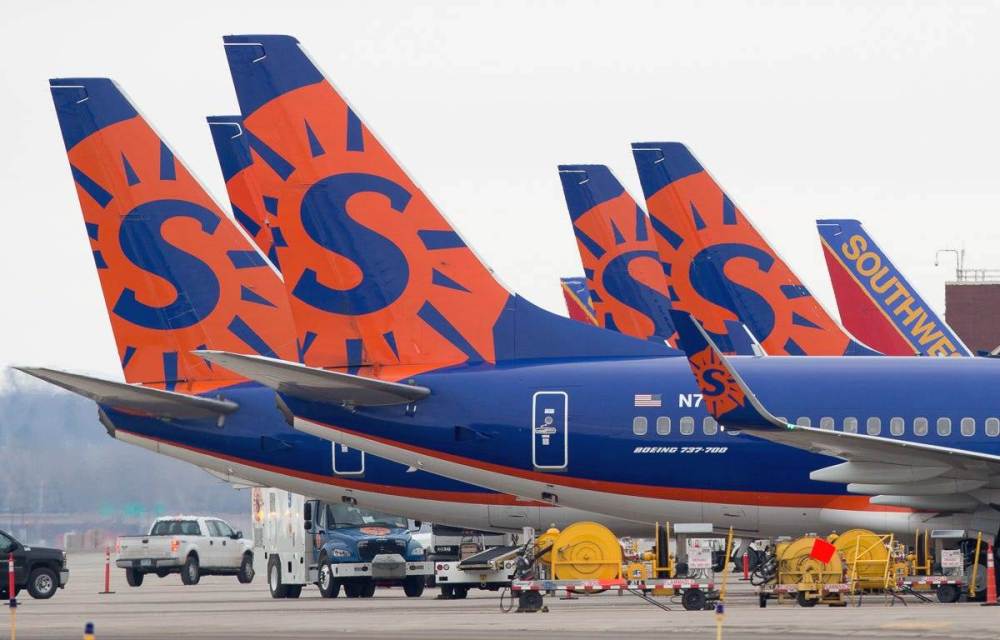 Low-cost US objects to CARES Law
 The National Association of Air Carriers (NACA), which represents low-cost airlines Allegiant Air, Frontier Airlines, Spirit Airlines, and Sun Country Airlines, says that on April 1 the order «unfairly discriminates and penalizes air carriers who provide seasonal air services». The arbitrary date of March 1, 2020, says NACA, is not feasible for low-cost carriers, who primarily cater to tourists escaping from the cold northern winter weather to warmer destinations in the southern United States and the Caribbean. The industry group proposes «a more equitable approach to ensuring fairness for all airlines», basing the requirements on the April and May 2020 schedules, rather than the February 2020 schedules.
 Denver (CO) based Frontier Airlines objects to comply with maintaining its routes as ordered because they will quickly liquefy their reservations. In a statement dated April 2, 2020, the low cost has stated: «The imposition of minimum service standards as proposed would be fundamentally incompatible with the policy and objectives of the CARES Law. It ignores the seasonal nature of Frontier and other ULCC hours. and the efforts of federal, state, and local governments to mitigate the COVID-19 pandemic by prohibiting all less essential travel and ordering people to shelter-in-place or stay at home». Using the week of February 29 as a benchmark, the airline says the government ignored the «rapidly changing, unprecedented and precipitous drop in passenger traffic» that resulted from travel restrictions and closure orders in many jurisdictions. , as well as the fact that it is winter time very different from its summertime. DOT’s service obligations extend through September 2020.
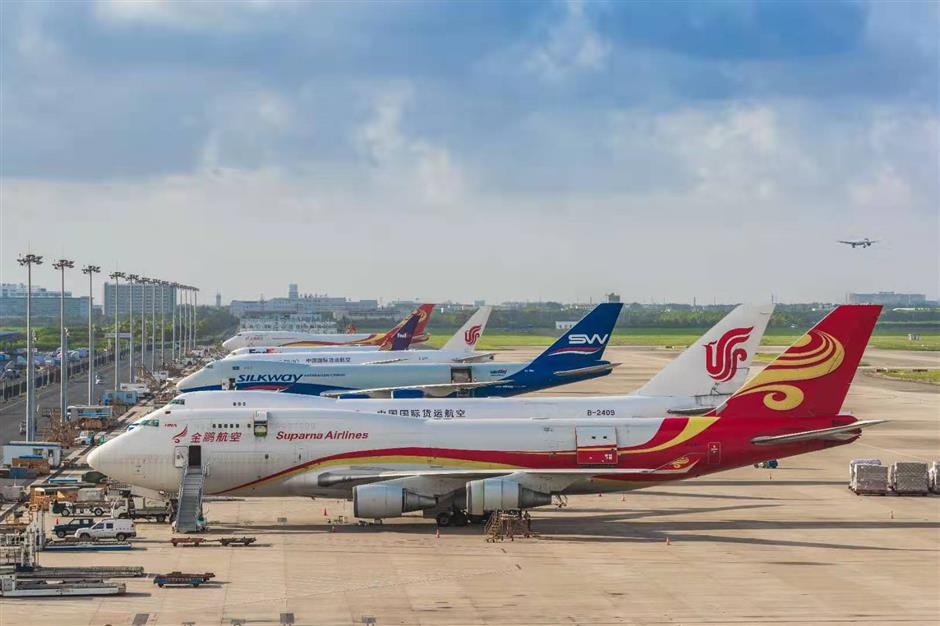 AW | 2020 04 01 15:30 | AIRLINES MARKET
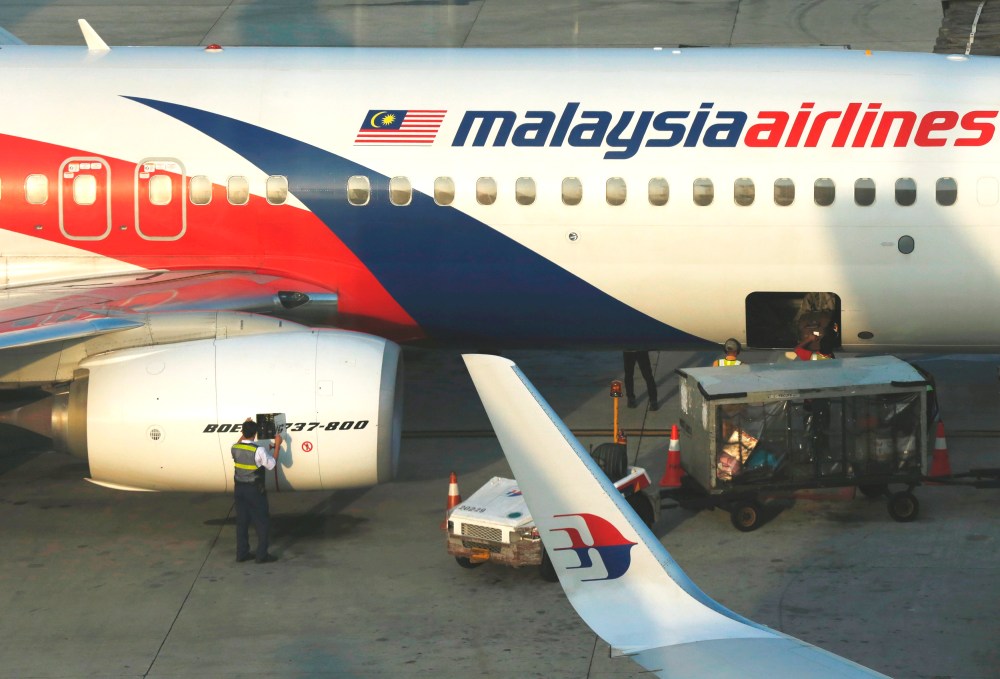
 Garuda, Batik Air, Lion Air, Citilink, My Indo Airlines, Sriwijaya Air, Wings Air y vuelos muy limitados de Air Asia todavía tienen servicio en las rutas nacionales de Indonesia. Lion Air, Malindo Air, Batik Air y Wings Air tienen más del 55 por ciento del mercado aéreo nacional de Indonesia, y están respaldados por los magnates indonesios Rusdi y Kusnan Kirana.
 Impact air travel Asia
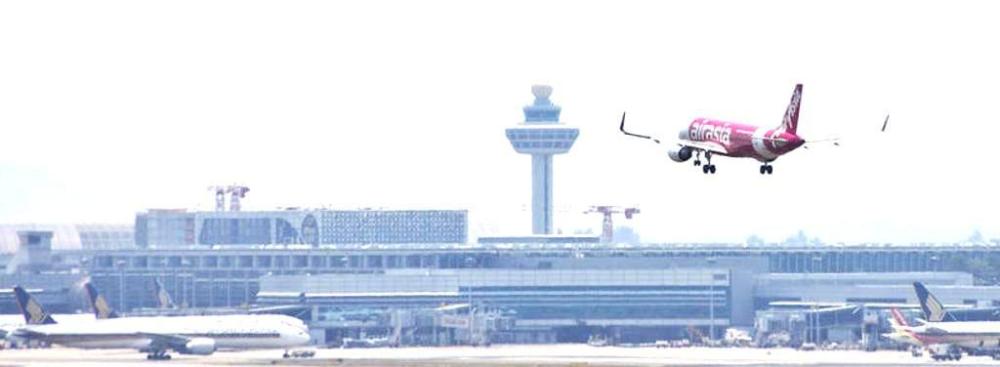 Asian perspectives
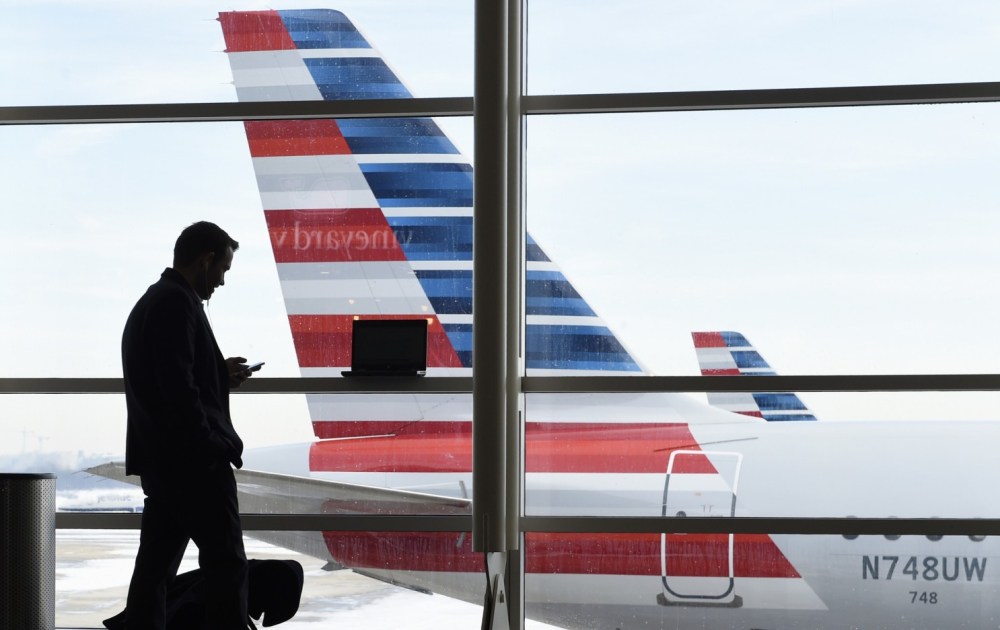 AW | 2020 04 01 09:34 | AIRLINES MARKET / GOVERNMENT
 Las aerolíneas deberán cumplir con estos requisitos de programación de vuelos para obtener ayuda financiera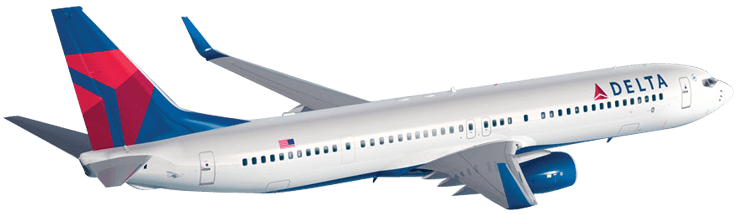
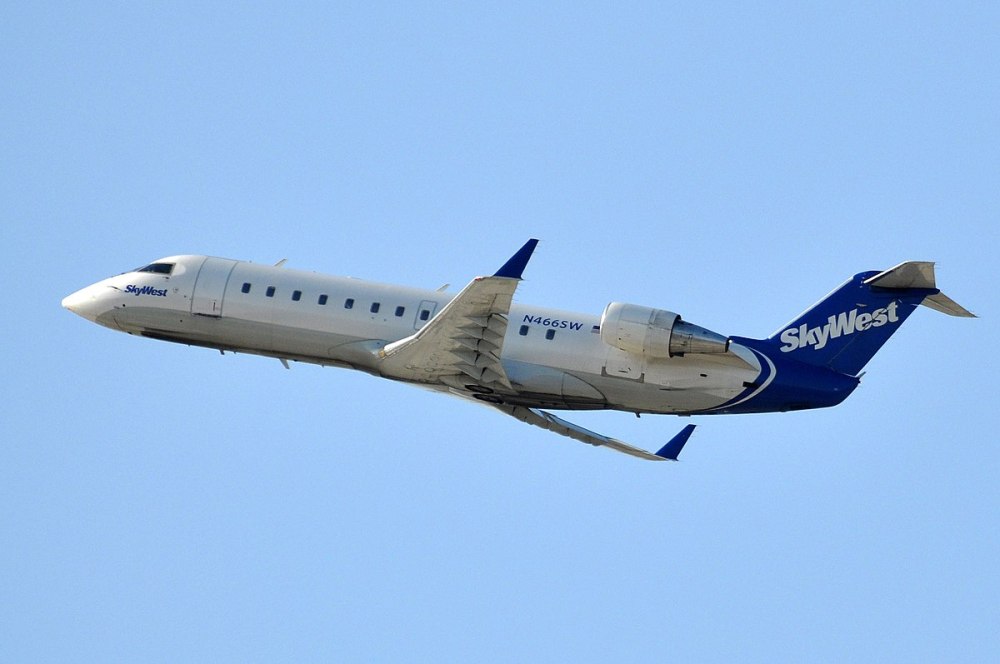 US airlines complete CARES Law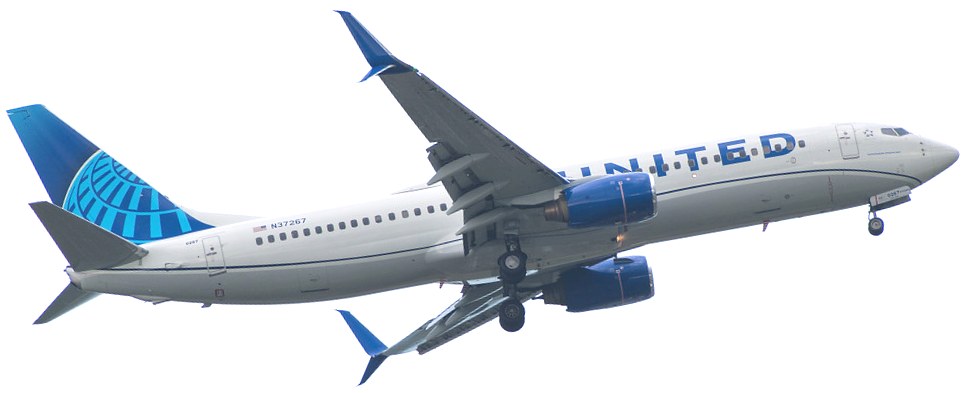
 AW | 2020 03 31 10:11 | AIRLINES MARKET
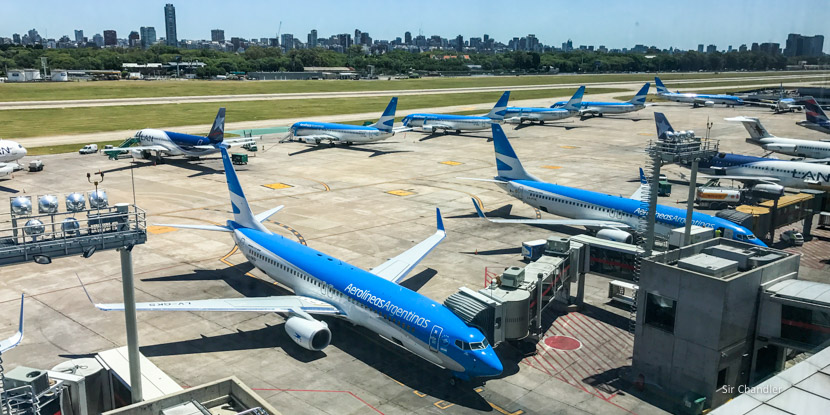
 Las aerolíneas estatales Aerolíneas Argentinas/Austral Líneas Aéreas no es ajena al impacto de la pandemia del Coronavirus. La compañía había anunciado más vuelos especiales a distintas ciudades el interior del país que se venían realizando para sostener la conectividad en el marco de la repatriación provenientes de vuelos internacionales. La partir de las nuevas restricciones impuestas por parte del Gobierno para evitar la propagación del virus, las aerolíneas cancelaron totalmente los vuelos domésticos en Argentina.
 Flybondi Líneas Aéreas ha anunciado la suspención de sus operaciones hasta el 30 Abril 2020 como medidas para evitar la propagación del Coronavirus. Las operaciones de la compañía están suspendidas, tanto para vuelos nacionales como regionales. Las ventas permanecen activas para los boletos después de esta fecha de suspensión y el 1 Mayo 2020, la compañía planea reanudar las operaciones, pero está sujeta a cambios de acuerdo con las decisiones gubernamentales. Aquellos que ya hayan comprado un boleto para el período de suspensión, recibirán un cupón por el monto del boleto pagado y será posible reprogramar el boleto para vuelos a partir del 30 Abril 2020.
 Argentina airlines bear the crisis
 State airlines Aerolíneas Argentinas/Austral Líneas Aéreas is no stranger to the impact of the Coronavirus pandemic. The company had announced more special flights to different cities in the interior of the country that were being carried out to maintain connectivity in the framework of repatriation from international flights. Starting from the new restrictions imposed by the Government to prevent the spread of the virus, the airlines totally canceled domestic flights in Argentina.
 Latam Airlines had announced on Sunday 03/30 that it was further cutting its regional operations from Santiago de Chile, limiting it to five flights to Brazil; and it has abolished flights to Argentina. The statement explained that “due to the travel restrictions established by the authorities and the lower demand due to the Covid-19 pandemic, its domestic and international operations in the country are temporarily suspended until April 30. All passengers with canceled flights do not need to take any immediate action. The value of your ticket will be automatically kept as a credit for future trips, or you can reschedule the date of your flight, at no cost, until December 31 of this year”.
 The ultra low cost airline JetSmart has kept a low profile in the face of the health crisis that has unfolded in recent weeks. Although he is part of one of the industries hardest hit by the Coronavirus, CEO Estuardo Ortiz remains confident that the company’s light cost structure will allow him to get ahead in this difficult scenario. Last week, the company linked to the international fund Indigo Partners announced that it will operate a total of ten national and four international routes during the month of April, equivalent to 12% of its operation. This, because in his opinion there is still a demand to be met, despite the fact that the figures announced by the Government indicate that the occupational factor of the planes fell to 30%. The current situation does not change the long-term plans in the region, whose mission is to achieve the operation of 100 aircraft by 2026, a plan that to date is 20% complete with a fleet of Airbus 320 (17) and Boeing 737 aircraft. -800 (3), acquired after the purchase of its competitor Norwegian Air Argentina.
 AW | 2020 03 30 13:15 | AIRLINES MARKET
 Pero el diagnóstico en el mercado regional de las líneas aéreas es muy diferente, pues no cuentan con un respaldo eficiente para sobrevivir a la fuerte caída del tráfico aéreo. La aviación se prepara para otra consolidación del mercado regional. Estas compañías, que representan alrededor del 40% de las salidas de pasajeros en los Estados Unidos, son en su mayoría contratistas, compañías feeder que vuelan bajo las grandes aerolíneas. En tiempos normales generan ingresos constantes, porque las mayores aerolíneas son las que corren los riesgos asociados con los cambios en las tarifas aéreas y los precios del combustible. Sin embargo, la mayoría de los jugadores regionales no son dueños de sus aeronaves, lo que les da poco margen para vender o usar como garantía su flota en caso de emergencia. La Asociación Regional de Aerolíneas (RAA), un organismo de la industria de la aviación regional en Estados Unidos, advirtió que las garantías de préstamos incluidas en el paquete de ayuda de Washington no pueden ayudar a las empresas con tan poco acceso a los mercados financieros. Todo dependerá de la cantidad de ayuda directa que se les asigne.

 US regional airlines consolidation
 AW | 2020 03 27 15:40 | AIRLINES MARKET / GOVERNMENT
 Proyecto Ley del Senado
 Airlines under orbit US government
 Investors
 Airfares
 National Compensation 2025
 Ξ A I R G W A Y S Ξ
 AW | 2020 03 27 11:27 | AIRLINES MARKET
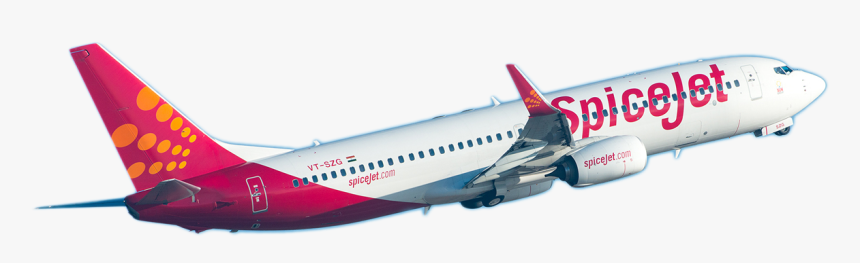 SpiceJet Ltd. no ve ninguna posibilidad de fracasar, ha mantenido flujos de efectivo adecuados y espera un aumento de la demanda a medida que se contiene el virus, dijo un portavoz.
 Airlines in danger of bankruptcy
 Using the Z Score method developed by Edward Altman in the 1960s to predict bankruptcies, the listed commercial airlines are identified as having the highest risk of bankruptcy, based on available data, regardless of government bailouts or other sources of financing that could help keep operators afloat. The Z Score involves five variables that measure liquidity, solvency, profitability, leverage and recent performance. The model initially had accuracy rates of more than 95% in predicting bankruptcies, but it dropped to between 80% and 90% based on a year before insolvency, Altman said in a 2018 interview.

 AW | 2020 03 22 12:10 | AVIATION SAFETY / AIRLINES MARKET / INDUSTRY / GOVERNMENT
 Gripe Aviar
 The COVID-19 impact in the world
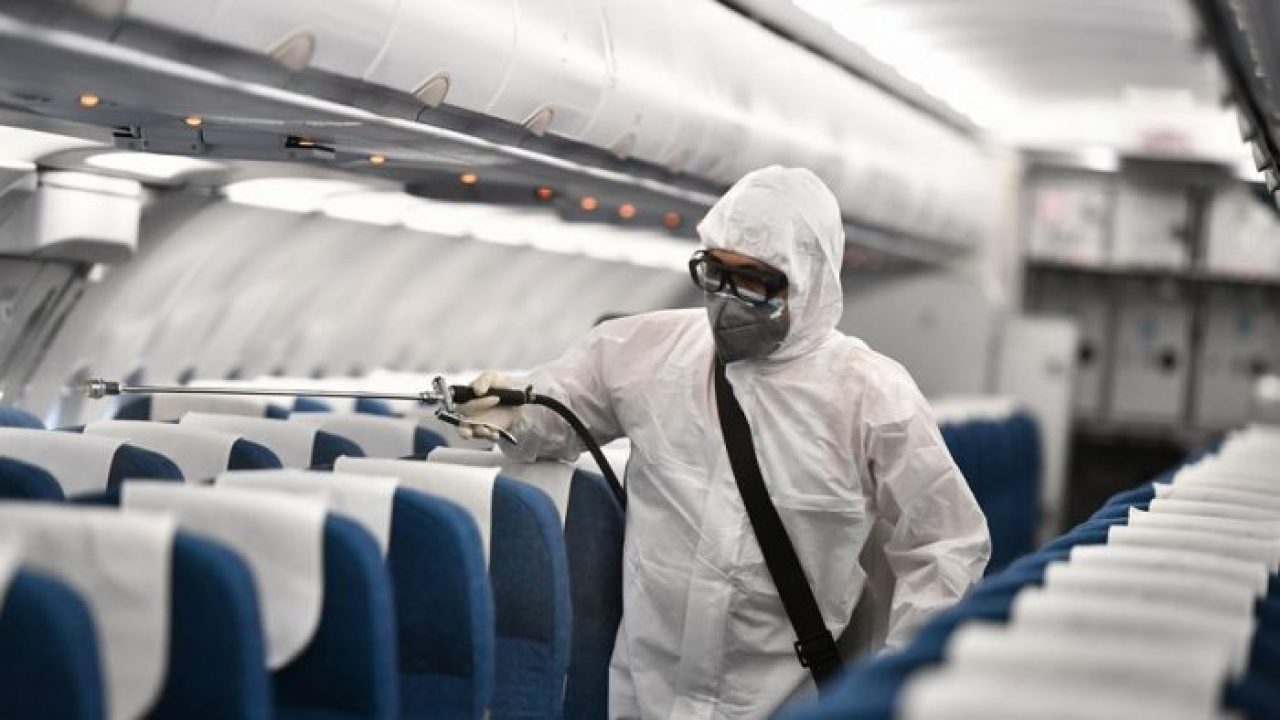 The downward pressure on people’s propensity to travel will be a very troublesome recovery and will take longer than in the past due to multiple levels of problems. The time frame to some extent will depend on how fast COVID-19 develops. American airlines are in a better financial position today than after 9/11.

