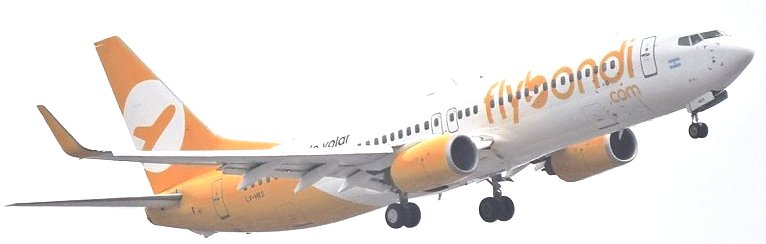
Azul la más puntual de Brasil

Resultado de imagen para Azul Airlines

AW | 2018 03 02 15:25 | AIRLINES MARKET

Resultado de imagen para Azul AirlinesResultado de imagen para flightstats.com logoLa aerolínea brasileña Azul Linhas Aéreas ha conseguido el premio FlightStats como la más puntual de Brasil

Azul Linhas Aéreas fue galardonada por FlightStats como la línea aérea más puntual de Brasil y la segunda en Latinoamérica, después de Copa Airlines.

FlightStats considera que una aerolínea debe cumplir con requisitos específicos antes de ser considerada dentro de una categoría de premios. Estas condiciones incluyen el total anual de vuelos regulares de pasajeros, la naturaleza geográfica de su red de rutas y el grado en que podemos adquirir los datos de estado de los vuelos.

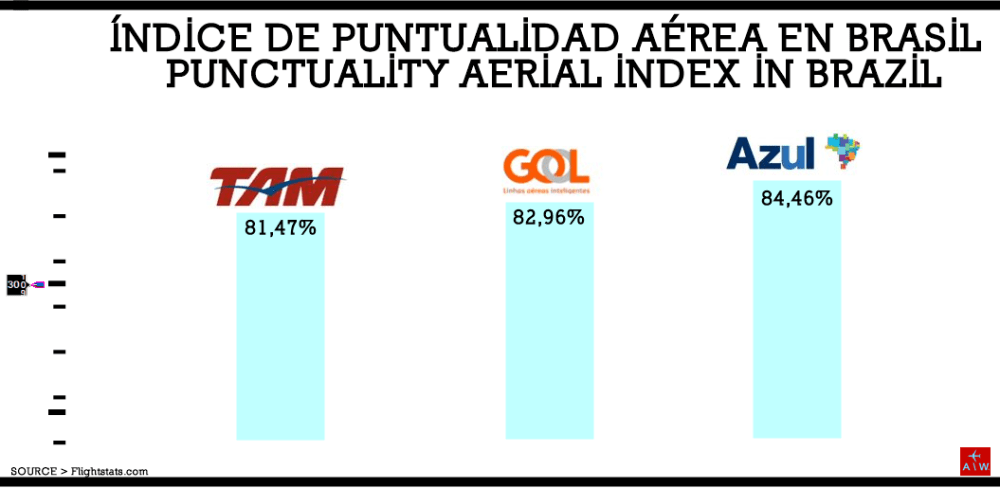
Azul continúa con el liderazgo en el mercado de Brasil manteniendo el tercer puesto mundial como aerolínea low-cost con un índice de puntualidad del 84,46% de sus vuelos en horario, seguido muy de cerca por Gol Linhas Aéreas con un 82,96%. TAM Linhas Aéreas obtuvo un 81,47% de puntualidad. AIRWAYS® AW-Icon TXT

AW-700333006

Blue, the most punctual in Brazil

Resultado de imagen para Azul Airlines pngAW-700005455The Brazilian airline Azul Linhas Aéreas has obtained the FlightStats award as the most punctual in Brazil

Azul Linhas Aéreas was awarded by FlightStats as the most punctual airline in Brazil and the second in Latin America, after Copa Airlines.

FlightStats considers that an airline must meet specific requirements before being considered within a category of awards. These conditions include the annual total of regular passenger flights, the geographical nature of its route network and the degree to which we can acquire flight status data.

Azul continues with the leadership in the Brazilian market, maintaining the third place in the world as a low-cost airline with a punctuality index of 84.46% of its flights on schedule, followed very closely by Gol Linhas Aéreas with 82.96% . TAM Linhas Aéreas obtained 81.47% of punctuality. A \ W

Resultado de imagen para Azul Linhas Aéreas

Azul, o mais pontual no Brasil

Resultado de imagen para Azul Linhas Aéreas pngResultado de imagen para Azul Linhas Aéreas pngA companhia brasileira Azul Linhas Aéreas obteve o prêmio FlightStats como o mais pontual do Brasil

A Azul Linhas Aéreas foi premiada pela FlightStats como a companhia aérea mais pontual de Brasil e a segunda na América Latina, depois da Copa Airlines.

A FlightStats considera que uma companhia aérea deve atender aos requisitos específicos antes de ser considerada dentro de uma categoria de prêmios. Estas condições incluem o total anual de voos regulares de passageiros, a natureza geográfica da sua rede de rotas e o grau em que podemos adquirir dados do estado do voo.

A Azul continua com a liderança no mercado brasileiro, mantendo o terceiro lugar no mundo como uma companhia aérea de baixo custo com uma taxa de pontualidade de 84,46% de seus vôos no cronograma, seguido muito de perto por Gol Linhas Aéreas com 82,96% . TAM Linhas Aéreas obteve 81,47% de pontualidade. A \ W


Ξ A I R G W A Y S Ξ
SOURCE:  Airgways.com
DBk: Flightats.com / Carlos M. Doria / Voeazul.com.br / Wikimedia.org
AW-POST: 201803021525AR

A\W   A I R G W A Y S ®


Guerra de precios transatlánticos

AW-70088864.jpg

AW | 2018 03 02 11:48 | AIRLINES MARKET

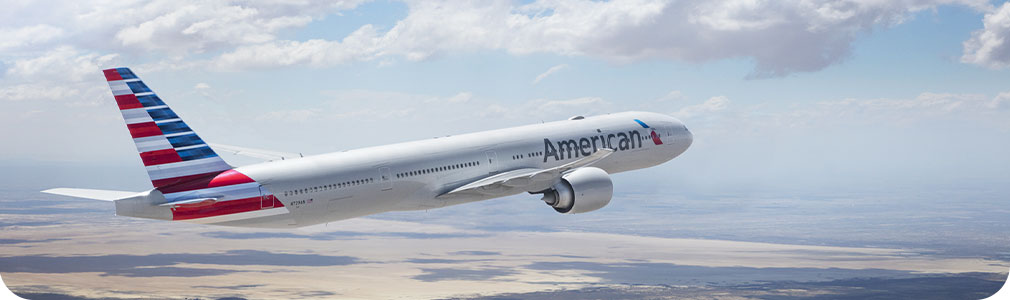
American Airlines se suma a la batalla de tarifas transatlánticas

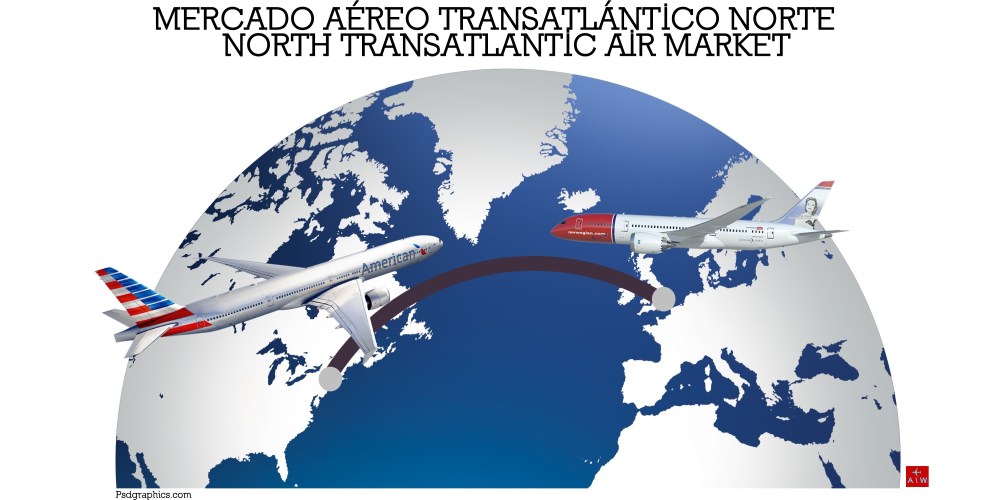
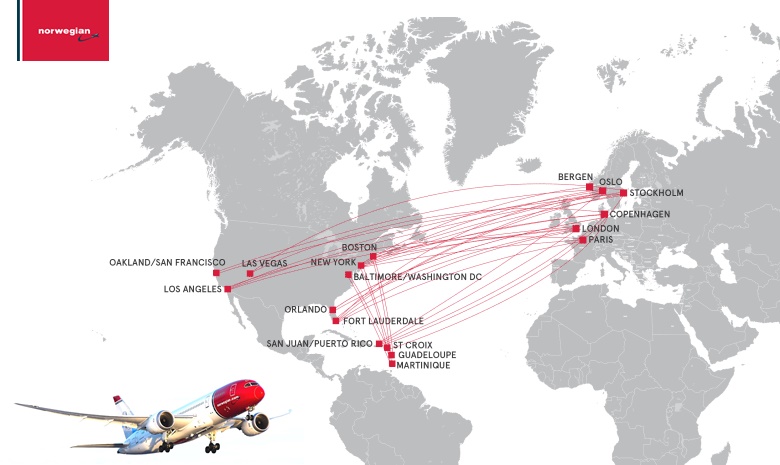
El mercado aéreo en las rutas del Atlántico Norte ha incrementado su competitividad en la lucha por captar mayores servicios punto a punto. Como en los tiempos de Freddy Laker, las rutas del Atlántico Norte se ha convertido el un campo de batalla para las aerolíneas.

Entre las aerolíneas más competitivas en los vuelos non-stop transatlánticos se encuentran Norwegian Air Shuttle ASA, Wow Airlines, Aer Lingus, Level, Joon, Eurowings, Aer Lingus, entre otras.

American Airlines volaba al margen de las tarifas reducidas, pero el mercado aéreo ha impactado en una guerra de precios. American no desea quedar al margen del mercado transatlántico. Las grandes compañías americanas estaban sintiendo el fuerte golpe de las low-cost. Este jueves, American Airlines ha anunciado que se incorpora a las líneas aéreas que competirían en el segmento de precios bajos.

AW-7000004.jpg

AMERICAN AIRLINES COMENZARÁ A APLICAR REDUCCIONES TARIFARIAS EN RUTAS TRANSATLÁNTICAS

American, como United y Delta han creado en los vuelos internos domésticos una fórmula competitiva consistente en segmentar el avión, ofreciendo precios muy bajos en ciertos asientos, prácticamente sin servicio de ninguna clase. Esos viajeros conviven en el mismo avión con otros que tienen más espacio, más servicios, mejores prestaciones. La fórmula les está yendo bien ante los rivales low-cost americanos, por lo que American ha decidido responder al reto del Atlántico ofreciendo lo mismo, precios muy bajos para viajeros que ahora tenían la tentación de irse con sus rivales low-cost.

El nuevo producto se pone a la venta desde Abril 2018, pero American no ha comunicado en qué rutas específicas, pero que en breve lo extenderá a toda su red con Europa. El modelo será similar al que tiene dentro de Estados Unidos, con algunas diferencias donde el viajero internacional estará autorizado a transportar en cabina un objeto personal y una maleta de mano, cosa que no ocurre en los vuelos dentro de EEUU. En los vuelos internacionales se podrá cambiar el ticket aéreo con un coste. Las maletas en bodega se pagarán aparte. La selección de asientos lo asignará la aerolínea.

American Airlines no ha expresado cuánto costará estos billetes, pero el precio de Norwegian Air es el que marca una referencia en torno a los U$S 200 dólares por vuelo. AIRWAYS® AW-Icon TXT

Resultado de imagen para American Airlines Norwegian Air

War of transatlantic prices

American Airlines joins the battle of transatlantic tariffs

AW-70083773.pngThe air market on the North Atlantic routes has increased its competitiveness in the fight to capture more services point to point. As in the times of Freddy Laker, the North Atlantic routes have become the battleground for airlines.

Among the most competitive airlines in non-stop transatlantic flights are Norwegian Air Shuttle ASA, Wow Airlines, Aer Lingus, Level, Joon, Eurowings, Aer Lingus, among others.

AW-700094433.jpg

NORWEGIAN AIR SHUTTLE ASA HAS IMPACTED THE TRANSATLANTIC LOWCOST AERIAL MARKET

American Airlines flew outside the reduced rates, but the air market has impacted on a price war. American does not want to be left out of the transatlantic market. The big American companies were feeling the heavy blow of the low-cost. This Thursday, American Airlines has announced that it will join the airlines that would compete in the low price segment.

American, such as United and Delta, has created a competitive formula in internal domestic flights to segment the airplane, offering very low prices in certain seats, practically without any kind of service. These travelers live on the same plane with others who have more space, more services, better benefits. The formula is doing well against American low-cost rivals, so American has decided to respond to the challenge of the Atlantic offering the same, very low prices for travelers who were now tempted to go with their low-cost rivals.

The new product is put on sale from April 2018, but American has not communicated on specific routes, but will shortly extend it to its entire network with Europe. The model will be similar to the one it has within the United States, with some differences where the international traveler will be authorized to transport in the cabin a personal item and a carry-on bag, which does not happen on flights within the US. On international flights you can change the air ticket with a cost. The suitcases in the cellar will be paid separately. The selection of seats will be assigned by the airline.

American Airlines has not expressed how much these tickets will cost, but the price of Norwegian Air is the one that marks a reference around US $ 200 per flight. A \ W


Ξ A I R G W A Y S Ξ
SOURCE:  Airgways.com
DBk: Aa.com / Norwegian.com / Airgways.com
AW-POST: 201803021148AR

A\W   A I R G W A Y S ®


Turbulencias en la aviación turca

Resultado de imagen para Ataturk Airport

AW | 2018 02 25 12:38 | AIRLINES MARKET

Después del gran boom, el sector de la aviación de Turquía se dirige a la turbulencia

La expansión de la aviación en Turquía tuvo su potencial por la geografía, la la ubicación estratégica como una encrucijada entre Europa, Asia y África.

Turquía desde el año 2003 ha experimentado el boom con el ingreso de fondos externos, impulsado por reformas estructurales respaldadas por el Fondo Monetario Internacional en la economía después de una severa crisis financiera en 2001. Aunque a expensas de un mayor endeudamiento, la integración con la economía global se aceleró en un camino de crecimiento económico estable. Esto significó tanto un aumento en el ingreso disponible per cápita como una oportunidad para invertir en la aviación civil.

El gobierno se movió para expandir el transporte aéreo nacional aumentando rápidamente el número de aeropuertos en todo el país, tanto mediante la construcción de nuevos aeropuertos como la remodelación de los militares. Turquía tiene hoy 55 aeropuertos, el más grande de los cuales se han construido y son operados por el sector privado. Los aeropuertos operados con un modelo de asociación público-privada (PPP) manejan el 70% y el 97% del tráfico nacional e internacional de pasajeros de Turquía, respectivamente. El tercer aeropuerto de Estambul, una gigantesca instalación de $ 14 billones actualmente en construcción, también es un proyecto PPP, diseñado para manejar 200 millones de pasajeros por año.

En un nuevo impulso al sector de la aviación, el gobierno ofreció incentivos que eliminaron los aranceles aduaneros sobre el combustible para aviones, alentó la inversión en servicios de fletamento y motivó la creación de nuevos aviones privados como Pegasus.

Imagen relacionadaEl transportista nacional Turkish Airlines (THY) se reestructuró con miras a ampliar su mercado de pasajeros extranjeros en particular. En un corto período, la compañía expandió significativamente su flota y agregó decenas de nuevas rutas. Según THY, capacidad de aviones de fuselaje estrecho hacia y desde Estambul cubre el 40% del tráfico internacional a nivel mundial: más de 60 capitales nacionales y toda Europa, Medio Oriente, Asia Central y África del Norte y del Este.

En 2016, el número de pasajeros que pasaban por los aeropuertos turcos alcanzó los 173 millones, un aumento del 409% frente a los 34 millones en 2003. Se informa que la cifra superó los 190 millones en 2017. El aumento del tráfico aéreo nacional ha sido especialmente llamativo. Con una población de 9 millones en 2003, el número de pasajeros nacionales creció no menos del 1,033% hasta alcanzar los 102 millones en 2016. Las rutas internacionales también prosperaron, con un aumento del 184% en el número de pasajeros, de 25 millones en 2003 a 71 millones en 2006.

A fines de 2016, las aerolíneas turcas tenían 540 aviones (515 aviones de pasajeros y 25 aviones de carga) con una capacidad de más de 100,000 asientos. Aproximadamente el 38% de esa capacidad de asiento pertenece a THY, que tiene 223 aviones y controla aproximadamente la mitad del mercado en vuelos nacionales e internacionales. En un intento por aumentar aún más su participación, la compañía planea expandir su flota a 342 aviones para 2020.

El aumento de THY en los vuelos internacionales se debió principalmente a los pasajeros de tránsito, aquellos con vuelos de conexión en Turquía. Como miembro de Star Alliance, la asociación global de aerolíneas, la compañía creció atrayendo tráfico de pasajeros, especialmente de United Airlines y Lufthansa. Su membresía de Star Alliance convirtió a Estambul en un atractivo centro de escala mundial.

Argumentos del crecimiento

Algunos, sin embargo, argumentan que los motivos detrás de la expansión de THY no eran puramente económicos y tenían una dimensión política: impulsar la imagen de Turquía como un país «en ascenso», independientemente de los costos financieros. Esta fue la razón por la cual, dicen, la compañía comenzó a volar a los cuatro rincones del mundo.

Algunos creen que la distancia geográfica de THY que ver con las crecientes actividades internacionales de la comunidad Gulen, que era el principal aliado político del AKP hasta que su alianza se desmoronara en 2012.

Otro argumento es que algunas decisiones de la compañía estaban destinadas a facilitar las inversiones en el extranjero de empresarios cercanos al AKP. Bahattin Yucel, un ex ministro de turismo que sigue siendo un líder de opinión vocal en el sector turístico, lo dijo en una entrevista en un periódico en julio de 2016.

Auge o ocaso de la aviación turca

THY ha estado creciendo a través de préstamos externos, cuyo costo va en aumento. La compañía depende de las importaciones de combustible, que es el principal elemento de costo, y los precios de los combustibles para aviones también están en aumento. Además, las tensiones políticas internas y externas han amplificado los riesgos de Turquía, dando lugar a pérdidas en el mercado. Como resultado, THY cerró 2016 con pérdidas operativas de U$S 98,7 millones de dólares. Se dice que el retroceso fue parcialmente compensado en 2017, un año de alto crecimiento para la economía turca, pero la compañía deberá publicar su balance del año 2017.

Un problema que carece de transparencia es el estado de THY. El estado posee el 49% de las acciones de la compañía, mientras que el 51% restante se negocia en la bolsa de valores. La compañía permanece en la categoría de entidades públicas vinculadas al Tesoro, pero ha estado fuera de los límites de una auditoría del Tribunal de Cuentas, que controla las instituciones públicas en nombre del parlamento. Además, las acciones públicas de THY han sido transferidas al Wealth Fund, un controvertido fondo soberano creado en 2016. Con todos estos factores en juego, un análisis transparente de THY y el monitoreo de sus turbulencias pasadas y potenciales se vuelve difícil.

Turkish Airlines espera la reubicación de la compañía en el nuevo aeropuerto de Estambul, cuya inauguración está programada para fines de 2018.

La principal aerolínea de Turquía deberá flanquear diferentes obstáculos: su deuda, el costo de su expansión motivada por la elite política y el traslado a un nuevo aeropuerto, procesos cuyas turbulencias probablemente será aún mayor.  AIRWAYS® AW-Icon TXT

Imagen relacionada

Turbulence in Turkish aviation

After the big boom, Turkey’s aviation sector is heading for turbulence

The expansion of aviation in Turkey had its potential for geography, the strategic location as a crossroads between Europe, Asia and Africa.

Turkey since 2003 has experienced a boom with the inflow of external funds, driven by structural reforms supported by the International Monetary Fund in the economy after a severe financial crisis in 2001. Although at the expense of greater indebtedness, integration with the global economy accelerated on a path of stable economic growth. This meant both an increase in disposable income per capita and an opportunity to invest in civil aviation.

The government moved to expand national air transport rapidly increasing the number of airports throughout the country, both through the construction of new airports and the remodeling of the military. Turkey today has 55 airports, the largest of which have been built and operated by the private sector. Airports operated with a public-private partnership model (PPP) handle 70% and 97% of domestic and international passenger traffic in Turkey, respectively. The third airport in Istanbul, a gigantic $ 14 billion facility currently under construction, is also a PPP project, designed to handle 200 million passengers per year.

In a new boost to the aviation sector, the government offered incentives that eliminated customs tariffs on jet fuel, encouraged investment in charter services and motivated the creation of new private aircraft such as Pegasus.

Resultado de imagen para Turkish Airlines pngThe national carrier Turkish Airlines (THY) was restructured with a view to expanding its market of foreign passengers in particular. In a short period, the company significantly expanded its fleet and added dozens of new routes. According to THY, capacity of narrow-body aircraft to and from Istanbul covers 40% of international traffic worldwide: more than 60 national capitals and throughout Europe, the Middle East, Central Asia and North and East Africa.

In 2016, the number of passengers passing through Turkish airports reached 173 million, an increase of 409% compared to 34 million in 2003. It is reported that the figure exceeded 190 million in 2017. The increase in national air traffic has been especially striking. With a population of 9 million in 2003, the number of domestic passengers grew by no less than 1.033% to reach 102 million in 2016. International routes also thrived, with a 184% increase in the number of passengers, from 25 million in 2003 to 71 million in 2006.

At the end of 2016, Turkish airlines had 540 aircraft (515 passenger aircraft and 25 cargo planes) with a capacity of more than 100,000 seats. Approximately 38% of that seat capacity belongs to THY, which has 223 aircraft and controls approximately half of the market in domestic and international flights. In an attempt to further increase its participation, the company plans to expand its fleet to 342 aircraft by 2020.

The increase in THY on international flights was mainly due to transit passengers, those with connecting flights in Turkey. As a member of Star Alliance, the global airline association, the company grew by attracting passenger traffic, especially from United Airlines and Lufthansa. His Star Alliance membership made Istanbul an attractive center of global scale.

Growth arguments

Some, however, argue that the reasons behind the expansion of THY were not purely economic and had a political dimension: to boost Turkey’s image as a «rising» country, regardless of financial costs. This was the reason why, they say, the company began to fly to the four corners of the world.

Some believe that THY’s geographic distance is related to the growing international activities of the Gulen community, which was AKP’s main political ally until its alliance collapsed in 2012.

Another argument is that some of the company’s decisions were aimed at facilitating foreign investments by businessmen close to the AKP. Bahattin Yucel, a former tourism minister who remains a vocal opinion leader in the tourism sector, said in a newspaper interview in July 2016.

Rise or decline of Turkish aviation

THY has been growing through external loans, the cost of which is increasing. The company depends on fuel imports, which is the main cost element, and the prices of jet fuel are also on the rise. In addition, internal and external political tensions have amplified Turkey’s risks, leading to losses in the market. As a result, THY closed 2016 with operating losses of US $ 98.7 million. It is said that the setback was partially offset in 2017, a year of high growth for the Turkish economy, but the company will have to publish its 2017 balance.

A problem that lacks transparency is the state of THY. The state owns 49% of the company’s shares, while the remaining 51% is traded on the stock exchange. The company remains in the category of public entities linked to the Treasury, but has been outside the limits of an audit of the Court of Auditors, which controls public institutions on behalf of the parliament. In addition, THY’s public shares have been transferred to the Wealth Fund, a controversial sovereign wealth fund created in 2016. With all these factors at stake, a transparent THY analysis and monitoring of past and potential turbulence becomes difficult.

Turkish Airlines expects the relocation of the company in the new airport of Istanbul, whose inauguration is scheduled for the end of 2018.

The main Turkish airline will have to overcome different obstacles: its debt, the cost of its expansion motivated by the political elite and the transfer to a new airport, processes whose turbulence will probably be even greater. A \ W

Imagen relacionada

Türk Havacılığında Türbülans

Büyük patlamadan sonra, Türkiye’nin havacılık sektörü türbülansa yöneliyor

Havacılığın Türkiye‘deki genişlemesi, Avrupa, Asya ve Afrika arasındaki kavşak olarak stratejik konumu olan coğrafya potansiyeline sahipti.

Resultado de imagen para Turkish Airlines png2003 yılından bu yana yaşanan patlamada, 2001 yılında ciddi bir finansal krizin ardından ekonomide Uluslararası Para Fonu tarafından desteklenen yapısal reformlar tarafından harici fonların girişi ile patlama yaşanmıştır. Borçlanma pahasına küresel ekonomi, istikrarlı bir ekonomik büyüme yolunda hızlandı. Bu, kişi başına düşen harcanabilir gelirde bir artış ve sivil havacılığa yatırım yapma olanağı anlamına geliyordu.

Hükümet hem ulusal havayolu taşımacılığını hem yeni hava limanları inşa ederek ve orduyu yeniden şekillendirerek hem ülke çapında havaalanı sayısını artırarak genişletmeye başladı. Türkiye bugün 55 havalimanına sahiptir. Bunlardan en büyüğü özel sektör tarafından inşa edilmiş ve işletilmiştir. Kamu-özel ortaklık modeliyle (PPP) işletilen havalimanları, sırasıyla, Türkiye’de yerli ve yabancı yolcu trafiğinin% 70’ini ve% 97’sini karşılamaktadır. Halen yapım aşamasında olan 14 milyar dolarlık devasa İstanbul’daki üçüncü havaalanı, yılda 200 milyon yolcuyu işlemek üzere tasarlanan bir PPP projesidir.

Havacılık sektörüne yapılacak yeni bir gelişmeyle hükümet, jet yakıtıyla ilgili gümrük tarifelerini kaldıran, charter hizmetlerine yapılan yatırımları teşvik eden ve Pegasus gibi yeni özel uçakların yaratılmasına yönelik teşvikler sundu.

Resultado de imagen para Türk Hava Yolları (THY) logoUlusal havayolu şirketi Türk Hava Yolları (THY), özellikle dış pazardaki yolcularını genişletmek amacıyla yeniden yapılandırıldı. Kısa sürede şirket filosunu önemli ölçüde genişletti ve düzinelerce yeni rotayı ekledi. THY’ye göre, İstanbul’a giden ve dar gövdeli uçakların kapasitesi, dünya genelinde uluslararası trafikte% 40’ları kaplıyor: 60’dan fazla ulusal başkent, Avrupa, Orta Doğu, Orta Asya ve Kuzey Afrika ve Doğu Afrika’da.

2016 yılında Türk hava limanlarından geçen yolcu sayısı 2003 yılında 34 milyona kıyasla% 409 artışla 173 milyona ulaştı. Bu rakamın 2017 yılında 190 milyonu aştığı bildiriliyor. Ulusal hava trafiğindeki artış özellikle çarpıcıydı. 2003 yılında 9 milyonluk bir nüfusa sahip olan yurtiçi yolcu sayısı 2016 yılında 102 milyona ulaşırken% 1.033 oranında büyümüştür. Uluslararası güzergahlar, yolcu sayısındaki% 184’lük artışla 25 milyon kişiden 2006’da 71 milyona yükselmiştir.

2016 yılı sonunda, Türk havayollarının kapasitesi 100.000’den fazla olan 540 uçak (515 yolcu uçağı ve 25 kargo uçağı) vardı. Bu koltuk kapasitesinin yaklaşık% 38’i 223 uçak bulunan THY’ye aittir ve iç ve dış hat uçuşlarında pazarın yaklaşık yarısını kontrol etmektedir. Katılımını daha da artırmak amacıyla, şirket filosunu 2020 yılına kadar 342 uçakla genişletmeyi planlıyor.

Uluslararası uçuşlarda THY’deki artış, başta transit yolcular, Türkiye’deki bağlantılı uçuşlar nedeniyle gerçekleşti. Global havayolu birliğine Star Alliance üyesi olan şirket, özellikle United Airlines ve Lufthansa’dan yolcu trafiğini çekerek büyümüştür. Star Alliance üyeliği, İstanbul’u küresel ölçekte çekici bir merkez haline getirdi.

Büyüme argümanları

Ancak bazıları THY genişlemesi nedenleri salt ekonomik değildi ve sahip olduğu iddia politik bir boyut: bakılmaksızın mali maliyetlerin «yükselen» bir ülke olarak Türkiye’nin imajına olumlu etki. Dediklerine göre, şirket dünyanın dört köşesine uçmaya başladı.

Bazı THY coğrafi uzaklık onların ittifak 2012 yılında ayrı düştü kadar AKP’nin ana siyasi müttefiki idi Gülen topluluğunun, artan uluslararası faaliyetleri ile ilgisi olduğuna inanıyoruz.

Bir diğer argüman ise, şirketin kararlarının bir kısmının, AKP’ye yakın işadamlarının yabancı yatırımları kolaylaştırmaya yönelik olması. Turizm sektöründe vokal lider olarak kalan eski turizm bakanı Bahattin Yücel, Temmuz 2016’daki bir gazetenin röportajında ​​söyledi.

Türk havacılığının yükselişi veya gerilemesi

THY dış krediler yoluyla büyüyor, maliyeti artıyor. Şirket, ana maliyet unsuru olan yakıt ithalatına bağlı ve jet yakıtı fiyatları da artıyor. Buna ek olarak, iç ve dış politik gerginlikler Türkiye’nin risklerini artırdı ve piyasada kayıplara neden oldu. Sonuç olarak, THY, 2016 yılını 98,7 milyon ABD doları işletme zararı ile kapattı. Geri çekmenin, Türkiye ekonomisi için bir yıl yüksek bir büyüme oranı olan 2017’de kısmen dengelendiğini ancak şirketin 2017 dengesini yayınlaması gerekeceği söyleniyor.

Şeffaflıktan yoksun bir sorun, THY eyaletidir. Devletin% 49’u şirketin% 49’una sahipken, kalan% 51’i borsada işlem görüyor. şirket Hazine bağlı kamu kurum kategorisinde kalır ancak Parlamento adına kamu kurumlarını denetleyen Sayıştay’ın, bir denetimin sınırları dışına olmuştur. Buna ek olarak, kamu THY hisseleri, şeffaf THY analizi ve Resultado de imagen para Turkish Airlines pnggeçmiş kargaşa ve potansiyelinin izlenmesi zorlaşır Servet Fonu, oyundaki tüm bu faktörlerin ile 2016 yılında oluşturulan tartışmalı bir egemen servet fonuna aktarılmıştır.

THY, 2018 yılının başında faaliyete geçmesi planlanan İstanbul’un yeni hava limanında yerini almayı umuyor.

borçlarını, siyasi elit ve türbülans süreçleri büyük olasılıkla daha da büyük olacak yeni havaalanına hareket motive genişleme maliyetini: Türkiye’nin önde gelen havayolu farklı engelleri üstünlük gerekir. A \ W


Ξ A I R G W A Y S Ξ
SOURCE:  Airgways.com
DBk: Ataturkairport.com / Airlive.net
AW-POST: 201802251238AR

A\W   A I R G W A Y S ®
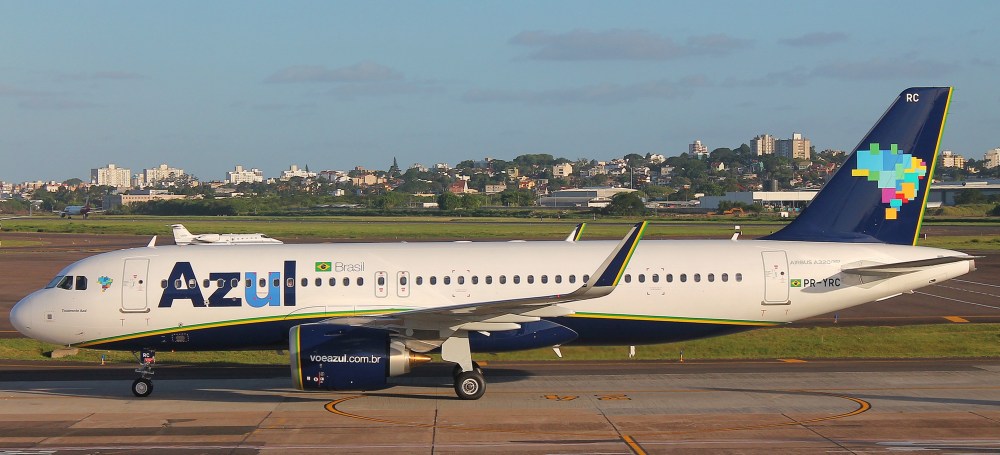
 

Norwegian Air proyecta filial en Brasil

Norwegian Air Brasil

AW | 2018 02 23 23:03 | AIRLINES MARKET

descargaNorwegian Air planea desembarcar para competir en el mercado brasileño
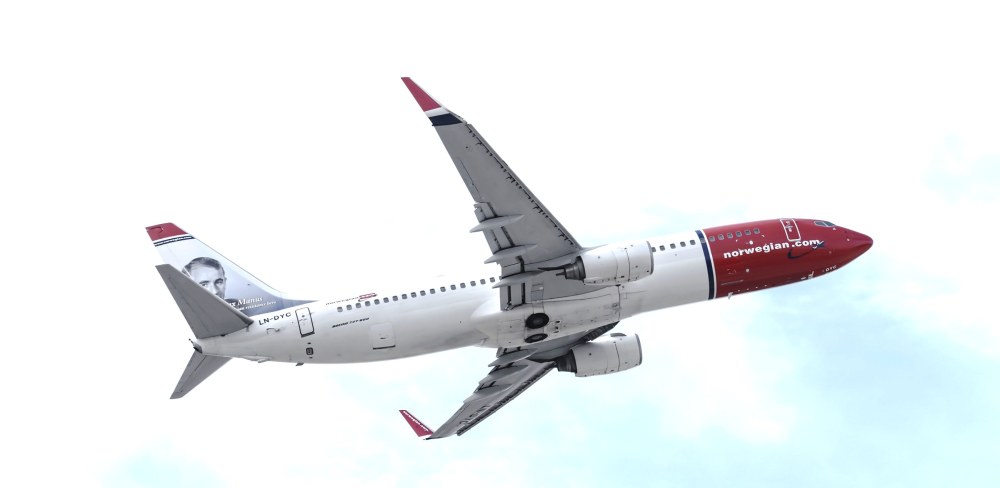
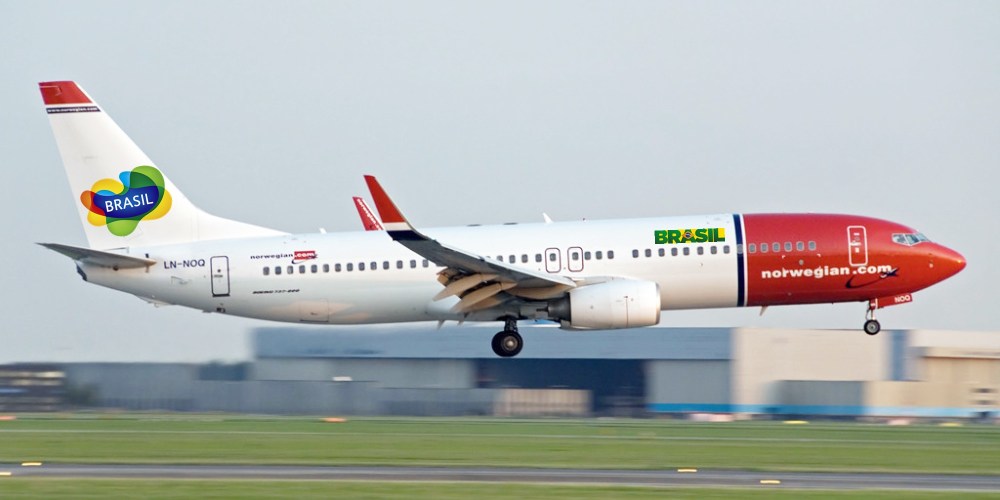
Bjørn Kjos CEO de Norwegian Air Shuttle ASA está analizando insertarse en el mercado altamente competitivo de Brasil. La nueva filial brasileña de la compañía aérea de bajo costo Norwegian Air. según fuentes consultadas al diario O Globo, el CEO de la empresa desembarcará Brasil en Marzo 2018 para discutir la viabilidad del proyecto para la formación de Norwegian Air Brasil.

El ejecutivo Bjørn Kjos se reunirá con el Presidente de la ANAC, José Ricardo Botelho en representación de representantes de Ministerios de Turismo y Transportes. El presidente de la Norwegian había revelado en una entrevista reciente que los próximos pasos de la compañía en América del Sur, después de ingresar en Argentina, serían los mercados de Uruguay, Chile y Brasil.

Mercado de Brasil

El mercado brasileño se exhibe mucho más complejo que el escenario de Argentina, donde el gobierno ha desregulado el sector aéreo. Aquí todavía hay varias barreras y dificultades como el cobro del ICMS de los combustibles que puede hacer que el costo sea mayor en una ruta nacional que en una internacional, incluso para líneas aéreas establecidas hace varios años en Brasil. Además, las empresas extranjeras están limitadas en relación con el capital de las compañías aéreas, algo que casi llegó a ser casi derribado pero, por presión de algunos sectores, continuó valiéndose.

Brasil tiene un mercado aéreo gigantesco, convirtiéndose el más grande de América Latina que ha crecido mucho en años recientes. La burocracia en la arena política y los casos de corrupción han amenazado algunas inversores en este sector. El caso de la irlandesa Ryanair, compañía irlandesa low-cost declaró no tener interés por Brasil precisamente por los altos niveles de corrupción.

Con estos vientos en contra, Norwegian Air planifica aterrizar en tierras brasileñas haciendo frente a innumerables obstáculos pero con la firme intención de abrir nuevos mercados. AIRWAYS® AW-Icon TXT

GettyImages-495242392

Norwegian Air plans a subsidiary in Brazil

bui053h3 (1)Norwegian Air plans to disembark to compete in the Brazilian market

Bjørn Kjos CEO of Norwegian Air Shuttle ASA is analyzing inserting itself into Brazil’s highly competitive market. The new Brazilian subsidiary of the low-cost airline Norwegian Air. According to sources consulted at the newspaper O Globo, the CEO of the company will disembark Brazil in March 2018 to discuss the viability of the project for the formation of Norwegian Air Brazil.

The executive Bjørn Kjos will meet with the President of the ANAC, José Ricardo Botelho representing representatives of the Ministries of Tourism and Transport. The president of Norwegian had revealed in a recent interview that the company’s next steps in South America, after entering Argentina, would be the markets of Uruguay, Chile and Brazil.

Brazil Market

The Brazilian market is much more complex than the Argentine scenario, where the government has deregulated the air sector. Here there are still several barriers and difficulties such as charging the ICMS for fuels that can make the cost higher on a national route than on an international one, even for airlines established several years ago in Brazil. In addition, foreign companies are limited in relation to the capital of the airlines, something that almost came to be almost knocked down, but, due to pressure from some sectors, continued to be worth.

Brazil has a gigantic air market, becoming the largest in Latin America that has grown a lot in recent years. Bureaucracy in the political arena and corruption cases have threatened some investors in this sector. The case of the Irish Ryanair, a low-cost Irish company, said it had no interest in Brazil precisely because of the high levels of corruption.

With these winds against, Norwegian Air plans to land in Brazilian lands facing innumerable obstacles but with the firm intention of opening new markets. A \ W


Norwegian-Airlines-a737.jpg


Norwegian Air planeja uma subsidiária no Brasil

Awesome-Norwegian-Air-Logo-22-On-Free-Logo-Design-Templates-with-Norwegian-Air-Logo

Norwegian Air planeja desembarcar para competir no mercado brasileiro

Bjørn Kjos, CEO da Norwegian Air Shuttle ASA, está analisando a inserção no mercado altamente competitivo do Brasil. A nova subsidiária brasileira da aerolínea de baixo custo Norwegian Air. De acordo com fontes consultadas no jornal O Globo, o CEO da empresa desembarcará o Brasil em março de 2018 para discutir a viabilidade do projeto para a formação da Norwegian Air Brasil.

O executivo Bjørn Kjos se reunirá com o presidente da ANAC, José Ricardo Botelho, representando representantes dos Ministérios do Turismo e Transportes. O presidente da Noruega revelou em uma entrevista recente que os próximos passos da empresa na América do Sul, depois de entrar na Argentina, seriam os mercados do Uruguai, do Chile e do Brasil.

Mercado do Brasil

logo_brasil

O mercado brasileiro é muito mais complexo do que o cenário argentino, onde o governo desregulou o setor aéreo. Aqui ainda existem várias barreiras e dificuldades, como a cobrança do ICMS por combustíveis que podem fazer o custo mais alto em uma rota nacional do que em uma internacional, mesmo para companhias aéreas estabelecidas há vários anos no Brasil. Além disso, as empresas estrangeiras são limitadas em relação à capital das companhias aéreas, algo que quase chegou a ser quase derrubado, mas, devido à pressão de alguns setores, continuou a valer.

O Brasil tem um gigantesco mercado aéreo, tornando-se o maior da América Latina, que tem crescido bastante nos últimos anos. A burocracia na arena política e os casos de corrupção ameaçaram alguns investidores neste setor. O caso da Irish Ryanair, uma empresa irlandesa de baixo custo, disse que não tinha interesse no Brasil precisamente por causa dos altos níveis de corrupção.

Com esses ventos, a Norwegian Air planeja aterrar em terras brasileiras enfrentando inúmeros obstáculos, mas com a firme intenção de abrir novos mercados. A \ W


Ξ A I R G W A Y S Ξ
SOURCE:  Airgways.com
DBk: Norwegian.com / Transportes.gov.br
AW-POST: 201802232303AR

A\W   A I R G W A Y S ®

El colapso de la aviación en Venezuela

Imagen relacionada

AW | 2018 02 22 14:50 | AIRLINES MARKET

Las aviación en Venezuela ha ingresado en una espiral de corrupción, incompetencia y mala administración llevando al colapso a aerolíneas venezolanas

Venezuela se enfrenta a una crisis económica sin precedentes con una moneda devaluada y una inflación que asciende a 4.000%. La flota de aviones de las principales aerolíneas venezolanas no alzará vuelos esta semana debido a sanciones impuestas por el Instituto Nacional de la Aeronáutica (INAC).

El organismo encargado de las regulaciones de aviación en Venezuela interpuso sanciones a las aerolíneas Aserca Airlines y Santa Bárbara Airlines (SBA). Ambas aerolíneas cesaron transitoriamente sus operaciones en Venezuela.

Aerolíneas venezolanas

En el caso de Santa Bárbara Airlines fue suspendida el 26 de Enero 2018 por 90 días debido a la imposibilidad de cumplir con su itinerario programado, una queja que se ha repetido entre los venezolanos que han quedado varados en varias ocasiones en el Aeropuerto Internacional de Miami después que la aerolínea suspendiese los vuelos por diferentes motivos. La empresa venezolana afirmó que utilizaría ese lapso de tres meses para adelantar el proceso de reingeniería interna, a fin de solventar la contigencia.

Aserca Airlines anunció el 16 de Febrero 2018 en un mensaje en Twitter que interrumpía los itinerarios de sus vuelos desde el 15 hasta el 23 de Febrero por razones técnicas. Pero la realidad es que el INAC suspendió sus operaciones de manera inmediata por no haber pagado el seguro de sus aeronaves.

«Aserca como la SBA fueron mal administradas. Compraron piezas equivocadas para sus aviones, manteniéndolos en tierra indefinidamente. Dejaron a miles de pasajeros varados y ahora huyeron del país escondiéndose de sus responsabilidades», afirmó un piloto de Aserca Airlines.

«Debido a la terrible gestión y el entorno corrupto en el que operan estas dos aerolíneas, ahora me veo obligado a trasladarme a Asia para buscar mejores oportunidades», contó a esa revista digital un ex empleado de Santa Bárbara Aque ahora trabaja en Hong Kong.

Otra aerolínea afectada es Conviasa, cuyos aviones permanecen en tierra por presión de los empleados de la aerolínea. Los trabajadores han anunciado que paralizaron sus actividades por mejoras salariales. Por otro lado, los empleados son presionados en cada asamblea que se realiza en la compañia. El 40% del personal ha migrado a otras compañías nacionales o extranjeras.

Jorge Álvarez, Presidente de la Cámara de Empresas Venezolanas de Transporte Aéreo (Ceveta), recordó que a pesar de que todos los materiales necesarios para mantener las aeronaves deben ser adquiridos en el exterior, desde hace seis años el gobierno no asigna dólares para la industria.

Aerolíneas internacionales

La demanda de boletos decreció enormemente. El sistema cambiario de bolívares a dólares era muy complejo. La inflación consume los pocos ingresos, un sistema que está asfixiando la economía venezolana.

Muchas aerolíneas internacionales se han retirado de Venezuela. Entre ellas han levantado su escala Avianca, United Airlines, Dynamic Airways, Aeromexico, Lufthansa, Alitalia, Air Canada, Aerolíneas Argentinas, Tame Airlines, Latam Airlines, Tiara Air, Gol Linhas Aéreas, Delta Air Lines e Insel Air.

Entre las empresas que aún siguen volando desde y hacia Venezuela están la estadounidense American Airlines, la panameña Copa Airlines y las europeas Air Europa, Iberia, TAP Portugal y Air France. Sin embargo, estas compañías también han tenido que reducir sus rutas y frecuencias, lo cual deja menos opciones a los venezolanos. AIRWAYS® AW-Icon TXT

La criptomoneda «Petro»

Venezuela intenta resolver la crisis económica sin precedentes

Petro.jpgEl Gobierno de Venezuela lanzó el martes la primera criptomoneda denominada Petro, para ayudar a su economía en colapso. El Petro está respaldado por las reservas venezolanas de metales preciosos como el oro y el petróleo crudo. El país tiene las mayores reservas de petróleo crudo en el mundo. El Petro no otorga a los inversionistas ninguna participación en la propiedad del petróleo venezolano.
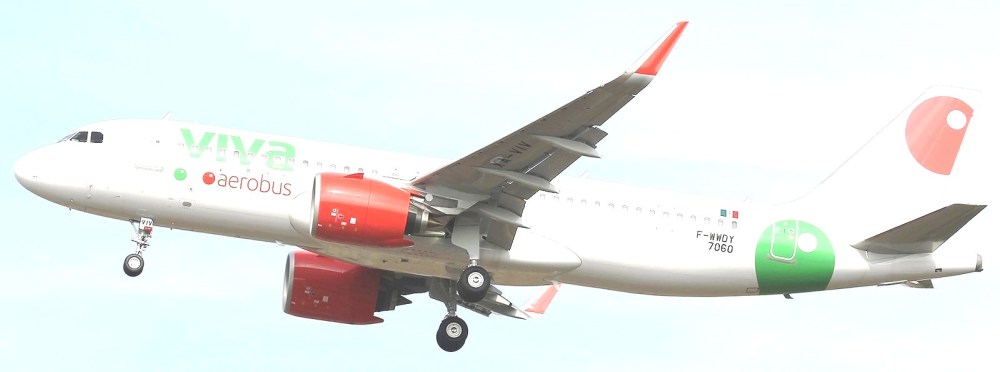

Algunos inversores dicen que es innovador, sin embargo, y podría atraer inversiones de Medio Oriente, Europa y Asia. Pero muchos economistas argumentan que el Petro no resolverá los muchos problemas de Venezuela, incluida la escasez de alimentos, la caída en picado de la producción de petróleo y un éxodo masivo.

Venezuela le debe a los tenedores de bonos, compañías petroleras, aerolíneas, China, Rusia y otros acreedores alrededor de $ 141 mil millones, según un informe del último otoño de Moody’s Investor Service. El gobierno ha estado en incumplimiento de parte de su deuda desde noviembre.

No está claro cuánta demanda extraerá el petro. El Departamento del Tesoro de EEUU advirtió en enero que los inversores que compran la criptomoneda pueden estar expuestos al riesgo de sanciones de Estados Unidos. En agosto, la administración Trump golpeó al régimen de Maduro con sanciones financieras que impiden que los tenedores de bonos con negocios en los Estados Unidos compren nuevos bonos del gobierno venezolano. Tampoco está claro cómo los inversores podrán vender el petro. Por ahora, los inversores tienen que comprarlo con otras monedas del mundo. No pueden comprarlo con la moneda oficial de Venezuela, el bolívar, que no vale casi nada debido a la hiperinflación.

Los Estados Unidos, Europa y otros críticos globales de Maduro pueden aumentar la presión pronto para obligarlo a abandonar o adoptar reformas democráticas. La administración de Maduro ha convocado elecciones presidenciales el 22 de Abril 2018, pero no se permite la participación de líderes de la oposición.

El secretario de Estado Rex Tillerson dijo en un reciente viaje a América Latina que Estados Unidos está considerando prohibir el petróleo venezolano, la única fuente viable de ingresos para el Gobierno de Venezuela. A \ W

Resultado de imagen para aserca airlines santa barbara airlines

The collapse of aviation in Venezuela

Aviation in Venezuela has entered a spiral of corruption, incompetence and mismanagement leading to the collapse of Venezuelan airlines

Venezuela is facing an unprecedented economic crisis with a debuted currency and inflation that amounts to 4,000%. The aircraft fleet of the main Venezuelan airlines will not lift flights this week due to sanctions imposed by the National Institute of Aeronautics (INAC).

The agency in charge of aviation regulations in Venezuela filed sanctions against the airlines Aserca Airlines and Santa Bárbara Airlines (SBA). Both airlines temporarily ceased operations in Venezuela.

Venezuelan airlines

In the case of Santa Bárbara Airlines, it was suspended on January 26, 2018 for 90 days due to the impossibility of complying with its scheduled itinerary, a complaint that has been repeated among Venezuelans who have been stranded on several occasions at the International Airport of Miami after the airline suspended flights for different reasons, the Venezuelan company said it would use that three-month period to advance «the process of internal re-engineering, in order to solve the problem.

Aserca Airlines announced on February 16, 2018 in a message on Twitter that it interrupted the itineraries of its flights from February 15 to 23 for technical reasons. But the reality is that the INAC suspended its operations immediately for not having paid the insurance of their aircraft.

«As well as the SBA they were mismanaged, they bought the wrong parts for their planes, keeping them on land indefinitely, leaving thousands of stranded passengers and now fleeing the country hiding from their responsibilities», said an Aserca Airlines pilot.

«Due to the terrible management and the corrupt environment in which these two airlines operate, I am now forced to move to Asia to look for better opportunities», a former Santa Barbara employee told Aque. He now works in Hong Kong.

Another affected airline is Conviasa, whose planes remain on the ground due to pressure from airline employees. More international airlines leave Venezuela with the passage of time, due to the growing debt that agglomerates the government of Nicolás Maduro with air transport companies.

Workers have announced that they halted their activities for better wages. On the other hand, employees are pressured in each assembly that takes place in the company. 40% of the staff has migrated to other national or foreign companies.

Jorge Álvarez, President of the Chamber of Venezuelan Air Transport Companies (Ceveta), recalled that although all the materials needed to maintain the aircraft must be acquired abroad, the government has not allocated dollars for the industry for six years.

International airlines

The demand for tickets decreased enormously. The exchange system from bolivars to dollars was very complex. Inflation consumes the few incomes, a system that is suffocating the Venezuelan economy.

Many international airlines have withdrawn from Venezuela. Among them have raised their scale Avianca, United Airlines, Dynamic Airways, Aeromexico, Lufthansa, Alitalia, Air Canada, Aerolíneas Argentinas, Tame Airlines, Latam Airlines, Tiara Air, Gol Linhas Aéreas, Delta Air Lines and Insel Air.

Among the companies still flying to and from Venezuela are the American Airlines, the Panamanian Copa Airlines and the European Air Europa, Iberia, TAP Portugal and Air France. However, these companies have also had to reduce their routes and frequencies, leaving fewer options for Venezuelans. A \ W

The cryptocurrency Petro

Venezuela tries to solve the unprecedented economic crisis

Resultado de imagen para petro monedaThe Venezuelan government launched on Tuesday the first cryptocurrency called Petro, to help its economy collapse. The Petro is backed by the Venezuelan reserves of precious metals such as gold and crude oil. The country has the largest reserves of crude oil in the world. The Petro does not grant investors any ownership interest in Venezuelan oil.

Some investors say it is innovative, however, and could attract investments from the Middle East, Europe and Asia. But many economists argue that Petro will not solve Venezuela’s many problems, including food shortages, the plummeting oil production and a mass exodus.

Venezuela owes bondholders, oil companies, airlines, China, Russia and other creditors around $ 141 billion, according to a report last fall from Moody’s Investor Service. The government has been in default on part of its debt since November.

It is not clear how much demand the petro will extract. The US Treasury Department warned in January that investors who buy the cryptocurrency may be at risk of US sanctions. In August, the Trump administration hit the Maduro regime with financial sanctions that prevent bondholders with businesses in the United States from buying new Venezuelan government bonds. It is also unclear how investors can sell the petro. For now, investors have to buy it with other currencies in the world. You can not buy it with the official currency of Venezuela, the bolivar, which is worth almost nothing due to hyperinflation.

The United States, Europe and other global critics of Maduro may increase the pressure soon to force him to abandon or adopt democratic reforms. The Maduro administration has called presidential elections on April 22, 2018, but the participation of opposition leaders is not allowed.

Secretary of State Rex Tillerson said in a recent trip to Latin America that the United States is considering banning Venezuelan oil, the only viable source of income for the Venezuelan government. A \ W


Ξ A I R G W A Y S Ξ
SOURCE:  Airgways.com
DBk: 800noticias.com / Wikimedia.org
AW-POST: 201802221450AR

A\W   A I R G W A Y S ®


Irelandia Investments extiende sus alas

AW-7889990

AW | 2018 02 19 11:08 | AIRLINES / AIRLINES MARKET

0bfe65ec715c7e47376acb6ae7f8dcc91cf61c56El Grupo Irelandia Investsments Ltd. expande sus inversiones en América

VivaColombia fue un proyecto presentado por el mexicano William Shaw. La compañía necesitaba recursos y en 2010 lograron la financiación necesaria a través de cuatro inversionistas que aportaron por partes iguales: Irelandia Investments Ltd., el Grupo Iamsa (un conglomerado con larga trayectoria en el transporte terrestre en México), el Grupo Bolívar Colombia (el componente financiero) y el Grupo Fast (los fundadores y empresarios). Después de seis años, en noviembre de 2016, Irelandia Investments se quedó con el 100% de las acciones de VivaColombia. Vendió su participación de 49% a VivaAerobus, la aerolínea de bajo costo mexicana, a su único socio, el Grupo Iamsa. Además del intercambio de acciones entre aerolíneas con Iamsa.

El mayor accionista y CEO de Irelandia Investments Ltd. y por lo tanto, dueño de VivaColombia es el irlandés, Declan Ryan, hijo de Tony Ryan. Thomas Anthony Ryan, es famoso en el mundo de la aviación por la fundación y diseño de operación de la compañía área de bajo costo que lleva su apellido, Ryanair, a través de la cual, se convirtió en uno de los hombres más ricos de Irlanda.

viva-avion

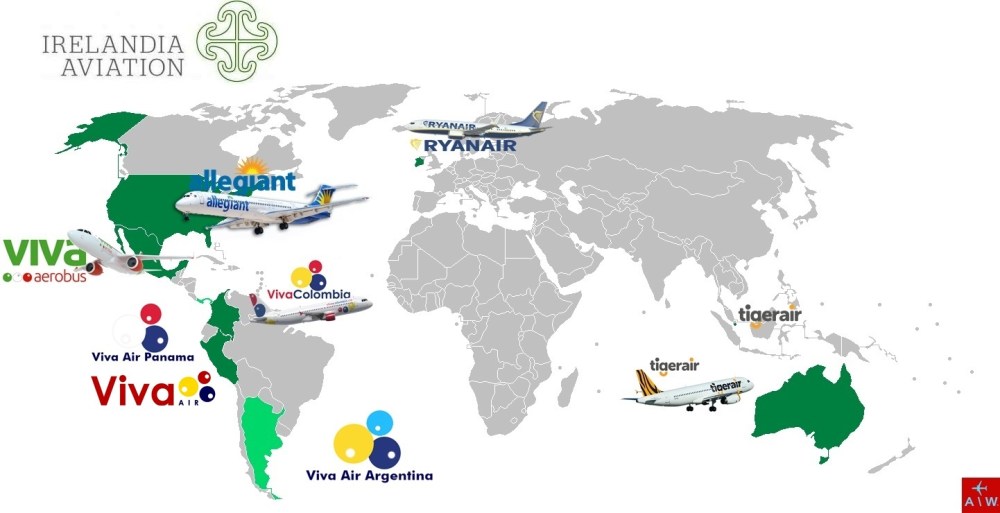
Ryanair es hoy la aerolínea de bajo costo que realiza más viajes en Europa, y donde Declan Ryan además de poseer acciones, mantuvo diferentes cargos por más de diez años. Declan ha participado a través del fondo de inversión que administra en Dublin, Irelandia Investments, en el desarrollo de seis aerolíneas de bajo costo en el mundo, Ryanair en Europa, Tiger Airways en Asia, Allegiant Airlines en Estados Unidos, VivaAerobus en México, VivaColombia en Colombia y Viva Air en Perú, las cuales suman una flota de más de 420 aviones, y han transportado más de un billón de pasajeros.

VivaColombia, modelo irlandés

El modelo de VivaColombia se implementó siguiendo el prototipo de operación de aerolínea de bajo costo previamente establecido por Irleandia Investments en el mundo y aprovechando la experiencia regional adquirida en México. Uno de cuyos factores claves, es explotar una flota homogénea y nueva, de manera que se reduzcan los costos de mantenimiento y así poder ofrecer muchas horas de vuelo sin interrupción. En consecuencia, el año pasado, William Shaw cerró la compra de 50 aviones de la familia A320 a la compañía europea Airbus, 15 de un modelo y 35 de otro, por valor de 5.300 millones de dólares. Siete de estos nuevos aviones llegaran a Colombia y Perú en el tercer y cuarto trimestre de 2018, la tecnología de estos aviones permitirá ahorros en combustible, operación y mantenimiento.

Declan Ryan es desde Enero 2018 el dueño de VivaColombia a través de Irelandia Investments. Ha indicado que su objetivo durante los próximos años, es enfocarse en la expansión en Latinoamérica a través de la marca Viva, sobre la cual operarán todas las aerolíneas del grupo. Viva Air que opera desde Panamá desde 2015, es el holding del grupo Latinoamericano, donde por primera vez, Declan tiene la mayoría accionaria. Próximamente, tanto VivaColombia como Viva Air Perú, pasarán a llamarse Viva Air, y su sitio web: http://www.vivair.com


AW-70006655

Próximas inversiones

Irelandia esperaba iniciar una nueva aerolínea en Argentina en 2017, con la apertura de la «Revolución de los Aviones». Declan Ryan se había encontrado con Guillermo Dietrich, Ministro de Transporte de Argentina.

De nuevo al ruedo, el Grupo Irelandia Investments Ltd. ha insinuado volver con inversiones en Argentina de la mano de VivaArgentina o Viva Air Argentina. Aunque bajo un escenario más competitivo, deberá conquistar el mercado de bajo costo que para entonces estaría dominado por Flybondi y Norwegian Air Argentina. Actualmente, tiene en la mira la apertura de los mercados de Argentina y en la República de Panamá. AIRWAYS® AW-Icon TXT

Resultado de imagen para Irelandia Investments Ryanair

Irelandia Investments spreads its wings

image008-300x200The Irelandia Investsments Ltd. Group expands its investments in America

VivaColombia was a project presented by the Mexican William Shaw. The company needed resources and in 2010 they obtained the necessary financing through four investors that contributed equally: Irelandia Investments Ltd., the Iamsa Group (a conglomerate with a long track record in land transport in Mexico), the Bolívar Group Colombia (the financial component) ) and the Fast Group (the founders and entrepreneurs). After six years, in November 2016, Irelandia Investments was left with 100% of the shares of VivaColombia. It sold its 49% stake to VivaAerobus, the Mexican low-cost airline, to its sole partner, the Iamsa Group. In addition to the exchange of shares between airlines with Iamsa.

0bfe65ec715c7e47376acb6ae7f8dcc91cf61c56The largest shareholder and CEO of Irelandia Investments Ltd. and therefore, owner of VivaColombia is the Irishman, Declan Ryan, son of Tony Ryan. Thomas Anthony Ryan, is famous in the world of aviation for the foundation and design of operation of the company low cost area that bears his VIVACOLOMBIA_WEB (1)surname, Ryanair, through which, he became one of the richest men in Ireland.
Ryanair is today the low cost airline that makes the most trips in Europe, and where Declan Ryan besides owning shares, held different positions for more than ten years. Declan has participated through the investment fund that it manages in Dublin, Irelandia Investments, in the development of six low cost airlines in the world, Ryanair in Europe, Tiger Airways in Asia, Allegiant Airlines in the United States, VivaAerobus in Mexico, VivaColombia in Colombia and Viva Air in Peru, which add up to a fleet of more than 420 aircraft, and have transported more than a billion passengers.

VivaColombia, Irish model

dt.common.streams.StreamServerThe VivaColombia model was implemented following the prototype of low cost airline operation previously established by Irelandia Investments in the world and taking advantage of the regional experience acquired in Mexico. One of its key factors is to exploit a homogeneous and new fleet, so that maintenance costs are reduced and thus be able to offer many hours of flight without interruption. As a result, last year, William Shaw closed the purchase of 50 aircraft of the A320 family to the European company Airbus, 15 of one model and 35 of another, worth 5,300 million dollars. Seven of these new aircraft will arrive in Colombia and Peru in the third and fourth quarter of 2018, the technology of these aircraft will allow savings in fuel, operation and maintenance.

Declan Ryan is since January 2018 the owner of VivaColombia through Irelandia Investments. Declan has indicated that its goal over the next few years is to focus on the expansion in Latin America through the Viva brand, on which all the group’s airlines will operate. Viva Air, which operates from Panama since 2015, is the holding company of the Latin American group, where for the first time, Declan has the majority shareholding. Soon, both VivaColombia and Viva Air Peru, will be renamed Viva Air, and its website: http://www.vivair.com

Upcoming investments

Irelandia expected to start a new airline in Argentina in 2017, with the opening of the «Aircraft Revolution». Declan Ryan had met with Guillermo Dietrich, Minister of Transport of Argentina. Back to the ring, the Irelandia Investments Ltd. Group has hinted at returning investments in Argentina from VivaArgentina or Viva Air Argentina. Although under a more competitive scenario, you must conquer the low-cost market that would then be dominated by Flybondi and Norwegian Air Argentina. Currently, it is targeting the opening of the markets of Argentina and the Republic of Panama. A \ W


Ξ A I R G W A Y S Ξ
SOURCE:  Airgways.com
DBk: Irelandiaaviation.ie / Airgways.com / Hl.co.uk
AW-POST: 2018021911008AR

A\W   A I R G W A Y S ®

Justicia de Argentina pide informe sobre seguridad aérea

AW-70089771.png

AW | 2018 02 18 08:30 | AIRLINES MARKET / AVIATION SAFETY

La Justicia ha solicitado al Gobierno de Argentina informes sobre la seguridad de las low cost operativa de las nuevas líneas aéreas

Avion+Boeing+737+FlybondiLa Justicia de Argentina ha exigido al gobierno la solicitud de informes sobre las líneas aéreas low cost. La Justicia transmitió las inquietudes por los reiterados incidentes ocurridos en las últimas semanas, solicitando al Poder Ejecutivo las medidas tomadas para garantizar la seguridad del tráfico aéreo y el uso racional del espacio, después de la implementación del Plan «La Revolución de los Aviones».
El Ministerio de Transporte, la Administración Nacional de Aviación Civil (ANAC), el Organismo Regulador del Sistema Nacional de Aeropuertos (ORSNA) y la Empresa Argentina de Navegación Aérea (EANA) debieron responder a los oficios enviados por la Justicia, que requerían «informes pormenorizados» con las gestiones para afrontar la incorporación de nuevos actores en el mercado aéreo.

La investigación recabó información relativa al aumento de las operaciones, al desembarco de nuevos operadores y a la decisión de mudar servicios de un aeropuerto a otro. Así, el juez definió pedir explicaciones al Gobierno.

El gobierno de Argentina ha otorgado unas 300 rutas a seis empresas, mientras otros siete operadores ya pidieron permisos para volar. Avianca recibió 16 rutas (y solicitó más), mientras que Norwegian obtuvo 152 permisos y Flybondi, 85. Esta aerolínea -que comenzó a operar en los últimos días con algunos traspiés- también está bajo la lupa judicial porque su titular, Richard Guy Gluzman, fue socio del vicejefe de Gabinete, Mario Quintana.

Respuesta oficial

Los organismos oficiales presentaron sus escritos a la Justicia entre diciembre y los primeros días de febrero.

Desde la ANAC le explicaron al juez que se realiza una vigilancia permanente de la seguridad operacional mediante auditorías a los proveedores aéreos. La entidad aseguró en su escrito que todos los candidatos a explotar servicios cumplen la regulación vigente y demostraron los estándares establecidos.

El ORNSNA, el ente que controla los aeropuertos, le manifestó a la Justicia que analiza «planes maestros» tendientes a armonizar la infraestructura aeroportuaria con la demanda del tráfico aéreo.

Por su parte, la EANA, que monitorea situaciones críticas y trabaja sobre el diseño de las rutas aéreas, advirtió que para que las nuevas empresas salgan a la pista se requieren cuestiones técnicas y operativas. «En muchos casos el uso de rutas no resulta viable por limitaciones de equipos, tripulaciones y performance de navegación. Antes del uso de las rutas deben considerarse las capacidades de las pistas y los espacios aéreos», advirtió EANA.

El Ministerio de Transporte remitió una escrito de su titular, Guillermo Dietrich. La cartera asegura que busca duplicar la cantidad de pasajeros e implementar un plan por $24.000 millones para nueva infraestructura y tecnología.

La Justicia analizará ahora los informes oficiales presentados por los correspondientes organismos públicos para ser analizados.  AIRWAYS® AW-Icon TXT

AW-0 (141).JPG

Justice of Argentina requests a report on aviation security

The Justice has requested the Government of Argentina reports on the safety of the operational low cost of the new airlines

The Justice of Argentina has demanded to the government the request of reports on the airlines low cost. The Justice conveyed concerns about the repeated incidents occurred in recent weeks, requesting the Executive Branch the measures taken to ensure the safety of air traffic and the rational use of space, after the implementation of the Plan «The Aircraft Revolution».

The Ministry of Transport, the National Administration of Civil Aviation (ANAC), the Regulatory Body of the National Airport System (ORSNA) and the Argentine Air Navigation Company (EANA) had to respond to the offices sent by the Justice, which required «reports detailed «with the efforts to face the incorporation of new actors in the air market.

The investigation gathered information regarding the increase in operations, the disembarkation of new operators and the decision to move services from one airport to another. Thus, the judge defined request explanations to the Government.

The government of Argentina has granted 300 routes to six companies, while seven other operators have already requested permits to fly. Avianca received 16 routes (and requested more), while Norwegian obtained 152 permits and Flybondi, 85. This airline – which began operating in recent days with some missteps – is also under the judicial lens because its owner, Richard Guy Gluzman, He was a partner of the Deputy Chief of Staff, Mario Quintana.

Official response

The official bodies presented their writings to the Court between December and the first days of February.

From the ANAC they explained to the judge that a permanent surveillance of the operational safety is carried out through audits to the air providers. The entity said in its letter that all candidates to operate services comply with the regulations in force and demonstrated the established standards.

The ORNSNA, the entity that controls the airports, told the Justice that it analyzes «master plans» tending to harmonize the airport infrastructure with the air traffic demand.

For its part, the EANA, which monitors critical situations and works on the design of air routes, warned that technical and operational issues are required for new companies to take to the runway. «In many cases the use of routes is not feasible due to limitations of equipment, crews and navigation performance, before the use of the routes, the capabilities of the runways and airspaces must be considered», EANA warned.

The Ministry of Transport submitted a letter from its owner, Guillermo Dietrich. The portfolio ensures that it seeks to double the number of passengers and implement a plan for $ 24,000 million for new infrastructure and technology.

The Justice will now analyze the official reports submitted by the corresponding public bodies to be analyzed. A \ W


Ξ A I R G W A Y S Ξ
SOURCE:  Airgways.com
DBk: Lanacion.com.ar / Airgways.com
AW-POST: 201802180830AR

A\W   A I R G W A Y S ®

«Free to Fly Act» toma forma en EEUU

Resultado de imagen para Congress US

AW | 2018 02 16 11:17 | AIRLINES MARKET / GOVERNMENT

«Ley de Libertad para Volar» quiere eliminar el límite de inversión extranjera en las aerolíneas

Dave Brat (R-Va.), presentó la HR 500, también conocida como «Free to Fly Act«, con el objetivo de eliminar una regulación anticuada y anticompetitiva que impide la inversión extranjera en las líneas aéreas de los Estados Unidos. Dave Brat es un economista estadounidense y miembro de la Cámara de Representantes de los Estados Unidos, que sirve en el séptimo distrito congresional del Estado de Virginia desde 2014.

El proyecto de ley deroga una restricción de la década de 1920 que obstaculiza la inversión en aerolíneas estadounidenses y limita la propiedad extranjera en aerolíneas estadounidenses con un 25%. Esto aumenta el costo del capital y limita las opciones del consumidor, según Dave Brat. La Ley de libertad para volar busca eliminar el límite por completo. «La eliminación de esta restricción desactualizada está muy atrasada. Como economista, entiendo que obstaculizar la inversión perjudica a las empresas, los trabajadores y los consumidores estadounidenses. La ley Free to Fly Act estimularía y ampliaría la industria de viajes y turismo, crearía más opciones y reduciría los precios para los consumidores, al tiempo que aumentaría la estabilidad financiera de las aerolíneas estadounidenses y crearía empleos para los trabajadores estadounidenses. La administración actual ha abogado con éxito por más inversión extranjera en Estados Unidos, y es hora de que permitamos que la industria de las aerolíneas de EEUU y el público viajero también se beneficien de la inversión extranjera. La Ley de Libertad para Volar es una victoria para los consumidores, trabajadores y aerolíneas de los Estados Unidos», expresó Dave Brat.

Apoyo a la Ley «Free to Fly Act»

El proyecto de ley ha recibido el apoyo de varios grupos de la industria de viajes, incluida la Asociación de Viajes de los EEUU. La Asociación de Viajes de EEUU ha subrayado la necesidad de modernizar los viajes aéreos de los EEUU y señala que uno de los principales problemas que enfrenta la industria es la falta de competencia y el envejecimiento de la infraestructura y los sistemas obsoletos de navegación. Señala que se espera que los viajes aéreos aumenten exponencialmente en los próximos años, creciendo de 756 millones de embarques por año a casi U$S 927 millones.

Paul Hudson, presidente de FlyersRights.org, una organización de consumidores de líneas aéreas sin fines de lucro, dijo: «Reformar o revocar leyes y políticas que prohíben la competencia extranjera, inhibir las nuevas compañías aéreas nacionales y la expansión es esencial para mejorar el transporte aéreo para el 99% de los estadounidenses y las empresas que dependen del transporte aéreo comercial para el transporte de larga distancia».

Si bien la Sociedad Estadounidense de Agentes de Viajes (ASTA) está de acuerdo en que se necesita competencia, no está de acuerdo con el contenido del proyecto de ley. «En respuesta al alcance de la oficina del Representante Brat antes de la presentación del proyecto de ley, hicimos varias rondas de consultas con nuestros miembros sobre el tema. Al final, aunque estamos de acuerdo en que la industria aérea de los Estados Unidos sufre de falta de competencia, la posición de ASTA, mantenida desde hace mucho tiempo, sigue respaldando elevar el límite de propiedad extranjera al 49 por ciento, lo que correspondería a Canadá y la Unión Europea, pero no acabar con todo esto», dijo Eben Peck, vicepresidente ejecutivo de incidencia política de ASTA. AIRWAYS® AW-Icon TXT

Resultado de imagen para Congress US

Freedom to Fly Act takes shape in the US

Imagen relacionada«Free to Fly Act» wants to eliminate the limit of foreign investment in airlines
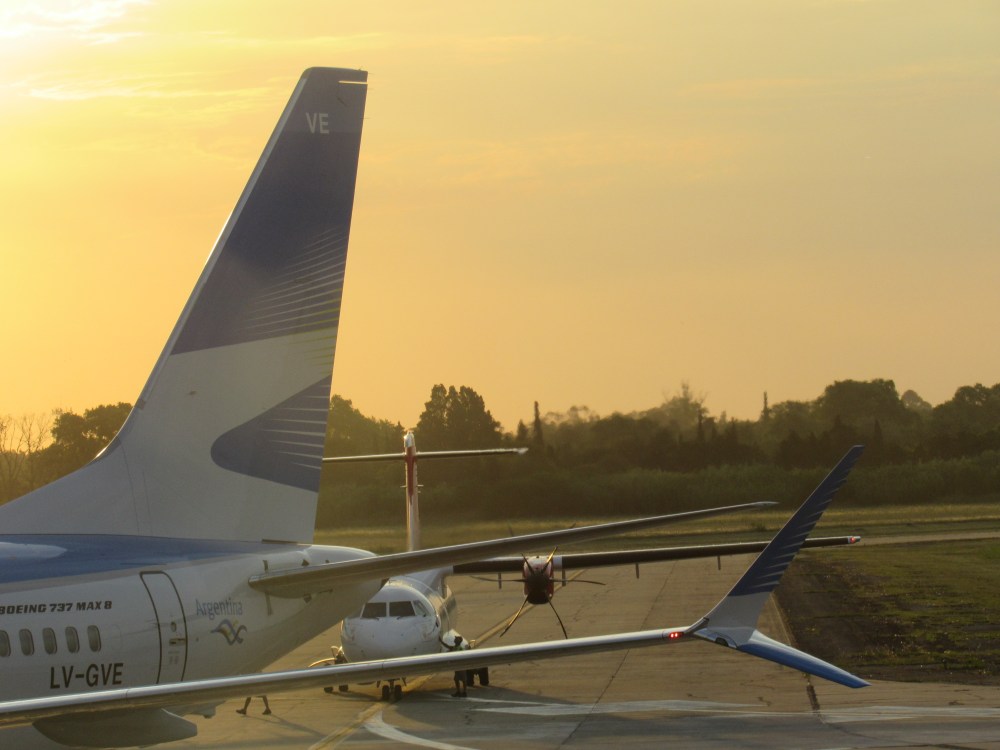
Dave Brat (R-Va.), Presented the HR 500, also known as the «Free to Fly Act«, with the aim of eliminating antiquated and anti-competitive regulation that prevents foreign investment in United States airlines. Dave Brat is an American economist and member of the House of Representatives of the United States, who serves in the seventh congressional district of the State of Virginia since 2014.

Resultado de imagen para Free to Fly Act

The bill repeals a restriction of the 1920s that hinders investment in US airlines and limits foreign ownership on US airlines with 25%. This increases the cost of capital and limits the consumer’s options, according to Dave Brat. The Freedom to Fly Law seeks to eliminate the limit completely. «The elimination of this outdated restriction is very far behind As an economist, I understand that hindering investment hurts US businesses, workers and consumers The Free to Fly Act would stimulate and expand the travel and tourism industry, create more options and reduce prices for consumers, while increasing the financial stability of US airlines and creating jobs for American workers. The current administration has successfully advocated for more foreign investment in the United States, and it is time for us to allow the The US airline industry and the traveling public also benefit from foreign investment. The Freedom to Fly Act is a victory for consumers, workers and airlines in the United States», said Dave Brat.

Support for the Law «Free to Fly Act»

The bill has received support from several groups in the travel industry, including the US Travel Association. The US Travel Association has stressed the need to modernize air travel in the US and points out that one of the main problems facing the industry is the lack of competition and the aging of infrastructure and obsolete navigation systems. He points out that air travel is expected to increase exponentially in the coming years, growing from 756 million shipments per year to almost U$S 927 million.

Paul Hudson, president of FlyersRights.org, a nonprofit airline consumer organization, said: «Reforming or repealing laws and policies that prohibit foreign competition, inhibit new national airlines and expansion is essential to improve Air travel for 99% of Americans and businesses that rely on commercial air transport for long-distance transportation».

While the American Society of Travel Agents (ASTA) agrees that competition is needed, it does not agree with the content of the bill. «In response to the scope of Representative Brat’s office prior to the presentation of the bill, we did several rounds of consultations with our members on the issue, but in the end, although we agree that the United States airline industry suffers from lack of competition, ASTA’s position, maintained for a long time, continues to support raising the limit of foreign ownership to 49 percent, which would correspond to Canada and the European Union, but not to end all this», said Eben Peck, executive vice president of ASTA advocacy. A \ W


Ξ A I R G W A Y S Ξ
SOURCE:  Airgways.com
DBk: Transportation.gov / Twitter.com/RepDaveBrat / Dw.com / Desaulnier.house.gov / Associated Press (AP)
AW-POST: 201802161117AR

A\W   A I R G W A Y S ®

Estrategias mercado aéreo en Argentina

AW-0 (136).JPG

AW | 2018 02 06 22:38 | AIRLINES MARKET

El mercado de cabotaje está experimentando un aumento de la competencia en Argentina debido al arribo de las compañías low-cost

El espacio aéreo en Argentina está dominado por el Grupo Aerolíneas Argentinas/Austral Líneas Aéreas y Latam Airlines en un 95% de la cuota de mercado.

AU E190-100AR

Las tarifas aéreas están experimentando una baja en los destinos domésticos como así también los pasajeros están disfrutando promociones en las rutas de cabotaje. Las aerolíneas clásicas están aprovechando la dinámica del mercado optimizando la calidad en los servicios, mientras que las líneas aéreas low-cost promueven tarifas aéreas más flexibles.

El mercado de cabotaje en Argentina se reparten en un 75% el Grupo Aerolíneas/Austral, un 20% Latam Airlines, un 3% Andes Líneas Aéreas, y un 2% las restantes líneas aéreas.

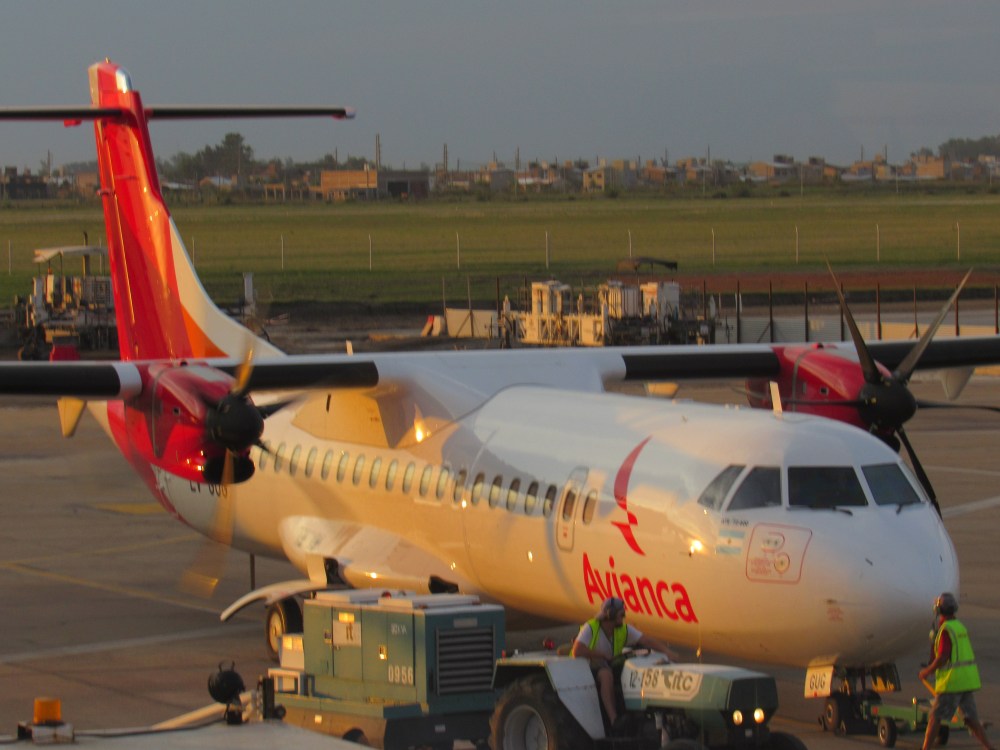
La apertura aérea en Argentina viene alentada por el estímulo de más competidores en el segmento aéreo como Avianca Líneas Aéreas, Flybondi, Norwegian Air Argentina, entre otras, lo que está generando un aumento paulatino de tráfico aéreo. El ingreso de líneas aéreas clásicas y de bajo costo alentará a más usuarios a utilizar por primera vez el transporte aéreo, un mercado que ha estado cautivo por muchos años, después de la quiebra de LAPA Líneas Aéreas.

En el 2017 el tráfico de pasajeros en Argentina fue de alrededor de 12.980.000, lo que representó un aumento del 15% respecto al año 2016. La «Revolución de los Aviones» ha comensado a mostrar nuevos números que conoceremos con el transcurso del 2018. AIRWAYS® AW-Icon TXT


0002895677

New air market strategies in Argentina

The cabotage market is experiencing an increase in competition in Argentina due to the arrival of low-cost companies

The airspace in Argentina is dominated by the Grupo Aerolineas Argentinas / Austral Líneas Aéreas and Latam Airlines in 95% of the market share.

SONY DSCAir fares are experiencing a drop in domestic destinations as well as passengers are enjoying promotions on the cabotage routes. Classic airlines are taking advantage of market dynamics by optimizing service quality, while low-cost airlines promote more flexible air fares.
The cabotage market in Argentina is divided into 75% by the Aerolíneas / Austral Group, 20% by Latam Airlines, 3% by Andes Líneas Aéreas, and 2% by the other airlines.

The air opening in Argentina is encouraged by the encouragement of more competitors ATR-72.jpgin the airline segment such as Avianca Líneas Aéreas, Flybondi, Norwegian Air Argentina, among others, which is generating a gradual increase in air traffic. The entry of classic and low-cost airlines will encourage more users to use air transport for the first time, a market that has been held captive for many years after the bankruptcy of LAPA Líneas Aéreas.
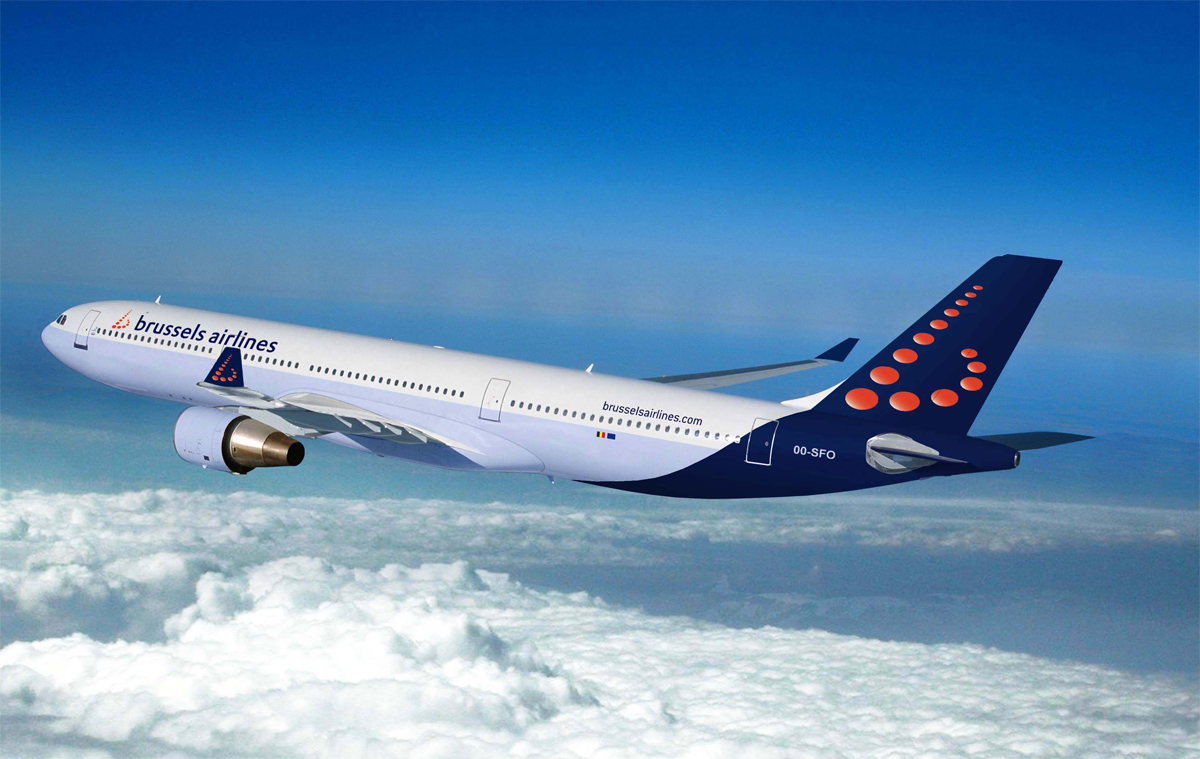
In 2017, passenger traffic in Argentina was around 12,980,000, which represented an increase of 15% over 2016. «The Aircraft Revolution» has begun to show new numbers that we will know in 2018 . A \ W


Ξ A I R G W A Y S Ξ
SOURCE:  Airgways.com
DBk: Airgways.com / Andesonline.com.ar / Avianca.com
AW-POST: 201802062238AR

A\W   A I R G W A Y S ®

Bélgica rechaza que Lufhansa cierre Brussels Airlines

AW | 2018 02 06 09:39 | AIRLINES MARKET

Resultado de imagen para Brussels Airlines logoBrussels Airlines está luchando porque su aerolínea no sufra los embates del coloso Lufthansa

Brussels Airlines, la principal aerolínea de Bélgica, está bajo la firma alemana Lufthansa. Brussels Airlines, la primera compañía de Bélgica, cuyo propietario es Lufthansa está impaciente por los resultados económicos esperados y está decidiendo acabar con la aerolínea e incorporarla a Eurowings, su filial ‘low cost’.

Revuelo belga

Un grupo de ejecutivos alemanes han viajado a Bruselas a explicar qué piensan hacer. El malestar se hizo sentir rápidamente ante un posible cierre de la aerolínea Brussels Airlines y una reorganización del mercado. Alrededor de cien compañías belgas se reunieran el lunes para exigirle a Lufthansa que mantenga a Brussels Airlines en Bruselas y que no la fusione con Eurowings y ser absorbida.

Lufthansa controla la compañía belga desde 2016 y ahora ha decidido despedir al Director General y al Director Financiero de la compañía en una reunión de su consejo de administración. Pero, la reacción belga ha sido contundente, incluso empresas belgas muy vinculadas a Alemania, como Solvay o AB Inbev, han publicado una carta en la que exigen que se mantenga la conectividad que ofrece Brussels Airlines, clave para poder vender sus productos.

Los sindicatos han dicho que, dependiendo de la decisión final de Lufthansa, consideran la posibilidad de convocar una huelga. “Estamos muy preocupados por cuántos puestos de trabajo quedarán en Bélgica si se produce el cierre de la compañía para ser absorbida”, dino Anita Van Hoof, del sindicato BBTK. AIRWAYS® AW-Icon TXT

Belgium rejects Lufhansa closing Brussels Airlines

Resultado de imagen para Brussels Airlines pngBrussels Airlines is struggling because its airline does not suffer the ravages of the Lufthansa colossus
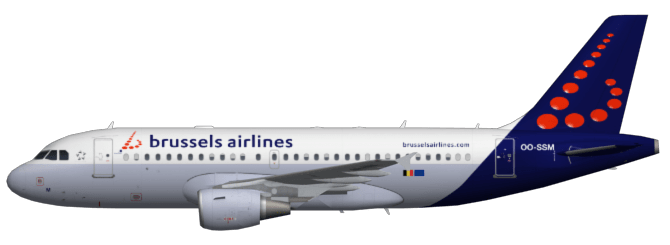
Brussels Airlines, the main airline in Belgium, is under the German company Lufthansa. Brussels Airlines, the first company in Belgium, whose owner is Lufthansa is impatient for the expected economic results and is deciding to take down the airline and incorporate it into Eurowings, its subsidiary ‘low cost’.

Belgian stir

Resultado de imagen para Brussels Airlines pngA group of German executives have traveled to Brussels to explain what they intend to do. The discomfort was felt quickly before a possible closure of the airline Brussels Airlines and a reorganization of the market. Around 100 Belgian companies met Monday to demand that Lufthansa keep Brussels Airlines in Brussels and not merge with Eurowings and be absorbed.

Lufthansa controls the Belgian company since 2016 and has now decided to dismiss the Chief Executive Officer and the Chief Financial Officer of the company at a meeting of its board of directors. But, the Belgian reaction has been forceful, even Belgian companies closely linked to Germany, such as Solvay or AB Inbev, have published a letter in which they demand that the connectivity offered by Brussels Airlines, key to selling their products, be maintained.

The unions have said that, depending on the final decision of Lufthansa, they consider the possibility of calling a strike. «We are very concerned about how many jobs will be left in Belgium if the company closes to be absorbed», said Anita Van Hoof, of the BBTK union. A \ W


Ξ A I R G W A Y S Ξ
SOURCE:  Airgways.com
DBk: Brusselsairlines.com
AW-POST: 201802060939AR

A\W   A I R G W A Y S ®