Robótica en Aeropuerto de Corea del Sur

AW | 2017 07 22 13:01 | AIRPORTS

Resultado de imagen para Airport Incheon logoRobots al servicio en el Aeropuerto Internacional de Incheon de Corea del Sur

LG ha puesto en servicio una serie de Airport Guide Robots y Airport Cleaning Robots en la terminal aérea del Aeropuerto Internacional de Incheon (IIA) para asistencia a pasajeros que llegan y salen de Corea del Sur.

Resultado de imagen para robots johnny 5 pngA partir del 21 de julio, LG ha puesto en servicio una serie de Airport Guide Robots y Airport Cleaning Robots en la terminal aérea para ayudar a los viajeros que llegan y salen de Corea. El Airport Guide Robot recorrerá el aeropuerto proporcionando información y asistencia a los visitantes, mientras que el Airport Cleaning Robot estará a su disposición para mantener los pisos impecables.

AEROPUERTO INTERNACIONAL DE INCHEON, COREA DEL SUR

Corea del Sur se prepara para el mayor evento deportivo de invierno de su historia, LG Electronics (LG) ofrecerá servicios automatizados en el Aeropuerto Internacional de Resultado de imagen para robots C-3PO R2D2 pngIncheon (IIA). Sus robots estarán en servicio en uno de los aeropuertos más grandes y con más tráfico del mundo, LG podrá proporcionar sus servicios de robótica a aproximadamente 57 millones de pasajeros que pasan por la terminal cada año. Mientras que los robots entraron oficialmente en servicio el día de ayer, han sido una presencia familiar para los viajeros frecuentes desde febrero, cuando comenzaron las pruebas beta en el Aeropuerto Incheon. Los ingenieros de LG han estado afinando los robots durante los últimos cinco meses, mejorando su rendimiento basándose en los datos y la experiencia acumulada durante el ensayo beta.

Los Airport Guide Robot están equipados con la plataforma de reconocimiento de voz de LG, y desarrollo el reconocimiento de cuatro idiomas diferentes: coreano, inglés, chino y japonés, los cuatro idiomas más populares que se hablan en la terminal, para brindar asistencia verbal. El robot puede conectarse al servidor central del aeropuerto para proporcionar información sobre el tiempo de embarque y las ubicaciones de restaurantes, tiendas y mucho más. Con una exploración rápida de un boleto de avión, el Airport Guide Robot puede acompañar al viajero atrasado o perdido a la puerta de salida correcta.

Los Airport Cleaning Robot realizan la obra de limpieza, la navegación autónoma y la capacidad de evitar objetos. Este robot detecta las áreas que requieren de limpieza más frecuente, almacena esas ubicaciones en su base de datos y calcula las rutas más eficientes para llegar allí.

Con la introducción de los robots de aeropuerto, LG demuestra su iniciativa y planea desarrollar y ampliar su negocio de robots comerciales como un motor de crecimiento futuro. “LG se dedica al avance y desarrollo de sus tecnologías robóticas, que incluye navegación, reconocimiento de voz, procesamiento de lenguaje y, por supuesto, DeepThinQ”, aseguró Song Dae-hyun, presidente de LG Electronics Home Appliance & Air Solutions Company. “Es este tipo de esfuerzo e innovación lo que impulsará a LG en la Cuarta Revolución Industrial”.  AIRWAYS® AW-Icon TXT

Robotics attend South Korea Airport

Robots in service at Incheon International Airport, South Korea

LG has put into service a series of Airport Guide Robots and Airport Cleaning Robots at the Incheon International Airport (IIA) air terminal for assistance to passengers arriving in and departing from South Korea.

Resultado de imagen para robots R2D2 pngAs of July 21, LG has put into service a series of Airport Guide Robots and Airport Cleaning Robots in the air terminal to assist travelers arriving and departing from Korea. The Airport Guide Robot will tour the airport providing information and assistance to visitors, while the Airport Cleaning Robot will be at your disposal to keep the floors immaculate.

South Korea prepares for the largest winter sports event in its history, LG Electronics (LG) will offer automated services at Incheon International Airport (IIA). Its robots will be in service at one of the largest and most trafficked airports in the world, LG will be able to provide robotics services to approximately 57 million passengers passing through the terminal each year. While the robots officially entered service yesterday, they have been a familiar presence for frequent travelers since February, when beta tests began at Incheon Airport. LG engineers have been tuning the robots over the past five months, improving their performance based on data and experience accumulated during the beta test.

The Airport Guide Robot is equipped with the LG Speech Recognition Platform and developed the recognition of four different languages: Korean, English, Chinese and Japanese, the four most popular languages ​​spoken at the terminal, to provide verbal assistance. The robot can connect to the central server of the airport to provide information on the time of shipment and the locations of restaurants, shops and much more. With a quick scan of a plane ticket, the Airport Guide Robot can accompany the backward or lost traveler to the correct exit door.

The Airport Cleaning Robot performs the cleaning task, the autonomous navigation and the ability to avoid objects. This robot detects the areas that require more frequent cleaning, stores those locations in its database and calculates the most efficient routes to get there.

With the introduction of airport robots, LG demonstrates its initiative and plans to develop and expand its commercial robot business as a future growth engine. «LG is dedicated to advancing and developing its robotic technologies, which includes navigation, voice recognition, speech processing, and of course DeepThinQ,» said Song Dae-hyun, president of LG Electronics Home Appliance & Air Solutions Company. «It’s this kind of effort and innovation that will propel LG into the Fourth Industrial Revolution.» A \ W


Ξ A I R G W A Y S Ξ
SOURCE:  Airgways.com
DBk:  Cdn.com / Japantimes.co.jp / Androidcentral.com
AW-POST: 201707221301AR

A\W   A I R G W A Y S ®

IATA urge a México gestión de slots

XA-EAC_Embraer_Emb.190_AeroMexico_Connect_(7630310148)

AW | 2017 07 21 16:14 | AIRPORTS

IATA ha reclamado a México a que adopte estándares internacionales de gestión de slots aeroportuarios

La Asociación de Transporte Aéreo Internacional (IATA) ha expresado a México a que adopte estándares internacionales de gestión de slots aeroportuarios, con el fin de maximizar las infraestructuras aéreas y garantizar la competitividad de la industria de aerolíneas en el país, ya que el sistema para la asignación de franjas horarias propuesto recientemente por la Comisión Federal de Competencia Económica de México (COFECE) se aleja de los estándares globales, lo que puede generar un gran perjuicio, pues la subasta de las franjas horarias al mejor postor por parte del organismo regulador puede limitar la competitividad del sector al dificultar la expansión o la entrada en el mercado de compañías aéreas menos consolidadas o más pequeñas, con menores recursos financieros para adquirir slots. Un mercado menos competitivo puede reducir la oferta de destinos e incrementar las tarifas aéreas.

La confiscación del 10% de slots en los aeropuertos congestionados puede reducir la frecuencia y el número de destinos de los viajes aéreos, lo que debilitaría las rutas y, en consecuencia, los ingresos de las aerolíneas. La retirada de slots según los criterios de puntualidad socava la capacidad de las aerolíneas para comprometerse con un servicio a largo plazo e ignora el enorme esfuerzo e inversión de las aerolíneas para ser puntuales. Además, no hay pruebas de que la relación entre puntualidad y slots mejore la puntualidad de las aerolíneas. Siempre existirán retrasos imprevistos que alterarán inevitablemente los horarios establecidos.

Las compañías aéreas que cumplen los estándares globales responden a los intereses de los consumidores. Las Directrices Mundiales de Slot (WSG, por sus siglas en inglés) de la IATA son el estándar mundial para la asignación y uso de slots. Las WSG garantizan que cada aerolínea pueda operar conforme a sus horarios en toda su red de rutas bajo una normativa armonizada. Esa garantía se traduce en beneficios para el consumidor a través de operaciones eficientes y fiables.

“Es necesario una implementación integral de las WSG para una gestión inteligente de la capacidad en un hub tan importante como el de Ciudad de México, así como en otros aeropuertos del país. Las WSG garantizan la eficiencia en todos los aeropuertos, especialmente en aquellos con severas limitaciones de capacidad, como Ciudad de México. La aviación es vital para la economía mexicana ‒genera un millón de empleos y contribuye con 38.000 millones de dólares anualmente a la economía del país‒. Urge la completa e inmediata implementación de las WSG para que México pueda seguir disfrutando de los beneficios de la aviación”, dijo Peter Cerda, vicepresidente regional para las Américas de la IATA.  AIRWAYS® AW-Icon TXT

IATA urges Mexico slots management

IATA has called on Mexico to adopt international airport slot management standards

The International Air Transport Association (IATA) has expressed to Mexico that it adopt international airport slot management standards, in order to maximize air infrastructures and ensure the competitiveness of the airline industry in the country, since the system for The allocation of slots recently proposed by the Federal Economic Commission for Mexico (COFECE) departs from the global standards, which can cause a great damage, since the auction of slots to the highest bidder by the regulatory body can Limit the competitiveness of the sector by hindering the expansion or entry into the market of less consolidated airlines or smaller airlines with less financial resources to acquire slots. A less competitive market can reduce the supply of destinations and increase air fares.

Confiscation of 10% of slots at congested airports can reduce the frequency and number of air travel destinations, which would weaken routes and, consequently, airline revenues. The withdrawal of slots according to the criteria of punctuality undermines the ability of the airlines to commit to a long-term service and ignores the enormous effort and investment of the airlines to be punctual. In addition, there is no evidence that the relationship between punctuality and slots improves the punctuality of airlines. There will always be unforeseen delays that will inevitably alter established schedules.

Airlines that meet global standards respond to the interests of consumers. The IATA World Slot Guidelines (WSG) are the global standard for slots allocation and use. The WSG ensures that each airline can operate according to its schedules throughout its route network under a harmonized standard. This guarantee translates into benefits for the consumer through efficient and reliable operations.

«Comprehensive implementation of the WSG is required for intelligent capacity management in a hub as important as Mexico City, as well as other airports in the country. WSGs ensure efficiency at all airports, especially those with severe capacity constraints, such as Mexico City. Aviation is vital to the Mexican economy – it generates one million jobs and contributes $ 38 billion annually to the country’s economy. It urges the full and immediate implementation of the WSG so that Mexico can continue to enjoy the benefits of aviation«, said Peter Cerda, IATA’s regional vice president for the Americas. A \ W


Ξ A I R G W A Y S Ξ
SOURCE:  Airgways.com
DBk:  Expansion.mx / Wikiwand.org
AW-POST: 201707211614AR

A\W   A I R G W A Y S ®

El Palomar 3er aeropuerto metropolitano

71952511

AW | 2017 07 14 17:09 | AIRPORTS

1290330462_7f3a7c732b_o1El Palomar se convertirá en el tercer aeropuerto del área metropolitana junto con Aeroparque Jorge Newbery y Ezeiza

El Ministro de Transporte de la Nación, Guillermo Dietrich, subrayó que la terminal aérea de El Palomar se convertirá en el tercer aeropuerto en importancia del área Metropolitana de la Ciudad de Buenos Aires. “Muy pronto Buenos Aires contará con tres aeropuertos centrales para operaciones: Ezeiza, Aeroparque y El Palomar”, expresó el ministro.

El Ministro de Transporte detalló que la futura regionalización culminará con el traslado en dos etapas la migración de los vuelos regionales desde Aeroparque a Ezeiza. Desde el gobierno de Argentina sostienen que la regionalización favorecerá a Aerolíneas Argentinas. Sosteniendo que “Aerolíneas Argentinas va a ser una de las más beneficiadas”.

FLYBONDI LÍNEAS AÉREAS ES LA IMPULSORA DEL PROYECTO REGIONAL DE EL PALOMAR

El Aeropuerto Internacional de Ezeiza potenciará sus vuelos consolidando la regionalización ampliando su red de cabotaje desde Ezeiza y ampliando su expansión regional. Aerolíneas Argentinas “es la única aerolínea que está en condiciones de sobrellevar sin dificultades un movimiento de esta naturaleza por todo lo que tiene y por su posición en Ezeiza”, aseveró el titular de la cartera de Transporte.

Finalmente, indicó que “la regionalización mejorará la conectividad internacional, que hoy está partida y hay que tener en cuenta que hay una población muy grande del Conurbano que no tiene en su radar el cabotaje y es una zona, cercana a la Capital, pero lejana a Aeroparque, que está creciendo muchísimo”AIRGWAYS ® Icon-AW

Resultado de imagen para Aerodromo El Palomar


The Palomar 3rd metropolitan airport

The Palomar will become the third airport in the metropolitan area along with Aeroparque Jorge Newbery and Ezeiza

The Minister of Transportation of the Nation, Guillermo Dietrich, stressed that the air terminal of El Palomar will become the third airport in importance of the Metropolitan area of ​​the City of Buenos Aires. «Soon Buenos Aires will have three central airports for operations: Ezeiza, Aeroparque and El Palomar,» said the minister.

The Minister of Transport detailed that the future regionalization will culminate with the transfer in two stages the migration of regional flights from Aeroparque to Ezeiza. From the government of Argentina they maintain that the regionalization will favor Aerolíneas Argentinas. Holding that «Aerolíneas Argentinas is going to be one of the most benefited».

The International Airport of Ezeiza will boost its flights by consolidating the regionalization by expanding its cabotage network from Ezeiza and expanding its regional expansion. Aerolíneas Argentinas «is the only airline that is able to handle a movement of this nature without difficulty due to everything it has and its position in Ezeiza,» said the holder of the Transport portfolio.

Finally, he said that «regionalization will improve international connectivity, which is now broken and must be taken into account that there is a very large population of the Conurbano that has no cabotage radar and is an area, close to the Capital, but far To Aeroparque, which is growing a lot». A \ W


Ξ A I R G W A Y S Ξ
SOURCE:  Airgways.com
DBk:  Panoramio.com / Flybondi.com
AW-POST: 201707141709AR

A\W   A I R G W A Y S ®

Aumento tráfico aeropuertos españoles

ROLLEI

AW | 2017 07 12 08:43 | AIRPORTS

Acorde a la temporada alta el Aeropuerto Madrid-Barajas registró el mejor junio de su historia con 4,7 millones de pasajeros

Por el Aeropuerto Madrid Barajas han pasado en junio 4.745.858 pasajeros, un 7,5 % en comparación con junio de 2016, convirtiéndose en el mejor mes de junio de su historia en tráfico de viajeros. Las operaciones aéreas han registrado también un aumento de 34.437 movimientos, representando un 4,5 % en comparación con los mismos meses. Las operaciones de carga transportaron más de 38.238 toneladas, un 18,7 %.

Los aeropuertos españoles (Aena) han tenido un crecimiento del 9,1% hasta mitad de año, transportando 113,35 millones de viajeros, con un incremento del 6,2% de las operaciones, superando el millón de vuelos con respecto al mismo periodo de 2016, según los datos publicados hoy por el gestor aeroportuario. En junio, el número de viajeros que pasaron por los aeropuertos españoles bajo el sistema AENA superó los 24,5 millones, un 9,7% mayor en relación a junio 2016. El total de pasajeros en junio 2017, unos 17,74 millones viajaron en vuelos internacionales, registrando un aumento del orden de 10,5% y 6,68 millones lo hicieron en vuelos nacionales con un crecimiento del 8%. Las operaciones en los aeropuertos de AENA registraron 207.028 movimientos y han aumentado un 5,8% en junio 2017. AIRGWAYS ® Icon-AW

Increase traffic in Spanish airports

According to the high season, the Madrid-Barajas Airport recorded the best June of its history with 4.7 million passengers

By the Madrid Barajas Airport they have passed in 4,745,858 passengers in June, a 7.5% in comparison with June of 2016, becoming the best month of June of its history in traffic of travelers. Air operations also recorded an increase of 34,437 movements, representing 4.5% compared to the same months. Cargo operations carried more than 38,238 tonnes, 18.7%.

The Spanish airports (Aena) have had a 9.1% growth until the middle of the year, carrying 113.35 million passengers, with a 6.2% increase in operations, surpassing one million flights with respect to the same period of 2016, according to data published today by the airport manager. In June, the number of passengers passing through Spanish airports under the AENA system exceeded 24.5 million, a 9.7% increase compared to June 2016. Total passengers in June 2017, about 17.74 million traveled In international flights, registering an increase of the order of 10.5% and 6.68 million in domestic flights with growth of 8%. Operations at AENA airports recorded 207,028 movements and increased by 5.8% in June 2017. A \ W


Ξ A I R G W A Y S Ξ
SOURCE:  Airgways.com / Aena.es
DBk:  Wikipedia.org
AW-POST: 201707120843AR

A\W   A I R G W A Y S ®

Aeroparque Jorge Newbery doméstico


DMi 1057

AW | 2017 07 05 17:03 | AIRPORTS

Imagen relacionadaAeroparque dejará de operar vuelos regionales a partir de 2018
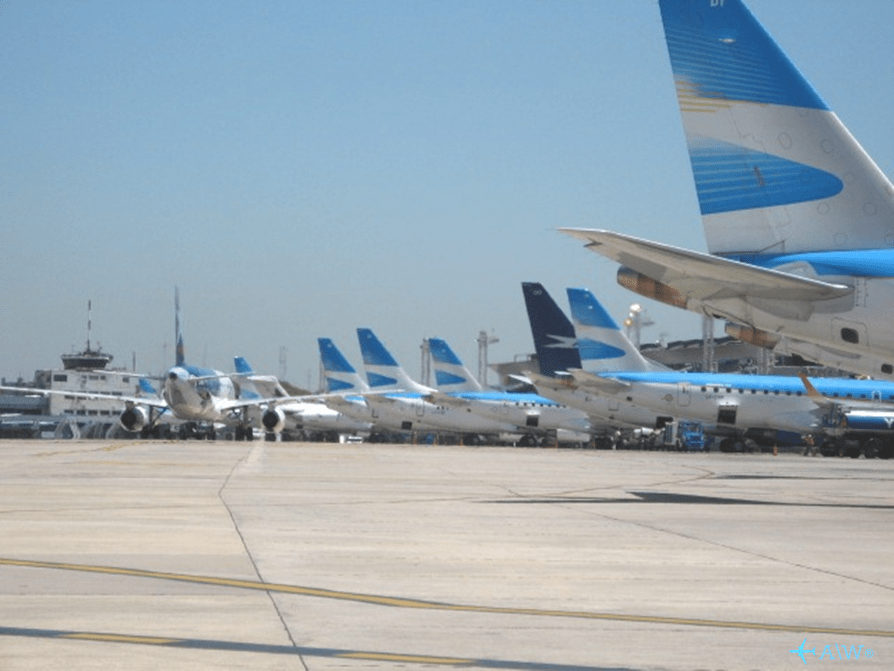
El Aeropuerto Jorge Newbery (Aeroparque) dejará de operar vuelos regionales a partir de 2018. Desde el gobierno informaron que las aerolíneas fueron informadas de los cambios en el sistema de navegacion aérea. Los vuelos a Uruguay se definirán si parten desde Aeroparque, según fuentes oficiales del sector aeronáutico.

Los vuelos regionales serán trasladados en la totalidad al Aeropuerto Internacional de Ezeiza, mientras que Aeroparque operara con vuelos de cabotaje.

El gobierno de Argentina indicó que la resolución está pendiente para analisis y firma de las autoridades de la ANAC. Las aerolíneas afectadas son Aerolíneas Argentinas, Austral, Latam, Gol y Amaszonas.

En un análisis de mercado operativo, el Aeropuerto Jorge Newbery dejará de operar en categoría como aeropuerto regional, pasando a ser doméstico o de cabotaje, pues el propósito es mejorar la capacidad operativa para las nuevas aerolíneas que comenzarán a efectuar vuelos, previendo una mejor distribución en uno de los mayores aeropuertos de tráfico en Argentina.

Uno de los puntos negativos de Aeroparque es el pernocte de los aviones durante la estadía en la noche debido a que superaría los slots en la plataforma aérea.

El promedio de vuelos en Aeroparque es de 340 movimientos diarios, desglosando un 40% de vuelos regionales y un 12% del movimiento total de estos vuelos regionales no pernoctan en la estación metropolitana. Con respecto a los vuelos regionales a Uruguay, Montevideo y Punta del Este, la resolución está pendiente la definición aunque podrían ser los únicos vuelos internacionales autorizados para Aeroparque, que representan actualmente un 3% del total de la red aérea.

En Aeroparque se está llevando a cabo obras edilicias complementarias a la nueva Torre de Control, que está previsto se inaugure dentro del plazo de 30 días. Otras obras proyectadas son como el levantamiento del sector de estacionamiento norte y el traslado del sector militar, dando lugar a más espacio para las operaciones sumando cinco posiciones en el actual sector de plataforma y más dos posiciones en el área militar. En la actualidad Aeroparque cuenta con 29 posiciones comerciales y 11 en zona de hangares y aviones privados. Con respecto a la pista está pendiente su modificación de las calles de rodaje.

Cuando es estableció la regionalización del Aeropuerto Jorge Newbery en marzo de 2010 sumó un millón y medio más de pasajeros en su primer año de operaciones. La comodidad que presentaba salir a destinos regionales desde la misma ciudad de Buenos Aires trajo un movimiento de 11 millones de pasajeros por año que transitaron por Aeroparque.

Las operaciones a Ezeiza descongestionará el movimiento actual de Aeroparque, pero en lo que hace al control aéreo no habría variantes ya que seguiría dentro del Área Terminal Baires también denominado FIR Ezeiza, que se encarga de supervisar las operaciones de vuelo tanto de Ezeiza como de Aeroparque.

Las líneas aéreas fueron notificadas de los cambios, y varias ya han comenzado a programar sus operaciones regionales desde Ezeiza a partir del mes de marzo del 2018, como el caso de Aerolíneas Argentinas.  AIRGWAYS ® Icon-AW

airgways-dbk0013

Jorge Newbery will be domestic

Aeroparque will stop operating regional flights from 2018

Jorge Newbery Airport (Aeroparque) will stop operating regional flights from 2018. From the government they informed that the airlines were informed of the changes in the air navigation system. The flights to Uruguay will be defined if they leave from Aeroparque, according to official sources of the aeronautical sector.

The regional flights will be transferred in total to the Ezeiza International Airport, while Aeroparque will operate with cabotage flights.

The Argentine government indicated that the resolution is pending for analysis and signature of the authorities of the ANAC. The affected airlines are Aerolíneas Argentinas, Austral, Latam, Gol and Amaszonas.

In an analysis of the operating market, Jorge Newbery Airport will stop operating as a regional airport, becoming domestic or cabotage, as the purpose is to improve the operational capacity for new airlines that will start flights, providing a better distribution In one of the largest traffic airport in Argentina.

One of the negative points of Aeroparque is the overnight of the planes during the stay in the night because it would exceed the slot in the aerial platform.

The average Aeroparque flight is 340 daily movements, disaggregating 40% of regional flights and 12% of the total movement of these regional flights do not spend overnight in the metropolitan station. With respect to regional flights to Uruguay, Montevideo and Punta del Este, the resolution is pending the definition although they could be the only authorized international flights for Aeroparque, which currently represent 3% of the total air network.

Aeroparque is carrying out building works complementary to the new Control Tower, which is scheduled to be inaugurated within 30 days. Other planned works are as the lifting of the north parking sector and the transfer of the military sector, resulting in more space for operations adding five positions in the current platform sector and two more positions in the military area. At present Aeroparque has 29 commercial positions and 11 in the area of ​​hangars and private aircraft. With respect to the track is pending modification of taxiways.

When the regionalization of Jorge Newbery Airport was established in March 2010, it added a million and a half more passengers in its first year of operations. The comfort that presented to go to regional destinations from the same city of Buenos Aires brought a movement of 11 million passengers per year that transited by Aeroparque.

The operations to Ezeiza decongest the current movement of Aeroparque, but in what it does to the air control there would be no variants since it would continue within the Terminal Area Baires also denominated FIR Ezeiza, that is in charge to supervise the operations of flight of Ezeiza as of Aeroparque .

Airlines were notified of the changes, and several have already started scheduling their regional operations from Ezeiza as of March 2018, as in the case of Aerolíneas Argentinas. A\W


Ξ A I R G W A Y S Ξ
SOURCE: Airgways.com
DBk: Airgways.com
AW-POST: 201707051703AR
A\W A I R G W A Y S ®

Plan remodelación de El Palomar

background2

AW | 2017 07 03 12:00 | AIRPORTS

Resultado de imagen para flybondi pngFlybondi Líneas Aéreas desea implementar el modelo low-cost en aeropuertos alternativos

Flybondi Líneas Aéreas ha propuesto al gobierno argentina la inversión de US$ 30 millones para reacondicionar las instalaciones del Aeropuerto de El Palomar, de Argentina, a cambio de una concesión para una terminal propia. Al mejor estilo de las low-cost, Flybondi desea diseñar un esquema de rutas implementando un modelo europeo. Muchas líneas aéreas low cost presentan como hub de operaciones aeropuertos alternativos al principal, ya que esto se traduce en una disminuciín de los costos operativos de las compañías.

El Ministerio de Transporte está tramitando un proyecto para mejorar el Aeropuerto El Palomar, para dar valor estratégico al áera incorporando infraestructura para utilizar un aeropuerto alterenativo a Aeroparque (Aeropuerto Jorge Newbery).

Obras del Aeropuerto El Palomar
El Aeropuerto de El Palomar se encuentra ubicado hacia el oeste de la ciudad de Buenos Aires, a una distancia de unos 110 kilómetros hacia Aeroparque y otros tantos al centro de la Capital Federal.

3041260

El Palomar estaba siendo utilizado como un anexo del Aeroparque Jorge Newbery debido al mantenimiento de sus pistas en torno a noviembre de 2010. Las características de la pista de El Palomar presenta una longitud de 2110 metros y un ancho de 50 metros, construida en hormigón permitiendo la operación de las aeronaves previstas por parte de Flybondi, Boeing 737-800 (Clase 4C) para las operaciones.

El estudio del proyecto de que contempla la reparación, modificación y ampliación de la aeroestación como así el mejorammiento de los accesos a la misma necesarias para permitir utilizar al aeropuerto como uno alternativo a Aeroparque. El programa de Participación Público Privado (PPP) es una herramienta cuya ley rigen Argentina donde permite al inversor participar en ella. Flybondi dice estar dispuesta a desarrollar la obra y financiarla, a cambio de una concesión por 15 años para una terminal propia. Los planes de las obras podrían comenzar en el año 2018. Flybondi, dice que son necesarios 30 millones de dólares, 500 puestos de trabajo directos.  AIRGWAYS ® Icon-AW

El Palomar Airport remodeling plan

Flybondi Líneas Aéreas wants to implement the low-cost model at alternative airports

Flybondi Líneas Aéreas has proposed to the Argentine government the investment of US $ 30 million to recondition the facilities of the Airport of El Palomar, Argentina, in exchange for a concession for a terminal of its own. In the best style of the low-cost, Flybondi wants to design a scheme of routes implementing a European model. Many low cost airlines have alternative airports to the main hub, as this translates into a decrease in the operating costs of the companies.

The Ministry of Transportation is currently working on a project to improve El Palomar Airport, to give strategic value to the area by incorporating infrastructure to use an alternative airport to Aeroparque (Jorge Newbery Airport).

Works of El Palomar Airport
El Palomar Airport is located to the west of the city of Buenos Aires, at a distance of about 110 kilometers to Aeroparqure and another to the center of the Federal Capital.

The Palomar was being used as an annex of the Jorge Newbery Aeroparque due to the maintenance of its tracks around November 2010. The characteristics of the track of El Palomar has a length of 2110 meters and a width of 50 meters, built in concrete allowing The operation of the planned aircraft by Flybondi, Boeing 737-800 (Class 4C) for operations.

The study of the project that contemplates the repair, modification and expansion of the aero station as well as the improvement of the accesses to the same necessary to allow to use the airport as an alternative to Aeroparque. The Public Private Participation Program (PPP) is a tool whose law governs Argentina where it allows the investor to participate in it. Flybondi says she is willing to develop the project and finance it, in exchange for a concession for 15 years for a terminal of its own. Plans for the works could begin in 2018. Flybondi says that $ 30 million dollars, 500 direct jobs are needed. A \ W


AW-Airgways.com-Jet

Ξ A I R G W A Y S Ξ
SOURCE:  Airgways.com
DBk:  Panoramio.com / Googlemaps.com / Airgways.com
AW-POST: 201707031200AR

A\W   A I R G W A Y S ®

Hong Kong Airlines vuela a Vancouver

AW | 2017 07 01 17:13 | AIRLINES / AIRLINES ROUTES / AIRPORTS

Resultado de imagen para Hong Kong Airlines  Vancouver AirportEl Aeropuerto Internacional de Vancouver da la bienvenida a Hong Kong Airlines

El Aeropuerto Internacional de Vancouver (YVR) recibió el primer vuelo inaugural de Hong Kong Airlines (HX) con un servicio diario sin escalas entre Vancouver y Hong Kong. Este nuevo servicio incrementará las conexiones y las los recursos económicos entre Hong Kong y Canadá, como así un mayor posicionamiento del Aeropuerto de Vancouver.

Las celebraciones inaugurales en el Aeropuerto Vancouver se dieron la aerolínea y funcionarios gubernamentales, entre otras personalidades. «Estamos encantados de dar la bienvenida a Hong Kong Airlines, una empresa galardonada con una gran historia de crecimiento», dijo Craig Richmond, Presidente y CEO de la Autoridad Aeroportuaria de Vancouver. «El nuevo servicio durante todo el año de Hong Kong Airlines conectará aún más a Vancouver y Canadá con una de las ciudades más dinámicas del mundo. Este servicio ofrece más opciones para los pasajeros y las empresas, al tiempo que estimula el crecimiento económico y el comercio».

El nuevo servicio Hong Kong-Vancouver mejorará las conexiones entre Asia y América. Hong Kong Airlines operará inicialmente la ruta utilizando un Airbus 330-200. A través de un Acuerdo Interline entre Hong Kong Airlines y WestJet, los pasajeros pueden conectarse a través de ambas líneas aéreas en su red de servicios.  AIRGWAYS ® Icon-AW

Hong Kong Airlines flies to Vancouver

Vancouver International Airport welcomes Hong Kong Airlines

Vancouver International Airport (YVR) hosted the first inaugural flight of Hong Kong Airlines (HX) with daily non-stop service between Vancouver and Hong Kong. This new service will increase connections and economic resources between Hong Kong and Canada, as well as greater Vancouver Airport positioning.

The inaugural celebrations at Vancouver Airport were given by the airline and government officials, among other personalities. «We are delighted to welcome Hong Kong Airlines, an award-winning company with a strong growth history,» said Craig Richmond, President and CEO of the Vancouver Airport Authority. «Hong Kong Airlines’ new year-round service will connect Vancouver and Canada to one of the most dynamic cities in the world, offering more options for passengers and business while stimulating economic growth and Commerce «.

The new Hong Kong-Vancouver service will enhance connections between Asia and America. Hong Kong Airlines will initially operate the route using an Airbus 330-200. Through an Interline Agreement between Hong Kong Airlines and WestJet, passengers can connect through both airlines in their service network. A \ W


Ξ A I R G W A Y S Ξ
SOURCE:  Airgways.com
DBk: Hongkongairlines.com / Straight.com
AW-POST: 201707011713AR

A\W   A I R G W A Y S ®

Austral inicia vuelos Rosario-Ushuaia

DMi 679.JPG

AW | 2017 06 30 23:59 | AIRLINES / AIRPORTS

La ruta aérea Rosario-Ushuaia se extenderá durante durante la temporada de invierno entre los meses de julio y agosto

Aerolíneas Argentinas anunció un nuevo vuelo que unirá Rosario-Ushuaia, inaugurando este sábado el primer vuelo, extendiéndose durante los meses de julio y agosto 2017. La empresa Austral Líneas Aéreas inaugura la ruta aérea con aeronaves Embraer 190.

La nueva frecuencia partirá desde Rosario los sábados a las 8:20 hs. y llegará a Ushuaia a las 12:25hs. El regreso será a las 13:40 hs. desde Ushuaia, arribando a Rosario a las 17:35 hs. Estos vuelos de temporada acercan a la región para volar de forma directa, sin pasar por Buenos Aires, al sur argentino para disfrutar de la nieve para disfrutar de la temporada invernal.

Aeropuerto Rosario
El Aeropuerto Rosario creció la demanda de pasajeros de manera constante en 2017 gracias a la incorporación de nuevos destinos que el Grupo Aerolíneas opera de manera directa, sin pasar por Buenos Aires. Es así como la compañía ofrece 16% más de plazas saliendo desde y hacia Rosario, en comparación con 2016. Además creció un 51% respecto al año 2016, unos 215.732 pasajeros adicionales en la ruta Buenos Aires-Rosario-Buenos Aires. La conectividad de Rosario con el resto del país de Aerolíneas Argentinas y Austral ofrecerán 453.436 asientos más que el año pasado. destacó Aerolíneas.

“Estamos poniendo más foco en potenciar la oferta de vuelos de este destino: los rosarinos cuentan con vuelos directos a algunas de las ciudades más importantes del país, ya sea por su peso en el tráfico corporativo o por tratarse de atractivos turísticos clave; es el caso de Mendoza, Salta, Bariloche, Córdoba, Iguazú y Calafate. Vemos con mucho entusiasmo la respuesta de los rosarinos que eligen Aerolíneas a la hora de viajar porque saben que ofrecemos más y mejores opciones”, expresó Diego García, director Comercial del Grupo Aerolíneas, quien realizó los anuncios en la ciudad de Rosario junto con autoridades locales.  AIRGWAYS ® Icon-AW

Aerolíneas Argentinas begins Rosario-Ushuaia

The Rosario-Ushuaia air route will be extended during the winter season between the months of July and August

Aerolineas Argentinas announced a new flight that will link Rosario-Ushuaia, inaugurating on Saturday the first flight, extending during the months of July and August 2017. The company Austral Líneas Aéreas inaugurates the air route with Embraer 190.

The new frequency will start from Rosario on Saturdays at 8:20 am. And will arrive in Ushuaia at 12:25 p.m. The return will be at 1:40 pm. From Ushuaia, arriving in Rosario at 5:35 pm. These seasonal flights approach the region to fly directly, without passing through Buenos Aires, the Argentinean south to enjoy the snow to enjoy the winter season.

Rosario Airport
The Rosario Airport grew the demand of passengers in a constant way in 2017 thanks to the incorporation of new destinations that the Aerolíneas Group operates directly, without passing through Buenos Aires. This is how the company offers 16% more seats departing to and from Rosario, compared to 2016. It also grew 51% over 2016, some 215,732 additional passengers on the Buenos Aires-Rosario-Buenos Aires route. Rosario’s connectivity with the rest of the country from Aerolíneas Argentinas and Austral will offer 453,436 seats more than last year. According to airlines.

«We are putting more focus on boosting the offer of flights of this destination: the Rosario have direct flights to some of the most important cities in the country, either because of its weight in corporate traffic or because they are key tourist attractions; Is the case of Mendoza, Salta, Bariloche, Cordoba, Iguazú and Calafate. We see with great enthusiasm the response of the Rosarinos who choose Airlines when traveling because they know that we offer more and better options», said Diego Garcia, Commercial Director of the Aerolíneas Group, who made the announcements in the city of Rosario along with local authorities .A \ W


Ξ A I R G W A Y S Ξ
SOURCE:  Airgways.com
DBk:  Airgways
AW-POST: 201706302359AR

A\W   A I R G W A Y S ®

El nuevo Aeropuerto Beijing


AW | 2017 06 28 11:18 | AIRPORTS

Nuevo mega-aeropuerto de Beijing sacudirá el mercado chino de aerolíneas

Al igual que los antiguos señores de la guerra, las tres aerolíneas más grandes de China han dominado sus ciudades regionales: Air China que controla Beijing, China Oriental dominio de la explotación en el centro financiero de Shanghai y China Southern gobernando hacia abajo en la puerta de entrada de exportación Guangzhou. Hasta ahora.

El aumento en un sur llano de Beijing es un mega aeropuerto que está a punto de cambiar el equilibrio, trayendo los tres cabeza a cabeza en la capital, ya que se convierte en el mayor centro de aviación del mundo.

El nuevo aeropuerto, que se inaugurará en 2019, ha sido designado por las autoridades como el centro para los miembros de la alianza SkyTeam, un grupo global de aerolíneas que incluye China Eastern y China Southern. Los dos transportistas chinos podrán capturar el 40 por ciento de los pasajeros del aeropuerto, ganando espacios de tiempo codiciados a Europa y los Estados Unidos en el patio trasero de Air China.

«Este es un cambio de juego absoluto para China Eastern y China Southern», dijo Corrine Png, directora ejecutiva de Crucial Perspective en Singapur. «Tener todos los miembros de la alianza SkyTeam bajo un mismo techo permitirá conexiones de vuelo sin fisuras».

Air China lucha contra rivales en el nuevo aeropuerto de Beijing

La invasión de los rivales regionales de Air China tiene repercusiones más allá de China. Además de dominar sus bases de casa, los tres grandes jugadores chinos han conseguido una posición en el extranjero.

Air China, a través de sus lazos de Star Alliance con Lufthansa y United Airlines, domina muchas de las rutas hacia Europa y Norteamérica. China Eastern es el mayor operador de Japón y Corea del Sur. Y Qantas socio China Southern es fuerte en Australia y el Sudeste de Asia.

Con acceso a más franjas horarias en Beijing, China Southern y China Eastern tendrían potencialmente más acceso a lucrativas rutas norteamericanas mientras sus socios de SkyTeam tendrían un mejor acceso a la capital china.

Además, China Southern, la mayor aerolínea del país, podría atraer tráfico de sus enlaces del sudeste asiático para volar a través de Beijing hasta los Estados Unidos. Hasta entonces, tienen que luchar por las tragamonedas en el aeropuerto existente, que está cerca de su capacidad.

Air China, que forma parte de Star Alliance, controla el 38 por ciento de las franjas horarias del aeropuerto internacional de Pekín, que maneja 94 millones de pasajeros en 2016, cerca de los 96 millones de pasajeros.

«Hay demandas para agregar cientos de vuelos en Beijing cada día que se rechazan porque nos estamos quedando sin recursos», dijo Liu Xuesong, director general de Capital Airports, el operador del aeropuerto existente de Beijing. «La ciudad es capaz de manejar dos hubs.»

Pekín apuesta fuerte en viajes aéreos

El nuevo aeropuerto de US $ 12,9 mil millones en el suburbio de Daxing, en el sur, que fue aprobado en 2014, podría acomodar hasta 100 millones de pasajeros al año con siete pistas. Liu estima que para 2025, los dos aeropuertos de Beijing compartirían 170 millones de pasajeros, incluyendo 25 millones en vuelos internacionales.

Beijing se une a una lista selecta de las principales ciudades con dos o incluso tres aeropuertos internacionales, entre ellos Londres, Nueva York, Tokio y París. Sin embargo, a diferencia de Beijing, estos aeropuertos suelen tener funciones complementarias, como una que sirve a rutas internacionales o intercontinentales y la otra que se centra en vuelos nacionales o regionales.

«Hasta ahora en la historia no hemos visto ningún grupo de ciudades o ciudades teniendo dos centros de la misma escala», dijo Ma Chongxian, vicepresidente de la compañía matriz de Air China, China National Aviation, en una conferencia en Beijing en mayo. Eso es porque usualmente las aerolíneas, en lugar del gobierno, eligen con qué aeropuerto volar, dijo Steve Saxon, un socio con sede en Shanghai en McKinsey & Co.

«China es diferente», dijo Saxon. «El gobierno tiene una influencia sustancial sobre los tres mayores operadores», lo que ayudará a Beijing a construir dos centros de conexión donde otras ciudades han fracasado.

China Oriental busca éxito en dos bujes

China Southern ha dicho que desplegará más de 200 aviones en el nuevo aeropuerto para el año 2020 – alrededor de un quinto de su flota prevista para ese momento. China Eastern tendrá «una notable ventaja» al ser un portavoz tanto en Shanghai como en Pekín, ya que la capital está mejor posicionada geográficamente como un punto de conexión para Europa y América del Norte, dijo Will Horton, analista de CAPA Center en Hong Kong. Aviación. China Eastern ya representa el 50 por ciento del mercado de los 10 principales vuelos internacionales desde el centro financiero del país, Shanghai.

La construcción del nuevo aeropuerto de Pekín no es una mala noticia para Air China. Su aeropuerto está más cerca del centro de la ciudad, a unos 25 minutos en buen tráfico al principal distrito de negocios en la parte oriental de la capital, o al mismo tiempo en tren.

Los enlaces de carreteras y ferrocarriles del nuevo aeropuerto también atraparían a los viajeros a Pekín en aproximadamente media hora, pero al suroeste, una parte de la ciudad que es menos conveniente para la mayoría de los ejecutivos de negocios, especialmente durante los tiempos de tráfico pico notoriamente congestionados de la capital. «Es probable que Air China gane participación en rutas clave de negocios», dijo Saxon de McKinsey, «similar a cómo British Airways se beneficia de la posición privilegiada que tiene en el más conveniente de Londres Heathrow». Eso podría afectar la lucrativa ruta Beijing-Shanghai, donde China Eastern controla casi el 60 por ciento del mercado, según datos compilados por Huatai Securities.

Oneworld desaparecido de nuevo

La división de los aeropuertos de Beijing por alianza deja fuera el tercer grupo más grande, Oneworld. Los miembros del grupo, iniciado en 1999 por Cathay Pacific, con sede en Hong Kong, y otros cuatro operadores, se basan en vínculos individuales con las aerolíneas chinas.

Miembro de Oneworld American Airlines anunció en marzo una compra de 2,7 por ciento de participación en China Southern por US $ 200 millones y desplegará algunos de sus vuelos en el nuevo aeropuerto de Beijing como parte del acuerdo. El transportista estadounidense tuvo que posponer el lanzamiento de un vuelo de Los Ángeles a Pekín a principios de este año, ya que no logró asegurar un intervalo de tiempo. Delta Air Lines, que tiene una participación del 3,2 por ciento en China Eastern, también debería ganar más franjas horarias en el nuevo aeropuerto. Un representante de Cathay no respondió a un correo electrónico pidiendo comentarios.

Las autoridades chinas se han comprometido a preservar las franjas horarias en los aeropuertos actuales y nuevos para los transportistas que ya vuelan a Beijing, informó Oneworld en un correo electrónico. Dijo que 10 miembros de Oneworld sirven a la ciudad con un total de 163 vuelos semanales de 16 destinos internacionales.

Cielo lleno de gente

Un efecto importante de toda la expansión será que algunos cielos muy congestionados sobre China, que tiene algunos de los más estrechos espacio aéreo en el mundo debido a la prioridad para los aviones militares.

CAPA estima que sólo alrededor del 20 por ciento del espacio aéreo sobre China está abierto a vuelos civiles, una de las razones por las que las aerolíneas chinas manchan un récord de desempeño puntual. «No tiene sentido abrir otro aeropuerto masivo sin abordar la cuestión del espacio aéreo restringido», dijo el Png de Crucial Perspective. Una opción es un juicio en Guangzhou que permite a los aviones militares y civiles compartir algún espacio aéreo.

El experimento llevó a un aumento del 7 por ciento en el número de pasajeros en el delta del río Pearl, dijo Che Jinjun, director general de la oficina de gestión del tráfico aéreo en la Administración de Aviación Civil de China. El juicio será ampliado a Beijing y Shanghai, dijo el administrador de CAAC, Feng Zhenglin, en un reciente foro de aviación en Beijing. «La buena noticia es que el gobierno parece comprometido con la reforma del espacio aéreo, que debería abrir el espacio suficiente para la expansión», dijo Saxon. AIRGWAYS ® Icon-AW


The new Beijing Airport

Beijing’s new mega-airport will shake up Chinese airline market

Like ancient warlords, China’s three biggest airlines have dominated their regional cities: Air China controlling Beijing, China Eastern holding sway in the financial center of Shanghai, and China Southern ruling the roost down in export gateway Guangzhou. Until now.

Rising on a plain south of Beijing is a mega airport that is about to change the balance, bringing all three head to head in the capital as it becomes the world’s biggest aviation hub.

The new airport, due to open in 2019, has been designated by authorities as the hub for members of the SkyTeam alliance, a global group of airlines that includes China Eastern and China Southern. The two Chinese carriers will each be allowed to capture 40 percent of the airport’s passengers, gaining coveted time slots to Europe and the U.S. in Air China’s backyard.

«This is an absolute game-changer for China Eastern and China Southern,» said Corrine Png, chief executive officer of Crucial Perspective in Singapore. «Having all the SkyTeam alliance members under one roof will enable seamless flight connections.»

Air China fights rivals at Beijing’s new airport

The invasion of Air China’s regional rivals has repercussions beyond China. As well as dominating their home bases, the big three Chinese players have each carved out a position abroad.

Air China, through its Star Alliance ties with Lufthansa and United Airlines, commands many of the routes to Europe and North America. China Eastern is the biggest carrier to Japan and South Korea. And Qantas partner China Southern is strong in Australia and Southeast Asia.

With access to more slots in Beijing, China Southern and China Eastern would potentially get more access to lucrative North American routes while their SkyTeam partners would get better access to the Chinese capital.

In addition, China Southern, the nation’s biggest airline, would be able to draw traffic from its Southeast Asian links to fly via Beijing to the U.S. Until then, they have to fight for slots at the existing airport which is close to capacity.

Air China, part of Star Alliance, whose 28 members include United, Singapore Airlines and Lufthansa, controls 38 percent of the slots at Beijing Capital International Airport, which handled 94 million passengers in 2016 – close to the maximum of 96 million.

«There are demands to add hundreds of flights in Beijing every day that get refused because we’re running out of resources,» said Liu Xuesong, general manager of Capital Airports, the operator of Beijing’s existing airport. «The city is capable of running dual hubs.»

Beijing bets big on surging air travel

The new US$12.9 billion airport in the southern suburb of Daxing, which was approved in 2014, would accommodate up to 100 million passengers a year with as many as seven runways. Liu estimates that by 2025, the two Beijing airports would share 170 million passengers, including 25 million on international flights.

Beijing is joining a select list of major cities with two or even three international airports, including London, New York, Tokyo and Paris. Unlike in Beijing, though, those airports usually take complementary roles, such as one serving international or intercontinental routes and the other focusing on domestic or regional flights.

«So far in history we haven’t seen any city or city clusters having two hubs of the same scale,» said Ma Chongxian, vice president of Air China’s parent company, China National Aviation, at a conference in Beijing in May.

That’s because it’s usually airlines, rather than the government, who choose which airport to fly to, said Steve Saxon, a Shanghai-based partner at McKinsey & Co.

«China is different,» Saxon said. «The government has substantial influence over the three largest carriers,» which will help Beijing build two connecting hubs where other cities have failed.

China Eastern looks to twin-hub success

China Southern has said it will deploy more than 200 aircraft at the new airport by 2020 – about a fifth of its planned fleet by that time. China Eastern will have «a remarkable advantage» by being a hub carrier both in Shanghai and Beijing as the capital is better positioned geographically as a connecting point for Europe and North America, said Will Horton, a Hong Kong-based analyst at CAPA Centre for Aviation. China Eastern already accounts for 50 percent of the market for the top 10 international flights from the country’s financial hub Shanghai.

The construction of the new Beijing airport isn’t all bad news for Air China. Its airport is closer to downtown, about 25 minutes in smooth traffic to the main business district in the eastern part of the capital, or the same time by train.

Planned road and rail links from the new airport would also whisk travelers into Beijing in about half an hour, but to the southwest, a part of the city that’s less convenient for most business executives, especially during the capital’s notoriously congested peak traffic times. «Air China is likely to win share on key business routes,» said McKinsey’s Saxon, «similar to how British Airways benefits from the privileged position it has in the more convenient London Heathrow.» That could affect the lucrative Beijing-Shanghai route, where China Eastern commands nearly 60 percent of the market, according to data compiled by Huatai Securities.

Oneworld missing out, again

The division of Beijing’s airports by alliance leaves out the third-biggest group, Oneworld. Members of the group, started in 1999 by Hong Kong-based Cathay Pacific and four other carriers, are instead relying on individual links with the Chinese airlines.

Oneworld member American Airlines announced in March a 2.7 percent stake purchase in China Southern for US$200 million, and will deploy some of its flights at the new Beijing airport as part of the deal. The U.S. carrier had to postpone the launch of a Los Angeles-to-Beijing flight earlier this year as it failed to secure a time slot. Delta Air Lines, which has a 3.2 percent stake in China Eastern, should also earn more slots at the new airport. A representative for Cathay didn’t respond to an email seeking comments.

Chinese authorities have committed to preserving slots at the current and new airports for carriers that already fly to Beijing, Oneworld said in an e-mail. It said 10 Oneworld members serve the city with a total of 163 weekly flights from 16 international destinations.

Crowded skies ahead

One major effect of all the expansion will be some very congested skies over China, which has some of the most constricted airspace in the world because of priority for military planes.

CAPA estimates that only about 20 percent the airspace over China is open to civilian flights – one of the reasons for Chinese airlines’ spotty on-time performance record. «There is no point opening another massive airport without addressing the restricted airspace issue,» Crucial Perspective’s Png said. One option is a trial in Guangzhou that allows military and civil aircraft to share some airspace.

The experiment led to a 7 percent increase in passenger numbers in the Pearl River Delta, said Che Jinjun, director general of the air traffic management bureau at the Civil Aviation Administration of China. The trial will be expanded to Beijing and Shanghai, CAAC administrator Feng Zhenglin said at a recent aviation forum in Beijing. «The good news is that the government seems committed to airspace reform, which should open up enough space for the expansion,» Saxon said. A /  W


Ξ A I R G W A Y S Ξ
SOURCE:  Ausbt.com.au
DBk:  Thebeijinger.com / Zaha Hadid
AW-POST: 201706281118AR

A\W   A I R G W A Y S ®


Pedido ampliación de Tenerife Sur

AW | 2017 06 19 11:40 | AIRPORTS

La portavoz adjunta del Grupo Parlamentario Ciudadanos (GPCs), Melisa Rodríguez, ha registrado una pregunta en la Cámara Baja, para la que ha solicitado respuesta por escrito, para conocer qué actuaciones pretende realizar el Gobierno de España para modernizar el Aeropuerto de Tenerife Sur con el fin de facilitar el aprovechamiento económico y comercial de la zona, así como para mejorar la calidad de los servicios para los pasajeros.

Melisa Rodríguez ha señalado en una nota que el Aeropuerto de Tenerife Sur es uno de los más congestionados de España, por lo que si se tienen en cuenta las recomendaciones de la Asociación de Transporte Aéreo Internacional, la infraestructura de este aeropuerto debería contar con al menos dos plantas, aunque la diputada opina que se debería considerar que fueran tres.

Rodríguez ha recordado que Tenerife Sur se ha ampliado en varias ocasiones con actuaciones consistentes en alargar el edificio terminal hacia ambos extremos, así como con una nueva sala de recogida de equipajes debajo de la original. Y ha añadido la construcción de una nueva terminal destinada exclusivamente a facturación, que queda en desuso hasta hoy.

Sin embargo, estas actuaciones no suponen un cambio en la estructura del aeropuerto, ha declarado la diputada de Cs, quien ha explicado que el edificio terminal “requiere de actuaciones importantes porque se trata de una infraestructura obsoleta que cuenta con 40 años de antigüedad”.

Rodríguez ha aclarado que una segunda pista no debería estar entre las inversiones, ya que el campo de vuelo del Aeropuerto tiene una capacidad que le permite doblar el volumen del pasaje actual con inversiones puntuales, por lo ve “esencial” centrarse en las verdaderas necesidades de Tenerife Sur. Asimismo, ha solicitado información sobre los plazos que contempla el Ejecutivo central para completar o realizar estas actuaciones de mejora.

“Las infraestructuras aeroportuarias son una pieza estratégica para las Islas Canarias, dado que suponen la puerta de entrada y salida para el archipiélago, y son el primer contacto con las islas que tienen los viajeros, por lo que es importante potenciar dichas infraestructuras para garantizar el confort y accesibilidad de sus usuarios”, ha concluido la diputada. AIRGWAYS ® Icon-AW

Request extension expansion of Tenerife South Airport

The deputy spokeswoman for the Citizens Parliamentary Group (GPCs), Melisa Rodríguez, has registered a question in the lower house, for which she has requested a written response, to know what actions the Government of Spain intends to carry out to modernize the Tenerife South Airport with In order to facilitate the economic and commercial use of the area, as well as to improve the quality of passenger services.

Melisa Rodríguez has noted in a note that the Tenerife South Airport is one of the most congested in Spain, so if you take into account the recommendations of the International Air Transport Association, the infrastructure of this airport should have at least Two plants, although the deputy thinks that they should be considered to be three.

Rodríguez recalled that Tenerife South has expanded several times with actions consisting of extending the terminal building to both ends, as well as a new luggage collection room below the original. And it has added the construction of a new terminal destined exclusively for billing, that remains in disuse until today.

However, these actions do not represent a change in the structure of the airport, said the deputy of Cs, who explained that the terminal building «requires significant actions because it is an obsolete infrastructure that has 40 years of age.»

Rodríguez has clarified that a second runway should not be among the investments, since the airport’s flight field has a capacity that allows it to double the volume of the current passage with specific investments, so it «essential» to focus on the true needs of Tenerife South. It has also requested information on the deadlines that the central executive contemplates to complete or carry out these improvement actions.

«The airport infrastructures are a strategic piece for the Canary Islands, since they are the gateway to and from the archipelago, and are the first contact with the islands that travelers have, so it is important to strengthen these infrastructures to guarantee the Comfort and accessibility of its users,» concluded the deputy. A \ W


Ξ A I R G W A Y S Ξ
SOURCE:  Diariodeavisos.elespanol.com
DBk:  Diariodeavisos.elespanol.com
AW-POST: 201706191140AR

A\W   A I R G W A Y S ®