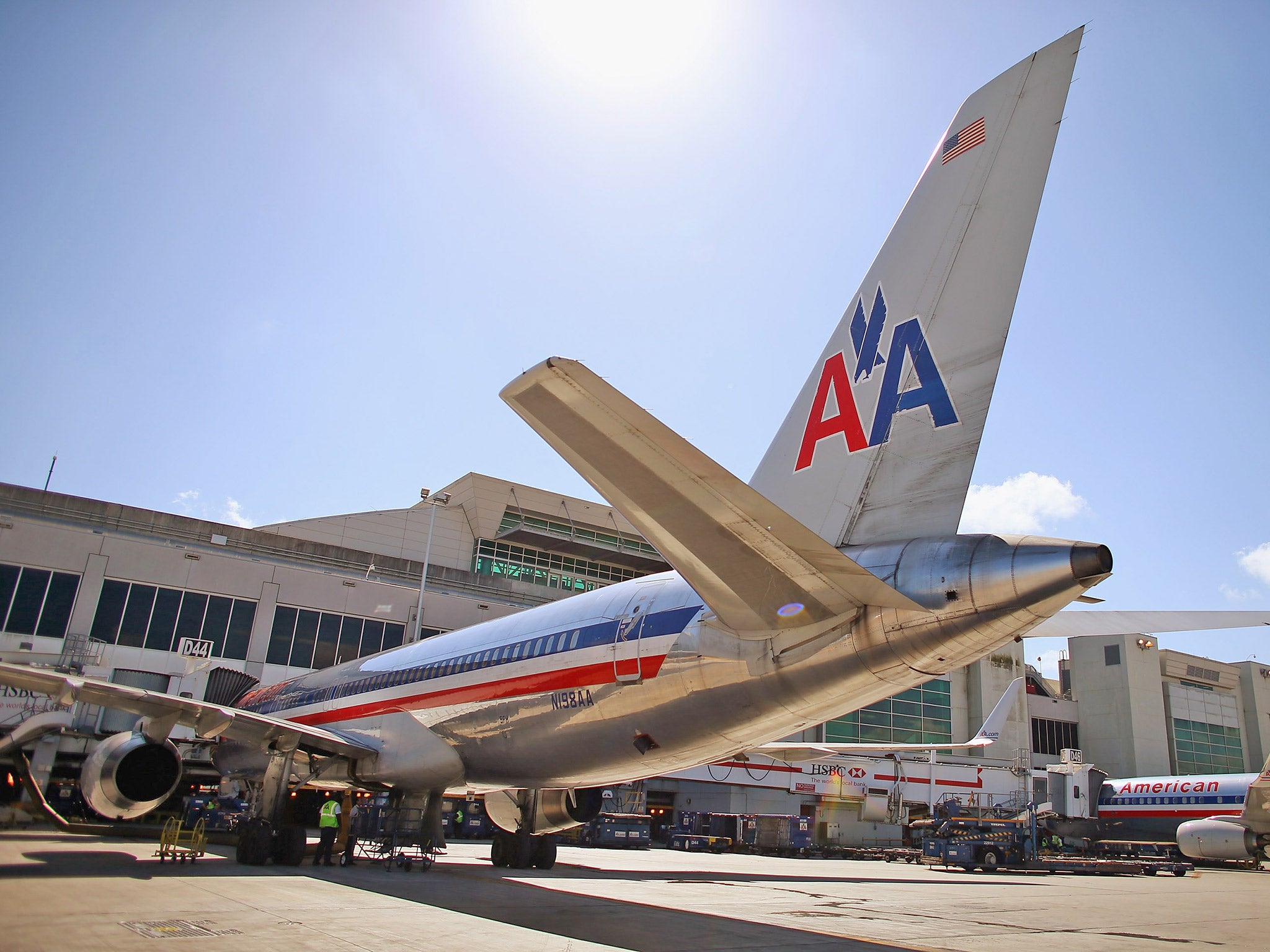
Fallos sistemas Check-in de Altea

AW | 2017 09 28 15:48 | AIRPORTS / AIR TRAFFIC

Caída del sistema Altea de Amadeus en varios aeropuertos del mundo

Una serie de fallos en la caída del sistema de check-in se informaron en los aeropuertos de Gatwick (Londres), Charles de Gaulle (París), Reagan (Washington), Johannesburgo y Zúrich.

La caída del sistema informático que permite hacer el check-in en los vuelos se cayó esta mañana, paralizando la operativa de varias aerolíneas a nivel mundial. Al parecer la falla fue resuelta, pero demorará horas en poner en orden los retrasos.​ Con lo cual se aconseja a los pasajeros tomar precauciones.

Altea, un software español de la empresa Amadeus (que usan al menos 100 aerolíneas) fue la causa del incidente. Todas las aerolíneas afectadas utilizan el software Altea para comprobar la identidad de los pasajeros en los pasajes.

Se reportaron problemas para el registro de los pasajeros en ciertas aerolíneas de aeropuertos como Gatwick (Londres), Charles de Gaulle (París), Reagan (Washington), Johannesburgo o Zúrich.

El Aeropuerto de Gatwick ha informado que el problema afectó a determinadas aerolíneas, las que utilizan el software de Altea. “No pueden hacer el registro de los pasajeros”, dijo el portavoz. Al menos 125 compañías de todo el mundo se vieron afectadas por el incidente.

El Aeropuerto de Heathrow también ha confirmado que tres aerolíneas sufren problemas en estos momentos. Amadeus confirmó que están sufriendo problemas técnicos. «Hemos experimentado un problema con la red que ha causado alteraciones en algunos de nuestros sistemas». La compañía asegura que están buscando «la causa del problema» y que actualmente se encuentran restaurando «los servicios lo más rápido posible. Este proceso ya está en marcha y los sistemas están siendo restaurados gradualmente». AIRWAYS® AW-Icon TXT

Failure systems Check-in at airports in the world

Fall of the Amadeus Altea system at several airports in the world

A series of failures in the crash of the chec-in system were reported at Gatwick (London), Charles de Gaulle (Paris), Reagan (Washington), Johannesburg and Zurich airports.

The fall of the computer system that allows to check in on the flights fell this morning, paralyzing the operation of several airlines worldwide. Apparently the fault was resolved, but it will take hours to put the delays in order, which advises passengers to take precautions.

Altea, a Spanish software company Amadeus (using at least 100 airlines) was the cause of the incident. All affected airlines use the Altea software to check the identity of the passengers in the tickets.

Problems have been reported for the registration of passengers in certain airports at airports such as Gatwick (London), Charles de Gaulle (Paris), Reagan (Washington), Johannesburg or Zurich.

Gatwick Airport has reported that the problem affected certain airlines, which use Altea software. «They can not register passengers,» the spokesman said. At least 125 companies worldwide were affected by the incident.

Heathrow Airport has also confirmed that three airlines are experiencing problems right now. Amadeus confirmed that they are experiencing technical problems. «We have experienced a problem with the network that has caused disruption in some of our systems.» The company says they are looking for «the cause of the problem» and are currently restoring «services as quickly as possible. This process is already underway and systems are being gradually restored.» A \ W


Ξ A I R G W A Y S Ξ
SOURCE:  Airgways.com
DBk:  Qz.com / Aolcnd.com
AW-POST: 201709281548AR

A\W   A I R G W A Y S ®

Interrupción Control Tráfico en Sidney

sydney-air-traffic-control-tower.jpg

AW | 2017 09 25 11:35 | AIRPORTS / AIR TRAFFIC

Los vuelos del Aeropuerto Internacional Sydney fueron interrumpidos debido a fallos del control de tráfico aéreo

Un apagón se produjo en el Control de Tráfico del Aeropuerto de Sydney obligando a detener las operaciones en el aeropuerto más grande del país durante uno de sus períodos más ocupados.

Los sistemas colapsaron desde las 05:20 am del lunes [hora local Australia], cuando miles de pasajeros convergieron en el aeropuerto al inicio de las vacaciones escolares. Tomó cerca de tres horas resolver la falta del software que causó retrasos y cancelaciones del vuelo alrededor de Australia.

Una portavoz de Airservices Australia dijo que los problemas técnicos que atormentaban el Aeropuerto de Sydney habían sido resueltos, pero los vuelos se retrasarían durante todo el día. «Los servicios aéreos experimentaron un problema de software que afecta al sistema de control y gestión del tráfico aéreo del aeropuerto de Sydney, lo que provocó grandes interrupciones en las operaciones de vuelo esta mañana». El fallo del software falló al convertir las operaciones de turno de noche a operaciones de turno de día, por lo tanto una consola de control de tráfico aéreo estaba operativa para el pico matutino cuando en circunstancias normales seis a ocho consolas están operando. «La seguridad de los viajeros es nuestra primera prioridad y la capacidad de tráfico se redujo para mantener los estándares de seguridad», expresaron desde el aeropuerto.

El Aeropuerto de Sydney sufrió complicaciones a primera hora de la mañana, debido a que muchos vuelos no tendrían el permiso para partir. Se aconsejó a los pasajeros que abordaran sus aviones pero luego tuvieron que esperar en el asfalto. Se cancelaron varios vuelos. Las llegadas también fueron afectadas con el personal de la aerolínea diciendo que sólo 15 aviones podrían aterrizar por hora. En circunstancias normales, se permite un máximo de 80 llegadas y salidas de aeronaves por hora de operación.

Una portavoz del aeropuerto de Sydney dijo que los pasajeros deben consultar con su aerolínea para ver si su vuelo está afectado.  AIRWAYS® AW-Icon TXT

Resultado de imagen para Traffic Control at Sydney Airport

Traffic Control at Sydney Airport

Flights from Sydney International Airport were interrupted by air traffic control failures

A blackout occurs at the Sydney Airport Traffic Control forcing to halt operations at the country’s largest airport during one of the busiest times.

The systems collapsed from 5:20 am Monday, when miles of passengers converged at the airport at the start of school holidays. It took about three hours to solve the lack of software that caused delays and flight cancellations around Australia.

A spokeswoman for Airservices Australia said the technical problems plaguing Sydney Airport were resolved, but flights were delayed all day. «Air services experienced a software problem that affected the control system and air traffic management at Sydney Airport, causing major disruptions in flight operations this morning.» The software failure failed to convert night shift operations to day shift operations, so an air traffic control console was operative for the morning peak when under normal circumstances six to eight consoles are operating. «The safety of travelers is our first priority and traffic capacity is reduced to maintain safety standards,» they said from the airport.

Sydney Airport suffered complications early in the morning, as many flights would not be allowed to leave. Passengers were advised to board their planes but then had to wait on the asphalt. Several flights canceled. Arrivals were also affected with airline personnel as only 15 aircraft landed per hour. Under normal circumstances, a maximum of 80 aircraft arrivals and departures per hour of operation are allowed.

A Sydney airport gate said passengers should check with their airline to see if their flight is affected. A \ W


Ξ A I R G W A Y S Ξ
SOURCE:  Airgways.com
DBk:  Businessinsider.com / Airservicesaustralia.com
AW-POST: 201709251135AR

A\W   A I R G W A Y S ®

Gobierno Santa Fe invierte AR$600 millones ampliación Aeropuerto Rosario

AW-70087780.png

AW | 2017 09 22 20:53 | AIRPORTS

El Gobierno de la Provincia de Santa Fe destinará AR$600 millones para ampliar el Aeropuerto Internacional de Rosario

El Gobierno de la Provincia de Santa Fe adjudicó este viernes la primera parte de la obra de ampliación del Aeropuerto Internacional Rosario Islas Malvinas, con una inversión prevista de AR$600 millones de pesos para duplicar el áera de plataforma aerocomercial y protectando un total de ocho posicionamientos para aeronaves de manera simultánea en el aeropuerto. El primer tramo de la obra fue adjudicada a la Unión Transitoria de Empresas (UTE) conformada por las empresas Obring y Helcort.

«El flujo de pasajeros previstos para el Aeropuerto Rosario se duplicará debido al incremento que experimentará la Argentina en cuanto a su tráfico. La futura ampliación de la terminal está pensada para una dimensión de 3 millones de pasajeros, es decir cuatro veces más a la actual, que fue de 700 mil», dijo el gobernador santafesino, Miguel Lifschitz, durante un acto.

Matías Galíndez, Gerente del Aeropuerto Rosario dijo que «hemos armado un plan que comienza con esta obra y que continuará con el edificio, el estacionamiento y el equipamiento». La inversión total prevista, sumando las próximas etapas de la obra, sumará alrededor de AR$ 2 mil millones de pesos en los próximos cinco años.

De acuerdo al plan de trabajo, la Provincia de Santa Fe pretende ampliar las salas de embarque y arribo de cabotaje, con la incorporación de una segunda cinta transportadora de equipajes para la atención simultánea de vuelos. En el sector internacional se ampliará la superficie y en la sala de arribo se readecuarán y modernizarán los servicios para comodidad de los pasajeros. El hall central se habilitará un nuevo sistema de mostradores móviles y puestos de auto check in para atender el arribo de nuevas compañías aéreas y agilizar la atención de los pasajeros. A la vez, en el frente de la terminal se elevará el número de cocheras disponibles de 300 a 450 espacios en una primera fase, dejando previstos más sectores para acompañar las nuevas necesidades.

Además, el proyecto prevé que en una primera etapa se edificarán 11.500 metros cuadrados para la atención de 1.500.000 pasajeros y con la conclusión de su segunda etapa se contará con una superficie total de 30.000 metros cuadrados para atender un tráfico anual de 3 millones de personas. AIRWAYS® AW-Icon TXT

Government Santa Fe invests AR$ 600 million expansion Rosario Airport

The Government of the Province of Santa Fe will destine AR$ 600 million to expand Rosario International Airport

The Government of the Province of Santa Fe awarded this Friday the first part of the expansion work of Rosario Islas Malvinas International Airport, with an expected investment of AR$ 600 million pesos to double the area of ​​aerial commercial platform and protecting a total of eight positions for aircraft simultaneously at the airport. The first section of the work was awarded to the Transitory Union of Companies (UTE) formed by the companies Obring and Helcort.

«The expected passenger flow for Rosario Airport will double due to the increase in traffic in Argentina. The future expansion of the terminal is designed for a 3 million passenger dimension, which is four times more than the current one, which was 700 thousand», said Governor of Santa Fe, Miguel Lifschitz, during a ceremony.

Matías Galíndez, Airport Manager Rosario said that «we have put together a plan that begins with this work and will continue with the building, parking and equipment.» The total planned investment, adding the next stages of the work, will add around AR$ 2 billion pesos over the next five years.

According to the work plan, the Province of Santa Fe intends to expand the boarding and arrival halls of cabotage, with the incorporation of a second baggage conveyor belt for the simultaneous attention of flights. In the international sector the area will be expanded and in the arrival room will be readjusted and modernized services for the convenience of passengers. The central hall will be enabled a new system of mobile counters and self check in stations to attend the arrival of new airlines and expedite the attention of passengers. At the same time, in the front of the terminal will increase the number of garages available from 300 to 450 spaces in a first phase, leaving more sectors expected to accompany the new needs.

In addition, the project foresees that in the first stage 11,500 square meters will be built for the attention of 1,500,000 passengers and with the conclusion of its second stage will have a total area of ​​30,000 square meters to handle an annual traffic of 3 million people.

A \ W


Ξ A I R G W A Y S Ξ
SOURCE:  Airgways.com
DBk:  Airgways.com / Lacapital.com.ar
AW-POST: 201709222053AR

A\W   A I R G W A Y S ®

Aeropuerto El Palomar tendrá inversión del Gobierno de Argentina

AW | 2017 09 20 10:40 | AIRPORTS

El nuevo Aeropuerto El Palomar tendrá invcersión estatal para que vuelen low cost y otras aerolíneas

Después de la iniciativa de Flybondi Líneas Aéreas de tener un aeropuerto propio para su gestión operativa como Hub de distribución e inversiones para su remodelación, el giro del Ministro de Transporte, Guillermo Dietrich, aseguró que se habilitará para «cualquier empresa que quiera volar».

Este parece ser una apuesta más del Gobierno de Argentina de fomentar la igualdad operativa para todas las líneas aéreas. La «Revolución de los aviones» viene gestando un plan de inversiones con dos audiencias públicas y pedidos de rutas que prometen la llegada de nuevas líneas aéreas.

El relanzamiento del aeropuerto militar en el oeste del Gran Buenos Aires aún no tiene un número final de inversión definido, y deberá pasar de ser un aeropuerto militar a uno de civil. Más allá de inversiones en la pista y en la torre de control, habrá que construir terminales para las compañías que quieran volar desde allí. «El Palomar será para cualquier empresa que quiera volar, sea low cost o no», enfatizó Dietrich, tras confirmar la inversión estatal. La empresa Flybondi fue la primera interesada en operar 100% en ese aeropuerto, incluso lo nombra como centro de operaciones desde el año pasado. Esta low cost había expresado en más de una oportunidad que podría invertir en la terminal de pasajeros, aunque las definiciones quedaron en suspenso hasta delinear la inversión estatal. «Las negociaciones están abiertas, pero no podemos hacer más declaraciones», aseguraron fuentes de Flybondi.

El nuevo Aeropuerto El Palomar logrará descomprimir el concurrido Aeroparque y potenciará más frecuencias desde y hacia Buenos Aires. El estratégico aeropuerto permitirá ofrecer nuevas alternativas permitiendo más opciones como sucede en las grandes urbes del mundo como Sao Paulo, Londres, París, Moscú, Nueva York, Miami, entre muchas otras grandes ciudades. El Aeropuerto Jorge Newbery está al límite de sus capacidades, y con la llegada de más aerolíneas, el Aeropuerto El Palomar mejorará el incremento del tráfico de pasajeros.

Aunque hasta la fecha ninguna nueva línea aérea comenzó a volar en la Argentina, el sector confirma que habrá novedades pronto. Avianca ya deja ver sus aviones en la pista de Aeroparque con vuelos a Tucumán y los aviones de Flybondi llegarán en noviembre. AIRWAYS® AW-Icon TXT

El Palomar airport will have state investment

The new El Palomar Airport will have state inves- sion to fly low cost and other airlines

After the initiative of Flybondi Líneas Aéreas to have an own airport for its operational management as hub of distribution and investments for its remodeling, the rotation of the Minister of Transportation, Guillermo Dietrich, assured that it will be qualified for «any company that wants to fly».

This seems to be a further commitment of the Government of Argentina to promote operational equality for all airlines. The «Revolution of the airplanes» has been developing an investment plan with two public hearings and requests for routes that promise the arrival of new airlines.

The relaunch of the military airport in the west of Greater Buenos Aires still does not have a final defined investment number, and must go from being a military airport to a civilian airport. Beyond investments in the runway and in the control tower, it will be necessary to construct terminals for the companies that want to fly from there. «The Palomar will be for any company that wants to fly, whether it is low cost or not,» said Dietrich, after confirming the state investment. The company Flybondi was the first interested in operating 100% at that airport, even naming it as the center of operations since last year. This low cost had expressed in more than one opportunity that could invest in the passenger terminal, although the definitions were in suspense until delineate the state investment. «Negotiations are open, but we can not make further statements,» said Flybondi sources.

The new El Palomar Airport will be able to decompress the crowded Aeroparque and boost more frequencies to and from Buenos Aires. The strategic airport will allow to offer new alternatives allowing more options as it happens in the big cities of the world like Sao Paulo, London, Paris, Moscow, New York, Miami, among many other big cities. Jorge Newbery Airport is at the limit of its capacity, and with the arrival of more airlines, El Palomar Airport will improve the increase in passenger traffic.

Although to date no new airline has started flying in Argentina, the sector confirms that there will be news soon. Avianca already shows its planes at the Aeroparque airfield with flights to Tucumán and the Flybondi aircraft will arrive in November. A \ W


Ξ A I R G W A Y S Ξ
SOURCE:  Airgways.com
DBk:  Infobae.com / Panoramio.com
AW-POST: 201709201040AR

A\W   A I R G W A Y S ®

El Aeroparque Jorge Newbery inaugura nueva torre de control

AW | 2017 09 20 10:08 | AIRPORTS

Inauguración de una nueva torre de control en el Aeroparque Metropolitano Jorge Newbery

La inauguración de una torre de control remodelada en el Aeroparque Metropolitano Jorge Newbery, que demandó una fuerte inversión en tecnología e infraestructura, beneficiará la seguridad de las operaciones aéreas que involucran a 11,6 millones de pasajeros por año, en el marco del plan denominado «La Revolución de los Aviones».

Las nuevas obras fueron inauguradas por el ministro de Transporte, Guillermo Dietrich, acompañado por el titular de la Administración Nacional de Aviación Civil (ANAC), Juan Irigoin; el presidente de la Empresa Argentina de Navegación Aérea (EANA), Agustín Rodríguez Grellet; el titular del Organismo Regulador del Sistema Nacional de Aeropuertos (ORSNA), Patricio Di Stéfano; el vicepresidente de Aeropuertos Argentina 2000, Matías Patanian; y autoridades de Aerolíneas Argentinas, Andes y Latam.

«Estamos dando hoy un paso más en nuestra ‘Revolución de los Aviones’, con uno de los eslabones que hemos definido, que es la infraestructura, tanto física como de tecnología; y en este caso esta nueva Torre cuenta con la mejor tecnología, que la coloca a la par de las mejores del mundo y que nos ha demandado una inversión del orden de los cuatro millones de dólares», dijo Dietrich durante el acto realizado ayer.

Entre las mejoras, el ministro señaló que «los controladores van a poder trabajar en un lugar mucho más amigable, con mejores condiciones, con más luminosidad y comodidad, pero además con una visión de 360 grados y a una altura de 35 metros, lo que les permitirá un control visual de toda la operación, incluso sobre el Río de la Plata, cosa que antes no ocurría». «Además el traslado de la torre, previsto para fines de octubre, nos permitirá disponer del edificio viejo, que será derribado para la construcción de nuevas posiciones para los aviones que ampliarán la capacidad operativa de Aeroparque», agregó.

Dietrich estimó que «una vez que liberemos ese espacio junto a lo que hoy es el estacionamiento norte o descubierto, podremos ubicar allí al menos cuatro aviones, que sumados a los dos o tres que tenemos previsto habilitar en la zona militar, nos llevará a contar con siete u ocho nuevas posiciones para las empresas que operan hoy y para las que tienen previsto venir en el futuro».

VISTA AEROPARQUE JORGE NEWBERY

El ministro apuntó que «para el primer semestre del año próximo estaremos concluyendo con estas obras, que junto a las que estamos llevando adelante en los aeropuertos del país, nos va a permitir llegar al 2019 con todas las estaciones aéreas modernizadas, automatizadas y en pleno funcionamiento».

Por su parte, Rodríguez Grellet indicó que la nueva torre «es parte del ambicioso plan de inversión que llevamos adelante desde el Ministerio de Transporte en infraestructura y tecnología para acompañar a este crecimiento que se viene dando en materia aerocomercial en los últimos meses y que va a ser aún más importante en los próximos meses».

«Estamos reemplazando una torre que tiene entre 45 y 50 años, que está montada sobre una terraza, con accesos complicados y riesgosos y espacios de trabajo que no son los adecuados para la tarea que los controladores deben llevar a cabo», dijo el funcionario.

En ese marco, el titular de la EANA aseveró que «esto nos va a permitir ser mucho más eficientes en todo el espacio aéreo, hoy estamos atacando todos los frentes como parte de este plan como ejemplo la incorporación de fajas de vuelo digital y la posibilidad de que a partir del primer semestre del año próximo brindar servicio de aproximación desde Aeroparque, para lo cual se está capacitando al personal».

Rodríguez Grellet agregó: «vamos a poder ampliar el nivel de operaciones del Aeroparque hasta su límite físico; hoy hay una operación de 28 aeronaves por hora y vamos a poder ampliar ese rango. Lo único que no vamos a poder ampliar es la capacidad física que nos impone el terreno sobre el cual está Aeroparque».

Por último, remarcó que «estamos trabajando para la transformación total de la Terminal Baires, que nos va a permitir una mayor y mejor operación aérea más segura y eficiente y que nos va a posibilitar enfrentar el desafío de la llegada de nuevas aerolíneas».  AIRWAYS® AW-Icon TXT

Aeroparque Jorge Newbery: inauguran nueva torre de control

Aeroparque inaugurate new control tower

Inauguration of a new control tower in the Metropolitan Aeroparque Jorge Newbery

The inauguration of a remodeled control tower at the Metropolitan Aeroparque Jorge Newbery, which demanded a strong investment in technology and infrastructure, will benefit the safety of air operations involving 11.6 million passengers per year, within the framework of the so-called plan «The Revolution of the Airplanes».

The new works were inaugurated by the Minister of Transport, Guillermo Dietrich, accompanied by the head of the National Civil Aviation Administration (ANAC), Juan Irigoin; the president of the Argentine Air Navigation Company (EANA), Agustín Rodríguez Grellet; the head of the Regulatory Agency of the National System of Airports (ORSNA), Patricio Di Stéfano; the vice president of Aeropuertos Argentina 2000, Matías Patanian; and authorities of Aerolíneas Argentinas, Andes and Latam.

«We are taking a step further in our ‘Aircraft Revolution’, with one of the links we have defined, which is infrastructure, both physical and technology, and in this case this new Tower has the best technology, which puts it on a par with the best in the world and has demanded an investment of the order of four million dollars», Dietrich said during the ceremony yesterday.

Among the improvements, the minister said that «the drivers will be able to work in a much friendlier place, with better conditions, with more luminosity and comfort, but also with a 360 degree view and a height of 35 meters, which will allow a visual control of the whole operation, even on the Rio de la Plata, something that did not happen before». «In addition, the transfer of the tower, scheduled for late October, will allow us to dispose of the old building, which will be demolished for the construction of new positions for the airplanes that will expand Aeroparque’s operational capacity,» he added.

Dietrich estimated that «once we release that space next to what is now the north parking or discovered, we can locate there at least four aircraft, which added to the two or three that we plan to enable in the military zone, will lead us to count with seven or eight new positions for companies operating today and for those that are scheduled to come in the future. «

The minister noted that «for the first half of next year we will be concluding with these works, which together with those we are carrying out at the country’s airports, will allow us to reach 2019 with all modernized, automated and full air functioning».

For its part, Rodriguez Grellet said that the new tower «is part of the ambitious investment plan that we carry forward from the Ministry of Transport in infrastructure and technology to accompany this growth that has been occurring in the field of commercial aerospace in recent months and is going to be even more important in the coming months.»

«We are replacing a tower that is between 45 and 50 years old, which is mounted on a terrace, with complicated and risky accesses and workspaces that are not suitable for the task that the controllers must carry out,» said the official.

In this context, the head of the EANA said that «this will allow us to be much more efficient in all airspace, today we are attacking all fronts as part of this plan as an example the incorporation of digital flight belts and the possibility that from the first semester of the next year provide an approach service from Aeroparque, for which the staff is being trained.»

Rodríguez Grellet added: «We will be able to increase the Aeroparque’s level of operations to its physical limit, today there is an operation of 28 aircraft per hour and we will be able to expand that range. imposes on us the land on which Aeroparque is. «

Finally, he remarked that «we are working for the total transformation of the Baires Terminal, which will allow us to have a bigger and better air operation that is safer and more efficient and that will allow us to face the challenge of the arrival of new airlines».

A \ W


Ξ A I R G W A Y S Ξ
SOURCE:  Airgways.com
DBk:  Telam.com.ar / Clarin.com / Fernando Carnota / Guillermo Dietrich (Min. Transporte, Twitter)
AW-POST: 201709201008AR

A\W   A I R G W A Y S ®

Aeropuerto Internacional México interrumpe servicios por terremoto

Aeropuerto Internacional de México volverá a habilitar instalaciones, después de haber evaluado los daños por terremoto de este día. (Foto Prensa Libre: Hemeroteca)

AW | 2017 09 20 08:37 | AVIATION SAFETY /  AIRPORTS / AIR TRAFFIC

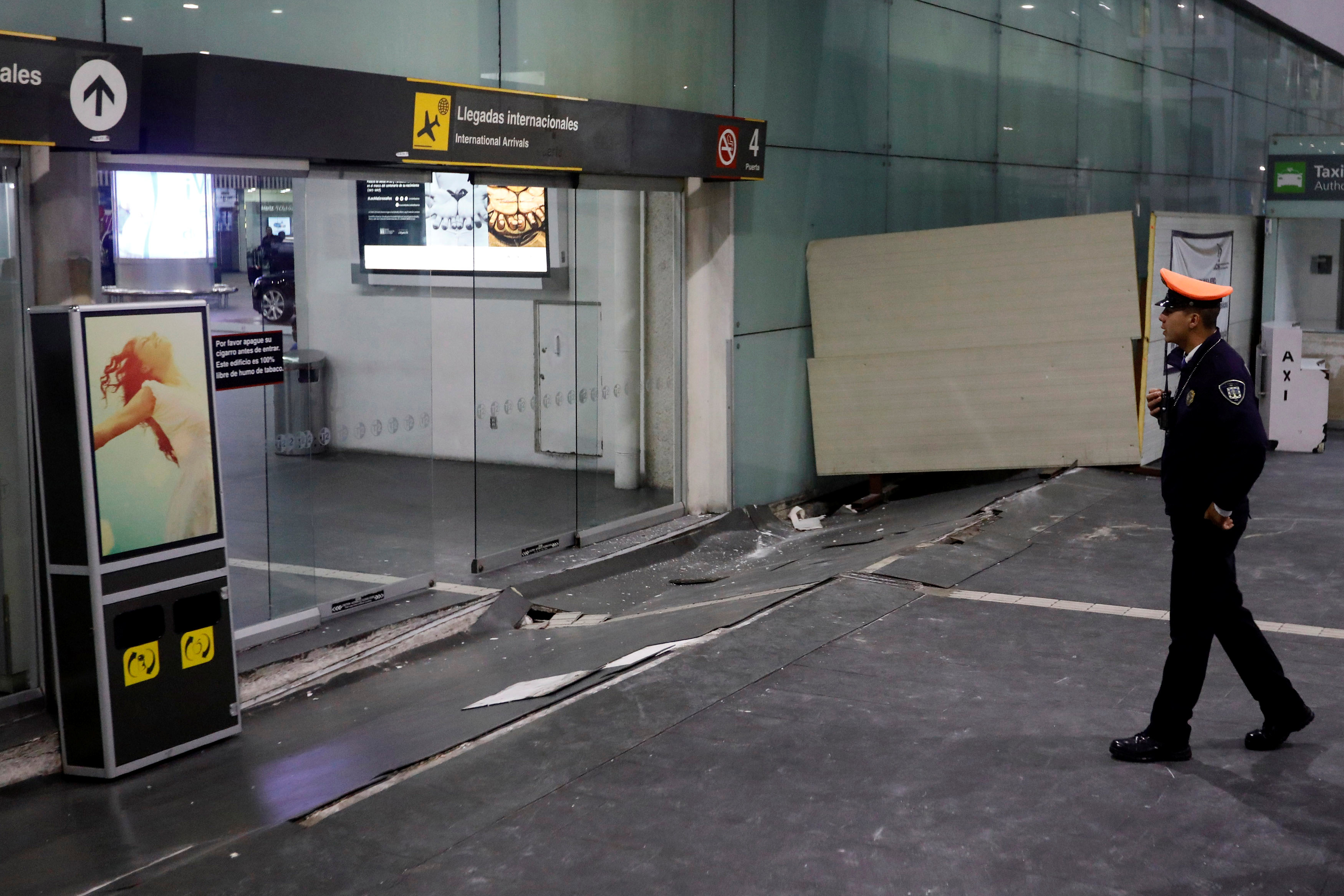
El Aeropuerto Internacional de la Ciudad de México interrumpe su funcionamiento tras el terremoto. Retrasan y cancelan vuelos desde y hacia México por terremoto de 7.1 grados

El Aeropuerto Internacional de la Ciudad de México ha interrumpido su funcionamiento tras el fuerte terremoto de magnitud 7,1 que sacudió la parte central mexicana, incluida la capital del país, según los servicios de rescate del país.

La Dirección General de Aeronáutica Civil (DGAC) informó sobre la cancelación y retraso de vuelos desde y hacia México a consecuencia del terremoto de 7.1 grados que afectó infraestructura y comunicaciones del vecino país.

La DGAC dio a conocer que se cancelan los vuelos de la aerolíniea Aeroméxico, se trata del AM 678 que arribaría a Guatemala a las 17:30 horas procedente de la Ciudad de México y el AM 679 que saldría de Guatemala a las 18:30 horas rumbo a dicha ciudad. Así también, informaron de la demora indefinida del vuelo AM 671 que tenía previsto salir a las 12:20 horas de Guatemala a México. Los vuelos de Volaris, 210 rumbo a Cancún y el 303 hacia Guadalajara, operaron de acuerdo a sus horarios establecidos.

Conrado Monroy, vocero de la DGAC explicó que se mantiene comunicación con las aerolíneas y con las autoridades del Aeropuerto de México, por lo que están en espera de recibir un informe oficial sobre el estatus del mismo.

Autoridades de la Dirección General de Aeronáutica Civil (DGAC) se reunieron con representantes de distintas aerolíneas que operan a México, analizan protocolos de seguridad, derivado del terremoto ocurrido en el país vecino que ha provocado cancelación de vuelos hacia México y viceversa.

Las consecuencias negativas del terremoto en México, así como el cierre temporal del Aeropuerto Benito Juárez, impactan la movilización aérea y terrestre por la capital.

Un 19 de Septiembre de 1985 ocurrió el devastador terremoto que los mexicanos recuerdan vívidamente, ayer vuelve a repetirse la historia. AIRWAYS® AW-Icon TXT

Resultado de imagen para terremoto mexico Aeropuerto

Resultado de imagen para terremoto mexico Aeropuerto

Resultado de imagen para terremoto mexico Aeropuerto

Mexico International Airport Interrupts Services by Earthquake

The International Airport of Mexico City interrupts its operation after the earthquake. Delay and cancel flights to and from Mexico by 7.1-magnitude earthquake

The International Airport of Mexico City has disrupted its operation after the strong earthquake of magnitude 7.1 that shook the Mexican central part, including the capital of the country, according to the rescue services of the country.

The Directorate General of Civil Aeronautics (DGAC) reported on the cancellation and delay of flights to and from Mexico as a consequence of the earthquake of 7.1 degrees that affected infrastructure and communications of the neighboring country.

The DGAC announced that Aeroméxico flights are canceled, it is the AM 678 that would arrive to Guatemala at 17:30 hours from Mexico City and the AM 679 that would leave Guatemala at 18:30 hours course to that city. Also, they reported the indefinite delay of the flight AM 671 that was scheduled to leave at 12:20 hours from Guatemala to Mexico. Volaris flights, 210 to Cancún and 303 to Guadalajara, operated according to their established schedules.

Conrad Monroy, a spokesman for the DGAC, explained that he is in communication with the airlines and with the authorities of the Airport of Mexico, reason why they are waiting to receive an official report on the status of the same.

Authorities from the General Directorate of Civil Aeronautics (DGAC) met with representatives of different airlines operating in Mexico, analyzed security protocols, derived from the earthquake that occurred in the neighboring country that has caused cancellation of flights to Mexico and vice versa.

The negative consequences of the earthquake in Mexico, as well as the temporary closure of the Benito Juárez Airport, impact the aerial and ground mobilization by the capital.

On September 19, 1985, the devastating earthquake occurred that Mexicans remember vividly, yesterday the story repeats itself. A \ W


Ξ A I R G W A Y S Ξ
SOURCE:  Airgways.com
DBk:  Prensalibre.com / Elsol.com.ar / Cadena3.com
AW-POST: 201709200837AR

A\W   A I R G W A Y S ®
Obras y más vuelos Aeropuerto Rosario

AW-70087772.png

AW | 2017 09 15 17:22 | AIRPORTS

Se conocieron las propuestas económicas para las obras del Aeropuerto Internacional Rosario. Aerolíneas Argentinas incrementa vuelos regionales

Reformas en el aeropuerto
En el día de hoy se realizó el acto de apertura de sobres con las ofertas financieras para la ejecución de las obras en las calles de rodaje Alfa-Bravo y la ampliación de la plataforma comercial.

Con la realización de las obras el Aeropuerto Internacional Rosario (AIR) se dispondrá de una nueva plataforma de 69.000 metros cuadrados que atenderá las necesidades de la actual aeroestación junto con nueva terminal que iniciará su construcción a partir de 2018. Los trabajos en el área de movimiento optimizan las condiciones de los pavimentos y márgenes del sector de circulación y estacionamiento de aeronaves, elevando su capacidad de soporte y resistencia. «Su ejecución es un pilar fundamental para la contención de los vuelos vigentes y futuros», indicaron.

La duplicación del área de plataforma «es el comienzo de un plan de modernización y crecimiento que va a transformar al aeropuerto, generando una mayor conectividad al servicio de quienes quieran llegar o salir desde Rosario. De la misma manera se potenciará el desarrollo de la carga aérea beneficiando la actividad comercial de toda la región».

Además, AIR realizará en lo inmediato una serie de mejoras en la terminal actual para confort del pasajero. En los próximos meses se iniciarán obras de ampliación y readecuación de espacios en las salas de vuelos domésticos e internacionales. También incrementará el número de cocheras disponibles y continuará trabajando para incorporar nuevas opciones de traslados terrestres que vinculen a los pasajeros de manera más ágil con el centro de la ciudad y otras zonas de la región.

Más vuelos
El Aeropuerto Internacional Rosario (AIR) «Islas Malvinas» sumará tres vuelos internacionales y uno de cabotaje para la temporada de verano. A partir de diciembre la empresa Aerolíneas Argentinas viajará rumbo a Punta del Este, Florianópolis, Río de Janeiro y Mar del Plata. De esta manera, ampliará su oferta, ya que otras cinco líneas aéreas ya ofrecen otros recorridos tanto internacionales como locales.

«Un año más Aerolíneas Argentinas suma vuelos de temporada. Comenzarán a partir de fines de diciembre hasta febrero», confirmó la responsable de Comunicación de la estación aérea, Cecilia Gabenara Boero, quien destacó que, además de estas rutas aéreas, «la empresa seguirá operando con sus vuelos habituales». De los vuelos internacionales, el de mayor frecuencia será el de Punta del Este. Partirá los viernes y los domingos. Y a las ciudades brasileñas volará los sábados. En tanto, los vuelos partirán rumbo a Mar del Plata cuatro veces por semana: miércoles, jueves, viernes y domingos.  AIRWAYS® AW-Icon TXT


Works and more flights in Rosario Airport

The economic proposals for the works of the Rosario International Airport were known. Aerolineas Argentinas increases regional flights

Reforms at the airport
Today, the act of opening envelopes was made with the financial offers for the execution of the works on the taxiways Alfa-Bravo and the expansion of the commercial platform.

With the completion of the works, Rosario International Airport (AIR) will have a new platform of 69,000 square meters that will meet the needs of the current airport along with a new terminal that will start construction from 2018. Works in the area movement optimize the pavement conditions and margins of the aircraft circulation and parking sector, increasing its support and resistance capacity. «Its execution is a fundamental pillar for the containment of current and future flights,» they said.

The duplication of the platform area «is the beginning of a plan of modernization and growth that will transform the airport, generating greater connectivity to the service of those who want to arrive or leave Rosario.In the same way will enhance the development of cargo benefiting the commercial activity of the whole region «.

In addition, AIR will immediately make a series of improvements in the current terminal for passenger comfort. In the coming months, work will begin on the expansion and readjustment of spaces in domestic and international flight rooms. It will also increase the number of parking spaces available and will continue to work to incorporate new land transfer options that link passengers more quickly with the city center and other areas of the region.

More flights
The International Airport Rosario (AIR) «Islas Malvinas» will add three international flights and one of cabotage for the summer season. Starting in December, Aerolíneas Argentinas will travel to Punta del Este, Florianópolis, Rio de Janeiro and Mar del Plata. In this way, it will expand its offer, as five other airlines already offer other routes both international and local.

«One more year, Aerolíneas Argentinas adds seasonal flights, starting from the end of December until February,» confirmed Cecilia Gabenara Boero, head of Communication at the station, who said that in addition to these air routes, «the company will continue operating with their usual flights». Of the international flights, the one of greater frequency will be the one of Punta del Este. It will depart Fridays and Sundays. And Brazilian cities will fly on Saturdays. Meanwhile, the flights will leave for Mar del Plata four times a week: Wednesday, Thursday, Friday and Sunday. A \ W


Ξ A I R G W A Y S Ξ
SOURCE:  Airgways.com
DBk:  Airgways.com / Lacapital.com.ar
AW-POST: 201709151722AR

A\W   A I R G W A Y S ®

Chile invierte mejoras en aeropuertos

Aeropuerto en Santiago de Chile (archivo)

AW | 2017 09 13 19:11 | AIRPORTS

Chile invierte 700 millones de dólares en mejoras al aeropuerto internacional

El Gobierno de Chile realizó una inversión de 700 millones de dólares para remodelar el Aeropuerto Internacional Comodoro Arturo Merino Benítez en Santiago, anunció el ministro de Obras Públicas, Alberto Undurraga, en la ceremonia donde se depositó la primera piedra de las obras.

La remodelación del aeropuerto contempla la construcción de un nuevo edificio de terminal de pasajeros, además de una ampliación de nueve mil metros cuadrados de la actual, el que será utilizado exclusivamente para vuelos nacionales. También informó que se agregarán más de siete mil puestos de estacionamientos de vehículos para los usuarios, 67 puentes de embarque nuevos, 70 módulos de autochequeo para los pasajeros, 23 asesores, 19 escaleras mecánicas y 67 veredas rodantes.

El plazo para terminar las primeras obras es el segundo semestre del próximo año, explicó Undurraga y afirmó que la entrega final será el año 2020. Finalmente, Undurraga pidió disculpas anticipadas a los usuarios del aeropuerto, anunciando que estos arreglos supondrán algunos inconvenientes para el normal desplazamiento.

El 4 de septiembre un grupo de taxistas se manifestaron en contra de las aplicaciones de transporte como Uber bloqueando el acceso principal del aeropuerto y causando un embotellamiento que hizo a muchos pasajeros, perder sus vuelos. Tras este incidente, Undurraga comentó que existe un trabajo paralelo a este remodelamiento, que contempla abrir un nuevo acceso al aeropuerto para facilitar la entrada y salida de vehículos.

En 2016, poco más de 19 millones de personas pasaron por el aeropuerto de la capital chilena, según cifras oficiales. AIRWAYS® AW-Icon TXT

Chile invests in airport improvements

Chile invests US $ 700 million in improvements to international airport

The Government of Chile made a $ 700 million investment to remodel the Comodoro Arturo Merino Benítez International Airport in Santiago, Public Works Minister Alberto Undurraga announced at the ceremony where the foundation stone was laid.

The remodeling of the airport contemplates the construction of a new passenger terminal building, in addition to an extension of nine thousand square meters of the current one, which will be used exclusively for domestic flights. He also announced that more than 7,000 parking spaces for users will be added, 67 new boarding bridges, 70 self-check modules for passengers, 23 advisors, 19 escalators and 67 treadmills.

The deadline for finishing the first works is the second half of next year, said Undurraga and said that the final delivery will be the year 2020. Finally, Undurraga apologized in advance to airport users, announcing that these arrangements will pose some drawbacks for normal displacement.

On 4 September a group of taxi drivers demonstrated against transport applications such as Uber blocking the main access of the airport and causing a traffic jam that caused many passengers to lose their flights. Following this incident, Undurraga commented that there is a parallel work to this remodeling, which contemplates opening a new access to the airport to facilitate the entry and exit of vehicles.

In 2016, just over 19 million people passed through the airport of the Chilean capital, according to official figures. A \ W


Ξ A I R G W A Y S Ξ
SOURCE:  Airgways.com
DBk:  Sputniknews.com
AW-POST: 201709131911AR

A\W   A I R G W A Y S ®

Las cancelaciones en Florida se extienden hacia el fin de semana

AW | 2017 09 13 16:07 | AIR TRAFFIC / AIRPORTS

Los vuelos se han reanudado en la mayoría de los aeropuertos del Estado de Florida, pero la perspectiva de retrasos y cancelaciones se mantuvo para los viajeros aéreos el miércoles, ya que las aerolíneas reiniciaron sus horarios.

Más de 860 vuelos habían sido cancelados para el miércoles a partir de las 8 am ET y otros 470 para el jueves, de acuerdo con FlightAware, en los cuatro aeropuertos: Miami, Orlando, Tampa y Fort Lauderdale. Incluso hacia el viernes, 76 vuelos ya habían sido cancelados, la mayoría en Miami.

Las aerolíneas se enfrentaron a un escenario similar. Los aviones que fueron expulsados ​​del estado para evitar la ira de Irma primero tuvieron que volar de nuevo, proceso que comenzó el martes. Los tripulantes también tuvieron que volar de regreso en lo que podría ser colocado para el personal de los vuelos de salida.

Otro desafío de personal complicado para las aerolíneas era la capacidad de las tripulaciones nocturnas en áreas donde muchos hoteles permanecían cerrados o llenos. En Miami, eso afectó la reanudación de algunos vuelos de larga distancia para American, según el portavoz Ross Feinstein. Las tripulaciones que llegaran en un vuelo de 9 horas desde Sudamérica, por ejemplo, tendrían que pasar la noche en Miami antes de trabajar en otro vuelo. Encontrar espacio para esas tripulaciones esta semana ha sido complicado dada la escasez de habitaciones de hotel.

También en Miami, American dijo que ayudó a volar en los trabajadores de TSA junto con sus propias tripulaciones como parte de un esfuerzo para ayudar a que las operaciones vuelvan a funcionar en ese aeropuerto, un importante centro para el transportista.

Las cancelaciones en curso subrayaron el desafío que aguardaba tanto a las aerolíneas como a los aeropuertos mientras intentaban reanudar los horarios normales en los aeropuertos de Florida.

Para los aeropuertos, además de abordar los daños que podrían haber causado el Huracán Irma, las operaciones sólo podrían reanudarse una vez que el personal hubiera regresado. Muchos floridanos evacuados delante de Irma, lo que significa que muchos trabajadores primero tuvo que regresar a la zona antes de que pudieran tomar sus puestos en el aeropuerto. Eso afectó a todo, desde los puntos de venta al por menor del aeropuerto hasta el personal de las oficinas de TSA y de Aduanas y Protección Fronteriza de los Estados Unidos.

Por ahora, la mayoría de los aeropuertos de la Florida estaban aconsejando a los clientes que no vinieran a menos que hubieran confirmado el estado de sus vuelos con anticipación.

Todos los transportistas estadounidenses habían promulgado algún tipo de política de cambio de reserva flexible para permitir que los volantes facturados a Florida cambiaran sus planes sin incurrir en honorarios de cambio o, en la mayoría de los casos, en costos adicionales.

Los aeropuertos de La Habana y Varadero en Cuba reabrieron ayer para permitir los primeros vuelos de evacuación para turistas británicos atrapados en la isla devastada por las tormentas.AIRWAYS® AW-Icon TXT

Cancellations in Florida are extended weekend

Flights have resumed at most Florida state airports, but the prospect of delays and cancellations remained for air travelers on Wednesday as airlines restarted their schedules.

More than 860 flights had been canceled by 8 am ET Wednesday and another 470 by Thursday, according to FlightAware, at four airports: Miami, Orlando, Tampa and Fort Lauderdale. Even by Friday, 76 flights had already been canceled, most in Miami.

Airlines faced a similar scenario. The planes that were expelled from the state to avoid Irma’s anger first had to fly again, a process that began on Tuesday. The crew also had to fly back into what could be placed for the departure flight crew.

Another challenging staff challenge for airlines was the ability of night crews in areas where many hotels remained closed or full. In Miami, that affected the resumption of some long-haul flights to American, according to spokesman Ross Feinstein. Crews arriving on a 9-hour flight from South America, for example, would have to spend the night in Miami before working on another flight. Finding space for these crews this week has been complicated given the scarcity of hotel rooms.

Also in Miami, American said it helped fly TSA workers along with their own crews as part of an effort to help operations re-operate at that airport, a major hub for the carrier.

The ongoing cancellations underscored the challenge awaiting both airlines and airports as they attempted to resume normal schedules at Florida airports.

For airports, in addition to addressing the damages that could have been caused by Hurricane Irma, operations could only be resumed once the personnel had returned. Many Floridians evacuated in front of Irma, which meant that many workers first had to return to the area before they could take their seats at the airport. That affected everything from the retail outlets at the airport to the staff at the TSA and Customs and Border Protection offices in the United States.

For now, most Florida airports were advising customers not to come unless they had confirmed the status of their flights in advance.

All US carriers had enacted some kind of flexible reserve exchange policy to allow Florida billed flyers to change their plans without incurring exchange fees or, in most cases, additional costs.

Havana and Varadero airports in Cuba re-opened yesterday to allow the first evacuation flights for British holidaymakers stuck on the storm-ravaged island. A \ W


Ξ A I R G W A Y S Ξ
SOURCE:  Airgways.com
DBk:  Independent.co.uk / Hubbslawfirm.com
AW-POST: 201709131607AR

A\W   A I R G W A Y S ®

FAA subvenciona a aeropuertos de EEUU

AW | 2017 09 11 16:26 | AIRPORTS

Aeropuertos de EEUU reciben U$D318 millones de dólares de la FAA en subvenciones de infraestructura

La Administración Federal de Aviación (FAA) otorgará $ 318.1 millones en subvenciones de infraestructura aeroportuaria a 78 aeropuertos en todo el país, anunció el Departamento de Transporte de Estados Unidos el 8 de septiembre.

Las subvenciones forman parte del Programa de Mejoramiento Aeroportuario (AIP) de la FAA, y dos aeropuertos en el área de Houston recibirán parte de ese dinero, según un comunicado de prensa del 8 de septiembre.

Por ejemplo, el Aeropuerto Intercontinental George Bush recibirá 21,3 millones de dólares para reparar y ensanchar una de sus principales calles de rodaje para acomodar aviones más grandes. Al incluir tanto las subvenciones discrecionales como las subvenciones de derechos, IAH está recibiendo más de $ 24 millones . Aeropuerto Regional Conroe-North Houston recibirá $ 5 millones para extender Taxiway G.

Sin embargo, el mayor receptor en Texas y en todo el país es Dallas-Fort Worth International Airport. DFW está recibiendo cerca de $ 52.2 millones que se destinarán a mejorar la iluminación del delantal de estacionamiento de los aviones terminales para mejorar la eficiencia energética y la reparación de la Pista 17C / 35C, la pista primaria en el aeropuerto.

Cada año, los aeropuertos tienen derecho a una cierta cantidad de financiamiento AIP basado en el volumen de pasajeros. La FAA también puede complementar esa financiación de derecho con fondos discrecionales si el capital de los aeropuertos es lo suficientemente grande. Hasta ahora, en 2017, el Departamento de Transporte ha otorgado 1.580 nuevas subvenciones por un total aproximado de $ 2,800 millones a casi 1.300 aeropuertos. Estas subvenciones financiarán 646 proyectos de pista y 557 proyectos de calles de rodaje en todo el país.

«El Programa de Mejoramiento Aeroportuario ayuda a mantener nuestra infraestructura de aviación y apoya la seguridad, la capacidad, la seguridad y las mejoras ambientales», dijo la secretaria de Transporte Elaine Chao en el comunicado de prensa del 8 de septiembre. «Esta es una inversión importante en estos aeropuertos y la vitalidad económica de sus respectivas comunidades». AIRWAYS® AW-Icon TXT

Resultado de imagen para FAA awards grants to US airports

FAA awards grants to US airports

US airports receive $ D318 million from FAA in infrastructure subsidies

The Federal Aviation Administration (FAA) will award $ 318.1 million in airport infrastructure subsidies to 78 airports nationwide, the US Department of Transportation announced on Sept. 8.

Grants are part of the FAA’s Airport Improvement Program (AIP), and two airports in the Houston area will receive some of that money, according to a September 8 press release.

For example, George Bush Intercontinental Airport will receive $ 21.3 million to repair and widen one of its main taxiways to accommodate larger aircraft. By including both discretionary grants and rights grants, IAH is receiving more than $ 24 million. Conroe-North Houston Regional Airport to receive $ 5 million to extend Taxiway G.

However, the largest receiver in Texas – and across the country – is Dallas-Fort Worth International Airport. DFW is receiving about $ 52.2 million to improve illumination of terminal apron parking to improve energy efficiency and repair of the 17C / 35C Track, the primary runway at the airport.

Each year, airports are entitled to a certain amount of AIP funding based on passenger volume. The FAA can also supplement such law funding with discretionary funding if the capital of airports is large enough. So far, in 2017, the Department of Transportation has awarded 1,580 new grants totaling approximately $ 2.8 billion to almost 1,300 airports. These grants will finance 646 track projects and 557 taxiway projects across the country.

«The Airport Improvement Program helps maintain our aviation infrastructure and supports safety, capacity, safety and environmental improvements,» Transport Secretary Elaine Chao said in the September 8 press release. «This is an important investment in these airports and the economic vitality of their respective communities.» A \ W


Ξ A I R G W A Y S Ξ
SOURCE:  Airgways.com
DBk:  Bizjournals.com / Duluthnewstribune.com / Gspairport.com
AW-POST: 201709111626AR

A\W   A I R G W A Y S ®