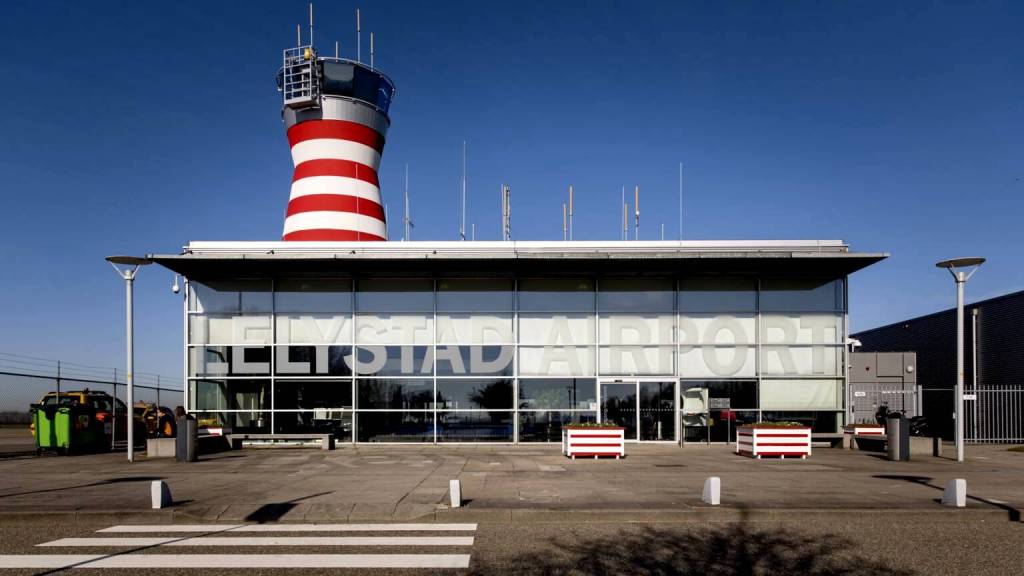
La Ministra de Infraestructura y Gestión del Agua, Cora Van Nieuwenhuizen no tiene planes de cancelar la apertura del Aeropuerto de Lelystad debido a la crisis de Coronavirus. La crisis actual y el descenso del tráfico aéreo no son motivos para poner fin a sus planes. «La aviación se ha derrumbado considerablemente, pero no debemos tomar la situación actual como la medida de las cosas», dijo en la Cámara de Representantes.
Los partidos de oposición creen que el Gabinete debería ahora detener el plan de aterrizar vuelos en el Aeropuerto Lelystad en la Provincia de Flevoland. La apertura ya se ha pospuesto cuatro veces por diversos motivos, como la crisis del nitrógeno. La pregunta resurge ahora por el planteamiento si es necesario un aeropuerto adicional debido a la disminución de vuelos debido a la crisis sanitaria. La Ministra ha expresado que ahora es imposible predecir cómo se desarrollará la aviación después de la crisis pandémica. El Aeropuerto Amsterdam/Schiphol tampoco ha recibido aún informes de aerolíneas que hayan renunciado a su derecho de aterrizaje, conocido como bloqueo. «No vamos a cambiar la política a largo plazo sobre la base de la política de crisis», dijo la Ministro de Infraestructura y Gestión del Agua. El Aeropuerto Lelystad tiene previsto la apertura en Noviembre 2021.
Government supports Lelystad Airport
Lelystad Airport activation planning continues
The Minister of Infrastructure and Water Management, Cora Van Nieuwenhuizen has no plans to cancel the opening of Lelystad Airport due to the Coronavirus crisis. The current crisis and the decrease in air traffic are not reasons to put an end to their plans. «Aviation has collapsed considerably, but we should not take the current situation as the measure of things», she said in the House of Representatives.
Opposition parties believe that the Cabinet should now stop the plan to land flights at Lelystad Airport in Flevoland Province. The opening has already been postponed four times for various reasons, such as the nitrogen crisis. The question now resurfaces by the question whether an additional airport is necessary due to the decrease in flights due to the health crisis. The Minister has stated that it is now impossible to predict how aviation will develop after the pandemic crisis. Amsterdam/Schiphol Airport has also not yet received reports of airlines waiving their right to land, known as a blockade. «We are not going to change the long-term policy based on the crisis policy», said the Minister of Infrastructure and Water Management. Lelystad Airport is scheduled to open in November 2021.
De overheid steunt Lelystad Luchthaven
De activeringsplanning van Lelystad Luchthaven wordt voortgezet
Minister van Infrastructuur en Waterstaat Cora Van Nieuwenhuizen heeft geen plannen om de opening van Lelystad Luchthaven af te gelasten vanwege de Coronavirus-crisis. De huidige crisis en de afname van het vliegverkeer zijn geen reden om een einde te maken aan hun plannen. ,,De luchtvaart is flink ingestort, maar we moeten de huidige situatie niet als maatstaf nemen», zei hij in de Tweede Kamer.
Oppositiepartijen vinden dat het kabinet nu moet stoppen met het plan om te landen op Lelystad Luchthaven in Flevoland. De opening is al vier keer uitgesteld om verschillende redenen, zoals de stikstofcrisis. De vraag duikt nu weer op door de vraag of er een extra luchthaven nodig is vanwege de afname van het aantal vluchten door de gezondheidscrisis. De Minister heeft aangegeven dat het nu onmogelijk is om te voorspellen hoe de luchtvaart zich na de pandemiecrisis zal ontwikkelen. Ook de Luchthaven Amsterdam/Schiphol heeft nog geen meldingen ontvangen dat luchtvaartmaatschappijen afzien van hun recht om te landen, ook wel een blokkade genoemd. ,,Op basis van het crisisbeleid gaan we het meerjarenbeleid niet wijzigen», aldus de minister van Infrastructuur en Waterstaat. De opening van Lelystad Luchthaven is gepland voor November 2021.
Ξ A I R G W A Y S Ξ PUBLISHER: Airgways.com DBk: Nos.nl / Government.nl / Lelystadairport.nl / Airgways.com AW-POST: 202009011141AR
Post-pandemia aeropuertos del mundo solicitan modalidad low cost
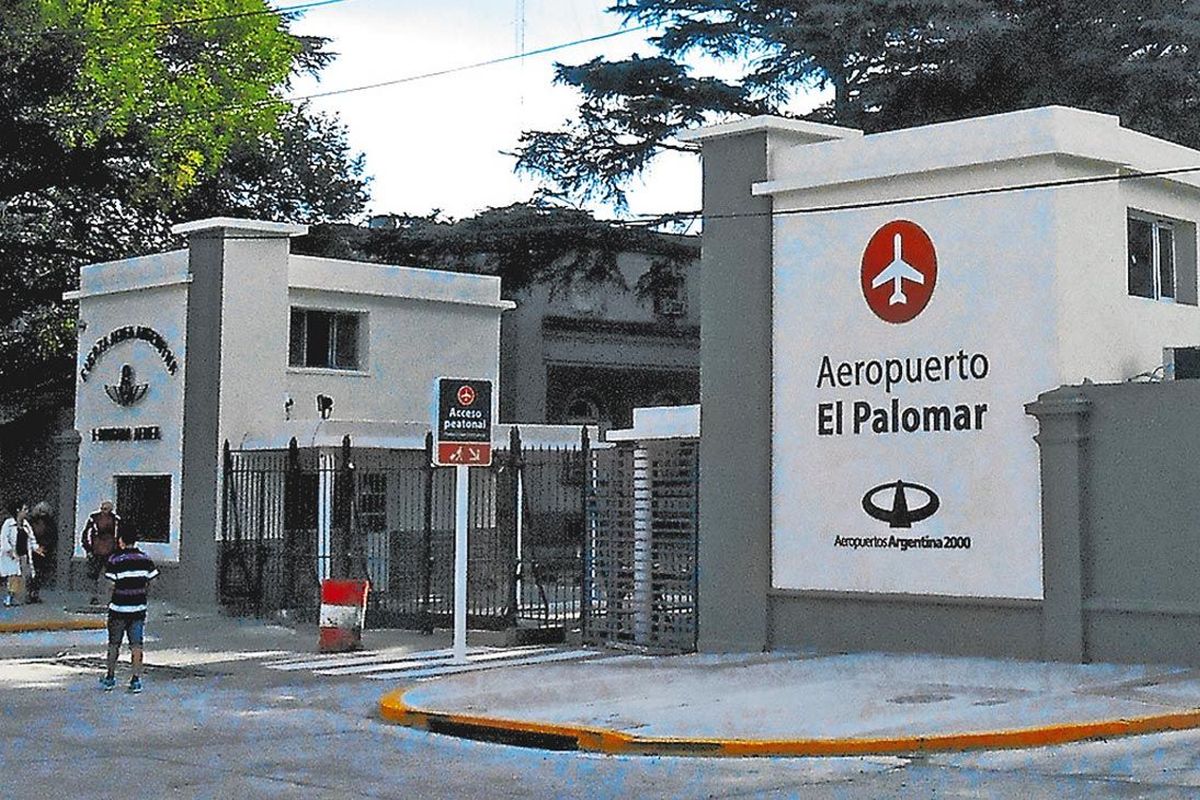
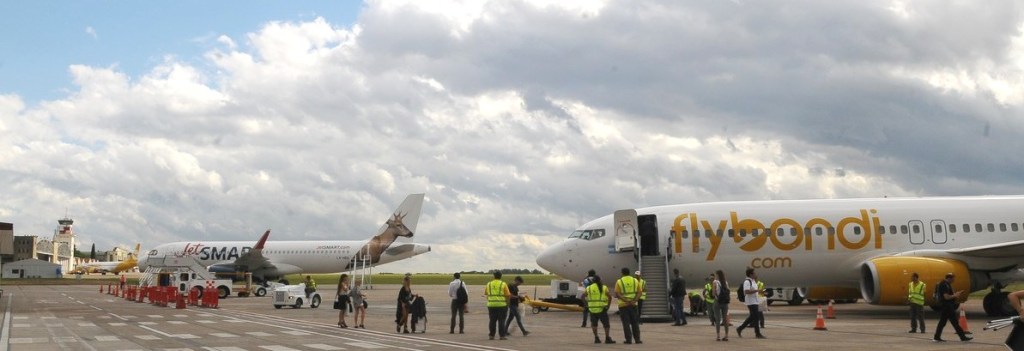
La incertidumbre e indefinición por el Aeropuerto Internacional El Palomar respecto al Gobierno de Argentina ha llevado a la población y a la arena política a expresarse respecto a la conservación de la modalidad low cost de la aeroestación bonaerense. Una tendencia post-pandemia se está desarrollande a través del mundo donde aeropuertos y aerolíneas buscan conjugarse para reactivar las economías del mundo de la aviación.
Pronunciamientos a favor
El Diputado Nacional de Argentina, Alberto Asseff (Juntos por el Cambio), ha advirtido que el primer aeropuerto low cost de Sudamérica «genera de forma directa e indirecta 10.000 puestos de trabajo, y que moderniza sus alrededores creando progreso y actividades económicas. Cuenta con prestaciones básicas que disminuyen los costos de operación para las aerolíneas y reduce los valores de las tasas de embarque. Es el primero que está conectado al tren ya que se encuentra a 300 metros de la estación Palomar de la línea San Martín”. Por estas razones, el presidente del Partido Unir pidió que el Aeropuerto El Palomar no sea cerrado, “pues se perderían miles de puestos de trabajo y se vería reducida la política aerocomercial y la conectividad del país”. De esta manera el Diputado ha repudiado los dichos del Ministro de Transporte de la Nación Mario Meoni que consideró que “tres aeropuertos en la megalópolis es mucho”. Para el diputado, en vez de proponer el cerrar del aeropuerto “deberían implementarse políticas que fomenten el trabajo, el turismo, la logística y las conexiones”.
El Intendente de la Ciudad de Morón, Lucas Ghi, ha considerado que “en la medida que el aeropuerto reúna todas las condiciones que los organismos acrediten, tiene que funcionar. En esta Argentina, que está atravesando un momento tan difícil, tomar una decisión de esta naturaleza, que impacte en varios cientos de trabajadores y trabajadoras no me parece que sea adecuado».
«Todas las grandes ciudades del mundo con un claro panorama de progreso y crecimiento presentan una estructura aeroportuaria adecuada, consolidada y preparada. Es lamentable que se esté pensando que el AMBA, y la Argentina en si, no necesiten de un armado idóneo para fomentar el transporte aéreo”, concluyó el Diputado Asseff. Acompañan el pedido José Riccardo, Estela Regidor, Lidia Inés Ascarate, Luis Pastori, Héctor Stefani, Pablo Torello, Jorge Vara, Lorena Matzen, Julio Sahad, Gustavo Menna, Omar De Marchi, Waldo Wolf, Roxana Reyes, Jorge Enríquez y Camila Crescimbrene.
Aeropuertos low cost, tendencia mundial
La actual pandemia de Coronavirus ha traido muchas y profundas transformaciones al sector de la aviación comercial a través del mundo. El fenómeno de los aeropuertos y terminales de bajo costo ha estado cobrando auge en muchos países como Argentina. Algunos informes desde 2007 expresan un fenómeno creciente. Muchas ideas nuevas parecen estar dirigidas hacia la mejor manera de manejar modelos híbridos, de bajo costo y de servicio completo dentro del mismo edificio de terminal, y la adaptación de la infraestructura es más típicamente la de un muelle en lugar de una terminal completa, pero continúan siendo consideradas una tendencia en aumento en varios países como la Federación Rusia. En el contexto de la actual crisis sanitaria mundial, el llamado de un alto ejecutivo de una aerolínea para que se construyan nuevos aeropuertos minimalistas en Rusia, donde la penetración de bajo costo sigue siendo moderada en el mejor de los casos, puede indicar que es hacia donde Aeroflot Russian Airlines ve el rumbo futuro, a medida que los viajes de negocios se ralentizan.
El Palomar Airport a world trend
Post-pandemic crisis, airports in the world request low cost modality
The uncertainty and lack of definition for the El Palomar International Airport with respect to the Government of Argentina has led the population and the political arena to express themselves regarding the conservation of the low cost modality of the Buenos Aires air station. A post-pandemic trend is developing throughout the world where airports and airlines seek to combine to reactivate the economies of the world of aviation.
Pronouncements in favor
The Argentine National Deputy, Alberto Asseff (Together for Change), has warned that the first low cost airport in South America «directly and indirectly generates 10,000 jobs, and that it modernizes its surroundings creating progress and economic activities. basic benefits that reduce operating costs for airlines and reduce the values of boarding fees. It is the first that is connected to the train since it is located 300 meters from the Palomar station on the San Martín line”. For these reasons, the president of the Unir Party asked that the El Palomar Airport not be closed, “because thousands of jobs would be lost and the country’s air-trade policy and connectivity would be reduced”. In this way, the Deputy has repudiated the Minister’s words of Transportation of the Nation Mario Meoni who considered that “three airports in the megalopolis is a lot”. For the deputy, instead of proposing to close the airport “they should imp policies that promote work, tourism, logistics and connections should be implemented”.
The Mayor of the City of Morón, Lucas Ghi, has considered that “as long as the airport meets all the conditions that the agencies accredit, it has to function. In this Argentina, which is going through such a difficult time, making a decision of this nature that impacts several hundred workers does not seem to me to be appropriate».
«All the great cities of the world with a clear panorama of progress and growth present an adequate, consolidated and prepared airport structure. It is regrettable that it is being thought that the AMBA, and Argentina itself, do not need a suitable assembly to promote the air transport», concluded Deputy Asseff. The request is accompanied by José Riccardo, Estela Regidor, Lidia Inés Ascarate, Luis Pastori, Héctor Stefani, Pablo Torello, Jorge Vara, Lorena Matzen, Julio Sahad, Gustavo Menna, Omar De Marchi, Waldo Wolf, Roxana Reyes, Jorge Enríquez and Camila Crescimbrene.
Low cost airports, world trend
The current Coronavirus pandemic has brought many profound transformations to the commercial aviation sector throughout the world. The phenomenon of low-cost airports and terminals has been gaining ground in many countries such as Argentina. Some reports since 2007 express a growing phenomenon. Many new ideas seem to be directed towards the best way to handle hybrid, low-cost and full-service models within the same terminal building, and the infrastructure adaptation is more typically that of a pier rather than a complete terminal, but they continue to be considered an increasing trend in several countries such as the Russian Federation. In the context of the current global health crisis, a call from a senior airline executive for new minimalist airports to be built in Russia, where low-cost penetration remains moderate at best, may indicate that it is towards where Aeroflot Russian Airlines sees the future direction, as business travel slows down.
Ξ A I R G W A Y S Ξ PUBLISHER: Airgways.com DBk: Pro.com.ar / Airgways.com AW-POST: 202008280040AR
Mayor operador aeroportuario de Indonesia busca transporte carga
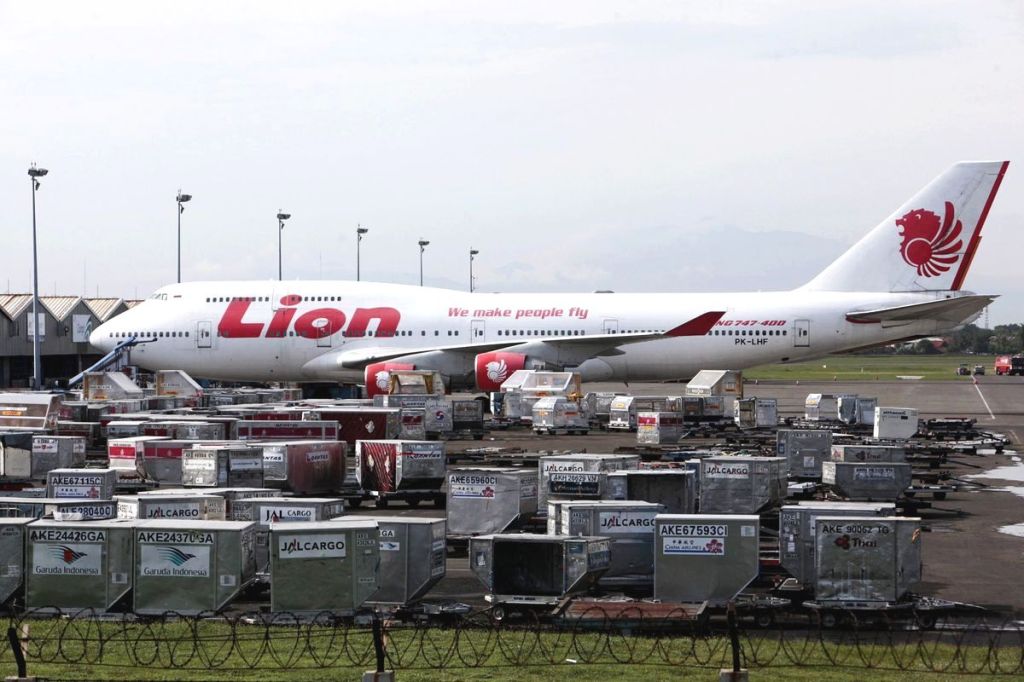
El operador aeroportuario más grande de Indonesia, Angkasa Pura II, está avanzando con la construcción de una nueva instalación de manipulación de mercancías en Jakarta, capital de la República de Indonesia, apostando a que el movimiento de carga ayudará a una industria arruinada por la reducción de vuelos de pasajeros.
PT Angkasa Pura II predice que el tráfico de carga en el aeropuerto Soekarno-Hatta de Jakarta aumentará a 1 millón de toneladas al año desde las 600.000 toneladas actuales en los próximos tres años. Hace un llamado a terceros interesados en invertir junto a él para que presenten propuestas en el cuarto trimestre. Se estima que la inversión total será de US$ 545 millones de Dólares, mostrando mucho interés en el proyecto, ha comunicado el Director Presidente Muhammad Awaluddin. El operador aéreo Garuda Indonesia Airlines también ayudará a desarrollar la instalación.
El depósito de manipulación de mercancías sigue adelante a pesar de que Angkasa Pura tiene la misión de ahorrar efectivo. La compañía planea reducir el gasto de capital hasta en un 90% este año. Con la demanda de pasajeros muy reducida por el coronavirus, las aerolíneas de todo el mundo dependen cada vez más de la carga para mantenerse a flote. Las tarifas de flete han aumentado a medida que la carga de vientre, o bienes que normalmente se habrían transportado en el vientre de los aviones de pasajeros, se retira del mercado. Los volúmenes de carga aérea en Indonesia fueron de casi 24.000 toneladas a finales de Julio 2020 frente a 6.620 toneladas a principios de Marzo 2020, según muestran los datos del Ministerio de Transporte de Indonesia. Angkasa Pura II también ha acumulado cierta liquidez para garantizar que pueda capear la caída en el tráfico de pasajeros del aeropuerto.
Angkasa Pura II opera 19 aeropuertos en Indonesia, incluido un nuevo centro en Medan, en el norte de Sumatra. La cantidad de personas que pasan por todas sus instalaciones a diario es de alrededor de 96.000 en la actualidad, frente a tan solo 1,000 a fines de Abril 2020, cuando gran parte de la nación del sudeste asiático estaba cerrada. Normalmente, la cifra ronda los 243.000.
Angkasa Pura II seeks cargo traffic
Indonesia’s largest airport operator seeks cargo transport
Indonesia’s largest airport operator Angkasa Pura II is moving forward with the construction of a new freight handling facility in Jakarta, capital of the Republic of Indonesia, betting that the movement of cargo will help an industry ruined by downsizing. of passenger flights.
PT Angkasa Pura II predicts that cargo traffic at Jakarta’s Soekarno-Hatta Airport will increase to 1 million tons per year from the current 600,000 tons in the next three years. He calls on third parties interested in investing with him to present proposals in the fourth quarter. It is estimated that the total investment will be US$ 545 million, showing a lot of interest in the project, has communicated the President Muhammad Awaluddin. Air operator Garuda Indonesia Airlines will also help develop the facility.
The freight handling warehouse continues despite Angkasa Pura’s mission to save cash. The company plans to reduce capital spending by up to 90% this year. With passenger demand greatly reduced by the coronavirus, airlines around the world are increasingly relying on cargo to stay afloat. Freight rates have increased as belly cargo, or goods that would normally have been carried in the belly of passenger jets, are withdrawn from the market. Air cargo volumes in Indonesia were almost 24,000 tonnes at the end of July 2020 compared to 6,620 tonnes at the beginning of March 2020, data from the Indonesian Ministry of Transport shows. Angkasa Pura II has also built up some liquidity to ensure it can weather the drop in passenger traffic at the airport.
Angkasa Pura II operates 19 airports in Indonesia, including a new hub in Medan, North Sumatra. The number of people passing through all its facilities on a daily basis is around 96,000 today, up from just 1,000 at the end of April 2020, when much of the Southeast Asian nation was closed. Typically the figure is around 243,000.
Angkasa Pura II mencari lalu lintas kargo
Operator bandara terbesar di Indonesia mencari transportasi kargo
Operator bandara terbesar di Indonesia, Angkasa Pura II, sedang bergerak maju dengan pembangunan fasilitas penanganan kargo baru di Jakarta, ibu kota Republik Indonesia, bertaruh bahwa pergerakan kargo akan membantu industri yang hancur karena perampingan. dari penerbangan penumpang.
PT Angkasa Pura II memprediksi lalu lintas kargo di Bandara Soekarno-Hatta Jakarta akan meningkat menjadi 1 juta ton per tahun dari saat ini 600.000 ton pada tiga tahun mendatang. Ia mengimbau pihak ketiga yang berminat berinvestasi dengannya untuk mempresentasikan proposal di kuartal keempat. Diperkirakan total investasi akan mencapai US$ 545 juta yang menunjukkan minat yang besar pada proyek tersebut, demikian disampaikan Presiden Muhammad Awaluddin. Operator penerbangan Garuda Indonesia Airlines juga akan membantu mengembangkan fasilitas tersebut.
Gudang penanganan kargo terus berlanjut meskipun Angkasa Pura memiliki misi untuk menghemat uang. Perusahaan berencana mengurangi belanja modal hingga 90% tahun ini. Dengan berkurangnya permintaan penumpang akibat virus corona, maskapai penerbangan di seluruh dunia semakin mengandalkan kargo untuk tetap bertahan. Tarif angkutan meningkat karena belly cargo, atau barang yang biasanya diangkut di dalam perut jet penumpang, ditarik dari pasar. Volume kargo udara di Indonesia hampir 24.000 ton pada akhir Juli 2020 dibandingkan dengan 6.620 ton pada awal Maret 2020, menurut data Kementerian Perhubungan Indonesia. Angkasa Pura II juga telah membangun beberapa likuiditas untuk memastikan dapat mengatasi penurunan lalu lintas penumpang di bandara.
Angkasa Pura II mengoperasikan 19 bandara di Indonesia, termasuk hub baru di Medan, Sumatera Utara. Jumlah orang yang melewati semua fasilitasnya setiap hari adalah sekitar 96.000 hari ini, naik dari hanya 1.000 pada akhir April 2020, ketika sebagian besar negara Asia Tenggara tutup. Biasanya angkanya sekitar 243.000.
Ξ A I R G W A Y S Ξ PUBLISHER: Airgways.com DBk: Angkasapura2.co.id / Airgways.com / Bloomberg.com AW-POST: 202008272200AR
Gobierno y las inversiones en aeropuertos argentinos
El Gobierno de Argentina ha establecido un programa de inversiones por parte del Estado y el sector privado para continuar con las inversiones a pesar del complicado panorama socio-económico global.
En muchos países, los planes de inversión en aeropuertos, ya sea por parte de los gobiernos o del sector privado (o ambos), han quedado paralizados. El Gobierno argentino ha hecho un anuncio no esperado de inversiones por valor de unos US$ 1.400 millones durante cuatro años para mejorar los aeropuertos de la República Argentina. Actualmente existen numerosos planes de este tipo, todos los cuales deberían completarse en los próximos dos años y a la mitad del costo previsto.
Las complicaciones en el mercado aéreo en Argentina se asentuaron por la crisis económica pre-pandemia, que junto con el turismo reflejaban signos de retroceso hacia el 4Q2019. La crisis económico-financiera, sumadoa la crisis sanitaria ha condicionado al país con pocos recursos o alternativas para poder articular una estrategia de salida de bloqueo. El Gobierno parece decidido a adoptar una estrategia de proteccionismo en la aviación que acabará con la mayor parte del progreso logrado en los últimos cinco años.
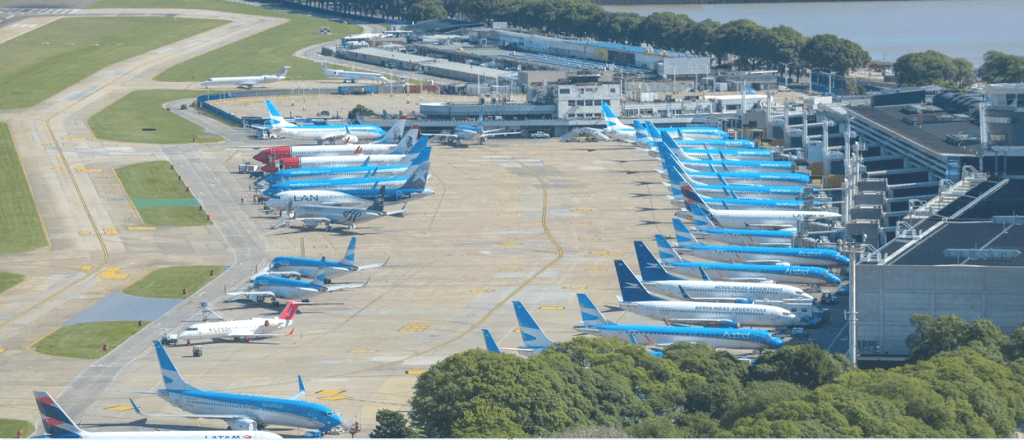
La mayoría de los aeropuertos son administrados por la empresa del sector privado en concesión Aeropuertos Argentina 2000 (AA2000), donde ha tenido poco margen para desarrollarse y ampliar sus potenciales recursos escasos. Ahora, el Gobierno está bajando el pulgar al Aeropuerto Internacional El Palomar. La próxima concentración del negocio aéreo pasará por el Aeropuerto Jorge Newbery, una aeroestación que traerá mucha demanda hacia el corto plazo, pero donde la oferta de mercado doméstico estará acaparada mayoritariamente por Aerolíneas Argentinas.
Argentina airport investments
Government and investments in Argentine airports
The Government of Argentina has established an investment program by the State and the private sector to continue with investments despite the complicated global socio-economic panorama.
In many countries, airport investment plans, whether by governments or the private sector (or both), have come to a standstill. The Argentine government has made an unexpected announcement of investments worth about US$ 1,400 million over four years to improve the airports of the Argentine Republic. There are currently numerous such plans, all of which should be completed within the next two years and at half the expected cost.
Complications in the air market in Argentina were settled by the pre-pandemic economic crisis, which together with tourism reflected signs of retreat towards 4Q2019. The economic-financial crisis, added to the health crisis, has conditioned the country with few resources or alternatives to be able to articulate an exit strategy from the blockade. The government appears determined to adopt a strategy of protectionism in aviation that will kill most of the progress made in the last five years.
Most airports are managed by the concessioned private sector company Aeropuertos Argentina 2000 (AA2000), where it has had little room to develop and expand its potential scarce resources. Now, the Government is lowering its thumb to El Palomar International Airport. The next concentration of the air business will go through the Jorge Newbery Airport, an air station that will bring a lot of demand in the short term, but where the domestic market supply will be dominated mainly by Aerolineas Argentinas.
Ξ A I R G W A Y S Ξ PUBLISHER: Airgways.com DBk: Aa2000.com.ar / Argentina.gob.ar / Airgways.com AW-POST: 202008181636AR
AW | 2020 08 18 15:02 | AIRPORTS / AIRLINES / GOVERNMENT
Justicia Argentina definirá pedido de clausura por daño ambiental
La Justicia Federal de la República Argentina deberá resolver en los próximos días el pedido de clausura del Aeropuerto Internacional El Palomar al haberse superado los límites de ruido admitidos por la Organización Mundial de Salud (OMS), en el marco de la causa que llevan adelante los vecinos de la zona oeste del conurbano bonaerense contra el uso comercial del aeropuerto por parte de las aerolíneas Flybondi Líneas Aéreas y JetSmart Airlines Argentina por el ruido y contaminación acústica. La denuncia vecinal fue radicada el 17 Diciembre 2019 pero quedó en suspenso a raíz de la feria judicial por la pandemia. Con la reanudación de los tribunales la Jueza Martina Forns debe fallar al respecto.
Ministerio Transporte
Las declaraciones del Minsterio de Transporte de Argentina a cargo de Mario Meoni había expresado que no es razonable que haya tres aeropuertos en el área metropolitana, por lo que el Área Metropolitana de Buenos Aires (AMBA) debería tener dos aeropuertos, razón por la cual el Gobierno Nacional mantuvo los planes de inversiones en el Aeropuerto Jorge Newbery y Aeropuerto Internacional Ezeiza. Las últimas declaraciones del la cartera de Transporte arrojan señales: “Nosotros tenemos muchas objeciones respecto del funcionamiento del Aeropuerto El Palomar. Para justificar el funcionamiento de tres aeropuertos, Buenos Aires debería registrar por lo menos el doble del actual volumen de viajeros, entre 27 y 28 millones de pasajeros por año, por lo cual el costo de sostener El Palomar no se justifica”.
Las ciudades del mundo que tienen tres aeropuertos poseen un movimiento de pasajeros por año que duplica, triplica y hasta cuadriplica la cantidad de pasajeros aéreos que registra actualmente el AMBA en Argentina, sostiene el Ministerio de Transporte. Así puso como ejemplo a Washington que tiene más de 50 millones de pasajeros y a Nueva York y Paris, cada una con alrededor de 130 millones de pasajeros anuales por vía aérea, cuatro veces más que el Área Metropolitana de Buenos Aires.
En Junio 2020, desde el Ministerio de Transporte ya se habían pronunciado a favor de establecer un sector low cost en el Aeropuerto Ezeiza, con costos similares a los del Aeropuerto Internacional El Palomar, para que Flybondi Líneas Aéreas y Jetsmart Airlines Argentina operen desde allí, en línea con lo solicitado por el concesionario Aeropuertos Argentina 2000 quien inició en Abril 2020 el procedimiento administrativo en dicho sentido ante el ORSNA, organismo que tiene pendiente la decisión al respecto.
Las declaraciones de Meoni y los planes de AA2000 recibieron un contundente respaldo y apoyo de los vecinos de la localidad de Hurlingham, Tres de Febrero, Morón, San Martín y La Matanza que vienen reclamando hace más de dos años el cese de vuelos comerciales desde el Aeropuerto Internacional El Palomar.
Alerta a low cost
Mientras tanto, trabajadores de Flybondi y JetSmart piden reactivar los vuelos. Las aerolíneas aéreas low cost que operan en Argentina emitieron un comunicado en respuesta a las afirmaciones que hizo el Ministro de Transporte de Argentina. Los reclamos centrales giran en torno a no al cierre de El Palomar, la preservación de 10.000 puestos de trabajo (directos e indirectos), la definición de un plan de reinicio de la actividad aérea y la necesidad de trabajar con protocolo sanitarios para la reapertura de vuelos desde Septiembre 2020.
Tras la declaraciones donde el Ministro de Transporte, Mario Meoni, que había dado trascendidos que los vuelos podrían volver entre 60 a 180 días, los trabajadores de las dos compañías low cost han expresado el repudio porque esos plazos significarán la desaparición de la industria aérea.
Las aerolíneas de presupuesto que operan en Argentina, Flybondi y JetSmart emitieron un comunicado en respuesta a las afirmaciones que hizo el ministro de Transporte, Mario Meoni, respecto no sólo a la fecha de reinicio de los vuelos, sino también al cierre del Aeropuerto El Palomar. “Los trabajadores de Flybondi y JetSmart necesitamos claridad con respesto a los recientes dichos del ministro de Transporte, reflejando una actitud pasiva a la espera de directivas de su par de la cartera de Salud, y desentendiéndose de cualquier precisión acerca del reinicio de la actividad aeronáutica. Peor aún, deslizó que ni siquiera habría vuelos de cabotaje durante los próximos seis meses”, expresan fuertemente los gremios.
La República Argentina es uno de los pocos países en el mundo que pasados ya casi 5 meses no reinició la actividad aérea. Esta actividad requiere de certezas y definiciones que permitan ver con claridad un horizonte: aprobación de protocolos sanitarios, puesta a la venta de pasajes con antelación, apertura de bases aéreas y de rutas definidas. Sin una planificación mínima, la actividad es insostenible. Las aéreas solicitan al Ministerio de Transporte un mayor grado de ocupación ante una situación que afecta a miles de trabajadores aeronáuticos y sus familias, quienes ven amenazada su fuente de trabajo y se encuentran sumidos en la angustia de la incertidumbre.
Perspectivas aéreas
La Justicia Argentina próximamente se expedirá por la continuidad o no del Aeropuerto Internacional El Palomar. Ante una decisión de fallo adverso para las líneas aéreas de presupuesto, las compañías aéreas tendrán que realizar las migraciones de sus bases hacia el Aeropuerto Internacional Ezeiza, donde el Gobierno le asignará un área para dichas operaciones, suprimiendo así la reapertura del primer aeropuerto low cost de Sudamérica. Detrás de todo este movimiento del Gobierno, habrá que esperar que destino tendrá el Aeropuerto El Palomar, después de muchas inversiones por parte de Aeropuertos Argentina 2000.
Respecto al Aeropuerto Jorge Newbery, la compañía JetSmart Airlines Argentina no podrá hacer uso de los slots de la ex-Norwegian Air Argentina. Latam Airlines Argentina ha retirado sus operaciones del país desde su base en este aeropuerto, por lo que su Hangar, por mucho tiempo politizado, pasará a disponibilidad. Austral Líneas Aéreas se fusionará con Aerolíneas Argentinas, barriendo cuestionamientos sindicales hacia el futuro. La próxima reapertura de Aeroparque encontrará a un nuevo aeropuerto con una alta disponibilidad de slots para Aerolíneas Argentinas como operadora local, concentrando más del 95% de las operaciones domésticas.
El próximo escenario del mercado aéreo de Argentina se enfrenta hacia una monopolización del transporte, donde lejos de poder operar las low cost en Aeroparque, Aerolíneas Argentinas de la mano del Gobierno está logrando su objetivo desde hace mucho tiempo, dominar los vuelos desde el Aeropuerto Jorge Newbery, un viejo sueño que se materializará ayudado con el arribo de la pandemia mundial.
Justice defines El Palomar Airport
Argentine Justice will define closure request for environmental damage
The Federal Justice of the Argentine Republic must resolve in the next few days the request to close the El Palomar International Airport as the noise limits admitted by the World Health Organization (WHO) have been exceeded, within the framework of the cause carried out by the residents of the western area of the Buenos Aires suburbs against the commercial use of the airport by the airlines Flybondi Lineas Aereas and JetSmart Airlines Argentina due to noise and noise pollution. The neighborhood complaint was filed on December 17, 2019 but was suspended as a result of the judicial fair for the pandemic. With the resumption of the courts, Judge Martina Forns must rule in this regard.
Ministry of Transportation
The statements of the Ministry of Transport of Argentina in charge of Mario Meoni had expressed that it is not reasonable that there are three airports in the metropolitan area, therefore the Metropolitan Area of Buenos Aires (AMBA) should have two airports, which is why the The National Government maintained the investment plans at the Jorge Newbery Airport and Ezeiza International Airport. The latest statements from the Transportation portfolio show signs: “We have many objections regarding the operation of the El Palomar Airport. To justify the operation of three airports, Buenos Aires should register at least twice the current volume of travelers, between 27 and 28 million passengers per year, so the cost of sustaining El Palomar is not justified”.
The cities of the world that have three airports have a passenger movement per year that doubles, triples and even quadruples the number of air passengers currently registered by the AMBA in Argentina, says the Ministry of Transport. Thus she gave as an example Washington, which has more than 50 million passengers and New York and Paris, each with around 130 million passengers per year by air, four times more than the Metropolitan Area of Buenos Aires.
In June 2020, the Ministry of Transportation had already spoken in favor of establishing a low cost sector at Ezeiza Airport, with costs similar to those at El Palomar International Airport, so that Flybondi Líneas Aéreas and Jetsmart Airlines Argentina can operate from there, in line with what was requested by the Aeropuertos Argentina 2000 concessionaire, who in April 2020 began the administrative procedure in this regard before the ORSNA, an organization that is pending the decision in this regard.
Meoni’s statements and AA2000 plans received strong backing and support from the residents of the town of Hurlingham, Tres de Febrero, Morón, San Martín and La Matanza who have been demanding for more than two years the cessation of commercial flights since El Palomar International Airport.
Low cost alert
Meanwhile, Flybondi and JetSmart workers ask to reactivate the flights. The low cost airlines that operate in Argentina issued a statement in response to the statements made by the Argentine Minister of Transportation. The central claims revolve around not closing El Palomar, the preservation of 10,000 jobs (direct and indirect), the definition of a plan to restart air activity and the need to work with a health protocol for the reopening of flights from September 2020.
After the statements made by the Minister of Transport, Mario Meoni, who had reported that the flights could return between 60 to 180 days, the workers of the two low cost companies have expressed their rejection because those deadlines will mean the disappearance of the airline industry.
The budget airlines that operate in Argentina, Flybondi and JetSmart issued a statement in response to the statements made by the Minister of Transport, Mario Meoni, regarding not only the date of restart of flights, but also the closure of El Palomar Airport. “Flybondi and JetSmart workers need clarity regarding the recent statements of the Minister of Transport, reflecting a passive attitude awaiting directives from his counterpart in the Health portfolio, and ignoring any precision regarding the restart of aeronautical activity . Worse still, it slipped that there would not even be domestic flights for the next six months”, the unions strongly express.
The Argentine Republic is one of the few countries in the world that after almost 5 months did not restart air activity. This activity requires certainties and definitions that allow a clear horizon to be seen: approval of health protocols, sale of tickets in advance, opening of air bases and defined routes. Without minimal planning, the activity is unsustainable. The airlines request a higher degree of occupation from the Ministry of Transport in the face of a situation that affects thousands of aeronautical workers and their families, who see their source of work threatened and are mired in the anguish of uncertainty.
Aerial perspectives
The Argentine Justice will soon be issued for the continuity or not of the El Palomar International Airport. Faced with an adverse ruling decision for budget airlines, airlines will have to migrate from their bases to Ezeiza International Airport, where the Government will assign an area for such operations, thus eliminating the reopening of the first low cost airport from South America. Behind all this movement of the Government, it will be necessary to wait in which destination the El Palomar Airport will have, after many investments by the Aeropuertos Argentina 2000.
Regarding the Jorge Newbery Airport, the JetSmart Airlines Argentina company will not be able to use the slots of the ex-Norwegian Air Argentina. Latam Airlines Argentina has withdrawn its operations from the country from its base at this airport, so its Hangar, for a long time politicized, will become available. Austral Líneas Aéreas will merge with Aerolíneas Argentinas, sweeping union questions into the future. The upcoming reopening of Aeroparque will find a new airport with high availability of slots for Aerolíneas Argentinas as a local operator, concentrating more than 95% of domestic operations.
The next scenario of the air market in Argentina is facing a monopolization of transport, where far from being able to operate the low cost in Aeroparque, Aerolíneas Argentinas, hand in hand with the Government, is achieving its objective for a long time, to dominate flights from Jorge Airport Newbery, an old dream that will materialize helped with the arrival of the global pandemic.
Ξ A I R G W A Y S Ξ PUBLISHER: Airgways.com DBk: Airgways.com / Ambito.com / Argentina.gob.ar/transporte AW-POST: 202008181502AR
AW | 2020 08 18 10:12 | AIRPORTS / AIRLINES / GOVERNMENT / AVIATION SAFETY
Aerolíneas y aeropuertos proponen una alternativa a las cuarentenas
Las aerolíneas europeas y estadounidenses mantienen su propuesta de efectuar un programa global coordinado de test como alternativa efectiva a las cuarentenas y restricciones de entrada, nuevamente establecidas por varios gobiernos ante los rebrotes de casos de Coronavirus que están retrocediendo la reapertura a los viajes. Varios de los principales aeropuertos del mundo están ofreciendo o exigiendo pruebas de COVID-19 en el momento del vuelo para los pasajeros internacionales que arriban.
Según un informe de TravelWeekly, la experiencia más amplia en pruebas de COVID-19 en aeropuertos la registran en Alemania, donde los viajeros procedentes de zonas de alto riesgo, incluidos los Estados Unidos son sometidos a estos test durante las 72 horas siguientes a su llegada. De momento, se está llevando a cabo y de forma gratuita en varias de las principales instalaciones alemanas, entre ellas, Berlín/Tegel, Berlín/Schonefeld, Munich, Frankfurt y Dusseldorf. Paralelamente, Lufthansa German Airlines ha iniciado a finales de Junio 2020, en sus dos hubs principales, los aeropuertos de Munich y Frankfurt, su propio programa de pruebas para los viajeros internacionales de llegada, ofreciendo resultados en un plazo de cuatro a cinco horas. Aquellos que obtienen resultados negativos quedan inmediatamente libres de los requisitos de cuarentena de dos semanas. También es un servicio disponible para los pasajeros de salida que viajen a países donde se exige un test negativo.
En los aeropuertos de Tokio/Haneda y Tokio/Narita se ofrecen pruebas con tiempos de respuesta aún más rápidos. Los medios locales informaron a fines de Julio 2020 que los aeropuertos habían comenzado a ofrecer pruebas de antígeno COVID-19 con resultados en una hora. Se esperaba que la capacidad de prueba en Tokio/Haneda aumentara a 3.800 personas por día, según el diario de información financiera Nikkei Asian Review.
También ofrece pruebas de COVID-19 el Aeropuerto Internacional Estambul desde principios de Julio 2020 con un coste de US$ 16,00. La capacidad por día es de aproximadamente 40.000 pruebas. Los resultados se entregan en dos horas.
Mientras tanto, en el Aeropuerto de Hong Kong, los pasajeros que llegan deben tomar un autobús de enlace a un lugar de prueba, según el portal del aeropuerto.
Acción y coordinación global
Analistas señalan que si estas acciones fueran obligatorias y coordinadas globalmente podrían ser la clave para abrir los viajes intercontinentales y reducir algunas medidas restrictivas y las cuarentenas mientras continúa la pandemia de COVID-19 y cuya aplicación está echando para atrás la reactivación de la aviación y el sector turístico, con las repercusiones económicas que tendrá.
También algunas de las principales aerolíneas lo habían propuesto en julio. Las dos mayores operadoras estadounidense, American Airlines y United Airlines, y dos de los mayores grupos aéreos europeos, Lufthansa Group e International Airlines Group (IAG) el holding de British Airways, Iberia, Vueling, Aer Lingus y Level, están pidiendo la creación de un programa conjunto de pruebas de COVID-19 entre los Estados Unidos y la Unión Europea para facilitar el reinicio de los vuelos transatlánticos. En una carta dirigida al vicepresidente de los Estados Unidos, Mike Pence, y al comisionado europeo para Asuntos de Interior, Yiva Johansson, las aerolíneas de los mayores grupos aéreos de ambas regiones pedían que el programa comenzara con un proyecto piloto (ver: Aerolíneas plantean una salida para reabrir el tráfico aéreo transatlántico).
En estos momentos, los Estados Unidos prohíben la llegada de viajeros de la Unión Europea (UE) y el Reino Unido. La UE ha bloqueado la llegada de visitantes procedentes de los EEUU. Mientras que el Reino Unido exige que los viajeros que llegan permanezcan en cuarentena durante 14 días y las recomendaciones de no viajar a otros países como España, Italia o Francia vuelven aparecer en los portales de Asuntos Exteriores de varias naciones europeas, levantándose nuevamente y de forma unilateral las barreras internas del continente.
Josh Walker, Cofundador de Nomi Health, con sede en Utah, que realiza pruebas de COVID-19 bajo contrato con los estados de Utah, Nebraska e Iowa, dijo que cree que los programas de pruebas coordinados podrían ayudar a países de todo el mundo a aliviar las restricciones de viaje, pero no será una tarea fácil. Según agregó, Nomi Health ha tenido conversaciones con los aeropuertos de Miami, London/Heathrow y una gran aerolínea extranjera para realizar sus pruebas.
Protocolo único
Dijo que para que un programa de pruebas coordinado funcione, las diversas autoridades reguladoras deberían establecer un protocolo único. Los pasajeros aéreos podrían comenzar el proceso ingresando información básica de registro en una plataforma única y deberían hacerse las pruebas utilizando tecnología estandarizada. Josh Walker ha agregado que, si bien los aeropuertos que realizan pruebas de COVID-19 a su llegada son un buen paso, sería un mejor enfoque ordenar las pruebas antes de la salida al destino. Los aeropuertos podrían establecer áreas específicas para las pruebas, a las que los viajeros acudirían previa cita en un plazo que les permita tener los resultados antes de volar. «Los resultados podrían incluso codificarse en las tarjetas de embarque», expresó Josh Walker.
Alternative health air/airports
Airlines and airports propose an alternative to quarantines
European and US airlines maintain their proposal to carry out a coordinated global test program as an effective alternative to quarantines and entry restrictions, once again established by several governments in the face of outbreaks of Coronavirus cases that are pushing back the reopening to travel. Several of the world’s major airports are offering or requiring COVID-19 testing at the time of flight for arriving international passengers.
According to a report by TravelWeekly, the most extensive experience in COVID-19 tests at airports is in Germany, where travelers from high-risk areas, including the United States, are subjected to these tests within 72 hours of arrival . At the moment, it is being carried out and free of charge at several of the main German facilities, including Berlin/Tegel, Berlin/Schonefeld, Munich, Frankfurt and Dusseldorf. At the same time, Lufthansa German Airlines has started at the end of June 2020, at its two main hubs, the Munich and Frankfurt airports, its own test program for incoming international travelers, offering results within a period of four to five hours. Those who test negative are immediately released from the two-week quarantine requirements. It is also a service available for outbound passengers traveling to countries where a negative test is required.
COVID-19 SANITARY CONTROL POST AT FRANKFURT INTERNATIONAL AIRPORT, GERMANY
Tests with even faster response times are offered at Tokyo/Haneda and Tokyo/Narita airports. Local media reported in late July 2020 that airports had started offering COVID-19 antigen tests with results within an hour. Testing capacity in Tokyo/Haneda was expected to increase to 3,800 people per day, according to the financial reporting newspaper Nikkei Asian Review.
The Istanbul International Airport also offers COVID-19 tests from the beginning of July 2020 at a cost of US$ 16.00. The capacity per day is approximately 40,000 tests. Results are delivered in two hours.
Meanwhile, at Hong Kong Airport, arriving passengers must take a shuttle bus to a test location, according to the airport portal.
Global action and coordination
Analysts point out that if these actions were mandatory and globally coordinated, they could be the key to opening up intercontinental travel and reducing some restrictive measures and quarantines while the COVID-19 pandemic continues and whose application is reversing the reactivation of aviation and the tourism sector, with the economic repercussions it will have.
Also some of the major airlines had proposed it in July. The two largest US carriers, American Airlines and United Airlines, and two of the largest European airline groups, Lufthansa Group and International Airlines Group (IAG), the holding company of British Airways, Iberia, Vueling, Aer Lingus and Level, are calling for the creation of a joint COVID-19 testing program between the United States and the European Union to facilitate the restart of transatlantic flights. In a letter addressed to the Vice President of the United States, Mike Pence, and the European Commissioner for Home Affairs, Yiva Johansson, the airlines of the largest airline groups in both regions requested that the program begin with a pilot project (see: Airlines propose an outlet to reopen transatlantic air traffic).
At this time, the United States prohibits the arrival of travelers from the European Union (EU) and the United Kingdom. The EU has blocked the arrival of visitors from the US. While the United Kingdom requires that arriving travelers remain in quarantine for 14 days and the recommendations not to travel to other countries such as Spain, Italy or France appear again on the Foreign Affairs portals of several European nations, rising again and in a unilateral internal barriers of the continent.
Josh Walker, Co-Founder of Utah-based Nomi Health, which tests for COVID-19 under contract with the states of Utah, Nebraska and Iowa, said he believes coordinated testing programs could help countries around the world to ease travel restrictions, but it won’t be an easy task. As she added, Nomi Health has had conversations with the airports of Miami, London/Heathrow and a large foreign airline to carry out its tests.
Single protocol
He said that for a coordinated testing program to work, the various regulatory authorities would need to establish a single protocol. Air passengers could start the process by entering basic registration information on a single platform and testing should be done using standardized technology. Josh Walker has added that while airports testing for COVID-19 upon arrival is a good move, it would be a better approach to order testing prior to departure. Airports could establish specific areas for testing, to which travelers would go by appointment within a period that allows them to have the results before flying. «The results could even be encoded on boarding passes», said Josh Walker.
Ξ A I R G W A Y S Ξ PUBLISHER: Airgways.com DBk: Airgways.com / TravelWeekly.com / Nomihealth.com / Nikkei.com / Hosteltur.com / Forbes.com / Narita-airport.jp AW-POST: 202008181012AR
OACI avala programa sanidad del Consejo Aeropuertos (ACI)
La Organización de Aviación Civil Internacional (OACI) ha expresado la aprobación del programa de Acreditación de Salud Aeroportuaria recientemente lanzado por el Consejo Internacional de Aeropuertos (ACI) World. A medida que los aeropuertos comienzan a reiniciar sus operaciones, el programa de acreditación de salud aeroportuaria los ayuda a centrarse en la salud y el bienestar de los viajeros, el personal y el público. La OACI ha brindado hoy su apoyo al programa que se lanzó la semana pasada y ya ha despertado el interés de los aeropuertos de todas las regiones del mundo. El aeropuerto de Estambul fue el primer aeropuerto del mundo acreditado a través del programa.
Los aeropuertos están introduciendo nuevas medidas y procedimientos de salud como resultado de la pandemia de COVID-19 y el nuevo programa de ACI proporciona una evaluación de estas medidas de acuerdo con las recomendaciones del Grupo de Trabajo de Recuperación de la Aviación (CART) del Consejo de la OACI y en consonancia con la Aviación conjunta de EASA y ECDC. Protocolo de seguridad sanitaria y Directrices de ACI EUROPE para una experiencia saludable de los pasajeros en los aeropuertos. “Los viajes aéreos son un factor clave para la recuperación económica mundial del impacto de la pandemia de COVID-19 y el apoyo de la OACI a nuestro programa de acreditación brindará una asistencia inconmensurable para promover la armonización de las medidas de salud que se están introduciendo en todo el mundo para facilitar el reinicio de la aviación. Nuestro nuevo programa permite que los aeropuertos demuestren a los pasajeros, el personal, los reguladores y los gobiernos que están dando prioridad a la salud y la seguridad de una manera cuantificable y establecida, al tiempo que validan sus propias medidas y procesos. La coherencia será la clave para una recuperación sostenida y las directrices de la OACI sientan el marco para un enfoque coordinado a nivel mundial que fomentará la confianza del público en la aviación”, dijo el Director General Mundial de ACI, Luis Felipe de Oliveira.
El presidente del Consejo de la OACI, Sr. Salvatore Sciacchitano, dijo: “Un enfoque armonizado de la salud es clave no solo para la recuperación de la aviación civil, sino también para ‘reconstruir mejor’, que es de vital importancia para garantizar la resiliencia futura de la red de aviación. El programa de acreditación de salud aeroportuaria de ACI será de importancia en términos de proporcionar una plataforma e impulso para la implementación de las recomendaciones del Grupo de trabajo de recuperación de la aviación del Consejo de la OACI (CART), de las cuales la armonización y la resiliencia son los principios rectores».
El Secretario General de la OACI, Dr. Fang Liu, dijo: “Para apoyar la implementación de las recomendaciones y orientaciones del CART, la OACI está haciendo uso de todos los recursos disponibles, a través del marco de coordinación del Acuerdo de colaboración para la prevención y gestión de eventos de salud pública en la aviación civil (CAPSCA) y una mayor cooperación con la industria, facilitando la implementación de Corredores de Salud Pública para asegurar operaciones de vuelo continuas con restricciones mínimas, prevenir la propagación de COVID-19 a través de viajes aéreos, proteger la salud y seguridad de la tripulación y los pasajeros y fortalecer la confianza de los pasajeros en viaje aéreo. El programa de acreditación sanitaria del aeropuerto de ACI apoyará estos esfuerzos».
El programa de Acreditación de Salud Aeroportuaria cubre temas como limpieza y desinfección, distanciamiento físico (cuando sea factible y práctico), protección del personal, distribución física, comunicaciones de pasajeros e instalaciones para pasajeros en todas las áreas y procesos de pasajeros. El programa es voluntario y está abierto a todos los aeropuertos miembros de ACI de todos los tamaños en todas las regiones.
ICAO supports ACI health program
ICAO endorses the sanitation program of the ACI
The International Civil Aviation Organization (ICAO) has expressed approval of the Airport Health Accreditation program recently launched by Airports Council International (ACI) World. As airports begin to restart operations, the airport health accreditation program helps them focus on the health and well-being of travelers, staff and the public. ICAO today supported the program that was launched last week and has already sparked interest from airports in all regions of the world. Istanbul Airport was the world’s first airport accredited through the program.
Airports are introducing new health measures and procedures as a result of the COVID-19 pandemic and the new ACI program provides an assessment of these measures in accordance with the recommendations of the Council’s Aviation Recovery Task (CART). ICAO and in line with EASA and ECDC Joint Aviation. ACI EUROPE Health Security Protocol and Guidelines for a healthy passenger experience at airports. “Air travel is a key factor in the global economic recovery from the impact of the COVID-19 pandemic and ICAO’s support for our accreditation program will provide immeasurable assistance to promote the harmonization of health measures that are being introduced. around the world to facilitate the restart of aviation. Our new program enables airports to demonstrate to passengers, staff, regulators and governments that they are prioritizing health and safety in a measurable and established way, while validating their own measures and processes. Coherence will be the key to a sustained recovery and ICAO guidelines provide the framework for a globally coordinated approach that will foster public confidence in aviation”, said ACI Global Director General Luis Felipe de Oliveira.
ICAO Council President Salvatore Sciacchitano said: “A harmonized approach to health is key not only for the recovery of civil aviation, but also for ‘building back better’, which is vitally important to ensure the future resilience of the aviation network. The ACI airport health accreditation program will be of importance in terms of providing a platform and momentum for the implementation of the recommendations of the ICAO Council Aviation Recovery Working Group (CART), of which the harmonization and resilience is the guiding principles».
ICAO Secretary General Dr. Fang Liu said: “To support the implementation of the CART recommendations and guidance, ICAO is making use of all available resources, through the coordination framework of the Collaboration Agreement for the prevention and management of public health events in civil aviation (CAPSCA) and increased cooperation with the industry, facilitating the implementation of Public Health Corridors to ensure continuous flight operations with minimal restrictions, prevent the spread of COVID-19 through travel plan, protect the health and safety of crew and passengers, and strengthen passenger confidence in air travel. ACI’s airport health accreditation program will support these efforts».
The Airport Health Accreditation program covers topics such as cleaning and disinfection, physical distancing (when feasible and practical), personnel protection, physical distribution, passenger communications, and passenger facilities in all passenger areas and processes. The program is voluntary and open to all ACI member airports of all sizes in all regions.
Ξ A I R G W A Y S Ξ PUBLISHER: Airgways.com DBk: Icao.int / Aci.aero / Airgways.com AW-POST: 202008171708AR
Impulsan conversión en Sociedad del Estado del Aeropuerto Rosario
El Diputado y ex-Ministro de Infraestructura y Transporte de la Provincia de Santa Fe, José Garibay, ha presentado un proyecto de Ley para dotar a la terminal aérea de más y mejores herramientas para su desarrollo. Con este fin, a la Cámara de Diputados ha ingresado un proyecto de Ley para convertir al Aeropuerto Internacional de Rosario/Islas Malvinas en una Sociedad del Estado. “Buscamos desarrollar una terminal aeroportuaria de escala, teniendo en cuenta el progreso económico, social y ambiental de la región”, afirmó José Garibay, autor de la iniciativa.
El legislador explicó que se trata de un proyecto que se impulsó desde el Ejecutivo durante la gestión del ex-Gobernador Miguel Lifschitz y que había perdido estado parlamentario. El propósito es cambiar su figura actual de Ente Autárquico Aeropuerto Internacional Rosario/Isla Malvinas por la de Aeropuerto Internacional Rosario- Islas Malvinas Sociedad del Estado. “Lo que ideamos es que el aeropuerto tenga un marco legal dinámico que le permita competir, sea eficaz, eficiente como también su modernización y desarrollo del servicio y de esta manera alcanzar los estándares y certificaciones internacionales del sector”, explicó el Diputado del Frente Progresista, Cívico y Social.
El proyecto contempla los derechos de los trabajadores del ente existente, asegurándoles las condiciones laborales adquiridas y potencia sus posibilidades de crecimiento, desarrollo y capacitación en el sector. La sociedad podrá administrar sus bienes y recursos financieros asignados por el Gobierno Provincial, teniendo también la posibilidad de adquirir bienes necesarios para su desarrollo como también créditos, acciones, títulos, derechos reales activos o pasivos y contraer obligaciones y erogaciones. En cuanto a la conducción del organismo, se prevé que sea a través de un Directorio, compuesto por siete integrantes ad honorem excepto su Presidente, designados por el Ejecutivo Provincial, municipios de Rosario y Funes, sector privado y por el gremio de trabajadores del sector. Se esteblecerá una comisión de seguimiento para el proceso de transformación que estará integrada por tres diputados provinciales y tres senadores provinciales que serán los encargados de monitorear que el proceso se lleve adelante dentro de lo acordado en esta ley. “De esta manera se busca potenciar y tener un aeropuerto de jerarquía internacional dotándolo de las herramientas necesarias para un desarrollo ordenado y sustentable”, concluyó José Garibay.
Rosario Airport as State Society
They promote the conversion of Rosario Airport into a State Society
The Deputy and former Minister of Infrastructure and Transportation of the Province of Santa Fe, José Garibay, has presented a bill to provide the air terminal with more and better tools for its development. To this end, a bill has been submitted to the Chamber of Deputies to convert the Rosario International Airport/Islas Malvinas into a State Company. «We seek to develop an airport terminal of scale, taking into account the economic, social and environmental progress of the region», said José Garibay, author of the initiative.
The legislator explained that it is a project that was promoted by the Executive during the administration of former Governor Miguel Lifschitz and that he had lost parliamentary status. The purpose is to change its current figure from the Rosario International Airport/Malvinas International Airport Entity to that of Rosario International Airport/Islas Malvinas Sociedad del Estado. «What we devised is that the airport have a dynamic legal framework that allows it to compete, be effective, efficient as well as its modernization and development of the service and in this way achieve the international standards and certifications of the sector», explained the Deputy of the Progressive Front, Civic and Social.
The project contemplates the rights of the workers of the existing entity, assuring them of the acquired working conditions and enhancing their possibilities for growth, development and training in the sector. The company may administer its assets and financial resources assigned by the Provincial Government, also having the possibility of acquiring assets necessary for its development as well as credits, shares, titles, real rights, assets or liabilities, and contracting obligations and expenditures. Regarding the management of the body, it is expected to be through a Board of Directors, made up of seven members ad honorem except its President, appointed by the Provincial Executive, Rosario and Funes municipalities, the private sector and by the workers’ union in the sector. A follow-up commission will be established for the transformation process that will be made up of three provincial deputies and three provincial senators who will be in charge of monitoring that the process is carried out within the agreed upon in this law. «In this way, it seeks to promote and have an airport of international rank, providing it with the necessary tools for an orderly and sustainable development», concluded José Garibay.
Ξ A I R G W A Y S Ξ PUBLISHER: Airgways.com DBk: Aeropuertorosario.com / On24.com.ar / Airgways.com AW-POST: 202008150033AR
AW | 2020 08 13 21:45 | AIRLINES / AIRPORTS / GOVERNMENT
Low cost argentinas exigen definiciones al Gobierno por El Palomar
Las aerolíneas de presupuesto en Argentina, Flybondi Líneas Aéreas y JetSmart Airlines Argentina están exigiendo ante la falta de definiciones del Gobierno respecto a la reanudación de los vuelos regulares en Argentina y el reclamo por el Aeropuerto Internacional El Palomar. Los sindicatos que agrupan a los trabajadores de Flybondi y JetSmart emitieron un comunicado a través del cual criticaron la actitud pasiva del Ministerio de Transporte a cargo de Mario Meoni, exigiéndole acciones como la definición de un plan consensuado para el reinicio de la actividad aeronáutica, su rechazo al cierre del Aeropuerto de El Palomar, y la preservación de los 10.000 puestos de trabajo directos e indirectos.
«Los trabajadores de Flybondi y JetSmart deploramos los recientes dichos del Ministro de Transporte, reflejando una actitud pasiva a la espera de directivas de su par de la cartera de Salud, y desentendiéndose de cualquier precisión acerca del reinicio de la actividad aeronáutica. Peor aún, deslizó que ni siquiera habría vuelos de cabotaje durante los próximos seis meses. Como Ministro de Transporte, el Sr. Meoni debiera estar ocupándose activamente de una situación que afecta a miles de trabajadores aeronáuticos y sus familias, quienes ven amenazada su fuente de trabajo y se encuentran sumidos en la angustia de la incertidumbre», expresaron los gremios, en referencia a la conferencia de la cual participó Mario Meoni el Lunes 10/08. Desde los gremios aeronáuticos y empleados de las líneas aéreas enfatizan la necesidad de certezas y planificación de la programación de reapertura de vuelos, pues la inactividad extendida llevarán a las líneas aéreas a la quiebras masivas. «Entendemos que la evolución de la pandemia es determinante para el regreso de la actividad. Pero vemos con tristeza que el Sr. Ministro hace muy poco para planificar ese regreso de manera ordenada, poniendo así en peligro la fuente de sustento de muchos compatriotas. Ante la gravedad de la situación y la inacción del Ministerio de Transporte, los trabajadores de las líneas de bajo costo Flybondi y JetSmart nos declaramos en estado de alerta y asamblea permanente, exigiendo a las autoridades que cumplan con las responsabilidades asumidas», expresaron las voces gremiales en Argentina.
Protesta en El Palomar
Los referentes del sector aeronáutico y empleados de líneas aéreas y aeropuerto han convocado una reunión para el próximo Jueves 20 Agosto 2020 a las 11:00 hs frente a la terminal de pasajeros del Aeropuerto Internacional El Palomar para protestar contra el cierre de sus instalaciones a la actividad aerocomercial. Con la consigna «Las low cost queremos hacer despegar la economía del país», es el lema que transmitirán para reclamar al Gobierno de Argentina la libertad de volar en el país frente a las trabas generadas a las aerolíneas de presupuesto para el retorno a la aviación comercial.
Unions demand for El Palomar
Low cost Argentines demand definitions from the Government by El Palomar
The budget airlines in Argentina, Flybondi Líneas Aéreas and JetSmart Airlines Argentina are demanding due to the lack of definitions from the Government regarding the resumption of regular flights in Argentina and the claim for the El Palomar International Airport. The unions that group the Flybondi and JetSmart workers issued a statement in which they criticized the passive attitude of the Ministry of Transport under Mario Meoni, demanding actions such as the definition of a consensual plan for the restart of aeronautical activity, its rejection of the closure of the El Palomar Airport, and the preservation of 10,000 direct and indirect jobs.
«The Flybondi and JetSmart workers deplore the recent statements of the Minister of Transport, reflecting a passive attitude awaiting directives from his counterpart in the Health portfolio, and ignoring any details about the restart of aeronautical activity. Worse still, He slipped that there would not even be domestic flights for the next six months. As Minister of Transport, Mr. Meoni should be actively dealing with a situation that affects thousands of aeronautical workers and their families, who see their source of work threatened and They are mired in the anguish of uncertainty», expressed the unions, referring to the conference in which Mario Meoni participated on Monday 08/10. The aeronautical unions and airline employees emphasize the need for certainties and scheduling planning reopening of flights, as extended inactivity will lead to massive bankruptcies of airlines. «We understand that l he evolution of the pandemic is decisive for the return of activity. But we see with sadness that the Minister does very little to plan for such an orderly return, thus endangering the livelihoods of many compatriots. Given the seriousness of the situation and the inaction of the Ministry of Transport, the workers of the low-cost lines Flybondi and JetSmart declare ourselves in a state of alert and permanent assembly, demanding that the authorities comply with the responsibilities assumed», expressed the voices trade unions in Argentina.
Protest in El Palomar
The referents of the aeronautical sector and airline and airport employees have called a meeting for next Thursday, August 20, 2020 at 11:00 am in front of the passenger terminal of El Palomar International Airport to protest against the closure of its facilities at the commercial air activity. With the slogan «The low cost we want to make the country’s economy take off», is the slogan that they will transmit to demand from the Government of Argentina the freedom to fly in the country against the obstacles generated to budget airlines for the return to aviation commercial.
Ξ A I R G W A Y S Ξ PUBLISHER: Airgways.com DBk: Flyboni.com / Jetsmart.com / Airgways.com / Argentina.gob.ar/transporte AW-POST: 202008132145AR
Aeropuerto Grand Rapids incorpora herramientas sanitarias
El Aeropuerto Grand Rapids/Gerald R. Ford en el Estado de Michigan, Estados Unidos, ha incorporado una serie de herramientas ultravioleta para desinfectar el edificio en busca de virus, incluido el COVID-19. La tecnología apunta a herramientas desinfectantes UV, incluido un robot y alfombrilla para zapatos. La tecnología UV incluyó un robot autónomo, un mapa desinfectante de zapatos para los invitados, una cápsula que se puede usar para limpiar sillas de ruedas y carritos de equipaje, y una cámara para artículos personales como teléfonos, llaves y tabletas.
Los representantes del aeropuerto dijeron que el aeropuerto de Grand Rapids es el primero en el país en probar el robot, en asociación con UVC Experts con sede en Michigan y el Programa iP con sede en Florida. “La tecnología UV es la herramienta de desinfección más prometedora para eliminar el COVID-19 de las superficies actualmente en el mercado. El Aeropuerto Ford proporciona un espacio de prueba único debido a las numerosas superficies, fuentes de luz y posibles puntos de obstrucción, como bancos. Mientras todos trabajamos para volver a la normalidad, será fundamental buscar formas innovadoras de mantener a todos a salvo”, dijo Larry Perez de UVC Experts.
El aeropuerto estableció nuevas medidas de seguridad que los viajeros verán a medida que avanzan desde el estacionamiento hasta el puente del jet, incluidos protocolos de saneamiento mejorados, instalación de guardias protectores y mayor señalización.
Grand Rapids healthcare technology
Grand Rapids Airport incorporates sanitary tools
The Grand Rapids/Gerald R. Ford Airport in the State of Michigan, United States, has incorporated a series of ultraviolet tools to disinfect the building for viruses, including COVID-19. The technology is targeting UV sanitizing tools, including a robot and shoe mat. The UV technology included an autonomous robot, a shoe sanitizer map for guests, a capsule that can be used to clean wheelchairs and luggage carts, and a camera for personal items like phones, keys, and tablets.
Airport representatives said the Grand Rapids airport is the first in the country to test the robot, in partnership with Michigan-based UVC Experts and the Florida-based iP Program. “UV technology is the most promising disinfection tool for removing COVID-19 from surfaces currently on the market. Ford Airport provides a unique test space due to the many surfaces, light sources, and potential points of obstruction such as benches. As we all work to get back to normal, it will be critical to find innovative ways to keep everyone safe”, said Larry Perez of UVC Experts.
The airport established new security measures that travelers will see as they move from the parking lot to the jet bridge, including improved sanitation protocols, installation of protective guards, and increased signage.
Ξ A I R G W A Y S Ξ PUBLISHER: Airgways.com DBk: Grr.org / Airgways.com AW-POST: 202008121944AR