Gobierno elimina ranking puntualidad para las aerolíneas
El Gobierno de Argentina ha anunciado en el Boletín Oficial a través de la Resolución Nº290/2024 publicada el 5 de Septiembre de 2024 que la Administración Nacional de Aviación Civil (ANAC) derogó el sistema de evaluación estadístico de ranking de puntualidad de las operaciones en las líneas aéreas regulares en Argentina. El sistema de estadísticas y monitoreo de índice de puntualidad había sido establecido en el año 2016 a través de la Resolución N°1195/2016.
Parte del a Resolución del comunicado dice: «El sistema imperante ha resultado hostil a las compañías aéreas en pos de los recursos que debían destinar obligatoriamente a la producción y organización de dichos datos. Luego de evaluar el funcionamiento de los mencionados parámetros, se ha concluido en que el sistema actual no ha resultado eficaz en la disminución de la impuntualidad. Que debe priorizarse el principio de subsidiariedad del Estado Nacional, por tratarse de una actividad de carácter comercial. Que existen diversas empresas de análisis de aviación y prestigiosas organizaciones, ejecutando seguimientos de vuelos a nivel global y elaboran informes de puntualidad. Que, en consecuencia, no resulta justificable el dispendio de recursos aportados por los contribuyentes para el sostenimiento de un sistema de evaluación de puntualidad de impronta estatal».
La nueva normativa emitida por la Agencia Nacional de Aviación Civil (ANAC) expresa la ineficacia del seguimiento de los índices de puntualidad de los vuelos. La agencia ANAC ha expresado que la medida solo incrementaba la carga burocrática de las aerolíneas, que debían destinar recursos a la recolección y presentación de datos sin que esto impactara en la mejora del servicio. Actualmente, existen diversas empresas y organismos globales que realizan un seguimiento de vuelos y emiten informes de puntualidad, lo que hace innecesario el uso de recursos estatales para esta función.
La eliminación del Índice de Puntualidad se ha establecido para promover la eficiencia de la agencia aeronáutica, una política de Cielos Abiertos más amigable con el transporte aéreo mundial. El rol de la ANAC continuará supervisando áreas relativas a las operaciones aerocomerciales, fiscalizar cumplimientos normativos de las líneas aéreas y proteger los derechos de los usuarios del transporte aéreo.
Argentina eliminates Punctuality Index
Government eliminates punctuality ranking for airlines
The Government of Argentina has announced in the Official Gazette through Resolution No. 290/2024 published on September 5, 2024, that the National Civil Aviation Administration (ANAC) has repealed the statistical evaluation system of punctuality ranking of operations on scheduled airlines in Argentina. The system of statistics and monitoring of the punctuality index had been established in 2016 through Resolution No. 1195/2016.
Part of the Resolution of the communiqué says: «The prevailing system has been hostile to airlines in their search for the resources that they should have obligatorily allocated to the production and organization of said data. After evaluating the functioning of the aforementioned parameters, it has been concluded that the current system has not been effective in reducing lateness. That the principle of subsidiarity of the National State must be prioritized since it is a commercial activity. That there are various aviation analysis companies and prestigious organizations, carrying out flight monitoring at a global level and preparing punctuality reports. That, consequently, the expenditure of resources provided by taxpayers for the maintenance of a punctuality evaluation system of a state imprint is not justifiable».
The new regulations issued by the National Civil Aviation Agency (ANAC) express the ineffectiveness of monitoring flight punctuality rates. The ANAC agency has stated that the measure only increased the bureaucratic burden of airlines, which had to allocate resources to the collection and presentation of data without this impacting the improvement of the service. Currently, there are various companies and global organizations that monitor flights and issue punctuality reports, which makes the use of state resources for this function unnecessary.
The elimination of the Punctuality Index has been established to promote the efficiency of the aeronautical agency, an Open Skies policy that is friendlier to global air transport. The role of the ANAC will continue to supervise areas related to commercial air operations, oversee regulatory compliance of airlines, and protect the rights of air transport users.
AW | 2024 09 04 14:17 | AIRLINES MARKET / GOVERNMENT / AVIATION ORGANISMS
Regulaciones industria aérea en Administración Biden
El ex-Director General de la otrora Continental Airlines ha expresado que lamenta que el Gobierno de Estados Unidos estén volviendo a regular las aerolíneas. El ex CEO de Continental Airlines, Frank Lorenzo, lamenta que la Administración Biden y el Departamento de Transporte (DOT) de Pete Buttigieg amenacen con arruinar la industria aérea con regulaciones innecesarias.
El Gobierno se encuentra re-regulando adversamente la industria aérea de Estados Unidos, después de la histótica desregulación a finales de la década del ’70. Frank Lorenzo fue Jefe de Continental Airlines de 1972 a 1990, que incluyó el último año de regulación del transporte aéreo antes de la aprobación de la Ley de Desregulación de Aerolíneas de 1978, que transformó fundamentalmente la industria de la aviación en Estados Unidos de América al eliminar el poder de la Junta de Aeronáutica Civil para establecer precios y rutas.
«El péndulo regulatorio en Washington ahora está oscilando en la dirección opuesta, y las aerolíneas se están llevando la peor parte. La cruzada pública del Presidente Joe Biden contra las tarifas basura y la demonización de la industria, junto con los esfuerzos de cabildeo de grupos como FlyersRights.org y Travelers United, están impulsando reglas nuevas e innecesarias», expresa Frank Lorenzo.
La Administración de Biden ha designado las siguientes tarifas como basura: Primera o segunda maleta facturada, Bolso de mano, Cancelar una reserva, Modificación de una reserva. ¿Existe realmente un problema con oponerse a las llamadas tarifas basura? ¿No es una cuestión bipartidista? Inherente a nuestra concepción de las tarifas basura no es solo que existen, sino que a menudo están ocultas y, por lo tanto, son engañosas.
«Las aerolíneas deberían competir entre sí para asegurar el negocio de los pasajeros, no para ver quién puede cobrar más en tarifas sorpresa. El DOT argumenta que su ofensiva contra las tarifas basura creará un mercado de aerolíneas competitivo al garantizar que los consumidores tengan la información que necesitan para comprender mejor los verdaderos costos de los viajes aéreos», expresó Pete Buttigieg. Pero Lorenzo no cree que esta postura sea la correcta. «Este estándar más alto es difícil de defender. ¿Debería exigirse a Amazon que muestre los gastos de envío en cada página de descripción del artículo? El Departamento de Transporte no ha demostrado que los consumidores carezcan de suficiente información sobre las tarifas de las aerolíneas. Por el contrario, los consumidores pueden ver fácilmente lo que se espera que paguen en cada paso del proceso de compra», expresa Frank Lorenzo.
La mayoría de las personas pueden pensar razonablemente que cambiar o cancelar una reserva no les costará tanto como el boleto en sí. No se trata de prohibir estas tarifas, sino simplemente de hacerlas transparentes.
El Congreso de Estados Unidos ha delegado este poder a las agencias federales. La regulación más absurda del Departamento de Transporte en la memoria reciente fue un mandato, derogado a fines de 2020, que permitía a los pasajeros llevar animales de apoyo emocional a bordo. Como era de esperar, los pasajeros comenzaron a encontrar consuelo en una variedad de criaturas, incluidos conejos, pavos reales e incluso cerdos Pero el DOT ha apresurado un arreglo cerrando la laguna legal de los animales de servicio psiquiátrico.
El Departamento de Transporte del Secretario Pete Buttigieg no ha terminado: ahora propone una compensación en efectivo al estilo de la Unión Europea y comodidades para los vuelos retrasados, independientemente de si la aerolínea podría controlar el retraso. También quiere prohibir las tarifas para que padres e hijos se sienten juntos durante el vuelo.
La Administración Biden no pide a las aerolíneas que emitan pagos en efectivo por retrasos fuera de su control, como el mal tiempo o el terrorismo. Pero sí, en el caso de los retrasos y cancelaciones que están bajo el control del transportista, incluidos los problemas mecánicos, creo que un sistema de compensación haría que los transportistas fueran mucho más responsables y conduciría a más llegadas a tiempo.
Las aerolíneas han prosperado desde la desregulación al proporcionar diferentes niveles de servicio a varios precios. Pero cada vez se les exige más que proporcionen un servicio único para todos en lugar de dejar que los consumidores decidan lo que pagarán y lo que no, lo que reduce la capacidad de los operadores para diferenciar sus ofertas.
Existen ciertos umbrales mínimos en los que nadie debería poder hacer concesiones como la seguridad, la transparencia de las tarifas, u otros ítems en la manera de volar.
«Si bien son cómodos para los pasajeros, los tamaños mínimos de asientos y baños disminuyen la cantidad de asientos que una aerolínea puede vender y sofocan la innovación amigable para los pasajeros. En una industria donde la capacidad está limitada por la disponibilidad limitada de aviones, pilotos y mecánicos, esto hará que las tarifas suban aún más», dice Frank Lorenzo.
«En teoría, estoy en contra de los tamaños mínimos de los asientos y los lavabos, pero cuando el caucho llega a la carretera, ¿cómo se abordan las preocupaciones de seguridad muy reales de evacuar un avión cuando tantos estadounidenses se han vuelto tan obesos que no pueden ingresar y salir de sus asientos de manera segura? Cualquier distancia entre asientos de menos de 28 pulgadas simplemente no es viable, se convierte en un peligro latente. ¿Y es realmente mucho pedir exigir a las compañías aéreas que ofrezcan un aseo lo suficientemente grande como para que uno pueda darse la vuelta en él, especialmente para aquellos que pueden estar realmente discapacitados y no sólo demasiado barato para pagar por el embarque prioritario?», determina el ex CEO de Continental Airlines.
«La desregulación entregó el milagro moderno de los viajes aéreos asequibles a dos generaciones de estadounidenses. Sería una lástima que los políticos y los burócratas no electos se lo quitaran a las generaciones futuras, una regla innecesaria a la vez», sostiene Frank Lorenzo.
La norma propuesta de garantizar que las familias no se separen a bordo sería una regla necesaria de mantener. «Es fácil decir: «Bueno, si quieren sentarse juntos, revisen el mapa de asientos y reserven sus asientos con anticipación. Si quieren sentarse juntos, tomen un vuelo diferente si no hay más asientos juntos». Si bien eso no es ilógico, ¿por qué aceptamos como válido que una familia que compra boletos en un vuelo pueda encontrar a sus hijos pequeños separados? Hasta que las aerolíneas desarrollen sistemas para bloquear la venta de boletos si no hay forma de mantener a las familias unidas, una aerolínea no debe transferir esa expectativa razonable a otros pasajeros a bordo. Porque sabes muy bien que una niña de cuatro años no se va a quedar en la fila 35 mientras sus padres se relajan en la fila 12″», concluye Frank Lorenzo manteniendo su aversión razonable al exceso de regulación y las regulaciones ligeras de la Administración Biden en los últimos años.
Air regulations United States
Air industry regulations under Biden Administration
The former CEO of the former Continental Airlines has expressed regret that the US Government is re-regulating airlines. Former Continental Airlines CEO Frank Lorenzo regrets that the Biden Administration and Pete Buttigieg’s Department of Transportation (DOT) are threatening to ruin the airline industry with unnecessary regulations.
The Government is adversely re-regulating the US airline industry, after the historic deregulation in the late 1970s. Frank Lorenzo was head of Continental Airlines from 1972 to 1990, which included the last year of air transport regulation before the passage of the Airline Deregulation Act of 1978, which fundamentally transformed the aviation industry in the United States of America by eliminating the power of the Civil Aeronautics Board to set prices and routes.
«The regulatory pendulum in Washington is now swinging in the opposite direction, and airlines are bearing the brunt of it. President Joe Biden’s public crusade against junk fares and demonization of the industry, along with the lobbying efforts of groups like FlyersRights.org and Travelers United, are driving new and unnecessary rules», says Frank Lorenzo.
The Biden Administration has designated the following fees as junk: First or second checked bag, Carry-on bag, Canceling a reservation, Modifying a reservation. Is there really a problem with opposing so-called junk fares? Isn’t that a bipartisan issue? Inherent in our conception of junk fares is not only that they exist, but that they are often hidden and therefore misleading.
«Airlines should be competing with each other to secure passenger business, not to see who can charge the most in surprise fees. The DOT argues that its crackdown on junk fares will create a competitive airline marketplace by ensuring that consumers have the information they need to better understand the true costs of air travel”, said Pete Buttigieg. But Lorenzo doesn’t think this stance is the right one. “This higher standard is difficult to defend. Should Amazon be required to display shipping charges on every item description page? The Department of Transportation has not shown that consumers lack sufficient information about airline fees. On the contrary, consumers can easily see what they are expected to pay at every step of the purchasing process”, said Frank Lorenzo.
Most people can reasonably think that changing or canceling a reservation will not cost them as much as the ticket itself. This is not about banning these fees, but simply about making them transparent.
The US Congress has delegated this power to federal agencies. The most absurd Department of Transportation regulation in recent memory was a mandate, repealed in late 2020, that allowed passengers to bring emotional support animals on board. Unsurprisingly, passengers began finding comfort in a variety of creatures, including rabbits, peacocks, and even pigs. But the DOT has rushed through a fix closing the psychiatric service animal loophole.
Secretary Pete Buttigieg’s Department of Transportation isn’t done: It’s now proposing European Union-style cash compensation and amenities for delayed flights, regardless of whether the airline could control the delay. It also wants to ban fees for parents and children to sit together during the flight.
The Biden Administration isn’t asking airlines to issue cash payments for delays outside their control, such as bad weather or terrorism. But yes, for delays and cancellations that are within the carrier’s control, including mechanical issues, I think a compensation system would make carriers much more accountable and lead to more on-time arrivals.
Airlines have thrived since deregulation by providing different levels of service at various prices. But they’re increasingly being required to provide a one-size-fits-all service rather than letting consumers decide what they will and won’t pay for, reducing carriers’ ability to differentiate their offerings.
There are certain minimum thresholds where no one should be able to compromise on things like safety, fare transparency, or other items in the way we fly.
«While comfortable for passengers, minimum seat and lavatory sizes decrease the number of seats an airline can sell and stifle passenger-friendly innovation. In an industry where capacity is constrained by limited availability of aircraft, pilots, and mechanics, this will drive fares even higher», says Frank Lorenzo.
«In theory, I’m against minimum seat and lavatory sizes, but when the rubber hits the road, how do you address the very real safety concerns of evacuating a plane when so many Americans have become so obese they can’t safely enter and exit their seats? Any seat pitch less than 28 inches is simply not viable—it becomes a latent hazard. And is it really too much to ask to require airlines to offer a lavatory large enough for one to turn around in, especially for those who may be genuinely disabled and not just too cheap to pay for priority boarding?», determines the former CEO of Continental Airlines.
«Deregulation handed the modern miracle of affordable air travel to two generations of Americans. It would be a shame if politicians and unelected bureaucrats took it away from future generations, one unnecessary rule at a time», argues Frank Lorenzo.
The proposed rule to ensure that families are not separated on board would be a necessary rule to uphold. «It’s easy to say, ‘Well, if you want to sit together, check the seat map and reserve your seats in advance. “If you want to sit together, take a different flight if there are no more seats together.” While that’s not illogical, why do we accept as valid that a family buying tickets on a flight might find their young children separated? Until airlines develop systems to block ticket sales if there’s no way to keep families together, an airline should not transfer that reasonable expectation to other passengers on board. Because you know damn well that a four-year-old is not going to stay in row 35 while her parents relax in row 12”», concludes Frank Lorenzo, maintaining his reasonable aversion to the Biden Administration’s over-regulation and light-touch regulations of recent years.
PUBLISHER: Airgways.com DBk: Transportation.gov / Brandon Bell / Smiley N. Pool / Mike Segar / Airgways.com AW-POST: 202409041417AR OWNERSHIP: Airgways Inc. A\W A I R G W A Y S ®
AW | 2024 08 30 21:13 | INDUSTRY / AVIATION ORGANISMS / AVIATION SAFETY
Nuevo CEO de Boeing mantiene primera reunión con FAA
El nuevo Presidente Ejecutivo de The Boeing Company, Kelly Ortberg, se reunió a principios de esta semana con el Jefe de la Administración Federal de Aviación (FAA) en momentos en que el fabricante de aviones enfrenta numerosos problemas regulatorios y un mayor escrutinio, confirmó el Viernes 30/08 un funcionario de la agencia.
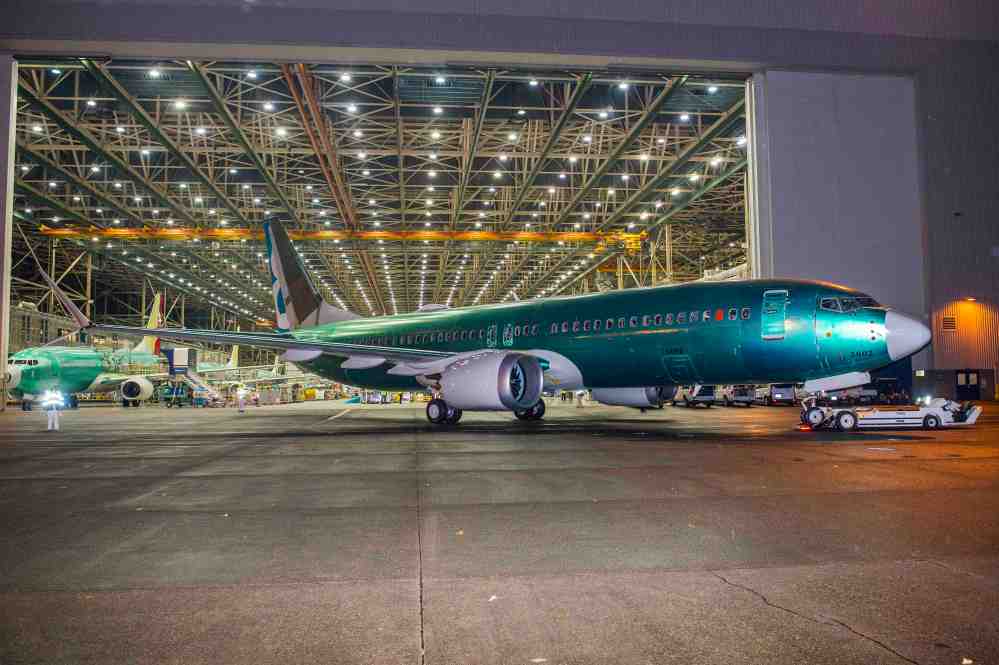
Kelly Ortberg dijo a los empleados el Viernes 30/08 en un correo electrónico que se había reunido con la FAA esta semana y discutió el plan de seguridad y calidad de la compañía. El Administrador de la FAA, Mike Whitaker, prohibió en Febrero 2024 a Boeing aumentar la producción de su 737 MAX más vendido después de que un panel de la puerta explotara durante el vuelo AS1282 el 5 de Enero de 2024 en un nuevo avión Boeing 737-9 MAX de Alaska Airlines.
Boeing-FAA meeting
Boeing’s new CEO holds first meeting with FAA
The Boeing Company‘s new CEO, Kelly Ortberg, met earlier this week with the head of the Federal Aviation Administration (FAA) as the aircraft manufacturer faces numerous regulatory issues and increased scrutiny, an agency official confirmed Friday.
Kelly Ortberg told employees Friday in an email that she had met with the FAA this week and discussed the company’s safety and quality plan. FAA Administrator Mike Whitaker banned Boeing in February 2024 from increasing production of its best-selling 737 MAX after a door panel exploded during flight AS1282 on January 5, 2024, on a new Alaska Airlines Boeing 737-9 MAX aircraft.
PUBLISHER: Airgways.com DBk: Boeing.com / Faa.gov / Stephen Brashea / Airgways.com AW-POST: 202408302113AR OWNERSHIP: Airgways Inc. A\W A I R G W A Y S ®
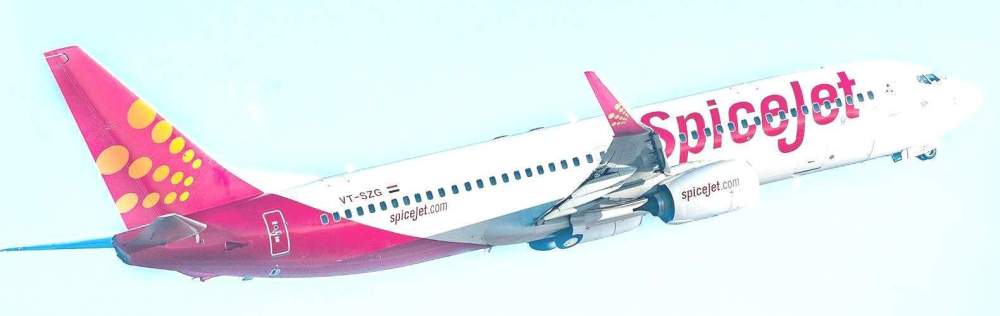
DGAC india somete a SpiceJet a vigilancia reforzada
La Dirección General de Aviación Civil (DGCA) de la India, organismo de control de la aviación ha declarado que ha puesto a la aerolínea low cost SpiceJet bajo vigilancia reforzada con efecto inmediato, después de una reciente auditoría revelara ciertas deficiencias en la aerolínea. La medida del Jueves 29/08 se produjo tres semanas después de que la DGAC realizara una auditoría especial a raíz de los informes sobre cancelaciones de vuelos y problemas financieros.
«Esto implicaría un aumento del número de controles aleatorios y vigilancia nocturna con vistas a garantizar la seguridad de las operaciones», declaró la DGAC en un comunicado, citando el historial de la aerolínea y la auditoría especial.
En el transcurso del 2024, algunos de los arrendadores de SpiceJet la llevaron a los Tribunales para saldar las deudas no pagadas y también pidieron al regulador de aviación indio que diera de baja sus aviones. Esto provocó la inmovilización de las aeronaves de la aerolínea y ha lastrado sus resultados, incluso en el primer trimestre 2024.
La DGAC había llevado a cabo una campaña especial de controles aleatorios de la aerolínea en 2022 y la había sometido de nuevo a una vigilancia reforzada en 2023. El organismo de control no reveló actualmente los problemas exactos detectados.
El diario The Hindu informó a primera hora que SpiceJet tuvo que operar vuelos vacíos desde Dubai, ya que no se permitió a los pasajeros facturar debido al impago de las tasas aeroportuarias de la aerolínea, lo que supone al menos la segunda interrupción de este tipo este mes.
La actual interrupción es la última de una larga lista de problemas para SpiceJet, que ha luchado por restablecer plenamente sus operaciones a pesar de las múltiples recaudaciones de fondos.
Un portavoz de SpiceJet dijo que las cancelaciones se debieron a problemas operativos y que los pasajeros afectados fueron acomodados en vuelos posteriores de la compañía, en otras aerolíneas o recibieron un reembolso completo. Según el portavoz, todos los vuelos programados desde Dubai operaban según lo previsto.
SpiceJet forced under surveillance
Indian DGAC puts SpiceJet under enhanced surveillance
India’s aviation watchdog, the Directorate General of Civil Aviation (DGCA), has said it has put low-cost carrier SpiceJet under enhanced surveillance with immediate effect, after a recent audit revealed certain shortcomings at the airline. The move on Thursday (29/08) came three weeks after the DGAC conducted a special audit following reports of flight cancellations and financial problems.
«This would involve increased number of random checks and night surveillance with a view to ensuring safe operations», the DGAC said in a statement, citing the airline’s track record and the special audit.
In the course of 2024, some of SpiceJet’s lessors took it to court to settle unpaid debts and also asked the Indian aviation regulator to decommission its planes. This led to the grounding of the airline’s aircraft and has weighed on its results, even in the first quarter of 2024.
The DGAC had carried out a special campaign of random checks on the airline in 2022 and had subjected it to enhanced surveillance again in 2023. The watchdog did not currently disclose the exact problems detected.
The Hindu newspaper reported earlier that SpiceJet had to operate empty flights from Dubai as passengers were not allowed to check in due to non-payment of the airline’s airport charges, marking at least the second such disruption this month.
The current disruption is the latest in a long list of problems for SpiceJet, which has struggled to fully restore its operations despite multiple fundraisers.
A SpiceJet spokesperson said the cancellations were due to operational issues and that affected passengers were either accommodated on subsequent flights by the company, on other airlines or received a full refund. According to the spokesperson, all scheduled flights from Dubai were operating as planned.
PUBLISHER: Airgways.com DBk: Dgca.gov.in / Spicejet.com / Airgways.com AW-POST: 202408301334AR OWNERSHIP: Airgways Inc. A\W A I R G W A Y S ®
AW | 2024 08 28 19:55 | INDUSTRY / AVIATION ORGANISMS
Sindicatos aviación pronunciarían huelga en semanas
The Boeing Company y su sindicato más grande la Asociación Internacional de Maquinistas y Trabajadores Aeroespaciales (IAM) siguen en desacuerdo sobre temas importantes en las negociaciones contractuales, pues se avecina una posible huelga que podría paralizar la producción el próximo mes de Septiembre 2024. Las dos partes se encuentran muy alejadas en cuanto a acuerdos en materia de salarios, seguridad laboral y otros asuntos, dijo Jon Holden, Presidente del distrito de la asociación gremial IAM que representa a unos 33.000 trabajadores de las fábricas de Boeing. «Es un trabajo duro. Somos muy agresivos en nuestras propuestas sobre salarios, jubilación, atención médica, seguridad laboral, tiempo libre remunerado. No estamos cerca de los grandes temas», expresó Jon Holden.
Los negociadores del fabricante de aviones y el Distrito 751 de IAM están atrincherados en un hotel de Seattle (WA) para negociar su primer contrato integral en dieciseis años antes de que el acuerdo actual expire a la medianoche hora local del 12 de Septiembre de 2024. Sin un nuevo acuerdo, Boeing se enfrenta a una huelga que podría cerrar sus fábricas de Puget Sound, poniendo en peligro los esfuerzos para aumentar la producción de aviones de pasajeros tras una catástrofe que expuso controles de calidad laxos y déficits de fabricación.
El gremio de la IAM quiere que Boeing se comprometa a construir su próximo avión en el área de Seattle y ha exigido un aumento salarial del 40% durante tres años. El sindicato también está presionando para tener más voz en materia de seguridad y calidad. Se ha visto envalentonado por el resurgimiento del movimiento obrero estadounidense, la escasez de mecánicos aeroespaciales cualificados y la presión sobre Boeing para que estabilice el trabajo en sus fábricas. La compañía ha desarrollado ligeras mejoras en las ofertas de la compañía sobre los salarios durante la semana pasada, pero se necesita más, dijo Jon Holden. Por su parte Boeing expresó en un comunicado por correo electrónico: «Continuamos negociando de buena fe mientras nos enfocamos en los temas que son importantes para nuestros empleados y sus familias. Estamos seguros de que podemos llegar a un acuerdo que equilibre las necesidades de nuestros empleados y las realidades comerciales que enfrentamos como empresa».
En Julio 2024, el sindicato de los Machinists votó abrumadoramente a favor de autorizar una huelga junto con una manifestación que atrajo a 25.000 trabajadores y sus familias al T-Mobile Park de Seattle. Desde entonces, el trabajo en las fábricas de toda la región se ha visto interrumpido por estridentes marchas diarias, interrumpidas por cánticos y bocinas en una muestra de solidaridad sindical.
Los miembros del sindicato están programados para votar el 12 de Septiembre de 2024 sobre la mejor y última oferta de la compañía. Si se rechaza el acuerdo con dos tercios que apoyen la huelga, los trabajadores votarán si se declaran en huelga, se iniciará el reclamo apartir del mediodía del 13/09.
Perspectivas Boeing El fabricante americano necesita recuperar la estabilidad intitucional y el ritmo de producción constante clave para revertir la volatilidad de efectivo en Boeing, que ha consumido más de US$ 8.000 millones de Dólares acumulados hasta 08/2024. El nuevo Director Ejecutivo de Boeing, Kelly Ortberg, ha tratado de lograr un tono conciliador con los maquinistas desde que se unió a la compañía el 8 de Agosto de 2024. Anunció planes para trabajar desde Seattle, y durante una breve reunión con Jon Holden enfatizó su deseo de mejorar las relaciones con el sindicato, que representa a los trabajadores en Seattle y Portland, Oregon.
«Ambos son buenos líderes. Uno esperaría que, dado el requisito aquí, dos buenos líderes pudieran encontrar el terreno común necesario para evitar la huelga», dijo Richard Aboulafia, Director Gerente de la Consultora AeroDynamic Advisory.
El equipo negociador de Boeing, a cargo de Kim Pastega, dijo el 23/08 que la compañía está cien por ciento comprometida a llegar a un acuerdo que sea bueno tanto para los empleados como para el futuro de la compañía. «Realmente estamos progresando, teniendo conversaciones productivas y colaborativas con el sindicato», dijo Kim Pastega, Vicepresidente de Fabricación y Seguridad de la división de Aviones Comerciales de Boeing. Jon Holden dijo que no ha notado ningún cambio en el tono de la mesa de negociaciones desde que el nuevo CEO asumió el cargo de Dave Calhoun, quien anunció que renunciaba en Marzo 2024 en medio de una amplia reorganización. «Creo que ahora tienen liderazgo. No sé qué tan involucrado está. Pero sé que está vigilando, al menos eso es lo que me han dicho», dijo Jon Holden sobre Ortberg.
Los maquinistas tienen una historia de activismo que se remonta a décadas atrás, incluida una huelga de 2008 que paralizó la producción de aviones de Boeing durante dos meses. Los líderes todavía están molestos por un acuerdo de 2014 que sacrificó las pensiones, bloqueó aumentos mínimos y ató las manos de los activistas durante una década a cambio de la promesa de Boeing de construir el avión 777X en la región. «A pesar de que estamos lejos, no me he rendido. Tengo en juego a más de 33.000 familias y sus medios de vida. Quiero llegar a un acuerdo. Pero estamos dispuestos a atacar», expresó Jon Holden.
Boeing may face strike
Aviation unions could declare strike in weeks
The Boeing Company and its largest union, the International Association of Machinists and Aerospace Workers (IAM), remain at odds over major issues in contract negotiations, as a possible strike looms that could paralyze production as early as September 2024. The two sides are far apart on agreements on wages, job security, and other issues, said Jon Holden, district president of the IAM union that represents about 33,000 Boeing factory workers. «It’s hard work. We’re very aggressive in our proposals on wages, retirement, health care, job security, paid time off. We’re not close on the big issues», said Jon Holden.
Negotiators for the planemaker and IAM District 751 are holed up in a Seattle (WA) hotel to negotiate their first comprehensive contract in sixteen years before the current agreement expires at midnight local time on September 12, 2024. Without a new deal, Boeing faces a strike that could shut down its Puget Sound factories, jeopardizing efforts to ramp up passenger jet production following a catastrophe that exposed lax quality controls and manufacturing shortfalls.
The IAM union wants Boeing to commit to building its next plane in the Seattle area and has demanded a 40% wage increase over three years. The union is also pushing for more say in safety and quality. It has been emboldened by a resurgent US labor movement, a shortage of skilled aerospace mechanics, and pressure on Boeing to stabilize work at its factories. The company has made slight improvements to the company’s wage offers over the past week, but more is needed, Jon Holden said. Boeing said in an emailed statement: «We continue to negotiate in good faith while focusing on the issues that are important to our employees and their families. We are confident we can reach an agreement that balances the needs of our employees and the business realities we face as a company».
In July 2024, the Machinists’ union voted overwhelmingly to authorize a strike along with a rally that drew 25,000 workers and their families to Seattle’s T-Mobile Park. Since then, work at factories across the region has been disrupted by raucous daily marches, punctuated by chants and horns in a show of union solidarity.
Union members are scheduled to vote on Sept. 12, 2024, on the company’s best and final offer. If the agreement is rejected with two-thirds supporting the strike, workers will vote on whether to go on strike, with the strike starting at noon on 13/09.
Boeing outlook The American manufacturer needs to regain institutional stability and a steady pace of production key to reversing cash volatility at Boeing, which has consumed more than US$ 8 billion accumulated through 08/2024. Boeing’s new CEO, Kelly Ortberg, has tried to strike a conciliatory tone with machinists since joining the company on August 8, 2024. He announced plans to work from Seattle, and during a brief meeting with Jon Holden emphasized his desire to improve relations with the union, which represents workers in Seattle and Portland, Oregon.
«They’re both good leaders. You would hope that given the requirement here, two good leaders would be able to find the common ground necessary to avoid a strike», said Richard Aboulafia, managing director of consulting firm AeroDynamic Advisory.
Boeing’s negotiating team, led by Kim Pastega, said on 8/23 that the company is 100 percent committed to reaching an agreement that is good for both employees and the company’s future. «We’re really making progress, having productive and collaborative conversations with the union», said Kim Pastega, vice president of manufacturing and safety for Boeing’s Commercial Airplanes division. Jon Holden said he hasn’t noticed any change in the tone at the bargaining table since the new CEO took over from Dave Calhoun, who announced he was stepping down in March 2024 amid a broad reorganization. «I think they have leadership now. I don’t know how involved he is. But I know he’s keeping an eye on it, at least that’s what I’ve been told», Jon Holden said of Ortberg.
The machinists have a history of activism that goes back decades, including a 2008 strike that halted Boeing jet production for two months. Leaders are still smarting from a 2014 deal that sacrificed pensions, blocked minimal raises, and tied activists’ hands for a decade in exchange for Boeing’s promise to build the 777X jet in the region. «Even though we’re far away, I haven’t given up. I’ve got more than 33,000 families and their livelihoods at stake. I want to get a deal done. But we’re willing to strike», said Jon Holden.
PUBLISHER: Airgways.com DBk: Goiam.org / Boeing.com / Stephen Brashear / Airgways.com AW-POST: 202408282955AR OWNERSHIP: Airgways Inc. A\W A I R G W A Y S ®
Intensifica protesta sindical aeronáuticos Jueves 22/08 Afectará vuelos nocturnos en Aeropuerto Ezeiza Cronograma de medidas hasta 30 Agosto 2024
Tras el conflicto del día Lunes 19/08 a 6.500 pasajeros, los gremios del sector anunciaron nuevas asambleas ante la ausencia de una oferta salarial en Aerolíneas Argentinas, Intercargo, Optar y EANA.
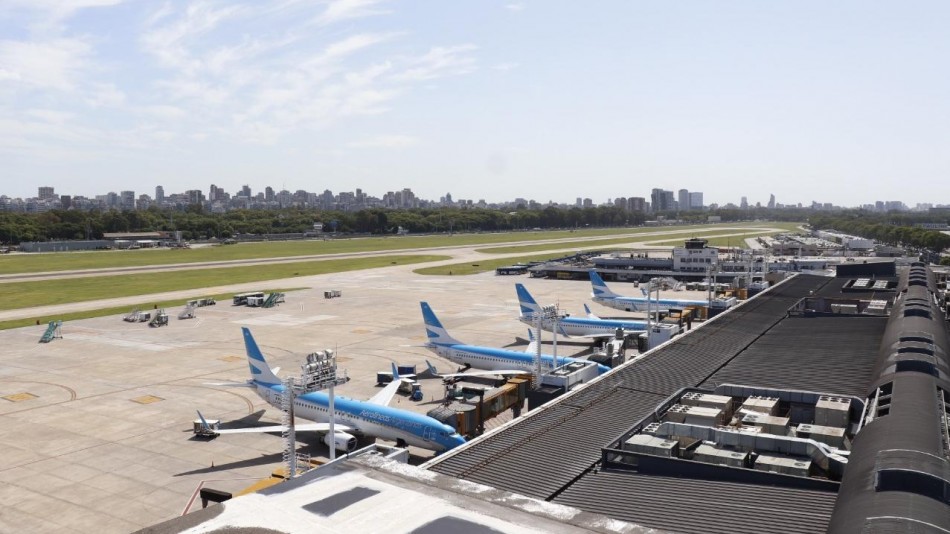
Una nueva protesta de los sindicatos aeronáuticos volverá a manifestarse a miles de pasajeros en el Aeropuerto Ezeiza ante la ausencia de una oferta salarial este Jueves 22/08 desde las 21:00 horas habrá demoras y cancelaciones en los vuelos de Aerolíneas Argentinas e incluso se extenderá a otras compañías internacionales por la asamblea informativa que realizarán nuevamente las organizaciones gremiales del sector.
El plan de lucha ya tuvo como rehenes este lunes a unos 6.500 pasajeros en el Aeroparque Metropolitano Jorge Newbery y fue anunciado hace 10 días al vencer el período de conciliación obligatoria dictada por la Secretaría de Trabajo, que finalizó sin ningún acuerdo entre las partes. La continuidad de las medidas fue anunciada este Miércoles 22/08 por Pablo Biró, titular de la Asociación de Pilotos de Líneas Aéreas (APLA), Juan Pablo Brey, de la Asociación Argentina de Aeronavegantes (AAA), Edgardo Llano, de la Asociación del Personal Aeronáutico (APA), Rubén Fernández, de la Unión del Personal Superior y Profesional de Empresas Aerocomerciales (UPSA), y Paola Barrita, de la Asociación Técnicos y Empleados de Protección y Seguridad a la Aeronavegación (ATEPSA).
“Esto tiene que ver con un conflicto salarial que es responsabilidad en un 100% del Gobierno porque hemos anunciado este cronograma de asambleas con 10 días de anticipación por lo menos para dar tiempo al Gobierno a que nos llame a una mesa de diálogo luego de agotada la conciliación obligatoria y para que nos haga una oferta razonable. Lo primero que estamos pidiendo es diálogo porque no tenemos interlocutores válidos ni una oferta razonable”, dijo Juan Pablo Brey.
El líder de los Aeronavegantes resaltó que se trata de “un conflicto estrictamente salarial porque hay familias que están viendo sus ingresos totalmente desfasados en un 70% y su poder adquisitivo tirado por el piso desde que asumió este gobierno. Cualquier trabajador que se encontrara en la situación nuestra estaría haciendo lo mismo o más porque nosotros representamos a nuestros compañeros y compañeras”, agregó Jun Pablo Brey.
En el caso de Aeronavegantes y Pilotos, se anunció un cronograma de asambleas informativas en distintos días, horarios y aeropuertos hasta el 30 de Agosto de 2024 y tendrá el siguiente esquema: · Jueves 22/08: Asamblea en Ezeiza a partir de las 21:00 horas. · Martes 27/08: reunión en las terminales aéreas de Córdoba y Mendoza, de 10:00 a 13:00 horas. · Miércoles 28/08: Asamblea en Ezeiza, a partir de las 21:00 hs. · Viernes 30/08: Reunión en Aeroparque, entre las 06:00 y las 09:00 hs.
Además de Aerolíneas Argentinas, las medidas afectarán la actividad en Intercargo, Optar y EANA (Empresa Argentina de Navegación Aérea), cuyos trabajadores tienen el mismo conflicto salarial.
La semana pasada, los gremios del sector señalaron en un comunicado: “Habiéndose cumplido todos los plazos de la conciliación obligatoria impuesta por la Secretaría de Trabajo, sin llegar a acuerdo salarial alguno, todavía hay un retraso de más del 70%, lo que hace que un alto porcentaje de trabajadoras/es estén con sus ingresos por debajo de la línea de la pobreza”.
“Ante la insensibilidad de quienes nos gobiernan, no nos queda más remedio que comenzar con medidas de acción directa, las que realizaremos en forma escalonada y en diferentes aeropuertos del país, las mismas serán anunciadas previamente a las autoridades empresarias para que no se nos acuse de realizar acciones salvajes”, expresaron los gremios aeronáuticos.
El sindicato APLA, por su parte, destacó la enorme prudencia y responsabilidad que mantuvo el sindicato en la negociación paritaria con Aerolíneas Argentinas.
Strike 08/22 Aerolíneas Argentinas
Aeronautical union protest intensifies Thursday 08/22 It will affect night flights at Ezeiza Airport Schedule of measures until August 30, 2024
After the conflict on Monday 08/19 with 6,500 passengers, the unions of the sector announced new assemblies due to the absence of a salary offer at Aerolíneas Argentinas, Intercargo, Optar and EANA.
A new protest by the aeronautical unions will once again take place in front of thousands of passengers at the Ezeiza Airport due to the absence of a salary offer this Thursday 08/22 from 09:00 p.m. there will be delays and cancellations on Aerolíneas Argentinas flights and it will even extend to other international companies due to the informational assembly that the union organizations of the sector will once again hold.
The plan of struggle already took some 6,500 passengers hostage on Monday at the Jorge Newbery Metropolitan Airport and was announced 10 days ago when the mandatory conciliation period dictated by the Ministry of Labor expired, which ended without any agreement between the parties. The continuation of the measures was announced this Wednesday 22/08 by Pablo Biró, head of the Association of Airline Pilots (APLA), Juan Pablo Brey, of the Argentine Association of Flight Attendants (AAA), Edgardo Llano, of the Association of Aeronautical Personnel (APA), Rubén Fernández, of the Union of Senior and Professional Personnel of Commercial Aerospace Companies (UPSA), and Paola Barrita, of the Association of Technicians and Employees of Protection and Security in Air Navigation (ATEPSA).
“This has to do with a wage conflict that is 100% the responsibility of the Government because we have announced this schedule of assemblies at least 10 days in advance to give the Government time to call us to a dialogue table after the obligatory conciliation has been exhausted and to make us a reasonable offer. The first thing we are asking for is dialogue because we have no valid interlocutors or a reasonable offer», said Juan Pablo Brey.
The leader of the Aeronavegantes stressed that it is “a strictly wage conflict because there are families who are seeing their income totally out of date by 70% and their purchasing power thrown to the floor since this government took office. Any worker who found themselves in our situation would be doing the same or more because we represent our colleagues”, added Juan Pablo Brey.
In the case of Flight Attendants and Pilots, a schedule of informative meetings was announced on different days, times, and airports until August 30, 2024 and will have the following scheme: · Thursday 08/22: Meeting in Ezeiza starting at 9:00 p.m. · Tuesday 08/27: meeting at the air terminals of Córdoba and Mendoza, from 10:00 a.m. to 1:00 p.m. · Wednesday 08/28: Meeting in Ezeiza, starting at 9:00 p.m. · Friday 08/30: Meeting at Aeroparque, between 6:00 a.m. and 9:00 a.m.
In addition to Aerolíneas Argentinas, the measures will affect activity at Intercargo, Optar, and EANA (Empresa Argentina de Navegación Aérea), whose workers have the same salary conflict.
Last week, the unions of the sector stated in a statement: “Having met all the deadlines of the mandatory conciliation imposed by the Ministry of Labor, without reaching any salary agreement, there is still a delay of more than 70%, which means that a high percentage of workers have their income below the poverty line”.
“Given the insensitivity of those who govern us, we have no choice but to begin with direct action measures, which we will carry out in a staggered manner and in different airports of the country, the same will be announced in advance to the business authorities so that we are not accused of carrying out savage actions”, said the aeronautical unions.
The APLA union, for its part, highlighted the enormous prudence and responsibility that the union maintained in the collective bargaining negotiations with Aerolíneas Argentinas.
PUBLISHER: Airgways.com DBk: Apla.org.ar / Aeronavegantes.org.ar / Aeronauticosapa.org.ar / Upsa-ospea.org.ar / Atepsa.org.ar / Airgways.com AW-POST: 202408221135AR OWNERSHIP: Airgways Inc. A\W A I R G W A Y S ®
AW | 2024 08 20 13:50 | AVIATION SAFETY / AVIATION ORGANISMS / INDUSTRY
Derectan problemas estructurales en encajes motor-alas
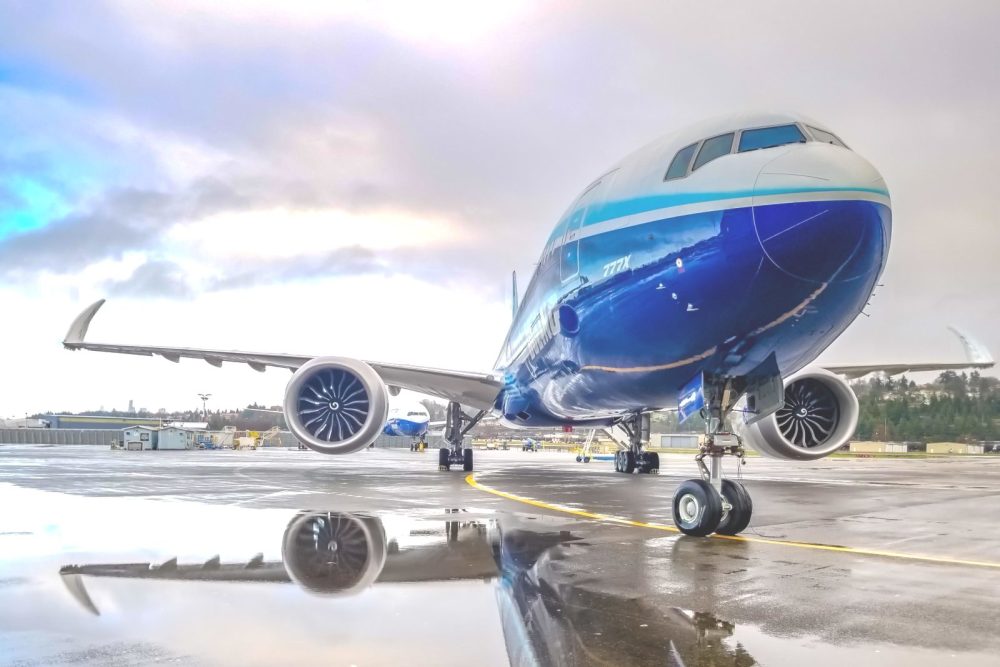
El lanzamiento del avión Boeing 777X, largamente retrasado, se ha encontrado con otro problema, obligando a la compañía a pausar las pruebas y asestando otro golpe a la reputación de calidad de Boeing.
Boeing descubrió problemas en un componente estructural entre el motor y las alas del avión en un vuelo de prueba. Boeing dijo en un comunicado que «identificó un componente que no funcionó como se diseñó» y que está reemplazando la pieza para registrar cualquier aprendizaje del componente.
El Programa 777 ha sido un gran éxito para Boeing desde que entró en servicio en 1995, y sigue siendo el avión de fuselaje ancho más vendido. El derivado 777X que comprende a los 777-8, 777-9 proporcionarían a las aerolíneas una actualización de versión del avión widebody.
El Programa 777X, anunciado por Boeing como el avión bimotor más grande y eficiente del mundo, estimaba entrar en servicio en 2020. Esperaba haber entregado varios centenares de aviones para ese tiempo. Pero ha estado plagado de retrasos y sobrecostos. Otros retrasos enlas pruebas de vuelo han demorado enla línea de tiempo al Boeing 777-9, primer prototipo de la familia 777X. La fecha revisada tentativa asoma hacia el 2025.
Los problemas del 777X fueron solo los últimos de una serie de preocupaciones de seguridad y calidad relacionadas con las líneas de montaje de Boeing. Esos problemas se han convertido en el foco de múltiples investigaciones federales y revelaciones de denunciantes, y la causa de retrasos en las entregas de aviones que están causando dolores de cabeza a las aerolíneas y pasajeros de todo el mundo.
La semana pasada, Boeing registró un incremento de órdenes de nuevos clientes sobre Airbus en Julio 2024. Sin embargo, todavía está muy por detrás de su rival en pedidos respecto al año 2024, pues las preocupaciones de seguridad continúan haciendo mella en la reputación de la compañía. Boeing ha perdido US$ 33.000 millones de Dólares desde 2019, una cifra asombrosa que subraya lo lejos que ha caído la empresa desde los días en que su nombre era sinónimo de calidad estadounidense.
New 777X Program faults
Structural problems found in engine-wing fittings
The launch of Boeing’s long-delayed Boeing 777X aircraft has hit another snag, forcing the company to pause testing and dealing another blow to Boeing’s reputation for quality.
Boeing discovered problems in a structural component between the engine and the wings of the plane on a test flight. Boeing said in a statement that it «identified a component that did not perform as designed» and is replacing the part to record any learnings from the component.
The 777 Program has been a huge success for Boeing since it entered service in 1995, and it remains the best-selling widebody aircraft. The 777X derivative comprising the 777-8, 777-9 would provide airlines with an upgrade version of the widebody aircraft.
The 777X program, billed by Boeing as the world’s largest and most efficient twin-engine airplane, was expected to enter service in 2020. It hoped to have delivered several hundred planes by that time. But it has been plagued by delays and cost overruns. Other flight-test delays have pushed the Boeing 777-9, the first prototype in the 777X family, off the schedule. The tentative revised date looms as late as 2025.
The 777X problems were just the latest in a series of safety and quality concerns related to Boeing’s assembly lines. Those problems have become the focus of multiple federal investigations and whistleblower revelations, and the cause of aircraft delivery delays that are causing headaches for airlines and passengers around the world.
Last week, Boeing reported an increase in new customer orders for Airbus for July 2024. However, it still lags far behind its rival in 2024 orders as safety concerns continue to take a toll on the company’s reputation. Boeing has lost US$ 33 billion since 2019, a staggering figure that underscores how far the company has fallen from the days when its name was synonymous with American quality.
PUBLISHER: Airgways.com DBk: Boeing.com / Airgways.com AW-POST: 202408201350AR OWNERSHIP: Airgways Inc. A\W A I R G W A Y S ®
AW | 2024 08 20 13:33 | AVIATION SAFETY / AVIATON ORGANOISMS / INDUSTRY
Administración exige inspecciones inmediatas en Boeing Dreamliner
La Federal Aviation Administration (FAA) de Estados Unidos emitió una Directiva de Aeronavegabilidad (AD) para ciertos modelos Boeing 787-8, 787-9 y 787-10 Dreamliner. La orden requiere inspecciones de los asientos afectados del capitán y el primer oficial para detectar tapas de interruptores basculantes faltantes o agrietadas, y para conjuntos de cubiertas de interruptores agrietados o que no funcionen. La orden también requiere una prueba de tracción de la tapa del interruptor basculante, el marcado de los asientos y las acciones de condición aplicables, según documentos de la agencia.
Los documentos indican que el primer informe de movimiento horizontal no controlado de los asientos se produjo en Marzo 2024. Ese informe indicó que el movimiento del asiento hizo que el piloto automático se desconectara, lo que provocó un rápido descenso hasta que el primer oficial tomó el control del vuelo. Varios pasajeros resultaron heridos en ese incidente y algunas de las lesiones fueron graves, según los documentos. La FAA recibió cuatro informes adicionales desde entonces, y el más reciente ocurrió en Junio 2024.
La orden afecta a 158 aviones registrados en Estados Unidos y 737 aviones en todo el mundo, dijo la FAA en un comunicado. Los modelos Dreamliner 787-8, 787-9 y 787-10 se fabrican, ensamblan y entregan en las instalaciones de Boeing South Carolina en North Charleston.
FAA orders 787 inspections
Administration requires immediate inspections on Boeing Dreamliner
The U.S. Federal Aviation Administration (FAA) has issued an Airworthiness Directive (AD) for certain Boeing 787-8, 787-9 and 787-10 Dreamliner models. The order requires inspections of the affected captain and first officer seats for missing or cracked rocker switch covers, and for cracked or non-functioning switch cover assemblies. The order also requires a pull test of the rocker switch cover, marking of the seats and applicable condition actions, according to agency documents.
The documents indicate that the first report of uncontrolled horizontal movement of the seats occurred in March 2024. That report indicated that the seat movement caused the autopilot to disengage, leading to a rapid descent until the first officer took control of the flight. Several passengers were injured in that incident, and some of the injuries were serious, according to the documents. The FAA has received four additional reports since then, with the most recent occurring in June 2024.
The order affects 158 U.S.-registered aircraft and 737 aircraft worldwide, the FAA said in a statement. The 787-8, 787-9, and 787-10 Dreamliner models are manufactured, assembled, and delivered at Boeing South Carolina’s North Charleston facility.
Nuevo organismo de seguridad aviación reemplaza a PREVAC
El Gobierno de Argentina ha publicado en el Boletín Oficial la Resolución Nº247/2024, que disuelve el Comité de Prevención de Accidentes de la Aviación Civil (PREVAC) y establece la creación de la Comisión para la Prevención de Accidentes e Investigación (CoPrAI). En el marco del trabajo impulsado por la intervención de la Administración Nacional de Aviación Civil (ANAC), y tras la auditoría de la Federal Aviation Administration (FAA) de Estados Unidos, el Gobierno crea un nuevo organismo de control de cumplimiento de las Recomendaciones de Seguridad Operacional para la República Argentina.
La nueva resolución emitida es como consecuencia directa del resultado no satisfactorio de la auditoría realizada por la IASA (International Aviation Safety Assessment), organismo dependiente de la FAA estadounidense en Abril 2024. Las auditorás en la PREVAC determinaron una “ausencia de investigación reglamentaria oportuna después de cada accidente e incidente y un procedimiento para la realización de las mismas”, según expresa el informe.
La PREVAC había sido creado para el estudio de la seguridad operacional, permitiendo establecer medidas o normas de seguridad para la aviación para el análisis integral de las Recomendaciones de Seguridad Operacional (RSO) preliminares o definitivas y establecer la aplicación, control, seguimiento de cumplimiento, evaluación de respuesta y realizar informes de seguimiento y estadísticos de las RSO.
El nuevo organismo dela COPRAI tendrá como funciones:
Realizar el análisis de riesgo preliminar ante la notificación de un suceso y determinar la apertura de una investigación independientemente de la tarea de la Junta de Seguridad en el Transporte (JST), en caso de corresponder.
Validar los inspectores y/o expertos nominados para conformar el “Equipo de Prevención e Investigación”.
Convocar a los miembros del Equipo de Prevención e Investigación que conformaran el equipo de investigación del suceso de acuerdo a la naturaleza del mismo en el caso de la apertura de una investigación y designar el investigador a cargo.
Analizar los informes de seguridad operacional proporcionados por el Equipo de Investigación y validar las medidas de mitigación sugeridas en los mismos.
Validar el análisis integral de la información captada por el Programa de Notificación de Eventos y Deficiencias de Seguridad Operacional (PNSO) junto con las estadísticas de la Junta de Seguridad en el Transporte (JST) y sus Recomendaciones de Seguridad Operacional (RSO) que requieran de una observación transversal y en su caso, presentar propuestas de mejora.
Gestionar la capacitación de los inspectores en prevención e investigación de accidentes e incidentes.
Participar del Grupo A-Cast (Argentina Commercial Aviation Safety Team) y sus grupos de trabajo.
El ámbito de trabajo de la COPRAI estará circunscripto para el análisis de eventos específicos y transversales, análisis y seguimiento a las Recomendaciones de Seguridad Operacional (RSO) emitidas por la JST (Junto de Seguridad de Transporte), prestar colaboración con la JST en la investigación de los sucesos, y dar seguimiento a la capacitación en materia de prevención en la investigación de accidentes e incidentes graves para los inspectores de la ANAC.
Argentina creates COPRAI
New aviation safety body replaces PREVAC
The Government of Argentina has published in the Official Gazette Resolution No. 247/2024, which dissolves the Civil Aviation Accident Prevention Committee (PREVAC) and establishes the creation of the Commission for Accident Prevention and Investigation (CoPrAI). Within the framework of the work promoted by the intervention of the National Civil Aviation Administration (ANAC), and after the audit of the Federal Aviation Administration (FAA) of the United States, the Government creates a new body to control compliance with the Recommendations of Operational Security for the Argentine Republic.
The new resolution issued is as a direct consequence of the unsatisfactory result of the audit carried out by the IASA (International Aviation Safety Assessment), an organization dependent on the US FAA in April 2024. The audits at the PREVAC determined an “absence of timely regulatory investigation after of each accident and incident and a procedure for carrying them out,” according to the report.
The PREVAC had been created for the study of operational safety, allowing the establishment of aviation safety measures or standards for the comprehensive analysis of preliminary or definitive Operational Safety Recommendations (RSO) and establishing the application, control, compliance monitoring, response evaluation and carry out monitoring and statistical reports on RSOs.
The new COPRAI body will have the following functions:
Carry out the preliminary risk analysis upon notification of an event and determine the opening of an investigation independently of the task of the Transportation Safety Board (JST), if applicable.
Validate the inspectors and/or experts nominated to form the “Prevention and Investigation Team”.
Call the members of the Prevention and Investigation Team who will make up the event investigation team according to the nature of the event in the case of opening an investigation and designate the investigator in charge.
Analyze the operational safety reports provided by the Investigation Team and validate the mitigation measures suggested therein.
Validate the comprehensive analysis of the information captured by the Operational Safety Events and Deficiencies Notification Program (PNSO) together with the statistics of the Transportation Safety Board (JST) and its Operational Safety Recommendations (RSO) that require cross-sectional observation and, where appropriate, present proposals for improvement.
Manage the training of inspectors in prevention and investigation of accidents and incidents.
Participate in the A-Cast Group (Argentina Commercial Aviation Safety Team) and its work groups.
The scope of work of the COPRAI will be limited to the analysis of specific and transversal events, analysis and monitoring of the Operational Safety Recommendations (RSO) issued by the JST (Transport Safety Board), providing collaboration with the JST in the investigation of events, and follow up on prevention training in the investigation of accidents and serious incidents for ANAC inspectors.
PUBLISHER: Airgways.com DBk: Argentina.gob.ar/anac / Airgways.com AW-POST: 202408191100AR OWNERSHIP: Airgways Inc. A\W A I R G W A Y S ®
AW | 2024 08 07 23:59 | AVIATION ORGANISMS / AVIATION SAFETY / INDUSTRY
Segundo día de audiencia sobre seguridad industrial
El segundo día de Audiencia llevada a cabo el Miércoles 07/08 por parte de la Junta Nacional de Seguridad en el Transporte (NTSB) sobre el accidente de la puerta del Boeing 737-9 MAX de Alaska Airlines, en Washington (WA), ha permitido continuar el análisis de las fallas industriales por parte del constructor americano The Boeing Company y la subsidiaria Spirit AeroSystems.
El jefe de la Junta Nacional de Seguridad en el Transporte (NTSB, por sus siglas en inglés) dijo el Miércoles 07/08 que Boeing debería haber abordado el trabajo de producción no autorizado hace mucho tiempo. «Este accidente nunca debería haber sucedido. Esto debería haberse detectado años antes. Ha habido numerosas, numerosas auditorías de Boeing, auditorías de la FAA, revisiones de cumplimiento, planes de acción de cumplimiento, señalando un historial de un trabajo no autorizado, remociones no autorizadas», dijo la Presidenta de la NTSB, Jennifer Homendy, a los periodistas en el segundo día de una audiencia sobre el incidente del 5 de Enero de 2024 en el que una Puerta trasera salió eyectada del vuelo AS1282 de Alaska Airlines después de despegar de Portland, Oregon (OR). Agregó que no había garantía de que el problema del panel de la puerta no volviera a ocurrir.
El funcionario de la Administración Federal de Aviación (FAA), Brian Knaup, dijo en la audiencia que la agencia ha encontrado problemas adicionales con las remociones no autorizadas por parte de Boeing. «Tenemos una acción de cumplimiento abierta en torno a las expulsiones. La FAA ha aumentado las investigaciones de las líneas directas y los informes de denunciantes», expresó Brian Knaup.
Defendió la supervisión de la FAA a Boeing antes del accidente. «Creemos que llevamos a cabo una supervisión efectiva. La cultura de seguridad no es una cuestión de cumplimiento», dijo Brian Knaup, admitiendo que fue mejor después el accidente del vuelo AS1282. La FAA ha aumentado las auditorías sin previo aviso y ha adquirido espacio dedicado para el personal en la fábrica del 737 de Boeing y en el proveedor Spirit AeroSystems. Actualmente, Boeing está en proceso de adquisición de este fabricante de autopartes con sede en Wichita, Kansas (KS).
Procesos incompletos Boeing no había creado ningún documento para la extracción del tapón de la Puerta Trasera del 737-9 MAX. La línea de producción había fallado en sus procesos de construcción cuando empleados obstruyeron el área con tapones donde tendría que haberse colocado los pernos. Al enchufe le faltaban cuatro pernos de llave cuando fue entregado a Alaska Airlines, dijo la agencia de la NTSB.
Si Boeing hubiera aprendido de trabajos no autorizados anteriores, «entonces esto se habría detectado y se habría evitado. Tenemos muchas preguntas, se conocía información», dijo Jennifer Homendy sobre la supervisión de la FAA a Boeing, citando defectos, documentos faltantes e incorrectos, así como políticas incorrectas que han sido problemas durante años.
Fiscalización FAA Después del incidente del vuelo AS1282, la FAA prohibió a Boeing expandir la producción más allá de 38 aviones por mes y anunció una revisión de 90 días del fabricante de aviones. Ha requerido importantes mejoras de calidad y fabricación antes de que permita al fabricante de aviones aumentar la producción.
El Administrador de la FAA, Michael Whitaker, dijo en Junio 2024 que la agencia estaba demasiado alejada de la supervisión de Boeing. El enfoque de la FAA antes del accidente en el aire era demasiado centrado en las auditorías de papeleo y no lo suficiente en las inspecciones. La FAA también ha aumentado el número de inspectores en las fábricas de Boeing y Spirit. «Continuaremos nuestra supervisión agresiva de la compañía y nos aseguraremos de que solucione sus problemas sistémicos de calidad de producción», dijo la FAA. La FAA reveló el Miércoles 07/08 que tiene dieciséis acciones de cumplimiento abiertas que involucran a Boeing, con ocho de ellas lanzadas desde el incidente del vuelo AS1282 de Alaska Airlines.
La semana pasada, la Presidenta del Comité Senatorial de Comercio, Maria Cantwell, y la Senadora Tammy Duckworth presentaron un proyecto de ley para revisar y fortalecer los sistemas de gestión de seguridad en la FAA. Jennifer Homendy dijo que la NTSB planea llevar a cabo una encuesta sobre la cultura de seguridad de los empleados de la fábrica de Boeing en Renton, Washington, que fabrica el 737 MAX.
NTSB-Boeing-Spirit hearing
Second day of hearing on industrial safety
The second day of the hearing held on Wednesday 07/08 by the National Transportation Safety Board (NTSB) on the crash of the door of the Boeing 737-9 MAX of Alaska Airlines, in Washington (WA), has allowed the analysis of the industrial failures by the American manufacturer The Boeing Company and the subsidiary Spirit AeroSystems to continue.
The head of the National Transportation Safety Board (NTSB) said on Wednesday 07/08 that Boeing should have addressed the unauthorized production work a long time ago. “This accident should never have happened. This should have been caught years earlier. There have been numerous, numerous Boeing audits, FAA audits, compliance reviews, compliance action plans, pointing to a history of unauthorized work, unauthorized removals”, NTSB Chair Jennifer Homendy told reporters on the second day of a hearing into the Jan. 5, 2024, incident in which a rear door was ejected from Alaska Airlines flight AS1282 after takeoff from Portland, Oregon (OR). She added that there was no guarantee that the door panel issue would not happen again.
Federal Aviation Administration (FAA) official Brian Knaup said at the hearing that the agency has found additional issues with unauthorized removals by Boeing. “We have an open enforcement action around the removals. The FAA has increased hotline investigations and whistleblower reports”, Brian Knaup said.
He defended the FAA’s oversight of Boeing before the crash. «We believe we conducted effective oversight. Safety culture is not a compliance issue», said Brian Knaup, admitting that it was better after the crash of Flight AS1282. The FAA has increased unannounced audits and acquired dedicated staff space at Boeing’s 737 factory and at supplier Spirit AeroSystems. Boeing is currently in the process of acquiring this Wichita, Kansas (KS)-based auto parts manufacturer.
Incomplete processes Boeing had not created any documents for the removal of the 737-9 MAX Rear Door Plug. The production line had failed in its build processes when employees clogged the area with plugs where the bolts should have been placed. The plug was missing four key pins when it was delivered to Alaska Airlines, the NTSB agency said.
If Boeing had learned from previous unauthorized work, “then this would have been caught and prevented. We have a lot of questions, information was known”, Jennifer Homendy said of the FAA’s oversight of Boeing, citing defects, missing and incorrect documents, as well as incorrect policies that have been problems for years.
FAA oversight After the AS1282 incident, the FAA banned Boeing from expanding production beyond 38 planes per month and announced a 90-day review of the planemaker. It has required significant quality and manufacturing improvements before it allows the planemaker to increase production.
FAA Administrator Michael Whitaker said in June 2024 that the agency was too far removed from Boeing’s oversight. The FAA’s focus before the mid-air accident was too focused on paperwork audits and not enough on inspections. The FAA has also increased the number of inspectors at Boeing and Spirit factories. «We will continue our aggressive oversight of the company and ensure it fixes its systemic production quality issues». The FAA revealed Wednesday 07/08 that it has sixteen open enforcement actions involving Boeing, with eight of them launched since the Alaska Airlines Flight AS1282 incident.
Last week, Senate Commerce Committee Chair Maria Cantwell and Senator Tammy Duckworth introduced a bill to review and strengthen safety management systems at the FAA. Jennifer Homendy said the NTSB plans to conduct a survey of the safety culture of employees at Boeing’s Renton, Washington, factory that makes the 737 MAX.
PUBLISHER: Airgways.com DBk: Transportation.gov / Faa.gov / Boeing.com / Airgways.com AW-POST: 202408072359AR OWNERSHIP: Airgways Inc. A\W A I R G W A Y S ®