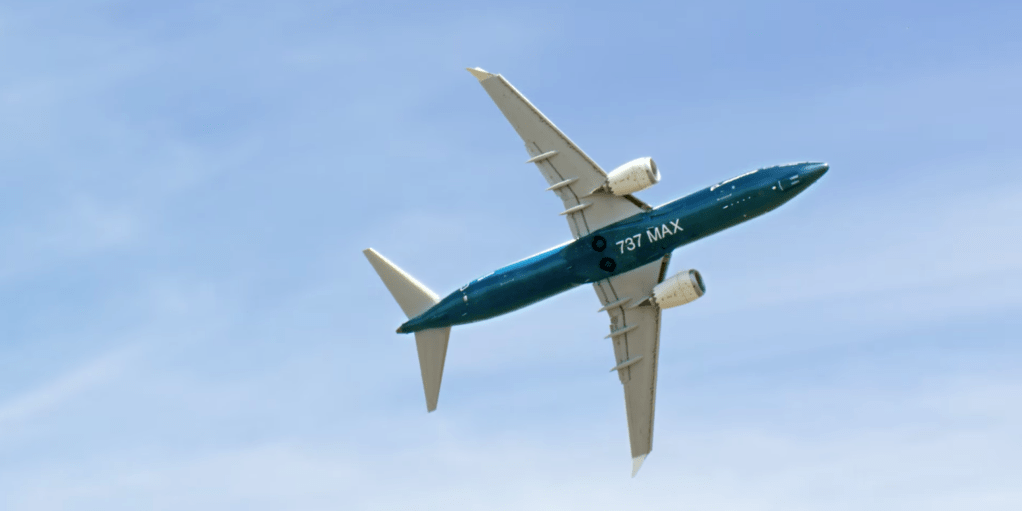
EASA aprobaría al Boeing 737 MAX
AW | 2020 12 21 11:21 | AVIATION SAFETY / AVIATION ORGANISMS

European agency towards safe recertification for Boeing 737 MAX

EASA_Isologotype

La European Union Aviation Safety Agency (EASA) ha informado próxima recertificación al Boeing 737 MAX para retornar a los cielos, después de un largo período de análisis de pruebas. El Director Ejecutivo Patrick Ky de la agencia de seguridad aeronáutica ha expresado que «no había dejado ninguna piedra sin mover» en su revisión del avión y su análisis de los cambios de diseño realizados por el fabricante americano. Desde el accidente del vuelo ET-302 de Ethiopian Airlines en un Boeing 737-8 MAX, la agencia EASA ha estado llevando a cabo una revisión profunda del diseño del 737 MAX, independientemente del proceso similar emprendido por el regulador estadounidense de la FAA.

La revisión y auditorías, expresa Patrick Ky, han ido mucho más allá de las causas inmediatas de los dos accidentes y de las modificaciones propuestas por Boeing. «Fuimos más allá y revisamos todos los controles de vuelo, toda la maquinaria de la aeronave», explica. El objetivo era observar cualquier cosa que pudiera causar un fracaso crítico. Con el fin de volver al servicio, los aviones existentes ahora tendrán que estar equipados con un nuevo software informático, así como someterse a cambios en su cableado y la instrumentación de la cabina. Además, la tripulación de vuelo (pilotos) tendrán que someterse a un entrenamiento obligatorio, y cada avión tendrá que someterse a un vuelo de prueba para asegurarse de que los cambios se han llevado a cabo correctamente. Como resultado de todas las medidas implementadas, Patrick Ky insiste: «Estamos muy seguros de que ahora es un avión muy seguro».

Lecciones aprendidas

La mayor parte del trabajo inicial de certificación de seguridad en el 737 MAX fue llevado a cabo por la FAA, y simplemente respaldado por la EASA bajo los términos de un acuerdo internacional de larga data. Pero con la FAA ahora enfrentando intensas críticas por permitir que un avión defectuoso entre en servicio, la EASA ha permitido remarcar que en el futuro las cosas se harán de manera diferente. «Lo que es seguro es que hubo lecciones aprendidas de esto, que desencadenarán nuevas acciones de nuestro lado», explica Patrick Ky. En particular, cuando la EASA no sea la autoridad principal que lleva a cabo trabajos de seguridad, examinará mucho más detenidamente las decisiones de otras personas. «Vamos a realizar nuestra propia evaluación de seguridad, que va a ser mucho más completa de lo que solía ser», dice el Director de la EASA. Después de las autorizaciones de los organismos reguladores de aviación de Estados Unidos (FAA) y Brasil (ANAC), la agencia EASA espera dar permiso al Boeing 737 MAX para que vuelva al servicio en Europa a mediados de Enero 2021.

EASA would approve the Boeing 737 MAX

European Aviation Agency Safe Recertification for Boeing 737 MAX

The European Union Aviation Safety Agency (EASA) approves approval for the Boeing 737 MAX to return to the skies, after a long period of analysis of tests. Executive Director Patrick Ky of the aviation safety agency has expressed that he «had not left a stone unturned» in his review of the aircraft and his analysis of the design changes made by the American manufacturer. Since the crash of Ethiopian Airlines flight ET-302 on a Boeing 737-8 MAX, the EASA agency has been conducting an in-depth review of the 737 MAX design, regardless of the similar process undertaken by the US FAA regulator.

The review, and audits expressed by Patrick Ky have gone far beyond the immediate causes of the two accidents and the modifications proposed by Boeing. «We went further and checked all the flight controls, all the machinery of the aircraft», he explains. The goal was to observe anything that could cause a critical failure. In order to return to service, existing aircraft will now have to be equipped with new computer software, as well as undergo changes to their cabling and instrumentation. In addition, the flight crew (pilots) will have to undergo mandatory training, and each aircraft will have to undergo a test flight to ensure that the changes have been carried out correctly. As a result of all the measures implemented, Patrick Ky insists: «We are very confident that it is now a very safe aircraft».

Learned lessons

Most of the initial safety certification work on the 737 MAX was carried out by the FAA, and simply supported by EASA under the terms of a long-standing international agreement. But with the FAA now facing intense criticism for allowing a defective aircraft to enter service, the EASA has made it possible to note that things will be done differently in the future. «What is certain is that there were lessons learned from this, which will trigger further action on our side», explains Patrick Ky. In particular, when EASA is not the lead authority for security work, it will look much more closely at other people’s decisions. «We are going to conduct our own safety assessment, which is going to be much more comprehensive than it used to be», says the Director of EASA. After the authorizations of the aviation regulatory bodies of the United States (FAA) and Brazil (ANAC), the EASA agency expects to give permission to the Boeing 737 MAX to return to service in Europe in mid-January 2021.


PUBLISHER: Airgways.com
DBk: Easa.europa.eu / Boeing.com / Airgways.com
AW-POST: 202012211121AR

A\W   A I R G W A Y S ®
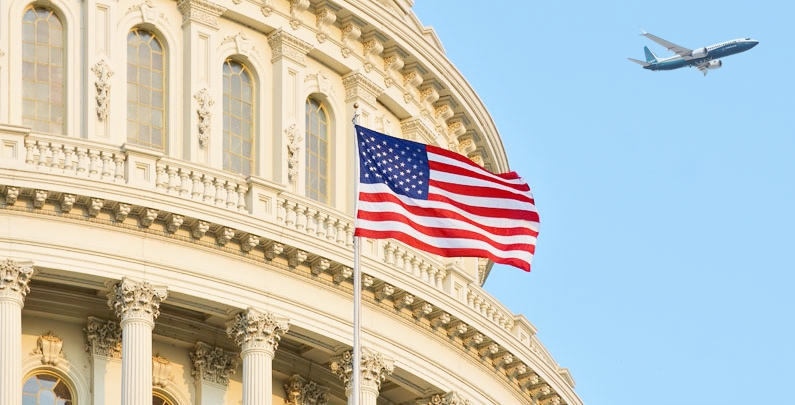
Informe Senado sobre Boeing 737 MAX

AW | 2020 12 19 14:50 | AVIATION SAFETY / AVIATION ORGANISMS / GOVERNMENT

Investigadores Senado fallan por manipulación seguridad aviación

US-Senate-Logo.svg

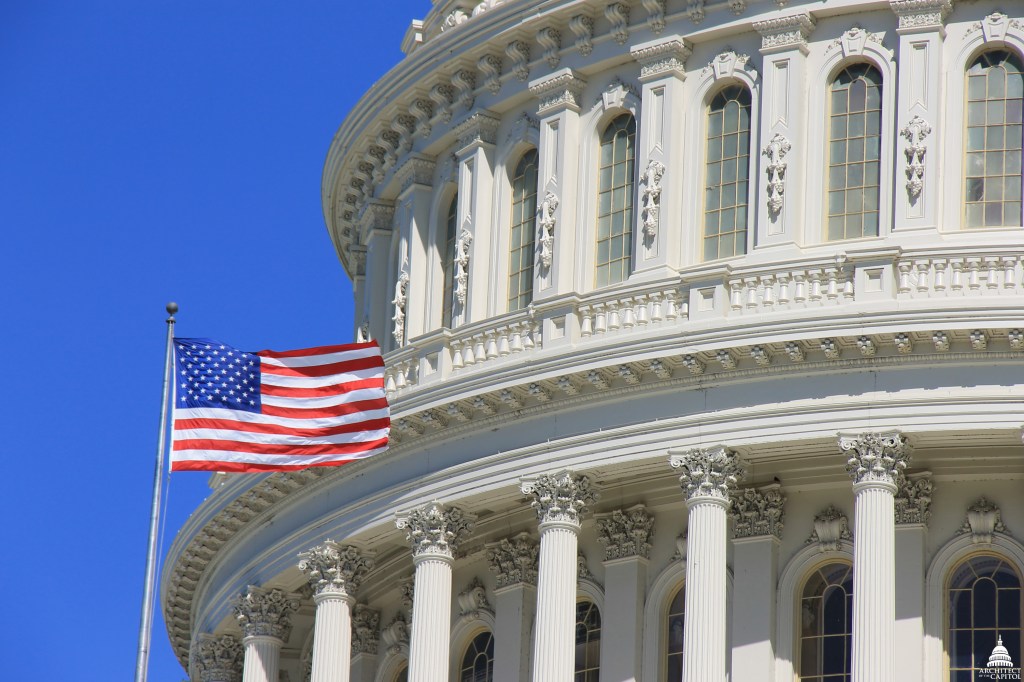
Un nuevo informe del Senado de Estados Unidos determina las acusaciones contra la Federal Aviation Administration (FAA) y The Boeing Company contra la manipularon de pruebas del Boeing 737 MAX durante la recertificación. Es una de las muchas acusaciones en un nuevo y condenante informe del Capitol Hill. La compañía Boeing y la Administración Federal de Aviación trabajaron de manera conjunta para manipular las pruebas de recertificación de la línea del modelo Boeing 737 MAX después de dos accidentes aéreos ocurridos en 10/2018 y 03/2019, según un nuevo informe de la Comisión de Transporte del Senado de Estados Unidos. Según el documento del Senado, Boeing ha entrenado inapropiadamente a algunos pilotos de pruebas de la FAA para alcanzar un resultado deseado durante las pruebas de recertificación, y algunos incluso se realizaron en simuladores que no estaban equipados para volver a crear las mismas condiciones que los accidentes. Al hacer esto, los autores del informe del Senado dicen que «la FAA y Boeing estaban tratando de encubrir información importante que pudo haber contribuido a las tragedias del 737 MAX». La FAA también está acusada de tomar represalias contra los denunciantes, posiblemente obstruyendo la investigación de la Oficina del Inspector General sobre los accidentes.

Informe Senado

El Informe sobre el Boeing 737 MAX de 102 páginas, publicado el Viernes 18/12, fue compilado por el Comité de Comercio, Ciencia y Transporte del Senado y se basa en información de 50 denunciantes, entrevistas con el personal de la FAA y más de 15.000 páginas de documentos. La nueva denuncia arriba un mes después de que la FAA ha aprobado al 737 MAX para regresar al vuelo, y actualmente, las aerolíneas de todo el mundo comienzan a reintroducir el avión en sus flotas y vuelos programados.

Los propios fracasos de Boeing que condujeron a los accidentes del 737 MAX han sido completamente sondeados y bien documentados, el nuevo informe del Senado es una de las miradas más íntimas a los problemas dentro del regulador de la FAA que se suponía que mantendría la compañía aeroespacial bajo control. «Nuestros hallazgos son preocupantes. El informe detalla una serie de ejemplos significativos de deficiencias en la supervisión de la seguridad de la aviación y liderazgo fallido en la FAA. Está claro que la agencia requiere una supervisión constante para garantizar que su trabajo para proteger al público volador se ejecute completa y correctamente», dijo el Senador Roger Wicker (R-MS), quien preside el Comité, en un comunicado.

Postura FAA

La posición de la FAA en una declaración reciente dijo que «revisará cuidadosamente el documento, que el Comité reconoce que contiene una serie de alegaciones sin fundamento. Trabajando en estrecha colaboración con otros reguladores internacionales, la FAA llevó a cabo una revisión exhaustiva y deliberada del 737 MAX. Estamos seguros de que los problemas de seguridad que desempeñaron un papel en los trágicos accidentes relacionados con el vuelo JT-610 de Lion Air y el vuelo ET-302 de Ethiopian Airlines se han abordado a través de los cambios de diseño requeridos y aprobados de forma independiente por la FAA y sus socios».

Comunicado Boeing

Por su parte, Boeing dijo en una declaración preparada que «tomara en serio las constataciones del Comité y seguirá examinando el informe en su totalidad. Boeing se compromete a mejorar la seguridad de la aviación, fortalecer nuestra cultura de seguridad y reconstruir la confianza con nuestros clientes, reguladores y el público volador», escribió la compañía.

Boeing se había precipitado a través del desarrollo para que la línea 737 MAX pudiera seguir el ritmo de su rival Airbus, con la línea A320NEO, que había anunciado un avión más eficiente en el consumo de combustible en 2011. En lugar de desarrollar un nuevo avión desde cero, Boeing modificó el 737 Next Generation con motores más grandes y eficientes en el consumo de combustible, pero en ese alocado vuelo por alcanzar la punta en el adelanto tecnológico y comercial, la compañía americana falló en el intento de presentar un producto totalmente seguro para los usuarios del transporte aéreo, un costosísimo resultado que a involucrado a muchos a un desastre sin precedentes en la industria de la aviación comercial.

Senate Report on Boeing 737 MAX

Senate investigators find aviation security tampering

Boeing 737 MAX_Isologotype

A new report from the United States Senate terminates allegations against the Federal Aviation Administration (FAA) and The Boeing Company against tampering with tests of the Boeing 737 MAX during recertification. It’s one of many allegations in a damning new report from Capitol Hill. The Boeing company and the Federal Aviation Administration worked together to manipulate the recertification tests of the 737 MAX model line after two air crashes on 10/2018 and 03/2019, according to a new report from the Transportation Commission. of the United States Senate. According to the Senate document, Boeing has inappropriately trained some FAA test pilots to achieve a desired result during recertification tests, and some were even conducted in simulators that were not equipped to recreate the same conditions as accidents. . In doing so, the authors of the Senate report say that «the FAA and Boeing were trying to cover up important information that may have contributed to the 737 MAX tragedies». The FAA is also accused of retaliating against whistleblowers, possibly obstructing the Office of Inspector General’s investigation into the accidents.

Senate Report

The 102-page Boeing 737 MAX Report, released Friday 12/18, was compiled by the Senate Committee on Commerce, Science and Transportation and is based on information from 50 whistleblowers, interviews with FAA personnel, and more than 15,000 pages of documents. The new complaint comes a month after the FAA has approved the 737 MAX to return to flight, and now, airlines around the world are beginning to reintroduce the plane into their fleets and scheduled flights.

Boeing’s own failures that led to the 737 MAX crashes have been fully probed and well documented, the new Senate report is one of the most intimate looks at the problems within the FAA regulator that the aerospace company was supposed to maintain. under control. «Our findings are concerning. The report details a number of significant examples of deficiencies in aviation security oversight and failed leadership at the FAA. It is clear that the agency requires constant oversight to ensure that its work to protect the public Flying to run completely and properly», said Senator Roger Wicker (R-MS), who chairs the Committee, in a statement.

FAA position

The FAA’s position in a recent statement said it will «carefully review the document, which the Committee acknowledges contains a number of unsubstantiated allegations. Working closely with other international regulators, the FAA conducted a deliberate and comprehensive review of the document. 737 MAX. We are confident that the safety issues that played a role in the tragic accidents related to Lion Air flight JT-610 and Ethiopian Airlines flight ET-302 have been addressed through the required design changes and independently approved by the FAA and its partners».

Boeing statement

For its part, Boeing said in a prepared statement that it will «take the Committee’s findings seriously and will continue to review the report in its entirety. Boeing is committed to enhancing aviation safety, strengthening our safety culture and rebuilding trust with our partners. customers, regulators and the flying public», the company wrote.

Boeing had rushed through development so that the 737 MAX line could keep up with rival Airbus, with the A320NEO line announcing a more fuel-efficient aircraft in 2011. Rather than developing a new aircraft From scratch, Boeing modified the 737 Next Generation with larger and more fuel-efficient engines, but in that crazy flight to reach the top in technological and commercial advancement, the American company failed to present a totally safe product. for air travel users, a costly outcome that has involved many in an unprecedented disaster in the commercial aviation industry.


PUBLISHER: Airgways.com
DBk: Senate.gov / Faa.gov / Boeing.com / Transportation.gov / Airgways.com
AW-POST: 202012191450AR

A\W   A I R G W A Y S ®

Interjet suspensión vuelos

AW | 2020 12 19 11:27 | AIRLINES / AVIATION ORGANISMS / GOVERNMENT

Aerolínea cancela vuelos desde el 18-31 Diciembre 2020

Interjet_Isologotype.svg

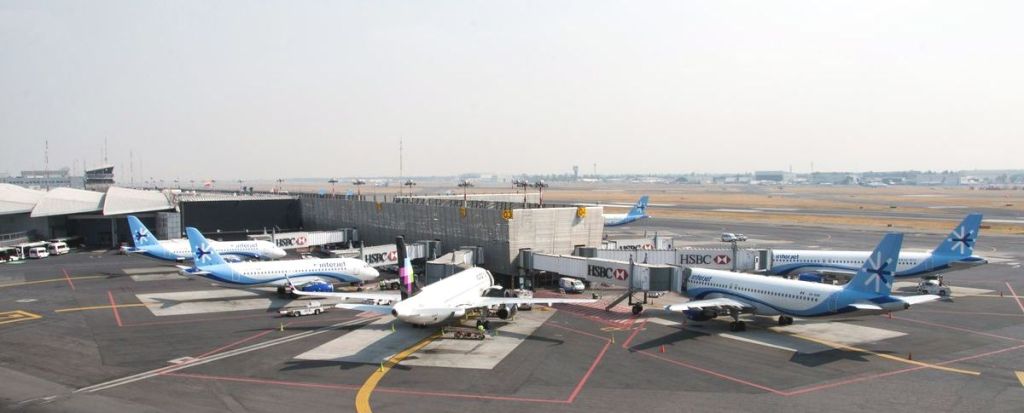
Las deudas acorralan a la aerolínea mexicana Interjet que no logra levantar vuelo cuando la compañía no nha resuelto el pago a los empleados de los sueldos de seis quincenas como así también el pago de combustible adeudado. Tras un impase desde este Viernes 18/12 hasta el 31/12, todos los vuelos de Interjet serán cancelados. La cancelación de los vuelos se debe a la colección de deudas que arrastra Interjet, contra la cual la Procuraduría Federal del Consumidor (Profeco) emitió una alerta de riesgo. La aerolínea tiene una deuda de casi MX$ 1.200 millones de Pesos mexicanos en combustible, y con Aeropuertos y Servicios Auxiliares (AYSA). Mientras que a los Servicios de Navegación al Espacio Aéreo Mexicano (SENEAM) y al Servicio de Administración Tributaria (SAT), tiene una deuda de MX$ 2.947 millones de Pesos.

La agencia fiscalizadora Profeco había alertado a principios de 12/2020 a los consumidores sobre el riesgo de establecer relaciones comerciales con Interjet, debido a problemas como: suspensión de ruta, cancelaciones recurrentes de sus vuelos, otorgamiento de miles de vouchers que no se han podido hacer efectivos por nuevas cancelaciones y incumplimiento en el pago de indemnizaciones. Tras la falta de liquidez para mantener una mínima capacidad operativa respecto al pago de combustible, la Profeco “considera suficiente para advertir el riesgo inminente de afectación a la economía de una colectividad de consumidores”. Por su parte, la Asociación Internacional de Transporte Aéreo (IATA) decretó la suspensión de venta de boletos de Interjet en agencias de viajes. La asociación dio a conocer que la aerolínea quedó fuera de su sistema Billing and Settlement Plan (BSP), a través del cual se venden y remiten boletos con las agencias.

Interjet flight suspension

Airline cancels flights from 18-31 December 2020

The debts corner the Mexican airline Interjet, which cannot get off the ground when the company has not resolved the payment to the employees of six fortnight’s salaries as well as the fuel payment owed. After an impasse from this Friday 12/18 to 12/31, all Interjet flights will be canceled. The cancellation of the flights is due to the collection of debts dragged by Interjet, against which the Federal Prosecutor’s Office for the Consumer (Profeco) issued a risk alert. The airline has a debt of almost MX $ 1,200 million Mexican pesos in fuel, and with Airports and Auxiliary Services (AYSA). While the Mexican Air Space Navigation Services (SENEAM) and the Tax Administration Service (SAT) have a debt of MX $ 2,947 million pesos.

At the beginning of 12/2020, the auditing agency Profeco had warned consumers about the risk of establishing commercial relationships with Interjet, due to problems such as: route suspension, recurrent cancellations of their flights, granting of thousands of vouchers that have not been possible. make effective for new cancellations and failure to pay compensation. After the lack of liquidity to maintain a minimum operational capacity regarding the payment of fuel, Profeco «considers it sufficient to warn of the imminent risk of affecting the economy of a group of consumers». For its part, the International Air Transport Association (IATA) decreed the suspension of Interjet ticket sales at travel agencies. The association announced that the airline was out of its Billing and Settlement Plan (BSP) system, through which tickets are sold and remitted with agencies.


PUBLISHER: Airgways.com
DBk: Gov.mx/profeco / Interjet.com / Bloomberg.com / Airgways.com
AW-POST: 202012191127AR

A\W   A I R G W A Y S ®
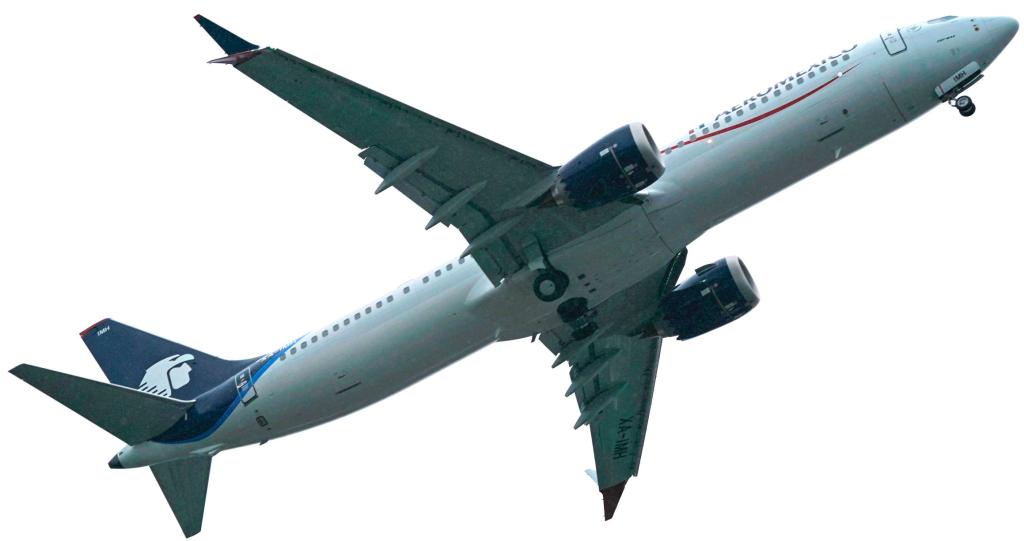
Aeroméxico reiniciará ops 737 MAX

AW | 2020 12 19 10:19 | AIRLINES / AVIATION ORGANISMS

Aeroméxico pone en servicio su Boeing 737 MAX

Boeing 737 MAX_Isologotype

Aeroméxico_Isologotype

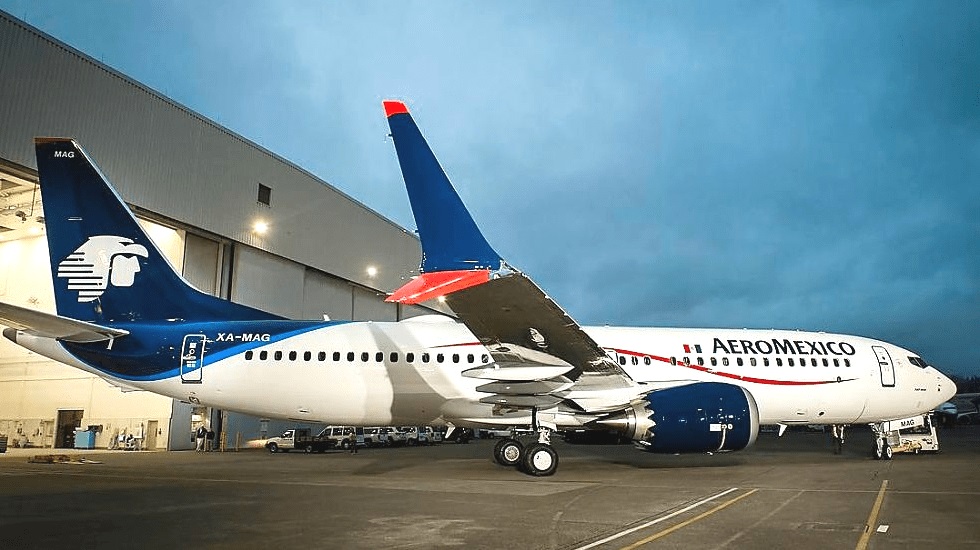
Aeroméxico ha anunciado la puesta en línea operativa del Boeing 737 MAX tras la coordinación de The Boeing Company y la Agencia Federal de Aviación Civil de México (AFAC) con la finalidad de realizar las pruebas necesarias para reincorporar el Boeing 737 MAX a las operaciones de la aerolínea. Actualmente, la aerolínea es el único transportista que opera este tipo de aeronaves con seis unidades Boeing 737-8 MAX más un pedido de 44 MAX 8 y 10 MAX 9. Los requisitos establecidos para la tripulación de vuelo han sido complementadas por parte del organismo de aviación mexicano y Aeroméxico. El Boeing 737 MAX ha sido puesto en tierra en Marzo de 2019 después de detectarse fallas en la seguridad operativa de su Sistema de Control de Vuelo denominado MCAS. Tras las correcciones que demandaron veinte meses de investigaciones y pruebas, el modelo nuevamente está siendo aprobado por los organismos de aviación de diferentes países e incorporándose paulatinamente a la flota de las aerolíneas.

La compañía Aeroméxico ha informado que reiniciará sus operaciones comerciales con el 737 MAX en la ruta entre Ciudad de México y Cancún, y continuará incorporando otros destinos como Guadalajara, Monterrey y Tijuana de acuerdo con la planificación de la red de rutas de la línea aérea. El Vicepresidente de Operaciones de Vuelo de Grupo Aeroméxico, Pablo Aram Aznavurian Roure, ha expresado: «Como piloto y gerente del Grupo Aeroméxico, estoy muy orgulloso de que el Boeing 737 MAX vuelva a funcionar. Es uno de los aviones más eficientes, modernos, menos contaminantes y más seguros del mundo. Nuestros pilotos, técnicos y todo el personal de la aerolínea están listos para volar y reconocemos las meticulosas revisiones que la Agencia Federal de Aviación Civil de México ha llevado a cabo para garantizar la seguridad y el estricto cumplimiento de todos los requisitos».

Aeromexico to restart ops 737 MAX

Aeroméxico puts its Boeing 737 MAX into service

Aeroméxico has announced the operational line-up of the Boeing 737 MAX after the coordination of The Boeing Company and the Federal Civil Aviation Agency of Mexico (AFAC) in order to carry out the necessary tests to reincorporate the Boeing 737 MAX to the operations of the airline. Currently, the airline is the only carrier that operates this type of aircraft with six Boeing 737-8 MAX units plus an order of 44 MAX 8 and 10 MAX 9. The requirements established for the flight crew have been complemented by the Mexican aviation organization and Aeroméxico. The Boeing 737 MAX was grounded in March 2019 after flaws were detected in the operational safety of its Flight Control System called MCAS. After the corrections that required twenty months of investigations and tests, the model is once again being approved by the aviation organizations of different countries and gradually being incorporated into the airline fleet.

The Aeroméxico company has informed that it will restart its commercial operations with the 737 MAX on the route between Mexico City and Cancun, and will continue to incorporate other destinations such as Guadalajara, Monterrey and Tijuana in accordance with the planning of the airline’s route network. The Vice President of Flight Operations of Grupo Aeroméxico, Pablo Aram Aznavurian Roure, has expressed: «As a pilot and manager of Grupo Aeroméxico, I am very proud that the Boeing 737 MAX is working again. It is one of the most efficient, modern, The least polluting and safest in the world. Our pilots, technicians and all airline personnel are ready to fly and we acknowledge the meticulous reviews that the Federal Civil Aviation Agency of Mexico has carried out to ensure safety and strict compliance with all requirements».


PUBLISHER: Airgways.com
DBk: Aeromexico.com / Ts.sct.gob.mx / Boeing.com / Airgways.com
AW-POST: 202012191019AR

A\W   A I R G W A Y S ®
INAC Venezuela autoriza reanudaciones

AW | 2020 12 16 15:15 | AIR TRAFFIC / AVIATION ORGANISMS / AIRPORTS

INAC autoriza ops desde Maiquetía hacia aeropuertos venezolanos

INAC Venezuela

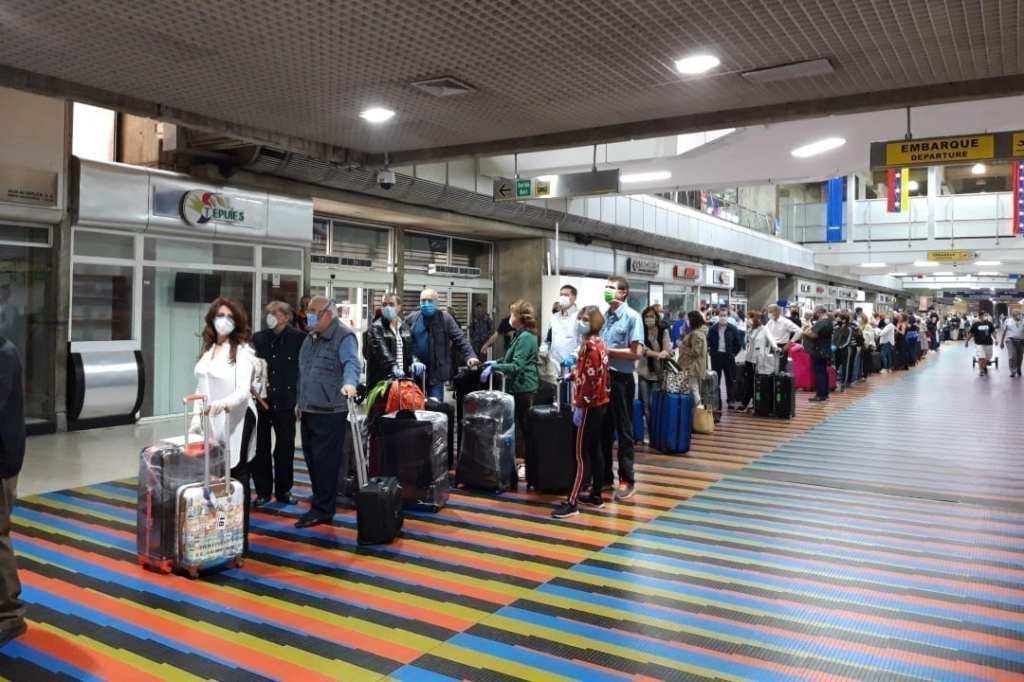
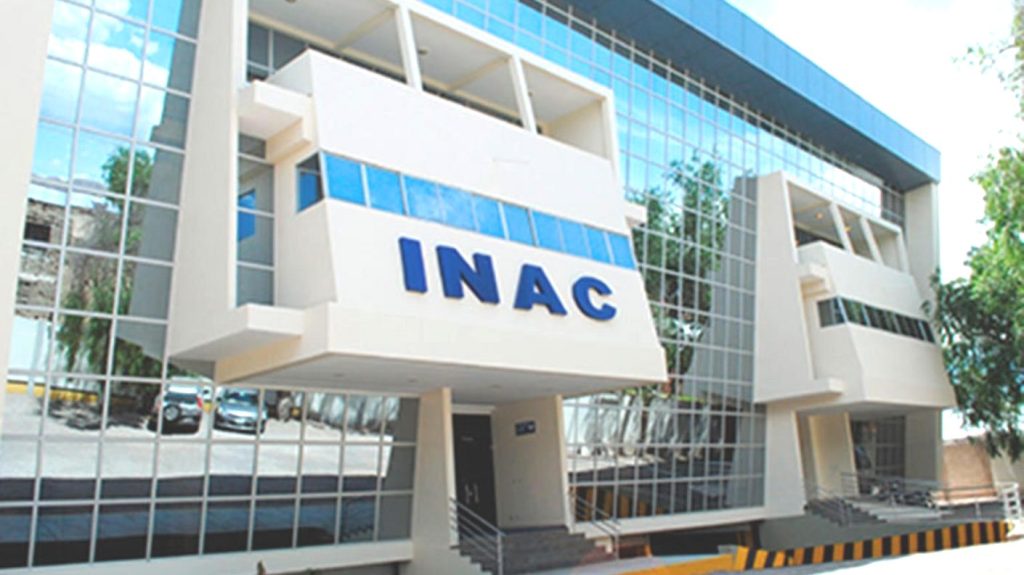
El Instituto Nacional de Aeronáutica Civil (INAC) informó este Martes 15 de Diciembre de 2020, la reanudación de operaciones aéreas entre el Aeropuerto Simón Bolívar/Maiquetía, con el Aeropuerto Caracas y Aeródromo Canaima/Bolívar. A través de un comunicado publicado en Twitter, el INAC informó que las operaciones estarán vigentes durante el mes de flexibilización anunciada por el Gobierno de Venezuela. Esta medida ocurre luego que el Gobierno estableció el 13 de Diciembre de 2020 una restricción de los vuelos internacionales desde y hacia Venezuela hasta el 14 de Enero de 2021.

Aerolíneas como Copa Airlines, Laser Airlines y Turpial Airlines cancelaron todos los vuelos que cubren la ruta Caracas-Panamá, Panamá-Caracas, debido a una orden que envió el Instituto Nacional de Aeronáutica Civil de Venezuela (INAC). En el caso de Copa, la aerolínea ofreció disculpas a sus pasajeros por los inconvenientes que esa nueva medida pudiese causar, y dijo que los viajeros que ya tuviesen el boleto comprado, podían gestionar los reembolsos correspondiente ingresando a su página web. Ante lo ocurrido, las aerolíneas rechazaron la suspensión de rutas internacionales anunciada por el INAC y pidieron al Gobierno venezolano y a las autoridades aeronáuticas competentes reconsiderar la medida para el restablecimiento de las rutas. Por su parte, la Asociación Venezolana de Agencias de Viajes y Turismo (AVAVIT) manifestó su profunda preocupación por la decisión del Gobierno de suspender rutas en vuelos internacionales permitiendo únicamente volar a Bolivia, México y Turquía.

INAC Venezuela authorizes resumes

INAC authorizes ops from Maiquetía to other Venezuelan airports

The National Institute of Civil Aeronautics (INAC) reported this Tuesday, December 15, 2020, the resumption of air operations between the Simón Bolívar/Maiquetía Airport, with the Caracas Airport and Canaima / Bolívar Aerodrome. Through a statement posted on Twitter, INAC reported that the operations will be in effect during the month of easing announced by the Government of Venezuela. This measure occurs after the Government established on December 13, 2020 a restriction on international flights to and from Venezuela until January 14, 2021.

Airlines such as Copa Airlines, Laser Airlines and Turpial Airlines canceled all flights that cover the Caracas-Panama, Panama-Caracas route, due to an order sent by the National Institute of Civil Aeronautics of Venezuela (INAC). In the case of Copa, the airline apologized to its passengers for the inconvenience that this new measure could cause, and said that travelers who already had the ticket purchased, could manage the corresponding refunds by entering its website. Given what happened, the airlines rejected the suspension of international routes announced by INAC and asked the Venezuelan government and the competent aeronautical authorities to reconsider the measure to re-establish the routes. For its part, the Venezuelan Association of Travel and Tourism Agencies (AVAVIT) expressed its deep concern over the Government’s decision to suspend routes on international flights, allowing only flights to Bolivia, Mexico and Turkey.


PUBLISHER: Airgways.com
DBk: Inac.gob.ve / Avavit.com / Airgways.com
AW-POST: 202012161515AR

A\W   A I R G W A Y S ®
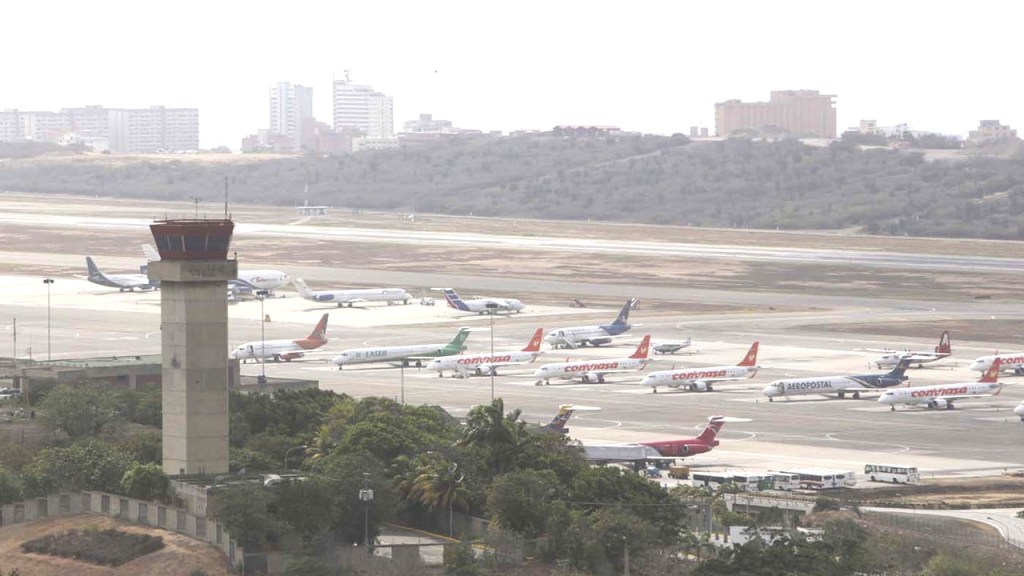
Reclamaciones por cancelación vuelos

AW | 2020 12 16 12:13 | AVIATION ORGANISMS

Defensoría Pueblo Argentina recomendaciones por cancelaciones

En las últimas semanas se multiplicaron las denuncias de damnificados respecto a cancelaciones de vuelos en medio de una reorganización de la malla aérea en Argentina producto de la reapertura prograsiva de los vuelos en el país. Consejos para proceder a los reclamos justos de los usuarios del transporte frente a las denuncias por falta de respuestas han producido una avalancha de notificaciones. La Defensoría del Pueblo de la Nación ha comunicado que se recepcionaron numerosas denuncias de usuarios de la empresa estatal Aerolíneas Argentinas, que de manera inconsulta ha reprogramado cambios y/o cancelaciones en vuelos establecidos, por lo que muchos pasajeros no han contado con la información al respecto, sin poder acceder a los medios de contactos digitales ni de manera presencial para canalizar los reclamos pertinentes.

Desde la Defensoría del Pueblo de la Nación, en la Provincia de Santa Fe, expresaron: “La institución tomó conocimiento de que usuarios que habían contratado vuelos a través de la aerolínea de bandera recibieron posteriormente una comunicación anunciando el cambio o la cancelación e invitándolos a comunicarte a través de WhatsApp, pero sin indicar a qué número. Aquellos que por sus propios medios lograron conseguir el número, escribieron pero solo recibieron opciones automatizadas que no resuelven el problema y no existe personal para responder estas consultas”, indicó el organismo. Los afectados también señalaron que, al acudir presencialmente a las oficinas de Aerolíneas Argentinas en el Aeropuerto Internacional Rosario, se encontraron con que la misma se encuentra cerrada. Al consultar al personal de la terminal, este señaló que son numerosas las personas que llegan al lugar con el mismo problema. En ese sentido, recomiendan a los usuarios, ir los días y horarios en que hay un vuelo para presentarse ante el personal afectado al mismo. También en las redes sociales, principalmente en la cuenta de Twitter de la aerolínea, se repiten los reclamos en este sentido, que en algunos casos han empezado a tener repercusión en medios de comunicación. La Defensoría del Pueblo recomienda a quienes se vean afectados por esta situación realizar una presentación ante la Administración Nacional de Aviación Civil (ANAC), que es el órgano de control correspondiente. Una vez realizado ello, puede también consultar a la delegación Rosario de la Defensoría del Pueblo de la Nación al correo electrónico inforos@defensoriasantafe.gob.ar.

¿Cómo presentar quejas?

Las quejas deben ser presentadas en forma escrita conteniendo nombre, apellido y domicilio del damnificado y precisan estar firmadas por el mismo o por un representante, en los casos de que aquel se encontrara incapacitado. En el escrito deberá detallarse la naturaleza del problema y las instancias posteriores al mismo, así como también los reclamos y respuestas recibidas si es que se hubieren efectuado. La queja se presenta en el plazo máximo de un año calendario de ocurrido el hecho, acto u omisión motivo de la misma y será acompañada por fotocopia de todos los comprobantes relacionados. Las actuaciones frente a la Defensoría son absolutamente gratuitas y no requieren de la asistencia o firma de abogado. Recibido el reclamo, se enviará una nota donde se informará el número de actuación y el área que llevará adelante el trámite.

Las consultas pueden también hacerse por teléfono desde cualquier parte del país con el costo de una llamada local al 0810-333-3762 y por fax al (011) 4819-1581 o a cualquiera de nuestras oficinas del interior del país. En ambos casos, luego de ser evaluada la cuestión, se solicitará la remisión de la misma por escrito y debidamente firmada, a fin de cumplimentar los recaudos exigidos por el Art. 19 de la Ley 24.284. Puede comunicarse directamente con la Defensoría del Pueblo a través de nuestro formulario de contacto. En estos casos -al igual que las quejas efectuadas por teléfono o fax, luego de ser evaluadas, se le solicitará la remisión de la misma por escrito y debidamente firmada, a fin de cumplimentar los recaudos exigidos por el Art. 19 de la Ley 24.284.

La presentación de la queja puede hacerse también personalmente o por correo a la sede central de la Institución: Defensoría del Pueblo de la Nación, Suipacha 365, C1008AAG, Ciudad Autónoma de Buenos Aires, República Argentina, o en cualquiera de las oficinas del interior del país. El horario de atención al público en la sede central es de Lunes a Viernes, de 10:00 a 17:00 hs. En la Institución estamos para informarlo acerca de: su caso en particular, el estado de su actuación, la misión del Defensor del Pueblo.

Claims for flight cancellation

Argentina Ombudsman’s Office recommendations for cancellations

In recent weeks, complaints from victims of flight cancellations have multiplied amid a reorganization of the air network in Argentina as a result of the prograsive reopening of flights in the country. Advice to proceed with the fair claims of transport users in the face of complaints due to lack of answers have produced a flood of notifications. The Office of the Ombudsman of the Nation has communicated that numerous complaints were received from users of the state-owned company Aerolíneas Argentinas, which has inconsistently reprogrammed changes and/or cancellations in established flights, so many passengers have not had the information at In this regard, without being able to access the means of digital contacts or in person to channel the pertinent complaints.

From the Office of the Ombudsman of the Nation, in the Province of Santa Fe, they expressed: “The institution learned that users who had contracted flights through the flag carrier subsequently received a communication announcing the change or cancellation and inviting them to communicate through WhatsApp, but without indicating what number. Those who by their own means managed to get the number, wrote but only received automated options that do not solve the problem and there are no personnel to answer these queries», said the agency. Those affected also indicated that, when they went in person to the Aerolíneas Argentinas offices at Rosario International Airport, they found that it was closed. When consulting the terminal staff, he pointed out that there are many people who arrive at the place with the same problem. In this sense, they recommend that users go on the days and times when there is a flight to present themselves to the personnel affected by it. Also on social networks, mainly on the airline’s Twitter account, claims are repeated in this regard, which in some cases have begun to have an impact on the media. The Ombudsman’s Office recommends that those affected by this situation make a presentation to the National Civil Aviation Administration (ANAC), which is the corresponding control body. Once this is done, you can also consult the Rosario delegation of the Office of the Ombudsman of the Nation at the email inforos@defensoriasantafe.gob.ar.

How to submit complaints?

Complaints must be submitted in written form containing the name, surname and address of the injured party and must be signed by him or by a representative, in the event that he or she is incapacitated. The document must detail the nature of the problem and the instances after it, as well as the claims and responses received if they have been made. The complaint is presented within a maximum period of one calendar year after the fact, act or omission that is the cause of the same occurred and will be accompanied by a photocopy of all the related documents. The proceedings before the Ombudsman are absolutely free and do not require the assistance or signature of a lawyer. Upon receipt of the claim, a note will be sent stating the action number and the area that will carry out the process.

Consultations can also be made by phone from anywhere in the country with the cost of a local call at 0810-333-3762 and by fax at (011) 4819-1581 or at any of our offices in the interior of the country. In both cases, after the matter has been evaluated, a written and duly signed remission will be requested, in order to complete the requirements required by Article 19 of Law 24,284. You can communicate directly with the Ombudsman’s Office through our contact form. In these cases as well as complaints made by telephone or fax, after being evaluated, you will be asked to send it in writing and duly signed, in order to complete the requirements required by Article 19 of Law 24,284.

The presentation of the complaint can also be made in person or by mail to the central headquarters of the Institution: Defensoría del Pueblo de la Nación, Suipacha 365, C1008AAG, Ciudad Autónoma de Buenos Aires, República Argentina, or at any of the offices in the interior of the country. The hours of attention to the public at the headquarters are from Monday to Friday, from 10:00 a.m. to 05:00 p.m. At the Institution we are here to inform you about: your particular case, the status of your action, the mission of the Ombudsman.


PUBLISHER: Airgways.com
DBk: Dpn.gob.ar / VisitEiffel / Airgways.com
AW-POST: 202012161213AR

A\W   A I R G W A Y S ®

IATA disparidad reactivación aérea

AW | 2020 12 10 14:47 | AVIATION ORGANISMS

IATA reporta lenta recuperación red aérea mundial

La Asociación Internacional de Transporte Aéreo (IATA) ha informado en su último reporte de análisis de mercado de tráfico aéreo de Octubre 2020, alrededor del mundo han existidos signos de mejoras y recuperación de los vuelos comerciales, a pesar de una disminución en el factor de tráfico del 10/2020, con un descenso interanual de 70,6 % en los Ingresos por Kilómetros de Pasajeros (RPK) de toda la industria aérea. Los resultados interanuales para 09/2020 representaron una caída del 72,2 % y 74,8 % en Agosto 2020. Como ha sido el caso desde el inicio del repunte en Mayo 2020, las mejoras fueron impulsadas por los mercados nacionales en cada país en Octubre 2020. Además, los RPK ajustados estacionalmente también se recuperaron, pero el ritmo de crecimiento mes a mes, que ha sido de 3,5%, fue mucho más lento que en meses anteriores.

Aunque los mercados nacionales en general fueron los impulsores de la recuperación, existen actualmente importantes divergencias entre países y regiones. China principalmente volvió a la normalidad en Octubre 2020, Japón y Brasil publicaron mejoras sólidas, y Rusia se mantuvo más resistente que la mayoría de los mercados. En cambio, el tráfico aéreo sigue siendo muy débil en Estados Unidos y más aún en Australia, debido a que aún mantienen sus fronteras cerradas para no residentes. Las disparidades radican donde aerolíneas en América Latina registraban un fuerte repunte, mientras que el tráfico internacional empeora en Europa y permanece en silencio en la Región Asia-Pacífico. El momento y la intensidad del virus de la pandemia representan un papel clave en esas divergencias. La IATA ha expresado que Europa ha sido la región más afectada en el mes de 10/2020, con una fuerte segunda ola que alcanzó su punto máximo en la primera quincena de Noviembre 2020. Los nuevos casos también comenzaron a aumentar en los Estados Unidos, lo que sugiere que el tráfico en esas regiones pudo haber disminuido en noviembre. Mientras que en América Latina los casos disminuyeron un poco más.

Los nuevos casos de Coronavirus han sido en parte descorrelacionado con el tráfico de pasajeros en algunos países, como Rusia y Australia. Esto es porque la demanda de viajes aéreos es impulsada tanto por el número de infecciones a través del comportamiento de los viajeros y restricciones impuestas por los gobiernos. Por otro lado, el tráfico internacional de pasajeros mostró una tendencia lateral en Octubre 2020, con RPK internacionales cayendo 87,8 % interanual, sin cambios desde Septiembre 2020 con una caída de 88,0%. Esto oculta algunas disparidades en regiones, que siguen diferentes tendencias. Las aerolíneas registradas en África se convirtieron en las más resistentes regiones en Octubre 2020, con la caída de los RPK internacionales 78,5% interanual, frente a un descenso de 84,9% el anterior mes. De acuerdo con la IATA, las aerolíneas latinoamericanas también experimentaron una sólida mejora en volúmenes internacionales, 86,0% menos interanual en 10/2020. El mercado en Centroamérica destacó en el décimo mes de 2020 con una caída del tráfico del 65,3% interanual. Europa, al enfrentarse a nuevos brotes del virus, las medidas de control se volvieron más estrictas que en septiembre, lo que afectó a los RPK internacionales de aerolíneas de la región, que disminuyeron 83,0% interanual en Octubre, el segundo descenso mensual consecutivo. En particular, el tráfico dentro de Europa, que había repuntó durante mediados de año, cayó 76,6% interanual, desempeño más débil desde Julio 2020. Los RPK nacionales en Brasil y Japón mejoraron significativamente en octubre, con caídas anuales de 44,5% y 45,3%, respectivamente. Mientras que los casos de Covid-19 aumentaron de nuevo en 11/2020, luego de haber disminuido en Octubre 2020 en ambos países.

IATA air reactivation disparity

IATA reports slow recovery of global air network

The International Air Transport Association (IATA) has reported in its latest air traffic market analysis report of October 2020, around the world there have been signs of improvements and recovery of commercial flights, despite a decrease in the factor of traffic on 10/2020, with a year-on-year decrease of 70.6% in Revenues per Passenger Kilometers (RPK) for the entire airline industry. The interannual results for 09/2020 represented a drop of 72.2% and 74.8% in August 2020. As has been the case since the start of the rebound in May 2020, the improvements were driven by the national markets in each country in October 2020. In addition, seasonally adjusted RPKs also recovered, but the month-over-month growth rate, which has been 3.5%, was much slower than in previous months.

Although domestic markets in general were the drivers of the recovery, there are currently significant divergences between countries and regions. China mainly returned to normal in October 2020, Japan and Brazil posted solid improvements, and Russia remained more resilient than most markets. On the other hand, air traffic is still very weak in the United States and even more so in Australia, because they still keep their borders closed to non-residents. The disparities lie where airlines in Latin America registered a strong rebound, while international traffic worsens in Europe and remains silent in the Asia-Pacific region. The timing and intensity of the pandemic virus play a key role in these divergences. The IATA has expressed that Europe has been the most affected region in the month of 10/2020, with a strong second wave that reached its peak in the first half of November 2020. New cases also began to increase in the United States, which suggests that traffic in those regions may have decreased in 11/2020. While in Latin America the cases decreased a little more.

The new cases of Coronavirus have been partly uncorrelated with passenger traffic in some countries, such as Russia and Australia. This is because the demand for air travel is driven both by the number of infections through the behavior of travelers and restrictions imposed by governments. On the other hand, international passenger traffic showed a lateral trend in October 2020, with international RPKs falling 87.8% year-on-year, unchanged from September 2020 with a drop of 88.0%. This hides some disparities in regions, which follow different trends. The airlines registered in Africa became the most resistant regions in October 2020, with the fall of the international RPKs 78.5% year-on-year, compared to a decrease of 84.9% the previous month. According to Iata, Latin American airlines also experienced a solid improvement in international volumes, 86.0% less year-on-year in 10/2020. The market in Central America stood out in the tenth month of 2020 with a fall in traffic of 65.3% year-on-year. Europe, facing new outbreaks of the virus, control measures tightened than in September, affecting the international RPKs of airlines in the region, which fell 83.0% year-on-year in October, the second consecutive monthly decrease. In particular, traffic within Europe, which had rebounded during the middle of the year, fell 76.6% year-on-year, the weakest performance since July 2020. National RPKs in Brazil and Japan improved significantly in October, with annual falls of 44.5% and 45.3%, respectively. While the cases of Covid-19 increased again in 11/2020, after having decreased in October 2020 in both countries.


PUBLISHER: Airgways.com
DBk: Iata.org / Airgways.com
AW-POST: 202012101447AR

A\W   A I R G W A Y S ®
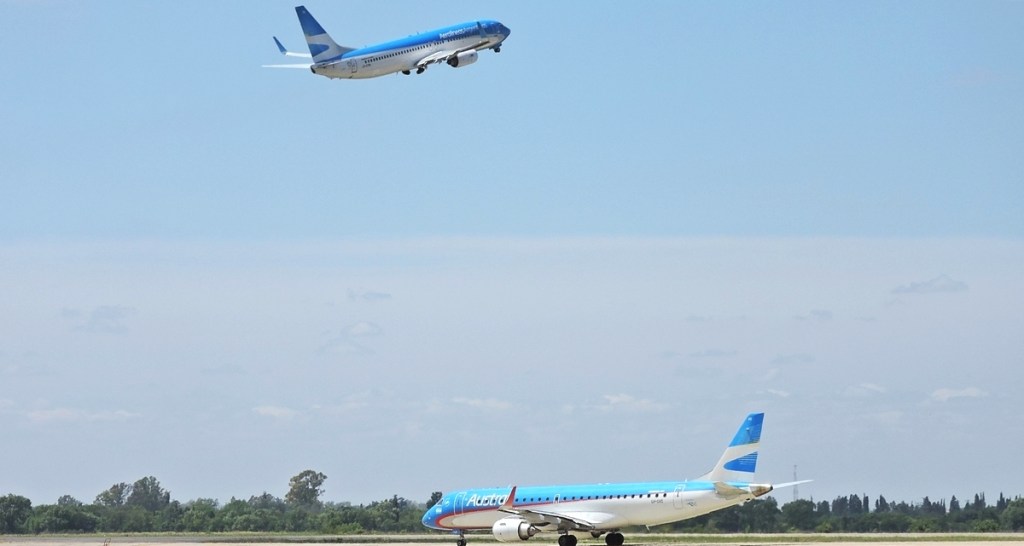
Completan obras Aeropuerto Boa Vista

Boa Vista International Airport - Wikipedia

AW | 2020 12 06 12:50 | AIRPORTS / AVIATION ORGANISMS

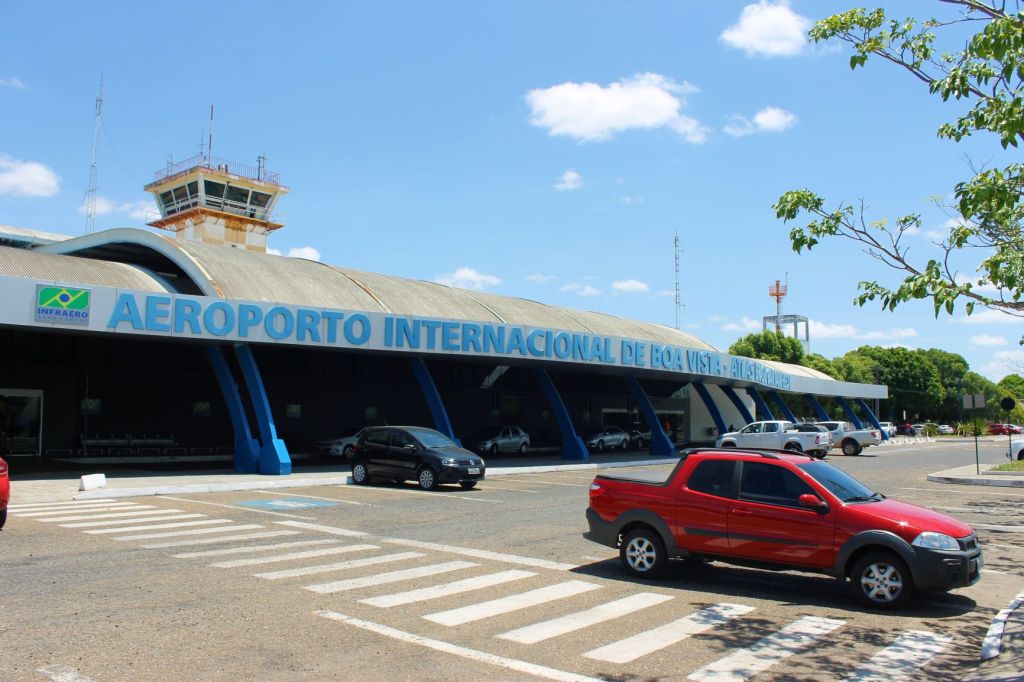
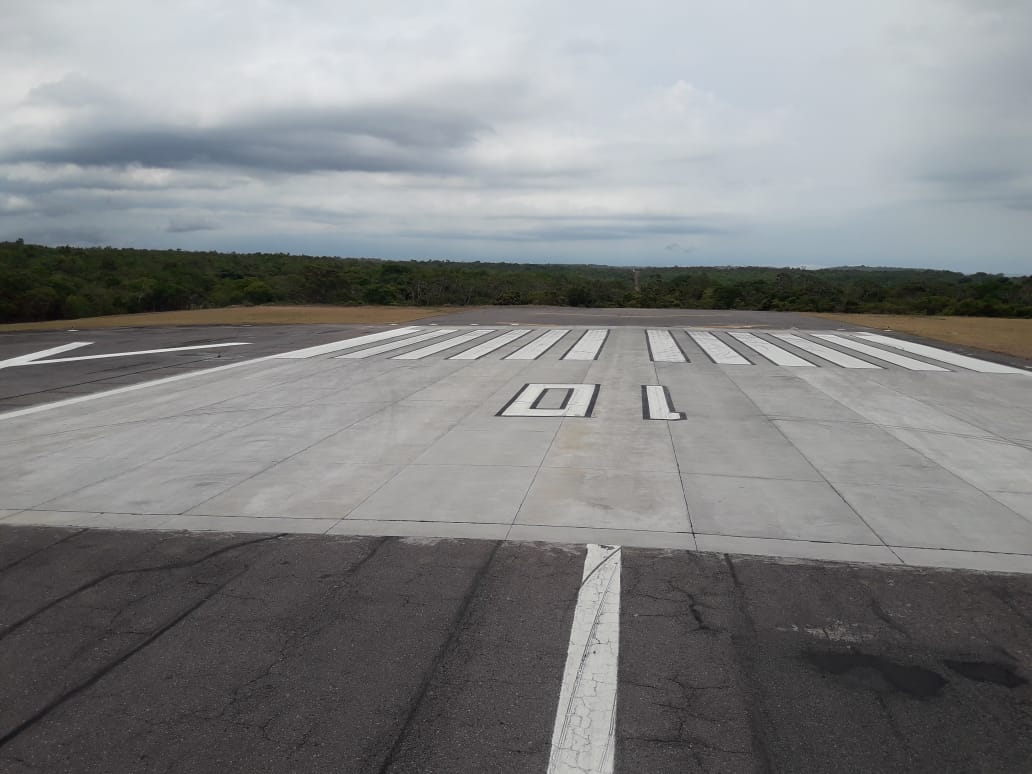
Infraero completa obras en pista del Aeropuerto de Boa Vista/Brasil

Infraero_Isologotype

Los trabajos de mantenimiento en la pista del Aeropuerto Internacional Boa/Vista Altas Brasil Cantanhede BVB/SBBV se han completado este Sábado 5 de Diciembre de 2020, dijo la Agencia Infraero (Empresa Brasileira de Infraestrutura Aeroportuária), responsable de la terminal. Según la empresa, los servicios eran necesarios para garantizar la disponibilidad del pavimento para las operaciones aeroportuarias.

El aeropuerto fue inaugurado el 19 de Febrero de 1973, y se sometió a su primera renovación en 1998. La pista de aterrizaje, terminales y otras secciones después fueron ampliadas. El 14 de Septiembre de 2009 se completó una segunda renovación importante que aumento de la capacidad del aeropuerto para manejar 330.000 pasajeros al año, con un área terminal de 7.000 m², lugares de aparcamiento y la instalación de dos pasarelas.

Los últimos trabajos importantes se realizaron en veinticinco días y tuvo lugar fuera del horario de circulación del aeropuerto. En total, se invirtieron R$ 593,6 millones de Reales. Según el Superintendente del aeropuerto, Clayrton dos Santos da Silva, la recuperación de la pista fue fundamental para mantener la seguridad en las operaciones. «Los servicios cumplen con los estándares internacionales de calidad y tienen como objetivo garantizar aún más seguridad para los viajeros que abordan y desembarcan en Boa Vista», dijo Silva.

Infraero también informó que, a partir de este Sábado 05/12, el Aeropuerto de Boa Vista ganará una ruta a Belém, que será operada por Azul Linhas Aéreas, el vuelo tendrá inicialmente dos frecuencias semanales en Diciembre 2020 los Sábados y Lunes, despegando de Boa Vista. A partir de Enero de 2021, la aerolínea ofrecerá una frecuencia de cuatro días los Lunes, Martes, Jueves y Sábados.

Boa Vista Airport works completed

Infraero completes works on the Boa Vista Airport runway/Brazil

Maintenance work on the runway of Boa Vista/Altas Brasil Cantanhede International Airport BVB/SBBV has been completed this Saturday, December 5, 2020, said the Infraero Agency (Empresa Brasileira de Infraestrutura Aeroportuária), responsible for the terminal. According to the company, the services were necessary to guarantee the availability of the pavement for airport operations.

The airport was inaugurated on February 19, 1973, and underwent its first renovation in 1998. The runway, terminals and other sections were later expanded. On September 14, 2009, a second major renovation was completed that increased the airport’s capacity to handle 330,000 passengers per year, with a terminal area of ​​7,000 m², parking spaces and the installation of two walkways.

The last major work was completed in 25 days and took place outside of the airport’s traffic hours. In total, R $ 593.6 million Reais were invested. According to the Superintendent of the airport, Clayrton dos Santos da Silva, the recovery of the runway was essential to maintain safety in operations. «The services meet international quality standards and aim to ensure even more safety for travelers boarding and disembarking at Boa Vista», Silva said.

Infraero also reported that, starting this Saturday 05/12, the Boa Vista Airport will gain a route to Belém, which will be operated by Azul Linhas Aéreas, the flight will initially have two weekly frequencies in December 2020 on Saturdays and Mondays, taking off from Boa Vista. Starting in January 2021, the airline will offer a four-day frequency on Monday, Tuesday, Thursday and Saturday.

Obras do Aeroporto de Boa Vista concluídas

Infraero Aeroportos (@infraero) | Twitter

Infraero conclui obras na pista do Aeroporto Boa Vista/Brasil

As obras de manutenção da pista do Aeroporto Internacional Boa Vista/Altas Brasil Cantanhede BVB/SBBV foram concluídas neste Sábado, 5 de dezembro de 2020, informou a Infraero (Empresa Brasileira de Infraestrutura Aeroportuária), responsável pelo terminal. Segundo a empresa, os serviços foram necessários para garantir a disponibilidade do pavimento para as operações aeroportuárias.

O aeroporto foi inaugurado em 19 de fevereiro de 1973 e passou por sua primeira reforma em 1998. Posteriormente, a pista, os terminais e demais trechos foram ampliados. Em 14 de setembro de 2009, foi concluída uma segunda grande reforma que aumentou a capacidade do aeroporto para atender 330.000 passageiros por ano, com uma área terminal de 7.000 m², vagas de estacionamento e instalação de duas passarelas.

A última grande obra foi concluída em 25 dias e ocorreu fora do horário de tráfego do aeroporto. No total, foram investidos R $ 593,6 milhões de reais. Segundo o superintendente do aeroporto, Clayrton dos Santos da Silva, a recuperação da pista foi fundamental para manter a segurança nas operações. “Os serviços atendem a padrões internacionais de qualidade e visam garantir ainda mais segurança aos viajantes que embarcam e desembarcam na Boa Vista”, disse Silva.

A Infraero informou ainda que, a partir deste sábado 05/12, o Aeroporto da Boa Vista ganhará rota para Belém, que será operada pela Azul Linhas Aéreas, o voo terá inicialmente duas frequências semanais em dezembro de 2020 aos sábados e segundas-feiras, decolando de Boa Vista. A partir de janeiro de 2021, a companhia aérea oferecerá uma frequência de quatro dias às segundas, terças, quintas e sábados.


PUBLISHER: Airgways.com
DBk: Infraero.gov.br / Correiodolavrado.com.br/Vanessa Vieira / Airgways.com
AW-POST: 202012061250AR

A\W   A I R G W A Y S ®
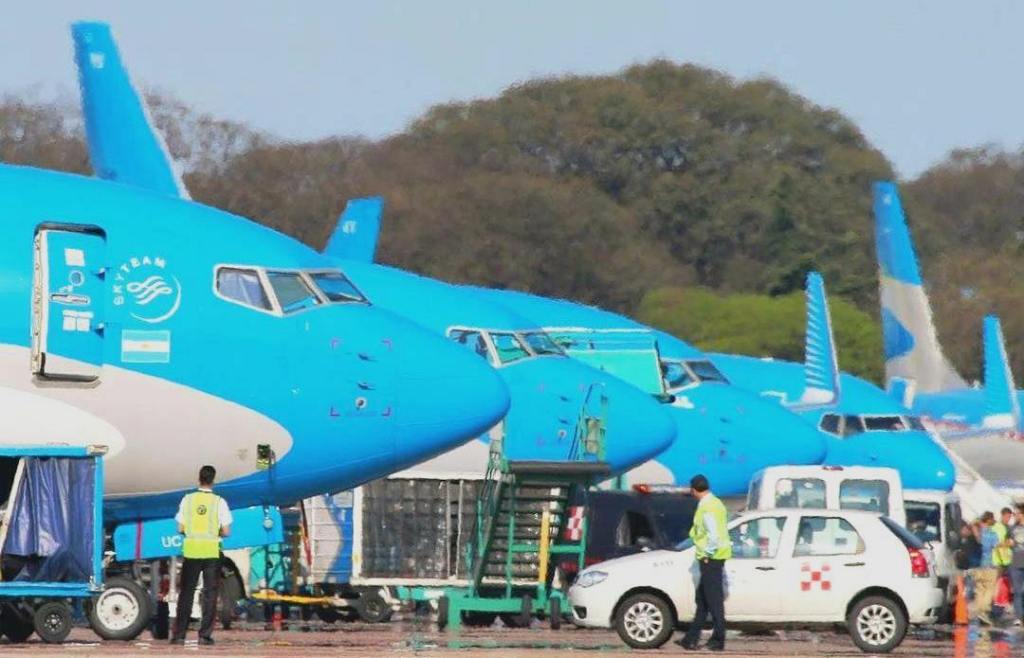
Aéreas Venezuela vs pruebas PCR

AW | 2020 12 05 09:47 | AVIATION ORGANISMS / AVIATION SAFETY / GOVERNMENT

CEVETA advierte que aéreas no asumen veracidad pruebas PCR

La Cámara de Empresas Venezolanas de Transporte Aéreo (CEVETA) de la República de Venezuela ha informado que las compañías aéreas no pueden asumir la comprobación de la veracidad de las Pruebas de PCR elaboradas, a propósito de las declaraciones del Presidente del INAC quien afirmó que le corresponde también a las aerolíneas verificar la autenticidad de las pruebas PCR.

El Presidente de CEVETA, Jorge Álvarez Méndez, aclaró que las líneas aéreas no pueden asumir la comprobación de las pruebas biosanitarias porque no es competencia de las líneas aéreas sino de las autoridades de Salud perteneciente al Estado. «No tenemos gente capacitada ni autorizada para verificar si las pruebas PCR que presentan los pasajeros son válidas», afirmó el capitán Jorge Álvarez. La CEVETA a propuesto a las autoridades competentes la localización de un Módulo en el Aeropuerto Internacional Maiquetía/Caracas (CCS) para realizar pruebas antígenos del Covid-19 y no se les ha autorizado.

Venezuela Airways do not undertake PCR tests

CEVETA warns that airlines do not assume the accuracy of PCR tests

The Chamber of Venezuelan Air Transport Companies (CEVETA) of the Republic of Venezuela has reported that airlines cannot assume the verification of the veracity of the PCR Tests prepared, regarding the statements of the President of INAC who stated that he it is also up to the airlines to verify the authenticity of the PCR tests.

The President of CEVETA, Jorge Álvarez Méndez, clarified that the airlines cannot assume the verification of biosanitary tests because it is not the responsibility of the airlines but of the Health authorities belonging to the State. «We do not have people trained or authorized to verify if the PCR tests presented by passengers are valid», said Captain Jorge Álvarez. CEVETA has proposed to the competent authorities the location of a Module at the Maiquetía/Caracas International Airport (CCS) to perform Covid-19 antigen tests and they have not been authorized.


PUBLISHER: Airgways.com
DBk: Ceveta.org.ve / Twitter.com/ceveta_ve / Conviasa.aero / Airgways.com
AW-POST: 202012050947AR

A\W   A I R G W A Y S ®
Aerolíneas multada por la DOT

AW | 2020 12 05 09:13 | AVIATION ORGANISMS / AIRLINES

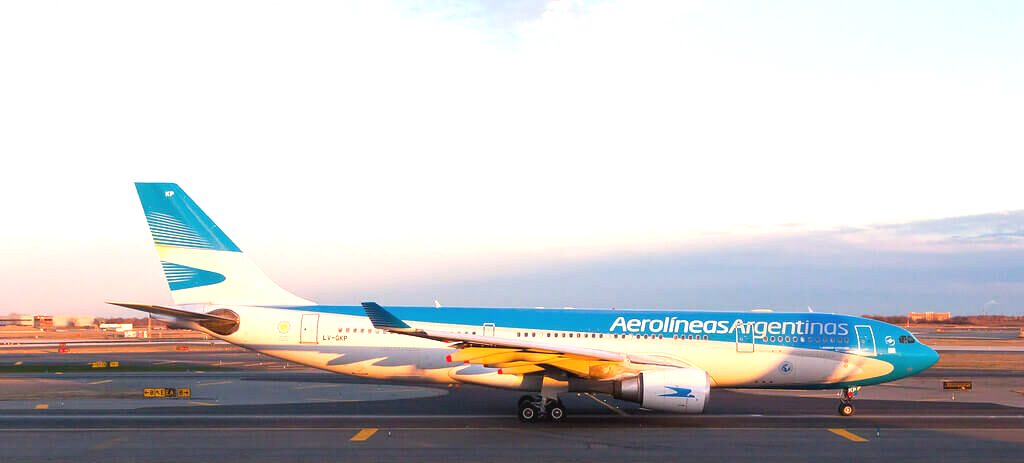
Aerolíneas Argentinas recibe multa de Transporte de Estados Unidos

DOT_Isologotype_01

El Departamento de Transporte (DOT) de los Estados Unidos ha aplicado este Viernes 04/12 una multa por valor de US$ 300.000 Dólares a Aerolíneas Argentinas por violar un estatuto federal y normas vigentes relacionadas a la aeronavegación que prohíben las demoras en pista. Las reincidencias de la línea argentina fue advertida para que desista de cometer violaciones similares en el futuro, señala un comunicado emitido por el organismo.

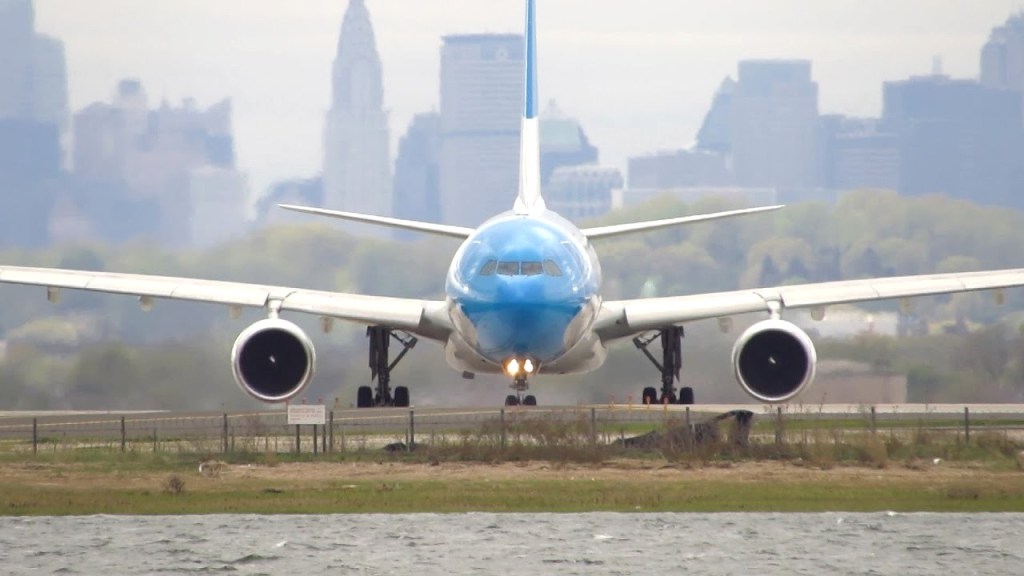
Una investigación de la Oficina de Protección al Consumidor de Aviación (ACPO) dependiente de Transporte ha determinado que Aerolíneas Argentinas permitió que dos vuelos desde Buenos Aires a Nueva York uno en Febrero de 2017 y otro en Enero de 2018 permanecieran en pista por un largo período sin dar a los pasajeros la oportunidad de descender. La demora de 2017 fue de 4 horas y 46 minutos, mientras que la de 2018 duró 4 horas y 35 minutos. Esto, detalla el comunicado, generó reclamos de los pasajeros para que se les permitiera bajar. Según las normativas de Estados Unidos, las líneas aéreas extranjeras tienen prohibido permanecer en la pista de aeropuertos estadounidenses más de 4 horas sin dar a los pasajeros la asistencia requerida de dejar el avión para esperar en Tránsito en el aeropuerto. La regla también requiere que las aerolíneas provean adecuada comida y agua y aseo. Incluso, deben ser capaces de proveer atención médica si la espera es larga.

Bajo la regla de retraso en pista del DOT, las aerolíneas extranjeras que operan aviones con 30 o más asientos de pasajeros tienen prohibido permitir que sus vuelos internacionales permanezcan en la pista en los aeropuertos de los Estados Unidos durante más de cuatro horas sin dar a los pasajeros la oportunidad de abandonar el avión. Una excepción al límite de tiempo solo se permite por razones relacionadas con la seguridad o el control del tráfico aéreo. La norma también exige que las compañías aéreas proporcionen alimentos y agua adecuados, garanticen que los lavabos funcionen y, si es necesario, presten atención médica a los pasajeros durante largos retrasos en la pista.

Esta orden de consentimiento se refiere a violaciones por parte de Aerolíneas Argentinas de 14 CFR Parte 259 y 49 U.S.C. 41712. Específicamente, Aerolíneas Argentinas no se adhirió a la garantía en su plan de contingencia de largos retrasos en pista en relación con la desplanificación de pasajeros. Esta orden ordena a Aerolíneas Argentinas cesar y desistir de futuras violaciones similares de 14 CFR Parte 259 y 49 U.S.C. 41712, y evalúa al transportista US$ 300,000 en sanciones civiles. La orden de consentimiento está disponible en www.regulations.gov, número de expediente DOT-OST-2020-0001.

Aerolíneas fined by DOT

Aerolíneas Argentinas receives a fine from the United States

The Department of Transportation (DOT) of the United States has applied this Friday 04/12 a fine in the amount of US$ 300,000 to Aerolineas Argentinas for violating a federal statute and current regulations related to air navigation that prohibit delays on the runway. The recurrence of the Argentine line was warned to desist from committing similar violations in the future, says a statement issued by the agency.

An investigation by the Aviation Consumer Protection Office (ACPO) dependent on Transportation has determined that Aerolíneas Argentinas allowed two flights from Buenos Aires to New York, one in February 2017 and another in January 2018, to remain on the tarmac for a long period. without giving passengers a chance to get off. The 2017 delay was 4 hours and 46 minutes, while the 2018 delay was 4 hours and 35 minutes. This, the statement details, generated claims from passengers to be allowed to get off. According to US regulations, foreign airlines are prohibited from staying on the runway at US airports for more than 4 hours without giving passengers the required assistance of leaving the plane to wait in Transit at the airport. The rule also requires airlines to provide adequate food and water and toilets. They must even be able to provide medical attention if the wait is long.

Under the DOT runway delay rule, foreign airlines operating planes with 30 or more passenger seats are prohibited from allowing their international flights to remain on the runway at United States airports for more than four hours without giving passengers the opportunity to leave the plane. An exception to the time limit is only allowed for reasons related to safety or air traffic control. The rule also requires airlines to provide adequate food and water, ensure that toilets are working and, if necessary, provide medical attention to passengers during long delays on the runway.

This consent order refers to violations by Aerolíneas Argentinas of 14 CFR Part 259 and 49 U.S.C. 41712. Specifically, Aerolíneas Argentinas did not adhere to the guarantee in its contingency plan of long delays on the runway in relation to the de-planning of passengers. This order orders Aerolíneas Argentinas to cease and desist from future similar violations of 14 CFR Part 259 and 49 U.S.C. 41712, and assesses the carrier US$ 300,000 in civil penalties. The consent order is available at www.regulations.gov, docket number DOT-OST-2020-0001.


PUBLISHER: Airgways.com
DBk: Transportation.gov / Regulation.gov / Airgways.com
AW-POST: 202012050913AR

A\W   A I R G W A Y S ®