Regulador aéreo aplica suspensiones por incidentes
El regulador de aviación de China, la Administración de Aviación Civil de China (CAAC) ha informado este Lunes 15/03 que suspende a Donghai Airlines de agregar nuevas rutas, vuelos y capacidad después de concluir una investigación sobre una disputa en el aire entre los miembros de la tripulación en un vuelo nacional reciente.
Las investigaciones sobre las discusiones en un vuelo de la aerolínea han detallado que un piloto culpó a la azafata principal de no despejar su camino al baño, tendrá su licencia revocada, dijo Wu Shijie, Subdirector de la Oficina de Seguridad Aérea de la CAAC, en una reunión informativa mensual. La azafata también recibirá el castigo administrativo correspondiente. El Subdirector de Seguridad no especificó cuánto durarían las restricciones a las rutas, vuelos y capacidad. Tampoco ofreció los detalles sobre la pelea en el aire. Los informes de los medios de comunicación, citando un relato dijeron que la pelea entre los dos hombres había estallado 50 minutos antes de que el vuelo aterrizara y ambos hombres resultaran heridos.
Un caso en 2018 donde la CAAC había reducido los vuelos de Air China en un 10% y cancelado las licencias del piloto y copiloto de un vuelo después de que se encontró con que el copiloto estaba fumando un cigarrillo electrónico, lo que llevó a un aterrizaje de emergencia.
La República Popular de China representa un país con grandes índices de seguridad en la aviación, después de mantener un sólido historial de seguridad durante más de una década.
CAAC China sanctions Donghai Airlines
Air regulator applies suspension for incidents
China’s aviation regulator, the Civil Aviation Administration of China (CAAC) reported this Monday 03/15 that it is suspending Donghai Airlines from adding new routes, flights and capacity after concluding an investigation into an air dispute between the crew members on a recent domestic flight.
Investigations into the discussions on an airline flight have detailed that a pilot blamed the main flight attendant for not clearing his way to the bathroom, will have his license revoked, said Wu Shijie, deputy director of the CAAC Air Safety Office, in a monthly informational meeting. The hostess will also receive the corresponding administrative punishment. The Deputy Director of Security did not specify how long the restrictions on routes, flights and capacity would last. He also did not offer the details about the fight in the air. Media reports, citing one account, said that the fight between the two men had broken out 50 minutes before the flight landed and both men were injured.
A case in 2018 where the CAAC had reduced Air China flights by 10% and canceled the pilot and co-pilot licenses of a flight after it found that the co-pilot was smoking an e-cigarette, leading to a landing of emergency.
The People’s Republic of China represents a country with high aviation safety ratings, having maintained a strong safety record for more than a decade.
Gremio APLA Argentina reafirma vigencia mandato no volar aviones
El Gremio de la Asociación de Pilotos de Líneas Aéreas (APLA) de Argentina ha determinado la continuidad de la posición de no aprobar los vuelos de la línea Boeing 737 MAX aunque la Administración Nacional de Aviación Civil (ANAC) de Argentina haya aprobado las operaciones comerciales de los Boeing 737 MAX en el país tanto para Aerolíneas Argentinas como para cualquier otra compañía.
El 16 de Marzo de 2019, el Gobierno de Argentina había prohibido las operaciones comerciales del Boeing 737 MAX en el país. Tras casi un año calendario completo, el Miércoles 10 de Marzo de 2021, la ANAC ha aprobado el retorno de las operaciones comerciales después de los análisis exhaustivos por parte del equipo de investigación bajo los estudios realizados por parte de las agencias de la FAA de Estados Unidos y otros organismos.
La posición de la asociación de APLA que nuclea a los pilotos de la República Argentina es continuar con la postura de no volar los Boeing 737 MAX permitiendo que se tomen más medidas que garanticen la seguridad de las tripulaciones y a los pasajeros. El comunicado de APLA expone: «Reafirmando nuestro compromiso irrenunciable con la seguridad de las operaciones, estamos siguiendo todas las etapas para garantizar la efectividad de las barreras de defensa y mitigaciones adoptadas respecto a los factores de riesgo que motivaron el presente mandato. Por ello, estamos en conversaciones con la compañía para articular un plan de actividad mínima e instrucción que brinde las garantías operativas necesarias para el retorno al servicio de los Boeing 737 MAX».
Dentro de los reclamos establecidos por parte de APLA es requerir que se brinde un plan de instrucción para operaciones aéreas de la línea Boeing 737 MAX, de los cuales Aerolíneas Argentinas posee en su flota cinco Boeing 737-8 MAX (5) como único transportador del país con este tipo de aeronaves. Reclaman que este plan de instrucción emitido por la compañía Boeing y respaldado por la FAA sea analizado para establecer mejores niveles de seguridad para el modelo.
El proceso de recertificación de la línea Boeing 737 MAX por parte de la Federal Aviation Administration de Estados Unidos se completó el 18 de Noviembre de 2020, quedando habilitado para las operaciones en su país, permitiendo acompañar nuevas medidas complementarias que otras agencias de aviación implementarán en sus respectivos países. Varios países han establecido las aprobaciones respectivas entre ellas la EASA (Unión Europea), Canadá, Emiratos Árabes Unidos, Australia, México, Panamá, Brasil, Reino Unido, entre muchos otros. GOL Linhas Aéreas ha sido la primera compañía aérea en el mundo en introducir los primeros vuelos regulares el 9 de Diciembre de 2020, seguido posteriormente el 29/12 de American Airlines. En Latinoamérica y el Caribe, Aeroméxico, Cayman Airways y Copa Airlines que poseen en sus flotas este tipo de aeronaves han restablecido los vuelos en su red de rutas.
APLA cancels flying 737 MAX
Gremio APLA Argentina reaffirms mandate not to fly planes
The Guild of the Airline Pilots Association (APLA) of Argentina has determined the continuity of the position of not approving the flights of the Boeing 737 MAX line even though the National Civil Aviation Administration (ANAC) of Argentina has approved the commercial operations of the Boeing 737 MAX in the country as for Aerolineas Argentinas as for any other company.
On March 16, 2019, the Government of Argentina had prohibited the commercial operations of the Boeing 737 MAX in the country. After almost a full calendar year, on Wednesday March 10, 2021, the ANAC has proven the return of commercial operations after exhaustive analyzes by the investigation team under the studies carried out by the agencies of the FAA of States. States and other agencies.
The position of the APLA association that brings together the pilots of the Argentine Republic is to continue with the position of not flying the Boeing 737 MAX, allowing more measures to be taken to guarantee the safety of the crews and passengers. The APLA statement states: «Reaffirming our inalienable commitment to the safety of operations, we are following all stages to guarantee the effectiveness of the defense barriers and mitigations adopted regarding the risk factors that motivated this mandate. Therefore, we are in talks with the company to articulate a minimum activity plan and instruction that provides the operational guarantees necessary for the return to service of the Boeing 737 MAX».
Among the claims established by APLA is to require that an instruction plan be provided for air operations of the Boeing 737 MAX line, of which Aerolíneas Argentinas has in its fleet five Boeing 737-8 MAX (5) as the sole carrier of the country with this type of aircraft. They demand that this training plan issued by the Boeing company and backed by the FAA be analyzed to establish better safety levels for the model.
The process of recertification of the Boeing 737 MAX line by the Federal Aviation Administration of the United States was completed on November 18, 2020, being enabled for operations in its country, allowing to accompany new complementary measures that other aviation agencies will implement in their respective countries. Several countries have established the respective approvals including EASA (European Union), Canada, United Arab Emirates, Australia, Mexico, Panama, Brazil, United Kingdom, among many others. GOL Linhas Aéreas has been the first airline in the world to introduce the first scheduled flights on December 9, 2020, followed later on December 29 by American Airlines. In Latin America and the Caribbean, Aeroméxico, Cayman Airways and Copa Airlines, which have this type of aircraft in their fleets, have re-established flights on their route network.
El Miércoles 10 de Marzo de 2021 se cumplen dos años del segundo accidente aéreo de un Boeing 737 MAX en el vuelo ET-302 de Ethiopian Airlines con 157 personas a bordo en la ruta Addis Abeba (Etiopía)-Nairobi (Kenia). El segundo accidente mortal de un Boeing 737-8 MAX en aproximadamente un período de cinco meses hicieron sonar las alarmas rápidamente en todo el mundo, poniendo sistemáticamente a la aeronave en el ojo de la tormenta bajo un escrutinio que ha durado veinte meses de exámenes rigurosos para poner la línea en condiciones de recertificación alcanzados en Noviembre de 2020.
En el aniversario del accidente del vuelo ET-302 de Ethiopian Airlines, el bufete de abogados que representa a varias familias de las víctimas dijo que la familia Stumo se reunirá con el Secretario del Departamento de Transporte (DOT) de Estados Unidos, Pete Buttigieg, para informarle de los peligros continuos relacionados con la línea 737 MAX. Samya Rose Stumo, la hija de 24 años de la familia Stumo, falleció en el accidente aéreo del vuelo catastrófico en Etiopía. La familia Stumo celebró una protesta frente a las oficinas de The Boeing Company en Arlington, Estado de Virginia. Nadia Milleron, la madre de Samya, y su hijo sostenían un cartel con imágenes de las víctimas y otro letrero que decía «346 Muertos. Nadie responsabilizado».
El CEO de Boeing, Dave Calhoun, dijo que durante los 20 meses de puesta a tierra del 737 MAX hubo cambios que remodelaron la compañía. En Enero 2021, Boeing firmó un acuerdo de Procesamiento Diferido con el Departamento de Justicia en relación con la información criminal presentada en el Estado de Texas. La compañía Boeing pagará US$ 2.500 millones de Dólares para resolver un cargo criminal relacionado con conspiración para defraudar al Grupo de Evaluación de Aeronaves de la Federal Aviation Administration (FAA), así como compensar a los clientes de las aerolíneas portadoras de aeronaves 737 MAX y establecer un fondo de beneficiarios de víctimas de accidentes.
Los reguladores de Estados Unidos, Europa, Canadá, Brasil y otros países despejaron el avión para reanudar el vuelo después de que Boeing cambiara un sistema automatizado de Control de Vuelo conocido como MCAS que representó un papel crucial en los accidentes aéreos, el vuelo JT-610 de Lion Air en Indonesia y el vuelo ET-302 de Ethiopian Airlines en Etiopia.
Boeing ha informado el Martes 09/03 que ha visto más pedidos nuevos que cancelaciones por primera vez desde 2019. A pesar de que el avión ha vuelto al aire, todavía hay demandas activas presentadas por las familias de las víctimas del accidente. Crawford Law Offices dijo que representa a 72 familias y esperan tener una fecha de juicio poco antes que el juez de la Corte de Distrito de Los Estados Unidos Jorge Alonso en Chicago.
Incursión mundial Boeing 737 MAX
El 10 de Marzo de 2021 se cumplen el segundo aniversario de la puesta en tierra de la línea 737 MAX, marcando un hito en la industria de la aviación comercial. Los dos accidentes mortales, el vuelo JT610 de Lion Air el 29 de Octubre de 2018 y el vuelos ET302 de Ethiopian Airlines el 10 de Marzo de 2019 fueron causados por un mal funcionamiento del Sistema de Control de Vuelo conocido como Maneuvering Characteristics Augmentation System (MCAS), que representaba una función de seguridad destinada a evitar que el avión subiera demasiado rápido y entraba en una posición peligrosa. Lecturas falsas de sensores forzados por la nariz en los dos aviones ha llevado a los dos accidentes aéreos. Boeing ha realizado cambios en la forma en que funcionan esos sensores, así como en las alertas dadas a los pilotos.
Documentos internos muestran que incluso algunos empleados de Boeing no confiaron en el 737 MAX, ya que primero estaba siendo certificado para volar, con un empleado de Boeing describiéndolo a otro como un avión «diseñado por payasos, que a su vez son supervisados por monos».
El CEO de The Boeing Company, Dave Calhoun, y otros ejecutivos de Boeing han negado que la compañía cortara las esquinas, pero admiten que se cometieron muchos errores que llevaron a los accidentes. El nuevo ejecutivo de la compañía americana dijo que los problemas con el jet se debieron a un error en el «juicio de que todo el mundo desearía que no se hubiera hecho».
Cartera de pedidos/entregas
En cuanto a las ventas actuales del Boeing 737 MAX, Boeing no hace comentarios sobre el precio de sus aviones. Pero los expertos coinciden en que la larga puesta en tierra, combinada con el mercado más débil causado por la pandemia, significa que Boeing probablemente está ofreciendo profundos descuentos en las ventas que está haciendo ahora.
La cartera de órdenes desde Noviembre 2020 ha ascendido a 121 unidades, siete en Diciembre 2020 a compradores no identificados. Boeing ha colocado pedidos en Febrero 2021 por veinticinco Boeing 737 MAX (25) para United Airlines, mientras que 75 fueron órdenes para la aerolínea irlandesa de descuentos Ryanair. Boeing también vendió 14 aviones 737 MAX adicionales en Febrero 2021. Aun así, esas ventas representan una fracción de los casi 800 Boeing 737 MAX pedidos que fueron cancelados desde que se impuso la puesta a tierra.
Boeing también reservó 43 pedidos para otros aviones comerciales en 02/2021, con lo que los pedidos totales del mes ascendieron a 82 y marcaron la primera vez desde 2019 que los nuevos pedidos superaron a los cancelados. Hubo 51 pedidos cancelados en Febrero 2021, 32 de ellos de la línea 737 MAX. Boeing ha entregado un total de 87 nuevos aviones MAX en los tres meses desde que se levantó la puesta a tierra. Eso es casi tantos aviones como Boeing entregó en los nueve meses que comenzaron en Marzo de 2020 cuando la pandemia provocó una caída en los viajes aéreos.
Boeing había seguido construyendo los aviones durante la puesta en tierra, pero no había podido entregarlos. Las entregas son importantes porque Boeing recibe la mayor parte de sus ingresos en el momento de la entrega. Una caída en las entregas en 2020 a 157 aviones comerciales desde 380 del 2019 causó la peor pérdida de ingresos en la historia de Boeing, así como recortes masivos de empleos en la compañía.
El mayor desafío que aún enfrenta el Boeing 737 MAX es su falta de aprobación para volar en China. Casi el 20% de los 435 aviones MAX entregados en todo el mundo desde su debut han ido a aerolíneas chinas o compañías de arrendamiento, pero a ninguno se le ha permitido volar en el espacio aéreo chino desde la puesta en tierra de Marzo de 2019. Hasta la fecha, 160 de los 195 reguladores mundiales de la aviación han autorizado el avión para reanudar el transporte de pasajeros.
Startup 737 MAX
Actualmente ha habido más de 9.000 vuelos de pasajeros a bordo del avión desde que se levantó la prohibición el 18 de Noviembre de 2020. La aerolínea brasileña GOL Linhas Aéreas ha sido la primer compañía en el mundo en restablecer la aeronave a los cielos, luego que American Airlines reiniciara las operaciones con la programación en Diciembre 2020. American ha utilizado el avión en más de 400 vuelos, más que cualquier otra aerolínea, según Cirium, que rastrea el uso de aviones de pasajeros. «Las reservas en el MAX son comparables a otras aeronaves, y no estamos viendo datos que sugieran que los clientes no quieren volar el avión», dijo un portavoz de American.
La aerolínea de presupuesto líder del mercado low cost Southwest Airlines (LUV) ha anunciado para este Jueves 11/03 el restablecimiento de las operaciones de la línea Boeing 737 MAX, convirtiéndose en la decimoquinta aerolínea en volar el avión desde que se levantó la puesta en tierra en Noviembre 2002 por parte de la Agencia FAA. «El MAX es más fiable. Tiene una quemadura de combustible más baja. Es más tranquilo. Es menos costoso de mantener, y es nuestro avión más cómodo desde una perspectiva de cliente. Y es un componente clave de nuestro futuro», dijo Michael Van de Ven, Director de Operaciones de Southwest Airlines, a los inversores en Enero 2021. Southwest dijo que ha realizado 200 vuelos de prueba con los aviones desde Diciembre 2020. La aerolínea espera utilizar el MAX en unos 44 vuelos por día en su primer mes de Marzo 2021 y servirá a unas 15 ciudades, incluyendo Atlanta, Baltimore/Washington, Las Vegas, Denver y Salt Lake City, así como aeropuertos secundarios en Chicago y Houston.
United Airlines recientemente realizó un pedido de 25 aviones 737 MAX adicionales y aceleró su calendario de entrega en pedidos anteriores. Alaska Airlines recientemente recibió las entregas de sus primeros aviones Boeing 737-8 MAX.
A pesar de la medida de añadir más aviones nuevos al servicio, todavía hay 1.658 versiones anteriores del avión 737 estacionado en todo el mundo debido a la falta de demanda de viajes aéreos, según el portal de seguimiento de aviación Cirium. Eso es casi una cuarta parte de la flota global de esos aviones que han sido estacionados. El retorno del Boeing 737 MAX significará que los aviones más antiguos permanecerán inactivos a medida que las aerolíneas aumenten su uso de los modelos más nuevos en su lugar.
Wednesday March 10, 2021 marks two years since the second plane crash of a Boeing 737 MAX on Ethiopian Airlines flight ET-302 with 157 people on board on the Addis Ababa (Ethiopia)-Nairobi (Kenya) route. The second fatal Boeing 737-8 MAX accident in roughly a five-month period quickly set off alarms around the world, consistently putting the aircraft in the eye of the storm under scrutiny that has spanned twenty months of rigorous testing. to put the line in recertification conditions reached in November 2020.
On the anniversary of the Ethiopian Airlines flight ET-302 crash, the law firm representing several families of the victims said the Stumo family will meet with the Secretary of the United States Department of Transportation (DOT), Pete Buttigieg, to inform you of the ongoing dangers associated with the 737 MAX line. Samya Rose Stumo, the 24-year-old daughter of the Stumo family, was killed in the air crash of the catastrophic flight in Ethiopia. The Stumo family held a protest outside The Boeing Company offices in Arlington, Virginia. Nadia Milleron, Samya’s mother, and her son held a poster with pictures of the victims and another sign that read «346 Dead. No One Held Responsible».
Boeing CEO Dave Calhoun said that during the 737 MAX’s 20-month grounding, there were changes that reshaped the company. In January 2021, Boeing entered into a Deferred Processing agreement with the Department of Justice regarding criminal information filed in the State of Texas. The Boeing company will pay US$ 2.5 billion to resolve a criminal charge related to conspiracy to defraud the Federal Aviation Administration (FAA) Aircraft Evaluation Group, as well as to compensate customers of airlines carrying aircraft 737 MAX and establish a fund for beneficiaries of accident victims.
A MONUMENT FOR THE VICTIMS OF THE ETHIOPIAN AIRLINES FLIGHT ET302 BOEING 737 MAX PLANE CRASH IS SEEN DURING A MEMORIAL CEREMONY AT THE FRENCH EMBASSY IN ADDIS ABABA, MARCH 9, 2020.
Regulators in the United States, Europe, Canada, Brazil, and other countries cleared the plane to resume flight after Boeing changed an automated Flight Control system known as MCAS that played a crucial role in air crashes, the JT-flight. Lion Air 610 in Indonesia and Ethiopian Airlines Flight ET-302 in Ethiopia.
Boeing reported on Tuesday 03/09 that it has seen more new orders than cancellations for the first time since 2019. Even though the plane has returned to the air, there are still active lawsuits filed by the families of the accident victims. Crawford Law Offices said it represents 72 families and they hope to have a trial date shortly before US District Court Judge Jorge Alonso in Chicago.
Boeing 737 MAX global raid
March 10, 2021 marks the second anniversary of the landing of the 737 MAX line, marking a milestone in the commercial aviation industry. The two fatal accidents, Lion Air flight JT610 on October 29, 2018 and Ethiopian Airlines flight ET302 on March 10, 2019 were caused by a malfunction of the Flight Control System known as the Maneuvering Characteristics Augmentation System (MCAS), which represented a safety function intended to prevent the aircraft from climbing too fast and entering a dangerous position. False sensor readings forced through the nose on the two planes has led to the two plane crashes. Boeing has made changes to the way those sensors work, as well as the alerts given to pilots.
Internal documents show that even some Boeing employees did not trust the 737 MAX, as it was first being certified to fly, with one Boeing employee describing it to another as a plane «designed by clowns, who are themselves supervised by monkeys».
The Boeing Company CEO Dave Calhoun and other Boeing executives have denied that the company cut corners, but admit that many mistakes were made that led to the accidents. The new executive of the American company said that the problems with the jet were due to an error in the judgment that everyone wishes it had not been done.
Order/delivery portfolio
Regarding current sales of the Boeing 737 MAX, Boeing does not comment on the price of its planes. But experts agree that the long grounding, combined with the weaker market caused by the pandemic, means that Boeing is likely offering deep discounts on the sales it is making now.
The order book since November 2020 has amounted to 121 units, seven in December 2020 to unidentified buyers. Boeing has placed orders in February 2021 for twenty-one Boeing 737 MAXs (25) for United Airlines, while 75 were orders for Irish discount airline Ryanair. Boeing also sold an additional 14 737 MAX aircraft in February 2021. Still, those sales represent a fraction of the nearly 800 Boeing 737 MAX orders that were canceled since grounding was imposed.
Boeing also booked 43 orders for other commercial aircraft in 02/2021, bringing total orders for the month to 82, marking the first time since 2019 that new orders exceeded canceled ones. There were 51 orders canceled in February 2021, 32 of them for the 737 MAX line. Boeing has delivered a total of 87 new MAX aircraft in the three months since the grounding was lifted. That’s nearly as many planes as Boeing delivered in the nine months that began in March 2020 when the pandemic triggered a drop in air travel.
Boeing had continued to build the planes during the grounding, but had not been able to deliver them. Deliveries are important because Boeing receives most of its revenue at the time of delivery. A drop in deliveries in 2020 to 157 airliners from 380 in 2019 caused the worst revenue loss in Boeing’s history, as well as massive job cuts at the company.
The biggest challenge still facing the Boeing 737 MAX is its lack of approval to fly in China. Almost 20% of the 435 MAX aircraft delivered worldwide since their debut have gone to Chinese airlines or leasing companies, but none have been allowed to fly in Chinese airspace since the March 2019 grounding. To date, 160 of the 195 global aviation regulators have authorized the plane to resume passenger transport.
Startup 737 MAX
Currently there have been more than 9,000 passenger flights aboard the plane since the ban was lifted on November 18, 2020. The Brazilian airline GOL Linhas Aéreas has been the first company in the world to restore the aircraft to the skies, after American Airlines will restart operations with the schedule in December 2020. American has used the plane on more than 400 flights, more than any other airline, according to Cirium, which tracks the use of passenger planes. «Bookings on the MAX are comparable to other aircraft, and we are not seeing data to suggest that customers do not want to fly the aircraft», said an American spokesman.
The leading budget airline in the low cost market Southwest Airlines (LUV) has announced for this Thursday 03/11 the reestablishment of operations of the Boeing 737 MAX line, becoming the fifteenth airline to fly the plane since commissioning was lifted. land in November 2002 by the FAA Agency. «The MAX is more reliable. It has a lower fuel burn. It is quieter. It is less expensive to maintain, and it is our most comfortable aircraft from a customer perspective. And it is a key component of our future», said Michael Van. from Ven, Southwest Airlines Chief Operating Officer, to investors in January 2021. Southwest said it has conducted 200 test flights with the aircraft since December 2020. The airline expects to use the MAX on about 44 flights per day in its first month of March 2021 and will serve about 15 cities, including Atlanta, Baltimore/Washington, Las Vegas, Denver and Salt Lake City, as well as secondary airports in Chicago and Houston.
United Airlines recently placed an order for an additional 25 737 MAX aircraft and accelerated its delivery schedule on previous orders. Alaska Airlines recently received deliveries of its first Boeing 737-8 MAX aircraft.
Despite the move to add more new aircraft to the service, there are still 1,658 older versions of the 737 aircraft parked around the world due to a lack of demand for air travel, according to aviation tracking portal Cirium. That’s almost a quarter of the global fleet of those planes that have been parked. The return of the Boeing 737 MAX will mean older jets will sit idle as airlines increase their use of newer models instead.
Agencia ANAC aprueba el retorno del Boeing 737 MAX
La Administración Nacional de Aviación Civil (ANAC) de la República Argentina ha anunciado la recertificación de la línea Boeing 737 MAX para operaciones en el territorio del país. La Resolución N° 194-E de fecha 16 de Marzo de 2019 prohibió, por razones de seguridad ante los siniestros acaecidos los días 29 de Octubre de 2018 y 10 de Marzo de 2019, la operación de aeronaves Boeing 737-8 MAX y 737-9 MAX, por parte de todos los operadores certificados en la República Argentina, como así también el sobrevuelo de dichas aeronaves en todo el territorio nacional.
El fabricante The Boeing Company y las autoridades aeronáuticas a nivel mundial han llevado a cabo investigaciones exhaustivas de los siniestros mencionados precedentemente, logrando establecer las causas de los mismos y generando medidas de mitigación que permitieron restablecer niveles aceptables de seguridad operacional en la operación de las aeronaves en cuestión. La Federal Aviation Administration (FAA) ha aprobado los Planes de Instrucción Teórico y Práctico presentados por la compañía Boeing para su impartición a aquellos pilotos que operen aeronaves modelo 737 MAX. Dichos Planes de Instrucción han sido analizados por inspectores de la Dirección Nacional de Seguridad Operacional (DNSO) dependiente de la ANAC, en el marco de las medidas propuestas por la compañía Aerolíneas Argentinas, único operador en Argentina que posee en su flota este tipo de aeronaves.
La FAA ha informado el levantamiento de la restricción de operación de la aeronave, bajo la aplicación de su Directiva de Aeronavegabilidad AD 2020-24-02. La Dirección de Aeronavegabilidad dependiente de la DNSO de la ANAC dentro de su estricto ámbito de competencia, realizó un análisis en lo referido a las condiciones de aeronavegabilidad de las aeronaves Boeing 737 MAX y se expidió mediante la Providencia N° PV-2021-14115026-APN-DNSO#ANAC, basado en el informe técnico contenido en la Nota N° NO-2021-11079592-APN-DNSO#ANAC. La Dirección de Operación de Aeronaves dependiente de la DNSO de la ANAC dentro de su estricto ámbito de competencia, realizó un análisis en lo referido a la operación e instrucción requerida para la operación segura de la aeronave analizando los procedimientos adoptados por parte de Aerolíneas Argentinas, en su flota de Boeing 737-8 MAX y se expidió mediante la Providencia N° PV-2021-14872843-APN-DNSO#ANAC.
La DNSO de la ANAC ha tomado intervención y generado los informes técnicos respectivos. La Dirección de Asuntos Jurídicos dependiente de la Dirección General Legal Técnica y Administrativa (DGLTyA) de la ANAC ha tomado la intervención que le compete. La presente medida se dicta en uso de las facultades conferidas en el Decreto Nº 1.770 de fecha 29 de Noviembre de 2007 y en el Artículo 12 del Código Aeronáutico.
Por ello, la ANAC Argentina resuelve en su resolución: ARTÍCULO 1°. Derógase la Resolución N° 194-E de fecha 16 de Marzo de 2019, por cuyo conducto se prohibió la operación de aeronaves Marca Boeing, Modelos 737-8 MAX y 737-9 MAX, por parte de todos los operadores certificados en la República Argentina, como así también el sobrevuelo de dichas aeronaves en todo el territorio nacional.
ARTÍCULO 2°. Difúndase mediante la página web de la ANAC.
ARTÍCULO 3°. Comuníquese a la Junta de Seguridad de Transporte (JST) y a la Empresa Argentina de Navegación Aérea (EANA) a los efectos del ejercicio de sus respectivas competencias, notifíquese a la empresa Aerolíneas Argentinas Sociedad Anónima, dese a la Dirección Nacional del Registro Oficial para su publicación en el Boletín Oficial, y cumplido archívese.
ANAC, 1era. Latinoamérica
La Administración Nacional de Aviación Civil (ANAC) había certificado el Boeing 737-8 MAX, como el primer organismo regulador en Latinoamérica en Diciembre 2017. El personal técnico de la Dirección Nacional de Aeronavegabilidad de la ANAC había realizado el proceso de matriculación y emisión del Certificado de Aeronavegabilidad de la aeronave, que fue adquirida por Aerolíneas Argentinas. Para llegar a la certificación que emite la ANAC, participaron especialistas en sistemas de aerodinámica, estructura y aviónica. Ellos asistieron a las fábricas de los motores y de la aeronave para la verificación del cumplimiento de los estándares nacionales y los requisitos específicos de esta Autoridad de Aviación Civil.
Incursión mundial 737 MAX
La ANAC estuvo desde el primer momento en contacto tanto con la Junta de Investigación de Accidentes de Aviación Civil (JIAAC) como con Aerolíneas Argentinas, The Boeing Company y la FAA, que es la autoridad original certificante de la aeronave. Luego de un análisis conjunto y a modo preventivo, Aerolíneas Argentinas había suspendido temporalmente las operaciones de sus Boeing 737-8 MAX hasta que haya novedades de la investigación o los aviones de la compañía sean inspeccionados por personal de Boeing. Tras la formalidad de la FAA y otros organismos de aviación mundiales el Boeing 737 MAX había sido puesto en tierra en Marzo 2019 para rediseñar los errores de fabricación en el Sistema de Control de Vuelos conocido como MCAS.
Aerolíneas retorna ops 737 MAX
A través de la Resolución 62/2021 publicada en el Boletín Oficial este Miércoles 10 de Marzo de 2021, la Administración Nacional de Aviación Civil de Argentina oficializó el levantamiento de la prohibición de las operaciones de los Boeing 737-8 MAX y Boeing 737-9 MAX en todo el territorio de la República Argentina. La Dirección Nacional de Seguridad Operacional (DNSO) dependiente de la ANAC, ha analizado los Planes de Instrucción presentados por The Boeing Company ante la FAA de Estados Unidos y que fueran aprobados por ésta.
En Enero 2021 Aerolíneas Argentinas había informado el inicio de las capacitaciones para las tripulaciones técnicas el Centro de Formación y Entrenamiento de Pilotos de la República Argentina (CeFePRA), como parte de entrenamiento aprobado por la Agencia de la ANAC en cumplimiento con los requisitos para el regreso al servicio y las recomendaciones del fabricante, realizado bajo la modalidad CBT (Computer Based Training) que ha proporcionado mayor información acerca del Sistema de Control de Vuelo del Boeing 737 MAX, incluido el Maneuvering Characteristics Augmentation System (MCAS), y los cambios implementados en el software de las aeronaves. Adicionalmente continuarán las prácticas en simuladores de vuelo 737 MAX en Boeing, para completar posteriormente el entrenamiento en Buenos Aires, mientras se actualiza el software del MCAS junto con un cambio reglamentario del cableado en el sistema de las aeronaves.
El proceso de recertificación de los MAX por parte de la Federal Aviation Administration (FAA) de Estados Unidos se había aprobado el 18 de Noviembre de 2020. Correspondientemente, varias agencias de aviación a través del mundo han acompañando la medida de manera gradual. La aerolínea GOL Linhas Aéreas ha sido la primera compañía aérea en el mundo en devolver los vuelos de línea comercial el 9 de Diciembre de 2020, posteriormente se han sumado muchas líneas aéreas al restablecimiento de la aeeronave tras las aprobaciones respectivas de los organismos reguladores de aviación de cada país.
Actualmente, Aerolíneas Argentinas posee en su flota cinco Boeing 737-8 MAX (5), permitiendo restablecer sus operaciones comerciales inicialmente hacia Abril-Mayo 2021. Mientras tanto, la compañía necesitará avanzar con los acuerdos respectivos con la Asociación de Pilotos de Líneas Aéreas (APLA) para homologar los permisos con el gremio que nuclea a los pilotos.
ANAC Argentina recertifies 737 MAX
ANAC agency approves the return of the Boeing 737 MAX
The National Civil Aviation Administration (ANAC) of the Argentine Republic has announced the recertification of the Boeing 737 MAX line for operations in the country’s territory. Resolution No. 194-E dated March 16, 2019 prohibited, for safety reasons in the face of the incidents that occurred on October 29, 2018 and March 10, 2019, the operation of Boeing 737-8 MAX and 737-9 MAX aircraft, by all certified operators in the Argentine Republic, as well as the overflight of said aircraft throughout the national territory.
The manufacturer The Boeing Company and the aeronautical authorities worldwide have carried out exhaustive investigations of the aforementioned accidents, establishing their causes and generating mitigation measures that allowed the restoration of acceptable levels of operational safety in the operation of the aircraft. in question. The Federal Aviation Administration (FAA) has approved the Theoretical and Practical Training Plans presented by the Boeing company for delivery to those pilots who operate model 737 MAX aircraft. These Training Plans have been analyzed by inspectors of the National Directorate of Operational Safety (DNSO) dependent on the ANAC, within the framework of the measures proposed by the company Aerolíneas Argentinas, the only operator in Argentina that has this type of aircraft in its fleet.
The FAA has reported the lifting of the aircraft operation restriction, under the application of its Airworthiness Directive AD 2020-24-02. The Airworthiness Directorate dependent on ANAC’s DNSO within its strict scope of competence, carried out an analysis regarding the airworthiness conditions of Boeing 737 MAX aircraft and it was issued through Ruling No. PV-2021-14115026- APN-DNSO # ANAC, based on the technical report contained in Note No. NO-2021-11079592-APN-DNSO#ANAC. The Aircraft Operation Directorate dependent on the DNSO of ANAC within its strict scope of competence, carried out an analysis regarding the operation and instruction required for the safe operation of the aircraft, analyzing the procedures adopted by Aerolíneas Argentinas, in its Boeing 737-8 MAX fleet and was issued through Providence No. PV-2021-14872843-APN-DNSO#ANAC.
The DNSO of the ANAC has taken action and generated the respective technical reports. The Directorate of Legal Affairs dependent on the Directorate General Legal, Technical and Administrative (DGLTyA) of the ANAC has taken the intervention that corresponds to it. This measure is issued in use of the powers conferred in Decree No. 1,770 dated November 29, 2007 and in Article 12 of the Aeronautical Code.
Therefore, the ANAC Argentina resolves in its resolution: ARTICLE 1. Repeal Resolution No. 194-E dated March 16, 2019, through which the operation of Boeing Brand aircraft, Models 737-8 MAX and 737-9 MAX, was prohibited by all certified operators in the Argentine Republic, as well as the overflight of said aircraft throughout the national territory.
ARTICLE 2. Disseminate through the ANAC website
ARTICLE 3. Contact the Transportation Safety Board (JST) and the Argentine Air Navigation Company (EANA) for the purposes of exercising their respective powers, notify the company Aerolíneas Argentinas Sociedad Anónima, contact the National Directorate of the Official Registry for your publication in the Official Gazette, and completed file.
ANAC, 1st Latin America
The National Civil Aviation Administration (ANAC) had certified the Boeing 737-8 MAX, as the first regulatory body in Latin America in December 2017. The technical staff of the National Airworthiness Directorate of ANAC had carried out the registration process and issuance of the Certificate Airworthiness of the aircraft, which was acquired by Aerolíneas Argentinas. To reach the certification issued by the ANAC, specialists in aerodynamic, structure and avionics systems participated. They assisted the engine and aircraft factories to verify compliance with national standards and the specific requirements of this Civil Aviation Authority.
World raid 737 MAX
The ANAC was in contact with both the Civil Aviation Accident Investigation Board (JIAAC) and Aerolíneas Argentinas, The Boeing Compani and the FAA, which is the original certifying authority for the aircraft. After a joint and preventive analysis, Aerolíneas Argentinas had temporarily suspended the operations of its Boeing 737-8 MAX until there are news of the investigation or the company’s planes are inspected by Boeing personnel. Following the formality of the FAA and other world aviation organizations the Boeing 737 MAX had been grounded in March 2019 to redesign manufacturing errors in the Flight Control System known as MCAS.
Aerolíneas returns ops 737 MAX
Through Resolution 62/2021 published in the Official Gazette this Wednesday, March 10, 2021, the National Civil Aviation Administration of Argentina made official the lifting of the ban on the operations of the Boeing 737-8 MAX and Boeing 737-9 MAX throughout the territory of the Argentine Republic. The National Directorate for Operational Safety (DNSO) dependent on ANAC, has analyzed the Training Plans presented by The Boeing Company to the United States FAA and approved by it.
In January 2021 Aerolíneas Argentinas had reported the start of training for technical crews at the Pilot Training and Training Center of the Argentine Republic (CeFePRA), as part of the training approved by the ANAC Agency in compliance with the requirements for the return to service and the manufacturer’s recommendations, carried out under the CBT (Computer Based Training) modality that has provided more information about the Boeing 737 MAX Flight Control System, including the Maneuvering Characteristics Augmentation System (MCAS), and the changes implemented in aircraft software. Additionally, the 737 MAX flight simulator practices will continue at Boeing, to later complete the training in Buenos Aires, while the MCAS software is updated along with a regulatory change to the wiring in the aircraft system.
The process of recertification of the MAX by the Federal Aviation Administration (FAA) of the United States had been approved on November 18, 2020. Correspondingly, several aviation agencies throughout the world have gradually followed the measure. The airline GOL Linhas Aéreas has been the first airline in the world to return commercial airline flights on December 9, 2020, subsequently many airlines have joined the reestablishment of the aircraft after the respective approvals of the aviation regulatory bodies of each country.
Currently, Aerolíneas Argentinas has five Boeing 737-8 MAXs (5) in its fleet, allowing it to reestablish its commercial operations initially around April-May 2021. Meanwhile, the company will need to advance with the respective agreements with the Airline Pilots Association (APLA) to homologate the permits with the union that brings together the pilots.
Reino Omán permite retorno servicio del Boeing 737 MAX
El Boeing 737 MAX ha sido autorizado a regresar al servicio en el Reino de Omán dijo el Lunes 08/03 la Autoridad de Aviación Civil de Omán (CAA). La Agencia de Aviación ha indicado que alcanzar los más altos niveles de seguridad aérea es una prioridad, ya que el Sultanato fue uno de los primeros países del mundo en suspender este tipo de aeronaves el 12 de Marzo de 2019. La CAA de Omán también señaló que la decisión de permitir la operación de los aviones Boeing 737 MAX se produjo en coordinación con la comunidad internacional en el campo de la aviación civil y después de asegurar que Boeing cumple con todas las medidas y requisitos necesarios para la seguridad de vuelo en esta aeronave y sobre la base del éxito de las pruebas e inspecciones realizadas por la Administración Federal de Aviación (FAA) de los Estados Unidos de América como país de diseño para la aeronave y la aprobación de la Agencia Europea de Seguridad Aérea (EASA) y las autoridades de aviación civil de varios países.
Mientras tanto, la flota de Oman Air, el transportados aéreo nacional del Sultanato, incluye cinco Boeing 737-8 MAX, y la CAA ha confirmado que «no se autorizará la operación de estos aviones hasta que completen todas las modificaciones de aeronavegabilidad necesarias, la capacitación de los pilotos y sujetos a evaluación y auditoría por parte de la CAA. La operación de cualquier portaaviones extranjeros para aeronaves de este tipo a los aeropuertos omaníes también estará sujeta a aeronavegabilidad, procedimientos de licencia y certificados de capacitación otorgados por la autoridad de aviación civil del estado de registro de aeronaves», dijo el comunicado de la CAA del Sultanato de Omán.
Oman approves Boeing 737 MAX
Kingdom Oman allows return of Boeing 737 MAX service
The Boeing 737 MAX has been authorized to return to service in the Kingdom of Oman, the Oman Civil Aviation Authority (CAA) said on Monday 08/03. The Aviation Agency has indicated that achieving the highest levels of aviation safety is a priority, as the Sultanate was one of the first countries in the world to suspend this type of aircraft on March 12, 2019. The CAA of Oman also noted that the decision to allow the operation of the Boeing 737 MAX aircraft was produced in coordination with the international community in the field of civil aviation and after ensuring that Boeing complies with all the measures and requirements necessary for flight safety in this aircraft and based on the success of the tests and inspections carried out by the Federal Aviation Administration (FAA) of the United States of America as the country of design for the aircraft and the approval of the European Aviation Safety Agency (EASA) and the authorities of civil aviation of several countries.
Meanwhile, the fleet of Oman Air, the Sultanate’s national air carrier, includes five Boeing 737-8 MAXs, and the CAA has confirmed that «these aircraft will not be authorized to operate until all necessary airworthiness modifications are completed, the pilot training and subject to evaluation and audit by the CAA. The operation of any foreign aircraft carrier for aircraft of this type to Omani airports will also be subject to airworthiness, licensing procedures and training certificates issued by the aviation authority. civil aircraft registration status», said the statement from the CAA of the Sultanate of Oman.
سلطنة عمان تعتمد طائرة بوينج 737 ماكس
المملكة عمان تسمح بإعادة خدمة بوينج 737 ماكس
أعلنت هيئة الطيران المدني العمانية يوم الاثنين 08/03 أنه تم السماح لطائرة بوينج 737 ماكس بالعودة إلى الخدمة في مملكة عمان. وأشارت وكالة الطيران إلى أن تحقيق أعلى مستويات سلامة الطيران يمثل أولوية ، حيث كانت السلطنة من أوائل الدول في العالم التي أوقفت هذا النوع من الطائرات في 12 مارس 2019. كما أشارت هيئة الطيران المدني العماني إلى أن القرار للسماح بتشغيل طائرة بوينج 737 ماكس تم إنتاجها بالتنسيق مع المجتمع الدولي في مجال الطيران المدني وبعد التأكد من أن بوينج تمتثل لجميع التدابير والمتطلبات اللازمة لسلامة الطيران في هذه الطائرة وبناءً على نجاح الاختبارات والتفتيش التي أجرتها إدارة الطيران الفيدرالية (FAA) بالولايات المتحدة الأمريكية كدولة لتصميم الطائرات وموافقة الوكالة الأوروبية لسلامة الطيران (EASA) وسلطات الطيران المدني في العديد من البلدان.
في غضون ذلك ، يضم أسطول الطيران العماني ، الناقل الجوي الوطني للسلطنة ، خمس طائرات بوينج 737-8 ماكس ، وأكدت هيئة الطيران المدني أن «هذه الطائرات لن يُسمح لها بالعمل حتى يتم الانتهاء من جميع التعديلات اللازمة على صلاحية الطيران ، وتدريب الطيارين والموضوع. إلى التقييم والتدقيق من قبل هيئة الطيران المدني. كما أن تشغيل أي حاملة طائرات أجنبية لطائرات من هذا النوع إلى المطارات العمانية سيخضع أيضًا لصلاحية الطيران وإجراءات الترخيص وشهادات التدريب الصادرة عن هيئة الطيران. حالة تسجيل الطائرات المدنية «. من الجهاز المركزي للمحاسبات في سلطنة عمان.
AW | 2021 03 08 16:17 | AIR INVESTIGATION / AVIATION SAFETY
NTSB emite Reporte Preliminar vuelo UA328 de United Airlines
La Junta Nacional de Seguridad en el Transporte (NTSB) ha publicado sus conclusiones iniciales sobre este incidente. El 20 de Febrero de 2021, el vuelo UA328 de United Airlines en la ruta Denver a Honolulu sufrió un fallo importante en el motor poco después del despegue. El Boeing 777-200 tenía un total de 241 personas a bordo, incluidos 231 pasajeros y 10 miembros de la tripulación. El motor derecho se incendió poco después del despegue, y los escombros cayeron del cielo y en los vecindarios en los suburbios de Denver. Gracias al excelente trabajo de los pilotos, el avión aterrizó de vuelta en Denver poco menos de 20 minutos después de despegar. Afortunadamente nadie ha resultado herido.
NTSB, Report Preliminar UA328
La NTSB ha actualizado una emisión de actualización de investigación para evento de fallo del motor del vuelo UA328 de United Airlines. La Oficina Nacional de Recomendaciones y Comunicaciones de Seguridad en el Transporte ha emitido un informe el 05/03. La Junta Nacional de Seguridad en el Transporte publicó una actualización de investigación el viernes para su investigación en curso del evento de falla del motor del vuelo 328 de United Airlines el 20 de febrero de 2021.
El vuelo UA328 de United Airlines experimentó un fallo en el motor Pratt & Whitney PW4077 derecho poco después de despegar del Aeropuerto Internacional de Denver, Denver. No se reportaron heridos y el avión sufrió daños menores. La actualización de la investigación no contiene análisis y no discute la causa probable en esta investigación en curso. Como tal, no se deben llegar a conclusiones sobre la causa del fallo del motor basándose en la información contenida en la actualización. La información de la actualización es preliminar y está sujeta a cambios a medida que continúa la investigación.
Los hechos recogidos hasta la fecha en la investigación, y proporcionados en la actualización, incluyen:
El examen inicial del daño de incendio del motor derecho encontró que estaba contenido principalmente en los componentes accesorios del motor, la piel del reversor de empuje y la estructura compuesta del panal de abeja de los reversores de empuje intraborda y fueraborda. La válvula de spar, que detiene el flujo de combustible al motor cuando el interruptor de fuego se tira en la cabina, fue encontrada cerrada, no había evidencia de un incendio alimentado por combustible.
El examen inicial del ventilador del motor adecuado reveló que el spinner y la puntera spinner estaban en su lugar y parecían intactos. Todas las raíces de la hoja del ventilador estaban en su lugar en el cubo del ventilador, dos cuchillas estaban fracturadas. Una hoja del ventilador se fracturó 7,5 pulgadas por encima de la base en el borde final. La superficie de la fractura era consistente con la fatiga. La segunda hoja fracturada presentaba indicios de fallo de sobrecarga, consistente con daños secundarios.
La revisión inicial de los datos de mantenimiento e inspección de la cuchilla con la fractura por fatiga, reveló que había experimentado 2.979 ciclos desde su última inspección. Esta hoja se sometió a inspecciones de imágenes acústicas térmicas en 2014 y 2016. Los datos de inspección recogidos de la inspección de 2016 fueron examinados de nuevo en 2018 debido a un incidente del 13 de Febrero de 2018 que involucró un Boeing 777 con motores Pratt & Whitney PW4077.
La hoja del ventilador del motor con las fracturas consistentes con la fatiga fue enviada al laboratorio metalúrgico de Pratt & Whitney para más exámenes dirigidos por un metalúrgico senior de la NTSB. Los hallazgos preliminares del examen del microscopio electrónico de barrido identificaron múltiples orígenes de fractura de fatiga en la superficie interior de una cavidad dentro de la hoja. Los esfuerzos para caracterizar aún más la superficie de la fractura, incluyendo la identificación del origen primario y el recuento de estrías, están en curso. Se está trabajando adicionalmente para caracterizar aún más las grietas secundarias identificadas mediante la inspección de penetrantes fluorescentes. El grupo de metalurgia NTSB también planea analizar la composición química y la microestructura de la hoja cerca de la superficie de fractura.
NTSB Preliminary Report UA328
NTSB issues Preliminary Report flight UA328 of United Airlines
The National Transportation Safety Board (NTSB) has released its initial findings on this incident. On February 20, 2021, United Airlines flight UA328 en route Denver to Honolulu suffered a major engine failure shortly after takeoff. The Boeing 777-200 had a total of 241 people on board, including 231 passengers and 10 crew members. The right engine caught fire shortly after takeoff, and debris fell from the sky and into neighborhoods in the Denver suburbs. Thanks to the excellent work of the pilots, the plane landed back in Denver just under 20 minutes after takeoff. Fortunately no one has been injured.
NTSB, Preliminary Report UA328
The NTSB has updated an Investigation Update Issue for the United Airlines Flight UA328 Engine Failure Event. The National Office for Transportation Safety Recommendations and Communications issued a report on 03/05. The National Transportation Safety Board released an investigation update Friday for its ongoing investigation of the United Airlines Flight 328 engine failure event on February 20, 2021.
United Airlines Flight UA328 experienced a Pratt & Whitney PW4077 right engine failure shortly after taking off from Denver International Airport, Denver. No injuries were reported and the plane suffered minor damage. The investigation update does not contain analysis and does not discuss probable cause in this ongoing investigation. As such, no conclusions should be made about the cause of the engine failure based on the information contained in the update. The update information is preliminary and subject to change as the investigation continues.
The facts collected to date in the investigation, and provided in the update, include:
Initial examination of the fire damage to the right engine found that it was primarily contained in the engine accessory components, the thrust reverser skin, and the composite honeycomb structure of the inboard and outboard thrust reversers. The spar valve, which stops the flow of fuel to the engine when the fire switch is pulled in the cabin, was found closed, there was no evidence of a fuel-fueled fire.
Initial examination of the proper motor fan revealed that the spinner and spinner dropout were in place and appeared intact. All the roots of the fan blade were in place in the fan hub, two blades were fractured. A fan blade fractured 7.5 inches above the base at the trailing edge. The surface of the fracture was consistent with fatigue. The second fractured sheet showed signs of overload failure, consistent with secondary damage.
Initial review of the blade’s maintenance and inspection data with the fatigue fracture revealed that it had experienced 2,979 cycles since its last inspection. This sheet underwent thermal acoustic imaging inspections in 2014 and 2016. Inspection data collected from the 2016 inspection was reexamined in 2018 due to an incident on February 13, 2018 involving a Boeing 777 powered by Pratt & Whitney PW4077.
The engine fan blade with fatigue-consistent fractures was sent to the Pratt & Whitney metallurgical laboratory for further examination by a senior metallurgist from the NTSB. Preliminary findings from the scanning electron microscope examination identified multiple sources of fatigue fracture on the inner surface of a cavity within the blade. Efforts to further characterize the fracture surface, including identification of the primary origin and count of striae, are ongoing. Additional work is being done to further characterize the secondary cracks identified by inspection of fluorescent penetrants. Metallurgy group NTSB also plans to analyze the chemical composition and microstructure of the sheet near the fracture surface.
Declaraciones públicas ex-FAA critica supervisión proceso 737 MAX
En una carta detallada enviada el mes pasado a una familia que perdió a su hija en el segundo accidente del Boeing 737 MAX en Etiopía hace dos años esta semana, y en entrevistas con The Seattle Times, Jacobsen dio la primera cuenta personal de un experto de la respuesta de la agencia federal de seguridad a los accidentes de MAX. Atormentado por los dos accidentes mortales de los aviones Boeing 737 MAX y el papel de su agencia en la aprobación del avión, el veterano ingeniero de seguridad de la Administración Federal de Aviación (FAA) Joe Jacobsen está dando un paso adelante públicamente para dar a las familias de las víctimas «un relato de primera mano de cuál es la verdad».
Joe Jacobsen debería haber estado entre los especialistas de la FAA que revisaron el nuevo y crítico software de Control de Vuelo del MAX durante su certificación original, que fue controlada en gran medida por The Boeing Company. Está seguro de que él y otros ingenieros de la FAA habrían marcado sus graves defectos de diseño. Tuvo la oportunidad de hacerlo sólo después del primer accidente en Indonesia, a finales de 2018. Él cree que se necesitan actualizaciones adicionales del sistema más allá de la solución de Boeing para el MAX que fue bendecido por la FAA y otros reguladores. Joe Jacobsen argumenta que el avión sería más seguro si Boeing simplemente eliminara por completo el nuevo software el Sistema de Aumento de Características de Maniobra (MCAS) que salió mal en los dos accidentes que mataron a 346 personas. El ingeniero de la FAA también pide la sustitución de algunas de las personas en los más altos niveles de gestión de la FAA, a quienes culpa de crear una cultura demasiado preocupada por satisfacer las demandas de la industria y al mismo tiempo laxas para la seguridad del transporte aéreo.
Entre bastidores
Joe Jacobsen es un especialista en seguridad de 59 años en la FAA, que anteriormente había pasado más de una década en Boeing. En su carta y entrevista, Joe Jacobsen también describió en más profundidad de lo que se informó anteriormente cómo un problema del sistema de Autolock pudo haber contribuido al accidente en Etiopía en Marzo de 2019. Boeing y la FAA dijeron en declaraciones separadas que creen que el Boeing 737 MAX es fijo y seguro, y que los reguladores de todo el mundo han validado esta conclusión.
En los meses posteriores al segundo accidente, Joe Jacobsen expuso sus preocupaciones a sus gerentes de la FAA y a la oficina del inspector general del Departamento de Transporte (DOT). También los comunicó a los comités de la Cámara de Representantes y el Senado que posteriormente emitieron mordaces informes de investigación y escribieron la legislación de reforma de la FAA aprobada en Diciembre 2020.
Este año, entusiasmado por un compromiso recién intenso con el cristianismo, lamentando que no fuera más asertivo internamente antes del segundo accidente, y conmovido por la ira y frustración de las familias de los fallecidos, Joe Jacobsen decidió que eso no era suficiente. Antes de su retiro planeado de la FAA a finales de Febrero 2021, relató su experiencia en una carta del 8 de Febrero de 2021 a los padres de Samya Rose Stumo, una estadounidense de 24 años que murió en el vuelo ET302 de Ethiopian Airlines. «Sentí una fuerte convicción de que debía ayudar con la curación de las familias de los accidentes del 737 MAX», escribió el ingeniero. Además de los funcionarios que defienden la agencia, Joe Jacobsen es el primer empleado actual de la FAA en hablar sobre lo que salió mal en la certificación del 737 MAX. Ahora compartiendo sus preocupaciones con la prensa por primera vez, está arriesgando sus perspectivas de empleo después de la FAA.
Perspectiva privilegiada sobre certificación
Joe Jacobsen, el ingeniero más experimentado de la oficina local de la FAA en manejo y rendimiento de aeronaves, habría estado profundamente involucrado en la evaluación de MCAS si The Boeing Company lo hubiera identificado adecuadamente a la FAA como un sistema nuevo y crítico. Esa designación habría estimulado la redacción de un Documento de Emisión para evaluar y explicar los detalles para los reguladores de todo el mundo. Una semana después del accidente del vuelo JT-610 de la aerolínea indonesia Lion Air el 29 de Octubre de 2018, Joe Jacobsen recibió un correo electrónico de un colega preguntando si había un documento sobre el Sistema MCAS. «Este fue el primer día que me enteré del MCAS. No teníamos Documentos de Emisión, y si lo hubiéramos hecho, habría sido el ingeniero responsable de proporcionar contenido técnico y comentar sobre un documento de este tipo».
Cuando vio el sistema, Joe Jacobsen dijo que estaba «sorprendido al descubrir que el avión fue diseñado y certificado a propósito para usar solo una entrada AOA (Ángulo de Ataque) para una función crítica de vuelo». Si se le diera la oportunidad durante la certificación original, está seguro de que él y entre los seis a ocho de los ingenieros más experimentados en la oficina de Seattle habrían identificado eso como un defecto de diseño grave porque hay una larga historia de fallas en los sensores del AOA.
En cambio, por el contrario, Boeing minimizó las implicancias del Sistema MCAS y mantuvo los detalles de su evaluación para sí mismo. «Si hacemos hincapié en que MCAS es una nueva función puede haber un mayor impacto en la certificación y la capacitación», se lee en las actas de una reunión de Boeing de Junio de 2013 documentadas en una investigación de la Cámara de Representantes del Senado de Estados Unidos. Joe Jacobsen escribió: «Ninguno de nosotros fue informado sobre el diseño original y la mayoría de los aspectos fueron delegados a sólo un pequeño número de ingenieros de Boeing para su aprobación». Sin embargo, el propio Boeing no captó el peligro del sistema. Michael Teal, Ingeniero Jefe de línea 737 MAX, testificó ante el Congreso que se enteró por primera vez sólo después del accidente de Lion Air que el MCAS confiaba en un solo sensor.
El problema del Autothrottle
Las instrucciones que Boeing y la FAA dieron a los pilotos inmediatamente después del primer accidente, instrucciones que los pilotos etíopes intentaron seguir, han sido muy criticadas. El procedimiento de Boeing no hizo hincapié en que los pilotos necesitan volver a subir la nariz del avión eléctricamente antes de cortar los interruptores de corte para detener la actuación del MCAS.
La carta de Joe Jacobsen añade algo nuevo sobre la insuficiencia de esas instrucciones: «No se mencionó un problema con el Autotrottle — el sistema automatizado que controla el empuje de los motores — que se sumó a la velocidad excesiva del jet e hizo imposible levantar manualmente la nariz del jet». Según el Informe Preliminar de investigación publicado hace un año, el sensor de Ängulo de Ataque (AOA) defectuoso en el vuelo ET302, incluso antes de que activara el MCAS para empujar la nariz del avión hacia abajo, interfirió con otras lecturas del sensor de altitud y velocidad del aire. Registrando el avión como todavía por debajo de 800 pies por encima del suelo incluso después de que pasó ese umbral, la computadora del jet hizo que el Autothrottle mantuviera el empuje de despegue completo durante 16 segundos después de que debería haber reducido la potencia para la fase de ascenso. Más significativamente, segundos después los pilotos fijaron el objetivo de velocidad del avión en 238 nudos, pero el Autothrottle no siguió adelante. Una vez más debido al sensor defectuoso de la izquierda, el equipo de vuelo detectó la discrepancia entre los valores de velocidad aérea izquierda y derecha y marcó los datos como no válidos. Incapaz de validar la velocidad del avión, el ordenador dejó de enviar instrucciones de empuje al acelerador automático. Como resultado, los motores permanecieron en el máximo empuje durante el resto del vuelo fatal. El avión finalmente superó la velocidad máxima de diseño del 737 de 340 nudos. Esto aumentó tanto las fuerzas en la cola del avión que los pilotos no pudieron moverlo manualmente. Algunos pilotos culparon a la tripulación etíope por permitir que el avión recogiera tanta velocidad.
Joe Jacobsen recuerda cómo se enojó al escuchar al representante Sam Graves, R-Missouri, decir durante una audiencia en la Cámara de Representantes de Mayo 2019 que los pilotos entrenados por Estados Unidos habrían sido capaces de manejar la emergencia. De hecho, la tripulación etíope debería haber limitado los motores manualmente. Pero aparentemente estaban confundidos por la cacofonía de las alertas que se apagaban. Esas alertas no incluían ninguna advertencia de Autolock para indicar que había dejado de responder a su ajuste de velocidad.
Boeing ha dicho que para este tipo de emergencia se basa en los pilotos para ejecutar una lista de verificación estándar de la memoria que incluye una instrucción para desenganchar el Autothrottle. La FAA, en un comunicado, dijo que esta lista de verificación indica a los pilotos «que apaguen todos los sistemas automáticos, incluyendo piloto automático y acelerador automático». Los pilotos de ET302, sin embargo, saltaron inmediatamente al escalón de la lista de verificación que Boeing enfatizó en su boletín después del accidente de Lion Air: apagar los interruptores de corte para evitar que MCAS empujara la nariz hacia abajo. En su prisa por hacer eso, no trajeron la nariz de vuelta con los interruptores eléctricos y no desengancharon el Autothrottle.
Joe Jacobsen señala que la Directiva de Emergencia de la FAA después del accidente de Lion Air enumera el procedimiento que los pilotos deben seguir, pero omite la instrucción sobre el Autolock y no menciona que podría funcionar mal. «Creo que fue sólo una falta. No creo que nadie reconociera que el mal funcionamiento del AOA también se metería con el Autothrottle», dijo Joe Jacobsen.
En una entrevista, el Capitán John Cox, un veterano piloto y fundador de la consultora de seguridad aérea Safety Operating Systems, con sede en Washington, D.C., calificó este comportamiento de Autolock en ET302 como un fallo difícil de detectar. «Fallar de esta manera y no decirle a la tripulación, eso me molesta. Los humanos no son buenos para recoger omisiones. Es una falta significativa», sentencia John Cox.
El Capitán Chesley «Sully» Sullenberger, el célebre piloto de la emergencia de «Miracle on the Hudson» de 2009, estuvo de acuerdo en que Boeing y la FAA proporcionaron a los pilotos información inadecuada después del accidente de Lion Air, incluida la falta de advertencia sobre el problema del Autolock. La tripulación del ET302 «tomó medidas afirmativas para establecer una velocidad razonable, pero el sistema no pudo controlar esa velocidad y no se lo dijo», dijo Chesley Sullenberger.
Disciplinado por errores
The Boeing Company deberá pagar una multa de US$ 244 millones de Dólares para resolver los cargos de fraude vinculados a la línea 737 MAX. En su carta, Joe Jacobsen recomienda que Boeing actualice la lógica del Autolock del MAX para desconectar o dar a los pilotos una advertencia cuando el ordenador registre datos no válidos. En la actualización al 737 MAX que le permitió volver al servicio, la FAA no requirió ningún cambio de este tipo, pero sí añadió una instrucción explícita de que los pilotos en este tipo de emergencia deberían desenganchar el Autotrottle.
La fe, motor catalizador
Joe Jacobsen creció en el área de Olympia y obtuvo su título de ingeniería aeroespacial en la Universidad de Washington. Ha trabajado en Boeing durante once años como aerodinámico, primero en el 767 y luego en el exitoso Programa 777. Comenzó a pensar en un cambio después de que el 777 entró en servicio y «los contadores de frijol decidieron que habíamos gastado demasiado dinero en ello». Se fue a la FAA, que le ofreció el mismo salario por una semana de 40 horas sin las horas extras que había trabajado en Boeing. Su decisión de presentarse ahora al final de una carrera de 36 años como ingeniero aeroespacial siguió a una profundización de su fe cristiana. En su lectura bíblica fue golpeado por Isaías 57, en la que un Dios enfurecido denuncia a aquellos que prosperan mientras los justos perecen por la codicia pecaminosa de otros. Esto «atrajo mis pensamientos a la cultura de liderazgo de Boeing», escribió Joe Jacobsen en su carta a la familia Stumo. También está impulsado por el remordimiento. A pesar de su experiencia, inmediatamente después del primer accidente el ingeniero aeroespacial no fue asignado a trabajar en la corrección de diseño del Sistema MCAS. Los gerentes asignaron a los ingenieros que habían trabajado en la certificación original.
En retrospectiva, Joe Jacobsen lamenta no haber empujado más fuerte para ser parte de eso: «Debí haber saltado. Debería haber sido más asertivo. Describe a la FAA como una organización con una cadena de mando militarista, en la que los empleados de nivel inferior pueden ofrecer opiniones cuando se les pregunta, pero de lo contrario deben sentarse y callarse. Ojalá no lo hubiera hecho», ultima en su carta expresiva Joe Jacobsen. Después del segundo accidente, aunque todavía no está oficialmente asignado para trabajar en la solución MAX, asistió a las reuniones de todos modos y ofreció su experiencia. En un momento dado, un gerente de programa de la FAA le preguntó por qué estaba en las reuniones. Joe Jacobsen responde: «Porque estoy enojado».
Recomendaciones de acción
En un comunicado, The Boeing Company dijo que «ha implementado cambios que aseguran que accidentes como estos nunca volverán a ocurrir, y estos cambios han sido validados por numerosas agencias reguladoras».
La carta de Jacobsen enumera pasos adicionales que cree que todavía son necesarios. Pide a Boeing que reconozca el defecto de diseño original en el 737 MAX y la insuficiencia de sus procedimientos de piloto interino después del accidente de Lion Air. Escribe que si bien la legislación de reforma de la FAA aprobada en Diciembre 2020 es un buen comienzo, «el liderazgo de la FAA parece estar negando cualquier irregularidad». Para recuperar la cultura de seguridad de la agencia, dice que los líderes de la FAA en niveles altos durante años han presionado para que se limpie más delegación de supervisión a la industria. Lo más controvertido es que, aunque trabajó en la solución para el Sistema MCAS y vio que estaba muy bien probada, cree que el MAX sería más seguro si este sistema simplemente fuera eliminado.
MCAS fue añadido porque, para cumplir con las regulaciones de la FAA, el avión tiene que manejar muy suavemente en ciertas maniobras extremas. Sin ella, un piloto todavía puede realizar la maniobra, pero siente cierta holgura en la columna de control tirando a través de ella. Dado que la FAA reconoce que el 737 MAX es estable tanto con y sin MCAS operando, Joe Jacobsen piensa que debe otorgar una exención a los requisitos de certificación que hacen que MCAS sea necesario. Dijo que esta opinión es compartida por algunos ingenieros de primera línea de la FAA y también por los reguladores de seguridad aérea tanto en Europa (EASA) como en Canadá por la Transport Canada Civil Aviation (TCCA).
Cuando la FAA devolvió el 737 MAX al servicio, dictaminó en respuesta a una sugerencia similar de varios comentaristas que no tiene una base fáctica para ordenar la eliminación de MCAS. En un comunicado, la FAA dijo que «está comprometida a mejorar continuamente sus procesos de seguridad, y reconoce que la capacidad de los empleados para reportar libremente preocupaciones sin temor a castigo es fundamental para este éxito».
Después de retirarse de la FAA, Joe Jacobsen espera trabajar a tiempo parcial. Alguien con sus credenciales normalmente encontraría un montón de lucrativo trabajo independiente en compañías aeroespaciales más pequeñas que necesitan ayuda para navegar por el laberinto de cumplimiento normativo de la FAA para certificar sus productos. Ahora, puede que le cueste conseguir esos conciertos si es percibido como un antagonista de la agencia. «Reconozco que esto podría costarme oportunidades de empleo futuras. Pero siento que mi lealtad en este momento es a estas familias», concluye Joe Jacobsen.
Criticisms of FAA’s inspection of the 737 MAX
Public statements ex-FAA engineer criticizes 737 MAX process
In a detailed letter sent last month to a family who lost their daughter in the second Boeing 737 MAX accident in Ethiopia two years ago this week, and in interviews with The Seattle Times, Jacobsen gave an expert’s first personal account of the response. from the federal safety agency to MAX accidents. Haunted by the two fatal Boeing 737 MAX aircraft crashes and his agency’s role in approving the plane, veteran Federal Aviation Administration (FAA) safety engineer Joe Jacobsen is publicly stepping forward to give the families of victims «a first-hand account of what the truth is».
Joe Jacobsen should have been among the FAA specialists who reviewed the critical new Flight Control software for the MAX during its original certification, which was largely controlled by The Boeing Company. He is sure that he and other FAA engineers would have pointed out his serious design flaws. He had the opportunity to do so only after the first accident in Indonesia, in late 2018. He believes additional system updates are needed beyond Boeing’s solution for the MAX that was blessed by the FAA and other regulators. Joe Jacobsen argues that the plane would be safer if Boeing simply completely removed the new Maneuver Characteristics Augmentation System (MCAS) software that went awry in the two crashes that killed 346 people. The FAA engineer also calls for the replacement of some of the people at the highest levels of FAA management, whom he blames for creating a culture too concerned with meeting the demands of the industry and at the same time lax for safety. of air transport.
Behind the scenes
Joe Jacobsen is a 59-year-old safety specialist with the FAA, who had previously spent more than a decade at Boeing. In his letter and interview, Joe Jacobsen also described in more depth than previously reported how an autolocation system problem may have contributed to the accident in Ethiopia in March 2019. Boeing and the FAA said in separate statements that they believe the The Boeing 737 MAX is fixed and safe, and regulators around the world have validated this conclusion.
In the months after the second accident, Joe Jacobsen raised his concerns with his FAA managers and the Department of Transportation’s (DOT) inspector general’s office. He also communicated them to House and Senate committees that subsequently issued scathing investigative reports and wrote the FAA reform legislation passed in December 2020.
This year, excited by a newly intense commitment to Christianity, regretting that he was not more assertive internally before the second accident, and touched by the anger and frustration of the families of the deceased, Joe Jacobsen decided that was not enough. Before his planned retirement from the FAA in late February 2021, he recounted his experience in a February 8, 2021 letter to the parents of Samya Rose Stumo, a 24-year-old American who died on Ethiopian flight ET302. Airlines. «I felt a strong conviction that I should help with the healing of the families from the 737 MAX accidents», the engineer wrote. In addition to officials defending the agency, Joe Jacobsen is the first current FAA employee to speak out about what went wrong with the 737 MAX certification. Now sharing his concerns with the press for the first time, he is risking his job prospects after the FAA.
Insider perspective on certification
Joe Jacobsen, the FAA’s local office’s most experienced aircraft handling and performance engineer, would have been deeply involved in the MCAS evaluation if The Boeing Company had properly identified it to the FAA as a critical new system. That designation would have spurred the drafting of an Issuance Document to assess and explain the details for regulators around the world. One week after the crash of Indonesian airline Lion Air flight JT-610 on October 29, 2018, Joe Jacobsen received an email from a colleague asking if there was a document on the MCAS System. «This was the first day I found out about MCAS. We had no Emission Documents, and if we had, I would have been the engineer responsible for providing technical content and commenting on such a document».
When he saw the system, Joe Jacobsen said he was «surprised to find that the aircraft was purposely designed and certified to use only one AOA (Angle of Attack) input for a critical flight function». If given the opportunity during the original certification, he is sure that he and among the six to eight of the more experienced engineers in the Seattle office would have identified that as a serious design flaw because there is a long history of failure in the AOA sensors.
Instead, by contrast, Boeing downplayed the implications of the MCAS System and kept the details of its assessment to itself. «If we emphasize that MCAS is a new function there may be a greater impact on certification and training», read the minutes of a June 2013 Boeing meeting documented in an investigation by the US Senate House of Representatives. U.S. Joe Jacobsen wrote: «None of us were briefed on the original design and most of the issues were delegated to only a small number of Boeing engineers for approval». However, Boeing itself did not grasp the danger of the system. Michael Teal, 737 MAX Chief Line Engineer, testified before Congress that he first learned only after the Lion Air accident that MCAS relied on a single sensor.
The Autothrottle problem
The instructions that Boeing and the FAA gave to the pilots immediately after the first accident, instructions that the Ethiopian pilots tried to follow, have been widely criticized. The Boeing procedure did not emphasize that pilots need to re-raise the nose of the aircraft electrically before cutting the kill switches to stop the MCAS from acting.
Joe Jacobsen’s letter adds something new about the inadequacy of those instructions: «There was no mention of a problem with the Autotrottle, the automated system that controls the thrust of the engines, which added to the excessive speed of the jet and made it impossible to lift manually. the nose of the jet». According to the Preliminary Investigation Report published a year ago, the faulty Angle of Attack (AOA) sensor on flight ET302, even before it activated MCAS to push the aircraft’s nose down, interfered with other altitude sensor readings. and air speed. Registering the aircraft as still below 800 feet above the ground even after it passed that threshold, the jet’s computer caused the Autothrottle to maintain full takeoff thrust for 16 seconds after which it should have reduced power for the phase. of ascent. More significantly, seconds later the pilots set the plane’s speed target at 238 knots, but the Autothrottle did not go ahead. Again due to the faulty sensor on the left, the flight crew detected the discrepancy between the left and right airspeed values and marked the data as invalid. Unable to validate the aircraft’s speed, the computer stopped sending push instructions to the automatic throttle. As a result, the engines remained at maximum thrust for the remainder of the fatal flight. The aircraft eventually exceeded the 737’s maximum design speed of 340 knots. This increased the forces on the tail of the plane so much that the pilots were unable to move it manually. Some pilots blamed the Ethiopian crew for allowing the plane to pick up so much speed.
Joe Jacobsen recalls how he was angered hearing Rep. Sam Graves, R-Missouri, say during a May 2019 House of Representatives hearing that the U.S. trained pilots would have been able to handle the emergency. In fact, the Ethiopian crew should have limited the engines manually. But they were apparently confused by the cacophony of the alerts going off. Those alerts did not include any Autolock warning to indicate that he had stopped responding to his speed setting.
Boeing has said that for this type of emergency it relies on pilots to run a standard memory checklist that includes an instruction to disengage the Autothrottle. The FAA, in a statement, said this checklist instructs pilots «to turn off all automatic systems, including autopilot and automatic throttle». The ET302 pilots, however, immediately jumped to the rung of the checklist that Boeing emphasized in its bulletin after the Lion Air crash: turning off the kill switches to prevent MCAS from pushing the nose down. In their rush to do that, they didn’t bring the nose back with the electrical switches and they didn’t unhook the Autothrottle.
Joe Jacobsen notes that the FAA’s Emergency Directive after the Lion Air accident lists the procedure that pilots must follow, but omits the instruction on the Autolock and does not mention that it could malfunction. «I think it was just a foul. I don’t think anyone would acknowledge that the AOA malfunction would also mess with the Autothrottle», Joe Jacobsen said.
In an interview, Captain John Cox, a veteran pilot and founder of Washington, D.C.-based aviation safety consultancy Safety Operating Systems, called this Autolock behavior on ET302 a hard-to-detect flaw. «Failing in this way and not telling the crew, that annoys me. Humans are not good at picking up omissions. It is a significant fault», says John Cox.
Captain Chesley «Sully» Sullenberger, the celebrated pilot of the 2009 «Miracle on the Hudson» emergency, agreed that Boeing and the FAA provided the pilots with inadequate information after the Lion Air accident, including the lack of warning about autolock problem. The ET302 crew «took affirmative action to establish a reasonable speed, but the system could not control that speed and did not tell them,» Chesley Sullenberger said.
Disciplined for mistakes
The Boeing Company will have to pay a fine of US$ 244 million to resolve the fraud charges related to the 737 MAX line. In his letter, Joe Jacobsen recommends that Boeing update the MAX’s Autolock logic to disconnect or give pilots a warning when the computer records invalid data. In the upgrade to the 737 MAX that allowed it to return to service, the FAA did not require any such changes, but did add an explicit instruction that pilots in this type of emergency should disengage the Autotrottle.
Faith, catalyst engine
Joe Jacobsen grew up in the Olympia area and earned his aerospace engineering degree from the University of Washington. He has worked at Boeing for eleven years as an aerodynamicist, first on the 767 and then on the successful 777 Program. He started thinking about a change after the 777 entered service and «the bean counters decided we had spent too much money on it». He went to the FAA, which offered him the same salary for a 40-hour week without the overtime that he had worked at Boeing. His decision to present himself now at the end of a 36-year career as an aerospace engineer followed a deepening of his Christian faith. In the biblical reading he was struck by Isaiah 57, in which an enraged God denounces those who prosper while the righteous perish because of the sinful lust of others. This «drew my thoughts to Boeing’s leadership culture», wrote Joe Jacobsen in his letter to the Stumo family. He is also driven by remorse. Despite his experience, immediately after the first accident the aerospace engineer was not assigned to work on the design correction of the MCAS System. Managers assigned engineers who had worked on the original certification.
In hindsight, Joe Jacobsen regrets not pushing harder to be a part of that: «I should have jumped. I should have been more assertive. He describes the FAA as an organization with a militaristic chain of command, in which lower-level employees they can offer opinions when asked, but otherwise they must sit down and be quiet. I wish I had not done so», last in his expressive letter Joe Jacobsen. After the second accident, although he is not yet officially assigned to work on the MAX solution, he attended the meetings anyway and offered the experience to him. At one point, an FAA program manager asked him why he was in the meetings. Joe Jacobsen responds, «Because I’m angry».
Recommendations for action
In a statement, The Boeing Company said it «has implemented changes that ensure accidents like these will never happen again, and these changes have been validated by numerous regulatory agencies».
Jacobsen’s letter lists additional steps that he believes are still necessary. He asks Boeing to acknowledge the original design flaw in the 737 MAX and the inadequacy of its interim pilot procedures after the Lion Air crash. He writes that while the FAA reform legislation passed in December 2020 is a good start, «the FAA leadership appears to be denying any wrongdoing». To regain the agency’s safety culture, he says FAA leaders at senior levels have for years lobbied for more delegation of oversight to the industry to be cleaned up. Most controversially, although he worked on the solution for the MCAS System and found it to be very well tested, he believes that the MAX would be more secure if this system were simply removed.
MCAS was added because, to comply with FAA regulations, the aircraft has to handle very smoothly in certain extreme maneuvers. Without it, a pilot can still perform the maneuver, but feels some slack in the control column pulling through it. Since the FAA recognizes that the 737 MAX is stable both with and without MCAS operating, Joe Jacobsen thinks it should grant a waiver to the certification requirements that make MCAS necessary. He said this opinion is shared by some top FAA engineers and also by aviation safety regulators in both Europe (EASA) and Canada by Transport Canada Civil Aviation (TCCA).
When the FAA returned the 737 MAX to service, he ruled in response to a similar suggestion from several commenters that it does not have a factual basis for ordering the removal of MCAS. In a statement, the FAA said it «is committed to continually improving its security processes, and recognizes that the ability of employees to freely report concerns without fear of punishment is critical to this success».
After retiring from the FAA, Joe Jacobsen hopes to work part-time. Someone with his credentials would typically find a lot of lucrative freelance work at smaller aerospace companies that need help navigating the FAA’s maze of compliance to certify their products. Now, he may have a hard time getting those shows if he is perceived as an antagonist of the agency. «I recognize that this could cost me future employment opportunities. But I feel like my loyalty at this time is to these families», concludes Joe Jacobsen.
AUTOTHROTTLE: Un acelerador automático (acelerador automático, también conocido como autotrápido, A/T) es un sistema que permite a un piloto controlar el ajuste de potencia de los motores de una aeronave especificando una característica de vuelo deseada, en lugar de controlar manualmente el flujo de combustible. El acelerador automático puede reducir en gran medida la carga de trabajo de los pilotos y ayudar a conservar el combustible y prolongar la vida útil del motor al medir la cantidad precisa de combustible necesaria para alcanzar un objetivo específico indicado de velocidad de aire, o la potencia asignada para diferentes fases de vuelo. A/T y AFDS (Auto Flight Director Systems) pueden trabajar juntos para cumplir con todo el plan de vuelo.
AUTOTHROTTLE: An autothrottle (automatic throttle, also known as autothrust, A/T) is a system that allows a pilot to control the power setting of an aircraft’s engines by specifying a desired flight characteristic, rather than manually controlling the fuel flow. The autothrottle can greatly reduce the pilots’ work load and help conserve fuel and extend engine life by metering the precise amount of fuel required to attain a specific target indicated air speed, or the assigned power for different phases of flight. A/T and AFDS (Auto Flight Director Systems) can work together to fulfill the whole flight plan.
Un Airbus A320-200 de la aerolínea indonesia Batik Air, matrícula PK-LUT realizando el vuelo ID-6803 de Jambi a Jakarta, República de Indonesia, con 117 pasajeros y 6 tripulantes, había salido de la Pista 31 de Jambi cuando la tripulación detuvo la subida a 3.000 pies debido a problemas con el engranaje de la nariz. El avión regresó a Jambi para un aterrizaje en la Pista 31 unos 25 minutos después de la salida y se detuvo en la pista con el engranaje de la nariz girado en 90 grados hacia los lados.
No se han reportado heridos ni víctimas fatales. Los pasajeros desembarcaron en la pista por las escaleras. La aerolínea informó que la tripulación recibió una indicación de un posible problema técnico. Durante el despliegue, los observadores terrestres notaron fuego, chispas y humo del equipo del tren de nariz producto de la fuerte fricción y desgaste provocado por la posición incorrecta del Nose Landing Gear (NLG).
Antecedentes
No es la primera vez que la familia Airbus A320-200CEO sufre este tipo de incidentes. El 21 de Septiembre de 2005 un vuelo JetBlue Airways, JBU292 desde el Aeropuerto Burbank/Bob Hope, Estado de California, ejecutó un aterrizaje de emergencia en el Aeropuerto Internacional de Los Ángeles, después de que el tren nasal se atascó en una posición de 90 grados, sin resultar heridos en el incidente.
Batik Air ID-6803 A320 force landing
A320 suffers nose gear turn upon landing
An Airbus A320-200 of the Indonesian airline Batik Air, registration PK-LUT carrying out flight ID-6803 from Jambi to Jakarta, Republic of Indonesia, with 117 passengers and 6 crew members, had left Jambi Runway 31 when the crew stopped the climb to 3,000 feet due to nose gear problems. The plane returned to Jambi for a landing on Runway 31 about 25 minutes after departure and stopped on the runway with the nose gear turned 90 degrees sideways.
No injuries or fatalities have been reported. Passengers disembarked on the runway by stairs. The airline reported that the crew received an indication of a possible problem technical. During the deployment, ground observers noted fire, sparks and smoke from the nose gear equipment as a result of heavy friction and wear caused by the incorrect position of the Nose Landing Gear (NLG).
Antedecent
It is not the first time that the Airbus A320-200CEO family has suffered such incidents. On September 21, 2005, a JetBlue Airways flight, JBU292 from Burbank / Bob Hope Airport, California, made an emergency landing at Los Angeles International Airport, after the nose gear got stuck in a 90 position. degrees, without being injured in the incident.
Aterriza en Aeropuerto Newark tras posible problema mecánico
Un Boeing 737-8 MAX de American Airlines, matrícula N327SK que realizaba el vuelo AA-2555 de Miami (FL) a Newark, NJ (EE.UU.) con 103 personas a bordo, estaba en camino en FL350 a unos 210 nm al suroeste de Newark cuando la tripulación necesitaba apagar el motor derecho CFM LEAP-1B debido a una indicación de aceite del motor. El avión bajó a la deriva a FL270 y continuó para un aterrizaje seguro en la pista de Newark 29 unos 50 minutos después de salir de FL350. Después de aterrizar la Torre Newark informó que el aeropuerto de Teterboro informó que probablemente tenían un incendio en el motor, la tripulación reconoció la transmisión. Los servicios de emergencia inspeccionaron la aeronave antes de que se dirigió en taxi a la plataforma. La aerolínea informó que el motor fue apagado debido a una indicación relacionada con el aceite del motor (presión o cantidad).
American Airlines han comunicado y aclarado que los problemas no estaban relacionados con el Sistema de Control de Vuelo conocido como MCAS vinculado a accidentes con este tipo de aviones. Los pilotos se han visto obligado a apagar temporalmente uno de los motores del avión antes de aterrizar en Aeropuerto Internacional Newark Liberty. El posible mal funcionamiento estaba relacionado con un indicador de presión/volumen de aceite del motor, según la aerolínea.
La aerolínea dijo que el vuelo 2555 operaba entre Miami y Newark y aterrizó sano y salvo a las 03:28 p.m. con 95 pasajeros y seis miembros de la tripulación a bordo, sin registrarse incidentes con las personas a bordo. American dijo que el capitán del avión declaró una emergencia como medida de precaución y cerró un motor durante los últimos 20 minutos del vuelo. Jessica Kowal, una Portavoz de Boeing, dijo que la compañía estaba al tanto del incidente y remitió preguntas a American.
American Boeing 737 MAX incident
Lands at Newark Airport after possible mechanical problem
An American Airlines Boeing 737-8 MAX, registration N327SK flying AA-2555 from Miami (FL) to Newark, NJ (USA) with 103 people on board, was en route at FL350 at about 210 nm at southwest of Newark when the crew needed to shut down the CFM LEAP-1B right engine due to an engine oil indication. The aircraft drifted down to FL270 and continued for a safe landing on Newark 29 runway about 50 minutes after exiting FL350. After landing the newark tower reported that the Teterboro airport reported that they probably had an engine fire, the crew recognized the transmission. The emergency services inspected the aircraft before he went by taxi to the apron. The airline reported that the engine was shut down due to an indication related to the engine oil (pressure or amount).
American Airlines have communicated and clarified that the problems were not related to the Flight Control System known as MCAS linked to accidents with this type of aircraft. The pilots have been forced to temporarily shut down one of the plane’s engines before landing at Newark Liberty International Airport. The possible malfunction was related to an engine oil pressure/ volume gauge, according to the airline.
The airline said Flight 2555 was operating between Miami and Newark and landed safely at 3:28 p.m. with 95 passengers and six crew members on board, without registering incidents with people on board. American said the plane’s captain declared an emergency as a precaution and shut down an engine for the last 20 minutes of the flight. Jessica Kowal, a Boeing spokeswoman, said the company was aware of the incident and referred questions to American.
Ciclón Niran se desarrolla con Categoría 5 en Oceanía
La segunda tormenta tropical de Categoría 5 (CAT5) de la Tierra de 2021 es el Ciclón Tropical Niran en el Océano Pacífico Sur. Se espera que Niran afecte a Nueva Caledónia como una tormenta destructiva de Categoría 4 este Sábado 06/03. A principios de esta semana, el Ciclón Niran trajo fuertes lluvias y fuertes vientos al estado australiano de Queensland, causando daños a la cosecha de banano estimados en US$ 138 millones.
El Ciclón Niran aprovechó la cizalladura de viento bajo de 5-10 nudos y temperaturas cálidas del océano de 29 grados Celsius (84°F) a una intensidad rápida de 35 mph en sólo seis horas el Viernes 05/03, alcanzando su punto máximo como tormenta de categoría 5 con vientos de 160 mph y una presión central de 917 mb a las 8 am EST 5 de marzo, según el Joint Typhoon Warning Center (JTWC). La intensidad de Niran se estimó a través de la técnica estándar Dvorak, que utiliza imágenes de satélite infrarrojos. Se espera que la cizalladura del viento alto debilite gradualmente a Niran, pero se espera que el ciclón esté en fuerza de categoría 4 a medida que se mueve a lo largo de la costa sur de la isla más grande de Nueva Caledonia, Grande Terre, entre 0 UTC y 12 UTC el sábado. Es probable que haya daños graves en la isla, y el muro ocular de Niran pasará peligrosamente cerca de la capital de Noumea (población 95.000).
Historia ciclones tropicales en Océano Pacífico Sur
La base de datos de historia de huracanes de la NOAA enumera otros 14 ciclones tropicales en el Océano Pacífico Sur que han alcanzado fuerza de Categoría 5 desde 1988; datos satelitales precisos en la región datan de aproximadamente 1990. El más reciente CAT5, el ciclón tropical Harold en Abril de 2020, causó una destrucción generalizada en las Islas Salomón, Vanuatu, Fiji y Tonga, matando a 30 personas y causando más de 120 millones de dólares en daños. Tres ciclones tropicales están vinculados a ser las tormentas más poderosas registradas en el Pacífico Sur (todas con vientos de 180 mph): ciclón tropical Winton (2016), ciclón tropical Zoe (2002) y ciclón tropical Monica (2006). Monica (Australia) y Winston (Fiji) tocaron tierra mientras estaban en la Categoría 5.
Niran es la segunda tormenta de Categoría 5 de la Tierra de 2021, la otra fue el Ciclón Tropical Faraji, que alcanzó la Categoría 5 el 8 de Febrero 2021 en el Océano Índico Sur. Es poco común tener dos CAT5 del Hemisferio Sur tan temprano en el año; la última vez que esto ocurrió fue en 2015, cuando el ciclón tropical Eunice se convirtió en el segundo con CAT5 del Hemisferio Sur el 30 de Enero 2021. Sólo hay dos años en el registro cuando el hemisferio sur ha registrado hasta tres tormentas de Categoría 5: 2015 y 2003.
La Tierra promedió 5.3 tormentas de Categoría 5 por año entre 1990 y 2020, según las calificaciones hechas por el Centro Nacional de Huracanes de la NOAA y el Centro Conjunto de Advertencia de Tifones de la Armada de los Estados Unidos. La calidad de la base de datos CAT5 es demasiado pobre y la serie temporal de datos decentes sobre estas tormentas es demasiado corta para sacar conclusiones definitivas sobre cómo el cambio climático puede estar afectando a estas tormentas más temibles. Sin embargo, se espera que el cambio climático haga que las tormentas de Categoría 5 sean más fuertes y numerosas en las próximas décadas.
Air Caledónie
En las últimas horas, Air Calédonie ha enviado toda su flota a Brisbane, Australia. Según fuentes locales, la aerolínea protege su flota del ciclón Niran entrante, que tiene un viento máximo estable de 204 km h. Air Calédonie trasladó sus cuatro aviones ATR 72 a Brisbane para mantenerlos alejados del ciclón Niran. Foto de Air Calédonie. La aerolínea de la Isla de Nueva Caledónia ha trasladado sus cuatro aviones ATR 72 a Brisbane, Australia, el 5 de Marzo de 2021. Los cuatro aviones aterrizaron a las 6 pm hora de Australia, en el Aeropuerto Internacional de Brisbane.
Trayectoria Niran
El Ciclón Tropical Niran se está moviendo actualmente hacia el sureste a través del Mar de Coral hacia Nueva Caledonia. Horas antes, el epicentro se informó a 980 kilómetros al noreste de la Isla Belep, Nueva Caledonia. Tenía un viento máximo estable de 204 km/h. Según fuentes locales, el 6 de Marzo de 2021 Niran cruzará la costa oeste de Nueva Caledonia. El viento máximo estable puede alcanzar una velocidad de 210 km/h. Se ha emitido una señal de ciclón de segundo nivel, espera lluvia fuerte, viento fuerte, olas altas.
Cyclone Niran Alert in the Pacific
Cyclone Niran develops with Category 5 in Oceania
Earth’s second Category 5 (CAT5) tropical storm of 2021 is Tropical Cyclone Niran in the South Pacific Ocean. Niran is expected to hit New Caledonia as a Category 4 destructive storm this Saturday 03/06. Earlier this week, Cyclone Niran brought heavy rain and strong winds to the Australian state of Queensland, causing damage to the banana crop estimated at US$ 138 million.
Cyclone Niran took advantage of low wind shear of 5-10 knots and warm ocean temperatures of 29 degrees Celsius (84 °F) at a rapid intensity of 35 mph in just six hours on Friday 03/05, peaking as Category 5 storm with winds of 160 mph and a central pressure of 917 mb at 8 a.m. EST March 5, according to the Joint Typhoon Warning Center (JTWC). Niran intensity was estimated using the standard Dvorak technique, which uses infrared satellite images. High wind shear is expected to gradually weaken Niran, but the cyclone is expected to be at Category 4 strength as it moves along the southern coast of New Caledonia’s largest island, Grande Terre, between 0 UTC and 12 UTC on Saturday. There is likely to be serious damage to the island, and Niran’s eye wall will pass dangerously close to the capital of Noumea (population 95,000).
History tropical cyclones in the South Pacific Ocean
NOAA’s Hurricane History Database lists 14 other tropical cyclones in the South Pacific Ocean that have reached Category 5 strength since 1988; Accurate satellite data in the region dates to approximately 1990. The most recent Cat 5, Tropical Cyclone Harold in April 2020, caused widespread destruction in the Solomon Islands, Vanuatu, Fiji and Tonga, killing 30 people and causing more than 120 million dollars in damages. Three tropical cyclones are linked to being the strongest storms on record in the South Pacific (all with winds of 180 mph): Tropical Cyclone Winton (2016), Tropical Cyclone Zoe (2002), and Tropical Cyclone Monica (2006). Monica (Australia) and Winston (Fiji) made landfall while in Category 5.
Niran is Earth’s second Category 5 storm of 2021, the other being Tropical Cyclone Faraji, which reached Category 5 on February 8, 2021 in the South Indian Ocean. It is rare to have two Southern Hemisphere CAT5 this early in the year; The last time this occurred was in 2015, when Tropical Cyclone Eunice became the second CAT5 in the Southern Hemisphere on January 30, 2021. There are only two years on record when the Southern Hemisphere has recorded up to three Category 5 storms: 2015 and 2003.
Earth averaged 5.3 Category 5 storms per year between 1990 and 2020, according to ratings by NOAA’s National Hurricane Center and the United States Navy’s Joint Typhoon Warning Center. The quality of the CAT5 database is too poor and the time series of decent data on these storms is too short to draw definitive conclusions about how climate change may be affecting these most fearsome storms. However, climate change is expected to make Category 5 storms stronger and more numerous in the coming decades.
Air Caledónie
In the last few hours, Air Calédonie has sent its entire fleet to Brisbane, Australia. According to local sources, the airline protects its fleet from the incoming cyclone Niran, which has a stable maximum wind of 204 km/h. Air Calédonie moved its four ATR 72 aircraft to Brisbane to keep them out of Cyclone Niran. Photo by Air Calédonie. The New Caledonia Island airline has flown its four ATR 72 aircraft to Brisbane, Australia, on March 5, 2021. All four aircraft landed at 6 pm Australia time, at Brisbane International Airport.
Niran trayectory
Tropical Cyclone Niran is currently moving southeast across the Coral Sea towards New Caledonia. Hours earlier, the epicenter was reported 980 kilometers northeast of Belep Island, New Caledonia. It had a maximum stable wind of 204 km/h. According to local sources, on March 6, 2021 Niran will cross the west coast of New Caledonia. The maximum stable wind can reach a speed of 210 km/h. A second level cyclone signal has been issued, expect heavy rain, strong wind, high waves.
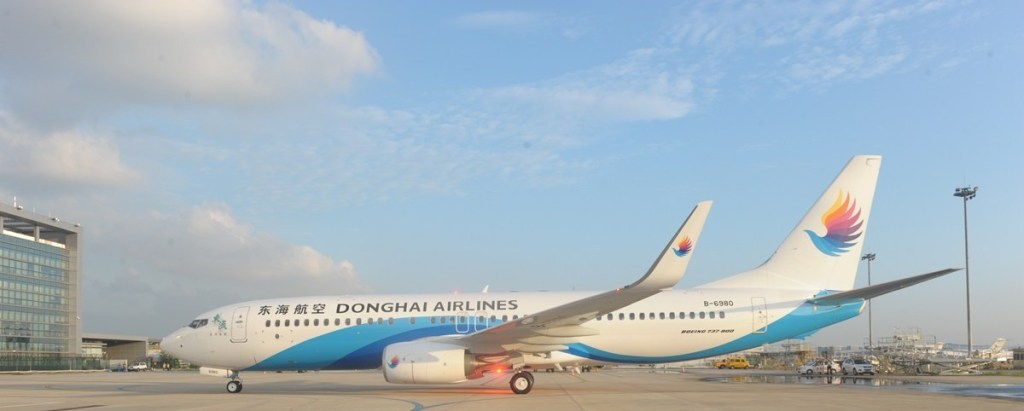


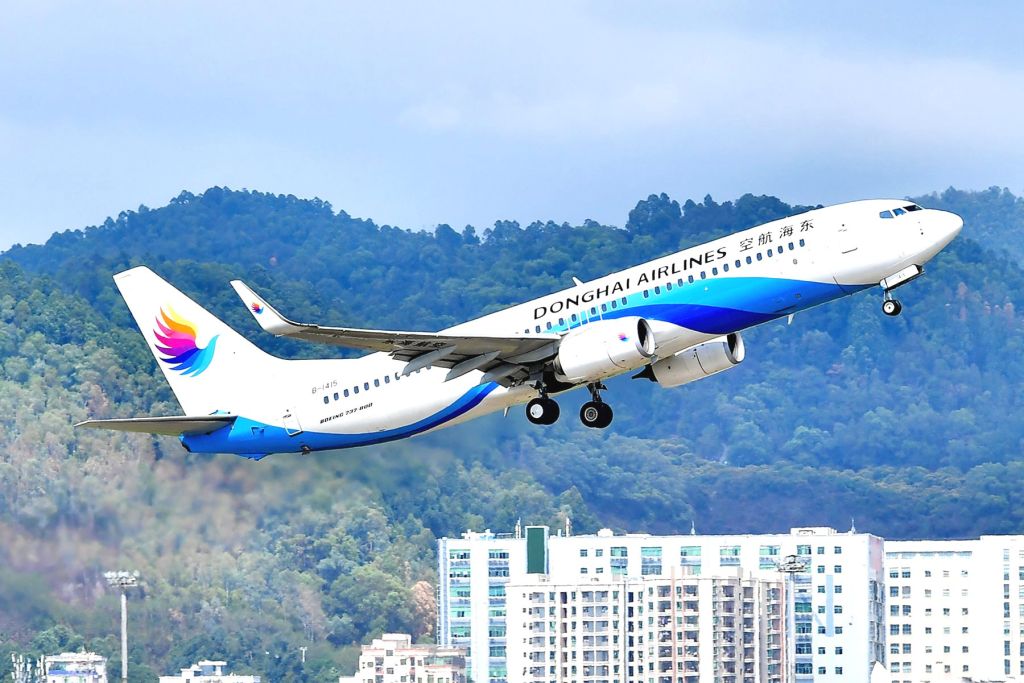

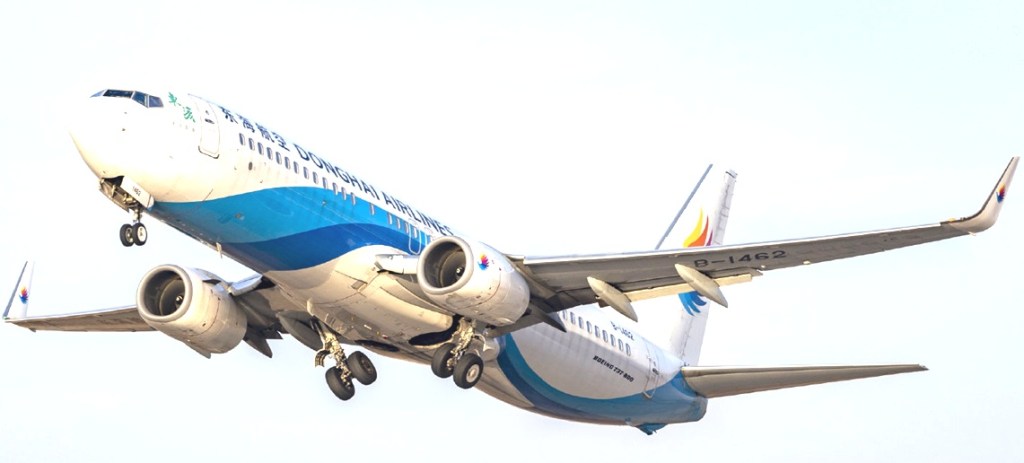

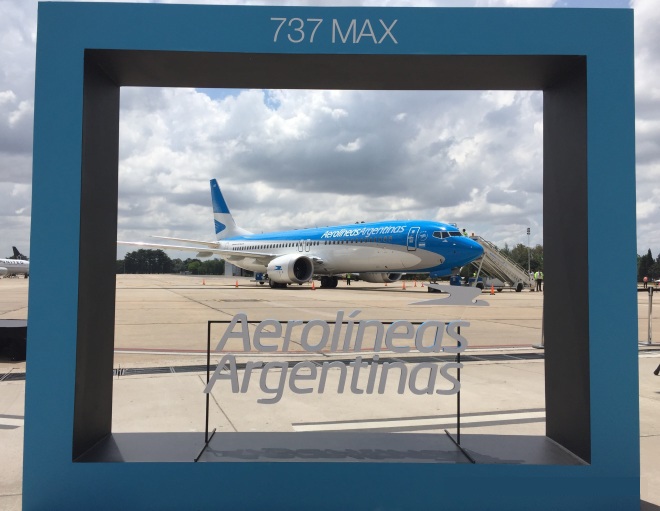


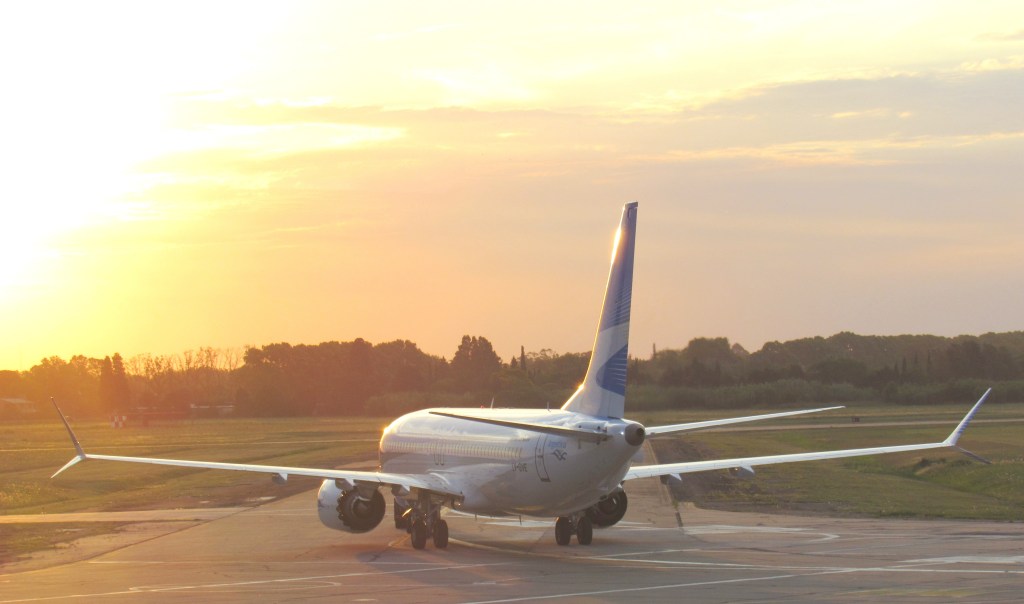



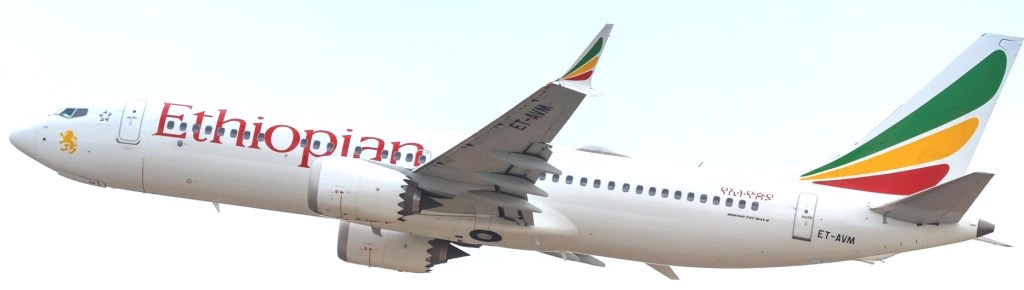
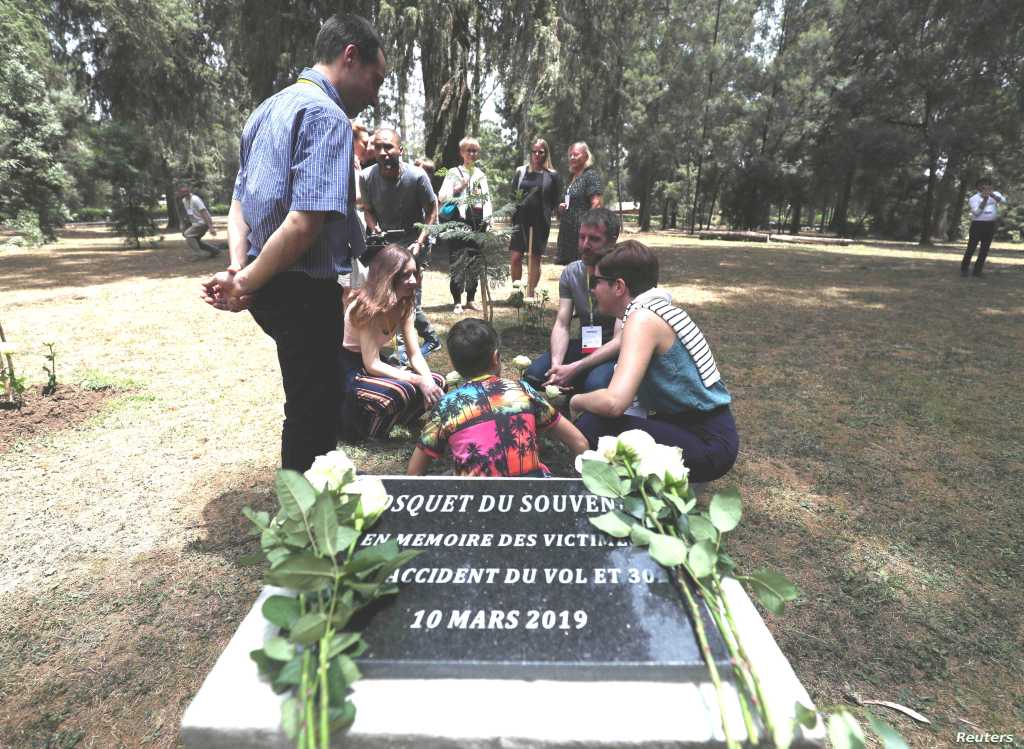


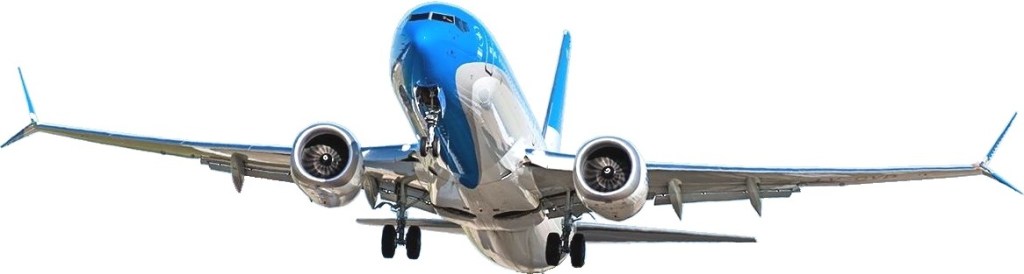
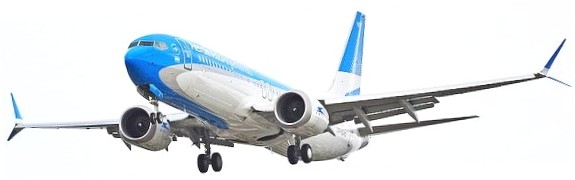
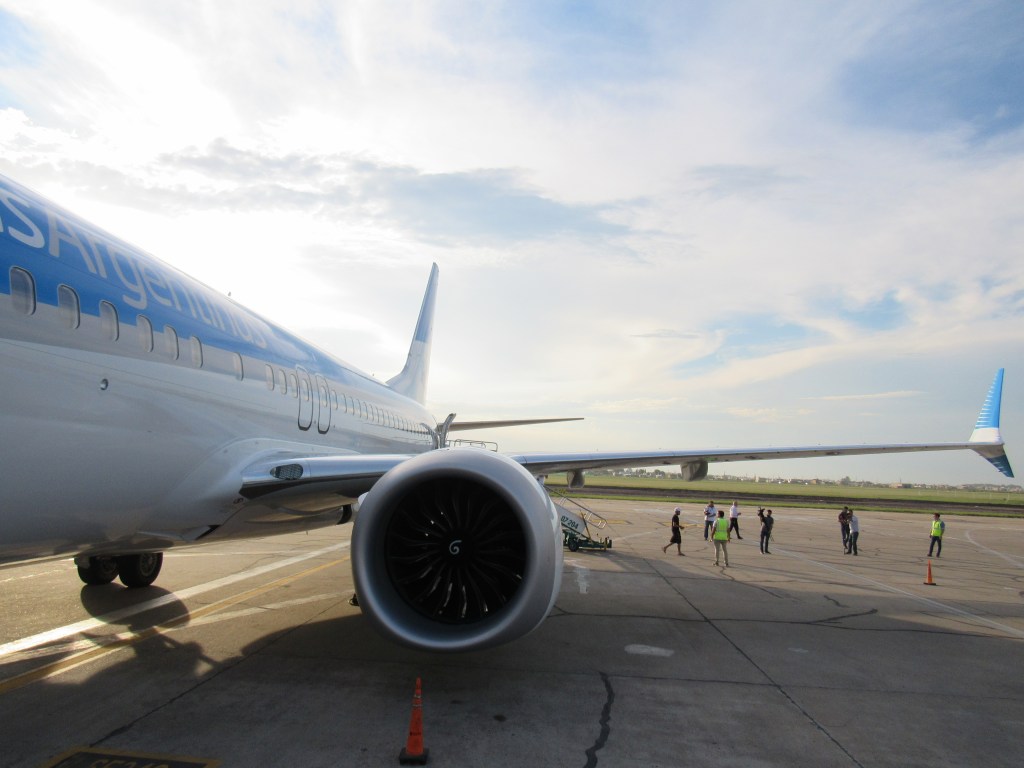
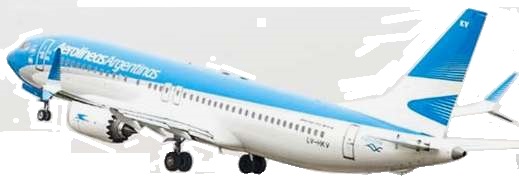



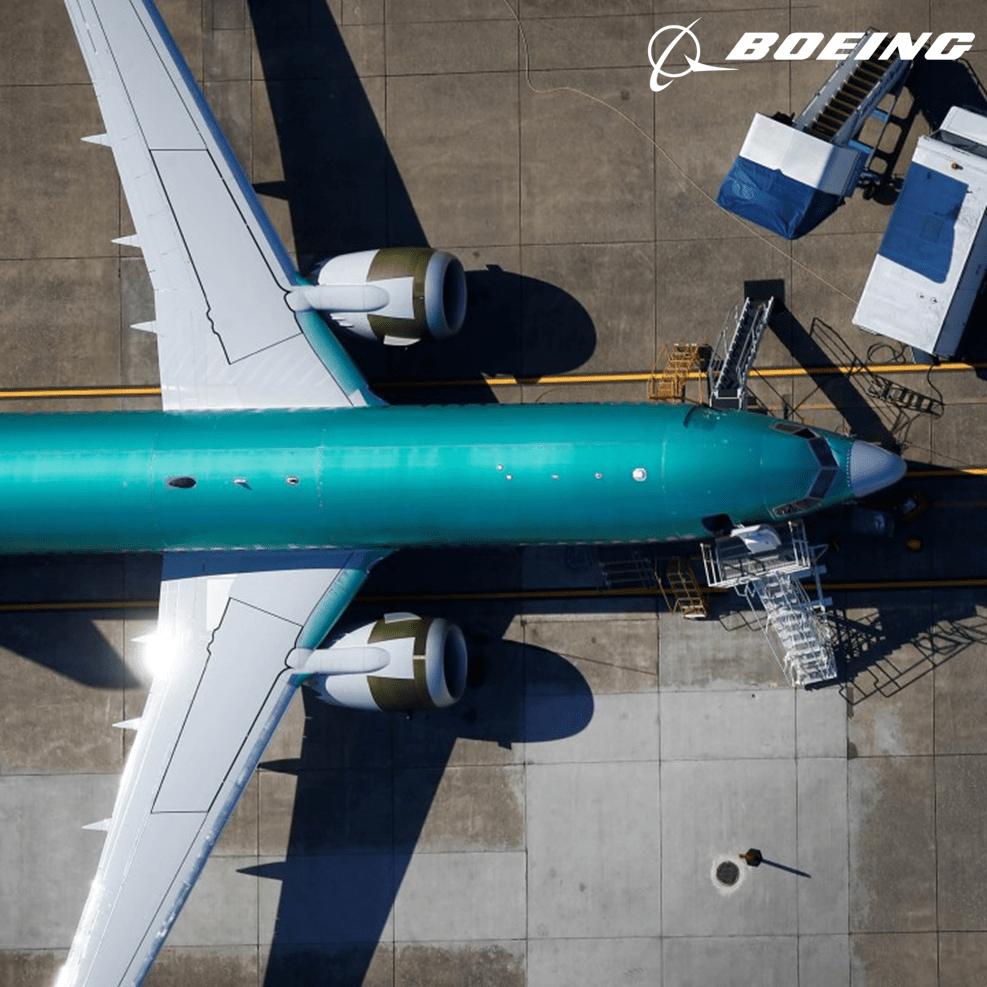
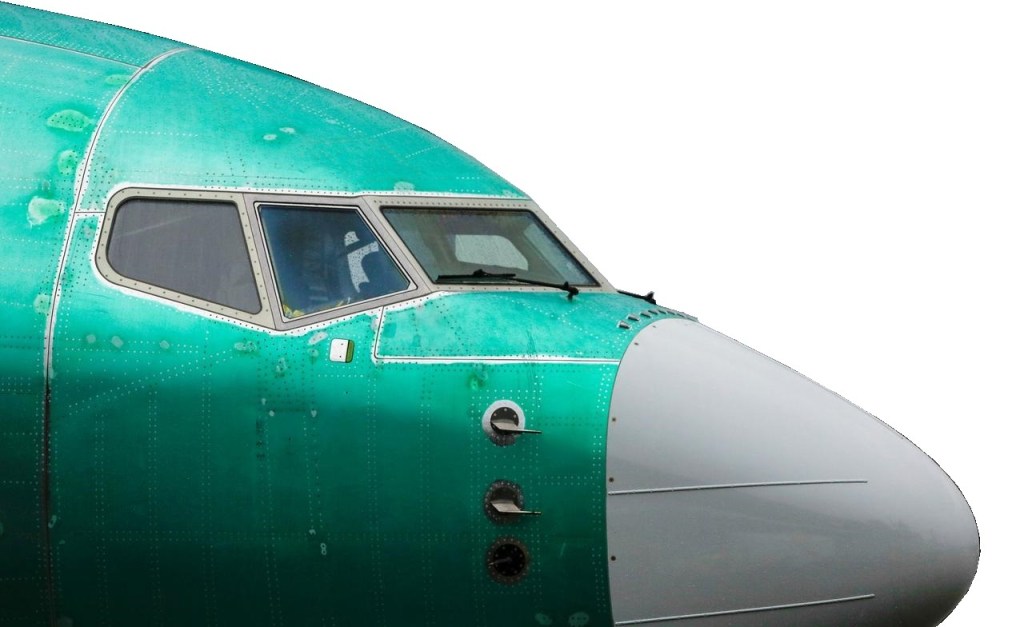
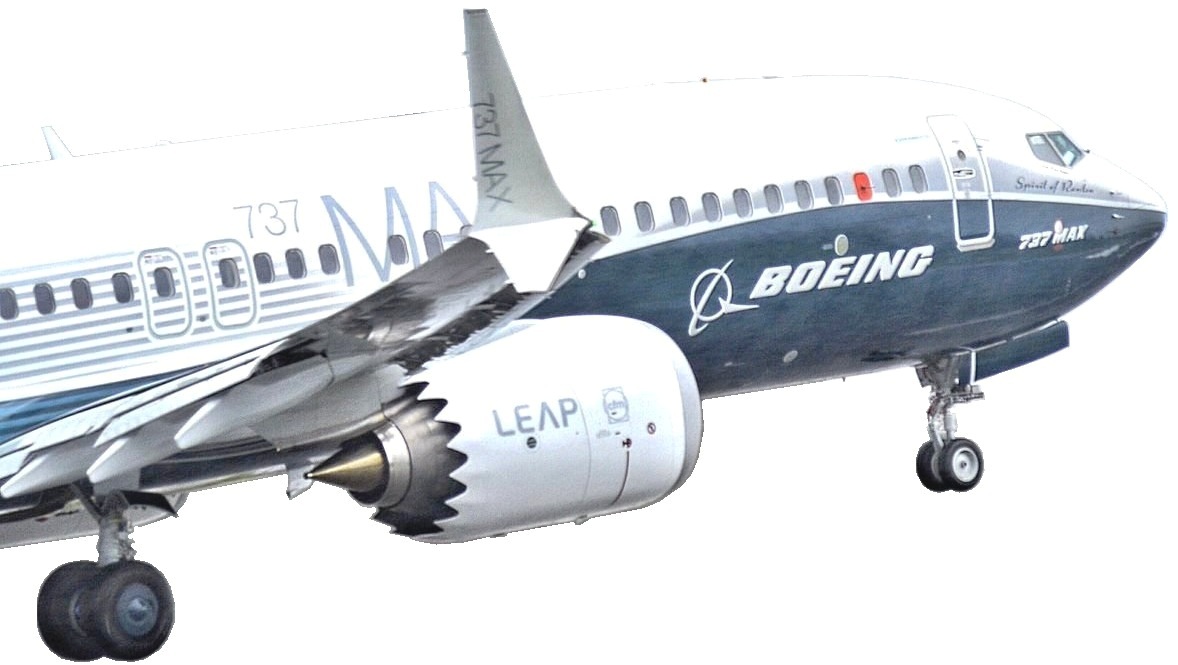

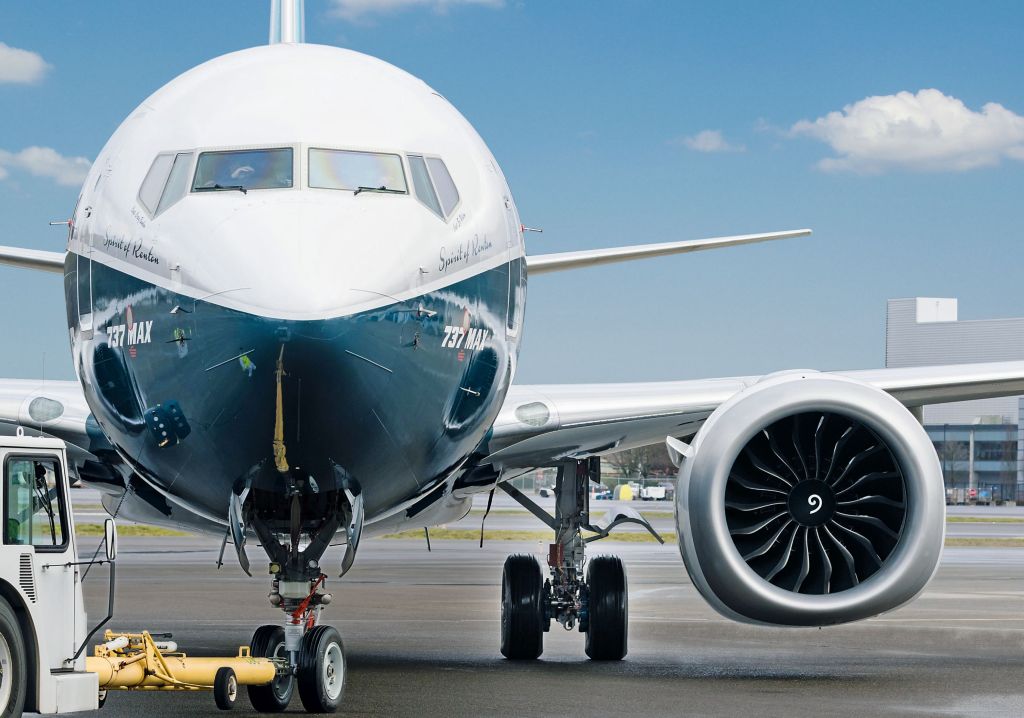
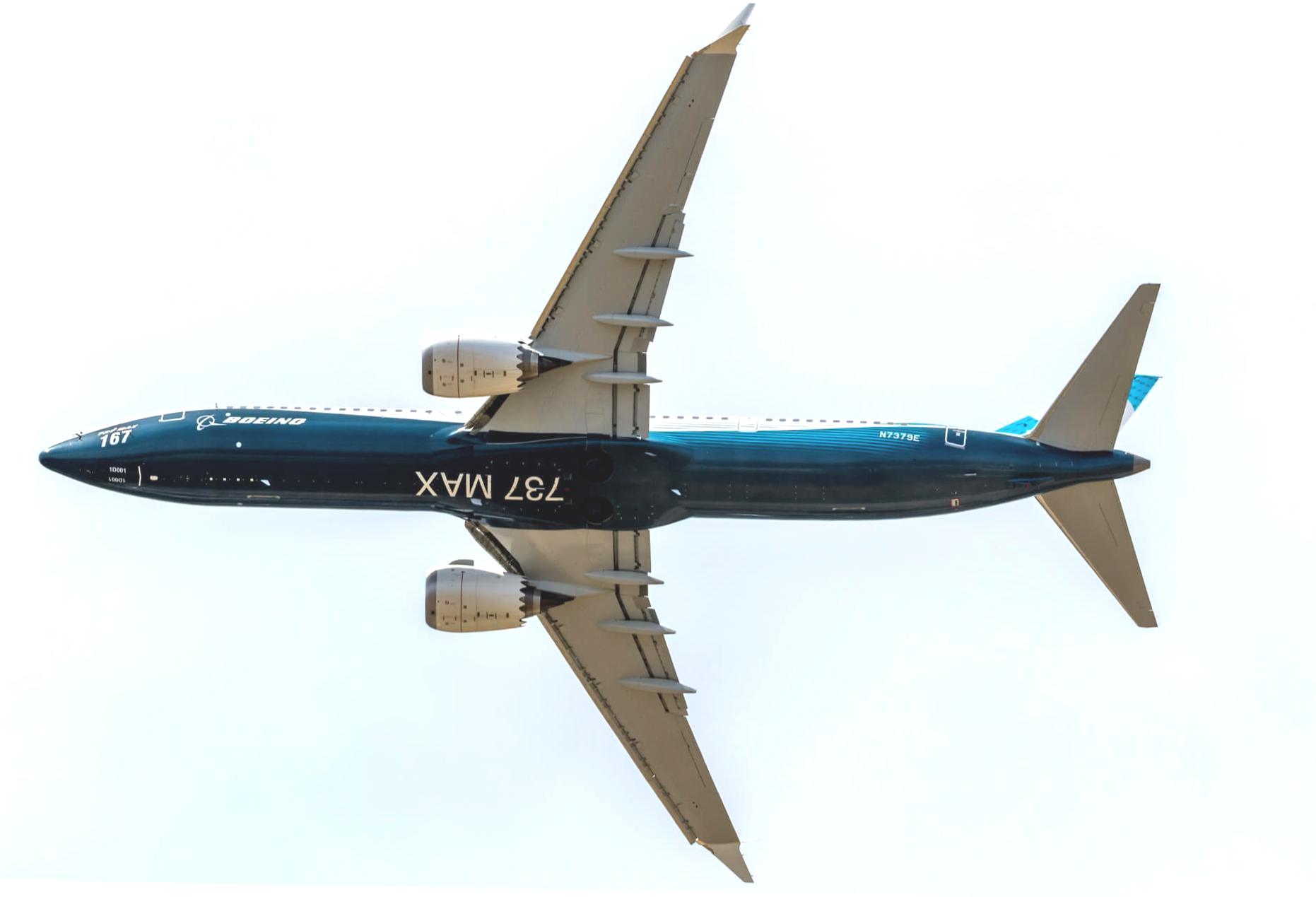






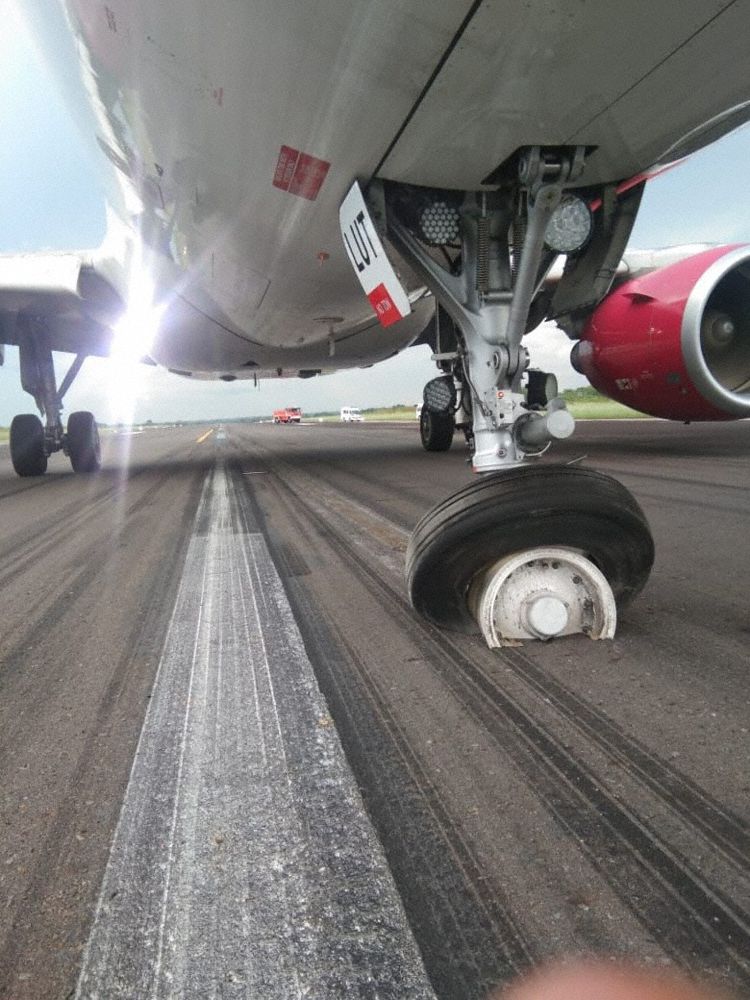
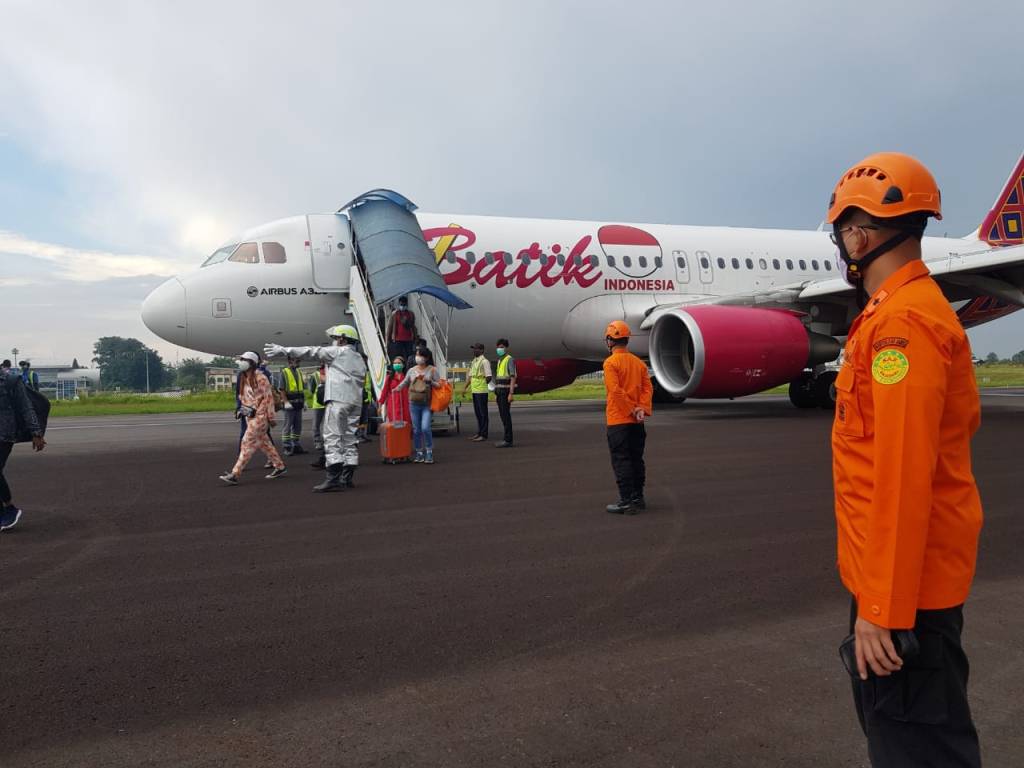

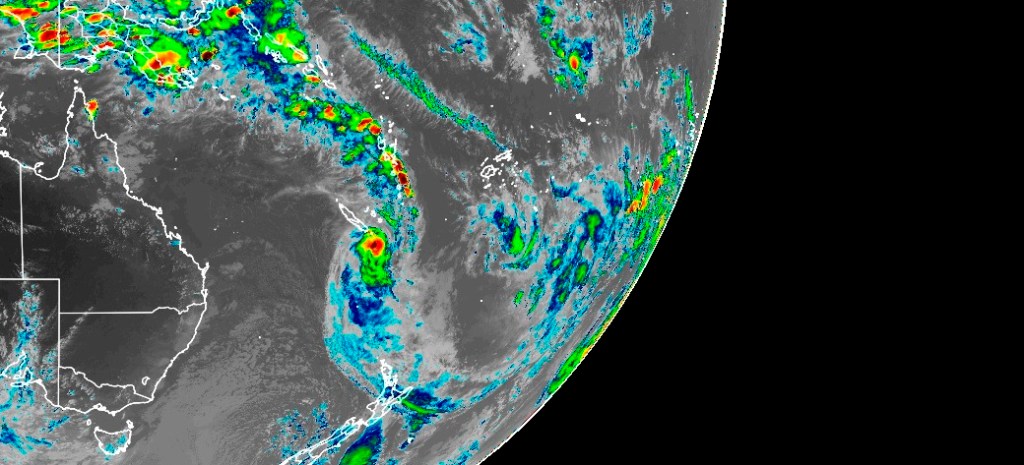

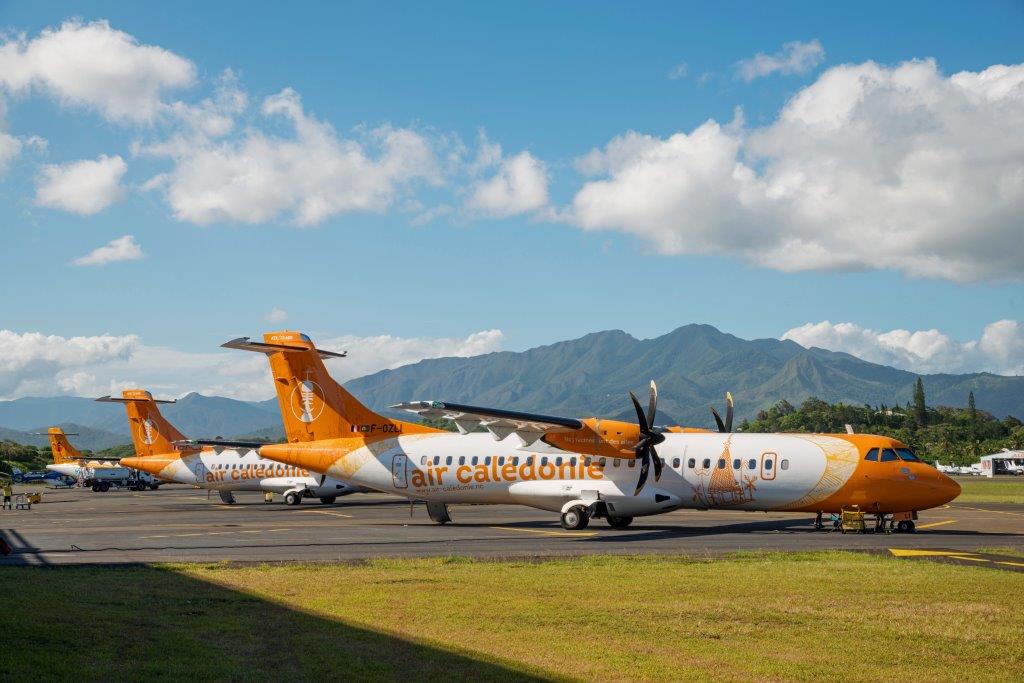
 airgways.com