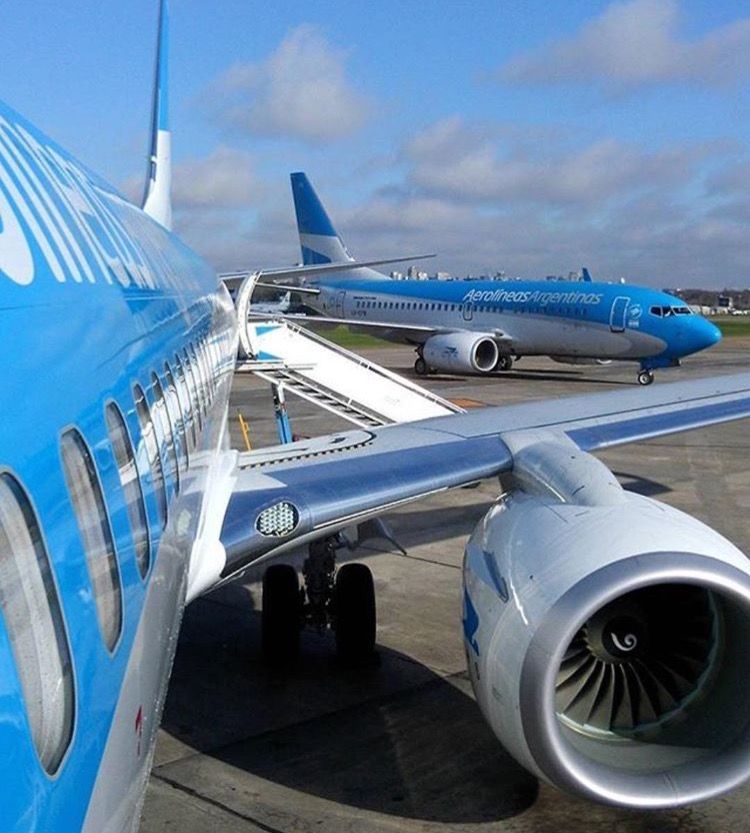
OACI pautas salud para Aviación
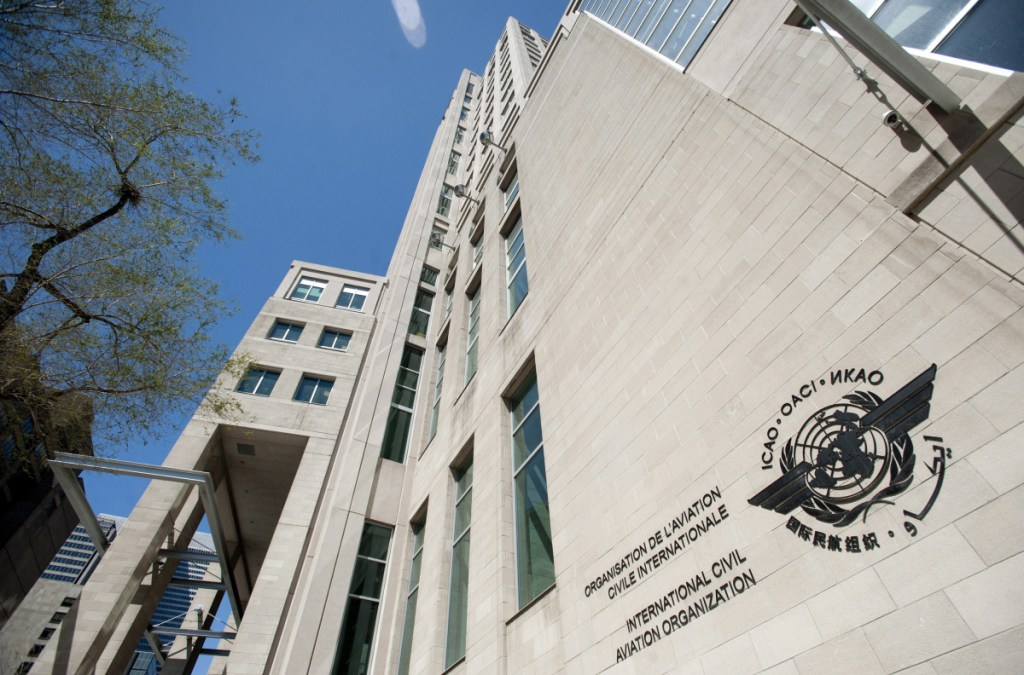
AW | 2020 06 02 12:02 | AVIATION ORGANISMS / AIRLINES / AVIATION SAFETY

ONU/IATA lanzan recomendaciones sanitarias para la aviación
La Organización de Aviación Civil Internacional (OACI) publicó el Lunes 1 Junio 2020 una serie de recomendaciones para la salud de la industria de las aerolíneas afectadas por una pandemia cuando relanza los viajes aéreos. La Asociación Internacional de Transporte Aéreo (IATA) ha comunicado a los gobiernos a implementar las pautas globales de la Organización de Aviación Civil Internacional (OACI), bajo el órgano principal de la Organización de las Naciones Unidas (ONU) para garantizar un viaje seguro para los viajeros y sin problemas Restauración de la conectividad aérea durante la actual pandemia de Coronavirus. El organismo internacional de aviación IATA insta a los gobiernos a implementar medidas de la OACI. «Las pautas de vuelo están en línea con las recomendaciones y la orientación de las autoridades de salud pública», dijo la IATA en un comunicado que agrega que mitigarán el riesgo de transmisión del Coronavirus altamente contagioso durante el viaje.

Las directrices establecieron un enfoque gradual para reanudar el sector de la aviación. Las nuevas medidas consisten en un conjunto de pautas que están en línea con las recomendaciones y la orientación de las autoridades de salud pública que mitigarán el riesgo de transmisión de la actual pandemia.

Pautas aerolíneas

DISTANCIAMIENTO FÍSICO: La medida clave del distanciamiento físico debe implementarse en la medida de lo posible. Las directrices aprobadas por la OACI también sugieren la implementación de «medidas adecuadas basadas en el riesgo donde el distanciamiento no es factible, por ejemplo, en las cabinas de los aviones».

DISPOSITIVOS DE MÁSCARAS: La tripulación de vuelo y los trabajadores de aviación en tierra deben usar máscaras faciales, según las recomendaciones proporcionadas por la OACI.

SANEAMIENTO/DESINFECCIÓN: El saneamiento y desinfección de rutina y minucioso de todas las áreas, lo que incluye aeronaves y todo elemento de trabajo, con potencial para el contacto humano y la transmisión del coronavirus.

EXÁMENES DE SALUD: Las directrices de la OACI prescriben exámenes de salud en los aeropuertos. Las pautas también incluyen autodeclaraciones previas y posteriores al vuelo por parte de los voladores. Debería realizarse un examen de temperatura y observación visual, realizado por profesionales de la salud. Rastreo de contactos para Tripulación de Vuelo, personal de aerolíneas en tierra se debe solicitar información de contacto actualizada como parte de la autodeclaración de salud. La interacción entre los aviadores y los gobiernos debe hacerse directamente a través de portales gubernamentales, según la declaración de la IATA. La IATA dijo que las directrices establecen que los formularios de declaración de salud de los pasajeros, incluidas las autodeclaraciones, pueden ser electrónicos para evitar el uso de papel.

PRUEBAS: Las pautas establecieron que, si las pruebas en tiempo real, rápidas y confiables están disponibles, y deben realizarse para proteger a las tripulaciones de vuelo durante la pandemia de Coronavirus.

Pautas pasajeros

Las recomendaciones están destinadas a servir como un marco para garantizar la seguridad de los pasajeros y trabajadores en aviones y aeropuertos. A su llegada a los aeropuertos, los viajeros deben presentar un certificado de salud y someterse a un control de temperatura inicial, según las pautas. Se debe dar prioridad al check-in en línea antes de llegar al aeropuerto, y se debe repensar los pasos a través de la seguridad para limitar el contacto físico y la espera en las filas. Se recomiendan boletos móviles, así como otras formas de tecnología sin contacto, como escáneres faciales u oculares. «Esto eliminará o reducirá en gran medida la necesidad de contacto con documentos de viaje entre el personal y los pasajeros», dijo el protocolo. Se recomienda a los pasajeros que viajen lo más livianos posible, con solo una pequeña pieza de equipaje de mano. Periódicos y revistas ya no se permitirán a bordo, y las ventas libres de impuestos serán limitadas. El uso de una máscara o cubierta facial debe ser obligatorio dentro de las aeronaves y terminales, donde se debe respetar el distanciamiento físico de al menos tres pies (un metro). El acceso a la Terminal Aérea estará limitado a los pasajeros y sus acompañantes, como los que acompañan a los viajeros discapacitados y al personal del aeropuerto. A bordo de los aviones, los pasajeros deben usar máscaras, moverse lo menos posible dentro de la cabina y no alinearse fuera de los inodoros para disminuir el riesgo de infectar a otros pasajeros. A las personas se les asignarán inodoros específicos en el avión en relación con el lugar donde se sientan.

El protocolo fue elaborado por un grupo de trabajo internacional formado por la OACI con sede en Montreal, Canadá, con la ayuda de otras agencias de la ONU como la Organización Mundial de la Salud y la poderosa Asociación Internacional de Transporte Aéreo (IATA). Los cambios sugeridos son los más importantes para los viajes aéreos desde que se implementaron medidas de seguridad después de los ataques del 11 Septiembre 2001 contra los Estados Unidos y la aviación mundial.

El Director Deneral de IATA, Alexandre de Juniac, ha enunciado las principales medidas propuestas en la guía de Mejores Prácticas en la web del organismo internacional. Las recomendaciones están destinadas a servir como un marco para garantizar la seguridad de los pasajeros y trabajadores en aviones y aeropuertos. La OACI estima que la pandemia reducirá el número de pasajeros aéreos en 1.500 millones para fin de año. undefined

ICAO recommends aviation health guidelines

UN/IATA launch health recommendations for aviation

The International Civil Aviation Organization (ICAO) published on Monday 1 June 2020 a series of recommendations for the health of the airline industry affected by a pandemic when it relaunches air travel.

The International Air Transport Association (IATA) has communicated to governments to implement the global guidelines of the International Civil Aviation Organization (ICAO), under the principal organ of the United Nations Organization (UN) to guarantee a safe travel for Travelers and hassle-free Restoration of air connectivity during the current Coronavirus pandemic. The international aviation organization IATA urges governments to implement ICAO measures. «The flight guidelines are in line with the recommendations and guidance of public health authorities», IATA said in a statement adding that they will mitigate the risk of transmission of the highly contagious Coronavirus during the trip.

The guidelines established a gradual approach to resume the aviation sector. The new measures consist of a set of guidelines that are in line with the recommendations and guidance of public health authorities that will mitigate the risk of transmission of the current pandemic.

Airlines Guidelines

PHYSICAL DISTANCE: The key measure of physical distance should be implemented as much as possible. ICAO-approved guidelines also suggest the implementation of «appropriate risk-based measures where distancing is not feasible, for example, in aircraft cabins».

MASKS DEVICES: Flight crews and ground aviation workers must wear face masks, as recommended by ICAO.

SANITATION/DISINFECTION: Routine and thorough sanitation and disinfection of all areas, including aircraft and all work items, with potential for human contact and transmission of the coronavirus.

HEALTH SCREENINGS: ICAO guidelines prescribe health screenings at airports. The guidelines also include pre-flight and post-flight self-declarations by flyers. A temperature examination and visual observation should be performed by health professionals. Tracking contacts for Flight Crew, ground airline personnel should request updated contact information as part of the health self-declaration. Interaction between airmen and governments must be done directly through government portals, according to the IATA statement. IATA said the guidelines state that passenger health declaration forms, including self-declarations, can be electronic to avoid the use of paper.

TESTING: The guidelines stated that, if real-time, rapid and reliable tests are available, they should be performed to protect flight crews during the Coronavirus pandemic.

Passenger guidelines

The recommendations are intended to serve as a framework to ensure the safety of passengers and workers on airplanes and airports. Upon arrival at airports, travelers must present a health certificate and undergo an initial temperature control, according to the guidelines. Online check-in should be prioritized before arriving at the airport, and steps through security should be rethought to limit physical contact and waiting in lines. Mobile tickets are recommended, as are other forms of contactless technology, such as face or eye scanners. «This will eliminate or greatly reduce the need for contact with travel documents between staff and passengers», the protocol said. Passengers are encouraged to travel as light as possible, with only a small piece of hand luggage. Newspapers and magazines will no longer be allowed on board, and duty-free sales will be limited. The use of a face mask or cover must be mandatory inside the aircraft and terminals, where the physical distance of at least three feet (one meter) must be respected. Access to the terminal will be limited to passengers and their companions, such as those accompanying disabled travelers and airport staff. On board aircraft, passengers should wear masks, move as little as possible inside the cabin, and not line up outside the toilets to decrease the risk of infecting other passengers. People will be assigned specific toilets on the plane in relation to where they sit.

The protocol was developed by an international working group formed by ICAO based in Montreal, Canada, with the help of other UN agencies such as the World Health Organization and the powerful International Air Transport Association (IATA). The suggested changes are the most important for air travel since security measures were implemented after the September 11, 2001 attacks on the United States and global aviation.

IATA’s Director of Deneral, Alexandre de Juniac, has stated the main measures proposed in the Best Practices guide on the website of the international organization. The recommendations are intended to serve as a framework to ensure the safety of passengers and workers on airplanes and airports. ICAO estimates that the pandemic will reduce the number of air passengers by 1.5 billion by the end of the year. undefined

Ξ A I R G W A Y S Ξ
PUBLISHER: Airgways.com
DBk: Un.org / Icao.int / Iata.org / Airgways.com / Thecanadianpress.com/Graham Hughes / Pinterest.com
AW-POST: 202006021202AR

A\W   A I R G W A Y S ®

Tormenta Tropical Amanda

La imagen puede contener: avión, cielo y exterior

AW | 2020 06 01 20:41 | AVIATION SAFETY

Tormenta tropical Amanda impacta en El Salvador

La Tormenta Tropical Amanda deja once muertos en la República de El Salvador cuando ha tocado tierra este Domingo 31 Mayo 2020 en Guatemala, podría avanzar y llevar intensas lluvias a México en dirección hacia el Norte. Una vez Amanda cruce Guatemala, podría dirigirse hacia México, tal y como informó el mexicano Servicio Meteorológico Nacional (SMN). Un dato que confirmó el Centro Nacional de Huracanes (NHC) de Estados Unidos, que además pronosticó en un 80% la posibilidad de que ciclones formados a partir de la tormenta Amanda puedan golpear a la Península de Yucatán.

Por su parte, la aviación no ha sido alterada por los efectos de la parálisis del tráfico mundial por la pandemia de Coronavirus. Aún así, los centros de Control de Tráfico continúan atentos al desenvolvimiento de la trayectoria de la Tormenta Amanda.

Tropical Depression 3 forms in Gulf of Mexico, could become ...

Tropical Storm Amanda

Tropical Storm Amanda hits El Salvador

The tropical Storm Amanda leaves eleven dead in the Republic of El Salvador when it has made landfall this Sunday, May 31, 2020 in Guatemala, it could advance and bring heavy rains to Mexico towards the North. Once Amanda crosses Guatemala, she could go to Mexico, as reported by the Mexican National Weather Service (SMN). This was confirmed by the United States National Hurricane Center (NHC), which also predicted 80% the possibility that cyclones formed from the Amanda storm could hit the Yucatan Peninsula.

For its part, aviation has not been altered by the effects of the paralysis of world traffic due to the Coronavirus pandemic. Even so, the Traffic Control centers continue to monitor the development of the path of the Amanda Storm.

Ξ A I R G W A Y S Ξ
PUBLISHER: Airgways.com
DBk: Nhc.noaa.gov / Smn.conagua.gob.mx / Airgways.com
AW-POST: 202006012041AR

A\W   A I R G W A Y S ®

Pakistan PK8303 | Indetificación PAX

Pakistan PK8303 | Día 5 |

AW | 2020 06 01 20:17 | AIR INVESTIGATION / AVIATION SAFETY

Identificación víctimas accidente PK8303 se completará Lunes 01/06

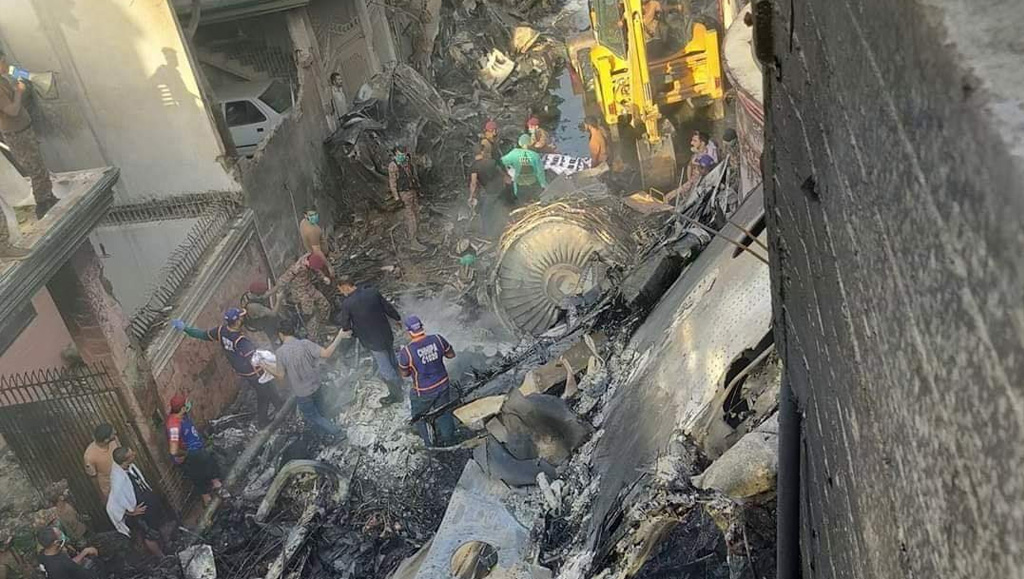
El vuelo PK8303 de la aerolínea Pakistan International Airlines (PIA) de un Airbus A320-200, registro AP-BLD realizaba la ruta Lahore a Karachi, República de Pakistán con 91 pasajeros y 8 tripulantes, había abortado la aproximación a Karachi. El avión se estrelló en la zona residencial cerca del Aeropuerto de Karachi. La Junta de Investigación de Seguridad de Pakistán (SIB) ha formado una comisión para investigar el accidente.

Actualizaciones PK8303

El 1 Junio 2020, el avión que transportaba a los equipos de investigación y las cajas negras completó con seguridad el viaje de Pakistán a París.

El 1 Junio 2020, un hospital de Karachi informó que una niña de 12 años, que resultó herida entre las personas que se encontraban en tierra cuando el avión impactó los edificios, ha fallecido de las heridas. Había recibido quemaduras en el 59% de su cuerpo permaneciendo en estado crítico durante los últimos dos días. El Ministerio de Salud confirmó que la niña murió en la atención hospitalaria convirtiéndose en la primera víctima mortal de las cuatro personas hospitalizadas que se encontraban en el Barrio Model Colony en el momento del impacto del Airbus A320CEO. Según un comunicado de prensa del Centro Internacional de Ciencias Químicas y Biológicas (ICCBS) de la Universidad de Karachi el Domingo 31/05, el SFDL ha completado un total de 37 cruces hasta el momento, y sus informes también han sido enviados a la policía de Sindh. «SFDL con la ayuda de 20 científicos y voluntarios se dedica actualmente a la tarea masiva de identificar cuerpos de víctimas desafortunadas del accidente aéreo», dijo el portavoz de ICCBS. Según las estadísticas, mantenidas por el SFDL, se han recibido hasta 67 muestras de las familias de las víctimas, y hasta ahora también se han recibido 69 muestras de las víctimas del Departamento de Policía. SFDL se especializa en la detección, identificación y análisis de ADN humano a partir de muestras de evidencia recolectadas por las agencias policiales de las escenas del crimen. El ICCBS ha informado que 97 personas que murieron en el accidente aéreo, 75 fueron identificadas y sus cuerpos fueron entregados a los familiares. El Airbus A320-200 del Pakistan Airlines se estrelló en la zona residencial de Model Colony, cerca del Aeropuerto de Karachi, el 22 Mayo 2020, minutos antes de aterrizar. El avión que volaba de Lahore a Karachi tenía 99 personas a bordo, incluidos pasajeros y tripulación. Solo dos personas sobrevivieron milagrosamente al trágico incidente.

Pakistan officials finish identifying victims of PK-8303 crash ...

Pakistan PK8303 | PAX indentification

Identification of victims of the PIA PK8303 accident will be completed on Monday 06/01

Flight PK8303 of the Pakistan International Airlines (PIA) airline of an Airbus A320-200, registration AP-BLD was on the Lahore route to Karachi, Republic of Pakistan with 91 passengers and 8 crew, it had aborted the approach to Karachi. The plane crashed in the residential area near Karachi Airport. The Pakistan Safety Investigation Board (SIB) has formed a commission to investigate the accident.

PK8303 updates

On June 1, 2020, the plane carrying investigative teams and black boxes safely completed the journey from Pakistan to Paris.

On June 1, 2020, a Karachi hospital reported that a 12-year-old girl, who was injured among people on the ground when the plane hit the buildings, has died of the injuries. He had received burns to 59% of his body, remaining in critical condition for the past two days. The Health Ministry confirmed that the girl died in hospital care, becoming the first fatality of the four hospitalized people who were in the Model Colony neighborhood at the time of the impact of the Airbus A320CEO. According to a press release from the International Center for Chemical and Biological Sciences (ICCBS) of Karachi University on Sunday 05/31, the SFDL has completed a total of 37 crossings so far, and its reports have also been sent to the police from Sindh. «SFDL with the help of 20 scientists and volunteers is currently engaged in the massive task of identifying bodies of unfortunate victims of the plane crash», said the ICCBS spokesman.

French team returns home after completing PK-8303 crash probe task
FRENCH TEAM RETURNS HOME AFTER COMPLETING SHOCK PROBE TASK PAKISTAN INTERNATIONAL AIRLINES FLIGHT PK-8303

According to statistics maintained by the SFDL, up to 67 samples have been received from the victims’ families, and so far 69 samples have also been received from victims from the police department. SFDL specializes in the detection, identification, and analysis of human DNA from evidence samples collected by law enforcement agencies from crime scenes. The ICCBS has reported that 97 people who died in the plane crash, 75 were identified and their bodies were released to family members. Pakistan Airlines’ Airbus A320-200 crashed in the Model Colony residential area near Karachi Airport on May 22, 2020, minutes before landing. The plane flying from Lahore to Karachi had 99 people on board, including passengers and crew. Only two people miraculously survived the tragic incident.

Ξ A I R G W A Y S Ξ
PUBLISHER: Airgways.com
DBk: Caapakistan.com.pk / Iccs.edu / Avherald.com / Bea.aero / Upi.com / Airgways.com
AW-POST: 202006012017AR

A\W   A I R G W A Y S ®

Revelan incidente FO-5241 Flybondi

AW | 2020 05 30 18:42 | AVIATION SAFETY

Revelaciones de incidente grave avión Flybondi en 2018

Los detalles del incidente aéreo se había mantenido en silencio por la aerolínea low cost Flybondi Líneas Aéreas y las autoridades del Gobierno de turno de la Presidencia de Mauricio Macri. En estos días se ha dado a conocer que un avión Boeing 737-800 de Flybondi estuvo a punto de provocar una tragedia en las inmediaciones del Aeropuerto El Palomar. El hecho ocurrió en 2018 manteniendo el incidente en el anonimato.

El incidente fue revelado por el programa ADN Periodismo que se emite por el Canal C5N a través del periodista Tomás Méndez junto al Piloto, Comandante y Consultor Aeronáutico, Jorge Polanco. Ambos brindaron detalles de lo que pudo haber terminado en una tragedia sobre los barrios del oeste del conurbano bonaerense. El episodio se registró el 7 Marzo 2018 mientras un Boeing 737-800, proveniente de Bariloche en el vuelo FO-5241, intentaba aterrizar en el Aeropuerto Internacional El Palomar y el piloto interrumpió y cruzó la trayectoria de una de las aeronaves-escuela que despegan de la Base Militar de Morón. “Pusieron en riesgo una operación de un avión de pasajeros con mucha gente abordo. Este es el final triste de un principio político que aplicó el ex-Ministro de Transporte Guillermo Dietrich con su empecinamiento en El Palomar y Flybondi”, sostuvo en su postura Jorge Polanco. Entonces, expresó que “esto habla bien claro de la cercanía del Aeropuerto El Palomar con la Base Militar de Morón ya que el espacio aéreo en esa zona está saturado” por lo que consideró que no se debería haber permitido el uso comercial de la Base de El Palomar.

Según los detalles brindados, a pesar de las instrucciones que le dio la Torre de Control de Ezeiza, el piloto del vuelo FO-5241 se equivocó de aeropuerto y en lugar de dirigirse a El Palomar comenzó la fase de descenso final hacia el Aeródromo Morón. A mitad de camino y alertado por el error, corrigió la trayectoria zigzagueando el camino para redirigirse a destino en una maniobra de alto peligro. Para esto, tuvo que sobrevolar a muy baja altura sobre los barrios que rodean al Aeropuerto El Palomar.

El avión sobrevoló sobre los barrios de El Palomar, Hurlingham y alrededores violando todos los límites de altura que prohíben volar tan bajo sobre zonas pobladas por el riesgo que implican para la población, destacó Polanco. “En el aeródromo de Morón están todos los aviones-escuela de los pilotos que aprenden a volar y el avión de Flybondi se debe haber cruzado con muchos de estos aviones volando a baja altitud. Al permitir los vuelos comerciales en El Palomar, consolidaron un tráfico en esa zona que no solamente pone en riesgo la gran cantidad de aviones-escuela del aeródromo de Morón, sino que también es un peligro al interrumpir las trayectorias de los aviones que despegan y aterrizan del Aeroparque Metropolitano Jorge Newbery”, expresó Jorge Polanco.

También mostraron la trayectoria que debía haber seguido la aeronave para aterrizar en el Aeropuerto El Palomar y la que siguió el piloto que insólitamente se confundió de aeropuerto. “Es increíble la altura a la que pasó el avión de Flybondi sobre los barrios de El Palomar y alrededores. Si ese avión caía hubiese sido una tragedia tremenda”, expresó Tomás Méndez.

Además, Polanco dio a conocer que este no habría sido el único incidente que tuvo un avión de Flybondi o Jetsmart al despegar o aterrizar de El Palomar, sino que existirían una gran cantidad de peligrosos episodios entre los aviones-escuela que salen de Morón afectados por los aviones comerciales que utilizan la Base Militar de El Palomar como aeropuerto comercial. A su vez, denunció que “el Aeropuerto de El Palomar fue una decisión política de Gustavo Lopetegui, Vicejefe de Gabinete, luego Secretario de Energía de Mauricio Macri y ex-CEO de la aerolínea Latam Airlines, llevado a la ejecución de la mano de Guillermo Dietrich quien absolutamente no tenía conocimiento de nada para poder habilitar una compañía como Flybondi y un aeropuerto en El Palomar”.

El Piloto Enrique Piñeyro ya había advertido sobre el riesgo latente de un accidente que acarrea seguir operando vuelos comerciales desde la Base Militar de El Palomar. Además, consideró que pone en peligro y afecta la seguridad de los vuelos de Aeroparque, Ezeiza, San Fernando y Morón. «No es viable volar desde El Palomar. Es un disparate, esto de agregar en operación un aeropuerto como El Palomar, con trayectorias encontradas con todo este ‘avispero’, que es Morón, Aeroparque, San Fernando, Ezeiza, después tenés los aeropuertos militares, Campo de Mayo y Moreno”, expresó el piloto. Luego, aseguró que “El Palomar no tiene sentido”, porque las low cost en el mundo utilizan aeropuertos alejados de la zona urbana y de las principales terminales aéreas.

Aeropuerto El Palomar

Los vecinos que litigan contra el Aeropuerto El Palomar advirtieron en el escrito de inicio presentado en Septiembre 2017 a la Justicia, sobre la inviabilidad de operar vuelos comerciales desde El Palomar, entre otras razones, porque el espacio aéreo de la zona está colapsado.

A pesar de haber sido advertida por el peligro que implicaba permitir vuelos comerciales en El Palomar, la Justicia avaló el 1 Febrero 2018 a Flybondi para operaciones aéreas. Sin embargo, la sentencia es examinada por la Corte Suprema de Justicia de la Nación, la cual hizo lugar al planteo de los vecinos que litigan mediante un fallo del 16 Abril 2019 a partir del cual el Máximo Tribunal de Justicia interviene en la causa.

Actualmente, el Partido político de Cambiemos ha presentado ante la Justicia para exigir que el aeropuerto low cost continúe abierto para las operaciones aéreas, sosteniendo que representa una oportunidad para la expansión del mercao aéreo de Argentina.

FO-5241 Flybondi incident revealed

Revelations of serious incident Flybondi plane in 2018

The details of the air incident had been kept silent by the low cost airline Flybondi Líneas Aéreas and the authorities of the Government of the Presidency of Mauricio Macri. In recent days it has been revealed that a Flybondi Boeing 737-800 aircraft was about to cause a tragedy in the vicinity of El Palomar Airport. The event occurred in 2018, keeping the incident anonymous.

The incident was revealed by the ADN Journalism program that is broadcast on the C5N channel through the journalist Tomás Méndez along with the Pilot, Commander and Aeronautical Consultant, Jorge Polanco. Both provided details of what could have ended in a tragedy over the western neighborhoods of the Buenos Aires suburbs. The episode was recorded on March 7, 2018 while a Boeing 737-800, coming from Bariloche on flight FO-5241, was trying to land at El Palomar International Airport and the pilot interrupted and crossed the path of one of the take-off aircraft-schools from the Morón Military Base. “They put at risk an operation of a passenger plane with many people on board. This is the sad end of a political principle that ex-Minister of Transport Guillermo Dietrich applied with his stubbornness in El Palomar and Flybondi”, Jorge Polanco maintained in his position. Then, he expressed that «this speaks very clearly of the proximity of El Palomar Airport to the Morón Military Base since the airspace in that area is saturated», reason why he considered that the commercial use of the Dovecote.

According to the details provided, despite the instructions given by the Ezeiza Control Tower, the pilot of flight FO-5241 made a mistake at the airport and instead of heading to El Palomar, began the final descent phase towards Morón Aerodrome. Halfway there and alerted by the error, he corrected the path by zigzagging the path to redirect himself to his destination in a highly dangerous maneuver. For this, he had to fly over very low altitude over the neighborhoods that surround El Palomar Airport.

The plane flew over the neighborhoods of El Palomar, Hurlingham and surroundings, violating all the height limits that prohibit flying so low over populated areas due to the risk that they imply for the population, Polanco said. “At the Morón aerodrome there are all the school-planes for pilots who learn to fly and the Flybondi plane must have come across many of these planes flying at low altitude. By allowing commercial flights in El Palomar, they consolidated traffic in that area that not only jeopardizes the large number of school planes at the Morón aerodrome, but is also a danger by interrupting the trajectories of the planes that take off and land of the Jorge Newbery Metropolitan Airport», expressed Jorge Polanco.

They also showed the trajectory that the aircraft should have followed to land at El Palomar Airport and the one followed by the pilot who was unusually mistaken for the airport. “The height at which the Flybondi plane passed over the neighborhoods of El Palomar and its surroundings is incredible. If that plane fell it would have been a tremendous tragedy, ”said Tomás Méndez.

In addition, Polanco announced that this would not have been the only incident that a Flybondi or Jetsmart plane had when taking off or landing from El Palomar, but that there would be a large number of dangerous episodes among the school planes leaving Morón affected by commercial aircraft that use the El Palomar Military Base as a commercial airport. In turn, he denounced that «El Palomar Airport was a political decision of Gustavo Lopetegui, Deputy Chief of Staff, then Secretary of Energy of Mauricio Macri and ex-CEO of the airline Latam Airlines, led to the execution of Guillermo Dietrich who absolutely had no knowledge of anything to enable a company like Flybondi and an airport in El Palomar».

Pilot Enrique Piñeyro had already warned about the latent risk of an accident that leads to continuing to operate commercial flights from the El Palomar Military Base. In addition, it considered that it endangers and affects the safety of Aeroparque, Ezeiza, San Fernando and Morón flights. «It is not viable to fly from El Palomar. It is nonsense, this to add an airport like El Palomar in operation, with trajectories found with all this ‘hornet’s nest’, which is Morón, Aeroparque, San Fernando, Ezeiza, then you have military airports , Campo de Mayo and Moreno», said the pilot. Later, he assured that «El Palomar does not make sense», because the low cost in the world uses airports far from the urban area and the main air terminals.

El Palomar Airport

The residents who litigate against El Palomar Airport warned in the initial brief filed in September 2017 with the Justice, about the infeasibility of operating commercial flights from El Palomar, among other reasons, because the airspace of the area is collapsed.

Despite being warned about the danger involved in allowing commercial flights in El Palomar, the Justice endorsed Flybondi for air operations on February 1, 2018. However, the sentence is examined by the Supreme Court of Justice of the Nation, which gave rise to the proposal of the neighbors who litigate through a ruling of April 16, 2019 from which the Supreme Court of Justice intervenes in the case.

Currently, the political party of Cambiemos has presented before the Justice to demand that the low cost airport continue to be open for air operations, maintaining that it represents an opportunity for the expansion of the Argentine air market.

Ξ A I R G W A Y S Ξ
PUBLISHER: Airgways.com
DBk: Infocielo.com / C5n.com / Airgways.com
AW-POST: 202005301842AR

A\W   A I R G W A Y S ®

DGCA advertencia plagas para aviación

AW | 2020 05 30 12:00 | AVIATION SAFETY / AVIATION ORGANISMS

DGCA India advertencia de plagas para aviación

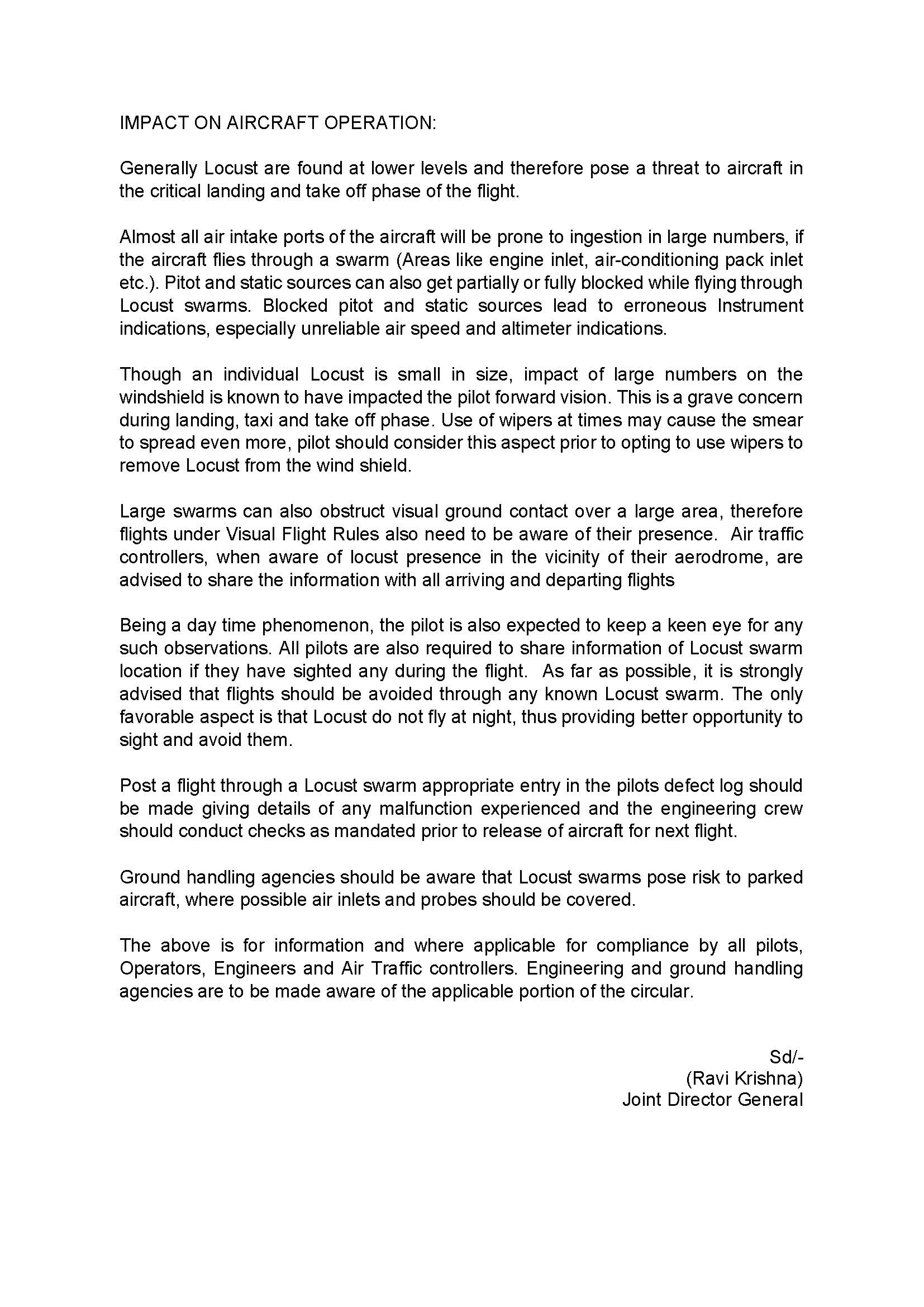
La Dirección General de Aviación Civil (DGCA) de la India la lanzado una advertencia a la comunidad de la aviación comercial con una Circular de Operaciones Nº5/2020 acerca de las medidas de seguridad relativa a las operaciones aerocomerciales por el riesgo de plagas de langostas. Esta situación alerta a las líneas aéreas a activar protocolos de seguridad para las operaciones. El regulador indio de la industria ha aconsejado a las aerolíneas que eviten los vuelos a través de enjambres de langostas. Destacando el peligro que representan las langostas en las operaciones de las aerolíneas, especialmente durante el despegue y el aterrizaje, la DGCA ha dicho que los vuelos deben evitarse a través de cualquier enjambre de langostas conocido.

La DGCA dice que las langostas son una amenaza para las aeronaves, emite pautas para un vuelo seguro. «En general, las langostas se encuentran en niveles más bajos y, por lo tanto, representan una amenaza para las aeronaves en la fase crítica de aterrizaje y despegue del vuelo. Casi todos los puertos de admisión de aire de la aeronave serán propensos a la ingestión en grandes cantidades, si la aeronave vuela un enjambre», dijo la DGCA en una circular el 29 Mayo 2020.

Precedente

En Enero 202 un avión de Ethiopian Airlines se vio obligado a hacer un aterrizaje de emergencia después de que voló en un enjambre de langostas que se extendieron por el parabrisas.

Consecuencia seguridad

La DGCA explicó: «En general, las langostas se encuentran en niveles más bajos y, por lo tanto, representan una amenaza para las aeronaves en la fase crítica de aterrizaje y despegue del vuelo. Casi todos los puertos de entrada de aire del avión serán propensos a la ingestión en grandes cantidades, si el avión vuela a través de un enjambre».

DGCA dijo que la ingestión de los enjambres de langostas en la entrada del motor y la entrada del paquete de aire acondicionado pueden bloquearse. Otros instrumentos de una aeronave, como los Tubos de Pitot, también pueden verse afectados por las langostas, incluso cuando los aviones están estacionados. Esto puede conducir a lecturas erróneas de velocidad y altitud para la computadora de vuelo de la aeronave, lo que hace que se comporte mal. Las fuentes estáticas conducen a indicaciones erróneas de los instrumentos, especialmente a la velocidad del aire poco fiable y a las indicaciones del altímetro. El único aspecto favorable de las invasiones de langostas, señaló el regulador, es que los insectos no vuelan por la noche, proporcionando así una mejor oportunidad para evitarlos durante el día.

La DGCA aconsejó a los pilotos que no usen el limpiaparabrisas para quitar las langostas del parabrisas, ya que puede hacer que la mancha se extienda aún más. «Al ser un fenómeno diurno, también se espera que el piloto esté atento a cualquier observación de este tipo, también debe compartir información sobre la ubicación del enjambre de langostas si ha visto alguna durante el vuelo», dijo. «La tripulación de ingeniería debe llevar a cabo las verificaciones según lo ordenado antes del lanzamiento de la aeronave para el próximo vuelo», expresó la DGCA.

Los Controladores de Tránsito Aéreo deberán compartir y notificar la información sobre la presencia de langostas. El regulador también ha pedido a los pilotos que ingresen en el registro de defectos de los pilotos, si vuelan a través de enjambres de langostas. Las agencias de asistencia en tierra deben ser conscientes de que los enjambres de langostas representan un riesgo para las aeronaves estacionadas, donde las posibles entradas de aire y sondas deben estar cubiertas.

La actividad de plagas de langostas es la más alta registrada en los últimos 20 años en la India. «Si bien el daño a la agricultura y los cultivos por enjambres de langostas es bien conocido, el objetivo de esta circular de operaciones es concienciar a la fraternidad de la aviación de los riesgos que representan los enjambres de langostas y la necesidad de evitar volar a través de un enjambre», señaló la DGCA.

El regulador de aviación advierte a las aerolíneas que enjambres de langostas podrían representar un riesgo grave mientras vuelan
UN HOMBRE SOSTIENE LANGOSTAS MUERTAS EN LA MANO EN UNA GRANJA CERCA DE JAIPUR, RAJASTHAN, 29 MAYO 2020

India, la plaga de langostas

El 2020 ha sido testigo del peor ataque de langostas en la India en décadas, ya que están atacando Maharashtra, Uttar Pradesh y Punjab después de destruir los cultivos en Rajasthan, Gujarat, Madhya Pradesh y Haryana. El 27 Mayo 2020, el Ministerio de Agricultura dijo que se intensificaron las operaciones de control y se desplegarán drones para la pulverización aérea de insecticidas en los estados afectados. Se han llevado a cabo medidas de contención de langostas y operaciones de aspersión en 303 ubicaciones repartidas en más de 47.000 hectáreas.

En 2019 las langostan se han reproducido en India, Irán y Pakistán. En la actualidad, las poblaciones se están mudando de las áreas de reproducción de primavera, desde el suroeste de Pakistán e Irán. Normalmente, invaden a finales de Junio, pero están en la India con un mes de anticipación debido a las condiciones más secas en Irán y el suroeste de Pakistán.

swarm of desert locusts attack on India will make more trouble ...

DGCA aviation pest warning

DGCA India aviation pest warning

The General Directorate of Civil Aviation (DGCA) of India has issued a warning to the commercial aviation community with an Operations Circular No. 5/2020 about security measures related to aero-commercial operations due to the risk of locust pests. This situation alerts airlines to activate security protocols for operations. The Indian industry regulator has advised airlines to avoid flying through swarms of locusts. Highlighting the danger locusts pose to airline operations, especially during take-off and landing, the DGCA has said that flights should be avoided through any known swarm of locusts.

The DGCA says that locusts are a threat to aircraft, it issues guidelines for safe flight. «Lobsters are generally at lower levels and therefore pose a threat to aircraft in the critical phase of landing and take-off of the flight. Almost all aircraft air intake ports will be prone to ingestion in large quantities, if the aircraft flies a swarm», the DGCA said in a circular on May 29, 2020.

Preceding

In January 202 an Ethiopian Airlines plane was forced to make an emergency landing after it flew in a swarm of locusts that spread across the windshield.

Safety consequence

The DGCA explained: «Lobsters are generally at lower levels and therefore pose a threat to aircraft in the critical phase of landing and takeoff of the flight. Almost all of the aircraft’s air entry ports will be prone to ingestion in large quantities, if the plane flies through a swarm».

DGCA said that ingestion of locust swarms at the engine inlet and air conditioning package inlet may be blocked. Other instruments on an aircraft, such as Pitot Tubes, can also be affected by locusts, even when planes are parked. This can lead to erroneous speed and altitude readings for the aircraft’s flight computer, causing it to misbehave. Static sources lead to erroneous instrument indications, especially unreliable air speed and altimeter indications. The only favorable aspect of locust invasions, the regulator noted, is that insects do not fly at night, thus providing a better opportunity to avoid them during the day.

The DGCA advised riders not to use the windshield wiper to remove lobsters from the windshield, as it can cause the stain to spread further. «Being a daytime phenomenon, the pilot is also expected to be on the lookout for any such observations, he should also share information on the location of the locust swarm if he has seen any during the flight», he said. «The engineering crew must carry out the verifications as ordered prior to launching the aircraft for the next flight», the DGCA said.

Air Traffic Controllers shall share and report information on the presence of locusts. The regulator has also asked pilots to enter the pilots’ defect record if they fly through locust swarms. Groundhandling agencies should be aware that locust swarms pose a risk to parked aircraft, where potential air intakes and probes must be covered.

 Locust pest activity is the highest recorded in the last 20 years in India. «While the damage to agriculture and crops caused by locust swarms is well known, the objective of this circular of operations is to make the aviation fraternity aware of the risks posed by locust swarms and the need to avoid flying to through a swarm», said the DGCA.

India, the plague of locusts

2020 has seen the worst locust attack in India in decades as Maharashtra, Uttar Pradesh and Punjab are being attacked after destroying crops in Rajasthan, Gujarat, Madhya Pradesh and Haryana. On May 27, 2020, the Ministry of Agriculture said that control operations were intensified and drones for aerial spraying of insecticides will be deployed in the affected states. Locust containment measures and spraying operations have been carried out at 303 locations spread over more than 47,000 hectares.

In 2019 lobsters have been bred in India, Iran and Pakistan. Currently, populations are moving from spring breeding areas, from southwest Pakistan and Iran. They normally invade in late June, but are in India a month in advance due to drier conditions in Iran and southwest Pakistan.

Imagen

Imagen

DGCA विमानन कीट चेतावनी

DGCA इंडिया एविएशन कीट चेतावनी

भारत के नागरिक उड्डयन महानिदेशालय (डीजीसीए) ने टिड्डी कीटों के जोखिम के कारण एयरो-कमर्शियल ऑपरेशंस से जुड़े सुरक्षा उपायों के बारे में ऑपरेशंस सर्कुलर नंबर 5/2020 के साथ कमर्शियल एविएशन कम्युनिटी को चेतावनी जारी की है। यह स्थिति एयरलाइनों को संचालन के लिए सुरक्षा प्रोटोकॉल को सक्रिय करने के लिए सचेत करती है। भारतीय उद्योग नियामक ने एयरलाइंस को टिड्डियों के झुंड के माध्यम से उड़ान भरने से बचने की सलाह दी है। एयरलाइन ऑपरेशंस के लिए खतरे के टिड्डियों को उजागर करते हुए, विशेष रूप से टेक-ऑफ और लैंडिंग के दौरान, DGCA ने कहा है कि किसी भी ज्ञात टिड्डियों के झुंड के माध्यम से उड़ानों से बचा जाना चाहिए।

डीजीसीए का कहना है कि टिड्डियां विमान के लिए खतरा हैं, यह सुरक्षित उड़ान के लिए दिशानिर्देश जारी करती है। «लॉबस्टर आम तौर पर निचले स्तर पर होते हैं और इसलिए लैंडिंग और उड़ान के महत्वपूर्ण चरण में विमान के लिए खतरा पैदा करते हैं। लगभग सभी विमान हवा का सेवन बंदरगाहों के लिए प्रवण होंगे। डीजीसीए ने 29 मई, 2020 को एक परिपत्र में कहा, «यदि विमान एक झुंड को उड़ाता है, तो बड़ी मात्रा में घूस»

पूर्ववर्ती

जनवरी 202 में एक इथियोपियाई एयरलाइंस के विमान को विंडशील्ड में फैले टिड्डियों के झुंड में उड़ने के बाद एक आपातकालीन लैंडिंग करने के लिए मजबूर किया गया था।

सुरक्षा परिणाम

DGCA ने समझाया: «लॉबस्टर आमतौर पर निचले स्तर पर होते हैं और इसलिए लैंडिंग के महत्वपूर्ण चरण और उड़ान के दौरान विमान के लिए खतरा पैदा करते हैं। लगभग सभी विमान के एयर एंट्री पोर्ट होंगे। बड़ी मात्रा में अंतर्ग्रहण की संभावना है, अगर विमान एक झुंड के माध्यम से उड़ता है«।

DGCA ने कहा कि इंजन इनलेट और एयर कंडीशनिंग पैकेज इनलेट पर टिड्डे स्वार्स का अंतर्ग्रहण अवरुद्ध हो सकता है। एक विमान पर अन्य उपकरण, जैसे पिटोट ट्यूब, विमानों के पार्क होने पर भी टिड्डियों से प्रभावित हो सकते हैं। इससे विमान की उड़ान कंप्यूटर के लिए गलत गति और ऊंचाई रीडिंग हो सकती है, जिससे यह दुर्व्यवहार हो सकता है। स्थैतिक स्रोत गलत उपकरण संकेत, विशेष रूप से अविश्वसनीय हवा की गति और altimeter संकेत का नेतृत्व करते हैं। टिड्डी आक्रमणों का एकमात्र अनुकूल पहलू, नियामक ने नोट किया, कि कीड़े रात में नहीं उड़ते हैं, इस प्रकार दिन के दौरान उनसे बचने का बेहतर अवसर प्रदान करते हैं।

DGCA ने सवारों को सलाह दी कि वे विंडशील्ड से लॉबस्टर्स को हटाने के लिए विंडशील्ड वाइपर का इस्तेमाल न करें, क्योंकि इससे दाग और अधिक फैल सकता है। «एक दिन की घटना होने के नाते, पायलट से यह भी उम्मीद की जाती है कि वह इस तरह के किसी भी अवलोकन की तलाश में है, उसे टिड्डे के झुंड के स्थान की जानकारी भी साझा करनी चाहिए, अगर उसने उड़ान में कोई भी देखा है», उन्होंने कहा। डीजीसीए ने कहा, «इंजीनियरिंग चालक दल को अगली उड़ान के लिए विमान को लॉन्च करने से पहले आदेशों को पूरा करना होगा»

एयर ट्रैफिक कंट्रोलर्स टिड्डियों की उपस्थिति के बारे में जानकारी साझा और रिपोर्ट करेंगे। नियामक ने पायलटों के दोष रिकॉर्ड में प्रवेश करने के लिए पायलटों को भी कहा है कि क्या वे टिड्डियों के झपट्टे से उड़ते हैं। ग्राउंडहैंडिंग एजेंसियों को पता होना चाहिए कि टिड्डी दल पार्क किए गए विमानों के लिए खतरा पैदा करते हैं, जहां संभावित वायु घुसपैठ और जांच को कवर किया जाना चाहिए।

 टिड्ड कीट की गतिविधि भारत में पिछले 20 वर्षों में सबसे अधिक दर्ज की गई है। «जबकि टिड्डे के झुंडों के कारण कृषि और फसलों को होने वाली क्षति को अच्छी तरह से जाना जाता है, परिचालन के इस परिपत्र का उद्देश्य उड्डयन बिरादरी को टिड्डियों के झूलों से उत्पन्न जोखिमों से अवगत कराना और उड़ने से बचने की आवश्यकता के बारे में बताना है। एक झुंड के माध्यम से», DGCA ने कहा।

भारत, टिड्डियों का प्लेग

२०२० में भारत में दशकों से सबसे खराब स्थान पर हमला हुआ है क्योंकि महाराष्ट्र, उत्तर प्रदेश और पंजाब में राजस्थान, गुजरात, मध्य प्रदेश और हरियाणा में फसलों को नष्ट करने के बाद हमला किया जा रहा है। 27 मई, 2020 को कृषि मंत्रालय ने कहा कि नियंत्रण अभियान तेज किया गया और प्रभावित राज्यों में कीटनाशकों के हवाई छिड़काव के लिए ड्रोन तैनात किए जाएंगे। 47,000 से अधिक हेक्टेयर में फैले 303 स्थानों पर टिड्डियों के नियंत्रण के उपाय और छिड़काव कार्य किए गए हैं।

2019 में भारत, ईरान और पाकिस्तान में झींगा मछलियों पर प्रतिबंध लगाया गया है। वर्तमान में, आबादी दक्षिण-पश्चिम पाकिस्तान और ईरान से वसंत प्रजनन क्षेत्रों से आगे बढ़ रही है। वे आमतौर पर जून के अंत में आक्रमण करते हैं, लेकिन ईरान और दक्षिण-पश्चिम पाकिस्तान में सूखे की स्थिति के कारण एक महीने पहले ही भारत में होते हैं।

Ξ A I R G W A Y S Ξ
PUBLISHER: Airgways.com
DBk: Dgca.gov.in / Scroll.in / Wefornewhindi.com / Satyaindi.com / Airgways.com
AW-POST: 202005301200AR

A\W   A I R G W A Y S ®

Airbus reconocimiento PK8303

PK8303 crash: Cockpit voice recorder recovered - News Pakistan TV

AW | 2020 05 28 21:14 | AIR INVERTIGATION / AVIATION SAFETY

Pakistan PK8303 | Día 7

Equipo de Airbus recorre el lugar del accidente PK8303

Llegaron al lugar del accidente el Miércoles 27/05 por la mañana y pasaron varias horas, después de lo cual los investigadores visitaron el aeropuerto e inspeccionaron algunas instalaciones. El equipo de Airbus recorre el lugar del accidente de Karachi. Los expertos de Airbus continuaron examinando y recolectando evidencia sobre el accidente aéreo de Pakistan International Airlines (PIA) el 22 Mayo 2020 en un área residencial en la ciudad portuaria que mató a 97 personas, y solo dos pasajeros sobrevivieron al accidente del vuelo PK-8303, se informó el Jueves 28/05.

El portavoz de la aerolínea Pakistan International Airlines, Abdullah H. Khan, dijo que cuatro cuerpos más fueron identificados el miércoles y que un total de 47 cuerpos habían sido identificados y 43 de ellos fueron entregados a sus familiares para su entierro.

El equipo de 11 miembros de Airbus, el fabricante del avión A320-200, llegó el martes para ofrecer asistencia técnica a los investigadores pakistaníes en la sonda de choque PK-8303. El portavoz de la PIA dijo que el equipo de expertos franceses continuó su trabajo junto con los investigadores locales de la Junta de Accidentes e Investigación de Aeronaves (AAIB), visitó el lugar del accidente y reunió pruebas.

El 28 Mayo 2020, la Agencia de Seguridad de Aviación francesa Bureau d’Enquêtes et d’Analyses (BA) tuiteó el módulo de datos CVR que se recuperó este 28/05. La Civil Aviation Authority (CAA) de Pakistán solicitó a la BEA que lea los recuadros negros.

El 28 Mayo 2020, fuentes locales informaron que el módulo de datos del CVR se encontró debajo de partes de los restos mientras se retiraban los restos del lugar del accidente. El Ministro de Aviación de Pakistán anunció que se publicará un informe preliminar el 22 de Junio 2020. Hasta el momento se han identificado 51 cuerpos. La BEA francesa llevará FDR y CVR a Francia para su reparación, descarga y análisis.

Stimmenrekorder nach Flugzeugunglück in Pakistan gefunden - GrenzEcho

Airbus reconnaissance crash PK8303

Pakistan PK8303 | Day 7

The Airbus team visits the accident site PK8303

They arrived at the scene of the accident on Wednesday 27/05 in the morning and several hours passed, after which investigators visited the airport and inspected some facilities. The Airbus team tours the Karachi crash site. Airbus experts continued to examine and collect evidence of the Pakistan International Airlines (PIA) plane crash on May 22, 2020 in a residential area in the port city that killed 97 people, and only two passengers survived the crash of flight PK-8303, was reported on Thursday 28/05.

Pakistan International Airlines (PIA) spokesman Abdullah H. Khan said four more bodies were identified on Wednesday and that a total of 47 bodies had been identified and 43 of them were handed over to relatives for burial.

The 11-member team from Airbus, the maker of the A320-200 aircraft, arrived on Tuesday to offer technical assistance to Pakistani investigators on the PK-8303 crash probe. The PIA spokesman said the team of French experts continued their work together with local investigators from the Aircraft Accident and Investigation Board (AAIB), visited the crash site and gathered evidence.

PIA recupera la grabadora de voz de cabina de los escombros del avión desafortunado
A320-200 PK8303 COCKPIT VOICE RECORDER (CVR) HAS BEEN FOUND FROM THE DEBRIS AND HANDED OVER TO AAIB TEAM

On May 28, 2020, the French Aviation Security Agency Bureau d’Enquêtes et d’Analyses (BA) tweeted the CVR data module that was retrieved on 05/28. The Civil Aviation Authority (CAA) of Pakistan requested the BEA to read the black boxes.

On May 28, 2020, local sources reported that the CVR data module was found underneath parts of the wreckage while wreckage was removed from the crash site. The Pakistani Aviation Minister announced that a preliminary report will be released on June 22, 2020. So far 51 bodies have been identified. The French BEA will bring FDR and CVR to France for repair, download and analysis.

Ξ A I R G W A Y S Ξ
PUBLISHER: Airgways.com
DBk: Airbus.com / Bea.aero / Caapakistan.com.pk / Gov.uk / Newspakistan.tv / Pakistantoday.com.pk / Afp.com / Airgways.com
AW-POST: 202005282114AR

A\W   A I R G W A Y S ®
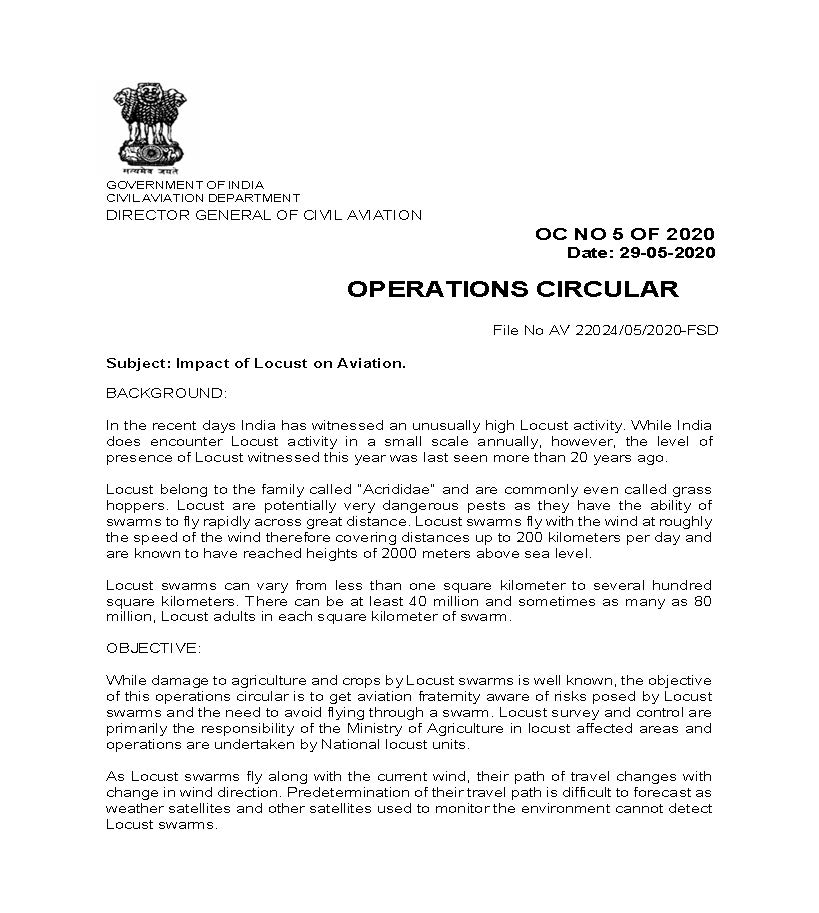
Boeing/Airbus estudian COVID a bordo

AW | 2020 05 28 20:26 | AVIATION SAFETY / INDUSTRY / ENGINEERING

Industria aviación estudiará comportamiento Coronavirus a bordo

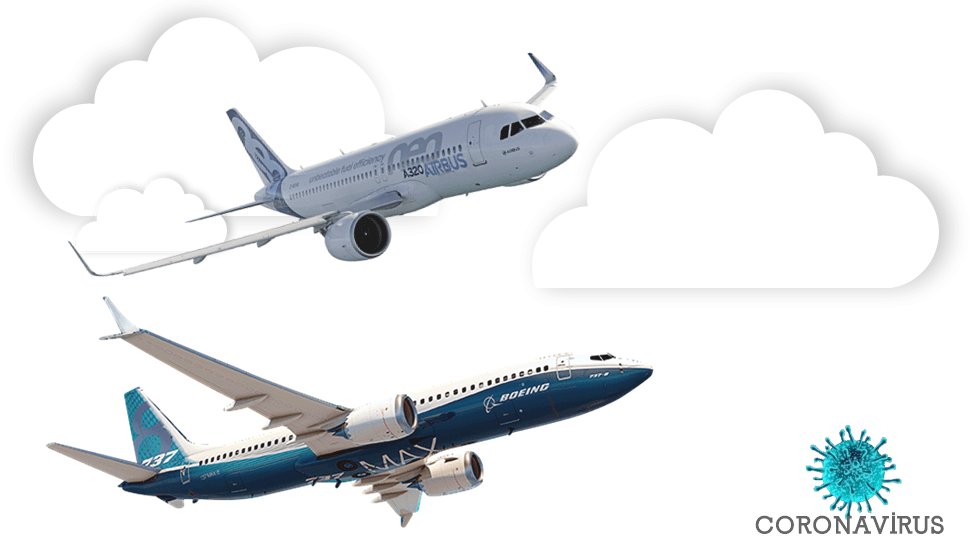
The Boeing Company y Airbus Group SE se asocian con académicos, ingenieros y expertos médicos para comprender mejor los riesgos potenciales de la actual pandemia de Coronavirus y los efectos en el transporte global. Estudiarán cómo se mueve el Covid-19 a bordo y si la luz UV, el material autolimpiante, puede detener la propagación del virus.

La pandemia de coronavirus ha afectado enormemente los viajes aéreos. En el contexto de países que levantan las restricciones y reanudan los viajes, dos fabricantes de líneas aéreas, Boeing y Airbus, esperan devolver a la industria su antigua gloria, pero quieren abordar una preocupación sobre cómo se mueve el virus a bordo de los vuelos. Los fabricantes están tomando medidas para comprender mejor los riesgos potenciales y proyectarse para una situación futura en la aviación comercial. Para este estudio, tanto Boeing como Airbus están buscando medios como la luz ultravioleta (UV) y materiales autolimpiantes para evitar la propagación de la pandemia actual. Sus hallazgos podrían ayudar a las aerolíneas, los funcionarios de salud y los reguladores a tomar decisiones sobre cómo prevenir la propagación del nuevo Coronavirus y futuras aplicaciones en emergencias de salud. El Coronavirus ha arrestado al mundo con 5.6 millones de infecciones y más de 355.000 muertes registradas en todo el mundo.

La industria de las aerolíneas ha sufrido grandes pérdidas desde que la pandemia ha llegado a casi todo el planeta. Según el Consejo de Aeropuertos Internacionales, la industria ha perdido 4.6 mil millones de pasajeros y casi US$ 100 mil millones solo este año. Las industrias aéreas están cerrando. Por ejemplo, la aerolínea charter con sede en Florida Miami Air se declaró en quiebra y cerró sus operaciones el 8 de Mayo 2020.

Las aerolíneas han estado tratando de convencer a los usuarios del transporte de que las máscaras y el aire filtrado de la cabina brindan protección confiable contra infecciones durante el vuelo. Los Centros para el Control y la Prevención de Enfermedades (CDC) han dicho que la mayoría de los virus y otros gérmenes no se propagan fácilmente en los vuelos debido a cómo circula el aire a bordo. Pero existen riesgos como la dificultad de mantener la distancia social en vuelos con muchas personas. Además, los viajes aéreos requieren pasar tiempo en las líneas de seguridad y las terminales del aeropuerto, lo que aumenta las posibilidades de exposición al virus a través de personas o superficies contaminadas. La agencia federal de salud dijo que discutió recomendaciones sobre Covid-19 y viajes seguros con la Administración Federal de Aviación, Boeing y Airbus.

Perspectivas sanitarias

Los expertos creen que todavía hay mucho que aprender a hacer. «En este momento hay muchas incógnitas», dijo John Scott Meschke, un microbiólogo que enseña en la Escuela de Salud Pública de la Universidad de Washington. Charles Haas, Profesor de Ingeniería Ambiental en la Universidad de Drexel, dijo: «No entendemos si la distancia de 6 pies recomendada por los CDC es lo suficientemente buena como para limitar la propagación a través de las gotas de una persona infectada a bordo».

Boeing está investigando si la luz ultravioleta y los recubrimientos antimicrobianos para las superficies tocadas con frecuencia pueden evitar la propagación del nuevo coronavirus. El fabricante está interesado en un estudio de la Universidad de Colorado, Boulder. El objetivo del proyecto es determinar la dosis de luz ultravioleta necesaria para desinfectar las aeronaves entre vuelos. Airbus, por otro lado, está hablando con investigadores de los E Estados Unidos que buscan incluir materiales autolimpiantes, un desinfectante que pueda durar cinco días y dispositivos sin contacto en los baños. Por ahora, las aerolíneas estadounidenses han tomado medidas como pedirles a los viajeros que se enmascaren y reducir la cantidad de pasajeros. «Si todos usan una máscara, entonces hay muy poco para salir al aire», dijo Linsey Marr, Profesora de Ingeniería de Virginia Tech, a quien Airbus contactó recientemente para obtener información sobre el tema. undefined

Boeing/Airbus to study COVID-19 behavior on board

The industry will study the behavior Coronavirus on board aircraft

The Boeing Company and Airbus Group SE partner with academics, engineers, and medical experts to better understand the potential risks of the current Coronavirus pandemic and the effects on global transportation. They will study how Covid-19 moves on board and whether UV light, the self-cleaning material, can stop the virus from spreading.

The coronavirus pandemic has greatly affected air travel. In the context of countries lifting restrictions and resuming travel, two airline manufacturers, Boeing and Airbus, hope to return the industry to its former glory, but want to address a concern about how the virus moves on board flights. Manufacturers are taking steps to better understand the potential risks and to project themselves for a future situation in commercial aviation. For this study, both Boeing and Airbus are looking for means such as ultraviolet (UV) light and self-cleaning materials to prevent the spread of the current pandemic. Their findings could help airlines, health officials, and regulators make decisions about how to prevent the spread of the new Coronavirus and future applications in health emergencies. The Coronavirus has arrested the world with 5.6 million infections and more than 355,000 registered deaths worldwide.

The airline industry has suffered heavy losses since the pandemic has reached almost the entire planet. According to the International Airports Council, the industry has lost 4.6 billion passengers and almost US$ 100 billion this year alone. The airline industries are closing. For example, Florida-based charter airline Miami Air filed for bankruptcy and closed operations on May 8.

Airlines have been trying to convince transport users that masks and filtered cabin air provide reliable protection against infection in flight. The Centers for Disease Control and Prevention (CDC) have said that most viruses and other germs do not spread easily on flights because of how air circulates on board. But there are risks such as the difficulty of maintaining social distance on flights with many people. In addition, air travel requires spending time at security lines and airport terminals, increasing the chances of exposure to the virus through contaminated people or surfaces. The federal health agency said it discussed recommendations on Covid-19 and safe travel with the Federal Aviation Administration, Boeing and Airbus.

Health perspectives

Experts believe that there is still much to learn to do. «There are so many unknowns right now,» said John Scott Meschke, a microbiologist who teaches at the University of Washington School of Public Health. Charles Haas, Professor of Environmental Engineering at Drexel University, said: «We do not understand if the CDC-recommended 6-foot distance is good enough to limit the spread through drops of an infected person on board».

Boeing is investigating whether ultraviolet light and antimicrobial coatings for frequently touched surfaces can prevent the spread of the new coronavirus. The manufacturer is interested in a study from the University of Colorado, Boulder. The objective of the project is to determine the dose of ultraviolet light necessary to disinfect aircraft between flights. Airbus, on the other hand, is speaking with researchers from the United States seeking to include self-cleaning materials, a disinfectant that can last for five days, and non-contact devices in bathrooms. For now, U.S. airlines have taken steps such as asking travelers to mask themselves and reducing the number of passengers. «If everyone wears a mask, then there’s very little to get on the air», said Linsey Marr, a Virginia Tech professor of engineering, who Airbus recently contacted for information on the matter. undefined

Ξ A I R G W A Y S Ξ
PUBLISHER: Airgways.com
DBk: Airbus.com / Boeing.com / Airgways.com
AW-POST: 202005282026

A\W   A I R G W A Y S ®
Protocolo reinicio ops Aerolíneas

AW | 2020 05 28 12:10 | AIRLINES / AVIATION SAFETY

Preparación protocolo sanitario reinicio operaciones de Aerolíneas

Aerolíneas Argentinas ha desarrollado nuevas medidas de seguridad e higiene para aplicarlas para el reinicio delas operaciones aerocomerciales en Argentina. La compañía ha diseñado sus protocolos sanitarios y medidas de higiene y prevención que se aplicarán en sus vuelos, una vez que el Gobierno de autorización para reanudar la actividad aérea en el país.

Las medidas sanitarias para los vuelos comerciales siguen las recomendaciones de organismos internacionales de aviación como International Air Transport Association (IATA), Airports Council International (ACI), la Organización Mundial de la Salud (OMS) y el Ministerio de Salud de la Nación.

Las nuevas disposiciones sanitarias paratodos los pasajeros en los vuelos de Aerolíneas Argentinas y Austral Líneas Aéreas serán: el uso obligatorio de barbijo o tapaboca en todo momento y se suspenderán los servicios de comidas y bebidas. Los protocolos sanitarios se aplicarán en distintas etapas del vuelo que corresponden a:

Etapa Aeropuerto

Para cumplir con las medidas preventivas dentro del aeropuerto, la empresa recomienda a los pasajeros que lleguen con más anticipación. Solo podrán ingresar los pasajeros que tengan vuelos desde esa terminal. No estará permitido el acceso de acompañantes. En la puerta de acceso, se controlará la temperatura. Los pasajeros deberán usar su barbijo o tapaboca en todo momento. Los pasajeros que requieran algún tipo de asistencia, como el uso de silla de ruedas, deberán hacer la reserva por lo menos 48 hábiles antes de la partida de tu vuelo. Todas las sillas de ruedas son sanitizadas antes de su uso.

Área Check-in

La recomendación de la aerolínea para los pasajeros es llegar con el web check-in ya listo. En el caso de realizar el check-in en el aeropuerto, respetar la distancia mínima de separación indicadas con señales. Para validar la identidad del pasajero, únicamente se deberá mostrar el DNI, sin necesidad de entregar la documentación al personal de tráfico. Se va a sugerir viajar únicamente con un artículo personal a bordo cumpliendo con las medidas máximas. Esto agilizará el embarque y desembarque y minimizará los movimientos dentro del aeropuerto. Se podrá llevar en tu equipaje de mano un alcohol en gel de hasta 100 ml.

Área Embarque

Se deberán mantener las distancias mínimas de separación y realizar una higiene frecuentemente de las manos. El embarque se realizará por grupos reducidos y de las últimas filas hacia adelante. Los clientes que viajen en cabina Business o Premium Economy serán los últimos en embarcar. Las tripulaciones de vuelo utilizarán tapabocas durante todo el vuelo. Una vez validada la identidad, el pasajero tendrá que escanear su boarding pass en el lector correspondiente. Siempre que sea posible, se hará embarque por puertas con mangas de acceso. De ser necesario el uso de micros, también se hará en grupos reducidos. Las salas VIP (Salón Cóndor en Ezeiza y las salas del exterior) se encontrarán cerradas.

Etapa Vuelo

Será obligatorio en todo momento el uso de barbijos o tapabocas. Las tripulaciones lo utilizarán durante todo el vuelo. Los pasajeros deberán limitar al máximo sus movimiento dentro del avión. En el caso de necesitar ir al toilette, hay que verificar antes que el cartel indicador de disponibilidad se encuentre encendido en color verde para no formar fila. El material de lectura, mantas, almohadas y auriculares estarán suspendidos. En los vuelos de cabotaje y regionales también quedarán suspendidos los servicios de comidas y bebidas. En los vuelos Internacionales, el servicio de alimentos y bebidas a bordo será limitado. Se ofrecerá, en tanto, un menú de contingencia en bolsas individuales, con productos frescos e industrializados. Al finalizar, se solicitará descartar todos los elementos en la misma bolsa en la que se los recibió para disminuir la interacción con la tripulación. Los servicios de comidas especiales y moisés también estarán temporalmente suspendidos.

Etapa Desembarque

Los pasajeros podrán levantarse de sus asientos cuando la tripulación lo indique y la fila delantera se encuentre desocupada. Habrá que mantener en todo momento el distanciamiento recomendado. En el caso de los vuelos internacionales, se deberá entregar completo y firmado el formulario solicitado por las autoridades sanitarias.

Higiene de las aeronaves

La empresa señaló que por su tratamiento de limpieza y sus filtros especiales de aire acondicionado, sus aviones cuentan con altos estándares de cuidado y prevención. El personal asignado, provisto de equipo de protección (Personal Protective Equipment), realiza el procedimiento de limpieza y desinfección antes y después de cada vuelo.

En los vuelos Internacionales, el servicio de alimentos y bebidas a bordo será limitado. Las tareas se intensifican en las zonas de alto contacto como asientos, apoyabrazos, mesas rebatibles, cinturones de seguridad, pantallas y controles. También se realiza un trabajo minucioso en baños, cestos de residuos, galleys y puertas. El protector del apoyacabeza es reemplazado luego de cada vuelo y se refuerzan los procedimientos de limpieza en tapicería y alfombras. Los productos de limpieza y desinfección utilizados son los recomendados en la Guía de Higiene y Saneamiento de los transportes aéreos de la OMS. Además se ha destacado para el retorno de los vuelos comerciales, se sumarán nuevas medidas, como por ejemplo el bloqueo de asientos para mantener distancias.

La empresa aclaró que cuenta con un sistema de aire acondicionado que posee filtros especiales de alta eficiencia (HEPA, High Efficency Particulalate Air filters). Este sistema utilizado por la industria permite la renovación constante del aire de la cabina, eliminando el 99,9% de bacterias y microbios que circulan para hacer del avión un lugar seguro.

Desde Aerolíneas Argentinas destacaron que viajar en avión es seguro por el sistema de ventilación de los aviones, que permite mantener la calidad y sanidad del aire; por la disposición de los asientos, que actúan como barreras y evitan el contacto cara a cara; y por las medida complementarias como el control de temperatura previo al ingreso al aeropuerto. También por la medida de uso obligatorio de tapaboca de todos los pasajeros y trabajadores.

Repatriaciones

Aerolíneas ha comunicado que se repatriaron de zonas de riesgo más de 22 mil pasajeros y que sólo tuvieron tres contagios en las tripulaciones permitiendo observar la mínima circulación y afectación por el virus debido a las maximizaciones en los requerimientos sanitarios a bordo de cada vuelo.

Health protocol restart ops Aerolíneas

Preparation sanitary protocol to restart ops Aerolíneas Argentinas

Aerolíneas Argentinas has developed new safety and hygiene measures to apply them for the restart of aero-commercial operations in Argentina. The company has designed its sanitary protocols and hygiene and prevention measures that will be applied on its flights, once the Government has authorized it to resume air activity in the country.

The sanitary measures for commercial flights follow the recommendations of international aviation organizations such as the International Air Transport Association (IATA), Airports Council International (ACI), the World Health Organization (WHO) and the National Ministry of Health.

The new sanitary provisions for all passengers on Aerolíneas Argentinas and Austral Líneas Aéreas flights will be: the compulsory use of a chinstrap or face mask at all times and food and beverage services will be suspended. The sanitary protocols will be applied in different stages of the flight that correspond to:

Airport Stage

To comply with preventive measures within the airport, the company recommends that passengers arrive earlier. Only passengers with flights from that terminal may enter. The access of companions will not be allowed.
At the access door, the temperature will be controlled. Passengers must wear their chinstrap or face mask at all times. Passengers requiring some type of assistance, such as the use of a wheelchair, must make the reservation at least 48 working days before the departure of your flight. All wheelchairs are sanitized before use.

Check-in Area

The airline’s recommendation for passengers is to arrive with the web check-in ready. In the case of checking in at the airport, respect the minimum separation distance indicated by signs. To validate the passenger’s identity, only the DNI must be shown, without the need to deliver the documentation to the traffic personnel. It will be suggested to travel only with a personal item on board in compliance with the maximum measures. This will streamline boarding and disembarking and minimize movement within the airport. A gel alcohol of up to 100 ml can be carried in your hand luggage.

Boarding Area

Minimum separation distances must be maintained and frequent hand hygiene must be carried out. Boarding will be done in small groups and from the last rows forward. Customers traveling in a Business or Premium Economy cabin will be the last to board. Flight crews will wear face masks throughout the flight. Once the identity has been validated, the passenger will have to scan their boarding pass in the corresponding reader. Whenever possible, shipments will be made through doors with access sleeves. If necessary, the use of microphones will also be done in small groups. The VIP rooms (Salón Cóndor in Ezeiza and the rooms outside) will be closed.

Flight Stage

The use of masks or masks will be mandatory at all times. The crews will use it throughout the flight. Passengers should limit their movement within the aircraft as much as possible. In the case of needing to go to the toilet, it is necessary to verify before the availability indicator sign is lit in green so as not to form a line. Reading material, blankets, pillows and headphones will be suspended. Food and drink services will also be suspended on domestic and regional flights. On international flights, the food and beverage service on board will be limited. Meanwhile, a contingency menu will be offered in individual bags, with fresh and industrialized products. Upon completion, you will be asked to discard all the items in the same bag in which they were received to decrease interaction with the crew. Special meal and bassinet services will also be temporarily suspended.

Landing Stage

Passengers may get up from their seats when instructed to do so and the front row is unoccupied. The recommended spacing must be maintained at all times. In the case of international flights, the form requested by the health authorities must be completed and signed.

Aircraft hygiene

The company pointed out that due to its cleaning treatment and special air conditioning filters, its aircraft have high standards of care and prevention. Assigned personnel, provided with Personal Protective Equipment, perform the cleaning and disinfection procedure before and after each flight.

On international flights, the food and beverage service on board will be limited. Tasks are intensified in high contact areas such as seats, armrests, folding tables, seat belts, screens and controls. Thorough work is also done in bathrooms, waste baskets, galleys, and doors. The headrest protector is replaced after each flight and upholstery and carpet cleaning procedures are reinforced. The cleaning and disinfection products used are those recommended in the WHO Guide to Hygiene and Sanitation for air transport. In addition, it has been highlighted for the return of commercial flights, new measures will be added, such as blocking seats to maintain distances.

The company clarified that it has an air conditioning system that has special high efficiency filters (HEPA, High Efficency Particulalate Air filters). This system used by the industry allows the constant renewal of cabin air, eliminating 99.9% of bacteria and microbes that circulate to make the plane a safe place.

From Aerolíneas Argentinas they highlighted that traveling by plane is safe due to the ventilation system of the planes, which allows the quality and health of the air to be maintained; by the arrangement of the seats, which act as barriers and prevent face-to-face contact; and by complementary measures such as temperature control prior to entering the airport. Also due to the mandatory use of a mask for all passengers and workers.

Repatriations

Aerolíneas have reported that more than 22 thousand passengers repatriated from risky areas and that they only had three infections in the crews, allowing the minimum movement and the effect of the virus to be observed due to the maximization of the sanitary requirements on board each flight.

Ξ A I R G W A Y S Ξ
PUBLISHER: Airgways.com
DBk: Aerolineas.com / Airgways.com / Infobae.com / Pinterest.com
AW-POST: 202005281210AR

A\W   A I R G W A Y S ®

NTSB emite AD para Embraer E1-Jet

AW | 2020 05 27 12:50 | AVIATION SAFETY

Recomendaciones de NTSB por problemas en el Sistema de Control Pitch de E1-Jet

La Junta Nacional de Seguridad en el Transporte (NTSB) ha recomendado el Miércoles 27/05 una Airworthiness Directive (AD) a las autoridades de aviación de Estados Unidos y Brasil que emitan pautas más estrictas para inspeccionar y reemplazar el cableado en la columna del Sistema de Control de los aviones comerciales Embraer E1-Jets y Lineage 1000 después de un incidente del 6 Noviembre 2019 en el que un Embraer E175 de Republic Airways experimentó degradación del control de vuelo relacionada con el Pitch. El avión, que transportaba a seis pasajeros, regresó sano y salvo al Aeropuerto Internacional Atlanta/Hartsfield quince minutos después del despegue.

La NTSB emitió seis recomendaciones de seguridad a la Agencia Nacional de Aviación Civil de Brasil (ANAC) y cuatro a la Administración Federal de Aviación (FAA). Abordan áreas de preocupación, como el roce de cables, la aplicación de boletines de servicio de Embraer relacionados con el interruptor de compensación de Pitch y las posibles limitaciones en los elementos de memoria de la lista de verificación para que los pilotos aborden el funcionamiento no intencionado del sistema de compensación de Pitch.

La primera recomendación a ANAC requiere que la autoridad brasileña exija a Embraer que diseñe nuevas instrucciones de inspección y reemplazo del cableado y que garantice la separación adecuada de los componentes adyacentes, incluido el perno de parada mecánico delantero y su cable de seguridad. El resto de las recomendaciones se refiere a las responsabilidades de los operadores para llevar a cabo las directivas.

Investigación Preliminar AA-4439

El vuelo AA-4439 acababa de despegar, volado por la aerolínea feeder de American Airlines, Republic Airways, en un Embraer E-175, registro N117HQ, cuando encontraron un problema único. Durante el incidente del 6 Noviembre 2019, la tripulación de vuelo declaró una emergencia poco después del despegue del Aeropuerto Internacional Hartsfield-Jackson de Atlanta, informando un problema de control de vuelo relacionado con el corte de la cancha que causó una actitud de nariz arriba y dificultad para controlar el avión. Aunque la causa del incidente sigue bajo investigación, el examen posterior al incidente del avión reveló un aislamiento rozado alrededor de los cables que conectan la electrónica de control del actuador del estabilizador horizontal al interruptor de compensación de inclinación del capitán y al botón de desconexión del piloto automático/compensación. El contacto con el cable flexible de seguridad incorrectamente desconectado del cable de seguridad del perno de parada mecánico delantero causó el roce, encontró el NTSB.

Cuando los investigadores retiraron el interruptor de compensación de inclinación del capitán del yugo, observaron marcas que indicaban en algún momento antes del vuelo incidente, los mecánicos instalaron el interruptor de compensación de inclinación en una posición invertida. Embraer emitió previamente tres boletines de servicio relacionados con el error de instalación del interruptor de compensación de inclinación después de los informes de las tripulaciones de vuelo en 2015 sobre las dificultades del sistema de control de vuelo. Sin embargo, ni la FAA ni la ANAC exigieron la incorporación de los boletines de servicio. Si bien los investigadores no han determinado si la instalación del interruptor invertido resultó ser un factor en el incidente, la NTSB expresó su preocupación de que la condición pudiera conducir a la confusión de la tripulación de vuelo, retrasando el reconocimiento apropiado y la respuesta al aumento de las fuerzas de control.

La información preliminar de la investigación de la NTSB también sugiere que la condición podría enmascarar la operación de corte de cabeceo no intencional durante ciertas fases del vuelo, como durante el despegue. Además, las limitaciones en los elementos de memoria de la lista de verificación podrían retrasar a los pilotos para responder adecuadamente y recuperar el control del avión. La NTSB dijo que la aplicación de la tripulación de los elementos de memoria en la lista de verificación E175 Pitch Trim Runaway podría no abordar de manera exhaustiva las circunstancias del funcionamiento del sistema de compensación de manera oportuna.

«La emisión de estas 10 recomendaciones de seguridad al inicio de la investigación demuestra el compromiso de la NTSB de tomar medidas tan pronto como hayamos identificado y verificado un problema de seguridad que debe abordarse. No necesitamos esperar a que se complete una investigación antes de emitir recomendaciones de seguridad. Tenemos la responsabilidad de emitir recomendaciones que, cuando sean implementadas por los destinatarios, puedan corregir deficiencias de seguridad, prevenir accidentes y salvar vidas», dijo el Presidente de la NTSB, Robert Sumwalt.

Republic ordena 100 Embraer E175 |

NTSB issues AD for Embraer E1-Jet

NTSB Recommendations for E1-Jet Pitch Control System Problems

The National Transportation Safety Board (NTSB) has recommended on Wednesday 27/05 an Airworthiness Directive (AD) to the aviation authorities of the United States and Brazil that they issue stricter guidelines to inspect and replace the wiring in the column of the Control System of commercial aircraft Embraer E1-Jets and Lineage 1000 after an incident on November 6, 2019 in which a Republic Airways Embraer E175 experienced flight control degradation related to Pitch. The plane, carrying six passengers, returned safely to Atlanta/Hartsfield International Airport fifteen minutes after takeoff.

The NTSB issued six safety recommendations to the Brazilian National Civil Aviation Agency (ANAC) and four to the Federal Aviation Administration (FAA). They address areas of concern, such as cable rubbing, the application of Embraer service bulletins related to the Pitch trim switch, and possible limitations on memory items on the checklist for pilots to address unintended operation. of the Pitch compensation system.

The first recommendation to ANAC requires the Brazilian authority to require Embraer to design new wiring inspection and replacement instructions and to ensure proper separation of adjacent components, including the front mechanical stop bolt and its safety cable. The rest of the recommendations refer to the responsibilities of the operators to carry out the directives.

Preliminary Investigation AA-4439

Flight AA-4439 had just taken off, flown by American Airlines feeder airline Republic Airways on an Embraer E-175, registration N117HQ, when they encountered a unique problem. During the November 6, 2019 incident, the flight crew declared an emergency shortly after takeoff from Hartsfield-Jackson Atlanta International Airport, reporting a flight control problem related to the court cut that caused a nose-up attitude and difficulty controlling the plane. Although the cause of the incident remains under investigation, post-incident examination of the aircraft revealed friction isolation around the cables connecting the horizontal stabilizer actuator control electronics to the captain’s tilt compensation switch and pilot disconnect button. automatic/compensation. Contact with the safety spring cable improperly disconnected from the safety cable of the front mechanical stop bolt caused rubbing, the NTSB found.

When investigators removed the captain’s tilt compensation switch from the yoke, they observed markings indicating sometime before the incident flight, mechanics installed the tilt compensation switch in an inverted position. Embraer previously issued three service bulletins related to the tilt compensation switch installation error after flight crew reports in 2015 about flight control system difficulties. However, neither the FAA nor ANAC required the incorporation of the service bulletins. While investigators have not determined whether the installation of the inverted switch turned out to be a factor in the incident, the NTSB expressed concern that the condition could lead to flight crew confusion, delaying proper reconnaissance and response to the surge. of the control forces.

Preliminary information from the NTSB investigation also suggests that the condition could mask the unintentional roll-off operation during certain phases of the flight, such as during takeoff. Additionally, limitations on the memory items on the checklist could delay pilots to respond appropriately and regain control of the aircraft. The NTSB said the crew’s application of the memory items in the E175 Pitch Trim Runaway checklist may not comprehensively address the circumstances of the compensation system’s operation in a timely manner.

«Issuing these 10 safety recommendations at the start of the investigation demonstrates the NTSB’s commitment to take action as soon as we have identified and verified a security issue that needs to be addressed. We do not need to wait for an investigation to complete before issuing Safety Recommendations. We have a responsibility to issue recommendations that, when implemented by recipients, can correct safety deficiencies, prevent accidents and save lives», said NTSB President Robert Sumwalt.

Ξ A I R G W A Y S Ξ
PUBLISHER: Airgways.com
DBk: Ntsb.gov / Faa.gov / Anac.gov.br / Embraer.com / Airgways.com / Ainonline.com /
AW-POST: 202005271250AR

A\W   A I R G W A Y S ®

Pakistan PK8303 | Día 5

Pakistan aircraft in distress may be caused by a pilot error

AW | 2020 05 26 21:10 | AIR INVESTIGATION / AVIATION SAFETY

Continúan la búsqueda del CVR del vuelo PK-8303

Un Airbus A320-200, registro AP-BLD de la aerolínea Pakistan International Airlines (PIA) que realizaba el vuelo PK-8303 de Lahore a Karachi (Pakistán) con 91 pasajeros y 8 tripulantes, había abortado la aproximación a Karachi debido a problemas con la extensión del tren de aterrizaje (nariz). También se han reportado problemas en los motores.

Actualizaciones 26 Mayo 2020

El 26 Mayo 2020 se ha tenido en conocimiento que el módulo de Datos de la Grabadora de Voz de la Cabina (CVR) no se ha encontrado hasta ahora, solo se ha recuperado la carcasa. El FDR, que incluye el módulo de datos, está a punto de ser llevado a París para ser leído por la Agencia francesa BEA, cuyos investigadores llegaron a Karachi el 26 Mayo 2020. Las autoridades esperan encontrar el módulo de datos del CVR durante la eliminación de los restos del lugar del accidente.

El 26 Mayo 2020, un portavoz de la aerolínea Pakistan International Airlines (PIA) informó que solo la cobertura del CVR se ha recuperado hasta ahora. Se insta a los residentes de Model Colony a entregar los componentes de la aeronave esparcidos que se encuentren en sus casas.

El 26 Mayo 2020 por la noche, la BEA informó que sus investigadores todavía están en el sitio, el FDR aún no ha salido de Pakistán, el CVR no se ha recuperado.

Especialistas de Airbus se trasladan a Karachi para investigar el ...

Pakistan PK8303 | Day 5

Search for CVR continues for flight PK-8303

An Airbus A320-200, registered AP-BLD of Pakistan International Airlines (PIA) airline that was flying PK-8303 from Lahore to Karachi (Pakistan) with 91 passengers and 8 crew, had aborted the approach to Karachi due to problems with the extension of the landing gear (nose). Engine problems have also been reported.

Updates May 26, 2020

On May 26, 2020 it was learned that the Cabin Voice Recorder (CVR) Data module has not been found so far, only the casing has been recovered. The FDR, which includes the data module, is about to be brought to Paris to be read by the French Agency BEA, whose investigators arrived in Karachi on May 26, 2020. Authorities hope to find the CVR data module during the removal. of the remains of the accident site.

On May 26, 2020, a spokesperson for Pakistan International Airlines (PIA) reported that only CVR coverage has been recovered so far. Model Colony residents are urged to turn in scattered aircraft components found in their homes.

On 26 May 2020 at night, the BEA reported that its investigators are still on site, the FDR has not yet left Pakistan, the CVR has not recovered.

Ξ A I R G W A Y S Ξ
SOURCE: Airgways.com
DBk: Caapakistan.com.pk / Reuters.com / Airgways.com
AW-POST: 202005262110AR

A\W   A I R G W A Y S ®