Comprometen reembolsar tickets ante riesgos controles a pasajeros
Las principales aerolíneas estadounidenses se comprometen a reembolsar los boletos para los pasajeros que han solicitado un vuelo. Airlines for America (A4A), la organización comercial de la industria de las principales aerolíneas de Estados Unidos ha anunciado que sus aerolíneas miembro se comprometerán voluntariamente a reembolsar los boletos para cualquier pasajero que tenga un temperatura elevada, según lo definido por las pautas de los Centros para el Control y la Prevención de Enfermedades (CDC), durante un proceso de detección realizado por las autoridades federales antes del viaje. El mes pasado, A4A y sus transportistas miembros anunciaron que están apoyando a la Administración de Seguridad del Transporte (TSA) para comenzar a realizar controles de temperatura de los empleados que viajan y los empleados que se dirigen al cliente durante el tiempo que sea necesario durante la crisis de salud pública de COVID-19.
Los controles de temperatura son una de varias medidas de salud pública recomendadas por los CDC en medio de la pandemia de COVID-19 y agregarán una capa adicional de protección para los pasajeros, así como para las aerolíneas y los empleados del aeropuerto. Las comprobaciones de temperatura también proporcionarán confianza pública adicional que es crítica para relanzar los viajes aéreos y la economía de nuestra nación. Como todos los procesos de inspección para el público viajero son responsabilidad del Gobierno de los Estados Unidos, el hecho de que la TSA realice controles de temperatura garantizará que los procedimientos estén estandarizados, proporcionando consistencia entre los aeropuertos para que los viajeros puedan planificar adecuadamente.
Requisitos sanitarios
Desde el inicio de la pandemia, las aerolíneas estadounidenses han estado trabajando para proteger a los pasajeros y empleados. En abril, los miembros de la aerolínea de A4A anunciaron voluntariamente que están exigiendo que los empleados y pasajeros orientados al cliente usen cobertores faciales sobre su nariz y boca durante todo el viaje, durante el check-in, el embarque, el vuelo y el desembarque. La semana pasada, los principales operadores estadounidenses anunciaron que están aplicando activamente sus políticas de cobertura facial.
Enfoque capas para mitigación de riesgos
Los controles de temperatura y los revestimientos faciales son parte del enfoque de múltiples capas que las aerolíneas están implementando para mitigar el riesgo de exposición e infección y para proteger la salud y el bienestar de los pasajeros y empleados.
Los transportistas miembros de A4A cumplen o superan las pautas de los CDC y han implementado protocolos de limpieza intensiva, en algunos casos para incluir procedimientos de limpieza electrostática y nebulización. Los transportistas están trabajando las 24 horas para desinfectar cabinas, cabinas y puntos de contacto clave, como mesas de bandejas, reposabrazos, cinturones de seguridad, botones, respiraderos, manijas y lavabos, con desinfectantes aprobados por los CDC. Además, los transportistas A4A tienen aviones equipados con filtros HEPA y han implementado una variedad de políticas, como el abordaje de atrás hacia adelante y el ajuste de los servicios de alimentos y bebidas para reducir la interacción. Se alienta a todos los viajeros, pasajeros y empleados, a seguir las pautas de los CDC , incluido el lavado frecuente de manos y quedarse en casa cuando están enfermos.
La seguridad y el bienestar de los pasajeros y empleados es la principal prioridad de las aerolíneas estadounidenses. A medida que miramos hacia un relanzamiento de nuestra industria y una reapertura de la economía, los transportistas de Estados Unidos, permanecen en estrecho contacto con agencias federales, la Administración, el Congreso y expertos en salud pública sobre una gama de opciones que proporcionarían capas adicionales de protección para el público y infundir una mayor confianza en los pasajeros y empleados mientras viajan.
TSA imposibilitada proteger personal
La Administración de Seguridad del Transporte retuvo máscaras N-95 del personal y exhibió una mala gestión en su respuesta a la crisis del Coronavirus, dejando a los empleados y viajeros vulnerables durante los días más urgentes de la pandemia, alega un alto funcionario de la TSA en un nueva denuncia de denunciante.
El Jueves 25/06 por la noche, la Oficina de Asesoría Especial, una agencia federal independiente que maneja las quejas de los denunciantes, dijo que habían encontrado «una probabilidad sustancial de irregularidades» en la queja y ordenó al Departamento de Seguridad Nacional abrir una investigación.
US airlines commitment refunds
US airlines commit to reimburse tickets due to risk controls to passengers
Major US airlines agree to reimburse tickets for passengers who have requested a flight. Airlines for America (A4A), the industry trade organization for America’s top airlines, has announced that its member airlines will voluntarily commit to reimbursing tickets for any passenger with an elevated temperature, as defined by the Centers for Disease Control and Prevention (CDC), during a screening process conducted by federal authorities before travel. Last month, A4A and its member carriers announced that they are supporting the Transportation Security Administration (TSA) to begin performing temperature checks on traveling employees and employees addressing the customer for as long as necessary during the COVID-19 public health crisis.
Temperature controls are one of several CDC-recommended public health measures in the midst of the COVID-19 pandemic and will add an additional layer of protection for passengers, as well as airlines and airport employees. Temperature checks will also provide additional public confidence that is critical to relaunch air travel and our nation’s economy. As all inspection processes for the traveling public are the responsibility of the United States Government, the fact that the TSA performs temperature controls will ensure that the procedures are standardized, providing consistency between airports so that travelers can plan properly.
Sanitary requirements
Since the start of the pandemic, US airlines have been working to protect passengers and employees. In April, A4A airline members voluntarily announced that they are requiring customer-facing employees and passengers to wear face covers over their nose and mouth throughout the journey, during check-in, boarding, flight, and disembarkation. . Last week, the major US operators announced that they are actively applying their facial coverage policies.
Layered approach to risk mitigation
Temperature controls and facial coatings are part of the multi-layered approach airlines are implementing to mitigate the risk of exposure and infection and to protect the health and well-being of passengers and employees.
A4A member carriers meet or exceed CDC guidelines and have implemented intensive cleaning protocols, in some cases to include electrostatic cleaning and misting procedures. Carriers are working 24 hours to disinfect cabins, cabins, and key touch points, such as tray tables, armrests, seat belts, buttons, vents, handles, and sinks, with CDC-approved disinfectants. In addition, A4A carriers have HEPA-equipped aircraft and have implemented a variety of policies, such as the back-and-forth approach and adjustment of food and beverage services to reduce interaction. All travelers, passengers and employees are encouraged to follow CDC guidelines, including frequent handwashing and staying home when sick.
The safety and well-being of passengers and employees is the top priority of American airlines. As we look toward a relaunch of our industry and a reopening of the economy, U.S. carriers remain in close contact with federal agencies, the Administration, Congress, and public health experts on a range of options that would provide additional layers. of protection for the public and instill greater confidence in passengers and employees while traveling.
TSA unable to protect personal
The Transportation Security Administration retained N-95 masks from staff and exhibited poor management in its response to the Coronavirus crisis, leaving employees and travelers vulnerable during the most urgent days of the pandemic, a senior TSA official alleges. in a new whistleblower complaint.
On Thursday night, 06/25, the Office of Special Counsel, an independent federal agency that handles whistleblower complaints, said they had found «a substantial probability of irregularities» in the complaint and ordered the Department of Homeland Security to open a investigation.
Ξ A I R G W A Y S Ξ PUBLISHER: Airgways.com DBk: Transportation.gov / Tsa.gov / Cdc.gov / Osc.gov / Wift.org / Post-gazette.com / Airgways.com AW-POST: 202006261616AR
EASA/ATCC exigen cambios sustanciales en Boeing 737 MAX
Los reguladores de seguridad de la aviación Transporte de Aviación Civil Canadá ( ATCC) y la European Union Aviation Safety Agency (EASA) han exigido cambios en el diseño de los sistemas de Control de Vuelo en el Boeing 737 MAX que van más allá de arreglar el sistema defectuoso MCAS que finalmente derribó el avión en dos accidentes aéreos. Boeing ya ha desarrollado una solución para el nuevo Sistema de Control de Vuelo del Boeing 737 MAX conocido como Sistema de Aumento de las Características de Maniobra (MCAS).
La Administración Federal de Aviación (FAA) le ha dicho a The Boeing Company que debe presentar mejoras de diseño para satisfacer estas preocupaciones. Sin embargo, los tres reguladores han acordado que Boeing deberá realizar estos cambios de diseño adicionales y modernizar la flota mundial solo después de que 737 MAX regrese al servicio. Los cambios requeridos en los Sistemas de Control de Vuelo resaltan las debilidades en los sistemas de aviónica heredados del 737. Las soluciones podrían agregar un costo sustancial al Programa 737 MAX y podrían retrasar el aumento de las entregas que Boeing necesita para recuperar su flujo de efectivo.
Janet Northcote, Jefa de Comunicaciones de la EASA ha expresado que «mientras el Sistema MCAS debe ser reparado absolutamente para que el avión sea recertificado como aeronavegable, hay otros problemas relacionados de alguna manera con el problema del sensor que desencadenó MCAS y estos también requieren corrección. Por sí mismos, estos no crearían un problema crítico de seguridad. Es cuando se juntan con algo crítico al mismo tiempo que es un problema importante». Los tres reguladores permitirán que el Boeing 737 MAX vuelva a estar en servicio sin las soluciones adicionales establecidas, dijeron funcionarios en entrevistas esta semana.
Boeing ha propuesto que cuando el 737 MAX inicialmente comience a volar nuevamente, será suficiente realizar cambios en el Manual de Vuelo y en la capacitación de los pilotos, para que las tripulaciones estén al tanto de los posibles problemas y sepan cómo responder. EASA cree que esto proporciona una mitigación adecuada a corto plazo. Pero por parte de la compañía americana se necesitan mejoras de diseño. Boeing ha hecho algunas propuestas de soluciones permanentes que los reguladores están revisando actualmente.
Calendario modificaciones 737 MAX
El impulso de los europeos marca una nueva asertividad por parte de los reguladores extranjeros. Después de dos accidentes que mataron a 346 personas y el consiguiente escrutinio minucioso que descubrió nuevos problemas con el Boeing 737 MAX uno tras otro, no están preparados para seguir la FAA. EASA ha identificado tres problemas que requerirán un rediseño sustancial. Transport Canada se ha centrado en uno. La FAA declinó hacer comentarios sobre su revisión en curso de los cambios de diseño propuestos. Sin embargo, una persona familiarizada con las deliberaciones de la FAA dijo que la agencia de Estados Unidos requerirá que Boeing presente una solución para los tres problemas planteados.
Dos fuentes familiarizadas con las discusiones dijeron que los reguladores quieren que los cambios de diseño permanentes se realicen en un horario relativamente ajustado. «Estamos buscando que esto se implemente a más tardar en el momento de la certificación del Boeing 737-10 MAX», expresó una de las fuentes consultadas. La segunda fuente verificó esto como el objetivo. El primer MAX 10, el modelo final y más grande de la familia de aviones 737 MAX de cuarta generación, se lanzó en Noviembre 2019 y su primer vuelo retrasado se espera para este año 2020, lo que normalmente implicaría alcanzar la certificación a fines de 2021. Si se requiere que los cambios de diseño del sistema estén en el MAX 10 desde el momento en que ingresa al servicio, eso podría retrasar aún más el cronograma para la versión más alargada.
Una vez que los cambios se finalicen y aprueben, «se adaptarían a la flota en servicio MAX tan pronto como sea posible», dijo la Jefa de EASA, Janet Northcote. Agregó que EASA, la FAA y Boeing no han tomado una determinación final sobre un cronograma para implementar los cambios de diseño y que es posible que los problemas logísticos planteados por la pandemia global puedan extenderlo. Boeing se negó a abordar los detalles de los cambios de diseño propuestos, pero en un comunicado dijo que la compañía está «comprometida a abordar todas las preguntas de los reguladores y cumplir con todos los requisitos de certificación y reglamentarios».
Problemas Sensor AOA
La mayor preocupación de la agencia europea EASA es con la solución propuesta por Boeing al problema del Ángulo de Ataque (AOA) que inició los dos accidentes en los Boeing 737-8 MAX. En ambos accidentes, la MCAS se activó por una sola señal de Ángulo de Ataque defectuosa. El rediseño de MCAS de Boeing utiliza ambos sensores de Ángulo de Ataque en el 737 MAX durante cualquier vuelo dado en lugar de solo uno. MCAS no funcionará a menos que ambos sensores estén de acuerdo. Sin embargo, mientras se corrige el Sistema MCAS, los sensores AOA se alimentan en muchos otros sistemas. La preocupación de EASA es que si los dos sensores no están de acuerdo, las computadoras de Control de Vuelo no tienen forma de saber cuál es la lectura correcta. Los europeos dudan que tener dos sensores sea lo suficientemente bueno como para hacer que el sistema sea lo suficientemente robusto.
Janet Northcote dijo que EASA considera que el sistema utilizado por Airbus, que tiene tres sensores de Ángulo de Ataque en el avión rival A320, es un buen diseño. La agencia quiere que Boeing desarrolle un nuevo sistema «que de alguna manera coincida con eso, pero no necesariamente tiene que ser un tercer sensor». La alternativa a un tercer sensor físico es lo que se llama un Sensor Sintético, un sistema que proporciona un cálculo de AOA indirecto adicional que utiliza una variedad de sensores y entradas diferentes.
El último avión completamente nuevo de Boeing, el 787 Dreamliner, por ejemplo, tiene un sistema llamado Velocidad Sintética que recibe información de los sensores de Ángulo de Ataque y varios puntos de datos que indican la actitud del avión en el aire. Este sistema sirve para verificar las señales de los otros sensores y permite que la computadora de Control de Vuelo identifique una señal de datos falsos.
En el desarrollo original del 737 MAX, como se documenta en una queja de un empleado de ética de la compañía, el ingeniero Curtis Ewbank; y en correos electrónicos controvertidos del Jefe de Pilotos Técnico del Boeing 737 MAX, Mark Forkner, Boeing rechazó la incorporación de Synthetic Airspeed para evitar la necesidad de entrenamiento en simulador para pilotos de la nueva línea 737 MAX. Agregar un sistema sintético al MAX ahora sería costoso. Todas sus interacciones con los sistemas existentes tendrían que ser probadas y certificadas, y Boeing tendrá que convencer a los reguladores de que la información que produce es tan confiable o mejor que un sensor físico.
Divergencias de filosofías
Según la persona familiarizada con las deliberaciones de la FAA, que habló bajo condición de anonimato debido a la sensibilidad de las discusiones en curso entre los reguladores, la demanda de EASA por el equivalente de un sistema de tres sensores surge de una filosofía de diseño fundamentalmente diferente entre Airbus y Boeing. Los aviones Airbus están diseñados para que cuando un piloto ajuste los controles, esa acción se envíe a través de la computadora para mover las superficies de control del avión en las alas y la cola. Esto requiere múltiples capas de redundancia para asegurarse de que ninguna falla en el software produzca una señal defectuosa. En contraste, en los aviones Boeing, las superficies de control principales están conectadas directamente a los controles del piloto mediante cables, lo que le da al piloto una conexión táctil física que ofrece una idea de lo que está haciendo el avión que está ausente en un avión Airbus. Para Airbus y EASA, tres sensores de ángulo de ataque es justo lo que haces. Para Boeing y la FAA, no es necesario, porque además de los dos sensores de Ángulo de Ataque, tienes esa conexión física con el avión.
Aún así, la FAA le ha dicho a Boeing que debe abordar la preocupación de EASA. Después de los dos accidentes del Boeing 737 MAX, se ha puesto en tela de juicio la larga dependencia de Boeing de las capacidades de los pilotos como la máxima garantía de seguridad, especialmente en las cabinas modernas que están en gran medida automatizadas y controladas por computadora.
Advertencias de cabina confusas
El segundo problema para el que EASA exige un cambio de diseño proviene de las investigaciones que han establecido que los pilotos en ambos vuelos de choque se confundieron por una cacofonía de alertas de advertencia que se dispararon simultáneamente.
En el Boeing 737 MAX, un solo sensor defectuoso puede activar múltiples luces de advertencia en el panel de instrumentos y alertas auditivas generadas por computadora. No está claro qué propondrá Boeing para abordar eso, pero tiene que llegar a algo para satisfacer a EASA.
El tercer problema que necesita una solución de diseño es uno que ha molestado especialmente a Transport Canada: una advertencia de bloqueo de Sacudidor de Palo que no se puede apagar incluso cuando es claramente erróneo. Este es el sistema de alerta en el 737 MAX que hace que la columna de control vibre con fuerza en las manos del piloto si el avión se inclina demasiado alto y se está desacelerando hacia una parada, lo que significa que el avión está a punto de perder el peso bajo las alas y comenzará a soltar.
En ambos vuelos accidentados de los Boeing 737-8 MAX, el agitador de palanca se activó erróneamente por una señal de Ángulo de Ataque defectuosa. En el vuelo ET-302 de Ethiopian Airlines que se estrelló el 10 Marzo 2019, matando a 157 personas, el agitador vibró durante el vuelo de seis minutos, lo que indica que el avión iba demasiado lento y cerca de un puesto, mientras que al mismo tiempo sonaba un fuerte clacker en la cabina advirtiendo a los pilotos que iban demasiado rápido. Para evitar una distracción y confusión tan severas, Transport Canada quiere que Boeing, antes del regreso del 737 MAX al servicio, incluya en el Manual de Vuelo instrucciones sobre cómo tirar de los interruptores automáticos para detener el agitador.
Los disyuntores están en un panel superior en la cabina del 737 MAX. Transport Canada dijo que requerirá que Boeing agregue Collares a los disyuntores de la batidora para distinguirlos de otros en las cercanías para que puedan identificarse rápidamente en una emergencia.
Según dos personas con conocimiento de la opinión de la FAA sobre esto, la agencia de Estados Unidos no favorece a los pilotos que tengan que acercarse para tirar de los interruptores automáticos en una emergencia.
“Por lo general, alentar a los interruptores automáticos no es algo quepromulgamos. Se supone que son para mantenimiento, no para operar el avión. Es una solución a corto plazo”, dijo un ingeniero de seguridad de la FAA, que habló sin autorización y no puede ser identificado.
Annie Joannette, Portavoz de Transport Canada, dijo que Boeing está trabajando en una solución alternativa. «Boeing ha estado discutiendo la posibilidad de una modificación posterior al retorno al servicio que permitiría desactivar el agitador de palanca por otros medios que no sean tirar del interruptor de circuito. Si esta modificación estuviera disponible, entonces el procedimiento de extracción del interruptor automático en el Manual de vuelo de la aeronave aprobado sería una medida provisional».
No está claro si esa opción provisional para tirar de los interruptores automáticos se incluirá en todos los Manuales de Vuelo de los Boeing 737 MAX o solo en aquellos para pilotos canadienses.
Buscando la armonía del regulador
Los requisitos actuales de certificación de Estados Unidos no exigen las mejoras que exigen EASA y Transport Canada. La postura de la FAA al aceptar que Boeing debe abordar los tres problemas específicos planteados tiene como objetivo lograr la armonía entre los principales reguladores de la aviación, que en puntos anteriores de las discusiones sobre los accidentes de los Boeing 737 MAX han estado inusualmente en desacuerdo. Preocupados por cómo los defectos evidentes en el diseño original del Sistema de Control de Vuelos del MCAS pasaron por la certificación inicial del MAX, los europeos y canadienses han insistido en realizar sus propias evaluaciones de seguridad independientes de la recertificación del 737 MAX en lugar de seguir automáticamente el liderazgo de la FAA. Sin embargo, abordar los problemas planteados por EASA no es un punto de discusión. “No hay disputa. EASA y la FAA lo requerirán. Boeing tiene que encontrarun camino para abordar las preocupaciones”, dijo la persona familiarizada con las deliberaciones de la FAA. Como resultado, las fuentes de Estados Unidos ahora esperan que los europeos eliminen el 737 MAX para volar pasajeros nuevamente dentro de unas semanas de que la FAA lo realice.
Certificación de vuelos
El siguiente hito importante en el camino hacia el regreso del MAX al servicio es la certificación de vuelos requeridos, cuando los pilotos de la FAA y otros reguladores realizan vuelos para probar a fondo el nuevo software actualizado que repara MCAS. Debido a las restricciones de viaje debido al COVID-19, los viajeros de países de la Unión Europea no pueden ingresar actualmente a los Estados Unidos, y Janet Northcote dijo que esto hasta ahora ha impedido que EASA programe sus vuelos de recertificación del 737 MAX.
Sin embargo, fuentes de Boeing y la FAA dicen que los vuelos de prueba de recertificación de la FAA, que tomarán alrededor de tres días de vuelo, podrían comenzar tan pronto como el próximo Lunes 29 Junio 2020. Si eso sucede, el Boeing 737 MAX estará en camino de ganar la autorización de la FAA a mediados de Septiembre 2020. Esa sería la señal para que comience el entrenamiento de pilotos, por lo que las aerolíneas estadounidenses podrían volver a volar el MAX nuevamente antes de fin de año. Los cambios de diseño exigidos por los reguladores extranjeros serán posteriormente el próximo desafío de la compañia Boeing.
Regulators demands changes Boeing 737 MAX
EASA/ATCC demand substantial changes to Boeing 737 MAX
Aviation safety regulators Civil Aviation Transportation Canada (ATCC) and the European Aviation Safety Agency (EASA) have demanded changes in the design of Flight Control systems on the Boeing 737 MAX that go beyond to fix the faulty MCAS system that finally brought down the plane in two plane crashes. Boeing has already developed a solution for the new Boeing 737 MAX Flight Control System known as the Maneuvering Features Enhancement System (MCAS).
The Federal Aviation Administration (FAA) has told The Boeing Company that it must submit design improvements to meet these concerns. However, all three regulators have agreed that Boeing will need to make these additional design changes and modernize the global fleet only after 737 MAX returns to service. The required changes to the Flight Control Systems highlight weaknesses in the legacy avionics systems of the 737. The solutions could add substantial cost to the 737 MAX Program and could delay the increase in deliveries that Boeing needs to regain its cash flow.
Janet Northcote, Head of Communications at EASA has stated that «while the MCAS System must be absolutely repaired for the aircraft to be recertified as airworthy, there are other issues related in some way to the sensor issue that triggered MCAS and these also require correction By themselves, these would not create a critical security problem. It is when they come together with something critical at the same time that it is a major problem». The three regulators will allow the Boeing 737 MAX to return to service without the additional solutions in place, officials said in interviews this week.
Boeing has proposed that when the 737 MAX initially begins flying again, it will be sufficient to make changes to the Flight Manual and pilot training so that the crews are aware of potential problems and know how to respond. EASA believes that this provides adequate short-term mitigation. But the American company needs design improvements. Boeing has made some proposals for permanent solutions that regulators are currently reviewing.
Modifications schedule 737 MAX
The momentum of the Europeans marks a new assertiveness on the part of foreign regulators. After two accidents that killed 346 people and the subsequent close scrutiny that uncovered new problems with the Boeing 737 MAX one after another, they are not prepared to follow the FAA. EASA has identified three problems that will require substantial redesign. Transport Canada has focused on one. The FAA declined to comment on its ongoing review of the proposed design changes. However, a person familiar with the FAA’s deliberations said the United States agency will require Boeing to come up with a solution to all three problems raised.
Two sources familiar with the discussions said regulators want permanent design changes to take place on a relatively tight schedule. «We are looking for this to be implemented at the latest at the time of certification of the Boeing 737-10 MAX», said one of the sources consulted. The second source verified this as the target. The first MAX 10, the final and largest model of the fourth generation 737 MAX aircraft family, was launched in November 2019 and its first delayed flight is expected for this year 2020, which would normally entail achieving certification by the end of 2021. If system design changes are required to be on the MAX 10 from the time you enter service, that could further delay the schedule for the longer version.
Once the changes are finalized and approved, «they would adapt to the fleet in MAX service as soon as possible», said EASA Chief Janet Northcote. She added that EASA, the FAA and Boeing have not made a final determination on a timeline to implement the design changes and that it is possible that the logistical problems posed by the global pandemic could extend it. Boeing declined to address the details of the proposed design changes, but in a statement said the company is «committed to addressing all questions from regulators and complying with all certification and regulatory requirements».
AOA Sensor Problems
The European agency EASA’s greatest concern is with the solution proposed by Boeing to the Angle of Attack (AOA) problem that started the two accidents in the Boeing 737-8 MAX. In both crashes, MCAS was triggered by a single faulty Angle of Attack signal. Boeing’s MCAS redesign uses both Attack Angle sensors on the 737 MAX during any given flight instead of just one. MCAS will not work unless both sensors agree. However, while the MCAS System is being corrected, AOA sensors are powered by many other systems. EASA’s concern is that if the two sensors don’t agree, Flight Control computers have no way of knowing what the correct reading is. Europeans doubt that having two sensors is good enough to make the system robust enough.
Janet Northcote said EASA considers the system used by Airbus, which has three Attack Angle sensors on the rival A320 aircraft, to be a good design. The agency wants Boeing to develop a new system «that somehow matches that, but doesn’t necessarily have to be a third sensor». The alternative to a third physical sensor is what is called a Synthetic Sensor, a system that provides additional indirect AOA calculation that uses a variety of different sensors and inputs.
Boeing’s latest all-new aircraft, the 787 Dreamliner, for example, has a system called Synthetic Speed that receives information from Angle of Attack sensors and various data points that indicate the aircraft’s attitude in the air. This system serves to verify the signals from the other sensors and allows the Flight Control computer to identify a false data signal.
In the original development of the 737 MAX, as documented in a complaint by a company ethics employee, engineer Curtis Ewbank; and in controversial emails from Boeing 737 MAX Chief Technical Pilot Mark Forkner, Boeing rejected the addition of Synthetic Airspeed to avoid the need for simulator training for pilots of the new 737 MAX line. Adding a synthetic system to the MAX would now be expensive. All of its interactions with existing systems would have to be tested and certified, and Boeing will have to convince regulators that the information it produces is as reliable or better than a physical sensor.
Divergences of philosophies
According to the person familiar with the FAA’s deliberations, who spoke on condition of anonymity due to the sensitivity of ongoing discussions among regulators, EASA’s demand for the equivalent of a three-sensor system stems from a fundamentally design philosophy. different between Airbus and Boeing. Airbus aircraft are designed so that when a pilot adjusts the controls, that action is sent through the computer to move the plane’s control surfaces on the wings and tail. This requires multiple layers of redundancy to ensure that no software failure produces a faulty signal. In contrast, on Boeing aircraft, the main control surfaces are directly connected to the pilot’s controls via cables, giving the pilot a physical touch connection that gives an idea of what the missing plane is doing in a Airbus plane. For Airbus and EASA, three angle of attack sensors is just what you do. For Boeing and the FAA, it’s not necessary, because in addition to the two Attack Angle sensors, you have that physical connection to the plane.
Still, the FAA has told Boeing that it must address EASA’s concern. After the two Boeing 737 MAX crashes, Boeing’s long reliance on pilot capabilities has been questioned as the ultimate guarantee of safety, especially in modern cabins that are largely automated and computer controlled.
Confusing cabin warnings
The second problem for which EASA requires a design change comes from investigations that have established that pilots on both crash flights were confused by a cacophony of warning alerts that were fired simultaneously.
In the Boeing 737 MAX, a single faulty sensor can trigger multiple warning lights on the instrument panel and computer-generated audible alerts. It is unclear what Boeing will propose to address that, but it has to come up with something to satisfy EASA.
The third problem that needs a design solution is one that has particularly bothered Transport Canada: a Stick Shaker lock warning that cannot be turned off even when clearly wrong. This is the alert system in the 737 MAX that causes the control column to vibrate hard in the pilot’s hands if the plane is tilting too high and is slowing down to a stop, meaning the plane is about to lose weight under the wings and it will start to drop.
On both Boeing 737-8 MAX crashed flights, the lever shaker was mistakenly activated by a faulty Angle of Attack signal. On Ethiopian Airlines flight ET-302 that crashed on March 10, 2019, killing 157 people, the shaker vibrated during the six-minute flight, indicating that the plane was going too slow and close to a stand, while at At the same time a loud clacker sounded in the cockpit warning the pilots that they were going too fast. To avoid such severe distraction and confusion, Transport Canada wants Boeing, before the 737 MAX returns to service, to include in the Flight Manual instructions on how to pull the circuit breakers to stop the agitator.
Circuit breakers are on a top panel in the cabin of the 737 MAX. Transport Canada said it will require Boeing to add Collars to the blender’s circuit breakers to distinguish them from others in the vicinity so that they can be quickly identified in an emergency.
According to two people with knowledge of the FAA’s opinion on this, the United States agency does not favor pilots who have to approach to pull the circuit breakers in an emergency.
«Generally, encouraging circuit breakers is not something we enact. They are supposed to be for maintenance, not for operating the plane. It is a short-term solution”, said an FAA security engineer, who spoke without authorization and cannot be identified.
Annie Joannette, spokesperson for Transport Canada, said Boeing is working on an alternative solution. «Boeing has been discussing the possibility of a post-return modification that would allow the lever agitator to be deactivated by means other than pulling the circuit breaker. If this modification were available, then the circuit breaker removal procedure in the Approved aircraft flight manual would be an interim measure».
It is unclear whether that provisional option to pull the circuit breakers will be included in all Boeing 737 MAX Flight Manuals or only those for Canadian pilots.
Seeking the harmony of the regulator
Current United States certification requirements do not mandate the improvements that EASA and Transport Canada require. The FAA’s stance in accepting that Boeing must address the three specific issues raised is aimed at achieving harmony among major aviation regulators, which at earlier points in discussions of Boeing 737 MAX accidents have been unusually disagreeing. . Concerned about how the obvious flaws in the original design of the MCAS Flight Control System went through initial MAX certification, Europeans and Canadians have insisted on conducting their own independent safety assessments of recertification of the 737 MAX instead of continuing automatically the FAA leadership. However, addressing the issues raised by EASA is not a point of discussion. «There is no dispute. EASA and the FAA will require it. Boeing has to find a way to address the concerns”, said the person familiar with the FAA’s deliberations. As a result, U.S. sources now expect Europeans to phase out the 737 MAX to fly passengers again within a few weeks of the FAA doing so.
Flight certification
The next major milestone on the road to MAX’s return to service is certification of required flights, when FAA pilots and other regulators take flights to thoroughly test the new updated software that MCAS repairs. Due to travel restrictions due to COVID-19, travelers from European Union countries are currently unable to enter the United States, and Janet Northcote said this has so far prevented EASA from scheduling its 737 MAX recertification flights.
However, Boeing and FAA sources say the FAA recertification test flights, which will take about three days to fly, could begin as soon as next Monday, June 29, 2020. If that happens, the Boeing 737 MAX It will be on track to gain FAA clearance in mid-September 2020. That would be the signal for pilot training to begin, so US airlines could fly the MAX again before the end of the year. The design changes demanded by foreign regulators will later be the next challenge for the Boeing company.
Ξ A I R G W A Y S Ξ PUBLISHER: Airgways.com DBk: Boeing.com / Faa.gov / Easa.europa.eu / Tc.gc.ca / Seattletimes.com / Airgways.com AW-POST: 202006250220AR
AW | 2020 06 24 20:40 | AIR INVESTIGATION / AVIATION SAFETY
La CAA Pakistán publicó el Informe Preliminar Tripulación PK8303 desconcentración procedimientos vuelo
El 24 Junio 2020, al presentar el Informe Preliminar, el Ministro de Aviación de Pakistán declaró que tanto la tripulación de vuelo como el ATC no siguieron los procedimientos establecidos por los protocolos de la aviación: los pilotos discutieron sobre Coronavirus y no se centraron en sus tareas de pilotaje, cuando la Torre de Control (ATC) informó sobre la altitud que la tripulación respondió que lo harían manejarlo y nuevamente discutió sobre Coronavirus. La tripulación estaba demasiado confiada y no estaba concentrada. Las últimas tres palabras del capitán fueron «Ya Allah, Ya Allah, Ya Allah».
Vuelo PK-8303
La CAA Pakistán describió la secuencia de eventos de la tragedia aérea delvuelo PK8303:
El 22 Mayo 2020 a las 13:05 hs PST, el avión Airbus A320-214 de Pakistan International Airlines, número de registro AP-BLD, despegó de Aeropuerto Internacional Lahore/Allama Iqbal (AIIAP) Pakistán para realizar un vuelo comercial regular de pasajeros (PK8303) a Aeropuerto Internacional Karachi/Jinnah (JIAP) Pakistán, con 8 miembros de la tripulación (01 Capitán, 01 Primer Oficial y 06 auxiliares de vuelo) y 91 pasajeros a bordo. A las 14:35 hs el avión realizó una aproximación ILS para la pista 25L y aterrizó sin aterrizar, descansando sobre los motores. Ambos motores fregaron la pista a alta velocidad. La tripulación de vuelo inició una vuelta e informó al «Enfoque Karachi» de que tenían la intención de hacer una segunda aproximación. Aproximadamente cuatro minutos más tarde, durante la pierna a favor del viento, a una altitud de alrededor de 2000 pies, la tripulación de vuelo declaró una emergencia y declaró que ambos motores habían fallado. El avión comenzó a perder altitud. Se estrelló en un área poblada, cerca de la pista 25L por unos 1340 metros. Inmediatamente se inició un incendio posterior al impacto. De 99 almas a bordo, 97 resultaron heridos de muerte y sobrevivieron 02 pasajeros. En el suelo, 04 personas resultaron heridas, sin embargo, 01 de ellas habrían expirado más tarde en un hospital.
El lugar del accidente está ubicado en una zona residencial al noreste de JIAP. Los restos se encuentran aproximadamente a 1340 m del umbral de la pista 25L cerca de la línea central extendida de la pista. Las partes del avión se extendieron a lo largo de 75 m en una sola calle, con algunas partes en los tejados de las casas contiguas.
El diseño de las partes de la aeronave en el lugar del accidente es consistente con la aeronave que impacta edificios a ambos lados de la calle a baja velocidad. Se determinó que la posición de THSA antes del impacto era de 2,8 grados con la nariz hacia arriba. Según la Unidad de limitación de desplazamiento del timón, la velocidad del avión antes del impacto era inferior a 150 nudos IAS. Varios hallazgos indican una configuración extendida del tren de aterrizaje en el momento del impacto. No se utilizó el mecanismo de caída libre para bajar los trenes de aterrizaje. Se determinó que la configuración de lama/aleta estaba en la posición de lama 1, es decir, 18 grados, las aletas completamente retraídas a 0 grados. La RAT se vio desplegada en capturas de pantalla de CCTV antes del impacto.
El motor izquierdo mostró evidencia de incendio externo. La condición visible de las aspas del ventilador era consistente con el motor a baja velocidad de rotación en el momento del impacto, lo más probable es que no produzca ningún empuje. El motor derecho mostró evidencia de incendio externo. Las aspas del ventilador estaban en buenas condiciones y eran consistentes con el motor a baja velocidad de rotación en el impacto, lo más probable es que no produjeran ningún empuje en el momento del impacto.
La caja de engranajes de transferencia y el depósito del mástil de drenaje, ubicados en la parte inferior del motor, mostraron marcas de fricción con una superficie plana dura, desplazamiento de material y pérdida de material. Era consistente con las filmaciones de CCTV que mostraban que la parte inferior del motor fregaba la pista durante el primer intento de aterrizaje. El actuador de la aleta de entrada de aire de la APU no estaba en la posición «retraída», lo que es coherente con que la APU no se usaba en el momento del impacto, es decir, no suministraba energía eléctrica ni presión de aire de purga.
FDR, CVR, EGPWS, QAR, FCDC y ADIRU fueron transportados a BEA bajo la custodia personal del investigador a cargo, en un vuelo especial el 1 Junio 2020. Apertura del FDR y CVR, controles eléctricos y trabajos técnicos relacionados. realizado el 2 de junio de 2020 en presencia del investigador a cargo. El CVR se dañó durante el incendio posterior al impacto; por lo tanto, su cable de conexión, es decir, el cable flexible y el conector se quemaron. Se requirió la apertura del módulo protegido y la eliminación de las placas de circuito, el examen microscópico visual, los controles eléctricos y luego la lectura en un «chasis dorado». FDR estaba en buen estado, por lo tanto, su apertura y lectura fueron comparativamente simples. Se guardó una grabación de toda la actividad según las prácticas recomendadas. Después de la lectura y validación de datos, las discusiones iniciales y el análisis preliminar se llevaron a cabo en BEA del 2 al 5 Junio 2020. El análisis avanzado está en progreso en BEA, y los informes detallados se proporcionarán en consecuencia. Las siguientes figuras muestran el proceso de apertura y lectura de CVR y FDR.
Se encontró que la grabación CVR era de buena calidad y cubría el vuelo completo. Sin embargo, FDR incluyó los datos de todo el vuelo, excepto después del momento en que la energía eléctrica no estaba disponible para el FDR. Esto es según su limitación diseñada.
El informe preliminar enumera los siguientes hallazgos preliminares: La investigación hasta ahora de las evidencias disponibles, es decir, lecturas FDR/CVR (evaluación preliminar), filmaciones de cámaras de seguridad/CCTV en JIAP y datos de radar de «Enfoque Karachi», etc., se ha revelado lo siguiente y validado como hallazgos preliminares:
A) El clima reportado en el origen, en ruta y en los aeródromos de destino fue adecuado para emprender el vuelo.
B) El 22 Mayo 2020, el vuelo PK-8303 de PIA despegó de AIIAP Lahore a las 13:05 hs, según la grabación/transcripción ATC de Lahore. La salida de Lahore y el vuelo de crucero transcurrieron sin incidentes. La tripulación no siguió las llamadas estándar y no observó aspectos CRM durante la mayor parte del vuelo.
C) El “Control de Área Karachi Este” autorizó PK-8303 para el procedimiento de llegada “Nawabshah 2A” (STAR : Ruta de Llegada de Terminal Estándar según lo publicado en AIP y JEPPESEN), y aconsejó esperar el enfoque ILS para la pista 25L. Más tarde, el vuelo fue despejado a discreción del piloto para informar MAKLI directo, un punto de referencia a 15 millas náuticas en un radial de 075 desde Karachi VOR, y descender a FL100, y luego volver a autorizarse para FL50. El avión cambió a «Enfoque Karachi» y se autorizó a descender aún más a 3000 pies, cuando llega a MAKLI.
D) El avión terminó más alto que el perfil de descenso requerido. En MAKLI, el avión estaba a 9780 pies y a unos 245 nudos IAS. Para gestionar el descenso y perder la altura adicional, se seleccionó el modo «OPEN DES» a través de la FCU, ambos pilotos automáticos se desactivaron y se extendieron los frenos de velocidad.
E) «Enfoque de Karachi» preguntó «confirmar la milla de la pista cómoda para descender» y luego aconsejó tomar una órbita, para que la aeronave se pueda ajustar en el perfil de descenso requerido. No se ejecutó ninguna órbita y se continuó con el esfuerzo de interceptar la pendiente de planeo y el localizador (ILS). El FDR indicó la acción de bajar los trenes de aterrizaje a 7221 pies a aproximadamente 10.5 millas náuticas de la pista 25L.
F) «Enfoque Karachi» aconsejó repetidamente, dos veces para descontinuar el enfoque y una vez advertido, sobre la altura excesiva. El enfoque de aterrizaje no se interrumpió. Sin embargo, el FDR muestra la acción de elevar los trenes de aterrizaje a 1740 pies seguido de la retracción de los frenos de velocidad, a una distancia ligeramente inferior a 05 millas náuticas desde la pista 25L. En este momento, el avión había interceptado el localizador y la pendiente de planeo. Las aletas 1 se seleccionaron a 243 nudos IAS, los trenes de aterrizaje y los frenos de velocidad se retrajeron. Se activaron advertencias de exceso de velocidad y EGPWS.
G) La figura siguiente muestra algunos parámetros de datos FDR y el primer perfil de aproximación de la aeronave en comparación con el perfil de aproximación requerido.
Nota: Para la ruta de descenso, la altitud se ha cambiado para comenzar desde 84 pies con el fin de que coincida con la altitud de la pista en el impacto del suelo.
H) Como se continuó con la aproximación a tierra, el «Enfoque de Karachi» en lugar de cambiar el avión a «Control de aeródromo», solicitó la autorización de aterrizaje telefónico del «Control de aeródromo». El «Control de aeródromo» transmitió una autorización de aterrizaje de la aeronave (sin observar la anormalidad de que los trenes de aterrizaje no se extendieron) a «Enfoque Karachi». Posteriormente, el «Enfoque Karachi» autorizó el aterrizaje del avión.
I) A 500 pies, el FDR indica: tren de aterrizaje retraído, configuración de listones/aletas 3, velocidad aérea 220 nudos IAS, velocidad de descenso 2000 pies/min. De acuerdo con las grabaciones de FDR y CVR, se ignoraron varias advertencias y alertas como exceso de velocidad, tren de aterrizaje no caído y alertas de proximidad al suelo. El aterrizaje se realizó con los trenes de aterrizaje retraídos. El avión tocó la superficie de la pista en sus motores. La tripulación de vuelo aplicó la potencia inversa del motor e inició una acción de frenado. Ambos motores fregaron la pista en varios lugares, causando daños a ambos. Las figuras a continuación muestran capturas de pantalla seleccionadas de las filmaciones de cámaras de seguridad/CCTV de los motores de los aviones que tocan la pista y muestran chispas debido al fregado, junto con marcas en la pista.
J) El «Control de aeródromo» observó el fregado de motores con la pista, pero no transmitió esta anormalidad a la aeronave. Fue transmitido al «Enfoque Karachi» por teléfono. Posteriormente, el «Enfoque Karachi» tampoco transmitió esta anormalidad a la aeronave.
K) Se interrumpió el aterrizaje y se ejecutó una vuelta. La grabación FDR indica una breve acción de selección de la palanca del tren de aterrizaje a la posición hacia abajo, que fue seguida inmediatamente por su movimiento hacia la posición hacia arriba. La intención de emprender otro enfoque ILS para aterrizar en la pista 25L se transmitió, sin embargo, poco después de la vuelta, ambos motores fallaron uno por uno. Ram Air Turbine (RAT) se implementó para alimentar los sistemas esenciales. La grabación de datos FDR se detuvo durante este período de tiempo, según la limitación diseñada. El avión no pudo mantener la altura requerida. La tripulación de vuelo declaró la situación de emergencia de que ambos motores se habían perdido, y transmitió un «Mayday Call». Las evidencias de los restos indican las razones de la falla del motor derecho, sin embargo, el motor izquierdo requiere un examen más detallado,
L) El avión se estrelló a unos 1340 metros de la pista 25L. Fue un impacto de baja velocidad con un alto ángulo de ataque, con la configuración de la aeronave que indicaba los trenes de aterrizaje extendidos, las lamas en el escalón/posición 1 y las aletas retraídas. Dicha configuración fue comprobada y documentada a partir de los restos en el sitio del accidente, ya que la grabación de datos del FDR se había detenido antes.
M) se informó que la aeronave estaba en condiciones de servicio para dicho vuelo; Se está llevando a cabo el escrutinio necesario de los registros/documentos de mantenimiento de la aeronave. El Capitán y el Primer Oficial estaban adecuadamente calificados y tenían experiencia para emprender dicho vuelo; Se está llevando a cabo el escrutinio necesario de los registros/documentos de la tripulación aérea.
El informe preliminar también menciona: El avión permaneció en tierra durante 46 días (del 22 de marzo al 06 de mayo de 2020) durante la cuarentena de la pandemia de Coronavirus, debido a restricciones en las operaciones de vuelo. AAIB está procesando el escrutinio de los registros de mantenimiento antes del lanzamiento de la aeronave para el vuelo normal, a fin de evaluar la idoneidad de las acciones de mantenimiento.
Pakistan PK8303 Preliminary Report
CAA Pakistan released the Preliminary Report PK8303 crew deconcentration flight procedures
On June 24, 2020, when presenting the Preliminary Report, the Minister of Aviation of Pakistan stated that both the flight crew and ATC did not follow the procedures established by aviation protocols: the pilots discussed Coronavirus and did not focus on its piloting tasks, when the Control Tower (ATC) reported on the altitude that the crew replied that they would handle it and again discussed Coronavirus. The crew was overconfident and not focused. The captain’s last three words were «Ya Allah, Ya Allah, Ya Allah».
Flight PK-8303
The CAA Pakistan described the sequence of events of the PK8303 flight air tragedy:
On May 22, 2020 at 1:05 p.m. PST, Pakistan International Airlines Airbus A320-214 aircraft, registration number AP-BLD, took off from Lahore/Allama Iqbal International Airport (AIIAP) Pakistan for a regular commercial passenger flight (PK8303) to Pakistan Karachi/Jinnah International Airport (JIAP), with 8 crew members (01 Captain, 01 First Officer and 06 flight attendants) and 91 passengers on board. At 2:35 p.m. the aircraft made an ILS approach to runway 25L and landed without landing, resting on the engines. Both engines scrubbed the track at high speed. The flight crew started a lap and informed the «Karachi Approach» that they intended to make a second approach. Approximately four minutes later, during the downwind leg, at an altitude of around 2000 feet, the flight crew declared an emergency and stated that both engines had failed. The plane began to lose altitude. It crashed in a populated area near runway 25L by about 1,340 meters. A post-impact fire immediately started. Of 99 souls on board, 97 were mortally wounded and 02 passengers survived. On the floor, 04 people were injured, however, 01 of them would have expired later in a hospital.
The crash site is located in a residential area northeast of JIAP. The remains are located approximately 1,340 m from the threshold of runway 25L near the extended center line of the runway. Parts of the plane spanned 75m on a single street, with some parts on the roofs of adjoining houses.
The design of the aircraft parts at the crash site is consistent with the aircraft hitting buildings on both sides of the street at low speed. The THSA position before impact was determined to be 2.8 degrees with the nose up. According to the Rudder Travel Limitation Unit, the aircraft’s speed before impact was less than 150 knots IAS. Several findings indicate an extended landing gear configuration at the time of impact. The free fall mechanism was not used to lower the landing gear. The vane/vane configuration was determined to be in vane 1 position, i.e. 18 degrees, the vanes fully retracted to 0 degrees. The RAT was displayed in CCTV screenshots prior to impact.
The left engine showed evidence of an external fire. The visible condition of the fan blades was consistent with the motor at low rotational speed at the time of impact, most likely to not produce any thrust. The right engine showed evidence of an external fire. The fan blades were in good condition and consistent with the motor at low rotational speed on impact, most likely not producing any thrust at impact.
The transfer gearbox and drain mast reservoir, located on the underside of the engine, showed friction marks with a hard flat surface, material displacement, and material loss. It was consistent with CCTV footage showing the underside of the engine scrubbing the runway during the first landing attempt. The APU air intake flap actuator was not in the «retracted» position, consistent with the APU not being used at the time of impact, that is, it did not supply electrical power or air pressure from the purge.
FDR, CVR, EGPWS, QAR, FCDC and ADIRU were transported to BEA in the personal custody of the investigator-in-charge, on a special flight on June 1, 2020. Opening of the FDR and CVR, electrical controls and related technical work. carried out on June 2, 2020 in the presence of the investigator in charge. The CVR was damaged during the post-impact fire; therefore, its connecting cable, that is, the flexible cable and connector, burned out. Opening the shielded module and removing the circuit boards, visual microscopic examination, electrical controls, and then reading on a «gold chassis» were required. FDR was in good condition, therefore, its opening and reading were comparatively simple. A recording of all activity was kept according to recommended practices. After data reading and validation, initial discussions and preliminary analysis were held at BEA June 2-5, 2020. Advanced analysis is in progress at BEA, and detailed reports will be provided accordingly. The following figures show the CVR and FDR opening and reading process.
The CVR recording was found to be of good quality and to cover the entire flight. However, FDR included the data for the entire flight, except after the time when electrical power was not available to the FDR. This is according to its designed limitation.
The preliminary report lists the following preliminary findings: The investigation so far of the available evidence, ie FDR/CVR readings (preliminary assessment), CCTV/security camera footage at JIAP and radar data from «Karachi Approach», etc., has been revealed and validated as follows as preliminary findings:
A) The climate reported at the origin, en route and at the destination aerodromes was adequate to start the flight.
B) On May 22, 2020, PIA flight PK-8303 took off from AIIAP Lahore at 1:05 p.m., according to Lahore’s ATC recording/transcript. Lahore’s departure and cruise flight were uneventful. The crew did not follow standard calls and did not observe CRM aspects during most of the flight.
C) The “Karachi East Area Control” authorized PK-8303 for the “Nawabshah 2A” arrival procedure (STAR: Standard Terminal Arrival Route as published in AIP and JEPPESEN), and advised to wait for the ILS approach for the runway 25L. Later, the flight was cleared at the pilot’s discretion to report direct MAKLI, a landmark 15 nautical miles on a 075 radial from Karachi VOR, and descend to FL100, then re-authorized for FL50. The aircraft changed to «Karachi Approach» and was cleared to descend further to 3,000 feet when it reaches MAKLI.
D) The plane ended higher than the required descent profile. At MAKLI, the plane was 9,780 feet and about 245 IAS knots. To manage the descent and lose the additional height, the «OPEN DES» mode was selected through the FCU, both autopilots were deactivated and the speed brakes were extended.
E) «Karachi Approach» asked «confirm the mile of the comfortable runway to descend» and then advised to take an orbit, so that the aircraft can adjust to the required descent profile. No orbit was executed and the effort to intercept the glide slope and locator (ILS) continued. The FDR indicated the action of lowering the landing gear to 7221 feet approximately 10.5 nautical miles from runway 25L.
F) «Karachi Approach» advised repeatedly, twice to discontinue focus and once warned, about excessive height. The landing approach was not interrupted. However, the FDR shows the action of raising the landing gear to 1,740 feet followed by retraction of the speed brakes, at a distance slightly less than 05 nautical miles from runway 25L. At this time, the aircraft had intercepted the locator and glide slope. Flaps 1 were selected at 243 IAS knots, landing gear and speed brakes were retracted. EGPWS and speeding warnings were activated.
G) The figure below shows some FDR data parameters and the first approach profile of the aircraft compared to the required approach profile.
Note: For the descent route, the altitude has been changed to start from 84 feet to match the altitude of the runway at ground impact.
H) As the ground approach continued, the «Karachi Approach» instead of changing the aircraft to «Aerodrome Control», requested the «Landing Control» telephone landing authorization. The «Aerodrome Control» transmitted a landing authorization of the aircraft (without observing the abnormality that the landing gear did not extend) to «Approach Karachi». Subsequently, the «Karachi Approach» authorized the landing of the plane.
I) At 500 feet, the FDR indicates: landing gear retracted, slat/flap configuration 3, air speed 220 knots IAS, descent speed 2000 feet/min. According to the FDR and CVR recordings, various warnings and alerts such as speeding, landing gear not dropped, and proximity to ground alerts were ignored. The landing was performed with the landing gear retracted. The plane touched the surface of the runway on its engines. The flight crew applied reverse engine power and initiated a braking action. Both engines scrubbed the track in several places, causing damage to both. The figures below show selected screenshots from CCTV / security camera footage of aircraft engines touching the runway and showing sparks from scrubbing, along with markings on the runway.
J) The «Aerodrome Control» observed the scrubbing of engines with the runway, but did not transmit this abnormality to the aircraft. It was broadcast to the «Karachi Approach» by phone. Subsequently, the «Karachi Approach» also did not transmit this abnormality to the aircraft.
K) Landing was interrupted and a lap was executed. The FDR recording indicates a brief selection action of the landing gear lever to the down position, which was immediately followed by its movement to the up position. The intention to undertake another ILS approach to landing on runway 25L was conveyed, however, shortly after the turn, both engines failed one by one. Ram Air Turbine (RAT) was implemented to power essential systems. Recording of FDR data was stopped during this time period, based on the designed limitation. The plane was unable to maintain the required height. The flight crew declared the emergency situation that both engines were lost, and transmitted a «Mayday Call». Evidence from the wreckage indicates the reasons for the failure of the right engine, however the left engine requires further examination,
L) The plane crashed about 1,340 meters from runway 25L. It was a low-speed impact with a high angle of attack, with the aircraft configuration indicating extended landing gear, slats at step/position 1, and flaps retracted. Such configuration was verified and documented from the wreckage at the crash site, since the FDR data recording had been stopped earlier.
M) it was reported that the aircraft was in service condition for said flight; Necessary scrutiny of aircraft maintenance records/documents is underway. The Captain and the First Officer were adequately qualified and experienced to undertake such a flight; Necessary scrutiny of aircrew records/documents is underway.
The preliminary report also mentions: The aircraft remained on the ground for 46 days (March 22-May 6, 2020) during the Coronavirus pandemic quarantine, due to restrictions on flight operations. AAIB is processing the scrutiny of maintenance records before the aircraft is launched for normal flight, in order to assess the adequacy of maintenance actions.
Ξ A I R G W A Y S Ξ PUBLISHER: Airgways.com DBk: Caapakistan.com.pk / Avherlad.com / Fighterjetsworld.com / Airgways.com AW-POST: 202006242040AR
AAIB presentará el Informe Preliminar accidente aéreo PK8303
El vuelo PK8303 de Pakistan International Airlines (PIA) en una aeronave Airbus A320-200, registro AP-BLD realizaba el vuelo de Lahore a Karachi (Pakistán) con 91 pasajeros y 8 tripulantes. Avión de Pakistan International Airlines se estrelló debido a error humano, dice informe preliminar de investigación. El informe decía que tanto la velocidad como la altitud de la aeronave superaron los parámetros recomendados cuando el piloto intentó aterrizar por primera vez.
AAIB Pakistán
El 22 Junio 2020, el AAIB de Pakistán presentará su Informe Preliminar al Primer Ministro de Pakistán y al Parlamento de Pakistán. Aún no se ha publicado ningún informe preliminar. Un medio de comunicación paquistaní afirma haber visto una copia filtrada del informe preliminar y los informes, que la tripulación no siguió los procedimientos y parecía haber confiado demasiado. El avión no había sido entregado a la torre por control de aproximación durante la primera aproximación. La tripulación debería haber detenido el avión después de aterrizar con el tren de aterrizaje retraído y no debería haber dado la vuelta. Los medios afirman que el informe preliminar indica que el Controlador de Tráfico Aéreo es igualmente responsable del accidente.
El accidente aéreo de Pakistan International Airlines (PIA) del 22/05 fue causado por la negligencia de la tripulación de la cabina y la torre de control aéreo y no debido a ninguna falla técnica, según un informe de investigación preliminar sobre la tragedia que mató a 97 personas a bordo. La investigación inicial mostró que los funcionarios de la CAA, la tripulación de la cabina, la torre de control y el control de tráfico aéreo cometieron repetidamente errores. Informó que la caja negra de la aeronave hasta ahora no ha indicado la posibilidad de una falla técnica. El informe decía que tanto la velocidad como la altitud de la aeronave superaron los parámetros recomendados cuando el piloto intentó aterrizar por primera vez. En el primer aterrizaje, el avión tocó el suelo en medio de una pista de 9.000 metros de largo. La Torre de Control permitió aterrizar a pesar de la mayor velocidad y altitud. El control de tráfico aéreo tampoco proporcionó a la torre de control la frecuencia de radio. El piloto tampoco informó a la torre de control sobre el atasco de los trenes de aterrizaje. También fue una decisión equivocada por parte del piloto intentar un segundo aterrizaje. El avión permaneció en el aire durante 17 minutos después del primer intento de aterrizaje, un momento crucial durante el cual fallaron los dos motores del avión.
Aeronave A320-200
Fragmentos del motor del avión PIA permanecieron en la pista durante 12 horas, pero la unidad del sitio aéreo no los recogió y luego se permitió que otros aviones aterrizaran en la pista. Esto fue una violación del procedimiento operativo estándar, ya que podría causar daños a otras aeronaves. Según el informe, los funcionarios de control de tráfico aéreo deberían haber sido relevados después del incidente, pero continuaron desempeñando sus funciones hasta las 7 de la tarde. El primer motor de la aeronave se instaló el 25 Febrero 2019, mientras que su segundo motor se instaló el 27 Mayo 2019. Los tres trenes de aterrizaje de la aeronave se instalaron el 18 de Octubre 2014. El fatídico avión tenía 16 años y fue fabricado en 2004. El avión fue incluido en la flota de la PIA en Octubre 2014
El vuelo doméstico PK8303 de Lahore a Karachi se estrelló en una zona residencial cerca del Aeropuerto Internacional de Jinnah en Karachi el 22 Mayo 2020. El avión Airbus A320-200 de la aerolínea nacional tenía 91 pasajeros y una tripulación de ocho personas cuando se estrelló en el área de Jinnah Garden cerca de Model Colony en Malir, minutos antes de su aterrizaje.
PK8303 Preliminary Report to be released
AAIB will present the Preliminary Report on the PK8303 plane crash
Flight PK8303 of Pakistan International Airlines (PIA) on an Airbus A320-200 aircraft, registration AP-BLD, performed flight PK-8303 from Lahore to Karachi (Pakistan) with 91 passengers and 8 crew. Pakistan International Airlines plane crashed due to human error, preliminary investigation report says. The report said both the aircraft’s speed and altitude exceeded the recommended parameters when the pilot first attempted to land.
AAIB Pakistan
On June 22, 2020, the AAIB of Pakistan will present its Preliminary Report to the Prime Minister of Pakistan and the Parliament of Pakistan. No preliminary report has yet been released. A Pakistani media outlet claims to have seen a leaked copy of the preliminary report and reports, that the crew did not follow procedures and appeared to have been overconfident. The aircraft had not been delivered to the tower for approach control during the first approach. The crew should have stopped the plane after landing with the landing gear retracted and should not have turned around. The media claim that the preliminary report indicates that the Air Traffic Controller is equally responsible for the accident.
The Pakistan International Airlines (PIA) plane crash of 05/22 was caused by the negligence of the cabin crew and air control tower and not due to any technical failure, according to a preliminary investigative report into the tragedy that killed 97 people on board. The initial investigation showed that CAA officials, cabin crew, control tower, and air traffic control repeatedly made mistakes. He reported that the aircraft’s black box has so far not indicated the possibility of a technical failure. The report said both the aircraft’s speed and altitude exceeded the recommended parameters when the pilot first attempted to land. On the first landing, the plane touched the ground in the middle of a 9,000 meter long runway. The Control Tower allowed to land despite the higher speed and altitude. Air traffic control also did not provide the control tower with the radio frequency. The pilot also failed to inform the control tower of the landing gear jam. It was also a wrong decision on the part of the pilot to attempt a second landing. The plane remained in the air for 17 minutes after the first landing attempt, a crucial moment during which both aircraft engines failed.
A320-200 aircraft
Fragments of the PIA plane’s engine remained on the runway for 12 hours, but the air site unit did not pick them up, and other planes were then allowed to land on the runway. This was a violation of standard operating procedure, as it could cause damage to other aircraft. According to the report, air traffic control officials should have been relieved after the incident, but continued to carry out their duties until 7 p.m. The first engine of the aircraft was installed on February 25, 2019, while its second engine was installed on May 27, 2019. The three landing gear of the aircraft were installed on October 18, 2014. The fateful aircraft was 16 years old and was manufactured in 2004. The plane was included in the PIA fleet in October 2014
Domestic flight PK8303 from Lahore to Karachi crashed in a residential area near Jinnah International Airport in Karachi on May 22, 2020. The national airline’s Airbus A320-200 plane had 91 passengers and a crew of eight when it crashed in Jinnah Garden area near Model Colony in Malir, minutes before landing.
Ξ A I R G W A Y S Ξ PUBLISHER: Airgways.com DBk: Caapakistan.com.pk / Airgways.com AW-POST: 202006231535AR
El Monte Merapi en la República de Indonesia, uno de los volcanes más activos del mundo, entró en erupción dos veces el 21/06, enviando nubes de ceniza gris a 6 km hacia el cielo, dijo la agencia geológica del país. Las dos erupciones duraron alrededor de siete minutos, según la agencia, y llevaron a las autoridades locales a ordenar a los residentes que permanezcan fuera de una zona prohibida de 3 km alrededor del cráter cerca de la capital cultural de Indonesia, Yogyakarta. La agencia Magma de vulcanología no elevó el estado de alerta del volcán después de las erupciones, pero aconsejó a los aviones comerciales que sean cautelosos en el área.
Los medios locales informaron que las personas en áreas vecinas, incluidos Sleman y Klaten, escucharon fuertes sonidos retumbantes ayer por la mañana. La última gran erupción del Monte Merapi, en 2010, mató a más de 300 personas y forzó la evacuación de unos 280,000 residentes de las áreas circundantes. Esa fue su erupción más poderosa desde un evento de 1930 que mató a unas 1.300 personas, mientras que otra explosión en 1994 cobró unas 60 vidas.
Indonesia tiene más de 17.000 islas e islotes, y casi 130 volcanes activos. La nación archipiélago del sudeste asiático se encuentra en el «Anillo de Fuego» del Pacífico, una vasta zona de inestabilidad geológica donde la colisión de placas tectónicas provoca terremotos frecuentes y una gran actividad volcánica.
Merapi erupts
Indonesia’s Mount Merapi erupts
Mount Merapi in the Republic of Indonesia, one of the world’s most active volcanoes, erupted twice on 06/21, sending clouds of gray ash 6 km into the sky, the country’s geological agency said. The two eruptions lasted around seven minutes, according to the agency, and prompted local authorities to order residents to stay out of a 3km forbidden zone around the crater near Indonesia’s cultural capital Yogyakarta. The Magma volcanology agency did not raise the volcano’s alertness after the eruptions, but advised commercial aircraft to be cautious in the area.
Local media reported that people in neighboring areas, including Sleman and Klaten, heard loud rumbling sounds yesterday morning. The last major eruption of Mount Merapi, in 2010, killed more than 300 people and forced the evacuation of some 280,000 residents from the surrounding areas. That was its most powerful eruption since a 1930 event that killed about 1,300 people, while another explosion in 1994 claimed about 60 lives.
Indonesia has more than 17,000 islands and islets, and almost 130 active volcanoes. The archipelago nation of Southeast Asia is located in the Pacific «Ring of Fire», a vast area of geological instability where the collision of tectonic plates causes frequent earthquakes and heavy volcanic activity.
Merapi meletus
Gunung Merapi di Indonesia meletus
Gunung Merapi di Republik Indonesia, salah satu gunung berapi paling aktif di dunia, meletus dua kali pada 06/21, mengirimkan awan abu abu 6 km ke langit, kata badan geologi negara itu. Kedua letusan itu berlangsung sekitar tujuh menit, menurut badan tersebut, dan mendorong pemerintah setempat untuk memerintahkan penduduk agar tetap keluar dari zona terlarang 3km di sekitar kawah dekat ibukota budaya Indonesia Yogyakarta. Badan vulkanologi Magma tidak meningkatkan kewaspadaan gunung berapi setelah letusan, tetapi menyarankan pesawat komersial untuk berhati-hati di daerah tersebut.
Media lokal melaporkan bahwa orang-orang di daerah tetangga, termasuk Sleman dan Klaten, mendengar suara gemuruh pagi kemarin. Letusan besar terakhir Gunung Merapi, pada 2010, menewaskan lebih dari 300 orang dan memaksa evakuasi sekitar 280.000 penduduk dari daerah sekitarnya. Itu adalah letusannya yang paling kuat sejak peristiwa tahun 1930 yang menewaskan sekitar 1.300 orang, sementara ledakan lain pada tahun 1994 merenggut sekitar 60 nyawa.
Indonesia memiliki lebih dari 17.000 pulau dan pulau, dan hampir 130 gunung berapi aktif. Negara kepulauan Asia Tenggara terletak di «Cincin Api» Pasifik, wilayah ketidakstabilan geologis yang luas di mana tabrakan lempeng tektonik menyebabkan seringnya terjadi gempa bumi dan aktivitas vulkanik yang berat.
Ξ A I R G W A Y S Ξ PUBLISHER: Airgways.com DBk: Airgways.com / Magma.vsi.esdm.go.id AW-POST: 202006221205AR
AW | 2020 06 21 22:12 | AIR INVESTIGATION / AVIATION SAFETY
Ingeniero alega problemas deficiencias Boeing 737 MAX
Un ingeniero de Boeing que en 2019 presentó una queja de ética interna alegando serias deficiencias en la línea de desarrollo del Boeing 737 MAX, escribió al Comité del Senado de los Estados Unidos afirmando que los problemas sistémicos con el diseño del avión «deben solucionarse antes de que el 737 MAX pueda regresar al servicio». La carta al Senado escrita por el ingeniero Curtis Ewbank, un especialista de 34 años, en sistemas de cubierta de vuelo cuyo trabajo cuando el 737 MAX estaba en las primeras etapas de desarrollo involucraba estudiar el pasado se bloquea y utiliza esa información para hacer que los nuevos aviones sean más seguros.
Su carta, enviada a principios de Junio 2020, argumenta que no es suficiente que Boeing repare el Sistema de Aumento de Características de Maniobra (MCAS), que se sabe que derribó el avión en dos accidentes en Indonesia y Etiopía. «No tengo dudas de que la FAA y los legisladores están bajo una presión considerable para permitir que el 737 MAX regrese al servicio lo más rápido posible y tan pronto como se solucione la falla pública del MCAS. Sin embargo, dados los muchos otros defectos conocidos en el fuselaje, será solo cuestión de tiempo antes de que otra tripulación de vuelo se vea abrumada por un defecto de diseño conocido por Boeing y se pierdan vidas sin sentido», dijo Ewbank al Senado de Estados Unidos. Continúa sugiriendo deficiencias similares en los sistemas de Control de Vuelo que pueden afectar la seguridad del próximo avión 777X de fuselaje ancho de Boeing.
En 2014, durante los primeros trabajos en el desarrollo del Boeing 737 MAX, Ewbank trabajó sin éxito para que Boeing actualizara los sistemas de control de vuelo del MAX al agregar un nuevo sistema de medición de datos llamado Synthetic Airspeed que habría servido como un control en múltiples sensores. Si se hubiera implementado, cree que podría haber evitado los accidentes fatales. La queja de ética interna original de Ewbank, informada por primera vez en Octubre 2019, alegaba que Boeing rechazó sus actualizaciones de seguridad debido al enfoque de la gerencia en consideraciones de cronograma y costos y la insistencia en que cualquier cosa que pudiera requerir más capacitación de pilotos no sería considerada. También alegó que Boeing presionó a los reguladores de la Administración Federal de Aviación para que relajen los requisitos de certificación para el avión, particularmente en lo que respecta a los sistemas de cabina para alertar a los pilotos de que algo está mal durante el vuelo. Esos sistemas en el 737 MAX han estado bajo escrutinio porque durante los dos accidentes fatales de las aeronaves de cuarta generación de Boeing que mataron a 346 personas, los pilotos lucharon por comprender la cascada de advertencias en sus cabinas.
Curtis Ewbank critica no solo a Boeing por su diseño del 737 MAX, sino también a la FAA por aprobar el diseño sin una supervisión adecuada. «La certificación original del 737 MAX se logró agitando las manos y engañando para ocultar las numerosas formas en que el diseño de la era del 1960 del 737 no cumple con los estándares regulatorios actuales», escribió. Y se enfrentó a un informe reciente del panel asesor del Departamento de Transporte (DOT, por sus siglas en inglés) sobre los accidentes de los Boeing 737 MAX que recomendaba solo cambios menores en la forma en que se certifican los aviones, preservando el papel central de Boeing en ese proceso. Ewbank calificó el informe como «una grave amenaza para la seguridad de la aviación y el público que vuela».
La carta enviada al Comité de Comercio, Ciencia y Transporte del Senado se envió el 5 Junio 2020, antes de una audiencia pública el Miércoles 17/06 que presentó críticas mordaces del administrador de la Federal Aviation Administtration (FAA), Stephen Dickson por la falta de progreso de su agencia para abordar los errores. de supervisión en la certificación del 737 MAX. La carta de Curtis Ewbank también revela que el FBI lo entrevistó sobre sus inquietudes, lo que sugiere que sus acusaciones al menos han sido consideradas como parte de la investigación del Departamento de Justicia sobre lo que salió mal en el 737 MAX y si las acciones de alguien en Boeing fueron criminales. Menciona que también entregó detalles de sus acusaciones al investigador principal del Comité de Transporte de la Cámara de los Estados Unidos, presidido por el Representante Peter DeFazio, D-Ore. «Si la FAA realmente regulara el interés público, tomaría medidas contra Boeing por su continuo engaño y errores graves en el diseño y producción del 737 MAX al retirar el certificado de producción de Boeing», expresó Curtis Ewbank.
Comisión Senado
Ansley Lacitis, Subdirectora de Personal de la Senadora Demócrata Maria Cantwell de Washington, dijo que su oficina «fue informada de la carta justo antes de la audiencia» el Miércoles 17/06. «El primer paso de una investigación de denunciantes es establecer contacto con el denunciante y lo hemos hecho. Nos tomamos en serio estas y otras acusaciones y continuamos investigándolas», dijo Lacitis.
En un comunicado, Boeing dijo que los funcionarios de la compañía no han visto la carta. «Boeing ofrece a sus empleados una serie de canales para plantear inquietudes y quejas y cuenta con procesos rigurosos que aseguran que las quejas reciban una consideración exhaustiva y protejan la confidencialidad de los empleados», dice el comunicado. La declaración de Boeing agrega que «cuando el MAX regrese al servicio, será uno de los aviones más minuciosamente analizados en la historia, y tenemos plena confianza en su seguridad».
Después de que se hiciera pública su queja de ética interna, Boeing colocó a Curtis Ewbank en licencia. «Podemos confirmar que el Sr. Ewbank sigue siendo un empleado de buena reputación», dijo el portavoz de la compañía, Bernard Choi, esta semana.
Certificación 737 MAX
Si el Boeing 737 MAX hubiera sido certificado como un avión completamente nuevo en lugar de como un derivado del modelo anterior, «no habría producido un escrutinio más riguroso […] y no habría producido un avión más seguro», según argumentan. Custis Ewbank llama a esto completamente incorrecto. El ingeniero cita de las regulaciones específicas para las cuales Boeing, debido a que el 737 MAX se consideraba un modelo derivado, no tenía que cumplir con los últimos estándares de seguridad. Y señala cómo estas deficiencias podrían haber afectado a los pilotos en los dos accidentes. Escribió que debido a que Boeing, para fines de certificación, tenía que evaluar solo los sistemas de cubierta de vuelo que habían cambiado desde el modelo 737 Next Generation, Boeing perdió la oportunidad de evaluar los tiempos de reacción del piloto.
Boeing ha admitido que hizo suposiciones incorrectas sobre esos tiempos de reacción al diseñar el nuevo sistema, el MCAS, que derribó los dos aviones MAX que se estrellaron. Aunque MCAS era nuevo, su funcionamiento dependía de otros sistemas sin cambios y sus interacciones con esos sistemas no se analizaron, escribió Curtis Ewbank. Al elegir certificar el jet como una versión enmendada del modelo anterior, Boeing «limitó severamente el rango de evaluación de factores humanos de los sistemas 737 MAX», dijo. En un comentario sobre el próximo avión de fuselaje ancho de Boeing, Ewbank agregó: «La línea de sistema cambiada/sin cambios en el 777X es aún más complicada e involucra sistemas más complicados que el 737 MAX».
Ewbank reitera su crítica interna de los sistemas de alerta de la tripulación en el 737 MAX, diciendo que no cumplieron con los estándares actuales para tales alertas, que se supone que están «diseñados con la última comprensión de los factores humanos para presentar información a las tripulaciones de vuelo y solicitarlos de manera apropiada reacción en escenarios críticos. Estas fallas eran conocidas por Boeing, ya que trabajó con la FAA para certificar el 737 MAX, y la conciencia de esto fue ocultada creativamente o directamente ocultada por los reguladores», escribió.
Curtis Ewbank también revisa su intento infructuoso de agregar Synthetic Airspeed para hacer que el 737 MAX sea más seguro, lo que habría hecho más confiables las diversas medidas de datos aéreos utilizadas por la computadora de control de vuelo, incluido el ángulo de ataque, el ángulo entre el ala del avión y la corriente de aire que se aproxima. La lectura de un Ángulo de Ataque (AOA) defectuoso en cada uno de los vuelos de choque que inició la operación de MCAS. «La conocida falta de fiabilidad de los datos aéreos, debido al potencial de datos erróneos causados por factores externos, hace que el diseño inicial de MCAS sea simplemente inaceptable. La alta gerencia cerró el proyecto (Synthetic Airspeed) por preocupaciones de costos y capacitación».
Según una persona familiarizada con las discusiones, la FAA y Boeing, junto con el regulador europeo de seguridad aérea EASA, están discutiendo varias mejoras del sistema que Boeing podría agregar al 737 MAX después de que regrese al servicio, sin tomar decisiones firmes aún.
Recientemente, en el sitio web especializado en aviación The Air Current, Jon Ostrower informó que Synthetic Airspeed o un sistema equivalente es una de las mejoras bajo consideración. Boeing no lo confirmaría.
Michael Stumo, cuya hija Samya murió en el accidente del Boeing 737 MAX en Etiopía en Octubre 2019, también recibió una copia de la carta de Curtis Ewbank. «Este es el análisis de ingeniería más completo que he visto hasta ahora. Cuestiona si el Max debería volar de nuevo», dijo Stumo.
Curtis Ewbank señala que dejó Boeing en 2015 «en protesta por las acciones de gestión para racionalizar el mal diseño del Boeing 737 MAX. No pensé que podría cumplir con mi deber como ingeniero para proteger la seguridad del público en el entorno creado por la gerencia de Boeing. Antes de mi partida en 2015, mi gerente argumentó en contra de los cambios de diseño que quería hacer al afirmar: La gente tiene que morir antes de que Boeing cambie las cosas».
Curtis Ewbank regresó a Boeing en 2018 para trabajar en el 777X. «Regresé a la compañía y rápidamente presencié la pesadilla de los accidentes que había tratado de evitar que ocurrieran en la vida real», escribe. Después del segundo accidente de 737 MAX en Etiopía, presentó su queja de ética interna. Ewbank concluye su carta al Senado pidiendo una serie de acciones para mejorar el rigor del proceso de certificación de aviones, particularmente en su área de especialización: sistemas de cubierta de vuelo. Pide que las regulaciones de la FAA se renueven completamente «para garantizar que reflejen una comprensión moderna de la tecnología informática y las interfaces hombre-máquina». Pide un cambio en la forma en que la FAA delega el trabajo de certificación en nuevos aviones a Boeing y cómo se restringe el flujo de información entre los dos. «La decisión de firmar cualquier diseño en particular en Boeing ha sido culturalmente expropiada de los ingenieros a la gerencia», escribió en su conclusión. En esta crítica, refleja las críticas del propio comité del Senado, que esta semana propuso una legislación para reforzar los controles sobre la delegación de trabajo de la FAA y garantizar la comunicación directa entre la FAA y los expertos técnicos de Boeing sobre los detalles de la certificación.
Complainant alleges systemic problems 737 MAX
Engineer alleges problems deficiencies Boeing 737 MAX
A Boeing engineer who in 2019 filed an internal ethics complaint alleging serious deficiencies in the Boeing 737 MAX‘s development pipeline, wrote to the United States Senate Committee stating that systemic problems with aircraft design «must be resolved before that the 737 MAX can return to service». The letter to the Senate written by engineer Curtis Ewbank, a 34-year-old flight deck systems specialist whose job when the 737 MAX was in the early stages of development involved studying the past crashes and uses that information to make the new planes are safer.
His letter, sent in early June 2020, argues that it is not enough for Boeing to repair the Maneuvering Enhancement System (MCAS), which is known to have shot down the plane in two accidents in Indonesia and Ethiopia. «I have no doubt that the FAA and lawmakers are under considerable pressure to allow the 737 MAX to return to service as quickly as possible and as soon as the MCAS public fault is fixed. However, given the many other known flaws on the fuselage, it will be only a matter of time before another flight crew is overwhelmed by a design flaw known to Boeing and senseless lives are lost», Ewbank told the United States Senate. It goes on to suggest similar deficiencies in Flight Control systems that may affect the safety of Boeing’s upcoming 777X wide-body aircraft.
In 2014, during early development work on the Boeing 737 MAX, Ewbank worked unsuccessfully for Boeing to upgrade the MAX’s flight control systems by adding a new data measurement system called Synthetic Airspeed that would have served as a control in multiple sensors. If it had been implemented, he believes it could have prevented fatal accidents. Ewbank’s original internal ethics complaint, first reported in October 2019, alleged that Boeing rejected its safety updates due to management’s focus on schedule and cost considerations and the insistence that anything that might require further training pilots would not be considered. He also alleged that Boeing pressured regulators from the Federal Aviation Administration to relax certification requirements for the plane, particularly with regard to cabin systems to alert pilots that something is wrong during the flight. Those systems on the 737 MAX have come under scrutiny because during the two fatal Boeing fourth-generation aircraft crashes that killed 346 people, pilots struggled to understand the cascade of warnings in their cabins.
Curtis Ewbank criticizes not only Boeing for its 737 MAX design, but also the FAA for approving the design without adequate oversight. «The original certification of the 737 MAX was accomplished by shaking hands and deceiving to hide the many ways that the 1960s-era design of the 737 did not meet current regulatory standards», he wrote. And he faced a recent report by the Department of Transportation (DOT) advisory panel on Boeing 737 MAX accidents that recommended only minor changes in the way planes are certified, preserving the central role. Boeing in that process. Ewbank called the report «a serious threat to aviation security and the flying public».
The letter sent to the Senate Committee on Commerce, Science and Transportation was sent on June 5, 2020, before a public hearing on Wednesday 06/17 that presented scathing criticism from the Federal Aviation Administration (FAA) administrator Stephen Dickson for the failure your agency’s progress to address errors. of supervision in the certification of the 737 MAX. Curtis Ewbank’s letter also reveals that he was interviewed by the FBI about his concerns, suggesting that his allegations have at least been considered as part of the Justice Department investigation into what went wrong in the 737 MAX and whether the actions of someone at Boeing were criminals. He mentions that he also gave details of his allegations to the principal investigator of the Transportation Committee of the United States House, chaired by Representative Peter DeFazio, D-Ore. «If the FAA really regulated the public interest, it would take action against Boeing for its continued deception and serious errors in the design and production of the 737 MAX by withdrawing the Boeing production certificate», said Curtis Ewbank.
Senate Commission
Ansley Lacitis, Deputy Chief of Staff for Democratic Senator Maria Cantwell of Washington, said her office «was informed of the letter just before the hearing» on Wednesday, 06/17. «The first step in a whistleblower investigation is to establish contact with the whistleblower and we have. We take these and other allegations seriously and continue to investigate them», Lacitis said.
In a statement, Boeing said company officials have not seen the letter. «Boeing offers its employees a number of channels to raise concerns and complaints and has rigorous processes that ensure complaints are thoroughly considered and protect employee confidentiality», the statement said. Boeing’s statement adds that «when the MAX returns to service, it will be one of the most thoroughly analyzed aircraft in history, and we have full confidence in its safety».
.After its internal ethics complaint was made public, Boeing placed Curtis Ewbank on license. «We can confirm that Mr. Ewbank is still a reputable employee», company spokesman Bernard Choi said this week.
737 MAX certified
If the Boeing 737 MAX had been certified as a completely new aircraft rather than a derivative of the previous model, «it would not have producedmore rigorous scrutiny… and it would not have produced a safer aircraft,» they argue. Custis Ewbank calls this completely incorrect. The engineer cites specific regulations for which Boeing, because the 737 MAX was considered a derived model, did not have to meet the latest safety standards. And he points out how these deficiencies could have affected the pilots in the two accidents. He wrote that because Boeing, for certification purposes, had to evaluate only flight deck systems that had changed from the 737 Next Generation model, Boeing missed the opportunity to evaluate pilot reaction times.
Boeing has admitted that it made incorrect assumptions about those reaction times when designing the new system, MCAS, which shot down the two crashed MAX planes. Although MCAS was new, its operation depended on other systems without change, and its interactions with those systems were not analyzed, Curtis Ewbank wrote. By choosing to certify the jet as an amended version of the previous model, Boeing «severely limited the human factors assessment range of 737 MAX systems», he said. In a comment on Boeing’s upcoming wide-body aircraft, Ewbank added: «The changed/unchanged system line on the 777X is even more complicated and involves more complicated systems than the 737 MAX».
Ewbank reiterates its internal criticism of the crew alert systems on the 737 MAX, saying that they did not meet current standards for such alerts, which are supposed to be «designed with the latest understanding of human factors to present information to flight crews and request them appropriatelyreaction in critical scenarios. These flaws were known to Boeing as itworked with the FAA to certify the 737 Max, and the awareness of this was either creatively hidden or directly hidden by regulators», he wrote.
Curtis Ewbank is also reviewing its unsuccessful attempt to add Synthetic Airspeed to make the 737 MAX safer, which would have made the various measurements of air data used by the flight control computer more reliable, including angle of attack, angle between the wing of the plane and the oncoming air stream. The reading of a defective Angle of Attack (AOA) in each of the crash flights that started the MCAS operation. «The known unreliability of aerial data, due to the potential for erroneous data caused by external factors, makes the initial MCAS design simply unacceptable. Senior management closed the project (Synthetic Airspeed) due to cost concerns and training».
According to a person familiar with the discussions, the FAA and Boeing, along with European aviation safety regulator EASA, are discussing various system improvements that Boeing could add to the 737 MAX after it returns to service, without making firm decisions yet.
Recently, on the specialized aviation website The Air Current, Jon Ostrower reported that Synthetic Airspeed or an equivalent system is one of the improvements under consideration. Boeing would not confirm it.
Michael Stumo, whose daughter Samya died in the Boeing 737 MAX accident in Ethiopia in October 2019, also received a copy of the letter from Curtis Ewbank. «This is the most comprehensive engineering analysis I’ve seen so far. It questions whether the Max should fly again», Stumo said.
Curtis Ewbank notes that he left Boeing in 2015 «in protest of management actions to rationalize the poor design of the Boeing 737 MAX. I did not think I could fulfill my duty as an engineer to protect the safety of the public in the environment created by the management of Boeing. Before my departure in 2015, my manager argued against the design changes he wanted to make by stating: People have to die before Boeing changes things».
Curtis Ewbank returned to Boeing in 2018 to work on the 777X. «I went back to the company and quickly witnessed the nightmare of accidents that I had tried to prevent from happening in real life», he writes. After the second 737 MAX accident in Ethiopia, he filed his internal ethics complaint. Ewbank concludes its letter to the Senate calling for a series of actions to improve the rigor of the aircraft certification process, particularly in its area of expertise: flight deck systems. He calls for the FAA regulations to be completely renewed «to ensure they reflect a modern understanding of computer technology and human-machine interfaces». He calls for a change in how the FAA delegates certification work on new aircraft to Boeing and how the flow of information between the two is restricted. «The decision to sign any particular design at Boeing has been culturally expropriated from engineers to management», he wrote in his conclusion. In this criticism, he reflects criticism from the Senate committee itself, which this week proposed legislation to tighten controls over the FAA delegation of work and ensure direct communication between the FAA and Boeing technical experts on the details of the certification.
Ξ A I R G W A Y S Ξ PUBLISHER: Airgways.com DBk: Senate.gov / Boeing.com / Gettyimages.com / Airgways.com / Ap.com AW-POST: 202006212212AR
FAA establece decisión requerimiento máscaras a aerolíneas EEUU
Las aerolíneas estadounidenses en Mayo 2020 anunciaron que requeriría que los empleados y los pasajeros usen coberturas faciales durante la duración de su viaje, como había establecido un tiempo la Administración Federal de Aviación (FAA). Ahora, la modalidad de uso de máscaras faciales en las aerolíneas de Estados Unidos es dejada a criterio de cada aerolínea en particular.
El administrador de la FAA, Stephen Dickson, dijo a un Comité del Senado que los Centros para el Control y la Prevención de Enfermedades deberían encargarse de exigir protocolos de seguridad en las aerolíneas comerciales. «Nuestro espacio es la seguridad de la aviación, y su espacio es la salud pública», dijo el Jefe de la FAA.
En un esfuerzo por crear regulaciones nacionales sobre viajes aéreos, según el agente de viajes, los senadores Edward J. Markey y Richard Blumenthal, a principios de Junio 2020, llamaron al Departamento de Transporte de los Estados Unidos (DOT) y al Departamento de Salud y Servicios Humanos de los Estados Unidos (HHS) emitir reglas para proteger la salud y la seguridad del público volador. Ambas partes exigieron reglas claras para que los pasajeros utilicen máscaras faciales para para los vuelos, garantizar que los miembros de la tripulación de primera línea reciban equipos de protección personal, apoyar el distanciamiento social y exigir protocolos de limpieza sólidos para las aeronaves.
El Miércoles 17/06, American Airlines expulsó a un pasajero de su vuelo por negarse a usar una máscara. Desde entonces, ha sido prohibido hasta que «los clientes ya no necesitan cubrirse la cara», según la aerolínea. Este fue el primer caso conocido de expulsión de un pasajero, ya que parece que las aerolíneas se están volviendo más estrictas con respecto a sus propios protocolos de seguridad.
Aunque la FAA no hará que las máscaras faciales sean obligatorias, Steve Dickson dijo en la reunión del Senado de Estados Unidos que se supone que los pasajeros deben usar máscaras cuando lo indiquen las azafatas, y agregó que esto es «para su propia protección y la protección de quienes los rodean. especialmente importante en situaciones donde el distanciamiento social no es factible».
FAA/airlines criteria for use masks
FAA sets in-flight masks requirement decision to US airlines
US airlines in May 2020 announced that it would require employees and passengers to wear face covers for the duration of their trip, as the Federal Aviation Administration (FAA) had long established. Now, the modality of wearing face masks on United States airlines is left to the discretion of each individual airline.
FAA administrator Stephen Dickson told a Senate committee that the Centers for Disease Control and Prevention should be tasked with enforcing safety protocols on commercial airlines. «Our space is aviation security, and its space is public health», said the FAA Chief.
In an effort to create national air travel regulations, according to travel agent, Senators Edward J. Markey and Richard Blumenthal, in early June 2020, called the United States Department of Transportation (DOT) and the Department of Health. and United States Human Services (HHS) issue rules to protect the health and safety of the flying public. Both sides demanded clear rules for passengers to use face masks for flights, ensure that front-line crew members receive personal protective equipment, support social distancing, and demand robust cleaning protocols for aircraft.
On Wednesday 06/17, American Airlines ejected a passenger from his flight for refusing to wear a mask. Since then, it has been banned until «customers no longer need to cover their faces», according to the airline. This was the first known case of expulsion of a passenger, as it appears that airlines are becoming stricter regarding their own security protocols.
Although the FAA will not make face masks mandatory, Steve Dickson said at the United States Senate meeting that passengers are supposed to wear masks when directed by flight attendants, adding that this is «for their own protection and the protection of those around them, especially important in situations where social distancing is not feasible».
Ξ A I R G W A Y S Ξ PUBLISHER: Airgways.com DBk: Faa.gov / Chicagotribune.com / Sfgate.com / Airgways.com / Dallasnews.com AW-POST: 202006201322AR
AW | 2020 06 18 17:05 | AVIATION SAFETY / GOVERNMENT
FAA explica tiempo arreglo del Boeing 737 MAX con conexión a tierra
El esfuerzo de The Boeing Company para que el Boeing 737 MAX volviera a volar ha resultado ser un proyecto mucho más ambicioso de lo que inicialmente se esperaba, eso ayuda a explicar por qué el avión ha permanecido en tierra durante más de un año, dijo el miércoles el Jefe de la Administración Federal de Aviación (FAA), Steve Dickson. Cuando se le preguntó por qué el proceso ha tomado tanto tiempo, el administrador de la FAA expresó que todo el Sistema de Control de Vuelo del 737 MAX, no solo el software, ha sido objeto de escrutinio. La revisión se ha complicado por la necesidad de hacer que los cambios funcionen junto con las redundancias del avión y con otros sistemas interdependientes. La explicación de Dickson arrojó nueva luz sobre un proceso que Boeing inicialmente esperaba que pudiera resolverse con reescrituras de código de software relativamente rápidas para fines del año pasado. En cambio, se ha prolongado durante casi 15 meses desde que el avión aterrizó en Marzo 2019 después de dos accidentes fatales en cinco meses que mataron a 346 personas. En Diciembre 2019, el entonces CEO de Boeing, Dennis Muilenburg, quien enfrentó intensas críticas por su manejo de la crisis del 737 Max, renunció.
Ante el hecho de que las compañías aéreas tengan que recortar los horarios de los vuelos antes de que la demanda de viajes, un nuevo desafío arribaba, la pandemia de coronavirus. El proceso de reparación del avión se ha visto necesariamente prolongado por cuestiones de seguridad sanitaria. Antes de la pandemia de coronavirus, las aerolíneas estaban ansiosas por solucionar los problemas del 737 y los aviones volvieran a estar en el aire a tiempo para el verano, tradicionalmente uno de los períodos de viaje más concurridos del año, pero no ha sucedido.
Proceso de aprovación
El Jefe dela FAA, insistió en que la recertificación del modelo 737 MAX no se apresurará: «No estamos en ninguna línea de tiempo. Estamos reduciendo los problemas», dijo al Comité Senatorial de Comercio, Ciencia y Transporte. No ha ofrecido ninguna nueva orientación sobre cuándo el 737 MAX retornará al vuelo.
«El rediseño del avión no se limita solo a cambiar la funcionalidad de MCAS. Todo el sistema de Control de Vuelo se convirtió en un proyecto mucho más ambicioso. Con mucha diligencia y mucho cuidado continúa el proceso de recertificación, no se ha retrasado por los paros laborales debido a la pandemia», dijo Steve Dickson.
Los comités de la Cámara y el Senado han estado investigando si la FAA falló en sus responsabilidades de supervisión en el desarrollo del avión. Michael Stumo, cuya hija Samya Rose murió en el accidente de Ethiopian Airlines, dijo al comité que «el primer accidente no debería haber sucedido. El segundo accidente fue inexcusable». Agregó, que la FAA parece más decidida a impulsar el papel que asumir la responsabilidad de la seguridad de la aeronave. Llamó al 737 MAX un diseño defectuoso desde el principio, diciendo que era un intento de continuar actualizando un diseño de 50 años de una manera que le dio defectos aerodinámicos.
Los senadores se quejaron de que la FAA no ha cooperado con el panel de la responsabilidad en la materia. Citando un registro de retraso y falta de respuesta a las solicitudes de información, dijo el el Senador Roger Wicker. «Es difícil no concluir que su equipo en la FAA ha intentado deliberadamente mantenernos en la oscuridad».
El Republicano de Mississippi dijo que parece que la FAA está tratando de ocultar información perjudicial de su comité. «Solo puedo suponer que el bloqueo de la investigación de la agencia solo sugiere incomodidad con lo que finalmente podría revelarse», dijo. La reticencia de la FAA a cooperar ha sido tan mala que, en un caso, no entregaría intercambios de correo electrónico específicos entre los empleados, incluso cuando se les proporcionara la fecha y la hora en cuestión, dijo Roger Wicker.
El Senador Richard Blumenthal, un Demócrata de Connecticut, dijo que la FAA no ha respondido a ninguna de sus solicitudes. Steve Dickson disputó las acusaciones. «Creo que es incorrecto retratar a la agencia como que no responde», dijo.
Stephen Dickson confirmó que los aviones Boeing 737 MAX regresarán solo después de un proceso de revisión exhaustivo y riguroso. La agencia de la FAA reveló que el avión volverá a estar en servicio después de firmar todas las revisiones técnicas de las mejoras de seguridad propuestas por Boeing. Antes del servicio, la Junta de Evaluación de Operaciones Conjuntas (JOEB) realizará una prueba de vuelo de certificación y la finalización del trabajo.
Senate-FAA Repercussions by 737 MAX
FAA explains the timing of the grounding Boeing 737 MAX
The Boeing Company‘s effort to get the Boeing 737 MAX to fly again has turned out to be a much more ambitious project than initially expected, which helps explain why the plane has been grounded for more than a year, the Wednesday the Head of the Federal Aviation Administration (FAA), Steve Dickson. When asked why the process has taken so long, the FAA administrator expressed that the entire 737 MAX Flight Control System, not just the software, has come under scrutiny. The overhaul has been complicated by the need to make the changes work in conjunction with aircraft redundancies and other interdependent systems. Dickson’s explanation shed new light on a process that Boeing initially hoped could be solved with relatively quick software code rewrites by the end of last year. Instead, it has dragged on for almost 15 months since the plane landed in March 2019 after two fatal accidents in five months that killed 346 people. In December 2019, then-Boeing CEO Dennis Muilenburg, who faced intense criticism for his handling of the 737 Max crisis, resigned.
Given the fact that airlines have to cut flight times before the demand for travel, a new challenge came, the coronavirus pandemic. The airplane repair process has necessarily been prolonged due to health security issues. Before the coronavirus pandemic, airlines were eager to fix the 737’s problems and planes were back in the air in time for summer, traditionally one of the busiest travel periods of the year, but it hasn’t happened.
Approval process
The FAA chief insisted that the recertification of the 737 MAX model will not be rushed: «We are not on any timeline. We are reducing the problems», he told the Senate Committee on Commerce, Science and Transportation. It has offered no new guidance on when the 737 MAX will return to flight.
«The redesign of the aircraft is not limited to just changing the functionality of MCAS. The entire Flight Control system became a much more ambitious project. With great diligence and great care the recertification process continues, it has not been delayed by work stoppages due to the pandemic», said Steve Dickson.
House and Senate committees have been investigating whether the FAA failed in its oversight responsibilities in developing the plane. Michael Stumo, whose daughter Samya Rose died in the Ethiopian Airlines accident, told the committee that «the first accident should not have happened. The second accident was inexcusable». He added that the FAA seems more determined to push the role than to take responsibility for the safety of the aircraft. He called the 737 MAX a flawed design from the start, saying it was an attempt to continue updating a 50-year-old design in a way that gave it aerodynamic flaws.
Senators complained that the FAA has not cooperated with the accountability panel on the matter. Citing a record of delay and failure to respond to requests for information, Senator Roger Wicker said. «It is hard not to conclude that his team in the FAA has deliberately tried to keep us in the dark».
The Mississippi Republican said the FAA appears to be trying to hide damaging information from its committee. «I can only assume that blocking the agency’s investigation only suggests discomfort with what might eventually be revealed», he said. The FAA’s reluctance to cooperate has been so bad that, in one case, it would not deliver specific email exchanges between employees, even when provided with the date and time in question, Roger Wicker said.
Senator Richard Blumenthal, a Connecticut Democrat, said the FAA has not responded to any of his requests. Steve Dickson disputed the allegations. «I think it is wrong to portray the agency as unresponsive», he said.
Stephen Dickson confirmed that Boeing 737 MAX aircraft will return only after a thorough and rigorous review process. The FAA agency revealed that the plane will return to service after signing all technical reviews of Boeing’s proposed safety improvements. Before service, the Joint Operations Evaluation Board (JOEB) will conduct a certification flight test and completion of work.
Ξ A I R G W A Y S Ξ PUBLISHER: Airgways.com DBk: Senate.gov / Faa.gov / Boeing.com / Airgways.com AW-POST: 202006181705AR
AW | 2020 06 17 18:04 | AVIATION SAFETY / GOVERNMENT
Legisladores critican a la FAA por no revelar documentos en Boeing 737 MAX
La Audiencia del Senado de los Estados Unidos se ha llevado a cabo con la presencia del representante de la Administración Federal de Aviación (FAA). El Presidente del Comité del Senado Mike Pence acusó a la Administración Federal de Aviación de obstaculizar los intentos de los legisladores de comprender cómo la agencia aprobó un avión Boeing que luego sufrió dos accidentes mortales y si la FAA toma represalias contra los denunciantes en sus filas.
El intercambio particularmente tenso en una audiencia del Comité de Comercio del Senado sobre certificación de aeronaves, el Senador Ted Cruz acusó a Steve Dickson de hablar en voz pasiva como una forma de evitar la responsabilidades después de que el Jefe de la FAA le dijera que se cometieron errores.
El Jefe de la FAA, Steve Dickson, reconoció el Miércoles 17/06 que The Boeing Company y la agencia de seguridad aérea de los Estados Unidos cometieron errores en el proceso de desarrollo del avión Boeing 737 MAX que estuvo en tierra durante más de un año después de dos accidentes aéreos.
Exposiciones de FAA
«Así que algunos desconocidos cometieron errores no especificados para los cuales no hubo repercusiones¿Qué errores se cometieron y quién los cometió?», expresó el Senados Ted Cruz. Después de una pausa, Steve Dickson dijo: “El fabricante cometió errores y la FAA cometió errores en su supervisión. Las implicaciones completas del sistema de control de vuelo no se entendieron a medida que se realizaban cambios de diseño».
Los investigadores del Congreso durante más de un año han estado buscando documentos y entrevistas con funcionarios de la FAA para arrojar más luz sobre la certificación de la aeronave Boeing 737 MAX y los sistemas de seguridad clave, incluido el llamado Sistema de Control de Vuelo MCAS, que han sido criticados en dos accidentes fatales. Otros senadores dijeron en la audiencia que la agencia estaba bloqueando su investigación sobre el desarrollo del 737 MAX, y dijeron que la FAA era como «un perro mirando televisión» cuando se trataba de vigilar el trabajo de Boeing. «Este registro de demora y falta de respuesta muestra claramente en el mejor de los casos una falta de voluntad para cooperar. Su equipo en la FAA ha intentado deliberadamente mantenernos en la oscuridad», dijo el senador Roger Wicker a Steve Dickson.El Jefe de la FAA le dijo a Roger Wicker que estaba «totalmente comprometido con el proceso de supervisión. Creo que es incorrecto retratar a la agencia como que no responde. Todavía hay trabajo en curso», dijo Dickson, señalando su cooperación en múltiples investigaciones.
La principal Demócrata del Comité, la Senadora Maria Cantwell de Washington, donde Boeing construye el 737 MAX, se unió a Roger Wicker para criticar el fracaso de la FAA en entregar documentos. Otros demócratas acusaron a la FAA de tener una cultura del secreto. El Senador Richard Blumenthal, D-Conn., Respondió: «La FAA tiene que hacer el trabajo, no solo supervisarlo».
Ley Supervisión
La audiencia se produjo un día después de que Wicker y Maria Cantwell, que ocupaban el puesto Demócrata en el Comité, introdujeron una legislación bipartidista que fortalecería la supervisión de la FAA sobre la forma en que Boeing diseña los aviones. La propuesta marca el paso más significativo hacia las reformas luego de los accidentes de los Boeing 737-8 MAX del vuelo JT-610 de Lion Air el 29 Octubre 2018 en Indonesia y del vuelo ET-302 de Ethiopian Airlines el 10 Marzo 2019 en Etiopía, donde murieron 346 personas en un lapso de cinco meses y desencadenaron investigaciones sobre cómo Boeing y la FAA determinan los protocolos de supervisión de los aviones para el cumplimiento de los requisitos de seguridad en la aviación.
Boeing no logró obtener la aprobación regulatoria para devolver el 737 MAX al servicio comercial desde que el avión aterrizó en todo el mundo en Marzo 2019, sumiendo al fabricante con sede en Chicago en una crisis que se prolonga por los efectos de la pandemia de Coronavirus.
La Ley de Reforma de la Certificación y Seguridad de las Aeronaves de 2020, presentada el Martes 16/06, otorgaría a la agencia una nueva autoridad para contratar o remover a los empleados de Boeing que realizan tareas de certificación de la FAA, y otorgaría nuevas protecciones de denunciantes a los empleados, entre otras disposiciones. Al principio de la audiencia, Dickson le dijo a Cantwell que no creía que aumentaría la seguridad del proceso si la FAA designaba a los propios empleados de certificación, pero acordó analizar la propuesta del Senado. También dijo a los legisladores que había muchos elementos en la legislación que están exactamente en el punto. «Esos recursos adicionales serían muy útiles», dijo, refiriéndose a otra provisión de ley que autorizaría US$ 150 millones durante 10 años para la nueva capacitación de la FAA y para contratar personal especializado para desarrollar estándares técnicos para nuevas tecnologías y operaciones.
La FAA permite que cerca de 80 fabricantes usen sus propios ingenieros llamados «designados» para certificar la seguridad de sus aviones. Los funcionarios de la FAA y algunos legisladores dicen que la práctica es necesaria e incluso beneficiosa debido a la experiencia de los expertos y el limitado presupuesto de la FAA. En 2019, el líder de la FAA en ese momento estimó que costaría casi US$ 2 mil millones al año para que la FAA realice todo el trabajo que ahora realizan los fabricantes. Sin embargo, el programa de Autorización de Designación de Organización (ODA), fue muy criticado después de que se reveló que los funcionarios de la FAA tenían poca comprensión de un sistema clave de Control de Vuelo MCAS en el Boeing 737 MAX.
El Jefe de la FAA estadounidense, Steve Dickson expresó como lo ha hecho muchas veces, que la FAA aprobará el trabajo de la compañía aeroespacial Boeing cuando esté convencido de que el avión está a salvo.
US Senate criticizes FAA for obstruction
Lawmakers Criticize FAA For Failing To Reveal Documents On Boeing 737 MAX
The United States Senate Hearing has been held in the presence of the representative of the Federal Aviation Administration (FAA). Senate Committee Chairman Mike Pence accused the Federal Aviation Administration of hindering lawmakers’ attempts to understand how the agency approved a Boeing plane that later suffered two fatal accidents and whether the FAA retaliates against whistleblowers in its ranks.
The particularly tense exchange at a Senate Commerce Committee hearing on aircraft certification, Senator Ted Cruz accused Steve Dickson of speaking passively as a way to avoid liability after the FAA chief told him to they made mistakes.
FAA Chief Steve Dickson acknowledged Wednesday 06/17 that The Boeing Company and the United States Aviation Safety Agency made mistakes in the process of developing the Boeing 737 MAX aircraft that was grounded for more than a year. after two plane crashes.
FAA exhibitions
«So some strangers made unspecified errors for which there were no repercussions. What errors were made and who committed them?», said Senate Ted Cruz. After a pause, Steve Dickson said: “The manufacturer made mistakes and the FAA made errors in its oversight. The full implications of the flight control system were not understood as design changes were made».
Congressional investigators for more than a year have been searching for documents and interviews with FAA officials to shed more light on the certification of the Boeing 737 MAX aircraft and key security systems, including the so-called MCAS Flight Control System, who have been criticized in two fatal accidents. Other senators said in the hearing that the agency was blocking its investigation into the development of the 737 MAX, and said the FAA was like «a dog watching television» when it came to monitoring Boeing’s work. «This record of delay and lack of response clearly shows an unwillingness to cooperate at best. His team in the FAA has deliberately tried to keep us in the dark», Senator Roger Wicker told Steve Dickson. The FAA told Roger Wicker that he was «fully committed to the oversight process. I think it is wrong to portray the agency as unresponsive. There is still work in progress», said Dickson, noting his cooperation in multiple investigations.
The committee’s top Democrat, Senator Maria Cantwell of Washington, where Boeing builds the 737 MAX, joined Roger Wicker in criticizing the FAA’s failure to deliver documents. Other Democrats accused the FAA of having a culture of secrecy. Senator Richard Blumenthal, D-Conn., Responded, «the FAA has to do the job, not just supervise it».
Supervision Law
The hearing came a day after Wicker and Maria Cantwell, who were sitting on the Democratic bench in the Committee, introduced bipartisan legislation that would strengthen FAA oversight of how Boeing designs the planes. The proposal marks the most significant step towards reforms after the accidents of the Boeing 737-8 MAX on Lion Air flight JT-610 on October 29, 2018 in Indonesia and Ethiopian Airlines flight ET-302 on March 10, 2019 in Ethiopia, where 346 people died in a span of five months and triggered investigations into how Boeing and the FAA determine aircraft monitoring protocols for compliance with aviation security requirements.
Boeing has failed to obtain regulatory approval to return the 737 MAX to commercial service since the plane landed worldwide in March 2019, plunging the Chicago-based manufacturer into a crisis that is prolonged by the effects of the Coronavirus pandemic.
The Aircraft Certification and Safety Reform Act of 2020, introduced Tuesday, 06/16, would grant the agency a new authority to hire or remove Boeing employees who perform FAA certification duties, and would grant new protections of whistleblowers to employees, among other provisions. Earlier in the hearing, Dickson told Cantwell that he did not believe it would increase process security if the FAA appointed the certification employees themselves, but agreed to review the Senate proposal. He also told lawmakers that there were many elements in the legislation that were exactly on point. «Those additional resources would be very helpful», he said, referring to another provision in the law that would authorize US$ 150 million over 10 years for new FAA training and to hire specialized personnel to develop technical standards for new technologies and operations.
The FAA allows about 80 manufacturers to use their own so-called «designated» engineers to certify the safety of their aircraft. FAA officials and some lawmakers say the practice is necessary and even beneficial due to expert experience and the FAA’s limited budget. In 2019, the FAA leader at the time estimated that it would cost almost US$ 2 billion a year for the FAA to do all the work that manufacturers now do. However, the Organization Designation Authorization (ODA) program was heavily criticized after it was revealed that FAA officials had little understanding of a key MCAS Flight Control system on the Boeing 737 MAX.
FAA Chief Steve Dickson has expressed, as he has done many times, that the FAA will approve the work of the Boeing aerospace company when it is convinced that the plane is safe.
Ξ A I R G W A Y S Ξ PUBLISHER: Airgways.com DBk: Senate.gov / Faa.gov / Reuters.com / Airgways.com AW-POST: 202006171804AR
United Airlines lanza autoevaluación para pasajeros en el check-in
Las aerolíneas a través del mundo están realizando cambios significativos en la experiencia de viaje de los pasajeros. Entre las medidas recientes implementadas esta semana, los transportistas están comenzando a pedirles a los pasajeros que se autoevalúen durante el proceso de check-in.
El Jueves 11/06, United Airlines, con sede en Chicago, anunció que pedirá a los pasajeros que evalúen su salud y su exposición ambiental durante el proceso de registro en cada vuelo. En el momento del check-in, los pasajeros pasarán ahora por una lista de verificación «Ready to Fly» («Listo para volar») y responderán si han experimentado síntomas recientes de coronavirus, si han estado en contacto cercano con alguien que experimente los síntomas o si alguien les ha negado el abordaje. portador. Además, a los pasajeros se les pedirá que reconozcan que se debe usar una máscara facial durante toda la experiencia de viaje. «La salud y seguridad de nuestros clientes y empleados es nuestra máxima prioridad, y hemos estado trabajando estrechamente con expertos médicos y socios de confianza para instituir nuevas prácticas y procedimientos para proteger aún más a quienes trabajan y viajan con nosotros. La lista de verificación de bienestar ‘Listo para volar’ de United establece pautas claras sobre los requisitos de salud para nuestros clientes y ayuda a minimizar el riesgo de exposición durante la experiencia de viaje», dijo en el lanzamiento Pat Baylis, de United Director Médico Corporativo.
UN EMPLEADO DE UNITED AIRLINES ESTÁ PARADO EN UN MOSTRADOR SIN CLIENTES EN LÍNEA EN LAX. FOTO: GETTY IMAGES
No está claro qué tan efectivo será el proceso de autoevaluación cuando algunos pasajeros pueden no conocer sus niveles de exposición reciente o cuando otros, quizás pasajeros menos escrupulosos, simplemente podrían mentir sobre sus condiciones. Pero la lista de verificación proporciona un marco para documentar que los pasajeros han reconocido sus respectivas condiciones, y tal vez le da a la aerolínea un respiro en caso de que se tome algún tipo de acción legal. De hecho, además del anuncio del 11/06, Jon Ostrower de The Air Current señaló que United también cambió su contrato de transporte en algún momento recientemente para decir que ahora está permitido que la aerolínea retire a los pasajeros de un vuelo si hay «razones para creer que hubo exposición a una enfermedad contagiosa».
El movimiento más reciente de United para promover la salud durante el vuelo se produce tras una serie de esfuerzos en toda la industria para mejorar la limpieza y la seguridad de toda la experiencia de viaje. Inicialmente, el proceso giraba en torno a medidas de limpieza integrales que las compañías aéreas implementaron para asegurarse de que las cabinas de los aviones estuvieran completamente esterilizadas entre cada vuelo. Paralelamente, se han desplegado nuevas medidas para el equipo de protección personal, tanto para los pasajeros como para la tripulación.
Con la lista de verificación «Listo para volar» ahora en juego, el espectro de medidas de seguridad adoptadas por la industria de las aerolíneas se ha ampliado aún más. Y dicho todo, las medidas completas deberían ayudar a crear más confianza en el proceso de viaje aéreo para muchos pasajeros aún inciertos. Aún así, hay un largo camino por recorrer hasta que la demanda vuelva a los niveles previos al Coronavirus.
United launches self-assessment checkup
United Airlines Launches Self-Assessment for Passengers at Check-In
Airlines across the world are making significant changes to the passenger travel experience. Among recent measures implemented this week, carriers are beginning to ask passengers to self-evaluate during the check-in process.
On Thursday 11/06, Chicago-based United Airlines announced that it will ask passengers to assess their health and environmental exposure during the registration process on each flight. At check-in, passengers will now go through a «Ready to Fly» checklist and will respond if they have experienced recent coronavirus symptoms, if they have been in close contact with someone experiencing the symptoms or if someone has denied boarding. carrier. In addition, passengers will be asked to acknowledge that a face mask must be worn throughout the travel experience. «The health and safety of our customers and employees is our highest priority, and we have been working closely with trusted medical experts and partners to institute new practices and procedures to further protect those who work and travel with us. The United’s ‘Ready to Fly’ wellness sets clear guidelines on the health requirements for our customers and helps minimize the risk of exposure during the travel experience», said Pat Baylis, United Corporate Medical Director.
It is unclear how effective the self-assessment process will be when some passengers may not know their recent exposure levels or when others, perhaps less scrupulous passengers, may simply lie about their conditions. But the checklist provides a framework to document that passengers have recognized their respective conditions, and perhaps gives the airline a break in the event of some sort of legal action. In fact, in addition to the 6/11 announcement, Jon Ostrower of The Air Current noted that United also changed its transportation contract at some point recently to say that the airline is now allowed to remove passengers from a flight if there are «reasons to believe that there was exposure to a contagious disease».
United’s latest move to promote in-flight health comes after a series of industry-wide efforts to improve the cleanliness and safety of the entire travel experience. Initially, the process revolved around comprehensive cleaning measures that airlines implemented to ensure that aircraft cabins were completely sterilized between each flight. In parallel, new measures have been deployed for personal protective equipment, both for passengers and for the crew.
With the «Ready to Fly» checklist now at stake, the spectrum of security measures taken by the airline industry has been further expanded. All told, comprehensive measures should help create more confidence in the air travel process for many still uncertain passengers. Still, there is a long way to go until demand returns to pre-Coronavirus levels.
Ξ A I R G W A Y S Ξ PUBLISHER: Airgways.com DBk: United.com / Forbes.com / Npr.org / Gettyimages.com / Airgways.com AW-POST: 202006151005AR
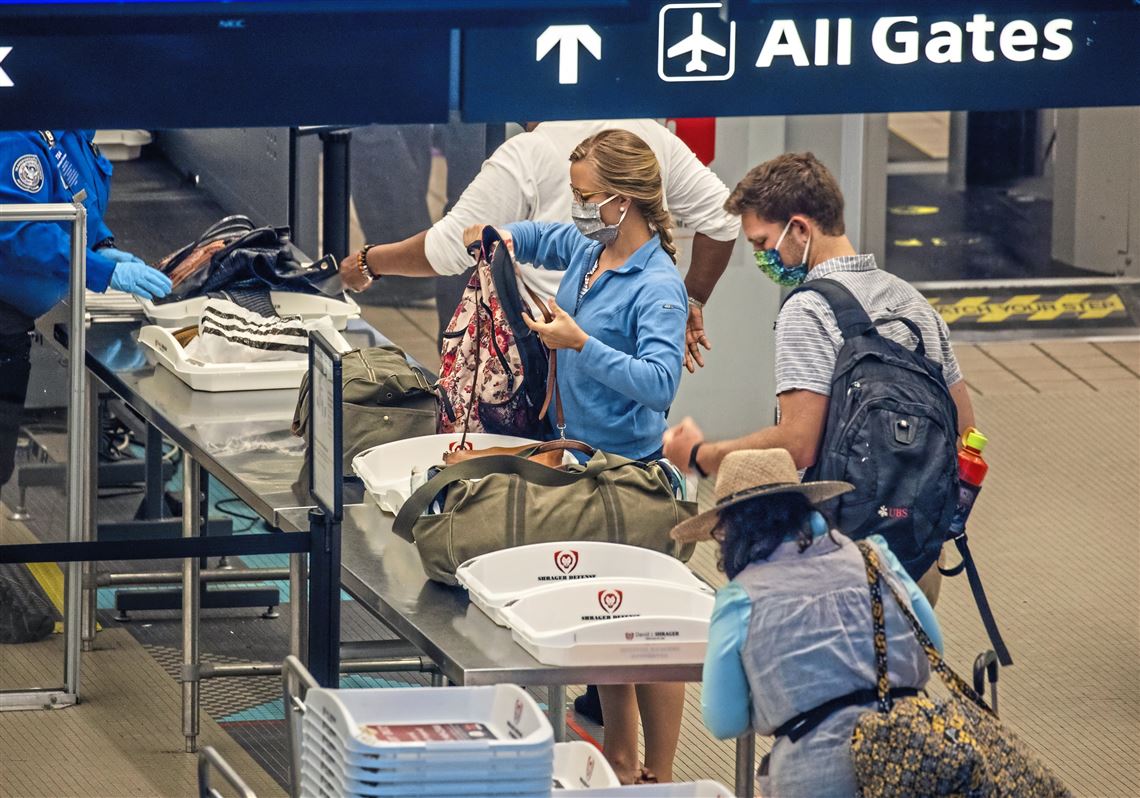

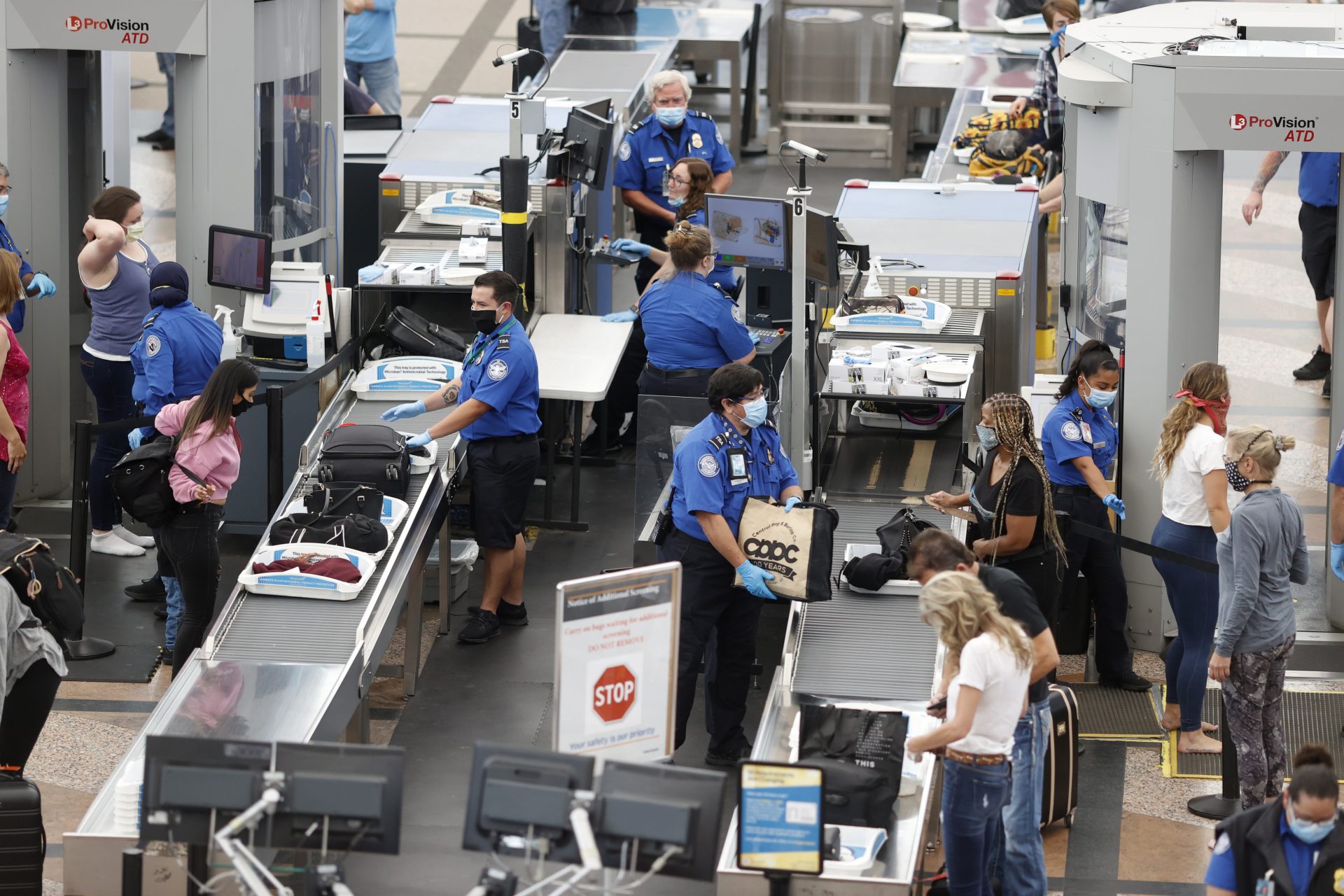


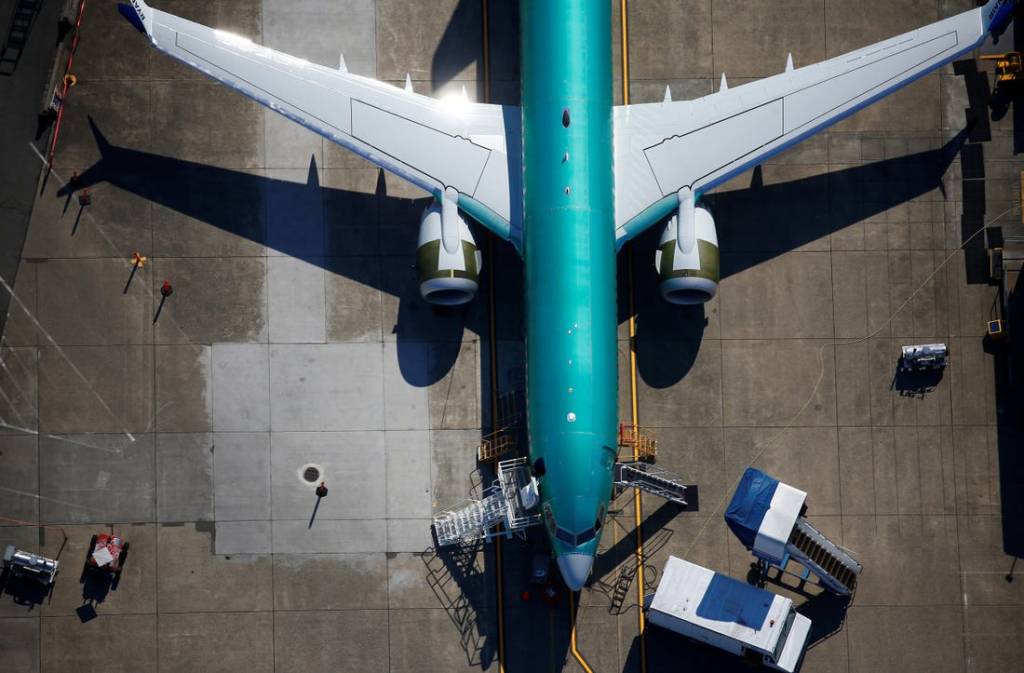
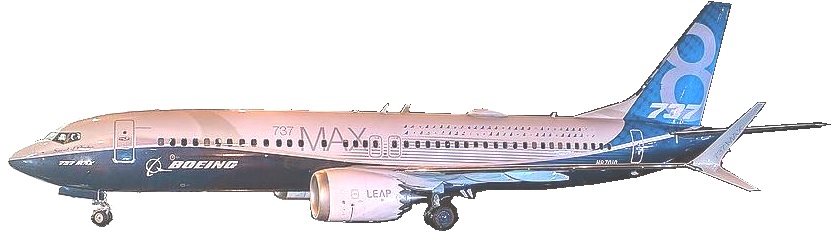
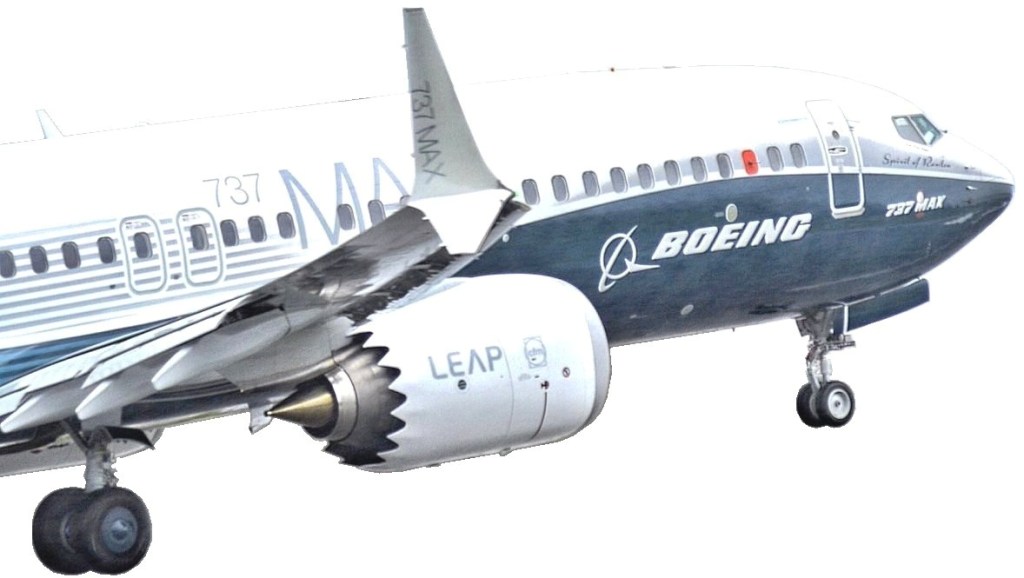


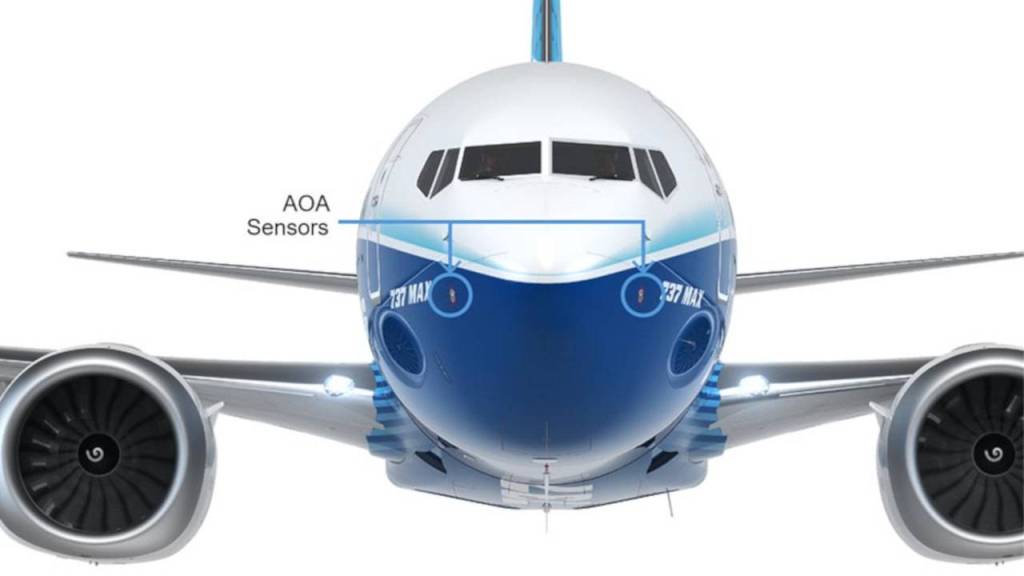
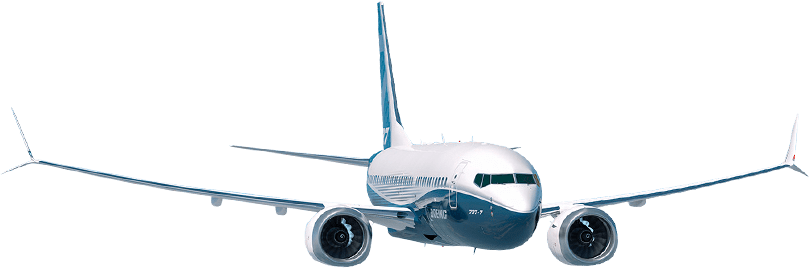

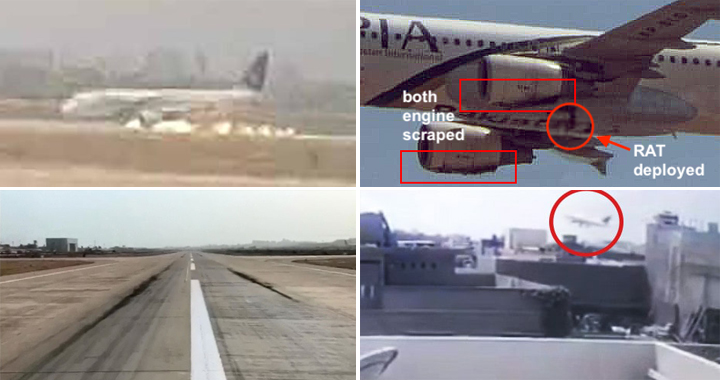
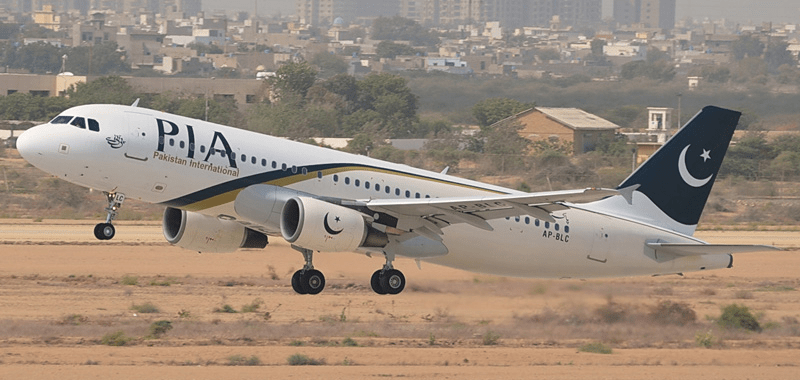

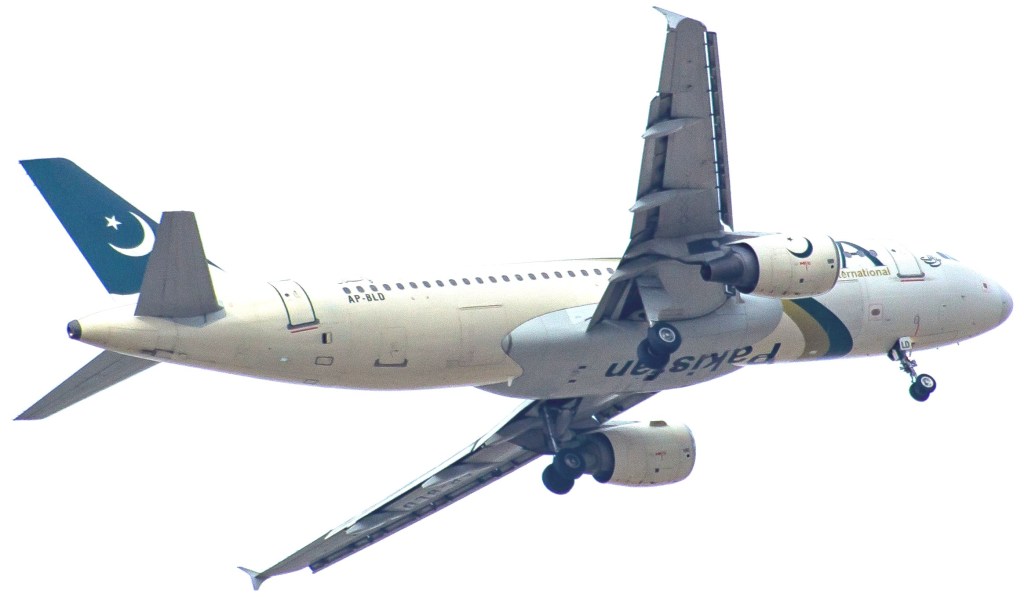


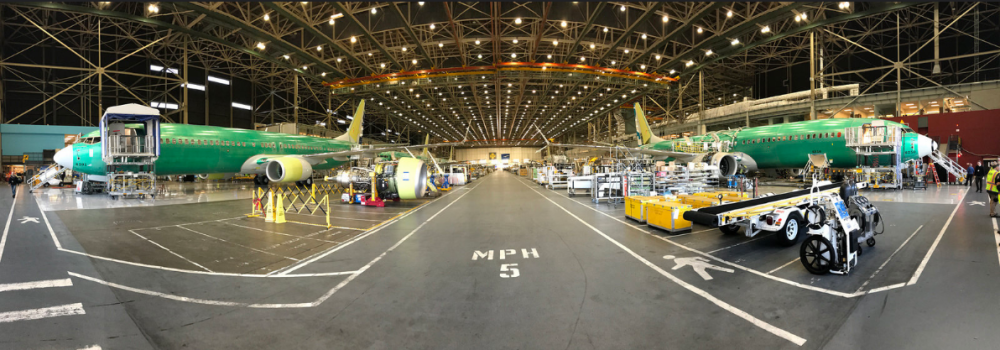


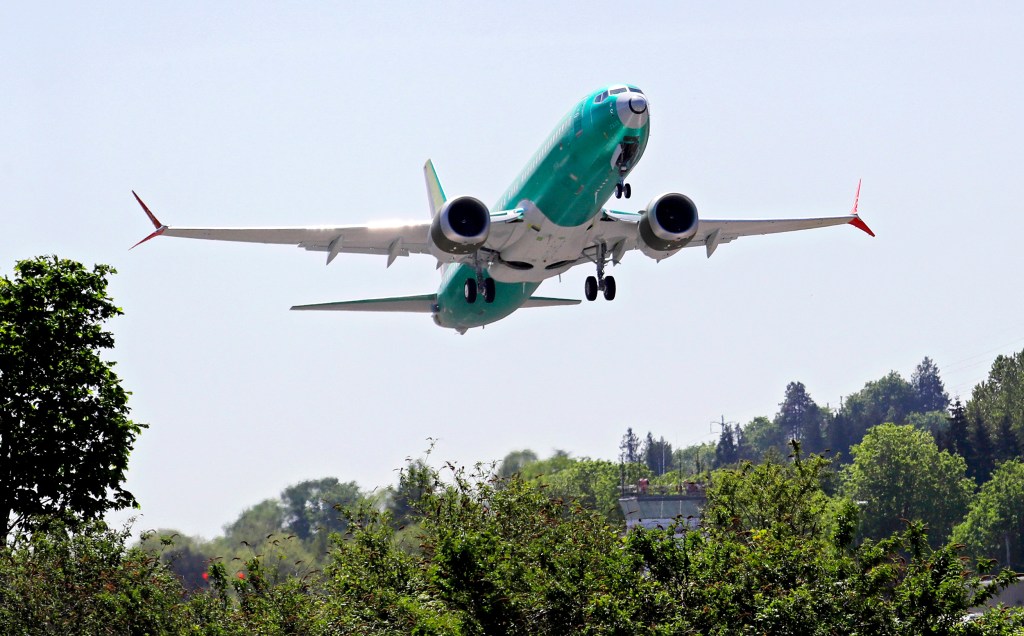

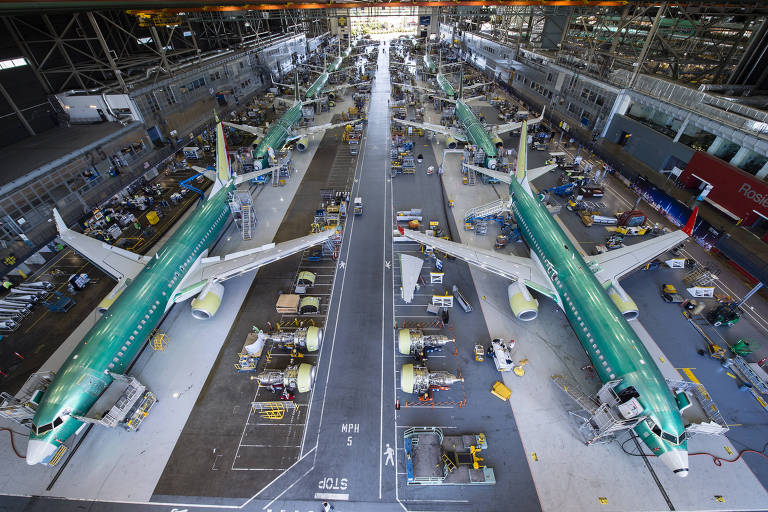

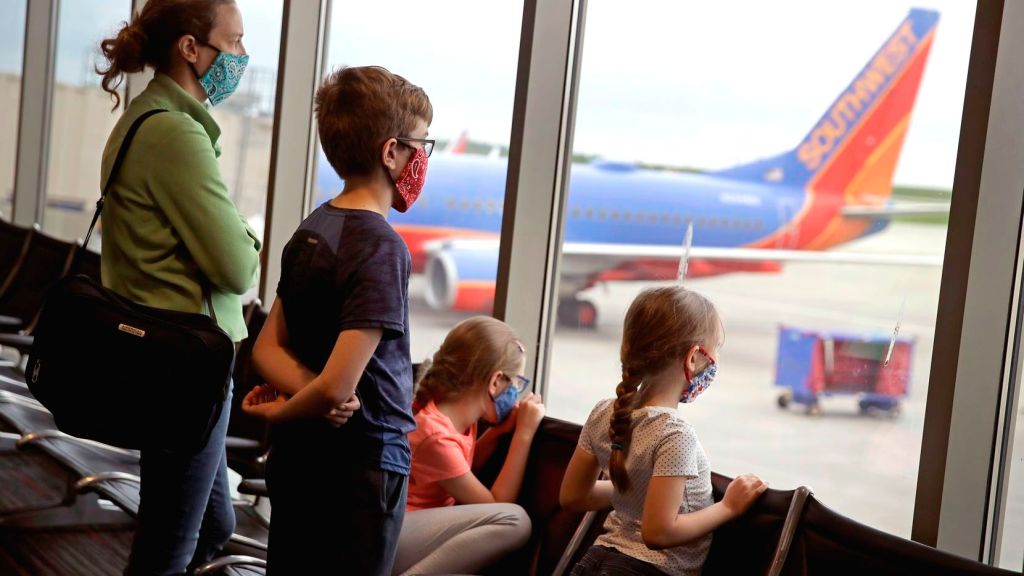
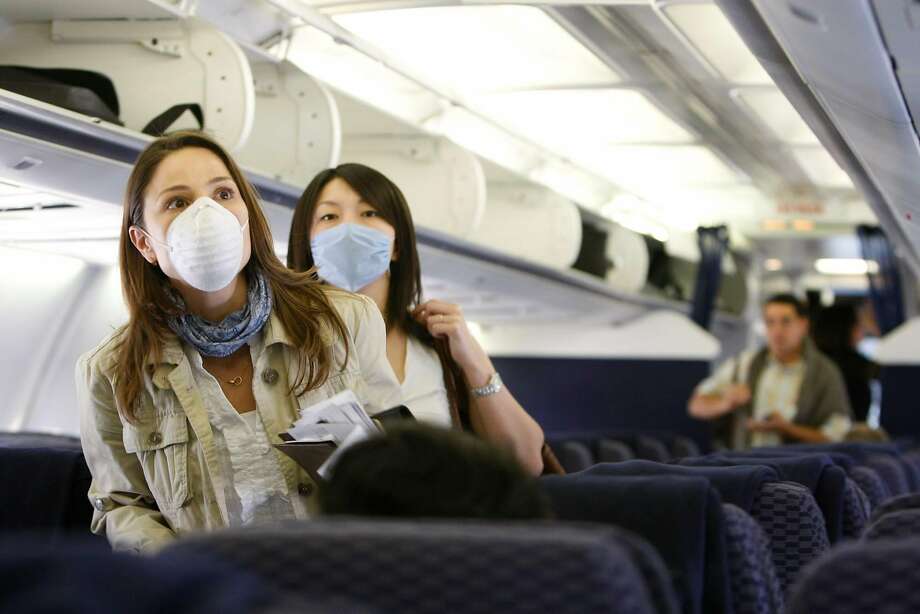





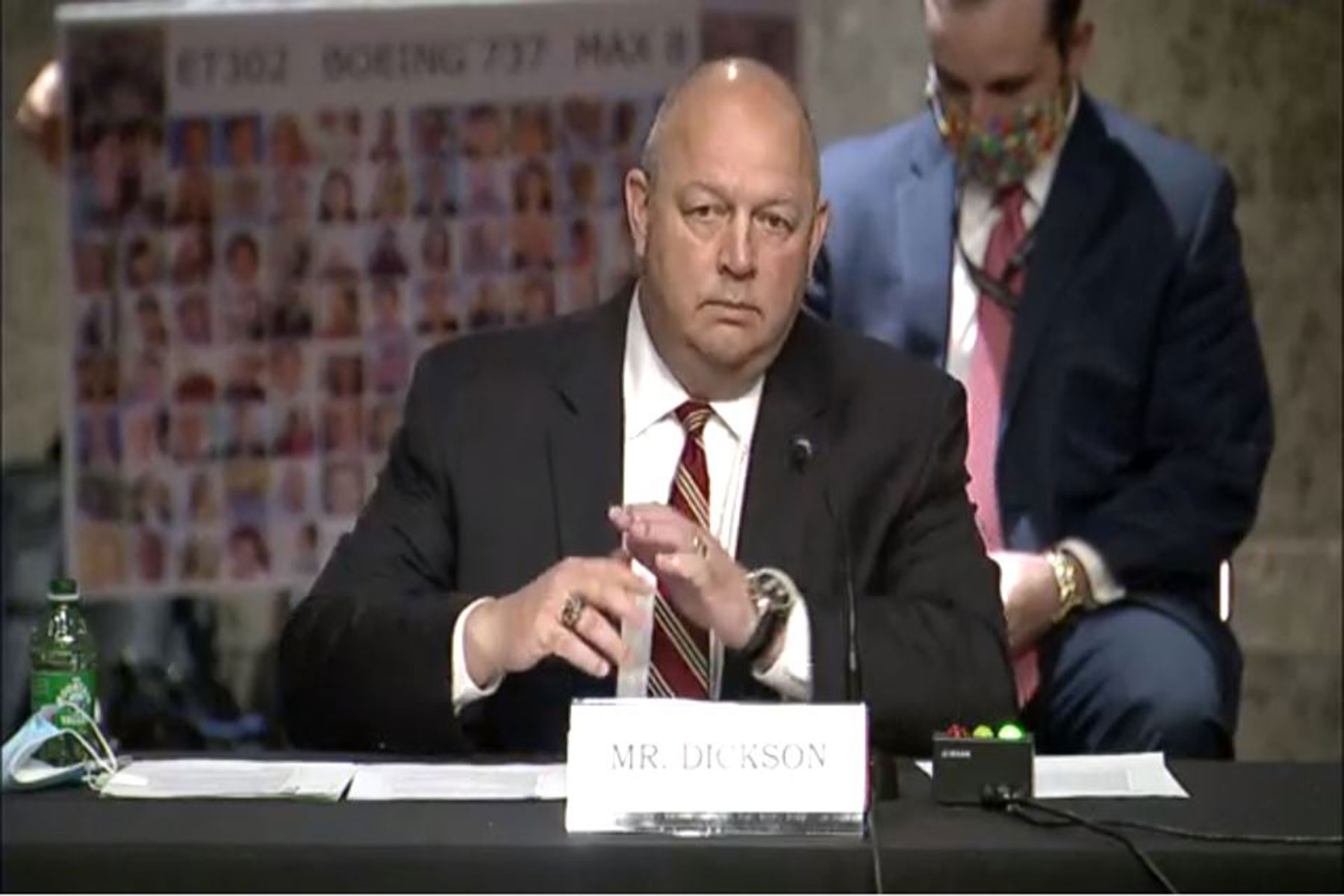

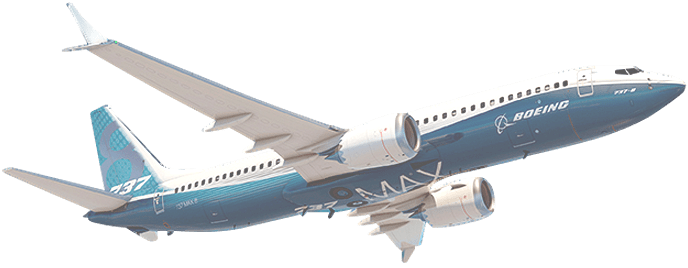







 airgways.com