Inyección económica en medio prohibiciones viaje por COVID
El Gobierno de Israel dijo el Jueves 30/12 que daría ayuda adicional a El Al Airlines para ayudar a compensar la reimposición de una prohibición de entrada de COVID-19 a los turistas extranjeros y las restricciones a los viajes al extranjero de los israelíes. La aerolínea de bandera de Israel recibirá decenas de millones de Dólares del estado y de los accionistas mayoritarios de El Al Airlines para ayudarlo a capear la pandemia y la rápida propagación de la variante Omicron, según un comunicado del Ministerio de Finanzas.
La ayuda se entregará en los próximos meses, y a las otras aerolíneas principales de Israel, Arkia e Israir, también se les ofrecerá un acuerdo similar, dijo el Ministerio de Finanzas. El Al Airlines ha estado presionando al Gobierno para que pida otro paquete de ayuda, con los israelíes prohibidos por el gobierno de viajar a docenas de países, incluidos Estados Unidos y Gran Bretaña, y una prohibición de entrada a los extranjeros de nuevo en vigor. «El nuevo esquema permitirá (a las aerolíneas) superar la pandemia al tiempo que mantiene el principio de que la ayuda estatal se proporcionará junto con el capital externo para fortalecer su estructura de capital. Espero que en el próximo mes abramos los cielos a los que entran y salen», dijo el Ministro de Finanzas, Avigdor Lieberman.
Israel había cerrado sus fronteras en marzo de 2020 al comienzo de la pandemia. En noviembre de 2021, se permitió la entrada brevemente a extranjeros, pero la rápida propagación de la variante Omicron llevó al gobierno de Israel a endurecer las restricciones de viaje. El Al ha despedido a 1.900 empleados, casi un tercio de su personal, como parte de un plan de recuperación ordenado por el gobierno para recibir un paquete de ayuda de US$ 210 millones a principios de año. También redujo su flota de 45 a 29 unidades.
La aerolínea también estaba programada para recibir otros US$ 30 millones en ayuda debido a las restricciones durante el verano boreal. El Al Airlines perdió un neto de US$ 136.2 millones en el tercer trimestre (3Q2021), un período que suele ser el más fuerte, en comparación con una pérdida de US$ 146.6 millones un año antes. Los ingresos aumentaron a US$ 253 millones de Dólares desde los US$ 39,2 millones de hace un año, cuando las fronteras estaban cerradas en gran medida. Inicialmente había creído que las ventas para el cuarto trimestre serían más altas a raíz de la aprobación del gobierno para que los turistas vacunados dentro de los seis meses anteriores ingresen a Israel a partir del 1 de Noviembre de 2021.
Israel agrees more aid for El Al Airlines
Economic injection amid COVID travel bans
The Government of Israel said on Thursday 12/30 that it would give additional assistance to El Al Airlines to help offset the reimposition of a COVID-19 entry ban on foreign tourists and restrictions on foreign travel for Israelis. Israel’s flag carrier will receive tens of millions of dollars from the state and majority shareholders of El Al Airlines to help it weather the pandemic and the rapid spread of the Omicron variant, according to a statement from the Finance Ministry.
The aid will be delivered in the coming months, and Israel’s other major airlines Arkia and Israir will also be offered a similar deal, the Finance Ministry said. El Al Airlines has been pushing the government to ask for another aid package, with Israelis banned by the government from traveling to dozens of countries, including the United States and Britain, and an entry ban on foreigners back in effect. «The new scheme will allow (the airlines) to overcome the pandemic while maintaining the principle that state aid will be provided alongside external capital to strengthen their capital structure. I hope that in the next month we will open the skies to those who they go in and out», said Finance Minister Avigdor Lieberman.
Israel had closed its borders in March 2020 at the start of the pandemic. In November 2021, foreigners were briefly allowed in, but the rapid spread of the Omicron variant led the Israeli government to tighten travel restrictions. El Al has laid off 1,900 employees, nearly a third of its staff, as part of a recovery plan ordered by the government to receive a US$ 210 million aid package earlier in the year. It also reduced its fleet from 45 to 29 units.
The airline was also scheduled to receive another US$ 30 million in aid due to restrictions during the summer. El Al Airlines lost a net US$ 136.2 million in the third quarter (3Q2021), a period that is usually the strongest, compared to a loss of US$ 146.6 million a year earlier. Revenues increased to US$ 253 million from US$ 39.2 million a year ago, when the borders were largely closed. He had initially believed that sales for the fourth quarter would be higher following the government’s approval for tourists vaccinated within the previous six months to enter Israel beginning November 1, 2021.
ישראל מסכימה לסיוע נוסף לאל על איירליינס
זריקה כלכלית על רקע איסורי נסיעה עקב COVID
ממשלת ישראל הודיעה ביום חמישי 30/12 כי תיתן סיוע נוסף לאל על איירליינס כדי לסייע בקיזוז הטלת איסור כניסת COVID-19 על תיירים זרים והגבלות על נסיעות חוץ לישראלים. חברת הדגל של ישראל תקבל עשרות מיליוני דולרים מהמדינה ומבעלי מניות הרוב של חברת התעופה אל על כדי לסייע לה לצלוח את המגיפה וההתפשטות המהירה של גרסת אומיקרון, לפי הודעת משרד האוצר.
הסיוע יסופק בחודשים הקרובים, וגם לחברות התעופה הגדולות האחרות בישראל ארקיע וישראייר תוצע עסקה דומה, כך נמסר ממשרד האוצר. חברת התעופה אל על דחפה את הממשלה לבקש חבילת סיוע נוספת, כאשר על ישראלים נאסר על ידי הממשלה לנסוע לעשרות מדינות, כולל ארה»ב ובריטניה, ואיסור כניסת זרים חוזר לתוקף. «התוכנית החדשה תאפשר (לחברות התעופה) להתגבר על המגיפה תוך שמירה על העיקרון שסיוע המדינה יינתן לצד הון חיצוני לחיזוק מבנה ההון שלהן. אני מקווה שבחודש הקרוב נפתח את השמיים למי שהם הולכים פנימה והחוצה, אמר שר האוצר אביגדור ליברמן.
ישראל סגרה את גבולותיה במרץ 2020 בתחילת המגיפה. בנובמבר 2021, זרים הורשו לזמן קצר להיכנס, אך ההתפשטות המהירה של גרסת Omicron הובילה את ממשלת ישראל להחמיר את מגבלות הנסיעה. אל על פיטרה 1,900 עובדים, כמעט שליש מעובדיה, כחלק מתוכנית הבראה שהורתה הממשלה לקבל חבילת סיוע בסך 210 מיליון דולר מוקדם יותר השנה. היא גם צמצמה את הצי שלה מ-45 ל-29 יחידות.
חברת התעופה גם הייתה אמורה לקבל עוד 30 מיליון דולר סיוע בשל הגבלות במהלך הקיץ. אל על איירליינס הפסידה נטו של 136.2 מיליון דולר ברבעון השלישי (3Q2021), תקופה שהיא בדרך כלל החזקה ביותר, בהשוואה להפסד של 146.6 מיליון דולר בשנה קודם לכן. ההכנסות עלו ל-253 מיליון דולר לעומת 39.2 מיליון דולר לפני שנה, כאשר הגבולות היו סגורים ברובם. הוא האמין בתחילה שהמכירות ברבעון הרביעי יהיו גבוהות יותר בעקבות אישור הממשלה לתיירים שחוסנו במהלך ששת החודשים הקודמים להיכנס לישראל החל מה-1 בנובמבר 2021.
Gobierno defiende blindaje Aerolíneas Argentinas Desafíos low cost frente restauración banda tarifaria
El Gobierno de la República Argentina ha salido a defender la decisión de reinstaurar las bandas de precios mínimos y máximos en las tarifas aéreas de cabotaje, una medida que no sólo aleja a los usuarios de acceder a tarifas bajas para volar sino que, sobre todo, protege a Aerolíneas Argentinas contra las aerolíneas de presupuesto JetSmart Airlines Argentina y Flybondi Líneas Aéreas, las únicas competidoras que le quedaron en el mercado local. La titular de la Administración Nacional de Aviación Civil (ANAC), Paola Tamburelli, ha expresado que el esquema actual es predatorio y que lo que se busca es la sustentabilidad del mercado aéreo doméstico.
El argumento oficial corrió por cuenta de la titular de la ANAC, quien planteó que las “guerras de tarifas” finalizaron con la desaparición de la mayor parte de las líneas aéreas que operaban en cada uno de los dos períodos en que rigió esta modalidad, durante el menemismo y el macrismo. La semana pasada, el Viernes 24/12, el Poder Ejecutivo emitió el Decreto 879 con el cual ordenó al Ministerio de Transporte que se vuelva a un sistema de bandas tarifarias. El decreto, además, prevé limitar las frecuencias y capacidad de pasajeros a las aerolíneas extranjeras que aterrizan en Ezeiza y otros aeropuertos internacionales. La norma también derogó otra resolución de la “Revolución de los Aviones” del anterior Gobierno, que desregulaba los servicios de rampas de los aeropuertos. Ahora, la empresa estatal Intercargo recuperó potestades para tener el monopolio de ese servicio en todos los aeropuertos del país. Pero el nudo de ese decreto, que desató una catarata de críticas tanto desde la oposición como desde sectores vinculados a las líneas aéreas, fue la reinstauración de las bandas tarifarias, en particular de la tarifa mínima, que fue eliminada en 2018. Si bien el actual contexto de pandemia se caracteriza por precios caros y pocos asientos disponibles, lo cierto es que las low cost le siguen planteando cierta competencia a Aerolíneas Argentinas a la hora de vender algunos de sus asientos más baratos donde cada avión suele tener entre veinte a treinta tarifas diferentes. Por ejemplo, un viaje ida y vuelta de Buenos Aires/AEP a Córdoba/COR para comienzos de Abril 2021 arranca en AR$ 15.004 en el caso de Aerolíneas, contra AR$ 6.937, en las mismas fechas, con Flybondi Líneas Aéreas. Para Paola Tamburelli, esa flexibilidad de las tarifas mínimas es algo que no puede terminar bien. “Las bandas tarifarias constituyen un sistema que históricamente rigió en Argentina, para asegurar un sistema de transporte aéreo sustentable a corto, mediano y largo plazo, que por sus características específicas necesita evitar tanto precios predatorios como precios abusivos. A lo largo de la historia, en dos oportunidades se permitió una flexibilización de tarifas mínimas, que desataron una guerra de precios estudiada a nivel mundial, porque culminó con la desaparición de prácticamente todas las empresas involucradas”, dijo la funcionaria, a través de un comunicado. Para la funcionaria, las nuevas restricciones para la venta indiscriminada de tarifas por debajo de los costos operativos de los vuelos le genera sustentabilidad a las aerolíneas locales.
Banda tarifaria vs mercado
Los considerandos del Decreto Nº 879/2021 del Poder Ejecutivo, no advierte el reclamo de las líneas aéreas acerca de las sucesivas devaluaciones del Peso Argentino, tanto durante el Gobierno de Mauricio Macri como del actual Gobierno de Alberto Fernández, como una de las causas que les generan a las aerolíneas las situaciones de quebranto económico y financiero. A partir de la devaluación de Abril de 2018 comenzaron los cierres y restructuraciones de compañías como Latam Airlines Argentina, Avianca Argentina, Andes Líneas Aéreas y Flyest Líneas Aéreas, entre 2018 y 2019. Al ingresar el nuevo Gobierno actual en Diciembre de 2019, Norwegian Air Argentina, que había llegado apenas un año antes, anunció su salida del país, con la venta de sus activos a su competidora JetSmart Airlines Argentina. Meses más tarde, introducido en la pandemia, concluía el cierre de Latam Airlines Argentina en su presentación ante el Ministerio de Trabajo donde mencionaron la guerra de tarifas como parte del deterioro sufrido a partir de 2018. Pero la mayor parte de las sesenta páginas de aquel descargo fueron, principalmente, contra los gremios aeronáuticos.
Nuevo escenario
Anteriormente al Decreto Nº 879/2021, en dos años de pandemia los pasajes al exterior aumentaron 171% y los de cabotaje 346%. Un informe de la Bolsa de Comercio de Córdoba revela que los aéreos internacionales y a destinos locales subieron mucho más que la inflación. La eliminación de las cuotas para el pago de pasajes y estadías, la suba del de la moneda del Dólar y las restricciones sanitarias son algunas de elas limitaciones para volar en un país que continúa imponiendo trabar a las libertades de volar.
El Instituto de Investigaciones Económicas (IIE) de la Bolsa de Comercio de Córdoba publicó un informe según el cual en los últimos dos años los precios de los pasajes aéreos en Argentina superaron ampliamente el ritmo de la inflación. Según el informe privado, los pasajes desde la Argentina al exterior aumentaron 171% respecto a Noviembre de 2019, antes de que el COVID-19 golpeara al turismo internacional. Los vuelos de cabotaje no están mejor posición con aumentos del 346% en promedio.
Según el estudio, de acuerdo a los datos del Instituto Nacional de Estadística y Censos (INDEC), en los últimos dos años los precios al consumidor registraron una suba de 105%, golpeando duramente a los bolsillos de todos los argentinos, que no percibieron un aumento similar en sus ingresos. “Los aumentos no fueron uniformes, el precio de los vuelos creció por encima de la inflación”.
Para demostrarlo, el IIE acudió a los datos de Turismocity, tomaron los precios promedios consignados para las tarifas de pasajes en turista publicados por la plataforma entre el 1 de Noviembre de 2019 y el 30 de Octubre de 2021. En este período de apenas dos años, la tarifa promedio en pesos de los tickets aéreos hacia el exterior aumentó en un 171%. “Un viaje ida y vuelta en tarifa turista entre Buenos Aires y Miami, una de las rutas más populares entre los argentinos para viajar el exterior, pasó de AR$ 37.000 en promedio a un piso de AR$ 100.000 en la actualidad, una suba de 170%”, ejemplifica el informe. Sin embargo no todos los aumentos de tarifas fueron iguales, por ejemplo la ruta Buenos Aires-Río de Janeiro, que pasó de AR$ 16.500 a AR$ 48.000 cómo mínimo promedio (aumento del 191%) es de las que más se encarecieron, mientras que trayectos como Buenos Aires—Madrid, que saltó de AR$ 44.000 a por lo menos AR$ 110.000, aumentando el 150%, registrando un alza menor. De cualquier forma “todos los tramos internacionales aumentaron más en pesos que la inflación promedio del período”.
En cuanto a los vuelos domésticos, la situación es mucho más alarmante, actualmente se registraron aumentos muy superiores. En promedio, más del 300% de aumento de las tarifas en el mismo período. El informe ejemplifica con un viaje desde Bariloche hacia Buenos Aires que a comienzos de Noviembre de 2019 costaba AR$ 2.500, pasó a valer AR$ 11.000 como mínimo dos años más tarde, una suba del 340%. Por otro lado, un vuelo desde Buenos Aires hacia Iguazú pasó de costar AR$ 2.100 a AR$ 9.500 con incremento del 352%. Una vez más el IIE utilizó datos del sitio Turismocity.
Involución transporte aéreo
El fuerte incremento que experimentan las tarifas de los pasajes aéreos se debe en parte, según el informe del IIE, a la caída en la oferta de vuelos por el impacto que significó la pandemia de coronavirus, y un rebote que superó lo estimado de la demanda para hacer turismo. Sin embargo, pese a que estos factores impactan tanto en los vuelos internacionales como de cabotaje, estos últimos tuvieron el doble de ritmo de aumento en sus precios, superando ampliamente a la inflación del periodo. Según el Instituto perteneciente a la Bolsa de Comercio de Córdoba, esta diferencia se debe al avance regulatorio del Gobierno que magnificó los efectos perjudiciales de la pandemia de Covid-19 y perjudicó más aún a la población. Decisiones como el cierre del aeropuerto de El Palomar o el desplazamiento del rol protagónico del HUB de Córdoba que habían permitido una disminución de los costos y una federalización del acceso a los vuelos a lo largo de todo el país, “llevaron a que nuevamente el mercado aéreo se concentre a conveniencia del Gobierno”, sostienen desde la consultora. El IIE cree que la decisión del Gobierno de Argentina de restablecer las bandas tarifarias para los vuelos de cabotaje, “medida que ya dio muestras de su fracaso en el pasado reciente”, no sólo resulta indeseable para la industria por limitar la competencia y “restringir la posibilidad de que más personas con menor capacidad de pago puedan acceder al transporte aéreo, favoreciendo al monopolio estatal de Aerolíneas Argentinas”, sino que además resulta inoportuno debido a los fuertes aumentos en los precios de los vuelos.
Argentina maintains tariff band
Government defends shielding Aerolíneas Argentinas Low cost challenges facing the restoration of the tariff band
The Government of the Argentine Republic has come out to defend the decision to reinstate the minimum and maximum price bands in cabotage air fares, a measure that not only keeps users away from accessing low fares to fly but, above all, protects Aerolíneas Argentinas against budget airlines JetSmart Airlines Argentina and Flybondi Lineas Aereas, the only remaining competitors in the local market. The head of the National Civil Aviation Administration (ANAC), Paola Tamburelli, has expressed that the current scheme is predatory and that what is being sought is the sustainability of the domestic air market.
The official argument was made by the head of the ANAC, who stated that the «rate wars» ended with the disappearance of most of the airlines that operated in each of the two periods in which this modality ruled, during Menemism and Macroism. Last week, on Friday 12/24, the Executive Power issued Decree 879 with which it ordered the Ministry of Transportation to return to a system of tariff bands. The decree also provides for limiting the frequencies and passenger capacity of foreign airlines that land in Ezeiza and other international airports. The rule also repealed another resolution of the «Aircraft Revolution» of the previous government, which deregulated airport ramp services. Now, the state company Intercargo has regained powers to have a monopoly of this service in all the country’s airports. But the core of that decree, which unleashed a cataract of criticism both from the opposition and from sectors linked to airlines, was the reinstatement of the rate bands, particularly the minimum rate, which was eliminated in 2018. Although the The current pandemic context is characterized by expensive prices and few available seats, the truth is that the low cost companies continue to pose some competition to Aerolíneas Argentinas when it comes to selling some of their cheapest seats, where each plane usually has between twenty to thirty rates different. For example, a round trip from Buenos Aires/AEP to Córdoba/COR for the beginning of April 2021 starts at AR$ 15,004 in the case of Airlines, against AR$ 6,937, on the same dates, with Flybondi Líneas Aéreas. For Paola Tamburelli, this flexibility of the minimum rates is something that cannot end well. “The tariff bands constitute a system that historically ruled in Argentina, to ensure a sustainable air transport system in the short, medium and long term, which due to its specific characteristics needs to avoid both predatory and abusive prices. Throughout history, on two occasions a relaxation of minimum rates was allowed, which unleashed a price war studied worldwide, because it culminated in the disappearance of practically all the companies involved», said the official, through a release. For the official, the new restrictions for the indiscriminate sale of fares below the operating costs of flights generates sustainability for local airlines.
Rate band vs market
The recitals of Decree No. 879/2021 of the Executive Power, does not warn the claim of the airlines about the successive devaluations of the Argentine Peso, both during the Government of Mauricio Macri and the current Government of Alberto Fernández, as one of the causes that situations of economic and financial bankruptcy are generated for the airlines. As of the devaluation of April 2018, the closures and restructuring of companies such as Latam Airlines Argentina, Avianca Argentina, Andes Líneas Aéreas and Flyest Líneas Aéreas began between 2018 and 2019. When the new current Government entered in December 2019, Norwegian Air Argentina, which had arrived just a year earlier, announced its departure from the country, with the sale of its assets to its competitor JetSmart Airlines Argentina. Months later, introduced into the pandemic, the closure of Latam Airlines Argentina concluded in its presentation to the Ministry of Labor where they mentioned the rate war as part of the deterioration suffered since 2018. But most of the sixty pages of that The discharges were, mainly, against the aeronautical unions.
New scenario
Prior to Decree No. 879/2021, in two years of pandemic passages abroad increased 171% and cabotage 346%. A report from the Córdoba Stock Exchange reveals that international flights and flights to local destinations rose much more than inflation. The elimination of fees for the payment of tickets and stays, the rise of the dollar currency and health restrictions are some of the limitations to fly in a country that continues to impose restrictions on the freedoms of flying.
The Institute for Economic Research (IIE) of the Cordoba Stock Exchange published a report according to which in the last two years the prices of air tickets in Argentina far exceeded the rate of inflation. According to the private report, passages from Argentina abroad increased 171% compared to November 2019, before COVID-19 hit international tourism. Domestic flights are not in a better position with increases of 346% on average.
According to the study, according to data from the National Institute of Statistics and Censuses (INDEC), in the last two years consumer prices have increased by 105%, hitting hard the pockets of all Argentines, who did not perceive a similar increase in your income. «The increases were not uniform, the price of flights grew above inflation».
To demonstrate this, the IIE used the data from Turismocity, they took the average prices recorded for the tourist ticket rates published by the platform between November 1, 2019 and October 30, 2021. In this period of just two years , the average rate in pesos for air tickets abroad increased by 171%. “A round trip at tourist rate between Buenos Aires and Miami, one of the most popular routes among Argentines to travel abroad, went from AR$ 37,000 on average to a flat of AR$ 100,000 today, a rise of 170%”, exemplifies the report. However, not all rate increases were the same, for example the Buenos Aires-Rio de Janeiro route, which went from AR$ 16,500 to AR$ 48,000 at the least average (191% increase) is one of the most expensive, while than routes such as Buenos Aires—Madrid, which jumped from AR$ 44,000 to at least AR$ 110,000, increasing 150%, registering a smaller increase. In any case, «all international tranches increased more in pesos than the average inflation for the period».
Regarding domestic flights, the situation is much more alarming, currently there were much higher increases. On average, more than 300% increase in rates in the same period. The report exemplifies with a trip from Bariloche to Buenos Aires that at the beginning of November 2019 cost AR$ 2,500, went up to AR$ 11,000 at least two years later, a rise of 340%. On the other hand, a flight from Buenos Aires to Iguazú went from cost AR$ 2,100 to AR$ 9,500 with an increase of 352%. Once again the IIE used data from the Turismocity site.
Air transport involution
The strong increase in airfare rates is due in part, according to the IIE report, to the fall in the supply of flights due to the impact of the coronavirus pandemic, and a rebound that exceeded the estimated demand for sightseeing. However, despite the fact that these factors impact both international and domestic flights, the latter had twice the rate of increase in their prices, widely exceeding inflation for the period. According to the Institute belonging to the Cordoba Stock Exchange, this difference is due to the regulatory advance of the Government that magnified the detrimental effects of the Covid-19 pandemic and further harmed the population. Decisions such as the closure of the El Palomar airport or the displacement of the leading role of the Córdoba HUB that had allowed a reduction in costs and a federalization of access to flights throughout the country, «led to the market once again air is concentrated at the convenience of the Government”, they maintain from the consulting firm. The IIE believes that the decision of the Argentine Government to reestablish the rate bands for domestic flights, «a measure that has already shown signs of failure in the recent past», is not only undesirable for the industry because it limits competition and «restricts the possibility that more people with less capacity to pay can access air transport, favoring the state monopoly of Aerolíneas Argentinas”, but it is also inappropriate due to the strong increases in flight prices.
AW | 2021 12 29 09:20 | AIRLINES ROUTES / GOVERNMENT
Pool de servicios entre Delta Air Lines y Korean Air Lines Buenos Aires conectará con Atlanta y Seúl
Las aerolíneas Delta Air Lines y Korean Air Lines han establecido un princippio de acuerdo con el Gobierno de la República Argentina para establecer conexiones entre Buenos Aires—Atlanta—Seúl. En conformidad con lo dispuesto por el Artículo 129 de la Ley N° 17.285 (del Código Aeronáutico por los Artículos 2°, 12 y concordantes de la Ley N° 19.030 de Transporte Aerocomercial, ambas compañías aéreas cuentan con los derechos para operar servicios en código compartido sobre la base del marco bilateral en vigencia. El Expediente Nº EX-2019-70756012-APN-ANAC#MTR tramita la solicitud de aprobación del Acuerdo de Código Compartido suscripto entre las Empresas Delta Air Lines y KoreanAir Lines con fecha 16 de Febrero de 2002 y de su Enmienda de fecha 9 de Abril de 2018.
El Expediente Nº EX-2019-70756012-APN-ANAC#MTR, representa el Acuerdo sobre Servicios Aéreos suscripto con la República de Corea con fecha 9 de Septiembre de 1996 y aprobado por Ley N° 25.83, modificado por el Memorando de Entendimiento de fecha 25 de Abril de 2013, el Acuerdo sobre Servicios de Transporte Aéreo suscripto con los Estados Unidos de América el día 22 de Octubre de 1985 y aprobado por Ley N° 23.426, modificado por intercambios de Notas Reversales de fechas 24 de Noviembre de 2000 y 3 de Julio de 2007 y por el Protocolo de Enmiendas al Acuerdo de fecha 26 de junio de 2019, la Ley N° 17.285 (Código Aeronáutico), la Ley N° 19.030 de Política Nacional de Transporte Aéreo Comercial, los Decretos N° 1401 de fecha 27 de Noviembre de 1998 y N° 1770 de fecha 29 de Noviembre de 2007, la Resolución N° 7 de fecha 30 de Marzo de 2001 del ex Ministerio de Infraestructura y Vivianda y la Resolución N° 13 de fecha 21 de Enero de 2013 de la Administración Nacional de Aviación Civil (ANAC).
La ruta a operar bajo la modalidad de código compartido será Seúl—Atlanta—Buenos Aires/EZE y viceversa (v.v.) actuando indistintamente las aerolíneas Korean Air Lines y/o Delta Air Lines como operadores o comercializadores del tramo Seúl—Atlanta, mientras que la compañía Delta Air Lines será el operador en el tramo Atlanta—Buenos Aires/EZE, restringiendo los servicios yu comercialización a Korean Air Lines para ejercer derechos de tráfico en el tramo Atlanta—Buenos Aires—Atlanta.
El Artículo 110 del Código Aeronáutico establece que los acuerdos que impliquen arreglos de “pool”, conexión, consolidación o fusión de servicios o negocios, deberán someterse a la aprobación previa de la autoridad aeronáutica y que si ésta no formulase objeciones dentro de los noventa (90) días, el acuerdo se considerará aprobado. El Decreto Nº 1401 de fecha 27 de Noviembre de 1998 establece en su Artículo 1 que la compartición de códigos se encuentra comprendida entre los arreglos determinados por el Artículo 110 del Código Aeronáutico. El Artículo 2 del mencionado Decreto Nº 1401/98 dispone que para poder aprobarse las propuestas de operación en código compartido, los explotadores deberán ser titulares de las autorizaciones o concesiones que les permitan realizar el servicio aéreo de que se trate.
La relación bilateral República Argentina-Estados Unidos se rige por el Acuerdo sobre Servicios de Transporte Aéreo suscripto el día 22 de Octubre de 1985 y aprobado por Ley N° 23.426, modificado por intercambios de Notas Reversales de fechas 24 de Noviembre de 2000 y 3 de Julio de 2007 y por el Protocolo de Enmiendas al Acuerdo sobre Servicios de Transporte Aéreo entre los Gobiernos de la República Argentina y de los Estados Unidos de fecha 26 de Junio de 2019. En dicho marco jurídico se estableció que las líneas aéreas designadas de cada una de las partes podrán, de acuerdo con los términos de su designación, operar los servicios regulares de transporte aéreo internacional entre los puntos contemplados en el cuadro de rutas contenido en el Anexo I al mencionado protocolo (Sección 1), previéndose para la línea aérea o líneas aéreas designadas por el Gobierno de los Estados Unidos el siguiente: l. De puntos anteriores a los Estados Unidos, vía los Estados Unidos y puntos intermedios, a un punto o puntos en la República Argentina y más allá. En la Sección 2 (Flexibilidad Operativa) se determina que cada línea aérea designada podrá, en todos o cualquiera de sus vuelos, a su elección: 1. operar vuelos en una o ambas direcciones; 2. combinar diferentes números de vuelo en la operación de una sola aeronave; 3. prestar servicio en puntos anteriores, intermedios y más allá de los territorios de las Partes, y puntos en los territorios de las Partes, en las rutas y en cualquier combinación y en cualquier orden; 4. omitir escalas en cualquier punto o puntos; 5. transferir tráfico de cualquiera de sus aeronaves a cualquier otra de sus aeronaves en cualquier punto de las rutas; y 6. prestar servicio a puntos anteriores a cualquier punto en su territorio, con o sin cambio de aeronave o número de vuelo, y ofrecer y promocionar dichos servicios al público como servicios directos; sin limitaciones direccionales o geográficas y sin pérdida de ningún derecho de transporte de tráfico permitido en el presente Acuerdo; siempre que, con excepción de los servicios exclusivamente de carga, el servicio sirva un punto situado en el territorio de la parte que designó a la línea aérea.
En cuanto a las Modalidades Operativas, se estipula que al operar u ofrecer los servicios autorizados en las rutas acordadas, cualquier línea aérea designada de una Parte podrá celebrar acuerdos cooperativos de comercialización, tales como bloqueo de espacio, código compartido u otros acuerdos de arrendamiento, con: “(a) una o más líneas aéreas de cualquiera de las Partes; (b) una o más líneas aéreas de un tercer país; y (c) un prestador de servicios de transporte de superficie de cualquier país; siempre que todos los participantes de dichos acuerdos (i) tengan la debida autorización y (ii) cumplan con los requisitos que normalmente se aplican a dichos acuerdos”.
En materia de capacidad se convino que las aerolíneas designadas de cada Parte podrán operar en servicios de pasajeros, carga y correo, separadamente o en combinación, hasta CINCO (5) frecuencias semanales con ejercicio de derechos de tráfico de tercera y cuarta libertad con cualquier tipo de aeronave sobre los itinerarios especificados en el cuadro de rutas.
En materia de código compartido, se prevé que 1. Las aerolíneas designadas de cada parte contratante puede, sujeto a las siguientes condiciones concertar acuerdos de comercialización en cooperación, tales como bloqueo de espacio, código compartido o acuerdos de leasing, como aerolínea operadora o comercializadora, respecto de servicios aéreos de pasajeros, combinados y/o de carga exclusiva con: las aerolíneas designadas de la otra Parte Contratante, una aerolínea o aerolíneas de un tercer país, siempre a condición de que ese tercer país autorice o permita acuerdos similares entre las aerolíneas de la otra Parte Contratante y otras aerolíneas en servicios hacia, desde y vía tal tercer país; y las aerolíneas designadas en rutas domésticas, a condición de que todas las aerolíneas en tales acuerdos cuenten con las autorizaciones apropiadas y reúnan los requerimientos normalmente aplicados a tales arreglos. 2. Las aerolíneas designadas de cada Parte Contratante podrán concertar acuerdos de código compartido entre cualquier punto(s) en una Parte Contratante, vía cualquier punto(s) intermedios, hacia cualquier punto(s) en el territorio de la otra Parte Contratante, y hacia cualquier punto(s) más allá, a condición de que los servicios tengan origen en el punto de partida. Cualquier punto(s) intermedio o más allá puede ser omitido en cualquiera o en todos los servicios, a condición de que todos los servicios tengan origen en el punto de partida. 3, Las aerolíneas designadas de cada Parte Contratante podrán prestar servicios de código compartido con cualquier aerolínea(s) designada(s) del otro país entre puntos en el otro país. Sin embargo, la(s) aerolínea(s) designada(s) no podrá(n) ejercer derechos de tráfico en los segmentos domésticos en el otro país. 4. Todas las aerolíneas operadoras involucradas en los acuerdos de código compartido deben mantener los derechos de tráfico subyacentes en la ruta o segmento de que se trate. 5. Todas las aerolíneas comercializadoras involucradas en los acuerdos de código compartido pueden ofrecer y comercializar servicios de tercera y cuarta libertad en la ruta o segmento de que se trate. Deben mantener los derechos de ruta subyacentes en la ruta o segmento de que se trate. 6. La(s) aerolínea(s) designada(s) de cada parte estará(n) autorizada(s) a transferir tráfico entre aeronaves que participan en operaciones en código compartido sin restricción en cuanto a número, tamaño y tipo de aeronave. 7. Todo el tráfico transportado por los servicios de código compartido se deducirá del derecho de capacidad de la Parte designante de la línea aérea operadora. No habrá limitación de la capacidad a ser ofrecida por la aerolínea comercializadora en las operaciones de código compartido. 8. No pueden ser ejercidos derechos de quinta libertad por la aerolínea comercializadora en los vuelos de código compartido. 9. Nada en estos acuerdos de código compartido proporcionará a la(s) aerolínea(s) designada(s) de cada parte derechos adicionales con sus propias aeronaves operadas, aparte de la posibilidad de entrar en los acuerdos de código compartido antes mencionada. 10. (a) Cada aerolínea participante en código compartido deberá garantizar en el punto de venta un billete de pasaje para un servicio a ser operado bajo los acuerdos de código compartido mencionados, el pasajero será notificado, respecto de cada viaje o cada segmento del viaje, en cuanto a cuál línea aérea es realmente la aerolínea operadora. Además, cada aerolínea participante debe instruir a sus agentes para cumplir con este requisito de notificación. (b) Las autoridades aeronáuticas de las dos partes pueden requerir a la(s) aerolínea(s) participante(s) en los acuerdos de código compartido la presentación de programaciones y horarios. 10. Las solicitudes de conformidad con los acuerdos de código compartido referidos anteriormente, deberán presentarse por la(s) aerolínea(s) designada(s) participante(s) en los acuerdos de código compartido a las autoridades aeronáuticas de ambas partes para su aprobación con por lo menos treinta (30) días de anticipación, a menos que el requerimiento de la aprobación sea renunciado de antemano por las autoridades aeronáuticas concernidas. En caso de que se prevea que una decisión no puede ser tomada dentro de los treinta (30) días, las autoridades aeronáuticas concernidas deben dar una respuesta provisional a las compañías aéreas designadas en cuestión.
Argentina US-Seoul flights agreement
Pool of services between Delta Air Lines and Korean Air Lines Buenos Aires will connect with Atlanta and Seoul
The airlines Delta Air Lines and Korean Air Lines have established a principle of agreement with the Government of the Argentine Republic to establish connections between Buenos Aires-Atlanta-Seoul. In accordance with the provisions of Article 129 of Law No. 17.285 (of the Aeronautical Code by Articles 2, 12 and concordant Articles of Law No. 19.030 of Commercial Air Transport, both airlines have the rights to operate services in code shared on the basis of the bilateral framework in force. File No. EX-2019-70756012-APN-ANAC # MTR processes the request for approval of the Code Share Agreement signed between Delta Air Lines and KoreanAir Lines on February 16, 2002 and its Amendment dated April 9, 2018.
File No. EX-2019-70756012-APN-ANAC # MTR, represents the Agreement on Air Services signed with the Republic of Korea on September 9, 1996 and approved by Law No. 25.83, modified by the Memorandum of Understanding dated April 25, 2013, the Agreement on Air Transport Services signed with the United States of America on October 22, 1985 and approved by Law No. 23,426, modified by exchanges of Reverse Notes dated November 24, 2000 and November 3, of July 2007 and by the Protocol of Amendments to the Agreement dated June 26, 2019, Law N° 17,285 (Aeronautical Code), Law N° 19,030 of National Commercial Air Transport Policy, Decrees N° 1401 of date November 27, 1998 and No. 1770 dated November 29, 2007, Resolution No. 7 dated March 30, 2001 of the former Ministry of Infrastructure and Housing and Resolution No. 13 dated January 21, 2013 of the National Civil Aviation Administration (ANAC).
The route to operate under the code-share modality will be Seoul—Atlanta—Buenos Aires/EZE and vice versa (vv), with Korean Air Lines and/or Delta Air Lines acting indistinctly as operators or marketers of the Seoul—Atlanta segment, while the Delta Air Lines will be the operator in the Atlanta-Buenos Aires/EZE section, restricting services and marketing to Korean Air Lines to exercise traffic rights in the Atlanta-Buenos Aires-Atlanta section.
Article 110 of the Aeronautical Code establishes that the agreements that imply arrangements of «pool», connection, consolidation or merger of services or businesses, must be submitted to the prior approval of the aeronautical authority and that if it does not formulate objections within ninety ( 90) days, the deal will be deemed approved. Decree No. 1401 dated November 27, 1998 establishes in Article 1 that code sharing is included among the arrangements determined by Article 110 of the Aeronautical Code. Article 2 of the aforementioned Decree No. 1401/98 provides that in order to approve the proposals for shared code operation, the operators must be holders of the authorizations or concessions that allow them to carry out the air service in question.
The Argentine Republic-United States bilateral relationship is governed by the Agreement on Air Transport Services signed on October 22, 1985 and approved by Law No. 23,426, modified by exchanges of Reverse Notes dated November 24, 2000 and November 3, July 2007 and by the Protocol of Amendments to the Agreement on Air Transport Services between the Governments of the Argentine Republic and the United States dated June 26, 2019. In said legal framework it was established that the designated airlines of each of the parties may, in accordance with the terms of their designation, operate the regular international air transport services between the points contemplated in the table of routes contained in Annex I to the aforementioned protocol (Section 1), providing for the airline or airlines designated by the Government of the United States the following: l. From points prior to the United States, via the United States and intermediate points, to a point or points in the Argentine Republic and beyond. In Section 2 (Operational Flexibility) it is determined that each designated airline may, on all or any of its flights, at its option: 1. operate flights in one or both directions; 2. combine different flight numbers in the operation of a single aircraft; 3. provide service at points previous, intermediate and beyond the territories of the Parties, and points in the territories of the Parties, on routes and in any combination and in any order; 4. skip stopovers at any point or points; 5. transfer traffic from any of its aircraft to any other of its aircraft at any point on the routes; and 6. provide service to points prior to any point in its territory, with or without change of aircraft or flight number, and offer and promote said services to the public as direct services; without directional or geographic limitations and without loss of any traffic transportation rights allowed in this Agreement; provided that, with the exception of exclusively cargo services, the service serves a point located in the territory of the party that designated the airline.
Regarding the Operating Modalities, it is stipulated that when operating or offering the authorized services on the agreed routes, any designated airline of a Party may enter into cooperative marketing agreements, such as space blocking, code sharing or other leasing agreements, with: “(a) one or more airlines of any of the Parties; (b) one or more airlines of a third country; and (c) a provider of surface transportation services from any country; provided that all participants of said agreements (i) have the due authorization and (ii) comply with the requirements that normally apply to said agreements”.
In terms of capacity, it was agreed that the designated airlines of each Party may operate in passenger, cargo and mail services, separately or in combination, up to FIVE (5) weekly frequencies with the exercise of third and fourth freedom traffic rights with any type. of aircraft on the itineraries specified in the route table.
In terms of codeshare, it is envisaged that 1. The designated airlines of each contracting party may, subject to the following conditions, enter into cooperative marketing agreements, such as space blocking, code sharing or leasing agreements, as an operating or marketing airline. , with respect to passenger, combined and / or exclusive cargo air services with: the designated airlines of the other Contracting Party, an airline or airlines of a third country, always provided that that third country authorizes or allows similar agreements between the airlines of the other Contracting Party and other airlines in services to, from and via such third country; and designated airlines on domestic routes, provided that all airlines in such agreements have the appropriate authorizations and meet the requirements normally applied to such arrangements. 2. The designated airlines of each Contracting Party may enter into codeshare agreements between any point (s) in a Contracting Party, via any intermediate point (s), to any point (s) in the territory of the other Contracting Party, and to any point (s) beyond, provided the services originate from the point of departure. Any point (s) in between or beyond may be omitted from any or all services, provided that all services originate from the point of departure. 3, The designated airlines of each Contracting Party may provide codeshare services with any designated airline (s) of the other country between points in the other country. However, the designated airline (s) will not be able to exercise traffic rights in the domestic segments in the other country. 4. All operating airlines involved in codeshare agreements must maintain the underlying traffic rights on the route or segment in question. 5. All commercial airlines involved in codeshare agreements may offer and market third and fourth freedom services on the route or segment in question. They must maintain the underlying route rights on the route or segment in question. 6. The designated airline (s) of each party will be authorized to transfer traffic between aircraft participating in code-share operations without restriction as to number, size and type of aircraft. 7. All traffic carried by codeshare services will be deducted from the capacity fee of the designating Party of the operating airline. There will be no limitation of the capacity to be offered by the marketing airline in code-share operations. 8. Fifth freedom rights cannot be exercised by the marketing airline on codeshare flights. 9. Nothing in these codeshare agreements will provide each party’s designated airline (s) with additional rights with their own operated aircraft, other than the ability to enter into the aforementioned codeshare agreements. 10. (a) Each participating airline in codeshare must guarantee at the point of sale a passage ticket for a service to be operated under the aforementioned codeshare agreements, the passenger will be notified, regarding each trip or each segment of the trip , as to which airline is actually the operating airline. Additionally, each participating airline must instruct its agents to comply with this notification requirement. (b) The aeronautical authorities of the two parties may require the participating airline (s) in the codeshare agreements to present schedules and schedules. 10. Requests in accordance with the aforementioned codeshare agreements must be submitted by the designated airline (s) participating in the codeshare agreements to the aeronautical authorities of both parties for their approval. at least thirty (30) days in advance, unless the approval requirement is waived in advance by the aeronautical authorities concerned. In the event that it is anticipated that a decision cannot be taken within thirty (30) days, the aeronautical authorities concerned must give a provisional response to the designated airlines in question.
PUBLISHER: Airgways.com DBk: Argentina.gob.ar / Boletinoficial.gob.ar / James Morgan / Airgways.com AW-POST: 202112290920AR
Lunes 27/12 más 1.400 vuelos retrasados, cancelados Variante Ómicron continúa amenazando a Estados Unidos
El Lunes 27/12 han retrasado y cancelado más de 1.400 vuelos a medida que Ómicron se propaga en Estados Unidos. Los estadounidenses querían viajar, pero las aerolíneas luchaban por mantenerse a diario haciendo frente a la escasez de personal debido a los impactos del Coronavirus. Más de 1.500 vuelos dentro, dentro o fuera de los Estados Unidos fueron cancelados el Domingo 26/12 y más de 6.000 se retrasaron, informó el sitio web de seguimiento FlightAware. Varias aerolíneas dijeron que los problemas de programación fueron causados por problemas de personal relacionados con COVID-19. Las aerolíneas cancelaron más de 700 vuelos y retrasaron cientos más el Lunes 27/12 temprano, mientras que la industria continua afectada por la escasez de personal causada por el aumento en todo el país de casos de COVID-19 impulsados por la variante Ómicron.
El portavoz de JetBlue Airways, Derek Dombrowski, dijo que la aerolínea ha visto un número creciente de llamadas por enfermedad debido a la variante Ómicron de rápida propagación. La compañía entró en la temporada navideña con los niveles más altos de personal desde el inicio de la pandemia, pero advirtió que las cancelaciones y retrasos adicionales siguen siendo una posibilidad.
La variante de Coronavirus Ómicron está demostrando ser mucho más contagiosa que la variante Delta; Ómicron ahora representa más del 70% de los casos nuevos en los Estados Unidos, según los CDC. Impulsado por Ómicron, las nuevas infecciones aumentan un 47% en una semana. Incluso con las interrupciones en las pruebas de las vacaciones de Navidad, Estados Unidos aún reportó cifras de COVID-19 dramáticamente peores el Domingo 26/12. Solo en los últimos diecisiete días, el país ha informado más casos de Coronavirus nuevos que en todo Noviembre 2021, según muestra un análisis de los datos de la Universidad Johns Hopkins. En la semana que terminó el Domingo 26/12, el país informó 1,39 millones de casos, casi 200.000 por día. Ese número ha aumentado un 47% con respecto a la semana anterior y un 65% más que dos semanas antes. Las interrupciones navideñas y el acceso limitado a las pruebas significan que la cifra real probablemente sea peor. Se establecieron nuevos registros de casos en Delaware, Maryland, Nueva Jersey, Nueva York y Puerto Rico.
Cruceros
Los casos de COVID-19 continúan surgiendo en los cruceros. Carnival Cruise Line, Royal Caribbean International y MSC Cruises se encuentran entre las compañías que se ocupan de grupos de casos a bordo, lo que impulsa cambios de itinerario y protocolos para mitigar la propagación.
Los CDC han estado trabajando con expertos en salud pública global y socios de la industria para aprender sobre Ómicron, dijo el Portavoz Dave Daigle la semana pasada. «Todavía estamos aprendiendo con qué facilidad se propaga, la gravedad de la enfermedad que causa y qué tan bien actúan las vacunas y los medicamentos disponibles», dijo Dave Daigle. La probabilidad de contraer el Coronavirus en un crucero es «alta porque el virus se propaga fácilmente entre personas en lugares cerrados a bordo de los barcos», dijo Dave Daigle. MSC Seashore, que estaba programado para desembarcar pasajeros el jueves, navegó conveintiocho pasajeros que dieron positivo por COVID-19. El CDC está investigando el barco Odyssey of the Seas de Royal Caribbean mientras navega con más de 50 casos de Coronavirus a bordo.
La prueba positiva de COVID-19 inicia un proceso confuso, perturbador y, en ocasiones, aterrador, por el que probablemente pasarán millones de estadounidenses en la próxima semana. Primero, necesitas aislar. Esa es una versión más intensa de la cuarentena: significa cortar el contacto con otras personas tanto como sea posible para reducir la posibilidad de infectarlos. Esto también significa renunciar a viajar, no ir a trabajar e incluso limitar el contacto con personas de su propio hogar que no estén infectadas. El CDC dice que el aislamiento es un paso necesario, ya sea que esté vacunado o no, y si tiene síntomas o se siente bien. Todas las personas que dan positivo en la prueba de COVID-19 deben controlar sus síntomas. Y las personas que no están vacunadas o que tienen un alto riesgo de contraer una enfermedad grave deben estar muy atentas a los síntomas que puedan requerir atención de emergencia. Llame a su médico para conocer las opciones de tratamiento tempranas.
Delayed/canceled US flights
Monday 12/27 plus 1,400 delayed flights, canceled Omicron variant continues to threaten the United States
On Monday 12/27 they have delayed and canceled more than 1,400 flights as Ómicron spreads in the United States. Americans wanted to travel, but airlines struggled to keep up on a daily basis in the face of staff shortages due to the impacts of the Coronavirus. More than 1,500 flights within, within or outside the United States were canceled on Sunday 12/26 and more than 6,000 were delayed, the tracking website FlightAware reported. Several airlines said the scheduling problems were caused by COVID-19-related personnel issues. Airlines canceled more than 700 flights and delayed hundreds more early Monday 12/27 as the industry continued to be affected by staff shortages caused by the nationwide surge in COVID-19 cases driven by the Omicron variant.
JetBlue Airways spokesman Derek Dombrowski said the airline has seen a growing number of sick calls due to the rapidly spreading Omicron variant. The company entered the holiday season with the highest staffing levels since the start of the pandemic, but warned that additional cancellations and delays remain a possibility.
The Omicron variant of Coronavirus is proving to be much more contagious than the Delta variant; Ómicron now accounts for more than 70% of new cases in the United States, according to the CDC. Powered by Ómicron, new infections increase 47% in one week. Even with the testing breaks over the Christmas holidays, the United States still reported dramatically worse COVID-19 numbers on Sunday 12/26. In the past seventeen days alone, the country has reported more cases of novel Coronavirus than in all of November 2021, an analysis of data from Johns Hopkins University shows. In the week ending Sunday 12/26, the country reported 1.39 million cases, almost 200,000 per day. That number is up 47% from the previous week and 65% more than two weeks earlier. Christmas interruptions and limited access to evidence mean the true figure is likely worse. New case registries were established in Delaware, Maryland, New Jersey, New York, and Puerto Rico.
Cruise ships
COVID-19 cases continue to crop up on cruise ships. Carnival Cruise Line, Royal Caribbean International and MSC Cruises are among the companies dealing with clusters of cases on board, pushing for itinerary and protocol changes to mitigate the spread.
The CDC has been working with global public health experts and industry partners to learn about Omicron, Spokesperson Dave Daigle said last week. «We are still learning how easily it spreads, the severity of the disease it causes, and how well available vaccines and drugs work», said Dave Daigle. The probability of contracting the Coronavirus on a cruise ship is «high because the virus spreads easily between people in closed places on board ships», said Dave Daigle. MSC Seashore, which was scheduled to disembark passengers on Thursday, sailed with twenty-eight passengers who tested positive for COVID-19. The CDC is investigating Royal Caribbean’s Odyssey of the Seas ship as it sails with more than 50 cases of coronavirus on board.
Testing positive for COVID-19 starts a confusing, disturbing, and sometimes terrifying process that millions of Americans will likely go through in the next week. First, you need to isolate. That’s a more intense version of quarantine – it means cutting off contact with other people as much as possible to reduce the chance of infecting them. This also means giving up travel, not going to work, and even limiting contact with people in your own home who are not infected. The CDC says isolation is a necessary step, whether you are vaccinated or not, and if you have symptoms or feel fine. All people who test positive for COVID-19 should monitor their symptoms. And people who are not vaccinated or who are at high risk for serious illness should be very vigilant for symptoms that may require emergency care. Call your doctor for early treatment options.
AW | 2021 12 27 09:19 | GOVERNMENT / AIRLINES MARKET
Continúan fuertes reclamos por medida Gobierno argentino
Luego que el Gobierno de Argentina emitiera el Decreto DNU Nº 879 donde establece las bandas tarifarias mínimas y máximas para los pasajes aéreos, las repercusiones continúan como un reguero de pólvora en contra de la medida considerada tendenciosa con perjuicio para las aerolíneas low cost y principalmente para los usuarios del transporte de pasajeros, pues impactaría específicamente en el bolsillo al momento de comprar un billete a precios ventajosos.
El ex-mandatario Presidencial Mauricio Macri acusó este Domingo 26/12 a los dirigentes de Aerolíneas Argentinas de «comportamiento corporativo mafioso». Apuntó al manejo discrecional de La Cámpora para desconectar al país a través de la aerolínea de bandera. Calificó al Frente de Todos de «ejército de demolición» que «no solucionó ninguno de los problemas que nosotros no pudimos y que habíamos heredado de ellos. ¿Por qué tenemos que aceptar que Biró, el sindicalista de Aerolíneas, nos robe más de AR$ 100 mil millones de Pesos por año cuando hay otros que están dispuestos a hacer ese servicio sin sacarnos nada, como los Flybondi, los JetSmart, muchas de esas empresas que lamentablemente este Gobierno, que ampara los comportamientos mafiosos, permitió que se expulsen para que Aerolíneas vuelva a generarnos una dependencia casi absoluta?», se preguntó. El ex-Presidente aseguró que la empresa está dirigida «por un sistema de sindicalistas que todo lo que hacen es en beneficio de ellos, no de los argentinos» y aseguró que la empresa debería trabajar bajo «las mismas reglas que trabajan los demás y seguir dejando a todas las empresas del mundo que quieran venir a trabajar al país que nos conecten y que nos permitan crecer. Para sostener Aerolíneas nos quedamos desconectados. Hoy hay cuatro de cada diez vuelos de los que había en el 2019 y no me hablen de pandemia porque todos los demás países ya se recuperaron totalmente. Esto ha sido deliberadamente un comportamiento corporativo mafioso de Aerolíneas, apoyado por La Cámpora para fortalecer el manejo discrecional de Aerolíneas para desconectarnos, y encima que nos cobren lo que se les ocurra, porque los precios de los tickets están por las nubes, producto, por supuesto, de la falta de oferta», aseguró Mauricio Macri.
«Recibimos un país en el tercer subsuelo. Prometimos un edificio de veinte pisos. Mucha gente sintió que estábamos lejos de las expectativas porque sólo llegamos hasta el segundo piso y quisieron cambiar. Lamentablemente, quienes gobiernan ahora son un ejército de demolición, han destruido esos dos pisos y ahora estamos en el sexto subsuelo y seguimos bajando», lamentó el fundador del PRO. El Gobierno de Alberto Fernández «ha sido un ejército de demolición dado que no solucionaron ninguno de los problemas que nosotros no pudimos y que habíamos heredado de ellos, y han destruido todas las soluciones que sí habíamos construido. Eso requiere que el día que asumamos tendremos que tener el coraje de hacer las reformas que hagan falta para que vuelva a haber trabajo lo mas pronto posible. Todas las decisiones que haya que tomar habrá que tomarlas desde el momento cero porque la gente va a estar muy mal. Pero tiene que haber una esperanza de que haremos las cosas en un tiempo razonable. Hay que generar una serie de cambios que restablezcan el elemento central de una sociedad, que es la confianza», consideró el ex-mandatario Presidencial.
Además de las bandas tarifarias, para evitar promociones a bajos precios, se le otorga al Organismo Regulador del Sistema de Navegación Aérea (ORSNA) la capacidad de determinar restricciones a las frecuencias internacionales en función de la infraestructura de los aeropuertos. El decreto con el cual el Gobierno anunció que volverá a haber tarifas mínimas para los pasajes aéreos de cabotaje lo califica de predatoria la competencia interna que tiene Aerolíneas Argentinas por parte de las low cost JetSmart Airlines Argentina y Flybondi Líneas Aéreas. Para sostener esa acusación, el Decreto Nº 879 publicado el Viernes 24/12 plantea que hubo un estudio detallado de los balances de todas las aerolíneas que operan en el mercado interno y que todas arrojaron pérdidas. Y que el único motivo de esas pérdidas fue la aplicación de tarifas predatorias. El decreto no hace ninguna mención a las sucesivas devaluaciones del Pesos, la moneda nacional. Devaluaciones que licuaron los ingresos en moneda nacional de las aerolíneas de cabotaje, contra costos que son entre 40% y 60% en Dólares.
Las dos aerolíneas low cost que quedaron en pie tras la pandemia son de capitales estadounidenses: Flybondi está controlada por el fondo de inversión Cartesian Capital Group LLC, en tanto JetSmart Airlines Argentina es propiedad del fondo estadounidense, Indigo Partners LLC, y de American Airlines, la cual ingresó como accionista a mediados de 2021. Pero a pesar de ese respaldo internacional, actualmente las low cost apenas ofrecen algún tipo de competitividad sumando en total diez aeronaves, contra los más de cincuenta aviones de Aerolíneas Argentinas que posee para atender su mercado doméstico. Pese a la desproporción de la competencia, existen en la actualidad algunas ventajas para los usuarios del transporte aéreo: comprar un pasaje ida y vuelta a Córdoba con fecha a fines de Marzo 2022, tiene un precio alrededor de AR$ 12.000 Pesos en Aerolíneas Argentinas, mientras que por Flybondi Líneas Aéreas tendría un costo de AR$ 6.000 Pesos. En la actualidad, nada le impide a Flybondi cobrar más baratos sus trayectos. Pero la nueva medida atenta contra el bolsillo del usuario a la vez que trata de proteger a la estructura de Aerolíneas Argentinas al no verse obligada a bajar sus tarifas aéreas por no ser una compañía competitiva. Una vez que entren nuevamente en vigencia las bandas tarifarias, habrá un precio mínimo que habrá que respetar. De esta manera se prepara el escenario para que la transportadora oficial continúe regulando el mercado aéreo de manera monopólica.
Pero la cuestión de las tarifas es sólo una parte del blindaje hacia Aerolíneas Argentinas: otra parte del Decreto Nº 879/2021 se refiere a la capacidad y frecuencias otorgadas a las líneas aéreas extranjeras, y otorga poder discrecional al estratégico Organismo Regulador del Sistema Nacional de Aeropuertos (ORSNA) para establecer restricciones por capacidad de la infraestructura correspondiente dentro de los aeropuertos internacionales de la Argentina (Anexo I del decreto). El ORSNA está políticamente controlado por La Cámpora, al igual que Aerolíneas Argentinas. Desde ese organismo fue sellada la suerte del Aeropuerto El Palomar: bastó con que el ORSNA no le otorgara la calificación de «corredor sanitario seguro» para que el emblema de la «Revolución de los Aviones» del anterior gestión del Gobierno de Mauricio Macri quedara automáticamente fuera del radar. Ahora, el Decreto Nº 879 determinó que el «Régimen de asignación de capacidad y/o frecuencias para las servicios aéreos regulares internacionales» estará sujeto a las restricciones de la infraestructura de los aeropuertos, siendo el ORSNA el organismo que regulará esa capacidad.
El Diputado Nacional por Córdoba, Gustavo Santos (JXC), cuestionó el fin de semana la decisión del Gobierno nacional de que se vuelven a fijar tarifas máximas y un sistema de bandas tarifarias, que implica un piso mínimo para los vuelos de cabotaje. “Volver a regular tarifas significa que La Cámpora nos dirá cuánto debemos pagar para poder volar. Le entregan el cielo argentino a La Cámpora. Quieren ser los dueños de todo, aún de nuestra libertad, quitándonos la posibilidad de elegir entre la libre competencia. Van por un cielo único y monopólico para financiar los desmanejos y la ineficiencia de Aerolíneas. ¡Ese fue el regalo de Navidad de Alberto a Cristina!”, advirtió Gustavo Santos.
El ex-Ministro de Turismo de Mauricio Macri, además, se preguntó: “¿Qué están haciendo? Regulación total es monopolio lo que redunda en menos competencia y mayores precios. Otra vez pierde Argentina y los argentinos”. Expuso que el Gobierno nacional va a contramano del mundo y a favor de los negocios de los propios. Gustavo Santos, referente de Mauricio Macri en Córdoba, recordó que “durante nuestra gestión nos costó mucho esfuerzo desregular las bandas tarifarias. ¿Por qué una empresa no puede ofrecer el precio que quiera de acuerdo al mercado y la competencia? Las low cost no serán tales si les ponen un piso tarifario elevado. Da pena y bronca que de ese cielo repleto de distintas aerolíneas en donde miles de argentinos volaron por primera vez, hoy tengamos esta triste realidad”. Por último, el Diputado concluyó: “Hablan de exceso de oferta como si fuese predatorio que la gente pueda viajar barato. Hacen este anuncio justo cuando por ejemplo Flybondi y JetSmart anunciaron inversiones importantes. Esta es una forma de espantarlos y decirles que no inviertan más”.
Repercussions by tariff band
Strong claims continue for Argentine government measure
After the Government of Argentina issued Decree DNU No. 789 where it establishes the minimum and maximum tariff bands for air tickets, the repercussions continue like wildfire against the measure considered biased to the detriment of low cost airlines and mainly for users of passenger transport, as it would specifically impact the pocket when buying a ticket at advantageous prices.
Former Presidential President Mauricio Macri accused the leaders of Aerolíneas Argentinas of «corporate mafia behavior» on Sunday 12/26. He pointed to the discretionary management of La Cámpora to disconnect the country through the flag carrier. He described the Frente de Todos as a «demolition army» that «did not solve any of the problems that we could not and that we had inherited from them. Why do we have to accept that Biró, the Aerolíneas unionist, steals more than 100 billion pesos per year from us when there are others who are willing to do that service without getting anything from us, such as the Flybondi, the JetSmart, many of those Companies that unfortunately this Government, which protects mafia behavior, allowed them to be expelled so that Aerolíneas could once again generate almost absolute dependence on us?», he asked. The former President assured that the company is run «by a system of trade unionists that everything they do is for the benefit of them, not the Argentineans» and assured that the company should work under «the same rules that others work and follow leaving all the companies in the world that want to come to work in the country to connect us and allow us to grow. To sustain Aerolíneas we remain disconnected. Today there are four out of ten flights of which there were in 2019 and do not talk to me about the pandemic because all the other countries have already fully recovered. This has been deliberately a mafia corporate behavior of Aerolíneas, supported by La Cámpora to strengthen the discretionary handling of Aerolíneas to disconnect us, and on top of that they charge us whatever comes to mind, because the prices of the tickets are through the roof, product, of course, of the lack of supply», assured Mauricio Macri.
«We received a country in the third basement. We promised a twenty-story building. Many people felt that we were far from expectations because we only got to the second floor and they wanted to change. Unfortunately, those who rule now are an army of demolition, they have destroyed those two floors and now we are in the sixth basement and we continue going down», lamented the founder of PRO. The Government of Alberto Fernández «has been an army of demolition since they did not solve any of the problems that we could not and that we had inherited from them, and they have destroyed all the solutions that we had built. That requires that the day we assume we will have You have to have the courage to make the necessary reforms so that work is back to work as soon as possible. All the decisions that have to be made will have to be taken from scratch because people are going to be very bad. But there has to be one hope that we will do things in a reasonable time. We must generate a series of changes that restore the central element of a society, which is trust», said the former president.
In addition to the rate bands, to avoid promotions at low prices, the Regulatory Body of the Air Navigation System (ORSNA) is given the ability to determine restrictions on international frequencies based on the airport infrastructure. The decree with which the Government announced that there will once again be minimum rates for cabotage air tickets qualifies as predatory the internal competition that Aerolíneas Argentinas has from the low cost JetSmart Airlines Argentina and Flybondi Líneas Aéreas. To support this accusation, Decree No. 879 published on Friday 12/24 states that there was a detailed study of the balance sheets of all the airlines that operate in the domestic market and that all showed losses. And that the only reason for those losses was the application of predatory fees. The decree makes no mention of the successive devaluations of the Pesos, the national currency. Devaluations that liquefied the income in national currency of the cabotage airlines, against costs that are between 40% and 60% in dollars.
The two low-cost airlines that remained standing after the pandemic are US-owned: Flybondi is controlled by the investment fund Cartesian Capital Group LLC, while JetSmart Airlines Argentina is owned by the US fund, Indigo Partners LLC, and American Airlines. which became a shareholder in mid-2021. But despite this international support, currently the low cost companies hardly offer any kind of competitiveness, adding a total of ten aircraft, against the more than fifty Aerolíneas Argentinas aircraft that it owns to serve its domestic market. Despite the disproportion of the competition, there are currently some advantages for air transport users: buying a round trip ticket to Córdoba dated at the end of March 2022, has a price of around AR$ 12,000 pesos in Aerolíneas Argentinas, while that Flybondi Líneas Aéreas would cost AR$ 6,000 pesos. At present, nothing prevents Flybondi from charging cheaper for its routes. But the new measure threatens the user’s pocket while trying to protect the structure of Aerolíneas Argentinas by not being forced to lower its airfares because it is not a competitive company. Once the tariff bands come into effect again, there will be a minimum price that must be respected. In this way, the stage is set for the official carrier to continue regulating the air market in a monopolistic manner.
But the issue of rates is only one part of the shield towards Aerolíneas Argentinas: another part of Decree No. 879/2021 refers to the capacity and frequencies granted to foreign airlines, and grants discretionary power to the strategic Regulatory Body of the National System of Airports (ORSNA) to establish restrictions by capacity of the corresponding infrastructure within the international airports of Argentina (Annex I of the decree). The ORSNA is politically controlled by La Cámpora, like Aerolíneas Argentinas. From that body the fate of El Palomar Airport was sealed: it was enough that the ORSNA did not grant it the qualification of «safe sanitary corridor» so that the emblem of the «Revolution of the Airplanes» of the previous administration of the Government of Mauricio Macri would remain automatically off the radar. Now, Decree No. 879 determined that the «Regime for the allocation of capacity and/or frequencies for international scheduled air services» will be subject to the restrictions of the airport infrastructure, with the ORSNA being the body that will regulate this capacity.
The National Deputy for Córdoba, Gustavo Santos (JXC), questioned over the weekend the decision of the national government to re-set maximum rates and a system of rate bands, which implies a minimum floor for domestic flights. “Going back to regular fares means that La Cámpora will tell us how much we have to pay to be able to fly. They deliver the Argentine sky to La Cámpora. They want to be the owners of everything, even of our freedom, taking away the possibility of choosing between free competition. They are going for a single and monopoly heaven to finance the mismanagement and inefficiency of Aerolineas. That was Alberto’s Christmas gift to Cristina!”, warned Gustavo Santos.
The former Minister of Tourism of Mauricio Macri also asked himself: “What are they doing? Total regulation is a monopoly, which results in less competition and higher prices. Argentina and the Argentines lose again”. He stated that the national government goes against the world and in favor of its own businesses. Gustavo Santos, a reference for Mauricio Macri in Córdoba, recalled that “during our tenure it took us a lot of effort to deregulate the rate bands. Why can’t a company offer the price it wants according to the market and the competition? The low cost will not be such if they put a high tariff floor on them. It is sad and angry that of that sky full of different airlines where thousands of Argentines flew for the first time, today we have this sad reality». Finally, the Deputy concluded: “They speak of excess supply as if it were predatory that people can travel cheaply. They make this announcement just when, for example, Flybondi and JetSmart announced investments This is a way to scare them away and tell them not to invest more».
AW | 2021 12 26 11:03 | GOVERNMENT / AIRLINES MARKET
Buscarán derogar medida banda tarifaria en Argentina Fuerte rechazo en el arco político y ciudadano
La implementación del DNU (Decreto de Necesidad y Urgencia) Nº 879/2021, donde ordena restablecer las bandas tarifarias mínimas y máximas en el transporte público aéreo, so pretexto de cuidar el mercado aéreo en Argentina, representa un desacierto a las economías y la pluralidad del mercado aéreo en Argentina.
El Estado Nacional sostiene que la aplicación de tarifas mínimas y máximas en los servicios internos de transporte aerocomercial “evita tanto situaciones de abusos tarifarios protegiendo a los usuarios y las usuarias así como cualquier tipo de especulación económica basada en la obtención de retornos excesivos luego de aplicar prácticas predatorias que deterioren la prestación de este servicio público”, indica el DNU Nº 879. La medida se dispuso luego de un análisis de los balances presentados por las empresas transportistas que operan servicios regulares con venta libre de pasajes que arrojó que “el resultado económico de todas las empresas es negativo”. Esto “indica que los ingresos de la actividad aeronáutica no alcanzan a cubrir los costos directos e indirectos de la misma, desde hace varios años, como resultado de la fijación de tarifas predatorias, que llevaron al colapso del sistema”, añadió el Estado. Además, se observó el impacto de la pandemia en el transporte aéreo con efectos devastadores sobre el sector y que en este marco coyuntural se vieron afectadas profundamente las empresas aerocomerciales que operan en el sistema de cabotaje e internacional. “El exceso de oferta en un mercado deprimido por la pandemia y la existencia de tarifas que no se ajustan a los costos operativos de las empresas pueden provocar la existencia de tarifas predatorias de mercado, susceptibles de conllevar a una competencia absurda con valores no compensatorios, que a su vez pueden impedir llevar adelante la explotación comercial en condiciones de seguridad y rentabilidad, durante un período razonable”, agrega el documento emitido por el Estado. En este contexto, se resolvió que “resulta conveniente regular respecto de tarifas de referencia y las bandas tarifarias que sirven de marco para la determinación de los precios al público de los servicios que prestan los explotadores regulares de transporte aéreo interno de pasajeros, con el fin de su compatibilización con el actual nivel de los costos de la actividad”.
Arco político, busca derogación
El arco político se ha pronunciado en contra de esta medida un tanto arbitraria que buscaría favoritismo en la transportadora estatal Aerolíneas Argentinas, dirigida por el Estado. Tras la decisión de la Administración de Alberto Fernández, la titular de PRO, Patricia Bullrich, salió al cruce del anuncio y pidió que se derogue la medida que busca favorecer a Aerolíneas Argentinas, ya que le impide a las low cost vender a un precio por debajo de lo que marque el Gobierno. Patricia Bullrich ha dicho: «Representa un golpe a los trabajadores y a la clase media. Debemos derogar esta resolución y que volar no sea solo para burócratas y adinerados».
A través de sus redes sociales, Patricia Bullrich aseguró: “Golpe a los trabajadores y a la clase media: ponen precio mínimo a las tarifas de las aerolíneas. Para todo precio máximo, menos a los pasajes. Para que el monopolio sindical de Biró continúe”. La titular de PRO ha continuado en esta misma línea argumental: «Debemos derogar esta resolución y que volar no sea solo para burócratas y adinerados”.
Otro político en una línea más dura, José Luis Espert apuntó contra Aerolíneas Argentinas: «Es un nido de ratas de La Cámpora». El Diputado de Avanza Libertad pidió cerrar la aerolínea de bandera en medio de la decisión del Gobierno de aplicar tarifas mínimas en algunos vuelos comerciales. «Aerolíneas Argentinas tiene que cerrar», publicó el referente de Avanza Libertad a través de su cuenta de Twitter en línea con el Decreto Nº 879 de Alberto Fernández de aplicar bandas tarifarias que afectaría a los precios bajos de los pasajes aéreos de las aerolíneas low cost que operan en Argentina. José Luis Espert cuestionó el presupuesto «Es irrealista y nos lleva al choque». A pesar de que la decisión administrativa no incluye a la aerolínea de bandera, José Espert apuntó contra la misma por tratarse de “un nido de ratas de La Cámpora, de sindicalistas mafiosos y corruptos. Es un barril sin fondo de déficit para los contribuyentes”, fustigó el libertario en la red social de Twitter, donde cuenta con más de medio millón de seguidores. Por otro lado, respecto a la compañía Aerolíneas Argentinas presidida por el CEO Pablo Ceriani, José Espert aseguró que «tiene buen personal que podría trabajar en otras aerolíneas si declaráramos cielos abiertos y precio libres”.
Esta no es la primera vez en que el libertario apunta contra Aerolíneas Argentinas en medio de críticas a la política económica del Gobierno del Frente de Todos, dado que a mediados de este año había afirmado que parte del Gobierno poseía intereses en la aerolínea de bandera. “El objetivo lo cumplieron, es que Aerolíneas sea un monopolio cerrado”, en detrimento de otras empresas de cabotaje, explicó José Espert.
En tanto, por medio del Decreto Nº 879/2021 publicado en el Boletín Oficial el pasado 24 de Diciembre de 2021, el Gobierno dispuso la aplicación de tarifas mínimas y máximas para los vuelos de cabotaje del transporte aerocomercial, a raíz del «exceso de oferta en un mercado deprimido por la pandemia y la existencia de de tarifas que no se ajustan a los costos operativos de las empresas pueden provocar la existencia de tarifas predatorias de mercado, susceptibles de conllevar a una competencia absurda con valores no compensatorios». Se trata de la reactivación de una medida que rigió hasta 2016, año en el que fue eliminada por el entonces Gobierno de Cambiemos. Mas adelante, en 2018, el Gobierno de Mauricio Macri también quitó la banda inferior y, así, habilitó el ingreso de las aerolíneas low cost.
Soberanía vs mercado libre
En 1950, bajo el Gobierno de Juan Domingo Perón, se creó la aerolínea argentina. Siete años después nació Austral Líneas Aéreas para competir en el ámbito doméstico, y terminaron fusionándose en 1972. Como resultado del aumento de los recursos públicos necesarios para subsidiar el déficit, la empresa fue privatizada en 1990. Bajo la gestión privada española el desempeño no mejoró sustancialmente. Ante una situación de dificultades económicas posteriores y de gestión deficitaria, tanto el oficialismo como la oposición decidieron renacionalizar Aerolíneas Argentinas y Austral Líneas Aéreas en 2008. Se han utilizado varios argumentos en defensa de la línea de bandera como un monopolio aéreo comercial. En algunos casos recurren al patriotismo, en otros a la importancia de que la aerolínea cubra rutas no rentables, o incluso al razonamiento defensivo económico de que todas las aerolíneas operan con pérdidas.
Tras la apertura del mercado a partir de 2015, los argentinos se han visto favorecidos por la apertura de precios más competitivos introducidos por las aerolíneas low cost, perdiendo Aerolíneas Argentinas 17 puntos de participación de mercado, mientras que entre 2015 y 2019 las rutas nacionales de cabotaje crecieron un 55% y la rentabilidad fiscal neta global de las aerolíneas se mantuvo positiva en torno al 4%.
Ahora, el gobierno nacional decidió por decreto volver a aplicar bandas tarifarias en vuelos internos regulares para el transporte aéreo comercial. Esta medida, que se mantuvo vigente hasta 2016 y fue abolida por Mauricio Macri, beneficia a la aerolínea de bandera y perjudica a las aerolíneas de bajo costo. «A pesar de los datos anteriores, Argentina insiste en volver a un mercado similar al de 2008-2015, cuando la empresa acaba de nacionalizarse, mientras que la tendencia mundial ha sido en la dirección de una regulación inteligente con una supervisión efectiva de los operadores privados. El modelo argentino consiste en sostener déficits cada vez más grandes a través de subsidios para ganar participación de mercado y minimizar el nivel de competencia», dice la Consultora del Instituto para el Desarrollo Social Argentino (IDESA).
Estas reglas del juego, conducen a asignaciones de recursos inusuales donde el déficit presupuestado de Aerolíneas Argentinas en 2021 representa casi tres veces el monto asignado a la Gendarmería para patrullar y proteger la frontera. «La mecánica perversa de lidiar con una estructura de costos inflexible sabiendo que los contribuyentes vendrán al rescate también se materializa en indicadores de productividad como la proporción de empleados por avión. En el caso de Aerolíneas Argentinas, es la más alta de las 25 aerolíneas regionales e internacionales más importantes», expresan desde la consultora IDESA. Por último, indican que el argumento de la «línea de bandera» sólo sería válido si pudiera demostrarse que los servicios aeronáuticos no pueden prestarse a través de la iniciativa privada. «Los esfuerzos del Estado, como ocurre en gran parte de la experiencia internacional, deben centrarse en garantizar la transparencia del mercado, dotar de infraestructura adecuada y asegurar la seguridad. La existencia de una aerolínea pública no debe subordinarse a la presencia de subsidios estatales, sino a la decisión de los usuarios. Mientras esto no se respete, los viajes a la clase media seguirán siendo subsidiados al mismo tiempo que 6 de cada 10 niños son pobres», sentencia desde la consultora.
Entre bastidores
El Decreto Nº 879/2021 impuesto por el Gobierno permite entender la regulación tarifaria de precios de los pasajes aéreos en medio de una depreciación de mercado aerocomercial, por un lado remarcando un exceso de oferta, cuando la realidad es que las aerolíneas están incorporando más aeronaves para suplir el aumento de la demanda de vuelos en el país. Por otro lado, el Gobierno sostiene la existencia de tarifas predatorias, cuando ha sido la misma transportadora de bandera Aerolíneas Argentinas la que más abusos predatorios ha incursionado en los valores de venta de pasajes aéreos en muchas rutas domésticas, como así también los abusos de precios exorbitantes en tiempos de repatriaciones de ciudadanos argentinos al país.
La medida simula promover el bienestar de los usuarios del transporte aéreo en medio de un movimiento que busca respaldar y resguardar a Aerolíneas Argentinas ante su ineptitud competitiva frente a un mercado que busca la libertad de precios y la igualdad al derecho de volar de manera diversificada. Cuando el Estado Argentino, con un aparato ineficiente y deficitario de gobernanza en Aerolíneas Argentinas, se encuentra amenazado ante la libre competitividad, ataca las libertades imponiendo decretos que asfixian el mercado aéreo argentino, con el propósito de preservar el burocrático aparato empresario, con la finalidad de continuar sosteniendo un monopolio en detrimento de los ciudadanos argentinos. La compañía de bandera gobernada por el Estado nunca se ha ajustado al compromiso serio del libre mercado, más bien, es la burocracia de turno que permite blindar a Aerolíneas Argentinas ante una «amenaza», que no es más que las reglas del libre mercado que en todo país serio funciona responsablemente, claro, eso si, cuando es el Estado el principal promotor de los derechos de los ciudadanos.
Controversial tariff resolution
They will seek to repeal the tariff band measure in Argentina Strong rejection in the political arc and citizen
The implementation of DNU (Decree of Necessity and Urgency) No. 879/2021, where it orders the reestablishment of the minimum and maximum fare bands in public air transport, under the pretext of taking care of the air market in Argentina, represents a mistake for economies and plurality of the air market in Argentina.
The National State maintains that the application of minimum and maximum rates in internal commercial air transport services «avoids both situations of rate abuse by protecting users as well as any type of economic speculation based on obtaining excessive returns after applying predatory practices that deteriorate the provision of this public service», indicates DNU No. 879. The measure was ordered after an analysis of the balances presented by the transport companies that operate regular services with free sale of tickets that showed that «the economic result of all companies is negative”. This «indicates that the revenues from aeronautical activity are not enough to cover the direct and indirect costs of the same, for several years, as a result of the setting of predatory rates, which led to the collapse of the system», added the State. In addition, the impact of the pandemic on air transport was observed with devastating effects on the sector and that in this conjunctural framework, commercial air companies operating in the cabotage and international system were deeply affected. “The excess supply in a market depressed by the pandemic and the existence of rates that do not adjust to the operating costs of the companies can cause the existence of predatory market rates, which may lead to absurd competition with non-compensatory values, which, in turn, may prevent commercial exploitation from being carried out in safe and profitable conditions, for a reasonable period”, adds the document issued by the State. In this context, it was resolved that “it is convenient to regulate the reference rates and the rate bands that serve as a framework for determining the prices to the public of the services provided by the regular operators of internal passenger air transport, in order to of its compatibility with the current level of the costs of the activity».
Political arch, seek repeal
The political arc has spoken out against this somewhat arbitrary measure that would seek favoritism in the state carrier Aerolíneas Argentinas, run by the State. Following the decision of the Alberto Fernández Administration, the head of PRO, Patricia Bullrich, came to the intersection of the announcement and asked that the measure that seeks to favor Aerolíneas Argentinas be repealed, since it prevents low cost companies from selling at a price for below what the Government marks. Patricia Bullrich has said: «It represents a blow to the workers and the middle class. We must repeal this resolution and that flying is not only for bureaucrats and the wealthy».
Through her social networks, Patricia Bullrich assured: “A blow to workers and the middle class: they put a minimum price on airline fares. For all maximum prices, except for tickets. So that the union monopoly of Biró continues”. The head of PRO has continued along the same lines of argument: «We must repeal this resolution and that flying is not just for bureaucrats and the wealthy».
Another politician on a harder line, José Luis Espert pointed out against Aerolíneas Argentinas: «It is a nest of rats in La Cámpora». The Deputy of Avanza Libertad asked to close the flag carrier amid the Government’s decision to apply minimum rates on some commercial flights. «Aerolíneas Argentinas has to close», published the reference of Avanza Libertad through his Twitter account in line with Decree No. 879 of Alberto Fernández to apply rate bands that would affect the low prices of air tickets of low cost airlines operating in Argentina. José Luis Espert questioned the budget «It is unrealistic and leads us to shock». Despite the fact that the administrative decision does not include the flag carrier, José Espert pointed out against it for being “a nest of rats from La Cámpora, of corrupt and mafia unionists. It is a bottomless barrel of deficit for taxpayers», lashed out at the libertarian on the Twitter social network, where he has more than half a million followers. On the other hand, regarding the Aerolíneas Argentinas company chaired by CEO Pablo Ceriani, José Espert assured that «it has good staff that could work in other airlines if we declared open skies and free prices».
This is not the first time that the libertarian has targeted Aerolíneas Argentinas amid criticism of the economic policy of the Frente de Todos government, given that in the middle of this year he had stated that part of the Government had interests in the flag carrier. «The objective was fulfilled, is that Aerolineas is a closed monopoly», to the detriment of other cabotage companies, explained José Espert.
Meanwhile, through Decree No. 879/2021 published in the Official Gazette on December 24, 2021, the Government ordered the application of minimum and maximum rates for cabotage flights of commercial air transport, as a result of the «excess supply in a market depressed by the pandemic and the existence of rates that do not adjust to the operating costs of the companies can cause the existence of predatory market rates, which may lead to absurd competition with non-compensatory values». It is about the reactivation of a measure that was in force until 2016, the year in which it was eliminated by the then Government of Cambiemos. Later, in 2018, the Government of Mauricio Macri also removed the lower band and, thus, enabled the entry of low cost airlines.
Sovereignty vs free market
In 1950, under the Government of Juan Domingo Perón, the Argentine airline was created. Seven years later Austral Líneas Aéreas was born to compete domestically, and they ended up merging in 1972. As a result of the increase in public resources necessary to subsidize the deficit, the company was privatized in 1990. Under Spanish private management, performance did not improve. substantially. Faced with a situation of subsequent economic difficulties and deficit management, both the ruling party and the opposition decided to renationalize Aerolíneas Argentinas and Austral Líneas Aéreas in 2008. Various arguments have been used in defense of the flag line as a commercial air monopoly. In some cases they resort to patriotism, in others to the importance of the airline covering unprofitable routes, or even to the defensive economic reasoning that all airlines operate at a loss.
After the opening of the market as of 2015, Argentines have been favored by the opening of more competitive prices introduced by low cost airlines, with Aerolíneas Argentinas losing 17 points of market share, while between 2015 and 2019 the national routes of cabotage grew 55% and the global net fiscal profitability of the airlines remained positive at around 4%.
Now, the national government decided by decree to re-apply rate bands on regular internal flights for commercial air transport. This measure, which remained in force until 2016 and was abolished by Mauricio Macri, benefits the flag carrier and hurts low-cost airlines. «Despite the above data, Argentina insists on returning to a market similar to that of 2008-2015, when the company has just been nationalized, while the global trend has been in the direction of smart regulation with effective supervision of operators The Argentine model consists of sustaining larger and larger deficits through subsidies to gain market share and minimize the level of competition», says the Consultant for the Argentine Institute for Social Development (IDESA).
These rules of the game lead to unusual resource allocations where Aerolíneas Argentinas’ budgeted deficit in 2021 represents almost three times the amount assigned to the Gendarmerie to patrol and protect the border. «The perverse mechanics of dealing with an inflexible cost structure knowing that taxpayers will come to the rescue also materializes in productivity indicators such as the proportion of employees per plane. In the case of Aerolíneas Argentinas, it is the highest of the 25 regional airlines. and the most important international ones», they express from the IDESA consultancy. Finally, they indicate that the «flag line» argument would only be valid if it could be shown that aeronautical services cannot be provided through private initiative. «The efforts of the State, as occurs in much of the international experience, should focus on ensuring market transparency, providing adequate infrastructure and ensuring safety. The existence of a public airline should not be subordinated to the presence of state subsidies, but to the decision of the users. As long as this is not respected, trips to the middle class will continue to be subsidized at the same time that 6 out of 10 children are poor», according to the consultant.
Behind the scenes
Decree No. 879/2021 imposed by the Government makes it possible to understand the price regulation of air tickets in the midst of a depreciation of the commercial aviation market, on the one hand highlighting an excess supply, when the reality is that airlines are incorporating more aircraft to meet the increased demand for flights in the country. On the other hand, the Government maintains the existence of predatory tariffs, when the same flag carrier Aerolíneas Argentinas has been the one that has incurred the most predatory abuses in the sale of air tickets on many domestic routes, as well as price abuses. exorbitant in times of repatriations of Argentine citizens to the country.
The measure simulates promoting the well-being of air transport users in the midst of a movement that seeks to support and protect Aerolíneas Argentinas from its competitive ineptitude in the face of a market that seeks freedom of prices and equality of the right to fly in a diversified manner. When the Argentine State, with an inefficient and deficit governance apparatus in Aerolíneas Argentinas, finds itself threatened by free competitiveness, it attacks freedoms by imposing decrees that suffocate the Argentine air market, with the purpose of preserving the bureaucratic business apparatus, in order to to continue holding a monopoly to the detriment of Argentine citizens. The flag company governed by the State has never been adjusted to the serious commitment of the free market, rather, it is the bureaucracy on duty that allows to shield Aerolíneas Argentinas from a «threat», which is nothing more than the rules of the free market that In every serious country it works responsibly, of course, that is, when the State is the main promoter of citizens’ rights.
AW | 2021 12 25 12:07 | GOVERNMENT / AIRLINES MARKET
Gobierno impone tarifas mínimas/máximas venta pasajes aéreos
El Gobierno de Argentina lanzó un decreto a pedido de la agrupación política de La Campora, al mando de Aerolíneas Argentinas, que pone en jaque a las low cost, se restablecerán las tarifas máximas y mínimas para los vuelos de cabotaje. A partir del Decreto Nº 879 el Gobierno de Argentina encomienda al Ministerio de Transporte para que “en un plazo no mayor a 180 días proceda a la determinación de tarifas máximas y la conformación de un sistema de bandas tarifarias”. Se trata de una medida que estuvo vigente durante el Gobierno de Cristina Kirchner, pero que fue derogada por su sucesor, Mauricio Macri, para facilitar el ingreso de las compañías low cost, que ofrecen promociones competitivas con precios de pasajes muy bajos.
La justificación del Gobierno de Argentina a la reimplementación de las bandas tarifarias es que el Estado “debe velar por la adecuada prestación de los servicios públicos, preservar la sostenibilidad no solo del transporte aéreo, sino también del sistema general de transporte y evitar prácticas ruinosas que tras una efímera ventaja económica para el consumidor o la consumidora se revelan, a la larga, contrarias al interés general”, expresa el decreto. Otra de las razones figura en los considerandos del decreto al respecto, señala que realizó “un análisis de los balances presentados por las empresas transportistas que operan servicios regulares con venta libre de pasajes y se concluyó que el resultado económico de todas las empresas es negativo. Los ingresos de la actividad aeronáutica no alcanzan a cubrir los costos directos e indirectos de la misma, desde hace varios años, como resultado de la fijación de tarifas predatorias, que llevaron al colapso del sistema”.
La medida afecta directamente a las low cost JetSmart Airlines Argentina y Flybondi Líneas Aéreas que hasta ahora eran las únicas compañías que competían en el mercado doméstico con la estatal Aerolíneas Argentinas.
El mismo Decreto Nº 879 también le devuelve el monopolio del servicio de rampas a la empresa estatal Intercargo, también bajo control del movimiento político que responde a Máximo Kirchner.
El Gobierno de la República Argentina decidió cumplir el sueño de dejar prácticamente monopólica a la línea aérea de bandera con regulaciones que hacen cada vez más difícil la competencia aérea. El Gobierno ha desarrollado la reactivación de Aerolíneas Argentinas e instaurar el premeditado mercado monopólico que se vislumbraba en la post-pandemia. La norma que se ha conocido por decreto que modifica el Código Aeronáutico es a llave perfecta para lograr el viejo sueño monopólico. Mientras tanto, los usuarios del transporte aéreo han padecido abusos de precios en la venta de los tickets aéreos en el tiempo de las repatriaciones, estos abusos realizados principalmente por la transportadora de bandera Aerolíneas Argentinas fueron denunciados por el elevado precio de los pasajes aéreos de vuelos de retorno en tiempo de restricciones y por los viajes de vacunación a Estados Unidos.
Argentina imposing air fares
Government imposes minimum/maximum rates sale of air tickets
The Government of Argentina launched a decree at the request of the La Campora political group, under the command of Aerolíneas Argentinas, which puts the low cost in check, the maximum and minimum rates for domestic flights will be restored. As of Decree No. 879, the Government of Argentina entrusts the Ministry of Transportation to «within a period of no more than 180 days proceed to determine maximum rates and the creation of a system of rate bands». This is a measure that was in force during the government of Cristina Kirchner, but was repealed by her successor, Mauricio Macri, to facilitate the entry of low cost companies, which offer competitive promotions with very low ticket prices.
The Argentine Government’s justification for the re-implementation of the tariff bands is that the State “must ensure the adequate provision of public services, preserve the sustainability not only of air transport, but also of the general transport system, and avoid ruinous practices that after a short-lived economic advantage for the consumer, they are revealed, in the long run, contrary to the general interest”, states the decree. Another reason is contained in the recitals of the decree in this regard, it indicates that it carried out “an analysis of the balance sheets presented by the transport companies that operate regular services with free sale of tickets and it was concluded that the economic result of all the companies is negative. The income from aeronautical activity has not been enough to cover its direct and indirect costs, for several years, as a result of the setting of predatory rates, which led to the collapse of the system”.
The measure directly affects the low cost JetSmart Airlines Argentina and Flybondi Líneas Aéreas, which until now were the only companies that competed in the domestic market with the state-owned Aerolíneas Argentinas.
The same Decree No. 879 also returns the monopoly of the ramp service to the state company Intercargo, also under the control of the political movement that responds to Máximo Kirchner.
The Government of the Argentine Republic decided to fulfill the dream of leaving the flag carrier practically monopolistic with regulations that make airline competition more and more difficult. The Government has developed the reactivation of Aerolineas Argentinas and established the premeditated monopoly market that was envisioned in the post-pandemic. The rule that has been known by decree that modifies the Aeronautical Code is the perfect key to achieve the old monopoly dream. Meanwhile, air transport users have suffered price abuses in the sale of air tickets at the time of repatriations, these abuses carried out mainly by the flag carrier Aerolíneas Argentinas were denounced due to the high price of air tickets for flights return in time of restrictions and for vaccination trips to the United States.
AW | 2021 12 24 10:08 | AIR INVESTIGATION / GOVERNMENT
Justicia absolvió a los acusados tragedia aérea Austral
El Tribunal Oral Federal (TOF) Nº 5 de la República Argentina ha dado a conocer el veredicto del fallo judicial de la tragedia aérea del vuelo AU2553 de Austral Líneas Aéreas; mientras que los fundamentos se conocerán el 25 de Marzo de 2022. Después de veinticuatro años de tramitación de la causa, el Tribunal Oral Federal 5 absolvió este Jueves 23/12 a todos los imputados por la caída del avión McDonnell Douglas DC-9-32 matrícula LV-WEG de la aerolínea Austral Líneas Aéreas que se precipitó a tierra el 10 de Octubre de 1997 en Nuevo Berlín, cerca de la ciudad uruguaya de Fray Bentos.
Los jueces Daniel Obligado, Adriana Pallioti y José Martínez Sobrino dieron a conocer en el mediodía del día Jueves 23 de Diciembre de 2021 el veredicto, después de dos años de tramitación del juicio. Los fundamentos se conocerán el 25 de Marzo de 2022. El fallo absolvió a 34 imputados, en rigor, 33, porque uno falleció durante la sustanciación del debate y, en su caso, se extinguió la acción penal por el deceso. El tribunal dispuso todas las absoluciones argumentando que no se había acreditado la participación de cada uno de ellos en la tragedia y porque la fiscalía, a cargo del Juan Patricio García Elorrio, no formuló acusaciones en contra de los imputados.
La causa se inició como consecuencia de la caída de la aeronave y por el delito de «Estrago Doloso» del vuelo AU2553 de Austral Líneas Aéreas, que causó la muerte de 74 personas a bordo. El vuelo se dirigía desde Posadas/PSS a Buenos Aires/AEP y se precipitó a tierra en la Estancia Magallanes, localizada en el pueblo de Nuevo Berlín. La aeronave McDonnell Douglas DC-9-32, registro LV-WEG impactó en la zona rural cercana a la ciudad uruguaya de Fray Bentos.
Austral Líneas Aéreas había estado en manos de la española Iberia hasta 1995 y, al momento del siniestro, pertenecía al Instituto Nacional de Industria (INI) de España. La Comisión Investigadora de Accidentes Aéreos (CIADA) de Uruguay concluyó que la caída de la aeronave se produjo como consecuencia directa de una errónea decisión del copiloto que produjo la pérdida de control de la nave. Ese error fue inducido por el congelamiento de los tubos de Pitot (sensor de velocidad) y la inexistencia en el avión de la alarma recomendada para alertar sobre esa situación, no homologadas por la Fuerza Aérea Argentina, así como la falta de entrenamiento adecuado de los pilotos.
Vuelo AU2553
La tripulación del vuelo estaba integrada por Jorge Cécere (Comandante), Horacio Núñez (Copiloto), Susana Trotta (Comisaria de a bordo), Bibiana Rumachella (Primera Auxiliar) y Fernando Álvarez (Segundo Auxiliar). El Capitán era Jorge Cécere, de 40 años, quien había estado con la aerolínea desde 1989 y registró 9.238 horas, incluidas 223 horas en el DC-9. El Primer Oficial fue Horacio Núñez, quien también tenía 40 años. Había estado con la aerolínea desde 1993 y tenía 2.910 horas de vuelo. Tenía más experiencia en el DC-9 que el Comandante Jorge Cécere, con 1.384 horas en ese avión.
La aeronave involucrada en el accidente fue un McDonnell Douglas DC-9-32, matrícula LV-WEG. Tuvo su vuelo inaugural en 1969, y tenía veintiocho años en el momento del accidente. Anteriormente había operado para Iberia con matrícula EC-BQT, y fue transferida a la aerolínea en 1993 tras la compra de la compañía por parte de la aerolínea española.
La aeronave, que partió de Posadas y debía aterrizar en el Aeropuerto Buenos Aires Jorge Newbery/AEP se vio obligada a desviarse hacia Fray Bentos para evitar una tormenta. El examen del Registrador de Datos de Vuelo (FDR) de la aeronave reveló que poco después de que ocurriera la desviación, el indicador de velocidad aérea de la aeronave comenzó a caer a una velocidad aérea indicada alarmantemente baja. Desconocido para los pilotos, esto no fue causado directamente, por una pérdida de potencia, sino por el hielo formado dentro del Tubo Pitot, que lee la velocidad del aire para el indicador midiendo la presión del aire de entrada. El hielo que obstruía el Tubo de Pitot reducía el flujo de aire, dando así una velocidad de aire erróneamente baja indicada.
En respuesta a lo que interpretaron como una pérdida de potencia del motor, los pilotos aumentaron gradualmente la potencia de los motores para mantener la velocidad del aire; al no ver ninguna mejora, se pusieron en contacto con la torre de control del aeropuerto de Ezeiza y solicitaron autorización para descender a una altitud más baja. Después de no recibir respuesta, el Capitán decidió descender a una altitud más baja para aumentar la velocidad incluso sin autorización recibida del Control de Tráfico Aéreo. Mientras descendía de su altitud asignada de 35,000 pies y alcanzaba los 31,700 pies, el Capitán identificó la indicación de velocidad aérea defectuosa y ordenó al Primer Oficial que dejara de descender y redujera la velocidad, porque las lecturas no eran confiables. Sin embargo, el Primer Oficial hizo caso omiso de las órdenes del Capitán y desplegó los listones de las alas para mantener su altitud y reducir la velocidad de parada del avión. En consecuencia, en este punto el avión en realidad estaba volando a una velocidad más alta de lo normal; estaba descendiendo, lo que aumentaba aún más la velocidad del aire a un punto peligrosamente cercano a VNE, el «nunca exceder la velocidad», por encima del cual podría ocurrir un daño estructural a la aeronave. Con los slats extendidos a una velocidad más allá de sus límites operativos, una de ellas fue arrancada de la aeronave, causando una asimetría catastrófica en el flujo de aire sobre las alas. El avión se volvió inmediatamente incontrolable y se estrelló.
Según una investigación de las Fuerzas Aéreas Argentina (FAA) y la Fuerza Aérea Uruguaya (FAU), el Tubo Pitot, el principal instrumento para medir las velocidades aéreas de las aeronaves, se congeló cuando la aeronave pasó a través de una nube cumulonimbus de 15.000 metros (49.000 pies) de altura, bloqueando el instrumento y haciendo que diera una lectura falsa. Agravando este problema estaba la ausencia de la alarma diseñada para reportar el mal funcionamiento, lo que plantea serias dudas sobre las irregularidades de inspección por parte de la Fuerza Aérea Argentina en ese tiempo.
Durante el descenso, el FDR registró un aumento en la velocidad del aire de 300 km/h (160 kn) a 800 km/h (430 kn) en tres segundos, lo que solo podía significar el descongelamiento repentino del Tubo de Pitot. Los especialistas estimaron que el avión se estrelló casi perpendicularmente al suelo, en un ángulo de casi 90° con respecto a la superficie, a una velocidad de 1.200 km/h (650 kn). Dependiendo de la fuente, el cráter dejado por el accidente tenía seis metros (20 pies) de profundidad y 30 metros (98 pies) de ancho, 25 pies (7,6 m) de profundidad y 30 pies (9,1 m) de ancho, o 25 pies (7,6 m) de profundidad y 80 pies (24 m) de ancho.
Cronología judicial
En 2003 los imputados habían sido sobreseídos, pero mediante apelaciones, tres años más tarde, resultaron procesados por el cargo de Estrago Doloso, y en sucesivas etapas (2013, 2017 y 2018) la causa llegó a la etapa de juicio. El debate comenzó el 26 de Marzo 2018 y un año y medio después las querellas pidieron que los imputados fueran condenados a 25 años de prisión, pero la fiscalía no formuló acusación y reclamó la absolución de todos los imputados por el «beneficio de la duda».
La fiscalía había pedido, no obstante, penas para el ex Director de Certificación Aeronáutica, Danilo Wenk, pero tampoco la causa prosperará en su caso ya que murió el 15 de Diciembre de 2021, antes de que se conociera el veredicto. Entonces, la acción penal en su contra se extinguió.
El fallo exculpó a Manuel Morán, ex-Presidente de Austral Líneas Aéreas, Director de Iberia y titular de Aerolíneas Argentinas y su controlante Interinvest S.A.; Mario Víctor Sruber, Vicepresidente de Austral; Gabriel Mario Pérez Junqueira, Gerente de Asesoría de Aerolíneas Argentinas y Director de Austral, al igual que Walter Hayas, Mario Daniel Cardoni, Fernando José Francisco Mayorga, Francisco Javier Monzón y Ángel Rafael Sanchis Herrero. También benefició a Javier Losa de la Cruz, Gerente Técnico de Austral; Jorge Belarmino Fernández, Gerente de Mantenimiento; Ricardo Embon, Gerente de Planeamiento e Ingeniería; Andrés Alberto Arribillaga, Instructor de Vuelo; Juan Manuel Baigorria, Director Nacional de Aeronavegabilidad; Carlos Horacio González, Director de Habilitación y Fomento del Comando de Regiones Aéreas; Hugo Alberto Adib, Director de Certificación Córdoba; Carlos Carmenini, Jefe de Transporte Aéreo Regular; Norberto Alfredo Sotelo Ossa, Director Aviación de Transporte; Eduardo Sánchez Ara, Director de Certificación Córdoba; Guillermo Destefanis y Juan Fortuny, integrantes de la Comisión Asesora de Licencias de Funciones Aeronáuticas Civiles.
El fallo también abarca a Enrique Ventura de Anchorena, Gerente de Operaciones de Austral Líneas Aéreas; Pablo Alfredo Chini, Gerente de Aseguramiento de Calidad; Norberto Hugo Nieves, Auditor de Aseguramiento de Calidad; Miguel Arturo Salvioli, Subgerente de Ingeniería; Norberto Alejandro Verne, Subgerente de Planeamiento; Claudio Marcelo Gorla, Inspector de la Dirección Nacional de Aeronavegabilidad, al igual que Héctor Alejandro Pérez, Juan Casimiro Astrada Ladrón de Guevara, este último quien intervino en el proceso de habilitación y certificación de la aeronave siniestrada. La resolución del Tribunal alcanza también a Eduardo Carlos Ford, Gerente de Operaciones de Vuelo; Alberto Muñoz, Gerente de Logística de Austral; y Rodolfo Gerardo Giromini, Instructor de vuelo al igual que Roberto Luis Pignato, y Ángel Norberto Esnagola, quienes instruyeron a los pilotos que protagonizaron el siniestro.
Court ruling tragedy AU2553
Justice acquitted the accused Austral air tragedy
The Federal Oral Court (TOF) No. 5 of the Argentine Republic has released the verdict of the court ruling on the plane tragedy of Austral Líneas Aéreas flight AU2553; While the grounds will be known on March 25, 2022. After twenty-four years of processing the case, the Federal Oral Court 5 acquitted this Thursday 12/23 all those accused of the crash of the McDonnell Douglas DC-9-32 plane. Registration LV-WEG of the Austral Lineas Aereas airline that crashed to the ground on October 10, 1997 in Nuevo Berlin, near the Uruguayan city of Fray Bentos.
Judges Daniel Obligado, Adriana Pallioti and José Martínez Sobrino announced the verdict at noon on Thursday, December 23, 2021, after two years of processing the trial. The grounds will be known on March 25, 2022. The ruling acquitted 34 defendants, strictly speaking, 33, because one died during the debate and, where appropriate, the criminal action for the death was terminated. The court ordered all the acquittals arguing that the participation of each of them in the tragedy had not been proven and because the prosecution, in charge of Juan Patricio García Elorrio, did not formulate accusations against the accused.
The case was initiated as a result of the crash of the aircraft and the crime of «Painful Havoc» of Austral Lineas Aereas flight AU2553, which caused the death of 74 people on board. The flight was heading from Posadas/PSS to Buenos Aires/AEP and landed at the Estancia Magallanes, located in the town of Nuevo Berlin. The McDonnell Douglas DC-9-32 aircraft, registration LV-WEG, hit the rural area near the Uruguayan city of Fray Bentos.
Austral Lineas Aereas had been in the hands of Spain’s Iberia until 1995 and, at the time of the incident, it belonged to the National Institute of Industry (INI) of Spain. The Uruguayan Air Accident Investigative Commission (CIADA) concluded that the crash of the aircraft occurred as a direct consequence of an erroneous decision by the co-pilot that caused the loss of control of the aircraft. This error was induced by the freezing of the Pitot tubes (speed sensor) and the non-existence in the aircraft of the recommended alarm to alert about this situation, not approved by the Argentine Air Force, as well as the lack of adequate training of the pilots.
Flight AU2553
The flight crew was made up of Jorge Cécere (Commander), Horacio Núñez (Copilot), Susana Trotta (Flight Commissary), Bibiana Rumachella (First Assistant) and Fernando Álvarez (Second Assistant). The Captain was Jorge Cécere, 40, who had been with the airline since 1989 and logged 9,238 hours, including 223 hours on the DC-9. The First Officer was Horacio Núñez, who was also 40 years old. He had been with the airline since 1993 and had 2,910 flight hours. He had more DC-9 experience than Captain Jorge Cécere, with 1,384 hours on that plane.
THE ACCIDENTED AIRCRAFT McDONNELL DOUGLAS DC-9-32 AUSTRAL LÍNEAS AÉREAS LV-WEG REGISTRY
The aircraft involved in the accident was a McDonnell Douglas DC-9-32, registration LV-WEG. He had his maiden flight in 1969, and he was twenty-eight years old at the time of the accident. It had previously operated for Iberia with registration EC-BQT, and was transferred to the airline in 1993 after the purchase of the company by the Spanish airline.
The aircraft, which left Posadas and was supposed to land at the Buenos Aires Jorge Newbery/AEP Airport, was forced to divert to Fray Bentos to avoid a storm. Examination of the aircraft’s Flight Data Recorder (FDR) revealed that shortly after the deviation occurred, the aircraft’s airspeed indicator began to drop to an alarmingly low indicated airspeed. Unknown to pilots, this was not caused directly, by a loss of power, but by ice formed inside the pitot tube, which reads the air speed for the gauge by measuring the intake air pressure. Ice obstructing the pitot tube reduced airflow, thus giving an erroneously low indicated air velocity.
In response to what they interpreted as a loss of engine power, the pilots gradually increased engine power to maintain airspeed; Seeing no improvement, they contacted the Ezeiza airport control tower and requested authorization to descend to a lower altitude. After receiving no response, the Captain decided to descend to a lower altitude to increase speed even without authorization received from Air Traffic Control. While descending from his assigned altitude of 35,000 feet and reaching 31,700 feet, the Captain identified the faulty airspeed indication and ordered the First Officer to stop descending and slow down, because the readings were unreliable. However, the First Officer ignored the Captain’s orders and deployed the wing slats to maintain his altitude and reduce the aircraft’s stopping speed. Consequently, at this point the plane was actually flying at a higher speed than normal; it was descending, further increasing airspeed to a point dangerously close to VNE, the «never overspeed» point, above which structural damage to the aircraft could occur. With the slats extended at a speed beyond their operational limits, one of them was ripped away from the aircraft, causing catastrophic asymmetry in the airflow over the wings. The plane immediately became uncontrollable and crashed.
According to an investigation by the Argentine Air Force (FAA) and the Uruguayan Air Force (FAU), the Pitot Tube, the main instrument for measuring aircraft air speeds, froze when the aircraft passed through a cumulonimbus cloud of 15,000 meters (49,000 feet) high, blocking the instrument and causing it to give a false reading. Compounding this problem was the absence of the alarm designed to report the malfunction, which raises serious doubts about the inspection irregularities by the Argentine Air Force at that time.
During the descent, the FDR recorded an increase in air speed from 300 km/h (160 kn) to 800 km/h (430 kn) in three seconds, which could only mean the sudden thawing of the Pitot Tube. Specialists estimated that the plane crashed almost perpendicular to the ground, at an angle of almost 90° to the surface, at a speed of 1,200 km/h (650 kn). Depending on the source, the crater left by the accident was six meters (20 feet) deep and 30 meters (98 feet) wide, 25 feet (7.6 m) deep and 30 feet (9.1 m) wide. wide, or 25 feet (7.6 m) deep and 80 feet (24 m) wide.
Judicial chronology
In 2003 the defendants had been dismissed, but through appeals, three years later, they were prosecuted for the charge of Painful Havoc, and in successive stages (2013, 2017 and 2018) the case reached the trial stage. The debate began on March 26, 2018 and a year and a half later the complaints asked that the accused be sentenced to 25 years in prison, but the prosecution did not file an accusation and demanded the acquittal of all the accused for the «benefit of the doubt».
The prosecution had, however, requested penalties for the former Director of Aeronautical Certification, Danilo Wenk, but the case will not prosper in his case either since he died on December 15, 2021, before the verdict was known. Then, the criminal action against him was extinguished.
The ruling exonerated Manuel Morán, former President of Austral Líneas Aéreas, Director of Iberia and head of Aerolineas Argentinas and its controlling company Interinvest S.A.; Mario Víctor Sruber, Vice President of Austral; Gabriel Mario Pérez Junqueira, Advisory Manager of Aerolineas Argentinas and Director of Austral, as well as Walter Hayas, Mario Daniel Cardoni, Fernando José Francisco Mayorga, Francisco Javier Monzón and Ángel Rafael Sanchis Herrero. It also benefited Javier Losa de la Cruz, Austral’s Technical Manager; Jorge Belarmino Fernández, Maintenance Manager; Ricardo Embon, Planning and Engineering Manager; Andrés Alberto Arribillaga, Flight Instructor; Juan Manuel Baigorria, National Director of Airworthiness; Carlos Horacio González, Director of Qualification and Promotion of the Air Regions Command; Hugo Alberto Adib, Director of Córdoba Certification; Carlos Carmenini, Head of Regular Air Transport; Norberto Alfredo Sotelo Ossa, Director of Transport Aviation; Eduardo Sánchez Ara, Director of Córdoba Certification; Guillermo Destefanis and Juan Fortuny, members of the Civil Aeronautical Functions Licensing Advisory Commission.
The ruling also covers Enrique Ventura de Anchorena, Austral Lineas Aereas Operations Manager; Pablo Alfredo Chini, Quality Assurance Manager; Norberto Hugo Nieves, Quality Assurance Auditor; Miguel Arturo Salvioli, Deputy Manager of Engineering; Norberto Alejandro Verne, Deputy Manager of Planning; Claudio Marcelo Gorla, Inspector of the National Airworthiness Directorate, as well as Héctor Alejandro Pérez, Juan Casimiro Astrada Ladrón de Guevara, the latter who intervened in the qualification and certification process of the wrecked aircraft. The Court’s resolution also reaches Eduardo Carlos Ford, Flight Operations Manager; Alberto Muñoz, Austral Logistics Manager; and Rodolfo Gerardo Giromini, Flight Instructor like Roberto Luis Pignato, and Ángel Norberto Esnagola, who instructed the pilots who were involved in the accident.
El vuelo MH-017 de Malaysia Airlines, que realizaba la ruta Amsterdam—Kuala Lumpur despegó del Aeropuerto Amsterdam/Schiphol en Julio de 2014, y los fiscales lanzaron esta semana los argumentos finales en el juicio. Los cuatro sospechosos en juicio son los ciudadanos rusos Igor Girkin, Sergei Dubinsky y Oleg Pulatov, y el ciudadano ucraniano Leonid Kharchenko, acusado de lanzar el misil BUK que causó el derribo del avión Boeing 777-200ER sobre el Este de Ucrania devastado por la guerra.
Los fiscales holandeses pidieron el Miércoles 22/12 cadena perpetua para cuatro sospechosos en juicio en ausencia, acusados de derribar el vuelo MH-017 de Malaysia Airlines sobre Ucrania con un misil tierra-aire, matando a 298 personas a bordo. Los cuatro se han negado a comparecer ante el tribunal en los Países Bajos y están siendo juzgados en ausencia. «Estamos pidiendo que los sospechosos Girkin, Dubinsky, Pulatov y Kharchenko, cada uno por su responsabilidad de estrellar un avión que provocó la muerte y el asesinato de 298 personas, sean condenados a cadena perpetua», dijo el Fiscal Manon Ridderbeks al tribunal el Miércoles 22/12.
Los fiscales han argumentado esta semana que los cuatro sospechosos desempeñaron un papel fundamental en la seguridad del sistema BUK, que probablemente tenía la intención de atacar un avión de combate ucraniano. Los investigadores internacionales dicen que el misil fue traído originalmente de una base militar rusa, aparentemente para ser utilizado en la lucha contra las fuerzas ucranianas. «Nuestra evidencia es convincente y abundante. Tenemos muchas fuentes de donde provienen las pruebas y se apoyan mutuamente», dijo la Fiscal Jefe Digna van Boetzelaer.
Los fiscales dijeron que el despliegue del misil fue planeado y organizado, y que no importaba si los sospechosos cometieron un error al apuntar a un avión de pasajeros. «Si consideramos cuánto tiempo dedicaron los acusados a planificar y organizar el despliegue del BUK, es aún más conmovedor la poca atención que parecen haber prestado al riesgo de derribar inadvertidamente un avión de pasajeros. En términos legales, los acusados eran civiles y, por lo tanto, no se les permitió disparar contra ningún avión, ya sea civil o militar», argumentaron los fiscales, según los documentos del juicio el Miércoles 22/12.
Anton Kotte, quien perdió a su hijo, nuera y nieto en el accidente, dio la bienvenida a los procedimientos del Miércoles 22/12. Piet Ploeg, quien perdió a tres familiares en el accidente, dijo que la solicitud de sentencia era solicitada. «Solo hay una sentencia que es apropiada para este crimen, y esa es la cadena perpetua».
Las audiencias se producen cuando se disparan nuevas tensiones sobre Ucrania, con Occidente acusando a Moscú de planear una invasión. Kiev ha estado luchando contra una insurgencia pro-Moscú en dos regiones separatistas fronterizas con Rusia desde 2014, cuando el Kremlin anexó la península ucraniana de Crimea. La Federación Rusia ha reunido recientemente tropas cerca de las fronteras de Ucrania y Occidente lo ha acusado durante semanas de planear una invasión, advirtiendo a Moscú de sanciones masivas en caso de que lance un ataque. Moscú niega las afirmaciones, y el presidente Vladimir Putin busca conversaciones con su homólogo estadounidense Joe Biden y garantías de seguridad para retirar sus tropas. El Ministro de Relaciones Exteriores de Rusia, Sergei Lavrov, acusó a Estados Unidos de doble rasero poco antes de que comenzara el juicio. Dijo que Washington instruyó a las aerolíneas estadounidenses a no volar sobre territorio ruso cerca de la frontera con Ucrania en la primavera de 2014, pero nadie cerró el espacio aéreo después de que estalló la guerra más tarde ese año.
El más conocido de los sospechosos, Igor Girkin, de 49 años, apodado «artillero», fue uno de los principales comandantes separatistas al comienzo del conflicto con el ejército ucraniano. Dijo el Miércoles 22/12 que no estaba sorprendido por la solicitud de los fiscales, y negó que los rebeldes derribaran el avión. «Si hubieran podido condenarme a muerte, lo habrían hecho, sin duda», dijo la agencia de noticias rusa Interfax. Se dice que Sergei Dubinsky, de 57 años, está vinculado a la inteligencia militar rusa, mientras que Oleg Pulatov, de 53 años, es un ex miembro de las fuerzas especiales rusas y el adjunto de Dubinsky. Se cree que Leonid Kharchenko, de 48 años, dirigió una unidad separatista en el este de Ucrania.
Las naciones occidentales impusieron duras sanciones a la Federación Rusia en medio de la indignación internacional por el derribo del vuelo MH17. El veredicto final del juicio al derribo del vuelos MH-017 de Malaysia Airlines no se espera hasta finales de 2022 como muy pronto.
Fiscalía Países Bajos
La Fiscalía de los Países Bajos quiere que se impongan cadenas perpetuas a los cuatro hombres sospechosos de derribar el vuelo MH-017 en el este de Ucrania. Según los fiscales, se ha demostrado que los acusados Igor Girkin, Sergei Dubinskiy, Oleg Pulatov y Leonid Kharchenko son culpables de causar el accidente de un avión, lo que resultó en muertes, y de los asesinatos de las 298 personas a bordo. En vista de su papel esencial en el derribo del MH-017, el Ministerio Público considera que los cuatro hombres son los principales perpetradores, a pesar de que en realidad no presionaron el botón para lanzar el misil antiaéreo que derribó el avión. En la sala del tribunal del Complejo Judicial de Schiphol, los fiscales dijeron el miércoles que solo se aplica un castigo a estos delitos:
«El derribo fue el resultado de una operación planificada y organizada por los demandados. Juntos, los acusados tomaron la decisión consciente de desplegar un arma extremadamente destructiva con el objetivo de derribar un avión. Cada uno de los acusados puede ser considerado igualmente responsable de este despliegue conjunto del Buk TELAR. El derribo del MH17 con un misil Buk acabó brutalmente con la vida de las 298 personas a bordo. Se ha causado un sufrimiento increíblemente profundo e irreversible a los parientes más cercanos. (…) Los delitos son, por su propia naturaleza, tan graves y sus consecuencias tan grandes que, desde el punto de vista de la retribución, sólo la pena máxima de prisión es apropiada en vista de la injusticia causada por los acusados».
El 17 de Julio de 2014, el vuelo MH-017 de Malaysia Airlines de Ámsterdam a Kuala Lumpur se estrelló en el este de Ucrania, donde se está librando un conflicto armado. Las 298 personas a bordo, de dieciseis países, mueren. La investigación del Equipo Conjunto de Investigación ha demostrado que el avión fue derribado por un misil Buk proporcionado por una unidad del ejército ruso: la 53ª Brigada de Misiles Antiaéreos de Kursk. En Marzo de 2020, la Fiscalía holandesa inicia un proceso contra cuatro sospechosos: tres rusos y un ucraniano.
Evidencia abundante y convincente
Esta semana, los fiscales resumieron el extenso expediente del caso, que incluye material forense de los restos del MH17 y los cuerpos de las víctimas, investigaciones de forenses y otros expertos, cientos de conversaciones telefónicas grabadas y otros datos de telecomunicaciones, y declaraciones de testigos. También hay mucha información de fuentes abiertas: fotos y videos del Buk TELAR y publicaciones en las redes sociales, incluidos los mensajes publicados por los acusados. Utilizando las diversas fuentes de evidencia, se puede hacer una reconstrucción de lo que realmente sucedió antes, durante y poco después del derribo del MH17: «Cuando se ven colectivamente y en relación entre sí, todas estas diferentes fuentes de evidencia se apoyan y refuerzan mutuamente. Por lo tanto, en opinión del Ministerio Fiscal, las pruebas del curso de los hechos del 17 de julio de 2014 expuestas en la acusación son abundantes y convincentes».
LA JEFA DE PRENSA DIGNA VAN BOETZELAER HABLA CON LA PRENSA
La aviación civil se encuentra dentro del alcance mortal
Desde Abril de 2014 en adelante, los cuatro acusados son miembros de un grupo armado que lucha contra las fuerzas armadas ucranianas, por su propia cuenta como voluntarios. Como los cazas están sufriendo grandes pérdidas y no pueden golpear a los aviones enemigos que vuelan a gran altitud, solicitan un sistema de defensa aérea más pesado de Rusia. Bajo el liderazgo de los acusados, el Buk TELAR que reciben es llevado a un lugar estratégico de lanzamiento, directamente debajo de una ruta de vuelo de aviación civil. Según los fiscales, la probabilidad de que los acusados apuntaran a un avión de combate ucraniano no resta valor a su culpabilidad: «En los combates, decidieron desplegar un arma más pesada con un alcance aún mayor y un poder aún más destructivo que las que ya tenían a su disposición: un Buk TELAR. Al hacerlo, trajeron aviones civiles dentro de su rango mortal. El riesgo para la aviación civil también era específicamente previsible para los acusados. Después de todo, era ampliamente conocido dentro de su grupo armado que el espacio aéreo no había sido cerrado y que los aviones de pasajeros sobrevolaban la zona de conflicto».
Indiferencia
El hecho de que derribaran la aeronave en el curso de un conflicto armado no puede tenerse en cuenta a favor de los acusados. Los acusados no eran militares regulares y, lo que es más, no demostraron ningún respeto por el derecho internacional humanitario. Los fiscales sostienen en contra de los acusados que se han mostrado indiferentes al riesgo de víctimas civiles. El Ministerio Público también los culpa de no explicarse. Después de que el MH17 fue derribado, escondieron el Buk TELAR, lo expulsaron al amparo de la oscuridad y desde entonces hasta el día de hoy han tratado de ocultar sus roles. Sólo el acusado Pulatov ha contratado abogados; los otros tres acusados no participan en el procedimiento y están siendo juzgados en rebeldía.
Parientes más cercanos
El juicio MH-017 está siendo seguido por los amigos y familiares de las víctimas, tanto en los Países Bajos como en otros lugares. Más de un centenar de familiares hicieron uso de su derecho a dirigirse a la corte este otoño. Y más de 300 familiares han presentado reclamaciones de indemnización. Los fiscales han dicho que, en su opinión, los acusados, si son condenados, deben pagar esta compensación. El Ministerio Público ha hecho hincapié en que sólo está haciendo una recomendación de sentencia. Corresponde al tribunal dictar sentencia. El juicio continuará el próximo año, con la declaración de la defensa del caso. No se espera un veredicto antes del otoño de 2022.
Flight MH-017 trial
Dutch prosecutors ask for life in prison for plane shoot down
Malaysia Airlines flight MH-017, flying the Amsterdam-Kuala Lumpur route, took off from Amsterdam/Schiphol Airport in July 2014, and prosecutors released their final arguments at trial this week. The four suspects on trial are Russian nationals Igor Girkin, Sergei Dubinsky and Oleg Pulatov, and Ukrainian national Leonid Kharchenko, accused of launching the BUK missile that caused the downing of the Boeing 777-200ER aircraft over war-torn eastern Ukraine.
Dutch prosecutors on Wednesday 12/22 requested life imprisonment for four suspects in absentia trial, accused of shooting down Malaysia Airlines flight MH-017 over Ukraine with a surface-to-air missile, killing 298 people on board. All four have refused to appear in court in the Netherlands and are being tried in absentia. «We are asking that the suspects Girkin, Dubinsky, Pulatov and Kharchenko, each for their responsibility for crashing a plane that caused the death and murder of 298 people, be sentenced to life imprisonment», Prosecutor Manon Ridderbeks told the court on Wednesday. 12/22.
Prosecutors have argued this week that the four suspects played a critical role in the security of the BUK system, which was likely intended to attack a Ukrainian fighter jet. International investigators say the missile was originally brought in from a Russian military base, apparently to be used in the fight against Ukrainian forces. «Our evidence is compelling and abundant. We have many sources where the evidence comes from and they are mutually supportive», said Chief Prosecutor Digna van Boetzelaer.
Prosecutors said the missile’s deployment was planned and organized, and that it didn’t matter if the suspects made a mistake by targeting an airliner. «When you consider how much time the defendants spent planning and organizing the deployment of the BUK, it is even more poignant how little attention they seem to have paid to the risk of inadvertently shooting down an airliner. Legally, the defendants were civilians and therefore Therefore, they were not allowed to shoot at any aircraft, whether civilian or military», argued prosecutors, according to trial documents on Wednesday 12/22.
Anton Kotte, who lost his son, daughter-in-law and grandson in the accident, welcomed the proceedings on Wednesday 12/22. Piet Ploeg, who lost three family members in the accident, said the request for sentencing was requested. «There is only one sentence that is appropriate for this crime, and that is life imprisonment».
The hearings come as new tensions erupt over Ukraine, with the West accusing Moscow of planning an invasion. Kiev has been fighting a pro-Moscow insurgency in two separatist regions bordering Russia since 2014, when the Kremlin annexed Ukraine’s Crimean peninsula. The Russian Federation has recently mustered troops near Ukraine’s borders and the West has accused it for weeks of planning an invasion, warning Moscow of massive sanctions should it launch an attack. Moscow denies the claims, and President Vladimir Putin is seeking talks with his US counterpart Joe Biden and security guarantees to withdraw troops from him. Russian Foreign Minister Sergei Lavrov accused the United States of double standards shortly before the trial began. He said Washington instructed US airlines not to fly over Russian territory near the Ukrainian border in the spring of 2014, but no one closed the airspace after the war broke out later that year.
The best known of the suspects, Igor Girkin, 49, nicknamed «gunner», was one of the main separatist commanders at the beginning of the conflict with the Ukrainian army. He said on Wednesday 12/22 that he was not surprised by prosecutors’ request, and denied that the rebels shot down the plane. «If they could have sentenced me to death, they certainly would have», said the Russian news agency Interfax. Sergei Dubinsky, 57, is said to be linked to Russian military intelligence, while Oleg Pulatov, 53, is a former member of the Russian special forces and Dubinsky’s deputy. Leonid Kharchenko, 48, is believed to have led a separatist unit in eastern Ukraine.
Western nations imposed tough sanctions on the Russian Federation amid international outrage over the downing of flight MH17. The final verdict of the trial on the downing of Malaysia Airlines flight MH-017 is not expected until the end of 2022 at the earliest.
Netherlands Prosecutor’s Office
The Netherlands Prosecutor’s Office wants life sentences imposed on the four men suspected of shooting down flight MH-017 in eastern Ukraine. According to prosecutors, defendants Igor Girkin, Sergei Dubinskiy, Oleg Pulatov and Leonid Kharchenko have been shown to be guilty of causing a plane crash, resulting in deaths, and the murders of all 298 people on board. In view of their essential role in the downing of MH-017, the Public Ministry considers the four men to be the main perpetrators, despite the fact that they did not actually press the button to launch the anti-aircraft missile that shot down the plane. In the courtroom of the Schiphol Judicial Complex, prosecutors said Wednesday that only one punishment applies to these crimes:
«The shootdown was the result of an operation planned and organized by the defendants. Together, the defendants made a conscious decision to deploy an extremely destructive weapon with the aim of shooting down an aircraft. Each of the defendants can be held equally responsible for this. Joint deployment of the Buk TELAR. The downing of the MH17 with a Buk missile brutally killed all 298 people on board. Incredibly deep and irreversible suffering has been caused to the closest relatives. The crimes are, by their very nature, so serious and their consequences so great that, from the point of view of retribution, only the maximum sentence of imprisonment is appropriate in view of the injustice caused by the accused».
On July 17, 2014, Malaysia Airlines flight MH-017 from Amsterdam to Kuala Lumpur crashed in eastern Ukraine, where an armed conflict is raging. All 298 people on board, from sixteen countries, die. The investigation of the Joint Investigation Team has shown that the aircraft was shot down by a Buk missile provided by a unit of the Russian army: the 53rd Kursk Anti-Aircraft Missile Brigade. In March 2020, the Dutch Public Prosecutor’s Office starts a process against four suspects: three Russians and one Ukrainian.
Abundant and compelling evidence
This week, prosecutors summarized the lengthy case file, which includes forensic material from the remains of MH17 and the bodies of the victims, investigations by forensics and other experts, hundreds of recorded telephone conversations and other telecommunications data, and witness statements. There is also a lot of information from open sources: photos and videos of the Buk TELAR and posts on social media, including messages posted by the defendants. Using the various sources of evidence, a reconstruction can be made of what actually happened before, during and shortly after the downing of MH17: «When viewed collectively and in relation to each other, all these different sources of evidence mutually support and reinforce each other. Therefore, in the opinion of the Public Prosecutor, the evidence of the course of the events of July 17, 2014 exposed in the indictment is abundant and compelling».
Civil aviation is in deadly range
From April 2014 onwards, the four defendants are members of an armed group fighting against the Ukrainian armed forces, on their own account as volunteers. As the fighters are taking heavy losses and unable to hit enemy planes flying at high altitude, they request a heavier air defense system from Russia. Under the leadership of the defendants, the Buk TELAR they receive is brought to a strategic launch site, directly below a civil aviation flight path. According to prosecutors, the likelihood that the defendants targeted a Ukrainian fighter jet does not detract from their guilt: «In the fighting, they decided to deploy a heavier weapon with an even greater range and even more destructive power than what they already had at their disposal: a TELAR Buk. In doing so, they brought civilian aircraft within their deadly range. The risk to civil aviation was also specifically predictable for the defendants. After all, it was widely known within their armed group that the airspace had not been closed and that passenger planes were flying over the conflict zone».
Indifference
The fact that the aircraft was shot down in the course of an armed conflict cannot be factored in favor of the accused. The defendants were not regular military personnel and, what is more, they did not show any respect for international humanitarian law. Prosecutors argue against the defendants that they have been indifferent to the risk of civilian casualties. The Public Ministry also blames them for not explaining themselves. After MH17 was shot down, they hid the Buk TELAR, expelled it under cover of darkness and from then until today they have tried to hide their roles. Only the defendant Pulatov has hired lawyers; the other three defendants are not participating in the proceedings and are being tried in absentia.
Closest relatives
The MH-017 trial is being followed by the friends and relatives of the victims, both in the Netherlands and elsewhere. More than a hundred family members made use of their right to address the court this fall. And more than 300 family members have filed compensation claims. Prosecutors have said that, in their view, the defendants, if convicted, should pay this compensation. The Public Ministry has emphasized that it is only making a sentencing recommendation. It is up to the court to pass judgment. The trial will continue next year, with the declaration of the defense of the case. A verdict is not expected before fall 2022.
Para el texto completo del discurso de clausura del Ministerio Público en su intervención ante el tribunal: www.prosecutionservice.nl/mh17/
For the full text of the closing speech of the Public Ministry in its intervention before the court: www.prosecutionservice.nl/mh17/
El Tribunal Municipal de Praga inició este Martes 21/12 un juicio de insolvencia contra la compañía aérea low cost Smartwings de la República Chequia. Cinco pilotos extranjeros piden la declaración de quiebra de la empresa argumentando que esta les debe dinero por su despido. La noticia fue dada a conocer por el servidor Zdopravy.cz en base a informaciones aparecidas en el registro de insolvencia. Los pilotos reclaman cantidades que van desde los € 66.000 hasta los € 157.000 Euros por diferentes períodos, especialmente durante el año pasado tras el comienzo de la epidemia de Coronavirus. Los pilotos volaban desde las bases de la empresa checa en Varsovia y Budapest. En la actualidad Smartwings atraviesa problemas económicos derivados de la epidemia y adquirió un préstamo por valores de unos € 79 millones de Euros.
Las reclamaciones de los pilotos son de procedencia extranjeras a la compañía: Dos pilotos son de Dinamarca, uno de Italia, Hungría y Bulgaria, que vuelan desde bases en Varsovia y Budapest. Así se desprende de la información publicada en el registro concursal, que fue destacada por el portal Zdopravy.cz. En el texto de la propuesta, los pilotos señalaron que trabajaron para Smartwings en un contrato de derecho civil que no está sujeto a contribuciones obligatorias de actividades dependientes. «Sin embargo, la naturaleza de las actividades de los acreedores como pilotos y su posición bajo estos contratos era claramente de naturaleza laboral», dice el texto de la propuesta. En insolvencia, la compensación de pasajeros es secundaria, dice experto.
Según los pilotos de Smartwings, dejaron de cumplir unilateralmente los contratos. «De un día para otro, los privó de cualquier ingreso y los sumió en un estado de necesidad material, que posteriormente utilizó para presionar a los acreedores a renunciar a sus derechos y reclamaciones contra el deudor bajo la promesa de continuar la cooperación», dice la moción conjunta.
Los pilotos afirman que Smartwings ha garantizado contractualmente que en caso de rescisión del contrato por parte de la aerolínea, los pilotos recibirán una indemnización por despido de seis meses de remuneración. «Cuando ocurrió la pandemia, los pilotos no obtuvieron nada. Por lo tanto, están exigiendo una indemnización por despido», escribe el portal.
Según la Portavoz de Smartwings, Vlaďka Dufková, Smartwings se ha convertido en objeto de una petición de insolvencia vejatoria y no reconoce los créditos. Smartwings, a.s. negoció repetidamente con el grupo de pilotos y propuso una solución extrajudicial amistosa, que, sin embargo, este grupo de cinco pilotos rechazó y en su lugar decidió chantajear a la compañía a través de una propuesta para abrir un procedimiento de insolvencia. «La compañía tiene la intención de defenderse por todos los medios legales disponibles y ya ha presentado una denuncia penal al respecto», dijo Vlaďka Dufková.
Smartwings se ha encontrado en problemas económicos debido a la crisis del coronavirus y las cancelaciones de vuelos. La compañía obtiene un préstamo de cuatro bancos por dos mil millones de coronas. Agregó que la empresa tiene la intención de defenderse por todos los medios legales disponibles y ya ha presentado una denuncia penal al respecto.
En general, la financiación del transportista superará los siete mil millones de coronas, los accionistas checos deben proporcionar dinero adicional, el apoyo a las empresas de arrendamiento financiero y la reestructuración. Por otro lado, la filial de Czech Airlines, Smartwings, ha estado en bancarrota desde Marzo 2021. Smartwings tiene ahora la tarea de elaborar su plan de reorganización.
Smartwings faces insolvency proceedings
Court of Justice starts Smartwings insolvency trial
On Tuesday 12/21 the Prague Municipal Court started an insolvency lawsuit against the low cost airline Smartwings of the Czech Republic. Five foreign pilots request the declaration of bankruptcy of the company arguing that it owes them money for their dismissal. The news was released by the Zdopravy.cz server based on information appearing in the insolvency registry. The pilots claim amounts ranging from € 66,000 to € 157,000 Euros for different periods, especially during the past year after the start of the Coronavirus epidemic. The pilots flew from the Czech company bases in Warsaw and Budapest. Smartwings is currently experiencing financial problems derived from the epidemic and acquired a loan for values of about € 79 million.
The claims of the pilots are of foreign origin to the company: Two pilots are from Denmark, one from Italy, Hungary and Bulgaria, who fly from bases in Warsaw and Budapest. This is clear from the information published in the bankruptcy registry, which was highlighted by the Zdopravy.cz portal. In the text of the proposal, the pilots noted that they worked for Smartwings on a civil law contract that is not subject to mandatory contributions from dependent activities. «However, the nature of the creditors’ activities as pilots and their position under these contracts was clearly labor in nature», says the text of the proposal. In insolvency, passenger compensation is secondary, says expert.
According to the Smartwings pilots, they unilaterally stopped fulfilling the contracts. «Overnight, he deprived them of any income and plunged them into a state of material need, which he subsequently used to pressure creditors to relinquish their rights and claims against the debtor under the promise of continued cooperation», he says the joint motion.
The pilots claim that Smartwings has contractually guaranteed that in the event of termination of the contract by the airline, the pilots will receive severance pay of six months’ pay. «When the pandemic occurred, the pilots did not get anything. Therefore, they are demanding severance pay», the portal writes.
According to Smartwings Spokesperson Vlaďka Dufková, Smartwings has become the subject of a vexatious insolvency petition and does not recognize the claims. Smartwings, a.s. repeatedly negotiated with the group of pilots and proposed an amicable out-of-court settlement, which, however, this group of five pilots rejected and instead decided to blackmail the company through a proposal to open insolvency proceedings. «The company intends to defend itself by all available legal means and has already filed a criminal complaint in this regard», said Vlaďka Dufková.
Smartwings has found itself in financial trouble due to the coronavirus crisis and flight cancellations. The company obtains a loan from four banks for two billion crowns. She added that the company intends to defend itself by all available legal means and has already filed a criminal complaint in this regard.
In general, the financing of the carrier will exceed seven billion crowns, Czech shareholders must provide additional money, support for financial leasing companies and restructuring. On the other hand, Czech Airlines subsidiary Smartwings has been bankrupt since March 2021. Smartwings is now tasked with drawing up its reorganization plan.
Smartwings čelí insolvenčnímu řízení
Soudní dvůr zahájil insolvenční řízení společnosti Smartwings
Městský soud v Praze zahájil toto úterý 21. 12. insolvenční žalobu na nízkonákladovou leteckou společnost Smartwings České republiky. Pět zahraničních pilotů žádá o prohlášení bankrotu společnosti s argumentem, že jim dluží peníze za jejich propuštění. Zprávu zveřejnil server Zdopravy.cz na základě informací z insolvenčního rejstříku. Piloti požadují částky v rozmezí od 66 000 do 157 000 EUR za různá období, zejména během posledního roku po vypuknutí epidemie koronaviru. Piloti létali z českých firemních základen ve Varšavě a Budapešti. Společnost Smartwings má v současné době finanční problémy způsobené epidemií a získala půjčku v hodnotě asi 79 milionů eur.
Nároky pilotů jsou vůči společnosti zahraničního původu: Dva piloti jsou z Dánska, jeden z Itálie, Maďarska a Bulharska, kteří létají ze základen ve Varšavě a Budapešti. Vyplývá to z informací zveřejněných v konkurzním rejstříku, na které upozornil portál Zdopravy.cz. V textu návrhu piloti poznamenali, že pro Smartwings pracovali na občanskoprávní smlouvu, která nepodléhá povinným odvodům ze závislé činnosti. „Povaha činnosti věřitelů jako pilotů a jejich postavení podle těchto smluv však byly jednoznačně pracovní povahy“, uvádí text návrhu. V insolvenci je kompenzace cestujících druhořadá, říká expert.
Piloti Smartwings podle svých slov jednostranně přestali plnit smlouvy. «Ze dne na den je připravil o jakýkoli příjem a uvrhl je do stavu hmotné nouze, čehož následně využíval k nátlaku na věřitele, aby se pod příslibem další součinnosti vzdali svých práv a nároků vůči dlužníkovi“, uvádí společný návrh.
Piloti tvrdí, že Smartwings má smluvně garantováno, že v případě vypovězení smlouvy ze strany aerolinky dostanou piloti odstupné ve výši šestiměsíčního platu. «Když k pandemii došlo, piloti nedostali nic. Požadují proto odstupné», píše portál.
Podle mluvčí Smartwings Vlaďky Dufkové se Smartwings stal předmětem štvavého insolvenčního návrhu a pohledávky neuznává. Společnost Smartwings, a.s. opakovaně jednala se skupinou pilotů a navrhla smírné mimosoudní vyrovnání, které však tato skupina pěti pilotů odmítla a rozhodla se společnost vydírat návrhem na zahájení insolvenčního řízení. «Společnost se hodlá bránit všemi dostupnými právními prostředky a již v této souvislosti podala trestní oznámení“, uvedla Vlaďka Dufková.
Smartwings se kvůli koronavirové krizi a rušení letů ocitla ve finančních problémech. Firma získá úvěr od čtyř bank za dvě miliardy korun. Dodal, že firma se hodlá bránit všemi dostupnými právními prostředky a už v této souvislosti podala trestní oznámení.
Obecně financování dopravce přesáhne sedm miliard korun, čeští akcionáři musí zajistit další peníze, podporu pro finanční leasingové společnosti a restrukturalizaci. Na druhou stranu, dceřiná společnost Českých aerolinií Smartwings je od března 2021 v úpadku. Smartwings má nyní za úkol vypracovat svůj reorganizační plán.


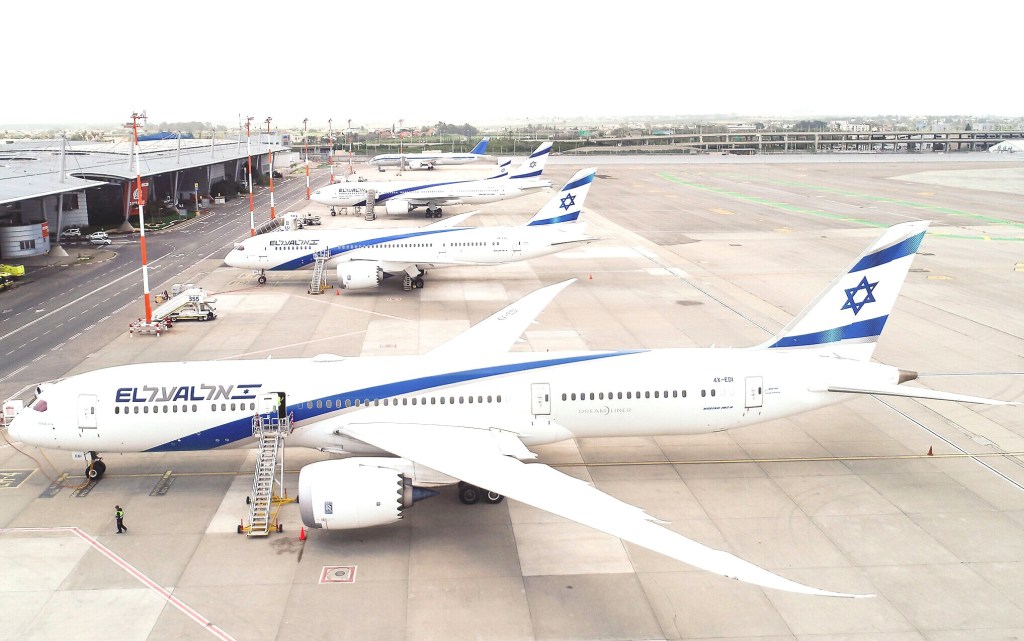


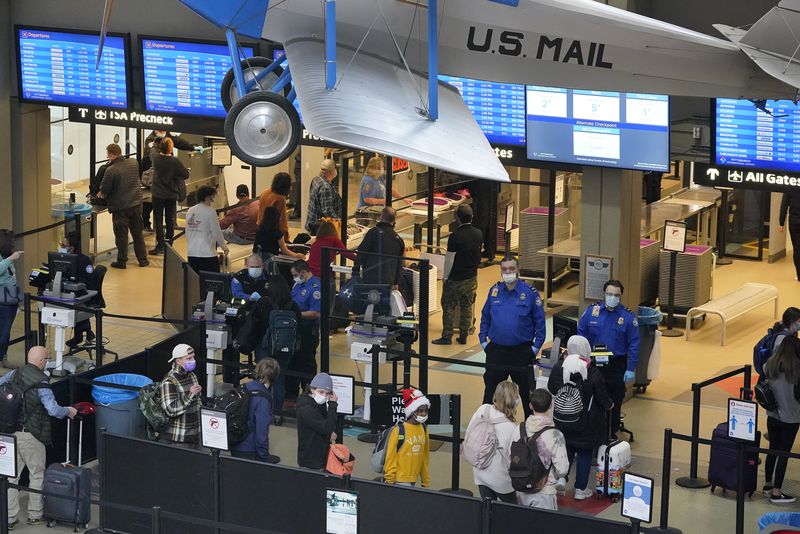
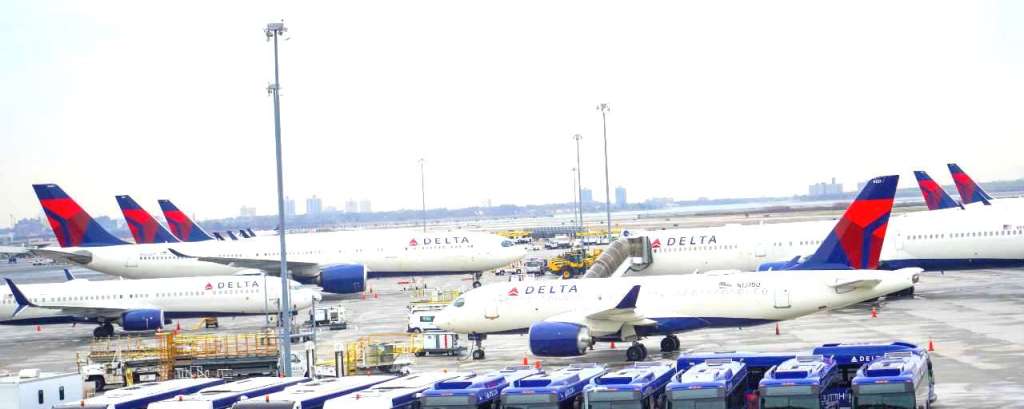
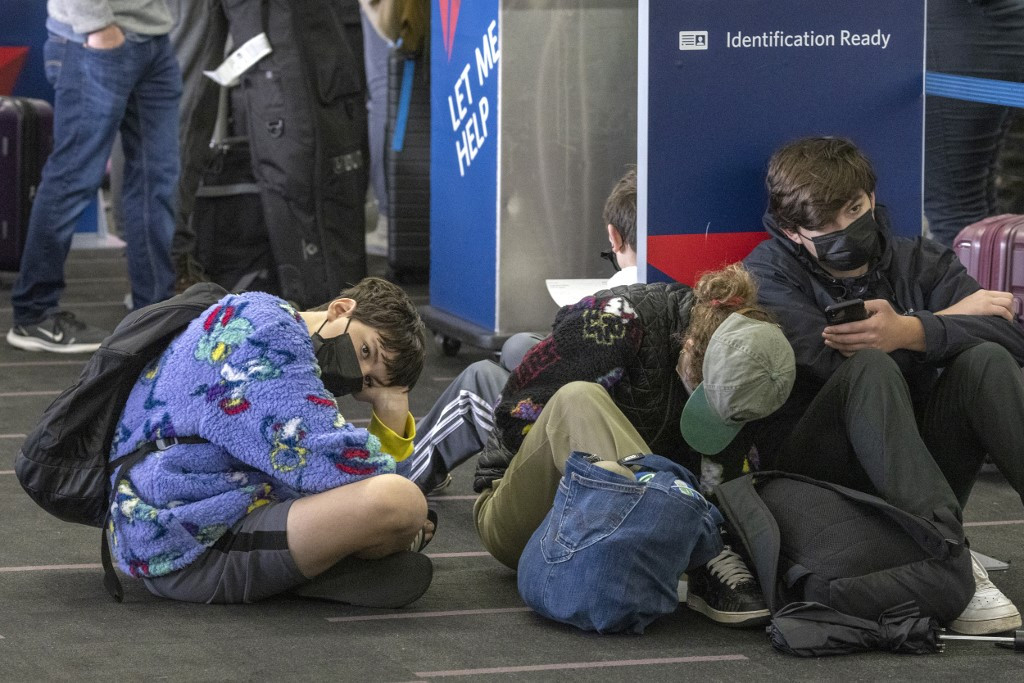
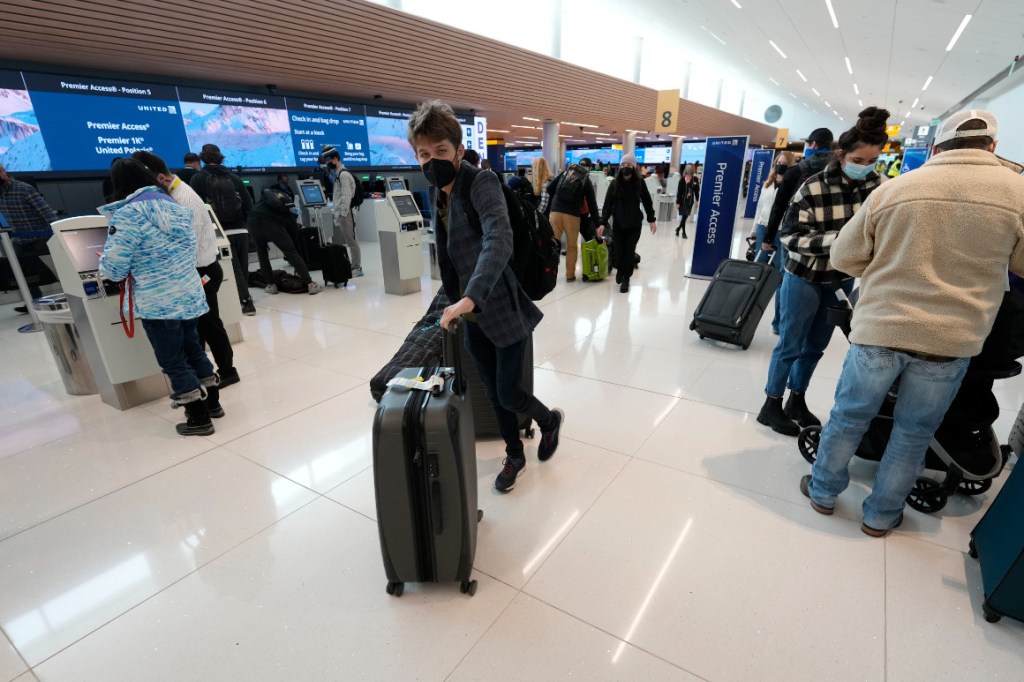
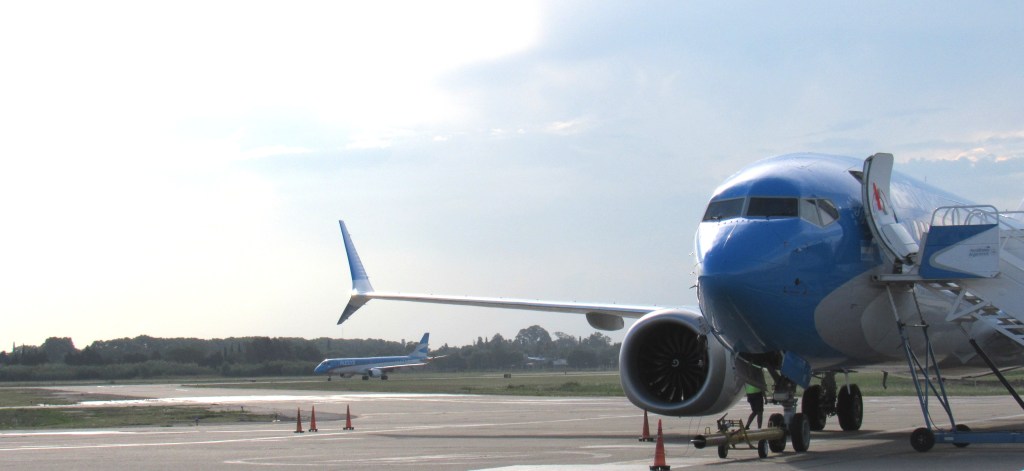

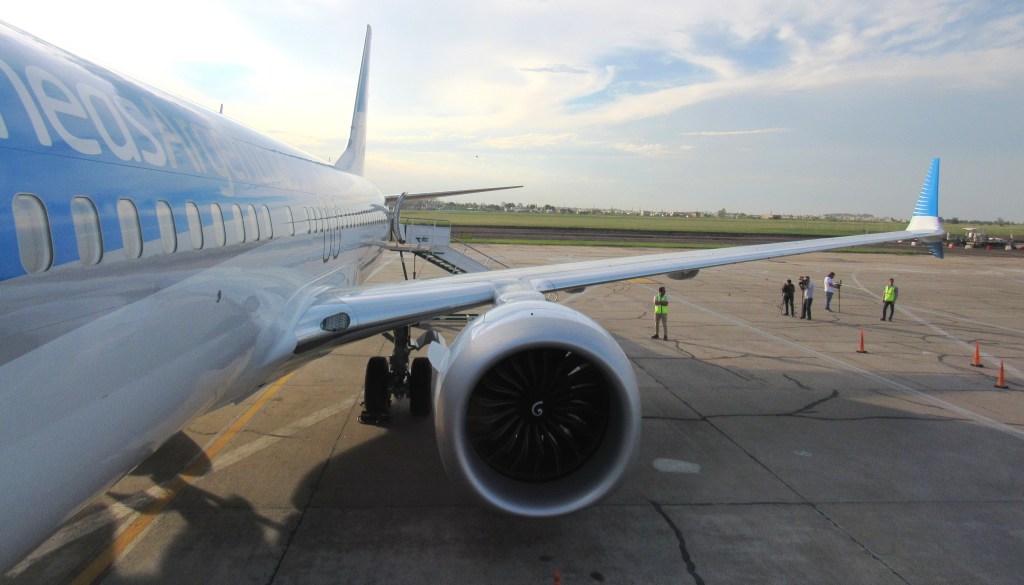



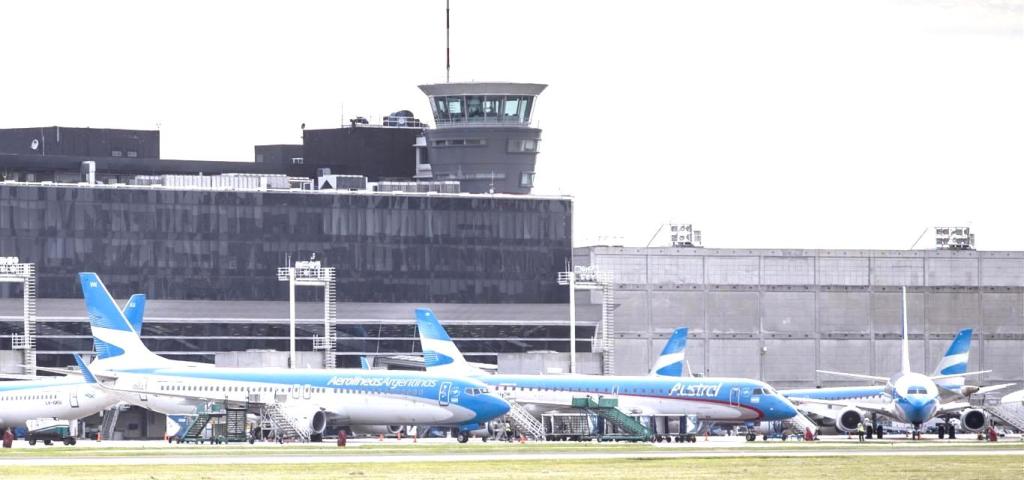

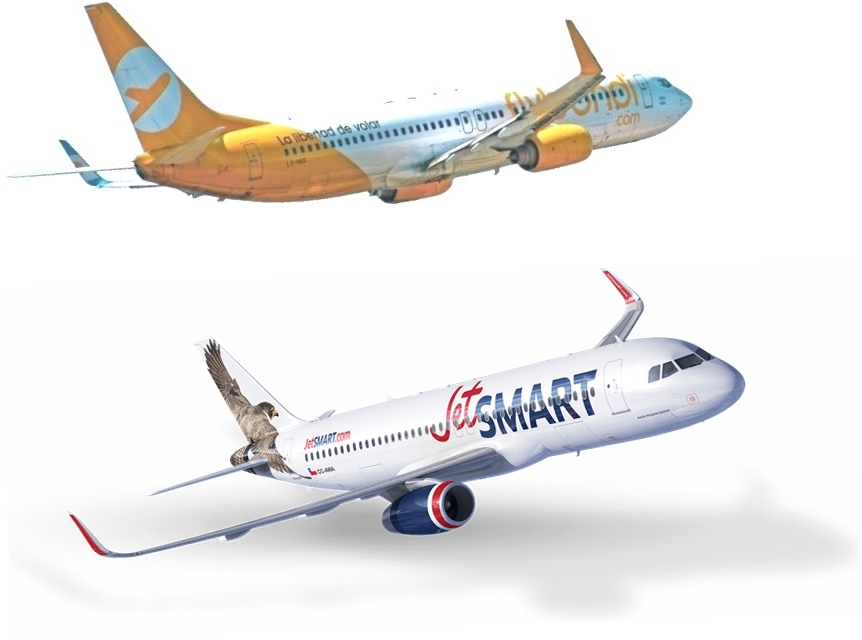

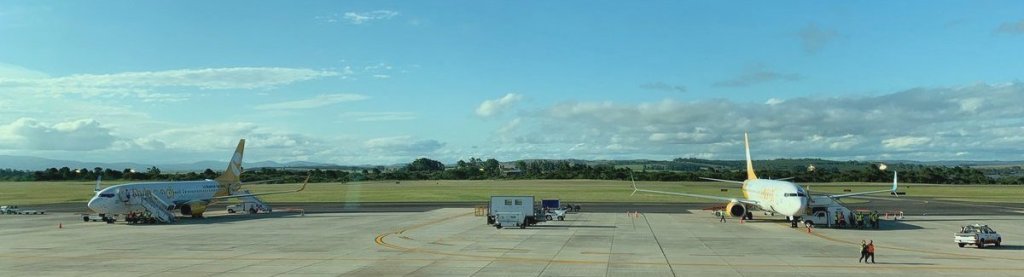
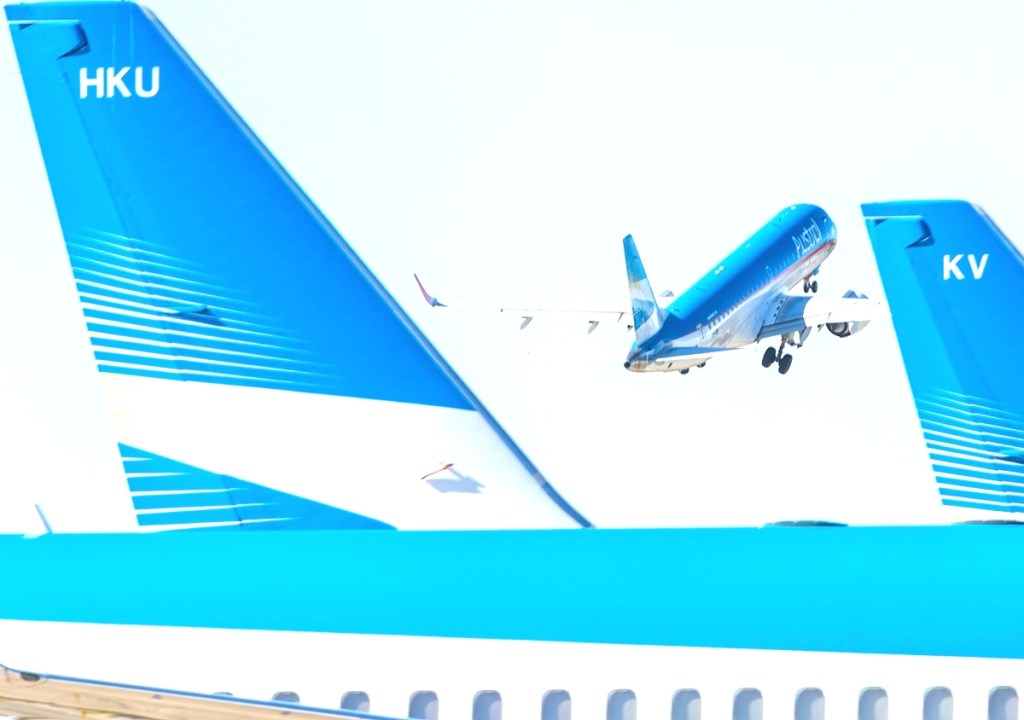



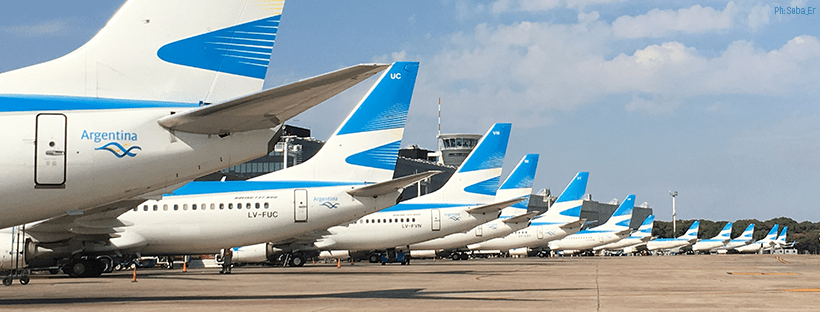

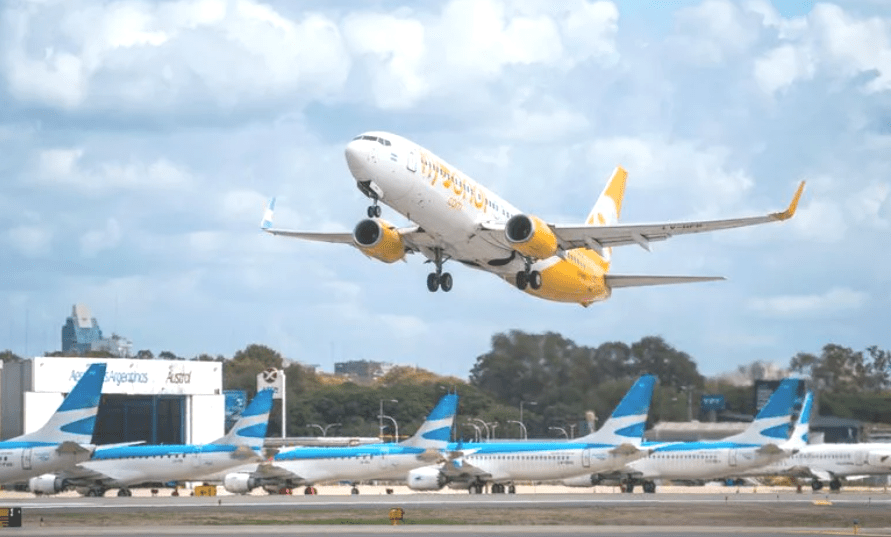
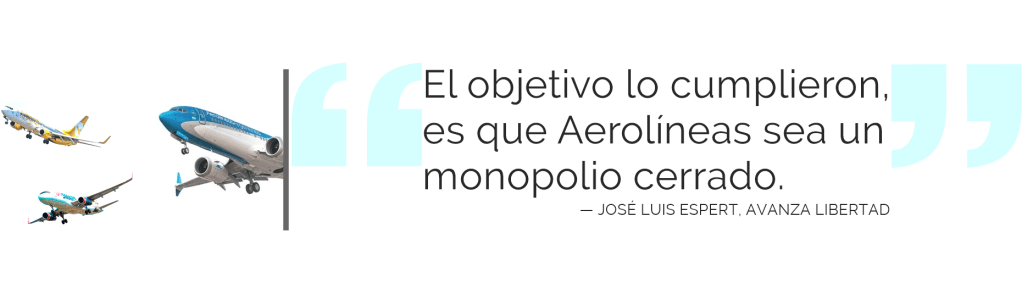


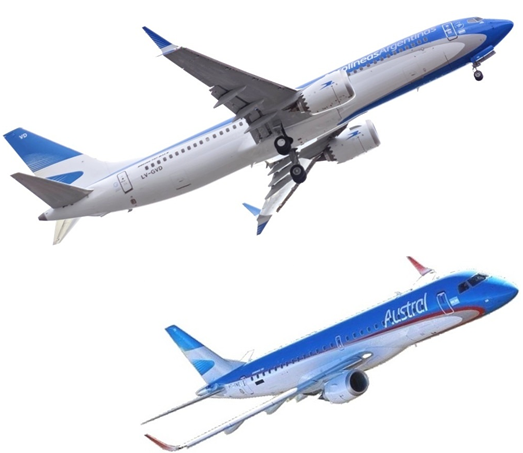


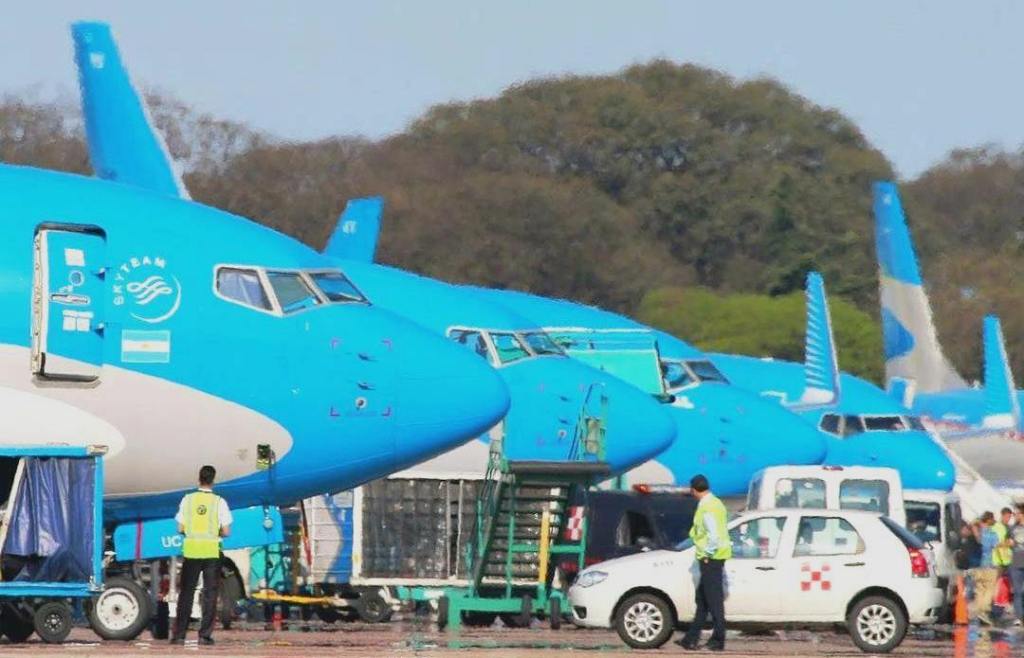
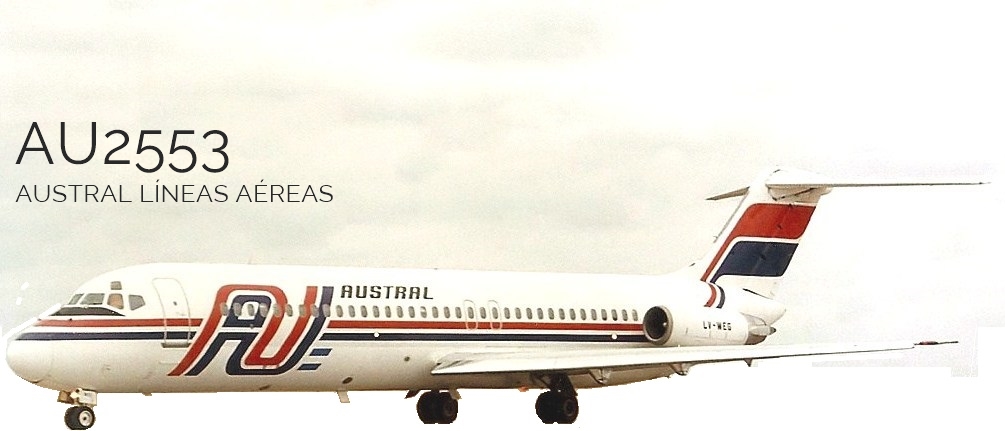


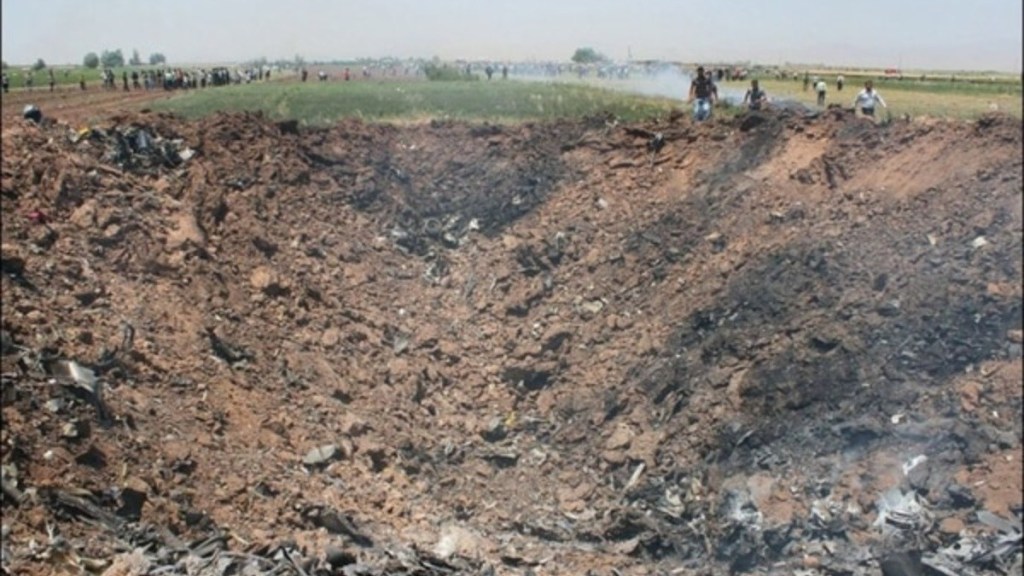
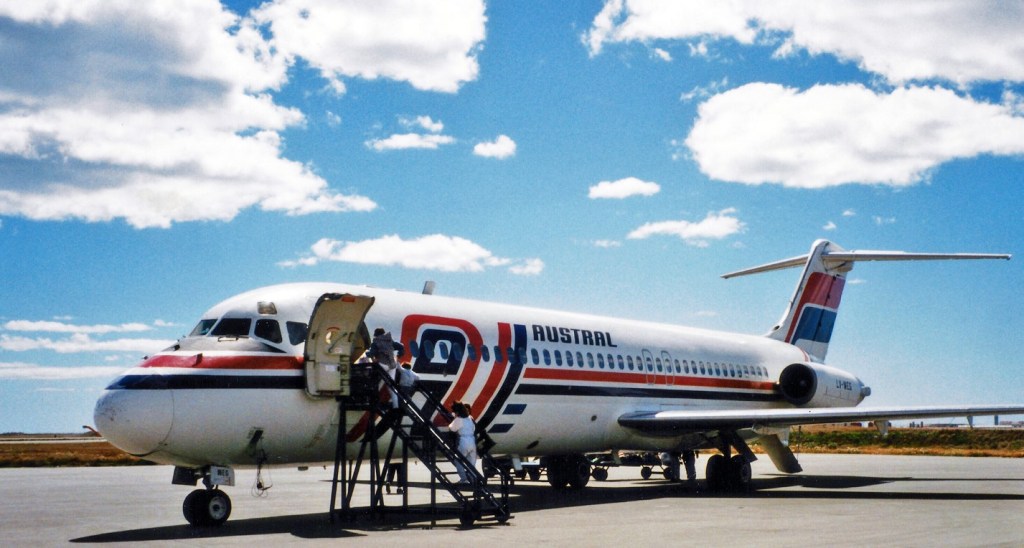

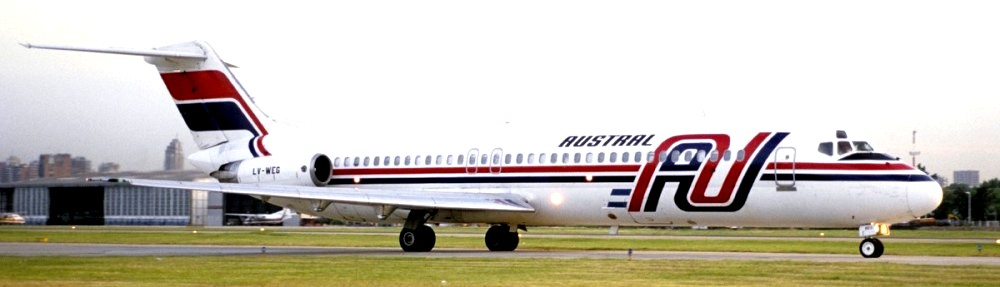



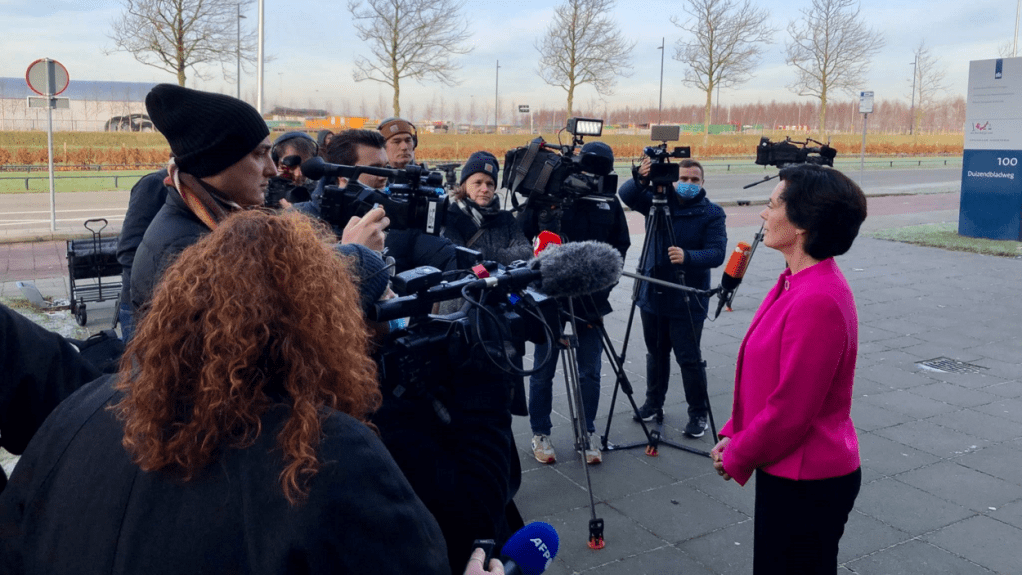





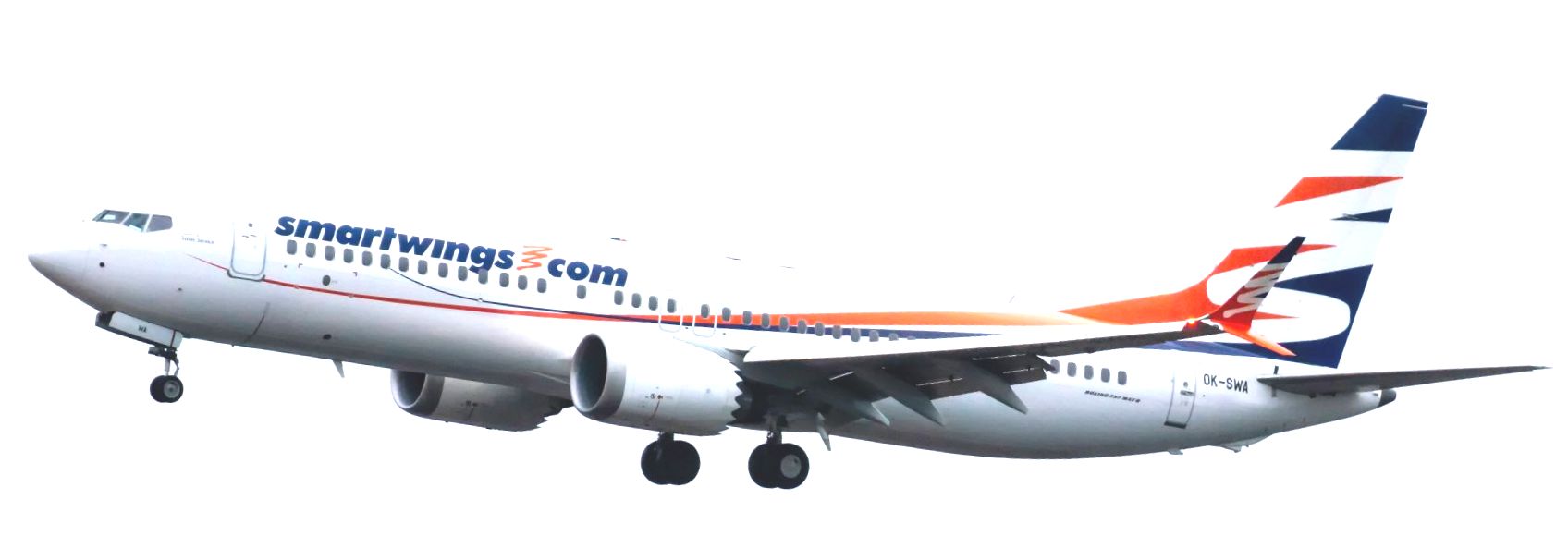
 airgways.com