Solicita Gobierno venezolano reactivar vuelos hacia Colombia
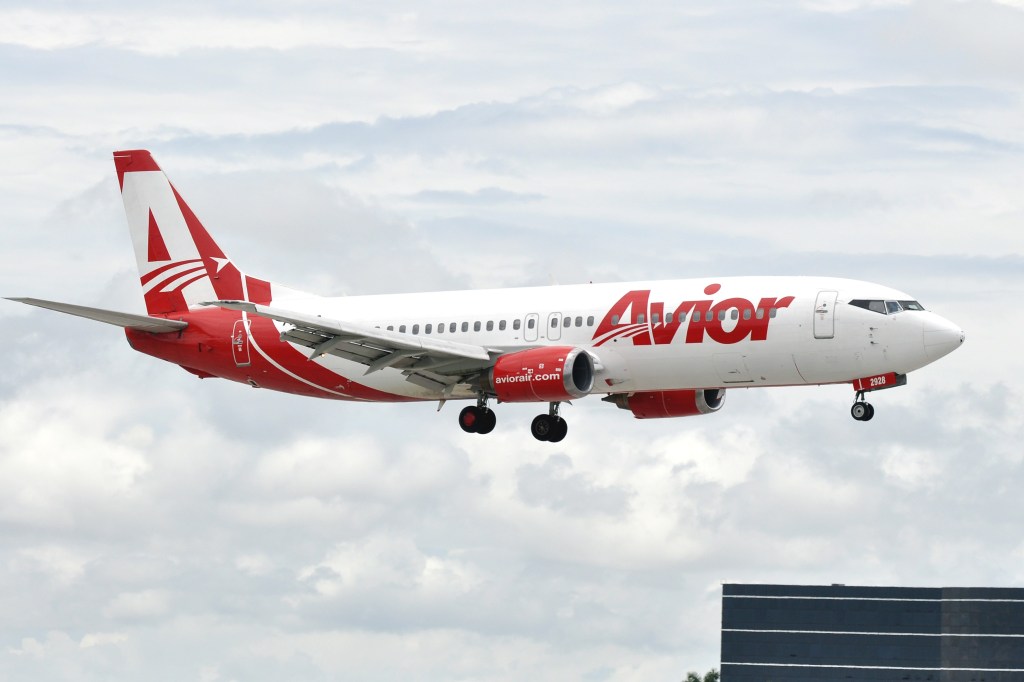
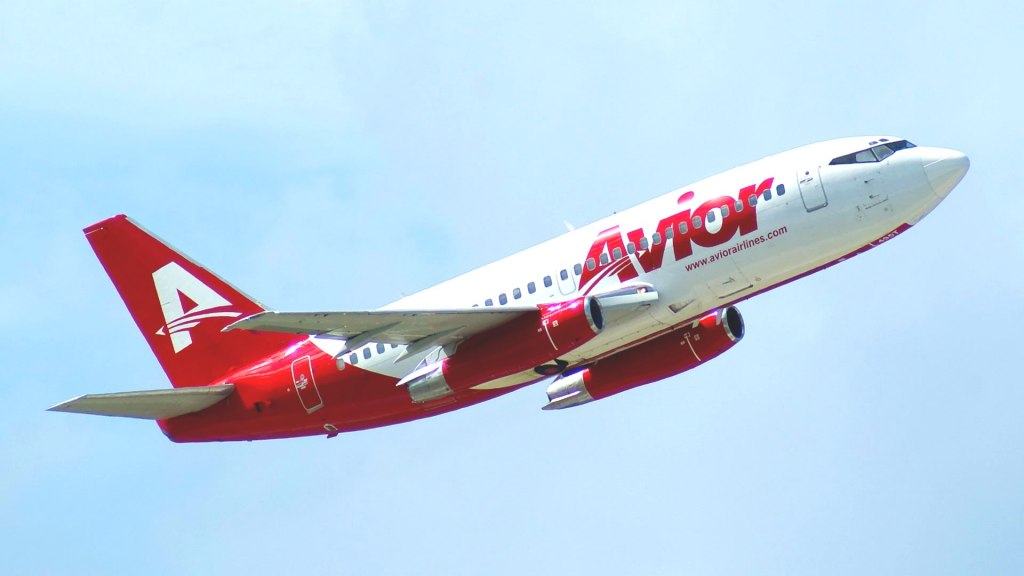
Avior Airlines ha pedido al Gobierno de Venezuela reactivar la conectividad con Colombia suspendida desde el 13 de Marzo de 2020 a causa de la pandemia, aunque Venezuela ha autorizado vuelos comerciales especiales hacia España, Chile, Perú, Ecuador y próximamente hacia Argentina y México. “Estamos dispuestos a aportar desde el punto de vista técnico y humano nuestro mayor esfuerzo para un necesario y pronto reinicio de actividades”, señaló Juan Bracamonte, Presidente Ejecutivo de Avior Airlines.
Avior Airlines prevé que en los próximos cuatros años se movilicen 1.65 millones de pasajeros entre Venezuela y Colombia con aerolíneas tanto nacionales como extranjeras y la compañía espera alcanzar los 702.855 pasajeros. La aerolínea ha establecido su itinerario para conectar a Caracas, Maracaibo, Valencia y Porlamar con Bogotá, Medellín y Cali. “Estamos próximos a dar inicio a vuelos hacia Barquisimeto y Puerto Ordaz desde Caracas y muy probablemente El Vigía Porlamar en vuelo directo, volveremos pronto a México, vía Cancún. Asimismo, retomaremos operaciones internacionales desde Barcelona con destino a Santo Domingo, República Dominicana, ampliando así las opciones internacionales”, comentó el ejecutivo. Avior ha sido autorizada para retomar los vuelos entre Caracas y Cancún por el Instituto Nacional de Aviación Civil (INAC) y la Dirección General de Aeronáutica Civil (DGAC).
Avior requests permission flights Colombia
Venezuelan Government requests to reactivate flights Colombia
Avior Airlines has asked the Government of Venezuela to reactivate connectivity with Colombia suspended since March 13, 2020 due to the pandemic, although Venezuela has authorized special commercial flights to Spain, Chile, Peru, Ecuador and soon to Argentina and Mexico. «We are willing to contribute from the technical and human point of view our best effort for a necessary and soon restart of activities», said Juan Bracamonte, Executive President of Avior Airlines.
Avior Airlines foresees that in the next four years 1.65 million passengers will be mobilized between Venezuela and Colombia with both national and foreign airlines and the company expects to reach 702,855 passengers. The airline has established its itinerary to connect Caracas, Maracaibo, Valencia and Porlamar with Bogotá, Medellín and Cali. «We are close to starting flights to Barquisimeto and Puerto Ordaz from Caracas and most likely El Vigía Porlamar in direct flight, we will soon return to Mexico, via Cancun. Likewise, we will resume international operations from Barcelona to Santo Domingo, Dominican Republic, thus expanding the international options”, commented the executive. Avior has been authorized to resume flights between Caracas and Cancun by the National Civil Aviation Institute (INAC) and the General Directorate of Civil Aeronautics (DGAC).
AW | 2021 12 10 10:22 | AIRLINES ALLIANCE / GOVERNMENT
Cuatro países firman MoU de cielos abiertos
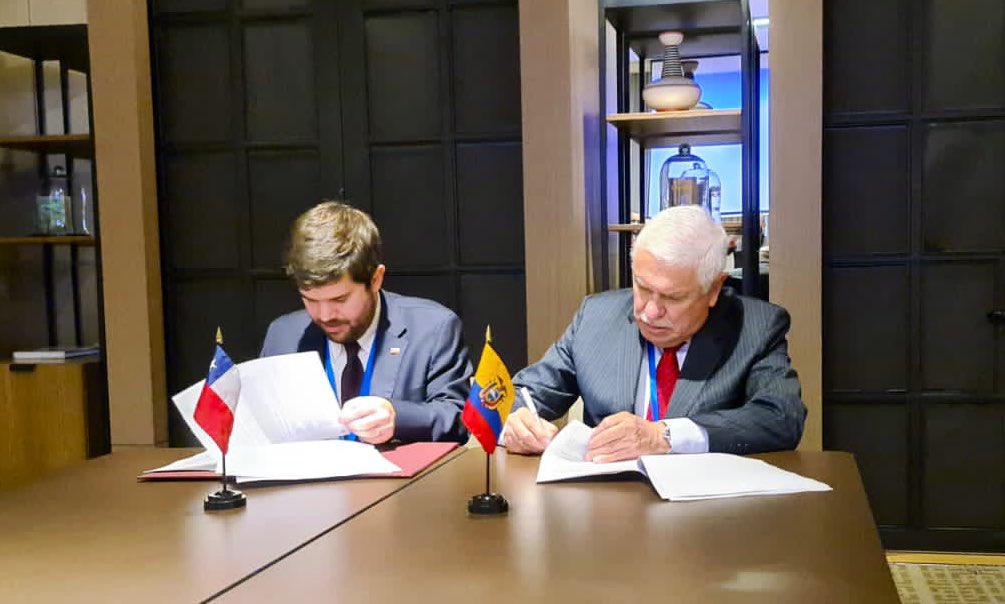
La República de Ecuador ha firmado con cuatro países un acuerdo de Cielos Abiertos lo que permitirá el arribo de más aerolíneas y la reactivación del sector turístico en Ecuador. Tanto el sector aéreo como el turístico fueron los más afectados durante la pandemia y esta medida impulsaría su reactivación. La firma de los Memorandos de Entendimiento (MoU) con Estados Unidos, Kuwait, Chile y República Dominicana permitirá una política de cielos abiertos. El pasado Miércoles 08/12, el Ministro de Transporte y Obras Públicas, Marcelo Cabrera ha celebrado el acuerdo con varios países para eliminar las restricciones aéreas entre naciones, permitiendo suprimir las restricciones aéreas con el arribo de nuevas aerolíneas a Ecuador.
Normalmente cuando una aerolínea extranjera tenía planes de ampliar sus frecuencias debía solicitar permisos a las autoridades aeronáuticas de Ecuador y de su país de origen. Estas frecuencias se otorgan acorde con la disponibilidad que existe y hay límites, dependiendo del país. Por ejemplo, Estados Unidos ya tiene asignadas entre sus aerolíneas las 120 frecuencias que pueden operar en Ecuador. Ahora, se desbloquea ese limitante. “Con Estados Unidos es importantísimo. Tenemos un intercambio muy grande y estaba represada la oferta de vuelos acá porque las aerolíneas norteamericanas ya tenían copado el número de frecuencias que había en el anterior convenio, que era de 120 frecuencias semanales. Y había el interés de nuevas aerolíneas a venir, pero no lo podía hacer porque no había frecuencias disponibles y ahora lo que se hace es desbloquear”, explica Marco Subía, Presidente de la Asociación de Representantes de Líneas Aéreas del Ecuador. El sector aéreo registró pérdidas económicas por US$ 600 millones en 2020, según el gremio. Marco Subía menciona que esta medida, además, permitirá potenciar el sector exportador, por el intercambio comercial a través de la carga aérea. “Las flores, frutas tropicales, la carga que sale por avión se verá dinamizada. También, el país está negociando acuerdos de libre comercio. La carga aérea es fundamental. El turismo es como la lluvia, a todos riega, les llegará a los hoteles, taxis, a los operadores turísticos, restaurantes. Es una actividad que llega a casi toda la sociedad”, afirma Marco Subía.
Holbach Muñeton, Presidente de la Federación de Cámaras de Turismo del Ecuador, ve con buenos ojos esta firma de memorandos de entendimiento. Dice que ayudará a dinamizar la economía y por ende al sector, que a la fecha tiene una caída del 50 % comparado con los niveles del 2019. “Esto hará que el Ecuador se dinamice más. Que se impulse esa reactivación porque en este momento la reactivación está dura, todavía no nos hemos levantado. Estamos subsistiendo”, expresa Holbach Muñeton. Estos acuerdos impactarán a los hoteles, restaurantes, operadoras de turismo, agencias de viajes y otros ligados a esa cadena de valor.
La firma con los países es importante, resaltando a Estados Unidos como el mejor cliente, razón por la que en 2019 arribaron 380.000 estadounidenses, según el representante del sector turístico.
La firma del MoU con República Dominicana es atractiva porque existe una aerolínea interesada en establecer una nueva ruta. Con Chile explica que también es esencial. Actualmente, la aerolínea chilena Latam Airlines buscará foirmar parte del beneficio del acuerdo de cielos abiertos.
El MoU con el Reino de Kuwait asegura en el largo plazo la incorporación de nuevas operaciones de líneas aéreas, especialmente en el sector de cargas.
La firma de los Memorandos de Entendimiento (MoU) con los cuatro países se efectivizó en Bogotá durante la XIII Conferencia Internacional de Negocios de Acuerdos Aéreos (ICAN2021). “Este día es importante para el país, los memorandos de cielos abiertos que firmamos unen al Ecuador con el mundo, nuestros socios comerciales están más cerca, esto significa más trabajo”, dijo Marcelo Cabrera. El titular de la cartera de Estado resaltó la unión con Estados Unidos y que se están dando pasos firmes para la reactivación.
Ecuador signs open skies
Four countries sign Open Skies MoU
The Republic of Ecuador has signed an Open Skies agreement with four countries, which will allow the arrival of more airlines and the reactivation of the tourism sector in Ecuador. Both the air and tourism sectors were the most affected during the pandemic and this measure would boost its reactivation. The signing of the Memoranda of Understanding (MoU) with the United States, Kuwait, Chile and the Dominican Republic will allow an open skies policy. Last Wednesday 08/12, the Minister of Transportation and Public Works, Marcelo Cabrera, signed an agreement with several countries to eliminate air restrictions between nations, allowing the abolition of air restrictions with the arrival of new airlines to Ecuador.
Normally, when a foreign airline had plans to expand its frequencies, it had to request permits from the aeronautical authorities of Ecuador and its country of origin. These frequencies are granted according to the availability that exists and there are limits, depending on the country. For example, the United States has already assigned the 120 frequencies that can operate in Ecuador among its airlines. Now, that limitation is unlocked. “With the United States it is extremely important. We have a very large exchange and the offer of flights here was dammed because the North American airlines already had the number of frequencies that were in the previous agreement, which was 120 weekly frequencies. And there was the interest of new airlines to come, but it could not do so because there were no frequencies available and now what is being done is unblocking”, explains Marco Subía, President of the Association of Representatives of Air Lines of Ecuador. The airline sector recorded economic losses of US $ 600 million in 2020, according to the union. Marco Subía mentions that this measure will also allow the export sector to be boosted through commercial exchange through air cargo. “The flowers, tropical fruits, the cargo that leaves by plane will be energized. Also, the country is negotiating free trade agreements. Air cargo is essential. Tourism is like rain, it waters everyone, it will reach hotels, taxis, tour operators, restaurants. It is an activity that reaches almost all of society”, says Marco Subía.
Holbach Muñeton, President of the Federation of Chambers of Tourism of Ecuador, welcomes this signing of memorandums of understanding. He says it will help boost the economy and therefore the sector, which to date has a 50% drop compared to 2019 levels. “This will make Ecuador more dynamic. That reactivation be promoted because at this moment the reactivation is hard, we have not yet gotten up. We are subsisting”, says Holbach Muñeton. These agreements will impact hotels, restaurants, tour operators, travel agencies and others linked to that value chain.
The signature with the countries is important, highlighting the United States as the best client, which is why 380,000 Americans arrived in 2019, according to the representative of the tourism sector.
The signing of the MoU with the Dominican Republic is attractive because there is an airline interested in establishing a new route. With Chile he explains that it is also essential. Currently, the Chilean airline Latam Airlines will seek to sign part of the benefit of the open skies agreement.
The MoU with the Kingdom of Kuwait ensures in the long term the incorporation of new airline operations, especially in the cargo sector.
The signing of the Memoranda of Understanding (MoU) with the four countries took place in Bogotá during the XIII International Conference of Air Agreements Business (ICAN2021). «This day is important for the country, the open skies memoranda that we signed unite Ecuador with the world, our commercial partners are closer, this means more work», said Marcelo Cabrera. The head of the State portfolio highlighted the union with the United States and that firm steps are being taken for reactivation.
Bielorrusia anuncia sanciones a aerolíneas occidentales
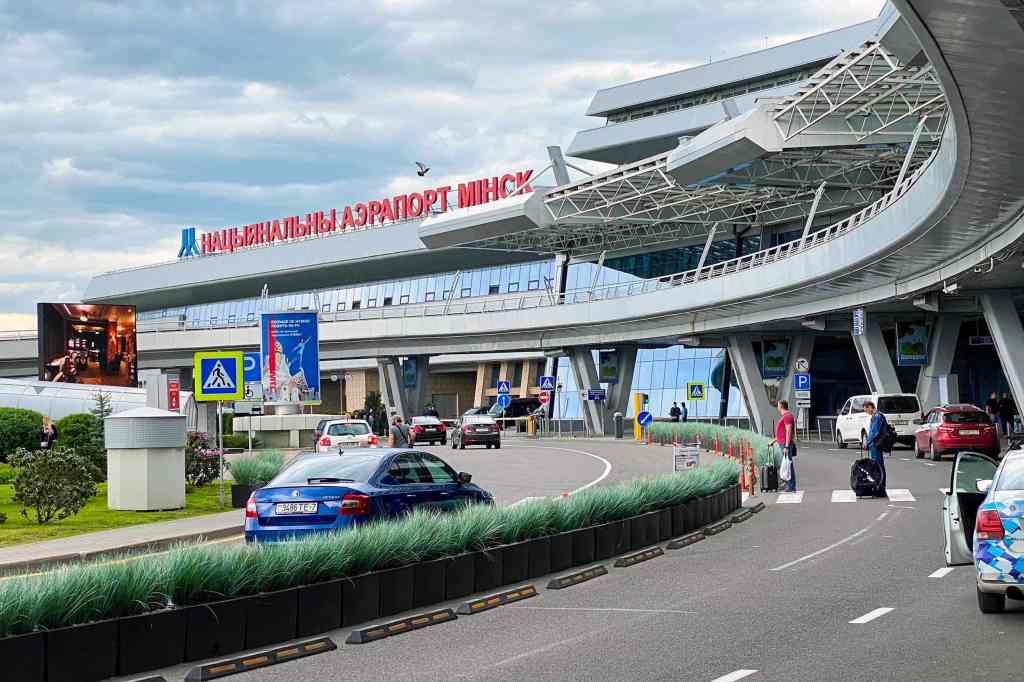
Bielorrusia ha anunciado este Lunes 6 de Diciembre de 2021 un embargo a los productos de los países occidentales que adoptaron sanciones contra Minsk y sanciones contra las aerolíneas de los miembros de la Unión Europea (UE) y el Reino Unido. Las medidas de respuesta contra la ilegal presión sancionadora externa de Occidente, mientras que el Gobierno busca defender los intereses nacionales, señala el comunicado de Exteriores.
Minsk considera que las ilegítimas restricciones contra el sector de aviación bielorruso están dictadas por la competencia desleal. “Medidas análogas serán adoptadas por nuestro país en relación a las aerolíneas de la UE y el Reino Unido”, indica el comunicado oficial. A su vez, con el fin de rebatir la presión occidental y fortalecer la seguridad económica, la antigua república soviética proseguirá la senda de la integración económica con Rusia. También ampliará la lista de individuos indeseables que no podrán acceder a territorio bielorruso, que incumbirá a los ciudadanos de países que discriminan a funcionarios, periodistas y representantes de organizaciones del Presidente Alexandr Lukashenko. Minsk también explicó que las medidas pueden ser anuladas si los países que adoptaron sanciones renuncian a la lógica de la Guerra Fría y retoman el camino de la cooperación constructiva.
La pasada semana Minsk acusó a Bruselas de intentar estrangular su economía y de continuar la política de demonización del régimen por la decisión del Consejo de la UE de imponer las primeras sanciones relacionadas con la crisis de migrantes en su frontera, que han sido coordinadas con EEUU, Canadá y el Reino Unido. Las sanciones, que suponen la respuesta de Bruselas a la crisis que estalló el pasado 8 de Noviembre de 2021 con la concentración de varios miles de migrantes en la frontera entre Bielorrusia y Polonia, afectan a funcionarios de alto rango, prominentes miembros del poder judicial, así como a medios de propaganda y once entidades, entre ellas la aerolínea bielorrusa Belavia.
Esta es la quinta ronda de sanciones que la UE impone a Bielorrusia desde las elecciones presidenciales de Agosto de 2020, en las que volvió a imponerse Alexandr Lukashenko y que provocó medidas restrictivas europeas por la ola de represión que desató el régimen contra los manifestantes pacíficos.
Belarus announces restrictions
Belarus announces sanctions on western airlines
Belarus has announced this Monday, December 6, 2021, an embargo on the products of Western countries that adopted sanctions against Minsk and sanctions against the airlines of the members of the European Union (EU) and the United Kingdom. The response measures against the illegal external sanctioning pressure from the West, while the Government seeks to defend national interests, says the Foreign Ministry statement.
Minsk considers that the illegitimate restrictions against the Belarusian aviation sector are dictated by unfair competition. «Similar measures will be adopted by our country in relation to the airlines of the EU and the United Kingdom», indicates the official statement. In turn, in order to counter Western pressure and strengthen economic security, the former Soviet Republic will pursue the path of economic integration with Russia. It will also expand the list of undesirable individuals who will not be able to access Belarusian territory, which will concern citizens of countries that discriminate against officials, journalists and representatives of President Alexandr Lukashenko’s organizations. Minsk also explained that the measures can be canceled if the countries that adopted sanctions renounce the logic of the Cold War and return to the path of constructive cooperation.
Last week, Minsk accused Brussels of trying to strangle its economy and of continuing the policy of demonizing the regime due to the decision of the EU Council to impose the first sanctions related to the migrant crisis on its border, which have been coordinated with the United States, Canada and the United Kingdom. The sanctions, which represent Brussels’ response to the crisis that erupted on November 8, 2021 with the concentration of several thousand migrants on the border between Belarus and Poland, affect high-ranking officials, prominent members of the judiciary, as well as the propaganda media and eleven entities, including the Belarusian airline Belavia.
This is the fifth round of sanctions that the EU has imposed on Belarus since the presidential elections of August 2020, in which Alexandr Lukashenko prevailed again and which provoked European restrictive measures due to the wave of repression unleashed by the regime against peaceful protesters.
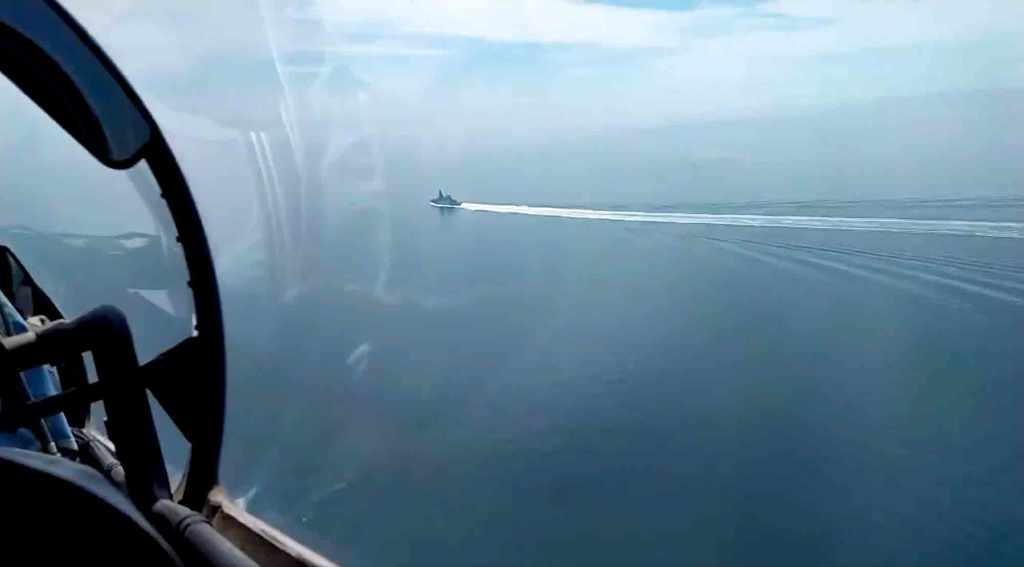
La Federación Rusia dijo que protestará oficialmente ante Estados Unidos por un incidente sobre el Mar Negro el Sábado 04/12, cuando aviones civiles tuvieron que desviarse de sus rutas debido a un avión espía estadounidense. «El aumento de la actividad de aviones de combate de Estados Unidos y la OTAN cerca de las fronteras rusas crea riesgos de incidentes peligrosos para la aviación civil. Si esta vez se evitara una catástrofe sobre el Mar Negro, esto no significa que Estados Unidos y la OTAN pudieran arriesgar la vida de las personas en el futuro sin castigo», dijo el Domingo 05/12 la portavoz del Ministerio de Relaciones Exteriores de Rusia, Maria Zakharova, en su página de Facebook.
Según la agencia de aviación civil de Rusia, dos aviones de pasajeros tuvieron que desviarse y cambiar de altitud porque un avión de vigilancia de la OTAN cruzó sus rutas e ignoró las señales de las autoridades de seguridad aérea rusas. Un vuelo era Aeroflot de Tel Aviv a Moscú y el otro era un avión maltés que volaba desde el balneario del Mar Negro de Sochi a Macedonia del Norte.
El Presidente ruso, Vladimir Putin, y el Presidente de Estados Unidos, Joe Biden, planean realizar una videollamada el Martes 07/12, después de semanas de escalada de tensión por la acumulación militar rusa en la frontera con Ucrania y las actividades militares de la OTAN alrededor del Mar Negro. Si bien la inteligencia estadounidense había concluido que el Kremlin estaba planeando una ofensiva contra Ucrania tan pronto como el próximo año con un estimado de 175,000 efectivos, Rusia advirtió a Occidente que no cruzara la línea roja de seguridad del Kremlin y evitara la expansión de la infraestructura militar occidental en Ucrania
Russia denounces Black Sea espionage
US spy planes threaten civil aviation
The Russian Federation said it will officially protest to the United States over an incident over the Black Sea on Saturday 04/12, when civilian planes had to deviate from their routes due to a US spy plane. «Increased activity by US and NATO fighter jets near Russian borders creates dangerous incident risks for civil aviation. If a catastrophe over the Black Sea were prevented this time, this does not mean that the United States and NATO could risk people’s lives in the future without punishment», said on Sunday 05/12 Russian Foreign Ministry spokeswoman Maria Zakharova on her Facebook page.
According to Russia’s civil aviation agency, two airliners had to veer off and change altitude because a NATO surveillance plane crossed their routes and ignored signals from Russian aviation security authorities. One flight was Aeroflot from Tel Aviv to Moscow and the other was a Maltese plane flying from the Black Sea resort of Sochi to North Macedonia.
Russian President Vladimir Putin and United States President Joe Biden plan to hold a video call on Tuesday 07/12, after weeks of escalating tension over the Russian military build-up on the border with Ukraine and the military activities of the NATO around the Black Sea. While US intelligence had concluded that the Kremlin was planning an offensive against Ukraine as early as next year with an estimated 175,000 troops, Russia warned the West not to cross the Kremlin’s security red line and avoid infrastructure expansion. Western military in Ukraine.
AW | 2021 12 05 20:27 | AVIATION ORGANISMS / GOVERNMENT
Respuesta gobiernos a Omicron amenaza recuperación emergente
La Asociación Internacional de Transporte Aéreo (IATA) anunció que la recuperación de los viajes aéreos continuó en octubre de 2021 con mejoras de amplia base en los mercados nacionales e internacionales. También advirtió que la imposición de prohibiciones de viaje por parte de los gobiernos, en contra del consejo de la OMS, podría amenazar la recuperación del sector. Debido a que las comparaciones entre los resultados mensuales de 2021 y 2020 están distorsionadas por el impacto extraordinario de COVID-19, a menos que se indique lo contrario, todas las comparaciones son con octubre de 2019, que siguió un patrón de demanda normal.
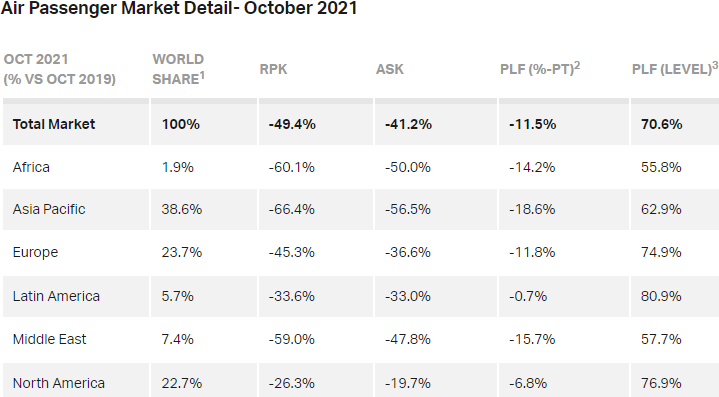
La demanda total de viajes aéreos en Octubre de 2021 (medida en ingresos por pasajero-kilómetro o RPK) se redujo un 49,4% en comparación con Octubre 2019. Esto mejoró con respecto a la caída del 53,3% registrada en Septiembre de 2021, en comparación con dos años antes. Los mercados nacionales bajaron un 21,6% en comparación con Octubre 019, mejorando la disminución del 24,2% registrada en Septiembre frente a septiembre de 2019. La demanda internacional de pasajeros en octubre fue un 65,5% inferior a Octubre de 2019, en comparación con una disminución del 69,0% para septiembre en comparación con el período de 2019, con todas las regiones mostrando una mejora. «El desempeño del tráfico de Octubre refuerza que las personas viajarán cuando se les permita. Desafortunadamente, las respuestas del gobierno a la aparición de la variante Omicron están poniendo en riesgo la conectividad global que tanto tiempo ha llevado reconstruir», dijo Willie Walsh, Director General de IATA.
Mercados Internacionales de Pasajeros
El tráfico aéreo internacional en el mercado de Europa en Octubre 2021 disminuyó un 50,6% en comparación con Octubre de 2019, mucho mejor que la caída del 56,5% en Septiembre 2021 en comparación con Septiembre de 2019. La capacidad cayó un 41,3% y el factor de carga cayó 13,7 puntos porcentuales hasta el 72,5%. Las aerolíneas de Asia-Pacífico vieron caer su tráfico internacional de Octubre un 92,8% en comparación con Octubre de 2019, mejorando fraccionalmente con respecto a la disminución del 93,1% registrada para Septiembre de 2021 en comparación con hace dos años. La capacidad cayó un 83,8% y el factor de carga bajó 44,0 puntos porcentuales a 35,7%, el más bajo entre las regiones con diferencia. Las aerolíneas de Oriente Medio tuvieron una caída de la demanda del 60,3% en Octubre 2021 en comparación con octubre de 2019, un gran salto sobre la caída del tráfico del 67,1% registrada en Septiembre contra Septiembre de 2019. La capacidad disminuyó un 49,1%, y el factor de carga cayó 16,1 puntos porcentuales a 57,5%. Las aerolíneas norteamericanas experimentaron una caída del tráfico del 57,0% en Octubre 2021 en comparación con el período de 2019, mejorada desde una disminución del 61,4% en Septiembre 2021 en comparación con el mismo mes de 2019. La capacidad cayó un 43,2%, y el factor de carga cayó 20,0 puntos porcentuales a 62,4%. Las aerolíneas latinoamericanas experimentaron una caída del 55,1% en el tráfico de Octubre 2021, en comparación con el mismo mes interanual de 2019. En Septiembre 2021, el tráfico bajó un 61,4% en comparación con hace dos años. La capacidad de 10/2021 cayó 52.5% y el factor de carga cayó 4.3 puntos porcentuales a 76.9%, que fue el factor de carga más alto entre las regiones por décimo tercer mes consecutivo. El tráfico de las aerolíneas africanas cayó un 60,2% en Octubre 2021 en comparación con hace dos años. El tráfico en Septiembre bajó un 62,1% durante el período correspondiente de 2019. La capacidad de Octubre 2021 bajó un 49,0% y el factor de carga disminuyó 15,2 puntos porcentuales a 54,1%. El mercado interno de la India experimentó una disminución del 27,0% en la demanda de Octubre 2021 en comparación con Octubre de 2019, una gran mejora desde una caída del 40,5% en Septiembre tras la flexibilización de algunas medidas de control. En la Federación Rusia el tráfico doméstico de Octubre 2021 subió un 24% en comparación con Octubre de 2019, lo que suspendió una desaceleración desde el crecimiento del 29,3% registrado en Septiembre de 2021 con respecto al período de hace dos años, atribuible a una fuerte ola de COVID-19 y el inicio de la temporada de viajes de invierno.
Perspectivas aéreas
«El levantamiento de las restricciones de Estados Unidos a los viajes desde unos 33 países el mes pasado aumentó las esperanzas de que un aumento en la demanda de viajes reprimida impulsaría el tráfico durante el próximo invierno del hemisferio norte. Pero la aparición de la variante de Omicron indujo en pánico a muchos gobiernos para que una vez más restringieran o eliminaran por completo la libertad de viajar, a pesar de que la OMS claramente aconsejó que «las prohibiciones generales de viaje no evitarán la propagación internacional, y suman una pesada carga para las vidas y los medios de subsistencia. La lógica del consejo de la OMS fue evidente a los pocos días de la identificación de Omicron en Sudáfrica, con su presencia ya confirmada en todos los continentes. Las prohibiciones de viaje mal aconsejadas son tan ineficaces como cerrar la puerta del establo después de que el caballo se haya atornillado», dijo Willie Walsh.
Específicamente, la IATA instó a los gobiernos a centrarse en tres áreas clave: Protocolos de salud simplificados, Soluciones digitales para procesar credenciales de salud, Medidas de COVID-19 proporcionadas a los niveles de riesgo con un proceso de revisión continua. «Además, los gobiernos deben abordar la terrible disparidad en las tasas de vacunación que ha visto al mundo desarrollado ofrecer refuerzos en un momento en que menos del 10% del continente africano está completamente vacunado», dijo Willie Walsh.
IATA aviation outlook
Governments response to Omicron threatens emerging recovery
The International Air Transport Association (IATA) announced that the recovery in air travel continued in October 2021 with broad-based improvements in domestic and international markets. He also warned that the imposition of travel bans by governments, against the advice of the WHO, could threaten the recovery of the sector. Because comparisons between the 2021 and 2020 monthly results are skewed by the extraordinary impact of COVID-19, unless otherwise noted, all comparisons are to October 2019, which followed a normal demand pattern.
Total demand for air travel in October 2021 (measured in revenue per passenger-kilometer or RPK) was down 49.4% compared to October 2019. This improved from the 53.3% drop recorded in September 2021, compared to two years earlier. Domestic markets were down 21.6% compared to October 019, improving on the 24.2% decrease registered in September compared to September 2019. International passenger demand in October was 65.5% lower than October 2019, compared to a 69.0% decrease for September compared to the 2019 period, with all regions showing an improvement. «The October traffic performance reinforces that people will travel when allowed. Unfortunately, government responses to the emergence of the Omicron variant are putting at risk global connectivity that has taken so long to rebuild», said Willie Walsh, Director IATA General.
1) % of industry RPKs in 2020 2) Change in load factor vs. the same month in 2019 3) Load Factor Level
Note: the seven domestic passenger markets for which broken-down data are avaiable for approximately 46% of global total RPKs and 84% of domestic RPKs.
Note: The total industry and regional growth rates are based on a constant sample of airlines combining reported data and estimates for missing observations. Airline traffic is allocated according to the region in which the carrier is registrated; it should not be considered as regional traffic.
1) Percentage (%) of industry RPKs in 2020 2) Change in load factor vs. the same month in 2019 3) Load Factor Level
Note: the seven domestic passenger markets for which broken-down data are avaiable for approximately 46% of global total RPKs and 84% of domestic RPKs.
Note: The total industry and regional growth rates are based on a constant sample of airlines combining reported data and estimates for missing observations. Airline traffic is allocated according to the region in which the carrier is registrated; it should not be considered as regional traffic.
International Passenger Markets
International air traffic in the European market in October 2021 decreased by 50.6% compared to October 2019, much better than the fall of 56.5% in September 2021 compared to September 2019. Capacity fell by 41 , 3% and the load factor fell 13.7 percentage points to 72.5%. Asia-Pacific airlines saw their October international traffic drop 92.8% compared to October 2019, improving fractionally from the 93.1% decrease recorded for September 2021 compared to two years ago. Capacity fell 83.8% and load factor fell 44.0 percentage points to 35.7%, the lowest among regions by far. Middle Eastern airlines saw a 60.3% drop in demand in October 2021 compared to October 2019, a big jump from the 67.1% drop in traffic recorded in September versus September 2019. Capacity decreased 49.1%, and the load factor fell 16.1 percentage points to 57.5%. North American airlines experienced a 57.0% drop in traffic in October 2021 compared to the 2019 period, improved from a 61.4% decrease in September 2021 compared to the same month in 2019. Capacity fell by 43 , 2%, and the load factor fell 20.0 percentage points to 62.4%. Latin American airlines experienced a 55.1% drop in traffic in October 2021, compared to the same year-on-year month in 2019. In September 2021, traffic was down 61.4% compared to two years ago. 10/2021 capacity fell 52.5% and load factor fell 4.3 percentage points to 76.9%, which was the highest load factor among regions for the 13th consecutive month. African airline traffic fell 60.2% in October 2021 compared to two years ago. Traffic in September decreased 62.1% during the corresponding period of 2019. Capacity in October 2021 decreased 49.0% and load factor decreased 15.2 percentage points to 54.1%. The Indian domestic market saw a 27.0% decrease in demand in October 2021 compared to October 2019, a big improvement from a 40.5% drop in September following the easing of some control measures. In the Russian Federation, domestic traffic in October 2021 rose 24% compared to October 2019, which was a slowdown from the 29.3% growth registered in September 2021 compared to the period two years ago, attributable to a strong wave of COVID-19 and the start of the winter travel season.
Air perspectives
«The lifting of US restrictions on travel from some 33 countries last month raised hopes that an increase in pent-up travel demand would boost traffic during the upcoming Northern Hemisphere winter. But theemergence of the Omicron panicked many governments to once again restrict or completely eliminate freedom to travel, despite the WHO clearly advising that blanket travel bans will not prevent international spread, and put a heavy burden on women. lives and livelihoods. The logic of the WHO advice was evident within days of Omicron’s identification in South Africa, with its presence already confirmed on all continents. Ill-advised travel bans are as ineffective as closing the stable door after the horse has been bolted», Walsh said.
Specifically, IATA urged governments to focus on three key areas: Simplified health protocols, Digital solutions for processing health credentials, COVID-19 measures provided at risk levels with an ongoing review process. «In addition, governments must address the dire disparity in vaccination rates that has seen the developed world offer boosters at a time when less than 10% of the African continent is fully vaccinated», said Willie Walsh.
Manifestaciones continuidad laboral trabajadores Latam Argentina
Los trabajadores de Latam Airlines Argentina volvieron a marchar por reclamos de reinserción laboral este Jueves 02/12 para lograr que las firmas del sector aeronáutico prioricen su reinserción ante la reanudación plena de la actividad aérea, como se firmó en el Ministerio de Transporte de la República Argentina. Se formó una mesa de diálogo con buenas perspectivas.
La nueva protesta encabezada por los autoconvocados se realizó como las veces anteriores en el Aeropuerto Jorge Newbey, desde horas de la mañana del día Jueves 02/12. La compañía aérea matriz chilena volvió a operar en el país, pese a que se mantiene el conflicto abierto con cerca de 200 trabajadores, que resisten las cesantías iniciadas hace casi veinte meses. Luego de la protesta, se destacó que la fluidez en las negociaciones con las autoridades comenzó a regularizarse, y ya se lograron tres o cuatro audiencias seguidas, lo que consideran un paso positivo.
La protesta es parte del plan de protestas de un grupo de despedidos de Latam Argentina que a comienzos de año 2021 lograron el compromiso de la cartera de Transporte nacional para ser reincorporados a otras empresas del sector aerocomercial una vez que la actividad comenzara a normalizarse, pero que hasta ahora no se ha cumplido. Por eso, le piden al Ministro Alexis Guerrera que cumpla la palabra empeñada. «Retomamos hace un tiempo las audiencias y el canal de diálogo con las autoridades, por ese lado vemos logrando nuestro objetivo», explicó Martín Tomé, vocero del grupo de empleados. A partir de esto, desde hace un tiempo se abrió una mesa de negociación con representantes de los distintos sectores con algunas propuestas. Esta primera oferta fue considerada limitada, pero marca el inicio de un camino que puede terminar con el reclamo de este grupo: la reinserción laboral. En el caso de los tripulantes de cabina desean volver a desempeñar funciones arriba de un avión. «Parte del balance positivo a esta altura del conflicto, a casi dos años después de que comenzara, es lograr algunas propuestas, limitadas, pero que empiezan a mover la posibilidad de retomar actividades», completó Martín Tomé.
Retorno a los cielos
En los últimos meses, producto de la situación epidemiológica, se fueron liberando los cupos para los vuelos internacionales y de cabotaje, al punto que hoy está prácticamente normalizado el flujo. Esto era una condición para comenzar a reincorporar al personal de Latam. El Ministerio de Transporte informó esta semana que los primeros quince días de Noviembre se produjeron más de cuatrocientos arribos internacionales, lo que muestra esta normalidad de la actividad.
«Hoy hay más pasajeros que en la prepandemia. Latam volvió a operar desde Aeroparque, y desde el interior las rutas más rentables; hacen negocios en dólares y euros, y los trabajadores seguimos en la calle», se quejaron en la convocatoria los despedidos. «Logramos la firma de ocho empresas del sector para reincorporarnos, dependiendo de la vuelva a la actividad. Hoy el flujo supera el de marzo 2020, prepandemia. Muchas compañías están haciendo entrevistas para incorporar personal, priorizando ingresos de gente externa, dejando de lado el compromiso firmado», expresó Martín Tomé. Uno de los ejemplos que pusieron los empleados fue el de JetSmart Airlines Argentina, que hoy está tomando entre 80 y 100 trabajadores nuevos, pese a ser parte del compromiso. Lo mismo pasa con Flybondi líneas Aéreas, que está tomando empleados. En el caso de Aerolíneas Argentinas, que firmó el acuerdo a comienzos de este año, los trabajadores cesanteados afirman que la falta de cumplimiento del compromiso redunda además en una situación de sobrecarga laboral en el personal de la firma de bandera nacional. «La mayor parte del incremento laboral se dirige hacia Aerolíneas Argentinas, donde los trabajadores están sobrecargados, con ritmos extenuantes debido a la falta de personal. El Gobierno tiene la solución al alcance de la mano», dijeron los empleados. «Todas las compañías tienen un panorama de crecimientos, están realizando selección de personal, eso es alentador, nos preocupa que no se cumpla el compromiso asumido», dijo Martín Tomé.
Claims former employees Latam AR
Demonstrations labor continuity workers Latam Argentina
The workers of Latam Airlines Argentina will march again for claims of labor reintegration this Thursday 02/12 to ensure that the firms of the aeronautical sector prioritize their reintegration before the full resumption of the air activity, as signed in the Ministry of Transportation of the Republic Argentina. A dialogue table was formed with good prospects.
The new protest led by the autoconvocados was held as the previous times at Jorge Newbey Airport, from the morning of Thursday 02/12. The Chilean parent airline company returned to operate in the country, despite the fact that the conflict remains open with about 200 workers, who are resisting the layoffs that began almost twenty months ago. After the protest, it was highlighted that the fluidity in the negotiations with the authorities began to be regularized, and three or four hearings in a row have already been achieved, which they consider a positive step.
The protest is part of the protest plan of a group of laid off people from Latam Argentina who at the beginning of 2021 achieved the commitment of the national Transportation portfolio to be reincorporated to other companies in the aviation sector once the activity began to normalize, but that until now has not been fulfilled. For this reason, they ask Minister Alexis Guerrera to keep his word. «Some time ago we resumed the hearings and the channel of dialogue with the authorities, on that side we see achieving our objective», explained Martín Tomé, spokesman for the group of employees. Based on this, a negotiation table was opened for some time with representatives of the different sectors with some proposals. This first offer was considered limited, but it marks the beginning of a path that may end with the claim of this group: labor reintegration. In the case of cabin crew members, they wish to resume their duties on top of an aircraft. «Part of the positive balance at this point in the conflict, almost two years after it began, is to achieve some proposals, limited, but which begin to move the possibility of resuming activities», completed Martín Tomé.
Return to heaven
In recent months, as a result of the epidemiological situation, the quotas for international and domestic flights have been released, to the point that today the flow is practically normalized. This was a condition to start reinstating the Latam staff. The Ministry of Transport reported this week that the first fifteen days of November there were more than four hundred international arrivals, which shows this normality of activity.
«Today there are more passengers than in the prepandemic. Latam returned to operate from Aeroparque, and from the interior the most profitable routes; they do business in dollars and euros, and the workers are still on the street», the dismissed complained in the call. «We managed to sign eight companies in the sector to rejoin, depending on the return to activity. Today the flow exceeds that of March 2020, prepandemic. Many companies are conducting interviews to incorporate personnel, prioritizing income from external people, leaving aside the signed commitment», expressed Martín Tomé. One of the examples given by the employees was that of JetSmart Airlines Argentina, which today is taking on between 80 and 100 new workers, despite being part of the commitment. The same thing happens with Flybondi Airlines, which is taking employees. In the case of Aerolíneas Argentinas, which signed the agreement at the beginning of this year, the laid off workers affirm that the lack of fulfillment of the commitment also results in a situation of work overload in the personnel of the national flag firm. «Most of the labor increase is directed towards Aerolineas Argentinas, where workers are overloaded, with exhausting rates due to lack of personnel. The government has the solution at hand», said the employees. «All companies have a growth outlook, they are selecting personnel, that is encouraging, we are concerned that the commitment assumed will not be fulfilled», said Martín Tomé.
Deberá pagar US$ +600 millones por juicios con sentencia firme
La República Argentina debería pagar más de US$ 600 millones de Dólares en concepto de cuatro juicios con fallos confirmados y sin más instancias de apelación. El monto toma relevancia teniendo en cuenta que el país tiene vencimientos por cerca de US$ 20.000 millones con el Fondo Monetario Internacional (FMI) para 2022, mientras no se cierre un nuevo acuerdo, y que las reservas netas rondan los US$ 5.000 millones.
En primer lugar, el país debería erogar unos US$ 320 millones por demandas tras la estatización de Aerolíneas Argentinas. En este caso hay una sentencia firme en el Centro Internacional de Arreglo de Diferencias Relativas a Inversiones (CIADI), institución del Banco Mundial que se encarga de resolver conflictos entre los Estados Nacionales e inversores externos. En paralelo, los fondos de inversión Attestor Master Value/Trinity y Bainbridge Capital tienen juicios a su favor luego de decidir no entrar a los canjes de deuda de 2005/2010 y esperan recibir, entre ambos, US$ 322 millones de parte dela República Argentina. Estos fueron dos de los denominados «Fondos Buitre» más importantes que no aceptaron las ofertas de reestructuración durante los gobiernos de Néstor Krchner y Cristina Kirchner. Ambos solicitaron a la Jueza que decretó el fallo, Loretta Preska, que sean embargados activos argentinos como método de presión. Cabe recordar que en 2014 el Juez estadounidense Thomas Griesa llevó al país a un «default técnico» ya que impidió abonarle a los bonistas que si habían entrado al canje mientras no se resolviera el conflicto con los holduouts. Una de las primeras medidas del Gobierno de Mauricio Macri fue desembolsar en un solo pago US$ 9.300 millones a parte de estos fondos para que el juez levante la cautelar.
Por último, también hay otra sentencia firme en el CIADI por US$ 21 millones debido a «Impregilo por incumplimiento de contratos». Además de estos casos, según datos oficiales hay juicios pendientes por más de US$ 10.400 millones. Estos montos toman relevancia teniendo en cuenta que el país tiene vencimientos por cerca de US$ 20.000 millones con el Fondo Monetario Internacional (FMI) para 2022, mientras no se cierre un nuevo acuerdo, y que las reservas netas rondan los US$ 5.000 millones de Dólares.
Argentina face judicial payments
You will have to pay US$ +600 million for trials with final judgment
The Argentine Republic should pay more than US$ 600 million dollars in respect of four trials with confirmed rulings and without further instances of appeal. The amount becomes relevant considering that the country has maturities of about US$ 20,000 million with the International Monetary Fund (IMF) for 2022, until a new agreement is closed, and that net reserves are around US$ 5,000 million.
In the first place, the country should spend some US$ 320 million for lawsuits after the nationalization of Aerolíneas Argentinas. In this case, there is a final judgment in the International Center for Settlement of Investment Disputes (ICSID), an institution of the World Bank that is in charge of resolving conflicts between National States and external investors. In parallel, the investment funds Attestor Master Value/ Trinity and Bainbridge Capital have lawsuits in their favor after deciding not to enter the debt swaps of 2005/2010 and expect to receive, between them, US$ 322 million from the Argentine Republic . These were two of the most important so-called «Vulture Funds» that did not accept restructuring offers during the governments of Néstor Krchner and Cristina Kirchner. Both asked the judge who decreed the ruling, Loretta Preska, that Argentine assets be seized as a method of pressure. It should be remembered that in 2014 the US Judge Thomas Griesa led the country to a «technical default» as he prevented the bondholders from paying the bondholders who had entered the swap until the conflict with the Holduouts was resolved. One of the first measures of the Government of Mauricio Macri was to disburse US$ 9,300 million in a single payment in addition to these funds so that the judge lifts the precautionary measure.
Finally, there is also another final judgment in ICSID for US$ 21 million due to «Impregilo for breach of contracts». In addition to these cases, according to official data there are pending lawsuits for more than US$ 10,400 million. These amounts are relevant considering that the country has maturities of about US$ 20,000 million with the International Monetary Fund (IMF) for 2022, until a new agreement is closed, and that net reserves are around US$ 5,000 million. Dollars.
El Ministro de Turismo y Deportes, Matías Lammens, encabezó la delegación argentina en la vigésima cuarta reunión de la Asamblea General de la Organización Mundial del Turismo (OMT), que se llevó adelante en Madrid en Diciembre 2021. En la Asamblea de la OMT en el marco del Consejo Ejecutivo se ha establecido la oficina regional para Argentina. Durante el encuentro del Consejo Ejecutivo, donde Lammens representó a la región de las Américas, se aprobó el establecimiento de una oficina regional de la OMT en Argentina. Tambien habrá otras en Brasil y Marruecos.
“Esta es una gran noticia, poder tener una oficina regional en la Argentina nos permitirá renovar nuestro compromiso y trabajar en nuevos consensos que velen por los intereses y las necesidades de la región. En nuestro país estamos convencidos de que el turismo es uno de los grandes motores de desarrollo económico y creemos que esta será una oportunidad clave para fortalecernos como región en la etapa que comienza”, expresó Matías Lammens. Acompañado por la Secretaria de Promoción Turística, Yanina Martínez, durante las jornadas el Ministro Matías Lammens mantuvo encuentros con las autoridades de Turismo de Italia, Máximo Garavaglia; de Portugal, Rita Marques; de los Emiratos Árabes Unidos, Ahmad Belhoul Al Falasi; de Federación Rusia, Zarina Doguzova; de Brasil, Gilson Machado Neto; del Paraguay, Sofía Montiel; y de Guatemala, Mynor Cordón. A su vez, se reunió con el Secretario General de la OMT, Zurab Pololikashvili; con la Presidenta y CEO del Consejo Mundial del Viaje y el Turismo (WTTC), Julia Simpson; y con el Presidente de la corporación de viajes AVORIS, Vicente Fenollar.
También en el marco de la Asamblea, la localidad de Caspalá, Provincia de Jujuy, fue reconocida en la iniciativa “Best Tourism Villages” de la OMT. Recibió la distinción entre 44 pueblos del mundo por su compromiso con la promoción y la conservación del patrimonio cultural y el desarrollo sostenible a través del turismo.
A su vez, Matías Lammens participó de la proyección del documental “Maravillas ocultas de la Argentina”, organizado por el Ministerio de Turismo y Deportes de la Nación, Aerolíneas Argentinas y la Embajada Argentina en España, con el objetivo de promocionar las bellezas argentinas y promover el turismo receptivo.
Argentina WTO regional office
Argentina will have its regional WTO office
The Minister of Tourism and Sports, Matías Lammens, led the Argentine delegation at the twenty-fourth meeting of the General Assembly of the World Tourism Organization (WTO), which was held in Madrid in December 2021. At the WTO Assembly in Within the framework of the Executive Council, the regional office for Argentina has been established. During the Executive Council meeting, where Lammens represented the Americas region, the establishment of a WTO regional office in Argentina was approved. There will also be others in Brazil and Morocco.
“This is great news. Being able to have a regional office in Argentina will allow us to renew our commitment and work towards new consensuses that protect the interests and needs of the region. In our country we are convinced that tourism is one of the great engines of economic development and we believe that this will be a key opportunity to strengthen ourselves as a region in the stage that is beginning”, said Matías Lammens. Accompanied by the Secretary for Tourism Promotion, Yanina Martínez, during the conference Minister Matías Lammens held meetings with the Italian Tourism authorities, Máximo Garavaglia; from Portugal, Rita Marques; from the United Arab Emirates, Ahmad Belhoul Al Falasi; from the Russian Federation, Zarina Doguzova; from Brazil, Gilson Machado Neto; from Paraguay, Sofía Montiel; and from Guatemala, Mynor Cordón. In turn, he met with the Secretary General of the UNWTO, Zurab Pololikashvili; with the President and CEO of the World Travel and Tourism Council (WTTC), Julia Simpson; and with the President of the AVORIS travel corporation, Vicente Fenollar.
Also within the framework of the Assembly, the town of Caspalá, Jujuy Province, was recognized in the “Best Tourism Villages” initiative of the UNWTO. It received the distinction among 44 peoples of the world for its commitment to the promotion and conservation of cultural heritage and sustainable development through tourism.
In turn, Matías Lammens participated in the screening of the documentary «Hidden Wonders of Argentina», organized by the Ministry of Tourism and Sports of the Nation, Aerolíneas Argentinas and the Argentine Embassy in Spain, with the aim of promoting Argentine beauties and promoting receptive tourism.
Concluye Capítulo 11 Ley Bancarrota Avianca completa su reestructuración
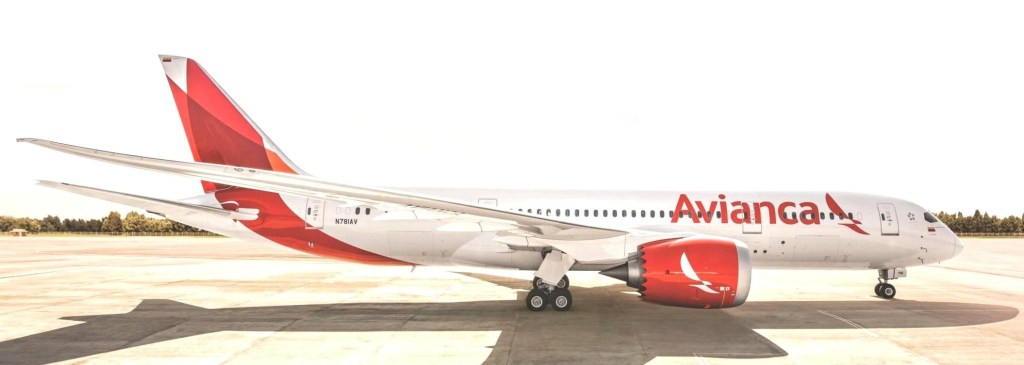
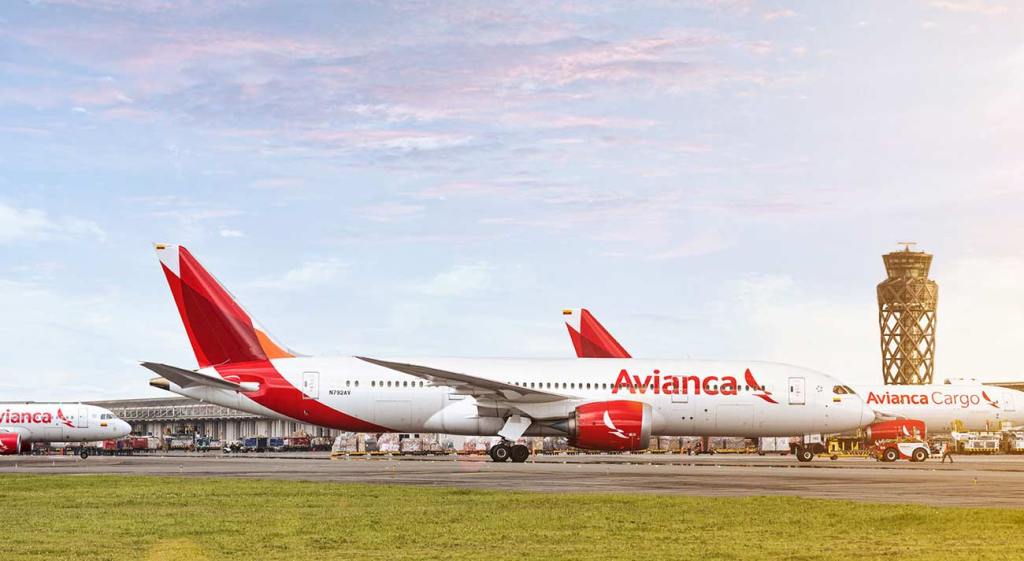
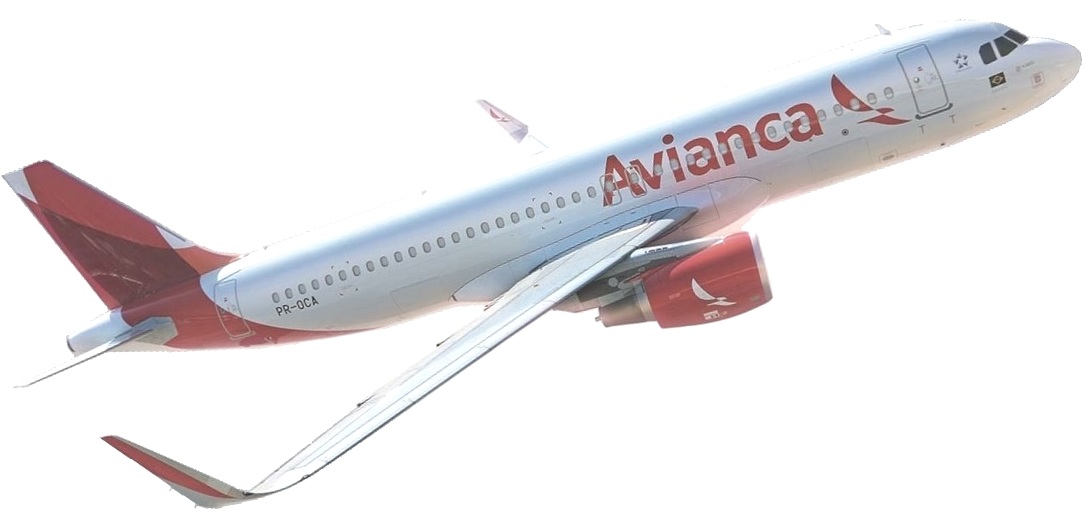
La compañía Avianca Airlines anunció este Jueves 02/12 la salida del Capítulo 11 de la Ley de Quiebras establecida en la Corte de Nueva York Distrito Sur. La aerolínea colombiana ha sido reestructurada y refinanciada, mientras que ha emergido como una nueva entidad bajo el nombre de Avianca Group International Limited. En medio del proceso de ajuste que vive Avianca Airlines, el saneamiento permitirá dar capacidad a la aerolínea para su expansión. La aerolínea anunció que completó con éxito su proceso de reestructuración financiera y salió del Capítulo 11 de la Ley de Quiebras de Estados Unidos, como “una aerolínea más eficiente y financieramente más sólida, con una deuda significativamente reducida y más de US$ 1.000 millones en liquidez”, aseguró la compañía mediante un comunicado extendido este 02/12.
El paso de Avianca por el Capítulo 11 del Código de Bancarrota de Estados Unidos involucró un proceso de dieciocho meses, tiempo que la aerolínea aprovechó para renovar su modelo de negocios para ser significativamente más eficiente y reafirmar su compromiso de brindar un servicio confiable y puntual, lo cual ha logrado combinando una propuesta de valor que incluye los mejores atributos del modelo low cost, al tiempo que conserva los diferenciales clave que le permiten ser la alternativa de viaje más conveniente para millones de pasajeros en América Latina y el mundo.
“Este es un día importante para Avianca y todos nuestros grupos de interés. Nos complace salir con éxito de este proceso, con una compañía en una posición financiera más sólida que seguirá sirviendo a todos sus clientes y volando durante muchos años más. Esperamos seguir ejecutando nuestra nueva visión empresarial y capitalizar la recuperación de la demanda de viajes para impulsar nuestro futuro éxito”, afirmó Rohit Philip, Chief Financial Officer de Avianca Airlines.
El Presidente y CEO de Avianca, Adrián Neuhauser, indicó que esperan “un futuro exitoso para la compañía, a medida que continuamos construyendo la historia de Avianca. Agradecemos el apoyo de nuestros clientes, socios y financistas a lo largo de este proceso. Quiero agradecer también a nuestra gente por su compromiso de brindar un servicio ininterrumpido a todos los clientes y cuyo arduo trabajo nos permitió completar este proceso de manera eficiente. Estoy seguro de que estamos bien posicionados para ser una aerolínea altamente competitiva y exitosa”.
La compañía informó que, conforme al acuerdo al que llegó con el plan de reorganización aprobado, los nuevos accionistas invertirán en el nuevo holding Avianca Group International Limited, el cual tendrá su domicilio en el Reino Unido. Este nuevo holding consolidará las inversiones del grupo en todas sus subsidiarias que incluyen a Aerovías del Continente Americano, su subsidiaria colombiana y TACA International, su operación en Centroamérica. Es de recordar que Avianca Holdings, el holding anterior, tenía su domicilio en la República de Panamá.
Perspectivas Avianca
Hay una profunda discusión alrededor del futuro de Avianca y si se va a convertir en una aerolínea de bajo costo. Avianca inaugurará once rutas para este fin de 2021. A la par de este esperado anuncio, Avianca indicó que seguirá fortaleciendo su propuesta de valor, lo cual logrará mediante el ajuste de sus productos y servicios a las necesidades de sus clientes, entre los que se incluyen precios más competitivos y permitirá a los clientes personalizar su tarifa y pagar los servicios y la flexibilidad que necesitan. Conservar una de las redes más robustas de América Latina y la más fuerte de Colombia. Durante los próximos tres años, Avianca Airlines espera casi duplicar su red, expandiéndose a casi 200 rutas en América Latina y el mundo. La mayoría de las nuevas rutas serán punto a punto, brindando mayor comodidad a sus clientes. La red contará con una flota de más de 130 aviones para finales de 2025 con asientos reconfigurados y más livianos de nueva generación, lo que permitirá a Avianca reducir la huella de carbono de sus operaciones y contribuir a la descongestión del aeropuerto al tiempo que aumenta su eficiencia. Avianca reintegraría a cien pilotos que salieron de su compañía tras las huelgas de 2017.
Avianca leaves Chapter 11
Concludes Chapter 11 Bankruptcy Law Avianca completes its restructuring
The Avianca Airlines company announced this Thursday 02/12 the exit of Chapter 11 of the Bankruptcy Law established in the New York Southern District Court. The Colombian airline has been restructured and refinanced, while it has emerged as a new entity under the name Avianca Group International Limited. In the midst of the adjustment process that Avianca Airlines is undergoing, the reorganization will allow the airline to be able to expand. The airline announced that it successfully completed its financial restructuring process and exited Chapter 11 of the United States Bankruptcy Law, as “a more efficient and financially sound airline, with significantly reduced debt and more than US$ 1 billion in debt liquidity”, the company assured through an extended statement esre 02/12.
Avianca’s passage through Chapter 11 of the United States Bankruptcy Code involved a process of eighteen months, time that the airline took advantage of to renew its business model to be significantly more efficient and reaffirm its commitment to provide a reliable and punctual service, which which it has achieved by combining a value proposition that includes the best attributes of the low cost model, while preserving the key differentials that allow it to be the most convenient travel alternative for millions of passengers in Latin America and the world.
“This is an important day for Avianca and all of our stakeholders. We are pleased to come out of this process successfully, with a company in a stronger financial position that will continue to serve all of its customers and fly for many years to come. We look forward to continuing to execute our new business vision and capitalize on the recovery in travel demand to drive our future success”, said Rohit Philip, Chief Financial Officer, Avianca Airlines.
Avianca President and CEO, Adrián Neuhauser, indicated that they look forward to “a successful future for the company, as we continue to build the history of Avianca. We appreciate the support of our clients, partners and funders throughout this process. I also want to thank our people for their commitment to providing uninterrupted service to all clients and whose hard work allowed us to complete this process efficiently. I am confident that we are well positioned to be a highly competitive and successful airline».
The company informed that, in accordance with the agreement reached with the approved reorganization plan, the new shareholders will invest in the new holding Avianca Group International Limited, which will have its domicile in the United Kingdom. This new holding will consolidate the group’s investments in all its subsidiaries, which include Aerovías del Continente Americano, its Colombian subsidiary, and TACA International, its operation in Central America. It should be remembered that Avianca Holdings, the previous holding company, had its domicile in the Republic of Panama.
Avianca outlook
There is a deep discussion around the future of Avianca and if it is going to become a low-cost airline. Avianca will inaugurate eleven routes by the end of 2021. Along with this long-awaited announcement, Avianca indicated that it will continue to strengthen its value proposition, which it will achieve by adjusting its products and services to the needs of its customers, including they include more competitive prices and will allow customers to customize their rate and pay for the services and flexibility they need. Maintain one of the most robust networks in Latin America and the strongest in Colombia. Over the next three years, Avianca Airlines expects to almost double its network, expanding to almost 200 routes in Latin America and the world. Most of the new routes will be point-to-point, providing greater comfort to your customers. The network will have a fleet of more than 130 aircraft by the end of 2025 with new generation reconfigured and lighter seats, which will allow Avianca to reduce the carbon footprint of its operations and contribute to the decongestion of the airport while increasing its efficiency. Avianca would reinstate 100 pilots who left their company after the 2017 strikes.
Japón cierra vuelos por variante Omicron de Coronavirus
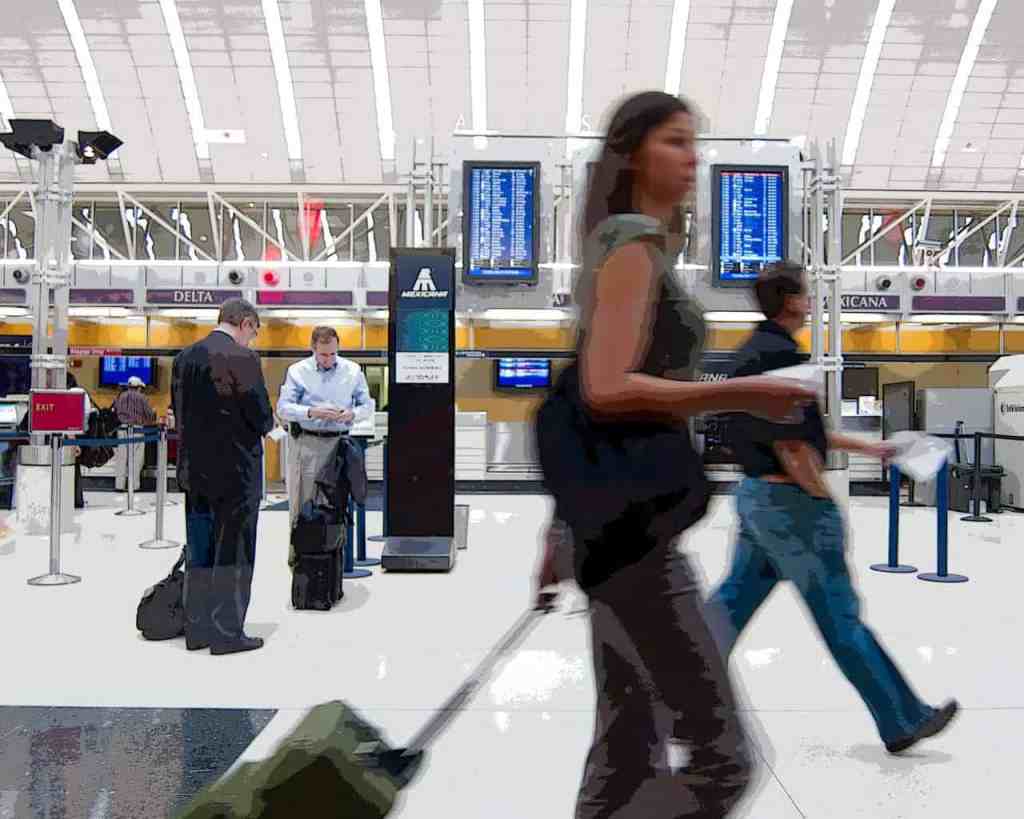
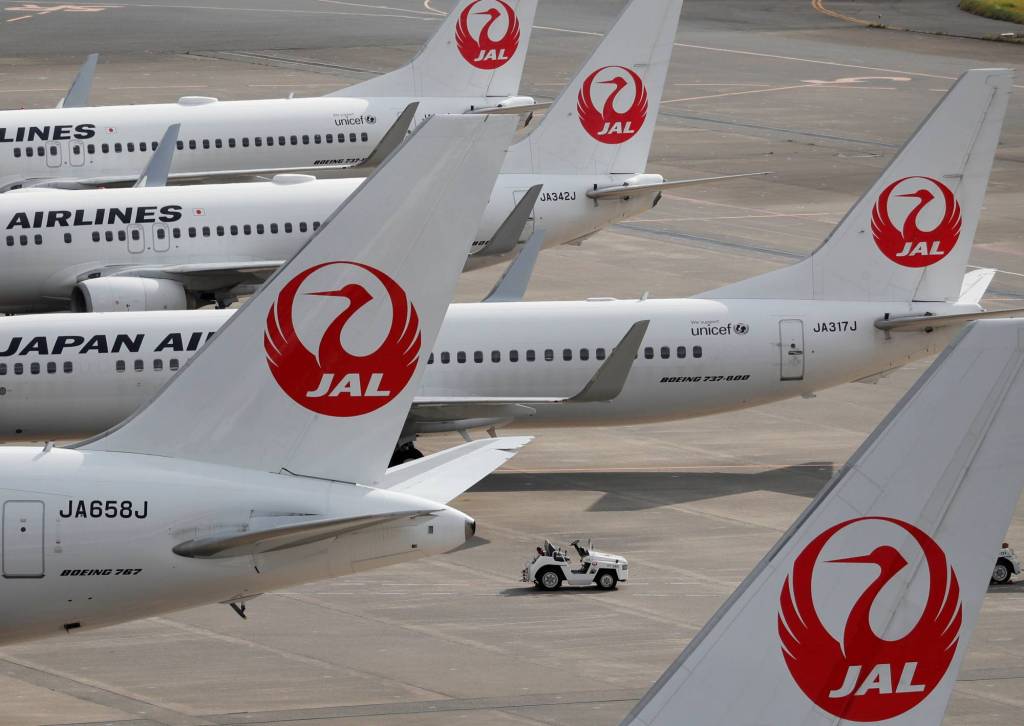
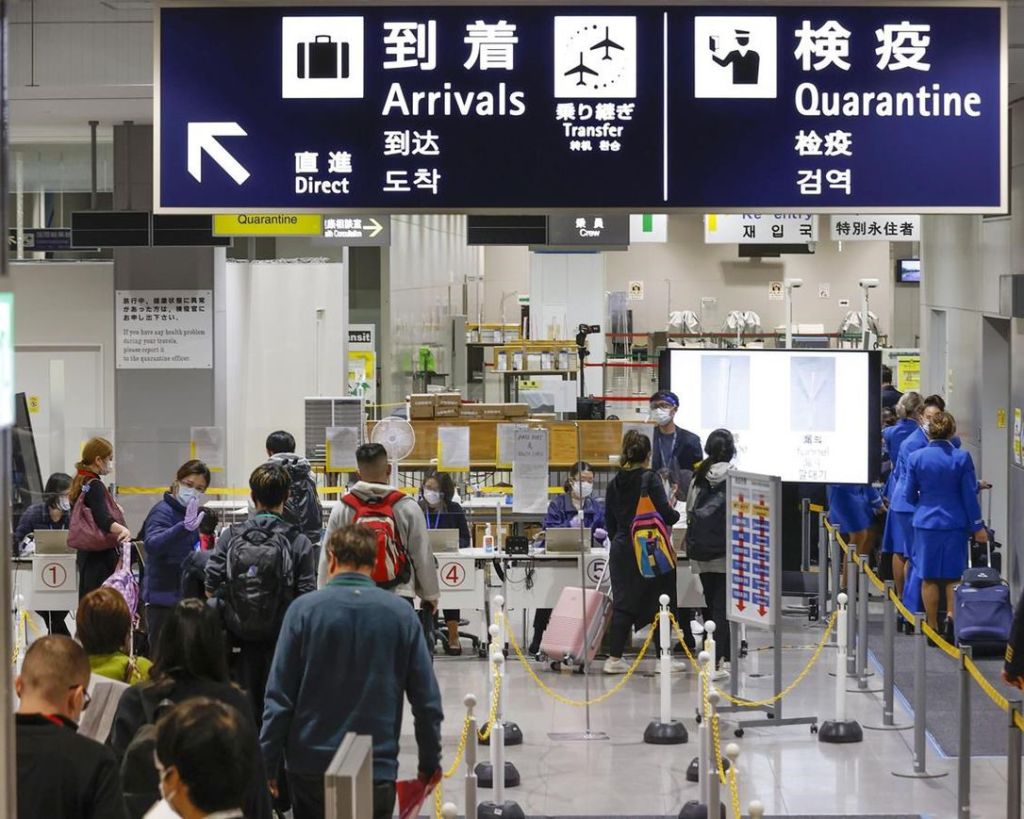
Las compañías aéreas se encuentran expectantes acerca de los nuevos posibles cierres de fronteras y las complicaciones que derivan de los vuelos internacionales. El caso de Japón que a partir del Miércoles 1 de Diciembre de 2021 el Gobierno está solicitando a todas las aerolíneas que suspendan sus reservaciones nuevas de vuelos hacia el país hasta finales de año 2021. Esto crea un blindaje en el tráfico de pasajeros en caso de cierre total.
Junsuke Kajita, un Oficial en la división de vuelos internacionales en el Ministerio de Tierra, Infraestructura, Transporte y Turismo, dijo que se encuentran en estado de emergencia y que las medidas extraordinarias se tomaron debido a que se sabe poco al respecto de la nueva variante, pero que son de carácter temporal. Tanto aerolíneas japonesas como extranjeras han recibido la indicación de no aceptar reservaciones para vuelos que entren a Japón durante el mes de Diciembre 2021. Las restricciones llegaron poco tiempo después de que Japón confirmó su segundo caso de la variante Omicron, esta vez en un hombre procedente de Perú.
La variante Omicron del virus COVID-19 está generando nuevamente dificultades en el transporte aéreo de retroceder nuevamente a los cierres de fronteras después de dos años de pandemia.
Countries would begin closing borders
Japan closes flights due to Omicron variant of Coronavirus
The airlines are expectant about the new possible border closures and the complications that derive from the international flights. The case of Japan that as of Wednesday, December 1, 2021, the Government is requesting all airlines to suspend their new flight reservations to the country until the end of the year 2021. This creates a shield in passenger traffic in case of total closure.
Junsuke Kajita, an Officer in the international flights division at the Ministry of Land, Infrastructure, Transport and Tourism, said that they are in a state of emergency and that the extraordinary measures were taken because little is known about the new variant, but they are temporary. Both Japanese and foreign airlines have received the indication not to accept reservations for flights entering Japan during the month of December 2021. The restrictions came shortly after Japan confirmed its second case of the Omicron variant, this time in a man from from Peru.
The Omicron variant of the COVID-19 virus is again creating difficulties in air transport to backtrack again to border closures after two years of pandemic.


















 airgways.com