Ethiopian involucrada tráfico armas
AW | 2021 10 07 10:43 | AIR INVESTIGATION / AVIATION SAFETY / GOVERNMENT

Etiopía utilizó aerolínea transportar armas durante guerra Tigray
Escándalo internacional contravenciones a la aviación comercial

AW-Ethiopian Airlines_Isologotype


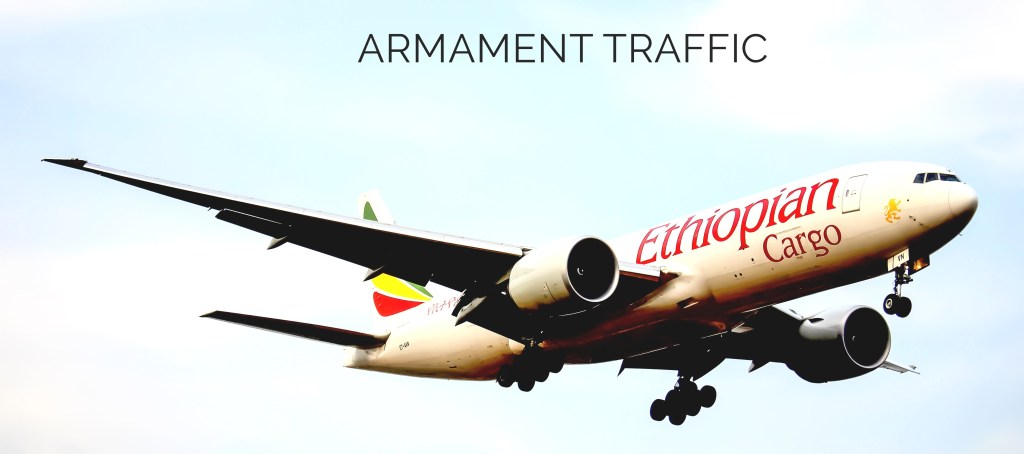
El Gobierno de Etiopía utilizó a Ethiopian Airlines, la aerolínea comercial de bandera del país, para transportar armas desde y hacia la vecina Eritrea durante la guerra civil en la región etíope de Tigray, según ha descubierto una investigación de CNN. El incidente ha movido todo el arco político y jurisdiccional de reclamos internacionales.

Los documentos y manifiestos de carga vistos por CNN, así como los relatos de testigos presenciales y las pruebas fotográficas, confirman que se transportaron armas entre el Aeropuerto Internacional Adís Abeba y los aeropuertos de las ciudades eritreas de Asmara y Massawa a bordo de múltiples aviones de Ethiopian Airlines en Noviembre de 2020, durante las primeras semanas del conflicto de Tigray. Es la primera vez que se documenta este comercio de armas entre los antiguos países enemigos durante la guerra. Según los expertos, los vuelos constituirían una violación de la legislación internacional sobre aviación, que prohíbe el contrabando de armas de uso militar en aviones civiles. Las atrocidades cometidas durante el conflicto bélico Etiopía-Tigray también parecen violar los términos de un programa comercial que proporciona un lucrativo acceso al mercado de Estados Unidos y del que Ethiopian Airlines se ha beneficiado enormemente.

Ethiopian Airlines es una aerolínea propiedad del Estado de Etiopía que genera miles de millones de Dólares al año transportando pasajeros a centros de operaciones en todo el continente africano y en todo el mundo, y también es miembro de la Star Alliance, un grupo de algunas de las principales compañías de aviación del mundo. La aerolínea ya había negado en dos ocasiones haber transportado armas. En respuesta a la última investigación de CNN, Ethiopian Airlines dijo que cumple estrictamente con todas las regulaciones nacionales, regionales e internacionales relacionadas con la aviación y que según su conocimiento y sus registros, no ha transportado ningún armamento de guerra en ninguna de sus rutas por ninguno de sus aviones.

Conflicto Etiopía-Tigray

Las tensiones que desde hace tiempo existen entre el Gobierno de Etiopía y el partido gobernante en la Región de Tigray estallaron el 4 de Noviembre 2020, cuando Etiopía acusó al Frente de Liberación Popular de Tigray (TPLF) de atacar una base del ejército federal. Abiy Ahmed, Primer Ministro de Etiopía y ganador del Premio Nobel de la Paz, ordenó una ofensiva militar para expulsar al TPLF del poder. Las fuerzas gubernamentales y las milicias regionales entraron en Tigray, a las que se unieron en el frente las tropas de Eritrea. Se calcula que miles de personas murieron en el conflicto, que según muchos testimonios tiene el características de genocidio y limpieza étnica. Aunque todas las partes han sido acusadas de cometer graves abusos contra los derechos humanos durante la guerra de Tigray, investigaciones anteriores de CNN establecieron que los soldados eritreos han estado detrás de algunas de las peores atrocidades, como la violencia sexual y los asesinatos en masa. Eritrea ha negado que sus soldados hayan cometido infracciones y solo admitió recientemente tener tropas en Tigray.

Vuelos armamentos

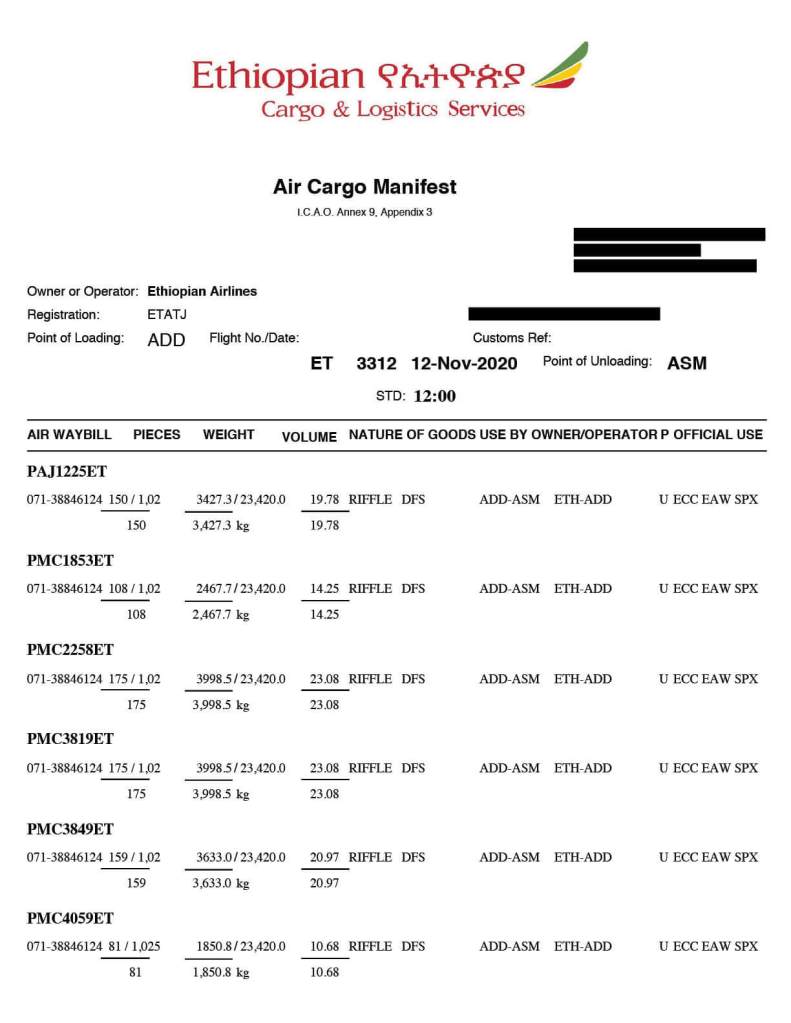
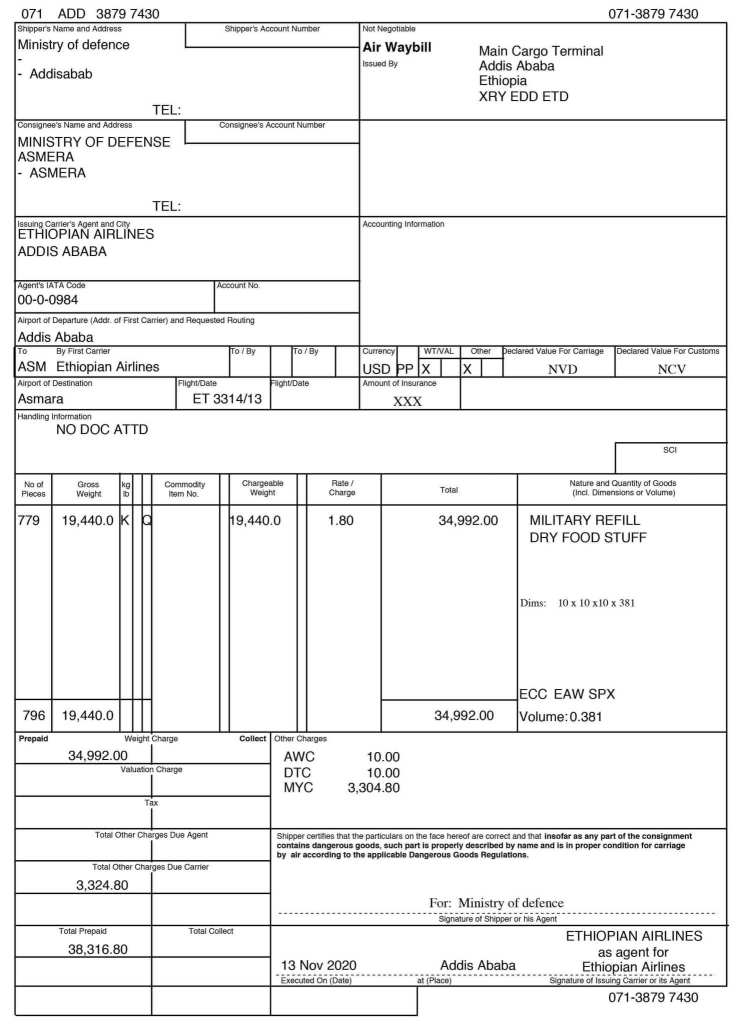
Los documentos obtenidos por CNN indican que los vuelos con armas entre Etiopía y Eritrea comenzaron al menos unos días después del inicio del conflicto de Tigray. En al menos seis ocasiones, entre el 9 y el 28 de Noviembre de 2020, Ethiopian Airlines facturó al Ministerio de Defensa de Etiopía decenas de miles de Dólares por artículos militares, incluidas armas y municiones, que se enviaron a Eritrea. Los documentos, conocidos como guías de embarque, detallan el contenido de cada envío. En uno de los documentos, la «naturaleza y cantidad de los bienes» figura como «recarga militar» y «material alimentario seco». Otras entradas incluían la descripción «consolidado». Los registros también tenían abreviaturas y errores ortográficos como «AM» para munición y «RIFFLES» para rifles, según los empleados de la aerolínea. Dijeron a CNN que los errores ortográficos se introdujeron cuando los empleados introdujeron manualmente el contenido en la base de datos de carga.

Benno Baksteen, Presidente de DEGAS, el Grupo de Expertos Holandeses en Seguridad Aérea, declaró que estas guías de embarque son necesarias para todos los vuelos comerciales, ya que la tripulación a bordo necesita conocer el contenido de la carga para garantizar su transporte seguro.

El 9 de Noviembre de 2020, cinco días después de que Abiy Ahmed ordenara una ofensiva militar en Tigray, los registros muestran que un vuelo de Ethiopian Airlines transportó armas y municiones desde Adís Abeba a Asmara, la capital de Eritrea. Una guía de embarque y un manifiesto de carga de esa fecha muestran que Ethiopian Airlines cobró a Etiopía US$ 166.398,32 por unas 2.643 piezas de «DFS & RIFFLE CON AM (sic)» en ese vuelo. DFS es una referencia a «Dry Food Stuff» (Material Alimentario Seco), según fuentes de la aerolínea. Otra guía de embarque de unos días después, el 13 de noviembre, tiene el mismo remitente y destinatario. El contenido de ese envío era «recarga militar y alimentos secos», según el documento. Los envíos llegaron en un momento de mayor actividad militar; fuentes de seguridad de la región dijeron que los eritreos necesitaban reabastecerse para la lucha en Tigray.

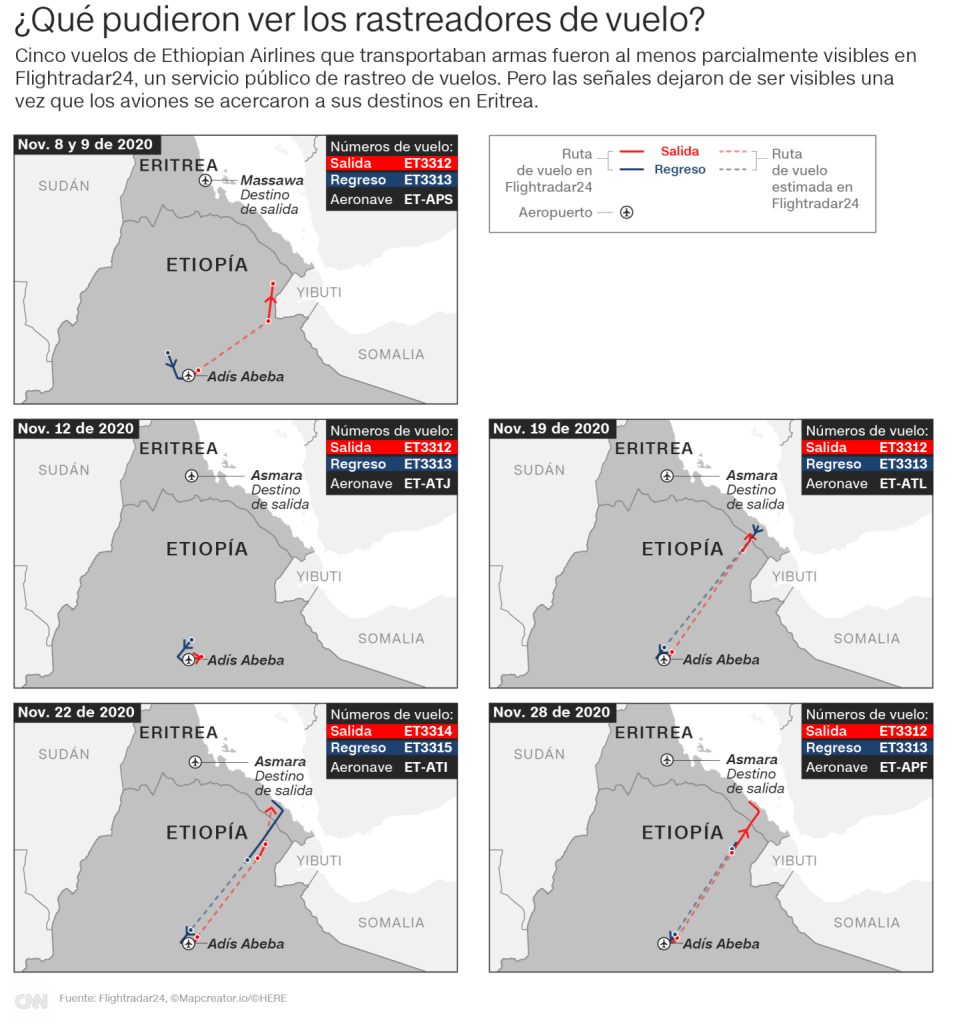
Mientras los aviones transportaban el cargamento entre los dos países, se produjeron masacres de tigrino en la ciudad de Axum y en el pueblo de Dengelat por parte de las tropas eritreas el 19 y el 30 de Noviembre de 2020, respectivamente. Los documentos de carga muestran una serie de vuelos entre Etiopía y Eritrea que continuó al menos hasta el 28 de noviembre de 2020. Algunos empleados de Ethiopian Airlines, que hablaron bajo condición de anonimato por temor a las repercusiones, dijeron que los vuelos continuaron más allá de esta fecha, pero que la mayoría de los viajes de armas a Eritrea fueron en noviembre. En la operación se utilizaron tanto aviones de carga como de pasajeros. Muchos de estos vuelos no aparecen en las populares plataformas de seguimiento de vuelos en línea, como Flightradar24. Cuando lo hacen, el destino en Eritrea no suele ser visible y la ruta de vuelo desaparece una vez que el avión cruza la frontera de Etiopía.

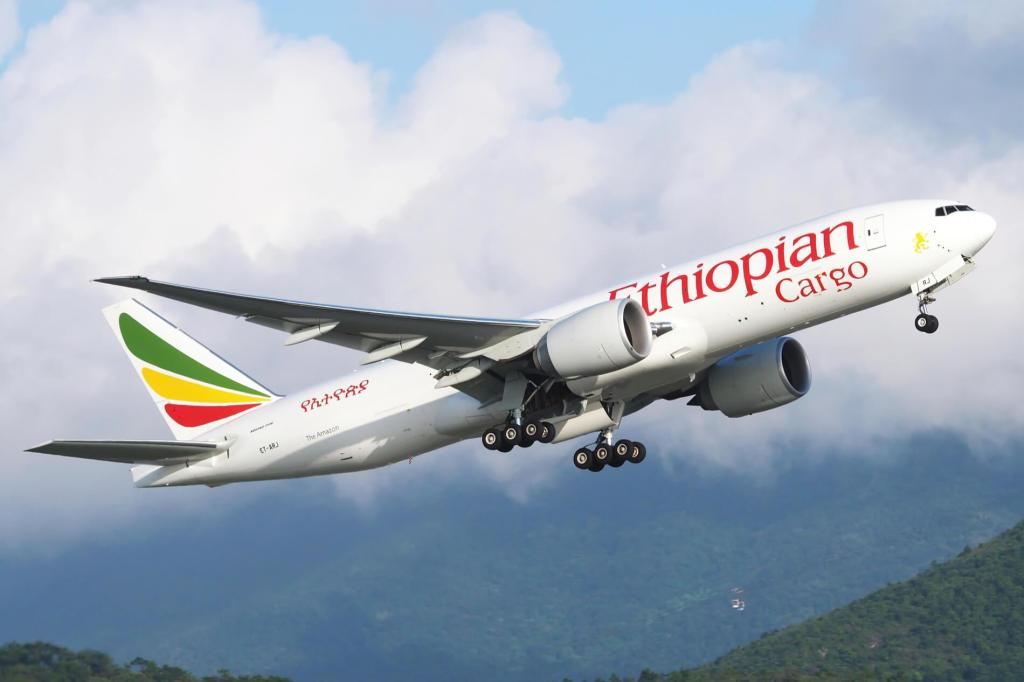
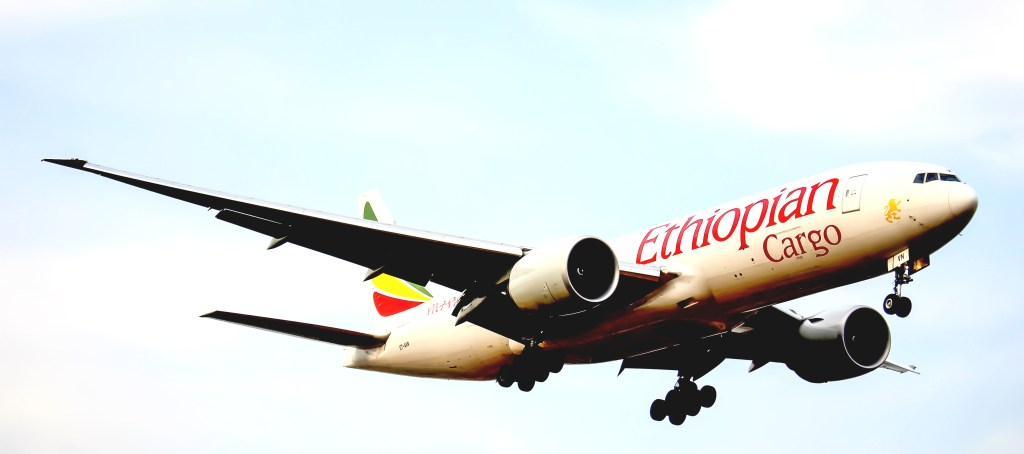
Los empleados dijeron que el personal podía apagar manualmente la señal ADS-B a bordo para evitar que los vuelos fueran rastreados públicamente. Los vuelos solían tener asignados los mismos números de vuelo, principalmente ET3312, ET3313 y ET3314, siendo «ET» el código de Ethiopian Airlines. Todos los aviones mencionados en los archivos de carga vistos por CNN son aviones Boeing 777-200 de fabricación estadounidense. La aerolínea mantiene una larga relación con el gigante de la aviación estadounidense. Un representante de Boeing declinó hacer comentarios.

Carga y descarga de armas

Los trabajadores de Ethiopian Airlines describieron haber presenciado cómo otros empleados de la aerolínea cargaban y descargaban armas y vehículos militares en los vuelos dirigidos a Asmara. Algunos incluso afirmaron que ayudaron a cargar las armas en los aviones. Todos hablaron de haber sido investigados previamente por ser tigrino. CNN ha visto las tarjetas de identificación de Ethiopian Airlines de estos empleados y ha confirmado sus identidades. Uno de los exempleados dijo que recibieron instrucciones en el Aeropuerto Internacional de Bole, en Adís Abeba, para cargar armas y cuatro vehículos militares en un avión de carga de Ethiopian Airlines que debía volar a Bélgica, pero que fue enviado en su lugar a Eritrea. «Los vehículos eran camionetas Toyota que tienen un soporte para francotiradores. Recibí una llamada del Director General a última hora de la noche informándome que debía ocuparme de la carga. Los soldados vinieron a las cinco de la mañana para empezar a cargar dos grandes camiones cargados de armas y las camionetas. Tuve que detener un vuelo a Bruselas, un avión de carga 777, que estaba cargado de flores, y luego descargamos la mitad de los productos perecederos para hacer espacio para el armamento», dijo el empleado, advirtiendo a los soldados que los vehículos llevaban mucha más gasolina de la permitida por las normas internacionales de transporte aéreo, pero dijo que fueron desestimados tras una llamada directa de un comandante del ejército. «Él [el comandante] dijo que íbamos a la guerra y que necesitábamos que se cargara el combustible. Entonces remití el asunto a mi jefe y mi jefe asumió la responsabilidad y les permitió cargarlo», dijo el empleado.

El vuelo, cargado tanto de armas como de flores, viajó a Eritrea y luego regresó a Adís Abeba antes de volar a Bruselas al día siguiente, dijo el empleado. CNN cruzó este testimonio con Flightradar24 y encontró el registro de un avión de Ethiopian Airlines que regresaba de la dirección de Eritrea y volaba a Bruselas al día siguiente, pero no pudo verificar de forma independiente que fuera el mismo vuelo al que se refería el empleado.

Suspendidos de su trabajos

Días más tarde, el empleado dijo que habían sido suspendidos temporalmente del trabajo. Creen que se les suspendió por ser tigrinos, pero también por el incidente con los soldados. El empleado huyó de Etiopía en Marzo 2020. Ethiopian Airlines dijo a CNN en su declaración que ningún empleado había sido suspendido o despedido debido a su origen étnico. Parece que no es el único vuelo internacional de larga distancia con paradas imprevistas. Un vuelo de Adís Abeba a Shanghái del 9 de Noviembre de 2020 dio un largo rodeo a través de Eritrea, según la señal ADS-B que rastrea la ruta en Flightradar24. Varios empleados del Aeropuerto de Adís Abeba afirmaron haber visto salir cada día múltiples vuelos cargados de armas con destino a Eritrea al comienzo del conflicto. También hablaron de vuelos que llevaban armas desde Eritrea de vuelta a Etiopía. No está claro por qué se trasladaba el armamento de vuelta a Etiopía. Uno de ellos dijo que vio tanques y artillería pesada cargados en aviones que llegaban a Adís Abeba, mientras que las armas pequeñas como morteros, lanzadores se enviaban a Asmara. Los empleados dijeron a CNN que creían que el armamento más pequeño se enviaba a Asmara para armar a las tropas eritreas.

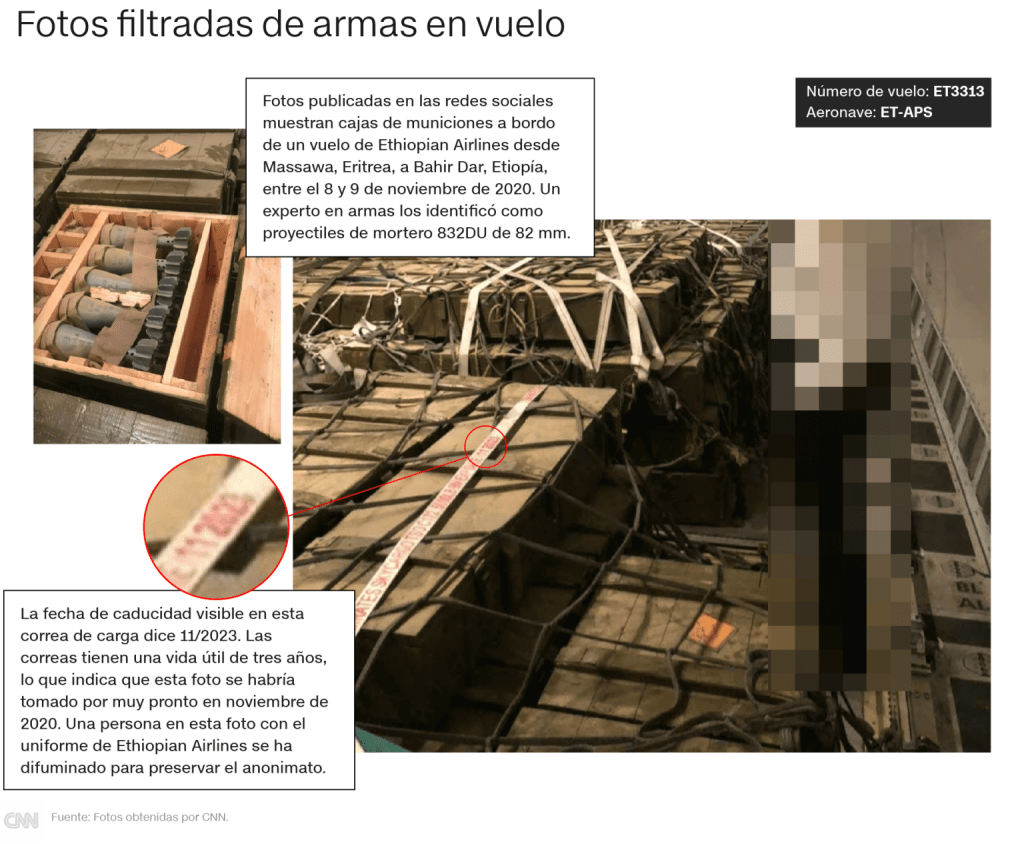
En Junio 2021, circularon fotos en las redes sociales que mostraban cajas con morteros a bordo de un vuelo de Ethiopian Airlines y las mismas cajas siendo cargadas en el avión en Massawa, Eritrea. La compañía emitió un comunicado en el que negaba rotundamente la acusación de que sus aviones transportaran armas y afirmaba que las fotos estaban retocadas. Sin embargo, CNN ha corroborado las fotos mediante técnicas de análisis visual, entrevistas y pruebas documentales, y las ha fechado a un vuelo de carga de un Boeing 777-200 Freighter que voló de Etiopía a Eritrea y viceversa entre el 8 y el 9 de Noviembre de 2020.

Según la base de datos pública de la Unión Europea, la República de Bulgaria vendió armas a Etiopía en fecha tan reciente como 2020.

En otra imagen aparece un empleado con un uniforme que coincide con el de Ethiopian Airlines. El interior del avión también se ajusta a la disposición de un avión de carga 777F de Ethiopian Airlines. En las fotos se puede ver la fecha de caducidad de las correas de Emirates SkyCargo apretadas alrededor de las cajas: noviembre de 2023. Dado que este tipo concreto de correas de carga -TSO C172- tiene una vida útil de tres años, se habrían utilizado como muy pronto en noviembre de 2020. CNN ha confirmado que estas correas de Emirates SkyCargo se han utilizado en otros vuelos de Ethiopian Airlines. Emirates SkyCargo dijo a CNN que sus «correas pueden ser mezcladas inadvertidamente con las de otras aerolíneas por los manipuladores de tierra, que son contratistas de terceros, y pueden ser utilizadas para asegurar la carga transportada en otros aviones». Un representante del fabricante de correas de carga TSO C172, AmSafe Bridport, declinó hacer comentarios.

El avión de carga Boeing 777-200F en cuestión despegó el 8 de Noviembre de 2020 de Adís Abeba vacío antes de aterrizar en Massawa, donde los trabajadores locales se encargaron de cargarlo manualmente con diversas armas, incluidos los morteros.

Repercusiones legales

Varios expertos en aviación con los que habló CNN sobre estos hallazgos dijeron que Ethiopian Airlines parecía estar violando la Convención sobre Aviación Civil Internacional, comúnmente conocida como la Convención de Chicago, que prohíbe a los transportistas comerciales transportar municiones de guerra o implementos de guerra. Pablo Mendes de León, profesor de Derecho Aéreo y Espacial en La Haya, dijo que «hay varios indicios de que estos vuelos eran comerciales, no militares ni estatales, entre ellos que los vuelos llevan un número de vuelo comercial de Ethiopian Airlines junto con el hecho de que se ha emitido una guía aérea. He llegado a la conclusión de que [estos vuelos] han sido operados por aeronaves civiles que caen bajo los términos de la Convención de Chicago. Tienen muchas repercusiones legales y condiciones, todas las cuales pueden no haberse cumplido», dijo Mendes de León.

El estatus de Etiopía como potencia económica regional depende en parte del dominio de Ethiopian Airlines en materia de carga. El país y la aerolínea se han beneficiado de un programa comercial estadounidense que proporciona un acceso favorable al mercado de Estados Unidos a los países que cumplen ciertos criterios. Esta relación es importante para ambos países: en 2017, las exportaciones estadounidenses a Etiopía consistieron principalmente en aviones y componentes de aviones de Boeing, por valor de más de US$ 857 millones. Pero una cláusula de la Ley de Crecimiento y Oportunidad de África (AGOA) de Estados Unidos estipula que las naciones elegibles no deben participar en «violaciones graves de los derechos humanos reconocidos internacionalmente».

En anteriores investigaciones de CNN se constató que las atrocidades cometidas por el gobierno etíope y sus aliados tenían el sello de genocidio y limpieza étnica. A finales de Agosto 2021, la representante Comercial de Estados Unidos, Katherine Tai, advirtió al principal negociador comercial de Etiopía que «las continuas violaciones de los derechos humanos internacionalmente reconocidos en Tigray podrían afectar a la futura elegibilidad [según la AGOA] de Etiopía si no se abordan».

El Martes 5 de Octubre de 20212, un portavoz dijo que la oficina de Representación Comercial llevaría a cabo su próxima revisión de la elegibilidad para la AGOA en 2022, «basándose en el cumplimiento de las normas que incluyen la adhesión a los derechos de los trabajadores reconocidos internacionalmente, el estado de derecho y los derechos humanos». Tras la revisión, Katherine Tai podría «recomendar al Presidente que añada o elimine a determinados países de la condición de país beneficiario de la AGOA», mostrando así las violaciones flagrantes al transporte aéreo comercial y a los derechos humanos.

Ethiopian involved arms trafficking
Ethiopia used airline to transport weapons during Tigray war
International scandal violations of commercial aviation

The Ethiopian Government used Ethiopian Airlines, the country’s flagged commercial airline, to transport weapons to and from neighboring Eritrea during the civil war in Ethiopia’s Tigray region, a CNN investigation has found. The incident has moved the entire political and jurisdictional arc of international claims.

Documents and cargo manifests seen by CNN, as well as eyewitness accounts and photographic evidence, confirm that weapons were transported between Addis Ababa International Airport and the airports of the Eritrean cities of Asmara and Massawa aboard multiple aircraft from Ethiopian Airlines in November 2020, during the first weeks of the Tigray conflict. It is the first time that this arms trade between former enemy countries during the war has been documented. According to experts, the flights would constitute a violation of international aviation law, which prohibits the smuggling of weapons for military use on civilian aircraft. The atrocities committed during the Ethiopia-Tigray war also appear to violate the terms of a commercial program that provides lucrative access to the US market and from which Ethiopian Airlines has benefited greatly.

Ethiopian Airlines is an Ethiopian State-owned airline that generates billions of Dollars a year carrying passengers to hubs across the African continent and around the world, and is also a member of the Star Alliance, a group of some of the world’s leading aviation companies. The airline had already twice denied having transported weapons. In response to the latest CNN investigation, Ethiopian Airlines said that it strictly complies with all national, regional and international regulations related to aviation and that to the best of its knowledge and records, it has not transported any weapons of war on any of its routes via none of their planes.

Ethiopia-Tigray Conflict

Long-standing tensions between the Ethiopian Government and the ruling party in the Tigray Region erupted on November 4, 2020, when Ethiopia accused the Tigray People’s Liberation Front (TPLF) of attacking a federal army base. Abiy Ahmed, Prime Minister of Ethiopia and winner of the Nobel Peace Prize, ordered a military offensive to oust the TPLF from power. Government forces and regional militias entered Tigray, joined at the front by Eritrean troops. It is estimated that thousands of people died in the conflict, which according to many testimonies has the characteristics of genocide and ethnic cleansing. Although all parties have been accused of serious human rights abuses during the Tigray war, previous CNN investigations established that Eritrean soldiers have been behind some of the worst atrocities, such as sexual violence and mass killings. Eritrea has denied any wrongdoing by its soldiers and only recently admitted having troops in Tigray.

Arms flights

Documents obtained by CNN indicate that the arms flights between Ethiopia and Eritrea began at least a few days after the start of the Tigray conflict. On at least six occasions, between November 9 and 28, 2020, Ethiopian Airlines billed the Ethiopian Ministry of Defense tens of thousands of dollars for military items, including weapons and ammunition, which were shipped to Eritrea. The documents, known as bills of lading, detail the contents of each shipment. In one of the documents, the «nature and quantity of the goods» is listed as «military recharge» and «dry food material». Other entries included the description «consolidated». The records also had abbreviations and misspellings such as «AM» for ammunition and «RIFFLES» for rifles, according to airline employees. They told CNN that the spelling errors were introduced when employees manually entered the content into the upload database.

Benno Baksteen, President of DEGAS, the Dutch Expert Group on Aviation Safety, stated that these waybills are necessary for all commercial flights, as the crew on board need to know the contents of the cargo to ensure its safe transport.

On November 9, 2020, five days after Abiy Ahmed ordered a military offensive in Tigray, records show that an Ethiopian Airlines flight transported weapons and ammunition from Addis Ababa to Asmara, the capital of Eritrea. A bill of lading and cargo manifest from that date show Ethiopian Airlines charged Ethiopia US$ 166,398.32 for some 2,643 pieces of «DFS & RIFFLE CON AM (sic)» on that flight. DFS is a reference to «Dry Food Stuff», according to airline sources. Another waybill from a few days later, on November 13, has the same sender and recipient. The content of that shipment was «military recharge and dry food», according to the document. The shipments arrived at a time of increased military activity; Security sources in the region said the Eritreans needed to resupply for the fighting in Tigray.

While the planes were transporting the cargo between the two countries, Tigrino massacres occurred in the city of Axum and in the town of Dengelat by Eritrean troops on November 19 and 30, 2020, respectively. The cargo documents show a series of flights between Ethiopia and Eritrea that continued until at least November 28, 2020. Some Ethiopian Airlines employees, who spoke on condition of anonymity for fear of repercussions, said the flights continued further. of this date, but that most of the arms trips to Eritrea were in November. Both cargo and passenger aircraft were used in the operation. Many of these flights do not appear on popular online flight tracking platforms such as Flightradar24. When they do, the destination in Eritrea is usually not visible and the flight path disappears once the plane crosses the Ethiopian border.

Employees said staff could manually turn off the ADS-B signal on board to prevent flights from being publicly tracked. Flights used to be assigned the same flight numbers, mainly ET3312, ET3313 and ET3314, with «ET» being the code for Ethiopian Airlines. All of the aircraft mentioned in the cargo files seen by CNN are US-made Boeing 777-200 aircraft. The airline has a long relationship with the American aviation giant. A representative for Boeing declined to comment.

Loading and unloading of weapons

Ethiopian Airlines workers described witnessing other airline employees loading and unloading weapons and military vehicles on flights to Asmara. Some even claimed that they helped load the weapons onto planes. All spoke of having been previously investigated for being a Tigrine. CNN has seen the Ethiopian Airlines ID cards of these employees and confirmed their identities. One of the former employees said they were instructed at Bole International Airport in Addis Ababa to load weapons and four military vehicles onto an Ethiopian Airlines cargo plane that was supposed to fly to Belgium but was sent to Eritrea instead. «The vehicles were Toyota pickups that have a sniper support. I got a call from the CEO late at night informing me that I had to take care of the loading. The soldiers came at five in the morning to start loading two large loaded trucks. weapons and vans. I had to stop a flight to Brussels, a 777 cargo plane, which was loaded with flowers, and then we unloaded half of the perishable goods to make room for the weapons», said the employee, warning the soldiers said the vehicles carried much more gasoline than allowed by international air transport regulations, but said they were dismissed after a direct call from an army commander. «He [the commander] said we were going to war and we needed the fuel to be loaded. So I referred the matter to my boss and my boss took responsibility and allowed them to load it», the employee said.

The flight, laden with both weapons and flowers, traveled to Eritrea and then returned to Addis Ababa before flying to Brussels the next day, the employee said. CNN crossed this testimony with Flightradar24 and found the record of an Ethiopian Airlines plane returning from the direction of Eritrea and flying to Brussels the next day, but could not independently verify that it was the same flight the employee was referring to.

Suspended from their jobs

Days later, the employee said they had been temporarily suspended from work. They believe they were suspended for being Tigrinos, but also for the incident with the soldiers. The employee fled Ethiopia in March 2020. Ethiopian Airlines told CNN in its statement that no employee had been suspended or fired due to his ethnicity. It seems that it is not the only long-haul international flight with unexpected stops. A flight from Addis Ababa to Shanghai on November 9, 2020, took a long detour through Eritrea, according to the ADS-B signal that tracks the route on Flightradar24. Several Addis Ababa Airport employees reported seeing multiple arms-laden flights depart each day to Eritrea at the start of the conflict. They also spoke of flights carrying weapons from Eritrea back to Ethiopia. It is not clear why the weapons were being transferred back to Ethiopia. One of them said he saw tanks and heavy artillery loaded onto planes arriving in Addis Ababa, while small arms such as mortars, launchers were sent to Asmara. Employees told CNN they believed the smaller weaponry was being sent to Asmara to arm Eritrean troops.

In June 2021, photos circulated on social media showing boxes with mortars on board an Ethiopian Airlines flight and the same boxes being loaded onto the plane in Massawa, Eritrea. The company issued a statement in which it flatly denied the allegation that its planes carried weapons and claimed that the photos were retouched. However, CNN has corroborated the photos through visual analysis techniques, interviews and documentary evidence, and has dated them to a cargo flight of a Boeing 777-200 Freighter that flew from Ethiopia to Eritrea and vice versa between 8 and 9 of November 2020.

According to the European Union public database, the Republic of Bulgaria sold arms to Ethiopia as recently as 2020.

Another image shows an employee wearing a uniform that matches that of Ethiopian Airlines. The interior of the aircraft also fits the layout of an Ethiopian Airlines 777F cargo plane. In the photos you can see the expiration date of the Emirates SkyCargo straps tightened around the boxes: November 2023. Since this particular type of cargo straps -TSO C172- has a useful life of three years, they would have been used November 2020 at the earliest. CNN has confirmed that these Emirates SkyCargo straps have been used on other Ethiopian Airlines flights. Emirates SkyCargo told CNN that its «straps can be inadvertently mixed with those of other airlines by ground handlers, who are third-party contractors, and can be used to secure cargo carried on other aircraft». A representative for TSO C172 cargo strap manufacturer AmSafe Bridport declined to comment.

The Boeing 777-200F cargo plane in question took off on November 8, 2020 from Addis Ababa empty before landing in Massawa, where local workers were tasked with manually loading it with various weapons, including mortars.

Legal repercussions

Several aviation experts CNN spoke with about these findings said Ethiopian Airlines appeared to be violating the Convention on International Civil Aviation, commonly known as the Chicago Convention, which prohibits commercial carriers from transporting munitions of war or implements of war. Pablo Mendes de León, professor of Air and Space Law at The Hague, said «there are several indications that these flights were commercial, not military or state, including that the flights carry an Ethiopian Airlines commercial flight number along with the fact that an air waybill has been issued. I have come to the conclusion that [these flights] have been operated by civil aircraft that fall under the terms of the Chicago Convention. They have many legal repercussions and conditions, all of which may not have been met», Mendes de León said.

Ethiopia’s status as a regional economic powerhouse depends in part on Ethiopian Airlines’ dominance over cargo. The country and the airline have benefited from a US commercial program that provides favorable access to the US market for countries that meet certain criteria. This relationship is important to both countries: In 2017, US exports to Ethiopia consisted primarily of Boeing aircraft and aircraft components, worth more than US$ 857 million. But a clause in the United States’ Africa Growth and Opportunity Act (AGOA) stipulates that eligible nations must not engage in «gross violations of internationally recognized human rights».

Previous CNN investigations found that atrocities committed by the Ethiopian government and its allies bore the stamp of genocide and ethnic cleansing. In late August 2021, US Trade Representative Katherine Tai warned Ethiopia’s chief trade negotiator that «continued violations of internationally recognized human rights in Tigray could affect Ethiopia’s future [AGOA] eligibility if they are not addressed».

On Tuesday, October 5, 20212, a spokesperson said that the Trade Representative office would conduct its next AGOA eligibility review in 2022, «based on compliance with regulations that include adherence to workers’ rights. recognized internationally, the rule of law and human rights». Following the review, Katherine Tai could «recommend to the President to add or remove certain countries from AGOA beneficiary status», thus demonstrating flagrant violations of commercial air transport and human rights.

PUBLISHER: Airgways.com
DBk: Cnn.com / Ustr.gov / Adviescollege-degas.nl / Airgways.com
AW-POST: 202110071043AR

A\W   A I R G W A Y S ®
Mejoras avances reembolsos Europa

AW | 2021 10 07 09:30 | AIRLINES / GOVERNMENT

Acuerdo Bruselas-aerolíneas traslada problema a las agencias

La Asociación Europea de Agencias de Viajes y Operadores Turísticos (ECTAA) y la Asociación del Sector de los Servicios Tecnológicos de Viajes, Eu Travel Tech, aplauden la decisión de la Comisión Europea y de la Red de Cooperación para la Protección de los Consumidores sobre los compromisos asumidos por dieciséis grandes compañías aéreas europeas en relación con sus prácticas de cancelación y reembolso. Celebran que las compañías aéreas se han comprometido así a abordar por fin su total incumplimiento de la obligación de reembolso prevista en la legislación de la UE sobre derechos de los pasajeros, permitiendo ser un alivio para los consumidores.

No obstante, el pacto no comenta nada acerca de que pasará con el importe de los viajes cancelados durante la pandemia que la agencia de viajes ha adelantado a los clientes, así como aquellos vuelos incluídos en un paquete vacacional. «Es una pena que este compromiso no se extienda a los vuelos que forman parte de un paquete, no hace más que trasladar el problema a las agencias», lamenta el Presidente de la ECTAA, Pawel Niewiadomski. Sin embargo, en cierto modo considera que se trata de una buena noticia, porque el viajero que haya reservado o reserve en una agencia y aún no haya recibido su dinero podrá exigirlo directamente a la aerolínea. De este modo, Eu Travel Tech y ECTAA instan a la Comisión Europea y a las autoridades a supervisar de cerca la aplicación de estos compromisos y el respeto general de las compañías aéreas a los derechos de los pasajeros. En caso de que las aerolíneas no cumplan sus promesas, creen que deberían adoptarse inmediatamente las medidas de ejecución adecuadas. Es crucial que se recupere la confianza de los consumidores con un marco de protección de los consumidores de la UE más estricto.

«Llevamos mucho tiempo abogando por una aplicación más estricta de los derechos de los consumidores, a la luz de las prácticas de cancelación y reembolso de las aerolíneas durante la crisis de Covid-19, que han perjudicado tanto a los consumidores como a las empresas de tecnología de viajes. Los nuevos compromisos de las aerolíneas son un paso en la dirección correcta, pero las autoridades deben garantizar que las aerolíneas cumplan su palabra. En este contexto, nos decepciona ver que algunas compañías aéreas siguen negándose a cumplir la ley y reembolsar a sus clientes los vales impuestos unilateralmente», apunta el secretario general de Eu Travel Tech, Emmanuel Mounier.

Improvements advance refunds Europe

Brussels-airlines agreement transfers problem to agencies

The European Association of Travel Agencies and Tour Operators (ECTAA) and the Association of the Travel Technology Services Sector, Eu Travel Tech, applaud the decision of the European Commission and the Cooperation Network for the Protection of Consumers on the commitments made by 16 major European airlines in relation to their cancellation and refund practices. They welcome the fact that airlines have thus committed themselves to finally address their total breach of the refund obligation under EU legislation on passenger rights, allowing it to be a relief to consumers.

However, the pact does not comment on what will happen to the amount of trips canceled during the pandemic that the travel agency has advanced to customers, as well as those flights included in a vacation package. «It is a pity that this commitment does not extend to the flights that are part of a package, it only transfers the problem to the agencies», laments the President of ECTAA, Pawel Niewiadomski. However, in a way he considers this to be good news, because the traveler who has booked or reserves in an agency and has not yet received the money from him will be able to demand it directly from the airline. In this way, Eu Travel Tech and ECTAA urge the European Commission and the authorities to closely monitor the implementation of these commitments and the general respect of airlines for passenger rights. In the event that airlines fail to deliver on their promises, they believe that appropriate enforcement actions should be taken immediately. It is crucial that consumer confidence is restored with a stricter EU consumer protection framework.

«We have long advocated for stricter enforcement of consumer rights, in light of airline cancellation and refund practices during the Covid-19 crisis, which have hurt both consumers and businesses in travel technology. New airline commitments are a step in the right direction, but authorities must ensure that airlines keep their word. In this context, we are disappointed to see some airlines continue to refuse to comply with the law and reimburse their customers are unilaterally imposed vouchers», says the Secretary General of Eu Travel Tech, Emmanuel Mounier.

PUBLISHER: Airgways.com
DBk: Ec.europa.eu / Ectaa.org / Traveltech.org / Airgways.com
AW-POST: 202110070930AR

A\W   A I R G W A Y S ®

Azerbaiyán inicia espacio aéreo armenio

AW | 2021 10 06 21:33 | AIR TRAFFIC / GOVERNMENT

Azerbaiyán restablece conexión con Najicheván

AW-Azal Airlines_Isologotype

AW-70087878

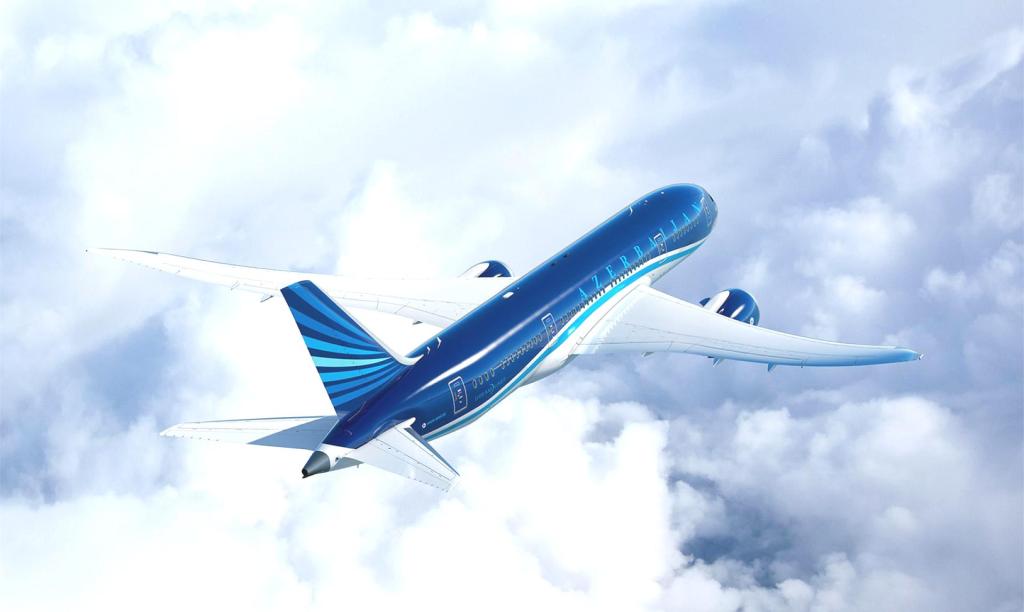
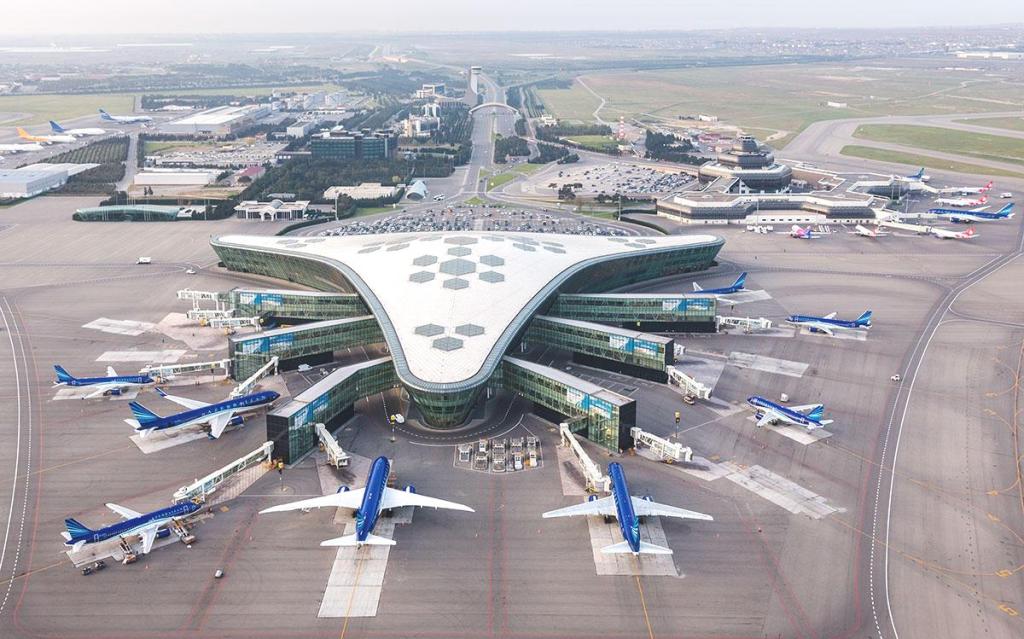
La República de Azerbaiyán ha comenzado a sobrevolar el espacio aéreo de Armenia para efectuar vuelos internos a la República Autónoma de Najicheván, informó este Miércoles 06/10 la aerolínea azerbaiyana Azal Airlines. «A partir del 6 de Octubre de 2021 las Azal Airlines comenzó a usar el espacio aéreo de Armenia efectuando el vuelo doméstico Bakú—Najicheván—Bakú. A partir de ahora al realizar ese vuelo Azal podrá utilizar todos los corredores aéreos existentes, incluidos los que pasan sobre los territorios de Armenia e Irán», señala el comunicado de prensa. De acuerdo con la compañía muestra la disposición de Azerbaiyán para desbloquear las comunicaciones de transporte en la región, lo que responde a los intereses de todos los países fronterizos. Azal Airlines precisa que el cambio de la ruta, que antes se efectuaba eludiendo el territorio armenio, reducirá el tiempo de vuelo y ahorrará combustible.

Azerbaiyán y Armenia firmaron el pasado otoño septentrional un alto el fuego mediado por la Federación Rusia para poner fin a las hostilidades en el enclave de Nagorno Karabaj, donde la reciente guerra entre las dos repúblicas ex-soviéticas dejó miles de muertos y decenas de miles de heridos.

Azerbaijan launches Armenian airspace

Azerbaijan restores connection with Nakhichevan

The Republic of Azerbaijan has begun to fly over the airspace of Armenia to carry out internal flights to the Autonomous Republic of Nakhichevan, the Azerbaijani airline Azal Airlines reported this Wednesday 06/10. «As of October 6, 2021, Azal Airlines began to use the airspace of Armenia by carrying out the domestic flight Baku-Nakhichevan-Baku. From now on, when carrying out this flight, Azal will be able to use all the existing air corridors, including those that they pass over the territories of Armenia and Iran», the press release said. According to the company, it shows Azerbaijan’s willingness to unblock transport communications in the region, which responds to the interests of all border countries. Azal Airlines specifies that the change of the route, which was previously carried out bypassing Armenian territory, will reduce flight time and save fuel.

Azerbaijan and Armenia signed a Russian Federation-brokered ceasefire last autumn to end hostilities in the Nagorno Karabakh enclave, where the recent war between the two ex-Soviet republics left thousands dead and tens of thousands of wounded.

Azərbaycan Ermənistanın hava məkanını buraxır

Azərbaycan Naxçıvanla əlaqəni bərpa edir

Naxçıvan muxtar daxili uçuşlar həyata keçirmək üçün Azərbaycan Respublikası Ermənistanın hava məkanı üzərində uçmağa başlayıb. «6 Oktyabr 2021-ci il tarixindən etibarən Azal Hava Yolları Bakı-Naxçıvan-Bakı daxili reysini həyata keçirərək Ermənistanın hava məkanından istifadə etməyə başladı. Bundan sonra Azal bu reysi həyata keçirərkən bütün mövcud hava dəhlizlərindən istifadə edə biləcək. Ermənistan və İran ərazilərindən keçdikləri ərazilər də daxil olmaqla”, məlumatda deyilir. Şirkətdən verilən məlumata görə, bu, Azərbaycanın bütün sərhəd ölkələrinin maraqlarına cavab verən nəqliyyat kommunikasiyalarını blokdan çıxarmaq istəyini göstərir. Azal Hava Yolları, əvvəllər Ermənistan ərazisini aşaraq həyata keçirilən marşrutun dəyişdirilməsinin uçuş müddətini azaldacağını və yanacağa qənaət edəcəyini bildirir.

Azərbaycan və Ermənistan keçmiş Sovet İttifaqı respublikaları arasında son müharibənin minlərlə insanın öldüyü və on minlərlə insanın yaralandığı Dağlıq Qarabağ anklavında hərbi əməliyyatlara son qoymaq üçün Rusiya Federasiyasının vasitəçiliyi ilə atəşkəs imzaladılar.

PUBLISHER: Airgways.com
DBk: Gov.az / Airgways.com
AW-POST: 202110062133AR

A\W   A I R G W A Y S ®
JetSmart AR nuevo destino Río Gallegos

AW | 2021 10 06 20:14 | AIRLINES ROUTES / GOVERNMENT

Gobierno Río Gallegos gestiona desembarco de JetSmart Argentina

Jetsmart_Isologotype

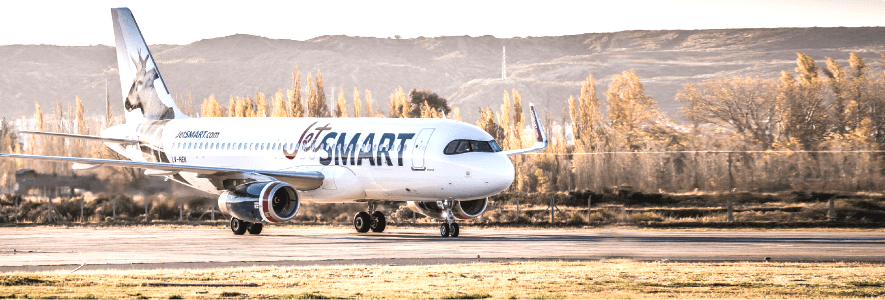
El Gobierno de la ciudad santacruceña de Río Gallegos en Argentina, Pablo Grasso, informó que mantuvo reuniones con representantes de la aerolínea low cost JetSmart Airlines Argentina, para trazar el camino para el arribo de la aerolínea de presupuesto, en un esfuerzo por restablecer más conexiones después de los problemas de comunicación por la crisis sanitaria mundial. Desde la Provincia de Santa Cruz indicaron que estiman que JetSmart Airlines Argentina podría comenzar a realizar frecuencias desde Buenos Aires/AEP a principios de 2022.

El encuentro establecido por parte de la Gobernación de Santa Cruz a cargo de Alicia Kirchner afirmó: “Las autoridades de la empresa arribaron a la capital provincial para conocer, además, la dinámica de la ciudad y el tipo de tráfico existente, lo que permitirá recabar la información necesaria para avanzar en el trabajo conjunto y las acciones pertinentes”, informaron desde la prensa de gobierno. Gonzalo Pérez Corral, CEO de la aerolínea, agregó “vemos que hay una demanda insatisfecha donde la sociedad de Río Gallegos, podría optar por otras opciones y tener ofertas en horarios distintos que se puedan complementar”. Durante el encuentro se anunció además que a partir de Noviembre 2021, la aerolínea de presupuesto sumará una frecuencia a El Calafate, totalizando tres vuelos por semana (3Frq/S).

JetSmart AR new destination Rio Gallegos

Río Gallegos Government manages the landing of JetSmart Argentina

AW-JetSmart Argentina_A3202004

The Government of the Santa Cruz city of Río Gallegos in Argentina, Pablo Grasso, reported that he held meetings with representatives of the low cost airline JetSmart Airlines Argentina, to chart the way for the arrival of the budget airline, in an effort to reestablish more connections after communication problems due to the global health crisis. From the Province of Santa Cruz they indicated that they estimate that JetSmart Airlines Argentina could begin to operate frequencies from Buenos Aires/AEP in early 2022.

The meeting established by the Government of Santa Cruz led by Alicia Kirchner stated: «The company authorities arrived in the provincial capital to learn about the dynamics of the city and the type of existing traffic, which will make it possible to collect the information necessary to advance the joint work and the pertinent actions”, they reported from the government press. Gonzalo Pérez Corral, CEO of the airline, added «we see that there is an unsatisfied demand where the society of Río Gallegos could opt for other options and have offers at different times that can be complemented». During the meeting it was also announced that as of November 2021, the budget airline will add a frequency to El Calafate, totaling three flights per week (3Frq/S).

PUBLISHER: Airgways.com
DBk: Jetsmart.com / Airgways.com
AW-POST: 202110062014AR

A\W   A I R G W A Y S ®
Argentina sin cupos mitad Octubre

Aéreas extranjeras suspenden Ezeiza |

AW | 2021 10 06 10:15 | AIR TRAFFIC / GOVERNMENT / AIRLINES

Argentina libera cupos desde mediados de Octubre 2021

La Agencia Nacional de Aviación Civil (ANAC) de Argentina ha anunciado que las líneas aéreas internacionales podrán volar entres sus países hacia Argentina sin limitaciones de cupos a partir del 19 de Octubre de 2021. «Alcanzado el umbral del 50% de población vacunadas con esquema completo, y de acuerdo a la Decisión Administrativa DA Nº 951/2021 el día 19 de Octubre de 2021 se levanta todo cupo en la cantidad de pasajeros que arriban al país por modo aéreo», informó la agencia aeronáutica de la ANAC. Tras haber alcanzado a partir del 02/10 un 50% de la población con doble vacunación, el Ministerio de Salud hizo el anuncio oficial este Martes 05/10, tras ese comunicado, hizo el anuncio también la agencia de la ANAC.

La flexibilización de las frecuencias aéreas internacionales continuaba ampliándose en la primera quincena de Octubre 2021 a medida que los índices de contagiosidad disminuían en el país. Un la liberalización de las limitaciones a los vuelos la agencia ANAC informará antes de que termine el mes de Octubre los vuelos para todo Noviembre y Diciembre, lo que representa un cambio sustancial en la forma en que la Administración Nacional de Aviación Civil venía autorizando los vuelos. De esta forma, las compañías aéreas y los pasajeros tendrán más previsibilidad a la hora de programar sus viajes, mientras que les permitirá a las aerolíneas manejar de una manera más ordenada sus operaciones.

A partir del 1 de Noviembre de 2021 se habilita el ingreso de turistas extranjeros de cualquier país, siempre y cuando estén vacunados con cualesquiera dosis, mientras que se prevé para esa fecha la eliminación del test de antígenos al arribar al país. Para ingresar a Argentina habrá que seguir presentando un test PCR con resultado negativo realizado 72 horas antes de la partida del vuelo, como así también completar la Declaración Jurada (DDJJ) que se encuentra en el website oficial de la Dirección Nacional de Migraciones.

Argentina without quotas middle of October

Argentina releases quotas from mid-October 2021

The National Civil Aviation Agency (ANAC) of Argentina has announced that international airlines will be able to fly between their countries to Argentina without limits on quotas as of October 19, 2021. «Upon reaching the threshold of 50% of the population vaccinated with the complete scheme, and according to Administrative Decision DA No. 951/2021 on October 19, 2021, all quotas are lifted in the number of passengers who arrive in the country by air mode», informed the aeronautical agency of ANAC. After having reached 50% of the population with double vaccination from 02/10, the Ministry of Health made the official announcement this Tuesday 05/10, after that announcement, the ANAC agency also made the announcement.

The flexibility of international air frequencies continued to expand in the first fortnight of October 2021 as the contagiousness rates decreased in the country. After the liberalization of the limitations on flights, the ANAC agency will inform before the end of October the flights for the whole of November and December, which represents a substantial change in the way in which the National Civil Aviation Administration had been authorizing the flights. . In this way, airlines and passengers will have more predictability when planning their trips, while allowing airlines to manage their operations in a more orderly manner.

As of November 1, 2021, the entry of foreign tourists from any country is enabled, as long as they are vaccinated with any dose, while the elimination of the antigen test upon arrival in the country is foreseen for that date. To enter Argentina, it will be necessary to continue presenting a PCR test with a negative result carried out 72 hours before the flight departure, as well as completing the Sworn Declaration (DDJJ) that can be found on the official website of the National Directorate of Migration.

PUBLISHER: Airgways.com
DBk: Anac.gov.ar / Airgways.com
AW-POST: 202110061015AR

A\W   A I R G W A Y S ®
Justicia Argentina anula El Palomar

AW | 2021 10 04 00:18 | AIRPORTS / GOVERNMENT

Corte Justicia revoca operaciones Aeropuerto El Palomar

AW-Flybondi Boeing-737-8F2_LV-HQY

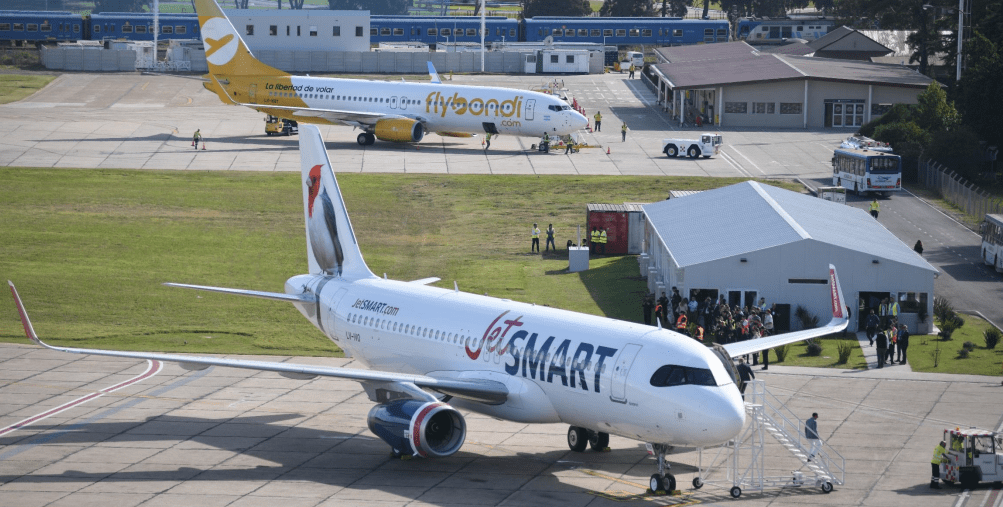
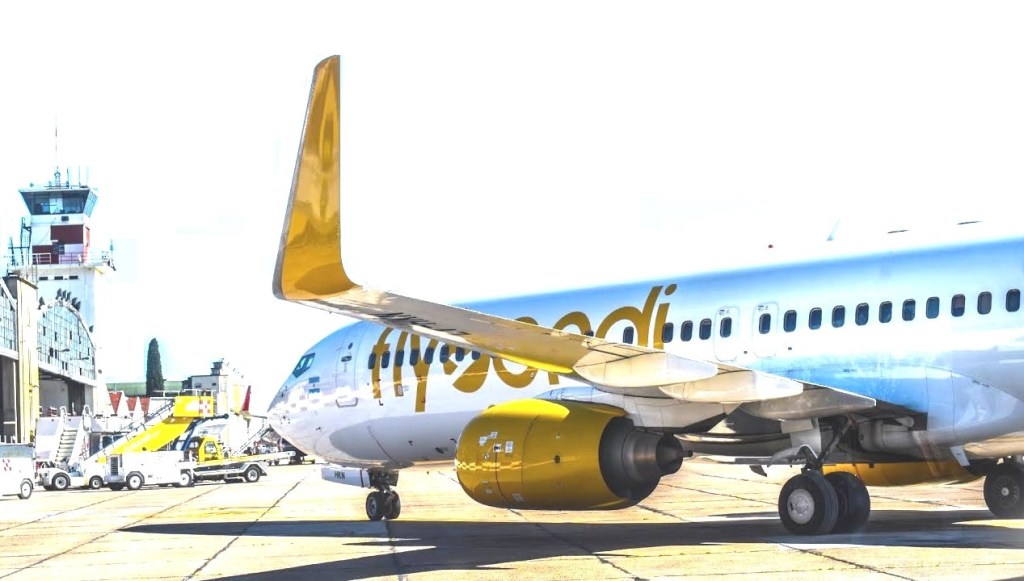
La Corte Suprema de Justicia anuló una medida cautelar que le permitía al Aeropuerto Internacional El Palomar/EPA para las operaciones aerocomerciales de las aerolíneas low cost. La Corte establece la decisión firme de los derechos de los vecinos que se pronunciaron en contra del nuevo aeropuerto low cost. Con las firmas de Elena Highton, Juan Carlos Maqueda, Ricardo Lorenzetti y Horacio Rosatti, el máximo Tribunal dejó sin efecto una medida dispuesta por la Justicia Federal de San Martín y confirmada por la Cámara Federal de esa jurisdicción.

La organización Stop Flybondi, encabezada por Lucas Marisi, inició una acción de amparo ambiental contra el Poder Ejecutivo Nacional y la Administración Nacional de Aviación Civil (ANAC) durante la presidencia de Mauricio Macri. El planteo apuntaba a impedirle a la empresa Flybondi (FB Líneas Aéreas S.A.) y a cualquier otra aerolínea operar vuelos comerciales desde la pista del Aeródromo de la Base Aérea Militar El Palomar, ubicada en el Partido de Morón, por no haberse efectuado el estudio ni la evaluación de impacto ambiental.

En primera instancia, la iniciativa obtuvo un resultado favorable en Enero de 2018 el Juzgado Federal en lo Civil, Comercial y Contencioso Administrativo de San Martín dictó una medida cautelar por la que suspendió las actividades de aeronavegación en el Aeropuerto El Palomar. Pero un mes más tarde, la sociedad Aeropuertos Argentina 2000 (AA2000) presentó un estudio de impacto ambiental y el mismo tribunal decidió «revocar parcialmente la medida cautelar y permitió a la empresa FB Líneas Aéreas S.A. comenzar la actividad con 77 vuelos mensuales, no pudiendo exceder de tres despegues y aterrizajes diarios». Más tarde la Cámara confirmó esa decisión pero Marisi apeló ante la Corte, que ahora anuló aquel fallo. Eso significa que vuelve a cobrar vigencia la medida cautelar que prohibía las operaciones en El Palomar hasta tanto haya un nuevo pronunciamiento judicial. Mientras tanto, según aseguran fuentes ligadas a la empresa, Flybondi continúa sus actividades operando en el Aeropuerto Jorge Newbery/AEP.

Argumentos de la Corte

«Le asiste razón al recurrente en cuanto señala que la sentencia apelada es arbitraria y, por ende, descalificable como acto jurisdiccional ya que se ha apartado de la norma adecuada para la correcta solución del caso y ha incurrido en un excesivo rigor formal. Los jueces en la decisión apelada omitieron la aplicación de lo establecido en la ley, que establecen que ‘toda obra o actividad que, en el territorio de la Nación, sea susceptible de degradar el ambiente, alguno de sus componentes, o afectar la calidad de vida de la población, en forma significativa, estará sujeta a un procedimiento de evaluación de impacto ambiental, previo a su ejecución. De la documentación valorada por los jueces de la causa no surge una declaración de impacto ambiental emitida por las autoridades competentes previa al inicio de la actividad. Se deja sin efecto la sentencia apelada con el alcance indicado. Vuelva la causa al tribunal de origen a fin de que, por medio de quien corresponda, se dicte un nuevo fallo con arreglo a lo resuelto», expresa el fallo judicial. La votación resultante de cuatro de los cinco jueces de la Corte votaron a favor del cierre definitivo,, mientras que Carlos Rosenkrantz no emitió su voto, absteniéndose.

Con el veredicto del fallo judicial emitido por la Corte Suprema de Justicia de la República Argentina se cierra una etapa de reclamos confrontados por los derechos superpuestos entre los vecinos de El Palomar y los trabajadores y entusiastas de la reactivación del primer aeropuerto low cost de Latinoamérica, y con ello se esfuma la ilusión de más inclusión y valor agregado para los usuarios del transporte aéreo en Argentina. La decisión del cierre definitivo de la aeroestación establece la prioridad de los vecinos de vivir en un ambiente con menor ruido y mejor calidad de vida, una decisión difícil de consensuar más allá de la política y la justicia entre los derechos de los demandados.

Argentine Justice annuls El Palomar

Court of Justice revokes operations at El Palomar Airport

The Supreme Court of Justice annulled a precautionary measure that allowed the El Palomar International Airport/EPA for the commercial air operations of low cost airlines. The Court establishes the firm decision of the rights of the neighbors who spoke out against the new low cost airport. With the signatures of Elena Highton, Juan Carlos Maqueda, Ricardo Lorenzetti and Horacio Rosatti, the highest court annulled a measure ordered by the Federal Justice of San Martín and confirmed by the Federal Chamber of that jurisdiction.

The Stop Flybondi organization, headed by Lucas Marisi, initiated an environmental protection action against the National Executive Power and the National Civil Aviation Administration (ANAC) during the presidency of Mauricio Macri. The proposal aimed to prevent the company Flybondi (FB Lineas Aereas SA) and any other airline from operating commercial flights from the runway of the El Palomar Military Air Base Aerodrome, located in the Morón district, for not having carried out the study or the environmental impact assessment.

«In the first instance, the initiative obtained a favorable result in January 2018, the Federal Civil, Commercial and Contentious Administrative Court of San Martín issued a precautionary measure by which it suspended air navigation activities at El Palomar Airport. But a month later, the company Aeropuertos Argentina 2000 (AA2000) presented an environmental impact study and the same court decided to «partially revoke the precautionary measure and allowed the company FB Lineas Aereas SA to start the activity with 77 monthly flights, not being able to exceed three daily takeoffs and landings». Later the Chamber confirmed that decision but Marisi appealed to the Court, which now annulled that ruling. This means that the precautionary measure that prohibited operations at El Palomar is back in effect until there is a new judicial ruling. Meanwhile, according to sources linked to the company, Flybondi continues its activities operating at the Jorge Newbery/AEP Airport.

Arguments of the Court

AW-JetSmart Argentina_A3202004

«The appellant is right in that he points out that the appealed sentence is arbitrary and, therefore, disqualified as a jurisdictional act since it has deviated from the appropriate norm for the correct solution of the case and has incurred excessive formal rigor. The judges in the appealed decision they omitted the application of the provisions of the law, which establish that ‘any work or activity that, in the territory of the Nation, is likely to degrade the environment, any of its components, or affect the quality of life of The population, in a significant way, will be subject to an environmental impact assessment procedure, prior to its execution. activity. The sentence appealed with the indicated scope is annulled. Return the case to the court of origin so that, through the appropriate person, a new ruling in accordance with the resolution», states the court ruling. The resulting vote of four of the five judges of the Court voted in favor of the definitive closure, while Carlos Rosenkrantz did not cast his vote, abstaining.

With the verdict of the judicial ruling issued by the Supreme Court of Justice of the Argentine Republic, a stage of claims confronted by the overlapping rights between the residents of El Palomar and the workers and enthusiasts of the reactivation of the first low cost airport in Latin America is closed. and with this, the illusion of more inclusion and added value for air transport users in Argentina disappears. The decision of the definitive closure of the air station establishes the priority of the neighbors to live in an environment with less noise and a better quality of life, a difficult decision to agree beyond politics and justice between the rights of the defendants.

PUBLISHER: Airgways.com
DBk: Csjn.gov.ar / Airgways.com
AW-POST: 202110040018AR

A\W   A I R G W A Y S ®
Amenaza legal American-Santander

AW | 2021 10 01 17:17 | AIRLINES / GOVERNMENT

Enfrentan amenaza legal a lucrativo acuerdo de tarjetas

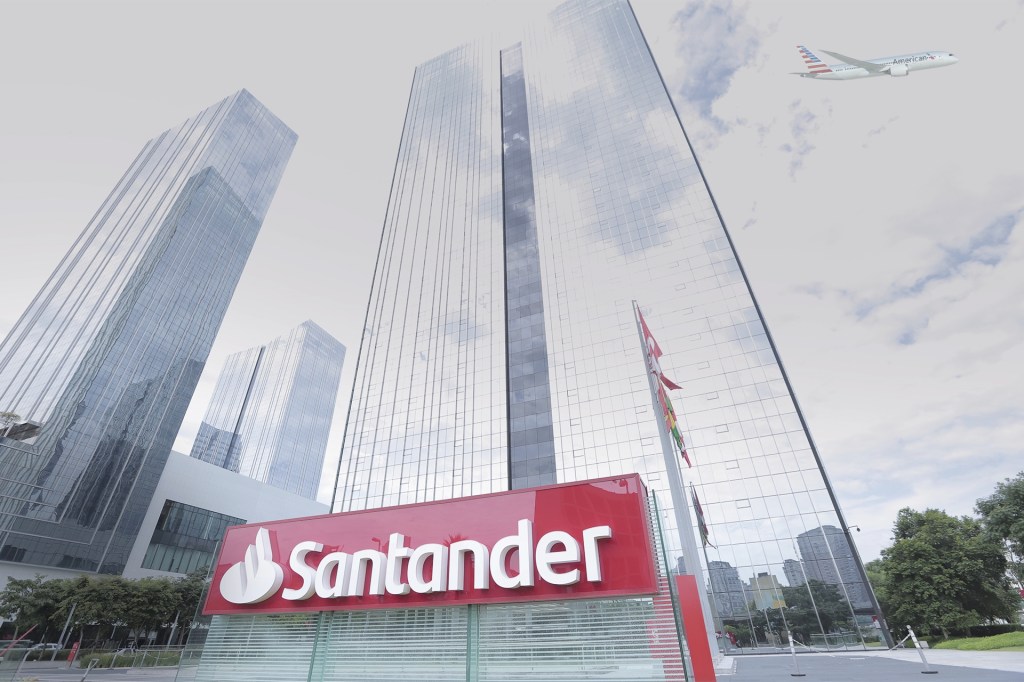
Banco Santander Brasil SA puede seguir adelante con una demanda que alega que la pandemia de Coranavirus devaluó un acuerdo de tarjeta de marca de diez años con American Airlines Inc. por valor de cientos de millones de Dólares para la aerolínea, dictaminó un Juez Federal de Nueva York. La Jueza Federal de Distrito Rachel Kovner en Brooklynn Nueva York, dijo el Jueves 30/09 que el banco puede continuar con su reclamo de que el cese temporal de vuelos de la aerolínea a Brasil durante la pandemia la excusó de pagar a la aerolínea millones de dólares al año para adquirir millas de premio para los titulares de tarjetas.

El acuerdo, que alcanzó la marca de cuatro años en Abril 2021, permite al Banco Santander emitir tarjetas de pago de la marca American Airlines a clientes en Brasil, pero requiere que compre un número no revelado de millas de premio cada año. American había instado a Rachel Kovner a desestimar el caso, diciendo que el contrato tiene una disposición que permite al banco rescindir el acuerdo si la cuota de mercado de la aerolínea disminuye en más del 50%. Una suspensión de meses de vuelos a Brasil al comienzo de la pandemia no cumplió con los criterios, dijo. La Jueza Federal dijo que el banco podría proceder argumentando que la interrupción imprevista causada por la pandemia lo excusó de cumplir con el contrato. Pero desestimó su afirmación de que el contrato terminó el verano pasado bajo una disposición de fuerza mayor. Kovner no explicó su razonamiento, pero dijo que emitirá una opinión. El caso es Banco Santander Brasil SA v. American Airlines Inc, Tribunal de Distrito de los Estados Unidos, Distrito Este de Nueva York, No. 1:20-cv-03098.

American-Santander legal threat

Face legal threat to lucrative card deal

AW-Internewscat_com_7009

AW-American Airlines_Isotype

Banco Santander Brasil SA may go ahead with a lawsuit alleging that the Coranavirus pandemic devalued a ten-year brand card agreement with American Airlines Inc. worth hundreds of millions of dollars for the airline, a New Federal Judge ruled. York. Federal District Judge Rachel Kovner in Brooklyn in New York said on Thursday 09/30 that the bank may continue with its claim that the temporary cessation of the airline’s flights to Brazil during the pandemic excused it from paying the airline millions of dollars a year to purchase award miles for cardholders.

The agreement, which reached the four-year mark in April 2021, allows Banco Santander to issue American Airlines-branded payment cards to customers in Brazil, but requires it to purchase an undisclosed number of award miles each year. American had urged Rachel Kovner to dismiss the case, saying the contract has a provision that allows the bank to terminate the deal if the airline’s market share declines by more than 50%. A months-long suspension of flights to Brazil at the start of the pandemic did not meet the criteria, she said. The Federal Judge said the bank could proceed arguing that the unforeseen interruption caused by the pandemic excused it from complying with the contract. But she dismissed her claim that the contract ended last summer under a force majeure provision. Kovner did not explain her reasoning, but said she will issue an opinion. The case is Banco Santander Brasil SA v. American Airlines Inc, United States District Court, Eastern District of New York, No. 1: 20-cv-03098.

PUBLISHER: Airgways.com
DBk: Santander.com.br / Aa.com / Airgways.com
AW-POST: 202110021717AR

A\W   A I R G W A Y S ®

Entramado caso del Boeing 737 MAX

AW | 2021 10 02 01:27 | AIR INVESTIGATION / AVIATION SAFETY / GOVERNMENT

Los grandes peces se escapan del proceso judicial
Secuelas de los accidentes aéreos del 737 MAX

Boeing 737 MAX_Isologotype

Las decisiones y eventos que precedieron a dos accidentes aéreos de la línea Boeing 737 MAX continúan trayendo serias dificultades en los procesos judiciales. Después de los accidentes aéreos que involucraron a dos aeronaves Boeing 737-8 MAX causando la muerte de las 346 personas a bordo, los fiscales solo persiguen a un par de empleados de nivel medio del gigante americano The Boeing Company. El fiscal que cortó el acuerdo con Boeing ahora trabaja para el bufete de abogados de Boeing. Algo huele a pescado podrido.

Sistema bajo escrutinio

Boeing instaló un sistema de software en su 737 MAX que, basado en lecturas de un solo sensor, empujó automáticamente la nariz del avión hacia abajo. El software no permitía una simple anulación manual por parte de los pilotos. Además, Boeing ocultó la existencia y el funcionamiento de este sistema a los pilotos, llegando a eliminar información sobre él de los borradores de los manuales de operación. Por lo tanto, el sistema de Boeing violó dos principios básicos de aviación. Primero la desinformación a los pilotos sobre cómo funciona su avión y cuáles son sus parámetros operativos. En segundo lugar, siempre permitir que los pilotos anulen fácilmente los controles automatizados, o como dijo un ex piloto de avión de combate F-15, «Cada vez que tiras del palo, las casas deberían hacerse más pequeñas».

Numerosas personas dentro de Boeing y la Administración Federal de Aviación (FAA) conocían estas características, así como su violación de los principios fundamentales. Boeing convenció a la FAA para que los permitiera dejándose convencer.

Después del segundo accidente del Boeing 737 MAX, los gobiernos de todo el mundo incursionaron la aeronave en cuestión. Las investigaciones sugirieron desde el principio que un solo sensor defectuoso en cada avión activó el software, que obligó a los aviones hacia una inmersión nariz hacia abajo. Las tripulaciones, sin darse cuenta de la existencia del sistema, no pudieron desconectarlo, perdieron el control y se estrellaron.

Juego de la culpa

La FAA y Boeing quedaron bajo el escrutinio del Congreso de los Estados Unidos y de los medios de comunicación. Los burócratas de la FAA afirmaron que Boeing los engañó. En particular, la FAA se quejó de que Boeing no reveló los cambios tardíos en el sistema de software crítico denominado Sistema de Aumento de Características de Maniobra (MCAS). Estos cambios aumentaron la probabilidad y el grado en que el sistema automáticamente sumergiera el avión nariz hacia abajo. La FAA, después del hecho, sostiene que si solo hubiera sabido sobre este cambio, nunca habría certificado el 737 MAX.

Boeing enfrentó posibles cargos criminales que podrían haber excluido a la compañía de contratos gubernamentales: una sentencia de muerte. Numerosos directores, funcionarios y empleados de Boeing también se enfrentaron a una investigación criminal y un posible enjuiciamiento. Boeing decidió cooperar y llegar a un acuerdo. La compañía ofreció dos empleados de nivel medio, Mark Forkner y su adjunto, Patrik Gustavsson. Boeing argumentó que ambos empleados, sin la dirección de los superiores, engañaron a la FAA al no actualizarla sobre los cambios en el sistema de software MCAS. La compañía fue multada por un valor de US$ 244 millones de Dólares y un acuerdo de enjuiciamiento diferido. El acuerdo incluso exoneró expresamente a la alta gerencia de Boeing. Al final del día, la FAA desvió la atención de sí misma. Boeing recibió una palmada en la muñeca, y los directores y altos directivos de la compañía se fueron libres.

Los informes indican que el Gobierno Federal acusará a Mark Forkner y Patrik Gustavsson. Los correos electrónicos revelados apuntan a una conducta licenciosa anunciando un engaño a las aerolíneas para que renunciaran al entrenamiento en el simulador del 737 MAX, expresando una fantasía como un truco mental del Jedi. Pero los mismos correos electrónicos que lo demuestran como un imbécil también sugieren que no engañó a sabiendas a la FAA, al menos en los cambios en el sistema de software que la FAA afirma que fueron tan cruciales. Mark Forkner probablemente argumentará que nunca engañó intencionalmente a la FAA y que alguien más en Boeing tenía la obligación de actualizar a la FAA sobre cualquier cambio en el sistema. Buscarán presionar a Mark Forkner para que se declare culpable.

Peces grandes se escapan

La culpabilidad de Mark Forkner no establecerá la inocencia de la FAA o Boeing. Tanto Boeing como institución, así como la FAA, sabían que el sistema MCAS del 737 MAX violaba los principios básicos de la aviación. La pregunta que surge es ¿cómo lograron el personal mayor de la FAA y Boeing un escape tan limpio? Un último hecho puede ser el más revelador: Erin Nealy Cox, la Fiscal Federal que dirigió el caso Boeing 737 MAX, dejó el Departamento de Justicia para convertirse en socia de Kirkland & Ellis. Esa firma, con ganancias por socio de capital que promedian los US$ 6,2 millones de Dólares, sirve actualmente como asesor externo de The Boeing Company. Más detalles reveladores permiten observar que su incorporación a la firma de buffet fue anunciada por su nuevo socio, Mark Filip. Como abogado de Boeing, Mark Filip firmó el Acuerdo de Enjuiciamiento Diferido en nombre de la compañía. Mark Filip, por cierto, también llegó a Kirkland & Ellis desde el Departamento de Justicia, donde emitió el muy promocionado «Memorando Filip», que establece los «Principios de enjuiciamiento Federal de organizaciones empresariales», aunque usted no lo crea. Algo aquí huele muy mal, tal vez sea el pez grande se ha escapado intencionalmente.

Framework case of the Boeing 737 MAX

Big fish escape the judicial process
Aftermath of the 737 MAX plane crashes

The decisions and events that preceded two Boeing 737 MAX air crashes continue to bring serious difficulties in the legal proceedings. After the air crashes involving two Boeing 737-8 MAX aircraft killing all 346 people on board, prosecutors are only going after a couple of mid-level employees of the American giant The Boeing Company. The prosecutor who cut the deal with Boeing now works for the Boeing law firm. Something smells like rotten fish.

System under scrutiny

Boeing installed a software system in its 737 MAX that, based on readings from a single sensor, automatically pushed the nose of the plane down. The software did not allow for a simple manual override by the pilots. In addition, Boeing concealed the existence and operation of this system from the pilots, even removing information about it from draft operating manuals. Therefore, the Boeing system violated two basic aviation principles. First, the misinformation to the pilots about how their plane works and what its operating parameters are. Second, always allow pilots to easily override automated controls, or as one former F-15 fighter jet pilot put it, «Every time you pull the stick, the houses should get smaller».

Many people within Boeing and the Federal Aviation Administration (FAA) were aware of these characteristics, as well as their violation of fundamental principles. Boeing convinced the FAA to allow them by being persuaded.

After the second Boeing 737 MAX accident, governments around the world raided the aircraft in question. Investigations suggested early on that a single faulty sensor on each plane triggered the software, forcing the planes into a nose-down dive. The crews, unaware of the existence of the system, were unable to disconnect it, lost control and crashed.

Blame game

The FAA and Boeing came under the scrutiny of the United States Congress and the media. FAA bureaucrats claimed that Boeing misled them. In particular, the FAA complained that Boeing failed to disclose late changes to the critical software system called the Maneuvering Characteristics Augmentation System (MCAS). These changes increased the probability and the degree to which the system would automatically submerge the aircraft nose down. The FAA, after the fact, maintains that if it had only known about this change, it would never have certified the 737 MAX.

Boeing faced possible criminal charges that could have excluded the company from government contracts a death sentence. Numerous Boeing directors, officers and employees also faced a criminal investigation and possible prosecution. Boeing decided to cooperate and reach an agreement. The company offered two mid-level employees, Mark Forkner and his deputy, Patrik Gustavsson. Boeing argued that both employees, without direction from superiors, misled the FAA by not updating it on the changes to the MCAS software system. The company was fined US$ 244 million and a deferred prosecution agreement. The deal even expressly exonerated Boeing’s top management. At the end of the day, the FAA diverted attention from itself. Boeing was slapped on the wrist, and the company’s directors and senior managers went free.

Reports indicate that the Federal Government will indict Mark Forkner and Patrik Gustavsson. The emails revealed point to licentious conduct announcing a hoax for airlines to give up training on the 737 MAX simulator, expressing a fantasy like a mind trick from the Jedi. But the same emails that prove him a jerk also suggest that he did not knowingly mislead the FAA, at least on the changes to the software system that the FAA claims were so crucial. Mark Forkner will likely argue that he never intentionally misled the FAA and that someone else at Boeing had an obligation to update the FAA on any changes to the system. They will seek to pressure Mark Forkner to plead guilty.

Big fish run away

Mark Forkner’s guilt will not establish the innocence of the FAA or Boeing. Both Boeing as an institution, as well as the FAA, knew that the MCAS system of the 737 MAX violated the basic principles of aviation. The question that arises is how did senior FAA and Boeing personnel achieve such a clean escape? One last fact may be the most telling: Erin Nealy Cox, the US Attorney who led the Boeing 737 MAX case, left the Justice Department to become a partner at Kirkland & Ellis. That firm, with earnings per equity partner averaging US$ 6.2 million, currently serves as an outside advisor to The Boeing Company. More revealing details show that her incorporation into the buffet firm was announced by her new partner, Mark Filip. As an attorney for Boeing, Mark Filip signed the Deferred Prosecution Agreement on behalf of the company. Mark Filip, by the way, also came to Kirkland & Ellis from the Justice Department, where he issued the highly touted «Filip Memorandum,» which sets out the «Principles of Federal Prosecution of Business Organizations», believe it or not. Something here smells really bad, maybe it’s the big fish that has escaped intentionally.

PUBLISHER: Airgways.com
DBk: Boeing.com / Faa.gov / Forbes.com / Airgways.com
AW-POST: 202110020127AR

A\W   A I R G W A Y S ®
Aperturas tránsito en Argentina

AW | 2021 10 01 20:16 | AIR TRAFFIC / GOVERNMENT

Cronograma de apertura de fronteras y requisitos migratorios

El Gobierno de la República Argentina ha establecido en el Boletín Oficial del Decreto 678/2021 del día Viernes 01/10 como parte de la flexibilización de las medidas de cuidado ante el descenso de los contagios de Covid-19, dispuso la apertura de las fronteras. Para ello se establecieron diversos pasos seguros por los cuales podrán entrar al país los argentinos o residentes en países limítrofes siempre que cumplan las condiciones que se establecieron para el ingreso a territorio nacional. A los turistas o extranjeros no residentes se les imponen requisitos adicionales.

Cronograma/condiciones de apertura de fronteras

APERTURA INTERNACIONAL/PAÍSES LIMÍTROFES

Se establece a partir del 1 de Octubre de 2021. Personas nacionales o residentes de países limítrofes que hayan permanecido en estos durante los catorce días previos al ingreso al territorio nacional sea por medios terrestres, aéreos o marítimos. La Dirección Nacional de Migraciones podrá autorizar el tránsito vecinal fronterizo cuando se verifiquen las condiciones epidemiológicas y los requisitos que la autoridad sanitaria nacional considere necesarios.

Los aeropuerto habilitados son Aeropuerto Internacional Cataratas del Iguazú, Aeropuerto Internacional Mendoza/Gobernador Francisco Gabrielli, Aeropuerto Internacional de Ezeiza, Aeropuerto Jorge Newbery, Aeropuerto San Fernando, Aeropuerto Internacional Ushuaia ( 20/10). Se sumarán aquellos que sean pedidos por las Provincias y cuenten con habilitación del Gobierno Nacional.

Requisitos de tránsito
Esquema de vacunación completo, fecha de última aplicación al menos catorce (14) días. Quienes no presenten esquema de vacunación completo deberán realizar aislamiento obligatorio. Argentina respeta las vacunas aprobadas por los países de origen. PCR negativo 72 hs. antes y antígeno en el punto de ingreso. PCR a los 5/7 días en caso de seguir permaneciendo en el país. Menores de edad sin esquema de vacunación completo, acompañados de adultos al ingresar al país, podrán ingresar, pero debiendo realizar la cuarentena. Transcurridos catorce días desde que nuestro país alcance el 50% de la población con esquema de vacunación completo, quienes ingresen al país con el esquema de vacunación, quedan exceptuados de la realización del test de antígenos.

⚠️ Los turistas o extranjeros no residentes deben contar con un seguro con cobertura Covid-19

Reanudación de Cruceros Bioceánicos y Antárticos
Quedan habilitados para el transporte fluvial y marítimo las embarcaciones a partir del 20 de Octubre de 2021, abriendo la temporada de cruceros.

Avance progresivo de cupos
Los cupos de tránsito son las capacidades que el Gobierno nacional ha establecido diariamente para ingreso/egreso del país. Entre el día 1 al 3/10 2.300 plazas diarias. Entre el día 4 al 10/10 21.000 plazas semanales. A partir del día 11/10 y hasta los 14 días de alcanzar el 50% de la población con vacunación completa, 28.000 plazas semanales. A los 14 días de alcanzar el 50% de la población con esquema de vacunación completo, se eliminan los cupos.

APERTURA INTERNACIONAL/RESTO DEL MUNDO

A partir del próximo 1 de Noviembre de 2021 se restablecerá el ingreso al territorio nacional de los extranjeros del resto del mundo, siempre que cumplan con los requisitos ya mencionados y que entren por los corredores seguros aéreos, marítimos, fluviales y terrestres que determinen las autoridades nacionales.

Transit openings in Argentina

Timetable for opening borders and immigration requirements

The Government of the Argentine Republic has established in the Official Gazette of Decree 678/2021 of Friday 01/10 as part of the flexibility of care measures in the face of the decrease in Covid-19 infections, it ordered the opening of the borders . For this, various safe steps were established by which Argentines or residents of neighboring countries may enter the country as long as they meet the conditions that were established for entering the national territory. Additional requirements are imposed on tourists or non-resident foreigners.

Timetable/conditions for opening borders

INTERNATIONAL OPENING/NEIGHBORING COUNTRIES

It is established as of October 1, 2021. Nationals or residents of neighboring countries who have stayed in these for the fourteen days prior to entering the national territory, whether by land, air or sea. The National Directorate of Migration may authorize border transit when the epidemiological conditions and the requirements that the national health authority deems necessary are verified.

The authorized airports are Cataratas del Iguazú International Airport, Mendoza/Gobernador Francisco Gabrielli International Airport, Ezeiza International Airport, Jorge Newbery Airport, San Fernando Airport, Ushuaia International Airport (10/20). Those that are requested by the Provinces and have authorization from the National Government will be added.

Transit requirements

Complete vaccination schedule, date of last application at least fourteen (14) days. Those who do not present a complete vaccination scheme must perform mandatory isolation. Argentina respects the vaccines approved by the countries of origin. Negative PCR 72 h. before and antigen at the point of entry. PCR at 5/7 days if you continue to stay in the country. Minors without a complete vaccination scheme, accompanied by adults when entering the country, may enter, but must quarantine. Fourteen days after our country reaches 50% of the population with a complete vaccination scheme, those who enter the country with the vaccination scheme are exempted from performing the antigen test.

⚠️ Tourists or non-resident foreigners must have insurance with Covid-19 coverage

Resumption of Bioceanic and Antarctic Cruises
Vessels are enabled for river and maritime transport from October 20, 2021, opening the cruise season.

Progressive advance of quotas
Transit quotas are the capacities that the national government has established daily for entering / leaving the country. From day 1 to 3/10 2,300 places per day. Between the 4th and the 10th of October 21,000 places per week. Starting on 10/11 and until 14 days after reaching 50% of the population with complete vaccination, 28,000 weekly places. After 14 days of reaching 50% of the population with a complete vaccination scheme, the quotas are eliminated.

INTERNATIONAL OPENING / REST OF THE WORLD

As of next November 1, 2021, the entry into the national territory of foreigners from the rest of the world will be restored, provided that they meet the aforementioned requirements and that they enter through the safe air, maritime, river and land corridors determined by the authorities. nationals.

PUBLISHER: Airgways.com
DBk: Argentina.gob.ar / Airgways.com
AW-POST: 202110012016AR

A\W   A I R G W A Y S ®

ANAC Argentina autoriza 10-15/10

AW | 2021 10 01 13:03 | AIRLINES ROUTES /GOVERNMENT

ANAC extiende autorizaciones vuelos hasta el 15/10

La Agencia Nacional de Aviación Civil (ANAC) de Argentina ha autorizado los vuelos autorizados internacionales hasta el 15 de Octubre de 2021. Aerolíneas Argentinas es la única compañía que tiene la lista de autorizaciones hasta fin de año 2021.

La ANAC finalmente otorgó las autorizaciones para que las compañías aéreas puedan operar algunos de sus vuelos de Octubre desde Argentina o con destino al país. Nueve compañías aéreas recibieron las novedades este Jueves 30/09, por lo cual miles de viajeros que pretenden regresar o volar al exterior en los próximos días recién en las últimas horas tuvieron la confirmación sobre si finalmente podrán o no utilizar sus pasajes en tiempo y forma. Resulta imprevisible para las aerolíneas el otorgamiento de frecuencias con tan poco tiempo para establecer cupos de ventas, mientras que las programaciones de las líneas aéreas se programan en función de las disponibilidades o modificaciones.

La nómina de Aerolíneas argentinas incluye los vuelos de Martes y Viernes de Aeroparque a Asunción y el regreso los mismos días; los Miércoles de Ezeiza a Bogotá y Jueves en sentido inverso; los martes y viernes de Aeroparque a Montevideo con regreso los mismos días; el vuelo de los martes de Ezeiza a Lima, y de Lima a Ezeiza; Martes, Miércoles, Viernes y Domingos de Ezeiza a Madrid, y los vuelos de Madrid a Ezeiza de Lunes, Miércoles, Jueves y Sábados.

También los vuelos diarios de Ezeiza a Miami y en sentido inverso; Lunes y Jueves de Ezeiza a Nueva York (JFK) con regreso miércoles y sábados, jueves y domingo de Aeroparque a Punta del Este, ida y vuelta; lunes y jueves de Guarulhos a Aeroparque y de Aeroparque a Guarulhos; miércoles de Aeroparque a Santa Cruz de la Sierra, con el regreso del Jueves; el Sábado de Mendoza a Santiago de Chile y de Santiago a Mendoza; y los vuelos de Lunes y Jueves de Aeroparque a Santiago de Chile, con el regreso de los mismos días.

Recién el último día de septiembre hubo información sobre los vuelos de Aeroméxico, Air Europa, Air France, Iberia, JetSmart, KLM, Level, Lufthansa y Swiss International Air Lines, aunque tanto para éstas como para el resto de las aerolíneas ANAC solamente autorizó vuelos para la primera quincena de octubre, con excepción de Aerolíneas Argentinas que tiene las autorizaciones para lo que queda del año.

Aerolíneas Argentinas
Los vuelos programados de Aerolíneas Argentinas son los siguientes: Buenos Aires/AEP—Asunción Martes/Viernes y el regreso los mismos días; Buenos Aires/EZE—Bogotá Miérecoes y retorno Jueves; Buenos Aires/AEP—Montevideo Martes y Viernes y con regreso los mismos días; Buenos Aires/EZE—Lima los Martes, retorno Martes; Buenos Aires/EZE—Madrid Martes, Miércoles, Viernes y Domingo y Madrid—Buenos Aires/EZE Lunes, Miércoles, Jueves y Sábado. Buenos Aires/EZE—Miami. Buenos Aires/EZE—Nueva York/JFK Lunes y Jueves con regreso Miércoles y Sábados. Buenos Aires/AEP—Punta del Este Jueves y Domingo, ídem vuelta; Buenos Aires/AEP—Sao Paulo/Guarulhos Lunes y Jueves, retorno ídem. Buenos Aires/AEP—Santa Cruz de la Sierra Miércoles, con el regreso Jueves; Mendoza—Santiago de Chile y de Santiago— Mendoza ídem; Buenos Aires/AEP—Santiago de Chile Lunes/Jueves, con el regreso de los mismos días.

Todavía no hay información sobre los vuelos de Aeroméxico, Air Europa, Air France, Iberia, JetSmart Airlines, KLM Airlines, Level Airlines, Lufthansa German Airlines y Swiss International Air Lines. Se espera que en las próximas horas se conozca la lista completa de autorizaciones, a tan sólo 24 horas del comienzo de las operaciones de Octubre 2021.

Para el resto de las aerolíneas, ANAC solamente autorizó vuelos para la primera quincena de Octubre 2021 y son los siguientes:

Aeroméxico
Autorizados cuatro vuelos de Ciudad de México a Ezeiza 2, 6, 8 y 13/10 (AM 30) y cuatro para el tramo Ezeiza/México 3, 9, 11 y 15/10 (AM 29).

Air Europa
Cuatro vuelos autorizados 2, 5/10 de Madrid a Ezeiza (UX 41) y los mismos días de Ezeiza a Madrid (UX 42).

Air France
1, 3, 8 y 10/10 de París a Ezeiza (AF 228); y 2, 4, 7, 9, 11 y 14/10 de Ezeiza a París (AF 229).

American Airlines
Frecuencias todos los días de Miami/MIA—Buenos Aires/EZE y viceversa; 7, 9, 12, 14/10 Dallas/DFW—Buenos Aires/EZE y 8, 10, 13, 15/10 Buenos Aires/EZE—Dallas/DFW; 1, 2, 3, 4, 5, 6, 7, 9, 11, 14 de Nueva York/JFK—Buenos Aires/EZE.

Avianca Airlines
2, 9/10 Bogotá/BOG—Buenos Aires/EZE (AV 89); 3, 10/10 Buenos Aires/EZE—Bogotá/BOG (AV 88); 1, 5, 12/10 Bogotá/BOG—Buenos Aires/EZE (AV 219); 2, 6, 13/10 Buenos Aires/EZE—Bogotá/BOG (AV 218).

Boliviana de Aviación
2, 7, 9, 14/10 de Santa Cruz de la Sierra/VVI—Buenos Aires/EZE (OB 708); y 2, 7, 9, 14 Buenos Aires/EZE—Santa Cruz de la Sierra/VVI (OB 709).

Delta Air Lines
5, 12/10 Atlanta/ATL—Buenos Aires/EZE (DL 101); 6, 13/10 Buenos Aires/EZE—Atlanta/ATL (DL 110).

Copa Airlines
3, 5, 7, 10, 11, 14/10 de Panamá/PTY—Buenos Aires/EZE y 4, 6, 8, 11, 12, 15/10 viceversa Buenos Aires/EZE—Panamá/PTY.

JetSmart Airlines
6 y 15/10 de Santiago de Chile a Aeroparque (WJ 3015 y JA 1003); y 5 y 15 de octubre de Aeroparque a Santiago de Chile (WJ 3010 y JA 1004).

KLM Airlines
2, 5, 7 y 12/10 de Amsterdam a Ezeiza (KL 701); y 1, 3, 4, 6, 8, 10, 11, 13 y 15/10 de Ezeiza a Amsterdam (KL 702).

Latam Airlines
3 y 10/10 Sao Paulo/GRU—Buenos Aires/AEP (LA 8032 y 8034) y Buenos Aires/AEP—Sao Paulo/GRU (LA 8033 y 8035). 1, 8, 15/10 Sao Paulo/GRU—Buenos Aires/EZE (LA 8132) y Buenos Aires/EZE—Sao Paulo/GRU (LA 8009/8033); 5, 12/10 Santiago de Chile—Buenos Aires/EZE (LA 475) y de Buenos Aires/EZE—Santiago de Chile/SCL (LA 474); y los vuelos de Lima/LIM—Buenos Aires/EZE 02/10 (LA 2069), 4, 11/10 (LA 2429) y Buenos Aires/EZE—Lima/LIM 3 (LA 2470), 4, 11/10 (LA 2428).

Level Airlines
02/10 de Barcelona a Ezeiza (IB 2601); y 03/10 de Ezeiza a Barcelona (IB 2602).

Lufthansa German Airlines
1, 3, 6, 10 y 13/10 de Frankfurt a Ezeiza (LH 510); y 2, 4, 7, 9, 11 y 14/10 de Ezeiza a Frankfurt (LH 511).

Paranair
1, 4, 7, 10, 14/10 Asunción/ASU—Buenos Aires/AEP (ZP 818/LA 6012); 1, 4, 7, 10, 14/10 Buenos Aires/AEP—Asunción/ASU (ZP 819/LA 6014); 3, 11/10 Asunción/ASU—Buenos Aires/EZE (ZP 818/LA 6012) y Buenos Aires/EZE—Asunción/ASU (ZP 819/LA 6014).

Sky Airline
1, 8, 13/10 Santiago de Chile/SCL—Buenos Aires/EZE, y Buenos Aires/EZE—Santiago de Chile/SCL.

Swiss International Air Lines
08/10 de Zurich a Ezeiza (LX 92); y 2, 6, 9 y 13/10 de Ezeiza a Zurich (LX 93).

Turkish Airlines
5, 12/10 Estambul/ISL—Buenos Aires/EZE (TK 15), Buenos Aires/EZE—Estambul/ISL (TK 16), de Sao Paulo/GRU—Buenos Aires/EZE (TK 15) y Buenos Aires/EZE—Sao Paulo/GRU (TK 16).

United Airlines
2, 5, 7, 9, 12 y 14/10 de Houston a Ezeiza (UA 819); 3, 6, 8, 10 y 13/10 de Ezeiza a Houston (UA 818).

ANAC Argentina authorizes flights 10/10-15

ANAC extends flight authorizations until 10/15

The National Civil Aviation Agency (ANAC) of Argentina has authorized international authorized flights until October 15, 2021. Aerolineas Argentinas is the only company that has the list of authorizations until the end of the year 2021.

ANAC finally granted authorizations for airlines to operate some of their October flights from Argentina or to the country. Nine airlines received the news this Thursday 09/30, for which thousands of travelers who intend to return or fly abroad in the next few days only in the last hours had confirmation on whether or not they will finally be able to use their tickets in a timely manner. . It is unpredictable for airlines to grant frequencies with so little time to establish sales quotas, while airline schedules are scheduled based on availabilities or modifications.

The Argentine Airlines payroll includes Tuesday and Friday flights from Aeroparque to Asunción and the return on the same days; Wednesdays from Ezeiza to Bogotá and Thursdays in reverse; Tuesdays and Fridays from Aeroparque to Montevideo with return the same days; the Tuesday flight from Ezeiza to Lima, and from Lima to Ezeiza; Tuesdays, Wednesdays, Fridays and Sundays from Ezeiza to Madrid, and flights from Madrid to Ezeiza on Mondays, Wednesdays, Thursdays and Saturdays.

Also the daily flights from Ezeiza to Miami and in the opposite direction; Monday and Thursday from Ezeiza to New York (JFK) with return Wednesday and Saturday, Thursday and Sunday from Aeroparque to Punta del Este, round trip; Mondays and Thursdays from Guarulhos to Aeroparque and from Aeroparque to Guarulhos; Wednesday from Aeroparque to Santa Cruz de la Sierra, with the return on Thursday; on Saturday from Mendoza to Santiago de Chile and from Santiago to Mendoza; and Monday and Thursday flights from Aeroparque to Santiago de Chile, with the return on the same days.

Only on the last day of September there was information on the flights of Aeroméxico, Air Europa, Air France, Iberia, JetSmart, KLM, Level, Lufthansa and Swiss International Air Lines, although for both these and the rest of the airlines Anac only authorized flights for the first fortnight of October, with the exception of Aerolíneas Argentinas, which has authorizations for the remainder of the year.

Aerolíneas Argentinas
The scheduled flights of Aerolineas Argentinas are the following: Buenos Aires/AEP—Asunción Tuesday/ Friday and the return the same days; Buenos Aires/EZE—Bogotá Wednesday and return Thursday; Buenos Aires/AEP—Montevideo Tuesday and Friday and with return the same days; Buenos Aires/EZE—Lima on Tuesdays, return Tuesday; Buenos Aires/EZE—Madrid Tuesday, Wednesday, Friday and Sunday and Madrid—Buenos Aires/EZE Monday, Wednesday, Thursday and Saturday. Buenos Aires/EZE—Miami. Buenos Aires/EZE—New York/JFK Monday and Thursday with return Wednesday and Saturday. Buenos Aires/AEP—Punta del Este Thursday and Sunday, idem return; Buenos Aires/AEP—Sao Paulo/Guarulhos Monday and Thursday, return idem. Buenos Aires/AEP—Santa Cruz de la Sierra Wednesday, with the return Thursday; Mendoza—Santiago de Chile and Santiago—Mendoza idem; Buenos Aires/AEP— Santiago de Chile Monday/Thursday, with the return of the same days.

There is no information yet on the flights of Aeroméxico, Air Europa, Air France, Iberia, JetSmart Airlines, KLM Airlines, Level Airlines, Lufthansa German Airlines and Swiss International Air Lines. It is expected that in the next few hours the complete list of authorizations will be known, just 24 hours from the start of operations in October 2021.

For the rest of the airlines, ANAC only authorized flights for the first half of October 2021 and they are the following:

Aeromexico
Authorized four flights from Mexico City to Ezeiza 2, 6, 8 and 10/13 (AM 30) and four for the Ezeiza/ Mexico section 3, 9, 11 and 10/15 (AM 29).

Air Europe
Four authorized flights 2, 5/10 from Madrid to Ezeiza (UX 41) and the same days from Ezeiza to Madrid (UX 42).

Air France
1, 3, 8 and 10/10 from Paris to Ezeiza (AF 228); and 2, 4, 7, 9, 11 and 10/14 from Ezeiza to Paris (AF 229).

American Airlines
Frequencies every day from Miami/MIA—Buenos Aires/EZE and vice versa; 7, 9, 12, 10/14 Dallas/DFW— Buenos Aires/EZE and 10, 10, 13, 10/15 Buenos Aires/EZE Dallas/DFW; 1, 2, 3, 4, 5, 6, 7, 9, 11, 14 of New York / JFK—Buenos Aires/EZE.

Avianca Airlines
2, 9/10 Bogotá/BOG—Buenos Aires/EZE (AV 89); 3, 10/10 Buenos Aires/EZE—Bogotá/BOG (AV 88); 1, 5, 12/10 Bogotá/BOG—Buenos Aires/EZE (AV 219); 2, 6, 13/10 Buenos Aires/EZE—Bogotá/BOG (AV 218).

Boliviana Aviación
2, 7, 9, 10/14 of Santa Cruz de la Sierra/VVI—Buenos Aires / EZE (OB 708); and 2, 7, 9, 14 Buenos Aires/ EZE—Santa Cruz de la Sierra / VVI (OB 709).

Delta Air Lines
5, 10/12 Atlanta/ATL—Buenos Aires/EZE (DL 101); 6, 10/13 Buenos Aires/EZE—Atlanta/ATL (DL 110).

Copa Airlines
3, 5, 7, 10, 11, 10/14 of Panama/PTY—Buenos Aires/EZE and 4, 6, 8, 11, 12, 10/15 vice versa Buenos Aires/ EZE—Panama/PTY.

JetSmart Airlines
6 and 10/15 from Santiago de Chile to Aeroparque (WJ 3015 and JA 1003); and October 5 and 15 from Aeroparque to Santiago de Chile (WJ 3010 and JA 1004).

KLM Airlines
2, 5, 7 and 12/10 from Amsterdam to Ezeiza (KL 701); and 1, 3, 4, 6, 8, 10, 11, 13 and 10/15 from Ezeiza to Amsterdam (KL 702).

Latam Airlines
3 and 10/10 Sao Paulo/GRU—Buenos Aires/AEP (LA 8032 and 8034) and Buenos Aires/AEP—Sao Paulo/GRU (LA 8033 and 8035). 1, 8, 10/15 Sao Paulo/GRU—Buenos Aires/EZE (LA 8132) and Buenos Aires/EZE—Sao Paulo/GRU (LA 8009/8033); 5, 12/10 Santiago de Chile—Buenos Aires/EZE (LA 475) and Buenos Aires/EZE—Santiago de Chile/SCL (LA 474); and the flights from Lima/LIM—Buenos Aires/EZE 02/10 (LA 2069), 4, 11/10 (LA 2429) and Buenos Aires/EZE—Lima/LIM 3 (LA 2470), 4, 11/10 (LA 2428).

Level Airlines
02/10 from Barcelona to Ezeiza (IB 2601); and 03/10 from Ezeiza to Barcelona (IB 2602).

Lufthansa German Airlines
1, 3, 6, 10 and 10/13 from Frankfurt to Ezeiza (LH 510); and 2, 4, 7, 9, 11 and 10/14 from Ezeiza to Frankfurt (LH 511).

Paranair
1, 4, 7, 10, 10/14 Asunción/ASU—Buenos Aires/AEP (ZP 818/LA 6012); 1, 4, 7, 10, 10/14 Buenos Aires/AEP-Asunción/ASU (ZP 819/LA 6014); 3, 11/10 Asunción/ASU—Buenos Aires/EZE (ZP 818/LA 6012) and Buenos Aires/EZE—Asunción/ASU (ZP 819/LA 6014).

Sky Airline
1, 8, 13/10 Santiago de Chile/SCL—Buenos Aires/EZE, and Buenos Aires/EZE—Santiago de Chile/SCL.

Swiss International Air Lines
08/10 from Zurich to Ezeiza (LX 92); and 2, 6, 9 and 10/13 from Ezeiza to Zurich (LX 93).

Turkish Airlines
5, 12/10 Istanbul/ISL—Buenos Aires/EZE (TK 15), Buenos Aires/EZE—Istanbul/ISL (TK 16), from Sao Paulo/GRU—Buenos Aires/EZE (TK 15) and Buenos Aires/EZE—Sao Paulo/GRU (TK 16).

United Airlines
2, 5, 7, 9, 12 and 10/14 from Houston to Ezeiza (UA 819); 3, 6, 8, 10 and 10/13 from Ezeiza to Houston (UA 818).

PUBLISHER: Airgways.com
DBk: Anac.gov.ar / Airgways.com
AW-POST: 202110011303AR

A\W   A I R G W A Y S ®