Latam Airlines presenta plan reestructuración 27/11
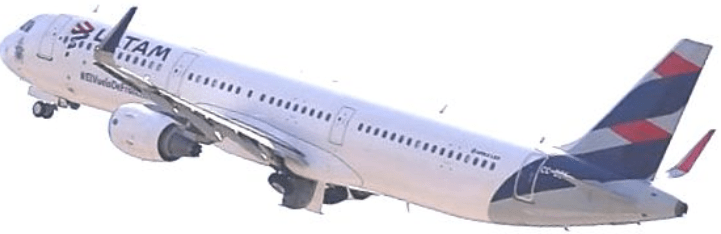
La aerolínea Latam Airlines Group SA dijo el Viernes 27/11 que presentó un plan de reorganización, proponiendo una inyección de capital de US$ 8.190 millones de Dólares en el grupo, en un intento por salir de su bancarrota del Capítulo 11. La propuesta de financiamiento incluirá una combinación de nuevo capital, notas convertibles y deuda, dijo el grupo en un comunicado, y agregó que tiene la intención de lanzar una oferta de derechos de capital de US$ 800 millones a los accionistas, una vez que se confirme el plan. «Si bien nuestro proceso aún no ha terminado, hemos alcanzado un hito crítico en el camino hacia un futuro financiero más fuerte», dijo Roberto Alvo, Director Ejecutivo de la aerolínea más grande de América Latina.
Recientemente, Latam Airlines dijo que recibió varias ofertas para financiar la salida de la bancarrota del Capítulo 11, cada una de las cuales tiene un valor de más de US$ 5 mil millones. El grupo solicitó la protección por bancarrota del Capítulo 11 en Nueva York en mayo de 2020 cuando los viajes mundiales se detuvieron en medio de la pandemia de COVID-19. Al salir del Capítulo 11, Latam espera tener una deuda total de alrededor de US$ 7.260 millones de Dólares y una liquidez de unos US$ 2.670 millones de Dólares, dijo la compañía en el comunicado.
La compañía con sede en Santiago reportó pérdidas de unos US$ 692 millones de Dólares en el tercer trimestre, ya que la compañía endeudada aún luchaba contra los desafíos de la pandemia. El plan de reestructuración va acompañado de un acuerdo de apoyo con el grupo acreedor Matriz Ad Hoc Group y algunos accionistas de Latam Airlines Group.
Latam restructuring plan
Latam Airlines presents restructuring plan 11/27
The airline Latam Airlines Group SA said on Friday 11/27 that it presented a reorganization plan, proposing a capital injection of US$ 8.19 billion into the group, in an attempt to emerge from its Chapter 11 bankruptcy. The financing will include a combination of new equity, convertible notes and debt, the group said in a statement, adding that it intends to launch a US$ 800 million equity rights offer to shareholders once the plan is confirmed. «While our process is not over yet, we have reached a critical milestone on the road to a stronger financial future», said Roberto Alvo, CEO of Latin America’s largest airline.
Recently, Latam Airlines said it received several offers to finance its exit from Chapter 11 bankruptcy, each of which is worth more than US$ 5 billion. The group filed for Chapter 11 bankruptcy protection in New York in May 2020 when world travel came to a halt amid the COVID-19 pandemic. Upon exiting Chapter 11, Latam expects to have total debt of around US$ 7.26 billion and liquidity of about US$ 2.67 billion, the company said in the statement.
The Santiago-based company reported losses of about US$ 692 million in the third quarter, as the indebted company still struggled with the challenges of the pandemic. The restructuring plan is accompanied by a support agreement with the parent creditor group Ad Hoc Group and some shareholders of Latam Airlines Group.
AW | 2021 11 26 22:03 | AVIATION SAFETY / GOVERNMENT
Cámara de Representantes solicita a DOT supervisión FAA Boeing 787
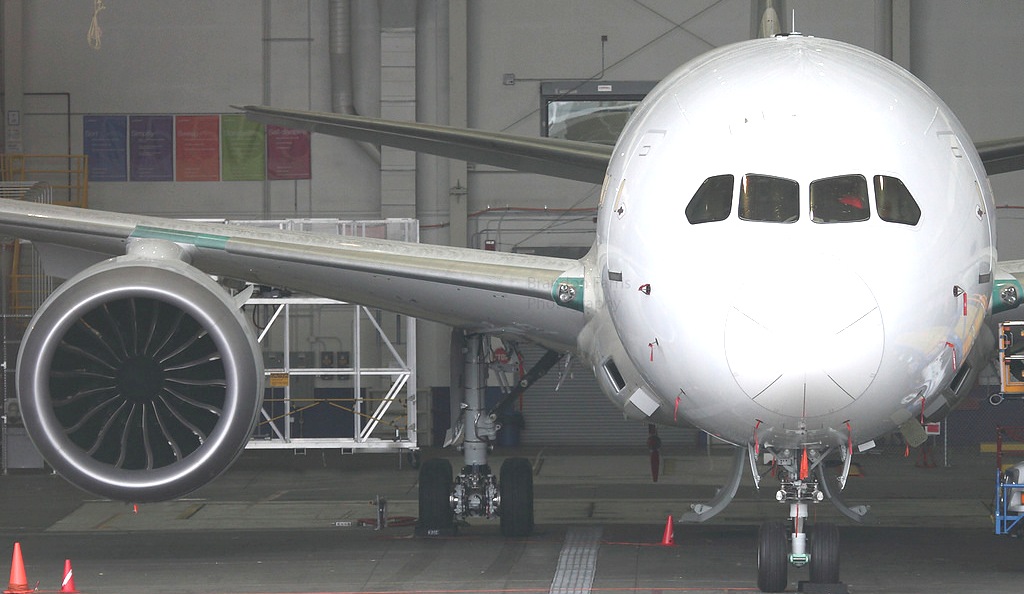
El Presidente del Comité de Transporte e Infraestructura de la Cámara de Representantes de Estados Unidos, Peter DeFazio (D-OR), el miembro de Mayor Rango Sam Graves (R-MO), el Presidente del Subcomité de Aviación Rick Larsen (D-WA) y el miembro de rango del Subcomité Garret Graves (R-LA) solicitaron a la Oficina del Inspector General (OIG) del Departamento de Transporte (DOT) de los Estados Unidos que realizara una revisión de la supervisión por parte de la Federal Aviation Administration (FAA) de la fabricación y producción del Boeing 787.
Los Miembros destacaron varias preocupaciones en su carta: «En Octubre de 2020, Boeing detuvo la entrega de nuevos 787 a los clientes durante varios meses debido a problemas de producción. Durante 2021, Boeing reinició las entregas en marzo, pero Boeing identificó problemas de producción adicionales y detuvo las entregas en mayo. La producción se detuvo nuevamente en Julio, y las entregas actualmente permanecen en pausa».
Los Miembros concluyeron solicitando a la OIG que evaluara si el programa de inspección existente de la FAA es suficiente para identificar problemas de producción, incluyendo si la FAA tiene suficientes inspectores, si la FAA realiza suficientes inspecciones y si la FAA tiene procesos apropiados para identificar problemas de producción. También pidieron a la OIG que revise y evalúe la efectividad de las acciones de la FAA para resolver los problemas de producción del 787.
Transportation Supervision Committee 787
House of Representatives requests DOT oversight FAA Boeing 787
The Chairman of the Transportation and Infrastructure Committee of the United States House of Representatives, Peter DeFazio (D-OR), Senior Member Sam Graves (R-MO), the Chairman of the Aviation Subcommittee Rick Larsen (D-WA ) and rank member Garret Graves (R-LA) Subcommittee requested the Office of the Inspector General (OIG) of the United States Department of Transportation (DOT) to conduct a review of oversight by the Federal Aviation Administration (FAA) of the manufacture and production of the Boeing 787.
Members highlighted several concerns in their letter: «In October 2020, Boeing halted delivery of new 787s to customers for several months due to production problems. During 2021, Boeing restarted deliveries in March, but Boeing identified production problems. additional and halted deliveries in May. Production was halted again in July, and deliveries are currently on hold».
Members concluded by requesting the OIG to assess whether the FAA’s existing inspection program is sufficient to identify production problems, including whether the FAA has enough inspectors, whether the FAA conducts enough inspections, and whether the FAA has appropriate processes to identify problems. of production. They also asked the OIG to review and assess the effectiveness of the FAA’s actions in resolving the 787 production issues.
AW | 2021 11 26 16:16 | AIRLINES / GOVERNMENT / INDUSTRY
Ucrania y Airbus firman MoU para crear Ukrainian National Airlines
El Presidente de Ucrania, Volodymyr Zelensky, ha declarado que su país se está preparando para establecer una aerolínea nacional, Ukrainian National Airlines (UNA). El Ministerio de Infraestructura de Ucrania ha firmado un memorando de entendimiento (MoU) con Airbus Group sobre la intención de cooperar en el establecimiento de una aerolínea nacional en Ucrania. Según los informes, Volodymyr Zelensky dijo en un simposio en el Aeropuerto Internacional de Boryspil que el gobierno está dispuesto a invertir en la flota aérea del país, otorgar pedidos a fabricantes ucranianos y atraer a socios extranjeros a proyectos conjuntos de construcción de aviones. Según el presidente, el establecimiento de una aerolínea nacional ayudará a Ucrania a expandir el tráfico aéreo de pasajeros y mejorar la imagen de la industria de la aviación del país.
El Ministerio de Infraestructura de Ucrania y el fabricante de aviones Airbus firmaron un contrato de cooperación durante el evento, allanando el camino para que Kiev arriende o compre 22 aviones. El primer ministro Denys Shmyhal, quien también habló en la cumbre, declaró que su gobierno tiene la intención de invertir US$ 1.3 mil millones en el desarrollo del sector aeronáutico de Ucrania entre 2021 y 2030. El brote de Covid-19 causó estragos en la industria de la aviación de Ucrania. En 2020, las aerolíneas del país sirvieron a 4,8 millones de pasajeros, una disminución del 65 por ciento con respecto al año anterior.
Startup Ukrainian National Airlines
Ukraine and Airbus sign MoU to create Ukrainian National Airlines
Ukraine’s President Volodymyr Zelensky has stated that his country is preparing to establish a national airline, Ukrainian National Airlines (UNA). The Infrastructure Ministry of Ukraine has signed a memorandum of understanding (MoU) with Airbus Group on the intention to cooperate in the establishment of a national airline in Ukraine. Volodymyr Zelensky reportedly told a symposium at Boryspil International Airport that the government is willing to invest in the country’s air fleet, place orders from Ukrainian manufacturers and attract foreign partners to joint aircraft construction projects. According to the president, the establishment of a national airline will help Ukraine expand passenger air traffic and improve the image of the country’s aviation industry.
Ukraine’s Ministry of Infrastructure and aircraft manufacturer Airbus signed a cooperation contract during the event, paving the way for Kiev to lease or purchase 22 aircraft. Prime Minister Denys Shmyhal, who also spoke at the summit, stated that his government intends to invest US$ 1.3 billion in developing Ukraine’s aeronautical sector between 2021 and 2030. The Covid-19 outbreak wreaked havoc on the Ukrainian aviation industry. In 2020, the country’s airlines served 4.8 million passengers, a 65 percent decrease from the previous year.
AW | 2021 11 26 07:30 | AIRLINES MARKET / GOVERNMENT
Argentina prohíbe vender servicios turísticos cuotas sin intereses Sobreprecio de pasajes alcanza a 117%
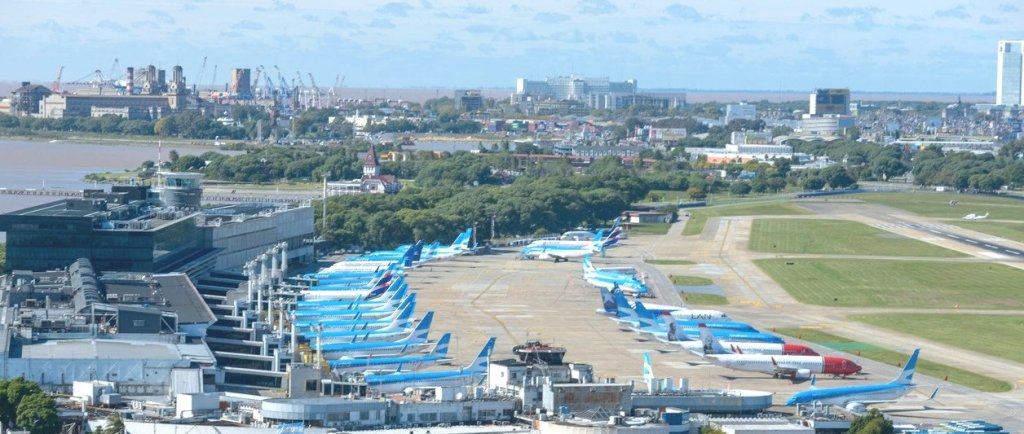
Argentina vive en el «reino del revés» ante la publicación por parte del Gobierno de Argentina de ventas en cuotas de pasajes aéreos. “Desde la Cámara de Líneas Aéreas en Argentina (JURCA) queremos manifestar nuestro desconcierto, preocupación y repudio por las medidas informadas por el BCRA (Comunicación “A” 7407) mediante la cual informan que las entidades financieras y no financieras emisoras de tarjetas de crédito no deberán financiar en cuotas las compras efectuadas mediante tarjetas de crédito de sus clientes –personas humanas y jurídicas– de pasajes al exterior y demás servicios turísticos en el exterior. Repudio de la Cámara de Líneas Aéreas en Argentina por la prohibición de financiamiento emitida por el Banco Central de la República Argentina. Debemos tener presente que sobre el valor de la tarifa (de los pasajes aéreos) hoy se aplica el 30% del Impuesto PAIS, 35% de Percepción + 7% de DNT (Imp. de Turismo) + 45% de Financiación= 117% sobre el valor de la tarifa”, puntualizan, acusando un impacto negativo, directo e inmediato en el comunicado de la Cámara de Líneas Aéreas de Argentina (JURCA) emitido en la noche de este Jueves 25/11.
La Cámara estaba negociando con el Gobierno la habilitación de más frecuencias, que siguen estando limitadas, y la programación a partir del 1 de Enero de 2022, que está pendiente y, según JURCA, los pasajeros que quisieran venir a Argentina aún no tienen asegurado su eventual regreso a partir de esta última fecha.
“Si había intención de atraer turismo o mejorar conectividad para atraer divisas, sin duda este no es el camino. A días de la Feria Internacional de Turismo en Argentina a partir del 4 de Diciembre de 2021 nos preguntamos qué se puede planificar en un contexto como este. Cómo pueden explicar a las casas matrices porque otros países se abren y aquí nos seguimos aislando día tras día”, expresan las aerolíneas.
Comunicado a aéreas
«Nada de esto fue consultado ni anticipado como posible con nuestra industria. Tan solo hace días, desde JURCA habíamos pedido reunirnos con el Ministro de Turismo, Matías Lammens, y el Jefe de Gabinete Juan Mansur, para que se levantaran las actuales restricciones para permitir programar nuevas frecuencias. Es lamentable que habiendo pasado más de un año de pandemia, dónde la industria ha pedido reuniones y mesas de trabajo con las autoridades, incluso Jefatura de Gabinete, no se escuche a este sector que directa e indirectamente genera miles de puestos de trabajo y sostiene a familias argentinas cuyos ingresos provienen del mismo. Las restricciones de operación aún persisten limitando los arribos cada media hora hasta el 31 de Diciembre y seguimos sin tener vuelos aprobados a partir del próximo 1 de Enero de 2022 por lo que los pasajeros que quisieran venir aún no tienen asegurado su eventual regreso a partir de esta última fecha. Sin duda los planes de crecimiento, incrementar frecuencias y traer turistas y divisas al país, recibirán un impacto negativo directo e inmediato. Menos vuelos significaría menos turismo y menos turismo resultará en menos vuelos domésticos. Medidas de estas características lesionan a todas las actividades conexas al transporte aéreo internacional como Aeropuertos, Agencias y Operadores turísticos, empresas de Rampa, etcétera. Esto es un nuevo golpe a nuestra industria, la cual aún está en etapa de recuperación de la peor crisis de su historia. Sólo en nuestro país, en los últimos tiempos debemos tener presente que sobre el valor de la tarifa hoy se aplica el 30% del Impuesto PAIS, 35% de Percepción + 7% de DNT (Imp. de Turismo) + 45% de Financiación= 117% sobre el valor de la tarifa. Si no hay pasajero emisivo la ecuación no funciona solo con receptivo. Simplemente, no se sostiene una operación donde no exista un cierto equilibrio entre estos”.
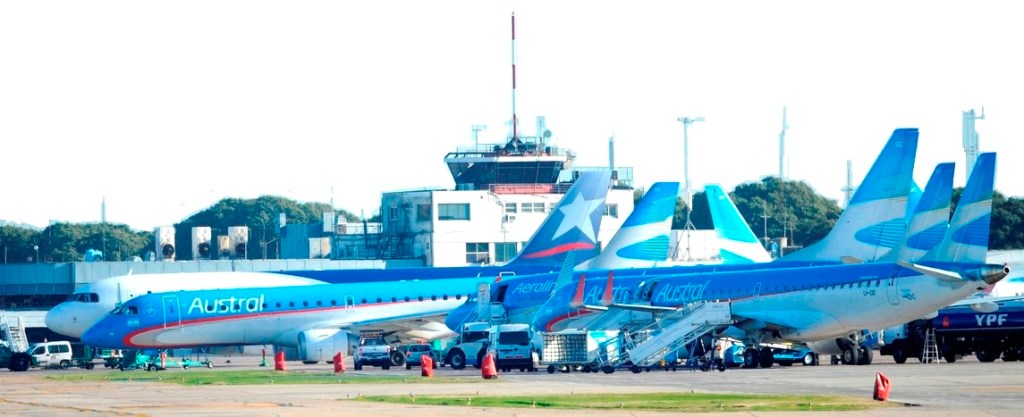
Aerolíneas Argentinas aclaró que “no coincide con el comunicado de JURCA y no está en contra de esta medida del Gobierno”.
Reject commercial bar in Argentina
Prohibits sale tourist services in installments without interest Ticket surcharge reaches 117%
Argentina lives in the «kingdom of the reverse» before the publication by the Government of Argentina of sales in air tickets. “From the Chamber of Air Lines in Argentina (JURCA) we want to express our bewilderment, concern and repudiation of the measures reported by the BCRA (Communication“ A ”7407) through which they report that financial and non-financial entities that issue credit cards They must not finance in installments purchases made by credit cards of their clients human and legal persons of tickets abroad and other tourist services abroad. Repudiation of the Chamber of Air Lines in Argentina for the prohibition of financing issued by the Central Bank of the Argentine Republic. We must bear in mind that 30% of the PAIS Tax, 35% of Perception + 7% of DNT (Tourism Tax) + 45% of Financing= 117% on the value of the fare”, they point out, accusing a negative, direct and immediate impact in the statement issued by the Chamber of Air Lines of Argentina (JURCA) issued on the night of this Thursday 11/25.
The Chamber was negotiating with the Government the authorization of more frequencies, which are still limited, and the programming as of January 1, 2022, which is pending and, according to JURCA, passengers who would like to come to Argentina have not yet insured their eventual return from this last date.
“If there was an intention to attract tourism or improve connectivity to attract foreign exchange, this is certainly not the way. A few days before the International Tourism Fair in Argentina from December 4, 2021, we wonder what can be planned in a context like this. How can they explain to the parent companies why other countries are opening up and here we continue to isolate ourselves day after day”, express the airlines.
Communicated to airlines
«None of this was consulted or anticipated as possible with our industry. Just days ago, from JURCA we had asked to meet with the Minister of Tourism, Matías Lammens, and the Chief of Cabinet Juan Mansur, so that the current restrictions were lifted to allow program new frequencies It is unfortunate that after more than a year of pandemic has passed, where the industry has requested meetings and work tables with the authorities, including the Chief of Cabinet, this sector is not listened to, which directly and indirectly generates thousands of jobs. work and supports Argentine families whose income comes from it. Operating restrictions still persist limiting arrivals every half hour until December 31 and we still do not have approved flights as of January 1, 2022, so passengers who would like to come have not yet assured their eventual return from this last date. Without a doubt the growth plans, increase frecu gums and bring tourists and foreign currency to the country, will receive a direct and immediate negative impact. Fewer flights would mean less tourism and less tourism will result in fewer domestic flights. Measures of these characteristics injure all activities related to international air transport such as Airports, Agencies and Tour Operators, Ramp companies, etc. This is a new blow to our industry, which is still in the recovery stage from the worst crisis in its history. Only in our country, in recent times we must bear in mind that 30% of the PAIS Tax is applied today, 35% of Perception + 7% of DNT (Tourism Tax) + 45% of Financing= 117% on the value of the rate. If there is no emissive passenger, the equation does not work only with receptive. Simply, an operation is not sustained where there is not a certain balance between them”.
Aerolineas Argentinas clarified that «it does not coincide with the JURCA statement and is not against this government measure».
Israel ofrece US$ 44 millones a aerolíneas en nuevo rescate
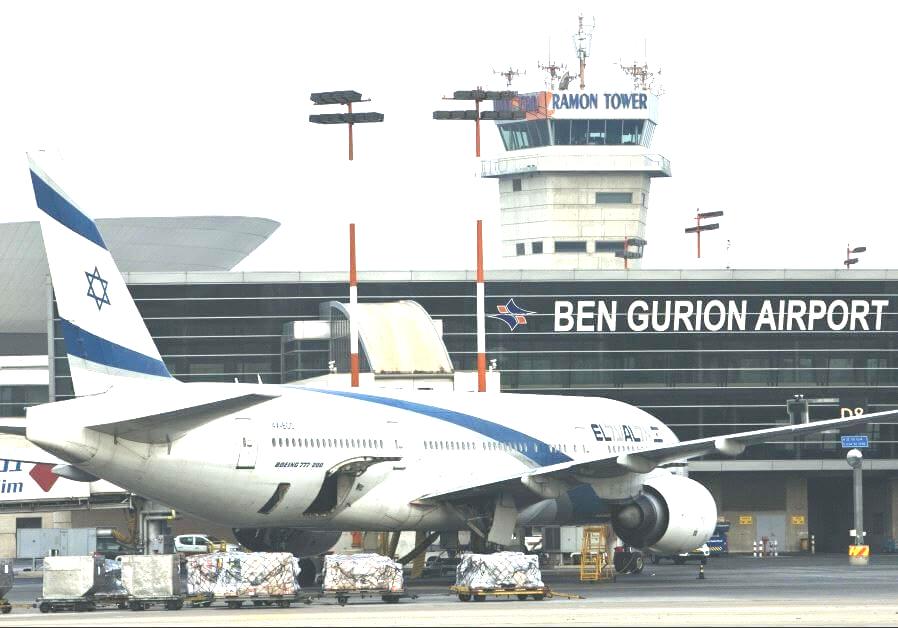
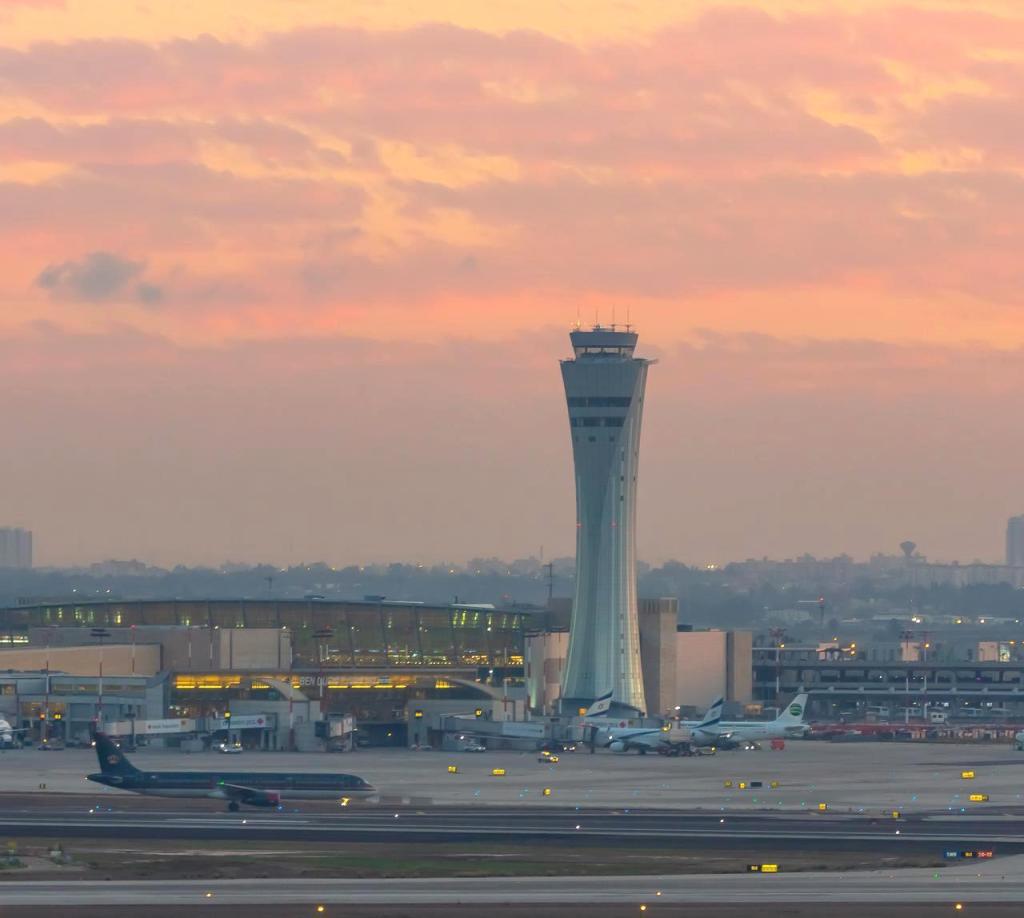
Las estrictas restricciones fronterizas de Israel siguen pesando sobre las aerolíneas del país. El Gobierno lo entiende, y está ofreciendo otra mano amiga a medida que la cepa Delta cobra otro peaje. Los miembros del gabinete israelí aprobaron un plan de rescate adicional para las aerolíneas aún más perjudicadas por la propagación de la cepa Delta del Coronavirus, dijeron los ministerios de Finanzas y Transporte en un comunicado conjunto el Domingo 21/11.La ayuda estatal total no excedería los US$ 44 millones para todos los transportistas de Israel y vendría en forma de bonos a tres años que no acumulan intereses. El Ministro de Transporte, Merav Michaeli, dijo que «el plan equilibra las responsabilidades del gobierno con las de los accionistas controladores de las aerolíneas. Beneficia primero al público israelí y garantiza la estabilidad de las empresas y sus empleados».
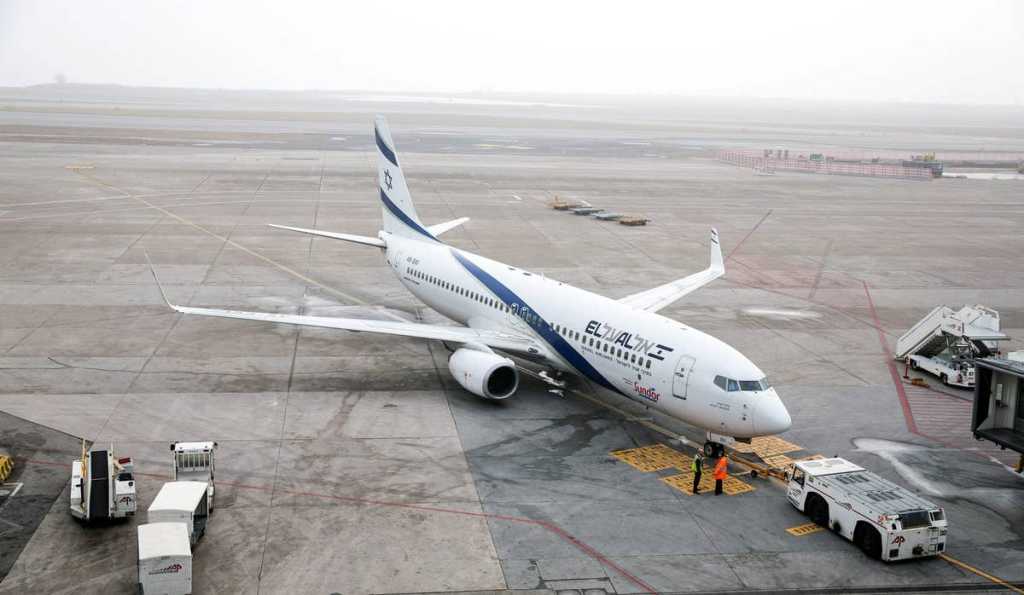
El Al Israel Airlines, Arkia e Israir, se han visto muy afectadas durante la pandemia de COVID-19 con las fronteras del país cerradas en gran medida a los turistas extranjeros desde marzo de 2020. Desde principios de noviembre, los turistas que han sido vacunados contra el COVID-19 pueden ingresar al país dentro de los seis meses posteriores a su última dosis. El Al, que está en conversaciones para comprar Israir, solicitó US$ 100 millones de Dólares al Gobierno en Septiembre 2021 como compensación por sus estrictas políticas de viaje. La aerolínea ha reportado pérdidas durante tres años y acumuló deuda para renovar su flota. Despidió a 1.900 empleados, casi un tercio de su personal, como parte de un plan de recuperación ordenado por el Gobierno para recibir un paquete de ayuda de US$ 210 millones a principios de año 2021, y redujo su flota a 29 de 45. Otra aerolínea que cotiza en bolsa tendrá la opción de convertir un bono en acciones asignadas al estado al vencimiento. En ese caso, el Estado no tendría más del 24% del capital de una aerolínea y no tendría derechos de voto.
Israel will provide new financial rescue
Israel offers US$ 44 million to airlines in new rescue
Israel’s strict border restrictions continue to weigh on the country’s airlines. The government understands this, and is offering another helping hand as the Delta strain takes another toll. Members of the Israeli cabinet approved an additional bailout plan for airlines further harmed by the spread of the Delta strain of Coronavirus, the finance and transport ministries said in a joint statement on Sunday 11/21. Total state aid would not exceed the US$ 44 million for all carriers in Israel and would come in the form of three-year bonds that accrue no interest. Transport Minister Merav Michaeli said that «the plan balances the responsibilities of the government with those of the controlling shareholders of the airlines. It benefits the Israeli public first and ensures the stability of the companies and their employees».
El Al Israel Airlines, Arkia and Israir, have been hit hard during the COVID-19 pandemic with the country’s borders largely closed to foreign tourists since March 2020. Since early November, tourists who have been vaccinated against COVID-19 can enter the country within six months after their last dose. El Al, who is in talks to buy Israir, requested US$ 100 million from the Government in September 2021 as compensation for its strict travel policies. The airline has reported losses for three years and accumulated debt to renew its fleet. It laid off 1,900 employees, nearly a third of its staff, as part of a government-ordered recovery plan to receive a US$ 210 million aid package in early 2021, and reduced its fleet to 29 from 45. Another Publicly traded airline will have the option to convert a bond into state-assigned shares upon maturity. In that case, the State would not have more than 24% of the capital of an airline and would not have voting rights.
ישראל תספק חילוץ פיננסי חדש
ישראל מציעה 44 מיליון דולר לחברות תעופה בחילוץ חדש
מגבלות הגבול המחמירות של ישראל ממשיכות להכביד על חברות התעופה במדינה. הממשלה מבינה זאת ומציעה יד נוספת כאשר זן הדלתא גובה מחיר נוסף. חברי הקבינט הישראלי אישרו תוכנית חילוץ נוספת לחברות תעופה שנפגעו עוד יותר מהתפשטות זן הדלתא של נגיף הקורונה, אמרו משרדי האוצר והתחבורה בהצהרה משותפת ביום ראשון 21/11 הסיוע הכולל של המדינה לא יעלה על 44 מיליון דולר ארה»ב לכל המובילים בישראל ויבוא בצורה של אגרות חוב לשלוש שנים שאינן צוברות ריבית. שרת התחבורה מירב מיכאלי אמרה כי» התוכנית מאזנת בין אחריות הממשלה לבין אחריותם של בעלי השליטה בחברות התעופה. היא מיטיבה עם הציבור הישראלי קודם כל ומבטיחה את יציבות החברות ועובדיהן».
חברת התעופה אל על, ארקיע וישראייר, נפגעו קשות במהלך מגיפת הקורונה, כאשר גבולות המדינה סגורים ברובם לתיירים זרים מאז מרץ 2020. מאז תחילת נובמבר, תיירים שחוסנו נגד COVID-19 יכולים להיכנס לארץ בתוך שישה חודשים לאחר המנה האחרונה שלהם. אל על, הנמצאת במגעים לרכישת ישראייר, ביקשה מהממשלה בספטמבר 2021 100 מיליון דולר כפיצוי על מדיניות הנסיעות המחמירה שלה. חברת התעופה דיווחה על הפסדים במשך שלוש שנים וצברה חובות כדי לחדש את הצי שלה. היא פיטרה 1,900 עובדים, כמעט שליש מהצוות שלה, כחלק מתוכנית הבראה בהוראת הממשלה לקבל חבילת סיוע של 210 מיליון דולר בתחילת 2021, וצמצמה את הצי שלה ל-29 מ-45. לחברת תעופה אחרת הנסחרת בבורסה תהיה אפשרות להמיר אג»ח למניות מוקצות על ידי המדינה עם הפירעון. במקרה זה, למדינה לא יהיו יותר מ-24% מהונה של חברת תעופה ולא יהיו להן זכויות הצבעה.
AW | 2021 11 19 07:55 | AIRLINES / AIR TRAFFIC / GOVERNMENT
Aerolíneas bajo presión de sanciones
Las líneas aéreas de Bielorusia como las extranjeras podrían recibir sanciones que implican multas en el transpotre de migrantes a Bielorrusia. La presión de Bruselas ha hecho ceder rápidamente la postura de transportar migrantes entre países. La Unión Europea (UE) ha introducido en 48 horas atrás nuevas sanciones a raíz de la crisis fronteriza entre Polonia y Bielorrusia.
Un total de 600 aviones procedentes de Líbano, Irak, Siria, Emiratos Árabes Unidos y Turquía aterrizaron en Minsk desde principios de julio. La mayoría de estos vuelos fueron operados por la aerolínea estatal bielorrusa Belavia. Además, la Comisión de la UE también mantuvo intensas conversaciones con una docena de compañías aéreas que ofrecen vuelos a Minsk. Entre ellas están Flydubai, Turkish Airlines, Royal Air Maroc, Air Arabiya, Emirates, Qatar Airways, Etihad, MEA, Oman Air, Iraqi Airways y Egypt Air. El Ministerio de Transportes libanés declaró el Miércoles 17/11 por la noche que solo permitiría volar a Bielorrusia a sus propios ciudadanos con visados válidos o a ciudadanos extranjeros con permiso de residencia permanente. Le siguieron toda una serie de otras compañías aéreas y autoridades de aviación que han cedido a la presión de Bruselas en los últimos días. El Vicepresidente de la Comisión, Margaritis Schinas, y la Comisaria de Transportes de la Unión Europea, Adina Vălean, también mantuvieron estrechos intercambios con organizaciones internacionales de aviación como la IATA o la Organización de Transportistas Aéreos Árabes.
Las negociaciones de la Comisión Europea no tardaron en surtir efecto. Turkish Airlines ya había anunciado la semana pasada que dejaría de transportar pasajeros de Irak, Siria o Yemen a Bielorrusia. La mayoría de las demás compañías aéreas también acordaron suspender la venta de billetes de ida a Minsk para los emigrantes de Oriente Medio o cancelar por completo sus vuelos a Bielorrusia. Según el experto independiente en aviación Heinrich Großbongardt, todas estas compañías aéreas probablemente no habrían impulsado activamente estos vuelos por iniciativa propia. Sin embargo, podrían haber detectado antes las irregularidades que estaban surgiendo y haber dado la voz de alarma. Por otro lado, la situación económica de muchas compañías aéreas es muy tensa debido a los efectos globales de la pandemia del coronavirus. «Algunos de ellos hicieron la vista gorda ante este negocio», sospecha el experto en aviación.
La UE amenaza con retirar los derechos de sobrevuelo y aterrizaje a las compañías aéreas cuya participación en el transporte de migrantes haya quedado demostrada. La sola amenaza fue suficiente para que las compañías aéreas cedieran. «Europa es un mercado de aviación enorme, y las compañías aéreas son especialmente vulnerables allí. Si la UE dice ahora: no les vamos a dar más derechos de aterrizaje, las compañías aéreas tienen que preguntarse: ¿dónde está realmente nuestro negocio principal?», dijo Heinrich Großbongardt.
Incluso las compañías aéreas que no vuelan a Europa podrían verse sometidas a una presión indirecta. Porque Bruselas también tiene la palanca de los acuerdos de transporte aéreo, y estos ya no solo afectan a las compañías aéreas individuales. Se pactan entre la UE o Estados miembros individuales y terceros países. «Estos acuerdos regulan la organización del tráfico aéreo entre Estados. ¿Quién puede volar a dónde? ¿Quién puede llevar pasajeros o carga? ¿Quién puede hacer escala en la UE?» La UE podría suspender o rescindir esos acuerdos en caso de violaciones graves. «Esto afectaría entonces a todas las compañías aéreas de un país», Heinrich Großbongardt. El espacio aéreo europeo ya está cerrado a los aviones bielorrusos, y algunos Estados miembros de la UE ya han cancelado sus acuerdos bilaterales de servicios aéreos con Bielorrusia. Incluso los aviones de la UE ya no pueden cruzar el espacio aéreo bielorruso para realizar vuelos de larga distancia, lo que significa que el régimen de Minsk ya no puede cobrar las tasas de sobrevuelo.
Confiscación aeronaves
Otra forma en que la UE presiona a las compañías aéreas es el arrendamiento de aviones. Nueve de las diez mayores empresas de leasing tienen su sede en Irlanda, la décima es de Dinamarca. Para ahorrar costes, muchas compañías aéreas alquilan gran parte de su flota a estas empresas en lugar de comprar los aviones. Solo la bielorrusa Belavia ha alquilado 17 de sus 30 aviones a empresas irlandesas. Estos contratos de arrendamiento se terminarán tan pronto como la UE haya completado su nueva ronda de sanciones contra Bielorrusia, según anunció a principios de esta semana el Ministro de Asuntos Exteriores irlandés, Simon Coveney. Si las aeronaves no son devueltas voluntariamente, serán confiscadas en cuanto aterricen en un aeropuerto extranjero. En ese caso, Belavia se enfrentaría posiblemente al colapso total de sus operaciones de vuelo. Probablemente también por temor a este escenario, la aerolínea bielorrusa ha cedido ahora: a partir de este Viernes 19/11, la aerolínea anunció que los ciudadanos sirios, iraquíes o yemeníes también tendrían prohibido el acceso a sus aviones. En total, las posibles sanciones son suficientes para detener el tráfico de personas hacia Bielorrusia. «En las próximas semanas, veremos una disminución significativa de estos vuelos a Minsk», sostiene Heinrich Großbongardt.
Crisis in Belarus
Airlines under pressure of sanctions
Both Belarusian and foreign airlines could face penalties involving fines for the transport of migrants to Belarus. Pressure from Brussels has quickly given way to transporting migrants between countries. The European Union (EU) has introduced new sanctions 48 hours ago as a result of the border crisis between Poland and Belarus.
A total of 600 planes from Lebanon, Iraq, Syria, the United Arab Emirates and Turkey have landed in Minsk since the beginning of July. Most of these flights were operated by the Belarusian state airline Belavia. In addition, the EU Commission also held intensive discussions with a dozen airlines offering flights to Minsk. Among them are Flydubai, Turkish Airlines, Royal Air Maroc, Air Arabiya, Emirates, Qatar Airways, Etihad, MEA, Oman Air, Iraqi Airways and Egypt Air. The Lebanese Ministry of Transport declared on Wednesday 11/17 evening that it would only allow its own citizens with valid visas or foreign nationals with permanent residence permits to fly to Belarus. It was followed by a whole host of other airlines and aviation authorities who have yielded to pressure from Brussels in recent days. The Vice-President of the Commission, Margaritis Schinas, and the European Union Commissioner for Transport, Adina Vălean, also had close exchanges with international aviation organizations such as IATA or the Arab Air Carriers Organization.
Negotiations in the European Commission were not long in coming into effect. Turkish Airlines had already announced last week that it would stop carrying passengers from Iraq, Syria or Yemen to Belarus. Most of the other airlines also agreed to suspend the sale of one-way tickets to Minsk for migrants from the Middle East or to cancel their flights to Belarus altogether. According to independent aviation expert Heinrich Großbongardt, all these airlines probably would not have actively promoted these flights on their own initiative. However, they could have detected the irregularities that were emerging earlier and sounded the alarm. On the other hand, the economic situation of many airlines is very tense due to the global effects of the coronavirus pandemic. «Some of them turned a blind eye to this business», suspects the aviation expert.
The EU is threatening to withdraw overflight and landing rights from airlines whose involvement in the transport of migrants has been demonstrated. The threat alone was enough to make the airlines give in. «Europe is a huge aviation market, and airlines are especially vulnerable there. If the EU says now: we are not going to give them more landing rights, airlines have to ask themselves: where is our core business really?», said Heinrich Großbongardt.
Even airlines that do not fly to Europe could come under indirect pressure. Because Brussels also has the lever of air transport agreements, and these no longer only affect individual airlines. They are agreed between the EU or individual Member States and third countries. «These agreements regulate the organization of air traffic between states. Who can fly where? Who can carry passengers or cargo? Who can make a stopover in the EU?» The EU could suspend or terminate these agreements in the event of serious violations. «This would then affect all airlines in a country», Heinrich Großbongardt. European airspace is already closed to Belarusian aircraft, and some EU member states have already canceled their bilateral air services agreements with Belarus. Even EU planes can no longer cross Belarusian airspace for long-haul flights, which means that the Minsk regime can no longer charge overflight fees.
Aircraft confiscation
Another way the EU is putting pressure on airlines is by leasing planes. Nine of the ten largest leasing companies are based in Ireland, the tenth is from Denmark. To save costs, many airlines lease a large part of their fleet to these companies instead of buying the planes. Only Belarusian Belavia has leased 17 of its 30 planes to Irish companies. These leases will be terminated as soon as the EU has completed its new round of sanctions against Belarus, Irish Foreign Minister Simon Coveney announced earlier this week. If the aircraft are not returned voluntarily, they will be confiscated as soon as they land at a foreign airport. In that case, Belavia would possibly face a total collapse of its flight operations. Probably also out of fear of this scenario, the Belarusian airline has now given in: as of this Friday 11/19, the airline announced that Syrian, Iraqi or Yemeni citizens would also be prohibited from accessing their planes. In total, the possible penalties are enough to stop human trafficking into Belarus. «In the coming weeks, we will see a significant decrease in these flights to Minsk», says Heinrich Großbongardt.
Las aerolíneas no pueden cobrar por equipaje de mano
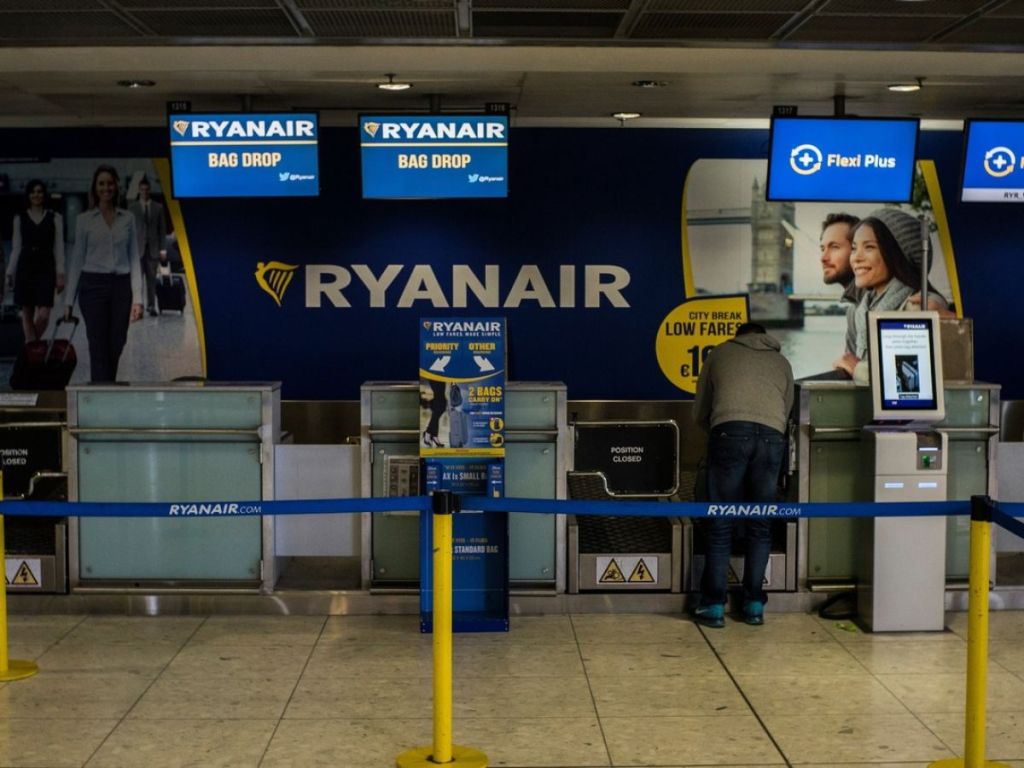
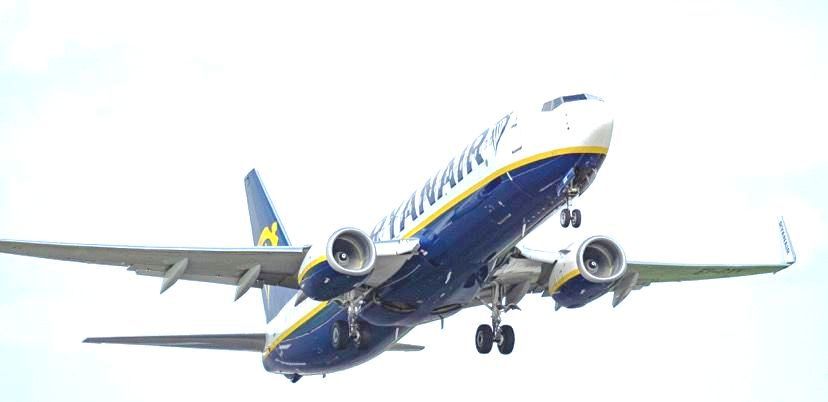
La Justicia de España ha fallado a favor de un pasajero que denunció a la aerolínea de presupuesto irlandesa Ryanair por no permitirle embarcar por su negativa a pagar un suplemento por el equipaje de mano. La jueza ha dado la razón al pasajero que sabía de antemano que debía pagar el suplemento por la maleta. Una magistrada de un juzgado de Palma de Mayorca dicta un fallo que podría sentar precedente para la aviación europea, intimando a las aerolíneas retraerse del cobro a los pasajeros por el equipaje de mano a bordo de las aeronaves.
El fallo judicial llega tras la denuncia de un viajero al que Ryanair no le permitió embarcar por negarse a pagar las £ 20 Libras que le exigía para poder volar con una maleta en cabina. Aunque su billete no incluía equipaje de mano y, según argumenta la low cost, el cliente sabía de antemano que debía pagar un suplemento si quería llevarlo, la justicia le ha dado la razón. La magistrada argumenta que no se puede denegar el embarque a no ser que existan razones de salud o seguridad que lo justifiquen, por lo que determina que la compañía ejerció una situación de superioridad frente al pasajero. Recuerda, además, que la normativa europea obliga a las aerolíneas a transportar el equipaje de mano sin ningún tipo de coste adicional sobre el precio del billete. Por todo ello, ha condenado a Ryanair a pagar € 387 Euros al cliente afectado.
Justice prohibits the collection of hand luggage
Airlines cannot charge for carry-on luggage
The Justice of Spain has ruled in favor of a passenger who denounced the Irish budget airline Ryanair for not allowing him to board due to his refusal to pay a supplement for hand luggage. The judge has agreed with the passenger who knew in advance that he had to pay the supplement for the suitcase. A magistrate from a Palma de Mayorca court dictates a ruling that could set a precedent for European aviation, prompting airlines to withdraw from charging passengers for hand luggage on board aircraft.
The court ruling comes after the complaint of a traveler who Ryanair did not allow him to board for refusing to pay the £ 20 pounds that he required to be able to fly with a suitcase in the cabin. Although his ticket did not include hand luggage and, according to the low cost argument, the client knew in advance that he had to pay a supplement if he wanted to take it, justice has agreed with him. The magistrate argues that boarding cannot be denied unless there are health or safety reasons that justify it, so she determines that the company exercised a situation of superiority over the passenger. She also recalls that European regulations oblige airlines to transport hand luggage without any additional cost over the price of the ticket. For all this, she has ordered Ryanair to pay € 387 Euros to the affected customer.
AW | 2021 11 12 07:15 | AIRLINES ROUTES / GOVERNMENT
Belavia no admite iraquíes, sirios y yemeníes procedentes Turquía
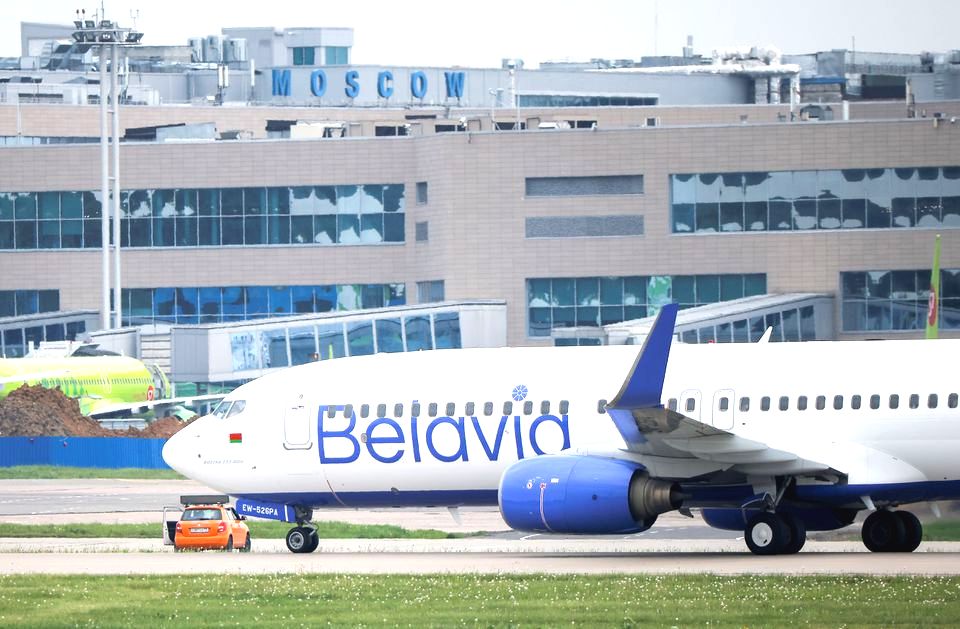
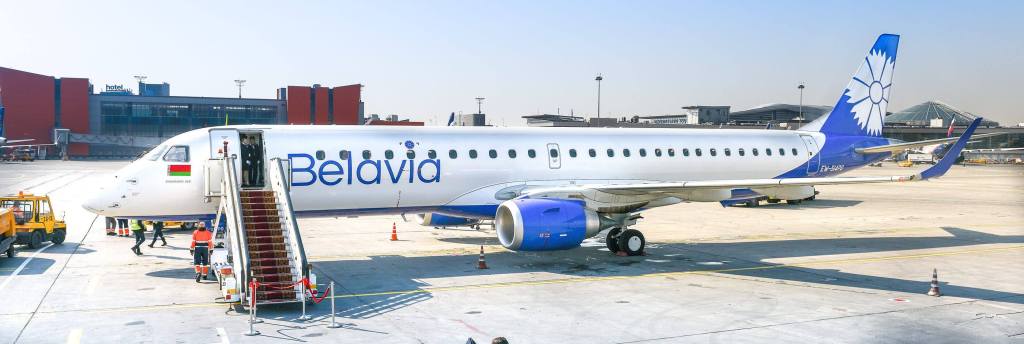
La aerolínea estatal bielorrusa Belavia anunció este 11/11 que dejará de aceptar a ciudadanos de Irak, Siria y Yemen en vuelos desde Turquía a Bielorrusia, con lo que cierra una de las rutas utilizadas por los migrantes para llegar a Minsk y desde allí a la frontera con la Unión Europea (UE). «En virtud de la decisión de las autoridades competentes de Turquía, a partir de hoy los ciudadanos de Irak, Siria y Yemen no serán admitidos en vuelos entre Turquía y Bielorrusia», señaló la compañía en un breve comunicado en su página corporativa.
Este paso llega en medio de la crisis migratoria en la frontera polaco-bielorrusa, donde unos 2.000 migrantes procedentes de Oriente Medio, particularmente de esos tres países, se concentran desde el Lunes 08/11 para tratar de cruzar a la UE. La Unión Europea prepara nuevas sanciones contra Bielorrusia por la guerra híbrida que libra con el transporte de migrantes a la frontera comunitaria para, según ellos, desestabilizar la Unión Europea. Los trabajos en Bruselas incluyen explorar no solo nuevas medidas restrictivas contra Belavia, sino también contra aerolíneas de terceros países que participen activamente en el tráfico de personas.
Tanto Turkish Airlines como Aeroflot Russian Airlines han negado cualquier participación en el transporte de migrantes indocumentados a Bielorrusia. Turkish Airlines opera diez vuelos por semana a Minsk, un número similar al de Belavia. La aerolínea estatal bielorrusa negó a finales de octubre que llevase a migrantes irregulares a la UE, en tanto que el Gobierno de Alexandr Lukashenko ha dicho que éstos entran legalmente en Bielorrusia, con visados que, según activistas, son organizados desde Minsk.
El Miércoles 10/11 la abogada bielorrusa Aliona Chéjovich, experta en inmigración, no dudó en declaraciones a Efe de que fue el régimen bielorruso el que organizó el flujo de irregulares de los últimos meses con destino a la Comunidad Europea. «Las autoridades fueron quienes lanzaron hace varios meses una campaña publicitaria en la que Bielorrusia figuraba como el país de tránsito hacia la UE», comentó desde Minsk. En dicha campaña, según Aliona Chéjovich, participaría y se beneficiarían las agencias turísticas y los turoperadores que dependen de la Administración presidencial. La activista habló con varios inmigrantes que en las últimas dos semanas intentaron cruzar infructuosamente la frontera con la UE. «En su mayoría son kurdos de Irak, pero también los hay sirios e iraníes. Nos contaron que pagaron, les concedieron visado de turista, reservaron una habitación de hotel o un apartamento en Minsk, e intentaron cruzar a Europa a través del bosque», relató Aliona Chéjovich.
Desde la pasada primavera se han multiplicado los intentos de entrada ilegal en Letonia, Lituania y Polonia desde Bielorrusia. Eso después de que Alexandr Lukashenko declarara abiertamente que dejará de impedir la llegada de migrantes indocumentados a la UE en respuesta a las sanciones impuestas por Occidente por las fraudulentas elecciones presidenciales de 2020, la represión posterior y el aterrizaje forzoso de un vuelo europeo en mayo para detener a un disidente.
Belavia blocks pax from Turkey
Belavia not admitting Iraqis, Syrians and Yemenis on flights Turkey
The Belarusian state airline Belavia announced this 11/11 that it will stop accepting citizens of Iraq, Syria and Yemen on flights from Turkey to Belarus, thus closing one of the routes used by migrants to reach Minsk and from there to the border with the European Union (EU). «By virtue of the decision of the competent authorities of Turkey, from today the citizens of Iraq, Syria and Yemen will not be admitted on flights between Turkey and Belarus», the company said in a brief statement on its corporate page.
This step comes in the midst of the migration crisis on the Polish-Belarusian border, where some 2,000 migrants from the Middle East, particularly from those three countries, have gathered since Monday 08/11 to try to cross into the EU. The European Union is preparing new sanctions against Belarus for the hybrid war it is waging with the transport of migrants to the community border to, according to them, destabilize the European Union. The works in Brussels include exploring not only new restrictive measures against Belavia, but also against third-country airlines that are actively involved in human trafficking.
Both Turkish Airlines and Aeroflot Russian Airlines have denied any involvement in the transport of undocumented migrants to Belarus. Turkish Airlines operates ten flights a week to Minsk, a number similar to that of Belavia. The Belarusian state airline denied in late October that it was bringing irregular migrants to the EU, while Alexandr Lukashenko’s government has said they enter Belarus legally, with visas that activists say are organized from Minsk.
On Wednesday November 10, the Belarusian lawyer Aliona Chejovich, an immigration expert, did not hesitate in statements to Efe that it was the Belarusian regime that organized the flow of illegal immigrants in recent months to the European Community. «The authorities were the ones who launched an advertising campaign several months ago in which Belarus was listed as the transit country to the EU», she commented from Minsk. In this campaign, according to Aliona Chejovich, the tourist agencies and tour operators that depend on the presidential administration would participate and benefit. The activist herself spoke with several immigrants who in the last two weeks tried unsuccessfully to cross the border with the EU. «They are mostly Kurds from Iraq, but there are also Syrians and Iranians. They told us that they paid, granted them a tourist visa, booked a hotel room or an apartment in Minsk, and tried to cross into Europe through the forest», Aliona Chejovich recounted.
Since last spring, attempts at illegal entry into Latvia, Lithuania and Poland from Belarus have multiplied. That’s after Alexandr Lukashenko openly declared that he will stop preventing the arrival of undocumented migrants to the EU in response to sanctions imposed by the West for the fraudulent 2020 presidential elections, the subsequent crackdown and the crash landing of a European flight in May to arrest a dissident.
Mantienen presión sobre gobiernos accionistas abono a ex-pilotos
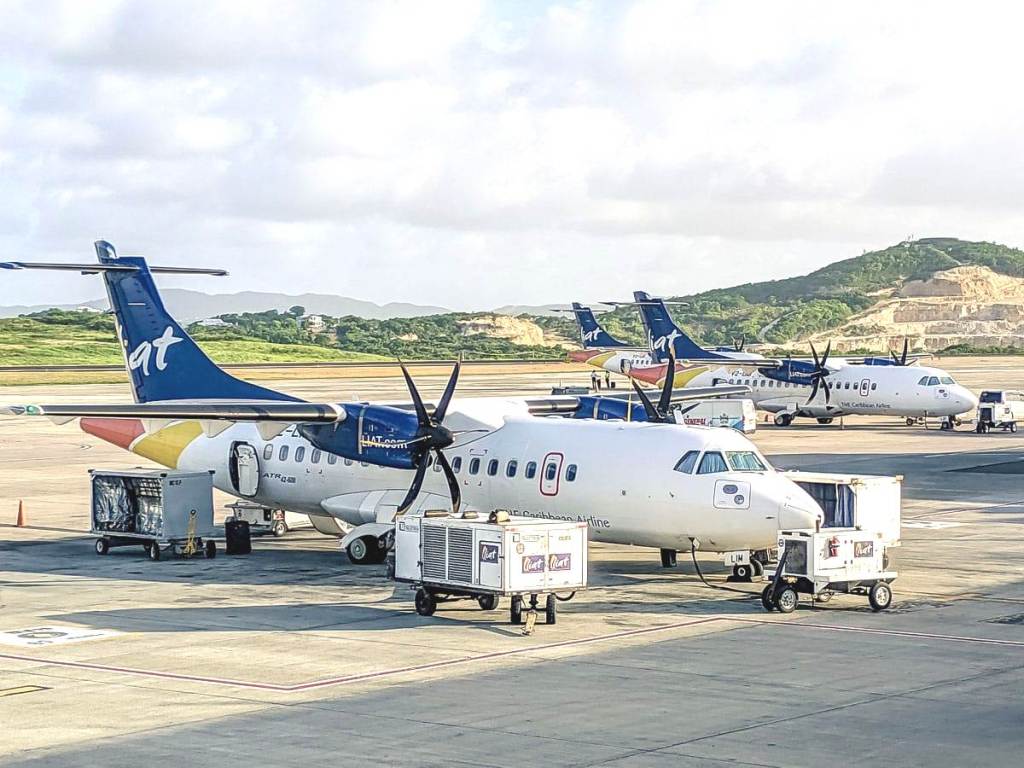
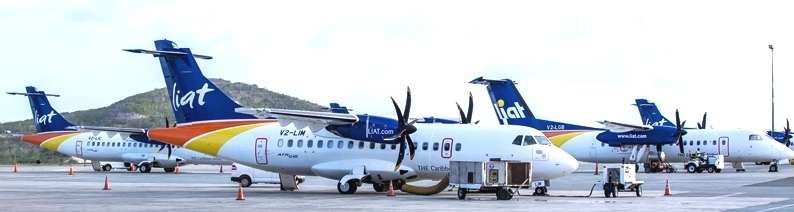
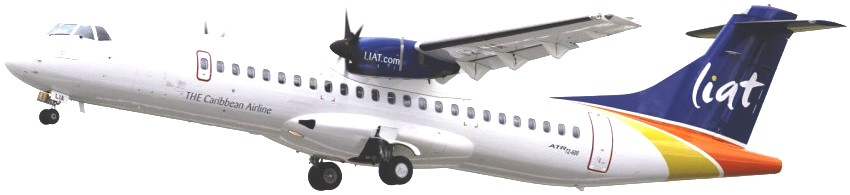
El Sindicato de Pilotos de la aerolínea regional LIAT Airlines, solicitó el Martes 09/11 a sus gobiernos accionistas que ayuden a llegar a un acuerdo con respecto a las indemnizaciones pendientes adeudadas a los ex pilotos de la aerolínea. Patterson Thompson, Presidente de la Asociación de Pilotos de Líneas Aéreas de las Islas de Sotavento (LIALPA), ha pronunciado el reclamo en la Isla Antigua, reconociendo que si bien la pandemia de Coronavirus había complicado las cosas, los gobiernos accionistas deberían comprometerse a cumplir con los pagos pendientes a los ex empleados. Dijo que los gobiernos de Barbados, San Vicente y las Granadinas y Dominica deberían unirse a los esfuerzos emprendidos por el Primer Ministro de Antigua y Barbuda, Gaston Browne, para hacer frente a la situación. Patterson Thompson declaró: «Si no quiere unirse a los esfuerzos del Sr. Gaston Browne, ¿qué puede hacer por nosotros allí, usted y el Primer Ministro (Dr. Ralph) Gonsalves (de San Vicente y las Granadinas)? Y ese es el problema. Hablamos de esclavitud, retrocedemos 400 años, pero esto sucedió en 2020. La caridad comienza en casa, unámonos como grupo caribeño y solucionemos el problema. Si me dices que podría pagar el dinero en dos o tres años, probablemente podría vivir con eso, pero solo nos cortaron las rodillas, los tobillos servimos al país, todos nosotros. No solo los habitantes de Baja California, no solo los de Antigua, [sino] había granadinos, vicentinos, santalucianos, kittitianos, trinis, guyaneses”.
El mes de Octubre 2021, el Primer Ministro Gaston Browne hizo un llamamiento a los sindicatos regionales para que reconsideren sus posiciones sobre la última oferta hecha a los trabajadores despedidos de la aerolínea. Expresó que lo que se requiere es la cooperación de los sindicatos, y señaló que «algunos líderes sindicales están haciendo demandas poco razonables, haciendo demandas en las que no tienen base legal para hacer. Como les he dicho a los otros sindicatos, si realmente piensan que se les debe el 100 por ciento de sus indemnizaciones y obligaciones del personal, vayan a los tribunales y demuéstrelo. Si no pueden probarlo, entonces los gobiernos te están dando un pago compasivo, tómate y corre». La aerolínea había despedido a alrededor del 90 por ciento de su personal el año pasado como parte de un ejercicio de reestructuración y ha reanudado sus operaciones a una escala mucho menor.
El Presidente del Waterfront and Allied Workers Union (WAWU), con sede en Dominica, Donald Rolle, dijo que los sindicatos regionales están unidos en la búsqueda de los millones de dólares adeudados a los trabajadores y han rechazado la última oferta de los gobiernos accionistas. «La oferta sobre la mesa que es pagar a los trabajadores de LIAT, el 50 por ciento de su salario de despido y hay un componente que implica compensación mediante la emisión de tierras y bonos. Pero los sindicatos de todo el Caribe han rechazado eso en su totalidad, pero estamos en negociaciones con los gobiernos. Tenemos una posición y como está ahora, estamos en extremos opuestos de la tabla», Donald Rolle. Pero otro miembro ejecutivo de LIALPA, Arian Blanchard, quien también dijo que si bien se ha hecho una oferta a los trabajadores, no es por escrito. «Somos un ejecutivo muy responsable y atento. Estamos explorando todas las vías para obtener los detalles que necesitábamos aclarar en la propuesta y lo hicimos como el presidente habría mencionado en una reunión con el Primer Ministro Browne y él aclaró los detalles. Pero no podemos volver a nuestros miembros y decir que dijo el primer ministro. Eso es rumor. Tenemos que tenerlo en la propuesta para que podamos llevarlo de vuelta a nuestros miembros, momento en el que los miembros tomarán su decisión de aceptar la oferta. Pero tenemos que tener ese documento y aquí es donde estamos ahora mismo». Advirtió sobre la posibilidad de que pilotos e ingenieros «busquen empleo en el extranjero si el asunto no se resuelve pronto. Hablo con muchos miembros todo el tiempo. Mentalmente es agotador porque la mayoría de las personas serían responsables de sus familias y, en algunos casos, hay personas que ambos sostén de la familia fueron empleados por LIAT», sostiene Arian Blanchard.
Patterson Thompson rechazó la sugerencia de que los pilotos de la aerolínea deberían asumir parte de la culpa por los problemas de la aerolínea, diciendo que la gerencia había tomado algunas decisiones irresponsables. «LIAT ha cometido errores una y otra y otra vez durante un período de tiempo», dijo, recordando que la asociación les había advertido que no se retiraran de una determinada ruta, que posteriormente ignoraron. “Y luego, cuando regresamos a St. Thomas tres días a la semana, los vuelos (estaban) tres cuartos [llenos]. Los pilotos no hicieron eso. Estamos hartos de que estas personas funcionen con tonterías que se han alimentado allí. El mayor problema con LIAT es que siempre hubo interferencia política en la aerolínea y nunca se le permitió funcionar como un negocio de aerolínea».
La aerolínea es propiedad de los gobiernos de Antigua y Barbuda, Barbados, Dominica y San Vicente y las Granadinas (SVG). El año pasado, Gaston Browne dijo que se había tomado una decisión que permitiría a Barbados y SVG entregar sus acciones en LIAT Airlines a Antigua y Barbuda por EC$ 1 Dólar Caribe Oriental. Gaston Browne dijo que LIAT, bajo administración, había arrojado una ganancia operativa para los meses de julio y agosto, lo que sugiere que un LIAT más ágil y eficiente puede ser rentable.
Salary problems ex-LIAT pilots
They maintain pressure on shareholder governments to pay ex-pilots
The Pilots Union of the regional airline LIAT Airlines, on Tuesday 11/09 asked its shareholder governments to help reach an agreement regarding the pending compensation owed to the former pilots of the airline. Patterson Thompson, President of the Leeward Islands Airline Pilots Association (LIALPA), has delivered the claim on Antigua Island, recognizing that while the Coronavirus pandemic had complicated matters, shareholder governments should commit to comply. with pending payments to former employees. He said the governments of Barbados, Saint Vincent and the Grenadines and Dominica should join the efforts undertaken by the Prime Minister of Antigua and Barbuda, Gaston Browne, to address the situation. Patterson Thompson stated, «If you don’t want to join Mr. Gaston Browne’s efforts, what can you do for us there, you and Prime Minister (Dr. Ralph) Gonsalves (of Saint Vincent and the Grenadines)? And that’s the We talked about slavery, we go back 400 years, but this happened in 2020. Charity starts at home, let’s come together as a Caribbean group and solve the problem. If you tell me I could pay the money in two or three years, I could probably live with that But they only cut off our knees, our ankles, we serve the country, all of us. Not only the inhabitants of Baja California, not only those of Antigua, [but] there were people from Granada, Vincentians, Saint Lucians, Kittitians, Trinidadians, Guyanese».
In October 2021, Prime Minister Gaston Browne called on regional unions to reconsider his positions on the latest offer made to laid off airline workers. He expressed that what is required is the cooperation of the unions, noting that «some union leaders are making unreasonable demands, making demands in which they have no legal basis to make. As I have told the other unions, if they really think that they are owed 100 percent of their severance pay and staff obligations, go to court and prove it. If they can’t prove it, then governments are giving you a compassionate pay, take it and run». The airline had laid off about 90 percent of its staff last year as part of a restructuring exercise and has resumed operations on a much smaller scale.
Dominica-based Waterfront and Allied Workers Union (WAWU) President Donald Rolle said regional unions are united in pursuing the millions of dollars owed to workers and have rejected the latest offer from shareholder governments. «The offer on the table is to pay LIAT workers 50 percent of their layoff salary and there is a component that involves compensation through the issuance of land and bonds. But unions across the Caribbean have rejected that in in its entirety, but we are in negotiations with the governments. We have a position and as it is now, we are at opposite ends of the table», Donald Rolle. But another LIALPA executive member, Arian Blanchard, who also said that while an offer has been made to the workers, it is not in writing. «We are a very responsible and attentive executive. We are exploring all avenues to get the details that we needed to clarify in the proposal and we did it as the president would have mentioned in a meeting with Prime Minister Browne and he clarified the details. But we cannot go back. to our members and say what the prime minister said. That’s rumor. We have to have it in the proposal so that we can take it back to our members, at which point the members will make their decision to accept the offer. But we have to have that document and this is where we are right now». He warned of the possibility of pilots and engineers «seeking employment abroad if the matter is not resolved soon. I talk to many members all the time. Mentally it is exhausting because most people would be responsible for their families and in some cases There are people who both breadwinners were employed by LIAT», argues Arian Blanchard.
Patterson Thompson rejected the suggestion that the airline’s pilots should take some of the blame for the airline’s troubles, saying that management had made some irresponsible decisions. «LIAT has made mistakes over and over and over again over a period of time», he said, recalling that the association had warned them not to withdraw from a certain route, which they subsequently ignored. “And then when we got back to St. Thomas three days a week, the flights (were) three-quarters [full]. The pilots did not do that. We’re sick of these folks running on nonsense that has been fed there. The biggest problem with LIAT is that there was always political interference in the airline and it was never allowed to function as an airline business».
The airline is owned by the governments of Antigua and Barbuda, Barbados, Dominica, and Saint Vincent and the Grenadines (SVG). Last year, Gaston Browne said a decision had been made that would allow Barbados and SVG to hand over their shares in LIAT Airlines to Antigua and Barbuda for EC$ 1 East Caribbean Dollar. Gaston Browne said that the LIAT, under management, had returned an operating profit for the months of July and August, suggesting that a more agile and efficient LIAT may be profitable.
AW | 2021 11 11 07:23 | GOVERNMENT / AIR TRAFFIC / AIRLINES
Rusia considerará prohibir vuelos occidente
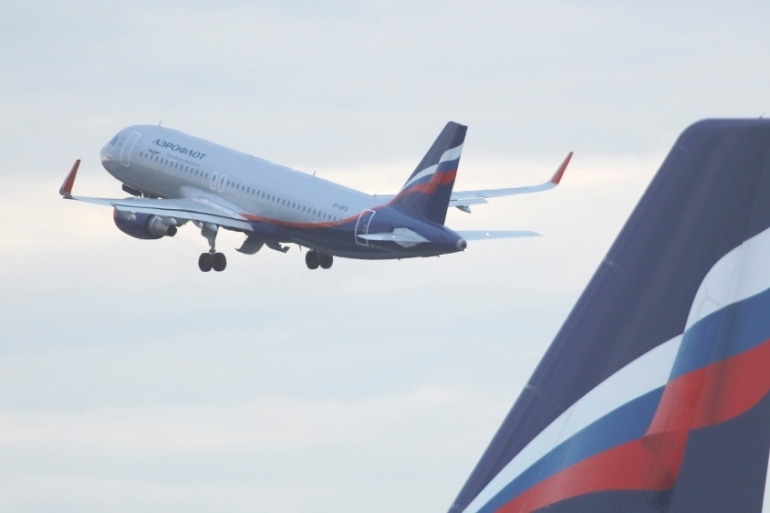
El Gobierno de la Federación Rusia ha anunciado este Jueves 11/11 que si se imponen sanciones a la aerolínea rusa Aeroflot Russian Airlines, Moscú podría considerar prohibir el paso de aerolíneas occidentales sobre el territorio ruso, dijo Vladimir Dzhabarov, el Primer Subdirector del Comité de Asuntos Internacionales de la Cámara Alta rusa.
El Miércoles 10/11 la Unión Europea se encontraba discutiendo sanciones contra Aeroflot y Turkish Airlines por su presunta participación en traer inmigrantes ilegales a Bielorrusia. «Aeroflot no tiene nada que ver con eso. Están tratando de morder a Rusia a cualquier costo. Si se imponen sanciones a Aeroflot, Rusia puede considerar prohibir los vuelos de las aerolíneas occidentales sobre el territorio de nuestro país», dijo Vladimir Dzhabarov. Si Occidente impone sanciones a Aeroflot, Rusia responderá con «sanciones similares contra sus empresas, que dependen en gran medida de Rusia debido a su ubicación geográfica», advirtió el legislador principal.
Dispute over sanctions against Aeroflot
Russia to consider banning western flights
The Government of the Russian Federation announced this Thursday 11/11 that if sanctions are imposed on the Russian airline Aeroflot Russian Airlines, Moscow could consider prohibiting the passage of Western airlines over Russian territory, said Vladimir Dzhabarov, the First Deputy Director of the Committee on International Affairs of the Russian Upper House.
On Wednesday 11/10 the European Union was discussing sanctions against Aeroflot and Turkish Airlines for their alleged involvement in bringing illegal immigrants to Belarus. «Aeroflot has nothing to do with it. They are trying to bite Russia at any cost. If sanctions are imposed on Aeroflot, Russia may consider banning the flights of Western airlines over the territory of our country», Vladimir Dzhabarov said. If the West imposes sanctions on Aeroflot, Russia will respond with «similar sanctions against its companies, which are highly dependent on Russia due to their geographic location», the lead lawmaker warned.
Спор о санкциях против Аэрофлот
Россия рассмотрит вопрос о запрете полетов на запад
Правительство Российской Федерации объявило в четверг 11/11, что в случае введения санкций в отношении российской авиакомпании Аэрофлот российские авиалинии Москва может рассмотреть вопрос о запрете пролета западных авиакомпаний над территорией России, сказал Владимир Джабаров, первый заместитель директора Комитета по безопасности. Международные отношения Верхней палаты России.
В среду 11.10 Европейский Союз обсуждал санкции против Аэрофлота и Turkish Airlines за их предполагаемое участие в доставке нелегальных иммигрантов в Беларусь. «Аэрофлот тут ни при чем. Они пытаются укусить Россию любой ценой. Если в отношении Аэрофлота будут введены санкции, Россия может рассмотреть вопрос о запрете полетов западных авиакомпаний над территорией нашей страны», сказал Владимир Джабаров. Если Запад наложит санкции на Аэрофлот, Россия ответит «аналогичными санкциями против своих компаний, которые сильно зависят от России из-за своего географического положения», предупредил ведущий законодатель.





















 airgways.com