AW | 2021 11 01 09:11 | AIRLINES ALLIANCE / GOVERNMENT
Avanza aprobación Joint Venture Latam-Delta
Las aprobaciones judiciales del Joint Venture por parte de las autoridades respectivas de Colombia, Brasil y Uruguay, se incorporan ahora el Tribunal de Defensa de la Libre Competencia de Chile que ha aprobado el acuerdo extrajudicial alcanzado por Latam Airlines y Delta Air Lines con la Fiscalía Nacional Económica de Chile. El acuerdo y la resolución del Tribunal que lo aprueba permiten, entre otras cosas, la implementación de su acuerdo comercial Trans-American de Joint Venture Agreement (JVA), sujeto a las medidas de mitigación ofrecidas por las partes, mientras continúa el proceso de aprobación regulatoria de inmunidad antimonopolio ante el Departamento de Transporte (DOT) de Estados Unidos, informó la aerolínea. Una vez que finalicen las aprobaciones regulatorias, la asociación entre las aerolíneas conectará las Américas con mayores opciones de viaje a sus clientes.
Latam Airlines y Delta Air Lines recibieron la aprobación final, sin condiciones, de su acuerdo comercial por parte de la autoridad regulatoria de Brasil (CADE) después de su aprobación inicial en Septiembre de 2020. “Este fallo refuerza los beneficios que este tipo de acuerdos genera para los viajeros y nos permite avanzar en nuestro compromiso de entregar más y mejores opciones de conectividad desde Sudamérica al mundo”, dijo en su momento el CEO de Latam Airlines Group, Roberto Alvo.
Latam-Delta Joint Venture advances
Latam-Delta Joint Venture approval advances
The judicial approvals of the Joint Venture by the respective authorities of Colombia, Brazil and Uruguay are now incorporated by the Chilean Free Competition Defense Court, which has approved the extrajudicial agreement reached by Latam Airlines and Delta Air Lines with the National Prosecutor’s Office. Economic of Chile. The agreement and the Court’s resolution approving it allow, among other things, the implementation of its Trans-American Joint Venture Agreement (JVA) business agreement, subject to mitigation measures offered by the parties, while the approval process continues. regulatory antitrust immunity before the United States Department of Transportation (DOT), the airline reported. Once regulatory approvals are finalized, the partnership between airlines will connect the Americas with greater travel options for its customers.
Latam Airlines and Delta Air Lines received final approval, without conditions, of their commercial agreement by the Brazilian regulatory authority (CADE) after its initial approval in September 2020. “This ruling reinforces the benefits that this type of agreement generates for travelers and allows us to advance in our commitment to deliver more and better connectivity options from South America to the world”, said at the time the CEO of Latam Airlines Group, Roberto Alvo.
Comisión de Turismo debate el desarrollo de aviación regional
El Comité de Turismo de la Cámara de Representantes celebra una audiencia el Miércoles 3 de Noviembre de 2021 para discutir el desarrollo de la Aviación Regional. El debate se celebrará a las 15.m. en sesión plenaria 9. El Congresista Eduardo Bismarck (PDT-CE), quien ha solicitado la audiencia, recordó que de los 5.570 municipios brasileños, solo unos 100 tienen vuelos regionales regulares. «Además, la tasa de vuelos comerciales de corta distancia en comparación con el número total de viajes es solo del 12% en Brasil, mientras que en otros países el estándar es del 30%», señaló el congresista. El bajo número de vuelos regionales se debe a varias razones, como la insuficiencia de la infraestructura aeroportuaria, la suspensión del Programa de Desarrollo de la Aviación Regional (PDAR) establecido por la Ley 13.097/15, la falta de estructura aduanera y el difícil acceso al combustible. «Es esencial que este comité discuta, con la presencia de aerolíneas grandes y pequeñas, posibles soluciones para garantizar el desarrollo de la aviación regional en Brasil», señaló Eduardo Bismarck.
La próxima Audiencia contará con la presencia confirmada del Presidente de Abaeté Linhas Aéreas, Tiago Tosto, el Gerente de Relaciones Institucionales de Azul Linhas Aéreas, César Grandolfo, la Gerente de Relaciones Institucionales de GOL Linhas Aéreas, Renata Fonseca y el Director de Alianzas y Relaciones Institucionales de GOL, Randall Agüero, y el Director Comercial de Latam Airlines Brasil, Diogo Abadio Nunes Elias.
Brazil Chamber debate regional aviation
Tourism Commission discusses regional aviation development
The Tourism Committee of the House of Representatives holds a hearing on Wednesday, November 3, 2021 to discuss the development of Regional Aviation. The debate will take place at 3:00 p.m. in plenary session 9. Congressman Eduardo Bismarck (PDT-CE), who has requested the hearing, recalled that of the 5,570 Brazilian municipalities, only about 100 have regular regional flights. «In addition, the rate of short-haul commercial flights compared to the total number of trips is only 12% in Brazil, while in other countries the standard is 30%», said the congressman. The low number of regional flights is due to several reasons, such as insufficient airport infrastructure, the suspension of the Regional Aviation Development Program (PDAR) established by Law 13.097/15, the lack of a customs structure and difficult access. to fuel. «It is essential that this committee discuss, with the presence of large and small airlines, possible solutions to guarantee the development of regional aviation in Brazil», said Eduardo Bismarck.
The next Hearing will have the confirmed presence of the President of Abaeté Linhas Aéreas, Tiago Tosto, the Manager of Institutional Relations of Azul Linhas Aéreas, César Grandolfo, the Manager of Institutional Relations of GOL Linhas Aéreas, Renata Fonseca and the Director of Alliances and Relations Institutional GOL, Randall Agüero, and the Commercial Director of Latam Airlines Brasil, Diogo Abadio Nunes Elias.
Câmara Brasil debate aviação regional
Comissão de Turismo discute desenvolvimento da aviação regional
O Comitê de Turismo da Câmara dos Representantes realiza uma audiência na quarta-feira, 3 de novembro de 2021 para discutir o desenvolvimento da Aviação Regional. O debate terá lugar às 15 horas. em plenário 9. O deputado Eduardo Bismarck (PDT-CE), que solicitou a audiência, lembrou que dos 5.570 municípios brasileiros, apenas cerca de 100 têm voos regulares regionais. “Além disso, a taxa de voos comerciais de curta distância em relação ao total de viagens é de apenas 12% no Brasil, enquanto em outros países o padrão é de 30%”, disse o deputado. O baixo número de voos regionais deve-se a diversos motivos, como infraestrutura aeroportuária insuficiente, suspensão do Programa de Desenvolvimento da Aviação Regional (PDAR) instituído pela Lei 13.097 / 15, falta de estrutura alfandegária e dificuldade de acesso ao combustível. “É fundamental que este comitê discuta, com a presença de grandes e pequenas empresas aéreas, possíveis soluções para garantir o desenvolvimento da aviação regional no Brasil”, disse Eduardo Bismarck.
A próxima Audiência terá a presença confirmada do Presidente da Abaeté Linhas Aéreas, Tiago Tosto, do Gerente de Relações Institucionais da Azul Linhas Aéreas, César Grandolfo, da Gerente de Relações Institucionais da GOL Linhas Aéreas, Renata Fonseca e da Diretora de Alianças e Relações Institucionais GOL, Randall Agüero, e o Diretor Comercial Latam Airlines Brasil, Diogo Abadio Nunes Elias.
Aerolíneas expuso postura frente a reclamo codeshare con Aeroflot
El CEO de Aerolíneas Argentinas, Pablo Ceriani, cruzó un diálogo al Senador de Juntos por el Cambio (JXC), Víctor Zimmerman, luego de que el legislador compartiera en Twitter un “pedido de informes” que realizó a la aerolínea por lo que se denomina “código compartido” en la industria de la aeronavegación con la aerolínea Aeroflot Russian Airlines.
El senador ha reclamado: “Queremos conocer las razones por las cuales se decidió adoptar la modalidad de “código compartido” para la operación de nuestra aerolínea de bandera y cuáles son las ventajas y/o beneficios económicos y/o operativos que se espera obtener bajo esta modalidad”. El titular de Aerolíneas ha respondido: “Un acuerdo de código compartido permite a dos aerolíneas vender pasajes para rutas operadas por la otra, ampliando sus destinos y beneficios para los pasajeros. No es una «modalidad» elegida por nosotros, es como opera la industria aérea en el mundo. Este acuerdo se firmó en Marzo de 2015, lo aprobó la ANAC durante la gestión macrista en 2017 y se comenzó a implementar en 2018 en el marco del mundial de fútbol 2018 FIFA World Cup. Ese mismo año se comenzó a negociar su ampliación, lo que se terminó de aprobar hace unas semanas”, aclaró Pablo Ceriani, sin que aparecieran más réplicas por parte del Senador.
Aerolíneas exposed Senator JXC’s claim
Aerolíneas exposed position regarding codeshare claim with Aeroflot
The CEO of Aerolíneas Argentinas, Pablo Ceriani, spoke to the Senator of Together for Change (JXC), Víctor Zimmerman, after the legislator shared on Twitter a «request for information» that he made to the airline for what is called «Codeshare» in the aviation industry with Aeroflot Russian Airlines.
The senator has claimed: “We want to know the reasons why it was decided to adopt the“ shared code ”modality for the operation of our flag airline and what are the advantages and/or economic and/or operational benefits that are expected to be obtained under this modality». The head of Aerolíneas has responded: “A codeshare agreement allows two airlines to sell tickets for routes operated by the other, expanding their destinations and benefits for passengers. It is not a «modality» chosen by us, it is how the airline industry operates in the world. This agreement was signed in March 2015, it was approved by the ANAC during the macrista administration in 2017 and it began to be implemented in 2018 within the framework of the 2018 FIFA World Cup. That same year, negotiations began to expand it, which it was finished being approved a few weeks ago», Pablo Ceriani clarified, without any further replies from the Senator.
AW | 2021 10 27 09:35 | AIRLINES / INDUSTRY / GOVERNMENT
LOT Polish Airlines reclama una indemnización a Boeing
La aerolínea polaca LOT Polish Airlines presentó una demanda en Seattle (WA), Estados Unidos, contra The Boeing Company donde exige una compensación de al menos zł 1.000 millones de Złotys. El caso se relaciona con fallas de diseño en el Boeing 737 MAX que causaron una incursión en tierra por el espacio de veinte meses para reparar el sistema defectuoso denominado MCAS. La información fue confirmada el Martes 26/10 por el portavoz de prensa de LOT Airlines, Krzysztof Moczulski. La demanda fue precedida por muchos meses de negociaciones de conciliación, que no condujeron a soluciones satisfactorias.
PLL LOT & Boeing
El Director de LOT Polish Airlines, Rafał Milczarski, en una entrevista con periodistas a principios de Octubre 2021. Admitió que la compañía sufrió enormes pérdidas a la hora de poner a tierra el Boeing 737 MAX. “Estamos en conversaciones y hablamos con Boeing. Hasta ahora, estas conversaciones no han traído los resultados esperados, por lo que utilizaremos las soluciones disponibles para obtener una compensación. No renunciaremos a nada y no podemos renunciar a nada que Boeing nos deba. Es normal y haremos tales acusaciones contra Boeing”, dijo Rafał Milczarski en ese momento.
Los aviones Boeing 737 MAX fueron detenidos por EASA (Agencia de Seguridad Aérea de la Unión Europea) el 12 de Marzo de 2019, después de dos accidentes, uno en Indonesia el 29 de Octubre de 2018 y en Etiopía el 10 de Marzo de 2019, donde fallecieron en conjunto 346 personas a bordo. Los aviones 737 MAX retornaron paulatinamente en todo el mundo a principios de 2021 después de una pausa de veinte meses para reparar sistemas defectuosos.
La aerolínea confirmó que antes del vuelo con los pasajeros, cada 737 MAX había realizado las modificaciones requeridas por el regulador de vuelo EASA para su puesta a punto. En Marzo 2021, LOT Polish Airlines se unió a quince aerolíneas que reanudaron sus vuelos con el 737 MAX. El primer vuelo después de una pausa de más de dos años, realizó la trayecto Varsovia—Oslo, para marcar el regreso a los vuelos de las aeronaves 737 de cuarta generación.
LOT continues claims to Boeing
LOT Polish Airlines claims compensation from Boeing
The Polish airline LOT Polish Airlines filed a lawsuit in Seattle (WA), United States, against The Boeing Company demanding compensation of at least zł 1 billion złotys. The case relates to design flaws in the Boeing 737 MAX that caused a 20-month ground incursion to repair the faulty MCAS system. The information was confirmed on Tuesday 10/26 by LOT Airlines press spokesperson Krzysztof Moczulski. The lawsuit was preceded by many months of settlement negotiations, which did not lead to satisfactory solutions.
PLL LOT & Boeing negotiations
The Director of LOT Polish Airlines, Rafał Milczarski, in an interview with journalists in early October 2021. He admitted that the company suffered huge losses when grounding the Boeing 737 MAX. “We are in talks and we speak with Boeing. So far, these conversations have not brought the expected results, so we will use the available solutions to obtain compensation. We won’t give up anything and we can’t give up anything that Boeing owes us. It is normal and we will make such accusations against Boeing”, Rafał Milczarski said at the time.
The Boeing 737 MAX aircraft were stopped by EASA (European Union Aviation Safety Agency) on March 12, 2019, after two accidents, one in Indonesia on October 29, 2018 and in Ethiopia on March 10, 2019, where a total of 346 people on board died. 737 MAX aircraft phased-in around the world in early 2021 after a twenty-month hiatus to repair faulty systems.
The airline confirmed that before the flight with the passengers, each 737 MAX had made the modifications required by the flight regulator EASA for its set-up. In March 2021, LOT Polish Airlines joined fifteen airlines that resumed their flights with the 737 MAX. The first flight after a pause of more than two years, made the Warsaw-Oslo route, to mark the return to the flights of the fourth generation 737 aircraft.
LOT kontynuuje roszczenia wobec Boeing
Polskie Linie Lotnicze LOT dochodzą odszkodowania od Boeing
Polskie Linie Lotnicze LOT złożyły pozew w Seattle (WA) w Stanach Zjednoczonych przeciwko The Boeing Company domagając się odszkodowania w wysokości co najmniej 1 mld zł. Sprawa dotyczy wad konstrukcyjnych Boeing 737 MAX, które spowodowały dwudziestomiesięczną wtargnięcie na ziemię w celu naprawy wadliwego systemu MCAS. Informację potwierdził we wtorek 10/26 rzecznik prasowy LOT Airlines Krzysztof Moczulski. Pozew poprzedziły wielomiesięczne negocjacje ugodowe, które nie doprowadziły do zadowalających rozwiązań.
Negocjacje PLL LOT i Boeinga
Dyrektor PLL LOT Rafał Milczarski w rozmowie z dziennikarzami na początku października 2021 r. Przyznał, że firma poniosła ogromne straty przy uziemianiu Boeing 737 MAX. „Prowadzimy rozmowy i rozmawiamy z Boeing. Jak dotąd rozmowy te nie przyniosły oczekiwanych rezultatów, dlatego skorzystamy z dostępnych rozwiązań w celu uzyskania odszkodowania. Nie oddamy niczego i nie możemy zrezygnować z niczego, co jest nam winien Boeing. To normalne i będziemy tak oskarżać Boeing«, mówił wówczas Rafał Milczarski.
Samoloty Boeing 737 MAX zostały zatrzymane przez EASA (Europejską Agencję Bezpieczeństwa Lotniczego) w dniu 12 Marca 2019 r., po dwóch wypadkach, jednym w Indonezji 29 Października 2018 r. i w Etiopii 10 Marca 2019 r., w których łącznie 346 osób Zarząd zmarł. Samoloty 737 MAX zostały wprowadzone na całym świecie na początku 2021 roku po dwudziestomiesięcznej przerwie na naprawę wadliwych systemów.
Linie lotnicze potwierdziły, że przed lotem z pasażerami każdy 737 MAX dokonał modyfikacji wymaganych przez regulator lotu EASA do jego konfiguracji. W marcu 2021 r. Polskie Linie Lotnicze LOT dołączyły do piętnastu linii lotniczych, które wznowiły loty 737 MAX. Pierwszy lot po ponad dwuletniej przerwie odbył się na trasie Warszawa-Oslo, z okazji powrotu do lotów samolotów 737 czwartej generacji.
AW | 2021 10 26 06:30 | AVIATION SAFETY / GOVERNMENT / INDUSTRY
Reformas y supervisiones frente al caso Boeing 737 MAX
Al aproximarse el cumplimiento de tres años después de dos accidentes aéreos que involucraron aeronaves Boeing 737 MAX, la Administración Federal de Aviación (FAA) de Estados Unidos todavía continúa trabajando para implementar muchas de las reformas de seguridad que se aprobaron en el transcurso del tiempo. En un informe al Subcomité de Aviación de Transporte de la Cámara de Representantes la semana pasada, el Administrador del organismo de aviación, Steve Dickson, ha expresado que ha habido cambios importantes en la relación entre The Boeing Company y la FAA referentes a la supervisión de la agencia con los fabricantes aeroespaciales. Los legisladores presionaron a Steve Dickson para obtener detalles sobre cómo se han implementado esas reformas y, en algunos casos, expresaron su frustración con la velocidad de la implementación por parte de la agencia de la Ley de Reautorización de la FAA de 2018 y la Ley de Certificación, Seguridad y Responsabilidad de Aeronaves de 2020. Alrededor del 63% de alrededor de 300 disposiciones individuales en los proyectos de ley se han promulgado, dijo Steve Dickson.
Los dos proyectos de ley continuarán remodelando la forma en que se revisan los aviones y las piezas de aviones en toda la industria aeroespacial de Estados Unidos, dijo el Representante Rick Larsen, (D-Everett), quien presidió la audiencia. En particular, han revisado la forma en que se gobiernan las unidades de la Autoridad de Designación de la Organización, los expertos técnicos que informan los datos de seguridad a la FAA. «Esas unidades serán mucho más responsables ante la FAA primero de lo que han sido en el pasado reciente. Eso servirá para eliminar la delegación excesiva de supervisión a los fabricantes que contribuyó a los fallos de diseño del 737 MAX fabricado por Renton. A pesar de que los accidentes fueron accidentes de Max, ocurrió dentro de un sistema que se aplica a todos los fabricantes en los Estados Unidos», dijo Rick Larsen.
La audiencia fue la primera oportunidad para que el Congreso se registrara con la FAA desde que se aprobó la Ley de Certificación, Seguridad y Responsabilidad de Aeronaves en Diciembre 2020. Rick Larsen agregó que el proyecto de ley no era sobre Boeing, ya que se trata de toda la cadena de suministro de fabricación en la aviación en general. Otros representantes pidieron garantías de que problemas similares no se repetirían dentro de los programas 777X y 787 Dreamliner de Boeing. Steve Dickson dijo que la compañía ha aumentado sus divulgaciones voluntarias y suspendido la producción del Dreamliner para resolver los problemas que él y los reguladores identificaron, pasos que no se tomaron en el caso del 737 MAX. La FAA también ha supervisado el desarrollo continuo de un sistema de gestión de seguridad en Boeing en línea con los estándares internacionales de seguridad. Eso es todo en un esfuerzo por erradicar y prevenir puntos únicos de falla en el sistema aeroespacial, expresó el Administrador de la FAA.
Un portavoz de Boeing dijo que la compañía nunca olvidaría a las víctimas a bordo de los vuelos JT-610 de Lion Air y ET-302 de Ethiopian Airlines y a sus familias. «Estamos implementando las duras lecciones aprendidas de este capítulo en nuestra historia y continuando el trabajo necesario para reconstruir la confianza», con los reguladores y los clientes, dijo el Portavoz de la compañíaq en un comunicado enviado por correo electrónico. Las reformas incluyen «cambios internos y plena cooperación y transparencia» con la FAA, dijo el portavoz.
Los legisladores también pidieron actualizaciones sobre los esfuerzos de contratación de la FAA, incluidas medidas para garantizar que involucrara a diversos candidatos, para apoyar el aumento de la supervisión. El proyecto de ley de 2020 agregó US$ 27 millones por año al presupuesto de la FAA para reclutar y retener ingenieros, inspectores de seguridad y otros especialistas para proporcionar experiencia técnica. Eso permitió a la FAA «expandir su capacidad para responsabilizar a los fabricantes y ser mucho más agresiva en la certificación de piezas», dijo Rick Larsen. Steve Dickson también respondió preguntas de los legisladores sobre la capacitación de pilotos, las barreras dentro de los aviones para evitar que los pasajeros lleguen a la cabina y cómo el mandato de vacunación de la Administración Biden para los empleados federales puede afectar los viajes de vacaciones.
FAA continues security reforms
Reforms and supervision regarding the Boeing 737 MAX case
As three-year compliance approaches after two air crashes involving Boeing 737 MAX aircraft, the US Federal Aviation Administration (FAA) is still working to implement many of the safety reforms that will be approved over time. In a report to the House of Representatives Subcommittee on Transportation Aviation last week, Aviation Agency Administrator Steve Dickson has stated that there have been major changes in the relationship between The Boeing Company and the FAA regarding the oversight of the agency with aerospace manufacturers. Lawmakers lobbied Steve Dickson for details on how those reforms have been implemented and, in some cases, expressed frustration with the speed of the agency’s implementation of the FAA Reauthorization Act of 2018 and the FAA Reauthorization Act of 2018. 2020 Aircraft Certification, Safety and Accountability. About 63% of about 300 individual provisions in bills have been enacted, Steve Dickson said.
The two bills will continue to reshape the way aircraft and aircraft parts are screened throughout the US aerospace industry, said Representative Rick Larsen, (D-Everett), who chaired the hearing. In particular, they have reviewed the way the Organization’s Appointing Authority units, the technical experts who report safety data to the FAA, are governed. «Those units will be much more accountable to the FAA first than they have been in the recent past. That will serve to eliminate the excessive delegation of oversight to manufacturers that contributed to the design flaws of the Renton-made 737 MAX. that the accidents were MAX accidents, they occurred within a system that applies to all manufacturers in the United States», said Rick Larsen.
The hearing was the first opportunity for Congress to register with the FAA since the Aircraft Certification, Safety and Accountability Act was passed in December 2020. Rick Larsen added that the bill was not about Boeing, as it is about of the entire manufacturing supply chain in general aviation. Other representatives asked for assurances that similar problems would not recur within Boeing’s 777X and 787 Dreamliner programs. Steve Dickson said the company has increased its voluntary disclosures and discontinued production of the Dreamliner to address the issues he and regulators identified-steps that were not taken in the 737 MAX case. The FAA has also overseen the ongoing development of a safety management system at Boeing in line with international safety standards. That’s all in an effort to eradicate and prevent single points of failure in the aerospace system, said the FAA Administrator.
A Boeing spokesperson said the company would never forget the victims aboard Lion Air’s JT-610 and Ethiopian Airlines ET-302 flights and their families. «We are implementing the hard lessons learned from this chapter in our history and continuing the work necessary to rebuild trust», with regulators and customers, a company spokesman said in an emailed statement. The reforms include «internal changes and full cooperation and transparency» with the FAA, the spokesman said.
Lawmakers also asked for updates on the FAA’s hiring efforts, including measures to ensure it involved diverse candidates, to support increased oversight. The 2020 bill added US$ 27 million per year to the FAA’s budget to recruit and retain engineers, safety inspectors and other specialists to provide technical expertise. That allowed the FAA «to expand its ability to hold manufacturers accountable and be much more aggressive in certifying parts», said Rick Larsen. Steve Dickson also answered questions from lawmakers about pilot training, barriers inside planes to prevent passengers from reaching the cabin, and how the Biden administration’s vaccination mandate for federal employees may affect vacation travel.
AW | 2021 10 21 14:33 | GOVERNMENT / AVIATION SAFETY / INDUSTRY
Justicia Delaware sostiene demanda contra Junta Directiva
Tribunal de Justicia de Delaware (DE), Estados Unidos, ha rechazado la moción para desestimar demanda contra miembros de la Junta corporativa de The Boeing Company por no llevar a cabo una supervisión adecuada del cumplimiento de los sistemas de seguridad en la empresa. El Tribunal de la Cancillería de Delaware continúa su tendencia de permitir las reclamaciones de Caremark [Ɖ]: contra los miembros de la junta corporativa que no ejercen una supervisión y monitoreo adecuados de los programas de cumplimiento. La última decisión de la Corte de Delaware que involucra a la Junta de Boeing y su falta de supervisión adecuada del escándalo de seguridad del Boeing 737 MAX es otro ejemplo. En el fondo, el Tribunal de la Cancillería está aumentando las apuestas sobre la responsabilidad de los miembros de la Junta. El escándalo del Boeing 737 MAX es un caso problemático e inquietante en el que faltaba supervisión y responsabilidad de la Junta corporativa. Las implicaciones del fracaso de la Junta resultaron en la fallecimiento de pasajeros inocentes, la puesta a tierra del Boeing 737 MAX, un acuerdo de US$ 2.5 mil millones en concepto de multas, un caso penal contra un piloto Jefe Técnico de la línea 737 MAX y problemas técnicos y de seguridad continuos.
El Tribunal de Delaware no está alterando el estándar Caremark bien arraigado. En cambio, la Corte está aplicando el estándar Caremark para rechazar las mociones de desestimación, lo que permite que los casos procedan al descubrimiento y litigio. Los riesgos para los miembros de la junta corporativa están aumentando y la Corte de Delaware claramente está enviando un mensaje: los miembros de la junta deben atender los programas de cumplimiento y los riesgos relevantes o enfrentar el riesgo de responsabilidad personal.
El Tribunal de Delaware ha proporcionado otra decisión importante relacionada con el escándalo de seguridad del Boeing 737 MAX. El caso de Boeing se deriva del accidente del vuelo JT-610 de Lion Air el 29 de Octubre de 2018 y el accidente del vuelo ET-302 Ethiopian Airlines el 10 de Marzo de 2019. Los accidentes fueron el resultado directo de la falta de capacitación de los pilotos en el Sistema de Aumento de Características de Maniobra (MCAS).
En el Tribunal de la Cancillería de Delaware, varios demandantes hicieron demandas de libros y registros y presentaron demandas derivadas en 2019. Los demandantes afirmaron el incumplimiento de las reclamaciones de obligaciones fiduciarias contra los directores de Boeing, específicamente 1) Boeing no implementó un sistema de informes para monitorear la seguridad de los aviones de Boeing; 2) Boeing ignoró las banderas rojas y su deber de investigar; y 3) la Junta despidió al CEO y permitió que el CEO cobrara su compensación de capital.
El estándar Caremark requiere que los demandantes aleguen hechos que: 1) los directores fallaron por completo en implementar ningún sistema o control de informes o información; o 2) habiendo implementado tal sistema o controles, [los directores] conscientemente no monitorearon o supervisaron sus operaciones, lo que les impidió ser informados de los riesgos o problemas que requerían su atención.
En primer lugar, la supervisión de la Junta para los problemas de misión crítica debe ejercerse rigurosamente, lo que implica sensibilidad a los problemas de cumplimiento intrínsecamente críticos para la empresa. El Tribunal dictaminó que los demandantes habían alegado adecuadamente las reclamaciones contra los directores demandados. En apoyo de su conclusión, el Tribunal citó en primer lugar el hecho de que la junta no tenía un comité encargado directamente de supervisar la seguridad de los aviones, y que la Junta en general no estaba supervisando o debatiendo oficialmente la seguridad de forma regular. El Tribunal citó el hecho de que, tras el accidente del vuelo JT-610 de la compañía indonesia Lion Air, la agenda de la reunión de la Junta no incluyó una discusión específica sobre la seguridad, sino que se centró en la restauración de las ganancias y la eficiencia. En particular, el Tribunal citó que las discusiones de la Junta sobre los problemas del 737 MAX eran invocaciones pasivas de calidad y seguridad que no cumplen con la rigurosa supervisión que Caremark contempla. En segundo lugar, el Tribunal explicó que la Junta no exigía a la administración que presentara informes periódicos sobre cuestiones de seguridad. Específicamente, el Tribunal citó la estructura de informes defectuosa de Boeing y la administración se comunicó con la Junta solo sobre una base ad hoc con respecto a cuestiones de seguridad. El Tribunal señaló que la Junta estaba «aceptando pasivamente las garantías y opiniones de la gerencia».
El Tribunal de Justicia de Delaware ha tomado nota de pruebas documentales que indicaban que los miembros de la Junta Directiva eran conscientes de la importancia de las cuestiones de seguridad y que la Junta sabía que era necesario mejorar sus procedimientos de supervisión de la seguridad. El Tribunal también dictaminó que los demandantes declararon una reclamación bajo el punto dos de Caremark, basada en las acusaciones de que la Junta «aceptó pasivamente» las garantías de la administración de que el 737 MAX era seguro y que no tomó medidas frente a las alertas rojas que se encendían enla línea deproducción del Boeing 737 MAX.
Delaware court sues Boeing
Delaware Justice File Lawsuit Against Board of Directors
Court of Justice of Delaware (DE), United States, has rejected the motion to dismiss lawsuit against members of the corporate Board of The Boeing Company for not carrying out adequate supervision of the compliance of the security systems in the company. The Delaware Chancery Court continues its trend of allowing Caremark [Ɖ]: claims against corporate board members who do not exercise adequate oversight and monitoring of compliance programs. The latest Delaware Court decision involving the Boeing Board and its lack of proper oversight of the Boeing 737 MAX safety scandal is another example. In the background, the Court of Chancery is raising the stakes on the liability of Board members. The Boeing 737 MAX scandal is a troubling and disturbing case in which corporate Board oversight and accountability was lacking. The implications of the Board’s failure resulted in the death of innocent passengers, the grounding of the Boeing 737 MAX, a US$ 2.5 billion settlement in fines, a criminal case against a Chief Technical pilot of the 737 MAX line and ongoing technical and security issues.
The Delaware Court is not altering the Caremark standard: well established. Instead, the Court is applying the Caremark standard to reject motions to dismiss, allowing cases to proceed to discovery and litigation. The risks to corporate board members are increasing, and the Delaware Court is clearly sending a message: Board members must address compliance programs and relevant risks or face personal liability risk.
The Delaware Court has provided another important decision related to the Boeing 737 MAX safety scandal. The Boeing case stems from the Lion Air flight JT-610 accident on October 29, 2018 and the Ethiopian Airlines flight ET-302 accident on March 10, 2019. The accidents were the direct result of lack of training. of pilots in the Maneuvering Characteristics Increase System (MCAS).
In Delaware Chancery Court, several plaintiffs made book and record lawsuits and filed derivative lawsuits in 2019. Plaintiffs claimed breach of fiduciary obligation claims against Boeing directors, specifically 1) Boeing did not implement a system of reports to monitor the safety of Boeing aircraft; 2) Boeing ignored the red flags and its duty to investigate; and 3) the Board fired the CEO and allowed the CEO to collect equity compensation from him.
The Caremark standard requires plaintiffs to allege facts that: 1) principals completely failed to implement any reporting or information system or control; or 2) having implemented such a system or controls, [the directors] consciously did not monitor or supervise their operations, which prevented them from being informed of the risks or problems that required their attention.
First, the Board’s oversight for mission-critical issues must be rigorously exercised, implying sensitivity to inherently business-critical compliance issues. The Court ruled that the plaintiffs had adequately argued the claims against the defendant directors. In support of its conclusion, the Court first cited the fact that the board did not have a committee directly charged with overseeing aircraft safety, and that the Board as a whole was not officially monitoring or discussing safety on a regular basis. The Court cited the fact that, following the accident of the Indonesian company Lion Air flight JT-610, the agenda of the Board meeting did not include a specific discussion on safety, but instead focused on restoring profits. and efficiency. In particular, the Court cited that the Board’s discussions of the 737 MAX issues were passive invocations of quality and safety that do not meet the rigorous oversight that Caremark envisions. Second, the Court explained that the Board did not require management to submit regular reports on security issues. Specifically, the Court cited Boeing’s faulty reporting structure and management communicated with the Board only on an ad hoc basis regarding safety issues. The Tribunal noted that the Board was «passively accepting management’s assurances and opinions».
The Delaware Court of Justice has noted documentary evidence indicating that the members of the Board of Directors were aware of the importance of safety issues and that the Board knew that their safety oversight procedures needed to be improved. The Court also ruled that the plaintiffs declared a claim under Caremark point two, based on allegations that the Board «passively accepted» management assurances that the 737 MAX was safe and failed to act on the alerts. flashing red lights on the Boeing 737 MAX production line.
Standard Caremark: Es un standard para la supervisión del cumplimiento normativo al establecer responsabilidades para que los demandantes se escalen al afirmar el incumplimiento de una junta con el deber de cuidado y los estándares de lealtad. Al abordar la responsabilidad de supervisión de una junta, el tribunal de Justicia describe lo que un demandante debe probar para demostrar que los directores incumplieron su deber.
La Corte Suprema de Delaware adoptó en Noviembre 2006 el estándar para la responsabilidad de «supervisión» del director de In re Caremark Int’l Inc. Deriv. Litig.,698 A.2d 959 (Del. Ch. 1996). La decisión proporciona consuelo a los directores de las corporaciones de Delaware preocupados por el riesgo de responsabilidad por irregularidades corporativas de las que no tenían conocimiento pero que ocurrieron bajo su supervisión.
Standard Caremark: It is a standard for the supervision of regulatory compliance by establishing responsibilities for claimants to escalate by affirming a board’s failure to comply with the duty of care and loyalty standards. In addressing the supervisory responsibility of a board, the court of law outlines what a plaintiff must prove to show that the directors failed to do their duty.
The Delaware Supreme Court adopted in November 2006 the standard for the «supervisory» responsibility of the director of In re Caremark Int’l Inc. Deriv. Litig., 698 A.2d 959 (Del. Ch. 1996). The decision provides comfort to Delaware corporate directors concerned about the risk of liability for corporate wrongdoing of which they were not aware but which occurred under their supervision.
AW | 2021 10 21 07:22 | AVIATION SAFETY / GOVERNMENT
Investigaciones apuntan a fallas fiscalización línea 737 MAX
Un duro informe emitido por la Cámara de Representantes de los Estados Unidos señala fallas radicales y supervisión insuficiente en los desencadenamientos que llevaron a accidentes de los Boeing 737 MAX. Las fallas de ingeniería, el engaño de la compañía y los errores significativos en la supervisión del Gobierno han desarrollado una cadena de eventos que desembocaron en dos accidentes fatales del Boeing 737-8 MAX, concluyeron los investigadores del Congreso estadounidense.
En un informe de 245 páginas publicado el Miércoles 20/10 proporciona el relato más mordaz hasta ahora de los errores de cálculo que llevaron a 346 muertes, la puesta a tierra del avión más vendido de Boeing y miles de millones de Dólares en pérdidas para el gigante manufacturero. «Los accidentes del Max no fueron el resultado de una falla singular, un error técnico o un evento mal administrado. Fueron la horrible culminación de una serie de suposiciones técnicas defectuosas por parte de los ingenieros de Boeing, una falta de transparencia por parte de la administración de Boeing y una supervisión extremadamente insuficiente por parte de la Administración Federal de Aviación», dijo el informe del Comité de Transporte e Infraestructura de la Cámara de Representantes. El informe, resultado de cinco audiencias de investigación, una revisión de aproximadamente 600.000 páginas de documentos, entrevistas con altos funcionarios de Boeing y FAA e información proporcionada por denunciantes, justifica amplios cambios en la supervisión de la FAA de la industria aeronáutica. Ofrece una versión más abrasadora de los hechos que el lenguaje a veces técnico en informes e investigaciones de accidentes anteriores, incluido uno realizado por el Inspector General del Departamento de Transporte. Las conclusiones fueron extraídas por el personal mayoritario bajo el Presidente del Comité, Peter DeFazio. El informe cita cinco razones principales para los accidentes: Presiones para actualizar el diseño del 737 de forma rápida y económica, las suposiciones erróneas sobre el diseño, el rendimiento de los pilotos y el informe de cultura de ocultamiento por parte de Boeing, conflictos de intereses inherentes en el sistema que delega a los empleados de Boeing para que actúen en nombre del Gobierno y la influencia de la compañía sobre los altos directivos de la FAA
DeFazio dijo que le parecía alucinante que los funcionarios de Boeing y la FAA concluyeron, según el informe, que el diseño del avión había cumplido con las regulaciones a pesar de los accidentes. «El problema es que era una queja y no era seguro, y la gente murió. Obviamente, el sistema es inadecuado». Los legisladores están redactando una legislación diseñada para reformar la forma en que la FAA supervisa compañías como Boeing y revisa los diseños de aviones. El Comité de Comercio del Senado planea votar sobre un proyecto de ley bipartidista el miércoles. DeFazio, un demócrata de Oregón, aún no ha dado a conocer su legislación.
Los líderes republicanos en el Comité de la Cámara de Representantes se sintieron en desacuerdo con los hallazgos del informe, diciendo que representaban una extralimitación partidista que iba más allá de lo que otras revisiones han encontrado. «Las recomendaciones de los expertos ya han llevado a cambios y reformas, con más por venir. Estas recomendaciones, no un informe de investigación partidista, deberían servir como base para la acción del Congreso», dijo una declaración conjunta de Sam Graves de Missouri y Garret Graves de Louisiana.
Boeing dijo en un comunicado que había cooperado con la investigación del Comité y que había tomado medidas en la compañía para mejorar la seguridad. «Hemos aprendido muchas lecciones difíciles como compañía de los accidentes del vuelo JT-610 de Lion Air y el vuelo ET-302 de Ethiopian Airlines, y de los errores que hemos cometido. El cambio siempre es difícil y requiere un compromiso diario, pero nosotros, como empresa, estamos dedicados a hacer el trabajo», expresó la compañía Boeing. La FAA dijo en un comunicado el Martes 19/10 por la noche que estaba comprometida a trabajar con el comité para hacer mejoras. «Ya estamos emprendiendo importantes iniciativas basadas en lo que hemos aprendido de nuestras propias revisiones internas, así como revisiones independientes de los accidentes de Lion Air y Ethiopian Airlines», dijo la agencia en el comunicado.
Pero las tensiones entre el personal del Comité y la FAA eran claramente evidentes. Ali Bahrami, quien supervisa la seguridad en la agencia, fue objeto de repetidas críticas en el informe por lo que el comité llamó su falta de conocimiento de los problemas que rodean al 737 MAX y los accidentes. El personal del Comité se negó a proporcionarle preguntas antes de la entrevista del 5 de Diciembre de 2021, lo que le dificultó recordar documentos y eventos, advirtió un abogado de la FAA al comienzo de la entrevista, según una transcripción.
El Presidente del Comité del Congreso Peter DeFazio y otros legisladores no han pedido una puesta a tierra permanente del avión, el padre de una mujer que murió en el accidente de Etiopía dijo que el informe planteaba preguntas sobre el regreso del avión al servicio. «La FAA debería detener inmediatamente el proceso de recertificación para el 737 MAX a la luz de este informe», dijo Michael Stumo, padre de Samya Stumo. Acusó a Boeing y a la FAA de retener información de las familias de las víctimas en un comunicado enviado por correo electrónico.
El 737 MAX fue puesto en tierra el 13 de Marzo de 2019, tres días después del segundo accidente que involucró al Maneuvering Characteristics Augmentation System (MCAS), que representa un sistema de Control de Vuelo implementada en el 737 MAX para mejorar las características de manejo de la aeronave, una característica de seguridad en el avión que funcionó mal y envió repetidamente a los aviones a una inmersión hacia el suelo.
Boeing y los reguladores habían aprobado el diseño bajo el supuesto de que las tripulaciones de vuelo podrían reconocer y anular un mal funcionamiento del sistema en unos pocos segundos. A pesar de que el sistema podría haberse desactivado accionando dos interruptores de la cabina, los pilotos de un vuelo de Lion Air que partió de Jakarta el 29 de Octubre de 2018 y un avión de Ethiopian Airlines que salió de Addis Abeba el 10 de Marzo de 2019, se confundieron, perdieron el control, lo que derivó en tragedias aéreas.
El Sistema de Aumento de Características de Maniobra fue diseñada para hacer que el MAX se sienta exactamente igual para los pilotos que la familia anterior de 737 conocidos como Next Generation. Sin embargo, el sistema fue activado erróneamente por un solo sensor que falló en ambas aeronaves y continuó empujando la nariz hacia abajo repetidamente. La FAA ha aprobado tentativamente múltiples cambios de diseño para evitar un accidente de este tipo en el futuro y el avión podría ser certificado para reanudar las operaciones en el otoño.
El informe de la Cámara de Representantes identifica numerosos casos en los que alega que la compañía debería haber sabido que el Sistema MCAS era potencialmente peligroso. Por ejemplo, un piloto de pruebas de Boeing durante el desarrollo temprano del avión en 2012 tardó más de diez segundos en responder a una activación errónea del MCAS, una condición que el piloto concluyó que podría ser catastrófica, según el informe. «El tiempo de reacción fue largo», dijo un empleado de Boeing a otro en un correo electrónico el 1 de Noviembre de 2012. El empleado no identificado preguntó si se debería elevar la calificación de los riesgos del sistema, lo que puede haber provocado una revisión de seguridad más exhaustiva.
Esas preocupaciones no se abordaron adecuadamente y la compañía no informó a la FAA, según el informe. Boeing finalmente concluyó que las tripulaciones de vuelo reaccionarían mucho más rápido a una falla del MCAS, generalmente en cuatro segundos. El informe también dijo que las respuestas de Boeing y la FAA al primer accidente, advertencias a los pilotos emitidas a principios de Noviembre de 2018, no fueron adecuadas para evitar un segundo accidente. «Tanto Boeing como la FAA apostaron con la seguridad del público después del accidente de Lion Air, lo que resultó en la muerte de 157 personas más en el vuelo ET-302 de Ethiopian Airlines, menos de cinco meses después», dijo el informe.
La guía sobre cómo evitar un accidente durante una falla de MCAS detalló los síntomas que los pilotos verían y recordó a las tripulaciones cómo apagarlo. El Comité criticó a Boeing y a la FAA por no mencionar el nombre del sistema. Los funcionarios de la FAA han dicho que debatieron si incluir MCAS en la directiva, pero optaron por no hacerlo porque no se mencionó en los manuales de vuelo de los pilotos. Boeing en cuestión de días envió orientación adicional a las aerolíneas sobre MCAS y cómo funcionaba. Los detalles sobre MCAS también fueron ampliamente reportados en los medios de comunicación y los documentos internos de las aerolíneas obtenidos por Bloomberg muestran que se había explicado a los pilotos de Ethiopian Airlines antes de su accidente. Un hallazgo clave involucra una práctica de larga data, que fue ampliada por el Congreso varias veces, para delegar a los empleados de Boeing a actuar en nombre de la FAA mientras revisan los diseños de las aeronaves. Según una encuesta de 2016 obtenida por el Comité, el 39% de los representantes autorizados de Boeing, ingenieros senior que realizaron revisiones para la FAA, a veces percibieron una presión indebida sobre ellos por parte de la gerencia.
Uno de esos ingenieros senior sabía que Boeing estaba entregando Boeing 737 MAX a clientes sin una alerta requerida en 2017 y 2018, pero no notificó a la FAA, según el informe. La falta de tal alerta fue citada por investigadores indonesios como un factor en el accidente de Lion Air. Se espera que tanto la legislación de la Cámara de Representantes como la del Senado busquen reformas del llamado sistema de delegación, que según el informe está plagado de conflictos de intereses inherentes. Boeing optó hace casi una década por actualizar el 737 para competir contra un rediseño similar de la familia Airbus A320NEO. Se enfrentó a una intensa presión para garantizar que, tal como lo prometió Airbus, los pilotos que se transfirieron de modelos 737 anteriores no necesitaron una costosa capacitación adicional en simuladores.
Simulador vs seguridad
La compañía había acordado pagar a Southwest Airlines US$ 1 millón por avión si los pilotos de MAX tenían que entrenar en el simulador antes de la transición al nuevo avión, lo que podría haberle costado entre US$ 200 millones y US$ 400 millones de Dólares. El impulso para evitar el entrenamiento en simuladores llevó a múltiples malas decisiones por parte de Boeing, alegó el Comité. El fabricante rechazó agregar un sofisticado sistema de seguridad que podría haber ayudado en los accidentes, al menos en parte, porque habría requerido capacitación adicional. En un documento de la compañía de 2013, Boeing dijo que describiría MCAS a la FAA como un complemento de un sistema existente. «Si enfatizamos que MCAS es una nueva función, puede haber un mayor impacto en la certificación y la capacitación», dijo el memorando.
El amplio fracaso para explicar completamente el sistema MCAS fue un problema crítico porque el sistema se hizo más poderoso a mitad de su desarrollo, pero muchos dentro de la FAA no lo sabían y la agencia delegó las aprobaciones de seguridad finales a la compañía, según el informe. «La combinación de estos problemas condenó los vuelos de Lion Air y Ethiopian Airlines», dijo el informe del Comité de Representantes de Estados Unidos.
House Representatives Report 737 MAX
Investigations point to inspection failures of line 737 MAX
A stark report issued by the US House of Representatives points to radical flaws and insufficient oversight in the triggers that led to Boeing 737 MAX crashes. Engineering failures, company deception and significant errors in government oversight have developed a chain of events that led to two fatal Boeing 737-8 MAX crashes, US Congressional investigators concluded.
In a 245-page report published Wednesday 10/20 provides the most scathing account yet of miscalculations that led to 346 deaths, the grounding of Boeing’s best-selling jet and billions of dollars in losses to the manufacturing giant. «The Max accidents were not the result of a singular failure, a technical error, or a poorly managed event. They were the horrible culmination of a series of flawed technical assumptions by Boeing engineers, a lack of transparency on the part of Boeing. Boeing management and grossly insufficient oversight by the Federal Aviation Administration», said the House Transportation and Infrastructure Committee report. The report, the result of five investigative hearings, a review of approximately 600,000 pages of documents, interviews with senior Boeing and FAA officials, and information provided by whistleblowers, justifies broad changes in the FAA’s oversight of the airline industry. It offers a more scorching version of events than the sometimes technical language in previous accident reports and investigations, including one by the Department of Transportation Inspector General. The conclusions were drawn by the majority staff under the Chairman of the Committee, Peter DeFazio. The report cites five main reasons for the crashes: Pressures to update the 737 design quickly and inexpensively, wrong assumptions about design, pilot performance and Boeing’s culture of stealth report, conflicts of interest. inherent in the system that delegates Boeing employees to act on behalf of the government and the company’s influence over senior FAA executives
DeFazio said he found it mind-boggling that Boeing and FAA officials concluded, according to the report, that the plane’s design had been in compliance with regulations despite the crashes. «The problem is that it was a complaint and it was not safe, and people died. Obviously, the system is inadequate». Lawmakers are drafting legislation designed to reform the way the FAA oversees companies like Boeing and reviews aircraft designs. The Senate Commerce Committee plans to vote on a bipartisan bill on Wednesday. DeFazio, a Democrat from Oregon, has yet to release his legislation.
Republican leaders on the House Committee disagreed with the report’s findings, saying they represented a partisan overreach that went beyond what other reviews have found. «Expert recommendations have already led to change and reform, with more to come. These recommendations, not a partisan investigative report, should serve as the basis for congressional action», said a joint statement by Sam Graves of Missouri and Garret Graves of Louisiana.
Boeing said in a statement that it had cooperated with the committee’s investigation and that it had taken steps at the company to improve safety. «We have learned many difficult lessons as a company from the accidents of Lion Air flight JT-610 and Ethiopian Airlines flight ET-302, and from the mistakes we have made. Change is always difficult and requires a daily commitment, but we As a company, we are dedicated to getting the job done», said the Boeing company. The FAA said in a statement Tuesday night that it was committed to working with the committee to make improvements. «We are already undertaking important initiatives based on what we have learned from our own internal reviews, as well as independent reviews of the Lion Air and Ethiopian Airlines accidents», the agency said in the statement.
But the tensions between the committee staff and the FAA were clearly evident. Ali Bahrami, who oversees security at the agency, came under repeated criticism in the report for what the committee called his lack of awareness of the issues surrounding the 737 MAX and the accidents. Committee staff declined to provide him with questions prior to the Dec. 5, 2021 interview, making it difficult for him to remember documents and events, an FAA attorney warned at the beginning of the interview, according to a transcript.
Congressional Committee Chairman Peter DeFazio and other lawmakers have not called for a permanent grounding of the plane, the father of a woman who died in the Ethiopia crash said the report raised questions about the plane’s return to service. «The FAA should immediately stop the recertification process for the 737 MAX in light of this report», said Michael Stumo, father of Samya Stumo. He accused Boeing and the FAA of withholding information from the victims’ families in an emailed statement.
The 737 MAX was grounded on March 13, 2019, three days after the second accident involving the Maneuvering Characteristics Augmentation System (MCAS), which represents a Flight Control system implemented in the 737 MAX to improve handling characteristics. of the aircraft, a malfunctioning safety feature on the aircraft and repeatedly sent the aircraft into a dive to the ground.
Boeing and regulators had approved the design on the assumption that flight crews could recognize and nullify a system malfunction within seconds. Although the system could have been deactivated by activating two cockpit switches, the pilots of a Lion Air flight that departed from Jakarta on October 29, 2018 and an Ethiopian Airlines plane that departed from Addis Ababa on March 10, 2019, they got confused, lost control, which led to air tragedies.
The Maneuvering Characteristics Enhancement System was designed to make the MAX feel exactly the same to pilots as the previous family of 737s known as the Next Generation. However, the system was erroneously activated by a single sensor that failed on both aircraft and continued to push the nose down repeatedly. The FAA has tentatively approved multiple design changes to prevent such an accident in the future and the aircraft could be certified to resume operations in the fall.
The House of Representatives report identifies numerous cases in which it alleges that the company should have known that the MCAS System was potentially dangerous. For example, a Boeing test pilot during the aircraft’s early development in 2012 took more than ten seconds to respond to an erroneous activation of MCAS, a condition the pilot concluded could be catastrophic, according to the report. «The reaction time was long», one Boeing employee told another in an email on November 1, 2012. The unidentified employee asked if the system’s risk rating should be raised, which may have led to a more comprehensive security review.
Those concerns were not adequately addressed and the company did not report to the FAA, according to the report. Boeing eventually concluded that flight crews would react much faster to an MCAS failure, typically within four seconds. The report also said that Boeing and the FAA’s responses to the first accident, warnings to pilots issued in early November 2018, were not adequate to prevent a second accident. «Both Boeing and the FAA bet on the safety of the public after the Lion Air crash, which resulted in the deaths of 157 more people on Ethiopian Airlines flight ET-302 less than five months later», the report said.
The guide on how to avoid an accident during an MCAS failure detailed the symptoms that pilots would see and reminded crews how to turn it off. The committee criticized Boeing and the FAA for not mentioning the name of the system. FAA officials have said they debated whether to include MCAS in the directive, but chose not to because it was not mentioned in the pilots’ flight manuals. Boeing within days sent additional guidance to airlines on MCAS and how it worked. Details about MCAS were also widely reported in the media and internal airline documents obtained by Bloomberg show that it had been explained to Ethiopian Airlines pilots prior to their accident. A key finding involves a long-standing practice, which was expanded by Congress multiple times, to delegate Boeing employees to act on behalf of the FAA as they review aircraft designs. According to a 2016 survey obtained by the Committee, 39% of Boeing authorized representatives, senior engineers who conducted reviews for the FAA, sometimes perceived undue pressure on them from management.
One of those senior engineers knew that Boeing was delivering the Boeing 737 MAX to customers without a required alert in 2017 and 2018, but did not notify the FAA, according to the report. The lack of such an alert was cited by Indonesian investigators as a factor in the Lion Air crash. Both the House and Senate legislation are expected to seek reforms of the so-called delegation system, which the report says is plagued with inherent conflicts of interest. Boeing chose nearly a decade ago to upgrade the 737 to compete against a similar redesign of the Airbus A320NEO family. It came under intense pressure to ensure that, as Airbus promised, pilots who transferred from previous 737 models did not need expensive additional simulator training.
Simulator vs security
The company had agreed to pay Southwest Airlines US$ 1 million per plane if MAX pilots had to train in the simulator before transitioning to the new plane, which could have cost between US$ 200 million and US$ 400 million. The push to avoid simulator training led to multiple bad decisions by Boeing, the committee alleged. The manufacturer refused to add a sophisticated safety system that could have helped in accidents, at least in part, because it would have required additional training. In a 2013 company document, Boeing said it would describe MCAS to the FAA as a supplement to an existing system. «If we emphasize that MCAS is a new role, there may be a greater impact on certification and training», the memo said.
The widespread failure to fully explain the MCAS system was a critical issue because the system became more powerful midway through its development, but many within the FAA were unaware of it and the agency delegated final safety approvals to the company, according to the report. «The combination of these problems doomed Lion Air and Ethiopian Airlines flights», said the US Representatives Committee report.
Quiebra Aeropuerto Hunsrück Hahn y consecuencias para Hesse
El Aeropuerto Frankfurt-Hahn/HHN en Hunsrück, Alemania, se ha declarado en insolvencia. Esto fue anunciado por el Tribunal de Justicia del Distrito competente en Bad Kreuznach en Renania-Palatinado el Martes 19/10. Alrededor de 300 personas trabajan actualmente allí. Además de Flughafen Frankfurt-Hahn GmbH, cuatro filiales que son importantes para la operación del aeropuerto también han declarado su insolvencia. El Aeropuerto Hahn es en gran parte propiedad del conglomerado chino HNA Group. Posee el 82,5 por ciento de las acciones y las compró al estado de Renania-Palatinado en 2017 por € 15 millones de Euros. HNA Group ha estado en bancarrota desde Febrero 2021. Pero el Estado de Hesse también tiene acciones en el Aeropuerto Hahn que posee el 17,5 por ciento restante. Ahora las cosas se están cociendo a fuego lento en el parlamento del Estado de Wiesbaden en vista de la cuestión de qué significa la insolvencia para Hesse.
El número de pasajeros se había desplomado hace mucho tiempo. El aeropuerto low cost Hunsrück/Hahn previo a la pandemia. Ahora se ha declarado en bancarrota. El Estado de Hesse también todavía tiene acciones en el Hahn, y ahora tiene que soportar preguntas críticas. El FDP en el parlamento estatal criticó que el país nunca haya vendido sus acciones a pesar de la crítica situación del aeropuerto: «Ya hemos exigido la venta de las acciones en 2014, 2015. Desafortunadamente, esta solicitud fue rechazada», dijo la Portavoz de Política Financiera, Marion Schardt-Sauer. En 2017, una venta planificada de las acciones de Hesse a Palatinate ADC GmbH colapsó a corto plazo. «Después de eso, el gobierno estatal ya no se encargó de eso», dijo Schardt-Sauer. El FDP solicita ahora una reunión especial del Comité de Presupuesto. «La pregunta clave es: ¿Se ha manejado con cuidado la parte que Hesse ha manejado? Debe aclararse si el gobierno estatal ha dormido demasiado la oportunidad de vender», según Schardt-Sauer.
El Partido de la Izquierda, por otro lado, subrayó que era bueno que el Estado de Hesse no hubiera vendido sus acciones como Renania-Palatinado y se hubiera librado de la responsabilidad. Más bien, el Presidente del grupo Parlamentario, Jan Schalauske, pidió al Gobierno estatal que ahora se involucre en los próximos procedimientos de insolvencia. Se necesita un plan social para los empleados. El Estado de Hesse es responsable como copropietario, según Jan Schalauske. Pero, no está claro si esto sucederá. El propio Gobierno estatal solo iba involucrarse este Martes 19/10 para una breve declaración. A petición de recursos humanos, se dijo desde el Ministerio de Finanzas de la Unión Demócrata Cristiana (CDU): «El estado de Hesse sigue teniendo el 17,5 por ciento y, por lo tanto, es un accionista minoritario de Flughafen Frankfurt-Hahn GmbH. Los efectos concretos de la presentación de la declaración de insolvencia están siendo revisados actualmente por el Estado», por lo que se presume que no habría obligaciones de apoyo financiero. El Miércoles 20/10, el ministerio agregó: «Está claro que el Estado de Hesse no tiene la obligación de proporcionar apoyo financiero a Flughafen Frankfurt Hahn GmbH incluso después de presentar la solicitud de insolvencia. Después del colapso del acuerdo en 2017, todavía estaba listo para desprenderse de sus acciones. Hasta ahora, sin embargo, ningún posible comprador se ha acercado al estado de Hesse», dijo el Ministerio de Finanzas.
El portavoz de política de aviación del grupo parlamentario de la CDU en el Parlamento estatal, Heiko Kasseckert, consideró que la noticia de la insolvencia era sorprendente. Recientemente, la compañía se había pensado a sí misma debido al aumento del negocio de carga todavía supuestamente en alza. Según Heiko Kasseckert, sin embargo, el gobierno estatal «trabajará por una solución rápida y buena del plan de sucesión en interés de los empleados».
Sin embargo, el hecho de que las cosas no funcionaban bien en el Aeropuerto Hunsrück/Hahn había sido evidente durante algún tiempo. Aunque recientemente registró crecimiento en el negocio con vuelos de carga, entre otras cosas porque el comercio en línea se disparó. En 2019, se manejaron más de 170,000 toneladas de carga allí. Pero en el negocio de los pasajeros, el aeropuerto tuvo que aceptar disminuciones una y otra vez, y eso incluso antes de las restricciones de viaje por la pandemia en 2020. En sus buenos tiempos, el aeropuerto regional contaba con hasta cuatro millones de pasajeros al año, pero ahora está lejos de eso. En 2019, incluso antes de la pandemia, el número se había reducido a 1,5 millones de pasajeros. El perro principal en el negocio de pasajeros, la aerolínea irlandesa de bajo coste Ryanair, también se retiró parcialmente de allí y desde 2018 ha trasladado rutas de vacaciones cada vez más populares desde el Hunsrück/Hahn al Aeropuerto Frankfurt/FRA.
Litigios HNA Group
El arresto de la alta gerencia del HNA Group, financieramente enfermo, había causado revuelo. El Aeropuerto de Hunsrück enfatizó en ese momento que esto no tenía ningún efecto colateral. El aeropuerto estaba en un buen curso. El Gerente de la planta de Hahn, Christoph Goetzmann, había enfatizado a principios de octubre que había dirigido al aeropuerto a través de la pandemia sin subsidios y sin trabajo a corto plazo. Según su informe, la dirección del aeropuerto esperaba, sin embargo, un déficit para 2020. Dependiendo del curso de la pandemia, está previsto que se pueda lograr un resultado anual consolidado positivo para 2024. De acuerdo con la legislación de la Unión Eeropea (UE), los aeropuertos generalmente ya no pueden recibir subvenciones estatales.
Una disputa legal sobre millones de Euros (€) del dinero de los contribuyentes para el Aeropuerto Frankfurt-Hunsrück/Hahn se decidió este verano septentrional: el Tribunal de Justicia de la Unión Europea (TJUE) desestimó una demanda de Lufthansa German Airlines, confirmando así un fallo anterior. El litigio se refería a las ayudas estatales al Aeropuerto de Hunsrück desde 1997 y a los contratos con Ryanair para su aplicación de tasas aeroportuarias.
Críticas a aeropuertos regionales
Sin embargo, Hunsrück/Hahn no es el único aeropuerto regional que causa controversia repetidamente: muchos aeropuertos pequeños en las regiones están en rojo. En Hesse, la discusión sobre su significado y propósito se enciende en el Aeropuerto de Kassel Calden. Mientras que los defensores esperan empleos en la región, los críticos critican el impacto ambiental y la falta de rentabilidad. Durante la pandemia, el deficitario Aeropuerto Kassel luchó con una disminución masiva en el número de pasajeros. Allí se contabilizaron 27.755 pasajeros en 2020. El año anterior, había habido 120.712. Jan Schalauske, el líder del grupo Parlamentario del Partido de la Izquierda, también criticó el concepto de aeropuertos regionales en general con vistas a la insolvencia en Hunsrück/Hahn: «eran ecológicamente no justificables y económicamente insostenibles en casi todos los casos», dijo Jan Schalauske, quien se dirigió a Kassel Calden expresándole que «Sabemos que este es un negocio de subvenciones decente. Millones entran allí cada año, y no puede seguir siendo así. Habría que encontrar nuevos conceptos de uso».
El Gobierno de Hesse intervino el Miércoles 20/10. No se ve un efecto de la insolvencia de Hunsrück/Hahn en la operación del Aeropuerto de Kassel. El Ministerio de Finanzas, anunció: «El Aeropuerto de Kassel está dentro de la planificación económica para el año 2021». El Aeropuerto Regional de Frankfurt-Hunsrück/Hahn fue construido en los años 90 en un antiguo aeródromo militar estadounidense. En Abril 1999, el primer avión de pasajeros aterrizó allí, un avión Boeing 737-800 de la aerolínea low cost irlandesa Ryanair. Con esta fecha histórica, se había anunciado una nueva era del tráfico aéreo para toda Alemania: la de las aerolíneas low cost/low fare, se decía en su momento en el lateral del aeropuerto. En el Aeropuerto de Hunsrück/Hahn esta era podría llegar a su fin.
Hunsrück/Hahn Airport bankruptcy
Hunsrück Hahn Airport bankruptcy and consequences for Hesse
The Frankfurt-Hahn/HHN Airport in Hunsrück, Germany, has been declared insolvent. This was announced by the competent District Court of Justice in Bad Kreuznach in Rhineland-Palatinate on Tuesday 19/10. Around 300 people currently work there. In addition to Flughafen Frankfurt-Hahn GmbH, four subsidiaries that are important to the operation of the airport have also declared insolvency. Hahn Airport is largely owned by the Chinese conglomerate HNA Group. It owns 82.5 per cent of the shares and bought them from the state of Rhineland-Palatinate in 2017 for € 15 million Euros. HNA Group has been bankrupt since February 2021. But the State of Hesse also has shares in Hahn Airport which it owns the remaining 17.5 percent. Now things are simmering in the Wiesbaden state parliament in light of the question of what insolvency means for Hesse.
The number of passengers had plummeted a long time ago. Low cost Hunsrück/Hahn airport prior to the pandemic. Now he has declared bankruptcy. The State of Hesse also still has shares in the Hahn, and now has to endure critical questions. The FDP in the state parliament criticized that the country has never sold its shares despite the critical situation at the airport: «We have already demanded the sale of the shares in 2014, 2015. Unfortunately, this request was rejected», said the spokeswoman for Financial Policy, Marion Schardt-Sauer. In 2017, a planned sale of Hesse’s shares to Palatinate ADC GmbH collapsed in the short term. «After that, the state government no longer took care of that», Schardt-Sauer said. The FDP is now requesting a special meeting of the Budget Committee. «The key question is: Has the part Hesse handled been handled carefully? It needs to be clarified if the state government has overslept the opportunity to sell», according to Schardt-Sauer.
The Left Party, on the other hand, stressed that it was a good thing that the State of Hesse had not sold its shares as Rhineland-Palatinate and had been relieved of responsibility. Rather, the Chairman of the Parliamentary group, Jan Schalauske, called on the state government to now get involved in the upcoming insolvency proceedings. You need a social plan for employees. The State of Hesse is liable as a co-owner, according to Jan Schalauske. But, it is not clear if this will happen. The state government itself was only going to get involved this Tuesday 10/19 for a brief statement. At the request of human resources, it was said from the Ministry of Finance of the Christian Democratic Union (CDU): «The state of Hesse still holds 17.5 percent and is therefore a minority shareholder of Flughafen Frankfurt-Hahn GmbH. The specific effects of the filing of the insolvency declaration are currently being reviewed by the State», so it is presumed that there would be no financial support obligations. On Wednesday 10/20, the ministry added: «It is clear that the State of Hesse has no obligation to provide financial support to Flughafen Frankfurt Hahn GmbH even after filing the insolvency application. After the collapse of the deal in 2017, he was still ready to divest his shares. So far, however, no potential buyer has approached the state of Hesse», the Finance Ministry said.
The aviation policy spokesperson for the CDU parliamentary group in the state parliament, Heiko Kasseckert, found the news of the insolvency surprising. Recently, the company had thought to itself due to the increase in the cargo business still supposedly on the rise. According to Heiko Kasseckert, however, the state government «will work for a quick and good solution of the succession plan in the interest of the employees».
However, the fact that things were not working well at Hunsrück/Hahn Airport had been apparent for some time. Although it recently registered growth in the business with cargo flights, not least because online commerce soared. In 2019, more than 170,000 tons of cargo were handled there. But in the passenger business, the airport had to accept declines time and again, and that even before the pandemic travel restrictions in 2020. In its hey days, the regional airport had as many as four million passengers per year. year, but now it is far from that. In 2019, even before the pandemic, the number had dropped to 1.5 million passengers. The main dog in the passenger business, Irish low-cost carrier Ryanair, also partially withdrew from there and since 2018 has moved increasingly popular holiday routes from the Hunsrück/Hahn to Frankfurt/FRA Airport.
HNA Group Litigation
The arrest of the financially ill senior management of the HNA Group had caused a stir. Hunsrück Airport emphasized at the time that this had no collateral effect. The airport was on a good course. Hahn’s Plant Manager Christoph Goetzmann had emphasized in early October that he had led the airport through the pandemic with no subsidies and no short-term job. According to its report, the airport management expected, however, a deficit by 2020. Depending on the course of the pandemic, a positive consolidated annual result is expected to be achieved by 2024. In accordance with the legislation of the European Union (EU), airports are generally no longer eligible for state subsidies.
A legal dispute over millions of Euros (€) of taxpayers’ money for Frankfurt-Hunsrück/Hahn Airport was decided this northern summer: the Court of Justice of the European Union (CJEU) dismissed a lawsuit from Lufthansa German Airlines, thus confirming a previous failure. The dispute concerned state aid to Hunsrück Airport since 1997 and contracts with Ryanair for its application of airport charges.
Criticisms of regional airports
However, Hunsrück/Hahn is not the only regional airport repeatedly causing controversy: many small airports in the regions are in the red. In Hesse, the discussion about its meaning and purpose ignites at the Kassel Calden Airport. While advocates hope for jobs in the region, critics criticize the environmental impact and lack of profitability. During the pandemic, the deficit Kassel Airport struggled with a massive decline in passenger numbers. There, 27,755 passengers were counted in 2020. The previous year, there had been 120,712. Jan Schalauske, the leader of the Parliamentary group of the Left Party, also criticized the concept of regional airports in general with a view to insolvency in Hunsrück/Hahn: «They were ecologically unjustifiable and economically unsustainable in almost all cases», Jan said. Schalauske, who approached Kassel Calden saying, «We know this is a decent grant business. Millions come in there every year, and it can’t continue to be that way. New usage concepts would have to be found».
The Government of Hesse intervened on Wednesday 10/20. No effect of the Hunsrück/Hahn insolvency is seen on the Kassel Airport operation. The Ministry of Finance announced: «Kassel Airport is within the economic planning for the year 2021». The Frankfurt-Hunsrück/Hahn Regional Airport was built in the 1990s on a former US military airfield. In April 1999, the first passenger plane landed there, a Boeing 737-800 plane from the Irish low cost airline Ryanair. With this historic date, a new era of air traffic had been announced for the whole of Germany: that of low cost/low fare airlines, it was said at the time on the side of the airport. At Hunsrück/Hahn Airport this era could come to an end.
Insolvenz des Flughafens Hunsrück/Hahn
Insolvenz des Flughafens Hunsrück-Hahn und Folgen für Hessen
Der Flughafen Frankfurt-Hahn/HHN im Hunsrück wurde für insolvent erklärt. Das teilte das zuständige Landgericht im rheinland-pfälzischen Bad Kreuznach am Dienstag, 19.10., mit. Derzeit arbeiten dort rund 300 Menschen. Neben der Flughafen Frankfurt-Hahn GmbH haben vier für den Flughafenbetrieb wichtige Tochtergesellschaften Insolvenz angemeldet. Der Flughafen Hahn befindet sich im Wesentlichen im Besitz des chinesischen Mischkonzerns HNA Group. Sie besitzt 82,5 Prozent der Anteile und hat sie 2017 für 15 Millionen Euro vom Land Rheinland-Pfalz gekauft. Die HNA-Gruppe ist seit Februar 2021 pleite. Aber auch das Land Hessen hält Anteile am Flughafen Hahn, von denen es die restlichen 17,5 Prozent besitzt. Jetzt brodelt es im Wiesbadener Landtag bei der Frage, was Insolvenz für Hessen bedeutet.
Die Zahl der Passagiere war längst eingebrochen. Low Cost Flughafen Hunsrück/Hahn vor der Pandemie. Jetzt hat er Insolvenz angemeldet. Auch das Land Hessen ist noch am Hahn beteiligt und muss sich nun kritischen Fragen stellen. Die FDP im Landtag kritisierte, dass das Land trotz der kritischen Situation am Flughafen seine Anteile nie verkauft habe: „Wir haben den Verkauf der Anteile bereits 2014, 2015 gefordert. Dieser Antrag wurde leider abgelehnt“, sagte die Sprecherin von Finanzpolitik, Marion Schardt-Sauer. Im Jahr 2017 scheiterte kurzfristig ein geplanter Verkauf der hessischen Anteile an die Pfalz ADC GmbH. ,,Danach hat sich die Landesregierung nicht mehr darum gekümmert», sagte Schardt-Sauer. Die FDP beantragt nun eine Sondersitzung des Haushaltsausschusses. „Die entscheidende Frage ist: Wurde mit dem Teil, mit dem Hessen umgegangen wurde, sorgsam umgegangen? Es muss geklärt werden, ob die Landesregierung die Verkaufsmöglichkeit verschlafen hat», so Schardt-Sauer.
Die Linkspartei hingegen betonte, dass es gut sei, dass das Land Hessen seine Anteile nicht als Rheinland-Pfalz verkauft und sich der Verantwortung entledigt habe. Vielmehr forderte der Fraktionsvorsitzende Jan Schalauske die Landesregierung auf, sich jetzt in das anstehende Insolvenzverfahren einzumischen. Sie brauchen einen Sozialplan für Mitarbeiter. Das Land Hessen haftet laut Jan Schalauske als Miteigentümer. Es ist jedoch nicht klar, ob dies geschieht. Die Landesregierung selbst wollte sich erst an diesem Dienstag, 19.10., für eine kurze Stellungnahme einmischen. Auf Anfrage der Personalabteilung hieß es aus dem Finanzministerium der Christlich Demokratischen Union (CDU): „Das Land Hessen hält weiterhin 17,5 Prozent und ist damit Minderheitsgesellschafter der Flughafen Frankfurt-Hahn GmbH. Die konkreten Auswirkungen“ der Einreichung der Insolvenzerklärung derzeit staatlich geprüft werden, so dass davon auszugehen ist, dass keine finanziellen Unterstützungspflichten bestehen. Am Mittwoch, 20.10., fügte das Ministerium hinzu: ,,Es ist klar, dass das Land Hessen auch nach Stellung des Insolvenzantrags keine Verpflichtung zur finanziellen Unterstützung der Flughafen Frankfurt Hahn GmbH hat.» Nach dem Scheitern des Deals im Jahr 2017 war er immer noch bereit, seine Anteile zu veräußern. Bisher hat sich jedoch kein potenzieller Käufer an das Land Hessen gewendet“, teilte das Finanzministerium mit.
Der luftfahrtpolitische Sprecher der CDU-Bundestagsfraktion, Heiko Kasseckert, fand die Nachricht von der Insolvenz überraschend. Zuletzt hatte sich das Unternehmen aufgrund der Zunahme des Frachtgeschäfts angeblich noch im Vormarsch gedacht. Die Landesregierung werde sich laut Heiko Kasseckert aber ,,im Interesse der Mitarbeiter für eine schnelle und gute Lösung der Nachfolgeregelung einsetzen».
Dass es am Flughafen Hunsrück/Hahn nicht gut lief, war allerdings schon länger erkennbar. Zwar verzeichnete sie zuletzt Zuwächse im Geschäft mit Frachtflügen, nicht zuletzt weil der Online-Handel stark anzog. 2019 wurden dort mehr als 170.000 Tonnen Fracht umgeschlagen. Doch im Passagiergeschäft musste der Flughafen immer wieder Rückgänge hinnehmen, und das noch vor Reisebeschränkungen aufgrund der Pandemie im Jahr 2020. In seiner Blütezeit hatte der Regionalflughafen sogar vier Millionen Passagiere pro Jahr es ist weit davon entfernt. 2019, noch vor der Pandemie, war die Zahl auf 1,5 Millionen Passagiere gesunken. Auch der Leithund im Passagiergeschäft, die irische Billigairline Ryanair, zog sich teilweise von dort zurück und verlegt seit 2018 immer beliebtere Urlaubsrouten vom Hunsrück/Hahn zum Flughafen Frankfurt/FRA.
HNA Group rechtsstreitigkeiten
Die Festnahme der finanziell angeschlagenen Geschäftsleitung der HNA-Gruppe hatte für Aufsehen gesorgt. Der Flughafen Hunsrück betonte damals, dass dies keine Nebenwirkung habe. Der Flughafen war auf einem guten Weg. Hahns Werksleiter Christoph Goetzmann hatte Anfang Oktober betont, den Flughafen ohne Subventionen und ohne Kurzarbeit durch die Pandemie geführt zu haben. Die Flughafenleitung rechnet laut ihrem Bericht jedoch bis 2020 mit einem Defizit. Je nach Verlauf der Pandemie soll bis 2024 ein positives Konzernjahresergebnis erzielt werden. Gemäß der Gesetzgebung der Europäischen Union (EU), sind Flughäfen grundsätzlich nicht mehr förderfähig.
Im Sommer dieses Jahres wurde ein Rechtsstreit um Steuergelder in Millionenhöhe für den Flughafen Frankfurt-Hunsrück / Hahn entschieden: Der Gerichtshof der Europäischen Union (EuGH) hat eine Klage von Lufthansa German Airlines abgewiesen und damit eine frühere Versagen. Der Rechtsstreit betraf staatliche Beihilfen für den Flughafen Hunsrück seit 1997 und Verträge mit Ryanair über die Erhebung von Flughafenentgelten.
Kritik an regionalflughäfen
Hunsrück/Hahn ist jedoch nicht der einzige Regionalflughafen, der immer wieder für Kontroversen sorgt: Viele kleine Flughäfen in den Regionen schreiben rote Zahlen. In Hessen entzündet sich am Flughafen Kassel Calden die Diskussion um Sinn und Zweck. Während Befürworter auf Arbeitsplätze in der Region hoffen, kritisieren Kritiker die Umweltbelastung und mangelnde Rentabilität. Während der Pandemie hatte der Flughafen Kassel mit massiven Passagierrückgängen zu kämpfen. Dort wurden im Jahr 2020 27.755 Passagiere gezählt. Im Vorjahr waren es 120.712 gewesen. Auch Jan Schalauske, Fraktionsvorsitzender der Linkspartei, kritisierte das Konzept der Regionalflughäfen allgemein mit Blick auf die Insolvenz in Hunsrück/Hahn: „Sie waren in fast allen Fällen ökologisch nicht vertretbar und ökonomisch nicht tragbar“, sagte Jan. Schalauske, der an Kassel Calden herantrat, sagte: ,,Wir wissen, dass das ein ordentliches Fördergeschäft ist. Da kommen jedes Jahr Millionen herein, und das kann nicht so bleiben. Es müssten neue Nutzungskonzepte gefunden werden».
Die Hessische Landesregierung intervenierte am Mittwoch, 20.10. Auswirkungen der Insolvenz Hunsrück/Hahn auf den Betrieb des Flughafens Kassel sind nicht erkennbar. Das Finanzministerium teilte mit: ,,Der Flughafen Kassel liegt innerhalb der Wirtschaftsplanung für das Jahr 2021″. Der Regionalflughafen Frankfurt-Hunsrück/Hahn wurde in den 1990er Jahren auf einem ehemaligen US-Militärflugplatz errichtet. Im April 1999 landete dort das erste Passagierflugzeug, eine Boeing 737-800 der irischen Billigfluggesellschaft Ryanair. Mit diesem historischen Datum sei für ganz Deutschland eine neue Ära des Luftverkehrs angesagt: die der Billigflieger, hieß es damals auf der Seite des Flughafens. Am Flughafen Hunsrück/Hahn könnte diese Ära zu Ende gehen.
Latam solicita nuevo plazo para presentar plan reestructuración
Latam Group dio a conocer la solicitud a la Corte de Nueva York que lleva su caso bajo la protección del Capítulo 11 de la Ley de Quiebras de Estados Unidos, una nueva prórroga para presentar su plan de reestructuración. La nueva solicitud indica que Latam pide una extensión del plazo hasta el 26 de noviembre de 2021, ya que todavía se están estudiando opciones del financiamiento requerido.
El plan que la empresa debe presentar para poder salir del Capítulo 11 es no solamente de dónde provendrá el financiamiento, sino la operación y los ingresos esperados para los próximos años que le permitan pagar el financiamiento que hoy recibirá. Además, sus acreedores y proveedores deberán estar de acuerdo con esto ya que deben dar su aprobación. Precisamente la solicitud de ampliación del plazo fue realizada para dar continuidad a los avances en las negociaciones con las diversas partes interesadas y acreedores en el proceso de reestructuración del Grupo.
Latam Group fue el primer grupo de aviación de Latinoamérica en acogerse voluntariamente al Capítulo 11 de la Ley de Quiebras, para protegerse de sus acreedores; no solo mientras se realizaba una reestructuración, sino que pudiera volver a operar, ya que varios países de la región de Sudamérica cerraron completamente sus fronteras y suspendieron todo tipo de viajes internos no esenciales. Con lo que las aerolíneas se quedaron sin operaciones y sin ingresos. Es el caso de Argentina, Chile y Colombia, en los cuales Latam tenía operaciones. La filial de Argentina se liquidó pero las de Colombia y Chile luchan por reestablecer sus servicios y salir adelante de la crisis. Las otras aerolíneas de la región que tuvieron que acogerse al Capítulo 11, Avianca Holdings y el Grupo Aeroméxico, ya presentaron a la Corte sus respectivos planes y esperan poder salir del Capítulo 11 este mismo año o comenzando en 2022.
Latam, inversiones
Latam Airlines Group recibe una aprobación judicial para inyección de capital por valor de US$ 750 millones de Oaktree Capital y Apollo Global Management. El juez federal de bancarrota James Garrity concedió el Lunes 18/10 la solicitud de Latam Airlines Group para obtener una línea de crédito de 750 millones de Dólares de Oaktree Capital Management y Apollo Global Management. Con una tasa de interés del 7,5%, la llamada facilidad del tramo B es significativamente más barata que otras dos líneas de crédito que Latam ha obtenido desde que se declara en bancarrota, dijo un abogado de la aerolínea en una audiencia virtual el Lunes 18/10. La compañía todavía tiene unos US$ 800 millones de Dólares de disponibilidad bajo sus otros acuerdos de financiamiento por bancarrota. Ninguno de los actores de Latam se opuso a la solicitud de financiamiento durante la audiencia.
Solo dos compañías en el mundo pueden pagar sus facturas de manera tan confiable que manejan calificaciones crediticias perfectas tanto de Standart & Poors (S&P) como de Moody’s. Pero uno de ellos, Johnson & Johnson, acaba de recurrir a la corte de bancarrota para tratar con clientes que argumentan que los productos de la compañía les dieron cáncer. Los derivados que Lehman Brothers compró para protegerse contra los impagos de los bonos de hipotecas de alto riesgo que alimentaron la crisis de 2008 podrían generar un gran pago más de 10 años después del colapso del banco.
Latam obtains new restructuring term
Latam requests new deadline to present restructuring plan
Latam Group made known the request to the Court of New York that takes its case under the protection of Chapter 11 of the Bankruptcy Law of the United States, a new extension to present its restructuring plan. The new request indicates that Latam requests an extension of the deadline until November 26, 2021, since options for the required financing are still being studied.
The plan that the company must present to be able to get out of Chapter 11 is not only where the financing will come from, but the operation and the expected income for the next few years that will allow it to pay the financing that it will receive today. Also, your creditors and suppliers must agree to this as they must give their approval. Precisely the request for an extension of the deadline was made to give continuity to the progress made in the negotiations with the various stakeholders and creditors in the Group’s restructuring process.
Latam Group was the first aviation group in Latin America to voluntarily file for Chapter 11 of the Bankruptcy Law, to protect itself from its creditors; not only while a restructuring was being carried out, but it could operate again, since several countries in the South American region completely closed their borders and suspended all kinds of non-essential internal travel. With which the airlines were left without operations and without income. This is the case of Argentina, Chile and Colombia, in which Latam had operations. The Argentine subsidiary was liquidated but those in Colombia and Chile are struggling to reestablish their services and get ahead of the crisis. The other airlines in the region that had to file for Chapter 11, Avianca Holdings and Grupo Aeroméxico, have already presented their respective plans to the Court and hope to be able to exit Chapter 11 this year or starting in 2022.
Latam, investments
Latam Airlines Group receives judicial approval for a capital injection of US$ 750 million from Oaktree Capital and Apollo Global Management. Federal bankruptcy judge James Garrity granted on Monday 10/18 Latam Airlines Group’s request to obtain a $ 750 million line of credit from Oaktree Capital Management and Apollo Global Management. At an interest rate of 7.5%, the so-called Tranche B facility is significantly cheaper than two other lines of credit that Latam has obtained since filing for bankruptcy, a lawyer for the airline said in a virtual hearing on Monday. 10/18. The company still has about US$ 800 million of availability under its other bankruptcy financing agreements. None of the Latam actors opposed the request for funding during the hearing.
Only two companies in the world can pay their bills so reliably that they handle perfect credit ratings from both Standart & Poors (S&P) and Moody’s. But one of them, Johnson & Johnson, has just gone to bankruptcy court to deal with clients who argue that the company’s products gave them cancer. The derivatives that Lehman Brothers bought to protect against defaults on the subprime mortgage bonds that fueled the 2008 crisis could generate a large payout more than 10 years after the bank collapsed.
Gobierno español presiona compra por parte de Iberia
Iberia está recibiendo muchas presiones para que formalice la compra de Air Europa a pesar de todas las dificultades que envuelven la operación. En las últimas semanas ha aparecido un lobby español en Bruselas en nombre del Gobierno de España que trata de influir para que se cierre la operación, según informes de este Lunes 18/10. Estas presiones se producen tras las primeras conclusiones de Competencia de la Unión Europea (Statement of Objections), que abren un panorama muy negro para que la matriz de Iberia pueda cerrar la operación de compra de Air Europa. Además, las grandes aerolíneas de bandera europeas como Air France y Lufthansa German Airlines también intentan frustrar que Iberia se quede con la aerolínea de la familia Hidalgo. Mientras tanto, los analistas coinciden en que para IAG, matriz de Iberia, podría resultar una opción más razonable aguardar por una hipotética caída de Air Europa y pujar por sus activos más valiosos principalmente sus slots, y de esta manera evitaría así cargarse con las deudas del grupo y ahorrándose un ajuste doloroso en la aerolínea adquirida, que podría resultar mucho más complejo con la influencia en la misma de la SEPI.
Los analistas dan cada vez mayor credibilidad a la posibilidad de que IAG se enfoque en alguna adquisición alternativa, con la aerolínea británica Easyjet como posible candidata. Air Europa se encuentra planteando escenarios alternativos a su venta a Iberia, lo que evidencia que la posibilidad de la ruptura podría estar tomando un nuevo impulso. IAG y el sector aéreo afrontan una lenta recuperación que puede ralentizarse aún más si suma un lastre del que carecerían sus rivales. Además, a la deuda creciente de Air Europa, actualmente como parte de Globalia, se unió recientemente la primera comunicación oficial de las autoridades de Competencia de Bruselas en las que obliga a ceder a un tercero las rutas de Madrid con Miami, que son claves para que la operación tenga sentido estratégico para Iberia.
Según datos de vuelos de 2019, y de acuerdo con las rutas que entonces operaban cada una de ellas, entre IAG, matriz de Iberia, y Air Europa tendrían el 100% de los vuelos que unen Madrid y varios destinos en América, siendo los casos Montevideo, Panamá, Santo Domingo y Miami. Además, también tendrían un porcentaje representativo de las conexiones entre la capital española y La Habana, en la que supondrían el 77%, y la de Quito, con el 89%. En otros destinos como Medellín, Lima, Buenos Aires o Sao Paulo, también superaría la barrera del 50%. A estos datos habría que sumar los de otras conexiones domésticas en las que la unión de Iberia y Air Europa, tomando IAG como ejemplo, monopolizaría las rutas. Es el caso del Puente Aéreo, o la conexión de Madrid con ciudades como Valencia, Sevilla, Bilbao o Málaga y otras regiones periféricas como Asturias, Coruña y Vigo.
Ante estos porcentajes, Iberia decidió adelantarse y presentar un plan por el cual cedía parte de los slots de estas rutas a terceras aerolíneas, con Volotea para las conexiones de corto y medio radio y con World2fly para las de largo recorrido.
Spain presses to buy Air Europa
Spanish government presses purchase by Iberia
Iberia is under pressure to formalize the purchase of Air Europa despite all the difficulties involved in the operation. In recent weeks a Spanish lobby has appeared in Brussels on behalf of the Government that is trying to influence the closure of the operation, according to reports on Monday 10/18. These pressures come after the first European Union Competition conclusions (Statement of Objections), which open a very dark picture for Iberia’s parent company to close the Air Europa purchase operation. In addition, large European flag airlines such as Air France and Lufthansa German Airlines are also trying to thwart Iberia from taking over the Hidalgo family airline. Meanwhile, analysts agree that for IAG, Iberia’s parent company, it could be a more reasonable option to wait for a hypothetical fall of Air Europa and bid on its most valuable assets, mainly its slots, and in this way it would avoid being burdened with debts of the group and saving a painful adjustment in the acquired airline, which could be much more complex with the influence of the SEPI.
Analysts are increasingly giving credence to the possibility that IAG will focus on some alternative acquisition, with British airline Easyjet as a possible candidate. Air Europa is proposing alternative scenarios for its sale to Iberia, which shows that the possibility of the rupture could be gaining new momentum. IAG and the airline industry face a slow recovery that may slow further if it adds a drag that its rivals would lack. In addition, the growing debt of Air Europa, currently part of Globalia, was recently joined by the first official communication from the Brussels Competition authorities in which it obliges the transfer of Madrid-Miami routes to a third party, which are key to that the operation makes strategic sense for Iberia.
According to flight data from 2019, and according to the routes that each of them operated at the time, between IAG, Iberia’s parent company, and Air Europa would have 100% of the flights that connect Madrid and various destinations in America, being the cases Montevideo, Panama, Santo Domingo and Miami. In addition, they would also have a representative percentage of the connections between the Spanish capital and Havana, in which they would account for 77%, and that of Quito, with 89%. In other destinations such as Medellín, Lima, Buenos Aires or Sao Paulo, it would also exceed the 50% barrier. To these data should be added those of other domestic connections in which the union of Iberia and Air Europa, taking IAG as an example, would monopolize the routes. This is the case of the Aerial Bridge, or the connection of Madrid with cities such as Valencia, Seville, Bilbao or Malaga and other peripheral regions such as Asturias, Coruña and Vigo.
Faced with these percentages, Iberia decided to go ahead and present a plan by which it transferred part of the slots on these routes to third-party airlines, with Volotea for short and medium-haul connections and with World2fly for long-haul connections.


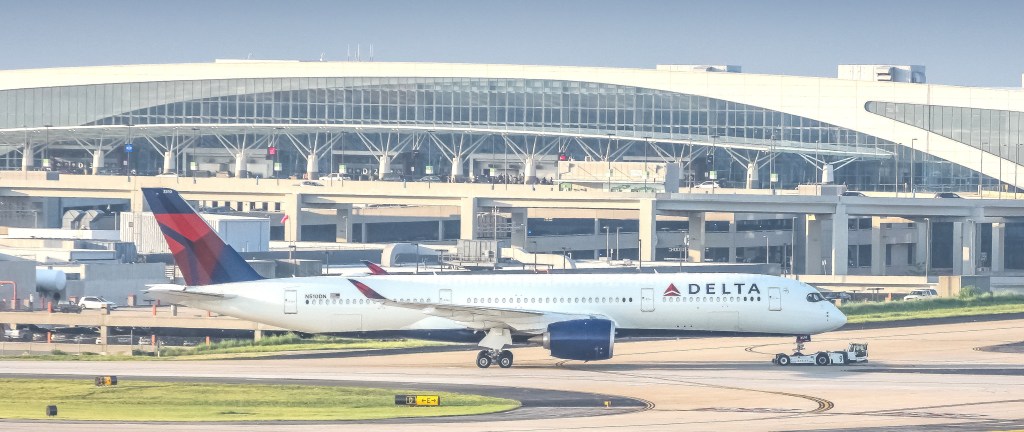


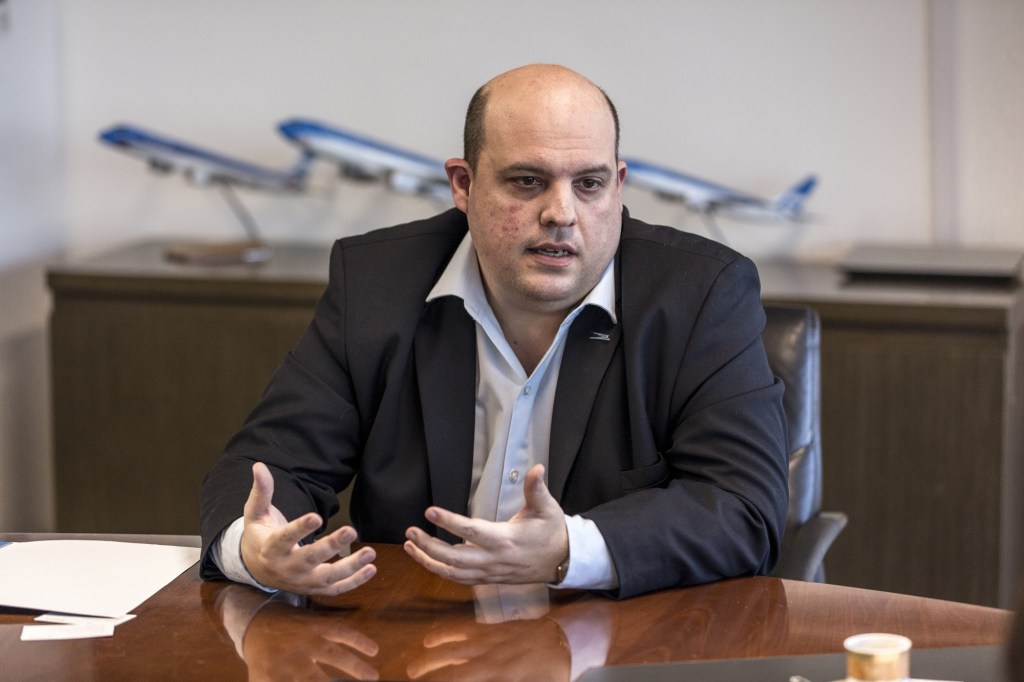



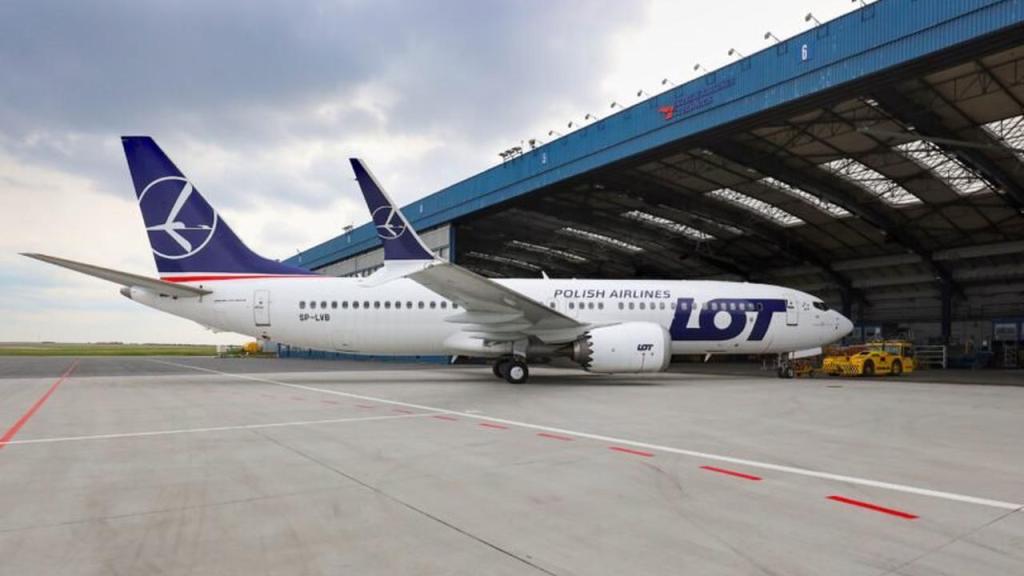

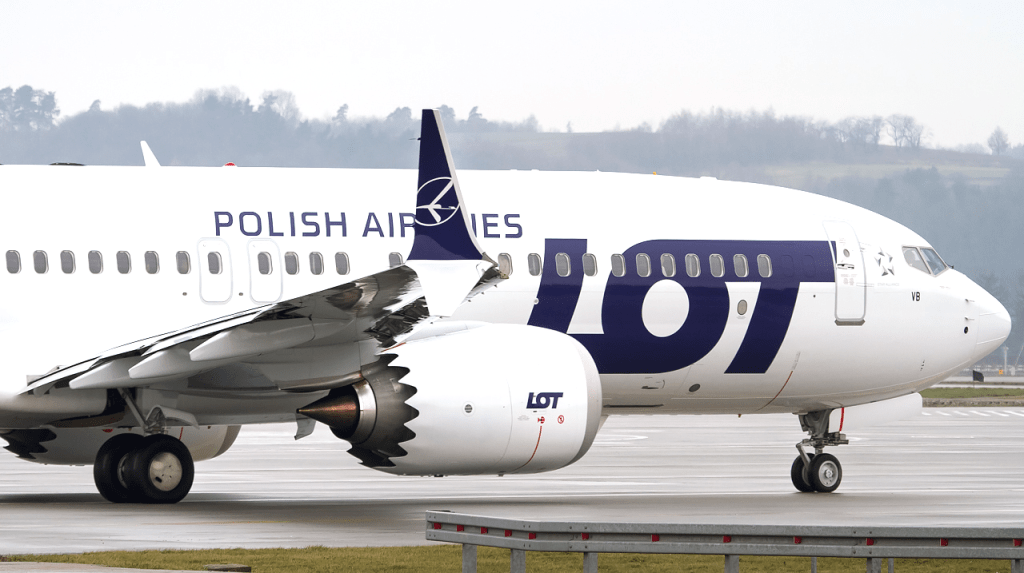
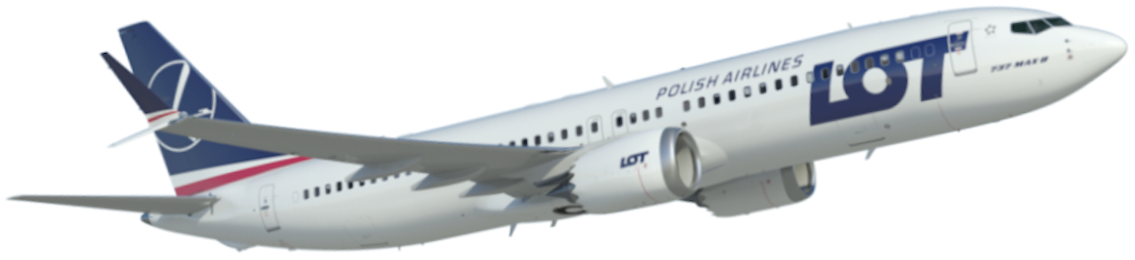

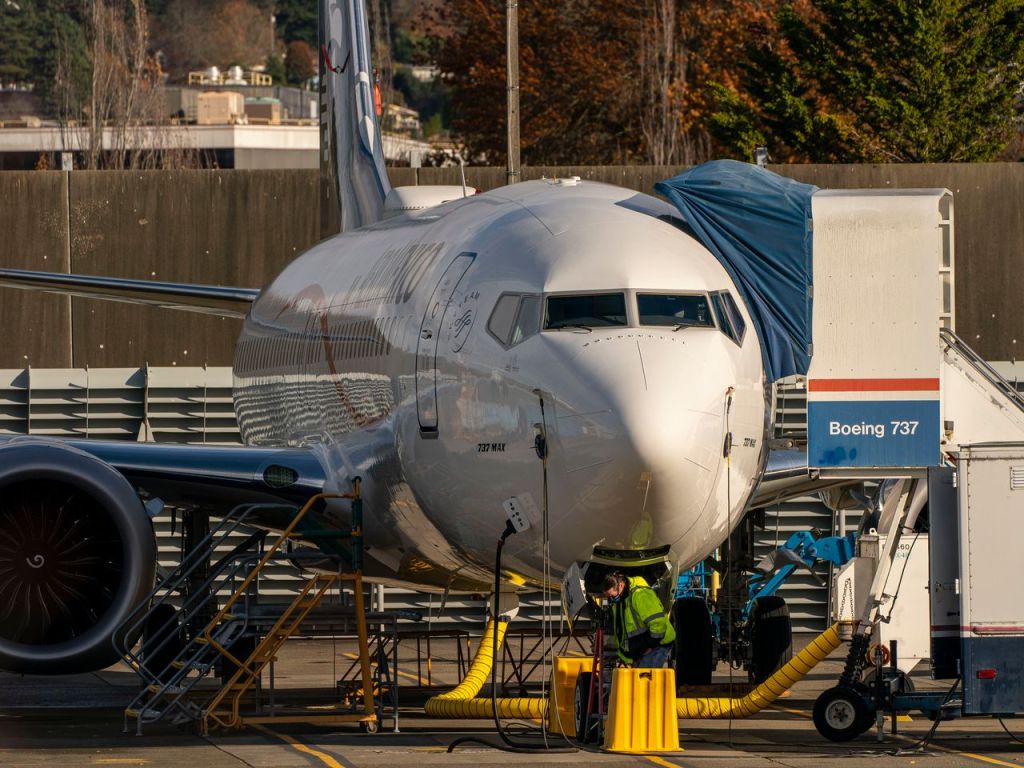

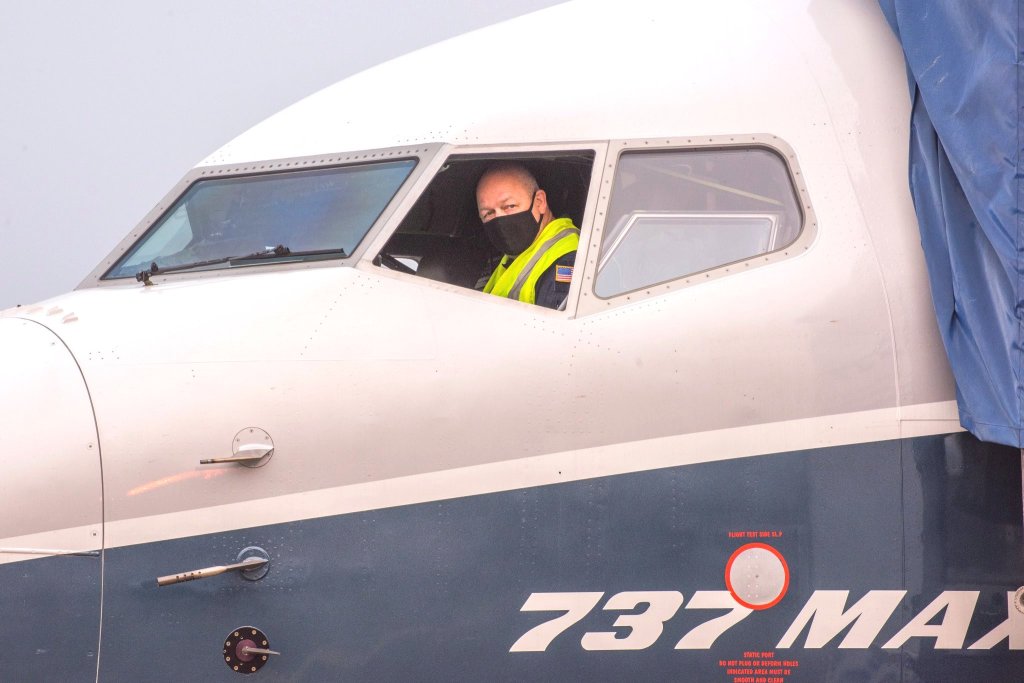

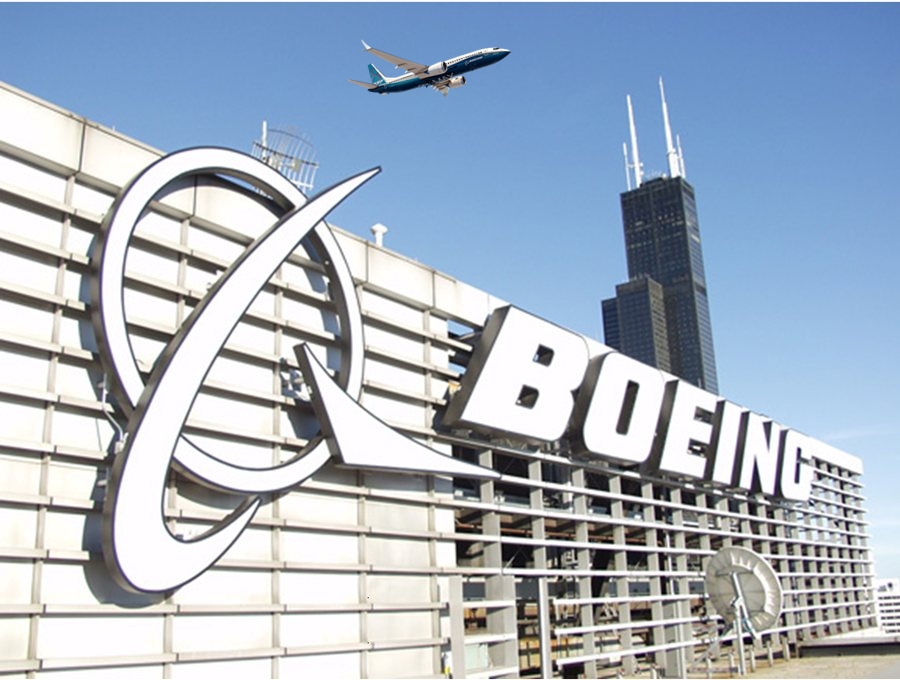
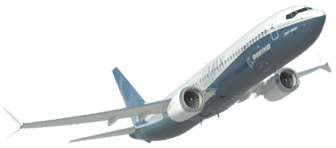







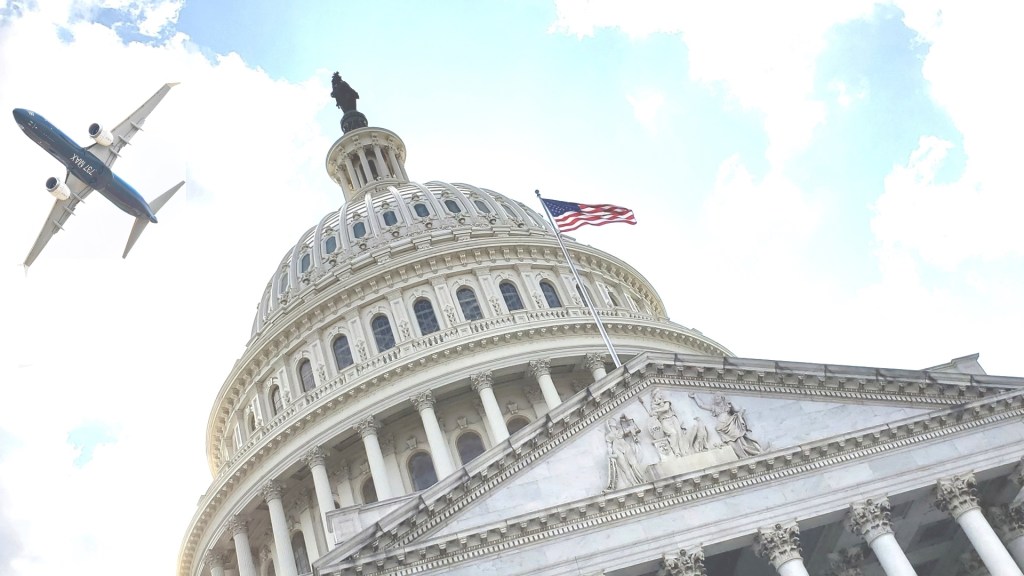


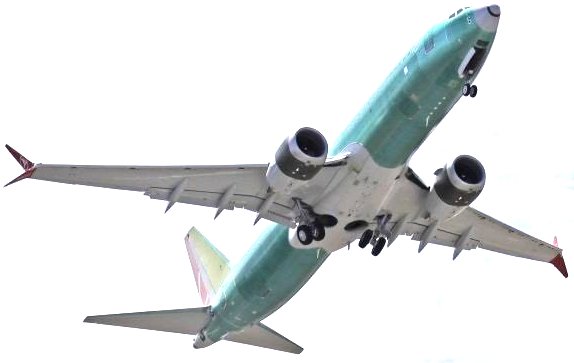

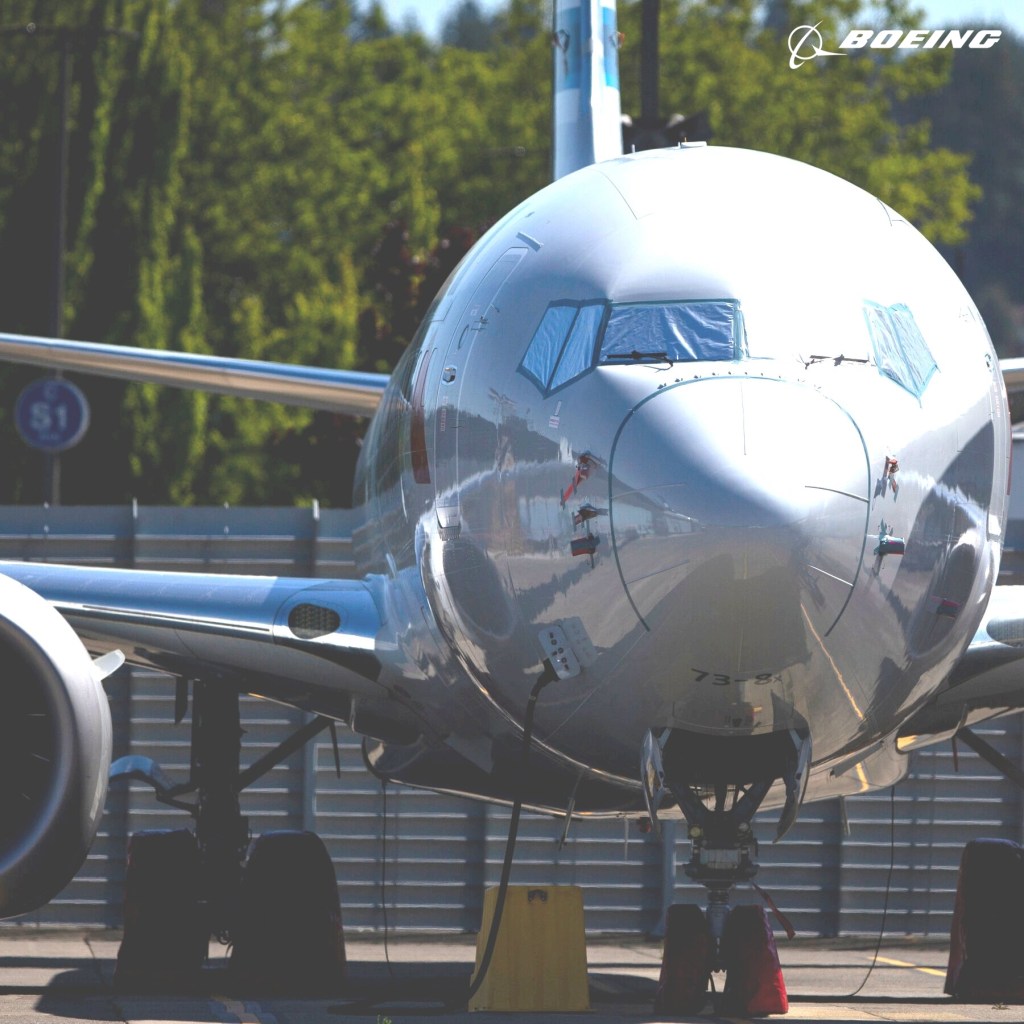
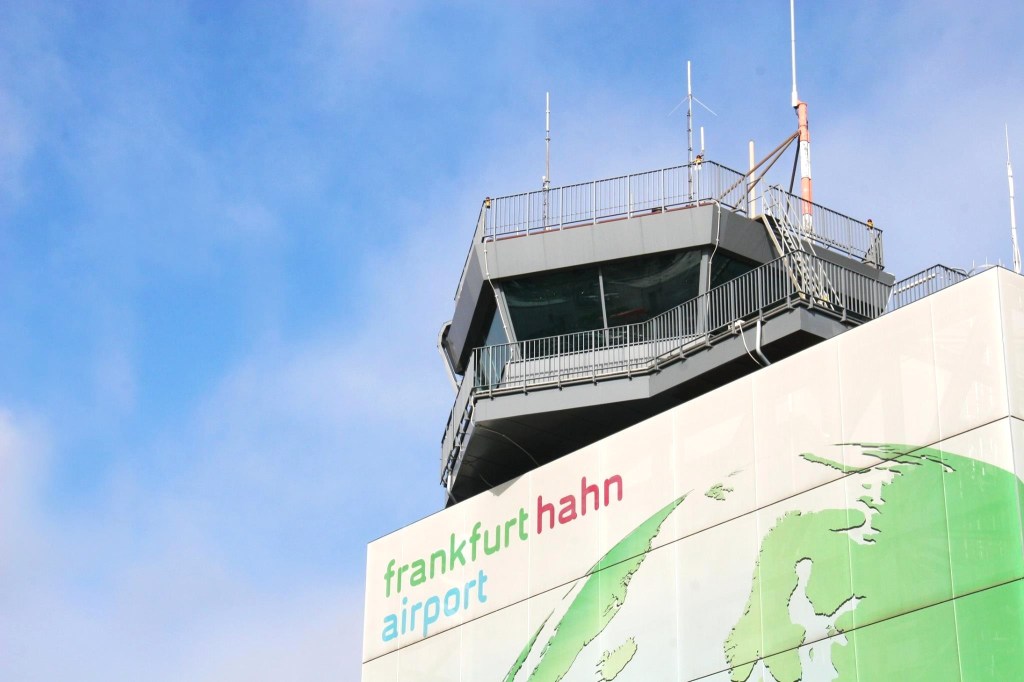

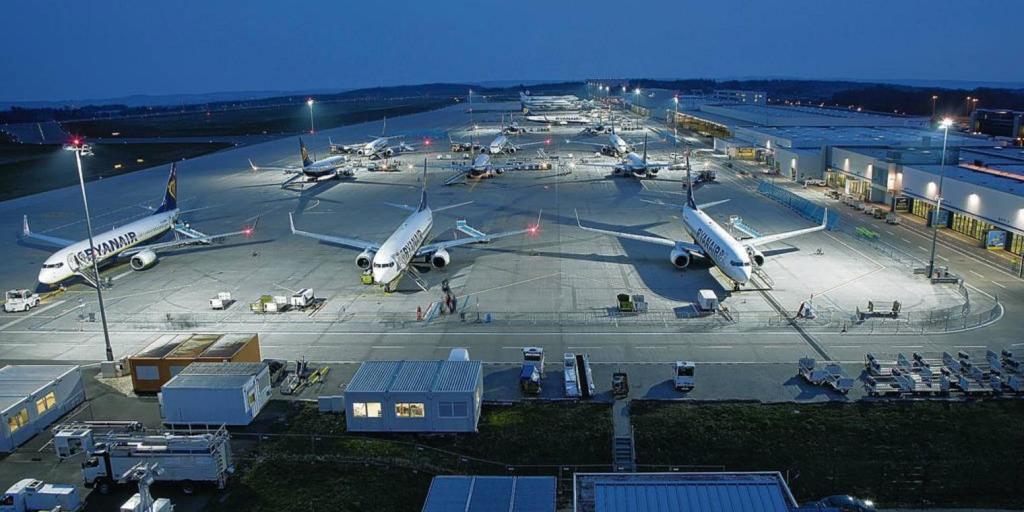
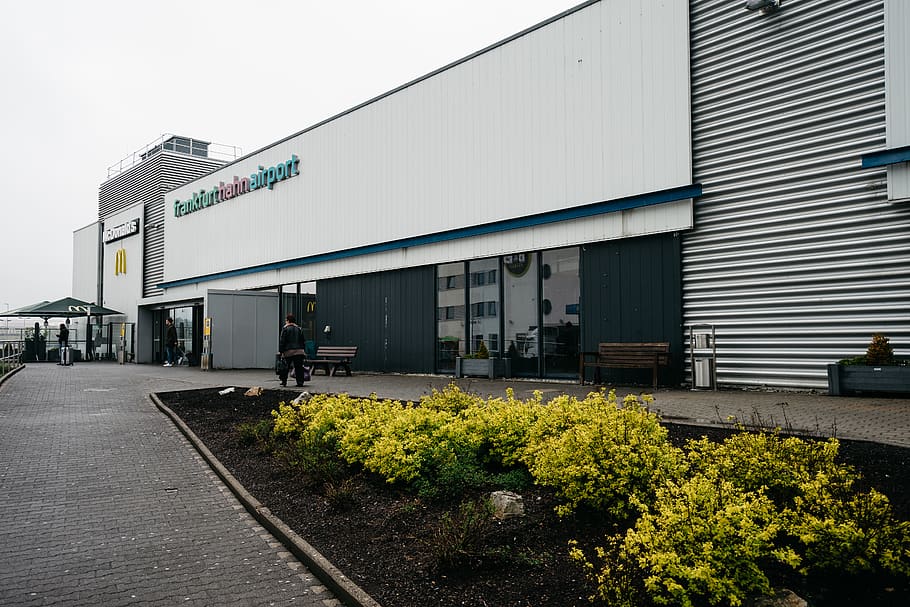
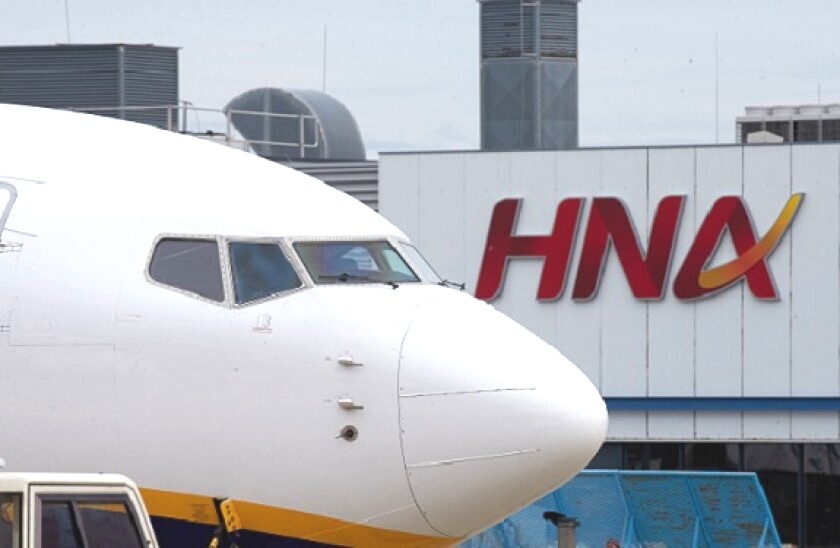
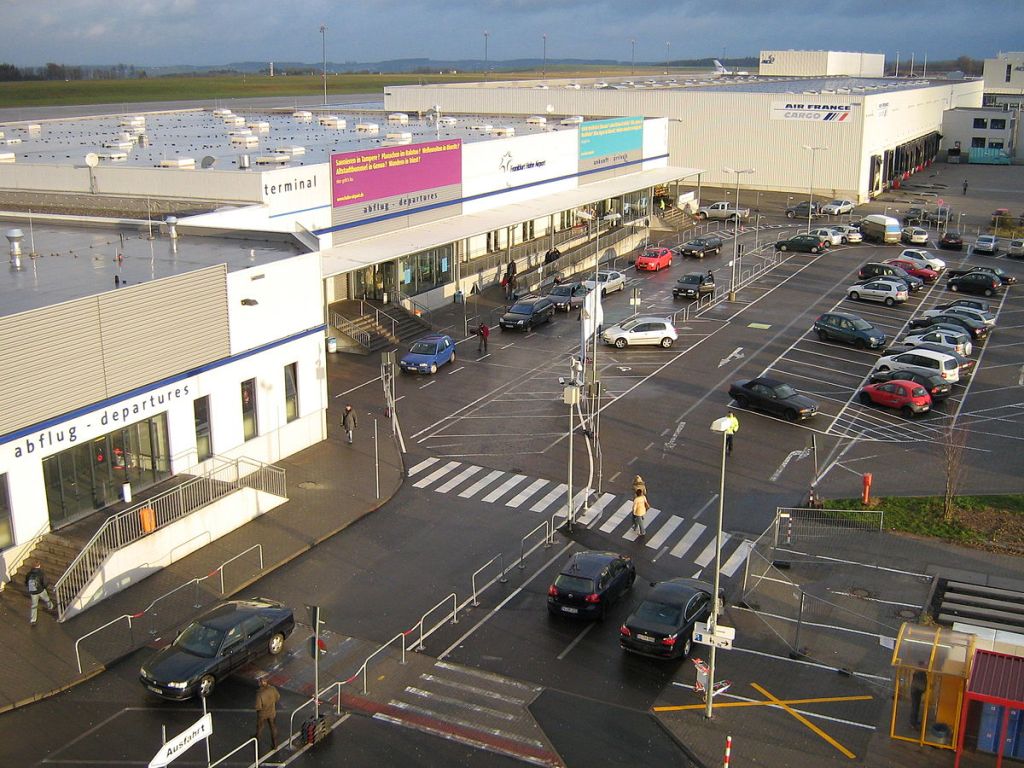
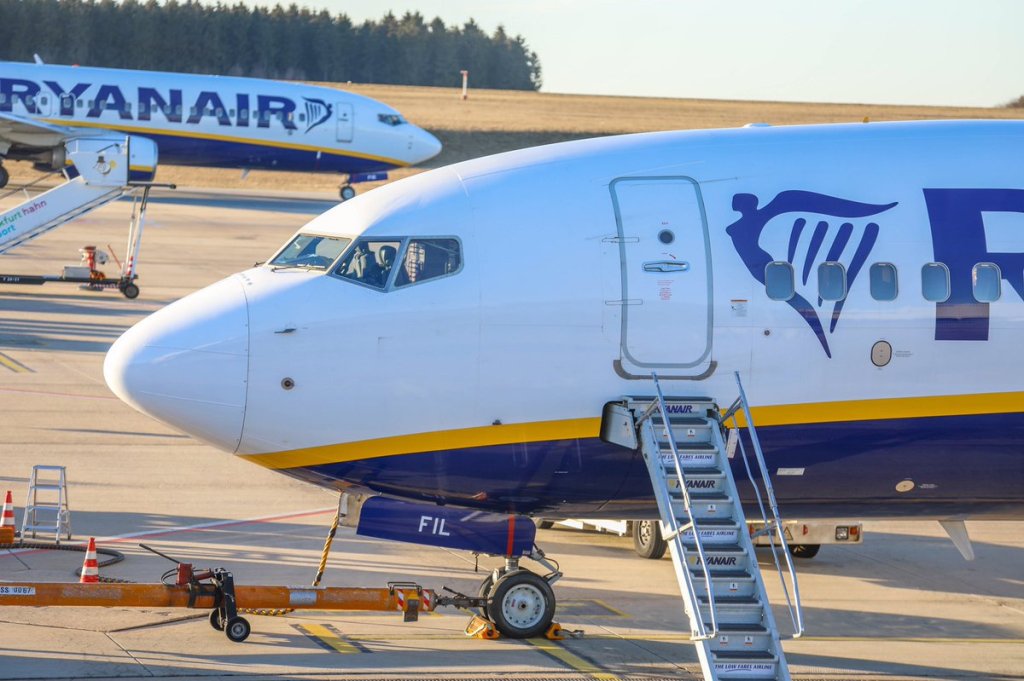


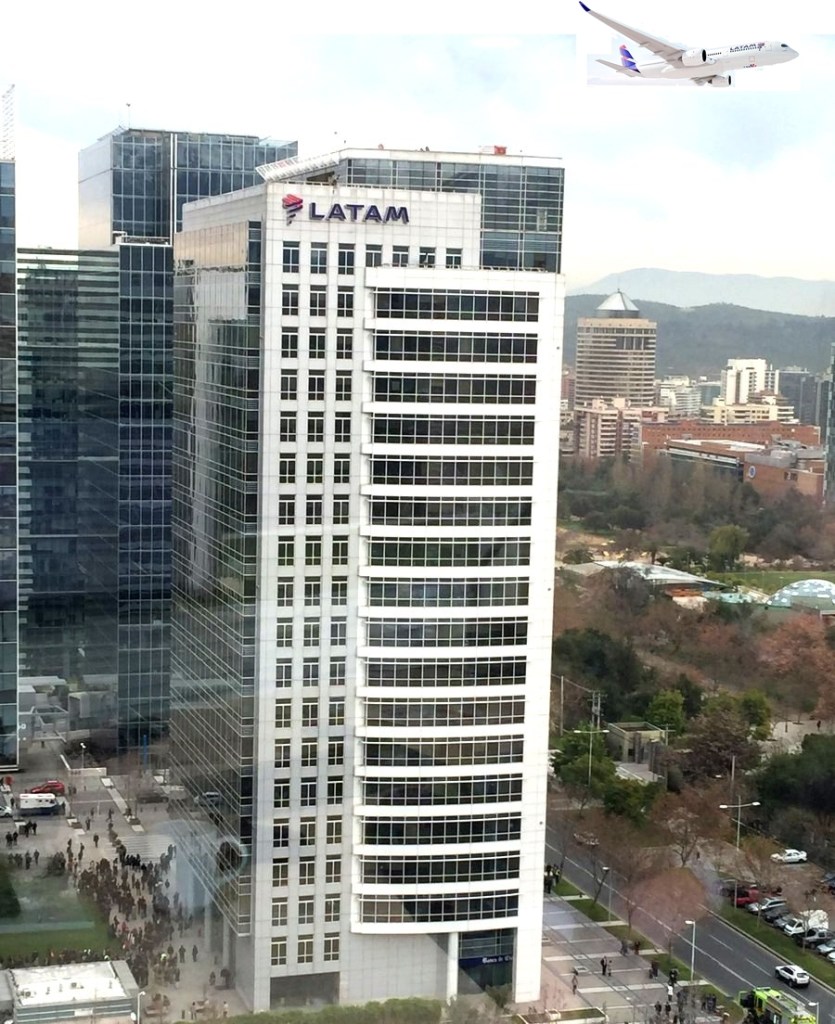


 airgways.com