MRJ-90 próximo Certificación Tipo

Resultado de imagen para Mitsubishi MRJ-90

AW | 2018 12 21 15:45 | INDUSTRY

mitac_logotypeMitsubishi Aircraft Corporation está próximo a la finalización del Programa MRJ-90 hacia la fase final de la Certificación Tipo para el primer avión jet comercial de Japón.

Mitsubishi Aircraft Corporation anunció hoy que recibió la Autorización de Inspección de Tipo (TIA) de la Oficina de Aviación Civil de Japón (JCAB) para El programa Mitsubishi Regional Jet (MRJ) de la compañía. Esta autorización permite a Mitsubishi Aircraft comenzar las pruebas de certificación de vuelo para su MRJ-90, el único diseño de hoja limpia de la industria, el avión regional y el primer avión comercial de Japón. El Programa MRJ actualmente tiene una flota de aeronaves de prueba de vuelo en su centro de pruebas de vuelo en Moses Lake, Washington, Estados Unidos. Espera comenzar las pruebas de certificación en vuelo a principios de 2019.

«A lo largo de nuestro programa, hemos trabajado muy estrechamente con el JCAB para desarrollar un conjunto bien definido de procesos, procedimientos y expectativas que nos llevarán al tipo de certificación de nuestro MRJ90. Ha sido un largo, pero necesario viaje para el desarrollo de nuestro programa MRJ y para la industria de la aviación comercial en Japón», dijo Hisakazu Mizutani, presidente de Mitsubishi Aircraft Corporation.

Según Andrew Telesca, Jefe de la Oficina de Gestión de Certificación de Mitsubishi Aircraft Corporation, debido a la situación única de la industria de la aviación comercial en Japón, el camino para recibir esta autorización ha sido diferente a cualquier otro en el mundo. «Con poca prioridad para un programa de este tipo en Japón, los equipos han trabajado juntos incansablemente para establecer un sistema de cumplimiento de pruebas de vuelo desde cero. Estoy orgulloso de los esfuerzos sustanciales realizados por los equipos de JCAB y MITAC para lograr este hito crítico. Si bien queda mucho por hacer para alcanzar la Certificación de Tipo, nos complace haber completado una demostración clave de la seguridad y madurez del programa MRJ y esperamos trabajar estrechamente con el JCAB durante esta fase crítica del programa final», explica Telesca.

El programa se encuentra en una revisión de seguridad de la Administración Federal de Aviación (FAA) para respaldar la Carta de Autorización de la FAA, que espera antes del inicio de las pruebas de certificación en vuelo.AW-Icon-TXT-01

AW-70001002.pngMitsubishi MRJ-90 next Certification Type4-mitsubishi-regional-jet

Mitsubishi_Logo.pngMitsubishi Aircraft Corporation is nearing completion of the MRJ-90 Program towards the final phase of Type Certification for Japan’s first commercial jet plane.

Mitsubishi Aircraft Corporation announced today that it received the Type Inspection Authorization (TIA) from the Office of Civil Aviation of Japan (JCAB) for the company’s Mitsubishi Regional Jet (MRJ) program. This authorization allows Mitsubishi Aircraft to begin flight certification tests for its MRJ-90, the only clean sheet design in the industry, the regional aircraft and Japan’s first commercial aircraft. The MRJ Program currently has a fleet of flight test aircraft at its flight test center in Moses Lake, Washington, United States. He expects to begin certification tests in flight at the beginning of 2019.

«Throughout our program, we have worked very closely with the JCAB to develop a well-defined set of processes, procedures and expectations that will lead us to the type of certification of our MRJ90.It has been a long, but necessary journey for the development of our MRJ program and for the commercial aviation industry in Japan», said Hisakazu Mizutani, president of Mitsubishi Aircraft Corporation.

According to Andrew Telesca, Head of the Certification Management Office of Mitsubishi Aircraft Corporation, due to the unique situation of the commercial aviation industry in Japan, the road to receiving this authorization has been different from any other in the world. «With little priority for such a program in Japan, the teams have worked tirelessly together to establish a flight test compliance system from scratch, and I am proud of the substantial efforts made by the JCAB and MITAC teams to achieve this milestone. Although there is still a lot to do to achieve Type Certification, we are pleased to have completed a key demonstration of the safety and maturity of the MRJ program and we look forward to working closely with the JCAB during this critical phase of the final program», explains Telesca.

The program is in a security review by the Federal Aviation Administration (FAA) to support the FAA Authorization Letter, which waits before the start of the flight certification tests. A \ W


Ξ A I R G W A Y S Ξ
SOURCE: Airgways.com
DBk: Flythemrj.com / Airgways.com
AW-POST: 201812211545AR

A\W   A I R G W A Y S ®

Green Africa ordena 100 B737 MAX

Resultado de imagen para Green Africa Airways

AW | 2018 12 21 14:52 | AIRLINES / INDUSTRY

Resultado de imagen para Green Africa AirwaysGreen Africa Airways anuncia un pedido a Boeing de 100 737-8 MAXFK,4923,36,737-max-round-pin.jpg

Green Africa Airways se prepara para comenzar sus operaciones comerciales ha solicitado una orden por 100 Boeing 737-8 MAX. El acuerdo total tiene un precio de lista de US$ 11.700 millones de dólares, el mayor acuerdo de aviones de África. Green Africa Airways, una aerolínea de valor con sede en Lagos, Nigeria, tiene como objetivo ofrecer viajes aéreos seguros, de calidad y asequibles y ser un importante contribuyente al desarrollo económico de Nigeria y el continente africano. La nueva aerolínea ha recibido su Licencia de Transporte Aéreo del gobierno nigeriano y está anclada por un grupo de altos líderes de la industria liderados por Tom Horton, ex Presidente y CEO de American Airlines, William Shaw, Fundador y ex CEO de VivaColombia y Virasb Vahidi, ex CCO de American Airlines.

Según Babawande Afolabi, fundador y CEO de Green Africa Airways, expresó: «Es un día histórico para la industria de la aviación nigeriana y africana. Este acuerdo histórico nos acerca mucho más a nuestro sueño de construir una aerolínea de clase mundial que abrirá un nuevo reino de posibilidades positivas para millones de clientes. En términos generales, este acuerdo es un símbolo audaz del dinamismo, la resistencia y el empuje empresarial de la próxima generación de nigerianos y africanos”.

La aerolínea planea inicialmente desarrollar el mercado nigeriano y luego construir una sólida red panafricana. Según las Perspectivas del Mercado Comercial de Boeing a 20 años, las aerolíneas en África necesitarán 1.190 nuevos aviones a medida que el continente impulse la conectividad tanto intracontinental como intercontinental en las próximas dos décadas.

Ihssane Mounir, Vicepresidente Senior de Ventas Comerciales y Marketing de The Boeing Company, ha dicho “El potencial de crecimiento del transporte aéreo en Nigeria y África es extraordinario, ya que se espera que la flota de aviones se duplique con creces en los próximos 20 años. Estamos encantados de que Green Africa Airways haya seleccionado el 737 MAX para servir a este mercado en expansión”.AW-Icon-TXT-01


Green Africa orders 100 B737 MAX

Green Africa Airways announces an order to Boeing of 100 737-8 MAX

Green Africa Airways prepares to start its commercial operations has requested an order for 100 Boeing 737-8 MAX. The total agreement has a list price of US $ 11.7 billion, the largest aircraft agreement in Africa. Green Africa Airways, a value airline based in Lagos, Nigeria, aims to provide safe, quality and affordable air travel and be a major contributor to the economic development of Nigeria and the African continent. The new airline has received its Air Transport License from the Nigerian government and is anchored by a group of top industry leaders led by Tom Horton, former President and CEO of American Airlines, William Shaw, Founder and former CEO of VivaColombia and Virasb Vahidi , former CCO of American Airlines.

According to Babawande Afolabi, founder and CEO of Green Africa Airways, he said: «This is a historic day for the Nigerian and African aviation industry, and this historic agreement brings us much closer to our dream of building a world-class airline that will open a new realm of positive possibilities for millions of customers In general terms, this agreement is a bold symbol of the dynamism, the resistance and the entrepreneurial drive of the next generation of Nigerians and Africans».

The airline initially plans to develop the Nigerian market and then build a strong pan-African network. According to the 20-year Boeing Commercial Market Outlook, airlines in Africa will need 1,190 new aircraft as the continent drives intracontinental and intercontinental connectivity over the next two decades.

Ihssane Mounir, Senior Vice President of Commercial Sales and Marketing at The Boeing Company, said «The growth potential of air travel in Nigeria and Africa is extraordinary, as the aircraft fleet is expected to more than double in the next 20 years . We are delighted that Green Africa Airways has selected the 737 MAX to serve this expanding market». A \ W


Ξ A I R G W A Y S Ξ
SOURCE: Airgways.com
DBk: Boeing.com
AW-POST: 201812211452AR

A\W   A I R G W A Y S ®

A320 Nº400ª ensamblado en China

AW-701055.png

AW | 2018 12 18 16:00 | INDUSTRY

Airbus_logo_2017Airbus entrega 400º avión de familia A320 ensamblado en ciudad china de Tianjin

Airbus China ha entregado la aeronave de la familia A320 Nº400 ensamblado por la Cadena de Montaje Final de Airbus China en la ciudad portuaria de Tianjin, en el norte de China, anunció hoy Martes Airbus China.

La unidad un A320NEO, A320-271N,  S/N: 8563, con matrícula china B-305K,  fue entregada a Air China, la aerolínea estatal del país, en lo que representa otro hito de la cooperación industrial y la asociación entre Airbus y la industria aeronáutica de China.

Tianjin es sede desde 2008 de una compañía mixta que opera la línea de acabado del A320 para atender la creciente demanda de los clientes chinos. Es la tercera planta de ensamblaje final de aviones de pasillo único de Airbus en todo el mundo y la primera fuera de Europa. Airbus tiene cuatro instalaciones de producción de la familia A320 en todo el mundo, que son las de Toulouse en Francia, Hamburgo en Alemania, Tianjin en China y Mobile en Estados Unidos.

China es el mayor mercado unitario de Airbus. Una cuarta parte de las entregas globales totales de Airbus tuvo como destino el país asiático. Airbus entregó 176 jets comerciales a China el año pasado, ejercicio en el que el valor de la cooperación industrial entre el fabricante europeo y el país asiático superó los US$ 640 millones de dólares. Se espera que la cifra llegue a US$ 1.000 millones de dólares para 2020.AW-Icon-TXT-01

AW-700002144.jpgA320 No. 400 assembled in China

Logo_Airbus_2014.svgAirbus delivers 400th A320 family airplane assembled in China’s Tianjin city

AW-7000044

Airbus China has delivered the aircraft of the A320 family No.400 assembled by the Final Assembly Chain of Airbus China in the port city of Tianjin, in the north of China, Tuesday announced Airbus China. The unit, an A320NEO, was delivered to Air China, the country’s state airline, in another milestone of industrial cooperation and the partnership between Airbus and the Chinese aviation industry.

Since 2008, Tianjin has been the headquarters of a mixed company that operates the finishing line of the A320 to meet the growing demand of Chinese customers. It is the third final assembly plant of Airbus single-aisle aircraft worldwide and the first outside Europe. Airbus has four production facilities of the A320 family around the world, which are those of Toulouse in France, Hamburg in Germany, Tianjin in China and Mobile in the United States.

China is the largest unitary market of Airbus. A quarter of the total global deliveries of Airbus went to the Asian country. Airbus delivered 176 commercial jets to China last year, an exercise in which the value of industrial cooperation between the European manufacturer and the Asian country exceeded US $ 640 million. The figure is expected to reach US $ 1,000 million by 2020. A \ W


Ξ A I R G W A Y S Ξ
SOURCE: Airgways.com
DBk: Airbus.com / Airgways.com
AW-POST: 201812181600AR

A\W   A I R G W A Y S ®


Irán reclama EEUU para adquirir Airbus

Resultado de imagen para Iran Air AirbusAW | 2018 12 17 11:11 | INDUSTRY / GOVERNMENT

La República de Irán ha notificado a la Unión Europea para presionar a Estados Unidos la entrega de aeronaves Airbus

La República de Irán hizo un llamado a la Unión Europea hoy Lunes, 17 Noviembre 2018 para presionar a las autoridades estadounidenses para que permitan la entrega de los aviones de pasajeros Airbus adquiridos por Teherán. El Tesoro de los Estados Unidos revocó previamente las licencias de Boeing y Airbus para vender aviones comerciales a Iran Air después de que el Presidente Trump se retiró del acuerdo nuclear de Irán y impuso nuevas sanciones.

Aunque Airbus tiene su sede en Francia, debe contar con la aprobación estadounidense para vender aviones a Irán porque al menos el 10% de los componentes de la aeronave están hechos en Estados Unidos. Para mejorar su flota envejecida, Iran Air ordenó 200 aviones de pasajeros: 100 de Airbus, 80 de Boeing y 20 del fabricante franco-italiano de turbopropulsores ATR, después de que se alcanzara un acuerdo nuclear de 2015 entre Irán y seis grandes potencias.

Pero el Tesoro de los Estados Unidos revocó las licencias de Boeing Co y de France Airbus para vender aviones comerciales a Iran Air después de que el presidente Donald Trump sacara a Estados Unidos del acuerdo en mayo y volviera a imponer sanciones. «Nuestra principal preocupación es poder servir mejor a nuestros pasajeros (…) Esperamos que la UE pueda obtener las licencias de la OFAC (Oficina de Control de Activos Extranjeros) para la entrega de aviones Airbus comprados. A medida que se emitieron las licencias de la OFAC para aviones ATR (…) las licencias para aviones Airbus pueden ser solicitadas por (la UE)», dijo el Presidente Ejecutivo de Irán, Farzaneh Sharafbafi.

Aunque Airbus tiene su sede en Francia, debe contar con la aprobación de la Oficina de Control de Activos Extranjeros del Tesoro de EEUU para vender aviones a Irán porque al menos el 10% de los componentes de la aeronave son de fabricación estadounidense.

En virtud de un acuerdo especial luego de que se revocaron las licencias de los Estados Unidos, pero antes de que entraran en vigor nuevas sanciones el 5 Noviembre 2018, ATR entregó 13 de los 20 aviones turbohélices solicitados por IranAir mientras que el resto sigue en orden.AW-Icon-TXT-01

5321.jpgIran claims the US to acquire Airbus

The Republic of Iran has notified the European Union to put pressure on the United States to deliver Airbus aircraft

The Republic of Iran called on the European Union today Monday, November 17, 2018 to pressure US authorities to allow the delivery of Airbus passenger planes acquired by Tehran. The US Treasury previously revoked the Boeing and Airbus licenses to sell commercial aircraft to Iran Air after President Trump withdrew from Iran’s nuclear agreement and imposed new sanctions.

Although Airbus is based in France, it must have US approval to sell aircraft to Iran because at least 10% of the components of the aircraft are made in the United States. To improve its aging fleet, Iran Air ordered 200 passenger planes: 100 from Airbus, 80 from Boeing and 20 from Franco-Italian turboprop manufacturer ATR, after a 2015 nuclear agreement was reached between Iran and six major powers.

But the United States Treasury revoked the licenses of Boeing Co and France Airbus to sell commercial aircraft to Iran Air after President Donald Trump removed the United States from the agreement in May and re-imposed sanctions. «Our main concern is to better serve our passengers (…) We hope that the EU can obtain the licenses of the OFAC (Office of Foreign Assets Control) for the delivery of purchased Airbus aircraft. OFAC for ATR aircraft (…) licenses for Airbus aircraft can be requested by (the EU)», said Iran’s Executive President, Farzaneh Sharafbafi.

Although Airbus is headquartered in France, it must have the approval of the Office of Foreign Assets Control of the US Treasury to sell aircraft to Iran because at least 10% of the components of the aircraft are manufactured in the United States.

Under a special agreement after the United States licenses were revoked, but before new sanctions took effect on November 5, 2018, ATR delivered 13 of the 20 turboprop aircraft requested by IranAir while the remainder is in order. A \ W


Ξ A I R G W A Y S Ξ
SOURCE: Airgways.com
DBk: Airbus.com
AW-POST: 201812132114AR

A\W   A I R G W A Y S ®

Embraer-Boeing buscan aprobación del Gobierno de Brasil

Resultado de imagen para Boeing-Embraer Airgways.com

AW | 2018 12 17 10:47 | INDUSTRY

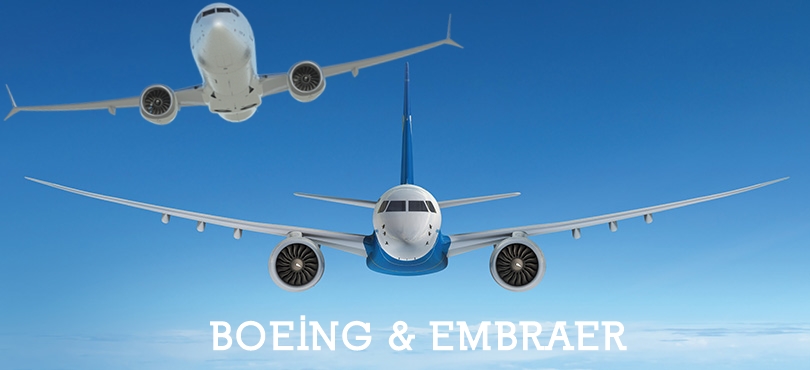
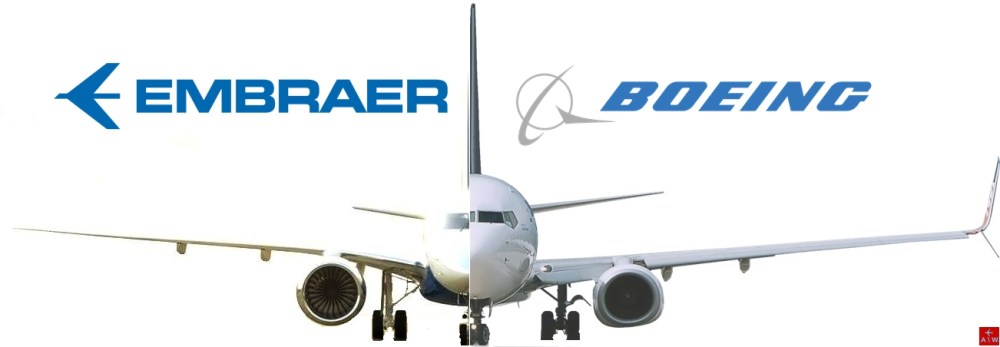
Resultado de imagen para Boeing-Embraer Airgways.comEmbraer y Boeing aprobaron los términos de la asociación aeroespacial estratégica, buscan la aprobación del gobierno brasileño

Embraer y Boeing aprobaron el Joint Venture, los términos de una asociación estratégica que posicionaría a ambas compañías para acelerar el crecimiento en mercados aeroespaciales globales.

Área Comercial

high_195-2 (2).pngLos términos aprobados del Joint Venture definen la empresa conjunta que comprende las operaciones de aeronaves comerciales y servicios de Embraer, en la que Boeing tendrá una participación del 80% y Embraer tendrá el 20% restante. La transacción sigue sujeta a la aprobación del Gobierno de Brasil, luego de lo cual Embraer y Boeing tienen la intención de ejecutar documentos definitivos de la transacción. El cierre de la transacción estará sujeto a las aprobaciones de los accionistas y regulatorias, así como a las condiciones de cierre habituales.

Bajo los términos de la sociedad propuesta, Boeing adquirirá una participación del 80% en la empresa conjunta por US$ 4,2 mil millones. Se espera que la asociación sea neutral con respecto a las ganancias por acción de Boeing en 2020 y se acumule posteriormente. Para el tercer año de operaciones se anticipan sinergias de costos anuales estimados de aproximadamente US$ 150 millones.

Una vez que la transacción se haya cerrado, la empresa conjunta de aviación comercial será dirigida por una gerencia con sede en Brasil, incluido un presidente y un director ejecutivo. Boeing tendrá el control operativo y de gestión de la nueva empresa, que dependerá directamente de Dennis Muilenburg, presidente, director general y consejero delegado de Boeing. Embraer conservará los derechos de consentimiento para ciertas decisiones estratégicas, como la transferencia de operaciones desde Brasil.

«Boeing y Embraer se conocen bien a través de más de dos décadas de colaboración, y el respeto que tenemos el uno por el otro y el valor que vemos en esta asociación solo ha aumentado desde que anunciamos nuestros esfuerzos conjuntos a principios de este año», dijo Dennis Muilenburg, Presidente de The Boeing Company.

«Confiamos en que esta asociación ofrecerá un gran valor para Brasil y para la industria aeroespacial brasileña en su conjunto. Esta alianza fortalecerá a ambas compañías en el mercado global y se alineará con nuestra estrategia de crecimiento sostenible a largo plazo», dijo Paulo Cesar de Souza e Silva, Presidente de Embraer S.A. y Consejero Delegado.

Área Estratégica

Las compañías también acordaron los términos de otra empresa conjunta para promover y desarrollar nuevos mercados para el transporte aéreo KC-390 de medios múltiples. Bajo los términos de esta sociedad propuesta, Embraer tendrá una participación del 51% en la empresa conjunta, y Boeing será el dueño del 49% restante.

La transacción está sujeta a la aprobación del Gobierno de Brasil, la ratificación por parte de la Junta Directiva de Embraer y su autorización adicional para ejecutar los documentos de transacción definitivos. Una vez que las partes hayan ejecutado los acuerdos de transacción definitivos, la asociación estratégica estará sujeta a las aprobaciones de los accionistas y regulatorios, así como a otras condiciones de cierre habituales. Suponiendo que las aprobaciones se reciban de manera oportuna, se espera que la transacción se cierre a fines de 2019.AW-Icon-TXT-01

AW-70083755.pngEmbraer-Boeing seek approval Government of Brazil

Embraer and Boeing approved the terms of the strategic aerospace association, seek the approval of the Brazilian government

Embraer and Boeing approved the Joint Venture, the terms of a strategic partnership that would position both companies to accelerate growth in global aerospace markets.

Commercial Area

The approved terms of the Joint Venture define the joint venture comprising Embraer’s commercial aircraft and service operations, in which Boeing will have an 80% interest and Embraer will have the remaining 20%. The transaction remains subject to the approval of the Government of Brazil, after which Embraer and Boeing intend to execute definitive documents of the transaction. The closing of the transaction will be subject to the approvals of the shareholders and regulators, as well as to the usual closing conditions.

Under the terms of the proposed company, Boeing will acquire an 80% stake in the joint venture for US$ 4.2 billion. The association is expected to be neutral with respect to earnings per share of Boeing in 2020 and accumulate subsequently. For the third year of operations, estimated annual cost synergies of approximately US$ 150 million are anticipated.

Once the transaction has been closed, the commercial aviation joint venture will be directed by a management based in Brazil, including a president and an executive director. Boeing will have the operational and management control of the new company, which will depend directly on Dennis Muilenburg, President, CEO and Boeing CEO. Embraer will retain the rights of consent for certain strategic decisions, such as the transfer of operations from Brazil.

«Boeing and Embraer know each other well through more than two decades of collaboration, and the respect we have for each other and the value we see in this partnership has only increased since we announced our joint efforts earlier this year», said Dennis Muilenburg, President of The Boeing Company.

«We are confident that this partnership will offer great value to Brazil and to the Brazilian aerospace industry as a whole, which will strengthen both companies in the global market and will align with our long-term sustainable growth strategy», said  Paulo Cesar Souza e Silva, President of Embraer SA and Chief Executive Officer.

Strategic Area

Resultado de imagen para Embraer KC-390 pngThe companies also agreed on the terms of another joint venture to promote and develop new markets for multi-media KC-390 air transport. Under the terms of this proposed partnership, Embraer will have a 51% stake in the joint venture, and Boeing will own the remaining 49%.

The transaction is subject to the approval of the Government of Brazil, ratification by the Board of Directors of Embraer and its additional authorization to execute the final transaction documents. Once the parties have executed the final settlement agreements, the strategic partnership will be subject to the approval of the shareholders and regulators, as well as other customary closing conditions. Assuming approvals are received in a timely manner, the transaction is expected to close by the end of 2019. A \ W

Resultado de imagen para Boeing-Embraer Joint VentureEmbraer-Boeing busca aprovação do governo do Brasil

Resultado de imagen para Boeing-Embraer Airgways.comEmbraer e Boeing aprovou os termos da associação estratégica aeroespacial, buscando a aprovação do governo brasileiro

Embraer e Boeing aprovou a Joint Venture, os termos de uma parceria estratégica que iria posicionar ambas as empresas para acelerar o crescimento nos mercados globais aeroespaciais.

Área comercial

Os termos aprovados da Joint Venture definir a joint venture compreendendo operações de aeronaves comerciais e de serviços da Embraer, em que a Boeing vai realizar um 80% e Embraer realizará os restantes 20%. A transação está sujeita à aprovação pelo Governo do Brasil, após o qual a Embraer e Boeing pretende executar documentos definitivos da transação. O fechamento da transação está sujeita à aprovação dos acionistas e regulamentares, bem como as condições habituais de fechamento.

Sob os termos da proposta de parceria, a Boeing vai adquirir uma participação de 80% na joint venture de US$ 4,2 bilhões. Espera-se que a associação é neutro em relação ao lucro por ação de Boeing em 2020 e, posteriormente, se acumulam. Para o terceiro ano de operação estimado sinergias anuais de custos de aproximadamente US$ 150 milhões estão previstos.

Uma vez que a transação é fechada, a aviação comercial joint venture será administrada por uma gestão baseada no Brasil, incluindo um presidente e um diretor executivo. Boeing terá o controle operacional e de gestão da nova empresa, que dependem diretamente Dennis Muilenburg, chairman, presidente e CEO da Boeing. Embraer mantém os direitos de consentir a determinadas decisões estratégicas, tais como a transferência das operações do Brasil.

«A Boeing e Embraer respeito que temos um pelo outro e o valor vemos nessa parceria só tem aumentado desde que anunciamos nossos esforços conjuntos no início deste ano são bem conhecidos através de mais de duas décadas de colaboração», disse Dennis Muilenburg, Presidente da Boeing Company.

«Estamos confiantes de que esta parceria irá fornecer grande valor para o Brasil e para a indústria aeroespacial brasileira como um todo. Esta aliança irá fortalecer ambas as empresas no mercado global e está alinhada com a nossa estratégia de crescimento sustentável a longo prazo», disse Paulo Cesar Souza e Silva, presidente da Embraer SA e diretor executivo.

Área Estratégica

As empresas também concordou com os termos de outra joint venture para promover e desenvolver novos mercados para o transporte aéreo KC-390 multi-media. Sob os termos desta proposta de parceria, a Embraer terá uma participação de 51% na joint venture, e Boeing deterá os 49% restantes.

A transação está sujeita à aprovação pelo Governo do Brasil, a ratificação pelo Conselho de Administração da Embraer e sua autorização adicional para executar documentos definitivos da transação. Uma vez que as partes assinam acordos definitivos da transação, a parceria estratégica será sujeita às aprovações dos acionistas e condições habituais de fechamento regulamentares e outras. aprovações assumindo são recebidas em tempo hábil, espera-se que a transação será concluída no final de 2019. A \ W


Ξ A I R G W A Y S Ξ
SOURCE: Airgways.com
DBk: Boeing.com / Airgways.com / Airnerd.co.uk / Mercopress.com
AW-POST: 201812171047AR

A\W   A I R G W A Y S ®

Boeing continúa desarrollo del 797

Resultado de imagen para Boeing 797 airgways.com

AW | 2018 12 15 17:07 | INDUSTRY

Boeing-Logo.svgBoeing está desarrollando estudios internamente para su nuevo avión 797 de mercado medio

Boeing está desarrollando estudios técnicos para el desarrollo del nuevo Boeing 797 NMA, esperando su lanzamiento para el próximo año 2019. El mundo espera con impaciencia el nuevo avión de mercado medio de Boeing, denominado Boeing 797, que pronto será revelado en el Salón Aéreo de París 2019.

Boeing actualmente tiene un segmento dejado por el Boeing 757 entre 200 y 300 pasajeros que necesita cubrir. Una nueva aeronave que puede aterrizar en aeropuertos más pequeños que son lo suficientemente populares como para justificar una mayor capacidad podría reemplazar a los intercontinentales Boeing 757/767.

El nuevo desarrollo estará enfocado para cubrir el espacio entre la línea 737 y 787. El constructor americano fabricará dos versiones: Boeing 797-6X de 270 pasajeros con un alcance de 3500 nm, y el Boeing 797-7X de 220 pasajeros con un alcance de 5000 nm. Las estimaciones de producción de mercado apuntan una cuota de 2000-5000 pedidos posibles para este avión.

Actualmente, las ofertas de motores están a cargo de diferentes fabricantes para proporcionar empuje para el avión. Los clientes esperan pagar un máximo de US$ 75 millones por avión. Este es el precio neto después del descuento. El precio de lista sería de US$ 150 millones. Por lo tanto, a US$ 75 millones, el Mercado de 2000 a 6000 sería de US$ 150 a US$ 450 mil millones.

Competencia Mercado Medio

El Boeing 797 competirá en el mercado medio con aeronaves como el Airbus A321XLR y el A330NEO. Airbus ha salido públicamente y ha dicho que está ajustando su Airbus A330NEO para satisfacer la demanda del mercado. Las especificaciones para el A330-900NEO parecen bastante impresionantes en papel. Esta idea tiene la ventaja de estar disponible ahora, probada y más barata que el equivalente de Boeing.

Sin embargo, el Boeing tendrá la última tecnología, será un poco más eficiente en el consumo de combustible y podrá incorporar varios conceptos nuevos que Airbus aún no ha asumido.

Airbus recientemente entregó su primer A330NEO a TAP Portugal y ha dicho que creen que una vez que los clientes vean el avión en acción, los pedidos comenzarán a llegar. Hasta el momento, Boeing ha mantenido el proyecto absolutamente en secreto. Incluso los miembros del personal que trabajan en el proyecto tienen diferentes títulos en sus tarjetas de presentación. A medida que se acerca el 2019, Boeing permitirá incorporando más novedades del próximo avión comercial denominado 797.AW-Icon-TXT-01


Resultado de imagen para Boeing 797 airgways.com

Boeing completes internal development of 797

Boeing is developing studies internally for its new 797 mid-market aircraft

Boeing is developing technical studies for the development of the new Boeing 797 NMA, awaiting its launch for the next year 2019. The world is waiting impatiently for Boeing’s new mid-market aircraft, called the Boeing 797, which will soon be revealed at the Paris Air Show 2019.

Boeing currently has a segment left by the Boeing 757 between 200 and 300 passengers that it needs to cover. A new aircraft that can land at smaller airports that are popular enough to justify greater capacity could replace the Boeing 757/767 intercontinental.

The new development will be focused to cover the space between line 737 and 787. The American manufacturer will manufacture two versions: Boeing 797-6X of 270 passengers with a range of 3500 nm, and the Boeing 797-7X of 220 passengers with a range of 5000 nm. Market production estimates point to a quota of 2000-5000 possible orders for this aircraft.

Currently, engine offers are handled by different manufacturers to provide thrust for the plane. Customers expect to pay a maximum of US $ 75 million per plane. This is the net price after the discount. The list price would be US $ 150 million. Therefore, at US $ 75 million, the Market from 2000 to 6000 would be US $ 150 to US $ 450 billion.

Medium Market Competition

The Boeing 797 will compete in the mid-market with aircraft such as the Airbus A321XLR and the A330NEO. Airbus has gone public and said it is adjusting its Airbus A330NEO to meet market demand. The specifications for the A330-900NEO seem quite impressive on paper. This idea has the advantage of being available now, tested and cheaper than the equivalent of Boeing.

However, the Boeing will have the latest technology, will be a little more efficient in fuel consumption and may incorporate several new concepts that Airbus has not yet assumed.

Airbus recently delivered its first A330NEO to TAP Portugal and has said that they believe that once customers see the plane in action, orders will begin to arrive. So far, Boeing has kept the project absolutely secret. Even the staff members working on the project have different titles on their business cards. As 2019 approaches, Boeing will allow incorporating more news of the next commercial aircraft called 797. A \ W


Ξ A I R G W A Y S Ξ
SOURCE: Airgways.com
DBk: Boeing.com / Airgways.com
AW-POST: 201812151707AR

A\W   A I R G W A Y S ®

1er Boeing 737 MAX concluido Zhoushan

AW-700510005.pngAW | 2018 12 15 16:15 | INDUSTRY

Boeing-Logo.svgFK,4923,36,737-max-round-pinBoeing a finalizado acabado general del primer Boeing 737-8 MAX en la Planta del Centro Zhoushan, China

Boeing entrega primer Boeing 737-8 MAX a Air China que fue finalizado en el nuevo Centro de Finalización y Entrega 737, en Zhoushan, República de China. El nuevo centro de finalización de aviones de Boeing localizado en la Provincia de Zhejiang garantiza el suministro de aviones a China.

El Boeing y COMAC (Corporación de Aviones Comercial de China , Ltd.) entregaron hoy a Air China el primer avión Boeing 737-8 MAX que se completó en el nuevo Centro de finalización y entrega 737 en la Isla de Zhoushan. Esta entrega marca una nueva era en la asociación de Boeing con la industria de la aviación china.

La entrega del primer Boeing 737-8 MAX, que fue montado en Renton, Washington, Estados Unidos, y concluido en China, se produce 20 meses después del inicio de la construcción en un área de 404 mil metros cuadrados. El Centro de Finalización y Entrega para los Boeing 737 es la primera instalación de Boeing fuera de Estados Unidos. La instalación fue construida en asociación con los Gobiernos Provinciales de Zhejiang y Municipal de Zhoushan y se convertirá totalmente operativo a medida que la capacidad de la unidad se vaya expandiendo a lo largo del tiempo.

Resultado de imagen para 1st Boeing 737 MAX China ZhoushanAW-7000555AW-7000556AW-7000554ROLLOUT, CEREMONIA  Y PRIMER VUELO DEL PRIMER BOEING 737 MAX EN ZHOUSHAN CHINA

Kevin McAllister, presidente y CEO de Boeing Commercial Airplanes, dijo: «Este momento significa nuestra creciente asociación con China, que se extiende ya a casi medio siglo, y por eso estamos orgullosos de nuestra larga relación con el gobierno chino, compañías aéreas y socios del sector y de la confianza que depositan en Boeing».

Los Boeing 737 MAXs para las compañías aéreas chinas serán transportados desde Seattle a Zhoushan, donde se realizan los trabajos de interior de los aviones. Estos trabajos van gradualmente a incluir la pintura. Una vez concluidos los trabajos de finalización, los aviones van al centro adyacente de entregas operado por Boeing para las actividades de aceptación del cliente y formalidades de entrega.

«Enhorabuena a Boeing por hacer la entrega del primer 737 MAX de Zhoushan. Este es un hito importante de los esfuerzos de Boeing en profundizar en China, así como al apoyar el crecimiento del país el sector de las compañías aéreas de China, abriendo una era de colaboración entre los dos fabricantes de aviones», dijo Zhao Yuerang, presidente de la COMAC.

La instalación está diseñada para soportar toda la familia de aviones Boeing 737 MAX, desde los de largo alcance MAX 7 hasta el MAX 10 de alta capacidad. Cerca de un tercio de todas las entregas de los 737 van a clientes chinos, la instalación de Zhoushan permitirá a los clientes de compañías aéreas chinas actualizar y expandir sus flotas con los aviones Boeing de un solo corredor tecnológicamente más avanzados hasta ahora.

China está en camino de convertirse en el mayor mercado de la aviación comercial del mundo. Boeing predice que China necesita 7.680 nuevos aviones por valor de 1,2 billones de dólares en los próximos 20 años. Boeing está desarrollando una alianza en China que es esencial para agregar capacidad y empleos aeroespaciales en Estados Unidos.

Boeing ha invertido $ 33 millones en 2017 por una participación mayoritaria en una empresa conjunta con la estatal COMAC (Commercial Aircraft Corp. de China) para construir el centro de la finalización de montaje.

Tensiones EEUU-China

Las tensiones entre las dos mayores economías del mundo Estados Unidos y China, están en medio de una contundente guerra arancelaria, han establecido un período de 90 días para negociar un acuerdo comercial. «Estoy nervioso con la situación, sí, por supuesto, es un ambiente desafiante», dijo John Bruns, Presidente de Boeing China.

Aunque los aranceles comerciales han perjudicado a empresas como los productores de soja de Estados Unidos y los fabricantes chinos, su impacto en Boeing aún no está claro. Las aeronaves fabricadas en Estados Unidos hasta ahora escaparon de las tarifas de Pekín. Boeing planea lograr el objetivo de la entrega de 100 aviones al año en Zhoushan, aunque Bruns ha reflexionado sobre la rapidez va a llegar a ese nivel y no tiene un plan para ampliar el trabajo a otros tipos de aeronaves. Boeing también espera aumentar la producción en la factoría de Seattle, Estados Unidos, en 2019 de la línea Boeing 737, la aeronave más vendida pero con problemas de producción.AW-Icon-TXT-01


Resultado de imagen para 1st Boeing 737 MAX China ZhoushanAW-70008221.jpg

First Boeing 737 MAX concluded at Zhoushan Center

Boeing-Company-Logo

Boeing finished the general finish of the first Boeing 737-8 MAX at the Zhoushan Center Plant, China

Boeing delivers the first Boeing 737-8 MAX to Air China, which was finalized at the new 737 Completion and Delivery Center in Zhoushan, Republic of China. The new Boeing aircraft completion center located in Zhejiang Province guarantees the supply of aircraft to China.

The Boeing and COMAC (China Commercial Aircraft Corporation, Ltd.) today delivered to Air China the first Boeing 737-8 MAX aircraft that was completed in the new 737 completion and delivery center on Zhoushan Island. This delivery marks a new era in the Boeing partnership with the Chinese aviation industry.

El pase de diapositivas requiere JavaScript.

The delivery of the first Boeing 737-8 MAX, which was assembled in Renton, Washington, United States, and concluded in China, occurs 20 months after the start of construction in an area of ​​404 thousand square meters. The Completion and Delivery Center for the Boeing 737 is the first Boeing facility outside the United States. The facility was built in partnership with the Zhejiang Provincial and Zhoushan Municipal Governments and will become fully operational as the capacity of the unit expands over time.

Kevin McAllister, president and CEO of Boeing Commercial Airplanes, said: «This moment means our growing partnership with China, which is now almost half a century old, and that is why we are proud of our long relationship with the Chinese government, airlines and partners. of the sector and the confidence they place in Boeing».

The Boeing 737 MAXs for Chinese airlines will be transported from Seattle to Zhoushan, where the aircraft’s interior works are carried out. These works gradually include painting. Once the completion works are completed, the aircraft go to the adjacent delivery center operated by Boeing for customer acceptance activities and delivery formalities.

«Congratulations to Boeing for making the delivery of the first 737 MAX of Zhoushan. This is an important milestone of Boeing’s efforts to deepen China, as well as supporting the country’s growth in China’s airline industry, opening an era of collaboration between the two aircraft manufacturers», said Zhao Yuerang, president of COMAC.

The installation is designed to support the entire family of Boeing 737 MAX aircraft, from the long range MAX 7 to the high capacity MAX 10. Nearly a third of all 737 deliveries go to Chinese customers, the Zhoushan facility will allow Chinese airline customers to upgrade and expand their fleets with the technologically most advanced single-corridor Boeing aircraft so far.

China is on track to become the largest commercial aviation market in the world. Boeing predicts that China needs 7,680 new aircraft worth $ 1.2 trillion in the next 20 years. Boeing is developing an alilanza in China that is essential to add capacity and aerospace jobs in the United States.

Boeing has invested $ 33 million in 2017 for a majority stake in a joint venture with state-owned COMAC (Commercial Aircraft Corp. of China) to build the assembly completion center.

US-China tensions

Tensions between the two largest economies in the world United States and China, are in the midst of a strong tariff war, have established a period of 90 days to negotiate a trade agreement. «I’m nervous about the situation, yes, of course, it’s a challenging environment», said John Bruns, President of Boeing China.

Although trade tariffs have hurt companies such as US soybean producers and Chinese manufacturers, their impact on Boeing is still unclear. The aircraft manufactured in the United States so far have escaped Beijing’s tariffs. Boeing plans to achieve the goal of delivering 100 aircraft a year in Zhoushan, although Bruns has pondered how quickly he will reach that level and does not have a plan to expand the work to other types of aircraft. Boeing also expects to increase production at the Seattle, United States, factory in 2019 of the Boeing 737 line, the best-selling aircraft but with production problems. A \ W

Resultado de imagen para 1st Boeing 737 MAX China Zhoushan首架波音737 MAX在舟山中心落成

Aw-70008113.png波音公司在中国舟山中心工厂完成了首架波音737-8 MAX的整体表面处理

波音公司向中国国际航空公司交付首架波音737-8 MAX,并在中国中国舟山新建的737完工和交付中心完成。位于浙江省的新波音飞机完工中心保证向中国供应飞机。

波音和中国商飞今天(商用飞机有限责任公司的中国公司)交付给中国国航首架波音737-8飞机MAX这是在新中心完成了在舟山本岛竣工和交付737。此次交付标志着波音与中国航空业合作的新时代。

首架波音737-8 MAX,这是组装Renton,华盛顿,美国,以及中国缔结,交付建设的404万平方米面积开始20个月后发生。波音737的完工和交付中心是美国以外的第一家波音工厂。该设施是与浙江省和舟山市政府合作建设的,随着时间的推移,该设施的容量将逐步扩大。

凯文·麦卡利斯特,波音民用飞机集团总裁兼首席执行官,说:“这一刻标志着我们与中国不断发展的伙伴,拉伸和近半个世纪,我们是我们与中国政府,航空公司和合作伙伴长期的合作关系感到自豪该部门以及他们对波音的信心»

中国航空公司的波音737 MAX将从西雅图运往舟山,在那里进行飞机内部工程。这些作品逐渐包括绘画。完成工程完成后,飞机将前往波音公司运营的相邻交付中心,以进行客户验收活动和交付手续。

“祝贺波音公司制造的第737 MAX舟山的交付。这是波音公司在探索中国以及在支持中国国内的经济增长板块航空公司的努力的一个重要里程碑,开启了一个时代两家飞机制造商之间的合作»,中国商飞总裁赵跃进表示。

该装置旨在支持整个波音737 MAX飞机系列,从长距离MAX 7到高容量MAX 10。关于737个将中国客户的所有交付的三分之一,安装舟山让客户升级中国的航空公司扩大机队和波音飞机有一个技术先进到目前为止走廊。

中国有望成为世界上最大的商业航空市场。波音公司预测,未来20年中国需要7,680架新飞机,价值1.2万亿美元。波音公司正在中国开发一个对美国增加容量和航空航天工作至关重要的设备。

2017年,波音公司投资3300万美元,与国有企业COMAC(中国商用飞机公司)合资建立装配完工中心。

美中紧张局势

世界上两个最大的经济体之间的紧张局势美国和中国正处于强大的关税战之中,已经建立了90天的时间来谈判一项贸易协定。 “我对这种情况感到紧张,是的,当然,这是一个充满挑战的环境”,波音中国总裁约翰布朗斯说。

虽然贸易关税伤害公司如豆农美国和中国的制造商,他们对波音公司的影响目前尚不清楚。到目前为止,在美国制造的飞机已经逃脱了北京的关税。波音公司计划实现交付舟山每年100架的目标,虽然布伦斯反映如何快速将达到这一水平,并有计划扩大工作,其他类型的飞机。波音公司还希望提高产量的工厂在美国西雅图,2019年波音737在线,最畅销的飞机,但生产问题。 A \ W


Ξ A I R G W A Y S Ξ
SOURCE: Airgways.com
DBk: Boeing.com / Khaleejtimes.com / Airgways.com / News.cn
AW-POST: 201812151615AR

A\W   A I R G W A Y S ®

Boeing mejora soluciones línea 737 MAX

Boeing's New No-Drama 737 Jetliner Is Ready For Its Public DebutAW | 2018 12 14 17:30 | INDUSTRY

Boeing-Logo.svgThe Boeing Commercial Airplane está alcanzando soluciones en las demoras de la línea 737 MAXFK,4923,36,737-max-round-pin

Las entregas de Boeing 737 en Noviembre 2018 sugieren que los problemas de los proveedores se están solucionando. Boeing ha informado que entregó 61 de sus Boeing 737 en Noviembre 2018, un aumento respecto a los 50 de hace un año, lo que sugiere que la compañía podría estar superando los cuellos de botella en la producción debido a retrasos en la entrega de fuselajes y motores de sus proveedores.

Boeing dice que el total de entregas aumentó a 704 de 680 en el mismo período de 11 meses del año pasado 2017, y se espera que entregue 810-815 aviones en 2018. La compañía entregó un total de 79 aviones en Noviembre 2018.

Las entregas podrían sufrir un golpe si Lion Air de Indonesia decide cancelar los pedidos de Boeing 737 MAX después del accidente de 29 Octubre 2018 que fallecieron 189 pasajeros; Lion Air tiene 190 aviones Boeing con un valor de US$ 22 mil millones a precios de lista que esperan ser entregados por encima de los 197 ya tomados, lo que lo convierte en uno de los mayores clientes de exportación de Boeing.AW-Icon-TXT-01

Resultado de imagen para Boeing 737 MAX assembly lineBoeing improves online solutions 737 MAX

Boeing-Company-Logo.jpgThe Boeing Commercial Airplane is reaching solutions in the delays of the 737 MAX line

The deliveries of Boeing 737 in November 2018 suggest that supplier problems are being solved. Boeing has reported that it delivered 61 of its Boeing 737s in November 2018, an increase from 50 a year ago, suggesting that the company could be overcoming bottlenecks in production due to delays in the delivery of airframes and engines of its suppliers.

Boeing says total deliveries increased to 704 from 680 in the same 11-month period last year 2017, and it is expected to deliver 810-815 aircraft in 2018. The company delivered a total of 79 aircraft in November 2018.

The deliveries could suffer a blow if Lion Air of Indonesia decides to cancel the orders of Boeing 737 MAX after the accident of 29 October 2018 that killed 189 passengers; Lion Air has 190 Boeing aircraft worth US $ 22 billion at list prices that are expected to be delivered above the 197 already taken, making it one of Boeing’s largest export customers. A \ W


Ξ A I R G W A Y S Ξ
SOURCE: Airgways.com
DBk: Boeing.com / Airgways.com
AW-POST: 201812141730AR

A\W   A I R G W A Y S ®

Lion Air cancela pedidos Boeing 737 MAX

Resultado de imagen para lion air Boeing 737 maxAW | 2018 12 14 17:16 | AIRLINES / INDUSTRY

Resultado de imagen para lion air logoLion Air se mantiene firme en la cancelación de pedidos de Boeing 737 valorados en US$ 22 billones de dólaresFK,4923,36,737-max-round-pin.jpg

Rusdi Kirana, el co-fundador de Lion Air, está reafirmando un documento formal para seguir adelante con la cancelación de las órdenes restantes de aeronaves Boeing 737 MAX, afirmando que Boeing implicó injustamente a la aerolínea en el accidente mortal del vuelo JT-610 del 29 Octubre 2018. También envió una carta al fabricante de aeronaves en la que describía sus objeciones a la forma en que manejó las consecuencias del primer accidente fatal de un 737 MAX, pero dijo que el accidente no descarrilaría su ambición de expandir Lion Air, a una eventual flota de más de 1.000 aviones.

Tras el accidente aéreo del Boeing 737-8 MAX de Lion Air, la aerolínea indonesia ha amenazado con cancelar sus pedidos con Boeing. El impacto que tendría esto en Boeing como así también para Lion Air como un importante cliente del constructor americano no parecería afectar a la cartera de clientes de Boeing. Lion Air es un cliente importante con un peso relativamente grande en el Programa Boeing 737, pero la cantidad de unidades que Lion Air podría buscar aplazar es relativamente pequeña.

Flota de Lion Air Group

Lion Air se fundó en 1999, la aerolínea es una aerolínea de bajo costo que ha crecido fuertemente desde su inicio a partir de la demanda de vuelos entre islas en Indonesia que redujeron significativamente el tiempo de viaje en comparación con los viajes en barco. Además, la aerolínea puede beneficiarse del rápido crecimiento de la demanda en la región de Asia. Lion Air es parte de Lion Air Group, que posee otras 4 aerolíneas junto a Lion Air, a saber, Thai Lion Air, Batik Air, Malindo Air y Wing Air. En 2011, la aerolínea realizó un pedido de 201 aviones Boeing 737 MAX y 29 Boeing 737-900ER seguidos de 234 pedidos de aviones Airbus en 2013.

Es importante tener en cuenta que Lion Air tiene una flota relativamente joven con la sub-flota más antigua que es el Boeing 737-900ER con una edad promedio de 6.9 años (la más antigua es de 12.3 años, la más joven tiene 1 mes). Parece que Lion Air arrienda su avión por aproximadamente 10 años, aunque hay aviones en la flota cuyo período de arrendamiento se ha extendido posiblemente a la marca de 12 o 16 años. Parece que con los pedidos de aviones, Lion Air está impulsando principalmente una rápida expansión de su flota. Este año, Lion Air recibió 10 aviones, mientras que 1 avión fue retirado de la flota y 1 fue cancelado. El año pasado, la aerolínea aceptó 12 aviones de Boeing y retiró 6 aviones de la flota. De estos 6 jets, 3 jets fueron a aerolíneas fuera del grupo Lion Air. Eso significa que el 75% de las entregas en 2017 estuvo allí para apoyar el crecimiento, y es altamente cuestionable que este es un patrón sostenible. En 2016, solo una de las 13 entregas se utilizó para reemplazar a los miembros existentes de la flota. Así, desde 2016 hasta noviembre de 2018, Lion Air recibió 35 aviones y 6 aviones fueron retirados o cancelados. Eso indica una asignación aún mayor de entregas de aviones para apoyar el crecimiento, a saber, 83%.

Crecimiento del mercado y pedidos

En los últimos 3 años, la tasa de crecimiento de la flota para la flota de Lion Air de un solo pasillo fue ligeramente superior al 4.4%, lo que en un plazo de 20 años indicaría un crecimiento del 140% si la tasa de crecimiento anual se mantiene constante. Según la perspectiva actual del mercado de Boeing, la flota mundial se duplicará, pero la flota de los operadores del sudeste asiático verá una tasa de crecimiento significativamente mayor. Procesamos las entregas proyectadas para las regiones de Asia sudoriental y encontramos que según las proyecciones de Boeing, la combinación de entregas es de 37.5 a 62.5 para reemplazo y crecimiento, respectivamente. Lo que estamos viendo es que Lion Air tiene una asignación de crecimiento superior a las cifras proyectadas por Boeing, es decir, el 82% en los últimos 3 años, frente al 62.5% en el futuro.

A principios de 2018, Lion Air tenía una flota de 215 aviones de un solo pasillo. Por lo tanto, la tasa de crecimiento para la región sugeriría un requerimiento de flota de 670 aviones en 20 años a partir de ahora, a condición de que el crecimiento sea realizado por las aerolíneas existentes. De manera realista, parte del crecimiento lo llevarán las nuevas aerolíneas, pero como no podemos cuantificar su impacto, utilizamos una distribución proporcional sobre las aerolíneas existentes.

A principios de 2018, Lion Air tenía 199 pedidos con Boeing y 182 pedidos con Airbus. Así que la aerolínea ya tiene una gran parte de la demanda futura de pedidos. Los cálculos muestran que entre el 60 y el 70 por ciento de todo el crecimiento y reemplazo que el Grupo Lion Air requeriría en los próximos 20 años ya está en orden. Los plazos de entrega normales para pedidos grandes generalmente se extienden de 5 a 6 años. Lo que hace que se vea como Lion Air superado en aproximadamente el 50 por ciento, lo que razonablemente podría atribuirse a la orden de Airbus que se utilizará para expandir Batik Air rápidamente.

El primer lote de Boeing 737-900ER ordenado por Lion Air tardó más de 3 años en llenarse. El avión Boeing 737-800 más antiguo tiene 6.7 años de antigüedad y el más joven fue entregado hace solo un par de meses. Es probable que toda la flota del Boeing 737-900ER sea reemplazada por la aeronave actual en orden. Eso ya representa 94 de los 199 pedidos. Otros 32 aviones podrían provenir del reemplazo de Boeing 737-800 con un plazo de arrendamiento típico de 10 años. Eso dejaría aproximadamente 60 entregas de Boeing para impulsar el crecimiento, y esto podría haber sido apropiado para una aerolínea de bajo costo en el sudeste asiático, si no fuera que Lion Air también tenía 182 jets con Airbus a comienzos de 2018.

Normalmente, no vemos que las grandes aerolíneas de flotas de un solo pasillo tomen más de 4-5 aviones por mes. Para una flota del tamaño de Lion Air, esto se reduciría a 2.2 aviones por mes. Con el reemplazo del Boeing 737-800 y el Boeing 737-900ER, Lion Air alcanzaría un promedio de 2.1 entregas por mes y no creemos que sea necesario agregar muchos más aviones Boeing, ya que la aerolínea también aceptará aviones de airbus. Teniendo eso en cuenta, parece que Lion Air hizo un pedido de más de 30 unidades con Boeing y Airbus.

La amenaza de Lion Air de cancelar el pedido probablemente se deba a que realmente no está contento con que Boeing le haya dicho a los medios que todo lo necesario para llevar el avión a tierra con seguridad estaba en el manual, lo que principalmente hace que la tripulación se vea mal y sugiera responsabilidad. para Lion air. También creemos que el accidente le ha dado a Lion Air una gran oportunidad para comenzar a renegociar el programa de entrega del Boeing 737 MAX para lograr un programa saludable de renovación de la flota con un crecimiento moderado impulsado por las entregas de la familia Boeing 737 MAX y Airbus A320NEO. Debido a que actualmente parece que solo mirando a los aviones Boeing, las aerolíneas han sobre ordenado entre 30 y 60 unidades, lo que representa entre una sexta y una tercera parte de los pedidos no cumplidos de Lion Air con Boeing para el MAX. Si el Grupo Lion Air quiere satisfacer a Boeing y Airbus.

Impacto de la cancelación para Boeing

Actualmente, Boeing tiene un atraso de 4.542 aviones Boeing 737 MAX y Lion Air tiene 187 pedidos sin completar. Por lo tanto, Lion Air es un gran cliente que representa el 4% del total del trabajo acumulado y como operador en el segmento de bajo costo en una región de alto crecimiento, perder a Lion Air como cliente sería doloroso. La distribución de órdenes entre las variantes no se conoce, pero el valor de catálogo de las órdenes sin completar sería entre US$ 21.9 billones y US$ 23.2 billones. El valor de mercado sería de alrededor de US$ 9.6-10.1 billones. Al utilizar las distribuciones de flota existentes en combinación con el pedido de 50 aviones Boeing 737-10 MAX, el valor sería de alrededor de US$ 10-10.1 billlones. Por lo tanto, en términos de valor, potencial de crecimiento y presencia de pedidos pendientes, el pedido de Lion Air es importante. También es importante tener en cuenta que Lion Air es un cliente para el Boeing 737-9 MAX de venta lenta y tiene 50 aviones Boeing 737-10 MAX en orden. El Boeing 737-10 MAX fue lanzado por Boeing como respuesta al Airbus A321NEO, que Lion Air también ordenó. Perder ese pedido sería doloroso, ya que Lion Air representa aproximadamente el 10% de la cartera de pedidos del Boeing 737-10 MAX y probablemente también tenga un número significativo de aviones Boeing 737-9 MAX en el pedido. Sin embargo, se debe tener en cuenta que un aplazamiento o cancelación de 30 a 60 unidades representa solo el 1.5% del retraso y generaría oportunidades para que Boeing ofrezca cupos anticipados a otros clientes.

En el caso de la aerolínea Lion Air una cancelación completa sería difícil pues presenta todo tipo de desafíos para Lion Air. Lion Air tiene una gran flota de Boeing 737. Por lo tanto, alejarse del Boeing 737 sería una pesadilla para la compañía, ya que comenzaría a depender de los pedidos de Airbus A320NEO y también tendría que negociar un nuevo calendario de entrega para ese avión cambiando la filosofía y el cambio de flota elevaría los costos en la aerolínea, lo que requeriría la contratación y capacitación de pilotos A320 y las instalaciones de mantenimiento tendrían que rotar de una flota dominante en Boeing a una flota dominante en Airbus y, en general, eso llevaría a costos más altos durante la transición que llevaría años.

Creemos que la amenaza de cancelar pedidos ahora es en parte para expresar la insatisfacción con la forma en que van las cosas, pero también pensamos que Lion Air está tratando de aprovechar este momento para forzar las negociaciones y aplazar o cancelar parte de sus entregas, ya que tiene un gran número de pedidos con Boeing y Airbus.

Boeing, en el pasado, es probable que haya estado menos dispuesto a cooperar con los términos de diferimiento suave ya que una de las razones principales por las que Lion Air ha ordenado demasiado es porque efectuó un gran pedido con Airbus en 2013.

Para Boeing, un aplazamiento de los pedidos de Lion Air abre las posibilidades para que otras aerolíneas les encantaría tener los valiosos pedidos de las órdenes de Lion Air en sus manos, por lo que cualquier aplazamiento o cancelación parcial que provenga de la explosión rabiosa de Lion Air probablemente no perjudicará mucho a Boeing. Hay un escenario en el que Boeing se lastimaría y ese es el escenario más improbable en el que Lion Air se aleja de toda la orden.AW-Icon-TXT-01

Resultado de imagen para lion air assembly line Boeing 737 maxLion Air cancels Boeing 737 MAX orders

Lion Air remains firm in the cancellation of orders of Boeing 737 valued at US$ 22 billion dollars

Rusdi Kirana, the co-founder of Lion Air, is reaffirming a formal document to go ahead with the cancellation of the remaining orders of Boeing 737 MAX aircraft, claiming that Boeing unfairly implicated the airline in the fatal accident of flight JT-610 of the October 29, 2018. He also sent a letter to the aircraft manufacturer describing his objections to the way he handled the consequences of the first fatal crash of a 737 MAX, but said the accident would not derail his ambition to expand Lion Air to an eventual fleet of more than 1,000 aircraft.

After the plane crash of Lion Air’s Boeing 737-8 MAX, the Indonesian airline has threatened to cancel its orders with Boeing. The impact this would have on Boeing as well as Lion Air as a major customer of the American manufacturer would not seem to affect Boeing’s client base. Lion Air is a major customer with a relatively large weight in the Boeing 737 Program, but the number of units that Lion Air could seek to defer is relatively small.

Fleet of Lion Air Group

Lion Air was founded in 1999, the airline is a low cost airline that has grown strongly since its inception from the demand for inter island flights in Indonesia that significantly reduced travel time compared to boat trips. In addition, the airline can benefit from the rapid growth of demand in the Asia region. Lion Air is part of Lion Air Group, which owns another 4 airlines along with Lion Air, namely Thai Lion Air, Batik Air, Malindo Air and Wing Air. In 2011, the airline placed an order for 201 Boeing 737 MAX and 29 Boeing 737-900ER aircraft, followed by 234 orders for Airbus aircraft in 2013.

It is important to note that Lion Air has a relatively young fleet with the oldest sub-fleet that is the Boeing 737-900ER with an average age of 6.9 years (the oldest is 12.3 years, the youngest is 1 month old) . It seems that Lion Air leases its aircraft for approximately 10 years, although there are aircraft in the fleet whose lease term has possibly extended to the 12 or 16 year mark. It seems that with aircraft orders, Lion Air is mainly driving a rapid expansion of its fleet. This year, Lion Air received 10 aircraft, while 1 aircraft was withdrawn from the fleet and 1 was canceled. Last year, the airline accepted 12 Boeing aircraft and withdrew 6 aircraft from the fleet. Of these 6 jets, 3 jets went to airlines outside the Lion Air group. That means that 75% of deliveries in 2017 were there to support growth, and it is highly questionable that this is a sustainable pattern. In 2016, only one of the 13 deliveries was used to replace existing fleet members. Thus, from 2016 to November 2018, Lion Air received 35 aircraft and 6 aircraft were withdrawn or canceled. That indicates an even larger allocation of aircraft deliveries to support growth, namely 83%.

Market growth and orders

In the last 3 years, the rate of growth of the fleet for the single-aisle Lion Air fleet was slightly higher than 4.4%, which in a period of 20 years would indicate a growth of 140% if the annual growth rate it remains constant. According to the current perspective of the Boeing market, the global fleet will double, but the fleet of Southeast Asian operators will see a significantly higher growth rate. We process projected deliveries for the Southeast Asian regions and find that according to Boeing’s projections, the combination of deliveries is 37.5 to 62.5 for replacement and growth, respectively. What we are seeing is that Lion Air has a growth allocation higher than the figures projected by Boeing, that is, 82% in the last 3 years, compared to 62.5% in the future.

At the beginning of 2018, Lion Air had a fleet of 215 single aisle aircraft. Therefore, the growth rate for the region would suggest a fleet requirement of 670 aircraft in 20 years from now, provided that the growth is made by existing airlines. Realistically, part of the growth will be carried by the new airlines, but since we can not quantify their impact, we use a proportional distribution over existing airlines.

At the beginning of 2018, Lion Air had 199 orders with Boeing and 182 orders with Airbus. So the airline already has a large part of the future demand for orders. The calculations show that between 60 and 70 percent of all the growth and replacement that the Lion Air Group would require in the next 20 years is now in order. Normal delivery times for large orders generally extend from 5 to 6 years. What makes it look like Lion Air exceeded by about 50 percent, which could reasonably be attributed to the Airbus order that will be used to expand Batik Air quickly.

The first batch of Boeing 737-900ER ordered by Lion Air took more than 3 years to fill. The oldest Boeing 737-800 aircraft is 6.7 years old and the youngest was delivered just a couple of months ago. It is likely that the entire fleet of the Boeing 737-900ER will be replaced by the current aircraft in order. That already represents 94 of the 199 orders. Another 32 aircraft could come from the replacement of Boeing 737-800 with a typical lease term of 10 years. That would leave about 60 Boeing deliveries to boost growth, and this might have been appropriate for a low-cost airline in Southeast Asia, if not Lion Air also had 182 jets with Airbus at the beginning of 2018.

Normally, we do not see large single-aisle fleets taking more than 4-5 planes per month. For a fleet the size of Lion Air, this would be reduced to 2.2 aircraft per month. With the replacement of the Boeing 737-800 and the Boeing 737-900ER, Lion Air would reach an average of 2.1 deliveries per month and we do not believe it is necessary to add many more Boeing aircraft, as the airline will also accept airbus aircraft. Bearing that in mind, it seems that Lion Air placed an order for more than 30 units with Boeing and Airbus.

Lion Air’s threat to cancel the order is probably because it is not really happy that Boeing told the media that everything needed to safely land the plane was in the manual, which mainly means that the crew looks bad and suggests responsibility. for lion air. We also believe that the accident has given Lion Air a great opportunity to begin renegotiating the Boeing 737 MAX delivery program to achieve a healthy fleet renewal program with moderate growth driven by deliveries from the Boeing 737 MAX family. and Airbus A320NEO. Because currently it seems that just looking at the Boeing aircraft, airlines have over ordered between 30 and 60 units, representing between a sixth and a third of the unfulfilled orders of Lion Air with Boeing for the MAX. If the Lion Air Group wants to satisfy Boeing and Airbus.

Impact of cancellation for Boeing

Currently, Boeing has a backlog of 4,542 Boeing 737 MAX aircraft and Lion Air has 187 unfilled orders. Therefore, Lion Air is a large client that represents 4% of the total accumulated work and as an operator in the low cost segment in a high growth region, losing Lion Air as a customer would be painful. The distribution of orders among the variants is not known, but the catalog value of the unfilled orders would be between US $ 21.9 billion and US$ 23.2 billion. The market value would be around US$ 9.6-10.1 billion. When using the existing fleet distributions in combination with the order of 50 Boeing 737-10 MAX aircraft, the value would be around US$ 10-10.1 billions. Therefore, in terms of value, growth potential and presence of pending orders, the Lion Air order is important. It is also important to note that Lion Air is a customer for the slow-selling Boeing 737-9 MAX and has 50 Boeing 737-10 MAX aircraft in order. The Boeing 737-10 MAX was launched by Boeing in response to the Airbus A321NEO, which Lion Air also ordered. Losing that order would be painful, since Lion Air represents approximately 10% of the order book of the Boeing 737-10 MAX and probably also has a significant number of Boeing 737-9 MAX aircraft in the order. However, it must be taken into account that a postponement or cancellation of 30 to 60 units represents only 1.5% of the delay and would generate opportunities for Boeing to offer advance quotas to other customers.

In the case of the Lion Air airline, a complete cancellation would be difficult because it presents all kinds of challenges for Lion Air. Lion Air has a large fleet of Boeing 737. Therefore, getting away from the Boeing 737 would be a nightmare for the company, as it would begin to depend on Airbus A320NEO orders and would also have to negotiate a new delivery schedule for that aircraft changing philosophy and fleet change would raise costs on the airline, which would require the hiring and training of A320 pilots and maintenance facilities would have to rotate from a dominant fleet in Boeing to a dominant fleet in Airbus and, in general, that It would lead to higher costs during the transition that would take years.

We believe that the threat of canceling orders now is partly to express dissatisfaction with the way things are going, but we also think that Lion Air is trying to take advantage of this moment to force negotiations and postpone or cancel part of their deliveries, since which has a large number of orders with Boeing and Airbus.

Boeing, in the past, is likely to have been less willing to cooperate with the soft deferral terms since one of the main reasons why Lion Air has ordered too much is because it made a large order with Airbus in 2013.

For Boeing, a postponement of Lion Air orders opens the possibilities for other airlines would love to have the valuable orders of Lion Air orders in their hands, so any postponement or partial cancellation that comes from Lion’s raging explosion Air probably will not hurt Boeing much. There is a scenario in which Boeing would get hurt and that is the most unlikely scenario in which Lion Air moves away from the whole order. A \ W


Ξ A I R G W A Y S Ξ
SOURCE: Airgways.com
DBk: Lionair.com / Seekingalpha.com / Boeing.com / Airgways.com
AW-POST: 201812141716AR

A\W   A I R G W A Y S ®

Irkut adquiere derechos del SSJ-100

AW-70008655.jpg

AW | 2018 12 14 16:39 | INDUSTRY

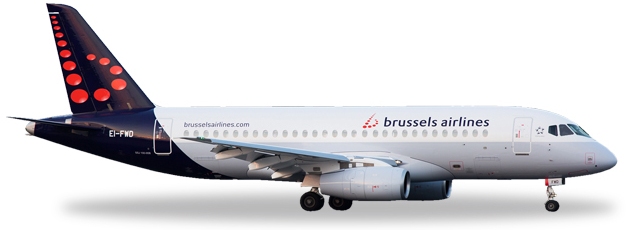
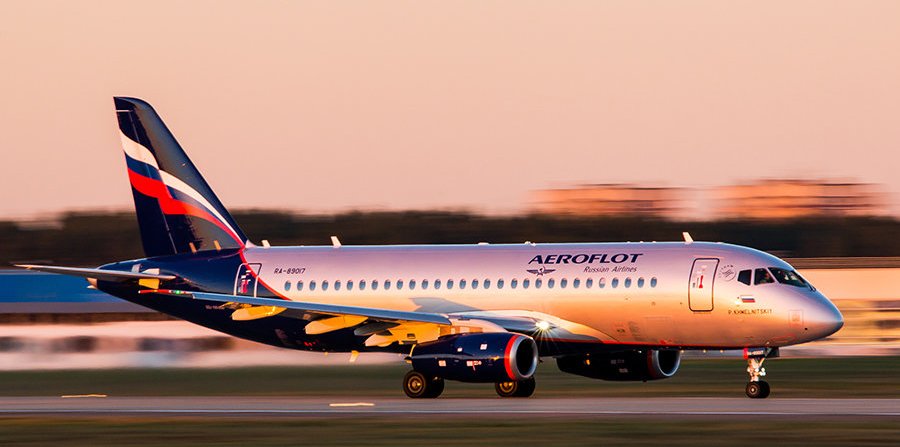
Resultado de imagen para irkutIrkut Corporation adquiere derechos de fabricación del SSJ-100

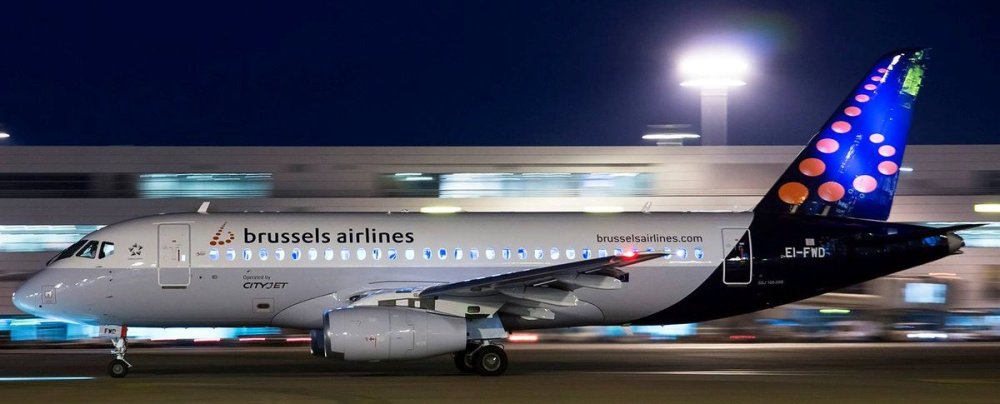
La compañía rusa United Aircraft Corporation (UAC) sorprendentemente ha privado al fabricante de la marca Sukhoi la producción de la SuperJet SSJ-100. La empresa matriz ha transferido todas las acciones y la marca Sukhoi Super Jet SSJ-100 a su filial Irkut Corporation.

A partir del 1 Diciembre 2018, esta subsidiaria será responsable de la producción y venta de todos los tipos de aviones comerciales propiedad de UAC. En 2017, la empresa matriz decidió que Sukhoi ya no produciría aviones comerciales, pero varias fuentes pensaron que no sería un problema. UAC ha decidido que Sukhoi solo producirá aviones militares. Irkut ahora se encargará de la venta y producción de los nuevos aviones tipo MC-21, CR929 y Sukhoi Superjet SSJ-100.

La propiedad de Yakovlev Design Bureau también se transfiere a Irkut. Sukhoi no ha tenido el gran éxito de vender el avión SSJ-100, con la esperanza de que Irkut pueda mejorar las ventas de la línea comercial a más aerolíneas en el mundo.AW-Icon-TXT-01

AW-70000543455WK.jpgIrkut acquires rights to the SSJ-100

Irkut Corporation acquires manufacturing rights for the SSJ-100

The Russian company United Aircraft Corporation (UAK) has surprisingly deprived the manufacturer of the Sukhoi brand the production of the SuperJet SSJ-100. The parent company has transferred all the shares and the Sukhoi Super Jet SSJ-100 brand to its subsidiary Irkut Corporation.

As of December 1, 2018, this subsidiary will be responsible for the production and sale of all types of commercial aircraft owned by UAC. In 2017, the parent company decided that Sukhoi would no longer produce commercial aircraft, but several sources thought it would not be a problem. UAC has decided that Sukhoi will only produce military aircraft. Irkut will now be responsible for the sale and production of the new MC-21, CR929 and Sukhoi Superjet SSJ-100 aircraft.

The Yakovlev Design Bureau property is also transferred to Irkut. Sukhoi has not had the great success of selling the SSJ-100 aircraft, with the hope that Irkut can improve sales of the commercial line to more airlines in the world. A \ W


Ξ A I R G W A Y S Ξ
SOURCE: Airgways.com
DBk: Irkut.com / Wikimedia.org
AW-POST: 201812141639AR

A\W   A I R G W A Y S ®