Perspectivas hacia aprobación 737 MAX
 AW | 2020 05 21:30 | INDUSTRY

 Certificación Boeing 737 MAX en espera de validación de software
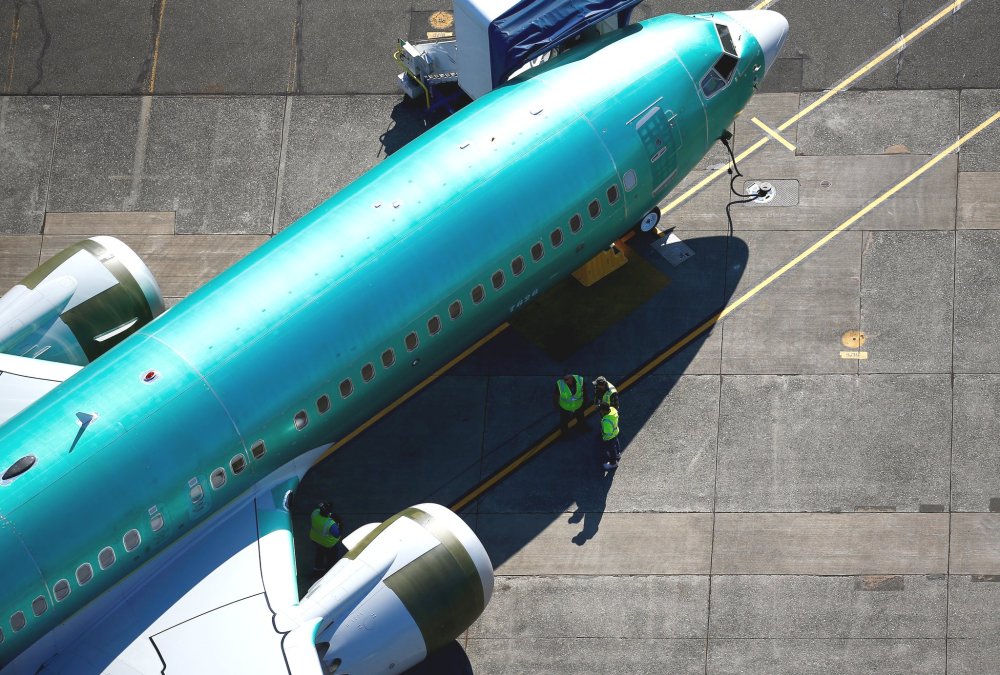
Un vuelo de certificación requerido para despejar las aprobaciones en el Boeing 737 MAX está a la espera de la validación del software del sistema de vuelos MCAS, anticipando un regreso al servicio del tercer trimestre de 2020 (3Q2020). El vuelo de certificación espera la validación del software para la computadora de control de vuelo del 737 MAX. El CEO de Boeing, David Calhoun no dio un cronograma sobre cuándo se completaría el esfuerzo de validación del software. «En este momento estamos enfocados en completar la validación del software y la documentación técnica requerida que precederá a un vuelo de certificación, parte del trabajo de documentación ha llevado más tiempo de lo esperado. Y la situación del Coronavirus también ha requerido algunos cambios para cómo hacemos las cosas, incluido el trabajo remoto y las reuniones virtuales con nuestros reguladores», expresa el CEO de Boeing.
Los problemas de software que el programa 737 MAX ha estado trabajando en los últimos meses, según un representante de la compañía aeroespacial, el esfuerzo de validación del software se centra en una modificación que se realizó en la computadora de control de vuelo que no está asociada con el Sistema de Aumento de Características de Maniobra (MCAS) altamente analizado por el 737 MAX. Las dos características en foco incluyen el microprocesador de la computadora y la activación del piloto automático. «El primer problema involucra fallas hipotéticas en el microprocesador de la FCC, lo que, en teoría, podría conducir a un estabilizador fuera de control. Si bien estas fallas particulares nunca se han observado en vuelo, la modificación del software eliminará la posibilidad de que ocurran esas fallas. El segundo El problema con la FCC podría conducir a la desconexión de la función de piloto automático durante la aproximación final. Si bien esto nunca se ha observado en el vuelo, y las alertas y advertencias de la cabina de vuelo ya están en su lugar para alertar a la tripulación si lo hizo, la actualización del software evitará que ocurra esta falla», dijo el representante.
Boeing identificó recientemente ambos problemas y se están incorporando soluciones al mismo tiempo. El software asociado con el sistema de control de vuelo 737 MAX ha sido un problema para el regreso del programa al servicio desde al menos Noviembre 2019, cuando la Agencia Europea de Seguridad Aérea (AESA) buscaba una revisión de la documentación del software.
El Boeing 737-8 MAX el tipo de aeronave utilizado para el vuelo ET-302 de Ethiopian Airlines, presenta un sistema de control de vuelo digital mejorado con software que gestiona la funcionalidad de MCAS, descenso de emergencia en modo piloto automático y cambio de nivel de vuelo, interfaz electrónica de control de spoiler y alerta de comando de giro del piloto automático sistema según el informe provisional publicado por el Ministerio de Transporte de Etiopía el mes pasado. La versión de software presentada en el ET-302 MAX presentaba una ley de control de vuelo MCAS que ordenará el ajuste del morro del estabilizador si recibe un valor de condición del Ángulo de Ataque (AOA) que excede el umbral en el que la computadora detecta que el avión se acerca a una condición de pérdida. «La validación es el proceso de garantizar que los requisitos sean lo suficientemente correctos y completos. La verificación es el proceso de garantizar que el producto final cumpla con los requisitos de diseño. Las actividades de verificación pueden incluir el análisis y la prueba del elemento individual del equipo (por ejemplo, software de computadora de control de vuelo) y luego integrar progresivamente el equipo en un sistema completo e incluso pruebas de vuelo para verificar un sistema completamente integrado en la aeronave», dijeron los investigadores en el informe provisional.
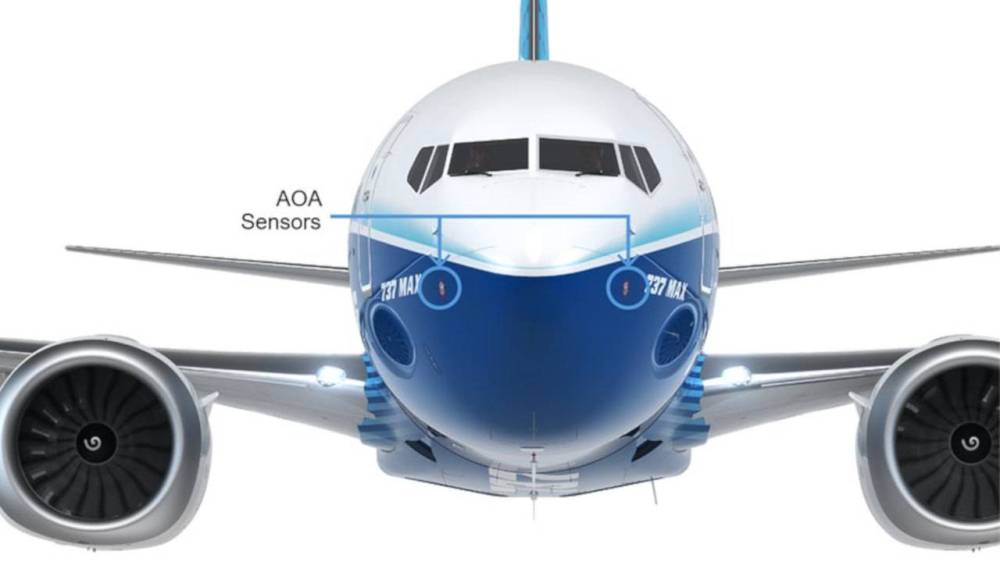
Los cambios que Boeing ha realizado en la funcionalidad MCAS incluyen una nueva alimentación de doble sensor que comparará los datos de ambas paletas AOA, en lugar de depender de uno. Bajo la nueva actualización, el sistema solo se activará una sola vez y nunca proporcionará más información de la que un piloto puede contrarrestar usando solo la columna de control.
David Calhoun aclaró aún más la existencia de una falla de software asociada con la computadora de Control de Vuelo del 737 MAX, separada del sistema MCAS. «Hay una montaña de documentación que debe completarse. A veces, el trabajo de documentación se confunde con lo que se conoce como una falla de software. No hemos tenido fallas de software en el rendimiento de nuestro avión en absoluto en nuestros vuelos de prueba o de otra manera. Entonces, vamos a completar la documentación», expresó el CEO de la compañía Boeing.
El Director Financiero de Boeing, Greg Smith, también confirmó que el 737 MAX ha completado más de 1.000 vuelos durante el año pasado. La suspensión temporal de la producción de 737 MAX implementada por Boeing en enero sigue vigente por el momento, con Smith señalando que podría levantarse y reabrir una tasa de producción más baja en los próximos meses. «Asumimos que comenzaremos la producción de aviones 737 MAX a tasas bajas durante el segundo trimestre de 2020, a medida que se entiendan mejor el tiempo y las condiciones de retorno al servicio y los impactos de COVID-19. Esperamos aumentar gradualmente la tasa de producción a 31 durante 2021 y esperamos que aumentos graduales adicionales correspondan con la demanda del mercado», ha comentado Gred Smith. 
 Prospects for 737 MAX approval
 Boeing 737 MAX certification awaiting software validation
A certification flight required to clear approvals on the Boeing 737 MAX is awaiting validation of the MCAS flight system software, anticipating a return to service in the third quarter of 2020 (3Q2020). The certification flight awaits validation of  the software for the 737 MAX flight control computer. Boeing CEO David Calhoun did not provide a timeline for when the software validation effort would be completed. «Right now we are focused on completing the validation of the software and the required technical documentation that will precede a certification flight, some of the documentation work has taken longer than expected. And the situation with the Coronavirus has also required some changes in how We do things, including remote work and virtual meetings with our regulators», says the CEO of Boeing.
The software issues that the 737 MAX program has been working on for the past few months, according to a representative of the aerospace company, the software validation effort is focused on a modification that was made to the flight control computer that is not associated with the Maneuvering Characteristics Enhancement System (MCAS) highly analyzed by the 737 MAX. The two features in focus include the computer’s microprocessor and autopilot activation. «The first problem involves hypothetical FCC microprocessor failures, which in theory could lead to a stabilizer out of control. While these particular failures have never been observed in flight, modifying the software will eliminate the possibility that those failures occur. The second problem with the FCC could lead to the disconnection of the autopilot function during the final approach. While this has never been observed in flight, and flight deck alerts and warnings are already instead to alert the crew if it did, the software update will prevent this failure from occurring», the representative said.
Boeing recently identified both problems and solutions are being incorporated at the same time. The software associated with the 737 MAX flight control system has been a problem for the program’s return to service since at least November 2019, when the European Aviation Safety Agency (EASA) was looking for a revision of the software documentation.

The Boeing 737-8 MAX, the type of aircraft used for Ethiopian Airlines flight ET-302, features an enhanced digital flight control system with software that manages MCAS functionality, emergency descent in autopilot mode, and level change. system, electronic spoiler control interface, and autopilot turn command alert system according to the interim report released by the Ethiopian Ministry of Transport last month. The software version featured on the ET-302 MAX featured an MCAS flight control law that will command the stabilizer nose adjustment if it receives an Attack Angle (AOA) condition value that exceeds the threshold at which the computer detects the plane is approaching a loss condition. «Validation is the process of ensuring that the requirements are correct and complete enough. Verification is the process of ensuring that the final product meets the design requirements. Verification activities may include analysis and testing of the individual item of the equipment (for example, flight control computer software) and then progressively integrate the equipment into a complete system and even flight tests to verify a fully integrated system in the aircraft», the researchers said in the interim report.
Boeing’s changes to MCAS functionality include a new dual-sensor power that will compare data from both AOA palettes, rather than relying on one. Under the new update, the system will only activate once and will never provide more information than a pilot can counter using only the control column.
David Calhoun further clarified the existence of a software flaw associated with the 737 MAX Flight Control computer, separate from the MCAS system. «There is a mountain of documentation that needs to be completed. Sometimes the documentation work is confused with what is known as a software bug. We have had no software glitches in our aircraft’s performance at all on our test flights or otherwise. So, we’re going to complete the documentation», said the CEO of the Boeing company.
Boeing Chief Financial Officer Greg Smith also confirmed that the 737 MAX has completed more than 1,000 flights in the past year. Temporary suspension of 737 MAX production implemented by Boeing in January remains in effect for the time being, with Smith noting that it could rise and reopen a lower production rate in the coming months. «We assume that we will begin production of 737 MAX aircraft at low rates during the second quarter of 2020, as the time and conditions of return to service and the impacts of COVID-19 are better understood. We hope to gradually increase the production rate to 31 during 2021 and we expect additional incremental increases to match market demand», said Greg Smith. 
Ξ A I R G W A Y S Ξ
SOURCE: Airgways.com
DBk: Aviationtoday.com / Boeing.com / Motr.gov.et / Airgways.com
AW-POST: 202005012130AR
A\W A I R G W A Y S ®
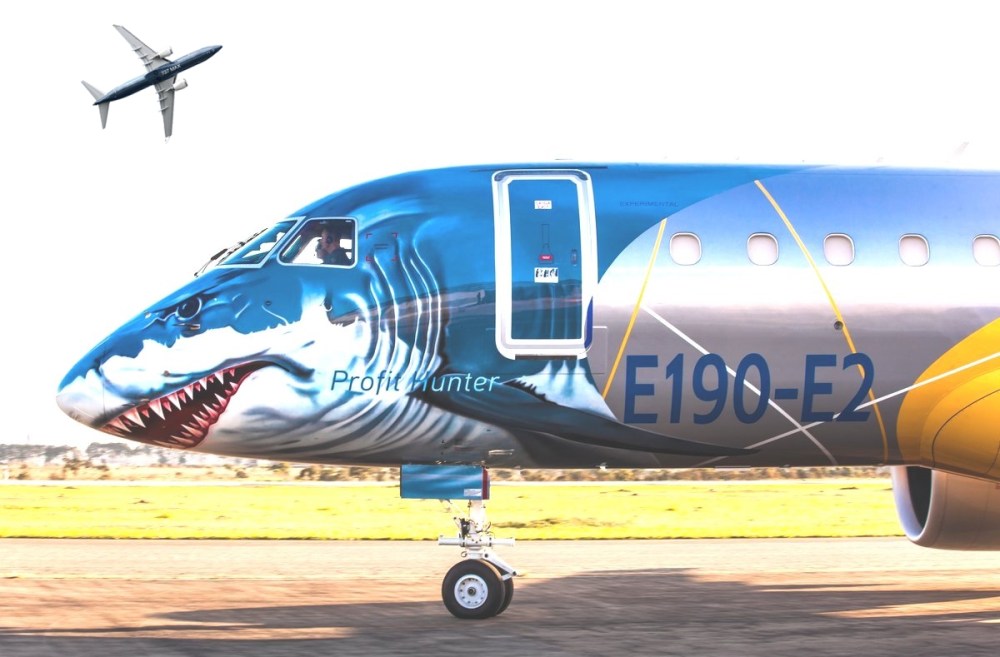 AW | 2020 05 01 19:33 | INDUSTRY
 El acuerdo entre Boeing y Embraer prohíbe la retirada en caso de pandemia, según el documento
 detallar una alternativa convincente frente a su futuro. Embraer necesita presentar un convincente Plan B después del rechazo del gigante Boeing.
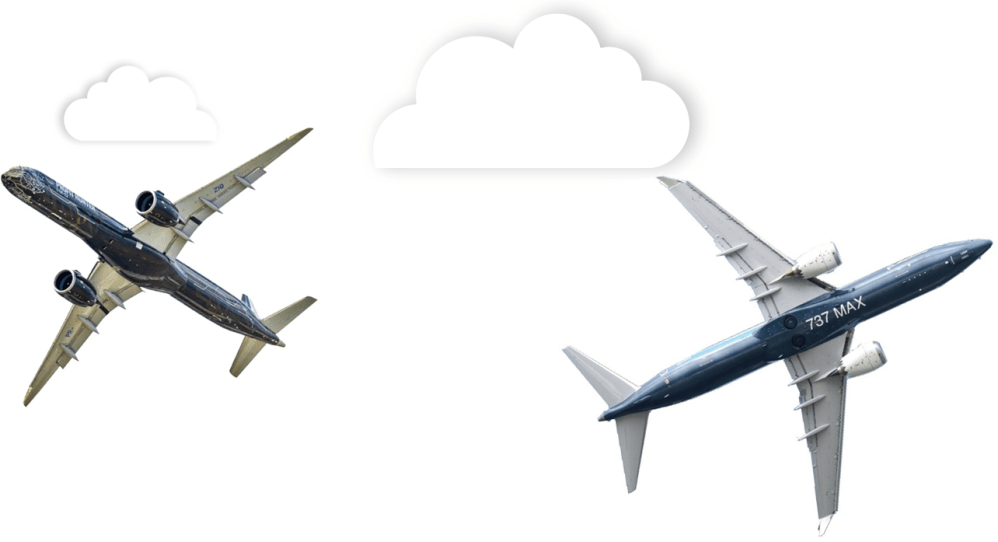 Between-line rupture Boeing-Embraer
 Agreement between Boeing and Embraer prohibits withdrawal in case of pandemic, according to the document
 AW | 2020 05 01 18:41 | AIRLINES / GOVERNMENT
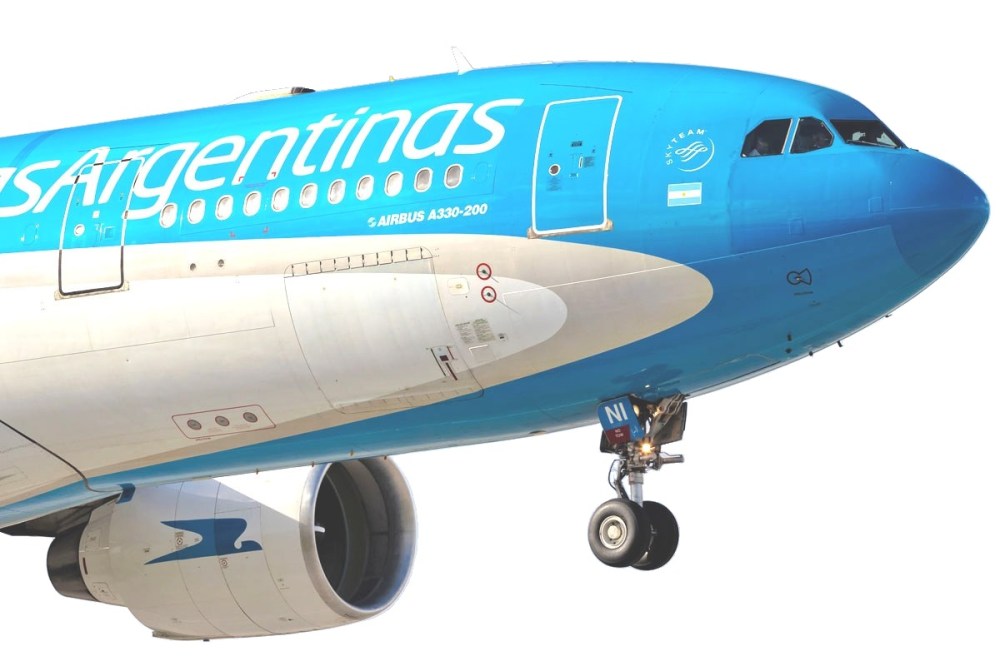
 Aerolíneas Argentinas vuelve a Londres y Cancún con un vuelo especial de repatriación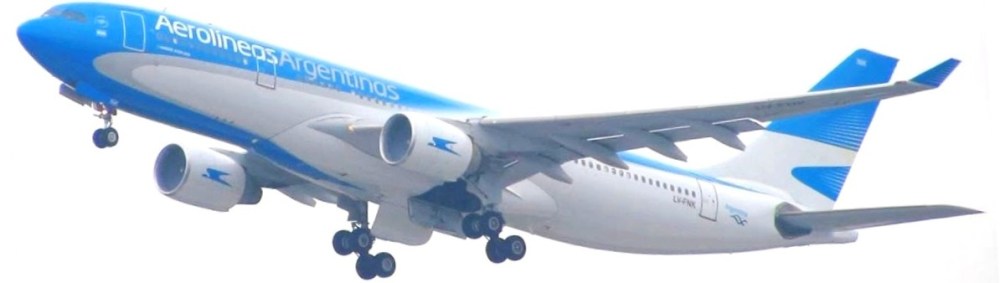
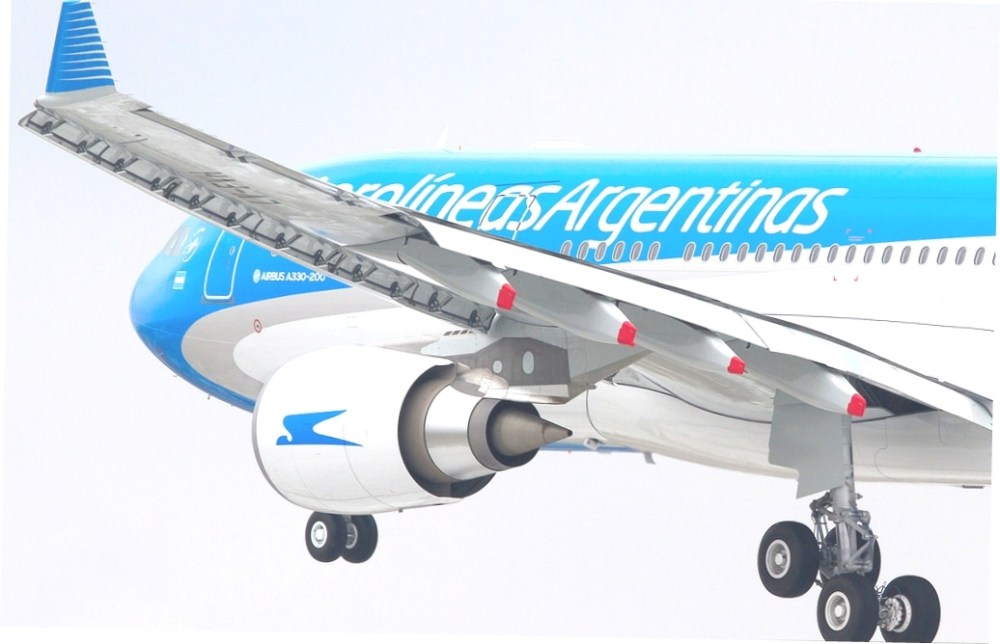 Aerolíneas health flight to London/Cancún
 Aerolíneas Argentinas has confirmed the programming of special flights to London and Cancun. In the case of London, it will arrive at Ezeiza International Airport on May 7, 2020 at 04:05 a.m. The last time the company made flights to Heathrow Airport (HRW) was during the 2015 Rugby World Championships, while regular flights were discontinued in the 1990s. Both flights add to the 58 special operations the company scheduled since March 18, 2020 and that allowed the return to the country of more than 18,000 Argentines with flights from Miami, Madrid, Punta Cana, Cancun, Bogotá, Quito, Lima, San Salvador de Bahia, Rio de Janeiro, San Pablo, Porto Seguro and Florianopolis.
 AW | 2020 05 01 13:20 | AIRLINES / AIRPORTS
 British Airways podría retirarse del Aeropuerto London/Gatwick
 estos servicios puede o volverá». La posible salida de LGW se produce días después de que el miembro de oneworld notificara formalmente a sus sindicatos los planes para un importante programa de reestructuración y redundancia, con 12.000 empleos amenazados. La aerolínea despidió a 22.626 empleados en abril y se entiende que más de 1.000 de los 4.300 trabajos piloto de la compañía están en riesgo. «No sabemos cuándo los países reabrirán sus fronteras o cuándo se levantarán los bloqueos, por lo que tenemos que volver a imaginar y remodelar nuestra aerolínea y crear un nuevo futuro para nuestra gente, nuestros clientes y los destinos a los que servimos. La escala de este desafío requiere un cambio sustancial, por lo que estamos en una posición competitiva y resistente, no solo para abordar la pandemia inmediata de COVID-19, sino también para resistir cualquier reducción a largo plazo en la demanda de los clientes, los choques económicos u otros eventos que podrían Nos afecta. Sin embargo, esto es desafiante, cuanto más demoremos las decisiones difíciles, menos opciones estarán abiertas para nosotros», dijo Alex Cruz, CEO de BA dijo el 28 Abril después de que se revelaron los detalles de las pérdidas de empleo planificadas.
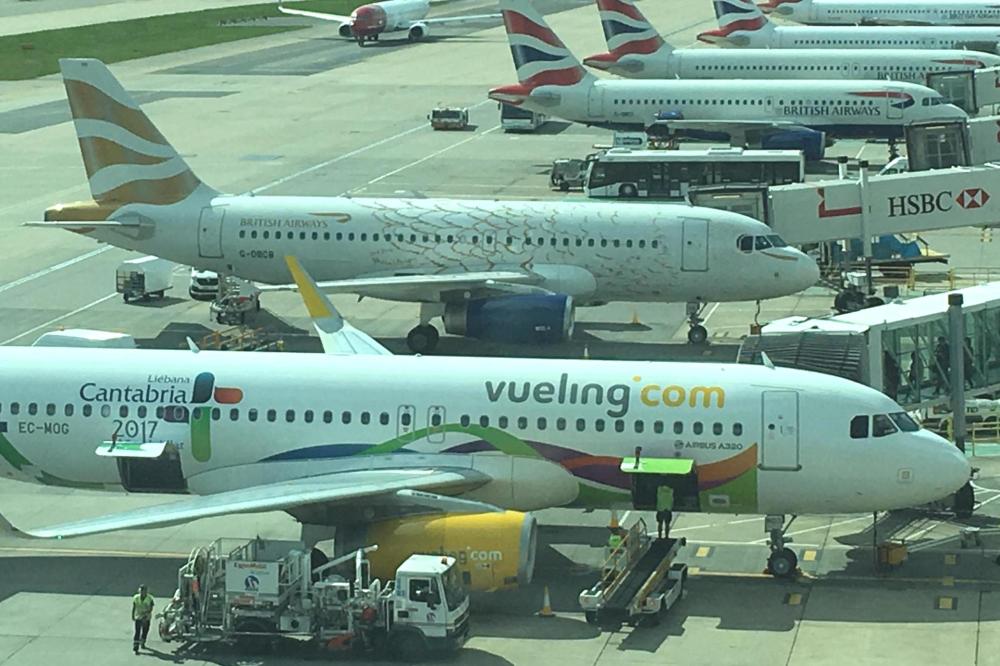 British Airways could leave Gatwick
 The British Airways company has been considering withdrawing from London/Gatwick Airport (LGW) as part of plans to reduce operations. The airline suspended flights from the UK’s second-largest airport on April 1, 2020, and warned that flights may not resume.
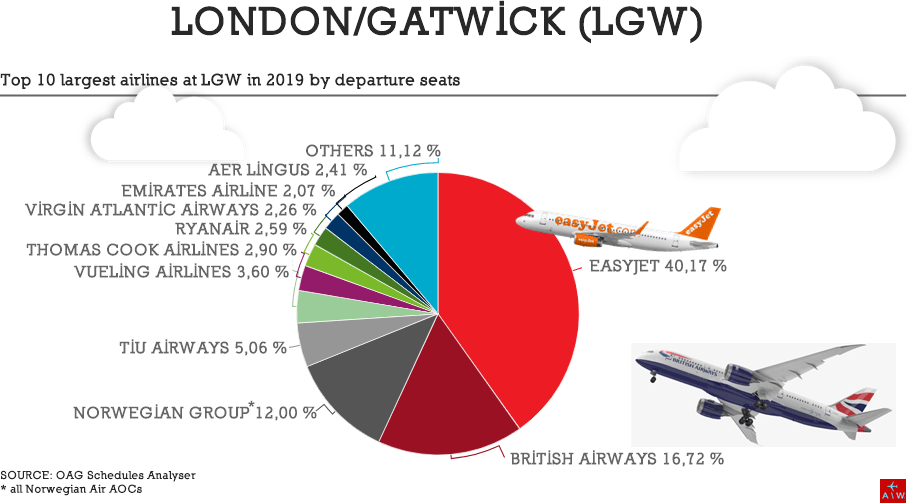 According to data provided by OAG Schedules Analyzer, BA operated 74 routes from LGW in 2019 offering more than 4.4 million seats in 24,942 flight departures. The airline accounted for almost 17% of the airport’s capacity during the year and almost a fifth of all flights. However, it had a direct competition on three-quarters of the routes of one or more rival operators. Looking at the routes served from LGW last year, BA deployed the largest capacity on flights to Jersey (JER) in the Channel Islands, offering a total of 469,702 two-way seats. The Spanish city of Malaga (AGP) was the second-largest route by capacity, with 365,780 seats, and Orlando (MCO) was the third, with 360,502 seats. Glasgow (GLA) and Venice (VCE) completed the top five, with 359,118 and 354,030 seats available respectively. In total, BA offered 29.3 million departure seats from London airports in 2019, 23 million of which were from London Heathrow (LHR). Another 1.8 million were from London City (LCY) and 24,000 from London Stansted (STN).
 AW | 2020 05 01 12:22 | GOVERNMENT / AIRLINES
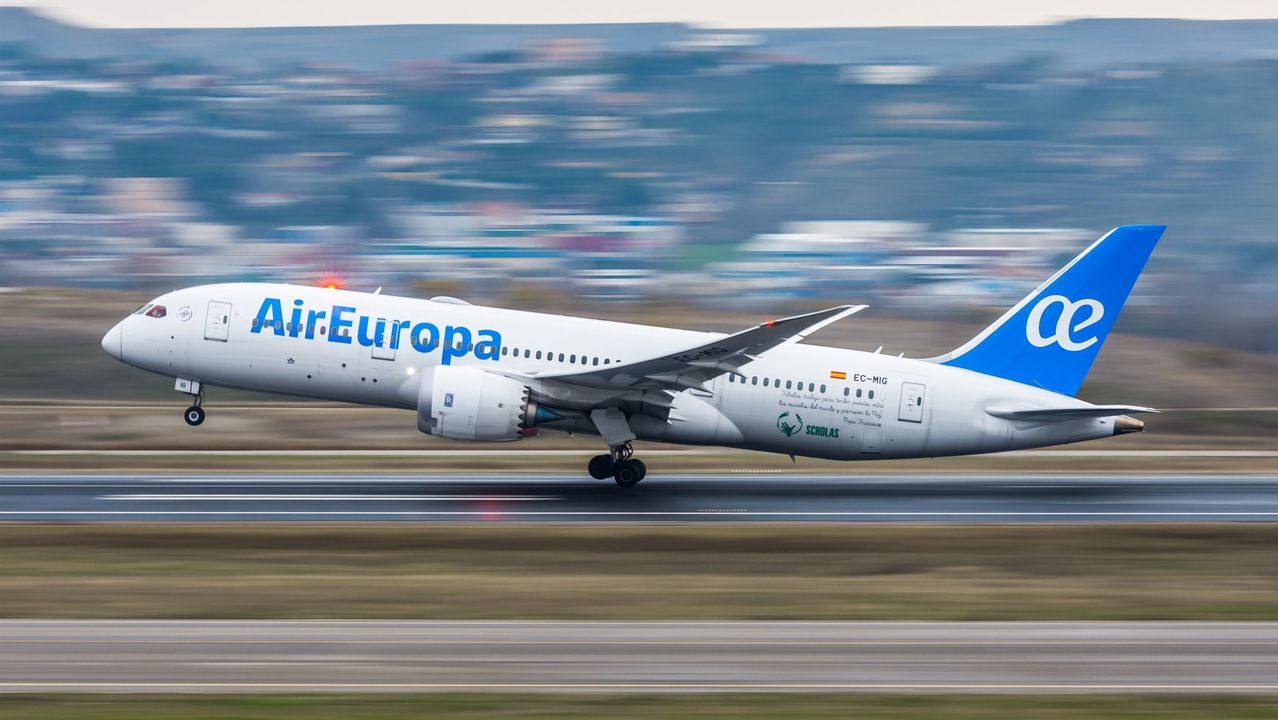 Europe advances airline aid
 AW | 2020 05 01 10:37 | INDUSTRY
 La flota de prueba se expande a medida que avanza el sólido programa de prueba
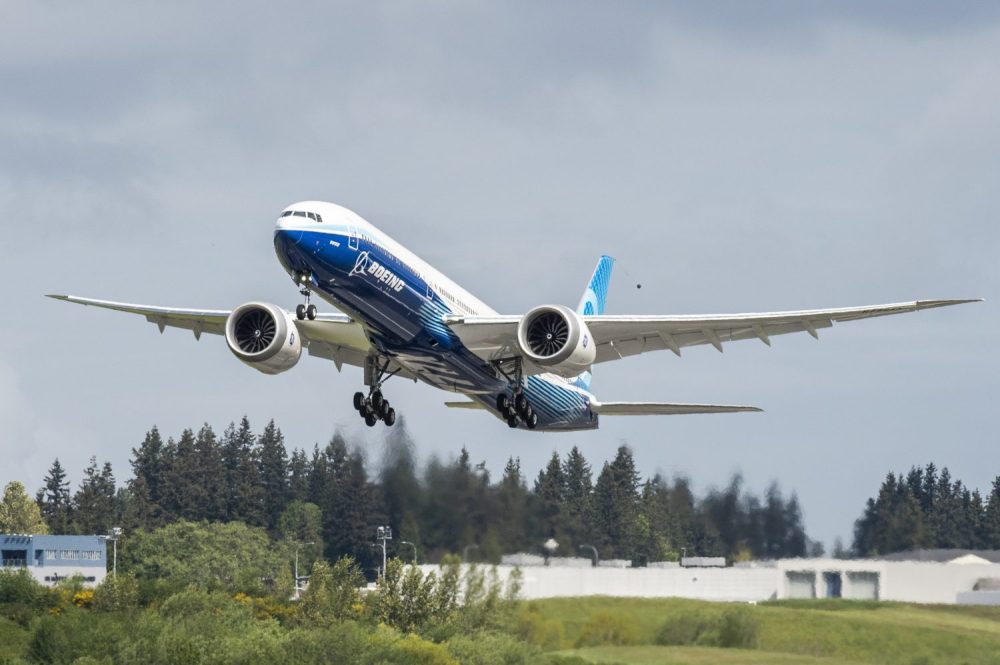 2nd Boeing 777X completes first flight
 The Boeing Company conducted a successful and productive first flight of the second Boeing 777-9X aircraft on April 30, 2020. Captain Ted Grady, pilot of the 777X project, and Captain Van Chaney, Chief Pilot of the 777/777X, flew for 2 hours and 58 minutes over Washington State before landing at Seattle’s Boeing Field at 02:02 p.m. Peaceful. Designated WH002, this aircraft is
  the second of four in a dedicated flight test fleet and will test handling characteristics and other aspects of aircraft performance. A variety of equipment, sensors, and monitoring devices throughout the cabin allow on-board equipment to document and assess the aircraft’s response to test conditions in real time.
 AW | 2020 05 01 10:12 | INDUSTRY / AVIATION
 Declaración de Boeing sobre la oferta de bonos
 AW | 2020 05 01 10:00 | INDUSTRY
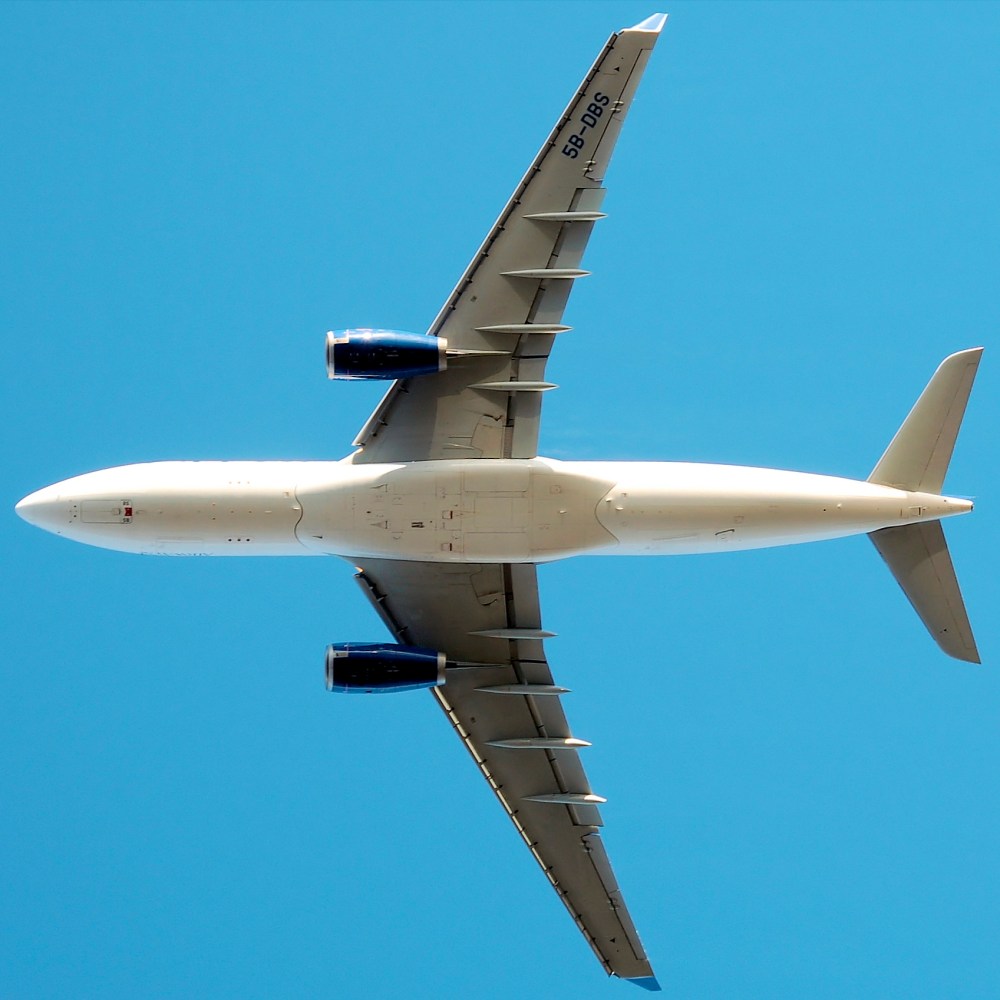
 Airbus desarrolla para líneas aéreas modificaciones transporte aviones
 Airbus ops pandemic for airlines
 the Coronavirus pandemic. Airbus is developing a modification for the A330 and A350 family aircraft that will allow airlines to install cargo pallets directly on the guides of the cabin floor seats, after the removal of the economy class seats. This solution will help airlines own business continuity, and also alleviate the global shortage of cargo belly air cargo capacity due to the widespread grounding of long-range aircraft in the context of the health crisis. In addition, it helps the industry to cope with the high demand for humanitarian flights to quickly transport large quantities of medical equipment and other supplies over long distances to where they are most needed.
 AW | 2020 04 30 14:16 | AVIATION ORGANISMS / AIRLINES MARKET
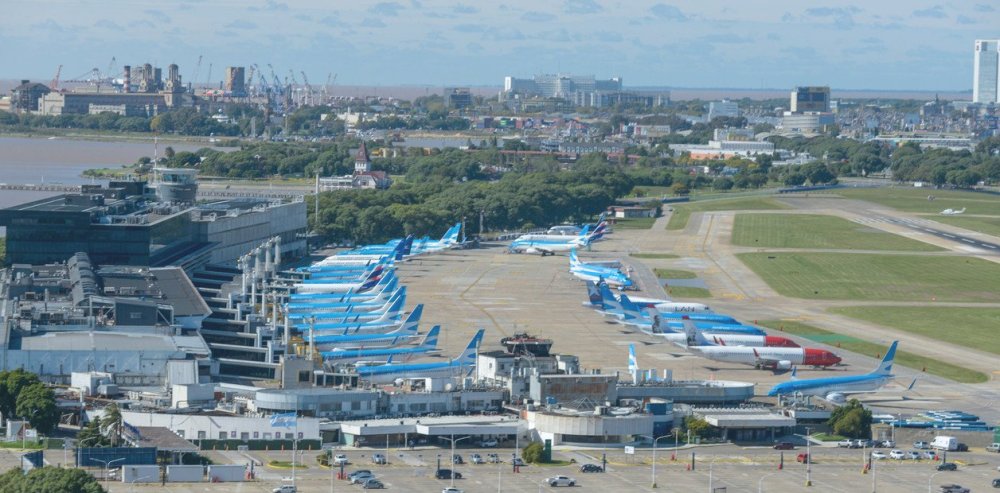
 El organismo internacional de la Asociación de Transporte Aéreo Internacional (IATA) ha señalado que la República Argentina es el único país del mundo que ha decidido prohibir los vuelos hasta Septiembre 2020. En el mundo, 180 países tomaron medidas concretas y cerraron total o parcialmente sus fronteras, por lo cual nada menos que el 87% de las operaciones regulares de línea aéreas nivel mundial está afectada, y la mayor parte del movimiento aéreo hoy es de carga. Entre estos 180 países hay distintos casos, pero hay uno que tomó una medida inédita y sin fundamentos claros: la Argentina. “Ningún país en el mundo tomó la decisión de tener a los aviones en tierra hasta septiembre”, declaró Peter Cerdá, vicepresidente para las Américas de la IATA. Esto implica no solo muchos meses sin operar, sino que además solo pueden vender pasajes recién para volar a partir de Septiembre 2020, algo que complica el sistema económico-financiero de las aerolíneas.
 El directivo de IATA destacó que en América latina, donde el sector aéreo es fundamental porque no hay buena infraestructura de trenes ni rutas, la mayoría de los países aplican cierres de fronteras cada 15 o 20 días, según la evolución de la situación. Varios países de Europa ya están abriendo parcialmente las restricciones, en tanto en nuestra región, la mayoría las continuará hasta el 15 o el 30 Mayo 2020; aunque hay que
  tener en cuenta el inicio de la pandemia y la evolución de la misma. Pero “lo que ha hecho la Argentina de ampliar la cuarentena hasta el 10 Mayo, pero al transporte aéreo restringirlo hasta el 1 Septiembre sin poder vender billetes, no concuerda con lo que hacen otros países a nivel global. No tenemos una explicación de por qué a todos les da una fecha (de salida de la cuarentena) de mediados de Mayo y al sector se le dice que será en Septiembre 2020. En otros países la industria se adaptó a las medidas de restricción que han tomado los gobiernos. Todos los países empezaron con una fecha y la han pospuesto, pero nadie hasta Septiembre. En todos los casos, las fechas están alineadas, en el caso de Argentina, no”, explicó.
 El 12 Marzo 2020 la entidad le envió una carta al Ministro de Transporte argentino “solicitando un rol de liderazgo, como han hecho otros gobiernos”. El 26 Marzo 2020, el Director General de IATA le escribió al Presidente Alberto Fernández. Entonces se estableció un grupo con distintos actores del sector para intentar alinear posiciones y hubo una reunión, pero no fue próspera. “Se compartió algo de información, pero no fue una reunión estratégica como otras que hemos tenido en otros países”, indicó.
 Luis Felipe de Oliveira, Director Ejecutivo & CEO de la Asociación Latinoamericana de Transporte Aéreo (ALTA), coincidió en lamentar la decisión del gobierno de dejar los aviones en tierra hasta septiembre. “Hasta el momento se puede pensar que a fines de Mayo y principios de Junio se iniciarán operaciones domésticas en la región con un 15%-20% de la capacidad, a excepción de Argentina, que desafortunadamente estipuló como fecha de arranque el 1 Septiembre”, destacó. E indicó que, de mantenerse estas perspectivas, podría haber en Latinoamérica unos 25.000 vuelos mensuales en octubre, con algunos internacionales. Sin embargo, destacó que “sigue habiendo mucha incertidumbre sobre el alcance de la crisis para las compañías del sector, así como las restricciones de los gobiernos”. Ha sido contundente respecto de la recuperación: “Para retomar los niveles (cantidad de vuelos) de diciembre de 2019, tendríamos que esperar hasta principios de 2022”. El directivo destacó que la semana del 20 al 26 Abril 2020 se operaron desde y hacia América Latina 5.800 vuelos (muchos de ellos de carga), mientras que la misma semana de 2019 habían sido 74.000, una reducción de más del 92% en un año. Señaló que a nivel mundial, más del 95% de la capacidad original planeada está paralizada. Solo están operando (a una capacidad muy reducida) vuelos domésticos en México, Brasil y Chile y algunos internacionales entre México y Estados Unidos y entre EE.UU. y países del Caribe, como República Dominicana. También algunos entre Brasil y Europa, como San Pablo-París, tres veces por semana, operado por Air France.
 IATA warns Argentina
 The international body of the International Air Transport Association (IATA) has indicated that the Argentine Republic is the only country in the world that has decided to ban flights until September 2020. In the world, 180 countries have taken concrete measures and have closed all or part of their borders, whereby no less than 87% of the world’s regular airline operations are affected, and most of the air movement today is cargo. Among these 180 countries there are different cases, but there is one that took an unprecedented measure without clear foundations: Argentina. «No country in the world made the decision to have the planes on the ground until September», said Peter Cerdá, IATA Vice President for the Americas. This implies not only many months without operating, but also they can only sell tickets just to fly from September 2020, something that complicates the economic-financial system of the airlines.
 Luis Felipe de Oliveira, Executive Director & CEO of the Latin American Air Transport Association (ALTA), agreed to regret the government’s decision to leave the planes on the ground until September. «Up to now, it can be thought that at the end of May and the beginning of June, domestic operations will begin in the region with 15% -20% of capacity, with the exception of Argentina, which unfortunately stipulated a start date of September 1», he stressed. And he indicated that, if these perspectives are maintained, there could be some 25,000 monthly flights in Latin America in October, with some international ones. However, he stressed that «there is still a lot of uncertainty about the extent of the crisis for companies in the sector, as well as government restrictions». It has been forceful regarding the recovery: «To resume the levels (number of flights) of December 2019, we would have to wait until early 2022». The executive highlighted that the week of April 20-26, 2020, 5,800 flights (many of them cargo) were operated from and to Latin America, while the same week of 2019 had been 74,000, a reduction of more than 92% in one year. He noted that globally, more than 95% of the planned original capacity is paralyzed. Only domestic flights in Mexico, Brazil, and Chile and some international flights between Mexico and the United States and between the US are operating (at a very reduced capacity). and Caribbean countries, such as the Dominican Republic. Also some between Brazil and Europe, such as Saint Paul-Paris, three times a week, operated by Air France.
 AW | 2020 04 30 13:26 | AIRLINES
 Sobre el Organismo Regulador del Sistema Nacional de Aeropuertos (Orsna), que regula la actividad, el comunicado añade que algunos de sus funcionarios «intentaron acceder a este requerimiento». Un día después de que AA2000 solicitara el cierre definitivo, según las empresas, el organismo emitió un dictamen positivo, aunque luego se dio marcha atrás cuando la concesionaria pidió que el cierre fuera temporal. «No tiene ninguna credibilidad que ahora informen que la intención era un cierre temporario», agrega.
 Argentine low-cost statement
 Regarding the Regulatory Body of the National Airport System (Orsna), which regulates the activity, the statement added that some of its officials «tried to comply with this requirement». A day after AA2000 requested the final closure, according to the companies, the agency issued a positive opinion, although it later backed down when the concessionaire asked that the closure be temporary. «It has no credibility that they now report that the intention was a temporary closure», he adds.
 airgways.com