Volar en Brasil en tiempos de pandemia
 AW | 2020 05 04 21:00 | AIRLINES MARKET / GOVERNMENT
Escenario del mercado de Brasil en medio de la crisis sanitaria
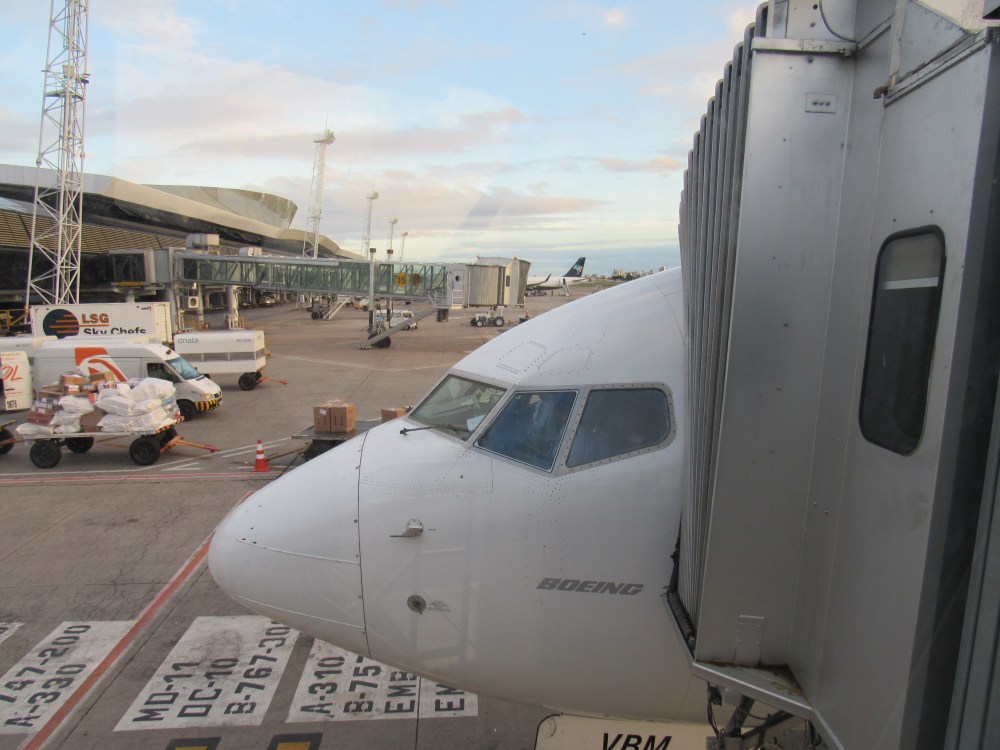
 Las aerolíneas de la República de Brasil comienzan gradualmente a aumentar la frecuencia de los vuelos en el país. El sector de la aviación comercial fue uno de los primeros en experimentar la crisis del Coronavirus y la frecuencia de los aterrizajes de despegue disminuyó hasta en un 90% en Marzo y Abril 2020. El Miércoles 29/04, el Presidente Jair Bolsonaro incluyó el transporte interestatal e internacional de pasajeros como una de las actividades esenciales. En otras palabras, incluso si los gobernadores o alcaldes reducen los decretos de distanciamiento social para bloquear sectores, los servicios incluidos en la lista de la Unión pueden continuar funcionando.
El escenario comienza a descomprimirse gradualmente en medio de la crisis sanitaria que continua golpeado fuertemente en Brasil. La expansión de los servicios aéreos pondrán a prueba al sistema de salud en el extenso país de Sudamérica. Las aerolíneas han tomado partido de la liberalización controlada de los viajes domésticos.
La Asociación Internacional del Transporte Aéreo (IATA), que reúne a cerca de 300 aerolíneas, reveló esta semana que demanda global de pasajeros cayó un 52,9 % interanual en el mes de marzo y que los ingresos de las compañías se reducirán a más de la mitad en 2020. El nuevo Coronavirus, cuyo primer caso se detectó en China en diciembre, ha infectado a más de 3,1 millones de personas en el mundo y ha provocado más de 230.000 muertes. Estados Unidos es el país con más contagios y más fallecidos, seguido de Italia y España.
Turismo en Brasil
«Junto con el ministro Marcelo Álvaro Antônio, de Turismo, Tarcísio Freitas, de Infraestructura y bajo el liderazgo del presidente Bolsonaro, mantenemos un contacto constante con el comercio turístico para ayudar lo más posible en este momento excepcional y asegurar que se puedan preservar los trabajos», subrayó el Presidente de Embratur, Gilson Machado Neto.
Al destacar las acciones del gobierno federal en este período crítico para el turismo debido al Coronavirus, Gilson Machado mencionó la importancia de la aprobación de la Medida Provisional 907 en la última semana de Abril. El Martes 28/04, el Senado Federal aprobó por unanimidad el texto que había sido aprobado el día anterior por la Cámara de Diputados. “En un esfuerzo conjunto en el que enfatizo la importancia del Ministro de Turismo, Marcelo Álvaro Antônio, quien trabajó arduamente para mantener reducidas las tasas de arrendamiento de aviones, logramos transformar Embratur en una Agencia y ayudar a una buena parte del comercio. Hay muchos desafíos por delante debido a esta pandemia, pero esta semana fue importante para la aprobación de este MP”, evaluó Gilson Machado Neto.
Gol Linhas Aéreas
El Presidente de Gol Linhas Aéreas, Paulo Kakinoff, cree que solo habrá un crecimiento significativo en la red aérea en Brasil a partir de Julio 2020. Aunque la compañía está aumentando gradualmente su red esencial y la operación de vuelos adicionales, el ejecutivo dijo que no ve un crecimiento significativo en esta nueva base de vuelos que comenzará a operar en Mayo 2020. La declaración llegó en una conferencia celebrada el Lunes 04/05 para abordar los resultados del 1Q2020. “Tenemos vuelos nuevos que se operarán desde el 25 Mayo 2020, como conexiones específicas desde Río de Janeiro hacia el noreste. Tenemos ventas para estos 20 vuelos adicionales en línea con la red esencial, y no vemos un crecimiento significativo en esta nueva base de 70 vuelos (incluidos los 50 vuelos diarios esenciales), que comenzamos a operar en mayo, para el mes de Junio. Habrá ajustes para aproximadamente una docena de vuelos en la segunda mitad de junio y un crecimiento más significativo de la red de aerolíneas a partir de Julio», dijo Paulo Kakinoff.
El CEO de la aerolínea está seguro de que Gol será aún más fuerte en la post pandemia. “Habremos aprendido lecciones importantes después de la pandemia. Estamos preparados para cambios corporativos repentinos. Como todas las crisis, esta también pasará. Y estamos seguros de que Gol seguirá siendo fuerte. Brasil seguirá existiendo, el sector de las líneas aéreas seguirá existiendo y Gol seguirá existiendo», declaró el presidente de la compañía.
Aunque los resultados financieros y operativos se vieron debidamente afectados por la pandemia del nuevo Coronavirus (Covid-19), Gol aún mantiene una situación financiera sólida. Con una liquidez de R$ 4,2 mil millones registrada en el 1Q2020, como se reveló el Lunes 04/05, la compañía reconoce que hubo un impacto en los ingresos, una estricta revisión del presupuesto y la eliminación de los costos de aproximadamente R$ 2,4 mil millones al año. Eso es lo que dice el presidente Paulo Kakinoff. “Obtuvimos sólidos indicadores operativos en el primer trimestre. Hubo gestión de la demanda y racionalización eficiente que hizo que Gol tuviera estos indicadores. Tuvimos un escenario de ingresos impactados, con 8.3 millones de pasajeros. Y aunque nuestra situación financiera es sólida, hay una estricta revisión del presupuesto y la eliminación de R$ 2,4 mil millones en costos para este año, como la suspensión de inversiones, el aplazamiento de pagos, entre otras cosas”, dijo.
La aerolínea nacional más grande de Brasil, Gol Linhas Aereas Inteligentes, registró el Lunes 04/05 una pérdida de R$ 2.300 millones de reales (US$ 419.28 millones) en el primer trimestre 2020 debido a la depreciación de la moneda brasileña. El coronavirus no afectó significativamente los ingresos en el trimestre y los costos operativos fueron más bajos de lo normal. La compañía dijo que espera tener suficiente efectivo para cubrir las operaciones hasta fin de año.
 Azul Linhas Aéreas
Durante una reunión celebrada en el Palacio de Planalto en presencia del Presidente de la República, Jair Bolsonaro, el Presidente de Azul Linhas Aéreas, John Rodgerson, señaló que la compañía está alineada con el Ministerio de Turismo, el Ministerio de Infraestructura y Embratur para regresar gradualmente a los vuelos operativos. en Brasil desde principios de Mayo 2020. En Abril, Azul mantuvo el 90% de su flota de aviones detenidos y 10.500 empleados de un total de 14.000 empleados contratados se fueron de vacaciones sin goce de sueldo.
Solo 16 aviones de los 141 que posee la aerolínea estaban activos hasta el 04/2020. Con la interrupción de una buena parte de las actividades en la industria de las aerolíneas, la compañía indica que hace el mayor esfuerzo posible para mantener a su personal por completo, pero que el retorno de las actividades, programado para los próximos días, es esencial para que no se produzcan despidos. John Rodgerson agradeció los esfuerzos del Gobierno de Brasil para encontrar puntos de venta para la industria de las aerolíneas y citó que, a partir del 4 de mayo, los vuelos hacia el noreste deberían comenzar a normalizarse. Como ejemplo, citó los seis vuelos semanales de Azul entre Recife y Brasilia, que ya están confirmados.
Latam Airlines
Latam Airlines negocia ayuda con gobiernos de Chile, Brasil y Colombia. La principal aerolínea de Latinoamérica, está negociando ayudas con los gobiernos de Chile, Brasil y Colombia por las pérdidas que le está ocasionando la pandemia del coronavirus, pero alertó de que el resultado de las conversaciones es aún difícil de anticipar. «Las conversaciones están, existen, son difíciles de prevenir en este minuto. Son en general conversaciones complejas porque son temas difíciles y no creo que uno pueda decir cuál está más o menos avanzada», dijo en rueda de prensa el consejero delegado de Latam, Roberto Alvo.
 El ejecutivo ha asegurado que el grupo, nacido de la fusión entre la chilena Lan Airlines y la brasileña TAM Linhas Aéreas en 2012, en primer término no se opone a ninguna medida y que está dispuesto a estudiar cualquier opción. «La compañía obviamente está analizando otras alternativas si es que llegara a no tener el apoyo de los gobiernos o no el apoyo total», apuntó el directivo, que calificó la situación de la industria aérea de increíblemente delicada. Entre esas alternativas, el CEO de Latam Airlines enumeró el reacondicionamiento de pasivos, la postergación de inversiones o la búsqueda de apoyo de los accionistas, entre los que se encuentran las aerolíneas Delta Air Lines y Qatar Airways, que a su vez está previsto que reciban ayudas de Estados Unidos y Qatar, respectivamente. La aerolínea se encuentra a disposición de los accionistas y los canales de comunicación continúan abiertos.
La compañía ha comunicado que no descarta emitir bonos, aunque Roberto Alvo reconoció que ahora mismo es una opción que se antoja complicada porque el mercado de deuda está cerrado para la industria. «Si tu miras el bono de Latam […] te das cuenta de que las tasas de descuento son extremadamente altas y eso demuestra la poco disposición de capital que existe en este minuto para la industria», explicó.
Latam Airlines se encuentra desde inicios de Abril 2020 con el 95 % de sus vuelos de pasajeros suspendidos por la menor demanda y el cierre de fronteras decretado en distintos países para frenar la pandemia. En Mayo 2020, la aerolínea solo operará algunos vuelos domésticos en Chile y Brasil y varios vuelos semanales entre Santiago y Miami y São Paulo y Miami. En Colombia, Argentina y Ecuador, los otros países donde tiene operaciones domésticas, está totalmente cerrado para las operaciones aéreas.
El grupo, que antes de la emergencia sanitaria volaba a 145 destinos en 26 países y ofrecía 1.400 vuelos diarios, calcula que estima que durante el segundo semestre del año podrá recuperar entre un 50% a un 70 % de sus operaciones. «Esta estimación es muy variable, todavía ni siquiera sabemos cuándo se van a levantar las restricciones, quien afirmó que la industria aérea será más pequeña tras la pandemia», puntualizó el directivo.
Latam sale de Oneworld
A partir del 1 Mayo 2020 Latam Airlines ha abandonado la una alianza mundial Oneworld. Esto deja un mundo sin un miembro sudamericano en la red de servicios de la asociación. Sin embargo, la compañía líder del mercado en América Latina aún no ha definido el análisis de una alianza comercial. En cambio, la aerolínea continúa construyendo una nueva asociación con Delta Air Lines. En 2019, Delta Air Lines y LATAM anunciaron una nueva asociación masiva. Esto ocurrió después de años de que Latam trabajara con American Airlines en una relación que seguía experimentando obstáculos regulatorios. Dado que la aerolínea buscó profundizar las relaciones con una aerolínea estadounidense, la gerencia tuvo que buscar una nueva colaboración en otra parte. Mientras que United Airlines tenía Avianca y Copa Airlines; Delta Air Lines solo tenía Aerolíneas Argentinas y Gol Linhas Aéreas, con discretas alianzas, como resultado, Latam Airlines fue un socio atractivo para Delta. Como parte del acuerdo, Delta se hizo cargo de algunos de los aviones Airbus A350-900 existentes y futuros de Latam al tiempo que invirtió US$ 1.9 mil millones en el transportista por una participación del 20%.
Partir de una alianza lleva tiempo. Si bien Latam Airlines no es más un socio de American Airlines, seguirá trabajando con algunas otras aerolíneas que son miembros de Oneworld, como British Airways y Qantas Airways. Sin embargo, cortar los lazos con los estadounidenses fue increíblemente importante, ya que tanto Delta Air Lines como American Airlines son grandes rivales en los Estados Unidos.
Latam Airlines no tiene interés en unirse a Skyteam en este momento. En el futuro, puede estar abierto a la oportunidad. Delta, en los últimos años, ha preferido profundizar los lazos con los operadores a través de asociaciones tanto dentro como fuera de la alianza. Skyteam ya tiene una aerolínea sudamericana en Aerolíneas Argentinas, pero, la red del operador de bandera argentino no es tan extensa como la de Latam Airlines, que tiene centros en Argentina, Perú, Colombia, Chile, Brasil, Ecuador y Paraguay.
Delta tendrá una influencia significativa sobre cómo Latam Airlines amplía sus asociaciones en el futuro. Mientras que American Airlines y British Airways son orgullosos miembros de la Oneworld, Delta no ha sido muy entusiasta acerca de ser un mienbro de Skyteam. La aerolínea con sede en Atlanta podría impulsar a Air France, KLM y Virgin Atlantic hacia una nueva asociación con Latam Airlines, lo que lleva a la aerolínea sudamericana a poner fin a sus lazos con IAG sin necesariamente pedirle que se una a la alianza Skyteam. 
 Flying in Brazil in times of pandemic
Scenario of the Brazilian market in the midst of the health crisis
The airlines of the Republic of Brazil gradually begin to increase the frequency of flights in the country. The commercial aviation sector was one of the first to experience the Coronavirus crisis and the frequency of take-off landings decreased by up to 90% in March and April 2020. On Wednesday 29/04, President Jair Bolsonaro included transportation interstate and international passenger as one of the essential activities. In other words, even if the governors or mayors reduce the social distancing decrees to block sectors, the services included in the Union’s list can continue to function.
The scenario begins to gradually decompress amid the health crisis that continues to hit hard in Brazil. The expansion of air services will test the health system in the vast country of South America. Airlines have taken advantage of controlled liberalization of domestic travel.
The International Air Transport Association (IATA), which brings together about 300 airlines, revealed this week that global passenger demand fell 52.9% year-on-year in March and that the companies’ revenues will drop to more than half in 2020. The new Coronavirus, whose first case was detected in China in December, has infected more than 3.1 million people worldwide and caused more than 230,000 deaths. The United States is the country with the most infections and most deaths, followed by Italy and Spain.
Tourism in Brazil
«Together with the Minister Marcelo Álvaro Antônio, of Tourism, Tarcísio Freitas, of Infrastructure and under the leadership of President Bolsonaro, we maintain constant contact with the tourist trade to help as much as possible in this exceptional moment and ensure that jobs can be preserved», stressed the President of Embratur, Gilson Machado Neto.
Highlighting the actions of the federal government in this critical period for tourism due to the Coronavirus, Gilson Machado mentioned the importance of the approval of Provisional Measure 907 in the last week of April. On Tuesday 04/28, the Federal Senate unanimously approved the text that had been approved the previous day by the Chamber of Deputies. “In a joint effort in which I emphasize the importance of the Minister of Tourism, Marcelo Álvaro Antônio, who worked hard to keep aircraft rental rates low, we managed to transform Embratur into an Agency and help a good part of the trade. There are many challenges ahead due to this pandemic, but this week was important for the approval of this MP”, Gilson Machado Neto evaluated.
Gol Linhas Aéreas
Gol Linas Aéreas President Paulo Kakinoff believes that there will only be significant growth in the air network in Brazil from July 2020. Although the company is gradually increasing its essential network and the operation of additional flights, the executive said no It sees significant growth in this new flight base that will begin operating in May 2020. The statement came at a conference held on Monday 04/05 to address 1Q2020 results. «We have new flights that will operate from May 25, 2020, as specific connections from Rio de Janeiro to the northeast. We have sales for these 20 additional flights in line with the essential network, and we do not see significant growth in this new base of 70 flights (including the 50 essential daily flights), which we began operating in May, for the month of June. There will be adjustments for approximately a dozen flights in the second half of June and more significant growth of the airline network from July», said Paulo Kakinoff.
 PAULO KAKINOFF PRESIDENT AND CEO OF GOL LINHAS AÉREAS
The airline’s CEO is confident that Gol will be even stronger in the post-pandemic. “We will have learned important lessons after the pandemic. We are prepared for sudden corporate changes. Like all crises, this one will also pass. And we are sure that Gol will continue to be strong. Brazil will continue to exist, the airline sector will continue to exist and Gol will continue to exist», declared the president of the company.
Although financial and operating results were duly affected by the pandemic of the new Coronavirus (Covid-19), Gol still maintains a solid financial situation. With liquidity of R$ 4.2 billion registered in 1Q2020, as revealed on Monday 04/05, the company acknowledges that there was an impact on revenues, a strict budget revision, and the elimination of costs of approximately R$ 2.4 billion a year. That is what President Paulo Kakinoff says. “We obtained solid operating indicators in the first quarter. There were efficient demand management and rationalization that made Gol have these indicators. We had an impacted revenue scenario, with 8.3 million passengers. And although our financial situation is solid, there is a strict review of the budget and the elimination of R$ 2.4 billion in costs for this year, such as the suspension of investments, deferment of payments, among other things», he said.
On Monday 04/05, Brazil’s largest national airline, Gol Linhas Aereas Inteligentes, registered a loss of R$ 2.3 billion reais (US$ 419.28 million) in the first quarter of 2020 due to the depreciation of the Brazilian currency. Coronavirus did not significantly affect revenue in the quarter and operating costs were lower than normal. The company said it expects to have enough cash to cover operations through the end of the year.
 Azul Linhas Aéreas
During a meeting held at the Planalto Palace in the presence of the President of the Republic, Jair Bolsonaro, the President of Azul Linhas Aéreas, John Rodgerson, pointed out that the company is aligned with the Ministry of Tourism, the Ministry of Infrastructure and Embratur to return gradually to operational flights. in Brazil since the beginning of May 2020. In April, Azul kept 90% of its fleet of aircraft detained and 10,500 employees out of a total of 14,000 contracted employees went on vacation without pay.
Only 16 aircraft of the 141 that the airline owns was active until 04/2020. With the interruption of a good part of the activities in the airline industry, the company indicates that it makes the best possible effort to fully maintain its personnel, but that the return of activities, scheduled for the next few days, is essential. so there are no layoffs. John Rodgerson appreciated the efforts of the Brazilian government to find outlets for the airline industry and cited that, starting May 4, flights to the northeast should begin to normalize. As an example, he cited Azul’s six weekly flights between Recife and Brasilia, which are already confirmed.
Latam Airlines
Latam Airlines negotiates aid with the governments of Chile, Brazil, and Colombia. The main Latin American airline is negotiating aid with the governments of Chile, Brazil, and Colombia for the losses caused by the coronavirus pandemic, but warned that the result of the talks is still difficult to anticipate. «The talks are, they exist, they are difficult to prevent right now. They are generally complex conversations because they are difficult issues and I do not think that one can say which one is more or less advanced», the CEO of Latam said at a press conference, Roberto Alvo.
The executive has assured that the group, born from the merger between the Chilean Lan Airlines and the Brazilian TAM Linhas Aéreas in 2012, in the first place is not opposed to any measure and that it is willing to study any option. «The company is obviously analyzing other alternatives if it comes to not having the support of governments or not fully support», said the director, who described the situation of the airline industry as incredibly delicate. Among those alternatives, the CEO of Latam Airlines listed the reconditioning of liabilities, the postponement of investments or the search for support from shareholders, among which are the airline’s Delta Air Lines and Qatar Airways, which in turn are expected to receive aid from the United States and Qatar, respectively. The airline is available to shareholders and the communication channels are still open.
The company has communicated that it does not rule out issuing bonds, although Roberto Alvo acknowledged that right now it is an option that seems complicated because the debt market is closed to the industry. «If you look at the Latam bond […] you realize that the discount rates are extremely high and that demonstrates the lack of capital available at the moment for the industry», he explained.
Latam Airlines has been since the beginning of April 2020 with 95% of its passenger flights suspended due to lower demand and the closure of borders decreed in different countries to stop the pandemic. In May 2020, the airline will only operate some domestic flights in Chile and Brazil and several weekly flights between Santiago and Miami and São Paulo and Miami. In Colombia, Argentina, and Ecuador, the other countries where it has domestic operations, it is totally closed for air operations.
The group, which before the health emergency flew to 145 destinations in 26 countries and offered 1,400 daily flights, calculates that it estimates that during the second half of the year it will be able to recover between 50% and 70% of its operations. «This estimate is very variable, we still do not even know when the restrictions will be lifted, who said that the airline industry will be smaller after the pandemic», said the director.
Latam leaves Oneworld
As of May 1, 2020, Latam Airlines has abandoned the Oneworld global alliance. This leaves a world without a South American member in the association’s service network. However, the market leader in Latin America has not yet defined the analysis of a commercial alliance. Instead, the airline continues to build a new partnership with Delta Air Lines. In 2019, Delta Air Lines and Latam Airlines announced a new massive partnership. This occurred after years of Latam working with American Airlines in a relationship that was still experiencing regulatory hurdles. Since the airline sought to deepen relationships with a U.S. airline, management had to seek new collaboration elsewhere. While United Airlines had Avianca and Copa Airlines; Delta Air Lines only had Aerolineas Argentinas and Gol Linhas Aéreas, with discreet alliances, as a result, Latam Airlines was an attractive partner for Delta. As part of the deal, Delta took over some of Latam’s existing and future Airbus A350-900 aircraft while investing $ 1.9 billion in the carrier for a 20% stake.
Starting an alliance takes time. Although Latam Airlines is no longer a partner of American Airlines, it will continue to work with some other airlines that are members of Oneworld, such as British Airways and Qantas Airways. However, severing ties with Americans was incredibly important, as both Delta Air Lines and American Airlines are great rivals in the United States.
Latam Airlines has no interest in joining Skyteam at this time. In the future, you may be open to opportunity. Delta, in recent years, has preferred to deepen ties with operators through partnerships both inside and outside the alliance. Skyteam already has a South American airline at Aerolíneas Argentinas, but the network of the Argentine flag operator is not as extensive as that of Latam Airlines, which has centers in Argentina, Peru, Colombia, Chile, Brazil, Ecuador, and Paraguay.
Delta will have a significant influence on how Latam Airlines expands its partnerships in the future. While American Airlines and British Airways are proud members of Oneworld, Delta has not been very enthusiastic about being a member of Skyteam. The Atlanta-based airline could push Air France, KLM, and Virgin Atlantic toward a new partnership with Latam Airlines, prompting the South American airline to end its ties to IAG without necessarily asking it to join the Skyteam alliance. 
 Voar no Brasil em tempos de pandemia
Cenário do mercado brasileiro em meio à crise da saúde
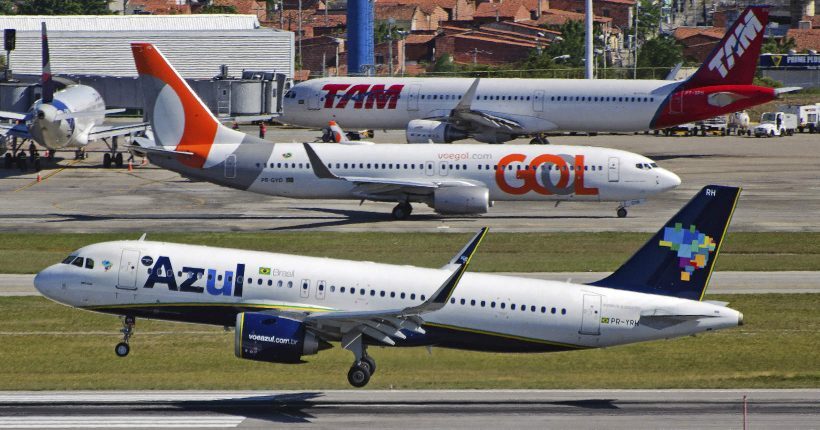
As companhias aéreas da República do Brasil começam gradualmente a aumentar a frequência de voos no país. O setor de aviação comercial foi um dos primeiros a enfrentar a crise do Coronavírus e a frequência de pousos decolou em até 90% em março e abril de 2020. Na quarta-feira, 29/04, o presidente Jair Bolsonaro incluiu o transporte passageiro interestadual e internacional como uma das atividades essenciais. Em outras palavras, mesmo que os governadores ou prefeitos reduzam os decretos de distanciamento social para bloquear setores, os serviços incluídos na lista da União podem continuar funcionando.
O cenário começa a se descomprimir gradualmente em meio à crise de saúde que continua a bater forte no Brasil. A expansão dos serviços aéreos testará o sistema de saúde no vasto país da América do Sul. As companhias aéreas aproveitaram a liberalização controlada das viagens domésticas.
A Associação Internacional de Transporte Aéreo (IATA), que reúne cerca de 300 companhias aéreas, revelou nesta semana que a demanda global de passageiros caiu 52,9% em relação ao ano anterior em março e que a receita das empresas cairá para mais de metade em 2020. O novo coranavírus, cujo primeiro caso foi detectado na China em dezembro, infectou mais de 3,1 milhões de pessoas em todo o mundo e causou mais de 230.000 mortes. Os Estados Unidos são o país com mais infecções e mais mortes, seguido pela Itália e Espanha.
Turismo no Brasil
«Juntamente com o ministro Marcelo Álvaro Antônio, do Turismo, Tarcísio Freitas, de Infraestrutura e sob a liderança do presidente Bolsonaro, mantemos contato constante com o comércio turístico para ajudar o máximo possível neste momento excepcional e garantir a preservação dos empregos», destacou o presidente da Embratur, Gilson Machado Neto.
Destacando as ações do governo federal nesse período crítico do turismo devido ao coronavírus, Gilson Machado mencionou a importância da aprovação da Medida Provisória 907 na última semana de abril. Na terça-feira, 28/4, o Senado Federal aprovou por unanimidade o texto que havia sido aprovado no dia anterior pela Câmara dos Deputados. “Em um esforço conjunto em que enfatizo a importância do ministro do Turismo, Marcelo Álvaro Antônio, que trabalhou duro para manter baixas as taxas de aluguel de aeronaves, conseguimos transformar a Embratur em uma agência e ajudar boa parte do comércio. Existem muitos desafios pela frente devido a essa pandemia, mas esta semana foi importante para a aprovação deste MP”, avaliou Gilson Machado Neto.
Gol Linhas Aéreas
O presidente da Gol Linas Aéreas, Paulo Kakinoff, acredita que haverá um crescimento significativo da rede aérea no Brasil a partir de julho de 2020. Embora a empresa esteja gradualmente aumentando sua rede essencial e a operação de vôos adicionais, o executivo disse que não. Ela vê um crescimento significativo nessa nova base de voos que começará a operar em Maio de 2020. O comunicado foi divulgado em uma conferência realizada na Segunda-feira 04/05 para tratar dos resultados do 1T2020. «Temos novos vôos que operarão a partir de 25 de maio de 2020, como conexões específicas do Rio de Janeiro para o nordeste. Temos vendas para esses 20 vôos adicionais alinhados à rede essencial e não vemos um crescimento significativo nessa nova base de 70 vôos (incluindo os 50 vôos diários essenciais), que começamos a operar em maio, para o mês de Junho. Haverá ajustes para aproximadamente uma dúzia de vôos na segunda quinzena de Junho e um crescimento mais significativo da rede de companhias aéreas a partir de Julho», afirmou Paulo Kakinoff.
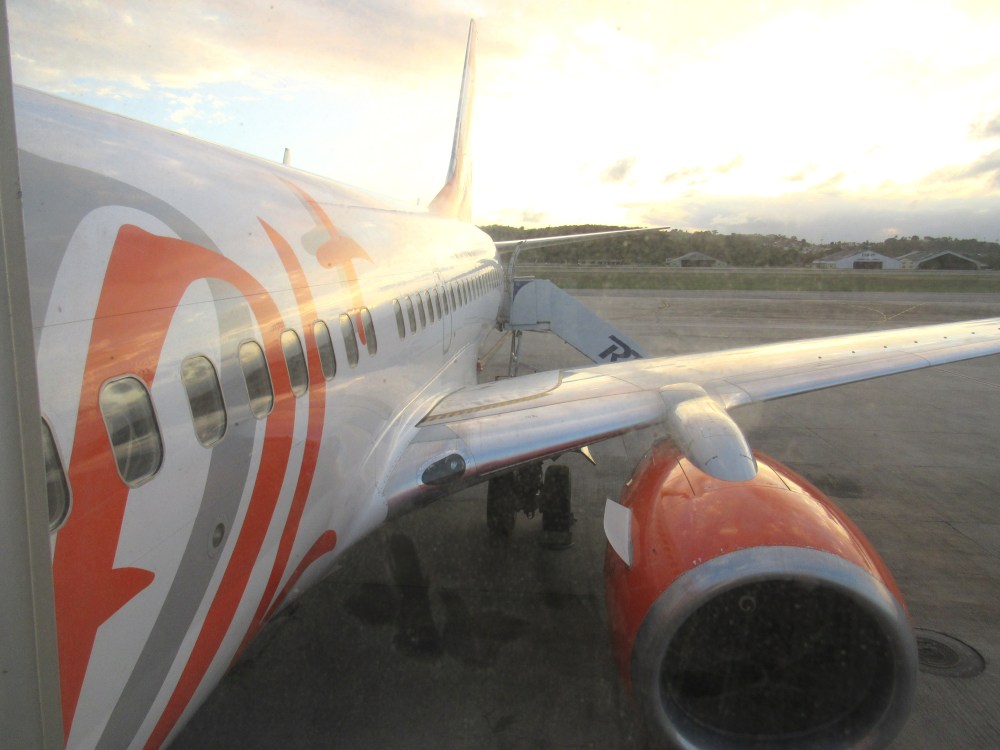
O CEO da companhia aérea está confiante de que a Gol será ainda mais forte na pós-pandemia. “Teremos aprendido lições importantes após a pandemia. Estamos preparados para mudanças corporativas repentinas. Como todas as crises, esta também passará. E temos certeza de que a Gol continuará forte. O Brasil continuará existindo, o setor aéreo continuará existindo e a Gol continuará existindo», declarou o presidente da empresa.
Embora os resultados financeiros e operacionais tenham sido devidamente afetados pela pandemia do novo Coronavírus (Covid-19), a Gol ainda mantém uma sólida situação financeira. Com uma liquidez de R$ 4,2 bilhões registrada no 1T2020, conforme revelado na segunda-feira 04/05, a empresa reconhece que houve um impacto nas receitas, uma rigorosa revisão orçamentária e a eliminação de custos de aproximadamente R$ 2,4 bilhões por ano. É o que o Presidente Paulo Kakinoff diz. “Obtivemos sólidos indicadores operacionais no primeiro trimestre. Houve uma eficiente gestão da demanda e racionalização que levou a Gol a ter esses indicadores. Tivemos um cenário de receita impactada, com 8,3 milhões de passageiros. E embora nossa situação financeira seja sólida, há uma rigorosa revisão do orçamento e a eliminação de R$ 2,4 bilhões em custos para este ano, como suspensão de investimentos, adiamento de pagamentos, entre outras coisas”, afirmou.
Na Segunda-feira 04/05, a maior companhia aérea nacional do Brasil, a Gol Linhas Aéreas Inteligentes, registrou uma perda de R$ 2,3 bilhões de reais (US$ 419,28 milhões) no primeiro trimestre de 2020 devido à depreciação da moeda brasileira. O coronavírus não afetou significativamente a receita no trimestre e os custos operacionais foram inferiores ao normal. A empresa disse que espera ter dinheiro suficiente para cobrir as operações até o final do ano.
Azul Linhas Aéreas
Em reunião realizada no Palácio do Planalto, na presença do Presidente da República, Jair Bolsonaro, o Presidente da Azul Linhas Aéreas, John Rodgerson, destacou que a empresa está alinhada com o Ministério do Turismo, o Ministério de Infraestrutura e Embratur para retornar gradualmente para vôos operacionais. no Brasil desde o início de maio de 2020. Em abril, a Azul manteve 90% de sua frota de aeronaves detidas e 10.500 funcionários de um total de 14.000 empregados contratados saíram de férias sem remuneração.
Apenas 16 aeronaves das 141 que a companhia aérea possui estavam ativas até 20/04/20. Com a interrupção de boa parte das atividades no setor aéreo, a empresa indica que faz o melhor esforço possível para manter todo o seu pessoal, mas que o retorno das atividades, programado para os próximos dias, é essencial então não há demissões. John Rodgerson apreciou os esforços do governo brasileiro para encontrar pontos de venda para o setor aéreo e citou que, a partir de 4 de maio, os vôos para o nordeste deveriam começar a se normalizar. Como exemplo, ele citou os seis vôos semanais da Azul entre Recife e Brasília, que já estão confirmados.
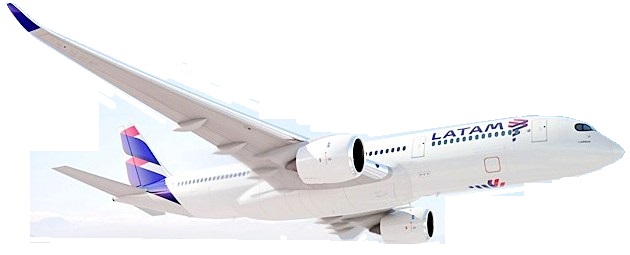 Latam Airlines
A Latam Airlines negocia ajuda com os governos do Chile, Brasil e Colômbia. A principal companhia aérea da América Latina está negociando ajuda com os governos do Chile, Brasil e Colômbia para as perdas causadas pela pandemia de coronavírus, mas alertou que ainda é difícil antecipar o resultado das negociações. «As conversas são, existem, são difíceis de impedir no momento. Geralmente são conversas complexas porque são questões difíceis e não acho que se possa dizer qual delas está mais ou menos avançada», disse o CEO da Latam em entrevista coletiva. Roberto Alvo.
O executivo garantiu que o grupo, nascido da fusão entre a Chilean Lan Airlines e a brasileira TAM Linhas Aéreas em 2012, não se opõe a nenhuma medida e que está disposto a estudar qualquer opção. «A empresa está obviamente analisando outras alternativas se não houver o apoio dos governos ou não o apoio total», disse o diretor, que descreveu a situação do setor de aviação como incrivelmente delicada. Entre essas alternativas, o CEO da Latam Airlines listou o recondicionamento de passivos, o adiamento de investimentos ou a busca de apoio dos acionistas, entre as quais estão as companhias aéreas Delta Air Lines e Qatar Airways, que, por sua vez, devem receber ajuda dos Estados Unidos e Catar, respectivamente. A companhia aérea está disponível para os acionistas e os canais de comunicação ainda estão abertos.
A empresa comunicou que não descarta a emissão de títulos, embora Roberto Alvo tenha reconhecido que, no momento, é uma opção que parece complicada porque o mercado de dívida está fechado para o setor. «Se você olhar para o título latino […] você percebe que as taxas de desconto são extremamente altas e isso demonstra a falta de capital disponível no momento para o setor», explicou.
A Latam Airlines está desde o início de abril de 2020 com 95% de seus voos de passageiros suspensos devido à menor demanda e ao fechamento de fronteiras decretado em diferentes países para interromper a pandemia. Em maio de 2020, a companhia aérea operará apenas alguns vôos domésticos no Chile e no Brasil e vários vôos semanais entre Santiago e Miami e São Paulo e Miami. Na Colômbia, Argentina e Equador, os outros países onde possui operações domésticas, está totalmente fechado para operações aéreas.
O grupo, que antes da emergência de saúde voou para 145 destinos em 26 países e ofereceu 1.400 vôos diários, calcula que estima que durante o segundo semestre do ano possa recuperar entre 50% e 70% de suas operações. «Essa estimativa é muito variável, ainda nem sabemos quando serão levantadas as restrições, que disseram que o setor aéreo será menor após a pandemia», afirmou o diretor.
Latam deixa a Oneworld
Desde 1º de maio de 2020, a Latam Airlines abandonou a aliança global Oneworld. Isso deixa um mundo sem um membro sul-americano na rede de serviços da associação. No entanto, o líder de mercado na América Latina ainda não definiu a análise de uma aliança comercial. Em vez disso, a companhia aérea continua a construir uma nova parceria com a Delta Air Lines. Em 2019, a Delta Air Lines e a LATAM anunciaram uma nova parceria massiva. Isso ocorreu depois de anos de trabalho na América Latina com a American Airlines em um relacionamento que ainda estava enfrentando obstáculos regulatórios. Como a companhia aérea procurou aprofundar o relacionamento com uma companhia aérea americana, a gerência teve que buscar uma nova colaboração em outro lugar. Enquanto a United Airlines possuía Avianca e Copa Airlines; A Delta Air Lines possuía apenas Aerolíneas Argentinas e Gol Linhas Aéreas, com alianças discretas, como resultado, a Latam Airlines era um parceiro atraente para a Delta. Como parte do acordo, a Delta assumiu algumas das aeronaves Airbus A350-900 da Latam, existentes e futuras, enquanto investia US$ 1,9 bilhão na transportadora por uma participação de 20%.
Iniciar uma aliança leva tempo. Embora a Latam Airlines não seja mais parceira da American Airlines, continuará a trabalhar com outras companhias aéreas que são membros da Oneworld, como British Airways e Qantas Airways. No entanto, romper os laços com os americanos foi incrivelmente importante, pois tanto a Delta Air Lines quanto a American Airlines são grandes rivais nos Estados Unidos.
A Latam Airlines não tem interesse em ingressar na Skyteam no momento. No futuro, você pode estar aberto a oportunidades. A Delta, nos últimos anos, preferiu aprofundar os laços com os operadores por meio de parcerias dentro e fora da aliança. A Skyteam já possui uma companhia aérea sul-americana na Aerolineas Argentinas, mas a rede da operadora de bandeira argentina não é tão extensa quanto a da Latam Airlines, que possui centros na Argentina, Peru, Colômbia, Chile, Brasil, Equador e Paraguai.
A Delta terá uma influência significativa sobre como a Latam Airlines expande suas parcerias no futuro. Enquanto American Airlines e British Airways são membros orgulhosos da Oneworld, a Delta não está muito entusiasmada por ser membro da Skyteam. A companhia aérea com sede em Atlanta pode levar a Air France, KLM e Virgin Atlantic a uma nova parceria com a Latam Airlines, levando a companhia aérea da América do Sul a encerrar seus laços com a IAG sem necessariamente pedir que ela se junte à aliança Skyteam.
Ξ A I R G W A Y S Ξ
SOURCE: Airgways.com
DBk: Airgways.com / Mercadoeeventos.com.br / Iata.org
AW-POST: 202005042100AR
A\W A I R G W A Y S ®
 AW | 2020 05 04 14:45 | INDUSTRY
 La compañía Boeing asegura financiación crediticia
 Boeing outlines bond deal
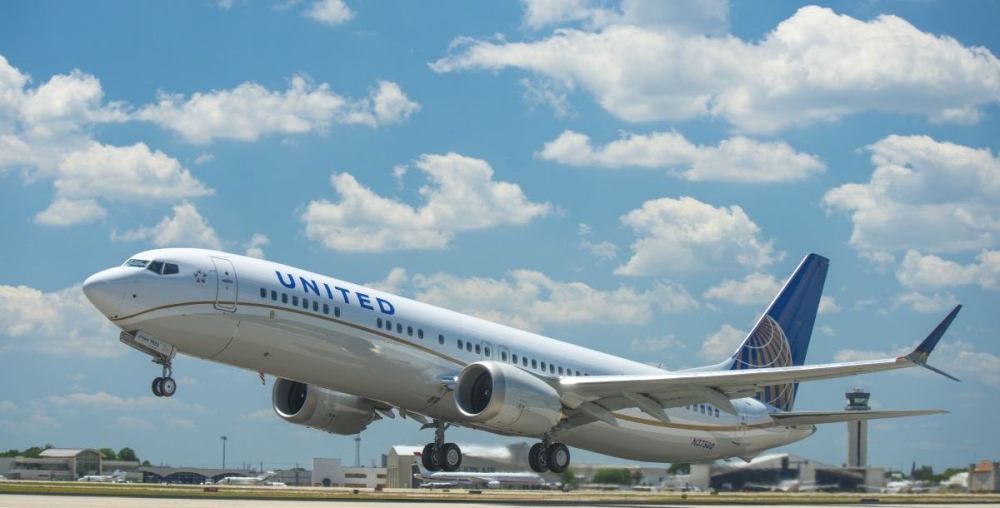
 The Boeing Company has faced significant cash pressures for more than a year as the Boeing 737 MAX has been penalized with recertification and Boeing 787 program production rates have been delayed, leading to the aircraft American receive fewer manufacturers upfront payments. On Monday, May 4, 2020, Boeing is expected to complete a gigantic bond deal that will help the troubled aircraft maker avoid a government bailout. Boeing’s refusal to take advantage of a federal aid package was made possible by government efforts that helped open up the debt market, industry observers believe.
 AW | 2020 05 04 10:39 | AIRLINES / INDUSTRY
 United Airlines cancela algunos pedidos de Boeing 737 MAX
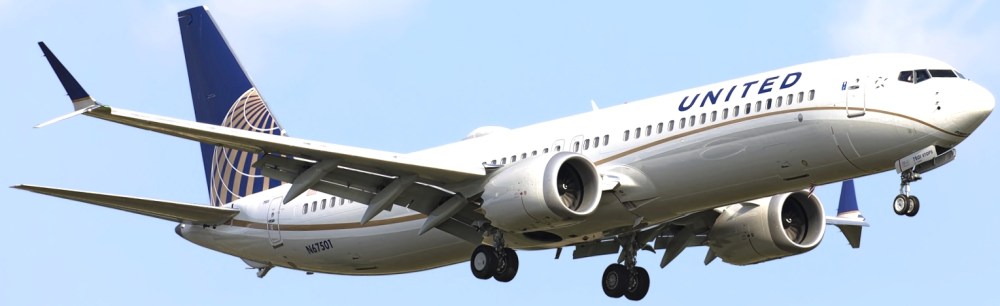 United reconfigures 737 MAX orders
 US airline United Airlines has reported that it will cancel less than half of the new Boeing 737 MAX aircraft it originally ordered. It will take 16 units of the 737 MAX this year and 24 in 2021 from the requested orders, due to the reduction in the size of the airline due to the devastating effects of the Coronavirus, which has reduced travel demand by 90%, translating into fewer aircraft. Instead of its original order, the airline will now receive 40 737 MAX aircraft from the Seattle (WA) aircraft maker by the end of 2021. This new reality means that United has delayed more than half of its order with the Boeing company. «When we get out of this, United Airlines, and the airline industry, will look different,» said United President Scott Kirby.
 AW | 2020 05 03 13:00 | INDUSTRY
 Boeing desestima ayudas del Gobierno Federal al recaudar US$ 25 mil millones en venta de bonos
 Boeing raises for financing
 The Boeing Company has raised US$ 25 billion in debt financing and told investors that, as a result, it would not need to turn to the capital markets of the United States Government for additional funds at this time.
 AW | 2020 05 03 09:22 | INDUSTRY
 Embraer solicita línea crédito, descarta nuevos socios
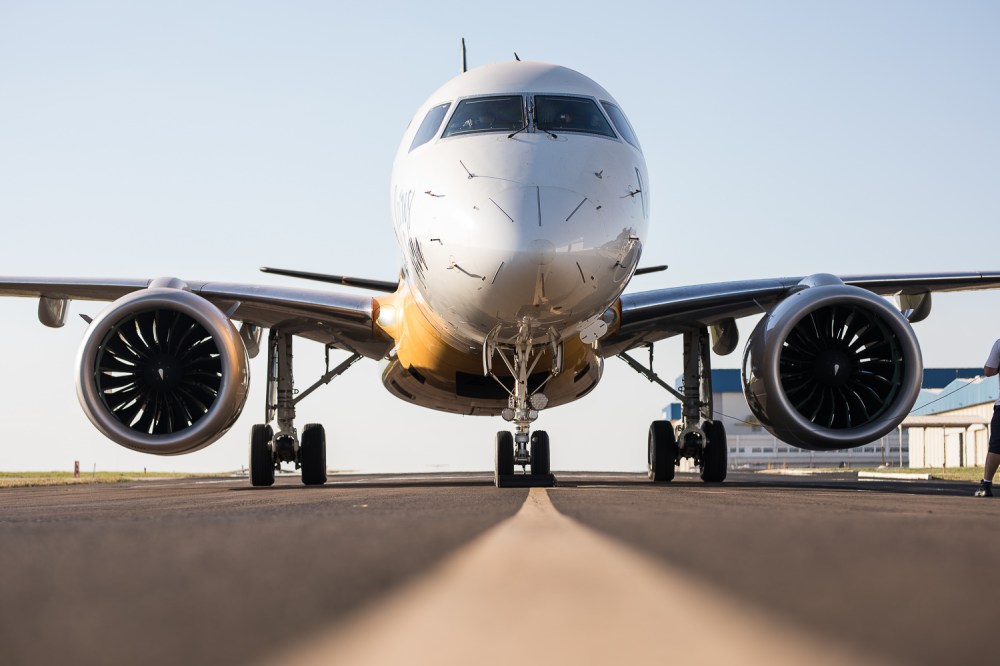 Embraer asks for a line of credit
 Brazilian aircraft manufacturer Embraer SA can obtain lines of credit between US$ 1 billion and US$ 1.5 billion from development bank BNDES and other lenders after the failure of the commercial area’s union with Boeing, it has reported this Friday 02/05 two sources close to the matter. The loan would be used as working capital and export financing, the sources said, requesting anonymity because the negotiations remain private. Embraer may also be included in an aid program for national industries affected by the Coronavirus pandemic.
 Embraer pede linha de crédito
 Embraer solicita linha de crédito e descarta novos parceiros
 AW | 2020 05 03 09:03 | AIRLINES ROUTES
 La low cost húngara inicia apertura cinco frecuencias a Abu Dhabi
 Wizz Air opens route to Abu Dhabi
 Wizz Air, the Hungarian capital airline, will start from 3 June 2020 the launch of five routes from Eastern Europe to Abu Dhabi, United Arab Emirates. Despite the global health crisis, the low-cost Wizz Air expands its service network to the Middle East as planned by the company in 2019. The new routes to the United Arab Emirates correspond to five frequencies to Dubai World Central/Al Maktoum Airport, preparing for the launch of the new destination, Abu Dhabi, the shopping center par excellence. The Hungarian airline will start in stages from several cities in Eastern Europe to Abu Dhabi. On June 3, 2020, the Budapest-Abu Dhabi route will start three times a week (3Frq/S). From September 15, 2020, two weekly frequencies (2Frq/S) Napoca-Abu Dhabi. The Katowice-Abu Dhabi route, since 09/15 with two weekly frequencies (2Frq/S). Sofia-Abu Dhabi, since 09/15 with two flights per week (2Frq/S).
 طيران ويز يفتح الطريق إلى أبوظبي
 تبدأ التكلفة الهنغارية المنخفضة بفتح خمس ترددات على أبوظبي
 AW | 2020 05 02 18:55 | AIRLINES / GOVERNMENT
![aa-timeline-FUTURE-3[1]](https://airgways.com/wp-content/uploads/2020/05/aa-timeline-future-31-e1588456220660.png?w=161) A partir del 11 Mayo 2020 se requerirá que todos los pasajeros de American Airlines “usen un cubre la cara a bordo de la aeronave”, ha expresado la aerolínea este Jueves 30/04 . Todos los asistentes de vuelo de American Airlines ahora deben usar máscaras faciales. United Airlines comenzará a exigir que los pasajeros usen máscaras a partir del Lunes 04/05. Se les ha exigido a los asistentes de vuelo que usen máscaras desde el 24 Abril 2020, un hecho que anuncian con orgullo, declarando en un comunicado que fueron «la primera aerolínea importante de los Estados Unidos en exigir que todos los asistentes de vuelo usen máscaras de servicio». Las máscaras N95
A partir del 11 Mayo 2020 se requerirá que todos los pasajeros de American Airlines “usen un cubre la cara a bordo de la aeronave”, ha expresado la aerolínea este Jueves 30/04 . Todos los asistentes de vuelo de American Airlines ahora deben usar máscaras faciales. United Airlines comenzará a exigir que los pasajeros usen máscaras a partir del Lunes 04/05. Se les ha exigido a los asistentes de vuelo que usen máscaras desde el 24 Abril 2020, un hecho que anuncian con orgullo, declarando en un comunicado que fueron «la primera aerolínea importante de los Estados Unidos en exigir que todos los asistentes de vuelo usen máscaras de servicio». Las máscaras N95  estarán disponibles, pero solo se asignarán a clientes sintomáticos y azafatas que los ayuden directamente. Delta Air Lines también comenzará a exigir que los pasajeros usen máscaras, no solo en los vuelos, sino desde el lobby de check-in, a partir del Lunes 04/05. Los asistentes de vuelo de la aerolínea deben usar máscaras desde el 27 Abril. JetBlue Airways lideró el paquete al exigir cubiertas faciales para los pasajeros, anunciando el nuevo requisito, que comenzará el lunes. «Esta nueva política requerirá que los clientes usen una cara que cubra su nariz y boca durante todo su viaje, incluso durante el check-in,
  el embarque, el vuelo y el desembarque. Los niños pequeños que no pueden cubrirse la cara están exentos de este requisito», dice la compañía. Frontier Airlines dijo el Jueves 30/04 que los clientes deben usar cubiertas faciales a partir del 8 Mayo 2020. «Queremos que nuestros pasajeros se sientan cómodos cuando vuelen con nosotros protegiéndose a sí mismos y a sus compañeros de viaje mientras navegamos por la pandemia de COVID-19. Esta nueva medida está alineada con las recomendaciones de los CDC y las de muchos municipios dentro de los Estados Unidos que incluyen el uso de una máscara para la cara cuando están en público», dijo el CEO de Frontier, Barry Biffle. Southwest Airlines, entre muchas otras aerolíneas, aún no ha anunciado los requisitos de cobertura facial.
 US airlines mask requirement
 As of May 11, 2020, all American Airlines passengers will be required to «wear a face shield on board the aircraft», the airline said Thursday, 04/30. All American Airlines flight attendants must now wear face masks. United Airlines will begin requiring that passengers wear masks beginning Monday, 05/05. Flight attendants have been required to wear masks since April 24, 2020, a fact they proudly announce, declaring in a statement that they were «the first major airline in the United States to require all flight attendants to wear masks of service». N95 skins will be available, but will only be assigned to symptomatic clients and hostesses who directly assist them. Delta Air Lines will also begin to require passengers to wear masks, not only on flights but from the check-in lobby, starting Monday 04/05. Airline flight attendants must wear masks from April 27. JetBlue Airways led the pack by demanding facial covers for passengers,
  announcing the new requirement, which will begin Monday. «This new policy will require customers to wear a face that covers their nose and mouth throughout their journey, including during check-in, boarding, flight, and disembarkation. Young children who cannot cover their faces are exempt from this requirement», says the company. Frontier Airlines said Thursday 4/30 that customers must wear face covers beginning May 8, 2020. «We want our passengers to feel comfortable flying with us protecting themselves and their fellow travelers as we navigate the COVID-19 pandemic. This new measure is aligned with the recommendations of the CDC and those of many municipalities within the United States that include the use of a face mask when in public», said Frontier CEO Barry Biffle. Southwest Airlines, among many other airlines, has yet to announce facial coverage requirements.
 AW | 2020 05 02 12:00 | AIRLINES
 La aerolínea americana desprograma flota más antigua
 American accelerates redundant fleet retirement
 The American airline deprograms the oldest fleet
 These changes eliminate operational complexity and will bring cost savings and efficiencies associated with operating fewer types of aircraft. It will also help the American approach to fly more advanced aircraft, the carrier will continue to receive deliveries of the ordering Airbus A321NEO, more Boeing 787 aircraft, and even more Boeing 737 MAX aircraft, when and if it is ever cleared for the skies again.
 AW | 2020 05 21:30 | INDUSTRY
 Certificación Boeing 737 MAX en espera de validación de software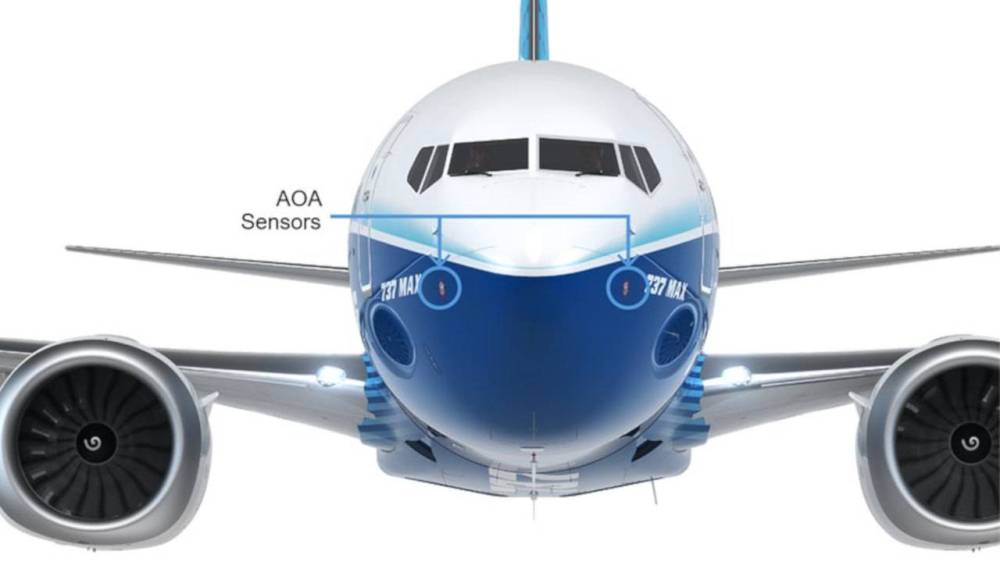
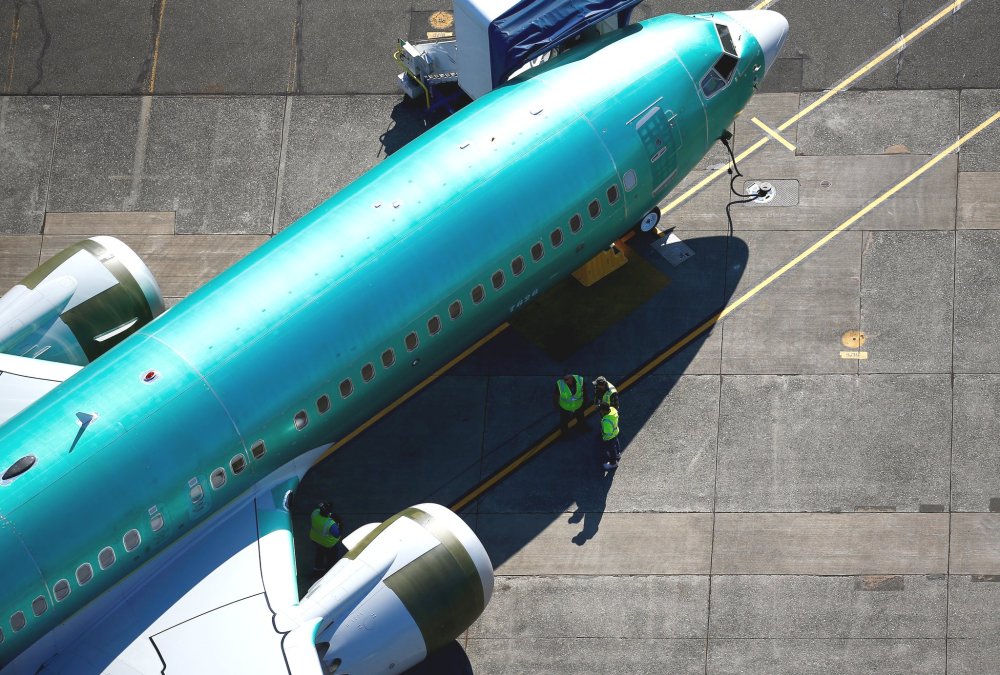 Prospects for 737 MAX approval
 Boeing 737 MAX certification awaiting software validation
 the software for the 737 MAX flight control computer. Boeing CEO David Calhoun did not provide a timeline for when the software validation effort would be completed. «Right now we are focused on completing the validation of the software and the required technical documentation that will precede a certification flight, some of the documentation work has taken longer than expected. And the situation with the Coronavirus has also required some changes in how We do things, including remote work and virtual meetings with our regulators», says the CEO of Boeing.
 AW | 2020 05 01 19:33 | INDUSTRY
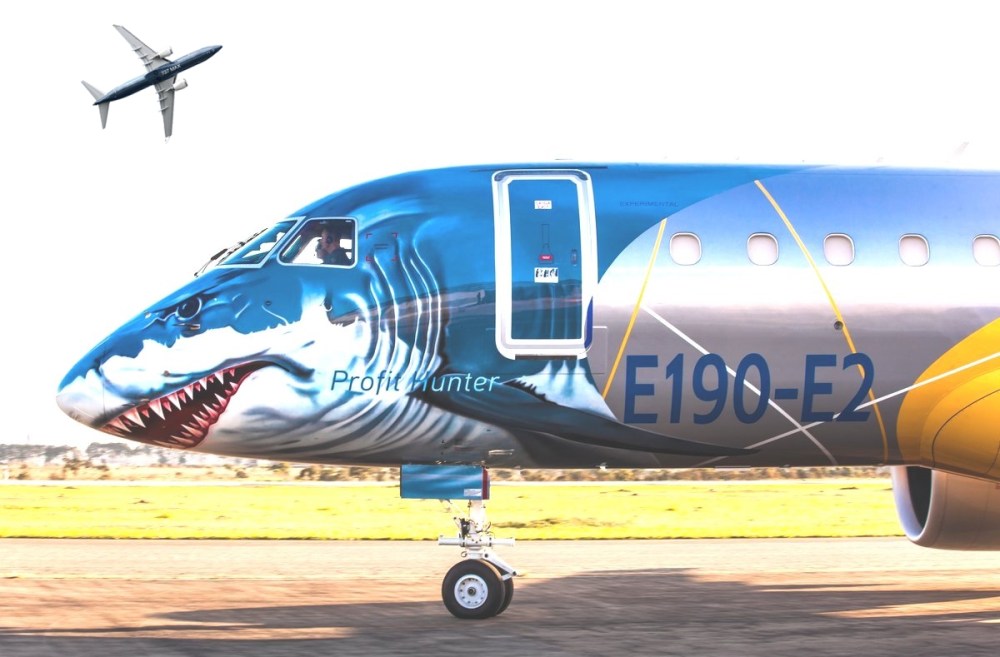
 El acuerdo entre Boeing y Embraer prohíbe la retirada en caso de pandemia, según el documento
 detallar una alternativa convincente frente a su futuro. Embraer necesita presentar un convincente Plan B después del rechazo del gigante Boeing.
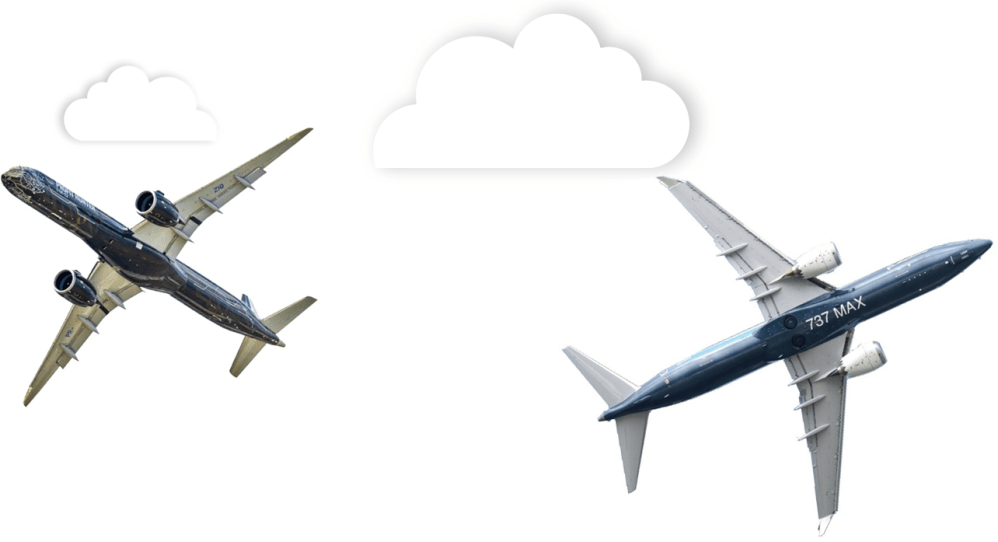 Between-line rupture Boeing-Embraer
 Agreement between Boeing and Embraer prohibits withdrawal in case of pandemic, according to the document
