Aproximación a Paris Air Show 2019

Resultado de imagen para Paris Air Show 2019AW | 2019 06 10 19:15 | AIR SHOW

Resultado de imagen para Paris Air Show 2019La 53ª París Air Show se dará cita entre el 17-23 Junio 2019

La Exposición Internacional de Aeronáutica y Espacio 53ª París Air Show está organizada por SIAE, una filial del Grupo de Industrias Aeronáuticas y Espaciales Francesas (GIFAS). La 53ª edición de la feria tendrá lugar en el centro de exposiciones de Le Bourget a partir del 17-23 Junio 2019 y reunirse de nuevo todos los actores de la industria global en torno a las últimas innovaciones tecnológicas. Los primeros 4 días del espectáculo se reservarán para profesionales y 3 días para el público en general.

Presencia Airbus

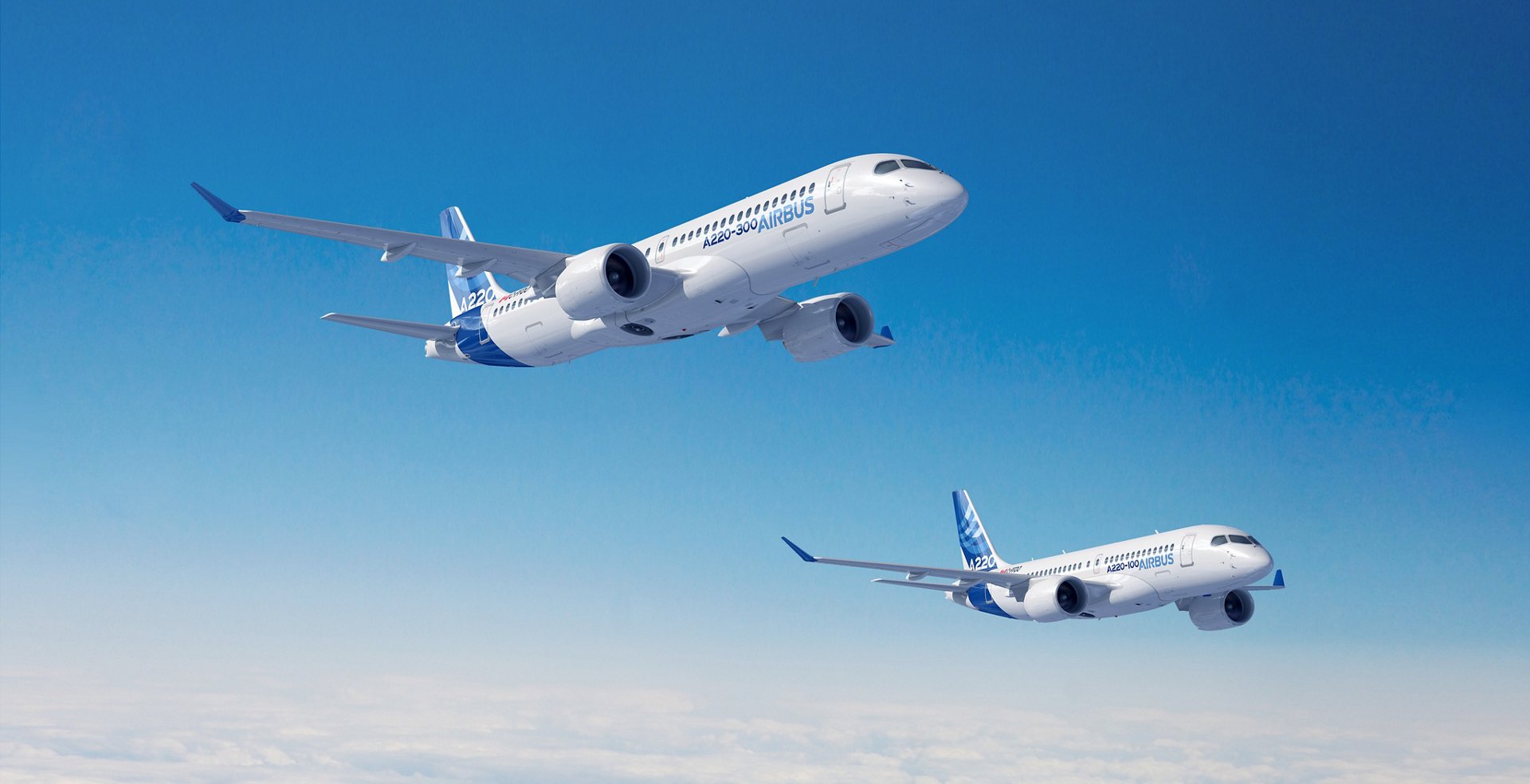
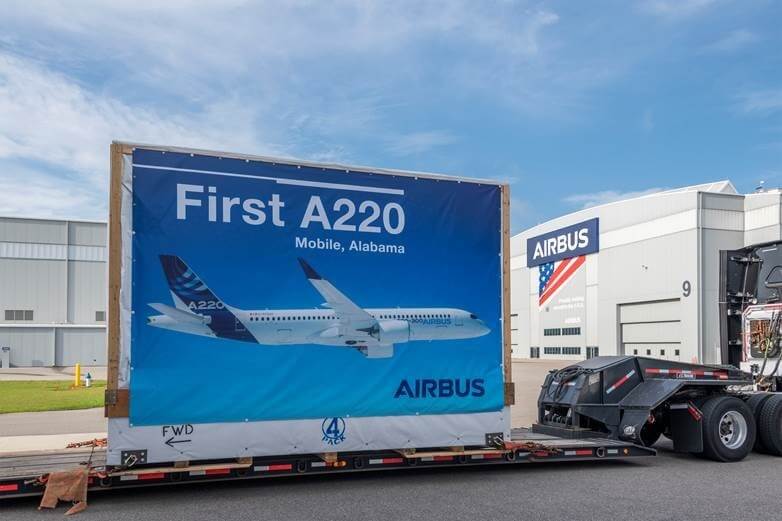
Como es costumbre, Airbus Group se dará cita en el 59º Feria Aeronáutica de Paris Air Show 2019. Las diferentes aeronaves en producción se presentarán en el show aéreo integrando la lista el A220/A320NEO/ A321NEO LR/A330NEO/A350-1000/A380 entre otras aeronaves civiles y militares. El fabricante europeo Airbus anunció que durante el evento aeronáutico, tendrá una feria de reclutamiento para personas interesadas en siete áreas específicas. Por medio de su página oficial, la empresa informó que las solicitudes están abiertas en los enlaces oficiales. Asimismo resaltó que se seleccionarán 80 personas de acuerdo a su perfil y posteriormente ganarán una entrada para el evento en la capital francesa.

Presencia Boeing

La presencia y las actividades de la compañía en la feria demostrarán su compromiso con la innovación, las asociaciones de la industria y la seguridad.

En la exhibición de Boeing, los visitantes pueden sumergirse en un gran teatro de 360 ​​grados y aprender más sobre las capacidades de la compañía a lo largo del ciclo de vida del producto. La exhibición interactiva también destacará la última familia de aeronaves y servicios de Boeing y dará a los visitantes una primera mirada a la visión de la compañía para el futuro de la movilidad. La exposición estará ubicada en la pantalla estática C2.

En el aeródromo, un Air Tahiti Nui 787-9 demostrará las innovadoras capacidades e innovaciones que han hecho del 787 un favorito de operadores y clientes. Aparecerá en exhibición estática un 737 Boeing Carguero y vehículo aéreo de pasajeros.

El gran faltante en la feria será el Boeing 737 MAX que ha sufrido la puesta a tierra del producto insignia del constructor americano. Boeing en cambio procurará dar explicaciones avanzadas del tratamiento de la FAA acerca de los detalles de las investigaciones hasta la fecha.

Otras compañías

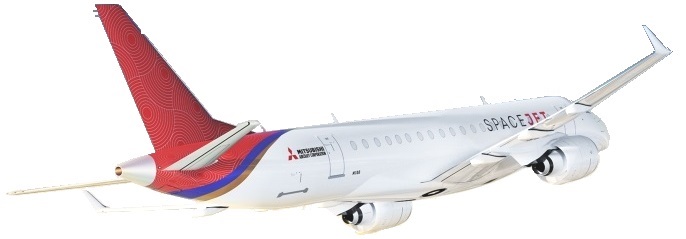
Bombardier presentará la aeronave turbohélice Bombardier Q400, que será exhibido bajo la reciente firma Viking Air que ha adquirido los derechos de producción. Embraer exhibirá el nuevo E195-E2 bajo el Joint Venture Boeing Brasil Commercial. ATR estará presente con un ATR-72-500 y ATR 72-600. Mitsubishi Aircraft Corp. traerá in MRJ-90 para promocionarse en occidente; buscando la compra de Canadair con el Programa CRJ de Bombardier. El SAAB 340 concurrirá a la cita aeronáutica de Francia.AW-Icon-TXT-01

Resultado de imagen para Paris Air Show 2019Approach to Paris Air Show 2019

The 53rd Paris Air Show will meet between June 17-23, 2019

Resultado de imagen para Paris Air Show 2019The International Exhibition of Aeronautics and Space 53rd Paris Air Show is organized by SIAE, a subsidiary of the Group of French Aeronautics and Space Industries (GIFAS). The 53rd edition of the fair will take place at the Le Bourget exhibition center from 17-23 June 2019 and all the players in the global industry will meet again to discuss the latest technological innovations. The first 4 days of the show will be reserved for professionals and 3 days for the general public.

Airbus presence

As usual, Airbus Group will meet at the 59th Air Show of Paris Air Show 2019. The different aircraft in production will be presented in the air show integrating the list the A220/A320NEO/A321NEO LR/A330NEO/A350-1000/A380 between other civil and military aircraft. The European manufacturer Airbus announced that during the aeronautical event, it will have a recruitment fair for people interested in seven specific areas. Through its official website, the company reported that the applications are open on official links. He also stressed that 80 people will be selected according to their profile and then win an entry for the event in the French capital.

Presence Boeing

The presence and activities of the company at the fair will demonstrate its commitment to innovation, industry associations and safety.

At the Boeing exhibition, visitors can immerse themselves in a large 360-degree theater and learn more about the company’s capabilities throughout the product’s life cycle. The interactive exhibition will also highlight Boeing’s latest family of aircraft and services and give visitors a first look at the company’s vision for the future of mobility. The exhibition will be located on the static screen C2.

At the airfield, an Air Tahiti Nui 787-9 will demonstrate the innovative capabilities and innovations that have made the 787 a favorite of operators and customers. A 737 Boeing Freighter and passenger air vehicle will appear on static display.

The big missing in the fair will be the Boeing 737 MAX that has suffered the grounding of the flagship product of the American manufacturer. Boeing will instead attempt to provide advanced explanations of the FAA’s treatment of the details of the investigations to date.

Other companies

Bombardier will present the Bombardier Q400 turboprop aircraft, which will be exhibited under the recent Viking Air company that has acquired the production rights. Embraer will exhibit the new E195-E2 under the Boeing Brasil Commercial Joint Venture. ATR will be present with an ATR-72-500 and ATR 72-600. Mitsubishi Aircraft Corp. will bring in MRJ-90 to promote itself in the West; looking for the Canadair purchase with the Bombardier CRJ Program. The SAAB 340 will attend the aeronautical event in France. A\W

Resultado de imagen para Paris Air Show 2019Approche du spectacle aérien de 2019

Resultado de imagen para Paris Air Show 2019Le 53ème Salon du Bourget se réunira du 17 au 23 juin 2019

Le 53ème Salon International de l’Aéronautique et de l’Espace de Paris est organisé par SIAE, filiale du Groupe des industries aéronautiques et spatiales françaises (GIFAS). La 53ème édition du salon se tiendra au parc des expositions du Bourget du 17 au 23 juin 2019 et tous les acteurs de l’industrie mondiale se réuniront à nouveau pour discuter des dernières innovations technologiques. Les 4 premiers jours du salon seront réservés aux professionnels et 3 jours au grand public.

Présence d’Airbus

Comme à son habitude, le groupe Airbus se réunira au 59ème Salon de l’aéronautique de Paris 2019. Les différents avions en production seront présentés au salon de l’aéronautique intégrant la liste des A220/A320NEO/A321NEO LR /A330NEO/A350-1000/A380 entre autres avions civils et militaires. Le constructeur européen Airbus a annoncé que lors de la manifestation aéronautique, il organiserait une foire de recrutement pour les personnes intéressées par sept domaines spécifiques. Sur son site Web officiel, la société a indiqué que les applications étaient ouvertes sur des liens officiels. Il a également souligné que 80 personnes seront sélectionnées en fonction de leur profil et gagneront ensuite une entrée pour l’événement dans la capitale française.

Boeing de présence

La présence et les activités de l’entreprise sur le salon démontreront son engagement en faveur de l’innovation, des associations de l’industrie et de la sécurité.

Au salon Boeing, les visiteurs peuvent s’immerger dans un grand théâtre à 360 degrés et en apprendre davantage sur les capacités de la société tout au long du cycle de vie du produit. L’exposition interactive mettra également en valeur la dernière famille d’avions et de services de Boeing et donnera aux visiteurs un premier aperçu de la vision de la société pour l’avenir de la mobilité. L’exposition sera située sur l’écran statique C2.

Sur l’aérodrome, un Air Tahiti Nui 787-9 démontrera les capacités innovantes et les innovations qui ont fait du 787 un favori des opérateurs et des clients. Un Boeing Freighter 737 et un véhicule aérien passagers apparaîtront sur l’écran statique.

Le gros manquant à la foire sera le Boeing 737 MAX qui a subi l’échouement du produit phare du fabricant américain. Boeing tentera plutôt de fournir des explications avancées sur le traitement réservé par la FAA aux détails des enquêtes menées à ce jour.

Les autres entreprises

Bombardier présentera l’avion à turbopropulseur Bombardier Q400, qui sera exposé sous la récente compagnie Viking Air qui a acquis les droits de production. Embraer exposera la nouvelle E195-E2 dans le cadre de la coentreprise commerciale Boeing Brasil. ATR sera présent avec un ATR-72-500 et un ATR 72-600. Mitsubishi Aircraft Corp. fera appel au MRJ-90 pour se promouvoir dans les pays occidentaux; à la recherche de l’achat de Canadair avec le programme Bombardier CRJ. La SAAB 340 participera à la manifestation aéronautique en France. A \ W


Ξ A I R G W A Y S Ξ
SOURCE: Airgways.com
DBk: Siae.fr / Airgways.com
AW-POST: 201906101915AR

A\W   A I R G W A Y S ®

Viking Air adquiere Programa QSeries

Resultado de imagen para Dash 8 QSeries factoryAW | 2019 06 10 18:35 | INDUSTRY

longview_as_logo.jpgConcluye traspaso de la venta de Bombardier QSeries a Viking AirBombardier_old.svg.png

Longview Aviation Capital Corp. adquiere de parte de Viking Air la línea de aeronaves regionales QSeries perteneciente a Bombardier Inc. Bombardier concluyó el traspaso a Viking Air de aeronaves regionales turboprop en un movimiento audaz hacia el este de Canadá para la adquisición del Programa Dash-8 logoQSeries modificando la industria aeroespacial canadiense.

El CEO de Viking Air, Dave Curtis, cierra exitoso acuerdo con Bombardier Inc. anunciado en Noviembre 2018, para adquirir el Programa Dash-8 de Bombardier y De Havilland por el monto de alrededor de US$ 300 millones de dólares. “Tengo abogados que ponen el miedo de Dios en mí en el proceso de la Junta de Competición, que no quieren salir adelante de todo eso. La buena noticia es que recibimos nuestro certificado de autorización de Canadá y los Estados Unidos la semana pasada», expresa Dave Curtis en Victoria, Canadá.

Viking Air deberá sortear el último obstáculo que queda de asegurarse de que todos los sistemas estén en su lugar para el Ministerio de Transporte de Canadá, que aprobará todas las regulatorias en Junio 2019.

Viking Air, crecimiento seguro

Viking Air ha volado bajo la órbita pública durante los 50 años de vida. El negocio comenzó en 1970 en Sidney, junto al Aeropuerto Internacional Victoria, como una tienda de modificación y piezas de aviones. En 1983, De Havilland Canada (DHC) ha seleccionado a la compañía Viking Air para que fuera el fabricante y distribuidor exclusivo de repuestos para sus aviones Beaver (Dash-2) y Otter (Dash-3), y para 2005, Bombardier (entonces propietario de de Havilland) había vendido los derechos de todos los aviones DHC fuera de producción a Viking Air, desde el Dash-1 hasta el Dash-7. El Dash-6, también conocido como el Twin Otter, vuelve a la línea de producción en Febrero 2010. Desde entonces, casi 150 aviones Twin Otter de la Serie 400 se han abierto paso a través de las instalaciones de producción de Viking en Sidney y Calgary, donde hay una línea de ensamblaje final. El recuento de Viking ha aumentado de 60, cuando Curtis se convirtió en CEO en 1991, hasta casi 700 en la actualidad en alrededor de 30 países del mundo.

Programa QSeries

Canada-Map.png«Estamos contratando a más de 1,000 empleados allí. En el lapso de aproximadamente 18 meses, pasaremos de una compañía de US $ 300 millones a una compañía de US $ 1.5 mil millones”, dice Curtis en el sitio de fabricación de Bombardier’s Downsview en Toronto.

Bombardier ha intentado revivir el programa de turbohélice sobreviviente de De Havilland que tenía en producción, el Dash-8-400, con el nombre de a Bombardier Q400, aún tardó años en completar el trato. “La complejidad de tomar los planos del Dash-8 fuera de producción y empezar el Q400 en producción fue demasiado compleja para Bombardier. Así que nos sentamos al margen, esperando. Simplemente seguí hablándoles y diciendo: ‘Si alguna vez está en condiciones de vender todo el programa, estaríamos muy interesados'», expresó el CEO de Viking Air

Cuando Bombardier terminó su acuerdo para vender una participación mayoritaria en su proyecto de la CSeries a Airbus en Julio 2018, comenzaron las negociaciones para el Programa Dash-8. Viking Air envió a un equipo de 12 personas a Montreal para cerrar el trato el 3Q2018. El acuerdo de Viking Air también representa un cambio dramático en el panorama aeroespacial de Canadá, que ha girado durante mucho tiempo entre Toronto y Montreal.

Viking Air está tomando los desafíos por delante, incluida una escasez de mano de obra y un contrato de arrendamiento en Downsview.

El legado de De Havilland

Resultado de imagen para De Havilland pngEn Enero 2019, Longview Aviation Capital Corp., el brazo de inversión que controla Viking Air, anunció que resucitaría la marca De Havilland, con las operaciones de Viking Air para convertirse en la Compañía de Aeronaves de Havilland en Canadá.Imagen relacionada

1928: De Havilland Aircraft de Canadá (DHC) está formado por el fabricante de la aeronave británica para construir aviones ligeros de la polilla de la Real Fuerza Aérea Canadiense
1946: DHC primera nave de la aviación de la posguerra, el DHC-1 Chipmunk, se pone en marcha
1962: DHC asume control de las instalaciones de producción de aviones de Avro Canada
1974: Después de marcar las ventas de su avión Dash-7, los propietarios británicos Hawker Siddeley Aviation venden DHC al gobierno canadiense
1985: el gobierno privatiza DHC y se lo vende a Boeing por US$ 155 millones
1992: Bombardier compra DHC a Boeing, en un complejo acuerdo de US$ 600 millones que hace que el gobierno de Ontario
adquiera una participación del 49% en la compañía. 2005: Bombardier vende los derechos de todos los aviones fuera de producción (DHC-1 a través de DHC-7) a Viking Air
2018: Bombardier vende el Programa Dash-8 y la marca de Havilland al padre de Viking LongviewAW-Icon-TXT-01

Resultado de imagen para Bombardier Q Series pngViking Air acquires QSeries Program

logoTransfer of the sale of Bombardier QSeries to Viking Air concludes

Longview Aviation Capital Corp. acquires the QSeries regional aircraft line belonging to Bombardier Inc. from Viking Air. Bombardier concluded the handover to Viking Air of regional turboprop aircraft in a bold move to eastern Canada for the acquisition of the Dash-8 QSeries Program by modifying the Canadian aerospace industry.

The CEO of Viking Air, Dave Curtis, closes a successful agreement with Bombardier Inc. announced in November 2018, to acquire the Dash-8 Program of Bombardier and De Havilland for the amount of around US $ 300 million. «I have lawyers who put the fear of God in me in the process of the Competition Board, who do not want to get ahead of all that. The good news is that we received our authorization certificate from Canada and the United States last week», says Dave Curtis in Victoria, Canada.

Viking Air will have to overcome the last obstacle that remains to ensure that all systems are in place for the Ministry of Transportation of Canada, which will approve all regulations in June 2019.

AW-70008788.pngBOMBARDIER INC. CONTINUED SALES PROCESS OF THE COMMERCIAL LINE

Viking Air, safe growth

Viking Air has flown under public orbit for 50 years of life. The business began in 1970 in Sydney, next to the Victoria International Airport, as a modification shop and aircraft parts. In 1983, De Havilland Canada (DHC) has selected the Viking Air company to be the exclusive manufacturer and distributor of spare parts for its Beaver (Dash-2) and Otter (Dash-3) aircraft, and for 2005, Bombardier (then de Havilland owner) had sold the rights to all DHC planes out of production to Viking Air, from Dash-1 to Dash-7. The Dash-6, also known as the Twin Otter, returns to the production line in February 2010. Since then, nearly 150 Twin Otter aircraft of the 400 Series have made their way through the Viking production facilities in Sydney and Calgary, where there is a final assembly line. The Viking count has increased from 60, when Curtis became CEO in 1991, to almost 700 at present in around 30 countries of the world.

dash[1] - copia.jpg

QSeries program

«We are hiring more than 1,000 employees there, in the span of approximately 18 months, we will move from a US $ 300 million company to a US$ 1.5 billion company», says Curtis at Bombardier’s Downsview manufacturing site in Toronto.

Bombardier has tried to revive the de Havilland survivor turboprop program that it had in production, the Dash-8-400, with the Bombardier Q400 name, it still took years to complete the deal. «The complexity of taking the Dash-8 plans out of production and starting the Q400 in production was too complex for Bombardier. So we sit on the sidelines, waiting. I just kept talking to them and saying: ‘If you are ever able to sell the whole program, we would be very interested'», said the CEO of Viking Air.

When Bombardier completed its agreement to sell a majority stake in its CSeries project to Airbus in July 2018, negotiations for the Dash-8 Program began. Viking Air sent a team of 12 people to Montreal to close the deal on 3Q2018. The Viking Air agreement also represents a dramatic change in Canada’s aerospace landscape, which has long been between Toronto and Montreal. Viking Air is taking the challenges ahead, including a labor shortage and a lease in Downsview.

The legacy of De Havilland

Imagen relacionadaIn January 2019, Longview Aviation Capital Corp., the investment arm that controls Viking Air, announced that it would resurrect the De Havilland brand, with Viking Air’s operations to become the Havilland Aircraft Company in Canada.

1928: De Havilland Aircraft of Canada (DHC) is formed by the manufacturer of the British aircraft to build light aircraft of the moth of the Royal Canadian Air Force
1946: DHC’s first postwar aviation ship, the DHC-1 Chipmunk, is launched
1962: DHC takes over control of Avro Canada aircraft production facilities
1974: after marking the sales of its Dash-7 aircraft, the British owners Hawker Siddeley Aviation sell DHC to the Canadian government
1985: the government privatizes DHC and sells it to Boeing for US$ 155 million
1992: Bombardier buys DHC from Boeing, in a complex US$ 600 million deal that makes the Ontario government
Acquire a 49 percent stake in the company. 2005: Bombardier sells the rights of all aircraft out of production (DHC-1 through DHC-7) to Viking Air
2018: Bombardier sells the Dash-8 Program and the Havilland brand to the father of Viking Longview. A \ W


Ξ A I R G W A Y S Ξ
SOURCE: Airgways.com
DBk: Lvav.com / Vikingair.com / Bombardier.com / Airgways.com
AW-POST: 201906101835AR

A\W   A I R G W A Y S ®


Flybondi con riesgo de cerrar

Resultado de imagen para FlybondiAW | 2019 06 10 16:30 | AIRLINES / GOVERNMENT

flybondi (2)Flybondi podría finalizar operaciones en Diciembre 2019 según declaraciones Gremio UPSA

Avianca Argentina junto con la aerolínea low cost Flybondi Líneas Aéreas abrieron un capítulo hacia la «Revolución de los Aviones» anunciada por el Presidente de Argentina, Mauricio Macri, que ahora está mostrando signos de agotamiento por la económica de Argentina.

El Secretario de Prensa y Difusión en Unión de Personal Superior y Profesional de Empresas Aerocomerciales (UPSA), Marcelo Uhrich, abrió la incógnita sobre el futuro de la polémica aerolínea que opera desde el Aeropuerto El Palomar. El Secretario aventuró un futuro sombrío para la nueva low cost argentina. Uhrich expresó un panorama sombrío del actual sector aéreo expresando: «Avianca deja de operar, dudo que sean seis meses. Calculamos que va a ser muy difícil que vuelva a iniciar operaciones. Los pilotos han decidido no movilizar los aviones, es decir no prestar pilotos para que vuelen porque pretenden repatriar aviones y avión que se fue no vuelve nunca más. Son 450 compañeros que se quedan sin trabajo. Nosotros dijimos que la revolución de los aviones iba al fracaso y mucho menos si tocaban la banda tarifaria mínima». En esa línea, sostuvo que “acá lo AW-70007668.jpgque hicieron fue implementar el plan Lopetegui-Quintana dándole los vuelos internacionales al consorcio Latam Airlines que transporta más pasajeros argentinos al exterior que el resto de las aerolíneas. Esto genera un déficit atroz porque no tributan ni generan empleo. En el caso de las low cost reventaron la banda tarifaria mínima y hoy vemos que Aerolíneas Argentinas para volver a recuperar mercado vende 512 mil pasajes por debajo del valor operativo de ese boleto, destruyeron una actividad exitosa en Argentina. Andes Líneas Aéreas está pagando sueldos en 3 y hasta 4 veces. Latam Argentina perdió cerca de US$ 30 millones este año. Aerolíneas tenía una participación de mercado del 80% y ahora tiene 70%. Flybondi pierde US$ 3 millones de dólares por mes y nadie entiende de qué se trata. Lo que se comenta en el mercado es que en Diciembre dejaría de operar porque no se puede bancar más la pérdida. No sólo no ganaron el mercado haciendo dumping, sino que tuvieron mil incidentes en un año».

Flybondi en su primer año de funcionamiento, con su vuelo inaugural fallido que duró solo 12 minutos por un desperfecto técnico en una turbina y provocó un aterrizaje de emergencia, presentó una saga interminable de incidentes protagonizados y no recibió ni una sola sanción por parte de los organismos de aviación. La alta tasa de incidentes fue admitida por la propia Flybondi en un documento que presentó ante la ANAC (Administración Nacional de Aviación Civil), a cargo del controvertido Tomás Insausti, designado por el Ministro de Transporte, Guillermo Dietrich. En este documento la low cost reconoció haber protagonizado un total de 853 incidentes en vuelos que operó entre el 15 Febrero al 5 Agosto 2018.

El jefe de Estado Mauricio Macri está imputado en una causa penal que dirige el Fiscal Federal Di Lello, acusado de ser uno de los verdaderos dueños de Flybondi junto con el ex vice-jefe de Gabinete, Mario Quintana y el Ministro de Transporte, Guillermo Dietrich.AW-Icon-TXT-01

Resultado de imagen para FlybondiFlybondi at risk of closing

Flybondi could end operations in December 2019 according to UPSA Gremio declarations

Avianca Argentina together with the low cost airline Flybondi Líneas Aéreas opened a chapter towards the «Revolution of the Airplanes» announced by the President of Argentina, Mauricio Macri, who is now showing signs of exhaustion by Argentina’s economy.

IMG-20171220-WA0017.jpgThe Secretary of Press and Diffusion in Union of Superior and Professional Personnel of Aero-commercial Companies (UPSA), Marcelo Uhrich, opened the mystery about the future of the controversial airline that operates from El Palomar Airport. The Secretary ventured a bleak future for the new low cost Argentina. Uhrich expressed a grim picture of the current air sector expressing: «Avianca stops operating, I doubt it will be six months, we calculate that it will be very difficult to restart operations. The pilots have decided not to mobilize the aircraft, that is, not to provide pilots so that they fly because they intend to repatriate planes and the plane that left does not come back anymore, there are 450 comrades who are out of work, we said that the revolution of the planes was going to fail, much less if they touched the minimum fare band». In this line, he said that «here what they did was implement the Lopetegui-Quintana plan giving international flights to the Latam Airlines consortium that transports more Argentine passengers abroad than the rest of the airlines. This generates a terrible deficit because they do not tax or generate employment. In the case of low cost burst the minimum fare band and today we see that Aerolíneas Argentinas to regain market sells 512 thousand tickets below the operating value of that ticket, destroyed a successful activity in Argentina. Andes Líneas Aéreas is paying salaries in 3 and up to 4 times. Latam Argentina lost close to US$ 30 million this year. Airlines had a market share of 80% and now has 70%. Flybondi loses US $ 3 million per month and nobody understands what it is. What is said in the market is that in December it would cease to operate because the loss can no longer be bank. Not only did they not win the market by dumping, but they had a thousand incidents in a year».

Flybondi in its first year of operation, with its maiden flight that lasted only 12 minutes due to a technical failure in a turbine and caused an emergency landing, presented an endless saga of incidents and did not receive a single sanction from the aviation organizations. The high rate of incidents was admitted by the Flybondi itself in a document that it presented before the ANAC (National Administration of Civil Aviation), in charge of the controversial Tomás Insausti, appointed by the Minister of Transport, Guillermo Dietrich. In this document the low cost recognized having carried out a total of 853 incidents on flights operated between February 15 to August 5, 2018.

The head of state Mauricio Macri is charged in a criminal case led by the Federal Prosecutor Di Lello, accused of being one of the true owners of Flybondi together with the former Deputy Chief of Staff, Mario Quintana and the Minister of Transport, Guillermo Dietrich. A\W


Ξ A I R G W A Y S Ξ
SOURCE: Airgways.com
DBk: Flybondi.com / Upsa-ospea.com.ar / Airgways.com
AW-POST: 201906101630AR

A\W   A I R G W A Y S ®

Alitalia, Gobierno con la última palabra

Resultado de imagen para AlitaliaAW | 2019 06 10 15:15 | AIRLINES / GOVERNMENT

El Gobierno probablemente pida un cuarto aplazamiento de la fecha límite para rescatar a Alitalia

Alitalia tiene una semana para sobrevivir si el Gobierno de Italia extiende el plazo el próximo 15 Junio 2019 con el tercer plazo para configurar la nueva empresa que lleva dos años y medio en la quiebra y que está viviendo de un crédito del Estado, administrada por tres interventores. El Ministerio de Trabajo, a cargo de Luigi de Maio, dijo que “aún hay tiempo, pero se acaba”.

La aerolínea es provisionalmente propiedad de Ferrovie dello Stato a la que se le ha dado la tercera prórroga para que presente un plan de viabilidad. Ferrovie dello Stato no intenta presentar una hoja de proyecto porque Entiende que es una cuestión directamente que está directamente en manos del Gobierno de Italia.

Este sábado se debería presentar una nueva estructura de accionistas, pero en estos momentos sólo está el 60% del capital del cual la gran mayoría es del Gobierno de Italia, mediante intermediarios. Sólo la americana Delta Air Lines es un inversor respetable, conocedor del mercado, pero que apenas aportará un 10% del capital para la compañía.

El ministro de Trabajo, Luigi Di Maio, líder del movimiento Cinque Stelle, lleva mucho tiempo trabajando en primera persona para salvar a la compañía de la bandera y no perder la cara por completo ante un fracaso que ahora parece inevitable. Como ese inversor sigue sin aparecer, lo probable es que se pida un nuevo aplazamiento.

Atlantia entra en escena

Este martes habrá una reunión de los representantes del Gobierno con Atlantia. Atlantia es una empresa que explota las autopistas italianas y que fue acusada por el Gobierno de negligencia en la caída del puente Moretti, en Génova, que conmocionó al país. La empresa, propiedad de los Benetton, podría llegar a aceptar Alitalia a cambio de mantener el lucrativo negocio de las autopistas, pese a que el Gobierno anunció la rescisión de sus contratos.

Delta Air Lines parece haber hecho los deberes y tiene listo el borrador de la oferta que se enviará al Ministerio y los comisionados a cargo están trabajando para proporcionar datos e información sobre la compañía Alitalia, centrándose en el flujo de caja y los diversos parámetros que deben tomarse en consideración para definir la tendencia general del negocio.AW-Icon-TXT-01

Resultado de imagen para AlitaliaAlitalia, the Government with the last word

The government is likely to ask for a fourth postponement of the deadline to rescue Alitalia

Alitalia has a week to survive if the Government of Italy extends the deadline on 15 June 2019 with the third installment to set up the new company that has been in bankruptcy for two and a half years and is living on a state loan, managed by three auditors. The Ministry of Labor, in charge of Luigi de Maio, said that «there is still time, but it is over».

The airline is provisionally owned by Ferrovie dello Stato, which has been given the third extension to submit a viability plan. Ferrovie dello Stato does not intend to present a project sheet because he understands that it is a direct issue that is directly in the hands of the Government of Italy.

This Saturday should present a new structure of shareholders, but at the moment there is only 60% of the capital of which the vast majority is the Government of Italy, through intermediaries. Only the American Delta Air Lines is a respectable investor, aware of the market, but who will barely contribute 10% of the capital for the company.

The Minister of Labor, Luigi Di Maio, leader of the Cinque Stelle movement, has long been working in the first person to save the flag company and not lose face completely before a failure that now seems inevitable. As that investor still does not appear, the probable thing is that a new postponement is requested.

Atlantia enters the scene

This Tuesday there will be a meeting of the representatives of the Government with Atlantia. Atlantia is a company that operates the Italian motorways and was accused by the Government of negligence in the fall of the Moretti Bridge, in Genoa, which shocked the country. The company, owned by the Benettons, could come to accept Alitalia in exchange for maintaining the lucrative business of the toll roads, despite the Government announcing the termination of its contracts.

Delta Air Lines seems to have done its homework and has the draft of the offer ready to be sent to the Ministry and the commissioners in charge are working to provide data and information about the Alitalia company, focusing on the cash flow and the various parameters that must be be taken into consideration to define the general trend of the business. A \ W

Resultado de imagen para AlitaliaAlitalia, il governo con l’ultima parola

È probabile che il governo chieda un quarto rinvio della scadenza per salvare Alitalia

Alitalia ha una settimana per sopravvivere se il governo italiano prolunga la scadenza il 15 giugno 2019 con la terza rata per costituire la nuova società che è stata in bancarotta per due anni e mezzo e vive con un prestito statale, gestito da tre intervenienti. Il ministero del lavoro, responsabile di Luigi de Maio, ha detto che «c’è ancora tempo, ma è finita».

La compagnia aerea è provvisoriamente di proprietà di Ferrovie dello Stato, a cui è stata assegnata la terza estensione per presentare un piano di redditività. Ferrovie dello Stato non intende presentare un progetto perché capisce che si tratta di un problema diretto che è direttamente nelle mani del governo italiano.

Questo sabato dovrebbe presentare una nuova struttura di azionisti, ma al momento c’è solo il 60% del capitale di cui la stragrande maggioranza è il governo italiano, attraverso intermediari. Solo l’American Delta Air Lines è un investitore rispettabile, consapevole del mercato, ma che a malapena contribuirà con il 10% del capitale della società.

Il ministro del Lavoro, Luigi Di Maio, leader del movimento Cinque Stelle, ha lavorato a lungo in prima persona per salvare la compagnia di bandiera e non perdere la faccia completamente prima di un insuccesso che ora sembra inevitabile. Poiché l’investitore non appare ancora, la cosa probabile è che venga richiesto un nuovo rinvio.

Atlantia entra in scena

Questo martedì ci sarà un incontro dei rappresentanti del governo con Atlantia. Atlantia è una compagnia che gestisce le autostrade italiane ed è stata accusata dal Governo di negligenza nella caduta del Ponte Moretti, a Genova, che ha sconvolto il Paese. La compagnia, di proprietà dei Benetton, potrebbe venire ad accettare Alitalia in cambio del mantenimento del lucroso affare delle strade a pedaggio, nonostante il Governo annunci la cessazione dei suoi contratti.

Delta Air Lines sembra aver fatto i compiti e ha il progetto dell’offerta pronto per essere inviato al Ministero ei commissari incaricati stanno lavorando per fornire dati e informazioni sulla compagnia Alitalia, concentrandosi sul flusso di cassa e sui vari parametri che devono essere essere preso in considerazione per definire la tendenza generale del business. A \ W


Ξ A I R G W A Y S Ξ
SOURCE: Airgways.com
DBk: Mit.gov.it / Airgways.com / Alitalia.com
AW-POST: 201906101515AR

A\W   A I R G W A Y S ®

Crisis aérea en Venezuela

Resultado de imagen para Aeropuerto caracasAW | 2019 06 10 14:52 | AIRLINES MARKET

La IATA ha expresado las dificultades económicas de Venezuela

El Vicepresidente Regional para las Américas de la Asociación de Transporte Aéreo Internacional (IATA), Peter Cerdá, se refirió este lunes a la actual situación de los vuelos internacionales a Venezuela.

En entrevista con Shirley Varnagy destacó que “Venezuela se ha convertido en un país caro para operar. Hay algunas líneas aéreas venezolanas que se encuentran en las listas negras europeas. En estos momentos la situación para operar en el país es complicada, no solo a nivel económico, también a nivel de seguridad”.

Aerolíneas operativas en venezuela

Las compañías aéreas operativas en la República de Venezuela continúan asfixiadas por la crisis político-económica y el bloqueo de divisas que afecta al turismo. El precio de los hidrocarburos que representa más de la mitad de los costos operativos han permitido conservar varias aerolíneas entre ellas: AeroAndinas, Aeropostal, Aerosucre Airlines, Albatros Airlines, Avior Airlines, Avior Regional, Conviasa, Estelar Latinoamérica, Kavok Airlines, LASER Airlines, Línea Turística Aereotuy, Orinoquia Air Services C.A., Perla Airlines, Rutaca Airlines, Sundance Air, Transcarga, Turpial Airlines, Venezolana Aviación (Rutas Aéreas de Venezuela), Vensecar Internacional.

Deuda con aerolíneas

El Gobierno de Venezuela mantiene una deuda de US$ 3.800 millones de dólares con varias aerolíneas internacionales. “Es la deuda más grande que se tiene a nivel global en el ámbito de transporte aéreo. En estos momentos no haya ningún miembro IATA con bandera venezolana”.

Control de cambio monetario

La República de Venezuela tiene un sistema de control de cambio desde 2003 que deja en manos del Estado la compraventa de divisas. Las compañías aéreas llevan tres años tratando de cambiar a dólares los ingresos que generan por la venta de boletos en Venezuela, pero el Gobierno no tiene divisas suficientes y muchas han decidido abandonar el país.

Desconexión internacional

“La situación es difícil. La mayoría de las aerolíneas que forman parte de IATA ya han salido del país, apenas quedan alrededor de seis o siete aerolíneas, con frecuencias muy reducidas. Venezuela está prácticamente desconectada del resto del mundo en términos aeronáuticos” y que el tráfico de pasajeros ha disminuido un 75 % desde 2013. “Si la situación política del país sigue empeorando habrá más aerolíneas que se vayan. No creo que Venezuela se vaya a desconectar totalmente, siempre habrá algún tipo de conectividad, pero el acceso va a ser mucho más difícil de lo que es hoy”, alertó el Vicepresidente de IATA para las Américas.

Solo Air Europa, Air France, Copa Airlines, Cubana de Aviación, Iberia, Wingo, Plus Ultra Airlines, Turkish Airlines y TAP Portugal Airlines continúan ofreciendo sus servicios comerciales desde y hacia Venezuela.

El 7 Marzo 2019 el país se agravó por el apagón eléctrico nacional registrado lo que desencadenó más suspensiones y reprogramación de vuelos así como el cese de operaciones de forma temporal de algunas líneas aéreas.

El 15 Marzo 2019, American Airlines decidió suspender de forma temporal los vuelos desde y hacia el país tras el retiro de la República de Venezuela del cuerpo diplomático estadounidense. Los pilotos americanos asociados al sindicato APA (Allied Pilots Association) sugirieron a través de un comunicado a los miembros de American Airlines no operar las rutas comerciales hacia Venezuela, debido a que esta semana el Departamento de Estado de Estados Unidos retiró al cuerpo diplomático del país.

Cancelación rutas internacionales

Entre las compañías han decidido salir del mercado venezolano se encuentran Air Canadá, Lufthansa, Alitalia, Aerolíneas Argentinas, United Airlines, Latam Airlines, Tiara Air Aruba, Gol Linhas Aéreas, Delta Air Lines, Avianca, Aeroméxico, Tame Airlines y American Airlines.AW-Icon-TXT-01

AW-700022323.jpgAerial crisis in Venezuela

IATA has expressed the economic difficulties of Venezuela

The Regional Vice President for the Americas of the International Air Transport Association (IATA), Peter Cerdá, spoke on Monday about the current situation of international flights to Venezuela.

In an interview with Shirley Varnagy stressed that «Venezuela has become an expensive country to operate. There are some Venezuelan airlines that are on the European blacklists. At present, the situation to operate in the country is complicated, not only at an economic level, but also at a security level».

Resultado de imagen para airport VenezuelaTRANSPORTE AÉREO DE VENEZUELA, GLORIA DE OTROS TIEMPOS

Operational Airlines in Venezuela

Operational airlines in the Republic of Venezuela continue to be suffocated by the political-economic crisis and the blockade of foreign currency that affects tourism. The price of the hydrocarbons that represent more than half of the operating costs have allowed to conserve several airlines among them: AeroAndinas, Aeropostal, Aerosucre Airlines, Albatros Airlines, Avior Airlines, Avior Regional, Conviasa, Estelar Latin America, Kavok Airlines, LASER Airlines, Touristic Line Aereotuy, Orinoquia Air Services CA, Perla Airlines, Rutaca Airlines, Sundance Air, Transcarga, Turpial Airlines, Venezuelan Aviation (Venezuelan Air Routes), Vensecar Internacional.

Debt with airlines

The Government of Venezuela maintains a debt of US $ 3,800 million dollars with several international airlines. «It is the largest debt that is globally in the field of air transport. At the moment there is no IATA member with a Venezuelan flag».

Control of monetary exchange

The Republic of Venezuela has a system of exchange control since 2003 that leaves the purchase and sale of foreign currency in the hands of the State. The airlines have spent three years trying to change the income generated by ticket sales in Venezuela to dollars, but the government does not have enough foreign currency and many have decided to leave the country.

International disconnection

«The situation is difficult. Most of the airlines that are part of IATA have left the country, there are only about six or seven airlines left, with very low frequencies. Venezuela is practically disconnected from the rest of the world in aeronautical terms and that passenger traffic has decreased by 75% since 2013. If the country’s political situation continues to worsen, there will be more airlines leaving. I do not think that Venezuela will be totally disconnected, there will always be some kind of connectivity, but access will be much more difficult than it is today», warned the IATA Vice President for the Americas.

Only Air Europa, Air France, Copa Airlines, Cubana de Aviación, Iberia, Wingo, Plus Ultra Airlines, Turkish Airlines and TAP Portugal Airlines continue to offer their commercial services to and from Venezuela.

On March 7, 2019 the country was aggravated by the national power blackout, which triggered more suspension and reprogramming of flights as well as the temporary cessation of operations of some airlines.

On March 15, 2019, American Airlines decided to temporarily suspend flights to and from the country after the withdrawal of the Republic of Venezuela from the US diplomatic corps. The American pilots associated with the APA union (Allied Pilots Association) suggested through a statement to the members of American Airlines not to operate the commercial routes to Venezuela, because this week the US Department of State withdrew the diplomatic corps of the country.

Cancellation of international routes

Among the companies that have decided to leave the Venezuelan market are Air Canada, Lufthansa, Alitalia, Aerolíneas Argentinas, United Airlines, Latam Airlines, Tiara Air Aruba, Gol Linhas Aéreas, Delta Air Lines, Avianca, Aeroméxico, Tame Airlines and American Airlines. A \ W


Ξ A I R G W A Y S Ξ
SOURCE: Airgways.com
DBk: Iata.org / Airgways.com / Mppt.gob.ve
AW-POST: 201906101452AR

A\W   A I R G W A Y S ®

Caribbean Airlines inicia ruta a Curaçao

Resultado de imagen para Piarco Airport Caribbean AirlinesAW | 2019 06 10 12:50 | AIRLINES ROUTES

Caribbean Airlines iniciará ruta Puerto España-Willemstad

Resultado de imagen para caribbean airlinesLa aerolínea de TRinidad y Tobago Caribbean Airlines iniciará vuelos a Curaçao, Antillas Neerlandesas. La nueva ruta aérea está siendo evaluada por las autoridades aeronáuticas de Trinidad y Tobago. La ruta asignada es Puerto España-Willemstad, con una frecuencia tentativa los días lunes y viernes, saliendo a las 11:55 hs del Aeropuerto Internacional de Piarco, en Trinidad. El retorno desde Curaçao parte a las 14:35 hs. Según el Presidente de la aerolínea, Garvin Medera, estos vuelos permitirán conectar hacia y desde destinos como Barbados, Grenada, Guyana, New York y muchos otros.

«La misión de Caribbean Airlines es brindar una red única que conecte toda la región del Caribe, promoviendo el comercio, la cultura, el turismo y el fortalecimiento de nuestra identidad caribeña», afirmó el CEO de Caribbean Airlines.

El Aeropuerto Internacional de Piarco, es el aeropuerto principal de Trinidad y Tobago, localizado en Piarco, una ciudad en el norte de Trinidad, aproximadamente 25 km al este de la capital, Puerto España.AW-Icon-TXT-01

Resultado de imagen para Piarco Airport Caribbean Airlines

Caribbean Airlines starts route to Curaçao

Caribbean Airlines will start route Port of Spain-Willemstad

The Trinidad and Tobago Caribbean Airlines will initiate flights to Curaçao, Netherlands Antilles. The new air route is being issued by the aeronautical authorities of Trinidad and Tobago. The route assigned is Port of Spain-Willemstad, with a tentative frequency on Monday and Friday, leaving at 11:55 hs from Piarco International Airport, in Trinidad. The return from Curaçao departs at 02:35 hs. According to the President of the airline, Garvin Medera, these flights will connect to and from destinations such as Barbados, Grenada, Guyana, New York and many others.

«The mission of Caribbean Airlines is to provide a unique network that connects the entire Caribbean region, promoting trade, culture, tourism and the strengthening of our Caribbean identity», said the CEO of Caribbean Airlines.

The Piarco International Airport is the main airport of Trinidad and Tobago, located in Piarco, a city in the north of Trinidad, approximately 25 km east of the capital, Port of Spain. A \ W


Ξ A I R G W A Y S Ξ
SOURCE: Airgways.com
DBk: Caribbean-airlines.com / Wikimedia.org
AW-POST: 201906101250AR

A\W   A I R G W A Y S ®

Problemas sistema navegación en EEUU

Resultado de imagen para Endeavor Air SkyWest GoJetAW | 2019 06 10 12:24 | AVIATION SAFETY

Error en el Sistema Navegación Rockwell Collins en vuelos de aerolíneas regionales

Las aerolíneas regionales en los Estados Unidos cancelaron vuelos luego de recibir mensajes de error de los sistemas de navegación a bordo de algunos de sus aviones, dijo el domingo la Administración Federal de Aviación (FAA).

Operadores aéreos como Mesa Airlines, que vuela con American Airlines y United Airlines, Endeavor Air feeder de Delta Air Lines, GoJet partner de United Airlines, PSA Airlines y SkyWest, propiedad de American Airlines, se vieron afectados por fallas en el sistema de navegación. Los operadores regionales han cancelado alrededor de 400 vuelos programados para el Domingo 9 Junio 2019.

Los errores en el sistema de navegación Rockwell Collins provocaron la cancelación de vuelos en aviones regionales CRJ fabricados por Bombardier de Canadá. La FAA dijo que el sistema fue creado por Rockwell Collins, que United Technologies adquirió el año pasado. La compañía no estuvo inmediatamente disponible para hacer comentarios. “Estamos trabajando para determinar la causa del problema, que puede haber resultado de una actualización del software para los sistemas de navegación de la aeronave”, dijo la FAA en un comunicado, que alentó a los viajeros a verificar el estado de sus vuelos con las aerolíneas.AW-Icon-TXT-01

Imagen relacionadaNavigation system problems in the US

Error in the Rockwell Collins Navigation System on regional airline flights

Regional airlines in the United States canceled flights after receiving error messages from navigation systems aboard some of their aircraft, the Federal Aviation Administration (FAA) said on Sunday.

Air carriers such as Mesa Airlines, which flies with American Airlines and United Airlines, Endeavor Air feeder for Delta Air Lines, GoJet with United Airlines, PSA Airlines and SkyWest, owned by American Airlines, were affected by navigation system failures. Regional operators have canceled around 400 flights scheduled for Sunday 9 June 2019.

The errors in the navigation system Rockwell Collins caused the cancellation of flights in regional aircraft CRJ manufactured by Bombardier of Canada. The FAA said the system was created by Rockwell Collins, which United Technologies acquired last year. The company was not immediately available for comment. «We are working to determine the cause of the problem, which may have resulted from a software update for the aircraft’s navigation systems», the FAA said in a statement, which encouraged travelers to check the status of their flights with the airlines A \ W


Ξ A I R G W A Y S Ξ
SOURCE: Airgways.com
DBk: Faa.gov / Airlinegeeks.com
AW-POST: 201906101224AR

A\W   A I R G W A Y S ®

El vertiginoso vuelo del Boeing 737 MAX

AW-7000980.jpgAW | 2019 06 09 00:50 | AVIATION SAFETY / AIR INVESTIGATION

Boeing-Company-LogoDesastre detrás de la cabina de los accidentes aéreos del Boeing 737 MAX

FK,4923,36,737-max-round-pin

El Boeing 737 MAX fue el modelo de Boeing para competir con su rival Airbus, que se había adelantado en el mercado de los aviones de mediano alcance. Detrás de los accidentes aéreos de los Boeing 737 MAX ¿qué ocurrió dentro de la cabina de los aviones que se accidentaron en Etiopía e Indonesia?

Mientras las alarmas sonaban dentro de la cabina, el capitán y el primer oficial del vuelo ET-602 de Ethiopian Airlines luchaban por recuperar el control de la aeronave. Estaban demasiado cerca del suelo y necesitaban, con urgencia, ganar altura nuevamente. Pero cuando el capitán Yared Getachew intentaba orientar la trompa del Boeing 737-8 MAX hacia arriba, el sistema electrónico del avión la forzaba hacia abajo. Una falla catastrófica que rápidamente abrumó a la tripulación dejó un saldo de 157 muertos. Quedaba claro que empujar de nuevo los controles no sería suficiente. Entonces hundió un botón para ajustar el balance aerodinámico de la aeronave y, de esa manera, obligarla a que subiera. Pero solo unos segundos después, esos ajustes se revirtieron automáticamente. Los intentos no terminaron allí: probaron los controles manuales, luego otra vez revirtieron a los sistemas de vuelo automático, mientras sonaba una alarma a intervalos cada vez más cortos para señalar que la velocidad se incrementaba peligrosamente.

Tanto Yared Getachew al mando de la aeronave (Cap) como el primer oficial (FO) Ahmednur Mohammed Omar lo intentaron todo. Pero finalmente el vuelo ET-302 de Ethiopian Airlines, que se dirigía el pasado 10 de marzo desde la capital etíope Addis Ababa hacia Nairobi, Kenia, se estrelló contra el suelo a 500 kilómetros por hora. Solo seis minutos después de despegar y con 157 personas a bordo. En un avión nuevo y con buena visibilidad, un cielo despejado y libre de vientos siniestros.

Las investigaciones preliminares señalaron que tanto el accidente de Ethiopian Airlines como el de Lion Air tenían serias similitudes. Entre las víctimas había ciudadanos de 35 países. Entre ellos, el vicedirector de comunicaciones de UNESCO y el exdiplomático nigeriano Abiodun Bashua, además de tres generaciones de una misma familia canadiense. Los pilotos del avión de Ethiopian Airlines accidentado siguieron «repetidamente» las recomendaciones de Boeing, pero no funcionaron.

Cinco meses antes, en un avión casi idéntico operado por la aerolínea indonesia Lion Air, ocurrió un episodio trágicamente similar: pocos minutos después de despegar, los pilotos del vuelo JT-610 tuvieron una seguidilla de problemas para controlar la aeronave. El vuelo, que iba a durar poco más de una hora, había salido del aeropuerto internacional de Jakarta y se dirigía a la ciudad de Pangkal Pinang, en el oeste de Indonesia. Cada vez que intentaban levantar la trompa, los esfuerzos de los pilotos se revertían segundos más tarde, ya que los sistemas automáticos forzaban nuevamente a la nave hacia abajo. Después de una veintena de intentos por estabilizar el Boeing 737-8 MAX sin éxito, estrellándose en el Mar de Java, con un saldo de 189 personas fallecidas.

Dos accidentes fatales muy similares, con solo cinco meses de diferencia, con aeronaves de la misma marca y del mismo nuevo diseño. Pocos días después del accidente de Ethiopian Airlines, los investigadores notaron «similitudes claras» entre ambos siniestros. Entonces, ¿hay una causa común a los dos accidentes?

Los sistemas equivocados

Cuando un avión se accidenta, de inmediato se lanza una investigación para determinar las causas teniendo varios objetivos: uno, los familiares quieren respuestas. Dos, tanto las aerolíneas como los fabricantes de aviones necesitan saber si el incidente puede repetirse. En este sentido, lo que más ansían los investigadores es acceder a la información contenida en la llamada caja negra. Varios analistas acusan a la FAA de no haber hecho los controles necesarios a Boeing en el proceso de certificación del 737 MAX.

En el caso del vuelo de Lion Air, el artefacto fue recuperado del fondo del mar a los pocos días y efectivamente otorgó información vital sobre los últimos minutos del vuelo. De allí surgieron los primeros indicios sobre lo que había salido mal: los investigadores se enfocaron en el software que controla el vuelo y que está diseñado para operar en segundo plano, sin que siquiera el piloto sepa que está en funcionamiento. Boeing ideó este programa para resolver la tendencia de la nariz del Boeing 737 MAX a elevarse más de lo necesario, especialmente cuando está en un ángulo pronunciado.

Pero aparentemente, se activó en el momento equivocado. Así, forzó a la trompa a tirar hacia abajo, en el preciso momento en que debería haber ido hacia arriba, durante el despegue. Asimismo, los estabilizadores de cola fueron colocados en una posición errónea por el computador del avión. Y cuando los pilotos trataron de corregirlo, el software anuló esa orden y los llevó otra vez a la posición inicial. Aunque Boeing insistió en que su avión era seguro, emitió un boletín a las aerolíneas para informarles del caso e instruirlas sobre qué hacer en esos casos.

Tablas de verificación

En su día a día, los pilotos confían mucho en sus tablas de verificación, las cuales establecen paso a paso cómo deben ejecutarse las operaciones para volar un avión. Cuando una falla ocurre en pleno vuelo, esas tablas de verificación ayudan a diagnosticar la causa de la emergencia y a resolver una amplia gama de problemas. En este caso, los pilotos siguieron una serie de pasos que debían memorizar, establecidos para enfrentar anomalías que afecten a los estabilizadores. La lista de pasos incluía apagar el sistema automático de control. De esa manera podrían controlar los estabilizadores de forma manual, utilizando una manivela en la cabina. ¿Está fallando el entrenamiento de los pilotos? Boeing confiaba en que, si los pilotos seguían esas instrucciones, el avión podría volar de forma segura. Pero la empresa estaba trabajando en eso cuando ocurrió el accidente del vuelo ET-302 de Ethiopian Airlines.

Reservando problemas

Es muy probable que la causa de los accidentes aéreos de ambos aviones sea la misma. Según un informe preliminar de la investigación, los pilotos de Ethiopian Airlines reaccionaron a la emergencia tal y como lo había señalado Boeing, pero eso no sirvió para salvar sus vidas ni las de los pasajeros. Ahora la empresa estadounidense enfrenta serios cuestionamientos sobre la seguridad de sus aeronaves y sobre si debió haber sido más radical a la hora de presentar soluciones tras el accidente de Lion Air.

Al momento, los accidentes han tenido dos consecuencias más amplias. Primero, se puso bajo la lupa la estrecha relación que existe entre el gigante Boeing y el organismo que se supone es independiente y se encarga de regular la industria de la aviación, la Administración Federal de Aviación de los Estados Unidos (FAA). Luego, comenzó a revisarse cómo se entrena a los pilotos alrededor del mundo para volar aeronaves equipadas con sistemas de software cada vez más avanzados y complejos.

Cuarta generación

Cuando Boeing presentó el Boeing 737 MAX en Diciembre 2015, lo hizo con bombos y platillos. Los análisis previos al lanzamiento señalaban que se convertiría en el modelo más vendido en el plazo más corto en la historia de la aviación. Aunque el 737 MAX era un diseño nuevo, era realmente una generación más avanzada silenciosa, eficiente, amigable con el medioambiente del 737 que comenzó a surcar los cielos en 1967.

AW-73223400.png

Boeing perseguía éxitos

Cuatro años antes del arribo del 737 MAX, Boeing estaba en serios problemas. Airbus, el principal rival de la empresa estadounidense, desarrollaba una nueva versión de su A320, una competencia directa en el segmento del 737.

La rivalidad entre ambas empresas siempre ha sido intensa. Por años, los A320 y los 737 característicos para vuelos de corta-media distancias dominaron de manera compartida los mercados locales alrededor del mundo. Ambos se convirtieron en fuentes de ganancia para sus respectivos fabricantes. Pero la nueva versión del A320 amenazaba con pulverizar a su rival, gracias a un diseño más moderno pero sobre todo por los motores que permitían una eficiencia y un ahorro de combustible de alrededor del 15%. Airbus comenzó a recibir pedidos para el avión en desarrollo. El único camino que le quedaba a Boeing era responder con algo.

Boeing 787

La empresa estadounidense llevaba años intentando tener listo otro producto que prometía revolucionar el mercado: el 787 Dreamliner. Esa era su prioridad. Así que no había mucho ánimo para asignar presupuesto al diseño de un avión desde cero y la alternativa era rediseñar un modelo existente con mejores motores.

Diseños aeronáuticos

A pesar de que el A320 y el 737 parecen aviones similares, lo cierto es que los desafíos de ingeniería que plantean a sus fabricantes son muy distintos. El A320 es fundamentalmente un avión mucho más moderno, que comenzó a volar a finales de los años 80. Es más alto que el 737, que basa su fuselaje en un diseño de la década de 1960.

Uno de los problemas que debieron sortear los ingenieros de Boeing al principio fue la ubicación del motor. Para Boeing, eso significaba que instalar los nuevos motores no sería nada fácil. Había que encontrar una solución. Pero el camino escogido tuvo unas consecuencias impensadas.

Falla en el sistema

El diseño original del 737, presentado en los años 60, buscaba ser más bien bajo para facilitar la carga del equipaje y el acceso de los pasajeros a la cabina mediante escaleras, que con frecuencia son la única opción disponible en los aeropuertos regionales y pequeños a los que este modelo iba a servir. Pero con el paso de los años, la baja altura se convirtió en un problema. Para su flamante 737 MAX, Boeing quiso usar los motores más eficientes del mercado, llamados CFM International LEAP. Airbus también había elegido una variante de los mismos para su A320. «Una vez Airbus eligió estos motores, que ahorran mucho combustible, Boeing tenía que hacer lo mismo. De lo contrario hubiera sido un suicidio comercial», explica Brady. Pero los motores LEAP eran muy grandes para la altura del 737 y no entraban bajo del extremo del ala del 737. Entonces, la decisión fue correrlo más hacia adelante del ala y elevándolo un poco. Eso solucionó el problema. Pero creó otro, en esencia, la nueva aeronave comenzó a tender a levantar la trompa más de lo aconsejable, en momentos en que estaba buscando lo que se llama ángulo de ataque (AOA).

Antes del accidente de Lion Air, el sistema MCAS no era evidente para los pilotos. En aviación, el ángulo de ataque es determinado por la diferencia del ángulo de las alas y la dirección en la que el avión vuela. Si el ángulo es muy pronunciado, especialmente durante el despegue o el aterrizaje, la aerodinámica del avión puede verse seriamente afectada. Para controlar ese efecto que había resultado de la instalación de los nuevos motores en el 737 MAX, los ingenieros de Boeing desarrollaron un sistema que aumentaba las capacidades de maniobra de la aeronave (MCAS). Buscaban así que los pilotos sintieran familiar al nuevo modelo, similar a las generaciones previas de 737 Next Generation.

Lo que haría el software sería, en esencia, bajar la trompa de manera automática, bajo circunstancias especiales, sin la intervención del piloto. Aunque la investigación todavía está en marcha, los dedos acusadores tras los reportes preliminares señalan precisamente al MCAS como el responsable de los siniestros en Etiopía e Indonesia.

Un software en la mira

Pero, ¿qué hace el MCAS en el avión? De acuerdo con varios expertos, el sistema hace que los estabilizadores horizontales a ambos lados de la cola, que se utilizan simplemente para mantener la altura de vuelo obliguen a la trompa del avión a inclinarse hacia abajo. La idea principal detrás de su diseño era la de reducir el riesgo de que la nariz se levantara demasiado y afectara la aerodinámica del avión.

La importancia de este número identifica que los pilotos de todo el mundo se preocupan por la seguridad de la industria. «Los comentarios recibidos de estos pilotos han identificado aún más la preocupación por la trayectoria de a dónde va esta industria», expresa Karlene Pattit.

Otra área que le preocupa es el aumento de la automatización del vuelo. Ella teme que a medida que los pilotos se vuelven más dependientes de los sistemas computarizados, están perdiendo las habilidades para volar ellos mismos y responder cuando las cosas van mal. Dai Whittingham tiene una opinión similar. «Vuelo físico, práctico: los pilotos ahora lo hacen menos, porque la computadora es más eficiente. Los pilotos cometen errores y eso cuesta dinero», dice. Esta no es una nueva teoría. En 1997, en una famosa conferencia en la Academia de Vuelo de American Airlines, el capitán Warren Vandeburgh advirtió que los pilotos se estaban convirtiendo en «hijos del magenta», o sea, que confiaban demasiado en las líneas de este color que había en las pantallas de cabina. Vandeburgh identificó la cultura entre los pilotos de volverse demasiado dependientes de los sistemas automatizados, lo que socavaba su capacidad para reaccionar ante situaciones de emergencia. Boeing dice ahora que todos los pilotos que tengan la intención de volar el 737 MAX cuando se haya recertificado tendrán que emprender un nuevo programa de entrenamiento.AW-Icon-TXT-01


AW-70070007.jpg

The vertiginous flight of the Boeing 737 MAX

Boeing-Logo.svgDisaster behind the cabin of the plane crashes of the Boeing 737 MAX562

The Boeing 737 MAX was the model of Boeing to compete with its rival Airbus, which had advanced in the market of medium-range aircraft. Behind the plane crashes of the Boeing 737 MAX, what happened inside the cockpit of the planes that crashed in Ethiopia and Indonesia?

While alarms sounded inside the cockpit, the captain and the first officer of Ethiopian Airlines flight ET-602 struggled to regain control of the aircraft. They were too close to the ground and needed, urgently, to gain height again. But when Captain Yared Getachew tried to steer the Boeing 737-8 MAX’s nose upwards, the aircraft’s electronic system forced it down. A catastrophic failure that quickly overwhelmed the crew left 157 people dead. It was clear that pushing the controls again would not be enough. Then he sank a button to adjust the aerodynamic balance of the aircraft and, in that way, force it to go up. But only a few seconds later, those adjustments were automatically reversed. The attempts did not end there: they tested the manual controls, then again reverted to the automatic flight systems, while an alarm sounded at shorter and shorter intervals to indicate that the speed increased dangerously.

Both Yared Getachew in command of the aircraft (Cap) and the first officer (FO) Ahmednur Mohammed Omar tried everything. But finally the ET-302 flight of Ethiopian Airlines, which was headed last March 10 from the Ethiopian capital Addis Ababa to Nairobi, Kenya, crashed to the ground at 500 kilometers per hour. Only six minutes after taking off and with 157 people on board. In a new plane and with good visibility, a clear sky and free of sinister winds.

Preliminary investigations indicated that both the Ethiopian Airlines and Lion Air accidents had serious similarities. Among the victims were citizens of 35 countries. Among them, the deputy communications director of UNESCO and the former Nigerian diplomat Abiodun Bashua, as well as three generations of the same Canadian family. Pilots of the injured Ethiopian Airlines plane «repeatedly» followed Boeing’s recommendations, but they did not work.

Five months earlier, in an almost identical plane operated by the Indonesian airline Lion Air, a tragically similar episode occurred: a few minutes after takeoff, the JT-610 pilots had a string of problems controlling the aircraft. The flight, which was to last a little over an hour, had left the Jakarta international airport and was heading to the city of Pangkal Pinang in western Indonesia. Each time they tried to raise the horn, the efforts of the pilots were reversed seconds later, since the automatic systems forced the ship back down. After about twenty attempts to stabilize the Boeing 737-8 MAX without success, crashing in the Java Sea, with a balance of 189 people killed.

Two very similar fatal accidents, only five months apart, with aircraft of the same brand and the same new design. A few days after the accident of Ethiopian Airlines, the investigators noticed «clear similarities» between both incidents. So, is there a common cause for the two accidents?

The wrong systems

When an airplane crashes, an investigation is immediately launched to determine the causes having several objectives: one, the relatives want answers. Two, both airlines and aircraft manufacturers need to know if the incident can be repeated. In this sense, researchers are most anxious to access the information contained in the so-called black box. Several analysts accuse the FAA of not having made the necessary controls to Boeing in the process of certification of the 737 MAX.

In the case of the Lion Air flight, the device was recovered from the bottom of the sea a few days later and effectively gave vital information about the last minutes of the flight. From there emerged the first clues about what had gone wrong: the researchers focused on the software that controls the flight and is designed to operate in the background, without even the pilot knowing that it is working. Boeing devised this program to solve the tendency of the nose of the Boeing 737 MAX to rise more than necessary, especially when it is at a steep angle.

But apparently, it was activated at the wrong time. Thus, he forced the horn to pull down, at the precise moment he should have gone up, during takeoff. Also, the tail stabilizers were placed in a wrong position by the aircraft computer. And when the pilots tried to correct it, the software canceled that order and took them back to the starting position. Although Boeing insisted that his plane was safe, he issued a bulletin to the airlines to inform them of the case and instruct them on what to do in those cases.

Check tables

In their day to day, the pilots rely a lot on their verification tables, which establish step by step how to execute the operations to fly an airplane. When a fault occurs in mid-flight, these verification tables help diagnose the cause of the emergency and solve a wide range of problems. In this case, the pilots followed a series of steps that they had to memorize, established to face anomalies that affect the stabilizers. The list of steps included turning off the automatic control system. That way they could control the outriggers manually, using a crank in the cabin. Is the pilots training failing? Boeing was confident that, if the pilots followed those instructions, the plane could fly safely. But the company was working on that when the accident of the ET-302 flight of Ethiopian Airlines occurred.

Booking problems

It is very likely that the cause of the air accidents of both aircraft is the same. According to a preliminary report of the investigation, the Ethiopian Airlines pilots reacted to the emergency as Boeing had indicated, but that did not save their lives or those of the passengers. Now the US company faces serious questions about the safety of its aircraft and whether it should have been more radical when it came to presenting solutions after the Lion Air accident.

At the moment, accidents have had two broader consequences. First, the close relationship between the giant Boeing and the body that is supposed to be independent and is in charge of regulating the aviation industry, the Federal Aviation Administration of the United States (FAA), was put under the microscope. Then, he began to review how pilots are trained around the world to fly aircraft equipped with increasingly advanced and complex software systems.

Fourth generation

When Boeing introduced the Boeing 737 MAX in December 2015, it did so with great fanfare. Pre-launch analyzes indicated that it would become the best-selling model in the shortest time in the history of aviation. Although the 737 MAX was a new design, it was truly a quieter, more efficient, environmentally friendly generation of the 737 that began to plow through the skies in 1967.

AW-73223401

Boeing pursued successes

Four years before the arrival of the 737 MAX, Boeing was in serious trouble. Airbus, the main rival of the US company, was developing a new version of its A320, a direct competition in the 737 segment.

The rivalry between both companies has always been intense. For years, the A320 and the 737 characteristic for short-medium-distance flights dominated local markets around the world. Both became sources of profit for their respective manufacturers. But the new version of the A320 threatened to pulverize its rival, thanks to a more modern design but especially for the engines that allowed an efficiency and a fuel saving of around 15%. Airbus began receiving orders for the developing aircraft. The only way left for Boeing was to respond with something.

Boeing 787

The American company had been trying for years to have another product ready that promised to revolutionize the market: the 787 Dreamliner. That was his priority. So there was not much encouragement to allocate budget to the design of an airplane from scratch and the alternative was to redesign an existing model with better engines.

Aeronautical designs

Although the A320 and 737 look like similar aircraft, the truth is that the engineering challenges posed to their manufacturers are very different. The A320 is fundamentally a much more modern aircraft, which began flying at the end of the 80s. It is taller than the 737, which bases its fuselage on a design from the 1960s.

One of the problems that had to overcome the engineers of Boeing at the beginning was the location of the engine. For Boeing, that meant that installing the new engines would not be easy. You had to find a solution. But the chosen path had unthinkable consequences.

System failure

The original design of the 737, introduced in the 1960s, was intended to be rather low to facilitate baggage loading and passenger access to the cabin using stairs, which are often the only option available at regional and small airports. what this model was going to serve. But over the years, low altitude became a problem. For its brand-new 737 MAX, Boeing wanted to use the most efficient engines on the market, called CFM International LEAP. Airbus had also chosen a variant of the same for its A320. «Once Airbus chose these engines, which save a lot of fuel, Boeing had to do the same, otherwise it would have been commercial suicide», says Brady. But the LEAP engines were very large for the height of the 737 and did not go under the wing end of the 737. Then, the decision was to run it further forward of the wing and raise it a little. That solved the problem. But he created another, in essence, the new aircraft began to tend to lift the trunk more than advisable, at times when he was looking for what is called angle of attack (AOA).

AoA_Sensors_lg-1280x720.jpg

Before the Lion Air accident, the MCAS system was not evident to the pilots. In aviation, the angle of attack is determined by the difference in the angle of the wings and the direction in which the plane flies. If the angle is very steep, especially during takeoff or landing, the aerodynamics of the aircraft can be seriously affected. To control the effect that had resulted from the installation of the new engines on the 737 MAX, Boeing engineers developed a system that increased the maneuvering capabilities of the aircraft (MCAS). They were looking for pilots to feel familiar with the new model, similar to the previous generations of 737 Next Generation.

What the software would do would be, in essence, to lower the trunk automatically, under special circumstances, without the intervention of the pilot. Although the investigation is still under way, the accusatory fingers after the preliminary reports point specifically to the MCAS as responsible for the losses in Ethiopia and Indonesia.

A software in the crosshairs

But what does the MCAS do on the plane? According to several experts, the system makes the horizontal stabilizers on either side of the tail, which are simply used to maintain flight height, force the nose of the aircraft to lean down. The main idea behind its design was to reduce the risk of the nose getting too high and affecting the aerodynamics of the aircraft.

False inspections

Boeing pretends to be inspected, when in fact Boeing is doing almost everything herself Mary Schiavo, former inspector of the US Department of Transportation. But now, after the two accidents, it has been established that it is possible that the MCAS has flaws in its design. First, the software bases its response on data from a single sensor of the angle of attack, when the aircraft has two of them. This type of device, on the front of an airplane, measures the angle at which the air current is located. Trusting only one of them means that if it fails, the system can deploy at the wrong time and press the nose of the plane down when, for example, it should go up. Second, although the pilot can use manual control of the airplane, the MCAS repeats itself in cycles, forcing the trunk down again and again.

The problem in the Lion Air accident was that the MCAS worked without anyone knowing how to disable it. After that, Boeing had to explain to his clients not only how to deactivate it, but what the MCAS was in the first place. Because they had never mentioned it specifically in the airplane manual, which is the document that gives pilots all the information they need to command a plane safely.

What followed was an avalanche of fierce criticism from airlines and pilots. Boeing emphasized that procedures had been established for pilots in case of outrigger failures, whatever the cause. In fact, he gave the example of a flight the day before that of Lion Air, in which the pilots had managed to resolve the situation by turning off the computerized system and flying the aircraft manually.

FAA, under the magnifying glass

The Federal Aviation Administration of the United States is under public scrutiny for the accidents of the 737 Max. But that showed something worse: that there had been failures in the 737 MAx before the two fatal accidents. Since then, it is questioned how the 737 MAX achieved the certification to fly, in the first place, and why the flights were not stopped after the first failures were registered. Many analysts begin to point out the close relationship that exists between Boeing and the regulator of aviation security in the United States, the Federal Aviation Administration (FAA).

The FAA was denounced for certifying the 737 MAX and giving it permission to fly. The allegations suggest that this government office, due to the close ties that Boeing has with the US government is one of the largest contractors in the defense sector, overlooked details in the revision of the 737 MAX. Then it took more than it is desirable to order that all the models of the airplane stop operating after accidents. Criticism came even from the United States Senate where a public hearing was held to learn details of how the 737 MAX had been authorized to fly by the FAA. «In the FAA, they know that Boeing overcomes them, they know that the agency does not have the resources they need to do the job they are asked to do», said Mary Schiavo, who worked as a general inspector at the Department of Transportation (DOT) a lot of time questioning the FAA. Schiavo was in charge of several jobs at the FAA and at Boeing.

«They’re pretending they’re inspecting, and Boeing is pretending to be inspected, when in fact Boeing is doing almost everything herself», he said. For Barbara Lichman, an expert aviation lawyer, Boeing’s economic power also translates into political power. «A company of similar size has a lobbying capacity that outperforms the others, and they go again and again to Congress to exert enormous pressure to remove restrictions on the company», says the lawyer.

Beyond the criticism of the policy is involved, the FAA was criticized punctually because, 24 hours after the Ethiopian Airlines accident, it still allowed the 737 MAX to continue operating, when other aviation agencies in other countries had already established a ban. It took three days for the FAA to stop the takeoff of all 737 MAX in US territory. For its part, the FAA defended itself by saying, through its director Daniel K. Elwell, that although it was the last country to ban these flights, it was the first to do so «with valid information».

And he responded to accusations that he delegated certification work to Boeing’s staff. The aircraft certification process is well established. The 737 MAX took five years and involved 110,000 hours of work by the FAA staff, following the agency’s standards.

Prohibition of flying

The Boeing 737 MAX has been banned from flying at least until August 2019. The delegation has been a vital part of our security system since the 1920s and, without it, our country’s aviation system would probably have stalled. Modern aircraft are complex beasts, combining cutting-edge engineering with powerful computers that run software with millions of lines of code. The FAA, on the other hand, is a government office with limited resources. What they do is delegate the bulk of the review process, while the agency’s representatives are in charge of supervision. For its part, Boeing said it operates in full compliance with all the requirements and monitoring processes of the Federal Aviation Administration. The collaboration commitment between the FAA, Boeing, its customers and industry partners has created the safest transportation system in the world.

Increasing pressure

In recent months, Boeing has been sued by relatives of the victims of both flights. Also by some investors, who consider that the company hid some of the problems with the 737 MAX and put the profitability and growth of the company above the security and honesty.

Other details that affect the company have been appearing. Boeing admitted in March 2019 that a warning mechanism, which would have warned about the conflict in the angle of attack and that should have been installed as standard in the 737 MAX, would not work unless the airlines had also installed a cockpit screen by the that there was an additional charge to pay. Engineers detected the problem for the first time months before the Lion Air accident, but the airlines were not informed until after. The FAA was also not notified, because the Boeing staff maintained that it did not compromise safety.

Backstage 737 MAX

Pilots commit irreversible errors. Dai Whittingham, Director of the Air Safety Committee of the United Kingdom. According to the company, the absence of this system was not critical for the safety of the aircraft. «In each of the aircraft that we deliver to our customers, including the MAX, all the information and data needed to operate them are provided on the primary screens of the aircraft, neither the ‘angle of attack’ indicator nor the mechanism of warning were necessary for the safety of the operation of the aircraft», said Boeing.

Others think that any additional information is good in an emergency. «I think any data or clue helps solve a problem and helps to understand what is happening at those times», explains the expert Brady. Meanwhile, the investigation has raised more questions regarding transparency in the aerospace giant’s business and whether it has not reported other possible security problems.

Crisis in pilot training

Although air accidents are invariably tragic and heartbreaking, they are also extremely infrequent. Last year, there was a fatal accident for every 2,520,000 flights, according to the Aviation Safety Network. One of the bases for flying to be so safe is the rigorous training to which the aspiring pilots are subjected and above all, the time they have to devote later to obtain the additional certification that enables them to pilot a type of airplane in particular.

12851.jpgHowever, there are experts who point out that those strict requirements are becoming more flexible and that manufacturers are trying to reduce the time and money that is needed for training. Some see what happened with the 737 MAX as a symptom of this trend. Although there were serious differences between the previous 737 and the MAX, the pilots who had flown the old version only needed to complete an online tutorial before being able to carry passengers in the new generation of aircraft.

By not modifying the controls of the Boeing 737 MAX aircraft compared to the old versions of the 737, Boeing made sure that the pilots did not need much extra training. «The airlines do not want to spend money on training if they can avoid it, we saw it with the 737 MAX, it’s an airplane with a different body and engines, but it had the same category for the pilots as the old versions of the 737», explains Dai Whittingham, Executive Director of the United Kingdom Air Safety Committee. This is a crucial point: if a new airplane gets the same rating as previous models in a series, less additional training is needed to operate it. Dai Whittingham insists that «shareholders are demanding a lot of cost cutting from airlines, training demands are being set at the absolute minimum, if airlines want to spend more on training their pilots, they have to fight that expense to their teams. financial», he explains.

The accident of JT-610 flight of Lion Air ignited the alarms on the security of the 737 MAX. Karlene Petitt, an experienced American pilot who has raised her voice against the safety culture within airline companies, is one of the few that has spoken: pilots prefer mostly not to touch the subject. «I think we have a problem with the training of commercial pilots around the world and the data supports this perception.» The importance of this number identifies that pilots around the world are concerned about the safety of the industry. «Comments received of these pilots have identified even more the concern for the trajectory of where this industry is going», says Karlene Pattit.

Another area that worries him is the increase in flight automation. She fears that as pilots become more dependent on computer systems, they are losing the skills to fly themselves and respond when things go wrong. Dai Whittingham has a similar opinion. «Physical, practical flight: the pilots now do less, because the computer is more efficient, pilots make mistakes and that costs money», he says. This is not a new theory. In 1997, at a famous conference at the American Airlines Flight Academy, Captain Warren Vandeburgh noticed that the pilots were becoming «children of magenta», that is, they trusted too much the lines of this color that were in the cabin screens. Vandeburgh identified the culture among the pilots of becoming too dependent on automated systems, which undermined their ability to respond to emergency situations. Boeing now says that all pilots who intend to fly the 737 Max when it has been recertified will have to embark on a new training program. A \ W


Ξ A I R G W A Y S Ξ
SOURCE: Airgways.com
DBk: Boeing.com / Bbc.com / Airgways.com
AW-POST: 201906090050AR

A\W   A I R G W A Y S ®

1er A350-1000 para British Airways

AW-70003631.jpgAW | 2019 06 08 15:53 | INDUSTRY / AIRLINES

Logo_Airbus_2014.svg - copiaEl primer A350-100 sale de la factoría de pintura de Airbus para British AirwaysAW-A350_logo.png

El primer Airbus A350-1000 para British Airways ha dejado el taller de pintura de la british-airways-logo-1024x566.jpgFAL de Airbus Toulouse, Francia. El diseño es una variante de la cola del astillero de Chatham que actualmente vuela en la flota de British Airways. La compañía británica incorpora en el dispositivo sharklet/winglet el logotipo.

British Airways incorporará 18 A350-1000 adicionales a su flota de largo recorrido, con una capacidad para 331 pasajeros en una configuración de tres clases. La aerolínea inglesa será la primera en presentar el nuevo producto «Club Suite», una variante personalizada del producto Collins Aerospace SuperDiamond.

El A350 es la primera aeronave diseñada por Airbus en la que tanto el fuselaje como las estructuras del ala están formadas principalmente por materiales compuestos.​ Puede transportar entre 280 a 366 pasajeros, en configuración de tres clases, dependiendo de la variante. Con una longitud de 73,78 m el A350-1000 es la versión del fuselaje más largo de toda la familia de aviones Airbus de fuselaje ancho. En una típica configuración de tres clases, los asientos A350-1000 suman un total de 350 pasajeros. Combinado con un alcance de aproximadamente 8400 millas náuticas (14.800 km), varios críticos lo han señalado como una evolución en la nueva generación de aviones comerciales. La aeronave puede ser configurada para acomodar hasta 440 pasajeros y la versión de 3 clases, hasta 366.

A350, abriendo rutas

El A350-1000 operará inicialmente la ruta entre Londres/Heathrow y Madrid en la prueba de vuelos, antes de ser implementado en sus operaciones de largo recorrido previstas, que actualmente incluyen Toronto, Tel Aviv, Dubai y Bangalore. Próximamente el A350-1000 efectuará el primer vuelo, controles adicionales antes de la entrega a la compañía aérea.AW-Icon-TXT-01

AW-700033343.jpg1st Airbus A350-1000 for British Airways

The first A350-100 leaves the Airbus paint factory for British Airways

The first Airbus A350-1000 for British Airways has left the paint shop of the Airbus FAL Toulouse, France. The design is a variant of the tail of the Chatham shipyard that currently flies in the British Airways fleet. The British company incorporates the logo into the sharklet/winglet device.

British Airways will add 18 additional A350-1000 to its long-haul fleet, with a capacity for 331 passengers in a three-class configuration. The English airline will be the first to present the new product «Club Suite», a customized variant of the Collins Aerospace SuperDiamond product.

The A350 is the first aircraft designed by Airbus in which both the fuselage and the wing structures are composed mainly of composite materials, capable of transporting between 280 and 366 passengers, in three-class configuration, depending on the variant. With a length of 73.78 m, the A350-1000 is the longest fuselage version of the entire family of Airbus wide-body aircraft. In a typical configuration of three classes, the A350-1000 seats total 350 passengers. Combined with a range of approximately 8400 nautical miles (14 800 km), several critics have pointed it out as an evolution in the new generation of commercial aircraft. The aircraft can be configured to accommodate up to 440 passengers and the version of 3 classes, up to 366.

A350, opening routes

The A350-1000 will initially operate the route between London / Heathrow and Madrid in the flight test, before being implemented in its planned long-haul operations, which currently include Toronto, Tel Aviv, Dubai and Bangalore. Soon the A350-1000 will make the first flight, additional controls before delivery to the airline. A \ W


Ξ A I R G W A Y S Ξ
SOURCE: Airgways.com
DBk: Airbus.com / Airwaysmag.com / Britishairways.com / Eurospot
AW-POST: 201906081553AR

A\W   A I R G W A Y S ®


Críticas sacude aviación en Francia

AW-700-Cohor.jpgAW | 2019 06 08 05:48 | AIRLINES MARKET

La política francesa cuestiona por los vuelos domésticos franceses

La oleada política en Francia está presionando el negocio de la aviación en Francia cuando políticos fundamentalmente ecologistas y antisistema están presentando enmiendas a la Ley de Orientación de la Movilidad con el objetivo de prohibir la práctica totalidad de los vuelos comerciales en Francia, para preservar el medio ambiente. Es una secuela del movimiento nacido en Suecia “Vergüenza de volar”. Las aerolíneas empiezan a notar la impopularidad de su negocio.

Delphine Batho, la eurodiputado, lo explicaba en la prensa: “Todos los días, ocho aviones despegan de París para llegar a Nantes, en una hora. Sin embargo, los TGV tardan solo dos horas en conectar la capital con la ciudad del oeste. No mucho más tiempo pero mucho más ecológico. Un vuelo París-Nantes produce 63.3 kilos de CO2 por pasajero 66.6 veces más que el mismo viaje en tren. Solo los vuelos nacionales representan el 1.3% de las emisiones nacionales de dióxido de carbono». El argumento de Delphine Batot es simple: es mejor el tren que el avión. Como alternativa, Batot cree que es necesario desarrollar y mejorar la red ferroviaria para bajar los precios. Los ecologistas, además, quieren aplicar un impuesto al queroseno de aviación y además un IVA del 20% en los vuelos nacionales y, como sucede con el tabaco, prohibir la publicidad.

Estas enmiendas se suman a un proyecto de ley presentado por otros diputados para prohibir los vuelos en trayectos en los que los trenes tarden menos de dos horas y media. Las aerolíneas, en cambio, especialmente las francesas, empiezan a estar preocupadas por estos movimientos. Desde Corea, Alexandre de Juniac, Director de IATA, dijo que esto se basa “en la falta de conocimiento de los compromisos asumidos por el sector”. En Suecia, donde nació el movimiento, ya se nota una caída del 6% en los vuelos nacionales y un 2 de los internacionales.AW-Icon-TXT-01

Resultado de imagen para Charles de Gaulle AirportCriticism shakes aviation in France

French policy questions French domestic flights

The political wave in France is putting pressure on the aviation business in France when politicians who are fundamentally environmentalist and antisystem are submitting amendments to the Mobility Guidance Law with the aim of banning almost all commercial flights in France, in order to preserve the environment ambient. It is a sequel to the movement born in Sweden «Shame of flying». Airlines begin to notice the unpopularity of their business.

Delphine Batho, the MEP, explained it in the press: «Every day, eight planes take off from Paris to reach Nantes, in one hour. However, the TGVs take only two hours to connect the capital with the city of the west. Not much more time but much more ecological. A Paris-Nantes flight produces 63.3 kilos of CO2 per passenger 66.6 times more than the same train journey. Only domestic flights account for 1.3% of national carbon dioxide emissions». Delphine Batot’s argument is simple: the train is better than the airplane, as an alternative, Batot believes that it is necessary to develop and improve the rail network to lower The ecologists, in addition, want to apply a tax on aviation kerosene and also a 20% VAT on domestic flights and, as with tobacco, prohibit advertising.

These amendments are in addition to a bill presented by other deputies to prohibit flights on journeys in which trains take less than two and a half hours. The airlines, on the other hand, especially the French ones, begin to be worried about these movements. From Korea, Alexandre de Juniac, Director of IATA, said that this is based «on the lack of knowledge of the commitments assumed by the sector». In Sweden, where the movement was born, there is already a 6 percent drop in domestic flights and a 2 percent drop in international flights. A \ W

Resultado de imagen para Charles de Gaulle AirportLa critique secoue l’aviation en France

La politique française interroge les vols intérieurs français

La vague politique en France exerce une pression sur le secteur de l’aviation en France lorsque des politiciens fondamentalement écologistes et antisystèmes soumettent des modifications à la loi sur la mobilité guide afin d’interdire presque tous les vols commerciaux en France, afin de préserver l’environnement environnement C’est une suite du mouvement né en Suède «La honte de l’vols«. Les compagnies aériennes commencent à remarquer l’impopularité de leurs affaires.

Delphine Batho, eurodéputée, a expliqué dans la presse: «Chaque jour, huit avions décollent de Paris pour se rendre à Nantes, en une heure. Cependant, les TGV ne mettent que deux heures pour relier la capitale à la ville de l’ouest. Pas beaucoup plus de temps mais beaucoup plus écologique. Un vol Paris-Nantes produit 63,3 kilos de CO2 par passager, soit 66,6 fois plus qu’un même voyage en train. Seuls les vols intérieurs représentent 1,3% des émissions nationales de dioxyde de carbone». L’argument de Delphine Batot est simple: le train est meilleur que l’avion. En alternative, Batot estime qu’il est nécessaire de développer et d’améliorer le réseau ferroviaire Les écologistes veulent en outre appliquer une taxe sur le kérosène pour l’aviation et une TVA de 20% sur les vols intérieurs et, comme pour le tabac, interdire la publicité.

Ces amendements s’ajoutent à un projet de loi présenté par d’autres députés interdisant les vols effectuant des trajets en moins de deux heures et demi de train. Les compagnies aériennes, en particulier les françaises, commencent à s’inquiéter de ces mouvements. De Corée, Alexandre de Juniac, directeur de l’IATA, a déclaré que cela est fondé «sur le manque de connaissance des engagements pris par le secteur». En Suède, où le mouvement est né, il y a déjà une baisse de 6% des vols intérieurs et de 2% des vols internationaux. A \ W


Ξ A I R G W A Y S Ξ
SOURCE: Airgways.com
DBk: Railwaygazette.com / Cohor.com
AW-POST: 201906080548AR

A\W   A I R G W A Y S ®