Xiamen Air MF8667 análisis grabaciones

Resultado de imagen para MF8667 Xiamen Air

AW | 2018 09 03 11:11 | AIR INVESTIGATION / AVIATION SAFETY

Análisis de grabaciones del vuelo de Xiamen Air

Los investigadores de la Junta de Investigaciones y Investigación de Aviación de la Autoridad de Aviación Civil de Filipinas confirman que el registro de datos de la caja negra es de buena calidad. Las lecturas de la grabadora de datos de vuelo y la grabadora de voz de cabina del vuelo MF8667 de Xiamen Air, que fueron llevadas a Singapore el 23 Agosto 2018, fueron devueltas a Manila el viernes, 31 Agosto 2018, según las autoridades de aviación filipinas.

El vuelo MF8667 de Xiamen Air se salió de la pista del Aeropuerto Internacional Ninoy Aquino la noche del jueves 16 de agosto. Tomó alrededor de 36 horas retirar el avión y reanudar las operaciones en la única pista de despegue de NAIA. El cierre de la pista canceló, desvió y retrasó 631 vuelos y afectó a aproximadamente 250,000 pasajeros.

Mientras Xiamen Air se disculpó por el accidente en la pasarela , es posible que tenga que pagar al menos P15 millones por el accidente, cubriendo solo el costo del alquiler del equipo utilizado para sacar el avión de la pista. A pesar del regreso de las lecturas, las normas de aviación internacionales y filipinas impiden que las autoridades divulguen el contenido de la grabadora de voz y datos hasta que se haya completado un informe final. Sin embargo, los investigadores de la Junta de Investigaciones Aeronáuticas y Investigaciones Aeronáuticas (AAIIB) de la Autoridad de Aviación Civil de Filipinas (CAAP) confirmaron que el registro de datos de la caja negra era de buena calidad. Mientras tanto, el Comité de Investigación de Seguridad de Vuelo de la CAAP (CAAP-FSIC) también está llevando a cabo su propia investigación regulatoria para determinar las infracciones de la regulación aérea civil de Xiamen.

Las investigaciones AAIIB y FSIC son independientes entre sí y se utilizan para determinar diferentes cosas. La investigación de AAIIB tiene como objetivo determinar la violación de seguridad y no es de naturaleza punitiva. La investigación de CAAP-FSIC, mientras tanto, intentará identificar posibles infracciones contra las regulaciones aéreas civiles. AIRWAYS® AW-Icon TXT

Imagen relacionada

Xiamen Air MF8667 analysis recordings

Analysis of Xiamen Air flight recordings

Researchers from the Aviation Research and Research Board of the Philippine Civil Aviation Authority confirm that the black box data record is of good quality. Readings recorder flight data and voice recorder cockpit flight MF8667 Xiamen Air, who were taken to Singapore on 23 August 2018, were returned to Manila on Friday, August 31, 2018, officials of Philippine aviation .

Xiamen Air flight MF8667 left the runway at Ninoy Aquino International Airport on the night of Thursday, August 16. It took about 36 hours to retire the aircraft and resume operations at NAIA’s only take-off runway. The closure of the runway canceled, diverted and delayed 631 flights and affected approximately 250,000 passengers.

While Xiamen Air apologized for the accident on the runway, you may have to pay at least P15 million for the accident, covering only the cost of renting the equipment used to take the plane off the runway. Despite the return of the readings, international and Philippine aviation regulations prevent authorities from disclosing the contents of the voice and data recorder until a final report has been completed. However, researchers from the Aeronautical Research and Aeronautical Research Board (AAIIB) of the Philippine Civil Aviation Authority (CAAP) confirmed that the black box data record was of good quality. Meanwhile, the CAAP Flight Safety Research Committee (CAAP-FSIC) is also conducting its own regulatory investigation to determine violations of Xiamen’s civil air regulation.

The AAIIB and FSIC investigations are independent of each other and are used to determine different things. The AAIIB investigation aims to determine the security breach and is not of a punitive nature. The CAAP-FSIC investigation, meanwhile, will try to identify possible infractions against civil air regulations. A \ W


Ξ A I R G W A Y S Ξ
SOURCE:  Airgways.com
DBk: Airlive.net / Caap.gov.ph
AW-POST: 201809031111AR

A\W   A I R G W A Y S ®

Avances obras en Aeropuerto Amapá

Resultado de imagen para Aeroporto Amapá

AW | 2018 09 03 10:47 | AIRPORTS

Infraero Brasil estima conclusión obras para 4Q2019

Resultado de imagen para infraeroInfraero prevé entregar nuevo Aeropuerto de Macapá en 2019 tras 15 años en obras. En diciembre de este año debe entregarse la terminal de pasajeros. Después de numerosas paralizaciones, la empresa constructora asegura que el nuevo calendario está al día.

Las proyecciones par la conclusiones de obras a finales de 2019 es el nuevo plazo fijado por la Empresa Brasileña de Infraestructura Aeroportuaria (Infraero) para la realización del nuevo Aeropuerto Internacional de Macapá , que cumplirá 15 años en las obras. Después de varias interrupciones , la empresa garantiza que el servicio de planificación se está cumpliendo a tiempo.

El valor total de la estructura aeropuerto fue presupuestado en R$ 163 millones de reales. Las obras se están realizando en dos etapas. La primera es la construcción de la nueva terminal de pasajeros y estacionamiento de vehículos, cuya previsión para terminar es para diciembre de este año. La segunda etapa es la ampliación del patio de aeronaves, donde actualmente funciona la terminal de pasajeros. En ese espacio, los servicios deben comenzar en julio de 2019. «Sólo cuando la nueva terminal de pasajeros comienza a operar en diciembre, será posible demoler el antiguo y hacer la obra de ampliación del patio nuevo», informó la empresa.  AIRWAYS® AW-Icon TXT

Advances works at Amapá Airport

Infraero Brazil estimates completion works for 4Q2019

Infraero plans to deliver new Macapá Airport in 2019 after 15 years of work. In December of this year, the passenger terminal must be delivered. After numerous stoppages, the construction company ensures that the new calendar is up to date.

The projections for the conclusion of works at the end of 2019 is the new deadline set by the Brazilian Company of Airport Infrastructure (Infraero) for the realization of the new Macapá International Airport, which will be 15 years old in the works. After several interruptions, the company guarantees that the planning service is being fulfilled on time.

The total value of the airport structure was budgeted at R $ 163 million. The works are being carried out in two stages. The first is the construction of the new passenger terminal and parking of vehicles, whose forecast to finish is for December of this year. The second stage is the expansion of the aircraft yard, where the passenger terminal currently operates. In that space, services should begin in July 2019. «Only when the new passenger terminal begins operating in December, will it be possible to demolish the old one and do the work of expanding the new patio,» the company reported. A \ W


Ξ A I R G W A Y S Ξ
SOURCE:  Airgways.com
DBk: Infraero.gov.br / Oglobo.com / Aviacaoemercado.com.br
AW-POST: 201809031047AR

A\W   A I R G W A Y S ®

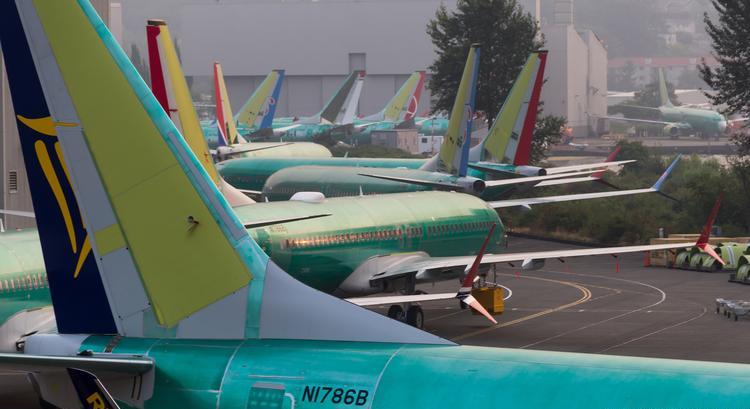
Nueva tecnología en Boeing 737-10 MAX

Resultado de imagen para Boeing 737-10 MAX

AW | 2018 09 03 09:40 | INDUSTRY

Boeing-Logo.svg.pngBoeing anuncia nueva tecnología para 737-10 MAX

En 2010, el fabricante europeo de aviones Airbus lanzó la familia Airbus A320NEO, que aprovechó la ya exitosa familia de fuselaje estrecho y mejoró el FK,4923,36,737-max-round-pin.jpgconsumo de combustible y la eficiencia operativa. El programa cosechó un gran número de pedidos, batiendo récords para un nuevo avión con una cartera de pedidos de más de 1.000 a mediados de 2011.

El 30 de agosto de 2011, al reconocer la necesidad de hacer retroceder a Airbus y sus neos, Boeing lanzó el programa para una nueva evolución del Boeing 737. Esto vino después de años de ida y vuelta en cuanto a cómo diseñar de manera más efectiva una nueva, más avión eficiente de fuselaje estrecho.

Salieron originalmente con tres variantes, el 737-7/8/9. Pero clientes como Korean Air y United Airlines querían algo más grande y más comparable al Airbus A321NEO, que se comercializaba no solo como una potencia de corto alcance. sino también una forma para que las aerolíneas aprovechen las rutas de transporte de medio a corto-largo operando distancias más lejanas con menos capacidad. Y a fines de 2016, finalmente se aprobó el Boeing 737-10 MAX.

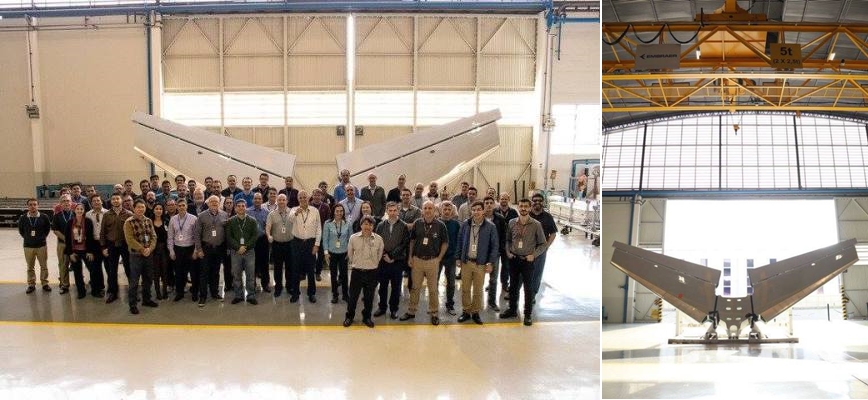
Sin embargo, uno de los mayores obstáculos de Boeing para el MAX 10 es el tren de aterrizaje estándar 737. El engranaje es demasiado corto para manejar la longitud del MAX 10. En otras palabras, los pilotos rasparían la cola del fuselaje, que es 66 pulgadas más larga que la del MAX 9, en el despegue si realizaron la maniobra de despegue de rutina como con otros tipos.

Los ingenieros de Boeing se enfrentaron a una de dos opciones: cambiar la carcasa del tren de aterrizaje, que requeriría grandes rediseños del fuselaje en su conjunto para compensar el espacio perdido para la vivienda, o hacer que el tren de aterrizaje más grande encajara en el mismo espacio.

Eligieron el segundo, lo que requeriría mucha innovación y nueva tecnología. La compañía cree que la segunda opción fue la correcta y que valió la pena los recursos. «Siempre nos gusta ver cómo podemos abordar la demanda del mercado con la tecnología y las soluciones de ingeniería que serían necesarias», dijo Gary Hamatani, ingeniero jefe de proyectos del Programa 737 MAX de Boeing.

Para agregar nueve pulgadas a la longitud del engranaje mientras se mantiene la carcasa del mismo tamaño, el equipo realizó numerosos cambios en la estructura del aparato, agregando una palanca que extiende el tren de aterrizaje y otro aparato que tira de la pieza extendida hacia adentro cuando necesita ser cargado en la bahía del tren de aterrizaje después del despegue.

El rediseño es, por supuesto, solo una parte del diseño completo del MAX 10, a pesar de que el diseño es más del 95% similar al MAX 9. Hamatani, sin embargo, cree que todo el programa todavía está a tiempo para el primer entrega en 2020, según lo programado originalmente.

«Nuestros equipos de ingeniería han pasado muchos meses diseñando, probando y probando este nuevo mecanismo de engranajes apalancados. Es satisfactorio poder ver y tocar estas primeras partes que eventualmente ayudarán al primer MAX 10 en salir de la fábrica de Renton. Realmente desafiamos a nuestro equipo para que idease este innovador diseño de engranaje, y lo han eliminado del parque», expresó en un comunicado Gary Hamatani.  AIRWAYS® AW-Icon TXT

Resultado de imagen para Boeing 737-10 MAX

New technology for Boeing 737-10 MAX

Boeing announces new technology for 737-10 MAX

In 2010, the European aircraft manufacturer Airbus launched the Airbus A320NEO family, which took advantage of the already successful narrow-body family and improved fuel consumption and operational efficiency. The program garnered a large number of orders, breaking records for a new plane with an order book of more than 1,000 by mid-2011.

On August 30, 2011, recognizing the need to push back Airbus and its neos, Boeing launched the program for a new evolution of the Boeing 737. This came after years of roundtrip as to how to design more effectively A new, more efficient narrow-body airplane.

They came out originally with three variants, 737-7 / 8/9. But customers like Korean Air and United Airlines wanted something bigger and more comparable to the Airbus A321neo, which was marketed not only as a short-range power. but also a way for airlines to take advantage of medium to short-long transport routes operating farther distances with less capacity. And at the end of 2016, the Boeing 737-10 MAX was finally approved.

However, one of Boeing’s biggest obstacles to the MAX 10 is the standard 737 undercarriage. The gear is too short to handle the length of the MAX 10. In other words, the pilots would scrape the tail of the fuselage, which is 66 inches longer than the MAX 9, at takeoff if they performed the takeoff maneuver routinely as with other types.

Boeing engineers faced one of two options: to change the casing of the landing gear, which would require major redesigns of the fuselage as a whole to compensate for lost space for the home, or to make the larger landing gear fit into the same space.

They chose the second, which would require a lot of innovation and new technology. The company believes that the second option was the correct one and that it was worth the resources. «We always like to see how we can address market demand with the technology and engineering solutions that would be necessary», said Gary Hamatani, chief project engineer for Boeing’s 737 MAX Program.

To add nine inches to the length of the gear while maintaining the same size housing, the team made numerous changes to the structure of the apparatus, adding a lever that extends the landing gear and another device that pulls the extended part inward when It needs to be loaded into the landing gear bay after takeoff.

The redesign is, of course, only a part of the complete design of the MAX 10, even though the design is more than 95% similar to MAX 9. Hamatani, however, believes that the entire program is still in time for the first delivery in 2020, as originally scheduled.

«Our engineering teams have spent many months designing, testing and testing this new leveraged gear mechanism, it is satisfying to see and touch these first parts that will eventually help the first MAX 10 to leave the Renton factory. for him to devise this innovative gear design, and have it removed from the park», Gary Hamatani said in a statement. A \ W


Ξ A I R G W A Y S Ξ
SOURCE:  Airgways.com
DBk: Boeing.com
AW-POST: 201809030940AR

A\W   A I R G W A Y S ®


Incrementos tarifas equipajes en EEUU

Resultado de imagen para baggage US airlines

AW | 2018 09 02 11:55 | AIRLINES

United Airlines incrementa las tarifas de equipaje. Otras aerolíneas como JetBlue, Air Canada y WestJet han aumentado el valor del transporte en bodega

Imagen relacionadaUnited Airlines se ha convertido en la primera aerolínea de estadounidense en aumentar sus tarifas de equipaje en lo que se ha convertido en una semana cara para los viajeros aéreos de América del Norte.

La semana comenzó con la noticia de que JetBlue estaba aumentando repentinamente las tarifas de equipaje en un 20% para la mayoría de los pasajeros en los vuelos reservados después del 27 de agosto. Unas horas más tarde, tanto Air Canada como WestJet, la segunda aerolínea más grande de Canadá, siguieron los pasos de JetBlue . Los tres transportistas terminaron por subir las tarifas de la primera facturada a $ 30 desde $ 25, mientras que las tarifas de la segunda maleta ascendieron a $ 40 desde $ 35. JetBlue, solo, elevó su tercera tarifa y luego facturó las tarifas de equipaje de $ 100 a $ 150, mientras que las bolsas de mayor tamaño y con sobrepeso vieron un aumento similar.

JetBlue, Air Canada y WestJet señalaron los crecientes costos operativos y la competencia más estricta como justificación para el aumento de las tarifas, diciendo que habían pasado varios años desde que las tarifas habían subido.

El viernes, Bloomberg informó que United Airlines silenciosamente hizo el mismo cambio, citando una justificación similar. «A medida que continuamos haciendo inversiones que mejoren los viajes en United, estamos haciendo ajustes en nuestras tarifas de equipaje documentado en mercados seleccionados, la mayoría de los cuales no han cambiado en los últimos ocho años», dijo un portavoz de la aerolínea a Bloomberg. Se enviaron declaraciones similares al personal de primera línea para compartir con los clientes curiosidad o quizás descontento con los cambios, de acuerdo con Brian Sumers de Skift .

Las tarifas de la primera tarifa registrada han subido de $ 25 a $ 30 en United, mientras que las tarifas de la segunda bolsa han subido de $ 35 a $ 40. Las tarifas de segunda bolsa para vuelos hacia y desde los mercados canadienses también se han movido hasta $ 50. Los cambios entraron en efecto de inmediato.

La medida de United fue una sorpresa para muy pocos analistas de la industria y expertos que han visto a la aerolínea esforzarse por demostrar que puede competir contra American y Delta este año. A principios de 2018, muchos expresaron sus dudas cuando la aerolínea amplió la capacidad de tres de sus centros, lo que posiblemente redujo la demanda, las tarifas y las ganancias. A mediados de julio, sin embargo, esa apuesta había dado sus frutos a medida que se llenaba la capacidad; Entre mediados de julio y septiembre, las acciones de la aerolínea aumentaron en más del 20%.

Agregar ingresos auxiliares adicionales a través de mayores tarifas por equipaje, por supuesto, continuará ayudando a United a aumentar sus ganancias y defenderse de American y Delta. En este punto del ciclo, sin embargo, es solo cuestión de tiempo hasta que los últimos dos transportistas heredados aumenten las tarifas y todas las principales aerolíneas (con la excepción de Southwest, que no cobra por el equipaje facturado) se encuentran en el mismo campo competitivo. AIRWAYS® AW-Icon TXT

Imagen relacionada

Increased luggage rates in the US

United Airlines increases baggage fees. Other airlines such as JetBlue, Air Canada and WestJet have increased the value of transport in the winery

United Airlines has become the first US airline to increase its baggage fees in what has become an expensive week for North American air travelers.

The week began with the news that JetBlue was suddenly increasing baggage fees by 20% for most passengers on flights booked after August 27. A few hours later, both Air Canada and WestJet, the second largest airline in Canada, followed in JetBlue’s footsteps. The three carriers ended up raising the first billed rates to $ 30 from $ 25, while the second suitcase rates amounted to $ 40 from $ 35. JetBlue, alone, raised its third rate and then billed the baggage fees from $ 100 to $ 150, while the larger and overweight bags saw a similar increase.

JetBlue, Air Canada and WestJet pointed to rising operating costs and tighter competition as justification for the rate increase, saying it had been several years since rates had gone up.

On Friday, Bloomberg reported that United Airlines quietly made the same change, citing a similar justification. «As we continue to make investments that improve travel at United, we are making adjustments to our checked baggage rates in selected markets, most of which have not changed in the last eight years,» an airline spokesman told Bloomberg. . Similar statements were sent to frontline staff to share with customers curiosity or perhaps dissatisfaction with the changes, according to Brian Sumers of Skift.

The first registered fare rates have gone from $ 25 to $ 30 at United, while the second bag fares have risen from $ 35 to $ 40. Second-bag fares for flights to and from Canadian markets are also They have moved up to $ 50. The changes came into effect immediately.

United’s move came as a surprise to very few industry analysts and experts who have seen the airline struggle to prove it can compete against American and Delta this year. At the beginning of 2018, many expressed their doubts when the airline expanded the capacity of three of its centers, which possibly reduced demand, rates and profits. By mid-July, however, that bet had paid off as capacity was filled; Between mid-July and September, the airline’s shares increased by more than 20%.

Adding additional ancillary revenue through higher baggage fees will, of course, continue to help United increase its profits and defend against American and Delta. At this point in the cycle, however, it is only a matter of time until the last two legacy carriers increase rates and all major airlines (with the exception of Southwest, which does not charge for checked baggage) are in the same field competitive. A \ W


Ξ A I R G W A Y S Ξ
SOURCE:  Airgways.com
DBk: Forbes.com / Abcnews.go.com / Travelandleasure.com
AW-POST: 201809021155AR

A\W   A I R G W A Y S ®

Accidente UTAir Boeing 737-800

Resultado de imagen para UTair air crash Boeing 737

AW | 2018 09 01 11:47 | AVIATION SAFETY / AIR INVESTIGATION

Accidente aéreo de aerolínea UTair Boeing 737-800 en Sochi, Federación Rusia

Resultado de imagen para UTair logoUn Boeing 737-800 de UTAir con registro VQ-BJI realizando el vuelo UT-579 con fecha del 31 Agosto 2018 en la ruta Moscú-Vnukovo a Sochi (Rusia) con 164 pasajeros y 6 tripulantes, aterrizó en la pista 06 de Sochi a las 02:57 L (23:57Z 31/08/2018), derrapando a final de pista, detuviéndose en el lecho de un río más allá de la pista de aterrizaje. El motor izquierdo CFM56 estalló en llamas. El avión fue evacuado, 18 ocupantes resultaron heridos, los otros permanecieron ilesos, un empleado del aeropuerto murió de un ataque al corazón. La aeronave recibió daños sustanciales irreparables.

La aeronave fue inicialmente vectorizada para un acercamiento a la pista 02 por aproximación, sin embargo, la asignación de la pista se cambió a la pista 06 debido al desarrollo del clima. La aeronave abortó la primera aproximación a la pista 06 de Sochi descendiendo a unos 2.300 pies debido a los vientos cambiantes (ahora informada de 200 grados en vez de 60 grados), posicionada para otro acercamiento a la pista 06 y voló desde aproximadamente 400 pies MSL nuevamente debido a cambios vientos, posicionado para la tercera y última aproximación a la pista 06 (vientos reportados a 2 m / s (4 nudos) desde 060 grados en la frecuencia de la torre), que terminó en la pista desbordada unos 30 minutos después del primer abordaje abortado y unos 11 minutos después la vuelta.

La aerolínea informó que la aeronave llevaba 164 pasajeros y 6 tripulantes. El avión se salió de la pista y se dejó caer en el lecho de un río, como resultado, el tren de aterrizaje y las alas colapsaron, el motor izquierdo se encendió. Los servicios de emergencia del aeropuerto de Sochi apagaron el fuego, los ocupantes fueron evacuados. Las autoridades están investigando el accidente.

El Ministerio de Salud de Rusia informó que 18 pasajeros resultaron heridos, 8 de los cuales fueron trasladados a un hospital. El Ministerio de Emergencia de Rusia informó que el avión pasó por el extremo de la pista hacia un río, el tren de aterrizaje y un ala fueron destruidos, el motor izquierdo se incendió y quemó el ala izquierda. La Fiscalía de Transportes del Sur informó que la aeronave invadió la pista, se quemaron las alas izquierda y derecha y varios pasajeros resultaron heridos. El Departamento de Investigaciones de la Fiscalía de Transportes del Sur ha abierto una investigación.

El Aeropuerto de Sochi informó que uno de sus trabajadores murió como resultado de un ataque al corazón mientras se realizaban trabajos de rescate y recuperación durante el accidente.

El Comité de Aviación Interestatal (MAK) informó que el avión VQ-BJI de UTAir rodó más allá del final de la pista después del aterrizaje y recibió daños sustanciales debido al despliegue y posterior incendio. No hubo muertes. El MAK ha establecido una comisión de investigación. AIRWAYS® AW-Icon TXT

Resultado de imagen para UTair air crash Boeing 737Imagen relacionadaVQ-BJI más allá del final de la pista (Foto: NTV)VQ-BJI en el río (Foto: Southern Transport Prosecution Office)


Accident UTAir Boeing 737-800

Airline accident of airline UTair Boeing 737-800 in Sochi, Federation Russia

A UTAir Boeing 737-800 with registration VQ-BJI making flight UT-579 dated August 31, 2018 on the Moscow-Vnukovo route to Sochi (Russia) with 164 passengers and 6 crew, landed on runway 06 in Sochi to 02:57 L (23: 57Z 08/31/2018), skidding at the end of the runway, stopping at the bottom of a river beyond the runway. The left engine CFM56 burst into flames. The plane was evacuated, 18 occupants were injured, the others remained unharmed, an airport employee died of a heart attack. The aircraft received substantial irreparable damage.

The aircraft was initially vectorized for an approach to runway 02 by approach, however, the track allocation was changed to runway 06 due to weather development. The aircraft aborted the first approach to runway 06 from Sochi descending to about 2,300 feet due to the changing winds (now reported 200 degrees instead of 60 degrees), positioned for another approach to runway 06 and flew from approximately 400 feet MSL again due to changes in winds, positioned for the third and final approach to runway 06 (winds reported at 2 m / s (4 knots) from 060 degrees on the frequency of the tower), which ended on the runway overflowing about 30 minutes later of the first aborted approach and about 11 minutes after the return.

The airline reported that the aircraft carried 164 passengers and 6 crew members. The plane left the runway and dropped into the bed of a river, as a result, the landing gear and wings collapsed, the left engine ignited. The emergency services of Sochi airport put out the fire, the occupants were evacuated. The authorities are investigating the accident.

The Russian Ministry of Health reported that 18 passengers were injured, 8 of whom were taken to a hospital. The Russian Emergency Ministry reported that the plane passed by the end of the runway to a river, the landing gear and a wing were destroyed, the left engine caught fire and burned the left wing. The Southern Transportation Prosecutor’s Office reported that the aircraft invaded the runway, the left and right wings were burned and several passengers were injured. The Investigations Department of the Southern Transportation Prosecutor’s Office has opened an investigation.

Sochi Airport reported that one of its workers died as a result of a heart attack while rescue and recovery work was carried out during the accident.

The Interstate Aviation Committee (MAK) reported that the UTAir VQ-BJI aircraft rolled past the runway end after landing and received substantial damage due to deployment and subsequent fire. There were no deaths. The MAK has established a commission of inquiry. A \ W


Ξ A I R G W A Y S Ξ
SOURCE:  Airgways.com
DBk: Avherald.com / Ntv.ru / Southern Transport Prosecution Office / Thenational.ae / Jacdec.de / Firenewsfeed.com
AW-POST: 201809011147AR

A\W   A I R G W A Y S ®

Reabre American Airlines CR Smith

Resultado de imagen para crsmithmuseum.org

AW | 2018 09 01 11:30 | AIRLINES HISTORY

El Museo Aeronáutico American Airlines CR Smith

El Museo American Airlines CR Smith reabre al público este fin de semana con motivo del Día del Trabajo en Estados Unidos, que se celebra el 3 Septiembre 2018, después de completar el rediseño de sus exposiciones permanentes. Para celebrarlo, el museo ofrecerá la entrada gratuita a los niños durante el sábado y domingo.

Imagen relacionadaEl Museo CR Smith conserva la historia de American Airlines y explica lo que se necesita para operar la aerolínea, según lo explican los miembros del equipo que trabajan allí. A través de sus actividades, el museo sirve a los empleados de American Airlines y la industria de la aviación, en el pasado y el presente, y a los miembros interesados ​​del público en general. El museo está comprometido con la educación, con un enfoque en el aprendizaje interactivo y práctico.

Este rediseño ha sido posible por las donaciones del American Airlines Group y las donaciones de Pacmin y Boeing. Más de 300 voluntarios de American Airlines han colaborado en el proceso de desarrollo del nuevo contenido y exposiciones, que está concebido para mostrar a los visitantes los diferentes puestos de los miembros de la aerolínea y cómo trabajan juntos en todas las operaciones a nivel global. Las nuevas exposiciones incluyen el Airline Command Center, que permite a los visitantes descubrir como es el trabajo de quien toma las decisiones en una aerolínea; una cabina del famoso McDonnell Douglas MD-80, que incluye una visita guiada por la cabina de pilotaje ofrecida por un capitán de la aerolínea; y una exposición de almacenamiento de equipaje, donde los visitantes podrán probar a cargar las maletas en el menor tiempo posible. El Museo CR Smith es una organización independiente sin lucro localizado en las instalaciones de American Airlines y cuyas funciones son preservar y dar a conocer la historia de la aerolínea y de la industria de la aviación en general, así como la educación de los visitantes sobre la ciencia aeronáutica, las operaciones aéreas y las diferentes carreras de aviación. AIRWAYS® AW-Icon TXT

Resultado de imagen para crsmithmuseum.org

American Airlines CR Smith Museum Reopens

The American Airlines RC Smith Aeronautical Museum

The American Airlines CR Smith Museum reopens to the public this weekend on the occasion of Labor Day in the United States, which is celebrated on September 3, 2018, after completing the redesign of its permanent exhibitions. To celebrate, the museum will offer free admission to children during Saturday and Sunday.

The CR Smith Museum preserves the history of American Airlines and explains what is needed to operate the airline, as explained by the team members who work there. Through its activities, the museum serves American Airlines employees and the aviation industry, in the past and present, and interested members of the general public. The museum is committed to education, with a focus on interactive and practical learning.

This redesign has been made possible by donations from the American Airlines Group and donations from Pacmin and Boeing. More than 300 American Airlines volunteers have collaborated in the development process of the new content and exhibitions, which is designed to show visitors the different positions of airline members and how they work together in all operations worldwide. The new exhibitions include the Airline Command Center, which allows visitors to discover what is the work of the decision maker in an airline; a cabin of the famous McDonnell Douglas MD-80, which includes a guided tour of the cockpit offered by a captain of the airline; and a baggage storage exhibition, where visitors can try to load their bags in the shortest possible time. The CR Smith Museum is an independent non-profit organization located at American Airlines facilities and whose functions are to preserve and publicize the history of the airline and the aviation industry in general, as well as the education of visitors on the aeronautical science, air operations and different aviation careers. A \ W


Ξ A I R G W A Y S Ξ
SOURCE:  Airgways.com
DBk: Crsmithmuseum.org / Mytexasvow.com / Artandseek.com
AW-POST: 201809011130AR

A\W   A I R G W A Y S ®

Brasil aprobará acuerdo Boeing-Embraer

Resultado de imagen para Boeing Embraer

AW | 2018 08 31 17:47 | INDUSTRY

Boeing-Embraer-Logo.pngEl acuerdo Boeing-Embraer podría aprobarse después elecciones en Brasil

El Gobierno de Brasil aprobará la unión entre Boeing y Embraer, pero solo después de las elecciones residenciales de Octubre 2018 para evitar provocar el debate entre los candidatos, dijo el Ministro de Defensa, Joaquim Silva e Luna.

Boeing dijo el mes pasado que planeaba hacerse cargo de la unidad de jets comerciales de Embraer en una empresa conjunta propuesta de US$ 4.75 billones, en la que tendría una participación del 80%.

La moneda de Brasil ha perdido un 10% desde el 3 Agosto 2018, ya que las encuestas mostraron un aumento en el apoyo al ex presidente. Lula da Silva, quien prometió bloquear el acuerdo con Boeing utilizando el poder de veto del gobierno en Embraer; a Lula, actualmente en la cárcel, se le puede prohibir la carrera, pero hay indicios de que podría levantar a su compañero de fórmula para la segunda ronda de votación el 28 Octubre 2018.  AIRWAYS® AW-Icon TXT

Brazil will approve Boeing-Embraer agreement

The Boeing-Embraer agreement could be approved after elections in Brazil

The Brazilian government will approve the union between Boeing and Embraer, but only after the residential elections of October 2018 to avoid provoking debate among the candidates, said Defense Minister Joaquim Silva e Luna.

Boeing said last month it planned to take over Embraer’s commercial jet unit in a proposed joint venture of US $ 4.75 billion, in which it would have an 80% stake.

The Brazilian currency has lost 10% since August 3, 2018, as polls showed an increase in support for the former president. Lula da Silva, who promised to block the agreement with Boeing using the government’s veto power in Embraer; Lula, currently in jail, can be banned from the race, but there are indications that he could pick up his running mate for the second round of voting on October 28, 2018. A \ W


Ξ A I R G W A Y S Ξ
SOURCE:  Airgways.com
DBk: Boeing.com / Embraer.com
AW-POST: 201808311747AR

A\W   A I R G W A Y S ®


LASA inicia operaciones en Argentina

LASA levantó vuelo en Neuquén: unirá la región y conectará con Temuco en 38 minutos

AW | 2018 08 30 16:03 | AIRLINES

Resultado de imagen para aerolineaslasaLASA Líneas Aéreas efectúa vuelo inaugural desde Neuquén

El vuelo inaugural del Embraer E-145 de LASA Líneas Aéreas despegó esta mañana del Aeropuerto Internacional Presidente Perón de la Provincia de Neuquén, Argentina.

LASA Líneas Aéreas despega este jueves, 30 Agosto 2018 en Argentina, iniciando su mercado enfocado exclusivamente en la aviación regional. La aerolínea LASA tiene como base o hub de distribución el Aeropuerto de Neuquén desplegando una red de servicios a través de la Patagonia argentina y chilena.

Vuelo inaugural

A las 10:30 hs (-3UTC Argentina) de la mañana el Embraer ERJ-145, con matrícula LV-HVE, con una capacidad para 50 pasajeros, despegó su vuelo inaugural conectando Neuquén-Santa Rosa, Provincia de La Pampa, marcando así el inicio de sus operaciones aerocomerciales. El trayecto continúa con el vuelo hasta Mar del Plata; retomando Neuquén para aterrizar a las 15:00 hs. A las 17:40 saldrá el segundo vuelo con destino a Bariloche estimando su arribo a las 18:40 hs.

PRIMER EMBRAER E-145 DE LASA LÍNEAS AÉREAS EN ARGENTINA

«Es un enorme orgullo para todos los neuquinos, para todos los patagónicos y para nosotros. Es el bautismo de fuego de la empresa. La Patagonia, especialmente Neuquén, estaba mal atendida en cuanto a la oferta aérea. Aviones chicos que no tenían baños. Pero eso ahora se terminó», dijo el CEO de LASA, Juan Silenzi, minutos previos a la partida hacia Santa Rosa.

Los vuelos hacia Bariloche y Mar del Plata tendrán dos frecuencias diarias de lunes a sábado, en tanto que a Santa Rosa y a Temuco será una hasta «que maduren las rutas», explicó Silenzi y adelantó que en la medida que crezca la demanda incorporarán más rutas.

AW-700088876.png

Datos de LASA

La nueva aerolínea regional es la primera en estar basada en el interior de Argentina sin tener incluso a Buenos Aires entre sus destinos. Es la primera línea aérea en la historia de Argentina en iniciar operaciones con aeronaves Embraer ERJ-145. La aerolínea tiene dos unidades: el E145 con registro LV-HVE se encuentra en Neuquén desde el 6 Julio 2018, mientras que el segundo, LV-HUV, arribará el lunes. Actualmente están contratadas 153 personas en la nueva aerolínea regional LASA, que aumentará a 222 a partir de la semana siguiente cuando se sume la segunda aeronave.

LASA Líneas Aéreas incorporará una flota de doce Embraer E-145 que adquirieron para recorrer las nuevas rutas aéreas. Los tramos serán: Neuquén-Santa Rosa-Mar del Plata; Neuquén-Bahía Blanca-Mar del Plata y Neuquén-Chapelco-Bariloche-Puerto Montt; y Neuquén-Temuco.

El Aeropuerto de Neuquén recibe operaciones regulares de Aerolíneas Argentinas: , Buenos Aires, Comodoro Rivadavia, Córdoba, Mendoza. Latam Airlines: Buenos Aires y Santiago de Chile; y Flybondi: Buenos Aires.  AIRWAYS® AW-Icon TXT

2-Lasaa6f555c4

LASA starts operations in Argentina

LASA Líneas Aéreas makes inaugural flight from Neuquén

AW-7000098The inaugural flight of Embraer E-145 of LASA Líneas Aéreas took off this morning from Presidente Perón International Airport in the Province of Neuquén, Argentina.

LASA Líneas Aéreas takes off this Thursday, August 30, 2018 in Argentina, initiating its market focused exclusively on regional aviation. The airline LASA has as a base or distribution hub the Neuquén Airport deploying a network of services through the Argentine and Chilean Patagonia.

Inaugural flight

At 10:30 am (-3UTC Argentina) in the morning the Embraer ERJ-145, with registration LV-HVE, with a capacity for 50 passengers, took off its inaugural flight connecting Neuquén-Santa Rosa, Province of La Pampa, marking the start of its air-commercial operations. The journey continues with the flight to Mar del Plata; resuming Neuquén to land at 3:00 p.m. At 17:40, the second flight will depart for Bariloche, estimating his arrival at 6:40 p.m.

«It is a huge pride for all the neuquinos, for all the Patagonians and for us, it is the fire baptism of the company, Patagonia, especially Neuquén, was poorly served in terms of the air supply, small planes that did not have bathrooms. But that is now over», said LASA CEO Juan Silenzi, minutes before the departure to Santa Rosa.

Flights to Bariloche and Mar del Plata will have two daily frequencies from Monday to Saturday, while Santa Rosa and Temuco will be one until «the routes mature,» explained Silenzi and said that as the demand grows, more routes will be incorporated. .

LASA data

The new regional airline is the first to be based in the interior of Argentina without even having Buenos Aires among its destinations. It is the first airline in the history of Argentina to start operations with Embraer ERJ-145 aircraft. The airline has two units: the E145 with LV-HVE registration is in Neuquén from July 6, 2018, while the second, LV-HUV, will arrive on Monday. Currently 153 people are hired on the new regional airline LASA, which will increase to 222 starting the following week when the second aircraft is added.

LASA Líneas Aéreas will incorporate a fleet of twelve Embraer E-145 that they acquired to travel the new air routes. The sections will be: Neuquén-Santa Rosa-Mar del Plata; Neuquén-Bahía Blanca-Mar del Plata and Neuquén-Chapelco-Bariloche-Puerto Montt; and Neuquén-Temuco.

The Neuquén Airport receives regular Aerolineas Argentinas operations:, Buenos Aires, Comodoro Rivadavia, Córdoba, Mendoza. Latam Airlines: Buenos Aires and Santiago de Chile; and Flybondi: Buenos Aires. A \ W


Ξ A I R G W A Y S Ξ
SOURCE:  Airgways.com
DBk: Aerolineaslasa.com.ar / Airgways.com / Laarena.com.ar / Sebastián F. Petersen / Lmneuquen.com
AW-POST: 201808301603AR

A\W   A I R G W A Y S ®

Gol primer vuelo Boeing 737-8 MAX

golmax8.jpg

AW | 2018 08 30 15:13 | AIRLINES

FK,4923,36,737-max-round-pinBoeing-Logo.svgLa principal aerolínea brasileña Gol Linhas Aéreas abre nuevas rutas con un nuevo jet Boeing 737-8 MAX

Boeing y GOL Linhas Aéreas Inteligentes celebraron el 29 Agosto Gol_airlines_logo.png2018 la presentación del nuevo avión Boeing 737-8 MAX durante una celebración en Sao Paulo, Brasil. El principal operador brasileño también anunció planes para volar aviao-golel avión 737 MAX, más eficiente en combustible y de mayor alcance, en las rutas internacionales.

La aerolínea brasileña recibió este año su primer 737-8 MAX y ha mejorado los productos y servicios a bordo, como la incorporación de internet inalámbrico a la popular cabina Boeing Sky Interior. La aerolínea ahora está equipando su segundo avión 737 MAX, que recibió la semana pasada, con las mismas comodidades de cabina.

AW-700003.jpg

«Hoy es un día emocionante para todo el equipo de GOL, nos complace dar la bienvenida al 737 MAX 8. Podemos mejorar aún más nuestra eficiencia operativa al volar una flota joven, moderna y segura, al tiempo que reducimos el costo del transporte aéreo y expandimos nuestro a nuevos destinos internacionales», dijo Paulo Kakinoff, Director Ejecutivo de Gol Linhas Aéreas.

Como parte de su programa estratégico de renovación de flotas, GOL ha realizado múltiples pedidos para el 737 MAX, incluido un nuevo pedido el mes pasado en el Farnborough International Airshow. En total, GOL está en camino de convertirse en el mayor operador de MAX en América Latina con una flota de 135 aviones MAX.

Los primeros aviones MAX que llegan a GOL son la variante MAX 8, que tiene capacidad para 186 pasajeros en la configuración de GOL. El avión reducirá el uso de combustible y las emisiones de GOL en un 15 por ciento en comparación con los aviones de pasillo único de hoy en día, y puede volar más lejos que su predecesor. Con el rango adicional, GOL dijo que comenzará el servicio regular desde la capital brasileña Brasilia y Fortaleza a Miami y Orlando. GOL también planea nuevas rutas internacionales a Quito, la capital de Ecuador, con el MAX.

Treinta de los nuevos aviones de GOL serán para el MAX 10 más grande, lo que permitirá a GOL atender cómodamente a más de 30 pasajeros adicionales. GOL y más de 20 clientes han realizado más de 500 pedidos y compromisos para MAX 10, que ofrecerá a los operadores el menor costo por milla de asiento de cualquier avión comercial en servicio. En total, la familia 737 MAX ha atraído a más de 100 clientes y cerca de 4,700 pedidos.

«GOL es pionera en ofrecer tarifas asequibles a Latinoamérica desde sus comienzos. Nos sentimos honrados de tener un socio tan grande que se une oficialmente a la familia Boeing 737 MAX y se desempeña como uno de sus embajadores en la región. Confiamos en que el 737 MAX ayudará a GOL a seguir brindando excelentes tarifas y servicios a sus clientes, especialmente con el nuevo 737 MAX 10 que llegará en el futuro», dijo Ricardo Cavero, Vicepresidente de Ventas Comerciales en América Latina para The Boeing Company.

Gol Linhas Aéreas también utiliza Boeing Global Services para mejorar su eficiencia operativa a través de productos y servicios como Airplane Health Management para su flota 737 MAX, Maintenance Performance Toolbox y la herramienta de planificación y coste de flotas de motor (EFPAC).

El segundo Boeing 737-8 MAX ha arribado a Brasil. La transportadora low cost se convertirá en la más grande de América Latina con 135 aviones de la línea 737, incluidos 30 órdenes por 737 MAX.  AIRWAYS® AW-Icon TXT.png

Resultado de imagen para Boeing 737 MAX Gol

Gol for the first flight Boeing 737-8 MAX

AW-700054333The main Brazilian airline Gol Linhas Aéreas opens new routes with a new Boeing 737-8 MAX jet

Boeing and GOL Linhas Aéreas Inteligentes celebrated on 29 August 2018 the presentation of the new Boeing 737-8 MAX aircraft during a celebration in Sao Paulo, Brazil. The main Brazilian operator also announced plans to fly the 737 MAX aircraft, more fuel efficient and longer range, on international routes.

The Brazilian airline received its first 737-8 MAX this year and has improved onboard products and services, such as the addition of wireless internet to the popular Boeing Sky Interior cabin. The airline is now equipping its second 737 MAX plane, which it received last week, with the same cabin amenities.

«Today is an exciting day for the entire GOL team, we are pleased to welcome the 737 MAX 8. We can further improve our operational efficiency by flying a young, modern and safe fleet, while reducing the cost of air travel and We expand our to new international destinations», said Paulo Kakinoff, Executive Director of Gol Linhas Aéreas.

As part of its strategic fleet renewal program, GOL has placed multiple orders for the 737 MAX, including a new order last month at the Farnborough International Airshow. In total, GOL is on track to become the largest MAX operator in Latin America with a fleet of 135 MAX aircraft.

The first MAX airplanes that arrive at GOL are the MAX 8 variant, which has a capacity for 186 passengers in the GOL configuration. The aircraft will reduce fuel use and GOL emissions by 15 percent compared to today’s single-aisle aircraft, and can fly farther than its predecessor. With the additional rank, GOL said that regular service will start from the Brazilian capital Brasilia and Fortaleza to Miami and Orlando. GOL also plans new international routes to Quito, the capital of Ecuador, with the MAX.

Thirty of the new GOL aircraft will be for the largest MAX 10, which will allow GOL to comfortably serve more than 30 additional passengers. GOL and more than 20 customers have made more than 500 orders and commitments for MAX 10, which will offer operators the lowest cost per seat mile of any commercial aircraft in service. In total, the 737 MAX family has attracted more than 100 customers and nearly 4,700 orders.

«GOL is a pioneer in offering affordable rates to Latin America since its inception, and we are honored to have such a great partner who officially joins the Boeing 737 MAX family and serves as one of its ambassadors in the region. MAX will help GOL continue to provide excellent rates and services to its customers, especially with the new 737 MAX 10 that will arrive in the future», said Ricardo Cavero, Vice President of Commercial Sales in Latin America for The Boeing Company.

Gol Linhas Aéreas also uses Boeing Global Services to improve its operational efficiency through products and services such as Airplane Health Management for its 737 MAX fleet, Maintenance Performance Toolbox and the engine fleet planning and cost tool (EFPAC).

The second Boeing 737-8 MAX has arrived in Brazil. The low cost transporter will become the largest in Latin America with 135 aircraft of the 737 line, including 30 orders per 737 MAX. A \ W

Resultado de imagen para Boeing 737 MAX Gol

Primeiro voo da GOL Boeing 737-8 MAX

gol-2015-logo-lrw.jpgA principal companhia aérea brasileira Gol Linhas Aéreas abre novas rotas com um novo jato Boeing 737-8 MAX

A Boeing e a GOL Linhas Aéreas Inteligentes comemoraram em 29 de agosto de 2018 a apresentação do novo Boeing 737-8 MAX durante uma celebração AW-700544433.pngem São Paulo, Brasil. A principal operadora brasileira também anunciou planos para pilotar a aeronave 737 MAX, mais eficiente em combustível e de maior alcance, em rotas internacionais.

A companhia aérea brasileira recebeu seu primeiro 737-8 MAX este ano e melhorou os produtos e serviços a bordo, como a adição de internet sem fio à popular cabine da Boeing Sky Interior. A companhia aérea está agora equipando seu segundo avião 737 MAX, que recebeu na semana passada, com as mesmas comodidades da cabine.

«Hoje é um dia emocionante para toda a equipe GOL, temos o prazer de acolher o 737 MAX 8. Nós podemos melhorar ainda mais nossa eficiência operacional durante o vôo uma frota jovem e moderna e segura, enquanto nós reduzir o custo do transporte aéreo e Expandimos nossos para novos destinos internacionais», afirmou Paulo Kakinoff, diretor executivo da Gol Linhas Aéreas.

Como parte de seu programa de renovação de frota estratégica, a GOL fez vários pedidos para o 737 MAX, incluindo um novo pedido no mês passado no Farnborough International Airshow. No total, a GOL está a caminho de se tornar a maior operadora MAX da América Latina, com uma frota de 135 aeronaves MAX.

Os primeiros aviões MAX que chegam à GOL são a variante MAX 8, que tem capacidade para 186 passageiros na configuração GOL. A aeronave reduzirá o uso de combustível e as emissões de GOL em 15% em comparação com as atuais aeronaves de corredor único, e poderá voar mais longe do que seu antecessor. Com a classificação adicional, a GOL afirmou que o serviço regular será iniciado da capital brasileira Brasília e Fortaleza para Miami e Orlando. A GOL também planeja novas rotas internacionais para Quito, a capital do Equador, com o MAX.

Trinta dos novos modelos da GOL serão para o maior MAX 10, o que permitirá que a GOL atenda confortavelmente a mais de 30 passageiros adicionais. A GOL e mais de 20 clientes fizeram mais de 500 pedidos e compromissos para o MAX 10, que oferecerá às operadoras o menor custo por assento de qualquer aeronave comercial em serviço. No total, a família 737 MAX atraiu mais de 100 clientes e quase 4.700 pedidos.

«A GOL é pioneira em oferecer preços acessíveis para a América Latina desde a sua criação. Estamos honrados de ter um grande parceiro como que se junta oficialmente a família MAX Boeing 737 e serve como um de seus embaixadores na região. Estamos confiantes de que o 737 MAX vai ajudar a GOL continue a proporcionar excelentes tarifas e serviços aos seus clientes, especialmente com o novo 737 MAX 10 vir no futuro», disse Ricardo Cavero, Vice-Presidente de Vendas comerciais da América Latina para a Boeing Company.

Gol Linhas Aéreas também usa Boeing Global Services para melhorar a eficiência operacional através de produtos e serviços, tais como Gestão de Avião Saúde para 737 frota MAX, Maintenance Performance Toolbox e ferramenta de custo de planejamento e motor frota (EFPAC).

O segundo Boeing 737-8 MAX chegou ao Brasil. O transportador de baixo custo se tornará o maior da América Latina, com 135 aeronaves da linha 737, incluindo 30 pedidos por 737 MAX. A \ W


AW-AW.com

AW-Airgways Icon-webΞ A I R G W A Y S Ξ
SOURCE:  Airgways.com
DBk: Boeing.com / Voegol.com.br / Youtube.com / Aeroflap.com.br / Airgways.com
AW-POST: 201808301513AR

A\W   A I R G W A Y S ®


Línea de producción de motores aviación

AW-70083771.png

AW | 2018 08 30 14:18 | INDUSTRY

Los fabricantes de turbofans podrían cumplir sus promesas de producción para 2019

La escasez de la entrega de turbofans debido a problemas en las líneas de producción pueden empujar a la salida del atasco y retomar las entrega en 2019.

Los narrowbodies en escena

El Boeing 737 y Airbus A320 son los programas de pasillo único de Boeing y Airbus. Con estas plataformas de pasillo único, los fabricantes de aviones están tratando de satisfacer la demanda de 31.360 entregas previstas en los próximos 20 años. El Boeing 737 nació en 1967 y ha desarrollado un éxito rotundo hasta llegar a la cuarta generación el 737 MAX.

Airbus llevó su familia Airbus A320 al mercado en 1988. Con el desarrollo del nuevo avión, Boeing se vio obligado a desarrollar el Boeing 737 Next Generation, que era la tercera generación de la familia Boeing 737. Airbus también apostó con éxito en la demanda de una variante estirada y lanzó con éxito el Airbus A321 al mercado.

En los últimos años, Boeing y Airbus han aumentado las tasas de producción para apoyar una mayor demanda de aviones de un solo pasillo. En junio de 2017, Boeing aumentó su índice de producción de 42 aviones por mes a 47 aviones por mes y un año después se aumentó a 52 aviones por mes. De acuerdo con el desempeño pasado, se encuentra en la línea de expectativas de que Boeing aumentará su producción a mediados de 2019.

Los ajustes de tasas ocurren a mediados de año o alrededor del tercer trimestre del año. Una subida de tasas que entrará en vigencia en junio equivale a 7 meses de entregas en la tarifa baja y 5 meses de entregas en la tarifa más alta. Intuitivamente, hubiera tenido más sentido que fuera al revés, pero eso no tomaría en cuenta el menor número inicial de entregas durante los primeros meses del año y el tiempo requerido para que la tasa de producción aumentada sea visible en las cifras de entrega. Lo que es increíblemente importante de tener en cuenta es el hecho de que los fabricantes de aviones y la cadena de suministro saben con años de anticipación que se planea un aumento en la tasa de producción. La tasa de producción que ocurrió en junio de 2018 ya se anunció en octubre de 2014.

Resultado de imagen para LEAP vs PW1000G

Generaciones de motorización

La generación actual de aviones está propulsada por los turbofans de la serie CFM56 y la serie IAE V2500, mientras que las familias de aviones de la generación más actual funcionan con la serie CFM LEAP y la serie PW1000G.

Airbus y Boeing aún tienen pedidos sin completar para la familia Boeing 737NG (Next Generation) y Airbus A320CEO (Current Engine Option). Actualmente, los pedidos de aeronaves de este tipo están disminuyendo sus pedidos. Boeing no reservó pedidos para la parte comercial de su línea Next Generation.

Alta demanda de órdenes

La acumulación de Boeing 737 es de 4.704 jets. La mayoría de estos pedidos no cumplidos son para Boeing 737 MAX. Así que no hay duda de que hay demanda para el jet. Sin embargo, es más importante tener en cuenta que todavía hay 214 pedidos sin completar para la variante actual del motor. Estas entregas deben incorporarse al sistema, donde tenemos en cuenta que parte de las entregas se realizarán este año.

Boeing tiene 214 aviones Boeing 737 MAX de generación actual atrasados, Airbus tiene 258 aviones atrasados de la serie A320NEO. Esta es una diferencia menor, pero puede explicarse por el hecho de que algunas aerolíneas han asegurado la expansión de la capacidad mediante la realización de pedidos para la variante del CEO en lugar de la variante NEO y el éxito continuo de ventas del Airbus A321CEO. Esperamos que algunas de estas órdenes se extiendan aún más en el futuro y puedan estar sujetas a conversión, ya que Airbus espera una transición total a la producción de la variante NEO. Lo que se refleja en esta proyección es el hecho de que Airbus debería depender menos de su backlog de CEO’s dado que debería estar un poco adelantado en el arranque y los pedidos que registra se extienden más en el futuro que para Boeing. Esperamos que en 2019, las entregas de generación actual representen del 10-15% de todas las entregas de pasillo único para Boeing, mientras que este porcentaje es de 5-10% para Airbus.

Boeing y Airbus producirán un número combinado de 130 variantes de generación actual frente a 1.192 variantes de próxima generación. Esto apunta a una fuerte demanda de la serie CFM LEAP y turbofans serie PW1000G. Esta proyección no tiene en cuenta los informes de que Airbus se perderá su objetivo de entregas de Airbus A32NEO en 2018 ya que el fabricante de aviones ha mantenido su objetivo general de entrega.

Motorización de aeronaves

El turbofan de la serie CFM56 es el turbofan más usado en la historia de la aviación. A partir de junio de 2018, se han entregado 32,645 turbofans. Con los años, el turbofan se ha convertido en uno de los turboventiladores más confiables y duraderos disponibles. Los turboventiladores CFM56 se han utilizado para Airbus A320, Airbus A340, Boeing 737 Classic, Boeing 737 Next Generation, DC-8-70 y KC135R. El CFM-56-7B se utiliza exclusivamente en el Boeing 737 Next Generation, mientras que la serie -5B se utiliza en la familia Airbus A320CEO. En 2017, CFM (una empresa conjunta entre General Electric y Safran produjo casi 1.700 turboventiladores, ya que simultáneamente comenzó a aumentar su producción de los turboventiladores CFM LEAP.

Para el Airbus A318, los clientes tienen la posibilidad de seleccionar ya sea el turboventilador PW6000A o la serie CFM-56 5B. Dado que no hay pedidos para el A318 en cartera, la economía desfavorable de las variantes de contracción de una aeronave y el perfil de demanda futura, no hay ninguna función para la PW6000A en llenar cualquier demanda actual o próxima en nuestra opinión.

Para los clientes de Airbus A319, A320 y A320 también tienen la posibilidad de seleccionar la serie CFM-56-5B, pero también pueden seleccionar la serie IAE V2500. Se dice que el IAE V2500 consume menos aceite en comparación con el CFM56-5B y también es un poco más eficiente. El IAE V2500 también se utiliza en McDonnell Douglas MD-90 y Embraer KC-930. Hasta la fecha, IAE produjo más de 7.600 turbofans.

El CFM56 se ha desarrollado en el CFM LEAP, que promete una reducción de la quema de combustible del 15% en comparación con la serie CFM56-7B. A fines de 2017, CFM registró 2.870 pedidos de motores CFM LEAP. Hay 3 variantes, la variante A se usa en la familia Airbus A320neo, mientras que la variante B alimenta al Boeing 737 MAX y la variante C alimentará el Comac C919.

La introducción del CFM LEAP pareció ser bastante suave para Boeing, pero poco antes de que comenzaran las primeras entregas, se detectó un escape de calidad en la cadena de suministro de CFM.

Después de recibir una notificación por parte de CFM y su proveedor de que había habido un «escape de calidad» con respecto a la turbina de baja presión del turboventilador, Boeing puso a tierra su flota MAX 8 y MAX 9. El problema se centró en posibles grietas en la turbina de baja presión del LEAP-1B. El problema causó una pequeña demora en las entregas a los primeros clientes.

Resultado de imagen para LEAP-1BUNIDADES DE TURBOFANS LEAP-1B

En el avión Airbus A320NEO, los clientes también pueden seleccionar el PW1100G que es parte de Pratt & Whitney’s (parte de United Technologies) alineación turbofan engranaje. El turboventilador engranado hace uso de una caja de engranajes entre el ventilador y el carrete de baja presión, que permite que todas las partes del turboventilador giren más cerca de sus velocidades óptimas. Mientras que la caja de cambios pesa más, permite un mejor rendimiento del motor y disminuye el número de etapas en el motor. En general, se espera que la mejora en la quema de combustible sea 16-17% mejor que la serie CFM56.

Similar al IAE V2500, el PW1100G sufría de arco de rotor. El arco del rotor se produce debido a un enfriamiento diferencial o enfriamiento asimétrico, que simplemente dice que da como resultado una flexión del eje del rotor que posiblemente haga que las cuchillas golpeen las paredes exteriores. El arco del rotor no es problemático siempre que haya espacio suficiente entre las cuchillas y las paredes exteriores. En el PW1100G, este no era el caso, lo que significaba que se requería un procedimiento de arranque más lento. Es importante notar que el arco del rotor no es un fenómeno excepcional y que es más probable que exista un diferencial de enfriamiento que el que no exista. El problema fue abordado con una combinación de modificaciones de software y hardware. Se detectaron problemas de durabilidad para los operadores en ambientes cálidos, húmedos y salados y forzaron a Pratt & Whitney a rediseñar la cámara de combustión. El último problema que golpeó al PW1000G fue un problema que ocurrió después de que el compresor de alta presión había sido modificado, causando problemas en el sello del borde de la cuchilla. En ese momento, Airbus dejó de aceptar turboventiladores PW1100G. Las entregas se reanudaron en abril de 2018. El problema fue abordado con una combinación de modificaciones de software y hardware. Se detectaron problemas de durabilidad para los operadores en ambientes cálidos, húmedos y salados y forzaron a Pratt & Whitney a rediseñar la cámara de combustión. El último problema que golpeó al PW1000G fue un problema que ocurrió después de que el compresor de alta presión había sido modificado, causando problemas en el sello del borde de la cuchilla. En ese momento, Airbus dejó de aceptar turboventiladores PW1100G.

Las entregas se reanudaron en abril de 2018. El problema fue abordado con una combinación de modificaciones de software y hardware. Se detectaron problemas de durabilidad para los operadores en ambientes cálidos, húmedos y salados y forzaron a Pratt & Whitney a rediseñar la cámara de combustión. El último problema que golpeó al PW1000G fue un problema que ocurrió después de que el compresor de alta presión había sido modificado, causando problemas en el sello del borde de la cuchilla. En ese momento, Airbus dejó de aceptar turboventiladores PW1100G. Las entregas se reanudaron en abril de 2018. Airbus dejó de aceptar turboventiladores PW1100G.

Los turbofans de la serie PW1000G se utilizan en la familia Airbus A320NEO, Airbus A220, Embraer E-jets E2, Irkut Mc-21 y Mitsubishi MRJ70/90.

Turbinas de capacidad de producción

Las capacidades de producción de los programas turbofan y el déficit impulsado por una planificación incorrecta o limitaciones de capacidad.

Comenzamos con el programa PW1000G. El programa PW1000G suministra turboventiladores para 5 programas de aviones. En 2019, sin embargo, solo habrá 3 programas de aeronaves que requerirán entregas, ya que los otros programas no entrarán en producción en serie hasta 2020.

En el programa Airbus A220, 17 entregas en 2017, 31 están programadas para 2018 y Airbus espera que la demanda pueda soportar niveles de producción de hasta 100 aviones por año. Anteriormente ya había habido indicios de que la producción podría aumentar de 90 a 120 aviones en 2020. Ajustándose a esa trayectoria, en 2019 podríamos ver alrededor de 55 entregas de Airbus A220 en 2019.

El otro programa que depende de turbofans de la serie PW1000G es el programa E2 Embraer. En 2018, el fabricante de aviones espera entregar entre 5 y 10 jets con motor PW1000G. En el lado superior, eso indicaría que durante un patrón de incremento normal, el número de entregas estaría entre 15 y 30 entregas en 2019. En este análisis, suponemos que Embraer entregará 30 E-jets E2 en 2019 para simular el impacto más duro en la disponibilidad de turbofans para Airbus. De hecho, creemos que habrá entre 20 y 25 entregas de E-jet E2 en 2019.

Las entregas E2 de Embraer E2 y Airbus A220 en la imagen más amplia de la disponibilidad de turboventiladores, reconociendo que el Airbus A320NEO comparte la capacidad de producción de turboventiladores con otros dos jugadores. En 2017, Pratt & Whitney entregó 374 turbofans y cree que puede duplicar la producción en 2018 y acumular 2.500 entregas hasta 2020. Tener en cuenta una aceleración que se reduciría a al menos 820 entregas de motores en 2019. ¿Qué debería hacer entonces también? Se debe tener en cuenta que habrá producción de motor de repuesto, que aumentará con respecto a los 40 aviones el año pasado. Creemos que habrá 576 turboventiladores PW1100G disponibles para Airbus en 2019 .

Inicialmente, las cuotas de mercado prevalecientes por plataforma para determinar cuántas entregas de Airbus A320CEO incluirán turbofans IAE V2500. Sin embargo, encontramos que las entregas para el IAE V2500 actualmente están más o menos impulsadas por los horarios de los clientes y su selección de turboventiladores en lugar de las cuotas de mercado prevalecientes a largo plazo. De acuerdo con los plazos de entrega, esperamos una contribución menor de IAE V2500 de 16 turbofans en 2019 .

Sobre la base de los planes de capacidad comunicadas por Safran en Noviembre 2017 y se actualizan durante sus resultados de ganancias 1Q2018, esperamos 246- 256 entregas CFM56 y entregas de 1.850 CFM LEAP en 2019.

Lo que se puede observar es una capacidad total de 262 turbofans de generación actual y un poco más de 2.400 turbofans de próxima generación, en total 2.700 turboventiladores para respaldar los programas Boeing 737 y Airbus A320.

Demanda hacia futuro

No hay indicios de que, de acuerdo con las tasas de producción comunicadas para varios programas turbofán y las tasas de producción anunciadas para jets de pasillo único, exista la necesidad de que cualquiera de los fabricantes de jet asuma un cierto déficit. AIRWAYS® AW-Icon TXT

Imagen relacionada

The production line of aviation engines

Turbofan manufacturers could fulfill their production pledges by 2019

The shortage of delivery of turbofans due to problems in the production lines can push the exit of the jam and resume delivery in 2019.

The narrowbodies on stage

The Boeing 737 and Airbus A320 are the single-aisle programs of Boeing and Airbus. With these single aisle platforms, aircraft manufacturers are trying to meet the demand of 31,360 deliveries planned in the next 20 years. The Boeing 737 was born in 1967 and has developed a resounding success until reaching the fourth generation the 737 MAX.

Airbus brought its Airbus A320 family to market in 1988. With the development of the new aircraft, Boeing was forced to develop the Boeing 737 Next Generation, which was the third generation of the Boeing 737 family. Airbus also successfully bet on the demand for a stretched variant and successfully launched the Airbus A321 to the market.

In recent years, Boeing and Airbus have increased production rates to support increased demand for single-aisle aircraft. In June 2017, Boeing increased its production rate from 42 aircraft per month to 47 aircraft per month and a year later it was increased to 52 aircraft per month. Based on past performance, it is in the line of expectations that Boeing will increase its production by mid-2019.

Rate adjustments occur mid-year or around the third quarter of the year. A rate hike that will take effect in June equals 7 months of deliveries at the low rate and 5 months of deliveries at the highest rate. Intuitively, it would have made more sense to go the other way, but that would not take into account the lower initial number of deliveries during the first months of the year and the time required for the increased production rate to be visible in the delivery figures. What is incredibly important to keep in mind is the fact that aircraft manufacturers and the supply chain know years in advance that an increase in the rate of production is planned. The production rate that occurred in June 2018 was already announced in October 2014.

Motorization generations

The current generation of aircraft is powered by the turbofans of the CFM56 series and the IAE V2500 series, while the most current generation aircraft families operate with the CFM LEAP series and the PW1000G series.

Airbus and Boeing still have unfinished orders for the Boeing 737NG family (Next Generation) and Airbus A320CEO (Current Engine Option). Currently, orders for aircraft of this type are decreasing their orders. Boeing did not reserve orders for the commercial part of its Next Generation line.

High order demand

The accumulation of Boeing 737 is 4,704 jets. Most of these unfulfilled orders are for Boeing 737 MAX. So there is no doubt that there is demand for the jet. However, it is more important to note that there are still 214 unfilled orders for the current engine variant. These deliveries must be incorporated into the system, where we take into account that part of the deliveries will be made this year.

Boeing has 214 current generation backward Boeing 737 MAX aircraft, Airbus has 258 overdue aircraft of the A320NEO series. This is a minor difference, but it can be explained by the fact that some airlines have assured capacity expansion by placing orders for the CEO variant instead of the NEO variant and the continued sales success of the Airbus A321CEO. We hope that some of these orders will be extended further in the future and may be subject to conversion, since Airbus expects a total transition to the production of the NEO variant. What is reflected in this projection is the fact that Airbus should be less dependent on its CEO’s backlog since it should be a bit ahead of schedule and the orders it registers are more extended in the future than Boeing. We expect that in 2019, current generation deliveries represent 10-15% of all single-aisle deliveries for Boeing, while this percentage is 5-10% for Airbus.

Boeing and Airbus will produce a combined number of 130 current-generation variants versus 1,192 next-generation variants. This points to strong demand for the CFM LEAP series and turbofans PW1000G series. This projection does not take into account reports that Airbus will miss its delivery target of Airbus A32NEO in 2018 as the aircraft manufacturer has maintained its overall delivery goal.

Aircraft motorization

The turbofan of the CFM56 series is the most used turbofan in the history of aviation. As of June 2018, 32,645 turbofans have been delivered. Over the years, the turbofan has become one of the most reliable and durable turbofans available. The CFM56 turbofans have been used for Airbus A320, Airbus A340, Boeing 737 Classic, Boeing 737 Next Generation, DC-8-70 and KC135R. The CFM-56-7B is used exclusively in the Boeing 737 Next Generation, while the -5B series is used in the Airbus A320CEO family. In 2017, CFM (a joint venture between General Electric and Safran produced almost 1,700 turbofans, as it simultaneously began to increase its production of the CFM LEAP turbofans.

Resultado de imagen para LEAP-1BTURBOFAN LEAP-1B

For the Airbus A318, customers have the possibility to select either the PW6000A turbofan or the CFM-56 5B series. Since there are no orders for the A318 in portfolio, the unfavorable economy of the contraction variants of an aircraft and the future demand profile, there is no function for the PW6000A in filling any current or upcoming demand in our opinion.

For Airbus A319, A320 and A320 customers also have the possibility to select the CFM-56-5B series, but they can also select the IAE V2500 series. It is said that the IAE V2500 consumes less oil compared to the CFM56-5B and is also a bit more efficient. The IAE V2500 is also used in McDonnell Douglas MD-90 and Embraer KC-930. To date, IAE has produced more than 7,600 turbofans.

The CFM56 has been developed in CFM LEAP, which promises a 15% reduction in fuel burn compared to the CFM56-7B series. At the end of 2017, CFM registered 2,870 orders of LEAP CFM engines. There are 3 variants, variant A is used in the Airbus A320neo family, while variant B feeds the Boeing 737 MAX and variant C will power the Comac C919.

The introduction of the LEAP CFM appeared to be rather mild for Boeing, but shortly before the first deliveries began, a quality leak was detected in the CFM supply chain.

After receiving notification from CFM and its supplier that there had been a «quality leak» with respect to the turbofan’s low pressure turbine, Boeing grounded its MAX 8 and MAX 9 fleet. The problem centered on possible cracks in the LEAP-1B low pressure turbine. The problem caused a small delay in deliveries to the first customers.

On the Airbus A320NEO aircraft, customers can also select the PW1100G that is part of Pratt & Whitney’s (part of United Technologies) turbofan gear alignment. The geared turbofan makes use of a gearbox between the fan and the low pressure spool, which allows all parts of the turbofan to rotate closer to its optimum speeds. While the gearbox weighs more, it allows for better engine performance and decreases the number of stages in the engine. In general, the improvement in fuel combustion is expected to be 16-17% better than the CFM56 series.

Resultado de imagen para LEAP-1ATURBOFAN LEAP-1A FOR THE AIRBUS A320NEO

Similar to the IAE V2500, the PW1100G suffered from a rotor arc. The rotor arc occurs due to differential cooling or asymmetric cooling, which simply says that it results in a flexing of the rotor shaft that possibly causes the blades to strike the outer walls. The arc of the rotor is not problematic as long as there is sufficient space between the blades and the outer walls. On the PW1100G, this was not the case, which meant that a slower starting procedure was required. It is important to note that the rotor arc is not an exceptional phenomenon and that it is more likely that there is a cooling differential than that which does not exist. The problem was addressed with a combination of software and hardware modifications. Durability problems were detected for operators in hot, humid and salty environments and forced Pratt & Whitney to redesign the combustion chamber. The last problem that hit the PW1000G was a problem that occurred after the high pressure compressor had been modified, causing problems in the edge seal of the blade. At that time, Airbus stopped accepting PW1100G turbofans. Deliveries resumed in April 2018. The problem was addressed with a combination of software and hardware modifications. Durability problems were detected for operators in hot, humid and salty environments and forced Pratt & Whitney to redesign the combustion chamber. The last problem that hit the PW1000G was a problem that occurred after the high pressure compressor had been modified, causing problems in the edge seal of the blade. At that time, Airbus stopped accepting PW1100G turbofans.

Deliveries resumed in April 2018. The problem was addressed with a combination of software and hardware modifications. Durability problems were detected for operators in hot, humid and salty environments and forced Pratt & Whitney to redesign the combustion chamber. The last problem that hit the PW1000G was a problem that occurred after the high pressure compressor had been modified, causing problems in the edge seal of the blade. At that time, Airbus stopped accepting PW1100G turbofans. Deliveries resumed in April 2018. Airbus stopped accepting PW1100G turbofans.

The turbofans of the PW1000G series are used in the Airbus A320NEO family, Airbus A220, Embraer E-jets E2, Irkut Mc-21 and Mitsubishi MRJ70 /90.

Production capacity turbines

The production capacities of the turbofan programs and the deficit driven by incorrect planning or capacity limitations.

We started with the PW1000G program. The PW1000G program supplies turbofans for 5 aircraft programs. By 2019, however, there will only be 3 aircraft programs that will require deliveries, since the other programs will not enter series production until 2020.

In the Airbus A220 program, 17 deliveries in 2017, 31 are scheduled for 2018 and Airbus expects demand to support production levels of up to 100 aircraft per year. Previously there had already been indications that production could increase from 90 to 120 aircraft by 2020. Fitting to that trajectory, by 2019 we could see about 55 deliveries of Airbus A220 in 2019.

Resultado de imagen para LEAP-1A

The other program that depends on turbofans of the PW1000G series is the E2 Embraer program. In 2018, the aircraft manufacturer expects to deliver between 5 and 10 jets with PW1000G engine. On the upper side, that would indicate that during a normal increase pattern, the number of deliveries would be between 15 and 30 deliveries in 2019. In this analysis, we assume that Embraer will deliver 30 E2 jets in 2019 to simulate the hardest impact on the availability of turbofans for Airbus. In fact, we believe that there will be between 20 and 25 deliveries of E-jet E2 in 2019.

The E2 deliveries of Embraer E2 and Airbus A220 in the broader picture of the availability of turbofans, recognizing that the Airbus A320NEO shares the production capacity of turbofans with two other players. In 2017, Pratt & Whitney delivered 374 turbofans and believes it can double production by 2018 and accumulate 2,500 deliveries by 2020. Consider an acceleration that would be reduced to at least 820 engine deliveries by 2019. What should I do then as well? It should be borne in mind that there will be spare engine production, which will increase with respect to the 40 aircraft last year. We believe there will be 576 PW1100G turbofans available for Airbus in 2019.

Initially, the prevailing market shares per platform to determine how many Airbus A320CEO deliveries will include IAE V2500 turbofans. However, we find that deliveries for the IAE V2500 are now more or less driven by customer schedules and their selection of turbofans instead of the prevailing long-term market shares. In accordance with the delivery times, we expect a lower contribution of IAE V2500 of 16 turbofans in 2019.

Based on the capacity plans communicated by Safran in November 2017 and updated during their earnings results 1Q2018, we expect 246- 256 deliveries CFM56 and deliveries of 1,850 CFM LEAP in 2019.

What can be seen is a total capacity of 262 current-generation turbofans and a little over 2,400 next-generation turbofans, a total of 2,700 turbofans to support the Boeing 737 and Airbus A320 programs.

Demand towards the future

There are no indications that, according to the production rates reported for several turbofan programs and the announced production rates for single-aisle jets, there is a need for any of the jet manufacturers to assume a certain deficit.  A \ W


Ξ A I R G W A Y S Ξ
SOURCE:  Airgways.com
DBk: Seekingalpha.com / Aviationvoice.com / Aero-mag.com / Safran-usa.com / Boursedirect.fr / Airgways.com 
AW-POST: 201808301418AR

A\W   A I R G W A Y S ®