FAA propone proteger empleados Boeing que supervisan seguridad
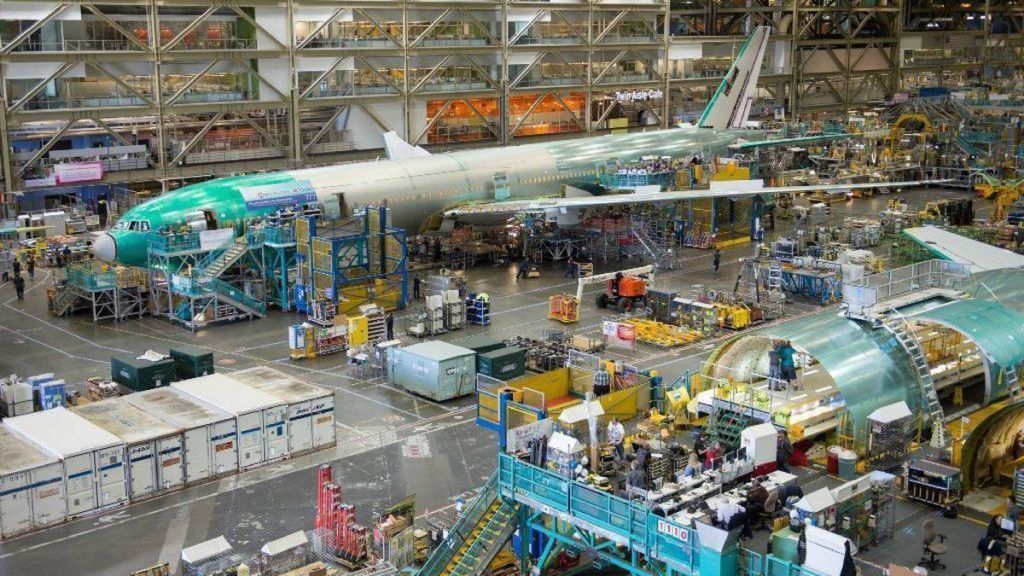
El regulador de seguridad de aviación de Estados Unidos, la Federal Aviation Administration (FAA) está tomando medidas para proteger a los ingenieros de la industria de la aviación de Estados Unidos del tipo de presión de la compañía que se reveló en las investigaciones de la falla de diseño en el Boeing 737 MAX vinculada a dos accidentes fatales. El público tendrá 30 días para comentar la propuesta.
La Administración Federal de Aviación propuso el Lunes 07/02 nuevas políticas que protegerían a los empleados de Boeing y otros fabricantes de aviones que actúan en nombre del Gobierno Federal para revisar la seguridad, incluidos los posibles denunciantes. «El nuevo borrador de la guía exige que los fabricantes monitoreen, informen e investiguen todas las acusaciones de interferencia e informen los resultados a la FAA. También establece un camino claro para que estos empleados hablen libremente con los funcionarios de certificación de la FAA en cualquier momento», dijo la agencia en un comunicado.
La propuesta aborda uno de los temas más controvertidos que surgieron de los accidentes del 737 MAX en 2018 y 2019 que mataron a 346 personas: fueron los propios ingenieros de Boeing quienes aprobaron el diseño final del sistema en el avión que condujo a los accidentes, no los empleados de la FAA.
En un comunicado, Boeing dijo que apoya los esfuerzos para mejorar la transparencia y la independencia en el acuerdo y trabajará con la agencia para garantizar que ese personal «pueda desempeñar sus funciones vitales sin interferencias a través de una comunicación abierta y un entorno de apoyo».
A pesar de los esfuerzos para reformar el proceso de aprobación de diseños de aeronaves, los empleados de Boeing han seguido expresando su preocupación por su capacidad para plantear preocupaciones de seguridad. Una encuesta de los trabajadores de la compañía de 2021 encontró que el 35% planteó problemas de conflictos de intereses y falta de independencia, informó la FAA en Agosto 2021. La FAA, a veces bajo la dirección del Congreso, ha permitido durante décadas que los empleados de la industria conocidos como «designados» revisen los diseños de las aeronaves.
La propuesta de la agencia está diseñada para garantizar que esos empleados actúen como representantes delegados del gobierno y no estén sujetos a ninguna presión que sus carreras puedan sufrir si hablan sobre cuestiones de seguridad. Un informe del Comité de Transporte e Infraestructura de la Cámara de Representantes sobre los accidentes dijo que el sistema había creado conflictos de intereses y contribuido a una falla de diseño en el avión.
Un proyecto de ley aprobado por el Congreso en Diciembre de 2020 conocido como la Ley de Reforma y Responsabilidad de la Certificación de Aeronaves no eliminó la práctica, pero incluyó varias disposiciones que requieren cambios. Además, el Administrador de la FAA, Steve Dickson, ha enumerado el problema como una prioridad en la forma en que la agencia responde a los procesos de la línea Boeing 737 MAX. El tema de la presión sobre los trabajadores de Boeing encargados de actuar en nombre de la FAA también ha provocado multas contra la compañía. Boeing acordó pagar US$ 6,6 millones de Dólares hace un año para resolver las acusaciones civiles que incluyen presionar a sus empleados.
Un sistema de seguridad en el 737 MAX conocido como el Sistema de Aumento de Características de Maniobra (MCAS) empujó la nariz del avión hacia abajo repetidamente perdiendo la estabilidad de las aeronaves en ambos accidentes aéreos de los vuelos JT-610 en Indonesia y ET-302 en Etiopía. El escrutinio de seguridad se prolongó por veinte meses para subsanar los errores de diseño de la línea 737 MAX. A partir de Diciembre 2020 el sistema ha sido rediseñado y completado para evitar fallas futuras.
FAA industrial employee protection initiative
FAA proposes protecting Boeing employees overseeing safety
The US aviation safety regulator, the Federal Aviation Administration (FAA), is taking steps to protect engineers in the US aviation industry from the kind of company pressure that was revealed in investigations into the flaw. of design in the Boeing 737 MAX linked to two fatal accidents. The public will have 30 days to comment on the proposal.
The Federal Aviation Administration proposed on Monday 02/07 new policies that would protect employees of Boeing and other aircraft manufacturers who act on behalf of the Federal Government to review safety, including potential whistleblowers. «The new draft guidance requires manufacturers to monitor, report and investigate all allegations of interference and report the results to the FAA. It also establishes a clear path for these employees to speak freely with FAA certification officials at any time.» time», the agency said in a statement.
The proposal addresses one of the most controversial issues to come out of the 737 MAX crashes in 2018 and 2019 that killed 346 people: It was Boeing’s own engineers who approved the final system design on the plane that led to the crashes, not FAA employees.
In a statement, Boeing said it supports efforts to improve transparency and independence in the agreement and will work with the agency to ensure those personnel «are able to perform their vital roles without interference through an open communication and supportive environment».
Despite efforts to reform the aircraft design approval process, Boeing employees have continued to raise concerns about their ability to raise safety concerns. A 2021 survey of company workers found that 35% raised issues of conflicts of interest and lack of independence, the FAA reported in August 2021. The FAA, sometimes at the direction of Congress, has for decades allowed workers to Industry employees known as «designates» review aircraft designs.
The agency’s proposal is designed to ensure that those employees act as delegated representatives of the government and are not subject to any pressure their careers may suffer if they speak out on security issues. A House Transportation and Infrastructure Committee report on the accidents said the system had created conflicts of interest and contributed to a design flaw in the plane.
A bill passed by Congress in December 2020 known as the Aircraft Certification Reform and Accountability Act did not eliminate the practice, but included several provisions that require changes. Additionally, FAA Administrator Steve Dickson has listed the issue as a priority in how the agency responds to processes on the Boeing 737 MAX line. The issue of pressure on Boeing workers charged with acting on behalf of the FAA has also led to fines against the company. Boeing agreed to pay $6.6 million a year ago to settle civil charges that include pressuring its employees.
A safety system on the 737 MAX known as the Maneuvering Characteristics Augmentation System (MCAS) repeatedly pushed the aircraft’s nose down, rendering the aircraft unstable in both Indonesian and ET-610 plane crashes. 302 in Ethiopia. Twenty months of safety scrutiny to iron out design flaws in the 737 MAX line. As of December 2020 the system has been redesigned and completed to avoid future failures.
PUBLISHER: Airgways.com DBk: Faa.gov / Boeing.com / Airgways.com AW-POST: 2022020122327AR OWNERSHIP: Airgways Inc. A\W A I R G W A Y S ®
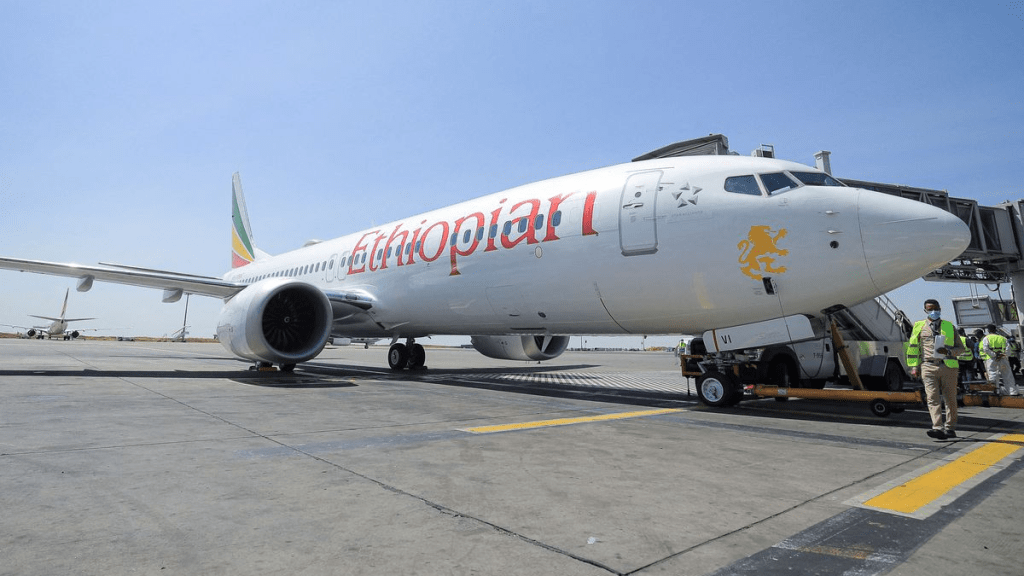
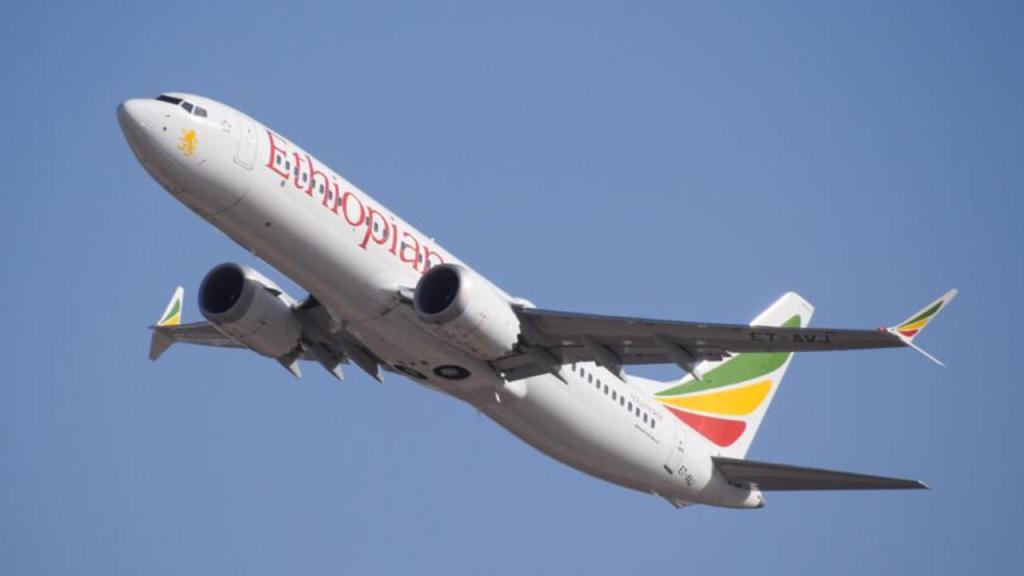
Ethiopian Airlines, el grupo de aviación más grande de África, voló su avión Boeing 737 MAX nuevamente este Martes 01/02 después de un trágico accidente aéreo ocurrido en Marzo 2019. «Ethiopian Airlines ha devuelto su Boeing 737-8 MAX a los cielos hoy con el presidente y los ejecutivos de la junta directiva de la aerolínea, ejecutivos de Boeing, ministros, embajadores, funcionarios gubernamentales, periodistas y clientes a bordo del primer vuelo», dijo el grupo en un comunicado de prensa. «La seguridad es la máxima prioridad en Ethiopian Airlines y guía cada decisión que tomamos y todas las acciones que tomamos», informó Tewolde Gebremariam, CEO del Grupo Ethiopian Airlines.
El 10 de Marzo de 2019, el vuelo ET302 de Ethiopian Airlines se estrelló poco después de salir del Aeropuerto Internacional Bole de Addis Abeba, matando a 157 personas a bordo. El incidente llevó a la aerolínea de bandera de Etiopía, junto con muchas otras aerolíneas en todo el mundo, a dejar en tierra los aviones Boeing 737 MAX.
Ethiopian reinstates Boeing 737 MAX
Boeing 737 MAX returns to the skies
Ethiopian Airlines, the largest aviation group in Africa, flew its Boeing 737 MAX aircraft again this Tuesday 01/02 after a tragic plane crash in March 2019. «Ethiopian Airlines has returned its Boeing 737-8 MAX to the skies today with the president and executives of the airline’s board of directors, Boeing executives, ministers, ambassadors, government officials, journalists and customers on board the first flight», the group said in a press release. «Safety is the highest priority at Ethiopian Airlines and guides every decision we make and every action we take», said Tewolde Gebremariam, CEO of Ethiopian Airlines Group.
On March 10, 2019, Ethiopian Airlines flight ET302 crashed shortly after leaving Addis Ababa Bole International Airport, killing all 157 people on board. The incident prompted Ethiopia’s flag carrier, along with many other airlines around the world, to ground Boeing 737 MAX planes.
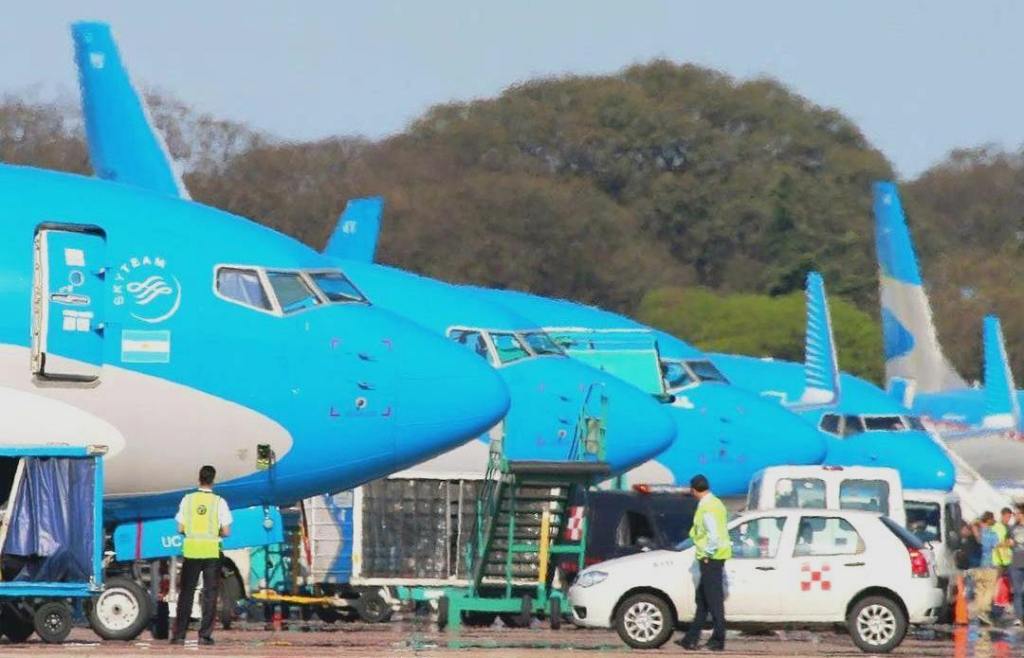
Aerolíneas Argentinas es una compañía influenciada políticamente por la Agrupación La Cámpora que gobierna varias empresas gestionadas por el Estado Argentino. Nuevamente ha trascendido que las pujas por el liderazgo y el sometimiento del personal se ven afectados por la identidad y pensamiento político. El Secretario General de APLA, Pablo Biró, ha iniciado esta semana una purga con el despido de pilotos que no coinciden con los lineamientos y pensamientos políticos y gremiales, efectivizando despidos sin causa de dos pilotos aprobados con el consentimiento del CEO de la compañía, Pablo Ceriani.
APLA, historia confrontación política
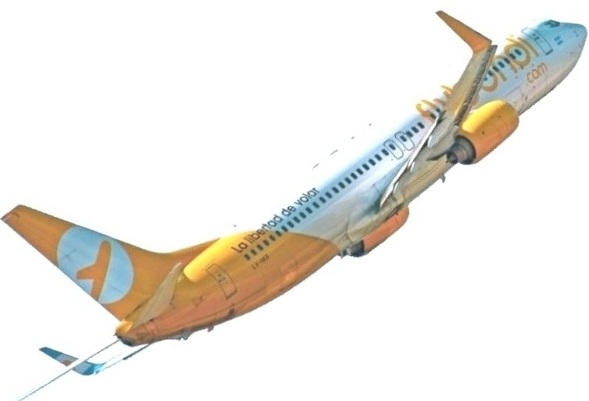
El Secretario de la asociación que nuclea a los pilotos de Aerolíneas Argentinas ha continuado estableciendo una campaña agresiva contra la titular de la ANAC, Paola Tamburelli a quien llegó a acusar “de no asumir sus responsabilidades y falta de decoro”, mientras que en el ámbito aeronáutico muchos miran para otro lado. Hace semanas atrás, el acuerdo LADE-Flybondi ha reactivado las confrontaciones desde diferentes ángulos. Una nota firmada por los cuatro gremios aeronáuticos APLA, APA, UPSA y Atepsa, concordaban la oposición al acuerdo de wet lease entre Flybondi Líneas Aéreas y LADE Líneas Aéreas. El Secretario gremial de APLA dirigió una nota personal al Ministro de Defensa acusándolo de “haberlo decepcionado” por haber permitido el acuerdo entre ambas aerolíneas, calificando el hecho como en “una notoria violación a las obligaciones constitutivas de LADE, que bajo ninguna circunstancia puede realizar actividad aerocomercial puesto que su finalidad de fomento la excluye”. La acusación personal ha abierto el paraguas en el sector político del Ministerio de Defensa, del Ministerio de Turismo, como así también de la Fuerza Aérea/LADE, Aerolíneas Argentinas, entre otros que manifestaron claramente la aprobación de la operación LADE-Flybondi, por el motivo que la aerolínea low cost se había visto afectada por la cantidad de contagios de sus tripulantes al inicio de la temporada estival y necesitaba efectuar los vuelos programados.
Operaciones
Tras una serie de presiones del sindicato de Pilotos de APLA, el ojo de la tormenta continúa enfocado en el Área de Operaciones, dando a saber entre bastidores la existencia de un listado de pilotos impuros, lo que acrecienta el rumor de más despidos.
Un nuevo despedido esta semana fue el Comandante de Aerolíneas Argentinas Sebastián Fabre, quien en Julio de 2018 se negó a leer una «proclama gremial» a los pasajeros en pleno vuelo, que posteriormente fue amenazado públicamente por un miembro de la Comisión Directiva de APLA, el entonces Delegado Gremial Santiago Girou. El Comandante Sebastián Fabre demandó al Delegado por apriete, obteniendo un fallo favorable ante la Justicia. Estas situaciones de despidos no justificados puso en evidencia y en alerta al área de pilotos en Aerolíneas Argentinas.
UALA, fin de un gremio
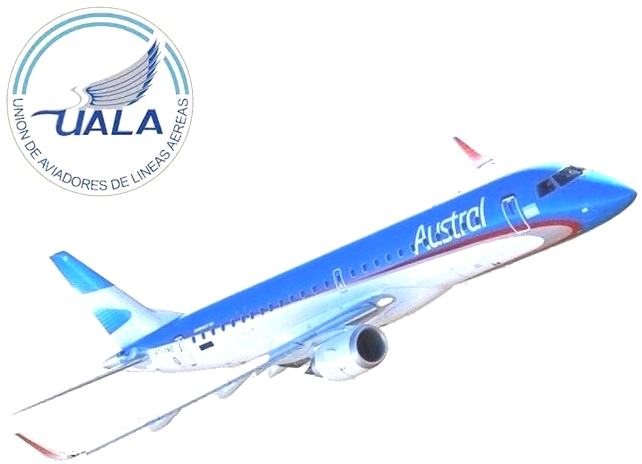
Las presiones sindicales son coincidentes con el llamado del Gremio APLA para este Martes 8 de Febrero de 2022 al llamado a Asamblea General de afiliados de todos los sectores en la sede de de la Unión de Aviadores de Líneas Aéreas (UALA), gremio que nucleaba a los pilotos de Austral Líneas Aéreas, para la concreción de la absorción de UALA por parte de APLA. El reciente despido sin causa del Comandante de la flota Embraer 190, Eduardo Claro, último Director del Programa de Propiedad Participada (PPP) de Austral Líneas Aéreas que representaba como accionista, por oponerse a la fusión Aerolíneas-Austral y cuestionar el gerenciamiento de la flota unificada, el grupo podría llegar a tener dificultades con la disponibilidad de aeronaves. Actualmente, de 76 aviones, diecisiete continúan fuera de servicio, lo que representa una (1) aeronave en tierra sobre ocho Boeing 737-700 (8), siete (7) sobre veintinueve Boeing 737-800 (29) y ocho (8) sobre veintiséis Embraer E190-100AR (26), uno (1) de ocho Airbus A330-200 (8), mientras que la totalidad de la flota de cinco Boeing 737-8 MAX (5) se encuentran operativos. Aunque se atiende la situación de la crisis sanitaria actual, es entendible que la demanda no justifique la activación de toda la flota.
Subsidios del Estado
Las partidas anticipadas de subsidios por parte del Estado argentino que se aproximan van a generar más malestar a toda la arena política opositora. Las partidas de millones de Pesos (AR$) en subsidios que se estima requerirá este año 2022 la compañía generará un nuevo punto de inflexión en el tratamiento en el Congreso Nacional, un tema histórico que muchos reclaman poner fin a un saco roto.
Aerolíneas political purge
Fired pilots for political non-alignment
Aerolíneas Argentinas is a company politically influenced by the La Cámpora Group that governs several companies managed by the Argentine State. Once again it has transpired that the bids for leadership and the submission of personnel are affected by identity and political thought. The General Secretary of APLA, Pablo Biró, has initiated this week a purge with the dismissal of pilots who do not coincide with the political and union guidelines and thoughts, carrying out dismissals without cause of two approved pilots with the consent of the CEO of the company, Pablo Ceriani.
APLA, political confrontation history
The Secretary of the association that brings together the pilots of Aerolineas Argentinas has continued to establish an aggressive campaign against the head of the ANAC, Paola Tamburelli, whom he even accused «of not assuming her responsibilities and lack of decorum», while in the field aeronautical many look the other way. Weeks ago, the LADE-Flybondi agreement has reactivated the confrontations from different angles. A note signed by the four aeronautical unions APLA, APA, UPSA and Atepsa, agreed to oppose the wet lease agreement between Flybondi Líneas Aéreas and LADE Líneas Aéreas. The union secretary of APLA addressed a personal note to the Minister of Defense accusing him of «having disappointed him» for having allowed the agreement between the two airlines, describing the fact as «a notorious violation of the constitutive obligations of LADE, which under no circumstances can carry out aero-commercial activity since its promotion purpose excludes it”. The personal accusation has opened the umbrella in the political sector of the Ministry of Defense, the Ministry of Tourism, as well as the Air Force/LADE, Aerolineas Argentinas, among others who clearly expressed approval of the LADE-Flybondi operation, by the reason that the low cost airline had been affected by the number of infections of its crew at the beginning of the summer season and needed to carry out the scheduled flights.
Operations
After a series of pressures from the APLA Pilots Union, the eye of the storm continues to focus on the Operations Area, making known among backstage the existence of a list of impure pilots, which increases the rumor of more dismissals.
A new dismissal this week was the Commander of Aerolíneas Argentinas Sebastián Fabre, who in July 2018 refused to read a «union proclamation» to passengers in mid-flight, which was later publicly threatened by a member of the APLA Board of Directors, the then Guild Delegate Santiago Girou. Commander Sebastián Fabre sued the Delegate for tightening, obtaining a favorable ruling before the Justice. These situations of unjustified dismissals put in evidence and on alert the area of pilots in Aerolíneas Argentinas.
UALA, end of a guild
The union pressures coincide with the call of the APLA Guild for this Tuesday, February 8, 2022, to the call for a General Assembly of affiliates from all sectors at the headquarters of the Union of Airline Aviators (UALA), a union that brought together the pilots of Austral Líneas Aéreas, for the completion of the absorption of UALA by APLA. The recent dismissal without cause of the Commander of the Embraer 190 fleet, Eduardo Claro, last Director of the Participated Property Program (PPP) of Austral Líneas Aéreas, which he represented as a shareholder, for opposing the Aerolíneas-Austral merger and questioning the management of the fleet unified, the group could run into difficulties with aircraft availability. Currently, out of 76 aircraft, seventeen remain out of service, which represents one (1) aircraft on the ground out of eight Boeing 737-700 (8), seven (7) out of twenty-nine Boeing 737-800 (29) and eight (8) over twenty-six Embraer E190-100AR (26), one (1) of eight Airbus A330-200 (8), while the entire fleet of five Boeing 737-8 MAX (5) are operational. Although the situation of the current health crisis is addressed, it is understandable that the demand does not justify the activation of the entire fleet.
State subsidies
The advance payments of subsidies by the Argentine State that are approaching are going to generate more discomfort in the entire opposition political arena. The items of millions of Pesos (AR$) in subsidies that the company is estimated to require this year 2022 will generate a new turning point in the treatment in the National Congress, a historical issue that many claim to put an end to a broken bag.
PUBLISHER: Airgways.com DBk: Aerolineas.com / Apla.org.ar / Airgways.com AW-POST: 202202021244AR OWNERSHIP: Airgways Inc. A\W A I R G W A Y S ®
Aerolínea emergente incorporará quince aviones Aspira operaciones desde Aeropuerto AIFA
Aerala es una nueva aerolínea que no ha sido anunciada formalmente, pero destacan fuentes cercanas al ex Director General de Interjet, José Luis Garza, quien será el nuevo CEO de la nueva aerolínea que podría comenzar a operar desde el nuevo Aeropuerto Internacional Felipe Ángeles (AIFA) en Santa Lucía, promovido por el Presidente mexicano Andrés Manuel López Obrador.
La aerolínea planea comenzar operaciones con quince aeronaves de mediano porte. Algunas fuentes cercanas señalan que esta fue creada en Octubre 2021 bajo la incertidumbre de un cierre de Interjet. Su página oficial http://www.aerala.com aún mantiene la leyenda en construcción. El Presidente de México destacó en su conferencia matutina que desconoce la creación de nuevas aerolíneas, sin embargo se dijo a favor si resurge alguna nueva compañía. José Luis Garza ha sido una persona activa en el gerenciamiento de aerolíneas con participaciones en Aerovías de México entre 1988 y 1991, mientras que su función actual se desempeñaba en la ex-aerolínea Interjet.
Startup Aerala in Mexico
Emerging airline will incorporate fifteen aircraft Aspira operations from AIFA Airport
Aerala is a new airline that has not been formally announced, but sources close to the former General Director of Interjet, José Luis Garza, stand out, who will be the new CEO of the new airline that could start operating from the new Felipe Ángeles International Airport (AIFA) in Santa Lucía, promoted by Mexican President Andrés Manuel López Obrador.
The airline plans to begin operations with fifteen medium-sized aircraft. Some close sources indicate that this was created in October 2021 under the uncertainty of an Interjet closure. Its official page http://www.aerala.com still maintains the legend under construction. The President of Mexico stressed in his morning conference that he is unaware of the creation of new airlines, however he said in favor if any new company resurfaces. José Luis Garza has been an active person in the management of airlines with participations in Aerovías de México between 1988 and 1991, while his current role was in the former Interjet airline.
PUBLISHER: Airgways.com DBk: Aerala.com / Airgways.com AW-POST: 202201281638AR OWNERSHIP: Airgways Inc. A\W A I R G W A Y S ®
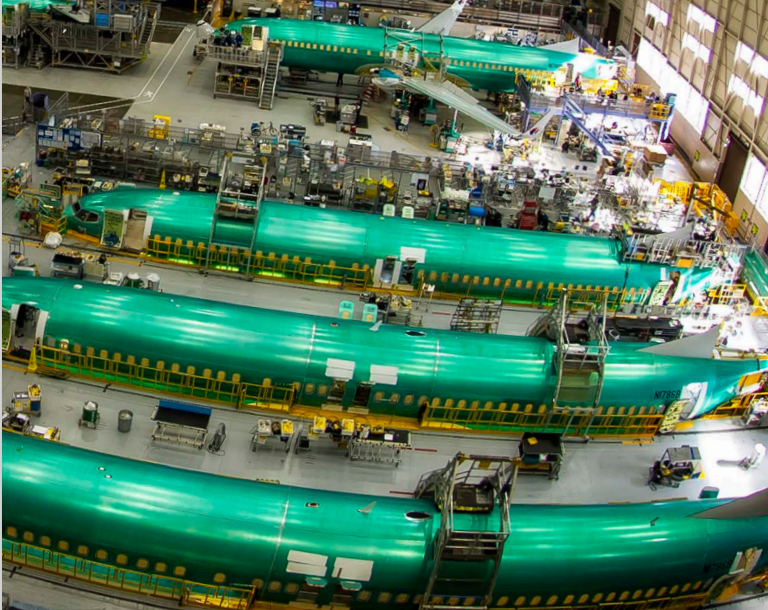
The Boeing Company ha recibido casi US$ 4.000 millones de Dólares en cargos relacionados con los problemas que tuvo con su 787 Dreamliner, lo que provocó que las pérdidas se dispararan por tercer año consecutivo. La compañía había sido golpeada con los problemas que rodearon al 737 MAX, que estuvo en tierra durante veinte meses a partir de 2019 después de dos accidentes aéreos. La demanda de nuevos aviones se desplomó debido a las pérdidas económicas masivas de aerolíneas causadas por la pandemia. Boeing esencialmente no ha podido entregar el avión 787 de fuselaje ancho durante un año debido a problemas de control de calidad.
La compañía aeroespacial dijo que tendrá que pagar US$ 3.500 millones de Dólares para compensar a los clientes por las entregas retrasadas. Entregó solo 1catorce unidades de los aviones en 2021, y ninguno desde Junio 2021. También dijo que los retrasos aumentarían los costos de producción del avión en un estimado de US$ 2 mil millones, y la mayoría de esos costos llegarán a fines de este año 2022. Registró US$ 285 millones de esos costos aumentados en el trimestre recién completado 3Q2021. «Estamos progresando a través de un esfuerzo integral para garantizar que cada avión en nuestro sistema de producción cumpla con nuestras exigentes especificaciones. Este esfuerzo continúa impactando nuestras entregas y nuestros resultados financieros, pero estamos totalmente seguros de que es lo correcto. Si bien nunca queremos decepcionar a nuestros clientes o perder las expectativas, el trabajo que estamos realizando ahora generará estabilidad y previsibilidad en el futuro», dijo el CEO de Boeing, Dave Calhoun, en un memorando a los empleados el miércoles.
Los cargos hicieron que la compañía reportara una pérdida neta de US$ 4.3 mil millones para el año 2021, que en realidad representa una mejora de los US$ 11.9 mil millones que perdió en 2020. Su pérdida básica, excluyendo partidas especiales, llegó a US$ 4.100 millones de Dólares en el año 2021, revirtiendo una ganancia estrecha sobre esa base en los primeros nueve meses de 2021. Es una pérdida trimestral básica sobre esa base de US$ 4.5 mil millones. Eso fue mucho peor de lo que los analistas habían pronosticado. Los resultados trimestrales incluyeron algunas buenas noticias para Boeing. La compañía tuvo un flujo de caja positivo por primera vez desde el primer trimestre de 2019, el período en el que comenzaron los problemas con el 737 MAX. «Nos hemos centrado implacablemente en mejorar nuestra situación de flujo de caja libre. Ha sido nuestra métrica #1. Y poder lograr eso, creo, es una excelente noticia», dijo David Calhoun a los inversores en una conferencia telefónica el Miércoles 26/01.
La puesta a tierra de Boeing 737 MAX y el inicio de la pandemia hicieron que la compañía quemara efectivo. El MAX finalmente le costó a Boeing más de US$ 21 mil millones en costos documentados y llevó a más de 1.000 pedidos cancelados para los aviones que redujeron drásticamente sus ingresos. Sumado a estos problemas, se iniciaban dificultades con la línea 787 Dreamliner, mientras todavía lidia con el Programa 777X de próxima generación para rematar la tormenta perfecta. Los problemas de entrega y calidad de los 787 no son los únicos vientos en contra para el avión. Construido con una innovadora fibra de carbono ligera en lugar de aluminio para gran parte de su fuselaje, el Dreamliner fue diseñado principalmente para rutas internacionales de larga distancia. Pero los viajes internacionales son el sector de la industria aérea que se espera que sea el último en recuperarse de la actual recesión pandémica. Los pedidos del avión cayeron a solo veintiún unidades en 2021, frente a los 113 de 2019.
«Nos estamos tomando el tiempo ahora para asegurarnos de que estamos bien posicionados a medida que se recupera la demanda de cuerpo ancho», dijo David Calhoun en su memorando a los empleados. Las acciones de Boeing cayeron casi un 4% en las operaciones del Miércoles 26/01 por la mañana en los resultados, incluso cuando los índices bursátiles estadounidenses más amplios se recuperaron antes de una reunión muy esperada de la Reserva Federal. Ejecutivos de la compañía trataron de asegurar a los inversionistas el 26/01 que en el esquema de las cosas los problemas con el 787 son temporales. «Si bien esto duele en el corto plazo, todavía creemos que es lo correcto porque a largo plazo, vamos a vender muchos de estos 787 durante décadas. Así que solo tenemos que abrirnos camino a través de esto«, dijo el CFO de Boein Brian West.
Boeing, charges arising from the 787
Boeing posts massive charge for 787 problems
The Boeing Company has been hit with nearly US$ 4 billion in charges related to problems with its 787 Dreamliner, causing losses to soar for the third year in a row. The company had been hit with problems surrounding the 737 MAX, which was grounded for twenty months beginning in 2019 after two plane crashes. Demand for new aircraft has plummeted due to massive airline economic losses caused by the pandemic. Boeing has essentially been unable to deliver the 787 widebody for a year due to quality control issues.
The aerospace company said it will have to pay US$ 3.5 billion to compensate customers for delayed deliveries. It delivered just 114 of the planes in 2021, and none since June 2021. It also said the delays would increase the plane’s production costs by an estimated US$ 2 billion, with most of those costs coming later this year. 2022. Recorded US$ 285 million of those increased costs in the just completed quarter 3Q2021. «We are making progress through a comprehensive effort to ensure that every aircraft in our production system meets our exacting specifications. This effort continues to impact our deliveries and financial results, but we are fully confident that it is the right thing to do. While we never want to disappoint our customers or miss expectations, the work we’re doing now will build stability and predictability in the future», Boeing CEO Dave Calhoun said in a memo to employees on Wednesday.
The charges caused the company to report a net loss of US$ 4.3 billion for 2021, which is actually an improvement from the US$ 11.9 billion it lost in 2020. Its basic loss, excluding special items, came to US$ 4.1 billion in 2021, reversing a narrow gain on that basis in the first nine months of 2021. That’s a basic quarterly loss on that basis of US$ 4.5 billion. That was much worse than analysts had predicted. The quarterly results included some good news for Boeing. The company was cash flow positive for the first time since the first quarter of 2019, the period in which the problems with the 737 MAX began. «We’ve been relentlessly focused on improving our free cash flow situation. It’s been our #1 metric. And to be able to do that, I think, is great news», David Calhoun told investors in a conference call on Wednesday 1/26.
The grounding of the Boeing 737 MAX and the start of the pandemic caused the company to burn cash. The MAX ultimately cost Boeing more than US$ 21 billion in documented costs and led to more than 1,000 canceled orders for the planes that slashed its revenue. Adding to these issues was the beginning of difficulties with the 787 Dreamliner line, while still dealing with the Next Generation 777X Program to top off the perfect storm. The 787’s delivery and quality issues aren’t the only headwinds for the plane. Built with an innovative lightweight carbon fiber instead of aluminum for much of its fuselage, the Dreamliner was primarily designed for long-haul international routes. But international travel is the sector of the airline industry that is expected to be the last to recover from the current pandemic downturn. Orders for the plane fell to just twenty-one units in 2021, down from 113 in 2019.
«We’re taking the time now to make sure we’re well positioned as widebody demand picks up», David Calhoun said in his memo to employees. Shares of Boeing fell nearly 4% in Wednesday morning 1/26 trading in the results, even as broader US stock indices rallied ahead of a much-anticipated Federal Reserve meeting. Company executives tried to assure investors on 01/26 that in the scheme of things the problems with the 787 are temporary. «While this hurts in the short term, we still think it’s the right thing to do because in the long term, we’re going to be selling a lot of these 787s for decades. So we just have to work our way through this», said Boeing CFO Brian West.
PUBLISHER: Airgways.com DBk: Boeing.com / Airgways.com AW-POST: 202201280711AR OWNERSHIP: Airgways Inc. A\W A I R G W A Y S ®
AW | 2022 01 28 06:28 | AVIATION SAFETY / GOVERNMENT
Audiencia sobre impacto de 5G en la seguridad de la aviación
El jefe de la Administración Federal de Aviación (FAA) testificará ante una audiencia del 3 de Febrero de 2022 en la Cámara de Representantes de Estados Unidos sobre el nuevo despliegue de 5G de Banda C y su impacto en la seguridad de la aviación anunciaron este Miércoles 26/01. Se espera que el Comité de Transporte e Infraestructura de la Cámara de Representantes escuche al Administrador de la FAA, Steve Dickson, junto con funcionarios de la industria de la aviación y la industria inalámbrica. Estos incluyen al jefe de Airlines for America (A4A), un grupo comercial que representa a las aerolíneas de pasajeros y carga, y la Asociación de Industrias Aeroespaciales, que representa a los fabricantes de aviones. «Espero que el administrador Dickson y todos nuestros testigos vengan preparados para una discusión sólida sobre cómo el objetivo de un despliegue exitoso de 5G puede coexistir con la seguridad de nuestros cielos», dijo el presidente del Comité del Senado, Peter DeFazio, en un comunicado.
Los modelos de aviones con altímetros despejados incluyen Boeing 717, 737, 747, 757, 767, 777, 787 MD-10/-11; Airbus A300, A310, A319, A220, A320, A321, A330, A340, A350, A380; Embraer E120, E170 y E190; todos los aviones regionales CL-600/CRJ y los turbohélices DHC-8 y ATR 42/72.
AT&T y Verizon Communications acordaron el 18 de Enero de 2022 retrasar el encendido de nuevas torres de telecomunicaciones cerca de aeropuertos clave, incluso cuando activaron el nuevo servicio de Banda C 5G. Los altímetros de radio se utilizan para dar datos sobre la altura sobre el suelo para aterrizajes de mal tiempo y la tecnología 5G podría causar interferencias, advirtió la FAA. La semana pasada, las principales aerolíneas de pasajeros y carga de Estados Unidos advirtieron sobre una posible crisis de aviación catastrófica y dijeron que sin un retraso en el despliegue de 5G cerca de algunos aeropuertos la gran mayoría del público que viaja y envía esencialmente estará en tierra.
La FAA, que no hizo comentarios sobre el testimonio planeado de Dickson, dijo el martes que emitió aprobaciones para altímetros adicionales que permiten que alrededor del 90% de la flota de aviación comercial de Estados Unidos realice aterrizajes de baja visibilidad en aeropuertos donde se despliega la tecnología inalámbrica 5G. La FAA autorizó siete altímetros adicionales, lo que elevó el total aprobado a veinte. Verizon acordó no encender temporalmente unas 500 torres cerca de los aeropuertos, dijeron fuentes a Reuters, o menos del 10% de su despliegue planeado, mientras que los transportistas y la administración trabajan en una solución permanente. El problema está interrumpiendo algunos aterrizajes con mal tiempo en aeropuertos más pequeños, especialmente entre los aviones regionales, y todavía hay serias preocupaciones sobre lo que sucede cuando los operadores inalámbricos encienden esas torres cerca de los aeropuertos.
«Ahora estamos viendo los impactos operativos en los viajes aéreos. Todas las partes interesadas deben unirse para abordar estos impactos e implementar soluciones a largo plazo que aumenten la seguridad y reduzcan las interrupciones para los aeropuertos afectados», expresó Peter DeFazio.
FAA hearing Congress for 5G impact
Hearing on the impact of 5G on aviation security
The head of the Federal Aviation Administration (FAA) will testify before a hearing on February 3, 2022 in the United States House of Representatives on the new deployment of 5G Band C and its impact on aviation security announced this Wednesday 01/26. The House Transportation and Infrastructure Committee is expected to hear from FAA Administrator Steve Dickson, along with officials from the aviation and wireless industries. These include the head of Airlines for America (A4A), a trade group representing passenger and cargo airlines, and the Aerospace Industries Association, which represents aircraft manufacturers. «I hope Administrator Dickson and all of our witnesses come prepared for a robust discussion on how the goal of a successful 5G deployment can co-exist with the safety of our skies», Senate Committee Chairman Peter DeFazio said in a statement. .
Aircraft models with clear altimeters include Boeing 717, 737, 747, 757, 767, 777, 787 MD-10/-11; Airbus A300, A310, A319, A220, A320, A321, A330, A340, A350, A380; Embraer E120, E170 and E190; all CL-600/CRJ regional jets and DHC-8 and ATR 42/72 turboprops.
AT&T and Verizon Communications agreed on January 18, 2022 to delay powering up new telecommunications towers near key airports, even as they activated new Band C 5G service. Radio altimeters are used to give height-above-ground data for bad-weather landings and 5G technology could cause interference, the FAA has warned. Last week, America’s major passenger and cargo airlines warned of a potential catastrophic aviation crisis, saying that without a delay in rolling out 5G near some airports the vast majority of the traveling and shipping public will essentially be on the ground.
The FAA, which did not comment on Dickson’s planned testimony, said Tuesday that it has issued approvals for additional altimeters that allow about 90% of the US commercial aviation fleet to make low-visibility landings at airports where the FAA is deployed. 5G wireless technology. The FAA authorized seven additional altimeters, bringing the approved total to twenty. Verizon has agreed not to temporarily turn on some 500 towers near airports, sources told Reuters, or less than 10% of its planned rollout, while carriers and the administration work on a permanent fix. The problem is disrupting some bad-weather landings at smaller airports, especially among regional jets, and there are still serious concerns about what happens when wireless carriers turn on those towers near airports.
«We are now looking at the operational impacts to air travel. All stakeholders must come together to address these impacts and implement long-term solutions that increase safety and reduce disruption for affected airports», said Peter DeFazio.
PUBLISHER: Airgways.com DBk: Faa.gov / Senate.gov / Airgways.com AW-POST: 202201280628AR OWNERSHIP: Airgways Inc. A\W A I R G W A Y S ®
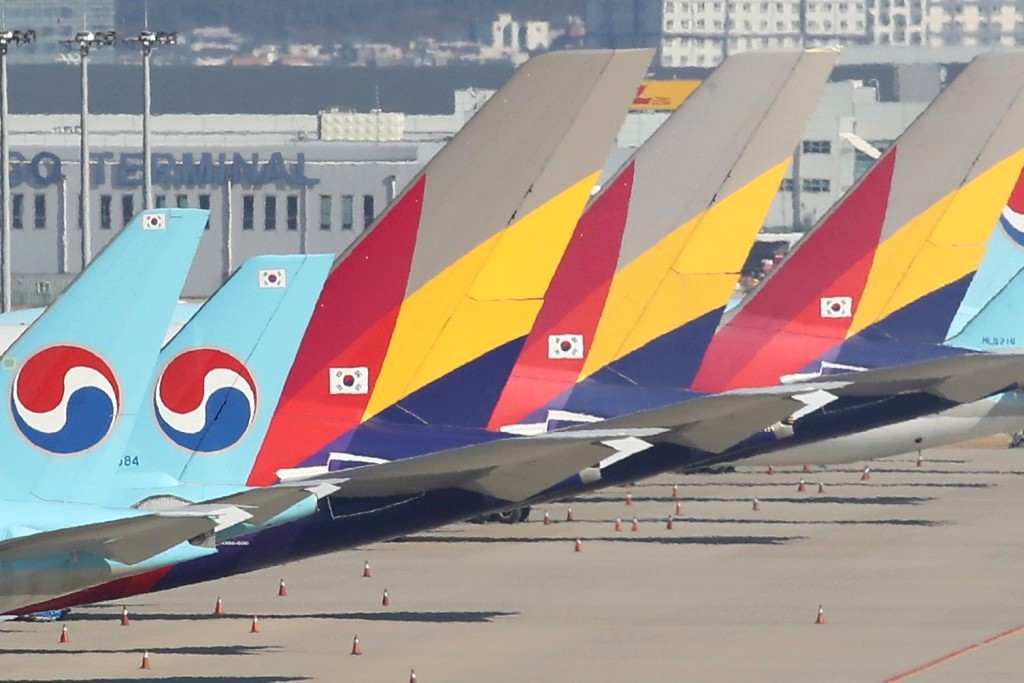
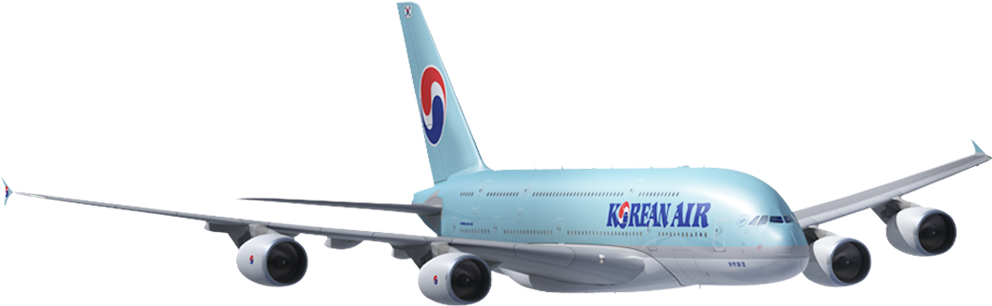
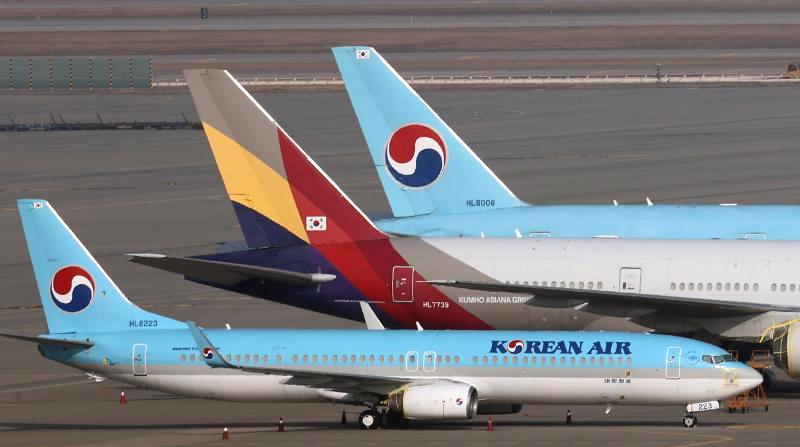
Proyecciones detrás de la fusión Korean Air-Asiana Aerolíneas en región proyectarían expansión rutas
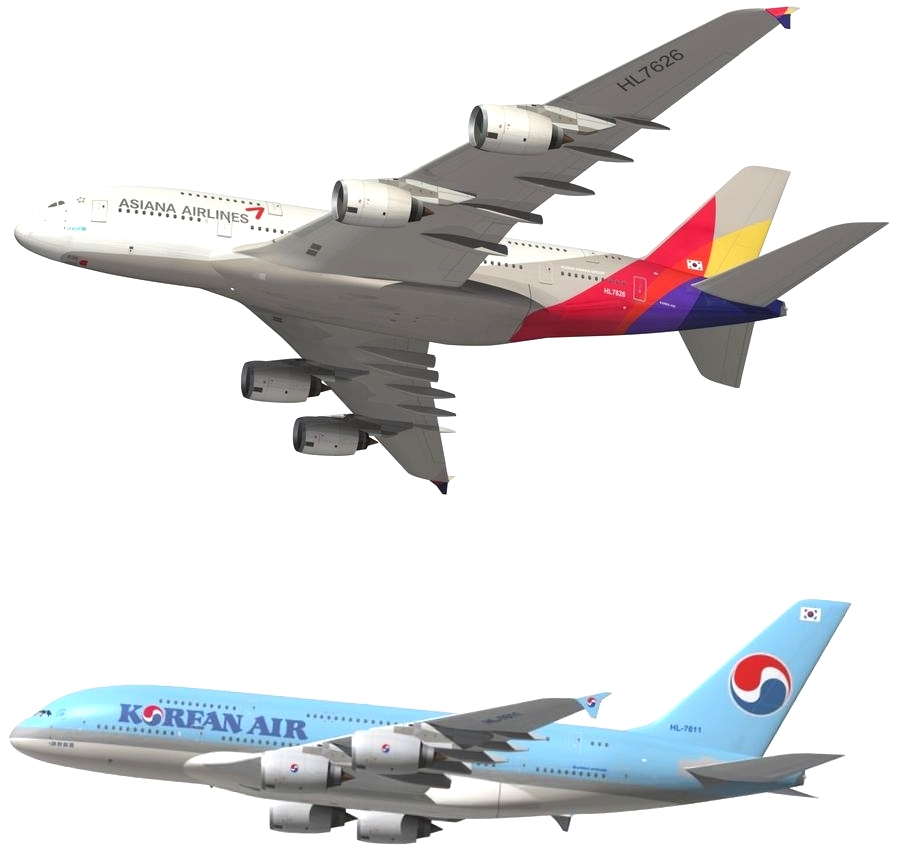
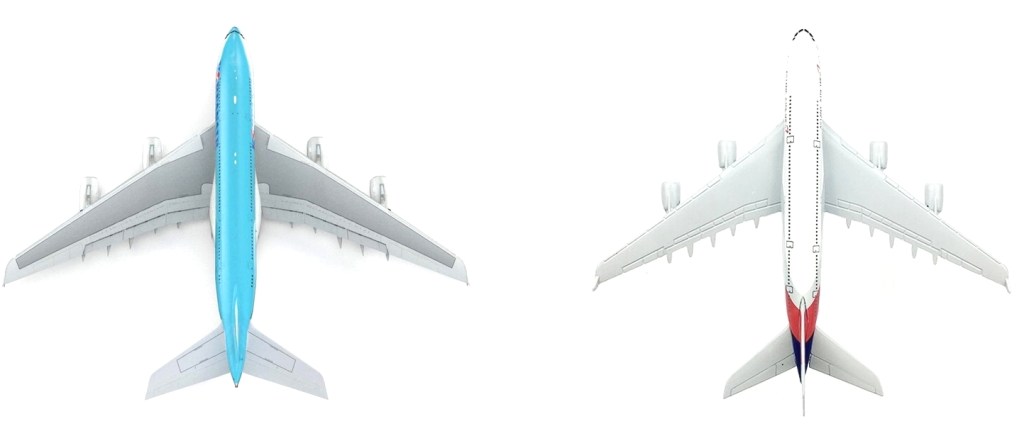
Las aerolíneas de bajo costo podrían beneficiarse de la fusión de Korean Air-Asiana, mientras que los reguladores están exigiendo a la mega-transportista la eliminación de algunas rutas de larga distancia para evitar la monopolización producto de la mega-alianza. Korean Air Lines anunció en Noviembre de 2020 que compraría el 63,88 por ciento de Asiana Airlines y eventualmente se fusionaría con ella, creando una de las diez principales aerolíneas mundiales en términos de rutas. La Comisión de Comercio Justo (FTC) dio en Diciembre 2021 una aprobación tentativa a la fusión, pero solo con la condición de que deje sin efectos algunas rutas para evitar el monopolio en la región; mientras se espera que la decisión formal se determine en algún momento de Febrero 2022. La fecha límite para el acuerdo de sinergia es 2024, cuando se espera que se complete la fusión.
Profundizando mercado
Los derechos de ruta son otorgados por los países respectivos que asignan esas rutas a transportistas específicos. Los reguladores descubrieron que las entidades que se fusionan monopolizan una serie de rutas de larga distancia, incluidos los vuelos que conectan Incheon y Los Ángeles, Nueva York, Barcelona, Seattle y Sydney, y algunos de esos derechos de tráfico podrían redistribuirse a otras aerolíneas. Un caso ejemplar ha sido las rutas en el mercado Mongolia-Corea del Sur. Los derechos de tráfico se han redistribuido en el pasado para las rutas mongolas. Korean Air Lines fue la única aerolínea Coreana que volaba Incheon—Ulán Bator, pero algunos espacios se asignaron a Asiana Airlines en 2019 después de que la FTC dictaminó que era un monopolio.
En la actualidad, aunque se presenta la oportunidad, existe un acalorado debate sobre si es la mejor decisión para las aerolíneas de bajo costo comenzar vuelos de larga distancia debido a los altos costos y baja rentabilidad en la post-pandemia. Tras la posible aprobación de la fusión Korean-Asiana, las aerolíneas se preparan con arrendamientos de aviones de mayor porte. Los vuelos internacionales de larga distancia han sido los mayores generadores de ingresos para las aerolíneas de la región. En 2019, antes de la pandemia, Korean Air Lines registró el 29 por ciento de sus ingresos por pasajeros de las rutas estadounidenses y el 19 por ciento de las rutas europeas. En términos de carga, las cifras fueron de 42 por ciento y 23 por ciento.
Las aerolíneas de bajo costo solo vuelan a destinos nacionales y algunos países cercanos como Japón, China o Singapur, y obtener derechos de tráfico a destinos lejanos podría ofrecer oportunidades de expansión. Actualmente, poseen aviones con capacidades de vuelo de corta a media distancia, se encuentran luchando por incorporar aviones más grandes para vuelos de larga distancia.
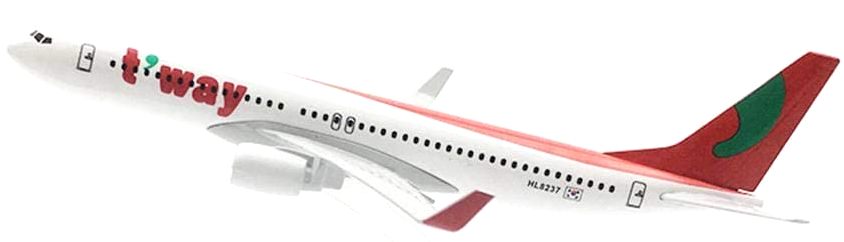
T’way Air posee una flota exclusiva de aeronaves narrowbodies Boeing 737-800 que se utilizan con mayor frecuencia para vuelos de corta a media distancia, La compañía agregará un Airbus A330-300 a su flota en febrero para volar a Sydney, Croacia y Honolulu (Hawaii/EE.UU.). El Airbus es un avión de 350 plazas y tiene un alcance de vuelo de 10.186 kilómetros (6.330 millas), por lo que puede volar a Europa y al continente estadounidense. Dos aviones Airbus A330 adicionales serán arrendados en la primera mitad 2022 y se agregarán a su flota en el futuro. «Decidir arrendar un avión y realmente recibirlo puede llevar menos de un año si se hace lo suficientemente rápido. Podemos terminar de prepararnos para volar rutas de larga distancia antes de que ocurra la fusión de las grandes aerolíneas, y no debería haber ninguna preocupación de que las aerolíneas no puedan utilizar los derechos de tráfico redistribuidos», dijo un portavoz de T’way Air.
Air Premia, una aerolínea de bajo costo que comenzó a operar en 2017, arrendará dos Boeing 787-9 Dreamliner este año 2022. El avión tiene un alcance de vuelo de 15.000 kilómetros, lo que le da un alcance global. La aerolínea actualmente opera un Dreamliner, y tiene planes ambiciosos para usar el avión para comenzar a servir a Los Ángeles en Mayo 2022.
Las aerolíneas asiáticas deberán equilibrar el arrendamiento de aeronaves de mayor porte con los costos que tienen que pagar mientras luchan financieramente durante la crisis sanitaria mundial. «Incluso si los LCC (Low Cost Carrier) agregan uno o dos aviones de gran tamaño a su flota, no tienen aviones sustitutos en casos de mal funcionamiento o cuando el avión necesita mantenimiento. Podrían agregar agresivamente más aviones e intentar volar rutas estadounidenses como LCC, pero operar uno o dos vuelos adicionales no crea economías de escala ni altas ganancias. La industria de la aviación está luchando en general, y podría ser peligroso para las aerolíneas invertir en áreas de incertidumbre en un momento en que deberían centrarse en mantener el negocio y tratar de sobrevivir», dijo Lee Yun-cheol, Profesor de Negocios en la Universidad Aeroespacial de Corea.
La pérdida neta de T’way Air en el último tercer trimestre fue de ₩ 45.200 millones de Wones desde una pérdida del año anterior de ₩ 32.300 millones de Wones. Jeju Air, la aerolínea de bajo costo más grande de Corea, devolvió seis aviones alquilados al arrendador el año pasado 2021 en un esfuerzo por mantener la deuda bajo control. «Excluyendo a algunas aerolíneas que tienen planes de introducir A330 de largo alcance, las compañías locales que tienen flotas centradas en Boeing 737 tendrán dificultades para tratar de volar rutas con destino a Europa. Teniendo en cuenta que algunas aerolíneas ni siquiera pueden volar completamente las rutas para las que actualmente tienen derechos de tráfico, hay pocas posibilidades de que las aerolíneas rivales a las que se les otorgan derechos de tráfico adicionales puedan operar inmediatamente rutas recién distribuidas», dijo Kang Seong-jin, Analista de KB Securities.
El catering es un obstáculo para las aerolíneas más pequeñas, teniendo en cuenta que sus vuelos nacionales habituales y los vuelos de corta distancia no requieren que sirvan comidas. Capacitar a los asistentes de vuelo sobre las medidas de seguridad para aviones más grandes es otra barrera de entrada. T’way Air dice que se ha estado preparando entrenando a su tripulación de vuelo y cabina desde Junio 2021 para acostumbrarse al nuevo A330. Los trabajadores de mantenimiento fueron capacitados por Airbus en Francia desde Noviembre hasta Diciembre 2021, y la aerolínea ha construido un centro de simuladores A330 en el Aeropuerto Internacional de Gimpo.
Perspectivas aéreas
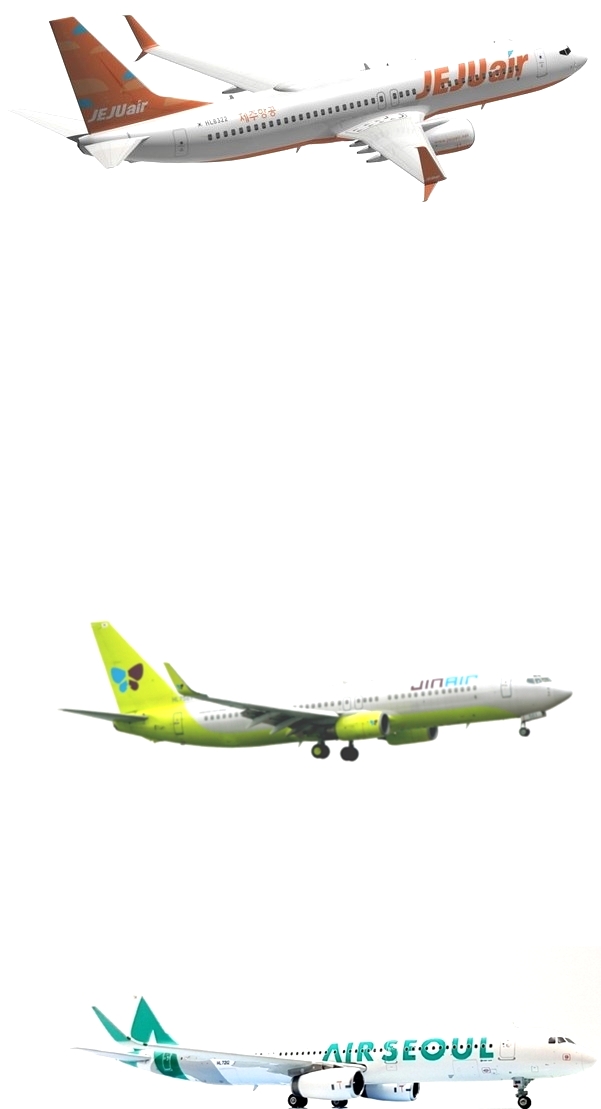
Cuando la FTC evaluó el acuerdo entre Korean Air Lines y Asiana Airlines para evitar un monopolio aéreo, también tuvo en cuenta a sus aerolíneas subsidiarias. Air Seoul, una subsidiaria de propiedad total de Asiana Airlines, y Air Busan, 44.17 por ciento propiedad de la aerolínea, también se contaron en la participación de mercado de Asiana. Jin Air, propiedad en un 54,91 por ciento de Hanjin KAL, que posee el 27,7 por ciento de Korean Air Lines, también se tuvo en cuenta en la ecuación. Aunque las tres subsidiarias no tienen prohibido recibir derechos de tráfico, no es probable que sean las primeras opciones. «La FTC combinó los dos operadores de servicio completo y los tres LCC para determinar si podría haber un monopolio. Hay pocas posibilidades de que aerolíneas como Jin Air se beneficien de la fusión y la redistribución de los derechos de tráfico», dijo Min-sik, Analista de eBest Investment & Securities.
Jeju Air está adoptando un enfoque conservador. La compañía es una de las pocas aerolíneas que declaró que se centrará en rutas de corta a media distancia. El CEO Yi-Bae Kim anunció el 24 de Enero de 2022 que se agregarán un total de 50 Boeing 737-8 MAX para fines de 2027 para vuelos de pasajeros. El avión es considerado un avión de tamaño medio con alrededor de 200 asientos, óptimo para vuelos a Singapur o Malasia debido a un alcance de vuelo de 6.500 kilómetros. La aerolínea actualmente vuela 41 Boeing 737-800, solo puede volar a destinos nacionales y a países de la región. El CEO declaró que la compañía «se centrará en mejorar la competitividad y tomar la delantera en las rutas de corta a media distancia». Incluso si los derechos de tráfico se redistribuyen a la aerolínea, solo poseer aviones de alcance medio hará que sea prácticamente imposible para ella volar rutas de larga distancia recién distribuidas. Con algunas aerolíneas de bajo costo incapaces de volar grandes rutas de larga distancia y la entidad fusionada obligada a reducir el número de vuelos, las compañías aéreas extranjeras podrían ser las únicas ganadoras para operaciones de larga distancia.
«Los aviones jumbo son necesarios para los vuelos con destino a París o Los Ángeles, y los LCC no pueden volar tales rutas cuando no tienen los aviones adecuados, incluso si se redistribuyen los derechos de tráfico. Si los LCC no pueden lograr operar esas rutas, entonces la FTC básicamente no hizo nada más que poner un bozal a las aerolíneas fusionadas en beneficio de las aerolíneas extranjeras», dijo el Profesor Lee Yun-cheol.
Asian airlines outlook
Projections behind the Korean Air-Asiana merger Airlines in the region plan to expand routes
Low-cost airlines could benefit from the Korean Air-Asiana merger, while regulators are requiring the megacarrier to eliminate some long-haul routes to avoid monopolization by the mega-alliance. Korean Air Lines announced in November 2020 that it would buy 63.88 percent of Asiana Airlines and eventually merge with it, creating one of the world’s top ten airlines in terms of routes. The Fair Trade Commission (FTC) gave a tentative approval to the merger in December 2021, but only on the condition that it nullify some routes to avoid monopoly in the region; while the formal decision is expected to be determined sometime in February 2022. The deadline for the synergy agreement is 2024, when the merger is expected to be completed.
Deepening market
Route rights are granted by the respective countries that allocate those routes to specific carriers. Regulators found that the merging entities monopolize a number of long-haul routes, including flights connecting Incheon and Los Angeles, New York, Barcelona, Seattle and Sydney, and some of those traffic rights could be redistributed to other airlines. An exemplary case has been the routes in the Mongolia-South Korea market. Traffic rights have been redistributed in the past for Mongolian routes. Korean Air Lines was the only Korean airline flying Incheon—Ulaanbaatar, but some slots were allocated to Asiana Airlines in 2019 after the FTC ruled it a monopoly.
Currently, although the opportunity presents itself, there is a heated debate about whether it is the best decision for low-cost airlines to start long-haul flights due to high costs and low profitability in the post-pandemic.
Today, following the possible approval of the Korean-Asian merger, airlines are gearing up with larger aircraft leases. Long-haul international flights have been the largest revenue generators for airlines in the region. In 2019, before the pandemic, Korean Air Lines recorded 29 percent of its passenger revenue from US routes and 19 percent from European routes. In terms of cargo, the figures were 42 percent and 23 percent. Low-cost carriers only fly to domestic destinations and a few nearby countries like Japan, China or Singapore, and gaining traffic rights to far-flung destinations could offer expansion opportunities. Currently, they have aircraft with short to medium distance flight capabilities, they are struggling to incorporate larger aircraft for long distance flights.
T’way Air owns a dedicated fleet of Boeing 737-800 narrowbodies that are most frequently used for short to medium haul flights. The company will add an Airbus A330-300 to its fleet in February to fly to Sydney, Croatia and Honolulu (Hawaii/USA). The Airbus is a 350-seater aircraft and has a flight range of 10,186 kilometers (6,330 miles), so it can fly to Europe and the US mainland. Two additional Airbus A330 aircraft will be leased in the first half of 2022 and will be added to its fleet in the future. «Deciding to lease a plane and actually take delivery of it can take less than a year if done quickly enough. We can finish preparing to fly long-haul routes before the merger of the big airlines happens, and there should be no concern that airlines cannot use the redistributed traffic rights», a T’way Air spokesman said.
Air Premia, a low-cost airline that began operations in 2017, will lease two Boeing 787-9 Dreamliners this year 2022. The aircraft has a flight range of 15,000 kilometers, giving it a global reach. The airline currently operates one Dreamliner, and has ambitious plans to use the aircraft to begin serving Los Angeles in May 2022.
Asian airlines will have to balance leasing larger aircraft with the costs they have to pay as they struggle financially during the global health crisis. «Even if the LCCs (Low Cost Carriers) add one or two large aircraft to their fleet, they don’t have replacement aircraft in cases of malfunction or when the aircraft needs maintenance. They could aggressively add more aircraft and try to fly US routes as LCCs., but operating one or two additional flights does not create economies of scale or high profits The aviation industry is struggling in general, and it could be dangerous for airlines to invest in areas of uncertainty at a time when they should be focused on maintaining business and try to survive», said Lee Yun-cheol, Professor of Business at Korea Aerospace University.
T’way Air’s net loss in the latest third quarter was ₩ 45.2 billion Won from a previous year loss of ₩ 32.3 billion Won. Jeju Air, Korea’s largest low-cost carrier, returned six leased planes to the lessor last year in 2021 in an effort to keep debt under control. «Excluding some airlines that have plans to introduce long-haul A330s, local carriers that have fleets centered around Boeing 737s will have a hard time trying to fly Europe-bound routes. Considering some airlines can’t even fully fly the routes for those that currently have traffic rights, there is little chance that rival airlines given additional traffic rights will be able to immediately operate newly allocated routes», said Kang Seong-jin, Analyst at KB Securities.
Catering is a hurdle for smaller airlines, considering their regular domestic and short-haul flights don’t require them to serve meals. Training flight attendants on safety measures for larger planes is another barrier to entry. T’way Air says it has been preparing by training its flight and cabin crew since June 2021 to get used to the new A330. Maintenance workers were trained by Airbus in France from November to December 2021, and the airline has built an A330 simulator center at Gimpo International Airport.
Aerial perspectives
When the FTC evaluated the agreement between Korean Air Lines and Asiana Airlines to avoid an airline monopoly, it also took into account their subsidiary airlines. Air Seoul, a wholly owned subsidiary of Asiana Airlines, and Air Busan, 44.17 percent owned by the airline, were also counted in Asiana’s market share. Jin Air, 54.91 percent owned by Hanjin KAL, which owns 27.7 percent of Korean Air Lines, was also factored into the equation. Although the three subsidiaries are not prohibited from receiving traffic rights, they are not likely to be first choices. «The FTC combined the two full-service carriers and the three LCCs to determine if there could be a monopoly. There is little chance that airlines like Jin Air will benefit from the merger and redistribution of traffic rights», Min-sik said, Analyst at eBest Investment & Securities.
Jeju Air is taking a conservative approach. The company is one of the few airlines that has declared that it will focus on short- to medium-haul routes. CEO Yi-Bae Kim announced on January 24, 2022 that a total of 50 Boeing 737-8 MAX will be added by the end of 2027 for passenger flights. The aircraft is considered a mid-size aircraft with around 200 seats, optimal for flights to Singapore or Malaysia due to a flight range of 6,500 kilometers. The airline currently flies 41 Boeing 737-800, it can only fly to domestic destinations and to countries in the region. The CEO stated that the company «will focus on improving competitiveness and taking the lead on short to medium-haul routes». Even if the traffic rights are redistributed to the airline, just owning medium-range aircraft will make it virtually impossible for it to fly newly allocated long-haul routes. With some low-cost airlines unable to fly large long-haul routes and the merged entity forced to reduce the number of flights, foreign carriers could be the only winners for long-haul operations.
«Jumbo jets are necessary for flights to Paris or Los Angeles, and LCCs can’t fly such routes when they don’t have the right planes, even if traffic rights are redistributed. If LCCs can’t manage to operate those routes, so the FTC basically did nothing but muzzle the merged airlines for the benefit of foreign airlines», said Professor Lee Yun-cheol.
아시아항공 전망
대한항공-아시아나 합병에 대한 전망 지역 항공사들은 노선 확장 계획
저비용 항공사는 대한항공-아시아나 합병의 혜택을 볼 수 있으며 규제 당국은 메가 항공사에 메가 얼라이언스의 독점을 피하기 위해 일부 장거리 노선을 제거하도록 요구하고 있습니다. 대한항공은 2020년 11월 아시아나항공 지분 63.88%를 인수하고 합병을 통해 세계노선 10위권에 진입한다고 밝혔다. 공정거래위원회(FTC)는 2021년 12월 합병을 잠정 승인했지만 지역 독점을 피하기 위해 일부 노선을 무효화한다는 조건으로 합병을 승인했다. 한편, 정식 결정은 2022년 2월 중 결정될 예정이다. 시너지 계약의 기한은 합병이 완료될 것으로 예상되는 2024년이다.
심화되는 시장
경로 권한은 해당 경로를 특정 운송업체에 할당하는 각 국가에서 부여합니다. 규제 당국은 합병 기업이 인천과 로스앤젤레스, 뉴욕, 바르셀로나, 시애틀과 시드니를 연결하는 항공편을 포함해 다수의 장거리 노선을 독점하고 있으며, 이러한 교통권 중 일부는 다른 항공사에 재분배될 수 있다는 사실을 발견했습니다. 대표적인 사례가 한국-몽골 시장의 노선이다. 과거에는 몽골 노선에 대한 교통권이 재분배되었습니다. 대한항공은 인천-울란바토르 노선을 운항하는 유일한 한국 항공사였으나 공정위가 독점 결정한 2019년 아시아나항공에 일부 좌석이 배정됐다.
현재 기회가 도래하고 있지만 포스트 팬데믹(post-pandemic)에 따른 고비용과 낮은 수익성 때문에 저비용 항공사가 장거리 비행을 시작하는 것이 최선의 결정인지에 대한 논란이 뜨겁다.
오늘날, 한-아시아 합병의 가능성이 있는 승인에 따라 항공사들은 더 큰 항공기 임대를 준비하고 있습니다. 장거리 국제선 항공편은 이 지역 항공사의 가장 큰 수익 창출원이었습니다. 팬데믹 이전인 2019년 대한항공은 승객 수익의 29%를 미주 노선에서, 19%를 유럽 노선에서 기록했습니다. 화물은 42%, 23%였다. 저비용 항공사는 국내 목적지와 일본, 중국 또는 싱가포르와 같은 일부 인근 국가로만 비행하며 멀리 떨어진 목적지에 대한 운송 권한을 획득하면 확장 기회를 제공할 수 있습니다. 현재 그들은 단거리에서 중거리 비행 능력을 갖춘 항공기를 보유하고 있으며 장거리 비행을 위해 더 큰 항공기를 통합하는 데 어려움을 겪고 있습니다.
티웨이항공은 단거리~중거리 비행에 가장 많이 사용되는 보잉 737-800 내로우바디 전용기를 보유하고 있으며, 오는 2월 에어버스 A330-300을 추가해 크로아티아 시드니, 호놀룰루(하와이/미국). 에어버스는 350인승 항공기로 비행거리가 10,186km (6,330마일) 로 유럽과 미국 본토를 비행할 수 있다. 2대의 Airbus A330 항공기가 2022년 상반기에 임대될 예정이며 향후 항공기에 추가될 예정입니다. «비행기를 임대하고 실제로 인도받기로 결정했다면 1년도 채 걸리지 않을 것입니다. 대형 항공사의 합병이 일어나기 전에 장거리 노선 준비를 마칠 수 있고 항공사가 재분배된 교통권을 사용할 수 없다”고 티웨이항공 관계자는 말했다.
2017년부터 운항을 시작한 저가항공사 에어프레미아는 2022년 올해 보잉 787-9 드림라이너 2대를 임대할 예정이다. 이 항공기는 비행 범위가 15,000km로 전 세계에 도달할 수 있다. 이 항공사는 현재 하나의 드림라이너를 운영하고 있으며 2022년 5월부터 로스앤젤레스 노선을 시작하기 위해 이 항공기를 사용할 야심찬 계획을 가지고 있습니다.
아시아 항공사는 글로벌 보건 위기 동안 재정적으로 어려움을 겪으면서 지불해야 하는 비용과 대형 항공기 임대의 균형을 맞춰야 합니다. «LCC(Low Cost Carriers)가 대형 항공기를 1~2대 추가하더라도 오작동이나 정비가 필요한 경우 교체할 항공기가 없다. 공격적으로 항공기를 더 추가해 미주 노선을 노릴 수 있다. LCC로서.» 하지만 1~2편의 추가 운항은 규모의 경제나 고수익을 창출하지 못한다. 항공업계는 전반적으로 어려움을 겪고 있으며, 항공사가 집중해야 할 시기에 불확실한 분야에 투자하는 것은 위험할 수 있다. 이윤철 한국항공대학교 경영학과 교수는» 기업을 유지하면서 살아남기 위해 노력한다»고 말했다.
티웨이항공의 최근 3분기 순손실은 452억원으로 전년동기 323억원에서 400억원 감소했다. 국내 최대 저비용항공사인 제주항공은 부채 관리를 위해 지난해 리스 항공기 6대를 임대인에게 2021년 반납했다. “장거리 A330을 도입할 예정인 일부 항공사를 제외하고 보잉 737을 중심으로 한 현지 항공사들은 유럽 노선 운항에 어려움을 겪을 것이다. 강성진 KB증권 애널리스트는» 현재 운수권이 있는 상황에서 추가 운수권을 부여받은 경쟁 항공사가 새로 할당된 노선을 즉시 운항할 가능성은 거의 없다»고 말했다.
정규 국내선 및 단거리 항공편이 식사를 제공할 필요가 없다는 점을 고려하면 케이터링은 소규모 항공사에게 장애물입니다. 더 큰 비행기에 대한 안전 조치에 대한 승무원 교육은 또 다른 진입 장벽입니다. 티웨이항공은 신형 A330에 적응하기 위해 2021년 6월부터 승무원과 승무원을 교육해 준비하고 있다고 밝혔다. 2021년 11월부터 12월까지 프랑스 에어버스에서 정비사 교육을 받았고, 김포공항에 A330 시뮬레이터 센터를 건립했다.
공중 관점
공정위는 대한항공과 아시아나항공이 항공사 독점을 피하기 위한 협정을 평가할 때 자회사 항공사도 고려했다. 아시아나항공의 100% 자회사인 에어서울과 에어부산(44.17% 지분)도 아시아나 시장 점유율에 포함됐다. 대한항공 지분 27.7%를 보유한 한진칼이 지분 54.91%를 보유한 진에어도 고려했다. 3사 모두 교통권 수취가 금지된 것은 아니지만 우선적으로 선택할 가능성은 낮다. 민식은 «공정위는 2개 항공사와 3개 LCC를 결합해 독점 여부를 판단했다. 진에어와 같은 항공사가 합병과 운송권 재분배의 혜택을 받을 가능성은 거의 없다»고 말했다 eBest Investment & Securities 의 애널리스트.
제주항공은 보수적으로 접근하고 있다. 이 회사는 단거리에서 중거리 노선에 집중하겠다고 선언한 몇 안 되는 항공사 중 하나입니다. 김이배 대표는 2027년 말까지 총 50대의 보잉 737-8 MAX 여객기를 추가 투입할 예정이라고 24일 밝혔다. 약 200석 규모의 중형 항공기로, 비행거리가 6,500km로 싱가폴이나 말레이시아 취항에 최적이다. 이 항공사는 현재 보잉 737-800 41대를 운항하고 있으며 국내 목적지 및 지역 내 국가로만 비행할 수 있습니다. 이 대표는 «경쟁력 강화에 주력하고 단·중거리 노선에 앞장서겠다»고 말했다. 항공사에 교통권을 재분배하더라도 중거리 항공기만 보유하면 새로 배정된 장거리 노선을 운항하는 것은 사실상 불가능하다. 일부 저가 항공사는 대규모 장거리 노선을 운항할 수 없고 합병된 기업은 항공편 수를 줄여야 하는 상황에서 외국 항공사가 장거리 운항의 유일한 승자가 될 수 있습니다.
«파리나 로스엔젤레스로 가는 비행에는 점보 제트기가 필요하고, LCC는 교통권이 재분배되어도 적절한 비행기가 없으면 그런 노선을 운항할 수 없습니다. LCC가 그 노선을 운영할 수 없다면, 그래서 이윤철 교수는공정위는 기본적으로 외국 항공사의 이익을 위해 합병된 항공사에 총을 쏘는 것 외에는 아무 것도 하지 않았다»고 말했다.
PUBLISHER: Airgways.com DBk: Ftc.gov / Koreanair.com / Flyasiana.com / Koreajoongangdaily.joins.com / Airgways.com AW-POST: 202201271222AR OWNERSHIP: Airgways Inc. A\W A I R G W A Y S ®
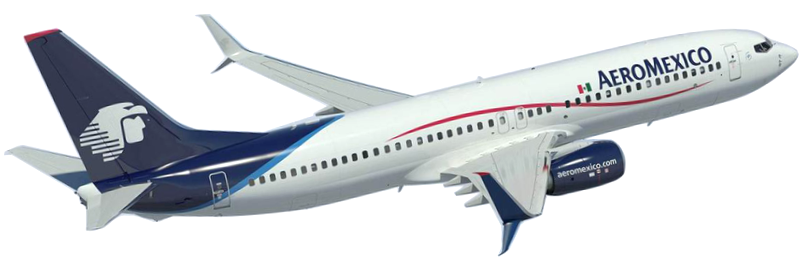
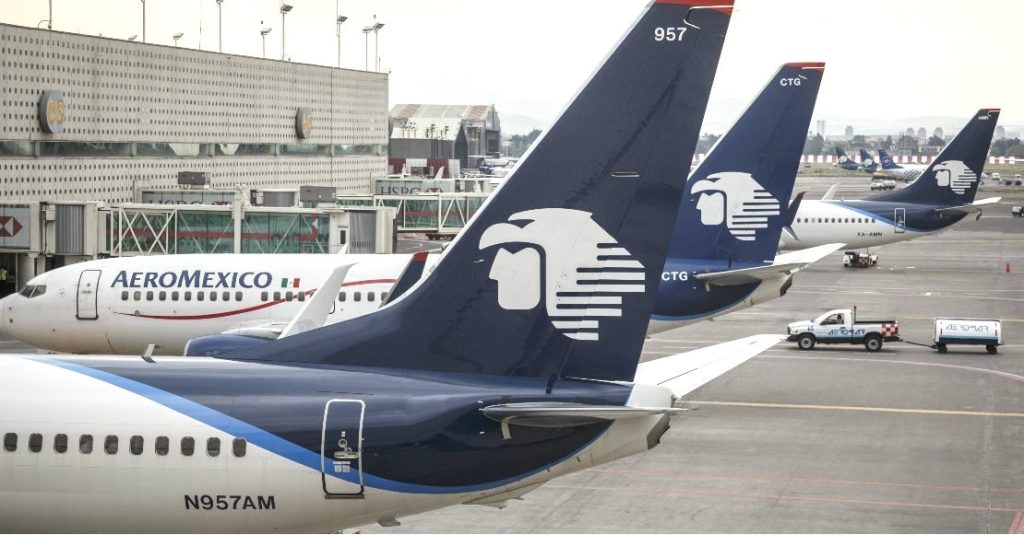
Confirman 27/01 Plan de reestructura de Aeroméxico
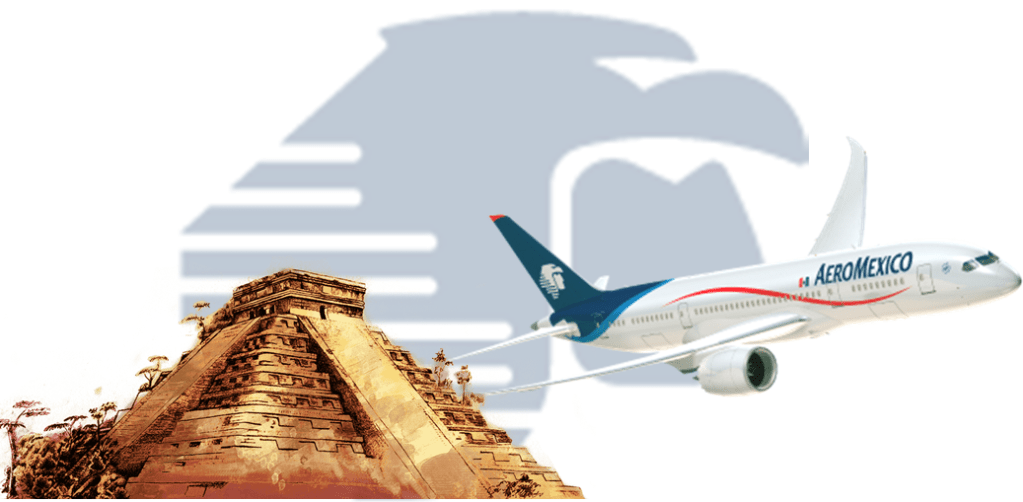
La aerolínea Aeroméxico ha confirmado el Plan de Reestructuración que permitirá la generación de caja y recuperación de tráfico y rentabilidad, lo que para los analistas del sector de la aviación no será una tarea fácil de sobrevolar. El Plan será aprobado este Jueves 27/01 por la Corte de Quiebras del Distrito Sur de Nueva York informó que la reestructuración de Grupo Aeroméxico, incluidas las enmiendas y/o modificaciones presentadas, cumple con todas las disposiciones aplicables del Código de Quiebras de los Estados Unidos, la empresa aérea solicitó a la Juez del proceso que efectivice en la Audiencia de este 27/01 la aprobación del plan para la aerolínea mexicana. De esta manera, los deudores y deudores reorganizados, están autorizados a realizar las acciones necesarias para efectuar el Plan de Aeroméxico, incluyendo la implementación de las Operaciones de Reestructuración y la emisión y registro, según corresponda, de cualquier título de capital o de deuda en relación con el Plan, de acuerdo con lo plasmado en el Docket Número 2574. “Los Deudores están autorizados a consumar el Plan en cualquier momento después de la entrada de esta Orden de Confirmación, sujeto al cumplimiento o renuncia de las condiciones previas a la vigencia establecidas en el Artículo IX del Plan”, establece el documento de la Corte de Quiebras. Asimismo, se autoriza a los deudores y los deudores reorganizados, según corresponda, a “celebrar y ejecutar el Nuevo Contrato de Emisión de Bonos de Primer Gravamen, el Acuerdo de Derechos de Registro, los Documentos de la Oferta Pública de Adquisición y cualquier otro documento que pueda ser necesario para efectuar, si corresponde, las Transacciones de Reestructuración, el Financiamiento de Capital, el Financiamiento de Deuda, o la emisión y distribución de Nuevas Acciones de conformidad con el Plan”.
La semana pasada, las ocho clases de acreedores facultadas para votar el Plan de Reestructura de Grupo Aeroméxico votaron a para aceptar el Plan. Lo que sigue para Aeroméxico es la ejecución de dicho Plan, con la generación de caja y recuperación de tráfico y rentabilidad, una tarea que no es fácil, de acuerdo con Eliseo Llamazares, miembro del Grupo Global de Aviación y Turismo en KPMG y responsable de Aviación y Turismo para Latinoamérica. Para lograr esto, la aerolínea plantea atrincherarse en el Aeropuerto Internacional de la Ciudad de México como estrategia para “tomar ventaja de la recuperación de la demanda internacional y corporativa, ofreciendo un calendario de vuelos más robusto y optimizado desde el aeropuerto más concurrido del país” y crecer sosteniblemente a futuro, de acuerdo con lo señalado por la empresa a finales del año pasado.
La reestructura incluye un financiamiento de salida de US$ 1,482.5 millones de Dólares con el objetivo de “satisfacer las necesidades urgentes de liquidez de los Deudores, en un momento de incertidumbre en los mercados de capitales en lo que respecta a las aerolíneas”, de acuerdo con lo contenido en el documento. Estos recursos servirán para que los deudores cumplan con sus responsabilidades bajo el Plan, como pagar sus obligaciones bajo el Contrato de Crédito DIP y financiar un pago de 450 millones a acreedores no garantizados, entre otras cosas. Asimismo, el financiamiento capitalizará el negocio de Aeroméxico para enfrentar la “incertidumbre económica de la pandemia Covid-19”.
Aeroméxico Restructuring Plan
Confirmed 01/27 Aeroméxico Restructuring Plan
The airline Aeroméxico has confirmed the Restructuring Plan that will allow the generation of cash and recovery of traffic and profitability, which for analysts in the aviation sector will not be an easy task to fly over. The Plan will be approved this Thursday 01/27 by the Bankruptcy Court of the Southern District of New York. It informed that the restructuring of Grupo Aeroméxico, including the amendments and/or modifications presented, complies with all the applicable provisions of the United States Bankruptcy Code. United States, the airline requested the Judge of the process to make effective in the Hearing of this 01/27 the approval of the plan for the Mexican airline. In this way, the debtors and reorganized debtors are authorized to carry out the necessary actions to carry out the Aeroméxico Plan, including the implementation of the Restructuring Operations and the issuance and registration, as appropriate, of any capital or debt title in in relation to the Plan, in accordance with what is reflected in Docket Number 2574. “The Debtors are authorized to consummate the Plan at any time after the entry of this Confirmation Order, subject to the fulfillment or waiver of the conditions prior to the validity established in Article IX of the Plan”, establishes the document of the Bankruptcy Court. Likewise, debtors and reorganized debtors, as appropriate, are authorized to “enter into and execute the New First Lien Bond Issuance Agreement, the Registration Rights Agreement, the Documents of the Public Acquisition Offer and any other document that may be necessary to carry out, if applicable, the Restructuring Transactions, the Equity Financing, the Debt Financing, or the issuance and distribution of New Shares in accordance with the Plan”.
Last week, the eight classes of creditors empowered to vote on the Grupo Aeroméxico Restructuring Plan voted to accept the Plan. What follows for Aeroméxico is the execution of said Plan, with the generation of cash and recovery of traffic and profitability, a task that is not easy, according to Eliseo Llamazares, member of the Global Aviation and Tourism Group at KPMG and responsible for Aviation and Tourism for Latin America. To achieve this, the airline plans to entrench itself in the Mexico City International Airport as a strategy to «take advantage of the recovery in international and corporate demand, offering a more robust and optimized flight schedule from the busiest airport in the country», and grow sustainably in the future, in accordance with what was indicated by the company at the end of last year.
The restructuring includes an outflow financing of US$ 1,482.5 million dollars with the objective of «satisfying the urgent liquidity needs of the Debtors, at a time of uncertainty in the capital markets regarding airlines», according to with the content of the document. These resources will be used by debtors to meet their responsibilities under the Plan, such as paying their obligations under the DIP Credit Agreement and financing a payment of 450 million to unsecured creditors, among other things. Likewise, the financing will capitalize Aeroméxico’s business to face the «economic uncertainty of the Covid-19 pandemic».
PUBLISHER: Airgways.com DBk: Aeromexico.com / Nysd.uscourts.gov / Getttyimages.com / Airgways.com AW-POST: 202201271018AR OWNERSHIP: Airgways Inc. A\W A I R G W A Y S ®
Inicia la feria de turismo de Madrid Más de 100 países participantes de todo el mundo
La 42ª edición de la Feria Internacional de Turismo (FITUR) de España arrancó este Miércoles 19/01, reuniendo a unos 107 países y alrededor de 7.000 firmas en la capital española, Madrid. La feria, que se extiende hasta el 23 de Enero de 2022, busca ayudar a reconstruir la industria del turismo y aumentar el número de visitantes casi dos años después del inicio de la pandemia de coronavirus.
Aunque el sector no espera que el turismo se recupere a los niveles pre-Covid hasta 2023, los expertos creen que las cifras en 2022 estarán cerca de las de 2019, especialmente en primavera, cuando se controle el impacto de la variante del coronavirus Omicron, que rompió una racha de crecimiento progresivo que comenzó en mayo.
Con el objetivo de encabezar este relanzamiento, Fitur apostó por la participación presencial este año, pero también mantuvo el formato online que se adoptó en la edición de 2021. Con La República Dominicana como socio especial en el evento, Madrid acogerá a 90.000 personas, 60.000 de ellas profesionales del sector, entre el jueves y el domingo. La feria estará abierta al público en general durante el fin de semana.
Con unos 600 expositores y 6.933 empresas, las cifras aún están lejos de las registradas en la edición de 2020, justo antes de que estallara la pandemia, cuando participaron en el evento más de 900 expositores, 11.000 empresas, 165 naciones y 250.000 visitantes.
FITUR 2022
The Madrid tourism fair begins More than 100 participating countries from all over the world
The 42nd edition of the International Tourism Fair (FITUR) in Spain started this Wednesday 01/19, bringing together some 107 countries and around 7,000 firms in the Spanish capital, Madrid. The fair, which runs through January 23, 2022, seeks to help rebuild the tourism industry and increase visitor numbers nearly two years after the start of the coronavirus pandemic.
Although the sector does not expect tourism to recover to pre-Covid levels until 2023, experts believe that the figures in 2022 will be close to those of 2019, especially in spring, when the impact of the Omicron variant of the coronavirus is controlled, which broke a streak of progressive growth that began in May.
With the aim of leading this relaunch, Fitur opted for face-to-face participation this year, but also maintained the online format that was adopted in the 2021 edition. With the Dominican Republic as a special partner in the event, Madrid will host 90,000 people, 60,000 of them professionals of the sector, between Thursday and Sunday. The fair will be open to the general public during the weekend.
With some 600 exhibitors and 6,933 companies, the figures are still far from those recorded in the 2020 edition, just before the pandemic broke out, when more than 900 exhibitors, 11,000 companies, 165 nations and 250,000 visitors participated in the event.
PUBLISHER: Airgways.com DBk: Ifema.es / Airgways.com AW-POST: 202201192030AR OWNERSHIP: Airgways Inc. A\W A I R G W A Y S ®
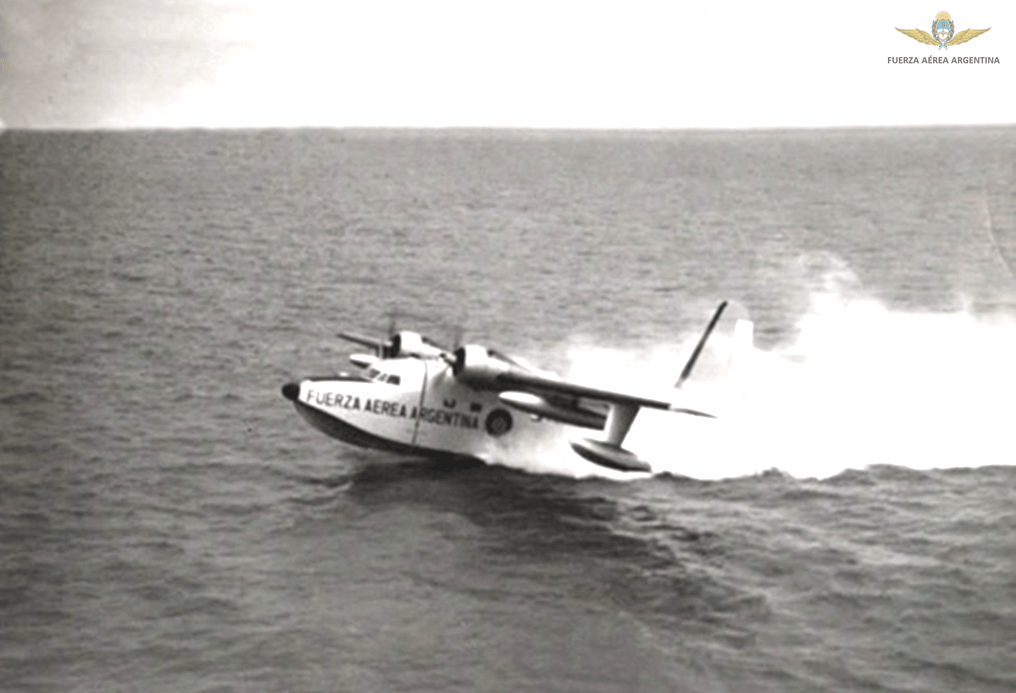
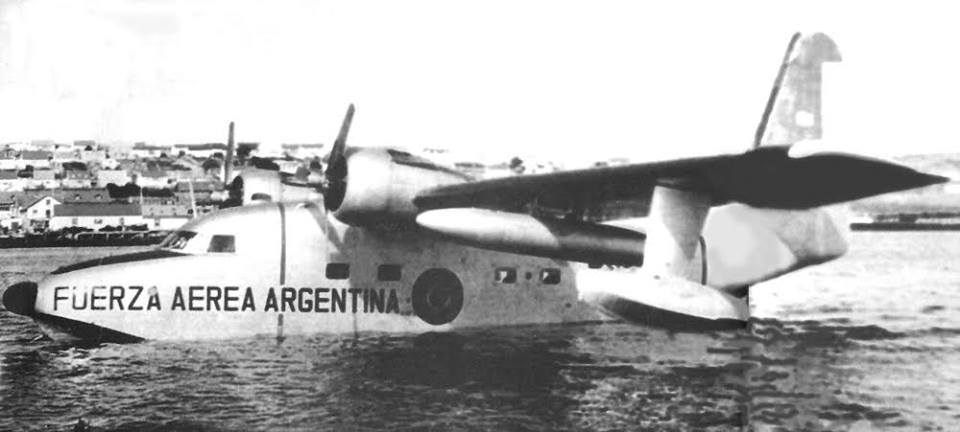
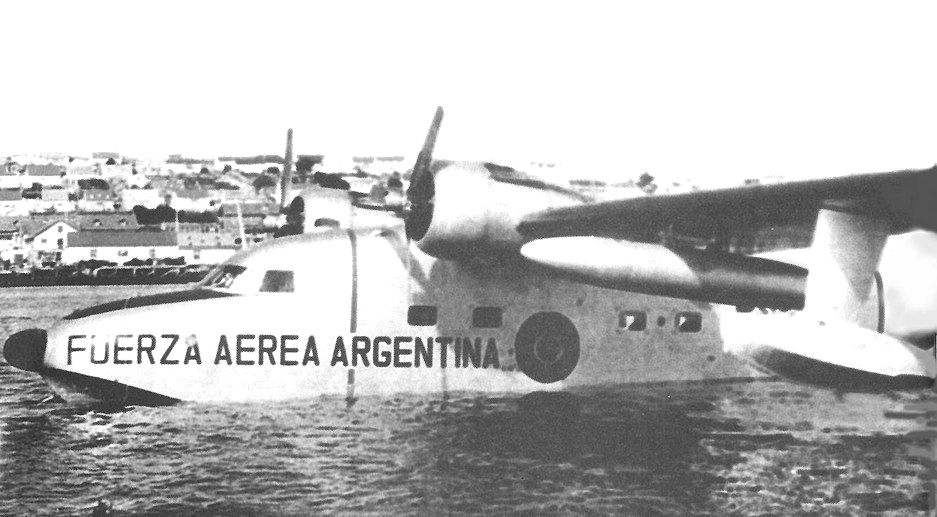
Un 12 de Enero de 1972, un hidroavión Grumman HU-16 Albatros de la Fuerza Aérea Argentina aterrizó en el Puerto Argentino/Stanley Port estableciendo el primer vuelo regular entre Comodoro Rivadavia y las Islas Malvinas. Desde esa fecha la compañía LADE Líneas Aéreas ha transportado carga sanitaria, de pasajeros, correo, alimentos frescos y medicinas, convirtiendo en vuelos regulares desde el Continente Americano hacia las Islas Malvinas cumpliendo cincuenta aniversarios de aquellos primeros vuelos.
Bernardo Veksler, un historiador de la Ciudad de Ushuaia, quien colabora diariamente con un periódico local ha recordado hechos relevantes relativos al calendario de la Provincia de Tierra del Fuego, sobre la ocasión en 1972. El historiador ha explicado que el hidroavión Grumman HU-16 Albatros de la Fuerza Aérea podía operar en tierra, mar y nieve, y podía transportar a unos cinco pasajeros. La frecuencia de los vuelos que unían Comodoro Rivadavia—Stanley Port se realizaban con una frecuencia de dos veces mensuales (2Frq/M). Sin embargo, en Octubre 1972, LADE estableció una oficina en Stanley, nombró un Jefe de Estación, instaló un sistema de radio BLU y organizó el aumento del número de vuelos regulares. Para ello, la Fuerza Aérea Argentina instaló una pista de aterrizaje con tablones de aluminio en lo que hoy es el Aeropuerto Stanley, y un mes después LADE aterrizó por primera vez en Malvinas con un Fokker F27 turboprop. A partir de entonces, el enlace aéreo con Argentina se convirtió en vuelos semanales con F27 o F28 Mk-1000 jet. En 1973, en el aniversario de la inauguración de la pista de aterrizaje de tablones de aluminio, el Gobernador de las Islas en ese momento, Ernest Gordon Lewis, recibió al Jefe de Estado Mayor de la Fuerza Aérea Argentina, Brigadier Roberto Donato Bortot, quien llegó en un Focker F27 (T-44) de la aerolínea de fomento LADE Líneas Aéreas.
El 15 de Febrero de 1971, el trifibio Grumman UH-16B Albatross, matrícula BS-03, del Escuadrón Tareas Especiales de la Base Aérea Militar Tandil, realiza el primer vuelo a las Islas Malvinas, con la misión de llevar a cabo una evacuación sanitaria. Despega de Comodoro Rivadavia y luego de tres horas y media ameriza en la bahía de Puerto Stanley (Puerto Argentino) en las islas Malvinas.
En Octubre de 1974 dos vehículos de fabricación argentina, un Dodge D200 y un Citroën 2CV estaban en las Islas como soporte de transporte para la estación LADE. En 1975 el Congreso de Argentina sancionó la Ley 20.087 solicitando la ampliación de la pista de aterrizaje provisional en Stanley, de 700 a 1.200 metros, a completar por la Fuerza Aérea Argentina. El costo de la ampliación del aeródromo se estimó en US$ 2,3 millones de Dólares y se concluyó en Octubre de 1976. Según Bernardo Veksler, en la infraestructura participó personal de la Fuerza Aérea, el Ejército y las Obras Públicas argentinas. A partir de entonces, el avión multipropósito de logística Lockheed C130 Hércules podría aterrizar aumentando el volumen de carga y mercancías transportadas. Con el enlace de las aeronaves C130, Gas del Estado e YPF de Argentina establecieron oficinas e instalaciones de depósito en Stanley para abastecer a las Malvinas. También hubo un acuerdo de cooperación científica firmado por Argentina y el Reino Unido, y dos profesores argentinos fueron enviados a las Islas Malvinas para enseñar español. Estos acuerdos fueron parte de la Declaración Conjunta Argentina/Reino Unido sobre Comunicaciones entre las Islas Malvinas y la Argentina continental acordada en 1971, y que se inició en 1972, una gran epopeya que permitió unir a los pueblos del continente con las Islas Malvinas.
Ξ 50th anniversary Commodoro-Malvinas link Ξ
Fifty years air link between Comodoro Rivadavia—Islas Malvinas
On January 12, 1972, a Grumman HU-16 Albatros seaplane of the Argentine Air Force landed in Puerto Argentino/Stanley Port establishing the first regular flight between Comodoro Rivadavia and the Malvinas Islands. Since that date, the company LADE Líneas Aéreas has transported medical cargo, passengers, mail, fresh food and medicine, converting regular flights from the American Continent to the Malvinas Islands, marking the fiftieth anniversary of those first flights.
Bernardo Veksler, a historian from the City of Ushuaia, who collaborates daily with a local newspaper, has recalled relevant facts related to the calendar of the Province of Tierra del Fuego, on the occasion in 1972. The historian has explained that the Grumman HU-16 seaplane Air Force Albatross could operate on land, sea and snow, and could carry about five passengers. The frequency of the flights that linked Comodoro Rivadavia-Stanley Port was carried out with a frequency of twice a month (2Frq/M). However, in October 1972, LADE established an office in Stanley, appointed a Station Chief, installed a SSB radio system and organized an increase in the number of scheduled flights. For this, the Argentine Air Force installed a runway with aluminum planks in what is now the Stanley Airport, and a month later LADE landed for the first time in Malvinas with a Fokker F27 turboprop. From then on, the air link with Argentina became weekly flights with F27 or F28 Mk-1000 jet. In 1973, on the anniversary of the inauguration of the aluminum plank runway, the Governor of the Islands at the time, Ernest Gordon Lewis, received the Chief of Staff of the Argentine Air Force, Brigadier Roberto Donato Bortot, who He arrived in a Focker F27 (T-44) belonging to the promotion airline LADE Líneas Aéreas.
In October 1974, two Argentine-made vehicles, a Dodge D200 and a Citroën 2CV, were in the Islands as transport support for the LADE station. In 1975, the Argentine Congress passed Law 20,087 requesting the expansion of the provisional runway in Stanley, from 700 to 1,200 meters, to be completed by the Argentine Air Force. The cost of expanding the aerodrome was estimated at US$ 2.3 million and was completed in October 1976. According to Bernardo Veksler, personnel from the Argentine Air Force, Army and Public Works participated in the infrastructure. Thereafter, the Lockheed C130 Hercules multipurpose logistics aircraft could land, increasing the volume of cargo and goods carried. With the connection of the C130 aircraft, Gas del Estado and YPF of Argentina established offices and storage facilities in Stanley to supply the Malvinas. There was also a scientific cooperation agreement signed by Argentina and the United Kingdom, and two Argentine professors were sent to the Falkland Islands to teach Spanish. These agreements were part of the Argentina/United Kingdom Joint Declaration on Communications between the Malvinas Islands and mainland Argentina agreed in 1971, and which began in 1972, a great epic that allowed the peoples of the continent to be united with the Malvinas Islands.
PUBLISHER: Airgways.com DBk: Lade.com.ar / Bernardo Veksler / Airgways.com AW-POST: 202201141707AR OWNERSHIP: Airgways Inc. A \ W A I R G W A Y S ®
























 airgways.com