Aerolíneas Rusia reinician vuelos internacionales Restablecen 52 destinos al exterior
El Gobierno de la Federación Rusia anunció que a partir del 9 de Abril de 2022 reiniciarían sus vuelos internacionales a cincuenta y dos destinos internacionales. Todo ello a pesar de las restricciones del espacio aéreo que sufren todas las compañías de ese país por la invasión a Ucrania. “Levantaremos las restricciones de prevención que ayudaban a combatir la crisis sanitaria, que se aplicaba a nuestros vuelos regulares y chárteres entre Rusia y otros países”, dijo el Primer Ministro de esa nación, Mijaíl Mishustin. De acuerdo con las últimas normativas internacionales, aún las aerolíneas rusas tienen prohibido el paso por el espacio aéreo de los países de Europa o Canadá. Para realizar estas conexiones, no solo deberán aumentar las horas de vuelos sino el costo de los boletos, algo que saldrá del bolsillo de los turistas rusos o extranjeros que deseen visitar Rusia en estos convulsos días.
La reanudación de vuelos desde Rusia a países amigos, incluyen a Sudáfrica, China, Cuba, Argentina, Argelia, Afganistán, Bosnia y Herzegovina, India entre otras naciones, anunció el Primer Ministro, este Lunes 04/04 en una reunión con la facción Rusia Unida.
Russian airlines restore international
Russian airlines resume international flights They restore 52 destinations abroad
The Government of the Russian Federation announced that as of April 9, 2022 they would restart their international flights to fifty-two international destinations. All this despite the airspace restrictions suffered by all companies in that country due to the invasion of Ukraine. «We will lift the prevention restrictions that helped combat the health crisis, which applied to our regular and charter flights between Russia and other countries», said the Prime Minister of that nation, Mikhail Mishustin. According to the latest international regulations, even Russian airlines are prohibited from passing through the airspace of European countries or Canada. To make these connections, they will not only have to increase flight hours but also the cost of tickets, something that will come out of the pockets of Russian or foreign tourists who wish to visit Russia in these turbulent days.
The resumption of flights from Russia to friendly countries, including South Africa, China, Cuba, Argentina, Algeria, Afghanistan, Bosnia and Herzegovina, India among other nations, the Prime Minister announced this Monday 04/04 in a meeting with the Russia faction United.
PUBLISHER: Airgways.com DBk: Government.ru / Airgways.com AW-POST: 202204060916AR OWNERSHIP: Airgways Inc. A\W A I R G W A Y S ®
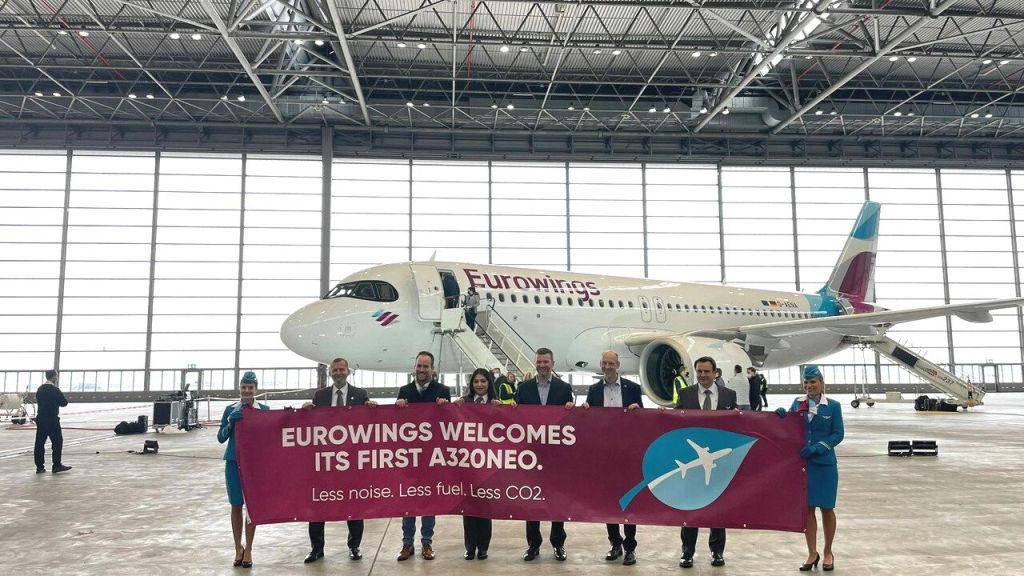
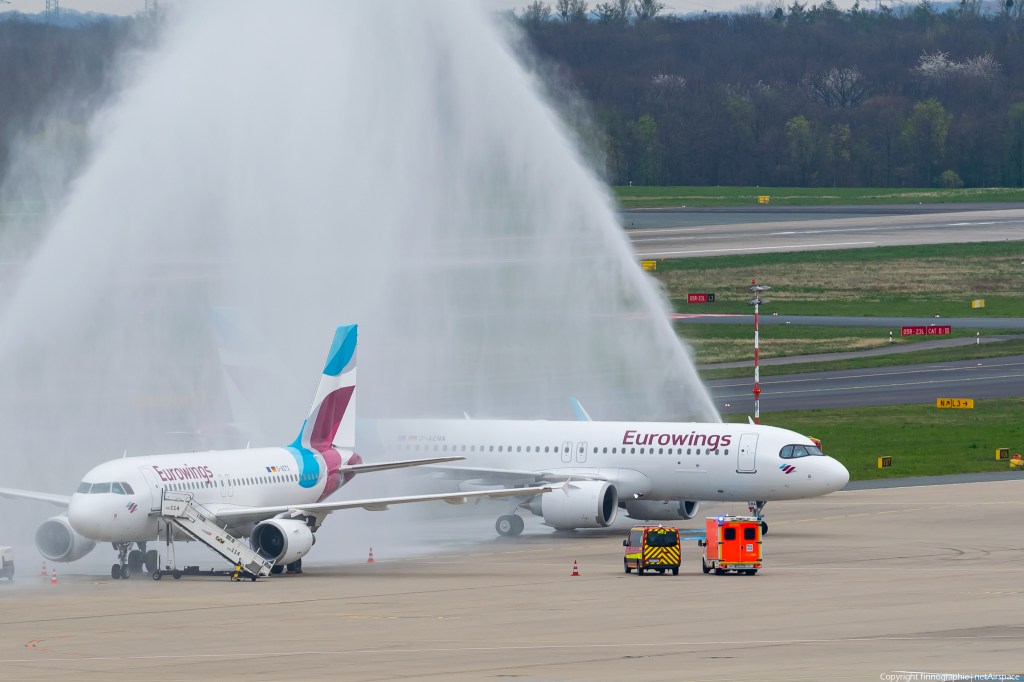
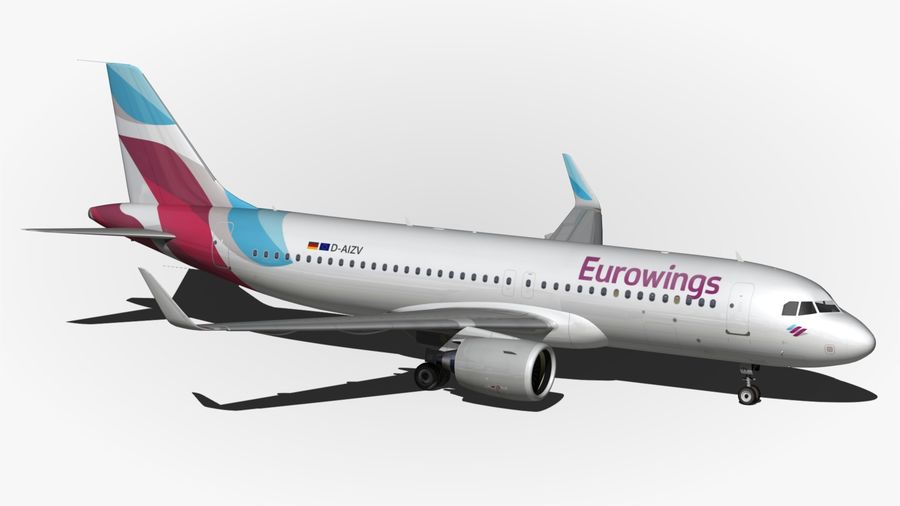
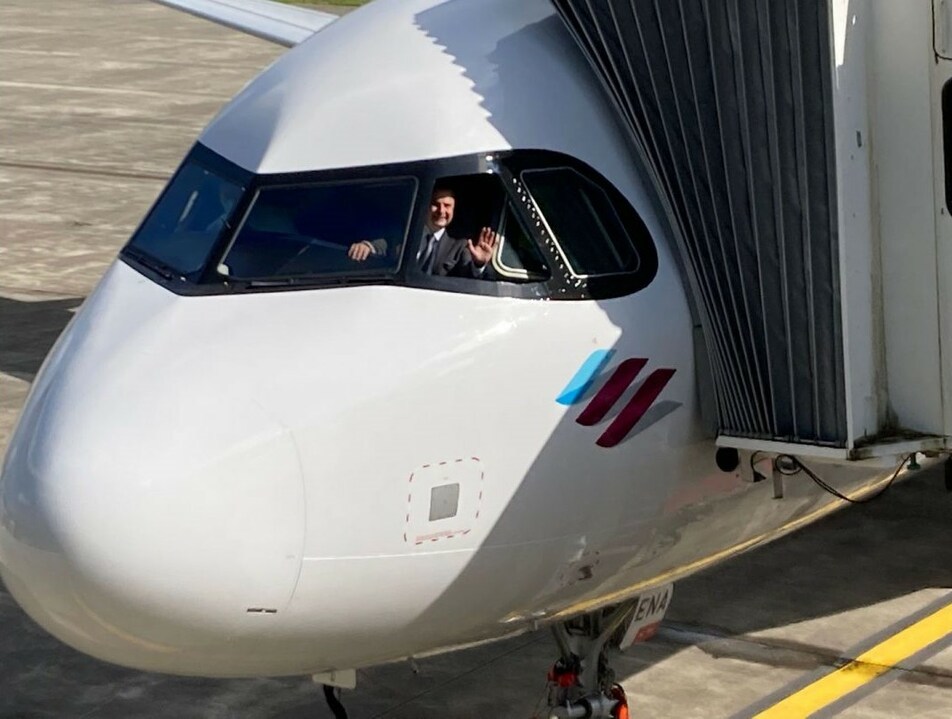
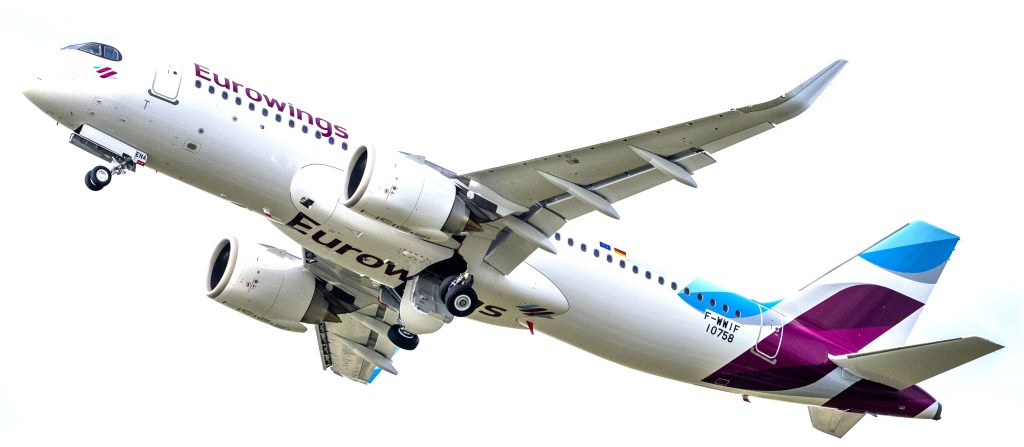
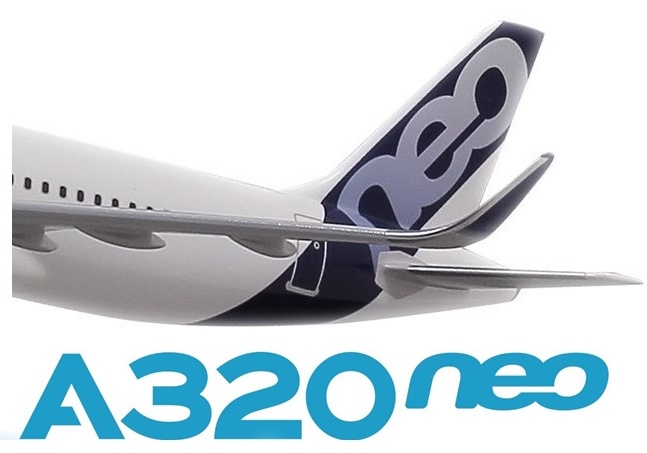
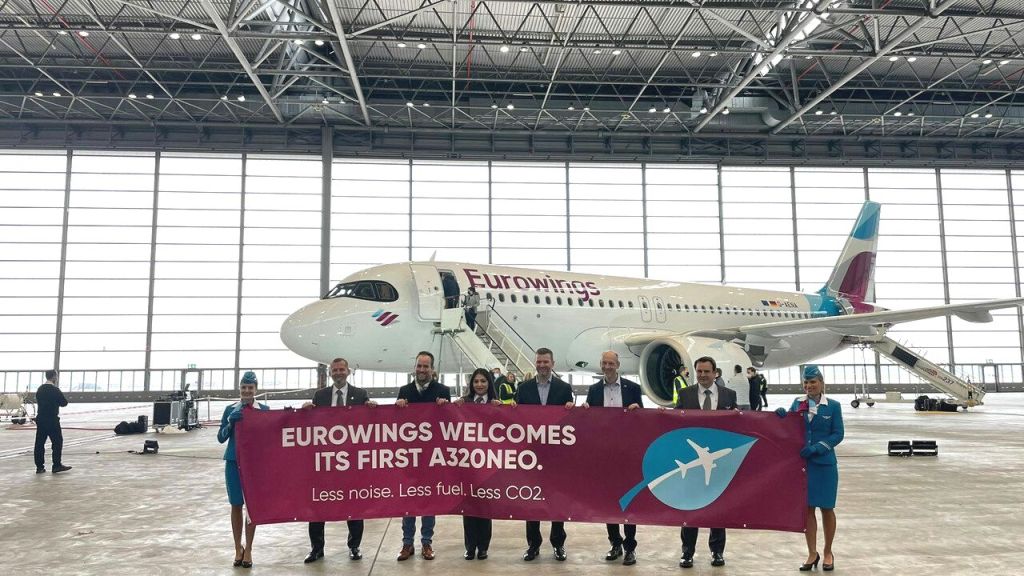
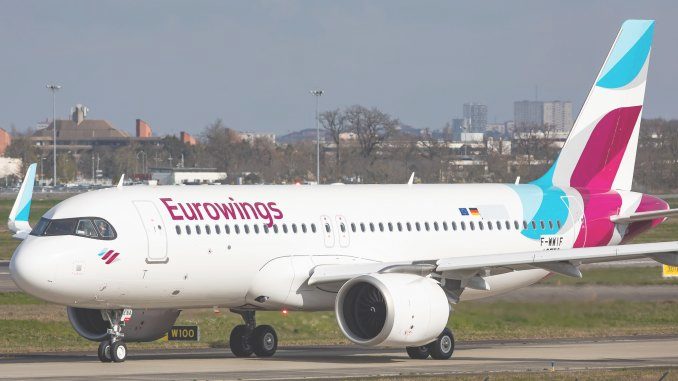
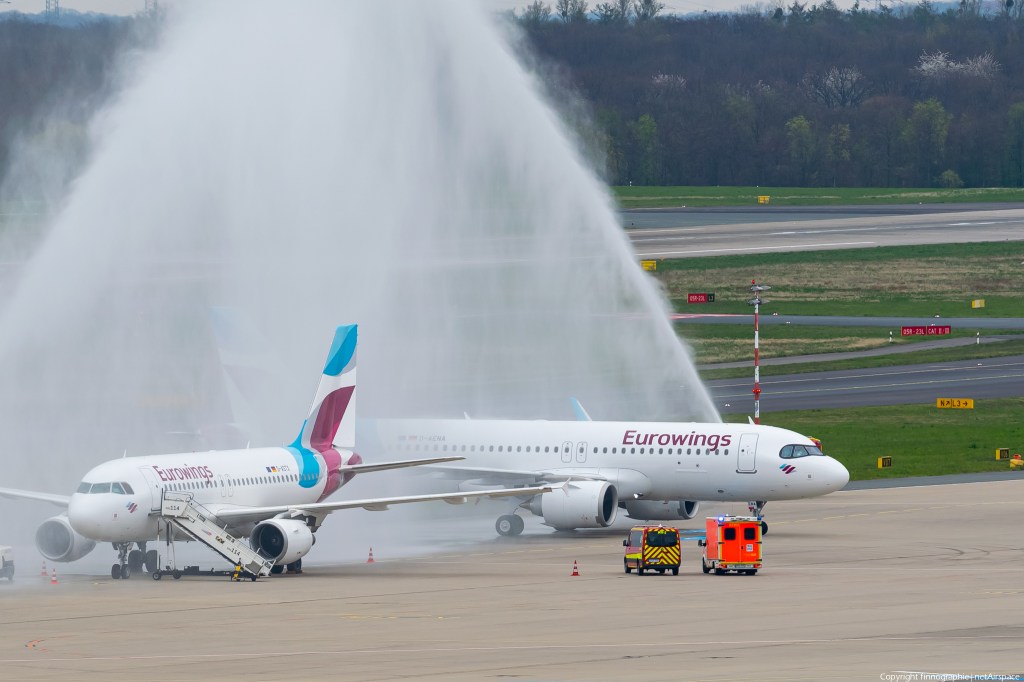
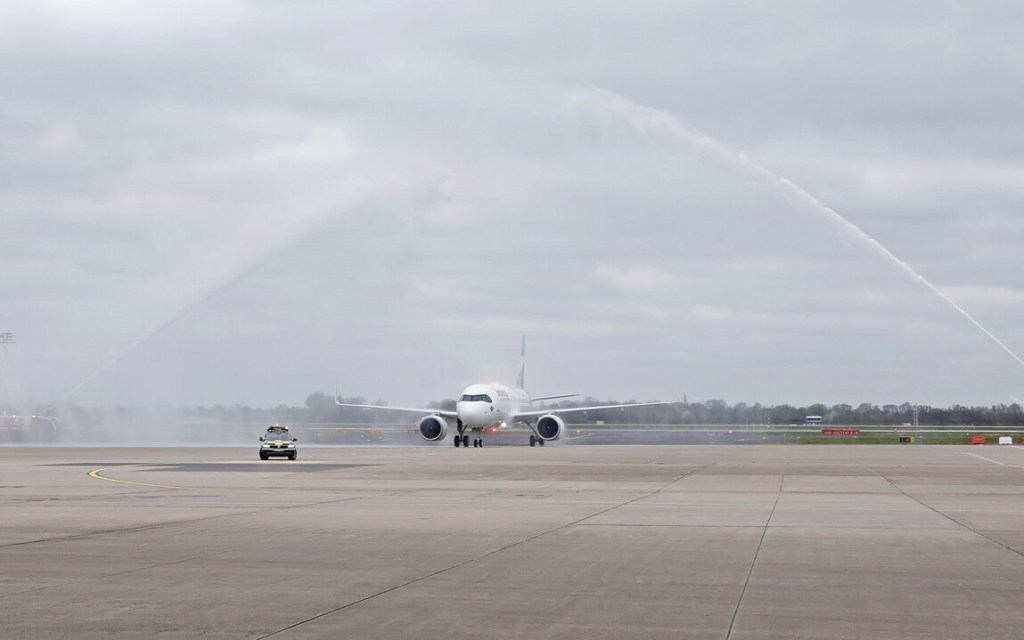
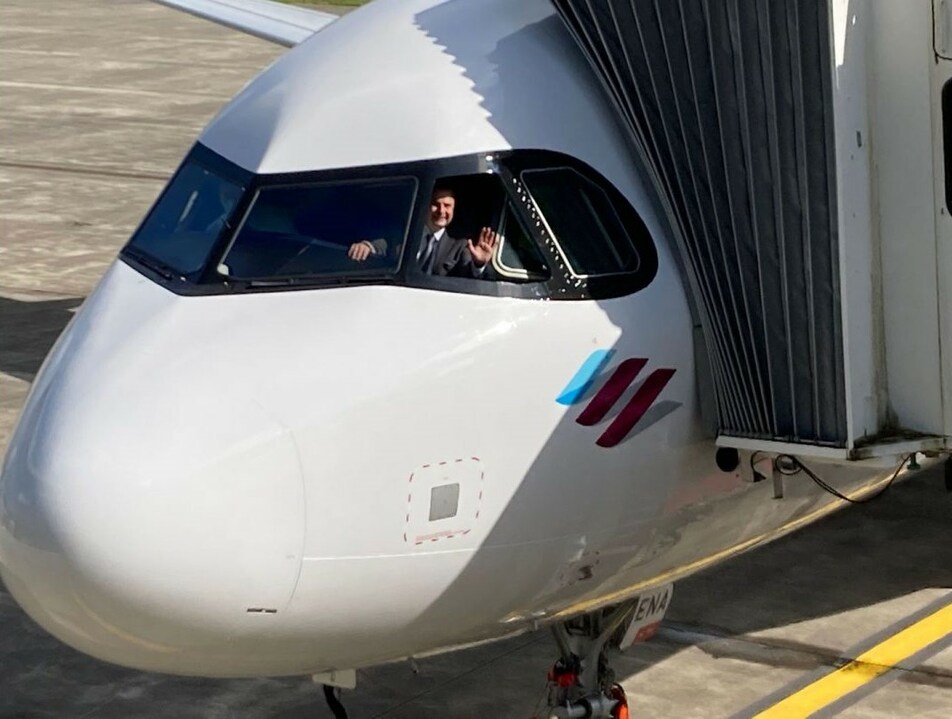
La aerolínea alemana de presupuesto Eurowings ha incorporado el primer Airbus A320NEO a su flota. Eurowings es un operador de larga data de Airbus con 75 aviones de la familia Airbus A320CEO en su red europea. El pedido corresponde a trece aviones ordenados de la familia Airbus A320NEO destinados a Eurowings arribando a Düsseldorf el 1 de Abril de 2022 el primero de ellos e iniciando una etapa de modernización de flota. El 01/04 el primer avión Airbus A320NEO de Eurowings llegó a Düsseldorf procedente de Toulouse, Francia. El vuelo EW1 despegaba del Aeropuerto Toulouse/Blagnac/TLS a las 11:59 hora local volando una distancia de 943 kilómetros hasta el Aeropuerto Internacional de Düsseldorf/DUS, llegando a las 13:34 horal local.
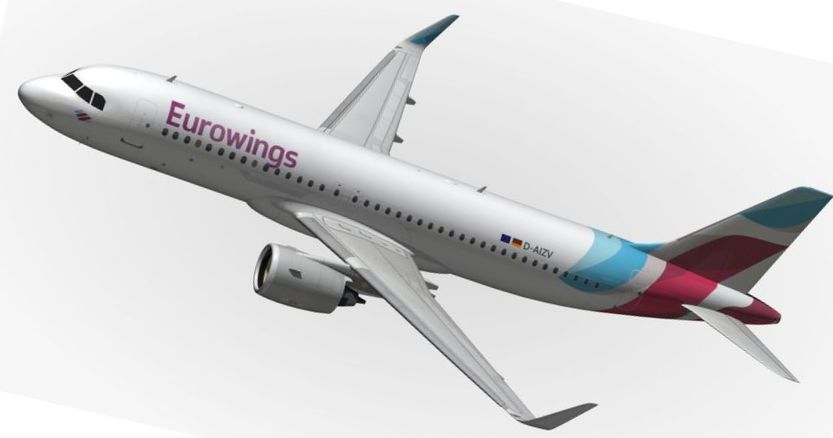
El nuevo avión, MSN 10758 y registrado D-AENA, está previsto que entre en servicio en Junio 2022 y es el primero de un total de trece aeronaves de la familia A320NEO que se espera que se unan a la flota de Eurowings. Actualmente, Eurowings posee una flota de ochenta y tres aviones, compuesta por A319 (31), A320-200 (49), Boeing 737-800 (2) y A321NEO (1).
Eurowings había anunciado la incorporación de esta aeronave en Noviembre de 2021. La aerolínea dijo que era el primero de los ocho A320NEO que recibiría entre 2022 y 2024. También ha presagiado que cinco Airbus A321NEO se están agregando a la flota, con entregas a partir de la primavera septentrional de 2023. Jens Ritter era Director de Operaciones de Eurowings, y dijo: «Con el neos, Eurowings está obteniendo aviones nuevos y altamente eficientes equipados con la mejor tecnología disponible actualmente. Esta inversión histórica en nuestra flota es una señal importante para todos nuestros clientes, pero también un voto de confianza del Grupo Lufthansa en la viabilidad futura de Eurowings».
Los A320NEO será propulsado por motores CFM LEAP-1A. Los Eurowings A320NEO serán los primeros dentro del Grupo Lufthansa en ser propulsados con este tipo de planta motriz, mientras que las entregas anteriores han sido con el turbofan con engranajes Pratt & Whitney GTF1100G. Si bien el GTF-1100G cumple con todos sus objetivos de rendimiento, ruido y reducción de emisiones, su entrada en servicio en el A320NEO en Enero de 2016 estuvo plagada de problemas. En un momento dado, Airbus tenía una plataforma llena de A320 estacionados en Toulouse que fueron apodados planeadores, esperando que se rectificaran los problemas del motor.
Cabina Airspace
Eurowings ha recibido su primer avión Airbus A320NEO con el nuevo diseño de cabina Airspace. La cabina de Airbus Airspace lleva la galardonada experiencia del pasajero de fuselaje ancho al mercado de pasillo único, elevando la comodidad, el ambiente y los servicios al siguiente nivel. La iluminación única y personalizable crea el ambiente adecuado en todas las fases del vuelo, optimizando la relajación de los pasajeros en la cabina más silenciosa de su clase. Compartimentos Airspace XL para un 60% más de bolsas, paneles laterales rediseñados que maximizan el espacio personal. Airspace también ofrece un espacio higiénico y superficies antimicrobianas en todos los baños.
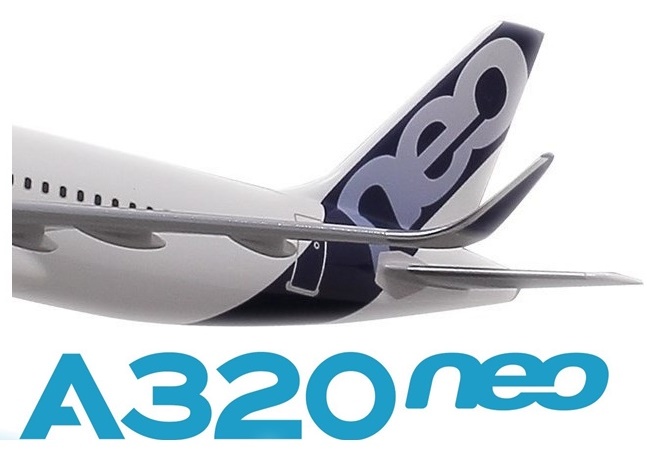
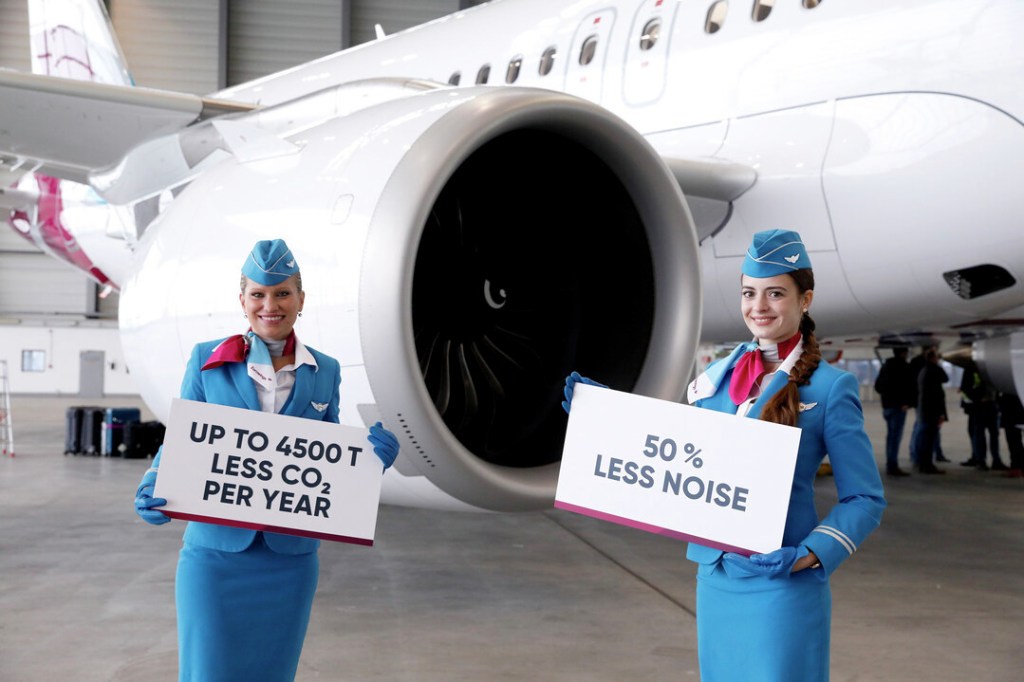
La familia A320NEO es la familia de aviones de mayor éxito hasta la fecha con una fiabilidad operativa del 99,7%. El A320NEO proporciona a los operadores una reducción del 20 % en el consumo de combustible y las emisiones de CO2, gracias a las últimas tecnologías, como motores de nueva generación y dispositivos de punta de ala Sharklet. La familia A320NEO de Airbus ofrece una comodidad inigualable en todas las clases y los asientos de 18 pulgadas de ancho de Airbus en clase económica de serie. A finales de Febrero de 2022, la Familia A320NEO había recibido casi 7.900 pedidos de más de 125 clientes en todo el mundo.
Eurowings takes delivery of 1st A320NEO
German airline incorporates first Airbus A320NEO
German budget airline Eurowings has added the first Airbus A320NEO to its fleet. Eurowings is a long-standing operator of Airbus with 75 Airbus A320CEO family aircraft on its European network. The order corresponds to thirteen ordered aircraft of the Airbus A320NEO family destined for Eurowings, arriving in Düsseldorf on April 1, 2022, the first of them and starting a fleet modernization stage. On 04/01 the first Eurowings Airbus A320NEO aircraft arrived in Düsseldorf from Toulouse, France. Flight EW1 took off from Toulouse/Blagnac/TLS Airport at 11:59 local time, flying a distance of 943 kilometers to Düsseldorf/DUS International Airport, arriving at 13:34 local time.
The new aircraft, MSN 10758 and registered D-AENA, is scheduled to enter service in June 2022 and is the first of a total of thirteen A320NEO family aircraft expected to join the Eurowings fleet. Eurowings currently has a fleet of eighty-three aircraft, made up of A319 (31), A320-200 (49), Boeing 737-800 (2) and A321NEO (1).
Eurowings had announced the addition of this aircraft in November 2021. The airline said it was the first of eight A320NEOs it would take delivery of between 2022 and 2024. It has also foretold that five Airbus A321NEOs are being added to the fleet, with deliveries from northern spring 2023. Jens Ritter was COO of Eurowings, and said: «With the neos, Eurowings is getting new, highly efficient aircraft equipped with the best technology available today. This historic investment in our fleet is an important signal for all our customers, but also a vote of confidence from the Lufthansa Group in the future viability of Eurowings».
The A320NEOs will be powered by CFM LEAP-1A engines. The Eurowings A320NEO will be the first within the Lufthansa Group to be powered with this type of powerplant, while previous deliveries have been with the Pratt & Whitney GTF1100G geared turbofan. While the GTF-1100G meets all of its performance, noise and emission reduction targets, its entry into service on the A320NEO in January 2016 was plagued with problems. At one point, Airbus had a platform full of A320s parked in Toulouse that were dubbed gliders, waiting for engine problems to be rectified.
Airspace Cabin
Eurowings has taken delivery of its first Airbus A320NEO aircraft with the new Airspace cabin design. The Airbus Airspace cabin brings the award-winning wide-body passenger experience to the single-aisle market, taking comfort, ambience and services to the next level. Unique, customizable lighting creates the right ambience in all phases of flight, optimizing passenger relaxation in the quietest cabin in its class. Airspace XL compartments for 60% more bags, redesigned side panels that maximize personal space. Airspace also offers hygienic space and antimicrobial surfaces in all restrooms.
The A320NEO Family is the most successful family of aircraft to date with an operational reliability of 99.7%. The A320NEO provides operators with a 20% reduction in fuel consumption and CO2 emissions, thanks to the latest technologies such as new generation engines and Sharklet wingtip devices. The Airbus A320NEO Family offers unrivaled comfort in all classes and Airbus’ 18-inch-wide seats in economy class as standard. As of the end of February 2022, the A320NEO Family had received almost 7,900 orders from more than 125 customers worldwide.
Eurowings übernimmt 1. A320NEO
Deutsche Airline baut ersten Airbus A320NEO ein
Der deutsche billigflieger Eurowings hat seine Flotte um den ersten Airbus A320NEO erweitert. Eurowings ist ein langjähriger Betreiber von Airbus mit 75 Flugzeugen der Airbus A320CEO-Familie in seinem europäischen Netzwerk. Die Bestellung entspricht dreizehn bestellten Flugzeugen der Airbus A320NEO-Familie für Eurowings, die am 1. April 2022 als erstes von ihnen in Düsseldorf eintreffen und eine Phase der Flottenmodernisierung starten. Am 01.04. trafen die ersten Eurowings Airbus A320NEO aus Toulouse, Frankreich, in Düsseldorf ein. Flug EW1 startete um 11:59 Uhr Ortszeit am Flughafen Toulouse/Blagnac/TLS und überflog eine Strecke von 943 Kilometern zum internationalen Flughafen Düsseldorf/DUS, wo er um 13:34 Uhr Ortszeit ankam.
Das neue Flugzeug mit der MSN 10758 und der Registrierung D-AENA soll im Juni 2022 in Dienst gestellt werden und ist das erste von insgesamt dreizehn Flugzeugen der A320NEO-Familie, die voraussichtlich in die Flotte von Eurowings aufgenommen werden. Eurowings verfügt derzeit über eine Flotte von 83 Flugzeugen, bestehend aus A319 (31), A320-200 (49), Boeing 737-800 (2) und A321NEO (1).
Eurowings hatte die Hinzufügung dieses Flugzeugs im November 2021 angekündigt. Die Fluggesellschaft sagte, es sei der erste von acht A320NEO, die sie zwischen 2022 und 2024 erhalten werde. Sie hat auch vorausgesagt, dass fünf Airbus A321NEO mit Lieferungen von in die Flotte aufgenommen werden Nordfrühling 2023. Jens Ritter war COO von Eurowings und sagte: „Eurowings bekommt mit der neos neue, hocheffiziente Flugzeuge, die mit der besten heute verfügbaren Technologie ausgestattet sind. Diese historische Investition in unsere Flotte ist ein wichtiges Signal für alle unsere Kunden auch ein Vertrauensbeweis der Lufthansa Group in die Zukunftsfähigkeit von Eurowings».
Die A320NEOs werden von CFM LEAP-1A-Triebwerken angetrieben. Die Eurowings A320NEO wird die erste innerhalb der Lufthansa Group sein, die mit diesem Triebwerkstyp angetrieben wird, während frühere Auslieferungen mit dem Getriebefan GTF1100G von Pratt & Whitney erfolgten. Während die GTF-1100G alle ihre Leistungs, Lärm und Emissionsminderungsziele erfüllt, war ihre Inbetriebnahme auf der A320NEO im Januar 2016 mit Problemen geplagt. Zu einem bestimmten Zeitpunkt hatte Airbus in Toulouse eine Plattform voller A320 geparkt, die als Segelflugzeuge bezeichnet wurden und darauf warteten, dass Triebwerksprobleme behoben wurden.
Luftraum Kabine
Eurowings hat ihr erstes Flugzeug vom Typ Airbus A320NEO im neuen Airspace-Kabinendesign übernommen. Die Kabine von Airbus Airspace bringt das preisgekrönte Großraum-Passagiererlebnis auf den Single-Aisle-Markt und hebt Komfort, Ambiente und Service auf die nächste Stufe. Einzigartige, anpassbare Beleuchtung schafft in allen Flugphasen das richtige Ambiente und optimiert die Entspannung der Passagiere in der leisesten Kabine ihrer Klasse. Airspace XL-Fächer für 60 % mehr Taschen, neu gestaltete Seitenwände, die den persönlichen Platz maximieren. Airspace bietet auch hygienischen Raum und antimikrobielle Oberflächen in allen Toiletten.
Die A320NEO-Familie ist mit einer Betriebszuverlässigkeit von 99,7 % die bisher erfolgreichste Flugzeugfamilie. Die A320NEO bietet den Betreibern dank der neuesten Technologien wie Triebwerken der neuen Generation und Sharklet-Flügelspitzenvorrichtungen eine Reduzierung des Kraftstoffverbrauchs und der CO2-Emissionen um 20 %. Die Airbus A320NEO-Familie bietet unvergleichlichen Komfort in allen Klassen und die 18 Zoll breiten Sitze von Airbus in der Economy Class als Standard. Bis Ende Februar 2022 gingen für die A320NEO-Familie fast 7.900 Bestellungen von mehr als 125 Kunden weltweit ein.
PUBLISHER: Airgways.com DBk: Eurowings.com / Airbus.com / NetAirspace / Airgways.com AW-POST: 202204041704AR OWNERSHIP: Airgways Inc. A\W A I R G W A Y S ®
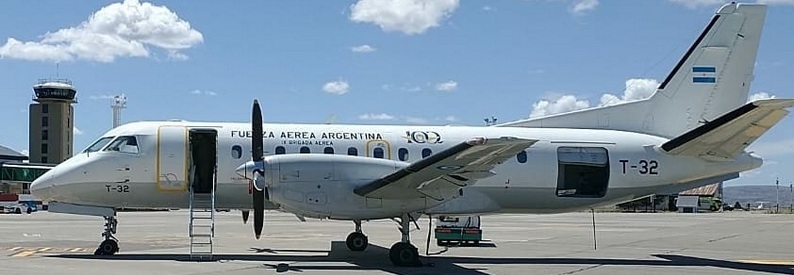
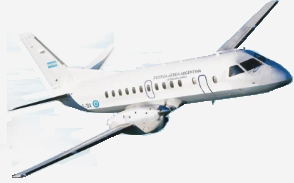
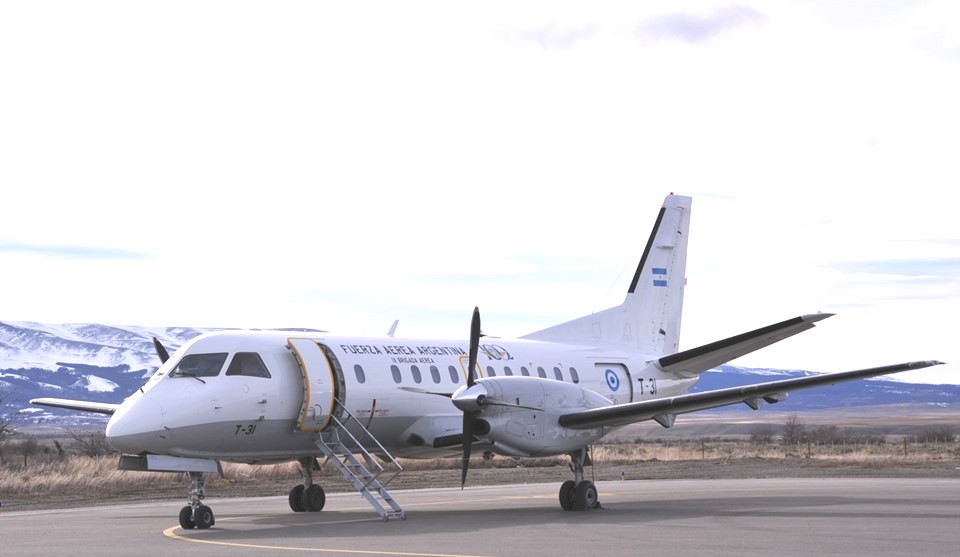
La Fuerza Aérea Argentina inició la licitación para la adquisición de una nueva aeronave SAAB 340B. La licitación tiene como fecha de cierra el 19/04. La documentación que la FAA puso a disposición para adquisiciones en el exterior, indica que la compra mantiene los lineamientos de la licitación del 2021.
La Licitación Pública en el Exterior 40/03-003-LPU21 había recibido luz verde, habiéndose aprobado el procedimiento y adjudicado la licitación a la compañía norteamericana C&L Aviation Group. El proceso de compra incluso alcanzó la instancia de elaboración de un proyecto de contrato a ser suscripto con la empresa adjudicataria, sin embargo el mismo sería dejado sin efecto debido a lineamientos de parte de la Jurisdicción, lo que resultó en la imposibilidad de suscribir el acuerdo con la mencionada empresa. En Noviembre 2021 el Saab 340B Plus N459CL/MSN 459, fabricado en el año 1998 operó para la aerolínea regional japonesa Japan Air Commuter por diecinueve años. De acuerdo con lo informado por C&L, los motores estaban calificados por el ECMP, encontrándose la aeronave en condiciones de ser entregada con una inspección de 4000 horas (menos el vuelo en ferry a Bangor), ADS-B y sustitución del tren de aterrizaje (3x tirantes 1 puntal). El Saab 340 en cuestión también disponía de algunos detalles internos realizados a nuevo, como alfombras, cartelería, entre otros detalles. La aeronave se encuentra configurada para 33 asientos de pasajeros como mínimo, transportín para Tripulante de Cabina de Pasajeros, galley, instalación sanitaria, dos puestos de pilotaje completos y un puesto de observador en Cabina de Comando. En cuanto a la aviónica solicitada, se requieren dos equipos de comunicación VHF, un equipo de comunicación HF, un un Registrador de Voces de Cabina (CVR), un Transmisor de Localización de Emergencia (ELT) con capacidad de transmisión en 406 MHz y Control Remoto de Activación, Sistema de Piloto Automático y Director de Vuelo (AFDS), dos sistemas electrónicos de pantallas de instrumentos de vuelo (EFIS), entre otros.
Para el proceso licitatorio, la Agregaduría Aeronáutica Fuerza Aérea Argentina en Estados Unidos ha sido establecida para las gestiones de incorporación de la una aeronave SAAB 340B, con un valor de adquisición de U$S 2.100.000 Dólares, que incluye la totalidad de los servicios adicionales hasta la recepción del Saab 340B por parte de la FAA, tal como vuelos de traslado, requerimientos de mantenimiento, modificaciones, instalación de equipos, etc. La incorporación de la nueva aeronave permitirá aumentar las capacidades de transporte para la línea aérea LADE, como así también el transporte logístico dentro del territorio de Argentina.
FAA opens tender for Saab 340B
Argentina studies incorporating a new SAAB 340B
The Argentine Air Force began the tender for the acquisition of a new SAAB 340B aircraft. The tender has a closing date of 04/19. The documentation that the FAA made available for acquisitions abroad indicates that the purchase maintains the guidelines of the 2021 tender.
The Public Tender Abroad 40/03-003-LPU21 had received the green light, the procedure having been approved and the tender awarded to the North American company C&L Aviation Group. The purchase process even reached the point of preparing a draft contract to be signed with the winning company, however, it would be nullified due to guidelines from the Jurisdiction, which resulted in the impossibility of signing the agreement. with said company. In November 2021 the Saab 340B Plus N459CL/MSN 459, manufactured in the year 1998 operated for the Japanese regional airline Japan Air Commuter for nineteen years. As reported by C&L, the engines were qualified by the ECMP, and the aircraft was ready for delivery with a 4,000-hour inspection (less the ferry flight to Bangor), ADS-B, and landing gear replacement (3x braces 1 strut). The Saab 340 in question also had some new internal details, such as carpets, signage, among other details. The aircraft is configured for a minimum of 33 passenger seats, a carrier for the Cabin Crew, a galley, a sanitary facility, two full cockpits and an observer position in the Command Cabin. Regarding the requested avionics, two VHF communication equipment, one HF communication equipment, a Cockpit Voice Recorder (CVR), an Emergency Locator Transmitter (ELT) with transmission capacity at 406 MHz and Control Activation Remote, Autopilot and Flight Director System (AFDS), two electronic flight instrument display systems (EFIS), among others.
For the bidding process, the Aeronautical Attaché Office of the Argentine Air Force in the United States has been established to manage the incorporation of a SAAB 340B aircraft, with an acquisition value of USD 2,100,000, which includes all the services until receipt of the Saab 340B by the FAA, such as relocation flights, maintenance requirements, modifications, equipment installation, etc. The incorporation of the new aircraft will allow to increase the transport capacities for the LADE airline, as well as the logistical transport within the territory of Argentina.
PUBLISHER: Airgways.com DBk: Argentina.gob.ar/fuerzaaerea / Airgways.com AW-POST: 202204031111AR OWNERSHIP: Airgways Inc. A\W A I R G W A Y S ®
Boeing a la espera del restablecimiento operaciones china
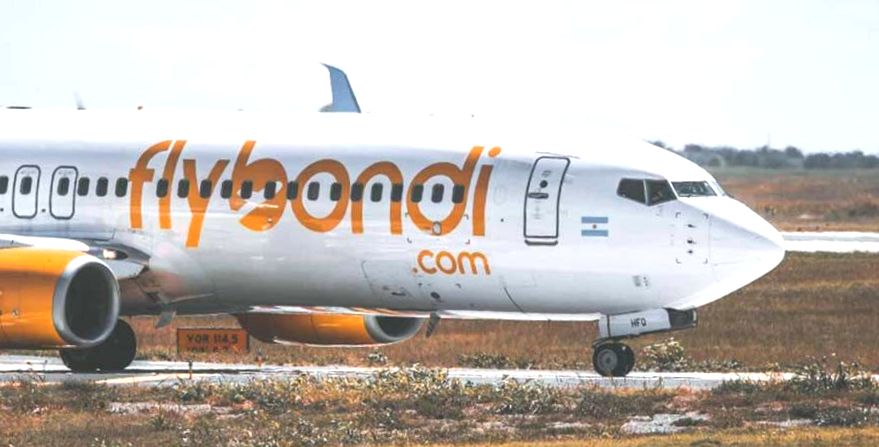
Los inversores en The Boeing Company se encuentran a la espera de que el Boeing 737 MAX vuelva al servicio comercial en China, el último significativo mercado para reanudar los vuelos del avión de cuarta generación de la línea narrowbody de la compañía americana. La perspectiva de una pronta aprobación y restablecimiento de los servicios de pasajeros permite abrir una luz al final del túnel. Una línea de un informe anual presentado el Miércoles 30/03 les da a los inversores una pista importante de cómo la reanudación podría suceder finalmente en el país.
El informe provino desde la compañía aérea China Southern Airlines. La compañía ha expresado la intención de ordenar treinta y nueve (39) aviones Boeing 737 MAX a su flota en 2022 y ciento tres (103) unidades para fines de 2024, alcanzando un total de ciento cuarenta y dos (142) aeronaves. La carta de intención original ha sido modificada por China Southern Airlines, un año atrás, la aerolínea esperaba tomar 48 aviones 737 MAX en 2022 y 123 entregas durante el período de tres años que finalizaría en 2023. Sin embargo, es una muy buena noticia alentadora para Boeing y su exquisito mercado chino.
Retornando MAX a China
La voluntad de la aerolínea de recibir nuevos aviones 737 MAX es una indicación de que los organismos se encuentran a las puertas de las aprobaciones de recertificación para poner el avión en servicio nuevamente. Por lo tanto, resulta lógico que ninguna compañía aérea aceptaría la entrega de aviones solo para estacionarlos a la espera de revisiones regulatorias.
El Boeing 737 MAX fue conectado a tierra en todo el mundo a partir de Marzo de 2019 ha sido progresivamente restablecido al servicio a partir de Noviembre de 2020 po diferentes organismos regulatorios de diferentes países a través del mundo. La aerolínea brasileña GOL Linhas Aéreas Inteligentes fue la primera aerolínea en el mundo en poner en servicio al 737 MAX a principios de Diciembre de 2020. Otros restablecimientos se reanudaron en todo el mundo poco después por diferentes aerolíneas; pero la agencia Civil Aviation Administration of China (CAAC), ha sido el primer organismo en poner en tierra al tipo de aeronave y uno de los últimos en alcanzar las aprobaciones de recertificación respectiva. Sin embargo, la CAAC emitió un Directiva de Aeronavegabilidad (AD) en Diciembre 2021, lo que supuso un paso importante para la reintroducción de 737 MAX en servicio. La directiva, esencialmente, significa que cuando se realizan todos los cambios de hardware y software en los aviones MAX y cuando los pilotos son entrenados en los sistemas actualizados, el 737 MAX puede retornar al servicio.
Luego de las aprobaciones de recertificación china del Boeing 737 MAX, la puesta en servicio conlleva algunas demoras, pues las líneas aéreas necesitan más tiempo para capacitaciones de las tripulaciones, pero además, conlleva las dificultades propias de la crisis sanitaria vigente. «El enfoque cero Covid de China continúa causando estragos en los viajes aéreos nacionales, ya que los cierres abruptos reducen la demanda», escribió el Analista Rob Stallard de Vertical Research Partners en un informe el Jueves 31/03. Las estimaciones de entregas han disminuido a 480 de 520 aeronaves en tierra, pues la baja demanda generada por los índices de contagiosidad retrasan la puesta en servicio de los aviones en China. Cuando las nuevas restricciones de Covid se desvanezcan y la demanda de viajes aéreos nacionales chinos se normalice, los inversores pueden esperar anuncios de servicio 737 MAX provenientes de aerolíneas.
Boeing & China
El restablecimiento del servicio del Boeing 737 MAX permitirá restablecer la confianza del producto en uno de los mercados más importante de la aviación mundial y uno bocanada de oxigenación para los inversores de Boeing. El mercado chino es significativo alcanzando un 25% del mercado de nuevos aviones, según el Analista Robert Spingarn de Melius Research. Según datos de la compañía Boeing, a finales de 2021 aproximadamente el 16% de los aviones 737 MAX entregados estaban en flotas chinas. El MAX todavía goza de un fuerte apoyo de las aerolíneas globales. Se han ordenado más de 900 aviones desde que el avión volvió a entrar en servicio comercial a fines de 2020.
China waiting to reinstate 737 MAX
Boeing waiting for the restoration of Chinese operations
Investors in The Boeing Company are waiting for the Boeing 737 MAX to return to commercial service in China, the last significant market to resume flights of the fourth-generation narrowbody aircraft of the American company. The prospect of an early approval and restoration of passenger services offers a light at the end of the tunnel. A line from an annual report presented on Wednesday 03/30 gives investors an important clue as to how the resumption could finally happen in the country.
The report came from the airline China Southern Airlines. The company has expressed the intention to order thirty-nine (39) Boeing 737 MAX aircraft to its fleet in 2022 and one hundred three (103) units by the end of 2024, reaching a total of one hundred and forty-two (142) aircraft. The original letter of intent has been modified by China Southern Airlines, a year ago, the airline expected to take 48 737 MAX aircraft in 2022 and 123 deliveries during the three-year period ending in 2023. However, it is very encouraging news. for Boeing and its luscious Chinese market.
Returning MAX to China
The airline’s willingness to take delivery of new 737 MAX aircraft is an indication that agencies are on the verge of recertification approvals to put the plane back into service. It stands to reason, therefore, that no airline would take aircraft for delivery only to park them pending regulatory reviews.
The Boeing 737 MAX was grounded worldwide as of March 2019 and has been progressively restored to service as of November 2020 by different regulatory bodies in different countries throughout the world. The Brazilian airline GOL Linhas Aéreas Inteligentes was the first airline in the world to put the 737 MAX into service in early December 2020. Other restorations were resumed around the world shortly after by different airlines; but the Civil Aviation Administration of China (CAAC), has been the first agency to ground the type of aircraft and one of the last to achieve the respective recertification approvals. However, the CAAC issued an Airworthiness Directive (AD) in December 2021, which was an important step towards the reintroduction of the 737 MAX into service. The directive essentially means that when all hardware and software changes to MAX aircraft are made and pilots are trained on the updated systems, the 737 MAX can return to service.
After the Chinese recertification approvals of the Boeing 737 MAX, the commissioning entails some delays, since the airlines need more time for crew training, but it also entails the difficulties of the current health crisis. «China’s Covid-zero approach continues to wreak havoc on domestic air travel as abrupt shutdowns dampen demand», wrote Analyst Rob Stallard of Vertical Research Partners in a report Thursday 3/31. Delivery estimates have been lowered to 480 from 520 aircraft on the ground, as low demand generated by contagiousness rates delay the commissioning of aircraft in China. When new Covid restrictions fade and Chinese domestic air travel demand normalizes, investors can look forward to 737 MAX service announcements coming from airlines.
Boeing & China
Restoring the service of the Boeing 737 MAX will restore confidence in the product in one of the most important markets in world aviation and a breath of fresh air for Boeing investors. The Chinese market is significant reaching 25% of the new aircraft market, according to analyst Robert Spingarn of Melius Research. According to data from the Boeing company, at the end of 2021 approximately 16% of the 737 MAX aircraft delivered were in Chinese fleets. The MAX still enjoys strong support from global airlines. More than 900 aircraft have been ordered since the plane re-entered commercial service in late 2020.
中國等待恢復 737 MAX
波音等待恢復中國業務
波音公司的投資者正在等待波音 737 MAX 在中國恢復商業服務,這是這家美國公司第四代窄體飛機恢復飛行的最後一個重要市場。儘早批准和恢復客運服務的前景為隧道盡頭提供了光明。 2030 年 3 月 30 日星期三公佈的年度報告中的一句話為投資者提供了一個重要線索,即該國最終將如何恢復。
該航空公司願意接收新的 737 MAX 飛機,這表明各機構正處於重新認證批准以使飛機重新投入使用的邊緣。因此,有理由認為,沒有一家航空公司只會將飛機交付給停放等待監管審查。
波音 737 MAX 於 2019 年 3 月在全球範圍內停飛,並於 2020 年 11 月由全球不同國家的不同監管機構逐步恢復服務。巴西航空公司 GOL Linhas Aéreas Inteligentes 是世界上第一家在 2020 年 12 月上旬將 737 MAX 投入服務的航空公司。不久之後,不同的航空公司在世界各地恢復了其他修復工作;但中國民用航空局 (CAAC) 是第一個停飛該機型的機構,也是最後一個獲得相應重新認證批准的機構。然而,CAAC 於 2021 年 12 月發布了適航指令 (AD),這是 737 MAX 重新投入使用的重要一步。該指令實質上意味著,當對 MAX 飛機進行所有硬件和軟件更改並且飛行員接受了更新系統的培訓後,737 MAX 可以重新投入使用。
波音 737 MAX 在中國獲得重新認證批准後,由於航空公司需要更多時間進行機組人員培訓,因此調試會出現一些延誤,但也帶來了當前健康危機的困難。 Vertical Research Partners 的分析師 Rob Stallard 在 3 月 31 日星期四的一份報告中寫道:“隨著突然停工削減需求,中國的 Covid-zero 方法繼續對國內航空旅行造成嚴重破壞”。由於傳染率導致的低需求延遲了飛機在中國的調試,交付估計已從地面的 520 架降至 480 架。當新的 Covid 限制消退和中國國內航空旅行需求正常化時,投資者可以期待航空公司發布 737 MAX 服務公告。
波音與中國
恢復波音 737 MAX 的服務將恢復對該產品在世界航空最重要市場之一的信心,並為波音投資者帶來新鮮空氣。據 Melius Research 分析師羅伯特·斯賓加恩 (Robert Spingarn) 稱,中國市場佔據了新飛機市場 25% 的份額。根據波音公司的數據,截至 2021 年底,交付的 737 MAX 飛機中約有 16% 來自中國機隊。 MAX仍然得到全球航空公司的大力支持。自 2020 年底飛機重新投入商業服務以來,已訂購了 900 多架飛機。
PUBLISHER: Airgways.com DBk: Boeing.com / Caac.gov.cn / Barrons.com / Airgways.com AW-POST: 202204011151AR OWNERSHIP: Airgways Inc. A\W A I R G W A Y S ®
AW | 2022 03 27 11:07 | AIR INVESTIGATION / AVIATION ORGANISMS / AVIATION SAFETY
FAA defiende historial seguridad Boeing 737-800 Superando crisis avión cuarta generación 737 MAX
Tan importante como es para las empresas explicar las circunstancias o razones que llevaron a una crisis, es igual de importante que otros salgan en su defensa o proporcionen su perspectiva cuando sea apropiado hacerlo referente a la seguridad del vuelo. Las autoridades, expertos y observadores que hablan en nombre o defienden a una empresa que está teniendo una crisis pueden ayudar a combatir las preocupaciones o críticas sobre la organización o su manejo de la situación. Ese ciertamente parece ser el caso en el accidente mortal de esta semana del vuelo MU5735 de China Eastern Airlines de un avión de pasajeros Boeing 737-800 en el sur de China.
Expresar confianza
Mientras los equipos de búsqueda continuaban recolectando restos después del accidente aéreo del Lunes de un vuelo MU5735 de China Eastern Airlines, el Jefe saliente de la Administración Federal de Aviación (FAA) expresó confianza el Viernes 25/03 en el tipo de avión Boeing que se estrelló y en la capacidad de la comunidad de aviación internacional para determinar las causas del accidente. El Administrador de la FAA, Steve Dickson, un piloto de aerolínea retirado y designado por la administración Trump, renunciará la próxima semana, ha señalado el sólido historial de seguridad de la flota de aviones de pasajeros 737 Next Generation de Boeing en una entrevista televisiva. El 737-800 que se estrelló en la provincia sureña china de Guangxi es uno de los aviones más seguros jamás producidos en operaciones comerciales. «Es uno de los aviones más utilizados en todo el mundo. Según todos los indicios, este era un avión en condiciones de volar. Pero tendremos que ir a donde nos lleven los hechos», dijo Steve Dickson en Squawk Box de CNBC. Cuando se le preguntó sobre el escepticismo de que las autoridades chinas permitan una revisión transparente de lo que sucedió, Steve Dickson dijo: «Confío en que llegaremos a la causa raíz del accidente». La FAA no respondió de inmediato a una solicitud para comentar por qué Steve Dickson defendió el registro de seguridad del 737-800 durante la entrevista.
Declaraciones de Boeing
El Director Ejecutivo de The Boeing Company, David Calhoun, dijo: «Hemos estado en estrecha comunicación con nuestros clientes y las autoridades reguladoras desde el accidente, y hemos ofrecido el apoyo total de nuestros expertos técnicos a la investigación dirigida por la Administración de Aviación Civil de China. La compañía haría todo lo posible para apoyar a nuestro cliente y la investigación de accidentes durante este momento difícil, guiados por nuestro compromiso con la seguridad, la transparencia y la integridad en cada paso». En el sitio web de Boeing, la compañía dijo que «extendemos nuestras más profundas condolencias por la pérdida de las personas a bordo del vuelo MU 5735 de China Eastern Airlines. Nuestros pensamientos y oraciones están con los pasajeros y la tripulación, sus familias y todos los afectados por este accidente. Boeing continuará apoyando a nuestros clientes de aerolíneas durante este momento difícil. Además, un equipo técnico de Boeing está apoyando a la NTSB y a la Administración de Aviación Civil de China, que dirigirán la investigación».
Mejor prevenir que curar
China Eastern Airlines decidió rápidamente dejar en tierra cientos de los aviones que están en su flota. «China Eastern Alines y sus subsidiarias han dejado en tierra temporalmente 223 aviones Boeing 737-800», dijo el portavoz de la aerolínea Liu Xiaodong en una conferencia de prensa el Jueves 24/03. «Los aviones en tierra se están sometiendo a inspección y mantenimiento de seguridad para garantizar que sean seguros para volar», dijo Liu Xiaodong. La aerolínea lanzó una amplia revisión de seguridad después del accidente.
El avión es uno de los aviones más populares en el cielo y tiene un buen historial de seguridad. Su sucesor, el asediado 737 MAX de Boeing, solo recientemente se le ha permitido volver a entrar en servicio en China después de que estuvo en tierra allí durante tres años, y por los reguladores de todo el mundo durante más de un año, después de dos accidentes en Indonesia y Etiopía que mataron a 189 y 157 personas.
Sin respuestas rápidas o fáciles
Por su propia naturaleza, algunas crisis pueden tardar más en investigarse que otras. En términos generales, las investigaciones de accidentes aéreos tienden a tomar el tiempo considerable para determinar las causales del accidente, que pueden variar entre doce meses o más, según el sitio web de la Junta Nacional de Seguridad en el Transporte (NTSB), la agencia independiente que investiga los incidentes de aviación civil dentro de los Estados Unidos. «A la industria no le gusta ser una cabeza parlante y arriesgarse a llegar a conclusiones injustas en nombre de la aeronave o de la tripulación», según Mark Baier, CEO de Aviation Manuals, un proveedor líder de servicios manuales de desarrollo de aviación y software de sistemas de gestión de seguridad.
Aprendiendo de la historia
El accidente del Boeing 737-800 es la última crisis o controversia que ha golpeado a Boeing. Mark Baier expresó que «debemos aprender de la historia. Las reacciones iniciales a los accidentes del 737 MAX fueron decir que Indonesia tenía un pobre historial de seguridad y tratar de denigrar a los pilotos en Etiopía, antes de que todos nos diéramos cuenta de que en realidad era un problema de aeronaves y no un problema de pilotos».
En Octubre 2021, un gran jurado Federal de estados Unidos acusó a un ex ejecutivo clave de Boeing por fraude. Alegaron que engañó a la Administración Federal de Aviación mientras certificaba por primera vez el avión 737 MAX que tendría dos accidentes fatales causados por fallas de diseño. Los cargos no fueron contra un alto ejecutivo, terminaron en contra de Mark Forkner, de 49 años, quien fue el Jefe Piloto Técnico de la línea 737 MAX durante el proceso de certificación del avión y estaba acusado para de engañar a la FAA durante ese proceso en 2016 y 2017. Su juicio terminó rápidamente después de menos de cuatro días. Con solo un testigo de la defensa testificando, el jurado encontró a Mark Forkner no culpable el Miércoles 23/03 en Fort Worth, Texas.
El procesamiento por parte del Departamento de Justicia (DOT) de Mark Forkner, el único empleado de Boeing acusado de un delito después de los dos accidentes fatales del 737 MAX, se basó en gran medida en largos intercambios de mensajes instantáneos con un colega de Boeing. Sus comentarios documentados fueron a su vez profanos e insultantes, y profundamente impactantes cuando se hicieron públicos. El más condenatorio sugirió que sabía sobre un cambio de diseño que Boeing hizo al final del programa al nuevo sistema de control de vuelo del avión, un cambio crítico que fue acusado de ocultar. Sin embargo, su juicio terminó rápidamente después de menos de cuatro días. Con solo un testigo de la defensa testificando, el jurado encontró a Forkner no culpable menos de dos horas después de que las dos partes descansaron sus casos el miércoles en Fort Worth, Texas.
El testimonio para la fiscalía de un Ingeniero Senior de Boeing no logró convencer al jurado de que Mark Forkner realmente había conocido los detalles del cambio de Control de Vuelo. A pesar de que otros en Boeing sabían con certeza sobre el cambio y ninguno señaló su importancia para la Administración Federal de Aviación o las aerolíneas, el veredicto de Forkner probablemente marque el final de los cargos penales contra Boeing o sus empleados.
«Desafortunadamente, a veces los fiscales tratan de encontrar a alguien a quien culpar. Cuando hay una gran falla corporativa y regulatoria y están culpando a una persona de nivel medio, solo hay que preguntarse si realmente se está haciendo justicia», dijo David Gerger, uno de los abogados defensores de Forkner, en una entrevista el viernes.
A raíz de los dos accidentes mortales del MAX, los desagradables intercambios de texto nocturnos alimentados con vodka de Mark Forkner con su adjunto Patrik Gustavsson lo habían convertido en un villano en el ojo público. En esos intercambios privados, se burló e insultó a los reguladores federales, funcionarios de aerolíneas, proveedores y sus propios colegas como idiotas, payasos o monos. Despidió a los ingenieros de la FAA que escuchaban una presentación técnica como «perros viendo televisión». Lo más atroz es que relató cómo había presionado a los funcionarios de Lion Air en Indonesia para que abandonaran una solicitud de que todos sus pilotos recibieran entrenamiento completo en simuladores de vuelo para el 737 MAX, y los desestimó como idiotas por siquiera preguntar. Trágicamente, el primer accidente del 737 MAX fue un avión de Lion Air.
La fiscalía retiró comentarios que mostraban que sentía una intensa presión para reducir los costos para sus jefes en Boeing y sugirió que esto lo motivó a retener información. Sin embargo, los expertos dentro de la comunidad de la aviación han visto durante mucho tiempo a Mark Forkner como un tipo caído. Una pieza de evidencia que la defensa preparó pero no necesitó usar fue una presentación de Powerpoint hecha por un piloto de pruebas de la FAA que dijo que la acusación de Mark Forkner «no solo es incorrecta y equivocada, sino que está restando valor a las lecciones reales». El punto señalado en la presentación fue que los accidentes del 737 MAX fueron el resultado de una falla de ingeniería de la cual Mark Forkner no fue responsable.
La causa principal de los accidentes fue el mal diseño del nuevo software de Control de Vuelo del Boeing 737 MAX denominado Sistema de Aumento de Características de Maniobra (MCAS), que fue activado erróneamente por un solo sensor defectuoso.
Mark Forkner fue el Jefe Piloto Técnico de la línea 737 MAX durante su desarrollo. A pesar de cómo suena ese título, no voló el avión, solo simuladores. No era piloto de pruebas y no era ingeniero. Su primer trabajo fue asegurarse de que los simuladores se comportaran tal como lo hacía el avión. Además, fue responsable de recomendar a la FAA qué entrenamiento necesitarían los pilotos y qué información debería ir en los manuales de vuelo. El ex ingeniero de seguridad de la FAA Richard Reed, quien en el primer año del desarrollo del 737 MAX trabajó en la certificación de los sistemas electrónicos del avión, dijo que a pesar de la presión de Mark Forkner sobre las aerolíneas para reducir la capacitación de los pilotos, no se le debe culpar por los accidentes. «Mark Forkner ciertamente no es inocente. Pero, estoy de acuerdo con el jurado en que él no es culpable. Forkner era solo un pequeño diente en un pequeño engranaje en un gran subconjunto de una máquina Boeing más grande. Un chivo expiatorio», dijo Richard Reed el Viernes 25/03.
«¡Oh shocker alert!»
«Así que básicamente mentí a los reguladores (sin saberlo)». Después de que ese intercambio se hizo público, Boeing afirmó, al igual que la defensa de Mark Forkner, que esto era simplemente una falla en el simulador y no una indicación de cómo funcionaría realmente el MCAS. El único testigo de la defensa llamado en el juicio respaldó a Mark Forkner. Barry St. Germain, uno de los principales pilotos de pruebas e ingenieros de Boeing, testificó que Mark Forkner había presentado un informe de un mal funcionamiento del simulador en esa ocasión. Sin embargo, después, Mark Forkner no mencionó esto a la FAA. Stacey Klein, la contraparte de Mark Forkner en la FAA, testificó que nunca había divulgado esta información, pero declaró repetidamente que los pilotos nunca encontrarían la condición en la que se activaría el MCAS y que podría dejarse fuera de los manuales de vuelo de manera segura. «Mintió», testificó Stacey Klein.
La defensa de Mark Forkner fue que no sabía entonces sobre la expansión del MCAS y se enteró de ello solo después del accidente de Lion Air. Sus abogados sembraron dudas sobre el testimonio del Ingeniero Senior de Boeing David N. Loffing al señalar la falta de seguimiento de esta llamada telefónica. «No hay registro alguno de tal llamada. Sin correo electrónico, sin texto, sin memo. No enviar documentos de Mark Forkner. Nada», dijo el abogado defensor David Gerger. En contra de la afirmación de David Loffing, David Gerger dijo que pudo reunir documentación. «Lo que se demostró con hechos y documentos reales es que al Sr. Mark Forkner se le había enviado un documento de ingeniería que nunca se actualizó con la expansión del MCAS», dijo David Gerger. El Departamento de Ingeniería de Boeing continuó enviando a su grupo ese mismo documento con información antigua. Los documentos oficiales no mostraron ninguna expansión. Con esa duda sembrada sobre el fraude deliberado, la acusación de que Mark Forkner estaba motivado por la presión de la gerencia para reducir los costos de Boeing y las aerolíneas se volvió irrelevante.
El efecto potencial de esa directiva de gestión para el grupo de Mark Forkner para asegurarse de que la capacitación de los pilotos se minimizara nunca se exploró en la corte. La pregunta más importante de cómo se pasaron por alto las fallas de ingeniería de MCAS nunca fue parte del caso. Boeing se negó el Viernes 25/03 a comentar sobre el juicio y a poner a David Loffing a disposición para la entrevista. El Departamento de Justicia en un comunicado dijo: «Si bien estamos decepcionados con el resultado, respetamos el veredicto del jurado». La absolución de Mark Forkner parece marcar el final del riesgo legal para Boeing y sus empleados.
En Enero de 2021, el Departamento de Justicia acordó un Acuerdo de Enjuiciamiento Diferido con la compañía que exoneró explícitamente a la alta gerencia de The Boeing Company. La única consecuencia penal para Boeing es la multa impuesta en ese acuerdo que alcanzó el valor de US$ 244 millones de Dólares en penalizaciones.
Posibles problemas eléctricos
El pasado mes de Abril 2021, Boeing enfrentó otra crisis que involucró a su 737 MAX. El fabricante americano ha recomendado que se aborde un posible problema eléctrico en un grupo específico de aviones 737 MAX antes de que vuelvan a volar. Un mes después, Boeing dijo que esperaba reanudar las entregas de aviones 737 MAX dentro de la semana después de que funcionarios federales aprobaron una solución para un problema eléctrico mientras las aerolíneas estadounidenses están comenzando las reparaciones en docenas de aviones en tierra. La Administración Federal de Aviación (FAA) aprobó las reparaciones de la falla de fabricación, que dejó en tierra más de cien aviones en servicio el mes pasado.
Superar el estigma
En Noviembre de 2020 la decisión de la Administración Federal de Aviación de levantar su prohibición del Boeing 737 MAX marca el final de un capítulo de esta crisis para el fabricante de aviones y el comienzo de otro. La compañía ahora debe convencer a las aerolíneas de que es seguro devolver los aviones al servicio, comprar otros nuevos y superar el miedo que la gente tiene al volar en este tipo de aeronaves.
Según Boeing, a mediados de Marzo 2022, desde Diciembre de 2020, más de 185 de los 195 países han aprobado un retorno de servicio. Más de 35 aerolíneas en todo el mundo han operado de forma segura el 737 MAX para más de 400.000 vuelos de ingresos y más de un millón de horas, con una confiabilidad de horario superior al 99%.
Stigma called Boeing 737
FAA defends Boeing 737-800 safety record Overcoming crisis airplane fourth generation 737 MAX
As important as it is for companies to explain the circumstances or reasons that led to a crisis, it is just as important that others come to their defense or provide their perspective when it is appropriate to do so regarding flight safety. Authorities, experts, and observers who speak on behalf of or defend a company in crisis can help combat concerns or criticism about the organization or its handling of the situation. That certainly appears to be the case in this week’s deadly crash of China Eastern Airlines Flight MU5735 of a Boeing 737-800 airliner in southern China.
Express confidence
As search teams continued to collect wreckage after Monday’s plane crash of China Eastern Airlines flight MU5735, the outgoing Head of the Federal Aviation Administration (FAA) expressed confidence on Friday 03/25 in the type of Boeing aircraft being crashed and on the ability of the international aviation community to determine the causes of the accident. FAA Administrator Steve Dickson, a retired airline pilot and Trump administration appointee, is set to resign next week, pointing to the strong safety record of Boeing’s 737 Next Generation airliner fleet in a television interview. The 737-800 that crashed in the southern Chinese province of Guangxi is one of the safest planes ever produced in commercial operations. «It is one of the most used aircraft in the world. From all indications, this was a flyable aircraft. But we’ll have to go where the facts take us», Steve Dickson said on CNBC’s Squawk Box. Asked about skepticism that Chinese authorities will allow a transparent review of what happened, Steve Dickson said, «I trust that we’ll get to the root cause of the accident». The FAA did not immediately respond to a request for comment on why Steve Dickson defended the 737-800’s safety record during the interview.
Statements from Boeing
The Boeing Company CEO David Calhoun said, «We have been in close communication with our customers and regulatory authorities since the accident, and have offered the full support of our technical experts to the Civil Aviation Administration-led investigation. of China. The company would do everything possible to support our client and the accident investigation during this difficult time, guided by our commitment to safety, transparency and integrity at every step». On Boeing’s website, the company said «we extend our deepest condolences for the loss of the people aboard China Eastern Airlines Flight MU 5735. Our thoughts and prayers are with the passengers and crew, their families and all those affected by this accident. Boeing will continue to support our airline customers during this difficult time. In addition, a technical team from Boeing is supporting the NTSB and the Civil Aviation Administration of China, who will lead the investigation».
Prevention is better than cure
China Eastern Airlines quickly decided to ground hundreds of the planes in its fleet. «China Eastern Airlines and its subsidiaries have temporarily grounded 223 Boeing 737-800 aircraft», airline spokesman Liu Xiaodong said at a press conference on Thursday 03/24. «Planes on the ground are undergoing safety inspection and maintenance to ensure they are safe to fly», Liu Xiaodong said. The airline launched an extensive safety review after the accident.
The plane is one of the most popular planes in the sky and has a good safety record. Its successor, Boeing’s beleaguered 737 MAX, has only recently been allowed to re-enter service in China after being grounded. there for three years, and by regulators around the world for more than a year, after two accidents in Indonesia and Ethiopia that killed 189 and 157 people.
No quick or easy answers
By their very nature, some crises may take longer to investigate than others. Generally speaking, air accident investigations tend to take considerable time to determine the causes of the accident, which can vary from twelve months or more, according to the website of the National Transportation Safety Board (NTSB), the agency independent body that investigates civil aviation incidents within the United States. «The industry doesn’t like to be a talking head and risk drawing unfair conclusions on behalf of the aircraft or the crew», according to Mark Baier, CEO of Aviation Manuals, a leading provider of aviation software and development manual services. of security management systems.
Learning from history
The Boeing 737-800 accident is the latest crisis or controversy to hit Boeing. Mark Baier said that «we must learn from history. Initial reactions to the 737 MAX accidents were to say that Indonesia had a poor safety record and to try to denigrate the pilots in Ethiopia, before we all realized that in It was actually an aircraft problem and not a pilot problem.
In October 2021, a US Federal grand jury indicted a former key Boeing executive for fraud. They alleged that he misled the Federal Aviation Administration while first certifying the 737 MAX aircraft that it would have two fatal accidents caused by design flaws. The charges weren’t against a top executive, they ended up against Mark Forkner, 49, who was the Chief Technical Pilot for the 737 MAX line during the aircraft’s certification process and is accused of misleading the FAA during that process in 2016 and 2017. His trial ended quickly after less than four days. With only one defense witness testifying, the jury found Mark Forkner not guilty on Wednesday 03/23 in Fort Worth, Texas.
The Justice Department’s (DOT) prosecution of Mark Forkner, the only Boeing employee charged with a crime after the two fatal 737 MAX crashes, was largely based on lengthy instant message exchanges with a Boeing colleague. His documented comments were both profane and insulting, and deeply shocking when made public. The most damning suggested that he knew about a design change Boeing made late in the program to the plane’s new flight control system, a critical change he was accused of hiding. However, his trial ended quickly after less than four days. With only one defense witness testifying, the jury found Forkner not guilty less than two hours after the two sides rested their cases Wednesday in Fort Worth, Texas.
Testimony for the prosecution by a Senior Boeing Engineer failed to convince the jury that Mark Forkner had actually known the details of the Flight Control change. Although others at Boeing knew for sure about the change and none noted its importance to the Federal Aviation Administration or the airlines, the Forkner verdict likely marks the end of criminal charges against Boeing or its employees.
«Unfortunately, sometimes prosecutors try to find someone to blame. When there’s a big corporate and regulatory failure and they’re blaming a mid-level person, you just have to ask yourself if justice is really being served», said David Gerger, one of Forkner’s defense attorneys, in an interview Friday.
In the wake of the two deadly MAX accidents, Mark Forkner’s nasty vodka-fueled late-night text exchanges with his deputy Patrik Gustavsson had made him a villain in the public eye. In those private exchanges, he mocked and insulted federal regulators, airline officials, suppliers and his own colleagues as idiots, clowns or monkeys. He dismissed FAA engineers listening to a technical presentation as «dogs watching TV». Most egregiously, he recounted how he had pressured Lion Air officials in Indonesia to drop a request that all their pilots receive full flight simulator training for the 737 MAX, and dismissed them as idiots for even asking. Tragically, the first 737 MAX accident was a Lion Air plane.
The prosecution withdrew comments showing he felt intense pressure to cut costs for his bosses at Boeing and suggested this motivated him to withhold information. However, pundits within the aviation community have long viewed Mark Forkner as a fallen guy. One piece of evidence the defense prepared but did not need to use was a Powerpoint presentation made by an FAA test pilot who said that Mark Forkner’s accusation «is not only incorrect and misguided, it is detracting from the lessons real». The point made in the presentation was that the 737 MAX accidents were the result of an engineering flaw for which Mark Forkner was not responsible.
The main cause of the accidents was the poor design of the Boeing 737 MAX’s new Flight Control software called the Maneuvering Characteristics Augmentation System (MCAS), which was erroneously activated by a single faulty sensor.
Mark Forkner was the Chief Technical Pilot for the 737 MAX line during its development. Despite how that title sounds, he didn’t fly the plane, just simulators. He was not a test pilot and he was not an engineer. His first job was to make sure the simulators behaved just like the plane did. In addition, he was responsible for recommending to the FAA what training pilots would need and what information should go into flight manuals. Former FAA safety engineer Richard Reed, who in the first year of the 737 MAX’s development worked on certifying the plane’s electronic systems, said that despite pressure from Mark Forkner on airlines to reduce training for pilots, you should not be blamed for accidents. «Mark Forkner is certainly not innocent. But, I agree with the jury that he is not guilty. Forkner was just a small cog in a small gear in a large sub-assembly of a larger Boeing machine. A scapegoat», he said. Richard Reed on Friday 03/25.
«Oh shock alert!»
«So I basically lied to the regulators (without knowing it)». After that exchange became public, Boeing claimed, as did Mark Forkner’s defense, that this was merely a glitch in the simulator and not an indication of how MCAS would actually work. The only defense witness called at trial backed Mark Forkner. Barry St. Germain, one of Boeing’s top test pilots and engineers, testified that Mark Forkner had filed a report of a simulator malfunction on that occasion. However, later Mark Forkner did not mention this to the FAA. Stacey Klein, Mark Forkner’s counterpart at the FAA, testified that she had never released this information, but repeatedly stated that pilots would never encounter the condition in which MCAS would activate and that it could be left out of the flight manuals inadvertently. safe. «He lied», Stacey Klein testified.
Mark Forkner’s defense was that he did not know about the MCAS expansion at the time and only found out about it after the Lion Air accident. His attorneys cast doubt on Boeing Senior Engineer David N. Loffing’s testimony by noting the lack of follow-up to this phone call. «There is no record of any such call. No email, no text, no memo. No Mark Forkner documents sent. Nothing», defense attorney David Gerger said. Contrary to David Loffing’s claim, David Gerger said that he was able to gather documentation. «What was proven by actual facts and documents is that Mr. Mark Forkner had been sent an engineering document that was never updated with the expansion of MCAS», said David Gerger. The Boeing Engineering Department continued to send his group that same document with old information. Official documents did not show any expansion. With that doubt cast about deliberate fraud, the allegation that Mark Forkner was motivated by pressure from management to cut costs from Boeing and the airlines became moot.
The potential effect of that management directive for Mark Forkner’s group to ensure pilot training was minimized was never explored in court. The larger question of how MCAS engineering flaws were overlooked was never part of the case. Boeing declined on Friday 03/25 to comment on the trial and to make David Loffing available for interview. The Justice Department in a statement said: «While we are disappointed with the outcome, we respect the jury’s verdict». Mark Forkner’s acquittal appears to mark the end of legal risk for Boeing and its employees.
In January 2021, the Department of Justice agreed to a Deferred Prosecution Agreement with the company that explicitly exonerated senior management of The Boeing Company. The only criminal consequence for Boeing is the fine imposed in that agreement that reached the value of US$ 244 million dollars in penalties.
Possible electrical problems
Last April 2021, Boeing faced another crisis involving its 737 MAX. The American manufacturer has recommended that a possible electrical problem in a specific group of 737 MAX planes be addressed before they fly again. A month later, Boeing said it expected to resume deliveries of 737 MAX planes within a week after federal officials approved a fix for an electrical problem as US airlines begin repairs on dozens of planes on the ground. The Federal Aviation Administration (FAA) has approved repairs to the manufacturing flaw, which grounded more than 100 planes in service last month.
Overcome the stigma
In November 2020, the decision of the Federal Aviation Administration to lift its ban on the Boeing 737 MAX marks the end of one chapter of this crisis for the aircraft manufacturer and the beginning of another. The company must now convince airlines that it is safe to return the planes to service, buy new ones and overcome the fear people have of flying such aircraft.
According to Boeing, as of mid-March 2022, as of December 2020, more than 185 of the 195 countries have approved a return to service. More than 35 airlines worldwide have safely operated the 737 MAX for more than 400,000 revenue flights and more than one million hours, with greater than 99% schedule reliability.
PUBLISHER: Airgways.com DBk: Justice.gov / Faa.gov / Forbes.com / Boeing.com / Airgways.com AW-POST: 202203271107AR OWNERSHIP: Airgways Inc. A\W A I R G W A Y S ®

La demanda de viajes aéreos está aumentando a medida que se levantan las restricciones de la pandemia en los países de la Unión Europea. KLM Airlines está respondiendo ampliando la capacidad en las rutas europeas en un 10% en comparación con el año pasado, casi igualando el nivel anterior a la pandemia de 2019. Esto equivale a unos 16 millones de asientos en total. Las ciudades portuguesas de Oporto y Lisboa, con tres y cuatro vuelos al día respectivamente, son solo algunos de los destinos que experimentan un aumento en los vuelos de KLM.
El éxito de los nuevos destinos Belgrado, Dubrovnik y Palma de Mallorca, que se añadieron a la red de rutas de KLM en 2021, significa que volverán a incluirse en el calendario de verano. KLM también espera que los viajeros de negocios regresen, por lo que se están agregando frecuencias a las rutas británicas, alemanas y polacas. Los servicios a Kiev, San Petersburgo y Moscú continúan suspendidos. KLM sigue de cerca los acontecimientos en la región.
Entre el 27/03 y el 29/10 KLM volará a 96 destinos europeos y 71 intercontinentales, ofreciendo un gran número de opciones de vuelo tanto para viajeros de negocios como de placer. KLM también está aumentando la capacidad en su red de rutas intercontinentales en un 17% en comparación con el año pasado, en respuesta a una tendencia al alza en las reservas. Este verano, KLM operará vuelos diarios a Aruba, Bonaire y Curazao, aumentando la frecuencia a Curazao a dos veces al día durante la temporada de vacaciones de verano. Puerto España, el nuevo destino tropical de KLM en el horario de invierno, también está incluido en el horario de verano, ofreciendo a los clientes tres vuelos semanales entre Ámsterdam y la capital de Trinidad y Tobago.
Desde que Estados Unidos alivió las restricciones de viaje en noviembre de 2021, la demanda de vuelos ha crecido constantemente. La capacidad de KLM a Estados Unidos este verano coincide con la de 2019. La reanudación de los vuelos a Salt Lake City y la nueva incorporación de Austin a nuestra red, significa que KLM operará servicios directos este verano a 12 destinos en los Estados Unidos, el número más alto de la historia. Austin, la capital del estado de Texas, es un floreciente centro tecnológico y el hogar de un gran número de empresas de tecnología. También es una próspera ciudad estudiantil con una vibrante vida nocturna, Fórmula 1 y el principal festival anual South by Southwest (SXSW). KLM operará tres vuelos a la semana a Austin a partir del 28 de marzo.
Un número mayor de países de Asia se abren a los visitantes nuevamente. Aunque las restricciones de viaje de Covid-19 varían de un país a otro, la demanda de verano está aumentando para destinos como Filipinas, Tailandia, Singapur y Bali. India también ha indicado que aliviará las restricciones de viaje. KLM responderá aumentando las frecuencias a Delhi y Mumbai. Asia sigue siendo un mercado fuerte e importante para la carga, lo que nos permite continuar operando servicios de baja frecuencia a todos los destinos anteriores a la pandemia.
Las restricciones de viaje continúan en China, lo que significa que aún no podemos reanudar nuestros servicios de red habituales a China. Debido a las sanciones de la UE contra Rusia, KLM no opera en el espacio aéreo ruso. Los tiempos de vuelo hacia y desde Corea del Sur, Japón y China son, en consecuencia, en promedio dos horas más largos de lo habitual. Los vuelos a Japón y China están haciendo una escala en Seúl.
La capacidad en la mayoría de las rutas a América del Sur se ha restablecido a niveles más o menos previos a la pandemia. Actualmente estamos operando servicios diarios a Sao Paulo, Ciudad de Panamá y Lima, con un mínimo de seis vuelos a la semana a Quito/Guayaquil, Bogotá/Cartagena, Río de Janeiro, Buenos Aires y Santiago de Chile.
Los pasajeros que quieran volar a África este verano ahora pueden elegir entre diez destinos. La capacidad se ha ampliado en muchas rutas, en comparación con el verano pasado, para satisfacer la creciente demanda. Zanzíbar, que se agregó a nuestra red de rutas el año pasado, se incluye una vez más en el horario de verano. KLM también opera servicios a Johannesburgo, Ciudad del Cabo, Accra, Lagos, Kigali, Entebbe, Nairobi, Kilimanjaro y Dar es Salaam.
KLM increases flights 2022
KLM will operate 167 direct flights summer 2022
The demand for air travel is increasing as pandemic restrictions are lifted in European Union countries. KLM Airlines is responding by expanding capacity on European routes by 10% compared to last year, nearly matching the pre-pandemic level of 2019. This equates to some 16 million seats in total. The Portuguese cities of Porto and Lisbon, with three and four flights a day respectively, are just some of the destinations experiencing an increase in KLM flights.
The success of the new destinations Belgrade, Dubrovnik and Palma de Mallorca, which were added to the KLM route network in 2021, means that they will once again be included in the summer calendar. KLM is also expecting business travelers to return, so frequencies are being added to British, German and Polish routes. Services to kyiv, Saint Petersburg and Moscow continue to be suspended. KLM is closely following developments in the region.
Between 03/27 and 10/29 KLM will fly to 96 European and 71 intercontinental destinations, offering a large number of flight options for both business and leisure travellers. KLM is also increasing capacity on its intercontinental route network by 17% compared to last year, in response to an upward trend in bookings. This summer, KLM will operate daily flights to Aruba, Bonaire and Curaçao, increasing the frequency to Curaçao to twice a day during the summer holiday season. Port of Spain, KLM’s new tropical destination in the winter timetable, is also included in the summer timetable, offering customers three weekly flights between Amsterdam and the capital of Trinidad and Tobago.
Since the United States eased travel restrictions in November 2021, the demand for flights has grown steadily. KLM’s capacity to the United States this summer matches that of 2019. The resumption of flights to Salt Lake City and the new addition of Austin to our network, means that KLM will operate direct services this summer to 12 destinations in the United States, the highest number in history. Austin, the state capital of Texas, is a thriving tech hub and home to a large number of tech companies. It is also a thriving student town with a vibrant nightlife, Formula 1 and the main annual South by Southwest (SXSW) festival. KLM will operate three flights a week to Austin from March 28.
A larger number of Asian countries are opening up to visitors again. Although Covid-19 travel restrictions vary from country to country, summer demand is increasing for destinations such as the Philippines, Thailand, Singapore and Bali. India has also indicated that it will ease travel restrictions. KLM will respond by increasing frequencies to Delhi and Mumbai. Asia remains a strong and important market for cargo, allowing us to continue to operate low-frequency services to all pre-pandemic destinations.
Travel restrictions continue in China, which means that we are not yet able to resume our regular network services to China. Due to EU sanctions against Russia, KLM does not operate in Russian airspace. Flight times to and from South Korea, Japan and China are consequently two hours longer than usual on average. Flights to Japan and China are making a stopover in Seoul.
Capacity on most routes to South America has been restored to roughly pre-pandemic levels. We are currently operating daily services to Sao Paulo, Panama City and Lima, with a minimum of six flights a week to Quito/Guayaquil, Bogota/Cartagena, Rio de Janeiro, Buenos Aires and Santiago de Chile.
Passengers who want to fly to Africa this summer can now choose from ten destinations. Capacity has been expanded on many routes, compared to last summer, to meet growing demand. Zanzibar, which was added to our route network last year, is once again included in the summer timetable. KLM also operates services to Johannesburg, Cape Town, Accra, Lagos, Kigali, Entebbe, Nairobi, Kilimanjaro and Dar es Salaam.
KLM verhoogt vluchten 2022
KLM gaat zomer 2022 167 directe vluchten uitvoeren
De vraag naar vliegreizen neemt toe naarmate de pandemische beperkingen in de landen van de Europese Unie worden opgeheven. KLM Airlines speelt hierop in door de capaciteit op Europese routes met 10% uit te breiden ten opzichte van vorig jaar, bijna op het niveau van vóór de pandemie van 2019. Dit komt neer op in totaal zo’n 16 miljoen stoelen. De Portugese steden Porto en Lissabon, met respectievelijk drie en vier vluchten per dag, zijn slechts enkele van de bestemmingen waar het aantal KLM-vluchten toeneemt.
Het succes van de nieuwe bestemmingen Belgrado, Dubrovnik en Palma de Mallorca, die in 2021 aan het KLM-routenetwerk zijn toegevoegd, betekent dat ze opnieuw op de zomerkalender worden opgenomen. Ook KLM verwacht dat zakenreizigers terugkeren en daarom worden er frequenties toegevoegd op Britse, Duitse en Poolse routes. Diensten naar Kiev, Sint-Petersburg en Moskou blijven opgeschort. KLM volgt de ontwikkelingen in de regio op de voet.
Tussen 27-03 en 29-10 vliegt KLM naar 96 Europese en 71 intercontinentale bestemmingen en biedt een groot aantal vluchtopties voor zowel zakenreizigers als vakantiegangers. KLM verhoogt ook de capaciteit op haar intercontinentale routenetwerk met 17% ten opzichte van vorig jaar, als reactie op een stijgende lijn in boekingen. Deze zomer zal KLM dagelijkse vluchten uitvoeren naar Aruba, Bonaire en Curaçao, waardoor de frequentie naar Curaçao tijdens de zomervakantie wordt verhoogd naar twee keer per dag. Port of Spain, de nieuwe tropische bestemming van KLM in de winterdienstregeling, is ook opgenomen in de zomerdienstregeling en biedt klanten drie wekelijkse vluchten tussen Amsterdam en de hoofdstad Trinidad en Tobago.
Sinds de Verenigde Staten de reisbeperkingen in november 2021 hebben versoepeld, is de vraag naar vluchten gestaag gegroeid. De capaciteit van KLM naar de Verenigde Staten deze zomer komt overeen met die van 2019. Door de hervatting van de vluchten naar Salt Lake City en de nieuwe toevoeging van Austin aan ons netwerk, gaat KLM deze zomer rechtstreekse vluchten uitvoeren naar 12 bestemmingen in de Verenigde Staten, de hoogste nummer in de geschiedenis. Austin, de hoofdstad van de staat Texas, is een bloeiend technologiecentrum en de thuisbasis van een groot aantal technologiebedrijven. Het is ook een bloeiende studentenstad met een bruisend nachtleven, de Formule 1 en het belangrijkste jaarlijkse South by Southwest (SXSW) festival. KLM gaat vanaf 28 maart drie vluchten per week naar Austin uitvoeren.
Een groter aantal Aziatische landen gaat weer open voor bezoekers. Hoewel de reisbeperkingen door Covid-19 van land tot land verschillen, neemt de vraag in de zomer toe naar bestemmingen zoals de Filippijnen, Thailand, Singapore en Bali. India heeft ook aangegeven dat het de reisbeperkingen zal versoepelen. KLM speelt hierop in door de frequenties naar Delhi en Mumbai te verhogen. Azië blijft een sterke en belangrijke markt voor vracht, waardoor we laagfrequente diensten kunnen blijven aanbieden naar alle pre-pandemische bestemmingen.
In China blijven de reisbeperkingen bestaan, waardoor we onze reguliere netwerkdiensten naar China nog niet kunnen hervatten. Vanwege EU-sancties tegen Rusland opereert KLM niet in het Russische luchtruim. De vliegtijden van en naar Zuid-Korea, Japan en China zijn daardoor gemiddeld twee uur langer dan gebruikelijk. Vluchten naar Japan en China maken een tussenstop in Seoul.
De capaciteit op de meeste routes naar Zuid-Amerika is hersteld tot ongeveer pre-pandemische niveaus. We bieden momenteel dagelijkse diensten aan naar Sao Paulo, Panama City en Lima, met een minimum van zes vluchten per week naar Quito/Guayaquil, Bogota/Cartagena, Rio de Janeiro, Buenos Aires en Santiago de Chile.
Passagiers die deze zomer naar Afrika willen vliegen, kunnen nu kiezen uit tien bestemmingen. Ten opzichte van afgelopen zomer is de capaciteit op veel routes uitgebreid om aan de groeiende vraag te voldoen. Zanzibar, dat vorig jaar aan ons routenetwerk is toegevoegd, is weer opgenomen in de zomerdienstregeling. KLM biedt ook diensten aan naar Johannesburg, Kaapstad, Accra, Lagos, Kigali, Entebbe, Nairobi, Kilimanjaro en Dar es Salaam.
PUBLISHER: Airgways.com DBk: Klm.com / Airgways.com AW-POST: 202203231528AR OWNERSHIP: Airgways Inc. A\W A I R G W A Y S ®
LOT Polish Airlines está introduciendo vuelos a la capital de Azerbaiyán en Mayo 2022, su primer destino en el país asiático. La aerolínea tiene la intención de comenzar a volar entre Varsovia Chopin International/WAW y Heydar Aliyev International/GYD en Bakú a partir del 27 de Mayo de 2022. El servicio será cuatro veces por semana (4Frq/S) los Martes, Miércoles, Viernes y Sábados utilizando aeronaves Boeing 737-800. La ruta se convertirá en la primera en conectar Polonia y Azerbaiján sin escalas y expande la huella de LOT en la Región del Cáucaso. El miembro de Star Alliance actualmente vuela a Ereván en Armenia y Tbilisi en Georgia.
La aerolínea será único operador nonstop entre Polonia y Azerbaiján
El anuncio de un servicio WAW—GYD se produce un mes después de que el COO de LOT, Maciej Wilk, visitara Bakú, Azerbaiján para discutir las perspectivas de lanzar vuelos a la ciudad, así como el potencial de explorar formas de cooperar con Azerbaijan Airlines (AZAL). En la reunión, el Vicepresidente de AZAL, Eldar Hajiyev, dijo que la apertura de vuelos directos servirá como un incentivo adicional para el desarrollo del turismo y las relaciones comerciales entre los dos países. Agregó que desde Enero de 2020, las libertades quinta y séptima han estado vigentes en todos los aeropuertos de Azerbaiyán. «Estas libertades permiten a todas las compañías aéreas extranjeras operar vuelos desde Azerbaiyán a 40 países de Europa, América del Norte, Australia y el sudeste asiático sin ninguna restricción», dijo Eldar Hajiyev.
Según los datos proporcionados por OAG Schedules Analyser, Bakú está actualmente conectada sin escalas a 14 destinos en Europa, cinco de los cuales están en Turquía. Bakú-Estambul (IST) es la ruta más transitada con frecuencias semanales de 38X, seguida de Bakú-Estambul Sabiha Gokcen (SAW) con servicios diarios de 3X.
LOT inaugurates route to Azerbaijan
LOT Polish Airlines adds route to Azerbaijan
LOT Polish Airlines is introducing flights to the capital of Azerbaijan in May 2022, its first destination in the Asian country. The airline intends to start flying between Warsaw Chopin International/WAW and Heydar Aliyev International/GYD in Baku from May 27, 2022. The service will be four times a week (4Frq/S) on Tuesday, Wednesday, Friday and Saturdays using Boeing 737-800 aircraft. The route will become the first to connect Poland and Azerbaijan non-stop and expands LOT’s footprint in the Caucasus Region. The Star Alliance member currently flies to Yerevan in Armenia and Tbilisi in Georgia.
The airline will be the only nonstop operator between Poland and Azerbaijan
The announcement of a WAW—GYD service comes a month after LOT COO Maciej Wilk visited Baku, Azerbaijan to discuss the prospects of launching flights to the city, as well as the potential to explore ways to cooperate with Azerbaijan Airlines. (AZAL). At the meeting, AZAL Vice President Eldar Hajiyev said that the opening of direct flights will serve as an additional incentive for the development of tourism and trade relations between the two countries. He added that since January 2020, the fifth and seventh freedoms have been in force at all airports in Azerbaijan. «These freedoms allow all foreign airlines to operate flights from Azerbaijan to 40 countries in Europe, North America, Australia and Southeast Asia without any restrictions», Eldar Hajiyev said.
According to data provided by OAG Schedules Analyser, Baku is currently connected non-stop to 14 destinations in Europe, five of which are in Turkey. Baku-Istanbul (IST) is the busiest route with weekly frequencies of 38X, followed by Baku-Istanbul Sabiha Gokcen (SAW) with daily services of 3X.
LOT inauguruje trasę do Azerbejdżanu
Polskie Linie Lotnicze LOT dodają trasę do Azerbejdżanu
LOT Polskie Linie Lotnicze wprowadzają w Maju 2022 roku rejsy do stolicy Azerbejdżanu, swojej pierwszej destynacji w kraju azjatyckim. Linia zamierza rozpocząć loty między Warszawą Chopin International/WAW a Heydar Aliyev International/GYD w Baku od 27 Maju 2022 r. Loty będą realizowane cztery razy w tygodniu (4Frq/S) we wtorek, środę, piątek i soboty samolotem Boeing 737-800 samolotów. Trasa stanie się pierwszą, która połączy Polskę i Azerbejdżan non-stop i zwiększy obecność LOT-u na Kaukazie. Członek Star Alliance lata obecnie do Erewania w Armenii i Tbilisi w Gruzji.
Linia będzie jedynym operatorem non-stop między Polską a Azerbejdżanem
Ogłoszenie usługi WAW-GYD pojawia się miesiąc po wizycie dyrektora generalnego LOT Maciej Wilk w Baku w Azerbejdżanie w celu omówienia perspektyw uruchomienia lotów do miasta, a także możliwości zbadania możliwości współpracy z Azerbaijan Airlines (AZAL). Na spotkaniu wiceprezes AZAL Eldar Hajiyev powiedział, że otwarcie bezpośrednich lotów będzie dodatkowym bodźcem dla rozwoju turystyki i stosunków handlowych między obydwoma krajami. Dodał, że od stycznia 2020 r. na wszystkich lotniskach w Azerbejdżanie obowiązują piąta i siódma wolność. „Swobody te pozwalają wszystkim zagranicznym liniom lotniczym obsługiwać loty z Azerbejdżanu do 40 krajów w Europie, Ameryce Północnej, Australii i Azji Południowo-Wschodniej bez żadnych ograniczeń”– powiedział Eldar Hajiyev.
Według danych dostarczonych przez OAG Schedules Analyser, Baku jest obecnie połączone z 14 miejscami docelowymi w Europie, z których pięć znajduje się w Turcji. Baku-Stambuł (IST) jest najbardziej ruchliwą trasą z tygodniowymi częstotliwościami 38X, a następnie Baku-Stambuł Sabiha Gokcen (SAW) z codziennymi połączeniami 3X.
LOT Azərbaycana marşrutun açılışını edib
LOT Polşa Hava Yolları Azərbaycana marşrut əlavə edir
LOT Polşa Hava Yolları 2022-ci ilin may ayından etibarən Asiya ölkəsində ilk təyinat məntəqəsi olan Azərbaycanın paytaxtına uçuşlar həyata keçirir. Aviaşirkət 27 may 2022-ci il tarixindən etibarən Bakıda Varşava Şopen Beynəlxalq/WAW və Heydər Əliyev Beynəlxalq/GYD arasında uçuşlara başlamaq niyyətindədir. Bu reys həftədə dörd dəfə (4Frq/S) təyyarə Boeing 737-800 dən istifadə etməklə çərşənbə axşamı, çərşənbə, cümə və şənbə günləri həyata keçiriləcək. Marşrut Polşa və Azərbaycanı dayanmadan birləşdirən ilk marşrut olacaq və LOT-un Qafqaz regionunda izlərini genişləndirəcək. Star Alliance üzvü hazırda Ermənistanda İrəvana və Gürcüstanda Tbilisiyə uçur.
Aviaşirkət Polşa ilə Azərbaycan arasında yeganə fasiləsiz operator olacaq
WAW—GYD xidmətinin elanı LOT COO Maciej Wilk-in Bakıya səfərindən bir ay sonra, bu şəhərə reyslərin açılması perspektivlərini, eləcə də Azərbaycan Hava Yolları ilə əməkdaşlıq yollarını araşdırmaq potensialını müzakirə etmək üçün gəlir (AZAL). Görüşdə AZAL-ın vitse-prezidenti Eldar Hacıyev bildirib ki, birbaşa aviareyslərin açılması iki ölkə arasında turizm və ticarət əlaqələrinin inkişafı üçün əlavə stimul rolunu oynayacaq. O əlavə edib ki, 2020-ci ilin yanvarından Azərbaycanın bütün hava limanlarında beşinci və yeddinci azadlıqlar qüvvədədir. «Bu azadlıqlar bütün xarici aviaşirkətlərə Azərbaycandan Avropa, Şimali Amerika, Avstraliya və Cənub-Şərqi Asiyanın 40 ölkəsinə heç bir məhdudiyyət olmadan uçuşlar həyata keçirməyə imkan verir», Eldar Hacıyev bildirib.
OAG Schedules Analyser şirkətinin təqdim etdiyi məlumatlara əsasən, Bakı hazırda beşi Türkiyədə olmaqla Avropanın 14 istiqaməti ilə fasiləsiz əlaqədədir. Bakı-İstanbul (IST) həftəlik tezlikləri 38X olan ən işlək marşrutdur, ikinci yerdə gündəlik 3X xidmətlərlə Bakı-İstanbul Sabiha Gökçen (SAW) gəlir.
PUBLISHER: Airgways.com DBk: Lot.com / Routesonline.com / Oag.com / Airgways.com AW-POST: 202203231433AR OWNERSHIP: Airgways Inc. A\W A I R G W A Y S ®
Inician rutas polares en en norte por bloqueo aéreo ruso
El cierre del espacio aéreo de la Federación Rusia a algunas aerolíneas internacionales, incluidas muchas en Europa, ha obligado a las aerolíneas a buscar rutas alternativas. Para algunos vuelos, como los que unen Europa y el sudeste asiático, eso es especialmente problemático ya que Rusia, el país más grande del mundo, se encuentra directamente en el medio.
El problema se ilustra mejor con el vuelo de Finnair de Helsinki a Tokio. Antes de la invasión de Ucrania, los aviones de la aerolínea nacional de Finlandia despegaban y se desviaban rápidamente hacia el espacio aéreo de la vecina Rusia, cruzándolo por más de 3.000 millas. Luego entrarían en China cerca de su frontera norte con Mongolia, volarían en su espacio aéreo durante aproximadamente 1.000 millas, antes de ingresar a Rusia nuevamente justo al norte de Vladivostok. Finalmente, cruzarían el Mar de Japón y girarían hacia el sur hacia el aeropuerto de Narita. El viaje tomaría poco menos de nueve horas en promedio y cubriría casi 5,000 millas. El último vuelo de este tipo partió el 26 de Febrero de 2022. Al día siguiente, Rusia prohibió a Finlandia utilizar su espacio aéreo, lo que obligó a la cancelación temporal de la mayoría de los destinos asiáticos de Finnair, incluidos Corea del Sur, Singapur y Tailandia.
Planificación Finnair
En ese momento, sin embargo, los planificadores de rutas de la aerolínea habían estado trabajando durante mucho tiempo para encontrar una solución. «Hicimos el primer cálculo muy aproximado unas dos semanas antes del cierre real del espacio aéreo», dice Riku Kohvakka, Gerente de Planificación de vuelos de Finnair. La solución fue sobrevolar el Polo Norte. En lugar de dirigirse al sureste hacia Rusia, los aviones ahora saldrían de Helsinki y se dirigirían directamente hacia el norte, dirigiéndose al archipiélago noruego de Svalbard, antes de cruzar el polo y Alaska. Luego se desviarían hacia Japón volando sobre el Pacífico, bordeando cuidadosamente el espacio aéreo ruso. Eso no es tan sencillo como antes: el viaje ahora toma más de trece horas, cubre aproximadamente 8,000 millas y usa un 40% más de combustible. Finnair comenzó a volar a través de la ruta polar a Japón el 9 de Marzo de 2022. Entonces, ¿cómo rediseña una aerolínea completamente uno de sus vuelos más largos en poco más de una semana? «Todas las principales aerolíneas tienen su propio sistema computarizado de planificación de vuelos, que utilizan para planificar rutas y cambiarlas», explica Riku Kohvakka. En el software, el espacio aéreo de países específicos se puede tachar y los puntos de referencia se pueden insertar manualmente para ayudarlo a calcular rutas alternativas. El siguiente paso es un nuevo plan de vuelo operativo, que le dice a la tripulación cuál es la ruta planificada, cuánto combustible necesitan, cuánto puede pesar el avión, etc. «Por experiencia, sabíamos que teníamos dos posibilidades: una a través del norte y otra a través del sur«, dice Riku Kohvakka. Además de la ruta polar, Finnair también puede llegar a Japón volando al sur de Rusia: sobre los países bálticos, Polonia, república eslovaca, Hungría, Rumania, Bulgaria, Turquía, Georgia, Azerbaiyán, Turkmenistán, Uzbekistán, Kazajstán a China, Corea y luego a Japón. Es más largo, pero si las condiciones del viento son particularmente favorables, se puede usar, lo que resulta en un tiempo de vuelo similar. Luego, los datos de consumo de combustible, junto con las tarifas de navegación, se utilizan para estimar el costo del vuelo. «Después de eso, tenemos que comprobar sobre qué tipo de terreno estamos volando. Por ejemplo, para ver si la elevación en algún punto de la ruta requiere una planificación especial, en caso de que perdamos un motor o presurización, algo que siempre se considera al preparar un vuelo», dice Riku Kohvakka. Una vez que se aprueba la nueva ruta, el enfoque cambia a los equipos de aeronaves y los procesos y regulaciones asociados. Entre ellos se encuentra uno llamado ETOPS (Extended-range Twin-engine Operational Performance Standards), que se remonta a la década de 1950, cuando los motores de los aviones eran menos confiables y más propensos a fallar. ETOPS es una certificación proporcionada a las aeronaves que determina qué tan lejos un avión con solo dos motores podría volar desde el aeropuerto más cercano, en caso de que necesite un aterrizaje de emergencia debido a una falla del motor. «Necesitamos tener un aeropuerto adecuado donde podamos desviarnos dentro de un cierto límite de tiempo», dice Riku Kohvakka.
La regulación se estableció inicialmente en 60 minutos, pero a medida que los aviones se volvieron más confiables, se extendió gradualmente. Hace apenas unas semanas, Finnair operaba bajo la regla ETOPS 180 ampliamente adoptada, lo que significaba que su avión bimotor podía volar hasta tres horas de distancia del aeropuerto más cercano en cualquier momento. La nueva ruta ártica, sin embargo, vuela sobre áreas muy remotas, donde los aeropuertos son pocos y distantes entre sí. Como resultado, la aerolínea tuvo que solicitar una extensión de ese protocolo a 300 minutos, lo que significa que los Airbus A350-900 que utiliza para volar a Japón ahora pueden alejarse hasta cinco horas del aeropuerto más cercano, sin dejar de cumplir con todas las regulaciones internacionales y protocolos de seguridad.
Ruta de la Guerra Fría
Las aerolíneas se ocupan rutinariamente del cierre del espacio aéreo, por ejemplo, durante los lanzamientos de naves espaciales y los ejercicios militares, y los conflictos anteriores han restringido o detenido el vuelo sobre Afganistán, Siria y Pakistán. Un cierre de esta magnitud, sin embargo, no se ha producido desde tiempos de la Guerra Fría. Debido a que los derechos de sobrevuelo se negocian entre naciones en lugar de aerolíneas individuales, Rusia y Finlandia aseguraron un acuerdo solo en 1994, dos años después de que la Unión Soviética se desintegrara.
Anteriormente, Finnair, como la mayoría de las otras aerolíneas europeas, no volaba sobre la Unión Soviética en absoluto. Cuando comenzó a operar en Tokio en 1983, también voló a través del Polo Norte y Alaska. «Así que esta ruta no es totalmente nueva para nosotros«, dice Eiku Kohvakka. Finnair fue la primera aerolínea en volar la ruta sin escalas, utilizando aviones DC-10, mientras que la mayoría de las demás en ese momento tenían una parada de reabastecimiento de combustible en Anchorage. La nueva ruta aumenta el consumo de combustible en la friolera de 20 toneladas, lo que hace que los vuelos sean un desafío ambiental y financiero. Por esa razón, Finnair está priorizando la carga, donde la demanda es más fuerte, y limitando la capacidad de pasajeros a solo 50 asientos, los Airbus A350-900 utilizados en los vuelos podrían transportar hasta 330 personas. «La duración adicional del viaje hará que menos vuelos sean económicamente viables. Se vuelven muy dependientes de una alta mezcla de pasajeros premium y carga de alto rendimiento; esto en un entorno donde la demanda general de viajes a lo largo de estas rutas sigue siendo relativamente baja. Dudo que esta sea una estrategia ampliamente adoptada», dice Jonas Murby, Analista de Aviación de Aerodynamic Advisory. Japan Airlines es hasta ahora la única otra aerolínea que utiliza la ruta polar para sus vuelos entre Europa y Japón. El servicio de Londres a Tokio ahora vuela sobre Alaska, Canadá, Groenlandia e Islandia, lo que ha aumentado el tiempo promedio de vuelo de poco más de 12 horas a aproximadamente 14 horas y 30 minutos, según Flightradar24.
Experiencia transpolar
Cuatro horas adicionales de tiempo de vuelo también tienen un impacto en los pasajeros y la tripulación, lo que aumenta aún más los costos. «Por lo general, volamos a Japón con una tripulación de tres pilotos. Ahora lo operamos con cuatro pilotos. Tenemos una litera específica para la tripulación de vuelo donde podemos dormir y descansar, y también hemos aumentado el número de comidas. Los pasajeros han reaccionado alegremente a la nueva ruta, según Aleksi Kuosmanen. «Yo diría que la gente estaba entusiasmada. Muchos preguntaban a qué hora cruzaríamos el polo y si se esperaba aurora boreal», explica Aleksi Kuosmanen, Piloto Jefe adjunto de flota de Finnair, que también es Capitán en los nuevos vuelos.
Finnair está entregando diplomas y pegatinas para certificar que los pasajeros han volado sobre el Polo Norte. Técnicamente, la ruta polar no plantea ningún riesgo de seguridad adicional. «El clima frío es probablemente lo primero que viene a la mente, y es cierto que hay regiones con masas de aire frío a gran altitud, pero estamos bastante acostumbrados a esto cuando volamos rutas del norte a Tokio en el espacio aéreo ruso de todos modos», dice Aleksi Kuosmanen. Un problema podría ser que la temperatura del combustible se vuelve demasiado baja, pero el A350 es particularmente resistente contra el aire frío, dice Aleksi Kuosmanen, lo que lo hace ideal para la ruta. Hay otras objeciones menores. Por ejemplo, las comunicaciones de voz por satélite no cubren toda la región ártica, por lo que las tripulaciones tienen que confiar en la radio HF, una tecnología que tiene casi 100 años de antigüedad. Además de eso, hay áreas con fuerte radiación magnética a considerar durante el vuelo. «Tenemos una buena brújula magnética antigua en el avión, además de varias ayudas de navegación modernas, y se volvió un poco loca mientras volábamos sobre el Polo Norte magnético», dice Aleksi Kuosmanen. Esto no causa ningún daño a la aeronave en absoluto. En general, desde el punto de vista del piloto, la ruta polar hace que las cosas sean más interesantes, pero no altera fundamentalmente el trabajo. «El área polar es probablemente donde cada piloto que vuela larga distancia quiere operar. Pero una vez que uno está bien preparado y bien informado, es solo otro día en la oficina», dice Aleksi Kuosmanen.
Airlines trace transpolar route
Polar routes begin in the north due to Russian air blockade
The closure of Russian Federation airspace to some international airlines, including many in Europe, has forced airlines to seek alternative routes. For some flights, like those linking Europe and Southeast Asia, that’s especially problematic since Russia, the world’s largest country, is squarely in the middle.
The problem is best illustrated by Finnair’s flight from Helsinki to Tokyo. Before the invasion of Ukraine, planes of Finland’s national airline would take off and quickly swerve into neighboring Russia’s airspace, crossing it for more than 3,000 miles. They would then enter China near its northern border with Mongolia, flying in its airspace for roughly 1,000 miles, before entering Russia again just north of Vladivostok. Finally, they would cross the Sea of Japan and turn south towards Narita Airport. The trip would take just under nine hours on average and cover nearly 5,000 miles. The last such flight departed on February 26, 2022. The following day, Russia banned Finland from using its airspace, forcing the temporary cancellation of most of Finnair’s Asian destinations, including South Korea, Singapore and Thailand.
Finnair Planning
At the time, however, the airline’s route planners had been working for a long time to find a solution. «We made the first very rough estimate about two weeks before the actual airspace closure», says Riku Kohvakka, Flight Planning Manager at Finnair. The solution was to fly over the North Pole. Instead of heading southeast towards Russia, the planes would now leave Helsinki and head directly north, heading to the Norwegian archipelago of Svalbard, before crossing the pole and Alaska. They would then be diverted to Japan by flying over the Pacific, carefully skirting Russian airspace. That’s not as straightforward as it used to be: The trip now takes more than thirteen hours, covers about 8,000 miles, and uses 40% more fuel. Finnair began flying the polar route to Japan on March 9, 2022. So how does an airline completely redesign one of its longest flights in just over a week? «All major airlines have their own computerized flight planning system, which they use to plan routes and change routes», explains Riku Kohvakka. In the software, the airspace of specific countries can be crossed out and waypoints can be manually inserted to help you calculate alternative routes. The next step is a new operational flight plan, which tells the crew what the planned route is, how much fuel they need, how much the plane can weigh, etc. «From experience, we knew we had two possibilities: one through the north and one through the south», says Riku Kohvakka. In addition to the polar route, Finnair can also reach Japan by flying to the south of Russia: over the Baltic States, Poland, the Slovak Republic, Hungary, Romania, Bulgaria, Turkey, Georgia, Azerbaijan, Turkmenistan, Uzbekistan, Kazakhstan to China, Korea and then to Japan. It is longer, but if the wind conditions are particularly favourable, it can be used, resulting in a similar flight time. The fuel consumption data, along with navigation fees, is then used to estimate the cost of the flight. «After that, we have to check what kind of terrain we’re flying over. For example, to see if elevation at any point along the route requires special planning, in case we lose an engine or pressurization, which is always considered preparing for a flight», says Riku Kohvakka. Once the new route is approved, the focus shifts to aircraft equipment and associated processes and regulations. Among them is one called ETOPS (Extended-range Twin-engine Operational Performance Standards), which dates back to the 1950s, when aircraft engines were less reliable and more prone to failure. ETOPS is a certification provided to aircraft that determines how far a plane with only two engines could fly from the nearest airport, should it need to make an emergency landing due to engine failure. «We need to have a proper airport where we can divert within a certain time limit», says Riku Kohvakka.
The regulation was initially set at 60 minutes, but as aircraft became more reliable it was gradually extended. Just a few weeks ago, Finnair was operating under the widely adopted ETOPS 180 rule, which meant its twin-engine plane could fly up to three hours away from the nearest airport at any one time. The new arctic route, however, flies over very remote areas, where airports are few and far between. As a result, the airline had to request an extension of that protocol to 300 minutes, which means that the Airbus A350-900s it uses to fly to Japan can now travel up to five hours away from the nearest airport, while still complying with all international regulations and security protocols.
Cold war route
Airlines routinely deal with airspace closures, for example during spacecraft launches and military exercises, and previous conflicts have restricted or halted flying over Afghanistan, Syria and Pakistan. A closure of this magnitude, however, has not occurred since the days of the Cold War. Because overflight rights are traded between nations rather than individual airlines, Russia and Finland secured an agreement only in 1994, two years after the Soviet Union fell apart.
Previously, Finnair, like most other European airlines, did not fly over the Soviet Union at all. When it began operations in Tokyo in 1983, it also flew across the North Pole and Alaska. «So this route is not totally new to us», says Eiku Kohvakka. Finnair was the first airline to fly the route nonstop, using DC-10 aircraft, while most others at the time had a refueling stop in Anchorage. The new route increases fuel consumption by a whopping 20 tons, making flights an environmental and financial challenge. For that reason, Finnair is prioritizing cargo, where demand is strongest, and by limiting passenger capacity to just 50 seats, the Airbus A350-900s used on the flights could carry up to 330 people. «The additional length of travel will make fewer flights economically viable. They become very reliant on a high mix of premium passengers and high-throughput cargo; this in an environment where overall travel demand along these routes remains relatively low. I doubt this is a widely adopted strategy», says Jonas Murby, Aviation Analyst at Aerodynamic Advisory. Japan Airlines is so far the only other airline to use the polar route for its flights between Europe and Japan. Service from London to Tokyo now flies over Alaska, Canada, Greenland and Iceland, which has increased the average flight time from just over 12 hours to about 14 hours and 30 minutes, according to Flightradar24.
Transpolar experience
An additional four hours of flight time also takes a toll on passengers and crew, further driving up costs. «Usually we fly to Japan with a crew of three pilots. Now we operate it with four pilots. We have a specific berth for the flight crew where we can sleep and rest, and we have also increased the number of meals. The passengers have reacted happily to the new route, according to Aleksi Kuosmanen. «I would say that people were excited. Many asked what time we would cross the pole and if the Northern Lights were expected», explains Aleksi Kuosmanen, Finnair’s Deputy Chief Fleet Pilot, who is also Captain on the new flights.
Finnair is handing out diplomas and stickers to certify that passengers have flown over the North Pole. Technically, the polar route does not pose any additional security risks. “Cold weather is probably the first thing that comes to mind, and it is true that there are regions with high-altitude cold air masses, but we are quite used to this when flying routes north to Tokyo in Russian airspace anyway», says Aleksi Kuosmanen. One problem could be that the fuel temperature becomes too low, but the A350 is particularly resilient against cold air, says Aleksi Kuosmanen, making it ideal for the route. There are other minor objections. For example, satellite voice communications do not cover the entire Arctic region, so crews have to rely on HF radio, a technology that is nearly 100 years old. In addition to that, there are areas with strong magnetic radiation to consider during the flight. “We have a good old-fashioned magnetic compass on the plane, plus several modern navigation aids, and it went a little crazy while we were flying over the magnetic North Pole”, says Aleksi Kuosmanen. This does not cause any damage to the aircraft at all. In general, from the pilot’s point of view, the polar route makes things more interesting, but does not fundamentally alter the work. «The polar area is probably where every long-haul pilot wants to operate. But once you’re well prepared and well informed, it’s just another day at the office», says Aleksi Kuosmanen.
PUBLISHER: Airgways.com DBk: Cnn.com / Finnair.com / Airgways.com AW-POST: 2022031148AR OWNERSHIP: Airgways Inc. A\W A I R G W A Y S ®
Tata Group econversaciones con Airbus para adquisición A350XWB
Tata Group de la India está en conversaciones con Airbus Group para la adquisición de sus aviones de fuselaje ancho como el Airbus A350. El Presidente y Director General de Airbus India y Asia del Sur, Remi Maillard, dijo el 21 de Marzo que Tata Group está en conversaciones con Airbus para un acuerdo con respecto a la adquisición de sus aviones A350XWB de fuselaje ancho, un tipo de aeronave que ha sido seleccionada por poseer tanques de combustible de dimensiones más grandes que les permiten viajar distancias más largas. «Obviamente, estamos en conversaciones con todas las aerolíneas. El nuevo propietario de Air India, Tatas, son clientes existentes de Airbus», dijo Remi Maillard cuando se le preguntó si el fabricante de aviones europeo está en conversaciones con Tata y otras aerolíneas indias para el acuerdo de aviones comerciales.
«Tata tiene a Vistara y AirAsia India como parte del grupo como sabemos. Hemos desarrollado una relación de larga data, de confianza y respeto con el Tata Group», declaró en una conferencia de prensa. El Grupo Tata actualmente opera cuatro aerolíneas indias: Air India, Air India Express, Vistara y AirAsia India. Tata Sons había comprado una participación accionaria en Air India y Air India Express en Septiembre 2021. Remi Maillard dijo que Tata Group también es socio de Airbus en el negocio de defensa.
Los aviones de cuerpo ancho como el A350-900/1000 tienen tanques de combustible más grandes que les permiten viajar distancias más largas en comparación con los aviones de cuerpo estrecho como el A320NEO. Los aviones A350 pueden viajar por encima de las 8.000 millas náuticas, con un tiempo de vuelo de aproximadamente 18 horas en un vuelo.
La flota de aviones de fuselaje ancho en la India se ha mantenido estancada durante los últimos veinte años. La flota de aviones de pasillo único se ha multiplicado por un factor de seis en el mismo período de tiempo. «Predecimos un crecimiento promedio anual del 6,2 por ciento para el tráfico aéreo fuera de la India. El promedio mundial está en 3.9 por ciento», señaló Remi Maillard. Airbus es bastante alcista en el mercado internacional de larga distancia fuera de la India, dijo. «Creemos que el tipo de revolución que hemos presenciado en el tráfico doméstico en los últimos veinte años ahora ocurrirá en el mercado de larga distancia en Asia. Creemos que el avión de nueva generación, el A350, será el detonante de esta revolución en el mercado internacional de larga distancia», señaló el Director General para India y Asia del Sur.
TATA-Airbus talks for A350
Tata Group in talks with Airbus for A350XWB acquisition
India’s Tata Group is in talks with Airbus Group for the acquisition of its wide-body aircraft such as the Airbus A350. President and CEO of Airbus India and South Asia, Remi Maillard, said on March 21 that the Tata Group is in talks with Airbus for an agreement regarding the acquisition of its A350XWB wide-body aircraft, an aircraft type that It has been selected for having larger fuel tanks that allow them to travel longer distances. «Obviously we are in talks with all the airlines. Air India’s new owner Tatas are existing Airbus customers», Remi Maillard said when asked if the European planemaker is in talks with Tata and other Indian airlines to the commercial aircraft agreement.
«Tata has Vistara and AirAsia India as part of the group as we know. We have developed a long-standing relationship of trust and respect with the Tata Group», he told a news conference. The Tata Group currently operates four Indian airlines: Air India, Air India Express, Vistara and AirAsia India. Tata Sons had bought an equity stake in Air India and Air India Express in September 2021. Remi Maillard said that the Tata Group is also an Airbus partner in the defense business.
Wide-body jets like the A350-900/1000 have larger fuel tanks that allow them to travel longer distances compared to narrow-body jets like the A320NEO. A350 aircraft can travel in excess of 8,000 nautical miles, with a flight time of approximately 18 hours on one flight.
The wide-body aircraft fleet in India has been stagnant for the last twenty years. The single-aisle aircraft fleet has grown by a factor of six in the same time period. «We predict an average annual growth of 6.2 percent for air traffic out of India. The world average is 3.9 percent,» Remi Maillard noted. Airbus is quite bullish on the international long-haul market outside of India, he said. «We believe that the kind of revolution that we have witnessed in domestic traffic in the last twenty years will now happen in the long-haul market in Asia. We believe that the new generation aircraft, the A350, will be the trigger for this revolution in the market. international long-distance service», said the Director General for India and South Asia.
A350 के लिए टाटा-एयरबस वार्ता
टाटा समूह A350XWB अधिग्रहण के लिए एयरबस के साथ बातचीत कर रहा है
भारत का टाटा समूहएयरबस समूह के साथ अपने व्यापक शरीर वाले विमान जैसे एयरबस ए350 के अधिग्रहण के लिए बातचीत कर रहा है। एयरबस इंडिया और दक्षिण एशिया के अध्यक्ष और सीईओ रेमी माइलर्ड ने 21 मार्च को कहा कि टाटा समूह अपने A350XWB वाइड-बॉडी विमान के अधिग्रहण के संबंध में एक समझौते के लिए एयरबस के साथ बातचीत कर रहा है, एक ऐसा विमान जिसे इसके लिए चुना गया है। बड़े ईंधन टैंक जो उन्हें लंबी दूरी की यात्रा करने की अनुमति देते हैं। यह पूछे जाने पर कि क्या यूरोपीय योजना निर्माता टाटा और अन्य भारतीय एयरलाइनों के साथ वाणिज्यिक विमान समझौते के लिए बातचीत कर रहे हैं, रेमी माइलार्ड ने कहा, «जाहिर है, हम सभी एयरलाइनों के साथ बातचीत कर रहे हैं। एयर इंडिया के नए मालिक टाटा मौजूदा एयरबस ग्राहक हैं»।
उन्होंने एक संवाददाता सम्मेलन में कहा, «जैसा कि हम जानते हैं, टाटा के पास विस्तारा और एयरएशिया इंडिया हैं। हमने टाटा समूह के साथ विश्वास और सम्मान का एक पुराना रिश्ता विकसित किया है«। टाटा समूह वर्तमान में चार भारतीय एयरलाइनों का संचालन करता है: एयर इंडिया, एयर इंडिया एक्सप्रेस, विस्तारा और एयरएशिया इंडिया। टाटा संस ने सितंबर 2021 में एयर इंडिया और एयर इंडिया एक्सप्रेस में इक्विटी हिस्सेदारी खरीदी थी। रेमी माइलार्ड ने कहा कि टाटा समूह भी रक्षा कारोबार में एयरबस पार्टनर है।
A350-900/1000 जैसे चौड़े शरीर वाले विमानों में बड़े ईंधन टैंक होते हैं जो उन्हें A320NEO जैसे संकीर्ण शरीर वाले विमानों की तुलना में लंबी दूरी की यात्रा करने की अनुमति देते हैं। A350 विमान एक उड़ान पर लगभग 18 घंटे के उड़ान समय के साथ 8,000 समुद्री मील से अधिक की यात्रा कर सकता है।
भारत में वाइड-बॉडी विमान का बेड़ा पिछले बीस वर्षों से स्थिर है। एकल-गलियारा विमान बेड़े में समान समयावधि में छह गुना वृद्धि हुई है। रेमी माइलर्ड ने कहा, «हम भारत से बाहर हवाई यातायात के लिए औसत वार्षिक वृद्धि 6.2 प्रतिशत की भविष्यवाणी करते हैं। विश्व औसत 3.9 प्रतिशत है»। उन्होंने कहा कि भारत के बाहर अंतरराष्ट्रीय लंबी दूरी के बाजार में एयरबस काफी तेज है। «हम मानते हैं कि पिछले बीस वर्षों में हमने घरेलू यातायात में जिस तरह की क्रांति देखी है, वह अब एशिया में लंबी दूरी के बाजार में होगी। हमें विश्वास है कि नई पीढ़ी के विमान, ए 350, इस क्रांति के लिए ट्रिगर होंगे। बाजार में। अंतरराष्ट्रीय लंबी दूरी की सेवा», भारत और दक्षिण एशिया के महानिदेशक ने कहा।
PUBLISHER: Airgways.com DBk: Airbus.com / Tata.com / Airgways.com AW-POST: 202203221133AR OWNERSHIP: Airgways Inc. A\W A I R G W A Y S ®
Gobierno de México inaugura nuevo aeropuerto internacional
La inauguración del Aeropuerto Internacional Felipe Ángeles/AIFA ha quedado formalmente inaugurado el Lunes 21/03. El Secretario de la Defensa Nacional, Luis Cresencio Sandoval, detalló el programa de actividades para la puesta en funciones de la nueva aeroestación internacional de México. Luis Cresencio Sandoval hizo entrega de la obra concluida del AIFA a la empresa que se encargará de su operación.
La ceremonia de inauguración de la primera de las obras insignia de la Administración del Presidente Andrés López Obrador ha permitido concretarse para aliviar el saturado Aeropuerto Internacional Ciudad de México, una perspectiva que se convertiría en crítica con la salida de la pandemia.
Aunque el proyecto ha sido sumamente criticado por los problemas de movilidad para arribar y salir de la terminal aérea, recientemente distintas líneas de autobuses y otros medios de transporte dieron a conocer que ofrecerán el servicio para que los pasajeros puedan llegar o abandonar las instalaciones en tiempo y forma.
PRIMER VUELO COMERCIAL A CARGO DE AEROMÉXICO CONNECT
El Aeropuerto Internacional Felipe Ángeles/AIFA, ubicado a 50 km al norte de Ciudad de México, es el nuevo aeródromo llamado a resolver un problema de saturación que arrastra la enorme urbe desde hace dos décadas. Pero desde su concepción misma, el AIFA ha estado rodeado del escepticismo de los especialistas en materia aeroportuaria, al cual el presidente ha combatido en los últimos cuatro años.
La planeación y ejecución de la obra del nuevo AIFA fue ejecutada por las Fuerzas Armadas en menos de tres años. Grupos de especialistas han echado abajo el escepticismo técnico sobre su operación, pues muchos analistas aseguraban que era incompatible la operación del viejo AICM con el AIFA, lo cual ha quedado solventado con una reconfiguración del espacio aéreo. En cuestión de dinero, sin embargo, el presupuesto ha tenido que ampliarse en al menos dos ocasiones. El 83% de los contratos de obra civil, materiales, equipos, etc., fue otorgado por adjudicación directa a proveedores, no por concurso de adjudicación como mandan las mejores prácticas. Además, el proyecto fue catalogado como una obra de seguridad nacional, lo que dificulta el escrutinio del uso de recursos públicos.
Tras la construcción del nuevo Aeropuerto Felipe Ángeles/AIFA, actualmente la aeroestación exhibe en su museo restos de mamut que fueron encontrados durante su construcción.
AIFA Airport inauguration
Government of Mexico inaugurates new international airport
The inauguration of the Felipe Ángeles International Airport/AIFA has been formally inaugurated on Monday 03/21. The Secretary of National Defense, Luis Cresencio Sandoval, detailed the program of activities for the commissioning of the new international air station in Mexico. Luis Cresencio Sandoval delivered the completed work of the AIFA to the company that will be in charge of its operation.
The inauguration ceremony of the first of the flagship works of the Administration of President Andrés López Obrador has made it possible to relieve the saturated Mexico City International Airport, a perspective that would become critical with the end of the pandemic.
Although the project has been highly criticized for the mobility problems to arrive and leave the air terminal, recently different bus lines and other means of transport announced that they will offer the service so that passengers can arrive or leave the facilities in time. and shape.
The Felipe Ángeles/AIFA International Airport, located 50 km north of Mexico City, is the new aerodrome called to solve a saturation problem that has dragged the huge city for two decades. But since its very conception, the AIFA has been surrounded by the skepticism of airport specialists, which the president has fought for the last four years.
The planning and execution of the work of the new AIFA was carried out by the Armed Forces in less than three years. Groups of specialists have broken down the technical skepticism about its operation, as many analysts claimed that the operation of the old AICM was incompatible with the AIFA, which has been resolved with a reconfiguration of the airspace. In terms of money, however, the budget has had to be expanded on at least two occasions. 83% of civil works contracts, materials, equipment, etc., were awarded by direct award to suppliers, not by award competition as best practices dictate. In addition, the project was classified as a national security work, which makes it difficult to scrutinize the use of public resources.
After the construction of the new Felipe Ángeles/AIFA Airport, the aerostation currently exhibits mammoth remains that were found during its construction in its museum.
PUBLISHER: Airgways.com DBk: Aeropuertoaifa.mx / Airgways.com AW-POST: 202203220950AR OWNERSHIP: Airgways Inc. A\W A I R G W A Y S ®