SATA entrega plan de reestructuración a Comisión Europea
El plan de reestructuración del SATA Group, representada por Azores Airlines y SATA Air Açores, se basa en cuatro pilares que incluyen la reestructuración de la flota, la eficiencia operativa, la renegociación con proveedores y el trabajo de racionalización, estableciendo una reducción salarial del 10% para los sueldos superiores a € 1.200 Euros brutos mensuales. Además, se establecerían jubilaciones anticipadas o acuerdo mutuo de alrededor de 100 empleados de la compañía aérea. Con este ajuste del cinturón, SATA espera ahorrar alrededor de € 68 millones de Euros hacia el 2025.
La aerolínea azoriana continua soportando un déficit desde el 2012 con resultados operativos negativos con pérdidas de arrastre de € 135 millones de Euros. La SATA solicitó recientemente una ayuda estatal de € 133 millones de Euros, la operación fue aprobada por Bruselas pero la Dirección General de Competencia también ha iniciado una investigación sobre las aportaciones de capital realizadas por el Gobierno Regional, unos € 73 millones de Euros. La investigación europea sigue en curso y no tiene fecha para finalizar, por lo que se ejecutará en paralelo al plan de reestructuración, por lo que el Gobierno Regional ya ha dicho que SATA devolverá los fondos para las tres ampliaciones de capital.
Respecto al plan de reestructuración, el Secretario Regional de Finanzas, Bastos e Silva, ha manifestado que «este plan de negocios puede sacar a SATA de su angustiosa situación». El plan estuvo bien elaborado y acordado, pero reconoce que la Unión Europea (UE) planteará reservas sobre el plan ahora entregado porque «estos procesos son difíciles de negociar. Surgirán problemas, pero en negociaciones con autoridades europeas», expresa el Secretario Regional de Finanzas de Portugal.
El plan de restructuración de SATA Airlines comenzaría a obtener ganancias en 2022 y tendría un nivel de ingresos que siempre está en aumento, con un crecimiento del 83% en cinco años (2025), en comparación con 2021. Azores Airlines posee una flota de aeronaves de mediano porte Airbus A320CEO que actualmente vuelan la mitad de su plantilla, como así también dispone de la red de servicios inter-insulares de SATA Air Açores, la apuesta está en una mayor eficiencia operativa de la flota.
SATA restructuring plan Brussels
SATA delivers restructuring plan to European Commission
The restructuring plan of the SATA Group, represented by Azores Airlines and SATA Air Açores, is based on four pillars that include fleet restructuring, operational efficiency, renegotiation with suppliers and rationalization work, establishing a salary reduction of 10 % for salaries above € 1,200 gross per month. In addition, early retirements or mutual agreement of around 100 employees of the airline would be established. With this belt adjustment, SATA expects to save around € 68 million by 2025.
The Azorean airline continues to bear a deficit since 2012 with negative operating results with trailing losses of € 135 million. SATA recently requested state aid of € 133 million Euros, the operation was approved by Brussels but the Directorate General for Competition has also initiated an investigation into the capital contributions made by the Regional Government, about € 73 million Euros. The European investigation is still ongoing and has no date to end, so it will be carried out in parallel to the restructuring plan, so the Regional Government has already said that SATA will return the funds for the three capital increases.
Regarding the restructuring plan, the Regional Secretary of Finance, Bastos e Silva, has statedthat «this business plan can get SATA out of its distressing situation». The plan was well prepared and agreed, but it recognizes that the European Union (EU) will raise reservations about the plan now delivered because «these processes are difficult to negotiate. Problems will arise, but in negotiations with European authorities», says the Regional Secretary for Finance from Portugal.
SATA Airlines’ restructuring plan would start to make a profit in 2022 and would have a revenue level that is always increasing, with an 83% growth in five years (2025), compared to 2021. Azores Airlines owns a fleet of aircraft medium-sized Airbus A320CEO that currently fly half of its workforce, as well as the SATA Air Açores inter-island services network, the bet is on greater operational efficiency of the fleet.
Plano de reestruturação da SATA em Bruxelas
SATA entrega plano de reestruturação à Comissão Europeia
O plano de reestruturação do Grupo SATA, representado pela Azores Airlines e SATA Air Açores, assenta em quatro pilares que incluem a reestruturação da frota, a eficiência operacional, a renegociação com fornecedores e os trabalhos de racionalização, estabelecendo uma redução salarial de 10% para salários superiores a € 1.200 brutos por mês. Além disso, seriam estabelecidas aposentadorias antecipadas ou acordo mútuo de cerca de 100 funcionários da companhia aérea. Com este ajuste da correia, a SATA espera economizar cerca de € 68 milhões até 2025.
A companhia aérea açoriana continua a registar um défice desde 2012, com resultados operacionais negativos e perdas de 135 milhões de euros. A SATA solicitou recentemente um auxílio estatal de € 133 milhões de Euros, a operação foi aprovada por Bruxelas mas a Direcção-Geral da Concorrência também deu início a uma investigação sobre os aportes de capital efectuados pelo Governo Regional, cerca de € 73 milhões de Euros. A investigação europeia está ainda em curso e não tem data para terminar, pelo que vai decorrer em paralelo com o plano de reestruturação, pelo que o Governo Regional já afirmou que a SATA irá devolver os fundos para os três aumentos de capital.
Relativamente ao plano de reestruturação, o Secretário Regional das Finanças, Bastos e Silva, afirmou que «este plano de negócios pode tirar a SATA da sua angustiante situação». O plano foi bem elaborado e acertado, mas reconhece que a União Europeia (UE) vai levantar reservas sobre o plano agora entregue porque «esses processos são difíceis de negociar. Surgirão problemas, mas em negociações com autoridades europeias», diz o Regional Secretário para as Finanças, de Portugal.
O plano de reestruturação da SATA Airlines começaria a dar lucro em 2022 e teria um nível de receitas sempre crescente, com um crescimento de 83% em cinco anos (2025), face a 2021. A Azorean Airlines possui uma frota de aeronaves de médio porte Os Airbus A320CEO que actualmente voam metade dos seus efectivos, assim como a rede de serviços inter-ilhas da SATA Air Açores, a aposta é na maior eficiência operacional da frota.
Políticas de expansionismo Ryanair, Easyjet y WizzAir
Las tres grandes low cost europeas no ocultan las simpatías de dominar el segmento de la aviación europea, alistando sus unidades low cost para actuar agresivamente en un mercado de debilidad. Las tres aerolíneas de presupuestos más importantes de Europa continúan con sus políticas de expansionismo.
La compañía lider low cost europea Ryanair ha anunciado tras la presentación de sus informes financieros del último trimestre (4Q2020), ha expresado a la prensa que “saldremos de esta crisis con una estructura de costes mucho más baja y donde otros han reducido capacidad, nosotros nos aprovecharemos. Captaremos tanta cuota de mercado como podamos”. Johan Lundgren, de la británica Easyjet, dijo que “Air France ahora tiene límites a lo que puede volar en su país y nosotros podremos aprovecharnos”. Joszef Varadi, el Director General de Wizz Air, ha expresado que van a aprovechar el hueco allí donde sea posible.
Las tres víctimas propiciatorias para el ataque son respectivamente Air France-KLM, Lufthansa German Airlines y el grupo IAG. Este último es el que tiene las cosas mejor ordenadas, porque dispone de casi diez mil millones de Dólares en liquidez y no necesariamente tendrán que restructuras su malla aérea para retirarse de varios mercados. Pero Air France y Lufthansa han tenido que renunciar a slots y a parte de su posición para obtener ayudas. La primera prácticamente abandonará Paris/Orly mientras que la alemana deberá reducir mucho tráfico en Munich, su segundo aeropuerto.
Perspectivas aéreas
Debido a la crisis sanitaria, está suspendida la obligación de ocupar el ochenta por ciento de los slots, atentando de perder los derechos de las franjas horarias. Cuando se recupere la normalidad, muchas aerolíneas no podrán atender esos derechos de vuelo y al perderlos se abren oportunidades sobre todo para Easyjet, que de las tres low-cost es la que vuela desde los aeropuertos más importantes. La idea generalizada es que los vuelos de largo radio van a ser los últimos en recuperarse, afectando de lleno a las grandes compañías.
Aggressive European low cost campaign
Policies of expansionism Ryanair, Easyjet and WizzAir
The three big European low cost companies do not hide their sympathy for dominating the European aviation segment, enlisting their low cost units to act aggressively in a weak market. The three largest budget airlines in Europe continue with their policies of expansionism.
The leading European low cost company Ryanair has announced after the presentation of its financial reports for the last quarter (4Q2020), it has expressed to the press that «we will come out of this crisis with a much lower cost structure and where others have reduced capacity, we we will take advantage. We will capture as much market share as we can”. Johan Lundgren, from Britain’s Easyjet, said that «Air France now has limits to what it can fly in its country and we can take advantage of it». Joszef Varadi, the Managing Director of Wizz Air, has expressed that they will take advantage of the gap wherever possible.
The three scapegoats for the attack are respectively Air France-KLM, Lufthansa German Airlines and the IAG group. The latter is the one that has things in the best order, because it has almost ten billion Dollars in liquidity and they will not necessarily have to restructure their aerial mesh to withdraw from various markets. But Air France and Lufthansa have had to give up slots and part of their position to get help. The first will practically leave Paris/Orly while the German will have to reduce a lot of traffic in Munich, its second airport.
Aerial perspectives
Due to the health crisis, the obligation to occupy eighty percent of the slots is suspended, attempting to lose the rights of the slots. When normalcy returns, many airlines will not be able to meet these flight rights and losing them opens up opportunities, especially for Easyjet, which of the three low-cost is the one that flies from the most important airports. The general idea is that long-haul flights are going to be the last to recover, fully affecting large companies.
Bruselas considera legal ayudas públicas a aerolíneas en Francia y Suecia
El Tribunal de Justicia de la Unión Europea (TJUE) ha rechazado el Miércoles 17/02 un reclamo de la línea aérea Ryanair y consideró legal las ayudas públicas en Francia y Suecia para rescatar a las aéreas golpeadas por la crisis sanitaria mundial. La posición del TJUE ha sostenido que los dispositivos adoptados en esos dos países estaban en conformidad con la legislación de la Unión Europea, y por ello rechazó los recursos interpuestos por Ryanair, una empresa especializada en el segmento de bajo coste. El máximo Tribunal de la Unión Europea sienta un precedente con este fallo que examinaba la legalidad de los planes de ayuda estatal en la pandemia de Covid-19, aunque investiga una serie de otras quejas presentadas por la aerolínea de presupuesto irlandesa Ryanair.
La posición de Ryanair sobre las acciones legales realizadas en Mayo 2020 establecían una denuncia acerca de los préstamos concedidos por Suecia a la empresa escandinava SAS, y por otro lado, el aplazamiento de un impuesto concedido por Francia a la firma Air France. Ryanair denunció una distorsión de la competencia, así como una violación de principios de la legislación europea como la prohibición de la discriminación basada en la nacionalidad y la libre circulación de servicios.
Esas medidas de ayuda tenían como objetivo permitir a esas empresas superar la crisis de la supresión de los vuelos por el impacto de la pandemia de Coronavirus a nivel mundial, que redujo dramáticamente el número de pasajeros y obligó a dejar aviones paralizados. El dispositivo fiscal adoptado en Francia estaba limitado a empresas con licencia francesa, así como los préstamos implementados en Suecia estaban reservados a firmas con licencia en ese país. Estas medidas habían sido validadas en marzo de 2020 por la Comisión Europea, como iniciativas temporales destinadas a apoyar la economía en el contexto excepcional de la pandemia. La demanda de Ryanair ante el TJUE buscaba que la Comisión fuera condenada y las decisiones resulten anuladas. La compañía irlandesa anunció este Miércoles 17/02 que apelará la decisión del Tribunal.
EU justice rejects Ryanair demand
Brussels considers public aid to airlines in France and Sweden legal
The Court of Justice of the European Union (CJEU) has rejected on Wednesday 02/17 a claim from the airline Ryanair and considered legal the public aid in France and Sweden to rescue the airlines hit by the global health crisis. The position of the CJEU has held that the devices adopted in those two countries were in conformity with the legislation of the European Union, and for this reason it rejected the appeals brought by Ryanair, a company specialized in the low-cost segment. The highest Court of the European Union sets a precedence with this ruling that examined the legality of state aid plans in the Covid-19 pandemic, although it investigates a series of other complaints filed by the Irish budget airline Ryanair.
Ryanair’s position on the legal actions carried out in May 2020 established a complaint about the loans granted by Sweden to the Scandinavian company SAS, and on the other hand, the postponement of a tax granted by France to the Air France firm. Ryanair denounced a distortion of competition, as well as a violation of principles of European law such as the prohibition of discrimination based on nationality and the free movement of services.
These aid measures were intended to allow these companies to overcome the crisis of the suppression of flights due to the impact of the Coronavirus pandemic worldwide, which dramatically reduced the number of passengers and forced to leave planes paralyzed. The tax device adopted in France was limited to companies with a French license, just as the loans implemented in Sweden were reserved for firms licensed in that country. These measures had been validated in March 2020 by the European Commission, as temporary initiatives aimed at supporting the economy in the exceptional context of the pandemic. Ryanair’s complaint before the CJEU sought to have the Commission convicted and the decisions to be annulled. The Irish company announced this Wednesday 02/17 that it will appeal the Court’s decision.
Boeing puede reactivar hoja nueva de aeronave mercado medio
La industria aeronáutica continua atravesando profundo cambios importantes tras la pandemia que ha modificado la aviación comercial en el mundo entero. Muchos analistas de mercado han determinado que la compañía aeroespacial The Boeing Company ha reaccionado demasiado tarde para construir una aeronave de rango medio, pero la empresa con sede en Chicago ha prolongado su decisión de establecer un reemplazo para el mercado medio, en víspera de la posición del consorcio europeo Airbus Group de lanzar la producción del nuevo A321XLR, denominado «el asesino del mercado medio».
Etapas de ensayos
El fabricante americano puede estar reviviendo planes para un nuevo avión para servir un mercado de distancias medias en reemplazo del Boeing 757. Boeing ha introducido en Enero 1983 al Boeing 757 que ha estado orientado a un segmento de mercado de 200 asientos para un rango operativo medio, resultando ser demasiado adelantado a su tiempo, en un principio sin tanta popularidad, encontrando un lugar al ampliar las prestaciones de Rango Extendido (ER) como un jet transatlántico reutilizado en la década de 1990. Tras agotarse su vida útil, Boeing ha ensayado diferentes alternativas como una remotorización del 757; posteriormente nacía los planes el Boeing Sonic Cruiser que era un avión de pasajeros conceptual con un ala delta, una configuración decanard. Se distinguió de los aviones convencionales por su ala delta y alta velocidad de crucero subsónica de hasta Mach 0.98. Boeing lo propuso por primera vez en 2001, pero las aerolíneas generalmente preferían costos operativos más bajos por encima de una velocidad más alta. Boeing terminó el proyecto Sonic Cruiser en Diciembre 2002 y cambió al avión de pasajeros más lento (Mach 0.85), pero más eficiente en combustible 7E7, más tarde denominado 787 Dreamliner.
El New Midsize Airplane (NMA), o nueva aeronave de tamaño mediano, fue un avión de pasajeros conceptual propuesto por Boeing para llenar la mitad del segmento de mercado. En 2015, Boeing determinó que el mercado era lo suficientemente grande como para lanzar un nuevo diseño. En 2017, varias aerolíneas expresaron interés en un pasillo doble compuesto de siete abreast con una sección transversal elíptica. El nuevo avión, que probablemente habría sido nombrado Boeing 797, estaría disponible en dos versiones: un 225-plaza con 5.000 nmi (9.300 km) de alcance y un 275 asientos con un rango de 4.500 nmi (8.300 km). En Enero de 2020, Boeing puso en marcha los planes y anunció una reevaluación de hojas limpias del proyecto, señalando que se centró en devolver el 737 MAX al servicio y que estaría adoptando un nuevo enfoque para futuros proyectos. En Febrero de 2021, la compañía parecía haber revivido el proyecto con planes para una variante más corta que podría entrar en servicio a finales de la década de 2020.
Asoma competencia
El constructor americano se había enfrentado a una fuerte competencia cunado Airbus Group había anunciado la remotorización de la línea A320. La familia Airbus A320NEO (New Engine Option) es un desarrollo de la familia A320 de aviones a reacción de cuerpo estrecho producidos por Airbus. Lanzado el 1 de Diciembre de 2010, realizó su primer vuelo el 25 de Septiembre de 2014 y fue introducido por Lufthansa el 25 de Enero de 2016. Remotorizado con planta motriz CFM LEAP-1A o Pratt & Whitney PW1000G y equipado con puntas de alas Sharklets, que representan entre un 15% a 20% de más eficiencia en en consumo de combustible respecto a la familia A320CEO.
Tras los anuncios del constructor europeo, Boeing iniciaba su concentración plena en remotorizar a la línea 737 Next Generation persiguiendo la competitividad con la actualizad línea de cuarta generación 737 MAX. En un apuro por alcanzar el desarrollo vascilante que había demorado la factoría de Seattle (WA), intenta alcanzar una actualización tecnológica y estirar la célula del Boeing 737 hasta alcanzar al 737-10 MAX.
El concepto de la familia A320NEO se basa en los anteriores A319/A320/A321. A partir de Octubre de 2020, un total de 7.455 aviones de la familia A320NEO habían sido ordenados por más de 115 compañías aéreas, lo que lo convierte en el avión comercial más vendido de la historia. El reciente anuncio de activar la producción de la línea A321XLR encendió las alarmas nuevamente en Boeing.
Los errores cometidos por Boeing en el pasado, parecen repetir una situación donde la compañía americana evaluaba que no existía un mercado a lo largo del tiempo para una nueva aeronave, un nuevo concepto de hoja limpia y declinaba concentrarse en la línea 737 MAX para alcanzar el pleno desarrollo de producción.
Cambio de mercado
En 2020, el fabricante con sede en Chicago comenzó conversaciones con los clientes sobre la construcción de un jet de este tipo con una cabina de pasillo único. Luego, durante la presentación de ganancias del cuarto trimestre a finales de Enero 2021, el Director ejecutivo David Calhoun confirmó que el próximo jet de la compañía abordaría el «medio del mercado» entre los vuelos internacionales largos y los nacionales de corta distancia. Esto parece poner fin a las especulaciones de que Boeing podría priorizar un reemplazo para el problemático 737 MAX, que ahora está volando de nuevo. Es una buena llamada a no socavar las ventas de la línea MAX por un sustituto. La semana pasada, el zumbido de las noticias había aalcanzado su zénit después de que la revista comercial Aviation Week informara que el nuevo jet podría ser en cambio un modelo de dos pasillos, reviviendo el llamado proyecto New Midsize Airplane (NMA) que Boeing abandonó cuando el Sr. David Calhoun asumió en 2020. Esta vez, sin embargo, el programa no sólo tendría dos variantes con capacidad para 225 y 275 personas, sino también una tercera, más pequeña.
Tanto Airbus como Boeing estaban mostrando flexibilidad en las discusiones, que coincide con lo que se ha observado en la industria de la aviación, ya que hemos visto a varias aerolíneas anunciar cambios de pedido. El cambio de la profundización de la crisis sanitaria mundial ha llevado a las aerolíneas a modificar su estructura de la flota, concentrándose en aeronave de menor tamaño para distancias medias-largas. Durante un seminario web esta semana, el CEO de Lufthansa German Airlines, Carsten Spohr, hizo algunos comentarios interesantes sobre los planes de flota de la aerolínea alemana. «Estamos poniendo muchos aviones de largo alcance de cuatro motores fuera de la flota y esto crea una cierta necesidad de aviones de largo alcance más pequeños. Son discusiones muy dinámicas», expresó Carsten Spohr. Lufthansa tiene una perspectiva muy pesimista sobre el futuro de los viajes y dudas de si los viajes de negocios en los Estados Unidos o Europa volverán a los niveles pre-pandémicos. Lufthansa ya ha anunciado que retira todos sus A380 y A340-600.
Lo anterior plantea la pregunta de qué tipo de intercambios de orden podemos esperar de Lufthansa. Parece que las discusiones sobre posibles intercambios de pedidos son específicas de los aviones de larga distancia, sobre la base de los comentarios de la aerolínea. Las órdenes actuales de larga distancia de Lufthansa incluyen lo siguiente: Boeing 787-9 (20), Boeing 777-9 (20), Airbus A350-900 (41) alcanzando casi la entrega de la mitad de las órdenes establecidas. El A350 será finalmente la columna vertebral de la flota de larga distancia de la aerolínea alemana. Los tipos de aeronaves que Lufthansa puede intercambiar aquí son bastante limitados, pero una mirada más fina podría alimentar las intenciones de establecer pedidos hacia el A321XLR
Perspectivas mercado medio
Boeing y Airbus continuaban la carrera para establecer la supremacía del mercado medio. Airbus Group posee una ventaja comparativa respecto a los tiempos para disponer una nueva aeronave de mercado el A321XLR. El montaje final del primer A321XLR está previsto para 2021, con la entrada de la aeronave en el servicio aéreo dirigida hacia el 2023. Mientras que Boeing continuaba confiando en acaparar mercado con la línea 737-9/10 MAX, no han sido suficientes para competir con el «asesino del mercado medio» europeo.
El 22 de Enero de 2020, el nuevo CEO de Boeing, David Calhoun, anunció una reevaluación de hojas limpias del proyecto, ya que la compañía se centra en los productos existentes y el mercado se aleja después de que Airbus lanzara el popular A321XLR en 2019. Boeing también señaló su comprensión, tras los accidentes del 737 MAX, de que cualquier nuevo diseño debe centrarse en el Sistema de Control de Vuelo (MCAS) y en cómo interactúan los pilotos con la aeronave. Boeing ordenó un nuevo estudio para evaluar el mercado futuro y el tipo de aeronaves que podrían satisfacer ese mercado, efectivamente estanterías de su plan actual.
Boeing está perdiendo cuota de mercado en el Airbus A321 de 200 a 240 asientos en particular, que se dirige a un segmento similar del mercado al NMA. El retraso en el lanzamiento de la NMA ya había puesto en riesgo para Boeing una parte clave del mercado objetivo, especialmente después de que Airbus ganara contratos con dos grandes aerolíneas estadounidenses. Los analistas también cuestionaron si Boeing tenía el apetito por los gastos del proyecto NMA, ya que se enfrenta a costos equivalentes a un nuevo programa para reparar la crisis MAX y retrasos en el programa 777X. Una opción postulada para Boeing sería revivir el 787-3, una variante 787 optimizada para uso de corta distancia.
A principios de 2021, Boeing estaba estudiando una variante más corta -5X para competir con el Airbus A321XLR como un 757-200/300 sucesor con un rango de 5.000 nmi (9.300 km). Una variante más pequeña de 225 asientos del diseño anterior de dos pasillos NMA con alas compuestas y fuselaje, reutilizaría las estructuras existentes, los sistemas y la tecnología del motor para comparar los costos de producción comparables a los aviones de pasillo único. Sería impulsado por versiones desvaloradas de los motores de 50.000 lbf (220 kN) de mayor relación de derivación propuestos por CFM International y Pratt & Whitney, mientras que Rolls-Royce plc puede reconsiderar su retirada de la oferta. Boeing podría gastar entre 2 y 3 mil millones de Dólares al año para el desarrollo, hasta 25.000 millones de Dólares, ya que un posible avance en 2022 o 2023 podría conducir a una entrada de servicio a finales de la década de 2020.
Los analistas estiman que los aviones de cuerpo estrecho representarán alrededor del 70% de las ventas para 2025, y creen que una NMA de hoja limpia es esencial para que Boeing evite perder cuota de mercado con Airbus, y para el A321NEO particular. Airbus podría alcanzar una cuota de mercado global del 60%, pero los analistas creen que es poco probable que Boeing lance un nuevo avión de mercado medio.
Boeing approaches mid-market
Boeing may reactivate new sheet of mid-market aircraft
The aeronautical industry continues to undergo profound important changes after the pandemic that has modified commercial aviation throughout the world. Many market analysts have determined that the aerospace company The Boeing Company has reacted too late to build a mid-range aircraft, but the Chicago-based company has prolonged its decision to establish a replacement for the mid-market, on the eve of the position of the European consortium Airbus Group to launch production of the new A321XLR, dubbed «the middle market killer».
Test stages
The American manufacturer may be reviving plans for a new aircraft to serve a medium-haul market to replace the Boeing 757. Boeing introduced the Boeing 757 in January 1983 which has been targeting a 200-seat market segment for a mid-range operating range, proving to be too ahead of its time, initially not as popular, finding a place by expanding Extended Range (ER) capabilities like a repurposed transatlantic jet in the 1990s. After its useful life expired, Boeing has tested different alternatives such as a remotorization of the 757; later the plans were born the Boeing Sonic Cruiser which was a conceptual passenger plane with a delta wing, a decanard configuration. It distinguished itself from conventional aircraft by its delta wing and high subsonic cruise speed of up to Mach 0.98. Boeing first proposed it in 2001, but airlines generally preferred lower operating costs over higher speed. Boeing ended the Sonic Cruiser project in December 2002 and switched to the slower (Mach 0.85), but more fuel efficient 7E7, later named the 787 Dreamliner.
The New Midsize Airplane (NMA), or new medium-size aircraft, was a conceptual airliner proposed by Boeing to fill half of the market segment. In 2015, Boeing determined that the market was large enough to launch a new design. In 2017, several airlines expressed interest in a double aisle composed of seven openings with an elliptical cross section. The new aircraft, which would likely have been named the Boeing 797, would be available in two versions: a 225-seat with 5,000 nmi (9,300 km) of range and a 275-seat with a 4,500 nmi (8,300 km) range. In January 2020, Boeing put the plans in motion and announced a clean-sheet re-evaluation of the project, noting that it was focused on returning the 737 MAX to service and that it would be taking a new approach for future projects. In February 2021, the company appeared to have revived the project with plans for a shorter variant that could enter service in the late 2020s.
Competition looms
The American manufacturer had faced strong competition when Airbus Group had announced the re-engine of the A320 line. The Airbus A320NEO Family (New Engine Option) is a development of the A320 family of narrow-body jet aircraft produced by Airbus. Launched on December 1, 2010, it made its maiden flight on September 25, 2014 and was introduced by Lufthansa on January 25, 2016. Remotorized with CFM LEAP-1A or Pratt & Whitney PW1000G powerplant and equipped with Sharklets wingtips. , which represent between 15% to 20% more efficiency in fuel consumption compared to the A320CEO family.
Following the announcements by the European manufacturer, Boeing began its full concentration on remotorizing the 737 Next Generation line in pursuit of competitiveness with the updated fourth-generation 737 MAX line. In a rush to catch up with the fluctuating development that had delayed the Seattle (WA) factory, it tries to achieve a technological upgrade and stretch the Boeing 737 cell to the 737-10 MAX.
The concept of the A320NEO Family is based on the previous A319/A320/A321. As of October 2020, a total of 7,455 A320NEO Family aircraft had been ordered by more than 115 airlines, making it the best-selling commercial aircraft in history. The recent announcement to activate production of the A321XLR line raised alarms again at Boeing.
The mistakes made by Boeing in the past seem to repeat a situation where the American company evaluated that there was no market over time for a new aircraft, a new concept of clean sheet and declined to focus on the 737 MAX line to achieve the full development of production.
Market change
In 2020, the Chicago-based manufacturer began discussions with customers about building such a jet with a single-aisle cabin. Then, during the fourth quarter earnings presentation at the end of January 2021, CEO David Calhoun confirmed that the company’s next jet would address the «middle of the market» between long international flights and domestic short haul flights. This appears to end speculation that Boeing could prioritize a replacement for the troublesome 737 MAX, which is now flying again. It’s a good call not to undermine sales of the MAX line for a substitute. Last week, the news buzz had reached its zenith after trade magazine Aviation Week reported that the new jet could be a two-aisle model instead, reviving the so-called New Midsize Airplane (NMA) project that Boeing abandoned when Mr. David Calhoun took over in 2020. This time, however, the program would not only have two variants with capacity for 225 and 275 people, but also a third, smaller one.
Both Airbus and Boeing were showing flexibility in their discussions, which is in line with what has been observed in the aviation industry as we have seen several airlines announce order changes. The change in the deepening of the global health crisis has led airlines to modify their fleet structure, concentrating on smaller aircraft for medium-long distances. During a webinar this week, Lufthansa German Airlines CEO Carsten Spohr made some interesting comments about the German airline’s fleet plans. «We are putting a lot of four-engine long-range aircraft out of the fleet and this creates a certain need for smaller long-range aircraft. These are very dynamic discussions», said Carsten Spohr. Lufthansa has a very pessimistic outlook on the future of travel and doubts whether business travel in the United States or Europe will return to pre-pandemic levels. Lufthansa has already announced that it is recalling all its A380 and A340-600.
The above raises the question of what kind of order exchanges we can expect from Lufthansa. It appears that discussions about possible order swaps are specific to long-haul jets, based on the airline’s comments. Lufthansa’s current long-haul orders include the following: Boeing 787-9 (20), Boeing 777-9 (20), Airbus A350-900 (41) reaching almost half of the established orders. A350 will eventually be the backbone of the German airline’s long-haul fleet. The types of aircraft Lufthansa can trade in here are quite limited, but a finer look could fuel intentions to order the A321XLR.
Middle market perspective
Boeing and Airbus continue the race to establish mid-market supremacy. Airbus Group has a comparative advantage over the timing to bring a new aircraft to market, the A321XLR. Final assembly of the first A321XLR is scheduled for 2021, with the aircraft entering the air service towards 2023. While Boeing continued to hope to corner the market with the 737-9 / 10 MAX line, they have not been enough to compete with the European «middle market killer».
On January 22, 2020, new Boeing CEO David Calhoun announced a clean sheets reassessment of the project as the company focuses on existing products and the market retreats after Airbus launched the popular A321XLR in 2019. Boeing also signaled its understanding, following the 737 MAX accidents, that any new design must focus on the Flight Control System (MCAS) and how pilots interact with the aircraft. Boeing ordered a new study to assess the future market and the type of aircraft that could satisfy that market, effectively shelving from its current plan.
Boeing is losing market share in the 200-240 seat Airbus A321 in particular, which is targeting a similar market segment to the NMA. The delay in launching the NMA had already put a key part of the target market at risk for Boeing, especially after Airbus won contracts with two large US airlines. Analysts also questioned whether Boeing had an appetite for NMA project spending, as it faces costs equivalent to a new program to fix the MAX crisis and delays to the 777X program. One posited option for Boeing would be to revive the 787-3, a 787 variant optimized for short-haul use.
In early 2021, Boeing was studying a shorter -5X variant to compete with the Airbus A321XLR as a successor 757-200 / 300 with a range of 5,000 nmi (9,300 km). A smaller 225-seat variant of the previous two-aisle NMA design with compound wings and fuselage would reuse existing structures, systems and engine technology to compare production costs comparable to single-aisle aircraft. It would be powered by undervalued versions of the higher bypass ratio 50,000 lbf (220 kN) engines proposed by CFM International and Pratt & Whitney, while Rolls-Royce plc may reconsider its withdrawal from the offering. Boeing could spend between $ 2 and $ 3 billion a year for development, up to $ 25 billion, as a possible breakthrough in 2022 or 2023 could lead to a service entry in the late 2020s.
Analysts estimate that narrow-body aircraft will account for around 70% of sales by 2025, and believe that a clean-sheet NMA is essential for Boeing to avoid losing market share to Airbus, and for the A321NEO in particular. Airbus could achieve a global market share of 60%, but analysts believe that Boeing is unlikely to launch a new mid-market aircraft.
Air Malta arrastra deudas diarias por € 170 millones diarios
La aerolínea Air Malta está perdiendo cerca de € 170 mil Euros al día, por lo que el gobierno de este país busca un nuevo plan de rescate por parte de la Comisión Europea (CE) de manera anticipada para evitar ser arrastrada por la crisis sanitaria mundial. En entrevista con la televisión local, el Ministro de Finanzas maltés, Clyde Caruana, ha expresado que «Air Malta necesita un plan honesto y creíble, que esté impulsado por la Comisión Europea para poder salvarse y que actualmente su futuro es dudoso, debido a la crisis por la pandemia del Covid-19». El Ministerio de Finanzas ha señalado que Air Malta está a semanas de quedarse sin liquidez.
Air Malta, aerolínea que inició operaciones en 1974, actualmente posee una flota de ocho aviones Airbus A320CEO/NEO (8). Actualmente está operando 19 vuelos semanales con destino a Ámsterdam, Bruselas, Catania, Frankfurt, Londres, París, Roma y Zurich. La compañía maltesa había obtenido ganancias netas durante sus últimos diecinueve años de historia. En 2019 tuvo una pérdida neta de € 30 millones de Euros, luego arrastrada por la pandemia de Coronavirus.
Enfoque del Gobierno
El Gobierno de Malta ha expresado que se centrará en un enfoque escalonado cuando se trata de reiniciar las rutas aéreas de Malta, cuyo objetivo es garantizar «la combinación correcta de destinos y frecuencias». La actual pandemia ha impactado negativamente en el turismo en todo el mundo y el número de turistas en Malta disminuyó drásticamente.
Air Malta seeks rescue plan
Air Malta drags daily debts of € 170 million daily
The airline Air Malta is losing about € 170 thousand Euros a day, so the government of this country seeks a new rescue plan by the European Commission (EC) in advance to avoid being swept away by the global health crisis. In an interview with local television, the Maltese Minister of Finance, Clyde Caruana, has expressed that «Air Malta needs an honest and credible plan, which is promoted by the European Commission in order to save itself and that its future is currently doubtful, due to the crisis due to the Covid-19 pandemic». The Ministry of Finance has indicated that Air Malta is weeks away from running out of liquidity.
Air Malta, an airline that started operations in 1974, currently has a fleet of eight Airbus A320CEO/NEO (8) aircraft. It is currently operating 19 weekly flights to Amsterdam, Brussels, Catania, Frankfurt, London, Paris, Rome and Zurich. The Maltese company had made a net profit during its last nineteen years of history. In 2019 it had a net loss of € 30 million Euros, then dragged down by the Coronavirus pandemic.
Government Approach
The Government of Malta has expressed that it will focus on a tiered approach when it comes to restarting Malta’s air routes, which aims to ensure «the right mix of destinations and frequencies». The current pandemic has negatively impacted tourism around the world and the number of tourists in Malta dropped dramatically.
L-Air Malta tfittex pjan ta ’salvataġġ
L-Air Malta ġġib djun ta ’€ 170 miljun kuljum
Il-linja tal-ajru Air Malta qed titlef madwar € 170 elf Ewro kuljum, allura l-gvern ta ’dan il-pajjiż ifittex pjan ġdid ta’ salvataġġ mill-Kummissjoni Ewropea (KE) bil-quddiem biex jevita li jinqata ’mill-kriżi globali tas-saħħa. F’intervista mat-televiżjoni lokali, il-Ministru tal-Finanzi Malti, Clyde Caruana, esprima li «l-Air Malta teħtieġ pjan onest u kredibbli, li huwa promoss mill-Kummissjoni Ewropea sabiex isalva lilha nnifisha u li l-futur tagħha bħalissa huwa dubjuż, dovut għall-kriżi minħabba l-pandemija Covid-19». Il-Ministeru tal-Finanzi rrimarka li l-Air Malta hija ġimgħat ‘il bogħod milli tispiċċa l-likwidità.
L-Air Malta, linja tal-ajru li bdiet topera fl-1974, bħalissa għandha flotta ta ’tmien ajruplani Airbus A320CEO/NEO (8). Bħalissa qed topera 19-il titjira fil-ġimgħa lejn Amsterdam, Brussell, Katanja, Frankfurt, Londra, Pariġi, Ruma u Zurich. Il-kumpanija Maltija kienet għamlet profitt nett matul l-aħħar dsatax-il sena ta ’storja tagħha. Fl-2019 kellu telf nett ta ‘€ 30 miljun Ewro, imbagħad imkaxkar mill-pandemija tal-Coronavirus.
Approċċ tal-Gvern
Il-Gvern ta ‘Malta esprima li se jiffoka fuq approċċ f’saffi meta jiġi biex jerġa’ jibda r-rotot tal-ajru ta ‘Malta, li għandu l-għan li jiżgura «t-taħlita t-tajba ta’ destinazzjonijiet u frekwenzi». Il-pandemija attwali ħalliet impatt negattiv fuq it-turiżmu madwar id-dinja u n-numru ta ’turisti f’Malta naqas b’mod drammatiku.
Gobierno Alemania oferta alternativas para paliar crisis
El Gobierno de Alemania a anunciado este 14/02 que va a inyectar € 900 millones de Euros para rescatar a los aeropuertos del país en una profunda crisis un año después de que la actividad aérea se paralizara en su mayor parte. Estas ayudas se suman a las decenas de millones ya desembolsados para Lufthansa German Airlnes, Condor Airlines, Tui Airways, entre otras líneas aéreas.
Las inyecciones de dinero corresponden a partidas para aeropuertos alemanes. Para el nuevo Aeropuerto Berlín-Brandenburgo se le ha asignado € 400 millones de Euros, como así tambien partidas para el Aeropuerto Colonia/Bonn y para el Aeropuerto Munich. Otros doce aeropuertos, incluyendo el de Frankfurt/Main, el más grande del país, obtendrán € 200 millones. Los recursos serán una combinación de préstamos, compras de acciones y avales. A los que los Gobiernos de los respectivos estados deberán añadir dinero adicional, según indica el gobierno Alemán.
Las ayudas alcanzan también para la autoridad de control aéreo DFS (Deutsche Flugsicherung GmbH) con una partida de € 300 millones de Euros, que es incapaz de ingresar dinero para financiarse en estos momentos. Ese dinero será a cambio de la participación del Gobierno en el capital de la compañía. Los demás accionistas aún deberán aceptar esta fórmula.
Sin embargo, esta ayuda que no llega a los mil millones de Euros, dista mucho de las pérdidas de tres mil millones que los aeropuertos dicen haber tenido entre el año pasado y lo que va de este, según la asociación que los agrupa. Su portavoz indicó que los aeropuertos están todos al borde del colapso económico. En Alemania, los aeropuertos son habitualmente propiedad de los gobiernos de los lander, con inversores privados en algunos casos. Alemania está siendo uno de los países más generosos en el salvamento de su sector del transporte, con fuertes ayudas económicas. Antes, como es bien conocido, Lufthansa obtuvo nueve mil millones de Euros.
Germany rescue € 900M for airports
German government offers alternatives to alleviate crisis
The Government of Germany announced this 02/14 that it is going to inject € 900 million Euros to rescue the country’s airports in a deep crisis one year after the air activity was mostly paralyzed. These aid are in addition to the tens of millions already disbursed for Lufthansa German Airlnes, Condor Airlines, Tui Airways, among other airlines.
The money injections correspond to items for German airports. For the new Berlin-Brandenburg Airport, € 400 million has been allocated, as well as allocations for the Cologne/Bonn Airport and for the Munich Airport. Twelve other airports, including Frankfurt / Main, the largest in the country, will get € 200 million. The resources will be a combination of loans, share purchases and guarantees. To which the governments of the respective states must add additional money, according to the German government.
The aid also reaches the air traffic control authority DFS (Deutsche Flugsicherung GmbH) with an item of € 300 million Euros, which is unable to enter money to finance itself at this time. That money will be in exchange for the Government’s participation in the capital of the company. The other shareholders must still accept this formula.
However, this aid, which does not reach one billion euros, is far from the losses of three billion that airports say they had between last year and so far, according to the association that groups them. His spokeswoman indicated that the airports are all on the brink of economic collapse. In Germany, airports are typically owned by lander governments, with private investors in some cases. Germany is being one of the most generous countries in rescuing its transport sector, with strong financial aid. Before, as is well known, Lufthansa earned nine billion Euros.
Deutschland rettet 900 Millionen für Flughäfen
Die Bundesregierung bietet alternativen zur krisenbewältigung
Die Deutsche Regierung kündigte am 14.02. An, dass sie € 900 Millionen Euro einbringen wird, um die Flughäfen des Landes in einer tiefen Krise ein Jahr nach der größtenteils gelähmten Luftaktivität zu retten. Diese Beihilfen kommen zu den zehn Millionen hinzu, die bereits unter anderem für Lufthansa German Airlnes, Condor Airlines und Tui Airways ausgezahlt wurden.
Die Geldspritzen entsprechen Artikeln für deutsche Flughäfen. Für den neuen Flughafen Berlin-Brandenburg wurden € 400 Millionen. Euro sowie Zuweisungen für den Flughafen Köln/Bonn und den Flughafen München bereitgestellt. Zwölf weitere Flughäfen, darunter Frankfurt am Main, der größte des Landes, erhalten € 200 Millionen Euro. Die Ressourcen werden eine Kombination aus Darlehen, Aktienkäufen und Garantien sein. Dazu müssen die Regierungen der jeweiligen Bundesländer nach Angaben der Bundesregierung zusätzliches Geld hinzufügen.
Die Beihilfe erreicht auch die Flugsicherung GmbH mit einem Posten von € 300 Millionen Euro, die derzeit kein Geld zur Selbstfinanzierung eingeben kann. Dieses Geld wird als Gegenleistung für die Beteiligung der Regierung am Kapital des Unternehmens verwendet. Die anderen Aktionäre müssen diese Formel weiterhin akzeptieren.
Diese Hilfe, die nicht eine Milliarde Euro erreicht, ist jedoch weit entfernt von den Verlusten von drei Milliarden, die Flughäfen nach Angaben des Verbandes, der sie zusammenfasst, zwischen dem letzten Jahr und bisher hatten. Sein Sprecher wies darauf hin, dass die Flughäfen kurz vor dem wirtschaftlichen Zusammenbruch stehen. In Deutschland befinden sich Flughäfen in der Regel im Besitz von Landerregierungen, in einigen Fällen auch bei privaten Investoren. Deutschland ist eines der großzügigsten Länder bei der Rettung seines Verkehrssektors mit starker finanzieller Unterstützung. Zuvor hatte Lufthansa bekanntlich neun Milliarden Euro verdient.
Azul Conecta anuncia ocho nuevas rutas hacia Rio Grande do Sul
Azul Linhas Aéreas ha anunciado el Viernes 12/02 ocho nuevas rutas aéreas para el Estado de Rio Grande do Sul (RS). Las nuevas rutas aéreas serán atendidas por las aerolíneas Azul Conecta, según el anuncio de la compañía y el Gobierno estatal. Las ocho nuevas rutas de la aerolínea brasileña en el Estado de Rio Grande do Sul son: Bagé, Santana do Livramento, San Borja, Santa Cruz do Sul, Canela, Vacaria, Santa Rosa y Erechim. Todos los vuelos tendrán conexión a Porto Alegre, y se llevarán a cabo con aviones Cessna 208 Gran Caravan, con capacidad para nueve pasajeros. La emisión de tickets comenzarán hacia el mes de Marzo 2021, con inicio de operaciones copmerciales hacia Mayo 2021. Según el Gobierno del Estado más austral de Brasil, algunas de estas ciudades no habían sido servidas por vuelos comerciales durante años. Los nuevos destinos en RS ahora aumentan a quince destinos servidos.
Las nuevas rutas asignadas a Azul Conecta enlazarán Porto Alegre con las ciudades del interior Riograndense operados por Azul Conecta: Bagé cuatro vuelos semanales (4Frq/S), Canela siete vuelos semanales (7Frq/S), Erechim cuatro vuelos semanales (4Frq/S), Livramento tres vuelos semanales (3Frq/S), Santa Cruz do Sul cuatro vuelos semanales (4Frq/S), Santa Rosa cuatro vuelos semanales (4Frq/S), São Borja cuatro vuelos semanales (4Frq/S), Vacaria tres vuelos semanales (3Frq/S). Otras rutas de Azul Conecta desde Porto Alegre: Caxias do Sul un vuelo diario, reiniciados en Febrero 2021 (1Frq/D), Passo Fundo tres vuelos diarios desde el 12 de Mayo 2021 (3Frq/D), Pelotas un vuelo diario reiniciado en Diciembre 2020 (1Frq/D), Santa María un vuelo diario reiniciado en Diciembre 2020 (1Frq/D), Santo Ângelo ha reiniciado en Febrero 2021 con cuatro vuelos semanales (4Frq/S) a partir de Mayo 2021 tendrá un vuelo diario (1Frq/D), Uruguayana cuatro vuelos semanales (4Frq/S) reiniciados en Febrero 2021 y a partir de Mayo 2021 tendrá un vuelo diario (1Frq/D). «Es un hito importante en la historia del estado y de nuestra empresa y refuerza la promoción del turismo y el desarrollo de la economía en todas las regiones del estado», dice John Rodgerson, Presidente de Azul Linhas Aéreas.
Azul Linhas Aéreas y Azul Conecta se beneficiarán del decreto de incentivos fiscales a la aviación, firmado por el Gobernador Eduardo Leite (PSDB) en Diciembre 2020. El Gobierno concede una reducción en la base de cálculo del ICMS en la compra de queroseno, que puede llegar al 7,5%, a las compañías aéreas. «La logística es fundamental para el desarrollo de un Estado y por eso realizamos esta inversión, a través de esta política fiscal para la aviación regional y todo el esfuerzo que hemos hecho para reestructurar las cuentas públicas y reanudar la capacidad de inversión, para que podamos cumplir nuestra misión de mejorar la vida de todos los gauchos», dice Eduardo Leite.
Azul new routes to Rio Grande do Sul
Azul Conecta announces eight new routes to Rio Grande do Sul
Azul Linhas Aéreas announced on Friday 02/12 eight new air routes for the State of Rio Grande do Sul (RS). The new air routes will be served by Azul Conecta airlines, according to the announcement by the company and the state government. The eight new routes of the Brazilian airline in the State of Rio Grande do Sul are: Bagé, Santana do Livramento, San Borja, Santa Cruz do Sul, Canela, Vacaria, Santa Rosa and Erechim. All flights will have a connection to Porto Alegre, and will be carried out with Cessna 208 Gran Caravan aircraft, with capacity for nine passengers. Ticket issuance will begin around March 2021, with commercial operations beginning around May 2021. According to the southernmost state government of Brazil, some of these cities had not been served by commercial flights for years. New destinations in RS now increase to fifteen destinations served.
The new routes assigned to Azul Conecta will link Porto Alegre with the inland Riograndense cities operated by Azul Conecta: Bagé four weekly flights (4Frq/S), Canela seven weekly flights (7Frq/S), Erechim four weekly flights (4Frq/S), Livramento three weekly flights (3Frq/S), Santa Cruz do Sul four weekly flights (4Frq/S), Santa Rosa four weekly flights (4Frq/S), São Borja four weekly flights (4Frq/S), Vacaria three weekly flights (3Frq/S). Other Azul Conecta routes from Porto Alegre: Caxias do Sul a daily flight, restarted in February 2021 (1Frq/D), Passo Fundo three daily flights from May 12, 2021 (3Frq/D), Pelotas a daily flight restarted in December 2020 (1Frq/D), Santa María a daily flight restarted in December 2020 (1Frq/D), Santo Ângelo has restarted in February 2021 with four weekly flights (4Frq/S) from May 2021 it will have a daily flight (1Frq/D), Uruguay has four weekly flights (4Frq/S) restarted in February 2021 and from May 2021 it will have one daily flight (1Frq/D). «It is an imortant milestone in the history of the state and our company and reinforces the promotion of tourism and the development of the economy in all regions of the state», says John Rodgerson, President of Azul Linhas Aéreas.
Azul Linhas Aéreas and Azul Conecta will benefit from the decree of fiscal incentives for aviation, signed by Governor Eduardo Leite (PSDB) in December 2020. The Government grants a reduction in the calculation base of the ICMS in the purchase of kerosene, which may reach 7.5%, to airlines. «Logistics is essential for the development of a State and that is why we made this investment, through this fiscal policy for regional aviation and all the effort we have made to restructure public accounts and resume investment capacity, so that we can fulfill our mission to improve the lives of all gauchos», says Eduardo Leite.
Azul com novas rotas para o Rio Grande do Sul
Azul Conecta anuncia oito novas rotas para o Rio Grande do Sul
A Azul Linhas Aéreas anunciou na sexta-feira 12/02 oito novas rotas aéreas para o Estado do Rio Grande do Sul (RS). As novas rotas aéreas serão atendidas pelas companhias aéreas Azul Conecta, de acordo com anúncio da empresa e do governo estadual. As oito novas rotas da companhia aérea brasileira no Estado do Rio Grande do Sul são: Bagé, Santana do Livramento, São Borja, Santa Cruz do Sul, Canela, Vacaria, Santa Rosa e Erechim. Todos os voos terão conexão para Porto Alegre e serão realizados com aeronaves Cessna 208 Gran Caravan, com capacidade para nove passageiros. A emissão de passagens começará por volta de Março de 2021, com operação comercial a partir de Maio de 2021. Segundo o Governo do Estado do extremo sul do Brasil, algumas dessas cidades não eram atendidas por vôos comerciais há anos. Novos destinos no RS agora aumentam para quinze destinos atendidos.
As novas rotas atribuídas ao Azul Conecta ligarão Porto Alegre às cidades do interior riograndense operadas pela Azul Conecta: Bagé quatro vôos semanais (4Frq/S), Canela sete vôos semanais (7Frq/S), Erechim quatro vôos semanais (4Frq/S), Livramento três vôos semanais (3Frq/S), Santa Cruz do Sul quatro vôos semanais (4Frq/S), Santa Rosa quatro vôos semanais (4Frq/S), São Borja quatro vôos semanais (4Frq/S), Vacaria três vôos semanais ( 3Frq/S). Outras rotas da Azul Conecta de Porto Alegre: Caxias do Sul um vôo diário, reiniciado em Fevereiro de 2021 (1Frq/D), Passo Fundo três vôos diários a partir de 12 de Maio de 2021 (3Frq/D), Pelotas um vôo diário reiniciado em Dezembro de 2020 (1Frq/D), Santa María um vôo diário reiniciado em Dezembro de 2020 (1Frq/D), Santo Ângelo reiniciado em Fevereiro de 2021 com quatro vôos semanais (4Frq/S) a partir de Maio de 2021 terá um vôo diário (1Frq/D), o Uruguaiana terá quatro vôos semanais (4Frq/S) reiniciados em Fevereiro de 2021 e a partir de Maio de 2021 terá um vôo diário (1Frq/D). “É um marco importante na história do estado e da nossa empresa e reforça a promoção do turismo e o desenvolvimento da economia em todas as regiões do estado”, afirma John Rodgerson, Presidente da Azul Linhas Aéreas.
A Azul Linhas Aéreas e a Azul Conecta vão se beneficiar do decreto de incentivos fiscais à aviação, assinado pelo governador Eduardo Leite (PSDB) em Dezembro de 2020. Governo concede redução na base de cálculo do ICMS na compra de querosene, que pode chegar 7,5%, para companhias aéreas. “A logística é essencial para o desenvolvimento de um Estado e por isso fizemos este investimento, através desta política fiscal da aviação regional e de todo o esforço que temos feito para reestruturar as contas públicas e retomar a capacidade de investimento, para cumprirmos a nossa missão de melhorar a vida de todos os gaúchos”, afirma Eduardo Leite.
Directivos ejecutivos se reunirán con Administración Biden
Los directores ejecutivos de las principales aerolíneas estadounidenses están programados para reunirse el próximo Viernes 12/02 con el Coordinador de respuesta COVID-19 de la Casa Blanca para discutir una serie de temas relacionados con los viajes. La reunión con el Coordinador de Respuesta al Coronavirus Jeffrey Zients y otros funcionarios de la Administración involucrados en cuestiones COVID-19 se produce cuando aerolíneas, sindicatos de aviación y otros grupos de la industria se han opuesto firmemente a la posibilidad de exigir pruebas de pre-vuelos COVID-19 antes de los vuelos nacionales.
El Director Ejecutivo de Southwest Airlines, Gary Kelly, y los líderes de los sindicatos de la aerolínea instaron al Presidente Joe Biden en una carta para no ordenar las pruebas COVID-19, diciendo que pondría trabajos en riesgo. «Ese mandato sería contraproducente, costoso y tendría graves consecuencias no deseadas», dijo en un comunicado la compañía aérea este Miércoles 10/02.
La Asociación de Pilotos Aliados (APA), que representa a los 15.000 pilotos de American Airlines, dijo este 10/02 que «las pruebas obligatorias previas al vuelo serían injustificadas, logísticamente inviables y derrochadores, y amenazaría seriamente la estabilidad de nuestra industria».
El Centro para el Control y la Prevención de Enfermedades (CDC) ha comunicado que la Administración Biden estaba mirando activamente la ampliación de las pruebas obligatorias COVID-19 a los vuelos nacionales de los Estados Unidos. Los CDC del 26 de Enero de 2021 comenzaron a requerir pruebas COVID-19 negativas o evidencia de recuperación de la enfermedad de casi todos los pasajeros internacionales con destino a Estados Unidos de dos años en adelante.
Reunión Gobierno-aerolíneas
El Gobierno Federal ha estado preparando medidas adicionales para combatir la propagación del coronavirus, pero los funcionarios dijeron que no hay una propuesta formal sobre las pruebas que se están distribuyendo actualmente dentro de la administración. El Viernes 05/02, dos altos ejecutivos de Boeing advirtieron a la Casa Blanca que exigir pruebas COVID-19 antes de los vuelos, pudieran suponer un daño económico significativo.
El Representante de los Estados Unidos Peter DeFazio, Presidente del Comité de Transporte e Infraestructura de la Cámara de Representantes, expresó importantes preocupaciones sobre los requisitos de las pruebas nacionales en una reunión con Biden el Viernes 05/02.
El Secretario de Transporte, Peter Buttigieg le dijo la semana pasada que las decisiones sobre las pruebas domésticas serán guiadas por los hechos y por la ciencia.
Los funcionarios de los CDC han instado repetidamente a los estadounidenses a no viajar a menos que sea necesario. La Directora de los CDC, Rochelle Walensky, dijo el Lunes 08/02 que la detección adicional en lugares donde la gente se reúne como aeropuertos podría ayudar a detectar casos más asintomáticos.
La semana pasada, Sara Nelson, de la agrupación AFA-CWA, una de las principales líderes sindicales de la aviación, dijo que los nuevos requisitos de pruebas nacionales podrían devastar la industria aérea.
US Government-airlines meeting
Executive officers to meet with Biden Administration
The CEOs of major US airlines are scheduled to meet next Friday 02/12 with the White House COVID-19 Response Coordinator to discuss a number of travel-related issues. The meeting with Coronavirus Response Coordinator Jeffrey Zients and other Administration officials involved in COVID-19 issues comes as airlines, aviation unions and other industry groups have strongly opposed the possibility of requiring COVID-19 prepartition testing before domestic flights.
Southwest Airlines Chief Executive Officer Gary Kelly and leaders of the airline’s unions urged President Joe Biden in a letter not to order COVID-19 testing, saying it would put jobs at risk. «That mandate would be counterproductive, costly and would have serious unintended consequences», the airline said in a statement on Wednesday 02/10.
The Allied Pilots Association (APA), which represents the 15,000 American Airlines pilots, said on 02/10 that «mandatory pre-flight tests would be unjustified, logistically unfeasible and wasteful, and would seriously threaten the stability of our industry».
The Centers for Disease Control and Prevention (CDC) has reported that the Biden Administration was actively looking at expanding mandatory COVID-19 testing to domestic flights in the United States. The CDC on January 26, 2021 began requiring negative COVID-19 tests or evidence of recovery from the disease from nearly all international passengers bound for the United States two years and older.
Government-airlines meeting
The Federal Government has been preparing additional measures to combat the spread of the coronavirus, but officials said there is no formal proposal on the tests that are currently being distributed within the administration. On Friday 02/05, two senior Boeing executives warned the White House that requiring COVID-19 tests before flights could cause significant economic damage.
United States Representative Peter DeFazio, Chairman of the House Transportation and Infrastructure Committee, raised significant concerns about the national testing requirements in a meeting with Biden on Friday 02/05.
Transportation Secretary Peter Buttigieg told him last week that decisions about home testing will be guided by fact and science.
CDC officials have repeatedly urged Americans not to travel unless necessary. CDC Director Rochelle Walensky said Monday 02/08 that additional screening at places where people gather like airports could help detect more asymptomatic cases.
Last week, Sara Nelson of the AFA-CWA group, one of the top union leaders in aviation, said that new national testing requirements could devastate the airline industry.
The Boeing Company entregó 26 aviones en Enero 2021, registrando uno de sus mejores meses desde la puesta en tierra del 737 MAX en Marzo de 2019. El 737 MAX mostrado índices de recuperación significativas aumentando las cifras de veintiún entregas en 01/2021. La compañía ha estado trabajando a través de un atraso de más de 400 Boeing 737 MAX que fueron construidos durante sus veinte meses de conexión a tierra, pero no pudieron ser entregados. Después de dos accidentes que mataron a 346 personas, el 737 MAX fue castigado en Marzo de 2019. La Administración Federal de Aviación (FAA) de Estados Unidos no levantó las restricciones hasta finales de Noviembre de 2020.
Las entregas son cruciales para Boeing que registró una pérdida récord en 2020. La compañía obtiene la mayor parte de su dinero de las ventas de aviones en el momento de la entrega. También son importantes para las aerolíneas, a pesar de la todavía débil demanda de vuelo, ya que los nuevos aviones son más eficientes en el consumo de combustible que los que reemplazarán. El año pasado, las entregas de Boeing cayeron un 59%, perjudicadas por las crisis del 737 MAX y la caída impulsada por la pandemia en la demanda de viajes aéreos. Las aerolíneas, que como grupo registraron pérdidas récord, pusieron las entregas en espera en un esfuerzo desesperado por preservar el efectivo. No todos los clientes de Boeing pueden tomar la entrega, ya que los reguladores de la aviación en China y en otros lugares todavía no han aprobado el avión para transportar pasajeros.
Entregas 01/2021
Entre las 26 entregas de Boeing en Enero 2021 se encuentran dos aviones a Alaska Airlines, que se convirtió en la cuarta aerolínea estadounidense con el avión en su flota. Alaska Airlines comenzará a volar el jet por primera vez el 01/03, y sus ejecutivos dicen que producirá ahorros significativos para la aerolínea. «Hemos esperado ansiosamente este día. Fue un momento de orgullo abordar nuestros nuevos aviones 737 y volarlo a casa. Este avión es una parte significativa de nuestro futuro. Creemos en ello. Creemos en Boeing», dijo el presidente de Alaska Airlines, Ben Minicucci, el mes pasado, cuando se entregaron los aviones. Minicucci y otros ejecutivos de Alaska tomaron el primer vuelo corto desde la fábrica del estado de Boeing en Washington a su centro de operaciones en el aeropuerto Sea-Tac. Alaska espera recibir la entrega de trece de los aviones este año en total, produciendo ahorros de combustible y mantenimiento de alrededor de US$ 10 millones, y planea tomar la entrega de 68 de los aviones en los próximos cuatro años. El 737 MAX también tiene 28 asientos más que los aviones Airbus que reemplazará. American Airlines se convirtió en la primera aerolínea estadounidense en comenzar a volar el avión después del tierra a finales del año pasado. Dice que hasta ahora la información de reserva no muestra ninguna renuencia de los pasajeros a volar en los jets. Pero los críticos de Boeing y el avión, incluyendo algunas de las familias de los muertos en los accidentes, argumentan que los arreglos no han hecho que el avión sea seguro y aconsejaron a la gente que no lo volara. Boeing también entregó seis de los 737 MAX a Southwest Airlines que ya cuenta con la flota más grande de los aviones de cuarta generación, así como American Airlines (5) y United Airlines (5). También ha tomado entrega a la aerolínea panameña Copa Airlines (2) y GOL Linhas Aéreas (1). Boeing también entregó dos cargueros de fuselaje ancho a FedEx y China Air, y dos aviones 777F a una compañía de arrendamiento de aeronaves.
Pero todavía no ha reanudado las entregas del Boeing 787 Dreamliner, que ha tenido entregas pausadas por sus propios problemas de control de calidad. No espera reanudar esas entregas hasta el mes que viene como muy pronto. Ese problema hace que las entregas de 737 Max jets sea mucho más importante. Mientras tanto, Boeing tenía sólo cuatro nuevos pedidos en 01/2021 para el carguero 747, ordenado por Atlas Air. Pero tenía tres pedidos para ese carguero cancelados en el mismo mes, junto con dos pedidos 737 MAX y un pedido 787 Dreamliner cancelado.
Boeing | Deliveries January 2021
Boeing delivers 26 aircraft including 21 737 MAXs
The Boeing Company delivered 26 aircraft in January 2021, recording one of its best months since the 737 MAX was grounded in March 2019. The 737 MAX showed significant recovery rates increasing the figures to twenty-one deliveries on 01/2021. The company has been working through a backlog of more than 400 Boeing 737 MAXs that were built during its twenty months of grounding, but could not be delivered. After two accidents that killed 346 people, the 737 MAX was punished in March 2019. The United States’ Federal Aviation Administration (FAA) did not lift the restrictions until the end of November 2020.
Deliveries are crucial for Boeing, which posted a record loss in 2020. The company makes most of its money from aircraft sales at the time of delivery. They are also important to airlines, despite still weak flight demand, as the new jets are more fuel efficient than the ones they will replace. Last year, Boeing deliveries fell 59%, hurt by the 737 MAX crises and the pandemic-driven decline in demand for air travel. The airlines, which as a group posted record losses, put deliveries on hold in a desperate effort to preserve cash. Not all Boeing customers can take delivery, as aviation regulators in China and elsewhere have not yet approved the plane to carry passengers.
Deliveries 01/2021
Among Boeing’s 26 deliveries in January 2021 are two aircraft to Alaska Airlines, which became the fourth US airline with the aircraft in its fleet. Alaska Airlines will begin flying the jet for the first time on 03/01, and its executives say it will produce significant savings for the airline. «We have eagerly awaited this day. It was a proud moment to board our new 737 aircraft and fly it home. This aircraft is a significant part of our future. We believe in it. We believe in Boeing», said Alaska Airlines President Ben Minicucci, last month, when the planes were delivered. Minicucci and other Alaska executives took the first short flight from Boeing’s state factory in Washington to its hub at Sea-Tac airport. Alaska expects to take delivery of thirteen of the planes this year in total, yielding fuel and maintenance savings of about US$ 10 million, and plans to take delivery of 68 of the planes over the next four years. The 737 MAX also has 28 more seats than the Airbus aircraft it will replace. American Airlines became the first American airline to start flying the plane after the ground late last year. He says that so far the booking information does not show any reluctance from passengers to fly in the jets. But critics of Boeing and the plane, including some of the families of those killed in the crashes, argue that the fixes have not made the plane safe and advised people not to fly it. Boeing also delivered six of the 737 MAXs to Southwest Airlines, which already has the largest fleet of fourth-generation aircraft, as well as American Airlines (5) and United Airlines (5). It has also taken delivery to the Panamanian airline Copa Airlines (2) and GOL Linhas Aéreas (1). Boeing also delivered two wide-body freighters to FedEx and China Air, and two 777Fs to an aircraft leasing company.
But it has yet to resume deliveries of the Boeing 787 Dreamliner, which has had deliveries paused due to its own quality control problems. He does not expect to resume those deliveries until next month at the earliest. That problem makes 737 Max jet deliveries that much more important. Meanwhile, Boeing had only four new orders in 01/2021 for the 747 freighter, ordered by Atlas Air. But it had three orders for that freighter canceled in the same month, along with two 737 MAX orders and a canceled 787 Dreamliner order.
AW | 2021 02 09 10:57 | AIRLINES / AIRPORTS / GOVERNMENT
Aerolíneas publica próxima programación vuelos Aeroparque
Aerolíneas Argentinas está incorporando su próxima programación de vuelos para el reinicio de las operaciones en el Aeropuerto Regional Jorge Newbery AEP/SABE. Tras la proximidad de la terminación de obras hacia el 15/03, la aeroestación estaría en condiciones de volver a operar servicios de domésticos y regionales.
El Aeropuerto Jorge Newbery continuará siendo la aeroestación de más tráfico de Argentina, estimando su apertura para el 15 de Marzo de 2021 restableciendo su operatibidad. Mientras tanto, Aeroparque también estará alcanzada por las normas sanitaria para su apertura.
Aerolíneas Argentinas publicó los cronograma de operaciones en la reacondicionada Aeroparque. El primer vuelo de Aerolíneas Argentinas en programación es el del Lunes 16 de Marzo de 2021 Buenos Aires/AEP—Córdoba/COR.
Remodelación Aeroparque
Los trabajos de remodelación insumieron una inversión de AR$ 5.000 millones de Pesos e incluyeron la prolongación de la pista principal, el balizamiento, las calles de rodaje y reformas en el hall central. Cambiará su calificación hacia terminal regional donde podrán operar aeronaves de mayor porte que las actuales como los Airbus A330-200 de Aerolíneas Argentinas. La última gran remodelación se había realizado hacia finales de los años 70, antes del Mundial de Fútbol 1978. Luego hubo obras de modernización parcial de algunas áreas. La demolición completa de la vieja pista, se realizó noviembre y parte de los restos y escombros se usaron para el relleno de la nueva, un corredor de hormigón que va en paralelo a las avenidas Cantilo y Costanera Norte.
Las remodelaciones están cumplidas en un alto porcentaje aunque faltan reformas el edificio central. Las obras que cambian por completo la estación aérea porteña estarían terminadas, en líneas generales, sobre las pistas y las calles de rodajes. Aunque los trabajos continuarán en el interior del edificio mientras se espera que el Organismo Regulador del Sistema Aeroportuario (ORSNA) verifique los trabajos y sugiera eventuales correcciones. Lo trabajos alcanzan un 70% del total proyectado. Una vez que concluidos, se realizarán las pruebas de toda la nueva infraestructura.
El sector de aterrizaje actualmente posee 2.700 metros de largo, 590 metros adicionales. Sumó 340 metros hacia el norte y 250 hacia el sur. Las dimensiones del ancho de la pista han sido modificados, actualmente mide 60 metros, mientras que antes tenía 40 metros. Y se agregarán 5 metros de hormigón y 7,5 metros de cada lado del concreto asfáltico.
Estos cambios harán que el aeroparque cambie su calificación a Regional lo cual implica la aceptación de maquinas de mayor porte, como los A330 de Aerolíneas, u otros costos operativos mayores que correrán por cuenta de las empresa que contraten los espacios. «La pista propiamente dicha está terminada. Ahora se está trabajando en los rodajes, que son las calles por las que los aviones acceden a ella, y en los márgenes. También en las franjas, que son esos paños de pasto a los costados, porque hay que nivelarlas», cuenta el Arquitecto Jorge Leggieri, gerente de Obras de Infraestructura Aeroportuaria del Organismo Regulador del Sistema Nacional de Aeropuertos (ORSNA).
Las calles de rodaje a las que se refiere son utilizadas también como salidas rápidas, que permiten a un avión ir a la plataforma después del aterrizaje. De esta manera se agiliza la operación y se libera la pista para nuevos despegues o aterrizajes. La obra incluye un nuevo hall de arribos y partidas para vuelos internacionales, con mayor infraestructura y confort para los pasajeros. Estará ubicado junto a dónde hoy se observa el estacionamiento norte. La necesidad de ampliar la terminal surge de la idea de que todos los vuelos a países de la región vuelvan a operar desde este aeropuerto metropolitano. Por eso, ganarán espacio las salas de embarque, los controles de seguridad y migratorios, las zonas de despacho y retiro de valijas y el área del check in. Otra parte importante de la renovación está vinculada al balizamiento. Como Ezeiza, el Aeroparque tendrá categoría 3, lo que le permitirá realizar despegues y aterrizajes en condiciones meteorológicas adversas. «Casi el total de los aeropuertos del país tienen una categoría 1 de balizamiento, lo que es suficiente para operar», explican desde la concesionaria Aeropuertos Argentina 2000.
Aeropuertos Argentina 2000 llevó adelante el proceso de diseño, licitación, contratación y dirección de obra. El ORSNA las evalúa y aprueba y, además, se encarga de fiscalizar y certificar. Los trabajos se financian con fondos públicos de asignación específica del Fideicomiso para el Fortalecimiento del Sistema Nacional de Aeropuertos (FFSNA).
Regionalización Aeroparque
El Aeropuerto Jorge Newbery se han realizado reformas estructurales en la Pista 13/31 desarrollando una nueva base de hormigón. Otras obras han incluido un nuevo hall de arribos y partidas para vuelos internacionales que han incorporado mayor infraestructura y comodidad para los pasajeros. Los cambios introducidos permitirán tener mayor espacio en las salas de embarque, los controles de seguridad y migratorios, las zonas de despacho y retiro de valijas y el área del check in.
La reapertura del Aeropuerto Jorge Newbery permitirá introducir mejoras al transporte aéreo y ampliar las perspectivas de las aerolíneas posicionando a la aeroestación en una de las más importantes de la región. La renovación del Aeroparque permitirá introducir más vuelos y más aerolíneas donde operarán JetSmart Airlines Argentina, Flybondi Líneas Aéreas, Andes Líneas Aéreas, entre otras compañías.
La operatividad de los vuelos estará enmarcada en potenciar los vuelos de cabotaje e incorporando más vuelos regionales hacia Sudamérica permitiendo jerarquizar al aeropuerto a un nivel como el Aeropuerto Sao Paulo/Congonhas, en Brasil.
El Gobierno de Argentina ha establecido la decisión de proveer al Aeroparque de una nueva terminal aérea para vuelos domésticos y regionales con el objetivo de potenciar el tráfico de pasajeros desde la aeroestación más importante del país.
Aerolíneas programming Aeroparque
Aerolíneas publishes next schedule for Aeroparque flights
Aerolíneas Argentinas is incorporating its next flight schedule for the restart of operations at the Jorge Newbery AEP/SABE Regional Airport. After the proximity of the completion of works towards 03/15, the air station would be in a position to return to operating domestic and regional services.
Jorge Newbery Airport will continue to be the busiest airstation in Argentina, with its opening scheduled for March 15, 2021, restoring its operability. Meanwhile, Aeroparque will also be reached by the health regulations for its opening.
Aerolíneas Argentinas published the schedule of operations in the reconditioned Aeroparque. The first scheduled flight is Monday March 16, 2021 Buenos Aires/AEP-Córdoba/COR.
Aeroparque Remodeling
The remodeling work involved an investment of AR$ 5,000 million pesos and included the extension of the main runway, the markings, the taxiways and renovations in the central hall. It will change its qualification to a regional terminal where it will be able to operate larger aircraft than the current ones, such as the Airbus A330-200 of Aerolíneas Argentinas. The last major remodeling had been carried out towards the end of the 70s, before the 1978 Soccer World Cup. Then there were partial modernization works in some areas. The complete demolition of the old runway was carried out in November and part of the remains and rubble were used to fill the new one, a concrete corridor that runs parallel to Cantilo and Costanera Norte avenues.
The remodeling is completed in a high percentage although the central building is lacking reforms. The works that completely change the Buenos Aires air station would be completed, in general, on the runways and taxiways. Although the works will continue inside the building while waiting for the Airport System Regulatory Body (ORSNA) to verify the works and suggest possible corrections. The works reach 70% of the total projected. Once completed, the entire new infrastructure will be tested.
The landing sector is currently 2,700 meters long, an additional 590 meters. It totaled 340 meters to the north and 250 to the south. The dimensions of the width of the track have been modified, currently it measures 60 meters, while previously it was 40 meters. And 5 meters of concrete and 7.5 meters on each side of the asphalt concrete will be added.
These changes will cause the airport to change its rating to Regional, which implies the acceptance of larger machines, such as the Airlines A330, or other higher operating costs that will be borne by the companies that contract the spaces. «The runway itself is finished. Now we are working on the filming, which are the streets through which the airplanes access it, and on the margins. Also on the strips, which are those grass patches on the sides, because they have to be leveled», says Architect Jorge Leggieri, Manager of Airport Infrastructure Works of the Regulatory Body of the National Airport System (ORSNA).
The taxiways to which it refers are also used as express exits, which allow an aircraft to go to the apron after landing. In this way the operation is streamlined and the runway is freed for new takeoffs or landings. The work includes a new arrivals and departures hall for international flights, with greater infrastructure and comfort for passengers. It will be located next to where the north parking lot is observed today. The need to expand the terminal arises from the idea that all flights to countries in the region will operate again from this metropolitan airport. For this reason, the departure lounges, the security and immigration controls, the dispatch and baggage pick-up areas and the check-in area will gain space. Another important part of the renovation is linked to the beaconing. Like Ezeiza, the Aeroparque will have category 3, which will allow it to take off and land in adverse weather conditions. «Almost all the airports in the country have a category 1 beacon, which is enough to operate», they explain from the concessionaire Airports Argentina 2000.
Airports Argentina 2000 carried out the process of design, bidding, contracting and construction management. The ORSNA evaluates and approves them and, in addition, is in charge of supervising and certifying. The works are financed with public funds assigned specifically by the Trust for the Strengthening of the National Airport System (FFSNA).
Aeroparque regionalization
At Jorge Newbery Airport, structural reforms have been carried out on Runway 13/31, developing a new concrete base. Other works have included a new arrivals and departures hall for international flights that have incorporated greater infrastructure and comfort for passengers. The changes introduced will allow for more space in the departure lounges, the security and immigration controls, the baggage dispatch and pick-up areas and the check-in area.
The reopening of Jorge Newbery Airport will make it possible to introduce improvements in air transport and broaden the perspectives of the airlines, positioning the air station as one of the most important in the region. The renovation of the Airport will allow the introduction of more flights and more airlines where JetSmart Airlines Argentina, Flybondi Líneas Aéreas, Andes Líneas Aéreas, among other companies will operate.
The operation of the flights will be framed in promoting domestic flights and incorporating more regional flights to South America, allowing the airport to be ranked at a level such as the Sao Paulo/Congonhas Airport, in Brazil.
The Government of Argentina has established the decision to provide the Aeroparque with a new air terminal for domestic flights and regional with the aim of boosting passenger traffic from the most important air station in the country.
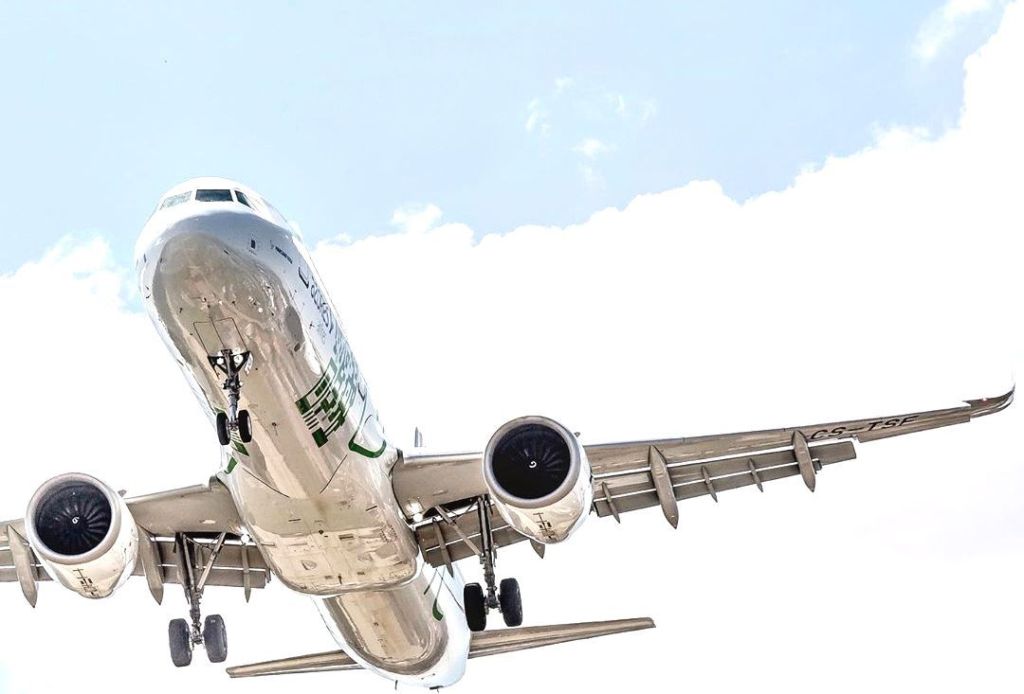

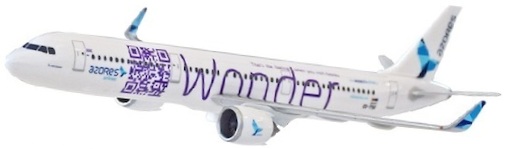

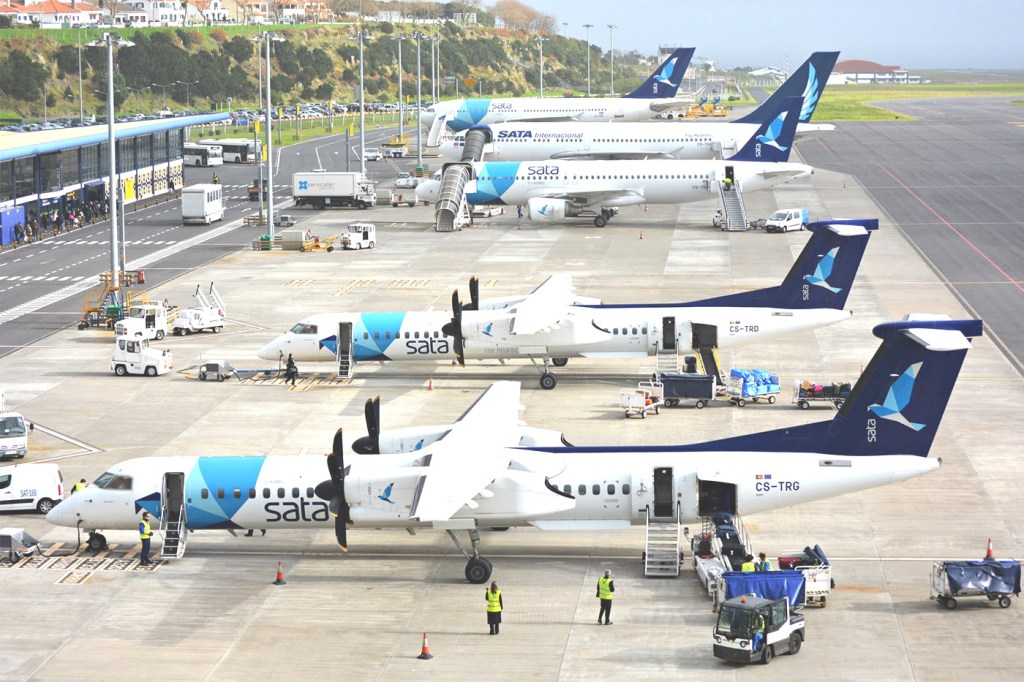


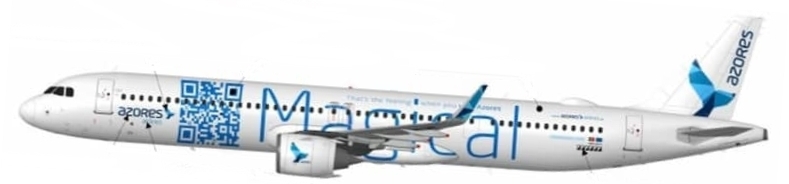



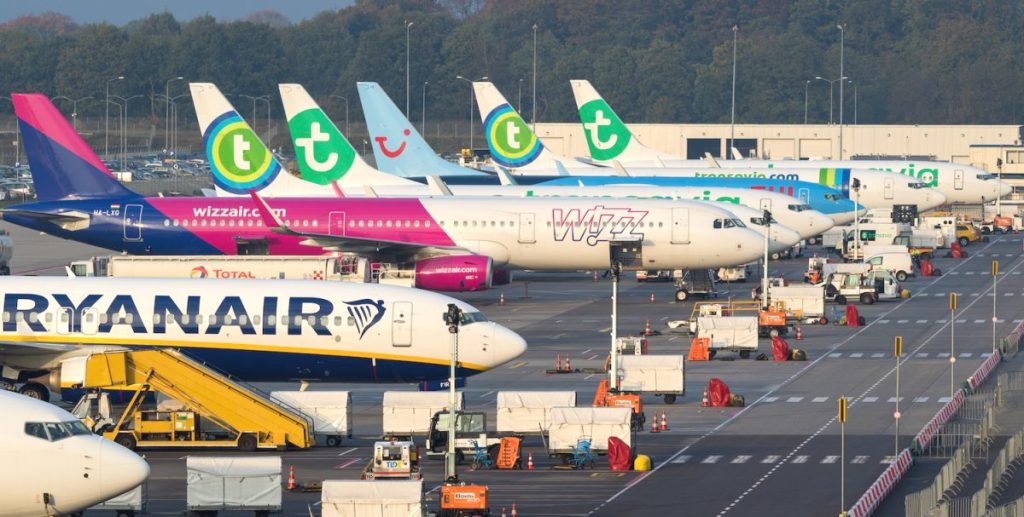
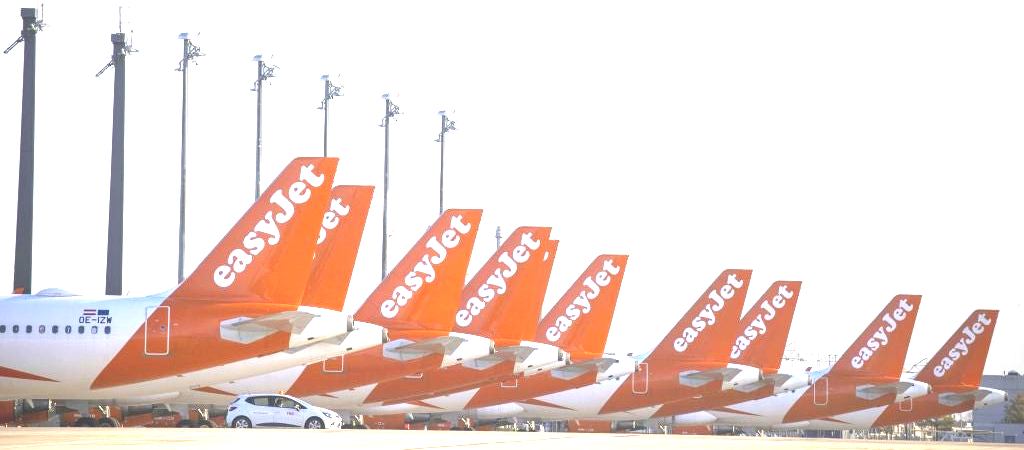





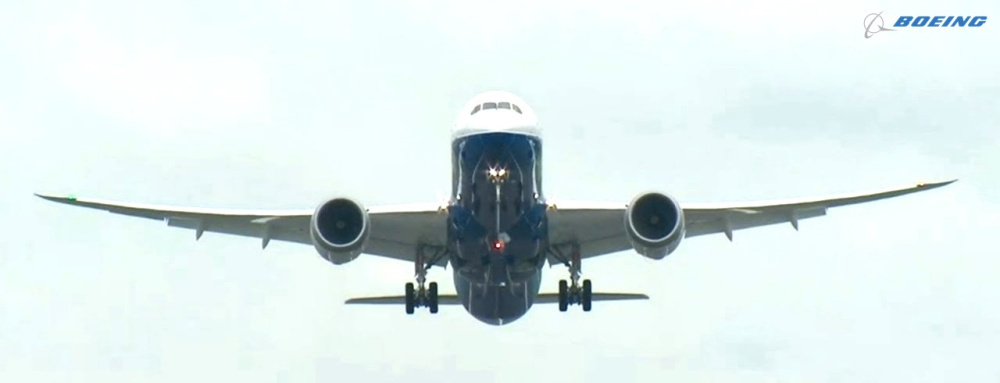

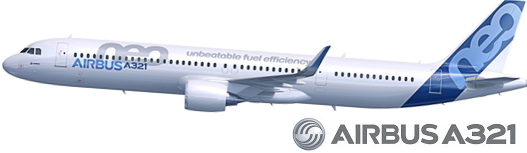
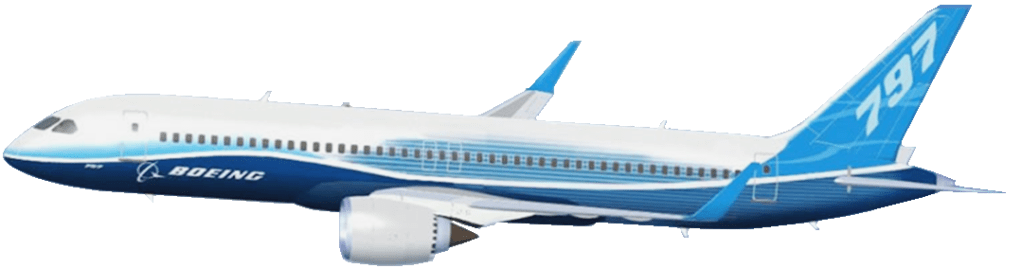
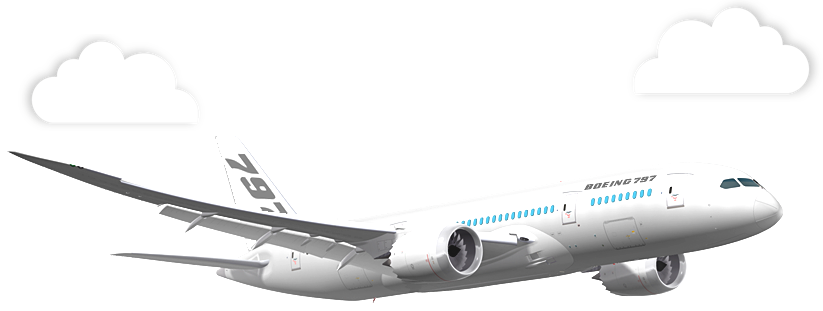

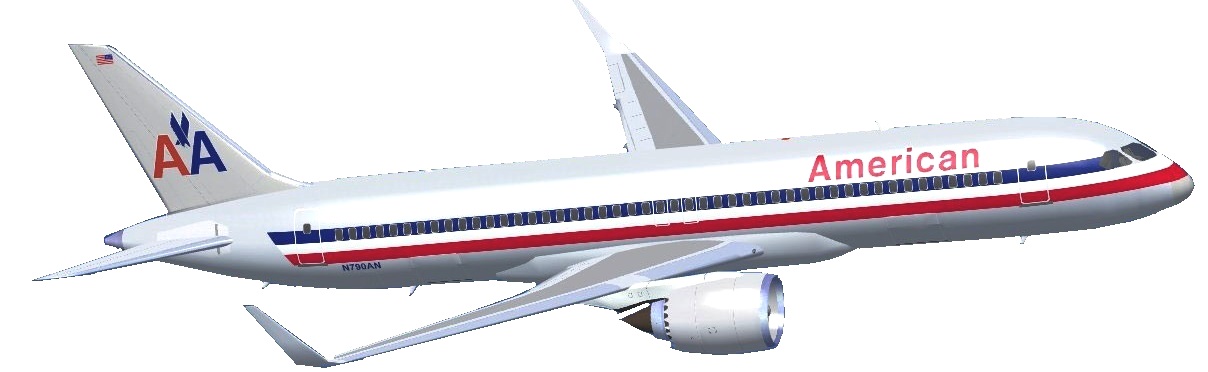
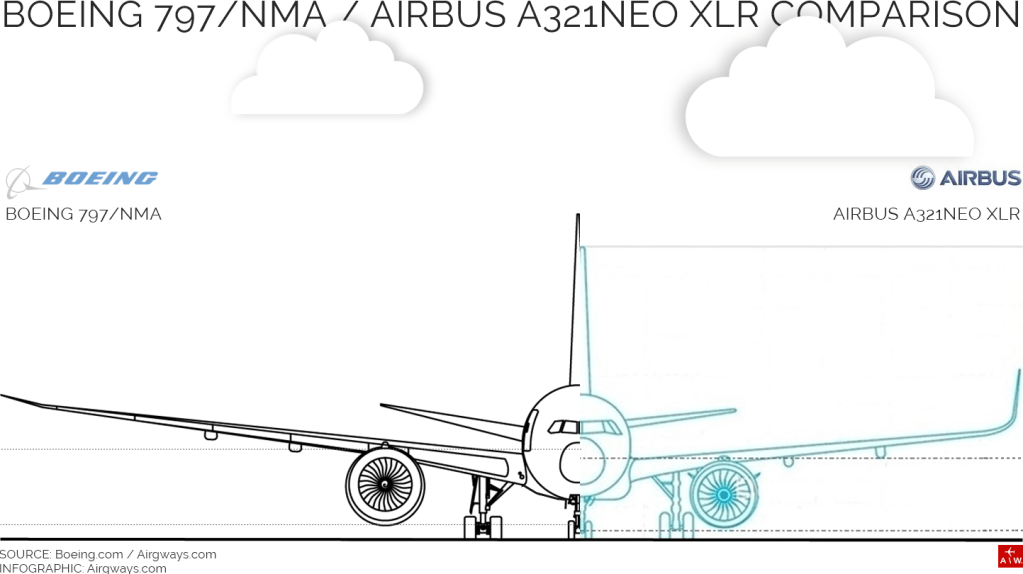
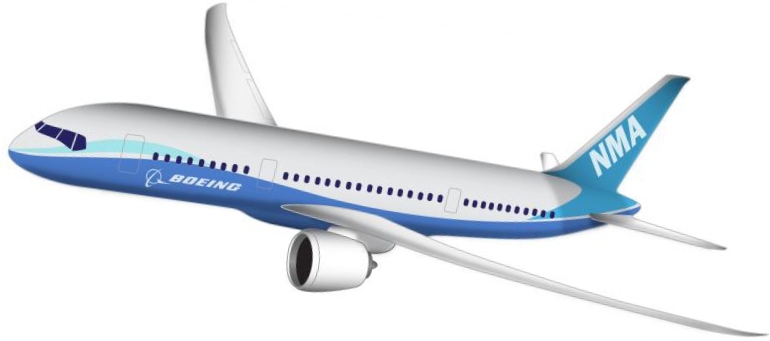
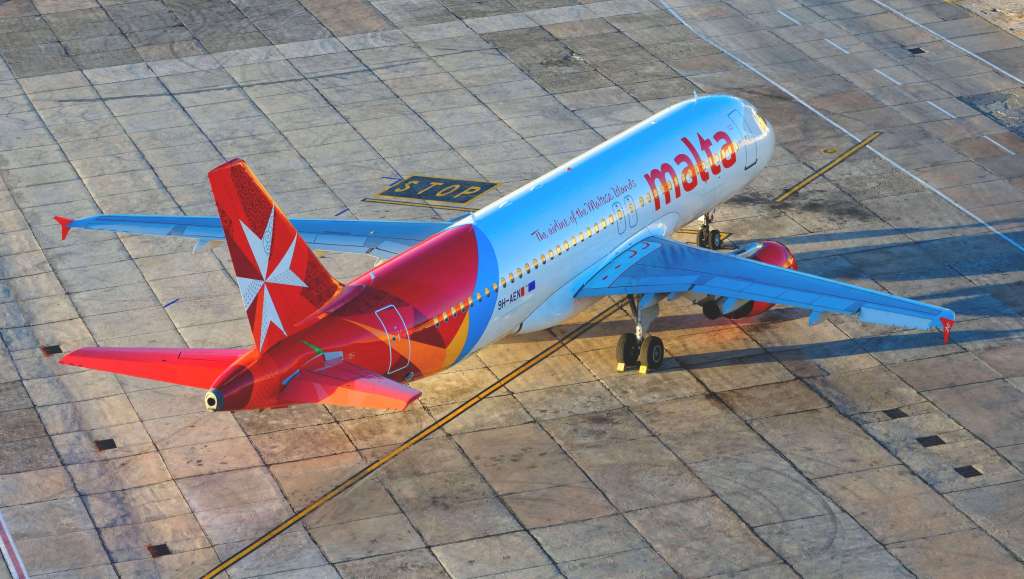


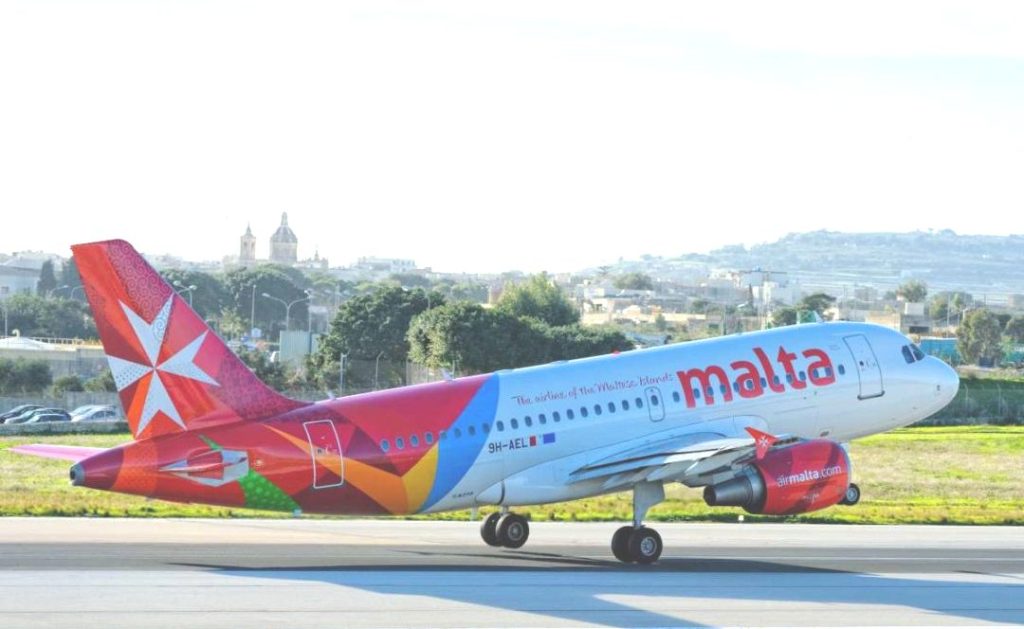

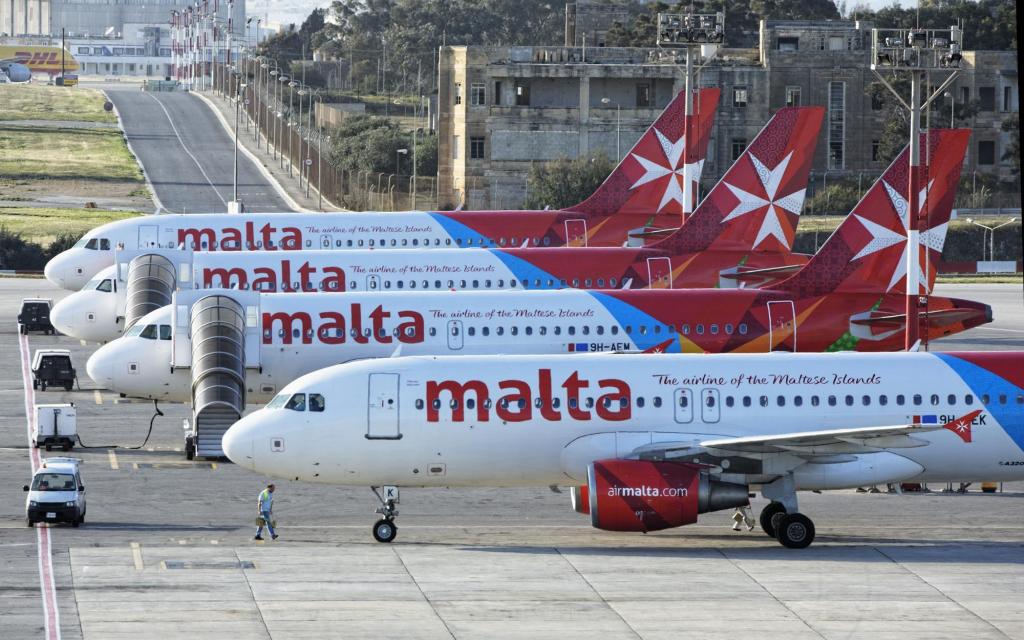


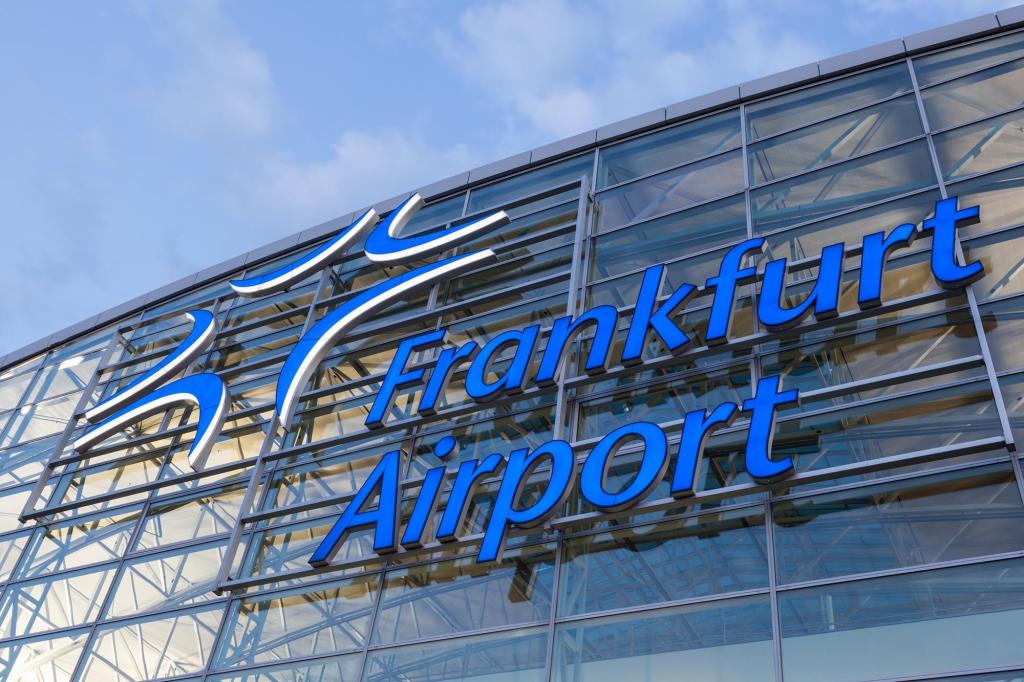
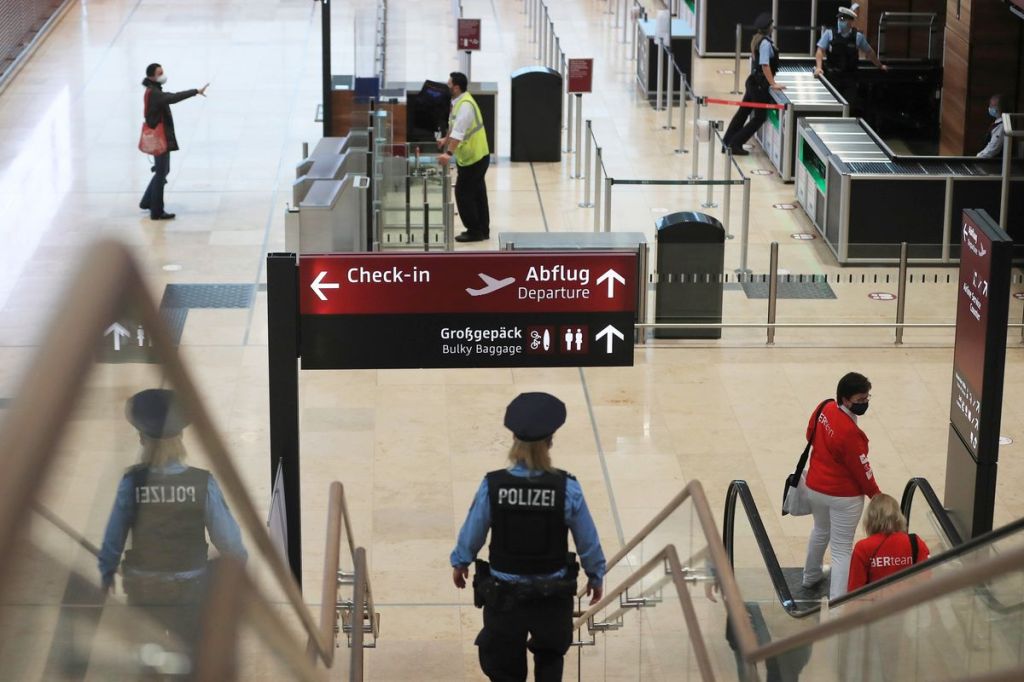
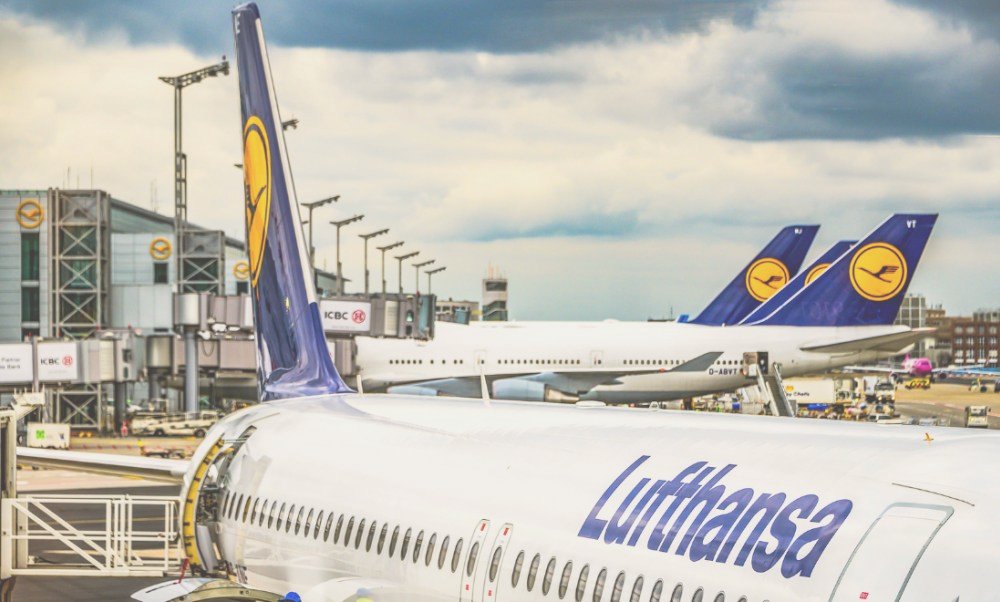

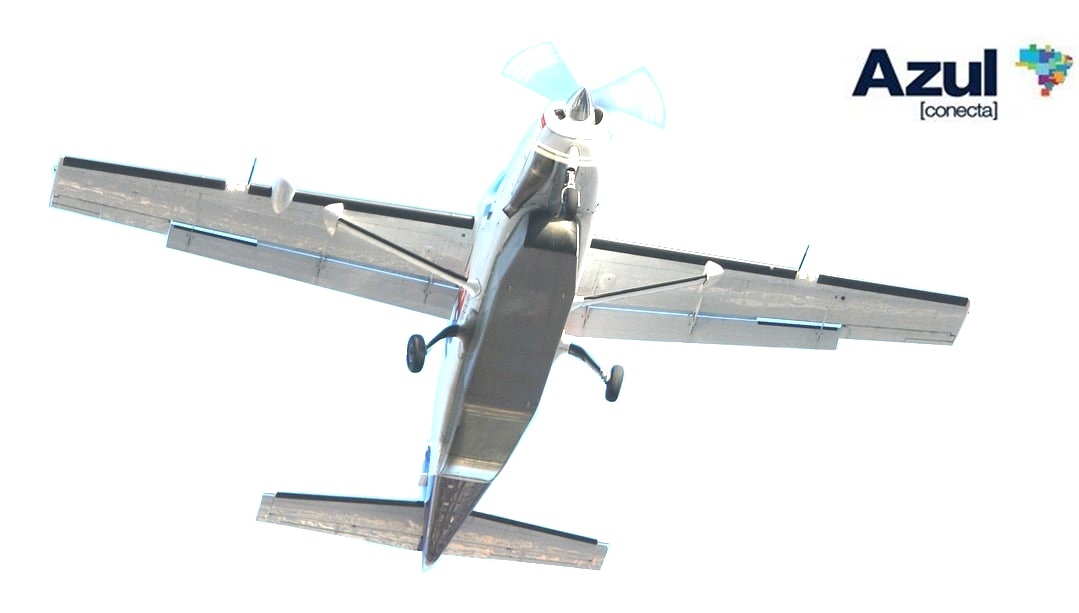

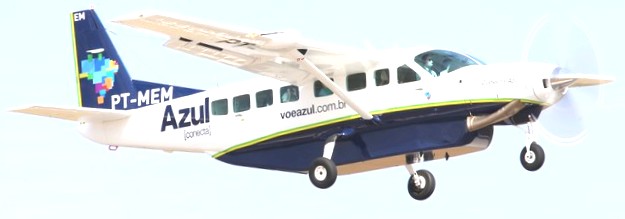





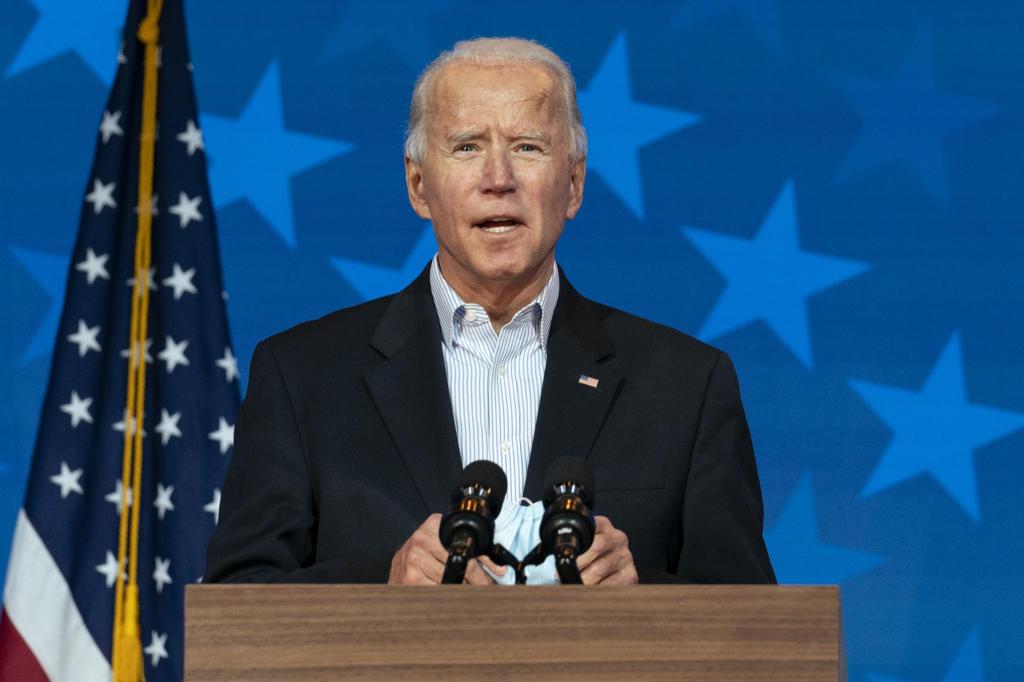


 airgways.com