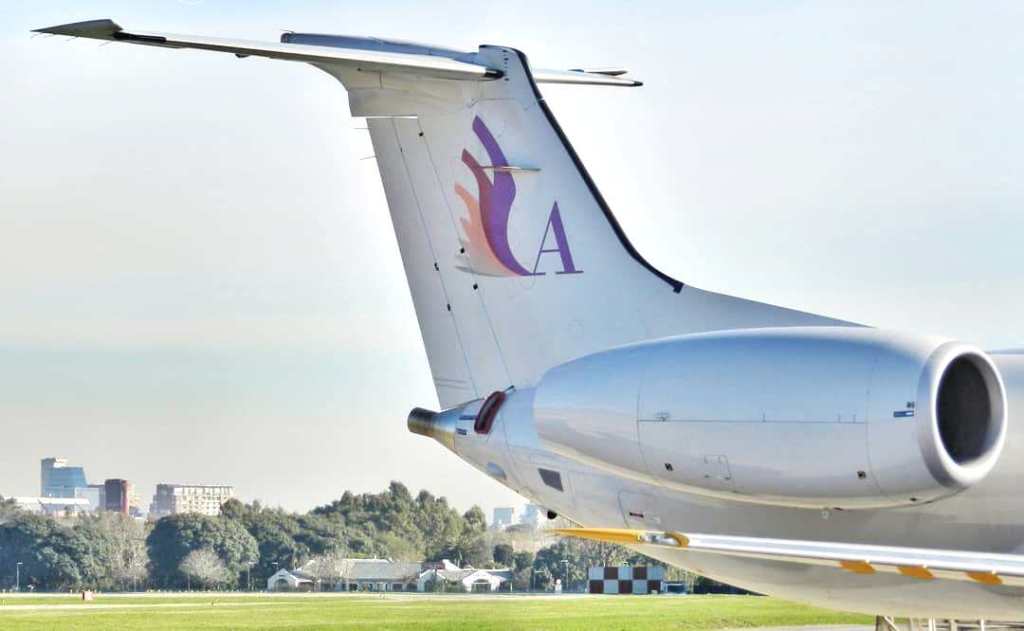
La línea aérea regional American Jet Líneas Aéreas continúa con las dificultades para resolver el acuerdo salarial con los pilotos de la compañía después de fracasar un acuerdo establecido el la semana pasada, con un para por 48 hs. desde el Lunes 21/12. Desde el gremio aeronáutico de la Asociación de Pilotos de Líneas Aéreas (APLA) han establecido el paro en reclamos de una recomposición salarial para el personal de la tripulación de vuelo de la compañía aérea de Argentina. El sindicato ha expresado: «Ante la falta total de avances en las negociaciones con la empresa, se iniciaran medidas de acción directa con paro total de actividades por 48 hs a partir de las 00:00 del día Lunes 21 de Diciembre”.
El reclamo continúa en la cartera del Ministerio de Trabajo que ha dictado la Conciliación Obligatoria por quince días hábiles, abriendo una nueva etapa por lo que obliga a las parte a sentarse para avanzar en las negociaciones.
American Jet Líneas Aéreas es una compañía de servicios aéreos regionales de cabotaje y vuelos especiales. Fue creada en 1984 para dedicarse a vuelos de taxi aéreo en el Aeroparque Jorge Newbery de la ciudad de Buenos Aires. En 1996 agregó un servicios con el fin del traslado de personal de varias empresas, fundamentalmente petroleras y mineras. Comenzando una nueva etapa en la que permitió que American Jet instalar bases en las ciudades de Tucumán y Neuquén. En el 2008, luego de ganar la licitación para rutas aéreas, el gobierno de la Provincia de Neuquén cede los permisos para la operación de rutas aéreas en dicha provincia a American Jet que hasta ese momento solo se dedicaba a vuelos de taxi aéreo. El 2 de Junio de 2009 American Jet comienza a volar como línea aérea regular, siendo su primer destino la ciudad de San Martín de los Andes (Chapelco). El 26 de Noviembre de 2009, la empresa minera La Alumbrera le rescinde el contrato que tenía con American Jet para el transporte de sus trabajadores desde la ciudad de San Miguel de Tucumán hacia Campo Arenal2 (Catamarca). Por lo tanto de esta manera American Jet luego de 13 años deja de operar en su base del Aeropuerto Internacional Teniente Benjamín Matienzo de Tucumán. En el año 2013, finaliza la construcción de su nuevo Hangar, en Aeropuerto Internacional de San Fernando, donde ofrece servicios de taxi aéreo, charter, hangaraje, FBO, entre otros. El 18 de Octubre de 2016, inaugura el puente aéreo Neuquén (Argentina)-Temuco (Chile), como servicio regular de pasajeros. Actualmente la aerolínea cuenta con bases en la Ciudad de Neuquén, Mendoza y Buenos Aires (Aeroparque y San Fernando).
American Jet Mandatory Conciliation
American Jet continues with labor dispute
The regional airline American Jet Líneas Aéreas continues with the difficulties to resolve the salary agreement with the pilots of the company after failing an agreement established last week, with a stop for 48 hours. from Monday 12/21. From the aeronautical union of the Airline Pilots Association (APLA) they have established the strike in claims of a salary recomposition for the personnel of the flight crew of the Argentine airline. The union has stated: «Given the total lack of progress in the negotiations with the company, direct action measures will be initiated with a total stoppage of activities for 48 hours starting at 00:00 on Monday, December 21».
The claim continues in the portfolio of the Ministry of Labor that has issued the Mandatory Conciliation for fifteen business days, opening a new stage for which it forces the parties to sit down to advance in the negotiations.
American Jet Lineas Aereas is a regional air services company for cabotage and special flights. It was created in 1984 to engage in air taxi flights at the Jorge Newbery Airport in the city of Buenos Aires. In 1996 it added a services in order to transfer personnel from various companies, mainly oil and mining companies. Starting a new stage in which it allowed American Jet to install bases in the cities of Tucumán and Neuquén. In 2008, after winning the tender for air routes, the government of the Province of Neuquén granted the permits for the operation of air routes in said province to American Jet, which until then was only dedicated to air taxi flights. On June 2, 2009, American Jet began to fly as a regular airline, its first destination being the city of San Martín de los Andes (Chapelco). On November 26, 2009, the La Alumbrera mining company terminated the contract it had with American Jet for the transportation of its workers from the city of San Miguel de Tucumán to Campo Arenal (Catamarca). Therefore, in this way, American Jet after 13 years stops operating at its base at the Teniente Benjamín Matienzo International Airport in Tucumán. In 2013, the construction of its new hangar was completed, at San Fernando International Airport, where it offers air taxi, charter, hangarage, FBO services, among others. On October 18, 2016, the Neuquén (Argentina) -Temuco (Chile) air bridge was inaugurated as a regular passenger service. Currently the airline has bases in the City of Neuquén, Mendoza and Buenos Aires (Aeroparque and San Fernando).
Perspectivas post-pandemia industria aviación comercial
La industria de la aviación mundial se ha modificado el mercado de aviación producto de la actual pandemia de Coronavirus y las restricciones a los viajes y concentraciones. Con un nuevo escenario hacia el futuro, el mercado ahora tiene diferentes requisitos, y sin duda habrá más transiciones importantes hacia la próxima década, con modificaciones del escenario de la aviación comercial mundial. Ante este panorama, la industria de la aviación también comienza a adoptar cambios más sustanciales hacia una aviación más ecológica y responsable.
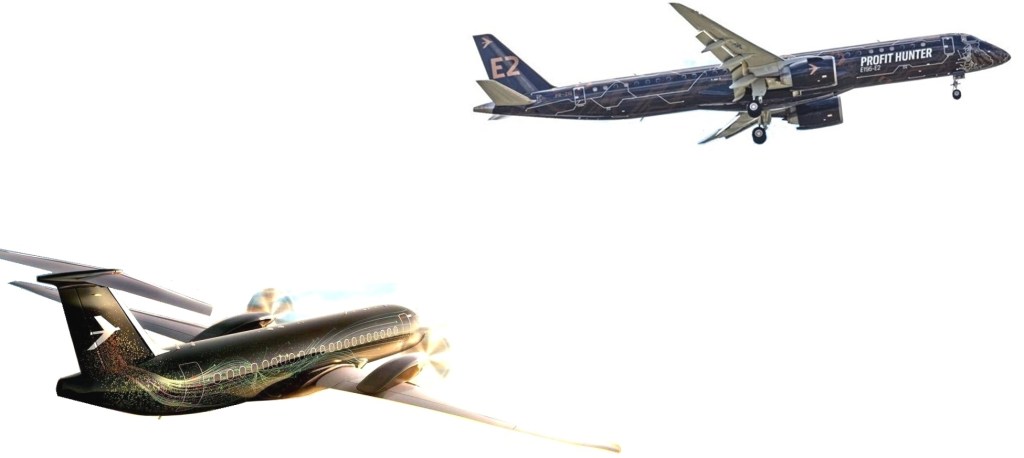
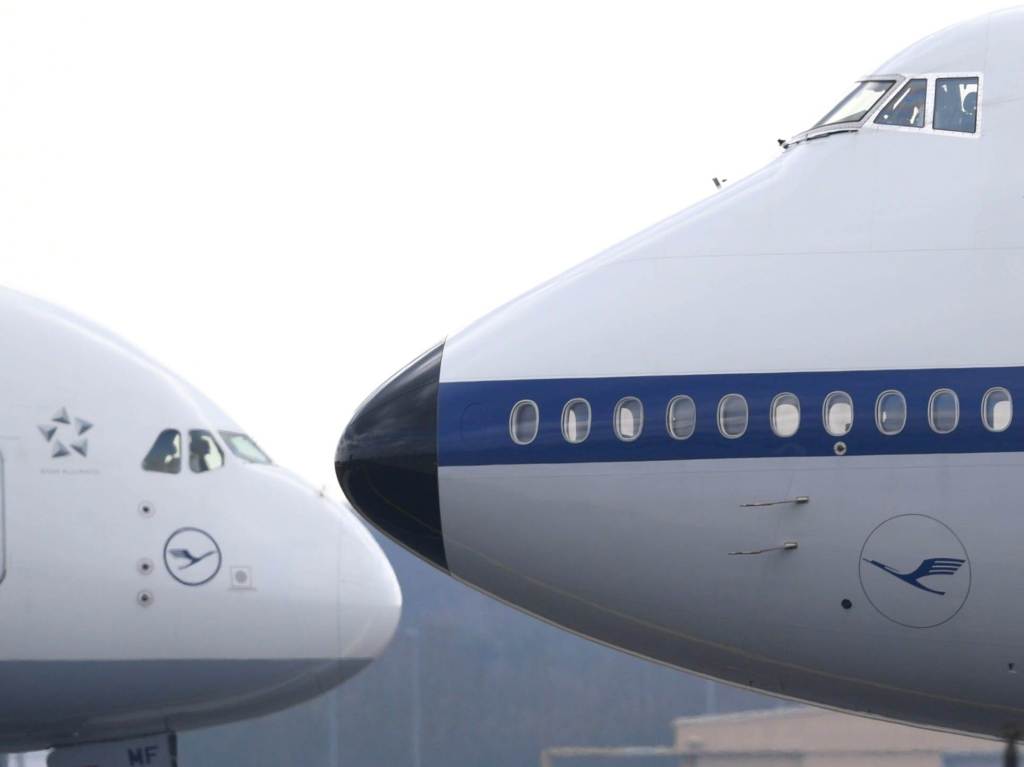
Los principales fabricantes de aeronaves como Airbus, Boeing, Embraer, comienzan a corresponder una nueva demanda de aeronaves mucho más enfocadas en la estandarización de flotas y una concentración de tipo de aviones de menor porte y mayores autonomías, donde comienzan a vislumbrarse los retiros de aviones gigantes como los Boeing 747, Airbus A380, como así también unidades de mediana antigüedad. Por otro lado, se comienza a observar el resurgimiento de nuevos competidores y nuevas aeronaves en la industria de la aviación como lo es Deutsche Aircraft con su actualización del Programa D-328eco y la nueva línea de turboprop Embraer del Programa E3. En la misma línea se encuentra bajo estudio el Programa ZeroE de Airbus Group, con un abanico de ofertas pensadas hacia la implementación del concepto del combustible hidrógeno.
La demanda ha cambiado masivamente en todo el mundo, y las restricciones de viaje siguen dando forma a los hábitos de vuelo del público. La actividad en los servicios de larga distancia ha disminuido más, y varios transportistas han dejado de lado los tipos de cuerpos anchos durante este clima de incertidumbre. La industria de la aviación comercial continúa moviéndose hacia las capacidades más responsables con el entorno, mientras que los fabricantes continúan desarrollando nuevas aeronaves que se ajusten mejor al próximo mercado.
The Boeing Company
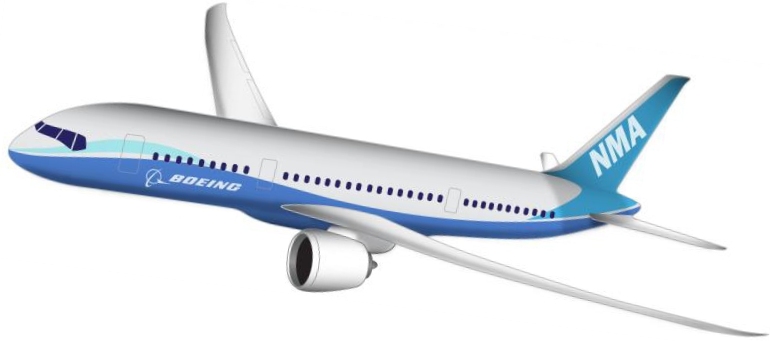
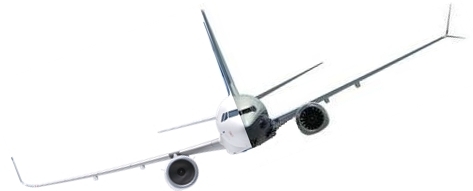
Los anuncios de The Boeing Company alrededor del nuevo avión de tamaño mediano New Middle Market NMA/Boeing 797, que complementaría el sector del mercado medio, todo parecía continuar en la dirección correcta para introducir cambios en un mercado altamente competitivo, y así recuperar el mercado perdido por el Boeing 757. Sin embargo, decidió repensar su enfoque y volver al tablero de dibujo después del impacto de la saga del Boeing 737 MAX. A principios de 2020, el CEO de Boeing, David Calhoun, compartió que el programa NMA no continuaría tal como estaba planificado, causando una disrupción por los acontecimientos que modificaron el mercado actual de la pandemia. Mientras tanto, superando la crisis del 737 MAX, la Boeing depositó toda su confianza en su producto estrella, y así postergar una vez más el ansiado proyecto de avión de mercado medio.
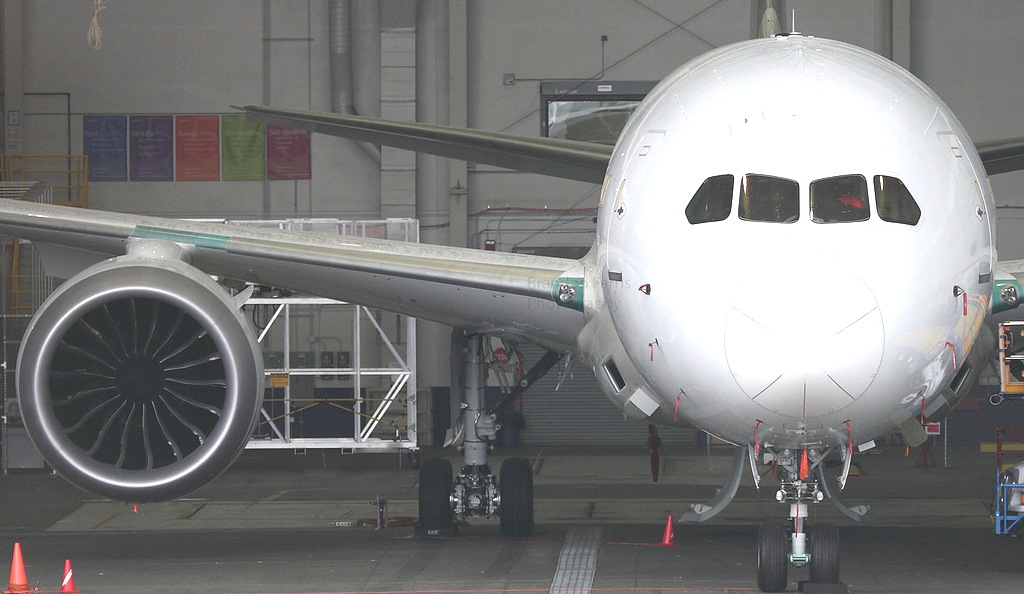
Alternativamente a la forma del Proyecto NMA que no sucederá en su forma esperada, ¿qué perspectivas de desarrollo espera diagramar la compañía? Algunos detalles arrojados en Octubre 2020 ha informado que Boeing estaba en conversaciones tempranas con proveedores y equipos de arrendamiento sobre trabajar en una nueva unidad comercial. El programa consistiría en un avión de pasillo único con motores mejorados, con capacidades para 200-250 pasajeros, ubicando a la aeronave entre el Boeing 737-10 MAX y el Boeing 787-8 Dreamliner. Este nuevo concepto que continúa siendo un proyecto desconocido, continúa desarrollándose internamente en la Boeing a la espera de nuevas tecnologías que superen las actuales para justificar el avance de un nuevo programa en la compañía aeroespacial americana.
El proyecto se desarrolla en una fase preliminar, por lo que el proceso de maduración puede llevar algunos años en materializarse, mientras tanto la Boeing continuará concentrándose en fortalecer las tres unidades de línea de producción activas: 737/787/777, además del Boeing 747 preferentemente de la división de carga. La puesta en valor del Boeing 737 MAX, tras las recientes aprobaciones de los diferentes organismos reguladores internacionales, Boeing ha estado lidiando además con el fuerte impacto de la crisis sanitaria mundial y la fuerte depreciación de los viajes en el mundo.
La postura de Boeing respecto a nuevos concepto ecológicos, no espera avances en aviones de hidrógeno tan pronto. El Vicepresidente Comercial del fabricante y Gerente General de Desarrollo de Productos, Michael Sinnett, dijo que no cree que este tipo sea algo que esté a la vuelta de la esquina.
Tras los fracazos de la sinergia Boeing-Embraer, la compañía podría inspirarse para construir aeronaves de tamaño menores, pero ese proyecto no ha tenido mucho éxito en anterior oportunidades en la compañía, como por ejemplo tras la adquisición de la línea de turboprops De Havilland Canada en el década de 1980, o la adquisición por medio de la fusión con la McDonnell Douglas Corporation y su incorporación del MD-95 como Boeing 717. Tal vez, el mercado pueda combiar, habrá que esperar cómo se define el próximo escenario de la industria aerocomercial.
En cuanto al desarrollo de aeronaves de mayor porte, el Programa 777X será el foco principal cuando se trata del reino de los widebodies hacia los próximos años como único baluarte frente a la disminución de las flotas 747/A380 en el mundo de las compañías aéreas.
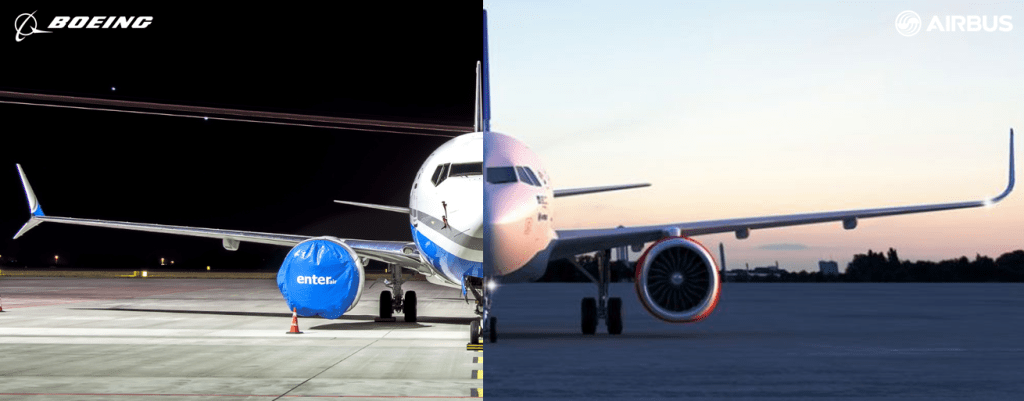
La estrella de la Boeing el 737 MAX ahora finalmente de vuelta en el aire, tiene un respiro para volver a recuperar mercado perdido frente a su competidor el Airbus A320NEO, y al mismo tiempo para concentrarse en un nuevo proyecto que amplía la gama de productos en la compañía, independientemente cual sea el avión de próxima generación futura, las perspectivas de Boeing se encuentran enfocadas a la necesidad de crear mercado solo si las condiciones así lo favorezcan, mientras tanto, Boeing continuará consolidándose y fortaleciéndose después de atravesar una tormenta perfecta.
Airbus Group
La compañía Airbus Group SE ha estado interesada en ofrecer el primer avión comercial de cero emisiones del mundo hacia el 2035. Los aviones conceptuales ZEROe de la firma europea le ayudan a explorar una variedad de configuraciones e innovaciones de hidrógeno. Con el movimiento hacia la aviación eléctrica, vienen también nuevas oportunidades para explorar cómo se ve un tren motriz, y Airbus está experimentando con un nuevo diseño que construye unidades de propulsión de hidrógeno.
Las futuras nuevas tecnologías permiten vislumbrar un nuevo concepto que el constructor europeo denomina ZEROe que incluye un tanque de hidrógeno líquido, un sistema de refrigeración, una pila de combustible, electrónica de potencia, motores eléctricos, una hélice compuesta ligera de ocho palas y todo el equipo auxiliar necesario para ejecutarlo como una unidad de propulsión independiente. Curiosamente, no hay mención de una batería de amortiguación, pero entonces los aviones convencionales como este utilizan la energía de una manera constante y predecible, por lo que un pequeño retraso entre el acelerador y los apoyos como la pila de combustible se pone al día podría no ser un problema. Estas vainas no sólo pueden desprenderse fácilmente de las alas (no demasiado fácilmente, con suerte), sino que el equipo de ZEROe quiere hacerlas altamente modulares, para que puedan separarse rápidamente para el mantenimiento, las pruebas y los intercambios de componentes simples.
El concepto de la tecnología en base al hidrógeno no es nueva. Con el hidrógeno líquido viene una densidad de energía que rivaliza, o incluso excede el combustible para aviones para vuelos de largo alcance, pero con cero emisiones locales y el potencial de llenar energía renovable neutra en carbono. Es un desafío para los fabricantes estar mirando hacia adelante en el concepto del hidrógeno para la aviación renovable. El concepto de vainas extraíbles radica en pasar a un sistema eléctrico dando la oportunidad de separar los sistemas de propulsión en unidades independientes, ofreciendo una excelente redundancia. Si algo sale mal con una cápsula de propulsión, puede apagarla por completo o incluso deseche sobre el agua, dejando que el controlador de vuelo vuelva a equilibrar el empuje a través de las cápsulas restantes. También libera un espacio considerable en la cabina. A las compañías aéreas les encanta llenar tubos huecos con tanta gente como sea posible, y mover los tanques de combustible y todo el tren motriz fuera de ese tubo hueco significa asientos adicionales y capacidad de carga adicional. Hacer de cada uno un tren de fuerza completo los hace ultra-intercambiables, por lo que cualquier problema se puede manejar en el tiempo libre del operador sin tener que sacar el avión fuera de servicio. Aunque Airbus ya ha sacado patentes sobre este diseño, es sólo uno de los muchos conceptos que la empresa está evaluando para el programa ZEROe. «Esta configuración ‘pod’ es un gran punto de partida para fomentar una mayor investigación sobre cómo podemos escalar la tecnología de hidrógeno a los aviones comerciales. Esta es una opción, pero muchas más serán conceptualizadas antes de hacer una selección final, una decisión que se espera para 2025», dice Glenn Llewellyn, Vicepresidente de Airbus de Aviones ZEROe.
Embraer Aircraft
Los efectos de la recesión perduraran, la compañía Embraer S.A. podría haber un nuevo enfoque a largo plazo en los aviones de corta distancia. Embraer ha expresado cómo la pandemia está configurando el futuro de los programas de la empresa. Es necesario atender a mercados más pequeños y la necesidad de unidades más sostenibles para los servicios de corta distancia. Por lo tanto, hay mucho espacio para la introducción de un nuevo concepto de aeronave regional. El equipo brasileño ha estado intensificando sus planes para su proyecto de avión turbohélice denominado Programa E3 que permitirían actualizar el parque aeronáutico y acceder a nuevos mercado en el mundo, donde otras aeronaves por las limitaciones no pueden llegar.
Deutsche Aircraft
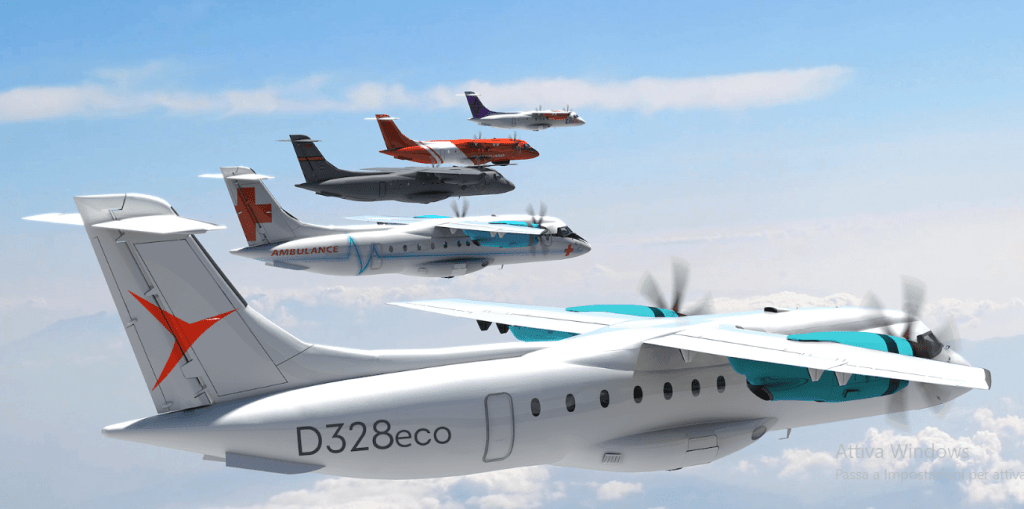
Deutsche Aircraft, el nuevo fabricante de aeronaves de Alemania ha anunciado a principios de 12/2020 planes para desarrollar el D328eco, una plataforma revolucionaria que alineará el futuro de la aviación regional hacia un objetivo de vuelo de cero emisiones. Deutsche Aircraft se basa en el patrimonio y la experiencia de 328 Support Services GmbH, el titular del certificado Type de la aeronave Dornier 328 (D328). Junto con la participación del Gobierno alemán, Deutsche Aircraft liderará el camino en una nueva era de la aviación limpia a través del desarrollo de la plataforma D328eco, un avión más eficiente, rentable y respetuoso con el medio ambiente.
El D328eco ofrecerá una solución alternativa y ecoeficiente dentro de los mercados regionales de cercanías y aeronaves multifunción de 50 asientos, que planea introducir para 2025. El diseño de la cubierta de vuelo de última generación y las capacidades ofrecidas por la última suite de aviónica se dirigirán a la futura operación piloto única para una mayor eficiencia operativa. Los motores Pratt & Whitney PW127S y un fuselaje compatible con SAF (Sustainable Aviation Fuel), preparan el escenario para que el D328eco cambie la forma en que el mundo vuela mientras reduce nuestra huella de carbono. El stand-up y el nuevo diseño de la cabina ofrecerán mayor comodidad y cumplimiento con los últimos requisitos de salud y seguridad.
El D328 es la única plataforma existente que cumple con los requisitos de eficiencia y rendimiento para un avión moderno y más sostenible. Combinado con tecnologías nuevas, protegidas y energéticamente eficientes, allanará el camino a un vuelo de cero emisiones en los próximos 15 años, mucho más rápido que cualquier otro Original Equipment Manufacturer (OEM), superando las directrices internacionales de 2050. En consonancia con los objetivos de sostenibilidad de Deutsche Aircraft, los procesos de fabricación conformes con REACH se adoptarán en una nueva línea de montaje final (FAL) de última generación, La industria 4.0, sin papel en Leipzig, Alemania. Se prevé que el proyecto impulse las economías locales a lo largo de su cadena de suministro, además de generar empleos indirectos en las industrias de apoyo.
Thomas Jarzombek, Coordinador del Gobierno Federal de Política Aeroespacial Alemana declaró: «La pandemia de coronavirus ha tenido un impacto inmediato y muy grave en la aviación y en la industria de la aviación. Por lo tanto, es una excelente señal de que, a pesar de la crisis, el trabajo se está llevando a buen nivel en la D328eco. El gobierno federal ha apoyado el proyecto desde el principio y lo seguirá haciendo. Hace unas semanas, se desembolsó el segundo tramo de nuestro préstamo de costos de desarrollo. El gobierno federal también está financiando el D328 a través de su programa de investigación de aviación ‘LuFo’ con el fin de convertir la visión de cero carbono para las aeronaves en realidad». Deutsche Aircraft prevé que los hábitos de viaje y las demandas de las compañías aéreas cambiarán. Las operaciones tradicionales de hub y spoke a gran escala se reestructurarán a medida que aumente la demanda de transporte de corto recorrido, punto a punto y de bajas emisiones. Las aerolíneas redimensionarán sus flotas para dar cabida a aeronaves más pequeñas, más eficientes y más ecológicas, y buscarán abrir rutas desatendidas con servicios directos a través de operaciones de tamaño adecuado.
El D328eco proporciona la solución perfecta para esta evolución de la industria, proporcionando beneficios económicos y ambientales. El programa D328eco alcanzará el objetivo de proporcionar un fácil acceso a aeronaves asequibles, energéticamente eficientes y rentables y respetuosas con el medio ambiente. Generando un impacto ambiental mínimo en el camino, el D328eco estimulará el crecimiento económico y social sostenible.
Dave Jackson, Director General de DRA comentó: «Al conmemorar el Día Internacional de la Aviación Civil de las Naciones Unidas, miramos hacia el futuro de la aviación y la necesidad de innovar hoy. La crisis COVID ha impactado dramáticamente a la industria para siempre y nuestro planeta se enfrenta a grandes desafíos de los cuales ya estamos empezando a experimentar el impacto. Pero a medida que planeamos reconstruir el sector, podemos recalibrar y reenfocar en el desarrollo de nuevos productos y procesos que sean mucho más respetuosos con el medio ambiente. El equipo de Deutsche Aircraft es impulsado y apasionado con una combinación única de experiencia y habilidad en excelencia de ingeniería, incluyendo nuevas citas de alta dirección de los principales OEM y actores clave dentro de la industria de la aviación. Nuestras capacidades probadas y tecnología protegida tienen el potencial de cambiar drásticamente la industria a corto plazo, ofreciendo productos de aeronaves alternativas en línea con las expectativas futuras. Nuestra misión es acelerar la transición de la aviación a aviones de cero emisiones. El D328eco es la única plataforma existente capaz de cumplir con los requisitos de eficiencia y rendimiento para los aviones verdes modernos ahora, apoyando finalmente la transición verde de la industria. A medida que salgamos de la crisis COVID, el mercado regional de corto recorrido será el primero en recuperarse y el D328eco proporcionará una oportunidad para que las aerolíneas reconstruyan de una manera más sostenible«.
Post-pandemic industry perspectives
Post-pandemic outlook for the commercial aviation industry
The global aviation industry has changed the aviation market due to the current Coronavirus pandemic and restrictions on travel and concentrations. With a new scenario to the future, the market now has different requirements, and there will undoubtedly be more important transitions into the next decade, with modifications of the world commercial aviation scenario. Against this background, the aviation industry is also beginning to adopt more substantial changes towards greener and more responsible aviation.
The main aircraft manufacturers such as Airbus, Boeing, Embraer, begin to correspond a new demand for aircraft much more focused on the standardization of fleets and a concentration of smaller aircraft types and greater autonomies, where the retirements of aircraft are beginning to be seen giants like the Boeing 747, Airbus A380, as well as mid-life units. On the other hand, the resurgence of new competitors and new aircraft in the aviation industry such as Deutsche Aircraft is beginning to be observed with its update of the D-328eco Program and the new Embraer turboprop line of the E3 Program. In the same vein, the Airbus Group ZeroE Program is under study, with a range of offers designed to implement the concept of hydrogen fuel.
Demand has changed massively around the world, and travel restrictions continue to shape the flying habits of the public. Activity in long-distance services has slowed further, and several carriers have sidelined widebody types during this uncertain climate. The commercial aviation industry continues to move toward more environmentally responsible capabilities, as manufacturers continue to develop new aircraft that are better suited to the next market.
The Boeing Company
The announcements of The Boeing Company around the new mid-size aircraft New Middle Market NMA/Boeing 797, which would complement the mid-market sector, all seemed to continue in the right direction to introduce changes in a highly competitive market, and thus recover the market lost to the Boeing 757. However, he decided to rethink his approach and go back to the drawing board after the impact of the Boeing 737 MAX saga. In early 2020, Boeing CEO David Calhoun shared that the NMA program would not continue as planned, causing disruption by the events that changed the current pandemic market. Meanwhile, overcoming the crisis of the 737 MAX, Boeing placed all its trust in its flagship product, and thus postponed once again the long-awaited mid-market aircraft project.
As an alternative to the NMA Project form that will not happen in its expected form, what development prospects does the company hope to diagram? Some details released in October 2020 have reported that Boeing was in early talks with suppliers and leasing teams about working on a new business unit. The program would consist of a single-aisle aircraft with upgraded engines, with capacities for 200-250 passengers, placing the aircraft between the Boeing 737-10 MAX and the Boeing 787-8 Dreamliner. This new concept, which continues to be an unknown project, continues to be developed internally at Boeing, waiting for new technologies that exceed the current ones to justify the advancement of a new program in the American aerospace company.
The project is being developed in a preliminary phase, so the maturation process may take a few years to materialize, while Boeing will continue to focus on strengthening the three active production line units: 737/787/777, in addition to the Boeing 747 preferably of the load division. The enhancement of the Boeing 737 MAX, following recent approvals by the different international regulatory bodies, Boeing has also been dealing with the strong impact of the global health crisis and the strong depreciation of travel in the world.
Boeing’s stance on new green concepts does not expect advances in hydrogen aircraft so soon. The manufacturer’s VP of Business and General Manager of Product Development Michael Sinnett said he doesn’t think this guy is something that’s just around the corner.
After the failures of the Boeing-Embraer synergy, the company could be inspired to build smaller aircraft, but this project has not been very successful in previous opportunities in the company, such as after the acquisition of the De Havilland Canada turboprops line. in the 1980s, or the acquisition through the merger with the McDonnell Douglas Corporation and its incorporation of the MD-95 as the Boeing 717. Perhaps the market can change, we will have to wait how the next industry scenario is defined commercial aviation.
Regarding the development of larger aircraft, the 777X Program will be the main focus when it comes to the kingdom of widebodies for the next few years as the only bulwark against the decrease of 747/A380 fleets in the world of airlines.
The star of the Boeing the 737 MAX now finally back in the air, has a respite to regain lost market against its competitor the Airbus A320NEO, and at the same time to focus on a new project that expands the range of products in Regardless of the future next-generation aircraft, Boeing’s prospects are focused on the need to create a market only if conditions favor it, while in the meantime, Boeing will continue to consolidate and strengthen after going through a perfect storm.
Airbus Group
Airbus Group SE has been interested in offering the world’s first zero-emission commercial aircraft by 2035. The European firm’s ZEROe concept aircraft help you explore a variety of hydrogen configurations and innovations. With the move to electric aviation, there are also new opportunities to explore what a powertrain looks like, and Airbus is experimenting with a new design that builds hydrogen-powered units.
Future new technologies allow the glimpse of a new concept that the European manufacturer calls ZEROe that includes a liquid hydrogen tank, a cooling system, a fuel cell, power electronics, electric motors, a lightweight eight-blade composite propeller and all the ancillary equipment necessary to run it as a separate propulsion unit. Interestingly, there is no mention of a buffer battery, but then conventional aircraft like this use power in a consistent and predictable manner, so a small delay between throttle and props as the fuel cell catches up could. not be a problem. Not only are these pods easily detachable from the wings (not too easily, hopefully), but the team at ZEROe wants to make them highly modular, so they can be quickly detached for maintenance, testing, and simple component swaps.
The concept of hydrogen-based technology is not new. With liquid hydrogen comes an energy density that rivals, or even exceeds jet fuel for long-range flights, but with zero local emissions and the potential to fill carbon-neutral renewable energy. It is a challenge for manufacturers to be looking forward to the concept of hydrogen for renewable aviation. The concept of removable pods lies in moving to an electrical system giving the opportunity to separate the propulsion systems into independent units, offering excellent redundancy. If something goes wrong with a boost pod, you can shut it down completely or even dispose of it over the water, letting the flight controller re-balance the thrust through the remaining pods. It also frees up considerable cabin space. Airlines love to fill hollow tubes with as many people as possible, and moving fuel tanks and the entire powertrain out of that hollow tube means extra seating and extra cargo capacity. Making each one a complete powertrain makes them ultra-interchangeable, so any issues can be handled at the operator’s free time without taking the aircraft out of service. Although Airbus has already issued patents on this design, it is just one of many concepts the company is evaluating for the ZEROe program. «This ‘pod’ setup is a great starting point for further research on how we can scale hydrogen technology to commercial aircraft. This is one option, but many more will be conceptualized before making a final selection, a decision that is expected by 2025», says Glenn Llewellyn, Airbus Vice President of Aircraft ZEROe.
Embraer Aircraft
The effects of the recession will last, the company Embraer S.A. there could be a new long-term focus on short-haul aircraft. Embraer has expressed how the pandemic is shaping the future of the company’s programs. It is necessary to cater to smaller markets and the need for more sustainable units for short distance services. Therefore, there is much room for the introduction of a new regional aircraft concept. The Brazilian team has been intensifying its plans for its turboprop aircraft project called the E3 Program, which would allow updating the airfield and accessing new markets in the world, where other aircraft cannot reach due to limitations.
Deutsche aircraft
Deutsche Aircraft, Germany’s new aircraft manufacturer, announced early in 12/2020 plans to develop the D328eco, a revolutionary platform that will align the future of regional aviation towards a zero-emission flight target. Deutsche Aircraft draws on the heritage and experience of 328 Support Services GmbH, the Type certificate holder for the Dornier 328 (D328) aircraft. Together with the involvement of the German Government, Deutsche Aircraft will lead the way in a new era of clean aviation through the development of the D328eco platform, a more efficient, cost-effective and environmentally friendly aircraft.
The D328eco will offer an alternative and eco-efficient solution within the regional markets for commuter and 50-seat multifunction aircraft, which it plans to introduce by 2025. The next-generation flight deck design and capabilities offered by the latest avionics suite will be addressed to the future single pilot operation for increased operational efficiency. Pratt & Whitney PW127S engines and a SAF (Sustainable Aviation Fuel) compliant airframe set the stage for the D328eco to change the way the world flies while reducing our carbon footprint. The stand-up and the new cabin design will offer greater comfort and compliance with the latest health and safety requirements.
The D328 is the only existing platform that meets the efficiency and performance requirements for a modern and more sustainable aircraft. Combined with new, protected and energy efficient technologies, it will pave the way to zero emission flight in the next 15 years, much faster than any other Original Equipment Manufacturer (OEM), exceeding 2050 international guidelines. In line with Deutsche Aircraft’s sustainability goals, REACH compliant manufacturing processes will be adopted on a new state-of-the-art Final Assembly Line (FAL), Paperless Industry 4.0 in Leipzig, Germany. The project is expected to boost local economies throughout its supply chain, in addition to generating indirect jobs in supporting industries.
Thomas Jarzombek, Federal Government Coordinator for German Aerospace Policy stated: «The coronavirus pandemic has had an immediate and very serious impact on aviation and the aviation industry. It is therefore an excellent sign that despite. After the crisis, work is progressing well on D328eco. The federal government has supported the project from the beginning and will continue to do so. A few weeks ago, the second tranche of our development cost loan was disbursed. The government The federal government is also funding the D328 through its ‘LuFo’ aviation research program in order to make the vision of zero carbon for aircraft a reality». Deutsche Aircraft anticipates that travel habits and the demands of airlines will change. Traditional large-scale hub and spoke operations will be restructured as demand for short-haul, point-to-point and low-emission transportation increases. Airlines will resize their fleets to accommodate smaller, more efficient and greener aircraft, and will seek to open unattended routes with direct services through «right-size» operations.
The D328eco provides the perfect solution for this industry evolution, providing both economic and environmental benefits. The D328eco program will achieve the goal of providing easy access to affordable, energy efficient, cost-effective, and environmentally friendly aircraft. By generating minimal environmental impact along the way, the D328eco will stimulate sustainable economic and social growth.
Dave Jackson, DRA Managing Director commented: «As we commemorate the United Nations International Civil Aviation Day, we look to the future of aviation and the need for innovation today. The COVID crisis has dramatically impacted the industry forever and ever. Our planet faces great challenges that we are already beginning to experience the impact of. But as we plan to rebuild the sector, we can recalibrate and refocus on developing new products and processes that are much more environmentally friendly. Deutsche Aircraft team is driven and passionate with a unique combination of experience and skill in engineering excellence, including new appointments from top management from major OEMs and key players within the aviation industry. Our proven capabilities and protected technology have the potential to dramatically change the industry in the short term by offering alternative aircraft products in the in line with future expectations. Our mission is to accelerate the transition from aviation to zero-emission aircraft. The D328eco is the only existing platform capable of meeting the efficiency and performance requirements for modern green aircraft now, finally supporting the industry’s green transition. As we emerge from the COVID crisis, the regional short haul market will be the first to recover and the D328eco will provide an opportunity for airlines to rebuild in a more sustainable way».
Argentina envía delegación para provisiones de vacunas Sputnik-V
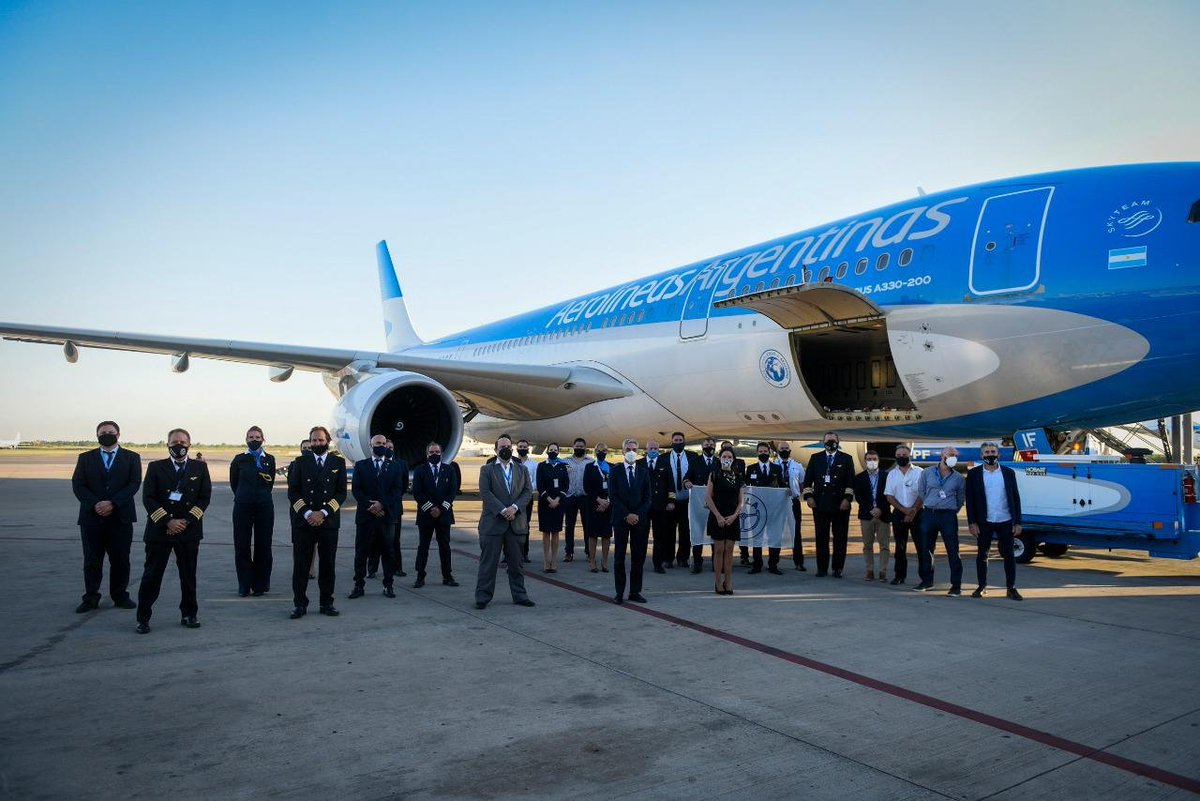
Un avión Airbus A330-200 de Aerolíneas Argentinas ha despegado de territorio argentino para efectuar un viaje sanitario ida y vuelta a Moscú, Federación Rusia donde busca recoger 300.000 dosis de la vacuna Sputnik V. El vuelo AR1060 despegó de Argentina a las 19:56 hs [Hora Local Argentona/-3UTC] desde el Aeropuerto Internacional Ezeiza EZE/SAEZ con destino al Aeropuerto Internacional Sheremetyevo SVO/UUEE.
Funcionarios gubernamentales, incluido el Jefe del Gabinete, Santiago Cafiero, celebraron la salida del avión a las 19.56 hora local, saludando a la tripulación del transportista estatal y sus esfuerzos para entregar la vacuna a Argentina. Los involucrados en la misión «Operación Moscú Diciembre 2020» permitirán traer las dosis para la población del país. El vuelo de retorno está programado para el 24/12 conformó el CEO de Aerolíneas Argentinas, Pablo Ceriani, en una conferencia de prensa en el Aeropuerto Internacional de Ezeiza. La misión ha sido desarrollada con una aeronave Airbus 330, con una tripulación de 20, incluyendo 10 pilotos entre otros profesionales del área.
La misión a Moscú implica importantes desafíos logísticos. Las dosis de la vacuna se embalarán en cajas especiales que mantendrán su temperatura en menos 18 grados centígrados, dijo la Secretaria de Acceso a la Salud, Carla Vizzott, a principios del martes. El vuelo directo a Rusia tomará alrededor de 17 horas y se prevé una parada de seis horas en la capital rusa, momento en el que las vacunas deben cargarse a bordo y se deben completar todos los documentos pertinentes.
El gobierno tiene la intención de poner en marcha un programa de vacunación masiva para finales de mes. El gobierno de Alberto Fernández espera inmunizar a 10 millones de personas en enero y febrero, dijo el Ministro de Salud Ginés González García. El regulador argentino de medicamentos ANMAT (Administración Nacional de Medicamentos, Alimentos y Tecnología Médica) todavía debe aprobar el medicamento, aunque el martes la agencia ofreció la aprobación de emergencia a la vacuna desarrollada por la firma estadounidense Pfizer y el laboratorio alemán BioNTech.
La vacuna Sputnik V fue desarrollada por el Centro Nikolai Gamaleya de Epidemiología y Microbiología. El acuerdo de la Argentina con Moscú incluye disposiciones para 25 millones de dosis. Este primer lote servirá para vacunar a 150.000 personas, cada individuo requiriendo dos dosis. Las negociaciones ya están en marcha para envíos más grandes, con Marzo y Junio 2021 las fechas de entrega previstas. Rusia ya ha iniciado un programa de vacunación masiva a nivel nacional para las personas de 18 a 60 años. Las autoridades han puesto la efectividad del tiro en el 91,4 por ciento.
El Gobierno también ha firmado acuerdos para la vacuna desarrollados por la Universidad de Oxford y la compañía farmacéutica AstraZeneca y está suscrito al programa Covax de la Organización Mundial de la Salud (OMS). Está buscando otro acuerdo con el gigante farmacéutico estadounidense Pfizer, cuya vacuna ya está en uso en otras naciones.
En medio de informes de una variante más contagiosa del coronavirus que se extendió en el Reino Unido, Argentina suspendió todos los vuelos hacia y desde el país el Domingo. «Sobre la base de las recomendaciones del Ministerio de Salud, se decidió permitir sólo la llegada del vuelo programado para este Lunes 22/12 a las 09:00 AM (12H00GMT) en el Aeropuerto Internacional de Ezeiza», dijo el Gobierno. Los pasajeros y la tripulación de ese vuelo «deben cumplir con una cuarentena de siete días, una vez que demuestren los requisitos para entrar en el país: una prueba de PCR con un resultado negativo y un seguro COVID», dijo el comunicado.
El Gobierno de Argentina ha pedido a los ciudadanos de Argentina que sean responsables y sean cautelosos durante el período vacaciones. Las restricciones nacionales que ordenan el distanciamiento social obligatorio están en vigor desde el 9 de Noviembre y se prorrogaron hasta el 31 de Enero de la semana pasada.
Aerolíneas travels Moscow for vaccinations
Argentine Government sends delegation to supply Sputnik-V vaccines
An Aerolíneas Argentinas Airbus A330-200 plane has taken off from Argentine territory to make a round-trip medical trip to Moscow, Russian Federation, where it seeks to collect 300,000 doses of the Sputnik V vaccine. Flight AR1060 took off from Argentina at 07:56 p.m. [Argentona Local Time/-3UTC] from Ezeiza EZE/ SAEZ International Airport to Sheremetyevo SVO/UUEE International Airport.
Government officials, including the Chief of Cabinet, Santiago Cafiero, celebrated the departure of the plane at 7:56 p.m. local time, greeting the crew of the state carrier and their efforts to deliver the vaccine to Argentina. Those involved in the mission «Operation Moscow December 2020» will allow to bring the doses for the population of the country. The return flight is scheduled for 12/24, stated the CEO of Aerolineas Argentinas, Pablo Ceriani, at a press conference at the Ezeiza International Airport. The mission has been developed with an Airbus 330 aircraft, with a crew of 20, including 10 pilots among other professionals in the area.
The mission to Moscow involves significant logistical challenges. Doses of the vaccine will be packed in special boxes that will keep its temperature at minus 18 degrees Celsius, Health Access Secretary Carla Vizzott said earlier Tuesday. The direct flight to Russia will take around 17 hours and a six-hour layover is planned in the Russian capital, at which point vaccines must be loaded on board and all relevant documents must be completed.
The government intends to launch a mass vaccination program by the end of the month. The Alberto Fernández government hopes to immunize 10 million people in January and February, said Health Minister Ginés González García. Argentina’s drug regulator ANMAT (National Administration of Medicines, Foods and Medical Technology) has yet to approve the drug, although on Tuesday the agency offered emergency approval to the vaccine developed by US firm Pfizer and German laboratory BioNTech.
The Sputnik V vaccine was developed by the Nikolai Gamaleya Center for Epidemiology and Microbiology. Argentina’s agreement with Moscow includes provisions for 25 million doses. This first batch will serve to vaccinate 150,000 people, each individual requiring two doses. Negotiations are already underway for larger shipments, with March and June 2021 the expected delivery dates. Russia has already started a nationwide mass vaccination program for people aged 18 to 60. Authorities have put the shooting effectiveness at 91.4 percent.
The Government has also signed agreements for the vaccine developed by the University of Oxford and the pharmaceutical company AstraZeneca and is subscribed to the Covax program of the World Health Organization (WHO). It is seeking another deal with the US pharmaceutical giant Pfizer, whose vaccine is already in use in other nations.
Amid reports of a more contagious variant of the coronavirus spreading in the UK, Argentina suspended all flights to and from the country on Sunday. «Based on the recommendations of the Ministry of Health, it was decided to allow only the arrival of the flight scheduled for this Monday 12/22 at 09:00 AM (12H00GMT) at the Ezeiza International Airport», said the Government. The passengers and crew of that flight «must comply with a seven-day quarantine, once they demonstrate the requirements to enter the country: a PCR test with a negative result and COVID insurance», the statement said.
The Government of Argentina has asked the citizens of Argentina to be responsible and cautious during the holiday period. The national restrictions that mandate mandatory social distancing are in effect from November 9 and were extended until January 31 of last week.
Gobierno Argentina encabeza acto por obras Aeropuerto Concordia
El Presidente Alberto Fernández de la República Argentina encabezará este 22/12 a las 11:30 hs el acto por el reacondicionamiento del Aeropuerto Concordia COC/SAAC, Provincia de Entre Ríos, el acto de apertura de ofertas en la licitación para la construcción y readecuación del aeropuerto de esa ciudad entrerriana. Según el Ministerio de Planeamiento, Infraestructura y Servicios de Entre Ríos, la obra de diseño, construcción y readecuación del Aeropuerto Concordia/Comodoro Pierrestegui es financiada a través de un crédito del Banco Interamericano de Desarrollo (BID).
La finalidad de los créditos y los trabajos es posibilitar la operación de vuelos comerciales regulares, y el mejoramiento y modernización de la aeroestación. Entre otros trabajos, se prevé la readecuación de la pista existente de 1.600 metros y su extensión a 2.000 metros, incluyendo zona antichorro y capa resistente de RESA (área de seguridad al final de pistas); y la construcción de una calle de rodaje y una plataforma de estacionamiento de aeronaves. También se contempla la adquisición y montaje de señalamiento diurno y nocturno; la mejora de la vía de acceso al aeropuerto, y la construcción del nuevo estacionamiento, y camino y cerco perimetral.
Concordia Airport works tender
Argentine Government leads act for works at Concordia Airport
President Alberto Fernández of the Argentine Republic will lead this 12/22 at 11:30 a.m. the act for the reconditioning of Concordia Airport COC/SAAC, Province of Entre Ríos, the act of opening bids in the tender for the construction and refurbishment of the airport in that entrerriana city. According to the Entre Ríos Ministry of Planning, Infrastructure and Services, the design, construction and readjustment of the Concordia/Comodoro Pierrestegui Airport it is financed through a loan from the Inter-American Development Bank (IDB).
The purpose of the loans and works is to enable the operation of regular commercial flights, and the improvement and modernization of the air station. Among other works, the re-adaptation of the existing 1,600-meter runway and its extension to 2,000 meters is expected, including an anti-jet zone and a RESA resistant layer (safety area at the end of the runway); and the construction of a taxiway and an aircraft parking apron. The acquisition and assembly of day and night signs is also contemplated; the improvement of the access road to the airport, and the construction of the new parking lot, and road and perimeter fence.
Pedido de obras Aeropuerto San Rafael de Argentina
El arco político y los diferentes organismos institucionales de San Rafael, Provincia de Mendoza, continúan solicitando un nuevo pedido a la concesionaria aeroportuaria Aeropuertos Argentina 2000 (AA2000), al Ministerio de Transporte de la Nación y al Organismo Regulador del Sistema Nacional de Aeropuertos (ORSNA) por las obras pendientes en el Aeropuerto San Rafeal/Santiago Germanó, que reclaman la necesidad de mejoramiento de la aeroestación vital para la reactivación turística de la región. La terminal aeroportuaria se encuentra en la necesidad de contar con mejores infraestructuras para soportar el futuro aumento de la demanda de más tráfico vuelos y optimizar la limitada conectividad aérea del Sur mendocino. Con el objetivo de promover el reclamo, la Legislatura de la Provincia de Mendoza han elevado un nuevo pedido a la concesionaria y autoridades gubernamentales de Nación para solicitar el avance de las obras necesarias para la aeroestación, acordes al desarrollo turístico que la región demanda. “En consonancia con su misión, y atendiendo a las necesidades que se presentan en el Aeropuerto de San Rafael, creemos necesario solicitarles que lleven adelante todas las acciones necesarias para promover la integración de San Rafael con el resto del país. Actualmente solo tenemos conectividad con Buenos Aires. Las mejoras redundarán en conexiones ajenas a Buenos Aires, y la opción que más interesa al Sur provincial, es la zona centro (Santa Fe y Córdoba), especialmente la ciudad de Rosario. San Rafael es como una isla sin puerto, a la que es difícil llegar”, apunta el pedido elevado a Aeropuertos Argentina 2000, el Ministerio de Transporte de la Nación y el ORSNA.
Las mejoras en el Aeropuerto San Rafael tienen por objetivo optimizar la pista para recibir aviones de gran porte como los que utilizan la mayoría de las aerolíneas en la actualidad, por lo que encuentran necesario desde la concesionaria aeroportuaria que se de impulso al requerimiento de la solicitud que marcará un beneficio para el turismo y el desarrollo de la región. Con respecto a las frecuencias de vuelos en la Terminal aérea sanrafaelina, el transportador aéreo Aerolíneas Argentinas iba a ampliar sus vuelos durante Diciembre 2020 a dos frecuencias semanales entre Buenos Aires y San Rafael, y hacia Enero 2021 ha anunciado una tercer frecuencia semanal. El aeropuerto ha sufrido una fuerte disminución en la conectividad para una región que estaba acostumbrada a recibir un vuelo diario, teniendo presente la apertura turística 2020-2021, por lo que reconocen lo importante que es la conexión con los grandes centros como Buenos Aires, Rosario, Córdoba, entre otros. Desde los diferentes agentes que reclaman mayor asistencia, detallan que un aumento de los vuelos permitiría bajar los costos de las tarifas aéreas, teniendo en cuenta la monopolización del mercado concentrado en Aerolíneas Argentinas y los precios no bajan de los AR$ 8.000 Pesos en un pasaje sólo con tarifa de ida.
Pese al potencial del destino, la falta de obras junto con las limitaciones operativas en el Aeropuerto San Rafael, no permite que se desarrollen más vuelos. Por ello, desde la Cámara de Comercio, Industria y Agropecuaria (CCIA) ha reclamado en la necesidad de continuar las tareas iniciadas para la ampliación del aeropuerto local. Una pista de aterrizaje con capacidad de soportar aviones de mayor porte como los Boeing 737 son fundamentales para la aeroestación, pero van acompañados con obras complementarias en la mejora del edificio y entorno del aeropuerto. Desde la CCIA, impulsores de esta iniciativa, destacan que esto permitirá “la llegada de más vuelos comerciales y nuevas rutas desde y hacia nuestro departamento, mejorando y facilitando el acceso a la ciudad”. Asimismo, se destaca la posibilidad de nuevas rutas con Santa Fe y Córdoba para potenciar la existente a Buenos Aires e incluso la llegada de low cost que se han mostrado interesadas en el destino, pero que no pueden desembarcar por cuestiones de infraestructura.
El concesionario Aeropuertos Argentina 2000 ha realizado estudios complementarios entre fines de 2019 y principios de 2020 que marcan un paso importante para la concreción de obras. Ahora se ha solicitado una reunión de carácter urgente para el tratamiento de las obras de infraestructura al Ministerio de Planificación e Infraestructura Pública de la Provincia de Mendoza, para iniciar el reclamo con una presentación del impacto positivo que el Aeropuerto San Rafael puede tener una vez concluidas las obras reclamadas.
San Rafael Airport works claim
Work order at San Rafael Airport in Argentina
The political arch and the different institutional bodies of San Rafael, Mendoza Province, continue to request a new request from the airport concessionaire Aeropuertos Argentina 2000 (AA2000), the Ministry of Transportation of the Nation and the Regulatory Body of the National Airport System (ORSNA) for the pending works at the San Rafeal/Santiago Germanó Airport, which call for the need to improve the vital air station for the reactivation of tourism in the region. The airport terminal is in need of better infrastructures to support the future increase in demand for more flight traffic and to optimize the limited air connectivity in the south of Mendoza. In order to promote the claim, the Legislature of the Province of Mendoza has submitted a new request to the concessionaire and government authorities of the Nation to request the progress of the works necessary for the air station, according to the tourism development that the region demands. “In keeping with its mission, and in response to the needs that arise at the San Rafael Airport, we believe it is necessary to ask you to carry out all the necessary actions to promote the integration of San Rafael with the rest of the country. Currently we only have connectivity with Buenos Aires. The improvements will result in connections outside of Buenos Aires, and the option that most interests the southern province is the downtown area (Santa Fe and Córdoba), especially the city of Rosario. San Rafael is like an island without a port, which is difficult to reach”, points out the request submitted to Aeropuertos Argentina 2000, the Ministry of Transportation of the Nation and the ORSNA.
The improvements at the San Rafael Airport are aimed at optimizing the runway to receive large aircraft such as those used by most airlines today, which is why they find it necessary from the airport concessionaire to boost the request requirement. that will mark a benefit for tourism and the development of the region. Regarding the frequencies of flights in the San Rafael Air Terminal, the air carrier Aerolíneas Argentinas was going to expand its flights during December 2020 to two weekly frequencies between Buenos Aires and San Rafael, and by January 2021 it has announced a third weekly frequency. The airport has suffered a strong decrease in connectivity for a region that was used to receiving a daily flight, bearing in mind the 2020-2021 tourist opening, so they recognize how important it is to connect with large centers such as Buenos Aires, Rosario, Córdoba, among others. From the different agents that demand more assistance, they detail that an increase in flights would lower the costs of airfares, taking into account the monopolization of the market concentrated in Aerolíneas Argentinas and prices do not fall below AR$ 8,000 pesos in a ticket one way fare only.
Despite the potential of the destination, the lack of works together with the operational limitations at San Rafael Airport, does not allow more flights to be developed. For this reason, the Chamber of Commerce, Industry and Agriculture (CCIA) has claimed the need to continue the tasks started for the expansion of the local airport. A runway capable of supporting larger aircraft such as the Boeing 737 is essential for the air station, but they are accompanied by complementary works to improve the airport building and surroundings. From the CCIA, promoters of this initiative, they emphasize that this will allow «the arrival of more commercial flights and new routes to and from our department, improving and facilitating access to the city». Likewise, the possibility of new routes with Santa Fe and Córdoba to enhance the existing one to Buenos Aires and even the arrival of low cost routes that have shown interest in the destination, but who cannot disembark due to infrastructure issues, are also highlighted.
The concessionaire Aeropuertos Argentina 2000 has carried out complementary studies between the end of 2019 and the beginning of 2020 that mark an important step for the completion of works. Now an urgent meeting has been requested for the treatment of infrastructure works to the Ministry of Planning and Public Infrastructure of the Province of Mendoza, to initiate the claim with a presentation of the positive impact that the San Rafael Airport can have once concluded the works claimed.
AW | 2020 12 19 14:50 | AVIATION SAFETY / AVIATION ORGANISMS / GOVERNMENT
Investigadores Senado fallan por manipulación seguridad aviación
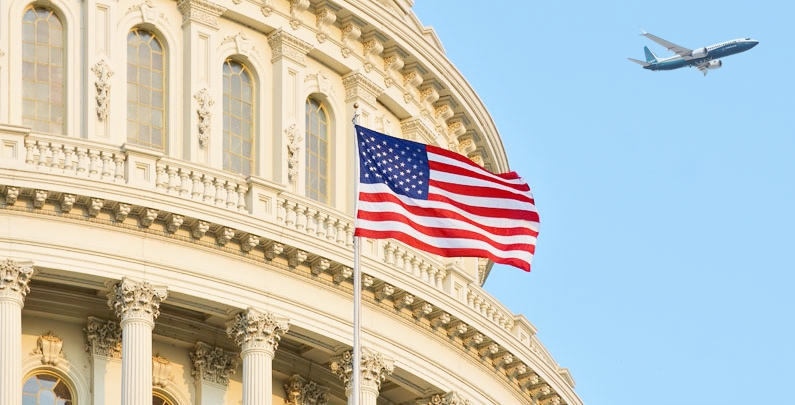
Un nuevo informe del Senado de Estados Unidos determina las acusaciones contra la Federal Aviation Administration (FAA) y The Boeing Company contra la manipularon de pruebas del Boeing 737 MAX durante la recertificación. Es una de las muchas acusaciones en un nuevo y condenante informe del Capitol Hill. La compañía Boeing y la Administración Federal de Aviación trabajaron de manera conjunta para manipular las pruebas de recertificación de la línea del modelo Boeing 737 MAX después de dos accidentes aéreos ocurridos en 10/2018 y 03/2019, según un nuevo informe de la Comisión de Transporte del Senado de Estados Unidos. Según el documento del Senado, Boeing ha entrenado inapropiadamente a algunos pilotos de pruebas de la FAA para alcanzar un resultado deseado durante las pruebas de recertificación, y algunos incluso se realizaron en simuladores que no estaban equipados para volver a crear las mismas condiciones que los accidentes. Al hacer esto, los autores del informe del Senado dicen que «la FAA y Boeing estaban tratando de encubrir información importante que pudo haber contribuido a las tragedias del 737 MAX». La FAA también está acusada de tomar represalias contra los denunciantes, posiblemente obstruyendo la investigación de la Oficina del Inspector General sobre los accidentes.
Informe Senado
El Informe sobre el Boeing 737 MAX de 102 páginas, publicado el Viernes 18/12, fue compilado por el Comité de Comercio, Ciencia y Transporte del Senado y se basa en información de 50 denunciantes, entrevistas con el personal de la FAA y más de 15.000 páginas de documentos. La nueva denuncia arriba un mes después de que la FAA ha aprobado al 737 MAX para regresar al vuelo, y actualmente, las aerolíneas de todo el mundo comienzan a reintroducir el avión en sus flotas y vuelos programados.
Los propios fracasos de Boeing que condujeron a los accidentes del 737 MAX han sido completamente sondeados y bien documentados, el nuevo informe del Senado es una de las miradas más íntimas a los problemas dentro del regulador de la FAA que se suponía que mantendría la compañía aeroespacial bajo control. «Nuestros hallazgos son preocupantes. El informe detalla una serie de ejemplos significativos de deficiencias en la supervisión de la seguridad de la aviación y liderazgo fallido en la FAA. Está claro que la agencia requiere una supervisión constante para garantizar que su trabajo para proteger al público volador se ejecute completa y correctamente», dijo el Senador Roger Wicker (R-MS), quien preside el Comité, en un comunicado.
Postura FAA
La posición de la FAA en una declaración reciente dijo que «revisará cuidadosamente el documento, que el Comité reconoce que contiene una serie de alegaciones sin fundamento. Trabajando en estrecha colaboración con otros reguladores internacionales, la FAA llevó a cabo una revisión exhaustiva y deliberada del 737 MAX. Estamos seguros de que los problemas de seguridad que desempeñaron un papel en los trágicos accidentes relacionados con el vuelo JT-610 de Lion Air y el vuelo ET-302 de Ethiopian Airlines se han abordado a través de los cambios de diseño requeridos y aprobados de forma independiente por la FAA y sus socios».
Comunicado Boeing
Por su parte, Boeing dijo en una declaración preparada que «tomara en serio las constataciones del Comité y seguirá examinando el informe en su totalidad. Boeing se compromete a mejorar la seguridad de la aviación, fortalecer nuestra cultura de seguridad y reconstruir la confianza con nuestros clientes, reguladores y el público volador», escribió la compañía.
Boeing se había precipitado a través del desarrollo para que la línea 737 MAX pudiera seguir el ritmo de su rival Airbus, con la línea A320NEO, que había anunciado un avión más eficiente en el consumo de combustible en 2011. En lugar de desarrollar un nuevo avión desde cero, Boeing modificó el 737 Next Generation con motores más grandes y eficientes en el consumo de combustible, pero en ese alocado vuelo por alcanzar la punta en el adelanto tecnológico y comercial, la compañía americana falló en el intento de presentar un producto totalmente seguro para los usuarios del transporte aéreo, un costosísimo resultado que a involucrado a muchos a un desastre sin precedentes en la industria de la aviación comercial.
A new report from the United States Senate terminates allegations against the Federal Aviation Administration (FAA) and The Boeing Company against tampering with tests of the Boeing 737 MAX during recertification. It’s one of many allegations in a damning new report from Capitol Hill. The Boeing company and the Federal Aviation Administration worked together to manipulate the recertification tests of the 737 MAX model line after two air crashes on 10/2018 and 03/2019, according to a new report from the Transportation Commission. of the United States Senate. According to the Senate document, Boeing has inappropriately trained some FAA test pilots to achieve a desired result during recertification tests, and some were even conducted in simulators that were not equipped to recreate the same conditions as accidents. . In doing so, the authors of the Senate report say that «the FAA and Boeing were trying to cover up important information that may have contributed to the 737 MAX tragedies». The FAA is also accused of retaliating against whistleblowers, possibly obstructing the Office of Inspector General’s investigation into the accidents.
Senate Report
The 102-page Boeing 737 MAX Report, released Friday 12/18, was compiled by the Senate Committee on Commerce, Science and Transportation and is based on information from 50 whistleblowers, interviews with FAA personnel, and more than 15,000 pages of documents. The new complaint comes a month after the FAA has approved the 737 MAX to return to flight, and now, airlines around the world are beginning to reintroduce the plane into their fleets and scheduled flights.
Boeing’s own failures that led to the 737 MAX crashes have been fully probed and well documented, the new Senate report is one of the most intimate looks at the problems within the FAA regulator that the aerospace company was supposed to maintain. under control. «Our findings are concerning. The report details a number of significant examples of deficiencies in aviation security oversight and failed leadership at the FAA. It is clear that the agency requires constant oversight to ensure that its work to protect the public Flying to run completely and properly», said Senator Roger Wicker (R-MS), who chairs the Committee, in a statement.
FAA position
The FAA’s position in a recent statement said it will «carefully review the document, which the Committee acknowledges contains a number of unsubstantiated allegations. Working closely with other international regulators, the FAA conducted a deliberate and comprehensive review of the document. 737 MAX. We are confident that the safety issues that played a role in the tragic accidents related to Lion Air flight JT-610 and Ethiopian Airlines flight ET-302 have been addressed through the required design changes and independently approved by the FAA and its partners».
Boeing statement
For its part, Boeing said in a prepared statement that it will «take the Committee’s findings seriously and will continue to review the report in its entirety. Boeing is committed to enhancing aviation safety, strengthening our safety culture and rebuilding trust with our partners. customers, regulators and the flying public», the company wrote.
Boeing had rushed through development so that the 737 MAX line could keep up with rival Airbus, with the A320NEO line announcing a more fuel-efficient aircraft in 2011. Rather than developing a new aircraft From scratch, Boeing modified the 737 Next Generation with larger and more fuel-efficient engines, but in that crazy flight to reach the top in technological and commercial advancement, the American company failed to present a totally safe product. for air travel users, a costly outcome that has involved many in an unprecedented disaster in the commercial aviation industry.
AW | 2020 12 17 14:44 | AVIATION SAFETY / GOVERNMENT
Transport Canada valida recertificación del 737 MAX
Los expertos en seguridad aérea de la Agencia de regulación de aviación Transport Canada han completado su revisión independiente de los cambios de rediseño de la línea de aeronaves Boeing 737 MAX. Tras las aprobaciones respectivas por parte de la Administración Federal de Aviación de los Estados Unidos (FAA) y la ANAC Brasil, ahora se ha sumado la validación de estos cambios que representan las modificaciones quese han incorporado en aeronaves registradas en Canadá.
Transport Canada ha trabajado extensamente con la FAA y otras autoridades certificadora clave, incluyendo la Agencia de Seguridad Aérea de la Unión Europea (EASA), la Agencia Nacional de Aviación Civil del Brasil (ANAC), así como con los tres operadores canadienses de la aeronave Boeing 737 MAX, y sus sindicatos piloto durante todo el proceso de validación de la aeronave para garantizar que todos los factores se dirijan antes de un retorno seguro al servicio de la aeronave. Los expertos en certificación de Transport Canada, por su rigor y minuciosidad, han demostrado un gran liderazgo durante todo el proceso y han sido fundamentales para guiar los cambios en el diseño de las aeronaves.
Esta validación es un primer paso importante en el eventual regreso al servicio de este avión en el espacio aéreo canadiense. Sin embargo, el regreso al servicio es complejo, y Transport Canada debe establecer planes de seguridad integrales que requieran cambios adicionales en las aeronaves, mantenimiento y capacitación. Transport Canada trabajará con operadores de aerolíneas canadienses, tripulaciones y asociaciones sindicales en las próximas semanas para determinar cómo se implementarán estos requisitos en Canadá.
En Enero de 2021,el Departamento espera emitir una Directiva de aeronavegavilidad (AD) canadiense sobre el modelo de aeronaves que estipulará los cambios de diseño canadienses que deben incorporarse a las aeronaves canadienses. Al mismo tiempo, el departamento también exigirá los requisitos de capacitación para la tripulación aérea a través de una orden provisional. Antes de la devolución al servicio de la aeronave en el espacio aéreo canadiense, Transport Canada requerirá: modificaciones de la aeronave según lo especificado en la Directiva canadiense sobre aeronaves; incorporación del plan de estudios revisados de formación de pilotos en el programa de formación aprobado por Transport Canada para cada aerolínea canadiense; y las compañías aéreas llevarán a cabo el mantenimiento de la aeronave para garantizar que operará de forma segura, dado que la aeronave ha estado almacenada durante algún tiempo.
Específicamente, los cambios de diseño canadienses para el Boeing 737 MAX incluirán un procedimiento mejorado de cubierta de vuelo que proporciona la opción para que un piloto al mando desactive un sistema de advertencia fuerte e intrusivo, comúnmente llamado Agitador de palo, cuando el sistema se ha activado erróneamente por un fallo en el ángulo del sistema de sensor de ataque. Esta característica ayudará a reducir la carga de trabajo de los pilotos, dado lo aprendido de los dos trágicos accidentes, y ha sido completamente evaluado por los pilotos de pruebas de vuelo de Transport Canada. También habrá diferencias en el entrenamiento, incluido el entrenamiento en el procedimiento mejorado de la cubierta de vuelo.
Las restricciones de vuelo comercial para la operación de los aviones Boeing 737 MAX en el espacio aéreo canadiense siguen vigentes y no se levantarán hasta que Transport Canada esté plenamente satisfecho de que se hayan abordado todas sus preocupaciones de seguridad, de que se hayan incorporado las modificaciones necesarias, de que se hayan puesto en marcha procedimientos mejorados para la tripulación de vuelo y de que toda la formación se haya llevado a cabo en Canadá. Mientras tanto, el Gobierno de Canadá sigue comprometido a mantener a los canadienses, al público viajero y al sistema de transporte seguros.
Canada approves Boeing 737 MAX
Transport Canada validates 737 MAX recertification
Aviation safety experts from Transport Canada Aviation Regulatory Agency have completed their independent review of the redesign changes to the Boeing 737 MAX aircraft line. Following the respective approvals by the United States Federal Aviation Administration (FAA) and ANAC Brazil, the validation of these changes has now been added, which represent the modifications that have been incorporated into aircraft registered in Canada.
Transport Canada has worked extensively with the FAA and other key certifying authorities, including the European Union Aviation Safety Agency (EASA), the Brazilian National Civil Aviation Agency (ANAC), as well as the three Canadian operators of the aircraft. Boeing 737 MAX, and its pilot unions throughout the aircraft validation process to ensure that all factors are addressed prior to the aircraft’s safe return to service. Transport Canada’s certification experts, for their rigor and thoroughness, have shown great leadership throughout the process and have been instrumental in guiding changes in aircraft design.
This validation is an important first step in the eventual return to service of this aircraft in Canadian airspace. However, return to service is complex, and Transport Canada must establish comprehensive safety plans that require additional changes to aircraft, maintenance and training. Transport Canada will work with Canadian airline operators, crews and union associations in the coming weeks to determine how these requirements will be implemented in Canada.
In January 2021, the Department expects to issue a Canadian Airworthiness Directive (AD) on the aircraft model that will stipulate the Canadian design changes that must be incorporated into Canadian aircraft. At the same time, the department will also enforce the training requirements for the aircrew through an interim order. Before returning the aircraft to service in Canadian airspace, Transport Canada will require: modifications to the aircraft as specified in the Canadian Aircraft Directive; incorporation of the revised pilot training curriculum into the Transport Canada approved training program for each Canadian airline; and airlines will carry out maintenance on the aircraft to ensure that it will operate safely, given that the aircraft has been in storage for some time.
Specifically, the Canadian design changes for the Boeing 737 MAX will include an improved flight deck procedure that provides the option for a pilot-in-command to disable a loud and intrusive warning system, commonly called a Stick Shaker, when the system has shut down. erroneously triggered by a fault in the angle of the attack sensor system. This feature will help reduce the pilot’s workload, given what has been learned from the two tragic accidents, and has been fully evaluated by Transport Canada flight test pilots. There will also be differences in training, including training in the enhanced flight deck procedure.
Commercial flight restrictions for the operation of Boeing 737 MAX aircraft in Canadian airspace remain in effect and will not be lifted until Transport Canada is fully satisfied that all of your safety concerns have been addressed, that the amendments have been incorporated. necessary, that improved flight crew procedures have been put in place and that all training has been conducted in Canada. Meanwhile, the Government of Canada remains committed to keeping Canadians, the traveling public, and the transportation system safe.
AW | 2020 12 16 15:15 | AIR TRAFFIC / AVIATION ORGANISMS / AIRPORTS
INAC autoriza ops desde Maiquetía hacia aeropuertos venezolanos
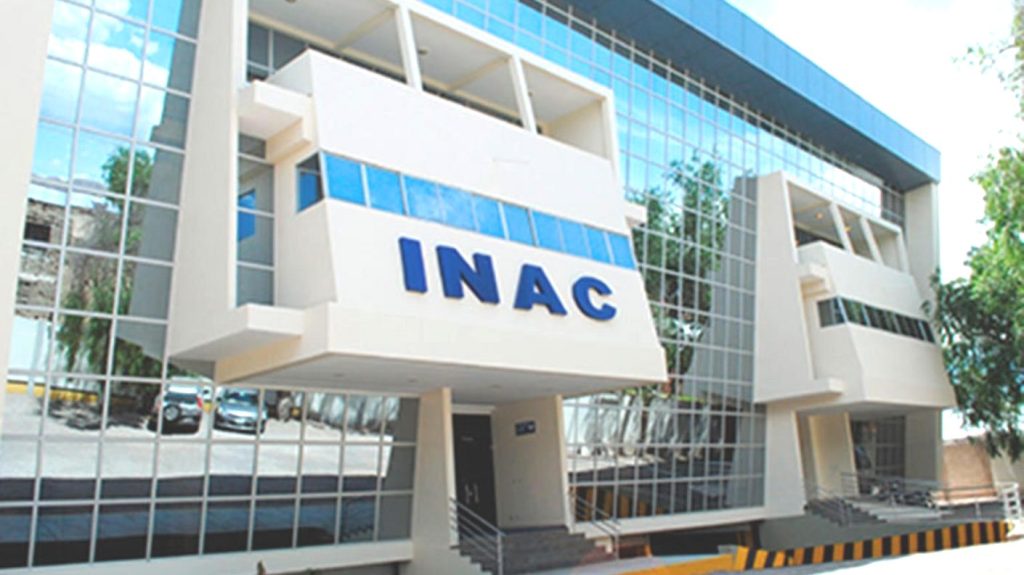
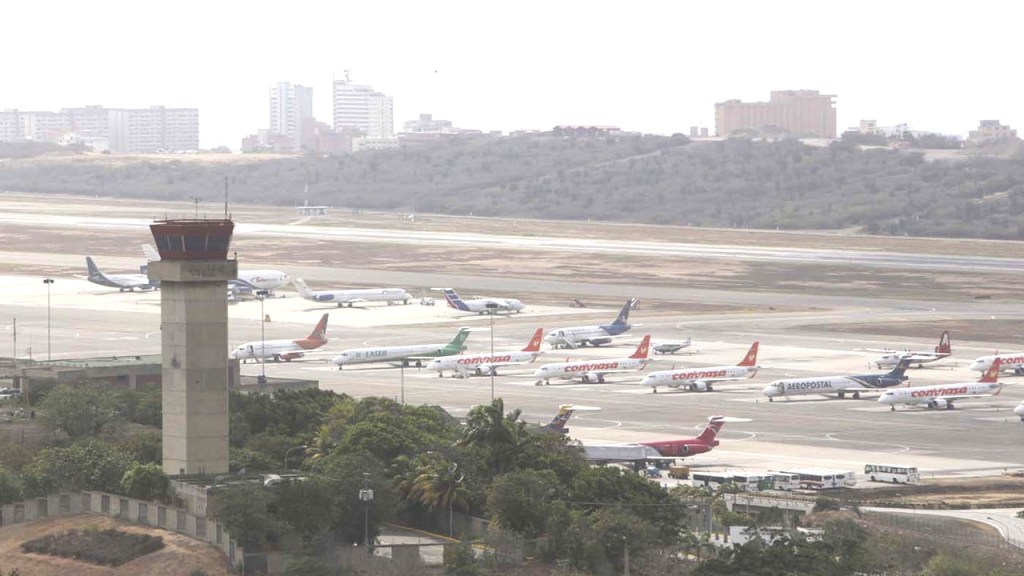
El Instituto Nacional de Aeronáutica Civil (INAC) informó este Martes 15 de Diciembre de 2020, la reanudación de operaciones aéreas entre el Aeropuerto Simón Bolívar/Maiquetía, con el Aeropuerto Caracas y Aeródromo Canaima/Bolívar. A través de un comunicado publicado en Twitter, el INAC informó que las operaciones estarán vigentes durante el mes de flexibilización anunciada por el Gobierno de Venezuela. Esta medida ocurre luego que el Gobierno estableció el 13 de Diciembre de 2020 una restricción de los vuelos internacionales desde y hacia Venezuela hasta el 14 de Enero de 2021.
Aerolíneas como Copa Airlines, Laser Airlines y Turpial Airlines cancelaron todos los vuelos que cubren la ruta Caracas-Panamá, Panamá-Caracas, debido a una orden que envió el Instituto Nacional de Aeronáutica Civil de Venezuela (INAC). En el caso de Copa, la aerolínea ofreció disculpas a sus pasajeros por los inconvenientes que esa nueva medida pudiese causar, y dijo que los viajeros que ya tuviesen el boleto comprado, podían gestionar los reembolsos correspondiente ingresando a su página web. Ante lo ocurrido, las aerolíneas rechazaron la suspensión de rutas internacionales anunciada por el INAC y pidieron al Gobierno venezolano y a las autoridades aeronáuticas competentes reconsiderar la medida para el restablecimiento de las rutas. Por su parte, la Asociación Venezolana de Agencias de Viajes y Turismo (AVAVIT) manifestó su profunda preocupación por la decisión del Gobierno de suspender rutas en vuelos internacionales permitiendo únicamente volar a Bolivia, México y Turquía.
INAC Venezuela authorizes resumes
INAC authorizes ops from Maiquetía to other Venezuelan airports
The National Institute of Civil Aeronautics (INAC) reported this Tuesday, December 15, 2020, the resumption of air operations between the Simón Bolívar/Maiquetía Airport, with the Caracas Airport and Canaima / Bolívar Aerodrome. Through a statement posted on Twitter, INAC reported that the operations will be in effect during the month of easing announced by the Government of Venezuela. This measure occurs after the Government established on December 13, 2020 a restriction on international flights to and from Venezuela until January 14, 2021.
Airlines such as Copa Airlines, Laser Airlines and Turpial Airlines canceled all flights that cover the Caracas-Panama, Panama-Caracas route, due to an order sent by the National Institute of Civil Aeronautics of Venezuela (INAC). In the case of Copa, the airline apologized to its passengers for the inconvenience that this new measure could cause, and said that travelers who already had the ticket purchased, could manage the corresponding refunds by entering its website. Given what happened, the airlines rejected the suspension of international routes announced by INAC and asked the Venezuelan government and the competent aeronautical authorities to reconsider the measure to re-establish the routes. For its part, the Venezuelan Association of Travel and Tourism Agencies (AVAVIT) expressed its deep concern over the Government’s decision to suspend routes on international flights, allowing only flights to Bolivia, Mexico and Turkey.
Pakistan Airlines desprograma 110 pilotos con licencias suspendidas
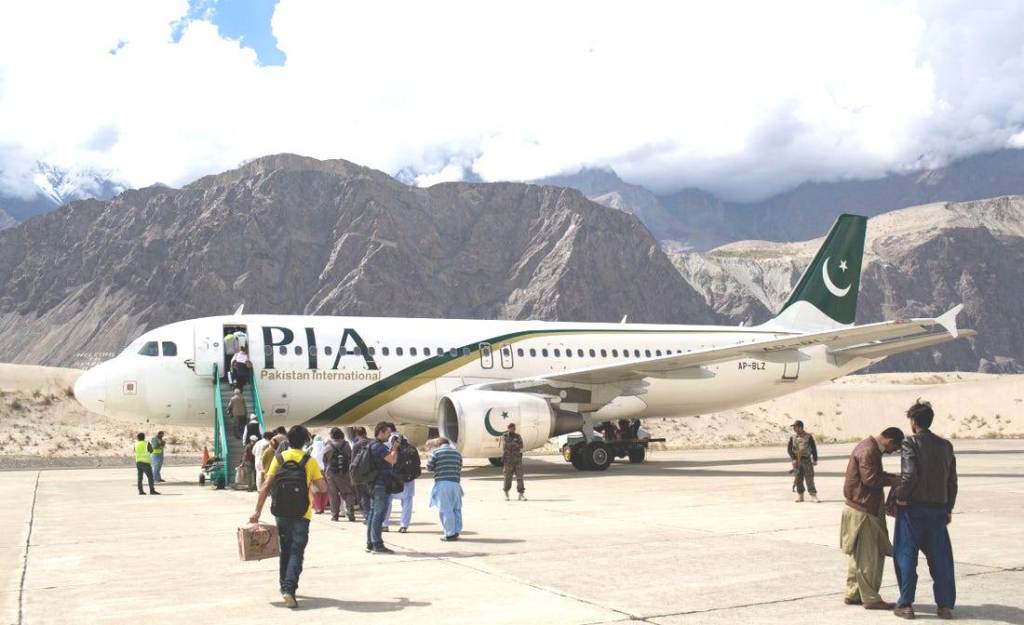
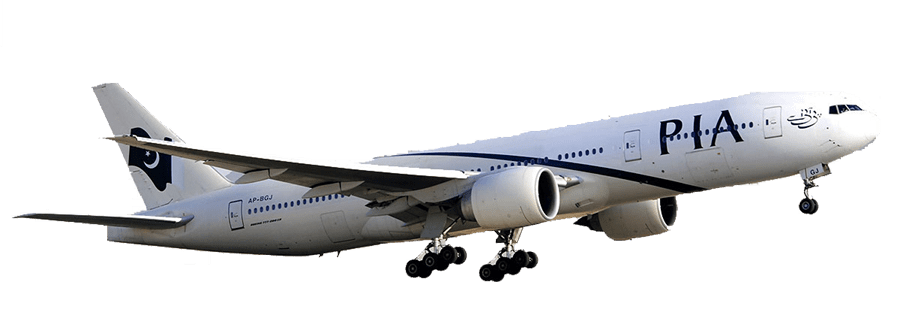
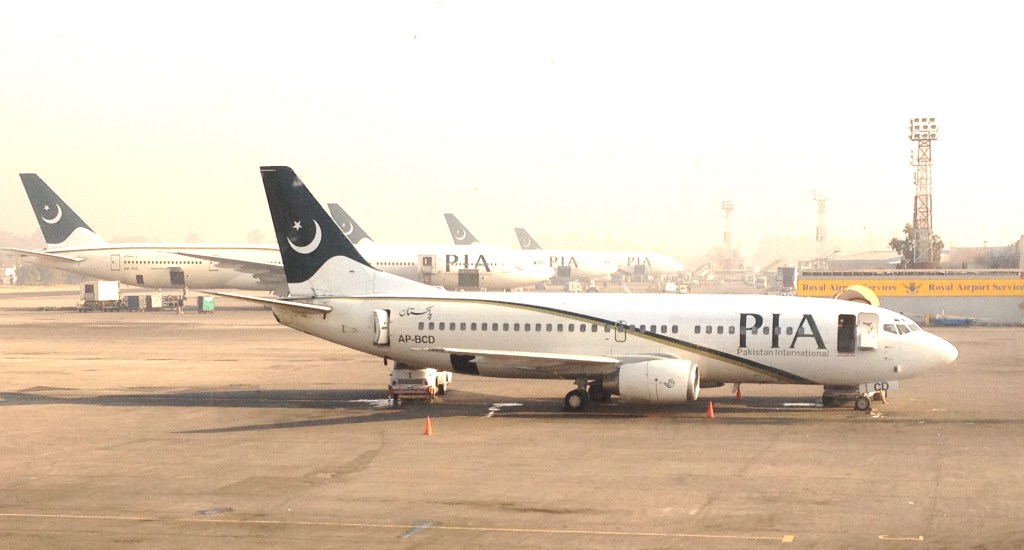
Los problemas de las licencias surgieron a raíz del trágico accidente de un avión de Pakistan International Airlines (PIA) en Karachi el 22 de Mayo de 2020, falleciendo las 95 personas a bordo, cuando el Ministro de Aviación, Ghulam Sarwar Khan, ha informado a los medios de comunicación que 260 de los 860 pilotos activos del país tenían licencias falsas o falsificaron sus exámenes.
El transportador nacional de Pakistán ha comunicado oficialmente a 110 pilotos de los 141 cuyas licencias fueron suspendidas en el contexto de la falsa controversia de los grados, según un informe de los medios de comunicación el Martes 15/12. El abogado principal Salman Akram Raja informó al Tribunal Supremo de Justicia el Lunes 14/12 mientras representaba a las aerolíneas. El banco de tres jueces encabezado por el Juez Gulzar Ahmed había aceptado una apelación movida por el Director Ejecutivo de PIA, el mariscal Arshad Malik, contra una orden del Tribunal Superior de Sindh. El abogado dijo que PIA había limpiado 110 pilotos y cancelado las licencias de 15, mientras que 14 pilotos habían sido declarados no aptos para volar. Algunos casos estaban pendientes de tomar decisiones todavía.
La información llegó cuando el Juez Umar Ata Bandial preguntó qué medidas había tomado la aerolínea para examinar las licencias suspendidas y si la Autoridad de Aviación Civil (CAA) de Pakistán estaba presionando el asunto lo suficiente como para recuperar el negocio verificando las licencias. Despertó preocupaciones generalizadas sobre la seguridad de PIA, y la UE prohibió sus vuelos y las compañías aéreas inicialmente castigaron a 150 pilotos para comprobar su historial, pero algunos de ellos fueron despejados después de la investigaciones iniciales.
PIA deprograms 110 pilots
Pakistan Airlines de-programs 110 pilots with suspended licenses
Licensing problems arose from the tragic accident of a Pakistan International Airlines (PIA) plane in Karachi on May 22, 2020, killing all 95 people on board, when the Minister of Aviation, Ghulam Sarwar Khan, informed the media that 260 of the 860 active pilots in the country had false licenses or falsified their exams.
Pakistan’s national carrier has officially notified 110 pilots out of 141 whose licenses were suspended in the context of the bogus grade controversy, according to a media report on Tuesday 12/15. Lead attorney Salman Akram Raja reported to the Supreme Court of Justice on Monday 12/14 while representing the airlines. The bench of three judges headed by Judge Gulzar Ahmed had accepted an appeal moved by the Executive Director of PIA, Marshal Arshad Malik, against an order of the High Court of Sindh. The lawyer said the PIA had cleared 110 pilots and canceled 15 licenses, while 14 pilots had been declared unfit to fly. Some cases were still pending decisions.
The information came when Judge Umar Ata Bandial asked what steps the airline had taken to examine the suspended licenses and whether the Pakistan Civil Aviation Authority (CAA) was pushing the matter enough to get the business back by verifying the licenses. It raised widespread concerns about PIA’s safety, with the EU banning its flights and airlines initially punishing 150 pilots for checking their history, but some of them were cleared after initial investigations.
بايا تزيل 110 طيار
تقوم الخطوط الجوية الباكستانية الدولية بإلغاء برامج 110 طيارًا بتراخيص معلقة
نشأت مشاكل الترخيص من الحادث المأساوي لطائرة الخطوط الجوية الدولية الباكستانية في كراتشي في 22 مايو 2020 ، مما أسفر عن مقتل جميع ركابها البالغ عددهم 95 شخصًا ، عندما أبلغ وزير الطيران ، غلام سروار خان ، وذكرت وسائل الإعلام أن 260 طيارًا من أصل 860 طيارًا نشطًا في البلاد لديهم تراخيص مزورة أو زوروا امتحاناتهم.
أخطرت شركة النقل الوطنية الباكستانية رسميًا 110 طيارين من أصل 141 تم تعليق تراخيصهم في سياق الجدل المتعلق بالدرجات الوهمية ، وفقًا لتقرير إعلامي يوم الثلاثاء 12/15. قدم كبير المحامين سلمان أكرم رجا تقريراً أمام محكمة العدل العليا يوم الاثنين 12/14 أثناء تمثيله لشركات الطيران. وقبلت هيئة القضاة المكونة من ثلاثة قضاة برئاسة القاضي جولزار أحمد استئنافًا قدمه المدير التنفيذي لمحكمة العدل الدولية ، المارشال أرشد مالك ، ضد أمر صادر عن المحكمة العليا في السند. وقال المحامي إن الخطوط الجوية الباكستانية قد برأت 110 طيارين وألغت 15 رخصة ، في حين أعلن أن 14 طيارا غير لائقين للطيران. وكانت بعض القضايا لا تزال معلقة قرارات.
جاءت المعلومات عندما سأل القاضي عمر آتا بانديال عن الخطوات التي اتخذتها شركة الطيران لفحص التراخيص المعلقة وما إذا كانت هيئة الطيران المدني الباكستانية (CAA) تدفع الأمر بما يكفي لاستعادة الأعمال من خلال التحقق من التراخيص. وأثارت مخاوف واسعة النطاق بشأن سلامة الخطوط الجوية الباكستانية ، حيث حظر الاتحاد الأوروبي رحلاتها وشركات الطيران معاقبة 150 طيارًا في البداية للتحقق من تاريخهم ، لكن تم تبرئة بعضهم بعد التحقيقات الأولية.

























 airgways.com