PARIS AIR SHOW LE BOURGET 2017

AW | 2017 06 25 11:44 | AIR SHOW

PARIS AIR SHOW LE BOURGET 2017

El cierre de la edición número 52 del Paris Air Show 2017 llega a su término hoy domingo , 25 de junio

Los números arrojados en la feria francesa hacen concluir que el fabricante americano Boeing ha llevado la mayor tajada entre las ventas y compromisos de compra por parte de las aerolíneas. La Feria Aeronáutica de Le Bourget 2017 ha arrojado unas cifras de más de 150.000 visitantes.

maxresdefault

Aunque ha llamado la atención una menor demanda de aviones widebody o de largo alcance, en cambio, los más solicitaros fueron los narrowbody Boeing 737NG/MAX y A320CEO/NEO.

Boeing obtuvo una marcada diferencia de 245 compromisos de aviones más que Airbus. Los pedidos totales hasta el día de ayer sábado suman 571 pedidos y compromisos totales. Tan sólo el Boeing 737-10 MAX registró 361 pedidos y compromisos de compra, todo un acontecimiento para la estrella de la feria Paris Air Show 2017.

IMPRESIONANTE DESPEGUE DEL AIRBUS A350-1000 EN LA FERIA LE BOURGET 2017

En cuanto al consorcio Airbus, alcanzó resultados importantes en sus ventas de aviones comerciales, en sus diferentes segmentos, sumando un total de 326 compromisos. El A380plus ha permitido traer mejoras aerodinámicas y ahorro en los costes por avión, no han alcanzado las expectativas. El A350, por el contrario, ha conquistado la feria, ypresume ser un avión que tiene mercado por delante. Por sobre todo, el consorcio europeo no pudo ser capaz de superar en ventas a su contrincante Boeing.

En cuanto a la participación de los fabricantes Bombardier, ATR y Embraer obtuvieron pocos impulsos de venta, y una estimación no tan agradable, sobre todo de las novedades como el Bombardier CS100/CS300 y el Embraer E195 E2, aeronaves nuevas y actualizadas, aunque han permitido al mercado presentar unas mejoras competitivas muy interesantes para la aviación regional.

ATR sorprendió en el mercado de aviones regionales al anunciar su intención de lazar una versión mejorada del ATR 42-600, convirtiendo a este caballo de batalla regional en aeronave STOL, aunque aún no detalló cuándo empezarán los preparativos de fabricación del modelo.

El avión Sukhoi Superjet SSJ100 ha tenido una pobre interés en la feria, aunque se espera una nueva versión de este narrowbody en los próximos cinco años.

La participación de COMAC con sus ARJ-21 y C919, Mitsubishi MRJ-90 e Irkut MS-21, deberán afrontar los retos de poner en el mercado sus nuevas aeronaves, conquistando a las compañías del mundo, algo que ya comenzaron a hacer.

La 52º Paris Air Show Le Bourget 2017 concluye este domingo en Francia, llevándose muchos contratos y por sobre todo mucha más expectativa de mercado de la aviación comercial.  AIRGWAYS ® Icon-AW

PARIS AIR SHOW LE BOURGET 2017


PARIS AIR SHOW LE BOURGET 2017

The closing of the 52nd edition of the Paris Air Show 2017 comes to an end today Sunday, June 25

The figures released at the French fair show that the American manufacturer Boeing has led to a greater sliver between sales and purchase commitments by airlines. The Le Bourget 2017 Aeronautical Fair has produced more than 150,000 visitors.

Although the demand for widebody or long-range aircraft has been noticed, the most requested were the narrowbody Boeing 737NG / MAX and A320CEO / NEO.

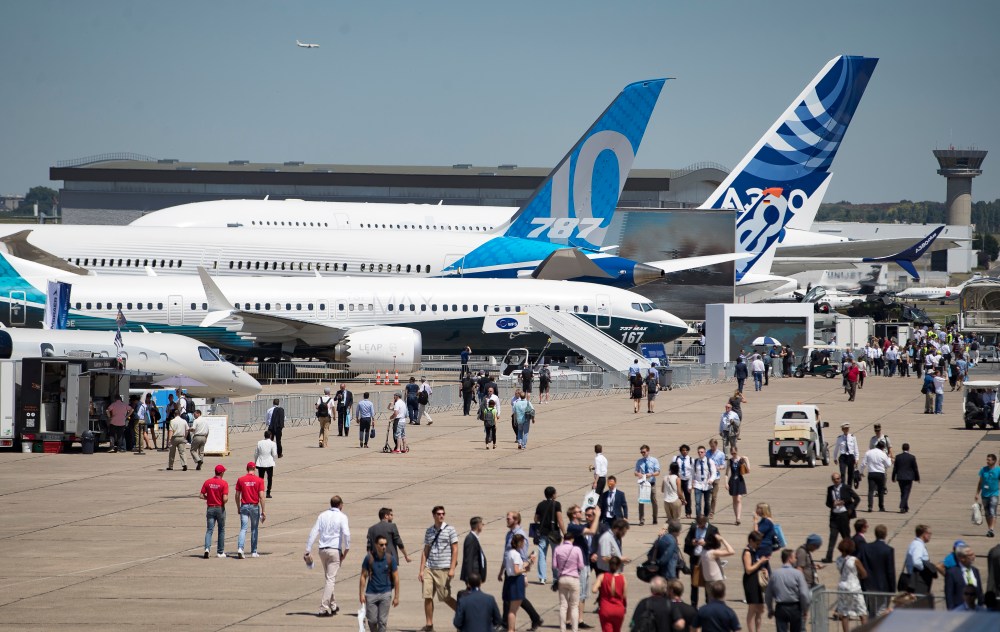
BOEING 787-10 IN PARIS AIR SHOW 2017 FAIR

EXPOSURE OF THE AIRBUS A380PLUS

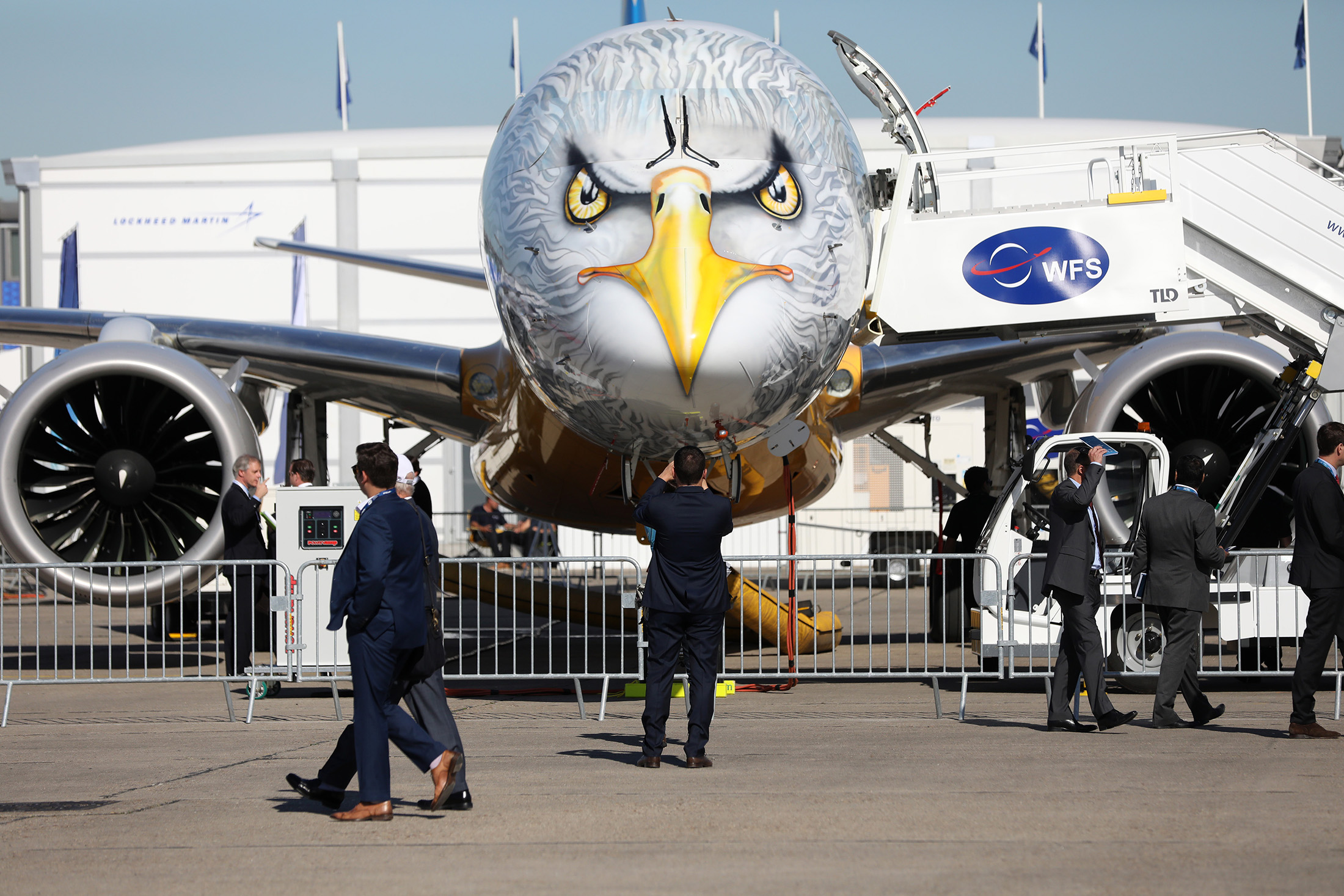
THE EMBRAER E195 E2 MAKES YOUR INTEREST IN PARIS AIR SHOW 2017

TAKE OFF THE BOEING 737-9 MAX AND THE AIRBUS A321NEO WERE IN THE FAIR OF LE BOURGET 2017

Boeing made a marked difference of 245 aircraft commitments more than Airbus. Total orders until Saturday totaled 571 orders and total commitments. Only the Boeing 737-10 MAX registered 361 orders and purchase commitments, an event for the star of the Paris Air Show 2017.

As for the Airbus consortium, it achieved important results in its sales of commercial aircraft, in its different segments, totaling a total of 326 commitments. The A380plus has made it possible to bring better aerodynamics and cost savings by plane, they have not met expectations. The A350, on the other hand, has conquered the fair, andpresumes to be a plane that has market ahead. Above all, the European consortium could not be able to outperform its rival Boeing.

As for the participation of the manufacturers Bombardier, ATR and Embraer obtained few impulses of sale, and an estimate not so pleasant, especially of the new ones like the Bombardier CS100 / CS300 and the Embraer E195 E2, new aircraft and updated, although they have allowed the market to present some very interesting competitive improvements for the regional aviation.

ATR surprised the regional aircraft market by announcing its intention to launch an improved version of the ATR 42-600, turning this regional battlehorse into a STOL aircraft, but has not yet detailed when to begin preparations for the model.

The Sukhoi Superjet SSJ100 has had a poor interest in the show, although a new version of this narrobody is expected in the next five years.

COMAC‘s involvement with its ARJ-21 and C919, Mitsubishi MRJ-90 and Irkut MS-21, will face the challenges of putting their new aircraft on the market, conquering the world’s companies, something they have already begun to do.

The 52nd Paris Air Show Le Bourget 2017 concludes this Sunday in France, filling many contracts and above all much more market expectations of commercial aviation. A \ W


AW-Airgways.com-Jet

cropped-aw-airgways-icon-webΞ A I R G W A Y S Ξ
SOURCE:  Airgways.com
DBk:  Thalesgroup.com / Baltimoresun.com / Airbus.com / Ainonline.com / 3dprintingindustry.com / Cbsistatic.com / Japantimes.co.jp / Boeing.com / Gannett-cdn.com / Dawn.com / Assets.bwbx.io
AW-POST: 201706251144AR

A\W   A I R G W A Y S ®

Alitalia, el rescate privatista

alitalia.jpg

AW | 2017 06 25 10:33 | AIRLINES

La aerolínea italiana Alitalia, luego de iniciar el proceso de bancarrota, ahora muestra interezados en su adquicisión

Alitalia, declarada en quiebra y bajo administración extraordinaria, ha recibido interés para su compra de unos 30 interesados en el concurso de los que han sido seleccionados 18 inversores tras pasar a la primera fase del proceso de venta lanzado por el govierno de Italia.

El proceso privatizador
Dentro del plazo preliminar, cerrado el pasado 5 de junio, la compañía italiana recibió un total de 32 manifestaciones de interés que los tres comisarios han estado evaluando. Esta cifra se ha reducido a 18, tras verificar el cumplimiento de los requisitos y las credenciales.

Italia puso a la venta Alitalia una vez que los tres comisarios designados como gestores recibieron la autorización del Ministerio de Desarrollo Económico para buscar un comprador, mientras diseñan un nuevo plan de rescate que podría estar listo en julio para evitar su cierre.

El lunes, 26 de junio, los tres comisarios designados como gestores de Alitalia procederán a enviar las cartas a los 18 interesados admitidos, que podrán acceder a la información necesaria sobre la aerolínea para realizar sus ofertas, ya sea para adquirir todo el capital, ciertos activos y contratos o reestructurarla.

A partir de aquí, los admitidos para la segunda fase tendrán de plazo hasta el próximo 21 de julio para presentar sus ofertas, que no serán vinculantes hasta octubre, de conformidad con lo dispuesto en el Decreto Ley del 2 de mayo de 2017, tras declarar en quiebra a Alitalia.

Los grandes grupos aéreos europeos como Lufthansa, Air France-KLM, IAG y Norwegian Air públicamente no han mostrado interés por la compañía italiana, aunque algunos medios apuntaron a Qatar Airways como uno de los pocos que podría invertir.

Fuera de la UE, las compañías no pueden controlar más del 49% de un operador europeo. Etihad Airways es ya el primer accionista de Alitalia con el 49% del capital, pero la compañía puso como condición indispensable en 2014 para seguir invirtiendo una reducción de personal en la aerolínea.

Proceso de bancarrota en EEUU
El Gobierno de Roma ya ha descartado la nacionalización de Alitalia y prioriza ahora la venta de la que fuera la aerolínea de bandera italiana, que ya pierde dos millones de euros al día. No obstante, cuenta con un préstamo de 600 millones de euros para garantizar sus operaciones. La deuda acumulada de la aerolínea asciende a unos 3.000 millones.

La aerolínea también ha abierto un procedimiento de bancarrota en Estados Unidos, ante el riesgo de perder el acceso al aeropuerto internacional John F.Kennedy de Nueva York por facturas impagadas.

Alitalia solicitó en abril ser puesta bajo administración extraordinaria -ya lo estuvo hace menos de una década-tras el rechazo por parte de la plantilla al nuevo plan de negocio 2017-2021, que incluía medidas para reducir en 1.000 millones de euros sus costes y una reducción de personal.  AIRGWAYS ® Icon-AW

Alitalia, the privatist rescue


The Italian airline Alitalia, after starting the bankruptcy process, now shows interezados in its acquisition

Alitalia, declared bankrupt and under extraordinary administration, has received interest for the purchase of about 30 interested in the competition from which 18 investors have been selected after moving to the first phase of the sale process launched by the Italian government.

The privatization process
In the preliminary deadline, closed on June 5, the Italian company received a total of 32 expressions of interest that the three commissioners have been evaluating. This figure has been reduced to 18, after verifying compliance with the requirements and credentials.

Italy put up for sale Alitalia once the three commissioners appointed as managers received authorization from the Ministry of Economic Development to look for a buyer, while they design a new rescue plan that could be ready in July to avoid its closure.

On Monday, June 26, the three commissioners appointed as managers of Alitalia will proceed to send the letters to the 18 interested parties, who will be able to access the necessary information about the airline to make their offers, either to acquire all the capital, certain Assets and contracts or restructure it.

From here, those admitted to the second phase will have until July 21 to submit their bids, which will not be binding until October, in accordance with the provisions of the Decree Law of May 2, 2017, after declaring In bankruptcy to Alitalia.

Large European groups such as Lufthansa, Air France-KLM, IAG and Norwegian Air have not publicly shown interest in the Italian company, although some media pointed to Qatar Airways as one of the few that could invest.

Outside the EU, companies can not control more than 49% of a European operator. Etihad Airways is already the first shareholder of Alitalia with 49% of the capital, but the company put as an indispensable condition in 2014 to continue investing a reduction of personnel in the airline.

Bankruptcy in the US
The government of Rome has already ruled out the nationalization of Alitalia and now prioritizes the sale of the former Italian airline, which already loses two million euros per day. However, it has a loan of 600 million euros to guarantee its operations. The accumulated debt of the airline amounts to about 3,000 million.

The airline has also filed a bankruptcy proceeding in the United States, facing the risk of losing access to John F. Kennedy International Airport in New York for unpaid bills.

Alitalia requested in April to be placed under extraordinary administration – and it was less than a decade ago – after the refusal by the staff to the new business plan 2017-2021, which included measures to reduce its costs by 1 billion euros and one staff reduction. A \ W


Ξ A I R G W A Y S Ξ
SOURCE:  Airgways.com
DBk:  Lanoticiadelcaribe.com / Doitinpublic.com / Thedrum.com
AW-POST: 201706251033AR

A\W   A I R G W A Y S ®

TAP Portugal A330 ‘retro’

TAP-AIR-PORTUGAL-A330-300-RETRO


AW | 2017 06 25 10:10 | AIRLINES

Resultado de imagen para TAP Portugal logoLa aerolínea lusa TAP Portugal luce una imagen retro en uno de sus Airbus A330-300

Resultado de imagen para TAP Portugal A330 retroTap Portugal ha incorporado un Airbus A330-300 matrícula CS-TOV fue presentado el día viernes con una nueva pintura retro ambientada entre los años 1960 y 1970, reflejando una época gloriosa de la aerolínea TAP Air Portugal. El A330-300 realizó este viernes su primer vuelo entre Lisboa-Belo Horizonte.

El avión inicialmente fue adquirido por Singapore Airlines el 9 de abril del 2009. TAP Air Portugal lo incorpora en modo leasing. El Airbus A330-343X realizó su primer vuelo el 25 de marzo del 2009 y fue adquirido un mes después por Sigapore Airlines, bajo la matrícula 9V-STE; el equipo (MSN 1006), está configurado con dos motores Rolls-Royce Trent 772B-60.  AIRGWAYS ® Icon-AW

Resultado de imagen para TAP Portugal A330 retro

TAP Portugal A330 ‘retro’

The Portuguese airline TAP Portugal sports a retro image on one of its Airbus A330-300

Resultado de imagen para TAP Portugal A330 retro

Resultado de imagen para TAP Portugal logo

Tap Portugal has incorporated a Airbus A330-300 registration CS-TOV was presented on Friday with a new retro painting set between the years 1960 and 1970, reflecting a glorious era of the airline TAP Air Portugal. The A330-300 made its first flight between Lisbon-Belo Horizonte on Friday.

The aircraft was initially acquired by Singapore Airlines on April 9, 2009. TAP Portugal incorporates it in leasing mode. The Airbus A330-343X made its first flight on March 25, 2009 and was acquired one month later by Sigapore Airlines under the 9V-STE; the equipment (MSN 1006), is configured with two engines Rolls-Royce Trent 772B-60. A \ W


Ξ A I R G W A Y S Ξ
SOURCE:  Twitter.com/taportugal / Flytap.com
DBk:  Twitter.com/taportugal
AW-POST: 201706251010AR

A\W   A I R G W A Y S ®

La propuesta de la FAA no es práctica para los cielos estadounidenses

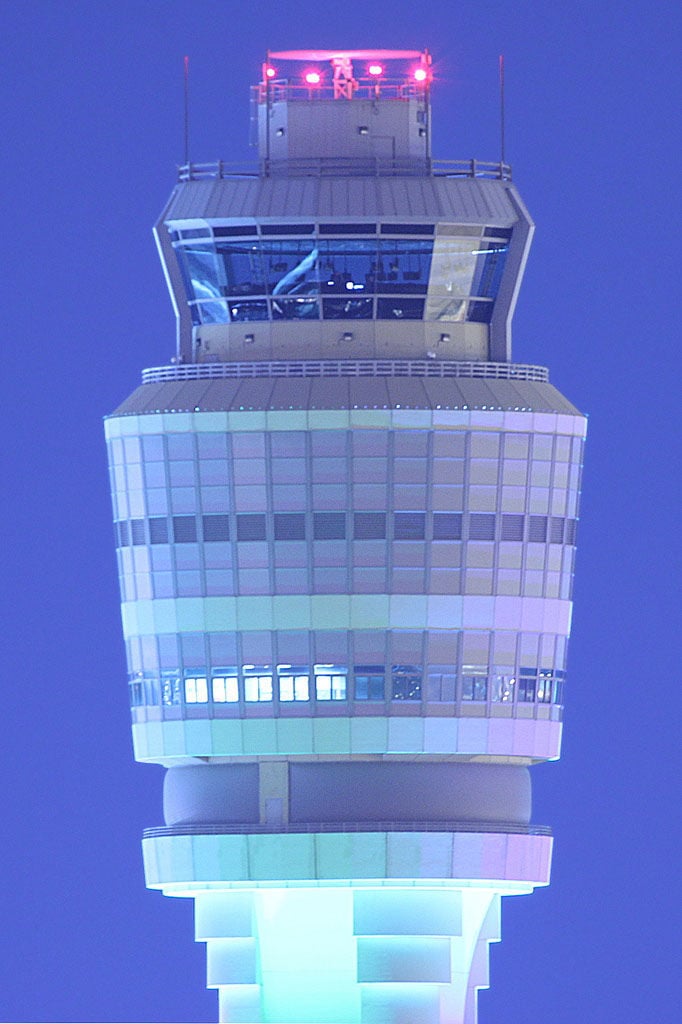
frommer-controltower

AW | 2017 06 25 09:44 | AVIATION / AIR TRAFFIC

Dentro de los Estados Unidos, el mundo de los viajes se ve perturbado por varias controversias en curso que siguen sin resolverse: si EE.UU. debe continuar permitiendo viajar a Cuba, si se debe prohibir a los musulmanes de entrar a los Estados Unidos y si los pasajeros aéreos deben permitir sus portátiles en un avión

Pero quizás lo más importante de todo es un serio esfuerzo de la administración Trump para «privatizar» el sistema de control de tráfico aéreo de la nación. En lugar de tener esos cientos de torres de control aeroportuarias con personal de gobierno bajo la supervisión de la Autoridad Federal de Aviación, estos empleados trabajarán para una corporación privada.

La administración ha sostenido que transferir los controles de tránsito aéreo a manos privadas aceleraría la adopción de controles digitales sobre aterrizajes, despegues y vuelos. Concebiblemente, esos controles ya no serían manejados por seres humanos, sino por sistemas informáticos.

¿Por qué es necesaria esa transferencia? ¿Hay preocupaciones de seguridad sobre el actual sistema basado en el ser humano? ¿Cuándo hemos oído hablar de un accidente o lesión causada por errores de un controlador de tráfico aéreo? Por el contrario, ¿con qué frecuencia oímos hablar de las averías sufridas por los sistemas informáticos de las compañías aéreas individuales? En una frecuencia de al menos una o dos veces al año, hay un total desglose informático sufrido por compañías como American Airlines o United Airlines, causando una interrupción en los planes de muchos miles de pasajeros aéreos.

¿Cuál es el sistema más seguro? Por analogía, todos recordamos la campaña algo similar para poner la prevención de ataques terroristas contra líneas aéreas en manos privadas. En el período inmediato posterior al 11 de septiembre, numerosos legisladores de derecha argumentaron que las corporaciones privadas con ánimo de lucro deberían ejercer las funciones ahora manejadas por la Administración de Seguridad del Transporte. ¿Quién entre nosotros ahora eliminaría la TSA y se convertiría en lugar de las funciones antiterroristas a las corporaciones privadas que buscan ganancias?

Aunque la administración Trump ocasionalmente afirma que los nuevos controles privados de tráfico aéreo se darían a las corporaciones sin fines de lucro, se puede ver rápidamente cómo tales organizaciones sin fines de lucro podrían reducir las esquinas y facilitar los controles de seguridad con el fin de evitar una pérdida. ¿Quién entre nosotros preferiría poner tales decisiones en manos de una organización sin fines de lucro que sin embargo tiene que controlar los gastos, sin importar si hacerlo aumenta el riesgo de accidentes?

La ideología, más que la practicidad, está detrás de estas propuestas. Y la ideología, en mi opinión, no debe permitirse poner en peligro nuestros sistemas probados de control de tráfico aéreo.  AIRGWAYS ® Icon-AW


FAA proposal not practical for US skies

Within the United States, the world of travel is troubled by several ongoing controversies that remain unresolved: Whether US should continue to permit travel to Cuba, whether Muslims should be banned from entering the United States, and whether airline passengers should be allowed to carry their laptops onto a plane

But perhaps the most important of all is a serious effort by the Trump administration to “privatize” the nation’s air traffic control system. Rather than having those hundreds of airport-control towers staffed by government employees under the supervision of the Federal Aviation Authority, these employees would work for a private corporation.

The administration has argued that transferring air traffic controls to private hands would speed up the adoption of digital controls over landings, take-offs and flights. Conceivably, those controls would no longer be handled by human beings, but by computer systems.

Why is such a transfer needed? Are there safety concerns about the present human-based system? When have we ever heard of a crash or injury caused by mistakes of an air traffic controller? By contrast, how often do we hear of breakdowns suffered by the computer systems of individual airlines? On a frequency of at least one or two times per year, there is a total computer breakdown suffered by such carriers as American Airlines or United Airlines, causing a disruption to the plans of many thousands of air passengers.

Which is the safer system? By analogy, we all remember the somewhat similar campaign to place the prevention of terrorist attacks against airlines in private hands. In the immediate period after Sept. 11, numerous right-wing legislators argued that private, profit-making corporations should exercise the functions now handled by the Transportation Security Administration. Who among us would now eliminate the TSA and turn instead for anti-terrorism functions to private, profit-seeking corporations?

Although the Trump administration occasionally states that the new, private air traffic controls would be given to nonprofit corporations, one can quickly see how such nonprofits might cut corners and ease safety controls in order to avoid making a loss. Who among us would prefer to place such decisions in the hands of a nonprofit that nevertheless has to control expenses, regardless of whether doing so increases the risk of accidents?

The ideology, rather than practicality, that lies behind these proposals. And ideology, in my view, should not be permitted to endanger our proven systems of air traffic control. A \ W


KenoshaNews.com
5800 7th Avenue
Kenosha, WI 53140
Phone: 262-657-1000
Email: newsroom@KenoshaNews.com

Ξ A I R G W A Y S Ξ
SOURCE: Kenoshanews.com
DBk:  Andrew E. Cohen / Abcnews.com
AW-POST: 201706250944AR

A\W   A I R G W A Y S ®

Las aerolíneas cancelan monitor abordo

Resultado de imagen para Filme im Flieger_ Airlines streichen den TV-Monitor

AW | 2017 06 25 09:28 | AIRLINES MARKET

Muchas líneas aéreas no tienen una pantalla de TV más en el asiento delantero

Cada vez son más las compañías aéreas que están suprimiendo la pantalla de TV y en su lugar utilizan el hecho de que el pasajero utiliza su tablet o teléfono inteligente para el entretenimiento durante el vuelo. Pero para eso se necesita la aplicación de la mayoría de la línea aérea respectiva.

¿Por qué algunas compañías aéreas de pronto abandonan las pequeñas pantallas de televisión? Para las compañías de vuelo tiene muchas ventajas: las líneas aéreas ahorran dinero para las pantallas, su mantenimiento y costos significativos de combustible debido a que en el nuevo avión son considerablemente más livianos. Por ejemplo, American Airlines anunció a principios de este año que renunciaba en incorporar las pantallas de TV en sus futuros Boeing 737 MAX que va a incorporar. ¿Cual es la razón de peso para suprimir esta tecnología para los pasajeros? Desde la aerolínea expresan: «El 90 por ciento de nuestros pasajeros trae sus propios dispositivos a bordo», dijo American Airlines. Sin la TV en el asiento delantero de cada aeronave a la compañía se ahorran, debido al menor peso en la aeronave, anualmente U$S 90,000 (equivalente a 80.000 euros) es el ahorro en costes de combustible por avión.  AIRGWAYS ® Icon-AW

Airlines cancels monitor onboard

Many airlines do not have a TV screen anymore in the front seat

More and more airlines are deleting the TV screen and instead use the fact that the passenger uses their tablet or smartphone for entertainment during the flight. But for that you need the application of the majority of the respective airline.

Why do some airlines suddenly abandon small television screens? For flight companies it has many advantages: airlines save money for screens, maintenance and significant fuel costs because the new aircraft are considerably lighter. For example, American Airlines announced earlier this year that it was giving up on incorporating TV screens into its future Boeing 737 MAX that it will incorporate. What is the main reason for eliminating this technology for passengers? From the airline they say: «90 percent of our passengers bring their own devices on board», said American Airlines. Without the TV in the front seat of each aircraft to the company are saved, due to the lower weight in the aircraft, annually U$S 90,000 (equivalent to 80,000 euros) is the saving in fuel costs by plane. A\W


Ξ A I R G W A Y S Ξ
SOURCE:  Airgways.com
DBk:  Anyworkingmom.com
AW-POST: 201706250928AR

A\W   A I R G W A Y S ®

Flybondi arma su equipo

avc_00118064.jpg

AW | 2017 06 24 22:23 | AIRLINES

A la espera de la aprobación de la Administración Nacional de Aviación Civil (ANAC), Flybondi está considerando armar el equipo

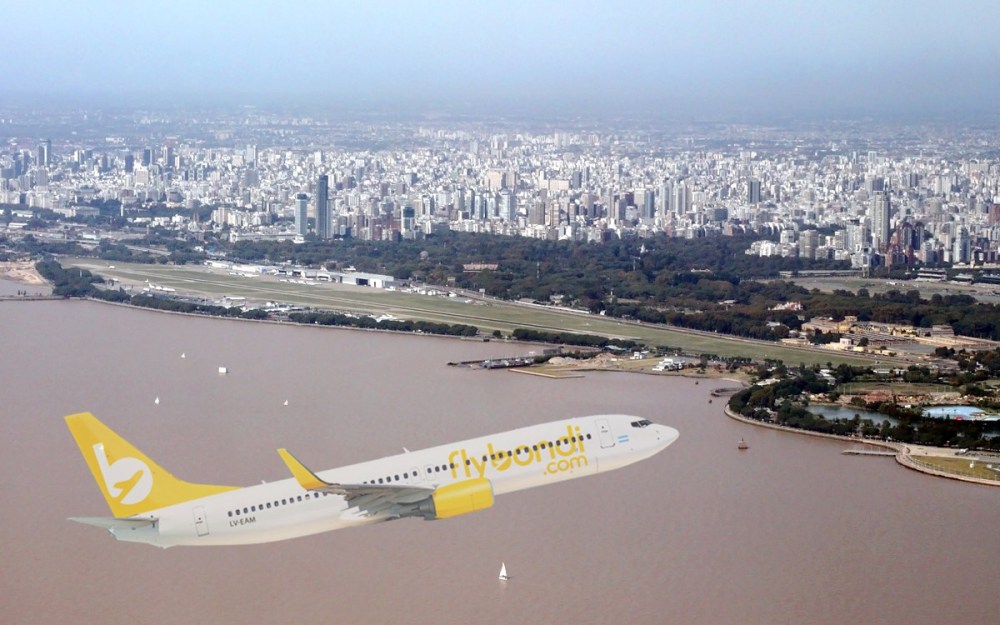
En la compañía todavía no han dado detalles, prefieren esperar a la aprobación del Boletín Oficial para luego realizar confirmaciones. Lo cierto es que Flybondi ya comenzó a armar su flota de aviones para comenzar a operar como aerolínea low cost en la Argentina.

Flybondi Líneas Aéreas fue fundada en el 2016 bajo la dirección del CEO Julián Cook. Es una aerolínea de origen argentino que en los próximos cinco años buscará duplicar el mercado aerocomercial y transportar 10 millones de pasajeros con los precios más bajos del mercado. Dentro de este plan, generará 1500 nuevos empleos directos y unos 20.000 indirectos. Dentro de sus inversores, Flybondi cuenta con un grupo de ejecutivos de larga trayectoria en el rubro aerocomercial; entre ellos, Mike Powell, ex CEO de Wizzair; Montie Brewer, ex CEO de Air Canada; Michael Cawley, ex CEO Ryanair, y Robert Wright, ex Flybaboo & Wizzair.

La compañía informó que concretó la firma del primer acuerdo de leasing de la aerolínea Air Berlin de un Boeing 737-800 que estará llegando al país en los próximos meses. Además, Flybondi realizará otros contratos con el objetivo de contar con al menos 10 aviones para fines de 2018. En la parte de Recursos Humanos, está planificando la contratación de 30 pilotos y de 100 tripulantes de cabina para el proceso de capacitación en la empresa. Sobre la contratación de los pilotos, Julián Cook, el suizo a cargo de la empresa, destacó: «Ya estamos conformando el plantel de pilotos para comenzar nuestras operaciones en los próximos meses. Estamos entusiasmados porque recibimos muchísimos curriculums y pudimos hacer una gran selección». Las nuevas contrataciones se sumarán al plantel de 25 personas que ya trabajan en sus nuevas oficinas y según se entiende, los primeros vuelos llegarán a fines de este año. AIRGWAYS ® Icon-AW

Flybondi arms his team

Pending the approval of the National Civil Aviation Administration (ANAC), Flybondi is considering arming the equipment

In the company have not yet given details, prefer to wait for the approval of the Official Gazette and then make confirmations. The truth is that Flybondi has already started to assemble its fleet of aircraft to start operating as a low cost airline in Argentina.

Flybondi Airlines was founded in 2016 under the direction of CEO Julián Cook. It is an airline of Argentine origin that in the next five years will seek to double the aerial commercial market and transport 10 million passengers with the lowest prices on the market. Under this plan, it will generate 1500 new direct jobs and some 20,000 indirect jobs. Within its investors, Flybondi counts on a group of executives of long trajectory in the heading aerocomercial; Including Mike Powell, former CEO of Wizzair; Montie Brewer, former CEO of Air Canada; Michael Cawley, former CEO Ryanair, and Robert Wright, formerly Flybaboo & Wizzair.

The company said it signed the first leasing agreement of Air Berlin airline for a Boeing 737-800 that will be arriving in the country in the coming months. In addition, Flybondi will carry out other contracts with the objective of having at least 10 aircraft by the end of 2018. In the Human Resources section, it is planning the hiring of 30 pilots and 100 cabin crew members for the training process in the company. On the hiring of the pilots, Julián Cook, the Swiss in charge of the company, said: «We are already forming the team of pilots to start operations in the coming months.We are excited because we received many resumes and we were able to make a great selection» . The new hires will join the squad of 25 people already working in their new offices and it is understood that the first flights will arrive later this year. A \ W


Ξ A I R G W A Y S Ξ
SOURCE:  Airgways.com
DBk:  Airgways.com
AW-POST: 201706242223AR

A\W   A I R G W A Y S ®

Boeing demanda 41.030 aviones 20 años

Image Courtesy of Roberto Leiro

AW | 2017 06 24 18:07 | AIRLINES MARKET

PARIS AIR SHOW LE BOURGET 2017

Hoy, en el Salón del Aire de París 2017, el vicepresidente de marketing de Boeing, Randy Tinseth, presentó la previsión actual del mercado de aviones, proyectando la demanda de 41.030 envíos de aviones de pasajeros y cargueros durante los próximos 20 años a un valor de mercado de $ 6.05 billones

Excluyendo los aviones regionales, Boeing proyecta la demanda de 38.060 aviones valorados en 5.9 billones de dólares. Los proyectos rivales de Airbus demandan 34.900 aviones por valor de 5,3 billones de dólares en el mismo período.

Los 41.030 nuevos aviones representan un aumento de 3.5% sobre la cifra de 39.620 presentada el año pasado en el Farnborough Air Show. Boeing proyectó la demanda de 1.390 cuerpos más estrechos de un solo pasillo, 50 menos cuerpos pequeños, 10 menos chorros regionales y 310 cuerpos más pequeños de tamaño mediano. El crecimiento proyectado se produce a pesar de un desigual 2016, que vio tanto Boeing como Airbus registrar sus peores años de no recesión para pedidos netos desde 2004.

Boeing 2017 CMO Summary

Como se describe en la diapositiva anterior, Boeing sigue optimista en el camino del negocio de la aerolínea y vio 2016 como un año fuerte para la industria a pesar de la inmersión de crecimiento en comparación con 2015. Este es un punto válido.

Como señala Tinseth, 2017 representará el octavo año consecutivo de crecimiento en el mercado de aviación mundial. Sin embargo, la diapositiva anterior es un poco engañosa, ya que ninguna de las tres métricas presentadas en realidad significa nada para el futuro de negocios de Boeing en el transcurso de esta OCM.

AIRBUS-ambiance-helicopter-view-day2-PAS2017-257.jpg

FERIA INTERNACIONAL PARIS AIR SHOW LE BOURGET 2017

Toma el crecimiento del tráfico en RPKs. El crecimiento del tráfico de hoy se basa en pedidos de aviones colocados hace 3-7 años, y los pedidos colocados en 2017 financiarán el crecimiento de RPK en 2020-2025. Es bueno que el tráfico esté creciendo en la industria de las aerolíneas (ya que eso genera optimismo para el futuro), pero eso no significa mucho para la capacidad de Boeing de vender aviones avanzando más allá del mercado de reemplazo.

Dicho mercado representa sólo el 43% de la demanda proyectada de 20 años de Boeing, y gran parte de ella ya se habla por los atrasos existentes de Airbus y Boeing. A continuación, considere los dos gráficos de ganancias – que apuntan a un gran aumento en la rentabilidad de las aerolíneas del mundo a lo largo de 2015 y 2016.

Pero eso no es necesariamente algo bueno para Airbus y Boeing. El aumento de los beneficios no se debe a un aumento de los ingresos impulsado por el crecimiento económico generalizado. En cambio, se debe a la disminución de los precios del combustible desde junio de 2014, que ha reducido los costos de operación de la aerolínea.

Esa disminución en los precios del combustible ha llegado hasta ahora (admitidamente apenas tres años adentro) parecía ser notable resiliente. La reciente intranquilidad en Oriente Medio entre Qatar, Arabia Saudita y varios otros miembros de la OPEP habría provocado que los precios del petróleo se elevaran tan recientemente como hace cuatro o cinco años.

En cambio, apenas ha habido un desvío, ya que la confianza del mercado en la producción estadounidense compensó con creces las preocupaciones sobre Oriente Medio. El hecho es que los productores estadounidenses de petróleo se vuelven más eficientes todos los días, lo que ha creado un límite a los precios del petróleo que persistirá por lo menos durante los próximos 3-4 años.

Uno de los mayores impulsores de la mayor demanda de aviones en los últimos quince años fue el aumento de los precios del petróleo y los costos operativos. Obviamente, 20 años es mucho tiempo, y en algún momento, los precios del petróleo pueden subir de nuevo, ya sea debido a las fuerzas del mercado, o exógenos como un impuesto sobre el carbono.

Pero la demanda proyectada por Boeing y Airbus se siente un poco alta a raíz de los cambios en el mercado del petróleo. Habríamos estado más cómodos con una cifra entre 30.000 y 33.000.

Tinseth señaló varios obstáculos, entre ellos la variación regional en el crecimiento económico, una moderación del crecimiento del comercio mundial y una mayor incertidumbre geopolítica (incluido el populismo). Pero no señaló a los bajos precios del combustible, que es ignorar el elefante en la habitación.

Tinseth también apuntó al liderazgo de Boeing en entregas, incluyendo una participación de 55-65% en el mercado de widebody como otra razón para el optimismo. Per Tinseth, Boeing espera entregar 760-765 nuevos aviones en 2017, permitiéndole una vez más retener la ventaja sobre Airbus. Sin embargo, al igual que con el crecimiento de pasajeros, esto no significa mucho para la futura participación de Boeing en aviones en esta OCM, lo cual está mejor representado por atrasos.

La realidad es que, desde 2010, Airbus ha vendido sobre Boeing por unos 835 y ha superado a Boeing en seis de esos siete años (excepto en 2012, cuando Boeing fue impulsado por el lanzamiento del 737 MAX).

Boeing necesita concentrarse en cerrar esa brecha (en gran medida impulsada por la mitad del mercado [MOM]) a lo largo de esta OCM. El liderazgo de entrega es excelente para los flujos de efectivo y los dividendos actuales, pero no significa tanto para los inversores con visión de futuro.

Sin embargo, ambos pronósticos sobreestimaron la demanda de los cuerpos pequeños y grandes (particularmente Airbus para los últimos).

Entonces, ¿dónde están las probables fuentes de diferencial para esta OCM? Depende de cómo clasifique el espacio MOM y el nuevo avión de tamaño mediano (NMA) potencial de Boeing. Si se trata de un avión de doble pasillo, el mercado de pasillo único es demasiado alto; Si se trata de un pasillo único, entonces la pequeña parte del cuerpo de ancho es demasiado alto.

Por la diapositiva anterior, Boeing no está utilizando escenarios económicos y de crecimiento del tráfico aéreo extravagantes para impulsar esta predicción (nuestra principal preocupación es con los precios del combustible). Donde vemos algunos de los altibajos para Boeing está en sus proyecciones para el mercado africano, que son altamente conservadoras.

Como se muestra a continuación, Boeing proyecta la demanda de 1.220 nuevos aviones en África durante los próximos 20 años, lo cual es apenas suficiente para reemplazar la flota existente de ~ 900 aviones.

Image Courtesy of Boeing

África en la actualidad es muy parecida a la India en 2000 en términos de PIB per cápita (~ 5.000 excluyendo los valores atípicos de Sudáfrica) y población (~ 1.100 millones excluyendo Sudáfrica). Durante el período 2000-2017, el mercado de viajes aéreos de la India básicamente se quintuplicó al duplicar el PIB per cápita. Incluso si el PIB per cápita aumenta sólo en un 50% y el mercado de viajes aéreos triplica (las diapositivas de Boeing implican algo así como 2.2x), eso implicaría una demanda de 2.000 a 2.500 aviones. Y África (a diferencia de la India) no tiene un viaje por carretera relativamente seguro y un sistema ferroviario bien desarrollado.

En todo caso, África se parece más a Indonesia, donde el ritmo de crecimiento de los viajes aéreos superó el ritmo del crecimiento económico (dados los multiplicadores históricos). Estamos optimistas en la demanda africana durante las próximas dos décadas. AIRGWAYS ® Icon-AW

Boeing sees demand 41,030 planes over 20 years

Earlier today at the Paris Air Show 2017, Boeing’s VP of Marketing Randy Tinseth presented the aircraft manufacturer’s current market outlook (CMO), projecting demand for 41,030 passenger and freighter aircraft deliveries over the next 20 years at a market value of $6.05 trillion

Excluding regional jets, Boeing projects demand for 38,060 planes valued at $5.9 trillion. Rival Airbus projects demand for 34,900 planes worth $5.3 trillion over the same period.

The 41,030 new jets represent an increase of 3.5% over the figure of 39,620 presented last year at the Farnborough Air Show. Boeing projected demand for 1,390 more single-aisle narrow bodies, 50 fewer small widebodies, 10 fewer regional jets, and 310 fewer mid-sized wide bodies. The projected growth comes in spite of an uneven 2016, which saw both Boeing and Airbus record their worst non-recession years for net orders since 2004.

Boeing 2017 CMO Summary

As outlined in the slide above, Boeing remains bullish on the path of the airline business and saw 2016 as a strong year for the industry despite growth dipping versus 2015. This is a valid point.

As Tinseth notes, 2017 will represent the eighth straight year of growth in the global aviation market. However, the slide above is a bit misleading, in that none of the three metrics presented actually mean anything for Boeing’s business future over the course of this CMO.

Take traffic growth in RPKs. Today’s traffic growth is based on orders for aircraft placed 3-7 years ago, and orders placed in 2017 will fund RPK growth in 2020-2025. It’s good that traffic is growing in the airline industry (as that builds optimism for the future) but it doesn’t mean much for Boeing’s ability to sell planes moving forward beyond the replacement market.

Paris.jpg

Said market represents only 43% of Boeing’s projected 20-year demand, and much of it is already spoken for by existing Airbus and Boeing backlogs. Next, consider the two profit graphs – they point to a great uptick in profitability for the world’s airlines across 2015 and 2016.

But that isn’t necessarily a good thing for Airbus and Boeing. The profit increase has come not due to an increase in revenue powered by widespread economic growth. Instead, it is due to the decline in fuel prices since June 2014 which has lowered airline operating costs.

That decline in fuel prices has thus far (admittedly just three years in) appeared to be remarkably resilient. The recent unease in the Middle East between Qatar, Saudi Arabia, and several other OPEC members would have sent oil prices soaring as recently as four or five years ago.

Instead, there’s been barely a blip, as market confidence about US production more than offset worries about the Middle East. The fact of the matter is that American producers of oil get more efficient every day, and that has created a cap on oil prices that will persist for at least the next 3-4 years.

One of the biggest drivers of increased aircraft demand over the last fifteen years was the rise in oil prices and operating costs. Obviously, 20 years is a long time, and at some point, oil prices may rise again, whether due to market forces, or exogenous ones like a carbon tax.

But the demand projected by both Boeing and Airbus feels a bit high in the wake of oil market changes. We would have been more comfortable with a figure in the 30,000-33,000 range.

Tinseth did point to several headwinds, including regional variation in economic growth, a moderation of global trade growth, and increased geopolitical uncertainty (including populism). But he didn’t point to low fuel prices, which is ignoring the elephant in the room.

Tinseth also pointed to Boeing’s leadership in deliveries, including a 55-65% share in the widebody market as another reason for optimism. Per Tinseth, Boeing expects to deliver 760-765 new jets in 2017, once again allowing it to retain the lead over Airbus. But as with passenger growth, this doesn’t mean much for Boeing’s future share of planes in this CMO – that is better represented by backlogs.

The reality is that since 2010, Airbus has outsold Boeing by a cumulative 835 aircraft and has beaten Boeing head-to-head for net orders in six of those seven years (the exception is 2012, when Boeing was powered by the launch of the 737 MAX).

Boeing needs to focus on closing that gap (largely driven by the middle of the market [MOM]) over the course of this CMO. The delivery lead is great for present day cash flows and dividends, but it doesn’t mean as much for forward-looking investors. However, both forecasts over-estimated demand for small and large wide bodies (particularly Airbus for the latter).

So where are the likely sources of differential for this CMO? It depends on how you classify the MOM space and Boeing’s potential new mid-sized airplane (NMA). If it’s a twin-aisle jet then the single-aisle market is too high; if it’s a single aisle then the small wide body share is too high.

Per the slide above, Boeing isn’t using outlandish economic and air traffic growth scenarios to power this prediction (our main qualm is with fuel prices). Where we do see some upside for Boeing is in its projections for the African market, which are highly conservative.

As shown below, Boeing projects demand for 1,220 new aircraft in Africa over the next 20 years, which is barely enough to replace the existing fleet of ~900 planes.

Image Courtesy of Boeing

Africa today is a lot like India in 2000 in terms of GDP per capita (PPP) (~5,000 excluding the outlier of South Africa) and population (~1.1 billion excluding South Africa). Over the 2000-2017 period, the Indian air travel market basically quintupled as per capita GDP doubled.

Even if per capita GDP increases by just 50% and the air travel market triples (Boeing’s slides imply something like a 2.2x), that would imply demand for 2,000-2,500 aircraft. And Africa (unlike India) doesn’t have relatively safe road travel and a well-developed rail system.

If anything, Africa is more like Indonesia, where the pace of air travel growth outstripped the pace of economic growth (given historic multipliers). We are bullish on African demand over the next two decades. A \ W


Ξ A I R G W A Y S Ξ
SOURCE:  Airwaysmag.com
DBk:  Airwaysmag.com / Amazonaws.com / Neweurope.eu / Airbus.com
AW-POST: 201706241807AR

A\W   A I R G W A Y S ®


PARIS AIR SHOW LE BOURGET 2017

AW | 2017 06 24 17:33 | AIR SHOW

Paris-Air-Show-2017-live-news

PARIS AIR SHOW LE BOURGET 2017 / FRIDAY, 24 JUNE 2017

Está culminando la Paris Air Show Le Bourget 2017, anincuando grandes ventas y avances de la industria aerocomercial, espacial y de defensa. Mañana domingo concluimos la cobertura de esta fascinante feria aeronáutica que se da cita en París, Francia.

A continuación detallamos los pedidos en firme más las opciones de los dos mayores constructores de al aviación, Airbus y Boeing.

Los totales de pedidos firmes fueron relativamente similares
En cuanto a las nuevas órdenes firmes, Boeing y Airbus estaban relativamente igualados. Airbus anunció pedidos firmes para 144 aviones en el Salón del Aire de París: 132 A320 familias estrechas y 12 widebodies. La gran mayoría de esas órdenes provenían del brazo de arrendamiento de aeronaves GECAS de General Electric, que ordenó 100 A320NEO adicionales.

Mientras tanto, Boeing anunció nuevas órdenes firmes para 134 aviones: 97 737s y 37 widebodies. Por otra parte, Qatar Airways anunció que había firmado una orden por 20 737-8 MAX, no está claro por qué Boeing no mencionó este acuerdo en su comunicado de prensa.

En términos de números brutos, estos totales de orden firme eran bastante similares. Sin embargo, las órdenes firmes de Boeing incluyeron una mayor proporción de aeronaves de fuselaje ancho, que típicamente cuestan más del doble que las de carrocería estrecha como el 737 o el A320, por lo que el valor total de estos acuerdos fue considerablemente mayor para Boeing.

AW-7004451.png

Boeing acumuló cientos de compromisos para el 737
La mayoría de los acuerdos anunciados por Boeing en la semana pasada eran compromisos en lugar de pedidos firmes. Los compromisos no son contratos vinculantes, pero normalmente (aunque no siempre) se convierten en pedidos firmes tarde o temprano.

En total, Boeing anunció compromisos para aviones 418 737 MAX en el Salón Aéreo de París. Gran parte de esta actividad fue impulsada por el lanzamiento del nuevo 737 MAX 10 jet de Boeing – el miembro más grande de su familia 737 – así como un compromiso de última hora para 125 737 MAX 8s de un «cliente de una línea aérea no identificada importante» que fue Reveló el jueves por la mañana.

Boeing también anunció compromisos para 19 widebodies (principalmente 787 Dreamliners) de cuatro clientes esta semana. Esto le dio un total de 437 compromisos para la semana. Por el contrario, Airbus registró sólo 182 compromisos durante el Salón del Aire de París, que consta de 174 compromisos para aviones de la familia A320 y ocho para el A330neo.

Los acuerdos de Widebody también fueron un diferenciador
Incluyendo compromisos en lugar de sólo pedidos firmes, Boeing ganó el juego de números puros por un amplio margen: 571-326. Sin embargo, ganar lotes de órdenes para narrowbodies no es muy impresionante en el clima actual, porque la demanda de estos aviones supera la capacidad de producción.

Por el contrario, Boeing y Airbus necesitan más órdenes para consolidar sus planes de producción para los próximos años. Aquí, también, Boeing superó a Airbus por un amplio margen la semana pasada.

Boeing anunció ofertas para 56 widebodies en el Salón del Aire de París. Comenzó fuerte, firmando dos compañías de leasing de aviones el lunes para un total de 38 Dreamliners. Al final de la semana, había anunciado pedidos firmes para 33 Dreamliners junto con 17 compromisos. Boeing también aseguró una orden firme para cuatro 777-300ER, junto con un compromiso para dos 777 cargueros.

Boeing ganó un respetable número de pedidos de Dreamliner en el Salón del Aire de París. Mientras tanto, Airbus sólo consiguió tres órdenes de banda ancha relativamente pequeñas la semana pasada. Ethiopian Airlines puso una orden firme por 10 A350-900 más, Hi Fly ordenó dos A330-200, y Zagros Airlines colocó un compromiso para ocho A330neos.

Un año de reaparición para Boeing
A finales de mayo, Airbus había registrado sólo 73 nuevos pedidos firmes en 2017, en comparación con más de 200 para Boeing. Muchos expertos pensaron que Airbus podría incluso la puntuación en el Salón del Aire de París. En cambio, parece que va a caer más atrás – especialmente una vez que Boeing comienza a consolidar los cientos de compromisos que anunció durante la semana.

Airbus todavía tiene una cartera de estrecho considerablemente mayor que Boeing. Pero en el lado del ancho de banda – donde las órdenes son necesarias con más urgencia – Boeing ya estaba muy por delante de Airbus antes del Salón del Aire de París. Aumentó esta ventaja la semana pasada, lo que sugiere que 2017 será un año de regreso para Boeing en la larga batalla con Airbus por pedidos.


AIRBUS

Ethiopian Airlines renueva su flota con A350-900

En concreto, la compañía africana Ethiopian Airlines ha hecho un pedido a Airbus de 10 A350-900 adicionales a las 12 aeronaves de este modelo que tiene pendientes, además de tener actualmente cuatro operativas.

“El rendimiento, la operativa y los costes flota aérea A350-900 Fabricantes de flota eficientes que hemos conseguido con nuestros A350-900 iniciales han contribuido a este nuevo pedido, además de extender nuestra red global. Destinaremos los nuevos aviones a nuestras rutas de largo radio conectando Addis Abeba con destinos en África, Europa, Oriente Medio y Asia», explicó Tewolde Gebremariam, el CEO del Grupo Ethiopian Airlines.


ATR


BOEING

Avance de Boeing sobre Airbus en el Paris Air Show 2017

boeing-747-max-10-designboom-06-17-2017-818-fullheader.jpg

El espectáculo aéreo más importante del año se celebra siempre en Europa. Airbus que opera en su propio terreno, por lo general hace un punto de superar a su rival estadounidense Boeing en la carrera de pedidos. El año pasado, los pedidos de Boeing en el Farnborough Airshow fueron tan deprimentes que la compañía sintió la necesidad de manipular los números en su comunicado de prensa al final del show para salvar la cara.

Sin embargo, Boeing no tuvo ningún problema en la venta de aviones en el Salón Aeronáutico de París de esta semana. El lanzamiento del nuevo Boeing 737-10 MAX y la sólida demanda del widebody de Dreamliner le permitieron a Boeing obtener una clara victoria sobre Airbus en términos de actividad de la operación.

BOMBARDIER

¿Saldrá Bombardier del Paris Air Show sin nuevas órdenes de CSeries?

Cuando el Salón del Aire de París llegue a su fin el domingo, parece probable que Bombardier saldrá sin nuevos pedidos para su avión de pasajeros CSeries.

Un avión CSeries, operado por el primer adoptante Air Baltic, había estado en exhibición en el aeropuerto de París-Le Bourget y fue visitado por el ministro canadiense de Transporte Marc Garneau a principios de semana. «Cuando estuve allí parecía estar interesado», dijo Garneau el lunes. A partir del sábado por la tarde en París, ningún trato había sido consumado.
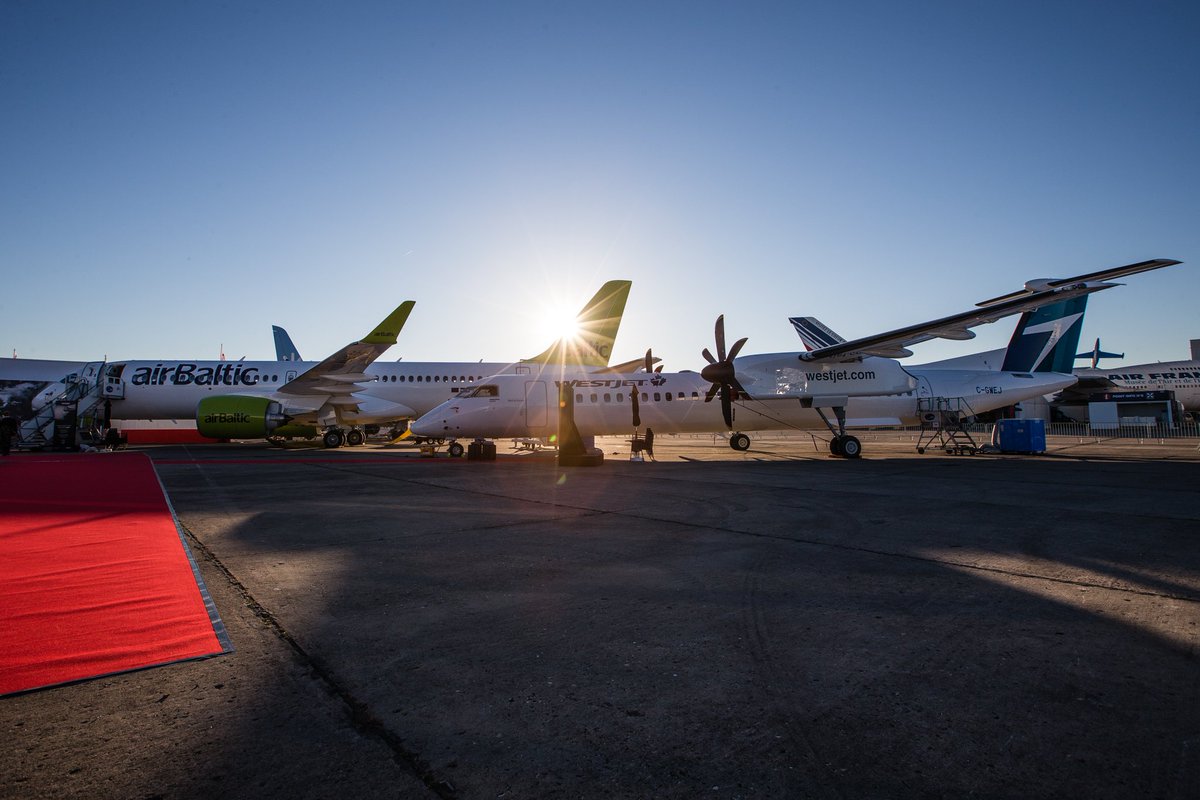
Sin embargo, la feria bienal trajo algo de buena fortuna a Bombardier. La compañía hizo acuerdos para vender 59 de sus aviones de turbopropulsores Q400, 50 de los cuales están ahora destinados al transportador indio SpiceJet.

«Si tomamos el total de todos estos pedidos y compromisos, esos $ 2 mil millones», el portavoz de Bombardier, Simon Letendre. Esa cifra, que representa el precio de lista de estas transacciones, puede ser superior a sus valores reales.


COMAC


EMBRAER


MITSUBISHI


SUKHOI


PARIS AIR SHOW LE BOURGET 2017
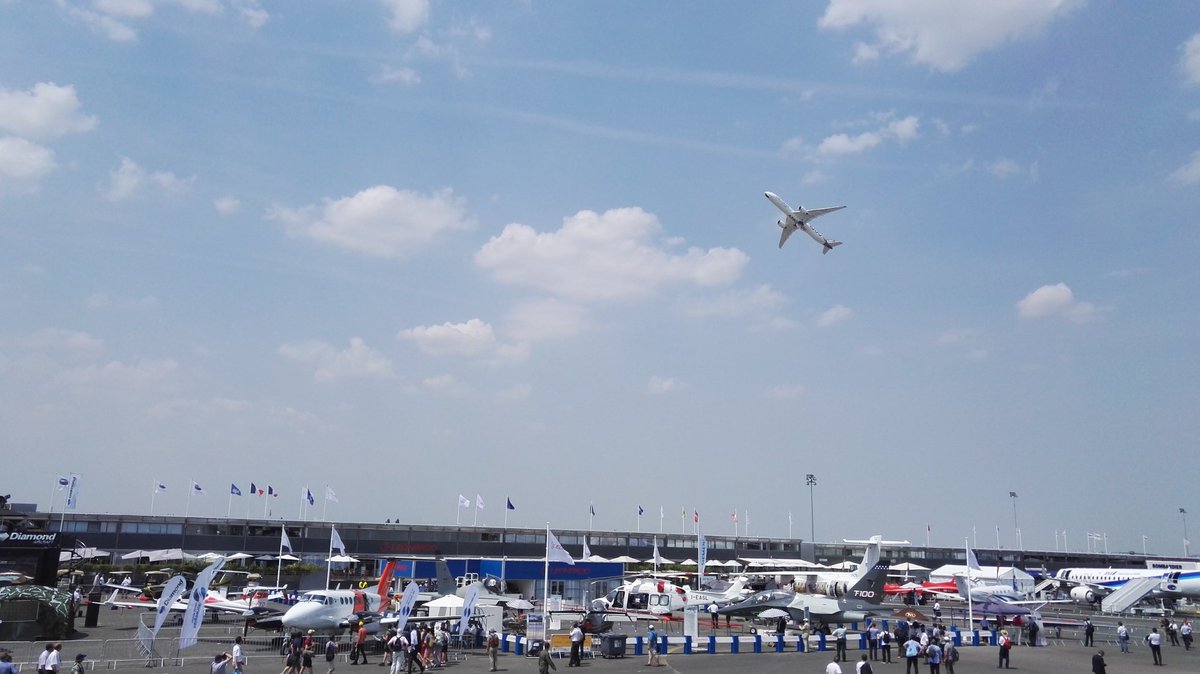
The Paris Air Show Le Bourget 2017, culminating in the great sales and advances of the aerospace, space and defense industry. Tomorrow Sunday we conclude the coverage of this fascinating aeronautical fair that takes place in Paris, France.

Below are the firm orders plus the options of the two largest aviation manufacturers, Airbus and Boeing.

Firm order totals were relatively similar
Looking just at new firm orders, Boeing and Airbus were relatively evenly matched. Airbus announced firm orders for 144 aircraft at the Paris Air Show: 132 A320-family narrowbodies and 12 widebodies. The vast majority of those orders came from General Electric’s GECAS aircraft leasing arm, which ordered an additional 100 A320NEO’s.

Meanwhile, Boeing announced new firm orders for 134 aircraft: 97 737s and 37 widebodies. Separately, Qatar Airways announced that it had firmed up an order for 20 737-8 MAX, it’s not clear why Boeing didn’t mention this deal in its press release.

In terms of raw numbers, these firm order totals were pretty similar. However, Boeing’s firm orders included a higher proportion of widebody aircraft — which typically cost more than twice as much as narrowbodies like the 737 or A320 — so the total value of these deals was considerably higher for Boeing.

AW-7004451.png

Boeing racks up hundreds of commitments for the 737
Most of the deals announced by Boeing in the past week were commitments rather than firm orders. Commitments are not binding contracts, but they are usually (albeit not always) converted into firm orders sooner or later.

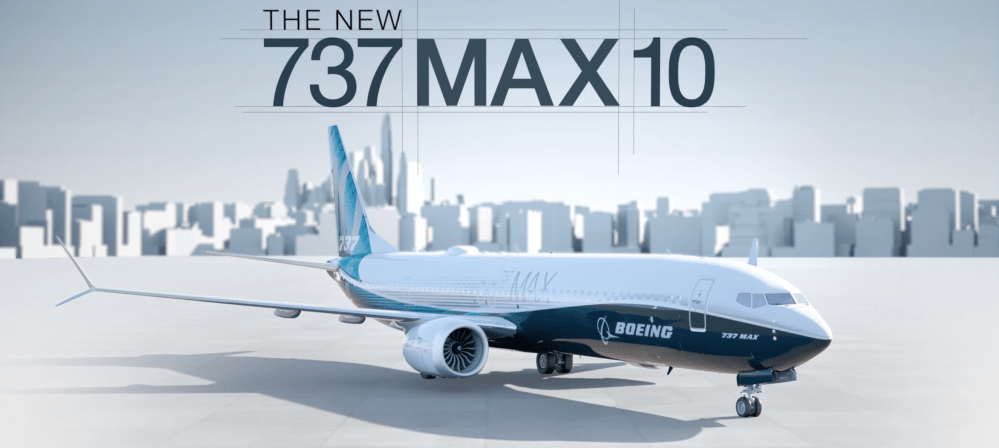
In total, Boeing announced commitments for 418 737 MAX aircraft at the Paris Air Show. Much of this activity was driven by the launch of Boeing’s new 737 MAX 10 jet — the largest member of its 737 family — as well as a last-minute commitment for 125 737 MAX 8s from a «major unidentified airline customer» that was revealed on Thursday morning.

Boeing also announced commitments for 19 widebodies (mainly 787 Dreamliners) from four customers this week. This gave it a total of 437 commitments for the week. By contrast, Airbus logged just 182 commitments during the Paris Air Show, consisting of 174 commitments for A320-family aircraft and eight for the A330neo.

Widebody deals were also a differentiator
Including commitments rather than just firm orders, Boeing won the pure numbers game by a wide margin: 571-326. However, winning lots of orders for narrowbodies isn’t very impressive in the current climate, because demand for these aircraft exceeds production capacity.

By contrast, Boeing and Airbus both need more widebody orders to solidify their production plans for the next several years. Here, too, Boeing outperformed Airbus by a wide margin last week.

Boeing announced deals for 56 widebodies at the Paris Air Show. It started strong, signing up two aircraft leasing companies on Monday for a total of 38 Dreamliners. By the end of the week, it had announced firm orders for 33 Dreamliners along with 17 commitments. Boeing also secured a firm order for four 777-300ERs, along with a commitment for two 777 freighters.

Boeing won a respectable number of Dreamliner orders at the Paris Air Show. In the meantime, Airbus only managed to drum up three relatively small widebody orders last week. Ethiopian Airlines placed a firm order for 10 more A350-900s, Hi Fly ordered two A330-200s, and Zagros Airlines placed a commitment for eight A330neos.

A comeback year for Boeing
As of the end of May, Airbus had logged just 73 new firm orders in 2017, compared to more than 200 for Boeing. Many pundits thought Airbus might even the score at the Paris Air Show. Instead, it looks set to fall further behind — especially once Boeing starts firming up the hundreds of commitments it announced during the week.

Airbus still has a significantly larger narrowbody backlog than Boeing. But on the widebody side — where orders are needed more urgently — Boeing was already well ahead of Airbus before the Paris Air Show. It increased this advantage last week, suggesting that 2017 will be a comeback year for Boeing in the long-running battle with Airbus for orders.


AIRBUS

Ethiopian Airlines renews its fleet with A350-900

5983902-Photo-1477143

Specifically, the African company Ethiopian Airlines has ordered Airbus from 10 A350-900 additional to the 12 aircraft of this model that has pending, in addition to currently have four operations.

«A350-900 Performance, Operational, and Air Fleet Costs Efficient fleet manufacturers with our initial A350-900s have contributed to this new order, in addition to extending our global network. We will deploy the new aircraft to our long-haul routes connecting Addis Ababa with destinations in Africa, Europe, the Middle East and Asia», said Tewolde Gebremariam, the CEO of the Ethiopian Airlines Group.


ATR


BOEING

Boeing advance over Airbus at the 2017 Paris Air Show
Boeing-737-MAX-10.png

The most important air show of the year is always held in Europe. Airbus operating on its home turf, usually makes a point of outpacing its American rival Boeing in the order race. Last year, Boeing’s order haul at the Farnborough Airshow was so dismal that the company felt the need to fudge the numbers in its end-of-show press release to save face.

However, Boeing didn’t have any trouble selling airplanes at this week’s 2017 Paris Air Show. The launch of the new Boeing 737-10 MAX and solid demand for the Dreamliner widebody allowed Boeing to score a clear victory over Airbus in terms of deal activity.


BOMBARDIER

Will Bombardier leave Paris Air Show without new CSeries orders?

When the Paris Air Show comes to an end on Sunday, it looks likely that Bombardier will depart without any new orders for its CSeries passenger jet.

BOMBARDIER CS300 TOGETHER WITH HER BROTHER, TURBOPROPELLER  Q400

A CSeries jet, operated by early adopter Air Baltic, had been on display at Paris-Le Bourget Airport and was visited by Canadian Transportation Minister Marc Garneau earlier in the week. “When I was there, it seemed to be getting some interest,” Garneau said on Monday. As of Saturday afternoon in Paris, no deals had been consummated.

The biennial air show did, however, bring some good fortune for Bombardier. The company made deals to sell 59 of its Q400 turboprop planes, 50 of which are now destined for the Indian carrier SpiceJet.

“If we take the total of all these orders and commitments, that$2 billion,” Bombardier spokesperson, Simon Letendre. That figure, which represents the list price of these transactions, may be higher than their actual values.


COMAC


EMBRAER


MITSUBISHI


SUKHOI


A \ W


Ξ A I R G W A Y S Ξ
SOURCE:  Airgways.com / Siae.fr /
DBk:  Aero-mag.com / Planefinder.net / Heathrow.com / Betteraviationjobs.com / Twimg.com / Boeing.com / Geaviation.com / Airgways.com
AW-POST: 201706241733AR

A\W   A I R G W A Y S ®

Vuelos de LIAT Airlines interrumpidos

30787422315_ddcd4e75d3_o.jpg

AW | 2017 06 24 16:02 | AIRLINES

Los vuelos de LIAT interrumpidos debido a la acción sindical

Un número de vuelos de LIAT Airlines en todo el Caribe se han cancelado hoy como miembros de la Asociación de Pilotos de Aerolíneas de las Islas de Sotavento (LIALPA) tomar acción industrial. También ha habido retrasos en varias rutas. Este es el último capítulo de una batalla en curso entre el sindicato y la aerolínea.

El pago diferido y en algunos casos tardío de los salarios de los pilotos ha estado en el centro de la controversia, así como el hecho de que la administración de LIAT no implementó una nueva estructura de remuneración, incluyendo aumentos salariales. En una declaración, la aerolínea dijo: «LIAT se arrepiente de asesorar al público viajero de la acción industrial por los miembros de la Asociación de Pilotos de Aerolíneas de las Islas de Sotavento (LIALPA). «En las negociaciones en curso por salarios más altos, que incluye la operación del avión ATR 72, los pilotos han tomado medidas para negarse a volar el avión ATR 72 hasta que se llegue a un acuerdo».

Las dos partes en el actual estancamiento mantuvieron conversaciones hoy en la sede de la aerolínea Antigua con la aerolínea virtualmente conectada a tierra y los pilotos se negaron a volar los aviones ATR 72 hasta que se llegó a un acuerdo sobre sus preocupaciones de pago anteriormente publicadas. El avión ATR 72, con capacidad para 48 pasajeros, fue adquirido por LIAT en 2013 como parte de la modernización de la flota y de las mejoras globales de la red.

La aerolínea con dificultades financieras es propiedad de los gobiernos de Antigua y Barbuda, Barbados, Dominica y San Vicente y las Granadinas, y Barbados es el mayor accionista con el 51 por ciento de sus acciones.

En una declaración esta noche, la líder de la oposición, Mia Mottley, dijo por lo tanto que era responsabilidad del primer ministro Freundel Stuart mostrar liderazgo en este asunto y poner fin a la fricción incansable que ha afectado al único transporte aéreo regional significativo del Caribe. AIRGWAYS ® Icon-AW

LIAT Airlines flights interrupted

LIAT flights disrupted due to syndicate action

A number of LIAT Airlines flights throughout the Caribbean have been cancelled today as members of the Leeward Islands Airline Pilots Association (LIALPA) take industrial action.There have also been delays on various routes. This is the latest chapter in an ongoing battle between the union and the airline.

Deferred, and in some cases late, payment of pilot salaries has been at the centre of the dispute, as well as the failure by LIAT management to implement a new renumeration structure, including pay rises. In a statement, the airline said: “LIAT regrets to advise the travelling public of industrial action by the members of the Leeward Islands Airline Pilots Association (LIALPA). “In the ongoing negotiations for higher wages, which includes the operation of the ATR 72 aircraft, the pilots have taken action to refuse to fly the ATR 72 aircraft until an agreement is reached.”

The two parties to the current impasse held talks at the carrier’s Antigua headquarters today with the airline virtually grounded and pilots refusing to fly the ATR 72 aircraft until an agreement was reached on their previously publicized pay concerns. The ATR 72 aircraft, which seats 48 passengers, was acquired by LIAT back in 2013 as a part of fleet modernization and overall network improvements.

The financially strapped airline, is owned by the governments of Antigua and Barbuda, Barbados, Dominica and St Vincent and the Grenadines with Barbados being the largest shareholder with 51 per cent of its shares.

In a statement this evening, Opposition Leader Mia Mottley therefore said it was incumbent on Prime Minister Freundel Stuart to show leadership in this matter and to end the tireless friction that has encumbered the Caribbean’s only significant regional air transporter. A\W


Ξ A I R G W A Y S Ξ
SOURCE:  Airgways.com
DBk:  Flyingphotosmagazinenews.blogspot.com
AW-POST: 201706241602AR

A\W   A I R G W A Y S ®

Rutaca retomó ayer sus operaciones

AW | 2017 06 24 15:33 | AIRLINES

Rutaca Airlines retomó sus operaciones nacionales ayer, 23 de junio. Permanecen suspendidos vuelos internacionales

La razón principal por la que Rutaca Airlines ha suspendido las operaciones de manera precaria fue debido a la falta de divisas que como a varias aerolíneas venezolanas impide acceder a materiales de mantenimiento a la flota de aeronaves y al normal funcionamiento de las empresas.

La aerolínea Rutaca retomó ayer sus operaciones, luego de 15 días de haber sido interrumpidas por el Instituto Nacional de Aeronáutica Civil, por el vencimiento de las horas de vuelo de los equipos. Retomó sus operaciones cubriendo la ruta Barcelona-Puerto Ordaz. Las operaciones internacionales permanecen suspendidas a Curaçao y Trinidad y Tobago.

La situación por la que atraviesa Rutaca Airlines mantiene en expectativa a los trabajadores. Tanto el personal del área de mantenimiento como de Tráfico cree que lo más probable es que la empresa va a suspender definitivamente sus operaciones. «Hay problemas con los aviones y se presume que el cierre definitivo es inminente. Las limitaciones para adquirir las divisas siguen mermando la capacidad operativa de las aerolíneas», dijo uno de los empleados que prefirió no ser identificado.

Cielos nublados en Venezuela
Los trabajadores de Rutaca Airlines no son los únicos preocupados por la situación que atraviesan las aerolíneas. Fuentes afirmaron que los trabajadores de Aeropostal, así como los de Conviasa, también creen que en cualquier momento pueden quedar desempleados. «En Aeropostal somos casi 1.400 empleados directos. Tenemos miedo a quedarnos sin trabajo por las condiciones en la que se encuentra la empresa.En este momento, la aerolínea cubre todo el itinerario con un solo avión. No sabemos cuánto tiempo seguiremos así».

Las restricciones para adquirir divisas es una de las causas que más afecta a las aerolíneas nacionales, informó Jorge Álvarez, presidente de la Cámara Venezolana de Transporte Aéreo. El directivo aseguró que pese a que todos los materiales necesarios para mantener las aeronaves deben ser adquiridos en el exterior, desde hace cuatro años el gobierno no asigna dólares para la industria. «La industria de transporte aéreo padece una inflación terrible, además hay gran dificultad para acceder a las divisas e importar accesorios y repuestos que garanticen la estabilidad de la flota». Insistió en que como no hay estabilidad de la flota no se pueden hacer todos los viajes.«Ha habido necesidad de reducir los vuelos, para garantizar la vida de los aviones. Lo que podemos decirle a los pasajeros, con certeza, es que los vuelos que salen están bien inspeccionados por el INAC, y cumplen con todos los parámetros exigidos por la ley».

El directivo agregó que además de la escasez de divisas, el sector está siendo afectado por la regulación en las tarifas. Dijo que el precio de los boletos nacionales no se ajusta a los costos de operación, por lo que cada vez que un vuelo sale hay pérdidas millonarias. Precisó que una ruta Caracas-Porlamar en una aeronave Boeing MD83, con capacidad para 163 pasajeros que esté 100% ocupado, tiene un costo de 8,84 millones de bolívares, sin embargo, solo se cobra 2,68 millones de bolívares, pues las tarifas están reguladas en 16.479,53 bolívares. Sin embargo, hay pasajeros que denuncian que para obtener los boletos deben pagar más dinero. Álvarez añadió que la cámara constantemente está en conversaciones con las autoridades, para intentar conseguir soluciones a los problemas que los aquejan. AIRGWAYS ® Icon-AW

534191

Rutaca resumed operations yesterday

Rutaca Airlines resumed its national operations yesterday, June 23. International flights remain suspended

The main reason why Rutaca Airlines has suspended operations in a precarious way was due to the lack of foreign exchange that, like several Venezuelan airlines, prevents access to maintenance materials for the aircraft fleet and the normal operation of the companies.

Rutaca resumed its operations yesterday, after 15 days of being interrupted by the National Civil Aeronautics Institute, due to the expiration of the flight hours of the teams. It resumed its operations covering the route Barcelona-Puerto Ordaz. International operations remain suspended in Curaçao and Trinidad and Tobago.

The situation that Rutaca Airlines is facing keeps the workers in expectation. Both maintenance and traffic personnel believe that it is most likely that the company will definitely suspend its operations. «There are problems with the aircraft and it is presumed that the definitive closure is imminent. The limitations to acquire the currencies continue to diminish the operative capacity of the airlines,» said one of the employees who chose not to be identified.

Cloudy skies in Venezuela
Rutaca Airlines workers are not the only ones concerned about the situation that the airlines are going through. Sources said that workers at Aeropostal, as well as Conviasa, also believe that at any time they may become unemployed. «At Aeropostal we are almost 1,400 direct employees, we are afraid of being out of work due to the conditions in which the company is located.At this moment, the airline covers the whole itinerary with a single plane».

The restrictions on acquiring foreign exchange are one of the causes that most affect national airlines, said Jorge Álvarez, president of the Venezuelan Air Transport Chamber. The director assured that although all the necessary materials to maintain the aircraft must be acquired abroad, for four years the government has not allocated dollars for the industry. «The air transport industry is suffering terrible inflation, and there is also great difficulty in accessing currencies and importing accessories and spare parts to guarantee the stability of the fleet.» He insisted that as there is no stability of the fleet can not do all travel. «There has been a need to reduce flights, to ensure the life of the aircraft. What we can tell passengers, for sure, is that flights That come out are well inspected by the INAC, and comply with all the parameters required by law».

The manager added that in addition to the shortage of foreign exchange, the sector is being affected by the regulation in the tariffs. He said that the price of domestic tickets does not adjust to operating costs, so every time a flight leaves there are millionaire losses. He pointed out that a Caracas-Porlamar route in a Boeing MD83 aircraft, with capacity for 163 passengers that is 100% occupied, has a cost of 8.84 million bolivars, however, only 2.68 million bolivars are charged, since the Rates are regulated at 16,479.53 bolívares. However, there are passengers who report that they need to pay more money to get the tickets. Álvarez added that the camera is constantly in talks with the authorities, to try to find solutions to the problems that afflict them. A \ W


Ξ A I R G W A Y S Ξ
SOURCE:  Airgways.com
DBk:  800noticias.com / Rurik Enriquez
AW-POST: 201706241533AR

A\W   A I R G W A Y S ®