Dutch Antilles Express reiniciaría sus operaciones

https://i0.wp.com/curacaochronicle.com/wp-content/uploads/2013/05/CIMG0660.jpg

AW | 2017 02 20 15:13 | AIRLINES

Imagen relacionadaLa empresa Dutch Antilles Express (9H), de Curacao, espera reanudar operaciones en las islas caribeñas de Aruba, Bonaire y Curazao (las islas ABC), informa la Crónica de Curazao

El ex propietario Nelson Ramiz dijo en una entrevista que el nuevo gobierno de Curazao, que fue elegido en diciembre, tiene la oportunidad de restablecer el Certificado de Operador Aéreo (AOC) del transportista y permitirle relanzar la aerolínea. Ramiz criticó los servicios actuales de Insel Air (7I, Curacao), Insel Air Aruba (8I, Aruba) y Aruba Airlines (AG, Aruba), y dijo que las islas necesitan «una compañía aérea bien financiada y visionaria con un plan de negocios que se desarrolle un servicio adecuado entre estas islas», así como proporcionar servicios directos a los Estados Unidos.

Dutch Antilles Express fue declarada en quiebra en septiembre de 2013 por el Tribunal de Primera Instancia de Curazao después de que el personal no fue pagado por más de dos meses. Antes de su quiebra volaba entre Curaçao a Aruba, Bogotá, Bonaire, Simón Bolívar, Miami Int’l, Orlando Int’l, Paramaribo Int’l, Puerto Príncipe, Santo Domingo Las Américas, St. Maarten y Valencia Arturo Michelena Int’l. También operó rutas Aruba – Bonaire y Santo Domingo Las Américas – St. Maarten.

El aeropuerto de Curazao es servido principalmente por Insel Air, seguido por TUIfly (Países Bajos), KLM Royal Dutch Airlines y American Airlines. Los destinos más populares son Amsterdam y Miami Int’l. Cerca de Aruba y Bonaire también están conectados a Nueva York JFK, Newark y Boston por jetBlue Airways y United Airlines. airgways-icon-aw

https://c1.staticflickr.com/8/7195/6817125824_db4c96275c_h.jpg

Dutch Antilles Express restarts operations


Curacao’s Dutch Antilles Express (9H) expects to resume operations on the Caribbean islands of Aruba, Bonaire and Curacao (the ABC islands), reports the Curacao Cronica


Former owner Nelson Ramiz said in an interview that the new Curacao government, which was elected in December, has the opportunity to re-establish the carrier’s Air Operator Certificate (AOC) and allow it to relaunch the airline. Ramiz criticized the current services of Insel Air (7I, Curacao), Insel Air Aruba (8I, Aruba) and Aruba Airlines (AG), and said the islands need a «well financed and visionary airline with a business plan That an adequate service be developed between these islands», as well as providing direct services to the United States.

Dutch Antilles Express was declared bankrupt in September 2013 by the Curacao Court of First Instance after the staff was not paid for more than two months. Before his bankruptcy he flew between Curaçao to Aruba, Bogota, Bonaire, Simon Bolivar, Miami Int’l, Orlando Int’l, Paramaribo Int’l, Port-au-Prince, Santo Domingo Las Américas, St. Maarten and Valencia Arturo Michelena Int’l . Also operated routes Aruba – Bonaire and Santo Domingo Las Americas – St. Maarten.

Curacao airport is served mainly by Insel Air, followed by TUIfly (Netherlands), KLM Royal Dutch Airlines and American Airlines. The most popular destinations are Amsterdam and Miami Int’l. Near Aruba and Bonaire are also connected to New York JFK, Newark and Boston by jetBlue Airways and United Airlines. A\W

Ξ A I R G W A Y S Ξ
SOURCE: Curacaochronicle.com
DBk: Curacaochronicle.com / Flickr.com
AW-POST: 201702201513AR

A\W   A I R G W A Y S ®

Autorizan a Amaszonas Paraguay operar vuelos a Argentina

http://i0.wp.com/enelaire.mx/wp-content/uploads/Amaszonas-del-Paraguay-oficial-01.jpg?resize=1380%2C600

AW | 2017 02 20 14:52 | AIRLINES

Autorizan a aerolínea paraguaya a operar vuelos comerciales en Argentina. Será para explotar servicios regulares internacionales de pasajeros, carga y correo entre Asunción y Buenos Aires

La Administración Nacional de Aviación Civil (ANAC) autorizó a la empresa Amaszonas del Paraguay Sociedad Anónima Líneas Aéreas a explotar servicios regulares internacionales de transporte aéreo de pasajeros, carga y correo en la ruta Asunción-Buenos Aires y viceversa.

Así lo hizo mediante la resolución 101/2017, publicada hoy en el Boletín Oficial, donde se remarca que “la empresa operará sus servicios de conformidad con la autorización, la designación y la asignación de frecuencias efectuadas por el gobierno de su país y con estricta sujeción a lo acordado en el marco bilateral aplicable en materia de transporte aéreo”.

En ese marco, la disposición firmada por Juan Pedro Irigoin añade que la aerolínea también deberá someterse a “las leyes y demás normas nacionales e internacionales vigentes y a las condiciones de reciprocidad de tratamiento por parte de las autoridades de la República del Paraguay para con las empresas de bandera argentina que soliciten similares servicios”.

Antes de iniciar las operaciones en Argentina, aclara la resolución, la empresa deberá presentar ante la ANAC “sus sistemas de operaciones, de comunicaciones, de mantenimiento de sus aeronaves, libros de quejas, horarios, las tarifas que serán aplicadas, la concertación de los seguros de ley por los riesgos emergentes de dichas prestaciones, correspondiendo idéntico trámite a toda incorporación, sustitución o modificación de la capacidad comercial de sus aeronaves, así como a la iniciación y eventual suspensión y/o reanudación de sus servicios”.

La presente autorización comprende la utilización del aeroparque metropolitano ‘Jorge Newbery‘ y del aeropuerto internacional ‘Ministro Pistarini‘ ubicado en el partido bonaerense de Ezeiza.

Amaszonas Paraguay es una filial de la aerolínea homónima de Bolivia fundada en 2015 y opera vuelos regulares en aviones Bombardier CRJ-200, con capacidad para 50 pasajeros.

Paraguayan airline to operate commercial flights in Argentina


It will be to operate regular international passenger, cargo and mail services between Asunción and Buenos Aires


The National Civil Aviation Administration (ANAC) authorized the company Amaszonas del Paraguay Sociedad Anónima Líneas Aéreas to operate regular international air transport services for passengers, cargo and mail on the Asuncion-Buenos Aires route and vice versa.

This was done by resolution 101/2017, published today in the Official Gazette, which states that «the company will operate its services in accordance with the authorization, designation and allocation of frequencies made by the government of his country and strictly Subject to the agreement in the bilateral framework applicable to air transport «.

In this context, the provision signed by Juan Pedro Irigoin adds that the airline must also submit to «the laws and other national and international standards in force and the conditions of reciprocity of treatment by the authorities of the Republic of Paraguay to the companies Of Argentine flag that request similar services «.

Before starting operations in Argentina, clarifies the resolution, the company must present to ANAC «its systems of operations, communications, maintenance of aircraft, books of complaints, schedules, rates to be applied, Insurance of law for the risks arising from said services, and the same procedure for any incorporation, replacement or modification of the commercial capacity of their aircraft, as well as for the initiation and eventual suspension and / or resumption of their services».

This authorization includes the use of the metropolitan aeroparque ‘Jorge Newbery’ and the international airport ‘Ministro Pistarini’ located in the Buenos Aires party of Ezeiza.

Amaszonas Paraguay is a subsidiary of Bolivia’s homonymous airline founded in 2015 and operates regular flights on Bombardier CRJ-200 aircraft, with capacity for 50 passengers. A\W

Ξ A I R G W A Y S Ξ
SOURCE: Cronista.com
DBk: Enelaire.com.mx
AW-POST: 201702011552AR

A\W   A I R G W A Y S ®

La prometedora industria aviación china

https://i0.wp.com/www.et97.com/imgx/1e30e924b899a901d13c145e1b950a7b0208f549.jpg

AW | 2017 02 19 16:07 | INDUSTRY

El ‘made in China’ llega a los aviones. El país asiático ha irrumpido con ambición en el sector de la aviación comercial

Los hangares de la sede central de COMAC, la compañía aeronáutica Commercial Aircraft Corporation of China, en las afueras de Shanghái son un buen reflejo de la ambición con la que China ha irrumpido en el sector de la aviación comercial: impresionan por su inabarcable tamaño, pero también sorprenden por la infrautilización que denotan los grandes espacios vacíos de su interior. “Están preparados para el futuro”, explica uno de los responsables de la empresa que diseña y fabrica las aeronaves llamadas a competir con las principales compañías del sector. Y ese futuro, asegura, se vaticina esperanzador.

No en vano, su primer jet regional, el ARJ-21, entró en servicio el año pasado. Sus dos primeras unidades comerciales vuelan con la librea de Chengdu Airlines entre la ciudad de Shanghái y Chengdu, una megalópolis ubicada en el centro del país. Por otro lado, su hermano mayor, el C919 que fue presentado también en 2016, debería realizar su vuelo inaugural a lo largo de este año para entrar en servicio en 2019 y competir con las familias 737 de Boeing y 320 de Airbus. Pero, independientemente de que sus características técnicas y su precio más bajo puedan atraer a las aerolíneas, es evidente que COMAC tendrá que enfrentarse a la negativa percepción que el público tiene de la etiqueta Made in China.

Copias de otros aviones

COMAC asegura que son tan seguros como cualquier otro. Y su vicepresidente, Shi Jianzhong, afirma que la década de retraso con la que se está desarrollando el programa no debe ser motivo de preocupación sino todo lo contrario. “Nos tomamos muy en serio el proyecto, y no vamos a tolerar errores”, afirma. A favor del diseño del ARJ-21 juega, precisamente, uno de sus aspectos más polémicos: que sea una copia del veterano McDonell Douglas MD-90, cuya valía ha demostrado de sobra durante décadas.

En cualquier caso, otro de los hechos que deben servir para dar confianza a los viajeros reside en que, todavía, los elementos clave del avión están fabricados por las principales empresas del sector, como Honeywell o General Electric. Se encargan de la mayoría de los sistemas de navegación y de aviónica, así como sus motores. Pero eso podría cambiar a medio plazo, sobre todo si la turbina que ha diseñado China, Yangtse 1000, logra su certificación. De ser así, podría ser montada en el avión más ambicioso de COMAC: el C929 de dos pasillos que desarrolla todavía sobre el papel junto a la rusa United Aircraft Corporation (UAC).

El problema principal es que hay una gran mancha negra en la imagen de la aviación comercial china. De hecho, los dos principales aviones de pasajeros fabricados desde hace ya unos años en el gigante asiático están dando muchos quebraderos de cabeza. Cierto es que no se trata de reactores diseñados por COMAC sino de turbohélices fabricados por empresas más pequeñas en ciudades secundarias del país. Pero el Xian MA-60 y el Harbin Y-12 son dos ejemplos de cómo los planes de China en este sector, en ocasiones, no han ido demasiado bien.

Fallos en seis de 57 aeronaves

En el caso del primero, el MA-60, además, con víctimas mortales. Porque varios accidentes achacados al deficiente diseño del tren de aterrizaje han destruido seis de los 57 MA-60 que China ha exportado. En 2011, uno de ellos se estrelló en Indonesia provocando la muerte de sus 25 ocupantes. En el resto, varias salidas de la pista durante el aterrizaje han dejado heridos. Así se entiende que países como Birmania o Tonga hayan prohibido su uso, y que Nueva Zelanda incluso alerte a sus ciudadanos sobre el peligro de volar en él.

https://i0.wp.com/avionale.com/wp-content/uploads/blogger/-wMpWOyT5giE/TfIRAnPDruI/AAAAAAAAFos/xXEMw54YQyY/s1600/xian_ma-60_zest_air_very_low_level_flight_aircraft-wallpaper.jpg

Por su parte, el Harbin Y-12 también se ha visto envuelto en una agria polémica en Nepal, aunque en este caso sin víctimas. El problema está en que estos pequeños turbohélices, que fueron donados por China en muestra de buena voluntad, apenas pueden volar en el país del Himalaya debido a sus restricciones operativas. De hecho, el ministro de Turismo, Kripasur Sherpa, ha llegado a tachar a la aeronave de ser “una losa para Nepal”.

Las razones de esa crítica saltan a la vista. En varias de las rutas que debería cubrir apenas puede transportar un puñado de pasajeros cuando aumenta la temperatura. Por ejemplo, entre Pokhara y Manang, a 12 grados, el Y-12 ni siquiera puede volar con el peso de los dos pilotos. En otros aeródromos que tienen una pendiente de más de 2 grados, ni siquiera está certificado para despegar. Es, sin duda, un desastre tecnológico y de imagen que la empresa está tratando de enmendar para evitar que salpique a todo el sector. Pero, aunque logren mejorar las capacidades de carga con la incorporación de asientos más ligeros, los nepalíes prefieren volar en otros aviones. Por si acaso.

https://i0.wp.com/upload.qianlong.com/2016/0628/1467114104441.jpg

The promising Chinese aviation industry


The ‘made in China’ arrives at the airplanes. The Asian country has burst with ambition in the commercial aviation sector


The hangars of COMAC headquarters, the Commercial Aircraft Corporation of China, on the outskirts of Shanghai, are a good reflection of the ambition with which China has broken into the commercial aviation sector: they are impressed by its size, But also surprise by the underutilization that denote the great empty spaces of its interior. «They are prepared for the future», explains one of the people in charge of the company that designs and manufactures the aircraft called to compete with the main companies of the sector. And that future, he says, is predicting hope.

Not surprisingly, its first regional jet, the ARJ-21, went into service last year. Its first two commercial units fly with Chengdu Airlines livery between the city of Shanghai and Chengdu, a megalopolis located in the center of the country. On the other hand, his older brother, the C919 who was also introduced in 2016, should make his maiden flight this year to enter service in 2019 and compete with Boeing’s 737 families and 320 Airbus. But regardless of whether its technical characteristics and its lowest price can attract airlines, it is clear that COMAC will have to face the negative perception that the public has of the Made in China label.

Copies of other aircraft

COMAC ensures that they are as safe as any other. Vice President Shi Jianzhong said that the decade of delay with which the program is being developed should not be a cause for concern, quite the contrary. «We take the project very seriously, and we will not tolerate mistakes,» he says. In favor of the design of the ARJ-21, it is precisely one of its most controversial aspects: to be a copy of the veteran McDonell Douglas MD-90, whose worth has been proven for decades.

Resultado de imagen para ARJ21 assembly

In any case, another fact that should serve to give confidence to travelers lies in the fact that, still, the key elements of the plane are manufactured by major companies in the sector, such as Honeywell or General Electric. They handle most of the navigation and avionics systems, as well as their engines. But that could change in the medium term, especially if the turbine that has designed China, Yangtse 1000, achieves its certification. If so, it could be mounted on COMAC’s most ambitious aircraft: the C929 two-aisle which it still develops on paper alongside the Russian United Aircraft Corporation (UAC).

The main problem is that there is a big black stain on the image of Chinese commercial aviation. In fact, the two main passenger aircraft manufactured for a few years in the Asian giant are giving many headaches. It is true that they are not reactors designed by COMAC but of turboprops made by smaller companies in secondary cities of the country. But the Xian MA-60 and Harbin Y-12 are two examples of how China’s plans in this sector, on occasion, have not gone too well.


Faults in six of 57 aircraft

In the case of the first, the MA-60, also, with fatalities. Because several accidents attributed to the bad design of the landing gear have destroyed six of the 57 MA-60s that China has exported. In 2011, one of them crashed in Indonesia causing the death of its 25 occupants. In the rest, several exits of the track during the landing have left injured. This means that countries like Burma or Tonga have banned its use, and that New Zealand even warns its citizens about the danger of flying in it.

https://airgways.com/wp-content/uploads/2017/02/1d7af-img_6846.jpg

https://upload.wikimedia.org/wikipedia/commons/4/45/Siem_Reap_International_Airport,Xian_MA60(RDPL-34168),Lao_Airlines_QV523_DSCF6114.jpg

A XIAN MA-60 AIRCRAFT FLYING TO LAO AIRLINES

Meanwhile, Harbin Y-12 has also been involved in bitter controversy in Nepal, although in this case without casualties. The problem is that these small turboprops, which were donated by China as a sign of goodwill, can hardly fly in the Himalayan country due to their operational restrictions. In fact, the Minister of Tourism, Kripasur Sherpa, has come to call the aircraft «a slab for Nepal.»

The reasons for this criticism are plain to see. On several of the routes you should cover you can barely carry a handful of passengers when the temperature rises. For example, between Pokhara and Manang, at 12 degrees, the Y-12 can not even fly with the weight of the two pilots. At other aerodromes that have a slope of more than 2 degrees, it is not even certified to take off. It is, without a doubt, a technological and image disaster that the company is trying to amend to avoid spilling the whole sector. But although they can improve cargo capacities with the addition of lighter seats, Nepalese prefer to fly on other planes. Just in case. A\W

Ξ A I R G W A Y S Ξ
SOURCE: Elpais.com
DBk: Et97.com / A I R G W A Y S  / Qianlong.com / Avionale.com / Wikipedia.org
AW-POST: 201702191607AR

A\W   A I R G W A Y S ®

Incremento tráfico en Paraguay

Resultado de imagen para amaszonas paraguay

AW | 2017 02 19 15:27 | AIRLINES MARKET

Buenas proyecciones para el mercado aeronáutico de Paraguay

Los años 2008 y 2009 para la industria aeronáutica no fueron fáciles a nivel mundial. Aparte de enfrentar las consecuencias de la crisis económica que estalló en Estados Unidos y que continuó en Europa, se sumaron problemas como el incremento en el precio del petróleo, el aumento de gravámenes al sector y las amenazas a la seguridad, entre otros factores.

En medio de ese escenario y gracias a un incremento sostenido en el tráfico de pasajeros y de carga en América Latina, la región comenzó a verse como una gran oportunidad de crecimiento y aquellas aerolíneas que no eran vistas como una verdadera amenaza para las gigantes del sector a nivel mundial adquirieron mayor importancia, siendo protagonistas de fusiones tales como las de las compañías Avianca con TACA, COPA Airlines y Lan con TAM que, hoy día es LATAM Airlines. En este mismo escenario, según una breve investigación realizada por La Nación con representantes de las principales aerolíneas que operan en Paraguay, los mismos coincidieron en que en la actualidad, existe mucho “optimismo” y proyecciones bastante alentadoras para lo que será este 2017.

Para Olavi Linkola, gerente general de la compañía española Air Europa, la industria aeronáutica paraguaya atraviesa por un momento de cambio y de crecimiento. Destacó que el 2017 será un año con desafíos por todas las nuevas compañías que proyectan llegar a Latinoamérica, entre ellas, a Paraguay.

“Paraguay atraviesa un momento de cambio, está evolucionando y continuando lo que fue el 2016, mucha oferta para diferentes destinos lo que definitivamente hace que los precios bajen y que la gente tenga más ganas de viajar. No obstante, la crisis brasileña sigue afectando al país, pero la oferta y la demanda también han aumentado. La llegada de nuevas aerolíneas a la región será un gran desafío pero esto siempre es positivo, ya que el flujo de pasajeros aumentará considerablemente, y también en Asunción”, expresó. La aerolínea actualmente realiza conexión directa entre Asunción y Europa.

Alberto Cabrera, presidente de la aerolínea con certificación 100% paraguaya y que actualmente es una de las más “poderosas” del país en cuanto a operaciones regionales, Amaszonas Paraguay, también coincidió que el mercado aeronáutico local pasa por un buen momento, por lo que la compañía, incluso prevé adquirir un total de 4 nuevas aeronaves para las nuevas rutas que proyectan abrir este año.

“Todo esto está dentro del plan de expansión de nuestra firma en el país; nuestro segundo avión llega ahora, el tercero en junio y el cuarto y último del año se tiene previsto para diciembre, respectivamente”, adelantó Cabrera.

Por su parte, Roberto Hugo Poletti, gerente comercial de Sol del Paraguay, aerolínea dedicada a vuelos de cabotaje, aseguró que la industria aeronáutica paraguaya crece año tras año. Sin embargo, dijo que este crecimiento podría ser aún mayor, teniendo en cuenta que Paraguay es un país mediterráneo.

“El mercado aeronáutico paraguayo está bastante ordenado. Crece año tras año tanto en número de pasajeros, como en cantidad de servicios. No obstante, el Paraguay, por ser mediterráneo debe tener un desarrollo aún mayor. Para el efecto deben ir de la mano las inversiones privadas con las políticas publicas”, explicó Poletti.

ESTADÍSTICAS

De la mano de las 12 aerolíneas que actualmente operan en el país, el Aeropuerto Internacional Silvio Pettirossi llegó a mover a más de 1.033.000 pasajeros durante el 2016. La cifra representó un crecimiento del 14% con relación al 2015. La principal terminal aérea del país nunca alcanzó transportar 1 millón de viajeros en toda su historia, según el informe que maneja la Dirección Nacional de Aeronáutica Civil (Dinac). En el 2016 se transportó a unos 120.000 viajeros más aproximadamente, considerando que durante todo el 2015, se movieron 910.500 pasajeros.  airgways-icon-aw

Increase traffic in Paraguay

Good projections for the aeronautical market of Paraguay


The years 2008 and 2009 for the aeronautics industry were not easy worldwide. Apart from facing the consequences of the economic crisis that broke out in the United States and that continued in Europe, there were also problems such as the increase in the price of oil, the increase of levies on the sector and threats to security, among other factors.

In the midst of this scenario and thanks to a sustained increase in passenger and cargo traffic in Latin America, the region began to see itself as a great growth opportunity and those airlines that were not seen as a real threat to the giants of the sector Globally acquired greater importance, being protagonists of fusions such as those of the companies Avianca with TACA, COPA Airlines and Lan with TAM that, today is LATAM Airlines. In this same scenario, according to a brief investigation carried out by La Nación with representatives of the main airlines operating in Paraguay, they agreed that at present there is a lot of «optimism» and very encouraging projections for what will be this 2017.

For Olavi Linkola, general manager of the Spanish company Air Europa, the Paraguayan aeronautical industry is going through a moment of change and growth. He stressed that 2017 will be a challenging year for all the new companies that are planning to reach Latin America, including Paraguay.

«Paraguay is going through a moment of change, it is evolving and continuing what it was in 2016, a lot of supply for different destinations, which definitely makes prices lower and people are more eager to travel. However, the Brazilian crisis continues to affect the country, but supply and demand have also increased. The arrival of new airlines to the region will be a great challenge, but this is always positive, as the flow of passengers will increase considerably, and also in Asunción,» he said. The airline currently has a direct connection between Asuncion and Europe.

Alberto Cabrera, president of the airline with 100% Paraguayan certification and currently one of the most «powerful» in the country in terms of regional operations, Amaszonas Paraguay, also agreed that the local aeronautical market is going through a good time, so The company even plans to acquire a total of 4 new aircraft for the new routes they plan to open this year.

«All this is within the expansion plan of our firm in the country; Our second plane arrives now, the third in June and the fourth and last of the year is scheduled for December, respectively,» said Cabrera.

For his part, Roberto Hugo Poletti, commercial manager of Sol del Paraguay, an airline dedicated to cabotage flights, said that the Paraguayan aeronautical industry is growing year after year. However, he said that this growth could be even greater, considering that Paraguay is a Mediterranean country.

«The Paraguayan aeronautical market is quite orderly. It grows year after year in number of passengers, as well as in quantity of services. Nonetheless, Paraguay, being a Mediterranean, must have an even greater development. For this purpose, private investments must go hand in hand with public policies, » Poletti explained.

STATISTICS

The Silvio Pettirossi International Airport managed to move more than 1,033,000 passengers in 2016. The figure represented a growth of 14% compared to 2015. The main air terminal Of the country never managed to transport 1 million passengers in its entire history, according to the report managed by the National Civil Aviation Authority (Dinac). In 2016 it was transported to about 120,000 more passengers, considering that throughout 2015, 910,500 passengers moved. A\W

Ξ A I R G W A Y S Ξ
SOURCE: Lanacion.com.py / DINAC Paraguay
DBk: Aviacionline.com
AW-POST: 2017021915270AR

A\W   A I R G W A Y S ®

The Boeing Co. 01/2017 O&D

Resultado de imagen para Boeing Commercial Airplanes

AW | 2017 02 19 15:03 | INDUSTRY

imagesBoeing reservó 26 pedidos y entregó 44 aviones en enero.Boeing espera que los pedidos rastreen la cifra del año pasado de 660 pedidos. El 2017 va a ser otro año difícil para acumular pedidos


En 2016, cubrieron los pedidos y las entregas de Boeing y Airbus con informes mensuales. En 2017, continuaré esta cobertura, ya que da una idea de rendimiento actual, así como la capacidad de los respectivos fabricantes para crecer libros de pedidos y, posiblemente, las ganancias en el futuro en los libros de pedidos saludables. Junto a eso la entrada de pedidos en un reflejo casi directo del entorno de mercado en el mercado de aviones comerciales.


Pedidos

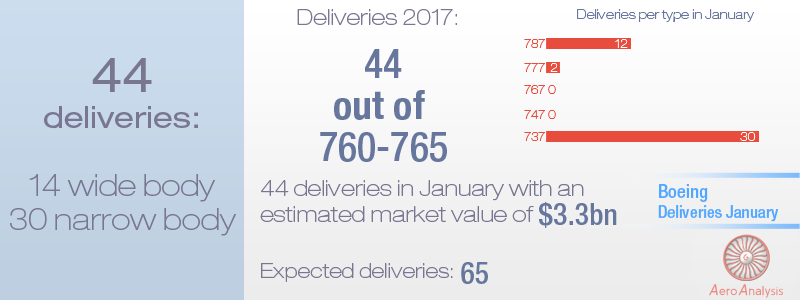
Figura 1: Pedidos enero 2017 (Fuente: AeroAnalysis)

El mes de enero de Boeing fue un mes naturalmente lento con sólo 26 pedidos. El lento comienzo vuelve casi cada año, ya que los fabricantes de aviones intentan finalizar los pedidos antes de fin de año, dejando sólo un puñado de pedidos para ser finalizados en el primer mes del año siguiente.

En enero, Boeing reservó 26 órdenes divididas entre 18 aviones de cuerpo ancho y 8 aviones de cuerpo estrecho:

La aerolínea nigeriana Arik Air ordenó 2 aviones Boeing 787-9, agregando a la orden existente para 7 órdenes para el mismo avión. Las órdenes vienen en lugar del Boeing 747-8I, que nunca pareció ser apto para la flota. Si cualquiera de estas órdenes dará lugar a una entrega sigue por verse ya que el transportista se enfrenta a dificultades financieras y se ha sometido a control estatal.
Un cliente no identificado ordenó 1 Boeing 777F. Creo que este cliente no identificado podría ser FedEx.
15 aviones Boeing 767-2C fueron ordenados para el Programa de Petroleros de la Fuerza Aérea de los Estados Unidos.
Un cliente de aviones de negocios pidió un Boeing 737 MAX.
Un cliente no identificado ordenó 5 aviones Boeing 737 MAX.
Un segundo cliente no identificado ordenó 2 aviones Boeing 737-800

A pesar de que la entrada de pedidos de enero es naturalmente débil, hay que señalar que la orden comercial en el primer mes de 2017 mostró sólo 11 órdenes, ya que los 15 aviones Boeing 767-2C se convertirán en aviones cisterna. En comparación con la entrada de pedidos en enero de 2016, la entrada total de pedidos se redujo en 3 unidades, lo que no es demasiado malo, pero sigue muy por debajo del promedio de 5 años de 42,6 pedidos para el mes de enero.

Entregas

Figura 2: Entregas enero (Fuente: AeroAnalysis)

En 2016, Boeing entregó 748 aviones, algo menos que su récord en 2015. Para 2017, Boeing pretende entregar entre 760 y 765 aviones, lo que está más o menos en línea con las entregas en 2015.

En enero, Boeing entregó 44 aviones divididos entre 14 cuerpos anchos y 30 cuerpos estrechos:

No hubo entregas de cuerpo ancho para el Boeing 767 y el Boeing 747.
Boeing entregó sólo 2 aviones Boeing 777, mucho más bajos que la tasa de producción de 7 aviones por mes.
Boeing 787 entregas estaban en línea con la tasa de producción.
Las entregas para el Boeing 737 fueron muy bajas en comparación con la tasa de producción de 42 aviones al mes.

Las entregas de un año a otro cayeron 5 unidades, lo que se puede atribuir al bajo número de entregas para el Boeing 777. A pesar de la menor tasa de producción del Boeing 777 y un nuevo corte a finales de este año, creo que la baja entrega El volumen refleja las necesidades y los horarios de los clientes.

Relación libro a factura

Para el año completo, Boeing espera que las órdenes rutinariamente rastreen la entrada de pedidos del año pasado, lo que indicaría 660 pedidos netos o una relación libro a cuenta de .86. En enero, esta proporción era de .59, pero no tiene sentido vincular ninguna conclusión creíble a eso.

Atención al cliente

En la atención al cliente de este mes, tenemos Arik Air. La aerolínea comenzó operaciones en 2008, años después de su fundación. La aerolínea tiene un total de 26 destinos.

Arik Air opera actualmente una flota de 23 aviones con 26 entregas, repartidas igualmente entre destinos nacionales e internacionales. El núcleo de la flota de corto recorrido de Arik Air es la flota Boeing 737 y Bombardier, mientras que la aerolínea tiene 3 aviones Airbus, de los cuales 1 está actualmente en almacenamiento. La aerolínea ha elegido a Boeing como el fabricante de aviones para apoyar su futura flota, pero dada la posición financiera de la aerolínea y su historia con cancelaciones de pedidos, no está claro si Arik Air recibirá la entrega de aviones que tiene bajo pedido.

Conclusión

No es posible sacar conclusiones basadas en las órdenes y entregas de enero. Una cosa que se mantendrá para 2017 tanto como lo hizo para 2016 es que será otro año difícil en el mercado de aviones, donde órdenes de aviones de cuerpo ancho estarán bajo presión. airgways-icon-aw


https://i0.wp.com/www.boeing.com/resources/boeingdotcom/commercial/787/assets/images/787-10_marquee.jpg

The Boeing Co. 01/2017 O&D

Boeing booked 26 orders and delivered 44 aircraft in January. Boeing expects orders to trace last year’s figure of 660 orders.2017 is going to be another tough year to accumulate orders

In 2016, I covered orders and deliveries for Boeing and Airbus with monthly reports. In 2017, I will continue this coverage as it gives somewhat of an idea of current performance as well as ability for the respective manufacturers to grow order books and possibly earnings in the future on healthy order books. Next to that the order inflow in an almost direct reflection of the market environment on the commercial aircraft market.

Orders

Figure 1: Orders January 2017 (Source: AeroAnalysis)

Boeing’s January was a naturally slow month with just 26 orders. The slow start returns almost every year as jet makers try to finalize orders before the end of the year leaving only a handful of orders to be finalized in first month of the subsequent year.

In January, Boeing booked 26 orders split between 18 wide body aircraft and 8 narrow body aircraft:

Nigerian airline Arik Air ordered 2 Boeing 787-9 aircraft, adding to the existing order for 7 orders for the same aircraft. The orders come in place of the Boeing 747-8I, which never seemed to be fit for the fleet. Whether any of these orders will result in a delivery remains to be seen since the carrier is facing financial difficulties and has been brought under state control.
An unidentified customer ordered 1 Boeing 777F. I think that this unidentified customer might be FedEx.
15 Boeing 767-2C aircraft were ordered for the US Air Force Tanker Program.
A business jet customer ordered a Boeing 737 MAX.
An unidentified customer ordered 5 Boeing 737 MAX aircraft.
A second unidentified customer ordered 2 Boeing 737-800 aircraft

Despite January order inflow being naturally weak, it needs to be pointed out that the commercial order in the first month of 2017 showed only 11 orders, since the 15 Boeing 767-2C aircraft will be turned into tanker aircraft. Comparing to the order inflow in January 2016, the total order inflow reduced by 3 units which is not too bad, but still well below the 5-year average of 42.6 orders for the January month.

Deliveries

Figure 2: Deliveries January (Source: AeroAnalysis)

In 2016 Boeing delivered 748 aircraft, slightly less compared to its record breaking year in 2015. For 2017, Boeing aims to deliver between 760 and 765 aircraft which is more or less in line with the deliveries in 2015.

In January, Boeing delivered 44 aircraft divided between 14 wide bodies and 30 narrow bodies:

There were no wide body deliveries for the Boeing 767 and Boeing 747.
Boeing delivered just 2 Boeing 777 aircraft, much lower than the production rate of 7 aircraft per month.
Boeing 787 deliveries were in line with the production rate.
Deliveries for the Boeing 737 were sharply lower compared to the production rate of 42 aircraft per month.

Year-over-year deliveries fell by 5 units, which can be attributed to the low number of deliveries for the Boeing 777. Despite the lower production rate for the Boeing 777 and a further cut later this year, I do think that the low delivery volume reflects customer needs and schedules.

Book-to-bill ratio

For the full year, Boeing expects orders to roughly trace last year’s order inflow, which would indicate 660 net orders or a book-to-bill ratio of .86. In January, this ratio was .59, but it is meaningless to connect any credible conclusion to that.

Customer spotlight

In this month’s customer spotlight, we have Arik Air. The airline commenced operations in 2008, years after it was founded. The airline has a total of 26 destinations.

Arik Air currently operates a fleet of 23 aircraft with 26 deliveries, equally divided between domestic and international destinations. Core of Arik Air’s short haul fleet is the Boeing 737 and Bombardier fleet, while the airline has 3 Airbus aircraft of which 1 is currently in storage. The airline has chosen Boeing as the jet maker to support its future fleet, but given the financial position of the airline and its history with order cancellations it remains unclear whether Arik Air will be taking delivery of aircraft it has on order.

Conclusion

Drawing any conclusions based on January’s orders and deliveries is not possible. One thing that will hold for 2017 as much as it did for 2016 is that it will be another tough year on the aircraft market, where wide body aircraft orders will be under pressure.  A\W

Ξ A I R G W A Y S Ξ
SOURCE: Seekingalpha.com
DBk: Boeing.com / Foxbusiness.com / Aeroanalysis.com
AW-POST: 201702191503AR

A\W   A I R G W A Y S ®

Juneyao Airlines ordena 5 B787-9

https://airwaysmag.com/wp-content/uploads/2016/06/hainan-boeing-787-9.jpg

AW | 2017 02 19 14:22 | AIRLINES

Boeing, Juneyao Airlines finaliza pedido para cinco 787-9 Dreamliners


Boeing y la aerolínea privada de Shanghai, Juneyao Airlines, anunciaron la finalización de una orden para cinco Boeing 787-9 Dreamliners el viernes.

Según Boeing China, la orden está valorada en 1.300 millones de dólares a los precios de lista actuales. Incluye una opción para Juneyao para comprar cinco más 787-9s. También es la primera orden de Boeing de la aerolínea privada y la primera orden de aviones de fuselaje ancho.

«Nuestra visión estratégica es convertirnos en una aerolínea internacional que proporcione un servicio de alta calidad con una extensa red, asegurando al mismo tiempo una excelente rentabilidad», dijo Wang Junjin, presidente de Juneyao Airlines.

«La orden jugará un papel clave en nuestro negocio en los próximos años y esperamos continuar con nuestra relación con Boeing en el futuro», agregó.

Según Boeing, el 787-9 Dreamliner ofrecerá una eficiencia de combustible incomparable a Juneyao Airlines, manteniendo la aerolínea competitiva en el desafiante entorno económico. Hasta la fecha, el 787-9 ha acumulado más de 635 pedidos de clientes en todo el mundo. Más de 120 pedidos para los aviones de la familia Dreamliners han llegado aún de las aerolíneas en China. Veintiséis de ellos son para el 787-8, y 97 para 787-9 aviones.

«Estamos encantados de dar la bienvenida a Juneyao Airlines como un nuevo cliente de Boeing», dijo Rick Anderson, vicepresidente de ventas, noreste de Asia para Boeing Commercial Airplanes. «Esta orden es un respaldo de su confianza en el 787 Dreamliner, que es la primera opción para muchos operadores de un solo pasillo para iniciar operaciones widebody».

El 787-9 aprovecha el diseño visionario del modelo 787-8, ofreciendo pasajeros con ventanas grandes y regulables, contenedores grandes, iluminación LED moderna, mayor humedad, una altitud de cabina más baja, aire más limpio y un paseo más suave.

Juneyao Airlines, una de las compañías privadas más grandes de China, opera más de 80 rutas nacionales y vuelos internacionales de corta distancia a países vecinos como Japón, República de Corea y Tailandia. El transportista planea abrir nuevas rutas a Norteamérica, Europa y Australia para 2020. airgways-icon-aw

Resultado de imagen para Juneyao Airlines  B787-9

Juneyao Airlines orders 5 B787-9

Boeing, Juneyao Airlines finalize order for five 787-9 Dreamliners

Boeing and Shanghai-based private airline, Juneyao Airlines, announced the finalization of an order for five Boeing 787-9 Dreamliners on Friday.

According to Boeing China, the order is valued at $1.3 billion at current list prices. It includes an option for Juneyao to buy five more 787-9s. It is also the private airline’s first Boeing order and first widebody airplane order.

«Our strategic vision is to develop into an international airline that provides high quality service with an extended network, while ensuring excellent profitability,» said Wang Junjin, chairman of Juneyao Airlines.

«The order will play a key role in our growing business in the years to come, and we look forward to continuing our relationship with Boeing into the future,» he added.

According to Boeing, the 787-9 Dreamliner will deliver unmatched fuel efficiency to Juneyao Airlines, keeping the carrier competitive in the challenging economic environment. To date, the 787-9 has accumulated more than 635 orders from customers worldwide. More than 120 orders for the Dreamliners family planes have yet come from airlines in China. Twenty-six of them are for the 787-8, and 97 for 787-9 planes.

«We are pleased to welcome Juneyao Airlines as a new Boeing customer,» said Rick Anderson, vice president of Sales, Northeast Asia for Boeing Commercial Airplanes. «This order is an endorsement of their confidence in the 787 Dreamliner, which is the first choice for many single-aisle operators to start widebody operations.»

The 787-9 leverages the visionary design of the 787-8, offering passengers with large and dimmable windows, large stow bins, modern LED lighting, higher humidity, a lower cabin altitude, cleaner air and a smoother ride.

Juneyao Airlines, one of China’s largest private carriers, operates more than 80 domestic routes and short-haul international flights to neighboring countries such as Japan, the Republic of Korea and Thailand. The carrier plans to open new routes to North America, Europe and Australia by 2020. A\W

Ξ A I R G W A Y S Ξ
SOURCE: Ecns.cn
DBk: Boeing.com / Chinaaviationdaily.com
AW-POST: 201702191422AR

A\W   A I R G W A Y S ®

Rollout primer BOEING 787-10

787-10-boeing_0_0

AW | 2017 02 18 16:37 | INDUSTRY

aw-icon-red-100-copia-copiaimagesEl mensaje de Trump de «Buy American and hire American» fue entregado frente a la última versión de Dreamliner de Boeing, reconocido por la compañía como el avión más externalizado que jamás haya diseñado

NORTH CHARLESTON, S.C. Con la esperanza de desviar la atención de su preocupada Casa Blanca, el presidente Donald Trump salió a la calle el viernes para ofrecer una charla a los trabajadores estadounidenses y al resto de la nación, resucitando las promesas de empleo que impulsaron su victoria electoral.

https://i0.wp.com/atwonline.com/site-files/atwonline.com/files/gallery_images/787-10-dreamliner-Boeing.jpg

ROLLOUT DEL PRIMER BOEING 787-10 EN BOEING NORTH CHARLESTON


«Amamos a nuestros trabajadores y vamos a proteger a nuestros trabajadores», declaró Trump en la planta de Boeing North Charleston, Carolina del Sur, donde la compañía mostró su nuevo avión Boeing 787-10 Dreamliner, la versión más larga del avión de doble pasillo. «Vamos a luchar por empleos. Vamos a luchar por nuestras familias «, dijo en una repetición del mensaje «America First» de su campaña.

El 787-10 es el miembro más grande de la familia Dreamliner y está hecho de materiales compuestos ligeros que mejoran la eficiencia de combustible. El avión, compuesto por más de 2,3 millones de piezas fabricadas en todo el mundo, es capaz de volar rutas largas y sin escalas que antes no eran posibles. «Es el avión más eficiente de su clase en cualquier parte del mundo», dijo Kevin McAllister, presidente y CEO de Boeing Commercial Airplanes.

El primer «Dash 10» de Boeing salió de la línea de montaje final de North Charleston el mes pasado y había estado en un hangar de pintura cercano hasta el jueves. Se espera que el avión comience los vuelos de prueba a finales de este mes, con la primera entrega prevista para el 2018. Singapore Airlines, que se ha comprometido a comprar 49 Dash 10s, está programado para obtener el primer 787-10 traído a un cliente.

«Nuestro compromiso con usted y con nuestro país es que vamos a seguir construyendo sueños», dijo Muilenburg a Trump el viernes. «Vamos a seguir creciendo y sosteniendo empleos aquí en los Estados Unidos y vamos a seguir trayendo nuevas innovaciones a nuestros clientes que les permite conectarse, proteger, explorar e inspirar al mundo».

A nivel mundial, Boeing ha cortado más de 11.000 empleos, o el 7,1 por ciento de su fuerza de trabajo, desde el año pasado. La compañía ha recortado 700 empleos en sus instalaciones de North Charleston durante ese período, pero sigue siendo uno de los empleadores más grandes de la región de Charleston, con 7.565 trabajadores.

El Boeing B-787-10 se monta en la factoría de Charleston. La fabricación del primer y segundo avión que se usarán en el proceso de certificación y se haga lo mismo con los primeros aviones de serie. Boeing ha desviado a la otra cadena final de montaje en Everett, donde Boeing monta también todos sus aviones de dos pasillos, la mayoría de la producción de los B-787-8 y B-787-9.

Una vez los técnicos de Boeing completen las pruebas en tierra, el Boeing 787-10 hará su primer vuelo en el mes de abril. Su certificación se espera en nueve meses desde el primer vuelo, y Singapore Airlines será el cliente de lanzamiento. airgways-icon-aw

Discurso presidencial en Boeing

experimental.jpg

https://i0.wp.com/static.seattletimes.com/wp-content/uploads/2017/02/d491c7c8-f56c-11e6-aeb6-69f8556c7b71-780x520.jpg

Se espera que Trump se adhiera al tema el sábado cuando celebre un gran mitin en la Florida Central, un cambio de escenario que marca un esfuerzo para galvanizar una Casa Blanca de un mes que ha sido golpeada por la crisis y paralizada por la disfunción.

El nuevo presidente recorrió un 787-10 todavía en construcción y, antes de marcharse, se sentó en el asiento del piloto de un avión terminado pintado en tonos azules contrastantes que formaron el telón de fondo de sus observaciones. Unos 5.000 empleados y otros dentro de un hangar lo saludaron con cantos de «USA, USA».

Trump fue presentado por el presidente ejecutivo de Boeing, Dennis Muilenburg, quien declaró su compromiso de «crecer y sostener empleos aquí en los Estados Unidos»

De pie frente al Dreamliner, Trump amplificó ese tema, diciendo que está decidido a que el país «dependa menos de las importaciones y más de los productos hechos aquí en los Estados Unidos»

Irónicamente, el 787 Dreamliner es famoso como el avión más externalizado que Boeing ha diseñado. El jet se monta en Everett y North Charleston de grandes subconjuntos construidos alrededor del mundo.

De la estructura de plástico compuesto, sólo el fuselaje delantero, la cola vertical y el fuselaje trasero se construyen en los EE.UU. Las alas vienen de Japón. Las piezas largas del fuselaje central vienen de Italia y Japón. La cola horizontal viene de Italia.

El presidente, que posee un avión pero ahora viaja exclusivamente en aviones del gobierno, elogió el avión de Boeing como «una obra de arte increíble.» Señaló que está hecho de fibra de carbono, asientos 330 pasajeros, es 18 pies más largo que el modelo anterior y Puede volar por medio día antes de aterrizar.

«El nombre lo dice todo. Dreamliner, gran nombre «, dijo Trump. «Nuestro país trata de hacer realidad los sueños».

«Como su presidente voy a hacer todo lo que pueda para liberar el poder del espíritu estadounidense y poner a nuestro gran pueblo de vuelta al trabajo», dijo. «Este es nuestro mantra: Buy American y hire American.» A\W


https://pbs.twimg.com/media/C446KkTVYAAMTn0.jpg

https://airwaysmag.com/wp-content/uploads/2017/02/787-10-1-1024x683.jpg

Rollout of first BOEING 787-10

Trump’s message of “Buy American and hire American” was delivered in front of the latest version of Boeing’s Dreamliner, acknowledged by the company as the most outsourced airplane it has ever designed

b787-10-boeing-com

BOEING 787-10

NORTH CHARLESTON, S.C. Hoping to shift attention from his troubled White House, President Donald Trump hit the road Friday to deliver a pep talk to American workers and the rest of the nation, resurrecting the jobs promises that powered his election victory.

“We love our workers and we are going to protect our workers,” Trump declared at Boeing’s North Charleston, South Carolina, plant where the company showed off its new Boeing 787-10 Dreamliner aircraft, the longest version of the twin-aisle jet. “We are going to fight for jobs. We are going to fight for our families,” he said in a reprise of the “America First” message from his campaign.

The 787-10 is the largest member of the Dreamliner family and is made of lightweight, composite materials that improve fuel efficiency. The plane, comprised of more than 2.3 million parts made around the world, is capable of flying long-range, nonstop routes that previously weren’t possible. «It is the most efficient airplane in its class anywhere in the world,» said Kevin McAllister, president and CEO of Boeing Commercial Airplanes.

Boeing’s first «Dash 10» left the North Charleston final assembly line last month and had been in a nearby paint hangar until Thursday. The plane is expected to begin test flights later this month, with the first delivery scheduled for 2018. Singapore Airlines, which has committed to buy 49 Dash 10s, is slated to get the first 787-10 brought to a customer.

«Our commitment to you and to our country is we’re going to continue to build dreams,» Muilenburg told Trump on Friday. «We’re going to continue to grow and sustain jobs here in the U.S. and we’re going to continue to bring new innovation to our customers that allows them to connect, protect, explore and inspire the world.»

Globally, Boeing has cut more than 11,000 jobs, or 7.1 percent of its workforce, since last year. The company has trimmed 700 jobs at its North Charleston facilities during that period but remains one of the Charleston region’s largest employers with 7,565 workers.

The Boeing B-787-10 is mounted at the Charleston factory. The manufacture of the first and second aircraft to be used in the certification process and do the same with the first series aircraft. Boeing has diverted to the other final assembly line in Everett, where Boeing also mounts all of its two-aisle aircraft, most of the production of the B-787-8 and B-787-9.

Once Boeing technicians complete ground tests, the Boeing 787-10 will make its first flight in April. Its certification is expected in nine months from the first flight, and Singapore Airlines will be the launch customer. A\W

Speech presidential in Boeing

Resultado de imagen para Boeing 787-10

http://www.thestate.com/news/local/3uywfs/picture133410149/ALTERNATES/FREE_960/Boeing0437-2

Trump is expected to stick to the theme Saturday when he holds a big rally in Central Florida, a change of scenery that marks an effort to galvanize a month-old White House that has been buffeted by crisis and paralyzed by dysfunction.

The new president toured a 787-10 still under construction and, before leaving, sat in the pilot’s seat of a completed airplane painted in contrasting shades of blue that formed the backdrop for his remarks. Some 5,000 employees and others inside a hangar greeted him with chants of “USA, USA.”

Trump was introduced by Boeing Chief Executive Dennis Muilenburg who declared a commitment to “grow and sustain jobs here in the U.S.”

Standing in front of the Dreamliner, Trump amplified that theme, saying that he’s determined that the country will “rely less on imports and more on products made right here in the U.S.A.”

Ironically, the 787 Dreamliner is famously the most outsourced airplane Boeing has ever designed. The jet is assembled in Everett and North Charleston from large subassemblies built around the world.

Of the composite plastic airframe, only the forward fuselage, the vertical tail and the rear fuselage are built in the U.S. The wings come from Japan. The long center fuselage pieces come from Italy and Japan. The horizontal tail comes from Italy.

The president, who owns an airplane but now travels exclusively on government aircraft, praised the Boeing jetliner as “an amazing piece of art.” He noted that it’s made of carbon fiber, seats 330 passengers, is 18 feet longer than the previous model and can fly for half a day before landing.

“The name says it all. Dreamliner, great name,” Trump said. “Our country is all about making dreams come true.”

“As your president I’m going to do everything I can to unleash the power of the American spirit and to put our great people back to work,” he said. “This is our mantra: Buy American and hire American.”  A\W

Ξ A I R G W A Y S Ξ
SOURCE: Seattletimes.com / Boeing.com
DBk: Thestate.com / Airwaysmag.com / Atwonline.com / Boeing.com
AW-POST: 201702181637AR

A\W   A I R G W A Y S ®

Ryanair 1º en tráfico aéreo de Europa

https://i0.wp.com/e-spaces.eu/wp-content/uploads/2015/12/Ryanair_EI-ESP_Boeing_737-8AS_18502054435.jpg

AW | 2017 02 17 12:00 | AIRLINES MARKET

La línea aérea irlandesa de low-cost, Ryanair, ha conseguido ser la primera aerolínea en tráfico aéreo de Europa en 2016. Por número de volumen ha transportado 117 millones de pasajeros, un incremento del 15% más que en el ejercicio 2015, según reporta Ryanair.

El grupo Lufthansa ha obtenido un bajo crecimiento de un 1,8%, en parte por las huelgas de su personal de vuelo y una ralentización de la demanda en Europa tras los diversos atentados terroristas. El grupo IAG también ha sobrepasado la barrera de los 100 millones de viajeros, hasta los 100.675.056 pasajeros, lo que significa un crecimiento del 14% en comparación con el año anterior.

Ryanair desea expandirse en Alemania ya que comenzará a volar desde la base central de Lufthansa en Frankfurt en verano.

La fuerte presencia de Ryanair en España la ha merecido como la primera compañía aérea en volumen de pasajeros en 2016. La firma irlandesa ha ampliado su ventaja como primera compañía en transporte de viajeros en los aeropuertos que gestiona la empresa AENA. airgways-icon-aw

https://i0.wp.com/4www.ecestaticos.com/imagestatic/clipping/412/53b/41253b6a37db25360c9048deb7e308c7/ryanair-ofrece-billetes-a-dos-euros-para-vuelos-durante-el-mes-de-noviembre.jpg

Ryanair first in air traffic of Europe


Ryanair, the Irish low-cost airline, has managed to become the number one airline in Europe by 2016. By volume, it has carried 117 million passengers, an increase of 15% more than in 2015, according to reports Ryanair.

The Lufthansa group has seen a low growth of 1.8%, partly due to the strikes of its flight personnel and a slowdown in demand in Europe after the various terrorist attacks. The IAG group has also surpassed the barrier of 100 million passengers, up to 100,675,056 passengers, which means a growth of 14% compared to the previous year.

Ryanair wants to expand in Germany as it will start flying from Lufthansa’s central hub in Frankfurt in the summer.

https://i0.wp.com/www.atlantico.net/media/atlantico/images/2017/02/15/2017021508561194434.jpg

The strong presence of Ryanair in Spain has deserved it as the first airline in terms of passenger volume in 2016. The Irish company has extended its advantage as the first company in passenger transport in the airports managed by AENA. A\W

Ξ A I R G W A Y S Ξ
SOURCE:  A I R G W A Y S
DBk: Atlantico.net / Ecestaticos.com / E-spaces.eu
AW-POST: 201702171200AR

A\W   A I R G W A Y S ®

Aeroflot elegida «marca aerolínea más poderosa del mercado»

https://upload.wikimedia.org/wikipedia/commons/9/9a/Aeroflot_Airbus_A330_Kustov.jpg

AW | 2017 02 17 11:37 | AIRLINES / AWARDS

La consultora Brand Finance, que ha otorgado una AAA a la compañía rusa

La rusa Aeroflot es la aerolínea con la marca más poderosa del mundo. Así lo ha determinado la consultora británica Brand Finance, que se dedica a analizar valores de marcas y cada año publica una lista con las aerolíneas con las imágenes de marca más fuerte.

La compañía otorgó a la línea aérea rusa una calificación de AAA, que la coloca en la primera posición de la lista. «Para el presidente Donald Trump debe de ser algo difícil conciliar su deseo de ‘hacer Estados Unidos grande de nuevo’ con el éxito de Aeroflot», ironizó la consultora en su reporte.

Factores del éxito

Aeroflot ha alcanzado este éxito debido a factores como su dominio sobre el mercado doméstico ruso, la gran inversión que ha llevado a cabo en el mercado asiático, la juventud de su tripulación y su patrocinio al equipo de fútbol Manchester United.

En total, la consultora ha utilizado en su análisis 30 factores, destacando entre ellos las medidas de seguridad, el tamaño de la flota, la edad promedio de los empleados, el número de personal, inversiones, resultados financieros y operativos o la fidelidad de los clientes.

Además de esto, Brand Finance también ha tomado en consideración los ‘ratings’ otorgados por Skytrax (una consultora británica que analiza y compara la calidad de aerolíneas y aeropuertos de todo el mundo) y la Asociación de Transporte Aéreo Internacional (IATA, por sus siglas en inglés).

Aparte de Aeroflot, en la lista de las 10 aerolíneas más poderosas, figuran las siguientes compañías aéreas: Aeroméxico, American Airlines, China Southern Airlines, Delta, Emirates, Jetblue Airways, Southwest, Turkish Airlines y Westjet Airlines. airgways-icon-aw

https://i0.wp.com/www.aeroflot.ru/cms/files/u78/IMG_9767.JPG

Aeroflot chosen «marks airline the most powerful  in the market»


The consultancy Brand Finance, which has awarded an AAA to the Russian company


The Russian Aeroflot is the airline with the most powerful brand in the world. This has been determined by the British consultancy Brand Finance, which is dedicated to analyzing brand values and each year publishes a list with airlines with the strongest brand images.

The company gave the Russian airline an AAA rating, placing it at the top of the list. «For President Donald Trump it must be somewhat difficult to reconcile his desire to ‘make the United States big again’ with Aeroflot’s success,« the consultant quipped in his report.

Factors of success

Aeroflot has achieved this success due to factors such as its dominance over the Russian domestic market, the great investment it has made in the Asian market, the youth of its crew and its sponsorship of the Manchester United soccer team.

In total, the consultant has used 30 factors, including safety measures, fleet size, average age of employees, staffing, investments, financial and operational results, or the loyalty of employees. customers.

In addition to this, Brand Finance has also taken into account the ratings provided by Skytrax (a British consultancy that analyzes and compares the quality of airlines and airports worldwide) and the International Air Transport Association (IATA) in English).

Apart from Aeroflot, the list of the 10 most powerful airlines includes Aeromexico, American Airlines, China Southern Airlines, Delta, Emirates, Jetblue Airways, Southwest, Turkish Airlines and Westjet Airlines. A\W


Ξ A I R G W A Y S Ξ
SOURCE: Rt.com
DBk: Wikimedia.org / Aeroflot.ru
AW-POST: 201702171137AR

A\W   A I R G W A Y S ®

LATAM Airlines pierde mercado regional

https://i0.wp.com/www.aviacionline.com/wp-content/uploads/2016/08/LATAM-Airlines-Boeing-767-300-ph-Antonio-Cruz-Agencia-Brasil.jpg

AW | 2017 02 17 11:17 | AIRLINES MARKET

LATAM Airlines pierde participación en todos los mercados de la Región por arremetida low cost

En el cada vez más competitivo mercado aéreo, la compañía planea implementar un nuevo modelo de viaje en rutas domésticas en los países donde opera en la región. Analistas creen que esto les permitiría capturar parte del mercado que han perdido.

La arremetida de las líneas aéreas low cost no le ha sido indiferente a LATAM Airlines. Es que en los seis países en los que participa, la compañía ha ido perdiendo participación al alero de los nuevos debutantes de la industria que ya han impulsado una revolución de precios en el sector. Es que si uno compara el peso que tenía la firma nacional en sus mercados hace dos años versus el que tiene hoy, la merma es generalizada.

En Chile, por ejemplo, la participación de mercado de LATAM Airlines descendió desde 78% en 2014 a 76% en 2016. En el caso de Brasil, su principal operación, el peso disminuyó desde 38% a 36% en igual período.

Más pronunciada aún es la pérdida de mercado que experimentó LATAM en Ecuador en los últimos dos años. En ese país, la aerolínea pasó de tener el 37% del mercado al 28% en 2016. Mientras que en el caso de Argentina, si en 2014 ostentaba el 27%, hoy llega al 22%.

La situación se repitió en Colombia y en Perú: en cada uno de esos mercados su participación disminuyó en un punto porcentual desde 2014, alcanzando el 18% y 62% respectivamente, en 2016.

El cada vez más competitivo mercado aéreo no sólo ha desatado una fuerte ofensiva que ha derivado en una notoria caída en el valor de los pasajes, también la mayor competencia ha tenido un impacto en la industria aérea tradicional. Así lo señalan analistas del mercado, que coinciden en que la agresiva competencia de precios que han desatado las aerolíneas de bajo costo en la región, ha impactado negativamente en la participación que LATAM por excelencia ha ostentado en Sudamérica. Y es que este nuevo escenario ha obligado a las compañías a reinventar su producto, rutas y servicios que ofrecen a los viajeros, y también, a bajar las tarifas. Transformaciones de las que también ha sido parte LATAM, y que les permitiría, según dicen analistas, capturar en parte el mercado que están perdiendo en la Región. En noviembre del año pasado, por ejemplo, la aerolínea anunció un nuevo modelo de viaje en rutas domésticas en los seis países donde opera, en línea con las tendencias de la industria a nivel mundial y las necesidades del pasajero actual, cambio que se realizaría por país y en etapas a partir del primer semestre de 2017. Acceso a tarifas hasta 20% más económicas y una nueva forma de comprar donde el pasajero elige por los servicios que quiere pagar, son parte de esta nueva propuesta que LATAM planea implementar como parte de una estrategia que le permita ser más competitivo. Con esto, la compañía estima que aumentará en 50% la cantidad de pasajeros transportados hacia 2020, lo que los mantendría como un protagonista del tráfico aéreo en la Región.

La compañía señaló que “como LATAM hemos realizado grandes esfuerzos para mantener una baja sostenida en las tarifas y así incentivar el tráfico aéreo de los pasajeros. En los últimos diez años hemos duplicado y en algunos casos triplicado el tráfico aéreo doméstico de la región”.

En ese sentido, añadió que “gran parte de esta mejora se debe al plan de reducción de costos en el que hemos trabajado en los últimos dos años y que durante 2017 reforzaremos con la implementación de la renovación de nuestro modelo de operaciones domésticas. Este proyecto busca lograr reducciones significativas en nuestros costos por ASK (asientos disponibles por kilómetro), permitiéndonos ofrecer tarifas más competitivas de hasta un 20% más económicas, estimulando más la demanda e impulsando el crecimiento del transporte aéreo en Sudamérica”.

Mayor competencia en Chile

La compañía estadounidense JetSmart -del fondo de inversión estadounidense Indigo Partners- anunció recientemente su arribo en Chile, donde competirá en el segmento de las low cost con Sky Airline, hasta ahora la única aerolínea de bajo costo que opera en el país.

Hace más de un año Sky anunció su transformación en una aerolínea económica implementando una serie de cambios que incluía estandarizar la flota de aviones para configurarla en una sola clase; reestructurar los itinerarios de los viajes, con vuelos sin escalas, y disponer de un servicio de comida a bordo pagado.
Parten cambios en el modelo

LATAM Airlines Colombia lanzó el pasado 15 de febrero el nuevo servicio de compra a bordo de bebidas y alimentos para todos sus vuelos domésticos del país, bajo la marca Mercado LATAM. Se trata del primer paso en la evolución del nuevo modelo de viaje de la aerolínea anunciado en noviembre del año pasado, el cual incorpora algunas prácticas de bajo costo en la operación doméstica de los vuelos.

Se espera que este nuevo modelo sea implementado de forma paulatina el transcurso de este año en el resto de los países donde opera la aerolínea en la región: Chile, Argentina, Brasil, Ecuador y Perú. airgways-icon-aw

https://upload.wikimedia.org/wikipedia/commons/5/59/LATAM_Airlines_Group_(LAN_Chile)_Boeing_787-9_Dreamliner_CC-BGK.jpg

LATAM loses regional market

LATAM Airlines loses participation in all markets in the Region for low cost flights


In the increasingly competitive air market, the company plans to implement a new model of travel on domestic routes in the countries where it operates in the region. Analysts believe this would allow them to capture some of the market they have lost.

The onslaught of the low cost airlines has not been indifferent to LATAM Airlines. It is that in the six countries in which it participates, the company has been losing participation to the eaves of the new debutantes of the industry that already have impelled a revolution of prices in the sector. Is that if one compares the weight that the national firm had in its markets two years ago versus the one it has today, the decline is widespread.

In Chile, for example, LATAM Airlines’ market share declined from 78% in 2014 to 76% in 2016. In Brazil, its main operation, the peso decreased from 38% to 36% in the same period.

Still more pronounced is the market loss that LATAM experienced in Ecuador in the last two years. In that country, the airline went from having 37% of the market to 28% in 2016. While in the case of Argentina, if in 2014 it had 27%, today it reaches 22%.

The situation was repeated in Colombia and Peru: in each of these markets, its share decreased by one percentage point from 2014, reaching 18% and 62%, respectively, in 2016.

The increasingly competitive air market has not only unleashed a strong offensive that has resulted in a noticeable fall in the value of the tickets, also the greater competition has had an impact in the traditional airline industry. Market analysts point out that the aggressive price competition unleashed by low-cost airlines in the region has had a negative impact on LATAM’s share of South America. And is that this new scenario has forced companies to reinvent their product, routes and services offered to travelers, and also, to lower rates. Transformations that have also been part of LATAM, and that would allow them, according to analysts say, to capture part of the market they are losing in the Region. In November last year, for example, the airline announced a new model of domestic route travel in the six countries where it operates, in line with industry trends worldwide and the needs of the current passenger, a change that would be made by Country and in stages from the first half of 2017. Access to tariffs up to 20% cheaper and a new way of buying where the passenger chooses for the services that he wants to pay are part of this new proposal that LATAM plans to implement as part of A strategy that allows it to be more competitive. With this, the company estimates that it will increase the number of passengers transported by 2020 by 50%, which would keep them as a protagonist of air traffic in the Region.

The company said that «as LATAM we have made great efforts to maintain a sustained drop in rates and thus encourage passenger air traffic. In the last ten years we have doubled and in some cases tripled domestic air traffic in the region. «

In that sense, he added that «much of this improvement is due to the cost reduction plan we have worked on over the last two years and that during 2017 we will reinforce with the implementation of the renovation of our model of domestic operations. This project seeks to achieve significant reductions in our costs per ASK, allowing us to offer more competitive rates of up to 20% cheaper, stimulating more demand and boosting the growth of air transport in South America.»

Greater competition in Chile

US-based JetSmart, the US investment fund Indigo Partners, recently announced its arrival in Chile, where it will compete in the low-cost segment with Sky Airline, the only low-cost airline operating in the country.

More than a year ago Sky announced its transformation into an economic airline implementing a series of changes that included standardizing the fleet of airplanes to configure it into a single class; Restructure travel itineraries with nonstop flights, and have a paid onboard food service.
Changes in the model

LATAM Airlines Colombia launched last February 15 the new service of purchase on board of beverages and food for all domestic flights of the country, under the brand LATAM Market. This is the first step in the evolution of the airline’s new model of travel announced in November last year, which incorporates some low-cost practices in the domestic operation of flights.

It is expected that this new model will be implemented gradually during The course of this year in the rest of the countries where the airline operates in the region: Chile, Argentina, Brazil, Ecuador and Perú. A\W

Ξ A I R G W A Y S Ξ
SOURCE: Pulso.cl
DBk: Pulso.cl / Wikipedia.org / Aviacionline.com
AW-POST: 201702171117AR

A\W   A I R G W A Y S ®