Aerolíneas déficit US$ 500M 2022
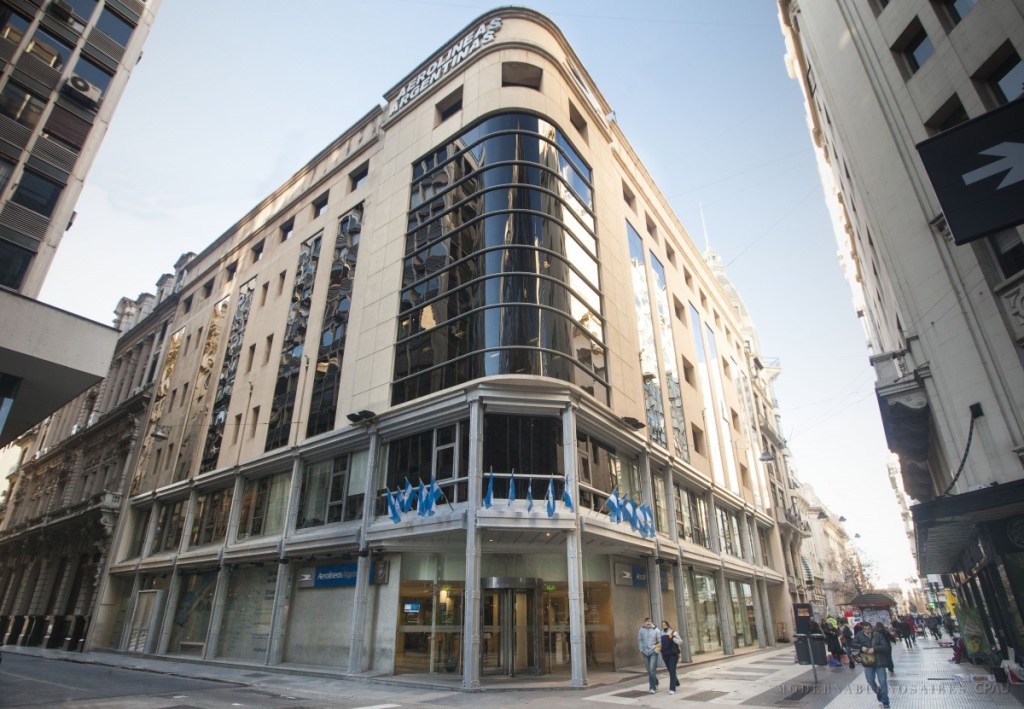
AW | 2022 11 03 10:00 | AIRLINES

Aerolíneas Argentinas alcanzaría déficit de US$ 500 Millones 2022

El CEO de Aerolíneas Argentinas, Pablo Ceriani, ha expresado los resultados económicos tentativos para el año término de 2022. El titular de la aerolínea ha expresado: “Esperamos un déficit de entre US$ 400 y US$ 500 millones para este año”. Las variables finales dependerán del número final determinado por cómo terminará el tipo de cambio y el precio del combustible, los dos principales factores que determinan los costos en el sector. Los últimos números de la empresa, correspondientes a su actividad en 2021, indican que la firma perdió US$ 438 millones ese año y que demandó transferencias públicas por AR$ 65.796 millones de Pesos.

Aerolíneas Argentinas ha confirmado que la compañía continuará en déficit operativo en 2023 y continuará requiriendo transferencias del Estado para cubrir su déficit: “Esperamos una reducción de US$ 100 millones menos que los números de este año. Aerolíneas, como todas las compañías del sector, están circunscriptas al proceso de recuperación después de la pandemia, que todavía no se terminó de producir. Nosotros estamos cerca de hacerlo”, planteó Pablo Ceriani, quien dijo que este año la compañía llegará, en el segmento de vuelos de cabotaje, a una cifra de pasajeros similar a la de 2019. “Para los vuelos internacionales será a fines del año que viene, así que ya en 2024 vamos a tener a la compañía recuperada en términos de tráfico respecto de los volúmenes anteriores a la pandemia, pero con niveles de eficiencia mayores”, dijo el titular de la compañía en el Seminario Anual de la Asociación Argentina de Presupuesto (ASAP).

El ejecutivo apuntó que el objetivo siempre es llegar al déficit cero, pero que el proceso lleva tiempo y se vincula, además, con los costos asociados al valor internacional de los combustibles y el tipo de cambio. “Requiere mejorar la infraestructura, los servicios de la compañía y mejorar la tecnología, por ejemplo, la compra de un avión lleva dos años. Los planes de negocios en el sector son a cuatro o cinco años como mínimo”, resaltó Pablo Ceriani.

Según el titular de Aerolíneas, el plan presupuestado para 2023 incluye llegar a 13 millones de pasajeros transportados y superar las marcas de 2019, aunque con una combinación diferente a la de entonces. El ejecutivo adelantó que habrá mayor participación de los viajes de cabotaje. “Están prácticamente recuperados respecto de los niveles prepandemia y vamos a estar superándolos ahora en la temporada alta de verano y una caída en los internacionales. De todas maneras, si bien el segmento regional e internacional viene con una recuperación más lenta en términos de volumen, en términos de tarifas están bastante bien; entonces, muestran niveles de rentabilidad. Estamos entusiasmados en ver que haya un crecimiento en ese mercado, con los niveles tarifarios que hay ahora, y por ahora mantienen una rentabilidad que está incluso en niveles más altos que en cabotaje. Pero lo que ocurre es que cabotaje tiene un volumen que es mucho mayor”, explicó Pablo Ceriani.

Al mismo tiempo, el titular de Aerolíneas dijo que el mercado aerocomercial argentino tiene la infraestructura como principal limitante, pero que tanto la empresa estatal, que concentra el 70% del volumen, como las competidoras, tienen espacio para crecer. “Hoy hay lugar. No estamos llegando al tope de infraestructura y hay espacio para el crecimiento. Los niveles tarifarios y de rentabilidad son razonables, con lo cual, así como vienen creciendo las low cost, tendrían que seguir haciéndolo sin mayores problemas”, expresó el CEO de Aerolíneas.

Aerolíneas debate por estatal

Aerolíneas Argentinas es una de las treinta y cuatro empresas públicas comprendidas en el Sector Público Nacional no Financiero y su caso suele ser eje del debate por el esquema operativo de estas firmas, el rol en sus mercados y su financiamiento. “Hay que sacar la discusión de las empresas públicas de la grieta. La discusión es analizar desprejuiciadamente cuál es el objetivo, a qué objetivo de política pública atienden”, sostuvo en el Seminario de ASAP el economista Nicolás Gadano, quien pasó por YPF, fue Gerente General del Banco Central y es coautor, junto a Emilio Nastri, de un informe sectorial para la Oficina de Presupuesto del Congreso (OPC). Nicolás Gadano afirmó que “no se puede aplicar una regla general de que las empresas privadas son mejores y las estatales son malas y hay que echarlos a todos. Equinor es una de las mejores empresas petroleras del mundo, está haciendo perforaciones offshore con YPF y es de control estatal noruego. ENAP, de Chile, es muy buena. Y he visto petroleras privadas malísimas y otras muy buenas, muy eficientes, que están a la vanguardia”.

Nicolás Gadano planteó que el rol de las empresas del Estado sí se diferencia de las firmas privadas en su función y su rol. “Tienen una responsabilidad de explicar y que se discuta cuál es su objetivo, y si podemos mensurar y asignar correctamente los recursos fiscales que van a financiar esa política, porque si no está claro esa discusión, siempre va a ser confusa. No solamente hay que pensar en el objetivo, sino por qué la empresa pública es la mejor solución para atender ese objetivo”, dijo el ex-Subsecretario de Presupuesto durante el Gobierno de la Alianza. Para ilustrar ese escenario, tomó el caso de Yacimientos Carboníferos Río Turbio. “Es una empresa que busca la explotación de carbón integrada a una usina térmica de generación eléctrica. Y, en definitiva, me parece que lo que está detrás es un problema de desarrollo regional”, dijo el analista, al advertir la cuestión del empleo y el desarrollo de la localidad como un problema real. “Pero hay que ver cómo se trabaja, porque desde el punto de vista del desarrollo energético no hay ningún objetivo: generar energía térmica con carbón va en contra de todas las tendencias globales, la dimensión ambiental y los compromisos que la Argentina asume a nivel internacional”, expuso Nicolás Gadano.

Aerolíneas deficit US$ 500M 2022
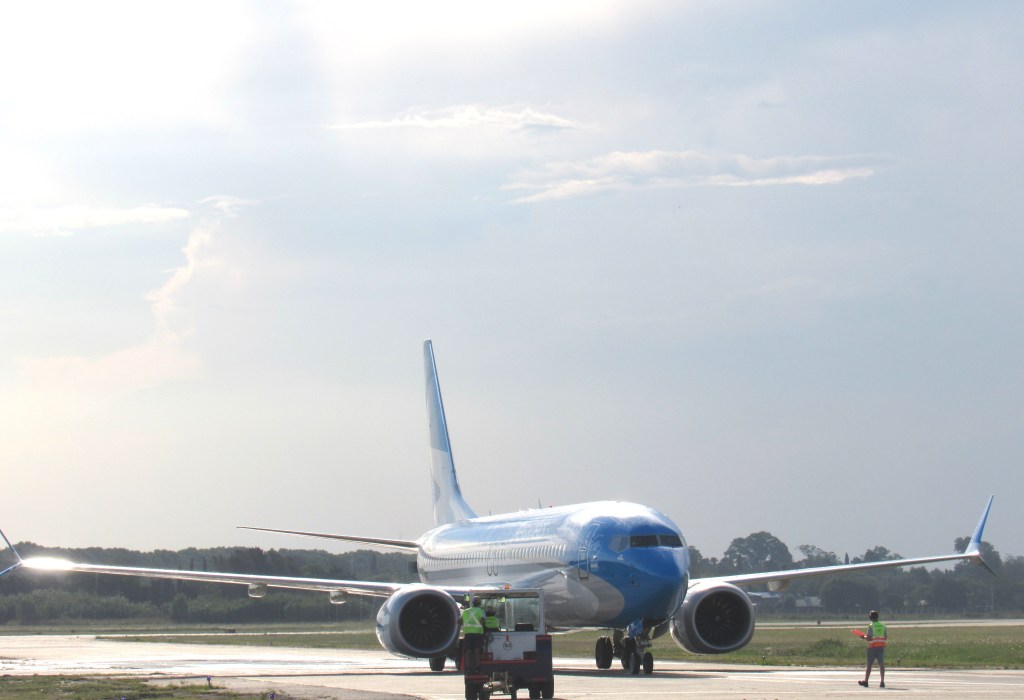
Aerolíneas Argentinas will reach a deficit of US$ 500 million in 2022

The CEO of Aerolíneas Argentinas, Pablo Ceriani, has expressed the tentative economic results for the end of 2022. The head of the airline has stated: «We expect a deficit of between US$400 and US$ 500 million for this year». The final variables will depend on the final number determined by how the exchange rate and the price of fuel will end up, the two main factors that determine costs in the sector. The latest numbers of the company, corresponding to its activity in 2021, indicate that the firm lost US$ 438 million that year and that it demanded public transfers for AR$ 65,796 million Pesos.

Aerolíneas Argentinas has confirmed that the company will continue to have an operating deficit in 2023 and will continue to require transfers from the State to cover its deficit: “We expect a reduction of US$ 100 million less than this year’s numbers. Aerolíneas, like all companies in the sector, are limited to the recovery process after the pandemic, which has not yet been completed. We are close to doing it», said Pablo Ceriani, who said that this year the company will reach, in the segment of domestic flights, a number of passengers similar to that of 2019. «For international flights it will be at the end of the year that is coming, so by 2024 we are going to have the company recovered in terms of traffic compared to pre-pandemic volumes, but with higher levels of efficiency», said the company’s head at the Annual Seminar of the Argentine Association of Budget (ASAP).

The executive pointed out that the goal is always to reach a zero deficit, but that the process takes time and is also linked to the costs associated with the international value of fuels and the exchange rate. “It requires improving the infrastructure, the company’s services and improving the technology, for example, the purchase of an airplane takes two years. The business plans in the sector are for at least four or five years”, highlighted Pablo Ceriani.

According to the head of Aerolíneas, the budgeted plan for 2023 includes reaching 13 million passengers transported and exceeding the 2019 marks, although with a different combination than then. The executive announced that there will be a greater participation of cabotage trips. “They are practically recovered from pre-pandemic levels and we are going to be surpassing them now in the high summer season and a drop in international markets. In any case, although the regional and international segment has seen a slower recovery in terms of volume, in terms of rates they are doing quite well; then, they show levels of profitability. We are excited to see that there is growth in that market, with the tariff levels that exist now, and for now they maintain a profitability that is even higher than in cabotage. But what happens is that cabotage has a volume that is much higher”, explained Pablo Ceriani.

At the same time, the head of Aerolíneas said that the Argentine commercial airline market has infrastructure as its main limitation, but that both the state company, which concentrates 70% of the volume, and its competitors, have room to grow. “Today there is room. We are not reaching the peak of infrastructure and there is room for growth. The rates and profitability levels are reasonable, with which, just as low cost companies are growing, they should continue to do so without major problems”, said the CEO of Aerolíneas.

Aerolíneas debate by state

Aerolíneas Argentinas is one of the thirty-four public companies included in the National Non-Financial Public Sector and its case is usually the focus of debate due to the operating scheme of these companies, their role in their markets and their financing. “We have to remove the discussion of public companies from the crack. The discussion is to unprejudicedly analyze what the objective is, what public policy objective they attend to», economist Nicolás Gadano, who passed through YPF, was General Manager of the Central Bank and is co-author, along with Emilio Nastri, said at the ASAP Seminar of a sectoral report for the Congressional Budget Office (OPC). Nicolás Gadano affirmed that “a general rule that private companies are better and state companies are bad cannot be applied and they must all be fired. Equinor is one of the best oil companies in the world, it is doing offshore drilling with YPF and it is Norwegian state controlled. ENAP, from Chile, is very good. And I have seen very bad private oil companies and other very good, very efficient ones that are at the forefront”.

Nicolás Gadano stated that the role of state companies does differ from private firms in their function and role. “They have a responsibility to explain and discuss what their objective is, and if we can correctly measure and allocate the fiscal resources that are going to finance that policy, because if that discussion is not clear, it will always be confusing. Not only do you have to think about the objective, but why the public company is the best solution to meet that objective”, said the former Deputy Secretary of the Budget during the Government of the Alliance. To illustrate this scenario, he took the case of the Río Turbio Carboniferous Deposits. “It is a company that seeks to exploit coal integrated into a thermal power plant. And, ultimately, it seems to me that what is behind it is a problem of regional development”, said the analyst, noting the issue of employment and the development of the locality as a real problem. “But we have to see how it works, because from the point of view of energy development there is no objective: generating thermal energy with coal goes against all global trends, the environmental dimension and the commitments that Argentina assumes at the international level”, explained Nicolás Gadano.

PUBLISHER: Airgways.com
DBk: Aerolineas.com / Airgways.com
AW-POST: 202211031000AR
OWNERSHIP: Airgways Inc.
A\W A I R G W A Y S ®


China Airlines aumentará vuelos a Palau

AW | 2022 11 02 11:47 | AIRLINES ROUTES

Aerolínea taiwanesa incrementa vuelos a Isla Palau

AW-China Airlines__Isologotype-009

China Airlines, la aerolínea con sede en Taiwán, tiene confirmó que aumentará los vuelos a Palau el 16 de Noviembre 2022. La aerolínea actualmente opera un vuelo por semana y a partir del 16/11 aumentará su frecuencia de servicio en el Ruta Taipei/TPE—Palau/ROR a dos vuelos semanales (2Frq/S), operando la ruta los Miércoles y Sábados, proporcionando a los viajeros más flexibilidad y una mejor experiencia de vuelo. La compañía utilizará su nuevo Airbus A321NEO avión de pasajeros con capacidad para 180 pasajeros en configuración de Premium Business Class (12) y en Economy Class (168).

La aerolínea es actualmente la única aerolínea que vuela la ruta Taipei/Taoyuan—Palau, y comenzó a ofrecer vuelos chárter a Palau en 2008 con servicios regulares que comienzan oficialmente en 2009. Durante la pandemia de COVID19, la aerolínea fue clave en el transporte de suministros de prevención de pandemias, estudiantes y médicos pacientes que buscan tratamiento en Taiwán. En Abril de 2021, China Las aerolíneas se asociaron con agencias de viajes taiwanesas para organizar un Burbuja de viajes Taipei—Palau y este año marcó el 14º aniversario de la apertura de la ruta Palau.

Palau, ubicado en el Pacífico Occidental, consiste en 340 islas y es rico en recursos marítimos. Palau tiene algunos de los más singulares y lugares famosos, como Milk Lake, Big Drop-off, Clam City y Coral blando, que lleva a los viajeros a descubrir lo surrealista, bajo el agua belleza del país. Milk Lake, con sus aguas Tiffany Blue, es ahora catalogado como Patrimonio de la Humanidad por la UNESCO.

China Airlines to increase flights to Palau

Taiwanese airline increases flights to Palau Island

China Airlines, the airline based in Taiwan, has confirmed that it will increase flights to Palau on November 16, 2022. The airline currently operates one flight per week and from 11/16 will increase its frequency of service on the Taipei/TPE route— Palau/ROR to two weekly flights (2Frq/S), operating the route on Wednesdays and Saturdays, providing travelers with more flexibility and a better flight experience. The company will use its new Airbus A321NEO passenger aircraft with capacity for 180 passengers in Premium Business Class configuration (12) and Economy Class (168).

The airline is currently the only airline flying the Taipei/Taoyuan—Palau route and began offering charter flights to Palau in 2008 with scheduled services officially starting in 2009. During the COVID19 pandemic, the airline was a key player in transporting pandemic prevention supplies, students, and patient doctors seeking treatment in Taiwan. In April 2021, China Airlines partnered with Taiwanese travel agencies to organize a Taipei—Palau Travel Bubble and this year marked the 14th anniversary of the opening of the Palau route.

Palau, located in the Western Pacific, consists of 340 islands and is rich in maritime resources. Palau has some of the most unique and famous places, such as Milk Lake, Big Drop-off, Clam City, and Soft Coral, leading travelers to discover the surreal, underwater beauty of the country. Milk Lake, with its Tiffany Blue waters, is now listed as a UNESCO World Heritage Site.

中國航空公司增加飛往帕勞的航班

中國航空公司增加飛往帕勞島的航班

中國航空公司已確認將於 2022 年 11 月 16 日增加飛往帕勞的航班。該航空公司目前每週運營一班航班,從 11/16 起將增加其在台北/TPE-Palau/ROR 的服務頻率每週兩班航班(2Frq/S),每週三和周六運營該航線,為旅客提供更大的靈活性和更好的飛行體驗。該公司將使用其新型空中客車 A321NEO 客機,可搭載 180 名乘客,配備高級商務艙 (12) 和經濟艙 (168)。

該航空公司是目前唯一的台北/桃園-帕勞航線,並於 2008 年開始提供飛往帕勞的包機航班,並於 2009 年正式開始定期服務。在 COVID19 大流行期間,該航空公司是運輸防疫物資的主要參與者,在台灣尋求治療的學生和病人醫生。 2021年4月,華航與台灣旅行社合作舉辦台北—帛琉旅遊泡泡會,今年是帛琉航線開通14週年。

帕勞位於西太平洋,由340個島嶼組成,海洋資源豐富。帕勞擁有一些最獨特和最著名的地方,如牛奶湖、Big Drop-off、Clam City 和 Soft Coral,帶領遊客探索這個國家超現實的水下美景。擁有蒂芙尼藍色水域的牛奶湖現已被聯合國教科文組織列為世界遺產。

PUBLISHER: Airgways.com
DBk: Chinaairlines.com / Airgways.com
AW-POST: 202211021147AR
OWNERSHIP: Airgways Inc.
A\W A I R G W A Y S ®

Turkish Airlines anuncia 28 destinos

AW | 2022 11 02 11:33 | AIRLINES ROUTES

Compañía turca serviría a 28 ciudades adicionales

Turkish Airlines ha anunciado que preparan veintiocho destinos a los que apunta desde su centro de operaciones en el Aeropuerto de Estambul/IST. Las nuevas rutas asignadas representan cinco destinos en las Américas, diez en Europa, seis en Asia-Pacífico y siete en África y Oriente Medio. Turkish Airlines no ha anunciado en detalles los destinos y frecuencias que se establecerán para cada ruta, mientras que la aerolínea continuará estudiando los servicios para darlos a conocer en breve.

Turkish Airlines announces 28 destinations

Turkish company would serve 28 additional cities

Turkish Airlines has announced that they are preparing twenty-eight destinations to target from their hub at Istanbul/IST Airport. The newly assigned routes represent five destinations in the Americas, ten in Europe, six in Asia-Pacific and seven in Africa and the Middle East. Turkish Airlines has not announced in details the destinations and frequencies that will be established for each route, while the airline will continue to study the services to announce them shortly.

Türk Hava Yolları 28 uçuş noktası duyurdu

Türk şirketi 28 şehre daha hizmet verecek

Türk Hava Yolları, İstanbul/IST Havalimanı’ndaki merkezlerinden yirmi sekiz varış noktası hedeflediklerini duyurdu. Yeni atanan güzergahlar Amerika’da beş, Avrupa’da on, Asya-Pasifik’te altı ve Afrika ve Orta Doğu’da yedi varış noktasını temsil ediyor. Türk Hava Yolları, her bir rota için oluşturulacak uçuş noktalarını ve frekanslarını ayrıntılı olarak açıklamazken, kısa süre içinde bunları duyurmak için hizmetleri incelemeye devam edecek.

PUBLISHER: Airgways.com
DBk: Turkishairlines.com / Airgways.com
AW-POST: 202211021133AR
OWNERSHIP: Airgways Inc.
A\W A I R G W A Y S ®

Iberojet lanza Madrid—Tegucigalpa

AW | 2022 11 02 11:25 | AIRLINES ROUTES

Iberojet lanza una nueva ruta Madrid—Tegucigalpa/Palmerola

AW-Iberojet-new__Isologotype

La aerolínea Iberojet del grupo Ávoris inaugurará la ruta Madrid/MAD—Palmerola-Tegucigalpa/XPL con aeronaves Airbus A350-900, uno de los más eficientes del mercado en aeronaves widebodies. Iberojet refuerza su operativa con una nueva ruta que volará desde Madrid a Tegucigalpa-Palmerola sin escalas y con dos frecuencias semanales (2Frq/S), los Miércoles y los Sábados. La ruta dará comienzo el 14 de Diciembre de 2022. Los tickets aéreos sse encuentran disponibles para la compra con precios desde € 400 Euros el trayecto.

Para la compañía, “esta ruta representa una gran oportunidad para el mercado europeo para conocer Honduras y sus países aledaños como Belice y Guatemala. El objetivo es diversificar destinos con mucho potencial y así ofrecer a los viajeros una amplia variedad de destinos por todo el mundo”.

El Subdirector General de Iberojet, Paul Verhagen, ha destacado que “con la puesta en marcha de esta exclusiva ruta desde Madrid al aeropuerto Tegucigalpa-Palmerola estamos demostrando nuestra apuesta por operativas que van más allá de los destinos clásicos, para que nuestros viajeros puedan elegir entre una amplia gama y tengan numerosas y atractivas ofertas en sus manos”.

Iberojet launches Madrid—Tegucigalpa

Iberojet launches a new Madrid-Tegucigalpa/Plmerola route

The Iberojet airline of the Ávoris group will inaugurate the Madrid/MAD—Palmerola-Tegucigalpa/XPL route with Airbus A350-900 aircraft, one of the most efficient widebody aircraft on the market. Iberojet reinforces its operations with a new route that will fly from Madrid to Tegucigalpa-Palmerola non-stop and with two weekly frequencies (2Frq/S), on Wednesdays and Saturdays. The route will start on December 14, 2022. Air tickets are available for purchase with prices starting at €400 Euros each way.

For the company, “this route represents a great opportunity for the European market to get to know Honduras and its neighboring countries such as Belize and Guatemala. The objective is to diversify destinations with a lot of potential and thus offer travelers a wide variety of destinations around the world”.

The Deputy Director General of Iberojet, Paul Verhagen, has highlighted that «with the launch of this exclusive route from Madrid to the Tegucigalpa-Palmerola airport we are demonstrating our commitment to operations that go beyond the classic destinations, so that our travelers can choose among a wide range and have numerous and attractive offers in their hands”.

PUBLISHER: Airgways.com
DBk: Iberjet.com / Airgways.com
AW-POST: 202211021125AR
OWNERSHIP: Airgways Inc.
A\W A I R G W A Y S ®
Contour vuelos a Greenbier Valley

AW | 2022 11 02 11:17 | AIRLINES ROUTES

Contour Airlines lanza vuelos a Greenbrier Valley

Contour Airlines_Isologotype

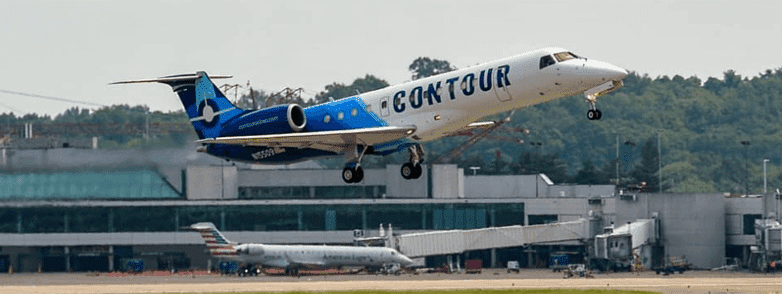
La aerolínea regional estadounidense Contour Airlines ha comenzado a volar al Aeropuerto Greenbrier Valley/LWB en Lewisburg, Virginia (VA). A partir del 1 de Noviembre de 2022, la aerolínea ofrece vuelos diarios al Aeropuerto Internacional Charlotte Douglas/CLT. La aerolínea regional ha anunciado que continuará proporcionando conectividad vital al aeropuerto de Lewisburg, Virginia.

El Departamento de Transporte (DOT) de los Estados Unidos clasifica la ruta como un servicio aéreo esencial, que proporciona conectividad vital a la región. Esto significaba que el operador anterior, SkyWest Airlines, estaba obligado a continuar los servicios hasta que se encontrara una compañía alternativa o hasta que se agotara su contrato.

Contour Airlines volará diariamente entre el Aeropuerto Greenbrier Valley y el Aeropuerto Internacional Charlotte Douglas, con el siguiente horario: Vuelo LF3852 sale de Charlotte a las 11:55 y llega a Lewisburg a las 13:10. Vuelo LF3851 sale de Lewisburg a las 15:35 y llega a Charlotte a las 17:00. Los vuelos serán operados por uno de los aviones Embraer E135 de la aerolínea.

Contour Airlines tiene un acuerdo interlínea con American Airlines, lo que significa que los pasajeros pueden conectarse a una amplia variedad de destinos, con equipaje facturado hasta su destino final y con protección contra retrasos y cancelaciones. Desde su centro de operaciones en el Aeropuerto Internacional Charlotte Douglas, American Airlines opera un número significativo de vuelos a través de América del Norte y un puñado de servicios transatlánticos, incluyendo Londres/Heathrow/LHR, Frankfurt/FRA y un servicio estacional a Madrid/MAD.

El Director del Aeropuerto de Greenbrier Valley, Brian Belcher, describió sus esperanzas de un aumento en el número de pasajeros como resultado del nuevo servicio, diciendo: «Espero que podamos atraer a personas no solo de esta comunidad local, sino de más lejos. Creemos que somos el aeropuerto que puede servir a la parte occidental de Virginia porque estamos muy cerca. Nos gustaría ver a esos clientes usar el aeropuerto».

Contour Airlines comenzó a operar en Marzo de 2016 y actualmente vuela a diecisiete destinos en todo Estados Unidos. La flota de trece (13) aviones de la aerolínea está compuesta por aviones Embraer E135 y E145. Todos los pasajeros de Contour Airlines se benefician de la selección gratuita de asientos y una pieza de equipaje facturado en todas las clases de tarifas. A bordo, también reciben un servicio gratuito de refrigerios y bebidas a bordo.

El CEO de Contour Airlines, Matt Chaifetz, destacó la comodidad de la aerolínea, afirmando: «Creo que a la gente le encantará nuestro avión. Hemos eliminado filas de asientos y reespaciado las filas para que cada fila tenga 36 pulgadas de espacio para las piernas, que es aproximadamente lo que obtendría en primera clase en la mayoría de los vuelos nacionales».

Los vuelos de Contour Airlines entre el Aeropuerto Greenbrier Valley y el Aeropuerto Internacional Charlotte Douglas continuarán brindando conectividad vital, ofreciendo a los residentes y empresas locales una amplia variedad de servicios integrales con American Airlines y abriendo la región a los visitantes.

Contour flights to Greenbier Valley

Contour Airlines launches flights to Greenbrier Valley

AW-Contour Airlines_E135-001

US regional airline Contour Airlines has started flying to Greenbrier Valley Airport/LWB in Lewisburg, Virginia (VA). As of November 1, 2022, the airline offers daily flights to Charlotte Douglas International Airport/CLT. The regional airline has announced that it will continue to provide vital connectivity to the Lewisburg, Virginia airport.

The United States Department of Transportation (DOT) classifies the route as an essential air service, providing vital connectivity to the region. This meant that the previous carrier, SkyWest Airlines, was obliged to continue services until an alternative carrier was found or until its contract ran out.

Contour Airlines will fly daily between Greenbrier Valley Airport and Charlotte Douglas International Airport, on the following schedule: Flight LF3852 departs Charlotte at 11:55 AM and arrives in Lewisburg at 01:10 PM. Flight LF3851 departs Lewisburg at 03:35 PM and arrives in Charlotte at 05:00 PM. The flights will be operated by one of the airline’s Embraer E135 aircraft.

Contour Airlines has an interline agreement with American Airlines, which means passengers can connect to a wide variety of destinations, with checked bags to their final destination, and with protection against delays and cancellations. From its hub at Charlotte Douglas International Airport, American Airlines operates a significant number of flights across North America and a handful of transatlantic services, including London/Heathrow/LHR, Frankfurt/FRA, and seasonal service to Madrid/MAD.

Greenbrier Valley Airport Director Brian Belcher outlined his hopes for an increase in passenger numbers as a result of the new service, saying, «I hope we can attract people not only from this local community, but from further afield. We believe that we’re the airport that can serve the western part of Virginia because we’re so close. We’d like to see those customers use the airport».

Contour Airlines began operations in March 2016 and currently flies to seventeen destinations throughout the United States. The airline’s fleet of thirteen (13) aircraft is comprised of Embraer E135 and E145 aircraft. All Contour Airlines passengers benefit from free seat selection and one piece of checked baggage in all fare classes. On board, they also receive a free service of snacks and drinks on board.

Contour Airlines CEO Matt Chaifetz highlighted the airline’s comfort, stating, «I think people will love our plane. We’ve eliminated rows of seats and respaced rows so each row has 36 inches of legroom, which is about what you’d get in first class on most domestic flights».

Contour Airlines flights between Greenbrier Valley Airport and Charlotte Douglas International Airport will continue to provide vital connectivity, offering local residents and businesses a wide variety of comprehensive services with American Airlines and opening up the region to visitors.

PUBLISHER: Airgways.com
DBk: Contourairlines.com / Airgways.com
AW-POST: 202211021117AR
OWNERSHIP: Airgways Inc.
A\W A I R G W A Y S ®
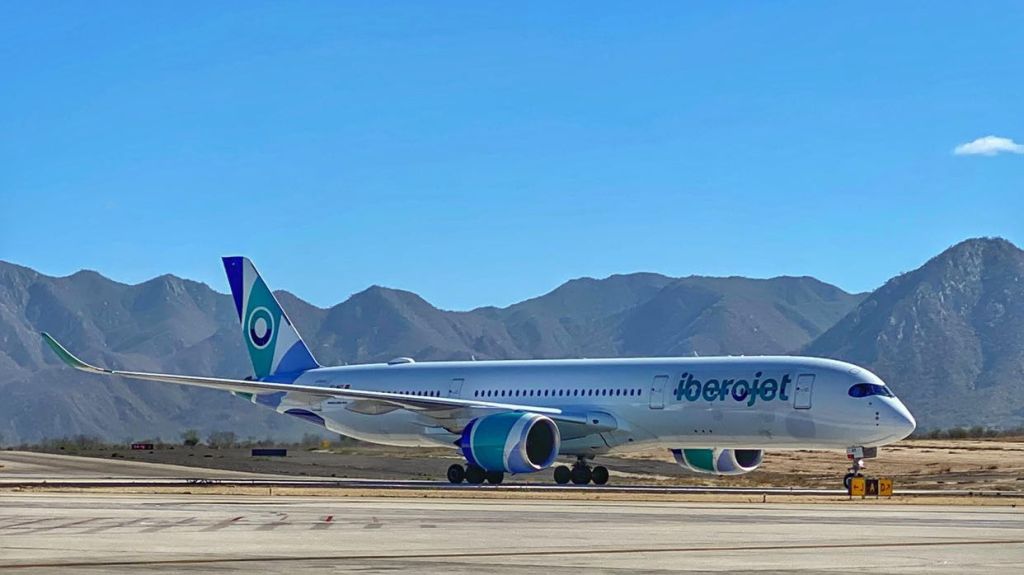
Finnair inaugura vuelos Helsinki-Tokio

AW | 2022 11 02 10:24 | AIRLINES ROUTES

Finnair inaugura vuelos a Tokio-Haneda

AW-Finnair_Isologotype

La aerolínea finlandesa Finnair ha inaugurado sus vuelos Helsinki/HEL—Tokio-Haneda/HND el Domingo 30/10. El conveniente aeropuerto Haneda de Tokio ha alcanzado un nuevo servicio diario desde Helsinki cambiando su servicio diario de Narita a Haneda. Narita retendrá dos vuelos semanales desde Helsinki, haciendo nueve vuelos semanales en total. Como era de esperar de una aerolínea de sexta libertad, los horarios de Finnair están programados para vuelos de conexión. El vuelo diario Helsinki/HEL—Tokyo-Haneda/HND sale de 17:55 y llega al día siguiente a las 14:25 [+1]. El vuelo a Helsinki sale de Haneda a las 21:55 para aterrizar al día siguiente a las 04:25 [+1].

Con Japón dando la bienvenida a los visitantes extranjeros, las aerolíneas están comenzando a relanzar los servicios. La aerolínea británica British Airways ha anunciado en 09/2022 que reiniciará los servicios a Tokio-Haneda el 13 de Noviembre de 2022. Ahora llega la noticia de que Finnair aumentará sus servicios a Tokio-Haneda de siete a nueve vuelos semanales (9Frq/S) con su primer vuelo el 30/10. El tiempo de vuelo es de 13 horas y 30 minutos en ambas direcciones.

Andrew Fish, gerente general de Finnair en el Reino Unido, dijo: «Sabemos que los clientes apreciarán el regreso de la ruta norte más corta entre Europa y Japón, incluso con el cierre del espacio aéreo ruso y las conexiones rápidas entre vuelos en Helsinki».

Actualmente, Japan Airlines y ANA Airways operan la ruta. Los tiempos de vuelo varían dependiendo de la dirección de viaje. Las aerolíneas han desarrollado las rutas más largas evitando el espacio aéreo ruso mientras que continúan planificando una reducción de los tiempos entre ambas ciudades.

Finnair inaugurates Helsinki-Tokyo flights

Finnair inaugurates flights to Tokyo-Haneda

The Finnish airline Finnair has inaugurated its Helsinki/HEL—Tokyo-Haneda/HND flights on Sunday 10/30. Tokyo’s convenient Haneda Airport has achieved a new daily service from Helsinki by changing its daily service from Narita to Haneda. Narita will retain two weekly flights from Helsinki, making nine weekly flights in total. As you would expect from a sixth freedom airline, Finnair’s schedules are scheduled for connecting flights. The daily flight Helsinki/HEL—Tokyo-Haneda/HND departs at 17:55 and arrives the next day at 14:25 [+1]. The flight to Helsinki leaves Haneda at 21:55 to land the next day at 04:25 [+1].

With Japan welcoming foreign visitors, airlines are beginning to relaunch services. The British airline British Airways has announced on 09/2022 that it will restart services to Tokyo-Haneda on November 13, 2022. Now comes the news that Finnair will increase its services to Tokyo-Haneda from seven to nine weekly flights (9Frq/S ) with its first flight on 10/30. Flight time is 13 hours and 30 minutes in both directions.

Andrew Fish, Finnair UK General Manager, said: «We know customers will appreciate the return of the shortest northern route between Europe and Japan, even with the closure of Russian airspace and fast connections between flights in Helsinki».

Currently, Japan Airlines and ANA Airways operate the route. Flight times vary depending on direction of travel. Airlines have developed the longest routes avoiding Russian airspace while continuing to plan for reduced times between the two cities.

Finnair vihkii Helsinki-Tokio-lennot

Finnair vihkii lennot Tokio-Hanedaan

AW-Finnair_Isologotype_001

Suomalainen lentoyhtiö Finnair on vihkinyt Helsinki/HEL-Tokio-Haneda/HND-lennot käyttöön sunnuntaina 30.10. Tokion kätevä Hanedan lentoasema on saavuttanut uuden päivittäisen palvelun Helsingistä vaihtamalla päivittäisen lentonsa Naritalta Hanedaan. Narita säilyttää kaksi viikoittaista lentoa Helsingistä eli yhteensä yhdeksän viikoittaista lentoa. Kuten kuudennen vapauden lentoyhtiöltä voi odottaakin, Finnairin aikataulut ovat jatkolennoilla. Päivittäinen lento Helsinki/HEL—Tokio-Haneda/HND lähtee klo 17.55 ja saapuu seuraavana päivänä klo 14.25 [+1]. Lento Helsinkiin lähtee Hanedalta klo 21.55 ja laskeutuu seuraavana päivänä klo 04.25 [+1].

Kun Japani toivottaa ulkomaisia ​​vierailijoita tervetulleeksi, lentoyhtiöt alkavat käynnistää palveluja uudelleen. Brittiläinen lentoyhtiö British Airways ilmoitti 09/2022 aloittavansa lennot Tokio-Hanedaan 13.11.2022. Nyt tulee uutinen, että Finnair lisää lentojaan Tokio-Hanedaan seitsemästä viikoittaiseen yhdeksään lennolle (9Frq/S) ensimmäisellä lennolla 30.10. Lentoaika on 13 tuntia ja 30 minuuttia molempiin suuntiin.

Finnairin Iso-Britannian pääjohtaja Andrew Fish sanoi: «Tiedämme, että asiakkaat arvostavat lyhimmän pohjoisen reitin paluuta Euroopan ja Japanin välillä, vaikka Venäjän ilmatila suljettaisiin ja Helsingin lentojen välillä olisi nopeat yhteydet».

Tällä hetkellä reittiä liikennöivät Japan Airlines ja ANA Airways. Lentoajat vaihtelevat matkasuunnan mukaan. Lentoyhtiöt ovat kehittäneet pisimmät reitit välttäen Venäjän ilmatilaa samalla kun suunnittelevat edelleen lyhennettyjä aikoja kahden kaupungin välillä.

PUBLISHER: Airgways.com
DBk: Finnair.com / Airgways.com
AW-POST: 202211021024AR
OWNERSHIP: Airgways Inc.
A\W A I R G W A Y S ®

Satélite ESA Biomass

AW | 2022 11 02 10:07 | AEROSPACE SCIENCE

Satélite monitoreo forestal parte pruebas finales antes lanzamiento

600px-ESA_logo_simple.svg

Biomass, el satélite de medición de bosques de la Agencia Espacial Europea (ESA), ha dejado las instalaciones de Airbus Defence and Space en Stevenage y se dirige a Toulouse para realizar las pruebas finales antes del lanzamiento. El completo programa de pruebas ambientales para la nave espacial incluirá pruebas de vacío térmico, vibraciones mecánicas, pruebas de compatibilidad acústica y electromagnética para replicar las condiciones durante el lanzamiento y el duro entorno en órbita.

Ante los desafíos de producción y fabricación causados ​​por la pandemia, el equipo de Stevenage completó con éxito la integración mecánica y eléctrica y las pruebas del sistema de propulsión, el arnés y todo el equipo de aviónica de la nave espacial. El equipo también adjuntó y completó las pruebas de despliegue del gran reflector desplegable e integró el instrumento de radar dentro del satélite, finalizando la finalización mecánica de la nave espacial.

Richard Franklin, Director Gerente de Airbus Defence and Space UK, dijo: “La biomasa podrá medir los bosques del mundo a escala global, una verdadera primicia mundial. Brindará a los científicos información vital sobre la cantidad de carbono encerrado y también absorbido por los «pulmones» del planeta, lo que permitirá tomar mejores decisiones para abordar el cambio climático. Este último hito se basa en los éxitos de las misiones anteriores de la ESA Sentinel-5P y Aeolus, lo que confirma a Airbus como líder en la fabricación de satélites de observación de la Tierra y monitoreo ambiental”.

El Dr. Paul Bate, CEO de la Agencia Espacial del Reino Unido, dijo: “Es emocionante ver la misión forestal de la ESA, Biomass, construida con el respaldo de la Agencia Espacial del Reino Unido, partiendo para prepararse para su misión. Es el primer satélite capaz de estudiar los bosques del mundo en tres dimensiones, proporcionando datos valiosos sobre cómo almacenan carbono. Con esta información, las organizaciones y las autoridades de todo el mundo podrán medir los cambios clave en nuestros bosques, predecir cuál será el impacto y tomar medidas tempranas para prepararse o incluso corregirlo, así como trabajar para lograr un cero neto crítico. objetivos Este es un programa innovador que ha sido posible gracias a la experiencia del Reino Unido en la ciencia de la observación de la Tierra y estamos orgullosos de ser parte de él”.

La misión insignia Earth Explorer de la ESA medirá la biomasa forestal para evaluar las reservas y los flujos de carbono terrestre a una altitud de 600 km sobre la Tierra. La nave espacial llevará el primer radar de apertura sintética de Banda P transportado por el espacio, que entregará mapas excepcionalmente precisos de la biomasa de los bosques tropicales, templados y boreales que no se pueden obtener mediante técnicas de medición terrestres. Veinte ingenieros del equipo con base en el Reino Unido liderarán la campaña de prueba en Toulouse, con el apoyo de colegas en el sitio y de Airbus en Friedrichshafen. Además de las pruebas, el equipo del Reino Unido se preparará para las fases operativas y de puesta en servicio en órbita, con un equipo separado que gestionará la entrega del transpondedor de calibración en tierra, ubicado en New Norcia, Australia. El Biomass se lanzará desde Kourou, Guayana Francesa, en un cohete Vega en 2024, y está programado para operar durante cinco años.

ESA Biomass Satellite

ESA.openaccess

Forest monitoring satellite part for final tests before launch

Airbus_Isologotype_svg

Biomass, the European Space Agency‘s (ESA) forest-measuring satellite, has left the Airbus Defense and Space facility in Stevenage and is headed to Toulouse for final testing before launch. The comprehensive environmental testing program for the spacecraft will include thermal vacuum testing, mechanical vibration testing, electromagnetic and acoustic compatibility testing to replicate conditions during launch and the harsh environment in orbit.

Facing production and manufacturing challenges caused by the pandemic, the Stevenage team successfully completed mechanical and electrical integration and testing of the spacecraft’s propulsion system, harness and all avionics equipment. The team also attached and completed deployment tests for the large deployable reflector and integrated the radar instrument within the satellite, finalizing the mechanical completion of the spacecraft.

Richard Franklin, Managing Director of Airbus Defense and Space UK, said: “Biomass will be able to measure the world’s forests on a global scale, a true world first. It will provide scientists with vital information about the amount of carbon locked up and also absorbed by the «lungs» of the planet, allowing better decisions to be made to address climate change. This latest milestone builds on the successes of previous ESA Sentinel-5P and Aeolus missions, confirming Airbus as a leading manufacturer of Earth observation and environmental monitoring satellites”.

Dr Paul Bate, CEO of the UK Space Agency, said: “It is exciting to see ESA’s forestry mission, Biomass, built with the support of the UK Space Agency, leaving to prepare for its mission. It is the first satellite capable of studying the world’s forests in three dimensions, providing valuable data on how they store carbon. With this information, organizations and authorities around the world will be able to measure key changes to our forests, predict what the impact will be, and take early action to prepare for or even correct it, as well as work towards critical net zero. Objectives This is an innovative program made possible by the UK’s expertise in Earth observation science and we are proud to be part of it”.

ESA’s flagship Earth Explorer mission will measure forest biomass to assess terrestrial carbon stocks and fluxes at an altitude of 600 km above Earth. The spacecraft will carry the first space-borne P-Band synthetic aperture radar, which will deliver exceptionally accurate maps of tropical, temperate and boreal forest biomass that cannot be obtained by ground-based measurement techniques. Twenty engineers from the UK-based team will lead the test campaign in Toulouse, supported by colleagues on site and from Airbus in Friedrichshafen. In addition to testing, the UK team will prepare for the in-orbit commissioning and operational phases, with a separate team managing the delivery of the calibration transponder on the ground, located in New Norcia, Australia. The Biomass will launch from Kourou, French Guiana, on a Vega rocket in 2024, and is scheduled to operate for five years.

PUBLISHER: Airgways.com
DBk: Esa.int / Airbus.com / Airgways.com
AW-POST: 202211021007AR
OWNERSHIP: Airgways Inc.
A\W A I R G W A Y S ®

MHI automatiza línea Boeing 777

AW | 2022 11 02 00:11 | INDUSTRY

Mitsubishi automatiza producción del fuselaje Boeing 777

Mitsubishi Aircraft Corporation_Isologotype

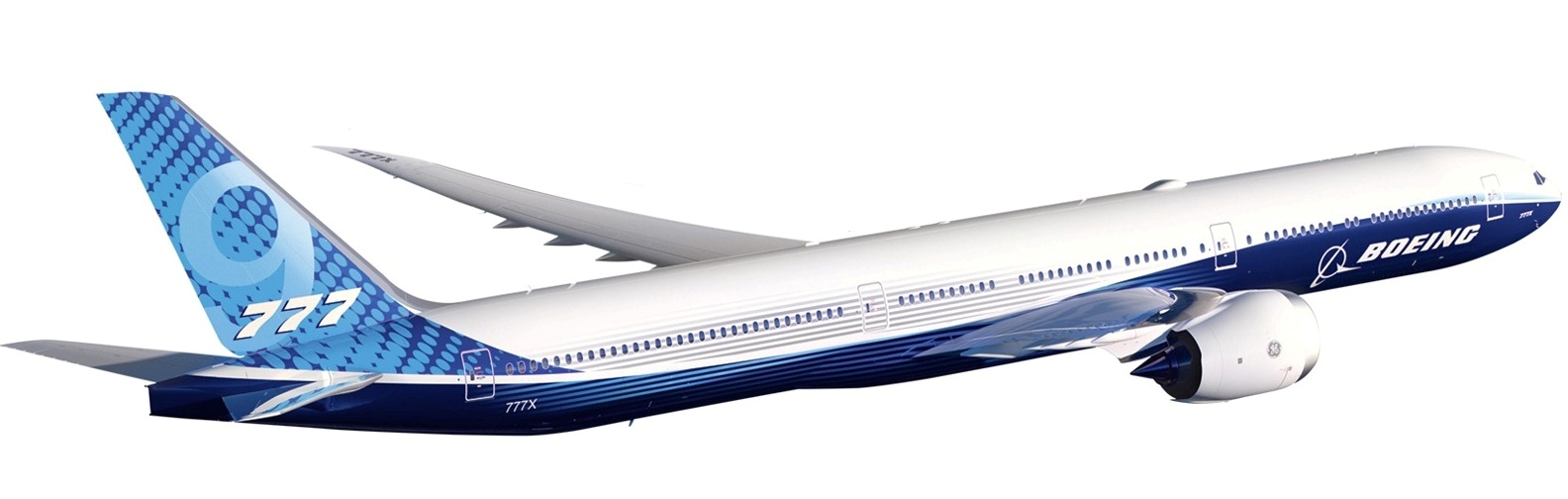
Boeing 777X Program

Mitsubishi Heavy Industries Ltd. (MHI) ensambla paneles del fuselaje del Boeing 777 en Hiroshima, Japón, y los envía a la fábrica de aviones de fuselaje ancho de Boeing en Everett, WA. Para mejorar la productividad y aumentar la calidad, el fabricante de aviones ha instalado recientemente un sistema de fijación automatizado suministrado por Broetje-Automation GmbH. El avión Boeing 777 es la columna vertebral de muchas aerolíneas internacionales. El caballo de batalla confiable, que se ha utilizado en vuelos de larga distancia durante tres décadas, se produce en varias variantes. Los fuselajes de aluminio de 20 pies de ancho de la aeronave varían de 209 a 242 pies de largo.

«[El sistema es] una de las líneas de producción más avanzadas de la industria aeroespacial. La instalación de ensamblaje de paneles digitalmente interconectada y altamente flexible establece nuevos estándares en términos de calidad y eficiencia», afirma Jonas Wermter, Gerente de Cuentas clave de Broetje-Automation GmbH.

Dos líneas de producción de última generación incluyen nueve sistemas de fijación principales que mejoran la flexibilidad y el rendimiento. El objetivo del proyecto de varios años era crear un sistema de ensamblaje automatizado que pueda adaptarse rápidamente a las fluctuaciones de producción y reducciones de costos. Un concepto de línea de flujo permite a MHI ensamblar múltiples tipos de paneles en diferentes tamaños y formas en la misma línea, al tiempo que mejora significativamente el rendimiento y la calidad.

Tradicionalmente, la industria aeroespacial ha tardado en automatizarse. «[Esto se debe a que los fabricantes exigen niveles extremadamente precisos] de precisión y calidad. Los aviones comerciales son productos grandes y complejos. El número total de aviones producidos anualmente también es significativamente bajo en comparación con otros sectores manufactureros, como la automoción o los bienes de consumo. Solo una pequeña parte de todo el proceso de producción está automatizado. Debido a los procesos complejos [y las tolerancias ajustadas], a menudo es necesario combinar el trabajo automático y manual en una estación de trabajo. La automatización de líneas enteras es [rara] en el sector aeroespacial. Sin embargo, las nuevas tecnologías digitales, la colaboración hombre-máquina y las [herramientas] de la Industria 4.0 están cambiando ese escenario», dice Jonas Wermter.

Desafíos de automatización

Según Jonas Wermter, los ingenieros aeroespaciales enfrentan varios desafíos al automatizar las aplicaciones de ensamblaje del fuselaje de aeronaves. «Un gran desafío es la corrección automática de los programas digitales correspondientes a la parte real para mantenerse dentro de las tolerancias estrictas. Debido al gran tamaño y la dependencia previa de los pasos de ensamblaje manual, cada parte es ligeramente diferente al archivo digital. En consecuencia, la máquina necesita ajustar su programación a la forma real de cada pieza. Utilizamos un sistema de sensores integral en las máquinas que alimentan un gemelo digital para adaptar la programación a cada parte», explica Jonas Wermter.

Otro desafío es equilibrar el rendimiento de las partes automáticas de la línea junto con las fluctuaciones manuales sin ralentizar la línea. Para abordar eso, los ingenieros de Broetje desarrollaron una serie de herramientas digitales, como el programa BA Job Control del sistema de gestión de línea para respaldar la gestión dinámica de toda la línea.

Además, se producen altas fuerzas dentro del proceso de fijación durante la unión de los fuselajes internos y externos (ensamblaje de piel) en las celdas de ensamblaje de paneles múltiples (MPAC) de Broetje-Automation GmbH. Las máquinas pueden remachar automáticamente largueros, costillas, paneles de piel y conchas.

«Nos referimos a la pieza a través de los sensores de posicionamiento BA-SCALE. Entonces, el sistema interno (esclavo) sigue al sistema externo (maestro), asegurando una normalidad estricta para la instalación de sujetadores Hi-Lok desde el exterior. El collar se toma en el eje del sujetador desde el interior, apretándolo para la conexión final. Para la fijación de las estructuras internas (ensamblaje marco-clip), utilizamos una de nuestras máquinas especialmente diseñadas para perforar e instalar las conexiones sin perder la posición dentro de las tolerancias de la aeronave. Estas tolerancias están más allá de las tolerancias de los robots estándar. Por lo tanto, utilizamos sistemas robóticos especialmente diseñados y máquinas basadas en control numérico llamadas células de ensamblaje de clip de marco (FRAC) para esta tarea», dijo Jonas Wermter.

En el pasado, MHI utilizaba máquinas de fijación estacionarias estándar. En lugar de simplemente agregar capacidad adicional para el nuevo programa, el equipo de ingeniería repensó completamente toda la línea de producción, incluidos los pasos del proceso aguas arriba y aguas abajo, así como la integración digital en el sistema de ejecución de fabricación. Esto permite a MHI tener siempre un sistema de producción optimizado que se puede visualizar en un MES a través del sistema de gestión de línea. Todos los datos de producción pueden ser monitoreados en tiempo real por técnicos y gerentes. También incluye informes de calidad y análisis de procesos. «Este valor supera con creces los requisitos técnicos y subraya la excelente calidad del sistema», afirma Jonas Wermter.

Las dos nuevas líneas de ensamblaje incorporan seis MPAC que utilizan las últimas tecnologías de fijación, como los cambiadores automáticos de herramientas inferiores y el proceso de compresión activa de la cabeza superior recientemente desarrollado para reducir drásticamente el espacio del vástago. Además, tres FRAC completan las líneas equipadas con ejes de apilamiento para un montaje más rápido y de alta precisión de la estructura interna de los paneles del fuselaje. «El nivel de trabajo de estas máquinas se redujo gracias a una configuración innovadora de la máquina que proporciona una buena accesibilidad y permite un mantenimiento ergonómico. Este concepto [también] proporciona una mayor precisión y rigidez en comparación con los sistemas robóticos industriales convencionales», dice Jonas Wermter. Esto aumenta la eficiencia, al tiempo que mantiene a los operadores seguros y saludables.

Integración de fábrica inteligente

Se logró una mejora importante en el rendimiento con el uso del sistema de programación fuera de línea de Broetje-Automation (SOUL OLPS) y la funcionalidad de control de trabajos. «Permite [a los ingenieros de MHI] administrar activamente los programas NC entre diferentes máquinas y de acuerdo con el gemelo digital. Esto hace que la programación y la reactividad sean mucho más flexibles y evita tiempos de inactividad innecesarios para las máquinas. Combinado con el sistema de gestión de línea, mejora el rendimiento», explica el Gerente de Cuentas clave de Broetje-Automation GmbH.

Todos los sistemas de fijación están interconectados digitalmente y totalmente integrados. Basado en la combinación de un gemelo digital, una integración completa de Siemens Sinumerik 840D y SOUL OLPS V55 de Broetje, se puede realizar una simulación en vivo de todos los programas NC, incluso durante el ciclo de programación. «Esto acelera la programación. Con datos reales de NC-machine, también es posible evitar [problemas potenciales] y riesgos de colisión para mantener el nivel de calidad alto y los costos de producción bajos. La fábrica del futuro tendrá que ver con la flexibilidad. Cada máquina tiene que tener la capacidad de interactuar digitalmente con el resto de la línea y viceversa. Esto requiere algunos complementos de software, pero también una gran cantidad de capacidad de hardware dentro de cada máquina, como los sistemas de sensores correctos, la potencia informática en la máquina y el sistema de gestión correcto. Además, la interfaz hombre-máquina debe permitir a [los operadores] mantener una visión general completa de toda la línea. Una función especial es la capacidad de intercambiar programas NC entre las diferentes máquinas dentro de la línea. Después de que una máquina ha comenzado la ejecución de un panel, el sistema de gestión de línea puede intercambiar o mover el trabajo a otra máquina, ejecutando sin problemas la parte donde la máquina anterior se ha detenido», expresa Jonas Wremter. Esto permite un flujo de línea suave y un equilibrio más fácil entre las máquinas. También afecta al rendimiento general.

«La integración MES digital de ambas líneas con [nuestro] sistema de gestión de línea conduce a una integración exitosa de los componentes complejos de la línea de ensamblaje hacia la fábrica del futuro. Los programas NC intercambiables y la recopilación detallada de datos garantizan una visibilidad completa de cada estado de producción en tiempo real», dijo Jonas Wremter. El software de control de trabajo SOUL permite la reorganización de las órdenes de trabajo para las máquinas a través de una red troncal digital interconectada, si es necesario. Los programas NC se pueden compartir y redistribuir entre varias máquinas para optimizar el rendimiento y la eficiencia general del equipo de toda la línea. Los gemelos digitales también ayudan a mejorar las operaciones en la fábrica de MHI en Hiroshima.

«La mayor influencia se pudo ver en acelerar los tiempos de programación de NC. Debido a que podemos usar los datos reales de cada parte, la programación ahora es hasta cuatro veces más rápida para MHI. [Con] simulación inicial y detección de colisiones fuera de línea, ya casi no se necesitan pruebas en seco. La fiabilidad es mucho mayor tanto para la máquina como para toda la línea», finaliza el Gerente de Cuentas de Broetje-Automation GmbH, Jonas Wremter.

MHI automates Boeing 777 line

Mitsubishi automates production of Boeing 777 fuselage

Mitsubishi_logo.svg

Mitsubishi Heavy Industries Ltd. (MHI) assembles Boeing 777 fuselage panels in Hiroshima, Japan, and ships them to Boeing’s wide-body aircraft factory in Everett, WA. To improve productivity and increase quality, the aircraft manufacturer has recently installed an automated clamping system supplied by Broetje-Automation GmbH. The Boeing 777 aircraft is the backbone of many international airlines. The reliable workhorse, which has been used on long-haul flights for three decades, is produced in several variants. The aircraft’s 20-foot-wide aluminum fuselages range from 209 to 242 feet in length.

«[The system is] one of the most advanced production lines in the aerospace industry. The highly flexible, digitally interconnected panel assembly facility sets new standards in terms of quality and efficiency», says Jonas Wermter, Key Account Manager at Broetje-Automation GmbH.

Boeing-777X-002

Two state-of-the-art production lines include nine main fastening systems that improve flexibility and performance. The goal of the multi-year project was to create an automated assembly system that can quickly adapt to production fluctuations and cost reductions. A flow line concept allows MHI to assemble multiple types of panels in different sizes and shapes on the same line, while significantly improving throughput and quality.

Traditionally, the aerospace industry has been slow to automate. «[This is because manufacturers demand extremely precise levels] of precision and quality. Commercial aircraft are large and complex products. The total number of aircraft produced annually is also significantly low compared to other manufacturing sectors, such as automotive or consumer goods Only a small part of the entire production process is automated Due to complex processes [and tight tolerances], it is often necessary to combine automatic and manual work at one workstation Line automation is [rare] in aerospace. However, new digital technologies, human-machine collaboration and Industry 4.0 [tools] are changing that scenario», says Jonas Wermter.

Automation challenges

According to Jonas Wermter, aerospace engineers face several challenges when automating aircraft fuselage assembly applications. «A big challenge is automatically correcting the digital programs corresponding to the actual part to stay within tight tolerances. Due to the large size and prior reliance on manual assembly steps, each part is slightly different than the digital file. In Consequently, the machine needs to adjust its programming to the actual shape of each part. We use an integral sensor system on the machines that feed a digital twin to adapt the programming to each part», explains Jonas Wermter.

Another challenge is balancing the performance of the automatic parts of the line alongside the manual fluctuations without slowing down the line. To address that, Broetje engineers developed a number of digital tools, such as the line management system’s BA Job Control program to support dynamic management of the entire line.

In addition, high forces are produced within the clamping process during the joining of the inner and outer fuselages (skin assembly) in the Multi-Panel Assembly Cells (MPAC) of Broetje-Automation GmbH. The machines can automatically rivete stringers, ribs, skin panels and shells.

«We refer to the part through the BA-SCALE positioning sensors. So the internal (slave) system follows the external (master) system, ensuring strict normalcy for the installation of Hi-Lok fasteners from the outside. collar is taken on the fastener shaft from the inside, tightening it for the final connection. For fixing the internal structures (frame-clip assembly), we use one of our specially designed machines to drill and install the connections without losing position inside of aircraft tolerances. These tolerances are beyond the tolerances of standard robots. Therefore, we use specially designed robotic systems and numerical control-based machines called Frame Clip Assembly Cells (FRAC) for this task», Jonas Wermter said.

In the past, MHI used standard stationary fastening machines. Instead of simply adding additional capacity for the new program, the engineering team completely rethought the entire production line, including upstream and downstream process steps, as well as digital integration into the manufacturing execution system. This allows MHI to always have an optimized production system that can be viewed on an MES through the line management system. All production data can be monitored in real time by technicians and managers. It also includes quality reports and process analysis. «This value far exceeds the technical requirements and underlines the excellent quality of the system», says Jonas Wermter.

The two new assembly lines incorporate six MPACs utilizing the latest fastening technologies such as automatic bottom tool changers and the newly developed top head active compression process to dramatically reduce shank clearance. Additionally, three FRACs complete the lines equipped with stacking shafts for faster, high-precision assembly of the internal structure of the fuselage panels. «The workload of these machines was reduced thanks to an innovative machine configuration that provides good accessibility and enables ergonomic maintenance. This concept [also] provides greater precision and rigidity compared to conventional industrial robotic systems», Jonas Wermter says. This increases efficiency, while keeping operators safe and healthy.

Smart factory integration

A significant performance improvement was achieved with the use of Broetje-Automation’s Offline Programming System (SOUL OLPS) and job control functionality. «It enables [MHI engineers] to actively manage NC programs between different machines and according to the digital twin. This makes programming and reactivity much more flexible and avoids unnecessary machine downtime. Combined with the line management system, improves performance», explains the Key Account Manager of Broetje-Automation GmbH.

All fastening systems are digitally interconnected and fully integrated. Based on the combination of a digital twin, a complete integration of Siemens Sinumerik 840D and SOUL OLPS V55 from Broetje, live simulation of all NC programs can be performed, even during the programming cycle. «This speeds up programming. With real NC-machine data, it’s also possible to avoid [potential problems] and collision risks to keep quality high and production costs low. The factory of the future will be all about flexibility. Each machine has to have the ability to digitally interface with the rest of the line and vice versa. This requires some software add-ons, but also a lot of hardware capability within each machine, like the right sensor systems, the power information on the machine and the correct management system In addition, the human-machine interface must allow [the operators] to maintain a complete overview of the entire line A special function is the ability to exchange NC programs between the different machines within After a machine has started running a panel, the line management system can swap or move the job to another machine. ina, smoothly executing the part where the old machine stopped», says Jonas Wremter. This allows for smooth line flow and easier balancing between machines. It also affects overall performance.

«Digital MES integration of both lines with [our] line management system leads to successful integration of complex assembly line components into the factory of the future. Interchangeable NC programs and detailed data collection ensure seamless visibility overview of each production status in real time», said Jonas Wremter. SOUL job control software allows reorganization of work orders for machines via an interconnected digital backbone, if required. NC programs can be shared and redistributed between multiple machines to optimize overall equipment performance and efficiency across the line. Digital twins also help improve operations at MHI’s factory in Hiroshima.

«The biggest influence could be seen in speeding up NC programming times. Because we can use the actual data from each part, programming is now up to four times faster for MHI. [With] initial simulation and collision detection out dry tests are almost no longer needed. Reliability is much higher both for the machine and for the entire line», concludes Account Manager of Broetje-Automation GmbH, Jonas Wremter.

MHIオートライン ボーイング777

三菱はボーイング777胴体の生産を自動化します

AW_MHI__Isologotype

三菱重工業株式会社 (MHI) は、日本の広島で 777 機の胴体パネルを組み立て、ワシントン州エベレットにあるボーイングのワイドボディ航空機工場に出荷します。生産性と品質を向上させるために、この航空機メーカーは最近、Broetje-Automation GmbH が提供する自動クランプ システムを設置しました。ボーイング 777 航空機は、多くの国際航空会社のバックボーンです。長距離フライトで 30 年間使用されてきた信頼性の高い主力機は、いくつかのバリエーションで製造されています。航空機の幅 20 フィートのアルミニウム胴体の長さは 209 から 242 フィートです。

Broetje-Automation GmbH のキー アカウント マネージャーである Jonas Wermter 氏は次のように述べています。

777-9x_Side_above_clouds

BOEING 777-9X

2 つの最先端の生産ラインには、柔軟性と性能を向上させる 9 つの主要な留め具システムが含まれています。複数年にわたるプロジェクトの目標は、生産変動とコスト削減に迅速に対応できる自動組立システムを作成することでした。フローラインのコンセプトにより、サイズや形状の異なる複数種類のパネルを同一ラインで組み立てることができ、スループットと品質が大幅に向上します。

従来、航空宇宙産業は自動化が遅れていました。 「[これは、製造業者が精度と品質の非常に正確なレベルを要求するためです。民間航空機は大きくて複雑な製品です。また、自動車や消費財などの他の製造部門と比較して、航空機の年間生産総数も大幅に少なくなっています。製造プロセス全体の一部が自動化されている 複雑なプロセス [および厳しい公差] のため、多くの場合、1 つのワークステーションで自動作業と手動作業を組み合わせる必要があります。そしてインダストリー 4.0 [ツール] はそのシナリオを変えています」と Jonas Wermter 氏は言います。

自動化の課題

AW-78022112

Jonas Wermter 氏によると、航空宇宙エンジニアは、航空機胴体アセンブリ アプリケーションを自動化する際にいくつかの課題に直面しています。 「大きな課題は、実際の部品に対応するデジタル プログラムを自動的に修正して、厳しい公差内に収めることです。サイズが大きく、以前は手動の組み立て手順に依存していたため、各部品はデジタル ファイルとはわずかに異なります。その結果、機械は必要とします。プログラミングを各パーツの実際の形状に合わせて調整します. 私たちは、プログラミングを各パーツに適応させるために、デジタル ツインにフィードする機械に統合センサー システムを使用しています」と Jonas Wermter 氏は説明します.

もう 1 つの課題は、ラインの速度を落とさずに、ラインの自動部分のパフォーマンスと手動の変動とのバランスを取ることです。これに対処するために、Broetje のエンジニアは、ライン管理システムの BA Job Control プログラムなど、ライン全体の動的管理をサポートする多数のデジタル ツールを開発しました。

さらに、Broetje-Automation GmbH のマルチパネル アセンブリ セル (MPAC) では、胴体の内側と外側 (外板アセンブリ) を接合する際のクランプ プロセスで大きな力が発生します。このマシンは、ストリンガー、リブ、スキン パネル、およびシェルを自動的にリベット留めできます。

「BA-SCALE ポジショニング センサーを介してパーツを参照します。したがって、内部 (スレーブ) システムは外部 (マスター) システムに従い、外側から Hi-Lok ファスナーを取り付けるための厳密な正常性を保証します。カラーはファスナーに取り付けられます。内部構造を固定するために (フレーム クリップ アセンブリ)、特別に設計された機械の 1 つを使用して、航空機の公差内で位置を失うことなく、接続をドリルして取り付けます. これらの公差は超えています標準的なロボットの公差. したがって、このタスクには、特別に設計されたロボット システムと、フレーム クリップ アセンブリ セル (FRAC) と呼ばれる数値制御ベースのマシンを使用します。」

三菱重工はこれまで、標準的な定置式ファスニング マシンを使用していました。エンジニアリング チームは、新しいプログラムのために単純に生産能力を追加するのではなく、上流と下流のプロセス ステップや、製造実行システムへのデジタル統合を含め、生産ライン全体を完全に再考しました。これにより、MHI は、ライン管理システムを通じて MES で表示できる最適化された生産システムを常に持つことができます。技術者と管理者は、すべての生産データをリアルタイムで監視できます。また、品質レポートとプロセス分析も含まれます。 「この値は技術的要件をはるかに超えており、システムの優れた品質を強調しています」と Jonas Wermter は言います。

2 つの新しい組立ラインには、自動ボトム ツール チェンジャーや新しく開発されたトップ ヘッド アクティブ コンプレッション プロセスなどの最新の締結技術を利用して 6 つの MPAC が組み込まれており、シャンクのクリアランスを大幅に削減します。さらに、3 台の FRAC がスタッキング シャフトを備えたラインを完成させ、胴体パネルの内部構造をより迅速かつ高精度に組み立てます。 「これらの機械のワークロードは、優れたアクセス性を提供し、人間工学に基づいたメンテナンスを可能にする革新的な機械構成のおかげで軽減されました。このコンセプトは [また] 従来の産業用ロボット システムと比較して、より高い精度と剛性を提供します」と Jonas Wermter 氏は言います。これにより、オペレーターの安全と健康を維持しながら、効率が向上します。

スマート ファクトリ インテグレーション

Broetje-Automation の Offline Programming System (SOUL OLPS) とジョブ制御機能を使用することで、パフォーマンスが大幅に向上しました。 「[MHI エンジニア] は、デジタル ツインに従って異なるマシン間で NC プログラムをアクティブに管理できます。これにより、プログラミングと反応性がはるかに柔軟になり、不必要なマシンのダウンタイムが回避されます。ライン管理システムと組み合わせることで、パフォーマンスが向上します」と Key は説明します。 Broetje-Automation GmbH のアカウント マネージャー。

すべての締結システムはデジタルで相互接続され、完全に統合されています。デジタル ツインの組み合わせ、Siemens Sinumerik 840D と Broetje の SOUL OLPS V55 の完全な統合に基づいて、プログラミング サイクル中でも、すべての NC プログラムのライブ シミュレーションを実行できます。 「これによりプログラミングがスピードアップします。実際の NC マシン データを使用すると、[潜在的な問題] や衝突のリスクを回避して、品質を高く保ち、生産コストを低く抑えることもできます。未来の工場は柔軟性がすべてです。」ラインの残りの部分とデジタルでインターフェースする機能を持つには、またその逆も同様です. これには、いくつかのソフトウェアアドオンが必要ですが、適切なセンサーシステム、マシンの電力情報、および正しい管理システム さらに、ヒューマンマシン インターフェースにより、[オペレータ] はライン全体の完全な概要を維持できる必要があります 特別な機能は、マシンがパネルの実行を開始した後、マシン内の異なるマシン間で NC プログラムを交換する機能です。ライン管理システムは、ジョブを別のマシンに交換または移動できます。古いマシンが停止していた部分をスムーズに実行します」と Jonas Wremter 氏は言います。これにより、ラインの流れがスムーズになり、マシン間のバランスが取りやすくなります。また、全体的なパフォーマンスにも影響します。

「両方のラインと [当社の] ライン管理システムのデジタル MES 統合により、複雑な組立ライン コンポーネントを未来の工場にうまく統合することができます。交換可能な NC プログラムと詳細なデータ収集により、各生産ステータスの概要をリアルタイムでシームレスに可視化できます。」ジョナス・レムターは言った。 SOUL ジョブ制御ソフトウェアを使用すると、必要に応じて、相互接続されたデジタル バックボーンを介してマシンの作業指示を再編成できます。 NC プログラムを複数のマシン間で共有および再配布して、設備全体のパフォーマンスとライン全体の効率を最適化できます。デジタル ツインは、三菱重工業の広島工場の業務改善にも役立っています。

「最大の影響は、NC プログラミング時間の高速化に見られます。各部品の実際のデータを使用できるため、MHI ではプログラミングが最大 4 倍速くなりました。[With] 初期シミュレーションと衝突検出アウトのドライ テストはほとんど必要ありません。マシンとライン全体の信頼性が大幅に向上しました」と、Broetje-Automation GmbH のアカウント マネージャーである Jonas Wremter 氏は述べています。

PUBLISHER: Airgways.com
DBk: Mhi.com / Boeing.com / Airgways.com
AW-POST: 202211020011AR
OWNERSHIP: Airgways Inc.
A\W A I R G W A Y S ®

Surinam SLM busca avión propio

AW | 2022 11 02 00:07 | AIRLINES / AIRLINES ROUTES

Surinam Airways finalmente quiere su propio avión de nuevo

Surinam-Airways

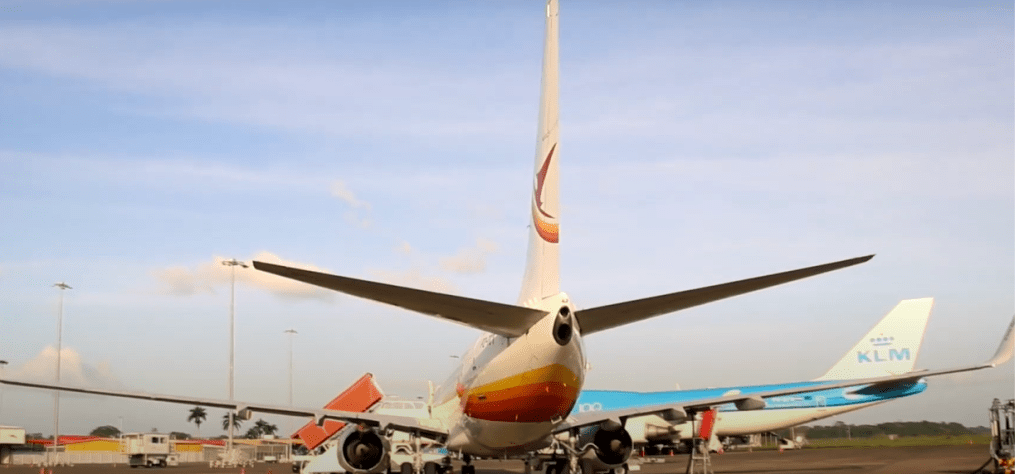
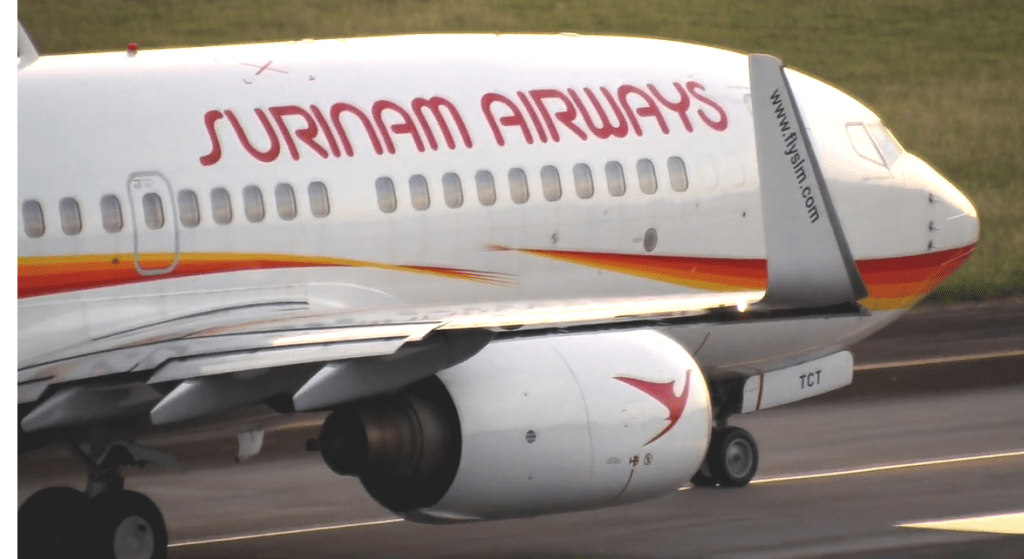
La aerolínea estatal Surinam Airways (SLM) ha logrado extender el contrato, y está negociando nuevos aviones para su flota. «60 años, estamos agradecidos de haber llegado hasta aquí», Surinam Airways publicó una foto con estas letras hace dos meses en la red de carreras Linkedin. Eso no sonaba muy seguro de sí mismo y con visión de futuro. La aerolínea estatal del país sudamericano tiene razones para ser cautelosa. Está luchando financieramente y ha tenido que devolver sus aviones a las compañías de arrendamiento en los últimos años. Desde el verano de 2021, Surinam Airways ha estado sin sus propios aviones.

Surinam Airways ha alcanzado la extensión de su Certificado de Operador Aéreo (AOC) a pesar de las dificultades económicas que atraviesa la compañía aérea surinamesa. La aerolínea de la antigua colonia holandesa solo mantiene operaciones gracias a los socios de arrendamiento con tripulación. La importante ruta de la capital Paramaribo a Amsterdam es operada por Maltese Airhub Airlines y sus tripulaciones con un Airbus A330 en nombre de Surinam Airways.

Sin su propio avión, la aerolínea estaba en peligro de perder su Certificado de Operador Aéreo (AOC). Pero a mediados de Octubre 2022, según los medios locales, Surinam Airways anunció que había logrado extender su Certificado AOC.

Negociaciones nuevos aviones

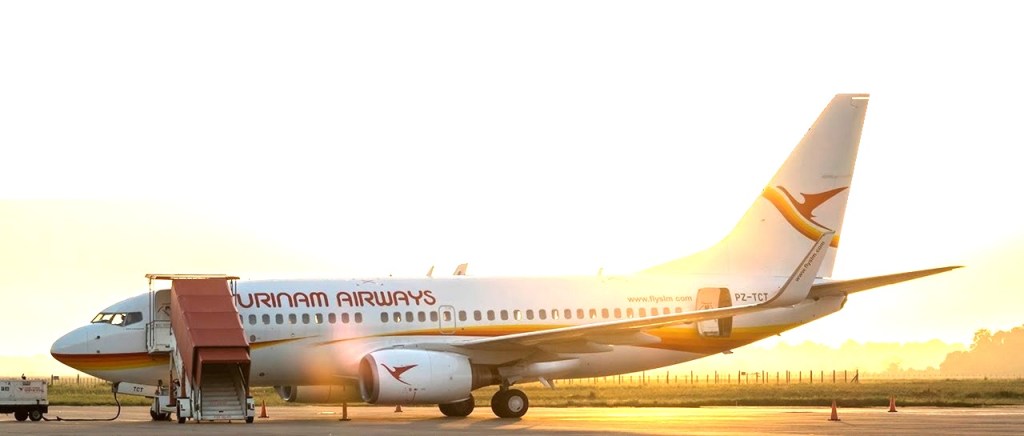
Surinam Airways también anunció que volvería a adquirir su propio avión. En consecuencia, está negociando con una empresa de arrendamiento financiero de los Estados Unidos sobre un Boeing 737-800 y con una empresa de Dubai sobre un avión de larga distancia. La aerolínea entonces quiere operar estos aviones por sí misma de nuevo. Además del destino Amsterdam, los otros destinos de la aerolínea son Aruba, Belem en Brasil, Curazao, Georgetown en Guyana, Puerto España en Trinidad y Tobago y Miami en los Estados Unidos.

Suriname SLM seeks its own plane

Surinam Airways finally wants its own plane again

The state airline Surinam Airways (SLM) has managed to extend the contract, and is negotiating new planes for its fleet. «60 years, we are grateful to have come this far», Surinam Airways posted a photo with these letters two months ago on the career network Linkedin. That didn’t sound very self-confident and far-sighted. The state airline of the South American country has reason to be cautious. It is struggling financially and has had to return its planes to leasing companies in recent years. Since the summer of 2021, Surinam Airways has been without its own planes.

Surinam Airways has reached the extension of its Air Operator Certificate (AOC) despite the economic difficulties that the Surinamese airline is going through. The airline from the former Dutch colony only maintains operations thanks to wet leasing partners. The important route from the capital Paramaribo to Amsterdam is operated by Maltese Airhub Airlines and its crews with an Airbus A330 on behalf of Surinam Airways.

Without its own aircraft, the airline was in danger of losing its Air Operator Certificate (AOC). But in mid-October 2022, according to local media, Surinam Airways announced that it had managed to extend its AOC Certificate.

Negotiations new aircraft

Surinam Airways also announced that it would repurchase its own aircraft. Consequently, it is negotiating with a United States leasing company on a Boeing 737-800 and with a Dubai company on a long-haul aircraft. The airline then wants to operate these planes itself again. In addition to the Amsterdam destination, the airline’s other destinations are Aruba, Belem in Brazil, Curaçao, Georgetown in Guyana, Port of Spain in Trinidad and Tobago and Miami in the United States.

Suriname SLM zoekt eigen vliegtuig

Surinam Airways wil eindelijk weer eigen vliegtuig

Surinam Airways_Isologotype

De staatsluchtvaartmaatschappij Surinam Airways (SLM) is erin geslaagd het contract te verlengen en onderhandelt over nieuwe vliegtuigen voor haar vloot. «60 jaar, we zijn dankbaar dat we zo ver zijn gekomen», plaatste Surinam Airways twee maanden geleden een foto met deze brieven op het carrièrenetwerk Linkedin. Dat klonk niet erg zelfverzekerd en vooruitziend. De staatsluchtvaartmaatschappij van het Zuid-Amerikaanse land heeft reden tot voorzichtigheid. Het heeft het financieel moeilijk en heeft de afgelopen jaren zijn vliegtuigen moeten inleveren bij leasemaatschappijen. Surinam Airways zit sinds de zomer van 2021 zonder eigen vliegtuigen.

Surinam Airways heeft de verlenging van haar Air Operator Certificate (AOC) bereikt ondanks de economische moeilijkheden die de Surinaamse luchtvaartmaatschappij doormaakt. De luchtvaartmaatschappij uit de voormalige Nederlandse kolonie onderhoudt haar activiteiten alleen dankzij wet leasing partners. De belangrijke route van de hoofdstad Paramaribo naar Amsterdam wordt uitgevoerd door Maltese Airhub Airlines en haar bemanningen met een Airbus A330 in opdracht van Surinam Airways.

Zonder eigen vliegtuig dreigde de luchtvaartmaatschappij haar Air Operator Certificate (AOC) te verliezen. Maar medio oktober 2022 maakte Surinam Airways volgens lokale media bekend dat het haar AOC-certificaat had weten te verlengen.

Onderhandelingen nieuwe vliegtuigen

Surinam Airways kondigde ook aan haar eigen vliegtuigen terug te kopen. Daarom onderhandelt het met een Amerikaanse leasemaatschappij over een Boeing 737-800 en met een Dubai-onderneming over een langeafstandsvliegtuig. De luchtvaartmaatschappij wil deze vliegtuigen vervolgens weer zelf gaan exploiteren. Naast de bestemming Amsterdam zijn de andere bestemmingen van de luchtvaartmaatschappij Aruba, Belem in Brazilië, Curaçao, Georgetown in Guyana, Port of Spain in Trinidad en Tobago en Miami in de Verenigde Staten.

PUBLISHER: Airgways.com
DBk: Flyslm.com / Airgways.com
AW-POST: 202211020007AR
OWNERSHIP: Airgways Inc.
A\W A I R G W A Y S ®
Ultra Air solicita pista Venezuela

AW | 2022 11 01 22:33 | AIRLINES ROUTES

Ultra Air busca aterrizar en Venezuela

AW-Ultraair_Isologotype

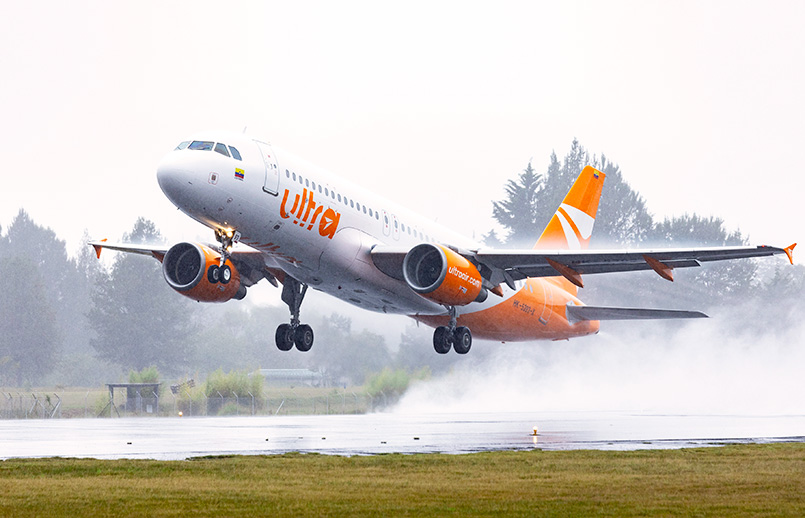
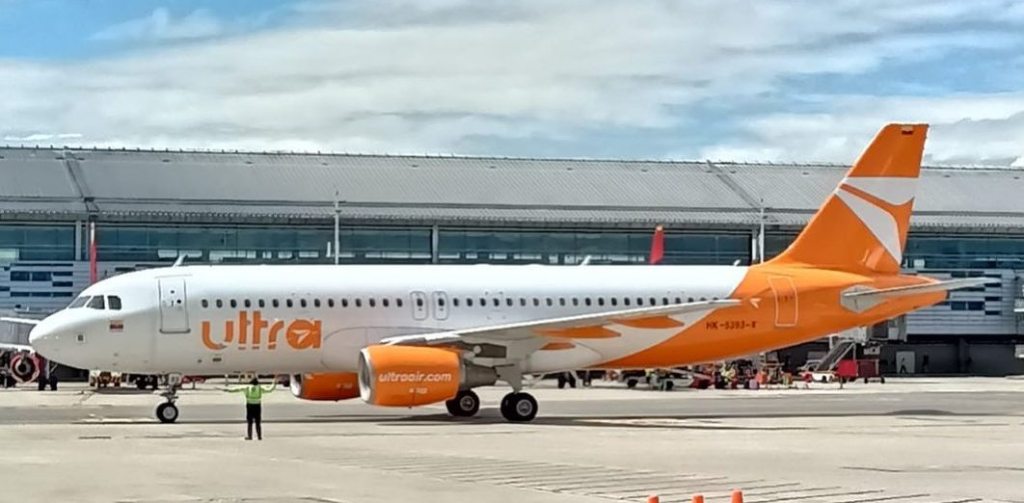
La aerolínea colombiana low cost Ultra Air es hasta ahora la última aerolínea en unirse al grupo de las que buscan inaugurar los vuelos comerciales entre Colombia y Venezuela, dado el restablecimiento de las relaciones binacionales. El anuncio del desembarco busca consolidar la intención de la aerolínea de bajo costo por incursionar en el mercado de vuelos internacionales. Desde Medellín conectaría con tres ciudades venezolanas.

Ante la Aeronáutica Civil de Colombia, Ultra Air radicó el permiso de operación de un total de diecinueve rutas internacionales, entre ellas seis hacia Venezuela. Buscando competir de lleno en el mercado del vecino país, la aerolínea incluyó rutas que, hasta el momento, sus homólogos no demuestran interés en operar. Una de esas es la ruta Medellín/MDE—Porlamar/PMV, en Venezuela. Las nuevas rutas internacionales podrían iniciarse en el primer semestre de 2023. “Estamos muy emocionados con esta nueva etapa de Ultra Air donde expandimos la magia naranja por fuera de las fronteras colombianas”, expresó William Shaw al diario La República.

AW-Ultra Air__Airbus_A3202002CEO

Rutas hacia Venezuela:
Medellín/MDE—Caracas/CCS—Medellín/MDE, con siete frecuencias semanales (7Frq/S).
Medellín/MDE—Valencia/VLN—Medellín (MDE), con siete frecuencias semanales (7Frq/S).
Cali/CLO—Caracas/CCS—Cali/CLO, con catorce frecuencias semanales (14Frq/S).
Barranquilla/BAQ—Caracas /CCS—Barranquilla /BAQ, con siete frecuencias semanales (7Frq/S).
Cartagena/CTG—Caracas/CCS—Cartagena/CCS, con siete frecuencias semanales (7Frq/S).
Medellín/MDE—Porlamar/PMV—Medellín/MDE, con siete frecuencias semanales (7Frq/S).

Entre las diecinueve rutas internacionales que buscará inaugurar Ultra Air desde Cali, Barranquilla y Cartagena es atender el mercado estadounidense haciendo pie en Miami/MIA.

Las líneas aéreas colombianas que se encuentran programado los permisos pertinentes son: Latam Airlines Colombia, Wingo Air y Avianca Airlines, mientras que Ultra Air sería el cuarto operador aéreo que demuestra intención de conectar al vecino país. Las aerolíneas venezolanas que buscan operar hacia Colombia son: Laser Airlines, Avior Airlines y Turpial Airlines.

Ultra Air asks for runway Venezuela

Ultra Air seeks to land in Venezuela

The Colombian low cost airline Ultra Air is so far the last airline to join the group of those seeking to inaugurate commercial flights between Colombia and Venezuela, given the reestablishment of binational relations. The announcement of the landing seeks to consolidate the intention of the low-cost airline to enter the international flight market. From Medellín it would connect with three Venezuelan cities.

Before the Civil Aeronautics of Colombia, Ultra Air filed the operating permit for a total of nineteen international routes, including six to Venezuela. Seeking to fully compete in the neighboring country’s market, the airline included routes that, until now, its counterparts have shown no interest in operating. One of these is the Medellín/MDE—Porlamar/PMV route, in Venezuela. The new international routes could start in the first half of 2023. «We are very excited about this new stage of Ultra Air where we expand the orange magic outside the Colombian borders», William Shaw told La República newspaper.

Routes to Venezuela:
Medellín/MDE—Caracas/CCS—Medellín/MDE, with seven weekly frequencies (7Frq/S).
Medellín/MDE—Valencia/VLN—Medellín (MDE), with seven weekly frequencies (7Frq/S).
Cali/CLO—Caracas/CCS—Cali/CLO, with fourteen weekly frequencies (14Frq/S).
Barranquilla/BAQ—Caracas/CCS—Barranquilla/BAQ, with seven weekly frequencies (7Frq/S).
Cartagena/CTG—Caracas/CCS—Cartagena/CCS, with seven weekly frequencies (7Frq/S).
Medellín/MDE—Porlamar/PMV—Medellín/MDE, with seven weekly frequencies (7Frq/S).

Among the nineteen international routes that Ultra Air will seek to inaugurate from Cali, Barranquilla and Cartagena is to serve the US market by setting foot in Miami/MIA.

The Colombian airlines that are scheduled for the relevant permits are: Latam Airlines Colombia, Wingo Air and Avianca Airlines, while Ultra Air would be the fourth air operator that shows an intention to connect to the neighboring country. The Venezuelan airlines that seek to operate to Colombia are: Laser Airlines, Avior Airlines and Turpial Airlines.

PUBLISHER: Airgways.com
DBk: Ultraair.com / Larepublica.co / Airgways.com
AW-POST: 202211012233AR
OWNERSHIP: Airgways Inc.
A\W A I R G W A Y S ®